







Abstract
The growth of economic corridors in developing regions has become instrumental in boosting economic growth and infrastructure. Economic corridors integrate existing road and rail networks to build effective multimodal transportation networks within a particular geographical setting with the aid of quality distribution networks, logistics and infrastructure. This helps in interlinking various markets and production centres of respective countries. This article investigates the influence of economic corridors in promoting sustainable as well as economic development in the South Asian region. The primary data for the article was collected using semi-structured questionnaires for local respondents and interviews that were conducted with key informants across South Asian region.
According to the research conducted amongst informed individuals related to transport corridors and economic hubs in the region, it was found that there is direct correlation between the establishment of economic corridors and sustainable development. The article would examine the implication of economic corridors on their livelihood, in general, and to the select South Asian economies. The findings revealed that the developments of economic corridors are associated with several gains in terms of the creation of employment opportunities, investments and improvement of living standards. This study emphasises the potential of developing economic corridors in the region and contributes to the available literature on the subject matter in South Asia.
Infrastructural development is considered a key component of economic development. 1 It would integrate the South Asian region with the global economic market. In this regard, the South Asian governments have adopted sustainable development goals aimed at not only promoting economic development but also protecting the environment, improving the quality of life, eliminating poverty and improving the health and education sectors amongst others. Hence, various infrastructural projects in the form of economic corridors have been conceived by South Asian nations through various national, bilateral, regional and subregional initiatives and agreements, for instance, the South Asia Subregional Economic Cooperation (SASEC), Bangladesh, Bhutan, India, Nepal (BBIN), and the Bay of Bengal Initiative for Multi-Sectoral Technical and Economic Cooperation (BIMSTEC) amongst others.
The development of economic corridors is a recently developed concept. The concept has received attention in the recent years following the efforts aimed at creating an economic corridor at the Greater Mekong Subregion (GMS) with support from the Asian Development Bank (ADB). The efforts in the GMS resulted in welfare gains such as the improvement of transportation infrastructure in the corridor (Stone & Strutt, 2010). The development of economic corridors is of vital importance for South Asia’s economic development. Regional economic corridors are viewed as a means of improving connectivity in South Asia through infrastructural linkages, which will, in turn, promote economic growth and sustainable development of the region through increased trade and investment.
The South Asian region is amongst the regions of the world whose economies are least integrated compared to other neighbouring regions such as the Association of Southeast Asian Nations (ASEAN), where intraregional trade accounts to 25% while intraregional trade in South Asia accounts for a mere 5% (World Bank, 2020). However, South Asia is one of the fastest growing regions in the world. While the South Asian countries have managed to gradually penetrate the global market, the region still lags in terms of intraregional economic cooperation and regional value chain in industrial production. In the last two decades, within Asia, regional economic corridors have emerged as important agents of promoting economic growth. The establishment of economic corridors across the world is based on the premise that welfare gains arising from the economic initiatives within corridors will increase the prospects of economic development, promote sustainability and lead to better utilisation of resources. The success of economic corridors will rely on the preparedness and willingness of South Asian economies for regional integration.
The establishment of economic corridors in South Asia can be viewed against the backdrop of the various socio-economic dynamics of the South Asian region and challenges faced by the South Asian Association for Regional Cooperation (SAARC) member states. The socio-economic needs of the South Asian countries that pointed to the need to foster the efforts aimed at establishing an economic corridor in the region include the need to promote the economic growth of South Asia and the need to promote the development of the region’s economy in a manner that promotes the competitive ability of the South Asian countries in international trade (Ghani et al., 2010). In addition, given the high rates of unemployment in South Asia, economic corridors are envisioned with the hopes that its establishment will create employment opportunities for the large South Asian population, assist in poverty alleviation and create business opportunities for small and medium enterprises (SMEs) in the region.
Nonetheless, there are several possible adverse effects that may prevent the South Asian countries from exploiting the benefits associated with the establishment of economic corridors if the necessary policy reforms are not implemented. Development is often associated with both positive and negative impacts especially in regions that are faced with security, governance, resource management and democracy related challenges amongst others. The South Asian region is no exception; the region has witnessed political changes. The new political dispensation in all these countries have assured the masses employment opportunities and promised momentum to economic growth. These objectives can be partially met through regional economic integration whereby the process of regionalisation and globalisation interlinks to contribute to the transformation of the region. In this backdrop, the establishment of economic corridors is beneficial to South Asian countries in terms of aiding in promoting free trade and overcoming the major security, political and economic challenges of South Asia. Just like in other regions across the world, South Asia is also experiencing the emergence of cross border arrangements in the form of economic corridors.
The Utility of Economic Corridors
Economic corridors encompass various projects in various sectors such as education, health, infrastructure, employment and industrial development. These projects are aimed at not only promoting economic growth and development of countries but also benefiting stakeholders such as the local communities. Although various studies have been done on the benefits of the establishment of economic corridors in South Asia, the focus has been primarily on the policy implications of corridors and economic benefits for national economies. Empirical studies on the impacts of the establishment of economic corridors to other relevant stakeholders such as the local communities are minimal.
There is a need to fill this gap by examining the relevance of economic corridor development in promoting sustainable development from a perspective of stakeholders such as traders, local communities, government workers, scholars and academics amongst others. In this regard, the article poses a critical question: Does the development of economic corridors in the South Asian region influence economic and sustainable development? Economic growth and sustainable development are important goals for any country; therefore, it is perceived that the development of economic corridors in South Asia will have a significant influence on the sustainability and economic development of the region. It would be relevant to policymakers and in garnering the support of the South Asian public to economic corridor related initiatives.
Trickle-down Effects of South Asian Economic Corridors
The SAARC member states have been able to identify several rail and road transportation corridors with the assistance of multilateral organisations such as the Asian Development Bank (ADB) and the United Nations Economic and Social Commission for Asia and the Pacific (ESCAP). The existing subregional agreement such as the BBIN Motor Vehicle Agreement (MVA) and the proposed BIMSTEC MVA will be crucial in assisting in the operationalisation of the connectivity networks within the region and facilitating people-to-people contact and intraregional trade. The road corridors that have been identified in the South Asian region include the following:
SAARC corridor 4: Kathmandu (Nepal)—Kakarbita (Nepal)—Panitanki (India)—Phulbari (India)—Banglabandha (Bangladesh) Mongla Chittagong (Bangladesh) Asian highway 2: Northeast India–Myanmar Kaladan multimodal transit transport Project: Mizoram (India)—Sittwe (Myanmar) SAARC corridor 8: Thimphu (Bhutan)—Phuentsoling (Bhutan)—Jaigon (India)—Changrabandha (India)—Burimari (Bangladesh) Mongla/ Chittagong (Bangladesh) (Ghani et al., 2010).
In addition, primary commercial gateway nodes (such as Colombo, Delhi, Dhaka, Islamabad, Kabul, Karachi, Kolkata, Lahore, Male and Mumbai) have already been developed in South Asia (De, 2014, p. 234).
The South Asian nations have also been involved in several bilateral initiatives that are aimed at linking up to the national transportation routes between countries and upgrading the existing transport and connectivity infrastructure. Several rail corridors have also been identified in the SAARC region including the Western sector rail corridor that connects India and Pakistan and the Eastern sector rail corridor that linked various centres across the region such as Agartala–Akhaura, Agartala–Ramu, Khulna–Kolkata, Dhaka–Chittagong and Dhaka–Kolkata (Subramanian & Arnold, 2001, p. 15). The linking of the inland transportation corridors in South Asia with maritime means of transport is also crucial in the facilitation of trade and connectivity in the region. In this regard, various seaports have been established by the South Asian countries. The BIMSTEC coastal shipping agreement can also create vast opportunities for the expansion of trade and improvement of connectivity amongst its member states, hence promoting the expansion of transport corridors in the region.
Evaluating the Discourse on Economic Corridors
The concept of the economic corridor is an approach that was recently developed and lacks a solid theoretical base. The concept is based on the emergence and development of economic blocs and the development of urban planning and transportation networks (Brunner, 2013). Economic corridors serve as a link between various economies in particular geographical proximity through connecting the various production centres and markets.
According to Sen (2014), the fundamental aspects of an economic corridor are the various linkages between urban centres through transport connectivity networks. Economic corridors connect economic agents across regions by providing links between economic hubs where economic resources and actors are concentrated. Despite the lack of consensus in the definition of the term economic corridor, there are two salient features of economic corridors that stand out, which are the existence of connectivity networks between production centres and economic hubs. The existence of both soft and hard infrastructure is also necessary for an effective transport network, which is an integral aspect of an economic corridor.
As Srivastava (2011) espouses, there are four major types of economic corridors: narrow, broad, national and regional economic corridors. The major difference between these four types of economic corridors is in their scope. Narrow corridors are mainly confined to the specific production centres, markets or urban centres along a certain transportation route while broad economic corridors cover a wide area along these narrow economic corridors.
According to Srivastava (2011), the establishment of economic corridors begins with two or more physical connectivity networks connecting each other. Srivastava notes that an economic corridor is not only comprised of the physical connectivity nodes but also the areas around the nodes. Banomyong (2008) proposes four types of corridors: transport; multimodal, which is made up of two or more modes of transport; economic, which focus on the investment aspects of a corridor; and logistics corridors, which mainly deals with the institutional aspects of a corridor. According to De and Iyengar (2014), the key features of an economic corridor are its transportation networks, institutional infrastructure, energy grids, human resources and communication facilities.
The formation of an economic corridor is associated with several welfare gains, for instance, the reduction in poverty rates, improved economies of scale, increased income and elimination of regional disparities (ADB, 2014, p. 57). With increased investment in an economic corridor, countries within the corridor are set to gain from the increase in production and economic growth. Nonetheless, it should be noted that it is crucial for the economic corridors to be established in strategic centres such as key production centres, regional markets and economic hubs. Moreover, the establishment of corridors cannot be viewed to an end; the end being economic growth and development, but rather, economic corridors only serve as a tool that enhances economic growth and development.
The successful establishment of the South Asian economic corridor will contribute to the sustainable development of the region. Appropriate planning, leadership and implementation mechanisms could promote inclusive growth in the South Asian region.
In an analysis on the South Asian economic corridors, Raihan (2011) argues that economic corridors create significant increases in the level of intraregional trade amongst the Eastern South Asian countries. The study further revealed that the establishment of corridors would create greater welfare gains in terms of the reduction of transaction costs. For this to be achieved, the removal of non-tariff barriers is essential and providing easy market access without procedural delays would provide the foundation for greater trade and investment integration.
The successful establishment of corridors will be beneficial to the South Asian economies in terms of reducing their over-reliance on exported commodities and their exposure to external vulnerabilities through promoting dependence on the regional South Asian markets. Many multinational investment firms have identified the need to develop roads, railways, logistics, seaports and electricity amongst other crucial urban facilities as preconditions for their entry into the South Asian regional market (Bhattacharya et al., 2012, p. 7).
Moreover, the establishment of corridors in the region serves as a benchmark for the existing regional economic cooperation programmes under the SAARC and the SAFTA agreement in general. The South Asian economies should utilise their resources to assist in stabilising the economy of the region and supporting its economic development. The economic corridor will also generate efficient production networks and global value chains, which are an important aspect of the economies of the South Asian countries (UN, 2013, p. 123).
Given the rise in popularity of the concept of economic corridors, various countries have adopted the concept in their national development programmes. In the South Asian region, the relevance of economic corridors has been identified in studies such as the SAARC’s Regional Multimodal Transport Study and BIMSTEC Transport Infrastructure and Logistics Study.
The impact of infrastructural upgrades and development to economies has sparked hot debates amongst various scholars and academicians across the world. Consequently, it has been noted that infrastructural development creates positive outcomes for other sectors such as the industrial, education and health amongst others. As Qureshi (2016) argues, infrastructural development positively impacts the productivity and well-being of a nation and creates employment opportunities for its citizens.
Estache and Garsous (2012) highlighted the impact of infrastructural development on sustainable development. The study established that infrastructural development could improve employment rates and living conditions in developing countries. Similarly, a study conducted by the International Labour Organization (2011) revealed that road infrastructural development projects had a double impact on job creation compared to labour-related projects.
Various studies conducted amongst South Asian countries have revealed that with enhanced economic interaction amongst South Asian economies, the South Asian region will achieve higher growth (Srinivasan, 2006).
As Subramanian and Arnold (2001) espouse, the low and diverse logistic performance amongst South Asian countries can be attributed to poor infrastructure, particularly in the services and transport sector as well as nontariff barriers such as institutional challenges, lack of transit custom delays, cross border restrictions and cumbersome procedures amongst others.
As espoused by Limao and Venables (2001) there is a correlation between transportation cost and quality infrastructure. Limao and Venables argue that infrastructural development is of the essence especially amongst countries whose economic growth is export-led.
According to the social exchange theory, it is important for the local community and relevant stakeholders where a phenomenon occurs, to find development projects as being beneficial to them for the project to receive the support of the community. Thus, it is imperative for the community-based gains of development projects to be taken into consideration as this can influence such projects.
The development of transport infrastructure and economic corridors is viewed as a strategy for developing poor regions through investment in key sectors, for instance, trade, road, energy, communication, et cetera (Ramachandran & Linde, 2011).
Stone (2008) highlights the relevance of infrastructural development to sustainable development and growth amongst Asian countries. As the author espouses, developing countries in the Asian region can increase their competitive advantage significantly through infrastructural development. Investment in quantity and quality infrastructural development will facilitate the economic growth of developing countries and aid in poverty alleviation.
The Perceptions About Economic Corridors
A survey was conducted to observe the relevance of economic corridors and its impacts on the region and analyse the opportunities created for the people of South Asia. The credibility of the research was ensured by focusing the survey amongst respondents residing along the SAARC transport corridors and economic hubs in the region. The analysis of stakeholders was done based on the taxonomy of stakeholders developed by Mitchell et al. (1997). The stakeholders were identified based on their knowledge of economic corridor development or interaction with corridor related projects or the local community respondents living along economic corridors and hubs. For instance, government officials, scholars and academicians were of the highest influence. The snowball technique was used in for the case study from the local community. This technique involves the sampling of populace in an area where a phenomenon occurs (Coyne, 1997, p. 625).
The South Asian Perspective: Stakeholders and Policymakers
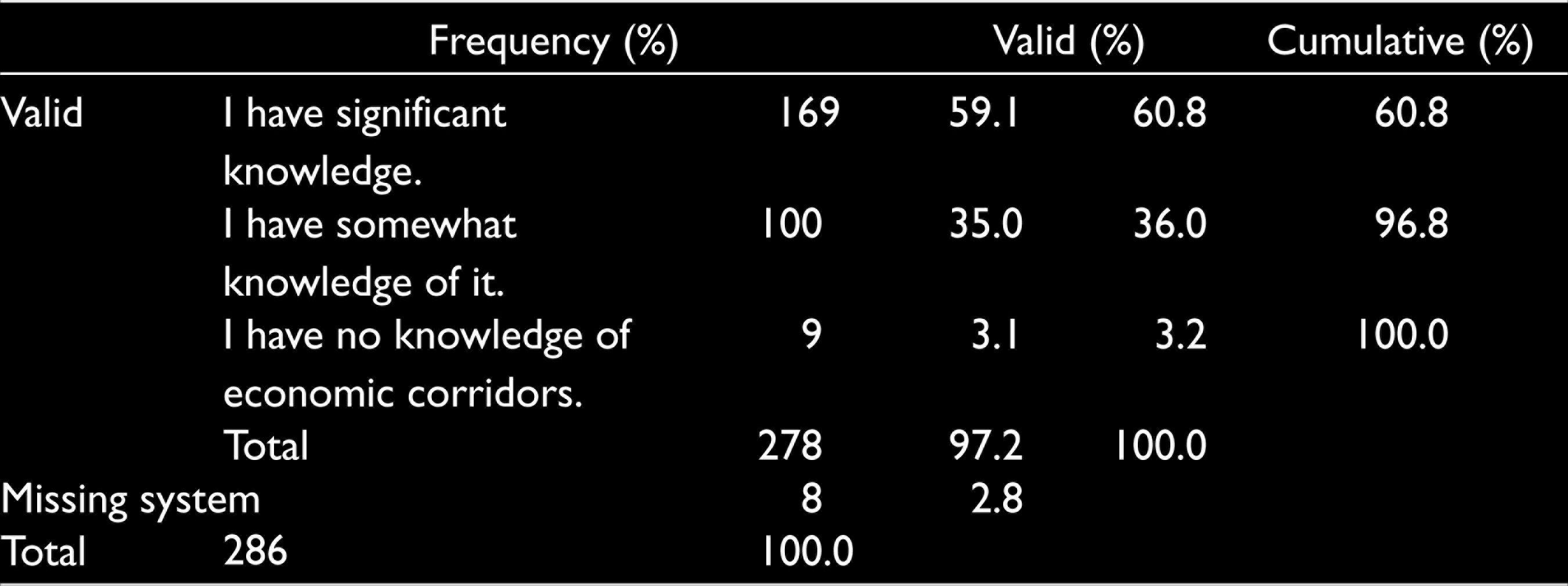
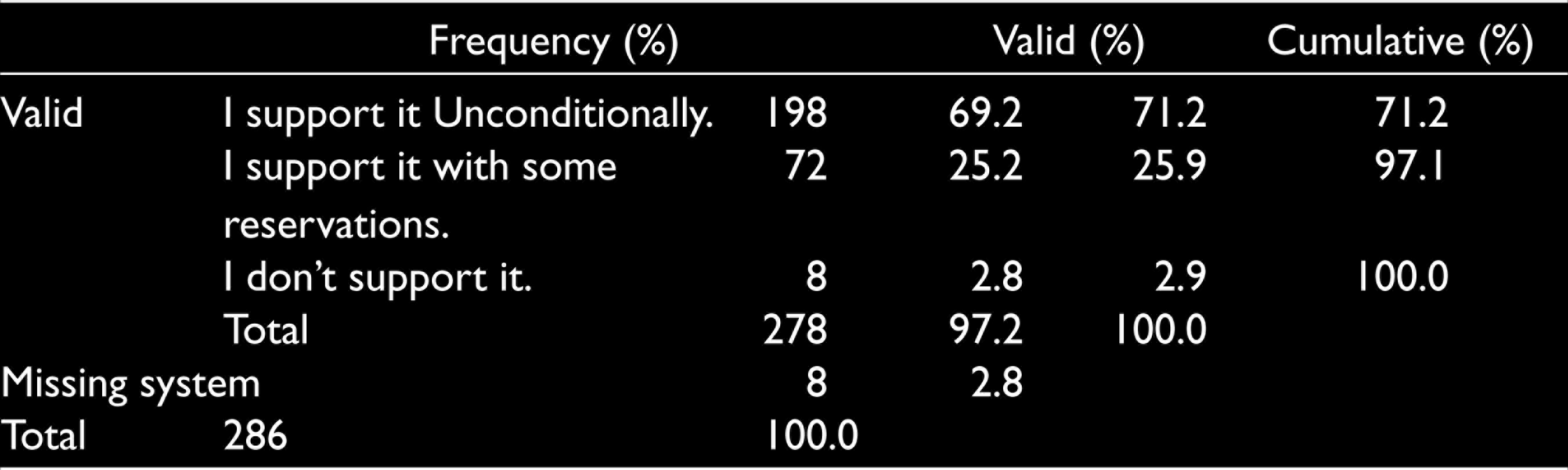
The responses sought to determine the level of knowledge regarding economic corridors amongst the overall population of interest. The findings revealed that 60% people had significant knowledge of economic corridors while 36% of the populace revealed that they had some knowledge of economic corridors. Moreover, 71% of the expressed their strong support towards the development of economic corridors while one-fourth of the case populace expressed their support with reservations. Insignificant share did not support the establishment of economic corridors.
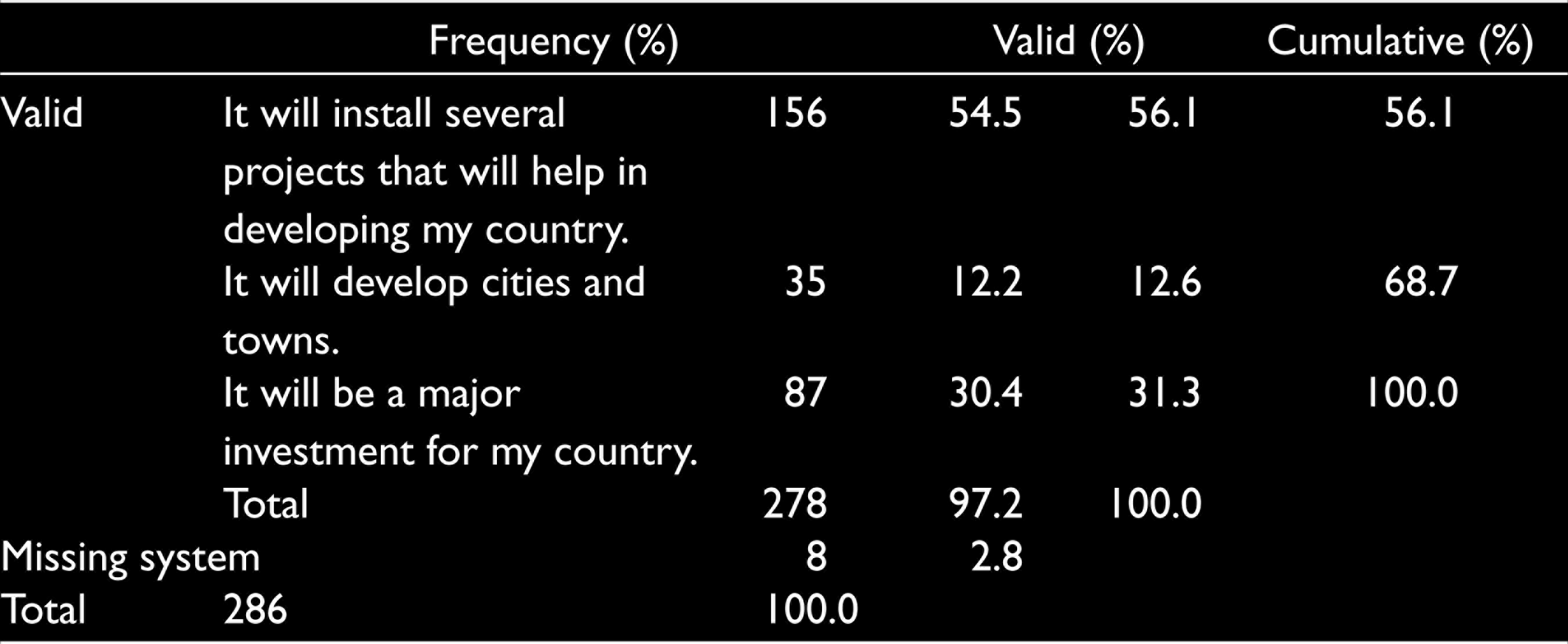
Regarding the overall impact of economic corridors, a major proportion of the populace expected the development of corridors to bring about positive welfare gains. Additionally, one-fourth people interviewed expressed their satisfaction with the efforts and projects aimed at developing economic corridors in their hometowns/country while a majority of had reservations. Notably, one-fifth of the case history were not convinced with the progress while insignificant share of the populace was unsure. The findings further revealed that most of the (56%) people viewed economic corridors as having the potential to initiate various projects that would help in the development of their country. One-third of the of the case history envisaged economic corridors as major investments for their country while substantial portion viewed economic corridors in terms of their ability to promote the development of cities and towns (Tables 1–3).
Evaluation of Knowledge of Economic Corridors
Support for Establishment of Economic Corridors in South Asia
Understanding of Economic Corridors
Impact on Trade
The enquiry also sought to determine how the infrastructural upgrades in the SAARC transport corridors and identified economic hubs, particularly in the transport sector, had enhanced trade. While a majority of the case study were of the opinion that improved road transportation infrastructure had promoted the accessibility of markets as well as facilitated businesses, a portion of over one-third of the case history felt that transport infrastructure did not improve market accessibility by any means.
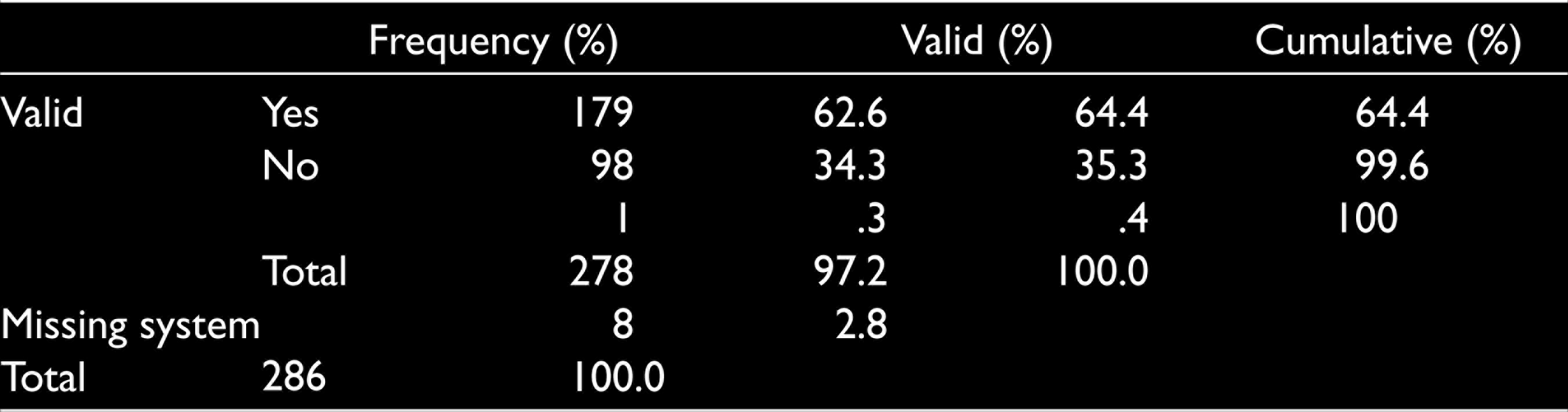
This article also sought to find out the contribution of corridors on the promotion of business in the study areas. The findings of the study revealed that over two-thirds of the case study witnessed new businesses emerging in their areas while over one-third of the population did not. Moreover, 60% of the case study noted the emergence of new structures in their areas of residence, while little below half of the case populace did not observe the emergence of new structures.
Access to Public Services
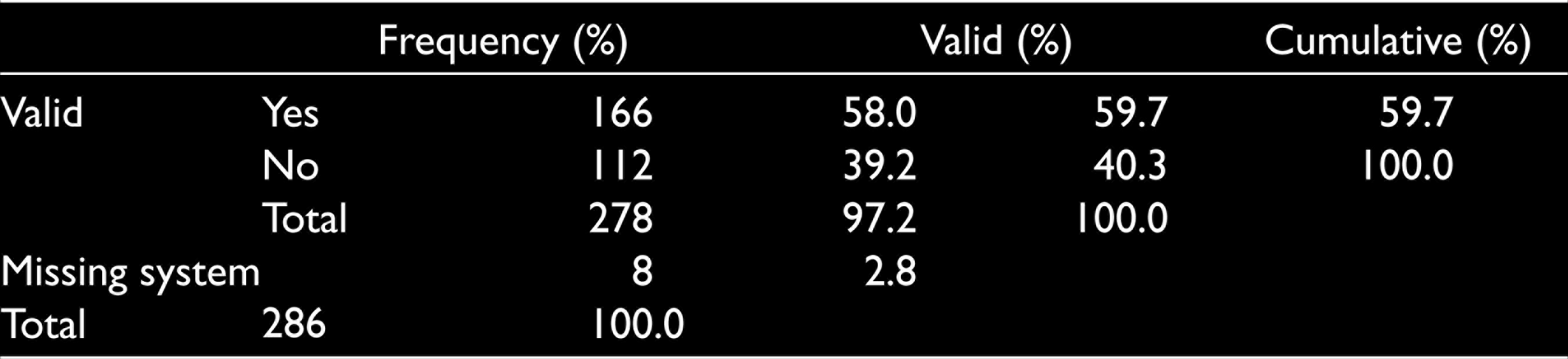
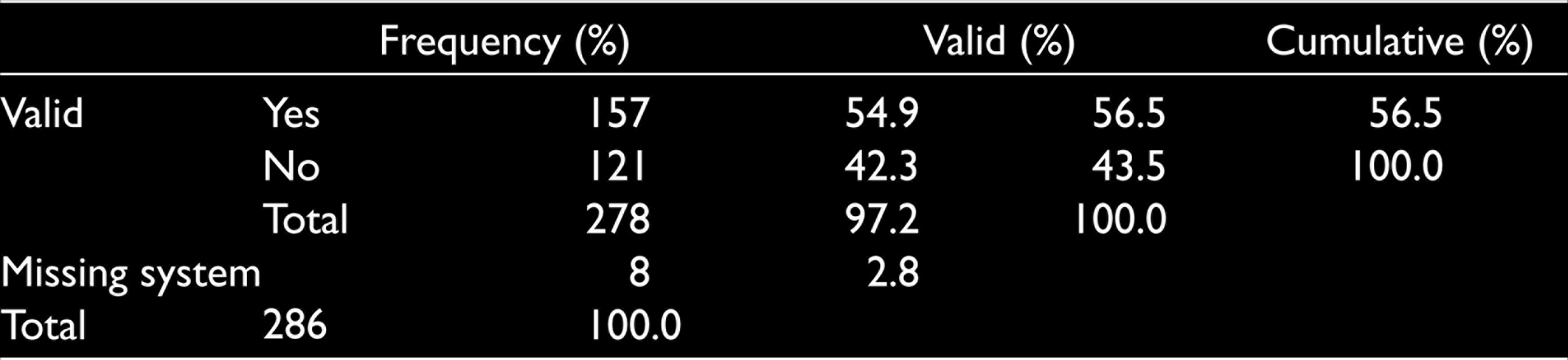
The people have noted that an improvement had been observed regarding access to public services such as education and healthcare over the past few years. Greater proportion of interviewees noted improvement regarding the accessibility of schools while 59% noted an improvement in accessibility to market centres. They did not observe the growth of businesses because of transport infrastructural upgrades. Little over half of the case populace felt that transport infrastructural upgrades had assisted in accessing health centres while considerable share felt that infrastructural upgrades did not improve access to health centres. It was established that infrastructural upgrades in the study areas had made it possible for the respondents to access basic services like education and health facilities in a timely and efficient manner. Nonetheless, people have observed that there were no significant improvements with regard to the accessibility of basic services.
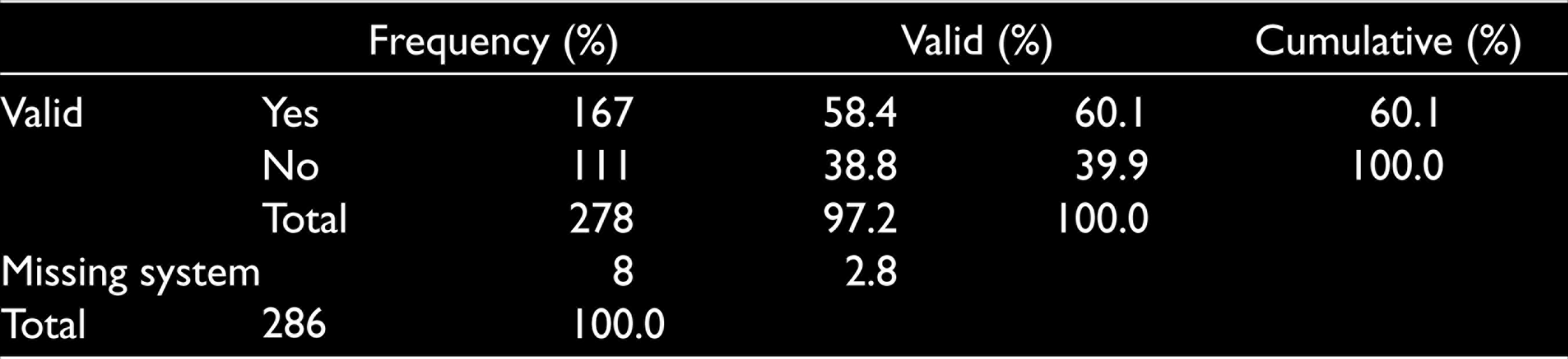
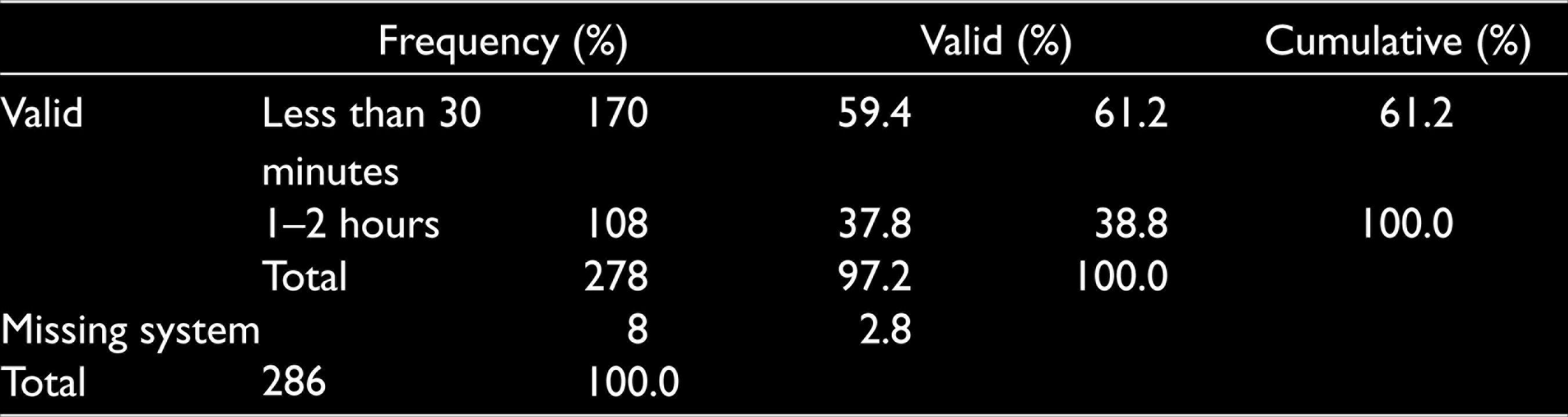
It was further sought to establish the time taken to access public services through motorised means to establish the impact of transport infrastructure on accessibility to basic services. It was established that large percentage of the case history took less than 30 minutes to access basic services via motorised means. This implies that the existing transportation infrastructure is in a good condition. Two-thirds narrated that they were able to access public services via non-motorised means in less than 30 minutes while over one-third felt that it took them between 1 and 2 hours to access public services.
Socio-economic Change
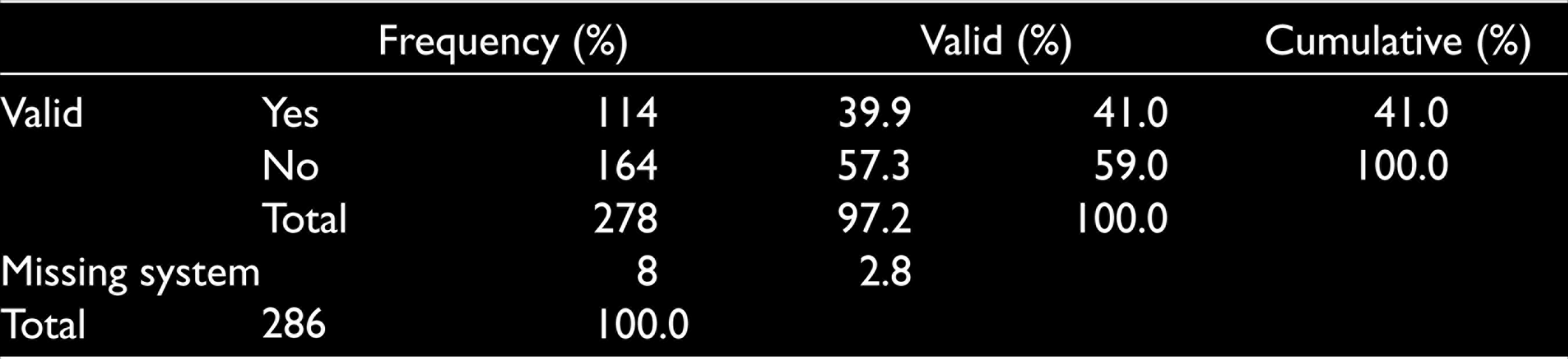
On how the socio-economic changes had impacted their lives, the people residing along selected SAARC multimodal transport corridors and economic hubs noted that transportation infrastructural upgrades and development had resulted in an improvement in their living conditions. Over two-thirds of the case populace noted that there was an improvement in their living standards. Nearly one-fifth observed that there were no changes about their living standards while 6% noted that infrastructural upgrades did not impact on their living standards. This can be attributed to the competition created by other traders or business groups that have started to emerge along the transport corridors and economic hubs.
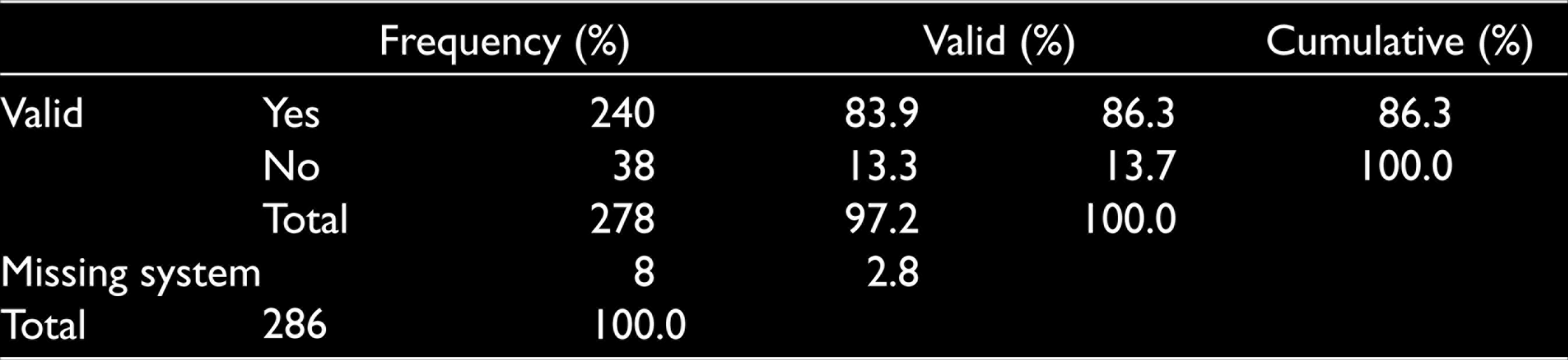
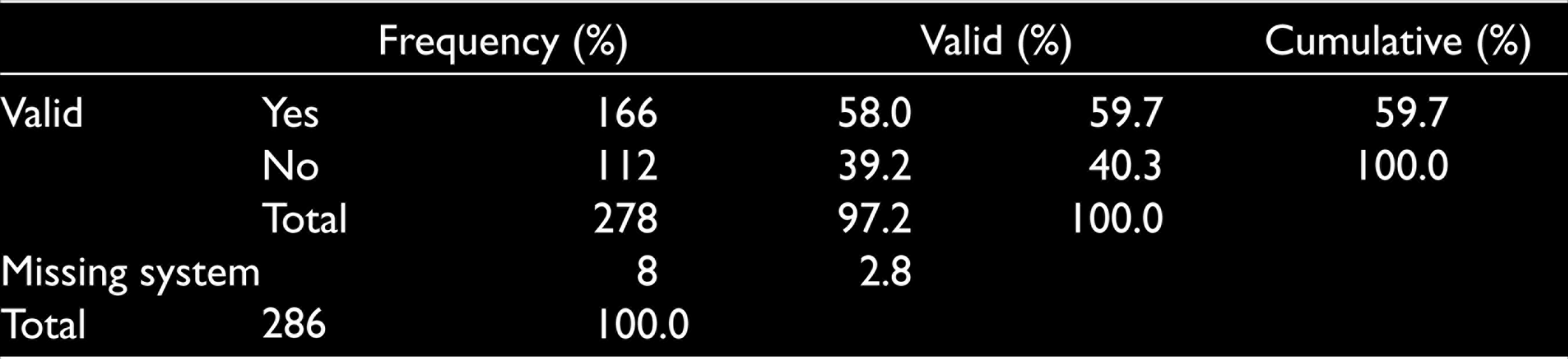
Further investigations were done to determine the perception of the local resident on whether transport infrastructure had aided in job creation and improved access to employment opportunities. Seventy-one per cent of the case history felt that transport infrastructure had positively impacted the creation of employment opportunities in their area of residence while a quarter of the case felt that more is needed to be done. This can be attributed to several factors such as improved mobility to workplaces, the emergence of new business, and enhancement of self-employment because of infrastructural upgrades amongst others. It was established that infrastructural projects in the study areas had been able to create employment opportunities for the residents either directly or indirectly. Forty-one per cent of the populace had managed to be employed by corridor related projects. Large share also expected corridor development to result in an increase in their earnings.
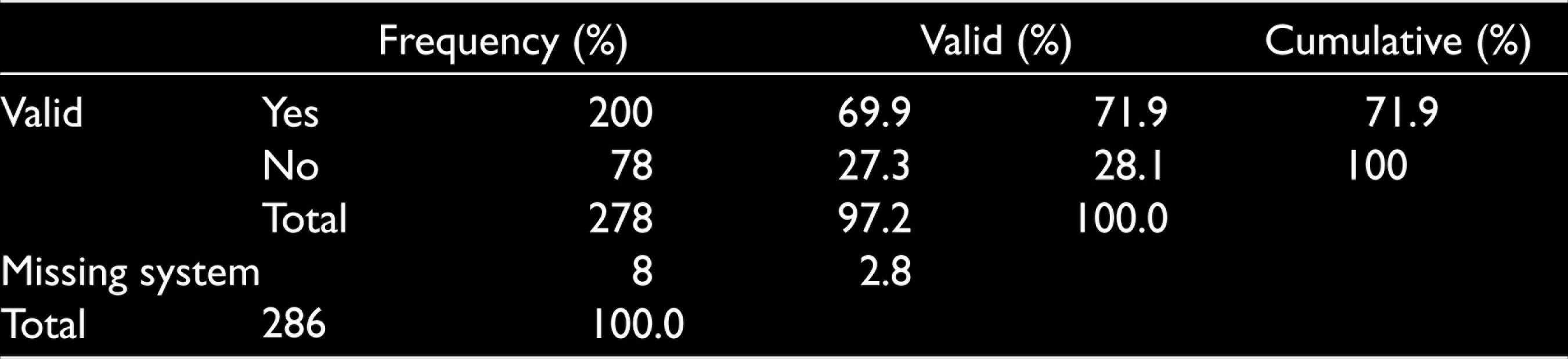
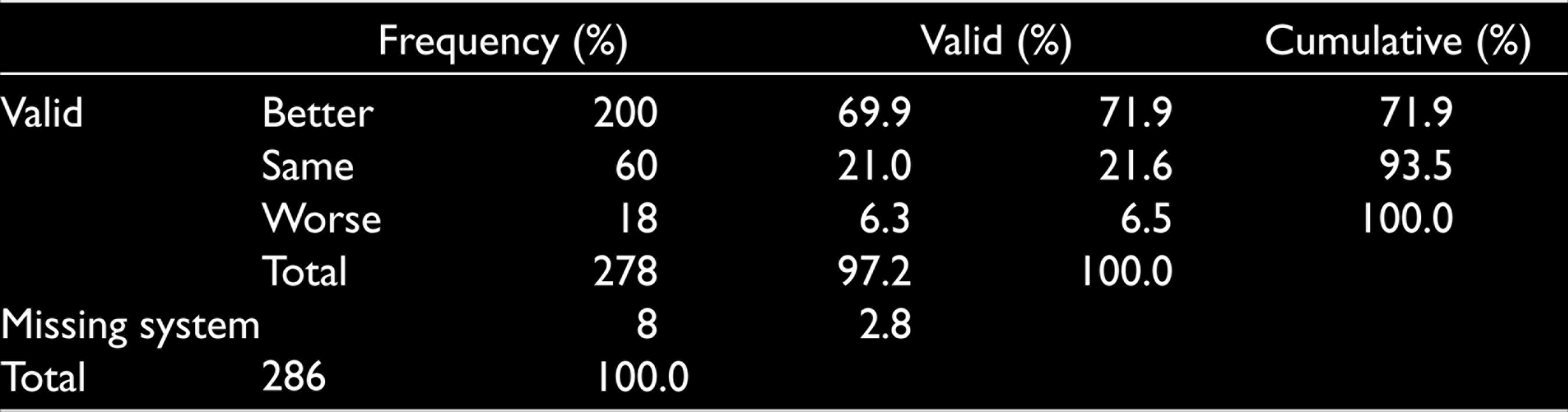
Regarding electricity, two-thirds from the selected study areas had electricity connection for their houses. Many people felt that the situation of electricity connectivity had remained the same over the years, while nearly one-third of the cross section was convinced noted some improvements. The stunted development of electrical connectivity makes it hard for the communities, especially those alongside the economic corridors to fully exploit the potential offered by economic corridors. (Notably, the findings of the subsections Impact on Trade, Access to Public Services and Socio-economic Change are associated with Tables 4–11.)
The Function of Roads in Accessing Market Places and Marketing Trading Commodities
New Businesses
Non-motorised Means
Existing Transport Infrastructure and Access to Market Centres
Access to Health Centres
Access to Schools
Access to Employment
Access to Electricity
Availability of Jobs on Corridor Projects
Impact of Infrastructural Upgrades on Family Living Standards
Concerns
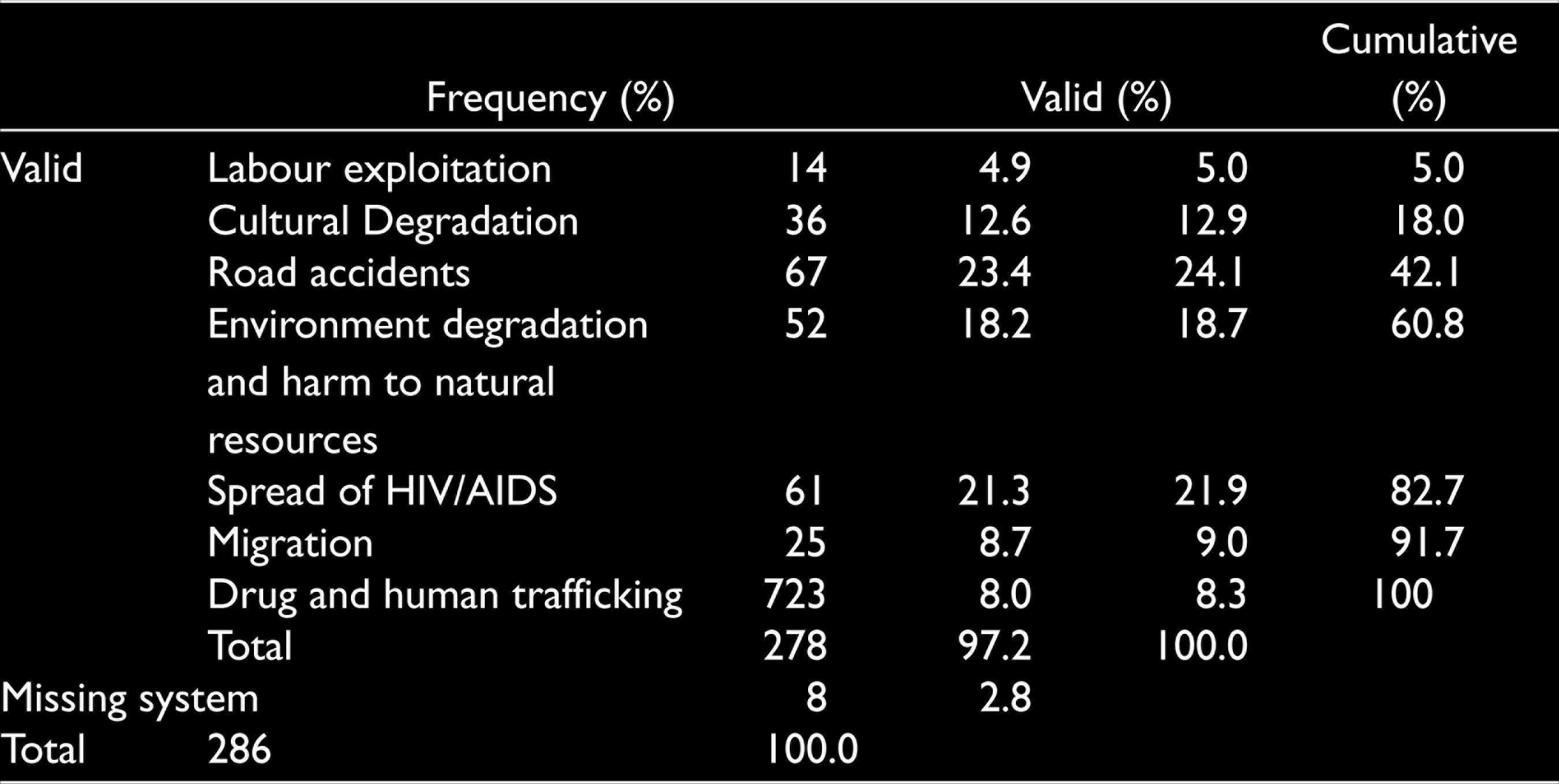
The development of economic corridors in the region is likely to be associated with several social issues from the onset of its development to the period after the development of corridors. The larger population was concerned that better connectivity would lead to more road accidents. Others have concerns related to the spread of human immunodeficiency virus infection and acquired immunodeficiency syndrome (HIV/AIDS) environmental degradation and on cultural degradation an insignificant share equally recounted the development of economic corridors included migration drug and human trafficking and mentioned on labour exploitation (Table 12).
Concerns About the Development of Economic Corridors
Development Requirements
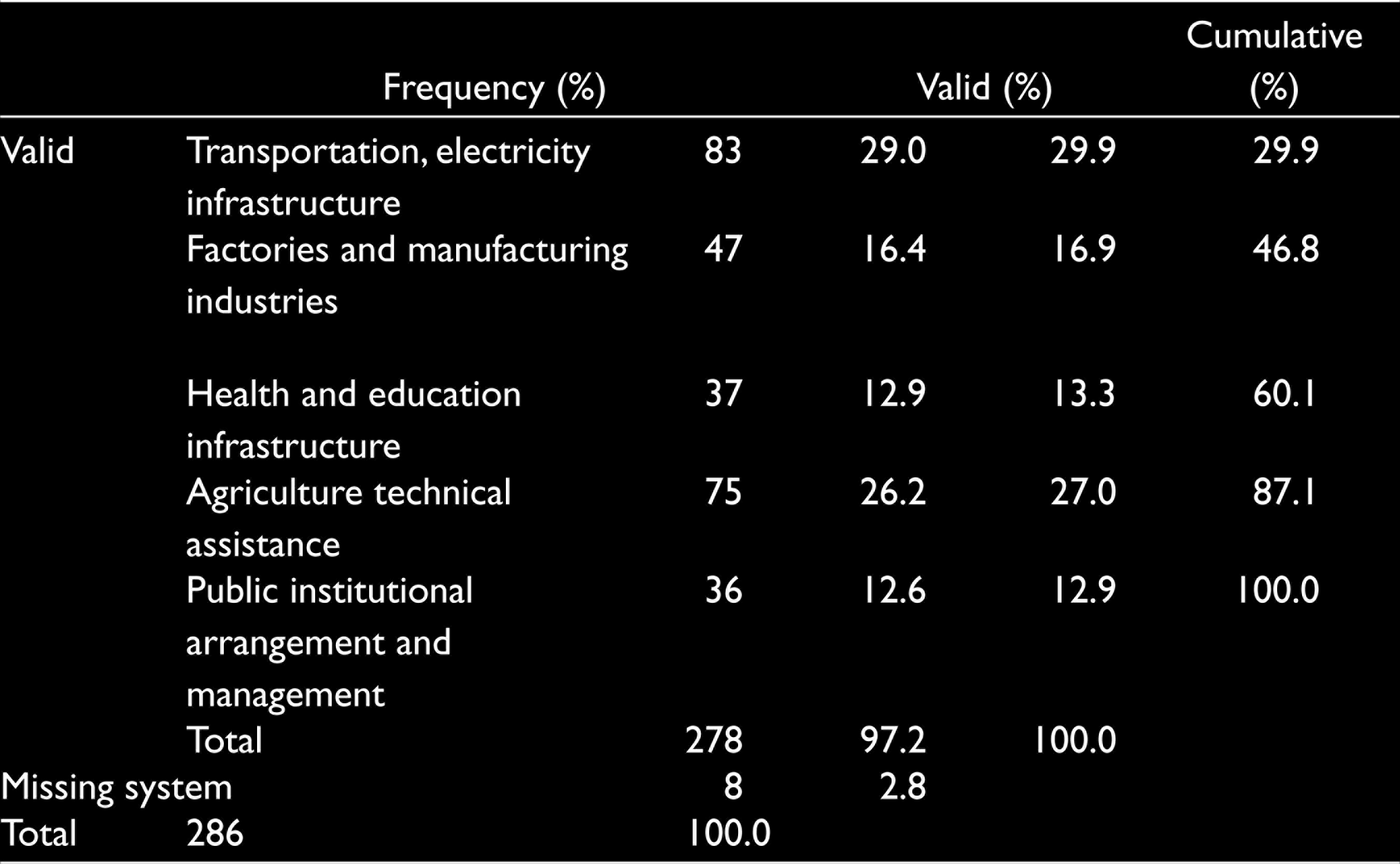
Within South Asia people have noted there is a need for prioritising the development of transport and electricity infrastructure. One-third of the cross section was convinced on importance of agriculture and technical assistance. Whereas nearly quarter of the individuals narrated these types of projects has a direct impact of such developments on the living standards and sustainable development in general.
In addition, little over a tenth of the case populace felt that prioritising industrial development along the South Asian transport corridors and economic hubs would be beneficial, given its ability to create employment opportunities for the residents. Other development requirements as identified included health and another limited proportion or nearly one-tenth was convinced on education infrastructure and public institutional arrangement and management (Table 13).
Choice of Development Priorities
Most of the South Asian people believed the formation of corridors on a national scope is essential for the facilitation of trade in goods and services within the region. Many of the respondents also claimed that the establishment of the South Asian economic corridor will be crucial in trade facilitation and integration. It was noted by one policymaker that
[T]he development of economic corridors will ease the access of the South Asian production networks by external players and investors, and it will also serve as a benchmark for the existing regional economic cooperation programmes under the SAARC and the Agreement on South Asian Free Trade Area (SAFTA) agreement in general (A respondent in Sri Lanka, personal communication).
Overall, one can conclude that the development of economic corridors is perceived as a positive initiative that will promote the development of the region.
Many scholars of South Asia believe that the top five important priority areas that must be addressed through the Sustainable Development Goals (SDGs) to contribute to the achievement of sustainable development through the development of economic corridors in the region. Generally, poverty reduction, sustainable infrastructural development, universal education and health, technological development, mitigation to climate change, economic empowerment, contribution of financing for development, youth and women empowerment and engagement of private sector in corridor development were the top priority areas identified by the cross section of the South Asian academics and policymakers. In general terms South Asian experts believe that the development of economic corridors in the region will improve the quality of life.
Almost significant proportion of South Asian people identified the need to develop inland transportation routes to seaports as being a crucial aspect of linking South Asian economic zones. The people believed that improved physical connectivity would ease the access to economic hubs and production networks in the region by traders and external investors, hence, promoting trade in the region, which will further directly and indirectly create employment opportunities for residents in these economic hubs and production networks. It was believed that the development of economic corridors will be crucial in dealing with physical infrastructural challenges and trading barriers that are experienced by landlocked countries in the region. This shows that efficient connectivity networks developed through the establishment of economic corridors will improve the ability of landlocked countries to access the markets of other economies and help in dealing with cross border challenges that negatively impact the economies of landlocked nations.
For instance, one-fourth of the South Asian people who were interviewed for the study expressed that the lack of regional peace and stability has affected the successful establishment of economic corridors in the region. Few felt that inadequate infrastructure alongside various non-tariff barriers and cumbersome cross-border procedures have been a major impediment to effective corridor development. The findings reveal that the absence of standardised and harmonised procedures was a major concern while a few others felt that the lack of commitment and political will of South Asian countries in supporting regional corridor development initiatives has been a major challenge.
Overall Assessment
The impact of the development of economic corridors in South Asia to the region’s economic growth and sustainable development is visible. To add to the knowledge, it is a significant contribution to available research regarding the impact of economic corridors in the South Asian region given that the concept of developing corridors has only been recently embraced by the South Asian countries in recent decades.
Greater proportion has been supportive of the development of corridors given the various welfare gains associated with the establishment of economic corridors especially with regards to living standards. The results showed higher proportion of the people expected the development of corridors to have a positive impact on their living standards as well as the economy. This is in accordance with the findings of ADB (2014) that revealed the welfare gains associated with the development of economic corridors. However other respondents were not satisfied with the way corridor related projects are being carried out in their area/country. Little below half of the case populace expressed their satisfaction but had some reservations.
From the discourse analysis, it is evident that the establishment of economic corridors is of great importance to the economic and sustainable development of the region. One can posit that economic corridor development plays an important role in various aspects related to sustainable development, economic development, the environment and society at large. As the South Asian countries seek to achieve their visions for promoting sustainable development through their national visions and agendas, the crucial role of infrastructural development is becoming widely embraced by South Asian countries.
The results indicate that the development of economic corridors can serve as a means of promoting social mobility. For example, the ease of access to schools and construction of schools that are well equipped with, for instance, electricity will significantly improve completion rates in schools, while ease of access to hospitals will improve the mortality rate. The improvement in road transportation infrastructure has not only eased access to public facilities and services, but it has also been seen to improve connectivity and ease access between markets.
It was found and thus empirically validated the relationship between infrastructural investment and economic corridor development. Investing in infrastructural development projects within economic corridors will be key in achieving sustainable development goals. This is in line with previous studies that postulate that, for investment in quality and quantity, infrastructure is key for the economic growth of developing countries (Ramachandran & Linde, 2011; Stone, 2008). Notably, the revelation came that although infrastructural development in various sectors has been observed along the corridors, the substandard conditions of rural roads linking the corridors and hubs remains to be a major problem.
The existing transportation infrastructure in the corridors had improved the opportunities of employment for the residents. Most of the stakeholders in South Asia felt that because of the existing transportation networks in the economic corridors and hubs many businesses were emerging. This indicated that growth was being experienced in select areas in South Asia, hence the expansion.
By creating employment opportunities and generating economic activities, economic corridors enable economic development to prosper. It also makes it possible for people to access services that would make them economically productive. For instance, through improved transport, people can easily be connected to their places of work and destinations like markets, schools and hospitals amongst others. This provides support for the works of Qureshi (2016) on the impact of infrastructural development on the productivity and well-being of citizens.
Sustainable infrastructural development in economic corridors is in the form of educational facilities, health facilities, power plants and water networks amongst others. This makes it possible for governments to provide essential services that contribute to the improvement in living standards and quality of life. This is in line with the finding of the study done by Estache and Garsous (2012). Promoting sustainable development through equitable access to basic services is a key goal enshrined in the sustainable development goals of many South Asian countries.
Consequently, it has been acknowledged that infrastructure should not be merely viewed as independent assets such as hospitals, schools, roads and power plants amongst others. But rather, it should be viewed as a collection of diverse assets that possess a huge potential of delivering the national goals of South Asian countries, which are aimed at promoting economic and sustainable development. It is evident from the available literature that no country or region in the world can improve their gross domestic product (GDP) without investing in infrastructure, whether it is in the construction of roads, airports, railways, ports, energy production plants, water networks or services amongst others. This also applies to South Asian countries.
There is a significant relationship between the establishment of economic corridors and economic development. With regard to the economy, the contribution of infrastructural upgrades within economic corridors range from the generation of economic activities to the creation of employment opportunities (for instance, the jobs created during construction of roads and other infrastructural facilities) by linking the local communities to the economic hubs and centres, education facilities and employment opportunities, infrastructural upgrades and development such as transportation infrastructure that complement the national economic goals of South Asian countries. This impact could be more pronounced in countries that are landlocked or have infrastructural gaps. In addition, the increase in investment brought about by infrastructural development can also significantly improve the national GDP of countries.
It has been established that the development of economic corridors in the South Asian region cannot avoid the adverse effects on the environment and the society in terms of an increase in the prevalence of HIV, road accidents and drug trafficking amongst others. It is feared that the development of economic corridors and enhanced connectivity will encourage the spread of HIV/AIDS in the region and lead to an increase in facilities such as brothels and hotels that promote the spread of HIV/AIDS. Road accidents may also increase because of an increase in traffic and improved roads. About environmental protection, the study reveals that sustainable development can only be achieved through the aspects of sustainable development, that is, economic, social and environmental aspects. Hence, it is the need to develop green and viable strategies of mitigating the negative environmental impacts associated with the development of economic corridors.
South Asians residing in rural areas have the highest incidence of income poverty. One of the goals of the development of economic corridors is aimed at improving the economic conditions of people and assisting in poverty reduction. Nonetheless, the results are clearly not on how corridors will impact on the economic conditions and poverty levels of the people residing in rural areas. Yet, the research as well as existing literature has shown that the development of economic corridors has a significant impact on the livelihoods of residents residing in economic hubs. Moreover, the article only provides a cumulative impact assessment of corridors in the region. The development of economic corridors encompasses various projects that eventually see to the establishment of a fully functioning corridor.
Economic corridors link economic hubs within geographical proximity; they serve as important links between economic hubs that are in urban areas. The overall effect of corridors to the economic development of regions can be evaluated in terms of the net welfare outcomes that they induce. While infrastructural development within economic corridors on a national scope is crucial, several scholars and study findings reveal that the development of infrastructure within economic corridors on a regional scope is also of strategic importance to the South Asian countries’ markets (Bhattacharya et al., 2012, p. 7, UN, 2013, p. 123). Various inconsistencies in the region’s infrastructure prevent South Asia from its scale of economies, promoting the development of small and landlocked countries and facilitating trade in the region.
Conclusion
South Asian economies are amongst the least integrated economies in the world. However, the South Asian region is growing at a fast rate thereby creating the potential for economic growth and development. Hence, the need to explore the development of economic corridors through infrastructural investments to maximise the welfare gains of economic corridors. South Asian countries will benefit significantly from the development of economic corridors through increased trade and infrastructural development. It is expected that South Asian countries will witness some social-economic developments because of infrastructural upgrades which will, in turn, lead to improved living conditions of the people and reduction of poverty rates in the region.
The development of economic corridors positively influences the socio-economic development of the South Asian region, hence, promoting sustainable development. This is guided by the responses and the analysed and interpreted data, which was gathered from residents residing along the SAARC transport corridors and various economic hubs in South Asia in establishing how the development of economic corridors influences sustainable development, especially where infrastructural development and enhanced connectivity is ensured. This has importantly seen to improved living standards, creation of employment opportunities and contributed to social-economic development.
A number of recommendations are put forward in order to maximise the benefits of the establishment of economic corridors in the region and minimise the negative impacts. That South Asian governments need to allocate sufficient resources needed for the planning, management and implementation of economic corridor related projects. This will be crucial in promoting sustainable development in the region. South Asian governments should work on promoting public awareness amongst its citizens on matters relating to economic corridor development to ensure that citizens are well prepared for maximising the opportunities created by the development of corridors. Measures to deal with the various social issues arising from the development of economic corridors such as drug trafficking, HIV/AIDS, environmental degradation amongst others should be put in place.
South Asian countries should ensure that citizens should be empowered and educated by the government to ensure that they benefit from the opportunities created by the established economic corridors. South Asian countries should work on promoting joint investment in regional infrastructure and logistics and the need to develop a complementary framework and strategy through which the economic corridors can be successfully established.
Footnotes
Declaration of Conflicting Interests
The authors declared no potential conflicts of interest with respect to the research, authorship and/or publication of this article.
Funding
The authors received no financial support for the research, authorship and/or publication of this article.