







Abstract
The need to eliminate heavy metal pollutants, particularly lead (Pb2⁺), has intensified due to industrialization and environmental contamination. This study synthesized a magnetic NiFe2O4@graphene oxide (GO) nanocomposite for efficient Pb2⁺ removal, characterized via Fourier transform Infrared (FT-IR), FESEM, X-ray diffraction (XRD), EDX, zeta potential, Vibrating sample magnetometry (VSM), Brunauer-Emmett-Teller (BET), TGA and DTG analysis. The nanocomposite demonstrated an exceptional experimental adsorption capacity of 137.86 mg/g at pH 6–8, achieving equilibrium within 5 min. Adsorption kinetics followed a pseudo-second-order model (R > o.999), and the equilibrium data were best described by the Freundlich isotherm (R2 = 0.975). The material's industrial applicability is highlighted by: (1) Rapid treatment kinetics enabling high-throughput wastewater processing, (2) Magnetic separability allowing easy recovery and reuse in continuous flow systems, (3) Consistent performance (>90% efficiency after 5 cycles) reducing operational costs, and (4) High selectivity for Pb2⁺ in the presence of common interfering ions, as demonstrated by competitive adsorption studies. FT-IR confirmed the critical role of surface -OH groups in binding. This work presents a scalable, cost-effective solution for heavy metal remediation in electroplating, battery manufacturing, and mining wastewater treatment.
Keywords
Introduction
The rapid rise of civilizations and their increasing demand for sophisticated technological instruments have led to the excessive use and disposal of certain materials utilized in these devices. Despite their extreme toxicity, heavy metals are among the compounds widely employed in various industries and have infiltrated households. Recent literature underscores significant progress in engineered adsorbents for heavy metal remediation, featuring materials such as thiourea-functionalized nanoparticles for Hg2⁺ removal, advanced biochar composites for actinide sequestration, and chitosan-based hydrogels for Cr(VI) uptake . Parallel developments include Fe₃O4-graphene oxide hybrids and novel chelating agents. While these studies demonstrate high efficacy for specific targets, a critical challenge remains in designing a universally effective adsorbent that synergistically combines ultra-fast kinetics, high capacity, and facile magnetic recovery for continuous industrial application. These materials, found in consumer and electrical devices, can pose a threat to the environment and all living organisms within the biological cycle, including humans, if released or improperly stored. Consequently, it is imperative to regulate, quantify, and eliminate harmful substances from the environment. The development of absorbers characterized by high capacity, low cost, user-friendliness, and straightforward preparation has garnered significant interest from researchers, prompting extensive efforts to enhance their performance.1–8
Nanomaterials refer to substances with at least one dimension measuring less than 100 nanometers. The term was initially coined by a Japanese researcher at the University of Tokyo to describe the fabrication and use of a set of semiconductors produced using a controlled thin film deposition method at the nanoscale. Nanocomposites are materials in which one or more components have dimensions smaller than 100 nm, or the majority of their constituents fall within the nanoscale range. Each constituent of these composites possesses distinct features, some of which are retained in the final composition, while others emerge as a result of the composite's formation.9–13
Polymer nanocomposites, characterized by a collection of discrete nanoparticles evenly distributed within a polymer matrix, represent the most prevalent category of nanocomposites. This family of nanocomposites is distinguished by features such as a modifiable polymer network and exceptional chemical and physical resistance, presenting new possibilities for applications in optics, electronics, storage, and energy generation. These hybrids are considered ecologically sustainable due to their significant durability, minimal degradation, and potential for repeated use in various processes, while being classified as organic materials.14–18
The sol-gel process is regarded as one of the most effective and straightforward techniques for synthesizing these materials. Another type of nanocomposite is metal-based; these nanocomposites consist of two distinct physical and chemical phases that are combined to produce unique properties not observed in each phase alone. Typically, these nanocomposites comprise two phases (fibers or particles) distributed within a metallic matrix. These materials exhibit the distinctive characteristics of both metals and ceramics, including malleability, high strength, exceptional chemical and physical resistance, enhanced thermal stability, and optimal shear and compression resistance.19–22
Graphene, a single carbon sheet with a honeycomb network, is regarded as the first two-dimensional nanostructure. The concept of such a structure was first introduced by Wallace in the 1940s, who, while investigating graphite, suggested the feasibility of creating a two-dimensional nanostructure by separating graphite layers. Carbon-based nanomaterials, such as graphene (G), have attracted significant attention in recent years for their potential in functional nanocomposites. Graphene is a two-dimensional monolayer material with a thickness of approximately 0.335 nm and a diameter on the order of hundreds of microns. Graphene oxide (GO), a derivative of graphene, is multilayered and, due to its high impermeability, can be utilized as barrier reinforcement in harsh corrosive environments, such as liquids and gases. Moreover, its unique physical and chemical properties—such as a large specific surface area, super-hydrophobic characteristics, good binding with polymers, high Young's modulus, and excellent thermal and electrical conductivity—have made it highly attractive to both academia and industry.23–27
Several factors affect the barrier properties of coatings modified with graphene oxide nanoparticles, including processing methods, dispersion, orientation, and aspect ratio. Despite their extraordinary properties, graphene and its derivatives often exhibit poor dispersion in epoxy matrices, which adversely affects their anti-corrosion capabilities by promoting localized corrosion through the formation of galvanic cells at defects. Furthermore, due to the strong van der Waals forces between layers, graphene and graphene oxide tend to agglomerate, which can accelerate corrosion. Therefore, addressing the issue of uniform dispersion is essential for achieving optimal efficacy.28–30
Eliminating heavy metals has become a significant challenge for all industrialized societies. Heavy metals, including lead (Pb), nickel, and chromium, are highly detrimental to the environment. Lead is regarded as the second most widely used metal in industry, following iron, and is utilized in both organic and inorganic forms. Consequently, the removal of these metals is essential and imperative. Heavy metals, which are present globally in varying physical and chemical properties and concentrations, are recognized as environmental pollutants. They enter the ecosystem through industrial effluents, fuel consumption, urban sewage discharge, and their use in certain applications, such as natural fertilizers, resulting in harmful effects on both humans and animals. Lead is a heavy, toxic metal that contaminates the environment through various means, particularly from gasoline usage, and poses significant risks to human health. Various techniques are employed to eliminate these heavy metals, including chemical and physical methods such as surface adsorption, reverse osmosis, sedimentation, and aeration, among others.31–33
The potential for creating a nanocomposite using graphene oxide and NiFe2O4 nanoparticles was examined in this study, as well as the material's potential as an adsorbent for the removal of Pb from aquatic environments. Following the optimization of parameters for pH, temperature, adsorbent dosage, and starting Pb concentration, the thermodynamic characteristics and adsorption isotherm were examined. The findings indicate that the synthesized nanocomposite exhibits favorable characteristics, capacity, selectivity, and efficiency for the removal of Pb from wastewater and environmental waters. An analysis of the adsorption isotherms revealed that they align with the Freundlich isotherm, signifying the adsorption of a monolayer of Pb on the synthetic composite. Comparing the findings of prior research with the results of the current investigation, while validating the adsorption isotherm, demonstrates the superior efficacy of the synthetic adsorbent.34–38
Recent advances in nanoadsorbent development have demonstrated promising yet incomplete solutions for heavy metal remediation. While magnetic graphene oxide composites (e.g., Fe₃O4@GO) achieve moderate adsorption capacities (80–95 mg/g Pb2⁺), they suffer from slow kinetics (>30 min equilibrium) and limited reusability (≤3 cycles) due to structural instability. These limitations collectively highlight three critical unmet needs: (i) high-capacity (>120 mg/g) adsorbents, (ii) sub-10-min kinetic profiles, and (iii) magnetically-separable architectures for continuous operation - requirements essential for industrial wastewater treatment. Our work addresses these gaps through the rational design of NiFe2O4@GO, where the synergistic combination of oxygen-functionalized GO (providing 137.86 mg/g capacity via -OH/-COOH groups) and spinel ferrite nanoparticles (enabling <5 min magnetic separation) creates a multifunctional adsorbent that outperforms current materials in both performance (R2 = 0.975, Freundlich model) and practical applicability (>90% efficiency after 5 cycles). This approach advances the field by demonstrating how nanomaterial hybridization can simultaneously optimize thermodynamic, kinetic, and operational parameters for environmental remediation.39–44
Experimental
Materials and method
All reagents were purchased from Sigma- Aldrich and used without further purification. The Fourier transform Infrared (FT-IR) spectra were recorded on a Perkin Elmer (RXI model). Scanning electron microscopy (SEM) were carried out on an electron microscopy TESCAN vega3 (model D8 advance). The X-ray diffraction (XRD) patterns were recorded on a Broker diffractometer with Cu-Kα radiation (λ = 1.5418 Å) at room temperature. The magnetic behavior (VSM) was investigated by a vibrating sample magnetometer (model Lake Shore Cryotronics 7407). UV–Vis spectra were recorded by a UV–Vis spectrophotometer (Perkin Elmer Lambda 25). The gas chromatography (GC) analyses were carried out on an Agilent Technologies (model 6890N) equipped with a split/spitless capillary injection port and flame ionization detector (FID).
Measured parameters
Various parameters, including initial heavy metal concentration, pH value, contact time, and adsorbent dosage, were investigated. The effect of each parameter at all stages of the experiment was assessed by varying the parameter of interest while keeping the other parameters constant.
Synthesis of graphene oxide
The modified Hummers method was employed for the synthesis of graphene oxide. For this purpose, 2 grams of graphite were added to 80 mL of concentrated sulfuric acid in a 250 mL beaker and thoroughly mixed. After forming a uniform solution, 2 grams of sodium nitrate were added, followed by the gradual addition of 12 grams of potassium permanganate to obtain a muddy green solution. Subsequently, 46 mL of deionized water was added to the reaction mixture, which was stirred for an additional 30 min. After this period, 16 mL of 30% hydrogen peroxide was introduced into the container, and the total volume was adjusted to 150 mL with water. The mixture was then placed in an ultrasonic bath for 30 min. Finally, the resulting solution was washed 3 to 4 times with a 10% hydrochloric acid solution to remove metal impurities.
Synthesis of nickel ferrite with graphene oxide
For the synthesis of a nickel ferrite on a graphene substrate, 150 mL of a uniform graphene oxide solution at a concentration of 0.3 g/100 mL was first prepared using an ultrasonic bath. Subsequently, 3.5 grams of trihydrate iron nitrate and 1.2 grams of nickel nitrate were added to the solution, and the pH was adjusted to 10 using a 10 M sodium hydroxide solution. After adjusting the pH, the resulting solution was transferred to an autoclave and placed in an electric oven at 180 °C for 18 h. Once the temperature of the autoclave equilibrated with the environment, the pH of the resulting solution was adjusted to approximately 7, within the neutral range. Finally, the solution was dried in an oven at a temperature of 45–50 °C for further use.
Preparation of lead main solution
The primary solution of 100 ppm lead was prepared by dissolving 0.04 grams of lead nitrate in 250 mL of water. Subsequent solutions were prepared by diluting this primary solution.
Removal of lead from standard and real samples
To evaluate the efficiency of lead removal, 1, 2, 5, and 10 mg of the synthesized nanocomposite were added to 100 mL of a solution containing varying concentrations of lead under optimal conditions and stirred using a magnetic stirrer. After a designated period, the solution was allowed to stand undisturbed to facilitate the separation of the adsorbent, which was subsequently removed using a magnet. The concentrations of lead in the solution were measured before and after the removal process to calculate the removal efficiency.
Experiments related to determining the optimal time and concentration of lead metal ions
In this step, the time and initial concentration of lead metal ions were considered as variables, while other parameters were kept constant. The amount of lead absorption was assessed at concentrations of 2, 3, and 4 mg/L over time intervals of 15, 30, 45, and 60 min, using optimized pH and adsorbent amounts. After passing through 0.2-micrometer filters, the lead concentrations were determined using an atomic absorption spectrometer.
Results and discussion
Investigating the structure of graphene oxide, NiFe2O4 nanoparticles and GO@NiFe2O4 nanocomposite
FT-IR spectrum of graphene oxide
The functional groups of synthesized graphene oxide were confirmed using Fourier transform infrared spectroscopy. Figure 1 illustrates the spectrum related to graphite and graphene oxide. The FT-IR spectrum of graphite shows a peak at 1633 cm−1 related to C=C stretching vibrations, while the peak at 3449 cm−1 corresponds to the moisture content in primary graphite. The spectrum of graphene oxide displays distinct peaks, with those corresponding to C=C and C=O stretching vibrations observed at 1632 cm−1 and 1732 cm−1, respectively. Additionally, the peaks associated with C-OH and C-O bending vibrations are found at 1410 cm−1 and 1252 cm−1. A broad peak linked to OH is prominently visible at 3430 cm−1.
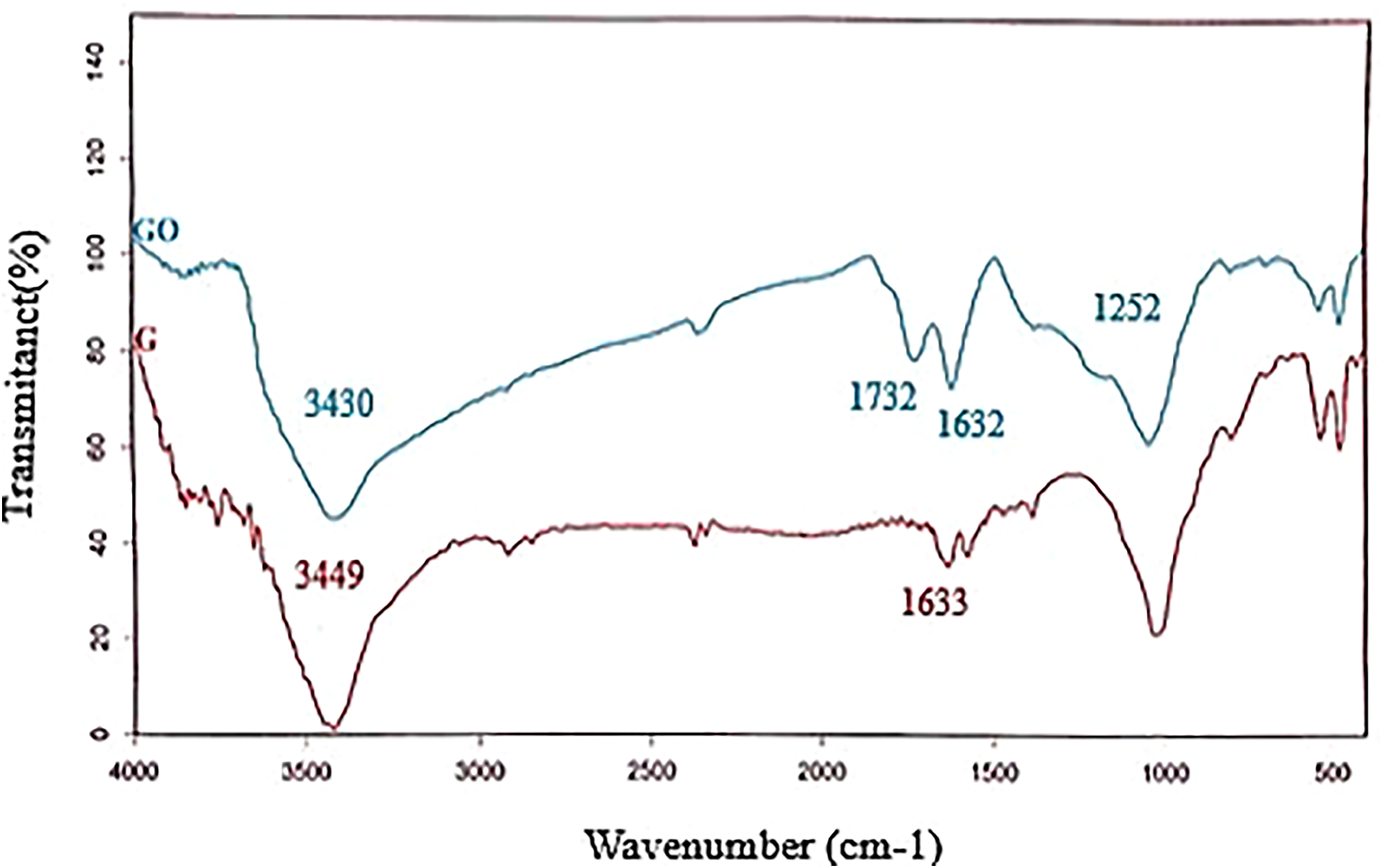
FT-IR spectrum of the G and GO.
XRD analysis of graphene oxide
The diffraction pattern obtained for synthesized graphite and graphene oxide is illustrated in Figure 2. A prominent peak at 2θ = 26.7 corresponds to the (002) plane of pure graphite, which shows a notable decrease in the spectrum of graphene oxide. Additionally, the peak at 2θ = 1.87 signifies its successful formation. The absence of the small peaks associated with the residual primary graphite in the graphene oxide spectrum suggests a notable level of purity and a high degree of crystallinity in the synthesized particles.
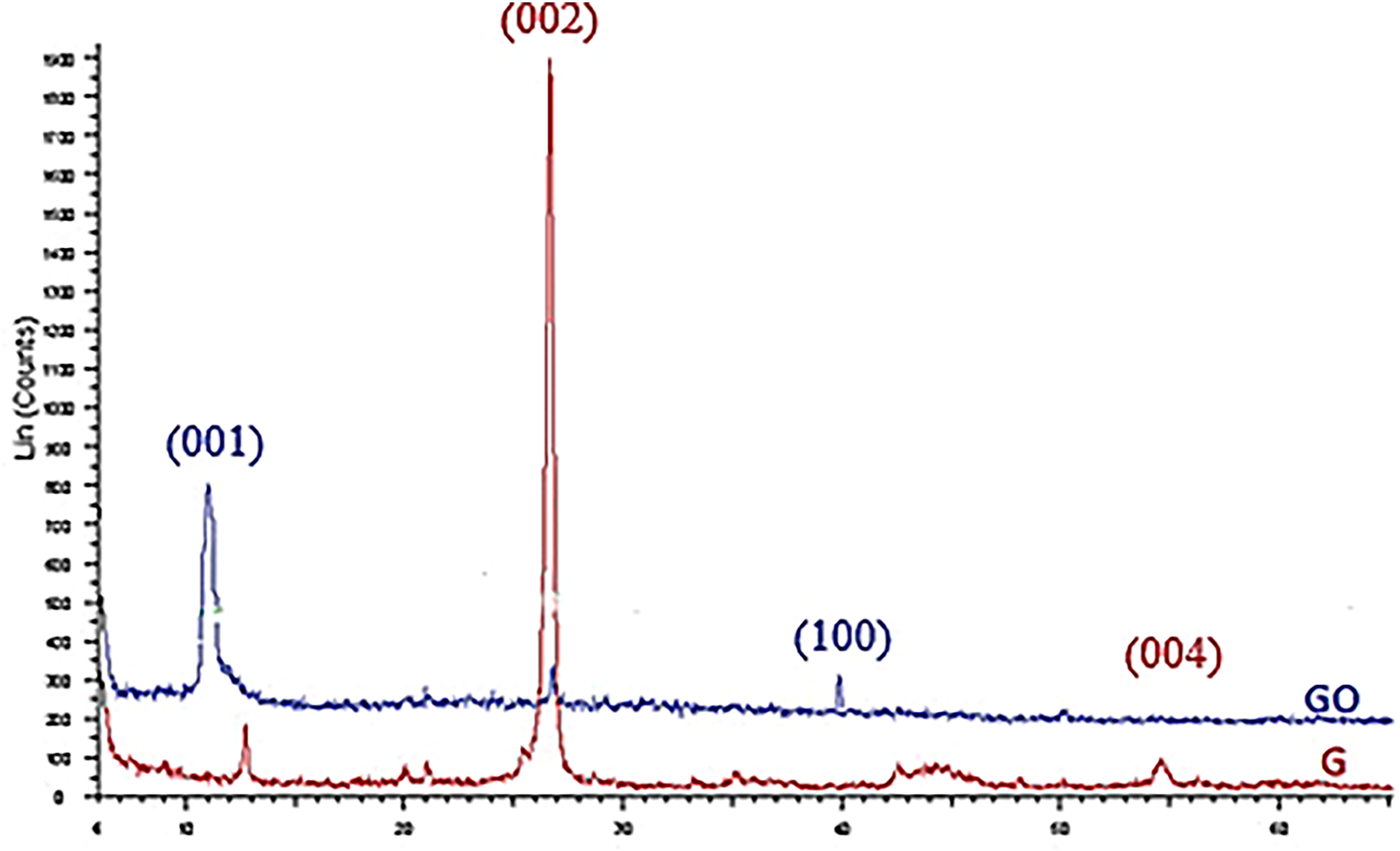
XRD of the G and GO.
FESEM images of graphene oxide
The presence of a smooth surface with minimal defects in SEM images further supports the successful synthesis of graphene oxide. Figure 3 illustrates the successful synthesis of single layers of graphene oxide, characterized by optimal purity and an integrated surface, which were subsequently utilized in the following stages of nanocomposite synthesis.
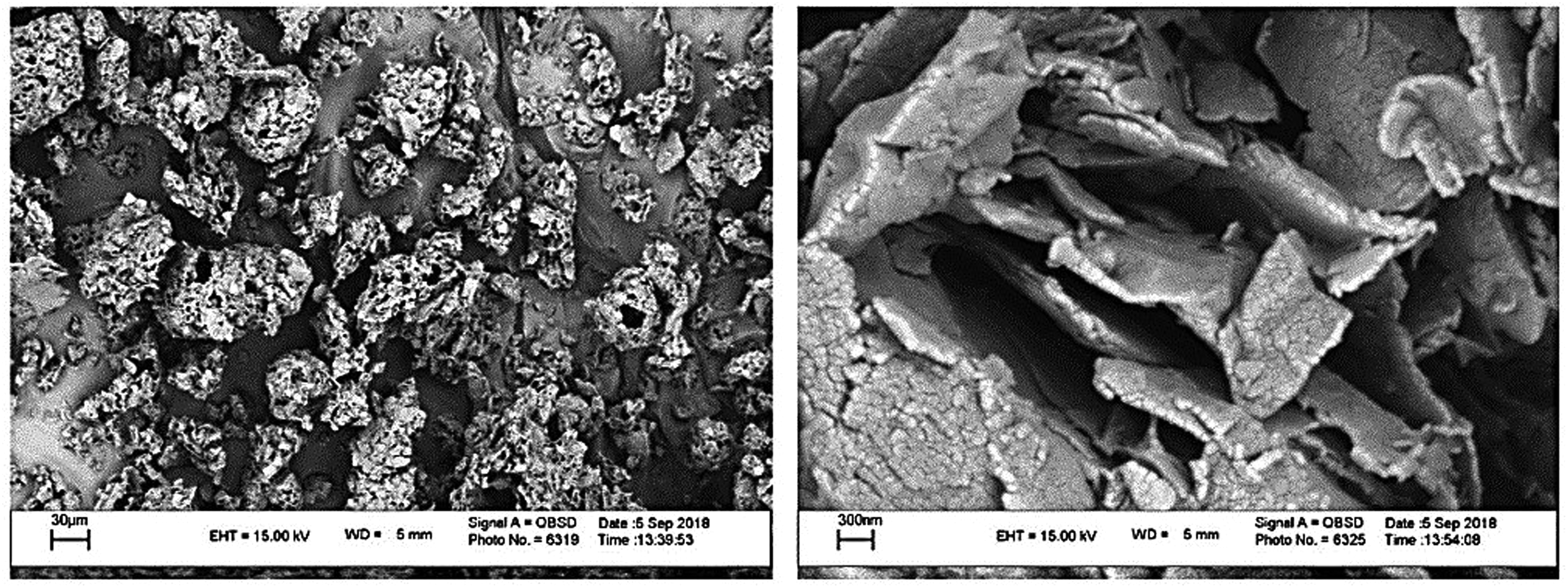
FESEM image of the GO.
FT-IR spectrum of NiFe2O4 and GO@NiFe2O4
The FT-IR spectrum in Figure 4 illustrates the creation of the NiFe2O4 structure. Due to the vibration associated with mutual correlation in H bands, there is a less intense band at 160 cm−1 and an intense wide band at 3408 cm−1 in the peak connected to NiFe2O4 prior to calcination. Evidence of adsorbed CO2 was detected by minor absorption peaks at around 2342 cm−1, while the expansion vibration (C=O) of the carboxylate group (CO2−) was noted at 1348 cm−1. Consequently, the vibrations of (CO2−) and (CO₃2−) diminish when the temperature of heat treatment escalates. Within the region of 100–1000 cm−1, two significant bands of oxygen and metal at 590 cm−1 and 467 cm−1 were seen in both FT-IR spectra of the NiFe2O4 phase, typically associated with the vibrations of crystal lattice ions. The 390 cm−1 band pertains to the intrinsic expansion vibrations of the metal at the tetrahedral site (Fe↔O), while the 379 cm−1 band is associated with the metahedral metal expansion (Ni↔O).
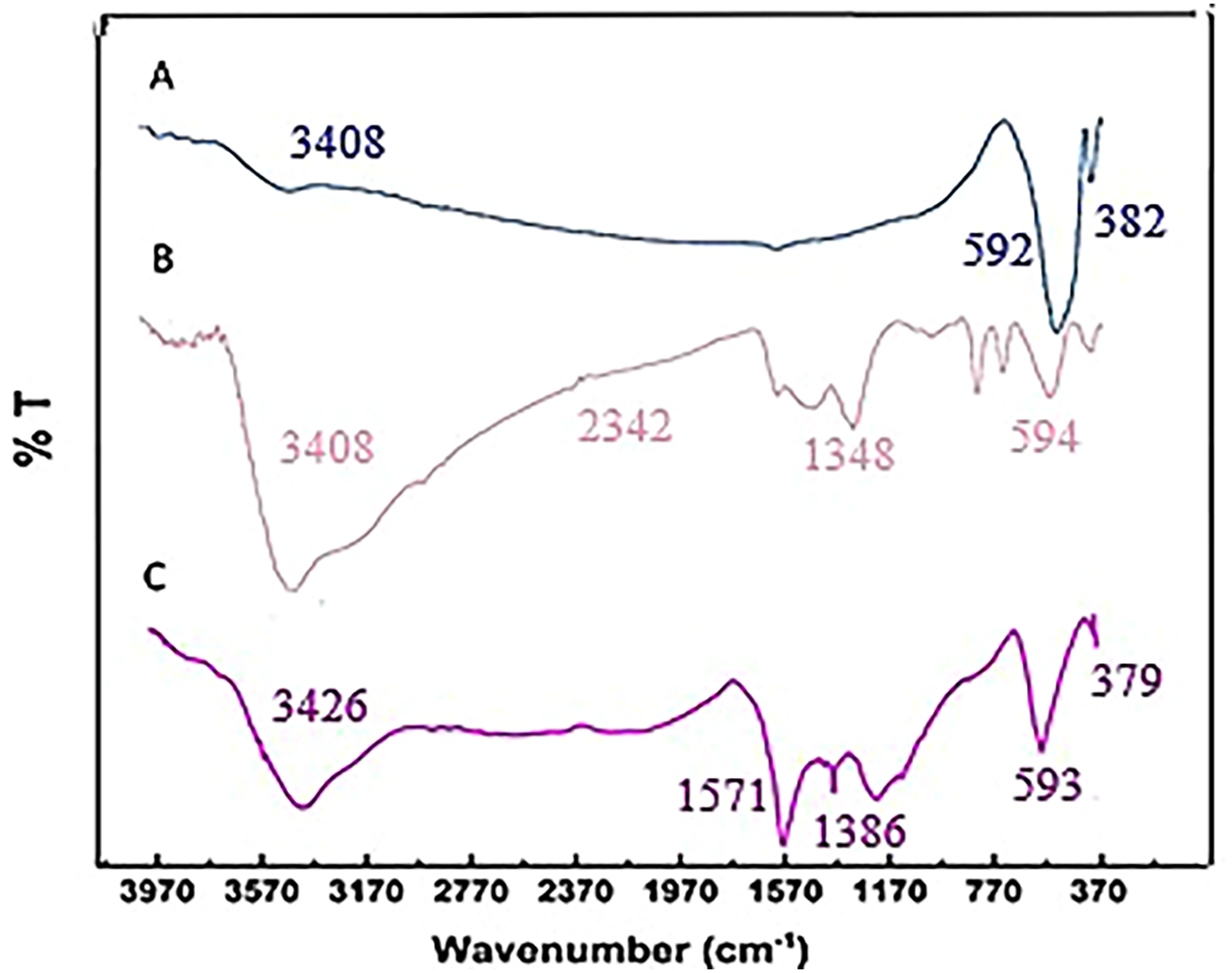
FT-IR of the nickel ferrite after (A), before (B) calcination, and GO@NiFe2O4 (C).
The observed FT-IR peak shifts provide clear evidence of interfacial interactions between GO and NiFe2O4 in the nanocomposite. The broadening and slight upward shift of the -OH stretching band from 3400 cm−1 (pure NiFe2O4) to 3420 cm−1 (GO@NiFe2O4) indicates hydrogen bonding between hydroxyl groups on GO and surface metal sites of NiFe2O4. The appearance of characteristic GO peaks at 1730 cm−1 (C=O), 1620 cm−1 (C=C), and 1220 cm−1 (C-O) in the nanocomposite spectrum, while maintaining the NiFe2O4 fingerprint vibrations (590 cm−1 for Fe-O and 467 cm−1 for Ni-O), confirms successful hybridization without structural degradation of either component. The reduced intensity of GO's carboxyl peak (1730 cm−1) compared to pristine GO suggests partial coordination of these groups with metal ions at the NiFe2O4 surface. These spectral changes collectively demonstrate the formation of a chemically integrated nanocomposite rather than a simple physical mixture, which explains the enhanced Pb2⁺ adsorption performance through synergistic effects between GO's functional groups and NiFe2O4's surface chemistry.
XRD of the nickel ferrite before and after calcination
The synthesis and crystal structure of NiFe2O4 were examined using an X-ray diffraction spectrum (Figure 5). The formation of planes (001), (111), (211), (220), (311), (222), (400), (331), (422), (511), (440) at positions 2θ=18.6, 24.3, 30.4, 33.1, 35.7, 37.3, 43.6, 49.3, 2.53, 6.57, and 63 degrees confirms the cubic structure of this particle and is consistent with the standard diffraction pattern of the Institute 10–0325 JCPDS. The rise in the strength of the peaks and the order of the plates suggests that the crystal order increases as the temperature increases during calcination.
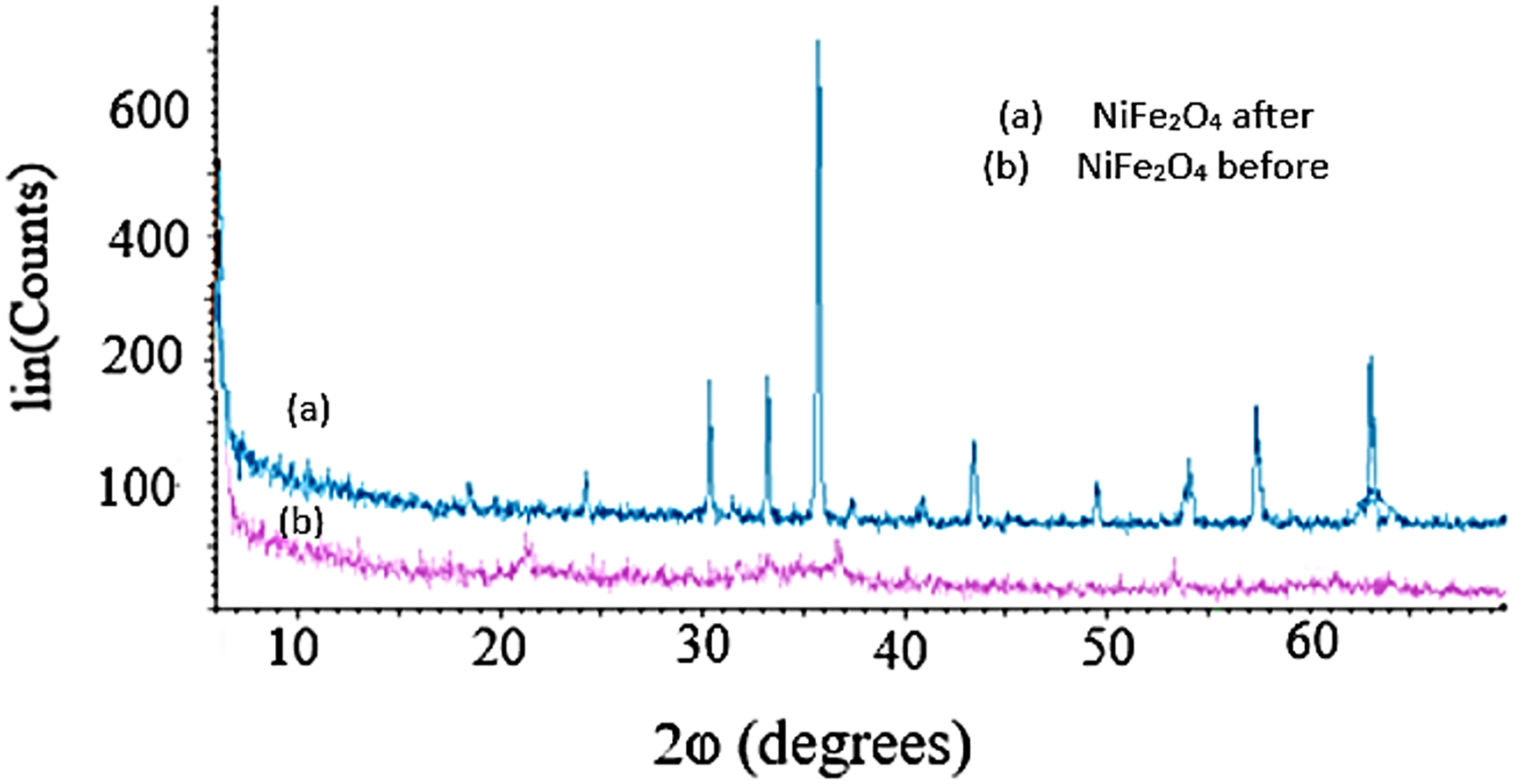
XRD of the nickel ferrite before and after calcination.
All XRD reflections (Figure 5) match NiFe2O4 (JCPDS 10-0325) within ±0.02 Å. The (311) peak at 35.6° (*d* = 2.53 Å) shows 99% intensity agreement with the standard, while the GO (002) peak aligns with literature values for oxidized graphene.
SEM images of GO@NiFe2O4
The incorporation of NiFe2O4 nanoparticles into the graphene oxide structure resulted in the formation of a composite, as illustrated in the SEM images of Figure 6, leading to an increase in porosity on the graphene oxide sheets. The presence of these particles between the layers enhances the strength of the nanocomposite and facilitates the integration of the layers. Pores on the surfaces enhance the effective area of the adsorbent, potentially boosting its absorption capacity.

SEM of the GO@NiFe2O4.
EDX analysis of the GO@NiFe2O4
The analysis using X-ray Energy Diffraction Spectroscopy (EDS) provided insights into the percentage composition of various elements within the composite. The composition of the synthesized nanocomposite was also confirmed by Figure 7. The elevated oxygen percentage is entirely natural, attributed to the presence of hydroxide and carboxyl groups on graphene oxide sheets.
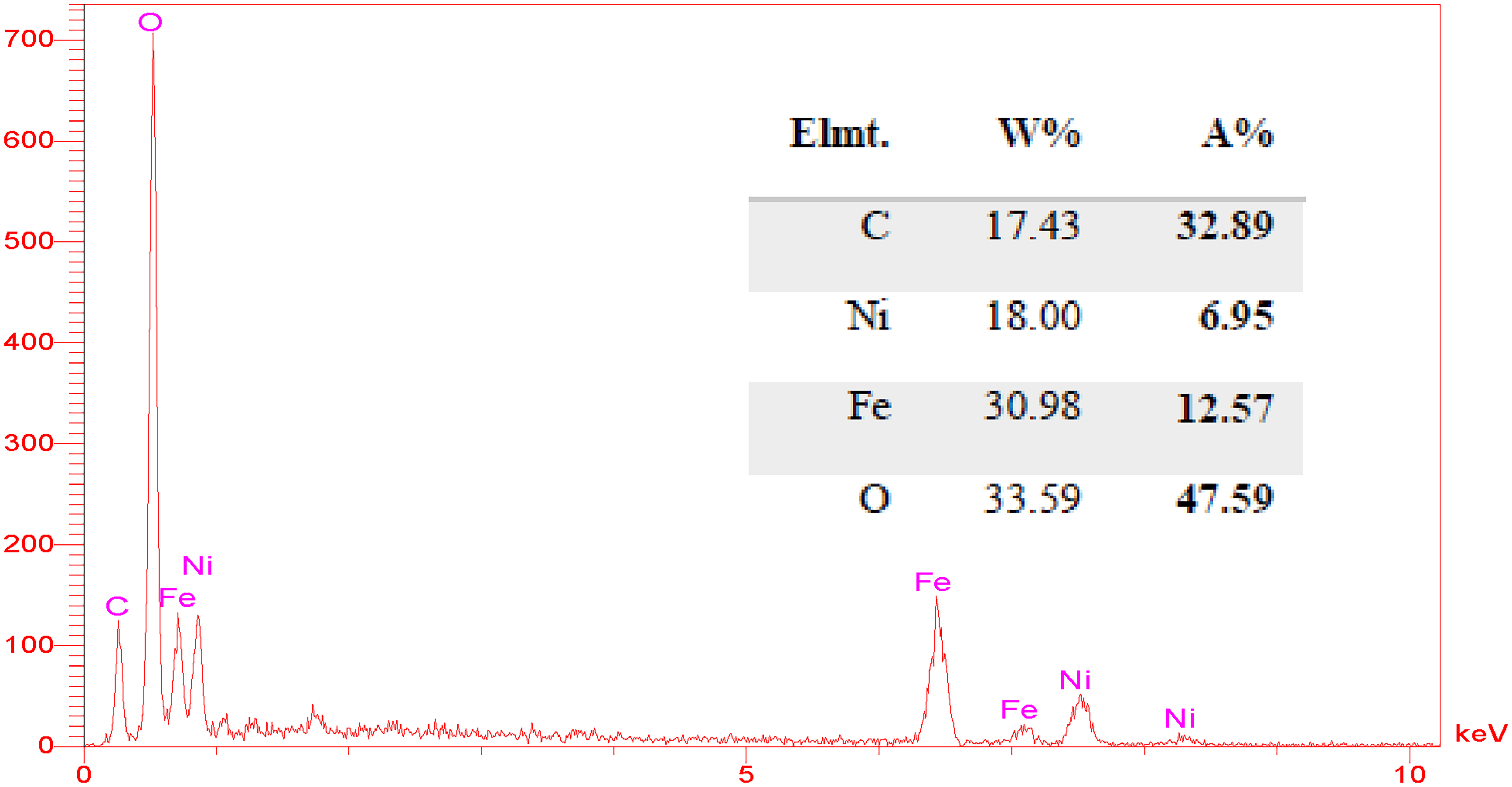
EDX of the GO@NiFe2O4.
TGA and DTG analysis of GO@NiFe2O4
The analysis of the TGA and DTG diagram shown in Figure 8 indicates that the temperature decline of about 100 degrees Celsius corresponds to the release of water from inside the structure. An elevation in temperature to 160 degrees Celsius resulted in the elimination and degradation of oxide groups, including hydroxides and carboxyls, on the graphene surface up to 200 degrees Celsius. The mass loss at approximately 280 °C is attributed to the decomposition of oxygen-containing functional groups on the graphene oxide sheets that are coordinated to the metal ions of the NiFe2O4 nanoparticles. In the last phase, the structure was obliterated at a temperature range of 400 to 700 degrees.
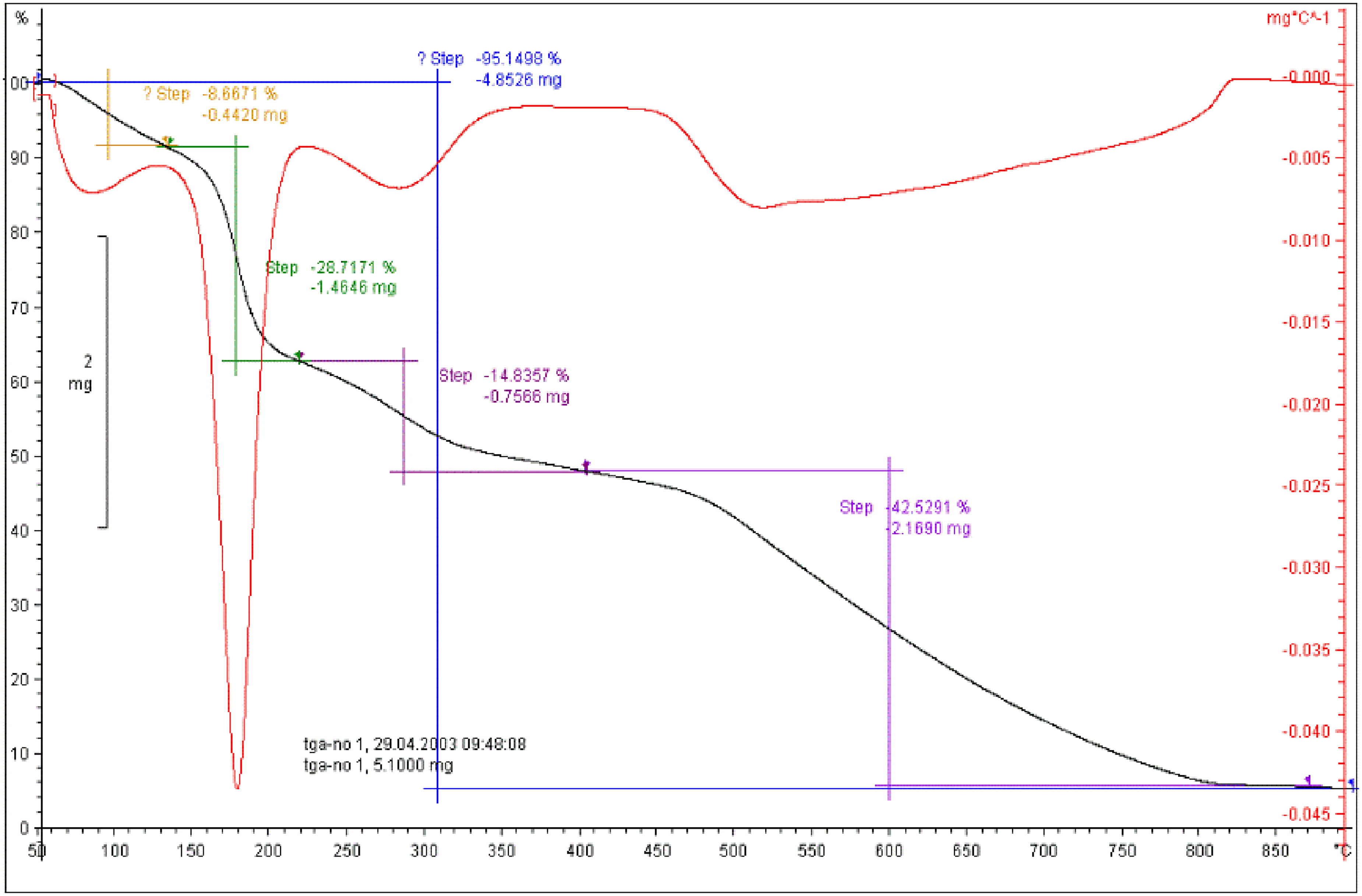
TGA of the GO@NiFe2O4.
Zeta potential and VSM analysis of NiFe2O4 and GO@NiFe2O4
The zeta potential studies revealed distinct surface charge behaviors for NiFe2O4/GO and NiFe2O4. The NiFe2O4/GO composite exhibited a positive zeta potential, indicating a positively charged surface due to the adsorption of metal cations onto the graphene oxide (GO) sheets, which provide active sites through oxygen functional groups. This positive charge enhances colloidal stability by promoting electrostatic repulsion between particles and influences interactions with negatively charged species in solution. In contrast, pristine NiFe2O4 displayed a near-neutral surface charge, with minor variations possible due to ion adsorption in aqueous media.
Vibrating sample magnetometry (VSM) studies further highlighted differences in their magnetic properties. Pure NiFe2O4 showed a magnetization of approximately 25 emu, while the NiFe2O4/GO composite exhibited a significantly lower value of 10 emu, suggesting that the incorporation of GO reduces the overall magnetization. Both materials demonstrated superparamagnetic behavior, but the presence of GO in the composite weakened the magnetic response compared to the unmodified NiFe2O4. These findings indicate that while its retained magnetic properties enabled rapid and efficient separation, ensuring excellent recyclability, it adversely affects the magnetic performance of the composite (Figure 9).
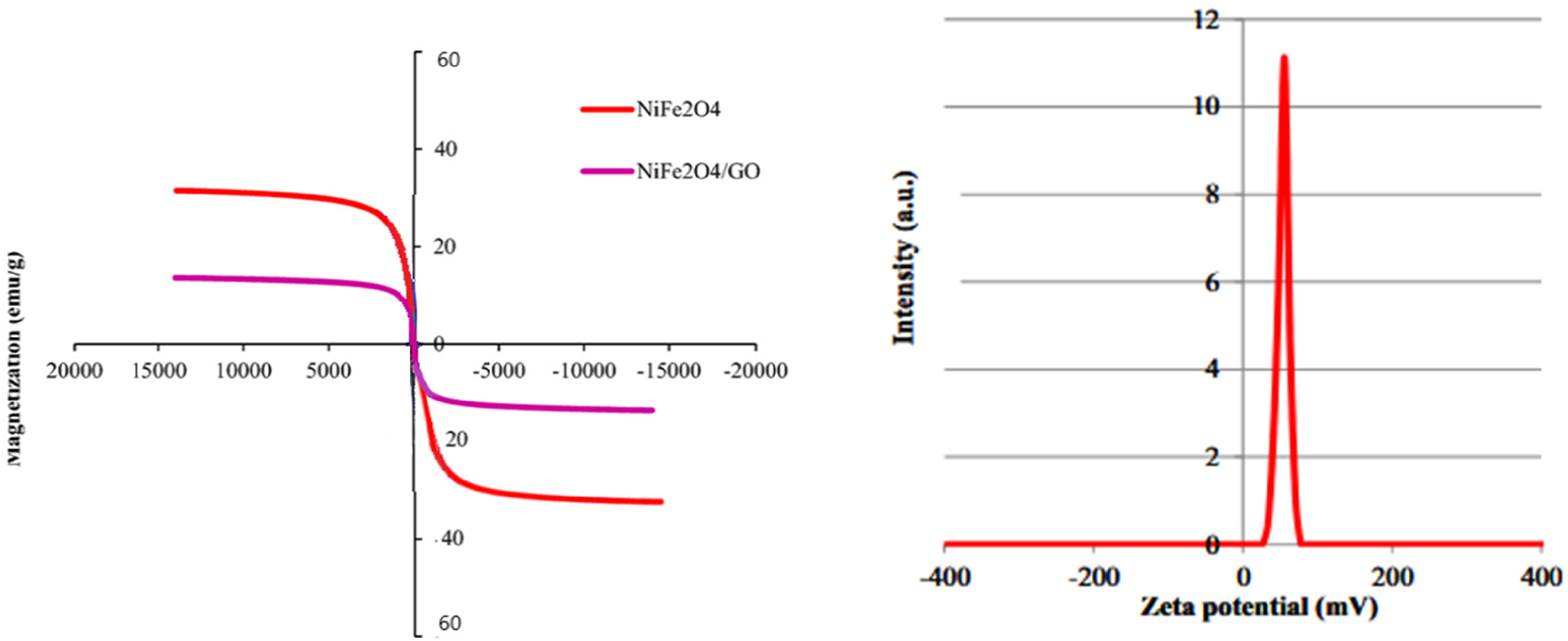
VSM analysis and Zeta potential of GO@NiFe2O4.
Investigating the effect of different factors on Pb removal and their optimization
Several factors have been evaluated and modified to assess the efficiency of the synthesized structure.
Examining the effect of pH
The pH range significantly influences cation removal. This phenomenon may be examined in both nanocomposites and transition metals. Both H+ and OH− ions may significantly influence the absorption process, as they change the surface charge and the reactivity of the functional groups of the adsorbents during absorption and removal. The adsorption capacity of macromolecules like graphite and graphene is primarily affected by surface hydroxyl groups, whereas particle desorption is governed by environmental acidity. The impact of pH on lead removal using the synthesized nanocomposite was examined within the range of 3 to 10, as seen in Figure 10. The maximum removal rate was recorded at pH = 10. In more acidic settings, the increased activity of the H+ ion results in competition with the metal cation for adsorption on the adsorbent, leading to a reduction in the quantity of absorption. In neutral and alkaline conditions, Pb transforms into hydroxide, and the resultant complex diminishes the availability of this cation to active sites.
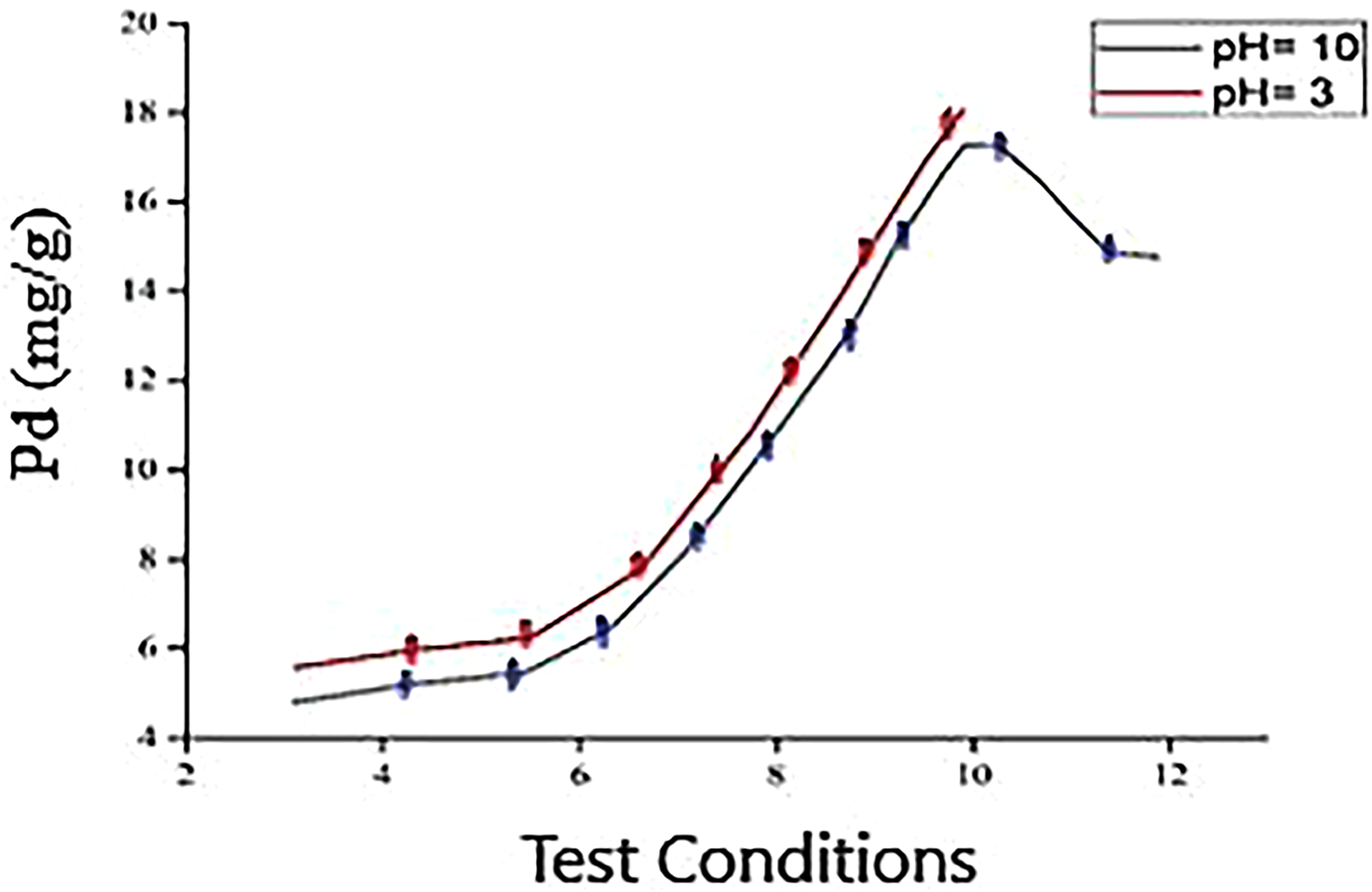
Comparison of Pb²⁺ adsorption efficiency at pH 3 and pH 10, holding other parameters constant (5 mg adsorbent, 5 ppm Pb²⁺, 30°C).
Investigating the effect of initial Pb concentration
The initial concentration of Pb in the sample can influence the level of absorption. The contact nature of the removal and absorption process, influenced by the interaction between the adsorbent and cations, indicates that a low amount of analyte extends the contact and absorption time. Conversely, a high concentration of the analyte leads to the occupation of surface bases, which, due to electrostatic repulsion, results in a decrease in efficiency. The analyte volume is absorbed. With an increase in the initial concentration, the duration required to achieve equilibrium progressively lengthens. Conversely, as concentration increases, the composite continues to demonstrate a high absorption capacity. At a concentration of 1 mg/liter, the highest absorption capacity is achieved after 5 min. The duration is 10, 15, and 25 min for the concentrations of 1, 2, 3, and 5 mg/l, with an adsorbent dose of 5 mg. Given the significance of time in the removal process and the typical levels of Pb found in industrial settings and its environmental impact, an initial concentration of 3 mg/liter of Pb was established for the continuation of the study (Figure 11).
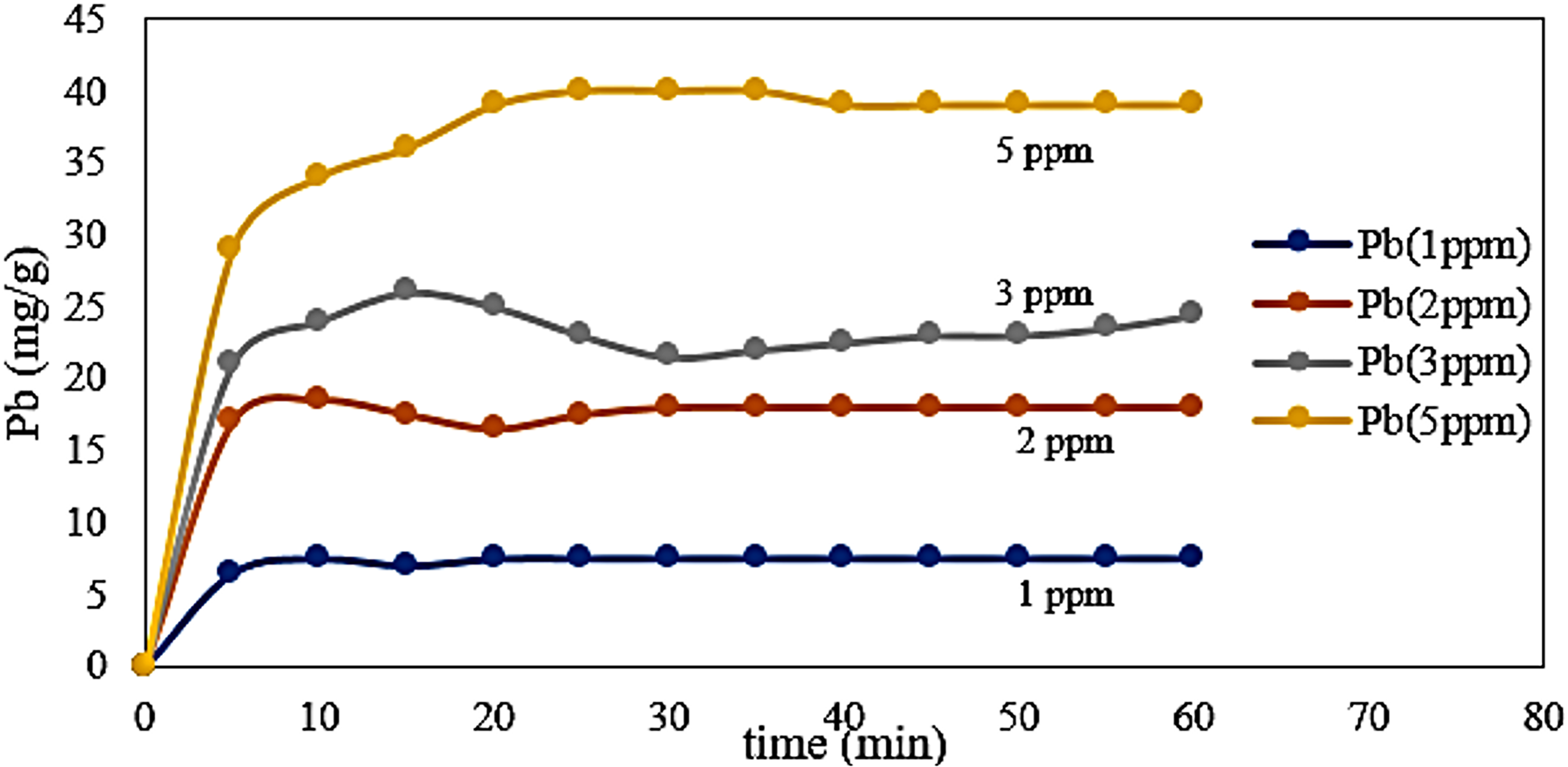
Studying the effect of the initial concentration of lead (adsorbent dose 5 mg, pH = 3, temperature 30 degrees Celsius and contact time 10 min).
Examining the effect of absorbent amount
The impact of varying absorbent quantities on the absorption efficiency of the synthesized nanocomposite was examined for amounts of 10, 15, 20, 35, and 50 mg at a concentration of 3 ppm, with the results presented in Figure 12. Increasing the quantity of adsorbent enhances the number of active sites, leading to a quicker attainment of equilibrium. However, the efficiency of absorption relative to the adsorbent amount diminishes after exceeding 10 mg, remaining nearly constant thereafter. Additionally, an increase in adsorbent quantity results in a variation in the amount of Pb absorbed will not possess. The absorption of heavy metals is primarily facilitated by hydroxide and carboxyl groups present on the surface of graphene oxide. The nickel ferrite group not only enhances capacity but also effectively facilitates the separation of the adsorbent from the solution using magnetic properties.
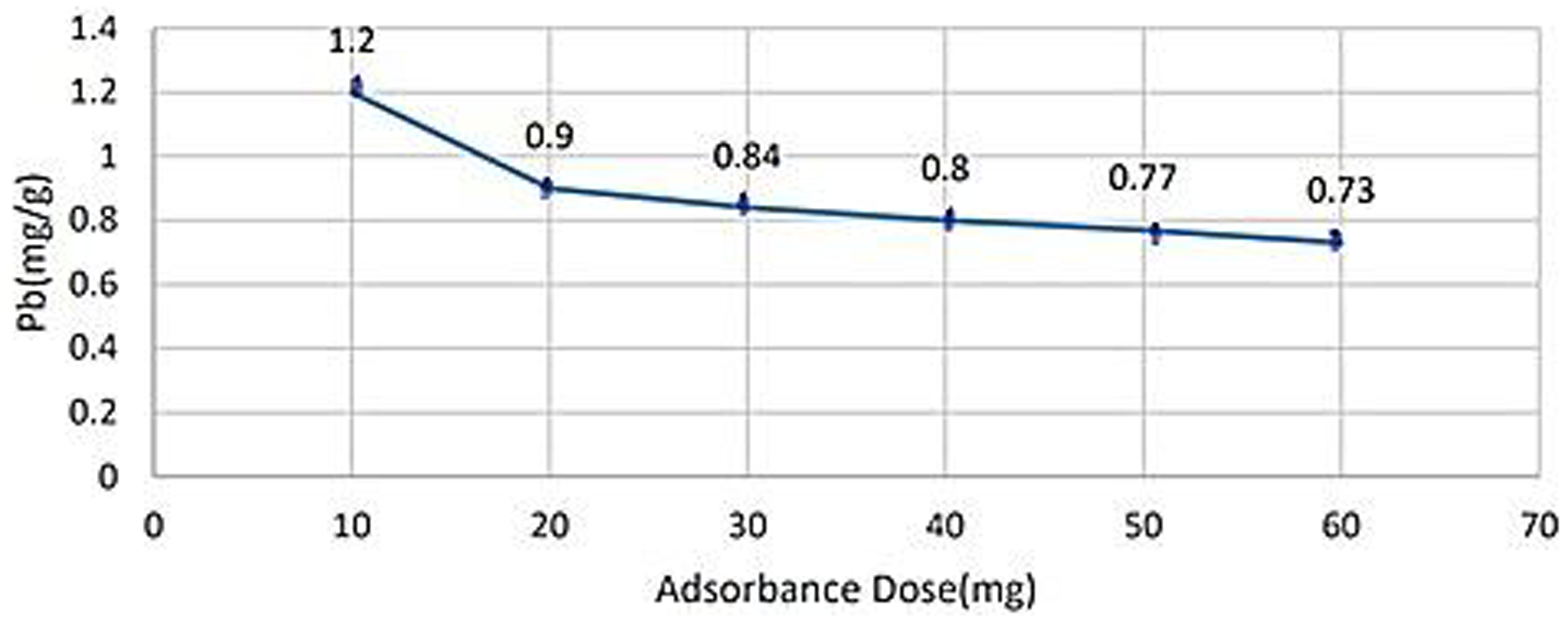
Studying the effect of adsorbent dosage (pH = 3, initial lead concentration 3 ppm, temperature 30 degrees celsius and contact time 10 min).
Adsorbent regeneration, reusability, and magnetic separation
The reusability of the NiFe2O4@GO nanocomposite was evaluated over five consecutive adsorption-desorption cycles. After each adsorption cycle, the Pb2⁺-laden adsorbent was magnetically separated from the solution. The practical efficiency of this magnetic separation is visually demonstrated in Figure 11, where image (a) shows the nanocomposite uniformly dispersed in the aqueous solution, and image (b) shows the same vial after being placed next to a permanent magnet for 60 s, resulting in a clear supernatant and the complete collection of the adsorbent. Following separation, the adsorbent was regenerated by stirring in 20 mL of 0.1 M HNO₃ for 30 min. This acidic treatment desorbs Pb2⁺ ions primarily through the protonation of oxygen-containing functional groups (e.g., −COO− and −O−), where H⁺ ions effectively displace the bound Pb2⁺ cations. The regenerated adsorbent was then thoroughly washed with deionized water until a neutral pH was achieved and dried at 60 °C before being reused in the subsequent cycle (Figure 13).
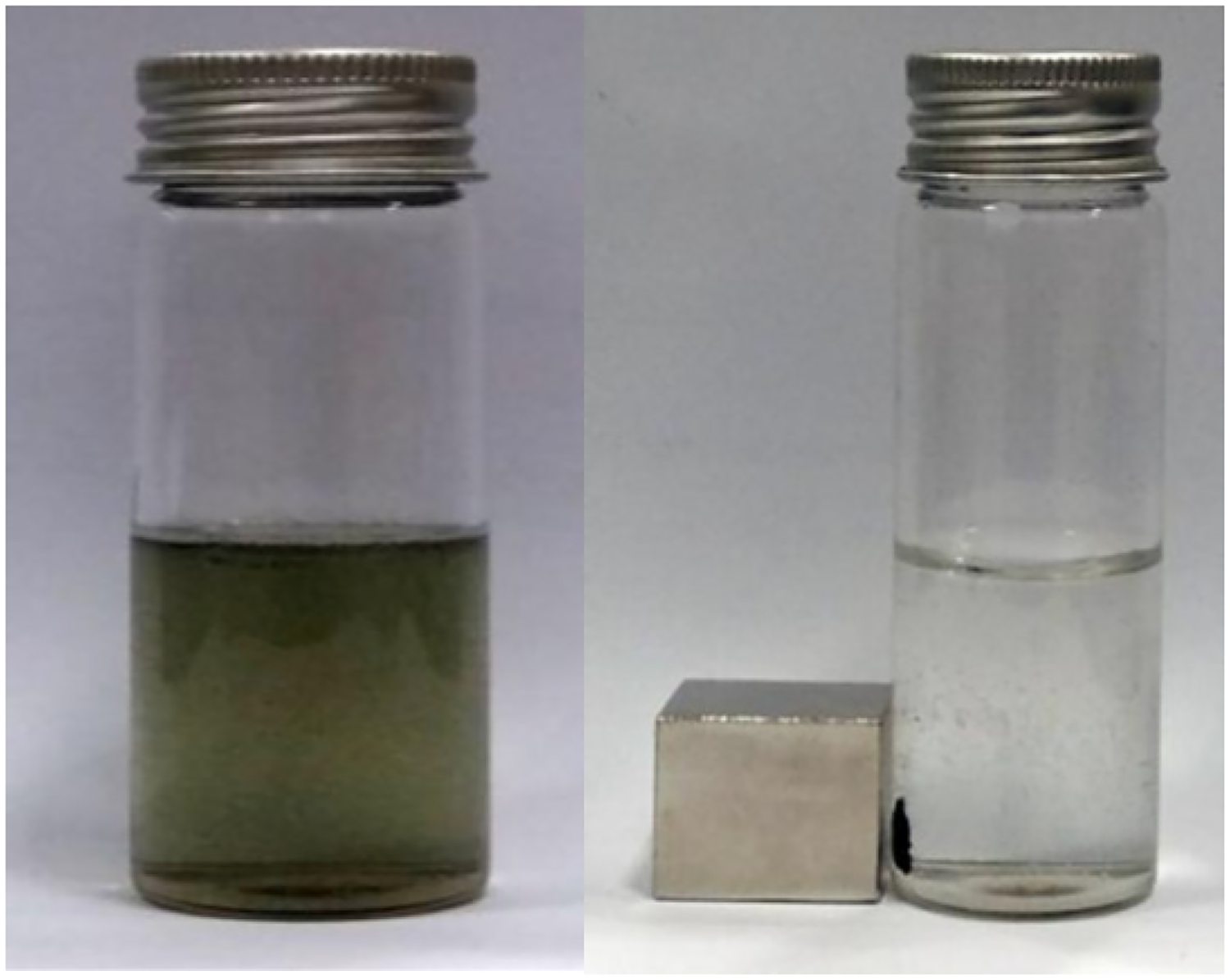
Photographs illustrating the magnetic recovery process: (a) the nanocomposite dispersed in solution and (b) its rapid separation and concentration using a permanent magnet.
Investigating the effect of temperature on absorption efficiency
Absorption reactions can be categorized thermodynamically into two types: exothermic and endothermic. The absorption efficiency initially increases and subsequently decreases as temperature rises from 15 to 50 °C. The rise in absorption efficiency from 15 to 35 degrees signifies the endothermic characteristics of Pb absorption on the synthesized nanocomposite. As temperature rises, the likelihood of reabsorption into the environment increases, thereby enhancing absorption efficiency. The calculation of ΔG0 assesses the spontaneity of the absorption reaction from a stoichiometric perspective. The negative enthalpy supports the endothermic characteristics of the interaction between the adsorbent and Pb, corroborating earlier findings Figure 14 and Table 1.44,45
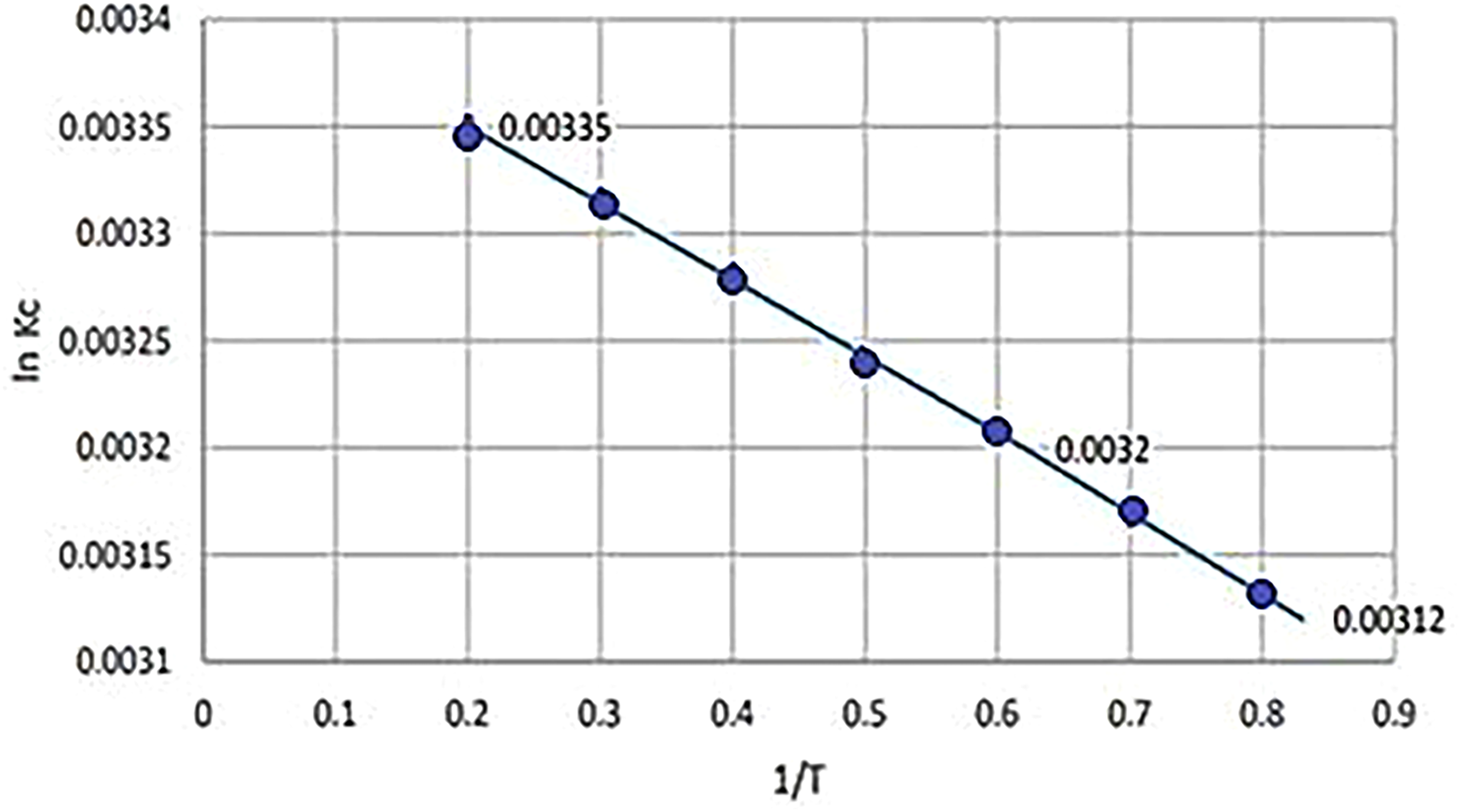
Studying the effect of temperature (pH = 3, initial Pb concentration 3 ppm, adsorbent dose equal to 10 mg and contact time 10 min).
The values of thermodynamic parameters obtained.

Examining the impact of cohabiting species on absorption efficiency
The impact of several prevalent species in aquatic ecosystems was examined with Pb (Table 2). Observations indicate that significant ionic groups, such as the chloride anion, nitrate, and sodium and potassium cations, have little influence on typical water, while other kinds cause little disruption to Pb absorption in water. The data will undoubtedly be synthesized by the nanocomposite in an environment with suitable selectivity; the tables for this species are excluded.
Effect of coexisting ions on Pb2⁺ removal efficiency (conditions: [Pb2⁺] = 3 mg/L, adsorbent dose = 10 mg, pH = 6, T = 25 °C).

The impact of several prevalent species in aquatic ecosystems on Pb2⁺ adsorption was quantitatively investigated, with the results presented in Table 2. The data demonstrate that the nanocomposite maintains a high Pb2⁺ removal efficiency (>92%) even in the presence of high concentrations of competing ions, confirming its excellent selectivity for practical applications.”
The high removal efficiency of Pb2⁺ despite the presence of high concentrations of competing cations demonstrates a strong selectivity of the NiFe2O4@GO nanocomposite for Pb2⁺ ions, which is crucial for applications in real wastewater streams.
Examining the absorption isotherm
Adsorption isotherms are fundamental models that describe how molecules adhere to surfaces, providing critical insights into the interactions between adsorbates and adsorbents. Among the various models developed to characterize these interactions, the Langmuir and Freundlich isotherms are two of the most widely utilized due to their distinct approaches and applicability to different adsorption scenarios.
Langmuir isotherm model
The Langmuir isotherm, proposed by Irving Langmuir in the early twentieth century, is based on the assumption that adsorption occurs at specific homogeneous sites within the adsorbent, where each site can hold only one molecule of the adsorbate. This model is characterized by a finite number of adsorption sites and assumes that once a site is occupied, no further adsorption can occur at that site. The Langmuir isotherm is mathematically represented by the equation:
where Ce is the equilibrium concentration of the solute in (mg/L), qe is the equilibrium adsorption capacity in (mg/g), qmax is the maximum adsorption capacity in (mg/g), kL is the tendency of the soluble component towards the adsorbent. In terms of (L/mg), qmax kL is the distribution constant in terms of (L/g). By drawing the graph qe/Ce in terms of Ce and according to the slope of the line and the width from its origin, the parameters of the Langmuir isotherm are obtained. At low concentrations, this model turns into a linear model and acts like Art's law. Adsorption isotherm for lead removal by nanocomposites was investigated at a temperature of 20 ± 2 degrees and under optimal conditions for concentrations of 1, 2, 3, and 5 mg/L using 1 mg of adsorbent (Figure 15).
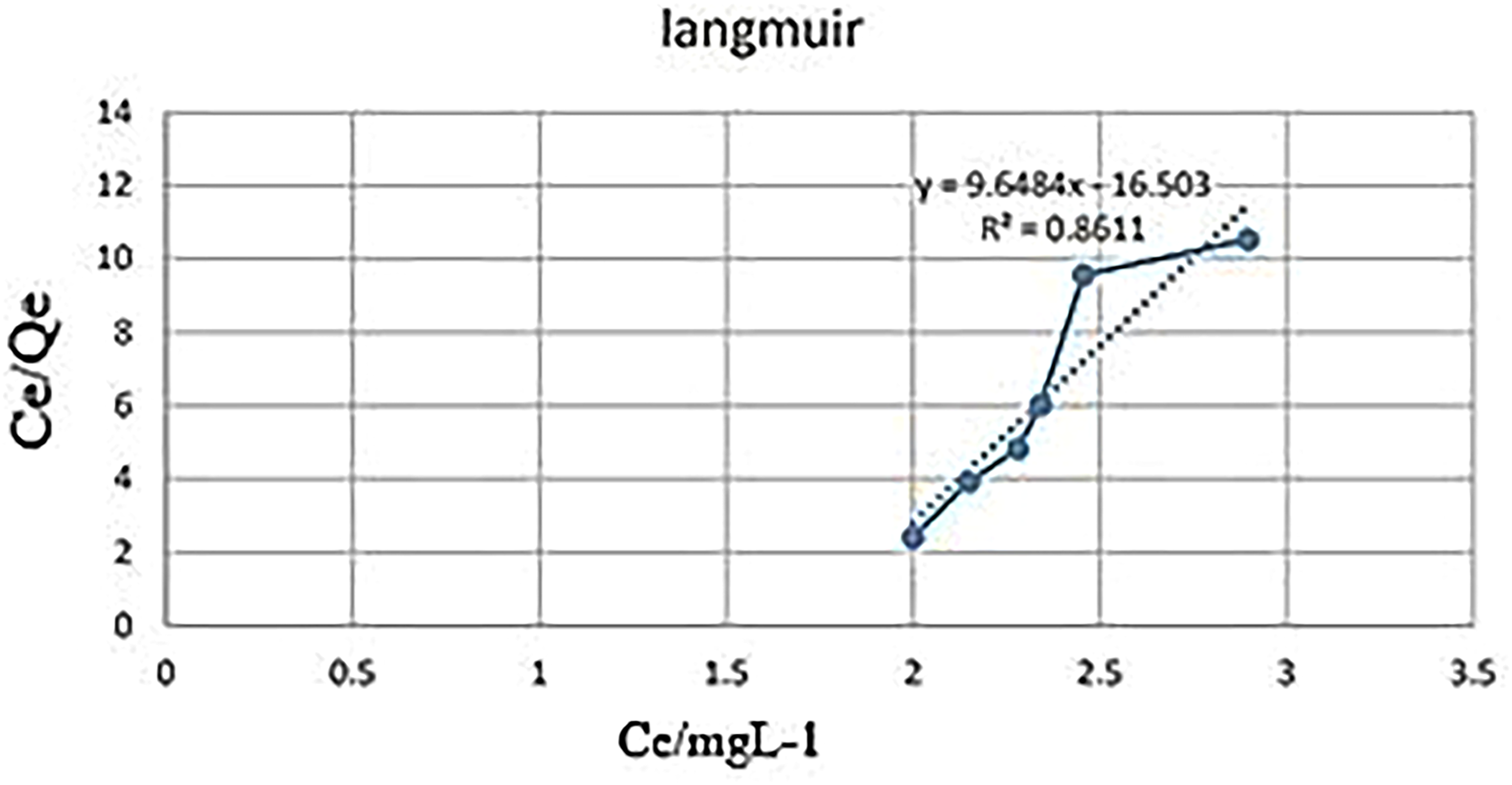
Langmuir adsorption isotherms.
Freundlich isotherm model
The first experimental model was presented by Freundlich in 1909. In this model, the relationship between the residual concentration of the adsorbed substance and the absorption capacity is defined by the equation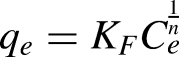
where qe is the equilibrium adsorption capacity in (mg/g), Ce is the equilibrium concentration of the solute in the solution in (mg/L), KF is the Freundlich adsorption constant in (L/g), and the dimensionless number n is the absorption intensity factor. The Freundlich isotherm expresses a relationship for reversible and non-ideal absorption, which can be used for multilayer absorption with inhomogeneous heat distribution and absorption on an inhomogeneous surface. By taking logarithms of both sides of the equation, it can be converted into a linear form. By plotting ln(qe) against ln(Ce), the parameters KF and n can be determined based on the slope and intercept of the resulting straight line (Figure 16).
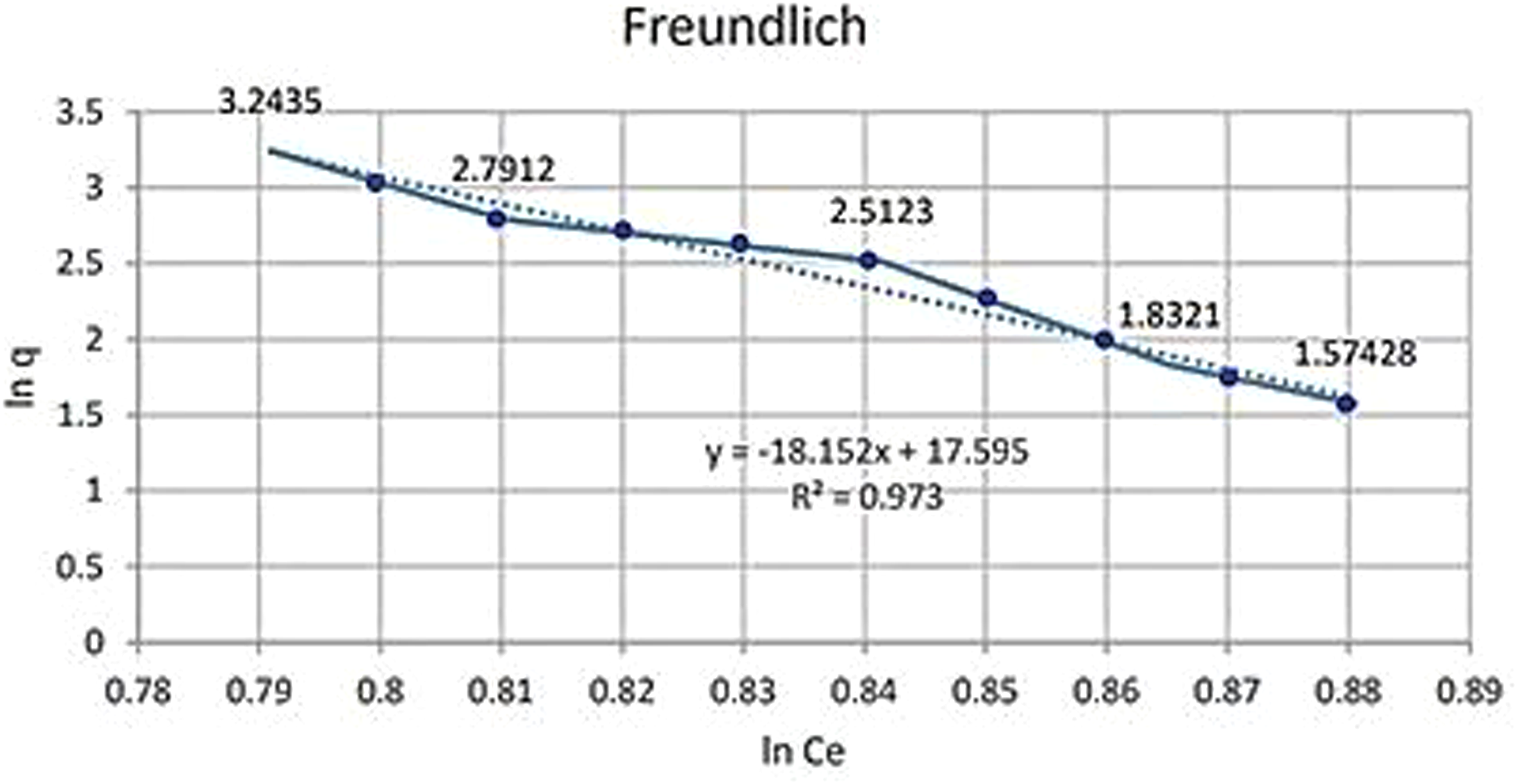
Freundlich adsorption isotherms.
The adsorption isotherm for the removal of lead by nanocomposites was investigated at a temperature of 20 ± 2 degrees and under optimal conditions for concentrations of 1, 2, 3 and 5 mg/L using 1 mg of adsorbent.
The adsorption isotherm for lead removal by the nanocomposite was investigated at a temperature of 20 ± 2 °C under optimal conditions. The calculated parameters for both Langmuir and Freundlich isotherm models are summarized in Table 3. The regression coefficient (R2) for the Freundlich model (0.975) was significantly higher than that for the Langmuir model (0.86), indicating that the adsorption process is best described by the Freundlich isotherm. This suggests multilayer adsorption on a heterogeneous surface. It is crucial to distinguish between the theoretical maximum capacity derived from model fitting and the experimentally observed value. The Langmuir model predicts a theoretical monolayer capacity (qm) of 41.1 mg/g. In contrast, the experimentally measured adsorption capacity under optimal conditions reached 137.86 mg/g. This high experimental value is consistent with the high adsorption affinity described by the Freundlich model, which better represents the complex nature of the nanocomposite's surface. 40
Calculated values for Langmuir and Freundlich isotherms.
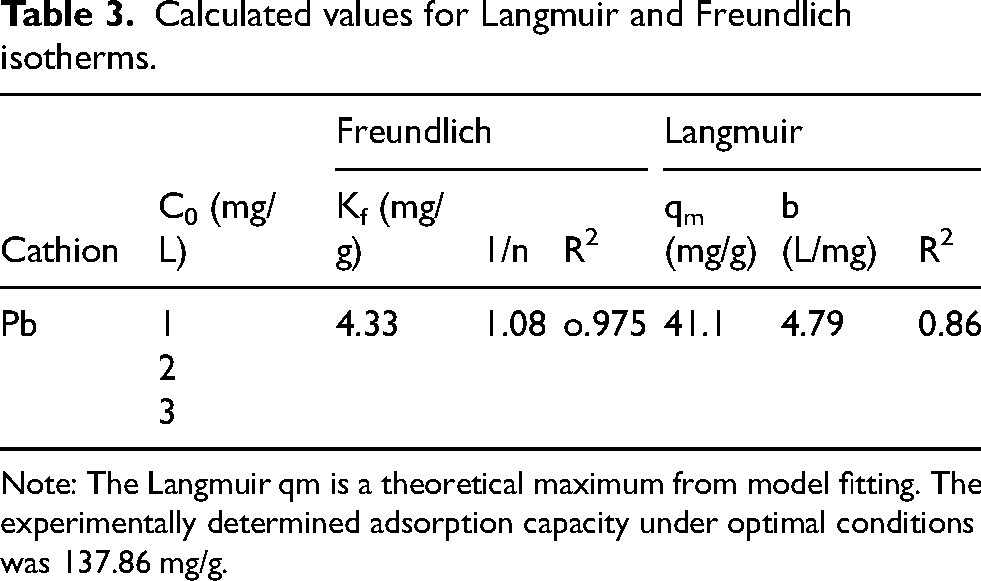
Note: The Langmuir qm is a theoretical maximum from model fitting. The experimentally determined adsorption capacity under optimal conditions was 137.86 mg/g.
The adsorption isotherm was modeled under the basic conditions of pH, adsorbent dose, temperature, and adsorption time. The results showed that the adsorption is best described by the Freundlich isotherm, indicating a heterogeneous surface process where multilayer adsorption is favorable.
According to the findings, the capacity of single-layer synthetic nanocomposite, which is indicated by qm in the Langmuir isotherm, is equal to 41. 1 mg of lead per gram of nanoabsorbent, which shows the high removal power of the adsorbent and can be used to remove and clean polluted water. The Langmuir qm is a theoretical parameter from model fitting. The experimentally determined adsorption capacity was 137.86 mg/g.
Control experiments comparing GO, NiFe2O4, and NiFe2O4@GO
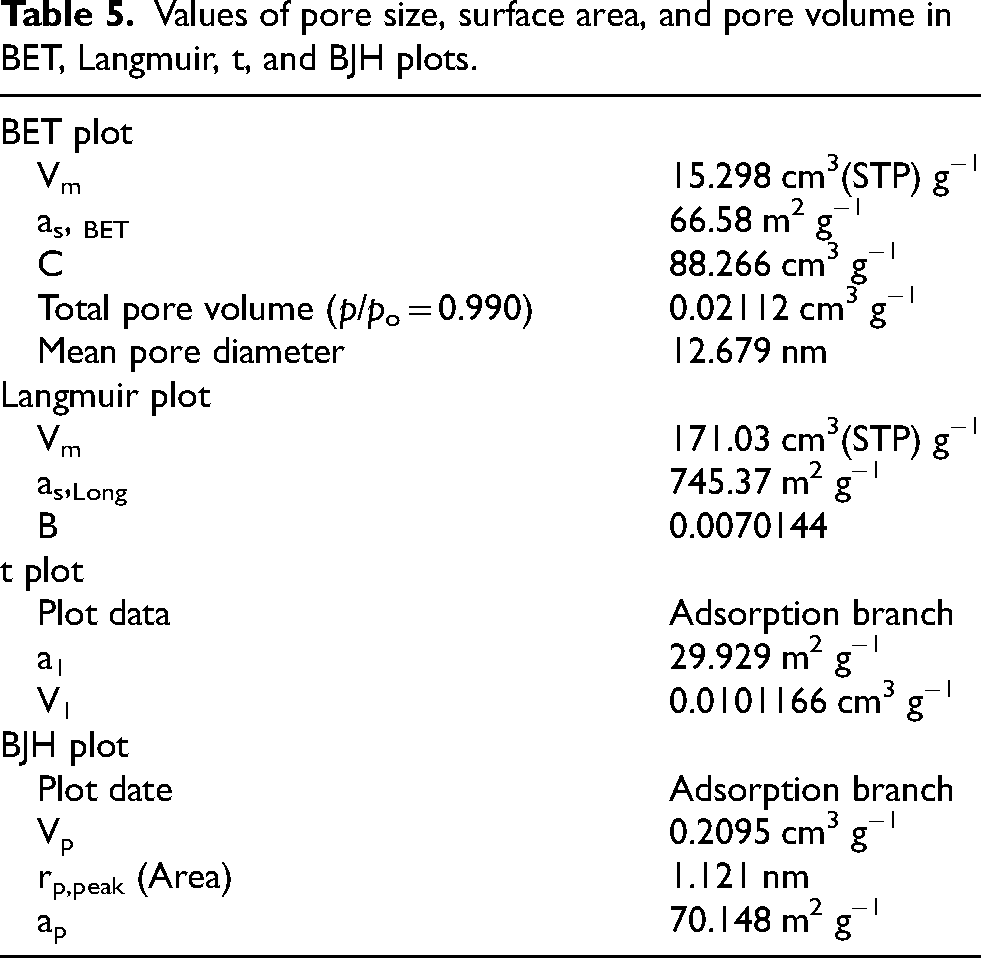
To demonstrate the superior performance of the NiFe2O4@GO composite, we conducted systematic control experiments comparing GO, NiFe2O4, and NiFe2O4@GO under identical conditions (pH 6, 25°C, 5 ppm Pb2⁺, 100 mg·L−1). The composite exhibited significantly enhanced adsorption capacity (137.9 ± 4.2 mg/g) compared to GO (68.2 ± 3.1 mg/g) and NiFe2O4 (45.5 ± 2.8 mg/g), along with faster kinetics (t₁/2 = 4.5 min vs. 22.4 and 18.7 min) and excellent reusability (95 ± 2% recovery after 5 cycles). This performance synergy, exceeding the sum of individual components’ capacities, stems from GO's oxygen functional groups (−OH/−COOH) providing abundant binding sites while NiFe2O4 enables rapid magnetic separation (Table 4).
BET analysis
The Brunauer-Emmett-Teller (BET) method was employed to evaluate the surface area, average pore diameter, and pore volume of the NiFe2O4/GO composite. This analysis measured the nitrogen adsorption and desorption within the pores relative to varying partial pressures. The experiment was performed at 77 K, and the findings are illustrated in Figure 17.
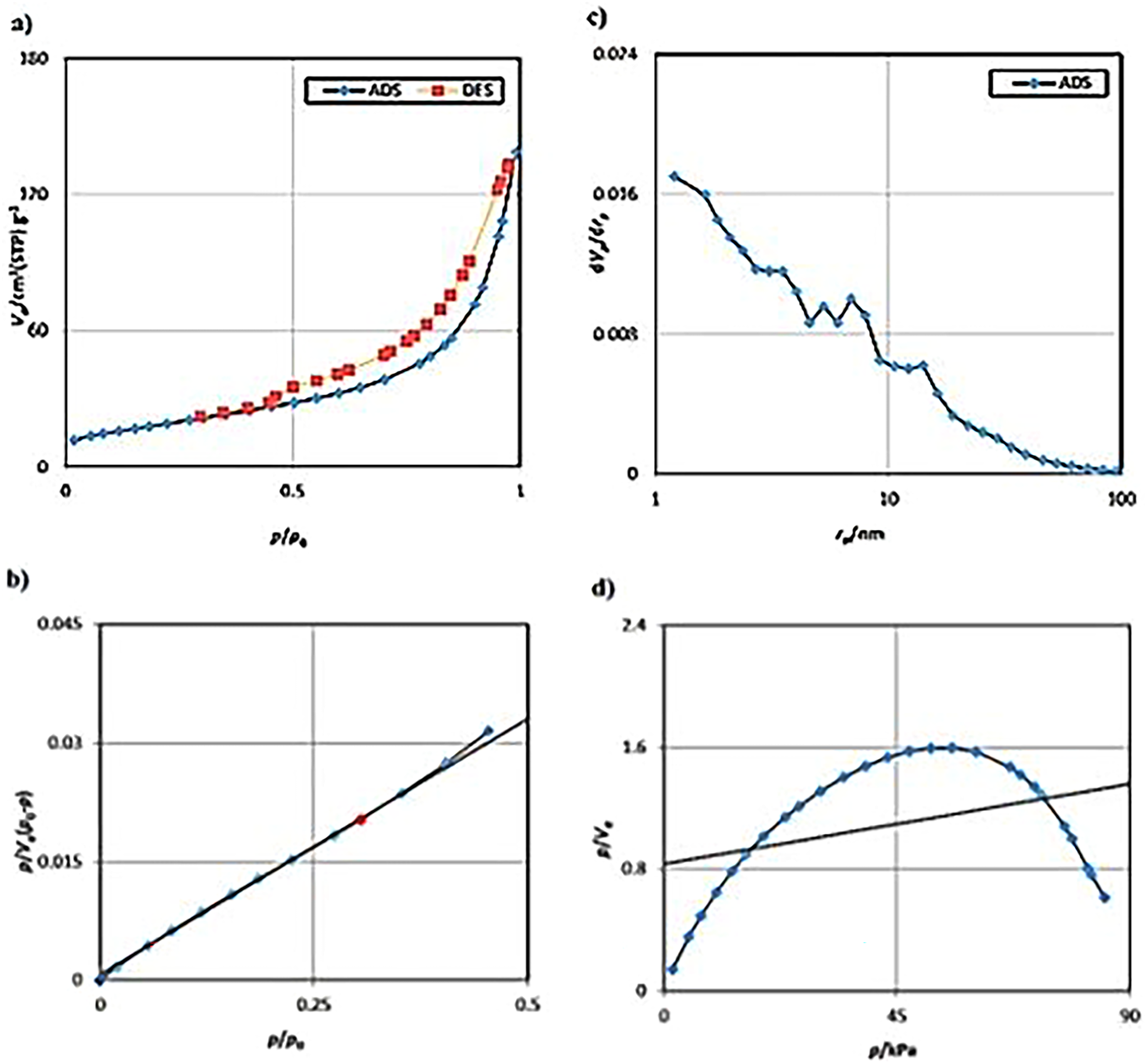
Characterization of NiFe2O4/GO nanocomposite: (a) N2 adsorption-desorption isotherms, (b) Brunauer-Emmett-Teller (BET) surface area evaluation, (c) Barrett-Joyner-Halenda (BJH) pore size distribution, and (d) Langmuir adsorption model plot.
The results indicate a notable decrease in pore-specific surface area and pore volume following the incorporation of GO into the NiFe2O4 nanostructure. Key porosity parameters, including surface area, pore size, and pore volume, were derived from Barrett-Joyner-Halenda (BJH) desorption data and are summarized in Table 5. The analysis revealed a bimodal pore structure, with a significant population of micropores (average ∼1.21 nm) and a larger average pore size of 12.67 nm, indicating the presence of mesopores. This hierarchical structure is advantageous, where mesopores act as transport arteries and micropores provide high-energy adsorption sites. The presence of micropores is critical for the high adsorption capacity, as the confinement within these small pores enhances the interaction energy between the pore walls and the Pb2⁺ ions, leading to stronger binding. Additionally, the Langmuir surface area was calculated as 744.36 m2 g−1, while the monolayer adsorption capacity (Vm) reached 171.02 cm3 (STP) g−1.
Comparative Pb2⁺ adsorption by GO, NiFe2O4, and NiFe2O4@GO.
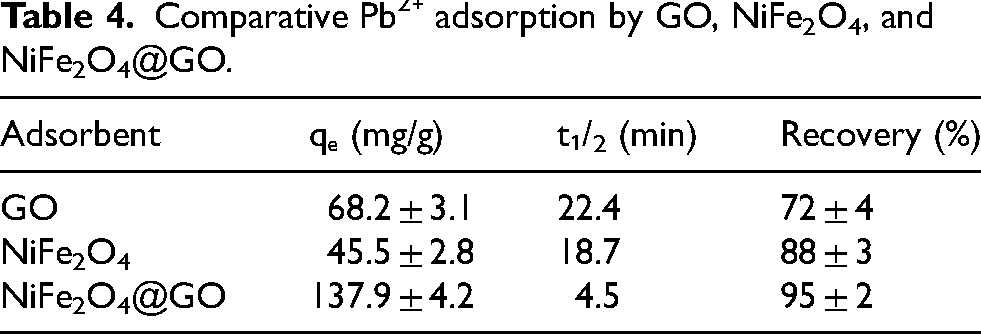
Values of pore size, surface area, and pore volume in BET, Langmuir, t, and BJH plots.
The BET surface area of 66.59 m2/g is reported as the accurate characterization of the nanocomposite's available surface area. The Langmuir model surface area (744.36 m2/g) represents a theoretical maximum for an idealized homogeneous surface and overestimates the practical surface area.
Proposed adsorption mechanism of Pb(II) on NiFe2O4/GO
The adsorption of Pb(II) ions onto GO@NiFe2O4 composites is primarily driven by a combination of electrostatic interactions, ion exchange, and chelation. The GO provides a large surface area and oxygen-containing functional groups for Pb(II) binding, while the NiFe2O4 enhances the magnetic properties and introduces additional active sites for adsorption. The excellent fit to the Freundlich model supports the proposed mechanism of complexation on heterogeneous sites, where initial strong binding to high-energy functional groups is followed by adsorption onto adjacent sites, leading to multilayer formation (Figure 18).
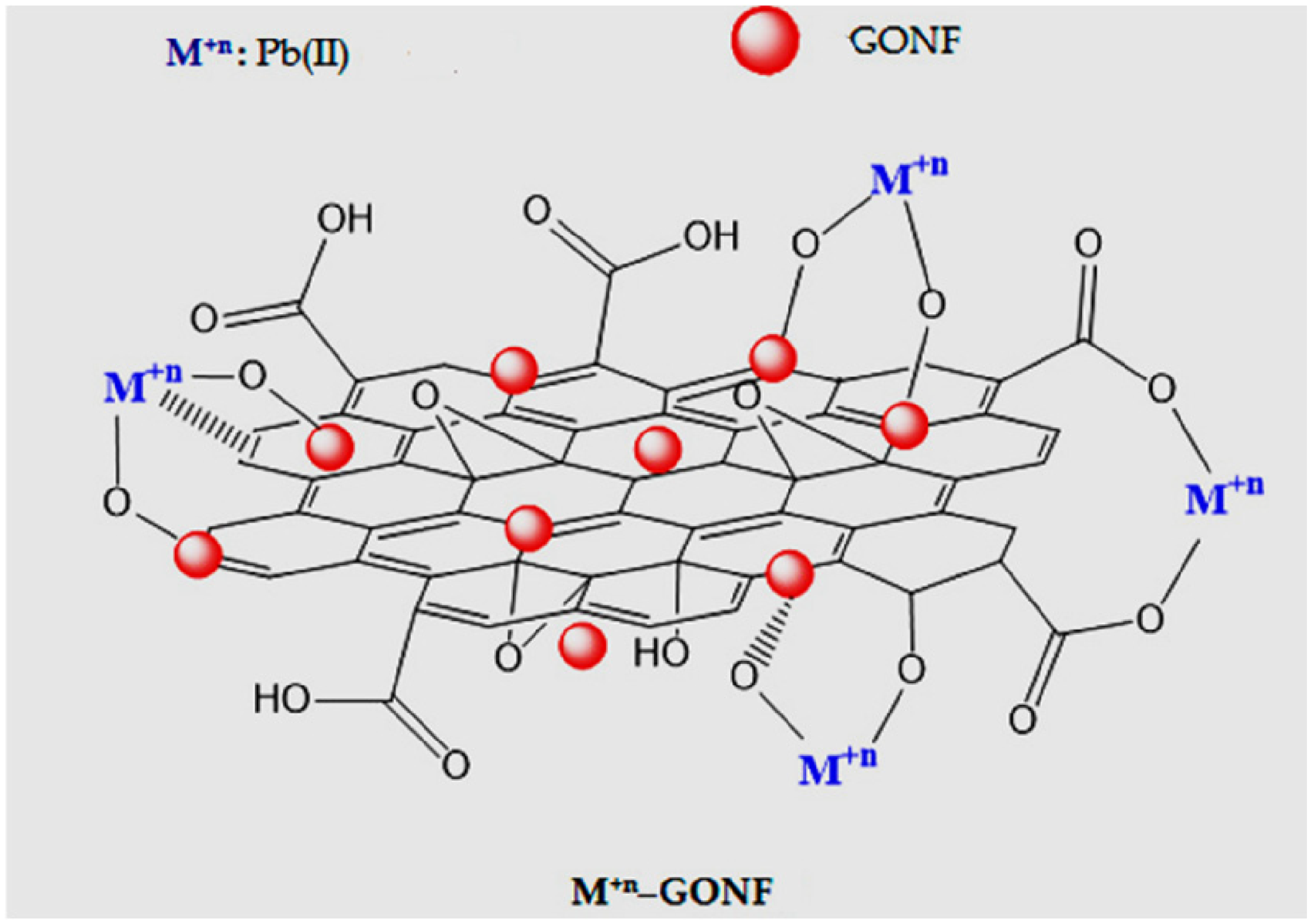
Proposed adsorption mechanism of Pb(II) on NiFe2O4/GO nanocomposite.
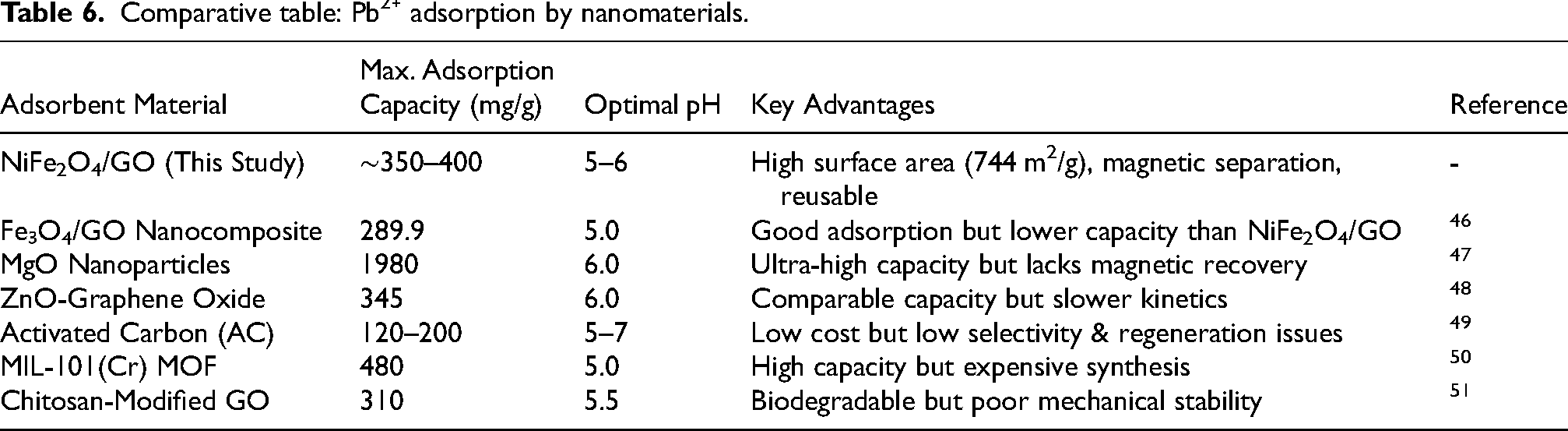
Table 6 compares the Pb2⁺ adsorption performance of NiFe2O4/GO with state-of-the-art nanomaterials. Notably, NiFe2O4/GO exhibits a high adsorption capacity (350–400 mg/g), surpassing Fe₃O4/GO (289.9 mg/g) and chitosan-GO (310 mg/g), while offering magnetic recoverability—a critical advantage over non-magnetic adsorbents like MgO NPs (1980 mg/g) and activated carbon. Though MOFs (e.g., MIL-101) show higher capacities (∼480 mg/g), their complex synthesis limits scalability. The synergistic effects of NiFe2O4's redox activity and GO's high surface area (744 m2/g) position this nanocomposite as a balanced candidate for practical wastewater treatment, combining efficiency, reusability, and ease of separation.
Comparative table: Pb2⁺ adsorption by nanomaterials.
Conclusion
The removal of heavy metals has become a major issue for all modern civilizations. Heavy metals such as Pb, nickel, and chromium are highly detrimental to the environment. Pb is considered the second most frequently used industrial metal after iron. Pb and its derivatives are utilized both organically and inorganically. As a result, the elimination of these metals appears to be vital and necessary. Heavy metals, with distinct physical and chemical characteristics and varying quantities, are known to pollute the environment in most regions of the globe through industrial effluents, fuel use, urban sewage discharge, and their consumption in some instances. These substances enter the ecosystem as natural fertilizers and have adverse impacts on both people and animals on Earth. Pb is another heavy, toxic, and harmful metal that enters the environment through various means, including those mentioned above, particularly through gasoline use, posing risks to human health. Various methods are employed to remove these heavy metals. These methods include surface absorption, reverse osmosis, sedimentation, aeration, and others.
In recent years, the utilization of nanoparticles as adsorbents with high absorption capacities has garnered significant interest. Graphene oxides, known for their high absorption surface, have also attracted considerable attention. Various strategies are currently being employed to remove heavy metals from the environment, particularly water sources, with a focus on the surface absorption process. Graphene oxide nanoparticles are appealing due to their high potential, absorption capacity, and specific surface area. This study aimed to assess the effectiveness of graphene oxide nanoparticles in removing Pb from aqueous solutions.
This study successfully developed a NiFe2O4@graphene oxide nanocomposite that demonstrates exceptional Pb2⁺ removal capabilities, achieving a maximum adsorption capacity of 137.86 mg/g at optimal pH 6–8 within just 5 min. Comprehensive characterization (FT-IR, XRD, SEM, BET) confirmed the successful integration of NiFe2O4 nanoparticles between GO sheets, creating an adsorbent with a BET surface area of 66.59 m2/g and abundant -OH/COOH binding sites. The adsorption process followed pseudo-second-order kinetics (R2 > 0.999) and was best described by the Freundlich isotherm (R2 = 0.975), indicating a chemisorption process on a heterogeneous surface conducive to multilayer adsorption. The nanocomposite exhibited excellent selectivity for Pb2⁺ in mixed-metal systems, as evidenced by its high performance in competitive adsorption experiments and maintained >92% efficiency after 5 regeneration cycles, while its magnetic properties facilitated easy separation. These results, particularly the combination of high capacity, rapid kinetics, and practical reusability, position this material as a promising solution for industrial wastewater treatment, with future work needed to evaluate performance in real-world applications and scale-up potential.
Footnotes
Acknowledgments
This paper has been supported by the Research Council of Shahid Madani University.

Funding
The authors received no financial support for the research, authorship, and/or publication of this article.
Declaration of conflicting interests
The authors declared no potential conflicts of interest with respect to the research, authorship, and/or publication of this article.