







Abstract
While international research collaboration (IRC) has expanded rapidly in the natural sciences, its patterns in education remain less well understood. This study examines China's IRC in education research from 2000 to 2022, drawing on bibliometric data from the Web of Science to analyze its geographical distribution, institutional participation, and thematic focus. The findings reveal a steady rise in internationally co-authored publications, primarily with the US, Australia, and the UK, and led by a small number of elite Chinese universities. Thematically, collaborations are concentrated in topics aligned with globally dominant research agendas. Although Chinese scholars increasingly take first-author roles, the overall structure of collaboration continues to reflect academic hierarchies dominated by the Global North. Overall, the study highlights both the progress and constraints of China's IRC in education and calls for more inclusive and balanced collaboration that broadens participation, diversifies research topics, and addresses structural asymmetries in international academic networks.
Keywords
Introduction
In recent decades, international research collaboration (IRC) has attracted growing scholarly attention, reflecting the increasingly global nature of academic work (Chen et al., 2019). IRC refers to cooperative research activities involving scholars, institutions, or organizations across national borders (Bozeman & Boardman, 2014; Gök & Karaulova, 2024). It is widely regarded as a key driver of research quality, intellectual exchange, and the development of solutions to complex global challenges (Bornmann et al., 2015). By enabling access to diverse expertise, resources, and perspectives, IRC plays a crucial role in the production, dissemination, and application of scientific knowledge (Bornmann et al., 2015; Wagner, 2009).
Reflecting its growing importance, IRC has become a major focus across disciplines, with numerous studies examining its structures, drivers, and outcomes at individual, institutional, and national levels (e.g., Kwiek, 2021; Pohl, 2020). However, much of this research has centered on the natural sciences, where standardized methodologies, shared infrastructures, and large-scale funding make collaboration more straightforward (Babchuk et al., 1999; Wagner et al., 2017). In contrast, IRC in the social sciences, particularly in education, remains comparatively underexplored.
Education research is deeply shaped by local sociocultural, political, and linguistic contexts, making IRC in this field particularly complex (Bond et al., 2021; Dusdal & Powell, 2021; Marginson, 2022a). At the same time, education is a crucial domain for responding to global issues such as inequality, sustainability, and social justice, all of which are central to the UN's Sustainable Development Goals (UNESCO, 2017). Existing studies (e.g., Avdeev, 2021; Güneş et al., 2017) have examined publication trends, thematic developments, and national research capacities in education-focused IRC, often through descriptive analyses. While these contributions are valuable, further attention is still needed to investigate the more nuanced aspects of IRC in education, such as who sets research agendas, how authorship is distributed, and which voices are amplified or marginalized.
Importantly, emerging critical scholarship has questioned the assumption that IRC is neutral or mutually beneficial. Scholars (e.g., Marginson & Xu, 2023; Noda, 2020) have highlighted the asymmetry in global knowledge production, where institutions in the Global North often dominate theoretical frameworks, agenda-setting, and access to high-impact publication outlets. Conversely, scholars from the Global South are frequently relegated to peripheral roles, with limited influence over the direction and visibility of collaborative research (Altbach et al., 2019; Salager-Meyer, 2008). These dynamics raise pressing concerns about representation, recognition, and epistemic justice in IRC.
Within this context, China presents a particularly timely and significant case. Over the past two decades, China has emerged as a major scientific contributor and policy actor in global higher education (Marginson & Xu, 2023). National initiatives such as the Double First-Class strategy 1 have expanded China's research capacity and international visibility, including in education science (Han et al., 2023). Chinese scholars are increasingly publishing in international journals and engaging in cross-border collaborations, particularly with partners in Anglophone countries (Xu, 2020a). Yet, important questions remain: Are Chinese researchers shaping global education discourse, or adapting to dominant Western paradigms? What roles do they play in collaborative projects, and how are their contributions evaluated? Understanding these broader dynamics is significant for international education scholars, as they reflect not only China's rise in global academia but also the structural conditions that shape knowledge production and recognition.
Therefore, using bibliometric analysis, which is a widely adopted method for tracing co-authorship patterns and visualizing global research networks (Kwiek et al., 2024), the study maps key countries, institutions, and research areas involved in China's IRC. Beyond mapping, it also explores the academic dynamics that underpin these partnerships, such as issues of power, representation, and knowledge hierarchies. By situating China's education-related IRC within the broader landscape of global knowledge production, this study seeks to contribute to a more nuanced understanding of how IRC in education is formed, sustained, and contested. Accordingly, this study is guided by the following research question: What does China's global footprint in IRC in education science look like? To address this question, the study further explores three sub-questions:
What countries and institutions has China collaborated with? What are the main research topics in these international collaborations? What role does China play in these collaborations, and are there indications of asymmetry in the partnerships?
Academic Asymmetry in IRC
To critically examine China's participation in IRC within the field of education science, this study adopts the concept of academic asymmetry as its central analytical lens. Academic asymmetry mainly refers to enduring structural inequalities in the global academic system, where scholars, institutions, and epistemologies from the Global North exert disproportionate influence over research agendas, authorship hierarchies, and the validation of knowledge (Marginson & Xu, 2023; Noda, 2020).
Although IRC is often presented as a neutral and mutually beneficial process, a growing body of scholarship (e.g., Fu et al., 2022; Zhang & Dai, 2025) reveals its entanglement with unequal structures of knowledge production, shaped by both epistemological and linguistic hierarchies. Researchers from the Global South are often less likely to lead projects, set theoretical frameworks, or publish in high-impact journals without conforming to Western academic norms (Murphy & Zhu, 2012). These patterns are further reinforced by the dominance of English in academic publishing and the concentration of prestigious journals in Anglophone countries, resulting in the marginalization of local knowledge systems, even within ostensibly international collaborations (Xu, 2020a).
In the field of education, where research is inherently contextual and culturally situated, such asymmetries are particularly consequential (Bond et al., 2021; Dusdal & Powell, 2021). They shape not only who gets to participate, but also what kinds of knowledge are recognized, circulated, and legitimized on the global stage.
Through this lens, this study further examines China's role in global IRC within the field of education. Rather than interpreting China's expanding international presence as straightforward evidence of academic rise, the analysis explores the power dynamics embedded in these collaborations. By attending to both the structural patterns of collaboration and the power relations that underpin them, this study offers a more critical and nuanced understanding of China's role in global knowledge production. In doing so, it could not only reveal the complexities of international engagement in education research, but also contribute to broader conversations on representation, equity, and epistemic justice within global research partnerships (Marginson, 2022a).
Research Design
This study adopts a bibliometric approach to examine the pattern and underlying dynamics of China's IRC in the field of education science from 2000 to 2022. While primarily quantitative, the analysis is informed by a critical understanding of global academic asymmetry, with particular attention paid to the representation and influence within global research partnerships.
Data Collection
The dataset was extracted from the Web of Science (WoS) Core Collection, including the Social Sciences Citation Index (SSCI) and Science Citation Index Expanded (SCI-EXPANDED). WoS was selected due to its high selectivity and global coverage of peer-reviewed journals, offering a curated set of internationally visible academic outputs (Falagas et al., 2008). To ensure disciplinary relevance, the search was limited to four WoS subject categories closely related to education: Education & Educational Research; Education, Scientific Disciplines; Education, Special; Psychology, Educational.
These categories encompass a total of 419 indexed journals, covering a broad spectrum of empirical, theoretical, and conceptual studies within the field of education. The search was further refined to include only documents in which at least one author was affiliated with an institution in the People's Republic of China. All records were limited to articles and reviews written in English, in accordance with WoS's indexing criteria.
The final dataset consisted of 15106 publications spanning January 1, 2000 to December 12, 2022 (See Figure 1). This time frame captures the key phases of China's academic internationalization, corresponding with major national policy initiatives such as Project 211, Project 985 2 , and the Double First-Class strategy. As such, the selected period provides a historically grounded lens to assess both the quantitative expansion and qualitative evolution of China's international engagement in education research.
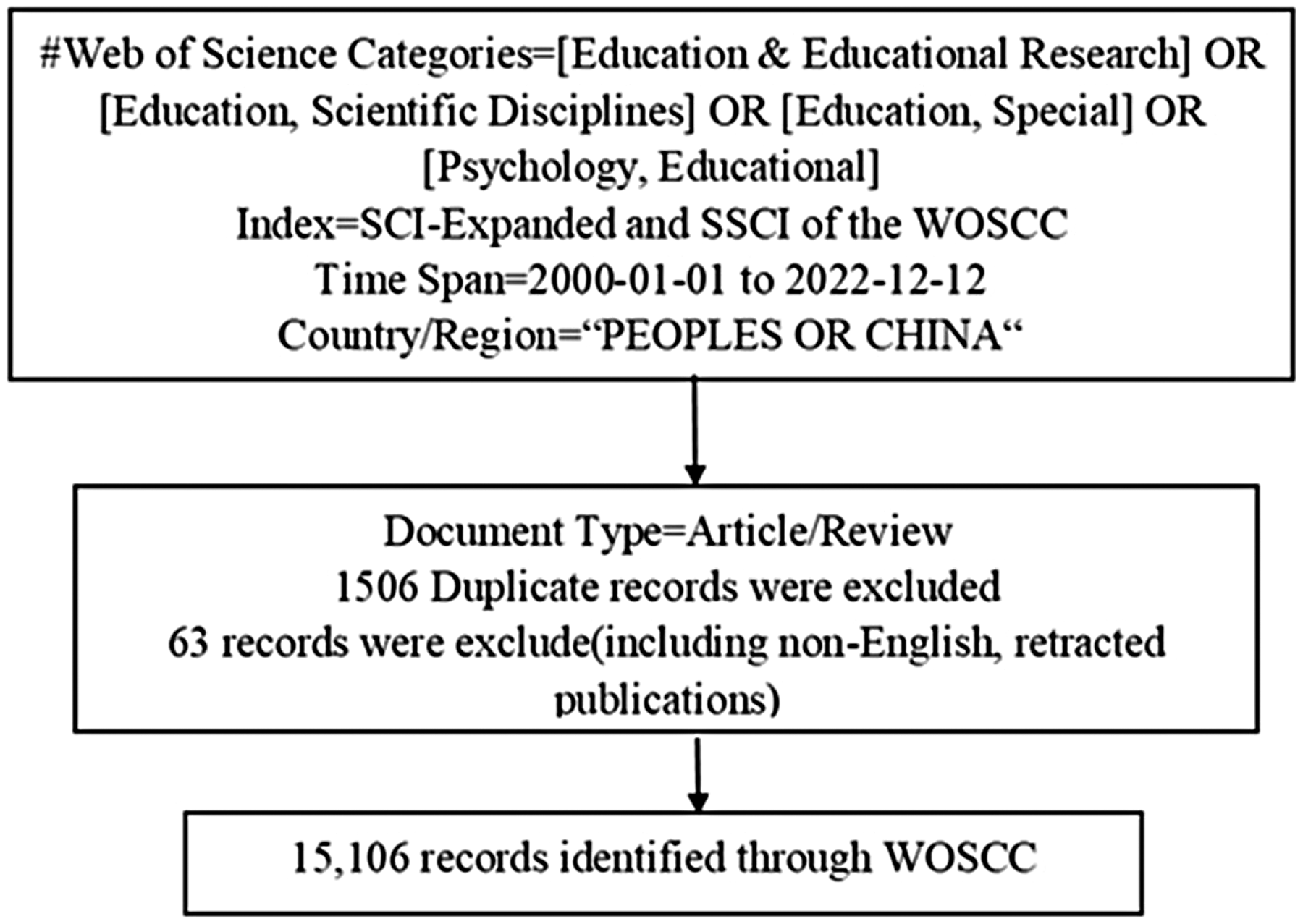
Data processing flow.
Data Analysis
The analysis was conducted in two main stages: descriptive mapping and network visualization. Descriptive statistics were used to examine publication trends and collaboration patterns, focusing on key variables such as the annual number of publications, the proportion of internationally co-authored papers, and the distribution of partnerships across countries and institutions.
To further explore the structural and thematic dimensions of collaboration, two widely used bibliometric tools were employed. CiteSpace was used to identify co-citation clusters and keyword co-occurrence, revealing the thematic structure and disciplinary focus of internationally co-authored research (Chen, 2016). VOSviewer was applied to map co-authorship and institutional collaboration networks, highlighting the intensity and direction of partnerships at both national and institutional levels. In the visualizations generated by VOSviewer, node size represents publication frequency or impact, while link strength indicates the closeness of collaboration (Cobo et al., 2011).
Beyond structural mapping, this study adopts academic asymmetry as a critical interpretive lens to examine the underlying dynamics of China's IRC. From this perspective, the analysis not only identifies patterns of collaboration, but also investigates how power relations, institutional positionality, and epistemic hierarchies shape the nature of these collaborations. This approach allows for a more nuanced understanding of the structural inequalities embedded in IRC and their implications for knowledge production in education research.
Although bibliometric method is effective for mapping large-scale collaboration patterns, this study also acknowledges its limitations. First, the analysis is based exclusively on English-language publications indexed in the WoS, which excludes non-English and regionally published research that may offer valuable perspectives beyond the Anglophone sphere. Second, the data cover the years 2000 to 2022, a period that captures the major stages of China's academic internationalization but does not reflect the most recent developments. Finally, while bibliometric tools are useful for identifying structural and thematic trends, they cannot fully capture qualitative dimensions of collaboration. These aspects call for further investigation through complementary qualitative methods.
Findings
The findings are organized to reflect three core dimensions of China's IRC in education science: (1) general publication trends and authorship patterns, (2) institutional and geographical distribution of collaborative activities, and (3) thematic structures and topic selection within co-authored research. Together, these findings illuminate both the quantitative expansion and the qualitative characteristics of China's global footprint in education research, while also highlighting the structural asymmetries that continue to shape its participation in international academic networks.
General Publication Trends
According to data from the WoS database, between 2000 and 2022, Chinese scholars published a total of 15106 articles in core journals within the field of education. Among these, 5372 were produced through international collaboration, accounting for approximately 36% of the total output. This proportion indicates that international collaboration has become a common and increasingly institutionalized practice for Chinese researchers in this domain.
Figure 2 illustrates the annual number of publications by Chinese scholars in education from 2000 to 2022, along with the number of internationally co-authored articles. Overall, the publication trend shows a steady upward trajectory, with a particularly sharp increase after 2016. Based on the rate of growth, this period can be divided into three developmental stages: the first stage (2000–2006), with an average of 102 articles per year, representing the initial phase of development; the second stage (2007–2015), with an average of 368 articles annually, reflecting a period of stable growth; and the third stage (2016–2022), with an average of 1583 articles per year—approximately five times the output of the previous stage—indicating rapid expansion driven by national policy initiatives. During the same period, the number of internationally co-authored papers also rose significantly, especially after 2015, suggesting that Chinese education researchers have become increasingly integrated into global academic networks.
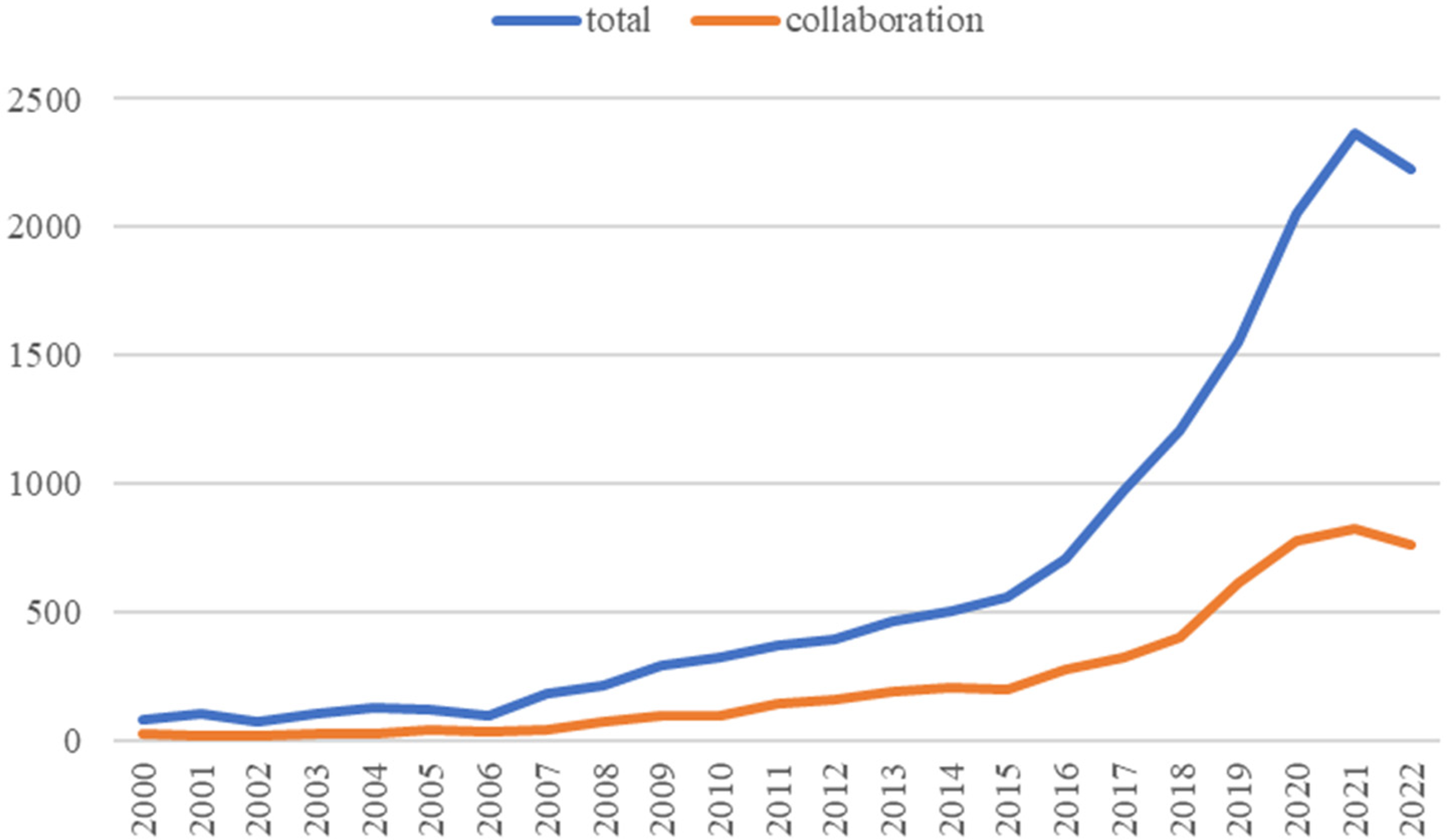
Number of articles published by Chinese authors.
This upward trend is closely linked to the evolving policy environment surrounding education in China. Since 2012, government investment in education has markedly increased, with education spending consistently exceeding 4% of GDP for several consecutive years. This sustained financial support has provided a solid institutional foundation for educational research (Yang & St. John, 2023). Meanwhile, national initiatives such as the ‘Double First-Class’ project, high-level talent recruitment programs, and the ongoing promotion of educational internationalization have significantly expanded both the scope and intensity of international collaboration, enhancing the visibility and participation of Chinese scholars in global education research (Xu, 2020b).
However, since 2020, the global environment for academic collaboration has been challenged by a range of disruptions, including the prolonged impact of the COVID-19 pandemic, rising geopolitical tensions, and increasing volatility in international trade (Aviv-Reuven & Rosenfeld, 2021). Against this backdrop, 2022 witnessed a slight decline in both the total number of publications and internationally co-authored papers from China in the field of education. This fluctuation may reflect short-term instability in global collaboration mechanisms, but it may also be associated with domestic shifts in academic evaluation systems and changes in international publishing dynamics (Lee & Haupt, 2021).
Alongside the increase in IRC, the leadership role of Chinese scholars within these collaborations has also grown. Among the 5372 internationally co-authored papers, 3264 list a Chinese scholar as the first author, accounting for approximately 60% of all such publications. As shown in Figure 3, this proportion has remained consistently between 60% and 70% since the mid-2010s, suggesting that in the majority of collaborative studies, Chinese researchers are not only participants but also play leading roles in topic selection, project coordination, and manuscript preparation (Oldac & Olivos, 2025). This shift challenges earlier narratives that positioned Global South scholars as marginal contributors in international collaborations and instead reflects China's ongoing transition from a ‘contributor’ to a ‘drive’ within the global education research system (Marginson & Xu, 2023).
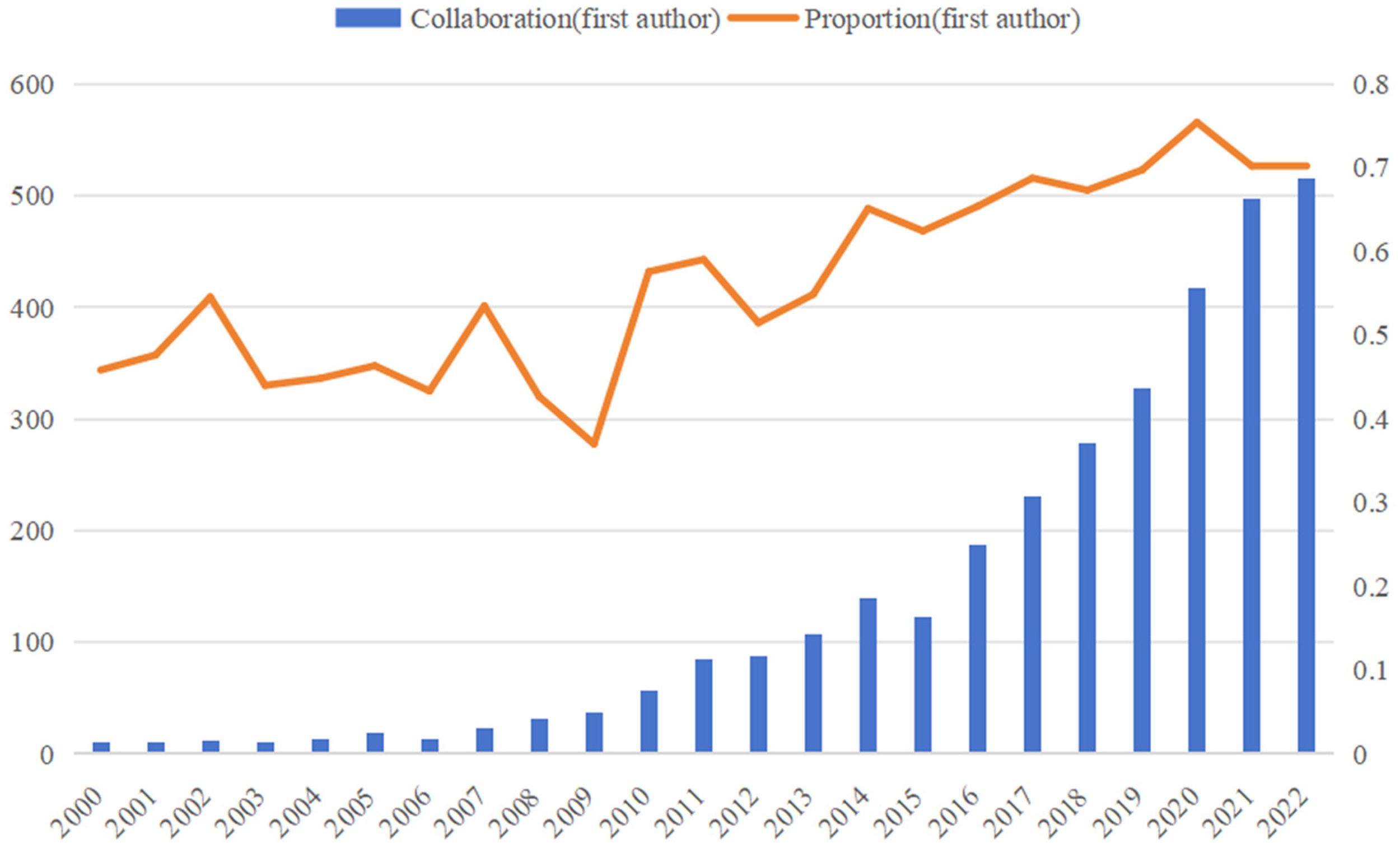
Trends in first authorship by Chinese authors in IRC.
Nevertheless, while first-authorship can serve as a useful proxy for academic leadership, it cannot fully capture the complex power dynamics underlying knowledge production. Therefore, the following section will further examine the structural position of Chinese scholars within IRC networks, the geographic distribution of their primary collaborators, and the thematic evolution of their research agendas, offering a more comprehensive understanding of China's knowledge role and discursive presence in global education research.
Leading Chinese Institutions in IRC
Figure 4 presents the top Chinese universities in terms of the number of internationally co-authored publications in the field of education from 2000 to 2022. The data reveal a high degree of concentration, with output clustered within a small group of elite institutions, reflecting significant regional and institutional disparities.
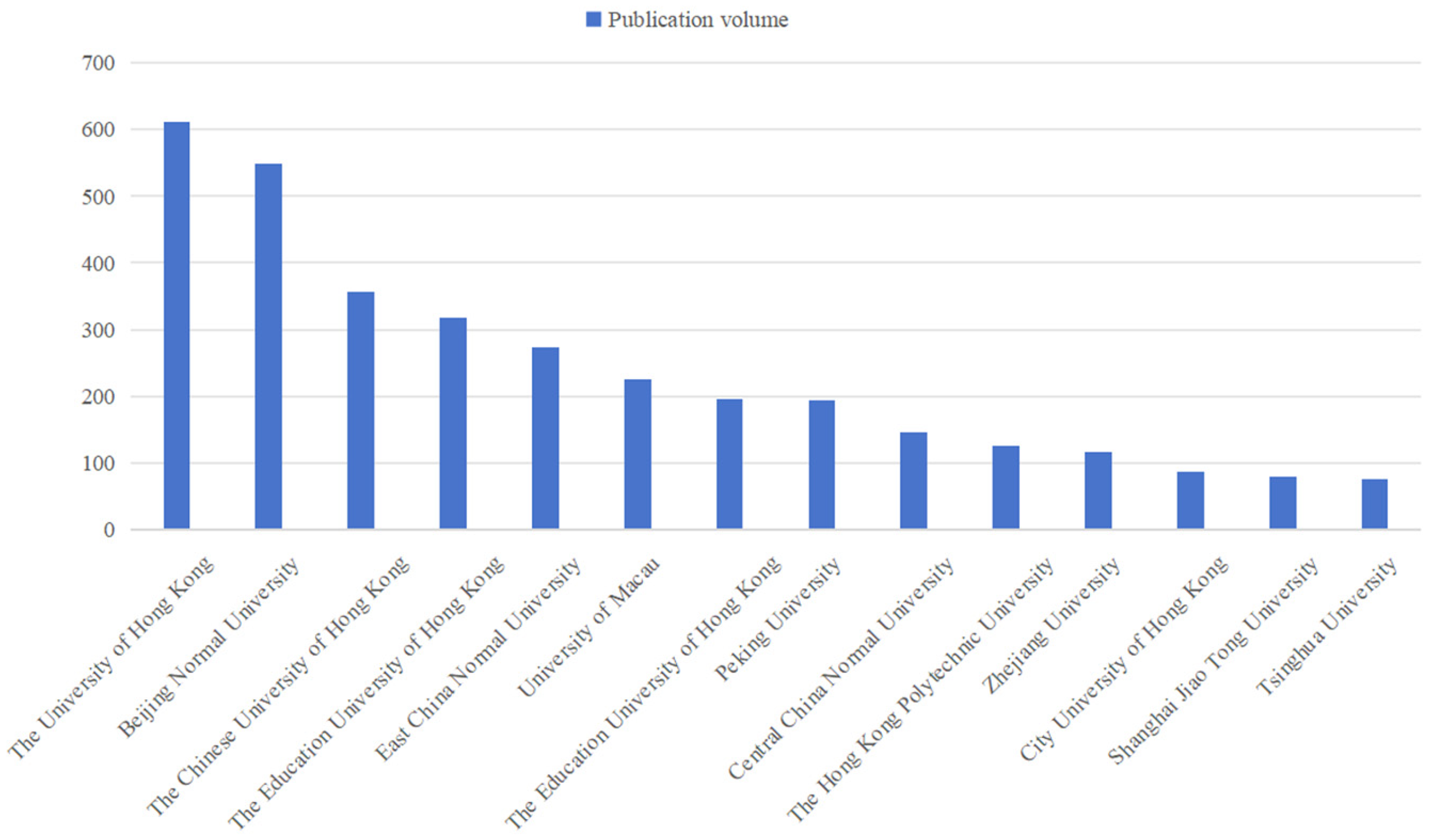
Number of articles published by Chinese institutions in IRC.
The University of Hong Kong ranks first, with more than 600 internationally co-authored publications, followed closely by Beijing Normal University. The Chinese University of Hong Kong and The Education University of Hong Kong rank third and fourth, respectively, followed by East China Normal University and the University of Macau. These top six institutions alone contribute a significant proportion of China's overall IRC output in education.
The strong performance of Hong Kong universities reflects the region's distinctive historical and linguistic positioning within the global academic system. The widespread use of English in scholarly communication, combined with long-standing institutional ties to Western research networks, has enabled Hong Kong institutions to play a prominent role in international collaborations (Vyas, 2018). International co-authorship has become the dominant publication model among Hong Kong universities, surpassing both domestic and intra-institutional output (Wang & Yu, 2022).
Several mainland institutions also feature prominently in the top rankings, including Beijing Normal University, East China Normal University, and Central China Normal University. These ‘normal universities’, traditionally focused on teacher education and pedagogy, have developed strong research capacities and international linkages, enabling them to actively participate in global academic networks.
Despite the growing engagement, IRC output remains asymmetric across institutions. The top ten universities—predominantly located in major urban hubs such as Hong Kong, Beijing, and Shanghai—dominate the collaborative publication landscape. Beyond this group, publication volumes decline sharply, indicating a steep institutional hierarchy. This internal stratification reflects broader structural inequalities within China's higher education system, reinforced by national policies such as Project 985, Project 211, and the Double First-Class initiative, which have concentrated funding, talent, and internationalization opportunities in a select group of elite universities (Yang & Wang, 2020).
More broadly, the distribution pattern illustrates how global and domestic asymmetries intersect. Chinese institutions with greater access to resources and stronger global ties are far more likely to participate in and benefit from IRC. This raises important questions about equitable access to global academic networks and the potential marginalization of less well-resourced institutions.
Geographical Patterns of China's IRC
Figure 5 illustrates the continental distribution of China's IRC in the field of education between 2000 and 2022. The data show that North America (40.03%) and Europe (26.81%) are China's primary regions of academic collaboration, together accounting for more than two-thirds (66.84%) of all international co-authored publications. These regions have long been the main destinations for Chinese researchers seeking international partnerships in education, largely due to their well-established academic systems, high-ranking institutions, and the prestige associated with publishing in Western journals (Zhang et al., 2022).
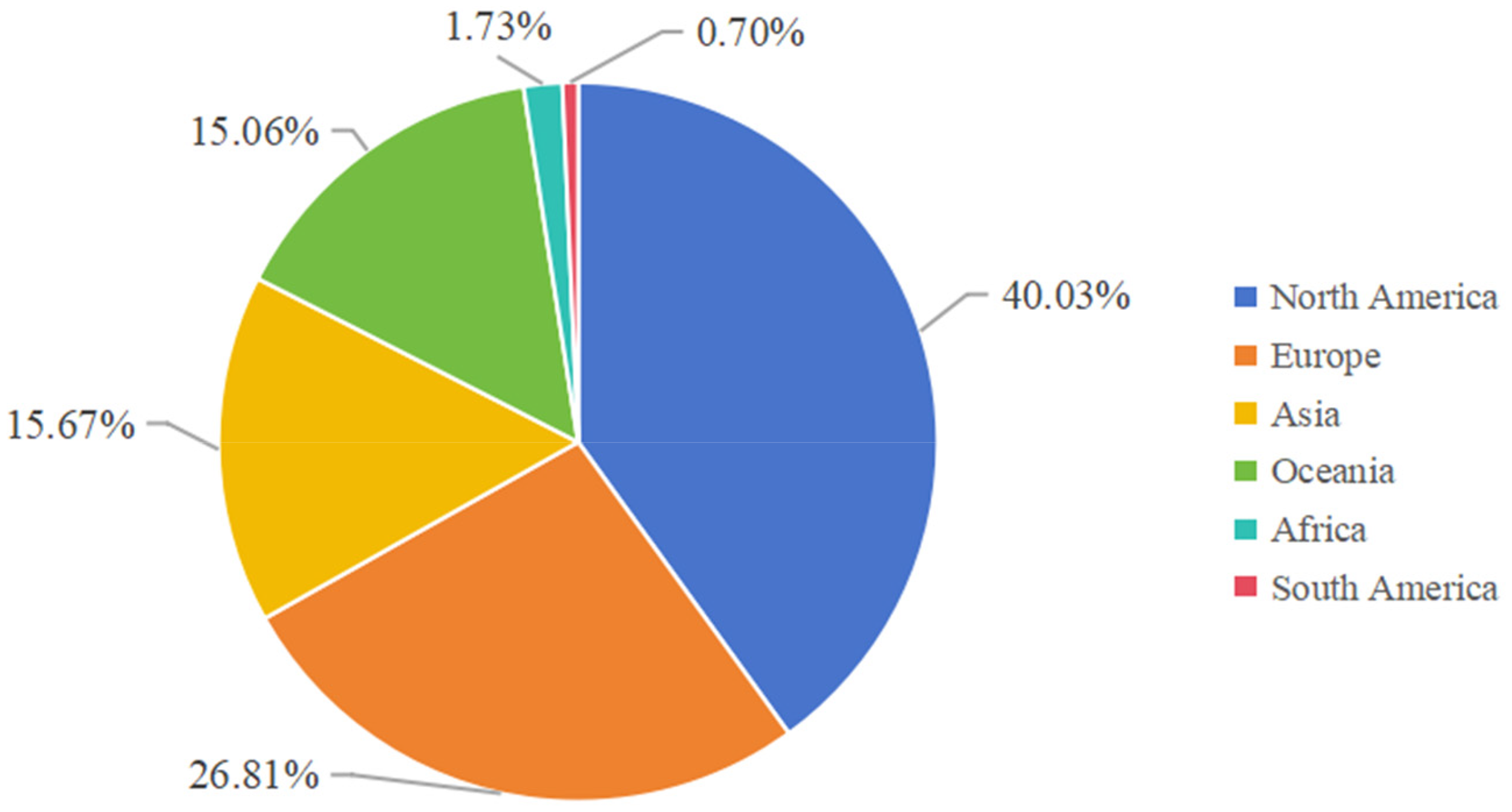
Percentage distribution of China's IRC by continent.
Asia (15.67%) and Oceania (15.06%) also hold significant shares in China's IRC landscape. Collaborations within Asia may be attributed to cultural proximity, shared educational challenges, and increasing regional integration in higher education. Such patterns are also shaped by China's geopolitical strategies, including the Belt and Road Initiative (Ge & Ho, 2022). The relatively high level of collaboration with Oceania—particularly Australia and New Zealand—can be partially explained by the influence of Asian diasporic communities and the widespread use of English in academic publishing (Wang et al., 2013).
By contrast, China's collaborations with institutions in Africa (1.73%) and South America (0.70%) remain limited. This may be due to practical barriers such as geographic distance, limited research funding, language differences, and underdeveloped academic infrastructure in these regions. Although China has strengthened its political and economic ties with parts of Africa and Latin America in recent years, these connections have yet to translate into substantial academic collaboration in education (Eduan & Jiang, 2019).
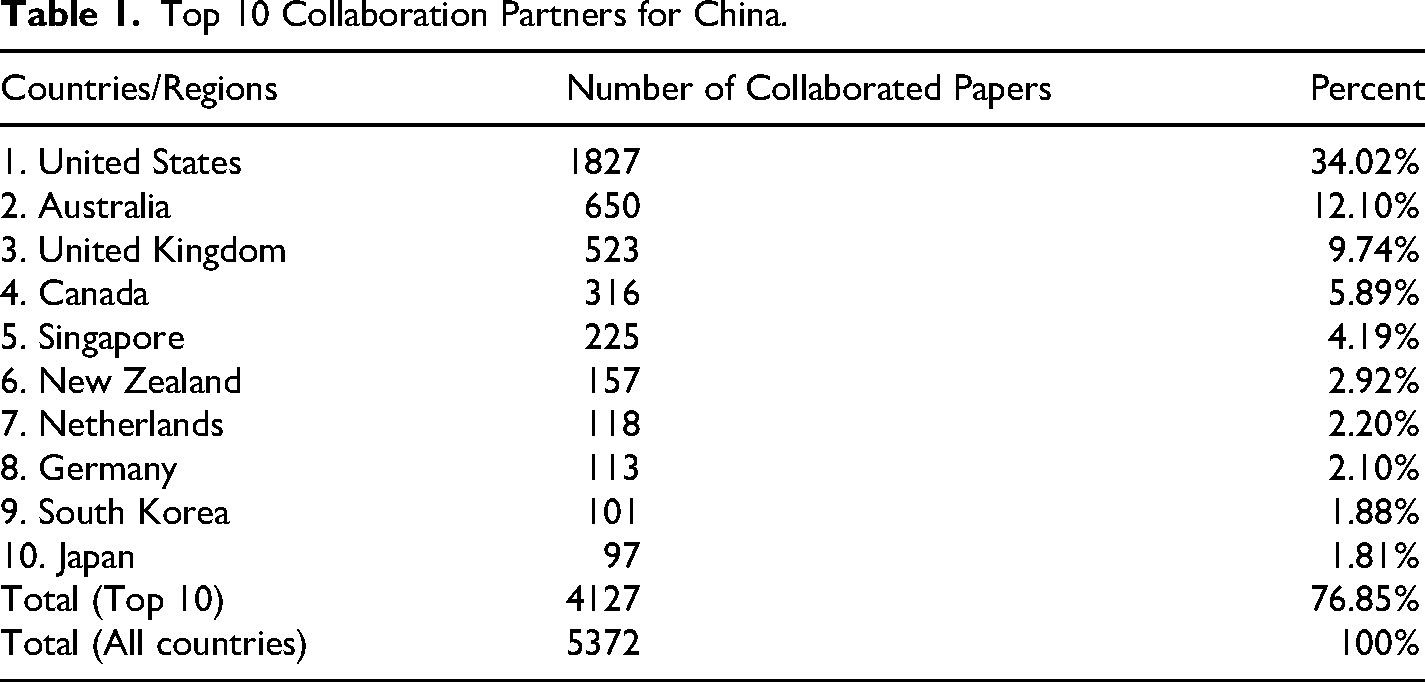
At the national level, Table 1 presents the top ten countries that have collaborated with China in education research between 2000 and 2022. The US is by far China's most significant partner, co-authoring 1827 publications, which accounts for 34.02% of all internationally co-authored outputs. Other major collaborators include Australia (12.10%), the UK (9.74%), Canada (5.89%), and Singapore (4.19%). Collectively, the top ten countries contribute 76.85% of China's IRC output in education, indicating a high level of concentration and selectivity in collaboration patterns. These preferred partners are typically countries with advanced research infrastructures, high-impact journals, and strong global academic reputations.
Top 10 Collaboration Partners for China.
The patterns in Figure 6 further confirm that the US, Australia, and the UK occupy central positions in China's international co-authorship network. The VOSviewer network visualization demonstrates that these countries are not only frequent collaborators but also deeply embedded nodes in the global flow of educational research. The clustering around China indicates that these partnerships are not isolated but form part of a dense, interconnected academic ecosystem. Figure 7 illustrates the evolution of these relationships over time, showing a marked increase in China-US collaborations since the mid-2010s. Collaborations with Australia, the UK, and Singapore have also steadily intensified.
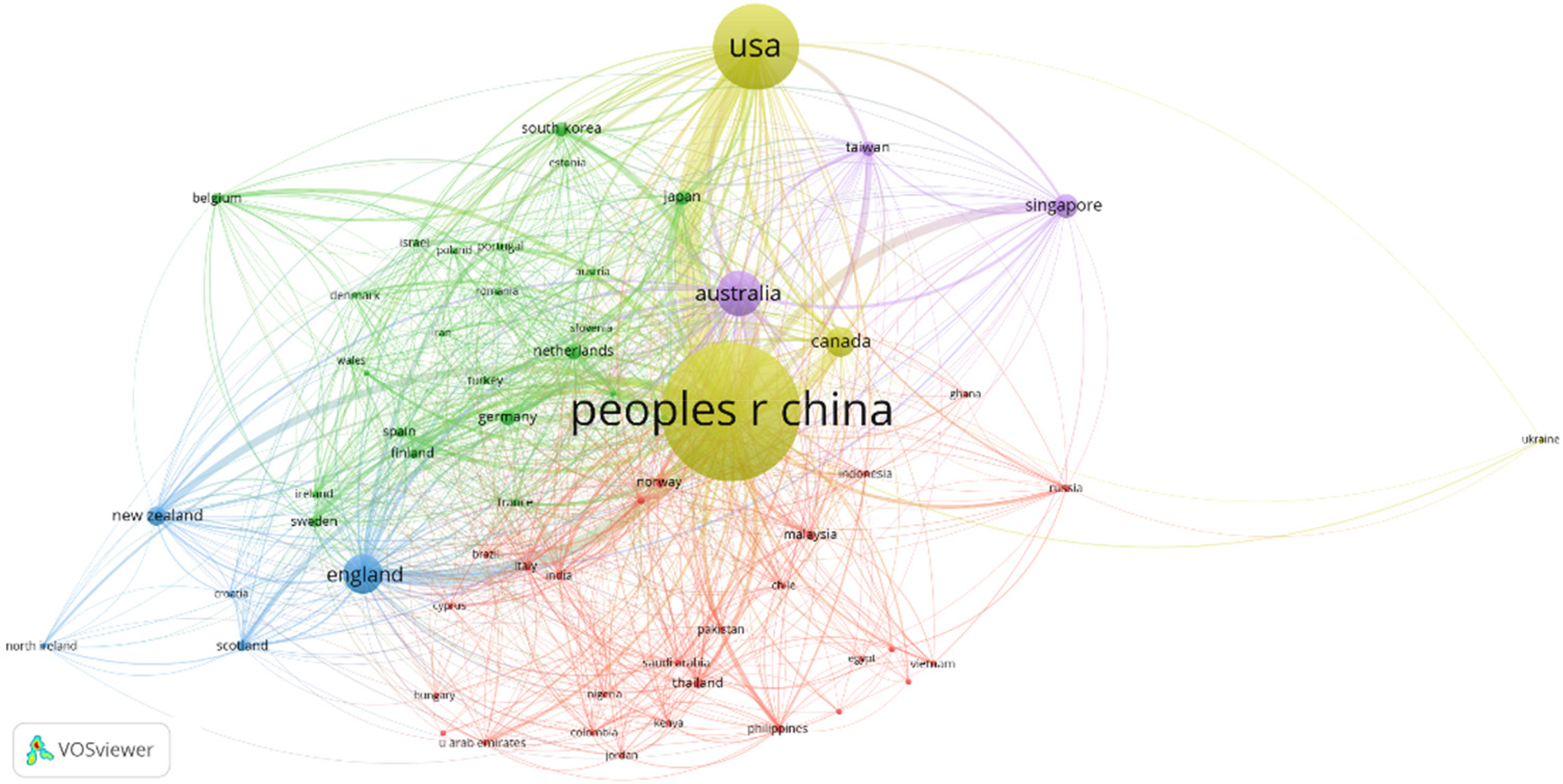
International co-authorship network in education research 3 .
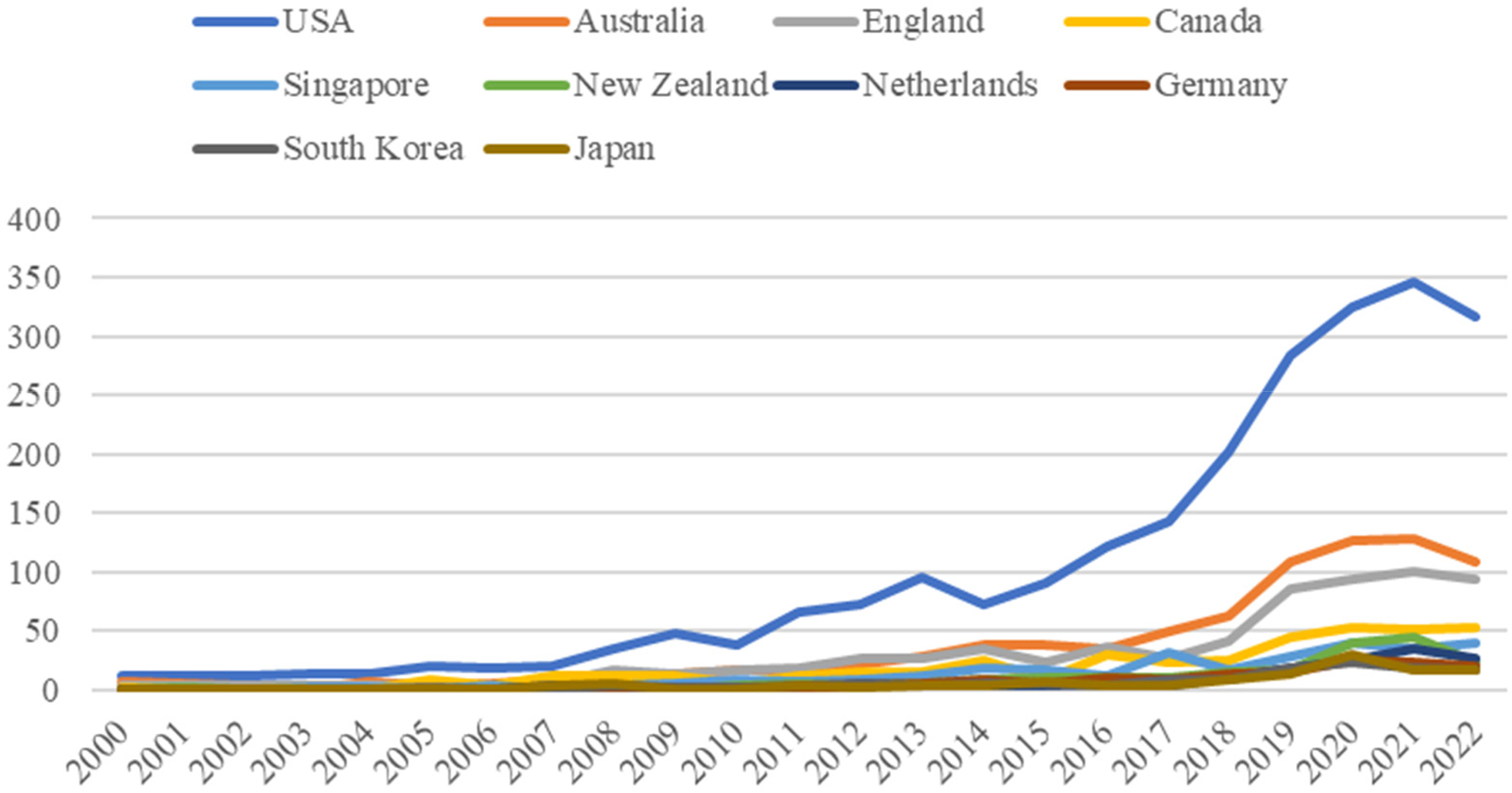
The change in the level of collaboration with different countries over time.
This strong alignment with Global North countries reflects both strategic pragmatism and symbolic aspiration. Chinese researchers are increasingly incentivized to publish in high-impact, English-language journals indexed in databases such as SSCI—platforms largely dominated by scholars and institutions from the Global North (Xu, 2020b). Collaborating with researchers from these regions enhances publication prospects, citation visibility, and institutional rankings, which are key metrics in China's evolving academic evaluation systems. Meanwhile, partnerships with prestigious universities in countries like the US, the UK, and Australia confer symbolic capital, reinforcing China's ambition to be recognized as a global leader in education research (Xu, 2020a). These collaboration patterns are also deeply embedded in national policy frameworks. Initiatives such as the Double First-Class program, international talent recruitment schemes, and targeted funding mechanisms actively promote partnerships with elite institutions in the developed world (Han et al., 2023). As a result, China's international academic engagement is shaped not only by individual preferences but also by systemic incentives aligned with global competitiveness and status recognition.
However, this model of collaboration, while strategically advantageous, raises important concerns about epistemic asymmetry and hierarchical reproduction. Although Chinese scholars increasingly assume first-author roles in international publications (See Figure 3), the conceptual frameworks, methodological norms, and thematic agendas may remain structured by dominant Western paradigms (Noda, 2020). This suggests that Anglo-American academic standards continue to shape what is considered legitimate or impactful research. In this context, China's strong orientation toward Global North institutions risks inadvertently reinforcing existing inequalities in global knowledge production, leaving limited space for alternative epistemologies or regionally grounded perspectives (Marginson & Xu, 2023). Despite facing shared challenges in educational development, partnerships with Global South institutions remain sparse—indicating that China's role in promoting South-South academic solidarity is still at an early stage.
Moving forward, a more inclusive and balanced approach to global academic collaboration will be essential for fostering knowledge diversity, mutual learning, and equitable participation in the international education research community.
Institutional Landscape of China's IRC
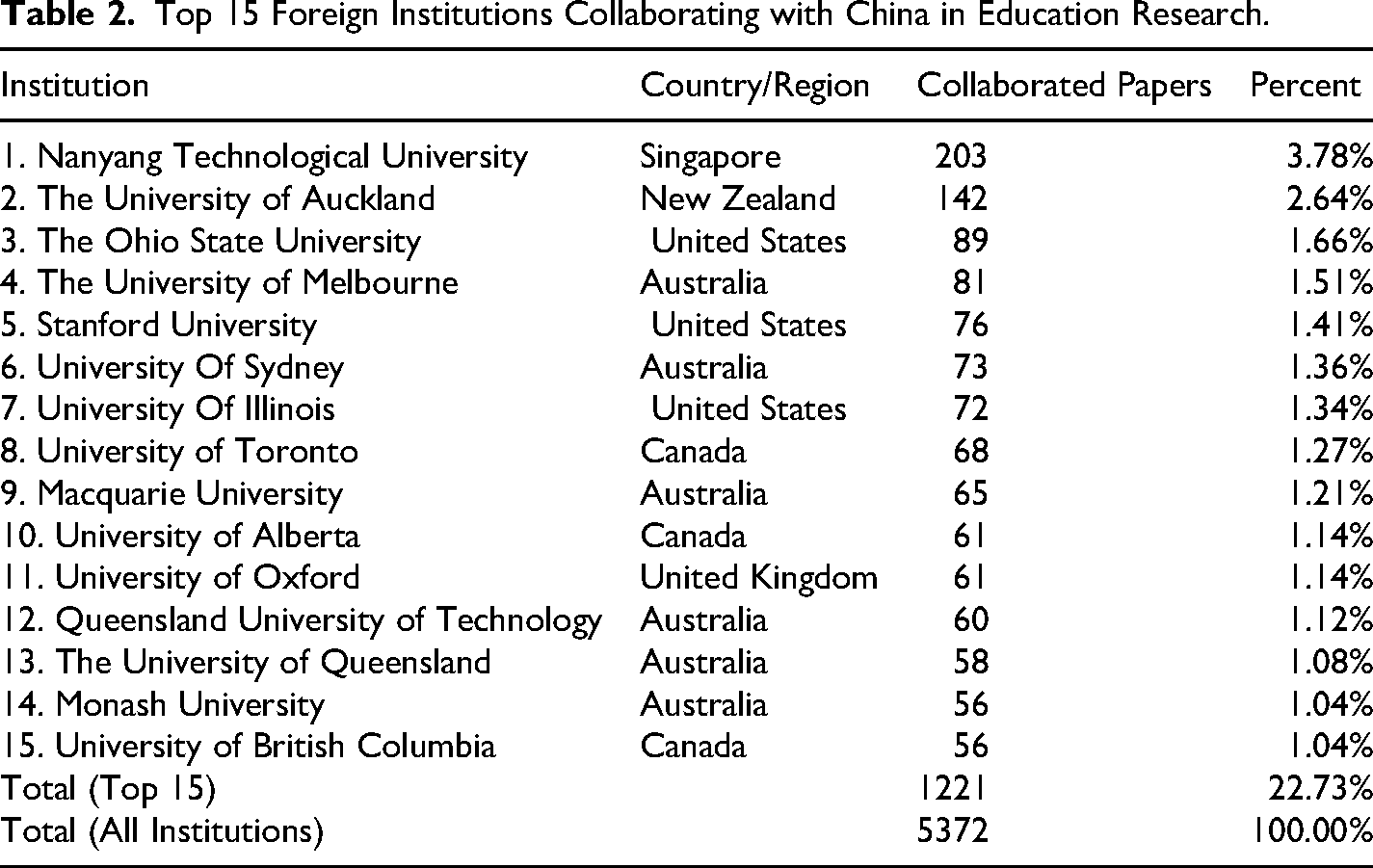
At the institutional level, China's IRC in education exhibits a highly concentrated and selective pattern. As shown in Table 2, the top 15 foreign institutions co-authored a total of 1221 publications with Chinese counterparts between 2000 and 2022, accounting for 22.73% of all internationally co-authored papers in this field. Nanyang Technological University (Singapore) ranks first with 203 publications, followed by the University of Auckland (New Zealand) and The Ohio State University (US). The remaining institutions in the top tier include several well-known universities from English-speaking countries with high international visibility.
Top 15 Foreign Institutions Collaborating with China in Education Research.
These institutional patterns are further illustrated in Figure 8, a heatmap visualization of international co-authorship intensity. Warmer colors (red and yellow) indicate stronger collaborative ties, while cooler tones (green and blue) represent weaker or less frequent connections (Van Eck & Waltman, 2010). The University of Hong Kong, Beijing Normal University, and the University of Macau emerge as key nodes at the center of this network, highlighting their pivotal roles in bridging Chinese and international academic communities. Surrounding these core institutions are clusters of universities from North America, Western Europe, and Oceania, forming a tightly interconnected structure of collaboration. In contrast, institutions from Africa, Latin America, and parts of Southeast Asia are either marginal or entirely absent from the network.
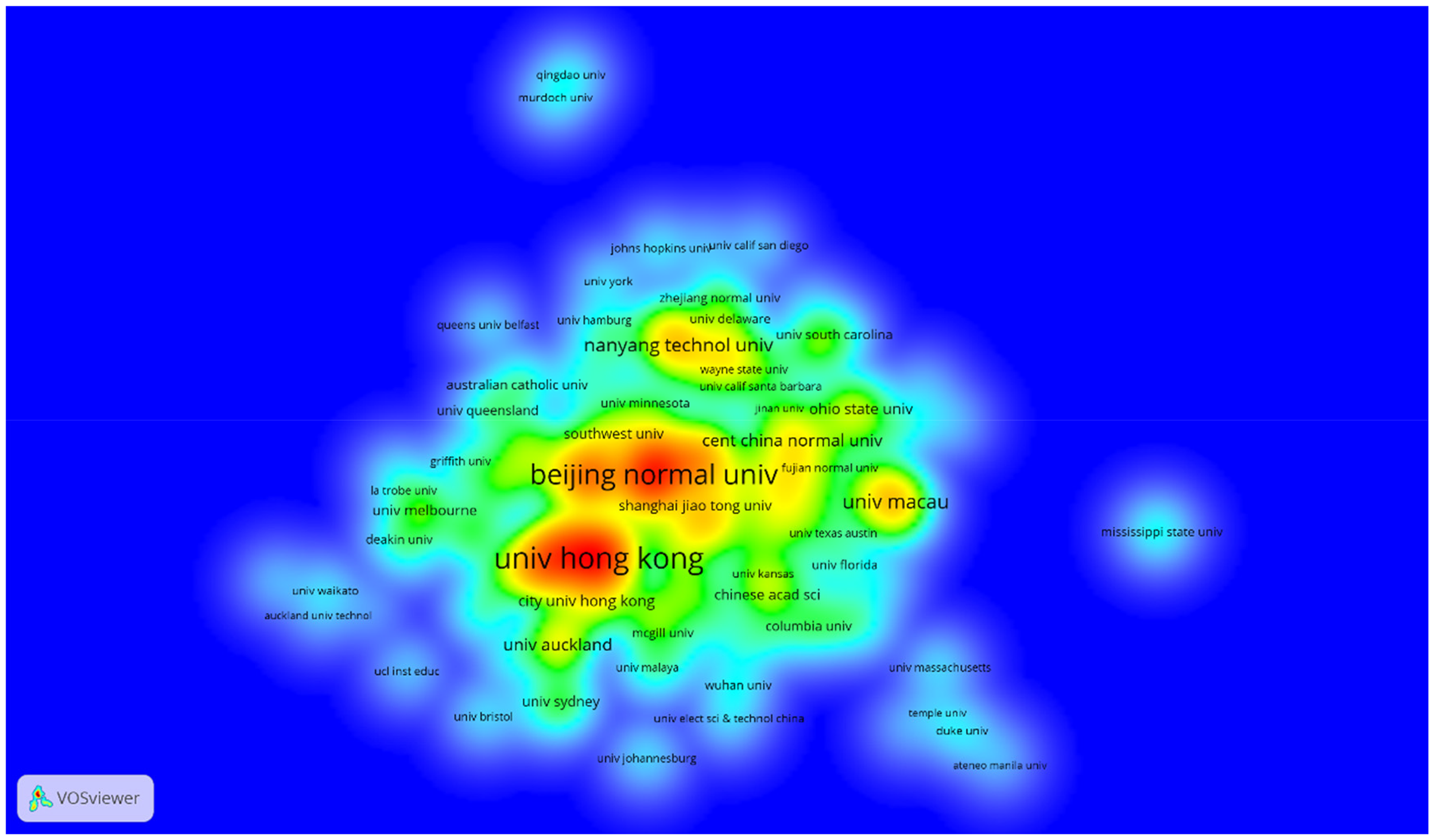
Institutional collaboration intensity in education research (by co-authorship).
The overall configuration reveals a collaboration landscape that is both centralized and regionally imbalanced. A small cohort of elite, globally ranked institutions account for a disproportionate share of China's IRC output, while the majority of universities—particularly those from the Global South—remain on the periphery. This uneven distribution suggests that China's international engagement in education research is not only shaped by academic merit or shared interests, but also by entrenched hierarchies in the global knowledge system (Altbach, 2007).
While the data alone cannot fully explain the causes of this pattern, they point to significant structural asymmetries in academic collaboration. Even as Chinese universities become more active and visible in global research—often taking lead authorship roles—their most frequent partners tend to be institutions that already occupy dominant epistemic positions in the international academic order. These institutions often set the theoretical, methodological, and editorial standards that define what counts as legitimate or high-impact research (Murphy & Zhu, 2012).
Consequently, the geographical and institutional concentration of China's IRC may inadvertently reinforce existing hierarchies rather than challenge them. The overwhelming presence of Global North institutions at the core of collaborative networks—and the relative absence of Global South counterparts—raises important questions about whose knowledge is valued, which perspectives are marginalized, and how global research networks might be restructured to support more inclusive and equitable knowledge production (Marginson, 2022b). Addressing these questions is essential for fostering a truly collaborative and pluralistic future in international education research.
Hot Topics in China's IRC in Education
Thematic Landscape and the Structuring of IRC
A close analysis of keywords and co-citation clusters by CiteSpace reveals how particular research topics have become central to China's IRC in education. These ‘hot topics’ do not merely reflect academic curiosity or domestic educational needs; rather, they are shaped through mechanisms such as global academic exchange, collaborative networks, and institutional imperatives around internationalization.
As shown in Table 3, the most frequently occurring keywords—education, students, performance, achievement, knowledge, and higher education—indicate a strong focus on student outcomes, cognitive processes, and educational institutions. These terms constitute a shared lexicon in IRC, particularly in subfields such as educational psychology, higher education studies, and comparative education, all of which are characterized by active cross-national collaboration and a high degree of methodological standardization (Klees, 2008).
Top Keywords by Frequency and Betweenness Centrality.
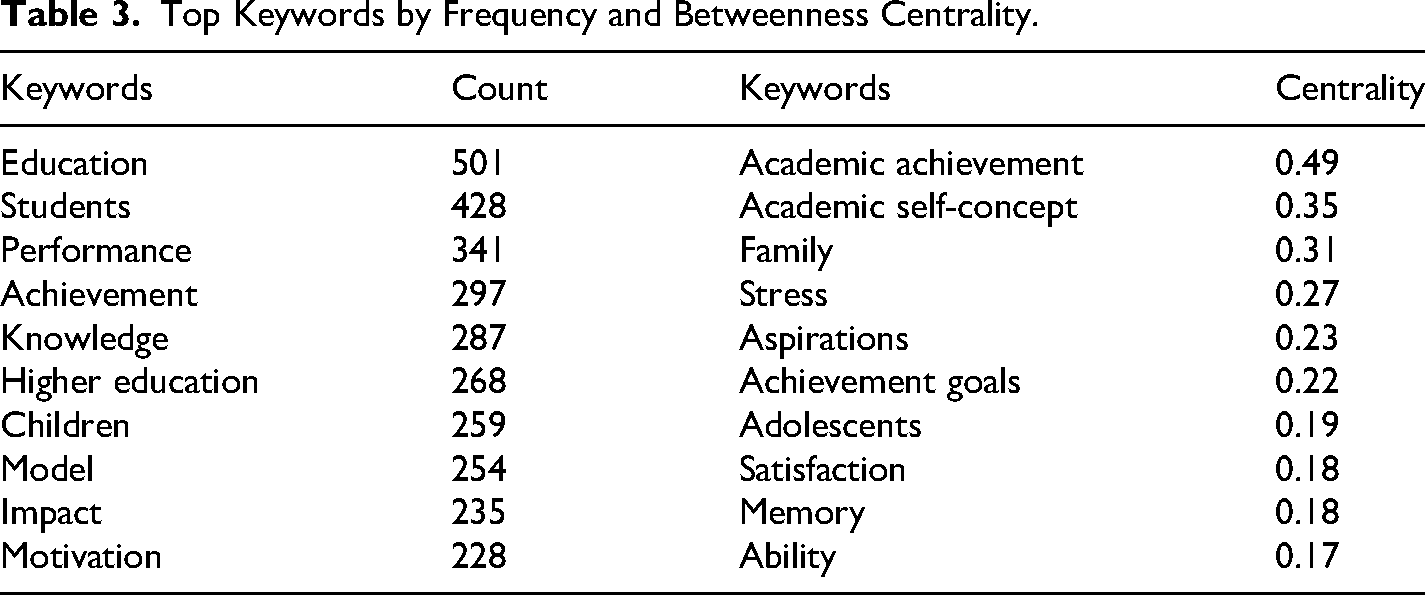
More revealing are the keywords with high betweenness centrality, such as academic achievement (0.49), academic self-concept (0.35), and family (0.31). These terms function as conceptual bridges across multiple research domains, suggesting that IRC often centers around ‘intermediary topics’ which are methodologically tractable, theoretically well-established, and relevant across national policy contexts. Such topics facilitate collaboration by allowing researchers to align their work with broader comparative agendas while enhancing the likelihood of publication in internationally recognized journals (Noda, 2020).
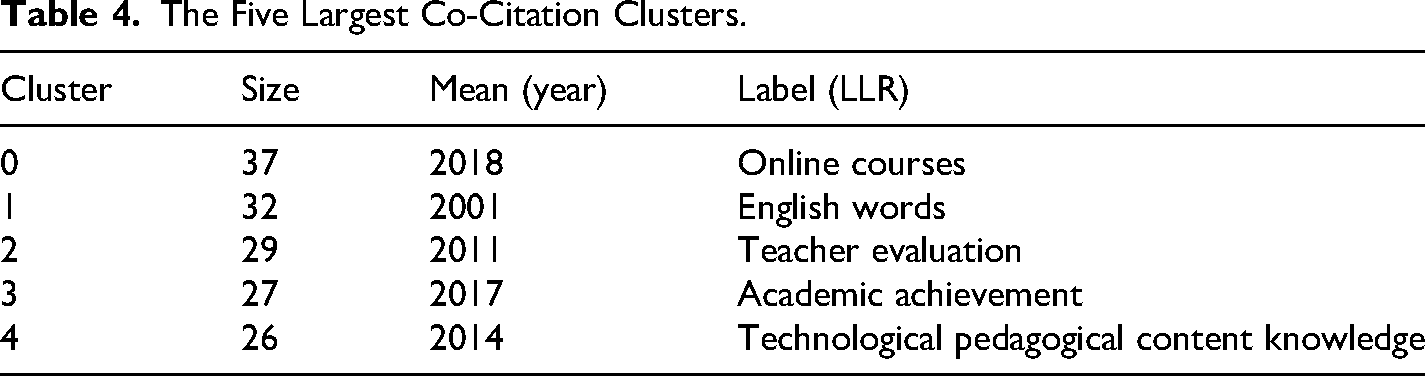
Co-citation cluster analysis (see Table 4) further illustrates the thematic structure of IRC in education. Five major clusters were identified: (1) Online courses; (2) English word learning; (3) Teacher evaluation; (4) Academic achievement; (5) TPACK (Technological Pedagogical Content Knowledge). Each of these clusters corresponds to a well-defined subfield with strong international visibility and standardized methodological approaches. For example, online courses and TPACK reflect the global surge in educational technology and the push for digital transformation in teaching and learning (Rosenberg & Koehler; 2015; Voogt et al., 2015). English word learning falls within applied linguistics and second language acquisition, fields long dominated by institutions in English-speaking countries (Meighan, 2023). Teacher evaluation and academic achievement are closely aligned with policy-driven educational reforms, often linked to OECD discourses on accountability and performance metrics (OECD, 2013).
The Five Largest Co-Citation Clusters.
In this sense, the thematic structure of China's IRC in education is more than just a collection of popular topics. It represents a strategically constructed field of engagement, where research areas that are methodologically compatible, theoretically codified, and globally acknowledged are more likely to become focal points of collaboration. While the emergence of these themes reflects genuine educational concerns, it also paves the way for a deeper inquiry into why and how certain topics are prioritized, an inquiry that calls for closer attention to the structural asymmetries in global knowledge production.
Thematic Asymmetries in IRC: What's Marginalized?
Despite China's increasing involvement in IRC, signaling its deeper integration into the global academic system, the thematic structure of its IRC in education reveals underlying asymmetries in knowledge production. These asymmetries are evident in two areas: topic selection and theoretical framing.
Many of the dominant research themes, such as academic achievement, online learning, teacher evaluation, and TPACK, are deeply embedded within international research agendas, especially those shaped by institutions and theoretical traditions from the Global North. These topics are typically associated with mature theoretical models, standardized methodologies, and greater publication visibility. As a result, they offer strategic advantages for scholars aiming to publish in high-impact international journals, participate in global academic networks, or contribute to cross-national policy dialogues (Salager-Meyer, 2008).
Within this context, Chinese researchers are likely to adopt a form of selective alignment, reframing local educational issues through globally recognized conceptual frameworks and methodological tools (Murphy & Zhu, 2012). For example, studies on learning motivation frequently draw on Western psychological theories, while research on digital pedagogy often applies established models such as TPACK or the theory of planned behavior (e.g., Maor, 2017; Sadaf & Johnson, 2017).
Admittedly, this alignment should not be interpreted as passive adoption or imitation. Rather, it reflects a strategic and pragmatic response to prevailing academic norms, enabling researchers to contribute meaningfully while meeting the formal criteria of international visibility. However, this process may lead to a narrowing of thematic and epistemological diversity. Topics that are difficult to quantify, less amenable to standardized analysis, or rooted in local cultural and pedagogical traditions tend to be underrepresented in internationally co-authored publications (Zhang & Dai, 2025).
Nevertheless, with the growing presence of Chinese scholars in international academic forums, more researchers are introducing empirical data, contextual insights, and methodological innovations from China into global research networks (Marginson, 2024). This creates opportunities for more reciprocal and co-constructed forms of collaboration, where topic selection, conceptual framing, and theoretical development are increasingly subject to mutual negotiation.
Generally, the current thematic configuration of China's IRC in education reflects both the opportunities and constraints of operating within a globally stratified academic system. While IRC has enhanced visibility and participation, it also calls for ongoing reflection on how to promote more balanced, dialogic, and contextually grounded forms of knowledge exchange in the field of education sciences.
Discussion & Conclusion
This bibliometric study has explored the structure and dynamics of China's IRC in the field of education sciences between 2000 and 2022, offering a comprehensive analysis of its institutional distribution, geographical patterns, and thematic orientations. The findings reveal a significant and sustained increase in China's participation in globally co-authored education research, with Chinese scholars not only contributing to but often taking first authorship. This upward trend is particularly evident among a small group of elite institutions, especially those in Hong Kong and major mainland cities. Thematic analysis indicates that China's IRC is strongly oriented toward research areas such as academic achievement, digital learning, teacher evaluation, and TPACK, suggesting a high degree of alignment with internationally dominant research agendas and publication norms.
While these developments reflect the growing integration of Chinese education research into the global academic system, they also reveal deeper structural asymmetries that shape the nature and direction of collaboration (Marginson & Xu, 2023). Institutionally, China's leading institutions are concentrated within a small number of elite universities, particularly in Hong Kong, Beijing, and Shanghai. These institutions benefit from long-standing international partnerships, English-language proficiency, and preferential national policies, positioning them at the forefront of international collaboration (Yang & Wang, 2020). Meanwhile, the majority of Chinese universities remain on the periphery of global academic networks, reflecting internal hierarchies that parallel global asymmetries—where access to resources, visibility, and collaboration opportunities is unevenly distributed and largely concentrated in already-advantaged Anglophone institutions (Altbach, 2007).
Moreover, although Chinese scholars increasingly assume first-author roles in IRC, the broader structure of collaboration remains marked by entrenched asymmetries. Partnerships are heavily concentrated with institutions in the US, Australia, the UK, and other Anglophone countries that continue to dominate global academic publishing and agenda-setting (Noda, 2020). The limited collaboration with institutions in the Global South further underscores the asymmetrical nature of global knowledge production, where South-South academic solidarity remains underdeveloped despite political and economic ties (Eduan & Jiang, 2019). This pattern reinforces a North-facing, status-oriented model of engagement. While strategically advantageous, it may limit the diversity and reciprocity of China's global academic relationships (Marginson, 2024).
The strong thematic focus on globally recognized and methodologically standardized research areas facilitates international publication and comparability but also reflects a form of selective alignment with Global North priorities (Salager-Meyer, 2008). As a result, China's contributions may operate within established epistemological boundaries, while topics grounded in local educational contexts, culturally embedded knowledge systems, or less quantifiable dimensions of education remain underrepresented in international collaborations (Noda, 2020).
Nevertheless, the growing number of Chinese-led projects may facilitate the increasing integration of local data and empirical insights, along with the gradual diversification of research methods (Marginson, 2022b). These shifts suggest the potential for more reciprocal and co-constructed forms of collaboration, ones in which Chinese researchers are not only strategic participants, but also agenda-setters and conceptual innovators (Xu, 2020a). Realizing this potential will require a more deliberate effort to challenge existing hierarchies and to create space for diverse voices, frameworks, and research priorities (Sugiharto, 2021).
Taken together, the findings suggest that China's global footprint in educational research is best understood as both expansive and asymmetric, strategically constructed yet structurally constrained. It reflects China's growing capacity and ambition to engage with the global academic community, but also the persistent influence of asymmetrical power relations that shape how knowledge is produced, recognized, and circulated internationally.
The implications of this study are multifaceted. For policymakers, there is a need to move beyond metrics-driven models of internationalization and to support structurally inclusive and epistemologically diverse forms of collaboration. Academic institutions, particularly those beyond the elite tier, could invest in capacity-building to enable more equitable participation in global research networks. Researchers should critically engage with IRC, challenge dominant paradigms, and pursue more reciprocal and pluralistic approaches to knowledge production. Finally, the global academic community must reimagine international collaboration not as a unidirectional process of integration into Western norms, but as a shared and negotiated space where diverse perspectives can collectively shape the future of educational research (Mato, 2011).
In this light, China's global footprint in educational research is significant not only in terms of scale, but also in its symbolic and structural implications. It represents a powerful case of academic ascent within a stratified global system, demonstrating both the possibilities and the limits of IRC (Fu et al., 2022). To make this footprint more balanced, inclusive, and impactful, China and the broader global research community should confront the asymmetries that still define the terrain of global knowledge production (Walker & Martinez-Vargas, 2024).
Footnotes

Acknowledgement
We would like to acknowledge Ms. Yun Hao and Mr. Ao Xu from Beihang University for their contributions to data collection and organization.
Authors’ Contributions
Yang Liu drafted the paper and other three authors edited the paper.
Funding
This research was funded by China Association of Higher Education Major Project, grant number 24LX0102; Beijing Higher Education Association Key Projects, grant number ZD202439; National Natural Science Foundation of China, grant number 71774011; Beihang University World Top University Scholars Cooperation Project; the Fundamental Research Funds for the Central Universities.
Declaration of conflicting interests
The authors declared no potential conflicts of interest with respect to the research, authorship, and/or publication of this article.
Data Availability Statement
All data used in this study were collected by the authors and are available upon reasonable request.