






Abstract
Vocational education plays a crucial role in career development and poverty alleviation, especially in low-income rural areas of China. This study uses large-scale survey data from Central and Western China to assess its impact on employment, income, and social capital, employing propensity score matching (PSM) and regression analysis. The findings show significant improvements in economic and social outcomes, with notable benefits for women and those in the western region. Three key mechanisms—skill enhancement, expanded employment opportunities, and improved social capital—are identified as pathways linking vocational education to poverty alleviation and career growth. The results provide strong evidence for policymakers to optimize vocational education strategies, contributing to sustainable rural revitalization and addressing both immediate economic needs and long-term career development.
Introduction
Vocational education is widely recognized as an important tool for promoting economic development and social equity, particularly in low-income rural communities. It plays a key role in poverty alleviation by increasing workers’ skills, expanding employment opportunities, improving household incomes, and strengthening social capital (Groome & Cunningham, 2024). In recent years, the global academic community has increasingly focused on the role of education in fostering economic development and social equity (Wang et al., 2024). Numerous studies have confirmed the significant impact of vocational education as a form of education specifically geared toward employment and skills upgrading (Qin & Wang, 2022; Wongmonta, 2023).
In China, vocational education—primarily referring to formal secondary vocational schools and technical training institutions that provide skill-oriented curricula (e.g., mechanics, agriculture, healthcare, and service-related programs)—has become an integral part of the country’ s poverty alleviation and rural revitalization strategies (Jizheng, 2024; Song, 2024). Despite strong policy support, however, the poverty alleviation effects of vocational education and the mechanisms through which it operates in low-income rural communities remain insufficiently verified. By contrast, international studies have focused predominantly on data from developed countries or urbanized areas, limiting their applicability to rural contexts (Tadesse et al., 2022). Moreover, China’ s rural vocational education system faces practical challenges, including uneven regional resource distribution, inconsistent education quality, and misalignment between course content and labor market demand (Bai & Nam, 2024). Existing research largely emphasizes policy-level discussions or evidence from urban settings, while systematic empirical analyses based on large-scale survey data from rural areas are scarce. In particular, few studies have examined multiple outcome dimensions simultaneously—such as employment, income, and social capital—or investigated the mediating mechanisms linking vocational education to poverty alleviation and long-term career development.
To address these gaps, this study uses large-scale survey data from low-income rural areas in Central and Western China and applies propensity score matching (PSM) and regression analysis to systematically investigate the effects of vocational education. Specifically, the study examines whether vocational education significantly increases employment rates and income levels compared with general high school education, and whether its effects vary across gender and regional groups. In addition, social capital is assessed as an important outcome dimension to extend the understanding of the broader social benefits of vocational education. Finally, the study explores the mechanisms through which vocational education contributes to poverty alleviation and career development, focusing on three mediation pathways: skill enhancement, employment opportunity expansion, and social capital improvement.
The aims of this study are therefore as follows:
To examine whether vocational education, compared with general high school education, significantly improves employment rates and income levels. To assess social capital as an additional outcome dimension, thereby extending the understanding of the broader social benefits of vocational education. To investigate the heterogeneity of vocational education effects across gender and regional groups, reflecting the unique characteristics of China’ s educational and socioeconomic context. To explore the mechanisms underlying the effects of vocational education by testing mediation pathways such as skill enhancement, social capital improvement, and employment opportunity expansion.
By achieving these aims, this study not only provides evidence on the direct economic impacts of vocational education but also highlights its role in promoting career development and sustainable poverty alleviation. The findings are expected to offer valuable insights for policymakers seeking to optimize vocational education policies and contribute to rural revitalization in China.
Literature Review
Impact of Vocational Education on Poverty Alleviation
Direct Economic Impact of Vocational Education
International research consistently shows that vocational education enhances workers’ skills, improves employability, and raises income levels, thereby contributing to poverty reduction (Liu et al., 2024; Mattijssen et al., 2023; Silliman & Virtanen, 2022). However, its effectiveness depends on the quality of training and the extent to which curricula align with labor market needs (Hartog et al., 2022). In developing countries, vocational education has helped rural laborers transition to nonfarm activities, but challenges such as uneven resource distribution and curriculum–market mismatches remain significant barriers (Groome & Cunningham, 2024). Overall, vocational education holds strong potential for poverty alleviation, though its impact is shaped by both institutional capacity and market dynamics.
Indirect Social Impacts of Vocational Education
Beyond direct economic outcomes, vocational education fosters social capital and strengthens community cohesion. Training programs promote participation, reduce social exclusion among disadvantaged groups, and enhance individual self-confidence and social identity (Chang, 2024; Guan & Blair, 2024). By expanding networks and improving community trust, vocational education indirectly creates employment opportunities and supports social inclusion (Huang et al., 2023; Kang & Mok, 2022; Xu et al., 2021). As education serves as a carrier of social capital, it facilitates long-term social mobility by elevating individuals’ status and expanding their networks (Zhang et al., 2024).
The Uniqueness of Vocational Education in China
In China, vocational education exhibits strong regional disparities. Eastern coastal areas enjoy better resources and coverage, while rural communities in central and western regions face significant disadvantages. Moreover, curricula often fail to match labor market demand, undermining graduates’ competitiveness (Wang et al., 2023). Human capital theory underscores the importance of aligning education with employment needs (Wu & Fang, 2024). Evidence shows that well-matched programs increase employment and income, whereas mismatched training leads to inefficiency (Forsler et al., 2024). In rural China, challenges remain in identifying labor market needs, designing flexible curricula, and fostering school–enterprise collaboration (Lv et al., 2022; Zhang et al., 2024).
Literature Gaps and Purpose of the Study
Despite broad recognition of the potential of vocational education, three key gaps remain. First, most studies rely on data from developed or urban regions, overlooking rural and low-income communities. Second, prior research focuses mainly on short-term economic outcomes, with little exploration of long-term social and cultural effects. Third, heterogeneity across gender, region, and curriculum match has not been systematically examined.
Building on these gaps, this study investigates the role of vocational education in alleviating poverty in rural China. Specifically, it examines impacts on employment and income, explores differences across subgroups, and analyzes the mechanisms through which vocational education contributes to poverty alleviation. The findings aim to enrich academic understanding, inform policy optimization, and provide lessons for other developing countries.
Research Methodology
Data Sources and Sample Representativeness
The data for this study come from the China Rural Vocational Education Survey (CRVED), two rounds of national longitudinal surveys conducted by the authors’ team between 2021 and 2024. A total of 10,000 questionnaires were initially distributed. After excluding 323 participants with missing baseline key variables and 693 participants who did not participate in the endline survey or had missing endline data, 8,984 valid samples were included in the final analysis, with an overall effective response rate of 89.84%. This response rate is consistent with the standards of large-scale longitudinal surveys in rural China and ensures sufficient statistical power for subsequent analyses.
Inclusion criteria were:
aged 16–25 years; from national-level poverty-designated counties in central and western China; completed both baseline and endline surveys; no missing values in core variables including employment, income, social capital, and family background.
Exclusion criteria were:
missing key baseline variables; non-participation in the endline survey or missing key endline variables; illogical responses or outliers.
During the two-wave follow-up, 1,016 participants were lost, with a sample attrition rate of 10.16%. The main reasons for attrition included out-migration for work, refusal to participate again, and invalid questionnaires. Balance tests confirmed no significant differences in gender, age, parental education, or family economic status between lost and retained samples (p > 0.05), suggesting no serious selection bias and good sample representativeness. Detailed results of the balance tests (including standardized mean differences for all covariates) are available upon request to enhance replicability. Regarding missing data, we first examined the missing pattern of all core variables (employment, income, social capital, and family background) and found that the overall missing rate was 2.3%, which is below the 5% threshold for negligible missingness. Given the low missing rate and random missing pattern, listwise deletion was employed to handle incomplete responses, which is a robust and appropriate strategy for small missing rates in longitudinal surveys. The data cover six provinces in central and western China—Henan, Anhui, Hunan, Sichuan, Guizhou, and Gansu—and include 30 representative national-level poverty-designated counties. Sample stratification criteria considered the level of regional socioeconomic development (central vs. western), the gender ratio (male vs. female), and the type of school (vocational school vs. general high school). Based on population statistics from the six provinces, proportional allocation was applied to ensure that the sampling ratios reflected the underlying population structure. For example, provinces in the western region contributed a larger share of the sample in line with their rural population size, and the male–female ratio in the sample (51:49) closely matched census distributions. Similarly, the proportions of students from vocational schools and general high schools were determined to mirror their actual enrollment ratios in the target counties. In addition, a multistage random sampling method was employed to ensure the representativeness of the sample. To further clarify the study design, this research adopts a two-wave longitudinal design, with baseline data collected in 2021 (Time 1) and endline data collected in 2024 (Time 2), which allows for the examination of changes in employment, income, and social capital over time and avoids the ambiguity of cross-sectional analyses. (Figure 1)
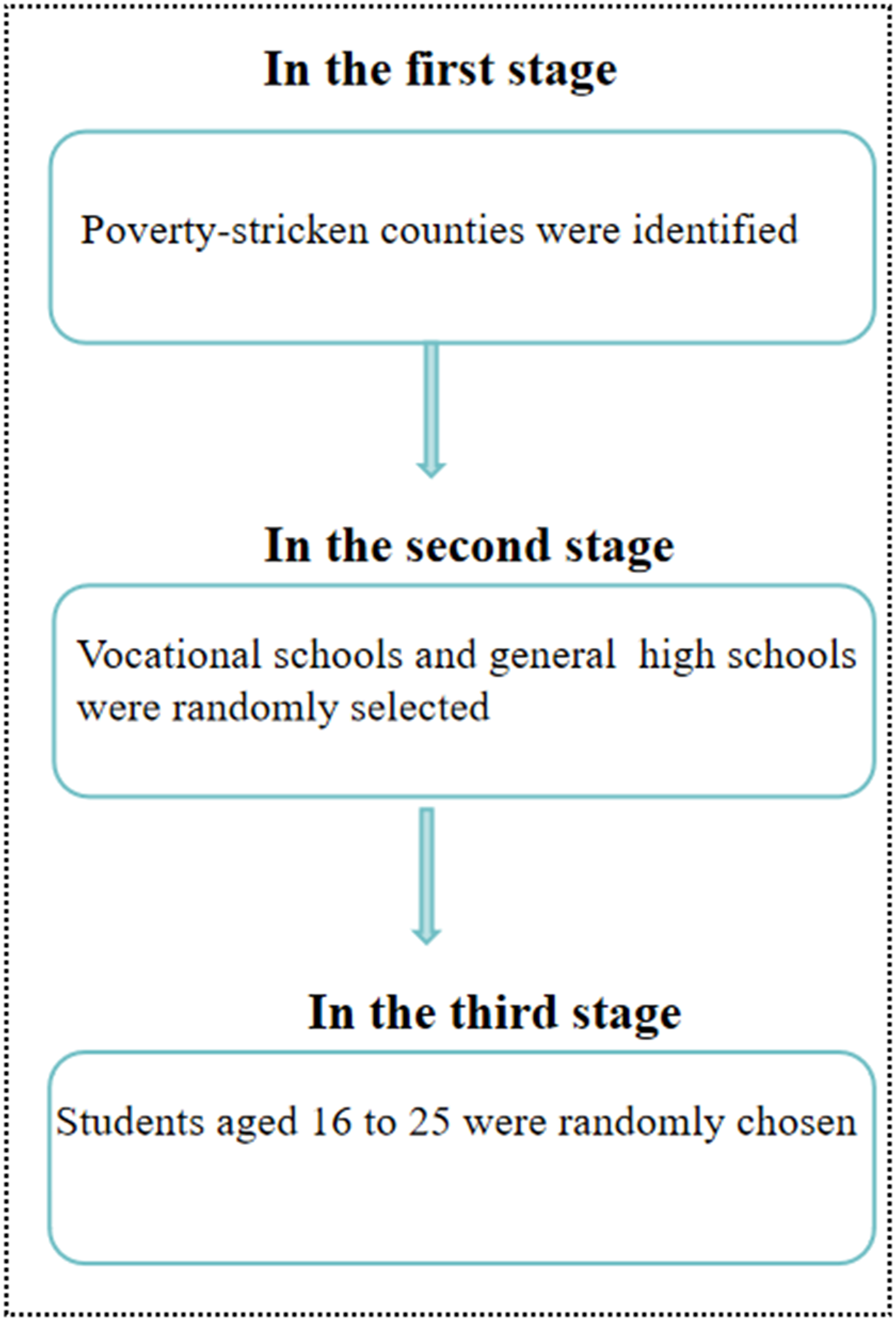
Stratified sampling flowchart.
The design of the questionnaire focused on the mechanisms of poverty alleviation and heterogeneity analysis, covering the following key variables. The dependent variables included the employment rate (whether full-time employment was achieved), income level (measured as the natural logarithm of monthly income), and social capital score. Social capital was measured as a composite index based on community participation and social trust, adapted primarily from the World Bank Social Capital Assessment Tool (Theduy, n.d.) and widely used social capital measures (Kang & Mok, 2022; Putnam, 2000). The measure included six items in total: three items captured the frequency of participation in village-level collective activities (e.g., “In the past 12 months, have you taken part in community meetings or cooperative events?”), and three items assessed generalized trust toward others in the community (e.g., “Most people in this community can be trusted”). All items were rated on a five-point Likert scale (1 = strongly disagree, 5 = strongly agree), standardized, and then rescaled to a 0–10 index to ensure comparability with other dependent variables. To assess the measurement quality of the social capital scale, we examined its internal consistency reliability using Cronbach's α coefficient, a widely accepted indicator of scale reliability in social science research. The six-item composite demonstrated good internal consistency (Cronbach’ s α = 0.81), and an exploratory factor analysis confirmed the uni-dimensionality of the construct, supporting the meaningful combination of community participation and social trust into a single latent indicator of social capital. Specifically, the Cronbach's α coefficient of 0.81 exceeds the 0.70 threshold for acceptable internal consistency, confirming that the six items reliably measure the same latent construct of social capital. The results of the exploratory factor analysis (EFA) further supported the construct validity of the scale, with all six items loading on a single factor (factor loading range: 0.68–0.79) and explaining 67.3% of the total variance. The key independent variable was vocational education participation, defined as whether respondents were enrolled in formal secondary vocational schools or certified technical training programs providing skill-based curricula. The comparison group consisted of students enrolled in general high schools without vocational training. Control variables included gender, age, parental education, and family socioeconomic status (SES). SES was measured using a single self-reported item on household asset status (e.g., “How would you rate your household's economic condition relative to others in your village?”) on a five-point scale. Although a single-item indicator, this measure has been commonly employed in rural studies of China and shows good face validity, with strong correlations to objective indicators of household wealth.
To ensure data quality, strict quality control measures, including questionnaire pretesting, enumerator training, double data entry and outlier removal, were implemented during the survey process.
Propensity Score Matching (PSM) and Sample Balance
To control for sample selection bias, this study employed the propensity score matching (PSM) method to match the vocational education participation group (treatment group) with the nonparticipation group (control group). Specifically, students’ propensity scores for choosing vocational education were estimated via a logit model, with independent variables including gender, age, parents’ education level, and family economic status.
Detecting Vocational Education Participation Status
In rural China, students decide to attend either vocational schools or general high schools on the basis of their academic performance and personal interests. Vocational schools typically offer skill-oriented programs designed to increase students’ immediate employability, whereas general high schools are academically focused and aim to prepare students for higher education. This study utilized baseline survey data to identify students’ participation in vocational education on the basis of their learning experiences from grades seven through nine. Specifically, the students were categorized into two groups: the vocational education group (treatment group), comprising students who chose to attend a vocational school and completed at least one skills training module, and the general high school group (control group), consisting of students who chose to attend a general high school and did not participate in any skills training courses.
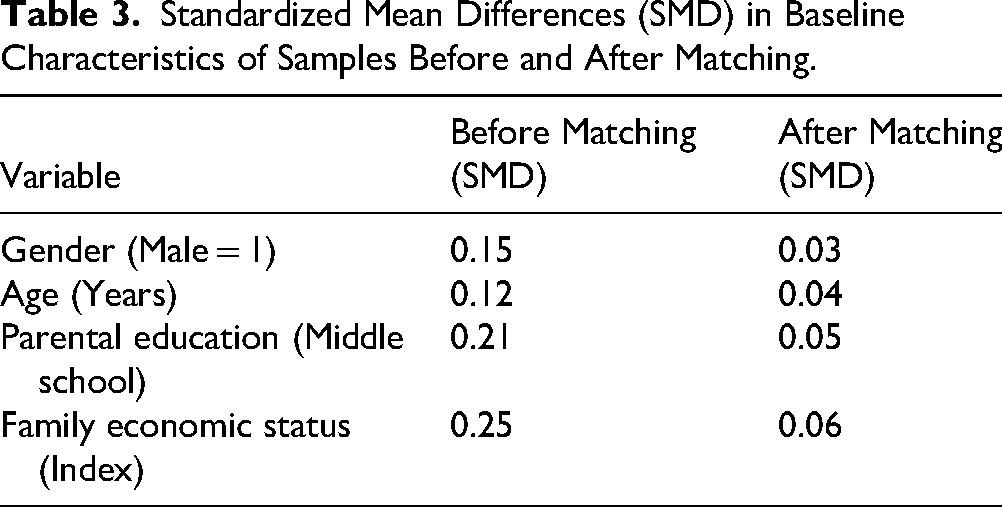
Through propensity score matching (PSM), we controlled for students’ baseline characteristics (e.g., gender, family economic status, parents’ education level, etc.) to reduce potential selection bias between the two groups. Specifically, we used nearest neighbor matching with a caliper of 0.05 and without replacement, and imposed full common support to ensure valid comparisons. After matching, all covariates showed standardized mean differences (SMD) below 0.1, indicating excellent balance between the treatment and control groups. Within the treatment group, we further recorded the alignment between the courses taken by students and labor market demand, subdividing them into two categories: high match and low match. A high match is defined as students whose course content is highly aligned with labor market demand, whereas a low match refers to those whose course content has low relevance to market demand. This categorization lays the foundation for the subsequent heterogeneity analyses.
Quasi-Experimental Methodology and Group Construction
The data for this study are well represented, encompassing vocational schools and general high schools across 30 impoverished counties and involving approximately 10,000 students. The data collected include information on students’ gender, age, educational choices, family income levels, parents’ education levels, asset status, and details about the type of program, teaching quality, and employment support provided by the schools.
We used a quasi-experimental design to divide the students into a treatment group and a control group. First, we excluded samples with missing baseline key variables (e.g., employment status, income level, family economic status) from the raw data, resulting in the exclusion of 323 students. Second, at the end-line stage, we excluded students with missing key variables and those who did not participate in the final survey, leading to the exclusion of an additional 693 samples (478 + 215). We ultimately obtained a total of 8,984 valid samples for the subsequent analyses, with 5,031 students in the treatment group and 3,953 in the control group. To reduce selection bias, we used the propensity score matching (PSM) method to further divide the treatment group into a ‘high match group’ (2,616 students) and a ‘low match group’ (2,415 students). (Figure 2)
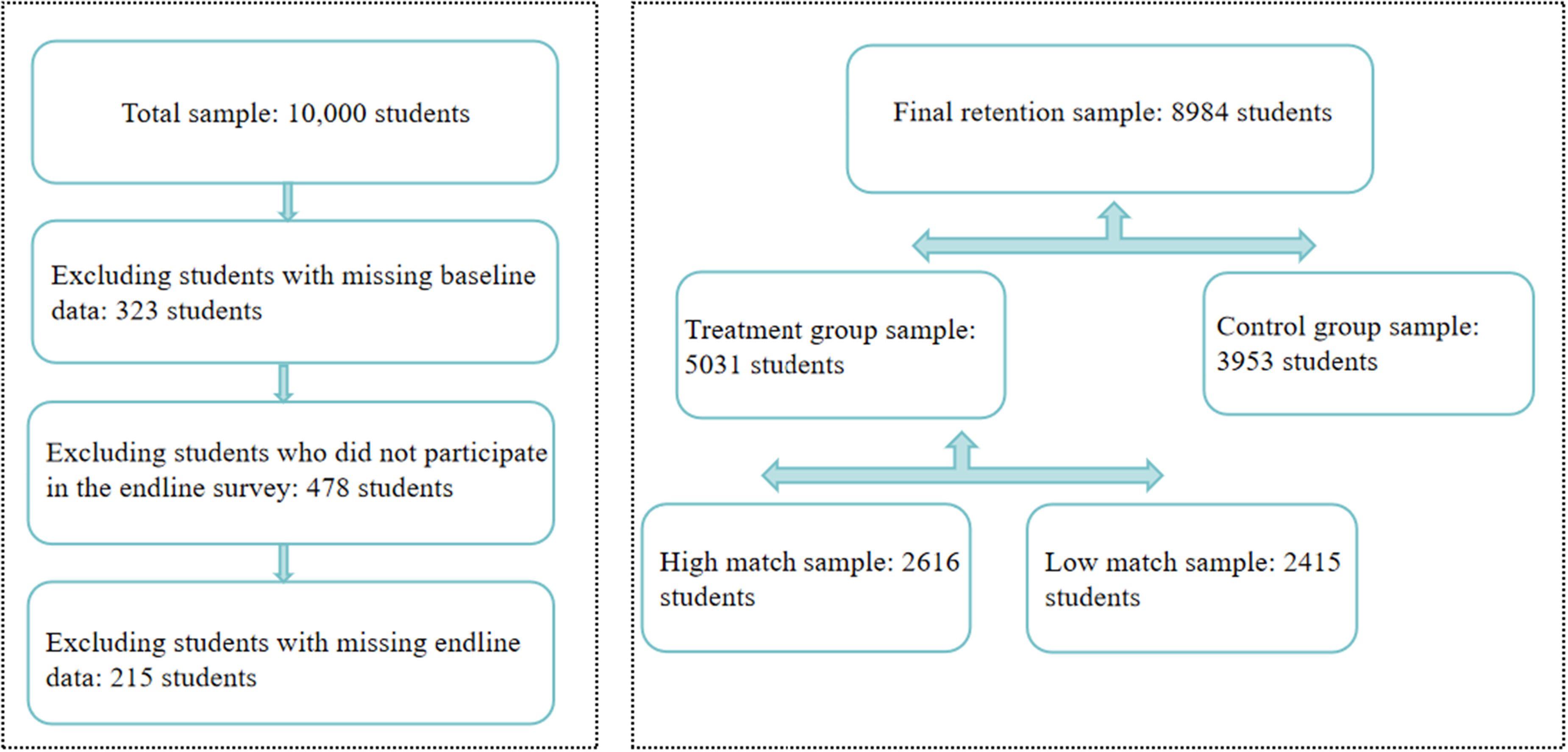
Sample screening and grouping flowchart.
While this study employed a quasi-experimental design with a non-equivalent control group, we acknowledge that vocational school students and general high school students may follow distinct career trajectories. Vocational education students typically enter the labor market earlier, while general high school students may delay labor market entry due to higher education aspirations. Our comparison is therefore intended to capture the short-term employment and income effects of vocational education, rather than long-term career returns. To mitigate potential bias, the propensity score matching (PSM) process balanced observed baseline characteristics such as gender, parental education, and family economic status. Age was included as one of the covariates, but it was not treated as the sole proxy for career stage. In this way, the analysis focuses on the relative advantages of vocational education at comparable ages in the early career stage, consistent with previous empirical studies in developing country contexts.
Data Analysis Methods
The data analysis methods used in this study include the following. First, descriptive statistical analysis was used to compare the mean differences between the treatment and control groups in terms of key indicators such as the employment rate and income level. Second, multiple regression analysis was conducted to estimate the predictive relationship of vocational education on poverty alleviation by constructing a model that controls for confounding variables such as gender, age, region, and family economic status, thereby improving the reliability of causal inference. Given the nested structure of the data with students clustered within schools and regions, cluster-robust standard errors were used in all regression models to account for intra-cluster correlation and ensure valid statistical inference. Third, heterogeneity analyses were performed to explore differences in the effects of vocational education across gender, region, and course-matching groups by introducing interaction terms, with a particular focus on assessing the moderating effect of aligning course design with market demand on poverty alleviation outcomes. To examine the moderating effects, we adopted a hierarchical regression approach: Model 1 included control variables and the treatment indicator, Model 2 added the moderator variable, and Model 3 further introduced the interaction term. The incremental variance explained (ΔR2) between models was used to evaluate the significance of the moderating effects. Fourth, mechanistic analyses were conducted through mediation analysis to examine how vocational education influences the employment rate and income level via mechanisms such as skill upgrading, social capital enhancement, and employment opportunity expansion. Regarding temporal ordering, vocational education at baseline (Time 1) was used to predict mediators, with outcomes measured at follow-up (Time 2); thus, the identified mechanisms represent statistical mediation rather than strict causal mediation given some concurrent mediator measurement. Direct, indirect, and total effects were estimated, and the significance of indirect effects was assessed using bootstrap confidence intervals with 5,000 resamples. Finally, all analyses were performed using Stata 16.0, the significance level was set at 0.05, and robustness tests were carried out to verify the reliability of the model results.
Data and Results Analysis
To systematically assess the role of vocational education in poverty alleviation in low-income rural communities in China, this study adopts a rigorous data analysis framework aimed at exploring the causal impact of vocational education on employment rates, income levels, and social capital, as well as identifying its mechanisms of action and heterogeneous effects.
Definition of Variables and Matching Methods
Definition and Description of the Main Variables
The core dependent variables of this study include the employment status (measured by whether monthly income reaches the standard of basic livelihood security), income level (log-transformed to reduce skewness in the distribution), and social capital score (a continuous variable ranging from 0 to 10 based on community participation and social trust). The key independent variable is vocational education participation status, which categorizes students into a treatment group and a control group. The control variables include individual characteristics such as gender, age, and household economic background (e.g., family economic status and parents’ education), which are used to account for confounding factors that could influence the dependent mechanisms. Additionally, the mechanism variables include skill enhancement (measured by the acquisition of vocational qualification certificates) and employment opportunity expansion (assessed by participation in school-enterprise cooperation programs). Variable specifications follow standardized indicators provided in the questionnaire. (Table 1)
Core Variable Definitions and Measurement Methods.
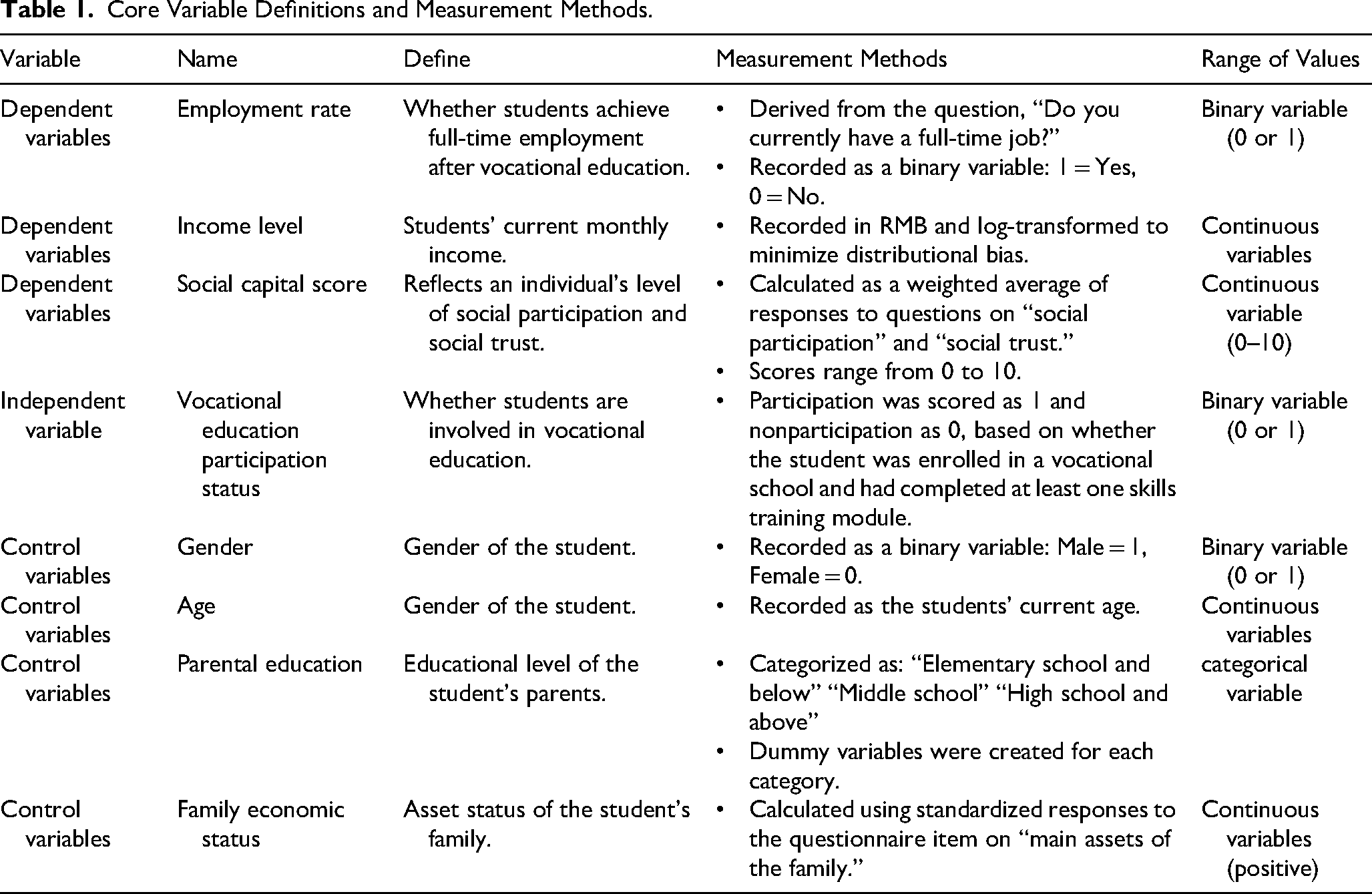
The selection of variables for this study is grounded in the theoretical framework of vocational education for poverty alleviation. Employment and income serve as direct indicators of poverty reduction, representing the core outcomes affected by vocational education (Wen et al., 2021). Social capital score serves as an indirect indicator, reflecting how vocational education can strengthen social participation and trust to improve individual economic and social standing (Fischer, 2022). Control variables were included to account for confounding influences: gender and age shape both program participation and labor market outcomes, while family economic status and parental education capture background-related disparities in educational selection.
Propensity Score Matching (PSM) Method
To mitigate selection bias associated with nonrandom vocational education participation, this study applied propensity score matching. Propensity scores were first estimated using a logit model that included gender, age, family economic status, and parental education. These baseline factors significantly predicted program enrollment. Nearest neighbor matching was then implemented with a caliper of 0.05. Post-matching balance checks confirmed that standardized mean differences for all covariates were sufficiently small, indicating effective balancing between the treatment and control groups.
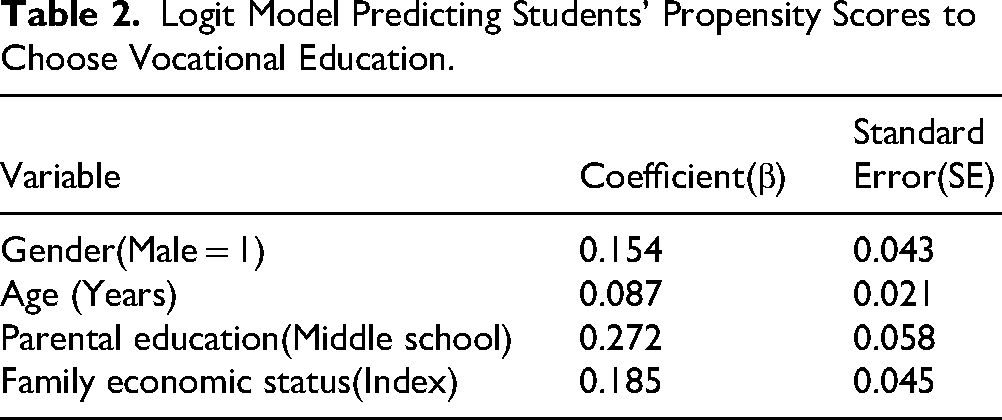
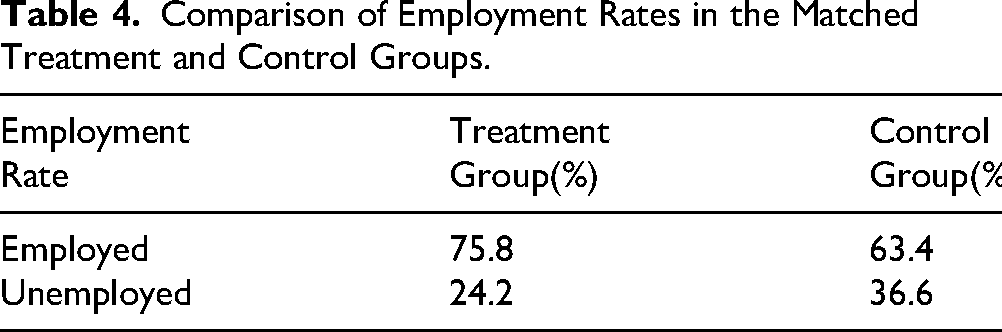
In summary, this study employed propensity score matching (PSM) to effectively address sample selection bias between the treatment and control groups. As shown in Table 2, the logit regression model indicates that key individual and family characteristics significantly shape students’ vocational education enrollment decisions, providing a sound basis for propensity score estimation. As presented in Table 3, post-matching balance diagnostics confirm that covariate imbalance was substantially reduced, supporting the credibility of the matched sample. Post-matching comparisons further demonstrate that vocational education is associated with a significantly higher employment rate (see Table 4), underscoring its potential to improve labor market outcomes for rural youth. These findings validate the utility of PSM in reducing selection bias and establish a reliable foundation for subsequent analyses of causal effects, poverty alleviation mechanisms, and heterogeneous impacts. Further analyses using the matched sample will examine the specific effects of vocational education on employment, income, and social capital, as well as variations across key subgroups.
Logit Model Predicting Students’ Propensity Scores to Choose Vocational Education.
Standardized Mean Differences (SMD) in Baseline Characteristics of Samples Before and After Matching.
Comparison of Employment Rates in the Matched Treatment and Control Groups.
Descriptive Analysis
Figure 3 presents standardized comparisons of the treatment and control groups across the three outcome variables. The results indicate that, after standardizing all indicators into z-scores, vocational education students exhibited higher standardized values in employment rate, income, and social capital compared with the control group. Although the magnitudes differ, the overall pattern suggests that vocational education is associated with consistently better outcomes across multiple dimensions.
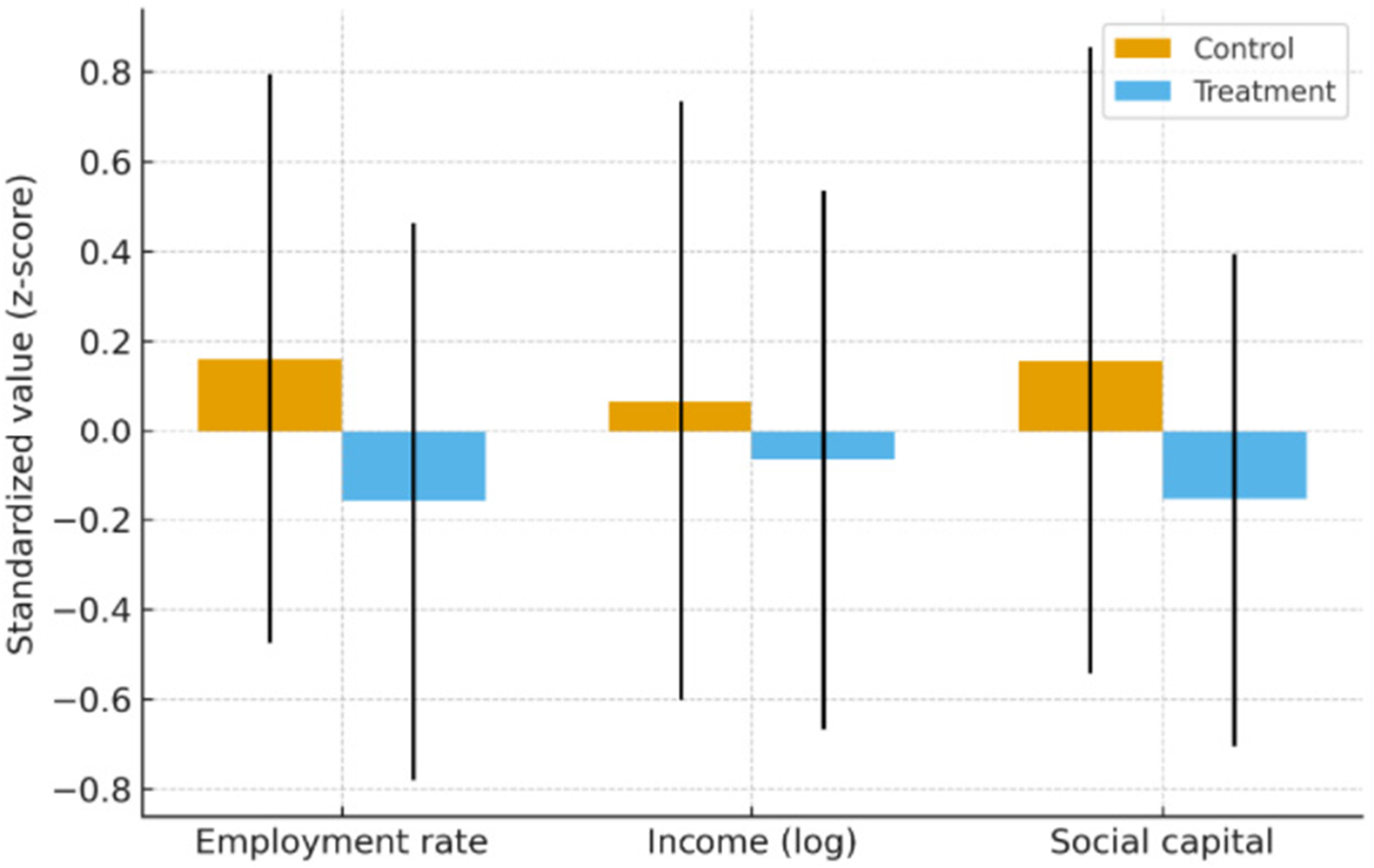
Standardized comparisons of vocational education effects on employment, income, and social capital. Notes: All outcomes were transformed into z-scores prior to plotting; the y-axis denotes standardized values (standard deviation units).
Table 6 presents balance checks between the treatment and control groups on baseline characteristics. Most covariates, including gender and age, were similar across groups. However, significant differences emerged in parental education and family economic status, suggesting that family background may shape selection into vocational education. Further analyses integrating evidence from Table 5 and Figure 3 indicate that the vocational education group performed better across all key outcomes: employment rate, income level, and social capital.
Data Statistics of Treatment and Control Groups in Terms of Dependent Variables.

p-value indicates statistical significance at the 0.1% level (p < 0.001).
Baseline Characteristics of Treatment and Control Groups.

Note: *p < 0.05; **p < 0.01.
Vocational education was associated with a substantially and significantly higher full-time employment rate, supporting its role in strengthening labor market participation among rural disadvantaged students. Regarding economic outcomes, the treatment group also achieved markedly higher monthly income levels, confirming the direct poverty-alleviating benefits of skill-focused training. In addition, participants in vocational education displayed significantly higher social capital, suggesting that such programs can indirectly support vulnerable groups by strengthening social engagement and trust, thereby reinforcing broader poverty reduction effects.
Regression Analysis and Exploration of Heterogeneity
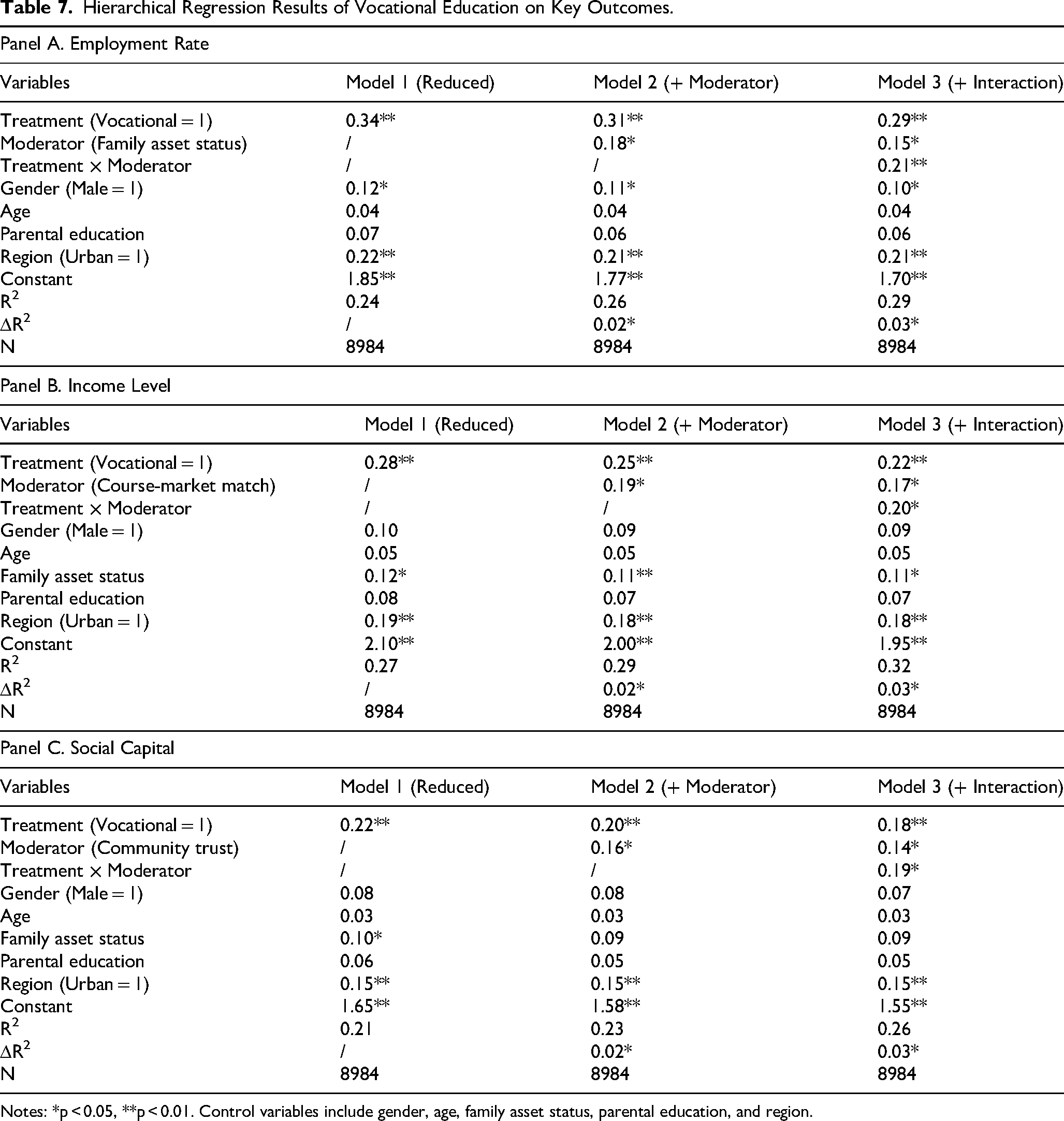
This study employs hierarchical regression models by sequentially adding variables to examine the impact of vocational education on poverty alleviation outcomes. Model 1 includes only control variables and treatment indicators, Model 2 adds the moderator variables, and Model 3 further introduces interaction terms to explore the moderating effects. This hierarchical approach allows us to analyze the incremental impact of adding each variable in the model.
Regression Analysis
To test the core research questions, we compared the effects of vocational education against general high school education on employment, income, and social capital using hierarchical regression (see Table 7). Results are presented in three panels corresponding to each outcome variable, with consistent model specification across all analyses.
Hierarchical Regression Results of Vocational Education on Key Outcomes.
Notes: *p < 0.05, **p < 0.01. Control variables include gender, age, family asset status, parental education, and region.
Panel A (Employment Rate)
Vocational education showed a significant positive association with employment in the baseline model. Introducing family asset status as a moderator improved overall model fit, and the interaction term was also statistically significant. These results indicate that family economic background shapes the strength of employment gains associated with vocational education.
Panel B (Income Level)
Vocational education similarly predicted higher income levels in the baseline model. Adding the course-market matching moderator increased explanatory power, and the corresponding interaction term remained significant. This pattern implies that greater alignment between vocational curricula and labor market demand strengthens the income-improving effects of skill training.
Panel C (Social Capital)
A comparable pattern emerged for social capital: vocational education was significantly and positively associated with social capital in the baseline model. Including community trust as a moderator enhanced model fit, and the interaction between vocational education and community trust was significant. This suggests that vocational education operates more effectively to improve social capital in contexts with higher levels of community trust.
Overall, results indicate that vocational education exerts meaningful positive effects on employment, income, and social capital. Furthermore, hierarchical regression models confirm that these effects are moderated by family economic background, course-market alignment, and community trust. The consistent improvements in model explanatory power further support the robustness of these moderating roles.
Heterogeneity Analysis
In line with the third research aim, we examined whether the effects of vocational education on poverty alleviation varied across gender and regions. This section first analyzes gender heterogeneity by focusing on female employment, income, and social capital outcomes, and then compares the differential impacts of vocational education between the central and western regions of China.
Gender Heterogeneity Analysis
The term ‘gender heterogeneity’ refers to differences in how vocational education impacts employment, income, and social capital outcomes between male and female students. This analysis focuses on how gender influences the effects of vocational education, not on variance heterogeneity.
Table 8 indicates that participation in vocational education has a more significant effect on the employment rate and income level of females, resulting in a 12.4% increase in the employment rate and a 10.2% increase in income. This finding suggests that allocating more resources to vocational education for females, particularly in the central and western regions, could lead to greater poverty alleviation outcomes.
Impact of Vocational Education Treatment Groups on Female Work Rates, Income Levels, and Social Capital.
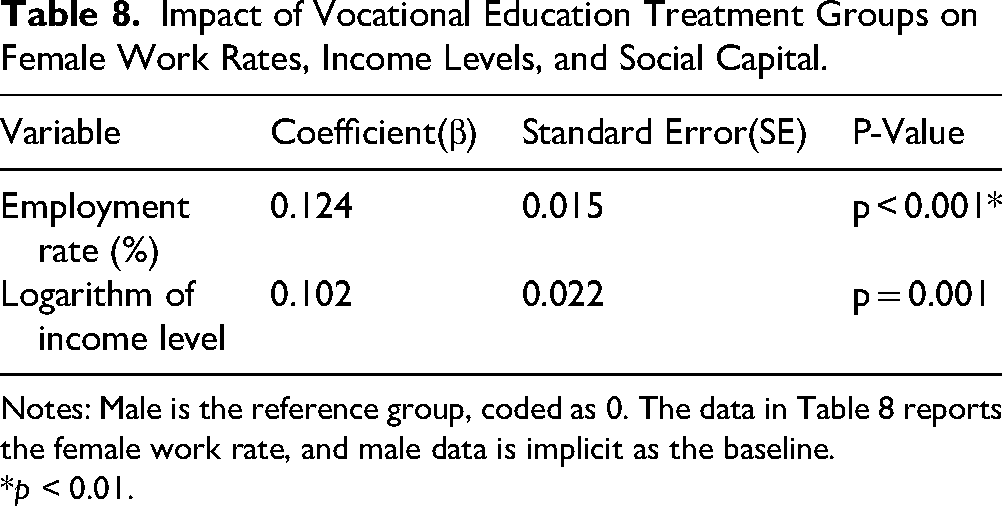
Notes: Male is the reference group, coded as 0. The data in Table 8 reports the female work rate, and male data is implicit as the baseline.
*p < 0.01.
Regional Heterogeneity Analysis
We then analyzed regional heterogeneity by comparing the central and western regions, in order to assess whether differences in resource allocation and institutional support shape the poverty alleviation effects of vocational education.
The results in Table 9 reveal a significant difference in the poverty alleviation effect of vocational education between the central and western regions. In the western region, vocational education led to a 24.5% increase in the employment rate and an 18.6% increase in income, highlighting that the poverty alleviation effect of vocational education is more pronounced in resource-poor areas.
Heterogeneity Analysis of the Impact of Vocational Education Treatment Groups on Work Rates and Income Levels in the Central and Western Regions.

Note: *p < 0.01.
Figure 4 shows that, in terms of course matching, the employment rate of the high match group in the western region is significantly higher than that in the central region, with an increase of more than 28%. Conversely, Figure 5 shows that the vocational certificate acquisition rate among students participating in vocational education is 7% lower in the western region than in the central region. This suggests a particular need to enhance vocational certificate training in the western region.
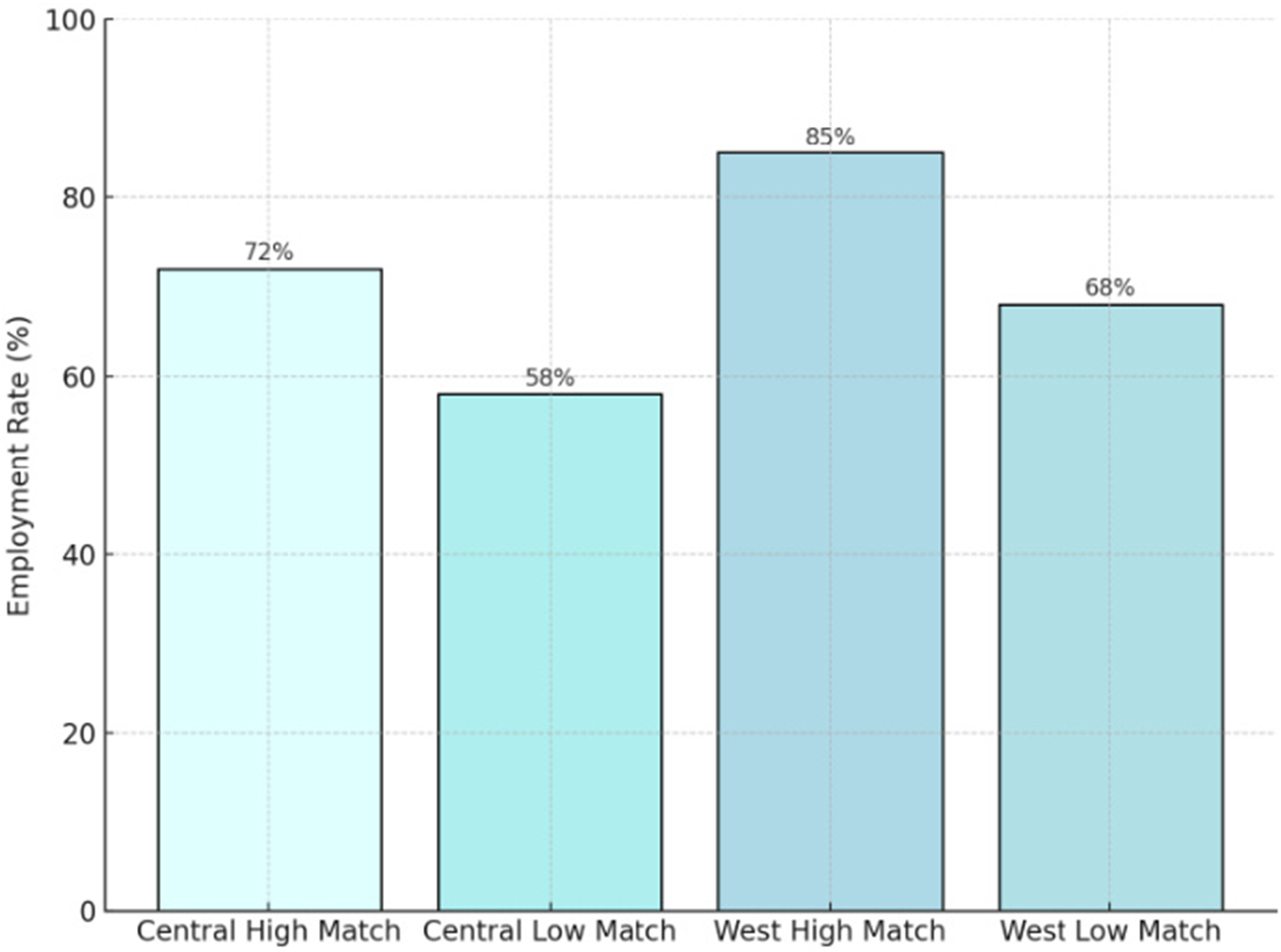
Moderating effect of the vocational course match on work rates in the central and western regions.
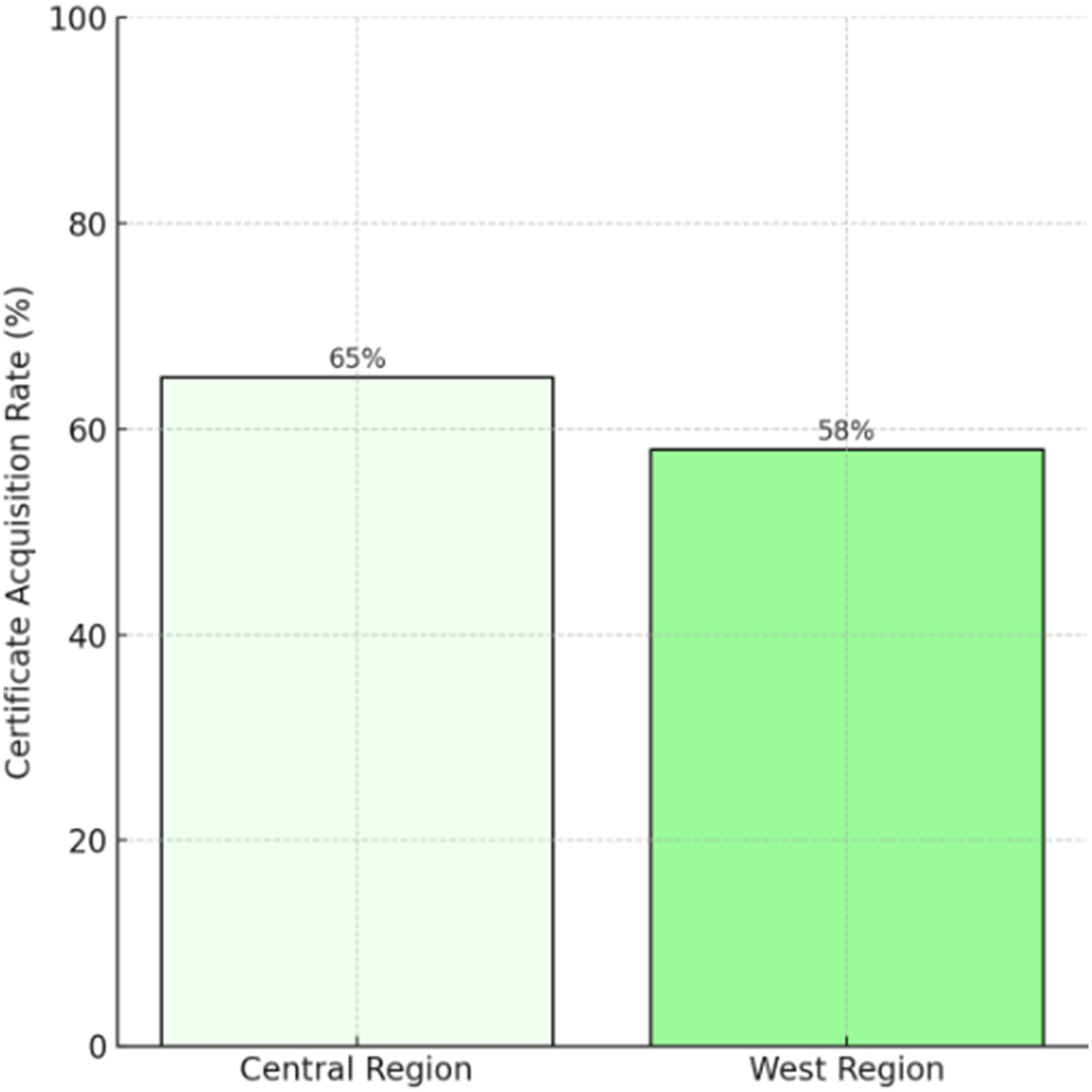
Vocational certificate acquisition rates for central and western regions among vocational education participants.
Through regression and heterogeneity analyses, vocational education is shown to have a significant poverty alleviation effect in both the central and western regions, particularly in the western region. However, female participation and course matching stand out as critical factors, highlighting the importance of strengthening vocational certificate training for females and increasing investment in course match programs.
Building on these heterogeneous effects, we further investigated the mechanisms through which vocational education influences employment, income, and social capital.
Mediation Analysis
To further clarify the mechanisms through which vocational education exerts its poverty alleviation effects, mediation analyses were conducted, with skill upgrading, social capital enhancement, and employment opportunity expansion as potential mediating variables. Direct, indirect, and total effects for employment and income outcomes are reported in Table 10.
Mediation Analysis Results of Vocational Education on Employment and Income.
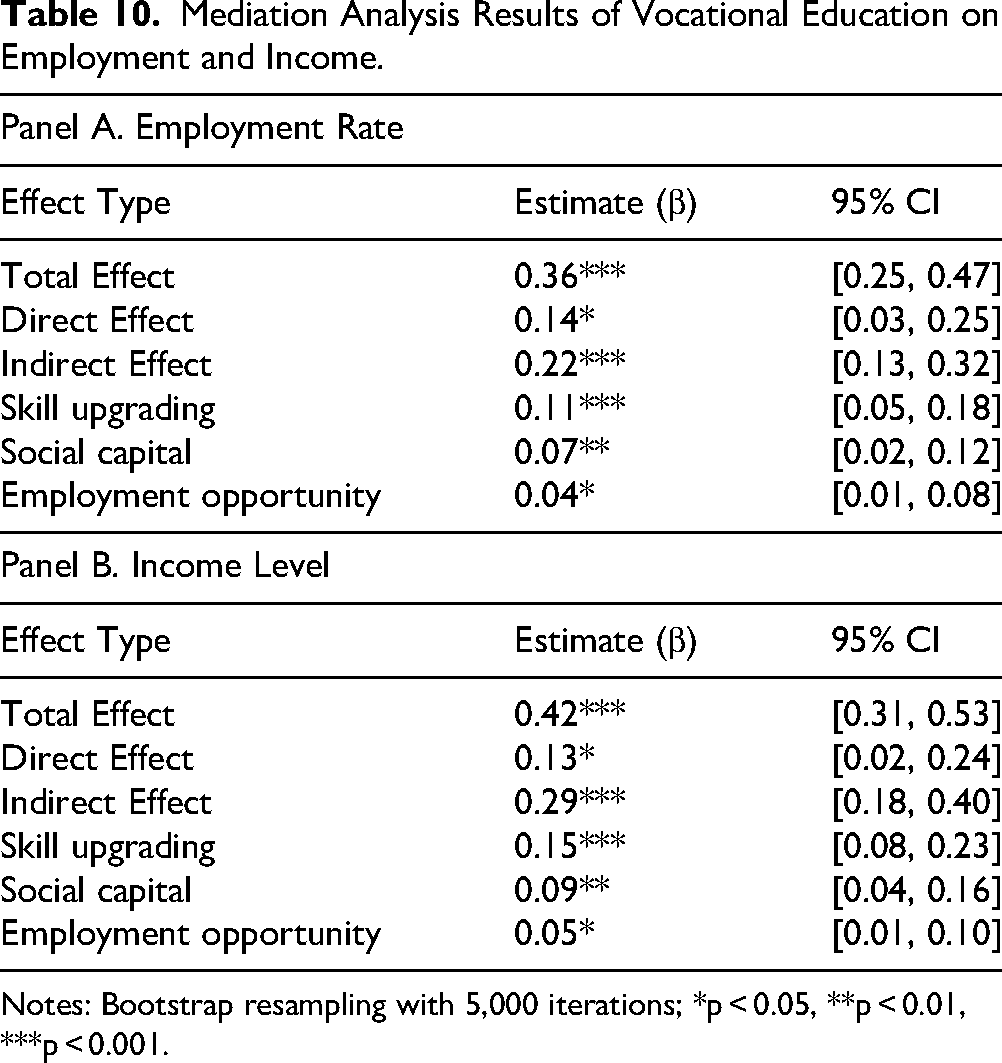
Notes: Bootstrap resampling with 5,000 iterations; *p < 0.05, **p < 0.01, ***p < 0.001.
Panel A (Employment Rate)
Vocational education had a significant total effect on employment. Among the mediators, skill upgrading emerged as the strongest pathway, followed by social capital enhancement and employment opportunity expansion. Collectively, these three mechanisms explained a meaningful portion of the total effect of vocational education on employment, while the direct effect remained significant, indicating a partial mediation pattern.
Panel B (Income Level)
A similar partial mediation pattern was observed for income. Vocational education exerted a significant total effect on income levels, with skill upgrading again serving as the most impactful mediator. Social capital enhancement and employment opportunity expansion also contributed significantly to the indirect effect, though to a lesser extent. The direct effect of vocational education on income remained significant after accounting for these mediators, further confirming partial mediation.
Robustness Test
To examine the stability of the results obtained through the propensity score matching (PSM) method, this study employed alternative matching methods, including radius matching and kernel matching, as substitutes for nearest neighbor matching (NNM). Additionally, the impact of vocational education participation on employment rates and income levels was re-estimated. To further validate the robustness of the model, the study also reassessed the effect of vocational education on poverty alleviation by using the growth rate of household income as an alternative dependent variable.
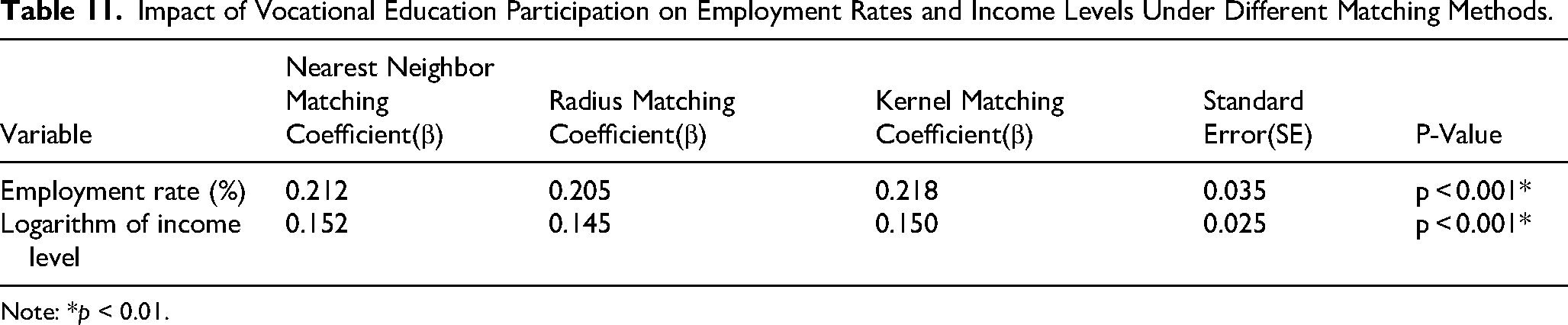
Table 11 and Figure 6 demonstrate that the estimation results from the different matching methods are highly consistent numerically and all indicate a significant positive effect of vocational education participation on employment rates and income levels, highlighting the strong robustness of the results. Table 12 and Figure 7 illustrate that vocational education participation significantly increases the growth rate of household income (12.8%), which aligns with the results of the analysis of the logarithm of income, further validating the positive effect of vocational education on household economic improvement.
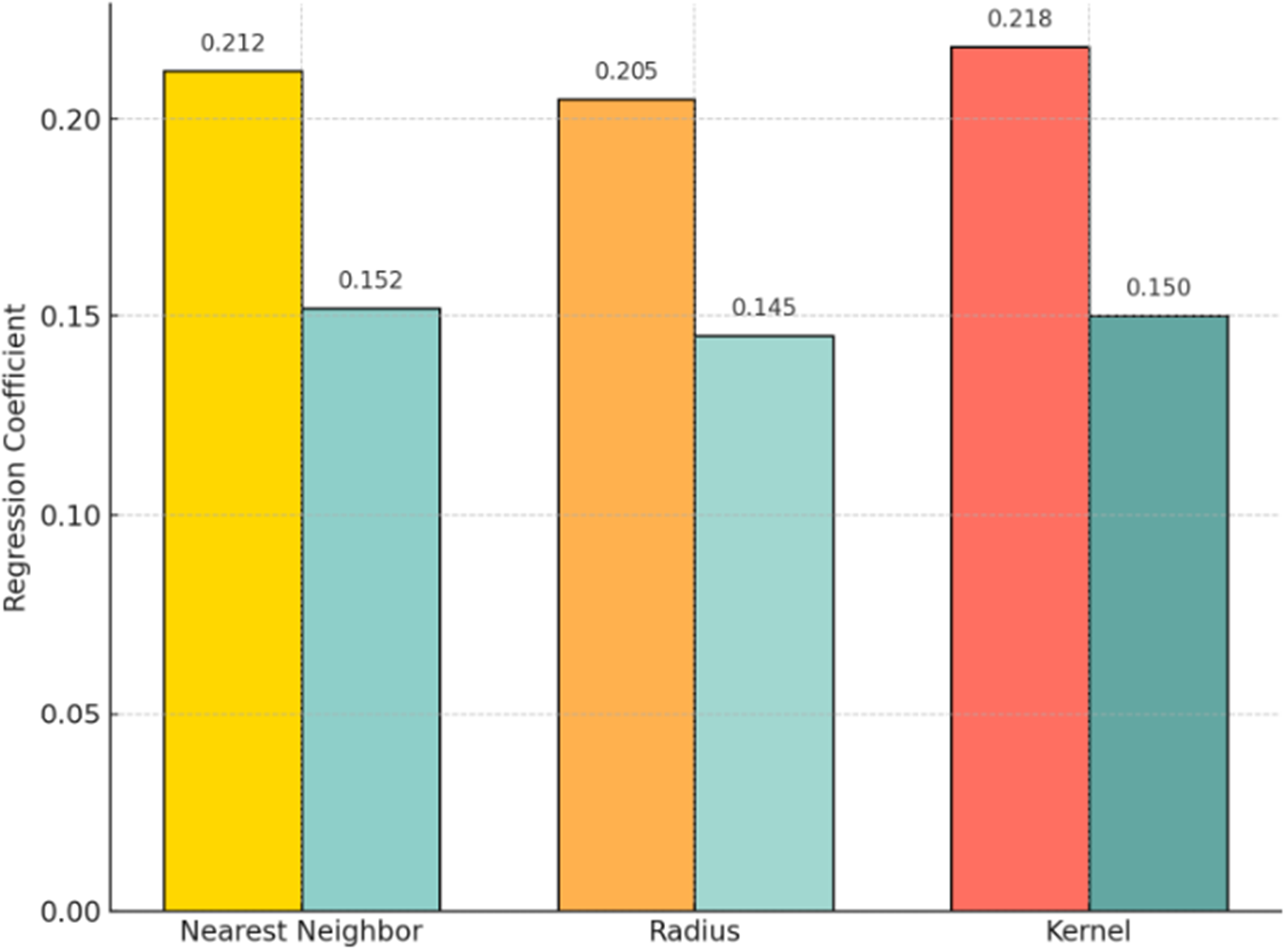
Comparison of regression coefficients for employment rates and income levels under different matching methods.
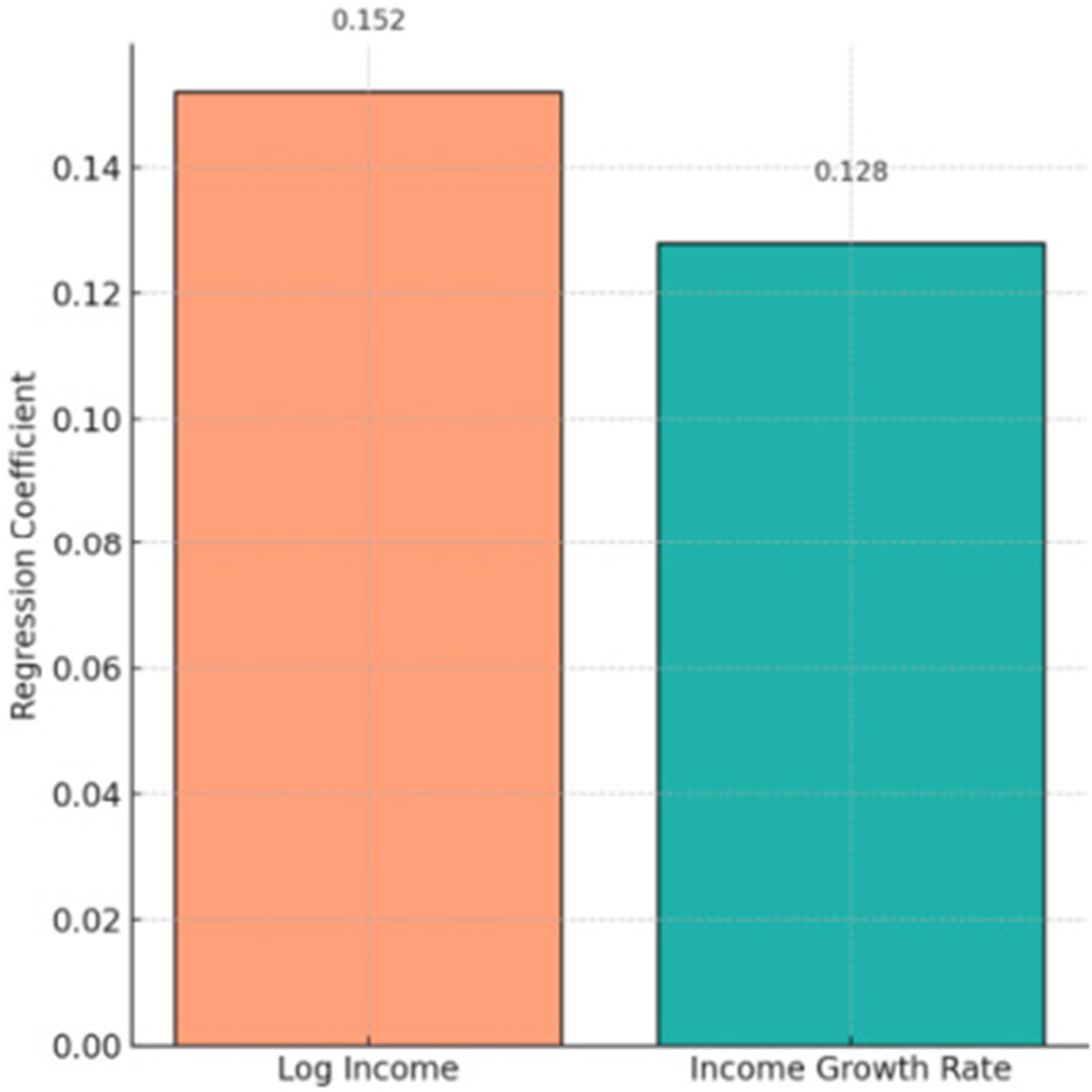
Comparison of regression coefficients using the logarithm of income and the income growth rate as dependent variables.
Impact of Vocational Education Participation on Employment Rates and Income Levels Under Different Matching Methods.
Note: *p < 0.01.
Robustness Test Results with Household Income Growth Rate as Dependent Variable.

Using the above analytical framework and empirical results, this study confirms the significant role of vocational education in improving employment rates, income levels, and social capital in low-income rural communities while also revealing its heterogeneous characteristics and robustness. These analytical results provide strong empirical support for optimizing vocational education policies and achieving the goal of precise poverty alleviation.
Discussion
This study examines the causal effects of vocational education on employment, income, and social capital among rural youth in low-income areas of China. The findings not only reveal the significant role of vocational education in promoting economic outcomes and social integration but also carry important implications for the UN 2030 Agenda for Sustainable Development, particularly SDG 1: No Poverty. By strengthening human capital, expanding employment opportunities, and reducing economic vulnerability among marginalized rural populations, vocational education acts as a key mechanism for sustainable and inclusive poverty alleviation. From the perspective of sustainability science, educational interventions that simultaneously advance economic development, social equity, and regional balance provide a foundational pathway toward resilient and coordinated rural revitalization (Komiyama & Takeuchi, 2006; Takeuchi et al., 2017). In line with the updated sustainability science research agenda, poverty reduction and equitable development remain core priorities in global sustainability transitions (Sahle et al., 2025).
Vocational Education Significantly Enhances Employment Rates and Income Levels
The study's data showed that vocational education significantly increased the employment rate and income levels of individuals living in low-income rural communities. After matching the sample via propensity scores, the employment rate of students who participated in vocational education reached 75.8%, which was significantly higher than the 63.4% employment rate of the control group that did not participate in vocational education (p < 0.001). In terms of income, the average monthly income of the vocational education participants was RMB 3,580, whereas the average monthly income of the nonparticipants was RMB 2,980, with the difference being statistically significant (p < 0.001). These findings suggest that vocational education provides substantial economic opportunities for rural low-income populations by directly enhancing individual skills and employment ability. This finding is consistent with those of previous studies (Lee et al., 2021). Additionally, vocational education participants had a significantly higher rate of acquiring vocational qualifications than nonparticipants did, further strengthening their competitiveness in the labor market.
Heterogeneous Effects of Vocational Education Across Groups
Vocational education has significant heterogeneity in its poverty alleviation effects on the basis of gender, region, and course match with labor market demands. This finding is consistent with the study by Tadesse et al. (2022). In terms of gender differences, female vocational education participants experienced a more significant increase in employment rates, which rose by 12.4% (p < 0.001) compared with females who did not participate in vocational education. This result suggests that vocational education has a stronger effect on improving the economic status of women (Chongcharoentanawat et al., 2022). Compared with those in the central region, students in the western region demonstrated significantly greater increases in employment rates and income levels, highlighting the greater potential of vocational education to alleviate poverty in resource-poor areas. However, despite the central region's higher starting point, the increase in employment rates and income resulting from vocational education remains significant. This regional disparity suggests that the effectiveness of vocational education is heavily influenced by the local level of economic development and the availability of educational resources (Heinesen & Lange, 2024). The analysis of course match further emphasizes the importance of a strong match between course content and labor market demand. The data show that the employment rate for the high match group is as high as 82.3%, whereas it is only 68.5% for the low match group. This finding underscores the critical role of optimizing course design to better align with market needs, thereby enhancing the overall effectiveness of vocational education (Dalby & Noyes, 2022).
Analysis of the Poverty Alleviation Mechanism of Vocational Education
This study further examines the specific mechanisms through which vocational education contributes to poverty alleviation. The results indicate that vocational education achieves positive poverty alleviation effects primarily through three pathways: skill enhancement, employment opportunity expansion, and social capital enhancement. In terms of skill enhancement, 64.7% of the students who participated in vocational education obtained vocational qualification certificates, whereas only 21.5% of the nonparticipants did (p < 0.001). This significant difference demonstrates that vocational education empowers participants by providing systematic skills training, thereby improving their employment ability. The expansion of employment opportunities is another critical pathway through which vocational education alleviates poverty. The findings reveal that students who participated in school-enterprise cooperation programs experienced an average monthly income growth rate of 18.6%, which was significantly greater than the income growth of those who did not participate in such programs. This result suggests that school-enterprise cooperation not only enhances students’ employment opportunities but also equips them with more competitive vocational skills through practical, hands-on training.
In addition, vocational education indirectly contributes to poverty alleviation by enhancing students’ community involvement and social trust. The data revealed that the social capital score of the vocational education participants was 7.2, which was significantly higher than the score of the nonparticipants, which was 6.3 (p < 0.001). This finding suggests that vocational education not only helps economically disadvantaged groups escape poverty but also supports the overall social development of poor areas by promoting community participation and fostering social cohesion (Putnam, 2000; Zhou et al., 2022).
Theoretical and Practical Implications of the Poverty Alleviation Effect of Vocational Education
This study confirms the significant role of vocational education in promoting employment, increasing income, and enhancing social capital, particularly in low-income rural communities. These findings align with the theoretical perspectives in the literature (Yi et al., 2023), which suggest that vocational education contributes to economic improvement by directly upgrading skill levels (Wang et al., 2024). Moreover, this study provides targeted empirical evidence for central and western rural low-income areas, revealing the multiple mechanisms through which vocational education alleviates poverty, including skill enhancement, employment opportunity expansion, and social capital enhancement (Luimes, 2023; Tian et al., 2023). Furthermore, the results demonstrate that vocational education not only significantly improves the economic status of participants in the short term but also indirectly fosters social cohesion in impoverished areas by promoting community participation and strengthening social trust. These findings offer an important theoretical foundation and practical insights for policymakers aiming to optimize vocational education policies and achieve the goal of precise poverty alleviation.
Implications of Heterogeneous Effects for Policy Optimization
This study highlights the significant heterogeneous effects of vocational education on the basis of gender, region, and course match, offering valuable insights for policy design. First, the female cohort demonstrated greater employment and income growth after they participated in vocational education. This finding suggests that female-targeted vocational education programs have greater potential for poverty alleviation. It is recommended that rural areas prioritize female-specific resource support, such as gender-focused skills training programs and incentives for vocational certification tailored to females (Chongcharoentanawat et al., 2022; Salas-Velasco, 2024). Second, the analysis of regional differences reveals that while vocational education results in greater employment and income growth in the western region, the baseline effect remains lower than that in the central region. This outcome reflects the unequal distribution of educational resources and underscores the need for greater investment in vocational education in resource-poor regions (Heinesen & Lange, 2024). Suggested actions include expanding school-enterprise cooperation programs and improving the quality of teaching resources in these areas. Finally, the significant impact of course match underscores the importance of dynamically adjusting curriculum design (Dalby & Noyes, 2022; Yang & Chia, 2024). Policymakers should conduct in-depth analyses of labor market demands and optimize vocational education courses to better align with market needs. This approach would enhance the adaptability of vocational training, enabling them to better meet the specific requirements of local economic development.
Research Limitations and Future Directions
While this study provides strong empirical evidence for the poverty alleviation effects of vocational education, several limitations point to opportunities for future research.
First, the study's data are primarily from low-income rural areas in central and western China, which excludes eastern or more remote regions. Given that the study sample is limited to central and western rural low-income areas, the research findings are primarily applicable to these regions rather than the entire rural areas of China. Specifically, the conclusions cannot be generalized to eastern China's developed rural areas or other economically advanced rural regions. This limitation may affect the generalizability of the findings. Future research should broaden the scope of data collection to include regions with diverse geographic and economic contexts, enabling a more comprehensive understanding of the poverty alleviation effects of vocational education.
Second, this study focuses on the short-term economic impacts of vocational education but does not delve into its long-term benefits, such as mitigating inter-generational poverty transmission and enhancing social mobility. Although the present study employs a two-wave longitudinal design, the follow-up period remains relatively short. Future studies may adopt longer-term, multi-wave longitudinal designs to examine the long-term and intergenerational impacts of vocational education. In addition, because the two groups differ in their typical career trajectories—vocational students tend to enter the labor market earlier, while general high school students often delay employment to pursue higher education—the observed advantages in income, employment, and social capital should be interpreted primarily as early-career outcomes rather than evidence of long-term superiority. In the long run, higher education students may catch up or even surpass vocational students, depending on their degree attainment and field of study. To address this limitation, future studies should rely on panel or cohort data to track students’ career development over time and provide more comprehensive insights into both short- and long-term effects.
Additionally, the mechanisms behind social capital enhancement were not fully explored in this study. Future research could combine qualitative methods to investigate how vocational education fosters community participation and social cohesion, further uncovering potential pathways for social capital formation. Furthermore, future research may further explore the development of targeted career guidance and counseling interventions for rural youth to support sustainable career construction and long-term labor market adaptation. Given the evolving landscape of career development in the twenty-first century, future studies could integrate innovative frameworks of sustainable career development that emphasize decent work, lifelong adaptability, and alignment with long-term societal and ecological challenges (Guichard, 2022; Hartung & Di Fabio, 2024). Practical interventions could include personalized career planning services, skills matching guidance, job-search support, and postgraduation follow-up counseling to strengthen the link between vocational education and sustainable career growth. These efforts would help translate vocational skill training into stable, long-term career success and further enhance the sustainability of poverty-alleviation effects. Collectively, these research directions will contribute to a more comprehensive understanding of the social and economic benefits of vocational education and provide policymakers with a stronger scientific basis for optimizing vocational education policies.
Conclusion
On the basis of empirical data from low-income rural communities in China, this study systematically assessed the role of vocational education in poverty alleviation, addressing whether vocational education can significantly improve the economic and social conditions of disadvantaged groups through the mechanisms of skill enhancement, employment opportunity expansion, and social capital enhancement. The findings indicate that vocational education significantly increases the employment rate and income levels of participants. Additionally, it has notable heterogeneous effects in terms of gender, region, and course match, with particularly strong poverty alleviation potential for women and resource-poor regions. These results validate the effectiveness of vocational education as a tool for poverty alleviation and provide a robust scientific basis for optimizing policy design. However, the study also identifies challenges related to uneven resource allocation and mismatches between course content and market demand. Moving forward, targeted policy interventions, such as prioritizing resource allocation to underdeveloped areas, optimizing course design to better align with labor market needs, and strengthening school-enterprise cooperation, are necessary. These measures will further unlock the potential of vocational education to alleviate poverty, contributing to rural economic revitalization and the promotion of social equity.
Footnotes
Acknowledgements
We thank all the individuals and organizations that participated in this study.

Ethics Approval
All procedures performed in studies involving human participants were in accordance with the ethical standards of the institutional and national research committee and with the 1964 Helsinki Declaration and its later amendments or comparable ethical standards. Ethical approval was obtained from the approved by Liaoning University Ethics Committee (LNU-EC-2021-017).
Consent to Participate
Consent was obtained from all participants included in the study.
Consent for Publication
Not applicable.
Contributions
X.H.T. contributed to conceptualization of the work, data curation, formal analysis, methodology, project administration, visualization, writing - original draft, and writing - review & editing. W.P.W contributed to data curation, formal analysis, methodology. Y.L.T. contributed to the investigation, methodology, writing - original draft, and writing - review & editing.Both authors contributed to interpreting the results, reviewed multiple manuscript drafts, and approved the final version for submission.
Funding
The authors disclosed receipt of the following financial support for the research, authorship, and/or publication of this article: This work was supported by the the 2023 Special Research Project for Teachers of Ideological and Political Theory Courses in Colleges and Universities of the Ministry of Education , entitled “Research on the ‘Five-Wheel Drive’ Teaching Model for Deep Learning of Ideological and Political Theory Courses in Colleges and Universities Under the Background of Educational Digitalization., the Key Project of Social Science Foundation of Liaoning Province, China (Project No.: 23JDSZK015, Grant No. L22AWT015).
Declaration of Conflicting Interests
The authors declared no potential conflicts of interest with respect to the research, authorship, and/or publication of this article.
Data Availability
The datasets used and analysed during the current study are available from the corresponding author on reasonable request.