







Abstract
Objective
This commentary discusses the New Zealand Labour Party’s announcement to remove tax on fresh and frozen fruits and vegetables. It aims to explore its potential impact on the psychological well-being of New Zealanders in the context of the growing global burden of mental illnesses in the current food environment.
Conclusions
The proposed tax exemption on fruits and vegetables demonstrates the government’s commitment to improving the food environment. While the precise mental health effects of this potential tax change remain unstudied, existing evidence suggests a positive impact on New Zealanders’ well-being, marking a pivotal step in addressing broader health issues and fostering a healthier, more equitable food landscape.
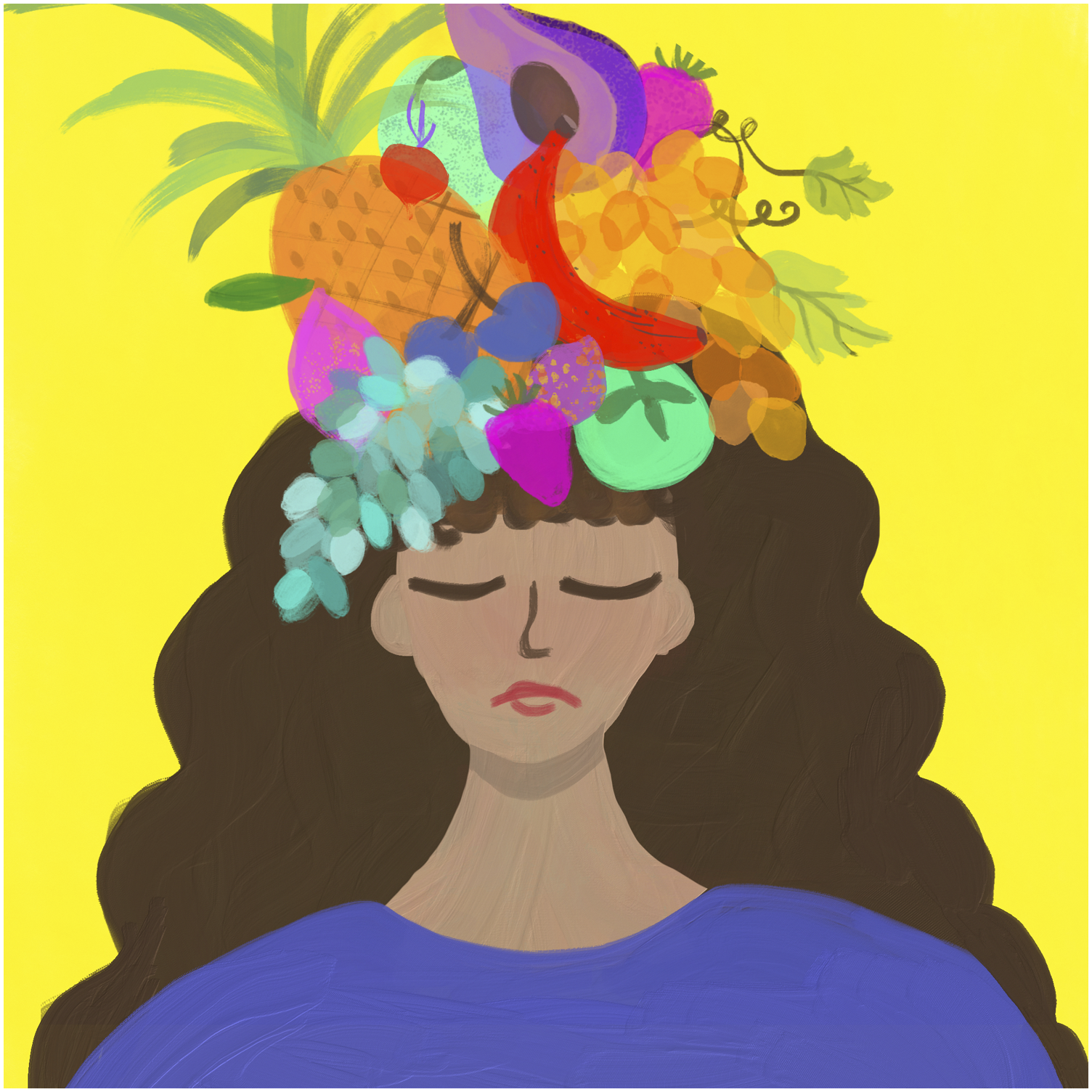
The New Zealand Labour Party has announced that they will remove the 15% goods and services tax (GST) from fresh and frozen fruits and vegetables (F&Vs). On an average weekly spend of 30 dollars on F&Vs, this would mean savings of approximately four dollars per week. 1 A 22% rise in F&V costs due to natural disasters and inflation, 1 magnifies the importance of this tax cut for individuals living paycheque to paycheque. It can determine whether they can afford nutritionally rich foods for their families or are forced to rely on less nutritious and highly processed alternatives. A diet rich in F&Vs has been associated with a reduced risk of cardiovascular diseases, cancers and premature death. 2 While the physical health benefits are evident, in this commentary I aim to explore the potential effects of this change on the psychological well-being of New Zealanders, considering the current food environment’s impact on health.
The global burden of mental illnesses is huge and on the rise. In the early 2000s, unipolar depression was ranked as the leading cause of disability in high and middle-income countries. 3 Today, even in low-income nations, depressive illnesses are rising, and globally, they are the largest contributor to years lived with disability. 4 Physical and mental illnesses are essentially symptoms of broader societal issues; especially non-communicable diseases. So what is happening globally, to promote such poor mental health? Multiple factors, including trauma, poverty, genetics, colonial effects, global conflicts, social injustices and food systems play significant roles.5–7 A concerning trend from ‘developed’ countries, now spreading to ‘developing’ ones, is the rise of ultra-processed foods (UPFs). We cannot talk about F&V consumption, without addressing the ‘foods’ that are displacing them.
The latter half of the 20th century saw the industrialisation of the food industry, introducing highly processed, shelf-stable and cheap ‘food-like’ products, reshaping what is now known as the ‘Western diet’. An analysis of self-reported diets revealed that 56% of the Western diet comprises UPFs. 8 UPFs exist in common items such as breakfast cereals, granola bars and flavoured yogurts. Additionally, in a New Zealand food supply report, which evaluated over 13,000 packaged food and beverage items, 70% were classified as ultra-processed. 9 But what constitutes a UPF? A Brazilian research team studied 25 years of household food data, revealing that the food’s health impact depends more on the extent of processing it underwent than its nutritional content. 10 Monteiro et al. developed the NOVA food classification to inform research and policy. It includes four categories: whole foods, processed culinary ingredients, processed foods and UPFs. 10 UPFs are typically characterised by containing five or more ingredients, often including various food additives. 10 Essentially, it is foods that contain ingredients that you would not find in your kitchen pantry, such as ‘colour 150d’ and ‘food acids 338’. So why are they the new culprits in the pantry? It is because they are energy-dense, nutrient-poor, and can lead to overconsumption, displacing healthier alternatives like F&Vs. For example, in a national analysis of household grocery purchases in Australia, UPFs constituted more than half of the total energy intake purchased. 11 While research assessing UPFs and mental health outcomes is in its infancy, the current research that does exist is shocking. A systematic review and meta-analyses of 17 observational studies (n = 385,541) highlighted bidirectional associations between UPF consumption and adverse mental health outcomes. 12 The 2019 Global Burden of Disease study, suggests that dietary risks such as low F&V intake have a comparable impact on non-communicable diseases as smoking does. 13 If we treated our diet like we do smoking, we would already have robust policies and interventions to reduce dietary risks. This is why food policy, which alters our food environment, is crucial in mitigating the imminent surge of non-communicable diseases and disabilities.
F&Vs are renowned for their physical health benefits, preventing conditions like obesity, diabetes and heart disease. 2 It is unsurprising that new evidence also connects a ‘whole foods’ diet to improved psychological well-being. 14 Emerging research in the young field of Nutritional Psychiatry is showing us that diet is a modifiable risk factor for depression and anxiety. 15 For example, in a single-blinded, randomised controlled trial, called the SMILES trial, 56 participants with moderate to severe depression were randomly assigned to either receive nutritional counselling with a dietitian, or social support sessions for 12 weeks. 16 The dietary intervention group followed a ‘Modified Mediterranean Diet’ rich in fruits, vegetables, whole grains, lean proteins and healthy fats, while limiting UPFs. 16 Results showed significant improvement in depression scores for the dietary intervention group, with a third achieving remission of major depression at the 6-month mark, compared to only 8% in the social support group. 16 A primary limitation of this study however was expectation bias, which is noted by the author in a correspondence. 17 It is also important to note that with nutritional and psychiatric trials, issues with blinding and the lack of objective measures, respectively, can lead to biases that compound onto the studies’ results, which is also what makes research in this field difficult to conduct. Replicating trials at a larger scale is particularly necessary in these fields. Parletta et al. conducted a larger trial called the HELFIMED trial, which showed similar results with 152 participants. 18 Participants with self-reported depression received a Mediterranean-diet food hamper and attended cooking workshops fortnightly for 3 months and received fish oil supplements for 6 months. 18 The control group attended a fortnightly social support group session. 18 It also showed statistically significant improvement in various mental health scores. 18 While this study is not a replica of the SMILES study, it suggests the importance that nutritional intervention can have on mental illnesses. Large controlled intervention studies are needed in the field of nutritional psychiatry to ascertain the magnitude of effect F&V consumption has on mental health. To my knowledge, only a handful of interventional trials, all with samples sizes less than 200 participants, have been conducted assessing F&V consumption on various markers of metal health status. The data suggesting correlation, however, between F&V intake and mental health status is promising. A large cross sectional study of 296,121 people in Canada, showed that a greater F&V intake was statistically associated with lower odds of depression, as well as lower odds of suffering from distress. 19 Another longitudinal study on 4,241 Australian women also showed that a higher intake of F&V was associated with lower risk of depressive symptoms over a 15 year period. 20 In nutritional psychiatry, researchers have investigated how a diet rich in fruits, vegetables and whole foods positively impacts mental health through mechanisms such as reduced inflammation, oxidative stress, improved brain plasticity, gut microbiota diversity and enhanced mitochondrial function. 21 With ample evidence linking diet to both physical and mental health, a stronger case emerges for urgent government policies and proactive upstream interventions.
The majority of diets are influenced by profit-driven corporations 11 emphasising taste and food addictiveness over nutrition and long-term health. UPFs are crafted to hit the ‘bliss point’, driving overconsumption. A small, but powerful, randomised controlled trial showed just this. 20 adults were randomised to receive either ultra-processed or unprocessed diets for 2 weeks and then immediately swapped to the alternate diet. 22 Both diets had the same macronutrients, fibre, calories, sugar and sodium content. 22 They were allowed to consume more or less food as they desired. 22 Participants rated the diets as equally as satisfying; however, when the participants were consuming a UPF diet, they consumed on average 500 more kilocalories per day than the unprocessed diet group and also gained more weight. 22 This is despite the equivalent fibre and protein content of both diets. 22 These examples demonstrate the challenges faced by F&Vs in competing with UPFs, which are not only priced lower per kilocalorie, 23 but are also less satiating and more addictive, 24 thus prompting increased consumption and purchasing. We also cannot overlook the extensive marketing campaigns promoting UPFs, a stark contrast to the limited marketing that F&Vs get.
So what can be done to better our food environment? This in every sense, is a billion-dollar question. The globalisation of the food industry has made UPFs significantly cheaper to produce than local F&Vs. 25 In the United States, subsidies for crops like corn, soybeans, wheat and rice, which are the back-bone of UPF production, 26 exacerbate food security disparities, particularly affecting lower-income groups who are already more prone to mental health issues. 27 The Labour Party’s move to remove GST from F&Vs is a commendable step. While some economists view it as a ‘populist’ move, unintentionally favouring higher-income groups more, 28 its positive impact on all should not be underestimated. This initiative has the potential to stimulate broader discussions about food policy and the overall food environment.
Food security means having access to an adequate amount of safe, affordable, culturally appropriate and nutritious food. In New Zealand, despite the availability of local F&Vs, access and affordability are persistent challenges. 29 There is unequal distribution and marketing of UPFs in lower socioeconomic areas, with UPFs occupying more shelf space in deprived areas. 29 Additional barriers hinder F&V consumption, such as insufficient marketing, shorter shelf lives, limited fridge space and time constraints for meal prep. Lowering taxes on F&Vs, including frozen options, reduces at least one key barrier listed above. A study in The Lancet, modelled in New Zealand, revealed a 20% subsidy on fresh produce, along with a ‘junk-food tax’, resulted in a significant predicted gain of 212 health-adjusted life years per 1000 people. 30 The subsidy was modelled to produce a 16.2% and 32% increase in F&V purchasing, respectively. 30 While the specific effects of this potential tax change on mental health have not been studied, existing evidence indicates it could positively influence the well-being of New Zealanders and potentially reduce health disparities by making F&Vs more affordable and accessible. It is undoubtedly a positive step forward, as improved physical health often leads to better mental health. 31 We need to move away from relying solely on ‘personal responsibility’ for food choices, especially in a UPF-dominated environment. This approach has proven ineffective over the past three decades, as we continue to see a persistent rise in non-communicable physical diseases and mental health issues. 13
In conclusion, the proposed tax exemption on F&Vs signifies the government’s commitment to addressing the quality of our food environment. By prioritising the promotion of healthy eating through policy changes, the government conveys a commitment to the welfare of its citizens. While the direct mental health effects of this potential tax change are unstudied, existing evidence suggests it could positively affect New Zealanders’ well-being, representing a crucial first step in much-needed upstream interventions. This policy could also inspire further measures to improve our current food landscape. The rise of diet-related disease is undeniably political and it’s about time the government acknowledges this reality and takes action now.
Footnotes
Acknowledgements
ChatGPT 3.5 was used to improve sentence structure and vocabulary.
Disclosure
The author(s) declared no potential conflicts of interest with respect to the research, authorship, and/or publication of this article.
Funding
The author(s) received no financial support for the research, authorship, and/or publication of this article.
Trial registration number/date
n/a.
