






Abstract

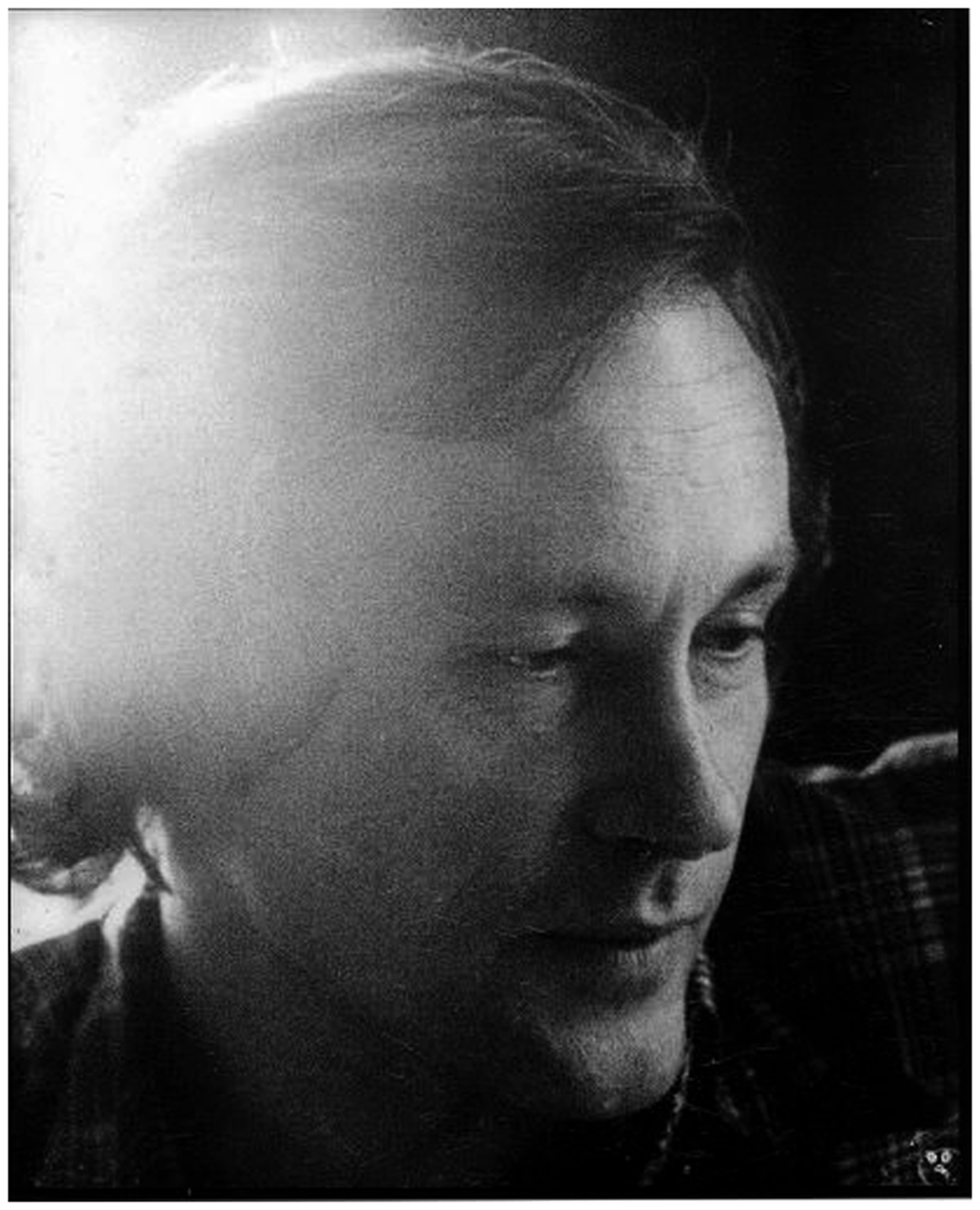
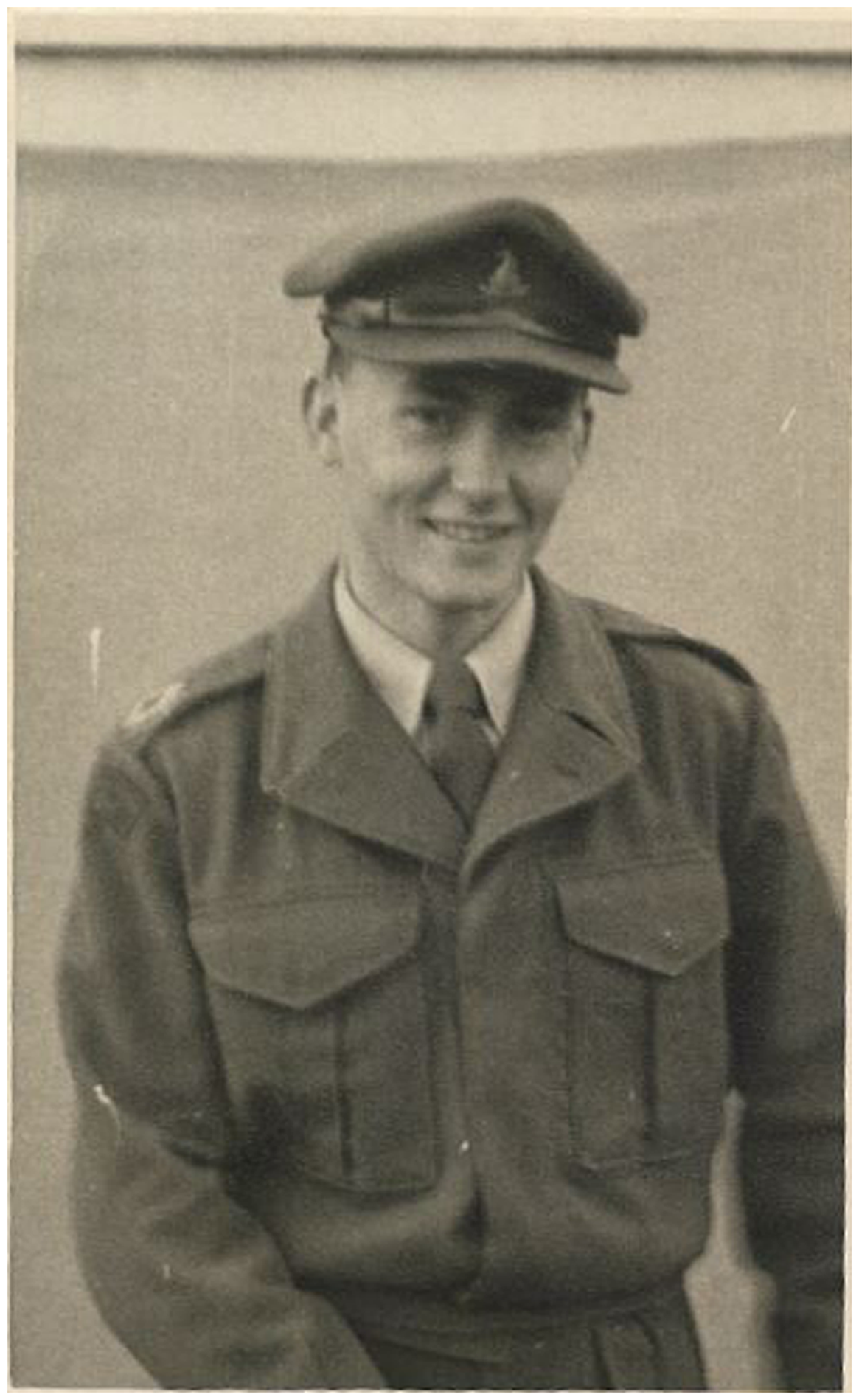
Dr John Stuart Johnston FRANZCP (1938–2024) overcame adversity to become a respected psychotherapeutic psychiatrist in Melbourne. A committed Freudian, he supervised psychiatry trainees in psychotherapy for the Royal Melbourne Hospital until his retirement.
John grew up bereaved and in poverty. John’s father George died at sea in World War II when a German torpedo boat sank the light cruiser HMAS Sydney (19.11.41), with the loss of all on board. John was 3 and his brother Barry was 7. They were raised in Newport, Melbourne, by their mother Margaret, a Scottish immigrant.
The Legacy organization supported John’s education through Williamstown High and then Melbourne High School, and at Melbourne University, where John studied medicine. At Melbourne High School John was a prefect and House Captain, and he captained the school tennis team. 1
While a medical student at Melbourne University, John was active in the ALP Club and demonstrated against the White Australia Policy. Influenced by the lunchtime lectures of Dr Frank Knopfelmacher, John became fiercely anti-Communist.
John came through medicine and psychiatry at Royal Melbourne Hospital, with rotation through Royal Park Hospital, when Dr John Cade was still Superintendent. John tried to replicate some of Cade’s experimental lithium studies - but without success. 2 John often said he would have liked to be a medical researcher, and was delighted when, many years later, his son Ariel chose that path.
John accepted an Honorary Consultant position at Prince Henry’s Hospital at the time it was renowned for its psychoanalytic focus, under Professor Wallace Ironside. After Prince Henry’s was closed, for a short time John worked at Monash Medical Centre.
John undertook psychoanalysis and, though he never became an analyst, he chose to confine his private practice to individual Freudian psychotherapy; he would arrange for another psychiatrist to manage medication, if required. John encouraged his own children to have psychotherapy. John was a committed atheist.
Our friendship began in the mid-seventies, when with Dr George Mendelson we three formed the College subcommittee “Politics and Psychiatry”, to lobby the College to oppose the Soviet Union’s use of psychiatric hospitals to punish dissidents. 3 In cooperation with Amnesty International, Viktor Fainberg, an escaped Russian dissident, was supported by us through a lecture tour here.
The College did choose to support the expulsion of the Soviets at the WPA Honolulu Congress in 1977 and the vote was successful. However, the Soviets were re-admitted to the WPA at the next Congress. 4
By the 1980’s John and I were living nearby in Malvern, and we then had over 40 years in the same peer group. Our families began socializing together.
John regularly attended Melbourne’s Freud Conference. His serious study of Freud and early twentieth century Vienna led to German lessons, which he continued for many years. John delighted in talking about Goethe, and about the caustic Viennese journalist Karl Kraus.
From a young age John had a strong passion for the arts, reading, and classical music, theatre and tennis. He loved walking and the outdoors and took his children camping when they were young. He loved movies, and in his last illness continued to attend a movie club.
His secretary 5 described John’s Hawthorn practice as follows: John would normally have two patients from 7 to 9 a.m., then after a coffee break would see two or three more patients before lunch; and either one or two patients after. On Wednesday afternoons he would take a walk, or read, or do a handyman project in his large workshop - he loved working with tools. He did this 4 days weekly for many years.
John ceased practice when he noticed Parkinsonian symptoms and progressive supranuclear palsy was diagnosed. John prided himself on his honesty and declared his dementing condition to his peer group at once, nevertheless maintaining his attendance there as long as he was able. Through four decades of the peer group John was respected as calm and thoughtful, with an open and enquiring mind. 6
John had four daughters, Rusalka, Leeba, Melissa, and Bianca with his first wife Pat, and a fifth daughter Kira with his second wife Inara. Later in life he and psychiatrist Janet Zeleznikow 7 had two sons, Ariel and David.
John is survived by Inara and by all his children, and by four grandchildren Caleb, Matisse, Zigmars and Oscar; and by his step-grandson Eddie.