






Abstract
Technical subjects in science may be difficult to understand because of the abstract nature of the relevant concepts. Alternative forms of teaching material are used to overcome this. One such form is comics, a popular art form providing a more relaxed environment, which has been used in various education setups with encouraging results. Although such novel forms are generally attractive to younger generations familiar with visual information, few studies have focused on their effect on adult learners. In this paper, several instances of the use of science comics in various setups are presented, showing that comics can provide a useful alternative way of education. One such attempt was made to introduce adult students to the subject of Database Systems using only a specialized science comic book. The study took place in the third grade of an Evening Vocational High school, a public adult (18+) vocational education setting. The students were able to perform equally well to a group of students learning the same content using standard class materials. Furthermore, their interest in learning other science subjects was enhanced and they expressed increased preference for an extended use of science comics in their education.
During the past few decades, lifelong learning and adult education have been given extensive attention, in part due to the changes of needs in the labor market. More professionals need to learn new skills to retain their competitive edge, while people experiencing unemployment look for specialized knowledge to increase their chances in the market (Laal & Salamati, 2012; Draghi, 2024; Senturk & Duran, 2020). The gradual transfer to a knowledge economy requires a highly skilled and flexible workforce, maintaining a need for lifelong education (Ates & Alsal, 2012; Field, 2010). New forms of education are explored to cover the needs of a “student” audience lacking the characteristics of traditional audiences in formal education.
Motivation is one of the key factors in adult education and learning (Boeren, 2017), having a crucial effect on the learning outcomes (Bukhori et al., 2019; Wlodkowski, 2008). Lack of motivation for adult learning is often blamed for adults’ unwillingness to take part in it (Kalenda & Kocvarova, 2022), whereas decreased motivation towards specific learning content is identified as a negative factor in the acquisition of skills intended (Rotgans & Schmidt, 2012). This is a general problem throughout the educational system in the 21st century (Caraway et al., 2003; Handoko et al., 2020; Huang & Soman, 2013; Lee & Hammer, 2011).
Extensive research is underway, trying to devise appropriate solutions to the problem. New methods of organizing teaching material and novel ways of presenting it are tools used to provide students with a modern perspective of the educational process. Traditional textbook and paper materials remain an integral part of education (Ivanova & Shvedov, 2020); textbooks are a standard formalized way to handle the material systematically for both students and teachers. In technical courses, however, it is possible to facilitate understanding of difficult abstract concepts by using alternative forms of teaching material. Comics are such a form, getting increasing attention with generally positive results (Lazarinis et al., 2015; Mamolo, 2019). Using images and short dialogs helps students in getting a different perspective to which they are attracted more easily.
In this paper, a novel form of learning for students participating in lifelong education is examined. A case study in a technical education environment is presented on the use of a well-known comic book to introduce a group of adult students without prior knowledge to the basic concepts of database systems. The idea of the comic is to present formal definitions and functions in a playful manner as part of a narrative. By comparing the performance of the student group following this approach to that of another group taught in the traditional way, one may draw conclusions on whether the use of comics as educational material is efficient in transferring knowledge to the students in the context of lifelong education.
This paper is organized as follows: in Introduction, an overview of the open issues the paper is dealing with has been presented. In Literature Review, a brief description of comics and the use of science comics in education are presented. Furthermore, a gamified assessment quiz using game elements to enhance student involvement is presented. In Methodology, the setup of the study is outlined, involving two groups of adult students following different learning methods. In Research Results, comparative results are presented for the new study method as opposed to the standard classroom teaching method. Results and associated conclusions are discussed in Discussion and Conclusions, focusing on the positive aspects of the novel study method.
Literature Review
Science Comics: an Emerging Educational Tool
The use of comics in education has emerged as a valuable resource for enhancing learning at various levels of education (Bowkett & Hitchman, 2012; İlhan & Oruç, 2019). Several studies indicated that the use of comics has shown positive associations between comics and learning in academic settings, such as increasing students’ motivation, helping in memorization and communication, and enriching readers' skills (Brown, 2023; Sousanis, 2012). Relevant attempts have been documented in published papers (Hosler & Boomer, 2011; Smetana et al., 2009; Spiegel et al., 2013). The conclusion most researchers stated is that comics are a popular form of study material, which students are willing to return to. Furthermore, increased interest was observed for students who do not feel strongly related to science [for a comprehensive review, see (Tribull, 2017)].
Studies in the adult education area mostly focused on university setups or professional training. In (McGarr et al., 2021), the creation of comics by students themselves as a way to reflect on one’s past was explored, in a higher education environment for early childhood education student teachers. Despite limited experience in comics and initial doubts about the usefulness of the approach, students completed their tasks with very satisfying results.
Comics were used to address social debate issues and raise awareness in the public in (Doring, 2002). An internet comic strip was used to boost debate on social issues among the general public, results showing that the interactive nature of the medium and the familiarity with image narratives encourage people to actively participate (Choi, 2016). This study indicated that adults may find this form attractive and be encouraged to learn from it. Along the same lines, digital comics have been used to inspire learners to process information in a way better suited to their specific needs in order to enhance creativity and language skills (Cacicio, 2024; Pugh, 2021). Although many of the studies cited above were conducted in K–12 or undergraduate settings, their findings are relevant for adult, underprivileged youth and lifelong learning contexts for at least two reasons. First, the mechanisms through which comics and other multimodal, narrative formats support learning—such as reducing perceived difficulty, sustaining attention, and providing concrete representations of abstract ideas—are not tied to a specific age group and are also pertinent to adult learners who may feel distant from scientific subjects. Second, adult education programmes often contain participants with heterogeneous backgrounds and limited prior exposure to science or technology, which can further amplify the value of accessible, visually rich and story-based materials. The present study thus extends this body of work by examining the use of a specialized science comic in an adult education setting, in combination with a gamified form of assessment.
Gamified Assessment: an Enhancement in Motivation for Students Not Primarily Focused on Science
Although the present study primarily focuses on the use of science comics as an instructional medium, we also integrate a gamified assessment component that accompanies the comic-based learning activities. Gamification is therefore not examined as a stand-alone intervention but as a supportive design choice that frames the way learning outcomes from the comic book are assessed.
Gamification is commonly defined as the use of game elements in non-game contexts (Deterding et al., 2011) and has increasingly been adopted in education to enhance learner motivation and engagement (Bahra et al., 2022, Al-Rayes et al., 2022). In adult and continuing education, gamified activities have been shown to increase participation, persistence, and enjoyment in learning tasks that might otherwise be perceived as demanding or peripheral to learners’ primary interests (Cents-Boonstra et al., 2020). These findings are particularly relevant for learners who are not primarily oriented towards science but are asked to engage with scientific or technological content.
Gamification and the use of comics share several characteristics. Both approaches rely on narrative, visual, and interactive elements to create more engaging learning environments for students who may lack intrinsic motivation in a subject area. In this research, the gamified quiz is added to the educational comic-based process as a secondary component with the intent to provide an integrated playful experience, and to offer adult learners a low-stakes, motivating context for demonstrating what they have learned from the comic book.
An attempt is made to investigate the efficiency of a non-traditional learning approach, where the students do not possess any prior knowledge on a science or technology topic, and they are invited to learn the basics of the selected topic through a guided self-study of a relevant comic book. The students advance their study on a predefined schedule, and the instructor checks their progress after each chapter. Upon completion of the assignments, the students take an exam in the form of a gamified quiz to assess their acquired knowledge. The main research questions to be answered are stated below: • To what degree is the use of comics as a learning medium acceptable by adult students in lifelong learning? • How does learning through the use of comics as course material compare to traditional learning methods?
Methodology
The study was conducted at the Night Vocational High School of Arta, the second largest city in the region of Epirus, Greece. In such schools, all students are adults attending a course of study in parallel with their regular job. The school operates in two semesters, with grading on a 0–20 scale and final examinations, and graduates receive a high school degree along with a specialization diploma. It is noted that the educational process is inherently different compared to the conventional high schools, as the students are trying to obtain knowledge which will help them in their professional plans.
Research Setup
A special category of science comics is the popular series “The Manga Guide to <subject_name>”, where <subject_name> is the specific scientific area. The narrative is written in a more serious background, while the graphic format and the inclusion of everyday human characters make Manga comics attractive for non-science people, thus enhancing science literacy possibilities for all age groups. In Computer Science, there are numerous examples of the use of comics in the educational process (Zaibon et al., 2018). The results of most such works indicate that the use of Manga comics stimulates interest and enhances performance.
In this research, the guide to databases was used (Takahashi et al., 2009). The reader can learn the basic theoretical elements of databases through a story and then practice through examples included at the end of each chapter. At the end of each Chapter the relevant material is presented again, in a more formal format this time, and review questions are presented. The comic book “The Manga Guide to Databases” was provided to a group of students with no prior knowledge on databases. The Guide essentially covers the material for an introductory course on Database Systems.
The design included two parallel groups: test and control. Among all third-grade classes (final year of secondary education studies, leading to high school diploma and a possibility for admission to the Greek university system), two classes were selected taking care that only one class have Database Systems as part of their curriculum.
The test group was selected among students following the “Networks” flow, where no similar course is taught, and care was taken that students in this group did not have any prior familiarization with Database Systems. Participants engaged in self-directed study of the comic with a maximum allotted period of four weeks. The students did not have any obligation to undertake the effort required and their participation was entirely voluntary. There was extensive discussion with the instructors before the start of the experiment where the purpose of the research was thoroughly explained. The students undertook the assignment with enthusiasm even though it was not part of their curriculum. They promised to stay focused on the completion of the assignment and to follow the instructor’s guidelines. Furthermore, they were informed of the novel gamified quiz to be used for the assessment and they expressed a positive attitude. Interpretation is explicitly situated within adult education in an night school setting (lifelong learning), where learners typically combine studies with professional and family responsibilities.
The control group participating in the study was selected among students following the “Informatics” flow, where a Database Systems course is included in the curriculum (standard teaching). The course was taught 3 hours/week, and the quiz-related unit was completed in 12 hours of instruction. Assessment with a common quiz took place immediately after completion, on the same day and time, under proctoring. Due to the nature of studies, classroom sizes are typically small (10-12 students). It was decided that the two groups should be equal in size and, based on the interest expressed by the students in the two flows of study, six students (N = 6) were selected for each group. No additional activities beyond the comic were implemented in the test group. The students did not get any official credentials for their effort, although certificates were issued by the research team and the school administration for each member of the test group.
Demographics
The test group comprised six individuals. Gender distribution was 50% male and 50% female. Of these participants, 83.3% were over 40 years old and 16.7% were 36–40. All participants were employed and had family responsibilities. The control group comprised six participants. Gender distribution was 33% male and 67% female. Age group distribution was 66% over 40 years old, 17% in the group 36–40, and 17% in the group 25–30. All were employed and had family responsibilities.
Data Collection and Analysis
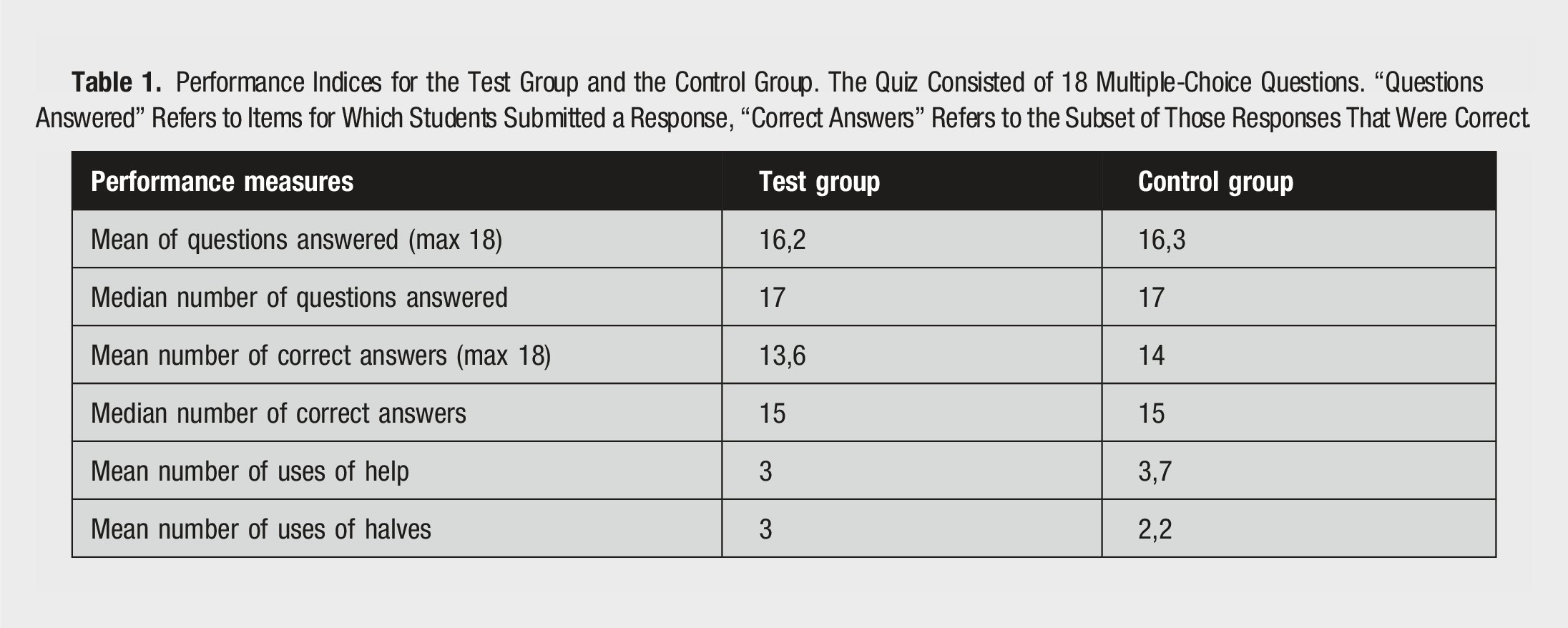
Performance Indices for the Test Group and the Control Group. The Quiz Consisted of 18 Multiple-Choice Questions. “Questions Answered” Refers to Items for Which Students Submitted a Response, “Correct Answers” Refers to the Subset of Those Responses That Were Correct.
Time to completion of the comic-based assignment was also documented for the test group. The instructor monitored students’ progress according to the predefined study schedule and noted the date on which each participant reported that they had completed reading the comic and the associated chapter tasks. For analysis, these data were grouped into two categories (completion within one week vs. completion within up to four weeks), which are presented in Figure 1 and discussed in Section 4. Time needed to complete the comic assignment.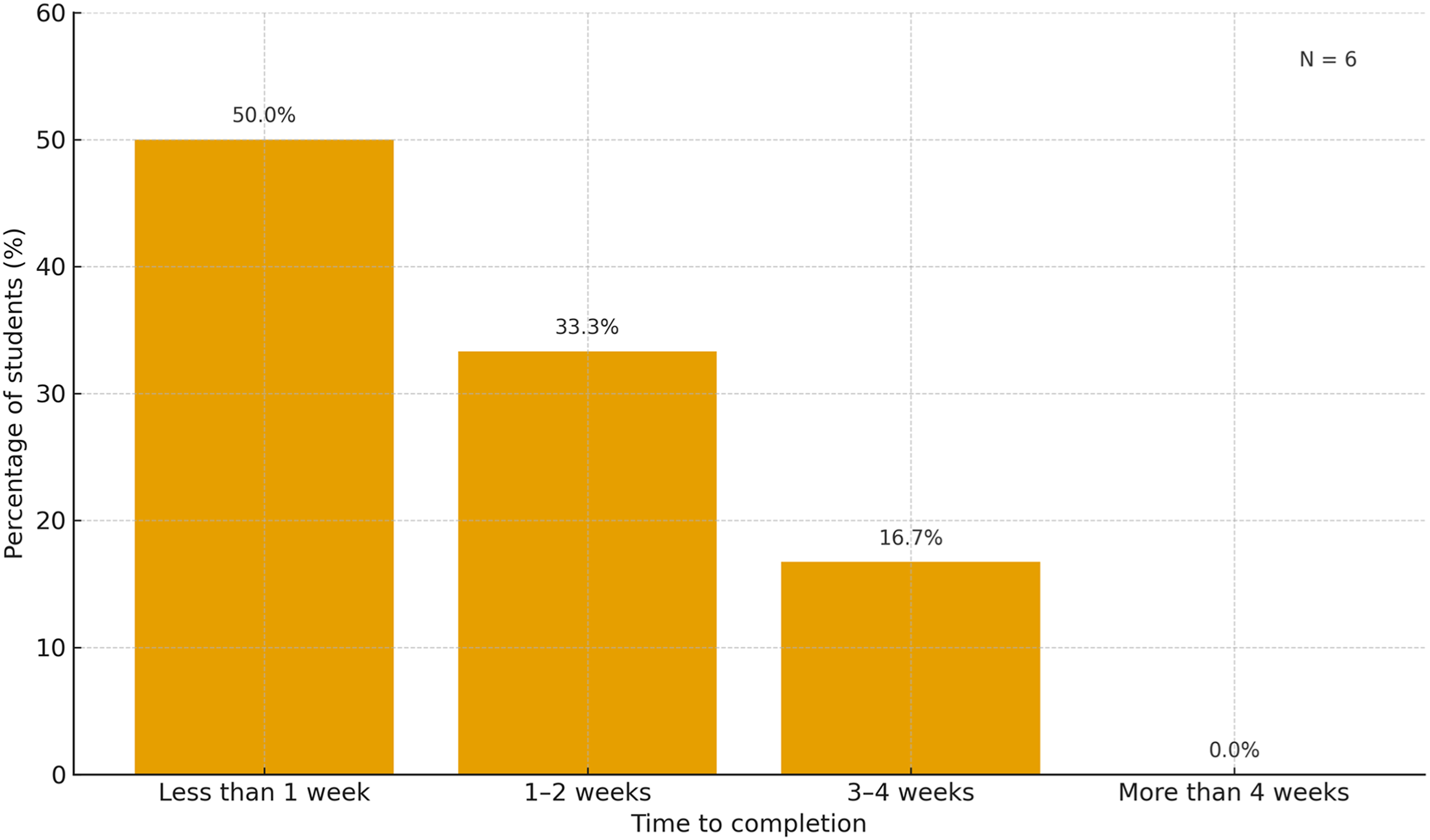
The attitude questionnaire comprised 13 items in total: nine closed-ended items and four Likert-type items (1–5) with verbal labels from “Not at all” to “Very much.” On the Likert scale, higher scores indicate more positive attitudes (Joshi et al., 2015). Questionnaire responses were treated as survey data and were used to describe participants’ perceptions of the comic-based learning experience and of the gamified assessment. The full version of the survey questions is included as an appendix.
The study was conducted with the contribution of both authors, and classroom activities during the study were supervised by the course instructors. One of the authors served as the instructor for the comic-based group, while the instructor responsible for the conventional teaching condition had previously taught both groups in other adult education courses and was familiar with their typical level of preparation and participation. The authors organized the study material, designed the common achievement test, and implemented the gamified quiz in collaboration with the instructors, ensuring that the content and assessment questions were aligned with students’ level of knowledge and experience.
With regard to student qualities such as study habits, attendance, and engagement, no separate standardized instruments were administered. Instead, information about these characteristics was drawn from instructors’ in-class observations and informal discussions. The instructors’ prior experience with the same adult learners in previous courses enabled them to form a consistent view of both groups as participants who showed regular attendance, adherence to deadlines, systematic preparation, and active participation in class. These observations are reported descriptively to contextualize the educational environment and to indicate that the two groups represented typical adult learners, they were not used as control variables in the statistical analysis.
Research Results
Although the comic-based assignment was not part of the official curriculum, participants completed it in accordance with the study protocol and the instructor’s guidelines. Students’ performance data for the common achievement test is presented in Table 1. The gamified quiz included 18 multiple-choice questions on basic database concepts. “Mean of questions answered” indicates how many quiz items students actually responded to on average (out of a maximum of 18), while “mean of correct answers” refers to the mean number of those responses that were correct. Thus, the difference between the two indices reflects both unanswered questions and questions that were answered incorrectly. As shown in Table 1, the two groups achieved comparable median numbers of questions answered and correct answers, suggesting that the comic-based and the traditional teaching condition led to similar levels of performance in the achievement test.
The time required to complete the book yielded informative observations: 50% of participants finished within one week, and the remaining 50% within up to four weeks (Figure 1). By comparison, the standard classroom coverage of the same material typically spans approximately nine weeks. These data are consistent with the view that self-regulated study may allow faster completion than conventional instruction. Participants met the study requirements in shorter timeframes relative to standard teaching. This should be interpreted cautiously as a tentative indication rather than evidence of superiority; self-regulated study may be a feasible alternative under specific conditions. A possible trade-off is reduced depth of conceptual understanding, as noted in prior work (Tatalovic, 2009).
Participants’ self-reported understanding clustered around the midpoint of the scale (Figure 2): responses were evenly split across values 2, 3, and 4, with no selections at 1 (very low) or 5 (very high). Level of understanding the scientific ideas and fundamentals.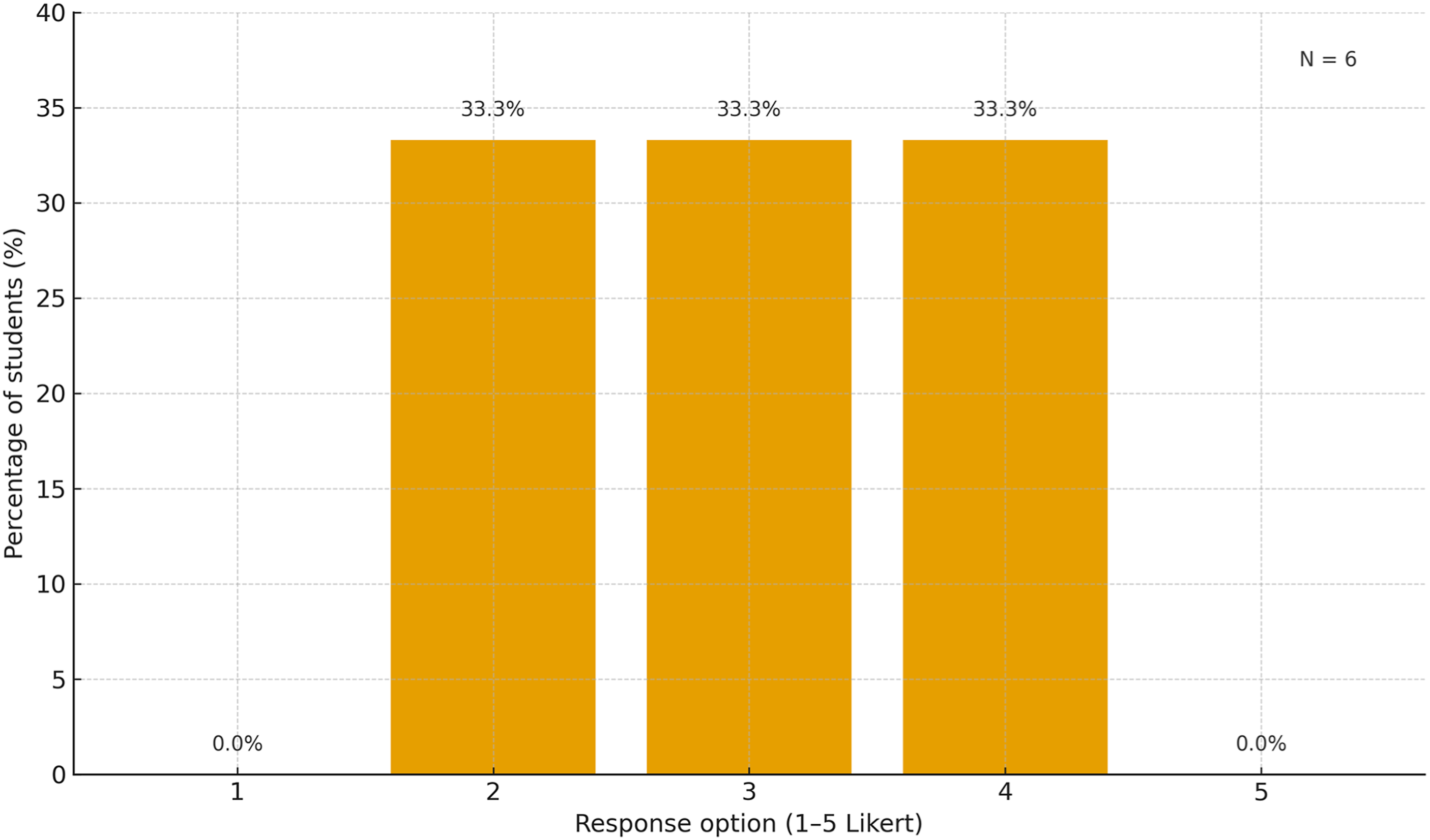
The comic’s images were identified by 66.67% of participants as the factor that contributed most to their understanding, whereas about half selected the end-of-chapter review section (Figure 3). Because the review section aligns more closely with conventional study practices, this pattern is consistent with the interpretation that visual–narrative elements were more salient for these learners in this context; however, this alone does not establish greater interest relative to traditional methods. Factors affecting knowledge perception from the science comic.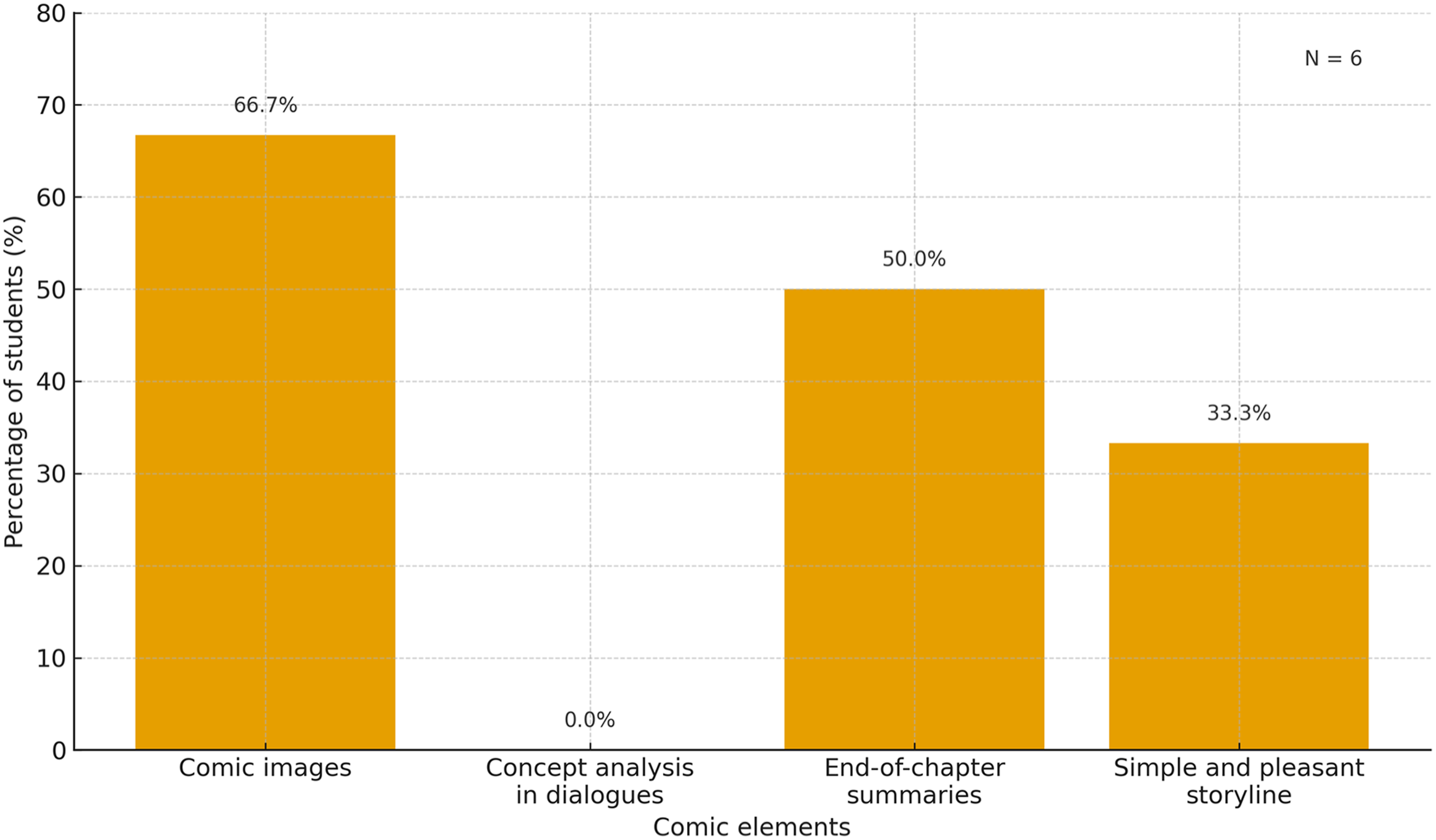
Participants indicated that they would be willing to undertake similar assignments in other subjects using a science comic (Figure 4), with almost two-thirds expressing a positive view. While strongly positive responses were not universal, this pattern suggests acceptability of the approach among adult learners in this setting. Willingness to undertake a similar study in other subjects.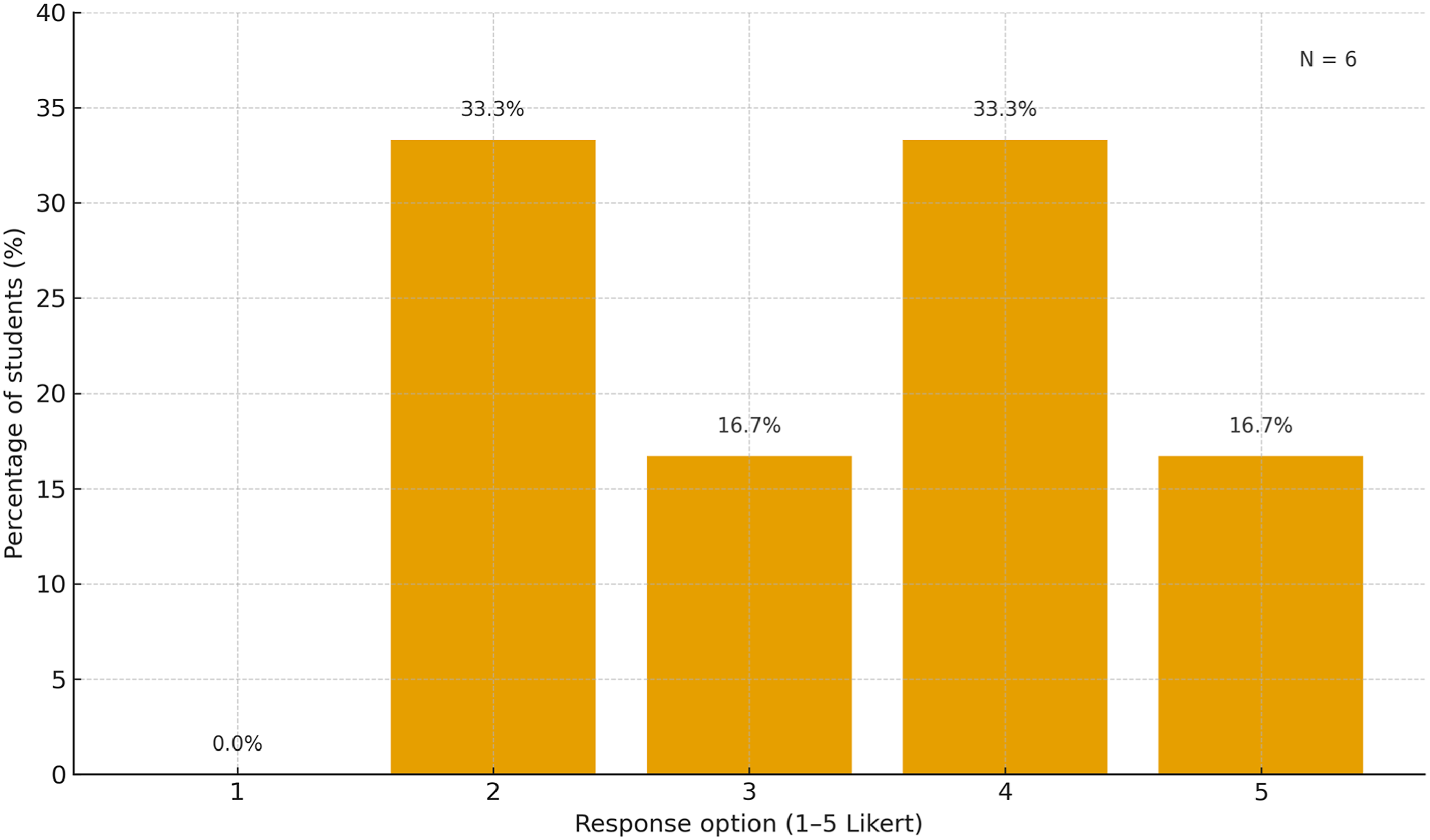
Participants were asked to rate how attractive learning through comics is (Figure 5). About half indicated that it is quite attractive, and an additional 16% rated it as moderately attractive. Responses were distributed across the remaining options, and no participant selected “not at all.” Attractiveness of learning using science comics.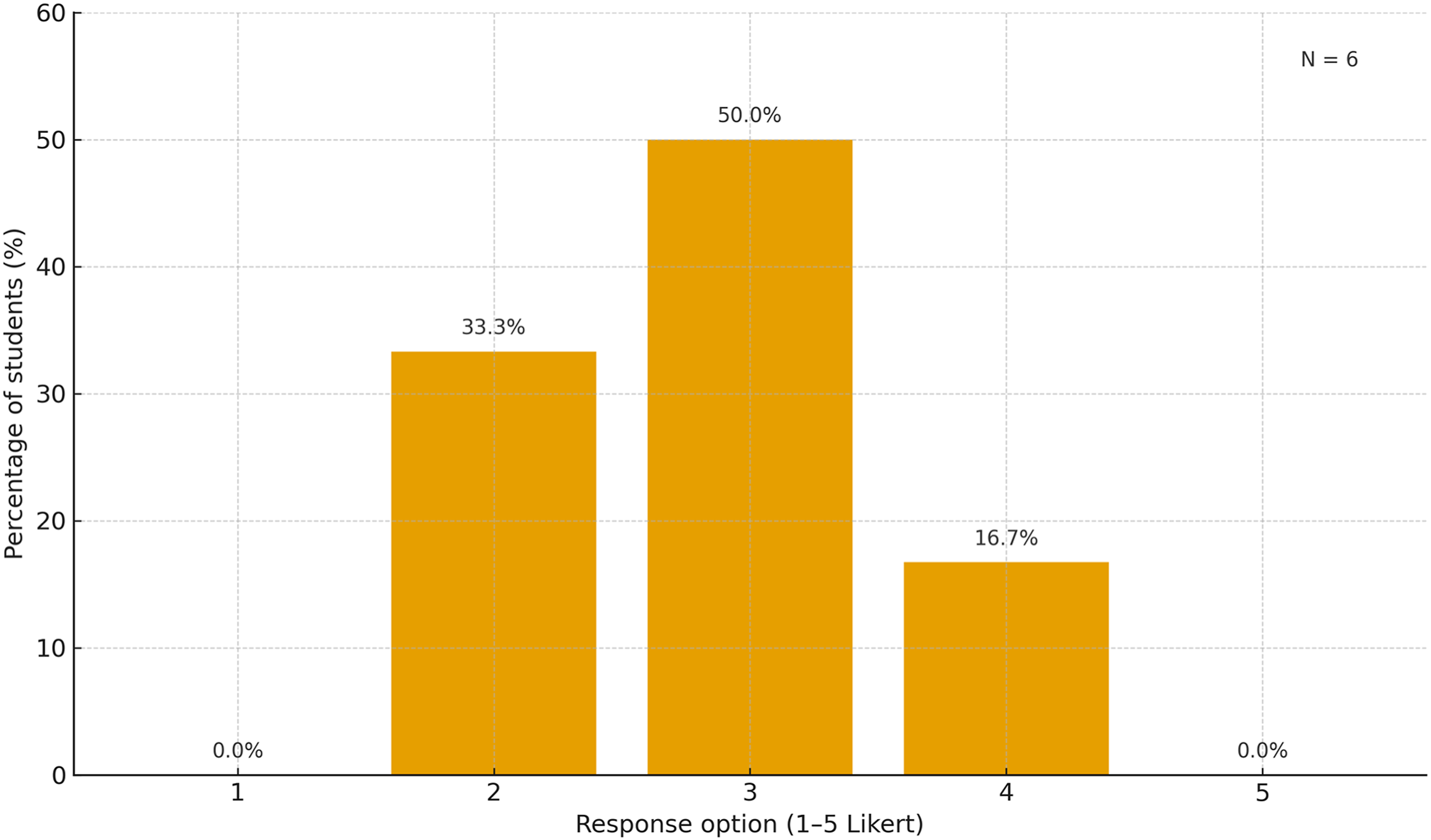
Within this study’s setting, using a science comic as the sole study material was feasible and acceptable for adult learners, with satisfactory outcomes on the administered assessment. Participants often reported willingness to use similar materials in other subjects, and several visual–narrative elements (images, dialogue, informal style) were frequently cited as helpful. These observations suggest that science-comic–supported study is a viable option in adult education. Claims about superiority or broad curricular adoption are beyond the scope of the present design and data; future work with larger, randomized samples and inferential analyses can assess robustness and generalizability.
Discussion and Conclusions
Prior work suggests that comics can help bridge differences in cognitive levels (İlhan & Oruç, 2019). In our setting, descriptive summaries indicate comparable outcomes between the standard teaching group and the comic-based study group. Participants’ responses also suggest openness and acceptability of the approach (Figure 5), while visual–narrative elements, notably the use of images, were frequently identified as helpful (Figure 3), consistent with earlier observations (Bowkett & Hitchman, 2012; Sousanis, 2012).
In this research, statistical measures for the test group do not differ significantly from the corresponding measures for the control group. However, the overall conclusion reached by the research team along with the instructors involved in the actual experiment is that the idea of using comics for teaching science offers an interesting alternative to students that are not science-oriented and may be used to offer more choices to adult learners dependent on their specific learning style, which should be carefully assessed by the instructor. This is supported by the data presented in Section 4, where for the most part it is shown that the proposed approach is accepted at least equally well compared to the traditional approach. A good example is the level of understanding the material (Figure 2) as perceived by the participants: the understanding is average without any extreme values, pointing towards the view that a science comic can function as a science-communication medium in this context, in line with prior reports (Tatalovic, 2009), without implying superiority over alternative approaches.
Using a science comic as the sole study material in the context of this research proved to be feasible and well received by adult learners, who reported a satisfactory experience. In terms of process indicators, many participants completed the material in a shorter timeframe than is typical for conventional instruction (Figure 1). Taken together, these observations indicate that comic-supported, self-directed study is a viable option for adult learners in this context, with visual–narrative features (images, dialogue, informal tone) perceived as supportive of understanding.
In the current research setup, participants’ ratings further point to the perceived attractiveness of the comic format in adult education. This pattern may reflect how adult learners integrate new content with prior knowledge. Visual–narrative materials can facilitate abstraction and the comprehension of unfamiliar concepts by linking new ideas to existing schemas (Lin et al., 2015). Overall, the findings of this research support the feasibility and acceptability of the approach without implying superiority over alternative methods.
Finally, a valuable extension to this research effort would be to examine this approach across more schools and subject areas, as well as in adult subgroups with different characteristics. Further work could compare pure self-study with hybrid formats (e.g., comics combined with short micro-lectures or lab activities) and include longitudinal follow-ups to assess knowledge retention and transfer to new tasks. Complementary qualitative studies (interviews/focus groups) can clarify which comics elements are most helpful (images, narrative, etc.). It is also worth testing different versions of the material (Greek/English, digital/print, accessible formats) and piloting use in workplace training to gauge practical applicability.
Footnotes

Funding
The authors received no financial support for the research, authorship, and/or publication of this article.
Declaration of Conflicting Interests
The authors declared no potential conflicts of interest with respect to the research, authorship, and/or publication of this article.