







Abstract
Gypsy, Roma, and Traveller communities experience significant health inequalities, yet alcohol consumption within these communities remains under-researched. This paper offers a methodological and ethical contribution by reflecting on two qualitative studies of alcohol use in Romany Gypsy and Traveller communities in the United Kingdom: project 1 explores youth drinking, and project 2 examines intergenerational drinking narratives. Drawing on a collaborative partnership with Friends, Families and Travellers, we highlight the importance of equitable partnerships and the role of peer researchers in enabling access to seldom-heard communities, particularly when researching sensitive and potentially stigmatised topics. We demonstrate the value of culturally credible methods, including craft-elicitation and story-telling interviews, which align with community traditions, support participant agency, and generate nuanced, relational accounts that challenge stereotypical and pathologising narratives of alcohol use. Participatory data analysis further enabled participants to shape interpretation, repositioning them as active contributors to knowledge production, rather than passive subjects. We also critically reflect on ethical dimensions of the research process, including accessible approaches to informed consent, the complexities and unintended consequences of remuneration, and the importance of prioritising participant comfort, care, and flexibility in research design. We argue that researching alcohol with Romany Gypsy and Traveller communities requires methodological openness, cultural sensitivity, and adaptive, participant-led design. More broadly, the paper contributes practice-based insights that extend debates on participatory and ethical research, offering guidance for qualitative health researchers working with seldom-heard populations on sensitive topics.
Introduction
Gypsy, 1 Roma, and Traveller people experience marginalisation worldwide and significant health inequalities (Condon et al., 2019). ‘GRT’ is a recognised umbrella term, which is used to describe communities with a historical and cultural nomadic tradition (Kothari et al., 2024). Under this umbrella term sit heterogeneous groups of English and Welsh Gypsies, Romany, Irish, and Scottish Travellers, Roma, Romani, French Manush, Sinti, and Liveaboard Boaters, amongst others. Whilst the term ‘GRT’ is often used by governments, non-governmental organisations, and charities, we recognise its limitations; the term homogenises, in potentially counterproductive ways, heterogeneous, culturally rich, communities, whose needs and experiences may be different. Consequently, for some, the term inadvertently and paradoxically has potential to reinforce stigma (Kothari et al., 2024). People in the study self-identified as Romany Gypsies, Irish Travellers, New Travellers, and Showmen (Fairground/Showpeople). It is noteworthy that Irish Travellers and Romany Gypsies are recognised as distinct ethnic groups under the Equality Act (2010). Showmen are best understood as an occupational and cultural community rooted in fairground traditions, whilst New Travellers can be considered a lifestyle or cultural group that emerged in the late 20th century.
There is a lack of knowledge surrounding alcohol consumption practices and experiences in Gypsy, Roma and Traveller communities (Condon et al., 2024). This may be due to a lack of co-produced research with these communities, and difficulties gaining access (see Brown & Scullion, 2010). Important recent research into cultures of alcohol consumption in Gypsy, Roma and Traveller communities has highlighted that there are generational changes (Condon et al., 2023). Condon et al. (2023) found that everyday drinking was increasing amongst Gypsies and Travellers, and women consuming alcohol when socialising together has become more common over generations. Further, home drinking was reported as becoming increasingly common. Older Gypsies expressed concern about the alcohol consumption practices and experiences of young people. These findings both run counter to wider trends in the UK population, where youth drinking, in particular, has been found to be increasingly moderate and risk-averse (Fenton et al., 2024; Oldham et al., 2020). Findings from Condon et al. (2024) highlighted that more research is needed into young people’s drinking in these communities. Further, we have identified that existing research largely separates Gypsy, Roma and Traveller communities into generational cohorts, downplaying relational and intergenerational aspects of drinking practices and experiences. Our research sought to go some way towards addressing these scholarly gaps, by telling the drinking stories of members of Romany Gypsy and Traveller communities, in their own words.
This paper draws on our experience of conducting two participatory qualitative research projects: the first project explored youth drinking in Romany Gypsy and Traveller communities. The aim of this project was to explore the role of alcohol in the lives of young people in Romany Gypsy and Traveller communities. The objectives were as follows: (1) to investigate the role of more-than-human actants in the alcohol consumption practices and experiences of young people in Romany Gypsy and Traveller communities, (2) to explore emotional, embodied, and affective experiences bound up with alcohol consumption, and (3) to develop innovative, arts, and story-telling approaches that are rooted in, and sensitive to, the rich cultural histories of the Romany Gypsies and Travellers. The second project focused on intergenerational alcohol consumption practices in Romany Gypsy and Traveller communities. The aim of this project was to conduct participatory research with Romany Gypsy and Traveller communities, exploring intergenerational relationships bound up with the consumption of alcohol, and produce recommendations to support the reduction of alcohol-related harms in these communities. The project had the following objectives: (1) Work with Friends, Families and Travellers organisation and members of Romany Gypsy and Traveller communities to develop culturally credible research methods, through which people from Romany Gypsy and Traveller Communities, across generations, can tell their drinking stories, (2) Explore, through story-telling methodological approaches, intergenerational alcohol consumption practices and experiences in Romany Gypsy and Traveller communities, and (3) Produce recommendations to inform alcohol policy debates and support the reduction of alcohol-related harm across generations in Romany Gypsy and Traveller communities.
Whilst there are a few excellent papers which provide reflections on research experience and practice with Gypsy, Roma and Traveller communities, for instance, Brown and Scullion (2010) and Condon et al. (2019), such papers do not provide methodological reflections specifically in the context of alcohol consumption; this is something our paper seeks to address. Through doing so, this paper makes four key contributions to qualitative health research. First, it argues that researching alcohol consumption in Romany Gypsy and Traveller communities requires methodological reconfiguration, rather than the straightforward application of existing participatory approaches, due to the combined sensitivities of stigma, racism, and reputational risk. Second, it demonstrates that culturally credible methods, including craft-elicitation and story-telling interviews, generate distinct forms of knowledge, challenging dominant pathologising accounts of alcohol use. Third, it extends participatory research by conceptualising data analysis as a site of co-construction, where interpretive authority is shared with participants rather than retained by researchers. Fourth, it reconceptualises research ethics as situated and contested, showing how practices such as remuneration can simultaneously mitigate and reproduce inequalities. Taken together, these contributions advance methodological debates by showing that doing research with marginalised communities on sensitive topics necessitates not only inclusion but a redistribution of power across the research process.
First, this paper synthesises literature into alcohol consumption practices and experiences in Gypsy, Roma and Traveller communities, before moving on to bring together literature on researching with Gypsy, Roma and Traveller and other seldom-heard communities. Following this, we critically reflect on our experiences of conducting research with Romany Gypsy and Traveller communities, specifically in the context of alcohol consumption. We structure our reflections around the following dimensions: First, methodological considerations, surrounding the role of a project partner and peer researchers in supporting research with Romany Gypsy and Traveller communities; culturally appropriate methods, including craft-elicitation interviews and story-telling interviews; and participatory data analysis; second, ethical considerations, surrounding gaining consent, and remuneration; and finally, the necessity for flexibility in research design. Gypsy, Roma and Traveller communities are considered ‘hard to reach’ (Greenfields, 2017). The phrase ‘hard to reach’ is contested (see Flanagan & Hancock, 2010); we argue that it is a misleading phrase, putting the onus on members of marginalised communities, when it is the responsibility of researchers to work with, include and humanise, people who may often be excluded. Instead, akin to Kelleher et al. (2014), we prefer the phrase ‘seldom-heard’, which rightly places the onus on the researcher to amplify these voices. Our intention is that the honest reflections from our research experiences can enable other researchers to develop the cultural sensitivity and flexibility required to successfully engage with Romany Gypsy and Traveller communities in research, in ways that respect and honour the experiences of these communities.
Alcohol Consumption Practices and Experiences in Gypsy, Roma, and Traveller Communities: A Narrative Review
The papers referred to in literature review sections form a narrative review. This approach was chosen over a systematic review because it allows for a flexible and comprehensive engagement with a diverse body of work, without the constraints of rigid methodological protocols. Studies were therefore selected based on their relevance to the aims and objectives of the research underpinning this paper. Whilst this paper focuses specifically on Romany Gypsy and Traveller communities, we draw on literature engaging with Gypsy, Roma and Traveller populations more broadly, recognising Gypsy, Roma and Traveller as an established umbrella term for communities with shared historical and cultural nomadic traditions (Kothari et al., 2024).
Alcohol consumption within Gypsy, Roma and Traveller communities has been characterised as a ‘hidden concern’ (Condon et al., 2023, p. 5), yet existing research highlights its embeddedness within social and cultural life. Across qualitative studies, alcohol is consistently positioned as integral to community celebrations, such as weddings, and as contributing to atmospheres of enjoyment, sociability, and intimacy (Condon et al., 2023, 2024). These practices are closely tied to strong expressions of cultural and ethnic identity, suggesting that alcohol plays a meaningful role in sustaining social bonds. In this respect, there are notable parallels between Gypsy, Roma and Traveller and wider settled populations, where alcohol similarly facilitates social interaction and belonging (Holloway, 2005; MacLean, 2016).
At the same time, research points to the role of alcohol in processes of identity construction and negotiation, particularly amongst younger community members. For example, studies indicate that young Travellers may consume alcohol as a way of aligning with perceived norms of the settled population, highlighting the relational nature of drinking practices (Condon et al., 2023; Van Hout, 2010). This is further shaped by gendered expectations, whereby men’s drinking is often normalised or valorised, whilst women’s consumption may be stigmatised (Condon et al., 2023). In addition, alcohol is sometimes understood as a resource for coping with boredom, grief, and other emotional challenges, underscoring its affective and experiential dimensions (Condon et al., 2024).
Alongside these socially embedded practices, a smaller body of work frames alcohol consumption as a significant health concern within some Gypsy, Roma and Traveller communities (Van Hout, 2010; Warner-Southwell, 2019). This research links problematic drinking to broader structural inequalities, including social exclusion, discrimination, poverty, and limited access to appropriate support services. Such conditions may contribute to patterns of harmful consumption, particularly amongst specific groups such as older men and single women, whilst also shaping where and how alcohol is consumed. For instance, experiences of discrimination in licensed venues have been associated with shifts towards drinking in private or marginal spaces, including halting sites and caravans (Condon et al., 2023; Van Hout, 2010).
Importantly, these accounts sit alongside media stereotypes that portray Gypsy and Traveller communities as excessively consuming alcohol, often in ways linked to violence or disorder (Van Hout, 2010). We argue that there is a need to move beyond such pathologising narratives. In response, the research underpinning this paper sought to foreground more everyday and nuanced accounts of alcohol consumption, offering counter-narratives that attend to ordinary and, at times, positive experiences of drinking.
Finally, whilst existing studies of alcohol use in Gypsy, Roma and Traveller communities have predominantly employed qualitative methodologies, there has been comparatively limited reflection on the methodological and ethical dimensions of conducting such research. This absence is significant, as insufficient reflexivity risks reproducing stereotypes, obscuring power relations, and limiting the development of culturally sensitive and ethically robust approaches. We therefore turn to literature that begins to engage more explicitly with these methodological and ethical considerations within research involving Gypsy, Roma and Traveller and other seldom-heard communities.
A Narrative Review on Researching With Gypsy, Roma, and Traveller, and Other Seldom-Heard Communities
In this section, we provide a narrative review on researching with Gypsy, Roma and Traveller communities. Given the relative lack of methodological reflection on research with these communities, we also draw on literature engaging with other seldom-heard groups to identify transferable insights and approaches.
Engaging people from Gypsy, Roma and Traveller communities in research is widely recognised as challenging, shaped by long histories of marginalisation, discrimination, and exclusion, alongside practical barriers such as language, literacy, mobility, and mistrust of authorities (Condon et al., 2019). It is therefore important to consider research that reflects on engagement with these communities to identify both barriers and opportunities, and to avoid reproducing exclusionary practices.
Existing research has sought to address the practical challenges of conducting research with Gypsy and Traveller communities, particularly in relation to identifying and engaging participants (Brown & Scullion, 2010). Caravan-based communities may be physically and socially hidden, complicating identification and access, whilst access to more dispersed populations living in bricks-and-mortar accommodation presents additional challenges. Gatekeepers, such as site managers or residents, can play an important role in facilitating access; however, this may introduce biases, including the selective recruitment of participants and perceptions of researcher collusion (Brown & Scullion, 2010). We argue that such issues of access can be mitigated through collaboration with project partners and peer researchers who have established trust and rapport within these communities.
Research also highlights the importance of reflexivity and the positionality of the researcher, particularly where researchers are perceived as outsiders. Building trust is not a one-off act but an ongoing, iterative process, and respectful, culturally sensitive engagement can enable research to generate meaningful insights for communities (McCafferty, 2014). We extend this argument by emphasising the importance of fostering humanising relationships grounded in a genuine commitment to the wellbeing of Gypsy, Roma and Traveller communities rather than positioning participants as merely research ‘subjects’.
Given the limited methodological and ethical reflection specific to Gypsy, Roma and Traveller contexts, it is useful to consider insights from research with other seldom-heard communities. Across such studies, common barriers to participation include mistrust of researchers, research fatigue, fears of stigma, and concerns about the repercussions of disclosure. Strategies to address these barriers often centre on working with trusted community contacts and peer recruiters (Freeman et al., 2021). Research also demonstrates the fluid and relational nature of insider–outsider positionalities, showing how shared identities do not eliminate power differentials but instead interact in complex ways throughout the research process (Iqbal et al., 2023). Additionally, flexible and adaptive methods, particularly those expanded during and after the COVID-19 pandemic, highlight the importance of tailoring research design to participants’ needs, capacities, and preferences, to enable more inclusive participation (Budworth, 2023).
Having brought together literature on researching with Gypsy, Roma and Traveller and other seldom-heard communities, we now turn to our own methodological and ethical reflections on researching with Romany Gypsy and Traveller communities in the specific context of alcohol consumption.
Methodological Considerations
In what follows, we offer methodological reflections on two projects: (1) exploring youth drinking in Romany Gypsy and Traveller communities and (2) exploring intergenerational alcohol consumption practices in Romany Gypsy and Traveller communities. First, we discuss the importance, for the principal and co-investigator (SW and CW), as outsiders of Romany Gypsy and Traveller communities, of working with a project partner and peer researchers, before moving on to detail sampling and recruitment; we then reflect on the specific methods we used across both research projects, that is, craft-elicitation interviews and story-telling interviews, and the participatory mode of data analysis utilised in project 1. When referring to participants throughout this paper, we use pseudonyms.
Negotiating Insider–Outsider Positions: Project Partners and Peer Researchers
Neither the first or second author (SW and CW), who undertook the data collection, was a member of Gypsy, Roma or Traveller communities, and thus are somewhat outsiders (Fotta & Blasco, 2024); that is, they did not share lived experiences of mobility, marginalisation, or cultural traditions. It is important to be mindful and reflexive of this, as this can create power asymmetries. Due to one of the research assistant’s positionality, the initial literature searching and reviewing became more grounded in lived experiences to compliment the experiences of the research participants.
Nonetheless, it was important for us that on both research projects, we collaborated with a charity trusted by community members, to recruit participants and facilitate data collection sessions. However, it was not easy to secure a project partner to work with, as we now explain. The first and second authors perceive that their positionality as outsiders made it more challenging to build a reciprocal trust between themselves and gatekeepers. The first author contacted numerous charities in the United Kingdom who work with Gypsy, Roma and Traveller communities via e-mail and/or telephone, to ask if they would be interested in collaborating for this research. It is noteworthy that many of these charities did not respond to the e-mail, or the first author could sense on the telephone call that there were suspicions regarding intentions. A focus on alcohol consumption may have contributed to this, as drinking in Romany Gypsy and Traveller communities is stigmatised (particularly for women, Condon et al., 2023, and dependent drinkers, Taylor et al., 2026), and gatekeepers may be cautious of getting involved with any research that could amplify a negative perspective. Consequently, when contacting Friend, Families and Travellers, the first author was sure to emphasise a desire for community members to shape the methods, with the aim for community members to tell their own stories in their own words, which has potential to subvert stories told by the media. After several e-mail exchanges, a Teams call was arranged. Friends, Families and Travellers helped shape the research design in the funding bids that were put forward to the funder for each project; it was important to build Friends, Families and Travellers at this early stage to support the development of trust and to show we valued their expertise.
Established in 1994, Friends, Families and Travellers are a leading national charity that works to end racism and discrimination against Gypsy, Roma and Traveller people and to protect the right to pursue a nomadic way of life. Friends, Families and Travellers work to transform systems and institutions to address the root causes of inequalities faced by Gypsy, Roma and Traveller people. At least half of Friends, Families and Traveller’s Trustees, staff, interns, and volunteers are from Gypsy, Roma and Traveller backgrounds. Friends, Families and Travellers investigate and expose unfair treatment, advocate for equitable rights, and empower individuals to challenge inequality (Friends, Families and Travellers, 2025). They also educate non-community professionals to provide fair access to services; and celebrate Gypsy, Roma and Traveller people’s rich histories, cultures, and contributions to society and share this with the wider public.
This equitable partnership model, used also by Condon et al. (2024), recognises the value of peer researchers, including those who are themselves Gypsy, Roma and Traveller community members. This addresses challenges of outsider research in ‘highly closed’ communities (Liamputtong, 2007), where trusted gatekeepers are essential for access (Condon et al., 2019). It is of note that we did not ‘train’ Friends, Families and Travellers’ peer researchers, as this would have created a hierarchical relationship, and the peer researchers at Friends, Families and Travellers were already experienced at facilitating research through their existing work. The principal investigator (PI) collaborated with Friends, Families and Travellers to co-develop culturally credible methods (Wilkinson, 2016), that is, methods that are recognised by the participants themselves as legitimate ways of sharing knowledge and expressing their experiences. This includes craft-elicitation interviews and story-telling interviews, as we detail below. In our view, engaging in co-produced research is a fundamental condition for ethically sound and meaningful research with Romany Gypsy and Traveller communities.
Sampling and Recruitment
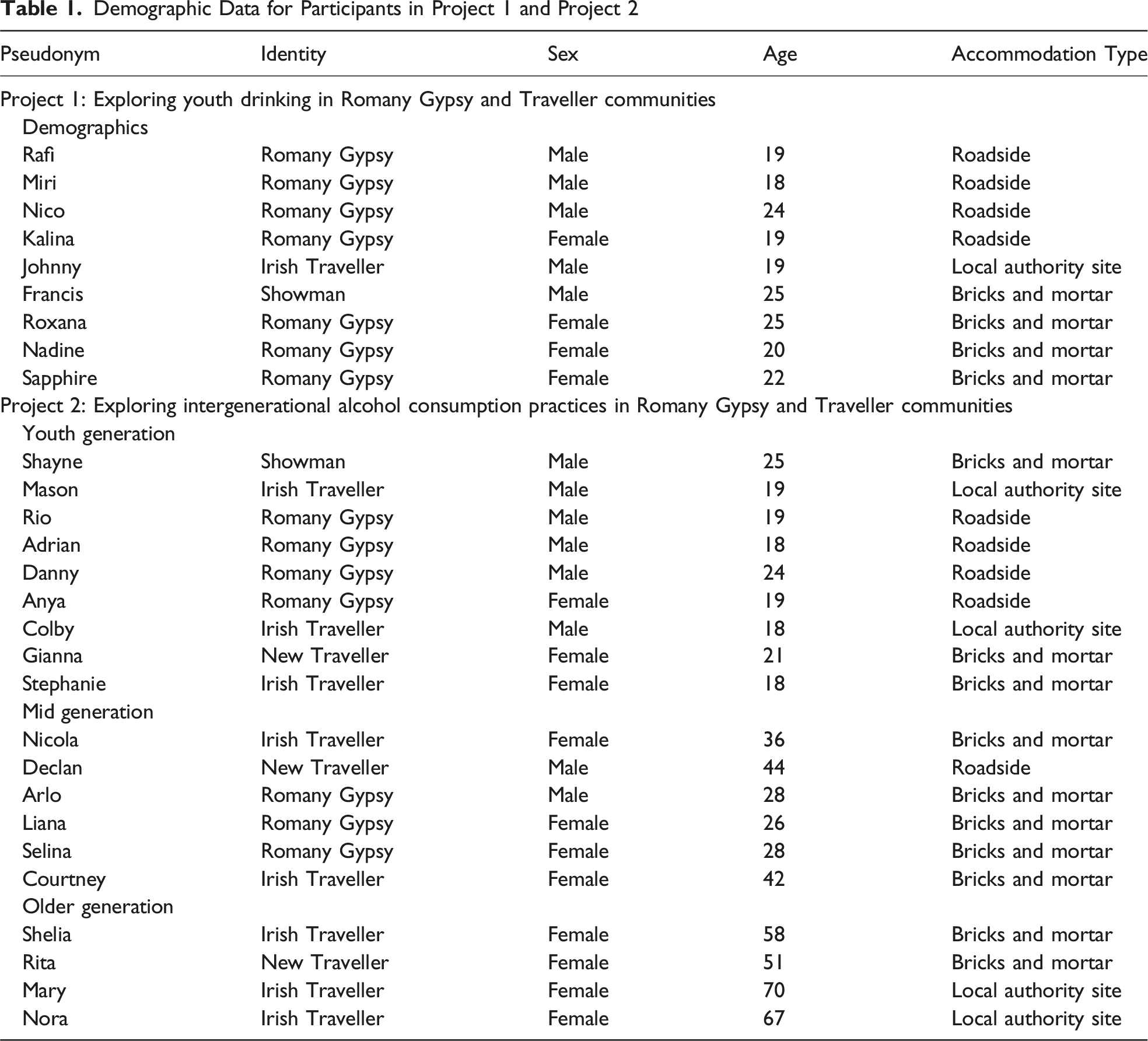
Participants were recruited by Friends, Families and Travellers. In both projects, in order to reach this seldom-heard population, diverse strategies were used. These include a social media call-out, reaching a wide audience through local networks, trusted intermediaries, and closed community groups; the call-out was also advertised through Friends, Families and Travellers monthly newsletter, which reaches 4,155 health professionals; recruitment also drew on Friends, Families and Travellers local engagement database, which includes around 1,300 Gypsy and Traveller families and individuals, ensuring trusted contacts within the community; prospective participants were also made aware of the study via telephone calls, WhatsApp messages including voice notes, or in-person visits when Friends, Families and Traveller’s service delivery team was conducting outreach. The recruiters tried to ensure diversity amongst identity, sex, age, and accommodation type when recruiting participants.
Demographic Data for Participants in Project 1 and Project 2
Methodological Openness
Our projects were committed to methodological openness (Wilkinson, 2024). By this, we mean methods that welcome and encourage being shaped by project partner Friends, Families and Travellers, and Romany Gypsy and Traveller community members themselves, to acknowledge their expertise in their lived experience, and which methodologies best align with amplifying this. Such open, unstructured, methods place the participants at the heart of the research, enabling them to lead the direction and content of discussion (Anderson & Kirkpatrick, 2016). The discussion to follow critically reflects on the craft-elicitation and group story-telling interviews that were used across two projects: (1) exploring youth drinking in Romany Gypsy and Traveller communities and (2) exploring intergenerational alcohol consumption practices in Romany Gypsy and Traveller communities.
Craft-Elicitation Interviews
Craft-making is culturally significant for Gypsy, Roma and Traveller communities, serving to preserve heritage and express collective histories, values, and beliefs (Travellers Times, 2023). Craft traditions are often passed down through generations, sustaining skills and kinship-based knowledge. Initially, the PI (SW) had intended to use what she considered to be more traditional crafts, for instance, metal work or wood craft (Travellers Times, 2023). However, the method of polymer clay was decided in collaboration with Friends, Families and Travellers and a youth worker, who had a close relationship with Gypsy, Roma and Traveller communities. This links to Friel’s (2024) argument for researchers to discard their expectations about expertise and to learn from Gypsy, Roma and Traveller knowledge-making strategies when developing participatory research methods. This calls for researchers to acknowledge that they are not the experts here and should honour the research participants as the experts in this research.
Polymer clay is a type of modelling material. It does not dry out when exposed to air; instead, it remains soft and workable until it is cured (hardened) through exposure to heat, for example, an oven. We also provided participants with modelling and sculpting tools such as rolling pins, and accessories including bells, beads, and glitter. Further, we included fabric off-cuts, after speaking to one of the peer researchers, who said that they would like to make a bride in a wedding dress as their craft. This speaks to the relationship between alcohol consumption and celebratory occasions, such as weddings in Gypsy, Roma and Traveller communities (Condon et al., 2024) (see Figure 1 for materials used and set up). Craft workshop materials and set up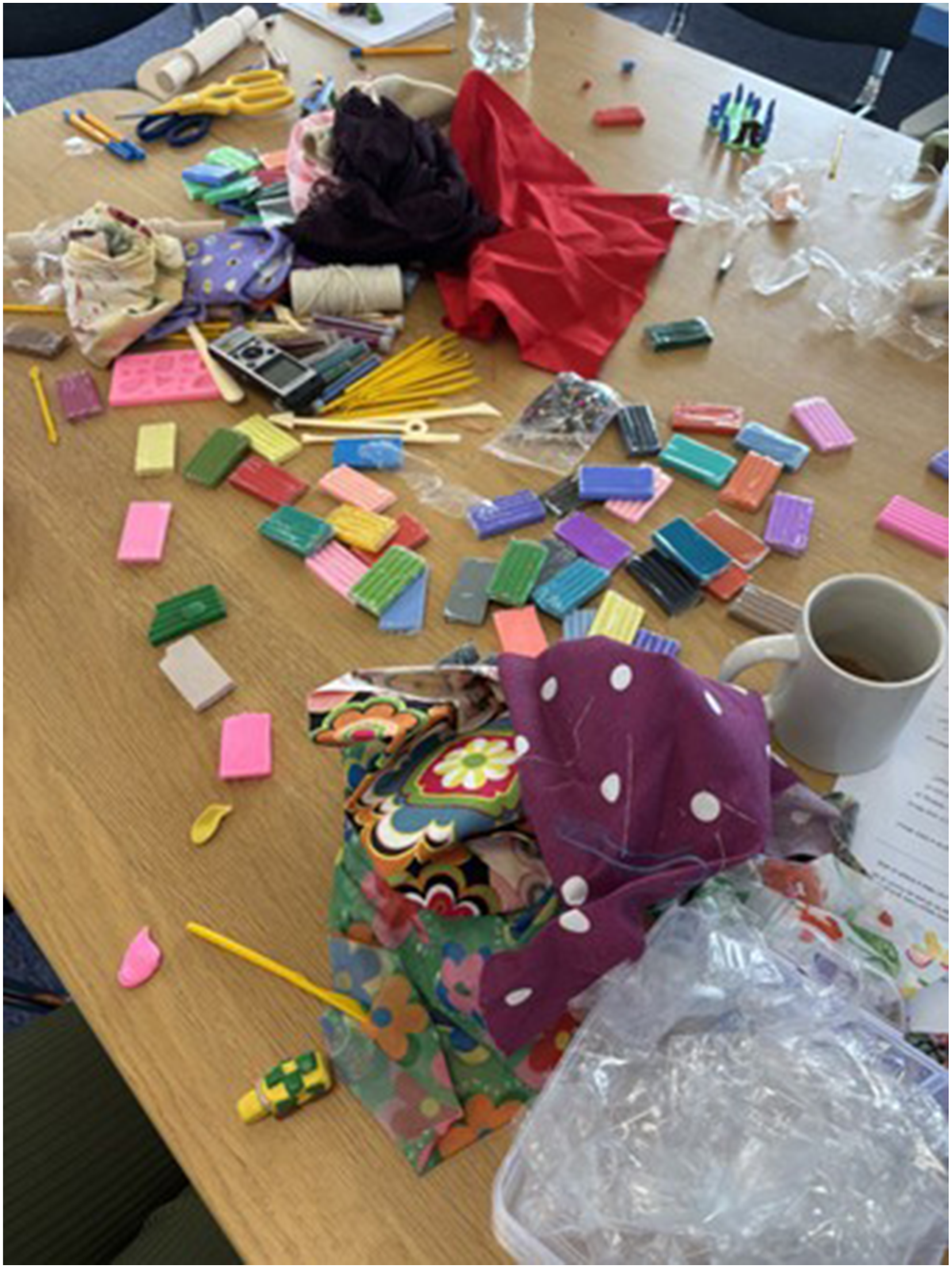
Across both studies, participants were invited in small groups (which ended up ranging between 3 and 10 participants in each group), to opt into creating an artefact using polymer clay to represent their relationships with alcohol consumption. In project 1, the young people were asked to craft an object that relates to a current or earlier memory involving alcohol. In project 2, participants across generations were asked to create an object that related to a memory involving alcohol and family. They were informed that they would be asked to discuss what they had made. Peer researchers from Friends, Families and Travellers led the facilitation of the group story-telling interviews. There was no interview guide for this session; participants were left to talk while crafting, with the peer researcher prompting as they felt appropriate (for instance, in response to a point made by a participant). The researchers also joined in, making their own object which spoke to a memory with alcohol consumption. We found that crafting alongside participants helped to reduce the hierarchical gap between researchers and participants, creating a more relaxed and collaborative atmosphere (see also Harrison & Ogden, 2021). The act of looking down to create the item reduced the need for eye-contact, which we consider created a less formal, more comfortable setting for conversation, enabling participants to share stories. These crafts were then used as an oral catalyst, for community members to tell their drinking stories. The process of crafting, including informal discussion, was audio recorded, as was when participants discussed what they had made. The group craft-elicitation interviews lasted approximately 1.5 h.
Having used the material of polymer clay in both research projects with Romany Gypsy and Traveller communities, we value its openness and flexibility – what Last (2010) calls ‘mutable matter’. As a medium without fixed meaning, polymer clay offered participants flexibility in what to (re)create, giving them opportunities to re-start their creation, add to it, or modify it. The elicitation of these objects supported story-telling that challenged dominant stereotypes, allowing for the reshaping of personal and collective narratives.
Below we present examples of the crafts produced. The crafted artefacts were not analysed as discrete visual or material objects. Instead, they functioned as elicitation devices that facilitated narrative accounts. Meaning was understood as emerging relationally through participants’ interpretations and the interview encounter rather than residing within the artefacts themselves. This approach avoids imposing researcher-led readings and aligns with the study’s participatory and co-produced methodological commitments.
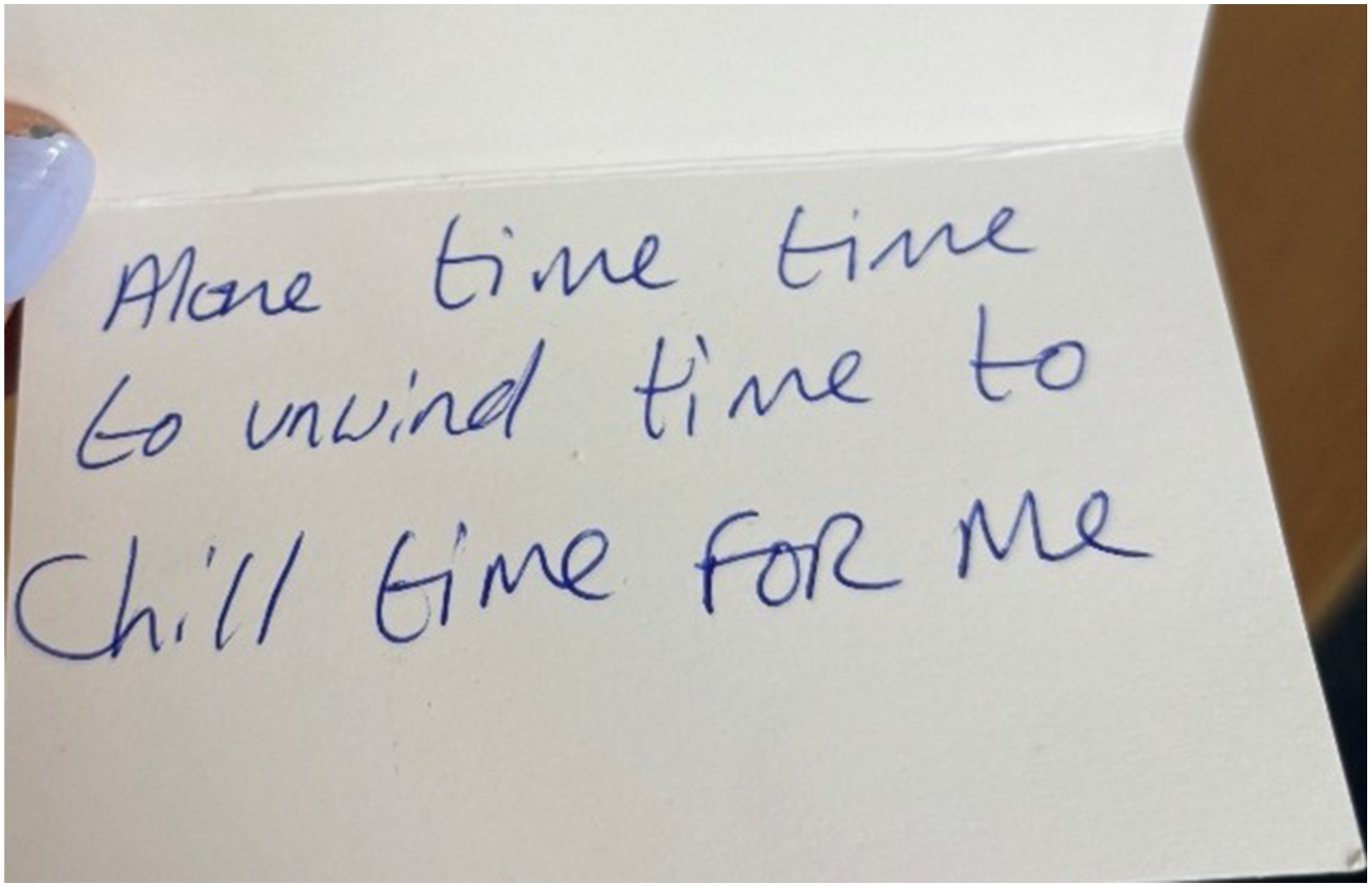
One female older generation New Traveller participant, Rita (bricks and mortar), crafted a traditional food and drink combination of ‘lambrusco and cake’ (see Figure 2), whilst another Irish Traveller youth female, Stephanie (bricks and mortar), crafted a glass of wine, with the caption ‘The wine in me’ – on the flip side of this label, the participant wrote ‘alone time time to unwind time to chill time for me’ (see Figures 3 and 4). Another participant, Nora, (older generation, Irish Traveller, local authority site, female), crafted a can of Coke, speaking about her preference for soft drinks over consuming alcohol (see Figure 5). One mid-generation male (Declan, New Traveller, roadside) crafted his parents watching EastEnde on television, to represent the lack of memories revolving around alcohol in his home when he was a child, and how instead he recalls his parents watching TV (see Figure 6). Lambrusco and cake The wine in me Text accompanying Figure 3 Coke EastEnde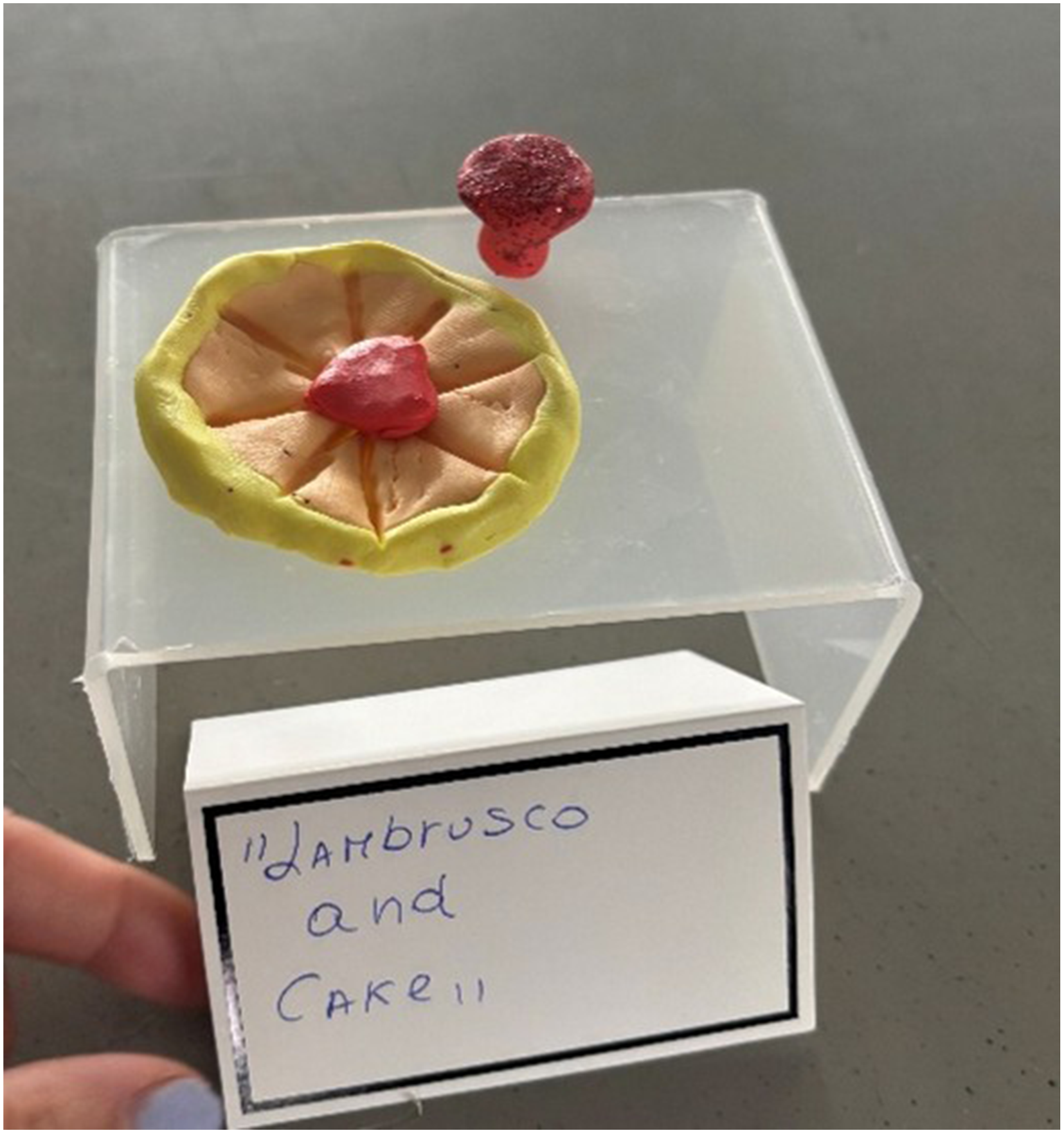
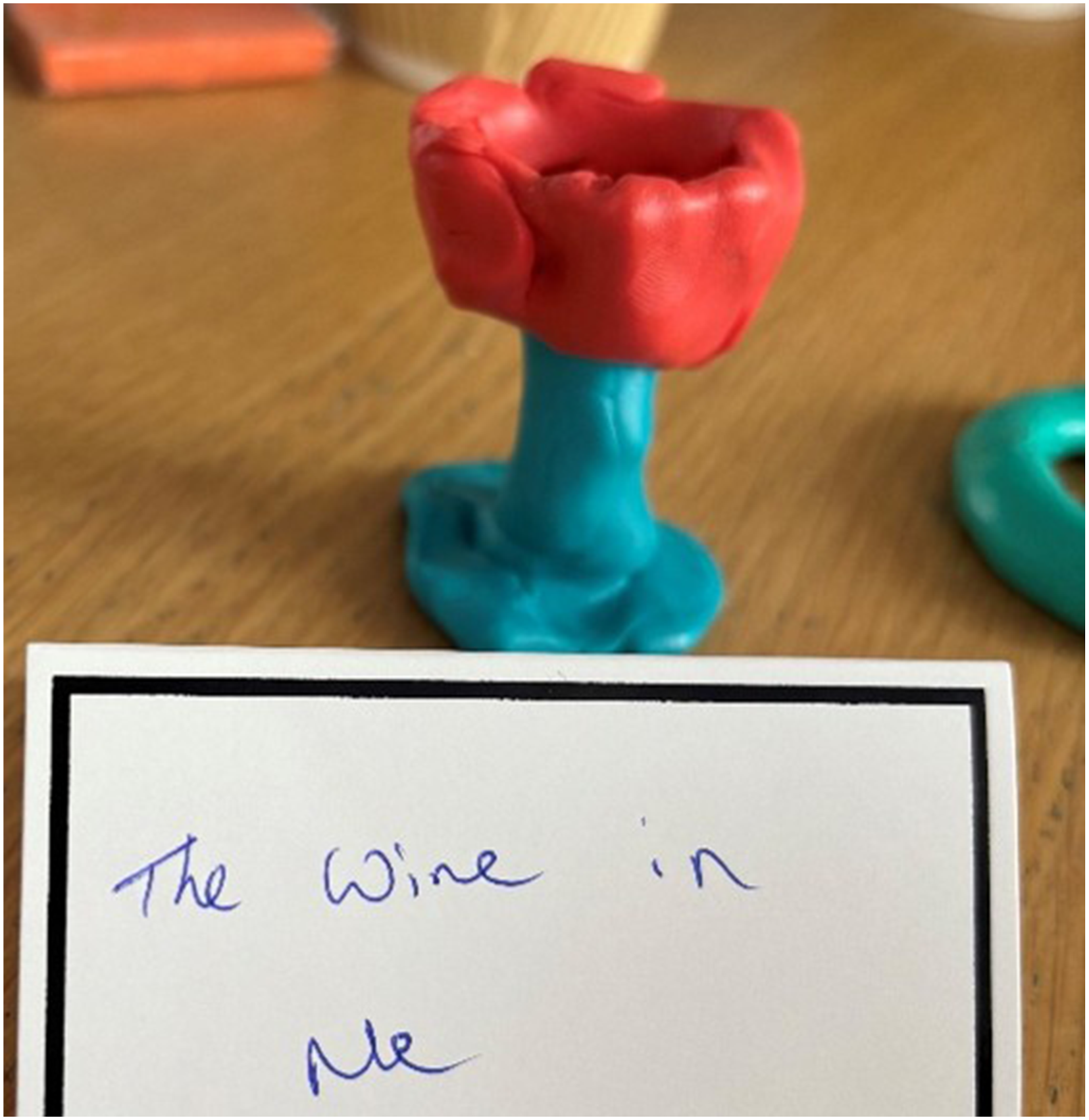
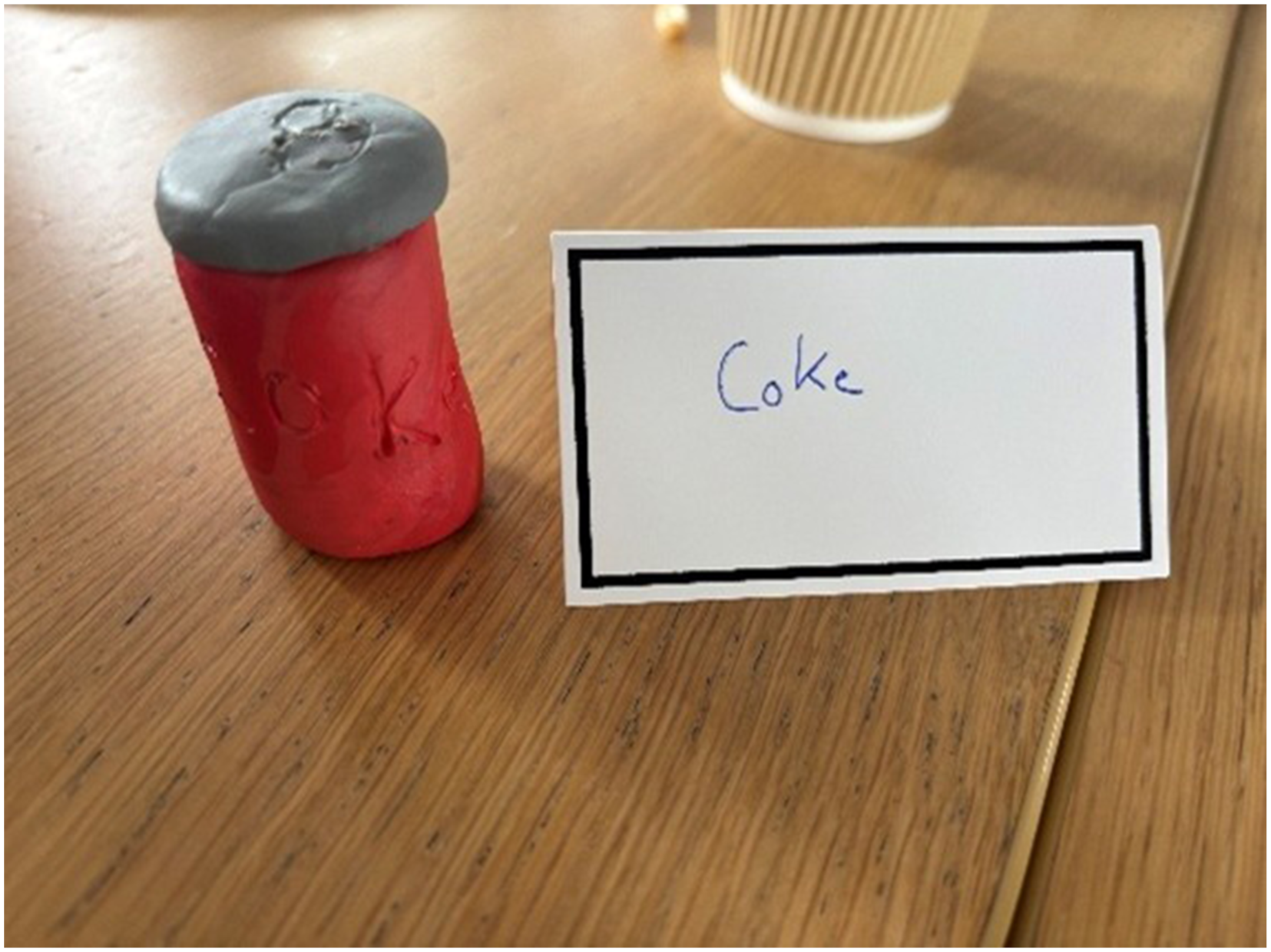
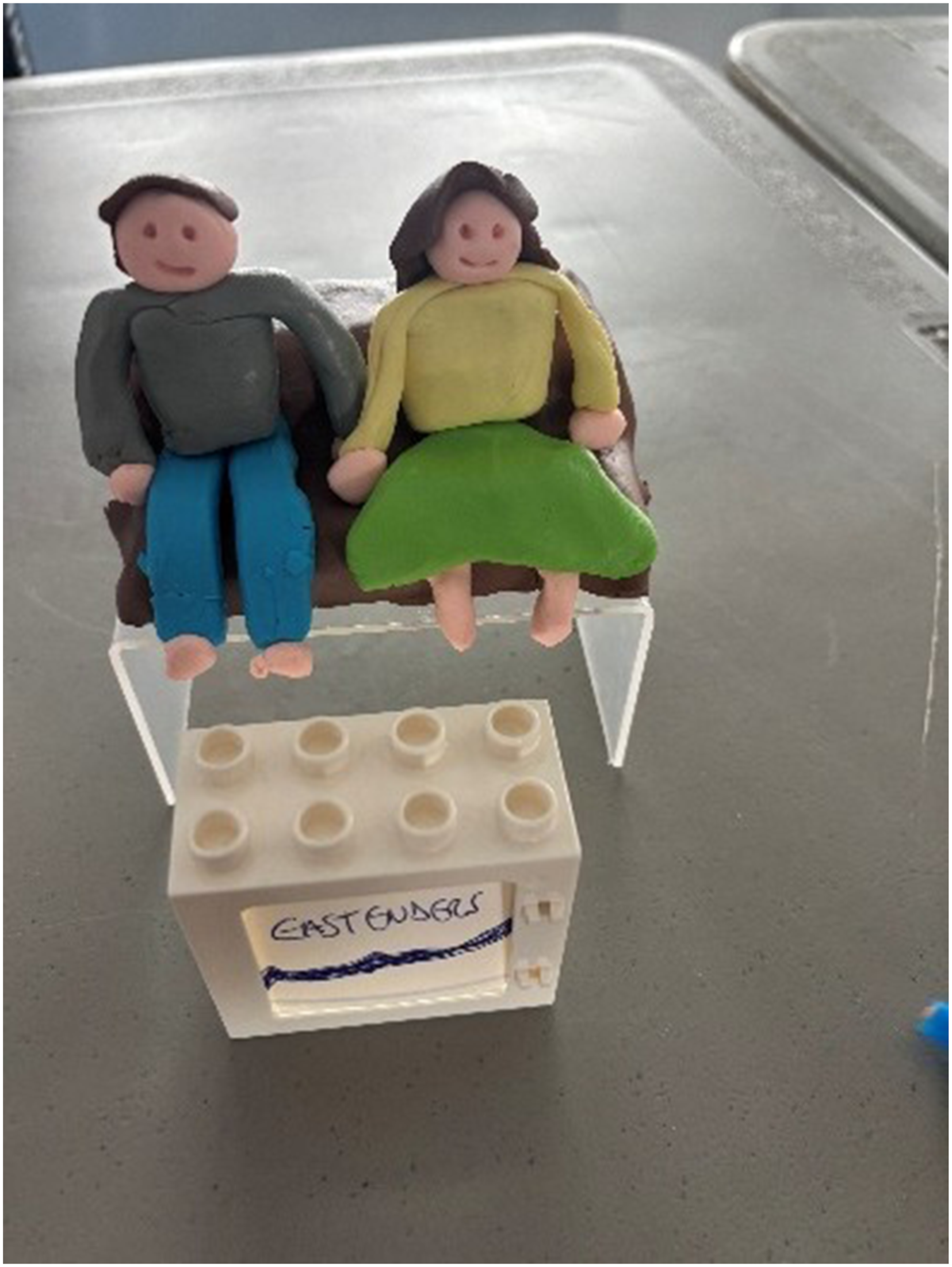
Taken together, these crafts demonstrate diverse relationships with alcohol: family rituals; self-care; moderation; and absence, collectively challenging media representations which often pathologise alcohol consumption in Gypsy and Traveller communities as problematic (Van Hout, 2010). This demonstrates the empowering potential of a craft-elicitation methodological approach, enabling participants to push back against existing narratives and reclaim agency over how their stories are told.
Participants were given a plastic display shelf and were asked for a name to represent their craft. Following the craft-elicitation interviews, crafts were displayed at the workshop venue for other participants to see. Once the workshop had finished, participants were given the opportunity to either take their craft home or leave it with the researcher. Approximately half of the participants took their craft home in a cardboard box provided, with some discussing where they would display their craft at home. One participant expressed a lot of interest in the polymer clay material, asking where the researcher had purchased it from and how much it cost, noting that she would like to use it with her grandson. This speaks to the fact that the material was deemed to be culturally appropriate, and its appeal across generations. Those crafts left with the researchers were displayed at a public engagement exhibition in the North West of England; this enabled the participants’ stories to travel, challenging stereotypes whilst doing so. Following the craft-elicitation interview, we invited participants to take part in group story-telling interviews; this order of methods was beneficial, as the craft-elicitation interview helped facilitate the comfort of participants and build rapport both with the researchers and with other participants.
Group Story-Telling Interviews
Gypsy, Roma and Traveller communities have a strong oral tradition; story-telling and lively conversation within close family and community networks are valued (Condon et al., 2019). Fell (2024) contends that stories serve as an identity strategy, transmitting collective values and beliefs that distinguish travellers from settled populations – an essential aspect of cultural self-preservation. Melling and Ali (2015) found Gypsy, Roma and Traveller–s valued story-telling as a way of dealing with their sense of otherness and identification with an oppressed minority. Respecting these traditions, participants took part in small group narrative interviews (group size ranged from 3 to 10 participants), lasting approximately 1 h, sharing drinking stories. Narrative interviews centred participants’ voices, encouraging them to shape the direction and content of their stories (Anderson & Kirkpatrick, 2016). Peer researchers from Friends, Families and Travellers led the facilitation of the group story-telling interviews. They had some prompts which they could use if they were struggling for questions to ask, but were encouraged not to ask these in order, or see them as a prescribed list, as the emphasis was on allowing participants to tell their own stories. We consider that this approach supported deeper insight into how alcohol consumption is lived, remembered, and narrated within Gypsy, Roma and Traveller communities.
Within this context of open, participant-led dialogue, story-telling occasionally took on a playful or performative quality. For instance, one male participant was perceived to, at times, playfully fabricate drinking stories during the group story-telling interviews through hyperbolic descriptions. This can be seen through the exchange below between a peer researcher and Johnny. It is of note that the peer researcher, Shelia (female, older generation, Irish Traveller, bricks and mortar), was familiar with Johnny (male, youth generation, Irish Traveller, local authority site) from outreach work and prior engagement in research, below:
Johnny: Yes, there was a lot of people there, driving, drifting and all that around there. It’s not nice. Drunk driving.
Johnny: Yes.
Johnny: One guy crashed, fell into the lake.
Johnny: It was a brand-new Jeep as well.
Johnny: Fell into the lake, no reason.
Johnny: Yes.
Johnny: Yes, he had a little toke
2
beside him, and he was sitting like that, and the little girl is still in hospital over it.
Johnny: I ain’t.
Johnny: A little old man ran a kid over that time.
Jonny: The time of the fishing rod.
Johnny: That fishing rod was serious.
Johnny: The fishing one was serious. It was in Paris.
(Story-telling interview)
The notion that this story is an embellished one can be gleaned through the incredulous tone in which the young person spoke whilst telling this story, and the attentiveness of the peer researcher to the potential fabrication. As Von Benzon (2015) says, silencing playful contributions can risk losing valuable data and ignoring one form of young people’s voices. We argue that this young person’s hyperbolic stories were interesting in illuminating their ingrained assumptions about alcohol consumption (Wilkinson & Wilkinson, 2025). For instance, Johnny shows an awareness that alcohol can be associated with risky situations, such as drink driving, and hospitalisation. This exchange also speaks to the culturally credible nature of the story-telling method as it enabled this participant to feel comfortable telling, what the peer researcher describes as, ‘stories from round the fire’. In Gypsy culture, Khaleeli (2016) reflects that oral story-telling traditions may take place around the campfire, and whilst they can be a source of comfort, they may involve an element of competition as listeners add their own stamp to a story. Having discussed the methods of craft-elicitation interviews and group story-telling interviews, we now turn to discuss the participatory mode of data analysis adopted in one of the projects, due to funding available to trial this.
Participatory Data Analysis
Whilst participatory approaches to data analysis have been celebrated for empowering participants (Kogen, 2024) and enhancing the validity and trustworthiness of findings, thereby producing more authentic research (Grover, 2004), researchers have involved participants less often in data analysis than in other parts of research (Rix et al., 2022). In both research projects, the researchers undertook preliminary reflexive thematic analysis of the craft-elicitation interview transcripts and the story-telling interview transcripts, where qualitative data analysis was viewed as being about telling ‘stories’ and actively generating themes from the data (Braun & Clarke, 2019).
In line with Braun and Clarke (2019), reflexive thematic analysis involved an initial stage of familiarisation with the data, where the PI listened to the recordings from both the craft-elicitation interviews and group story-telling interviews. The PI and researchers (CW, GW, and CB) then read the transcripts and noted initial observations. The PI and researchers then worked through the data to generate initial codes. They then constructed initial themes by clustering these codes into broader patterns of shared meaning. Following this, there was a review and development of themes, through an iterative checking against the data. The themes were then defined and named. It is of note that emerging codes and candidate themes were discussed with the research team, where different readings of the data were encouraged as a resource for deepening interpretation. Rather than seeking to resolve discrepancies through agreement, instances of divergence were used reflexively to interrogate underlying assumptions, positionalities, and analytic decisions. This process enabled the team to refine, expand, and nuance the themes identified. Analytic decisions were documented throughout, and theme development was revisited across the dataset to ensure coherence, richness, and alignment with participants’ narratives. This collaborative yet reflexive approach enhances the rigour of the analysis by foregrounding transparency, critical dialogue, and interpretive depth rather than reliability understood as coder agreement.
Then, in project 1, focused on youth drinking in Romany Gypsy and Traveller communities, using themes identified from the reflexive thematic analysis, the first and second authors analytically constructed four vignettes (an approach used in Wilkinson, 2026). Vignettes are defined by Erickson (1986) as ‘vivid portrayal[s] of the conduct of an event of everyday life’ (p. 149). These vignettes were then read aloud by two peer researchers, to five participants at a participatory data analysis session (this included three female Romany Gypsies, bricks and mortar; one male Irish Traveller, local authority site; and one male Showman, bricks and mortar accommodation).
Participants were invited to say what resonated with them, and what did not, with the view to further shaping and honing the vignettes. The vignettes thus prompted discussion to validate or challenge interpretations of findings, ensuring the contribution of Romany Gypsy and Traveller community member perspectives to shape the final analysis. We found that inviting participants to comment on, and refine preliminary interpretations, was potentially empowering, as participants were afforded further opportunities to have power over the narrative (Kogen, 2024), disrupting the usual hierarchy of researcher authority. This participatory approach to analysis goes beyond member-checking, where feedback is sought from participants about the data and the researcher’s interpretations of this (Lincoln & Guba, 1985), to actively co-constructing meaning and analysis, positioning participants as collaborators in shaping knowledge, rather than as passive validators of researcher interpretations. Having discussed considerations surrounding methods and analysis when researching with Romany Gypsy and Traveller communities, we now turn to reflect on ethics.
Ethical Considerations
In this section, we reflect on ethical considerations we encountered across both research projects with Romany Gypsy and Traveller community members, surrounding gaining consent and remuneration, before turning to argue for the importance of centring participants, both in terms of a positive experience and acknowledging their expertise. The research projects underpinning this paper secured ethical approval from Manchester Metropolitan University (ETHOS IDs 71311 and 73431), which may be described as procedural ethics (Potthoff et al., 2023). It is important to question who has the authority to decide what counts as ethically acceptable research and whether it reflects the perspectives and priorities of those affected by the research themselves. If those setting the ethical parameters are not themselves members of communities that could be harmed by unethical practices, it is important to be aware that they are granted the power to define the moral and ethical standards for others. It was thus important to us that we worked with Friends, Families and Travellers to co-develop the ethics applications. Below we reflect on ethical considerations surrounding gaining consent; remuneration; and comfort and flexibility in research setting and design.
Gaining Consent
Gypsy, Roma and Traveller communities include a significant proportion of individuals with low literacy, due to educational inequalities (Friends, Families and Travellers, 2022), in which individuals from Gypsy, Roma and Traveller communities have experienced ostracisation from the education system (O’Neill, 2020). Consequently, appropriate alternative methods for supporting the informed consent process were offered. This included allowing a witness from project partner Friends, Families and Travellers to sign on a participant’s behalf (in the case of difficulties with reading or writing) and allowing someone from Friends, Families and Travellers to date the consent form on behalf of the participant. We also recognised the importance of the option of verbal consent, where written consent was not appropriate or possible. Verbal consent was to be audio recorded and witnessed by a facilitator from Friends, Families and Travellers. It is of note that whilst these alternatives were secured in the ethical approval process, none were used in practice, and this is likely due to the accessible consent forms, and the support of Friends, Families and Travellers in talking participants through the participant information sheets and consent forms. Whilst these strategies were not needed in our study, it is important to include them in this paper because they demonstrate a proactive commitment to accessibility and participant empowerment, offering guidance for future research with Romany Gypsy and Traveller communities, and other communities facing literacy challenges. Beyond gaining consent, an important ethical consideration is whether, and if so how, participants are remunerated for their time and expertise, as we now turn to explore.
Remuneration
There are arguments for, and against, offering participants a small token of appreciation for their time (for instance, due to concerns surrounding coercion, Head, 2009). We consider that members of Romany Gypsy and Traveller communities are experts by experience and, as such, should be remunerated for their time, as a mark of respect for the value of their participation – particularly recognising that many of these individuals' experience financial deprivation (Brown & Scullion, 2010). Moreover, we contend that remuneration can go some way towards addressing power imbalances by viewing participants as humans with (financial) needs and lives, rather than as objects to investigate.
Initially, travel and parking were costed into the funding bids as a reimbursement for travel expenses. This is often the norm in higher education institutions, where individuals may initially pay out of pocket for expenses, keep receipts, and claim expenses back retrospectively, which can often be a slow process. Here, we can see how university bureaucracies – by seeking to control the ways in which research is conducted – can inadvertently influence how participants are positioned and treated within the research process. Upon collaborating with Friends, Families and Travellers charity, it was decided that vouchers are a more appropriate means of covering participants’ travel costs and times. First, vouchers do not require completion of university reimbursement forms which, for some members of Gypsy, Roma and Traveller communities who have lower literacy skills, may be problematic. Second, university expense claim forms rely on a participant having bank details and a fixed address – both of which may not be possible for all members of Gypsy, Roma and Traveller communities to provide. For those with no fixed address, it can be problematic to access a bank account. Further, some members of Gypsy, Roma and Traveller communities have been wrongly refused access to a bank account (Friends, Families and Travellers, 2023). Third, as vouchers act as a ‘thank you’ gift, and cannot be exchanged for cash, this reduces the risk of interfering with any benefits those participating in the study may be in receipt of. Voucher compensation for travel and parking is thus more inclusive. Working with Friends, Families and Travellers, Love2shop and Asda vouchers were chosen; these vouchers represent a diversity of choice of where to spend the vouchers, and were chosen to get as close to the freedom of choice that money offers.
However, upon reflection, the choice of a physical voucher should not be romanticised, for it has its drawbacks. See the exchange below, where a participant reflects on being followed around Boots, a health and beauty retailer and pharmacy chain, which was one of the shops the Love2shop voucher that they were given for remuneration at a previous phase of the research could be spent at. Take the exchange between Shelia (peer researcher, Irish Traveller, older generation, female, bricks and mortar) and Johnny (Irish Traveller male, youth generation, local authority site): (Participatory data analysis session)
When providing voucher reimbursement then, one needs to be mindful of the discrimination and prejudice that members of Romany Gypsy and Traveller communities can face (James, 2021). Moreover, Rafi, a male youth generation Romany Gypsy, roadside participant, asked the researchers if he could use his Love2shop voucher to get the bus back from the data collection workshop. We explained where the voucher could and could not be used, and he said in jest – but with a serious undertone – that he ‘had got £100 vouchers – but he cannot afford the bus home’ (researcher’s fieldnotes, 1 May, 2025). It is thus important to be mindful that whilst vouchers overcome some barriers to reimbursement for time and travel, they may present other challenges. Having discussed the proactive strategies we put in place to ensure that gaining consent and remuneration was as inclusive as possible, we now turn to highlight how we sought to build comfort and flexibility into the research design.
Comfort and Flexibility in Research Setting and Design
There is a need to prioritise the comfort of participants, and flexibility in research design (Budworth, 2023; Wilkinson, C., 2025), to respect and encourage the agency of Gypsy, Roma and Traveller people. In our research with Romany Gypsy and Traveller communities, we were attentive to the comfort of participants. The workshops took place at Community Base in Brighton, Friends, Families and Travellers’ base. During the breaks between the craft-elicitation interview sessions and drawing-elicitation interview sessions, participants would go onto the balcony to get fresh air; or would play pool or table tennis with each other and the peer researchers. This created a comfortable atmosphere, where rapport could be further developed. In terms of food, it was decided in consultation with Friends, Families and Travellers not to order food in advance, and instead to order pizza on the day, as a food that ‘everyone likes’. On the day, the researchers checked with participants whether they were happy with this food choice and if they had any dietary requirements, and, as non-locals, asked if they had any recommendations for local pizza places. The researchers ended up ordering from a pizzeria recommended by many of the participants, and researchers and participants ate together. This responsiveness shows that we valued the input of participants, positioning them as experts and decision-makers, not just contributors to data. This created small but meaningful moments of shared control, aligning with a participatory and co-produced ethos. Moreover, we found that, in line with Vanderslice (2017, online), ‘eating together contributes to the flow of power which eases physical comfort’.
For project 2, which explored intergenerational alcohol consumption and experiences, the intention was to separate Romany Gypsy and Traveller participants into three generational cohort groups: young people (18–24 years), adults (25–49 years), and older people (50+ years). However, on the day of the research, some Romany Gypsy and Irish Traveller community members told the researchers that they did not feel comfortable being separated into generational cohorts for the group narrative interviews; that is, they would rather take part with family members, or others they were familiar with. Consequently, we adapted our original approach, opting for a relational, intergenerational approach that Romany Gypsy and Traveller participants felt more comfortable with, showing the importance of not dividing an already marginalised group. Some group sizes ended up being larger than is considered ‘ideal’ in focus group literature, and this often resulted in less audible Dictaphone recordings; however, this was a small price to pay for prioritising the comfort of participants. This demonstrates the importance of being open and responsive to participants’ preferences, ensuring that methodological flexibility supports both ethical practice and the production of meaningful data.
Further examples of the need for flexibility in research design can be seen through the gendered composition of groups. Alcohol use is associated with masculinity in Gypsy, Roma and Traveller communities (Condon et al., 2024). Young Irish Traveller men and Older generation Irish Traveller women in our study discussed their view that young women should not consume alcohol until married (Condon et al., 2023). Initially, in our first workshop, young men and women had taken part together in mixed gender groups; but in a second workshop, some young women asked if they could participate separately from the young men. This indicates the importance of providing women with a safe space to share their drinking stories with lessened gendered influence, or worries of judgment from men, moving away from more performative accounts that may take place in a mixed gender group setting. Rather than being viewed as a division, this acknowledges the complexities of Romany Gypsy and Traveller lived experiences. Having discussed methodological and ethical reflections from our research with Romany Gypsy and Traveller communities, in the specific context of alcohol consumption, we now draw this paper to a close.
Conclusions
This paper has demonstrated the importance of doing alcohol research differently when working with Romany Gypsy and Traveller communities, because it enables the gathering of different sorts of data in ways that hold meaning to Romany Gypsy and Traveller communities. By reflecting on two participatory qualitative research projects exploring youth (project 1) and intergenerational drinking practices (project 2) in these communities, we have argued that methodological openness (Wilkinson, 2024), cultural sensitivity, and ethical reflexivity are essential in producing research that is respectful and inclusive. Our reflections have shown that engaging meaningfully with seldom-heard communities requires researchers to challenge dominant assumptions about what counts as legitimate knowledge (Kothari et al., 2024), to embrace culturally credible (Wilkinson, 2016) and creative methods, and to foreground care and comfort in research relationships (Budworth, 2023). These are things that take time, effort, and resources. It is of note that these arguably more care-full research rhythms needed – what Vostal (2015) may phrase ‘unhasty time’ (p. 71) – are at odds with the punctuality and intensity of academic duties in neoliberal academia, which Vostal (2015) describes as accelerating time, and ‘in the “fast lane”’ (p. 71).
One of the central arguments of this paper is the significance of equitable partnerships and the involvement of peer researchers. Collaborating with Friends, Families and Travellers, and drawing on the expertise of community members, ensured that our research was rooted in trust. This approach helped us to overcome barriers to access; to navigate the sensitivities of researching alcohol within communities that are often misrepresented (Booth et al., 2024); and to co-produce findings that reflect Romany Gypsy and Traveller voices. The PI and co-investigator’s experience as outsiders of Romany Gypsy and Traveller communities underscores that such partnerships are not an optional addition; they are a fundamental condition for ethically sound and meaningful research.
Further, we have highlighted the value of culturally resonant methods, such as craft-elicitation and story-telling interviews. These approaches not only align with Romany Gypsy and Traveller traditions of craft-making and oral history (Travellers Times, 2023); they allow participants to represent their drinking experiences in ways that offer counter-narratives. The crafts and stories produced in our projects illustrate that alcohol is embedded in everyday lives, celebrations, and identities, and is not reducible to narratives of pathology. Participatory data analysis further strengthened the co-productive ethos. This process offered more nuanced insights than would have been possible through researcher-led analysis alone.
Our reflections on ethics emphasised that inclusivity requires questioning institutionalised practices. Flexible consent procedures, accessible remuneration through vouchers, and attention to comfort in research settings (Budworth, 2023; Wilkinson, 2025) illustrate how ethical engagement extends beyond procedural approval ethics (Potthoff et al., 2023), to the everyday details of participation. However, these reflections also revealed the compromises and challenges inherent in attempting to ‘do ethics differently’, for instance, the unintended consequences of voucher use for participant remuneration. By being honest about these complexities, we hope to encourage researchers to remain reflexive and adaptive, and to centre participants throughout all aspects of the research process.
Ultimately, our methodological and ethical reflections across the two projects highlight that researching alcohol with Romany Gypsy and Traveller communities is about producing knowledge in ways that respect cultural traditions, challenge harmful stereotypes, and foster space for counter-narratives. Doing so requires openness to learning (Friel, 2024), methodological openness (Wilkinson, 2024), and a commitment to redistributing power in the research process. By offering methodological and ethical reflections grounded in practice, this paper has contributed to broader debates on welcoming, empowering, and participatory research, whilst also providing practical guidance for those seeking to engage with Romany Gypsies and Travellers in research on sensitive health topics.
Footnotes

Ethical Considerations
The research underpinning this paper secured Ethical Approval from Manchester Metropolitan University Research, Faculty of Health and Education, ETHOS numbers 73431 and 71311.
Funding
The authors disclosed receipt of the following financial support for the research, authorship, and/or publication of this article: The research underpinning this paper is funded by the Leverhulme Trust (research focused on youth drinking in Romany Gypsy and Traveller communities) and the Institute of Alcohol Studies (research focused on intergenerational alcohol consumption in Romany Gypsy and Irish Traveller communities).
Declaration of Conflicting Interests
The authors declared no potential conflicts of interest with respect to the research, authorship, and/or publication of this article.