







Abstract
Background
Manual spot-welding operators often engage in repetitive motions, awkward postures, and prolonged standing. These factors increase the risk of work-related musculoskeletal disorders (WMSDs), particularly affecting the lower limbs and back. Additionally, inadequate workstation design impacts workers’ health, safety, and productivity.
Objective
Identify the optimal conditions for the spot-welding interface using a multi-criteria decision-making (MCDM) approach with three input parameters: pedal height (30, 35, 40 cm), worker distance (70, 80, 90 cm) and worksheet thickness (22, 25, 30 gauge).
Methods
The study employed L27 orthogonal array experimental design. Entropy Weight Method (EWM) was used to determine weight of each factor. The optimal input parameters were identified using Weighted Aggregated Sum Product Assessment (WASPAS) method, with validation from Weighted Grey Relational Analysis (WGRA) and the Technique for Order of Preference by Similarity to Ideal Solution (TOPSIS). Analysis of Variance (ANOVA) determined the significance of input parameters, and a confirmation test validated the findings.
Results
EWM calculated a weight of 0.3404 to task time, 0.3401 to pedal force, and 0.3193 to comfort level. WASPAS, WGRA, and TOPSIS identified the optimal parameters as pedal height of 35 cm, worker distance of 80 cm, and worksheet thickness of 30-gauge. ANOVA showed that worksheet thickness had the greatest impact on response, followed by worker distance and pedal height. The confirmation test validated the result with high reliability (0.88% error).
Conclusion
This study explored ergonomic recommendations for optimizing spot-welding environments using a statistical and MCDM model focused on improving pedal force, task time, and comfort.
Keywords
Introduction
This research focuses on the influence of anthropometric factors on performance within human-welding interface environments, focusing on ergonomic design to mitigate work-related musculoskeletal disorders (WMSDs). Historical data indicates that a significant number of injuries in manufacturing cumulative trauma disorders (CTDs), such as back injuries, tendinitis, and carpal tunnel syndrome. These disorders are often linked to repetitive movements, excessive force, awkward postures, and vibration exposure.1,2 WMSDs continue to be a prevalent and increasing concern in manufacturing industries, affecting over five million workers annually through overextension injuries. 3 Ergonomic interventions that redesign workplaces to prevent such injuries can save the manufacturing industry billions in workers’ compensation costs.
Previously, manufacturing companies believed there was a trade-off between safety and efficiency, but now they recognize that ergonomic designs can enhance both.3–5 The most significant improvements include encompassing workplace design, simplifying tasks, and enhancing safety and productivity. The ergonomic design of a workstation is influenced by the nature of the tasks and the operator's posture preferences. 6 In spot welding workstation design, key considerations include the adjustability of the working platform, clearances under the work surface, and worksheet thickness. Adjustable platforms accommodate operators of different sizes, promoting proper posture and minimizing WMSD risks. Adequate clearances ensure comfortable access to tools, reducing awkward postures and strain. Worksheet thickness influences the force required during welding, affecting operator effort and comfort. While cognitive and physiological factors also play a role, these three factors are critical for addressing the physical and ergonomic challenges of manual spot welding.
Manual foot-operated spot welding is widely used across automotive, aerospace, and construction industries for small-scale production, repairs, and custom manufacturing. It offers precision in complex geometries and adaptability for varied shapes and sizes, making it a cost-effective solution for specialized tasks. Consequently, a significant portion of the workforce is engaged in spot welding operations.
In foot-operated manual spot-welding operations, workers are accustomed to pushing pedals to perform the tasks, leading to pain in the leg and thigh.7–9 Comfort and the risk of WMSDs in these tasks are influenced by leg splay and the force exerted.10,11 Research indicates that a high magnitude of force involved in a task causes a rapid increase in WMSDs.8,12 For instance, Niyzar Ahmad et al. measured pedal force in car breaking, aiming to model driver pedal pressing patterns during traffic delays to reduce driver fatigue. 11 Studies by Romain et al. and Pannetier et al. developed objective discomfort evaluation criteria for automotive clutch pedal design, comparing freely adjusted and imposed pedal configurations to identify biomechanical factors to identify discomfort.13,14 Their findings highlight that adjusting the pedal position to ensure a comfortable starting point can minimize unnecessary leg movement. 14 Discomfort ratings correlated significantly with knee and ankle torques at the end of depression.14,15 Proposed discomfort indicators include ankle joint angles at the start and end of the pedal depression, knee joint torque at the end of the depression, and relative heel position. 13 Pedal resistance was found to have a dominant effect on discomfort perception. 15 Romain et al. also explored the relationships between posture and force exertion, finding that postural adjustments follow the principle of minimizing joint torques. 13 Jie Zhou and Neal Wiggermann's investigation into brake pedal design showed that factors such as depth, clearance above, and clearance behind significantly affect the maximum voluntary exertion force and the acceptable force required to engage the pedal. 16
Incorporating their findings emphasizes the critical role of ergonomic pedal design in reducing strain and enhancing operational efficiency across automotive and industrial settings. This study addresses a significant research gap in quantifying pedal force, productivity, and comfort during foot-operated spot-welding tasks. Despite the widespread industrial use of such operations, research on these factors is lacking, highlighting the need for improved workstation design and a robust methodology for assessing ergonomic inputs.
Workstation height and worker distance from the workstation are critical factors determining the forces applied during the welding process.17–19 Understanding the intricate dynamics among these variables is essential for enhancing the ergonomic safety and productivity of manual spot-welding operations. The height of the welding pedal plays a fundamental role in the force exerted during spot welding, influencing the contact pressure. Similarly, the worker's distance from the welding task introduces an ergonomic dimension, potentially affecting the operator's ability to control the welding apparatus effectively. Concurrently, the thickness of the metal worksheet contributes to the overall complexity, influencing the energy required for a successful weld, which needs more time to complete. Therefore, it may be a critical factor in determining the pedal force required for spot-welding tasks.
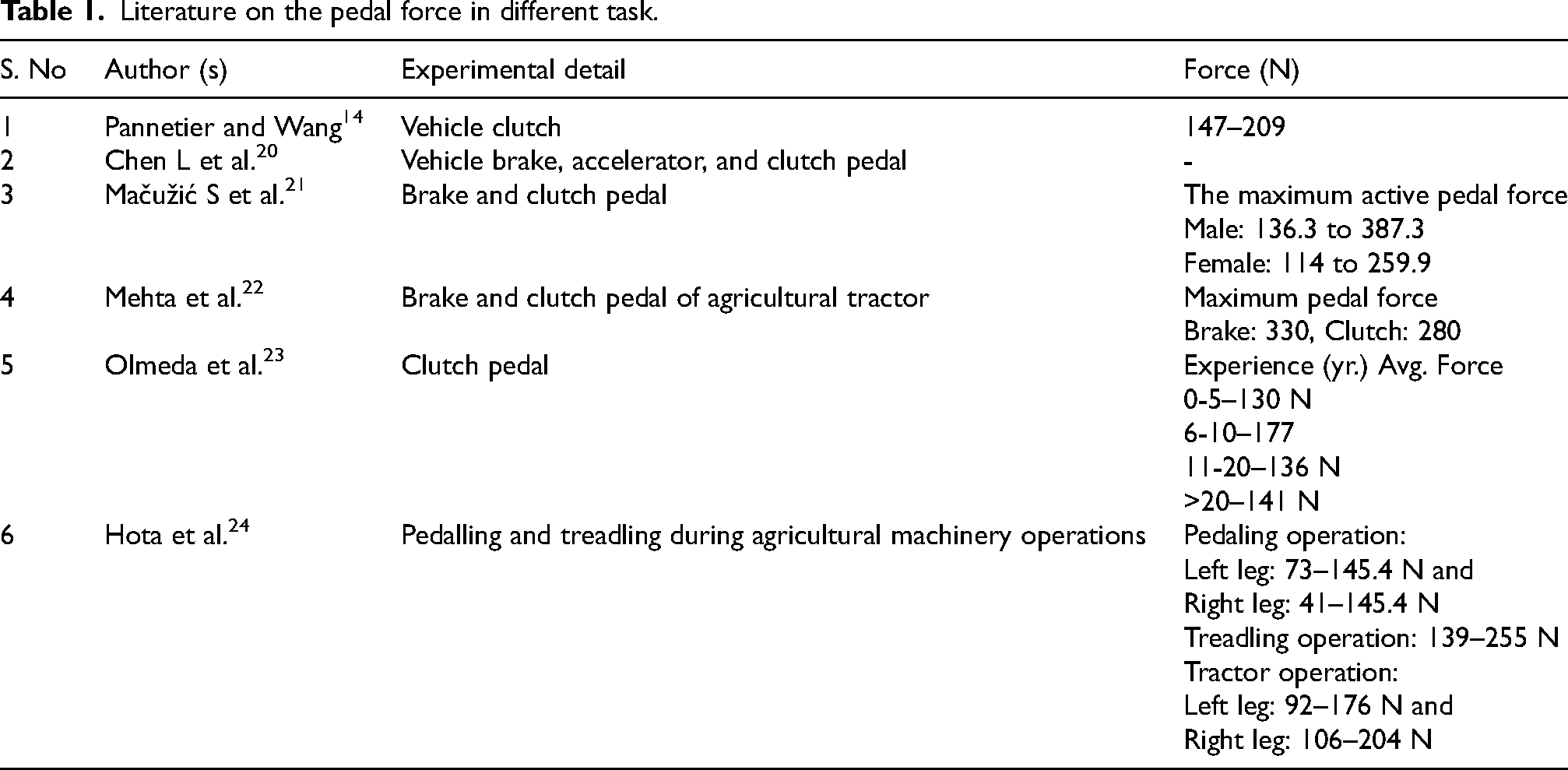
Despite the acknowledged significance of these parameters, a comprehensive investigation into their collective impact on pedal force and productivity still needs to be explored. Some literatures related to pedal force are given in Table 1. This research aims to fill this critical knowledge gap by systematically examining the interactions between pedal height, worker distance, and worksheet thickness in manual spot-welding scenarios. The study unravels nuanced relationships, providing insights beyond conventional welding practices. Correlations between pedal height, worker distance, worksheet thickness, and the resulting pedal force and productivity are sought to be established through meticulous experimentation and data analysis. These correlations will be the foundation for optimizing welding parameters to achieve high productivity and provide good ergonomic conditions for spot welding.
Literature on the pedal force in different task.
MCDM approaches, which quantify the trade-offs between the multiple and conflicting criteria with incommensurable units and different ranges, evaluate the alternatives under the decision criteria.25,26 The above discussion thus raises the need to develop a sustainability assessment of the spot-welding process that considers all the essential aspects. Multi-response optimization models considering integral sustainability have been the quest over the last few years. Several MCDM approaches have been used, like WASPAS, AHP, GRA, VIKOR, TOPSIS, etc. A combination of MCDMs in integrated/hybrid forms has also been implemented to capture the quantitative and qualitative criteria simultaneously. 27
In previous research on subtractive manufacturing processes, Chakraborty and Chakraborty reviewed the various MCDM techniques and criteria weighing methods employed for multi-criteria optimization. 28 Bhat et al. evaluated the weights of different conflicting criteria, i.e., surface roughness, MRR, interface temperature, SCE, and cutting force, using the entropy weighing method for TOPSIS-based prioritization of alternatives with the best relative sustainability. 29 Divya et al. concluded that MCDM techniques are easy, systematic, simple computations, and rational procedures compared to metaheuristic algorithms. 30 Bhanot et al. explored various social, economic, and environmental sustainability indices of the turning process and developed an integrated sustainability assessment framework. 31 These studies collectively demonstrate the value of MCDM techniques in addressing complex, multi-faceted issues. This aligns well with the present research's focus on developing a multi-criteria evaluation for manual spot-welding environments, particularly in optimizing ergonomic and safety factors to mitigate WMSDs.
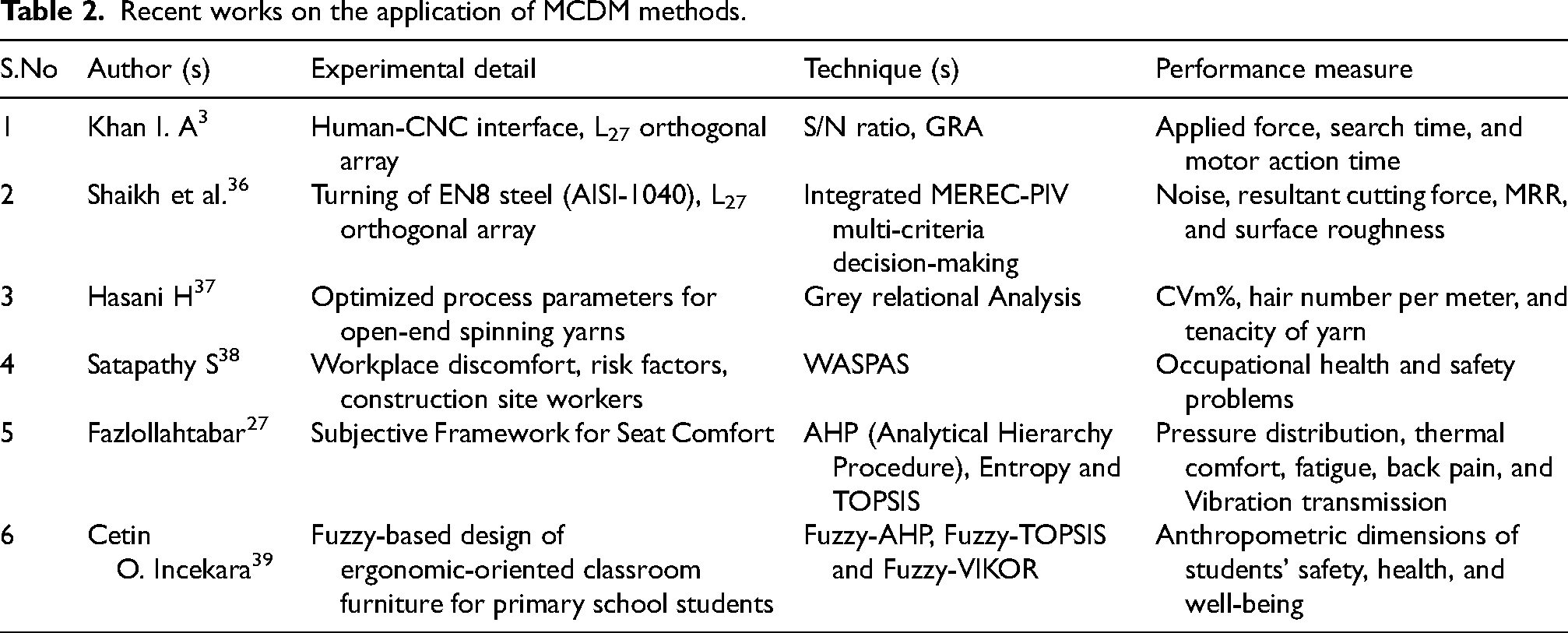
As summarized in Table 2, recent studies have employed single and integrated MCDM methods, considering different criteria for multi-response performance optimization focusing on surface quality, productivity, and various economic and environmental measures. However, societal aspects, like ergonomic factors, should be addressed despite their importance for sustainability assessments. In MCDM problems, subjective weighting techniques, such as equal or unequal weights, are commonly employed. The flexibility of these techniques is essential for assessing the influence of alternatives and their overall performance.32,33 However, rank reversal, where the preference order changes with the addition or removal of options, challenges the invariance principle of utility theory and affects many MCDM models’ feasibility.34,35
Recent works on the application of MCDM methods.
This study integrates ergonomic factors into the optimization, addressing gaps in previous research. Robust MCDM techniques, such as WGRA, TOPSIS, and WASPAS, are utilized to improve the reliability and adaptability of the optimization process. 40 By incorporating factors like pedal height, worker distance, and sheet thickness, the study aims to refine foot-operated spot-welding tasks, providing a comprehensive approach to workplace ergonomics. This integration supports sustainability and enhances safety and productivity in industrial settings by offering a flexible MCDM with adaptable criteria weighting methods, advancing ergonomic design, and promoting a worker-friendly environment.
While several studies have applied MCDM methods to various production processes, this study advances the field by integrating WGRA, TOPSIS, and WASPAS to address ergonomic and performance parameters in foot-operated manual spot welding. This multi-method approach allows for a more comprehensive evaluation of conflicting criteria, providing novel insights into how ergonomic factors such as pedal height, worker distance, and worksheet thickness interact to affect pedal force, task time, and worker comfort. The integration of these methods offers an innovative framework for ergonomic optimization that surpasses traditional MCDM approaches.
The objective of the present study was to optimize the parameters of a foot-operated manual spot-welding workstation by investigating the effects of pedal height, worker distance, and worksheet thickness on pedal force, task time, and worker comfort. Using the MCDM approach, the study aims to identify the optimal settings that enhance productivity, reduce the risk of WMSDs, and improve overall operator safety and comfort.
The organised structure of the paper is presented as follows: the first section contains the introduction of work and literature review; in the second section, the design of the experiment, experimentation method, Criteria weighing, and MCDM method are detailed; the penultimate section presents the result and discussion of experiments along with the Taguchi-EWM-WASPAS outcomes. In the last, conclusions and future works are drawn from this study.
Materials and methods
Subject selection
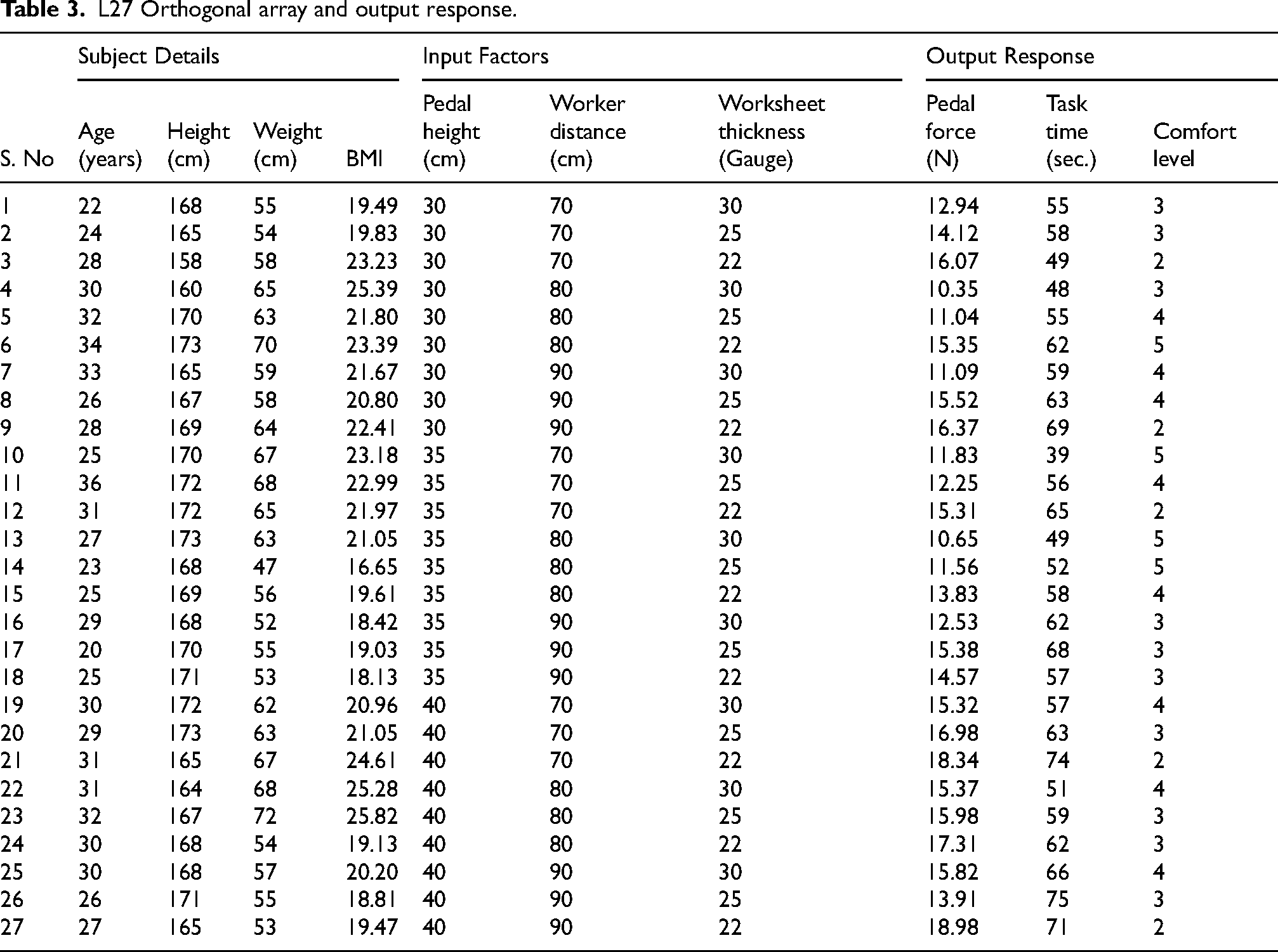
In this study, the selection of subjects is a crucial aspect of ensuring the validity and relevance of the findings. Subjects were selected to represent a diverse demographic, including various age groups, genders, and occupational backgrounds, to reflect the target population for the ergonomic interventions accurately. In this study, a set of 27 potential subjects were selected consciously. This set of subjects included younger males, whose details are given in Table 3. The selected subjects were engineering faculty students. A self-designed questionnaire related to subject selection was used. 3 The selected subjects also expressed their willingness to participate in the present studies. None of the subjects participated in more than one experiment. Additionally, subjects were screened for pre-existing health conditions that could affect their participation or the study outcomes. By carefully considering these factors, the aim was to ensure that the sample is representative and capable of providing meaningful insights into the effectiveness of the proposed ergonomic solutions.
L27 Orthogonal array and output response.
Design of experiment and experimental procedure
Taguchi's L27 orthogonal array (OA) is used for this study to investigate the effects of varying levels of the ergonomic parameters on the output responses, i.e., pedal force, task time, and level of comfort. As shown in Table 3, twenty-seven treatments are conducted randomly in a standing posture. Subjects were instructed to do five spot welds at 50 mm length of the sheet, as shown in Figure 1. To minimize human error, this task is repeated thrice on the same set of input parameter values with the same subject. 41 Electric current and voltage have been kept constant for all twenty-seven experiments. A gap of 10 s was provided to the subject between consecutive observations to avoid any possible fatigue effect.
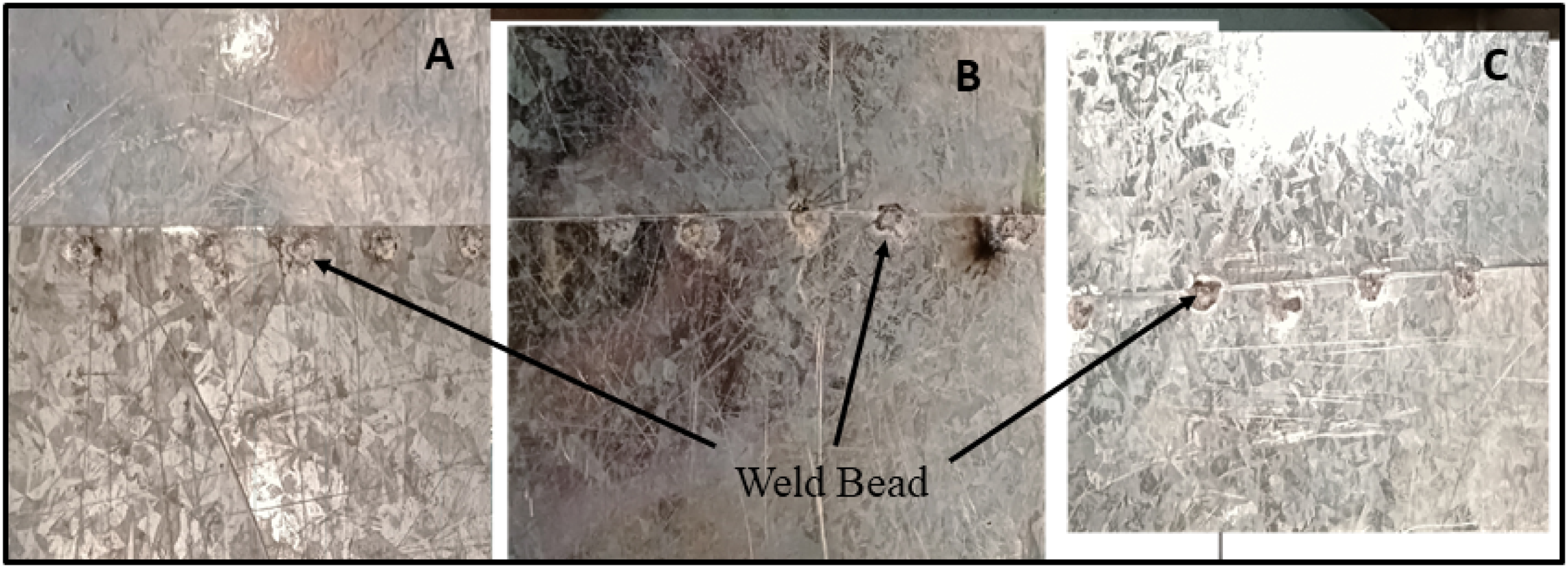
Welded metal sheet jobs A. 30-Gauge. B. 25-Gauge. C. 22-Gauge.
Fixed variables: workpiece material and machine tool
Mild steel is the most common type of steel used in sheet metal work. It is relatively inexpensive, easy to work with, and offers good weldability. Mild steel suits various applications, including automotive panels, lock manufacturing, steel furniture, enclosures, brackets, and structural components. This study encompasses the resistance spot welding process on mild steel sheets procured from the market. This study used a foot-operated resistance spot-welding machine from Advani-orlikon Limited. All experiments were performed in the workshop.
Independent variables
Ergonomic parameters of spot welding, each at three levels, as shown in Table 3, were selected: pedal height (30, 35, 40 cm) and worker distance (70, 80, 90 cm). These were chosen based on a comprehensive literature review,3,42 while the range for the sheet thickness (22, 25, 30 gauge) was considered through an industry survey. These ranges, selected for their ergonomic considerations, industry standards, and practical relevance, may ensure that the study's findings apply to real-world industrial settings and could provide valuable insights into optimizing ergonomic design and reducing the risk of musculoskeletal disorders.
Pedal height
Pedal position can indeed be considered an ergonomic factor, particularly in contexts where pedals are used frequently or for extended periods, such as in vehicles, manual spot welding, or certain types of machinery 14 because proper pedal height ensures that the user can comfortably reach the pedals without straining or stretching. This helps reduce fatigue during prolonged use, as users don't have to maintain awkward positions or apply excessive force. Correct pedal height is crucial for safety. If pedals are too high or too low, it can affect the user's ability to control the vehicle or machinery effectively. When pedals are positioned at the right height, users can easily find and operate them intuitively. Improper pedal height can contribute to WMSD over time. For instance, if a pedal is too high, it can cause the user to repeatedly lift their leg, leading to strain on leg muscles and joints. Proper pedal height ensures accessibility for users of varying heights and physical abilities. It allows users to reach and operate pedals without significant adjustments or modifications comfortably.
Worker distance
Working distance is another important ergonomic factor, especially in environments where users must interact with controls or objects repeatedly and consistently, such as manufacturing, assembly lines, or office work.42–44 If the distance is too far, it can cause users to stretch excessively, leading to strain and discomfort in muscles and joints, particularly in the arms, shoulders, and back. Maintaining a comfortable working distance helps reduce fatigue by allowing users to perform tasks with minimal physical strain. Optimal working distance contributes to task efficiency. Users can access tools or controls quickly and without unnecessary movement, allowing them to focus on the task rather than adjusting their position or reaching for objects. Maintaining an appropriate working distance is essential for safety. Working within a comfortable distance helps prevent repetitive strain injuries (RSIs) by reducing the need for repetitive, awkward movements.45,46
Thickness of mild steel sheet
While sheet thickness may not typically be considered a traditional ergonomic factor like posture or workspace design, it can indirectly impact ergonomics in certain contexts, especially in tasks involving manual handling or manipulating materials. In tasks where workers need to lift, carry, or manipulate sheets of varying thicknesses, the weight and bulkiness of thicker sheets can affect ergonomic factors such as lifting technique, strain on muscles and joints, and risk of injury. In spot welding, thicker sheets require more time to complete the tasks. 47
Response variables
Pedal force
In general, pedal force serves as a measure of comfortability, musculoskeletal disorders, and injuries to the workers.16,21,48 In this study, an innovative method was employed to measure pedal force using an Arduino microcontroller 49 and a load cell,3,50,51 as shown in Figure 2. This setup (Figure 3) allowed us to directly measure the pedal force exerted by the operator during the spot-welding process. The pedal force increases during the depression process, 20 so all the force variations over time were recorded. In this study, for analysis viewpoint, the average of three recorded forces was considered.
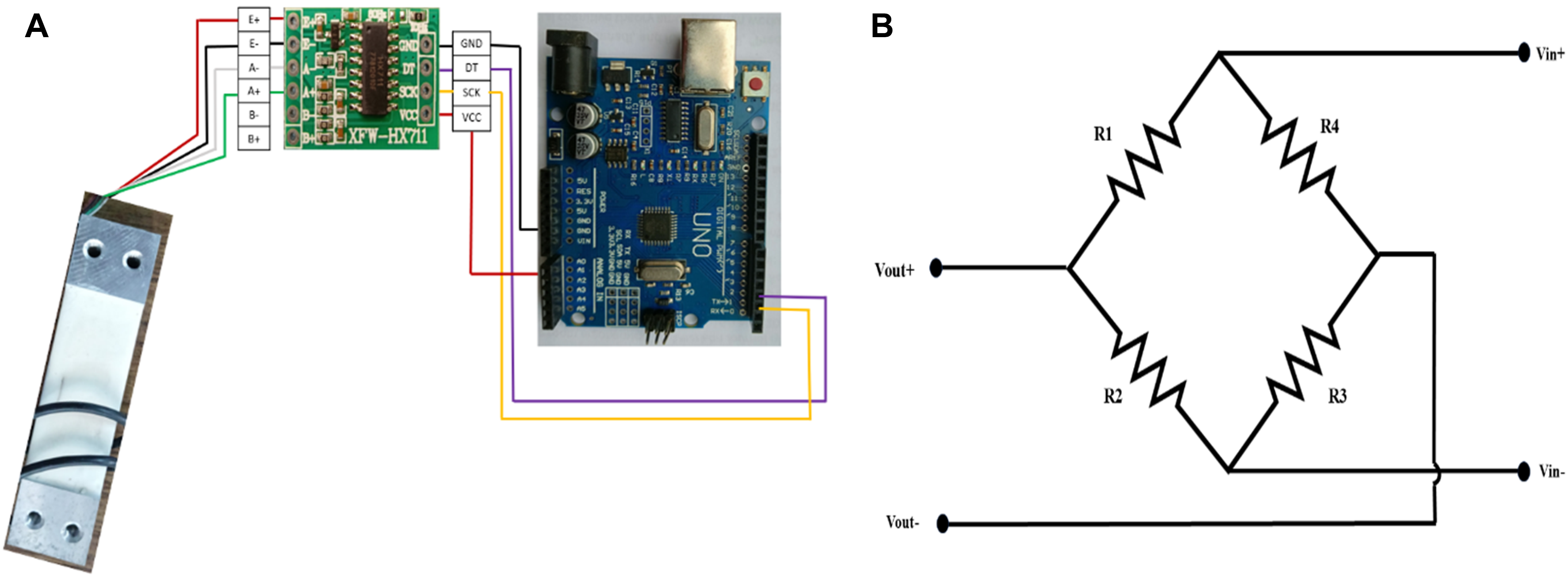
A. Connection of load cell with Arduino. B. Circuit diagram of the load cell.
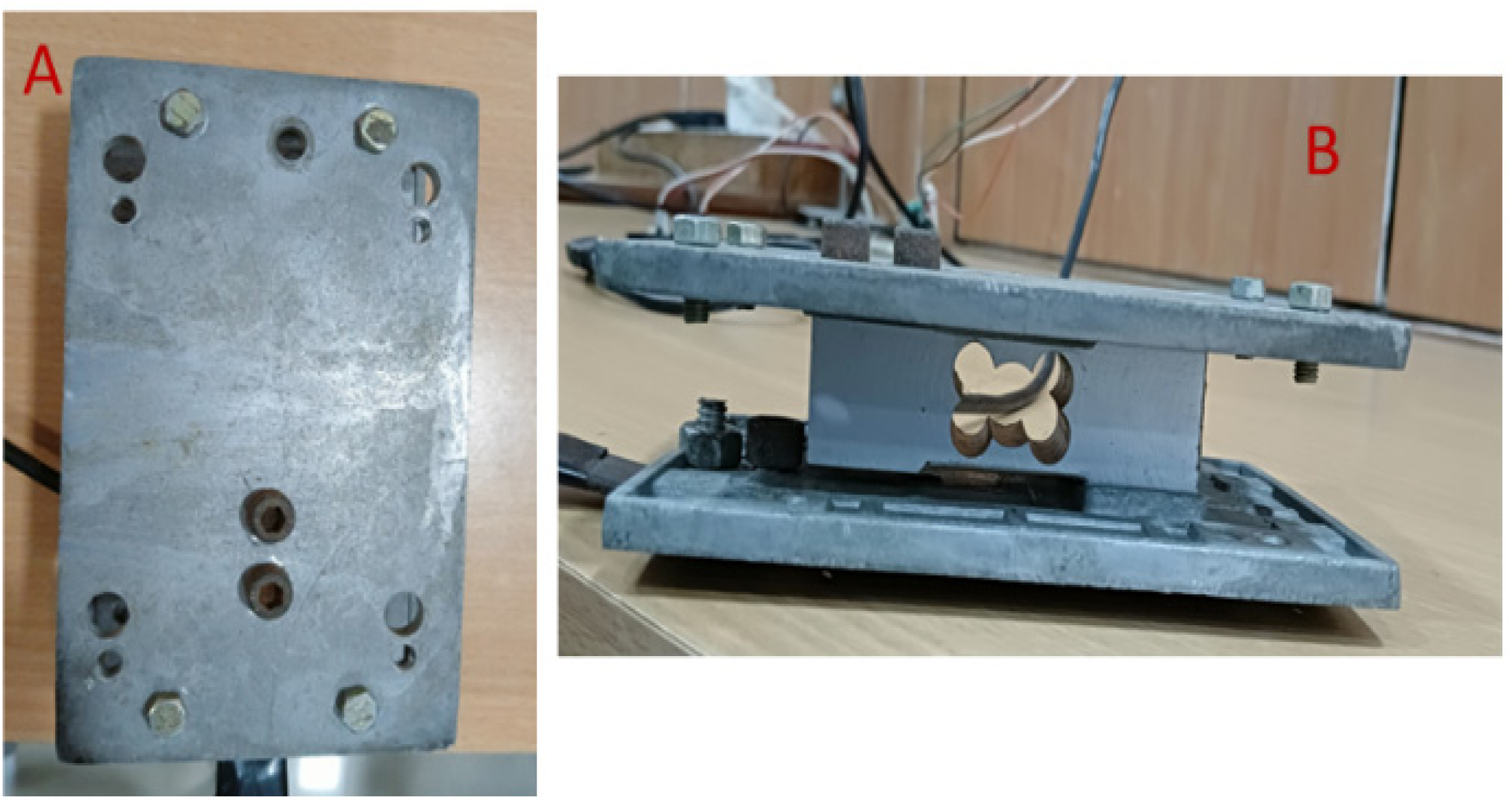
Paddle force measuring device. A. Top view. B. Side view.
Task completion time
It represents the net time for the spot-welding process, i.e., the amount of time to complete the task. Time can be considered a measure of human performance. In addition to assessing pedal force, the role of time as a key parameter affecting productivity in the ergonomic study was also investigated.3,52 Specifically, task completion times were measured across different ergonomic conditions. The subjects are instructed to perform a spot-welding task on a 50 mm mild steel sheet with five spots, and they are also instructed to repeat the same task three times. Task completion times were recorded to assess the speed and efficiency with which participants performed assigned tasks under varying ergonomic setups. By analyzing task completion times, it was possible to identify which ergonomic configurations facilitated faster task completion without compromising comfort. An average of three repetitions of the task for a single subject was considered to avoid possible fatigue.
Comfort level
The comfort level is a crucial aspect of ergonomic research as it directly impacts an individual's well-being and performance. 4 This study assesses the level of comfort experienced by participants in response to different ergonomic setups and conditions. To evaluate the comfort level in foot-operated spot-welding tasks, factors such as height and reach, adjustability in workstation layout, the amount of force and effort required, work-related stress, and vibration are considered. 53 These factors encompass the task's physical and psychological aspects, comprehensively assessing the welder's comfort. Height and reach are examined to ensure an ergonomic alignment that minimizes strain, while adjustability focuses on customizing the workstation to fit individual needs. The effort needed to operate the foot pedal was assessed to identify excessive physical demands. Additionally, the impact of work-related stress on overall comfort was evaluated, alongside personal feedback on perceived comfort and satisfaction with the task setup.
To measure comfort, a five-point Likert scale was designed.54–56 For instance, self-reported comfort scales were utilized, where participants rated their comfort on a numerical scale or provided qualitative feedback on their comfort experience. Furthermore, observational assessments were conducted to complement self-reported and physiological measures. Trained observers recorded participants’ posture, movements, and facial expressions to infer their comfort levels. By employing a combination of these methods, it was possible to comprehensively assess the level of comfort experienced by participants in the ergonomic study.
Approach for optimization:
The optimization approach in this study involves using MCDM techniques to identify the optimal settings of input parameters for minimizing the risk of WMSDs and enhancing productivity and comfort level in foot-operated manual spot-welding tasks. Initially, EWM was applied to assign objective weights to each output response based on data variability and entropy,27,57,58 mitigating biases inherent in subjective weight assignment and providing a robust foundation for further analysis. These weights were then used in WGRA, WASPAS, and TOPSIS to optimize response variables, ensuring that the criteria were appropriately prioritized according to their significance.
This study underscores the inherent uncertainty in ergonomic assessments, driven by subjective factors such as comfort level and objective factors like pedal force and task time, often influenced by incomplete anthropometric data 59 and the subjective nature of comfort assessments. The variability in the human-welding interface during this study further compounded these challenges, making standardization difficult and contributing to anthropometric data variability and uncertainty, differences in height, weight, leg length, and physical strength, etc., across participants introduce data gaps, as it is challenging to obtain precise and uniform measurements for each individual. Additionally, comfort level, a critical metric in ergonomic design, varies widely among individuals due to personal thresholds, making it difficult to quantify objectively and contributing to high uncertainty in evaluating outcomes. WGRA provides a structured framework to evaluate multiple performance measures simultaneously, enhancing the decision-making process in the presence of data variability.3,60 WGRA's capacity to assign relative weights and establish relationships between ideal and actual responses helps to mitigate the impact of data uncertainty, providing stable and reliable insights crucial for optimizing ergonomic design where subjective comfort and variable anthropometric data play a crucial role.
Therefore, the WGRA was applied to ensure better results when dealing with objective and subjective criteria where variability is unavoidable. Meanwhile, WASPAS combines the advantages of the Weighted Sum Model (WSM) and the Weighted Product Model (WPM).38,61–63 It provides a balanced evaluation of all criteria, enabling a comprehensive ergonomic and performance parameters analysis. TOPSIS ranks alternative parameter settings by comparing their proximity to the ideal solution.27,64–66
This study advances MCDM applications by integrating WGRA, TOPSIS, and WASPAS into an ergonomic framework for the human-welding interface. This integration captures both subjective and objective data, enabling a robust decision-making model that provides precise recommendations for optimizing workstation design and contributes to productivity and safety guidelines for industrial settings, especially pedal-operated spot welding.
The primary theoretical contribution is this integrated framework's ability to address subjective variability and data incompleteness, enabling simultaneous analysis of subjective comfort and objective metrics like pedal force and task time. Additionally, this approach introduces a method for prioritizing complex ergonomic factors, establishing a theoretical basis for future research in manual task environments that may incorporate physiological and cognitive metrics.
Focusing on the underexplored human-welding interface, this research develops an ergonomic database that directly benefits industry practices, fostering safer, more efficient welding environments and supporting a sustainable and green manufacturing environment.
Results and discussion
Figure 4 shows that the pedal force, which symbolizes the discomfort and, ultimately, WMSDs and other physiological parameters, significantly varies with the change in pedal height, worker distance, and worksheet thickness. The results indicate that worksheet thickness has the greatest impact on pedal force, followed by worker distance and pedal height. Similarly, task time and comfort level are also affected by these factors. Task time decreases as worksheet thickness increases, while the highest comfort levels are associated with a medium pedal height and worker distance. Further, the task time, affected by workstation design, repetitive motion, workpiece weight, etc.,67–69 significantly varies with pedal height, followed by worker distance and worksheet thickness. Moreover, the comfort level also significantly varies with the variation in input factors. The previous literature clearly indicated that comfort level mainly depends on frequency, posture, etc..70,71
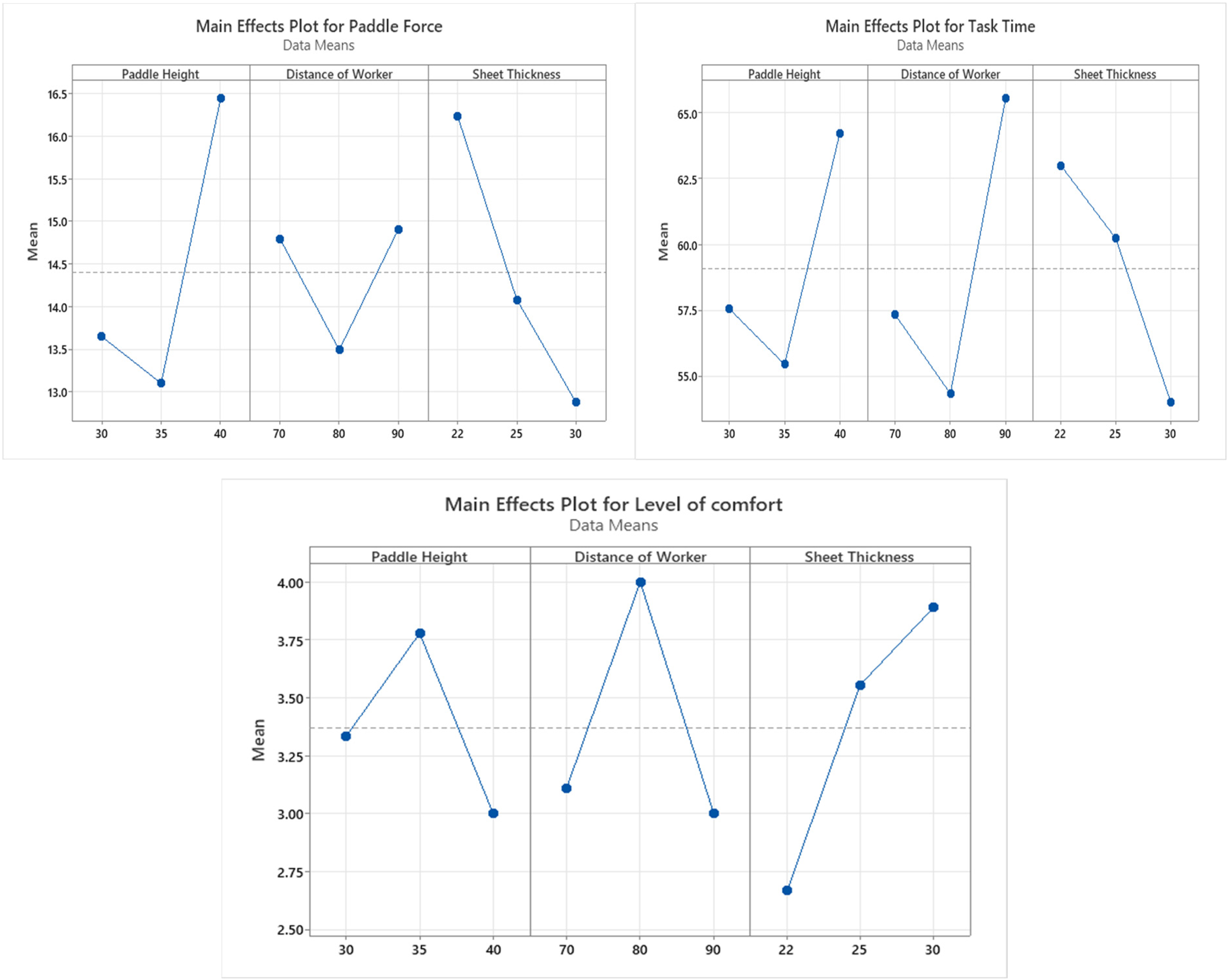
Main effect plot for responses.
It may not have influenced the results of the analysis due to the nature of the experiment consideration not involving cognitive measures like search, selection, or action time, as these were deemed non-essential for our study. As per observations, participants faced no difficulties performing the required tasks during experimentation. Incorporating these inputs in future studies may improve the results. The schematic diagram of the resistance spot welding process is shown in Figure 5.
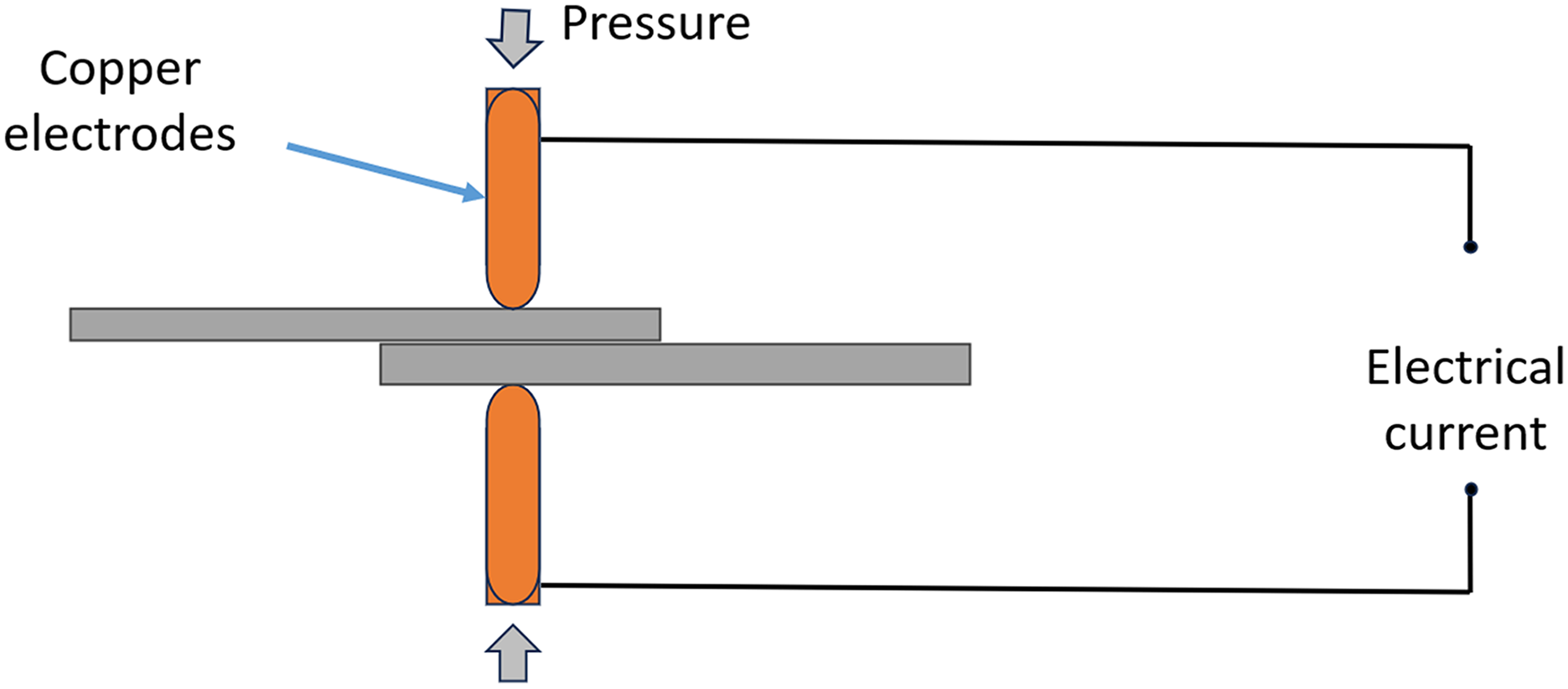
Schematic of spot welding.
The decision matrix, as given in Table 4, indicates the 27 sets of output measures on the basis of experimentation. Considering the EWM, the weights of the three output measures were calculated and used for analysis. The comfort level assessed on the Likert scale ranged from 1 to 5 (with 5 indicating the highest comfort) and was the only positive response variable in this study. A higher score on this scale reflects greater comfort, making it a beneficial outcome. In contrast, the other output responses, such as pedal force and task time, are considered non-beneficial since their minimum values are preferred. A lower pedal force suggests a reduced risk of pain and WMSDs, while a shorter task time indicates higher productivity. The calculation indicates that the task time is the most critical output response, ranking first with the highest weight (0.3404), followed by pedal force (0.3401) and comfort level (0.3193).
Decision and normalized decision matrix.
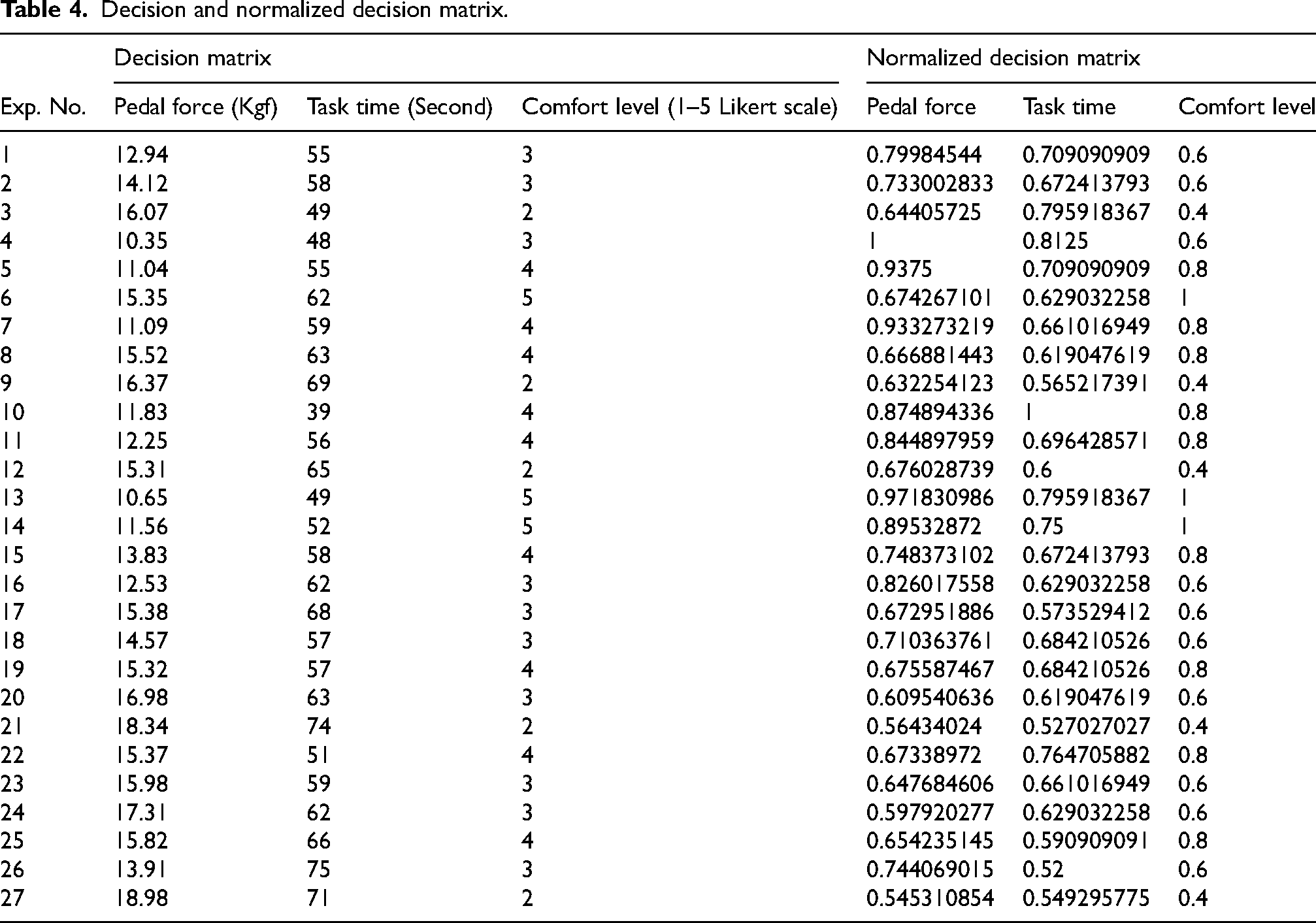
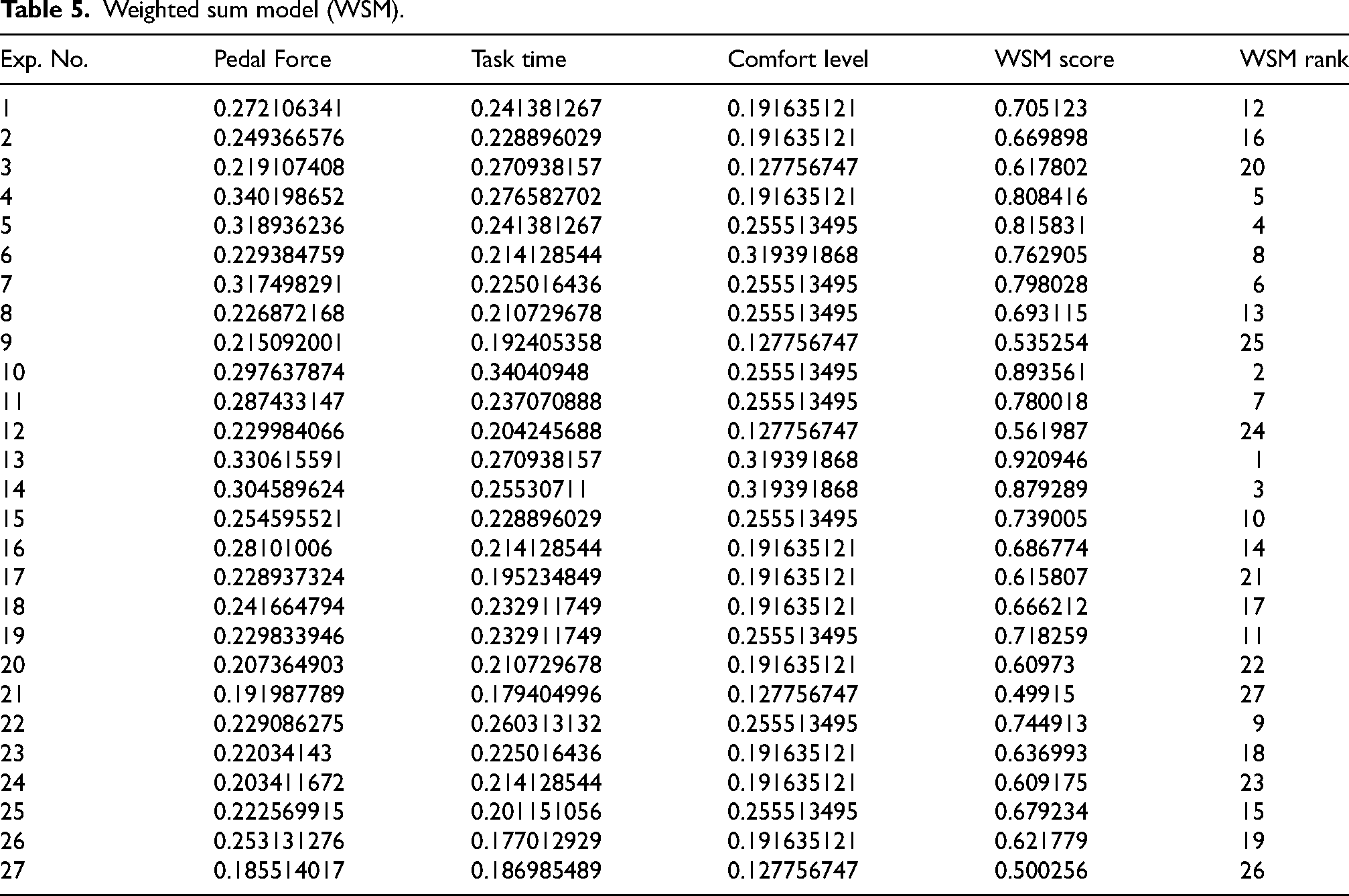
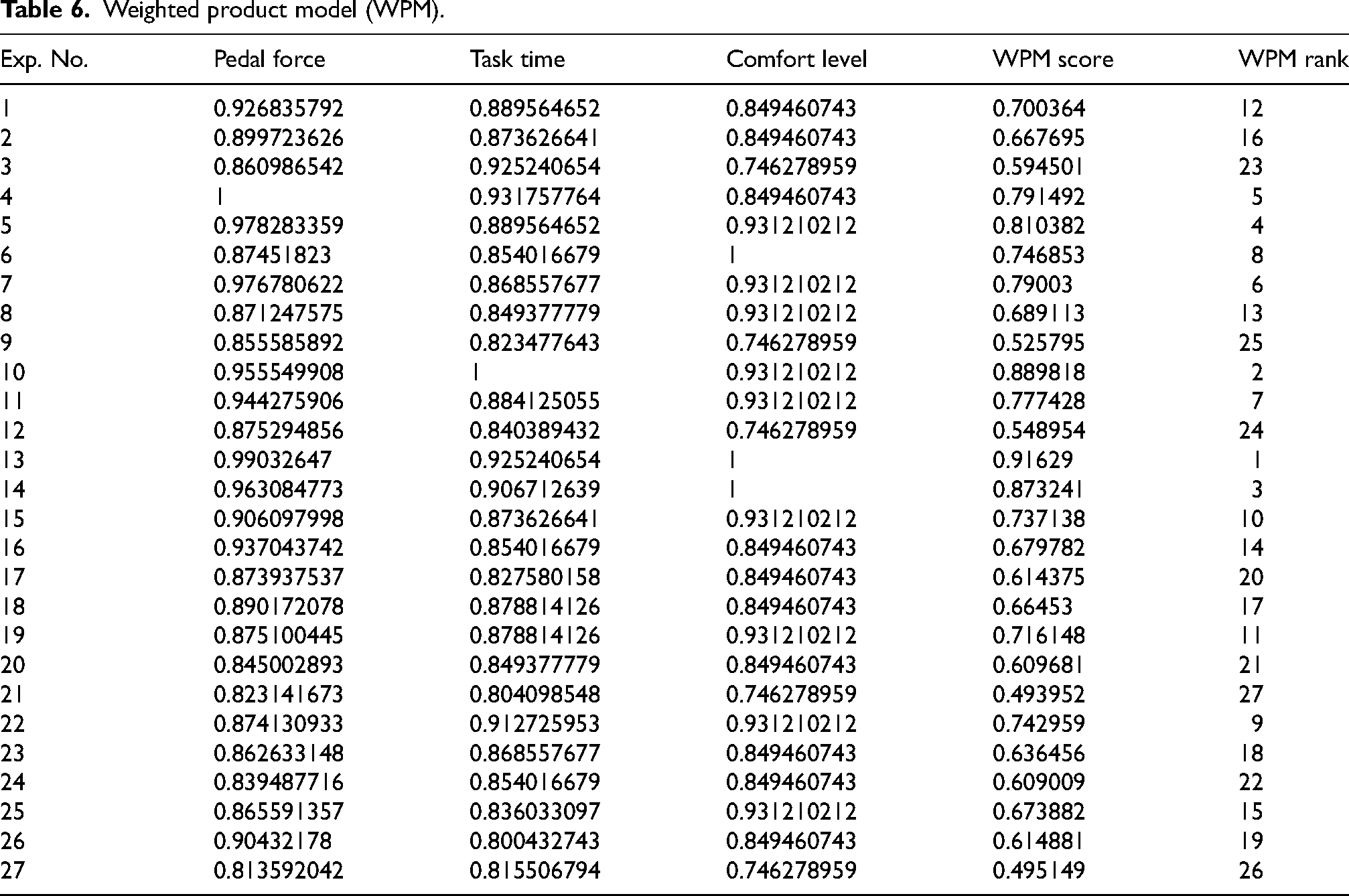
The WASPAS method was applied to determine a single index score based on the ranks for all three output responses. The weights determined from EWM were used to construct the weighted normalized decision matrix. The weighted sum and product matrix were obtained in Tables 5 and 6.
Weighted sum model (WSM).
Weighted product model (WPM).
The calculated WASPAS score and ranks of the experiments are presented in Table 7. The results revealed that experiment number 13 ranks first, indicating the input parameters for this experiment set, i.e., pedal height of 35 cm, worker distance of 80 cm, and worksheet thickness of 30 gauge, are optimal for the multi-response analysis.
Rank of an experiment by different MCDM method.
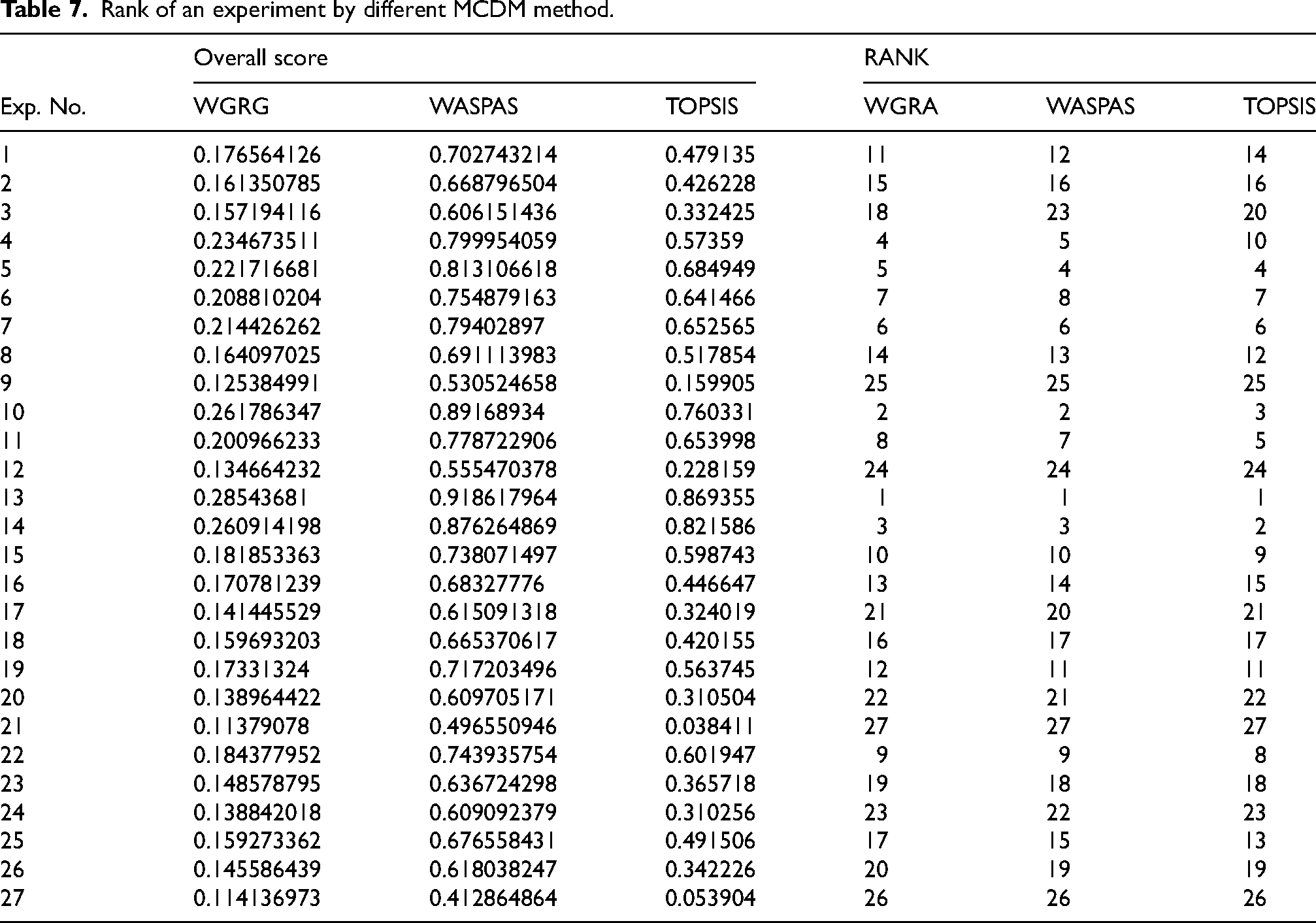
Additional WGRA and TOPSIS analyses were conducted to validate the results obtained through WASPAS. Integrating WGRA and TOPSIS within the WASPAS framework is crucial, as each method provides complementary strengths. WGRA excels in managing subjective criteria and addressing incomplete data, such as variability in comfort levels, while TOPSIS is particularly effective in identifying alternatives closest to the ideal solution. The WASPAS method combines the strengths of both approaches by integrating additive and multiplicative scoring techniques, resulting in more consistent and reliable rankings than individual methods, as evidenced by the ranking discrepancies shown in Table 7. The robustness of the findings is further confirmed by the consistent optimal rankings achieved across all three MCDM methods.
The advantages of the proposed WASPAS method are that, unlike WGRA, which handles subjective criteria like comfort, and TOPSIS, which focuses on proximity to the ideal solution, WASPAS effectively integrates subjective and objective factors, such as comfort level, task time, and pedal force. 72 This makes it more suitable for ergonomic optimization, where different criteria must be considered simultaneously. Additionally, WASPAS reduces ranking inconsistencies using single methods like WGRA or TOPSIS. By combining both models, WASPAS provides more reliable and consistent rankings, as validated by the results in Table 7.
Furthermore, WASPAS is computationally efficient, making it ideal for practical applications in industrial environments requiring quick decision-making. 73 This method offers more accurate and nuanced rankings, making it particularly well-suited for optimizing complex ergonomic setups like those in manual spot welding.
The results show that the integrated approach offers clear differentiation and more reliable rankings than WGRA, TOPSIS, or WASPAS alone, leading to precise and applicable insights for optimizing process parameters. The empirical validation of this integrated approach confirms that the combined MCDM approach yields consistent and reliable rankings, as validated by WASPAS results.
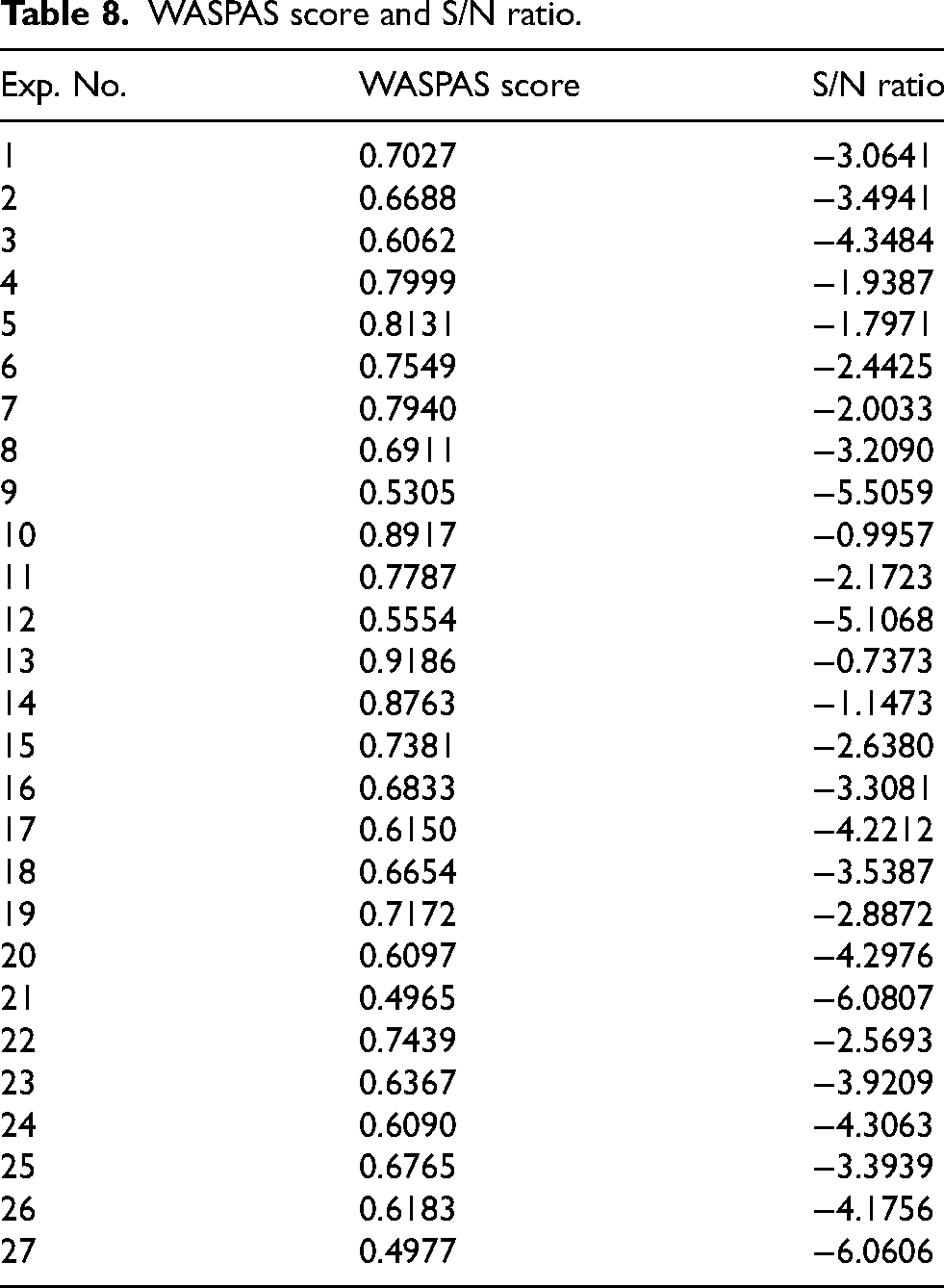
However, the parameter setting may not be optimal because these identified by MCDM methods might only be optimal in some practical scenarios.74,75 Variability in real-world conditions could influence the effectiveness of these settings, leading to deviations from the theoretical one. Therefore, further modification may be necessary to achieve the best results in specific applications. Taguchi's approach, which includes calculating the signal-to-noise (S/N) ratio and performing an analysis of means (ANOM) for each level of the input parameters, has been used to address modifications. Further experimental validation ensures the proposed settings are robust and effective across a broader range of conditions beyond the initial MCDM approach. The quality characteristic of the WASPAS score is that the best result is obtained at a higher value. The signal-to-noise (S/N) ratio for scenarios where a higher value is preferable can be calculated using Eq. 1. Therefore, the S/N ratio for the WASPAS score was determined using Eq. 1, given in Table 8.
WASPAS score and S/N ratio.
Where i is the experiment number, r is the replication number, n is the number of replicates, and
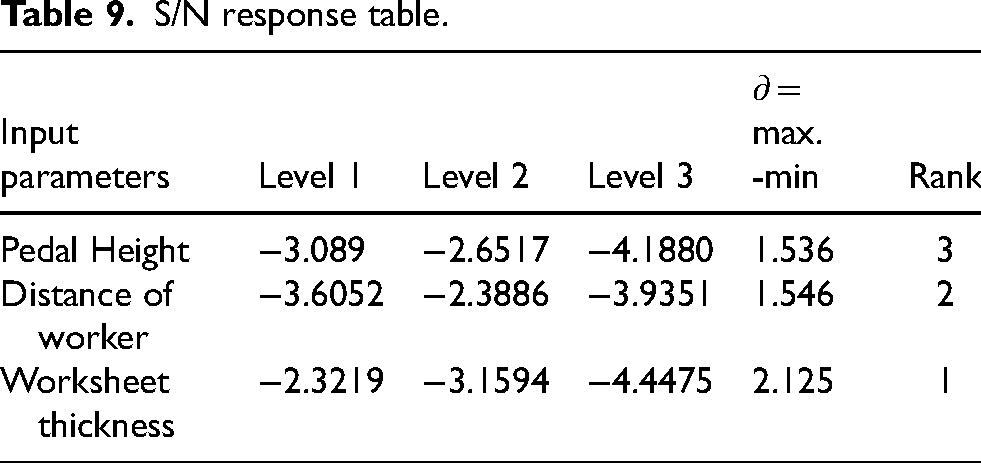
Subsequently, ANOM was performed, and the values of the mean S/N ratio at each level of the ergonomic parameters were calculated as per the procedure available in the literature. 76 The results of ANOM are presented in Table 9 (S/N response table). Regardless of the quality characteristics of the variable, the levels of the input parameters at which the S/N ratio is maximum are selected as the optimal level. Further, a response graph for the S/N ratio was also plotted, which is shown in Figure 6. It can be seen from Table 9 and Figure 6 that the optimal setting of parameters for optimum multiple responses of the spot-welding task is A2B2C1, i.e., pedal height 35 cm, worker distance 80 cm and sheet thickness 30 gauge (0.3 mm). Furthermore, Table 9 also reveals that worksheet thickness is the top-ranked input parameter, which indicates that all three output responses are highly sensitive to worksheet thickness, followed by worker distance and pedal height.
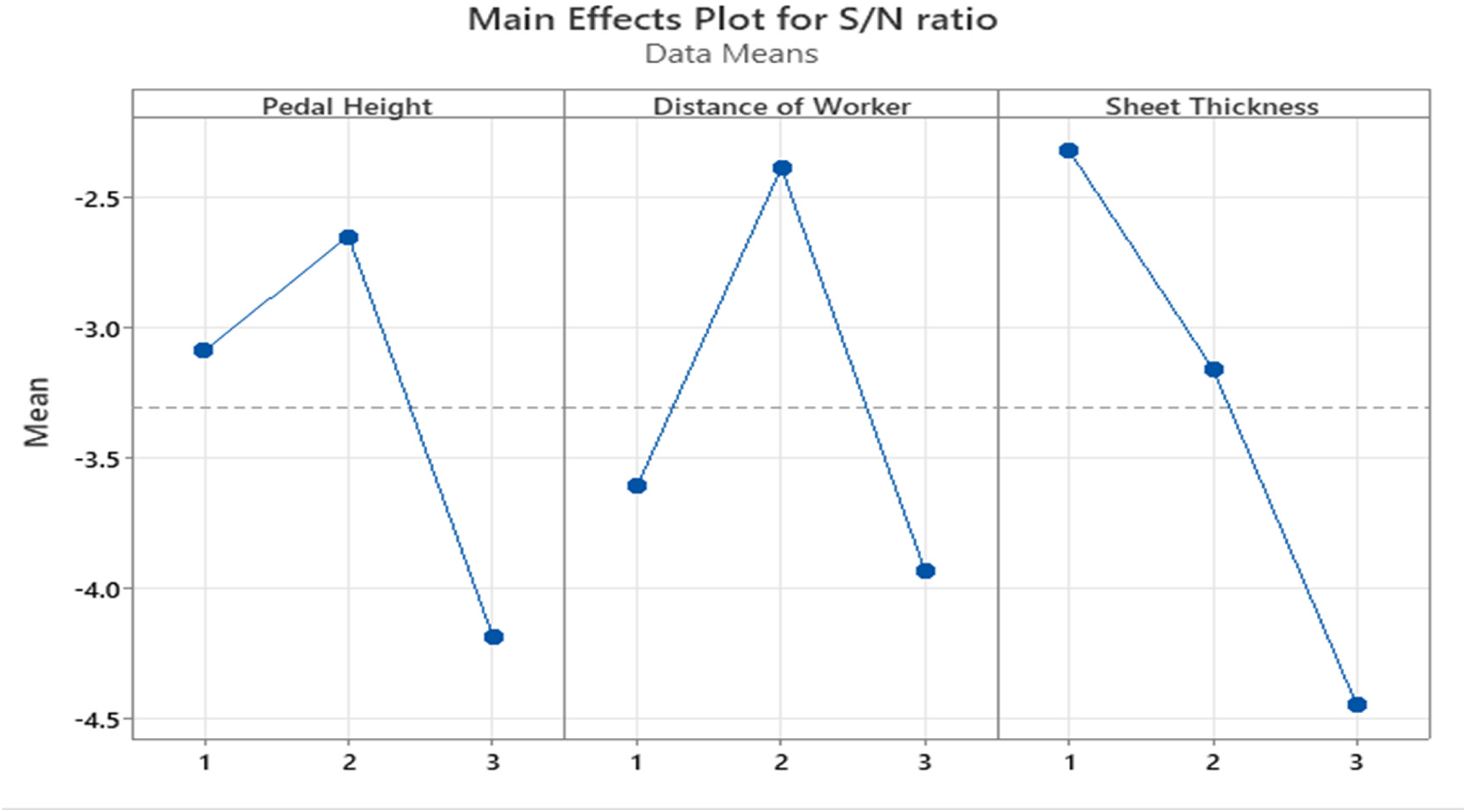
Response graph for S/N ratio.
S/N response table.
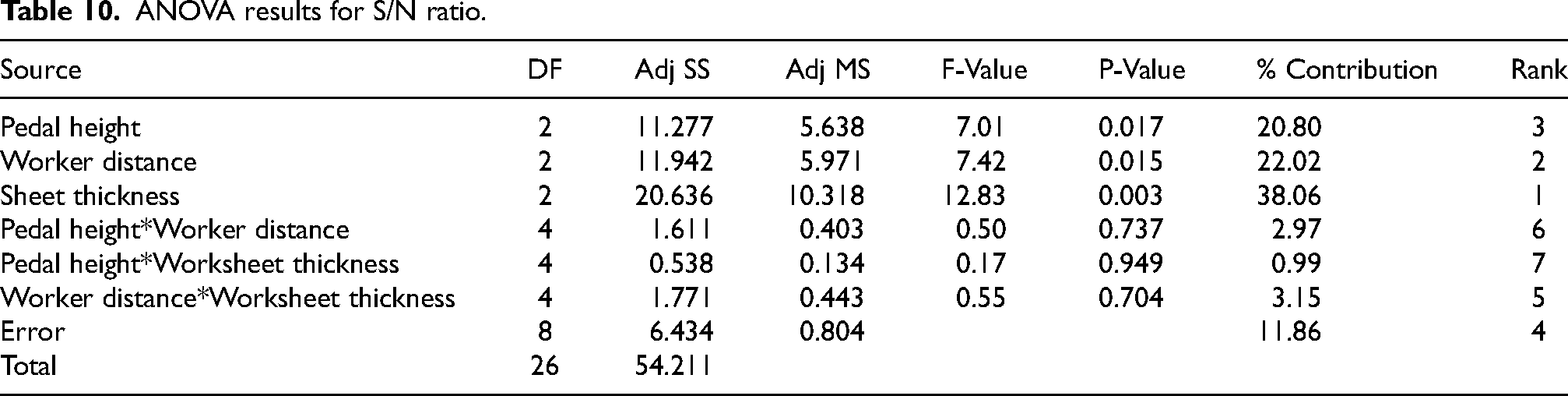
Analysis of variance (ANOVA) using the S/N ratio was carried out at a significance level of 95%, i.e., α = 0.05, to determine which input parameter significantly affected the multiple responses. Researchers have extensively used ANOVA, 77 a well-established statistical method, and its detailed procedure is available in the literature. 78 The results of ANOVA, Table 10, depict that pedal height (A), worker distance (B), and worksheet thickness (C) significantly affect the multiple output responses on the basis of a p-value less than 0.05, whereas the interactions of factors are insignificant.
ANOVA results for S/N ratio.
The non-significance in interactions indicates that while each factor independently influences the responses, their combined effects are not greater than their individual contributions. It could be due to additive effects, where each factor contributes independently without amplifying or diminishing others. Additionally, the study design or measurement tools might have needed to be more sensitive to detect subtle interactions. The levels of the factors chosen might have needed to be more variable to show noticeable interactions, and workers may adapt to different combinations of factors, indicating non-significant interaction effects.
Additionally, a confirmation test was performed using Eq. 2, known as Taguchi's prediction formula, to validate the optimization result.
36

The equation predicts an optimized value (∅Pred) based on the combination of mean values (∅m) and individual contributions or deviations (∅A2, ∅B2, ∅C1) from this mean. Such formulas are commonly employed in statistical modelling or design of experiments (DOE) to predict outcomes based on individual factors. The predicted S/N ratio at the optimal input parameter setting was calculated using Eq. 2, which was found to be −0.7438 dB. The experimental S/N ratio at the optimal setting of the input parameter settings corresponds to the S/N ratio of experiment number 13, which is −0.7373 dB. A small difference (0.88%) between the experimental and predicted S/N ratio indicates successful validation of the optimal setting of the input parameters that achieve the desired multiple responses.
The validation phase using the Taguchi prediction equation presents challenges such as potential inaccuracies in S/N ratio predictions and variability arising from the inclusion of uncontrolled noise factors. Additionally, the exclusion of complex factor interactions and non-linear relationships within the Taguchi prediction equation may lead to unrealistic outcomes. Overcoming these challenges requires rigorous experimental design and precise implementation.
This study explores practical implications for designing foot-operated resistance spot welding interfaces to enhance worker comfort, safety, and productivity. Workstations should feature adjustable platforms to accommodate different heights and physical capabilities, ensuring proper posture, reducing strains, and, ultimately, WMSDs and other physiological performances. Adequate clearances under the work surface are critical for comfortable movement and preventing awkward postures. Workstations designed on the basis of ergonomic considerations requiring minimal force and positioned to minimize awkward postures are critical. Interfaces should adjust to varying sheet metal thicknesses to reduce physical effort and strain. Tools and materials must be easily accessible to minimize extensive reaching or bending. Task rotation and breaks are advised to distribute physical demands, and regular worker feedback and training on ergonomic practices are essential for effective implementation. These measures collectively enhance the industrial work environment.
As the manufacturing industry continues to evolve, the outcomes of this research are anticipated to influence not only the theoretical understanding of manual spot welding but also practical applications, supplying industry ergonomic standards and best practices. By delving into the intricacies of these fundamental parameters, the aim is to advance manual spot-welding techniques and foster improvements in weld quality, operator safety, and overall productivity.
Conclusions and scope for future work
The present work was carried out to find the optimal working conditions for the spot welders in terms of pedal force, task time, and comfort level. The first output response represents injuries and WMSDs; the second corresponds to the productivity, and the third advocates overall comfort. Integrated EWM-WASPAS MCDM method, S/N ratio, ANOM, and ANOVA were applied for the analysis. The following conclusions are drawn:
(i) Among the considered output responses, task time is the most significant, followed by pedal force and level of comfort for the considered domain of input variables to obtain an optimal spot-welding working environment. (ii) The combination of the input parameters that yields optimum multiple responses is A2B2C1, i.e., pedal height: 35 cm, worker distance: 80 cm, and worksheet thickness: 30 gauge (0.3 mm). This result will also help to establish a sustainable working environment. (iii) On the basis of the S/N ratio and ANOM, it is explored that the WASPAS score of output responses is highly sensitive to the worksheet thickness followed by the worker distance and pedal height. (iv) The ANOVA performed on the basis of WASPAS score indicated the significant effect of the three input parameters in spot-welding interface design. However, no significant interaction was observed. (v) Confirmatory test validates the multi-response optimization results of the present study with a deviation of 0.88% between experimental and predicted values.
This study indicates that ergonomic factors such as pedal height, worker distance, and worksheet thickness significantly affect task performance and comfort level in spot welding. Limitations of this study are the use of subjects for experimentation and the use of a controlled environment. Although the naive subjects and controlled environment were used for experimental tasks, the subjects were well-trained before the actual experimentation, and the environment was properly setted for the spot-welding operation. Therefore, through the experimentation with the considered subject and environment, compared to the real-world situation, which was much more challenging to organize, the obtained result may not have a significant difference comparatively. Future research may involve a real working environment to validate and extend these results. The present study can, however, be extended by considering more input parameters like subject anthropometry with more levels to improve the robustness and comprehensiveness. Further, additional output responses, such as physiological performance like heart rate, oxygen consumption, etc, and cognitive performance like search time and select time, etc., may be included in future studies. Fuzzy-based MCDM methods, response surface methodology (RSM), evolutionary optimization methods, and machine learning-based algorithms may be used by researchers in future studies to improve results.
Footnotes
Acknowledgements
The authors express their sincere gratitude to the Department of Mechanical Engineering, Aligarh Muslim University, for providing the facilities necessary to conduct the experiments. They also extend their thanks to the Editor-in-Chief and the reviewers for their valuable feedback and efforts in enhancing the quality of this manuscript.

Ethical approval
This study was approved by the Institutional Ethics Committee of Dept. of Mechanical Engineering, Aligarh Muslim University Aligarh, UP, India: 03(B)/12th January 2024.
Informed consent
Informed consent was obtained from all participants involved in this study.
Funding
The authors received no financial support for the research, authorship, and/or publication of this article.
Declaration of conflicting interests
The authors declared no potential conflicts of interest with respect to the research, authorship, and/or publication of this article.