







Abstract
Background
The maritime industry, despite rigorous safety measures, remains a high-risk sector due to persistent human errors.
Objective
This study aims to assess mental workload, accuracy, and attention across various mental states and explore the relationships among key variables affecting cognitive performance through a Bayesian network (BN) analysis.
Methods
Data were collected from 51 officers at a maritime training center using demographic surveys and the NASA Task Load Index (NASA-TLX) mental workload index. Participants were then subjected to three different simulation scenarios, during which their physiological responses and brain waves were recorded.
Results
Results indicated that effort scored the highest and failure the lowest among the dimensions assessed. Notably, the average heart rate increased from 74.33 beats per minute at rest to 85.92 after the second scenario, signifying heightened physiological stress. Post-scenario analyses showed an increase in attention and alertness levels compared to the resting state, while meditation levels decreased. Physiological responses, including heart rate and blood pressure, were found to elevate after rest periods, correlating with decreased attention and increased mental workload, as evidenced by the BN findings.
Conclusions
These results underscore the intricate interplay between physiological responses and cognitive performance, highlighting the critical need for targeted strategies to mitigate human errors in maritime operations.
Keywords
Introduction
One of the fundamental concerns in the maritime industry is safety at sea, given its direct and indirect impacts on human health, the marine environment, and cargo. Industry professionals strive to enhance safety by implementing various laws and regulations. The International Maritime Organization (IMO) has developed a series of conventions to mitigate risks and hazards at sea. Risk, defined as a combination of the probability of events occurring and the severity of human, environmental, or asset damage resulting from those events, is a key aspect of maritime safety. 1 Studies comparing different transportation modes2–6 indicate that the fatality rate per 1000 employes in maritime transportation (0.24) is approximately four times higher than that in air transportation (0.06). Lu et al. 7 emphasize that the maritime industry is one of the high-risk service sectors, and despite efforts by maritime companies to ensure workplace safety, completely eliminating human errors and failures remains a challenge. Hollnagel introduced the concept of human error as an action that leads to unexpected results or unintended consequences, preferring the term “mistake” over “human error.” Mistakes can result from cognitive or decision-making deficiencies, affecting the planning or execution of an action. Hollnagel's emphasis on this distinction is significant, recognizing that human error can be viewed not only as the causal factor in an incident after its occurrence but also as a flaw in cognitive processes or thinking, encompassing the planning and execution of actions. 8 Research has identified human error as a significant contributing factor in maritime accidents. These errors can arise from inherent physiological and psychological limitations of humans, and their precise causes are often difficult to discern due to their complexity. 9 Studies in this field have demonstrated that a substantial proportion of accidents in maritime transportation are attributable to human error.10,11 The intricate nature of the systems and environments where humans operate implies that safety processes are not linear but are guided by a complex network of relationships and behaviors involving humans, technology, and their surroundings.12,13 Recognizing the impact of human factors on accidents, maritime personnel, and shipping companies globally acknowledge the role of human errors. In 1976, a research team in the UK determined that human error was responsible for 80% of incidents. 14 Subsequent studies on maritime accidents consistently suggest that human errors play a predominant role in these incidents. 15 However, it is crucial to emphasize that while human factors are frequently implicated, personnel are not always solely responsible. Other factors, such as organizational, environmental, managerial, and individual elements, including fatigue, workload, mental state, and physical health, can also contribute to incidents. 16 Human factors play a pivotal role in maritime accidents and are typically intertwined with various related elements. These include working conditions, the physical and natural work environment, methods and procedures, technology, training, organization, and management. Crucially, human factors are closely tied to individual aspects such as fatigue, workload, mental state, and physical health. 17 The majority of maritime accidents result from a combination of various causes, including inadequate competence of individuals, fatigue, lack of communication, improper equipment maintenance, different personality types, general health conditions, failure to adhere to safety culture and protocols, insufficient training, poor situation awareness, stress, and alterations in physiological parameters resulting from these factors.18,19 Despite human factors being recognized as a primary factor in significant maritime incidents, a lack of effective information and poor data quality present significant obstacles in researching the role of human factors in various incidents.20–23 An analysis of 880 incidents between 2011 and 2015 revealed that 62% were attributed to human errors. 24 It is commonly asserted that 80% of all incidents at sea result from human error. However, a more precise assertion would be that all maritime incidents are caused by human error, given the inevitable human input involved, regardless of the level of automation in the design or operation of a vessel or its systems. 25 In this study, workload constitutes one of the variables under investigation. It represents a multidimensional and mental concept that reflects the level of resources essential to meet both qualitative and quantitative performance criteria within a task. This requirement can vary based on task specifications, external support, and past experiences. 26 When the mental workload exceeds or falls short of the necessary level, it not only diminishes individual performance but also impacts the overall efficiency of the system in the long term. 27 Past experiences have demonstrated that neglecting the well-being of human resources transforms work environments into some of the most dangerous places for employes, consequently incurring significant costs for the organization as well. From the perspective of ergonomics science, the primary factor contributing to injuries and occupational accidents is the disparity between the workload imposed on individuals and their abilities and limitations. 28
The brain, being one of the human body's most crucial components, consists of billions of neurons that communicate with each other using electricity. This electrical activity in the brain gives rise to brainwaves. These waves are generated by synchronized electrical pulses from groups of neurons and can be detected using tools such as electroencephalography (EEG), an integral part of signal analysis.
29
Brain waves respond to changes in reaction to our activities and emotions. They are categorized into broad frequency bands, each describing a specific aspect of brain activity. When slow brain waves predominate, we experience sensations of fatigue, lethargy, sluggishness, and drowsiness.
30
Conversely, during periods of dominance by fast brain waves, we undergo an excessive increase in alertness and wakefulness.
31
Various tools are available for measuring brain waves, and in this study, a portable brain wave recording device was utilized. This device is equipped with video recording equipment to synchronize with the stimuli used. The headset includes a portable and wireless cap. Using this headset, levels of attention, medition, and alertness were measured. The sensor transmits interpreted brain wave data and can receive brain electrical activities to detect states of attention and meditation via Bluetooth. With this developed program, it is possible to record the average attention and meditation levels of individuals, as well as their subjective experiences during various tasks.
32
In this process, each state of brain activity undertaken during the cognitive tasks is assigned a score between 0 and 100 for the determined level of attention and meditation. These portable brain wave recording headsets can perform the following functions: measure attention levels, assess thinking and concentration levels, detect eye blink power, and classify EEG rhythms, including delta waves (0–4 Hz), theta waves (4–8 Hz), alpha waves (8–12 Hz), beta waves (12–30 Hz), and gamma waves (30–50 Hz).
33
Attention refers to the cognitive process of selective focus on one aspect of the environment, while disregarding other aspects and minimizing the impact of distracting factors. Applications of attention assessment include the detection or improvement of conditions such as hyperactivity and autism, examination of learning difficulties and enhancements in the classroom, monitoring infants and spinal cord injury individuals, recovery time from anesthesia, lie detection, assessment of alertness and attention during critical activities such as driving, piloting aircraft, ship navigation, train driving, and personnel in protective facilities, among others. To calculate eSense, the thinkgear Neurosky technology enhances the raw brain wave signals, eliminating ambient noise and muscle movement sounds. The eSense algorithm is then applied to the remaining signal, resulting in the interpretation of eSense measurement values. eSense measurement values do not describe precise numerical values but provide a range of activity. Recently, motor detection performance
34
and eSense measurement
35
have been validated, including various types of attention, vigilance, and cognitive performance parameters that impact learning ability.
36
Moreover, eSense Attention reflects the intensity of a person's focus, while eSense Meditation indicates the individual's state of relaxation.
37
However, instead of providing an exact number, eSense measurement indicates the range of brain activity. eSense measurement scales the level of these parameters within the range of 0 to 100, without units.
37
A value of zero signifies the inability to calculate the eSense level due to excessive noise, such as weak signals. The level of calculated values can be defined using the following scales
38
:
20–40: Low – Considered very low performance, indicating a need for mental rest. 40–60: Neutral – Represents a normal learning state. 60–80: Good – Considered a state of excellent learning. 80–100: High – The best learning state.
One of the main objectives in using various statistical models is to demonstrate the relationship between different variables resulting from a study. In this research, to identify the relationship or lack thereof between variables, different models can be used, one of which is Bayesian networks (BN). The BN network is a graphical method based on Bayesian inference widely used for analyzing complex relationships between causes and effects. Additionally, BN is used to determine the most effective parameter in the occurrence of the main parameter and the type of potential relationships. The BN network consists of nodes, edges, and Conditional Probability Tables (CPTs). Nodes represent random variables, while edges indicate conditional dependencies between nodes, and CPTs provide logical transition from child nodes to parent nodes. 39 This structure helps in the detailed development of the network and simplification of assumptions, often expressed through challenging mathematical symbols. 40
The discussion of controlling and preventing accidents is a crucial and vital issue, and any action taken to control and reduce accidents represents a significant step towards preserving the human workforce, which is the greatest asset in any industry. Hence, by reviewing previous studies, it can be observed that the number of studies conducted in Iran regarding maritime accidents and the parameters involved in causing them is very limited and restricted. Therefore, considering that human factors are one of the main causative factors in maritime accidents, both offshore and onshore, and that there has been insufficient attention in Iran to monitor and evaluate the role of humans in maritime accidents, we conducted this study to investigate the workload of employes and determine the level of accuracy and attention of individuals using a portable EEG headset in the maritime industry. Furthermore, for quantitative analysis of the relationships among various variables and to elucidate the impact of human factors on maritime incidents, Bayesian network analysis was employed, given its effectiveness in modeling complex cause-effect relationships in maritime operations. Accordingly, the central hypothesis of this study is that higher mental workload and increased physiological stress—measured through heart rate and blood pressure—are associated with reduced cognitive performance, particularly lower attention levels, which may elevate the risk of human error during critical maritime scenarios.
Materials and methods
This study was conducted at a maritime training center focusing on officer trainees aiming to advance their maritime qualifications. The target population included bridge officer at various ranks (first officer, second officer, third officer, etc.) who enrolled in training courses at a training institute. The participants were required to have a minimum of one year of sea service on ships. Sampling was carried out through a census approach based on the collaboration of staff members, resulting in a sample of 51 officer trainees. Prior to data collection, participants were briefed on the study objectives, and demographic information (age, marital status, education level, work experience, etc.) was collected along with informed consent forms. Health status was assessed by reviewing participants’ medical records. Inclusion criteria comprised individuals without chronic physical or mental illnesses, with over a year of work experience, a willingness to participate, and educational qualifications higher than a diploma. Individuals with a history of antidepressant medication use, heart and vascular problems, and those regularly consuming caffeinated and alcoholic beverages were excluded from the study. The research process will be further detailed in the following sections.
NASA-TLX
The NASA Task Load Index (NASA-TLX) was employed as one of the questionnaires completed by participants in this study. Introduced by Hart and Staveland in 1988, the NASA-TLX is among the most recognized tools for individual subjective assessment of mental workload. This multidimensional questionnaire provides an overall score for mental workload based on the weighted average of six scales. These scales encompass three dimensions of the demands imposed on the operator during task performance (physical demands, mental demands, temporal demands) and three factors related to the outcome of the task (personal performance, effort exerted, level of frustration). The final mental workload score is calculated from the average of these dimensions. In the questionnaire, participants assigned scores from 0 to 100 to each of the six dimensions based on their own working conditions. The overall numerical value, representing the individual's total mental workload, ranges between 0 and 100. The validity and reliability of the NASA-TLX were established by Mazloumi and colleagues in 2013, yielding a Cronbach's alpha of 0.89. The NASA-TLX serves as a robust tool for evaluating mental workload and will be a critical component in the analysis of the study's findings.41,42
Introduction of conditions for simulation in the study
The study was conducted at the a Maritime Sciences Institute, which utilizes a simulator for ship handling training. This simulator facilitates the training and certification issuance for Watch Officers, Chief Officers, Captains, and Pilots in various types of vessels. Considering the significance of effective bridge management and its impact on global maritime casualties, the simulator is designed to align with the latest requirements of the IMO and the Regional Maritime Safety Authority.
Phase 1, Resting Room: Prior to the study, participants were briefed on the working methodology and procedure. The study subjects spent 15 min in a resting room (ambient sound: 50–65 decibels, lighting: 300–330 lux, temperature: 25–30 °C, and humidity: 40–50%). Physiological parameters (heart rate, systolic and diastolic blood pressure) were measured.
Phase 2, After the First Scenario: After the physiological responses were measured, participants proceeded to the simulator, where they encountered various sea scenarios reflective of real-life maritime situations. During this stage, the simulated environment emulated tranquil open sea conditions in daylight with minimal maritime traffic. Simultaneously, cognitive parameters of the individuals were gauged through a headpiece worn by each participant. The individual spent 15 min in the simulator, and immediately upon exit, physiological responses were measured.
Phase 3, After the Second Scenario: In this phase, the simulated environment was designed to replicate stormy conditions at open sea, nighttime settings, limited visibility, and high traffic volume. Concurrently, cognitive parameters of the individual were measured using a headpiece worn by the participant. The individual spent 15 min in the simulator under these challenging conditions. Immediately upon exiting the simulator, physiological responses were measured.
Definition of simulated conditions by the simulator
A) Oceanic Navigation or Open-Sea Navigation: In this type of maritime navigation, due to the remoteness of the vessel from shores and land, watch officers generally lack access to coastal landmarks and are compelled to rely on celestial or electronic navigation and satellite navigation. In oceanic navigation, the greatest risks involve facing sea storms, adverse weather conditions, and encounters with other vessels, all exacerbated by the considerable depth of the water.
B) Limited Visibility: Refers to conditions that restrict visibility, such as fog, dust, heavy snowfall, intense rainfall, sandstorms, and similar factors that impede clear vision.
Measurement of physiological parameters in resting and post-simulation conditions
A digital device (OMRON M3 model, made in Japan) capable of measuring heart rate, systolic blood pressure, and diastolic blood pressure was used. Before individuals were placed in simulated conditions, they rested in normal conditions for 15 min (resting state). Subsequently, physiological parameters (including heart rate, systolic blood pressure, and diastolic blood pressure) were measured. After measuring physiological parameters, individuals engaged in different work scenarios designed and planned by the captain in two different simulated conditions. Each scenario involved physical and mental work for 15 min, followed by immediate measurement of the individual's physiological parameters upon exiting the simulated space and completing the task.
Measurement of brain parameters using NeuroSky headset
The NeuroSky MW03 model was employed as the EEG recording device in this study. This wireless device is designed to detect human brain signals using an electrode placed in the frontal midline area of the individual's forehead, between the two brain hemispheres, while another electrode, serving as the reference for brain signals, is connected to the soft area behind the person's ear. The essential physical components of this device include ear clip, ear arm, battery compartment, power on/off button, adjustable headband, sensor tip, sensor arm, and the ThinkGear chip. The functionality of this device is based on two sensors that detect and filter EEG signals.43–45 The sensor tip on the forehead detects the electrical signal from the frontal lobe of the brain, while the sensor connected to the ear serves as a field for filtering electrical noise from the body and the environment. The sensor arm is a flexible arm with an electrode that acts as a detector for electrical signals on the left frontal side of the forehead. Additionally, the ear clip functions as a field to filter all electrical noise from the body and the working environment. After correctly placing the headset on the head and connecting the electrodes, the device is turned on and connected to the Android version of the Alwake software through Bluetooth (Figure 1). The received brain signals are then evaluated by the Alwake software, and brain waves related to the studied components (attention, meditation, and alertness) are recorded as numerical values ranging from zero (minimum) to 100 (maximum) under various conditions defined in the simulator.46–50
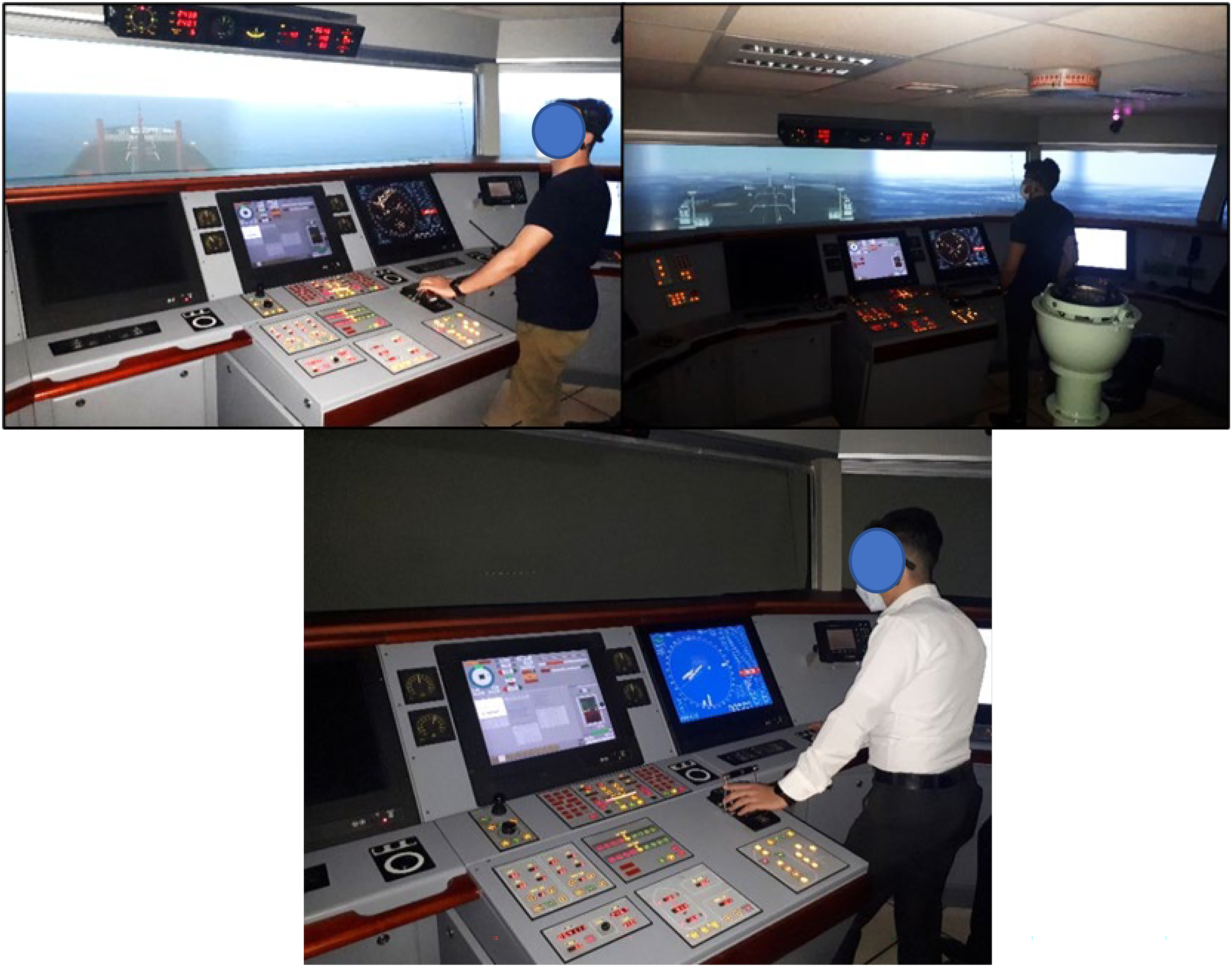
Placement of the headset on the participants’ heads during the simulation operation.
Bayesian network
As discussed earlier, influential factors are those variables that are statistically significant or may potentially have a negative impact on the parameter under investigation. For the construction of Bayesian network nodes, variables with the most significant changes in cognitive performance were selected. For instance, age cannot be considered a significant variable as the age range of participants was limited to 23 to 25. Therefore, variables that had the greatest impact on cognitive performance were chosen for entry into the Bayesian network. Consequently, the Bayesian network nodes were formed from parameters including blood pressure, heart rate, workload, and the final output of the attention variable. A brief description of each node is provided below:
Workload Node: This node represents a multi-dimensional process with various assessment levels, providing a self-assessment model for estimating mental workload using six scales. 51 The average workload score derived from these scales is utilized to calculate workload. The workload variable ranges from 0 to 100, divided into three intervals for ease of use: low, mild, and high, as depicted in the Bayesian network.
Blood Pressure Node: The normal blood pressure range, determined from relevant studies, is less than 80/120. Hence, this node has two states: normal (for individuals with normal blood pressure) and abnormal (for those with abnormal blood pressure), as indicated in the BN.
Heart Rate Node: The normal heart rate range (60 to 100 beats per minute) is utilized based on relevant studies. This node also has two states: normal (for individuals with a normal heart rate) and abnormal (for those with an abnormal heart rate), as represented in the Bayesian network.
Attention Node: In this process, each state of cognitive activity undertaken in the individual's brain activity is assigned a score between 0 and 100, representing the level of attention and meditation. The calculated values can be defined with the following scales:
0–40: Low – Indicates very low performance, requiring mental rest.
40–60: Neutral – Represents a normal learning state.
60–80: Good – Considered as a fully effective learning state.
80–100: High – Represents the best learning state.
Therefore, the Attention node in the Bayesian network has four states: Low, Mild, High, and Very High, capturing different levels of attention. The cognitive performance is assessed using three variables: Attention, Contemplation, and Alertness. In this study, the Attention parameter is used for Bayesian network construction and examining cognitive performance changes as it exhibits the most significant variations in different conditions.
Results
Demographic characteristics
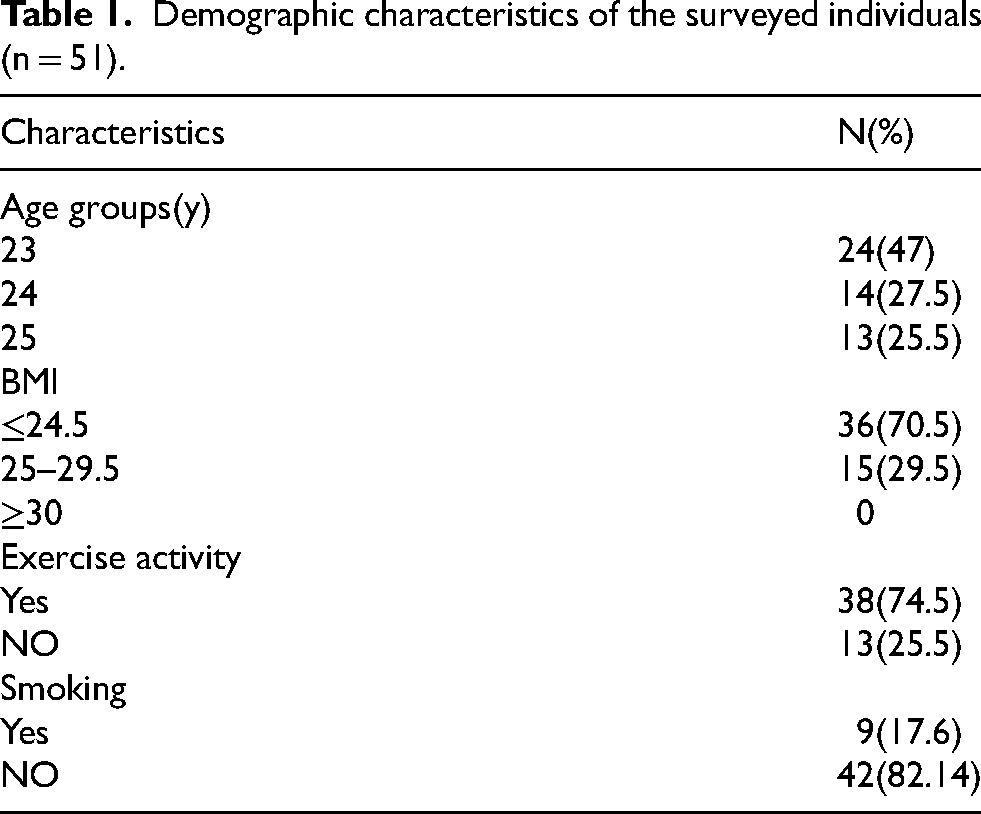
The demographic characteristics of the study participants are summarized in Table 1. A total of 51 male individuals were recruited for this study. All participants were employed under contractual agreements and held a bachelor's degree in maritime engineering. Additionally, all participating officers were single and had less than one year of seafaring work experience. The average age of the participants ranged from 23 to 25 years. The mean weight and height were recorded as 73.88 kg and 176.02 cm, respectively, resulting in an average Body Mass Index (BMI) of 23.87. This BMI falls within the normal range of 18.5 to 25, indicating that the participants were in good physical health. Notably, all participants were free from any reported medical history or current medication use.
Demographic characteristics of the surveyed individuals (n = 51).
Physiological parameter status
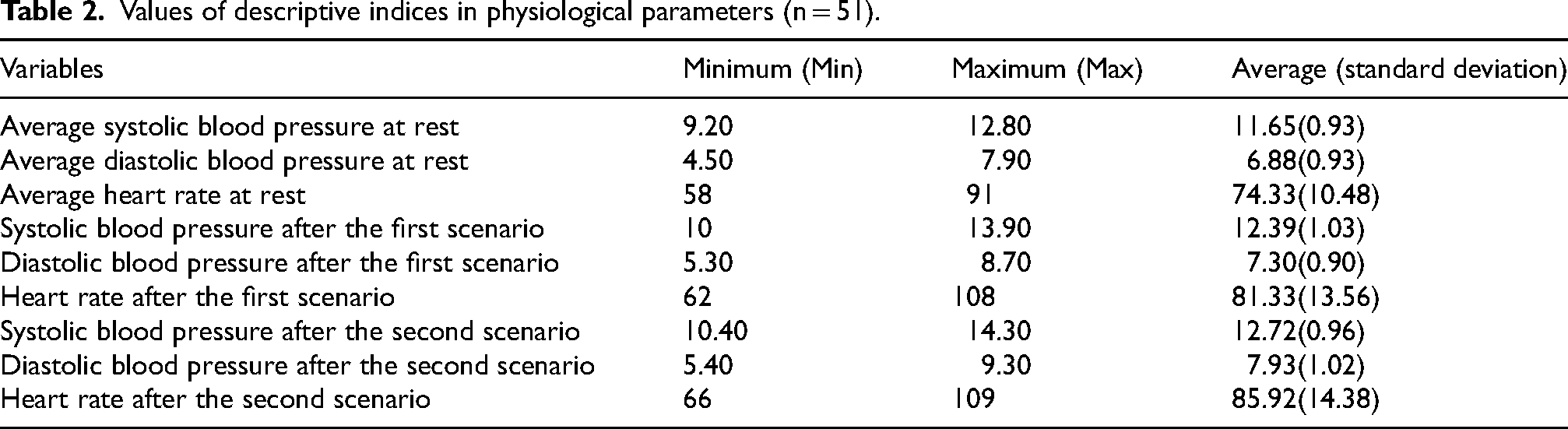
Descriptive statistics for physiological parameters are presented in Table 2. Based on the obtained results, it is observed that the systolic blood pressure levels at rest, after the first scenario, and after the second scenario are 11.65, 12.39, and 12.72, respectively. Therefore, there is an increase in systolic blood pressure after the implementation of scenarios. Similarly, the diastolic blood pressure levels at rest, after the first scenario, and after the second scenario are 6.88, 7.30, and 7.93, respectively, indicating an increase in diastolic blood pressure after scenario implementation. The average heart rate of individuals at rest, after the first scenario, and after the second scenario is 74.33, 81.33, and 85.92, respectively, indicating an increase in heart rate after scenario execution.
Values of descriptive indices in physiological parameters (n = 51).
Workload variable and its components status
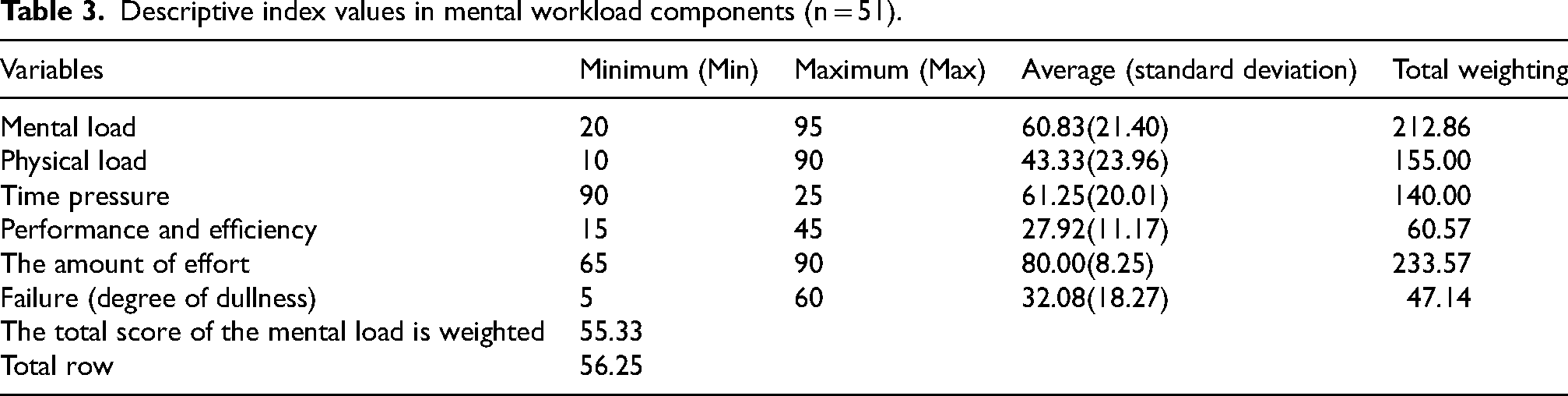
Descriptive statistics for the workload variable and its components (mental demand, physical demand, temporal demand, performance, effort, and frustration) obtained from the NASA-TLX questionnaire are presented in Table 3. According to the results of the mental workload assessment, in this study, the effort component with a mean of 80.00 (±8.25) received the highest score, while the frustration component with a mean of 32.08 (±18.27) received the lowest score compared to other components. Overall, the dimensions of frustration, physical workload, mental workload, temporal demand, performance, and effort had scores ranging from the lowest to the highest, respectively.
Descriptive index values in mental workload components (n = 51).
Cognitive performance variables
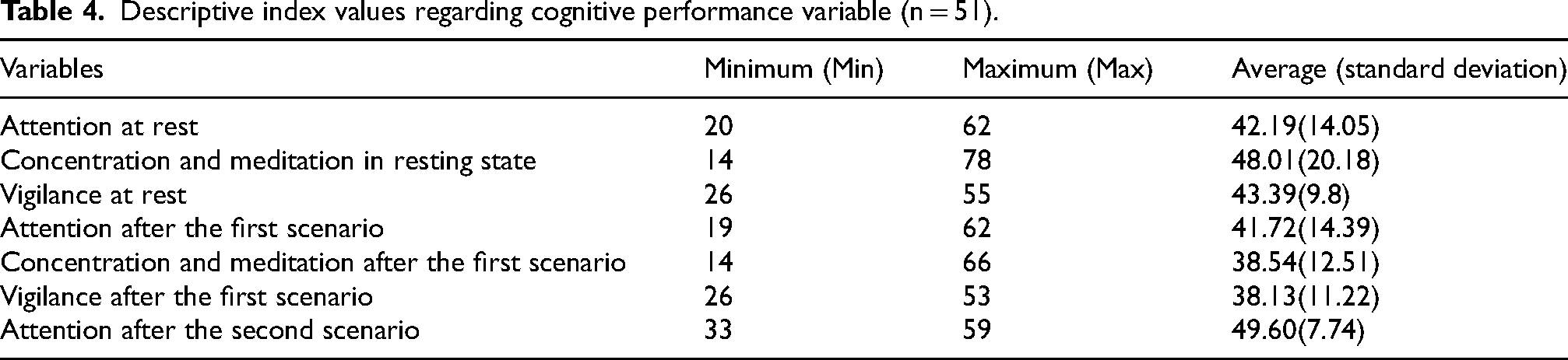
Descriptive statistics for the cognitive performance variable (attention, meditation, and alertness), measured in different conditions, are presented in Table 4. According to the results, the average attention in the resting state, after the first scenario, and after the second scenario is 42.19, 41.72, and 49.60, respectively. This indicates an increase in attention after the second scenario compared to the resting state. The average concentration in the resting state, after the first scenario, and after the second scenario is 48.01, 38.54, and 31.29, respectively, demonstrating a decrease in concentration after the scenarios. The average alertness in the resting state, after the first scenario, and after the second scenario is 43.39, 38.13, and 47.64, respectively. Here as well, an increase in alertness is observed after the second scenario compared to the resting state.
Descriptive index values regarding cognitive performance variable (n = 51).
Analysis of relationships between variables using Bayesian network
Each of the investigated states can be analyzed by constructing a Bayesian network. Initially, a Bayesian network is plotted for the “Resting State,” which is observable in Figures 2 and 3. As observed, blood pressure, heart rate, and workload are considered as parent nodes, and the attention variable is designated as the target node. By utilizing the variations in the first three variables, the state of the target variable (attention) can be predicted in the resting state.
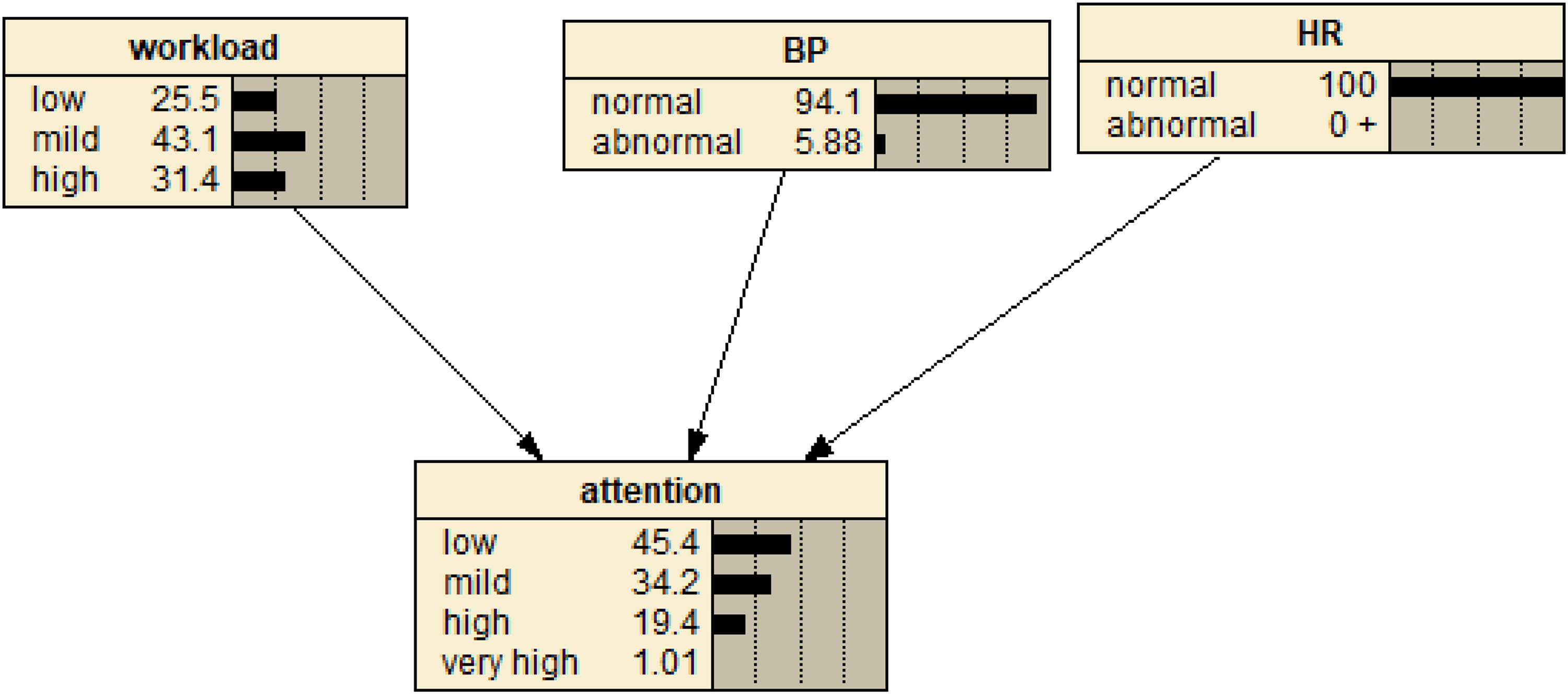
Bayesian network in resting state for attention variable.
According to Figure 4, with an increase in workload, the level of attention decreases. Moreover, a similar trend is observed with an increase in blood pressure and heart rate.
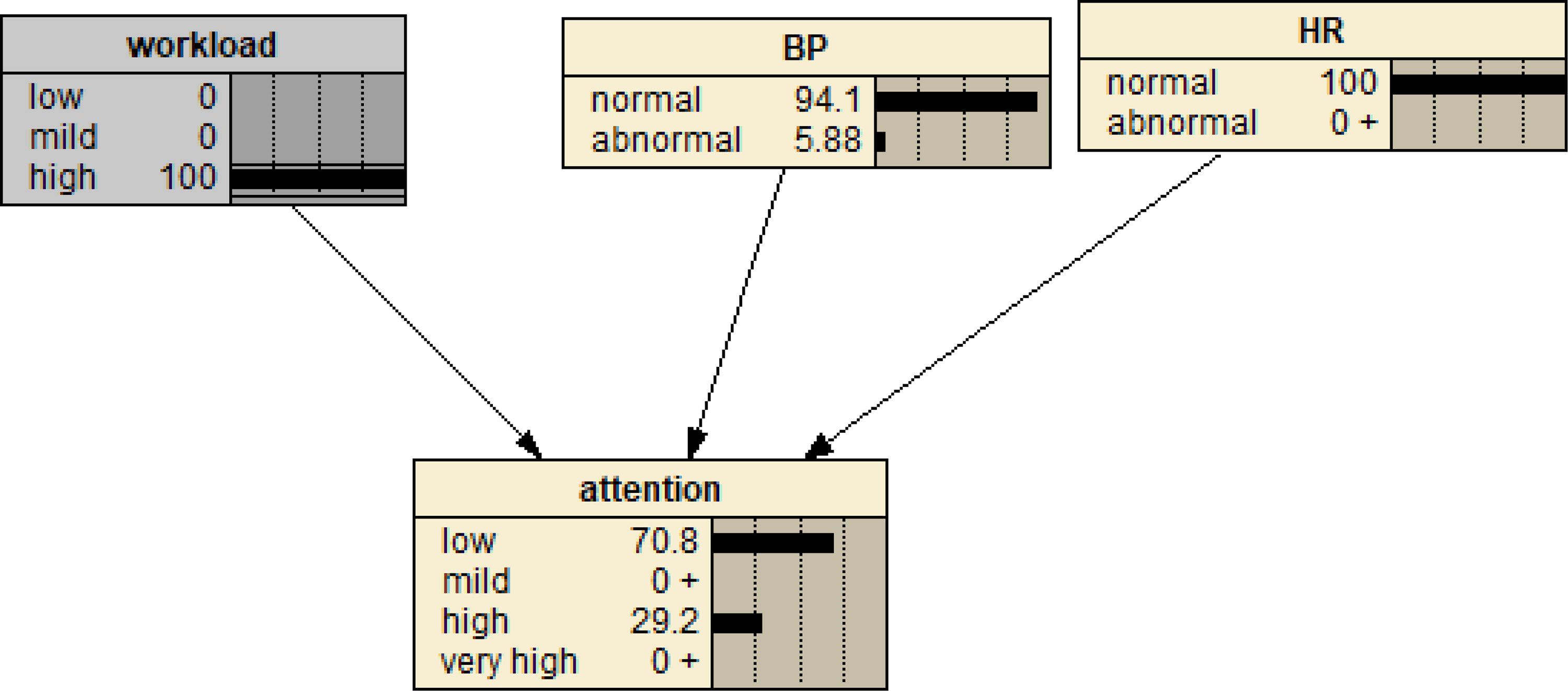
Bayesian network in resting state (workload change).
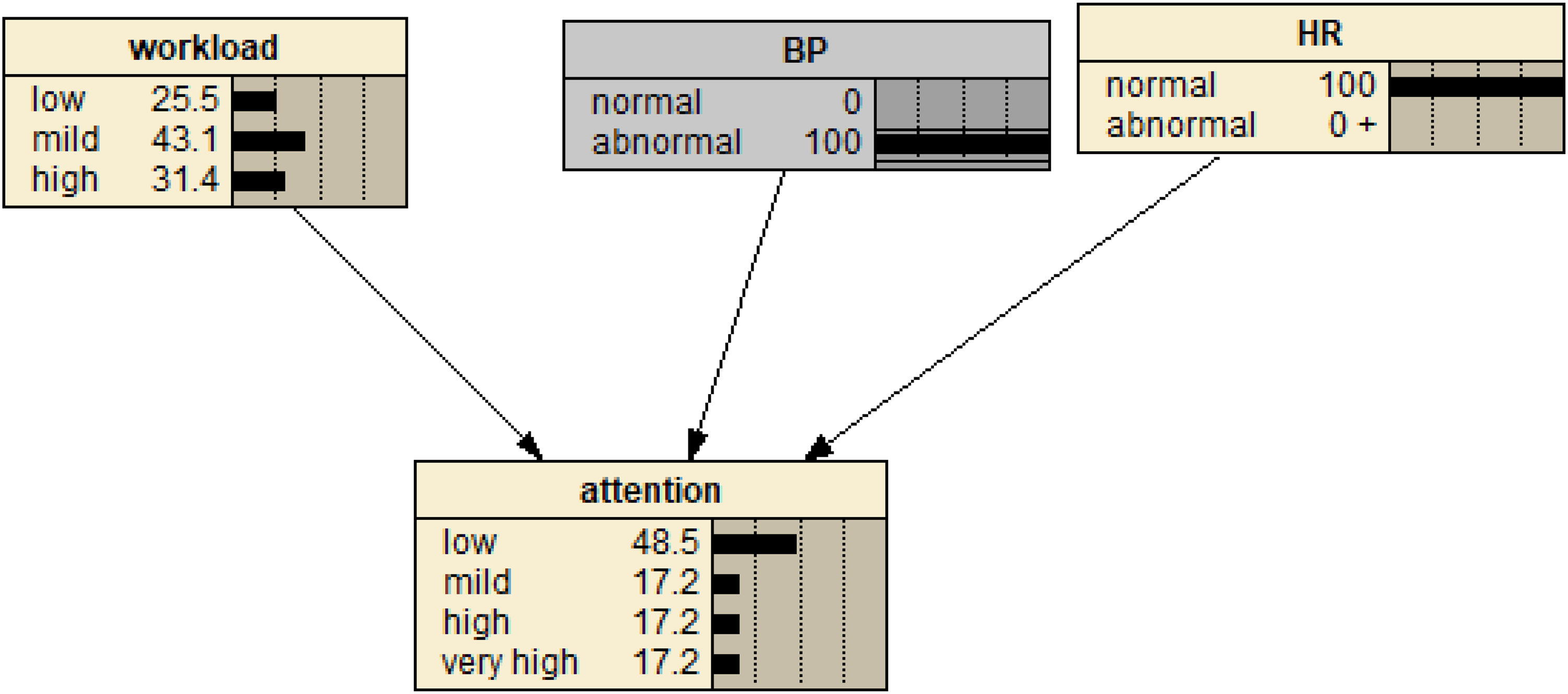
Bayesian network in resting state (blood pressure change).
The Bayesian network illustrated in Figure 5 is presented for “Scenario One.” As observed, blood pressure, heart rate, and workload are considered as parent nodes, and the attention variable is selected as the target node. By utilizing the variations in the first three variables, the state of the target variable (attention) can be predicted in Scenario One.
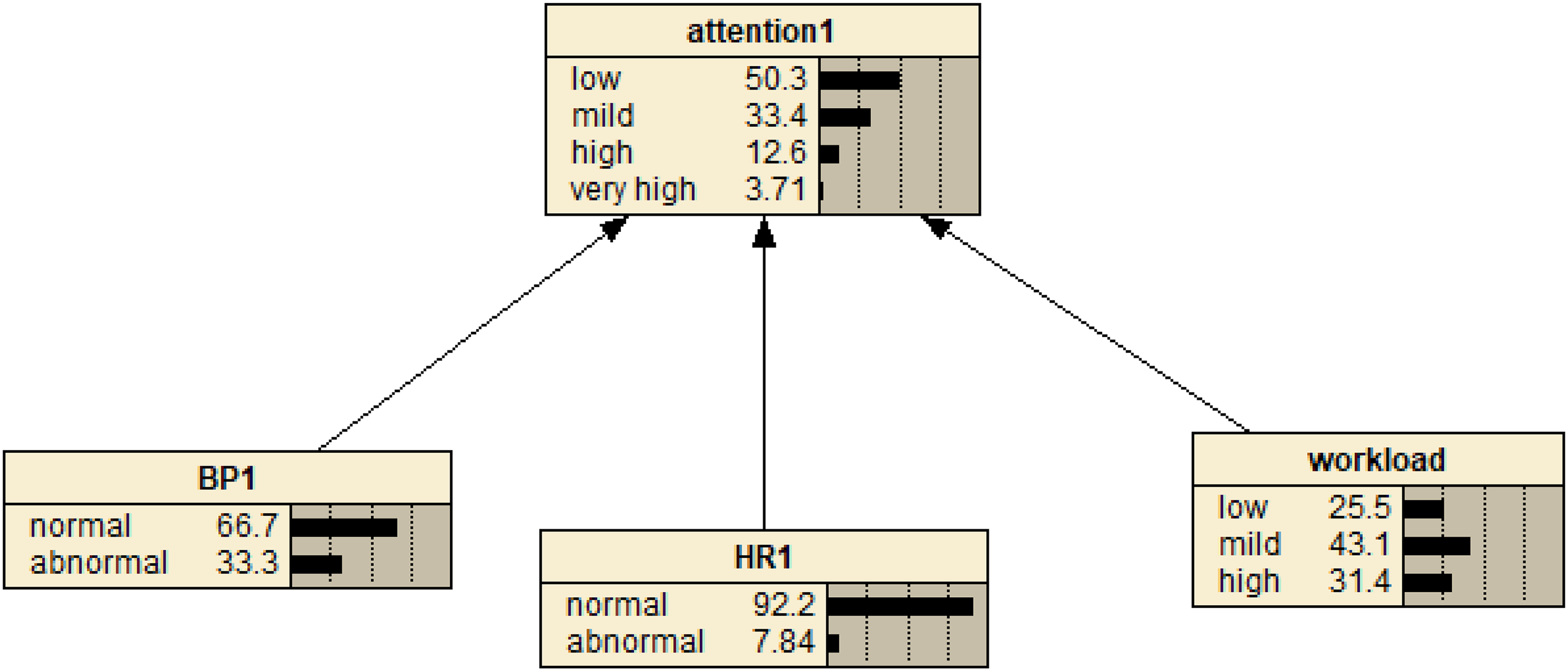
Bayesian network for first- scenario.
According to the above figure, with an increase in workload similar to the resting state, the attention parameter decreases. In comparison with the previous figure, the attention level, which was initially around 12%, decreases to 31.1% with an increase in workload.
In this figure, it can also be observed that when blood pressure and heart rate are high, the level of attention decreases, indicating an inverse relationship between them. The Bayesian network is illustrated for “Scenario Two” in Figure 8. As seen, blood pressure, heart rate, and workload are considered as parent nodes, with attention as the target node. By using the variations in the first three variables, the state of the target variable (attention) can be predicted in Scenario Two.
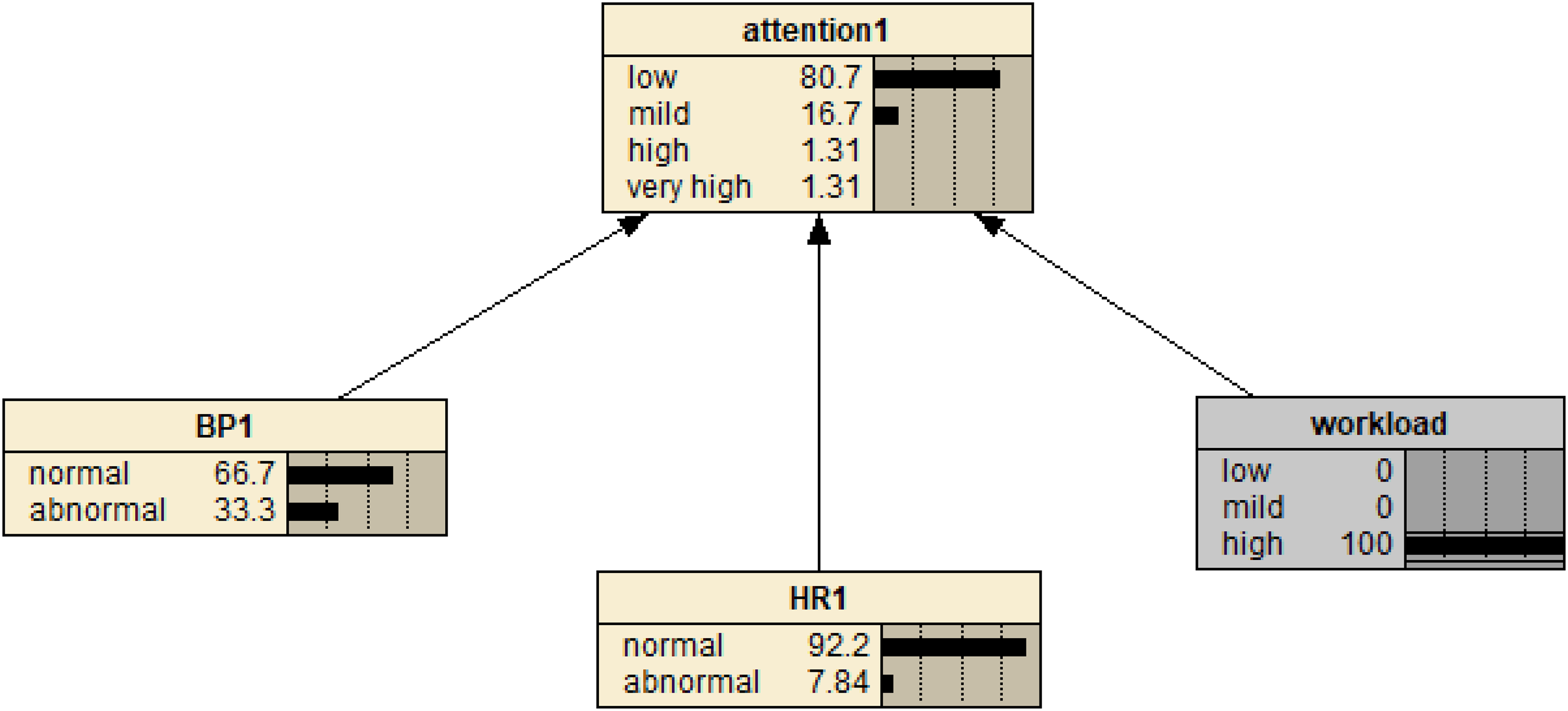
Bayesian network in first- scenario (change in mental workload).
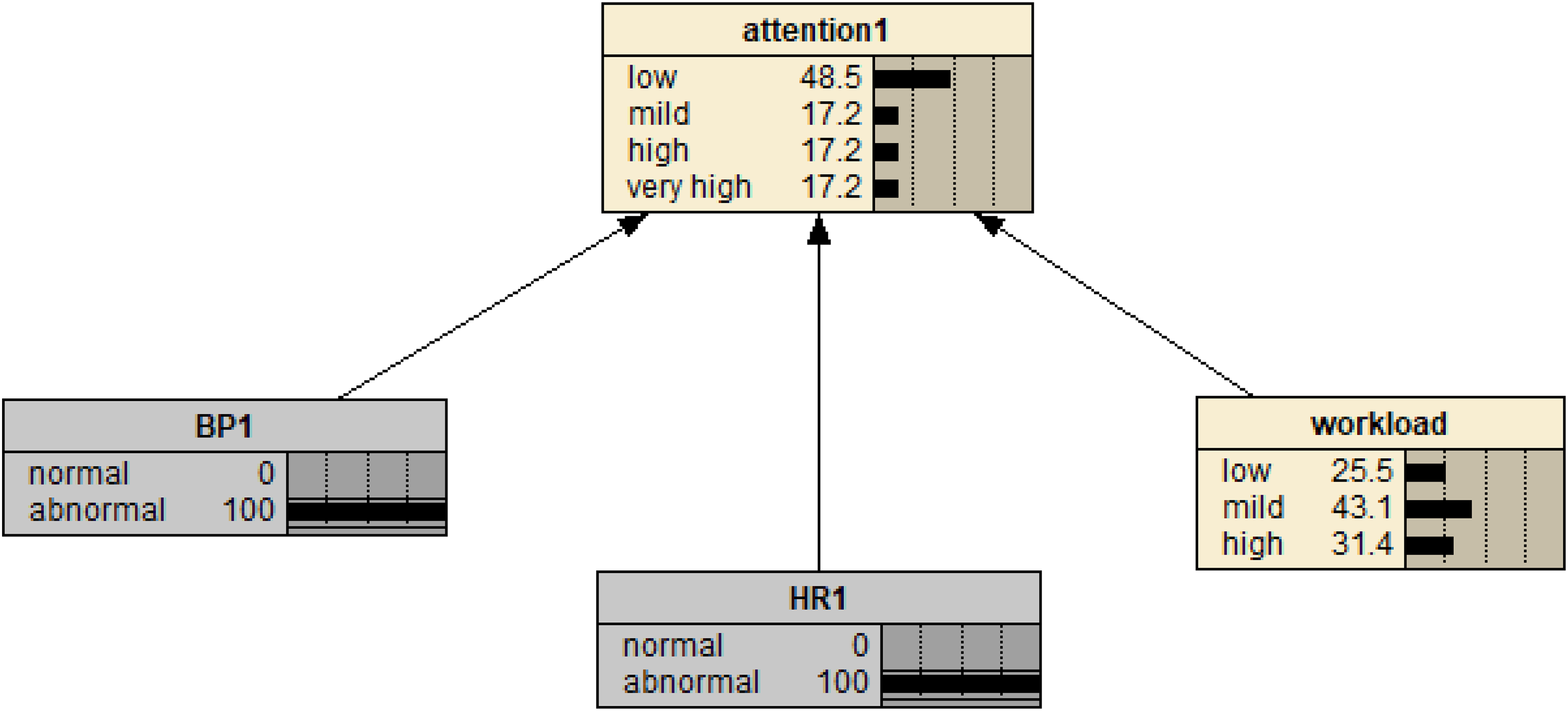
Bayesian network in first scenario (change in blood pressure and heart rate).
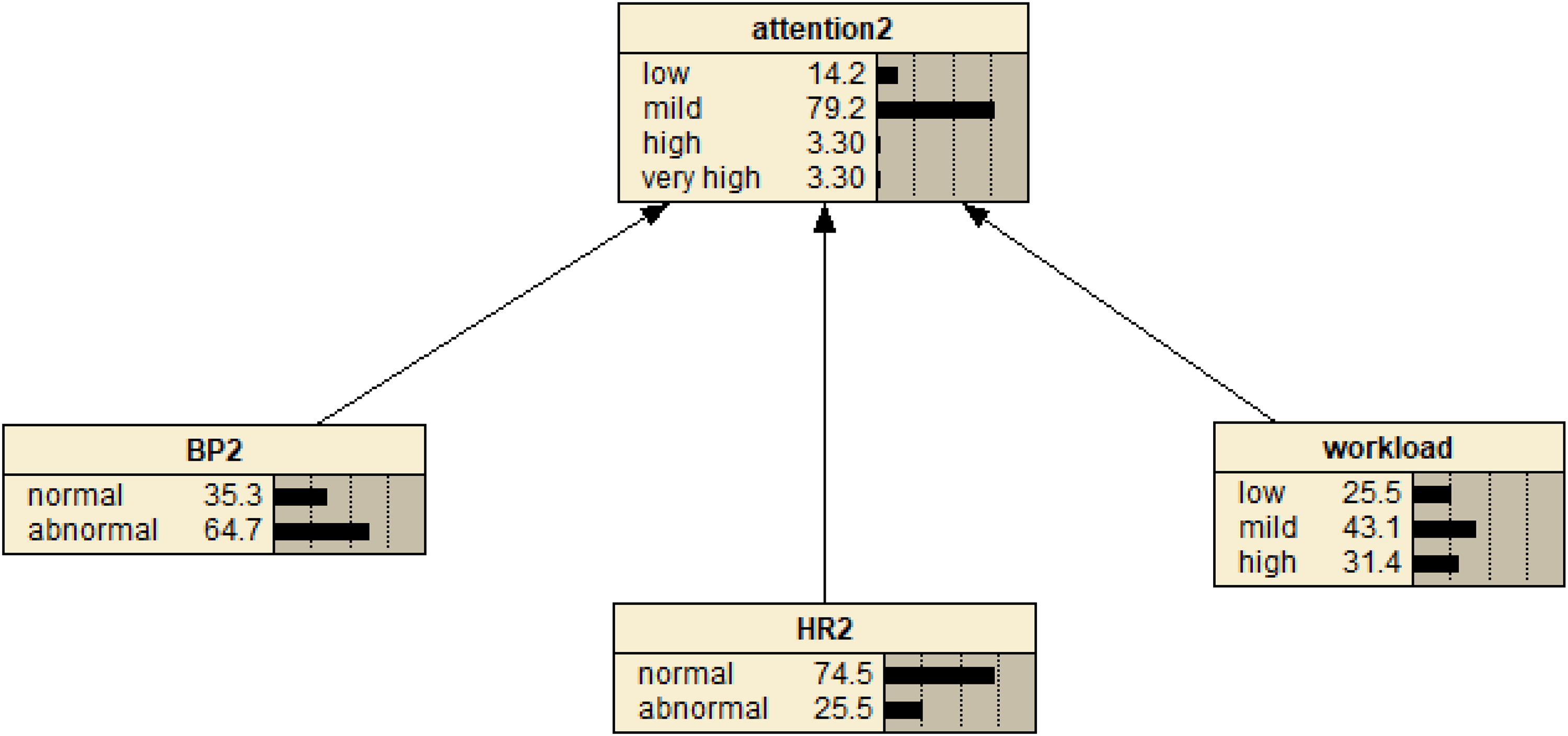
Bayesian network for scenario two.
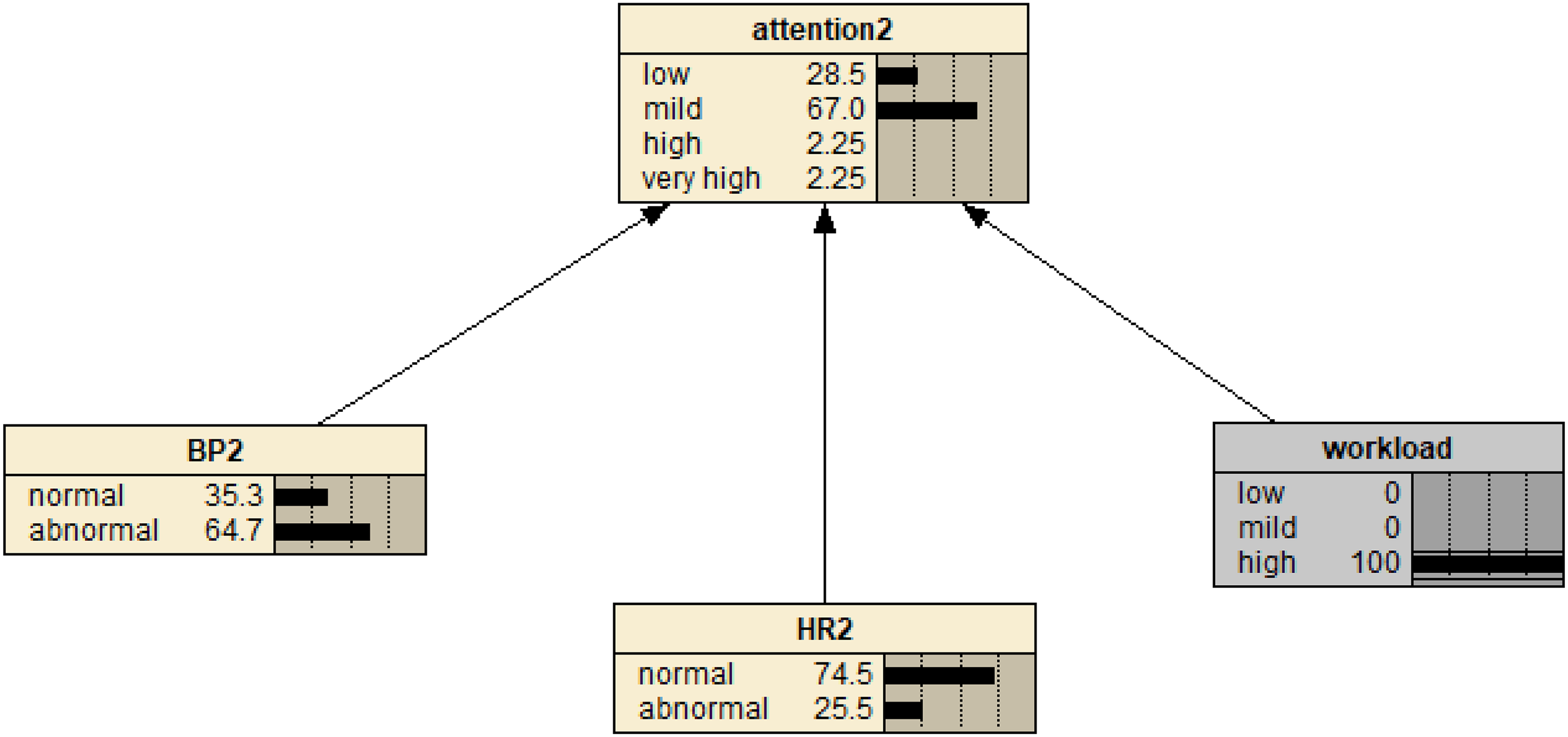
Bayesian network in second- scenario (change in mental workload).
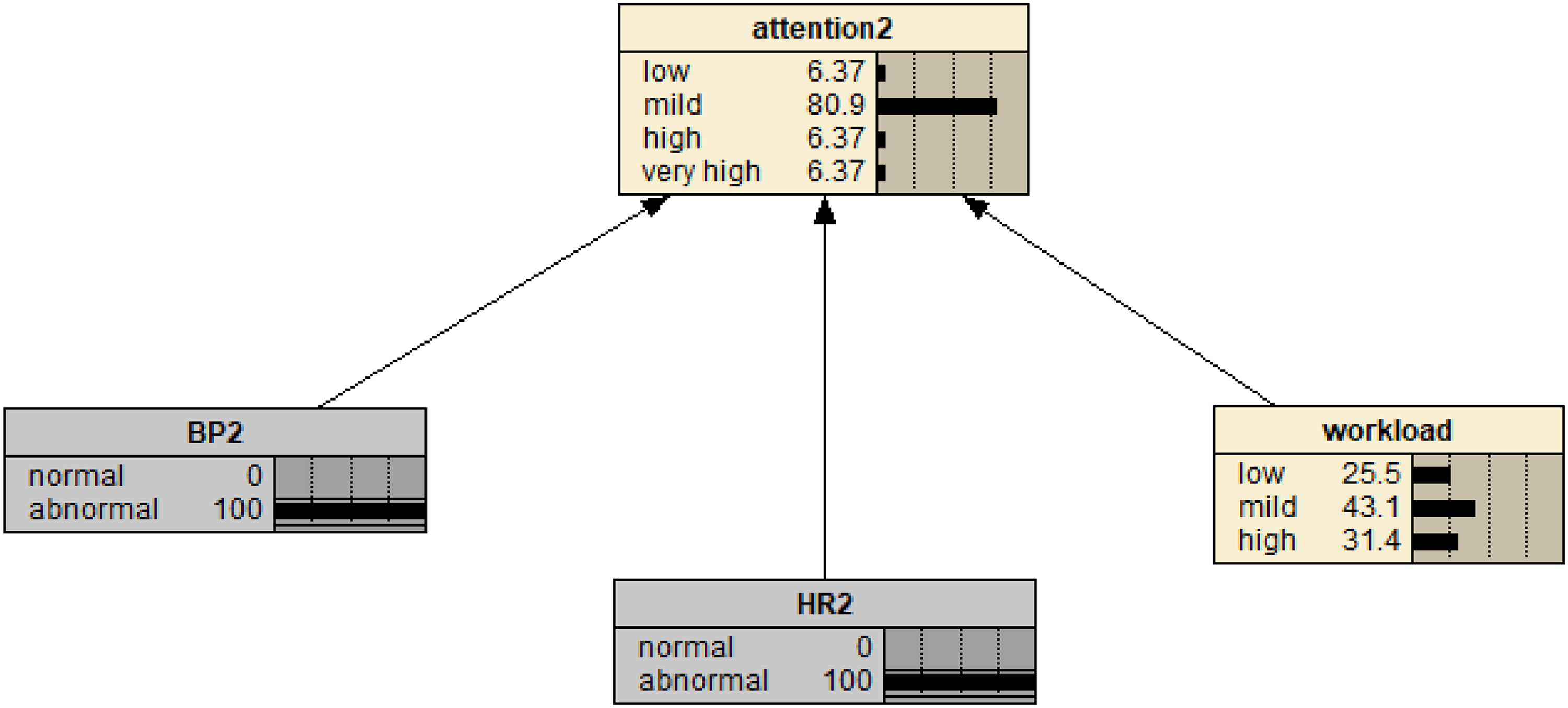
Bayesian network in second- scenario (change in blood pressure and heart rate).
With the change in workload in the second scenario, the variations in attention parameters increase further. Consequently, the number of individuals experiencing lower attention in this condition is elevated.
According to the Figures 6–10, as blood pressure and heart rate increase, similar to the two previous conditions, individuals’ attention levels decrease.
Discussion
This study employed a Bayesian network to analyze the factors influencing cognitive performance significantly. The BN facilitated a comprehensive examination of data representation and the impact of various factors on cognitive performance. By altering meaningful parameters, we observed distinct modifications in the final variable and identified the simultaneous effects of multiple variables on cognitive performance. Our analysis revealed specific correlations among selected variables, highlighting instances of mutual impact or direct and indirect effects in certain nodes. The Bayesian network effectively illustrated how changes in meaningful parameters led to modifications in the final variable, offering insights into the complex relationships governing cognitive performance. In a related study conducted by Falahi et al., 52 the mental and physiological workload of 16 control room operators was investigated. The research involved measuring various physiological indices before and after work periods under resting conditions. Significant variations in the operators’ mental workload were observed across different dimensions of the NASA Task Load Index, underscoring the substantial impact of cognitive demands on their subjective experiences. Similarly, our study identified notable differences in physiological parameters such as systolic and diastolic blood pressure, mean heart rate, SDNN, and RMSSD, reflecting significant changes in the operators’ physiological states. These findings underscored increased physiological responses under heightened cognitive workload compared to pre- and post-resting conditions. Significant variations in physiological responses, such as systolic and diastolic blood pressure and mean heart rate, were observed between resting conditions and post-simulator scenarios one and two. Overall, these results indicated an increase in mean blood pressure and heart rate after simulator scenarios, reflecting heightened effort and engagement in coping with defined conditions in the simulator. Secon Scenario, featuring challenging conditions like stormy sea, nighttime mode, limited visibility, and high traffic volume, induced higher stress levels. This aligns with previous studies53,54 on stress and physiological responses, emphasizing the impact of perceived stress on blood pressure and heart rate. The effort and striving component emerged as the highest-scoring factor in the task, emphasizing its significant role. 55 A study by Moghiseh et al.'s 56 demonstrated a strong correlation between perceived effort intensity as a mental factor and increased mental workload. Furthermore, there is a significant relationship between heart rate as a physiological factor and increased workload, indicating a strong link between perceived effort intensity and heart rate. The findings of a study by DiDomenico et al. 57 revealed that individuals are more sensitive to mental workload, with physiological changes and performance decline primarily manifested through increased effort, leading to elevated physiological parameters such as blood pressure and heart rate.
The findings indicated potential performance problems arising from elevated mental workload, emphasizing the need for managing cognitive demands effectively. Cognitive performance parameters, recorded using a brainwave monitoring headset (attention, meditation, and alertness), exhibited significant differences between post-scenario one and two conditions. Attention increased after scenario two, while vigilance showed a decrease, and alertness exhibited an increase. These variations indicated the impact of defined scenario conditions on cognitive performance, emphasizing the dynamic nature of cognitive responses to workload. In conclusion, entering the simulator environment after resting induced an initial decrease in cognitive performance parameters after scenario one, followed by an increase as individuals spent more time in the environment. This reflects the intricate interplay between cognitive workload and performance. Addressing cognitive workload optimization, as suggested by Myung, 58 holds the potential to mitigate human errors, enhance system safety, boost productivity, and elevate job satisfaction among engineers.
Conclusion
This study contributes to the understanding of mental workload and cognitive performance in maritime operations by utilizing a ship bridge simulator to evaluate physiological and cognitive responses under various scenarios. The findings indicate significant differences in physiological parameters, such as systolic and diastolic blood pressure and heart rate, as well as cognitive performance metrics, including attention, meditation, and alertness, when comparing resting states to post-simulation conditions. The results show that the component of effort scored the highest in terms of mental workload, while failure scored the lowest. Participants reported that task demands were substantially higher under high mental workload conditions. The mental effort required in these scenarios was the most critical factor, as officers exerted greater cognitive effort to ensure accurate task performance. This increased effort was reflected in notable changes in both cognitive responses and physiological indicators. Moreover, the study reveals that heightened mental demands are associated with increased cognitive effort and physiological stress, potentially leading to elevated mental stress and future psychological implications. The analysis highlights that increased heart rate and blood pressure during simulation scenarios correlate with decreased attention, emphasizing the complex relationship between cognitive performance and physiological stress.
Limitations
While the present study offers valuable insights into the relationship between mental workload, physiological responses, and cognitive performance in maritime operations, certain limitations must be acknowledged. The sample population was composed exclusively of 51 male maritime officers, all within a narrow age range of 23 to 25 years and possessing less than one year of seafaring experience. This demographic homogeneity may limit the extent to which these findings can be generalized to broader maritime personnel, particularly those with more diverse backgrounds, varied experience levels, or different age and gender profiles. Moreover, all experimental scenarios were conducted in a high-fidelity simulation environment designed to replicate real-world maritime conditions. However, despite the realism of the simulation, it may not fully capture the complexity, stressors, and unpredictability inherent in actual maritime operations at sea. The controlled nature of the environment may influence participant behavior and physiological responses in ways that differ from real-life settings. To enhance the external validity and applicability of these findings, future research should aim to include larger and more diverse cohorts, encompassing a wider range of experience levels, genders, and cultural backgrounds. Additionally, field-based investigations conducted in real maritime contexts would further enrich our understanding of how human factors influence operational safety under authentic conditions.
Footnotes
Acknowledgments
The authors would like to thank the Maritime Sciences Institute and Tarbiat Modares University for extending the facilities and laboratories for the above research work.

Ethical approval
The research received approval from theEthics Committee of Tarbiat Modares University, under the code IR.MODARES.REC.1400.235.
Informed consent
Prior to data collection, participants were briefed on the study objectives, and informed consent forms was collected.
Funding
This study is funded by the Iran National Science Foundation (INSF) for the financial support of this research project [grant numbers 4002441].
Declaration of conflicting interests
The authors declared no potential conflicts of interest with respect to the research, authorship, and/or publication of this article.