






Abstract
Background
Foot ailments like plantar fasciitis are increasingly prevalent, exacerbated by improper footwear and urban environments that alter natural biomechanics, necessitating ergonomic solutions.
Objective
This study aims to develop an integrated ergonomic footwear design framework grounded in the biomechanical characteristics of the lower limb. The goal is to translate principles of dynamics and kinematics into practical design strategies that enhance comfort, prevent injury, and improve mobility across diverse populations.
Methods
An interdisciplinary approach was employed, synthesizing findings from biomechanical literature, material science, and ergonomic design. The methodology involved analyzing the interaction between foot anatomy, gait mechanics, and existing footwear shortcomings to derive data-driven design principles for key components including the toe box, rocker sole, arch support, and heel counter.
Results
The framework specifies data-driven strategies: a 10°–15° toe spring with lateral flexion grooves for natural joint motion; a 4–6 mm lateral heel wedge to align posture; rigid heel counters and torsion plates for stability; and adaptive closures for dynamic fit.
Conclusions
The proposed framework successfully bridges the gap between biomechanical theory and practical footwear design. By prioritizing anatomical alignment and dynamic gait support, ergonomic footwear can significantly mitigate musculoskeletal stress. Future advancements should leverage technologies like 3D scanning and AI for personalized, accessible design, ultimately transforming footwear into a proactive tool for enhancing global mobility and health.
Introduction
The biomechanical characteristics of the lower limb profoundly influence footwear design, ensuring that shoes provide support, enhance performance, and prevent injuries. The ankle and foot form a complex biomechanical system that balances stability, mobility, and force transmission during locomotion. Under the evolution of modern lifestyle, human feet are facing an increasingly significant crisis of functional degradation.
Even though there is the belief that a significant number of the global population is troubled by foot disease, there is no definitive data to confirm the actual percentage. However, foot related ailments have been reported to make up as much as 8% of the musculoskeletal cases seen by general practitioners in the UK.1,2 Also an analysis of several international population-based cohorts by Gates et al. revealed that foot pain affects a substantial portion of the population, with prevalence rates varying from 13% to 36%. 3 Common foot problems within the population however include corns, flat feet, ulcers, and onychomycosis (fungal nail infections).
Proper footwear fitting is recognized as essential, given that ill-fitting shoes have been associated with foot pathology. 4 Improper footwear primarily stems from mismatched shoe sizes and excessive pursuit of trendy, high-heeled, or pointed-toe designs with poor ergonomics. These practices exacerbate abnormal foot pressure, leading to conditions such as hallux valgus (bunions) and plantar fasciitis. Additionally, gait imbalance is closely linked to environmental factors. With the widespread adoption of motorized transportation and over 85% coverage of rigid pavement surfaces in urban areas in the case of China, 5 prolonged exposure to uniform hard surfaces reduces muscle engagement in the feet, contributing to diminished plantar sensation, weakened muscle strength, and increased fall risks. 6
Consequently, there is an urgent need for health-focused footwear designed with biomechanical principles to address these issues. As regulatory attention and technological advancements grow, shoe design is transitioning from basic protection to biomechanically optimized solutions. Lower limb biomechanics involves analyzing the mechanical properties of the musco-skeletal system through dynamics and kinematics, integrating medical, anatomical, and movement science to uncover gait compensation mechanisms. 7 Therefore, by analyzing the interaction between foot biomechanics and footwear using these principles, health-centric shoe design guidelines can be established to align with the biomechanical laws of the lower limbs.
Structured to bridge theory and application, this study begins by delineating biomechanical principles governing ankle-foot dynamics, followed by an analysis of prevailing design shortcomings. Subsequent sections present data-driven design strategies, validated through case studies and prototype evaluations. By integrating interdisciplinary perspectives, this work aims to advance a new era of footwear that harmonizes human physiology with engineering innovation, fostering health and mobility across diverse populations.
Design principles and key elements of Ergonomic footwear based on lower limb biomechanics
Ergonomic footwear design, grounded in the biomechanics of the lower limb, emphasizes natural joint alignment, adaptive support, and tailored fit. By applying these principles, such footwear can mitigate musculoskeletal stress, improve movement efficiency, and address the needs of varied users—from high-performance athletes to those managing chronic health issues. Creating biomechanically informed footwear requires analyzing the interplay of anatomical structures (foot, ankle, knee, and hip) and their functional dynamics during activities like walking, running, or standing. This approach aims to alleviate physical strain, optimize comfort, and lower injury risks while accommodating the body's natural mechanics.
The ankle joint complex, composed of the lower leg and foot, functions as a biomechanical bridge that enables the lower limb to engage with the ground—a critical mechanism for walking, balance, and everyday movement. 8 The foot and ankle is made up of the twenty-six individual bones of the foot, together with the long-bones of the lower limb to form a total of thirty-three joints. 9 Although frequently referred to as the ‘ankle joint’, there are a number of articulations which facilitate motion of the foot. They include the subtalar, transverse tarsal, intertarsal, tarsometatarsal, metatarsophalangeal, and interphalangeal joints as shown in Figure 1.
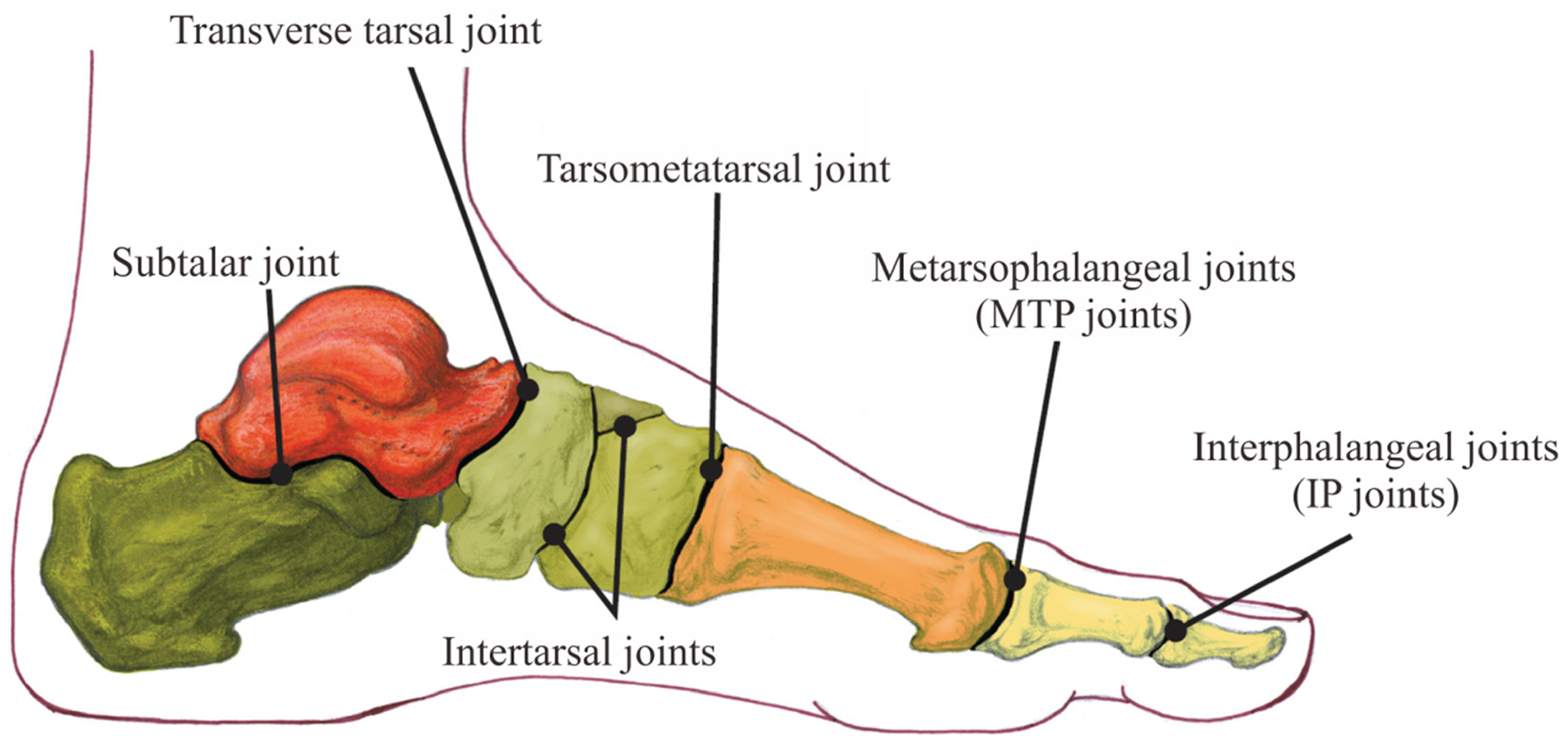
Ankle/Foot joints.
The transverse tarsal joint is viewed as part of the same functional unit as the subtalar joint due to their shared axis of motion, which also plays a role in the foot's eversion and inversion movements. 10
The Lisfranc joint complex (tarsometatarsal joint) ensures stability in the midfoot and forefoot through a combination of precise skeletal interactions between the distal ends of the tarsal bones and the bases of the metatarsals, reinforced by ligaments that provide structural support. 11 The Ergonomic design framework is directed at optimizing the functions of the salient joints during human biomechanics. Figure 2 shows the framework where the joints are linked to the key Ergonomic elemental interventions.
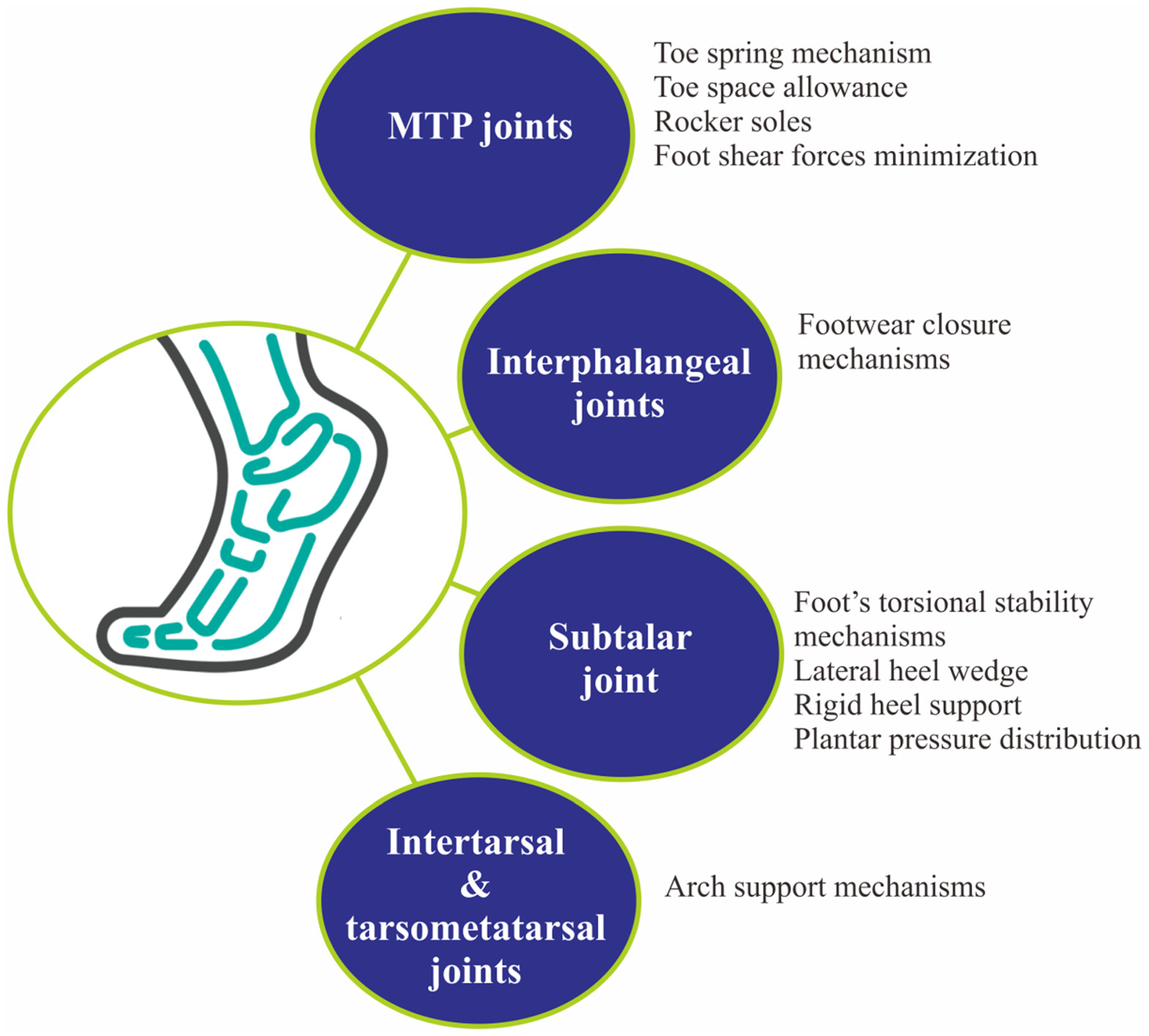
Framework for Ergonomic footwear design based on lower limb biomechanics.
Toe spring / lateral groove flexion mechanisms
The metatarsophalangeal joints (MTP joints) are the primary flexion points of the foot, responsible for propulsion and balance. Located distally in the foot, they are formed by the articulation between the heads of the metatarsals and the proximal articular surfaces of the phalanges. 12 Their ranges of dorsiflexion and plantar flexion, as well as force transmission efficiency, are regulated by the pronation-supination movements of the subtalar joint. In non-weight-bearing conditions, the first MTP joint has a dorsiflexion angle of 65–70°; during running, this angle increases to 90°, while plantar flexion reaches 45°. These flexion-extension angles directly influence energy transfer efficiency during push-off in the late stance phase of running and jumping.
Shoe design elements such as midsole stiffness and toe spring curvature significantly affect MTP joint motion. Soft-soled shoes, due to insufficient support, may cause excessive dorsiflexion of the MTP joints, compromising stability. Conversely, rigid soles restrict natural bending, forcing compensatory knee joint movements and accelerating wear.
Several empirical studies suggests that generally healthy adults take between 7,000–13,000 steps/day, 13 with MTP joint flexion frequency roughly matching step count. This repetitive bending necessitates that health-focused footwear combine durable flex resistance with adaptive plasticity to balance joint mobility and energy return efficiency. Research indicates that lateral groove flexion designs or segmented structures under the metatarsal heads in the forefoot outsole can enhance natural motion. 14 Figure 3(a) shows a schematic diagram of the bending stiffness of footwear below the metatarsal heads with lateral grooves. The lateral groove flexion design in footwear refers to a specialized structural feature aimed at enhancing the flexibility, comfort, and performance of shoes. For example, Nike's free grooved sole reduces bending stiffness to promote natural dorsiflexion. Using flexible materials like PEBAX or rubber in the forefoot—instead of rigid carbon fiber plates—avoids restricting flexion. 15
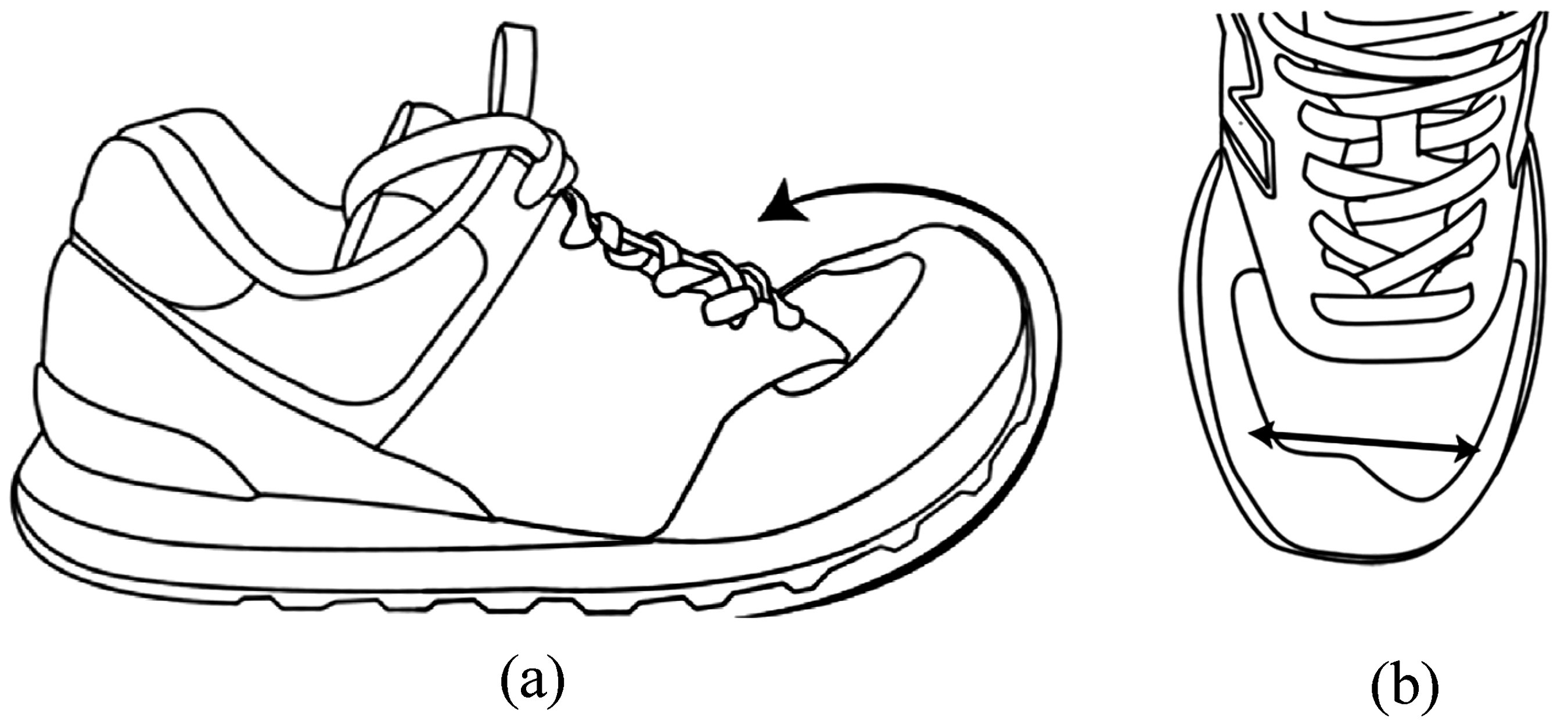
Schematic diagram of (a) the footwear bending stiffness (b) round toe design.
Additionally, a toe spring curvature of 10°–15° assists upward MTP joint bending, reducing muscular effort during walking and improving efficiency. 16 Toe springs keep the toes continually elevated above the ground in a flexed upwards position to help the front part of the foot roll forward when walking or running and are present in most modern athletic shoes. While it is generally recognized that toe springs facilitate the forefoot's ability to roll forward at the end of stance, toe springs may also have some effect on natural foot function such as plantar fasciitis. 17 Thus optimal bendability in health-focused shoes requires a balance between flexibility and rigidity, ensuring natural foot movement while preventing excessive deformation.
Design of toe space allowance
Toe-box space must accommodate the dorsiflexion range of the metatarsophalangeal (MTP) joints and the forefoot's width expansion, providing sufficient room for natural biomechanical function. This enhances both comfort and safety in health-focused footwear while mitigating risks of chronic injuries caused by compression.
During foot motion, forward foot propulsion can lead to toe-to-toe-box collisions. Insufficient space in the toe-box, which leads to cramped toes, has been linked to foot problems such as joint abnormalities and forefoot lesions. 18 A longitudinal allowance of 5–8 mm reduces toe-tip pressure and prevents subungual hematoma. 19 In the propulsion phase, toe dorsiflexion angles can reach 50°–60°, requiring adequate toe-box height to permit natural bending without restricting MTP joint mobility. 20
Toe-box dimensions must be tailored to individual differences and activity types: Elderly individuals (due to arch collapse, foot elongation, and widening) require ∼10 mm of toe-box space. Adults need 5–8 mm of length allowance, while children (with rapid toe growth during development) should have ∼10 mm of space. 21 During prolonged activity, foot morphology changes due to arch lowering or dorsal temperature rise, causing soft tissue expansion. Insufficient toe-box space may lead to friction-induced injuries like “black toenail” (subungual hematoma). Increasing the forefoot rocker curvature from 65.8 mm to 79.5 mm significantly reduces hallux contact forces. 19
Additionally, excessively soft shoes (even with sufficient space) may cause toe slippage, increasing abrasion risks. Rigid materials require larger allowances: for stiffness >15 N/mm, increase space by 2–3 mm. 22 Figure 3(b) shows a schematic diagram of round toe design (or square toe design) which enhances toe freedom compared to pointed toe designs. There is no universal standard for toe-box allowance. Design parameters must account for individual foot length, width, activity type, and gait dynamics to ensure the toe-box accommodates the full range of foot motion.
Rocker sole footwear design
With the intensification of aging populations and rising health awareness, people are increasingly opting for rocker sole shoes to meet the needs of prolonged sitting, rehabilitation, or exercise. A rocker sole refers to an arc-shaped curve on the shoe's outsole, extending from the forefoot to the heel, which mimics the rolling motion of a rocking chair. This design promotes a natural heel-to-toe gait transition, reducing energy expenditure. Based on functional specialization, rocker soles are categorized into three types:
Full-Foot Arc: A continuous curvature from heel to forefoot, suitable for individuals with foot injuries. By reducing exertion on the foot, it enhances gait fluidity. 23
Forefoot Metatarsal Upturn: An upward curve in the metatarsal region optimizes push-off efficiency and alleviates forefoot pressure. This design is commonly used in racing shoes and diabetic foot care footwear. 24
Heel Upturn: An upward curve in the heel region shortens ground contact time and disperses calcaneal (heel) impact. It is often applied in plantar fasciitis rehabilitation shoes and walking shoes for obese individuals. Figure 4 presents schematic diagrams of rocker shoe sole designs.

Schematic diagram of rocker shoe sole design.
Rocker sole designs are not universally suitable. Selection should align with specific activity requirements and individual needs. For those without foot health issues, prolonged use may lead to foot muscle atrophy and compensatory injuries. Therefore, consumers are advised to gradually adapt to rocker sole shoes, especially first-time users, by strictly controlling usage duration and frequency to minimize injury risks and safeguard foot health.
Design of closure mechanisms for the midfoot/tarsal region
The tarsal bones, comprising the navicular, cuboid, and three cuneiform bones, are critical components of the foot's arch structure. During foot motion, the tightness of footwear around the tarsal region significantly influences stability, mobility, and plantar pressure distribution. Ergonomic footwear utilizes adjustable closure mechanisms to accommodate dynamic foot movements. A comparative study by Luo Xiangdong et al found that tongue-style shoes exert higher dorsal tarsal pressure during standing, whereas external-heel shoes disperse pressure more effectively, confirming the impact of closure design on fit. 25
In running shoe design, the tarsal upper should dynamically adapt to different gait phases. During the push-off phase, it tightens to form a rigid lever that maximizes propulsion. In the stance phase, controlled elastic release accommodates arch deformation, enhancing energy return for forward motion. At this stage, the tarsal region supports approximately 15–20% of plantar pressure. 26 Advanced footwear fastening systems—such as Nike Flywire's dynamic cables with multi-point anchoring—help redistribute pressure evenly across both the metatarsals and the calcaneus, improving comfort and stability.
In children's footwear, hook-and-loop straps or responsive closure mechanisms are prioritized to avoid restricting cuboid and cuneiform bone development while securing the foot. 27 These dynamic fit systems — unlike traditional fixed closures—allow real-time adjustments for foot volume or gait changes, preventing complications such as: Over-tightening: Compression of the extensor digitorum longus tendon, leading to hammer toe deformity. Over-looseness: Foot slippage and poor heel grip. Figure 5(a) shows a schematic diagram of a footwear closure method where the spacing between the shoe eyelets can be flexibly adjusted using the shoelaces, ensuring a secure fit for the foot and accommodating the varying fit requirements of different users.
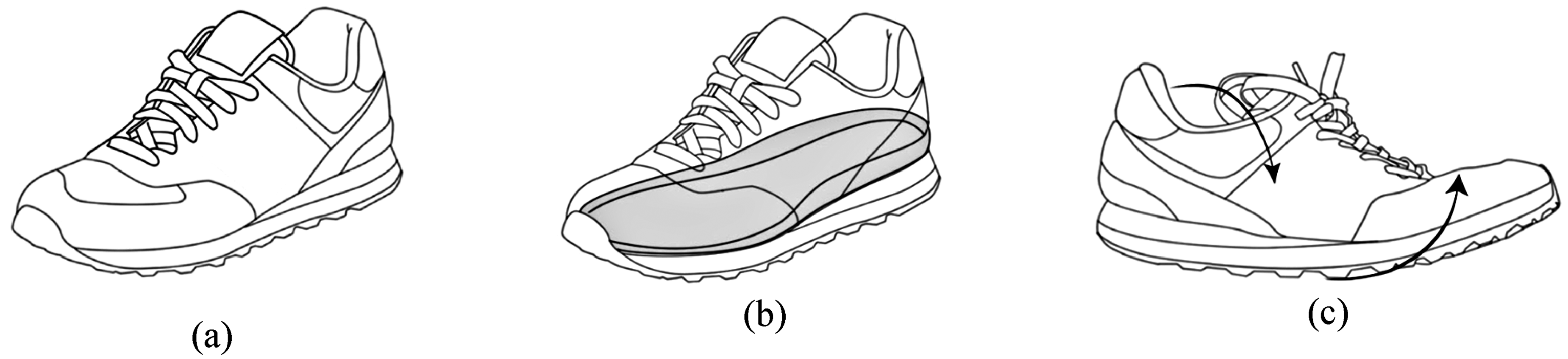
Schematic diagram of (a) the closure method of footwear (b) insole arch support (c) footwear torsional stability.
Arch support design for the foot
The foot arch is an upward-curved structure formed by the articulation of tarsal and metatarsal bones, comprising the medial/lateral longitudinal arches and the transverse arch. The muscles, ligaments, and joints of the plantar region give the arch its elastic function—maintaining stability during standing, absorbing shock during walking and jumping, and shielding internal organs and plantar nerves from compression. Inadequately designed footwear can impair this elasticity, leading to reduced performance and potential.
Studies show that overly soft ‘marshmallow-soled shoes’ lack adequate support, while rigid shoes weaken arch muscles and ligaments over time, leading to arch collapse and plantar pressure imbalances. Thus, built-in arch support components in therapeutic footwear are essential for individuals with foot abnormalities. Ramirez-Rios et al proposed modular arch support insoles with detachable components (adjustable arch pads, metatarsal buttons, and calcaneal wedges) to customize height and positioning for diverse shoe types and needs. 28
Advances in 3D printing enable lightweight yet high-strength designs—such as lattice structures and columnar supports—to resolve the trade-off between excessive or insufficient stiffness in traditional materials. 29 Figure 5(b) shows a schematic diagram of the insole with arch support system. Arch support designs undeniably stabilize arch structure, optimize pressure distribution, and enhance athletic performance.
Design for the foot's torsional stability
Foot torsion, described as the rotational movement between the forefoot and rearfoot within the frontal plane, has been investigated in athletic actions like lateral cutting maneuvers. 30 Sudden pivots, lateral cuts, or jumps during athletic movements can destabilize posture and increase ankle sprain risks. Shoes designed with torsional stability components effectively stabilize foot motion and reduces injury likelihood. When the subtalar joint undergoes pronation or supination, disruptions in the kinetic chain sequence—combined with limited ankle mobility in the coronal plane—may compromise dynamic stability during abrupt speed changes, leading to falls or joint injuries. Studies show that basketball players experience excessive inversion-eversion composite forces during sudden stops, resulting in foot sprains. 31
Torsional stability designs in biomechanically optimized shoes prevent excessive forefoot and rear foot deformation. Research indicates that carbon fiber plates and TPU (thermoplastic polyurethane) structures used in footwear inhibit abnormal midfoot rotation, maintain neutral lower limb alignment, and reduce ankle sprain risks. 32 Abnormal midfoot rotation can strain ligaments, tendons, and joints (e.g., plantar fascia, ankle, and knee). Figure 5(c) presents a schematic diagram of the mechanisms for torsional stability. It ensures that Ergonomic shoes maintain reduced deformation during abrupt directional changes while enhancing rebound responsiveness during acceleration. By attenuating excessive impact and torsional forces, carbon fiber and TPU reinforcement structures optimize energy transfer into forward propulsion. Their stiffness-to-weight ratio supports efficient gait mechanics while stabilizing the foot, thereby lowering the risk of injuries associated with instability, excessive pronation, or repetitive loading stress. For example, the Li-Ning Way of Wade 9 (Figure 6(a) 33 utilizes an X-shaped TPU arch stabilizer to enhance torsional rigidity. Material hardness also influences torsional performance: in military boots, rigid ethylene vinyl acetate (EVA) flanking the heel controls foot inversion. 34
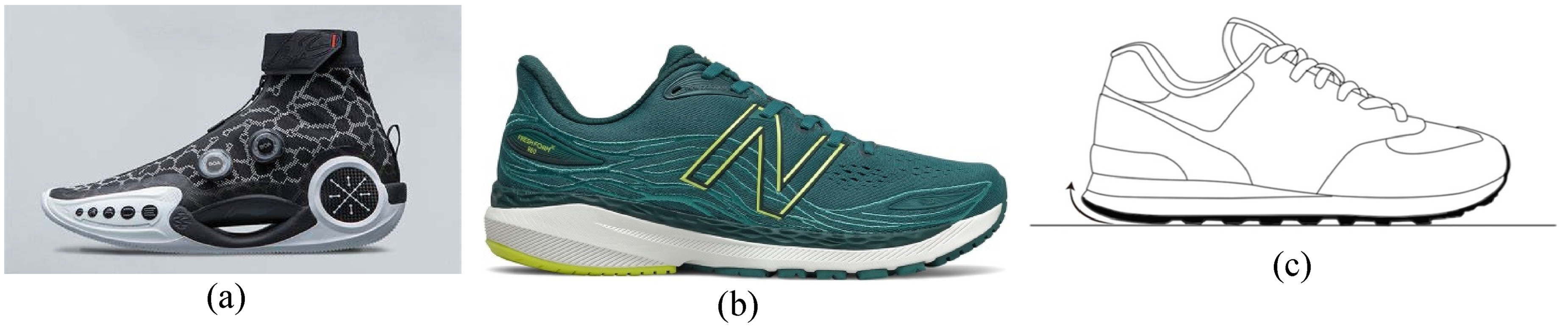
(a) Image of Way of Wade 9 sneakers (b) New Balance's men's fresh foam X 860 V12 running shoe (c) Wedge-shaped design on the outer side of the heel.
Additionally, torsion beam designs limit relative rotation between the forefoot and heel, preventing arch hyper-rotation injuries and channeling ground reaction forces more efficiently toward propulsion. 35 Torsional stability not only stabilizes the foot and minimizes energy loss but also improves agility and directional change efficiency. Thus, selecting sports shoes with anti-rotation designs is critical for protecting foot health and optimizing athletic performance.
Lateral heel wedge design (on the outsole)
During natural walking, foot pressure causes wear patterns on the lateral heel and forefoot metatarsal regions of the outsole. According to Dr. Root et al.'s 12 ‘ideal force line alignment’ theory, the tibia exhibits a physiological varus angle of 4°–6° during normal gait. This inherent tibial varus transmits through the lower limb kinetic chain, inducing subtalar joint pronation—manifested as talus inversion and calcaneal eversion. This motion concentrates pressure on the lateral foot during ground contact, explaining the common lateral heel wear observed in the general population. Studies show that 50% of infantry recruits exhibit lateral heel wear. 36 Initial sole wear may result from non-sloped lateral outsoles, where excessive thickness impedes heel-tibia alignment, but gradual wear adapts to foot mechanics. Dr. Root et al. 12 proposed that each 1° increase in tibial varus angle requires ∼1 mm of pre-wear lateral sole thickness. They recommended a 4–6 mm lateral wedge design to compensate for tibial varus and achieve ideal force alignment.
Modern advancements have phased out strict adherence to Root's original slope-reduction approach, replacing it with material gradients, structural innovations, and dynamic fit technologies. These methods deliver biomechanically equivalent compensation while complying with national standards. Examples include: New Balance 860v12: Lateral heel Posting Technology™ with EVA midsole density (refer to Figure 6(b)) 37 increased to 0.35 g/cm3 for a 4 mm dynamic height differential. Salomon XA Pro 3D v8: 2.5 mm lateral outsole reduction paired with Anti-Torsion Mesh for structural integrity. Nike Adapt BB: Pressure-sensor-activated lateral air pods providing 0–5 mm real-time slope compensation.
Data from the China Leather Industry Association (2020–2022) shows a decline in outsole wear-resistance failure rates from 28.7% to 19.1%. 38 Improved sole designs—through material science, structural engineering, and functional zoning—now better align with human biomechanics and natural foot motion, reducing premature wear. Figure 6(c) demonstrates a wedge-shaped design on the outer side of the heel that provides heel support.
Rigid heel support design
Many footwear products on the market still prioritize the mantra ‘softness equals comfort,’ often compromising structural support. While soft-heeled shoes cater to short-term comfort needs, they may pose long-term foot health risks. Excessive stress or disease-related tissue alterations can compromise a previously healthy heel, increasing its vulnerability to injury from mechanical forces. 39 This injury presents as a range of heel-related disorders, such as plantar fasciitis, sub-calcaneal pain, and soft tissue damage, and may impair the heel pad's ability to absorb and distribute impact forces. 40
Additionally, mismatches between heel height, support structures, and human gait biomechanics further undermine heel stability. 41 Heel counters serve to provide the needed heel support. A heel counter is a structural element in running shoes designed to stabilize and support the rearfoot. Constructed from rigid materials, it is incorporated around the heel to limit over pronation (excessive inward rolling) and maintain proper foot and ankle alignment during movement. This component complements other shoe technologies to boost comfort, decrease foot strain, and help prevent injuries. 42 Figure 7 (a) shows schematic presentation of rigid heel support design.
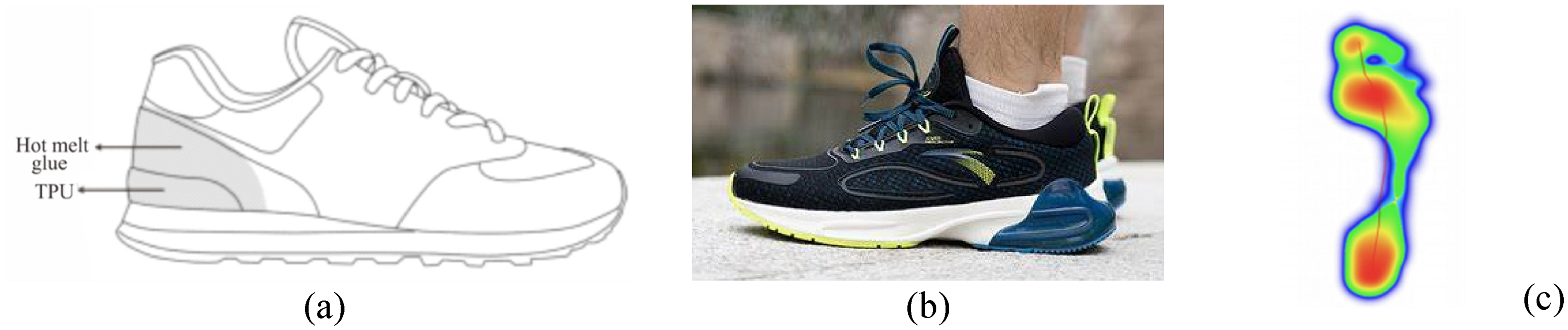
Schematic diagram of (a) Rigid heel support (b) Anta Creators 1.0 running shoe (c) normal plantar pressure distribution.
Rigid heel counter materials—such as TPU, high-density plastics, or low-temperature thermoplastic reinforcements—effectively restrict excessive ankle inversion/eversion, reducing sprain risks caused by instability. Technologically, adhesive-mesh composite processes enhance durability by addressing traditional foam materials’ tendency to degrade. Adhesive-mesh composites combine flexible mesh materials (e.g., polymers, metals, or textiles) with adhesives to create lightweight, high-performance structures. These processes are critical in industries requiring strength-to-weight optimization, breathability, or tailored mechanical properties.
Structurally, TPU stabilizers or rigid cup-shaped designs conform to the foot's curvature to deliver stable support. 43 For example, the Anta Creators 1.0 running shoe (Figure 7(b) 44 integrates SMART S.A.M shock-absorbing material with TPU heel plates for enhanced protection. 45 Thus, to avoid foot abnormalities from blindly prioritizing heel softness, health-focused footwear must holistically balance material rigidity, structural engineering, and biomechanical compatibility in heel support design.
Plantar pressure distribution
As the primary weight-bearing organ of the human body, the foot bears 80–90% of the body's weight. Plantar pressure refers to the vertical ground reaction force generated when the foot contacts the ground during standing or walking. The normal foot shows balanced pressure across the heel, lateral midfoot, and forefoot. Figure 7(c) shows the normal plantar pressure distribution of a healthy foot. Its magnitude and distribution reflect the structure of the lower limbs, foot function, and postural stability. Factors such as body posture, weight, and shoe characteristics influence plantar pressure distribution.
Proper shoe fit is critical, as poorly designed footwear can disrupt this distribution. For example high heels shift the body's center of gravity forward, increasing pressure on the forefoot. Overly rigid soles fail to absorb ground reaction forces effectively, concentrating pressure on the heel and forefoot. Soft-soled shoes lacking arch support may lead to collapsed arches, altering pressure distribution. Abnormal plantar pressure not only harms foot health but also increases risks of skin abrasions and ulcers.
To address this, insoles with arch support are essential, and the stiffness of insole materials plays a key role in dispersing pressure. For instance forefoot regions of insoles can incorporate elastic materials like cork or carbon fiber, acrylic plastics and thermoplastic polymers. 46 Midfoot medial zones may use nylon composites to enhance support and cushioning uniformity, maintaining proper foot alignment. Additionally, shoe soles with hexagonal tread patterns distribute pressure more evenly compared to elliptical designs. 35 For diabetic footwear, layered insole designs and rolling sole geometries reduce localized pressure during heel-strike and toe-off phases, thereby protecting foot health.
Foot shear forces minimization
Shear force is generated by the relative sliding or tendency to slide between two objects. When an external force is at an angle to the direction of an object's motion, the object undergoes relative displacement in a specific direction. Shear force is closely related to the internal flatness of the shoe cavity, with lateral twisting of the foot inside the shoe being a key factor in generating shear force, primarily concentrated in the forefoot and heel areas. In Ergonomic shoe design, shoes that are too narrow, too large, or high-heeled 47 increase internal shear forces, which can disrupt the foot's normal force exertion mechanism and, in severe cases, lead to skin damage and ulcers. 4 This is a direct cause of foot ulcers in diabetic patients, which may ultimately lead to amputation. Therefore, healthy shoe design must carefully consider the appropriateness of the shoe's internal space. Shoes that conform to the foot's shape can effectively reduce internal shear forces.
The forefoot should have sufficient width and allowance to allow the toes to stretch freely, reducing the risk of pressure and friction. The upper should be made of soft, breathable, and stretchable materials, such as knitted fabrics or natural leather, to minimize friction on the foot. The sole should use rubber or synthetic foam materials with excellent cushioning properties to distribute pressure generated during walking. Laces, straps, or Velcro fastenings with real-time adjustment capabilities can secure the ankle, thereby reducing foot sliding within the shoe and thus lowering shear forces. The tongue should be 10 to 15 millimeters wider than the eyelet holes to prevent the eyelets from rubbing against the instep. The midsole lining should adopt a “one-piece” design to avoid localized irritation from hard seams. By improving structural fit to reduce foot displacement and using standard-compliant materials, pressure can be evenly distributed, thereby protecting the foot through healthy shoe design.
Towards a practical design framework: Translating biomechanics to design parameters
Translating biomechanical insights into practical design applications necessitates a systematic framework. This is due to the fact foot-ankle complex's role as an integrated system that modulates stability, mobility, and energy transfer across diverse movements. Consequently, successful design must be rooted in a synthesis of physiological principles and engineering innovation.
First, structural stability derived from heel counters, arch supports, and ankle bracing can be mapped to the biomechanical need for controlled joint motion and injury prevention. Second, shock absorption and load management—achieved through material density, midsole geometry, and cushioning distribution—address the biomechanical imperative of reducing ground reaction forces and protecting musculoskeletal tissues. Third, motion facilitation is operationalized through flex grooves, rocker soles, and toe spring, which translate kinematic principles of smooth rollover and efficient gait mechanics into product design. Fourth, ergonomic fit parameters, including last shape, width, and footwear weight, are linked to comfort, fatigue reduction, and the prevention of chronic deformities. Finally, dynamic performance features such as energy return systems and surface adaptability reflect the biomechanical demand for propulsion efficiency and joint protection under diverse environmental conditions.
A practical design framework therefore requires a biomechanics-to-parameters mapping process, where each design choice is justified not only by functional or aesthetic considerations but also by its measurable effect on foot–ankle biomechanics. Such a framework supports iterative prototyping, evidence-based innovation, and user-centered customization, ultimately advancing safer and more efficient footwear, orthoses, and assistive technologies. The conceptual relationship between biomechanical functions, design principles, and design parameters is illustrated in Figure 8.
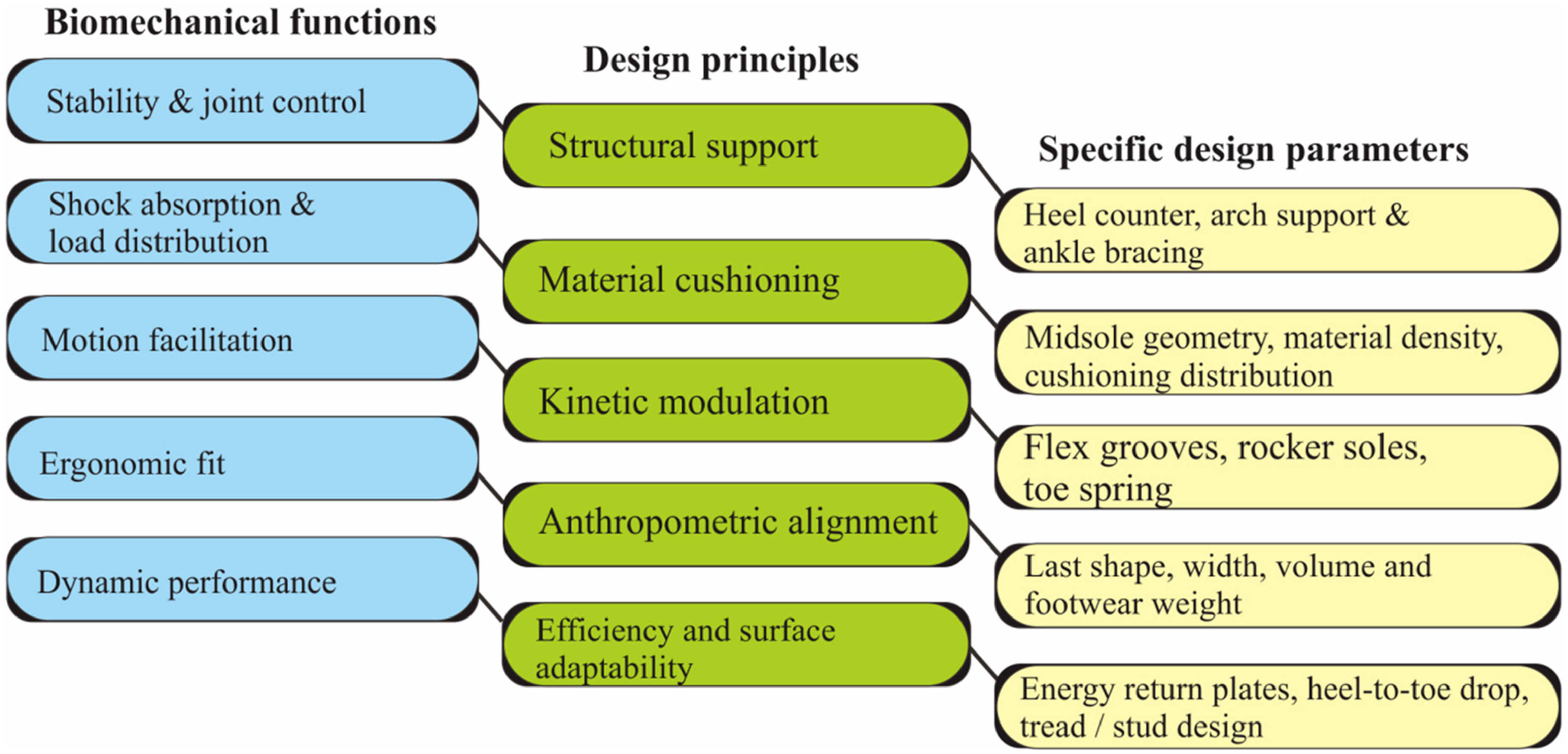
Conceptual diagram mapping biomechanical functions onto design principles and then into specific design parameters.
Conclusion
This framework bridges biomechanical research with practical footwear design, prioritizing injury prevention, comfort, and performance. The integration of lower limb biomechanics into footwear design represents a critical advancement in addressing the escalating prevalence of foot-related ailments linked to modern lifestyles and improper footwear. By prioritizing anatomical alignment, dynamic gait mechanics, and pressure distribution, this study underscores the transformative potential of ergonomic design principles.
Footwear engineered through biomechanical analysis not only mitigates musculoskeletal stress but also enhances functional performance across diverse populations—from athletes seeking efficiency to elderly individuals requiring stability. The documented rise in conditions such as plantar fasciitis, hallux valgus, and diabetic ulcers underscores the urgency of transitioning from aesthetic-driven designs to health-centric solutions grounded in medical and engineering insights.
Material innovation plays an equally pivotal role. Thermoplastic polyurethane (TPU) and high-density composites enhance torsional stability, reducing ankle sprain risks during high-impact activities, while breathable, elastic uppers minimize shear forces implicated in ulcer formation. Adjustable closure mechanisms and rigid heel supports further exemplify how adaptive design technologies can prevent foot slippage and deformities without compromising comfort. Notably, advancements like adhesive-mesh composites and pressure-sensor-activated air pods illustrate the shift toward responsive, real-time adaptations that align with dynamic foot biomechanics. These developments are supported by empirical data, such as the 9.6% decline in outsole wear-resistance failures reported by the China Leather Industry Association (2020–2022), highlighting the tangible benefits of biomechanically informed engineering.
For future footwear design, personalization and accessibility remain paramount. The diverse needs of users—from children requiring growth-accommodating toe-boxes to athletes demanding anti-rotational carbon fiber plates—call for scalable, customizable solutions. Emerging technologies like 3D scanning and AI-driven gait analysis promise to refine fit and function, while sustainable materials could address environmental concerns without sacrificing performance. Public education on footwear selection, coupled with regulatory standards for ergonomic compliance, will further safeguard foot health. Ultimately, this interdisciplinary approach, bridging anatomy, materials science, and user-centered design, heralds a new era where footwear transcends mere protection to become a proactive tool for enhancing mobility, preventing injury, and improving quality of life globally.
In conclusion, the synthesis of biomechanical research and technological innovation offers a robust framework for redefining footwear design. By harmonizing human physiology with engineering precision, the industry can combat the growing crisis of functional foot degradation, ensuring that footwear evolves as a cornerstone of holistic health in an increasingly sedentary and aging world. Accordingly, this study establishes a framework applicable to the engineering and design of specialized footwear for various populations, including occupational workers, the elderly, and those requiring rehabilitation prosthetics.
Limitations of the study
This study presents a conceptual framework derived from a synthesis of existing biomechanical literature; however, several important limitations must be acknowledged:
Theoretical Nature: While the framework offers a robust synthesis of biomechanical knowledge into innovative design principles, it awaits empirical validation through controlled laboratory testing or long-term clinical trials to confirm its promising potential for reducing injury rates and enhancing performance. Demographic Bias: The supporting literature primarily involves young, healthy, Western athletic cohorts, limiting generalizability to diverse populations with varying gait patterns, foot morphologies, or footwear habits. Oversimplification: The framework may not account for individual variability in foot biomechanics, where design parameters effective for one person might disrupt another's gait. Practical Constraints: Implementing advanced materials and customization increases production complexity and cost, potentially limiting accessibility to high-end markets rather than broader populations.
Future research should focus on validating the framework through longitudinal studies, including diverse demographics, personalizing designs, and innovating affordable manufacturing solutions.
Footnotes
Funding
The authors received no financial support for the research, authorship, and/or publication of this article.
Declaration of conflicting interests
The authors declared no potential conflicts of interest with respect to the research, authorship, and/or publication of this article.
