







Abstract
This qualitative study adds to the limited available practice knowledge for Human Services Professionals (HSPs) working with adults 65 and older. This study examines the current practice knowledge and experiences of HSPs by exploring their perceptions, knowledge, and understanding of late-life cumulative grief and loss. Using Charmaz's constructivist grounded theory approach, 15 semi-structured telephone interviews were conducted and coded that explained HSPs perception, understanding, and assessment of late-life cumulative grief and loss. Connection emerged as a critical component that can inform and educate current and future HSPs on strategies to promote effective engagement, assessment, and intervention methods for older adult clients who have experienced cumulative losses and changes.
Introduction
Human services professionals (HSPs) work in various settings and agencies and provide an important and necessary role in the provision of services that care, support, and treat multiple complex physical and mental health issues and challenges that can be experienced by their clients. HSPs responsibilities can include engaging with, assessing, evaluating, and planning strategies and interventions that address the complex needs of their clients including those over the age of 65 (National Organization for Human Services, n.d.; U.S. Bureau of Labor Statistics, 2011). The ability of HSPs to understand how older adults perceive and understand their individual experience of the aging process can help the HSP utilize the most effective interventions to address the complexities of losses and changes that can occur in late life (Mohammadpour et al., 2018).
Due to advancements in technology and medicine, increased accessibility to healthcare facilities, disease prevention programs and activities, along with a projected decline in birth rates the older adult population is anticipated to increase (Goswami & Deshmukh, 2018; Mohammadpour et al., 2018; Utomo et al., 2019). The projected growth in the older adult population signals the increased demand for HSPs to work with this growing demographic. Unfortunately, current workforce trends show that there will be an insufficient number of HSPs to meet the increased need of professionals to work with the growing population of adults 65 and older (Flaherty & Bartel, 2019; Michel et al., 2023; Moncatar et al., 2021). The lack of available training and education, low professional interest in working with older adults, and ageist attitudes and practices have been identified as challenges that contribute to the current and anticipated shortages of HSPs to work with the older adult population (Mallers & Ruby, 2017).
Of the multiple challenges that can occur in late-life cumulative grief and loss is one that can impact the physical and mental health needs of an older adult and is used to describe multiple losses and changes that can occur without an appropriate adjustment period (Allie et al., 2018; Hooyman et al., 2017; Tang & Chow, 2017). Multiple, cumulative losses and changes can increase the risk of depression, suicidal behavior, and negative coping strategies including substance abuse and social isolation (Fried et al., 2015; Van Humbeeck et al., 2016). Due to the nature of the roles that HSPs take on with their clients they can help to facilitate changes to help an older adult client find meaning and decrease negative coping, this emphasizes the importance of having adequately educated and trained HSPs to work with the growing older adult population (Allie et al., 2018; National Organization for Human Services, n.d.; Yang et al., 2018).
It is important to understand what losses and changes can occur in late-life and impact an older adult's physical and mental health. During the process of aging, an older adult can experience multiple physical, cognitive, and social role changes/losses that can decrease their life satisfaction and well-being (Bratt et al., 2017; Goswami & Deshmukh, 2018). These losses and changes may vary but can include- loss of social supports, self-confidence, vision loss and impairment, loss of physical abilities, financial loss, loss of professional identity, job loss and income declines, inability to be a support system to others, loss or changes to their sexuality, loss of social engagement, loss of independence, loss of homes or possessions, cognitive loss or decline, and awareness of their approaching death (Boulton-Lewis et al., 2017; Bratt et al., 2017; Cosh et al., 2019; Mohammadpour et al., 2018; Yang et al., 2018). Older adults tend to cope with loss and change differently than other age groups, so it is important that HSPs working with older clients have knowledge and understanding of how to address the challenges and needs that can arise due to cumulative losses (Englehardt et al., 2016; Van Humbeeck et al., 2016).
As the lack of training and education for HSPs has been identified as a potential barrier for promoting competent practice with the aging population, this study explored the experiences of current HSPs in direct practice with the aging population. The experiences of HSPs were used to gain greater insight into examining the understanding, assessment, and perceptions of late-life cumulative grief and loss to share and inform the practice of HSPs to work and understanding potential challenges faced by their older adults who have experience cumulative losses and changes. By educating HSPs on the best practice working with the 65 and older population positive social change can occur that promotes successful aging and an enhanced quality of life and help influence the implementation of interventions, policies, and resources to meet the needs of the growing older adult population (Nelson, 2016). The failure to meet the needs of older adults can have a lasting harmful effect on the older adult themselves but also the professionals, organizations and communities that provide services and support.
Method
Charmaz's CGT framework (2014) emerged as the most appropriate methodology to help identify a theoretical concept that explains HSPs perceptions of late life cumulative grief and loss. CGT also helped formulate questions that would elicit n-depth responses to not only explore but provide details and insight for discovery and explanations that can educate and inform current and future HSPs working with older adults impacted with challenges from cumulative grief and loss.
The recruitment of HSPs for this study occurred remotely through email, social media groups, research participant pools, various identified partner organizations, and snowball sampling after approval from the Institutional Review Board (IRB) (IRB Approval number: 12-23-20-0739631). Recruitment flyers were placed in various social media groups after receiving consent from group moderators and directors. Participants were asked to use an email address containing their first and/or last name to ensure the person providing consent was the individual participating in the study.
The process for interested participants included sending an email to the researcher expressing their interest in this study. Upon receiving their email, the researcher replied with an email containing the purpose of the study, the procedures involved in this study, participant alternative to participation, and any foreseeable risk and benefits to their participation in this study. To acknowledge their consent and understanding participants replied “I consent” to this email sent by the researcher. Lastly, to ensure participants met criteria for inclusion in this study, pre-screening questions that provided demographic information to be reviewed by the researcher. After the researcher concluded that participants met all the necessary criteria, a phone interview was scheduled to complete the interview with the interview guide questions.
Research Design
Participants
To be eligible for inclusion in this study each participant had to meet identified criterion. The criteria for this study established that participants had to be actively working as a HSP and seeing at least one adult client 65 or older each week. There were 21 interested HSPs that met criteria and reached out to begin the process. However, ultimately there were 15 HSPs that participated in semi-structured telephone interviews. Data collected from the prescreening tool recognized that of the 15 HSPs, 13 had 10 plus years of experience working in the human services field. All 15 HSPs had a bachelor's degree or higher, while 13 of the 15 HSPs were licensed in their field and 14 of the participants had prior knowledge of terms cumulative grief and/or bereavement overload. This data was used to identify common trends of the participants. This data shows that the majority of HSPs working with older adults have more experience in the field, have higher levels of education and are licensed in their prospective roles.
Pre-Screening Tool Data
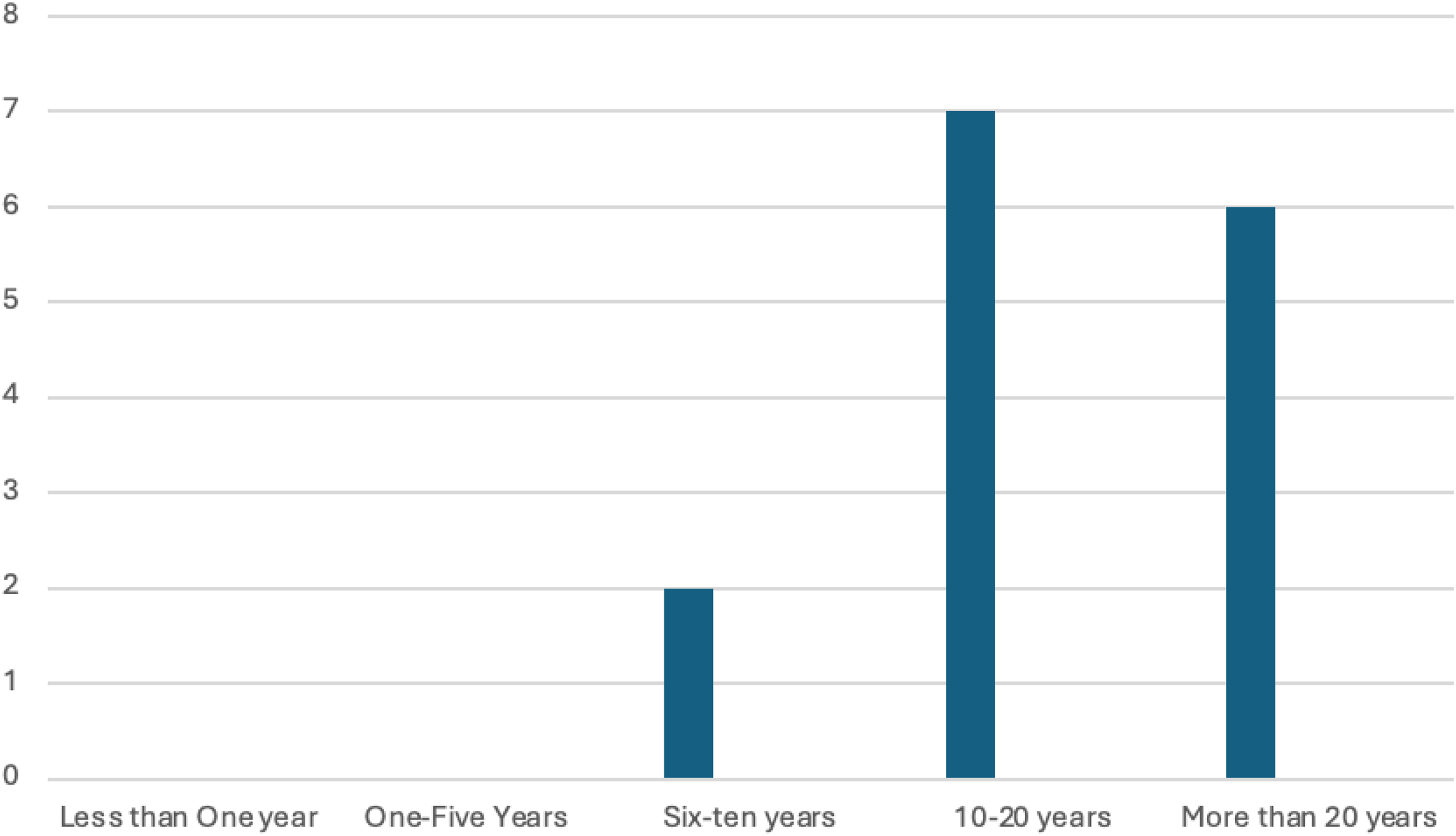
Number of years as a human services professional.
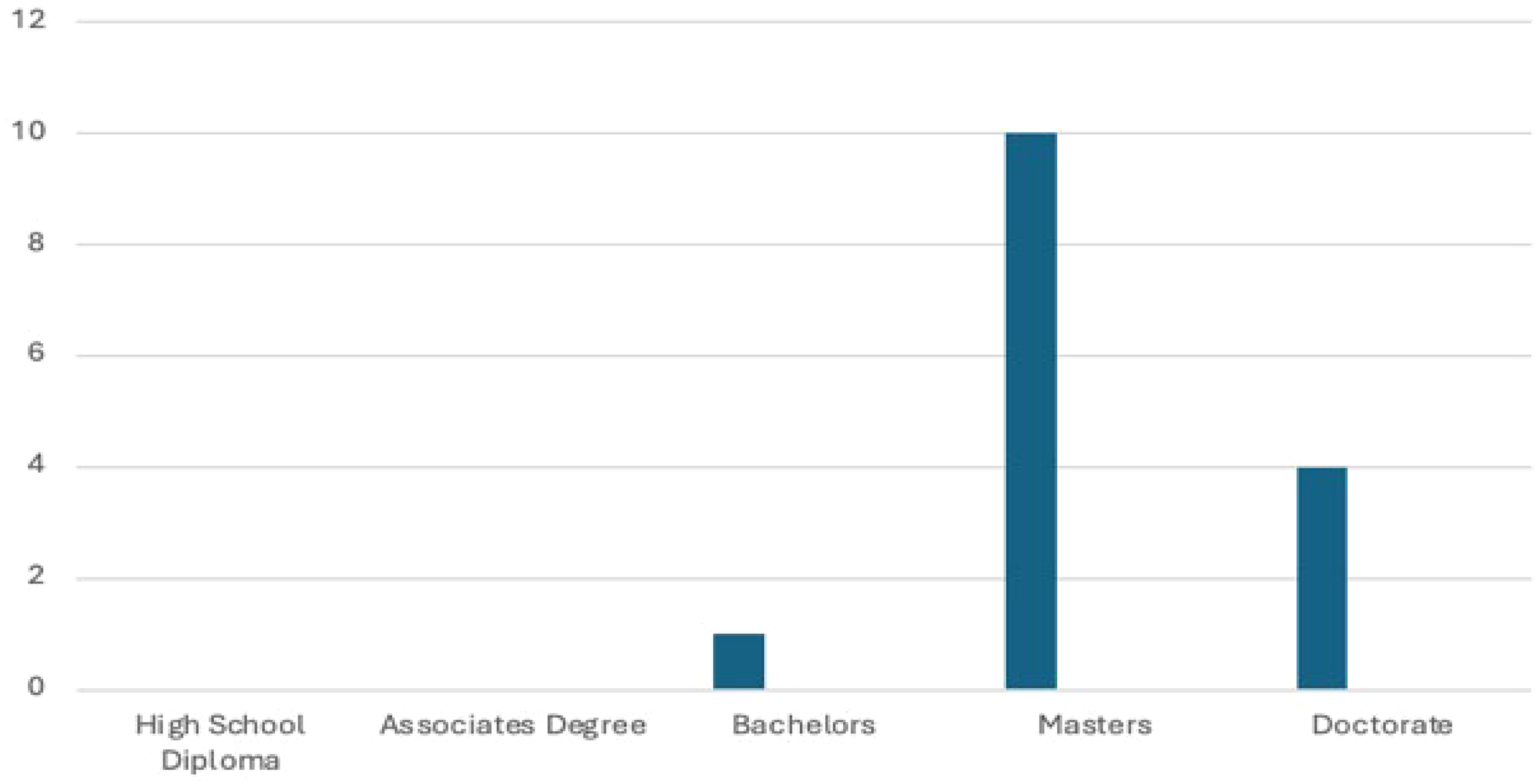
Highest level of education.
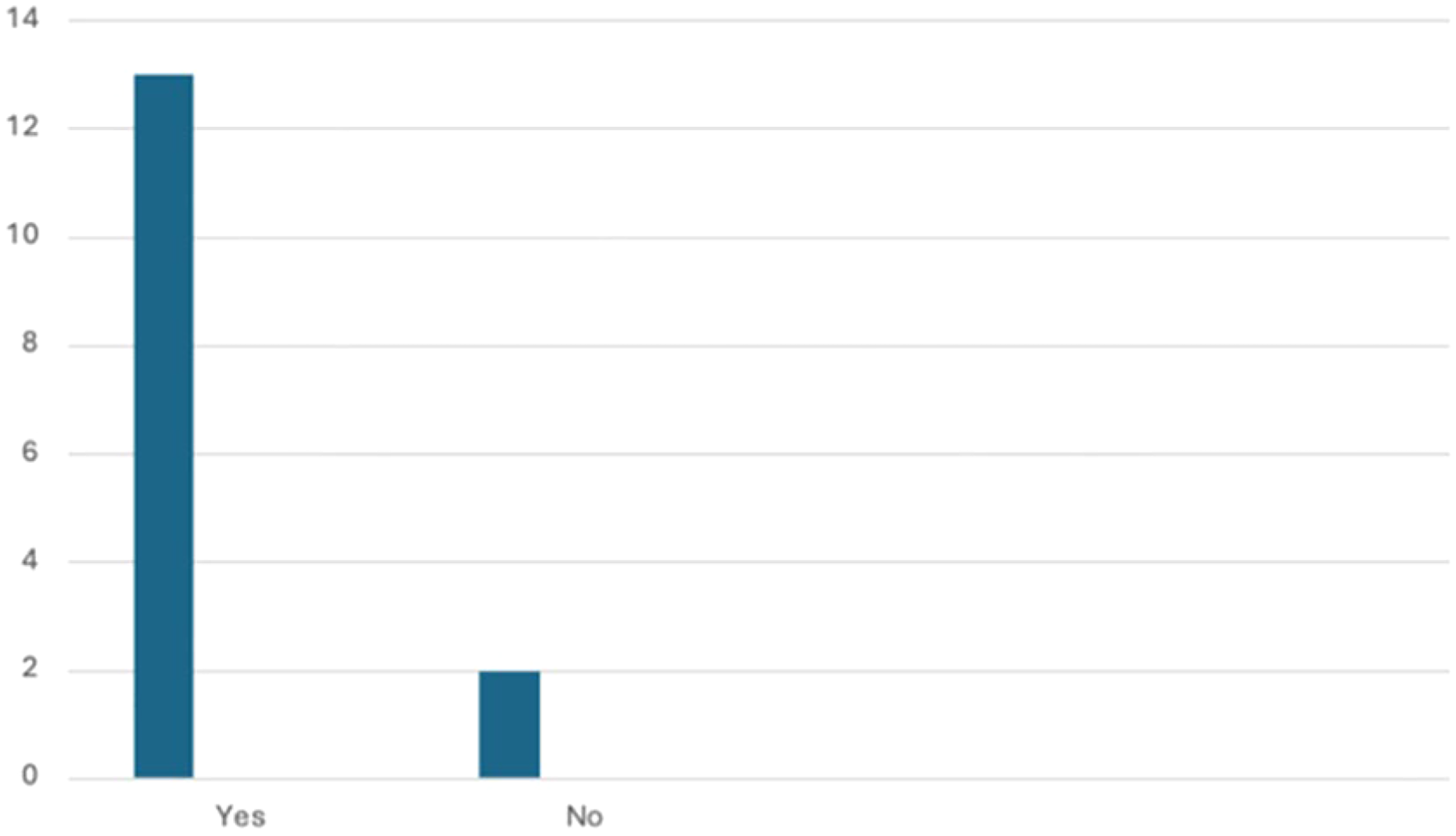
HSPs licensure status.
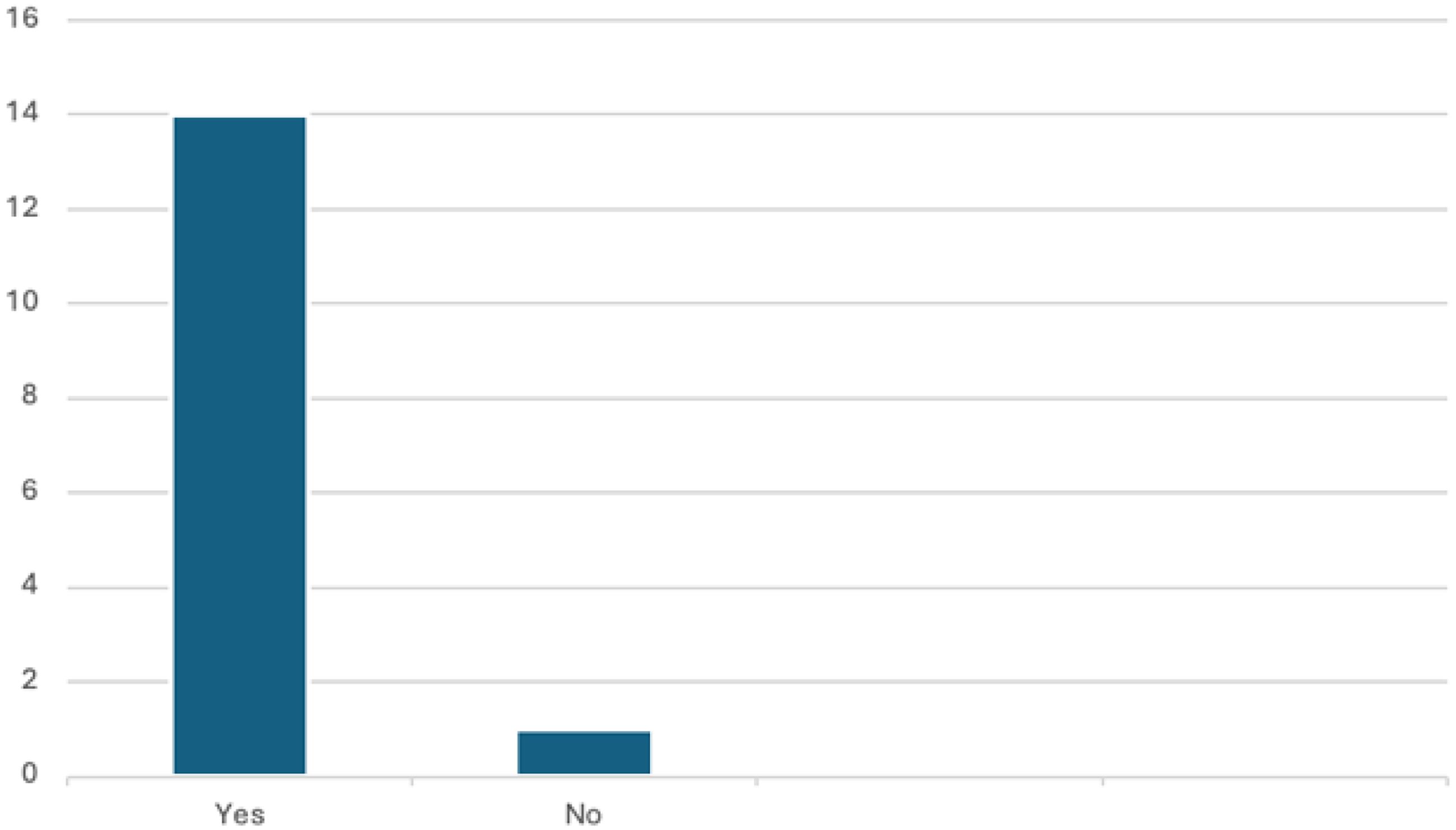
Prior knowledge of cumulative grief/bereavement overload.
Procedure
Charmaz's (2014) constructivist grounded theory (CGT) was used as framework for analysis and coding (see Chun Tie et al., 2019; Saldaña, 2016). Coding and analysis occurred in three distinct phases: initial, focused, and theoretical. Prior and during the phases of coding and analysis, all interviews were transcribed by hand requiring monitoring researcher bias that could compromise this study reliability and validity. Data collection and transcription occurred until data saturation was achieved, and no new themes emerged during analysis. Data saturation was achieved after 15 interviews. Before the essential concept emerged a, a sample of the participant's interviews and identified themes were sent to HSPs not involved in the study to review and evaluate for researcher objectivity.
Interpretation of Findings
The findings of this study explored HSPs’ understanding, assessment, and perception of the complexities of late-life cumulative grief and loss. Connection emerged as the theoretical concept that explained how cumulative grief and loss was expressed and provide valuable insight to helping current and future HSPs by understanding cumulative grief and loss and helping older adults cope with cumulative grief and loss. Connection is embedded through the older adults’ experiences regarding losses, needs, and their gaining connection to a person, place, treasured things, or possessions. Continuing bonds and attachment theories will be used to further explain the meaning of connection and how it relates to the care, support and treatment provided by HSPs to facilitate positive changes to promote successful aging.
Understanding Cumulative Grief and Loss
Understanding cumulative grief and loss was explained by HSPs definition and assessment, identifying the types of losses and changes, explaining the impact on mental and physical health, and the outcomes for older adults with cumulative losses and changes. To facilitate understanding it is critical to provide clarification of the meaning of cumulative grief and loss by establishing a clear definition of the term to be used by HSPs.
In defining cumulative grief and loss, three key elements emerged-the number of loss and changes, the length of time between losses and changes, and the impact of the losses and changes on the older adult's health and well-being. These three elements provided a definition to further explain the meaning of cumulative grief and loss. One HSP participant (P41594) shared their perspective in defining cumulative grief and loss as: Some of those old hurts and pains can manifest and then build upon one another to create an even greater sense of loss of feelings of sadness that may not be connected to the current situation but also coming from past traumas and hardships.
In my experience with the older population there's pieces of grief that they’ve held on to throughout their lives, and so as they age, as they get closer to the end of life it's like it gets tangled together.
The next factor in understanding cumulative grief and loss is to identify assessment tools and strategies that would be helpful for HSPs identifying when an older client is being impacted by multiple losses and changes. HSPs revealed that in assessing the losses and changes in others it is critical to understand their own. This step is important as the lack of understanding their own losses can impact the development of connection between the professional and the older adult. One of the challenges identified by the majority of HSPs in this study was the that “older adults are slow to trust, especially mental health professionals.” Once connection has been established between the older adult and the HSP, assessment skills include asking in-depth questions to facilitate a greater understanding of the types of losses and/or changes and the impact of the quality of life. HSP (P44121), with nine years of experience in the field recalled that assessment of cumulative grief and loss occurs: Pretty much through just conversation. The sessions that I have and the ones that are more open to opening up. It is through conversation and then gaining trust in me to open up, to start sharing some of the losses that they have already dealt with, and then we start talking about loss in general and start looking at the most recent losses having to do with this past year and how they are cumulative on top of what they have already been having to deal with.
Identifying the different types of losses and changes can be important to further formulate a definition of cumulative grief and loss. Before identifying the types of losses and changes, it is vital to understand the feelings of loss. Loss is a feeling that is experienced when attachment to someone or something is disturbed or changed temporarily or permanently (Dozier & Ayers, 2021; Sharif et al., 2021). HSP (P60036) shared that “loss is commonly associated with death; however, any changes that are experienced by an older adult can trigger symptoms of grief.” The types of losses and/or changes that were revealed were those involving self/identity, physical and losses/changes within their support system. It is important for HSPs to look at how older clients explain their feelings of the loss of attachment whether it involves a person, place, or thing.
Lastly, HSPs detailed how positive and negative coping strategies impacted life outlook. Positive coping strategies involve connecting with someone or something that an older adult uses to fill the space left after cumulative losses and/or changes. HSP (P57959) reported that older adults with positive coping skills and strategies “have a better outlook on life” than those with negative coping strategies. HSPs disclosed substance use as one of the most utilized negative coping strategies for grief and loss. Many HSPs perceived the challenges of helping older adults change from their negative coping strategies to more positive ones were due to their age and their overall lack of connection and trust of healthcare professionals. However not all HSPs agreed that age was a determining factor in whether older adults could develop positive coping strategies to help cope with the complexities of late life cumulative grief and loss.
Lastly, understanding cumulative grief and loss involves knowing how the number of losses, the length of time between losses impacts the older adult perception of the loss of connection and the impact on the wellbeing of the older adult. Secondly, HSPs should listen and engage with older adults to identify the various multiple types of losses and changes triggered by the loss of connection. Next, through explaining the physical and mental health impact on the quality of life of older adults and lastly, through understanding of the perceptions and outcomes of older adults experiencing cumulative grief and loss through the experience of HSPs working with them. This next section facilitates a discussion regarding helping older adults cope with cumulative grief and loss.
Helping Older Adults Cope with Cumulative Grief and Loss
Helping older adults cope with cumulative grief and loss is explained through the HSPs influence (connection) in identifying how attachment styles impact treatment, effective treatment of cumulative grief and loss, and the current coping strategies of the older adult. Attachment styles explain how an older adult interacts with people and things and explain how the older adult copes after they experience multiple losses and/or changes they have formed an attachment to within their life (Currier et al., 2014).
The attachment style of the older adult can have an impact on their willingness to be open and honest and seek support and treatment surrounding their feelings about the changes and/or losses that trigger their feelings of grief. Many of these strategies were developed in childhood and carried throughout adulthood even into later life. Also, the attachment style of the older adult influences how the older adult copes with multiple cumulative losses (Ilali et al., 2019; Sharif et al., 2021).
Older adults with more secure forms of attachment are more likely to seek help and are more trusting of HSP to provide support to address the complexities of late-life cumulative grief and loss. On the other hand, older adults with avoidant attachment styles are less likely to seek treatment and support due to their pattern of avoidance of closeness to individuals including HSPs (Ilali et al., 2019; Sharif et al., 2021). Currier et al. (2014) claimed that those with avoidant attachment styles have significant impairments to their physical and mental health. Thus, noting the importance in understanding the attachment style of the older adult to help determine the most appropriate and effective treatment methods. Understanding the attachment style of the older adult can help determine not only the best treatment method but can also help identify positive and maladaptive coping strategies older adults use to help cope with the complexities of cumulative grief and losses.
HSPs have an important role in helping older adult clients through education and treatment. Treatment of cumulative grief and loss could involve various identified methods, including peer support groups or interventions with knowledgeable and experienced professionals. HSP (P39929) shared that by providing an “accepting and nonjudgmental environment” effective treatment can begin with older clients. Many types of treatment involve keeping the older adult socially connected to others.
Social connection is necessary and essential in all phases of life especially in late life and is correlated to good health and quality of life and older adults with more social connection and engagement have a higher quality of life than those without (Wright & Brown, 2017; Saeri et al., 2018; Van Orden et al., 2020). Additionally, older adults with a more secure form of attachment are more likely to benefit from peer support groups and social engagement and interactions for treatment. Thus, showing how older adults with secure attachment styles tend to have a more positive outlook and understanding of the importance of interactions with others on their physical and mental health and well-being. Spiritually based and peer support groups can help those older adults with ambivalent attachment styles loss (Ilali et al., 2019).
Limitations of the Study
Limitations of this study were examined and evaluated routinely to ensure the validity and reliability of the data. One of the limitations of this study was its limited generalizability. This study focused specifically on exploring HSPs’ understanding of late-life cumulative grief and loss in adults 65 and older. HSPs are not the only experienced professionals that play an integral role in providing necessary care and treatment to adults over 65 and older. Another limitation of this study was the age distinction for older adults being 65 and older. The older adult population can be defined in differing dynamics including age. Despite these limitations, this study provided useful insights into the understanding late life cumulative grief and loss through the knowledge and experiences of HSPs working with adult clients 65 and older.
Conclusion and Summary
HSPs play a significant role in helping their older adult clients cope with challenges that can negatively impact their health and decrease their life satisfaction. Because of HSPs direct interactions with clients a well-educated and informed HSP can be the difference in successfully helping older clients face and overcome these obstacles. Unfortunately, the lack of available information is a barrier in training current and future HSPs to work with the older adult population. This paper focused on adding knowledge and information to the limited knowledge informing HSPs direct practice with the growing older adult population by focusing on cumulative grief and loss.
In working with older adults with cumulative losses and changes, HSPs should be aware of the importance of connection and how it can impact the professional/client relationship dynamics. Understanding connection can be helpful in building strategies and guiding interventions to address the impact of cumulative grief and loss. This study aimed to provide knowledge and information to support and help develop and facilitate training and education curricula to help current and future HSPs to meet the needs of their 65 and older clients. Only when HSPs began to understand the complexities of late-life cumulative grief and loss and how it impacts the physical and mental health needs of older clients can positive social change begin to meet the needs of this growing segment of the population.
Footnotes
Declaration of Conflicting Interests
The author declared no potential conflicts of interest with respect to the research, authorship, and/or publication of this article.
Funding
The author received no financial support for the research, authorship, and/or publication of this article.
