







Abstract
This study aimed to explore metaphoric perceptions of patients with COVID-19 including treatment process, family relationships, and mental health via using metaphors. Purposive sampling was used to include participants. Totally 46 patients diagnosed with COVID-19 were included in the study. The metaphor-based data collection process was carried out with three open-ended questions. The metaphors compiled according to questions and grouped by 13 themes according to analysis. Patients explained to COVID-19 process by using 91 different metaphors. Most frequently used metaphors by patients; black hole/dark for the treatment process of COVID-19, steel for family relationships, sea metaphor for mental health. This study, it was determined that individuals are afraid of death, have a serious perception of uncertainty, and their family relationships and this process negatively affected their family relationships and mental states. Nurses have important responsibilities to increase the quality of patient care.
Introduction
At the end of 2019, the presence of a pathogenic agent of unknown ethology and damage to the respiratory system was reported in China (Lu et al., 2020). On 30 January 2020, The World Health Organization (WHO) declared the severe acute respiratory syndrome coronavirus (SARS-CoV-2) to be a Public Health Emergency of International Concern (Sohrabi et al., 2020). The symptoms of COVID-19 infection appear of approximately 5.2 days (Bai et al., 2020). The most common symptoms of COVID-19 illness were reported that fever, cough, fatigue, sputum production, headache, hemoptysis, diarrhea, dyspnea, and lymphopenia (Rothan & Byrareddy, 2020). Each of these symptoms negatively affects the daily activities, social and work life of the patient (Sabucedo et al., 2020; Woods et al., 2020). Understanding how these major impacts are interpreted by patients to plan correct health service policies is very important. Individuals’ concretizing their experiences and feelings with the help of metaphors can be a facilitating strategy to get to know them correctly (Spina et al., 2018). Metaphors are defined as tools that people try to explain events and objects by using different concepts (Morgan, 1993). The metaphor may be a good method for patients when they want to express their experience related to the disease, since metaphors can associate a concept with an image of a familiar condition (Lakoff & Johnson, 2008). Thus, both similar visualization of the disease and their effects on the patient can be commented on more accurately.
The current literature shows that metaphors can transfer perceptions and emotional associations (Landau et al., 2018). Healthcare professionals can plan their needs by getting information from patients through metaphors. Therefore, it is important to consider metaphors as a potential strategy to increase the quality of health communication (Peters et al., 2013). Metaphors provide to embody patients’ thoughts about health status and give tips on patients’ care needs. Thus, the metaphors that patients use in their communication with nurses can contribute to the development of nursing diagnoses (Lazard et al., 2016).
In literature, in a study conducted by Ari and Arslan (2020) to determine the metaphors of students about COVID-19, they found that the students’ mostly associate that “flu,” “lice,” “agent,” “earthquake,” and “octopus” to COVID-19 (Ari & Arslan, 2020). Saatci and Aksu (2020) explored how they defined and articulated the COVID-19. They found that metaphor use fell under eight themes. The themes emerged as “Natural Events,” “Health,” “Thinking About Life,” “Education,” “Death,” “War,” “Art,” and “Innovation” In another study, researchers asked patients to use metaphors to describe their pain. Most used metaphors (Barbed wire wrapped around my feet, crushed by a car, etc.) were likening chronic pain to physical damage (Munday et al., 2020). Besides these important results, one effect of the pandemic was the uncertainty around the world (Freeston et al., 2020) People’s ability to tolerate uncertainty and cope with a situation may be negatively affected in this condition (Hagan et al., 2017). The literature provides important indications that the COVID-19 pandemic has alterations and negative impacts on people’s psychosocial health due to the uncertainty and fear that occurred (Rettie & Daniels, 2021; Wang et al., 2020).
Analyzing patients’ metaphors is a valuable method of understanding their world in the treatment process. A better understanding of disease metaphors via researchers may occur more practical implications intended to healthcare offerings and creating targets for clinical care. In this way, the nursing approach can be more qualified planned toward care needs that may not be expressed clearly. Providing implementations aimed at these care needs will help patients find high levels of physical, psychosocial, and emotional comfort (Jenny & Logan, 1996). The aim of this qualitative study is to explore perceptions of the COVID-19 diagnosed patients through metaphors.
Research Questions
The study seeks to answer the following questions:
What are the metaphors used by the patients during the COVID-19 treatment?
What are the metaphors related to their family relationship used by the patients during the COVID-19 treatment?
What are the metaphors related to their mental health used by the patients during the COVID-19 treatment?
Method
Study Design and Setting
This qualitative research, which is planned as a descriptive phenomenological approach with metaphoric analysis and is aimed to evaluate the views of patients diagnosed with COVID-19 through metaphors.
Participants
It presented the study; purposive sampling was used. Totally, 80 patients with COVID-19 who were treated in the hospital were reached. The language of participants and the transcripts were in Turkish language. The patients were selected based on the inclusion criteria: (1) hospitalized patients who were positive for COVID-19 from December 2020 to January 2021, (2) willingness to participate in the study, (3) ability to establish communication, (4) literacy. The exclusion criteria for the patients were lack of e-mail addresses and emphasized that the e-mail address will not be shared with third parties.
The research collected the contact info of 55 patients, and the form was sent to them after they were discharged. In this study, data saturation was reached, at the 46 patients. Since qualitative research does not aim to make any generalization, it is more important to understand it in depth rather than measure the event or phenomenon. For this reason, after a certain stage working with a small sample group to prevent data repetition and perform more detailed analysis may provide more beneficial results.
Data collection
The study data were collected between December 2020 and February 2021 in two COVID-19 clinics in a hospital in Ankara, Turkey. The metaphor-based data collection process was carried out with open-ended questions. Due to the safety measures taken because of the coronavirus pandemic, provided a Patient Information Sheet, consent form explaining the study and a questionnaire was sent to patients via a google form. After analyzing the raw data, the patients’ data in which the questions were blank and data submitted twice were not included in the analysis.
The questionnaire was prepared by the researchers following a thorough search of the literature and included five demographic characteristics, age, gender, education, and living place (Chung et al., 2020; Munday et al., 2020; Rajkumar, 2020). To determine the metaphorical sense, participants were asked to fill in the blanks in the statements below:
“Write the emotions (butterfly, soldier, sea, magic, angel, etc.) that the expressions in the following sentences make you feel. Diabetes is like oceans because I think I’ll never get better. Heart disease looks like magic because it changed my whole life.”
During the COVID-19 treatment process is like “. . .. . ..” because “. . .. . .. . ..”
During the COVID-19 pandemic process, my family relationships are like “. . .. . ..” because “. . .. . .. . ..”
During the COVID-19 pandemic process, my mental health is like “. . .. . ..” because “. . .. . .. . ..”
Before asking to complete the survey, an explanation and examples were given about the metaphor phenomenon to help patients to produce metaphors and to activate their metaphor perceptions. In the study, the patients were asked to justify the metaphors they formed about coronavirus by including the concept of “because.” The reason for requesting this justification is to ensure that the intended use of the metaphor is correct.
Statistical analysis
The descriptive statistical analysis with metaphoric analysis of the study results was performed using the IBM SPSS version 21.0 (IBM Corp., Armonk, NY, USA).
Data analysis
Data analysis was were analyzed using the thematic analysis method developed by Braun and Clarke. The thematic analysis applied was based on descriptive phenomenology with metaphorical analysis (Willig & Rogers, 2017). Thirteen themes emerged. The data analysis obtained as a result of the research was carried out with the thematic analysis method. The answers that could not be completed at the data entry stage, that did not contain metaphors, and the questions that were left blank were excluded from the study.
The stage of analyzing the metaphors developed by patients was carried out as follows; reading of the data, comparing the meaning of metaphors’ similarities and differences, describing themes, and validity and reliability phase. The data were analyzed and read over and over and were interpreted by two researchers to increase the validity and reliability of the study. The researchers met regularly to get feedback on their assessment of the patients’ data. In addition, during research, to ensure scientific rigor and phenomenological validity regarding reflectivity, reliability, and transferability we considered the following questions while creating the themes we obtained (Sundler et al., 2019 ):
Is the analysis presented thoroughly?
Is it clear how themes were derived from the data?
Is the analytical process and themes presented demonstrated with quotes?
Are the findings presented in a logical way, relevant and meaningful, and contribute new knowledge?
Have researchers critically reflected on the process and examined their role and influence during the analysis?
Has the analysis and findings been reviewed by all researchers?
Overall, the process of analysis can be complex, and the researcher needs to be flexible. This process is summarized in Figure 1 and detailed in the description below.
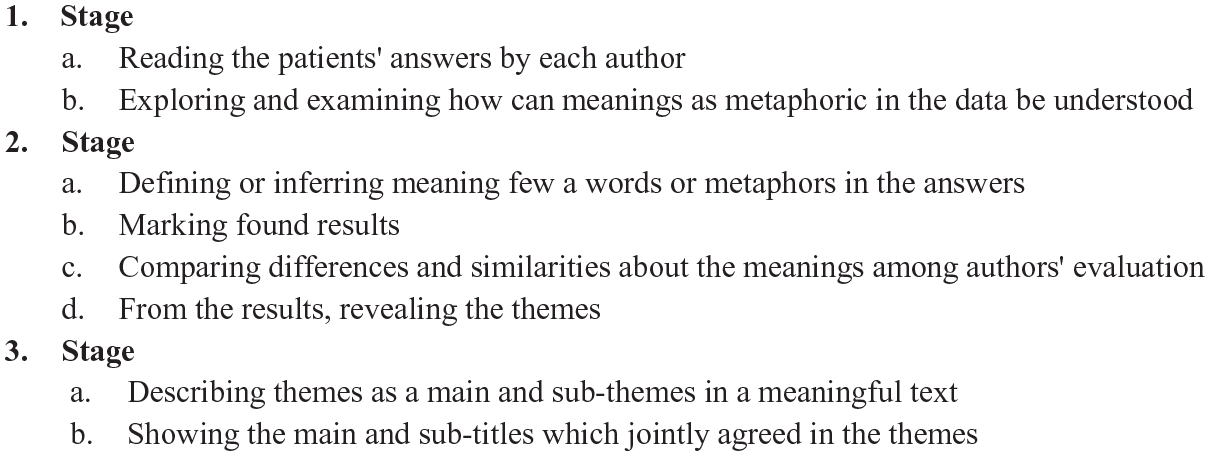
Summary of metaphoric analysis process.
Ethical considerations
Ethical approval for this study was obtained from our university’s Ethics Committee (no. 2020-396) and Ministry of Health (14T16_22_33).
Results
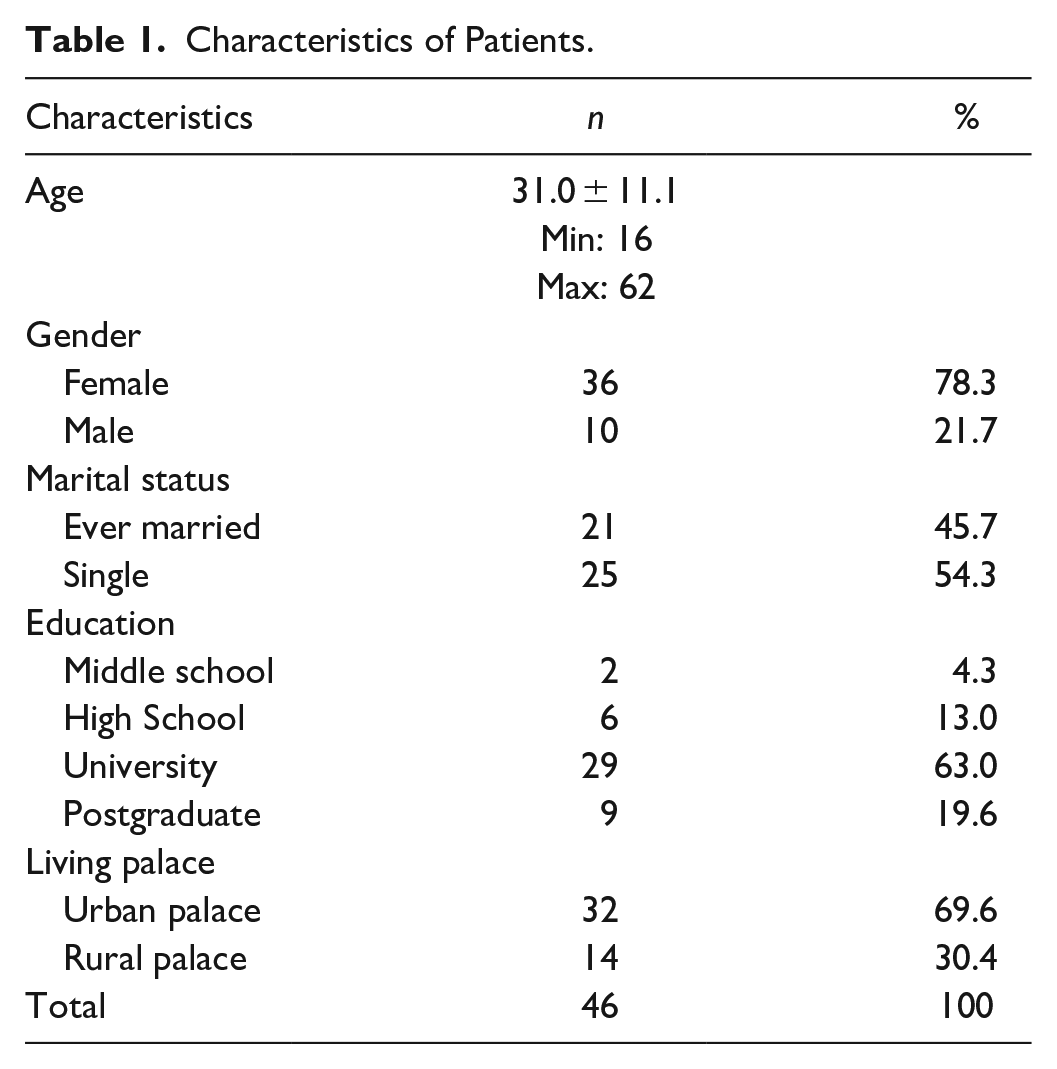
In this study, in which the metaphorical perceptions of patients with COVID-19 disease were examined, the sociodemographic characteristics of the patients are given in Table 1.
Characteristics of Patients.
Themes were determined within the scope of three questions asked to the patients. Five themes related to the COVID-19 treatment process, six themes related to family relations in the COVID-19 process, and two themes related to the mental state in the COVID-19 process were determined in Table 2.
COVID-19 Treatment Process.
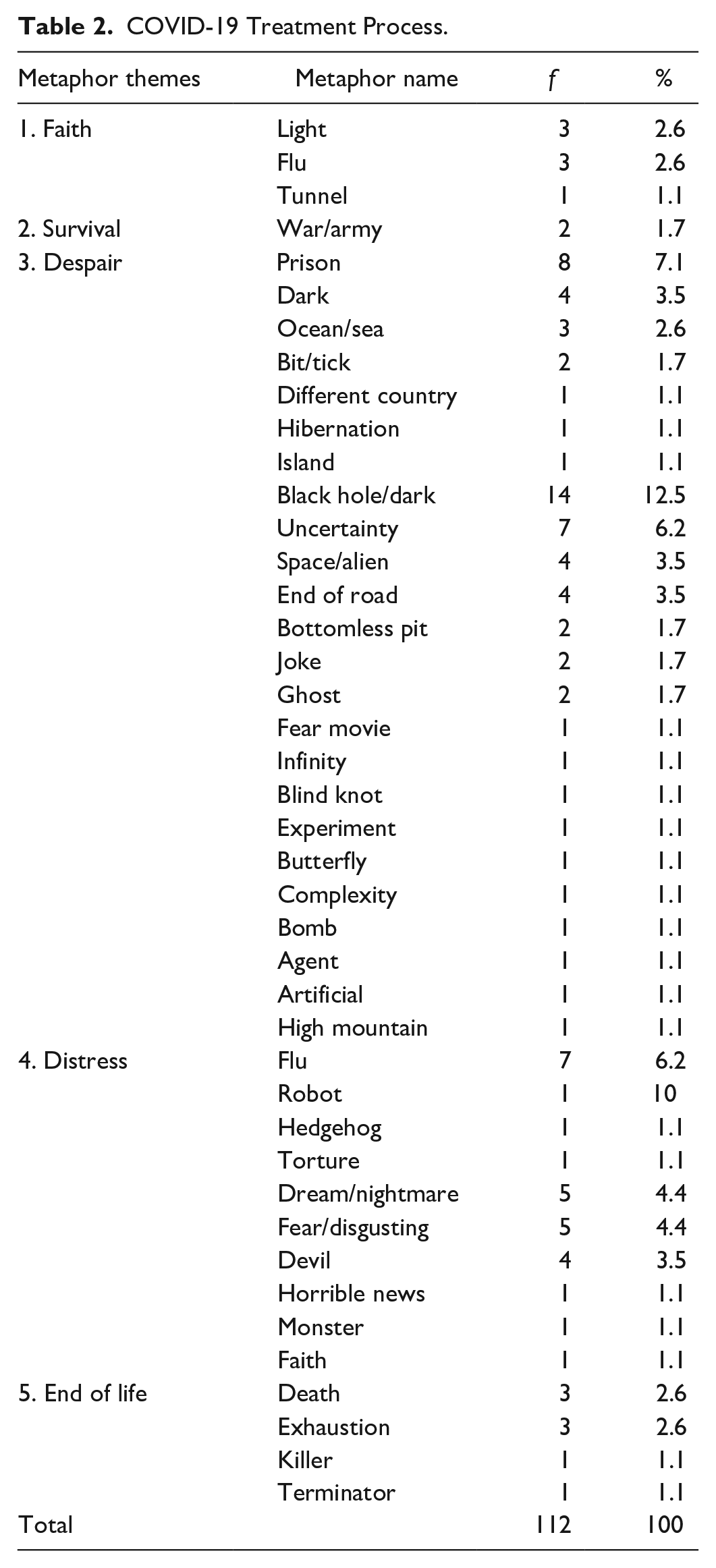
Metaphors of COVID-19 Treatment
Seven main themes emerged from the COVID-19 treatment process interviews, which were “faith,” “survival,” “hopelessness,” “uncertainty,” “agony suffering,” “fear,” and “death.”
Faith
This theme focused on how the COVID-19 treatment process was developed. The descriptions were divided into three metaphors: (1) tunnel, (2) light, and (3) flu. Patients viewed the COVID-19 treatment process. They expressed their belief that this process would end well.
It looks like a tunnel because the light is seen at the end of the quarantine.
The COVID-19 disease looks like the flu because I believe it is late.
Survival
The patients defined the treatment process with the concepts of a strong army and war. They expressed that if you take your medicine, as in war, you can fight the enemy and defeat him.
It looks like an army with heavy ammunition because the fight is won with good equipment.
It looks like a war because no matter how hard we get hit and injured we have to stay standing until it’s over.
Despair
The patients described the COVID-19 treatment process as a difficult status, a disease that will never heal, or a never-ending process with twenty-five metaphors. These metaphors were gathered under the theme of despair: (1) different country, (2) prison, (3) island, (4) hibernation, (5) dark, (6) ocean/sea, (7) bit/tick, bottomless pit, (8) sea, (9) uncertainty, (10) endless road, (11) horror movie, (12) quicksand, (13) blind knot, (14) infinity, (15) experiment, (16) black hole/dark, (17) space/alien, (18) butterfly, (19) joke, (20) complexity, (21) ghost, (22) agent, (23) bomb, (24) artificial, and (25) high mountain.
It looks like the chain on the feet of life prisoners because once I meet it, I feel like I won’t be able to get rid of it even if I get better.
It looks like hibernation because we’ll see the effect for a long time.
It looks like a tick because once you get infected, it leaves a trace, you cannot get rid of it.
It looks like dark collapse because as if no sun will be rise on us.
It looks like a butterfly because I still don’t know what will happen next.
It looks like an unknown bomb in a minefield because it is not clear when it will come from and what effect it will have.
It looks like space because it was uncertain how I would pass the disease process.
It looks like a fearful dream because it’s uncertain how we’ll spend it.
It looks like complexity because nothing is clear.
It looks like black hole because the end is not visible.
It looks like end of road because when it will end.
Distress
Some patients expressed that it was a painful, uncertain and disrupted their life order process that they experienced during the COVID-19 treatment process. The process in which they live have identified the following four metaphors: (1) robot, (2) flu, (3) hedgehog, (4) torture, (5) horrible news, (6) monster, (7) fear, (8) dream, (9) faith, and (10) devil.
It looks like torture because it was a very painful process.
It looks like a hedgehog because it hurts spiritually and physically.
It looks like a robot with a chip because when the disease is infected, there is no sense of smell and taste like a robot.
It looks like flu because the symptoms were more severe than the flu.
It looks like horrible news because it’s like having an incident more negative than cancer.
It looks like a nauseating creature because it is both a scary and nasty disease.
It looks like falling into excitement and fear because uncertainty and fear of death make people nervous.
It looks like the devil because it affects your life in a bad way unintentionally so I’m afraid.
End of life
Because the Corona Virus is deadly, some patients thought that they would die when they encountered the virus. These thoughts are grouped under four metaphors: (1) death, (2) terminator, (3) exhaustion, and (4) killer.
It looks like a terminator because it kills everyone it meets.
It looks like death because I was afraid that I would die.
It looks like a bloodthirsty killer because he’s killing constantly.
Metaphors of Family Relationships
Themes were created to ask how family relations were affected during the COVID-19 process (Table 3).
Family Relationships.
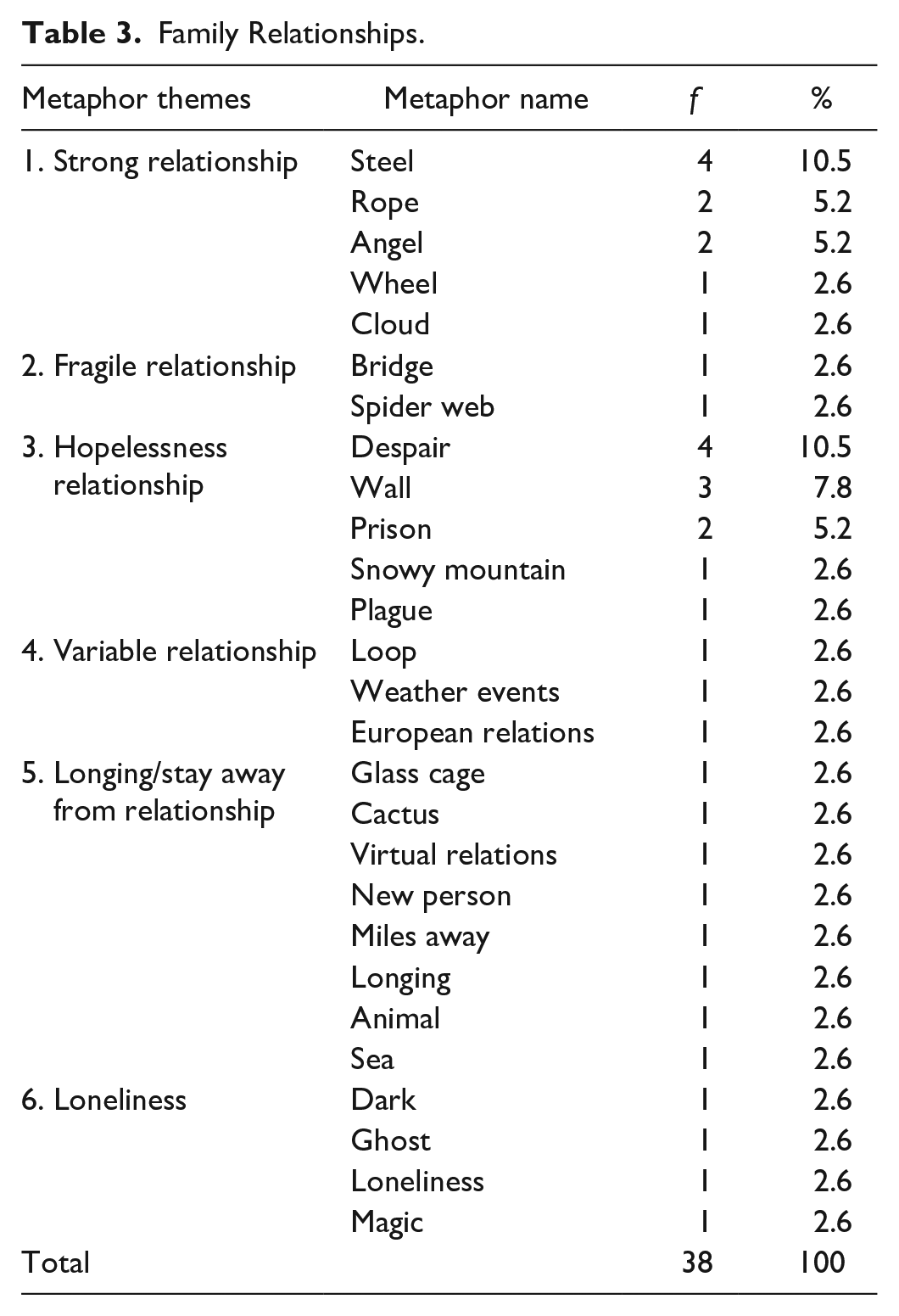
Strong relationship
The patients stated that family relationships got stronger during the illness process, they supported each other, and they understood better. Five metaphors, namely (1) angel, (2) steel, (3) wheel, (4) rope, (5) cloud, had been defined. The following examples illustrate the metaphors identified under this theme.
It looks like steel because we understand each other’s importance better with strong and compassionate feelings.
It looks like a wheel because the family has shown more support than ever before.
It looks like clouds because we got very close to each other like them.
It looks like a rope because I need a tighter hug as I fear losing them.
Fragile relationship
Some patients stated that family relationships were fragile during the COVID-19 process with the following metaphors, (1) bridge and (2) spider web.
It looks like a rocking bridge because everyone is trying to fight on their own and the sense of togetherness is diminishing.
It looks like a spider web because relations are tight like a tightly-knit web, but it breaks easily.
Hopelessness relationship
During the COVID-19 process, some patients express that they feel helpless and lose hope in family relationships. Metaphors on this theme: (1) despair, (2) wall, (3) prison, (4) snowy mountain, and (5) plague.
It looks like the Berlin wall because I can’t cross the border and see my family.
It looks like a snowy mountain because I feel like I would never see my family.
It looks like a prison because I don’t see anyone.
Variable relationship
Some patients explained that they think that the uncertainty of the illness process is reflected in family relations, using metaphors such as (1) weather events, (2) loop, and (3) European relations.
It looks like weather events because one good and one bad.
It looks like European relations because he is very distant, and emotions are pushed into the background.
Longing/stay away from relationship
Some of the patients stated that they missed them very much because they did not see their families during the treatment period. They described these feelings with the metaphors (1) glass cage, (2) cactus, (3) virtual relations, (4) new person, (5) miles away, (6) longing, (7) animal, and (8) sea.
It looks like virtual relationships because I can only see them on the screen.
It looks like a giant cactus because it is necessary to stay away from approaching.
It looks like the sea because there were distances between us.
It looks like an innocent animal, damaged by its environment because nobody can get close and no contact can be made.
Loneliness
Few of the patients stated that they were left alone and away from their families because the treatment process was in the hospital. Metaphor examples of (1) dark, (2) ghost, (3) loneliness, and (4) magic were given below.
It looks like a ghost because when you are there, you cannot see any of them when you need them most.
It looks like magic because you walk away from everyone.
Metaphors of Mental Health
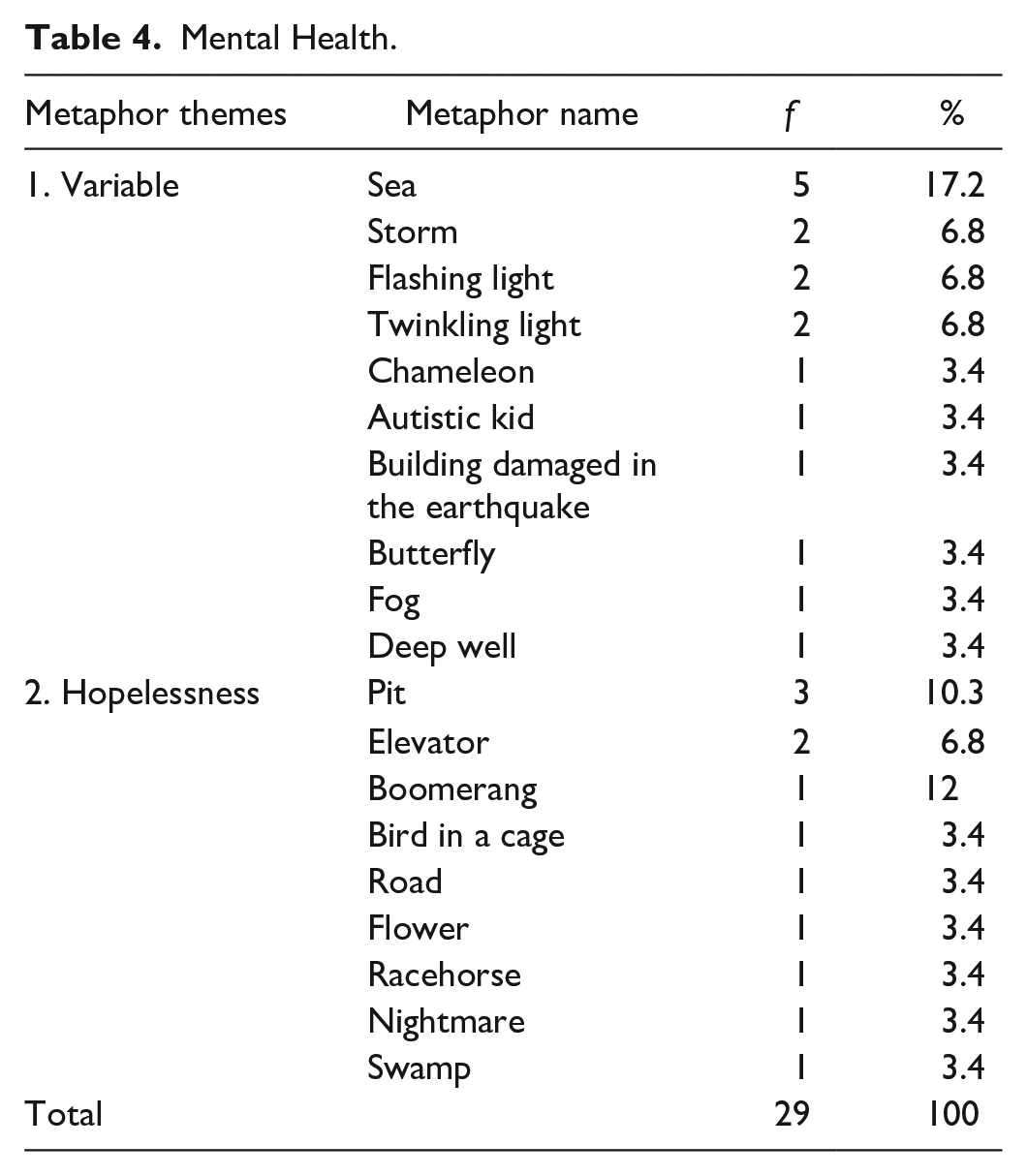
In the third question, in which the patients stated their mental state throughout the COVID-19 process, the following themes were specified. (Table 4).
Mental Health.
Variable
Some patients stated that their mental state fluctuated at all times and it was not clear how they felt. The metaphors used were (1) chameleon, (2) flashing light, (3) autistic kid, (4) storm, (5) sea, (6) twinkling light, (7) building, (8) butterfly, (9) fog, and (10) deep well. Some examples related to this theme are given below:
It looks like a chameleon because like it, my mood varies.
It looks like flashing light because sometimes I feel good and sometimes bad.
It looks like an autistic kid because it makes me dull and uninterested in my surroundings.
It looks like the sea because it’s always wavy.
It looks like a building damaged by an earthquake. It can be destroyed at any time.
Despair
Most of the patients stated that their mental state was badly affected during the COVID-19 process and that they would never feel better. The metaphors used were (1) pit, (2) elevator, (3) road, (4) flower, (5) bird in a cage, (6) boomerang, (7) racehorse, (8) nightmare, and (9) swamp and examples are given below.
It looks like staying in an elevator because our social lives have been restricted for a very long time to slow the increase of the epidemic.
It looks like a deep well because it is a boring situation that makes a suffocating person spiritually dark.
It looks like a boomerang because we just can’t get out
It looks like a flower that fades when it does not water for a day because it can create a collapsing effect both mentally and physically.
It looks like a racehorse because you’re always in a race.
Discussion
This study shows how patients diagnosed with COVID-19 express their views on treatment, family relationships, and mental health processes using metaphor. Thirteen themes related to the questions posed to the patients were determined.
Negative experiences caused by diseases can cause serious problems for people. Patients, who shared the effects of the COVID-19 treatment processes through metaphors, defined 42 different metaphors, which mostly identified despair. From the metaphors, it was apparent that the COVID-19 treatment process was extremely uncertain for patients, and therefore they were negatively affected by this process. The COVID-19 pandemic has composed a great deal of uncertainty in people’s lives. Even many scientists have written scientific articles on it. However, humanity does not have enough data on the COVID-19 effects (Koffman et al., 2020). Also, In the current literature, there are no effective treatments for COVID-19, and those available are substantially supportive or palliative (Cortegiani et al., 2020). It is seen that these inadequate developments and uncertainties affect patients’ evaluation of treatment processes negatively. Therefore, we call for integration into the COVID-19 treatment process throughout holistic care in nursing practices to ensure that the needs of patients and families are met in these desperate times.
Metaphors by portraying life-threatening diseases as enemies can seek to activate the population to fight a common threat (Sontag, 1989). From the past to the present, war metaphors have been used to combated many life-threatening diseases such as HIV and cancer (Lederberg, 2000). The pandemic notice, emphasized that there is a war with COVID-19 through both media and government discourses (Craig, 2020; Wicke & Bolognesi, 2020). These developments were thought to affect the patients’ thoughts about the COVID-19. Besides, the aim to empower patients using war metaphors could make negative situations on patients, such as feelings of vulnerability, passivity, and guilt when the disease progressed (Rohela et al., 2020). This study showed that the patients expressed the treatment process either directly through the metaphor of war or suffering, fear, and death. Many negative events occurred due to the poor management of the COVID-19 process, and these living experiences showed as a series of tragedies. Although the effect on the public is not completely known, it is very important to inform patients and the public by healthcare professionals who are competent on COVID-19 to provide clear information and adequate support services. Firstly most-produced metaphor title related to the COVID-19 treatment process was despair. Against the COVID-19 pandemic, there is no defined specific treatment protocol, except infection control, and symptom management. Thus, the circumstance on management for COVID-19 created an atmosphere of great fear (Olwenyi et al., 2020; Shigemura et al., 2020). In addition, the isolation period length caused negative psychological effects, anxiety, and unhappiness (Gammon & Hunt, 2018). For this reason, the patients expressed their COVID-19 treatment process using metaphors mostly such as prison, hibernation. Since most of the metaphors expressed by the patients about the subject in this study were negative, it is thought that the treatment process affected the patients negatively. It can be thought that the patient’s inability to see her family for a long time, being away from her social life, and being in an unknown place for a long time may cause this situation. Depending on these situations, unfortunately, “deaths of despair” increase in patients, and lead to increasing the use of alcohol and other drugs to cope with the COVID-19 pandemic (Koob et al., 2020). Therefore, we think that the despair metaphor should take seriously. According to WHO (2020), practical steps to manage our mental health during these difficult times include managing media consumption and accessing information which allows us to take reasonable steps to protect ourselves and our loved ones. We suggest setting up regular phone calls or video conferences with family, friends, and colleagues can bridge the gaps brought on by social distancing. As social beings, we need each other. As we are being asked to act in an increasingly unsocial way to overcome the challenges of this pandemic, we remember are all in this together and act accordingly.
Considering the themes, the family relationships of the patients were generally affected adversely during the COVID-19 treatment period. The emotions that stand out were longing and loneliness. The literature states that patients who are no longer allowed to visit patients due to COVID-19 policies to control the spread of coronavirus during the treatment process miss their families (Ones, 2020). In this regard, nurses provided the greatest support to patients treated in the hospital. Since this process was shorter and temporary for patients receiving home treatment, it is predicted that family relationships would improve after this process (Ergul & Yilmaz, 2020). Also, a recent review of quarantine found that loneliness, depression, and other psychological health effects were among the most common consequences of quarantine and other physical withdrawal measures (Brooks et al., 2020). Accordingly, In the present study realized that the loneliness of individuals in family relationships was a natural consequence of the variability of these relationships. In addition, changes in the relationship between parent-child relationships or couple relationships also differed in patients and suggest that decreasing parental stress may be an impactful means of supporting family wellbeing during the COVID-19 pandemic (Chung et al., 2020). If married couples experience problems such as stress and attachment anxiety, they may have evaluated the family relationship process accordingly.
While the family relationships of the patients were generally affected negatively, some patients were positively affected. In the statements, the patients stated that their relationship with their families became stronger during this period. The literature supporting these results illustrates that family members attach importance to supporting, caring, and harmonizing each other in the COVID-19 process (Ergul & Yilmaz, 2020). The metaphors emphasized by the patients regarding the family process differ. Although the negative reflection of the COVID process on family relationships is seen in the literature, our study also reveals that patients, strengthen their family relationships, as well as supporting this situation. This contrasting situation may be related to situations such as stress, anger, and fear experienced by patients and they are coping with it. We think that external social support, when needed, will positively affect family relationships, such as sharing feelings within the family. Nevertheless, qualitative studies are needed to reveal their thoughts in detail since the patients describe this process with metaphor.
Uncertainty increases alarm feelings that result in behaviors aimed at reducing the uncontrollable situations that people fear. Besides, the case of mass quarantine, social isolation, and the inability to tolerate distress may increase anxiety, fear of being trapped, loss of control, and the spread of rumors. These rumors may feed feelings of uncertainty and cause panic. The anxiety associated with this pandemic is also exacerbated by reminding people of their own mortality (Arndt et al., 2004; Rubin & Wessely, 2020; Usher et al., 2020). In this study, the depiction of patients’ moods by using metaphors such as a child with autism, chameleon, flashing light, and the sea increases their sense of alarm Undesirable consequences such as social distancing measures, social isolation, loneliness, sudden changes in daily habits, unemployment, and financial insecurity affected the mental health of the whole society, especially COVID-19 with patients (Vatansever et al., 2021). Changes in family communication due to social isolation cause feelings such as uncertainty, hopelessness, and fear in individuals to come to the fore (Mucci et al., 2020). In addition, it may take weeks or months for the long-term mental health effect of COVID-19 to fully emerge. Therefore, it is suggested that patients seek support from healthcare professionals to manage this effect of COVID-19 (Rajkumar, 2020).
Conclusion
Within the scope of this study, 46 patients’ metaphoric perceptions of the COVID-19 pandemic were analyzed with the descriptive phenomenology with metaphoric analysis method. Thus, a total of 13 metaphor categories were reached. These categories were gathered under three open-ended questions. Most constantly used of metaphors determined black hole/dark for the treatment process of COVID-19, steel for family relationships, sea metaphor for mental health. Pandemic is a long and challenging process for patients and their relatives. In this process, supporting individuals and following up with them during and after the COVID-19 disease process could be essential for society. It presented study concluded that the COVID-19 disease caused negative judgments and thoughts in the individuals with the disease. It is known that individuals who should live far from their families during the COVID-19 hospitalization are affected in many ways. Therefore, supporting the patients and their relatives psychosocially is one of the important responsibilities for healthcare professionals.
Footnotes
Acknowledgements
The author thanks to all patients who participated in the study and to the hospital team who supported they in conducting the study.
Declaration of Conflicting Interests
The author(s) declared no potential conflicts of interest with respect to the research, authorship, and/or publication of this article.
Funding
The author(s) received no financial support for the research, authorship, and/or publication of this article.

Implications for Clinical Practice
Metaphors are a good choice for planning nursing interventions care approaches and providing holistic care.
● Determining the metaphorical perceptions of patients during the COVID-19 treatment process is important for the care of the patient and his family.
● Determine the situations that affect the patient and family relationships as a result of metaphors supports the development of patient relationships and nursing care.
● Metaphors will improve patients’ mental health provides the emergence of nursing approaches. Therefore, effective nurse-patient communication is very important.
Author Biographies
Betul Cakmak Department of Internal Medicine Nursing, University of Yıldırım Beyazıt, Ankara, Turkey. Her study areas are “oncology, geriatrics-gerontology, patient education, and palliative care nursing”.
Afra Calik Department of Internal Medicine Nursing, University of Hacettepe, Ankara, Turkey. Her study areas are “geriatrics-gerontology, nursing education, and gamification”.
Vardar Inkaya Department of Internal Medicine Nursing, University of Yıldırım Beyazıt, Ankara, Turkey. Her study areas are “diabetes n, home care, endocrine nursing”.