







Abstract
The aim of this research article was to cultivate Environmental Consciousness in members of the school community. The research took place in an Elementary school in Cyprus. It lasted for 6 months (October 2020–March 2021). This research endeavored to employ action research as a methodology. The researchers devised an action plan aimed at instilling a sense of environmental stewardship in the students. Then, the participants critically analyzed the processes and outcomes of the activity, providing a reasoned explanation of what took place. They reflected on both organizational and personal processes and outcomes. Τhe participants’ group consisted of 15 teachers, 1 head teacher, 2 sub-principals, and 250 pupils. The majority of the pupils come from low-income immigrant families. During July and August of 2021, the results of questionnaires, interviews and other material related to the program were analyzed. For the purposes of this study, we used the following research tools: questionnaires, interviews, and personal diaries.
Introduction
The principal has a significant influence on the procedures that schools follow. As a result, the leadership model used in each situation may also contribute to the improvement of schools’ environmental policies.
There has been considerable debate over the last few decades concerning the best effective leadership paradigm in education. We use the terms “type,” “model,” and “style” of leadership to refer to the way a leader perceives and defines his or her job within the school community, as well as the way he/she participates in the decision-making process (Charalampous and Papademetriou, 2019a).
The most popular models of educational leadership
According to international literature, the most prevalent style of leadership appears to be transformative. According to Balyer (2012, p. 583), it is distinguished by the following characteristics: “the idealized influence on the leader's behavior and that of his followers, the inspirational motivation, the individualized thinking that motivates the leader to treat each person as an individual and to act as a mentor who helps him develop his potential. Finally, dialectical stimulation reflects the leader's desire to inspire his people to be creative, imaginative, and capable of resolving difficulties in novel ways.”
Balyer (2012) continues by stating that a transformational leader must satisfy the needs of others, empower them, and serve as a role model for people to follow in order to accomplish their goals. One of his/her defining attributes is his ability to inspire confidence and pride while leading with vision. Simultaneously, he/she instills in others a sense of their own greatness.
Transformational leadership encourages the best efforts of all players in the educational process, including parents and students, with the goal of achieving positive learning outcomes (Lentz, 2012). In general, this model ensures that the main goal and vision are realized, while also increasing commitments and ambitions.
According to Jones, Forlin, and Gillies (2013), traditional leadership styles that rely on a single person wielding power have failed in the modern day. It is consequently critical that they give way to more democratic leadership styles that promote collaboration and an atmosphere of inclusion in schools.
On the other hand, transactional leadership requires the leader to control the relationship between the leader and his/her subordinates.
The transactional leader communicates his/her objectives and his/her plan to reward employees who perform effectively their tasks within the work environment. He/she watches the staff's performance and, if they violate the regulations, he/she intervenes to correct errors only when they are serious. In this situation, he/she abdicates duty fully to his subordinate (Avci, 2015).
Transactional leadership is based on a service agreement between the leader and the staff. The leader finds and meets employee needs, and then redeems them via work (Eyal and Roth, 2011). It is fundamentally an exchange mechanism, as the leader strives to reward staff members for their efforts, thereby advancing the educational organization he/she leads.
However, let us now consider another style of educational leadership known as “distributed leadership.” Distributed leadership, conceptually, refers to the distribution of power, as opposed to the concentration of authority in a single individual (Spillane et al., 2011).
Leadership, according to the shared or distributed model, is the result of group activity. Of course, even if this is utilized as a basis, it is not indicated that all employees exercise leadership simultaneously. As a result, the leader must maximize the potential of all individuals (Hickey et al., 2022; Papademetriou, 2012).
The mentoring leadership model appears to be quite well-known. Teaching and learning are influenced by the instructional style of leadership. The instructional leader must comprehend and enable the implementation of leadership research, consequently establishing effective methods (DiPaola and Thomas, 2003).
Within the context of the instructional leadership model, principals must include the following: (a) a vision that includes effective instruction for children identified as SEN; (b) establishing a norm of trust, collaboration, and academic achievement for all members of the school environment; (c) engaging all teachers; (d) ensuring meaningful support; and (e) promoting mentoring and instructional strategies. Thus, instructional leaders must outline the intended objectives for students and the school climate (Frost and Kersten, 2011).
Instructional leadership can be defined as the leader's behavior or the behavior that the leader instructs his/her subordinates to exhibit in order to achieve success for the learners (Zorlu and Arseven, 2016). In essence, it is a top-down approach that regulates mentorship (Bengtson and Connors, 2014).
The Educational Leader—Researcher
One of the critical components that define research is the researcher himself, as he is directly involved in the process and is expected to perform several responsibilities. points out that the participant in educational research cannot be anyone other than an educator. This is critical for teachers because it allows them to intervene in their own professional practices by identifying their errors and reflecting on them with the goal of improving their professional practice and consequently the school in which they work.
Participants have accountability, but also benefit from the knowledge gained through the study process, reflection, and interaction (Charalampous and Papademetriou, 2019b). Charalampous and Papademetriou's (2019b) perspective may contribute to the inclusive answer we seek. Therefore, if co-researchers-participants feel implicated in the process, which entails a sense of failure, there is a probability that they will devote all their efforts to environmental awareness.
Of course, the educational researcher's role is inextricably linked to that of the educational leader. Teachers who behave as leaders are acknowledged for their classroom performance, take on leadership roles, and provide opportunities for professional development for their colleagues, even mentoring their younger colleagues. Of course, they must possess essential leadership abilities in order to accomplish this (Dozier, 2007). Educational leaders prioritize the academic development of their pupils, seek out challenges, and generate new chances for advancement. The teacher leader possesses a high level of autonomy, which propels them to take new initiatives. They have honed their communication skills and instilled confidence in others (Meredith, 2000).
Cooperative Networks
Inclusive education is a process which requires cooperation. It is therefore essential to the success of a leader to create networks of collaboration between teachers, headmasters, and schools in order to facilitate the dissemination of already proven-successful practices (Collins, 2003). This collaboration should lead to a continuous circular reflection just as in action research, ultimately leading the educational process to school improvement and eventually inclusive process through exchanging ideas. For this reason, there should be a frequent dialog between stakeholders, Ministry of Education, principals, teachers, parents, and other organized groups (Symeonidou and Phtiaka, 2009). Furthermore, according to Valiullina and Fedotova (2016) collaboration networks involve the interaction of different types of educational institutions.
Methodology
A major issue that we face not only in Cyprus's schools but also in society, in general, is a lack of environmental awareness. This truth has a negative impact on all life elements of people, and its consequences may have an impact on our overall quality of life. As a result, children should learn to protect the natural environment from an early age.
The aim of this research article was to cultivate Environmental Consciousness in members of the school community. The methodology utilized in this study was action research, in which the researchers organized an action plan targeted at increasing environmental consciousness in the school where one of the three writers works. Two additional authors served as critical friends. The authors undertook the leadership of the ecological program “Cultivating Environmental Consciousness.” The program consisted of two parts: flora, sea related, all pupils and staff participated. Subsequently, the authors critically analyzed the processes and outcomes of the activity, providing a reasoned explanation of what took place. They reflected on both organizational and personal processes and outcomes.
Regarding Harrison (2002, p. 33) “learners reflect on their direct experience, producing generalized explanations and concepts which are then tested out in practice settings. The results of these experiments are then subject to further reflection and analysis.” Learners are the producers of knowledge and “the process of reflection is central to this shift.” “The teacher becomes a facilitator of learning - tracking progress, building collaborative learning environments, encouraging reflection and continually assessing the intellectual growth of the individual and the community of learners” (Harrison, 2002, p. 39). Figure 1 shows the course followed. This course was based on Kolb's learning cycle:
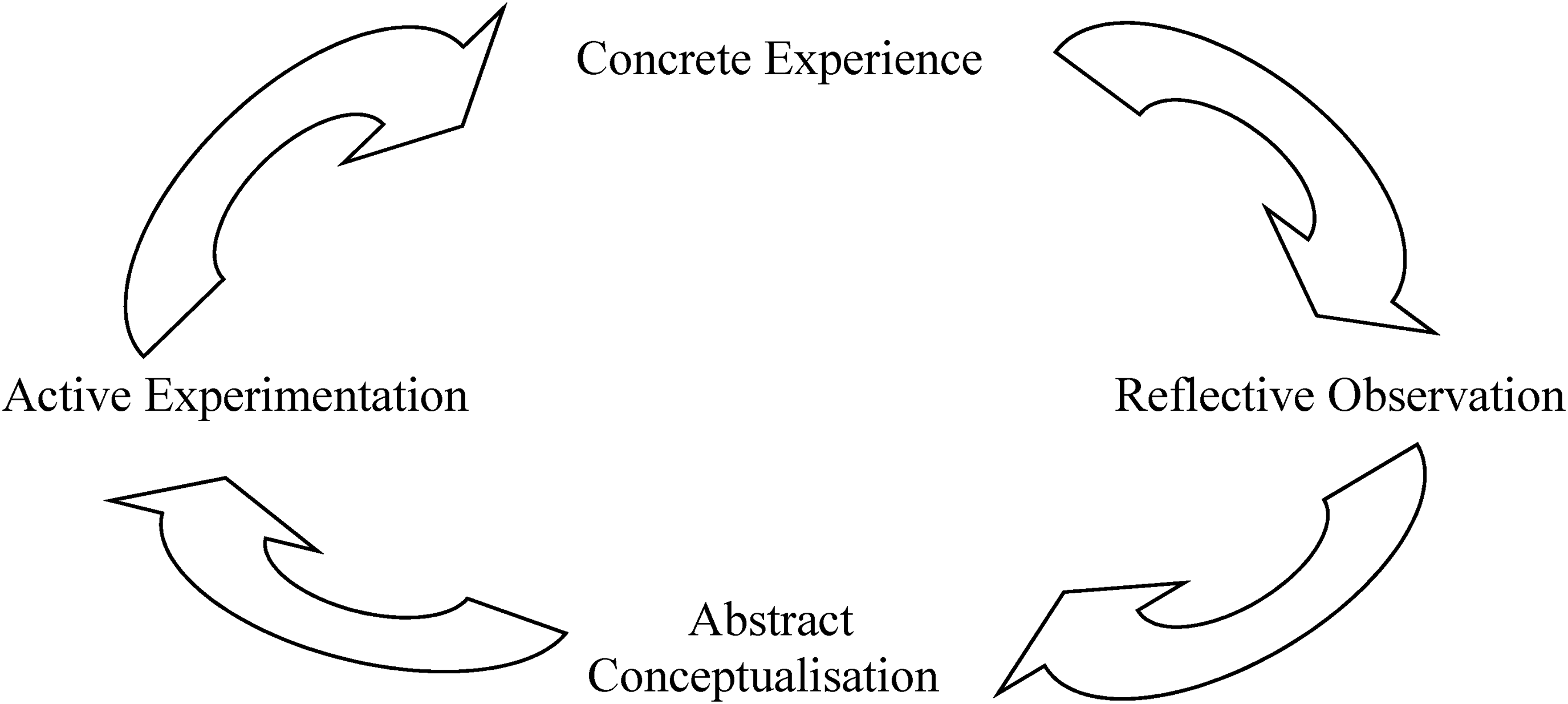
Learning cycle. Source: Adapted from Harrison (2002).
It was not expected that raising environmental awareness would be simple. As a result, before moving on with our action research, we attempted to conduct a pilot study to discover plausible reasons why environmental awareness in schools is underdeveloped. The pilot study relied on interviews with teachers. The data analysis led us to the conclusion that the key elements impacting the development of environmental consciousness were the following: teacher apathy, lack of advice on the part of students’ families, and, most importantly, the absence of supervision of teachers and students. As a result, we concluded that the focus of this action study should be on raising environmental consciousness through the adoption of a leadership model capable of guiding the stakeholders involved in this direction.
The researchers started the learning cycle with a concrete experience, a discrete activity—the leadership activity of the ecological program “Cultivating Environmental Consciousness.” During the activity researchers used mixed methodology, by which they collected evidence and reflective observations in order to evaluate and reflect on the activity. The combination of mixed methodology and action research allowed us to carry out both a quantitative and a qualitative analysis of the differing points of view provided by the participants before and after the implementation of the leadership activity. The main research questions were formed as follows:
- How can the teacher, in his/her capacity as a leader, foster the growth of environmental consciousness? - What factors affect the teacher-efforts leader's to promote environmental awareness development?
Action research follows a cyclical process which allows for a continuous exercise in evaluation, until the desired effects are achieved (Mettas, 2010). Sagor (2000) describes the process as one in which participants recreate their professional practices in their personal and professional spheres, enhancing their effectiveness and bringing about change in the school environment (Jacobs, 2016). This is a multi-method approach, which includes the use of qualitative and quantitative methods such as document and interview analysis, observations, and bios. Moreover, it aims to both; finding the answers and elaborating in depth on the why of those results. Mixed methodology, on the other hand, combines quantitative and qualitative measures to carry out objective research using triangulation (Rendani Sipho, 2012). According to Venkatesh (2016). It allows researchers to (a) formulate investigative research questions so that they can evaluate and extrapolate theory, (b) promote more conclusive evidence in contrast to simpler methods or general opinion, and (c) collect a wider set of diverse opinions.
It is also worth emphasizing that we employed grounded theory (Strauss and Corbin, 1990) for qualitative data analysis, an interpretive, constructivist method that allows participants to give their point of view and then combine it with the researchers’ thoughts (Hutchinson, 1998). We employed systematic design. This design is one of three methods of design given by grounded theory (systematic, emergent, and constructivist design), which consists of the following coding stages: nominal open coding, axial coding, and selective coding.
For the purpose of this study, 15 teachers, 80 parents, and 250 students participated in the quantitative research, precisely answering the distributed questionnaire. Moreover, 15 teachers, 1 head teacher, 2 sub-principals, 42 parents, and 140 students participated in the qualitative part of the study.
The majority of the pupils come from low-income immigrant families. It took place in an Elementary school in Cyprus. The research lasted for 6 months (October 2020–March 2021). During July and August of 2021, the results of questionnaires, interviews and other material related to the program were analyzed. For the purposes of this study, we used the following research tools: questionnaires, semi-structured interviews, and personal diary.
The questionnaire is divided into two parts. Part A includes Demographic Characteristics, while Part B includes Environmental Awareness questions. Part B comprises closed-type questions with answers based on the 5-likert scale.
The researchers informed the participants about the content of the research. They were also informed the participants that answering the questionnaire would take approximately 10 min, each interview 10 min, and the focus groups approximately 20 min.
Because the qualitative data was obtained via audio recordings and field notes, the research outcomes are characterized by validity and reliability. Following the analysis of the results, the mixed data was returned to the participants in order to inform the researchers of whether they agree or disagree with the data recorded. This endeavor also served to ensure that the outcomes were not rushed. The qualitative data included impressions, the setting, and verbal and nonverbal behavior of the participants.
As far as it concerns ethical considerations, all the participants had to agree with the terms and conditions of the consent form prior to their participation to the study by signing the Research Participation Consent Form. It was clarified to the participants that they could cancel their consent at any time during the research. Permission to conduct the research was obtained from the school headmaster. The issue of consent was interesting in this research. On the one hand, the participants’ consent was very important. On the other hand, their co-operation and daily contact with the authors might not have allowed them to withdraw from the research easily. This is probably an ethical dilemma of the research. We also assured the participants that the research would respect the principle of confidentiality—no one would be identified by name in research results section.
Results
At the launch of the program desired, outcomes and success criteria have been set. Table 1 summarizes the research's progress as well as individual aims and objectives.
Success Criteria.
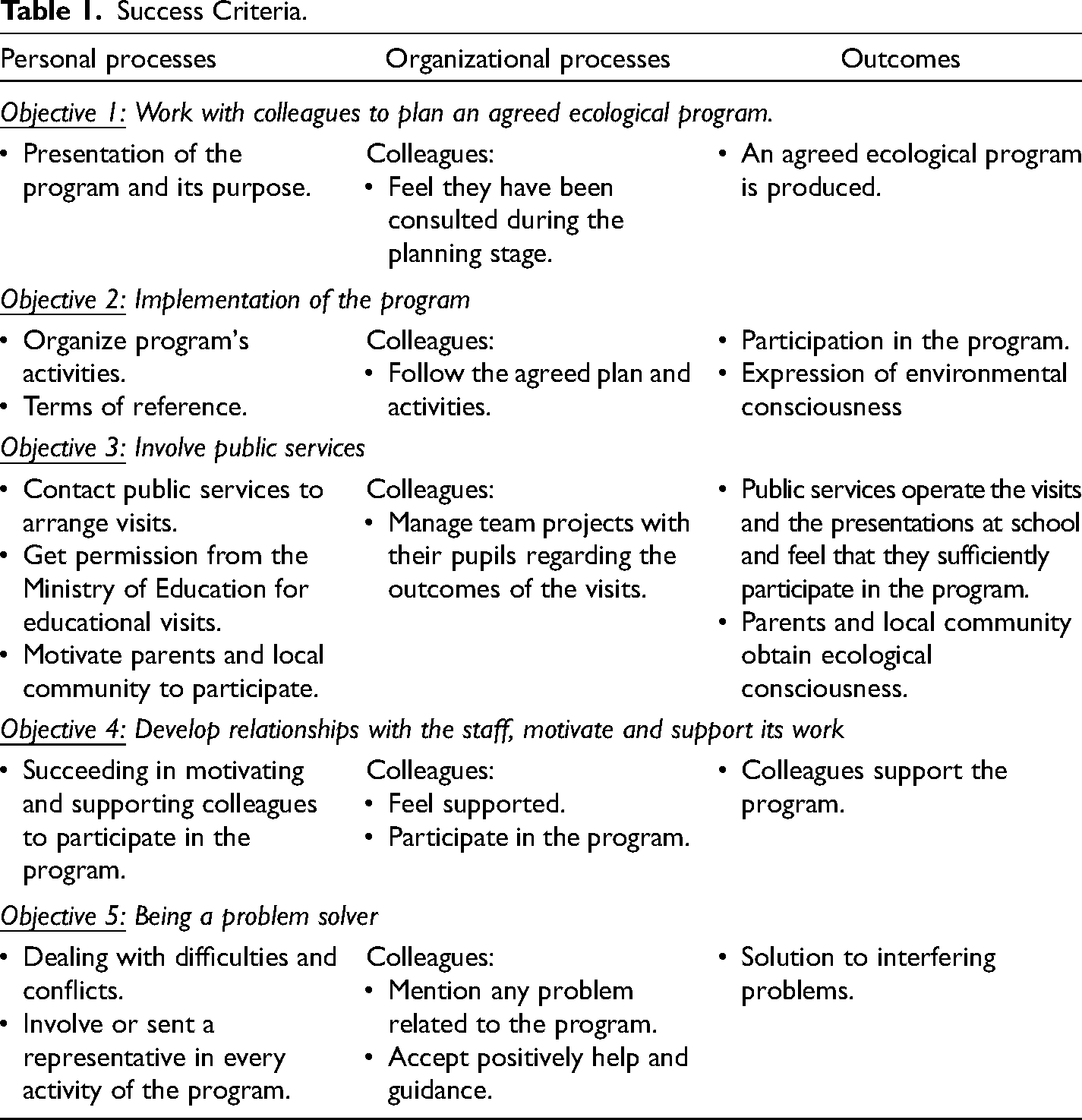
Success criteria help to identify whether and how the tasks were accomplished and the quality of the completed project. The organizational objectives, which were successfully gained, were the following:
Work with Colleagues to Plan an Agreed Ecological Program
The researcher promoted collegiality, collaboration, and cooperation. “The leader presented the programme and its purpose and highlighted the importance of an agreed plan” (Learning Diary, September 30, 2020). Regarding the answers of the teachers in the questionnaire (Appendix 1), they have been consulted during the planning stage and felt that it was an agreed program (chart 1).
Tips at the design stage.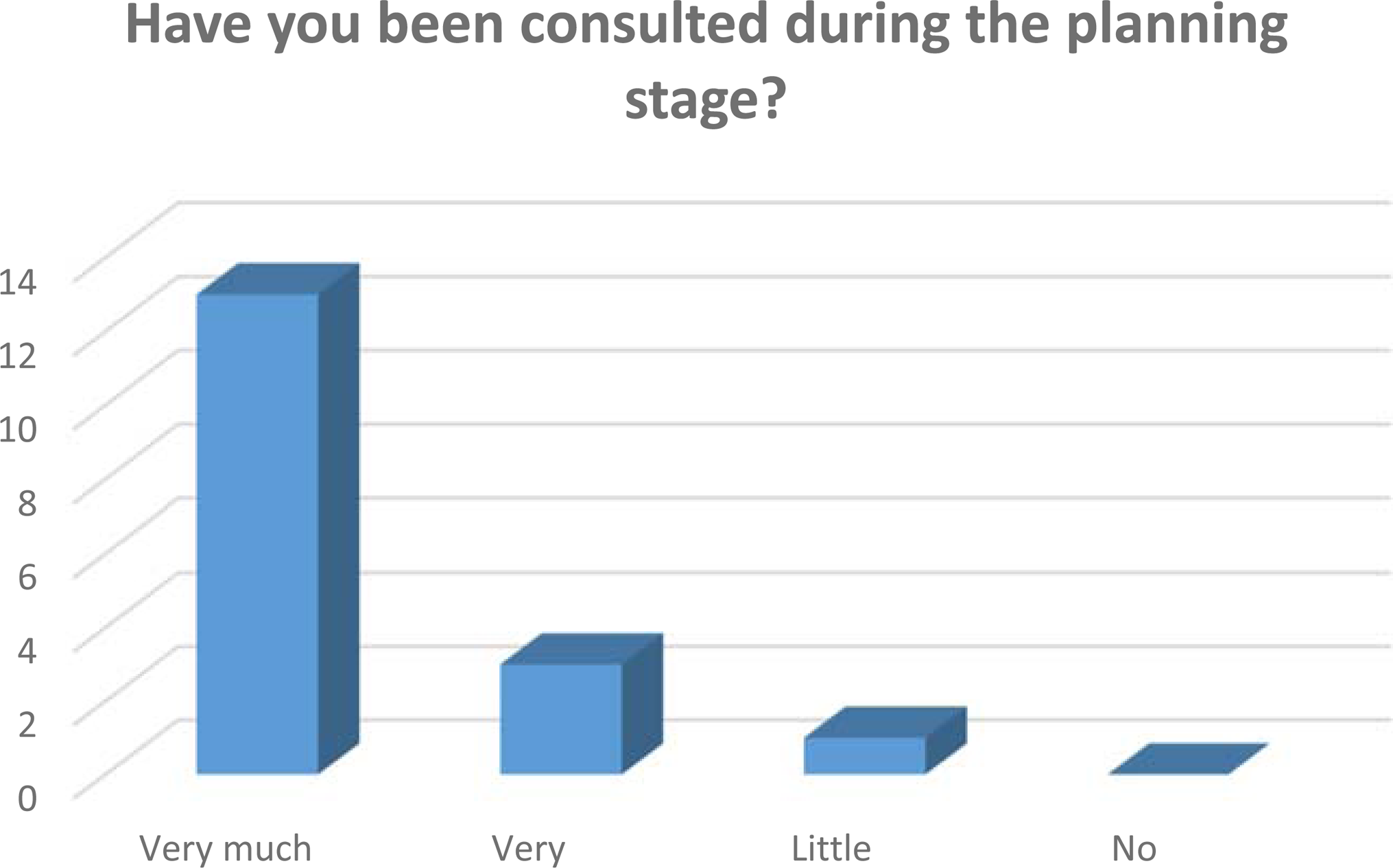
It seems that the leader heard the suggestions of her colleagues, since 13 teachers (76.47%) answered that they have been very much consulted during the planning stage and no one answered that he/she has not.
Implementation of the Program
Success criteria have been met. The leader organized program's activities and gave a printed program to all colleagues. With regard to this specific action, the critical friend observed that the researcher: She was very well-organised. In order to facilitate the implementation of the programme, she gathered all activities and responsibilities onto a timetable
Additionally, colleagues followed the agreed plan and activities as shown in the Learning Diary. The leader checked and noted every activity (Learning Diary, Appendix 3).
Pupils and parents developed environmental consciousness. They completed the same questionnaire twice, at the beginning and at the end of the program. Comparing the two questionnaires and the results, the development of environmental consciousness is obvious. Suggestively, the author presents the followings results:
Recycle—Before and after.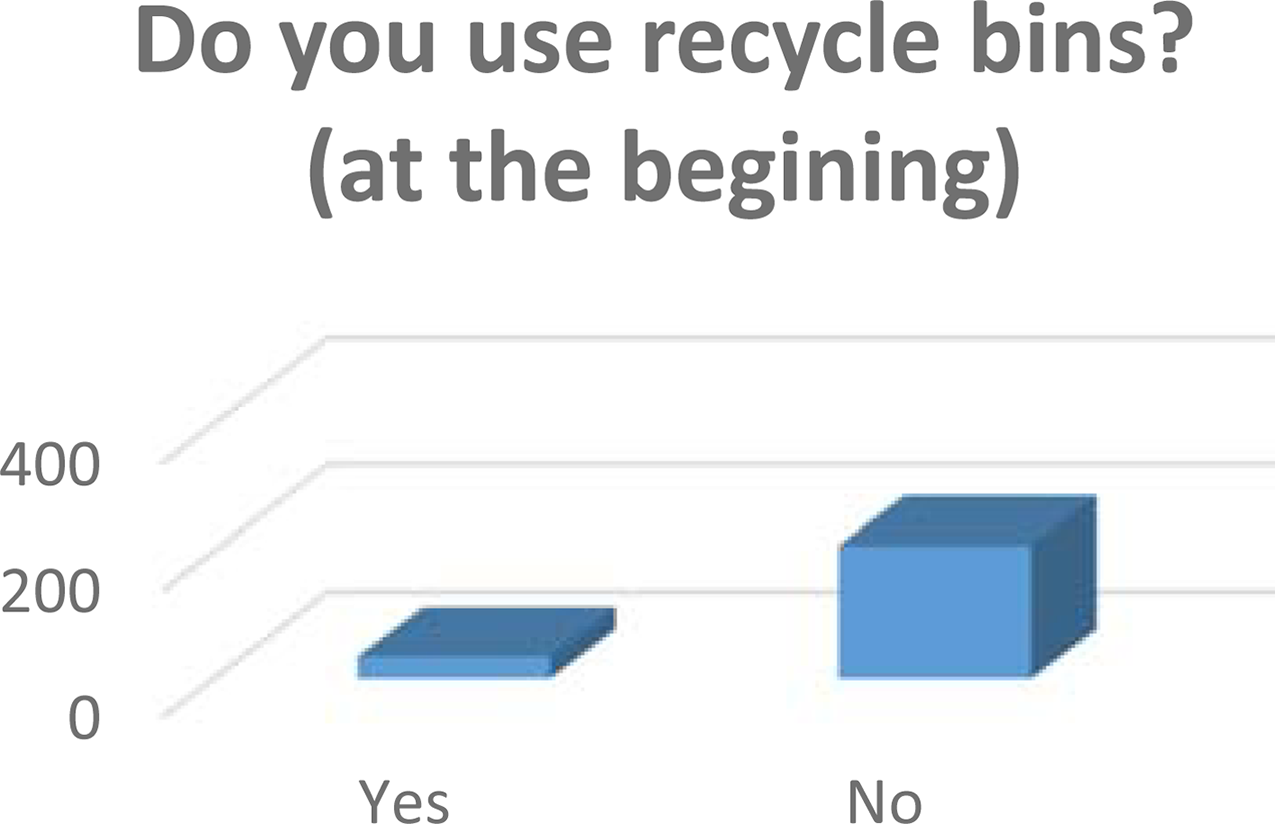
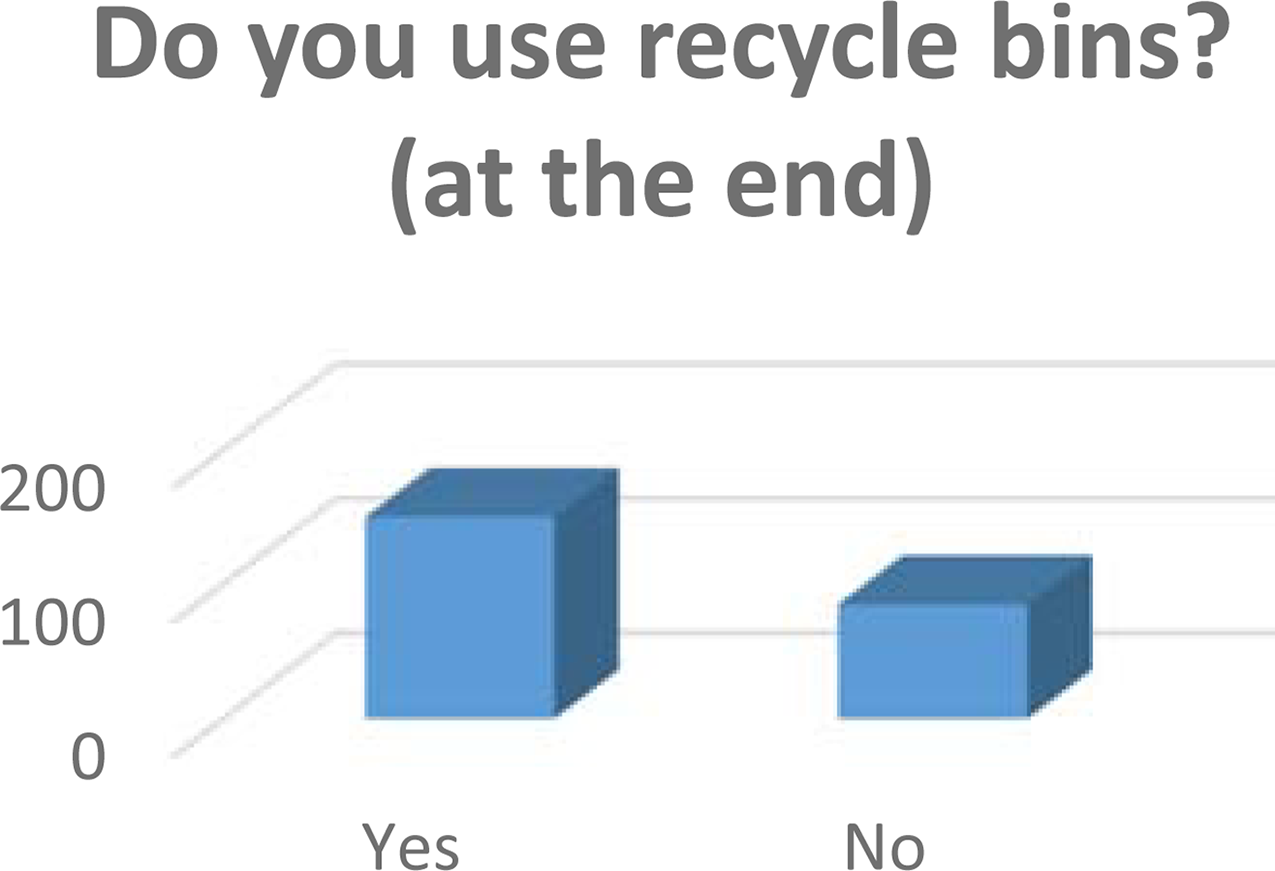
Looking at chart 2 (left), we see that at the beginning of the program only 35 students used recycle bins. By the end of the program the students who used recycle bins increased to150 as we can see in chart 3 (right side). The use of recycle bins was approximately increased by 47%. This indicates that environmental consciousness started to develop.
Involve Public Services
The involvement of public services was successful. First of all, the Ministry of Education and Culture approves the educational visits and the head teacher gave her permission (Appendix 5). Secondly, the leader arranged the visits at the school. All accomplished visits were written in the Learning Diary (Appendix 3). Furthermore, one of the critical friends during the interview said: It was amazing how she handled and managed all public services to visit the school and make a presentation.

Student's assignment.
Developing Leadership Practices/Capacities
Developed Relationships with the Staff and Raised Cooperation
The success criteria have been met in a high-level range. Colleagues feel supported, active participants of the program and thus supported the program. This point of view can be better grasped by examining a teacher's remarks which met the leader in the corridor and said: Thanks for the support, you are my stay. (Learning Diary, October 2, 2020) Support from the leader.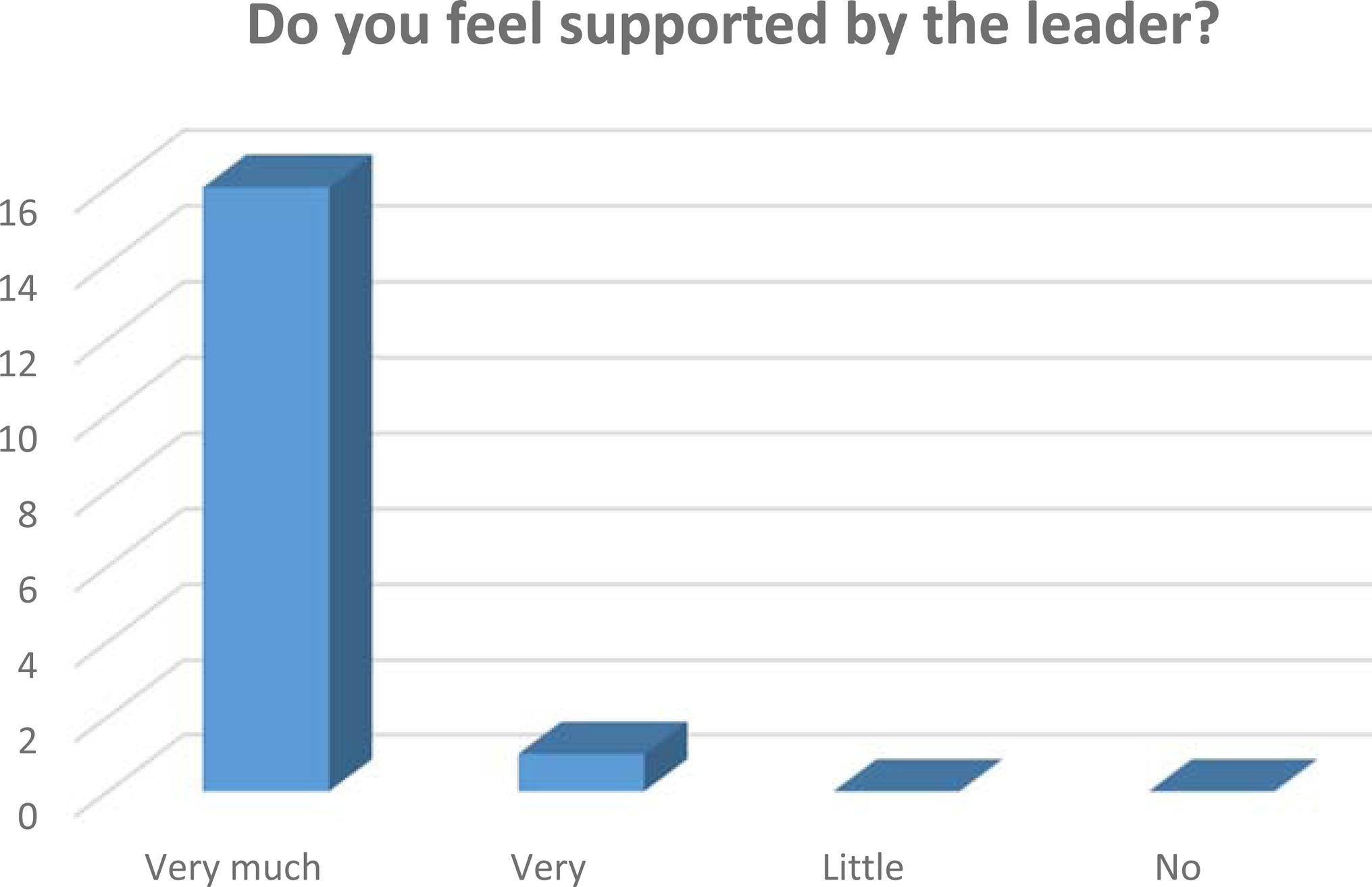
Furthermore, the teachers were asked in the questionnaire if they feel supported and motivated by the head teacher. The results are concentrated on the following charts (charts 4 and 5).
Mobilization by the leader.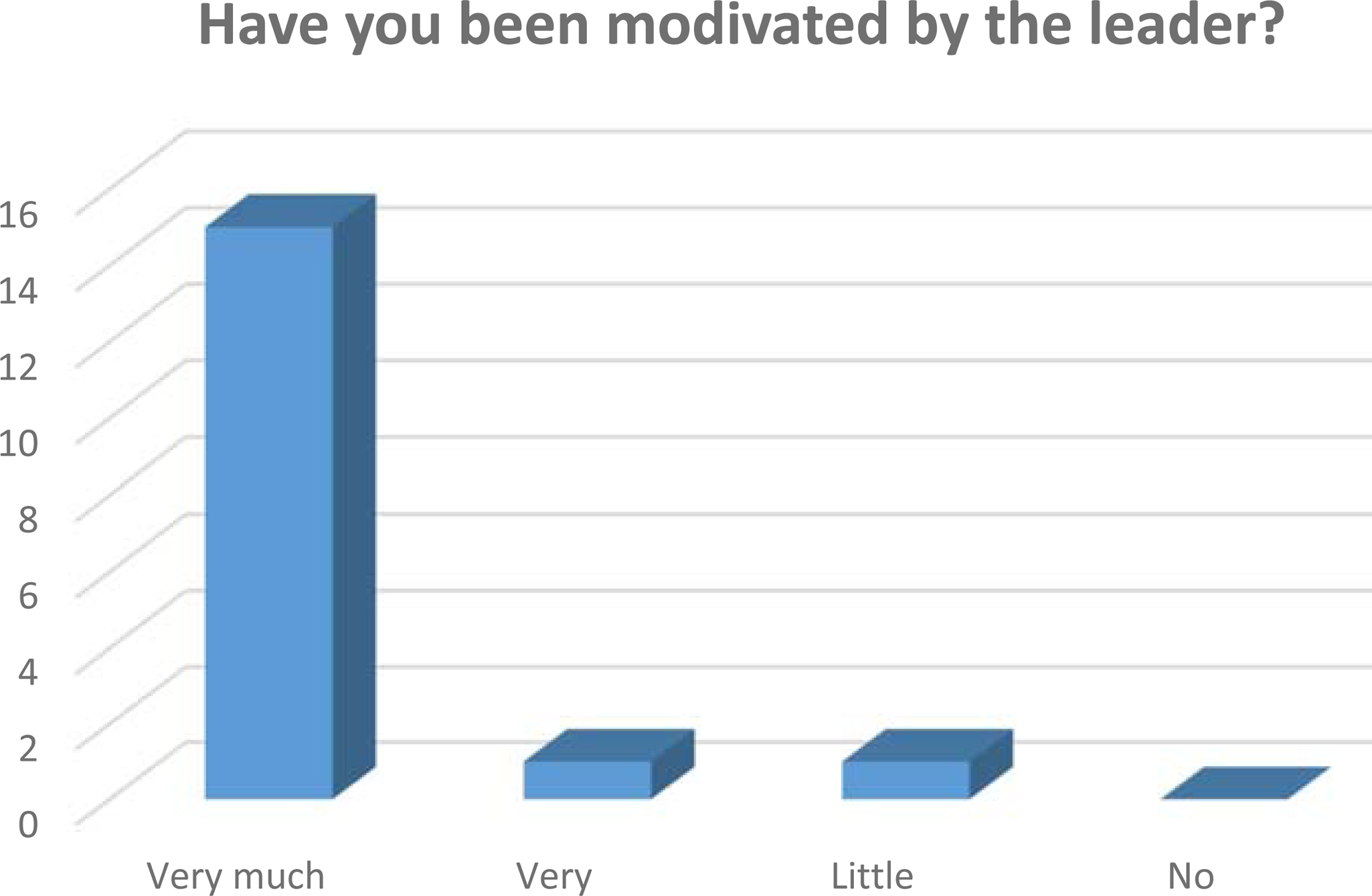
In both cases the majority of colleagues felt very much supported and very much motivated by the leader. However in the second case, 5% of the colleagues felt that they had little motivation by the leader. For, as the critical friend refers:
Part time teachers have limited accountabilities and the leader seems to annoy them.
As a result, a small minority of teachers who work part-time in schools feel marginalized. Of course, this information did not disturb the researcher because it was rather little and made no difference to the entire effort.
Was a Problem Solver
Success criteria have been extensively achieved. The leader listened to discussions and conflicts and sorted out the real problem.
We are discussing for one hour about the visit to Lara bay and yet we haven’t come to an end. Indeed, a safety precaution is the aim and you have managed to arrange it in five minutes! (Learning Diary, October 23, 2020)
She sent a sub-principal and myself to the E.S.C. We recorded every part of the programme and screened it to the whole school. (interview my critical friend)
Thank you for your advice. You are my saviour! (Learning Diary, November 2, 2020)
Concluding, the author presents some results from the questionnaire.
Leader as a problem solver.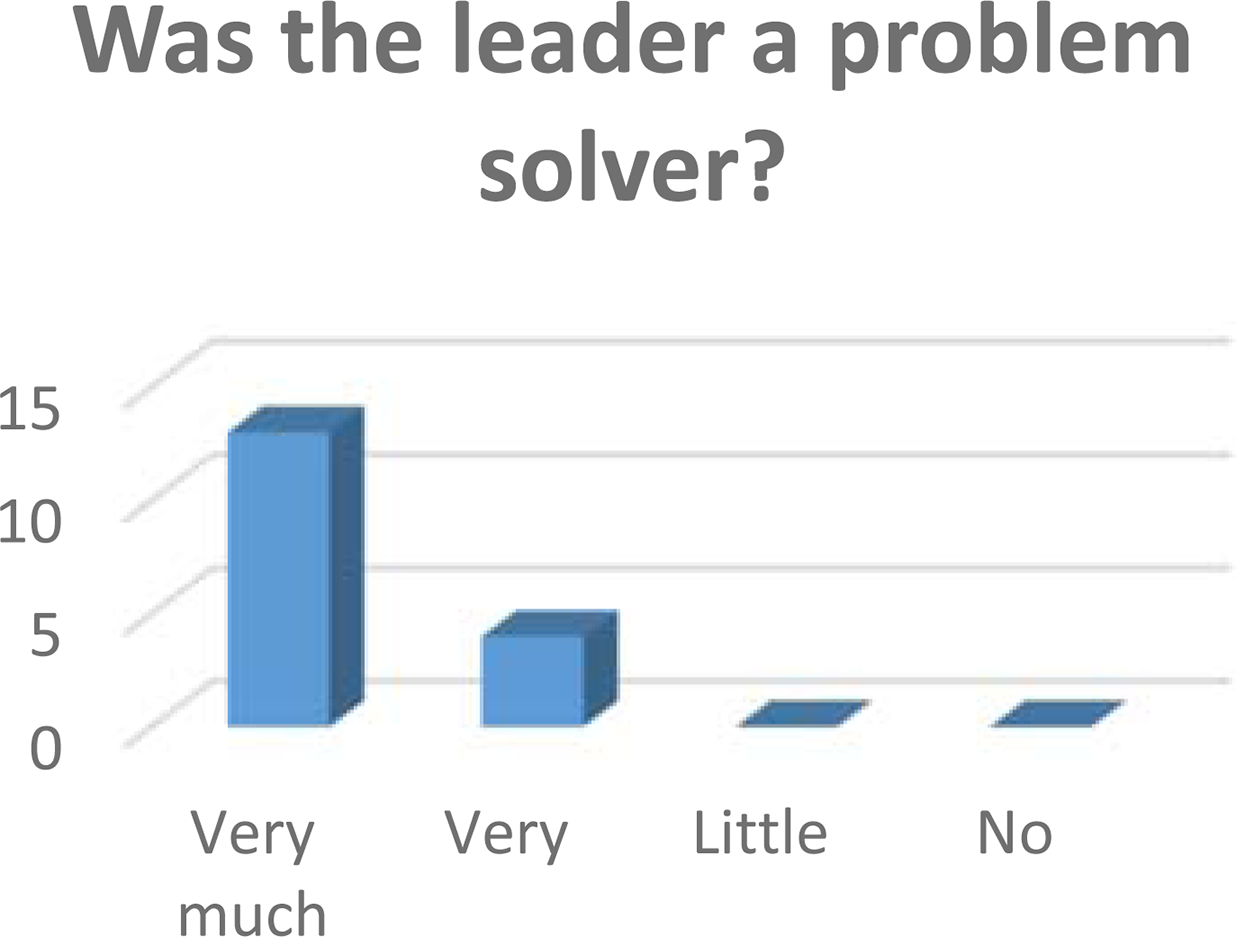
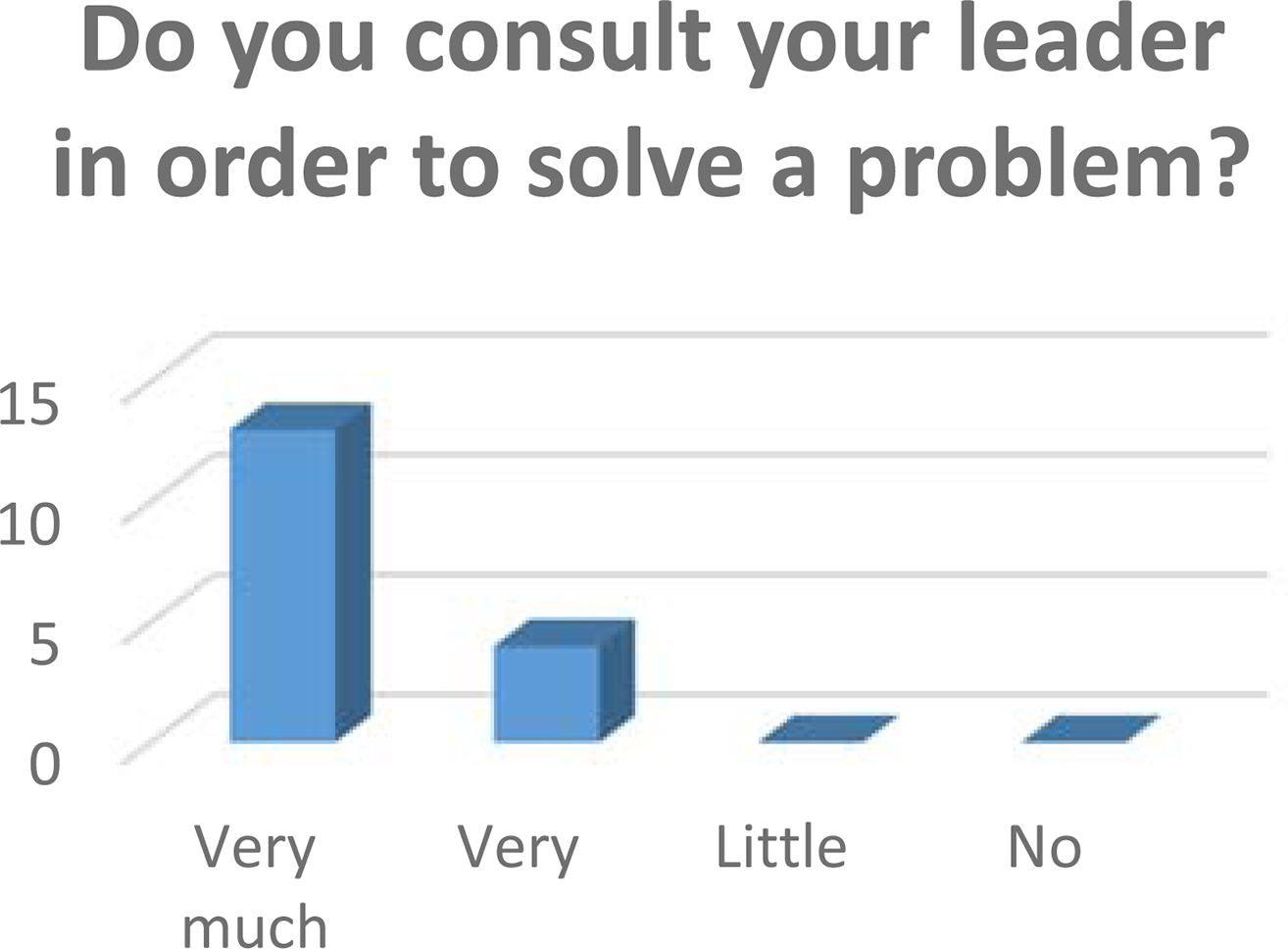
As we can see in chart 6, the teachers seem to respect and trust the opinion of the leader and totally agree that she was a problem solver.
Leadership Strategy and Style
According to Elmore and Burney (1999) effective leaders know that systematic improvement occurs when good ideas, coming from talented people working together, are implemented. In such a scenario collegiality, caring and respect are paramount. On the other hand “transformational leaders can initiate and cope with change and they can create something new out of the old” (Horner, 1997, p. 32). Taking into consideration the aforementioned, the author used the collegial style of leadership and the transformational leadership for the implementation of the program.
Collegial models are familiar with integrative and motivating values. The leader promoted mutuality, trust, collaboration, collegiality, respect, and equity. During the activity, a teacher said to the leader:
You are right; collaboration and collegiality make things easier for us. (Learning Diary, November 5, 2020)
The leader encouraged teachers to have an active role in school. Moreover, she motivated them to participate in educational seminars.
At this point, it would be prudent to investigate the survey respondents’ perspectives, which arise from the interpretation of the questionnaire data.`
Participation in educational seminars (at the beginning and at the end).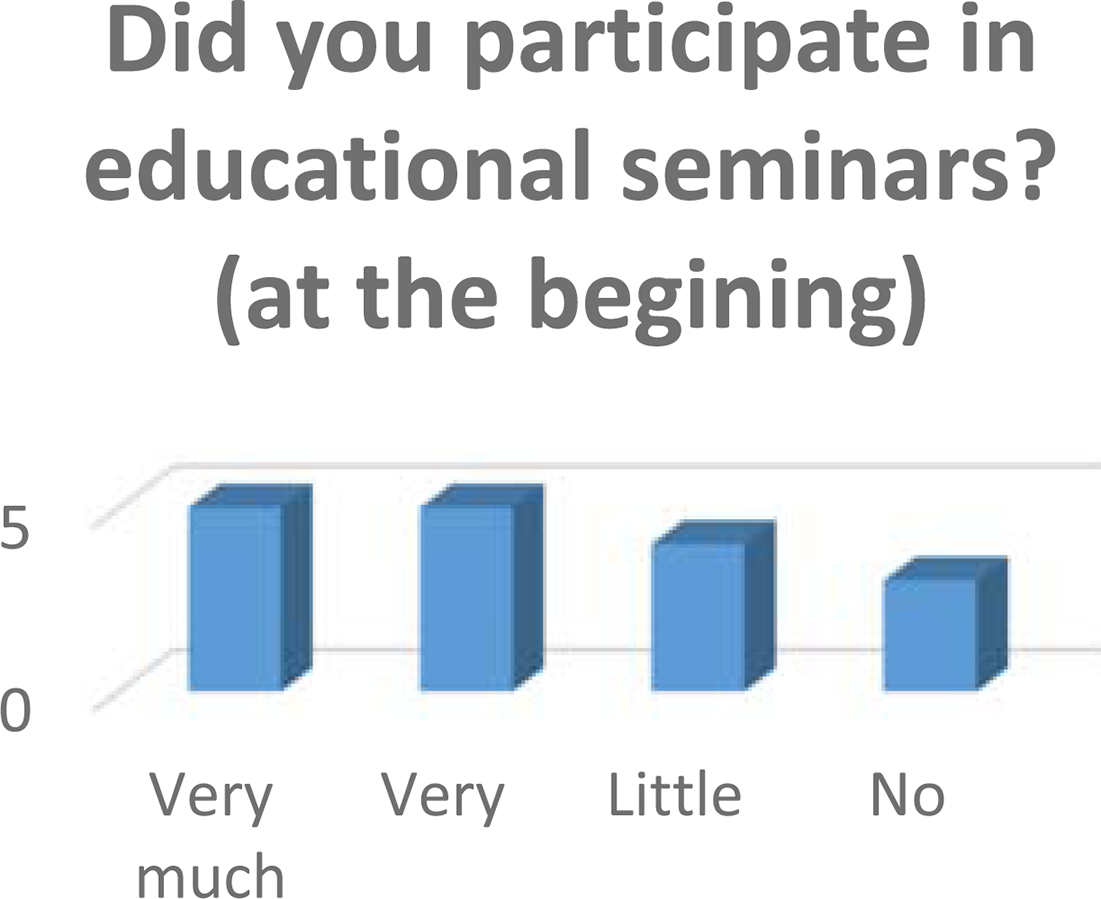
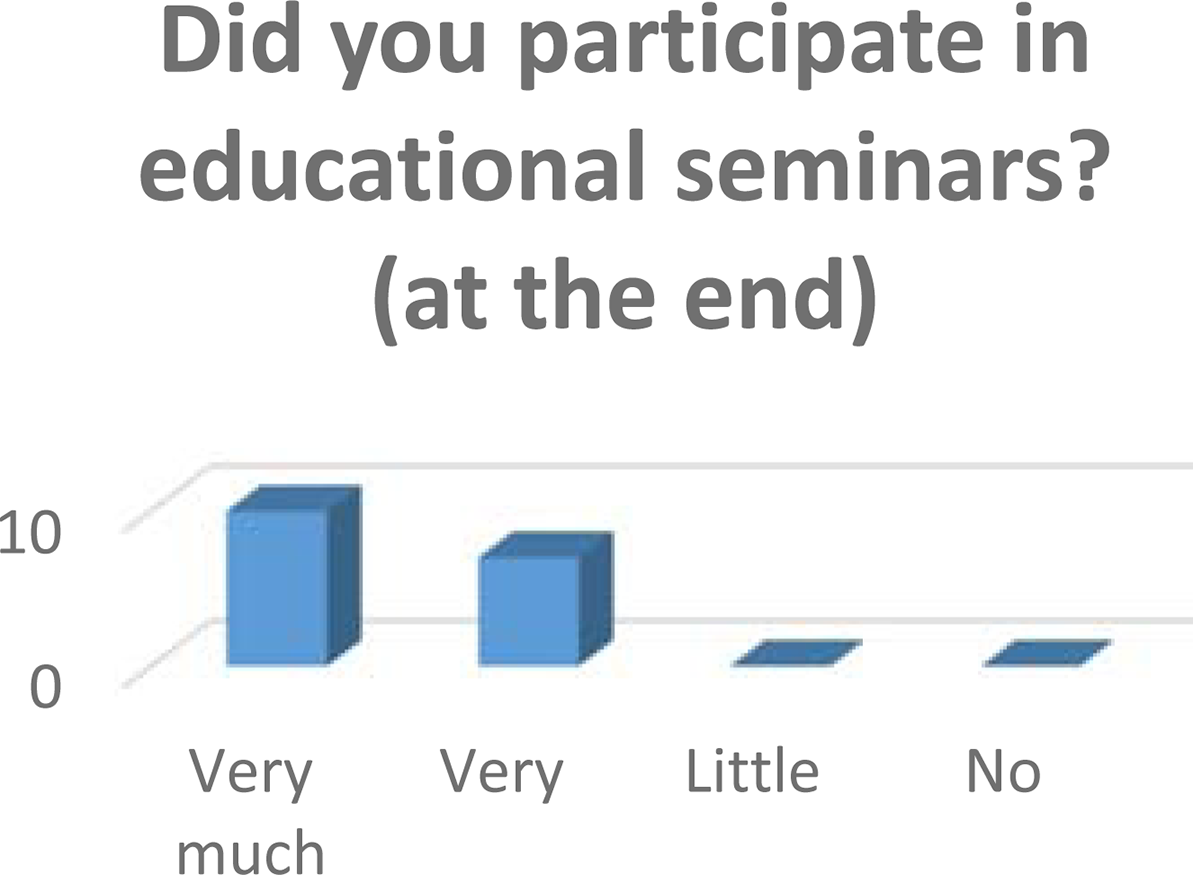
Indeed, the teachers were successfully motivated to do seminars. By the end of the program, the frequent attendance in seminars was doubled (chart 9—right one).
Finally, some statements from the answered open-ended questions of the questionnaires are:
In which ways the leader motivate you?
She was interested and supportive on my job. She made comments like “excellent job,” “you have achieved your goal.”
She said “Don’t be afraid to discuss your problem with me or any other colleague. We are all equal members of this school and we are working to accomplish the same goals.”
When I was dealing a stressful problem with a pupil, the leader told me: Don’t give up, you are a magnificent teacher. I believe in you. I am sure that in two weeks the problem will be solved. Indeed, it was!
The critical friend said that the leader gained the trust of the staff very easily and it was very helpful for the implementation of the program. Finally, a teacher stated in the questionnaire that
Weekly staff meetings were taken place. All teachers participated in the decision—making process and everyone had something new to add. The leader encouraged colleagues to express their opinions and arguments. Seeing that some teachers were shy to say their opinion, the researcher spread weekly handouts for written suggestions.
In terms of teachers’ decision-making participation, participants reported that they typically participate in the decision-making process, as seen in chart 10.
Participation in the decision making.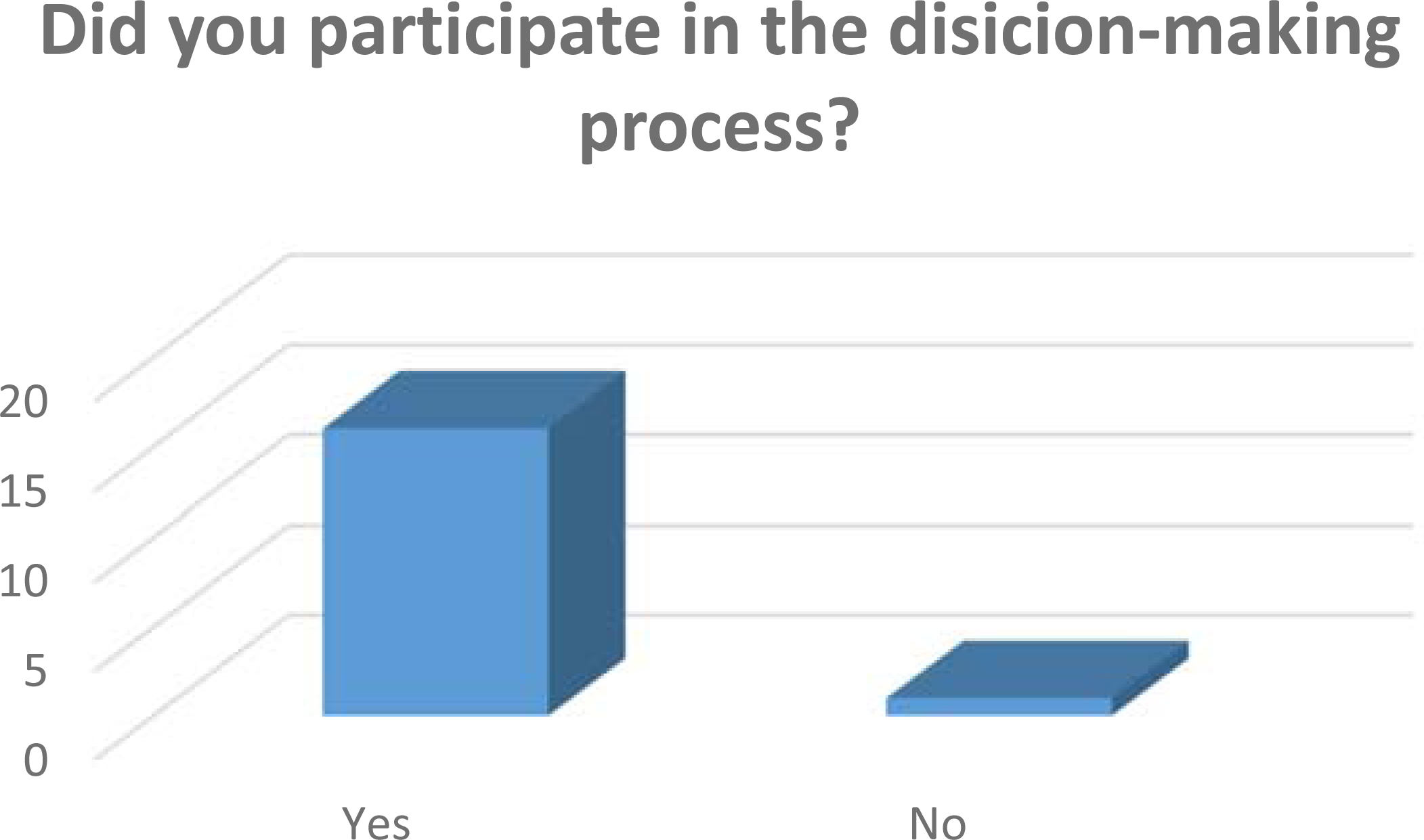
As it seems on the chart, only one teacher did not participate in the process. As a result, instructor participation in this activity may be classified as widespread. Perhaps, the part-time teacher answered “no” because he missed a lot of the meetings because of his schedule.
According to Leithwood et al. (1992), transformational leaders involve staff in collaborative goals setting, reduce teachers’ isolation and share leadership with others. The leader used distributed leadership which. Every teacher was responsible for the implementation of a different goal. But, they worked together, and exchanged educational material and teaching methods to implement the activities. As the critical friend said Distributed leadership was very good, because it reduced the work of the teachers and goals were achieved faster.
However, when a teacher was absent for a couple of days, a problem was occurred. Then, the leader took on the implementation of the specific goal until the teacher's return.
Teamwork Issues
“A good team and a good teamwork are first of all interpreted as a result of a good mix of personalities: a balanced team” (Vogt, 2000, p. 247). The leader selected team-roles according to the teachers’ interests and qualifications. For example, a teacher who had MA in Arts was responsible for the artistic part of the program and a teacher who had MA in computing was responsible for the computing support of the program. As the critical friend argued, the expert professional roles fasten the implementation of the programme.
In spite of the fact that some colleagues worked together in the past, the leader made a formal induction of the team and underlined the importance of team development. In order to have an efficient teamwork environment, a shared culture of teamwork was developed. Team members collaborated successfully. Here are some statements from teachers: The composition of the team is very good. I feel that we are able to complete our tasks. (Learning Diary, December 10, 2020) At the beginning I was hesitant because we were too many. I was wondering how we would manage to cooperate. But, little by little, I realised that we shared the same values and beliefs. (Learning Diary, December 11, 2020) It is true that the colleagues, who had already worked together in the past, tumbled the team spirit more easily. But they didn’t left us behind … they help us to join the team. (Learning Diary, December 11, 2020)
Regarding Vogt (2000), the teamwork has two aspects: the formal and the informal. Indeed, the particular team was deliberately created for the implementation of the ecological program. Nevertheless, the team had its informal “stuff”; “mix personalities, similar mind sets, emotional support and social aspects of getting on together and having a good time. The critical friend pointed out Colleagues liked each other very much. Emotional support. Teamwork.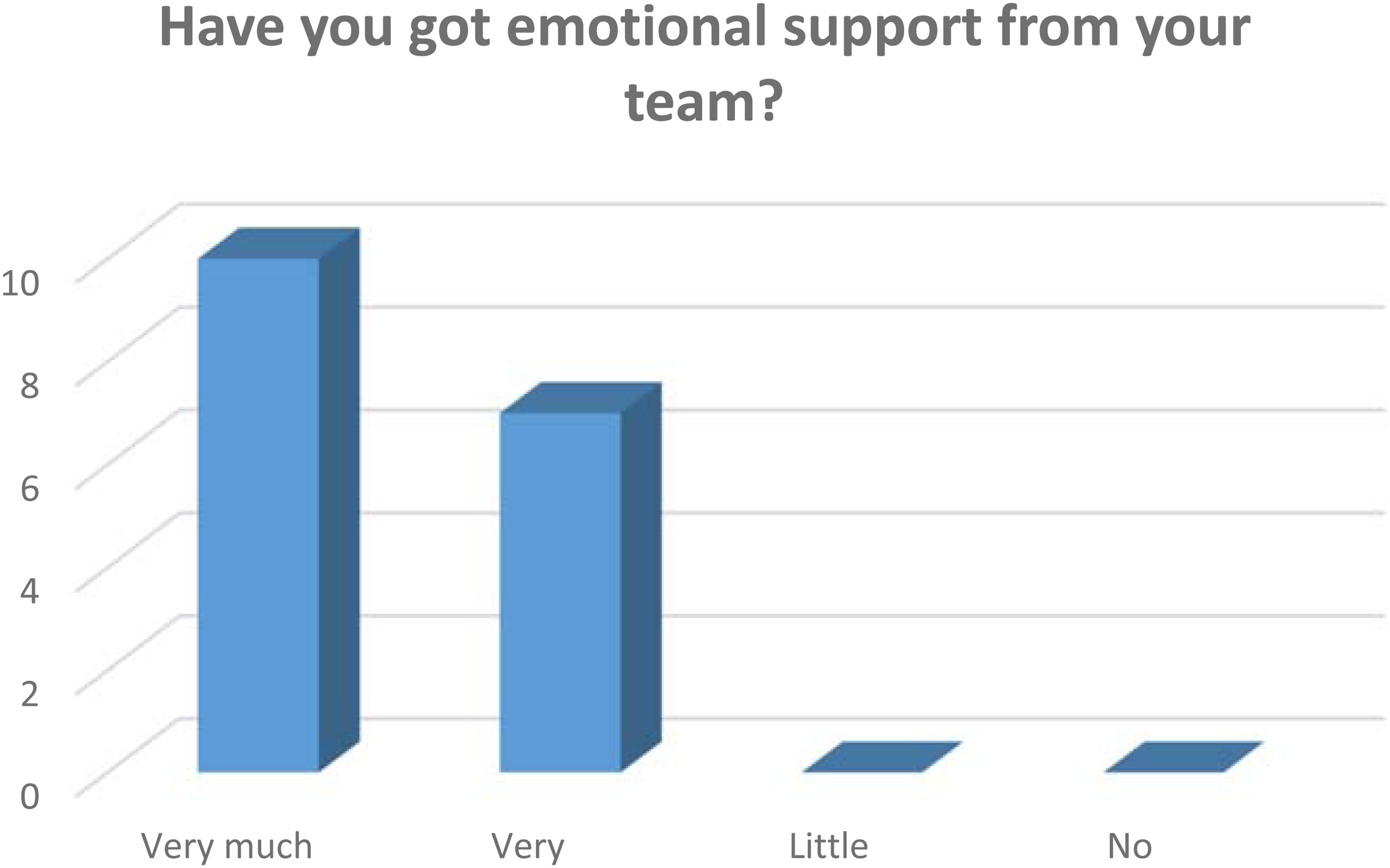
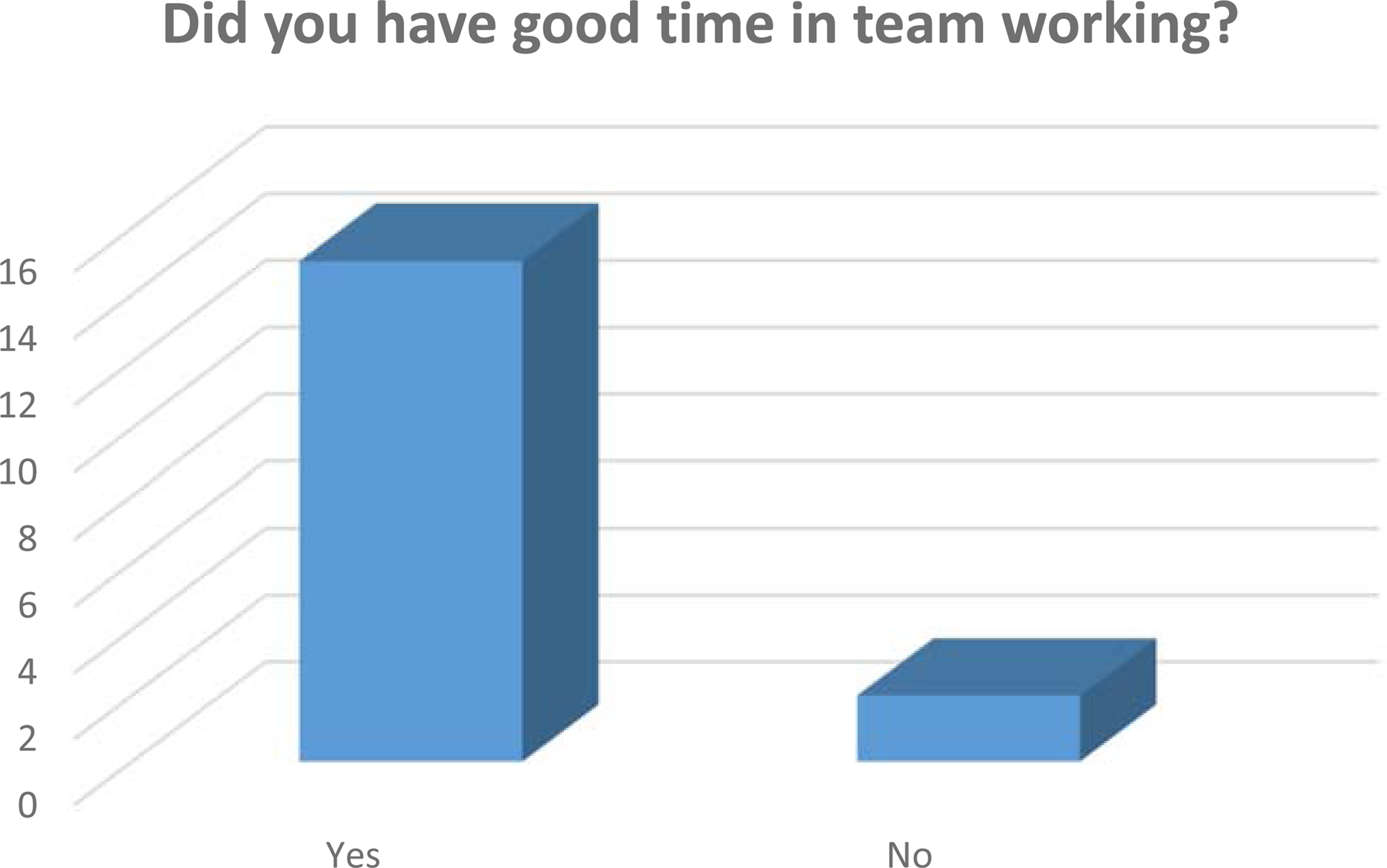
The study of charts 11 and 12 reveals that the participants had a high sense of emotional support from their group members, which resulted in increased collaboration. Additionally, the belief in the strength of collaboration and teamwork is a study parameter, as evidenced by the qualitative part of this research effort.
Finally, while on the one hand the joint planning increased the workload, on the other hand the team working reduced it. A teacher said
Team working reduced the workload. We have responsibilities and the work is divided in parts. (Learning Diary, January 19, 2021)
Organizational Effectiveness and Improvement
The author tried hard to achieve the desirable goals. According to Fullan (2001, p. 193), “the major initial stance should involve critical assessment, that is, determining whether the change is desirable in relation to certain goals and whether it is implementable.” Since the leader got approval from the head teacher, she arranged a meeting and presented the program and its purpose to the colleagues, parents, and the local community. It was very important to inform every future participant of the program. So, the next day, she made a general student's assembly too. Besides, as Lighthall states, “educational change is a process of coming to grips with the multiple realities of people, who are the main participants in implementing the change” (Fullan, 2001, p.186).
Without the teachers, there would be no educational organization. “They often hold strong values and beliefs about education, the ways in which schools and colleges should operate and how they want to carry out their work” (Anderson, 2003, p. 12). Thereto, the leader summoned all the colleagues for give-and-take ideas. They discussed the theme and the purpose of the program and they made their proposals for activities and events regarding their interests. “Good school leaders are those who are able to maximise the diverse leadership qualities of others, enabling them to take on leadership within area of expertise” (Riley and MacBeath, 1998, p. 181). Subsequently, all teachers had agreed that “every person has a role to play; no other person can make the exact same contribution” (Bryant, 1998, p. 220) and an agreed ecological program was produced.
Influence of Organizational and External Contextual Factors
Contextual factors are all the things that have to be taken into account in order to achieve success. Contextual factors are divided in organizational and external factors and can hinder or facilitate any educational activity. “Effective leadership is about making those choices and about managing the fit between the external world and the internal world of the school” (Riley and MacBeath, 1998, p. 182). The author presents the influence of the contextual factors at the present ecological program.
Organizational Contextual Factors
The head teacher of the school had a tremendous role during the program. Firstly, she gave her written approval for the introduction and implementation of the program (Appendix 5). Secondly, she persuaded the leader to avoid some mistakes, which have been done in the past, for, she had done a congener program and had experience. For example, she said “Become a friend with your colleagues, but not emotional touchable … work is work!” (Learning Diary, December 20, 2020).
Staff was another important internal factor. “People are actually the means and the ends” (Anderson, 2003, p. 19). The author notified the colleagues about the program and they accepted to participate. “The effective leader must not only have the ability to identify the appropriate developmental path for the organization to take but also have skills that enable him or her to encourage or persuade the people to follow that route” (Anderson, 2003, p. 14). The teachers did a great job. They accompanied students to the visits, made assignments in their classrooms, supervised student's activities and implement the goals of the program.
The next internal factor was the pupils. When the leader organized the general assembly to announce the program, the pupils did not give the requisite interest. Some teachers encountered problems. A teacher mentioned that They don’t want to listen or learn; a pupil said to me I don’t care about the Cypriot flora. (Learning Diary, January 22, 2021)
However the leader and the teachers kept working hard for the program and gave motives to the pupils. The best class was awarded with an extra excursion, the best schoolwork in each subject was rewarded and recycle-bins and ecological-paper were given to the families. Day by day, the pupils started to realize the purpose of the program and getting more involved in it. A kid threw away his sandwich in the garden and an older pupil shouted Shame on you! You spoiled the school! You don’t listen to your teacher! (Learning Diary, February 5, 2021)
It is worth noting at this point that 221 out of the 250 students who participated in the survey felt that the attempt to raise environmental awareness was successful.
External Contextual Factors
Parents were very a significant external factor. They were low-income immigrant families. The leader arranged a meeting to introduce them to the program, but it failed. Parents seem not to care about the program. Afterward, the critical friend wondered
What about the language? They don’t speak Greek fluently so maybe they don’t understand the programme. (Learning Diary, February 8, 2021)
all these efforts you have made for us are touchable and professional … you have gained our trust. (Learning Diary, February 10, 2021)
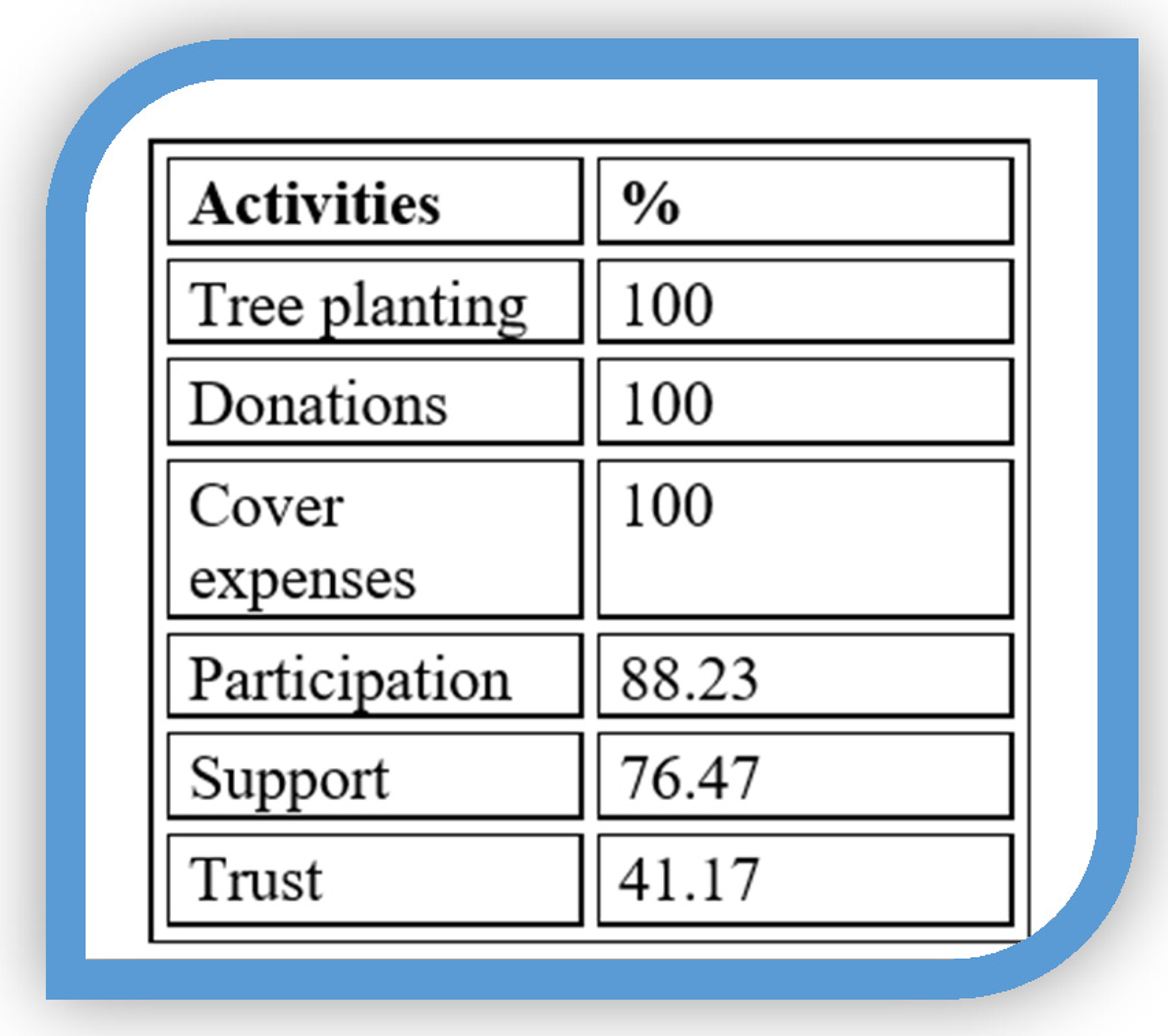
Community is an external factor which is often resistant to change (Stoll, 1999). In the present program, community offered very much support and social services. It organized tree planting in the yard of the school with parents’ help and involvement, donated recycle bins and dannocks to the school, covered miscellaneous expenses, such as the publication of the ecological monthly newspaper and the school ecological fiesta. Below, there are the answers of the teachers concerning the proffer of the community (chart 13 and Figure 3).
Community contribution to the implementation of the program.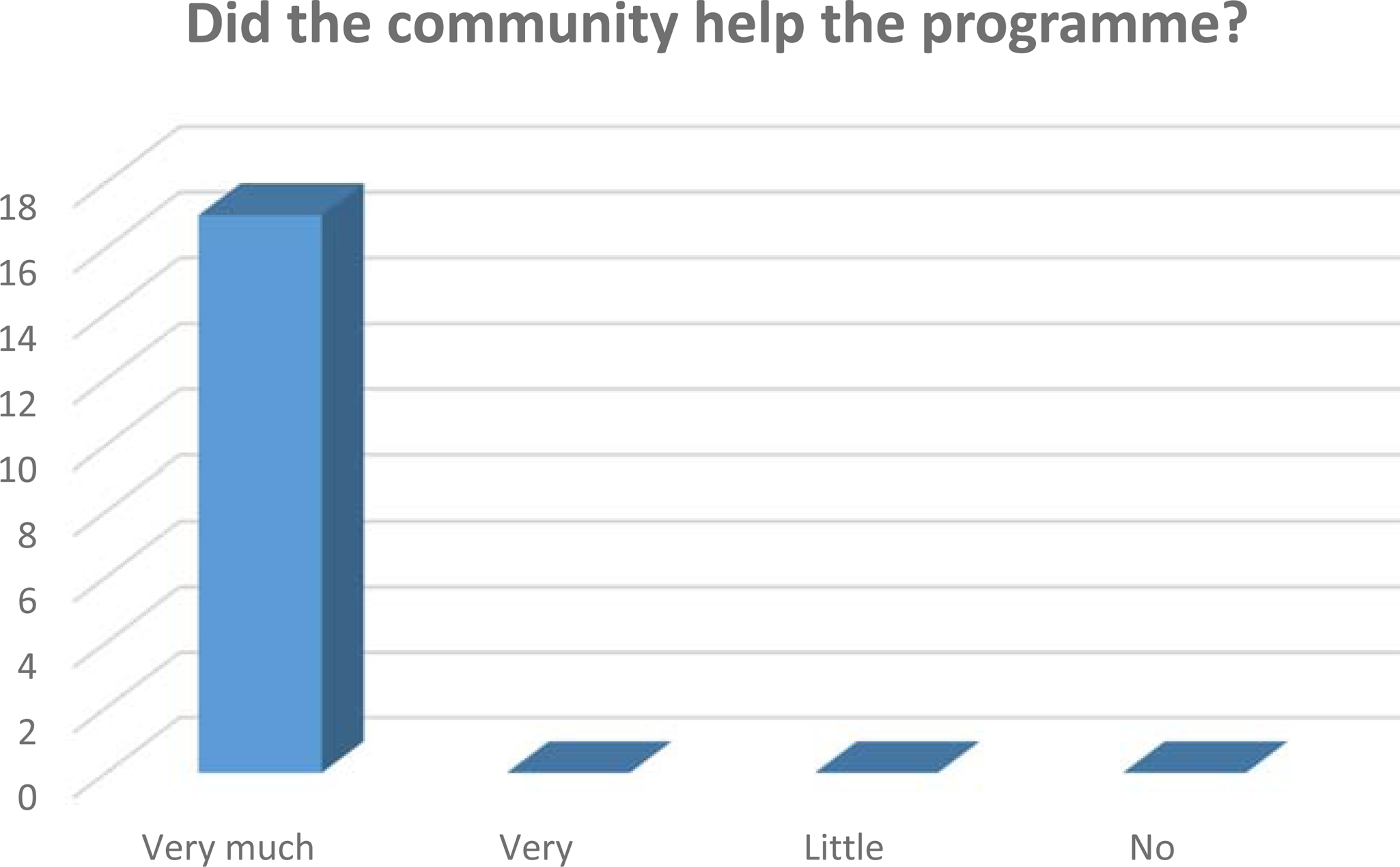
How did the community contribute to the implementation of the program?.
100% of the teachers answered that the community helped very much the program. Tree planting, donations, and expenses were indicated by all teachers, while 15 teachers (88.23%) mentioned the participation, 13 teachers (76.47%) the support, and seven teachers (41.17%) the trust. Apparently, the community had a positive remarkable role in the program.
Lastly, the Ministry of Education and Culture gave approval for the implementation of the program very easily because it was based on one of its goals. Further, it funded all the educational excursions and extracurricular activities. Without the Ministry's support, the program would be meaningless and ineffectual. In addition, Public Services: Fire Department, Forest Department, Harbor Police Department, Paphos Aquarium, and Environmental Protection Organization offered their services complimentary. The only exception was the visit to the Environmental Study Centre, which was canceled due to the bus strike.
Discussion
Based on the findings of this research, we conclude that creating ecological consciousness in the school setting, but also expecting children and future adults to embrace ecological consciousness throughout their lives is not an easy task. Nonetheless, we feel that this research was effective due to the acceptance of a leadership position by some teachers.
Through this research, it is worth noting that a fairly well-structured ecological school program has been created. In addition, a climate of cooperation has been created between the participants, which has contributed to the improvement of the school culture and has acted as a means of solving various problems. Such problems were the initial reactions of the participants to the implementation of the ecological awareness program, as well as the difficulty in trying to convince mainly the students that the creation of ecological consciousness is essential for the survival of all of us.
“Leadership is something to be experienced rather than simply read. The text and the performance are not identical” (Grint, 1999, p. 104). Thus, the ecological activity was the transfer of theory into practise. The authors made a strategic plan for the program, then they implemented it and finally evaluated it. The leadership activity gave the opportunity to the leader to improve and develop capacities and skills.
“Skills related to establishing an effective working relationship with all members of the school community are crucial” (DiPaola, 2003, p. 153). The leader shared leadership with others, supported the work of her colleagues, interacted with students, and motivated the staff. Day by day, participants were improving their communication skills and the program was evolving effectively. As Ginsberg and Davies (2001, p. 271) argued, the “communication is the key” to organizational and individual health and success. Except for the internal contextual factors, the participants realized the importance of the external factors. Hence, she developed good relationships with them.
Further, they established a cooperative problem-solving attitude. They fruitfully encountered staff's absence, immigrant parents, foreign languages, indifference of students, and the cancellation of an educational visit. Moreover, the leader developed evaluation's mechanisms referring to the process, the outcomes, the progress, and the development.
Grint (1999, p. 93) advocates that “Leaders must spend at least some of their time constructing not just followers but a community of followers.” The leader exercised influence on the school culture. She promoted collaborative culture, “encouraged the exchange of ideas and endorsed mutual problem solving” (Leithwood et al., 1999, p. 198). Consequently, the colleagues followed collegiality. They collaborated, shared ideas and material, gained responsibilities, supported each other and worked peacefully to achieve their goal.
The researchers provided rich ideas for distributed leadership and “motivation for potential to develop teachers’ capacities” (Leithwood et al., 1999, p. 198). The colleagues were inspired by these, and they tried to expand their knowledge and capacities. They worked very hard on the project and pursued to present their work at the staff meetings. Thus, the leader rewarded the collaborative work of teachers and the positive outcomes.
Concluding, the leader interacted with colleagues and a flourishing program was achieved. Unavoidably, the teachers were affected by the leader and vice versa. The most prominent achievement is that both of them enjoyed the ecological activity and none worked by force.
Conclusion
The authors presented, analyzed, evaluated, and reflected on the ecological program “Cultivating Environmental Consciousness.” The program was successfully introduced and developed. The leader worked with colleagues and planned an agreed ecological program. Further, the authors and external and internal stakeholders participated in the implementation of the activity and the purpose and the objectives of the program were accomplished; environmental consciousness was cultivated. Finally, the leader developed their personal capacities and enforced her leadership skills. However, we strongly believe that there are no recipes for effective leaders “effective managers need multiple tools, the skill to use each of them, and the wisdom to match frames to situations” (Crawford, 2003, p. 67).
As a result, we suggest that the educational leader has the capacity to establish and encourage the implementation of ecological initiatives within schools, which may have broader societal advantages. As a result, on the one hand, this process can help the school and society in the long term by fostering an ecological culture. On the other side, it has the ability to foster a culture of cooperation and mutual support among school community members. Finally, the implementation of this environmental program has enhanced relationships between the school, the Ministry of Education, and society in general.
Limitations
Despite our conviction that both the research procedure and the endeavor to raise environmental consciousness have been successful, we consider that the current research has some limitations. One of them is that it has been applied at a certain school. As a result, we advise re-implementing the specific research procedure in more schools’ environment in order to evaluate the outcomes and also compare them to the results of the current study. This procedure will allow us to compare the findings of the two researches in order to improve the original ecological program.
Footnotes
Declaration of Conflicting Interests
The author(s) declared no potential conflicts of interest with respect to the research, authorship, and/or publication of this article.
Funding
The author(s) received no financial support for the research, authorship, and/or publication of this article.
