







Abstract
Mobile learning (m-learning) is transforming higher education, reshaping traditional teaching methods with unprecedented flexibility and accessibility. This study delves into the dynamic realm of m-learning research, exploring its evolution, challenges, and future prospects through a comprehensive bibliometric analysis guided by PRISMA guidelines. By examining publications, citations, keywords, and global trends from 2007 to 2023, our research highlights the United States, Australia, and the United Kingdom as leaders in mobile learning, supported by their significant citation rates. Key themes such as mobile devices, higher education, and blended learning emerge as pivotal in shaping this educational frontier. Innovative methodologies such as augmented reality (AR), gamification, and integrating social media content and learning management systems (LMS) underscore the diverse landscape of m-learning. Beyond enhancing educational practices and student engagement, m-learning promotes interactivity, lifelong learning, and student motivation. However, challenges persist, including the need to strengthen internet infrastructure, improve content quality, foster digital literacy, and ensure privacy in digitally immersive learning environments. This study highlights the transformative power of m-learning and calls for continuous innovation to fully harness its potential in advancing global education in the digital era.
Introduction
The digital revolution has fundamentally reshaped the landscape of higher education, ushering in an era of unprecedented change and innovation (Samala et al., 2023c, 2023d; Shen & Ho, 2020). Technological advancements in the twenty-first century have revolutionized how individuals learn, work, interact, communicate, and access information. From the rapid dissemination of knowledge to the omnipresence of computing, automation, and limitless communication spaces, these advancements have profoundly reshaped the educational paradigm.
Contemporary technology trends, including mobile applications such as Instagram, WhatsApp, TikTok, and YouTube, have become integral to digital natives’ daily lives. Immersive technologies like AR, virtual reality (VR), mixed reality (MR), cross-reality (XR), and the emerging concept of the metaverse have further blurred the lines between physical and digital realms. Microlearning, closely intertwined with mobile learning, has gained traction as a convenient and efficient educational tool. Moreover, the Internet of Things (IoT), blockchain, and artificial intelligence (AI), exemplified by the transformative potential of ChatGPT in education, are driving significant changes in educational methodologies and practices. Intelligent educational robots (IER) are also poised to revolutionize learning environments, offering personalized, and interactive educational experiences.
These cutting-edge technologies’ emergence and continual advancement underscore the imperative for education to evolve alongside technological progress. The rapid pace of technological change necessitates a proactive adaptation of education, encompassing the transformation of models, approaches, strategies, and teaching methodologies. In an era characterized by hyper-globalization, cultivating the 4C abilities—creativity, critical thinking and problem-solving, communication, and collaboration—is paramount. Moreover, to foster global citizens with strong national identities, the integration of 6C competencies, which include character and citizenship, becomes indispensable.
Proficiency in information, technology, and media literacy, coupled with effective pedagogical competence, emerges as indispensable skills that educators must possess. It is essential to recognize that the impact of any technology, be it positive or negative, depends on factors such as who employs it, the purpose behind its use, the timing and context of its implementation, and the way it is utilized. As education navigates the digital landscape, mindful consideration of these factors will be pivotal in leveraging technology to its fullest potential while mitigating potential drawbacks.
Figure 1 illustrates the evolution of mobile learning technologies in higher education in this study. It depicts a timeline showcasing the progression of mobile learning tools and technologies over time. This visual representation helps to contextualize the discussion on the advancements in mobile learning and how they have shaped the educational landscape.
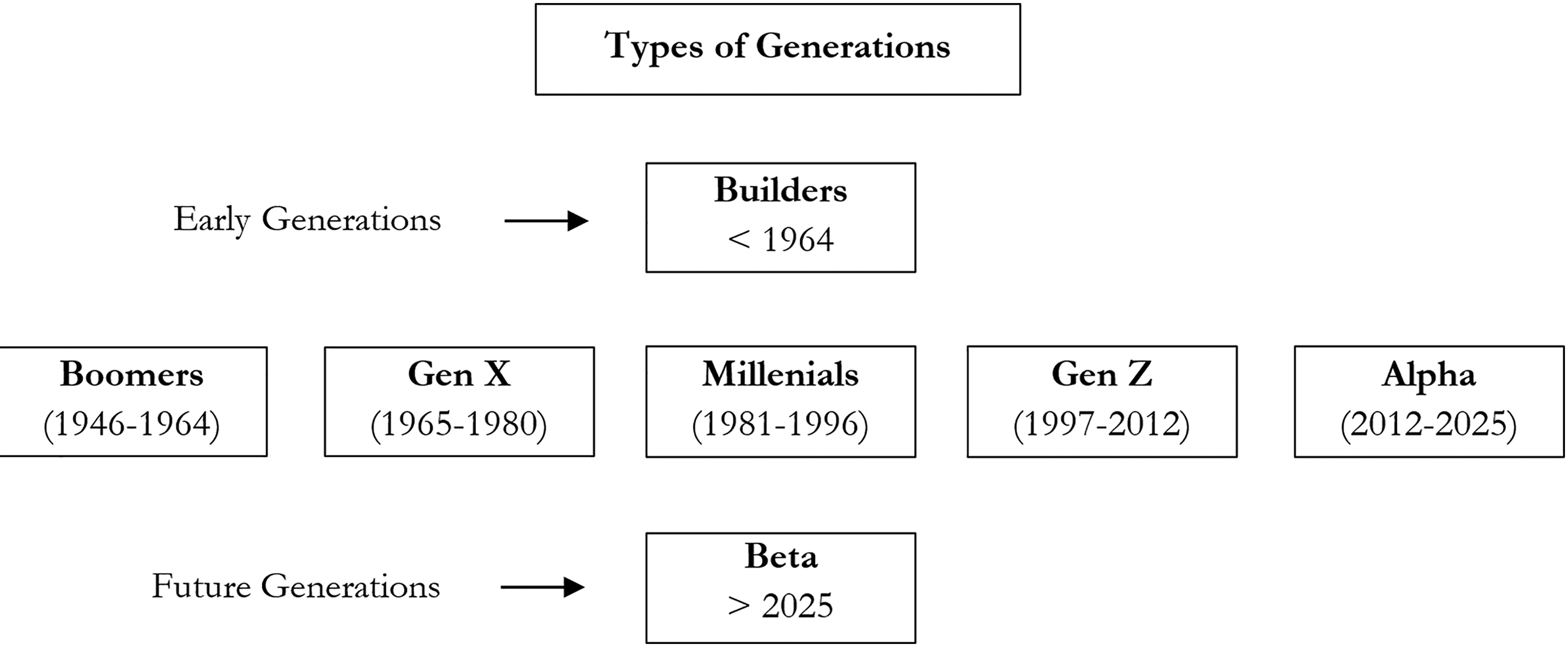
Types of Generations: Builders, Boomers, Gen X, Millennials (Gen Y), Gen Z, Alpha, and Beta.
Mobile technology and connectivity have advanced rapidly. Smartphones have become indispensable tools in our daily lives, permeating various aspects, including education (Gikas & Grant, 2013). Nearly ubiquitous, smartphones are now inseparable companions for individuals worldwide, transcending age groups from elementary school (Gen Alpha) to high school (Gen Z) and beyond into college (Gen Z and Millennials) (Al-Emran et al., 2016). These devices serve as multifaceted educational aids, enabling students to collaborate, access vast digital resources, and tailor their learning experiences to their preferences (see Figure 1). Particularly for Generation Z, born between 1997 and 2012, the prevalence of mobile technology has been a defining characteristic of their upbringing (Mahapatra et al., 2022). E-learning and m-learning applications are second nature to this generation, effortlessly integrated into daily routines. Compared to millennials, Generation Z exhibits a higher level of tech literacy and comfort with mobile devices, positioning them as the most adept cohort in utilizing mobile technology for educational purposes (Shorey et al., 2021). The role of mobile technology is also beginning to shape the experiences of Generation Alpha (born after 2012), and future generations (Beta, post-2025), who are expected to be even more immersed in mobile learning environments. The emergence of these generations further underscores the significance of mobile technology in shaping the future of education.
In education, the ubiquity of always-connected mobile devices has ushered in an era of equitable access to information for all users, assuming proper usage and adequate literacy levels (Crompton & Burke, 2018). With smartphones and personal smart devices seamlessly integrated into our daily lives, they have evolved into indispensable educational aids, erasing the boundaries of when and where learning can occur (Papadakis & Kalogiannakis, 2019; Shin & Kang, 2015). This transformative potential of mobile technology offers educators unparalleled opportunities to innovate and reshape traditional learning paradigms. Educators equipped with an open mindset and strong pedagogical skills can harness the power of mobile devices to revolutionize teaching and learning practices, potentially paving the way for the adoption of bring your own device (BYOD) policies in educational institutions. BYOD policies represent a shift from the traditional restrictive stance on mobile devices, fostering an environment conducive to exploring innovative and diverse learning modalities tailored to students' individual learning preferences and styles.
According to data from Datareportal.com (Digital 2023: Global Overview Report — DataReportal – Global Digital Insights, 2023), as of the beginning of Q3 2023, approximately 5.19 billion individuals worldwide were using the internet, representing around 64.5% of the global population. Notably, a staggering 95% of internet users access the internet through mobile phones at least occasionally, with mobile phones now accounting for approximately 57% of online activities and over 55% of global internet traffic. However, it is essential to recognize that in the world's major economies, over 60% of internet users still rely on laptops and desktop computers for online tasks. This surge in mobile device usage reflects an overall trend of increased digital adoption and activity, with recent data indicating that mobile phone usage has surpassed two-thirds of the world's population, reaching a remarkable 5.56 billion users as of April 2023. Moreover, the prevalence of cellular connections linked to smartphones is steadily rising, with smartphones now constituting approximately 84% of the world's active mobile phones. As digital technology becomes increasingly intertwined with our daily lives, its transformative potential in education becomes ever more apparent (Samala et al., 2023a). Examining this data underscores the profound impact that mobile learning can have on education.
Mobile learning stands out as a technology with significant impacts across diverse educational levels, particularly among university students, heralding a positive trajectory for effective learning (García Botero et al., 2018). Positioned at the intersection of e-learning and microlearning (refer to Figure 2), mobile learning harnesses the mobility and adaptability of devices to offer personalized and adaptable learning experiences. Conversely, microlearning represents a pedagogical approach centered on delivering educational content in bite-sized, easily comprehensible units, spanning various formats like short videos (Samala et al., 2022), infographics, quizzes, flashcards, interactive simulations (Samala & Amanda, 2023), gamifications (Samala et al., 2023b), podcasts, e-modules, and condensed content on social media platforms (Sobaih et al., 2016). The symbiotic relationship between mobile learning and microlearning arises from the suitability of mobile devices as platforms for delivering microlearning content. Leveraging their portability and on-the-go accessibility, learners can seamlessly engage with concise and targeted learning modules on their mobile devices. This synergy between mobile technology and microlearning empowers learners to optimize available time, whether it is a few spare minutes between tasks or during a commute.

Flexible learning, e-learning, and m-learning. Source: (Kumar Basak et al., 2018).
Mobile learning frequently harnesses social learning dynamics to amplify learner engagement (Baker et al., 2020). Applications like WhatsApp serve as conduits for interaction through discussion forums, news feeds, or chat functions, empowering learners to pose questions, interact with peers, and exchange insights. Moreover, mobile learning can yield a notable boost in productivity, with learners achieving course completion rates up to 45% faster than their desktop-using counterparts, enhancing efficiency by as much as 43% (Wotto, 2020). The prevalence of short-form content enables flexible learning, seamlessly integrating educational activities into various contexts, such as listening to podcasts during exercise or consuming instructional video content on platforms like YouTube while dining. This flexibility is particularly advantageous for higher education students who benefit from round-the-clock access to bite-sized mobile training modules through their ubiquitous devices. With the ability to swiftly access their smartphones, students can complete the brief, 2–3-min lessons on-the-go, seamlessly integrating learning into their daily routines. However, it's essential to acknowledge that the absence of mobile technology access or a reliable internet connection can pose significant barriers in this educational landscape (Kukulska-Hulme, 2012).
Understanding the impact and efficacy of mobile learning within the context of BYOD initiatives in higher education is pivotal for institutions to adapt to evolving learning needs. Research in this domain plays a crucial role in identifying best practices for fostering inclusive learning environments that cater to diverse student demographics. Given the dynamic nature of technology-enhanced education, ongoing research offers valuable insights into effective teaching and learning methodologies, facilitating continuous improvement (Barlette et al., 2021; Clark et al., 2021; Gkamas et al., 2019).
Bibliometrics offers a quantitative lens through which to analyze research trends, publication outputs, citation frequencies, and authorship dynamics (Samala et al., 2023e). This method enables the measurement of scholarly impact and dissemination within the realm of Mobile Learning and BYOD. Through visual representations of research trends, bibliometrics maps the evolution of these topics, shedding light on seminal papers, concepts, and theories that have shaped the field. Leveraging repositories like Scopus, which hosts a vast array of academic publications, allows for the application of bibliometric methodologies such as citation analysis, co-authorship analysis, and co-word analysis.
The primary aim of this study is to evaluate scholarly output concerning the utilization of mobile phones in higher education settings. Such research endeavors are instrumental in advancing educational methodologies, promoting equitable access to quality education, and equipping students with the requisite skills for success in a digitally interconnected world. The insights gleaned from these endeavors are invaluable for educators, educational institutions, policymakers, and technology innovators, collectively contributing to the enhancement of higher education standards.
The main research questions (RQs) outlined in this study are as follows:
The methodology section, outlined in the third segment, delineates the research approach employed in this study. Subsequently, the results are elucidated, followed by a comprehensive discussion and synthesis of findings. Finally, a conclusive summary is drawn, encapsulating the key insights gleaned from the research endeavor.
Methodology
In this study, a bibliometric analysis was conducted in accordance with the PRISMA guidelines. The objective was to scrutinize the utilization and impact of research collections, identify emerging research trends, assess the current state of the art, and trace the evolutionary trajectory of research in specific areas. Various analytical tools, including RStudio, Python, MS Excel, and VOSviewer, were employed to generate insightful and visually compelling analysis outcomes. The Scopus database was utilized, encompassing data from the past 15 years, spanning from 2007 to 2023. The literature search was conducted on January 2, 2024, using the following query, as shown in Figure 3.

Query.
Based on this query, several keywords were utilized, as depicted in Figure 4, where articles were restricted to journals and conferences written exclusively in English. A total of 1,024 documents were extracted for the keyword search. Subsequently, the data was exported as a dataset in CSV format.
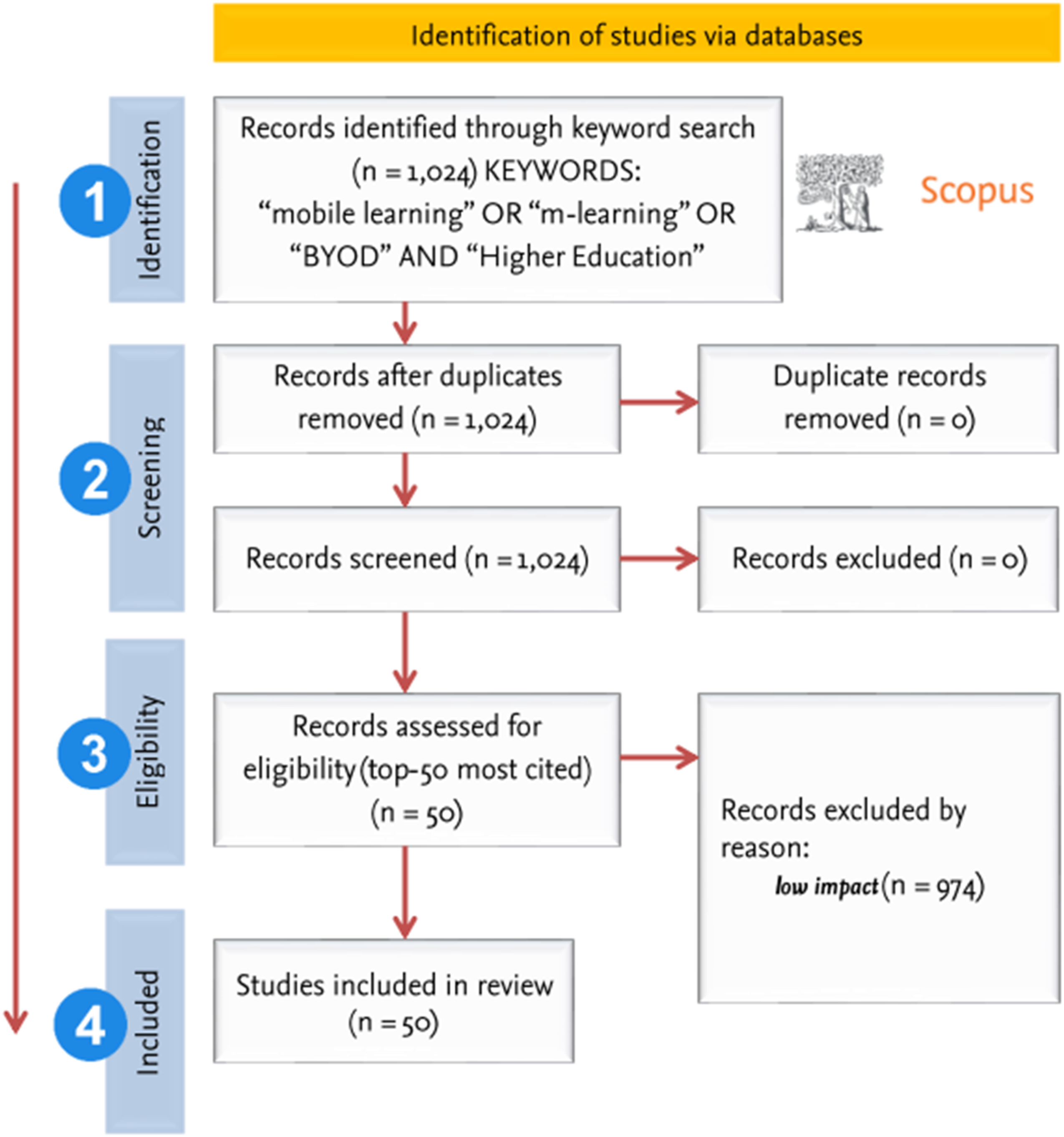
PRISMA flow diagram. Source: (Page et al., 2021; Samala et al., 2023d).
The completeness of metadata in bibliometric datasets is critical. Metadata refers to information that describes the data or datasets. In bibliometrics, metadata identifies and explains essential elements such as article titles, author names, journals or conferences where the article was published publication year, and the number of citations. Complete and accurate metadata are crucial to ensure that the data can be effectively utilized in bibliometric research and analysis (Donthu et al., 2021). The results of metadata completeness in the dataset obtained are presented in Table 1.
Completeness of Bibliographic Metadata.
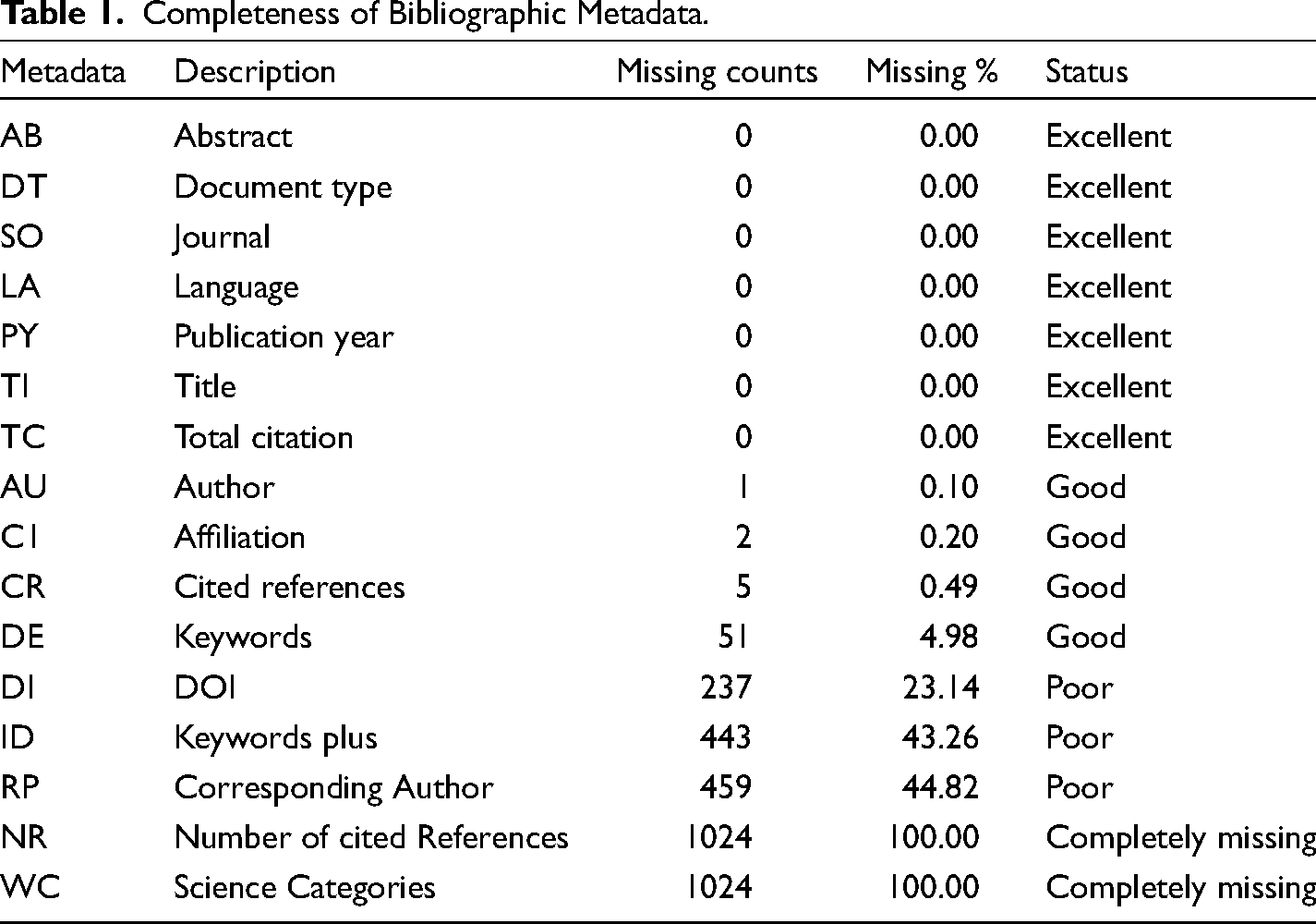
From Table 1, it is apparent that the bibliometric dataset contains relatively good metadata, including information such as abstracts, document types, journals, languages, publication years, titles, and total citations. However, some metadata are either poor or completely missing, particularly regarding DOI, Keywords Plus, and Corresponding Author data. This incomplete metadata can impact the dataset's effectiveness in bibliometric analysis and research. Therefore, metadata labeled as “completely missing” (NR and WC) were not utilized in the bibliometric study. Meanwhile, metadata such as DOI (23.1%), Keywords Plus (43.26%), and Corresponding Author (44.82%) can still be utilized, albeit considered “poor.” However, they can remain reliable if data filtering focuses on the top 50 documents out of 1,024 with high-impact factors based on citation counts.
Following successful exporting, the dataset underwent filtering based on specific criteria, as depicted in Figures 4 and 5. Documents related to Mobile Learning in Higher Education were identified two years later, in 2002, within the timeframe of 2000–2003. Among the 1,024 documents, there were 610 journal articles and 414 conference papers. These documents originated from 526 sources, with an annual growth rate of 21.99. We will discuss the results of the investigation to address the formulated research questions.
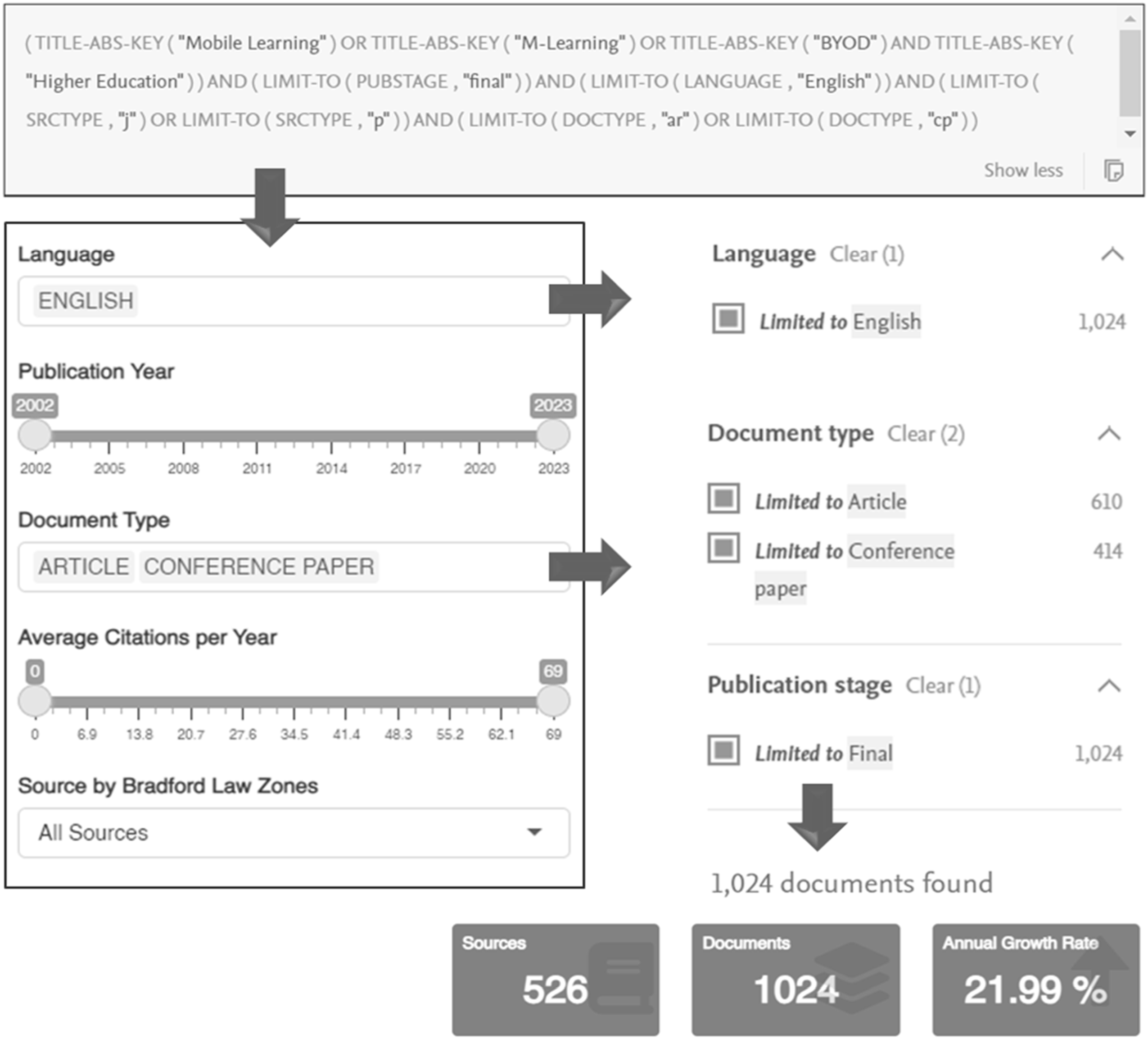
Data filtering process.
Results and Discussion
We have effectively addressed six research questions through our analysis, interpretation, and findings from the dataset. The questions and their corresponding answers are presented below:
RQ1: How has Research on Mobile Learning in Higher Education Grown?
The growth trajectory of research output concerning mobile learning in higher education is visually depicted in Figure 6. The distribution of 1024 documents per year reveals an exponential upward trend, signifying significant growth in scholarly interest. Although a slight decline was observed in 2022, the trend continues to evolve in 2023. The inception of the first document in this domain dates back to 2002, and since 2005, there has been a consistent positive trend, peaking in 2020 with 100 documents. This pattern underscores a burgeoning interest in and emphasis on mobile learning within higher education.
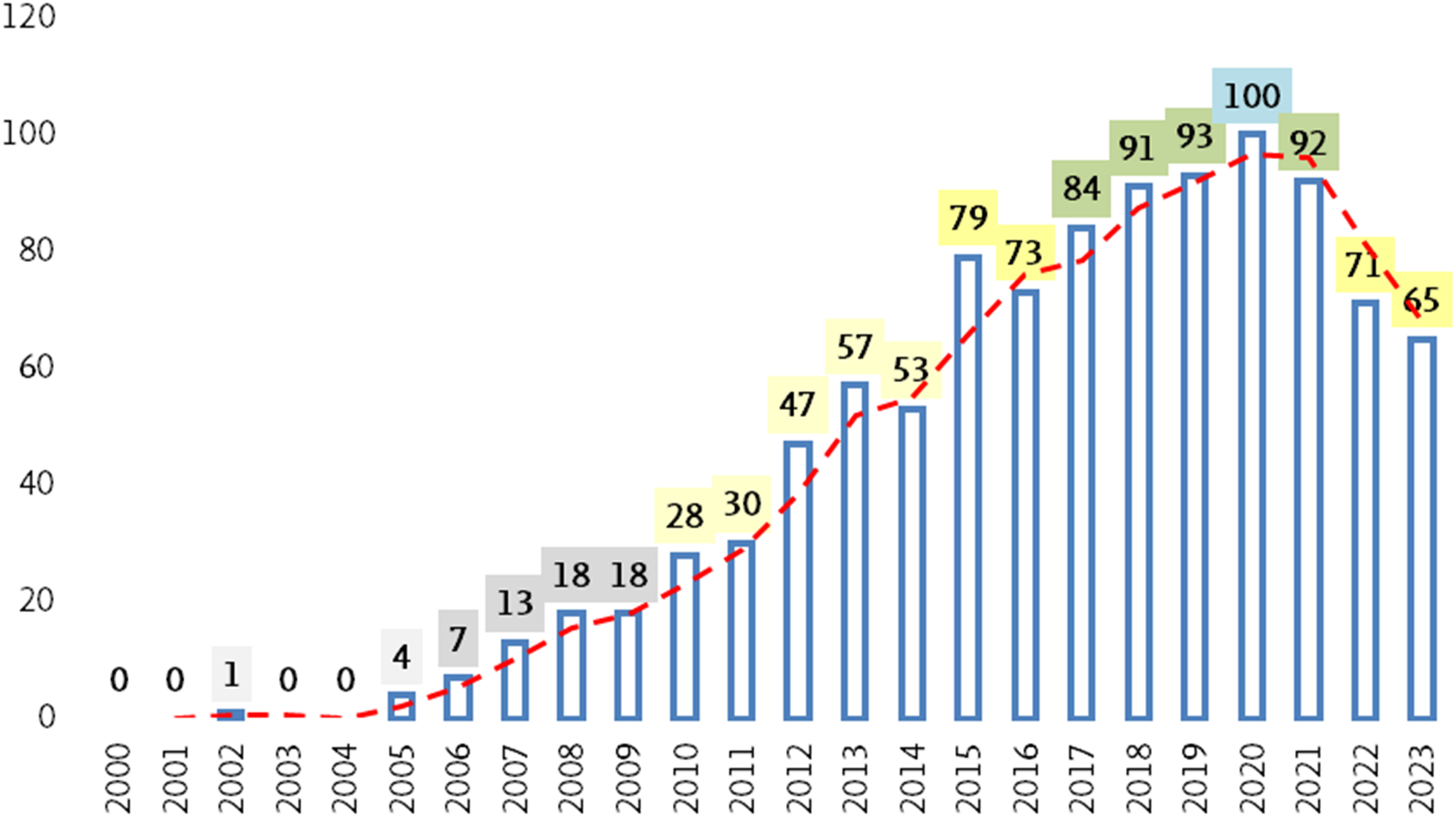
Total documents per year.
The surge in discussions surrounding mobile learning commenced in 2004, aligning with the rapid advancement of mobile technology and the introduction of expanded Internet data packages around the year 2000. Concurrently, mobile devices underwent significant sophistication, with Nokia emerging as the predominant phone brand in the early 2000s. The pivotal moment came in 2007 when Apple launched the iPhone, heralding a paradigm shift in mobile technology. This convergence of factors, coupled with a burgeoning recognition of the potential of mobile learning, catalyzed increased discussions and research on the subject starting from 2007 (refer to Figure 7).
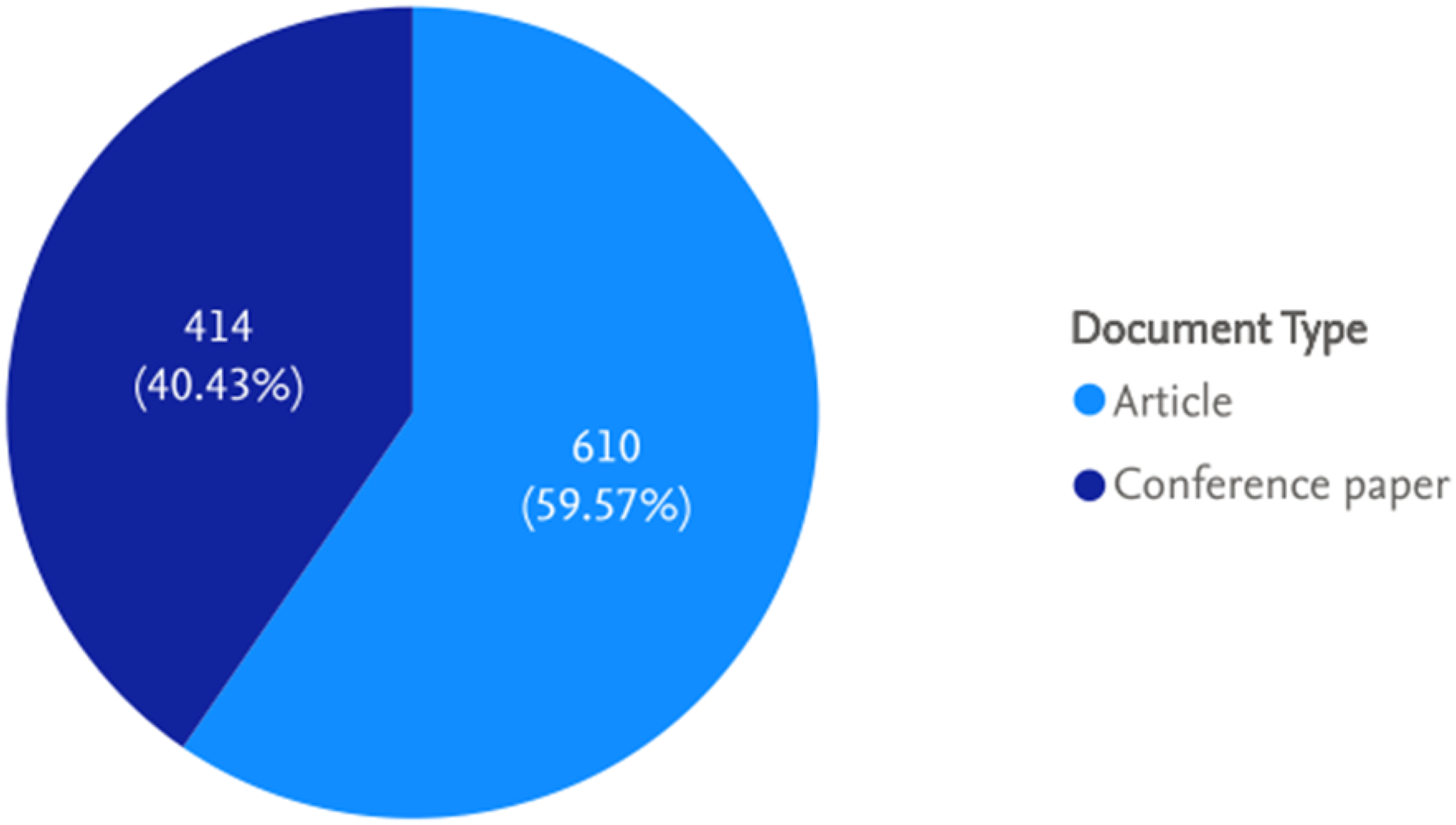
Total documents by document type.
In 2020, the educational landscape experienced a seismic shift due to the COVID-19 pandemic, profoundly impacting the field and expediting the uptake of mobile learning (González-Zamar et al., 2022; Šramová, 2023). Mobile learning emerged as a viable alternative for remote continuing education, enabling students to pursue learning remotely without the need to be physically present on campus. Educators swiftly adapted by delivering course materials through online platforms, a transition facilitated by mobile learning tools (Samala et al., 2022). This paradigm shift towards mobile learning ensured continuity in education and provided students with opportunities to cultivate essential skills such as self-directed learning, time management, and discipline.
As depicted in Figure 8, the evolution of mobile technology has unfolded over the past four decades, demonstrating a consistent trajectory of advancements since the introduction of 1G in the late 1980s. Each subsequent generation has witnessed notable improvements in network capabilities, accompanied by the emergence of increasingly sophisticated technological applications and devices. The evolution of mobile connectivity has progressed through several key generations:
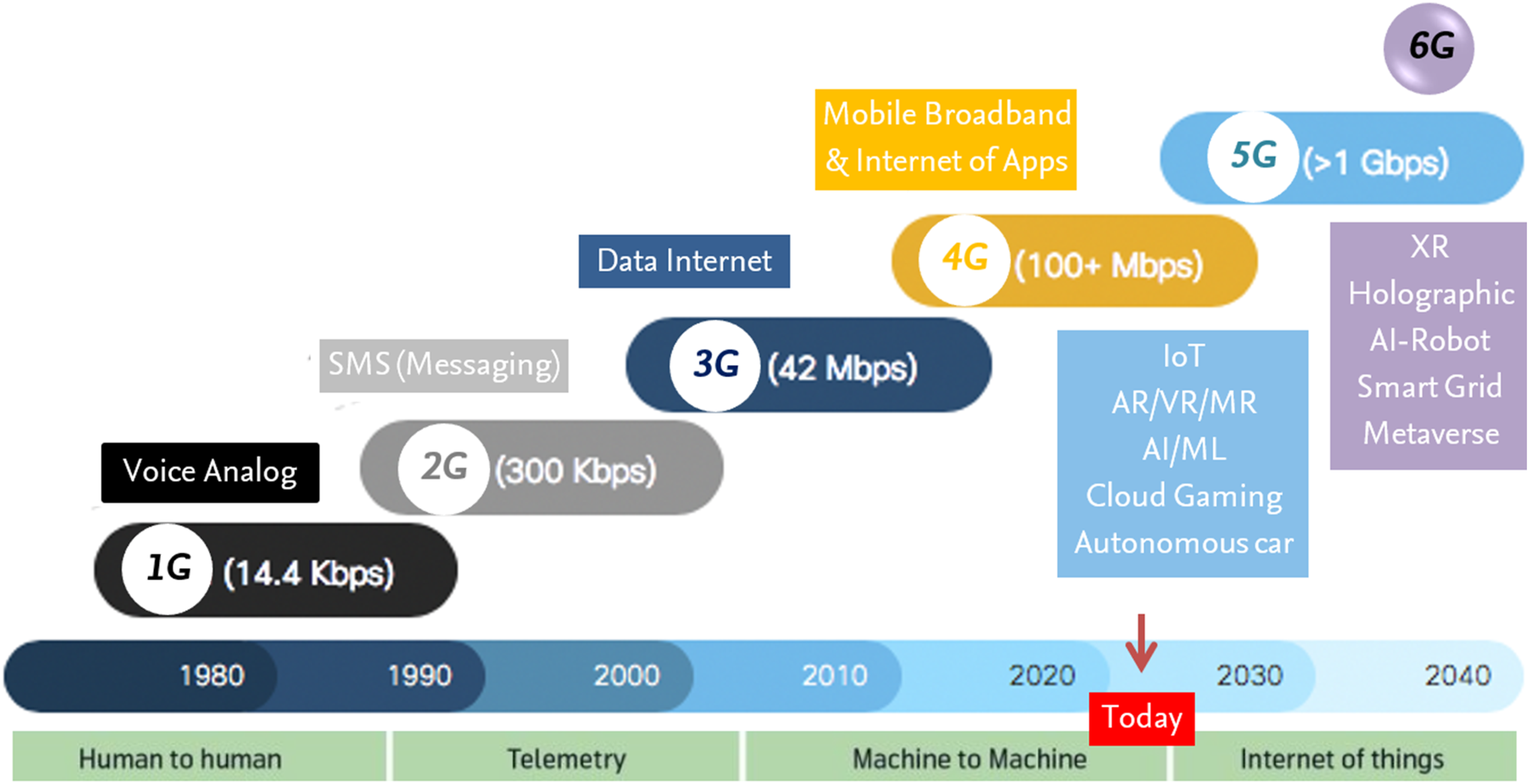
Mobile connectivity evolution.
Looking ahead, the potential features of 6G are envisioned to include even higher speeds, deeper integration with MR and extended reality (XR) technologies, as well as smarter and more adaptive network architectures, ushering in a new era of connectivity and innovation.
The evolution of mobile connectivity has profoundly shaped mobile learning in higher education. From basic phone calls and text messaging to advanced remote data transmission and device-to-device communication, the progress in network capabilities and mobile device technologies across generations has greatly enhanced the efficiency and effectiveness of mobile-based education. This evolution enables students and educators alike to access learning materials, communicate, and collaborate seamlessly, particularly in remote learning environments.
For instance, the introduction of 3G brought about faster internet speeds and improved data access, facilitating the adoption of video streaming and mobile broadband services within educational contexts. Subsequently, 4G revolutionized connectivity, enabling high-fidelity video streaming and the seamless operation of data-intensive applications. Now, 5G represents a paradigm shift in mobile learning, with its unparalleled speed and minimal latency unlocking new realms of possibility. It promises to elevate mobile learning experiences to unprecedented levels of interactivity and sophistication, thereby advancing progress towards Sustainable Development Goal 4 (SDG 4) of Quality Education.
RQ2: What are the Most Cited Documents in this Field?
We successfully identified the top 50 documents based on the number of citations. Among these 50 documents, four did not have a DOI. This is attributed to the initially poor quality of DOI metadata, with 23.14% of DOI data needing clarification. However, we managed to track these four documents using alternative metadata support, enabling us to locate them through direct links, as depicted in Table 2.
HeatMap: Top 50 Most Global Cited Documents.
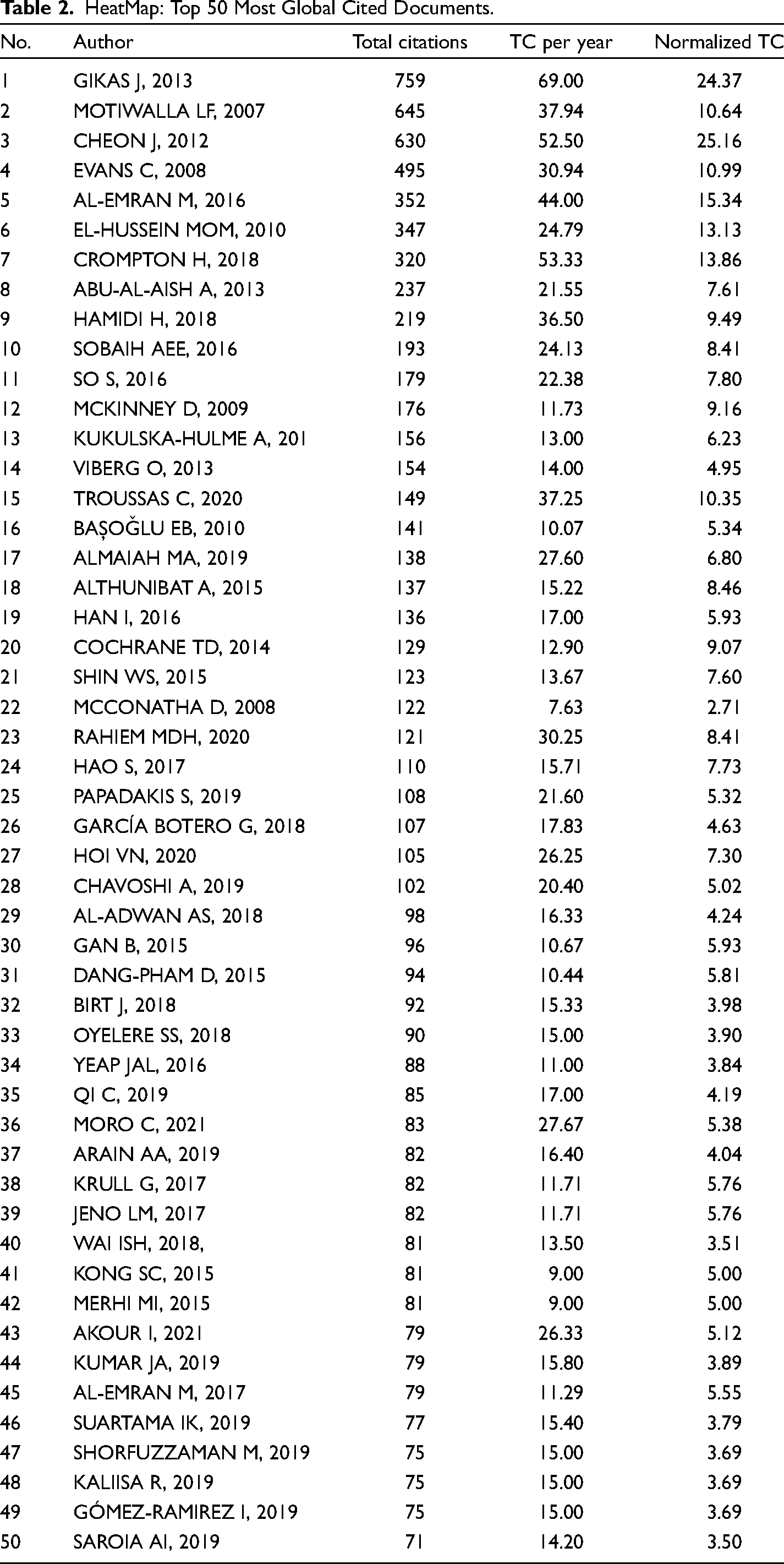
Table 2 presents the top five scholarly articles with the highest number of citations. The most cited article is “GIKAS J, 2013” with 759 citations, followed by “MOTIWALLA LF, 2007” with 645 citations, “CHEON J, 2012” with 630 citations, “EVANS C, 2008” with 495 citations, and “AL-EMRAN M, 2016” with 352 citations. These data offer insights into the relative impact of each article within its academic domain, with certain articles demonstrating significant influence based on their high citation counts.
Grant Gikas and Grant (2013) conducted a study shedding light on the increasing prevalence of mobile computing devices in universities and their potential for expanding educational opportunities. Their research specifically explored the roles of mobility and social media as instructional strategies in higher education. Mobile computing devices encompass portable technologies such as cell phones, smartphones, tablet computers, laptops, and netbooks, making mobile learning applicable to formal and informal educational settings. Studies conducted with students have identified several benefits of mobile learning, including rapid access to information, diverse learning content provision, enhanced communication between students and instructors facilitated by uninterrupted Internet connectivity, and adaptability of mobile learning across different contexts.
Motiwalla (2007) also emphasized that mobile learning applications can complement both in-class and distance-learning settings. Notably, the use of e-learning in m-learning systems, akin to contemporary LMS (Katsaris & Vidakis, 2021), has been in practice since 2007. Cheon's investigation into students’ preferences for mobile learning suggests that ease of use and flexibility are key factors (Cheon et al., 2012).
Moreover, Evans (2008) asserted that mobile podcast learning is more effective than traditional lectures or textbooks. Here, “podcast” refers to on-demand audio recordings distributed via iPods, a concept popularized following the launch of Apple's iPod in 2001.
Al-Emran concluded that mobile learning holds promise as a pedagogical technology in higher education environments (Al-Emran et al., 2016). In today's society, mobile devices have become integral to daily life, facilitating communication, social interaction, information retrieval, and even shopping. Envisioning a future where education is predominantly mobile is not far-fetched, making learning accessible to everyone at their fingertips. Mobile learning can supplement, complement, or substitute (enhancement or transformation) for teaching and learning (Figure 9). At the supplement level, mobile learning adds value to existing learning practices. As a complement, it significantly supports ongoing learning endeavors. Finally, as a substitute, mobile learning has the potential to replace traditional teaching methods through distance or personalized learning approaches.
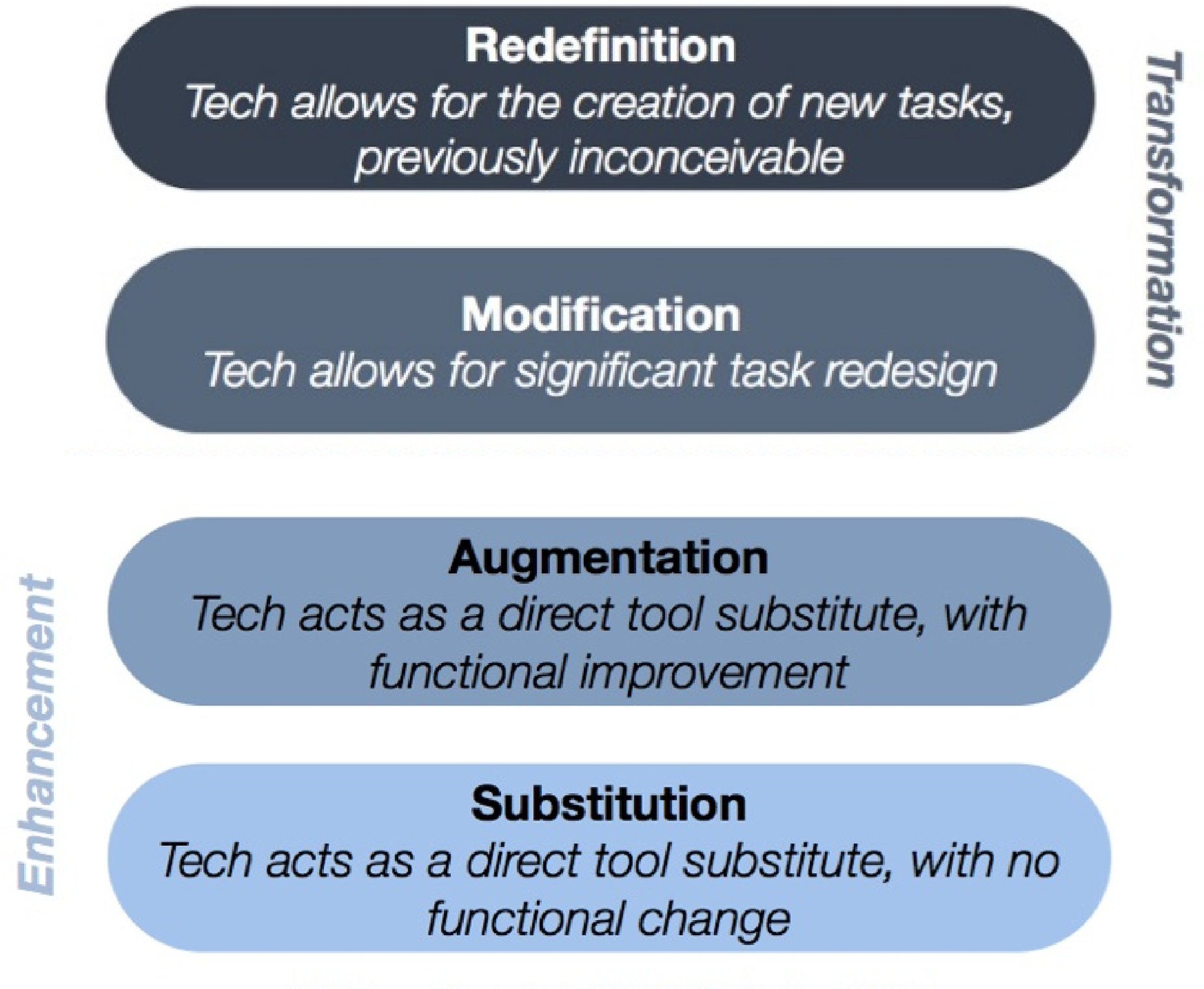
SAMR model.
RQ3: Who are the Leading Authors and Publishing Sources?
The research findings have identified several of the most active authors in mobile learning in higher education. Farley H emerges as the most prolific author with 11 related articles, closely followed by Cochrane T and Murphy A, each with nine articles to their credit. Other notable contributors to this field of research include Ng’ambi D, with eight articles, and several authors such as Moreira F, Poulouva P, Sarrab M, and Simonova I, all of whom have authored seven articles related to mobile learning in higher education. Ahmad AR and Almaiah MA have also made significant contributions, each with six articles attributed to them (see Figure 10).
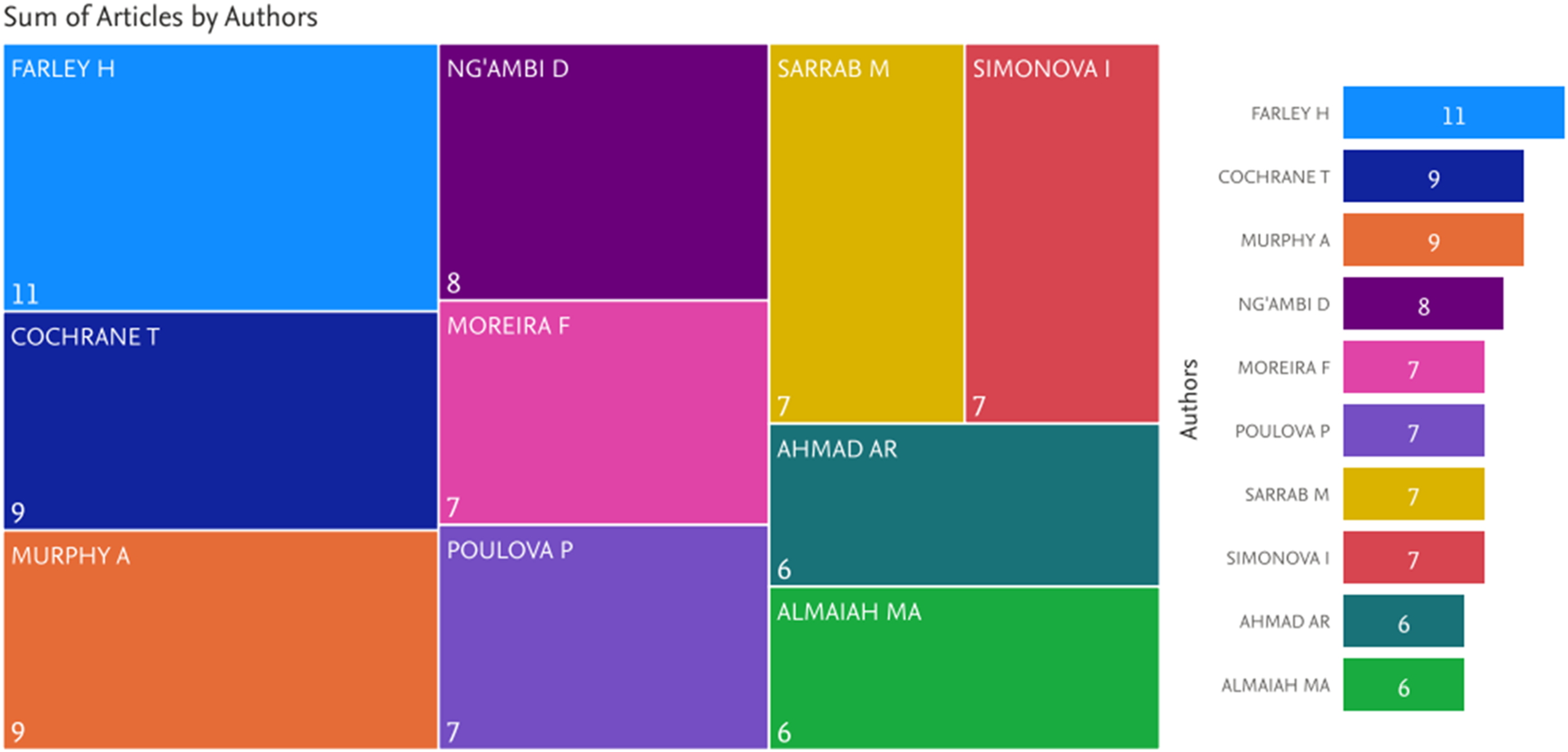
Top 10 most active authors.
As depicted in Figure 11, the top 10 sources wield significant influence in mobile learning and education. Foremost among them is “Computers and Education,” boasting an h-index of 18, a g-index of 20, and an m-index of 1.06, with 3392 citations and 20 publications. “Education and Information Technologies” closely follows, with an h-index of 14, a g-index of 22, and an m-index of 1.40, along with 647 citations and 22 publications. Similarly, the “International Journal of Interactive Mobile Technologies” emerges as a pivotal source, sporting an h-index of 14, a g-index of 21, an m-index of 1.00, 503 citations, and 33 publications. Furthermore, several other journals, including the “International Review of Research in Open and Distance Learning,” “British Journal of Educational Technology,” and “International Journal of Mobile Learning and Organisation,” have significantly influenced research in this domain. These findings underscore the critical role these sources play in advancing knowledge in mobile learning and education on an international scale.
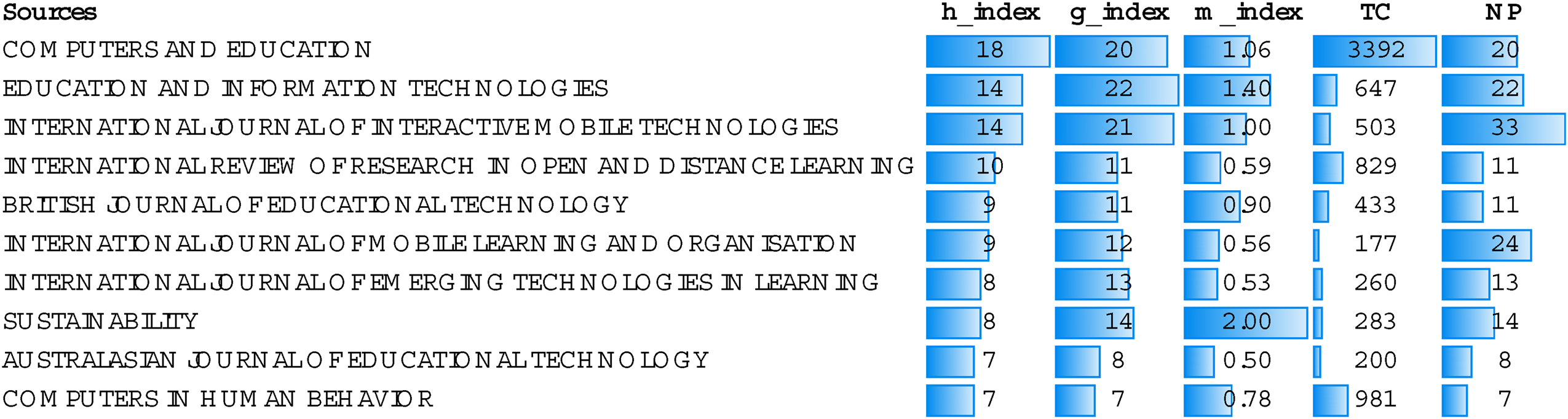
Top 10 most impact sources.
RQ4: Which Institutions and Countries are Most Prolific?
Several institutions have demonstrated remarkable productivity in mobile learning research. Universiti Sains Malaysia leads the list with an outstanding contribution of 155 articles, securing the top rank. The University of Hong Kong closely follows with 142 articles, holding the second position regarding productivity. The University of Granada occupies the third position, making a notable contribution of 100 articles. Additionally, King Saud University and King Abdulaziz University have significantly contributed, with 78 and 63 articles, respectively. These findings underscore these institutions’ commitment and pivotal role in advancing research and development in mobile learning within higher education, providing valuable insights for potential collaborations and partnerships (see Figure 12).
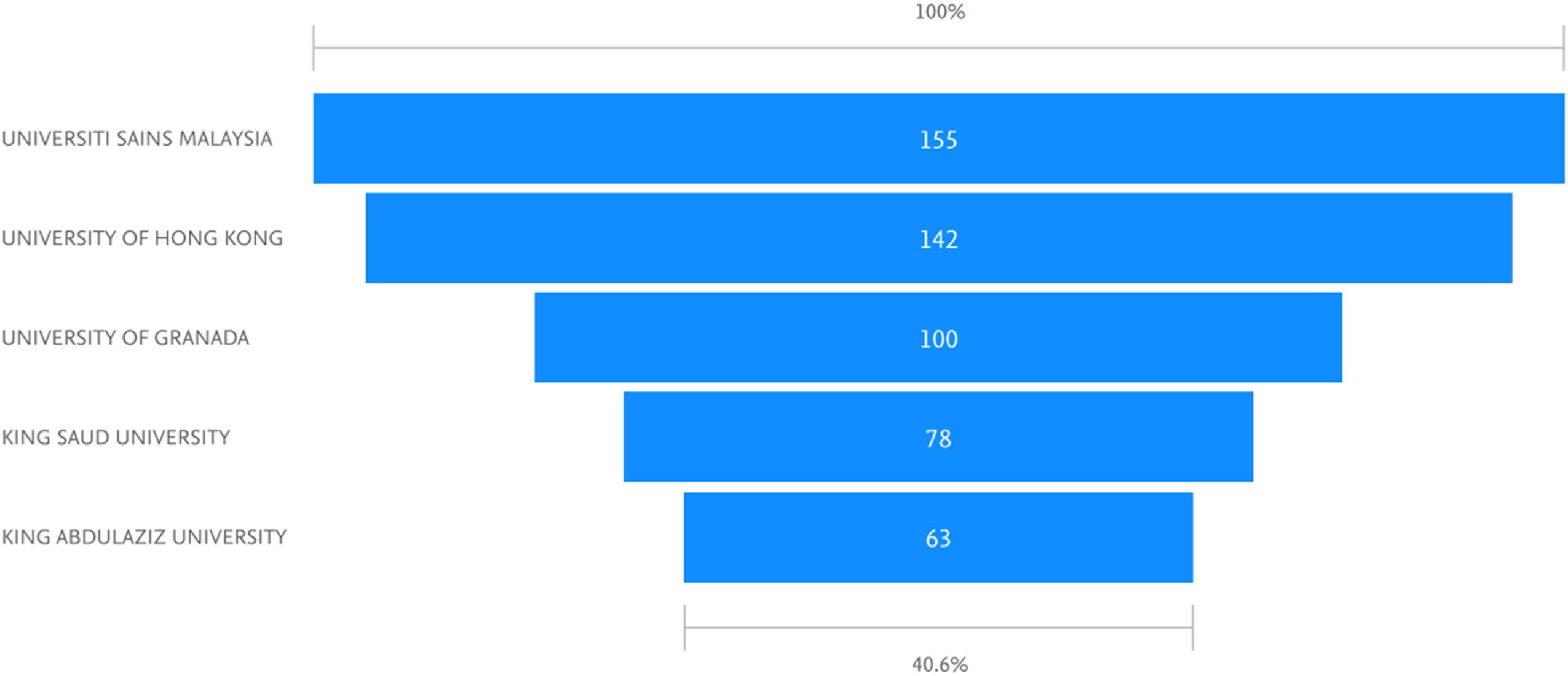
Top 5 most productive institutions.
The data depicted in Figure 13 underscores the United States (USA) as the foremost contributor to the advancement of mobile learning, boasting 3,454 citations and an average citation per article of 88.6. This substantial citation count highlights the United States’ pivotal role in shaping the discourse surrounding mobile education, with research and scholarly publications originating from the country enjoying widespread recognition within the academic sphere.
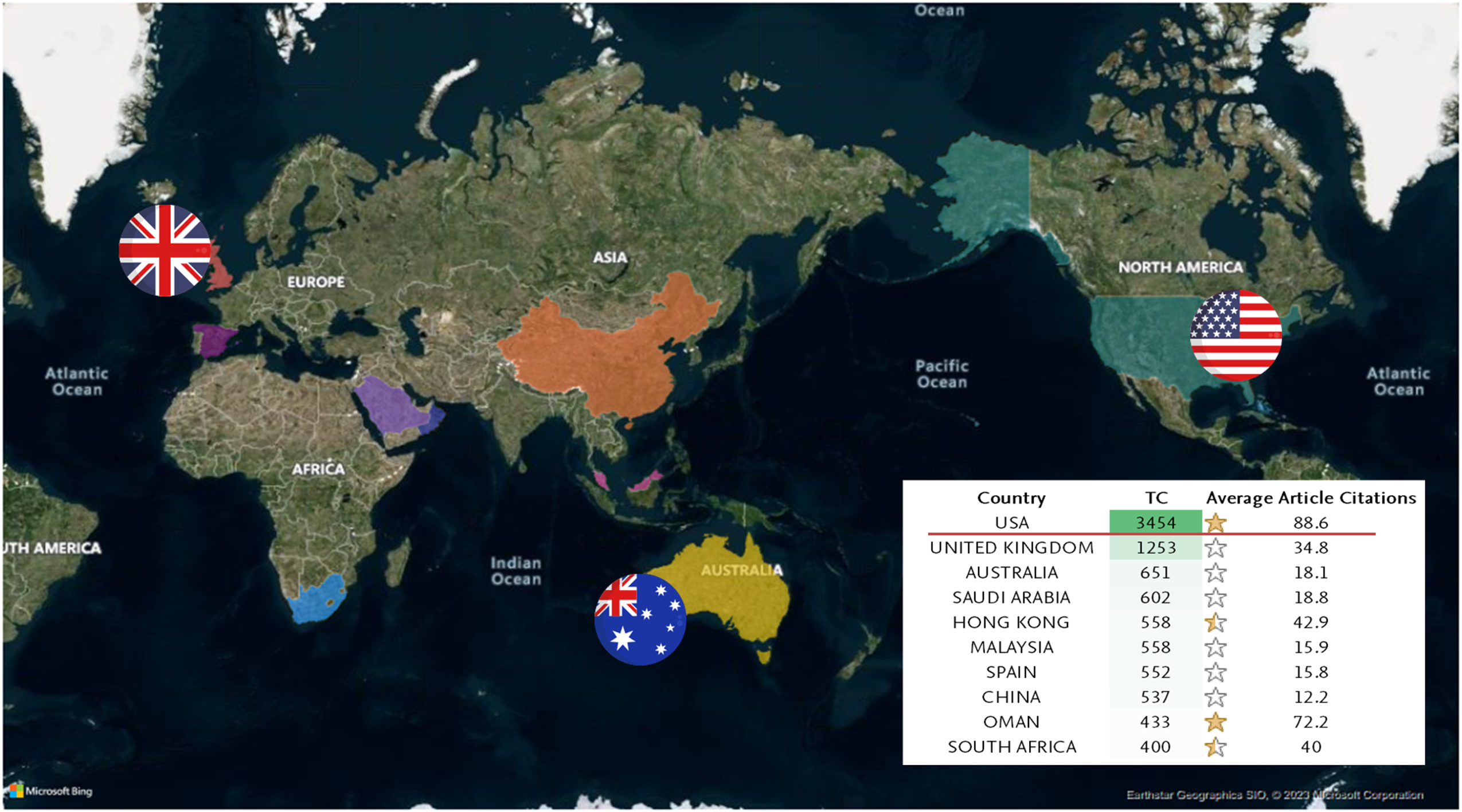
Top 10 most countries.
The term “Most Cited Countries” identifies nations with the highest number of cited documents, serving as a metric to gauge their influential research contributions globally. Countries frequently featured on this list, such as the United States, typically produce high-quality research across various disciplines, indicative of their significant impact on the scholarly community.
Renowned higher education institutions in the United States consistently produce innovative and impactful research in mobile learning, benefiting from the country's status as a global hub for technology and innovation. With leading technology companies like Apple, Google, and Microsoft driving continuous technological innovation, the United States remains at the forefront of developing cutting-edge mobile learning applications and platforms.
RQ5: What are the Key Keywords and Their Co-Occurrence Patterns?
The keyword analysis underscores the pivotal role of “mobile learning,” which appears 529 times, affirming its centrality in research. Similarly, “higher education” emerges significantly, with 353 occurrences, emphasizing mobile learning's focus at the university level. Additionally, “m-learning” and “e-learning” are frequently cited, with 212 and 87 mentions, respectively.
Occurrences of the “technology acceptance model” (23 times) indicate a keen interest in understanding how students and educators embrace mobile learning technologies. This is echoed by “attitude” (10 times), often linked to technology acceptance studies. Terms like “augmented reality” (22 times) and “smartphones” (13 times) signify a burgeoning interest in adaptive technologies enriching mobile learning experiences. The emergence of “gamification” (18 times) points to integrating game elements into mobile learning (Xezonaki, 2022).
Notably, “online learning” (24 times) and “distance learning” (16 times) underscore mobile learning's relevance in enabling remote education, particularly evident during events like the COVID-19 pandemic (“COVID-19,” 23 times). Moreover, “educational technology” (19 times) and “instructional design” (nine times) highlight the intersection of mobile learning with broader discussions on educational technology and curriculum design.
Keywords like “collaborative learning” (17 times) and “social media” (15 times) indicate exploration into how mobile learning fosters collaboration and social interaction among students. These co-occurrence patterns suggest a multidisciplinary approach to mobile learning research, integrating elements of technology acceptance, pedagogy, adaptive technologies, and educational innovation. Moreover, they underscore a growing interest in leveraging mobile learning for online and distance education, particularly in addressing challenges like the COVID-19 pandemic (see Figures 14 and 15).
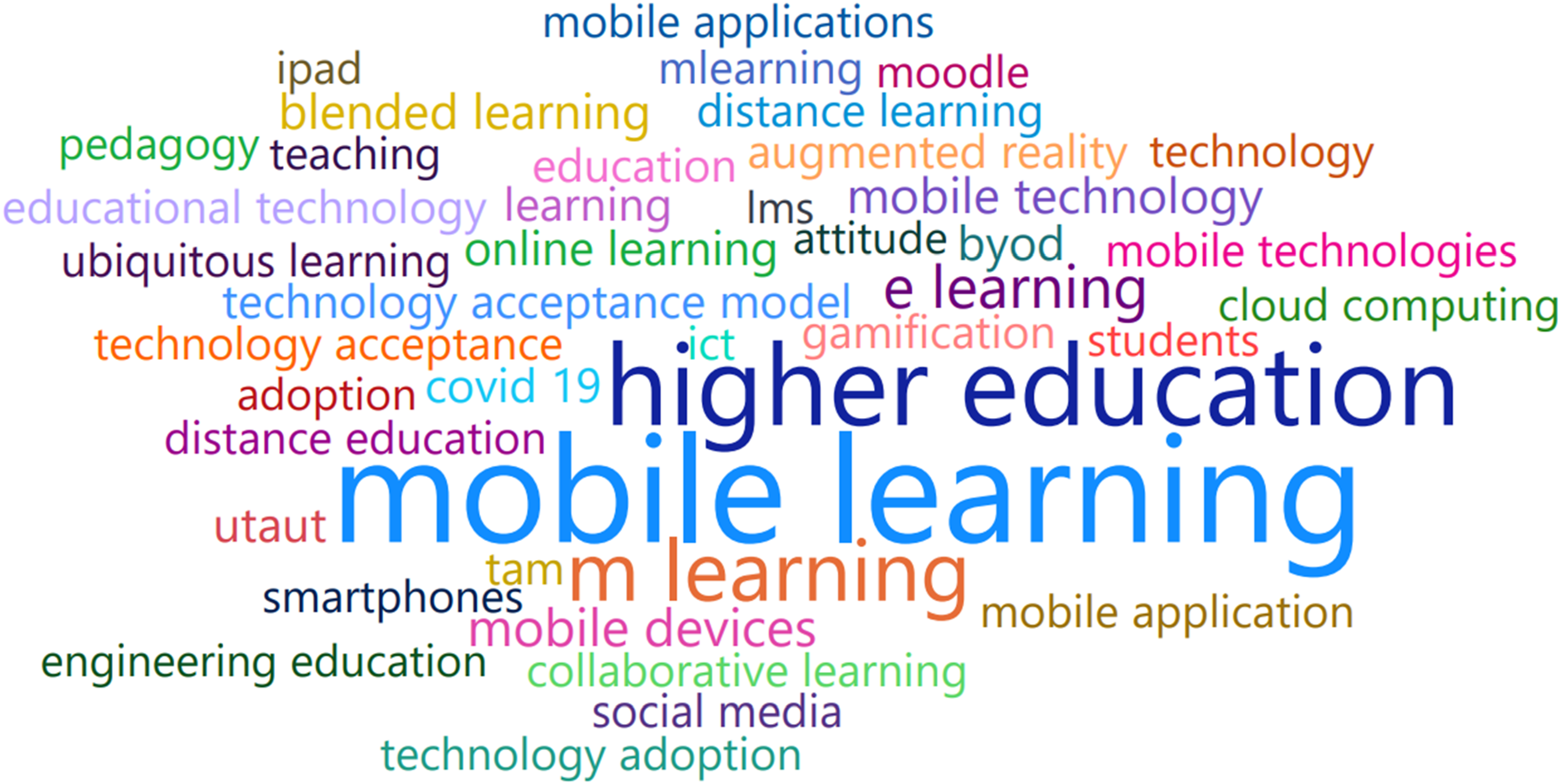
Word-cloud.
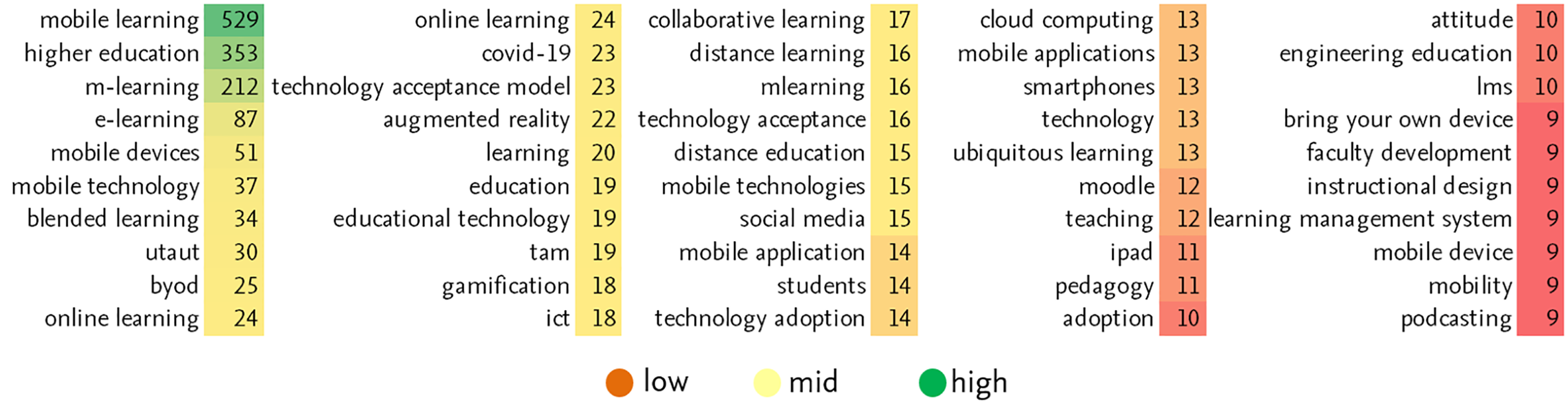
Top 50 most keywords.
Red Cluster: Learning Models
The identified cluster revolves around learning models, showcasing the rapid evolution of mobile learning in higher education. The prevalence of terms like “mobile learning” and its variants, including “m-learning” and “e-learning,” underscores their dominance in discussions concerning higher education. This trend aligns with the pervasive integration of mobile devices into the daily lives of students and educators. Moreover, keywords associated with technology acceptance, such as “technology acceptance model” and “attitude,” underscore endeavors to comprehend students’ and educators’ perceptions and adoption of mobile technology (see Figure 16).
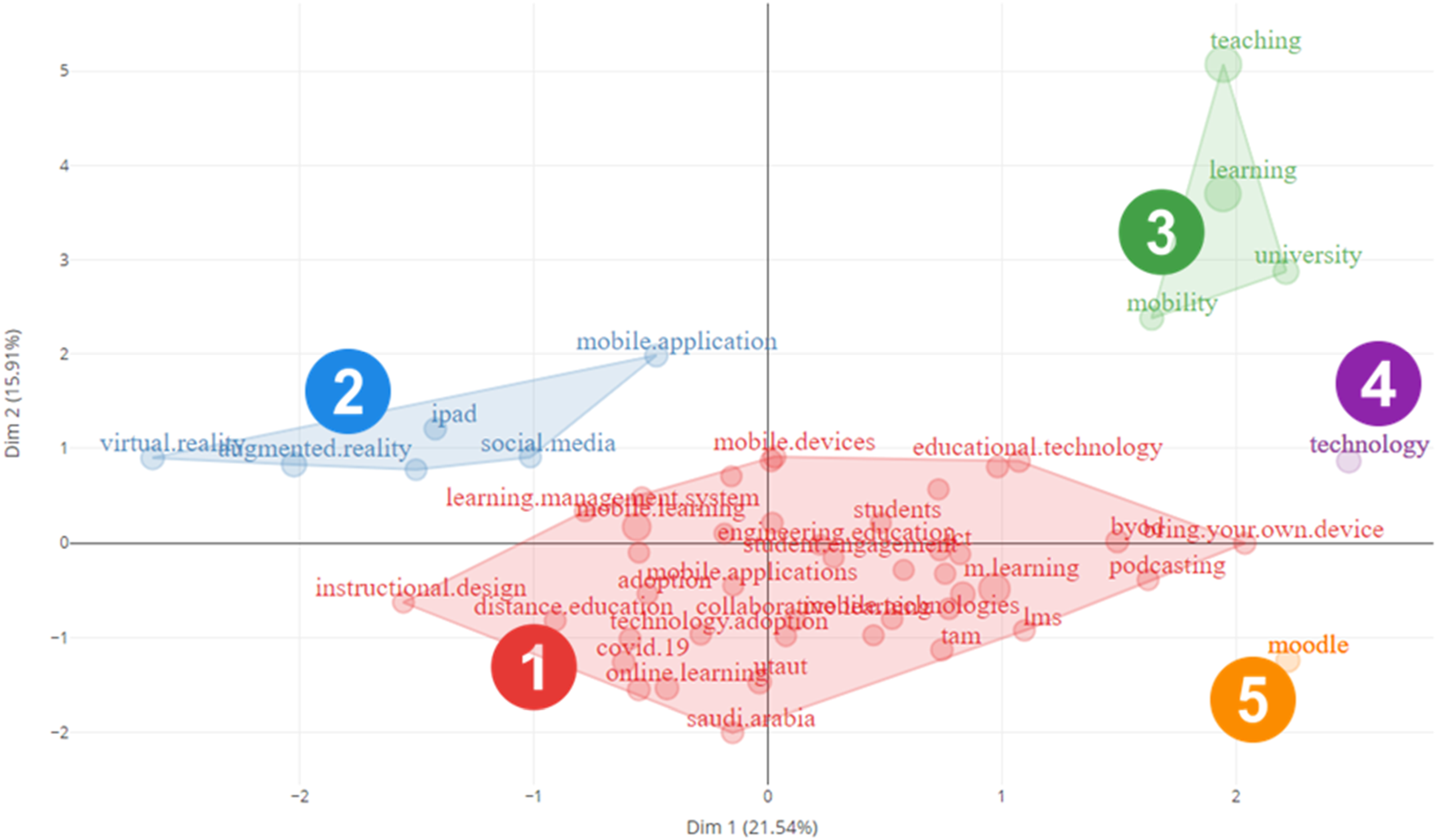
Conceptual structure: factorial analysis.
Blue Cluster: Technology in Mobile Learning
The significance of incorporating adaptive technologies like “augmented reality,” “virtual reality,” “social media,” and “mobile apps” is underscored by the increasing sophistication of mobile devices aimed at enhancing the learning experience (Beltozar-Clemente et al., 2022). Keywords such as “online learning,” “distance learning,” and “COVID-19” highlight the relevance of mobile learning in supporting distance education, particularly amid the COVID-19 pandemic. Moreover, mobile learning intersects with “educational technology” and “instructional design,” signaling active endeavors to integrate mobile learning into broader educational frameworks.
Furthermore, “collaborative learning” and “social media” indicate a growing interest in facilitating collaboration and social interaction among students through mobile learning, aligning with the trend of leveraging social media platforms for educational purposes. Additionally, mobile learning is closely associated with devices, “mobile applications,” and “mobile technologies,” emphasizing the pivotal role of specialized mobile apps and technologies in educational settings (Beltozar-Clemente et al., 2021).
Green Cluster: Implementation in Teaching
The cluster highlighted in this section delves into the implementation of mobile learning within teaching and learning environments. Keywords such as “mobility,” “teaching,” “learning,” and “university” indicate discussions surrounding the utilization of mobile technology in university settings. In essence, the Green Cluster revolves around the practical application of mobile learning in university teaching and learning contexts. It delves into the intersection of mobility, teaching methodologies, learning outcomes, and university-specific factors within the ever-evolving landscape of higher education.
Purple Cluster: Learning Management System Technology
The rise of “LMS” signifies the integration of mobile learning into established educational frameworks. This integration is pragmatic because numerous educational institutions rely on LMS platforms to administer and disseminate courses online. Moreover, mobile learning influences teaching methodologies and pedagogical approaches, as indicated by keywords such as “pedagogy” and “teaching,” underscoring the pedagogical dimensions inherent in mobile learning. Educators are actively investigating ways to tailor their teaching techniques to harness the full potential of mobile technology.
Orange Cluster: Faculty Development and Moodle
Conclusively, “faculty development” emerges as a critical component, recognizing educators’ need to receive training and assistance in effectively implementing mobile learning strategies. Additionally, the cluster underscores the significance of technology in e-learning, particularly spotlighting the “Moodle” platform. This underscores the enduring preference for Moodle as a primary choice among LMSs in higher education environments. The scarcity of research on alternative platforms implies that Moodle continues to serve as a dependable and extensively utilized LMS in university settings.
RQ6: What are the Challenges and Opportunities of Using Mobile Learning?
Bibliometric historiography delves into the progression and transformation within the realm of bibliometrics. This encompasses scrutinizing scholarly publications in the field, discerning trends in research, and tracing the evolution of concepts, methodologies, and paradigm shifts across time. Our investigation involved examining numerous pertinent articles to tackle the hurdles and prospects associated with mobile learning in higher education through a historiographical lens (Table 3). The insights gleaned from this analysis are delineated in Figure 17.
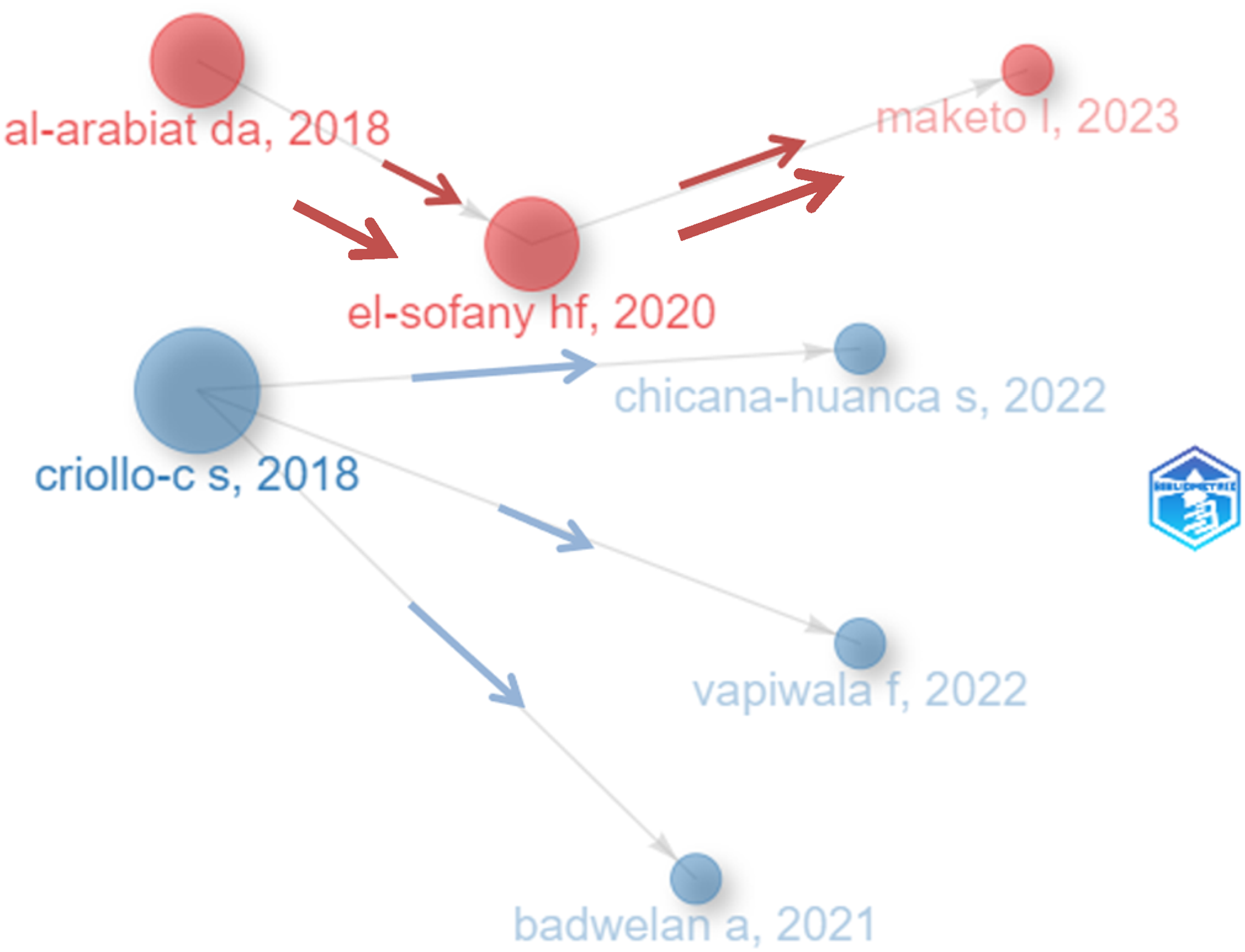
Historiography.
Historiograph (2018-2023).
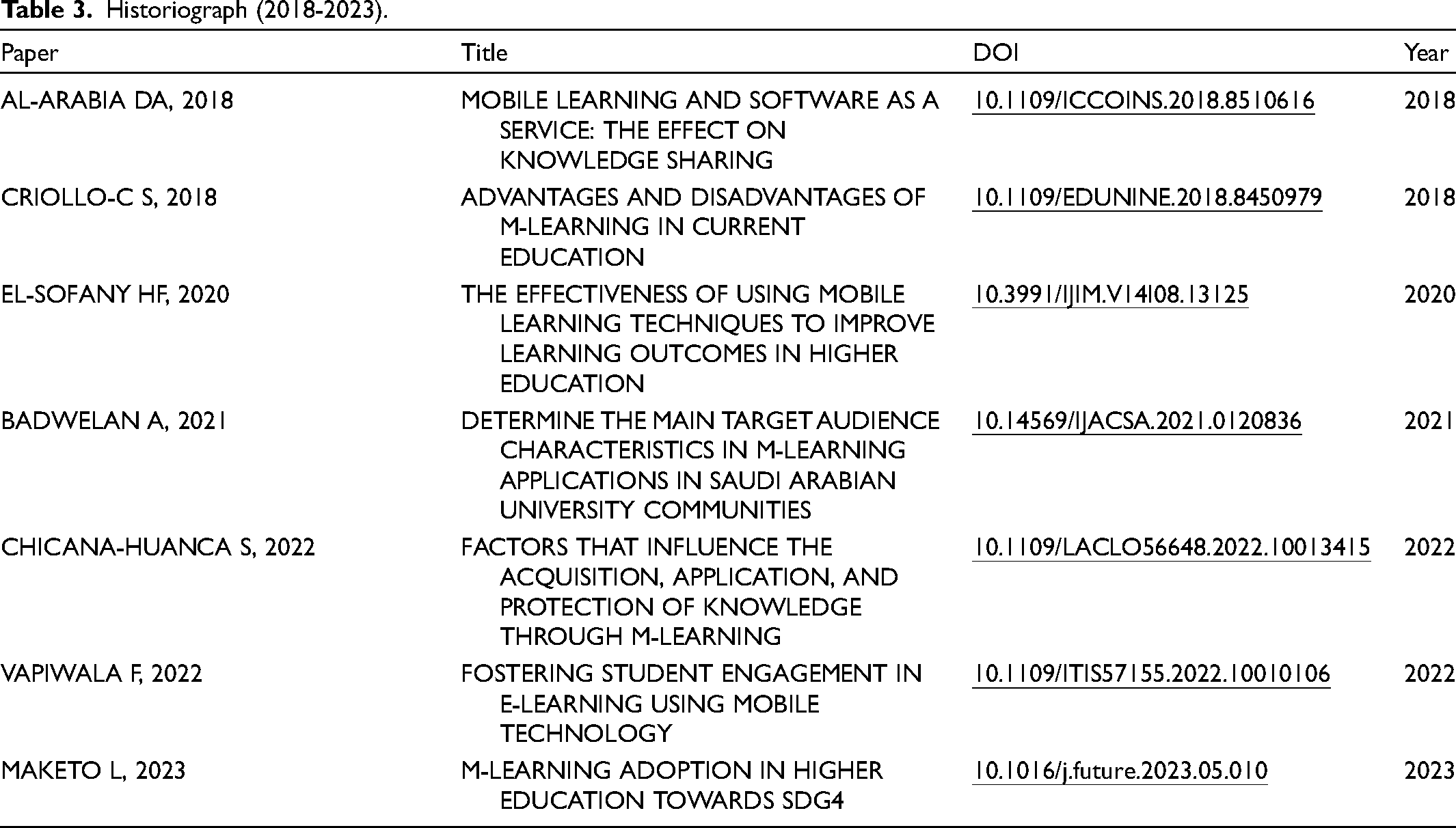
Mobile learning encounters diverse challenges that impede its efficacy (Alshamaila et al., 2023; Criollo-C et al., 2021), as depicted in Figure 18. Infrastructure and accessibility pose notable obstacles, especially in areas with restricted Internet access or obsolete devices. Guaranteeing students’ access to requisite technology and a reliable Internet connection is imperative for the effective execution of mobile learning. Content quality is also a concern since inferior educational materials can hamper learning. Thus, delivering high-caliber, captivating content optimized for mobile devices is crucial (Criollo-C et al., 2018).
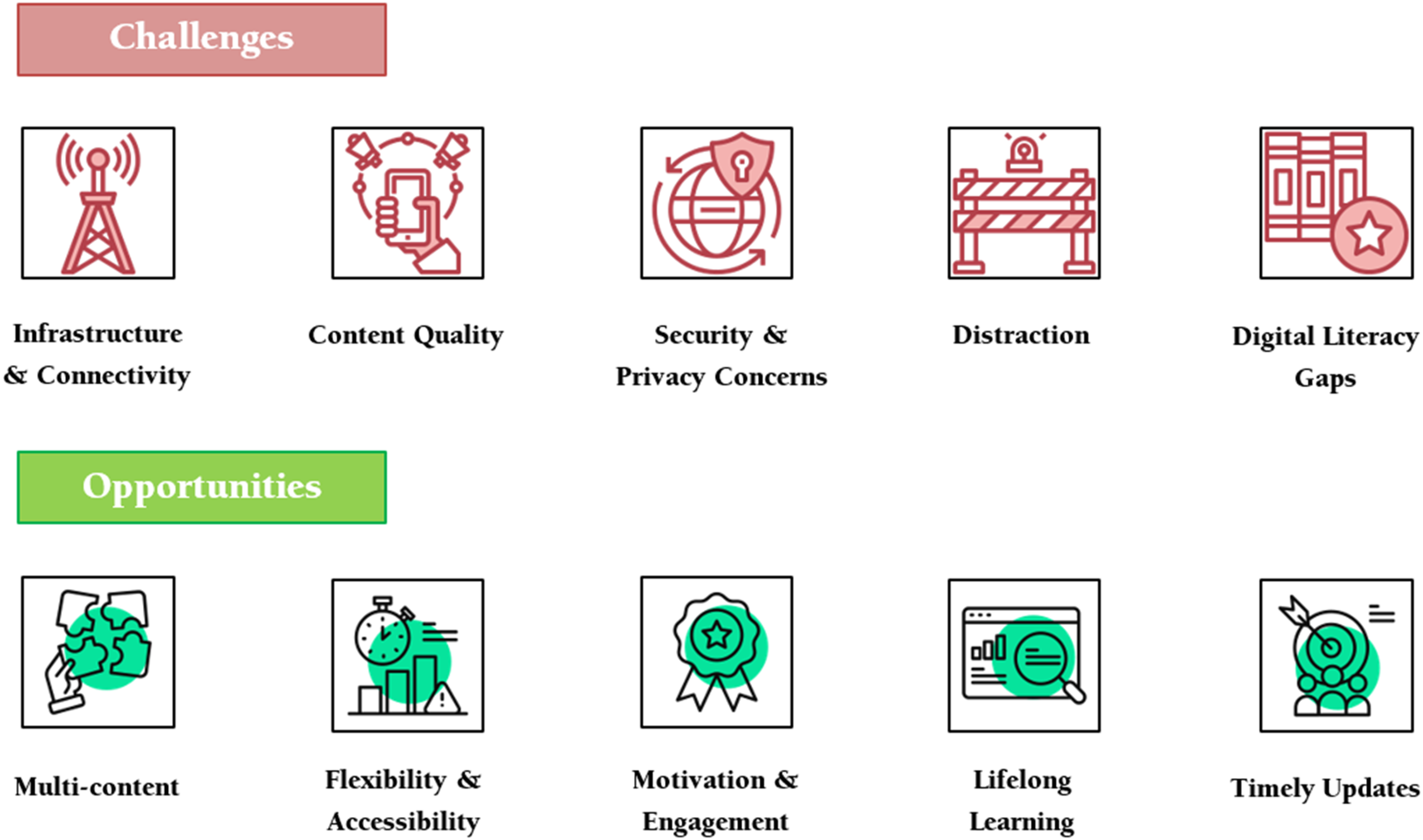
Mobile learning: challenges & opportunities.
Digital literacy plays a pivotal role in mobile learning, as not all students possess equal proficiency in utilizing mobile technology for educational purposes. Some may require assistance with the technical aspects of mobile learning, highlighting the importance of offering support and training. Time management has become crucial as mobile devices can serve as double-edged swords, easily leading to distractions. Hence, students must develop practical time management skills to remain focused (Ng, 2012; Reddy et al., 2023).
Security and privacy are paramount in the digital age, and institutions must address the challenges of safeguarding students’ data and ensuring their online safety. Distraction is prevalent, with mobile devices tempting students through social media and other non-educational apps. Finding ways to keep learners engaged while minimizing distractions is a constant challenge. Finally, technical issues may disrupt the learning process, with mobile devices encountering compatibility problems or technical glitches that need swift resolution to prevent interruptions. Overcoming these challenges is vital to harnessing the full potential of mobile learning (Korac et al., 2020; Ugray, 2009).
Mobile learning presents numerous opportunities to revolutionize education (Lazaro & Duart, 2023). Firstly, it allows for multi-content interaction, incorporating elements such as gamification and microlearning in various formats like audio, video, and podcasts. This diverse content engages learners differently, making their education more enjoyable and effective (Naveed et al., 2023; Pedro et al., 2018).
Flexibility is a crucial advantage of mobile learning, enabling students to learn at their own pace and convenience. Whether through short bursts of learning during a commute or deep dives into complex topics, mobile learning adapts to a learner's schedule and preferences (Kaisara & Bwalya, 2023). Accessibility is another significant benefit, breaking down geographical barriers, providing education to a global audience, ensuring that education reaches remote or underserved areas, and democratizing learning opportunities.
Motivation and engagement are boosted through the interactive features of mobile learning (Pérez-Fuentes et al., 2023). Gamified elements, peer interactions, and multimedia content make learning more engaging and rewarding, fostering a love for learning. Mobile learning also promotes lifelong learning, encouraging individuals to acquire new knowledge and skills, and supporting personal and professional development beyond traditional educational boundaries (Baker et al., 2020; Glowatz & Bofin, 2014; Vapiwala & Pandita, 2022).
Finally, timely updates ensure that learning content remains current and aligns with the latest developments. In rapidly evolving fields, this keeps learners up-to-date and competitive in their chosen fields. These opportunities make mobile learning a dynamic and promising approach to education that caters to the diverse needs of learners worldwide.
Conclusion and Future Directions
In conclusion, this study offers profound insights into the dynamic landscape of mobile learning in higher education, uncovering its growth trajectory, influential contributors, and fundamental research themes. The analysis unveiled a remarkable surge in research output on mobile learning in higher education, particularly evident from the mid-2000s onwards. This surge reflects the growing significance and adoption of mobile learning methodologies within the educational realm. Noteworthy documents, such as those authored by “GIKAS J, 2013,” “MOTIWALLA LF, 2007,” and “CHEON J, 2012,” have emerged as highly cited works, indicating their substantial impact on the academic community. Prolific authors such as Farley H, Cochrane T, and Murphy A, along with publishing sources like “Computers and Education” and “Education and Information Technologies,” have played pivotal roles in disseminating research in this domain. Furthermore, universities like Universiti Sains Malaysia, the University of Hong Kong, and the University of Granada have demonstrated remarkable productivity in mobile learning research, while the United States has emerged as a leading contributor in research impact and citations.
Keywords such as “BYOD,” “online learning,” “distance learning,” “COVID-19,” and “educational technology” underscore the relevance of mobile learning, particularly in facilitating remote education during the COVID-19 pandemic. Co-occurrence patterns highlighted the interconnectedness of various research themes, shedding light on challenges and opportunities in the field. Challenges encompass infrastructure and accessibility issues, content quality concerns, and the imperative for digital literacy. Conversely, mobile learning offers benefits such as interactivity, flexibility, motivation, and lifelong learning opportunities.
Looking ahead, future research should delve deeper into the pedagogical aspects of mobile learning, exploring how appropriate pedagogical approaches can be effectively integrated into mobile learning environments. Additionally, there is a pressing need to address the identified challenges while harnessing the full potential of mobile learning. Future directions in this field could include:
In summary, mobile learning has become an integral part of the educational landscape, offering immense potential to revolutionize learning experiences. However, concerted efforts are required to fully realize its benefits to address existing challenges and capitalize on emerging opportunities. By continuing to explore innovative approaches and solutions, researchers can contribute to the ongoing advancement and refinement of mobile learning in higher education.
Footnotes
Declaration of Conflicting Interests
The authors declared no potential conflicts of interest with respect to the research, authorship, and/or publication of this article.
Funding
The authors received no financial support for the research, authorship, and/or publication of this article.

