







Abstract
Educational reforms are designed to improve academic achievements for students across the globe and in Fiji. The reforms are implemented in the system by looking at the ability of all the students to access quality education, regardless of gender, race, and disabilities. This research aims to find the impact of education reforms on diverse populations. This research used a mixed-method approach to collect qualitative and quantitative data. The research took place in two phases: firstly, through the interview of teachers and secondly, through the distribution of questionnaires to the selected schools under study. The significant finding of this study is teacher training, which needs attention. These findings have implications for teachers who want to receive professional development sessions and workshops that provide resources to cope with the new educational reforms. Reforms are essential as they improve students’ performance and include all students regardless of disabilities, providing equal opportunities for better performance.
Introduction
In this changing world, educational reforms are significant for improving quality education and student achievement in primary schools. In Fiji, the recent reform that was implemented is literacy and numeracy (Smith, 2022). The Ministry of Education, Heritage and Arts (MEHA) has implemented literacy and numeracy in lower Fiji primary schools.
According to Kumar (2017), literacy and numeracy are major global problems in Fiji primary schools. Thus, these educational reforms will cater for the learning needs of students with literacy and numeracy problems. In Fiji schools, many children in early years of schooling fall behind in literacy and numeracy; if the teacher does not intervene, these students are passed to the next class and at the middle of the primary schools, they become school dropouts. (Kumar, 2017)
Aim
This paper investigates the effect of educational reforms on the Literacy and Numeracy curriculum in lower Fiji primary schools.
Objective of the Study
The objective of this study is to:
Investigate the current educational reforms in Fiji Primary Schools. Investigate students’ academic performance before and after the implementation of the educational reforms. Evaluate the extent of educational reforms implemented in Fiji primary schools, focusing on changes in curriculum, teaching methodologies, and learning environment. Identify the challenges and opportunities in implementing educational reforms in Fiji primary schools.
Research Questions
What are the current educational reforms implemented in Fiji primary schools?
How have the current educational reforms in literacy and numeracy improved students’ academic performance before and after the implementation?
What are the teacher's perceptions of teaching practice and student's learning outcomes?
What challenges and opportunities are encountered in implementing literacy and numeracy educational reform in Fiji primary schools?
Significance of Research
Educational reforms are essential as they work towards better student academic performance. It shows equality in education as all students can be included regardless of gender, race, background, and disabilities. Reforms can help students think critically, be problem solvers, and achieve better academic results. Reforms also guide teachers with new strategies that can be implemented in the classroom to improve students’ academic results. Hence, it creates a positive learning environment with more ideas, methods, and resources, making learning more enjoyable.
Literature Review
Curriculum Change and Academic Performance
Curriculum reform seeks to align education with global demands and improve learning outcomes for students with diverse needs. Aini and Adiyono (2023) argue that curriculum changes should focus on student assessment and address diverse learning needs. In Fiji, recent reforms in literacy and numeracy have led to significant progress, with students improving in reading sight words and numeracy skills through tailored resources. Teachers can plan interventions based on assessments to boost student performance. Hadi et al. (2023) emphasize the importance of long-term planning for curriculum changes and stress the need for ongoing teacher training to implement new reforms and enhance educational quality effectively. Thus, we need more teacher training and development to understand the implementation of new reforms.
Teacher Training and Development
Teacher training is essential in equipping educators with the skills and knowledge to implement new curricula and improve student performance effectively. It encompasses pedagogy training, technology integration, and student engagement strategies (Abedi, 2024). Research shows that teachers who complete their practicum in their field of study improve their understanding of students, bridging the gap between theory and practice (Abebe & Woldehanna, 2013). This hands-on experience allows teachers to develop essential skills such as communication, teaching strategies, and the ability to provide meaningful feedback, all of which contribute to improving student outcomes.
Professional Development (PD) is crucial for teachers to stay updated with new teaching methods and curriculum changes. PD sessions focused on content understanding, and pedagogical competencies are vital for enhancing teaching effectiveness and student performance (Patfield et al., 2022). However, teachers face challenges in implementing educational reforms in places like Fiji due to a lack of practical PD opportunities. Teacher training, including PD, helps educators refine their skills and apply new strategies that improve their teaching practices and students’ academic achievements. Therefore, PD is essential in ensuring teachers can successfully implement curriculum reforms and foster student success. Furthermore, teaching methods also play a crucial role in quality teaching and learning, which helps improve student performance.
Teaching Method That Enhances Student Performance
Curriculum reform emphasizes the need for teachers to adapt their strategies to improve academic performance (Kamalov et al., 2023). Technology enhances student engagement and learning outcomes (Bond et al., 2020). Still, in Fiji, many schools lack access to necessary resources, and teachers are often not well-versed in technology (Adarkwah, 2020). Pedagogy must evolve to incorporate diverse methods, including technology, to engage 21st-century learners. The shift to student-centered classrooms in Fiji has improved academic performance, encouraging critical thinking and independent problem-solving (Qureshi et al., 2021). Assessment remains vital for monitoring progress and providing feedback. Thus, assessment and evaluation are essential in the learning journey as they give students, parents, and teachers feedback about their academic achievements.
Assessment and Evaluation in Teaching
Assessments help evaluate students understanding and guide teaching strategies (Huber et al., 2023). They identify areas needing re-teaching and inform curriculum reforms to address issues like poor exam performance and dropouts. The Ministry of Education's literacy and numeracy reform has significantly impacted students’ reading levels, with positive feedback for teachers and students (Carter et al., 2024). Formative assessments, such as quizzes and projects, offer continuous feedback to improve student learning (Liao et al., 2024). When combined with scaffolding techniques and parental involvement, these assessments support academic growth and enhance student performance (Yu et al., 2024). Thus, educational policies impact students’ engagement in the classrooms.
Education Policies and Student Engagement
Educational reforms need policy changes to address inequalities and support students with diverse needs. Alwaely et al. (2024) note that student-centered learning enhances engagement, while Burić and Wang (2024) emphasize that teachers’ respect and meeting student expectations boost participation. Technology-based learning and parental involvement further improve academic performance, ensuring no student is left behind. Moreover, parental involvement is essential to excellent performance, which helps students be engaged in their schoolwork and perform better.
Parental Involvement and Engagement in Students’ Learning
Parental involvement is key to student success, promoting discipline, confidence, and academic growth. Liu et al. (2024) suggest that home–school collaboration helps students develop self-planning and independent learning skills. Teachers observe improved reading performance due to increased parental engagement. Dierker and Diewald (2024) note that parental participation, better resources, and smaller class sizes enhance academic achievement. Conroy et al. (2024) emphasize the importance of information communication technology and school infrastructure in fostering effective learning. Parents must also stay informed about educational reforms through outreach programs to support their children's academic progress. Furthermore, the availability of school infrastructure and resources creates a friendly and safe environment for learning. It helps students to perform well and understand effectively with the use of resources.
Availability, Utilizing, and Accessibility of School Infrastructure and Resources
Quality school infrastructure and resources are crucial for effective education, enhancing student achievement, teacher retention, and community benefits (Nadir, 2024). Schools must adapt to modern needs, upgrading teaching materials and facilities to support learning. A lack of resources, such as sufficient Black boxes for literacy assessments, hampers teacher's ability to deliver quality education, especially in large classes (Lachapelle et al., 2024). Improved infrastructure, including vibrant classrooms, increases student engagement and attendance. A well-equipped school system fosters academic reforms, benefiting students and teachers (Nadir, 2024). Reforms also have long-term effects, which help students in the long-term learning journey.
Long-Term Effect of Reform
Long-term effects of educational reforms are more valuable than short-term results, primarily when implemented on a small scale to minimize costs and avoid resource wastage (Amiri et al., 2024). Future research should focus on how reforms impact student outcomes, addressing distractions and lack of concentration.
Methodology
Research Method
This study used a mixed-methods approach, combining quantitative data, such as assessment and reading levels, with qualitative insights from teacher interviews to assess the impact of educational reforms in Fiji primary schools (Brown, 2018). Teachers provided detailed responses through online questionnaires about student performance and reforms. Semi-structured interviews explored teachers’ perceptions of the reforms, changes in teaching practices, and their impact on student learning (Jones & Kumar, 2019). The qualitative data was analyzed using thematic analysis to identify patterns and themes (White & Green, 2020). Integrating both data types provides a comprehensive understanding of reform's effects on academic outcomes.
Sample
A random sampling technique was used to carry out this research since respondents were selected randomly from a larger population. In random sampling, data can be analyzed easily. The Fiji Western district teachers were sampled from the larger population group to get practical information in this research. Consequently, five schools were selected from each school, and ten teacher participants were chosen while conducting this research and considering gender bias. Five male staff and five female staff participated in this research. Questionnaires were given and returned promptly, and interviews were conducted.
Population
Population refers to the larger group of people sharing common ideas, opinions, and experiences. Only certain teachers, such as district teachers, will be chosen if the study is based on teachers. Due to the time frame, a researcher cannot study the entire population. A well-selected population can help the researcher analyze the data with meaningful conclusions.
Ethical Consideration
Ethical considerations in researching the impact of educational reforms on academic performance in Fiji Primary Schools include obtaining informed consent from parents/guardians and school administrators, ensuring confidentiality and anonymity of participants, and minimizing the harm of designing non-intrusive, age-appropriate activities. Participation should be voluntary, with the right to withdraw at any time. Transparency about the research purpose, process, and use of data is crucial, along with providing feedback to participants and stakeholders. All appropriate approvals were taken before the research. Accurate reporting and ensuring the research benefits the community are essential ethical practices.
Data Collection
Data collection is a crucial stage in research, involving methods like mixed approaches, on-site visits, interviews, and questionnaires to gather primary data (Kabir, 2016; Taherdoost, 2021). Open and closed-ended questionnaires were used to collect factual details, with open-ended questions allowing teachers to share their experiences (Creswell, 2014, as cited in Kumar, 2017; Rashid, 2022). A pilot study helped refine the questions, and 53 online responses were collected. Interviews were conducted with four teachers from three schools, using structured, unstructured, and semi-structured formats to gather qualitative data (Goodrick, 2014, as cited in Kumar, 2017). The data was transcribed and verified for accuracy.
Findings
The pie chart above (Figure 1) shows the current curriculum changes in Fiji primary schools.
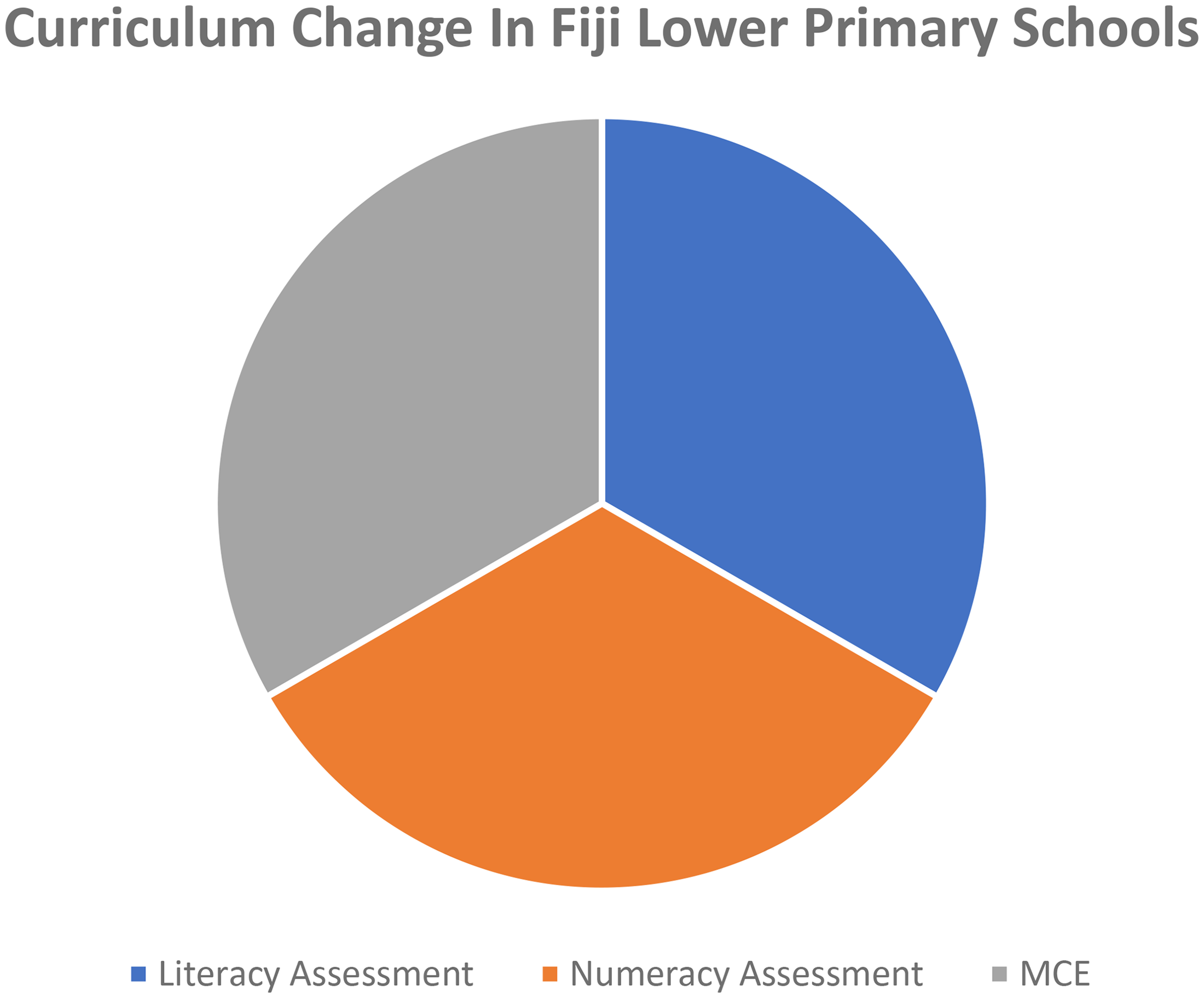
Curriculum change in Fiji's lower primary schools.
The above information (Figure 2) depicts that 50% of the students can understand the content implemented through family support or from helpful peers. Therefore, the other 30% is a significant concern as they face difficulties adapting to the change and the curriculum materials, resulting from low performance. However, 20% of students have been actively involved in the curriculum change, further uplifting their Literacy and Numeracy skills. Thus, most teachers agreed that through family support, students can perform better, and the students have proved this through the assessment taken by the teachers.
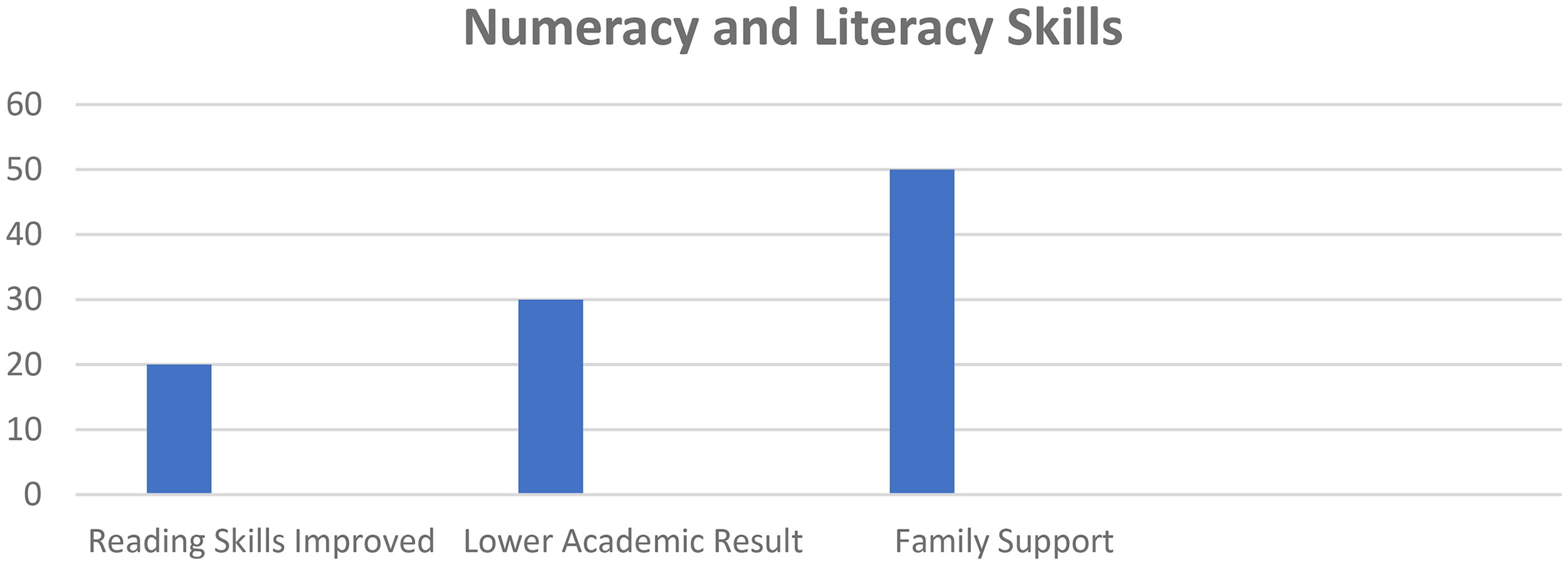
Performance of students literacy and numeracy skills.
The above bar graph (Figure 3) was analyzed by the respondents using open-ended questions and interviews, showing that 0% of participants were not trained in implementing the new curriculum. Fifty percent of respondents had a practical workshop, giving them a fair idea of reviewing the reforms. At the same time, 15% were just supplied with resources through online platforms to understand and implement independently. However, the remaining 35% was trained through PD sessions. The effectiveness of implementation is achieved through excellent training.
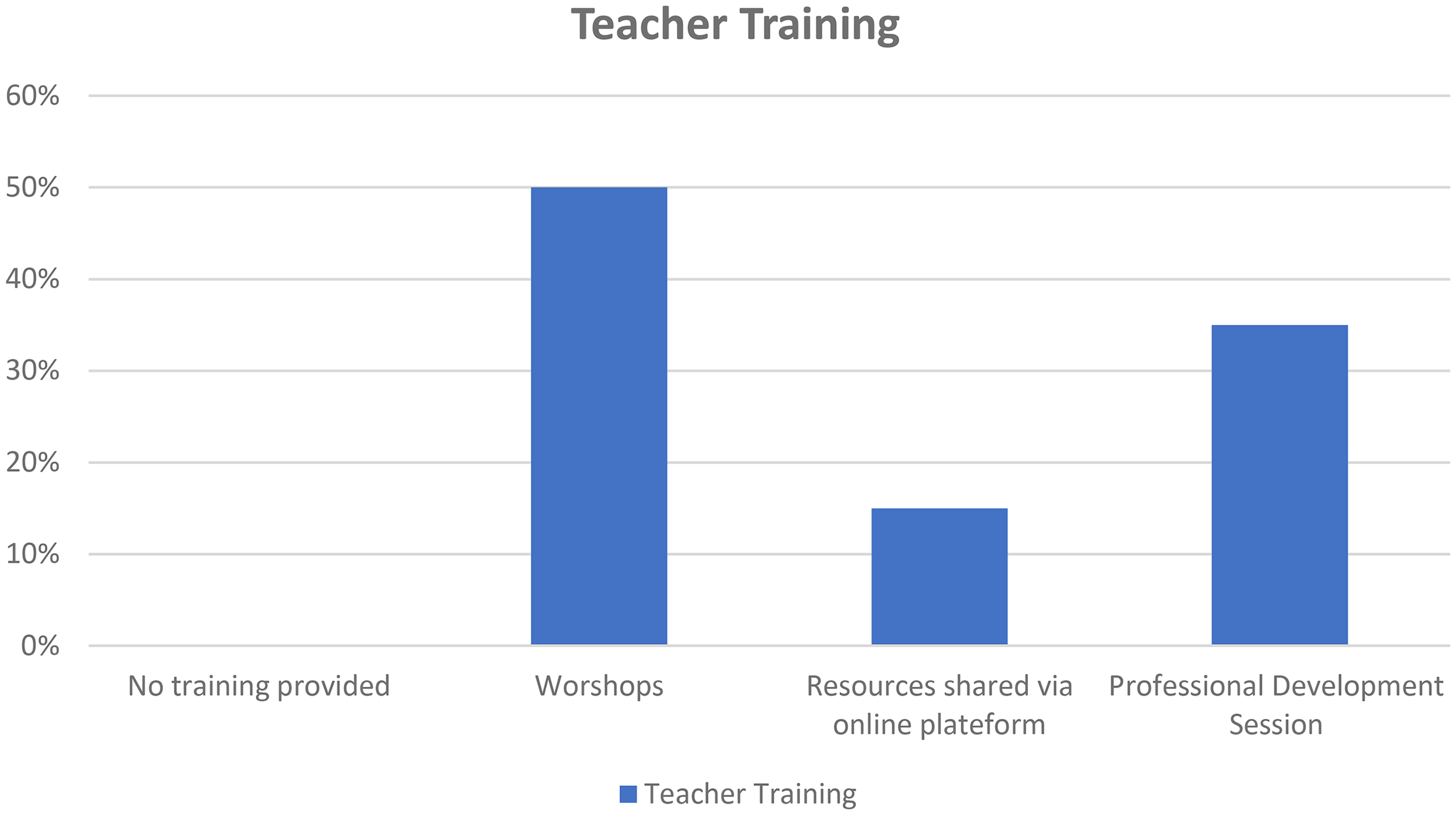
Teacher training and professional development.
Furthermore, it can be concluded that only 50% of teachers had a fair idea of how to go over implementing the new reforms in the classroom. In contrast, the other teachers faced challenges, resulting in low academic performance. As a result, it was not fair to all the students.
According to the research, 60% of respondents strongly agreed that designing a teaching aid that includes all types of learners can uplift student performance (Figure 4). Twenty percent of respondents indicated teacher adaptation. At the same time, 15% stated that they were concerned about the resource. If the resource is available, it can be effectively implemented, and student performance can improve. Therefore, the other 5% has stated different teaching strategies to cater to all learners. Among all the responses by the participants, it can be concluded that the teaching strategies should be designed to cater to all the learners in the classroom, regardless of their abilities.
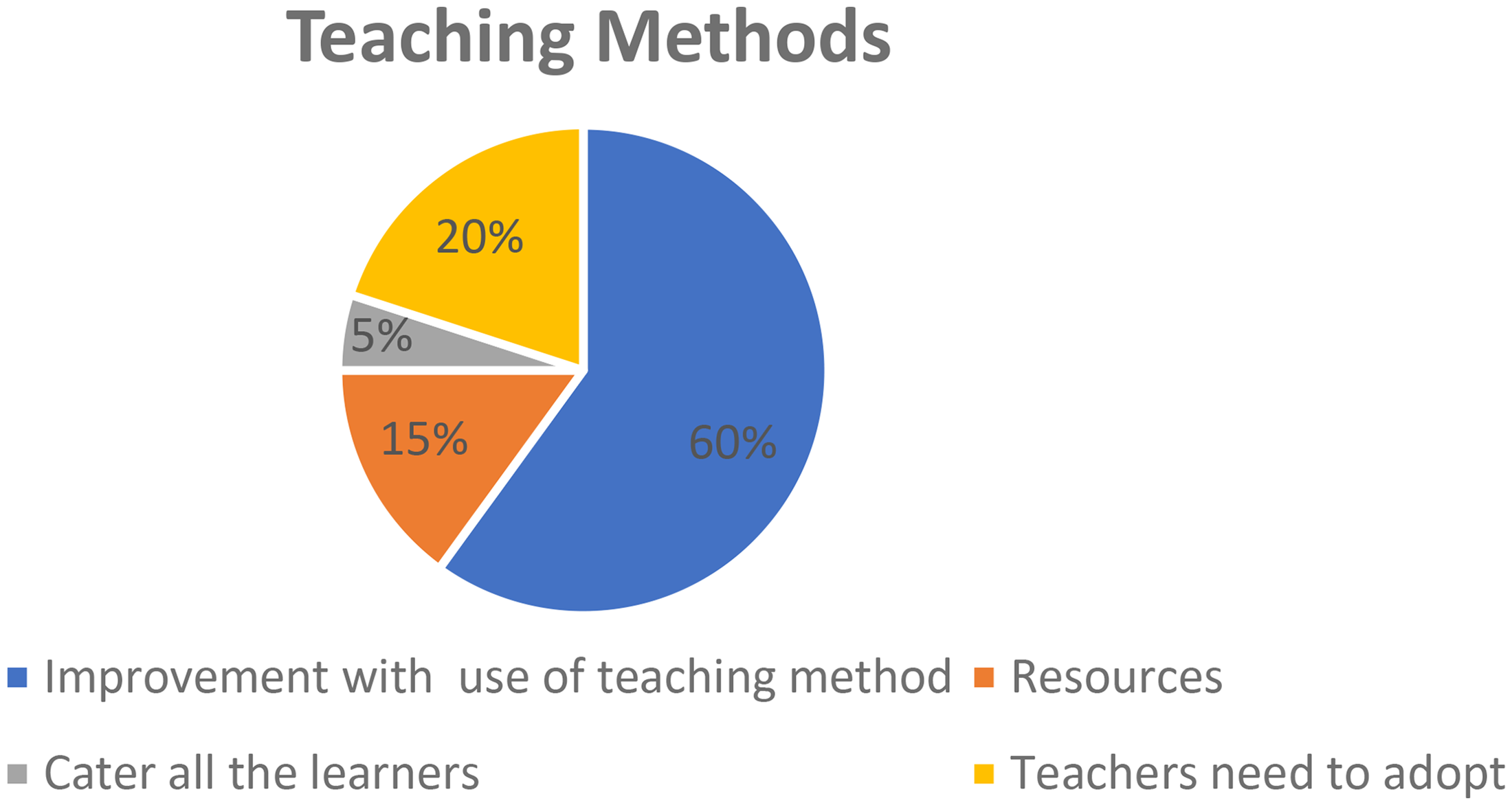
Teaching methods for student performance.
Curriculum plays an influential role in teaching (Figure 5). Educational policies are essential in helping and guiding students to excel academically. Forty percent of respondents have agreed on strategies to engage students in learning. Thirty percent of respondents mentioned creating a safe environment for the students. Therefore, 20% indicated child rights, which can be a good as well as a harmful impact as students can take advantage of these rights, which can affect their academic performance. However, the remaining 10% is on the assessment that all learners need despite their disabilities.
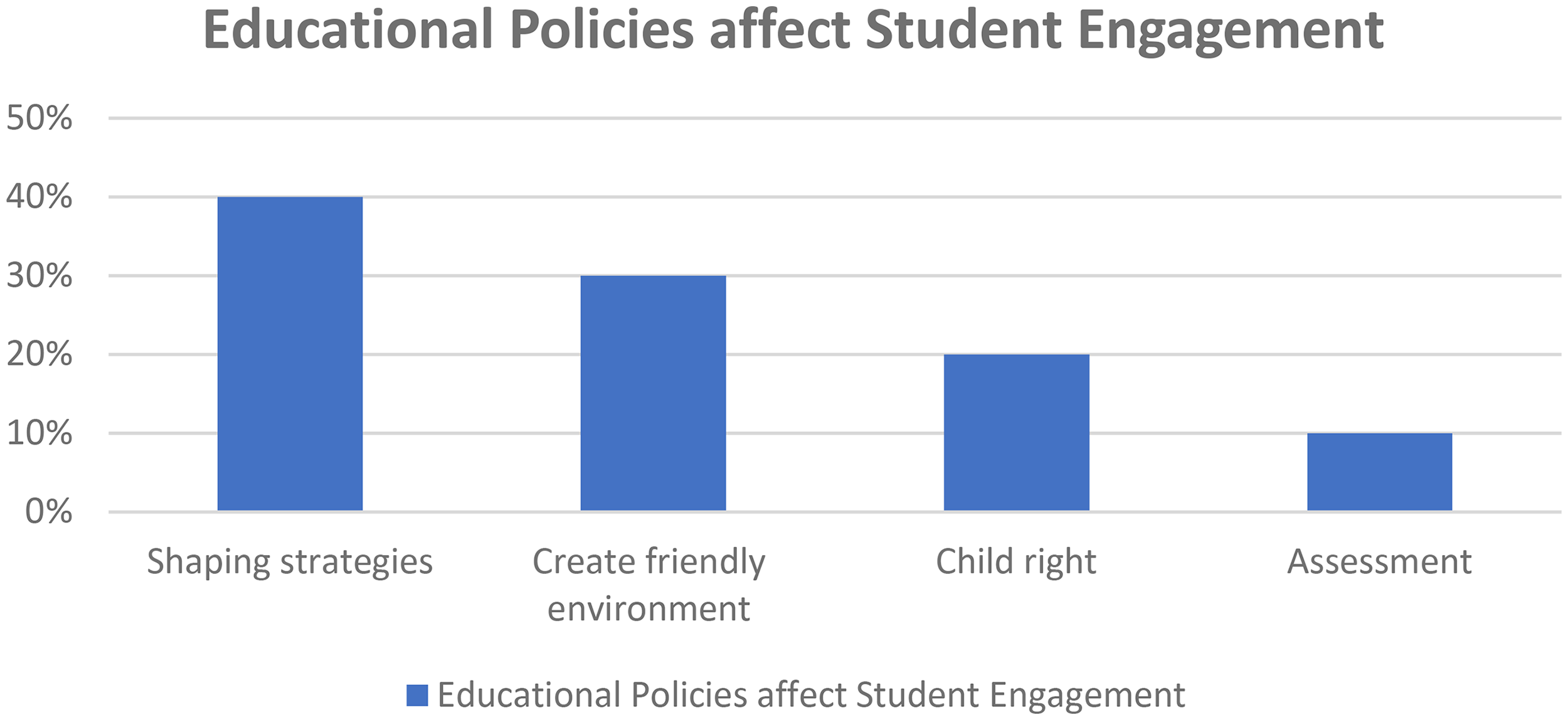
Education policies and student engagement.
Parental involvement is very effective in the student learning journey as it builds students’ confidence (Figure 6). The above pie chart shows the percentage contributing towards their academic performance. Thirty five percent of students can perform very well as they had parental supervision at home, which helped them to study. Twenty percent shows parents’ involvement towards studies. However, punctuality in taking care of the students is shown to be 15% with good support, which improves attendance. Therefore, 15% of students who are well-trained at home perform better academically. The other 10% is through holistic development when parents discipline and lead them on the right track. Moreover, the remaining 5% is a positive support for teachers where the teacher and parents work hand in hand to improve students’ performance.
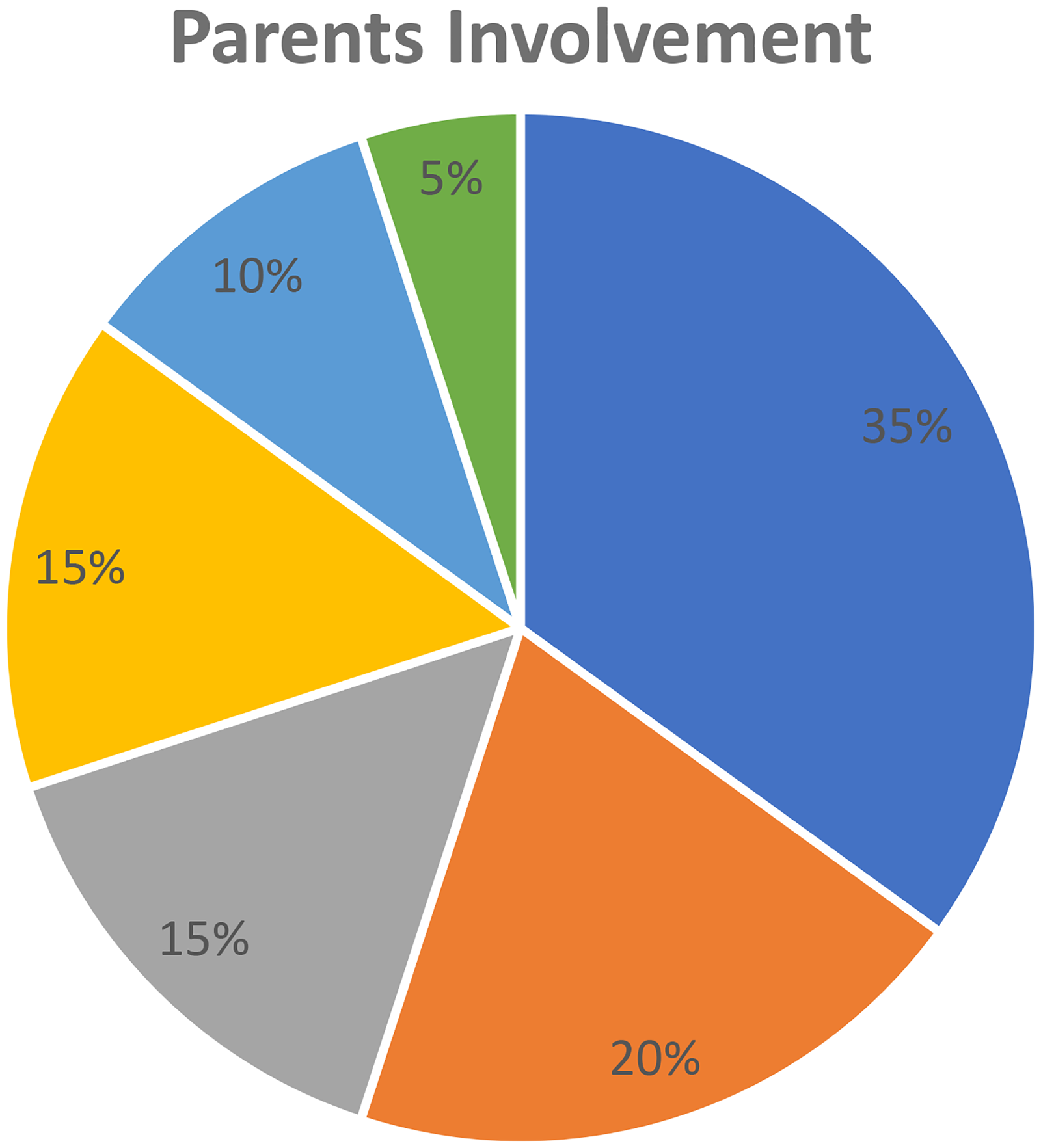
Parental involvement.
The above 35% of participants mentioned that schools must have good facilities such as school libraries, computer labs, and textbooks to help students understand the concept well, and it also helps improve academic performance (Figure 7). The other 30 respondents stated that technology is very effective in this modern world as it engages the students in the classroom. Therefore, 25% indicated that the learning environment should be designed to attract and engage students in learning—a welcoming and safe learning environment. The remaining 10% mentioned good infrastructure motivates students and encourages them to participate in school activities.
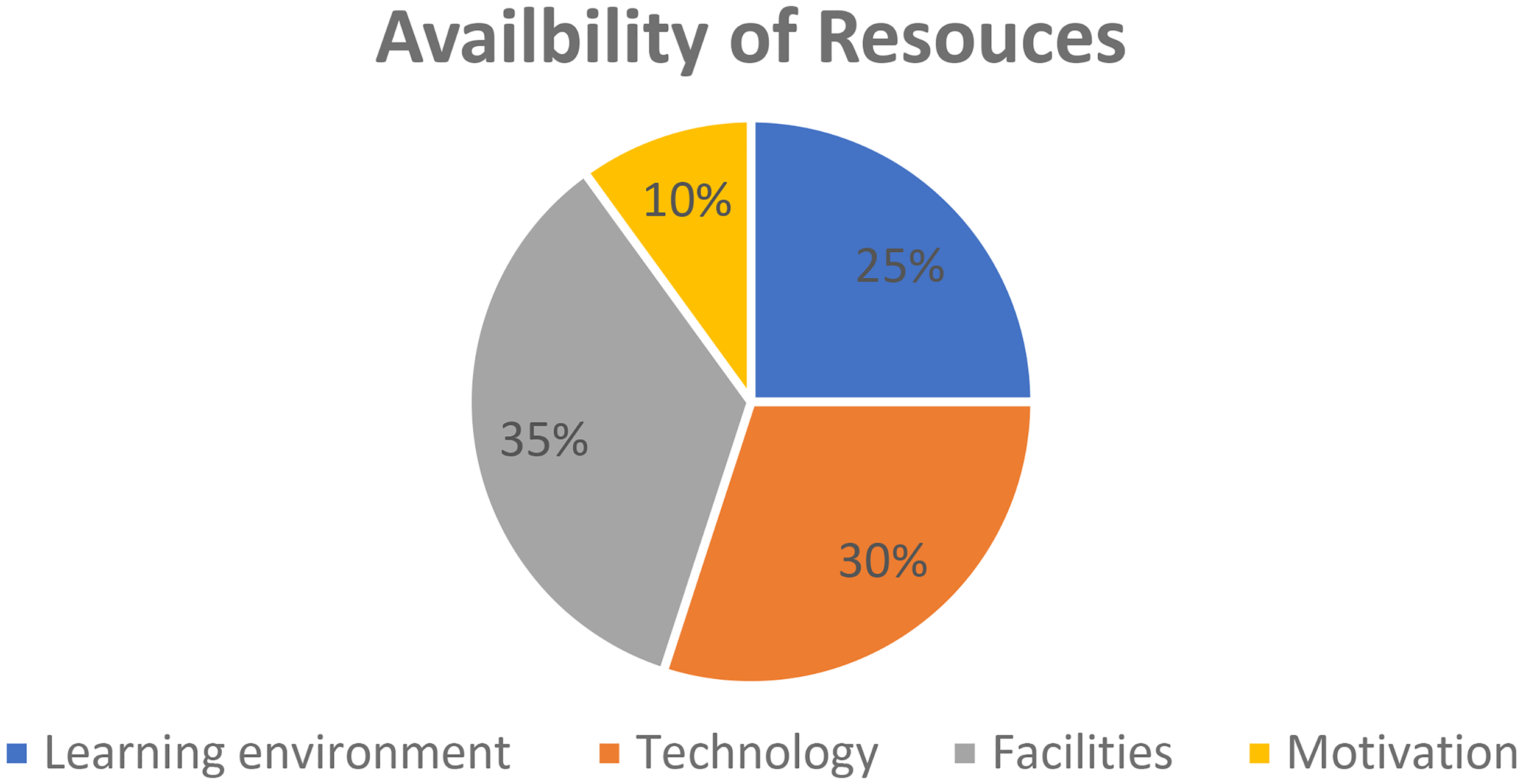
Accessibility of school infrastructure.
Technology is essential in the fast-changing world (Figure 8). Twenty five percent of respondents firmly believed that students can perform much better if they are engaged with technology. Twenty percent of participants mentioned student-centered learning, which allows students to think critically and execute their learning. Fifteen percent indicated equity regarding resources. It was suggested that slow learners can left behind and cannot perform as they can struggle, while fast learners can excel. However, the other 40% were concerned with behavior, and the respondents strongly aligned with student discipline, which can distract learning and affect student performance.
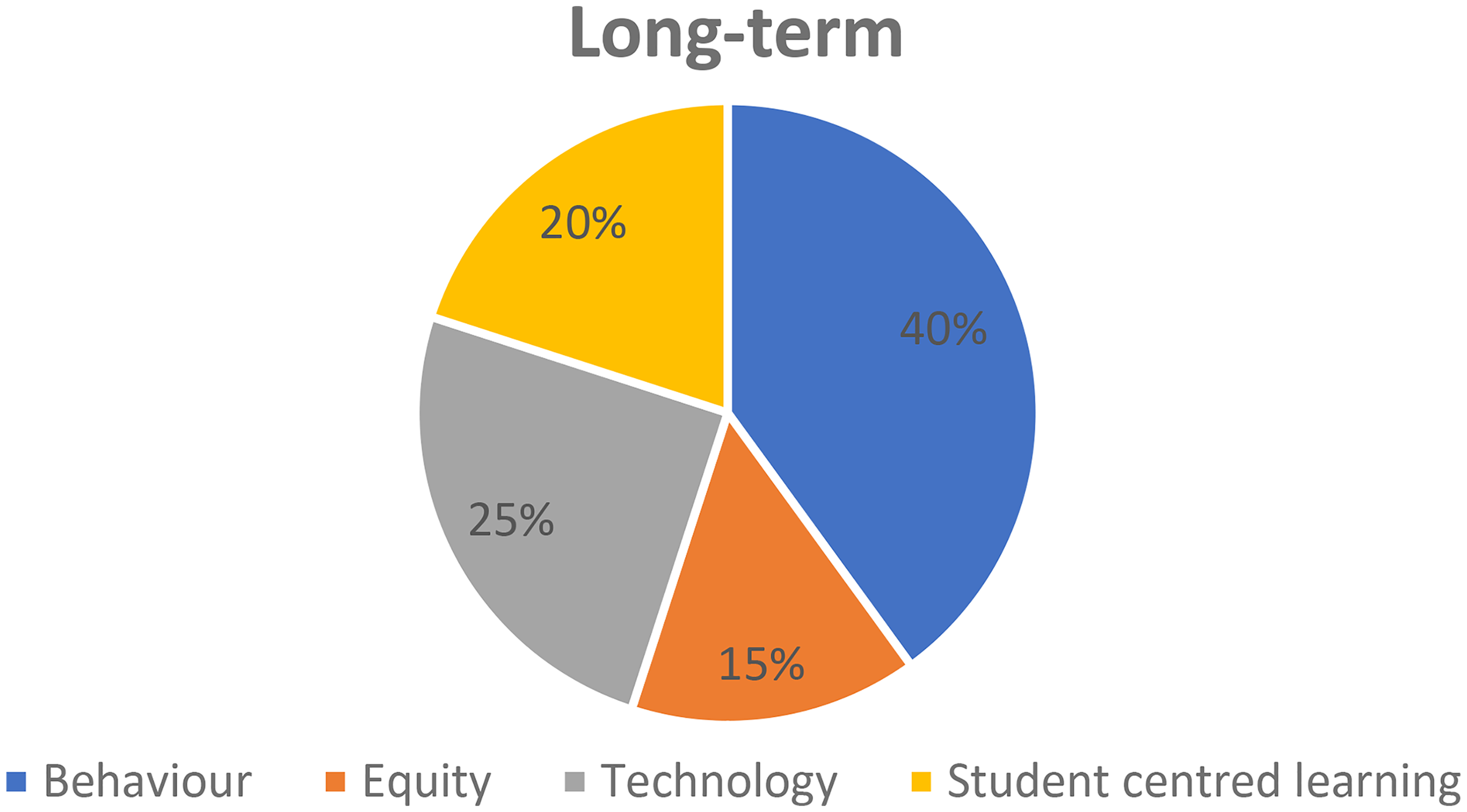
Long-term impacts of educational reforms.
The responses varied when participants were asked about the student's academic performance after implementing new reforms (Figure 9). It was a productive result, as a pie chart shows that 75% of respondents indicated that the students had improved. Twenty one percent of participants agreed that no improvement had been made, while the remaining 4% undoubtedly indicated that more significant progress had been seen in students’ performance after implementing the new reforms. Most teacher participants strongly agreed that the students had made some improvements. Therefore, it can be concluded that more strategies and resources aligned with the new reforms can bring change in education and better academic performance.
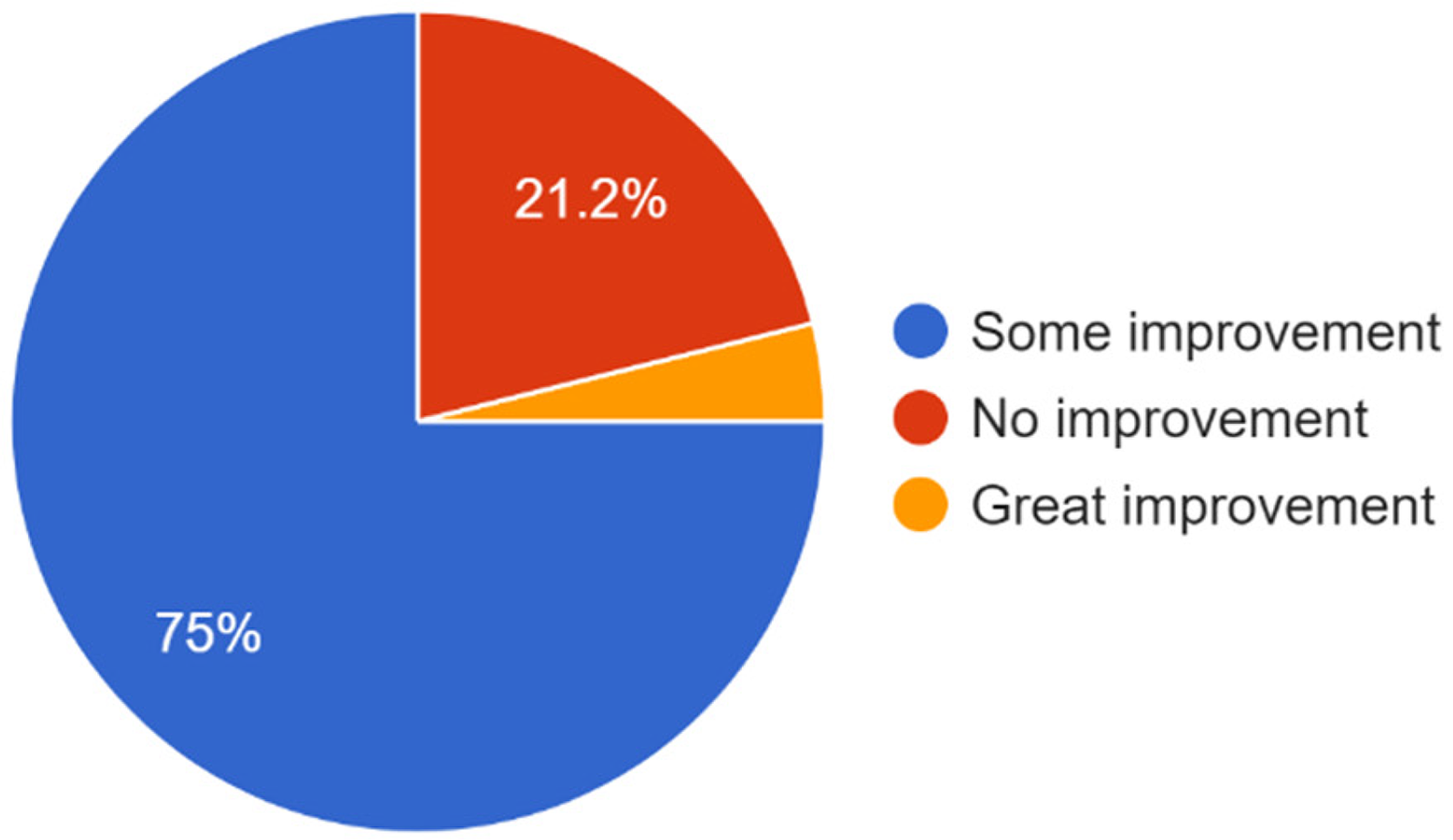
Students academic performance.
The above information depicts powerfully through the respondents in the research, which was conducted, that 30% of the participants had insufficient PD training on implementing the new reforms (Figure 10). In comparison, 37% stated that students’ behavior is hard to control, which has led to distractions during implementation. Twenty three percent of the responses indicated the challenges as a time frame due to the overloaded curriculum and students’ writing speed. However, the remaining 14% mentioned the lack of resources, which makes it challenging to cater to all the students in the classroom. Among all the responses by the teachers, it can be strongly agreed that student behavior is the primary concern in every school, which is faced by teachers and becomes challenging for them while implementing the new reforms in 21st-century classrooms.
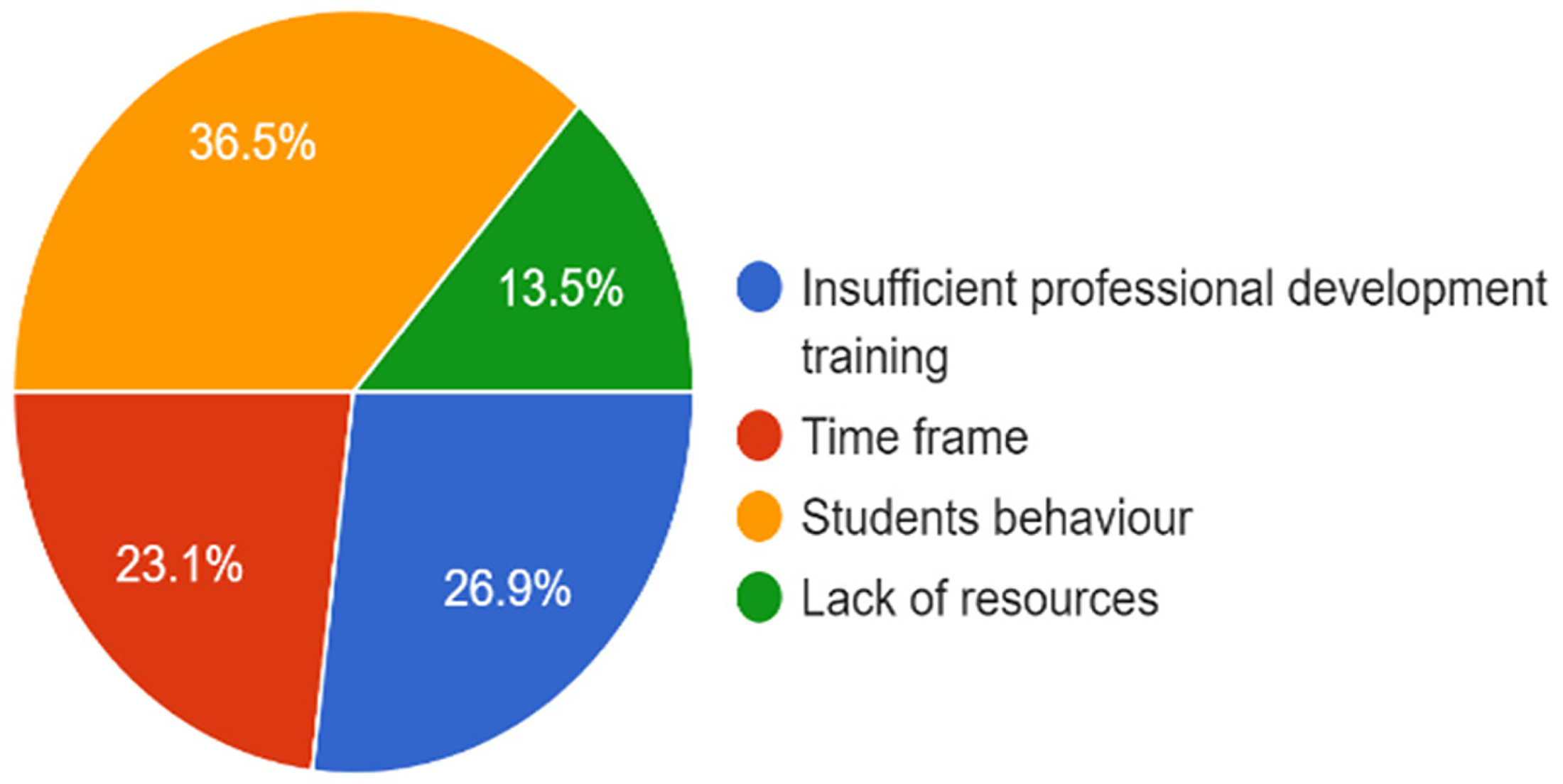
Challenges faced while implementing the new educational reforms.
When participants were asked about their performance compared to the previous year, the responses were quite impressive, as 6% mentioned it was excellent, which means students have performed so well with the acceptance of the change in curriculum (Figure 11). The other 35% agreed with it much better than the previous year. However, 15% stated that performance went down, while the rest, 44%, were very concerned as it indicated that performance was almost the same, which is an alarming factor for everyone.
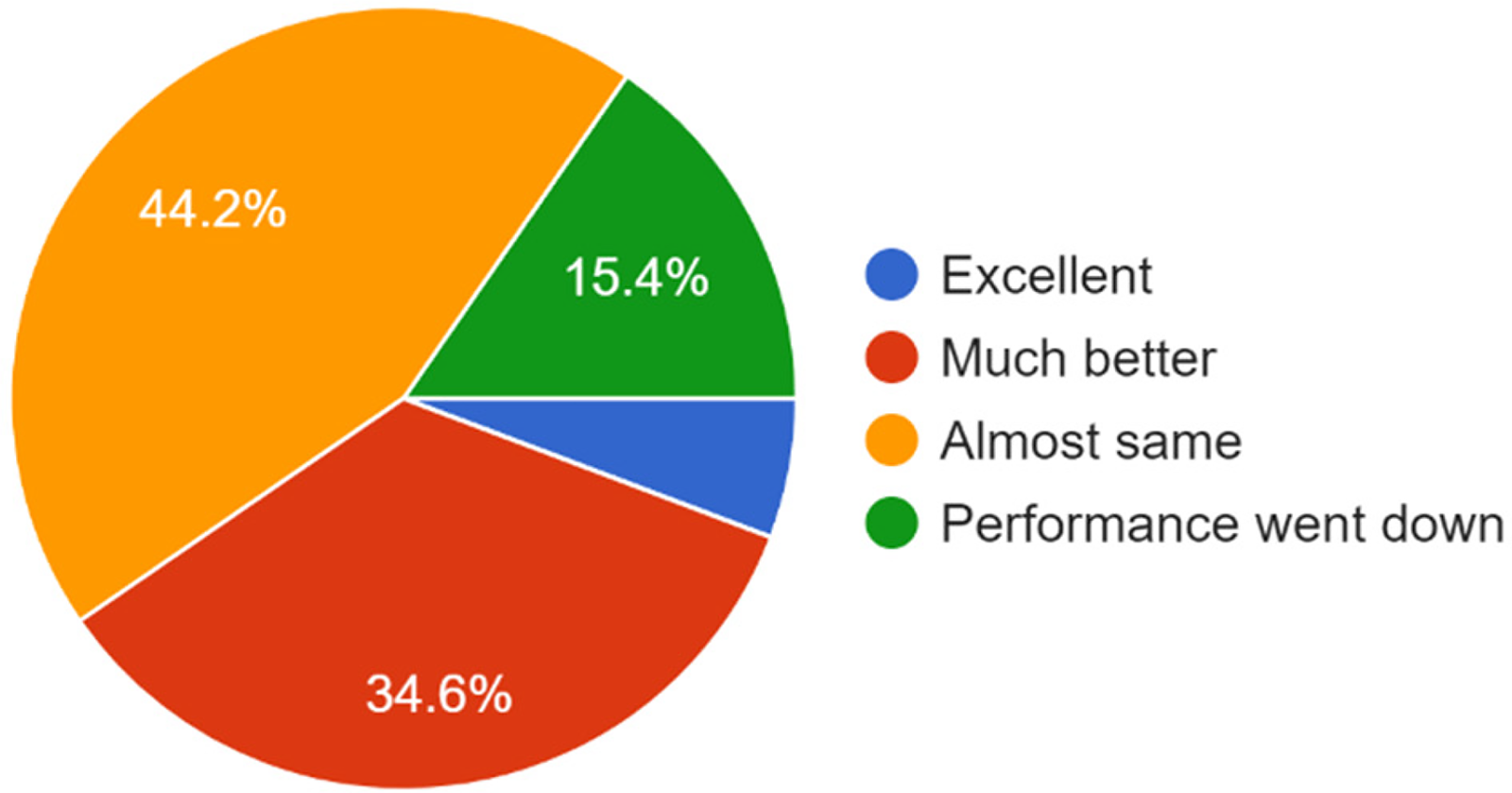
Overall performance analysis before and after the implementation.
Discussions
Curriculum Change and Academic Performance
The finding of this study indicates that family and peer support improved students’ academic performance. These findings are consistent with Khine et al. (2024), which mentioned better parental participation, helping students be disciplined and keeping them on track, which builds confidence to perform better. The finding also revealed that teachers in Fiji schools who accepted change and implemented curriculum using different strategies have improved student reading skills. The result is consistent with a survey by Carter et al. (2024), in which the respondents strongly agreed that changes must be accepted as all the students are not of the same caliber. Different students have different learning abilities. The new reforms that were implemented in lower primary literacy have made a vast impact on students’ reading. Thus, this is the result of implementing the Literacy & Numeracy curriculum. It is also consistent with the literacy reform that was implemented recently, which has proven that it improves the reading of every individual through design activities and intervention plan activities. It can be concluded that teachers need to accept change and work towards it for students’ betterment.
Teacher Training and Development
Teacher training is efficient before implementing the curriculum in the classroom. Therefore, this study's findings indicated that teachers did not receive practical training; however, workshops were carried out with PD sessions by the Literacy reform team. These findings are consistent with Patfield et al. (2022), who state that PD sessions help teachers and guide them in implementing these new reforms in the classroom. These PD sessions can help teachers to improve their classroom achievement. This study also discovered that an outstanding PD session can make it easier for teachers to implement with confidence and understanding. Through the analysis, it can be indicated that teachers who understood the education reforms have successfully implemented them in the classroom, resulting in their performance.
Teaching Method as a Correlate for Student Performance
This finding revealed that students’ performance improved using teaching methods. Teaching pedology helps in designing the teaching aid that caters for all learners. These findings are consistent with Kamalov et al. (2023), who state that teachers need background knowledge about the content to design different teaching strategies that can include all learners in the classroom despite their disabilities. As all the students can learn, it might take one day, weeks or even a year, but they will understand. Additionally, the children can explore, think critically, and solve problems using hands-on activities in which teachers are facilitators. Teachers only guide the students and keep them on track, and students become problem solvers. It also promotes student-centered learning.
Education Policies and Student Engagement
Further, the findings of this study indicated strategies used to be designed in Fiji classrooms that have guided student learning engagement. It must be aligned with educational policies. Assessment are essential as part of learning and teaching. While making changes that need to be implemented to see improvement in student performance, policymakers must keep in mind education inequalities. These findings are consistent with Forlin et al. (2015, as cited in Kumar, 2017), where inequality issues still exist in children with disabilities. Therefore, teaching pedagogy should be designed so that no child is neglected. The finding also discovered child rights. It is consistent with the study as all children have the right to education regardless of race, gender, background, and disabilities. Everyone needs to be included and accepted in the classroom. These will only be effective if strategies are designed and implemented with real-world examples and experiences that will enable the students to understand better (Kamalov et al., 2023).
Parental Involvement and Engagement in Students’ Learning
In addition, this study's findings indicated parental engagement builds and guides students by allowing them to participate in a child's academic achievement. The study highlighted punctuality, discipline, uplifting student academic results, supporting teachers, and encouraging good motivation in students’ learning. These findings are consistent with Liu et al. (2024), who state that parents can work together to improve student behavior, resulting in good academic achievement. In this 21st century, parents’ involvement is essential as it will help students understand the difference between right and wrong. Parents are the child's confidence and strength. Parents’ participation in education builds strong motivation towards academic excellence (Dierker & Diewald, 2024).
Furthermore, the study also highlighted teacher support that allows parents to understand the curriculum, and this is delivered through parent meetings in school, which encourages the parents to adopt the new curriculum as they will be very well versed with the content and what the child has been taught and can work accordingly at home. Parents meetings have significant skills in driving parents towards children's academic attention and student interest in schoolwork; however, the behavior can be changed, bringing a vast change in student academic performance that can further uplift the academic result. It is consistent with Conroy et al. (2024) that parents must upgrade their knowledge of the new reforms implemented through community awareness and outreach programs.
Availability, Utilizing, and Accessibility of School Infrastructure and Resources
Furthermore, the finding of this study reveals that good school infrastructure and resources primarily impact student academics. Therefore, the availability of resources and infrastructure such as libraries, computer labs, and an attractive learning environment motivates and attracts students’ interest in learning while keeping them motivated in the classroom. These findings are consistent with the study as all agreed on Nadir (2024) that quality education needs the resources. The study also discovered that facilities are essential as it is consistent with the research and experience that a large school with three streams has to implement the new reform on literacy reading record (PM Benchmark); however, if the school has only two Blackbox for reading to take place with a class ratio of 1 to 40 students, a teacher will need at least one week to take the student reading as it requires time and other subject areas that need to be covered per the term planner. Year one teachers need three weeks to take reading. According to the Ministry of Education, the reading pre-assessment record must be updated on FEMIS by week five of term one. Ho Sum Jon says lower primary teachers in years 1 to 4 will finish reading by week five (2024). The teachers cannot meet the due date due to a lack of resources.
Long-Long-Term Impacts of Educational Reforms
The study findings indicate that most respondents were concerned regarding student behavior due to class distribution. Therefore, it was suggested that technology is vital in the long term as students engage themselves effectively. Integrating technology into classrooms, such as interactive whiteboards, educational apps, and online platforms, has been shown to foster active learning and improve engagement. For instance, Kay et al. (2020) found that students using interactive technologies reported higher motivation and better comprehension of complex concepts than traditional teaching methods. It is consistent with the study which stated that student behavior can affect students’ performance in the long term if it is not disciplined. This is consistent with the research of Cornell and Mayer (2010), which states that schools with strong disciplinary frameworks tend to report higher student achievement. Effective discipline creates a positive learning environment, fostering respect and attentiveness. Conversely, schools with inconsistent or overly punitive measures often see a decline in student engagement and academic outcomes.
Student Academic Performance
Moreover, the findings indicated that students’ academic performance has improved through detailed PD sessions, workshops, and implementation using different teaching strategies, which showed significant improvement. It is consistent with the study that teacher training can include pedagogy training that can be used in this 21st century to gain student interest in school work Abedi (2024). The finding highlighted the real-life experience that only those students could perform well with the great effort shown by their teachers through the use of resources and different strategies.
Challenges Faced While Implementing New Educational Reforms
The findings have indicated some of the challenges faced by the teachers while implementing the new reforms are insufficient PD training; teachers were not addressed as to how to implement the new curriculum reforms. Time-frame teachers face difficulties in implementing due to time as students’ behavior is a concern in every classroom as a result of child rights and zero tolerance towards corporal punishment. However, the lack of resources is also a challenge for every teacher as they cannot implement the new reforms effectively for the students. Therefore, some students are left behind while other fast learners can understand. This is consistent with the statement that the more resources are implemented, the better the quality of delivery can be, which can result in effective student results (Lachapelle et al., 2024).
Overall Performance Analysis Before and After the Implementation
The overall finding indicated that students performed relatively well compared to the previous years. The findings are excellent, while most have no improvement shown almost the same. However, there are a few whose performance went down. This finding highlighted that new educational reforms are effective if they are implemented well. The performance after implementing the new reforms has dramatically impacted students’ academic performance. It is consistent with the study as it mentioned ongoing formative assessment can improve student's performance by scaffolding students in their teaching and learning as a guide (Yu et al., 2024).
Emerging Themes
Peer Support
The study found that peer support is vital in enhancing student learning, particularly for slow learners. Students often understand better when their peers explain concepts using simpler language or their mother tongue. Peer learning not only aids comprehension but also boosts confidence and encourages critical thinking. This finding is consistent with Brock et al. (2015), who highlight that peer interactions make learning enjoyable and promote ideas-sharing, helping students engage more effectively with academic content.
Equity
Equity in education ensures all students, regardless of gender, race, or disability, have equal access to learning opportunities. The study emphasizes that educational reforms should be designed with equity in mind to affect academic performance positively. This aligns with McCleary-Sills et al. (2015), who argue that no child should face discrimination, and policymakers must ensure schools are well-equipped with resources that cater to diverse student needs, including those with disabilities.
Behavior
Behavioral issues, such as distractions in class and lack of effort, negatively impacted academic performance and engagement. According to Oliver et al. (2011), well-disciplined students perform better academically as they are more focused and motivated. Addressing behavioral challenges is crucial for the successful implementation of educational reforms.
Punctuality
The study revealed that punctuality and regular attendance are essential for academic success. Consistent attendance allows students to engage in class and perform better actively. Wijesiri (2015) supports this, noting that parental involvement in ensuring regular school attendance contributes to improved academic results.
Conclusion
The research on educational reforms and academic performance in Fiji primary schools has concluded with several concerns regarding the students’ achievements and teacher training. The responses clearly stated that improvements have been noticed in students’ literacy and numeracy skills through the new educational reforms on literacy and numeracy assessment that allow teachers to know students’ reading levels, which can further guide the teachers to design strategies and resources such as sight words, Dolch words and sentences to build reading skills in students. Most participants raised concerns about the insufficient resources provided and the effectiveness of teacher training in the new reforms. Thirty percent said they had made good improvements as they were equipped with the requirements, while the rest (70%) mentioned insufficient resources. This result is an alarming factor towards the successful implementation of reforms.
Implication
The study has shown essential implications. Firstly, students’ behavior must be considered in the classroom to effectively implement the school's curriculum. Students’ behavior plays a vital role in teaching and learning. As a result, a well-disciplined student can perform effectively with an understanding of implementing the new reforms. Secondly, in the future, the new reforms will be implemented effectively in the classroom to impact students’ academic performance. The Ministry of Education and other policymakers must consider the resources and teaching aids that work hand in hand with students to perform well. Insufficient resources are very concerning as teachers cannot implement them effectively, and not all students can access them. Therefore, the study highlighted student's ability to cater to all the diverse learners in the classroom with well-equipped resources. Thirdly, teacher training is essential as teachers can understand how these new reforms impact students’ academic performance. How can this benefit the teacher's students in the future, resulting in better academic performance?
Limitation
Fiji's educational reforms faced challenges, mainly due to inadequate resource allocation, with 70% of educators lacking insufficient resources for effective implementation. The disparity between urban and rural schools led to inconsistent reform practices, as teachers in resource-rich urban areas had different experiences than those in rural areas. Additionally, the rapid implementation of reforms left teachers with insufficient time to adjust, potentially leading to poor execution. The lack of resources, time, and PD sessions also negatively affected students’ academic performances, highlighting the need for more careful planning and support during the reform process.
Recommendation
This study examined the educational reforms that have affected academic performance in Fiji primary schools. A few recommendations are made after the findings of this study. First, PD is an essential session that can fulfil the necessary needs of the teachers. Teachers must explain the skills and knowledge required to implement the new educational reforms. Teacher training is essential as it borders the teacher's knowledge on how to go over the new reforms, what are the specific requirements, strategies that can be used while implementing the reforms and also types of pedology that can be used to cater to all the diverse learner's in the classroom despite of their disabilities. Teacher training includes workshops, PD sessions, and Zoom classes.
Secondly, the availability of resources is crucial. The government and relevant stakeholders must ensure that enough resources are supplied to the schools for the implementation of new reforms in the curriculum. Education materials and technology to support better learning should be considered as it empowers quality learning. It becomes very challenging when resources are insufficient to cater to the more significant number of students in the classroom, whereby they are neglected and left behind.
Thirdly, parental involvement, which involves engaging parents in students’ regular activities in the classroom through good communication skills, has proven to be effective in students’ performance and behavior. Schools can work along with the teachers to build strong bonds with parents through CAPS meetings, parent–teacher interviews, and online platforms where teachers can share revisional questions, learning materials, and reading materials to keep the parents and students engaged at home, which can result in good academic performance and a behavior change. Parents need to engage themselves in their student's education. Then only students can keep their minds and focus on their studies.
Furthermore, keeping these key areas can build a better learning journey with academic progress and improved behavior. Teachers can have a safe learning environment with more student-centered learning and the necessary resources and facilities to implement the new classroom reforms effectively. As a result, teachers can cater to all the children in the classroom by using technology and more hands-on activities.
Footnotes
Acknowledgments
We acknowledge all the participants who provided in-depth information regarding the study.

Informed Consent
We obtained consent from all the participants.
Funding
The authors received no financial support for the research, authorship, and/or publication of this article.
Declaration of Conflicting Interests
The authors declared no potential conflicts of interest with respect to the research, authorship, and/or publication of this article.
AI declaration
We declare that generative AI or AI-assisted technologies were not used in this manuscript.