






Abstract
The need to identify disparities and opportunities in sports participation across Tanzanian secondary schools is vital for informing policies for sports development. This study, therefore, offers an understanding of the comparative analysis of sports participation in secondary schools. Through a mixed-methods research approach, triangulated data from surveys and interviews involving 427 participants revealed high participation in ball games such as football, netball, basketball, and volleyball, whereas sports such as tennis, badminton, swimming, and aerobics recorded minimal participation. Limited facilities constrained participation in certain sports, though schools made efforts to encourage students’ involvement through structuring sports programmes and extracurricular activities as well as improvising resources when necessary. The findings imply that it is imperative to reform sports programmes to cater for the diverse needs of all students and promote their participation. Also, schools need to reform the structure of accessing resources and strengthen policy enforcement to prioritize the running of sports activities. This study concludes that to enhance participation, schools should implement policies and strategies to promote diverse sports activities and improve access to sports resources.
Introduction
The rising global viewership, sponsorships, and media rights that are fueling enormous revenue growth have promoted the sports industry worldwide. Most countries invest in sports participation for their citizens to continue supporting the growth of the sports industry. Investment in sports participation in any nation promotes public health, develops a sense of community and influences the development of skilled people in sports (Edim et al., 2012; Reiche, 2015). The majority of nations deploy resources, especially financial resources, to cater for the needs for sports development, which in turn leads to obtaining elite performers (Fernández-Río & Méndez-Giménez, 2012; Truyens et al., 2014). Additionally, the availability of human resources such as coaches and trainers, as well as physical resources, influences sports participation in a particular context. The availability of sports facilities, equipment and human resources enhances accessibility, skill development, and motivation, leading to increased sports participation (Olarewaju & Michael, 2020; Prins et al., 2010). In the school context, students participate differently in a variety of sports activities found in schools, which happen during extracurricular activities and club sports. Participating in sports programmes gives students the chance to showcase their athletic prowess, giving teachers, coaches, and trainers the chance to identify and nurture them.
The presence of sports facilities and equipment helps schools to run different sports programmes where students get involved. Through participation in sports, students train and practice to advance their athletic knowledge and abilities (Oja & Piksööt, 2022). With these opportunities, students improve their psychomotor and psycho-behavioral skills. Additionally, after-school clubs, which sometimes fit into a compressed schedule, provide students with opportunities to engage in sports activities. Break times and after-school periods in schools increase students’ participation in sports, especially the intramural sports programmes and physical activity, which in turn leads to honing their skills through getting enough access to school resources (Johnstone et al., 2018; Wechsler et al., 2000). The time set for sports participation enhances students’ skills and knowledge through organized sports activities, whereby they get an opportunity to interact with the available resources.
The holding of various sports activities, such as sports competitions, tournaments, and festivals at various levels, such as local, district, regional, and national, is one way to observe students’ participation in sports. Students participate in clubs and regular classes under house systems, which are used by some schools to organize sports competitions. Latif et al. (2025) assert that students participate in organized community sports programmes to learn, practice, and share the knowledge they acquire from participating in the programme, which ultimately improves their self-confidence. Students get numerous advantages gained from participating in sports. Ongong’a et al. (2010) declare that sports in schools play a vital role in enhancing student's discipline, promoting personal character and increasing retention rates. Hence, it is imperative for the school to establish different sports activities and cooperate with the community around the school to develop community sports programmes to increase access to students. Furthermore, Kirui et al. (2013) argue that participation in sports promotes physical fitness, and health and exposes participants to learning sports skills, and life skills and getting the opportunity to showcase their talent. This fosters schools to invest in different sports activities and look for strategies to ensure access to facilities and equipment. Different factors such as school culture, access to resources, sports programmes, gender, self-concept, playing experiences and social relationships influence students’ sports participation (Hu et al., 2021; Odok et al., 2024). Schools have a responsibility to recognize students’ differences and provide them with the support they need to enhance their participation in sports.
Secondary schools ought to establish school sports teams so that students can compete with those from other schools. School teams encourage students to realize their full potential and offer an opportunity to participate in sports activities, which take place in school (Clark, 2012). School sports programmes are beneficial and significant because they teach students about the values of sports, such as respect, fair play, sportsmanship, teamwork, and citizenship (Bisa, 2023). This has made the majority of schools put much emphasis on ensuring that students participate in school sports to acquire knowledge and demonstrate it. Through their participation in school sports, the nation expects to get elite performers who are developed from school sports participation. Participation in school sports programmes develops students’ sports skills through a range of activities such as gymnastics, badminton, invasion games, and athletics (Bailey et al., 2004; Wijayanti et al., 2023).
To serve the purpose of students’ participation in secondary school sports, it is imperative to follow the national educational and sports development policies. A well-formulated sports policy in any country promotes sports participation for the majority of the citizens. This implies that even students in schools regularly participate in sports as the schools implement both educational and sports policies. The implementation of educational and sports policies significantly influences students’ participation in sports as they shape the structure, resources, and priorities in schools (Ardelean et al., 2021; Stylianou et al., 2019). Sports policies enhance the provision of adequate sports infrastructure, funds and availability of human resources to support the running of different sports programmes in schools for students to participate. The integration of educational and sports policies in the school curriculum promotes a holistic environment for students to participate in school sports while attaining their academic potential.
In the context of Tanzania, various sports activities are conducted in secondary schools which enable students to get the opportunity to participate in sports and sometimes join the sports programmes which are initiated by the schools, including sports competitions, game-based programmes, intramural programmes, recreational sports programmes, outside-of-school sports programmes, screening programmes for sports talent recognition, sports club programmes, as well as training and coaching programmes. However, some sports programmes are run intensively, while others are run according to the availability of human and physical resources. Despite the sports activities conducted in secondary school, it is not known to what extent students participate in secondary school sports. Hence, this study aimed to determine the differences in students’ sports participation amongst secondary schools in the Dar es Salaam region. The following research questions (RQs) guided this study: RQ1. What are the sports activities found in secondary schools? RQ2. What are the students’ sports participation rates in secondary schools?
Conceptual Framework
This study employed Stufflebeam's model, developed in the mid-1960s by Daniel Stufflebeam (Madaus et al., 1983). The model consists of four assessment stages, which are Context, Inputs, Processes and Products. The first aspect of the model is Context, which is also referred to as requirements. This part consists of assessing the nature and needs of members as well as the relevant assets (Jonassen et al., 2008; Kellaghan & Stufflebeam, 2012; Stufflebeam & Zhang, 2017). Based on the settings of this study, secondary schools, through school administrators, need to assess the problems, the requirements, and the available opportunities for students. School administrators are required to work effectively to enhance students’ sports participation to attain both the general goals and specific objectives for sports participation in schools.
The second aspect of the model is input, which refers to an alternative. It consists of responsiveness and strength of the project strategies, work plans, and how best to allocate the resources to achieve the specified goals and objectives. The aspect assesses the competing strategies, the work plans, and the budget (Stufflebeam, 2000; Stufflebeam & Zhang, 2017). The availability of resources such as sports facilities, sports equipment, human resources, and finances plays a vital role in promoting sports participation. Secondary schools need to ensure the availability of the required inputs for sports participation. The resources should be available in terms of both quantity and quality. School administrators should be keen enough to deploy resources and effectively supervise the utilization of the resources.
The third part of the model is the process, which is also referred to as the implementation plan. This consists of documentation and assessment of project operations (Stufflebeam, 2000; Stufflebeam & Zhang, 2017). In the domain of sports participation, secondary school administrators are required to monitor documents and assess sports activities in schools. It is under this stage whereby school administrators may alter the action to achieve the institutional goals. It highlights the areas which need further action and also assesses if the implementation moves towards achieving the pre-determined goals. It is an administrator's role to ensure that all the actions required for sports participation are well put and adhered to accordingly. Secondary school administrators should focus on promoting sports participation by certifying the presence of talent identification, different sports programmes such as intramurals, a system of competitions, school sports clubs, various training programmes, coaching, placement, motivation, and remuneration for human resources.
Product is termed to be the last part of Stufflebeam's model. The aspect is also referred to as the outcomes; it consists of the extent, desirability and significance of intended and united results (Jonassen et al., 2008; Kellaghan & Stufflebeam, 2012; Stufflebeam & Zhang, 2017). In the context of this study, secondary schools, in the course of sports participation, are supposed to examine the impact of all the initiated sports programmes on students who are the ones affected by the launched programmes in schools. Secondary schools should assess the quality and significance of the outcomes and evaluate the extent of students’ sports participation. Such assessment helps schools decide whether to continue with the planned and implanted activities or modify them with more informative strategies. The products that are expected for sports participation are such as students’ skills in sports, maintaining sports talents and getting sports elite. The model focuses on developmental assessment, and its main purpose is to improve rather than prove an activity or a project (Thomas, 2014). As this study concerns sports participation in secondary schools in the Dar es Salaam region in Tanzania, the model, with four assessment stages, each stage helps the schools to know what to do in terms of the requirements for sports participation, resources needed, actions to be taken and the ways to assess whether the outcomes are desirable or not. The modified conceptual framework guiding this study is presented in Figure 1.
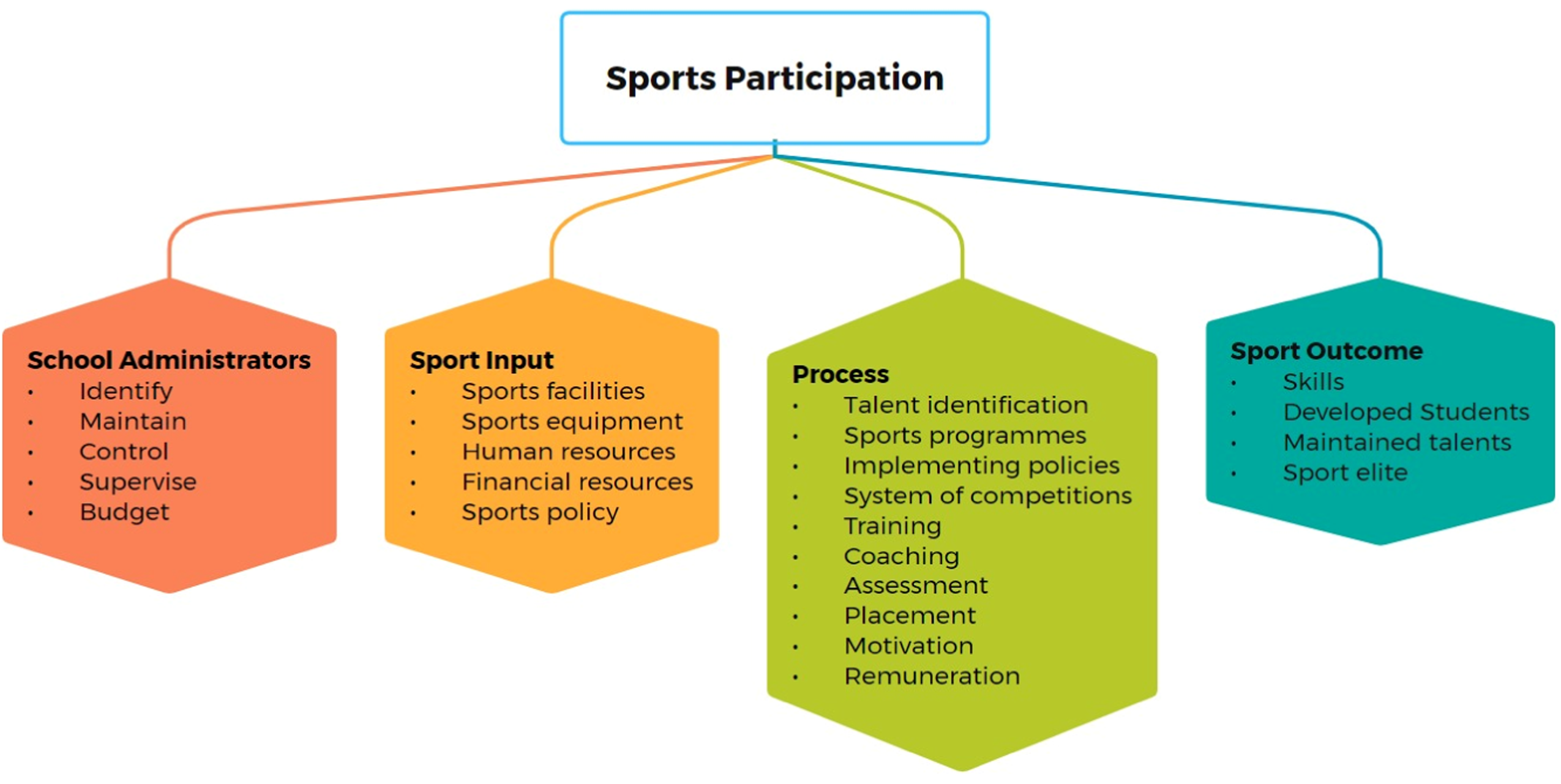
Modified conceptual framework for secondary schools' sports participation. Adopted and modified from the Stufflebeam (2000) CIPP (context, input, process, product) model.
Materials and Methods
Research Approach and Philosophical Paradigm
This study used a mixed-methods research approach with a pragmatism philosophical paradigm, which underpinned this study and allowed the integration of qualitative and quantitative research methodologies to yield enhanced comprehension of the research problem (Creswell & Clark, 2018; Kaushik & Walsh, 2019; Saunders et al., 2007, 2019). The approach provides an opportunity to triangulate questionnaires and interviews as methods of data collection. Ivankova and Creswell (2009) argue that the mixed-methods research approach allows the researcher to use multiple analyses, which helps cross-check the consistency of findings. The mixed-methods research approach includes philosophies that direct data collection and analysis procedures (Creswell & Plano Clark, 2007). Integration of both quantitative and qualitative provides a comprehensive understanding of the phenomenon being studied by giving more detailed information to the research questions (Brierley, 2017; Creswell & Plano Clark, 2011a). Therefore, the approach allowed the researcher to combine qualitative and quantitative data to show a more thorough understanding and integrate the results to draw inferences from the two datasets regarding students’ sports participation in secondary schools.
Research Design
A concurrent triangulation mixed-methods research design was employed in this study. Data from both quantitative and qualitative approaches were collected, analyzed, interpreted, and reported concurrently. This design was used for better comprehending the research problem than the use of other research designs (Creswell & Plano Clark, 2011b). This design allows the researcher to collect, analyze and report data concurrently from both qualitative and quantitative approaches at a time (Onwuegbuzie & Collins, 2007). To come up with harmonious findings, the researcher made comparisons of data collected from all the methods of data collection used, as shown in Figure 2.
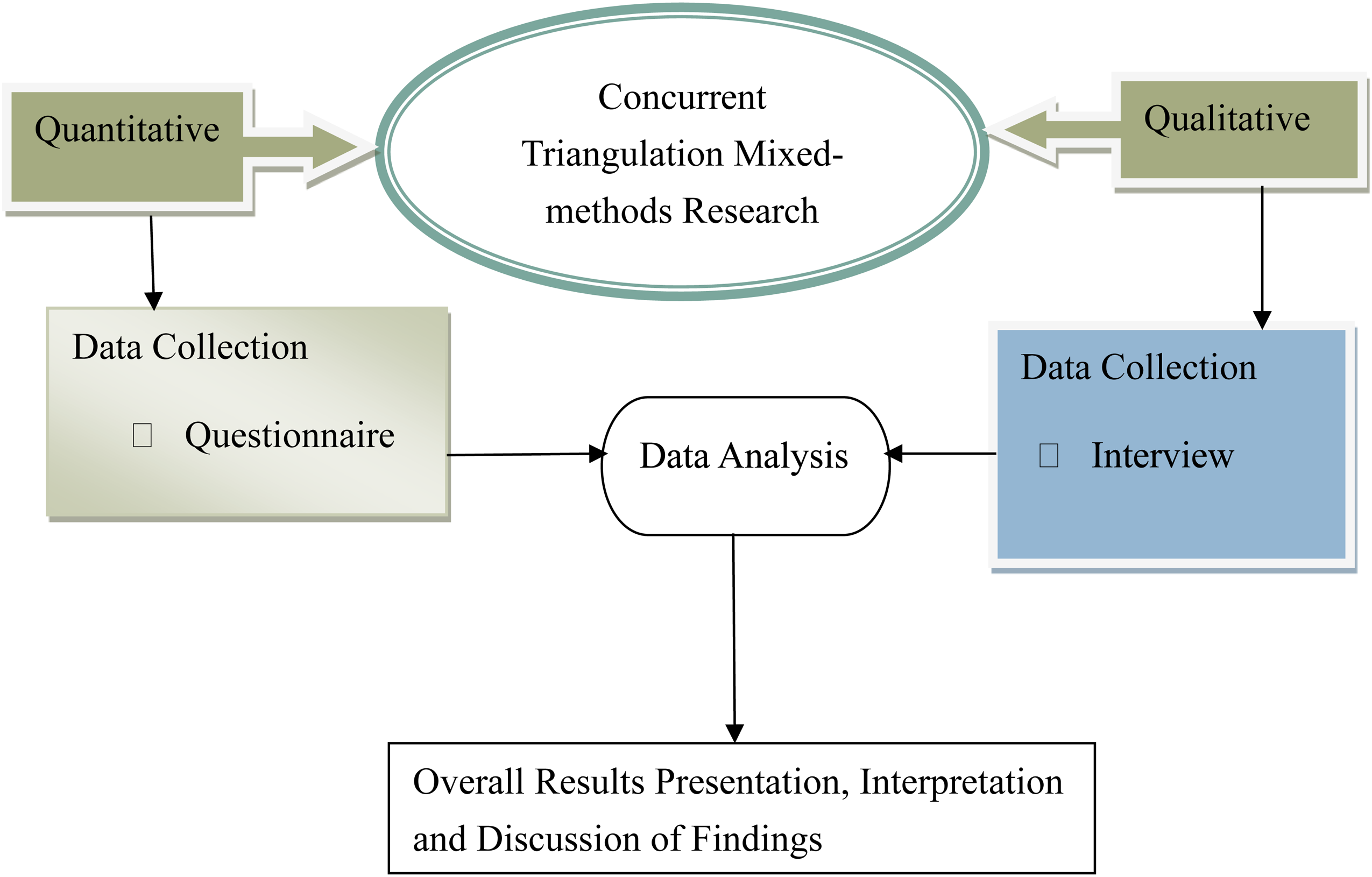
Summary of the research design.
Participants
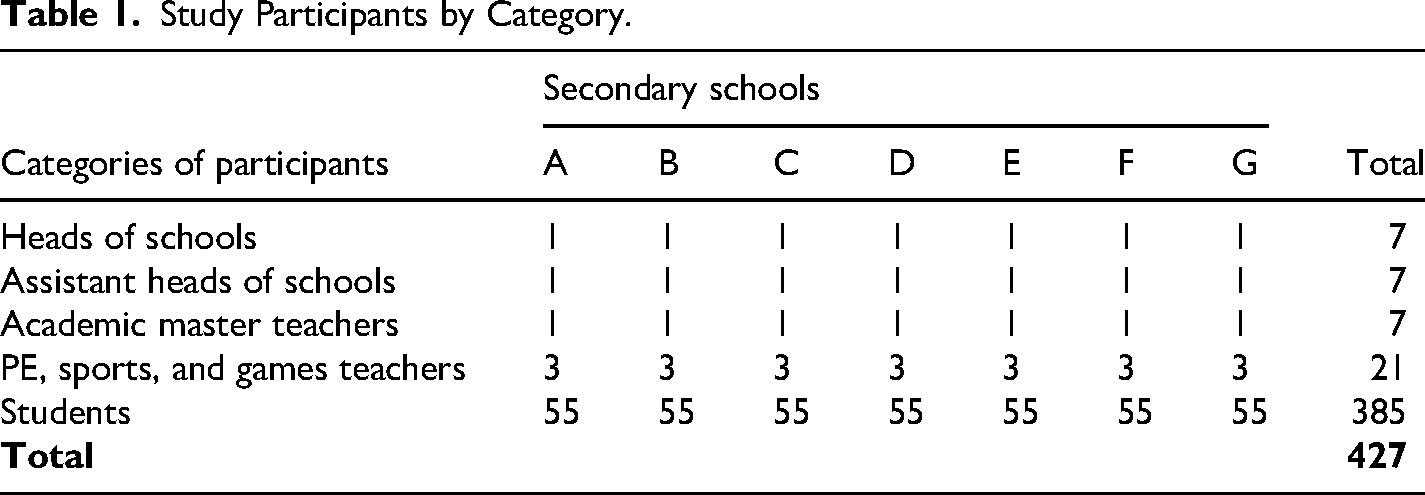
This study was conducted in the Dar es Salaam region in seven selected secondary schools. The region was specifically chosen because it has a comparatively high number of public secondary schools teaching physical education (PE) and sports (MoEVT, 2017). Based on the participants by category, this study, therefore, used a sample of 427 participants. The participants involved in this study are seven heads of schools, seven assistant heads of schools, seven academic master teachers, 21 PE, sports, and games teachers, and 385 students, as indicated in Table 1.
Study Participants by Category.
Sampling Techniques
This study employed a combination of sampling techniques to select participants. Criterion purposive sampling was used to choose seven secondary schools that offer PE and sports, as well as PE, sports, and games teachers, who play a key role in teaching PE and sports in schools. Palinkas et al. (2013) assert that the criterion purposeful sampling technique helps the researcher to select information-rich cases based on predefined criteria. The criteria in this study were the schools and teachers teaching PE and sports. Convenience sampling was applied to select school administrators, including heads, assistant heads, and academic teachers, based on their availability during data collection. Convenience sampling as part of the non-probabilistic technique allows the researcher to select participants based on accessibility (Etikan et al., 2015). Furthermore, stratified random sampling was used to select students, ensuring representation by class level and gender. Students were randomly chosen through a draw method, allowing for an unbiased selection process within the identified strata (class level and gender). Pyrczak and Tcherni-Buzzeo (2018) declare that the strategy provides an opportunity for the researcher to divide the population into distinct strata and select the participants randomly from the strata or subgroups.
Instruments
This study employed a questionnaire administered to students, heads of schools and PE, sports and games teachers as the main implementers of the sports activities in schools through supervision, teaching, setting, designing, and running sports activities. The items in the questionnaire were developed from a literature review of related studies from different contexts. Moreover, some other items forming the questionnaire were adopted from the standardized research instrument, which fits the study context, specifically sports participation in secondary schools. Demographic information from participants was captured (including the name of the district, name of the school, location of the school, whether city or municipal council, gender, nature of the school in terms of gender of students in a particular school, class level, and age). Additionally, specific information regarding students’ sports participation in secondary schools was collected, whereby the items focused on capturing information not limited to but related to students’ interest in sports, level of participation in sports, sports activities found in schools, and the most and the least participated sports activities in schools.
Furthermore, interviews were administered to assistant heads of schools and academic teachers. The participants hold managerial positions whose roles influence students’ sports participation in schools. The interviews allowed participants to express their views freely, with the researcher probing further for clarity and depth. Robinson (2023) and Young et al. (2018) declare that interviews allow a researcher to explore participants’ views and experiences in depth, and through their opportunity for probing, the researcher gets rich information through clarification and elaboration provided by the participants. Hence, interviews enabled the researcher to gather insights into existing sports activities and students’ involvement in sports, which affects their participation. Each session lasted 40–60 min, and with the consent of the participants, responses were recorded for data analysis, supplemented by handwritten notes for verification.
Data Analysis
Data collected from the quantitative part were analyzed using the Statistical Package for Social Sciences (SPSS) version 30.0 software. This enabled the researcher to analyze numerical data, statistical computation, and interpretation of patterns in responses. Furthermore, a content analysis strategy was used to analyze data collected from the qualitative part. The strategy empowered the researcher to interpret and analyze themes and meanings regarding students’ sports participation in secondary schools. Croucher and Cronn-Mills (2018) argue that content analysis plays a significant role in qualitative research as it helps the researcher to code and categorize data to uncover the underlying information from different methods, including interviews. In the concurrent triangulation design, quantitative data from questionnaires were analyzed using SPSS to generate descriptive statistics on participation rates and patterns, while qualitative data from interviews were subjected to content analysis to identify emergent themes. Integration occurred at the interpretation phase through joint displays and side-by-side comparison, whereby qualitative themes were used to explain, confirm, or elaborate quantitative findings. This merging process enhanced the validity of conclusions by identifying convergence and complementarity between the two datasets. The integrated findings provided a more comprehensive understanding of sports participation and its underlying contextual factors in Tanzanian secondary schools.
Ethical Considerations
The study adhered to ethical considerations throughout all research phases, including pre-data collection, during-data collection, and post-data collection. Creswell and Creswell (2017) and Chao et al. (2024) argue that when conducting research, it is the researcher's responsibility to adhere to ethical issues and principles. The researcher followed key ethical principles such as obtaining informed consent, ensuring participant anonymity and confidentiality, and preventing any harm to participants. A research clearance letter was obtained before the actual data collection, following a hierarchical approval process from regional to school-level authorities. Informed consent was sought from participants, allowing them to voluntarily participate or decline. Confidentiality was maintained by safeguarding collected data and using pseudonyms to protect participant identities.
Results
This section presents the results of the study on sports participation in secondary schools. First, the study identified students’ participation trends and disparities across sports in their schools through demographic information of students as presented in Table 2.
Demographic Information of Students.
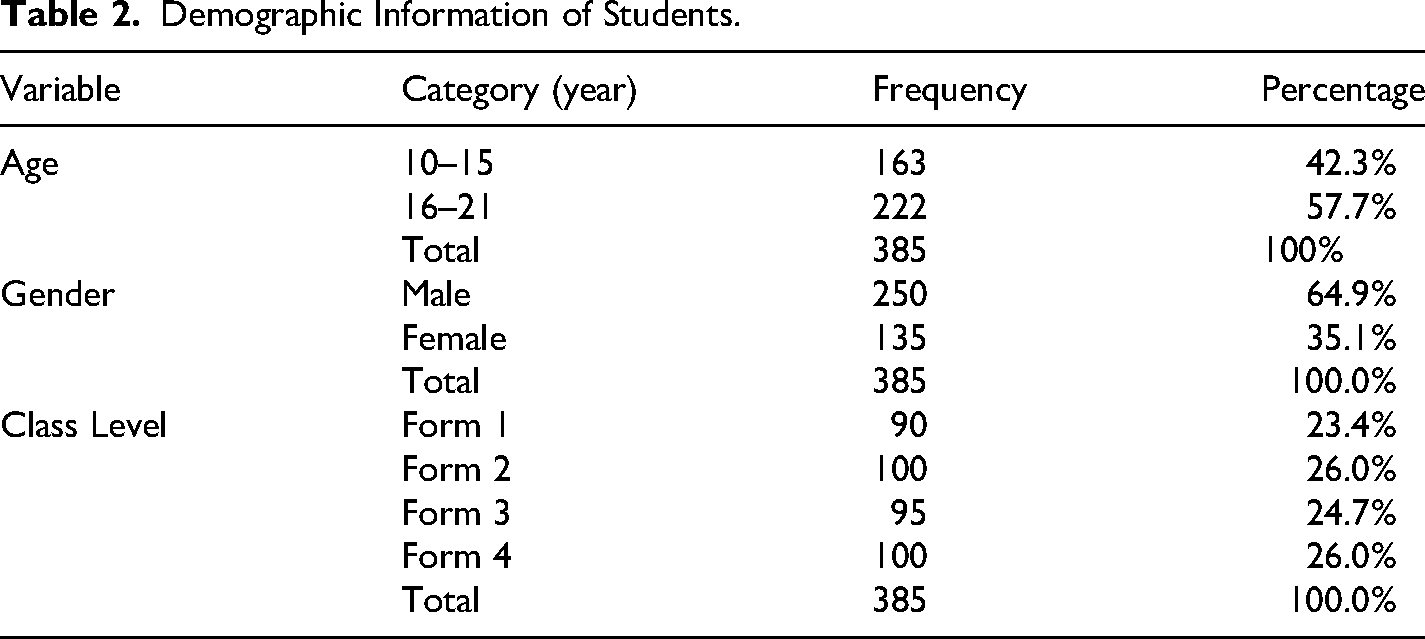
Demographic information of students by age showed that the majority of the respondents were between 16 and 21 years old (57.7% combined). The gender of the majority of students was male (250, 64.9%) compared to female respondents (135, 35.1%). Concerning class levels in schools, the findings revealed less discrepancies in sports participation as Form 1 were (90, 23.4%), Form 2 (100, 26.0%), Form 3 (95, 24.7%), and Form 4 (100, 26.0%). The high number of respondents in Form 2 and Form 4 classes implies that students in secondary schools take PE as a subject and participate in sports lessons regularly, regardless of having other academic subjects. Furthermore, this study determined sports participation by students in schools as well as the facilitation of PE, sports and games teachers as presented in Table 3.
Sports Participation and Facilitation.
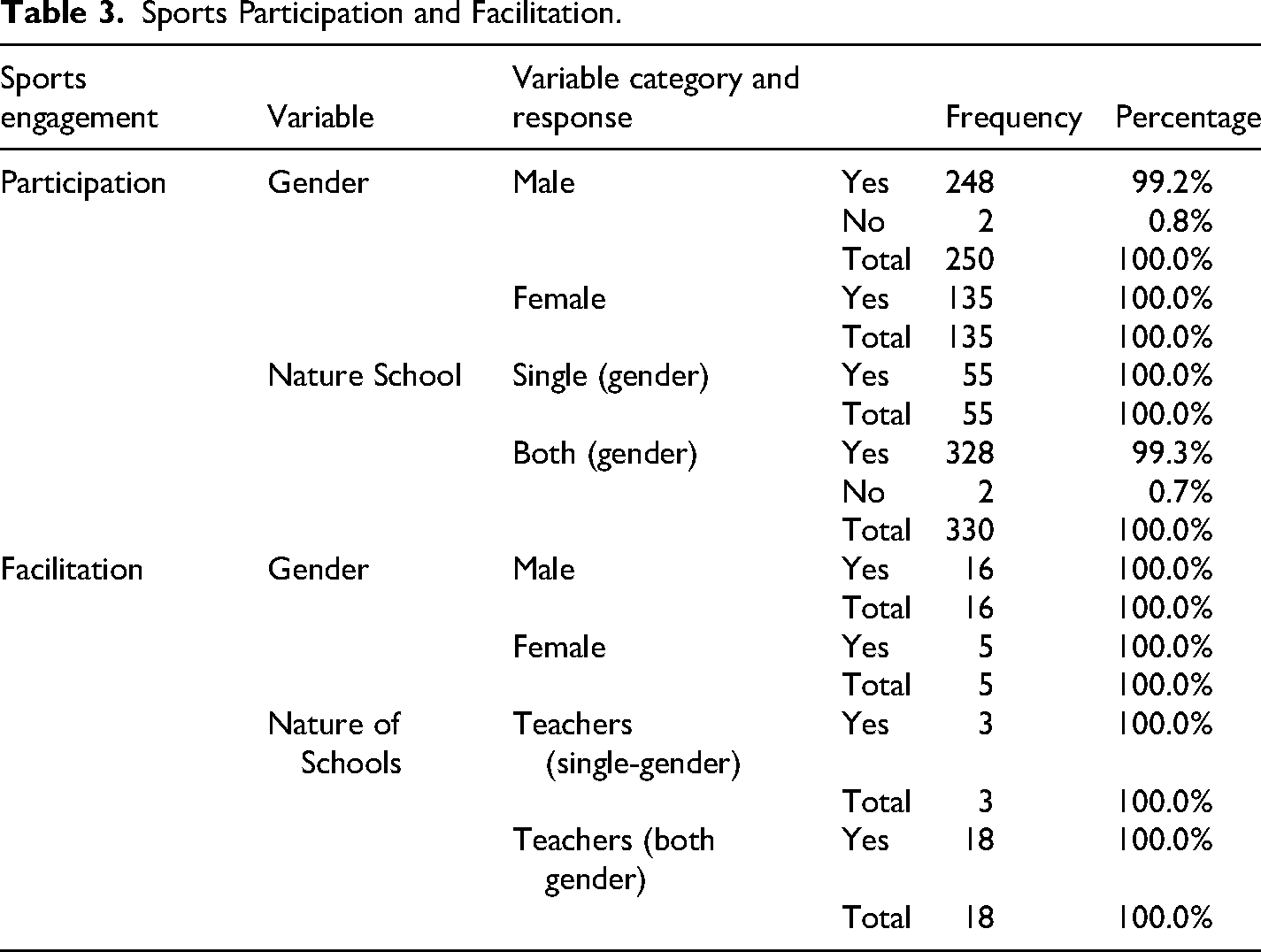
Table 3 indicates that the majority of male students (248, 99.2%) participated in sports activities compared to female students (135, 100.0%), whereby only (2, 0.8%) male students did not participate in sports activities in schools. In Tanzania, most of the secondary schools encompass both genders; hence, based on the nature of schools in terms of gender, there were (55, 100.0%) students from single-gender schools compared to (328, 99.3%) students from both genders, whereby only (2, 0.7%) students from both gender schools did not take part in any sports activities. Regarding PE, sports and games teachers, as the leading implementers of PE, sports and games activities in schools, the table shows that the majority were male teachers, also indicating a comparative the same rate of (100%) of teachers’ facilitation of PE and sports in single-gender and both gender schools.
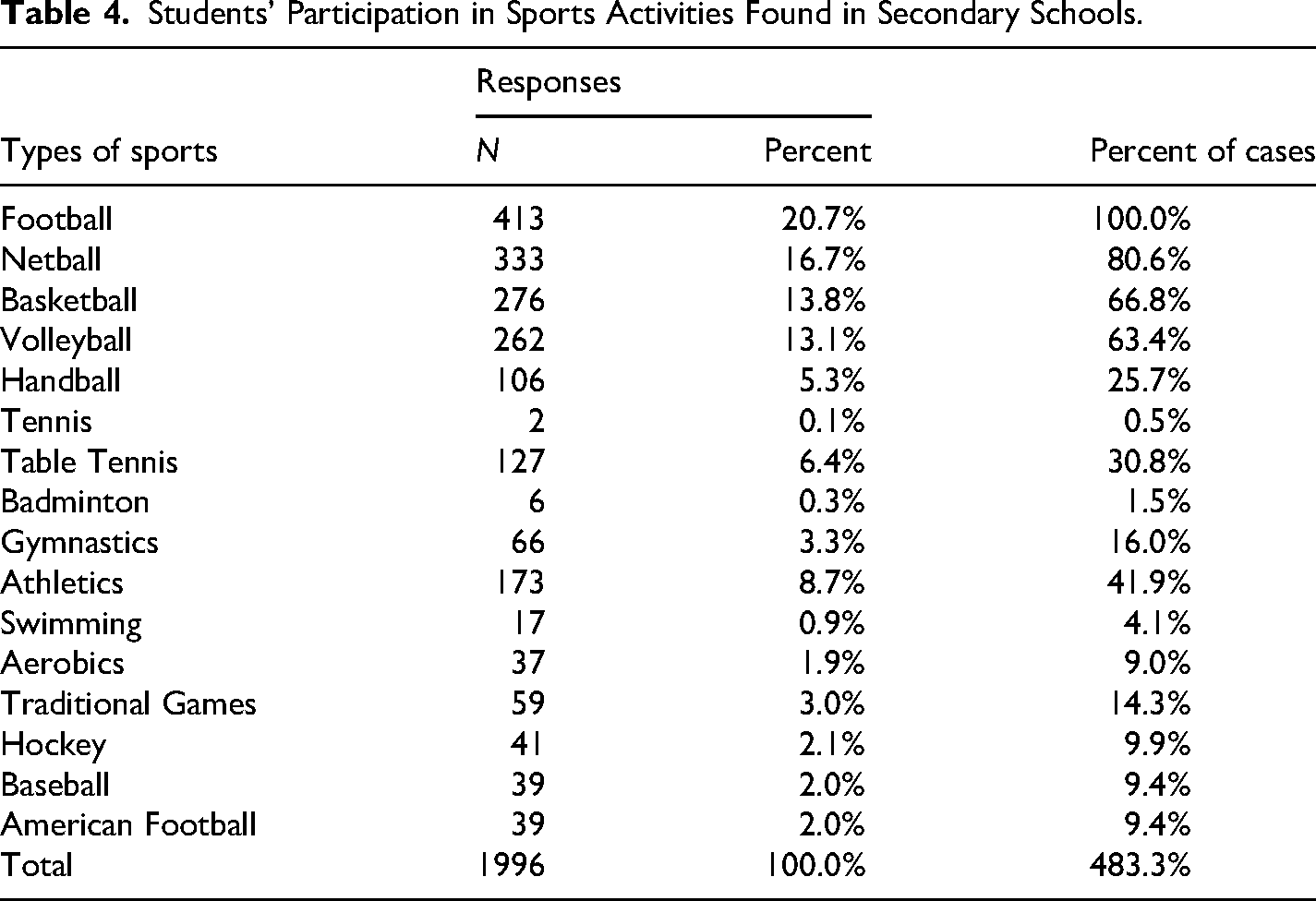
Additionally, the study determined the sports activities found in secondary schools which are participated in by students. Responding to this, the information was collected through a questionnaire administered to heads of schools, PE, sports and games teachers, and students to solicit responses from them. Also, semi-structured interviews were conducted with assistant heads of schools and academic teachers to capture their perceptions towards students’ sports participation. Findings from heads of schools, PE, sports and games teachers, as well as students, revealed that different sports activities are conducted in secondary schools, which enable students to participate. Table 4 outlines the respondents’ perceptions of students’ participation in sports activities taking place in secondary schools. The respondents, through the questionnaire, were asked about the sports activities that are found in secondary schools, in whereby students would have participated. The results show that a total of 16 sports activities were conducted in selected secondary schools whereby, football, netball, basketball, and volleyball were indicated to be the most sports activities that are found in secondary schools by 20.7% (n = 413), 16.7% (n = 333), 13.8% (n = 276), and 13.1% (n = 262), respectively. On the other hand, tennis, badminton, swimming, and aerobics were determined as the least sports activities found in secondary schools by 0.1% (n = 2), 0.3% (n = 6), 0.9% (17), and 1.9% (n = 37), respectively. Hence, the majority of the students participate in the most found sports activities; however, the least found sports activities also cater for the needs of some students.
Students’ Participation in Sports Activities Found in Secondary Schools.
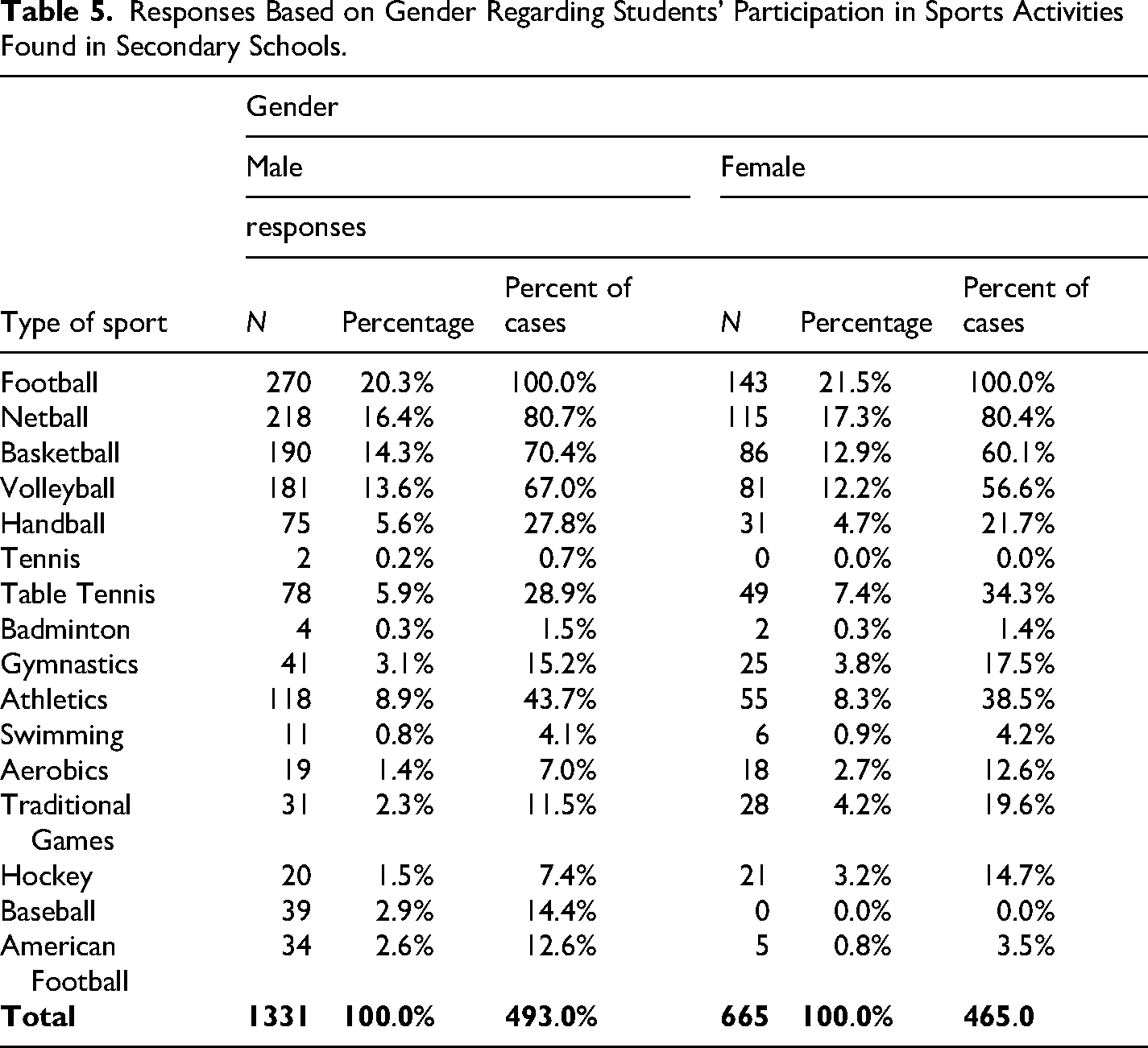
The findings further revealed that students’ participation in sports activities found in secondary schools was determined based on the gender of the respondents, as indicated in Table 5. It shows that males highlighted that football, netball, basketball, and volleyball were the most participated sports activities found in secondary schools by 20.3% (n = 270), 16.4% (n = 218), 14.3% (n = 190), and 13.6% (n = 181), respectively. In contrast, for females, it was determined that football, netball, basketball, and volleyball were also the most participated sports activities found in secondary schools by 21.5% (n = 143), 17.3% (n = 115), 12.9% (n = 86), and 12.2% (n = 81), respectively. Additionally, it was determined that males highlighted that tennis, badminton, swimming, and aerobics were the least participated sports activities found in secondary schools by 0.2% (n = 2), 0.3% (n = 4), 0.8% (n = 11), and 1.4% (n = 19), respectively. In contrast, for females, it was determined that tennis, baseball, badminton, and American football were the least participated sports activities found in secondary schools by 0.0% (n = 0), 0.0% (n = 0), 0.3% (n = 2), and 0.8% (n = 5), respectively.
Responses Based on Gender Regarding Students’ Participation in Sports Activities Found in Secondary Schools.
To enhance the data validity of this study, qualitative insights were combined with quantitative trends for a comprehensive analysis. Academic teachers and assistant heads of schools, as members of the secondary school administration, were interviewed regarding the sports activities offered at their schools, which provided opportunities for students to participate. The majority responded that the most conducted sports activities in their schools include football, netball, basketball, and volleyball. These sports are found in most secondary schools because, to some extent, there are facilities for such sports, including playgrounds and courts, compared to other sports. This has made the formulation of different sports programmes, such as screening programmes for sports talent recognition. Even though in some schools there are no courts for ball games, improvisation is done through the use of an open space, especially a sandpit. Regarding this aspect, one assistant head of school “B” had this to say; In my school, due to limited facilities such as playgrounds, we sought to enhance the provision of ball games, specifically football, netball, basketball and volleyball, based on the nature of the student's background from primary school. I have 1761 students; most participate in football, and the rest participate in other sports. In collaboration with the PE department, we use the available sports activities to promote students’ participation in sports. In the course of implementing the education training policy, we set time for sports. Some sports activities are done during PE lessons, and others are done during extra-curricular activities. In my school, the most participated sports are football, volleyball, table tennis, athletics and basketball. We also introduced baseball last year. Students take part in sports of their interests during sports sessions, including special days for sports.
Discussion
This study aimed to determine the differences in students’ sports participation amongst secondary schools in the Dar es Salaam region.
Among the main findings of this study was that the majority of students participated in ball games such as football, netball, basketball and volleyball compared to racquet games, athletics, aerobics, and swimming. The participation of students in most ball games is influenced by the impact of accessibility of the resources in sports, affordability of the facilities by schools and the cultural popularity of the sports. For instance, ball games require minimal equipment, such as balls and an open space for students to play. Hence, it is comparatively easier for secondary schools to organize sports activities, especially ball games. The findings of this study are in line with the findings of Lazaro and Anney (2016) and Mhando (2015), which depict that in Tanzanian secondary schools, the major sports activities that take place are ball games sports, including football, volleyball, netball, handball, and basketball. Similarly, the findings are in line with those of Dawson and Mwila (2023), who found that football, netball, and volleyball are the primary sports practiced in public secondary schools regardless of inadequate facilities. Furthermore, a study conducted in Kenya by Kirui et al. (2013) found that the majority of students participated in ball games such as football, netball, basketball, and volleyball. This happened because of the availability of sports facilities; hence, the findings are in line with the conceptual framework that guided the study. In the aspect of inputs, it depicts that the presence of sports facilities, equipment and human resources influences the participation of students in different sports.
Also, it has been observed that non-ball games such as racquet games, athletics, aerobics, and swimming are less participated sports. This is due to limited access to facilities and equipment, inadequately trained coaches, as well as cultural preferences for popular ball games like football and netball. The majority of schools lack sports facilities such as swimming pools, tennis courts, and proper athletic tracks, making participation in these sports challenging for students. Furthermore, ball games such as football and netball are deeply rooted in the school sports culture and are supported by more teachers and members of the communities. The findings are in line with the study by Kubayi et al. (2013), who found that low participation of students in non-ball games is influenced by factors such as insufficient support from parents and other members of the community, lack of interest in non-ball games and transportation issues in sports like swimming. Furthermore, it was stated by Kirui et al. (2013) that students in secondary schools participate less in non-ball games like racquet sports, swimming, and athletics compared to ball games. This is because most secondary schools experience budgetary limitations and, hence, lack the specialized facilities and equipment needed for non-ball sports, such as tennis courts, swimming pools, or running tracks. Limited access to facilities for non-ball games prohibits students from developing an interest and discourages students’ sports participation. In addition to the existing research on sports participation, Mchunu and Le Roux’s (2010) findings indicate that participation of students in non-ball games is significantly hindered by a lack of facilities and equipment. This limits access of students to sports infrastructure. Similarly, the findings of the current study echo the conceptual framework in the aspect of inputs, which depicts that sports facilities and equipment are essential in secondary schools to ensure proper running of sports activities to promote participation of students in sports.
This study found that the presence of PE, sports and games teachers as the leading implementors of sports activities in secondary schools influenced the participation of students in sports. The findings in Table 3 indicate a comparison of the same rate of (100%) of teachers’ facilitation sports in single-gender and both-gender schools, whereby the majority were male teachers (16, 76.2%) compared to female teachers (5, 23.8%). The presence of teachers promoted the participation of students in sports activities through mentorship and encouragement provided to students. The presence of an engaging and sporting environment fostered students to participate in sports; hence, the majority of students developed teamwork skills, confidence and physical fitness as a result of sports participation. Ambareen and Ullah (2021) found that the attitudes, involvement and perceptions of teachers towards sports are motives in encouraging students to participate in PE and sports. The motives enhance the sporting atmosphere that inspires students to value and effectively participate in sports. Furthermore, Yang (2022) asserts that student motivation positively influences their participation in sports. Motivation has been shown to have a significant positive influence on promoting students to participate in sports. This implies that teachers and school administrators should be keen enough to set strategies to motivate students to participate in sports (Simwanza & Mabagala, 2021). Therefore, the role of PE, sports, and games teachers in motivating students to participate in sports cannot be neglected. Similarly, the findings of the current study concur with the conceptual framework, which depicts that human resource is part of the input. The implementation of sports and educational policies, assessment, coaching, and training are in the aspect of process in the conceptual framework; all these are done by the human resource (teachers) to enhance students’ sports participation.
Evidence from the existing literature proposes that the pillar for students’ participation in secondary school sports is set through the establishment of sports programmes which cater to the diverse needs of students who are from different backgrounds. This study found that there was a significant implementation of sports programmes which were initiated in schools under the Department of Sports. The presence of sports programmes such as sports competitions, game-based programmes, intramural programmes, outside-of-school sports programmes, and sports club programmes influenced students to participate in sports; however, the programmes are implemented differently in schools based on the availability of resources. This is in line with other research that observed one of the motives for students’ sports participation is the availability of sports activities in secondary schools, which encourages students to participate in different sports teams for sports development (Houlihan, 2000). The presence of intramural sports in schools provides an opportunity for students to participate in sports as well as perform physical activity. Students participate in extracurricular activities which incorporate sports activities. This enables students to develop sports competencies (Forneris et al., 2015; Fuller et al., 2011). Moreover, it was determined from the findings that students who participated in the sports activities that are mostly found in their schools also got involved in school sports teams to further their skills, specifically in football and netball. These findings concur with those of Clark (2012), who argues that secondary schools establish school teams which provide opportunities for students to showcase what they have in comparison with students from other schools. Likewise, Bailey et al. (2004) argue that the presence of well-planned and organized sports programmes such as athletics, gymnastics, and badminton promotes students’ sports participation in secondary school settings. Additionally, the findings of the current study concur with the conceptual framework, which emphasizes a sustainable system of competitions in the aspect of process that should be considered by school administrators, PE, games, and sports teachers to foster students’ sports participation.
Implications for Reform
Among the motives for students’ participation in secondary school sports is the presence of sports programmes which provide opportunities for them to showcase and hone their sports skills. The extent of implementation of the programmes varies across the schools. Some schools provide numerous sports programmes which increase students’ sports participation, while in some schools there are fewer sports programmes. Hence, this leads to the reform of sports programmes to cater for the needs of all students and promote their participation. The reform should consider the diverse needs of students. Simwanza and Paul (2024) assert that students have varied needs, abilities, and interests in sports. These affect their participation in sports. The majority of students participate in ball games (football, netball, basketball, handball, and volleyball) compared to other sports (athletics, racket games, and swimming). Therefore, to meet the needs of the vast majority of students, schools must reform their sports programmes by guaranteeing diversity in sports activities (Ongong’a et al., 2010). The reforming process ought to consider incorporating well-funded, inclusive, and organized programmes that increase student involvement. More options for sports programmes should also be offered to accommodate students’ diverse interests, skill levels, and life experiences (Jawid & Bahir, 2024).
The extent of accessibility of facilities, equipment, human resources, and financial resources affects students’ sports participation. The availability of sports resources enhances the implementation of established sports programmes in schools. This study found that the majority of schools had limited resources, hence challenging them to run different sports programmes. Therefore, schools need to reform the structure of accessing the resources; this can be achieved through establishing partnerships with private organizations and sports federations to secure funds and sponsorship for sports facilities and equipment in some sports. Bo (2024) argues that partnerships between schools and sports institutions enhance resource allocation and training facilities. Additionally, the school administrators need to establish a strong relationship with the community and set goals to share the resources that are available to the community. The reform should also consider enhancing the capacity of the teachers by investing in capacity-building programmes to train the teachers to upgrade their skills and knowledge regarding the designing and implementation of sports programmes. Inviting experts from the community may strengthen the accessibility of human resources to teach and train the students in sports.
Furthermore, the implication for reform should consider focusing on policy implementation. The presence of the Education and Training Policy (ETP) and the National Sports Policy, which recognize the importance of sports in the education system have fostered the implementation of sports activities in schools. However, strengthening policy enforcement increases the prioritization of running sports activities in schools. A well-focused policy implementation encourages schools to consider the value of sports and the opportunities obtained from sports. Hence, the reform establishes more structured sports programmes which increase the participation of students whereby in turn leads to the nurturing of talented students to elite performance. Lund (2014) declares that policy reform addresses issues of standardization in school sports programmes. Proper guidelines, rules and quality standards are set in the sports programmes. The standards also consider the quality of infrastructure, qualifications of human resources and the allotted time. Additionally, Jawid and Bahir (2024) argue that to guarantee a better implementation of the reforms, school administrators must be eager to support and implement the policy by following national and state standards.
Conclusion
The study determined the differences in students’ sports participation in secondary schools in Tanzania. The study concludes that students participate in different sports which take place in schools, whereby several sports activities, including football, netball, basketball, volleyball, handball, tennis, table tennis, badminton, gymnastics, athletics, swimming, aerobics, traditional games, hockey, baseball, and American football were found in the surveyed secondary schools. The majority of students participate in ball games, as it was established that most of the sports activities in secondary schools were ball games, such as football, netball, basketball, volleyball, and handball, compared to racquet games, athletics, swimming, and other sports. This affected the students’ sports participation rates; hence, schools should be eager to find ways to expand access to non-ball games to increase student participation in sports. Enforcement of policies and school strategies towards sports should be put in place. The study's conclusions are consistent with the conceptual framework model in terms of inputs and the process that requires school administrators to put policies into place and ensure that students get training, coaching, placement, and motivation towards sports. Also, in the aspect of process, school administrators need to be alert to identify, maintain, control, budget, and supervise all sports activities that are conducted in their schools to get more skilled students and elite sports performers, as it has been depicted in the output aspect of the model.
Footnotes

Consent for Publication
The author has approved the manuscript for publication.
Funding
The author received no financial support for the research, authorship, and/or publication of this article.
Declaration of Conflicting Interests
The author declared no potential conflicts of interest with respect to the research, authorship, and/or publication of this article.
Data Availability Statement
Data will be made available on request.