







Abstract
The determination of the equivalent (homogenized) constitutive tensor is one of the most important steps in multiscale models as well as in the classical homogenization theory. In this article, a procedure for determining the homogenized instantaneous (tangent) constitutive tensor of elastic materials containing growing cracks is proposed. The primary purpose of this procedure is its use in two-way coupled multiscale finite element algorithms that can model crack formation and propagation at the local microstructure. The procedure is basically developed by relating the local displacement field to the global strain tensor at each location and using first-order homogenization techniques. The finite element formulation is developed and some example problems are presented in order to verify and demonstrate the model capabilities.
INTRODUCTION
N
The classical homogenization theory and multiscale models are the most commonly used approaches to modeling and design composite materials. The objective of the classical homogenization theory is the determination of the effective (homogenized) constitutive behavior of heterogeneous materials by solving an initial boundary value problem (IBVP) for a representative volume element (RVE) (Eshelby, 1957; Hill, 1963, 1965a,b; Hashin, 1964; Fish et al., 1997; Allen and Yoon, 1998). Once the homogenized constitutive properties have been determined a priori, modeling of more complex problems can be performed. On the other hand, multiscale models intend to determine the effective constitutive behavior of the RVE simultaneously throughout the analysis (Allen, 1994, 2001; Feyel, 1999; Feyel and Chaboche, 2000; Fish and Shek, 2000; Souza et al., 2008), using concepts of the classical homogenization theory, either using a self-consistent approach (Eshelby, 1957; Hashin and Shtrikman, 1963), or the so-called asymptotic analysis (Bensoussan et al., 1978; Sanchez-Palencia, 1980; Bakhvalov and Panasenko, 1984).
Sometimes, multiscale models are termed two-way coupled because the loads (tractions or deformations) observed at the global-scale object are applied to the boundaries of RVE's (global–local coupling), whereas the homogenized material properties are passed from the local-scale RVE's to the global-scale material coordinates (local–global coupling). Therefore, two-way coupled multiscale models are more appropriate when the problem considers evolving microstructure, such as growing cracks, since the evolution of cracks generally depend on the loading history, especially for inelastic materials. In both classical homogenization theory and multiscale models, however, the determination of the effective constitutive behavior of the material is crucial.
In practical applications, most structural parts experience at least a certain amount of microcracks during their intended life and the existence of microcracks may not adversely affect their structural performance if the amount of microcracks is kept up to a certain level so that they do not coalesce and form a macrocrack that leads to component failure. In order to facilitate the use of two-way coupled multiscale models to design and model such materials with microcracks, this article presents a procedure to determine the effective constitutive tensor of elastic solids containing growing cracks. The same approach has already been used to model similar problems but involving history-dependent viscoelastic materials (Souza, 2009; Souza and Allen, 2010a).
MULTISCALE MODELING
The purpose of multiscale models is to perform simultaneous analyses on both global and all local scales. The effective constitutive behavior of one scale is then determined by the behavior of each consecutively smaller scale in such a manner that only the material properties of the individual constituents considered at the smallest length scale, as well as the fracture properties, need to be known a priori.
In cases where the local structure (RVE) does not change and its behavior does not depend on the loading history so that the effective constitutive properties need to be determined only once, e.g., purely elastic solids, the classical homogenization theory is more cost effective. However, multiscale models are particularly advantageous for problems where the local structure may change due to the formation and growth of internal boundaries because the damage-dependent homogenized constitutive properties need to be recursively determined in each step of the analysis.
Consider the two-scale IBVP schematically shown in Figure 1. The global object, referred to as scale 0, is considered to be statistically homogeneous whereas the local object, referred to as scale 1, is locally heterogeneous containing inclusions and cracks which may be growing or not. In Figure 1, superscripts are used to denote the scale index, while subscripts refer to the rectilinear coordinate system. Vμ, Schematic representation of a two-scale IBVP.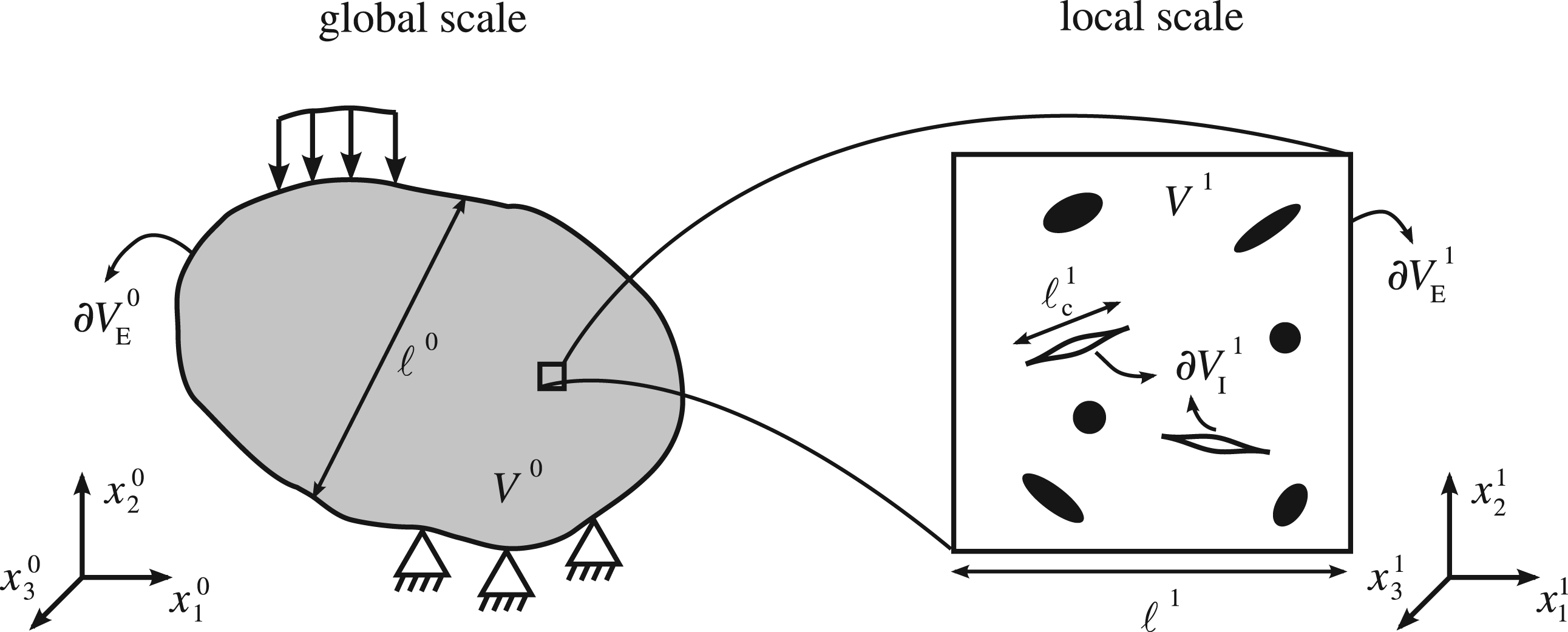
The mechanical IBVP for the global object can then be well posed by appropriate initial boundary conditions and a set of equations: conservation of linear and angular momentum (Equations (1) and (2)), strain–displacement relations (Equation (3)) and constitutive equations (Equation (4)).




The IBVP for the local RVE should obey the same set of governing equations, except for constitution, as the global object. The local boundary conditions should be assessed based on the actual traction (or deformation) field determined for the global scale mapped into the local coordinate system 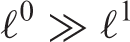
This assumption allows the use of homogeneous boundary conditions (uniform boundary tractions or linear boundary displacements) at the local scale, also simplifying the homogenization relationships connecting the global and local scales. The second assumption is that the local length scale is much larger than the length scale associated with cracks at the local scale, thus limiting the model to problems where statistical homogeneity is satisfied:
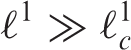
Finally, for the case where the global problem cannot be simplified to a quasi-static one, it is assumed that the length of the wave propagating at the global scale, 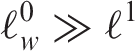
In that limiting case, the local boundary conditions can be approximated by homogeneous boundary conditions, mitigating the need to consider waves propagating at the local scale, thus allowing the local IBVP to be approximated as a quasi-static problem:

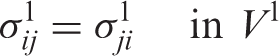



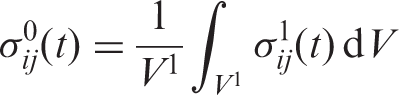
For the cases where the previous assumptions are valid, one can show that the relations connecting the global and local scales are given by the following (mean field) homogenization principles (Allen and Yoon, 1998; Nemat-Nasser and Hori, 1999; Allen, 2001; Souza et al., 2008):




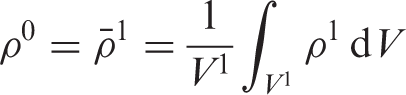
On the other hand, from Equation (16), one can conclude that under the given circumstances, the external boundary average of the traction vector, 
The use of Equations (14) and (16) as the state variables at the global scale is commonly termed a mean field theory of homogenization because the behavior of the global object is determined only in terms of the mean stress and strain tensors evaluated at the external boundary of the local RVE. Higher order homogenization theorems can, however, be formulated if one includes gradients of the deformation and moments of the stress tensor in the model formulation (Allen et al., 1987a,b; Phillips et al., 1999; Kouznetsova, 2002; Kouznetsova et al., 2004).
If the global-scale problem is dynamic and one adopts an explicit time integration scheme to solve the global IBVP, the above equations are sufficient to perform the multiscale analysis, because there is no need to compute a stiffness matrix. Therefore, for each time step, one can simply apply displacements on the boundary of the RVE that satisfy Equation (14), solve the step-wise local IBVP, and then compute the global stress tensor,
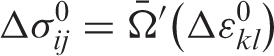
However, if the global IBVP is approximated by a quasi-static problem, the computation of the homogenized constitutive tensor is required in order to correctly calculate the tangent stiffness matrix. If one uses an incremental solution scheme, it is then preferable to seek an incremental constitutive equation of the form:
COMPUTATION OF INCREMENTAL (TANGENT) HOMOGENIZED CONSTITUTIVE TENSOR
Since incremental algorithms are most commonly used for solving IBVP in general purpose Finite Element (FE) codes, this study seeks to develop a procedure to compute the incremental (tangent) homogenized constitutive tensor of elastic solids containing cracks. The model to be demonstrated in this article does not consider any kind of history-dependent constitutive behavior, neither for the bulk material nor for the cohesive zones ahead of the crack tips that may eventually develop. Readers interested in the use of such approach for viscoelastic media are referred to Souza (2009) and Souza and Allen (2010a).
At least to the authors' knowledge, only purely numerical techniques have been proposed in the literature so far to compute the homogenized tangent constitutive tensor. For example, Kouznetsova (2002) employs the technique of condensation of the total RVE stiffness, which has been presented in Kouznetsova et al. (2001). Feyel and Chaboche (2000) use the approximate numerical differentiation technique, which requires the solution of four (2D) or six (3D) IBVP's for every solution step. The approach to be proposed in this article, on the other hand, is based on continuum mechanics homogenization principles and allows the computation of the full homogenized anisotropic tangent constitutive tensor of elastic solids with evolving cracks by solving the IBVP only once, which greatly reduces the required amount of computational time.
First, assume that the stress tensor at both global and local scales can be written in incremental form:


Then, substituting the above equations into Equation (16), gives:
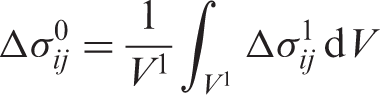
Assume that the constitutive behavior of the global object can be approximated by the following incremental form:

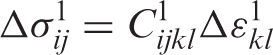
Substituting Equations (24) and (25) into Equation (23), gives:



Oskay and Fish (2007) have used a similar decomposition of the local displacement field in order to analyze failure of heterogeneous materials using continuous damage mechanics to model both bulk degradation and fiber-matrix debonding.
Substituting (28) into (10), then into (26) yields:


Note that the effect of heterogeneity, internal boundaries and cracks at the local scale on the global constitutive behavior is accounted for by the terms involving the incremental localization tensor,
FE FORMULATION OF THE LOCAL-SCALE IBVP
The FE formulation of the local IBVP is developed in this section. The reader should note that the global IBVP remains the usual problem which can be solved by commonly used FE algorithms. The local-scale IBVP, however, has been changed due to the introduction of the incremental localization tensor, 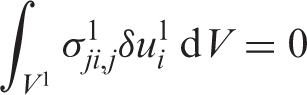
From the chain rule of differentiation and conservation of angular momentum, Equation (9), the above equation results in:

Applying the divergence theorem to the above equation at time t + Δt and using Cauchy's formula (Equation (18)) results in:
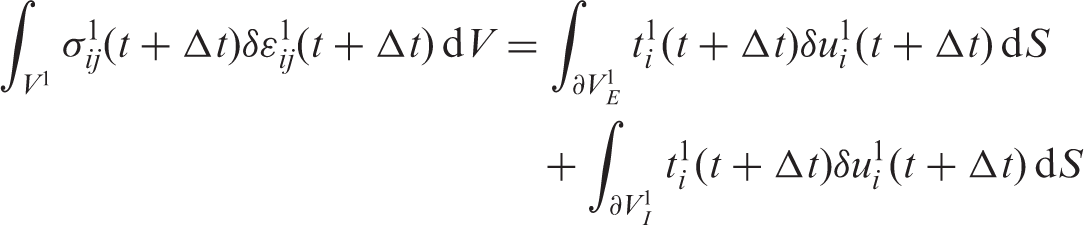
Besides the incremental Equation (21), consider that the displacement, strain, and traction fields can also be approximated by the following incremental forms:



Thus, substituting into (33), but noting that the variation of 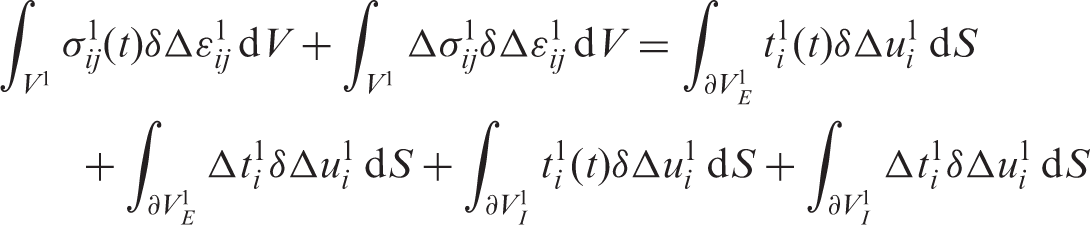
Also noting that,
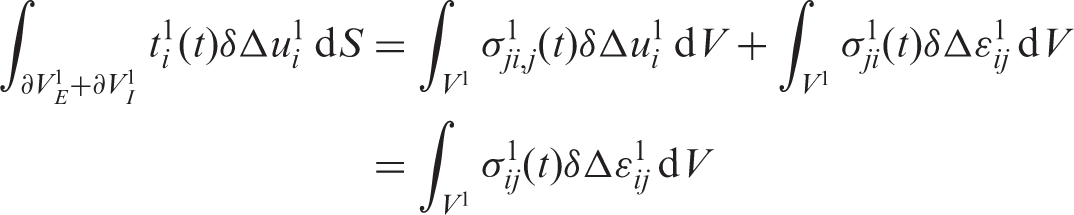

Now consider only the first integral on the right-hand side of the equation above. This integral concerns with the loading applied on the external boundary of the local RVE. If displacements are applied, which is the case, then, the first integral on the right-hand side of the equation above is zero because the variation of the displacement field on the external boundary is null. Therefore,

Noticing that the virtual work done by tractions over the internal boundary (right-hand side of equation above) is zero unless there is separation along that boundary, the integral over the internal boundaries can be reduced to an integral over the cohesive zones (note that tractions are null over crack surfaces):

Substituting (28) into (10), then into (25), gives:

Also, assume that the following incremental traction–displacement relation holds for each cohesive zone at the local scale:
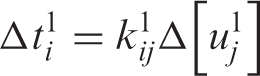


The incremental localization field can now be discretized in space by expressing it as a function of its nodal values:
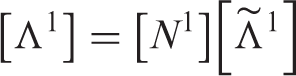



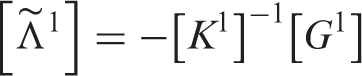

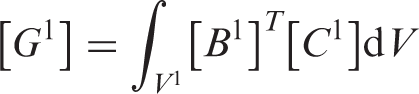
Once
Now, one can clearly see that the incremental localization tensor,
CODE VERIFICATION
In order to verify the code implementation, consider the simple case where the local IBVP is approximated by two 4-noded quadrilaterals with one cohesive zone element in between, as shown in Figure 2. The cases of pure normal and pure shear loading are considered. In the first case, boundary conditions are set such that Verification problem: two 4-noded quadrilateral elements with one cohesive zone element.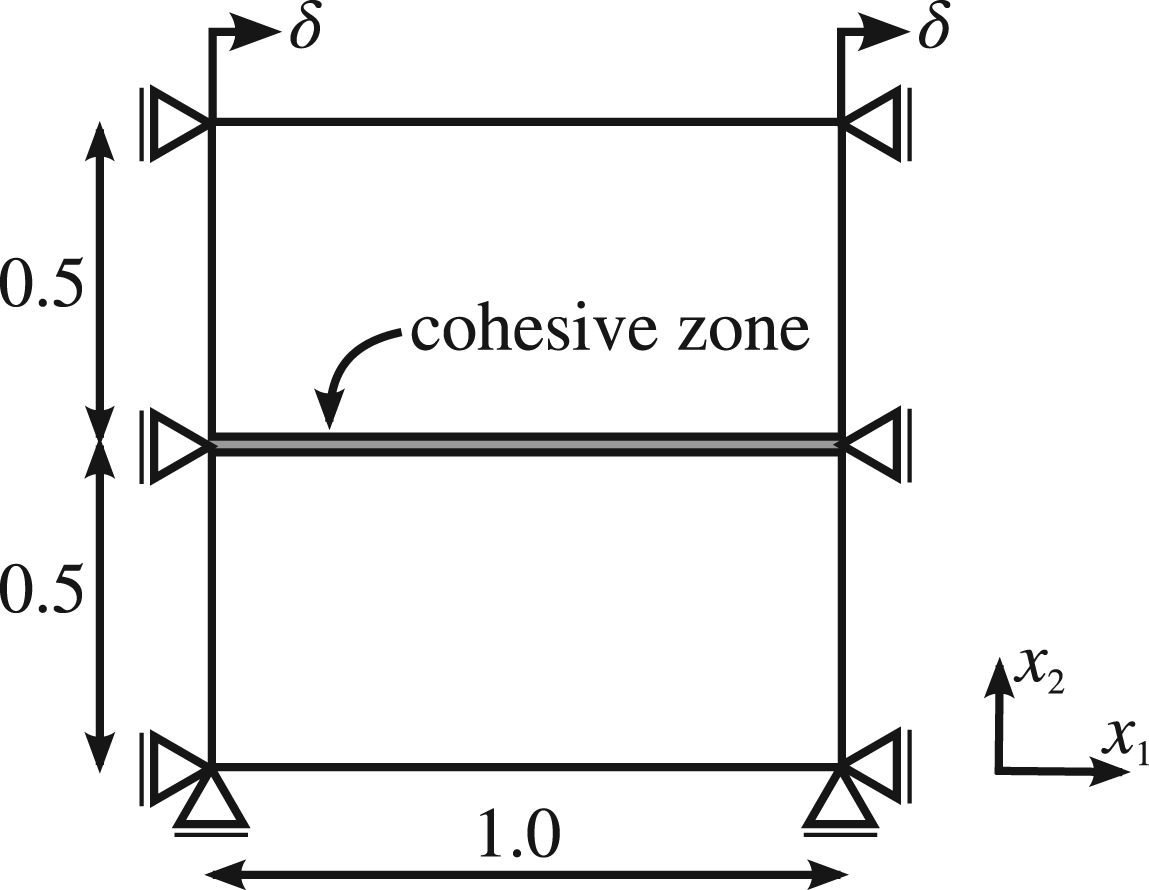
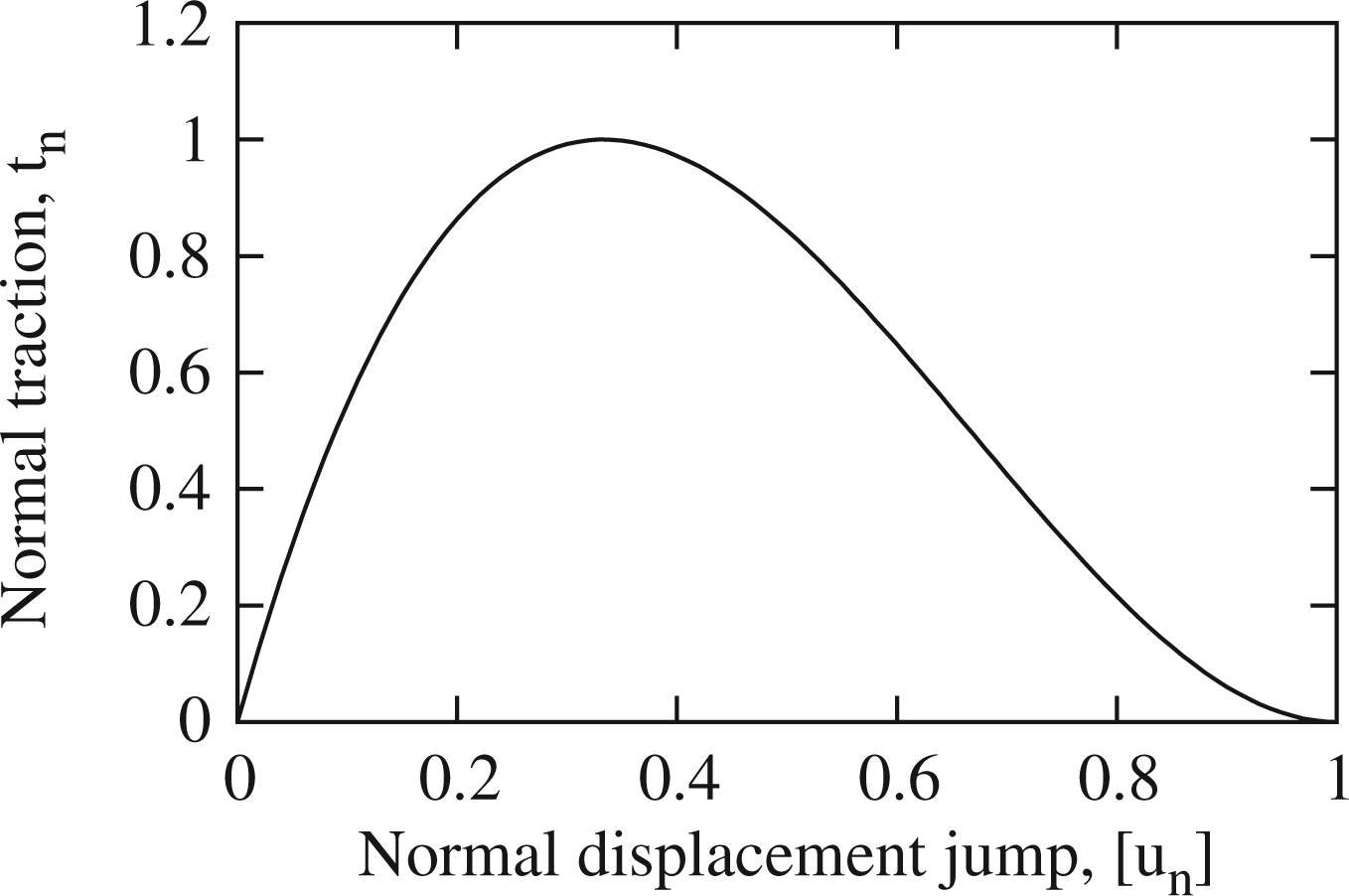
Even though a variety of cohesive zone model may be used, in this section, the cohesive zone is assumed to follow the Tvergaard model (Tvergaard, 1990) which is neither history nor rate dependent:
Tvergaard traction–displacement relation for pure normal separation.
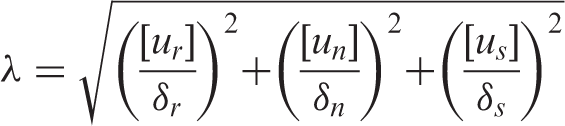

Now, the terms k
ij
in Equation (43) can be obtained by differentiating Equation (53) with respect to the displacement jumps, yielding zero off-diagonal terms and the following for the diagonal terms:

First, let the bulk material be infinitely rigid, E → ∞, so that the response of the body shown in Figure 2 will be governed by the response of the cohesive zone, which analytical solution for the incremental (tangent) constitutive behavior is given in Equation (56). The actual numerical values used for the Young's modulus and Poisson's ratio are 1012 and 0.3, respectively. The cohesive zone material properties used are δ
n
= δ
r
= δ
s
= 1.0 and
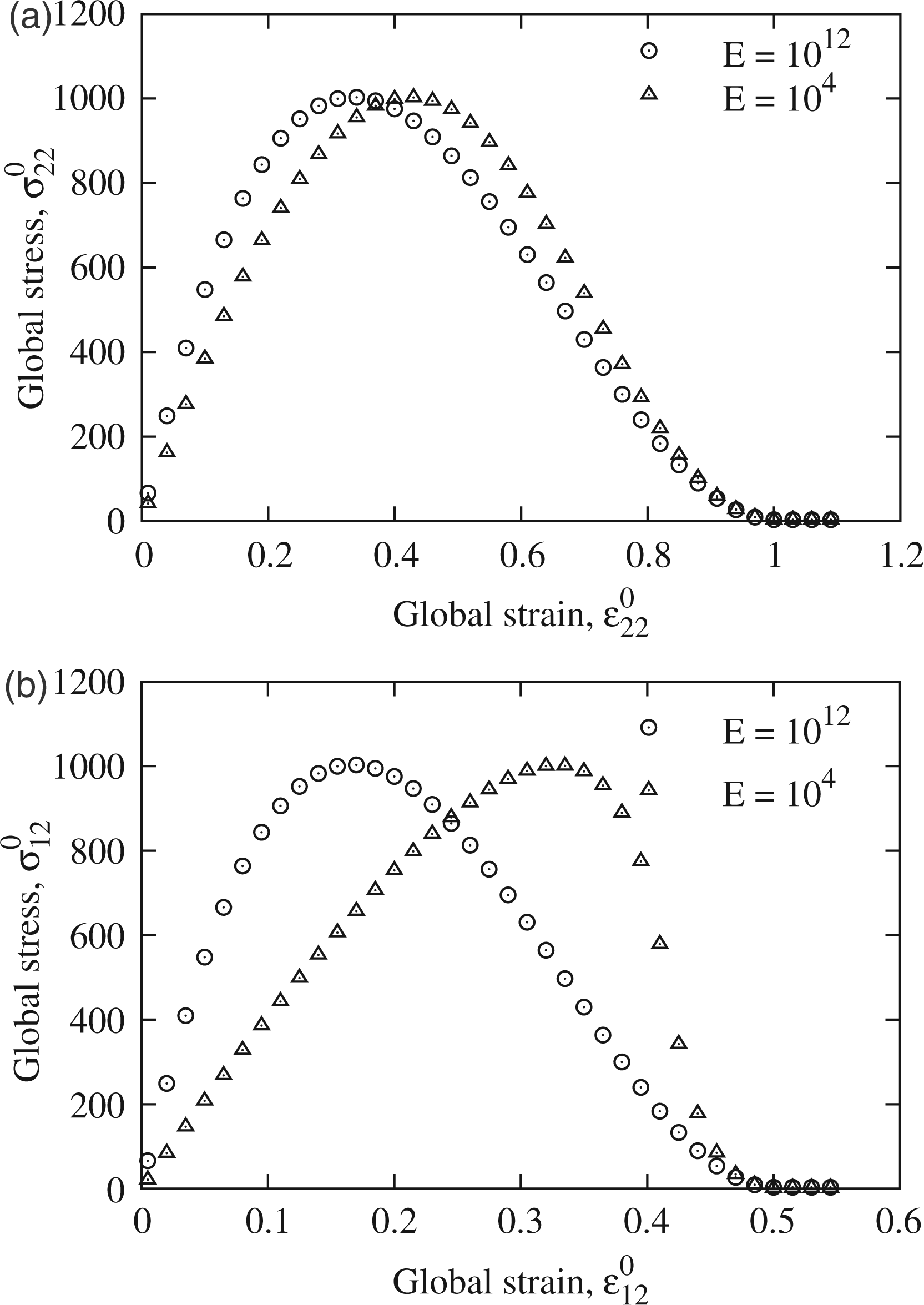
Figure 4 shows the computed homogenized incremental (tangent) moduli, Comparison of analytical and numeric results for normal and shear modes. Results shown in part have been extracted from Souza and Allen (2010a). Normal and shear homogenized constitutive behavior for two values of Young's modulus. Results shown in part have been extracted from Souza and Allen (2010a).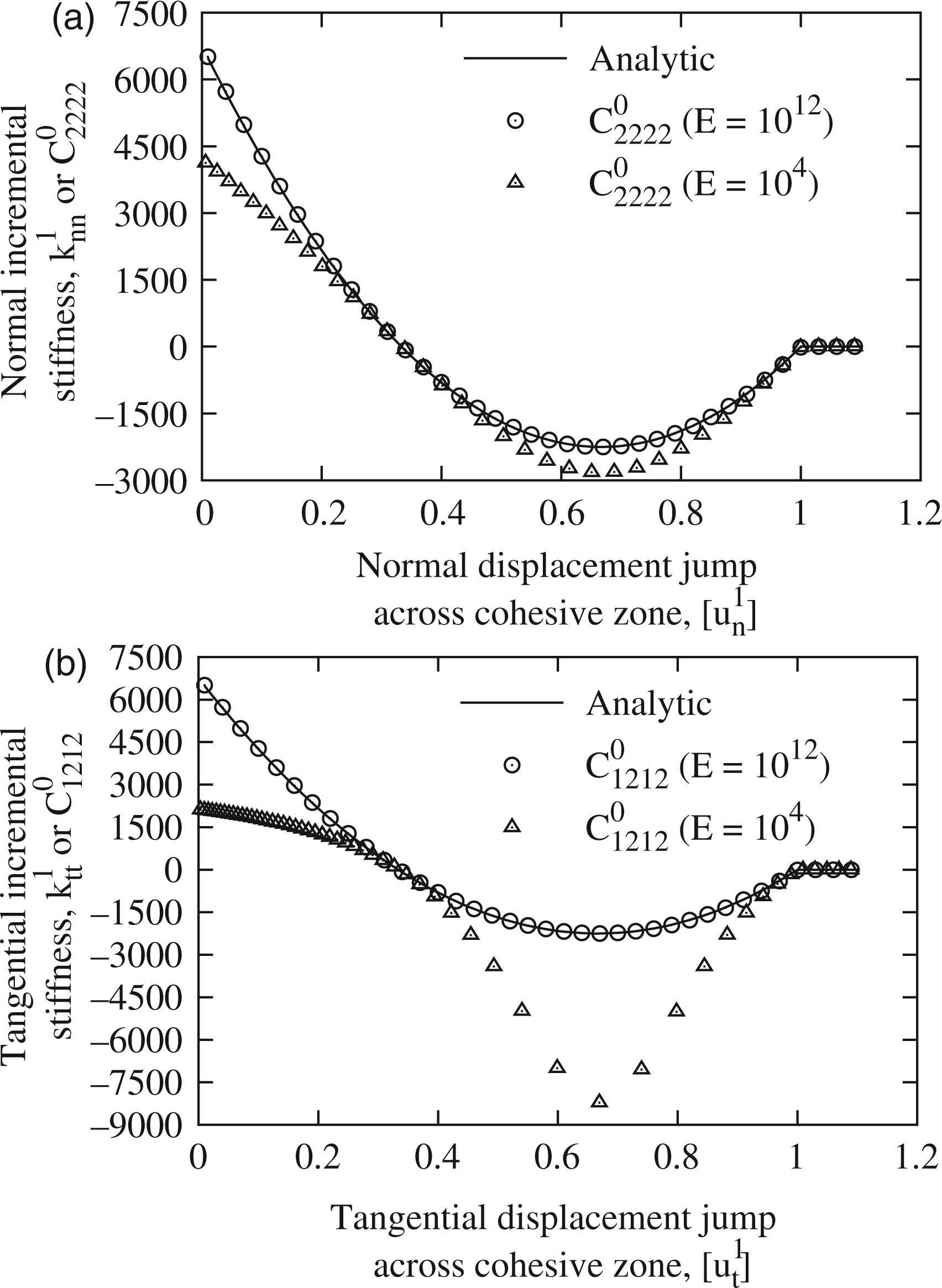
One can also observe from Figure 6 that a damage-induced anisotropy is introduced in the material due to the cohesive zone debonding. This is an important phenomenon that occurs in certain applications where materials undergo crack propagation in preferable directions. Therefore, models that can accurately capture this behavior are desirable when modeling and designing the materials used in these applications.
Damage induced anisotropy for E = 104.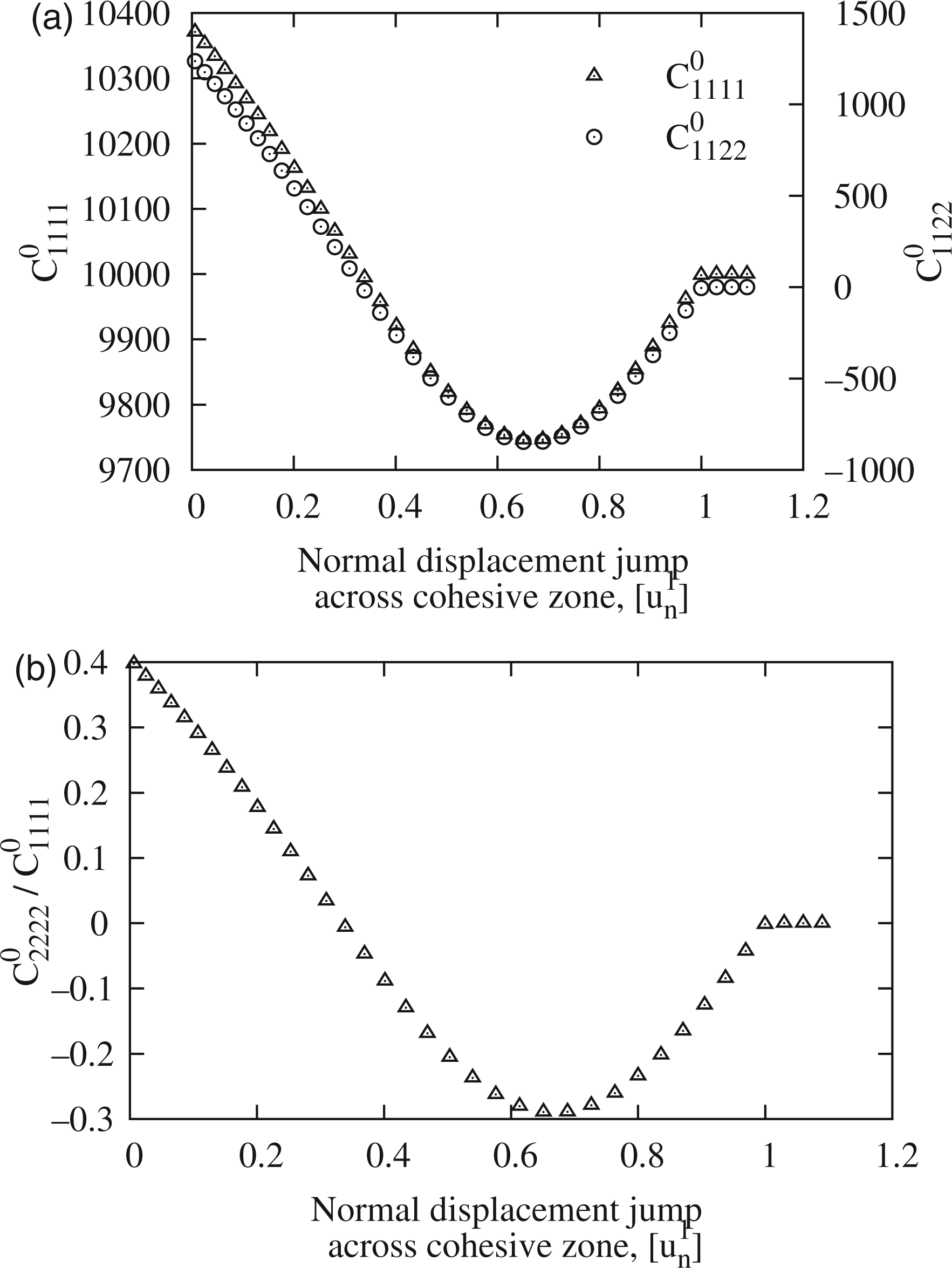
EXAMPLE PROBLEMS
In this section, two example problems are presented in order to demonstrate the model. The first example consists of a multiscale tapered bar problem using a simple local structure while the second problem considers the homogenization of fiber-reinforced composites containing cracks. These are illustrative examples using arbitrary geometries and material properties which are shown here in an attempt to provide a better understanding of the intended goal of the presented procedure for computing the homogenized incremental (tangent) constitutive tensor.
Multiscale Tapered Bar
Consider the tapered bar shown in Figure 7 as the global-scale object of interest. As can be observed, one has taken advantage of the geometric symmetry in order to minimize computational effort. Horizontal displacements are applied at the right end of the bar in a quasi-static fashion. The local structure is that shown in Figure 2 rotated by 90° so that the cohesive zone is perpendicular to the loading direction. A local structure of same initial geometry is used at all global scale integration points. Same material properties have been used for the cohesive zone and the bulk Young's modulus and Poisson's ratio are 104 and 0.3, respectively. Plane stress condition is assumed for both global and local scales.
Geometry and FE mesh of tapered bar problem: (a) global scale, (b) local scale.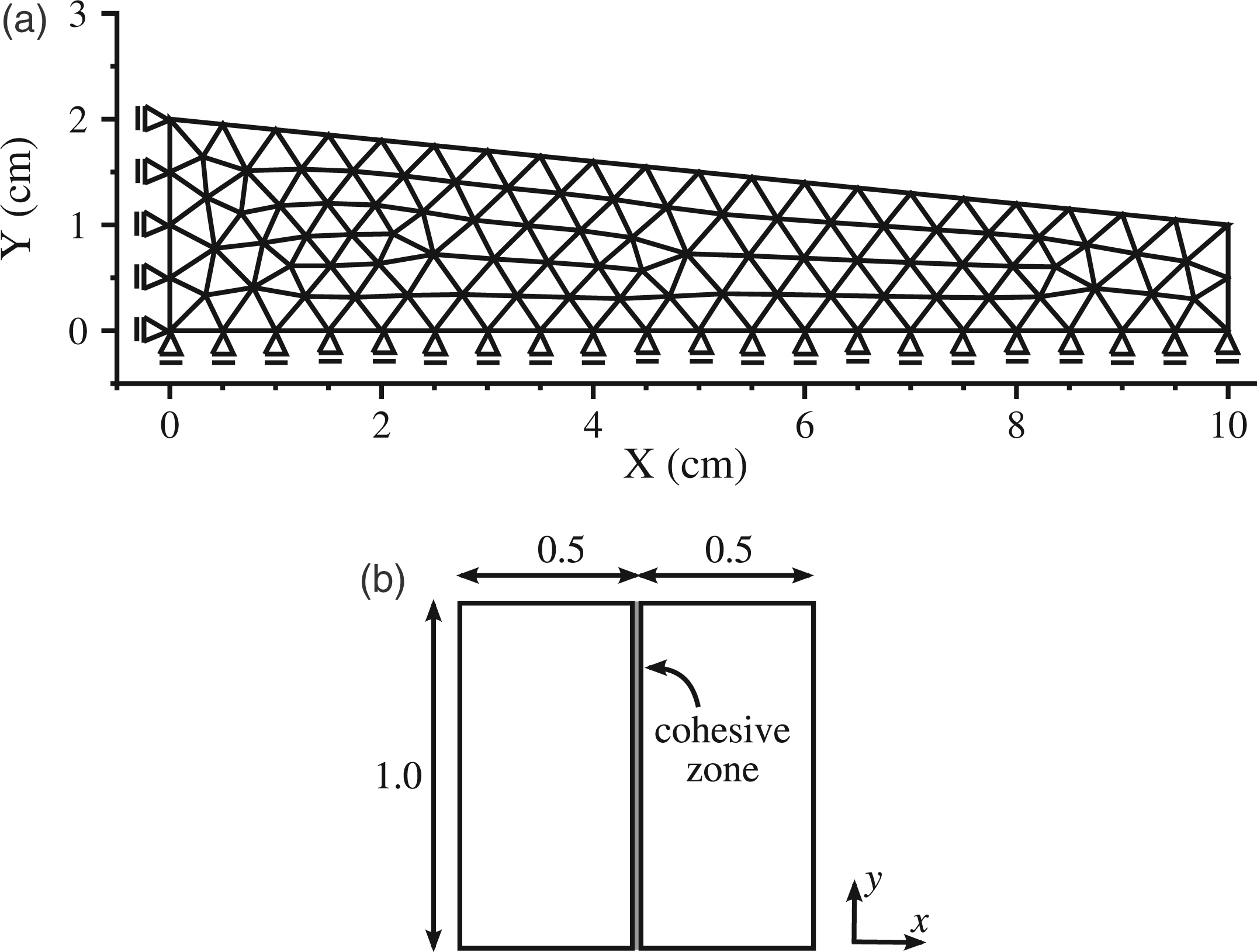
The reader should notice that this is actually a one-dimensional problem, even though the problem has been simulated using two-dimensional meshes. The field variables do not change with respect to the vertical spatial coordinate. Therefore, the microcracks do not interact with the boundaries.
Figure 8 shows the contour of the component Contour of Component 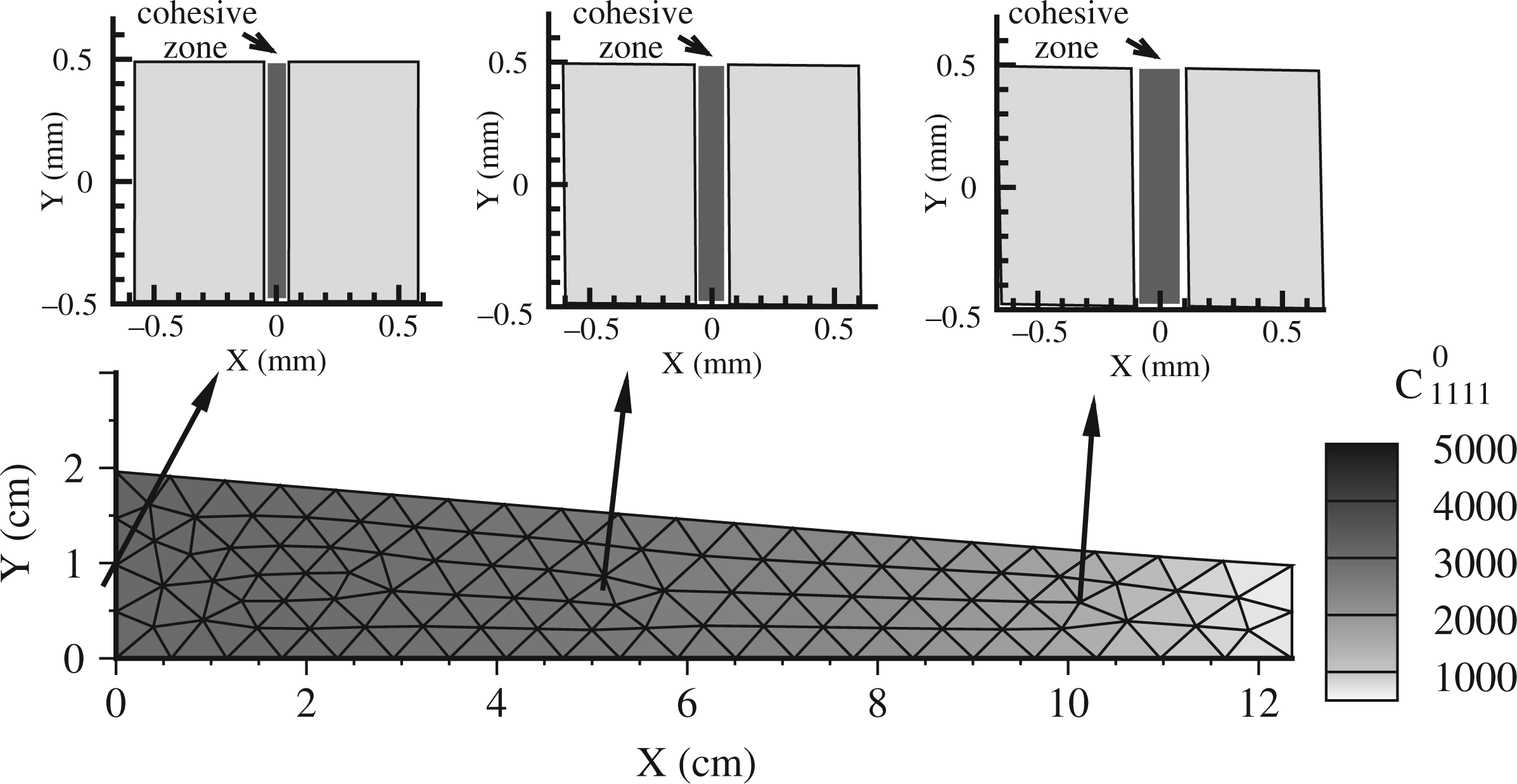
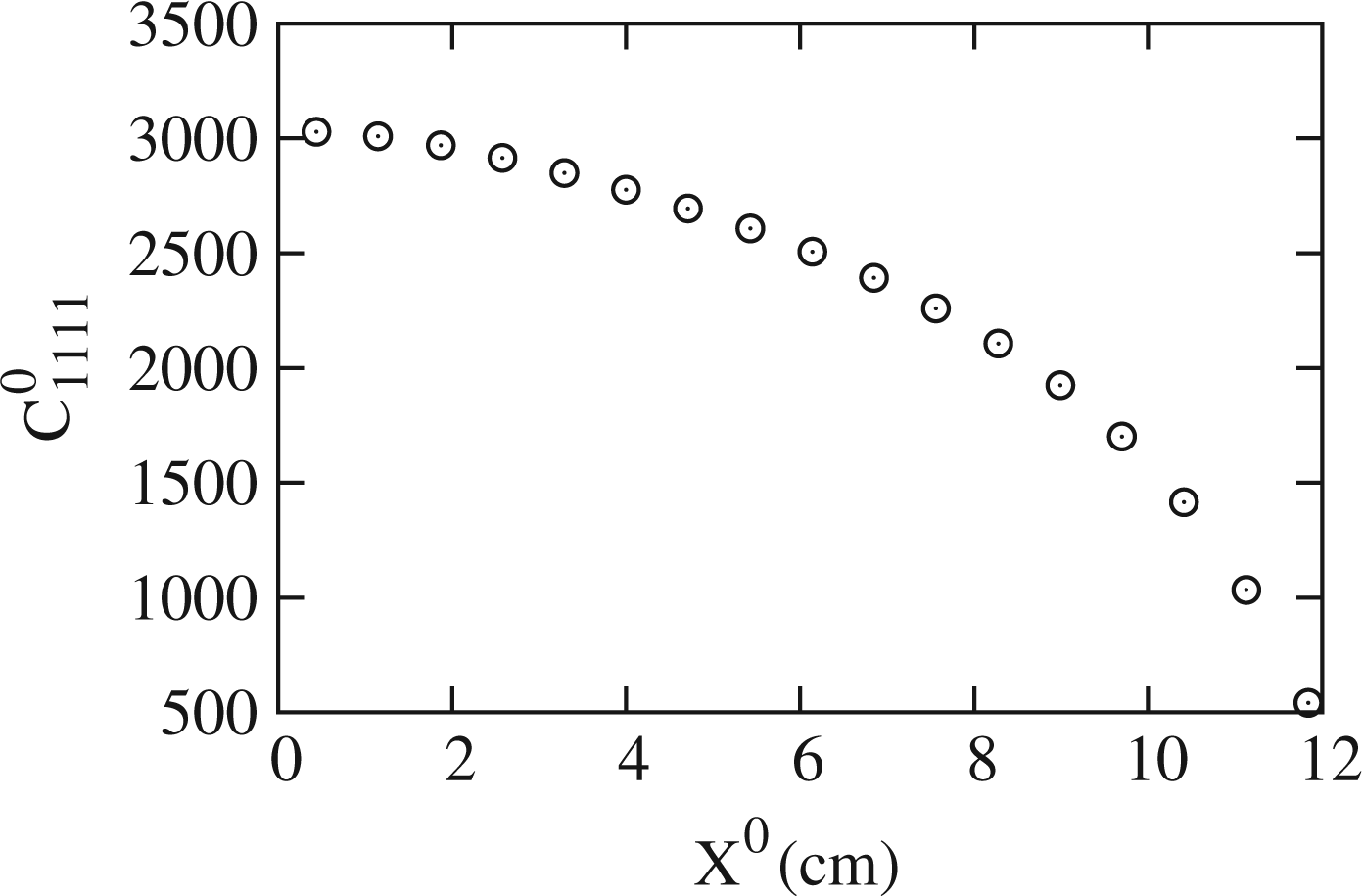
As expected, one can observe from Figure 8 that the displacement jump across the cohesive zone is larger at regions of smaller cross-section, where stresses are concentrated. Consequently,
Figure 10 presents the global stress component Comparison between predicted results with and without damage corrected tangent constitutive tensor.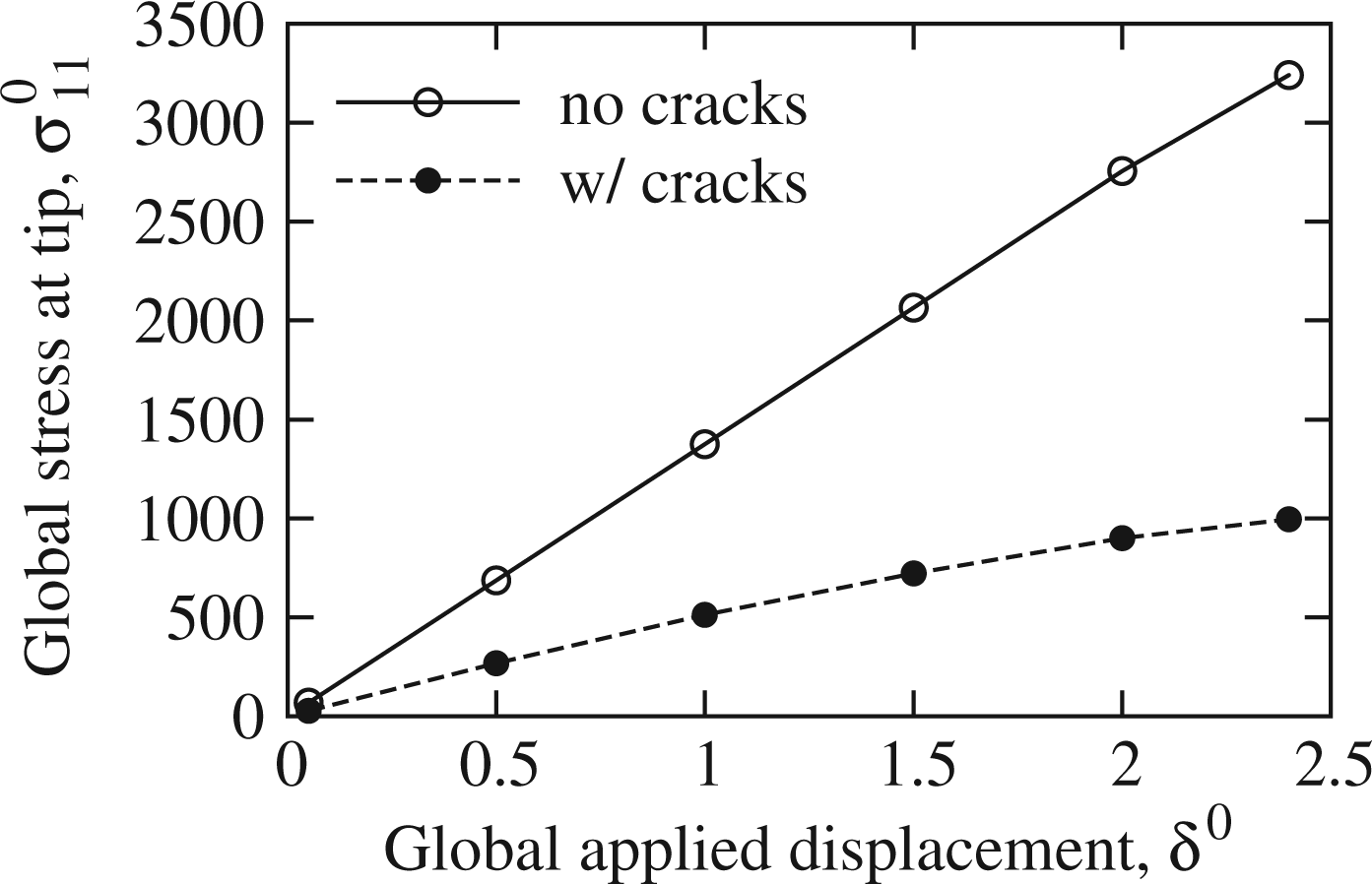
Homogenization of Fiber-reinforced Composites with Cracks
Fiber-reinforced composites have a very broad range of application in real structures. These materials are, in general, filled with microcracks initiated by service loading or small defects due to the manufacturing process. It is, therefore, interesting to evaluate how the material properties change as a function of crack density.
Assume that the microstructure shown in Figure 11 corresponds to the RVE of an arbitrary fiber-reinforced composite. The fibers diameter has been arbitrarily defined as 1.0 µm. The fibers Young's modulus and Poisson's ratio are 100 GPa and 0.3, respectively, while 10 GPa and 0.3 are used as the matrix material properties. It is important to observe that all material properties herein used may not represent actual properties of fibers and matrix materials commonly used in industry.
Initial geometry and FE mesh of RVE.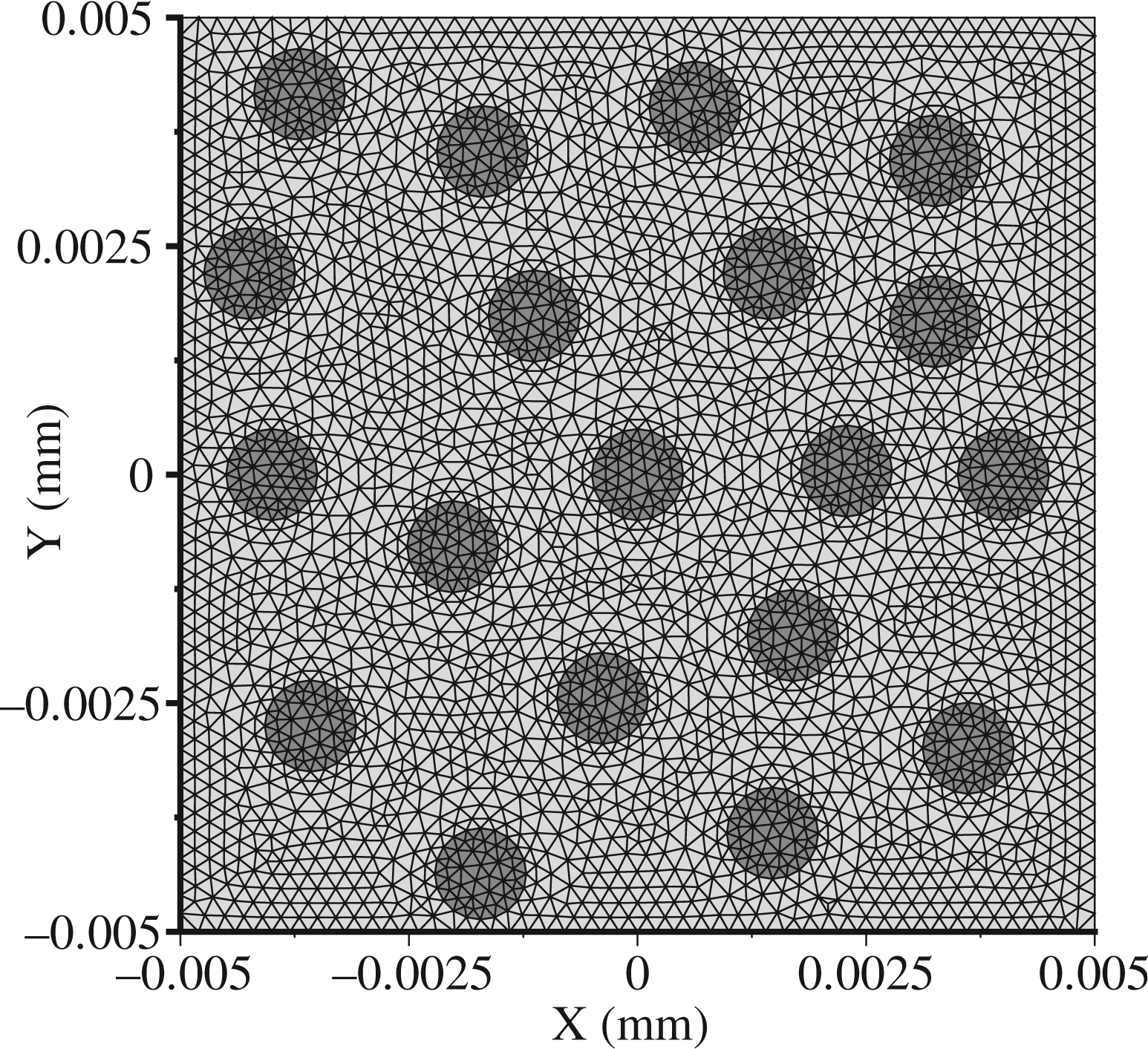
The FE mesh contains initially no cohesive zone elements, which are automatically inserted into the mesh once the crack initiation criterion is satisfied; in this case, if the traction vector along the edges between elements exceeds the maximum cohesive stress,
This approach is not based on mesh refinement; instead, cohesive zone elements are inserted on the fly along the existing edges of the original FE mesh, by simply doubling the nodes that violated the crack initiation criterion. More details can be found in Souza and Allen (2010b).
The cohesive zone constitutive behavior is modeled by an irreversible linear decreasing law, depicted in Figure 12 and described in Camacho and Ortiz (1996) and Zhou and Molinari (2004), for which the fracture energy release rate for each mode of fracture, Linear decreasing cohesive zone constitutive behavior.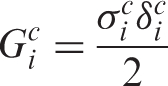
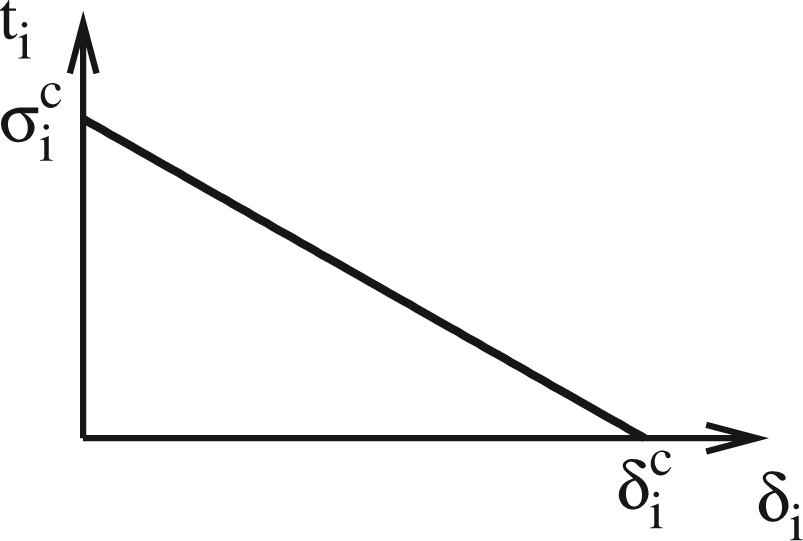
The arbitrarily selected cohesive zone material properties are
Figure 13 presents how the components of the homogenized incremental (tangent) constitutive tensor change as a function of the applied external boundary average strain rate Components Snapshots of the damage accumulated in the RVE.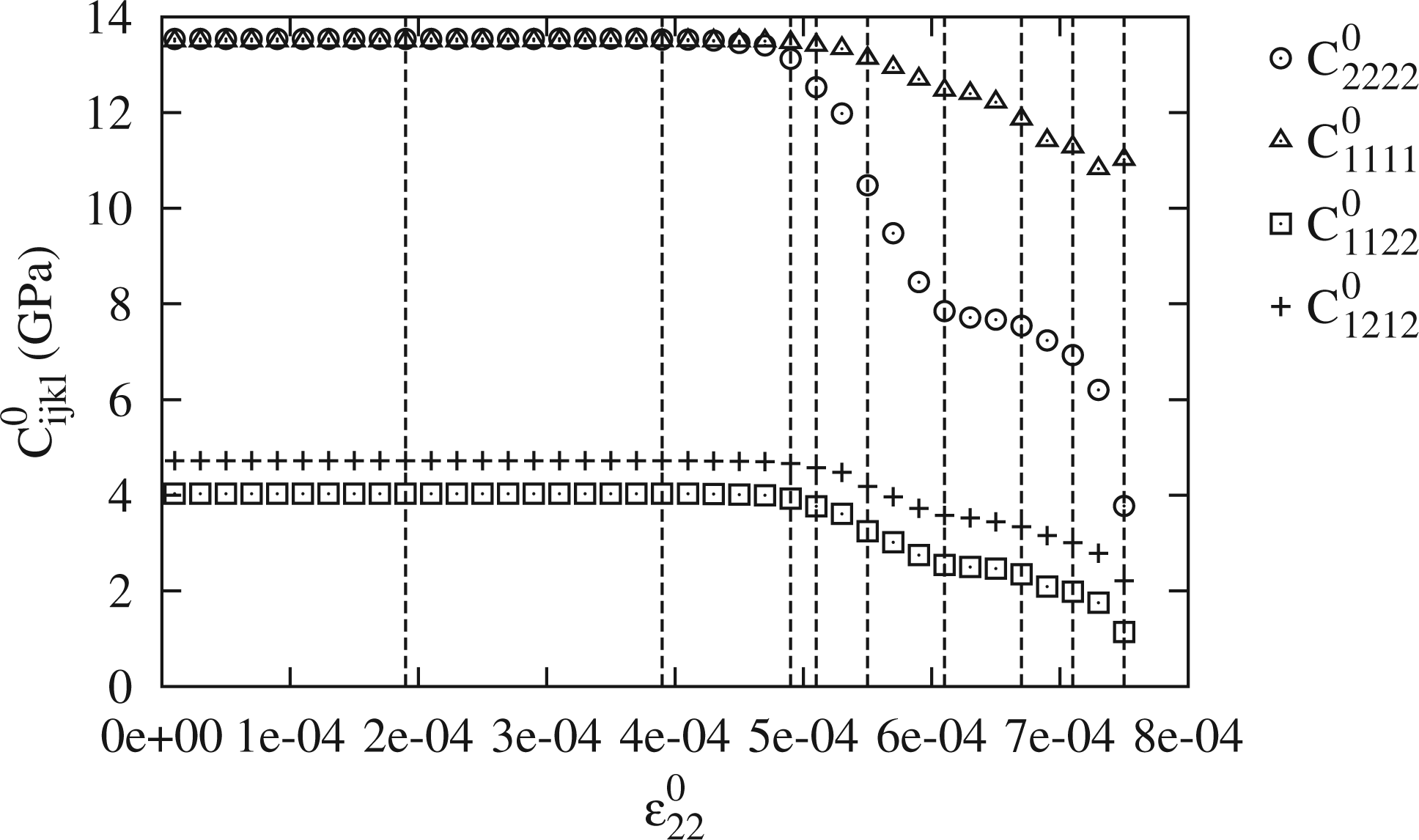
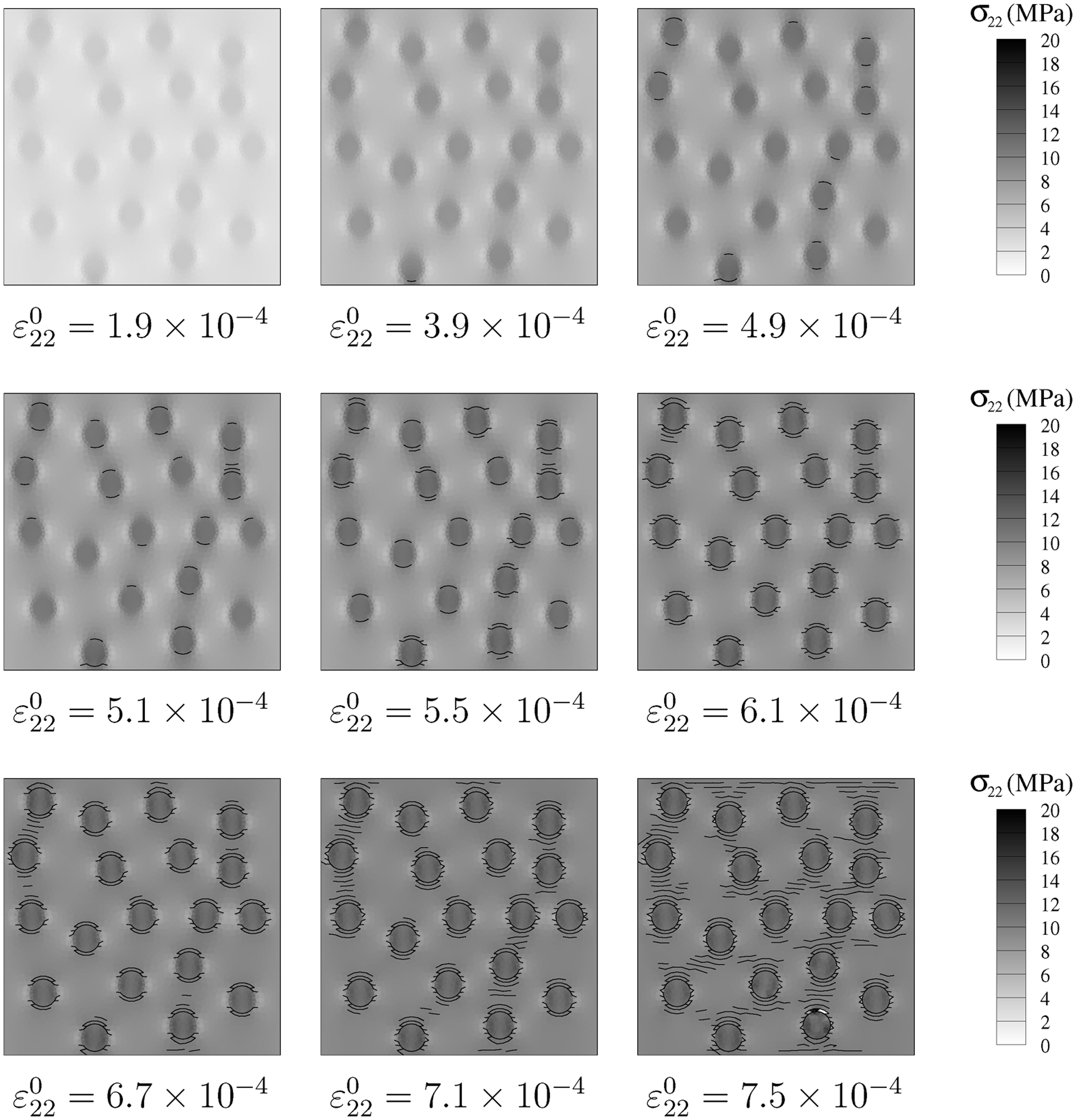
It should be emphasized that the components of the homogenized tangent constitutive tensor
It is important to say that this multiscale approach is computationally intense due to the complexity of the problem: multiple length scales and multiple evolving cracks. For example, a single processor at 2.16 GHz running under Fedora Linux 8 took 33 min to solve 76 time steps of the single RVE problem considered in this section. On the other hand, an alternative direct approach, wherein a highly refined mesh is used at a single global scale, is well beyond the capability of currently available computing platforms.
In order to minimize computational effort, one may, however, use multiscaling only at selected regions of the global structure where damage evolution is prone, thus reducing the number of local meshes. Another very efficient strategy is to use parallel computing in such a way that multiple processors can handle different local meshes simultaneously (Feyel and Chaboche, 2000; Souza and Allen, 2010a). For example, a plate impact problem of 600,000 time steps and using 48 local meshes (each with 1660 elements and 871 nodes) took 101 h (4.2 days) to be solved in parallel by eight processors at 3.0 GHz running under Red Hat Linux 5.0. The same problem took more than 4 weeks to be solved by a single processor. The authors believe that the advent of faster computers, the advance of parallel computing and the development of faster algorithms will improve feasibility of multiscale simulations of real structures soon.
CONCLUSIONS
This article has presented a procedure to compute the homogenized incremental (tangent) constitutive tensor of elastic solids containing cracks using the FE method. The case of viscoelastic solids has been reported in Souza and Allen (2010a). This procedure can be useful for both homogenization and multiscale models which account for cracking at the local levels. One can find applications for this procedure not only for composite materials, but also for homogeneous materials containing microcracks.
Some example problems have been presented in order to verify the correctness of implementation and to demonstrate the capabilities of the model, such as accounting for anisotropy and stiffness degradation induced by crack initiation and propagation.
These features adjoined to the ability of explicitly include important microstructural design variables, such as volume fraction of inclusion, combination of individual materials properties, spatial and orientation distribution of inclusions, defects and microcracks, are important reasons for the potential use of two-way coupled multiscale models in the analysis and design of heterogeneous materials.
Footnotes
FUNDING
This study was supported by the US Army Research Laboratory [grant number W911NF-07-D-0001] and the Brazilian National Council of Scientific and Technological Development – CNPq/Brazil [grant number 200372/2006-8].