







Abstract
Objective:
To evaluate clinical literature for direct oral anticoagulants (DOACs) therapy for non–Food and Drug Administration approved indications.
Data Sources:
Articles from MEDLINE, Cochrane Library, Google Scholar, and OVID databases were reviewed from 1946 through September 4, 2020.
Study Selection and Data Extraction:
Fully published studies assessing DOACs for atrial fibrillation (AF) with valvular heart disease (VHD), heart failure (HF), left ventricular thrombus (LVT), superficial vein thrombosis (SVT), or pulmonary hypertension (PH) were evaluated.
Data Synthesis:
Our review showed that DOACs are safe to use in patients with AF and VHD except for mitral stenosis or mechanical heart valve. Rivaroxaban 2.5 mg twice daily should be used with caution in patients with HF with reduced ejection fraction until further evaluation is performed. Four retrospective studies for DOAC use in patients with LVT showed conflicting results. One phase 3 randomized controlled trial showed noninferiority of rivaroxaban to fondaparinux for SVT treatment. The use of DOACs for pulmonary arterial hypertension was not evaluated in any clinical study, but 2 retrospective studies for the use of DOACs in patients with chronic thromboembolic PH (CTEPH) showed similar efficacy between DOACs and warfarin.
Relevance to Patient Care and Clinical Practice:
This review provides clinicians with a comprehensive literature review surrounding DOAC use in common off-label indications.
Conclusion:
DOACs can be considered for AF complicated by VHD except for mitral stenosis or mechanical valve replacement. DOACs (especially rivaroxaban) are considered as an alternative therapy for SVT and CTEPH. Further prospective studies for DOAC uses are needed for HF or LVT.
Keywords
Introduction
Direct oral anticoagulants (DOACs) are approved for various anticoagulation indications, including nonvalvular atrial fibrillation (NVAF), treatment of venous thromboembolism (VTE), and recurrent VTE prophylaxis. For the general patients, DOACs offer several advantages over vitamin K antagonists (VKAs), such as warfarin. DOACs offer patients a conveniently fixed dose without substantial laboratory monitoring and less dietary and drug interactions as compared with warfarin. 1 However, the use of DOACs in non–Food and Drug Administration (FDA)-approved indications are still controversial because of lack of data and exclusion from major clinical trials. The major non-FDA indications include valvular atrial fibrillation (VAF), heart failure (HF), left ventricular thrombus (LVT), superficial vein thrombosis (SVT), and pulmonary hypertension (PH).
Although DOACs are approved for NVAF, pivotal clinical trials for this approval excluded patients with mechanical prosthetic valves or mitral stenosis. Currently, warfarin remains the sole approved oral anticoagulant for VAF. Because of the change in blood flow patterns in prosthetic valve recipients or decreased blood flow of heart chambers in patients with valvular heart disease (VHD), it is uncertain that DOACs are as effective or safe as warfarin in patients with AF and VHD. 2 Additionally, LVT is a common complication of acute myocardial infarction (MI), and similarly, warfarin remains the standard of care. 3 Since last guideline publications, multiple clinical studies were published to evaluate the use of DOACs in patients with VAF, LVT, HF with sinus rhythm, and patients with PH.4-11 Also, for patients with SVT, current guidelines recommend a 45-day course of fondaparinux or low-molecular-weight heparin for treatment in patients at an increased risk for deep-vein thrombosis (DVT).12,13 However, oral anticoagulation therapy with DOACs may be more advantageous in these patient populations. The purpose of this review is to evaluate contemporary clinical literature and help clinicians determine clinical appropriateness of a DOAC therapy for non–FDA-approved indications.
Methods
The 2 investigators performed database searches and study selection to identify relevant articles from MEDLINE (from 1946 through September 4, 2020), OVID, Cochrane Library, and Google Scholar (through September 4, 2020) using the following keywords: (dabigatran OR edoxaban OR rivaroxaban OR apixaban OR betrixaban) AND (heart failure OR pulmonary hypertension OR left ventricular thrombus OR superficial vein thrombosis OR valvular atrial fibrillation). Pertinent references from identified articles and guidelines were also reviewed via MEDLINE search.
Studies were included if they met the following criteria: (1) patients were receiving dabigatran, edoxaban, rivaroxaban, apixaban, or betrixaban; (2) for VAF, HF, PH, LVT, or SVT; and (3) studies were case series, case-control studies, cohort studies, meta-analyses, or randomized studies in the English language consisting of human subjects ≥18 years old. Off-label indications were selected based on expert opinions and clinical needs.
Studies were excluded if they focused on DOAC use in VTE prophylaxis, NVAF, DVT, or pulmonary embolism (PE) treatment; cardioversion for NVAF; ventricular assist device; or heparin-induced thrombocytopenia. Case reports, conference abstracts, or systematic reviews without meta-analysis were also excluded. A total of 37 studies were included in this analysis (Figure 1).
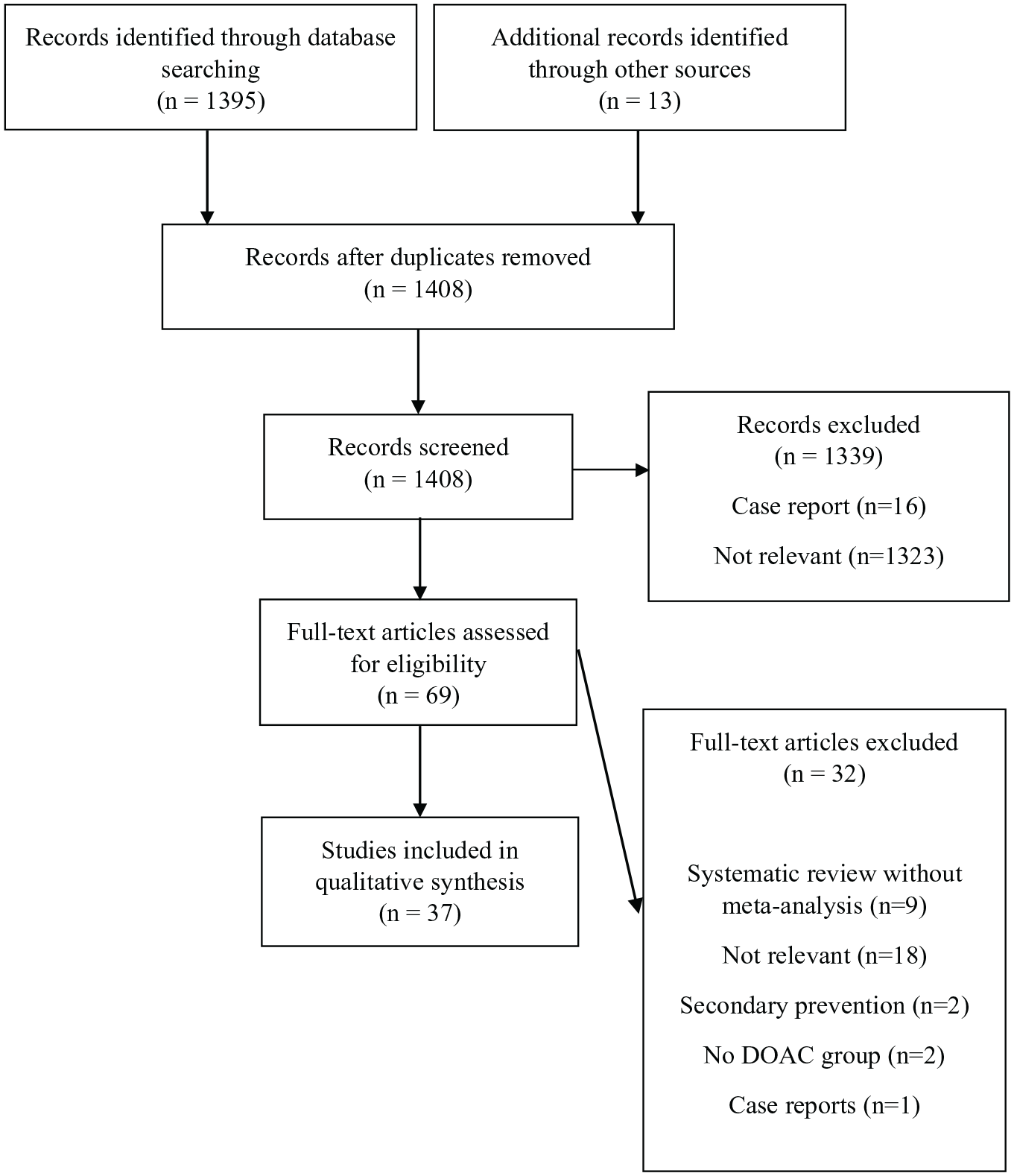
Flow diagram of direct oral anticoagulant (DOAC) off-label use literature search.
Data Extraction
Two investigators independently extracted the following data from the included studies: the study inclusion/exclusion criteria, study design, included patients’ baseline characteristics, the interventions, and efficacy and safety outcomes. The details in the included studies were also extracted for study quality assessment.
Quality Assessment
Two investigators independently rated the quality of the included studies. The Cochrane risk-of-bias tool version 2 for randomized controlled trials and Newcastle-Ottawa Scale for cohort studies were used for quality assessment (Supplemental Tables 1 and 2, available online).14,15
Results
Valvular Atrial Fibrillation
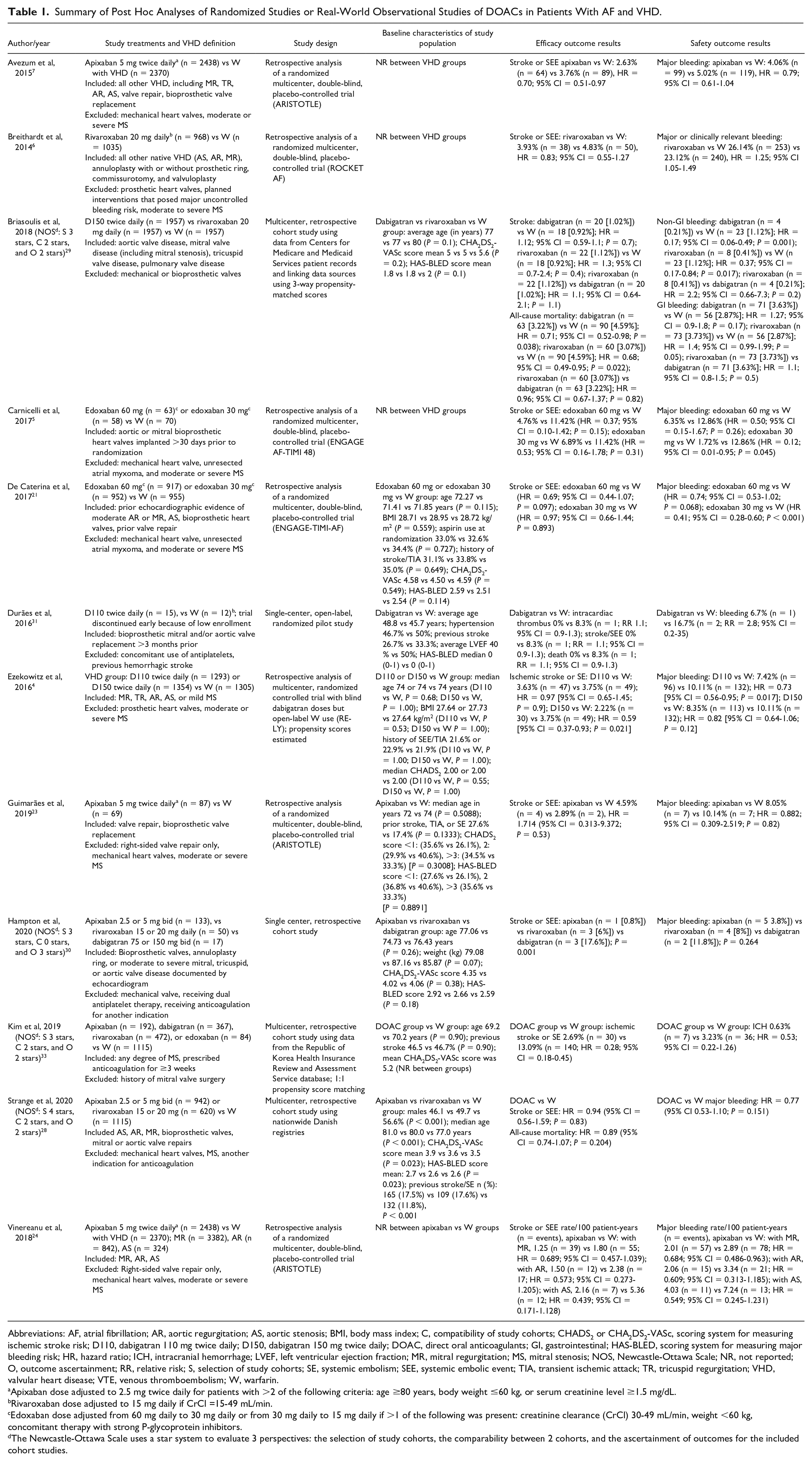
The American Heart Association (AHA)/American College of Cardiology (ACC)/Heart Rhythm Society guidelines recommend DOACs over VKA for stroke prevention in patients with NVAF. 16 However, patients may also have other cardiac comorbidities, including the involvement of valve abnormalities or disease, and DOACs’ effectiveness and safety may not be reproduced in AF patients with VHD. For example, the RE-ALIGN trial showed that the dabigatran group had significantly higher thromboembolic and bleeding events in patients with mechanical heart valves compared with the warfarin group. 17 Thus, clinical investigations of DOACs in patients with VHD needed to be further performed. However, the AHA/ACC 2019 updated guidelines currently define VAF as patients with moderate to severe mitral stenosis or a mechanical valve. 16 The previous definitions also included bioprosthetic heart valves and valvular repair. 18 Because there is a variety in the definitions of VAF, many of the pivotal randomized trials for DOACs included a variety of VHDs in their trials. Therefore, 6 post hoc analyses examining the efficacy and safety of DOAC use in AF patients with VHDs were conducted (Table 1).
Summary of Post Hoc Analyses of Randomized Studies or Real-World Observational Studies of DOACs in Patients With AF and VHD.
Abbreviations: AF, atrial fibrillation; AR, aortic regurgitation; AS, aortic stenosis; BMI, body mass index; C, compatibility of study cohorts; CHADS2 or CHA2DS2-VASc, scoring system for measuring ischemic stroke risk; D110, dabigatran 110 mg twice daily; D150, dabigatran 150 mg twice daily; DOAC, direct oral anticoagulants; GI, gastrointestinal; HAS-BLED, scoring system for measuring major bleeding risk; HR, hazard ratio; ICH, intracranial hemorrhage; LVEF, left ventricular ejection fraction; MR, mitral regurgitation; MS, mitral stenosis; NOS, Newcastle-Ottawa Scale; NR, not reported; O, outcome ascertainment; RR, relative risk; S, selection of study cohorts; SE, systemic embolism; SEE, systemic embolic event; TIA, transient ischemic attack; TR, tricuspid regurgitation; VHD, valvular heart disease; VTE, venous thromboembolism; W, warfarin.
Apixaban dose adjusted to 2.5 mg twice daily for patients with >2 of the following criteria: age ≥80 years, body weight ≤60 kg, or serum creatinine level ≥1.5 mg/dL.
Rivaroxaban dose adjusted to 15 mg daily if CrCl =15-49 mL/min.
Edoxaban dose adjusted from 60 mg daily to 30 mg daily or from 30 mg daily to 15 mg daily if >1 of the following was present: creatinine clearance (CrCl) 30-49 mL/min, weight <60 kg, concomitant therapy with strong P-glycoprotein inhibitors.
The Newcastle-Ottawa Scale uses a star system to evaluate 3 perspectives: the selection of study cohorts, the comparability between 2 cohorts, and the ascertainment of outcomes for the included cohort studies.
The RE-LY (Randomized Evaluation of Long-Term Anticoagulant Therapy) trial evaluated dabigatran compared with warfarin in 18 113 patients with AF. 19 A post hoc analysis of the RE-LY trial with VHD by Ezekowitz et al 4 found that dabigatran 150 mg twice daily had lower event rates of stroke or systemic embolic event (SEE) compared with the warfarin group for those patients with VHD. Still, the major bleeding rates were comparable to those in the warfarin group. A limitation of this study was that the original trial for the post hoc analysis was an open-label trial, which could be subject to observer bias. Also, the study did not discuss severity of VHD.
The efficacy and safety of edoxaban 30 or 60 mg once daily was compared with warfarin in the ENGAGE AF-TIMI 48 trial (Effective Anticoagulation with Factor Xa Next Generation in Atrial Fibrillation Thrombolysis in Myocardial Infarction 48). 20 The post hoc analysis of ENGAGE AF-TIMI 48 by Carnicelli et al 5 showed that patients taking edoxaban had similar rates of stroke or SEE and major bleeding rates compared with warfarin. Of note, baseline characteristics were not reported between groups. Additionally, another post hoc analysis of ENGAGE AF-TIMI 48 by De Caterina et al 21 looked at patients with VHD, defined as aortic stenosis, baseline evidence or history of at least moderate mitral or aortic regurgitation, or prior valvular surgery, including valve repair, valvuloplasty, and bioprosthetic valve placement. The edoxaban 30 and 60mg groups had similar rates of stroke/SEE and rates of major bleeding compared with the warfarin group. Although the study displayed the total number of events for each outcome in patients with VHD and mentioned that the low event occurrence may be a limitation, the number of events between each anticoagulation group was not clearly defined.
A post hoc study of the ROCKET AF trial 22 (Rivaroxaban Once Daily Oral Direct Factor Xa Inhibition Compared With Vitamin K Antagonism for Prevention of Stroke Embolism Trial and Atrial Fibrillation) by Breithardt et al 6 looked at rivaroxaban 20 mg daily compared with warfarin in a subgroup of patients with VAF. In patients with VAF, rivaroxaban and warfarin had comparable rates of stroke or SEE, whereas major and nonmajor clinically relevant bleeding rates were higher in the rivaroxaban group compared with the warfarin group. The limitation is that the study excluded bioprosthetic valves and did not quantify severity of VHD.
Apixaban 5 mg twice daily has also been analyzed for use in VAF. In a post hoc analysis of the ARISTOTLE trial by Avezum et al 7 (Apixaban for Reduction in Stroke and Other Thromboembolic Events in Atrial Fibrillation) in patients with VHD, the stroke/SEE rate was significantly lower in the apixaban group than the warfarin group, and International Society of Thrombosis and Haemostasis major bleeding was not significantly different between groups. 7 For patients in the ARISTOTLE trial who had a history of bioprosthetic valve replacement or native valve repair, a post hoc analysis by Guimarães et al 23 found no significant differences in the occurrence of stroke/SEE or major bleeding between those taking apixaban or warfarin. However, this study had a low number of events occurring in either group, reflected in the wide CI and higher risk of type 2 error. Another post hoc analysis of ARISTOTLE by Vinereanu et al 24 examined the relationship between 3 different subtypes of VHD (mitral regurgitation, aortic regurgitation, and aortic stenosis) and found no differences in effect of apixaban compared with warfarin for stroke/SEE or major bleeding in any of the subtypes of VHD.
Three meta-analyses were conducted based on clinical trials that included patients with AF and VHD receiving one of the DOACs (apixaban, dabigatran, edoxaban, or rivaroxaban).25-27 All 3 meta-analyses showed superiority of DOACs to warfarin for reducing stroke/SEE and intracranial hemorrhage, whereas there was no significant difference in major bleeding rates between the 2 groups. These meta-analyses offer support for the use of DOACs in patients with AF and VHD except for moderate or severe mitral stenosis or mechanical heart valves.
Five real-world retrospective studies have also been conducted concerning the use of DOACs for VAF (Table 1). The retrospective cohort study using the Danish National Patient Registry by Strange et al 28 found no significant differences in stroke/SEE, major bleeding, and all-cause mortality rates between the DOAC (rivaroxaban or apixaban) and warfarin groups. However, this study relied on diagnostic codes for reporting outcomes. Also, the number of events between 2 anticoagulation groups was not clearly defined.
Another retrospective cohort study by Briasoulis et al 29 analyzed Medicare beneficiaries with VAF (excluding mechanical or bioprosthetic valves) who were on chronic anticoagulation with rivaroxaban, dabigatran, or warfarin. Although this study included patients with mitral stenosis regardless of severity, only 323 of the 9960 patients initially identified with mitral valve disease had mitral stenosis, which was not independently analyzed. Overall, both rivaroxaban and dabigatran had a significantly lower event of death compared with warfarin, but ischemic stroke rates were similar between groups. Whereas gastrointestinal bleeding rates were similar between groups, DOACs had less nongastrointestinal bleeding rates compared with warfarin. However, this study did not clearly specify bleeding definitions, and event outcomes were based on diagnostic codes. The third single-center retrospective cohort study by Hampton et al 30 followed patients with AF and VHD for at least 6 months after identification. Although the stroke/SEE rate was significantly higher in the dabigatran group compared with the rivaroxaban or apixaban groups, the dabigatran group was followed significantly longer than the apixaban and rivaroxaban groups (1464 vs 662.7 vs 1016.9 days; P < 0.001) and the stroke/SEE event may have been more easily detected in the longer follow-up period. The rates of major bleeding were similar between all 3 groups. This study enrolled patients based on type of VHD rather than DOAC prescribed, and because the majority of patients were on apixaban, it is challenging to draw comparisons between DOACs.
The only prospective study was a randomized controlled trial by Durães et al, 31 which examined the outcomes of dabigatran compared with warfarin for patients with AF and/or bioprosthetic mitral or aortic valve replacement (Table 1). The trial was stopped early because of low enrollment but found similar occurrence of intracardiac thrombus, stroke/SEE, and bleeding after 90 days. However, because of the low number of enrolled patients and event rates between groups, there may be a strong possibility of a type 2 error. Another meta-analysis included this randomized trial in addition to post hoc analyses of the previously discussed pivotal DOAC phase 3 trials. 32 It found that stroke/SEE and ICH rates were significantly reduced in patients with DOAC compared with warfarin (HR = 0.73, 95% CI = 0.60-0.90, and HR = 0.45, 95% CI = 0.24-0.87, respectively). Major bleeding occurrence was similar between groups (HR = 0.90; 95% CI = 0.68-1.20).
Whereas patients with mitral stenosis were excluded in the pivotal phase 3 trials for DOACs in AF and real-world studies discussed above, patients with mitral stenosis and AF were examined in a multicenter, big data-based retrospective study by Kim et al 33 using 1:1 propensity score matching. After a mean follow-up of 27 months, the study found that stroke/SEE rate was significantly lower in the DOAC than the warfarin group. DOACs and warfarin also had similar ICH rates in this patient population, but other bleeding outcomes were not examined in the study. Although this is a retrospective study and it did not evaluate compliance, dosing, and time in therapeutic range for warfarin therapy, this was the first study evaluating the use of DOACs in patients with AF and mitral stenosis. Further prospective study investigation is needed for DOAC use in patients with AF and mitral stenosis prior to its routine use.
Heart Failure
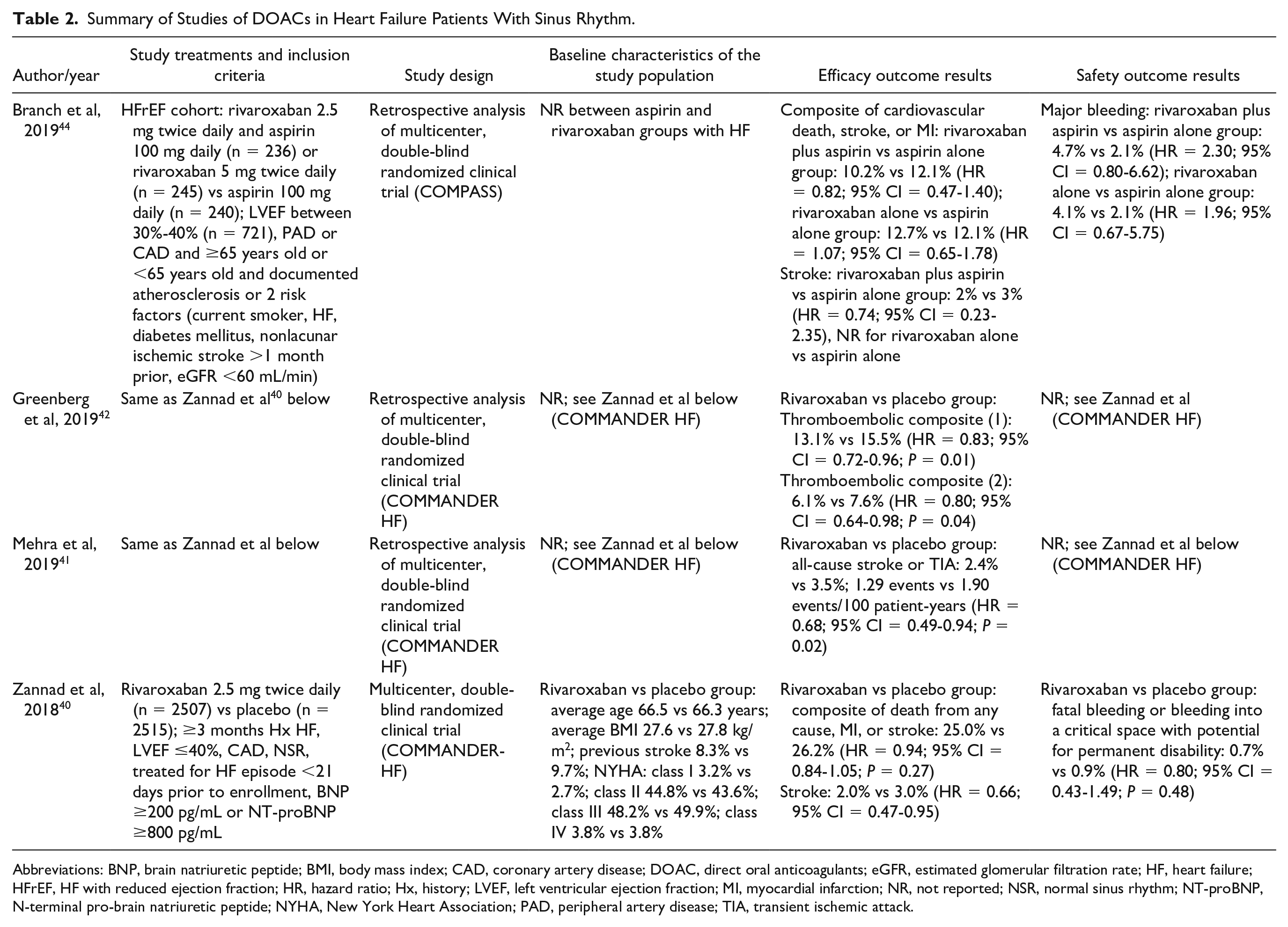
HF is a risk factor for thromboembolism or stroke in patients with AF, but patients with HF with reduced ejection fraction (HFrEF) who remain in sinus rhythm also have an increased risk of stroke compared with those without HFrEF. 34 Although the exact mechanisms are unclear, the hemostatic nature of HFrEF from decreased cardiac output could contribute to an increase in oxidative stress from tissue hypoperfusion. 35 This may lead to an activation of proinflammatory cytokines and tumor necrosis factor, which can activate factor Xa and prothrombin. Therefore, inhibiting these elements of the coagulation system through DOACs is of keen interest. The current guideline recommendations by the ACA/AHA do not support routine chronic anticoagulation for HF without another compelling indication. 10 Warfarin has not been shown to reduce death or thromboembolic events in patients with sinus rhythm, and HFrEF and may increase the risk of bleeding in patients with or without concurrent antithrombotic therapy.36-39 However, since the ACC/AHA HF guideline publication in 2013, 2 major trials evaluated the use of DOACs in patients with HF (Table 2). 10
Summary of Studies of DOACs in Heart Failure Patients With Sinus Rhythm.
Abbreviations: BNP, brain natriuretic peptide; BMI, body mass index; CAD, coronary artery disease; DOAC, direct oral anticoagulants; eGFR, estimated glomerular filtration rate; HF, heart failure; HFrEF, HF with reduced ejection fraction; HR, hazard ratio; Hx, history; LVEF, left ventricular ejection fraction; MI, myocardial infarction; NR, not reported; NSR, normal sinus rhythm; NT-proBNP, N-terminal pro-brain natriuretic peptide; NYHA, New York Heart Association; PAD, peripheral artery disease; TIA, transient ischemic attack.
The COMMANDER HF trial (A Study to Assess the Effectiveness and Safety of Rivaroxaban in Reducing the Risk of Death, Myocardial Infarction, or Stroke in Participants with Heart Failure and Coronary Artery Disease Following an Episode of Decompensated Heart Failure) was a randomized, double-blind, placebo-controlled trial that examined adding rivaroxaban 2.5 mg twice daily to standard care after an episode of worsening HF in order to reduce thromboembolic outcomes in patients with HFrEF, CAD, and sinus rhythm. 40 There was no significant difference in the composite outcome of all-cause mortality, stroke, or MI between the rivaroxaban versus placebo groups, but the stroke rates were significantly lower in the rivaroxaban group. There was no significant difference in the primary composite safety outcome of fatal or potentially permanent disability causing bleeding. The major limitation was that these patients were enrolled after a HF exacerbation. The composite end point did include mortality, which may have been attributed to the HF itself. Patients may also have had paroxysmal AF in the absence of electrocardiographic monitoring.
Because treatment with rivaroxaban was associated with a reduced stroke rate compared with placebo without an increase in major bleeding, several post hoc analyses were conducted to investigate its use further in patients with HFrEF, CAD, and sinus rhythm for stroke prevention. One of these studies by Mehra et al 41 specifically examined stroke outcomes and included all patients in the COMMANDER HF trial. The analysis of this population found that low-dose rivaroxaban significantly reduced rates of stroke or transient ischemic attack (TIA) compared with placebo. Of note, the benefits of adding low-dose rivaroxaban was seen in patients with CHA2DS2-VASc score >4.0 but not found in patients with scores ≤4.0. Also, because patients who had a prior stroke or TIA within 90 days of enrollment were excluded, the stroke risk may have been underestimated. Additionally, the CHA2DS2-VASc score is only validated to predict stroke risk in patients with AF, not in those with HF. Another post hoc analysis of COMMANDER HF by Greenberg et al 42 also examined a composite thromboembolic end point (MI, ischemic stroke, symptomatic PE, or symptomatic DVT) with and without sudden/unwitnessed deaths as a component. Thromboembolic events were significantly less frequent in the rivaroxaban group compared with placebo, but none of the individual efficacy outcomes was significantly different between the 2 groups. Although neither study reported an additional safety end point, COMMANDER HF did not find a significant difference in major bleeding. Several of the end points in both studies were not adjudicated by an independent committee in COMMANDER HF. Although mortality was similar between groups, these analyses add support to the proposition that low-dose rivaroxaban may possibly reduce thromboembolic events in patients with recent worsening of chronic HF, CAD, and sinus rhythm without increasing the risk of bleeding. However, post hoc analyses should be interpreted as hypothesis generating, and prospective studies are needed.
The Cardiovascular Outcomes for People Using Anticoagulation Strategies (COMPASS) trial examined the impact of rivaroxaban, aspirin, or the combination on cardiovascular outcomes in patients with mild to moderate HF and chronic coronary or peripheral artery disease. 43 However, this study excluded patients with EF <30% or New York Heart Association functional class III or IV, and the minority (12%) of the patients in the HF group had HFrEF. Additionally, this study did not record baseline AF, although patients who were chronically anticoagulated were excluded. The post hoc study in the patient subgroup with HFrEF by Branch et al 44 showed that rivaroxaban plus aspirin had similar outcomes in the composite end point of cardiovascular death, stroke, or MI as well as stroke rates compared with those patients taking aspirin alone. The major bleeding rates were numerically higher in the rivaroxaban plus aspirin group but were not statistically significant. Similarly, no significant differences in the composite end point or major bleeding events were noted in the rivaroxaban alone group compared with the aspirin group. There were wide CIs because of the limited number of patients, and the risk of type 2 error cannot be dismissed. This study is also a post hoc analysis for hypothesis generating.
Overall, in patients with HFrEF, neither rivaroxaban 2.5 mg twice daily with aspirin nor rivaroxaban alone improved the composite outcome of stroke, MI, or cardiovascular death. However, for patients with HFrEF with worsening HF, CAD, and sinus rhythm, rivaroxaban 2.5 mg twice daily with or without aspirin did not have an increased risk of major bleeding compared with aspirin alone and may improve thromboembolic event rates. The post hoc analyses showed reduction in thromboembolism event rates, but major limitations exist in each study. Because all studies were post hoc analyses, future prospective studies need to reproduce the similar results and investigate the use of low-dose rivaroxaban 2.5 mg twice daily in patients with HFrEF prior to its routine use. To our knowledge, there is no study related to the use of anticoagulation therapy in patients with HF with preserved ejection fraction.
Left Ventricular Thrombus
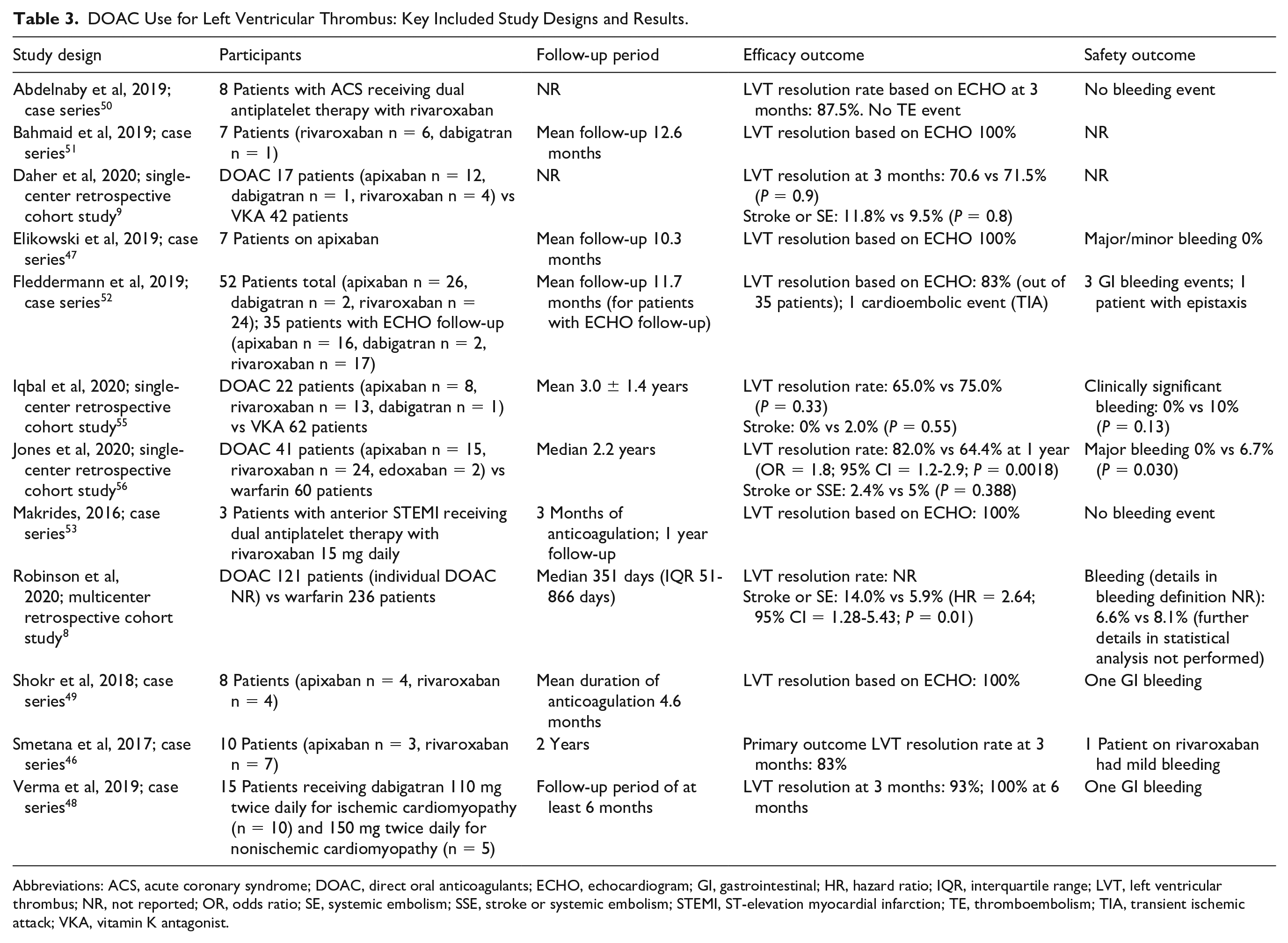
LVT commonly develops in patients with HFrEF in the setting of acute anterior wall MI. Both the ACC/AHA STEMI (ST-elevation myocardial infarction) and AHA/American Stroke Association guidelines for the prevention of stroke in patients with stroke or TIA recommend VKAs as a first-line therapy for LVT treatment.3,45 Since the publication of the guidelines, multiple case series of DOACs investigated the efficacy and safety of DOACs in patients with LVT (Table 3) and showed LVT resolution rate with DOACs ranging from 80% to 100%.46-53 The meta-analysis of 52 case reports also found that 45 patients out of 49 patients (92%: 3 cases did not report LVT resolution) had LVT resolution, and rivaroxaban was most frequently used followed by apixaban. 54 However, they did not compare DOACs with VKA controlled groups, and there were significant concerns of publication biases, which indicate that only positive outcome results could have been published. Thus, 4 recent retrospective real-world studies were published to compare the efficacy and safety between VKA and DOACs in patients with LVT (Table 3). Two small-scale single-center retrospective cohort studies showed that there were no significant differences in stroke or systemic embolism (SSE) or LVT resolution rates between the DOAC and VKA groups.9,55 Both these studies included very small sample sizes and did not have enough power to detect the difference in efficacy outcomes between the 2 groups. A multicenter retrospective cohort study by Robinson et al 8 performed a multivariable analysis which found that DOAC use (n = 121) was associated with higher SSE than warfarin (n = 236). This is the largest study that compares DOACs with warfarin. The limitations were that LVT resolution was not evaluated, and compliance, time in therapeutic range, and dosing information were not collected in this study. In contrast, another retrospective study by Jones et al 56 in patients with LVT after acute MI showed that DOAC use was associated with significantly higher LVT resolution rate compared with warfarin. Because of the conflicting study results, further investigation is needed before DOACs are recommended in routine practice setting.
DOAC Use for Left Ventricular Thrombus: Key Included Study Designs and Results.
Abbreviations: ACS, acute coronary syndrome; DOAC, direct oral anticoagulants; ECHO, echocardiogram; GI, gastrointestinal; HR, hazard ratio; IQR, interquartile range; LVT, left ventricular thrombus; NR, not reported; OR, odds ratio; SE, systemic embolism; SSE, stroke or systemic embolism; STEMI, ST-elevation myocardial infarction; TE, thromboembolism; TIA, transient ischemic attack; VKA, vitamin K antagonist.
Superficial Vein Thrombosis
Prior to DOAC availability, fondaparinux 2.5 mg subcutaneously once daily as a 45-day course was the gold standard therapy based on the only existing clinical trial, CALISTO, showing that fondaparinux significantly decreased the primary composite efficacy outcome of death from any cause, symptomatic PE, symptomatic DVT, or symptomatic extension to the saphenofemoral junction or symptomatic recurrence of SVT compared with placebo. 57 However, parenteral injections for 45 days were not practical and convenient. Thus, rivaroxaban was investigated as an oral anticoagulant for SVT. The SURPRISE study is an open-label, randomized, noninferiority trial, which compared rivaroxaban 10 mg once daily with fondaparinux 2.5 mg once daily for 45 days in patients with symptomatic SVT. 58 The primary efficacy outcome was a composite event rate of recurrence of SVT, symptomatic DVT, or PE and all-cause mortality. The primary safety outcome was a major bleeding rate. The primary efficacy outcome results were 3% in the rivaroxaban group (n = 211) and 2% in the fondaparinux group (n = 224; HR = 1.9, 95% CI = 0.6-6.4, P = 0.025 for noninferiority analysis), and neither group had a major bleeding event. Although this study was open label, it supports rivaroxaban 10 mg once daily as an alternative to fondaparinux for SVT treatment because of its noninferiority to fondaparinux and more convenient oral formulation over parenteral therapy for 45 days.
Pulmonary Hypertension
Patients with idiopathic pulmonary arterial hypertension (PAH) (group 1 PH) and chronic thromboembolic PH (CTEPH; group 4 PH) are often indicated for lifelong anticoagulation therapy, but anticoagulation therapy for other PH types (groups 2, 3, and 5) is not recommended. The ACC/AHA/American College of Chest Physicians guidelines suggest VKA with the therapeutic INR 1.5 to 2.5 in patients with idiopathic PAH (group 1 PH), and European Society of Cardiology PH guideline recommends lifelong oral anticoagulation therapy with either VKAs or DOACs for CTEPH.11,59 Since the publication of the last guidelines, DOACs have been utilized more in practice for PH. 59 However, there is no published study available for DOAC use in patients with PAH (group 1 PH) that was identified within our comprehensive literature search. Only 2 studies (1 retrospective cohort study and 1 case series) are available for DOACs in patients with CTEPH. The first study is a case series of 20 CTEPH patients (16 patients on rivaroxaban, 3 patients on dabigatran, and 1 patient on apixaban) who were treated with DOACs. 60 The mean follow-up period was 20.9 months, and 8 of 20 patients had undergone pulmonary endarterectomy. No patient developed a recurrent VTE episode during the follow-up. One patient developed major bleeding, but it occurred after a traumatic fall. Further evaluation in the study comparing DOACs with VKA was needed. Another study was the retrospective cohort study, which compared warfarin (n = 412) with rivaroxaban (n = 134) in patients with CTEPH. 61 The major primary outcomes were death from any cause, recurrent VTE, and International Society of Thrombosis and Hemostasis major bleeding event. The mean follow-up period was 9.0 ± 8.5 years. The study was initially designed to compare warfarin and DOAC groups, but the majority of the DOACs was rivaroxaban. Therefore, events between warfarin and rivaroxaban groups were compared. There were no significant differences in recurrent VTE (8.9% vs 10.1%; HR = 1.21, 95% CI = 0.64-2.23, P = 0.55) and mortality rates (9.7% vs 13.8%; HR = 1.61, 95% CI = 0.89-2.99, P = 0.11) between the rivaroxaban and warfarin groups. The major bleeding rate was significantly lower in the rivaroxaban group than in the warfarin group (8.9% vs 14.8%; HR = 1.94, 95% CI = 1.05-3.62, P = 0.03). This study is the largest available for DOAC use in patients with CTEPH. A prospective study is needed, but no ongoing clinical trial is currently registered. It is unlikely that any clinical trial for the topic will be undertaken soon.
Future Directions
Multiple key clinical questions remain unanswered regarding off-label DOAC use. First, only 1 retrospective study evaluated the use of DOACs in patients with AF and mitral stenosis. 33 Two ongoing/planned phase 4 clinical trials (dabigatran vs warfarin and rivaroxaban vs warfarin) will provide further insight into DOACs in patients with moderate to severe mitral stenosis complicated by AF.62,63 Second, the use of low-dose rivaroxaban therapy may be considered to prevent stroke events in patients with HFrEF, but future real-world studies need to verify the results from the post hoc studies of clinical trials for low-dose rivaroxaban therapy. Third, very limited data exist for DOACs in patients with PH. Especially, there are no published data on DOAC use in patients with PAH. There is no current ongoing clinical trial to answer the clinical question. Fourth, DOAC use in LVT treatment is still controversial based on conflicting real-world data. One ongoing multicenter randomized controlled trial is evaluating the efficacy and safety of rivaroxaban for post-STEMI LVT compared with warfarin. 64 Another similarly designed, ongoing randomized controlled trial is investigating the use of apixaban in patients with STEMI who developed LVT compared with warfarin. 65 Although they may answer the use of DOACs in the STEMI setting, uncertainty will still continue regarding the use of DOACs for LVT developed by nonischemic cardiomyopathy. Finally, no study evaluated the use of betrixaban in any off-label indication. Thus, this review is not appropriate to extrapolate results as a DOAC class effect.
Relevance to Patient Care and Clinical Practice
This review provides clinicians with useful information for 5 common clinical scenarios for DOAC off-label use: (1) VAF, (2) HFrEF with sinus rhythm, (3) LVT, (4) SVT, and (5) PH.
Conclusions
Our systematic review shows that DOACs should be considered in patients with AF for stroke prevention regardless of VHD status except for mitral stenosis or mechanical heart valve replacement. Oral anticoagulation therapy should generally be avoided in most patients with HF. If anticoagulation therapy is considered, rivaroxaban 2.5 mg twice daily may be considered to prevent stroke events for patients with HFrEF, CAD, and sinus rhythm. Still, prospective studies need to confirm the results from post hoc analyses of randomized controlled trials. DOAC use for LVT treatment is still controversial because of conflicting real-world study results, and further investigation is needed with ongoing clinical trials prior to its routine use for LVT. Rivaroxaban 10 mg once daily should be considered as an alternative to fondaparinux for SVT. Among DOACs for patients with CTEPH, rivaroxaban may be considered as an alternative to warfarin therapy, but warfarin is still the first-line therapy in patients with PAH because of paucity of clinical data for the use of DOACs in patients with PAH.
Supplemental Material
Supplemental_table_1_NOS_for_non-FDA_label_DOAC_use_FINAL_1 – Supplemental material for Off-label Use for Direct Oral Anticoagulants: Valvular Atrial Fibrillation, Heart Failure, Left Ventricular Thrombus, Superficial Vein Thrombosis, Pulmonary Hypertension—a Systematic Review
Supplemental material, Supplemental_table_1_NOS_for_non-FDA_label_DOAC_use_FINAL_1 for Off-label Use for Direct Oral Anticoagulants: Valvular Atrial Fibrillation, Heart Failure, Left Ventricular Thrombus, Superficial Vein Thrombosis, Pulmonary Hypertension—a Systematic Review by Hannah Brokmeier and Kazuhiko Kido in Annals of Pharmacotherapy
Supplemental Material
Supplemental_table_2_R2L_FINAL – Supplemental material for Off-label Use for Direct Oral Anticoagulants: Valvular Atrial Fibrillation, Heart Failure, Left Ventricular Thrombus, Superficial Vein Thrombosis, Pulmonary Hypertension—a Systematic Review
Supplemental material, Supplemental_table_2_R2L_FINAL for Off-label Use for Direct Oral Anticoagulants: Valvular Atrial Fibrillation, Heart Failure, Left Ventricular Thrombus, Superficial Vein Thrombosis, Pulmonary Hypertension—a Systematic Review by Hannah Brokmeier and Kazuhiko Kido in Annals of Pharmacotherapy
Footnotes
Declaration of Conflicting Interests
The authors declared no potential conflicts of interest with respect to the research, authorship, and/or publication of this article.
Funding
The authors received no financial support for the research, authorship, and/or publication of this article.

Supplemental Material
Supplemental material for this article is available online.
References
Supplementary Material
Please find the following supplemental material available below.
For Open Access articles published under a Creative Commons License, all supplemental material carries the same license as the article it is associated with.
For non-Open Access articles published, all supplemental material carries a non-exclusive license, and permission requests for re-use of supplemental material or any part of supplemental material shall be sent directly to the copyright owner as specified in the copyright notice associated with the article.
