







Abstract
Earphone discomfort and poor fit remain widespread problems despite advances in audio technology. This article introduces the Ear Space Reference (ESR) model, an anthropometry-based framework that helps designers create better-fitting earphones. We captured 3D ear anatomy data from volunteers, mapped key landmarks onto a standardized grid, and built depth profiles to represent ear shapes quantitatively. Using this reference, we designed and 3D-printed prototype earphones that lock naturally into the ear’s contours. Pilot testing with users showed improved stability during movement and greater comfort. The ESR model offers designers a methodology for improved anatomy-driven earphone design, and the averaged coordinate dataset is made publicly available to support future research and product development.
Keywords
The increasing adoption of in-ear earphones over the years has proven their indispensable nature in our daily lives. From meetings, commutes, workouts, to sometimes even sleep, earphones have become our constant companions. Yet many users still falter on something fundamental: the basic fit. Discomfort during extended wear, earphones frequently slipping out, or poor acoustic sealing are some of the leading causes of discomfort, adversely affecting sound quality and privacy. These issues directly impact the user experience, transforming a convenient device into a source of frustration (Song et al., 2020).
The core challenge in addressing these problems lies in the inherent anatomical diversity and complexity of human ears. Ear shapes are far from uniform across individuals. In fact, ear shape uniqueness has been explored historically as a form of biometric signature, emphasizing the considerable anatomical variation present among populations (Gilmore, 2019). Additionally, the geometry of the human ear constitutes a highly complex and non-linear surface, characterized by numerous short hills and valleys. These intricate features further complicate the task of designing earphones that universally fit comfortably (Yan, Liu, and Wang, 2023).
Moreover, ear shape variations are not only individual but also influenced significantly by demographic factors such as ethnicity, age, and gender. Hence, achieving a universal “one-size-fits-all” solution is virtually unattainable even within specific demographic segments (Liu et al., 2025). Custom-fit earphones, although offering superior comfort and sound quality, remain prohibitively expensive and inaccessible to the general populace (Lui and Lee, 2023).
Beyond physical discomfort, earphone ergonomics has profound psychological implications. Ears are highly sensitive, and improper earphone design that exerts pressure on inappropriate regions can lead to severe headaches, migraines, anxiety, and stress (Yan, Liu, Rui, et al., 2023). Consequently, what initially appears as a minor design oversight can escalate into serious health concerns, highlighting the critical importance of ergonomics in earphone design (Sundar et al., 2021).
For design companies, addressing these ergonomic challenges is a daunting task. Designers frequently grapple with developing novel shapes and configurations capable of accommodating the diverse ear anatomies of their target populations (Yan, Liu, Rui, et al., 2023). The absence of standardized reference models or frameworks further exacerbates these challenges, leaving designers with limited guidance. Particularly within the Indian context, there is a notable lack of open-source resources or reference models to aid designers in creating ergonomically efficient and comfortable earphone designs.
Ergonomics plays an essential role in product usability, comfort, and long-term adoption. Specifically for earphones, ergonomic design principles help alleviate physical discomfort, enhance acoustic performance, and improve overall user satisfaction (Fu and Luximon, 2022). Incorporating ergonomics into design not only ensures a better user experience but also promotes prolonged and comfortable use, critical for daily life scenarios where earphones are worn extensively (Reed et al., 2025).
Anthropometry, the scientific measurement of human body dimensions, emerges as a powerful tool in addressing ergonomic challenges (Kimura et al., 2022). By systematically gathering and analyzing anatomical data, anthropometry enables designers to understand the range and diversity of ear dimensions within a given population (Fu and Luximon, 2022). This approach facilitates the design of products that better align with actual user characteristics, significantly enhancing comfort, usability, and satisfaction.
In response to these identified gaps and challenges, this paper proposes the development of an Ear Space Reference (ESR) model. This model is envisioned as a comprehensive anthropometric framework specifically tailored for earphone design, particularly catering to diverse user groups within the Indian population. By meticulously considering variations in ear shapes, sizes, and anatomical complexities, the ESR model integrates ergonomic principles directly into the design process. The ultimate goal is to provide designers with a robust, accessible, and practical reference model to develop earphones that offer enhanced comfort, improved usability, and aesthetic appeal.
This paper presents a pilot study that demonstrates the development and preliminary validation of the ESR model, establishing the methodology and illustrating its applicability through a case study. Specifically, the objectives of this paper are as follows: To introduce a method for developing the Ear Space Reference (ESR) model informed by anthropometric data. To address the challenges in integrating anatomical variations into the earphone design process. To demonstrate a practical reference methodology, with publicly available pilot data, that aids product designers in creating ergonomic earphones tailored to user comfort.
Related Work
This literature review explores anthropometry and ear morphology, specifically focusing on 2D and 3D measurement techniques, to inform the ergonomic design of various ear-related products, including earphones and hearing protection, aiming to enhance user comfort and fit.
3D Ear Anthropometry and Classification for Earphone Design
This research work focuses on using 3D scanning and impression techniques to gather detailed ear anthropometric data for the ergonomic design of earphones and other ear-related products.
Lee et al. collected 3D ear scans from 100 Korean participants and, utilizing MATLAB, measured 13 key ear dimensions to design earphone components, including the earphone head, earband, and ear-tip. A notable correlation was observed between preferred earphone head size and concha width. However, this study’s applicability is limited by its exclusive focus on Korean participants, affecting generalizability to other ethnicities (Lee et al., 2018).
Another study by Lee et al. extended this anthropometric analysis by comparing 3D ear scans of 230 Koreans and 96 Caucasians, measuring 25 ear dimensions obtained through scanning and casting. Their results revealed significantly larger and more varied ear measurements among Koreans compared to Caucasians. Male ears were consistently larger and wider than female ears. Given substantial intra-population variations, they recommended gender- and ethnicity-composite ear data for product design. Nevertheless, a notable limitation was their measurement approach’s focus solely on assuming symmetry, and including only two ethnic groups, suggesting that broader demographic coverage could yield stronger findings (Lee et al., 2016).
Ji et al. further refined auricular concha anthropometry by classifying the conchae of 310 young Chinese individuals into 24 distinct groups based on shape differences to guide ergonomic earphone design. They obtained five characteristic 3D coordinates, and they calculated and analyzed seven characteristic distances. Their findings indicated generally larger conchal dimensions in men and significant individual variations. A unified coordinate system established using MATLAB supported classification, with characteristic points defining basic earphone shapes verified through 3D printing and user tests. However, limitations include its exclusive focus on young Chinese participants and primarily left auricular conchae, requiring further research on broader applicability and left-right ear correlation (Ji et al., 2018).
Chiou et al. addressed external auditory canal (EAC) anthropometry, crucial for designing hearing protection earplugs, collecting 220 impressions from 110 Taiwanese adults, defining 19 landmarks and 13 dimensions critical to ear canal products. Their data revealed distinct size differences between male and female EACs, providing valuable percentile data. Nonetheless, the study was limited by its narrow age range, single ethnic group focus, and lack of extensive comfort evaluations across different earplug designs (Chiou et al., 2016).
2D Image-Based Ear Measurement and Comfort Perception
This category includes research exploring simpler, less invasive approaches to ear measurement and delves into the subjective experience of earphone comfort.
Ma et al. introduced a quick method for extracting ear dimensions relevant to earphone design from two-dimensional (2D) images. Their method involved participants holding a one-YUAN coin as a calibration reference while capturing ear photos using single-lens reflex cameras. Through image processing, ear images were calibrated using the coin to minimize deformation effects. Subsequently, nine key anatomical points were manually marked, facilitating the calculation of six essential dimensions: ear height, ear width, ear length, cavum conchae height, cavum conchae width, and earlobe height. The primary goal of this technique was to simplify the determination of earphone sizing systems and support customized earphone designs by allowing users to upload ear images directly. Despite its utility in industrial applications, a significant limitation identified in their method was that the coin-based calibration does not entirely mitigate projection distortions, thus restricting its suitability for high-precision anthropometric applications (Ma et al., 2018).
Addressing the subjective aspect of earphone use, Chiu et al. investigated user comfort perceptions associated with the ergonomic design of Bluetooth earphones. Their study involved 198 participants who evaluated the comfort levels of four distinct earphone models. The results highlighted significant comfort differences among the models, underscoring the importance of specific design features, notably earplug shape, material elasticity, and adjustable ear-hook tail length. Interestingly, despite recognized anthropometric differences between genders and varied ear shapes, these factors did not significantly correlate with overall comfort perceptions in their findings. A noteworthy limitation was the reliance on 2D photographs for ear shape classification, which lacks the precision attainable through 3D measurements (Chiu et al., 2014).
Comprehensive Ear Anthropometry and Product Design Implications
Liu conducted a study examining outer ear anthropometry specifically to inform the ergonomic design of ear-related products. Data were collected from 200 Taiwanese subjects using a 2D superimposed grid photographic technique. Key measured dimensions included ear-hole length, ear-connection length, and pinna length. Based on these anthropometric insights, Liu recommended substantial redesigns for current ear-related products. The recommendations emphasized creating products with elongated shapes and enhanced adjustability, particularly to accommodate the typically smaller ear dimensions of female users and thus significantly improve fit and overall comfort. However, the study’s reliance on a 2D photographic method poses limitations, as it may introduce image distortions and does not fully capture the complex three-dimensional nature of ear shapes (Liu, 2008).
Research Gap
Despite significant advancements in 3D ear anthropometry, designing earphones that consistently provide comfort and an optimal fit remains challenging. This difficulty stems primarily from the intricate and non-linear anatomy of the human ear, compounded by notable demographic variations. Although existing studies have examined diverse populations, there remains a scarcity of comprehensive 3D anthropometric data and classification systems, particularly for specific regions such as India. The common practice of adopting a generalized “one-size-fits-all” design frequently results in discomfort, poor fit, and diminished acoustic performance. Conversely, fully customized earphone solutions, while addressing these issues, are typically expensive and inaccessible to the broader population. These circumstances underscore a critical need for detailed, region-specific anthropometric research, especially in the Indian context, to effectively bridge the gap between anatomical diversity and ergonomic earphone design.
Development of Ear Space Reference (ESR) Model
Biology of the Ear
The external human ear, or auricle, is an intricate cartilaginous structure designed primarily for directing sound waves into the auditory canal. It is characterized by distinct anatomical landmarks, each playing a crucial role in the perception and processing of sound as shown in Figure 1. At the outermost boundary is the helix, a prominent rim curling inward. Nested within it is the antihelix, a secondary ridge that typically bifurcates into two distinct arms known as the superior crus and inferior crus. These two arms cradle the triangular fossa, a subtle depression that separates them. The root-like origin of the helix, known as the crus of helix, extends internally toward the ear canal, marking a key anatomical reference. Anatomical landmarks of the human ear annotated with red dots to indicate key feature points.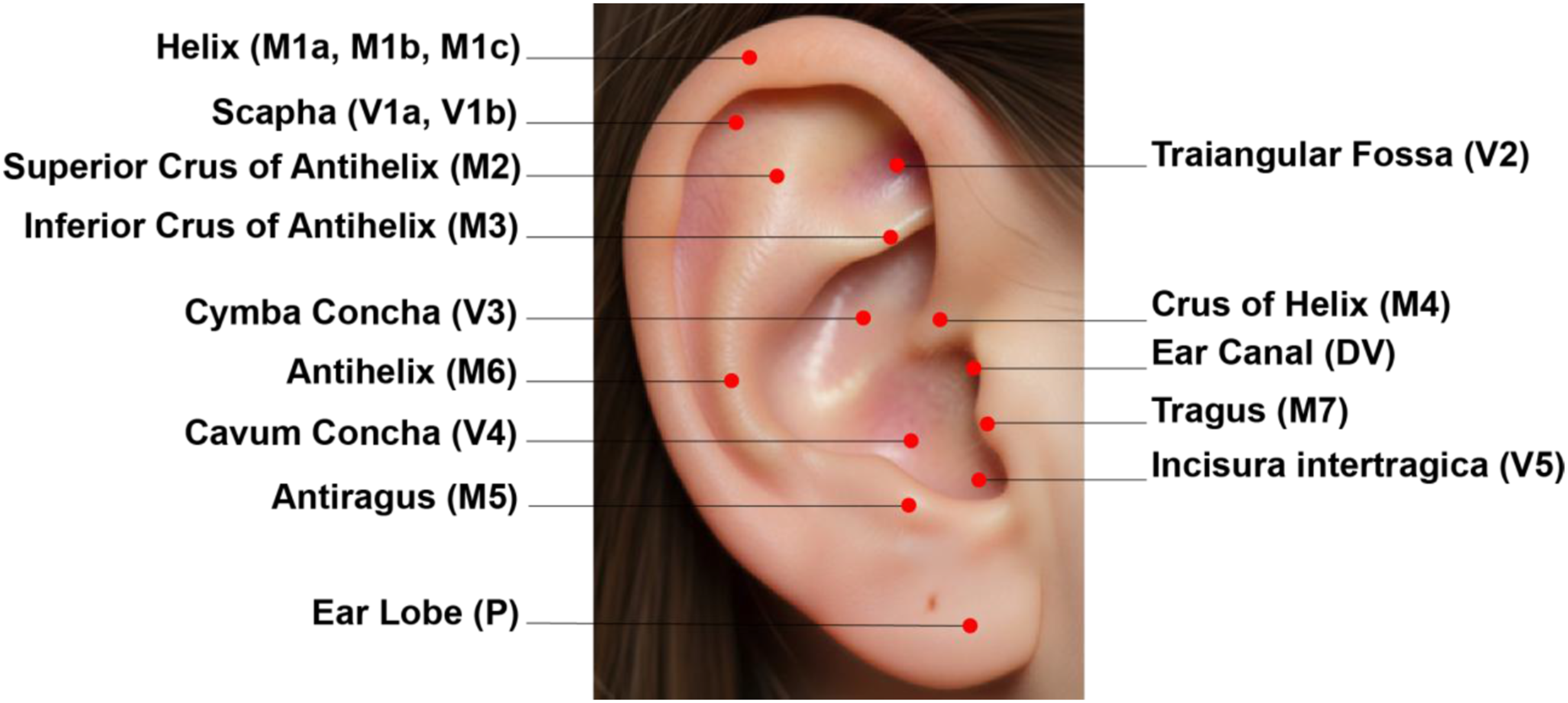
Central to the ear is the concha, a pronounced bowl-shaped depression responsible for channeling sound efficiently. The concha itself is divided by the crus of helix into an upper cymba concha and a lower cavum concha. Flanking the entrance of the ear canal, two smaller but significant features, the tragus and antitragus, emerge. These structures are opposite to each other, with the tragus anteriorly situated and the antitragus posteriorly located, separated by a small notch known as the incisura. The area lying between the helix and antihelix, defined by its shallow curvature, is the scapha. Completing the anatomy is the earlobe, a fleshy, soft appendage devoid of cartilage, providing a distinctive tactile reference in ear anatomy.
The detailed knowledge of this anatomy underpins ergonomic design considerations. The complexity, curvature, and subtle variations in these anatomical features underscore the challenge and necessity for a robust quantitative reference model.
Normal Reference Map
Capturing the complexity of ear morphology in a practical reference model necessitates reducing three-dimensional intricacies into a standardized form. To achieve this, we propose a “Normal Reference Map,” derived by quantifying anatomical landmarks from multiple participants, providing a two-dimensional basis for spatial referencing.
Trough-Crest Segmentation of the Ear: Ear anatomy inherently exhibits topographical diversity—regions elevated above the reference plane, termed as “crests,” and recessed areas classified as “troughs.” Inspired by mountain-valley analogies in cartography, we categorized anatomical landmarks of the ear into mountains (crests) and valleys (troughs) (Figure 2(a)). Identified mountains included the Helix (subdivided into M1a, M1b, and M1c), Superior Crus of Antihelix (M2), Inferior Crus of Antihelix (M3), Crus of Helix (M4), Antitragus (M5), Antihelix (M6), and Tragus (M7). Correspondingly, valleys encompassed the Scapha (V1a, V1b), Triangular Fossa (V2), Cymba (V3), Cavum (V4), and Incisura (V5). The Ear Canal opening, due to its depth, was classified as a “Deep Valley” (DV), whereas the earlobe, characterized by its relatively flat nature, was designated as a “Plateau” (P) (Table 1). Normal reference map. List of Labeled Landmarks With Their Anatomical Names and Corresponding Grid Locations.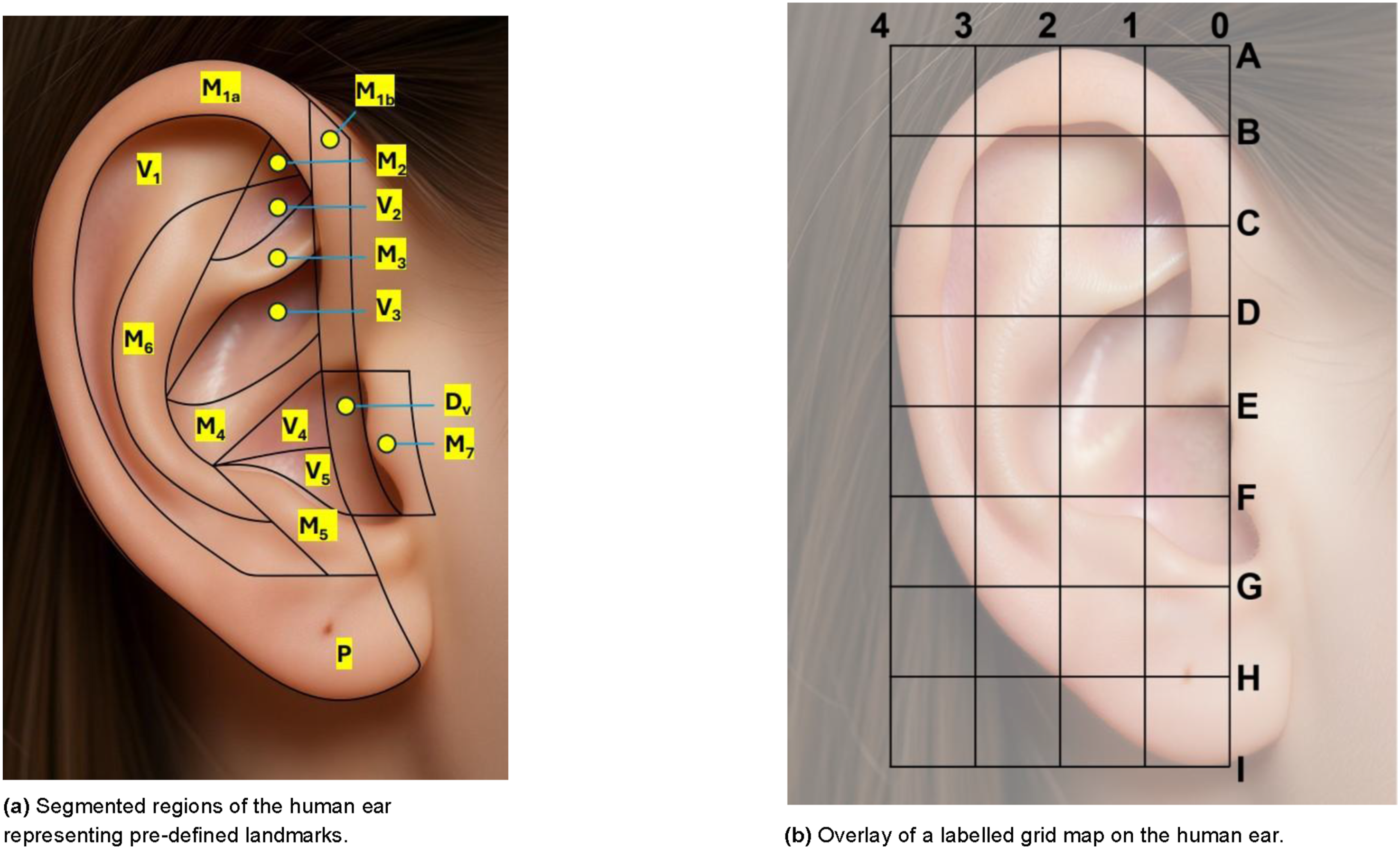
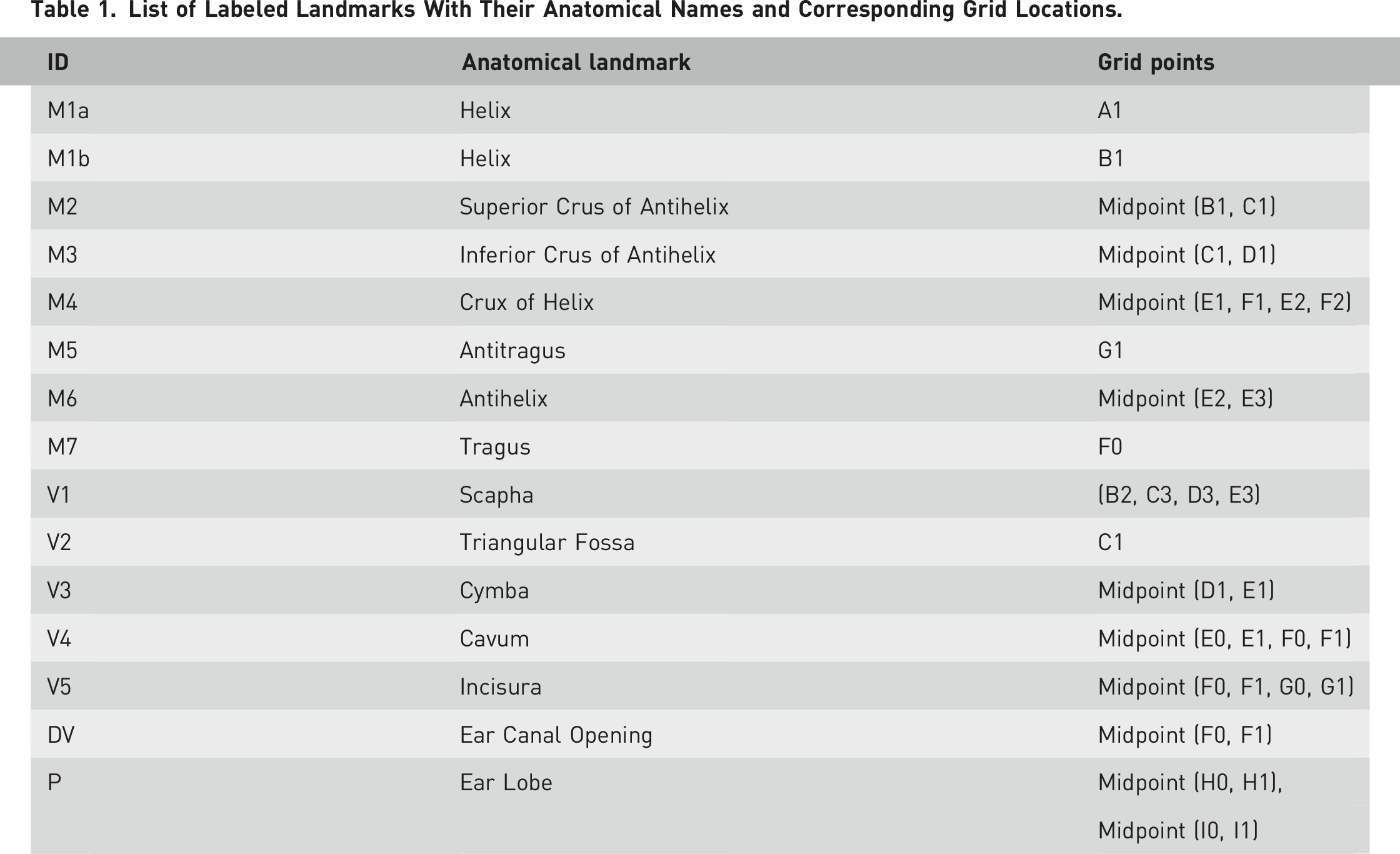
This segmentation simplified the intricate morphology into well-defined, measurable landmarks. These landmarks established the basis for quantifying ear shapes systematically.
Grid-Based Partitioning of the Ear: To systematically reference these landmarks, a precise grid-based partitioning methodology was developed (Figure 2(b)). First, four extreme anatomical reference points were identified: the Tragus (anterior), the Superior Helix (superior), the Inferior Lobule (inferior), and the Distal Helix (posterior). These points defined the outermost boundaries, establishing a bounding reference plane to capture ear anatomy comprehensively.
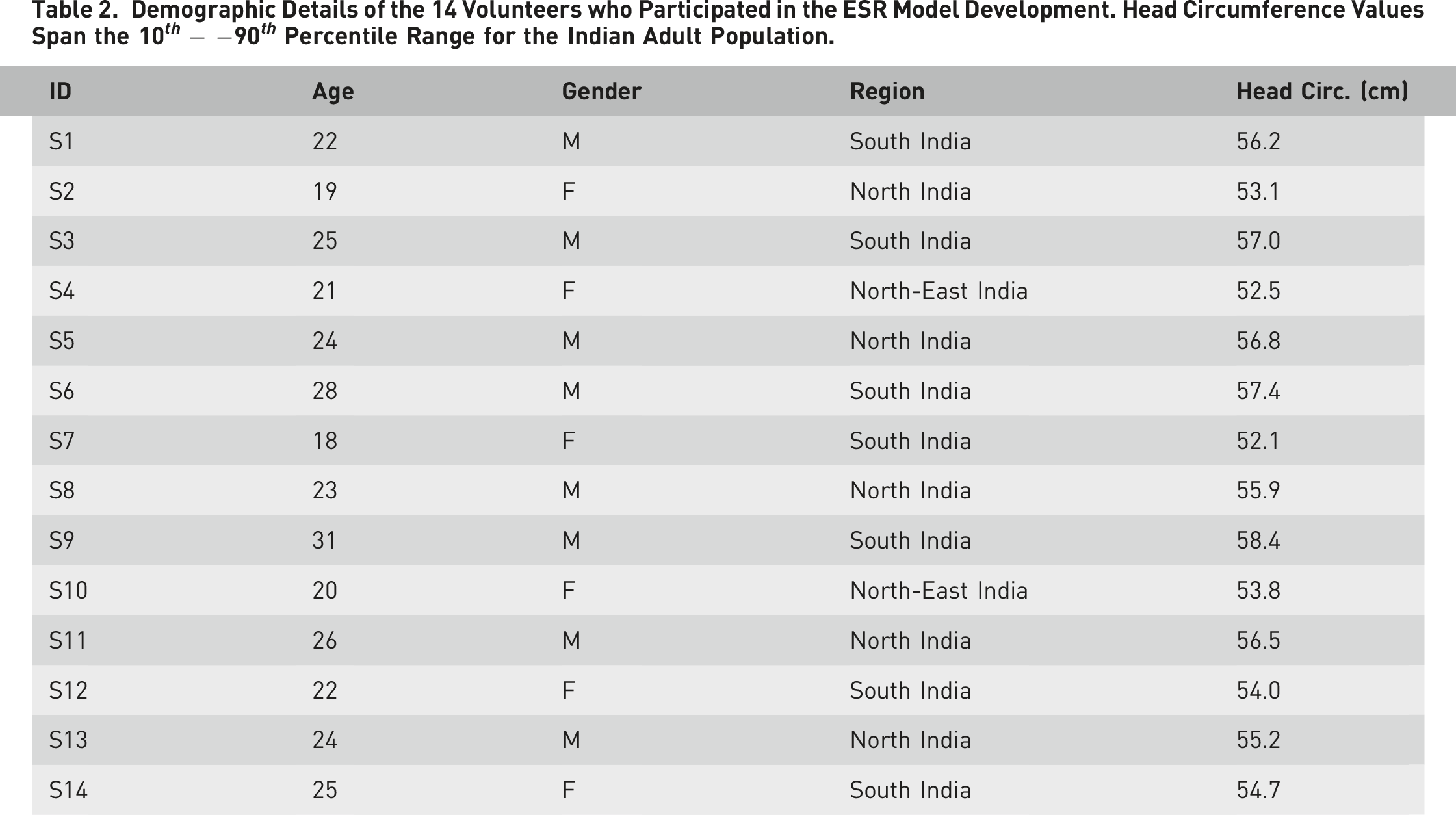
Within this bounding plane, a lattice grid of 4 columns by 8 rows (defined by 5 vertical grid lines and 9 horizontal grid lines, yielding 32 grid spaces and 45 grid intersection points) was overlaid onto digital representations of ear anatomy, captured using high-quality 2D ear photographs from multiple volunteers, whose demographic information is given below. Each grid intersection point represented a defined coordinate, allowing accurate and consistent spatial referencing. The origin (0,0) was set at the intersection of column 0 and row A (corresponding to the anterosuperior corner of the grid, near the tragus-helix junction as visible in Figure 2(b)), ensuring reproducibility and ease of measurement. Grid coordinates follow a column-letter (0–4) and row-letter (A–I) convention. Utilizing Autodesk Fusion 360 facilitated precise measurement and allowed consistent referencing of anatomical points across multiple volunteers. Using the grid, centroid positions (x, y coordinates) for each identified anatomical landmark from the Trough-Crest segmentation were measured. This step was repeated systematically for multiple ear photographs (Figure 3(a)), thus generating an extensive dataset. Subsequently, the mean centroid position for each landmark across volunteers was computed, resulting in the comprehensive Normal Reference Map, capturing averaged two-dimensional ear anatomy data. Photographs and scans used for creating ESR model.
Demographic Details of the 14 Volunteers who Participated in the ESR Model Development. Head Circumference Values Span the 10 th − −90 th Percentile Range for the Indian Adult Population.
Informed consent was obtained from all volunteers, who were made aware that their data would be used exclusively for academic research purposes, including publication and dissemination of results in scientific forums.
As a pilot study focused on establishing and demonstrating the ESR methodology, the sample size of 14 was determined by participant availability and resource constraints rather than a formal statistical power analysis. While this sample size is limited for population-level generalization, it is consistent with comparable pilot studies in 3D ear anthropometry for product design (e.g., Ji et al. (2018) validated their classification method using six participants; Lee et al. (2016) used 10 participants for virtual fit analysis). Future work will expand the participant pool with formal power analysis to strengthen the representativeness of the ESR model.
Depth Map
While the Normal Reference Map captured a two-dimensional spatial arrangement, ear anatomy also prominently features three-dimensional contours. To adequately account for this complexity, a Depth Map was formulated.
Ear depth data collection involved capturing three-dimensional morphology using medical-grade silicone negative molds of participants’ ears. Positive molds were subsequently derived using Type III Dental Stone (gypsum stone), a material widely used in clinical and anthropometric casting for its dimensional accuracy and fine surface replication. The casting mixture was prepared following the manufacturer’s recommended water-to-powder ratio. After an initial set time of approximately 12 minutes, molds were left to cure overnight (approximately 12 hours) before de-molding and scanning. Type III Dental Stone exhibits a linear setting expansion of approximately 0.05–0.10%, which is within acceptable tolerances for this application and was accounted for in measurement calibration. All scans were completed within 24 hours of de-molding to ensure dimensional stability. These positive molds underwent detailed 3D scanning using Atos Core 300 GOM scanner, capturing comprehensive three-dimensional point cloud data (Figure 3(b)).
Utilizing Autodesk Fusion 360 (Student Edition, version 2.0.17721, accessed in 2023, prior to the product’s rebranding to Autodesk Fusion) facilitated precise measurements; the previously established lattice grid, defined by the same four extreme anatomical landmarks, was projected onto the 3D-scanned ear models. A standardized three-point reference plane was established to enable consistent depth measurements. From this plane, depth measurements were taken perpendicular to each centroid position identified from the Trough-Crest segmentation. Using a ray-tracing algorithm, accurate perpendicular distances were calculated for each anatomical landmark, systematically quantifying the ear’s complex three-dimensional surface.
Repeated across multiple participants, depth measurements at each anatomical landmark were averaged, resulting in a statistically robust Depth Heat Map (Figure 4). This map encapsulated the nuanced variations in ear depth across the sampled population, providing essential three-dimensional spatial data necessary for detailed ergonomic modeling. The depth heat map was generated using a custom MATLAB program, which reads the averaged depth values and overlays them onto a 3D mesh model of scanned ear surfaces. A predefined reference plane was employed to compute relative depths, and interpolation techniques were applied to visually smooth the depth gradients across the surface, producing the final spatial heat map representation. Heat map overlaid on a 3D ear mesh model showing normalized depth values across the ear surface. The overlay grid acts as a spatial reference, and the color gradient indicates distance from the base plane, aiding design for ergonomic fit.
It is noted that the ear canal opening (DV) was intentionally excluded from the depth centroid measurements in the ESR model. This decision was made for three reasons. First, the ear canal geometry is highly variable across individuals, both in its entrance angle and internal curvature, making a single averaged centroid unreliable as a design reference. Second, the silicone molding and POP casting procedure captures only the external opening and a shallow portion of the canal; accurate depth measurement of the canal interior would require specialized techniques such as CT imaging or deep-insertion silicone impressions. Third, safety considerations precluded deeper mold insertions without audiological supervision. The DV landmark is retained in the Normal Reference Map as a positional marker (x, y location on the grid) but is excluded from the Depth Map (z-axis). Future iterations of the ESR model may incorporate ear canal depth data using non-invasive imaging modalities.
Derivation of Ear Space Reference (ESR) Model
Integrating the two-dimensional Normal Reference Map with the three-dimensional Depth Map synthesized the comprehensive Ear Space Reference (ESR) model (Figure 5). Mathematically, the ESR model is conceptualized as a dataset of spatial coordinates (x, y, z) representing averaged landmark positions across the studied population: Methodological flowchart for constructing the Ear Space Reference (ESR) model. The left branch illustrates the 2D landmark localization and mapping process using photographic data and grid segmentation. The right branch shows the 3D spatial data extraction using physical molds, scanning, and depth measurement from a reference plane. The final ESR model combines the normal reference map (X, Y) and depth map (Z) to visualize and standardize ear geometry across individuals.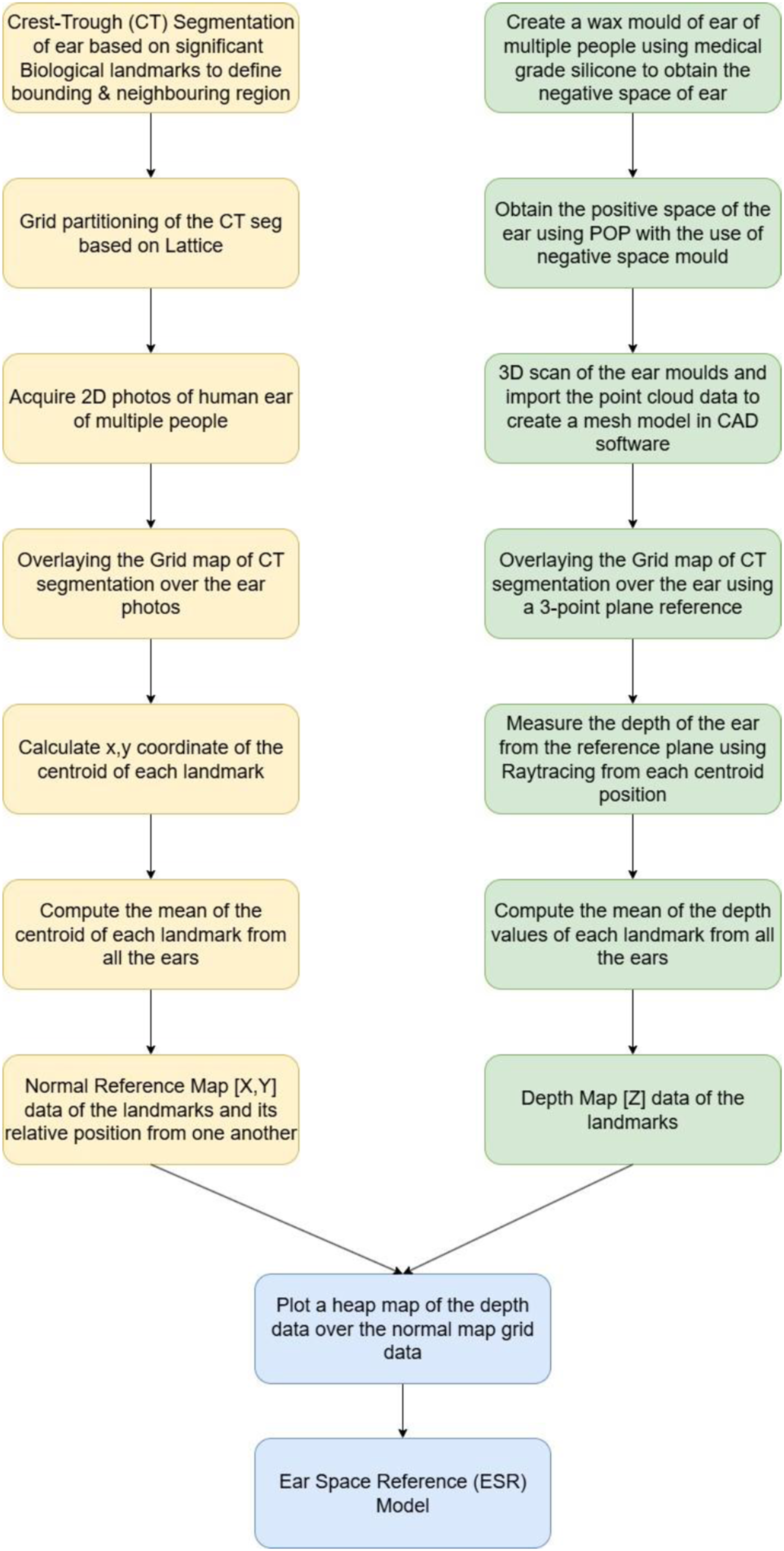
where ∗ x
ij
, y
ij
represent the two-dimensional centroid coordinates (Normal Reference Map) of landmark i for participant j. ∗ z
ij
denotes the perpendicular depth measurement (Depth Map) from the reference plane for landmark i and participant j. ∗ n is the total number of sampled participants.
This formula generated a standardized dataset encapsulating the averaged three-dimensional anatomical topology across the sampled population. The ESR model thus served as a robust spatial and ergonomic reference, accurately capturing the inherent anatomical variations and complexity within the targeted demographic.
Product designers leveraging the ESR model gain a significant advantage, using precise spatial coordinates as ergonomic reference points in the design of earphones. This enables them to develop product forms that accommodate anatomical variability effectively, significantly improving fit, comfort, acoustic seal, and ultimately user satisfaction.
In essence, the ESR model acts as a universal yet adaptable blueprint, bridging detailed anatomical insights with practical ergonomic design, specifically tailored to address the diversity of ear shapes prevalent in the studied population.
Design of Earphones
Current Trends in Earphone Design
The consumer earphone market has undergone a remarkable transformation over the past decade. While traditional wired models remain in circulation, true wireless stereo (TWS) earbuds now dominate the global landscape. According to recent industry reports, TWS earbuds accounted for nearly 58 % of global earbud market volume in 2024, with over 620 million units sold that year alone. Low-profile in-ear designs have significantly outpaced over-ear and on-ear headsets in popularity, largely driven by factors like portable convenience and minimalist aesthetics. Simultaneously, active noise cancellation (ANC) has become a staple across mid- to high-end models, with ANC capabilities now present in over 71% of headphone products in 2024.
Modern earphones increasingly embrace miniaturization, improved ergonomics, and multifunctional integrations. Apple’s AirPods Pro, for instance, incorporate dual-microphone ANC within a compact true-wireless casing, and feature “Transparency Mode” and adaptive equalization, adapting audio output to the user’s ear profile. Bose’s Quiet Comfort Earbuds also continue to refine ANC features and comfort, using lightweight materials and silicone tips to enhance fit. Additionally, broader market trends reflect heightened interest in smart capabilities—such as voice assistant activation, fitness tracking, and biometric sensors—alongside sustainability efforts via biodegradable plastics and eco-conscious packaging.
Despite these rapid technological advances, many designs continue to rely on generic “one-size-fits-most” housings and ear tips, often resulting in suboptimal comfort, unreliable fit, and compromised acoustic performance. Biometric and biometric-added earbuds demonstrate fitness tracking capacities—but their physical fit remains a challenge. The emphasis on electronics and aesthetics sometimes overshadows ergonomics and anatomical adaptation, particularly for populations outside Western or East Asian norms.
Requirements of Earphone Design
Based on careful review of existing standards and user feedback, we identify three core requirements for ergonomic earphone design:
Secure, Stable Fit During Movement: For users engaged in physical activities—such as running, cycling, or daily commuting—preventing dislodgement is critical. Earphones that loosen or fall out during head turns or vertical motion significantly degrade user confidence, acoustic performance, and safety, especially in outdoor environments.
Comfort Across Extended Wear: Prolonged usage (several hours) often leads to pain or pressure-induced discomfort, especially along the ear’s outer rim, concha bowl, or tragus region. Effective ergonomic design must distribute contact forces across anatomically appropriate zones to avoid soreness, headaches, or pressure points.
Acoustic Seal and Privacy: Accurate sound delivery and effective passive or active noise cancellation depend on a reliable acoustic seal within the concha and ear canal. A secure fit not only improves sound quality but also reduces leakage and external awareness, enhancing privacy and immersion.
To satisfy these requirements, designers must go beyond typical geometries and instead account for anatomical idiosyncrasies such as the cymba and cavum concha shapes, scapha rim curves, and variable canal entrance profiles. This is where anatomical reference frameworks like our ESR Model align precisely with design needs.
Ergonomic Earphone Design Using the ESR Model
A designer may follow the steps addressed in this section to successfully design customized earphones using our ESR model.
Anatomical Locking Strategy: One major issue designers face is earphones detaching during dynamic head motion. Our ergonomic design leverages key anatomical landmarks—specifically the Cymba Concha, Cavum Concha, and Crus of Helix—to create a self-locking earphone geometry. Cymba and Cavum Concha: These bowl-shaped regions provide natural containment for an earphone shell. Crus of Helix: Positioned between these conchal structures, this ridge acts as a natural stopper or mechanical lock, preventing lateral slippage.
By identifying about 10 key contact points within this region using ESR’s detailed grid and depth data, our design features “hook” or ledge elements that seat in the concha and anchor under the crus, essentially locking the device when inserted.
Application of ESR Grid and Depth Maps: To derive precise design parameters, we superimposed conceptual earphone geometry onto the ESR Model. This involved: Mapping Contact Points
Using the ESR’s 2D coordinate grid, we located the centroids of crucial valleys and crests (e.g., V3/V4, M4) to determine lateral positions where earphones would interface most naturally with the ear. Height Calibration
The Depth Map data provided z-axis values (perpendicular to the reference plane) for each point. These values guided vertical shell thickness, curvature, and ledge depth needed to “lock” securely under the crus. Defining Fit Envelope
We targeted the fifth percentile of Indian ear dimensions, ensuring inclusivity among smaller-ear users. Each of the ∼10 contact points was integrated into a 3D surface shell, adjusting curvature to match percentile-based anatomical variation.
Modelling in Autodesk Fusion 360: The resulting anatomical reference data was imported into Autodesk Fusion 360. Designers used the ESR grid and depth maps as 3D sketching templates: Overlay of ESR Mesh
Mesh vertices representing the ESR (Ear Space Reference) grid were projected onto virtual planes within the CAD workspace, enabling contour-following design. Freeform Shell Modeling
A freeform surface was sculpted to follow the ESR landscape. Valleys and crests informed the height transitions, ensuring a smooth surface that mirrored the ear’s inner shell. Incorporation of Locking Ledges
Using the depth and grid data, protrusions were added at precise coordinates, engineered to seat into the crus of helix. Early iterations revealed that overextension of ledges caused discomfort—this was corrected by refining z-values against depth tolerance data in ESR.
Case Study: Prototype Earphone Form Design
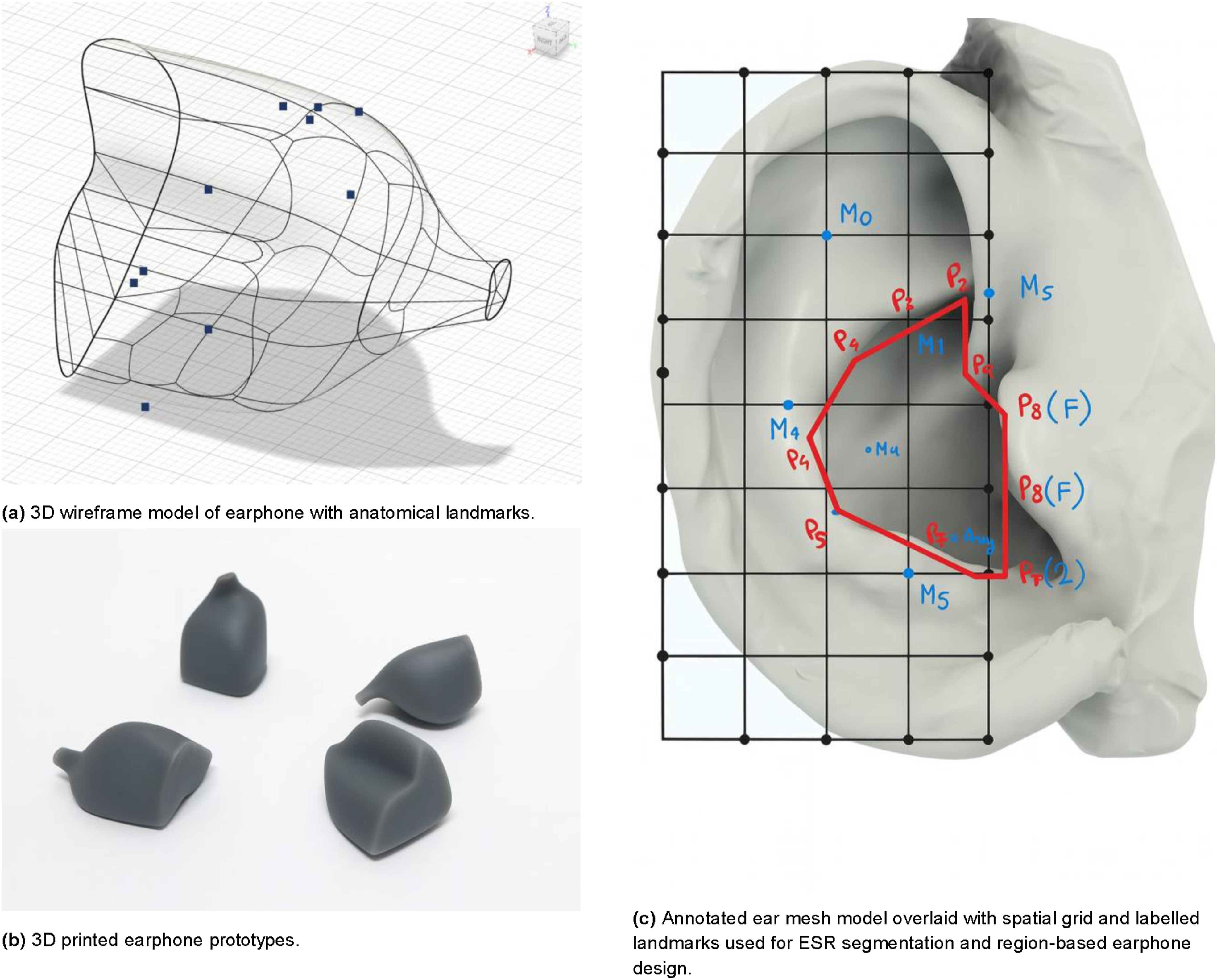
A design student deployed this method in a real-world prototype (Figure 6) following the workflow detailed in the above section. During problem discovery, the novice designer observed persistent user complaints: constant dropouts while jogging. By applying the ESR model (Figure 7(c)), a free-form solid model was created with locking ledges positioned to align with the Cymba and Cavum concha, seated snugly under the crus of the helix (Figure 7(a)). To test real-world ergonomics, the CAD model was converted into an STL file and 3D-printed using a Formlabs Form 3B + equipped with bio-compatible resin (Figure 7(b)). This material choice ensured safe skin contact and sufficient flexibility to insert into the ear. The resin allowed fine feature rendering such as ledge radii of ±0.25 mm. A post-print polish ensured no sharp edges, enhancing comfort and fit. Several identical units were produced for testing across participants. Initial concept sketches of earphone designs. Freeform modeling and 3D printing of earphones using the ESR (Ear Surface Region) model.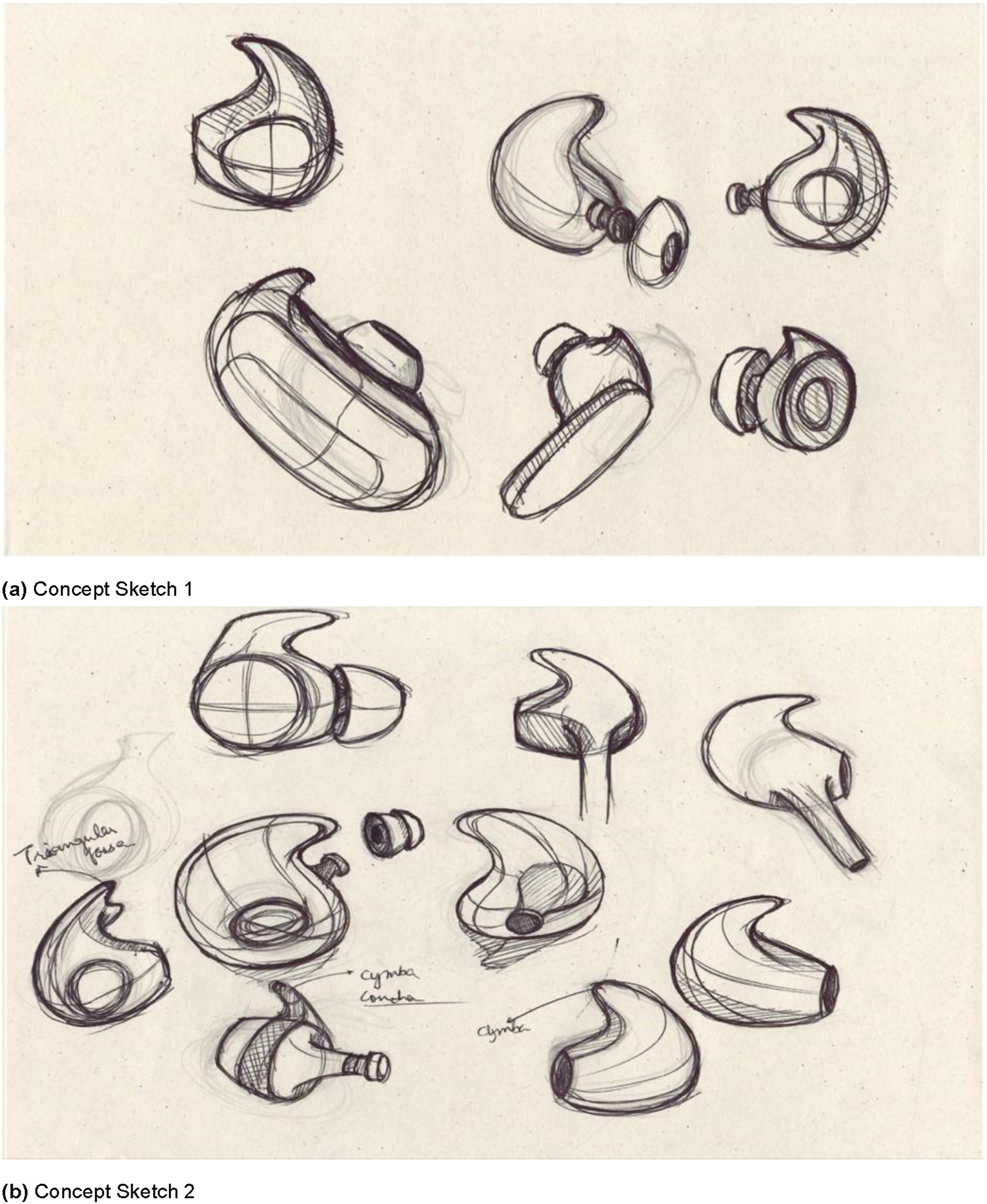
Fit Testing
Participant Engagement: A group of 10 volunteers (balanced gender and younger population) was recruited (Figure 8). Each user was asked to insert the earphones from prototypes and perform a series of simulated head movements, such as turning head side-to-side at moderate and high speeds, nodding movements, forward and backward, and dynamic exercises, including simulated walking and light jogging. Participants wore a secured lanyard to catch any falling earphones for measurement. Observational data recorded whether any earphones dislodged during the tests. Informed consent was obtained from all the participants prior to study regarding the use of the data for academic purposes and research communications. Prototype earphone tested on participants for fit and comfort.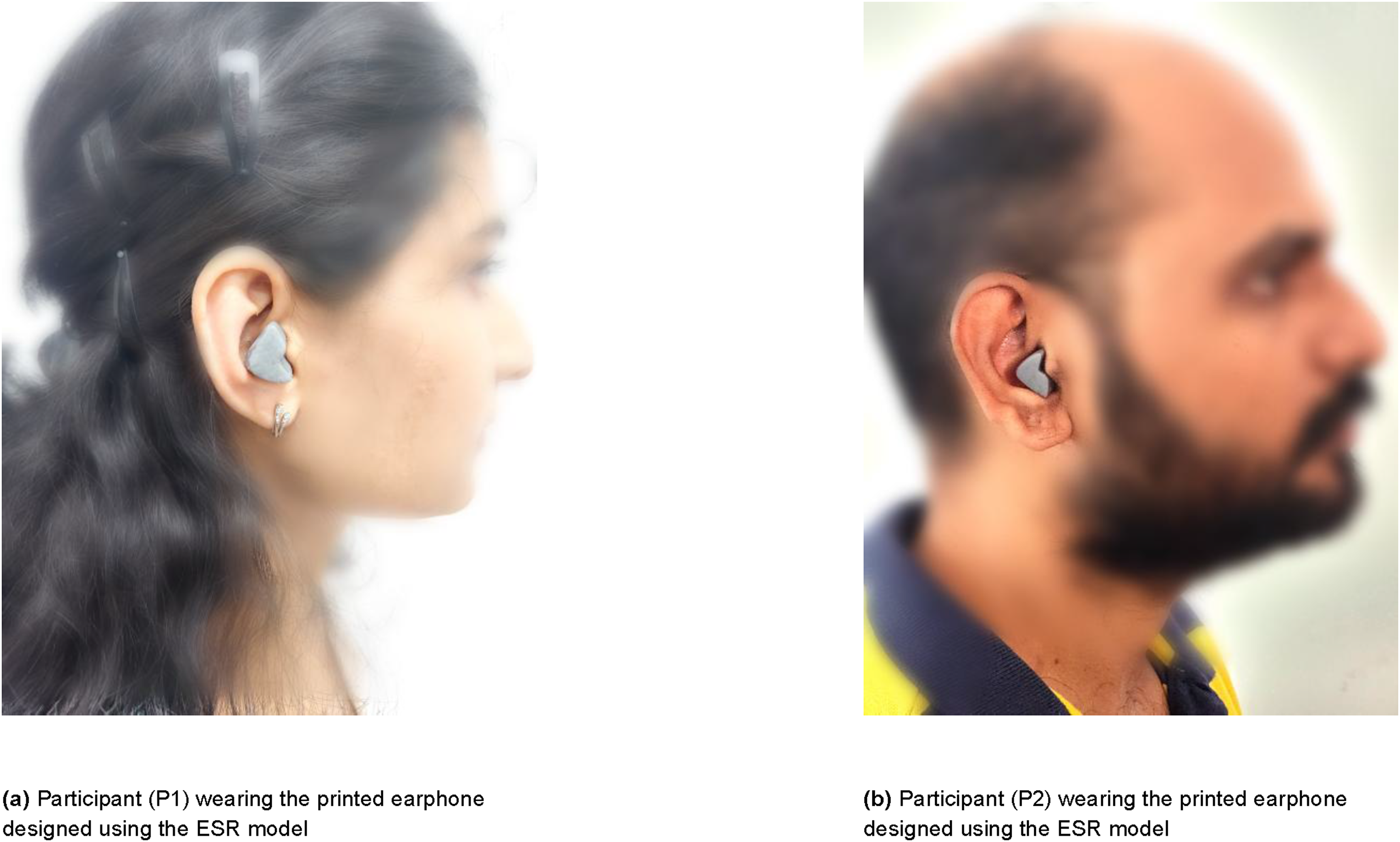
Observations and Measurements
Successful retention: In 8 of 10 cases, the earphone remained secure throughout all motion sequences. Dislodgement cases: Occurred only when excessive manual external force was applied—the earphone stayed intact under dynamic head movement alone. Average retention time during motion exceeded 60 seconds per movement sequence, significantly above baseline drop rates observed in off-the-shelf devices.
Think-Aloud User Survey
Participants were asked to talk aloud while wearing the device and moving, sharing their subjective impressions. Their open-form responses were audio-recorded and later transcribed and coded. Anchoring Sensation—Most users reported a “secure locked-in feel,” appreciating the ledge engagement under the crus. “It doesn’t shift when I move fast—even during sharp turns,” shared one participant. Comfort over Time—Average wearing duration was 30 minutes; a few users felt mild pressure, localized near the crus when worn continuously beyond 45 minutes. Designers flagged this as an iteratively adjustable feature. Ease of Insertion/Removal—Responses were positive: “It clicks softly into place, but isn’t hard to take out,” indicating ledge depth calibration was effective. Aesthetic and Size Perception—The resin prototype was viewed as slightly larger than typical consumer earbuds; users cautioned to refine scale. However, most attributed the chunky appearance to prototype material—not form factor intent.
SUMMARY AND DESIGN IMPLICATIONS
The results validate the strength of anatomy-driven design via ESR as the contextual locking strategy, anchored on Cymba, Cavum, and Crus regions, resolved dynamic stability issues prevalent in TWS earbuds. Depth adhesion and ledge engagement delivered superior retention compared to generic silicone tips. The ESR-derived grid and depth data provided quantifiable geometric parameters, greatly reducing guesswork and iterations in the design phase. While promising, feedback highlights areas for enhancement: materials to reduce size, soft overmolding for pressure relief, and exploration of variable depth tolerances across larger percentile ranges. Going forward, earphone design should integrate core principles from ESR, such as Anatomical anchoring using natural ear topography rather than generic fit. Percentile adaptation, considering lower and higher ear dimensions to expand product inclusivity. Iterative user testing based on real-world motion scenarios and comfort sampling.
DISCUSSION, LIMITATIONS, AND FUTURE SCOPE
In this research, we successfully introduced a structured method for developing an Ear Space Reference (ESR) model driven by comprehensive anthropometric data. The authors established a robust quantitative framework capable of capturing complex ear topographies accurately. The ESR model effectively integrates multi-dimensional data, thus allowing product designers to have a quantifiable reference for the diverse morphological variations encountered in human ears. Our ESR model directly confronts the issue of the traditional one-size-fits-all approach that often results in discomfort, poor acoustic sealing, and instability. The pilot example provided, where a prototype was successfully developed using the ESR model, demonstrates the applicability and effectiveness of our approach. Moreover, the authors envision this pilot study as a stepping stone toward a large-scale, publicly accessible reference framework. To this end, the averaged ESR coordinate data (x, y, z values for all landmarks at the 5th, 50th, and 95th percentiles) from this study have been made publicly available at https://github.com/sankar-mechengg/Ear-Space-Reference-ESR-Model. While the current dataset is limited in demographic scope, it provides a functional starting point for product designers, particularly within the Indian context, to create ergonomic and comfortable earphone designs informed by local anthropometric data.
However, despite these advancements, our study has some limitations that need further study. Firstly, the anthropometric dataset used for creating the ESR model is predominantly representative of a small Indian demographic. Consequently, the direct generalizability of the findings and reference model to populations with significantly different ear anatomies or ethnic backgrounds remains untested. Additionally, user comfort perceptions, although preliminarily explored through our fit testing and think-aloud user surveys, could be investigated further. Longitudinal studies examining comfort over extended usage periods and across diverse user demographics will provide valuable insights, guiding further refinements in earphone design informed by the ESR model. Although the open-source nature of the ESR framework provides accessibility, future research should focus on developing intuitive software interfaces and automated analysis tools that simplify the integration of ESR data into the design workflow.
This research directly contributes to the field of Human-Computer Interaction (HCI) by addressing the ergonomic interface between wearable technology (in-ear earphones) and the human body. Specifically, it tackles the longstanding challenge of achieving comfort, usability, and personalization in physical form factors through anthropometry-informed design. This aligns with core HCI themes of user-centered design, physical ergonomics, UX, wearable technology, and inclusive interaction, ultimately enhancing the embodied experience of technology for diverse users.
Several avenues for future research emerge from this work. First, extended comfort evaluations over longer wearing durations (1, 2, and 4 hours) using validated comfort scales for ear devices would strengthen the ergonomic claims made by the ESR-derived designs. The current 30-min average wearing duration in our pilot test, while informative, does not capture the discomfort patterns that may emerge over prolonged daily use. Second, the ESR methodology could be extended to determine the minimum number of earphone form factors a manufacturer should produce to maximize population-level comfort and usability, analogous to how Ji et al. (2018) classified conchae into prioritized groups covering 74.8% of their sample. Such an optimization study would require a substantially larger sample and formal clustering analysis. Third, the methodology presented here is not inherently limited to earphones. The grid-based landmark mapping and depth profiling approach could be adapted for the ergonomic design of other body-conforming products such as earplugs for hearing protection, eyeglass frames (particularly the ear-hook and temple region), hand gloves, and custom-fit footwear, wherever anatomical surface complexity demands a structured spatial reference. With respect to earplugs specifically, the ESR framework’s exclusion of detailed ear canal depth data (as discussed above) would need to be addressed through complementary canal-specific anthropometry for such applications. Finally, the averaged ESR coordinate data from this pilot study has been made publicly available as a downloadable dataset (see Data Availability statement) to enable other researchers and product designers to replicate, extend, and build upon this methodology.
CONCLUSION
This pilot study introduced a novel Ear Space Reference (ESR) model as an anthropometry-driven framework specifically developed for the ergonomic design of earphones. By systematically integrating 3D anatomical data, we addressed the persistent challenges associated with anatomical variations, ensuring a secure and comfortable earphone fit. Through practical application and testing, the ESR model proved effective in enhancing earphone stability and user comfort, significantly advancing ergonomic earphone design practices. For designers and researchers, the ESR model and its publicly available pilot dataset serve as an accessible starting point, facilitating innovation in user-centric product development and highlighting the importance of anthropometric considerations in ergonomic design.
Footnotes
Funding
The authors received no financial support for the research, authorship, and/or publication of this article.
Declaration of Conflicting Interests
The authors declared no potential conflicts of interest with respect to the research, authorship, and/or publication of this article.
Data Availability Statement
 .
.