






Abstract
Background
Non-suicidal self-injury (NSSI) is a growing mental health concern among adolescents, with increasing prevalence reported globally. While existing research has identified multiple individual and social risk factors, the role of family-related variables, particularly among male adolescents, remains less clearly synthesized.
Objective
The present study aimed to systematically identify and synthesize family-related factors associated with NSSI among male adolescents.
Methods
A systematic review design was employed following PRISMA guidelines. A comprehensive literature search was conducted across multiple electronic databases, including PubMed, Scopus, Web of Science, EMBASE, PsycARTICLES, and Google Scholar. Studies were included if they examined NSSI among adolescents and reported family-related variables such as parenting practices, family functioning, attachment, family conflict, or socioeconomic status. A total of 17 studies published between 2017 and 2025 met the inclusion criteria and were included in the qualitative synthesis. Data were extracted and analyzed using a narrative synthesis approach.
Results
The findings indicate that multiple family-related factors are associated with NSSI among adolescents. Poor family functioning, low cohesion, and reduced adaptability were frequently reported across studies. Negative parenting practices, including harsh parenting, parental rejection, and lack of emotional warmth, were also consistently associated with NSSI, while positive parenting behaviors and emotional warmth were negatively associated. Additionally, inter-parental conflict, parent–child separation, and insecure attachment were identified as relevant correlates. Structural factors such as socioeconomic status and family structure were also examined. Most studies employed cross-sectional designs and were conducted in China, with fewer studies utilizing longitudinal, experimental, or qualitative approaches.
Conclusion
The review highlights the importance of family-related variables in the context of adolescent NSSI and provides a structured synthesis of existing evidence. The findings underscore the need for further research focusing specifically on male adolescents, as well as studies employing longitudinal and culturally diverse approaches. Family-focused assessment and intervention strategies may be relevant in addressing NSSI among adolescents.
Keywords
Introduction
Non-suicidal self-injury (NSSI) refers to the deliberate, self-inflicted damage to body tissue without suicidal intent, as defined in the DSM-5-TR (2022). It has emerged as a significant global mental health concern among adolescents, with reported prevalence rates ranging from 13% to 23.2% (Lucena et al., 2022). Although prevalence varies across countries and contexts (Xiao et al., 2022), evidence consistently indicates that adolescence represents a critical developmental period for NSSI, with typical onset occurring between the ages of 12 and 14 years (Esposito et al., 2023). In addition, epidemiological trends suggest an overall increase in NSSI rates over time, particularly during the period between 2011 and 2015.
While early research on NSSI predominantly focused on female adolescents, more recent evidence highlights that NSSI is also highly prevalent among male adolescents (Beauchaine et al., 2019; Lutz et al., 2023). Male adolescents may engage in self-injurious behaviors, such as cutting or burning, as maladaptive strategies for managing emotional distress, including symptoms of stress, anxiety, and depression (Fernandez et al., 2022). From a functional perspective, NSSI in this population is increasingly understood as an emotion regulation strategy rather than a suicidal behavior. However, male adolescents are generally less likely to seek professional psychological help due to stigma, gender norms, and reduced emotional disclosure, which may contribute to the persistence and underreporting of NSSI behaviors (Ghinea et al., 2020).
Recent meta-analytic evidence has estimated a pooled prevalence of 15.8% for NSSI during the COVID-19 pandemic, with higher rates reported in Asian populations (Cheng et al., 2023). Similarly, Xiao et al. (2022) reported that approximately 17% of male adolescents engage in NSSI, with onset commonly occurring in early adolescence (10–13 years). Some studies have reported even higher prevalence rates, reaching up to 34.6% among male adolescents experiencing emotional and behavioral difficulties (Tørmoen et al., 2023; Townsend et al., 2021). Despite these concerning patterns, the literature on NSSI in male adolescents remains comparatively limited, and gender differences in prevalence and underlying mechanisms continue to be debated across studies (Townsend et al., 2021, 2024).
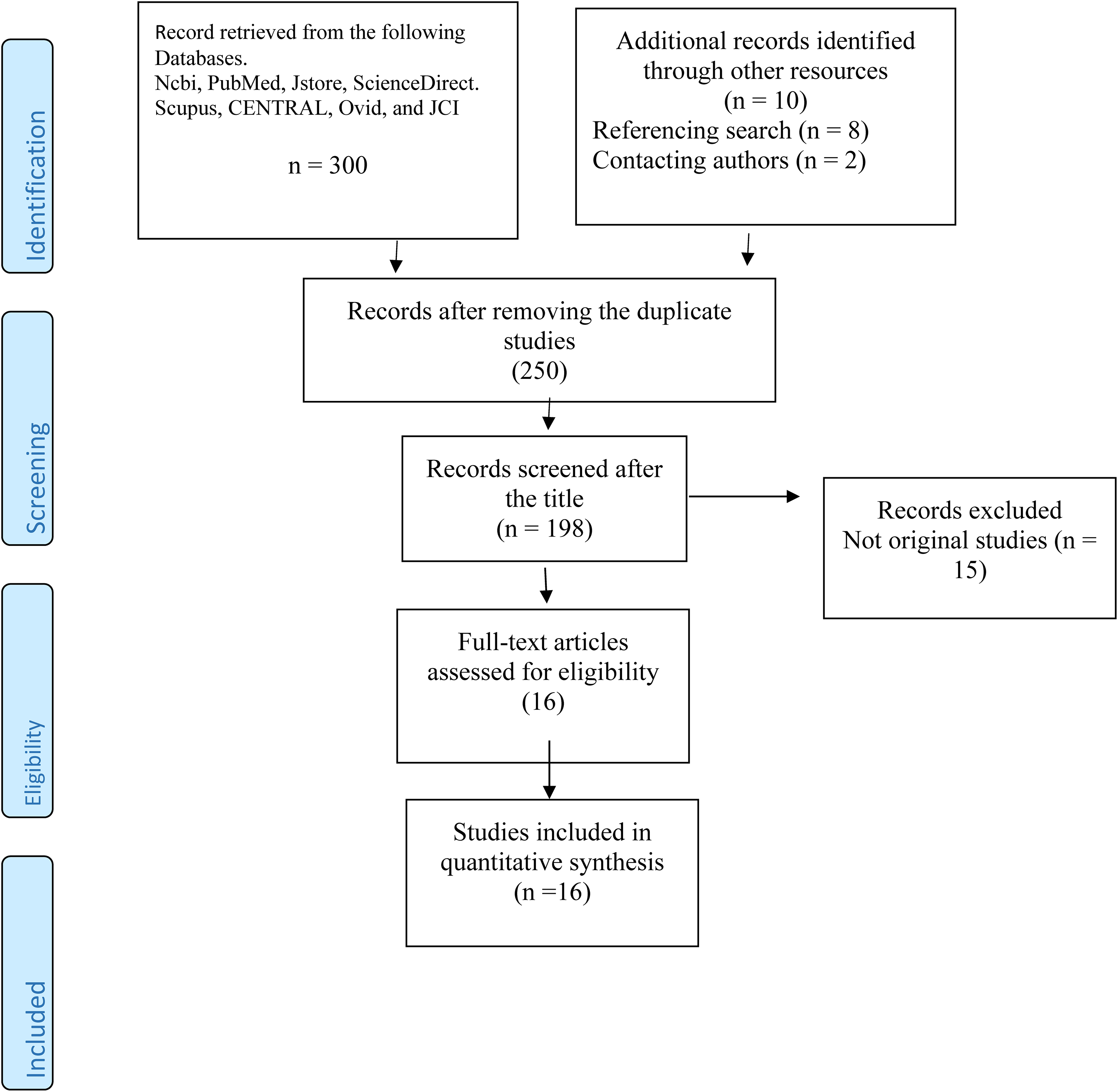
PRISMA flow chart for the selection of articles to be reviewed.
Among the most frequently identified contributing factors to NSSI in adolescents are individual vulnerabilities (such as emotional dysregulation and depressive symptoms), interpersonal stressors (such as peer victimization and relationship difficulties), and contextual influences, particularly family-related factors. Family environments characterized by low cohesion, poor communication, harsh parenting, emotional neglect, and family conflict have been repeatedly associated with increased risk of NSSI (Lai & Chen, 2023; Qin & Gan, 2024; Wang, Lou, et al., 2022; Yang et al., 2021); . Conversely, supportive and emotionally warm family systems appear to function as protective factors. However, the evidence on family-related determinants is dispersed across different populations, methodologies, and cultural contexts, making it difficult to draw consolidated conclusions specifically for male adolescents.
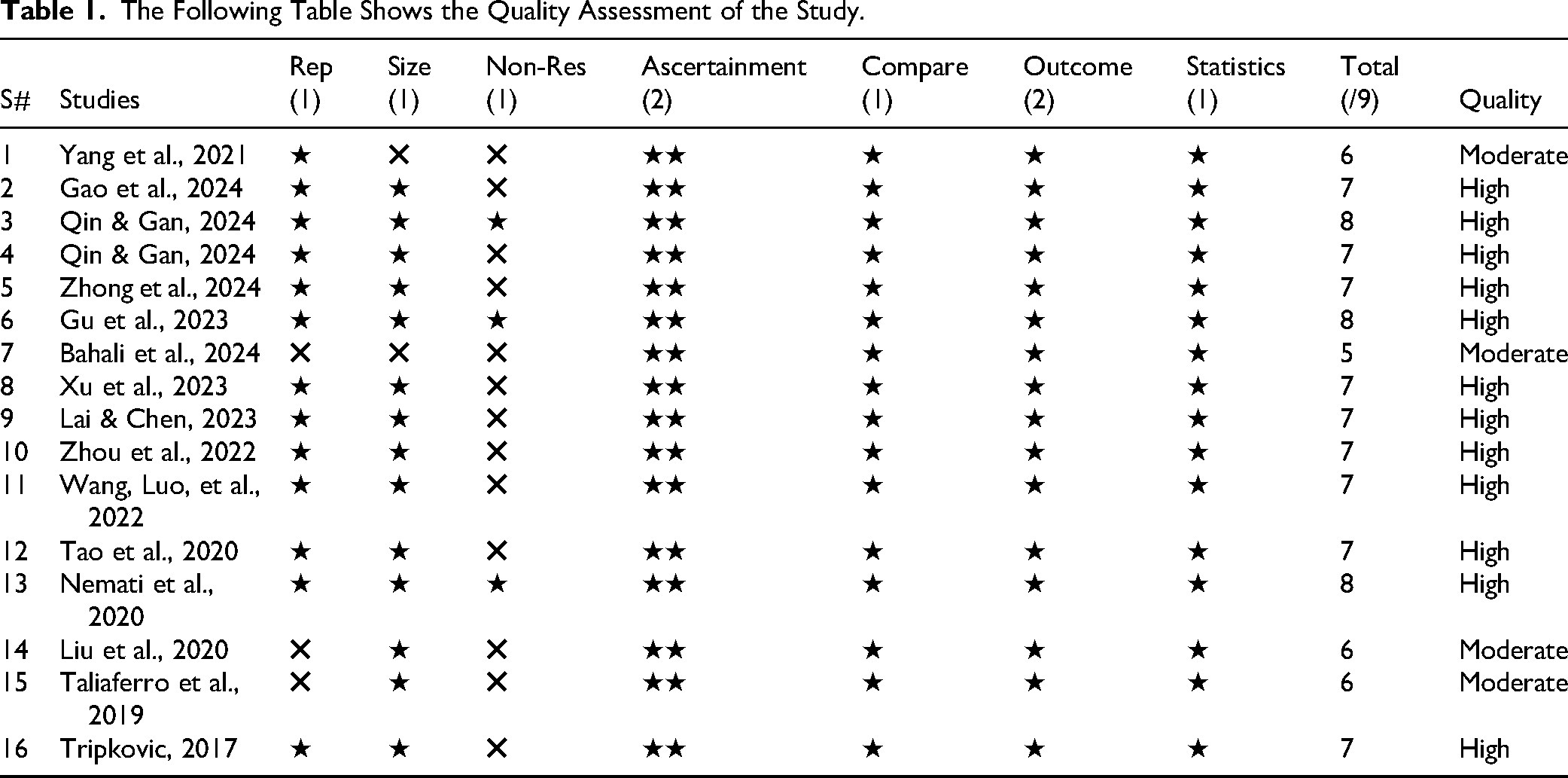
The Following Table Shows the Quality Assessment of the Study.
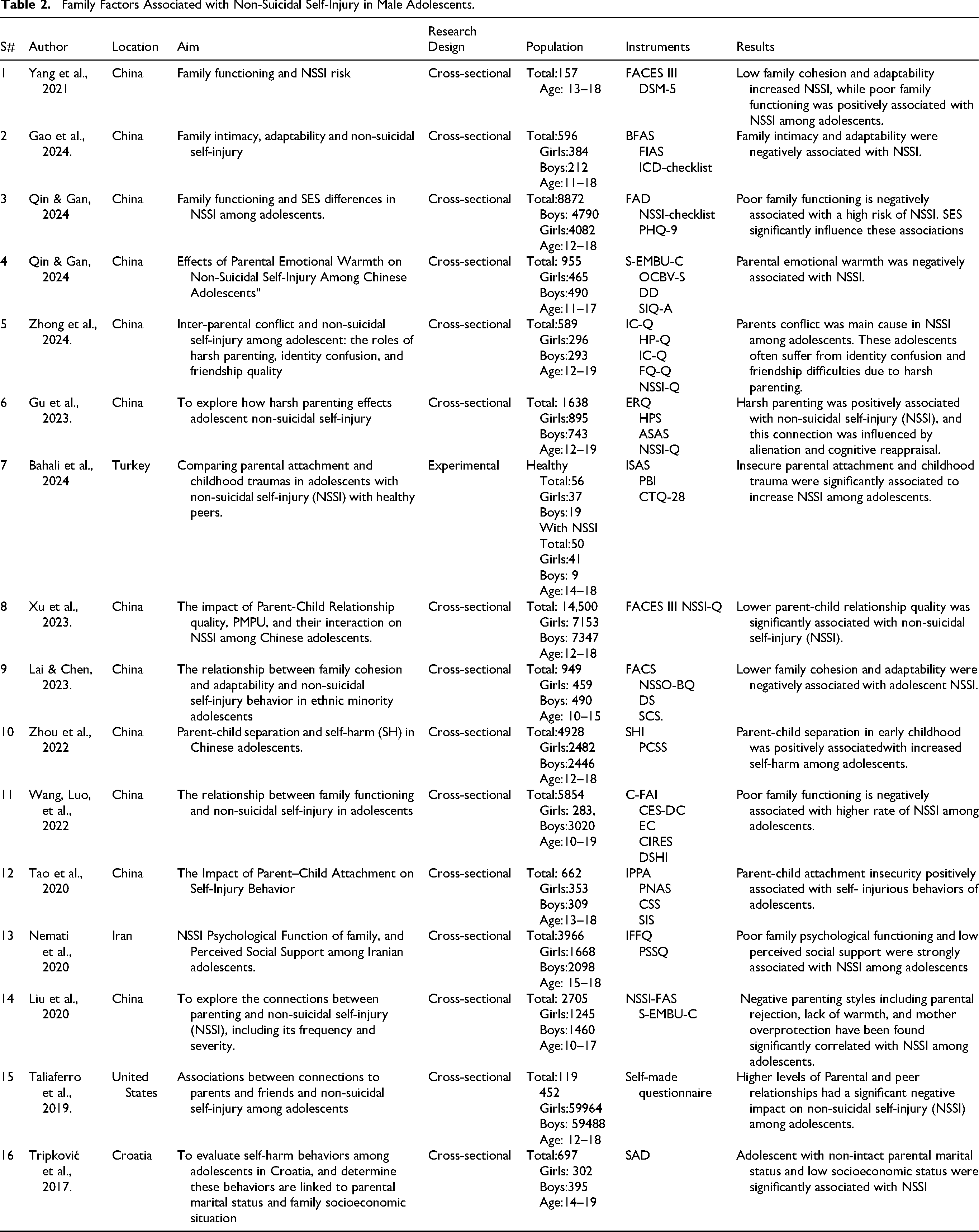
Family Factors Associated with Non-Suicidal Self-Injury in Male Adolescents.
Therefore, a systematic review is necessary to synthesize the existing empirical literature on family-related factors associated with NSSI in male adolescents. A systematic approach allows for the integration of findings across diverse study designs, populations, and measurement tools, providing a comprehensive and structured understanding of the evidence base. It also helps to identify consistencies, gaps, and methodological limitations in the literature. Given the increasing prevalence of NSSI and the limited gender-specific synthesis focusing on male adolescents, such a review is essential to inform future research directions, clinical assessment, and the development of family-based preventive interventions.
Rationale of the Study
NSSI, defined as the deliberate destruction of body tissue without suicidal intent and for non-socially sanctioned purposes, has gained increasing recognition as a critical mental health concern over the past two decades (Cipriano et al., 2017). Evidence indicates that NSSI is particularly prevalent among adolescents and young adults, with typical onset occurring between the ages of 12 and 14 years. Reported prevalence rates vary widely, ranging from 7.5% to 46.5% among adolescents, highlighting the magnitude and variability of the problem across populations (Cipriano et al., 2017). Moreover, NSSI frequently co-occurs with psychiatric conditions such as borderline personality disorder and eating disorders, suggesting its complex and multifactorial nature (Gao et al., 2024).
A growing body of research has attempted to identify the underlying risk factors of NSSI. A recent meta-analysis identified multiple significant predictors, including mental disorders, bullying, low health literacy, problem behaviors, adverse childhood experiences, physical symptoms, and female gender (Wang, Li, et al., 2022 ). These findings emphasize that NSSI is influenced by a combination of individual, social, and environmental factors. However, despite this progress, much of the existing literature has predominantly focused on general or female populations, with comparatively limited attention given to male adolescents. This is a critical gap, as emerging evidence suggests that NSSI among males may be underreported and influenced by different psychosocial mechanisms.
Importantly, while individual-level risk factors have been widely examined, contextual influences, particularly family-related factors, remain underexplored in many cultural settings. Family serves as the primary socialization context for adolescents, shaping their emotional regulation, coping strategies, and behavioral patterns. Family factors include dynamics such as emotional bonding, communication styles, parenting practices, and overall family functioning (Rehman, 2021). Empirical evidence suggests that supportive and cohesive family environments are protective, promoting resilience and better mental health outcomes among adolescents. In contrast, dysfunctional family environments, characterized by conflict, low emotional support, poor communication, and maladaptive parenting, have been consistently linked to adverse outcomes, including engagement in NSSI behaviors.
Furthermore, previous literature has highlighted the need for research that considers cultural and developmental contexts when examining NSSI (Cipriano et al., 2017). In countries like Pakistan, where family structures, gender norms, and mental health stigma differ significantly from Western contexts, the role of family in influencing NSSI may be particularly pronounced. Despite this, there is a scarcity of systematic evidence focusing specifically on family-related determinants of NSSI among male adolescents in Pakistan.
Therefore, in line with this gap, the present study aims to identify and synthesize family-related risk factors associated with NSSI among male adolescents in Pakistan. Understanding these factors is essential for developing culturally sensitive prevention and intervention strategies and for informing clinical and policy-level efforts to address NSSI within this vulnerable population.
Aim
The study aims to identify and synthesize family-related factors associated with NSSI among male adolescents.
Methods
Study Design
The present study employed a secondary research design, involving the systematic analysis and interpretation of existing literature that was originally collected by other researchers, to identify and synthesize family-related factors associated with NSSI among male adolescents.
Research Question
The research question was structured using the PICO framework, which includes population, exposure, comparison, and outcome, to ensure clarity in defining the scope of the review, guide the literature search strategy, and establish inclusion and exclusion criteria (Figure 1). The population (P) comprised male adolescents, while the exposure (I) included family-related factors such as parenting styles, family functioning, parental mental health, family conflict, and socioeconomic status. The comparison (C) component was not applicable in this study, as the focus was on exposure-based risk factors rather than comparative interventions. The outcome (O) was defined as the prevalence or occurrence of NSSI.
Research Question
Among male adolescents, what family-related factors are associated with NSSI?
Inclusion Criteria
Studies were included if they met the following criteria: (1) focused on NSSI among adolescents; (2) specifically examined or reported family-related factors such as parenting style, family functioning, parental mental health, family conflict, socioeconomic status, or family relationships; (3) included male adolescents or provided gender-specific data relevant to males; (4) employed empirical research designs such as cross-sectional, cohort, case-control, or systematic reviews with relevant extractable data; (5) were published in peer-reviewed journals; and (6) were available in the English language.
Exclusion Criteria
Studies were excluded if they: (1) focused on suicidal behaviors without distinguishing NSSI; (2) did not examine family-related factors as a variable of interest; (3) included only adult populations or did not report adolescent-specific or male-specific data; (4) were qualitative reports without relevant extractable findings for synthesis; (5) were case reports, commentaries, editorials, or conference abstracts without full empirical data; and (6) were not published in English or lacked full-text availability.
The study selection process was conducted in accordance with PRISMA guidelines to ensure transparency and methodological rigor (Page et al., 2021). A total of 300 records were identified from electronic databases, including PubMed, Scopus, Web of Science, EMBASE, PsycARTICLES, and Google Scholar, along with 10 additional records identified through other sources, such as reference lists and gray literature. After removing duplicates, 250 records remained for screening.
During the title screening stage, 52 studies were excluded, leaving 198 studies for abstract screening. Following abstract screening, irrelevant studies were removed, and a subset of records proceeded to full-text assessment. At the full-text eligibility stage, 16 studies were assessed in detail for inclusion. Of these, 16 studies were excluded for lack of originality or failure to meet the inclusion criteria, leaving 5 for the final qualitative synthesis.
These included studies were systematically analyzed to identify and synthesize evidence on family-related factors associated with NSSI among male adolescents.
Search Methods
The literature search was conducted using a comprehensive and structured keyword approach to identify relevant studies on family-related factors associated with NSSI among adolescents. Databases including Google Scholar, PubMed, Scopus, Web of Science, EMBASE, and PsycARTICLES were systematically searched.
The following key terms and Boolean combinations were used: “non-suicidal self-injury” OR “NSSI” OR “self-harm without suicidal intent” AND “adolescents” OR “male adolescents” OR “youth” AND “family factors” OR “family functioning” OR “parenting style” OR “parental mental health” OR “family conflict” OR “socioeconomic status” OR “parental rejection” OR “family relationships”.
To ensure broader coverage of the literature, additional search strings were applied, such as “family environment and NSSI in adolescents,” “parenting and self-injury,” “family risk factors for self-harm” and “adolescent self-injurious behavior and family dynamics.” These terms were further refined using population-specific filters focusing on adolescents and gender-specific terms where available.
The search strategy was developed to capture a wide range of empirical studies addressing the role of family-related determinants in NSSI, particularly among male adolescents. This approach ensured inclusion of studies across different cultural, clinical, and community settings to comprehensively explore the association between family factors and NSSI.
Data Extraction
Data were extracted independently from all included studies using a structured extraction format. The extracted information included study characteristics (author, year, and country), sample characteristics (age range, sample size), study design, instrument, and findings.
Quality Assessment of Included Studies
The methodological quality of the included studies, assessed using the adapted Newcastle–Ottawa Scale (maximum score = 9), ranged from moderate to high quality (scores 5–8). The majority of studies (n = 11) were classified as high quality (≥7/9), indicating generally strong methodological rigor, particularly in terms of the use of validated measurement tools, appropriate statistical analyses, and acceptable control of confounding variables (Table 1).
However, several recurring methodological limitations were identified across studies. Most notably, non-response rates were frequently unreported, and sample size justification was often absent, which may introduce potential selection bias. Additionally, although outcome assessment was generally based on validated self-report instruments, the exclusive reliance on self-report measures may increase the risk of reporting bias.
Only a small number of studies fell into the moderate-quality range (5–6/9), primarily due to weaker sampling strategies and limited reporting of methodological details. Overall, despite these limitations, the evidence base can be considered methodologically acceptable, supporting the reliability of the synthesized findings while also highlighting the need for improved reporting standards in future research.
Data Analysis
A narrative synthesis approach was employed to interpret and summarize the findings of the current study. The synthesis focused on identifying and integrating evidence on family-related factors associated with NSSI among male adolescents, including parenting styles, family functioning, parental mental health, family conflict, socioeconomic status, and family relationships. The findings were organized thematically to explore patterns, consistencies, and variations across studies, providing a comprehensive understanding of how family dynamics contribute to NSSI in this population.
Results
Year of Publication Trends
The included 17 studies span from 2017 to 2025, indicating a growing research interest in family factors associated with NSSI among adolescents. Early contributions began with studies such as Tripkovi et al. (2017), followed by increasing attention in 2019 and 2020 (Liu et al., 2020; Nemati et al., 2020; Taliaferro et al., 2019; Tao et al., 2020). A sharp rise in publications is evident from 2022 onward, including Wang, Luo, et al. (2022), Zhou et al. (2022), Gu et al. (2023), Xu et al. (2023), Lai and Chen (2023), Bahali et al. (2024), and several recent studies in 2024–2025 (Gao et al., 2024; Qin & Gan, 2024; Zhong et al., 2024; Yang et al., 2021). This trend highlights the increasing recognition of family dynamics in adolescent mental health research (Table 2).
Geographical Distribution of Studies
The majority of studies were conducted in China, including Yang et al. (2021), Gao et al. (2024), Qin and Gan (2024), Qin and Gan (2024), Zhong et al. (2024), Gu et al. (2023), Xu et al. (2023), Lai and Chen (2023), Wang, Luo, et al. (2022), Zhou et al. (2022), Tao et al. (2020), and Liu et al. (2020). This dominance suggests a strong regional research focus. Other countries represented include Turkey (Bahali et al., 2024), Iran (Nemati et al., 2020), the United States (Taliaferro et al., 2019), and Croatia. Despite this diversity, the overrepresentation of Chinese samples may limit cross-cultural generalizability.
Measures and Instruments Used
A variety of standardized instruments were used across the studies to assess both family functioning and NSSI. Common family-related measures included FACES III (Yang et al., 2021; Xu et al., 2023), FAD (Qin & Gan, 2024), S-EMBU-C (Liu et al., 2020; Qin & Gan, 2024), and IPPA (Tao et al., 2020). Other tools such as BFAS, FIAS (Gao et al., 2024), IC-Q and HP-Q (Zhong et al., 2024), and PBI (Bahali et al., 2024) were also employed. NSSI was commonly assessed using checklists and scales such as DSHI (Wang, Luo, et al., 2022), ISAS (Bahali et al., 2023), and self-harm inventories (Zhou et al., 2022). Psychological and mediating variables were measured using instruments such as PHQ-9 (Qin & Gan, 2024), ERQ (Gu et al., 2023), and perceived social support scales (Nemati et al., 2020). This methodological diversity reflects a multidimensional approach but introduces variability across studies.
Research Design
Most studies employed cross-sectional designs, including Yang et al. (2025), Gao et al. (2024), Qin and Gan (2024), Qin and Gan (2024), Zhong et al. (2024), Gu et al. (2023), Xu et al. (2023), Lai and Chen (2023), Wang, Luo, et al. (2022); quantitative study), Zhou et al. (2022), Tao et al. (2020), Nemati et al. (2020), Liu et al. (2020), and Taliaferro et al. (2019), which primarily provide correlational insights but limit causal inference. In contrast, Bahali et al. (2023) employed an experimental design, offering stronger comparative evidence between clinical and healthy groups. This distribution indicates a strong reliance on cross-sectional methodologies, highlighting a significant gap in longitudinal and intervention-based research.
Population Characteristics
The studies predominantly focused on adolescents aged between 10 and 19 years, capturing a critical developmental window for NSSI vulnerability (Gao et al., 2024; Gu et al., 2023; Lai & Chen, 2023; Liu et al., 2020; Qin & Gan, 2024; Taliaferro et al., 2019; Tao et al., 2020; Wang, Luo, et al., 2022; Xu et al., 2023; Yang et al., 2021; Zhong et al., 2024; Zhou et al., 2022). Sample sizes varied considerably, ranging from small clinical samples (Bahali et al., 2023) and qualitative dyadic samples (Wang, Luo, et al., 2022) to large-scale population-based studies (Qin & Gan, 2024; Wang, Luo, et al. (2022); Xu et al., 2023; Zhou et al., 2022). Most studies included both male and female adolescents, although some reported gender imbalances, particularly higher female representation in clinical NSSI groups (Bahali et al., 2023). Furthermore, a study by Wang, Luo, et al. (2022) incorporated parental participants or examined parent–adolescent dyads, providing deeper insights into family interaction patterns. Overall, the populations studied are appropriate and comprehensive for examining adolescent NSSI within family contexts.
Family Factors Affecting NSSI
Consistent evidence across the included studies highlights the role of multiple family-related variables in NSSI among adolescents. Several studies reported that poor family functioning, along with lower levels of family cohesion and adaptability, is associated with higher levels of NSSI (Gao et al., 2024; Lai & Chen, 2023; Qin & Gan, 2024; Wang, Luo, et al., 2022; Yang et al., 2021). Similarly, aspects of the parent–child relationship, including reduced intimacy and lower relationship quality, were also linked with increased NSSI behaviors (Taliaferro et al., 2019; Xu et al., 2023).
Parenting-related variables were another frequently examined domain. Negative parenting practices, including harsh parenting, parental rejection, and lack of emotional warmth, were consistently associated with NSSI across multiple studies (Gu et al., 2023; Liu et al., 2020; Qin & Gan, 2024). In contrast, parental emotional warmth and supportive parenting behaviors were reported to be negatively associated with NSSI (Gao et al., 2024; Qin & Gan, 2024). In addition, insecure parental attachment and parent–child attachment difficulties were identified as relevant correlates of self-injurious behaviors (Tao et al., 2020; Bahali et al., 2023).
Family relational dynamics, including inter-parental conflict and parent–child separation, were also examined. Inter-parental conflict and harsh parenting were associated with higher levels of NSSI (Zhong et al., 2024), while early parent–child separation was linked with increased self-harm behaviors (Zhou et al., 2022).
In addition to relational and parenting variables, structural and contextual family factors were also reported. Socioeconomic status (SES) and differences in family structure, including non-intact parental marital status, were associated with variations in NSSI (Qin & Gan, 2024). Furthermore, broader aspects of family psychological functioning and perceived social support were linked with NSSI outcomes (Nemati et al., 2020). Across studies, these factors were examined using diverse methodological and measurement approaches, contributing to a comprehensive understanding of family-related correlates of adolescent NSSI.
Discussion
The present review synthesized evidence on family-related correlates of NSSI among adolescents, with a specific focus on male populations. Overall, the findings indicate that family environments represent a central and multidimensional domain influencing NSSI, encompassing structural, relational, and caregiving processes. However, beyond documenting consistent associations, a more critical interpretation suggests that these family factors likely operate through complex developmental and psychological pathways rather than as isolated risk variables.
A prominent finding across the reviewed studies is the association between impaired family functioning, particularly low cohesion, adaptability, and overall relational stability, and increased engagement in NSSI. Multiple studies consistently reported that poorer family functioning was associated with higher levels of NSSI (Gao et al., 2024; Lai & Chen, 2023; Qin & Gan, 2024; Wang, Luo, et al., 2022; Yang et al., 2021). These patterns can be more meaningfully understood through the lens of Attachment Theory and broader developmental psychopathology frameworks, which posit that early relational environments shape emotional regulation capacities and stress responsivity (Ainsworth et al., 2015). Adolescents raised in poorly functioning family systems may experience deficits in affect regulation, thereby increasing reliance on maladaptive coping strategies such as NSSI. Importantly, while the consistency of these findings strengthens their validity, the predominance of cross-sectional designs limits conclusions regarding directionality. It remains unclear whether family dysfunction precedes NSSI or whether adolescent behavioral difficulties contribute to deteriorating family dynamics, suggesting the likelihood of bidirectional influences.
Parenting practices emerged as a particularly salient domain, with converging evidence linking harsh, rejecting, and emotionally distant caregiving to higher levels of NSSI (Gu et al., 2023; Liu et al., 2020; Qin & Gan, 2024), while parental warmth appears protective (Gao et al., 2024; Qin & Gan, 2024). These findings align with theoretical expectations but warrant deeper consideration. For instance, negative parenting may not only elevate distress but also restrict the development of adaptive emotion regulation strategies, thereby increasing vulnerability to self-injurious behavior. Conversely, emotionally supportive parenting may buffer stress and facilitate resilience. These interpretations are consistent with theoretical perspectives emphasizing responsive caregiving (Rehman, 2021), yet the literature provides limited insight into the mechanisms underlying these associations. Future research should explicitly examine mediating processes, such as emotion dysregulation, cognitive distortions, and interpersonal sensitivity, to move beyond simple correlational models.
The role of broader family relational dynamics, including inter-parental conflict, early parent–child separation, and hostile interaction patterns, further underscores the systemic nature of NSSI risk. Empirical evidence indicates that inter-parental conflict and harsh parenting are associated with increased NSSI (Zhong et al., 2024), while early parent–child separation has also been linked to self-harm behaviors (Zhou et al., 2022).
In addition to interpersonal dynamics, structural and contextual family factors, such as socioeconomic status and family composition, were associated with NSSI outcomes (Qin & Gan, 2024). Broader indicators of family psychological functioning and perceived social support were also linked with NSSI (Nemati et al., 2020). While these variables are often treated as distal risk indicators, their influence may be mediated through stress exposure, reduced access to supportive resources, and disruptions in caregiving quality. However, the current evidence base does not adequately disentangle these pathways, reflecting a broader limitation in the field's reliance on single-level analyses.
In conclusion, while the existing literature provides robust evidence that family-related factors are closely associated with adolescent NSSI; significant gaps remain in terms of causal inference, theoretical integration, cultural generalizability, and gender-specific understanding (Rehman et al., 2025a, 2025b, 2026a, 2026b). Addressing these limitations will be essential for advancing both the scientific understanding of NSSI and the development of targeted, family-informed interventions.
Strengths of the Study
The present study offers several important strengths. First, it provides a comprehensive synthesis of family-related factors associated with NSSI among adolescents, with particular attention to male populations, an area that remains comparatively underexplored in the existing literature. By focusing specifically on family dynamics such as parenting styles, family functioning, attachment, and socioeconomic conditions, the study contributes to a more focused understanding of contextual influences on NSSI.
Second, the study adopts a systematic and structured approach, guided by the PRISMA framework, ensuring transparency in the selection and screening of studies. The use of multiple databases, including PubMed, Scopus, Web of Science, EMBASE, PsycARTICLES, and Google Scholar, enhances the breadth of the literature search and reduces the likelihood of missing relevant studies.
Third, the inclusion of studies with diverse methodological designs, including cross-sectional, experimental, longitudinal, and qualitative approaches, strengthens the comprehensiveness of the review. This diversity allows for the integration of both quantitative findings and qualitative insights, particularly regarding family experiences and relational dynamics.
Finally, the study incorporates evidence from multiple cultural contexts, including China, Turkey, Iran, the United States, and Croatia. This cross-cultural inclusion broadens the scope of the findings and highlights the global relevance of family-related factors in adolescent NSSI.
Limitations of the Study
Despite its contributions, the study has several limitations that should be acknowledged. First, the majority of the included studies employed cross-sectional designs, which restrict the ability to establish temporal or causal relationships between family factors and NSSI. As a result, the findings are primarily based on associations rather than causal inferences.
Second, there is a geographical imbalance in the included studies, with a substantial proportion conducted in China. This overrepresentation may limit the applicability of findings to other cultural contexts, particularly South Asian settings such as Pakistan, where family structures, social norms, and mental health perceptions differ.
Third, although the study aimed to focus on male adolescents, many included studies were conducted on mixed-gender samples, with limited gender-specific analyses. This restricts the ability to draw conclusions exclusively about male adolescents and highlights a gap in gender-focused research.
Fourth, the use of heterogeneous measurement tools across studies, including different scales for family functioning, parenting, and NSSI, introduces variability in how constructs are operationalized. This may affect the comparability of findings across studies.
Additionally, the exclusion of non-English studies and certain types of grey literature may have led to the omission of relevant evidence. The risk of bias assessment was also not completed in the current study, which limits the ability to evaluate the methodological quality of included studies.
Recommendations
Based on the findings of this review, several key recommendations can be made for future research, clinical practice, and policy development. Future research should prioritize longitudinal and experimental designs to clarify the temporal and causal relationships between family-related factors and NSSI. There is also a clear need for more gender-specific studies focusing on male adolescents to better understand distinct risk mechanisms within this group. In addition, research should include more culturally diverse populations, particularly from underrepresented regions such as South Asia, to improve the generalizability of findings. Standardization of measurement tools across studies is also recommended to enhance comparability and reduce methodological heterogeneity.
In clinical practice, family-focused assessment should be integrated into the routine evaluation of adolescents presenting with NSSI. Clinicians should pay particular attention to family functioning, parenting practices, attachment patterns, and parent–child relationships. Evidence-based family interventions, including psychoeducation, communication skills training, and family therapy, may help address relational risk factors and improve treatment outcomes.
From a policy perspective, the development of family-centered adolescent mental health programs is essential. Schools and community systems should be engaged in promoting awareness of the role of family dynamics in adolescent mental health. In low- and middle-income settings such as Pakistan, culturally sensitive approaches that account for family structure, gender norms, and stigma are particularly important. Strengthening access to adolescent mental health services and integrating family-based approaches into existing healthcare systems may support early identification, prevention, and intervention for NSSI.
Implications
This review indicates that family-related factors are central to adolescent NSSI, highlighting the need to move beyond individual-level explanations toward relational and systemic perspectives. Findings support the relevance of Attachment Theory, suggesting that early caregiving experiences shape emotion regulation and vulnerability to self-injury.
Clinically, results support routine assessment of family functioning, parenting practices, and attachment patterns in adolescents presenting with NSSI. Family-based interventions, including psychoeducation, communication training, and family therapy, may enhance treatment effectiveness by targeting underlying relational risks.
At the practice and policy level, integrating family-focused approaches into school and community mental health programs may improve early identification and prevention of NSSI, particularly in culturally collectivist settings where family influence is strong.
Future research should prioritize longitudinal designs, gender-specific analyses (especially in male adolescents), and culturally diverse samples to strengthen causal understanding and improve generalizability.
Footnotes

Funding
The authors received no financial support for the research, authorship, and/or publication of this article.
Declaration of Conflicting Interests
The authors declared no potential conflicts of interest with respect to the research, authorship, and/or publication of this article.