Abstract

Professional Development that Targets the National Gifted Education Standards for Pre-K-Grade 12
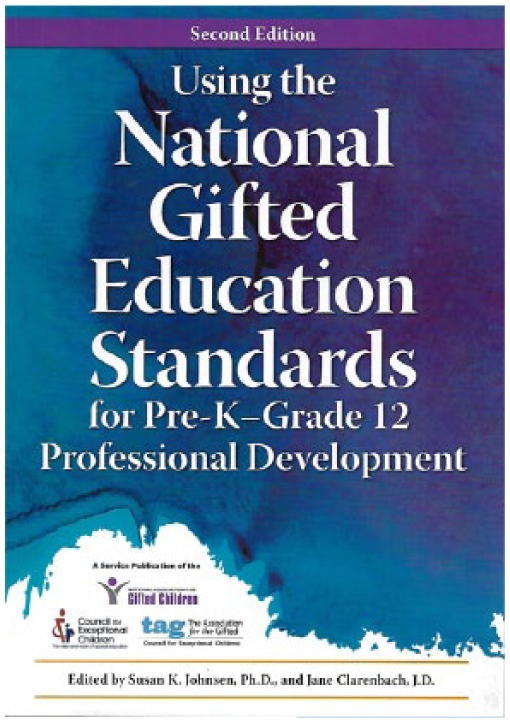
Many of the most outstanding researchers, authors, and educators in the field of gifted education have contributed to the second edition of this resource that is designed to guide educational leaders in offering teachers the most thorough and effective professional development possible, enabling them to effectively meet the academic, social, and emotional needs of our most academically abled students. Edited by Susan Johnsen and Jane Clarenbach, Using the National Gifted Education Standards for Pre-K-Grade 12 Professional Development (ISBN: 978-1-61821-584-0) provides a close look at research-based methods in gifted education that teachers should know and be able to effectively implement in order to ensure that gifted and talented students have the opportunity to engage in meaningful learning experiences and reach their full potential. The book includes examples of strategies for developing partnerships, identifying professional development outcomes, designing learning activities, planning and implementing comprehensive training programs, and evaluating the effectiveness of professional development activities. A sample needs assessment, student and teacher observation instruments, and a sample professional development plan are just a few examples of the rich and valuable content presented in this publication. For more information contact Prufrock Press, P. O. Box 8813, Waco, TX 76714-8813; 800-998-2208; http://www.prufrock.com.
Technology and the Schoolwide Enrichment Model
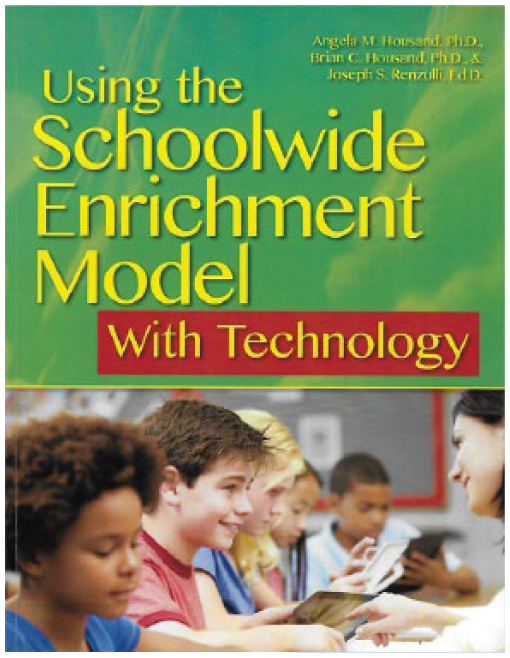
This recent publication adds new dimension to the Schoolwide Enrichment Model (SEM), a differentiated curriculum that has been implemented in more than 2,500 schools. Recognizing and responding to the fact that technology is changing the educational landscape quickly and with a dramatic impact, Using the Schoolwide Enrichment Model With Technology (ISBN: 978-1-61821-593-2) is a solution-oriented book that offers guidance and ideas for educators as they seek to integrate technology into productive learning environments for their students. Moving from listing digital technology resources that already exist to empowering students to find and use resources and tools that will empower them to discover and create as they grow and learn is one of the main tenets of this new resource. Along with addressing the need for attention to digital technology, this book focuses on strategies that help develop critical thinking, problem solving, decision making, and communication - all skills that students need to experience success and fulfillment in life. Examples that will help teachers implement learning experiences that focus on a hands-on approach and will guide them in creating a culture of innovation and excellence in school as well as in the classroom are highlighted. For teachers who desire to expand the use of technology in the classroom as well as allow for independent productivity from students, this is a resource to explore. For more information contact Prufrock Press, P. O. Box 8813, Waco, TX 76714-8813; 800-998-2208; http://www.prufrock.com.
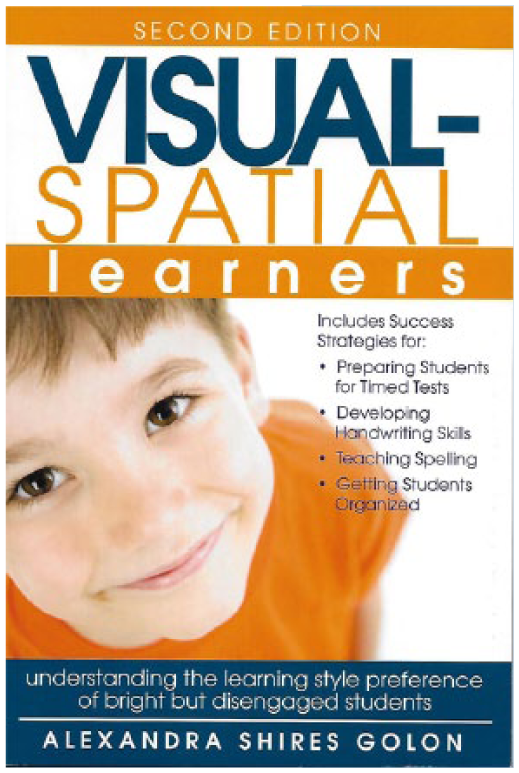
Strategies to Engage Visual-Spatial Learners
Have you ever struggled with addressing the educational needs of students who prefer visual-spatial learning? Is it sometimes difficult to keep these students engaged throughout your lessons? If you answered yes to either of these questions, this new edition of Visual-Spatial Learners: Understanding the Learning Style Preference of Bright but Disengaged Students (2nd ed.) (ISBN: 978-1-61821-658-8) may be helpful in offering information, advice, and activities to keep bright students engaged and learning. This easy-to-read book includes many examples and strategies based on the most current research regarding the brain’s hemispheric functions. The author offers tried and true approaches for preparing students for timed tests, developing handwriting skills, teaching spelling through imagery, helping students improve organizational skills, and much more. Readers are provided with lesson plan ideas to help differentiate instruction to meet the needs of gifted visual-spatial learners along with ideas for incorporating mnemonics, rhymes, and other strategies that help engage the right hemisphere of the brain to keep students focused and engaged. For more information contact Prufrock Press, P. O. Box 8813, Waco, TX 76714-8813; 800-998-2208; http://www.prufrock.com.
Middle School Menus for Language Arts, Math, Science, and Social Studies
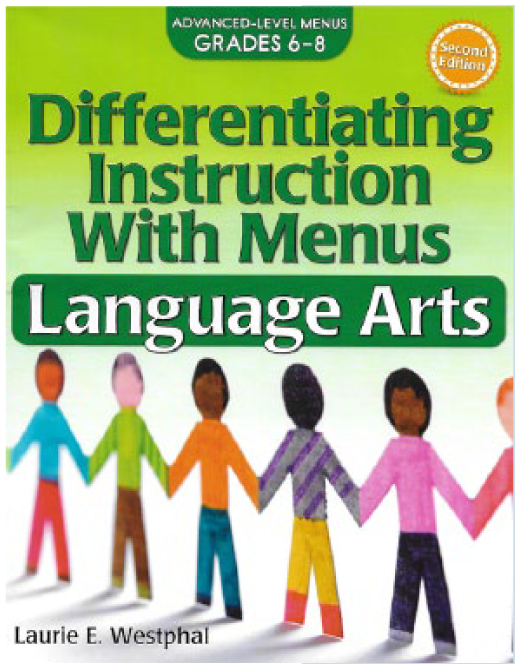
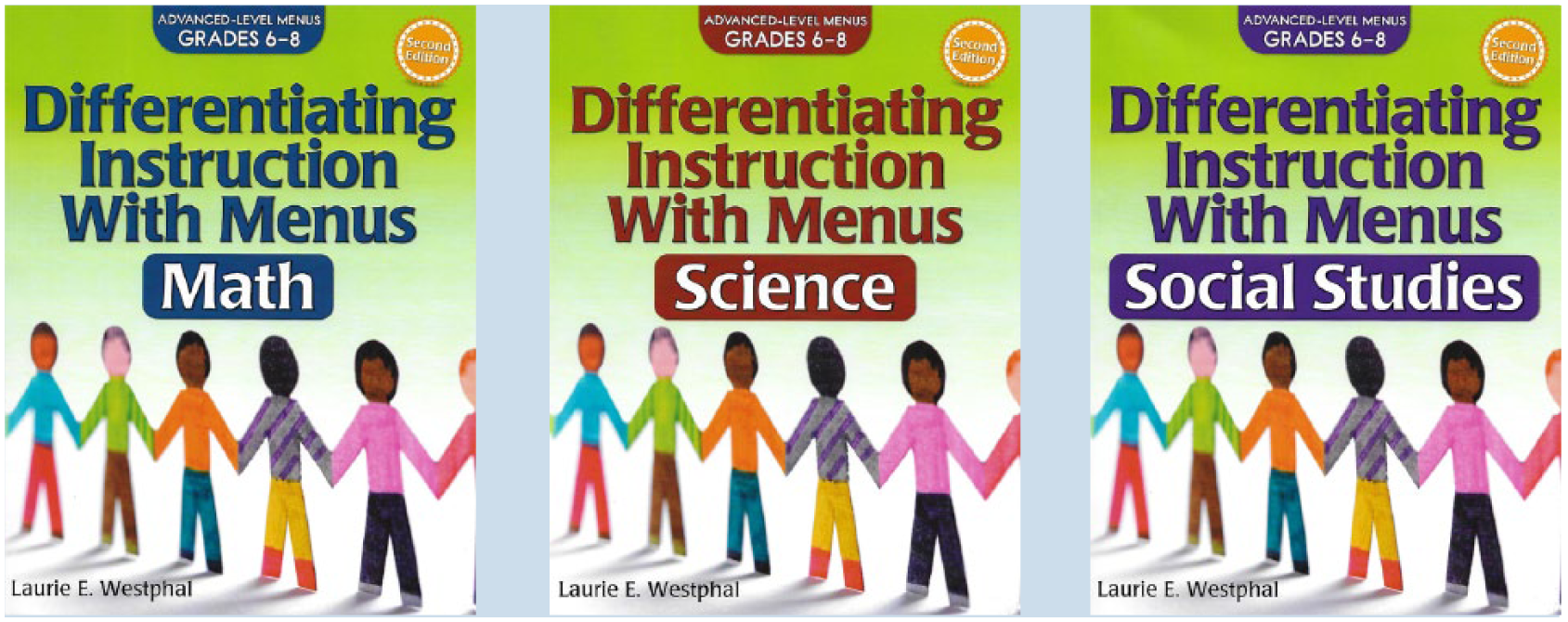
Customizing instruction in classrooms that include students with a wide variety of learning needs can be a challenge. In this second edition of Advanced-level Differentiating Instruction with Menus (Grades 6-8) series, author Laurie Westfall provides middle school educators with the tools needed to offer a student-centered educational environment that includes learner choice through menus. The series includes books that focus on the four core content areas including mathematics (ISBN: 978-1-61821-638-00), social studies (ISBN: 978-1-61821-642-7), language arts (ISBN: 978-1-59363-366-0), and science (ISBN: 978-1-61821-636-6). Each book contains rubrics that are student friendly and allow for student choice, options for products, and free choice proposal forms to encourage independent studies. These revised editions add numerous technology related product options from which students may pick, saving teachers time from trying to decide how to incorporate products that involve updated technology. In addition, the book provides a recently edited curriculum alignment chart that correlates with national standards. For more information contact Prufrock Press, P. O. Box 8813, Waco, TX 76714-8813; 800-998-2208; http://www.prufrock.com