







Abstract
In this study, numerically and experimentally the dynamic characteristics of graphene-reinforced glass fiber–reinforced polymer hybrid uniform and thickness tapered laminated composite beams were investigated. First, the graphene-epoxy nanocomposite solution without and with 0.25, 0.50, and 0.75 wt.% of graphene reinforcement is prepared by the heat shearing technique and then used for the fabrication of glass fiber–reinforced polymer hybrid uniform and thickness tapered composite beams using the hand lay-up method. The elastic properties of the hybrid beams were evaluated using the impulse excitation of vibration technique (ASTM E1876-15) under elevated temperature. Further, the numerical and experimental modal analysis of the hybrid beams with uniform and tapered configurations were conducted with variation in wt.% of graphene particles under fixed-fixed and fixed–free end supports. The results reveal that the natural frequencies of the glass fiber–reinforced polymer hybrid uniform and tapered configurations with 0.25 wt.% of graphene are greater than those of the glass fiber–reinforced polymer beams without graphene reinforcement and observed lesser for 0.5 and 0.75 wt.% of graphene under fixed-fixed and fixed-free end supports, respectively, due to unavoidable agglomeration effects. Furthermore, the parametric study was performed with the influence of weight fraction of graphene and temperature on the transverse response of the tapered composite beam. Hence, it can be concluded that the use of graphene filler in the glass fiber–reinforced polymer composites in the tapered composite beams improves the bending natural frequencies significantly when the weight fraction of the graphene is used lesser as agglomeration is unavoidable in practical condition. Therefore, the comprehensive numerical and experimental work presented in this study will be useful to the designers while using graphene fillers to improve the bending characteristics of the tapered composite beams.
1. Introduction
Uniform and tapered laminated composite structures are widely being used over a broad range of engineering design applications due to their low density, higher strength, better stiffness, and corrosion resistance properties, especially in aerospace, helicopter, wind turbine blades, etc. The stiffness of such composite structures is often reduced by the dynamic loads under the thermal environment. Graphene-reinforced composites were identified to improve resistance to vibrations because of their significant increase in stiffness of the composite structures with the least addition of graphene.
Some researchers have investigated the vibration characterization of graphene beams due to its significant advantages in various applications. It was shown the enhancement of elastic properties is insignificant in the graphene embedded hybrid composites due to its poor bonding between the interface of graphene and resin which could develop weak Vander Waals forces between them. However, the interfacial interaction between the graphene-epoxy yields an increase in the mechanical characteristics of hybrid composites (kumar et al., 2019).
Liu et al. (2012) presented an effective technique for the distribution of graphene oxide (GO) in the matrix/epoxy resin. The storage modulus showed an improved result with the addition of GO in epoxy while transition glass temperature was reduced. Galpaya et al. (2014) investigated the elastic properties and the glass transition temperature of the GO from 0.1 to 0.5 wt.% reinforced nanocomposites. An increase in wt.% of GO decreases the glass transition temperature significantly. Abdullah and Ansari, (2015) investigated the effectiveness of the composites on the mechanical properties with the addition of GO. The optimum values for mechanical properties were observed at 1.5 vol% of GO in epoxy. Prusty et al. (2017) studied the influence of GO/epoxy nanocomposites on mechanical properties with an increase in temperature from −80°C to 90°C. The flexural strength increased by 13% at room temperature and 82% improvement at −80°C. Pujar et al. (2018) demonstrated the dynamic response of the GO nanofiller with various 0.1, 0.5, and 1 wt.% reinforced in the glass fiber–reinforced polymer (GFRP) composites. It was observed that 0.5 wt.% of GO/GFRP composites have shown improvement in damping significantly. Arun et al. (2018) studied the effectiveness of GO/GFRP composites on mechanical properties. It was observed that the 2.5% weight fraction of graphene in the composite material delivers higher properties than that of the composites with other weight percentages. Raza et al. (2019) studied the enhancement of mechanical properties on the GO coated-GF unsaturated polyester (UPE) composites. It was observed that the mechanical properties of GO/GFRP/UPE composites are higher than the GF/UPE composites. Gangineni et al. (2019) assessed the influence of different functionalized graphene nanoparticles reinforced in the carbon FRP composites. It was observed that the G-COOH modified carbon fiber reinforced polymer (CFRP) composite yields the highest flexural strength and interlaminar shear strength by 9.6% and 22.9% than that of the CFRP composites, respectively. Rafiee et al. (2019) investigated the thermal conductivity of GO/GFRP with reduction in graphene nanoplatelets. The result shows an improvement of 8.8%, 12.6%, 8.2%, and 4.1% in thermal conductivity for the GFRP composites modified with MWCNTs having 0.3 wt.%, GNPs 1 wt.%, GO 2 wt.%, and rGO 0.042 wt.%, respectively, than that of the GFRP composite without nanoparticles. Kernin et al. (2019) presented the effect of various wt.% of graphene reinforcement to improve the multifunctional properties of GFRP nanocomposites. It was observed that 0.2 wt.% of the graphene-GFRP composites increased the flexural modulus by 12%. Muñoz et al. (2019) studied the effectiveness of the GO in increasing the mechanical properties of a solvent-free fortified epoxy resin. An increase of 39% is observed in the compressive elastic modulus with 0.3 wt.% GO/GFRP composite.
Geim and Novoselov (2007) demonstrated that the high range of mobile free electrons in the graphene polymer chain structure induces the elastic properties of the composites. Ovid’ko (2013) proposed the effectiveness of graphene-GFRP composite in enhancing the mechanical properties. Shen et al. (2013) examined that the tensile and flexural strength increased with the graphene/epoxy/CFRP reinforcement. Wei et al. (2015) studied the influence of various wt.% of graphene reinforcement on elastic properties. It was observed that the addition of 0.3 wt.% of graphene in the nanocomposite increases the tensile strength from 57.2 MPa to 64.4 MPa, significantly. Wang et al. (2015) studied the effects of the multiscale nanoplatelets (GnPs)/GFRP composites. The result reveals that the flexural strength of the GnP-5-GFRP composite with 3 wt.% is 16.2% higher than that of the GFRP composite. Berhanuddin et al. (2017) presented the effectiveness of the modified and unmodified graphene particles on the mechanical properties. Modified graphene with 0.5 wt.% could increase the Modulus of elasticity, tensile strain, and strength, respectively. Guo et al. (2018) studied numerically the effects of variation in volume fraction and different inclined angles on the mechanical properties of graphene/GFRP composites. Rafiee et al. (2019) investigated experimentally the vibration characterization of multiscale graphene/fiberglass/epoxy composites. The results revealed that an increase in the graphene nanomaterials could increase the damping ratio, while the damped natural frequencies decreased. Pol et al. (2013) explored the vibration and damping properties of non-particle-reinforced hybrid nanocomposite laminates and have considered a uniform laminated beam made of E-glass/epoxy enriched with Cloisite 30B in his study. Zabihollah et al. (2016) investigated the dynamic behavior of non-uniform thickness laminated composite beams by the addition of nanoclay particles with different taper configurations. The natural frequency of the hybrid tapered composite increases significantly with 3% addition of nanoparticles. Beyond 3%–7%, addition of nanoparticles could decrease the natural frequency while the damping coefficients were increased in all configurations of the tapered composite laminates.
Even though, the researchers investigated the dynamic properties of graphene/GFRP/composite structures, limited experimental investigations on vibration characterization of graphene/GFRP hybrid composite beams have been studied. In this study, the dynamic characteristics of graphene-reinforced hybrid composite beams have been investigated numerically and experimentally. Hybrid GFRP beams are manufactured by the heat shearing method (without ultra-sonication) and lay-up technique. The natural frequencies of the hybrid GFRP beams for the fundamental modes are measured numerically and experimentally from the modal analyses. Moreover, the effectiveness of variation of graphene wt.% and end supports of the hybrid uniform and tapered beams without and with graphene reinforcement on elastic properties and resonant response frequencies are investigated.
2. Materials characterization using computational and experimental techniques
2.1. Experimental procedure
The carboxylic acid (COOH) functionalized graphene materials procured from the Bottom-Up Technologies Corporation® with more than 74% of carbon content having a 20–25 nm thin sheet with an average lateral dimension of 10-μm width were utilized in this study. Further, they are arbitrarily mixed in the LY556 epoxy resin with a 10:1 ratio of HY951 Hardener and reinforced with the 220 GSM of unidirectional glass fibers.
2.1.1. Preparation of graphene-epoxy resin
The hybrid solution was prepared using carboxylic acid-functionalized graphene nanoparticles with epoxy LY556 resin through the heat shearing method.
The Scanning Electron Microscope (SEM) image of the graphene before and after heat shearing is presented in Figure 1, which depicts that the graphene with no heat shear processing is integrated into groups, while the heat sheared graphene were better fragmented into individuals that yield homogenous distribution in the epoxy. It increases the mechanical characteristics of the graphene/epoxy/GFRP hybrid composites. Scanning electron microscope images of the graphene nanoparticles processed (a) before and (b) after using the heat shearing method.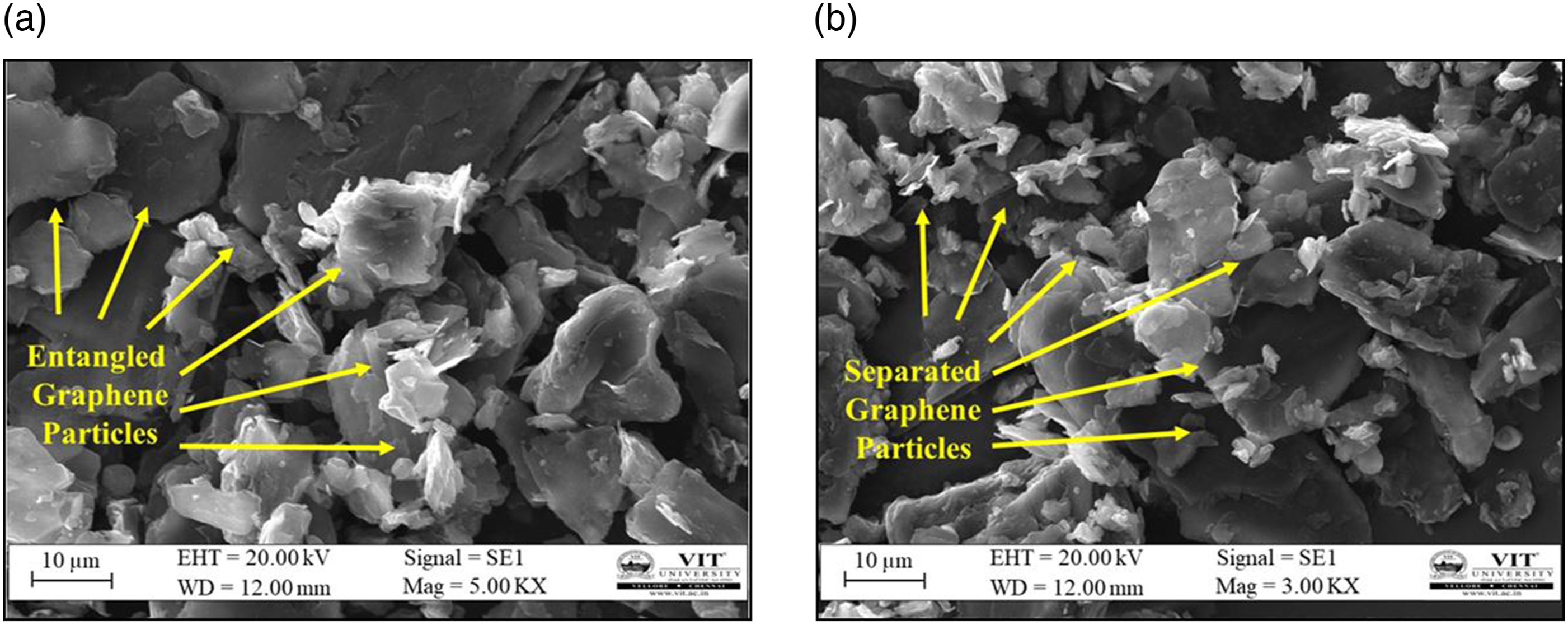
2.1.2. Fabrication of hybrid composite test specimens
Glass fiber–reinforced polymer and Graphene/GFRP hybrid materials were manufactured by the hand-layup method. Initially, the unidirectional glass fiber having 220 GSM was cut with [0°] and [90°] ply orientations. The weight of these 20 plies was measured and the same weight of epoxy solution with various weight percentages of graphene reinforcement was taken. Hardener HY951 was taken in the ratio of 1:10 for the graphene/epoxy solution. This way one by one all 20 plies were placed in the longitudinal direction (0°) on top of each other and applied uniformly with the hybrid composites for the evaluation of Young’s modulus, E1. A peel ply with breather cloth was cut to the required dimension and weighed. These were then placed on top of the plies and the whole fabrication set was kept inside a vacuum bag for 45 minutes. After 45 minutes, the peel ply and breather cloth were weighed to check the quantity of solution absorbed. A tile piece with the laminate was kept inside the oven at 75°C for 1 hour 15 minutes. After taken out of oven, the beam was cut to a dimension of 150 mm × 50 mm with the composite jig-saw cutter and filed for proper finishing. Further, the hybrid composite beams along the lateral direction (90°) were fabricated. Figure 2 shows the epoxy/GFRP and graphene/epoxy/GFRP hybrid composite specimens were made with 0° and 90° ply orientations which were used for the evaluation of elastic properties along longitudinal (E1) and lateral directions (E2), respectively, using experimental vibration technique as per the ASTM E1876. Further, the uniform and tapered hybrid GFRP composite beams and GFRP composite beams without graphene reinforcement were fabricated for the experimental modal analysis. Fabricated test specimens with various weight percentages (wt.%) of graphene reinforcement in glass fiber–reinforced polymer for the evaluation of elastic properties (ASTM E1876).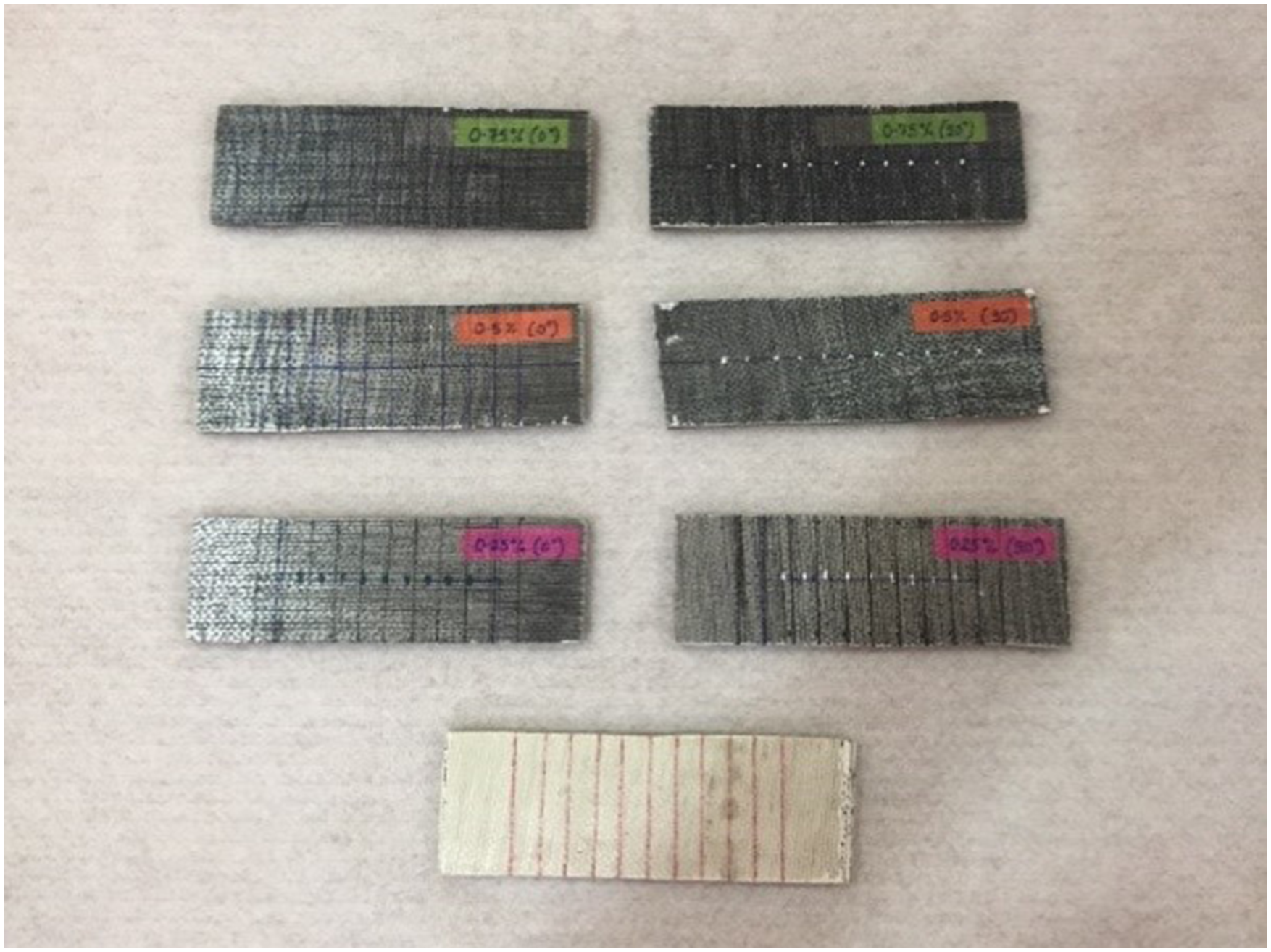
2.1.3. Fabrication of hybrid composite test specimens
ASTM E1876 was used to evaluate the elastic properties of the GFRP and GFRP/graphene composite materials using the experimental vibration technique. The dimensions of the sample were taken as length (L = 150 mm), breadth (b = 50 mm), and thickness (t = 5 mm). An impulse hammer (086C03) was employed to energize the specimen. A miniature sensor was placed on top of the specimen, oriented along the Z-axis, to calculate the acceleration. The signals were transformed into a frequency response function using the amplification system. The peaks for the frequency response function were consequently observed using the software Dewesoft 7.0.1. The resonant response frequencies of the hybrid materials along the longitudinal and lateral direction of the GFRP reinforcement without and with graphene reinforcement were identified from the flexure and torsion mode setup as presented in Figure 3 and Table 1. Experimental test setup according to ASTM E1876-15: (a) Longitudinal frequency evaluation and (b) Torsional frequency evaluation. Elastic properties of the hybrid composites at room temperature (30°C).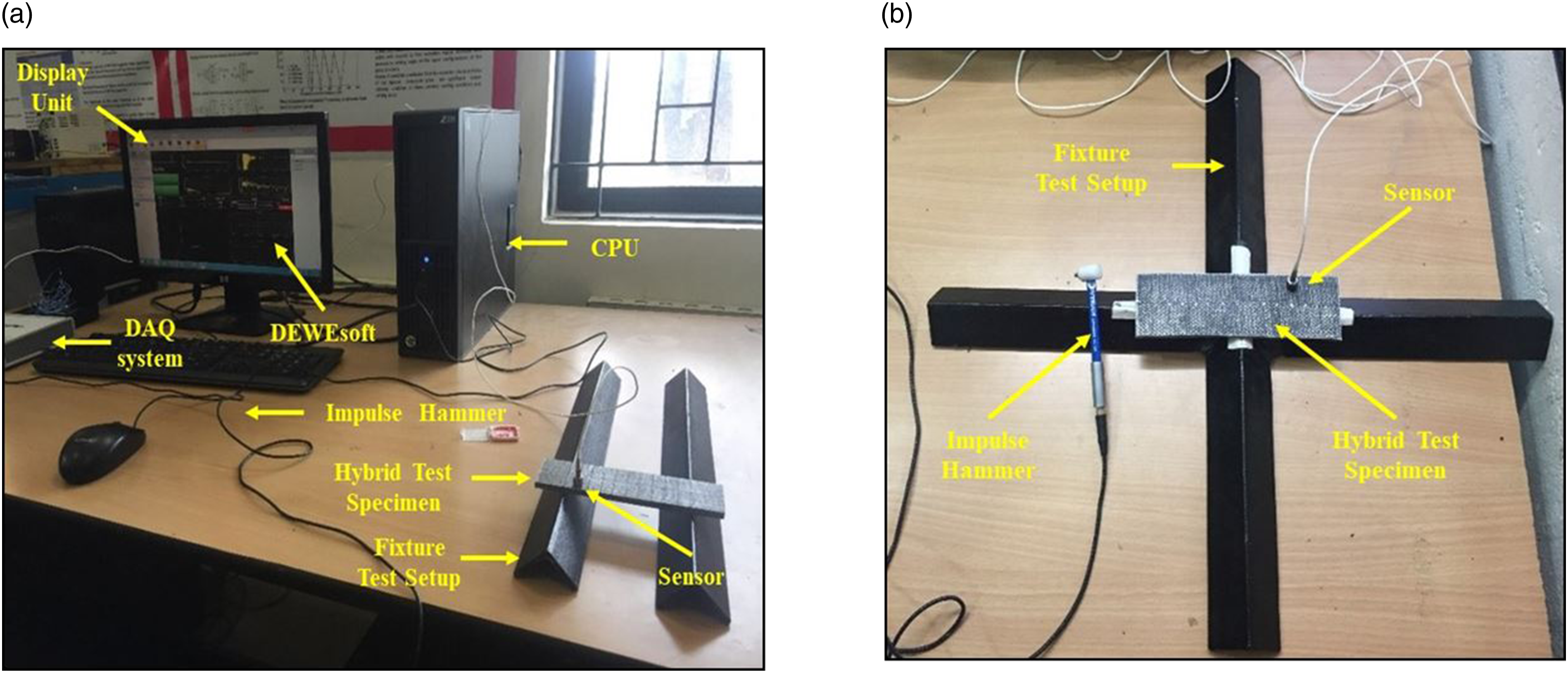
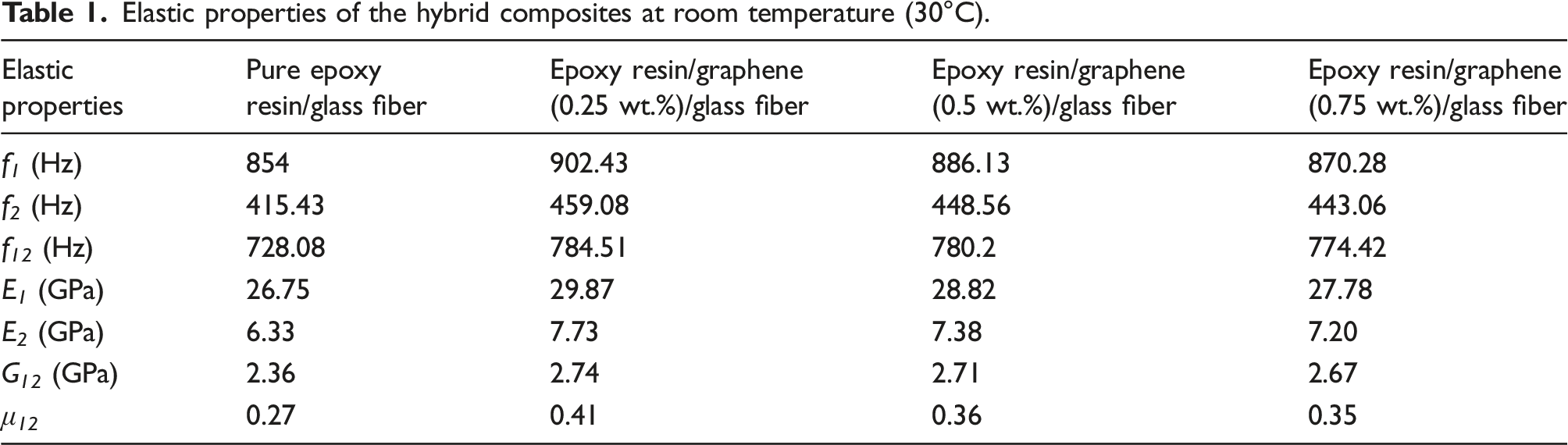
The Young’s moduli (E1 and E2), Shear Modulus (G12), and Poisson’s ratio (μ12) of the various hybrid composite materials without and with graphene reinforcement under room temperature were presented in Table 1. The Poisson’s ratio of the materials is further back-calculated from the standard rule of mixture. Further, the tests were conducted under a thermal environment with an increase in temperature from 30°C to 90°C using the same specimens and test setup which was kept inside a hot air oven as presented in Figure 4. Thermal test setup for the evaluation of elastic properties at varying temperatures.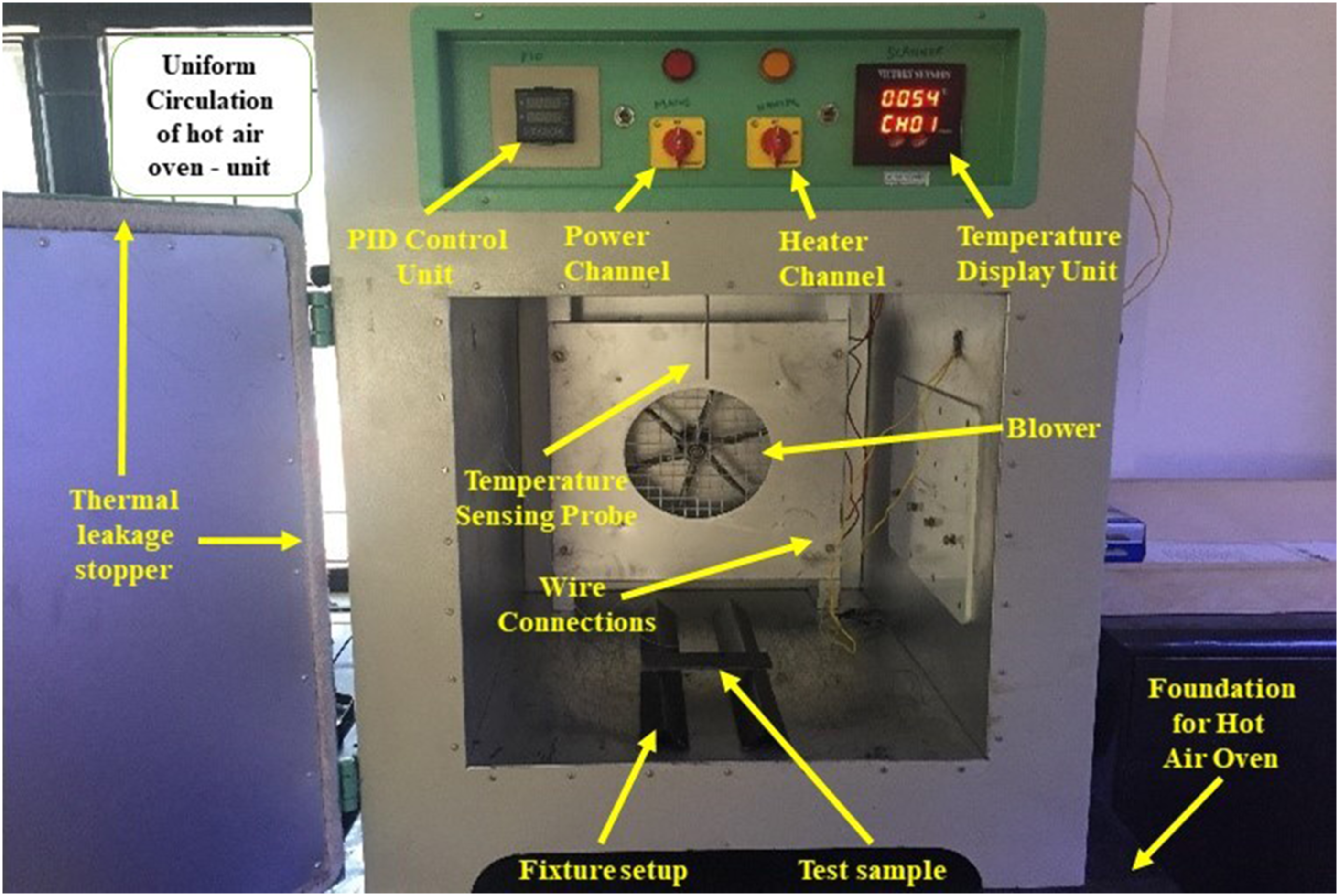
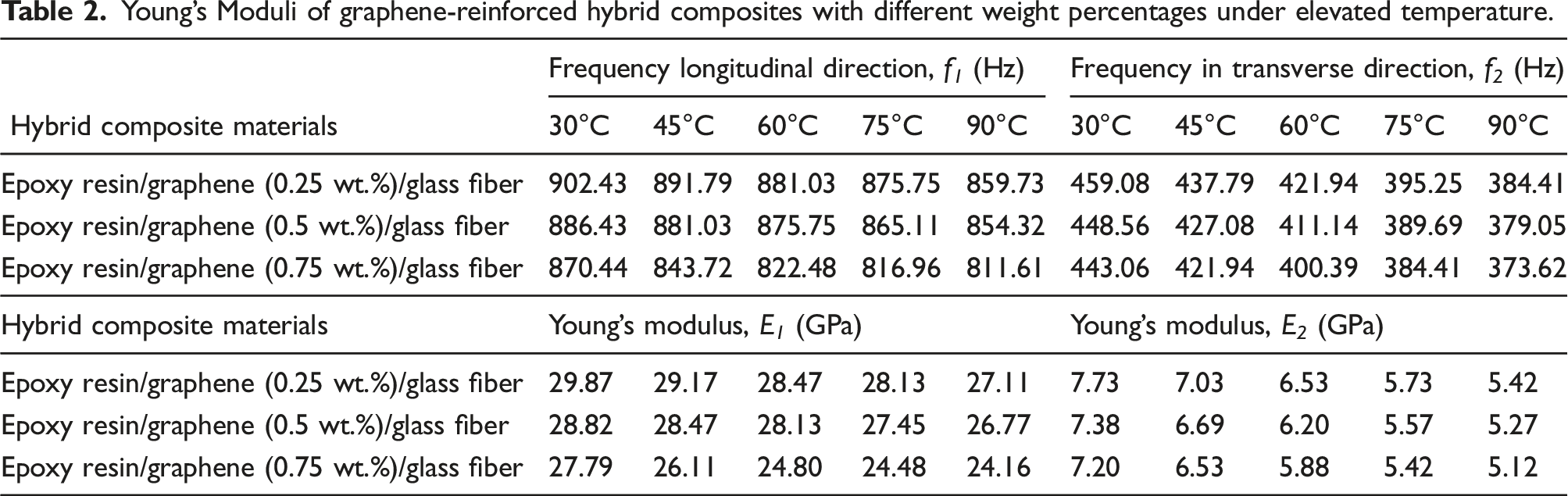
Young’s Moduli of graphene-reinforced hybrid composites with different weight percentages under elevated temperature.
Epoxy Resin/Graphene (0.25 wt.%)/Glass Fiber

Epoxy Resin/Graphene (0.5 wt.%)/Glass Fiber

Epoxy Resin/Graphene (0.75 wt.%)/Glass Fiber

2.2. Computational graphene material modeling using ANSYS
In this study, a three-phase glass fiber–reinforced graphene/epoxy composite material modeling has been proposed by considering finite element approach for graphene modeling using Ansys parametric design language (APDL) and analytical approach modified rule of mixture for graphene/epoxy nanocomposite and glass fiber/graphene/epoxy hybrid composite modeling, respectively (Kassa and Arumugam, 2020a; Kassa et al., 2020b). Single graphene with a dimension of 24 A° on each side of the square is considered for the finite element model. The coordinates of each carbon have been generated and used as nodes in the modeling. The C–C bond length and thickness are considered as 1.421 A° and 3.8613 A°, respectively. The modeling of the graphene sheet has been performed with 24 × 24 A° square with the C–C distance of 1.421 A°. ANSYS APDL code was developed for the graphene model. The graphene sheet is strained 0.01% in all nodes of the right edge of the graphene sheet along the X-axis, while the nodes on the left edge are restrained. The recorded deformation and loads are used to evaluate the extension modulus in the zigzag direction. Similarly, the extension modulus is evaluated in armchair direction. The shear modulus is evaluated by straining all nodes along each edge of the sheet with 0.04% and after constraining Z-axis. The tension and shear testing methods adopted for the simulations are based on the assumption followed in the experimental techniques used for any material by taking magnified dimensions in the ANSYS APDL then normalized with equivalent scale. The undeformed–deformed shapes of graphene sheets under uniaxial tension test in x and y directions and shear test in xy plane are presented in Figure 5(a)–(c), respectively. The evaluated elastic properties of graphene such as extension moduli of graphene in the zigzag (a) Undeformed and deformed graphene sheet in X direction. (b) Undeformed and deformed graphene sheet in Y direction. (c) undeformed and deformed graphene sheet in X-Y direction.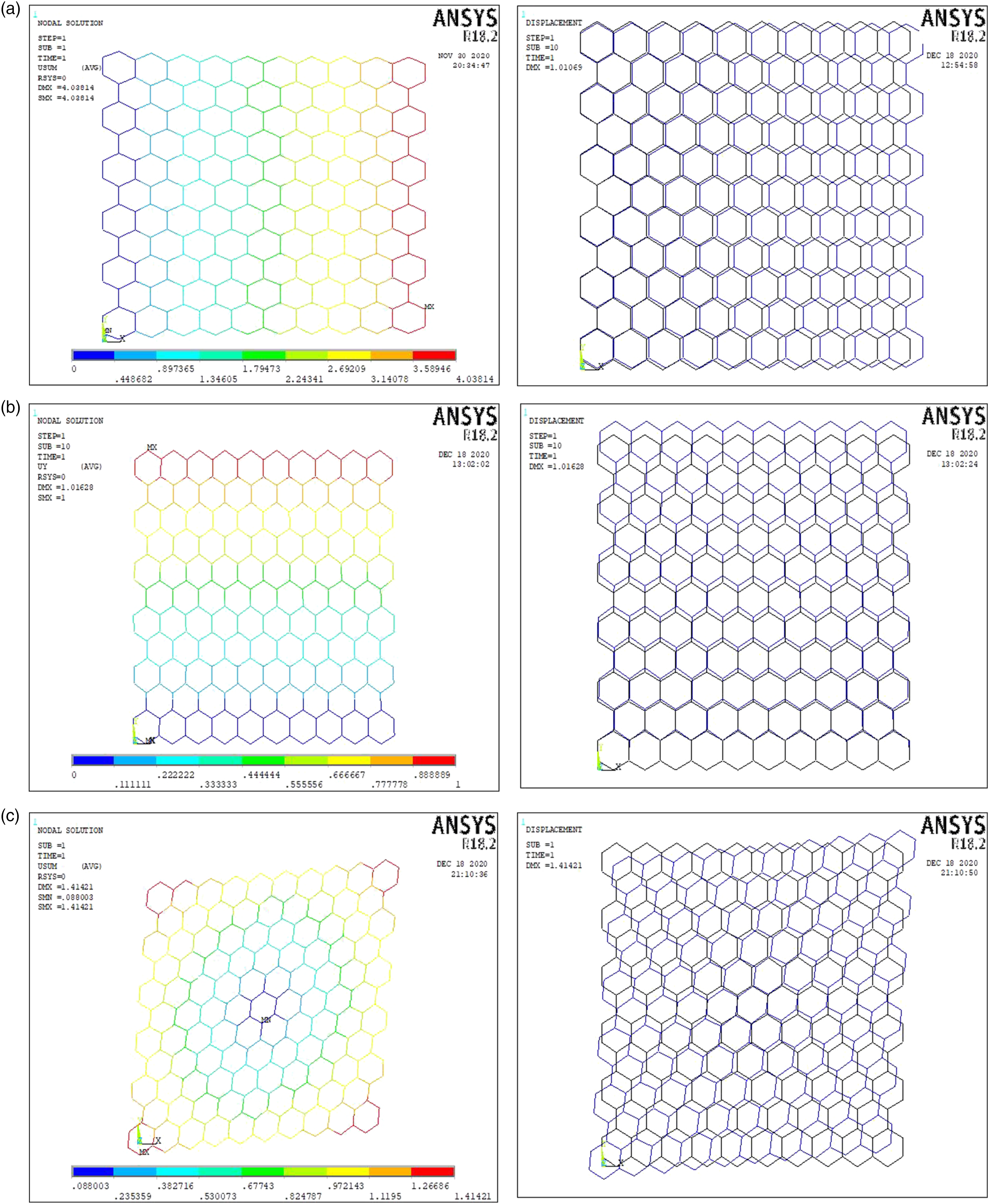
3. Experimental and numerical investigations of dynamic analysis of the hybrid composite tapered beam
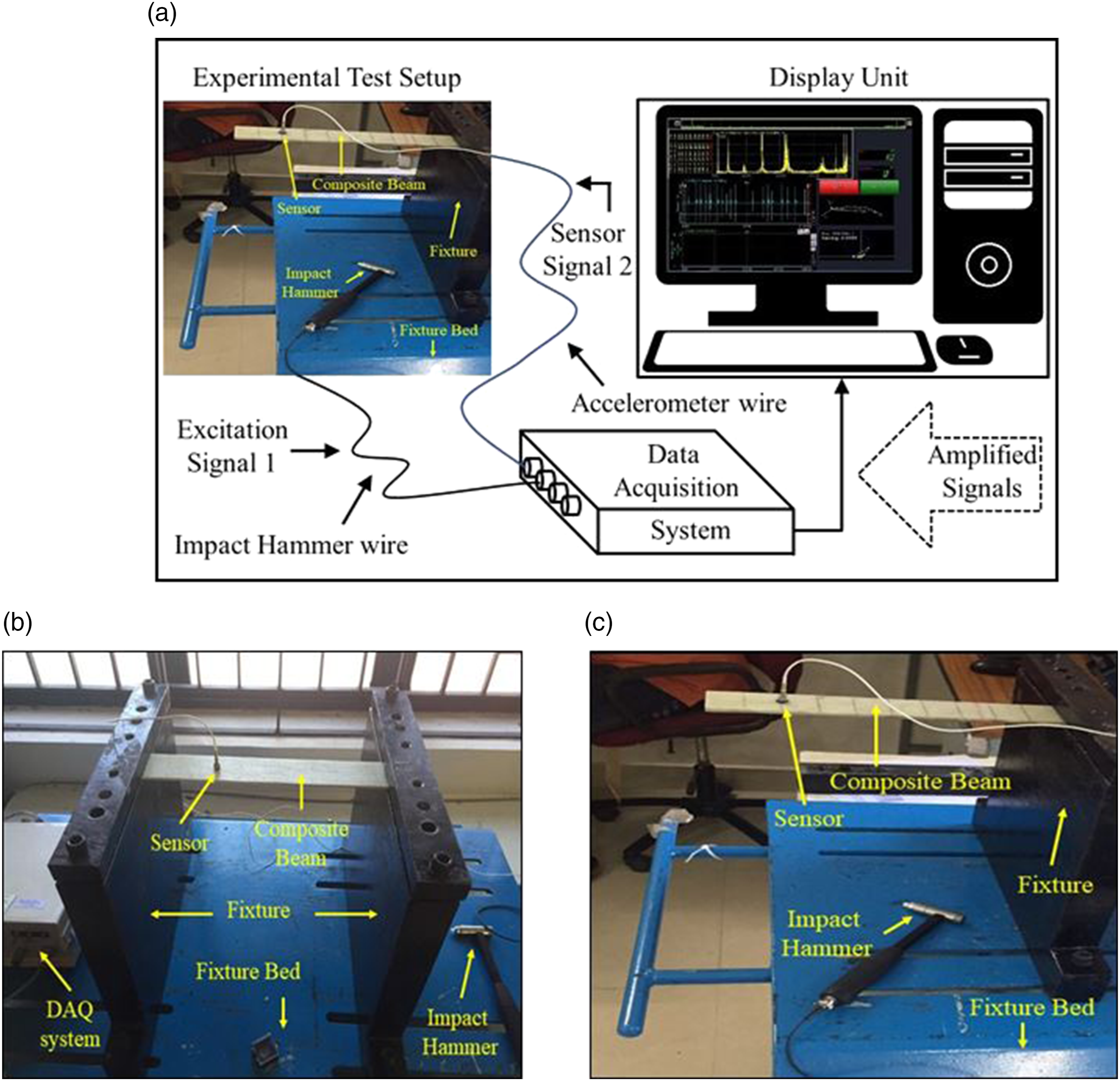
The efficacy of the graphene in the GFRP composite was investigated in terms of the dynamic properties of GFRP in the experimental modal analysis on the uniform and tapered hybrid composite beams with GFRP and hybrid beams of length (L = 400 mm) and breadth (W = 50 mm). The ply orientation of both uniform and tapered composite beams was kept as [(0°/90°)4]s with a ply thickness of 0.23 mm. The experimental modal analysis was carried out using the impulse excitation on the GFRP uniform and tapered composite beams without and with 0.25, 0.50, and 0.75 wt.% of graphene reinforcement under fixed-fixed (C–C) and fixed–free (C–F) end supports as presented in Figure 6. The modal analysis from the first five bending modes and their natural frequencies were identified using the free vibration method. Hybrid composites were fabricated for the experimental modal analysis (a) uniform and (b) tapered beams.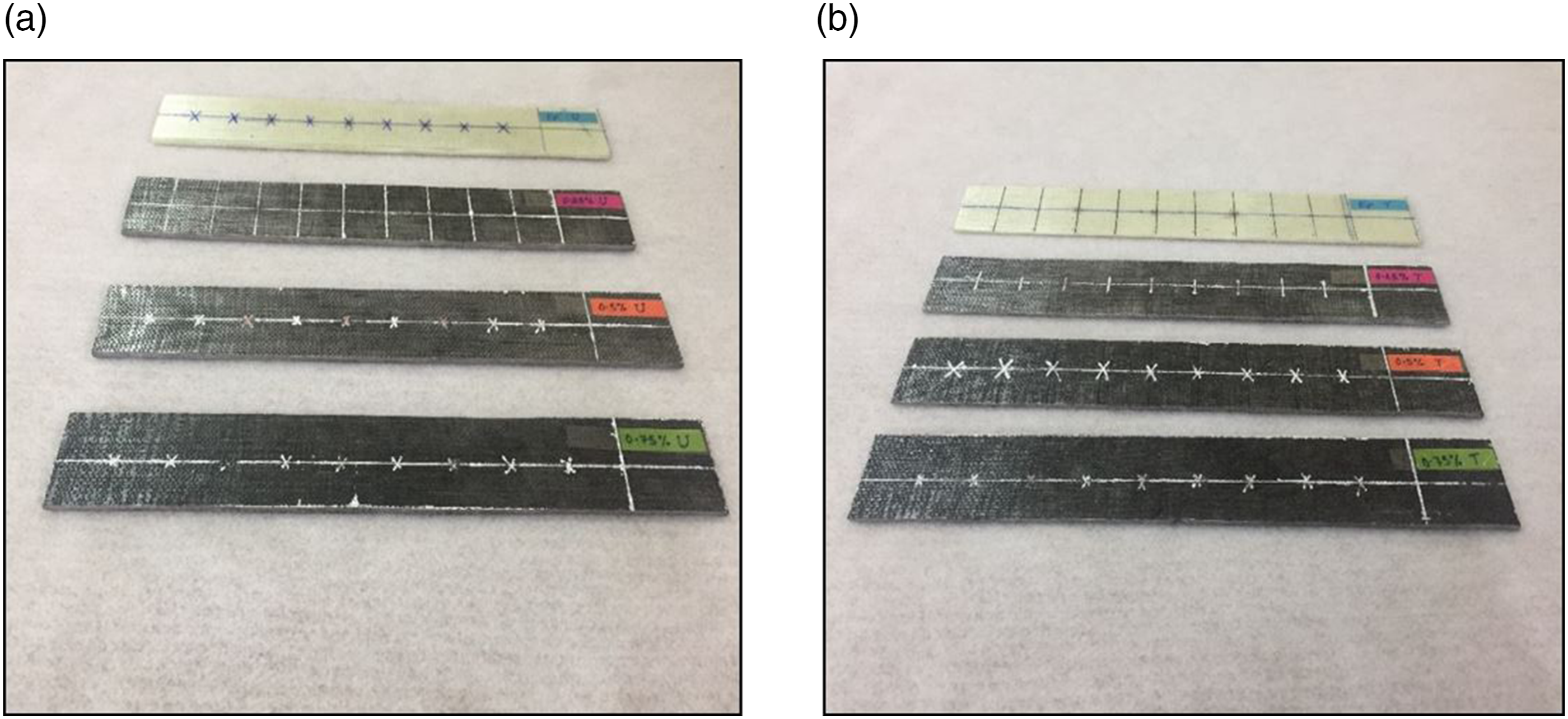
The hybrid beams without and with graphene reinforcement were fabricated for the experimental modal analysis as presented in Figures 6 and 7. Further, the numerical modal analysis was carried out using the ANSYS® on the GFRP uniform and tapered composite beams under (C–C) and (C–F) end supports. The theoretical values of the first five fundamental modes and their natural frequency values were obtained from ANSYS® using the Ansys composite prepPost (ACP) feature as shown in Figure 8. A tapered configuration of laminated composites: (a) ply drop of the tapered beam on ANSYS® and (b) skeletal view of a tapered beam. Experimental modal analysis: (a) test setup, (b) fixed-fixed (C–C), and (b) fixed–free (C–F) end supports.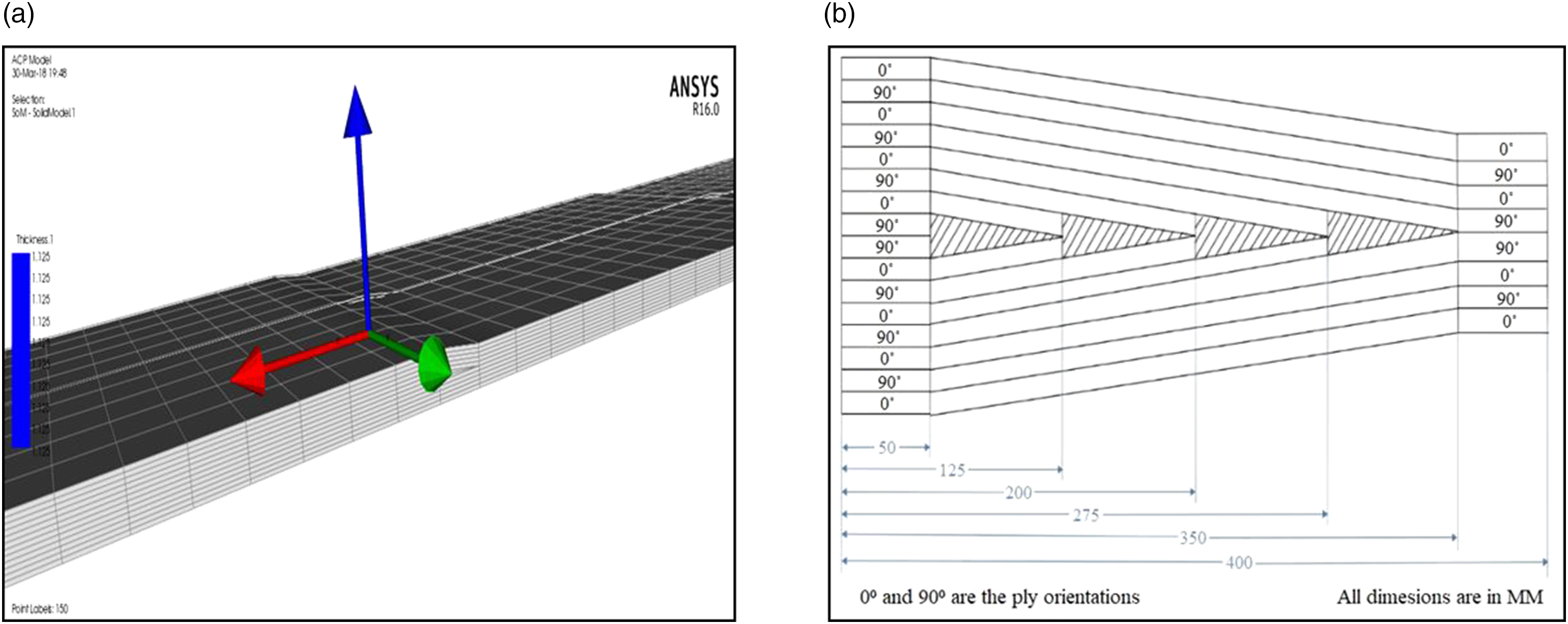
The hybrid solution prepared by the heat shearing method was employed to manufacture the GFRP composite materials and uniform and tapered GFRP beams by the hand lay-up method. The fabricated GFRP composite beams without and with graphene reinforcement were used to find out the elastic properties under variation in the thermal environment. The E1, E2, G12, and μ12 were evaluated for the glass fiber–reinforced composite beam for pure epoxy and variation of graphene wt.% from 0.25 wt.% to 0.75 wt.% in the epoxy as shown in Table 1, respectively.
At 0.25 wt.% of graphene in epoxy, the hybrid composite material showed improved results for the elastic property values in comparison to pure epoxy. This was due to the graphene/epoxy bonding being at the best. Also, with 0.25 wt.% of graphene addition, Young’s modulus, E1, and E2 values increased by almost 11.66% and 22.12%, respectively, while Shear modulus, G12 by 16.10% and Poisson’s ratio, μ12 by 51.85% in comparison to the values of pure epoxy.
A general trend was observed where the mechanical property values increased until 0.25 wt.% of graphene in epoxy and then decreased gradually with the increment in the wt.% of graphene. The mechanical properties of hybrid GFRP beams were greater than those of GFRP composites because of improved stiffness development in the composite.
At higher wt.% compositions, the mechanical property values reduce slightly because of the agglomeration and re-aggregation of nanoparticles with an increase in wt.% of graphene as well as an increment in the molecular weight in the cross-links of the epoxy matrices. Thermal testing was also conducted on the samples of graphene/epoxy composites to understand the material behavior in the elastic property such as Young’s modulus. The Young’s moduli were taken by varying the temperature from 30°C to 90°C (Table 2). As expected, Young’s moduli values decrease gradually with the increment in temperature as materials get higher viscoelastic behavior.
While comparing the value of Young’s modulus, E1 between 30°C and 90°C, it can be observed that there is a decrement of about 9.24%, 7.11%, and 13.06% with 0.25, 0.50, and 0.75 of graphene wt.%, respectively. Modal analysis was also conducted on the nanocomposite beams for CC and CF end supports. The theoretical values of the fundamental five modes and their natural frequency values were obtained from ANSYS® using the ACP feature (Figure 9). Numerical modal analysis (ANSYS®) for the tapered hybrid glass fiber–reinforced polymer beams with 0.25 wt.% of graphene under the clamped-clamped boundary condition.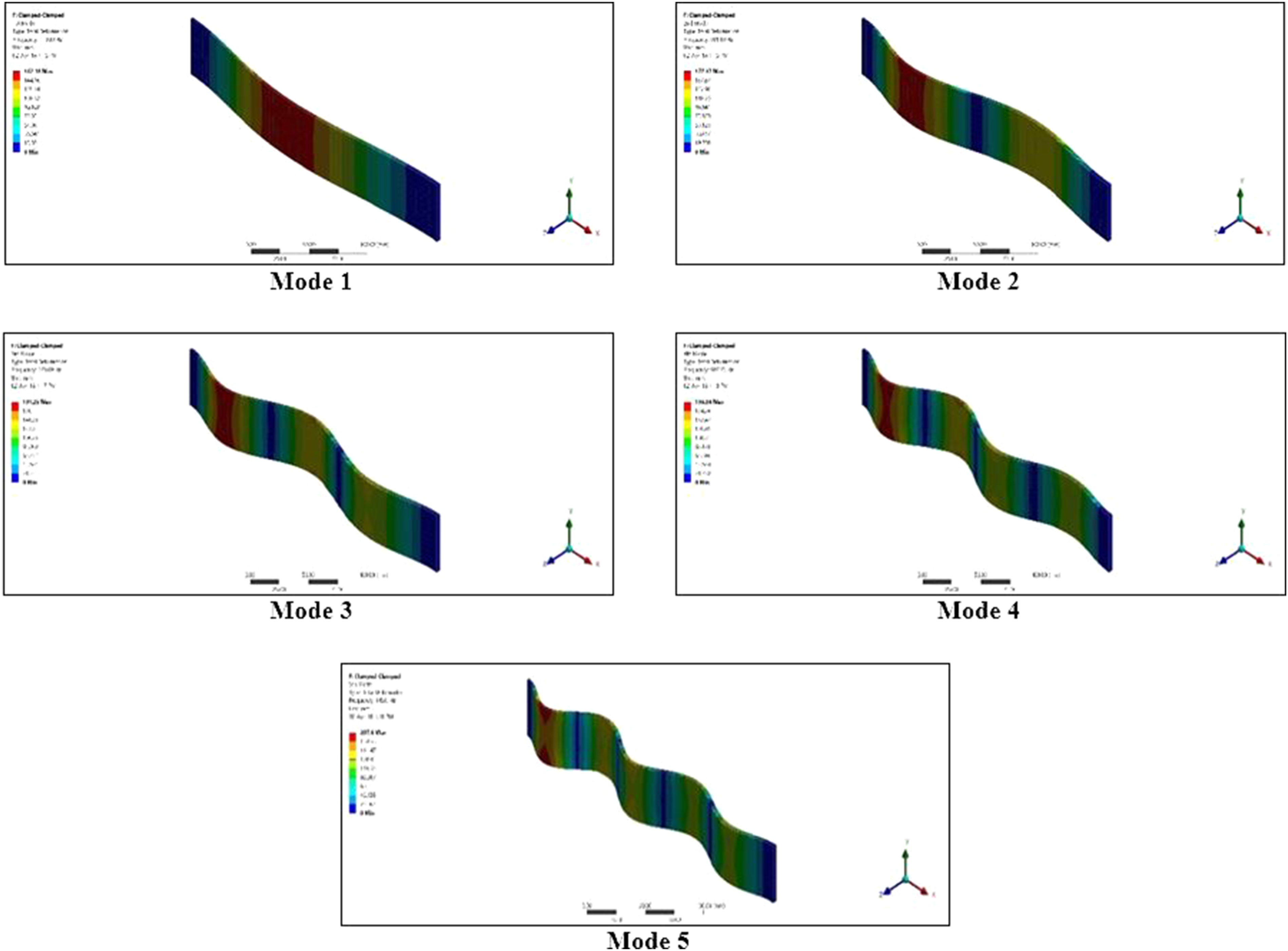
These five fundamental modes and their natural frequency values were also found experimentally from these beams using the software Dewesoft 7.0.1 (Figure 10). The modal analysis is done for both uniform and tapered beams. The values of natural frequency found theoretically and experimentally are tabulated and compared (Tables 3–5). Experimental modal analysis (Dewesoft®) for the tapered hybrid glass fiber–reinforced polymer beams with 0.25 wt.% of graphene under the clamped-clamped boundary condition. A comparison of natural frequencies of the uniform beam structure under fixed-fixed end condition using numerical and experimental results. A comparison of natural frequencies of the uniform beam structure under fixed-free end condition using and numerical and experimental results. A comparison of natural frequencies of the tapered beam structure under fixed-fixed end condition using and numerical and experimental results.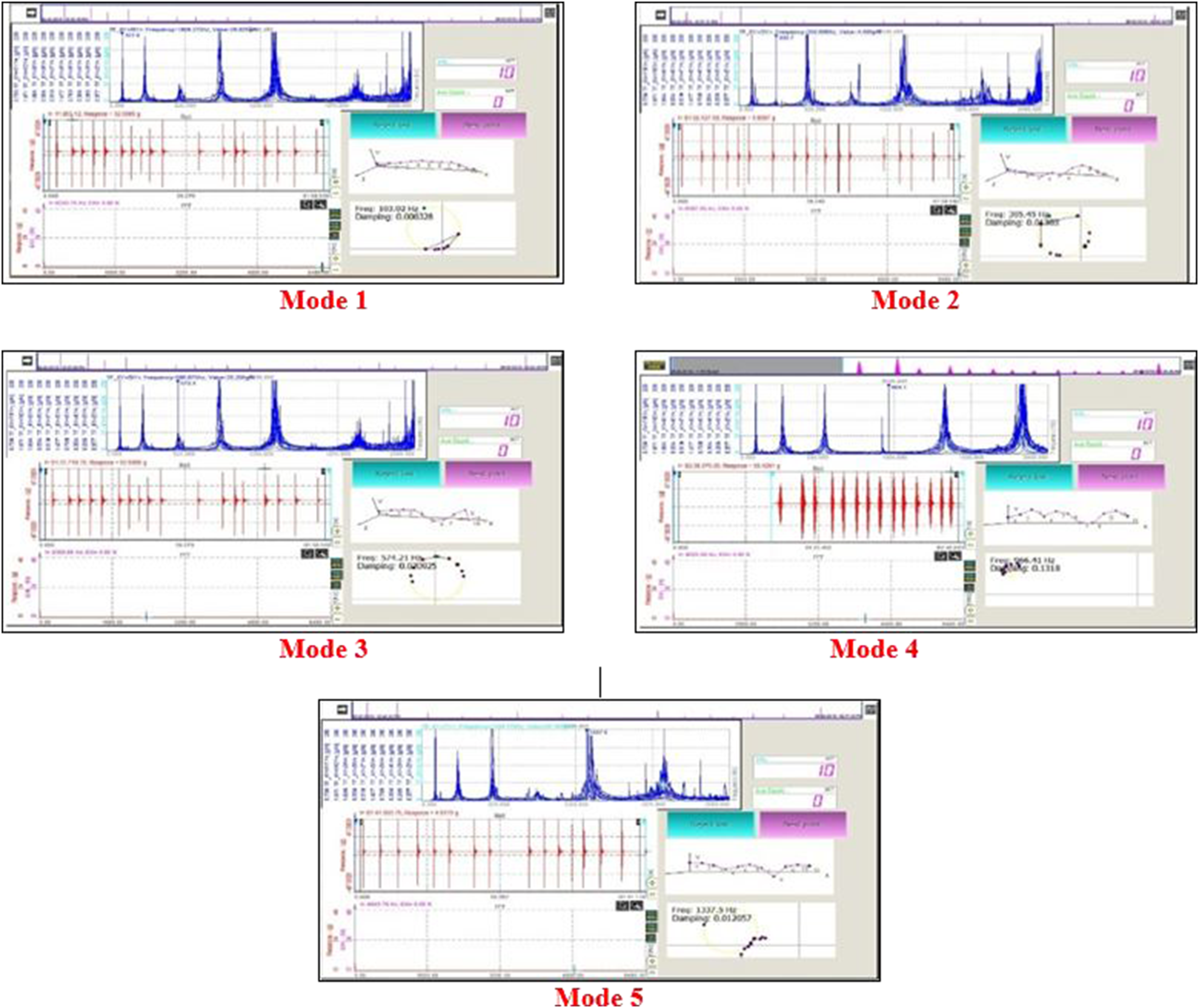
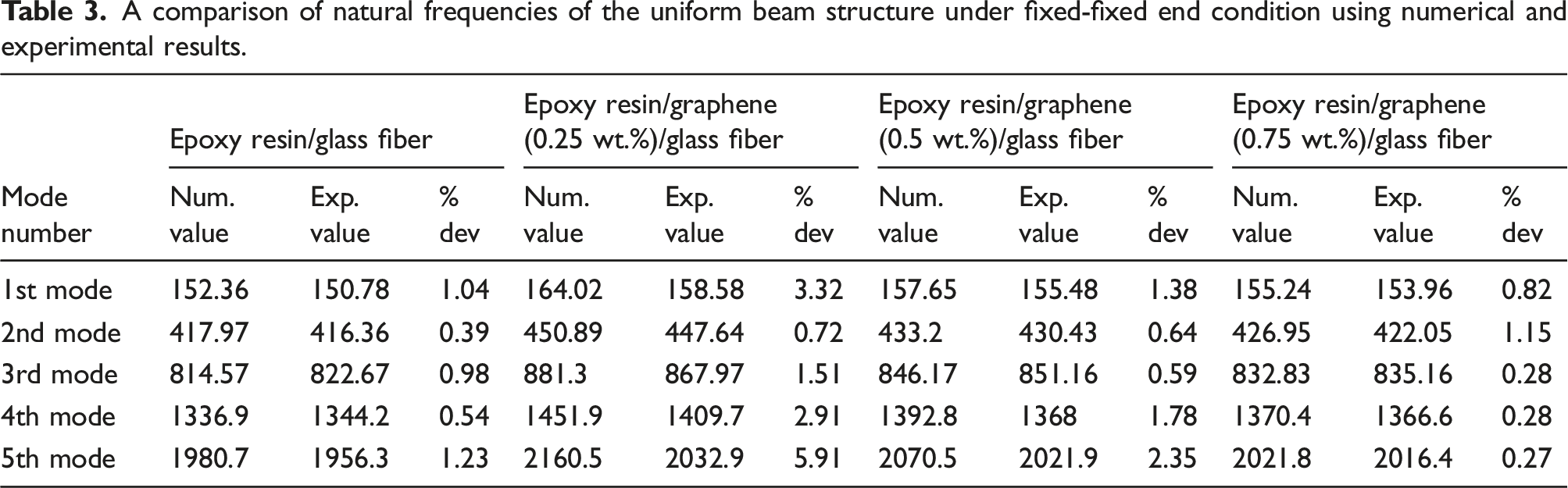
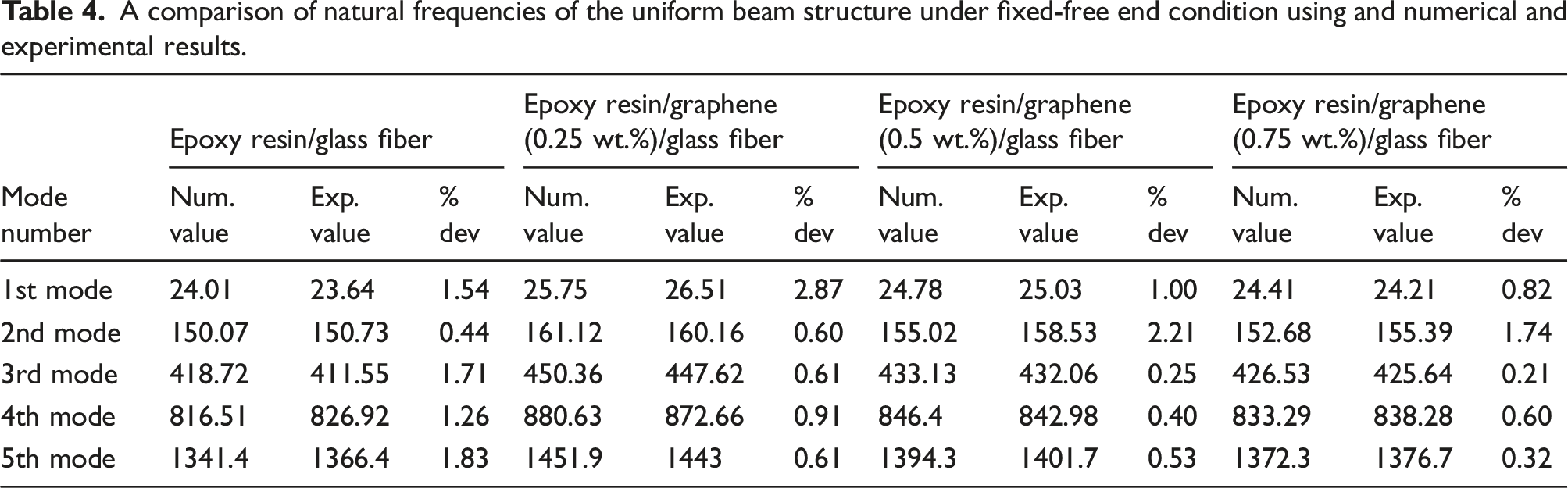
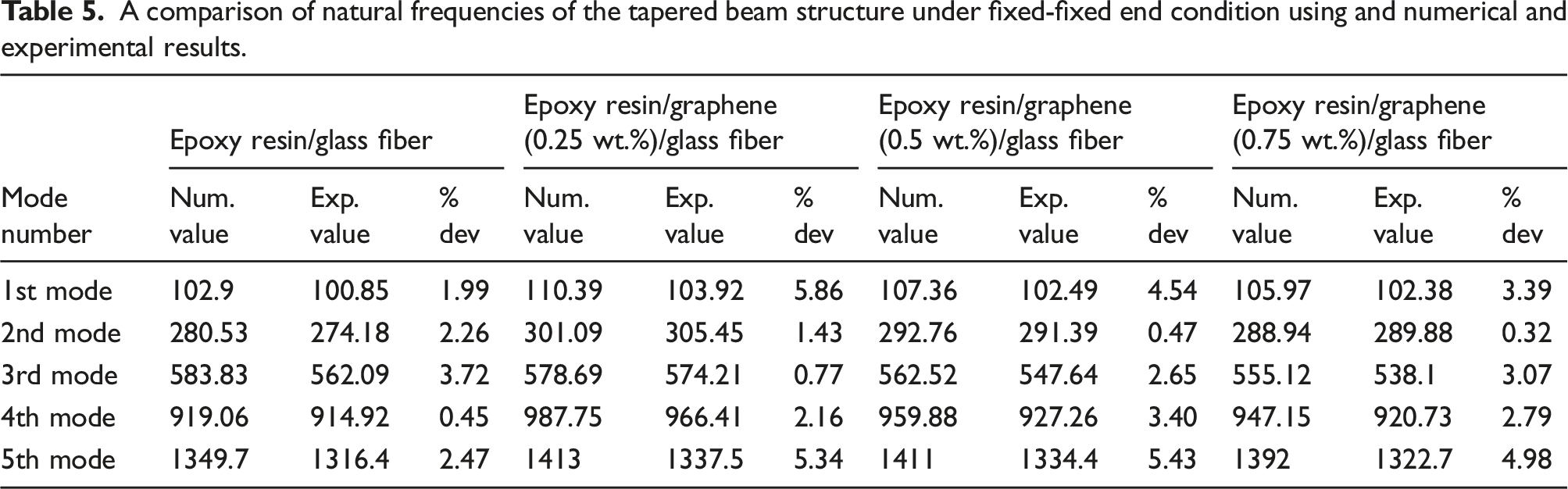
Comparing the first fundamental frequency between epoxy composite and graphene/epoxy nanocomposite, at the C–C boundary condition, there is an increment of 5.17% and 3.04% for uniform and tapered beams, respectively, and at the C–F boundary condition, an increment of 12.16% and 6.46% for uniform and tapered beam, respectively. Further, it was observed as expected that the bending stiffness (Hz) values are higher for CC than those of CF end supports, respectively.
4. Effect of weight fraction of graphene and temperature on the transverse vibration response of tapered hybrid composite beam
The effects of weight fraction of graphene on the transverse vibration response of a laminated composite tapered beam with [0°/90°]4s ply configuration under CC end condition is investigated by considering a sinusoidal excitation of magnitude 1 N applied at center of the beam using ANSYS® harmonic analysis and bending deflections of first three modes were captured at 1 s for all the weight fraction of graphene and then ploted combinedly as presented in Figure 11. The bending deflection (dB) of the tapered laminated composite beam at center is evaluated over the frequency range 1–600 Hz for various weight fraction of graphene and presented in dB to observe the difference of peaks of various transverse deflections. It was observed that the bending deflection of the tapered laminated composite beam decrease upto 2.5% then started increasing with increase in weight fraction of graphene irrespective of bending modes considered. Effect of weight percentage of graphene on transverse vibration of tapered beam.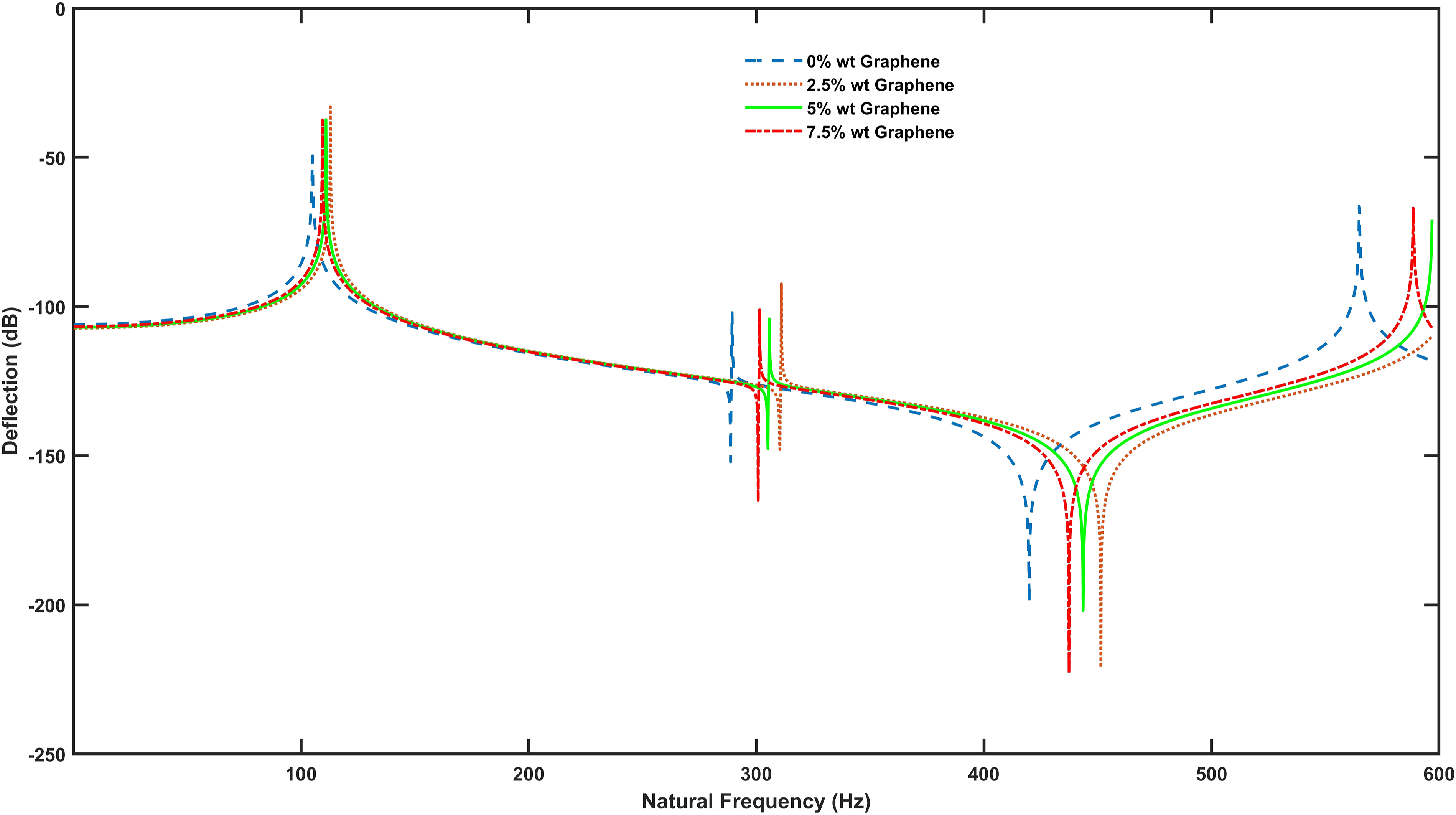
Further, the effect of temperature on the transverse vibration response of a tapered beam is investigated by considering various temperatures 30°, 45°, 60°, and 75° with 5% weight fraction of graphene–reinforced glass epoxy hybrid composite material. The bending deflection (dB) of the tapered laminated composite beam at center is evaluated over the frequency range 1–600 Hz for various temperatures by applying a sinusoidal excitation of magnitude 1 N at center of the beam and the results are presented in Figure 12. It was observed that the bending deflection of the tapered laminated composite beam increases with increase in temperature irrespective of bending modes considered. Effect of temperature on the transverse vibration response of a tapered beam.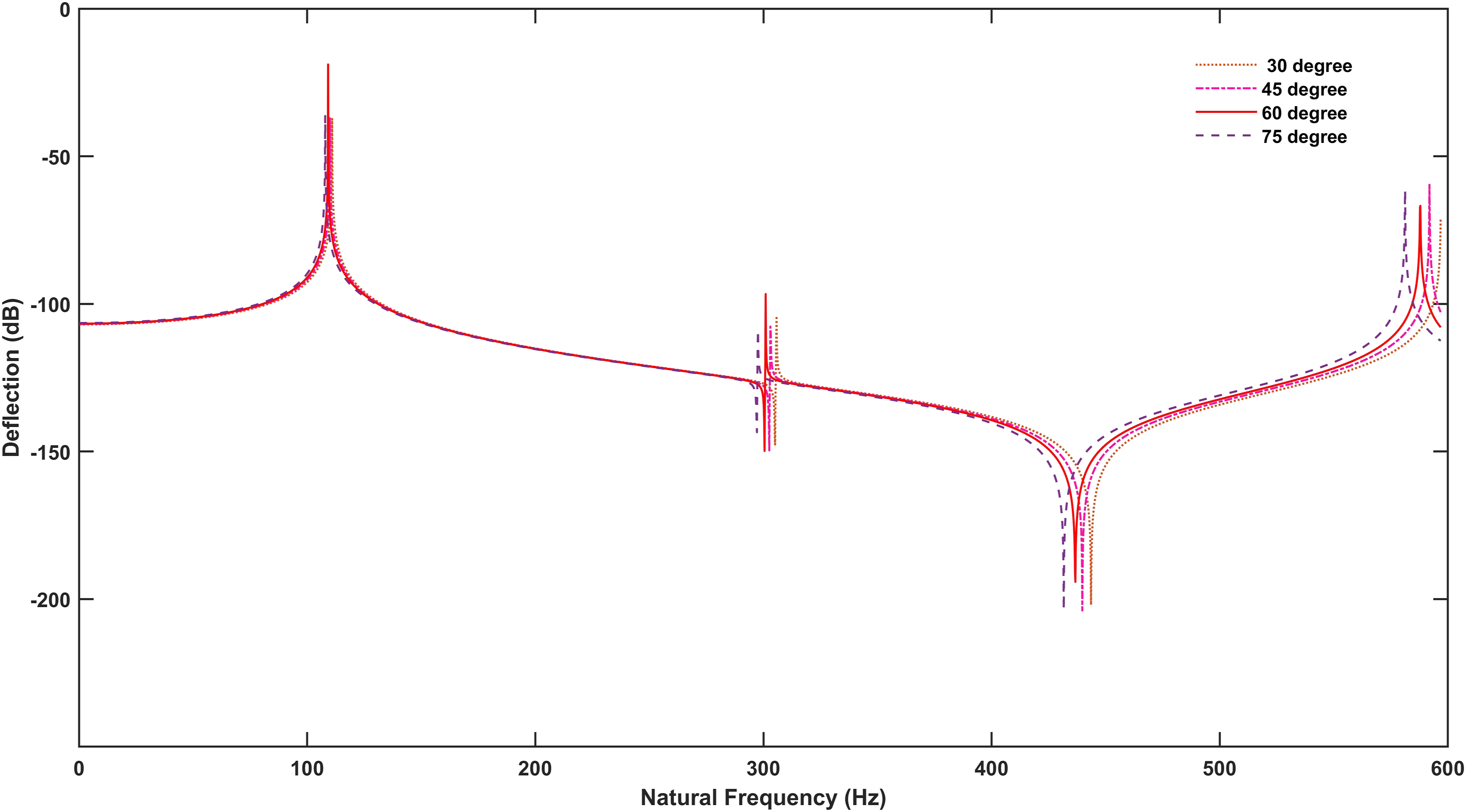
Hence, it could be concluded that the stiffness of the tapered composite beam could be tailored by adding weight fraction of graphene and the reduction of stiffness by the influence of temperatures can be controlled with graphene–reinforced glass epoxy hybrid composite materials.
5. Conclusions
The dynamic properties of hybrid uniform and tapered beams with graphene are increasing significantly than those of the GFRP composites without graphene. It was revealed that the existence of graphene in the hybrid materials limits the intermolecular polymer chain motion which significantly increases the stiffness (in-plane bending property) of the hybrid GFRP beams than those of GFRP without graphene reinforcement. Graphene is embedded in the GFRP composites that could enhance the interfacial bonding between graphene and epoxy. Young’s modulus along the longitudinal and transverse direction of graphene increases with an increase in the weight percentage of graphene and decreases with an increase in temperature. This shows that the addition of the least amount of the carbocylic acid (COOH) functionalized graphene nanoparticles creates a robust covalent-bond between the polymer chains and the interfacing layer of the resin and the primary reinforcement which yields the development of Vander Waal’s force to resist the deformation under elevated thermal environment. The natural frequencies of graphene/GFRP hybrid uniform and tapered composite beams improve in all the modes with the decrease in the weight percentage of graphene, which can be accredited to higher stiffness, it was also observed that the bending stiffness of the graphene/GFRP hybrid GFRP beams with 0.25 wt % is higher than those of other weight percentages of graphene- GFRP without and with graphene reinforcement, respectively. This is owing to the stick-slip mechanism, which enhances the polymer chain motion in the interfacing layer with the decrease in graphene reinforcement. The use of the GFRP composite graphene filler in the tapered combined beams can be concluded to significantly increase bending natural frequencies, where a lesser weight fraction is used as agglomeration in realistic circumstances is inescapable. The detailed experimental and computational analysis proposed for the designers would serve to enhance the bending characteristics of tapered composite beams by using graphene fillers.
Footnotes
Declaration of conflicting interests
The authors declared no potential conflicts of interest with respect to the research, authorship, and/or publication of this article.
Funding
The authors received no financial support for the research, authorship, and/or publication of this article.
