







Abstract
Operational modal identification of time-varying systems plays a crucial role in assessing the health condition and controlling the dynamic properties of engineering structures. However, only the response is measurable, making it challenging. Based on the variational mode decomposition (VMD) theory, this paper presents a short-time multivariate or multi-channel VMD (STMVMD) method for instantaneous frequency (IF) identification of time-varying structures in the case of output-only measurements. The idea of short-time windows overcomes the shortcoming of many VMD-based methods that employ the narrowband assumption of intrinsic mode functions (IMFs) and cannot decompose non-stationary signals involving closely-spaced wideband IMFs. After obtaining the multivariate IMFs by STMVMD, an average scheme is employed to estimate IFs, reducing the noise sensitivity of Hilbert Transform. Moreover, by tracking the center frequencies of STMVMD at different moments, another more noise-robust IF estimation method is also presented. A series of numerical and experimental examples illustrate the advantages of the proposal.
Keywords
Introduction
Many real-life structures show time-varying (TV) properties under working conditions, such as traffic-excited bridges with time-varying mass (Bao et al. 2009), launch vehicles with varying fuel mass (Ganji et al. 2013), and hypersonic vehicles with time-varying stiffness and damping due to aerodynamic heating (Wang 2017). Modal parameters (natural frequency, mode shape, and modal damping) are functions of these structures’ physical properties (mass, damping, and stiffness). Consequently, changes in these physical properties, such as stiffness reduction resulting from the onset of cracks or loosening of connection, will lead to changes in modal properties, which means changes in modal parameters can be used as indicators of damage (Bao et al. 2009). Therefore, TV modal identification plays a crucial role in these fields for assessing the health condition and controlling the dynamic properties of engineering structures (Ni et al. 2018; Chomette and Mamou-Mani 2018). Given these demands, research on TV modal identification methods has attracted much attention over the past two decades.
Most identification methods use input-output measurements when identifying modal parameters (Peeters et al. 2004). However, it makes the modal identification of TV systems a challenging task for practical applications (Li et al. 2020; Lu et al. 2021). On the one hand, it is difficult to measure the exciting force for launch vehicles, aerocrafts, etc. On the other hand, large forces are often needed to effectively excite large structures, like bridges and buildings, which may cause unwanted damage to these structures. OMI methods are appropriate to overcome these drawbacks, which only employ structural responses under ambient excitation. The existing OMI methods for TV structures fall into two basic categories: time-domain and time-frequency-domain methods.
In the time-frequency (TF) domain, short-time Fourier transform (STFT) (Crochiere 1980) and wavelet transform (Wang et al. 2013) are the two most popular methods which provide a graphical display for exploratory data analysis. Zhang et al. (2015) identified IFs of a sandwich structure from STFT spectrums of its thermal vibration signals. Zhou et al. (2014) used smoothed pseudo-Wigner–Ville distribution and fuzzy clustering to identify IFs of a TV mass-beam system. However, a downside of TF-based methods is that fixed and predefined TF atoms exhibit a limited joint TF resolution (Chen et al. 2017).
For the time-domain methods, Hilbert–Huang transform (HHT) (Huang and Wu 2008) is the most well-known one, which first employs empirical mode decomposition (EMD) (Huang et al. 1998) to sift IMFs and then uses HT to estimate IFs from IMFs. Bao et al. (2009) developed an improved HHT algorithm for TV system identification. Shi et al. (2009) investigated the ability of HHT by TV simulating systems. Although HHT has been widely used in TV modal analysis, the mode mixing phenomenon of EMD and noise sensitivity of HT weaken its practical effects (Perez-Ramirez et al. 2016). Many attempts have also been made to improve HHT (Wang et al. 2012; Wu and Huang 2009; Singh et al. 2021; Yeh et al. 2010). However, these improvements only solve parts of the problems. Some challenging issues remain to be addressed, especially lacking mathematical foundations of EMD.
Recently, VMD (Dragomiretskiy and Zosso 2014) has been proposed. Because of its advantages over EMD, such as solid theoretical background, better noise-robustness, and stronger closely-spaced mode decomposition ability (Civera and Surace 2021; Mohanty et al. 2014), VMD is an excellent alternative to EMD in some applications. Bagheri et al. (2018) first brought it into modal identification for the time-invariant system. However, they did not fully utilize the ability of VMD in non-stationary signal analysis. Lately, Ni et al. (2018) and Tian and Zhang (2020) decomposed TV vibration signals by VMD and then extracted IFs from the decomposed simple-frequency modes by HT. Yang et al. (2020a,b) used the same scheme to conduct modal analysis of a bridge during high-speed train passaging. However, VMD is based on the narrowband assumption, and HT is sensitive to noise, which reduces the performance of this VMD-HT combination on IF identification.
Based on multivariate VMD (MVMD) (Rehman and Aftab 2019), this paper developed a novel IF estimation method named short-time MVMD (STMVMD). Multivariate extension reduces the mode restriction of VMD, which requires all concerned modes to be excited in the input single-channel signal. Short-time idea breaks through the narrowband assumption of VMD-based methods, which cannot decompose signals involving closely-spaced wideband modes. An average scheme is employed to estimate IFs from multivariate IMFs (MIMFs) decomposed by STMVMD, reducing the noise sensitivity of HT. Moreover, using characteristics of slow-varying structures, a more robust IF estimation method is also developed based on the center frequency of MVMD. Note that other parameters, such as instantaneous phase, instantaneous amplitude, and instantaneous spectral entropy (Civera and Surace 2022), are also significant condition monitoring indicators and can be extracted from MIMFs decomposed by STMVMD. However, limited by the length and subject of this paper, we do not exhibit them.
The remainder of this paper is organized as follows: In the theoretical background and derivation of the proposed approach section, the theoretical background and derivation of the proposed method are described. The Numerical example section first verifies the effectiveness of the presented approach by a numerical model and then compares the closely-spaced wideband mode decomposition ability of STMVMD and MVMD by another numerical model. The Experimental example section contains our experiments and results, which are used to verify the performance of STMVMD in practical applications. Finally, the Conclusion section provides the discussions and conclusions on the obtained results.
Theoretical background and derivation of the proposed approach
MVMD for multi-channel signal decomposition
MVMD aims to extract predefined K number of multivariate modulated oscillations


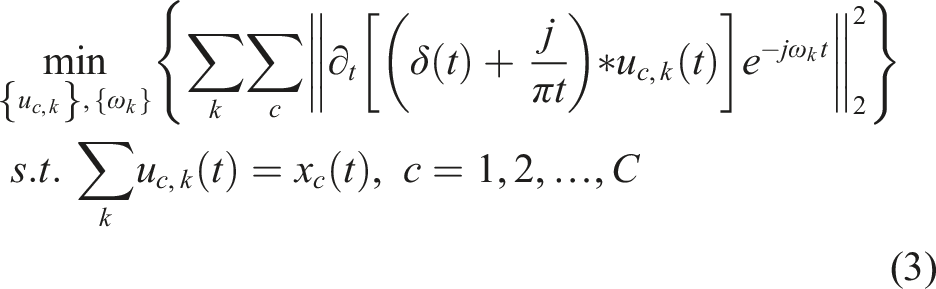
The above equation (3) is frequently solved in its unconstrained form, which can be expressed as
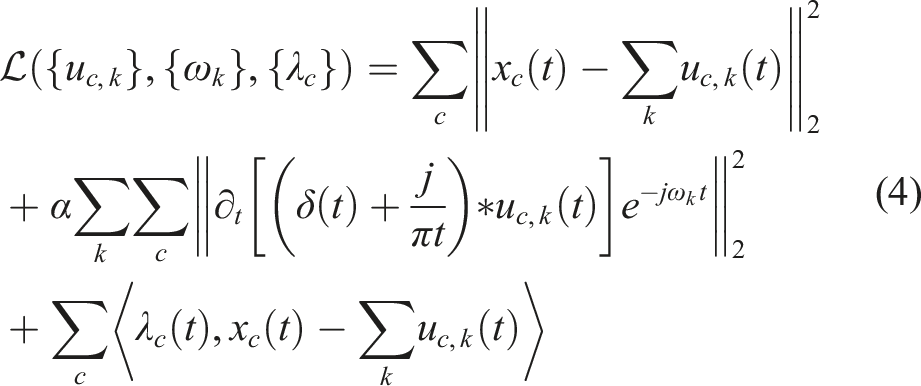
Alternate direction method of multipliers (Dragomiretskiy and Zosso 2014; Rehman and Aftab 2019) can be utilized to solve equation (4) by successively updating u c , k , ω k , and λ c . Solved in the Fourier domain, the complete optimization steps of equation (4) refer to Rehman and Aftab (2019).
Note that MVMD employs the following Wiener filter to extract MIMF

When employing the −3 dB cut-off criterion, the bandwidth (BW) of H(α, ω
k
, ω) can be solved as


Modal parameters of time-varying structures
Typically, the motion equation of TV structures with n degrees of freedom (DOFs) can be written as

Generally,


Short-time MVMD for time-varying modal identification
VMD-based methods are established on the narrowband assumption of IMFs. As a result, they do not work well with some long-term non-stationary data, for which the spectral bands of modes can change more drastically over time (Dragomiretskiy and Zosso 2014). To decompose this kind of non-stationary data, we introduce the sliding window scheme, which has been successfully used in many TF analysis approaches (McNeill 2016). The main steps are as follows: (i) Firstly, the entire solution is to break down the decomposition on shorter chunks, on which modes are sufficiently stationary. Some test techniques, such as Augmented Dickey–Fuller (ADF) test, Phillips–Perron (PP) test, and Dickey–Fuller with Generalized Least Square (DF-GLS) test, can be used to quantitatively test the stationarity of truncated short-time chunks. For example, Ferraris et al. (2020) applied the ADF test to ensure the stationarity of framed signal tracts. (ii) Secondly, before decomposing the current window, the initial center frequency (ICFs) (iii) Thirdly, a synthesis method called weighted overlap-add is employed to stitch the identical decomposed modes in all windows together (Crochiere 1980).
VMD-based methods employ the Hilbert envelope constraint and inevitably have the end effect. Therefore, we use a zero-weight in the window end and a unit-weight close to the window center. Finally, the following weight scheme for Step (iii) is used:
1: Initialize 1-st window: 2: 3: 4: 5: n ← n + 1 6: Initialize n-th window: 7: 8: 9: 10: /* stitching together */ 11: n ← 0 12: 13: n ← n + 1 14: 15: 16: 17: 18: 19: 20: 21:
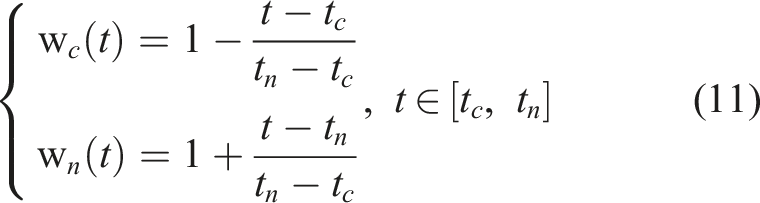
As a short-time extension of MVMD, STMVMD needs to pre-determine mode number K and ICFs
Numerical example
In this section, two numerical examples are used to validate the performance of STMVMD on IF identification. Like EMD, VMD can only separate modes but cannot directly extract IFs of modes. Therefore, in the Simulated moving-mass beam system subsection, we present an improved HT method for IFs estimation of decomposed MIMFs. Then, considering that HT is sensitive to noise, we develop a more robust alternative called CFCT, which views the convergent center frequency of the short-time chunk as the IF of its center time. In the Simulated 3-DOFs system subsection, a simulated 3-DOFs system with closely-spaced wideband modes is tested, and it demonstrates that STMVMD can better decompose overlapped modes than MVMD.
Simulated moving-mass beam system
The numerical example employed here is a moving-mass beam model, an analogous model of the bridge–vehicle system. Figure 1 shows its schematic diagram, and Table 1 lists its property parameters. The material of the clamped beam is aluminum. The excitation p(t) is a band-limited white noise. Six response output points uniformly distribute along the axial direction of the beam and are obtained by the Time-varying Finite Element Method (TFEM) (Zhao and Yu 2014; Zhao et al. 2018) with a sampling frequency of 512 Hz. Schematic diagram of simulated moving-mass beam system. Property parameters of simulated moving-mass beam system.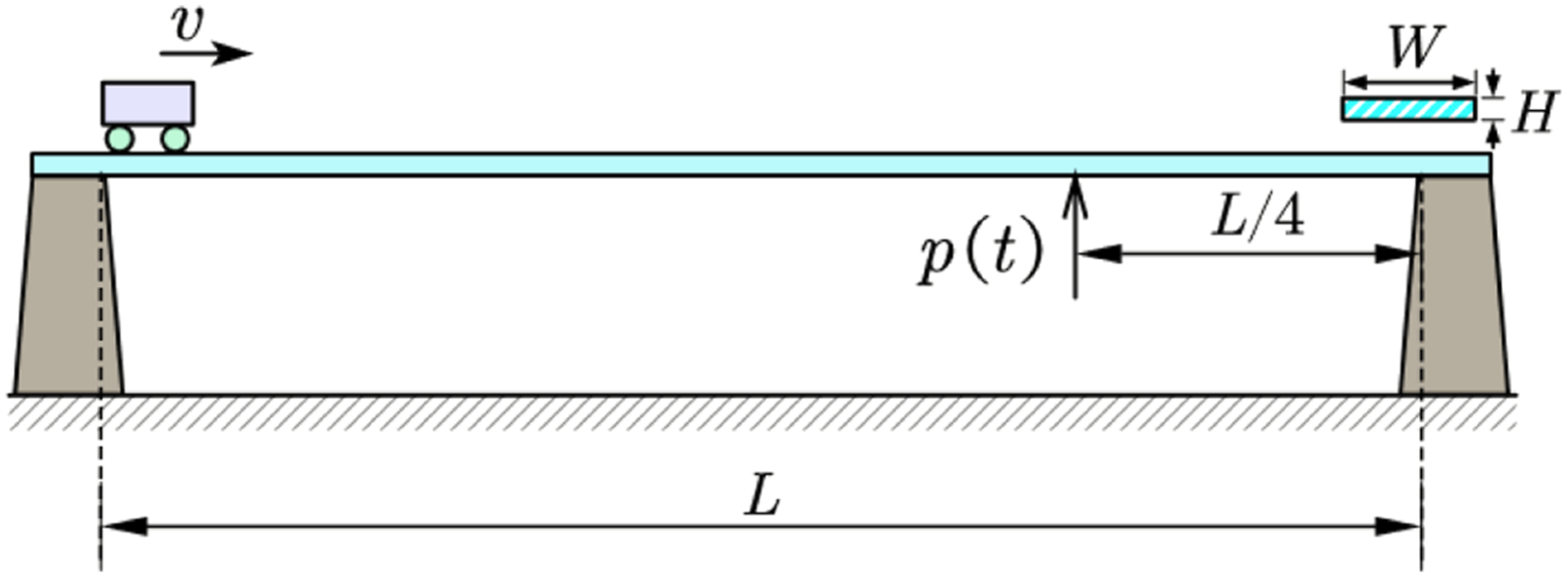
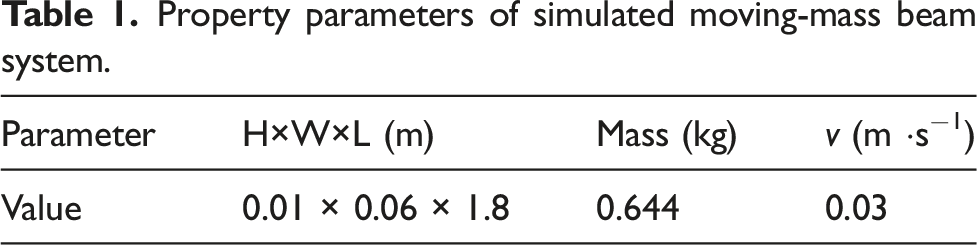
Figure 2 plots acceleration TF spectrums. As can be seen, three modes are excited, and hence, the mode number K is obtained as 3. Similarly, the ICFs TF spectrums of acceleration signals by TFEM.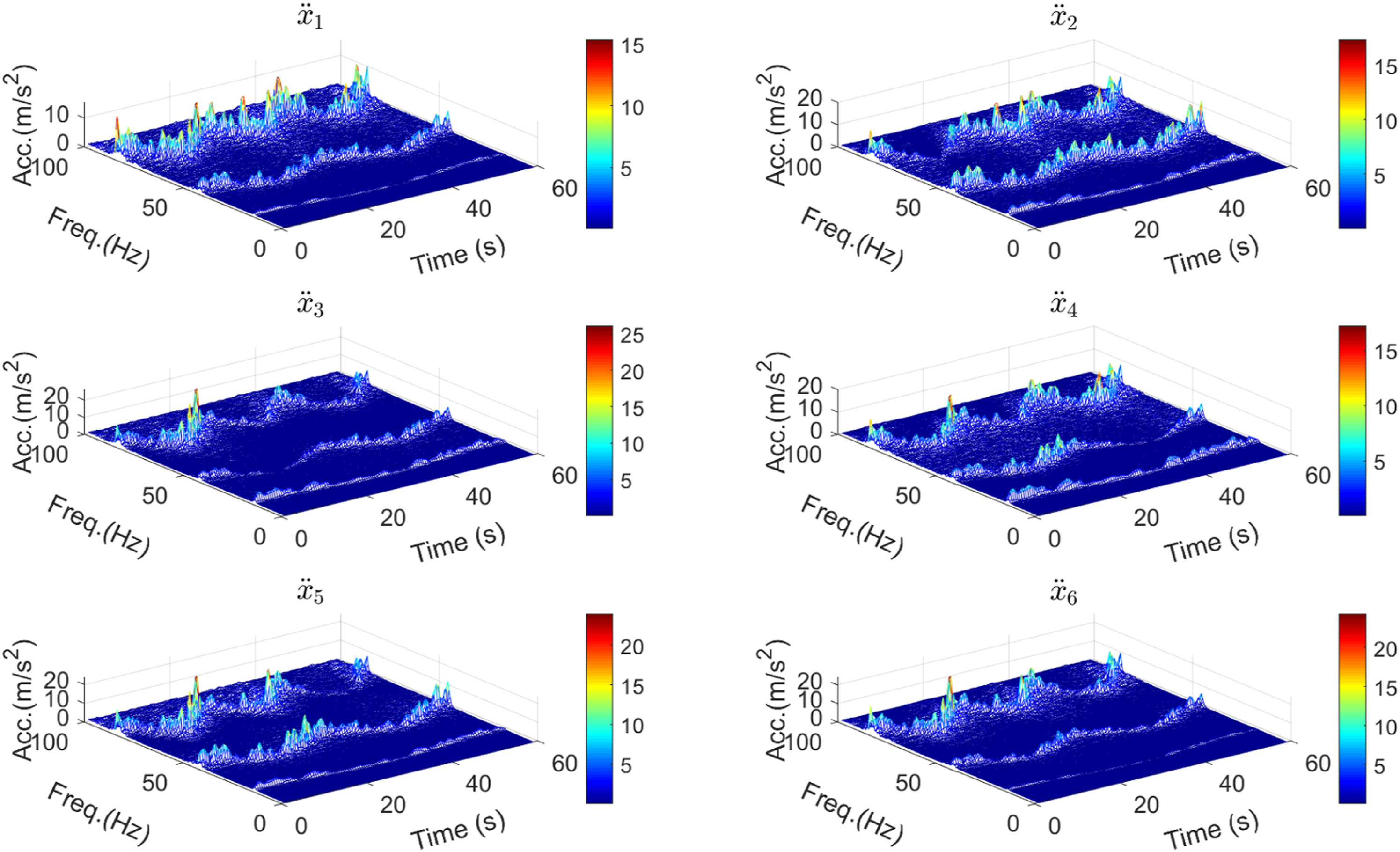
Figure 3 shows TF spectrums of decomposed MIMFs. As revealed, all three modes are well separated, and the same modes among different channels are automatically aligned, which is significant for multi-channel vibration signal processing. Next, we will demonstrate the advantages of this automatic alignment property on IF estimation. TF spectrums of MIMFs decomposed by STMVMD.
(i) Instantaneous frequency estimated by Hilbert Transform
HT can estimate IFs of single harmonic modes. First, HT of u
c
,
k
(t) can be expressed as
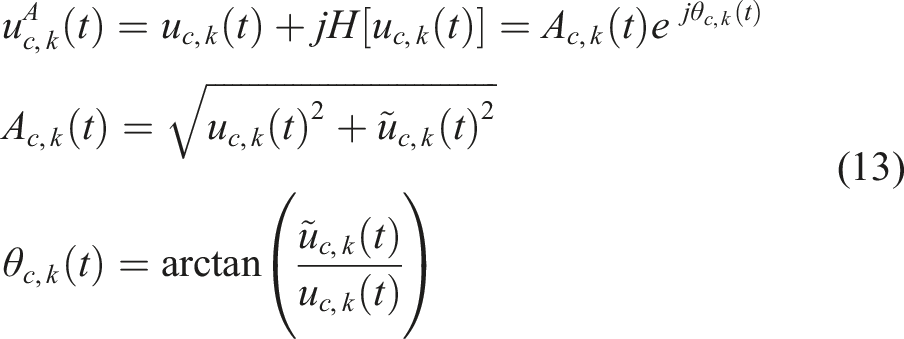
Finally, the IF f
c
,
k
(t) of kth component in the cth channel can be solved as
Looking back to results in Figure 3a, one can easily find the following relations
Therefore, the average scheme can be employed to determine the k-th IF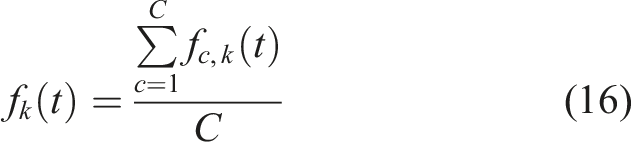
Figures 4(a) and (b) present IFs estimated by the combination of STMVMD and HT. As suggested, IFs estimated by equation (16) are more accurate than those estimated from a univariate mode, especially IF results of the first mode. As a multivariate extension of VMD, MVMD is equal to VMD when a single input is used. Therefore, STMVMD is equal to short-time VMD (STVMD) when only using Estimated IF results. In (a)–(c), black for f1(t), green for f2(t), blue for f3(t) and pink for theoretical Ifs.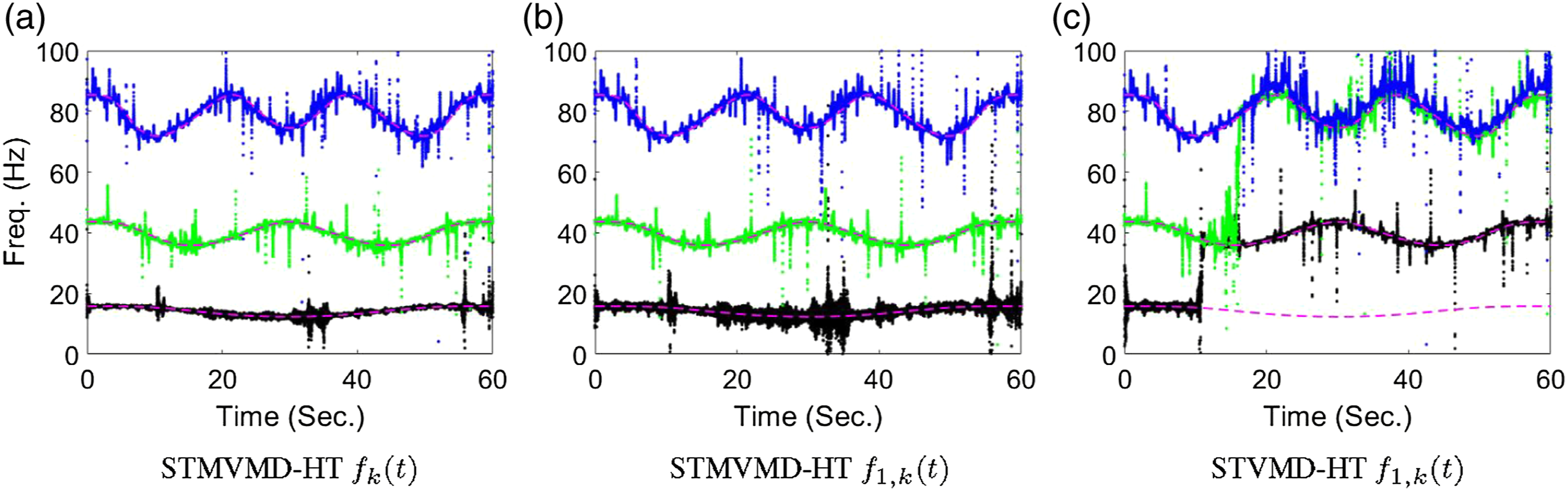
(ii) Instantaneous frequency estimated by CFCT
Although the average IF method suppresses the noise sensitivity of HT, a more robust approach is a constant pursuit. This subsection presents CFCT, which has a better noise-robustness than the average method when used to estimate IF.
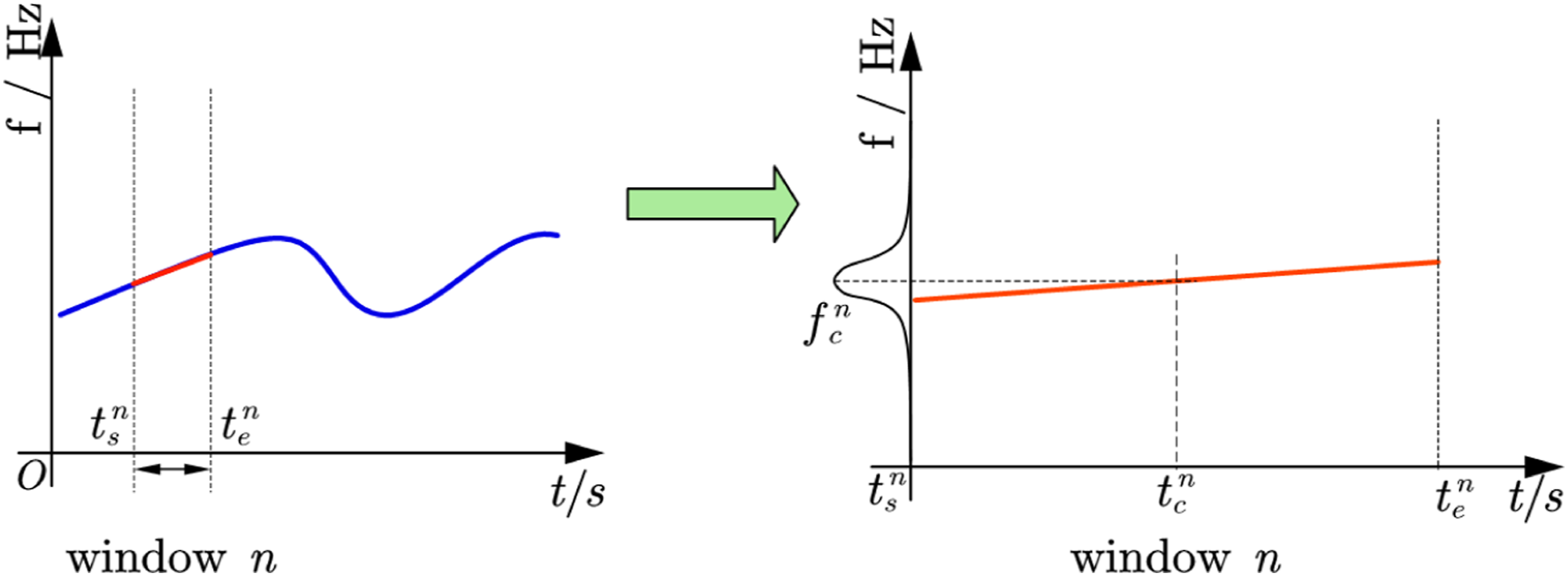
Figure 5 displays the schematic diagram of CFCT. According to the sufficiently stationary assumption of modes in each window, The schematic diagram of CFCT. 
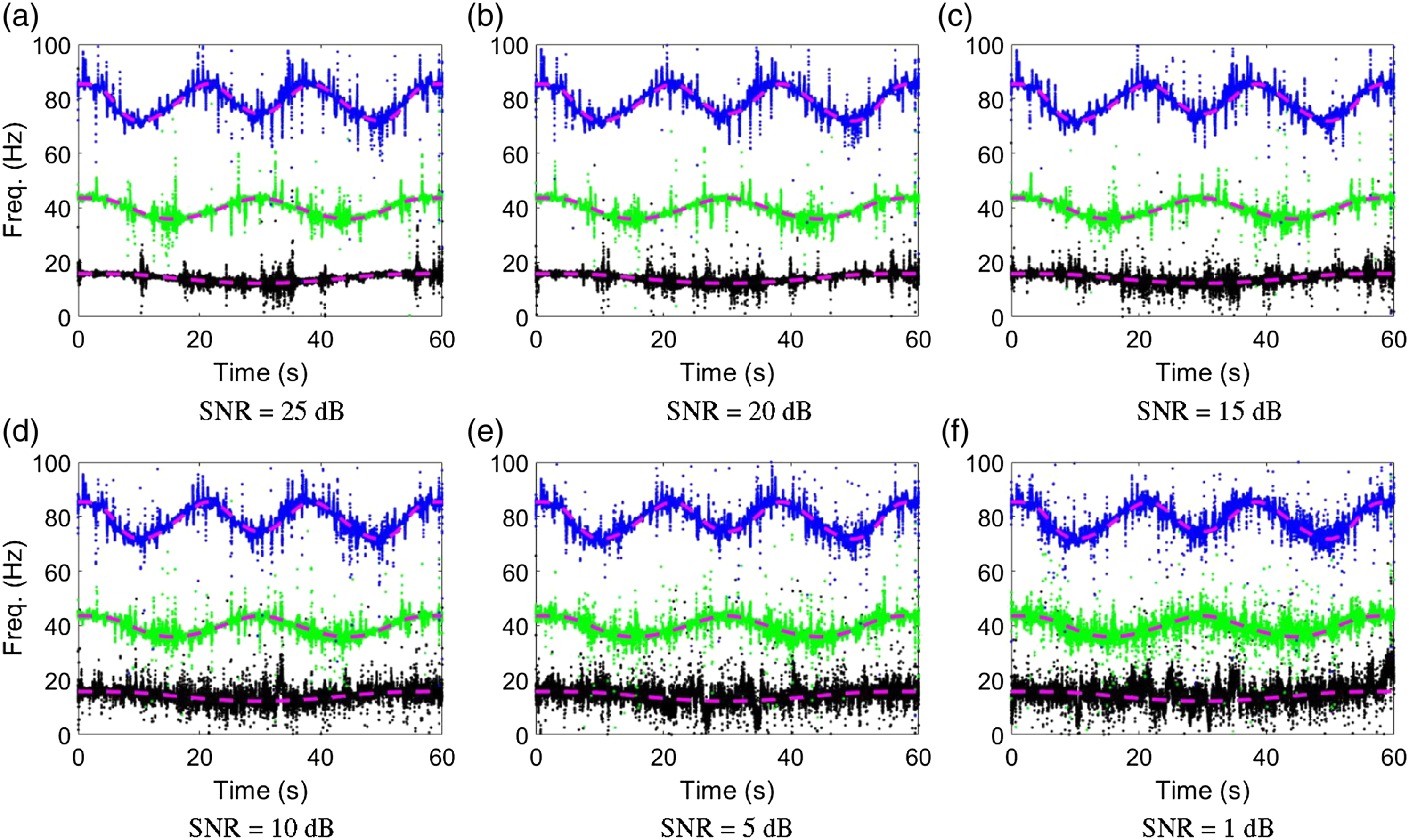
Before decomposing, different levels of Gaussian noises are added in the multi-channel input signals, and the signal-noise ratios (SNRs) are 25 dB, 20 dB, 15 dB, 10 dB, 5 dB, and 1 dB, respectively. Figures 6 and 7 provide the IF obtained by CFCT and the average IF method. As shown in Figure 6, IFs estimated by CFCT nearly have the same high accuracy for different levels of noise. However, results in Figure 7 indicate estimation accuracy of the average IF method rapidly decreases with the increase of noise. Moreover, CFCT performs better than the average IF method for all noise levels, and IFs estimated by CFCT are closer to theoretical values. Therefore, it can be concluded that CFCT is a more precise IF estimation method for time-varying structures. Ifs estimated by CFCT. In (a)–(f), black for f1(t), green for f2(t), blue for f3(t), and pink for theoretical IFs. IFs estimated by CFCT. In (a)–(f), black for f1(t), green for f2(t), blue for f3(t), and pink for theoretical Ifs.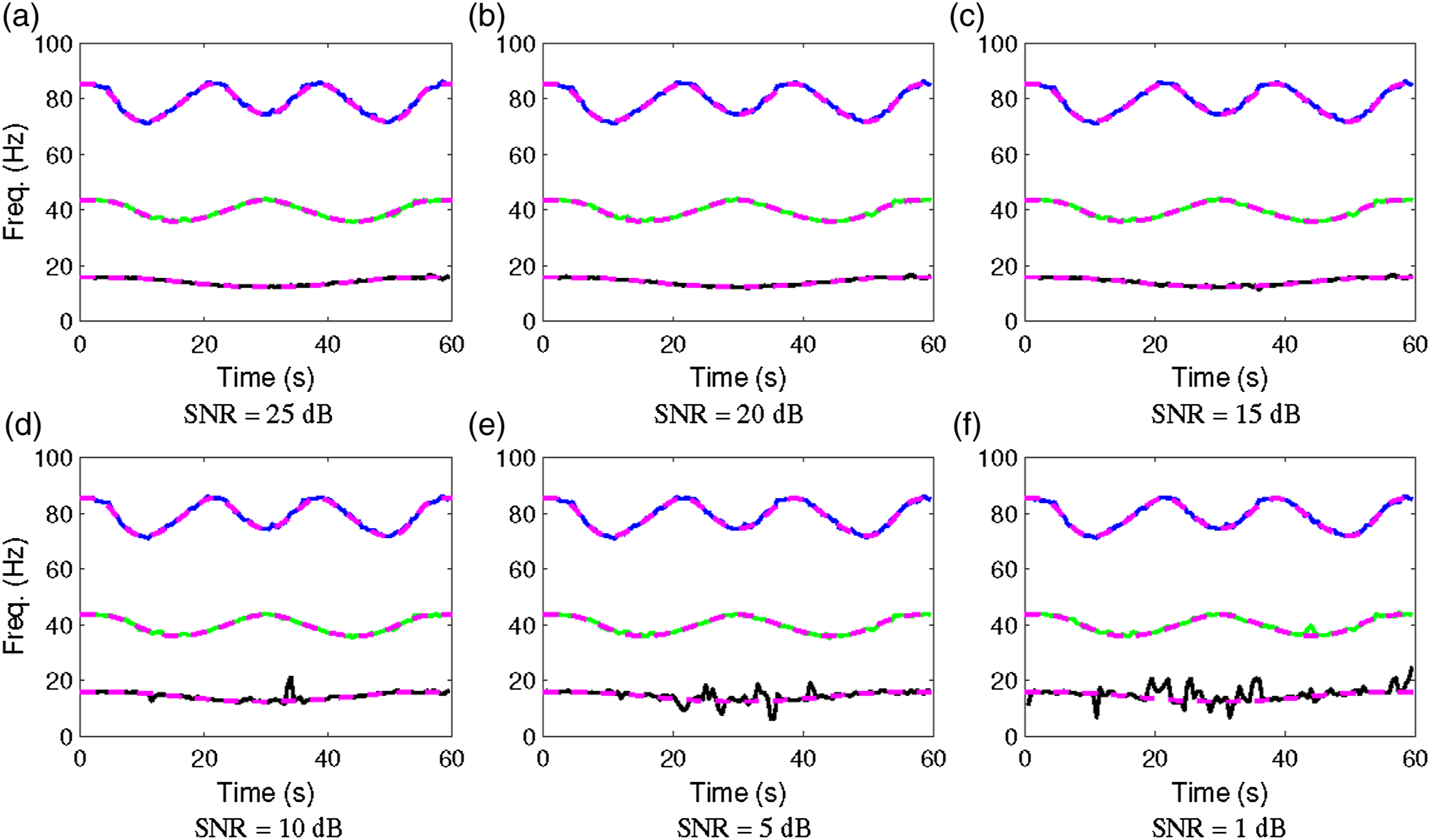
Simulated 3-DOFs system
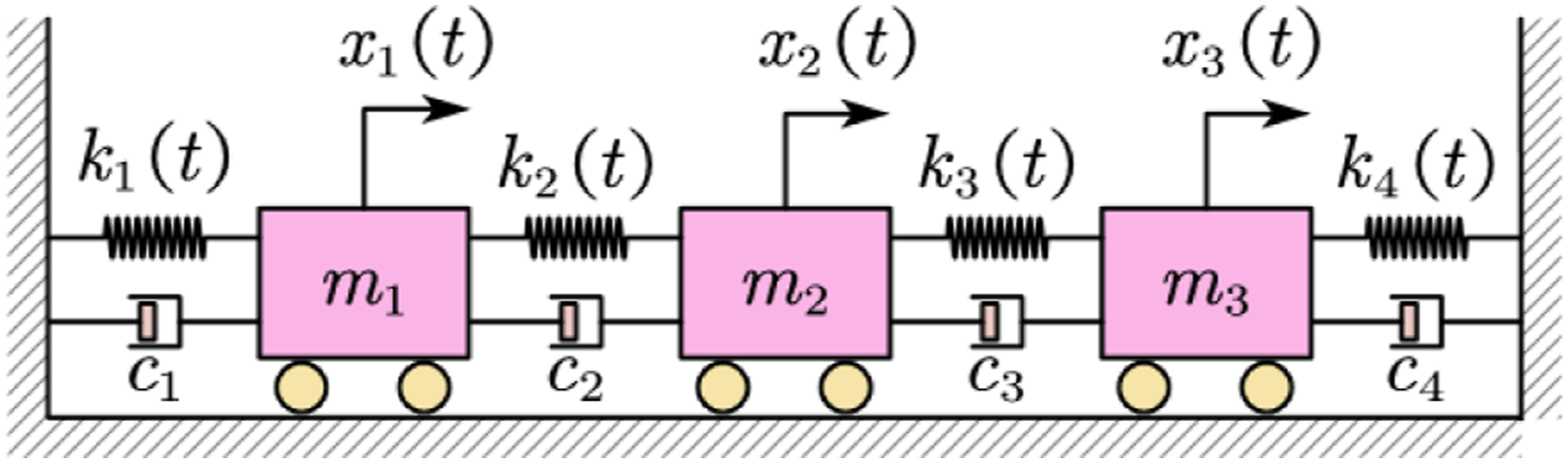
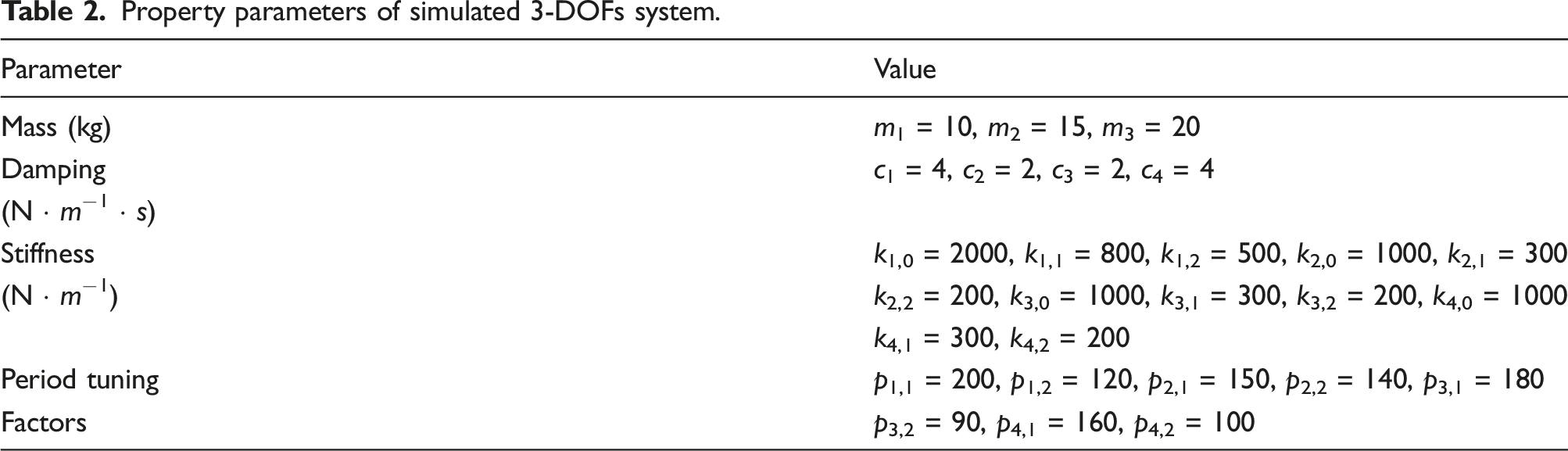
The numerical example used here is a simulated 3-DOFs system with closely-spaced wideband modes. Figure 8 shows its schematic diagram, and Table 2 lists its property parameters. The time-varying stiffness characteristic of this system can be expressed as Schematic diagram of simulated 3-DOFs system. Property parameters of simulated 3-DOFs system.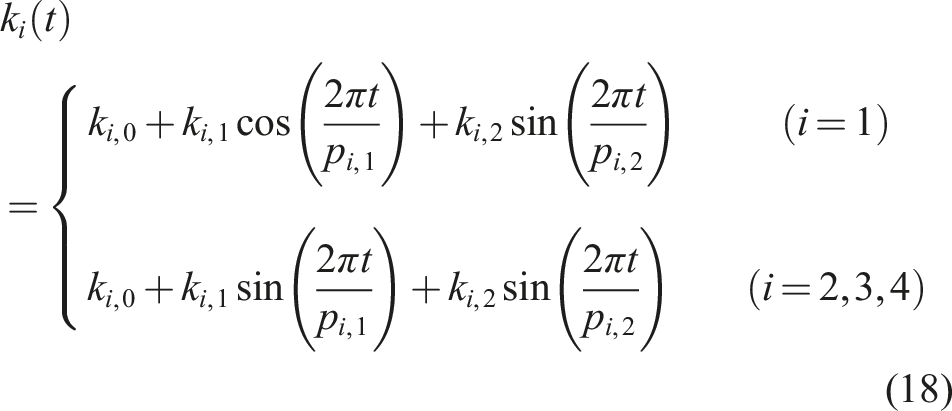
By applying independent Gaussian white noise excitation on each DOF, the responses are calculated using the Runge–Kutta(8) method with a sampling frequency of 16 Hz. Figure 9 presents theoretical IFs by the frozen-time method and Fourier spectrums of calculated accelerations. As revealed in Figure 9(a), the closely-spaced wideband modes are separable in the time-frequency domain, and here, the filter bandwidth of STMVMD is set as 0.1 Hz to avoid mode mixture. As suggested in Figure 9(b), modes are band-limited signals, and hence, the filter bandwidth of MVMD is set as 0.8 Hz to avoid spectral leakage. Table 3 lists their detailed solution parameters. Theoretical Ifs calculated by frozen-time method and Fourier spectrum for accelerations of simulated 3-DOFs system. Solution parameters used in the simulated 3-DOFs example.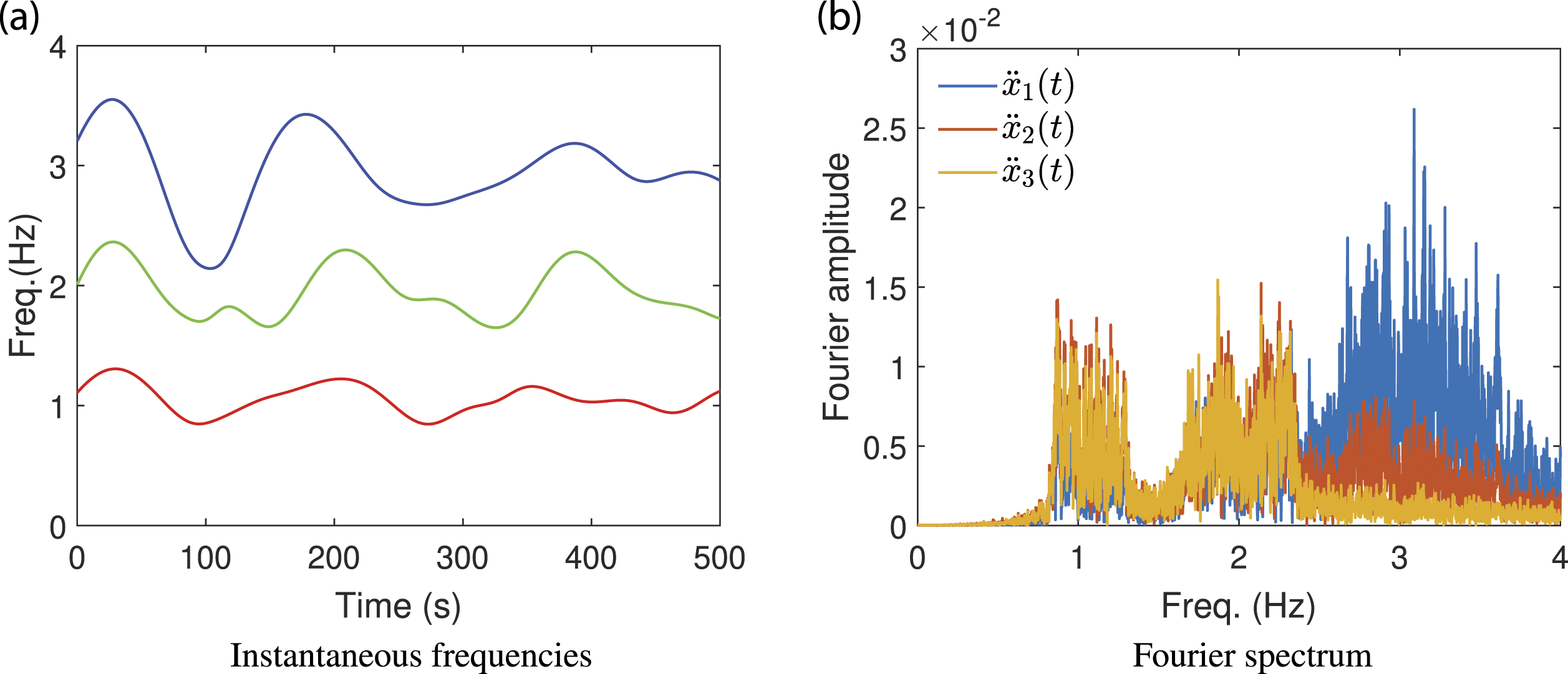
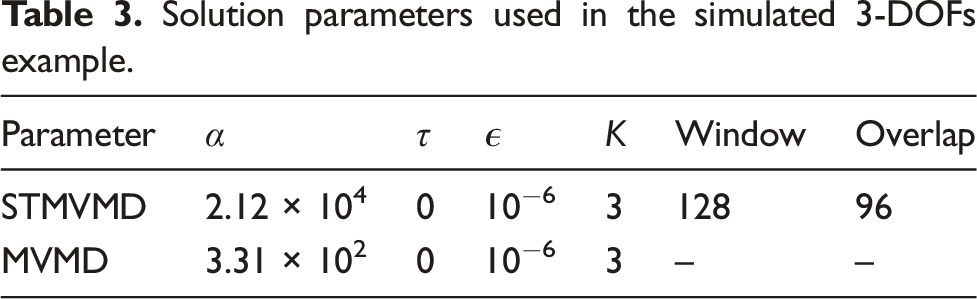
Figure 10 presents estimated IF results. As revealed in Figure 10(c), MVMD obtains error IFs around the 100th s, where the second and third modes are close. Moreover, IFs estimated by MVMD contain lots of noise in the entire time domain because a bigger filter bandwidth can avoid spectrum leakage of MVMD and, meanwhile, more noises are extracted. In contrast, STMVMD performs well on this closely-spaced wideband mode example. These results suggest that STMVMD can better separate closely-spaced or even overlapped modes than MVMD. Estimated IF results. In (a)-(c), black for f1(t), green for f2(t), blue for f3(t), and pink for theoretical IFs.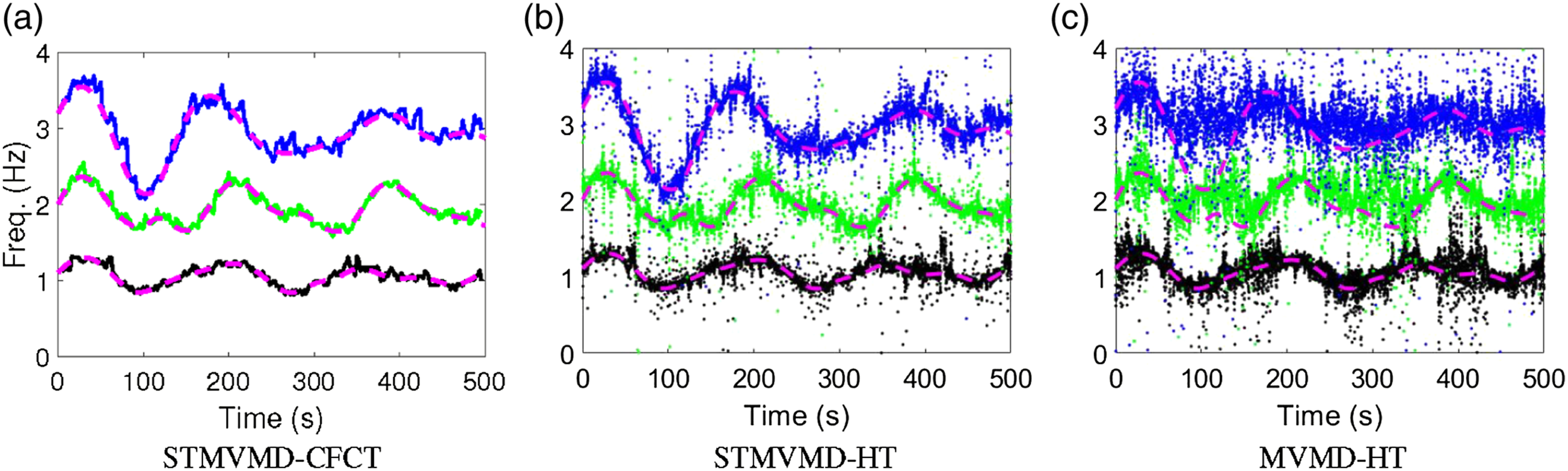
Experimental example
As shown in Figure 11, this section employs an experimental facility of the numerical model in the Simulated moving-mass beam system subsection to verify the applicability and efficiency of STMVMD. The parameters of the beam are the same as in the numerical example. A stepper motor pulls the slider of 0.754 kg at a constant speed of 0.03 m⋅s−1, and the exciting force p(t) is a random pulse sequence. Six acceleration sensors are uniformly installed below the beam. Setup of the experimental moving-mass beam system.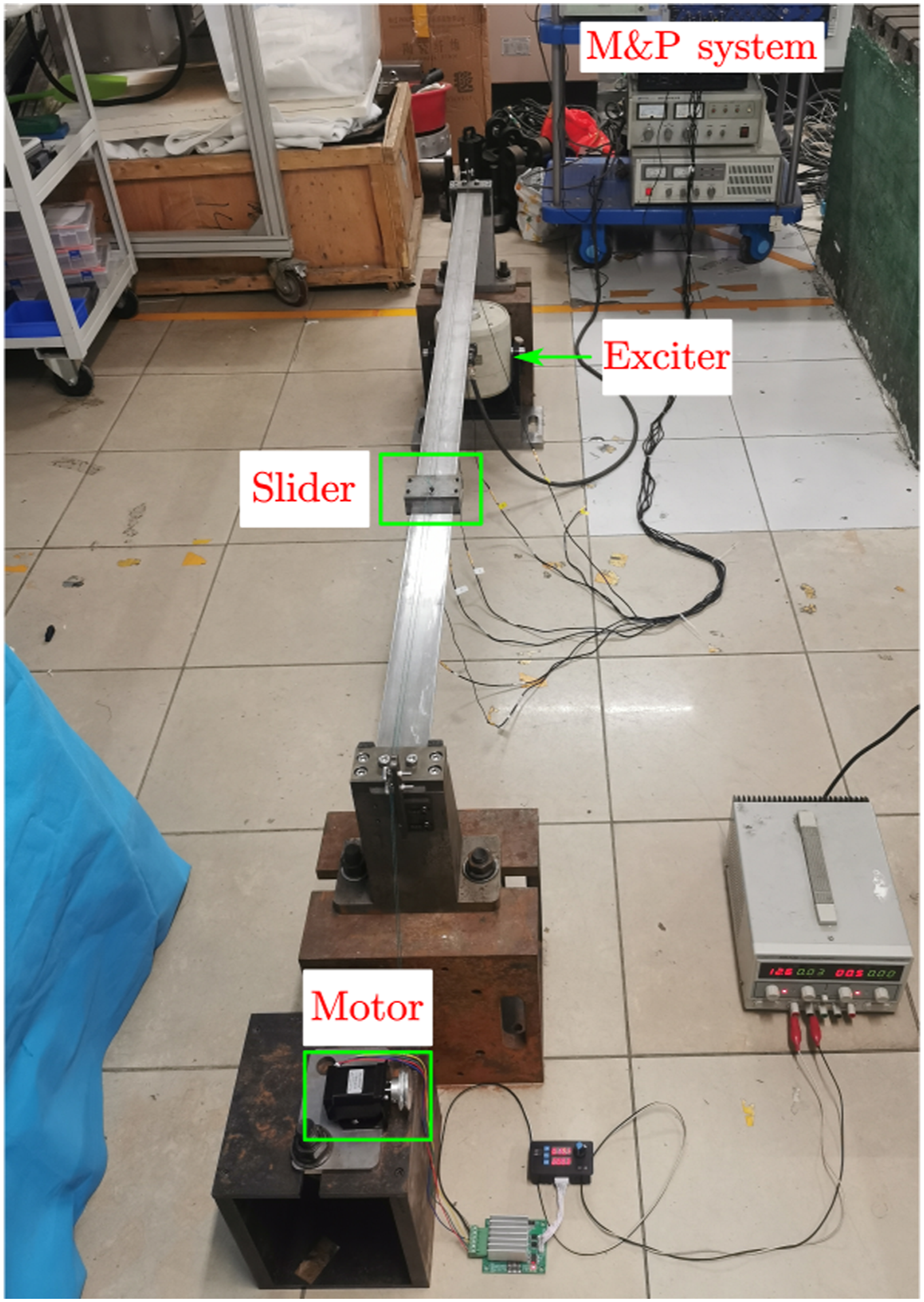
M+P Vibration Test System collects the acceleration signals with a sampling frequency of 1024 Hz. Before decomposing, a low-pass filter is employed to preprocess the collected signals. Frequency components exceeding 100 Hz are eliminated because of too much noise to decompose exactly. Figure 12 shows the TF spectrum of the collected response signals, which hints that the mode number K is equal to 3 and f
BW
is approximate to 6 Hz for a short chunk, namely, α = 2.41 × 10⁴. Similarly, ICFs TF spectrums of experimental acceleration signals. Solution parameters of STMVMD used in experimental example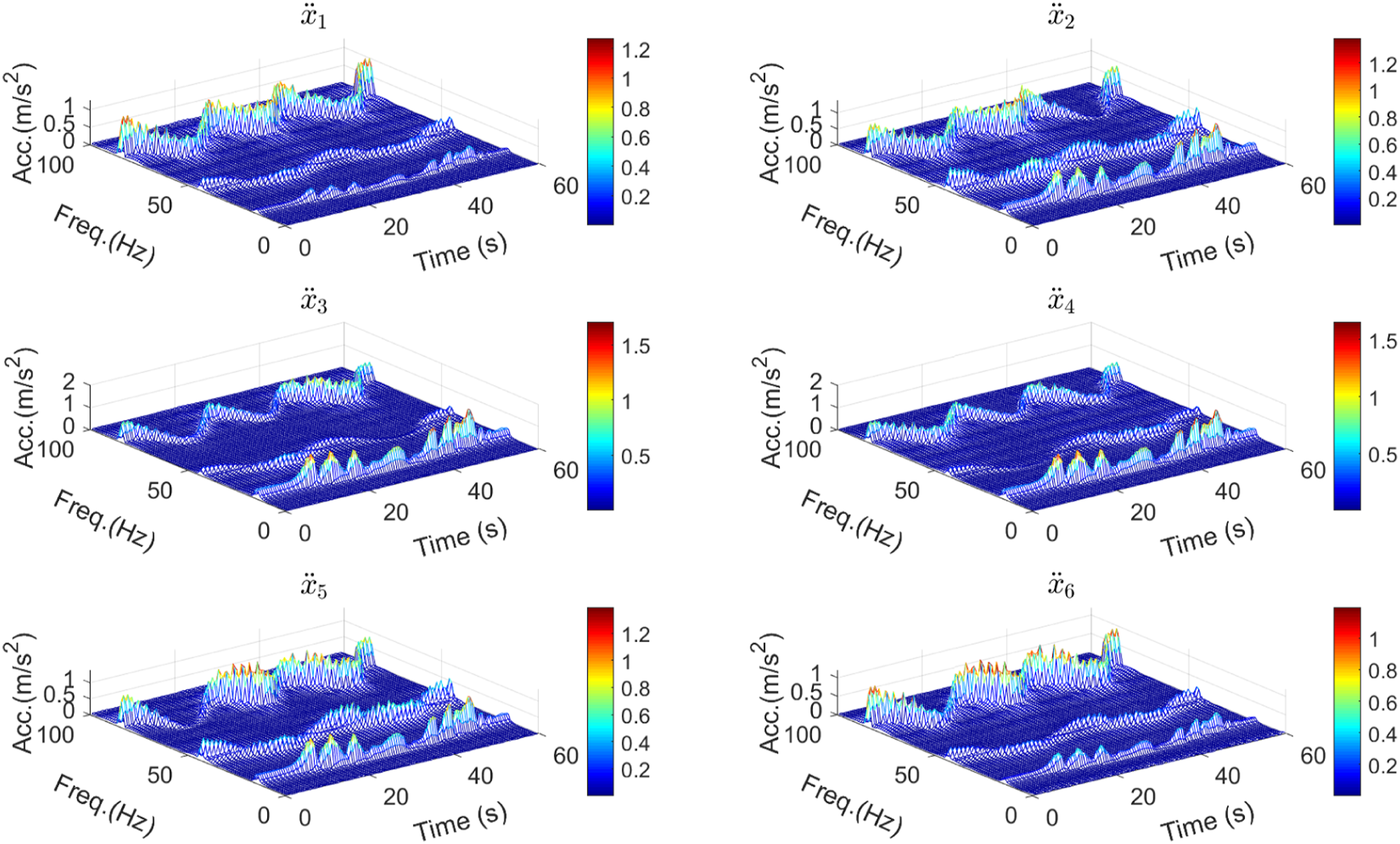
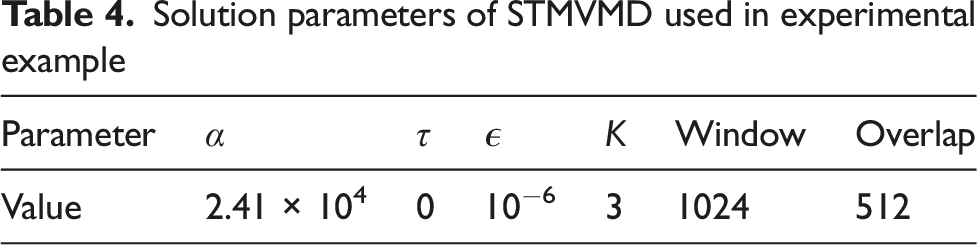
Figure 13 plots the IF results estimated by different methods. The result in Figure 13(c) is obtained by STMVMD-HT with a single-channel input Estimated IF results. In (a)-(c), black for f1(t), green for f2(t), blue for f3(t), and pink for theoretical IFs.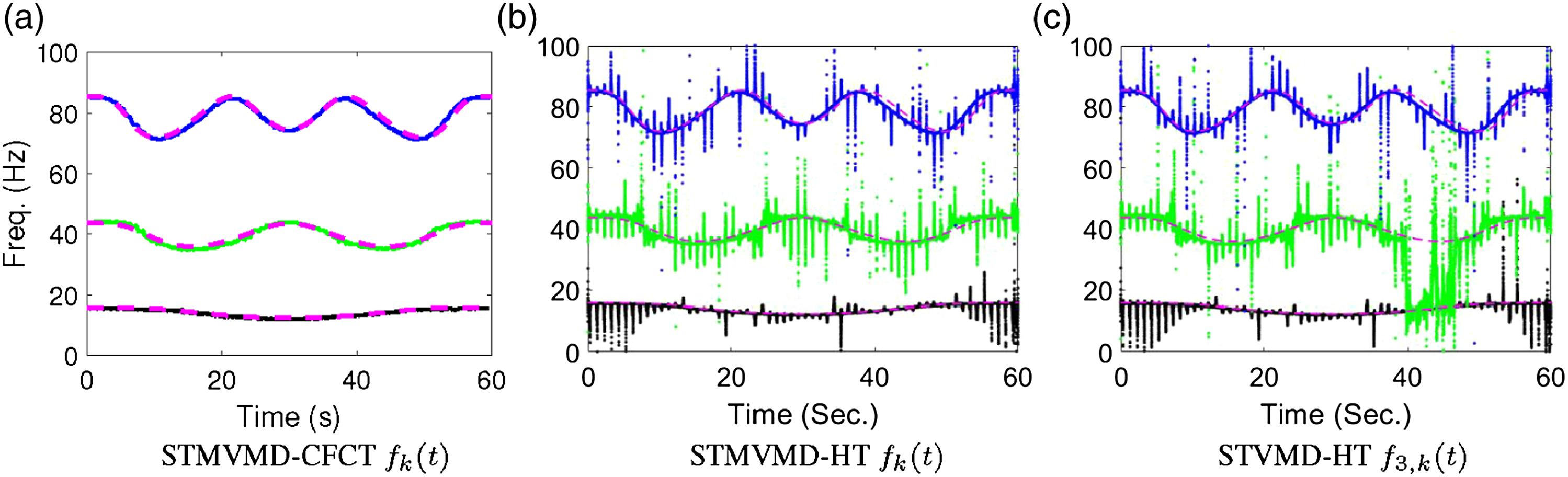
Conclusions
Based on MVMD, this paper presents a novel STMVMD method for instantaneous frequency estimation of time-varying structures with wide ranges of mode frequency variation. The key idea of the presented method is to implement MVMD on short-time chunks, where modes are sufficiently stationary. Then, a simple weighted addition is used to stitch the decomposed short-time modes together to obtain continuous wideband modes. Finally, an average method is employed to estimate instantaneous frequency from HT of the decomposed wideband MIMFs. Moreover, by viewing time-varying center frequencies of STMVMD as instantaneous frequencies, this paper develops another CFCT method for instantaneous frequency estimation, which outperforms the average method. A series of numerical and experimental examples have validated the proposed method. In particular: 1. STMVMD breaks through the narrowband assumption of the previous VMD-based methods and can be used to decompose non-stationary signals that have closely-spaced wideband modes. Its filter property is also presented and can be used to reduce the spectral leakage of decomposed modes. 2. The proposed short-time scheme is based on multivariate VMD but not the original univariate VMD. As a result, STMVMD can be directly employed to decompose multi-channel vibration signals, and modes are not compulsively required to be persistently excited in a specific channel. 3. The average IF and CFCT methods show lower noise sensitivity when compared to the existing VMD-HT approaches, especially the CFCT method.
Based on the results obtained in this paper, STMVMD performs well on instantaneous frequency identification of operating time-varying structures. Future work will be concerned with developing an improved STMVMD method for mode shape identification of time-varying structures.
Footnotes
Acknowledgments
The authors wish to thank the reviewers for their careful and constructive suggestions that have led to improvements in this paper.
Declaration of conflicting interests
The author(s) declared no potential conflicts of interest with respect to the research, authorship, and/or publication of this article.
Funding
The author(s) declared the following potential conflicts of interest with respect to the research, authorship, and/or publication of this article: This work is supported by the National Natural Science Foundation of China (Grant No. 12102103) and the Fundamental Research Funds for the Central Universities (Grant No. HIT.NSRIF.2020014). These supports are gratefully acknowledged.
