







Abstract
In this study, a layer-wise theory satisfying displacement continuity at each layer’s interface and the Chebyshev collocation technique are adopted to analyze the vibration behavior of functionally graded composite nanobeams under non-uniform temperature variation in the thickness direction. The temperature-dependent mechanical properties vary according to the rule of mixture. Boundary conditions are modified by including the effect of size parameter and named as nonlocal boundary conditions. These nonlocal boundary conditions along with Eringen’s nonlocal elasticity theory are developed to capture the effect of size-dependency for such a nanobeam based on the first-order shear deformation theory (FSDT) and physical neutral plane. The energy principle and the variational approach are used to obtain force-moment equilibrium equations, which lead to governing differential equations and local boundary conditions. Two types of sandwich constructions are considered, namely, Type 1 (functionally graded-homogeneous-functionally graded) and Type 2 (homogeneous-functionally graded-homogeneous), by maintaining the material continuity at the interfaces. Natural frequencies are analyzed in the fundamental mode for various values of volume fraction index, thickness of the layers, size scale parameter, and thermal environment. The convergence rate of the Chebyshev collocation technique is also shown over the differential quadrature method.
Keywords
1. Introduction
In recent years, consistent efforts are going on to reduce the weight of the structures. The popularity of lightweight structures has necessitated the development of high-strength composite materials with low density because of their adaptability to different situations to serve specific purposes and exhibit desirable properties. Keeping the above in view, fiber-reinforced materials gained wide popularity in the design of structural components which are used in various technological situations such as diaphragms used in pressure capsules, aircraft fuselages (Jones, 1975), and beams fabricated out of modern composites, to mention a few. Composite materials such as boron-epoxy, glass-epoxy, Kevlar, graphite, etc. are fabricated to meet the desirability of lightweight, high strength, corrosion resistance, and high-temperature performance. In this regard, several studies dealing with the static and dynamic behavior of composite/laminated beams with various constraints have appeared in the literature, and the imported ones are reported here. Ahmed (1972) developed a finite element technique to study the effect of transverse shear deformation on the natural frequencies of honeycomb sandwich beams. However, the higher-order shear beam theory (HOT) was employed by Rao and Ganesan (1995) to examine the responses of tapered composite beams using finite element formulation. A state-space based differential quadrature method (DQM) was introduced by Chen et al. (2004) to illustrate the vibration behavior of generally composite beams. Lezgy-Nazargah et al. (2011) developed a refined HOT for the vibration analyses of composite/laminated beams using a C1-continuous shear lock-free finite element model. Recently, the dynamic stiffness method was employed by Damanpack and Khalili (2012) to present the free vibration analysis of a three-layered sandwich symmetric beam based on HOT. Giunta et al. (2013) presented the Navier type closed-form solution for the stability and free vibration analyses of sandwich beams using classical and first-order shear beam theories. The free vibration behavior of soft-core sandwich beams was discussed by Wang and Wang (2016) employing the quadrature element method. The natural frequencies and mode shapes of sandwich beams with honeycomb-corrugation hybrid cores were predicted by Zhang et al. (2017) using the finite element method. Yan et al. (2017) carried out the closed-form solutions for the free vibration analysis of laminated beam on the basis of Carrera Unified Formulation and layer-wise theory. Hui et al. (2017) adopted the hierarchical one-dimensional finite elements and analyzed the vibration behavior of a three-dimensional sandwich beam. A C0 finite element beam model was proposed by Chalak et al. (2012) to illustrate the responses of a sandwich beam using higher-order zigzag theory. Employing finite element formulation, Chanthanumataporn and Watanabe (2018) investigated the effect of damping due to ambient air on the vibration characteristics of light sandwich beam considering shear deformation for the core. Wang and Zhao (2019) adopted the Timoshenko beam theory and Chebyshev collocation technique to present the free vibration analysis of a sandwich beam with a metal foam core and resting on the Winkler-Pasternak foundation. Thermally-induced transverse vibrations of sandwich beams were studied by Chen et al. (2019) considering non-uniform cross-section properties. Shu et al. (2021) analyzed the vibration characteristics of elastic metamaterial sandwich beam using multi-physics software COMSOL.
Despite the above merits, a mismatch of mechanical/thermal properties exists at layer interfaces in laminated structures, often making them sustain delamination, debonding, and cracks, especially under a high operating environment. The aforementioned drawbacks experienced by conventional composite material layers can be avoided by replacing them with a new kind of material, that is, functionally graded materials (FGMs), where these problems can be addressed in an optimum/efficient manner. These advanced materials are manufactured with the composition of two different conventional materials at the microscopic level, which leads to continuous change in their properties from one surface to the other ones. The recent contributions made on FG sandwich beams are reported here, to mention a few. Yang et al. (2014) presented the free vibration analysis of FG sandwich beams using a two-dimensional elasticity theory and meshfree boundary-domain integral equation method. The implicit time integration Newmark’s method was used by Şimşek and Al-Shujairi (2017) to study the static, free, and forced vibrations of FG sandwich beam under double moving harmonic loads on the basis of Timoshenko beam theory. Using Euler-Bernoulli beam theory for bending and Vlasov theory for torsion, Kim and Lee (2017) investigated the spatially coupled vibration behavior of thin-walled FG sandwich beams employing the finite element method. Yildirim (2020) presented the free vibration analysis of FG sandwich beams using the complementary functions method and two-dimensional elasticity theory. The static and free vibration behavior of the FG sandwich beam was analyzed by Koutoati et al. (2021) using the finite element method on the basis of Timoshenko first-order theory and higher-order theories. In this view, a critical review of the work on FG sandwich structures is presented by Garg et al. (2021).
The rapid development of the micro-electro-mechanical system (MEMS) and nano-electro-mechanical system (NEMS) led* to the extensive use of beam-type nano components in electrical, civil, mechanical, aerospace industries, etc. (George, 2002; Ho et al., 1997; Lyshevski, 2002). Due to the advantage of lightweight, high stiffness, improved functionality, and durability, researchers throughout the world have been attracted to study their static/dynamic behavior with a fair amount of accuracy using analytical/numerical methods and different theories. Among the recent ones, Nazemnezhad et al. (2014) employed harmonic DQM to present the free vibration analysis of bilayer graphene nanoribbons with interlayer shear effect. The free vibration characteristics of the FG nano sandwich beam embedded on the Pasternak foundation were examined by Asemi et al. (2014) using Timoshenko beam theory and generalized DQM. A finite element model was developed by Subramani et al. (2017) to analyze the free vibration behavior of carbon fiber reinforced laminated sandwich beam on the basis of HOT. Kamali and Nazemnezhad (2018) employed harmonic DQM and examined the nonlocal free vibrations of bilayer graphene nanoribbons. They investigated the interlayer shear and tensile-compressive van der Waals effect on the first four natural frequencies for various boundary conditions. Kim (2019) developed an evaluation technique to predict the first and second order-vibration modes of a sandwich microcantilever beam on the basis of Euler-Bernoulli beam theory.
In recent years, several studies have been conducted to show the effect of thermal stresses on the static and dynamic behavior of sandwich beams. Pradhan and Murmu (2009) presented the thermomechanical vibration analysis of the FG sandwich beam resting on variable Winkler and two-parameter foundation employing modified DQM. Mirzaei and Kiani (2016) presented the nonlinear vibration analysis of temperature-dependent FG sandwich beam with carbon nanotubes (CNTs) as face sheets using equivalent single-layer Timoshenko theory along with von Karman type non-linearity and Ritz formulation. A higher-order shear deformation theory was proposed by Ebrahimi and Farazmandnia (2017) for the thermomechanical vibration analysis of FG CNTs sandwich beams employing Navier’s solution procedure. Li et al. (2019) examined the nonlinear flexural vibrations of FG sandwich beams with negative Poisson’s ratio Honeycomb core using the finite element method. A refined 4-unknown quasi-3D zigzag beam theory was developed by Han et al. (2018) for the stability and free vibration analysis of composite beams under axial mechanical and transverse thermal loading using the Ritz method.
The previous researches on nanostructures are widely focused on the clamped (C) and simply-supported (S) boundaries due to contradiction in results for cantilever nanobeams (Ansari et al., 2018; Lal and Dangi, 2019; Lu et al., 2006; Norouzzadeh et al., 2018; Norouzzadeh and Ansari, 2017; Wang et al., 2007). These studies found that with the increase in nonlocal parameter, the stiffness and frequencies of the nanobeams decreases for all boundary conditions except for cantilever nanobeams. This is due to the use of local boundary conditions rather than nonlocal ones which is further discussed and modified by a few researchers for isotropic and homogeneous nanobeams (Li et al., 2020; Mirzaei and Kiani, 2016; Norouzzadeh and Ansari, 2017; Panc, 1975; Paradoen, 1977).
Several numerical techniques were adopted and developed by researchers based on the characteristics of static and dynamic problems such as linear/nonlinear equations, regular/irregular geometries, implementation processes, etc. Accordingly, these techniques have their advantages and disadvantages. For linear differential equations with regular domains, spectral methods (Chai and Wang, 2022; Wang et al., 2018, 2019; Ye and Wang, 2021) are easy to implement and provide better accuracy with less computational cost while these can’t be used for nonlinear differential equations. So, the mixed type of numerical techniques are useful but for irregular domains, different versions of the finite element method (Wang et al., 2021) are the best choice to study the characteristics of the structural element. Spectral method, being the linear type of differential equations, is the best choice and hence Chebyshev collocation technique is adopted by the authors’ due to its advantage of better accuracy and choice of grid distribution which is always fixed. To the best of authors’ knowledge, Chebyshev collocation method is first reported by Gupta and Lal (1979) to study the axisymmetric vibrations of linearly tapered annular plates under in-plane force.
During the above survey, it is observed that most of the researchers used conventional beam theories to analyze the vibrational behavior of laminated/composite/sandwich beams. However, two-dimensional elasticity theory (Setoodeh et al., 2012; Yildirim, 2020), layer-wise Euler-Bernoulli theory (Kamali and Nazemnezhad, 2018; Nazemnezhad et al., 2014), and refined four-unknown quasi-3D zigzag beam theory (Han et al., 2018) obtained the displacements of each layer independently. Setoodeh et al. (2012) investigated the free vibration behavior of elastically supported sandwich beams under thermal environment by adopting a two-dimensional elasticity theory together with layer-wise theory and DQM. According to this theory, the displacement field of each layer is assumed independently by avoiding their mutual impact. Similarly, Xiang and Yang (2008) presented the free and forced vibration analysis of thermally-induced non-uniform laminated FG Timoshenko beam by employing DQM. Considering these, the present work includes the effect of the displacement field of every layer on the others and the layer-wise theory developed by Ferreira et al. (2008) is adopted to study the effect of thermal environment on the vibration characteristics of the temperature-dependent FG composite nanobeams. The material properties of the nanobeams are varied as a power-law function across the thickness. The size-dependency of Type 1 and Type 2 composite nanobeams is analyzed by developing nonlocal boundary conditions for Eringen’s nonlocal elasticity theory. Hamilton’s principle is used to derive the governing equation of motion for such a model. The resulting equations are discretized by the Chebyshev method to obtain the frequency equations for clamped: clamped, clamped: simply-supported, simply-supported: simply-supported, and clamped: free composite FG nanobeams, and solved by MATLAB. The effects of various parameters such as volume fraction index, layer thickness ratio, nonlocal parameter, and temperature difference on the fundamental frequencies of the beam are analyzed. Comparison of results with published results obtained from other theories/approximate methods is presented for some special cases.
2. Theoretical formulation
Consider a functionally graded sandwich nanobeam in a Cartesian coordinate system with length Composite beam: type 1: homogeneous core and functionally graded faces; type 2: functionally graded core and homogeneous faces.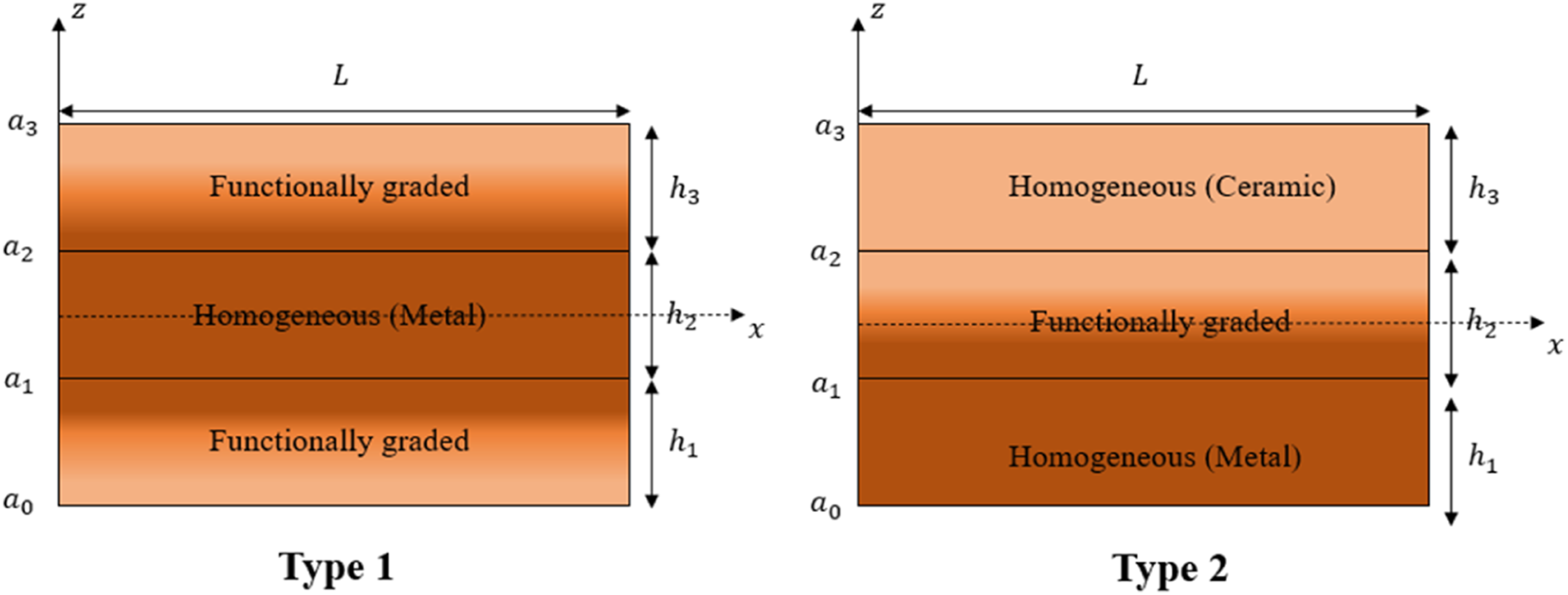
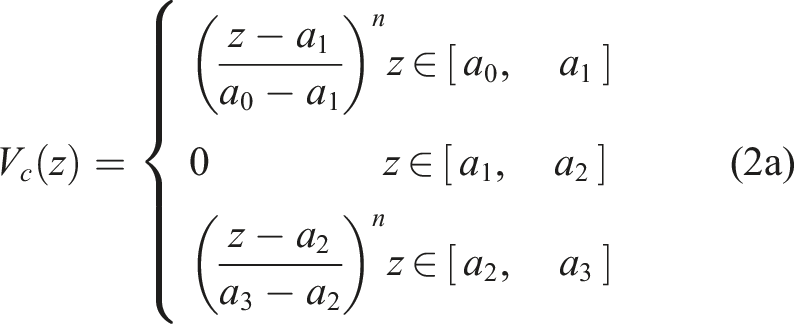
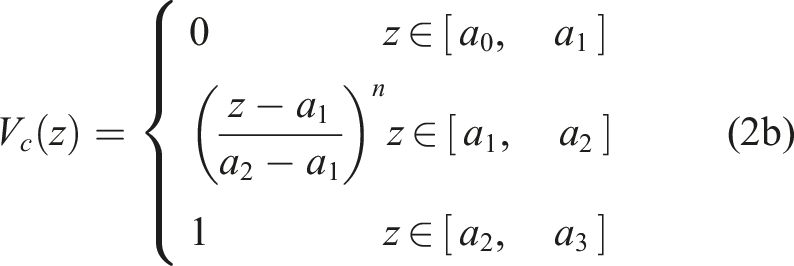
The FG material is a classic ceramic-metal composition in the thickness direction of the beam. Following the rule of mixture, the temperature-dependent mechanical properties of FG material are defined as (Lal and Saini, 2019): (i) Type 1: (ii) Type 2:


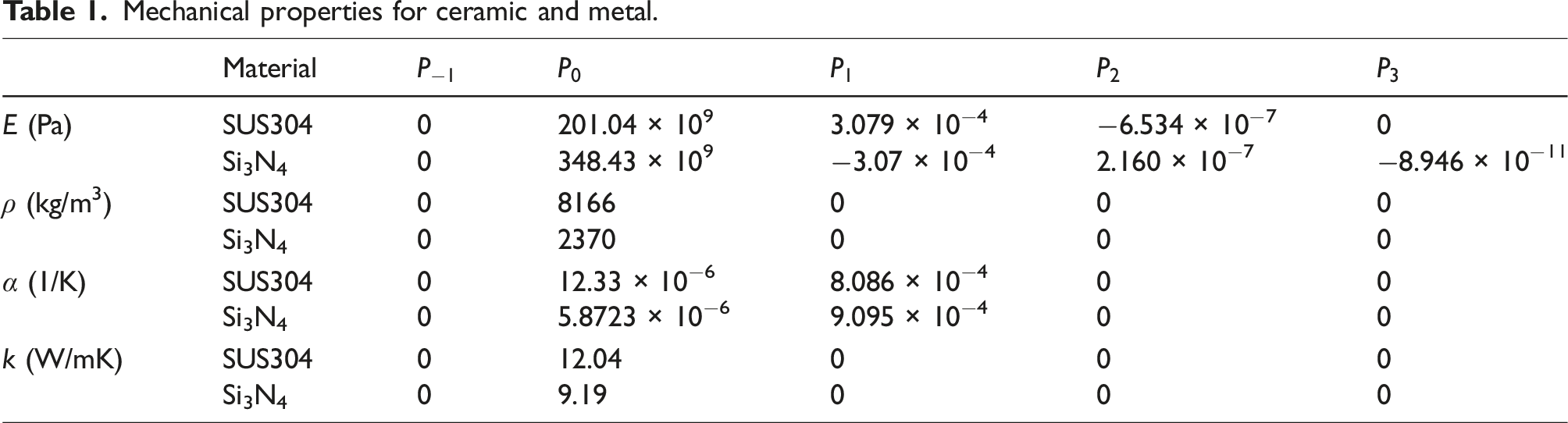
Mechanical properties for ceramic and metal.
As the material is distributed asymmetrically about the mid-plane of nanobeam, the physical neutral plane would be different from the mid-plane of the beam. According to the elastic mechanics theory for vibration analysis of FG structures, the mathematical condition for the physical neutral plane is defined as,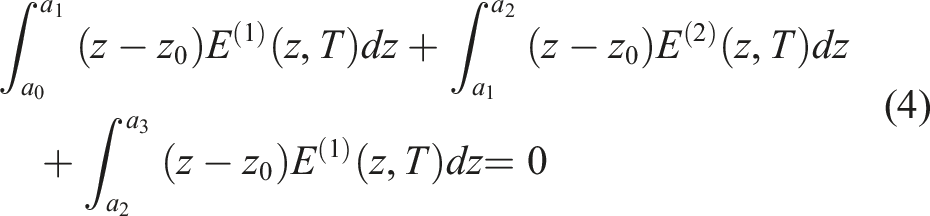
The value of 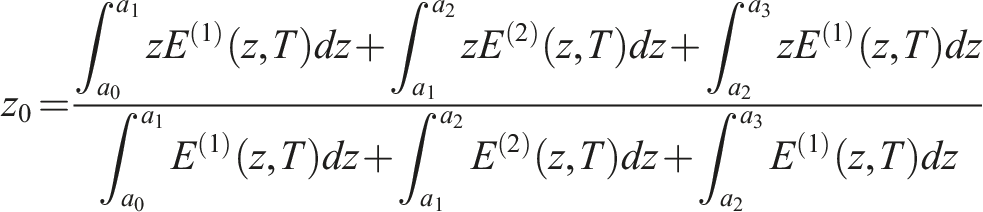
2.1. Thermal analysis
The temperature profile for the present FG composite nanobeams is obtained by solving the following one-dimensional steady state heat conduction equation:
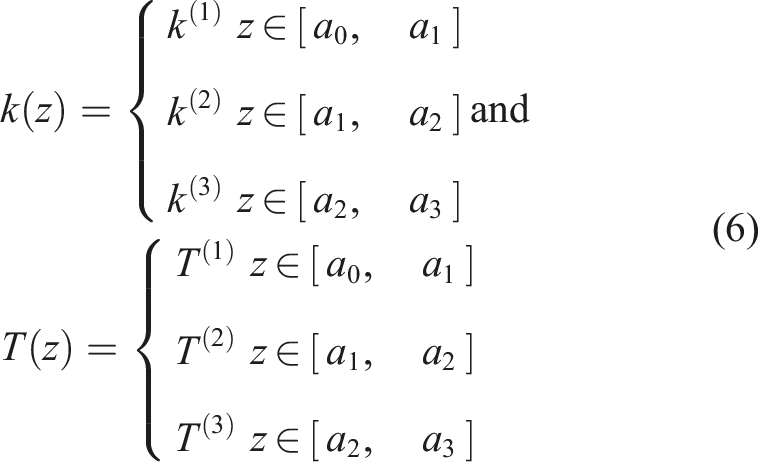

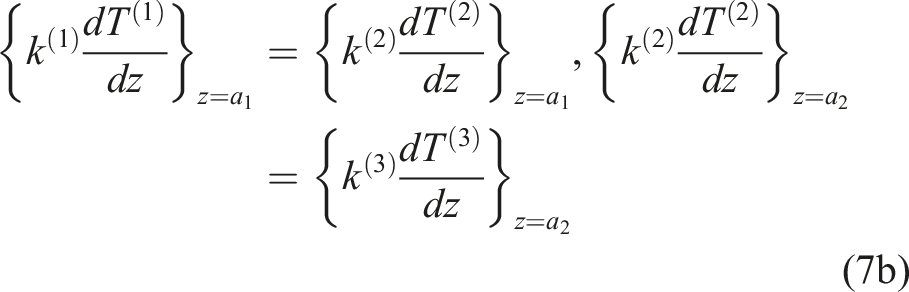
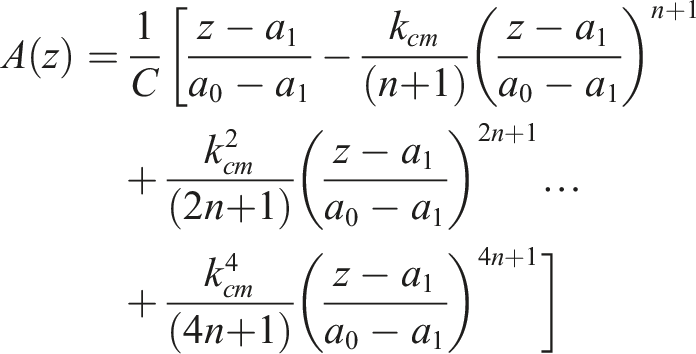
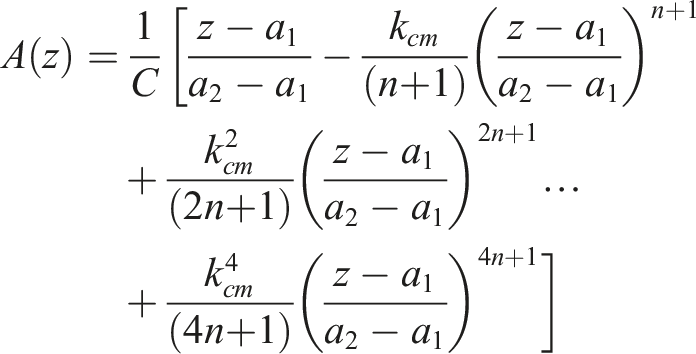
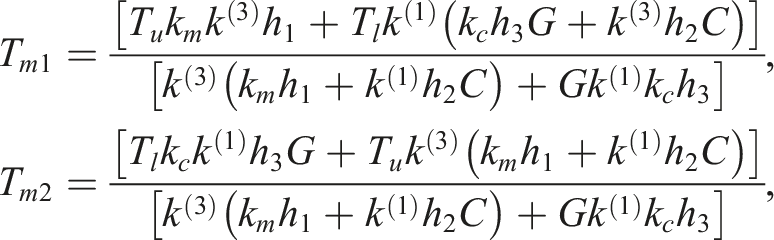
Using the above conditions, the expressions for temperature variation of each layer are obtained for Type 1 and Type 2 FG composite nanobeams, given as:
Type 1: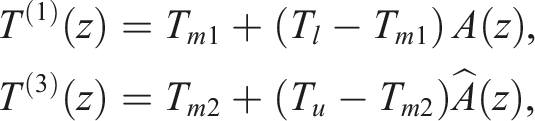

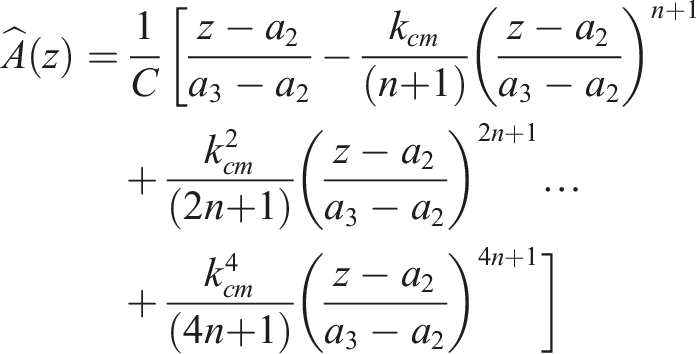

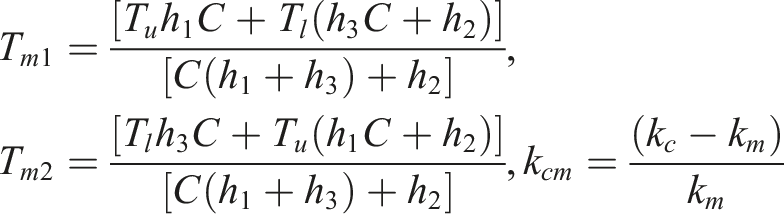
Type 2: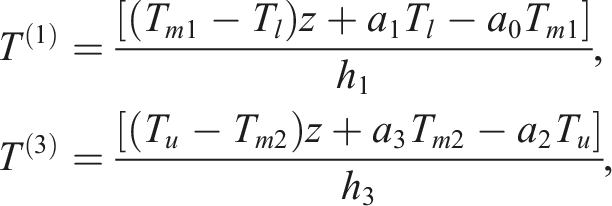


2.2. Euler-Lagrange equations of FG composite nanobeam
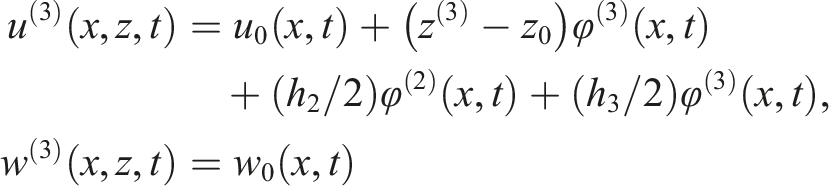
Following the kinematics of a three-layered FG composite nanobeam with first-order shear deformation theory for each layer, the in-plane displacements 
The strains for the center and top layers of the composite nanobeam are given by,
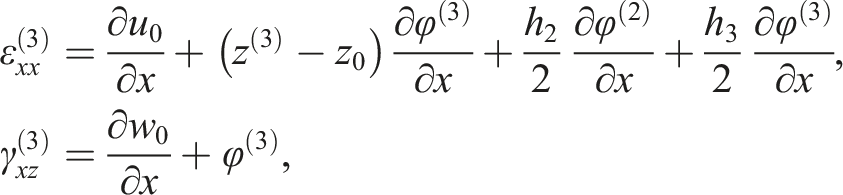
Following the stress-strain relationship for a beam, the stresses of the center and top layers can be obtained in terms of displacements as: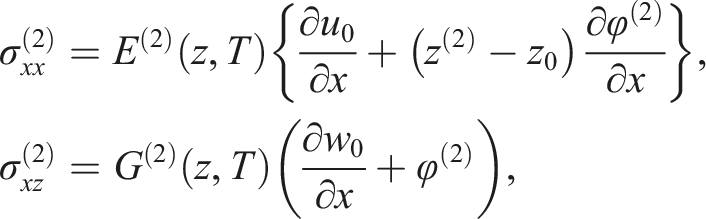
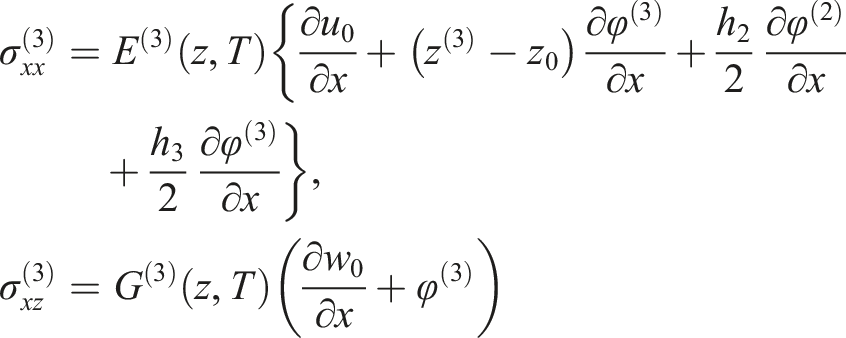
For the sake of brevity, the displacements, strains, and stresses of the bottom layer have not been mentioned as they can be obtained from displacements, strains, and stresses of top layer by replacing 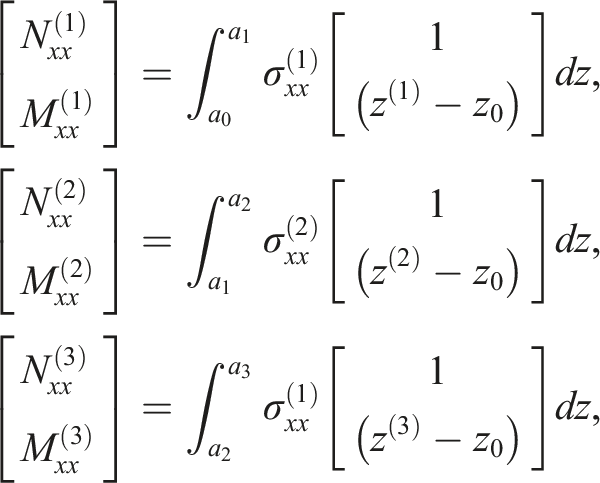

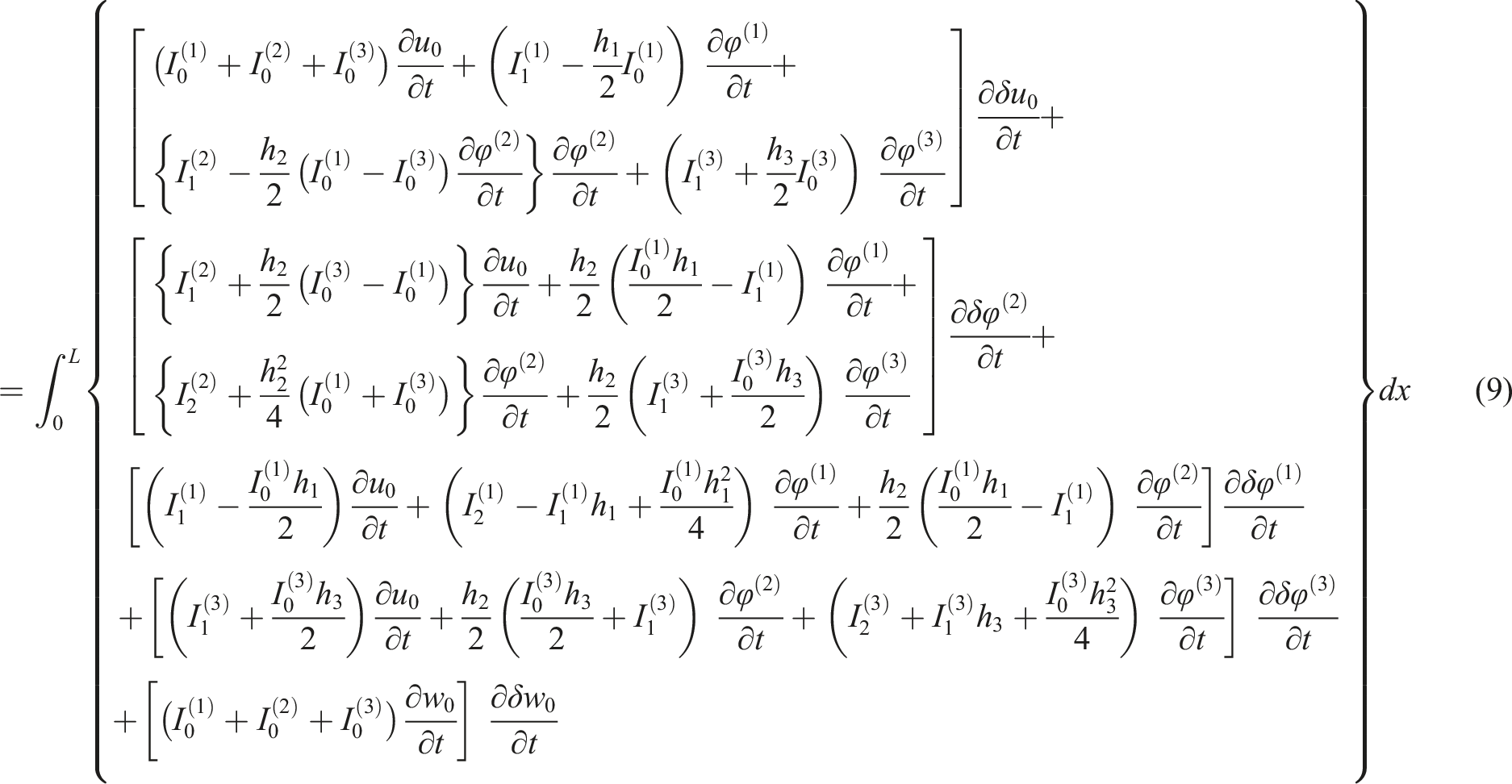
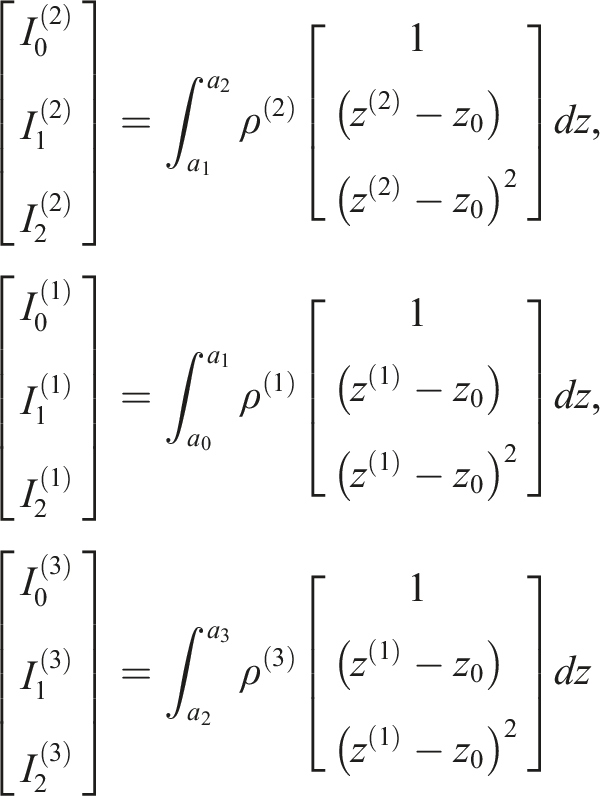
Following Reddy (2003, 2006), the variations in the total strain and kinetic energy of the composite nanobeam are:


The total work done by the thermal stresses is expressed as: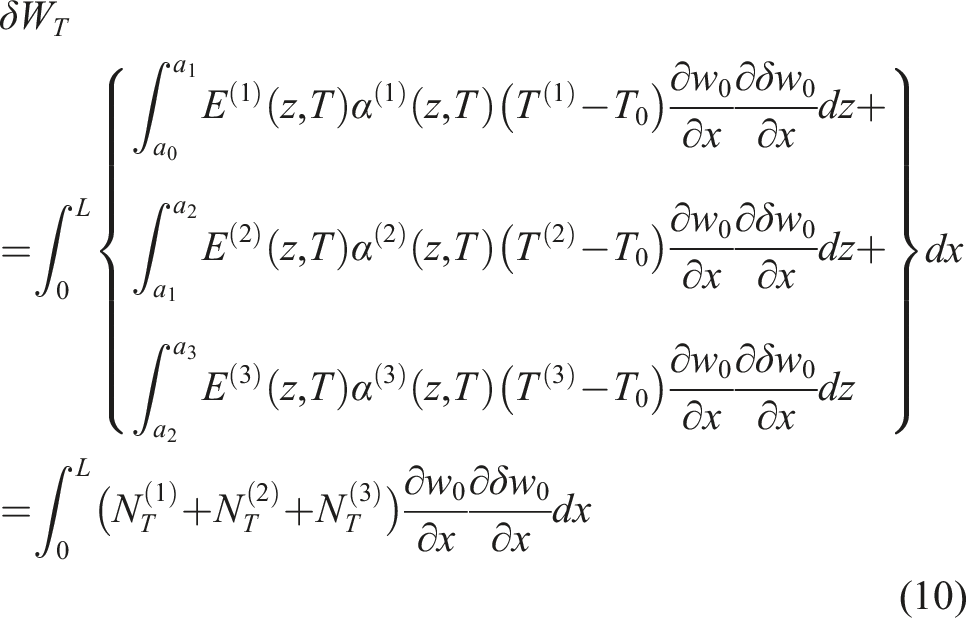

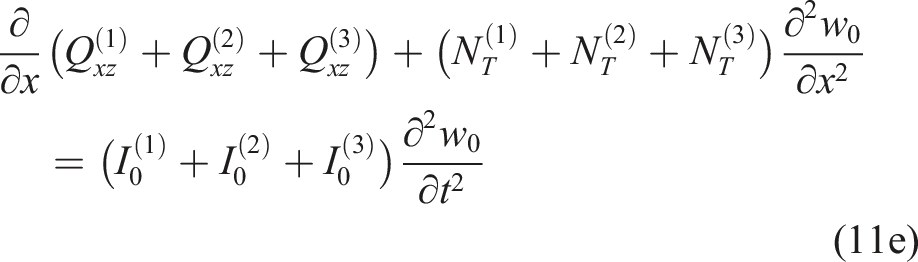
Using the Hamilton’s energy principle 



2.3. Eringen’s nonlocal theory
To capture the micro/nanoscale size effects, Eringen (2002) proposed a nonlocal elasticity theory which is based on the concepts of physics (atomic theory, lattice dynamics, electromagnetic theory, polaritons, gyrotropic effects, superconductivity, etc.,), that is, the behavior of a material point in a body depends on the state of all points of the body. Accordingly, the stress at a point 


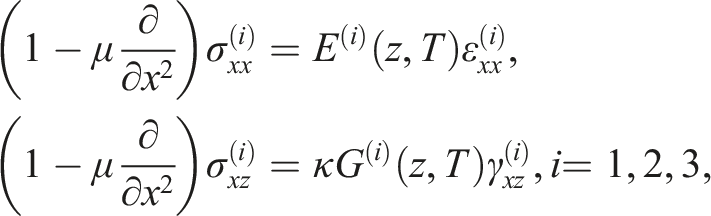
The nonlocal normal stresses, shear stresses, and moments resultants for each layer of FG composite nanobeams are expressed in terms of displacements as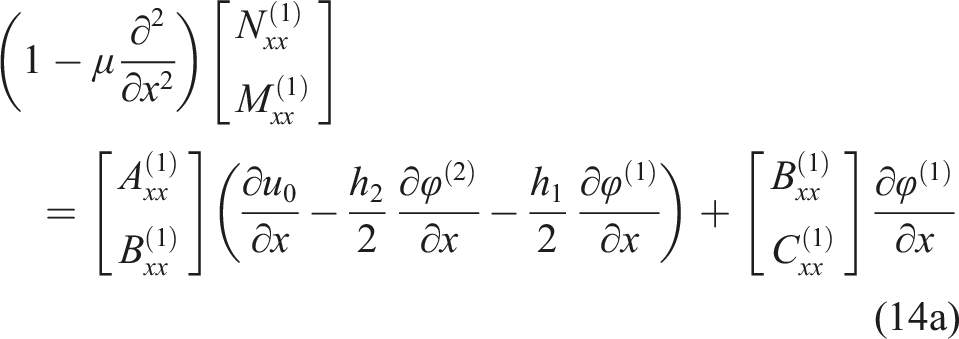
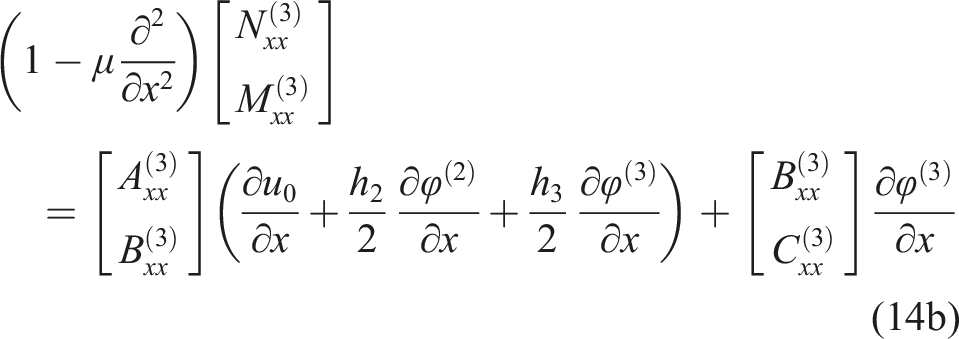
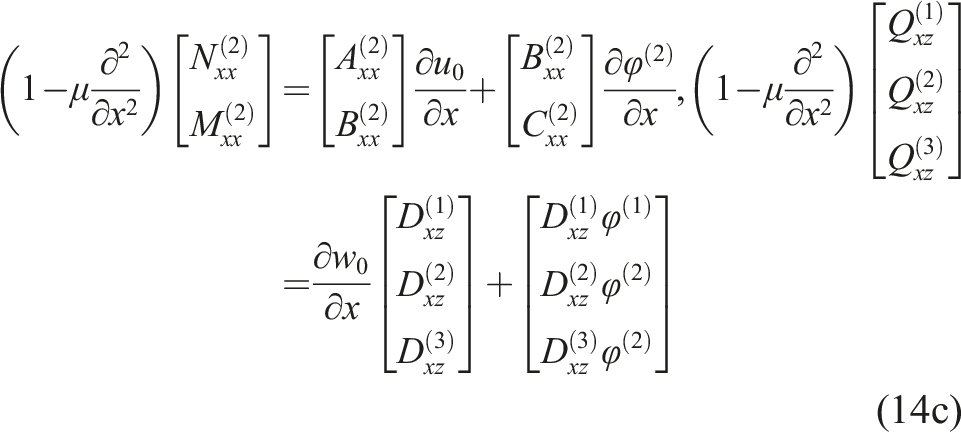
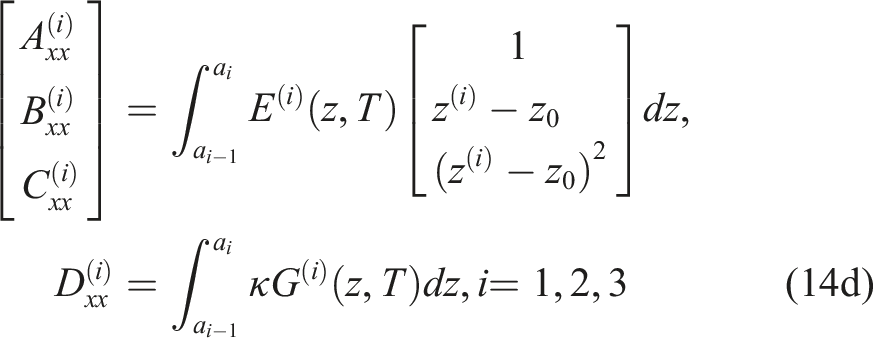
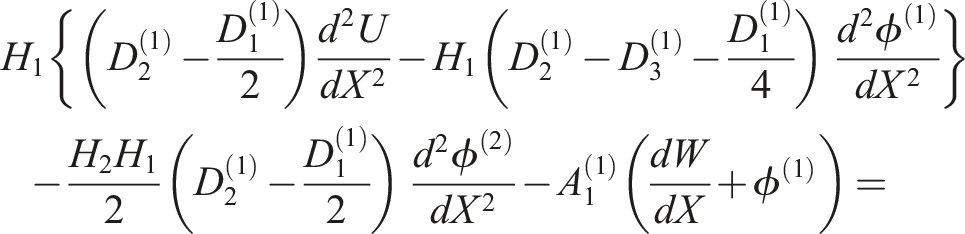
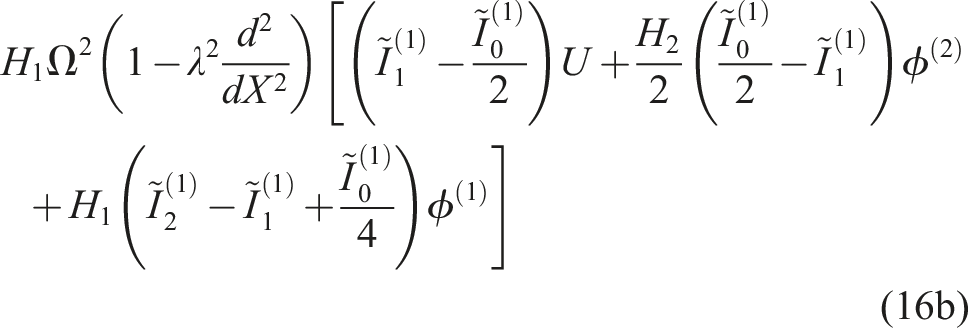
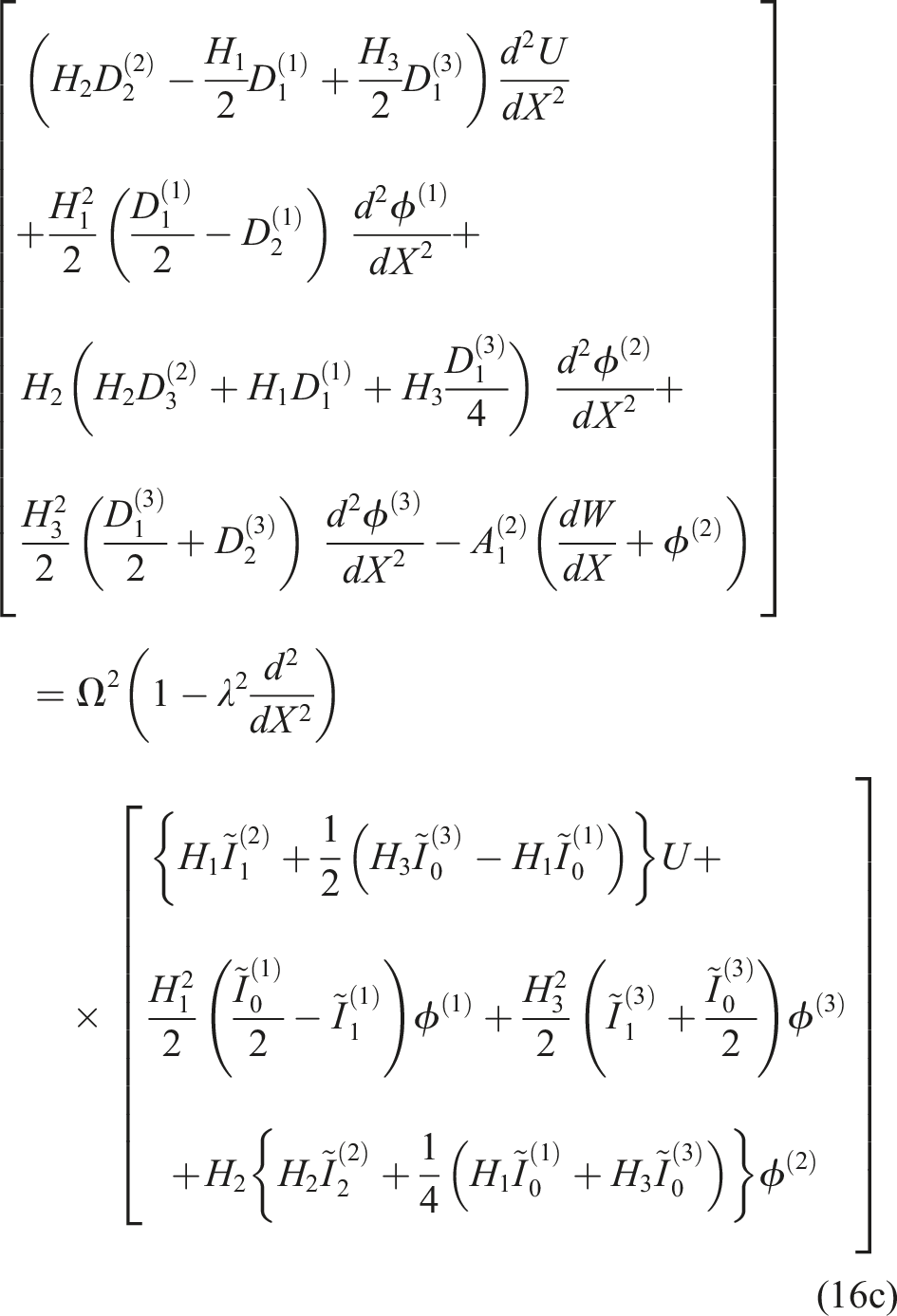
By solving the equations (11a, 11b, 11c, 11d and 11e) and (14a) to (14d), the nonlocal governing equations of motion for FG composite nanobeam under thermal environment are deduced, and given by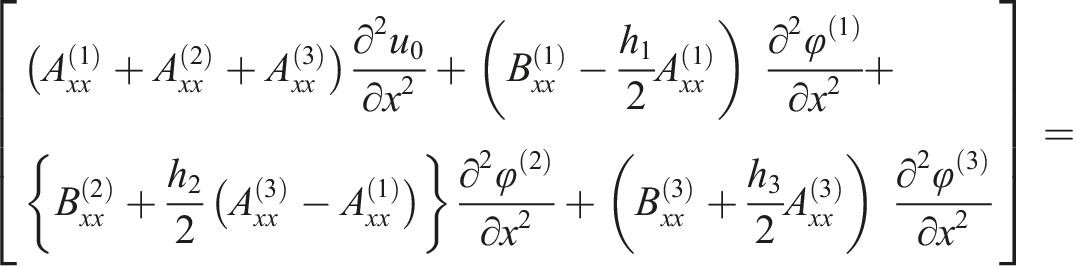

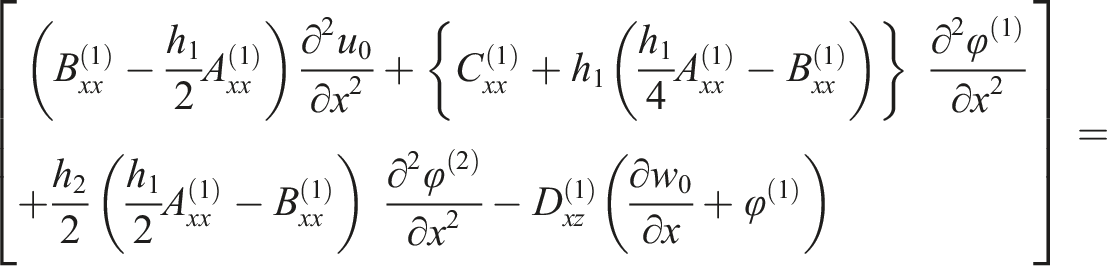
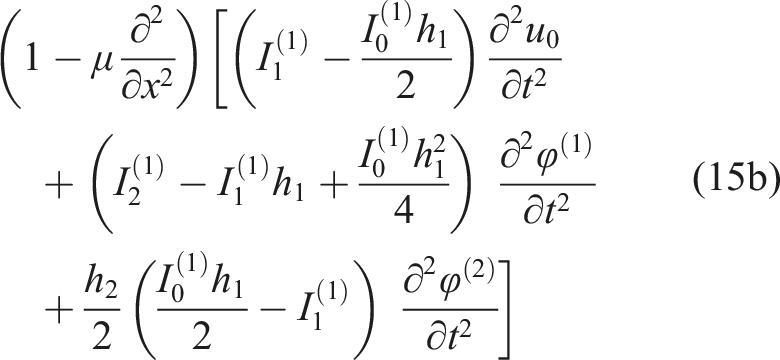


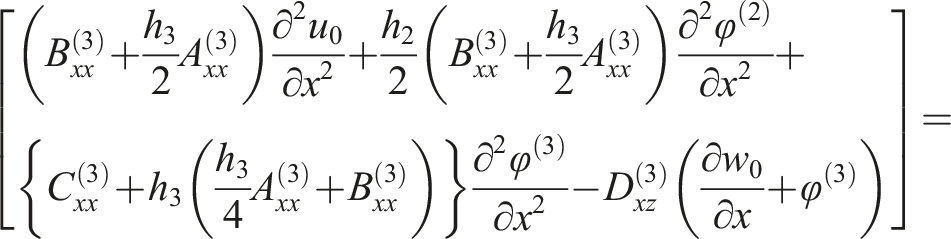
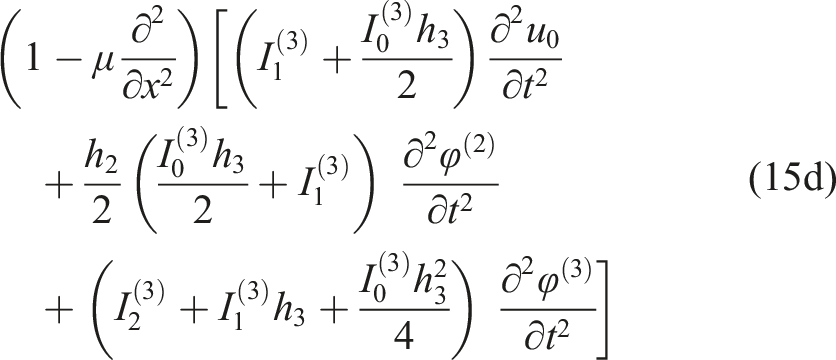
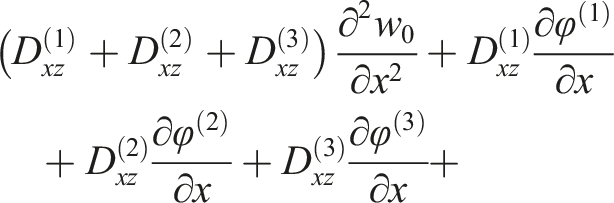
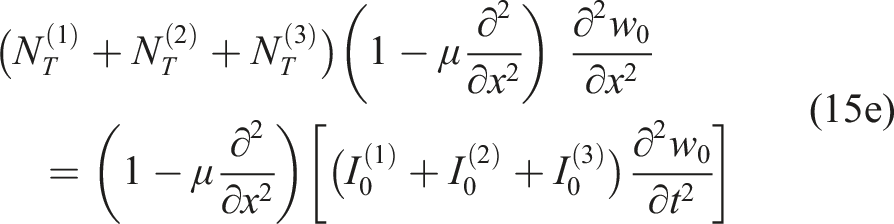
Using the harmonic solutions and non-dimensional variables 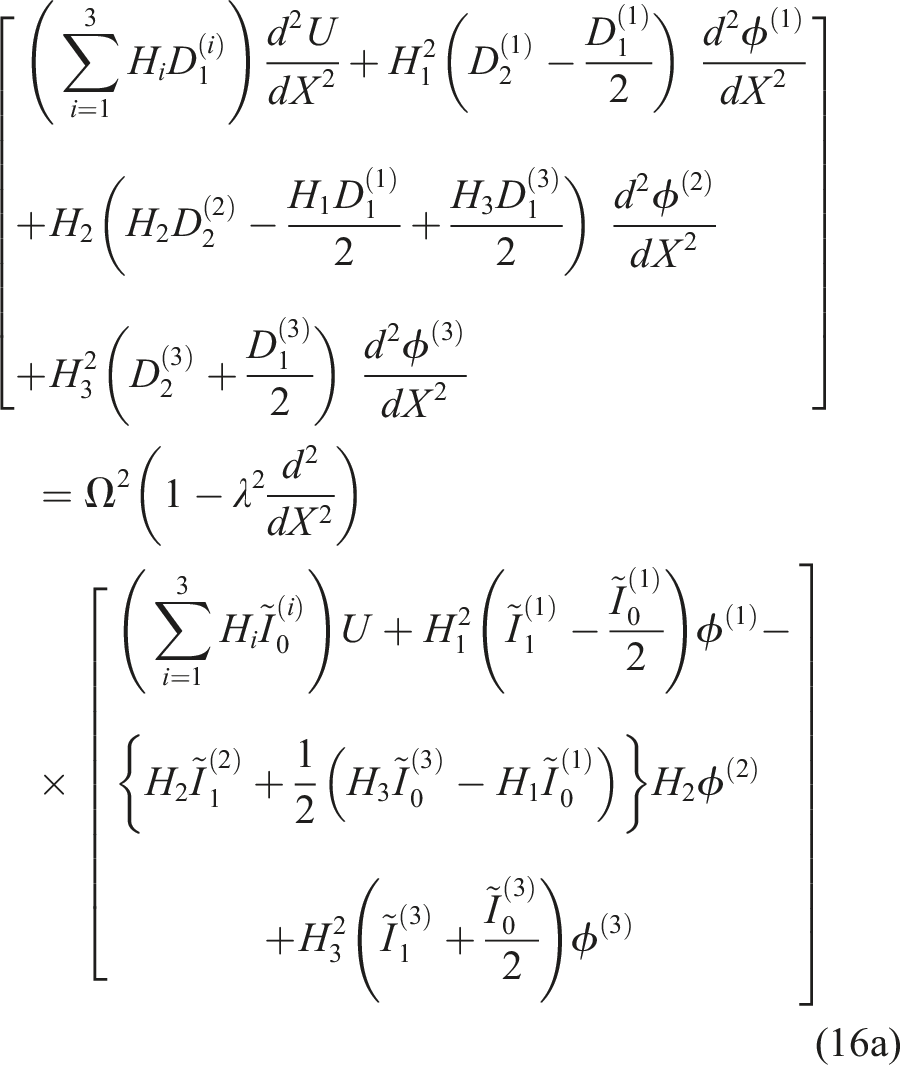
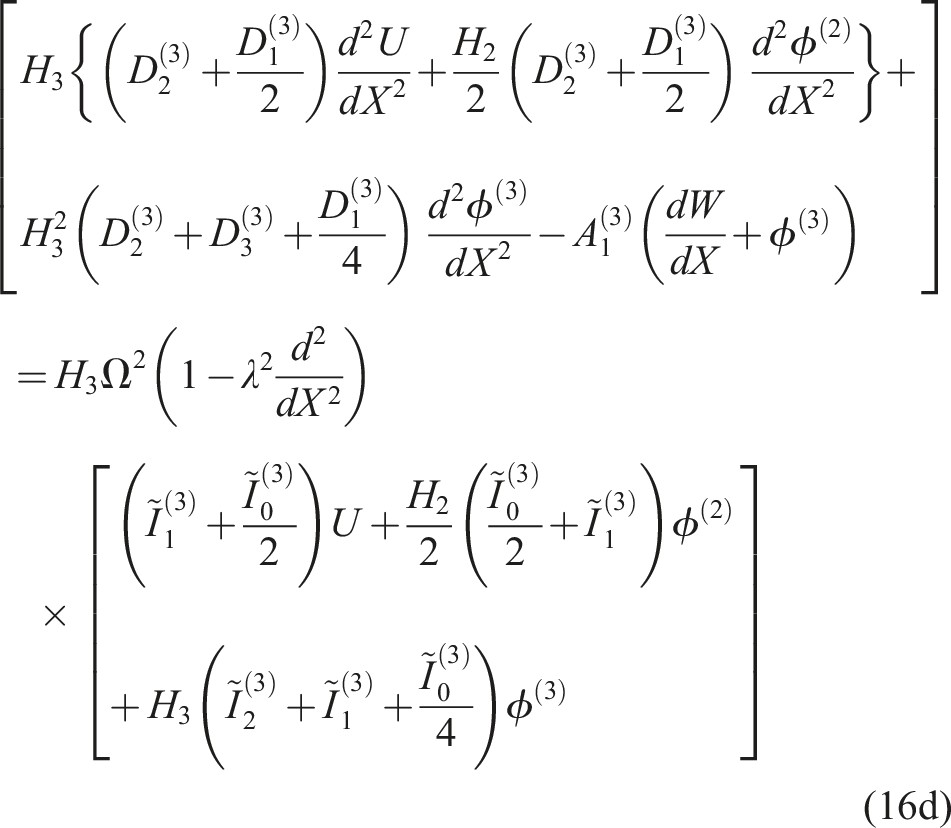
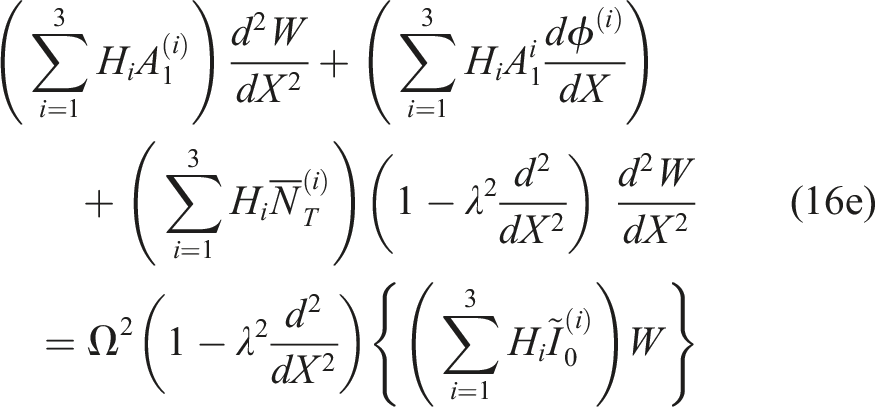
2.4. Nonlocal forces
As the governing equations are derived for Eringen’s nonlocal theory, the moments and shear forces for the boundary conditions must be modified accordingly in the nonlocal form (Li et al., 2020). Therefore, for the present formulation, the nonlocal moments and shear forces are obtained and given as: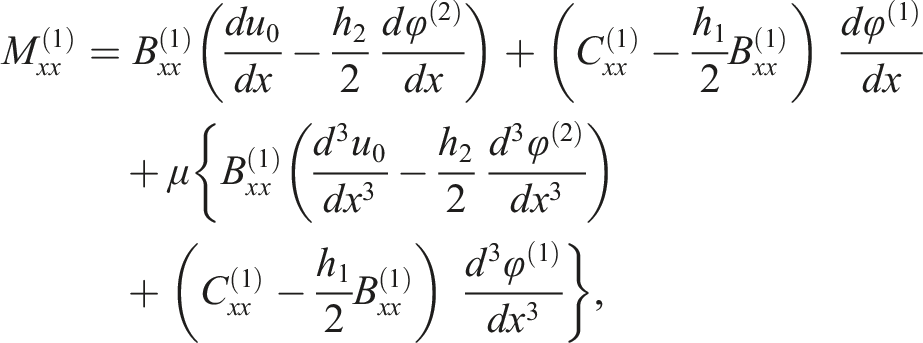

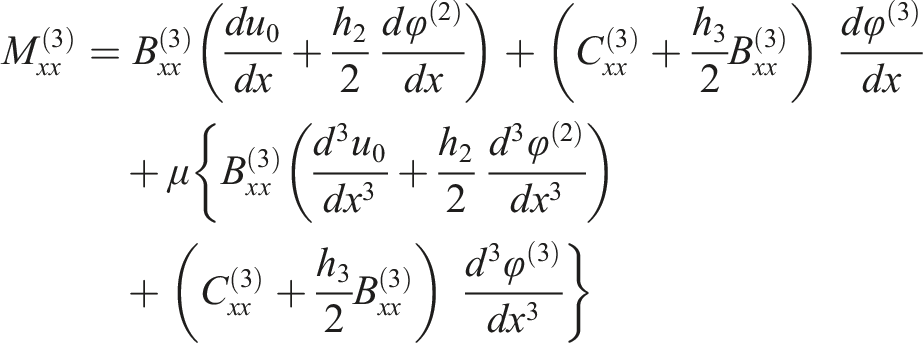
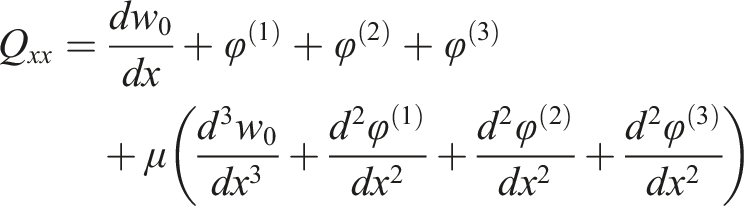
Being the variable coefficients in governing differential equations (16a)–(16e), their closed-form solutions are not possible, except for certain values of various parameters. Hence, the approximate solutions are obtained using numerical techniques.
3. Chebyshev collocation technique
By assuming a new independent variable 
The functional value can be obtained by integrating equation (17) as
Substitution of 
Equation (18) together with corresponding boundary conditions provides an eigenvalue problem which can be represented as
For the fundamental frequency, the determinant of the frequency equation (19) must vanish, and hence
The equation (20) is solved by MATLAB to obtain the dimensionless fundamental frequency Ω of FG composite nanobeams.
4. Results and discussion
In this section, the convergence, comparison, and a theoretical discussion on the computed numerical results are presented for the well-defined values of volume fraction index, nonlocal parameter, temperature difference, and thickness ratios of each layer for CC, CS, SS, and CF boundary conditions considering Type 1 and Type 2 composite FG nanobeams. The material properties for ceramic and metal constituents as Si3N4 and SUS304, respectively, are reported in Table 1 (Pandey and Pradyumna, 2015). The values of parameters are taken as:
Nonlocal parameter
Temperature difference
The facings have same thickness so the thickness ratios of layers are taken as 1-2-1 and 2-1-2 for nanobeams. The total dimensionless thickness of the nanobeam, that is,
4.1. Convergence and comparison study
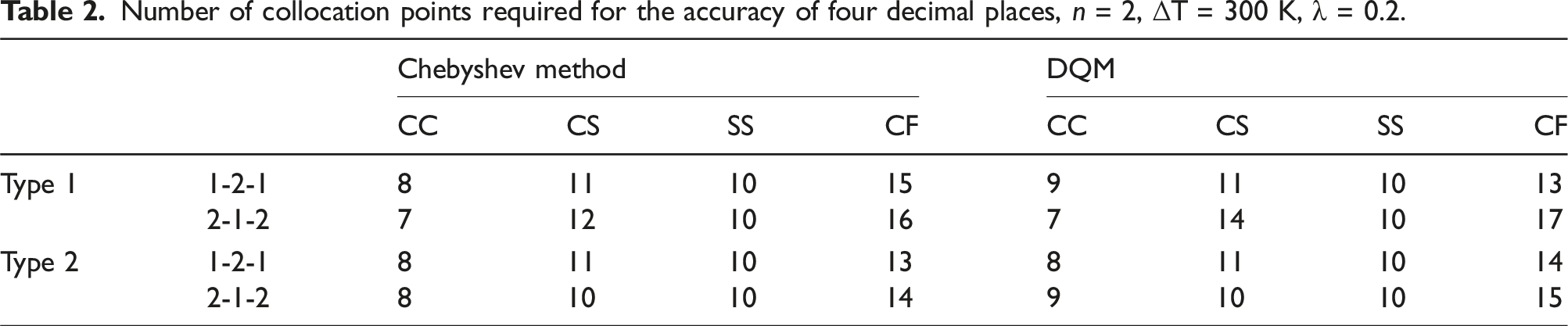
Number of collocation points required for the accuracy of four decimal places,
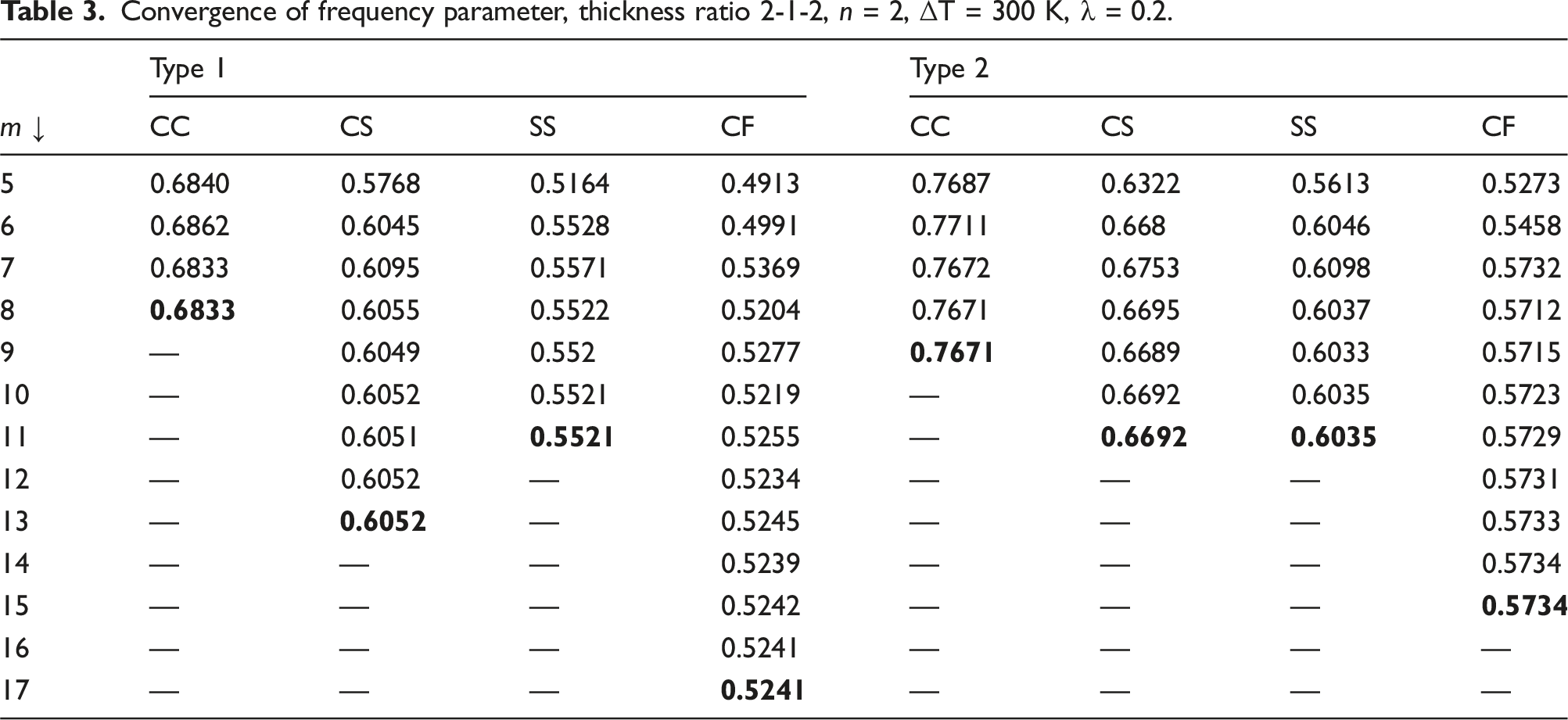
Convergence of frequency parameter, thickness ratio 2-1-2,
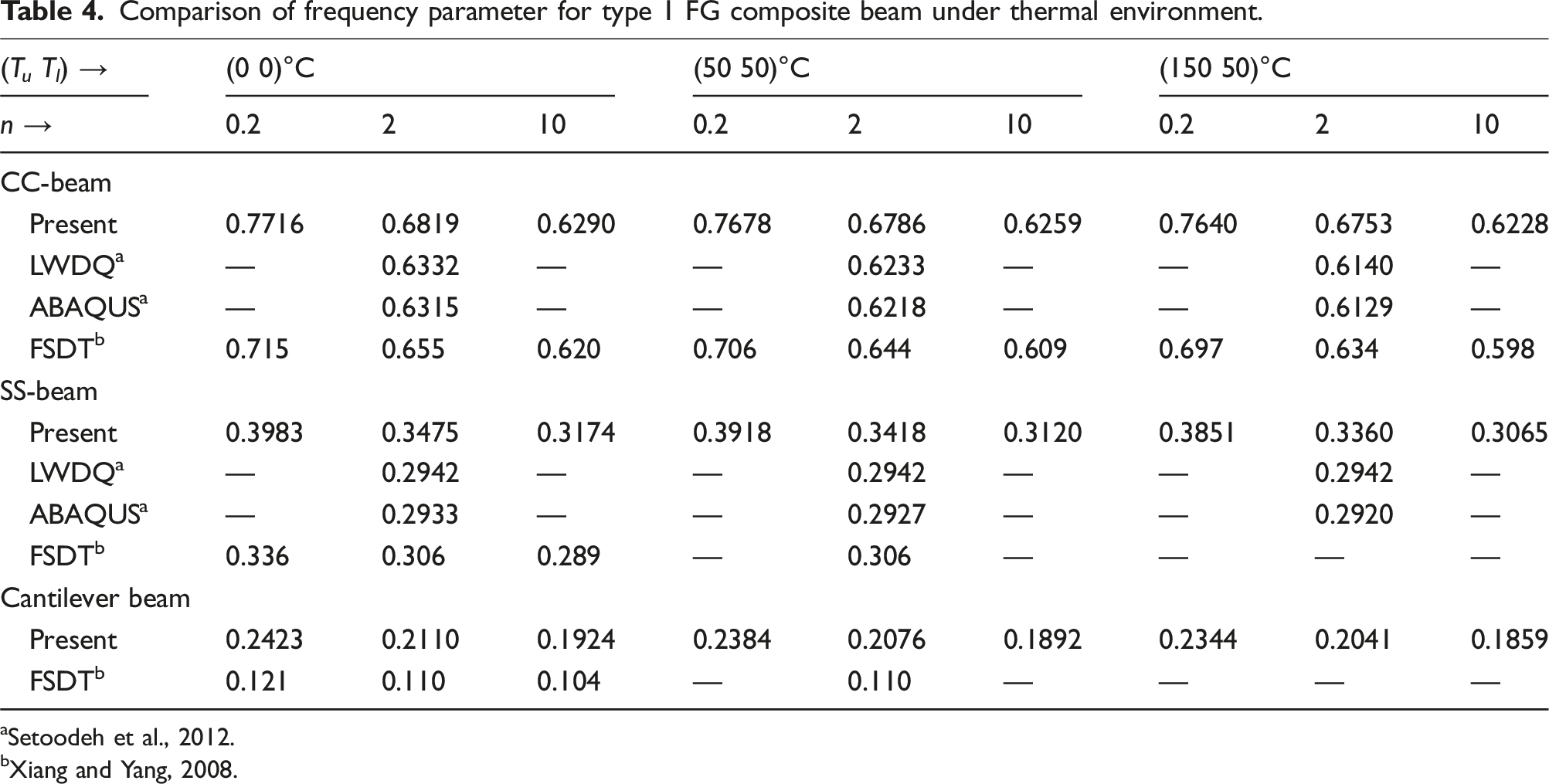
Comparison of frequency parameter for type 1 FG composite beam under thermal environment.
4.2. Parametric study
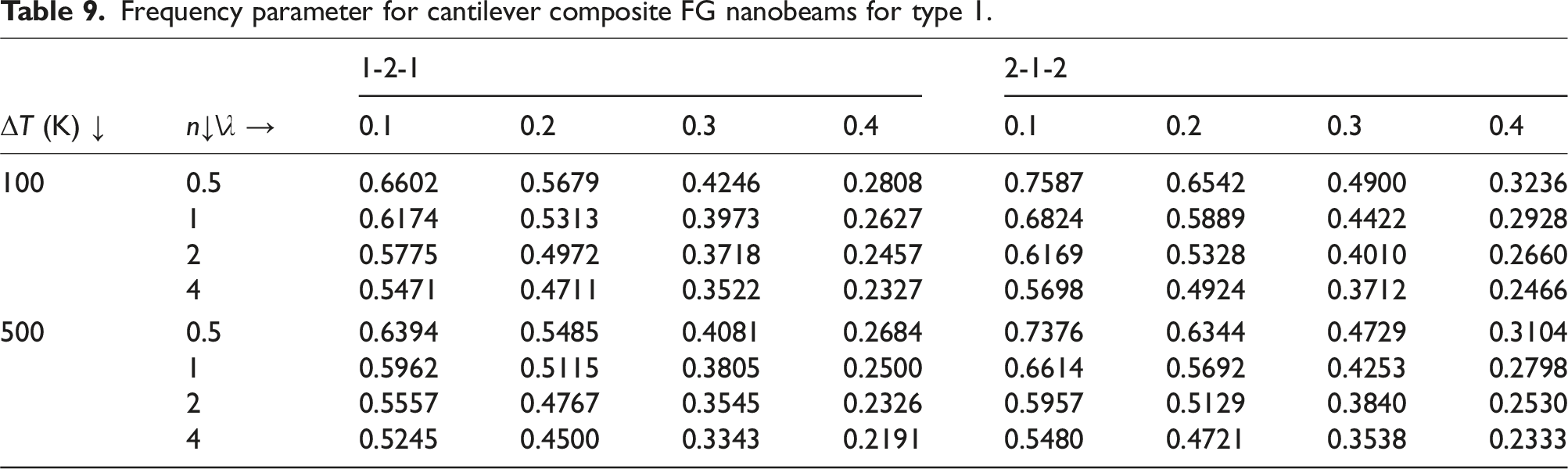
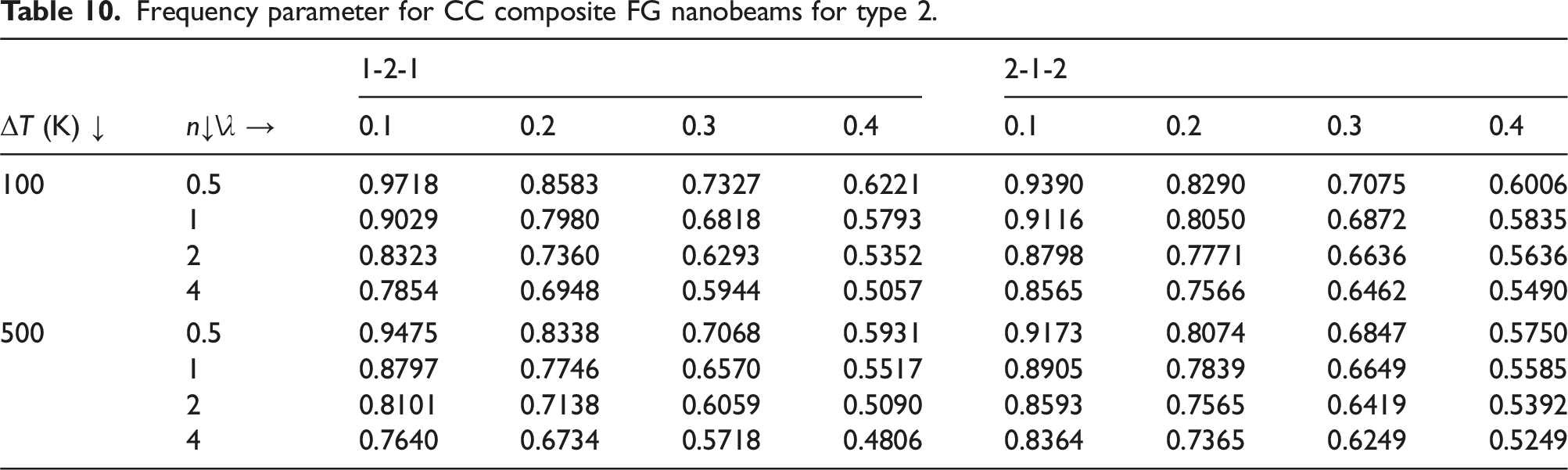
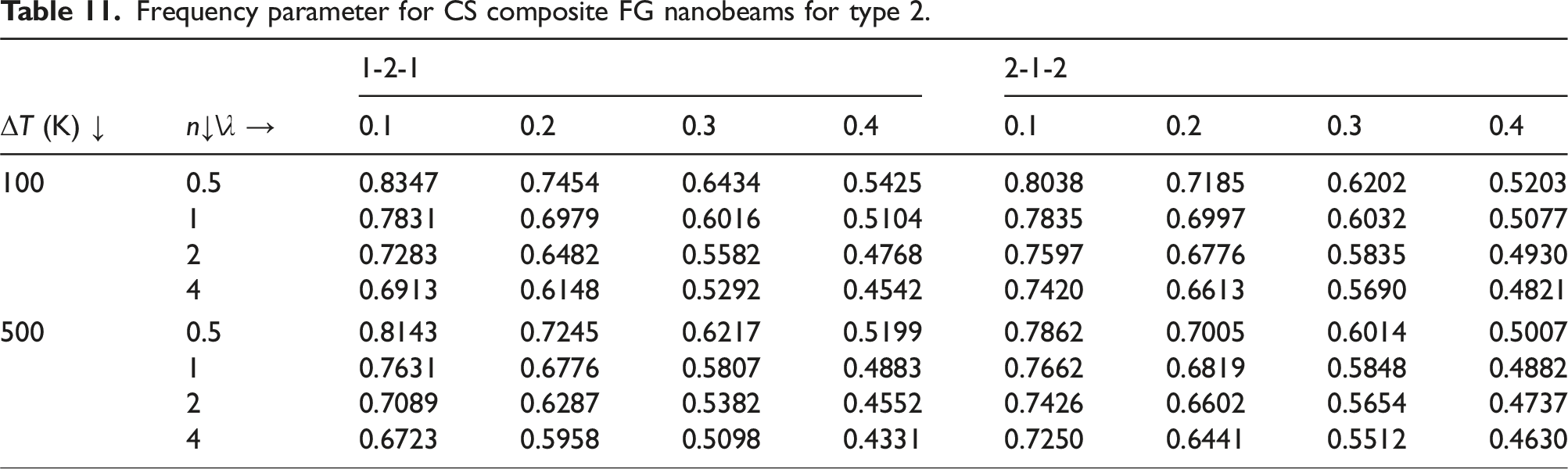
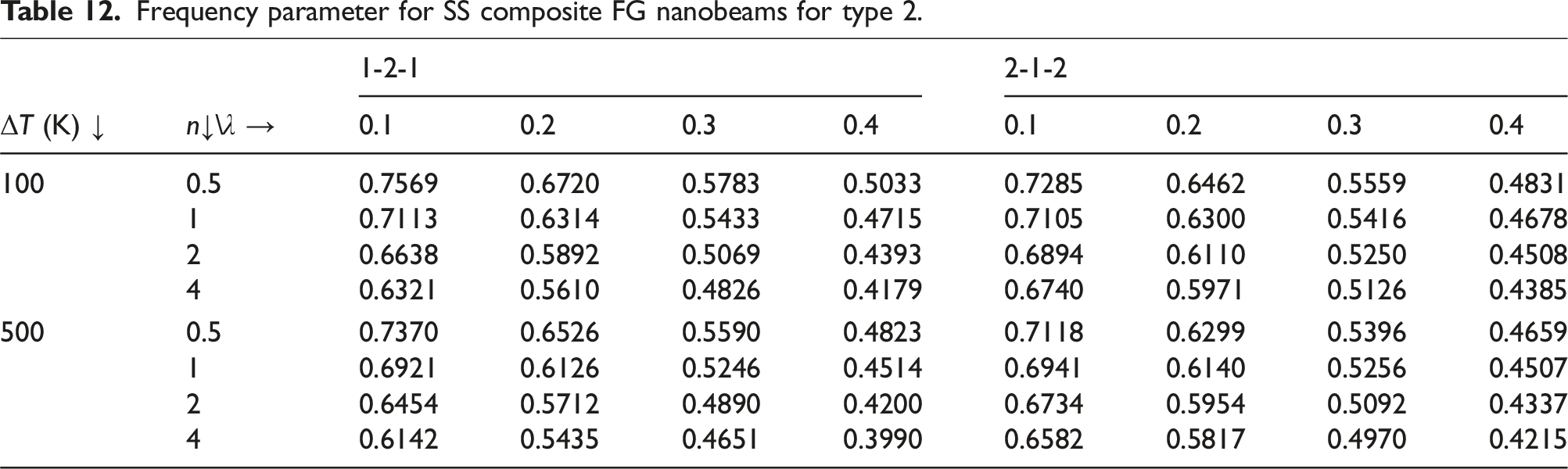
Frequency parameter for composite FG nanobeams
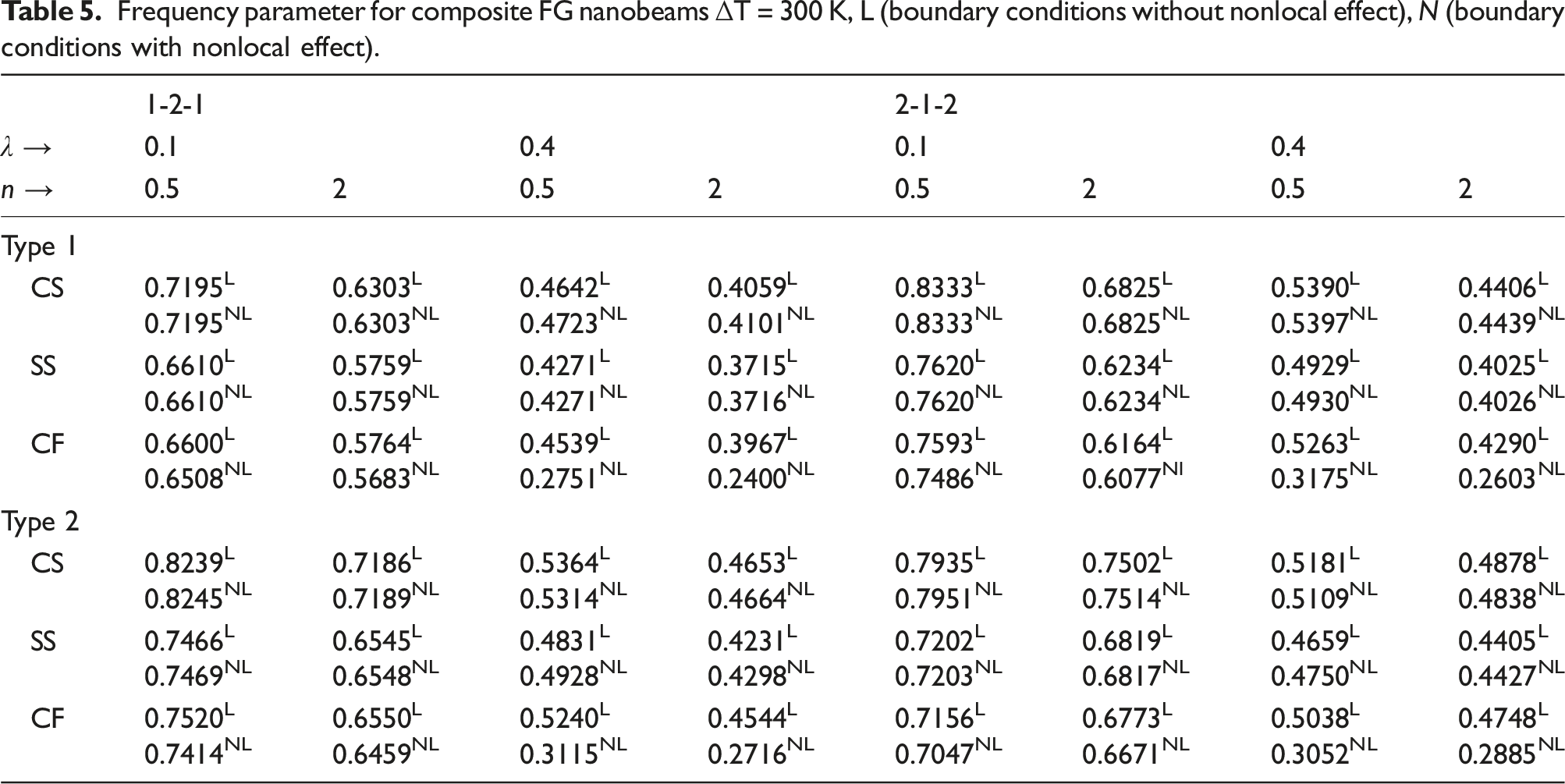
Frequency parameter for CC composite FG nanobeams for type 1.
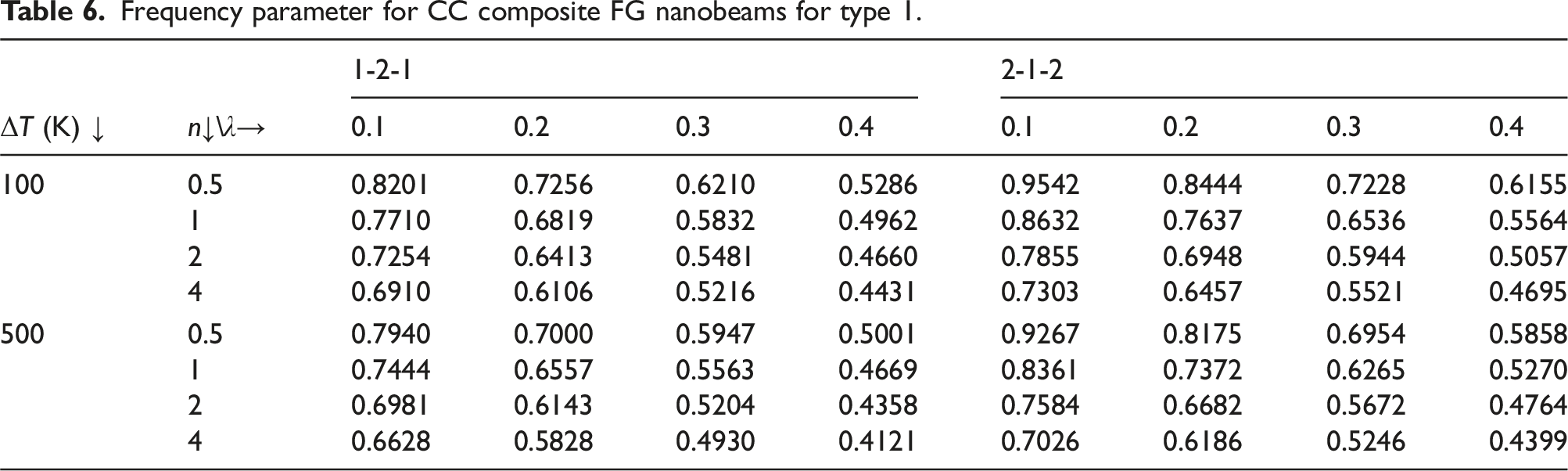
Frequency parameter for CS composite FG nanobeams for type 1.
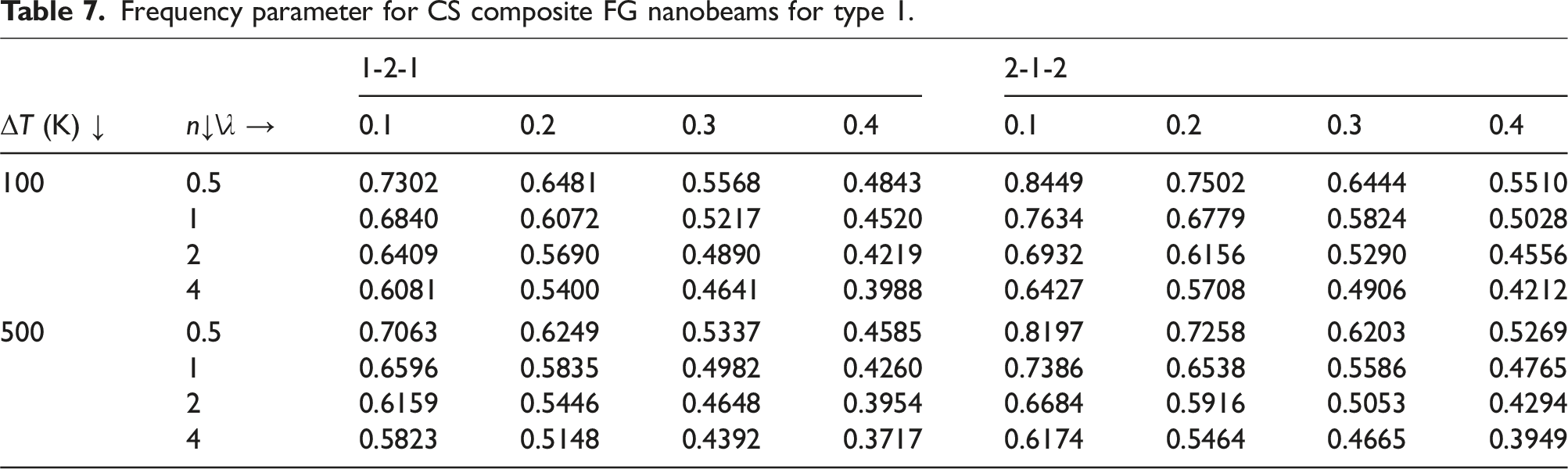
Frequency parameter for SS composite FG nanobeams for type 1.
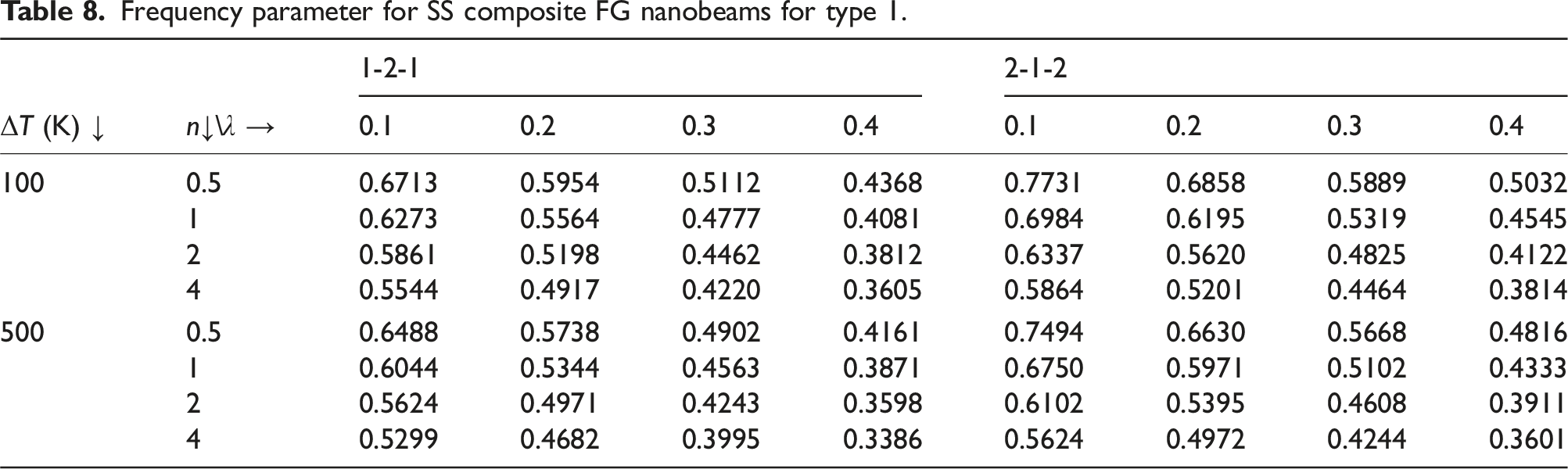
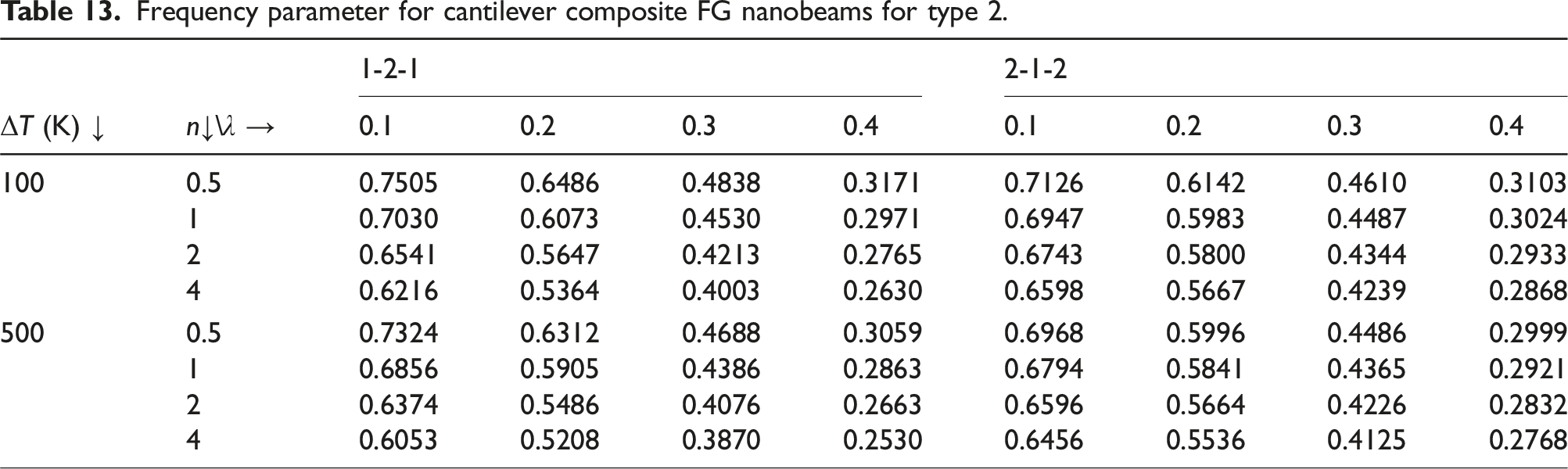
Frequency parameter for cantilever composite FG nanobeams for type 1.
Frequency parameter for CC composite FG nanobeams for type 2.
Frequency parameter for CS composite FG nanobeams for type 2.
Frequency parameter for SS composite FG nanobeams for type 2.
Frequency parameter for cantilever composite FG nanobeams for type 2.
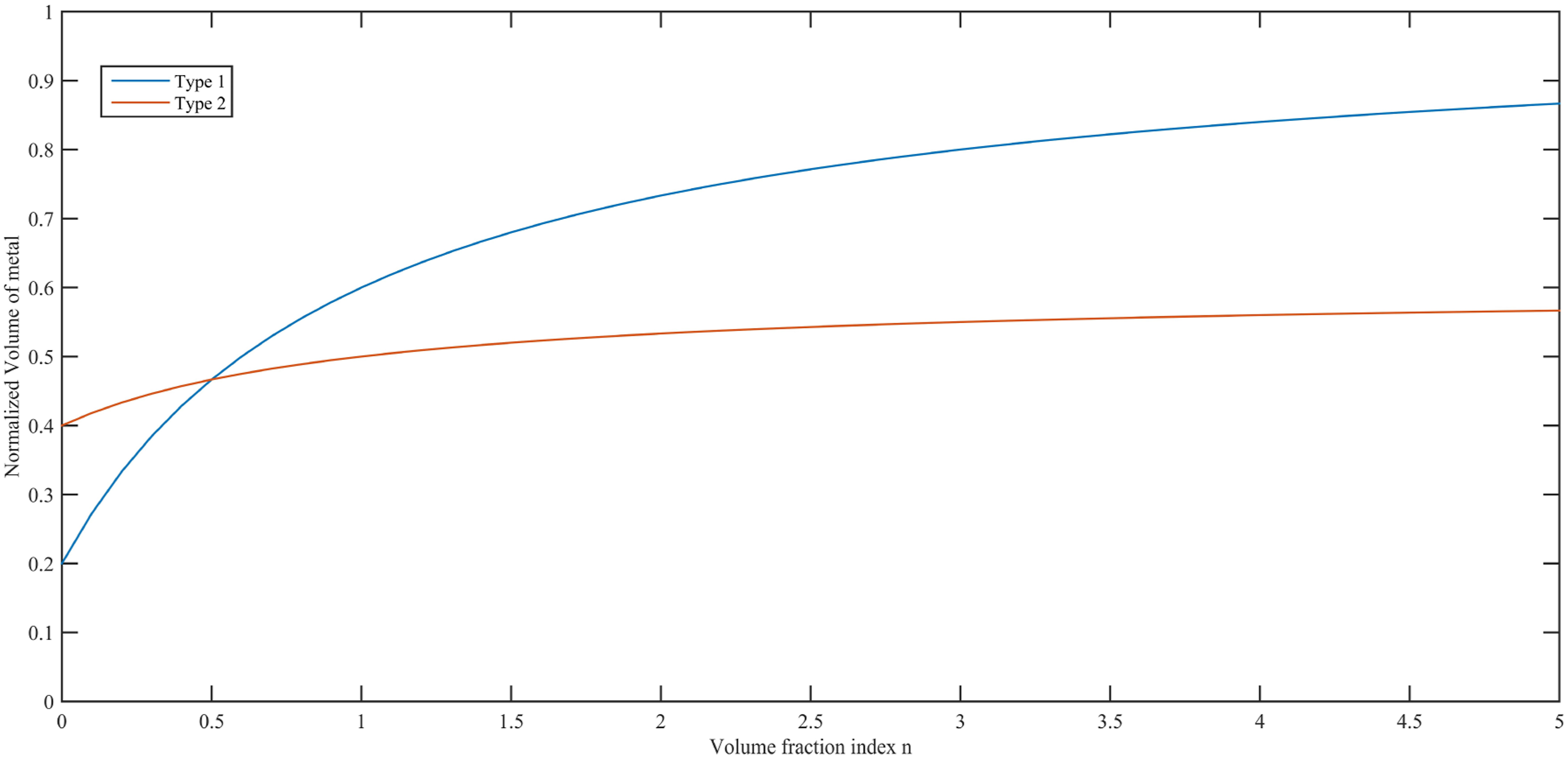
Graph for normalized volume of the metal constituent versus volume fraction index n for thickness ratio 2-1-2.
For Type 1 FG composite nanobeams, it is observed that the value of frequency parameter Ω decreases with the increase in volume fraction index Graph for normalized volume of the metal constituent versus volume fraction index n for Type 1.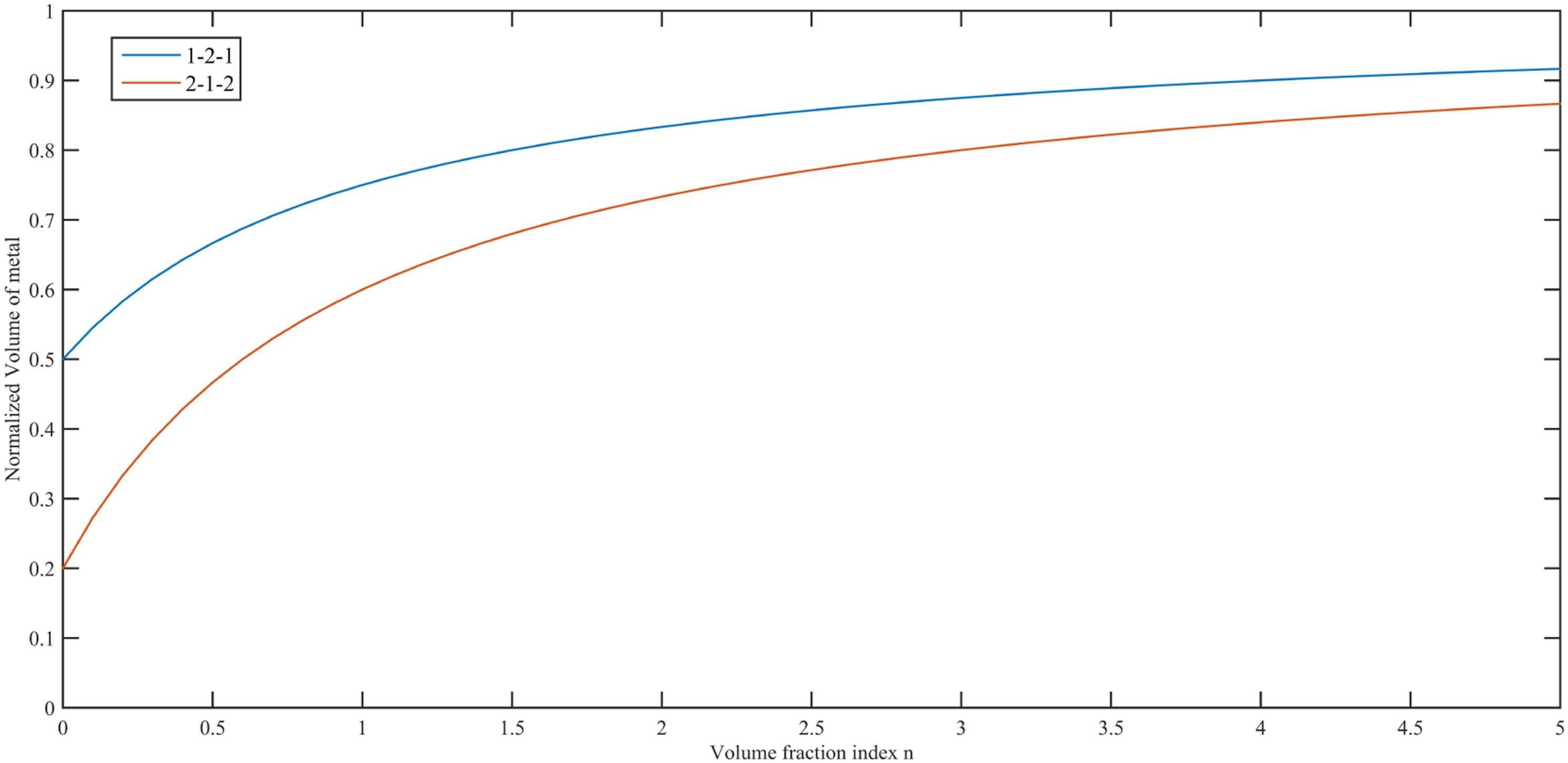
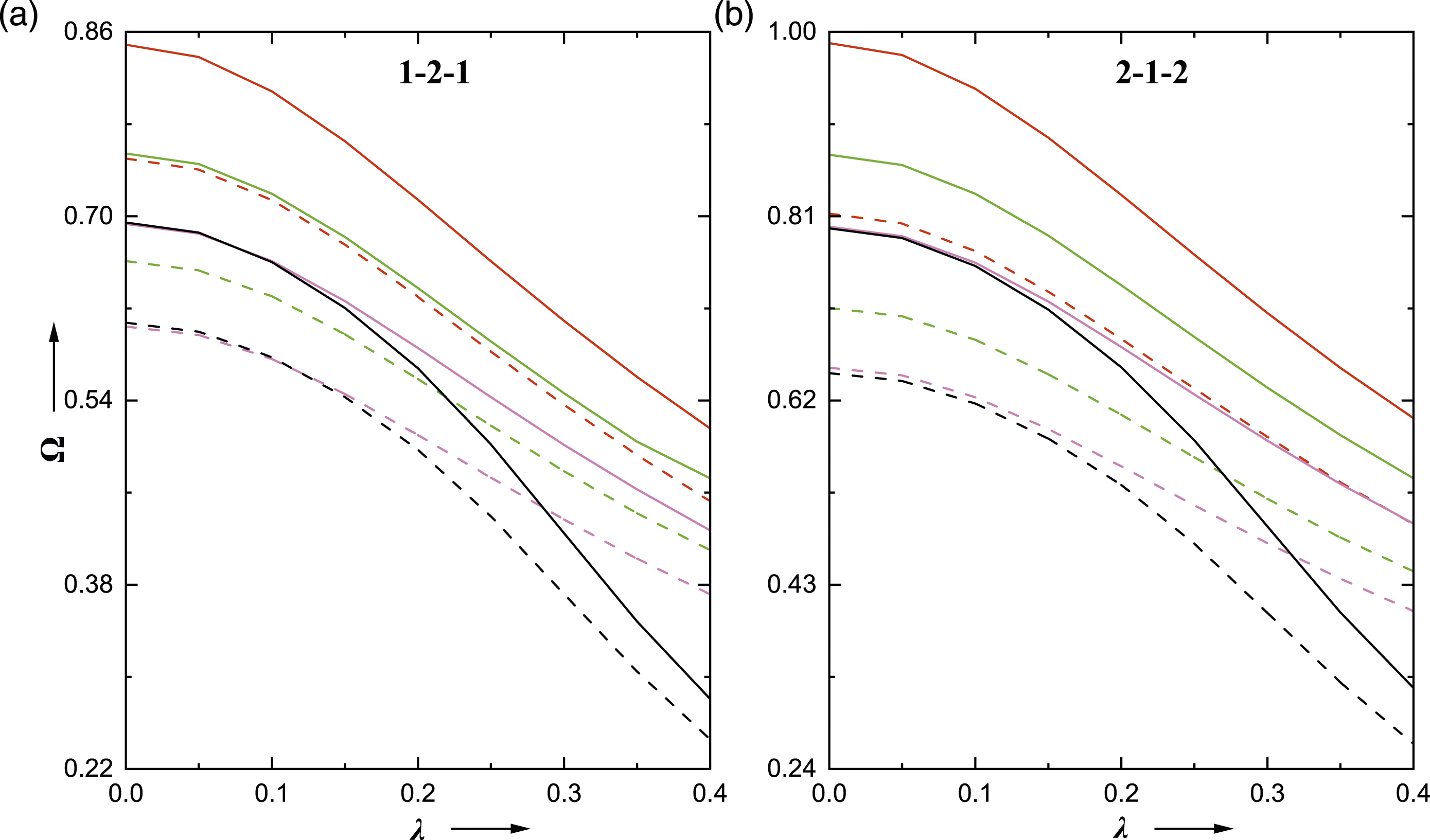
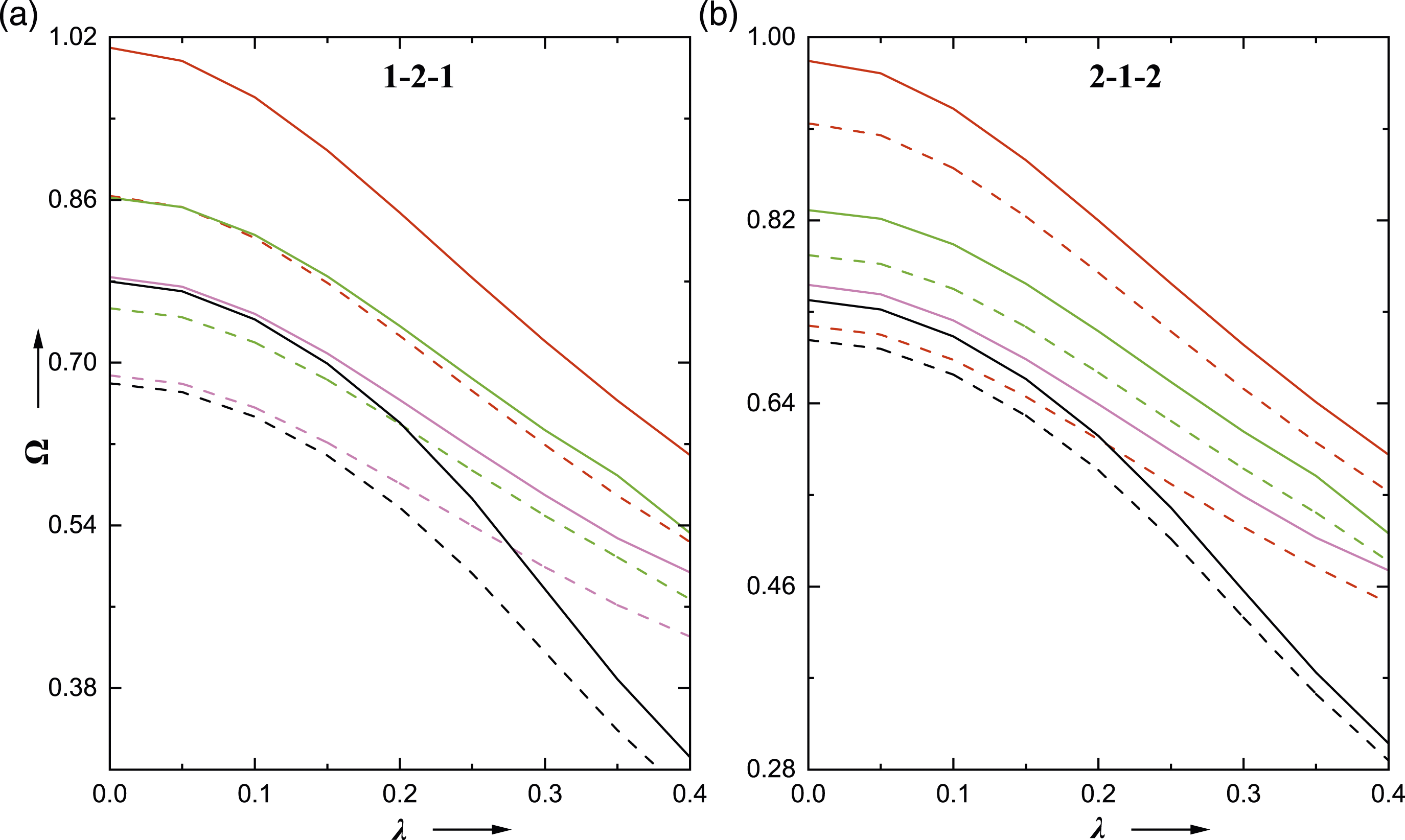
For Type 2 FG composite nanobeams, it is evident from Figure 4 that the volume of metal constituent is high for 2-1-2 nanobeams as compared to 1-2-1 nanobeams when Graph for normalized volume of the metal constituent versus volume fraction index n for Type 2. Graph for frequency parameter Ω versus nonlocal parameter λ for type 1: red line-CC, green line-CS, pink line-SS, black line-CF, solid line-n = 0.5, dashed line-n = 2, ΔT = 300 K. Graph for frequency parameter Ω versus nonlocal parameter λ for type 2: red line-CC, green line-CS, pink line-SS, black line-CF, solid line-n = 0.5, dashed line-n = 2, ΔT = 300 K.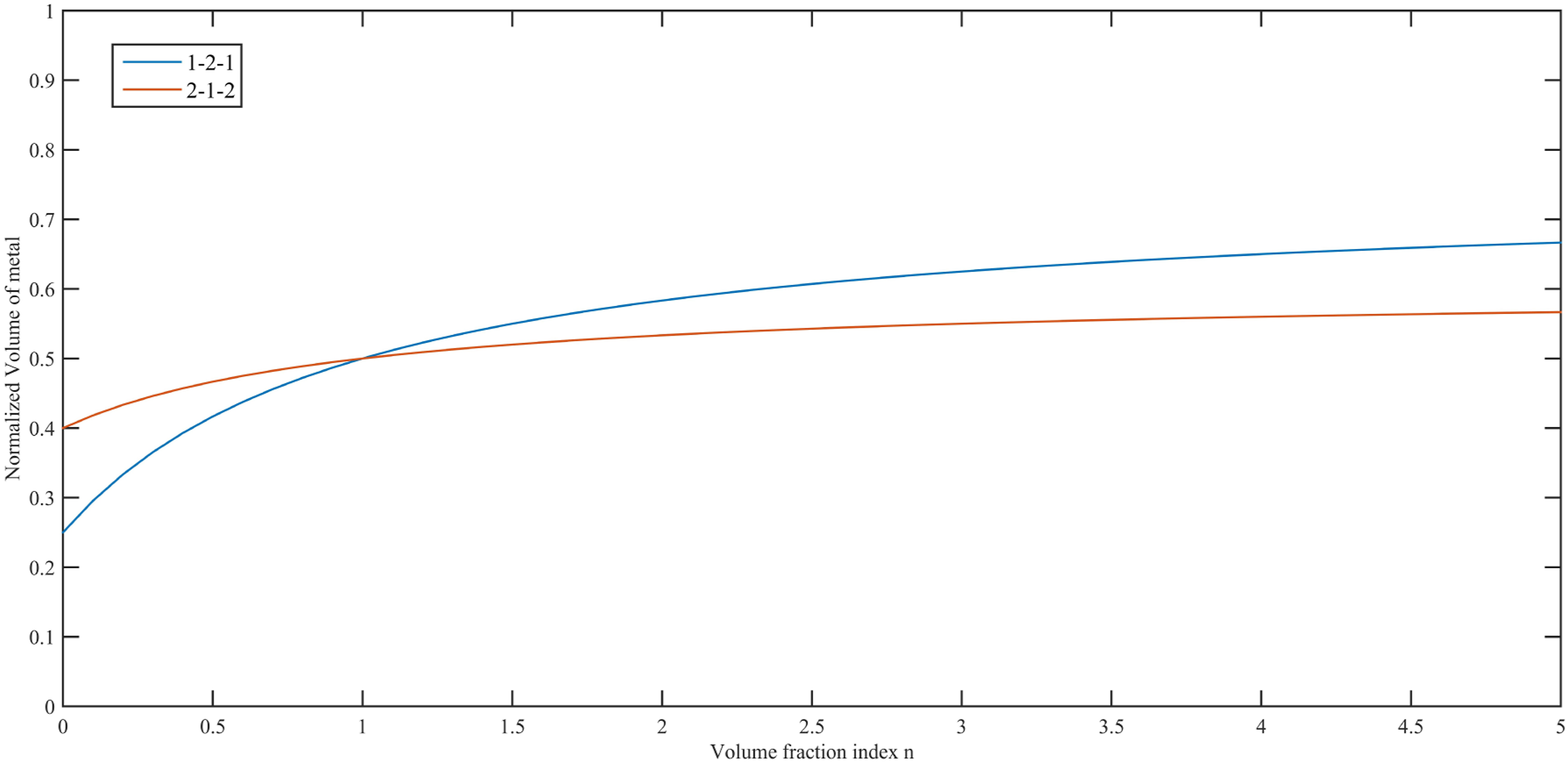
5. Conclusions
This investigation presents the vibration analysis for FG-metal-FG and ceramic-FG-metal type composite nanobeams under nonlinearly varying temperature in the thickness direction. A layer-wise theory that accounts for shear deformation and inertia at each layer together with their mutual interaction effect has been adopted to develop the governing equation based on nonlocal theory, nonlocal boundary conditions, and physical neutral plane. The values of fundamental frequencies have been obtained for symmetric/asymmetric gradation of the FG composite nanobeams with CC, CS, SS, and CF (cantilever) boundary conditions using the Chebyshev collocation technique. The variation of the frequency parameter is explained in terms of the volume of the metal constituent from the total volume of FG composite nanobeams with different gradation in layers and thickness ratios. The volume of metal constituent increases with the increase in volume fraction index which reduces the stiffness of the nanobeams and then to the frequencies. Further, the value of frequency parameter decreases with the increase in the values of nonlocal parameter and temperature profile for CC, CS, SS, and CF boundary conditions. The present formulation resolves the issue of paradox behavior for cantilever nanobeam discussed in Asemi et al. (2014); Shafiei et al. (2019) by imposing nonlocal boundary conditions as defined in Li et al. (2020). The results obtained by the present formulation and method have been verified and can be used by engineers as a benchmark.
Footnotes
Acknowledgments
The authors are grateful for the constructive comments of the learned referees to improve the quality of the article. The financial support provided by the Indian Institute of Technology Delhi, India, is gratefully acknowledged by first author to carry out this research work.
Declaration of conflicting interests
The author(s) declared no potential conflicts of interest with respect to the research, authorship, and/or publication of this article.
Funding
The author(s) disclosed receipt of the following financial support for the research, authorship, and/or publication of this article: Institute Post Doctoral Fellowship. Indian Institute of Technology Delhi.
