







Abstract
This study investigates the effect of a 3D angle-graded auxetic honeycomb core (AGAH) on enhancing the acoustic insulation characteristics of a finite metastructure subjected to spherical wave excitation. Firstly, 3D elasticity theory is applied to utilize the state vector approach in order to derive transfer matrices, which are then used to compute sound transmission loss (STL) of the metastructure. To determine the unknown variables, appropriate boundary constraints are imposed, resulting in a formulated expression for determining the STL within the system. The generated governing equations are then evaluated computationally using MATLAB software to analyze how the acoustic wave properties affect the structure. Analysis shows that using a point source instead of a plane wave greatly affects the STL evaluation. The study also highlights the importance of acoustic core and cell type selection in optimizing the STL. Specifically, the results demonstrate that the implementation of this advanced acoustic core enhances the STL by approximately 53.7% at lower frequencies. Furthermore, accounting for spherical wave excitation offers a more precise representation of the panel’s acoustic performance, with a notable reduction in the STL observed under this context. These insights contribute to a deeper understanding of acoustic behavior, enabling more effective design strategies for noise control applications.
1. Introduction
In acoustic environments, sound propagation may occur in the form of spherical waves generated by point sources or plane waves associated with distant sources. Therefore, a rigorous evaluation of the vibroacoustic response of structures necessitates the consideration of different types of incident acoustic waves. Recent advances, particularly in automotive and aerospace applications, emphasize the significance of point source excitations in sound transmission analyses and demonstrate the increasing practicality of assessing acoustic transmission through panels subjected to single point source disturbances.
Early studies examined how spherical waves interact with bounded and unbounded plates, particularly in underwater acoustics (Takahashi, 1979). Subsequent works analyzed spherical wave propagation in finite and infinite panels (Liu et al., 2017; Yairi et al., 2014), showing that curved wavefronts can modify mass-law behavior and increase the STL (Sakagami et al., 1998; Wallace, 1987). Later research demonstrated that when a panel is shorter than the source-panel distance, the STL of spherical waves can generally be approximated using plane wave assumptions (Wang, 2018; Wang et al., 2021).
The behavior of sandwich structures composed of layers with different material properties has been extensively studied in areas such as statics, buckling, dynamics, and vibration (Attia et al., 2024; Belabed et al., 2024; Khiloun et al., 2020; Xiang et al., 2025). Using layers with unique characteristics allows for more accurate control and analysis of structural performance in both frequency and time domains. Furthermore, incorporating metastructures or metamaterials as core layers offers a powerful means to adjust the vibration-dynamic response of sandwich panels for specific applications (Das et al., 2025; Kafali and Esen, 2025; Kafali et al., 2025; Ozdemir et al., 2025; Yildiz et al., 2025). Various methods have been proposed to enhance acoustic insulation in shells, especially using metamaterial-based sandwich structures. Metamaterial cores and lightweight high-stiffness layers improve vibration insulation and directly influence dynamic wave propagation (Eroğlu et al., 2025a, 2025b; Gibson et al., 1989; Kadiri et al., 2024; Oliazadeh et al., 2022; Özmen and Esen, 2025; Zhang and Yang, 2016). Numerous studies have examined honeycomb, membrane-based, perforated, and resonant metamaterial cores for improved the acoustic behavior of structure (Fan et al., 2015; Li et al., 2024; Lin et al., 2021; Liu et al., 2025; Roca et al., 2021; Sui et al., 2015; Tang et al., 2019; Van Belle et al., 2019; Wang et al., 2024; Wang and Ma, 2024; Zhou et al., 2025). Recent research also emphasizes metamaterial structures with negative Poisson’s ratio, which can substantially enhance the STL in layered and shell configurations (Ghafouri et al., 2022; Li et al., 2023; Yu et al., 2025).
Further advancements include the development of auxetic and hybrid-core sandwich shells, optimized geometries, and multi-resonant concepts to improve sound insulation in cylindrical and double curved structures (Fu et al., 2024; Ghafouri et al., 2023; Li and Yang, 2024; Moustafa et al., 2025; Sayad Ghanbari Nezhad et al., 2025).
A review of previous works shows that despite extensive studies on sandwich structures with different types of core layers, little attention has been paid to their acoustic response under spherical wave excitation from a point source. Therefore, this study investigates how a 3D metamaterial core affects the STL behavior of a finite sandwich panel. The main contribution lies in the application of a lightweight 3D auxetic core (based on a modified re-entrant core) in a precisely modeled 3D elastic framework. By exciting the finite panel with a spherical wave from a point source, this study evaluates both the effect of the excitation type and the role of the geometric characteristics of the acoustic core in improving the STL of the finite metastructures.
A reliable evaluation of the acoustic response of structural systems necessitates the consideration of different excitation mechanisms under a range of boundary and structural conditions. To this end, an exact solution for thick sandwich shells is achieved by employing 3D elasticity theory within a state-space formulation. In the present study, the panel is represented using a layer-wise modeling approach combined with a local transfer matrix method. The accuracy of the model is confirmed by comparing the predicted natural frequencies with finite element simulations and available literature. Furthermore, the STL results are validated through comparisons with previously reported studies. Additional analyses are performed for alternative configurations, including a finite isotropic panel subjected to spherical excitation and a sandwich panel with an auxetic core under plane wave incidence. Additionally, several parameters, including whether the structure is finite or infinite, whether it is of sandwich or isotropic type, the core thickness of the sandwich structure (
2. Mathematical formulation
2.1. Explanation of the proposed system
Based on the Cartesian coordinate system (x, y, z), a sandwich panel with an auxetic core is assumed under excitation by a spherical wave, as presented in Figure 1. Schematic representation of a composite panel under excitation of a spherical wave.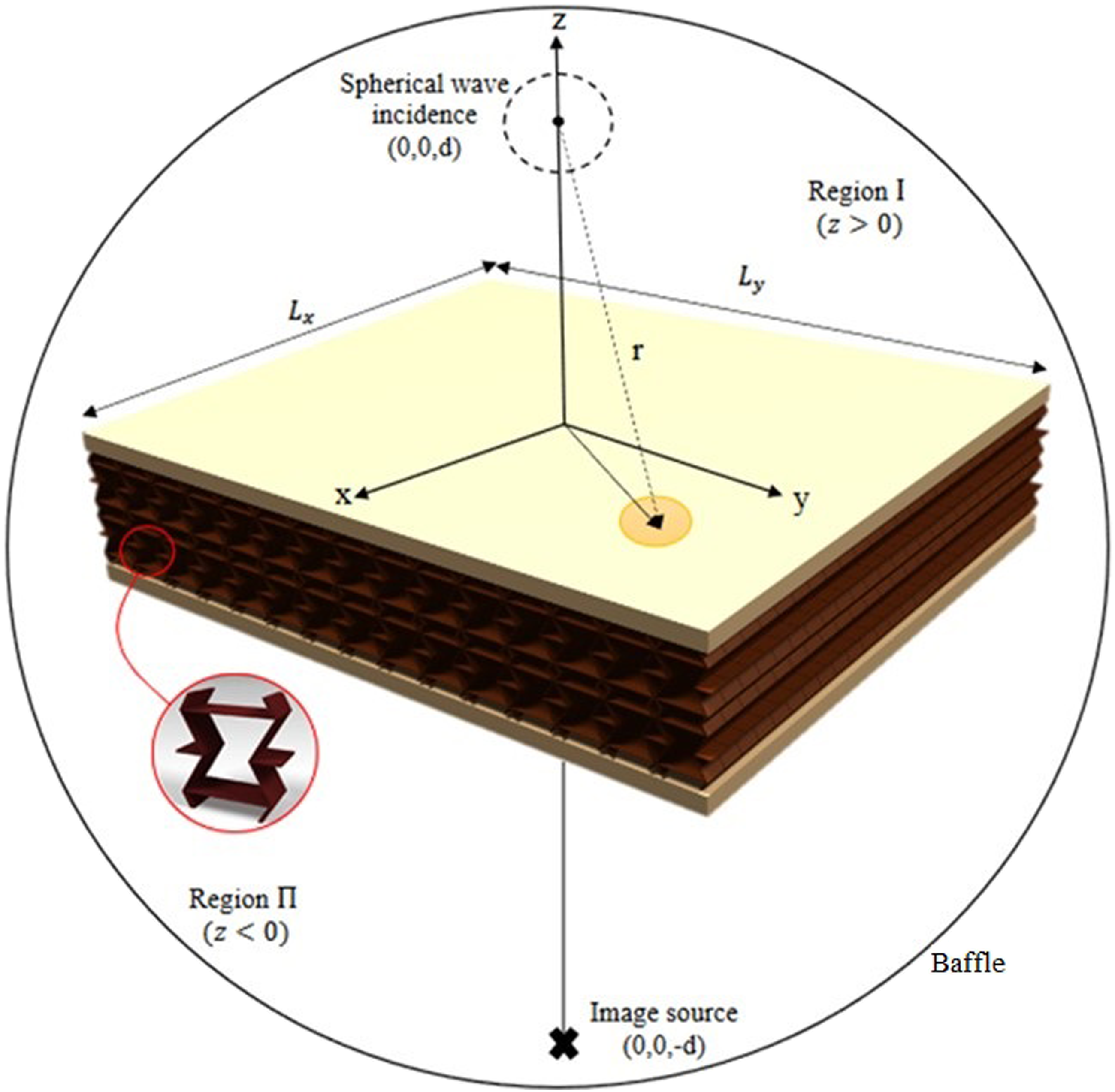
2.2. Fluids and vibroacoustic equations
The following expressions, referred to as the convected wave equations, are applied to the incident and transmitted sides and can be developed (Ghafouri et al., 2022):


Here,
Consequently, a limited-size structure is subjected to an incident wave described by the subsequent acoustic wave pressure:
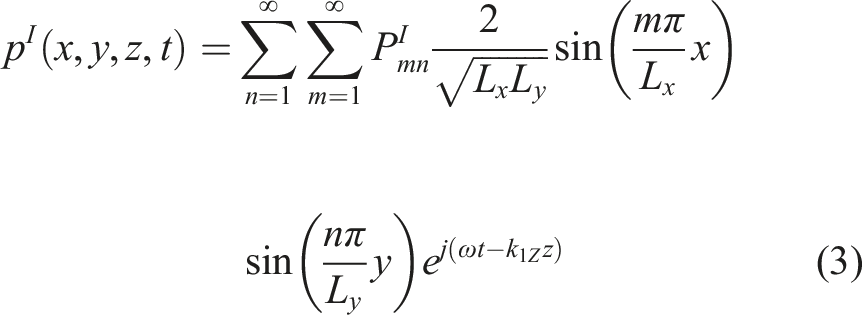
In which

where

In the above relation, Q and

For simplicity in calculations, the equation (6) can be simplified as follows:
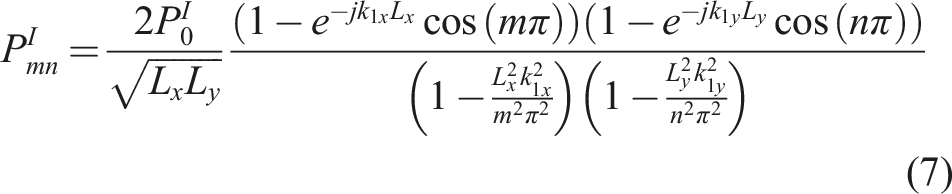
In equation (7),


In equation (8)
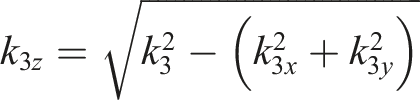
Moreover, the following acoustic pressures are generated:
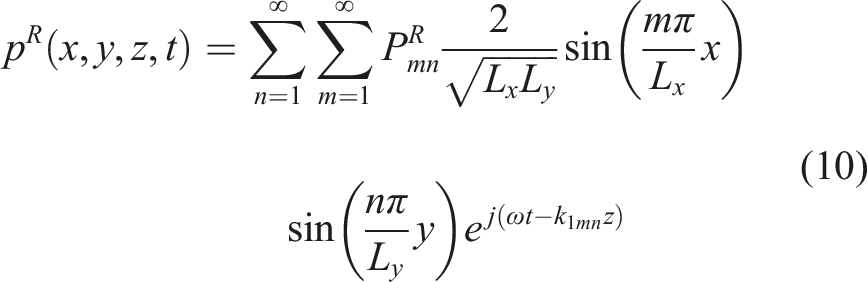
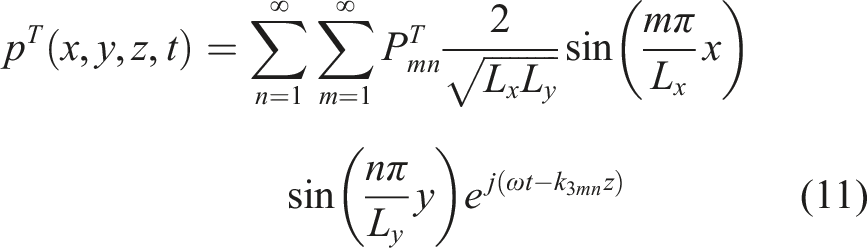
where
2.3. Shell equations
To obtain the equation based on the 3D theory, the following stresses for the s-th layer are taken into account (Ghafouri et al., 2022):
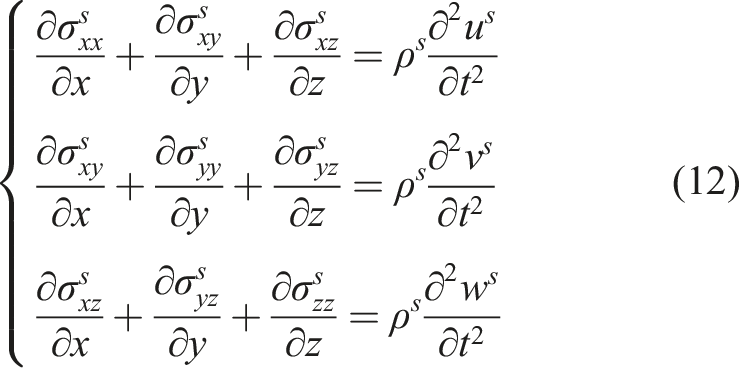
Furthermore, based on considering (
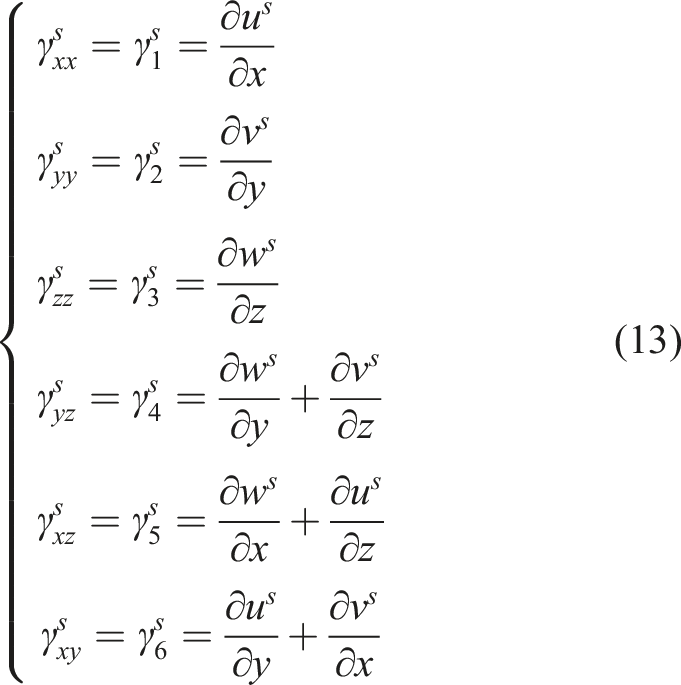
In the subsequent step, to derive the governing equations of the panel based on 3D elasticity theory, the equations of state-space are initially formulated for any layer (s-th layer, with s ranging from 1 to q), as illustrated in Figure 2. Subsequently, these equations for each s-th sublayer are solved with the aid of an estimation-based model of layer and the localized transfer matrix. Eventually, the equations are solved across the entire panel using the method of global transfer matrix. Characteristics of layers and sublayers in composite panel.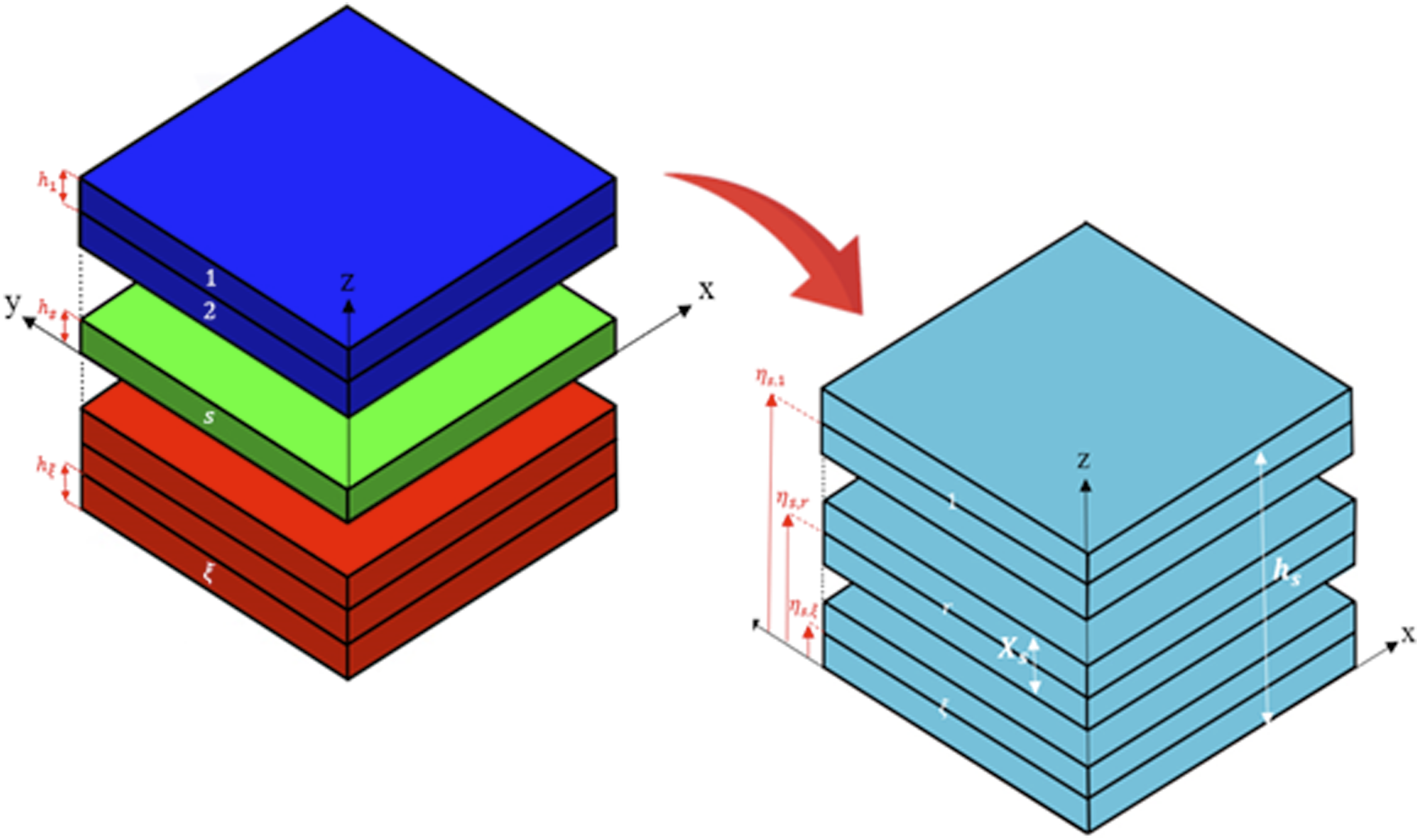
The stress components based on Hook’s law are considered to be:
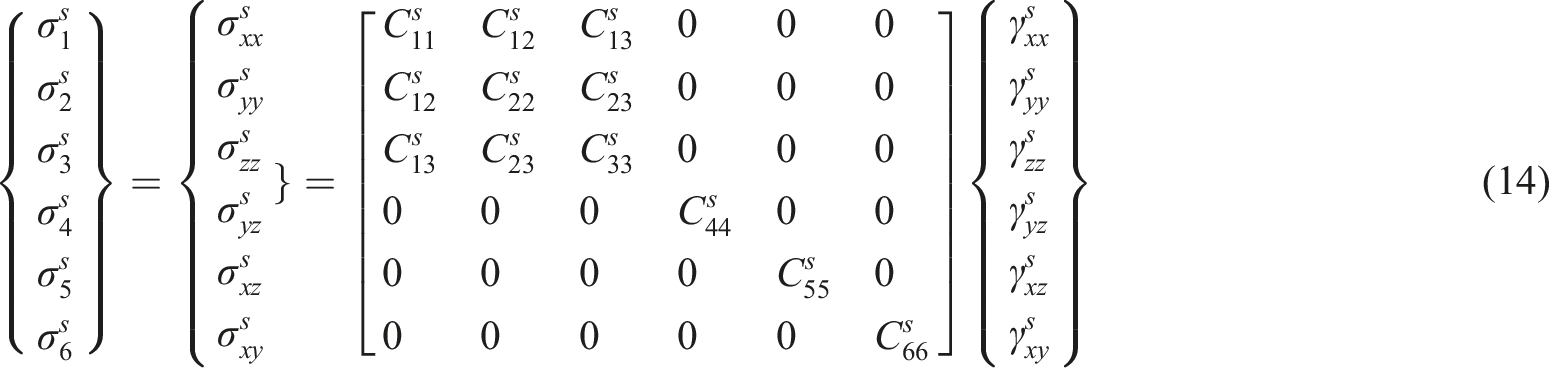
However, a comprehensive explanation of the stiffnesses terms in the equation (14) is provided in Appendix A.
By enforcing compatibility conditions between panels of different thicknesses, the transfer matrix method is adopted. The sandwich structure, composed of multiple layers s (s = 1 to ξ), requires a state-vector-based approach, which allows the state equation to be derived for any layer. The equations of each sublayer in the s-th layer are then solved using the estimation-based model of layer and the method of localized transfer matrix. Applying this procedure to all layers yields the global transfer matrix formulation. Accordingly, the equation of state for the state vector (
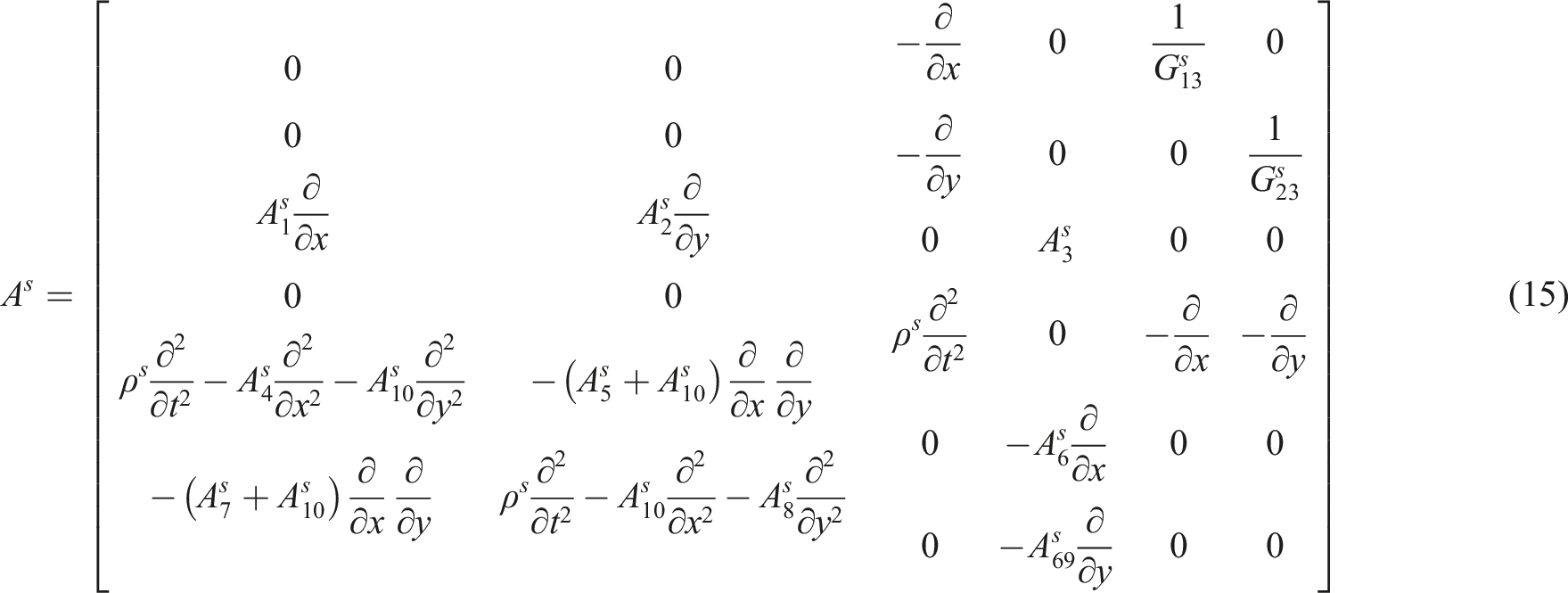
Appendix B provides detailed information on the coefficients in equation (15). Moreover, by employing dimensionless thickness coordinate (
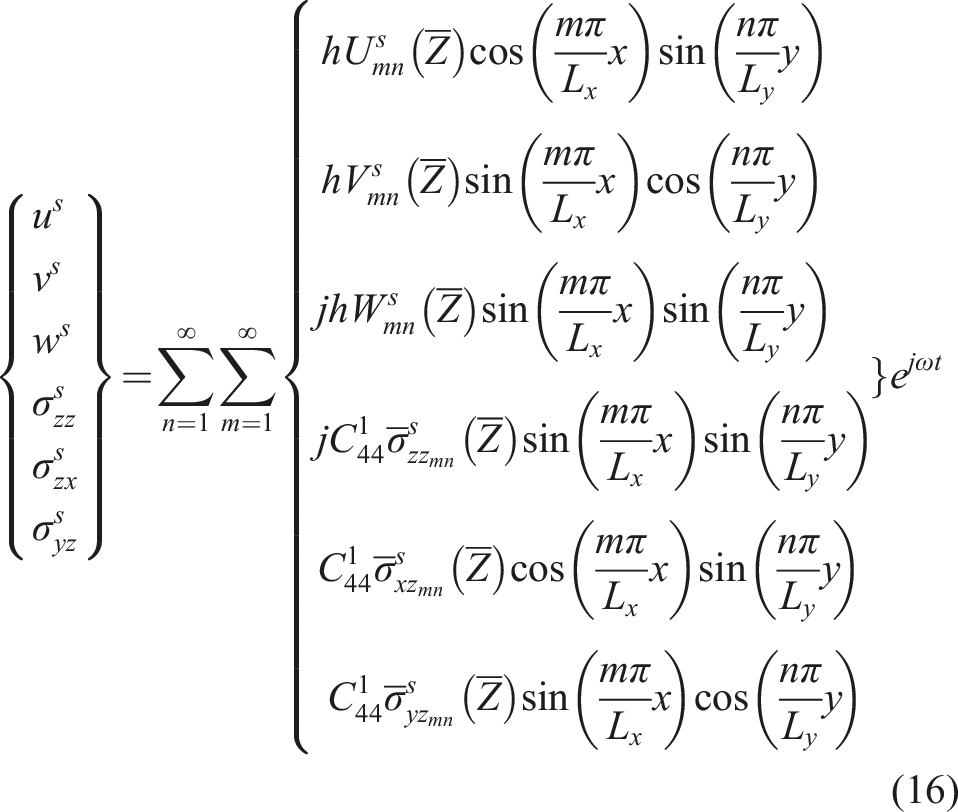
Furthermore, considering

As a result, equation (16) is changed as
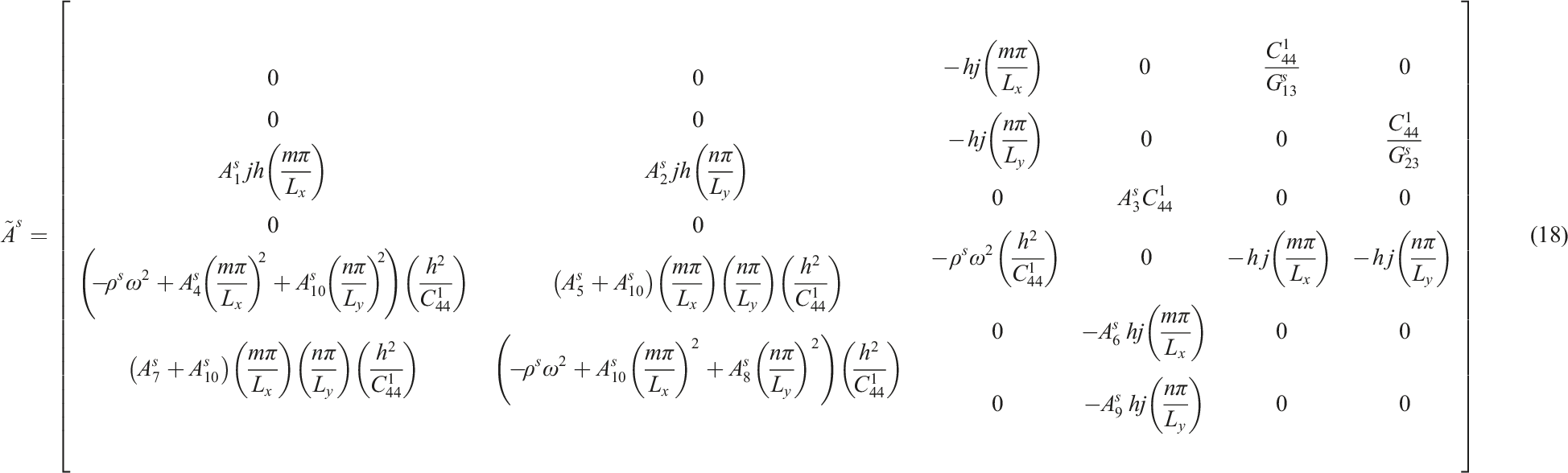
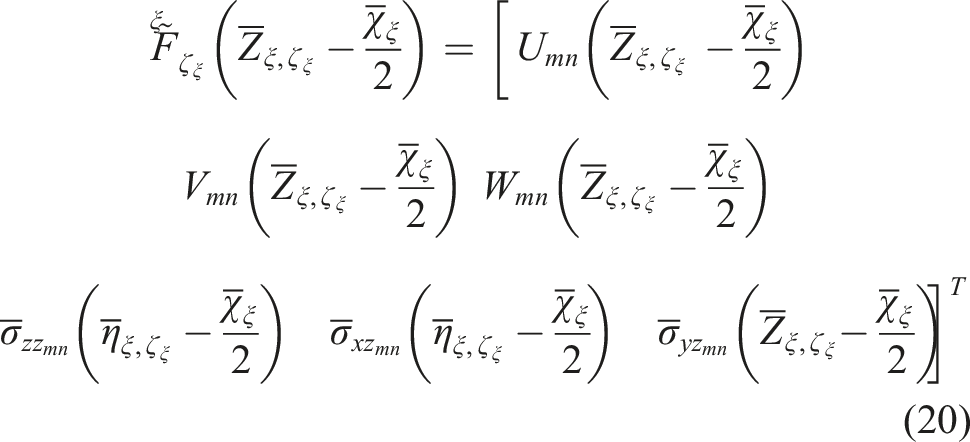
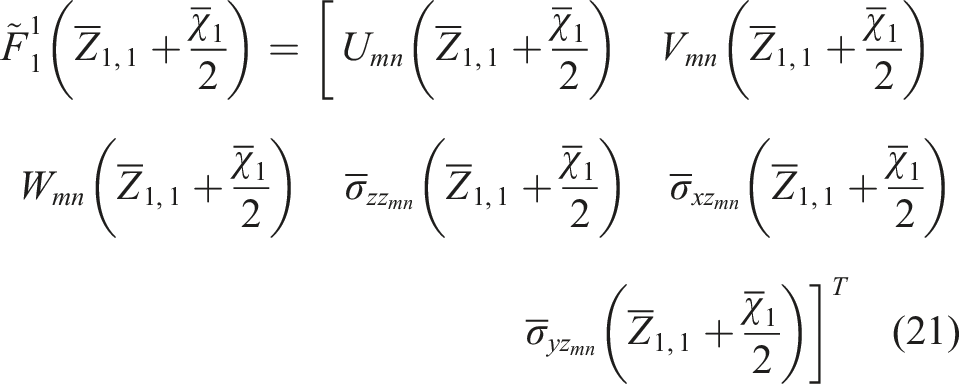
Next, in the context of the state-vector method, the suggested approach involves categorizing the structure’s s-th layer into

In equation (19),
2.4. The process of deriving equivalent material characteristics for a metamaterial
To study the effectiveness of an auxetic core as a stiffener in the sandwich panel, it first be specified its inherent characteristics. Figure 3 illustrates the 3D auxetic honeycomb’s geometric parameters. The structural equations defining the metamaterial are provided below (Zamani et al., 2022): Geometric parameters of the 3D metamaterial (Zamani et al., 2022).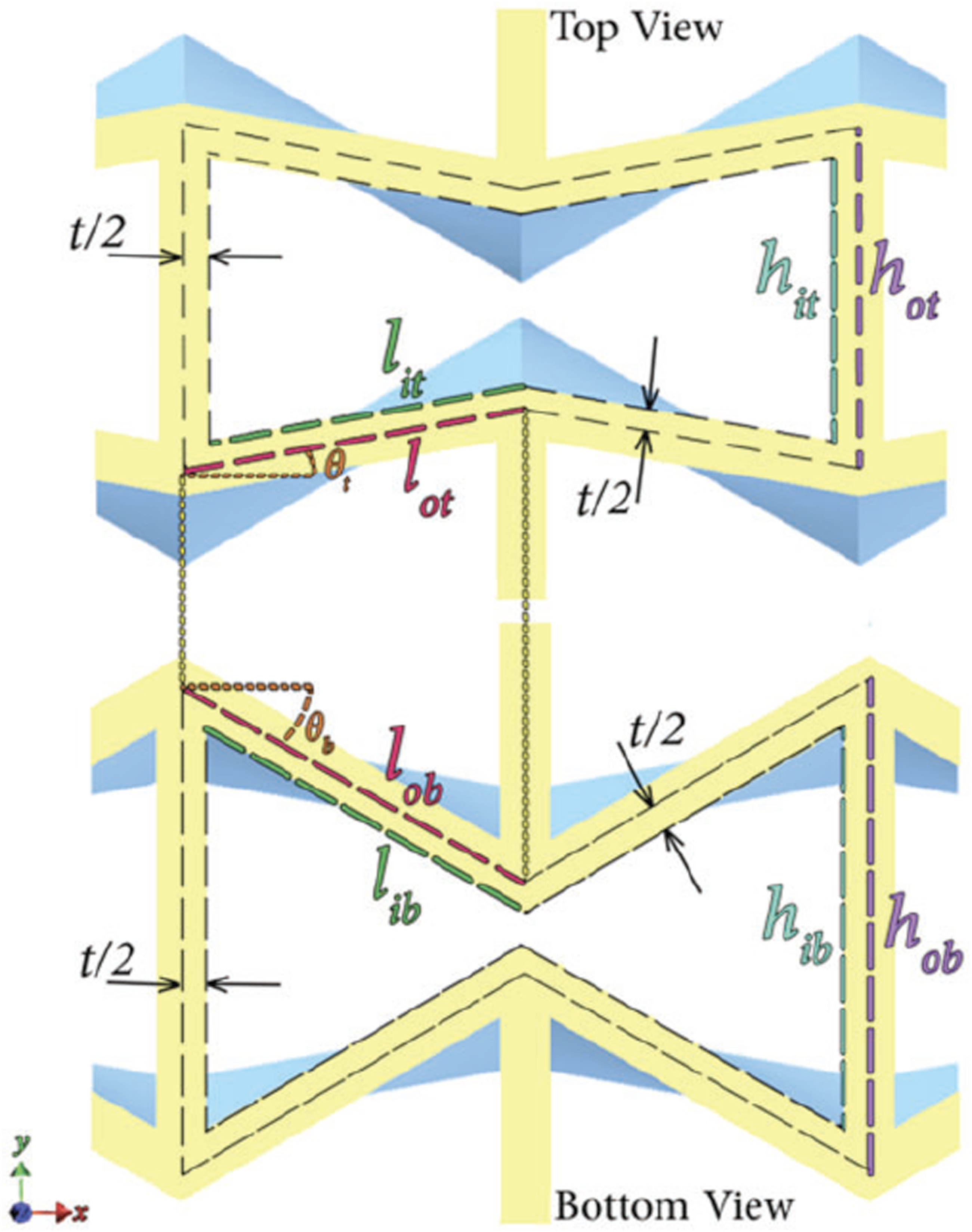
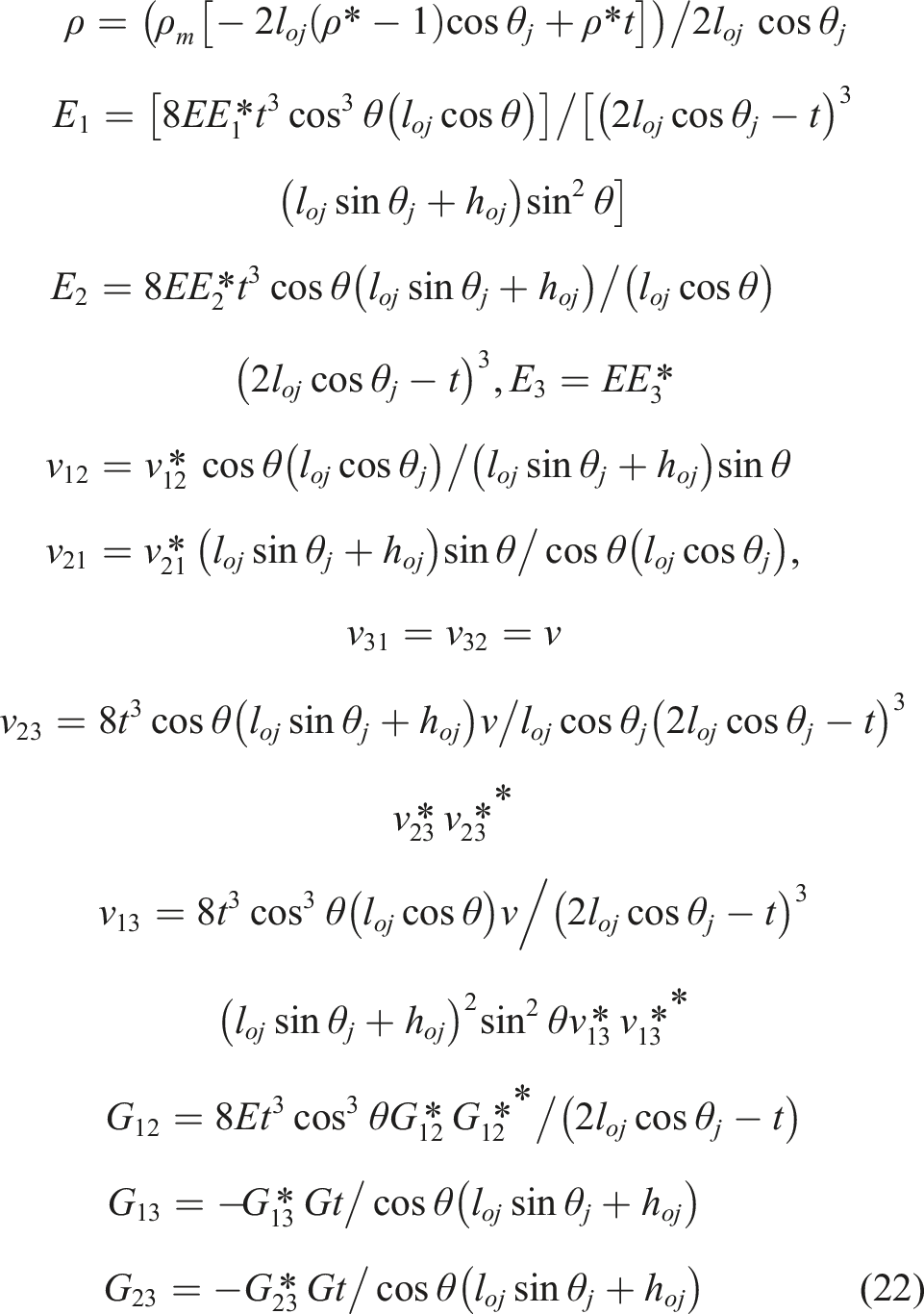
The parameters used in equation (22) are listed in Appendix C.
2.5. Acoustic boundary condition
Considering the airflow within the shell’s interior and exterior regions, it is important to define a proper boundary condition (BC) that properly represents the coefficients of the modal vector as well as the incident and transmitted pressures’ amplitudes, as explained follows (Ghafouri et al., 2023):






By substituting equations (10), (11), and (16) from the previous sections into equations (23) to (28) and subsequently rearranging them, an 8×8 matrix equation is obtained as follows (Ghafouri et al., 2022):
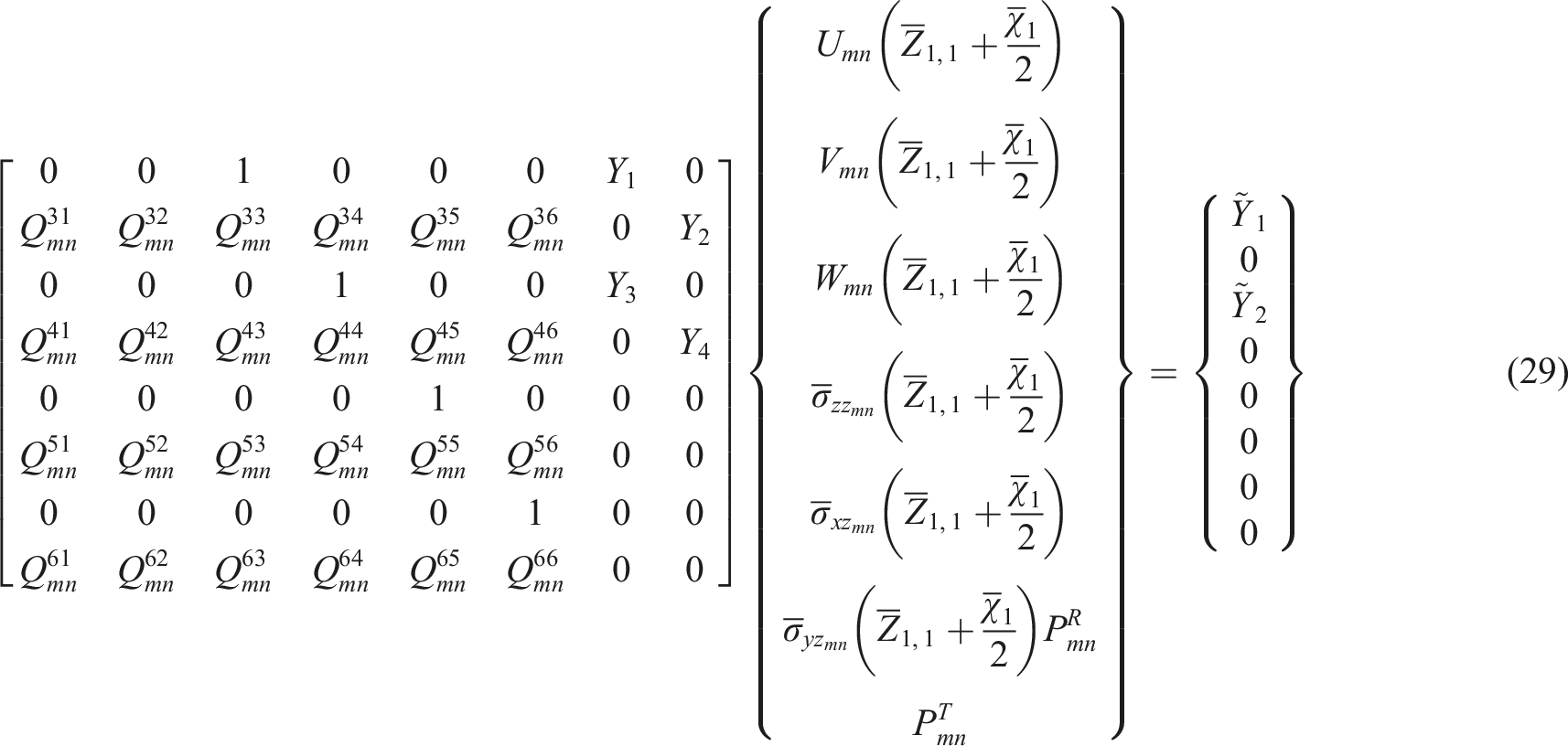
where,
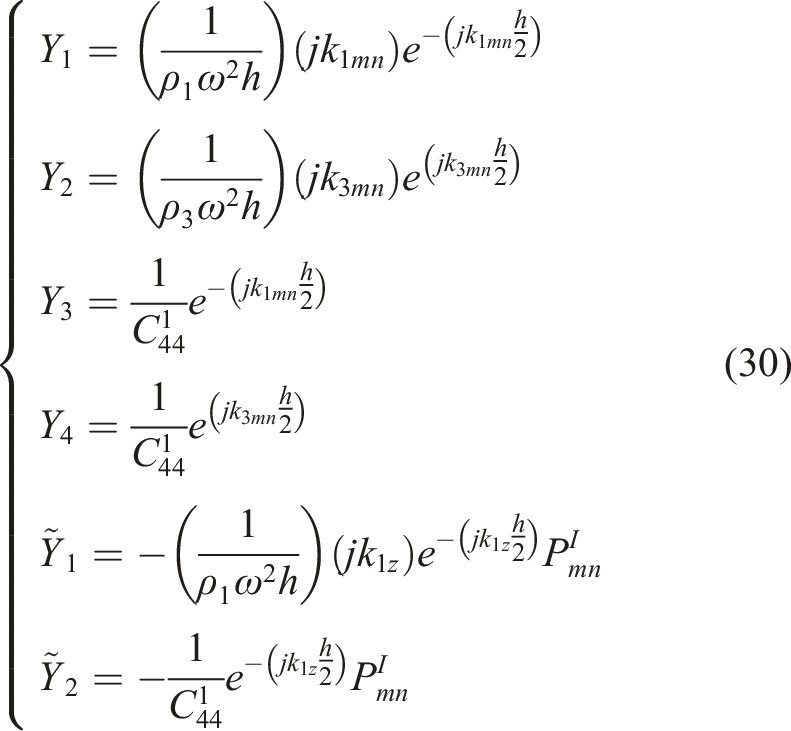
In equation (29),
2.6. Equation of sound transmission loss
The STL is represented as the ratio of the transmitted to incident wave’s power, measured per unit panel’s length and width. It is mathematically expressed as


It should be noted that, the local volume velocity is defined as
However, considering that in the external region, the system is subjected to impact and reflective pressures, direct use of the time derivative on displacement for velocity cannot be applied. Therefore, its equivalent, as referenced in the definition of local volume velocity above, is utilized, resulting in the transmitted wave power for the confined case as follows:
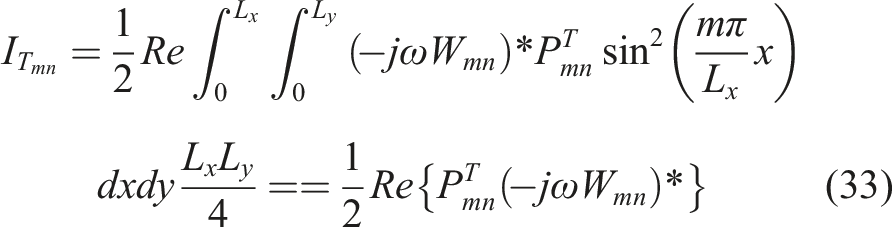
Finally, the STL can be calculated from the following equation (Asadijafari et al., 2021):

where (*) denotes the complex conjugate. It is also important to mention that when external flow is present, the STL is modified by the factor
3. Results and validation
3.1. Theoretical model verification
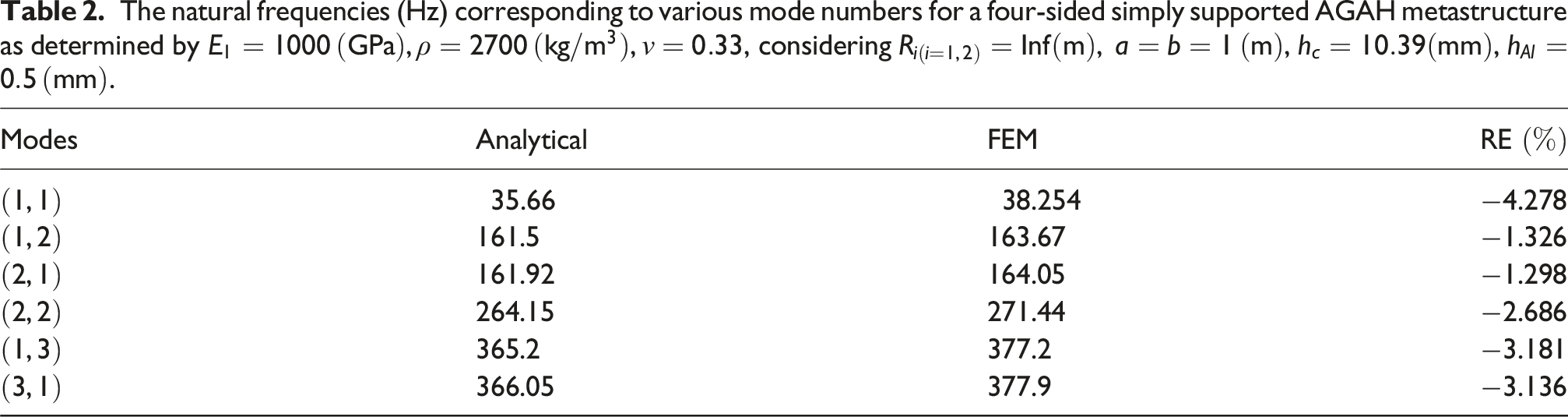
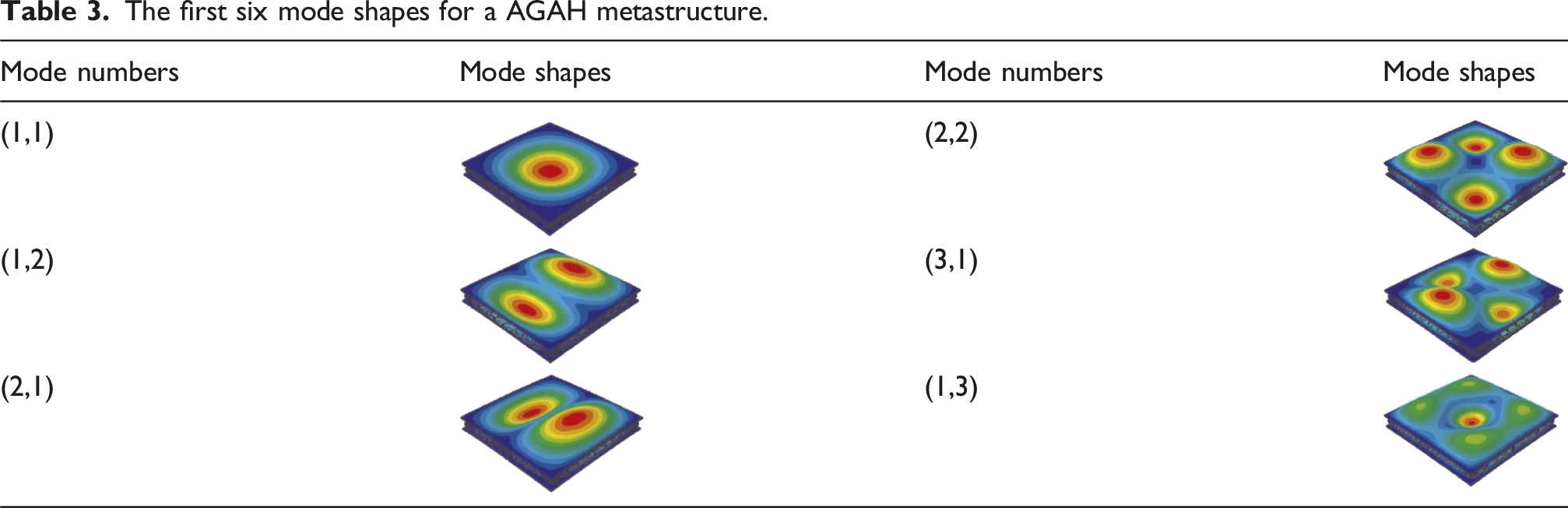
The first dimensionless natural frequency

The natural frequencies (Hz) corresponding to various mode numbers for a four-sided simply supported AGAH metastructure as determined by
The first six mode shapes for a AGAH metastructure.
In Figure 4, the STL in the current study is compared with Liu et al. (2007), which considers spherical wave radiation incident on a flat panel with the same input according to Table 4. It is well illustrated that, the overall trend of the variations exhibits good agreement; However, some differences can be depicted between the current results and those of Liu et al. (2007), particularly in low frequencies as a result of the difference in the value of the curvature’s radius of the structure in the experimental test (infinite value) and the numerical model considered in this study (large value). This difference in the radius of curvature can affect the STL values at frequencies within the sub-600 Hz range, such that the lack of a complete panel of the structure (the radius of curvature is not infinite) in the present study causes structural stiffness in the structure due to its curvature, which at low frequencies increases the STL due to the direct relationship between STL and structural stiffness. Validation of the proposed STL value in the range of 100 to 5000 Hz with the reference Liu et al. (2007). Input parameters for panel acoustic modeling validation.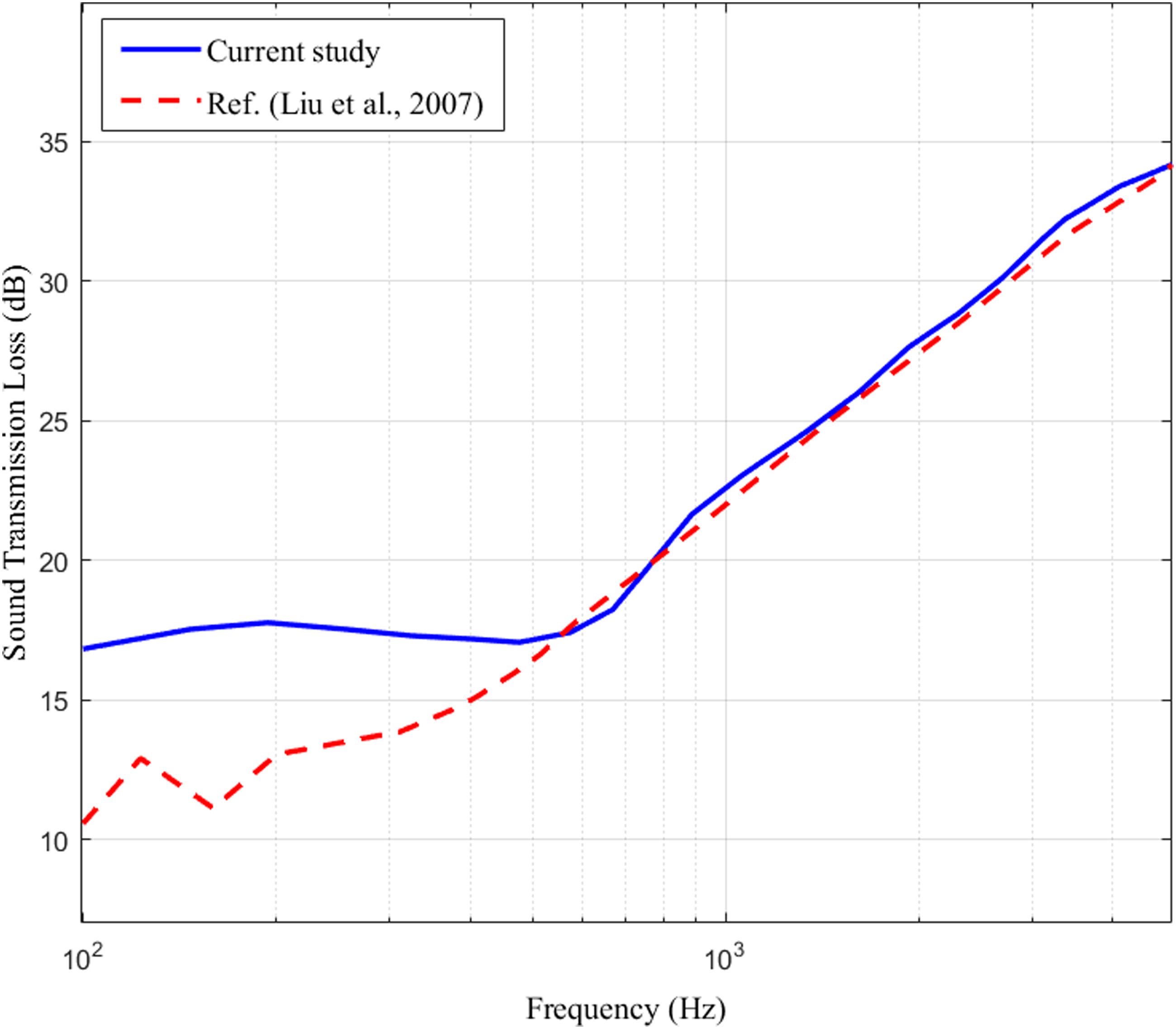
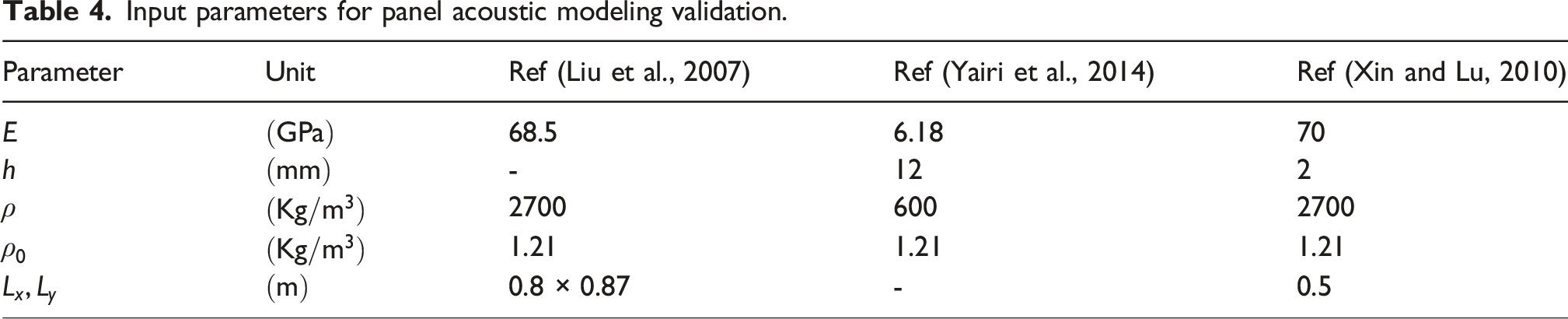
As illustrated in Figure 5, a comparative investigation is conducted to evaluate the STL of finite and infinite panels. In this analysis, the STL response of a finite-sized panel subjected to spherical wave excitation is benchmarked against the corresponding infinite panel reported by Yairi et al. (2014), with identical input parameters as listed in Table 1. The comparison reveals that enlarging the panel dimensions leads to a diminishing stiffness-controlled frequency range, while the coincidence frequency remains unaffected. Conversely, reducing the panel size enhances the effective structural stiffness, resulting in improved STL performance at frequencies below the first resonance frequency as well as beyond the coincidence region. Comparing the STL on a finite panel under spherical wave radiation with an infinite panel in reference Yairi et al. (2014).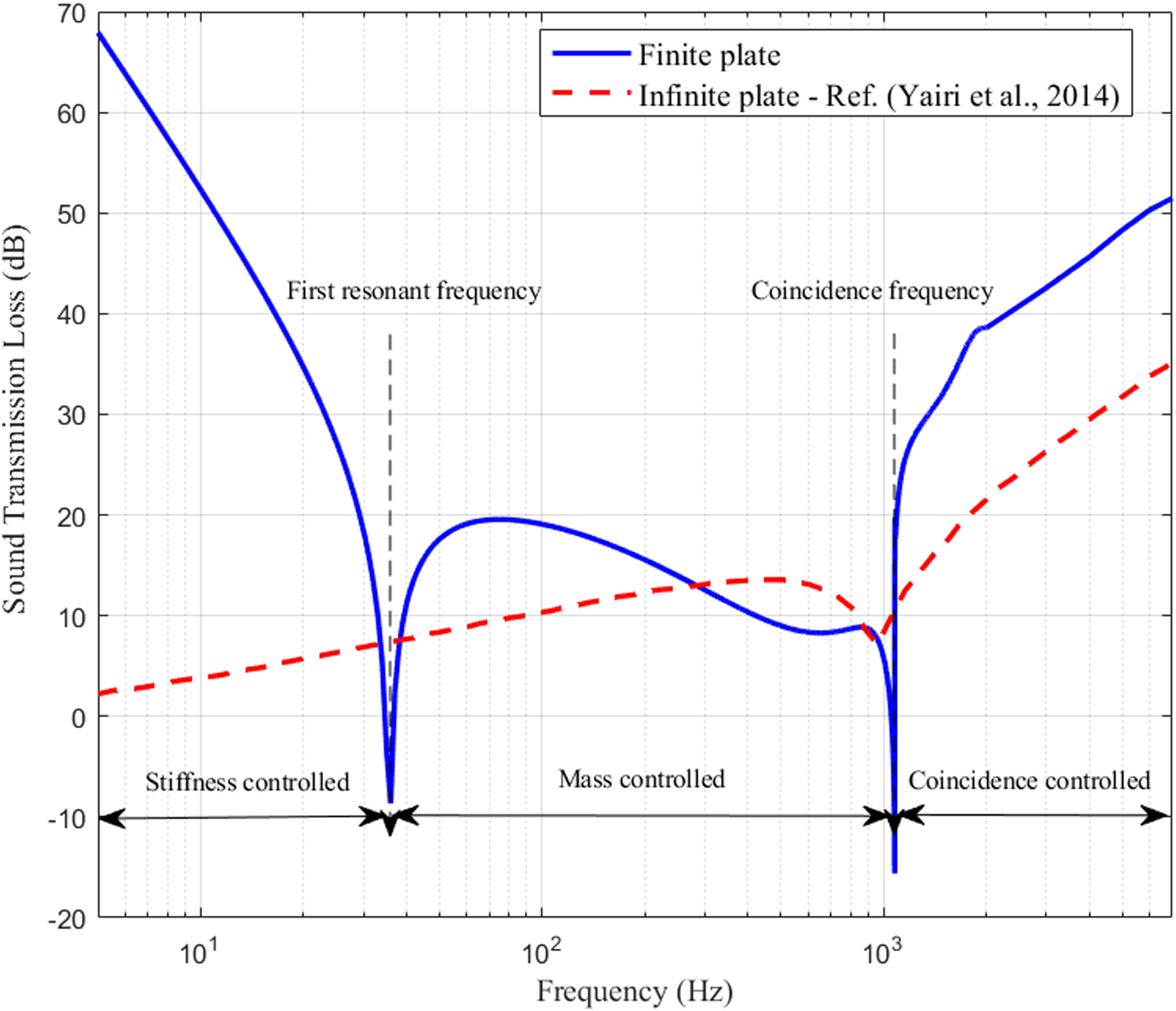
To further verify the elasticity-based formulation and examine the STL response under plane wave excitation, a comparative analysis is performed, as shown in Figure 6. In this case, the STL of a finite aluminum panel subjected to plane wave incidence is evaluated against the results reported by Xin and Lu (2010) for both finite and infinite panel configurations, using identical input parameters. The comparison indicates that the STL trend obtained in the present study closely matches the confined panel response presented in Xin and Lu (2010), while minor discrepancies observed at low frequencies can be attributed to differences in the underlying theoretical formulations. Moreover, when contrasted with the infinite panel results, the finite panel exhibits superior STL performance within the stiffness-controlled frequency range. Displays STL on a finite panel under plane wave radiation compared to an infinite panel in reference Xin and Lu (2010).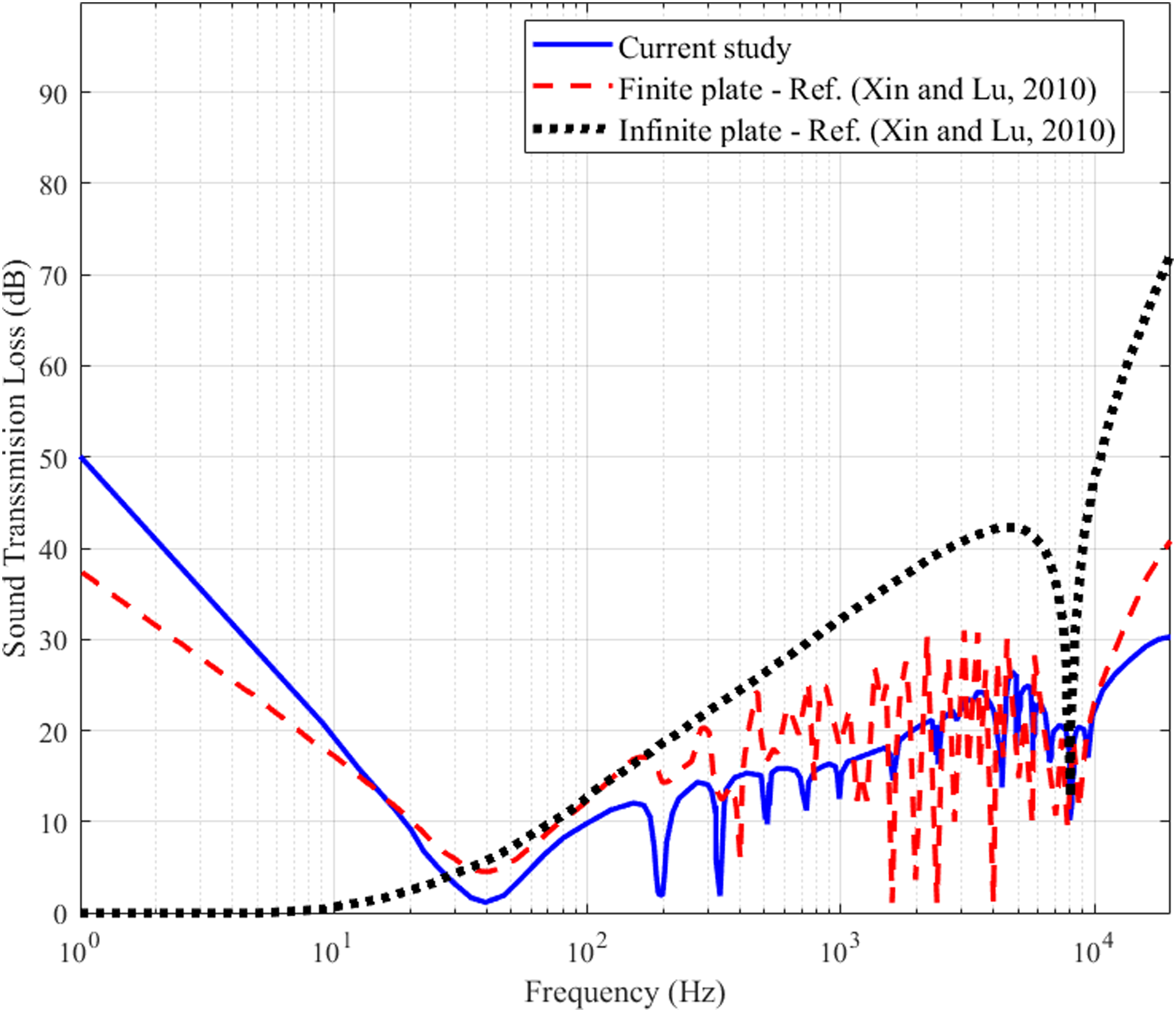
A comparison of the STL on a finite panel under spherical and plane wave radiations resulting from this study with that on an infinite panel in reference Yairi et al. (2014) under plane and point wave radiation, with the specifications given in Table 4, is illustrated in Figure 7. The purpose of this study is to demonstrate the performance of spherical waves compared to plane waves. As shown, plane wave propagation shows a much higher STL compared to spherical waves in the entire selected bandwidth; but the coincidence frequency is the same in each case, such that changing the dimensions of the structure or the type of excitation force does not have any effect on its value. This outcome also aligns with the expectations derived from the coincidence frequency relationship. In general, the coincidence frequency ( Comparing of STL on a finite panel under spherical wave and plane wave radiation with an infinite panel in reference Yairi et al. (2014).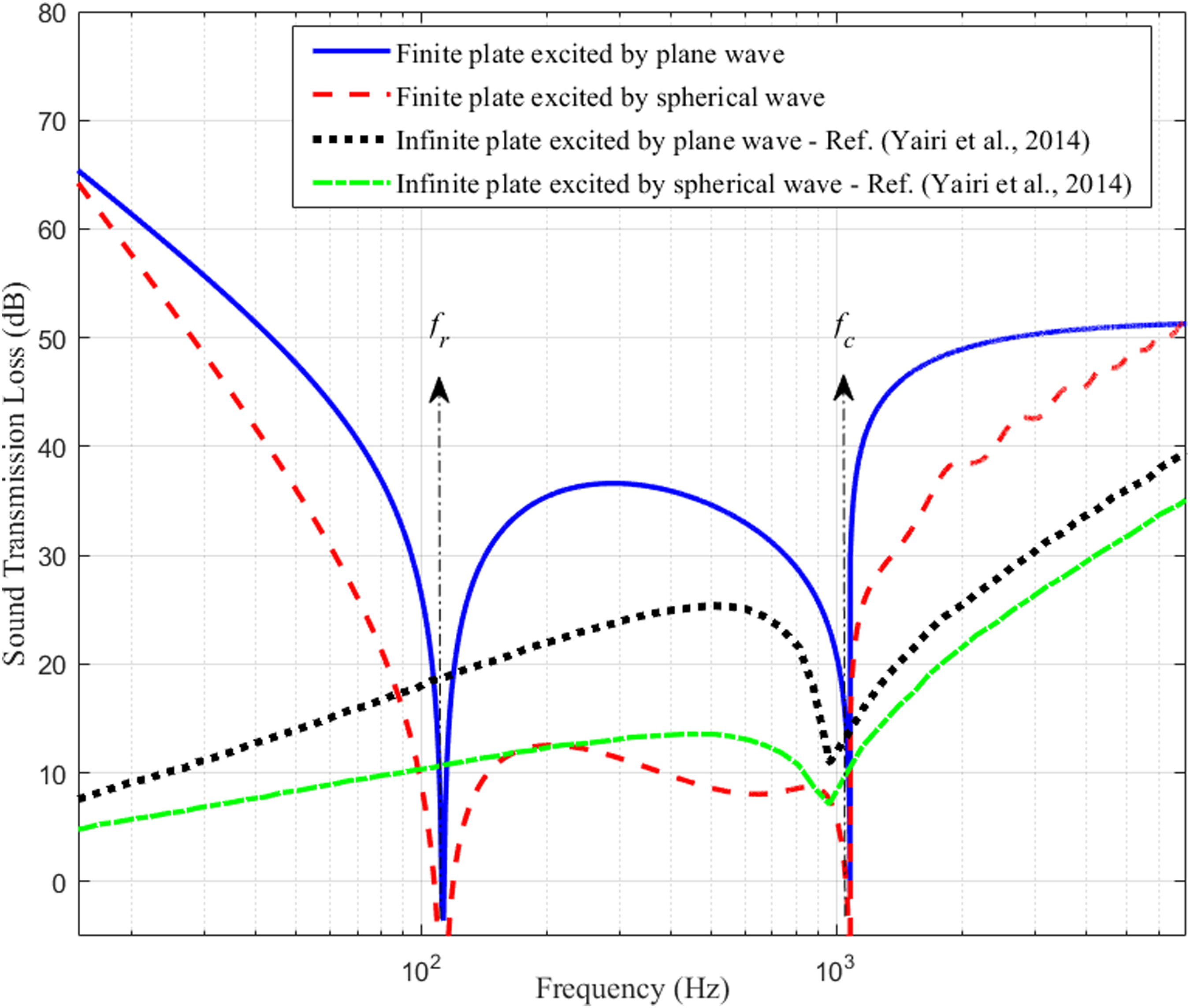
3.2. Results
Figure 8 presents a comparison of the STL curves between the current study and sandwich models incorporating a core with a honeycomb structure (Shengchun et al., 2010) in similar conditions, with a wave incidence angle of 75°. The results highlight the superior performance of the AGAH cell in comparison with a conventional honeycomb core. The graph also illustrates that AGAH consistently outperforms both the honeycomb core and the model proposed by Ghafouri et al. (2022) in terms of acoustic performance, highlighting its effectiveness. STL provided via the current study compared to a composite panel with a honeycomb core Shengchun et al. (2010) and Ghafouri et al. (2022).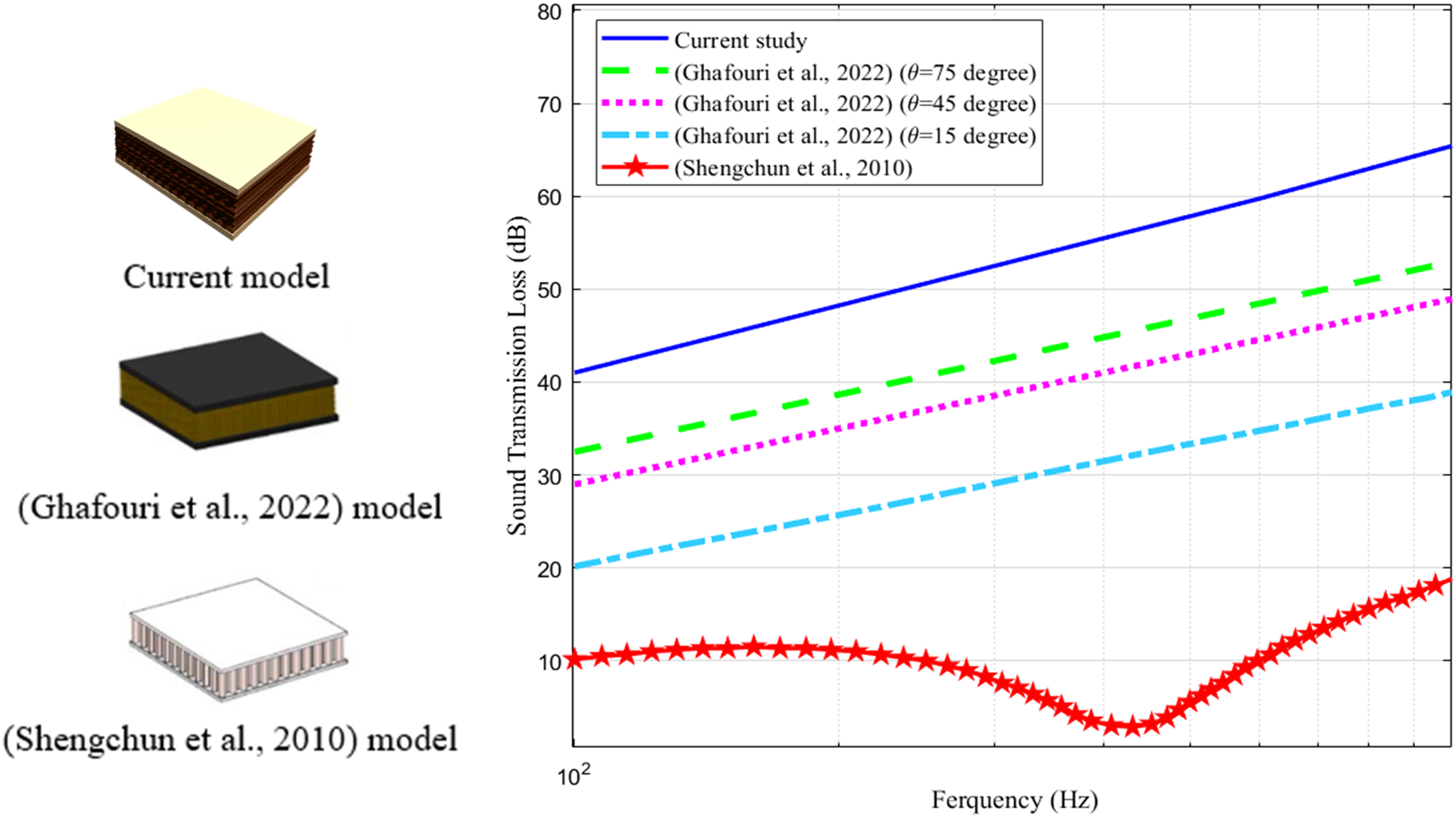
3.2.1. The impact of auxetic core in improving STL
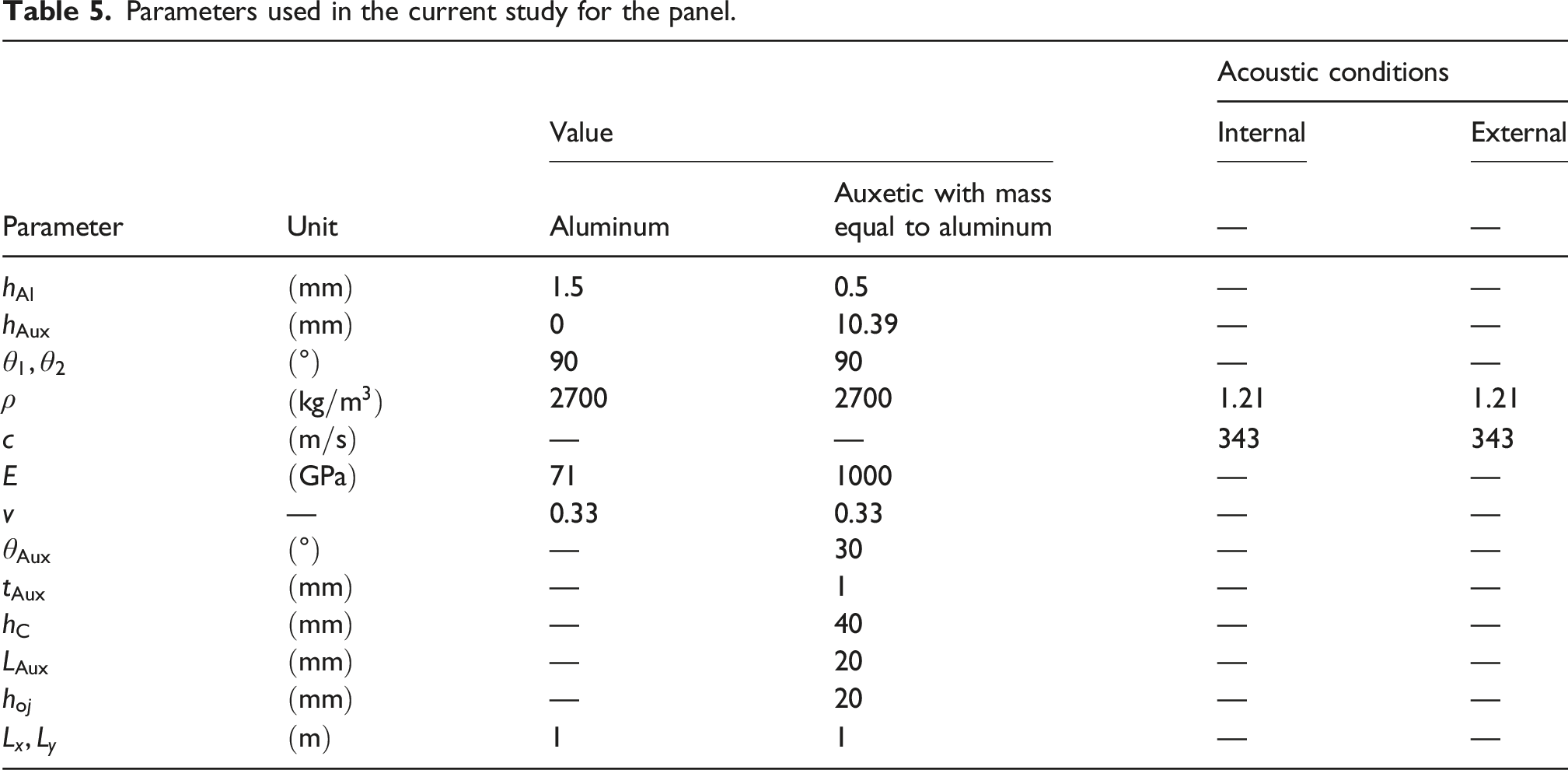
Figure 9 presents the STL response of a panel incorporating a 3D auxetic core, compared with an aluminum panel of identical mass under spherical wave excitation, using the parameters listed in Table 5. Mass equivalence is achieved by adopting a 1-mm aluminum layer and determining an equivalent volume for the auxetic core. The results show that the auxetic reinforcement significantly enhances the STL beyond the first resonance, primarily due to its greater rotational inertia. Moreover, at low frequencies approaching quasi-static conditions, the higher flexural rigidity of the auxetic core further improves the STL. Overall, the auxetic design enhances sound insulation in both stiffness- and mass-controlled frequency ranges, with the strongest effect occurring near the resonance region. Comparison of STL on a sandwich metastructure with a 3D auxetic core and an isotropic aluminum panel considering the same mass. Parameters used in the current study for the panel.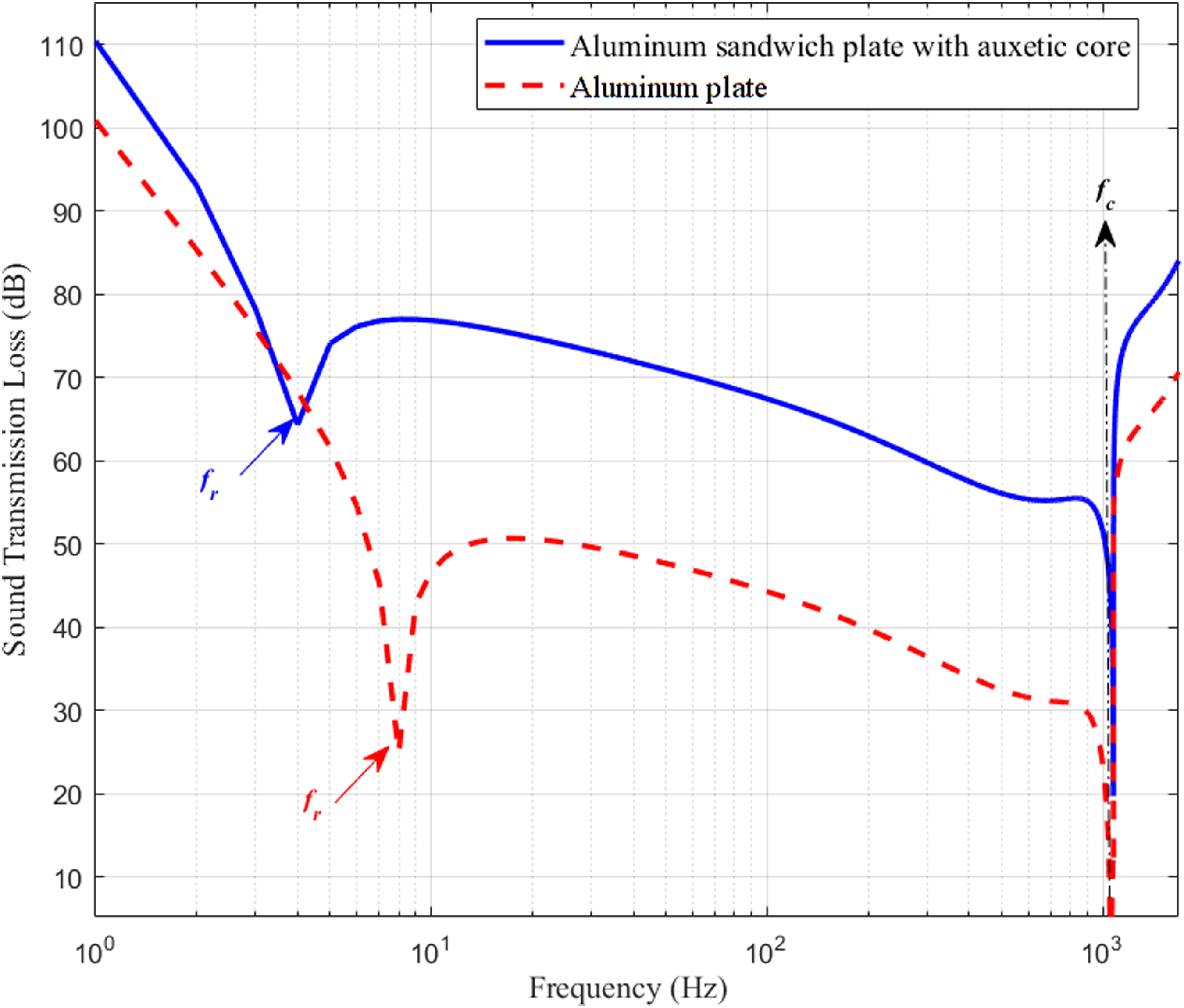
3.2.2. The impact of the distance of the spherical source from the center of the panel
In Figure 10, the effect of the spherical wave source distance from the center of an aluminum panel on the STL is illustrated. With an increase in the source distance from the center of the panel, the STL increases. However, with an increase in the point source distance, the trend of the STL exhibits similar behavior to that of plane wave radiation. In addition, as the point source distance increases, the STL approaches the behavior of plane wave propagation, particularly in the range frequency close to the coincidence frequency. The behavior of STL with varying distances of the spherical wave source from the aluminum panel.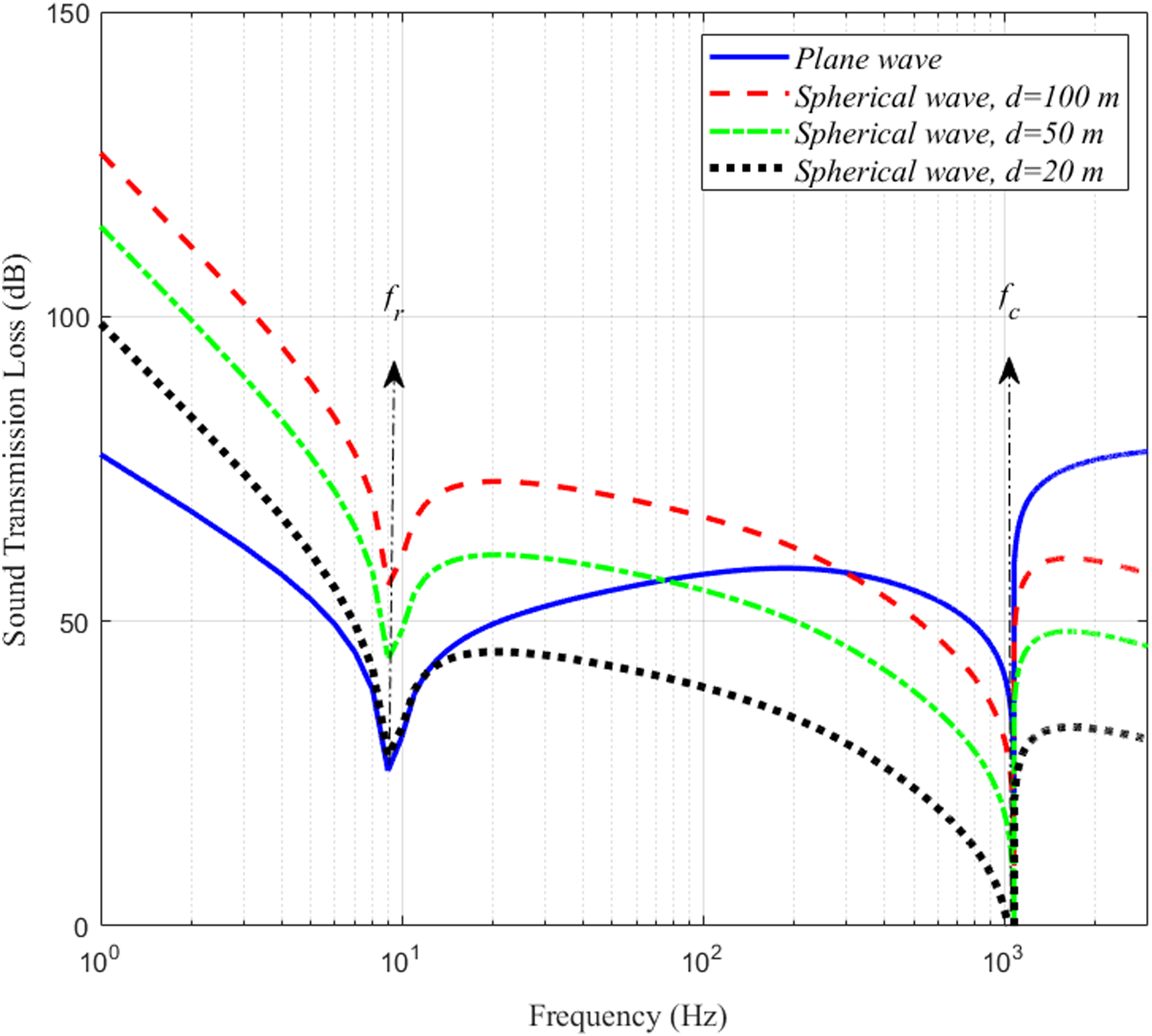
3.2.3. The effect of sandwich panel thickness
In Figure 11, the STL at different thicknesses with the input parameters from Table 3 under spherical wave radiation is depicted. As observed, with an increase in the thickness of the shell, the amount of the STL increases as a result of an increase in structural stiffness. Therefore, the first resonance frequency increases, but the coincidence frequency remains unchanged. STL curve at different sandwich panel’s thicknesses with a 3D auxetic core.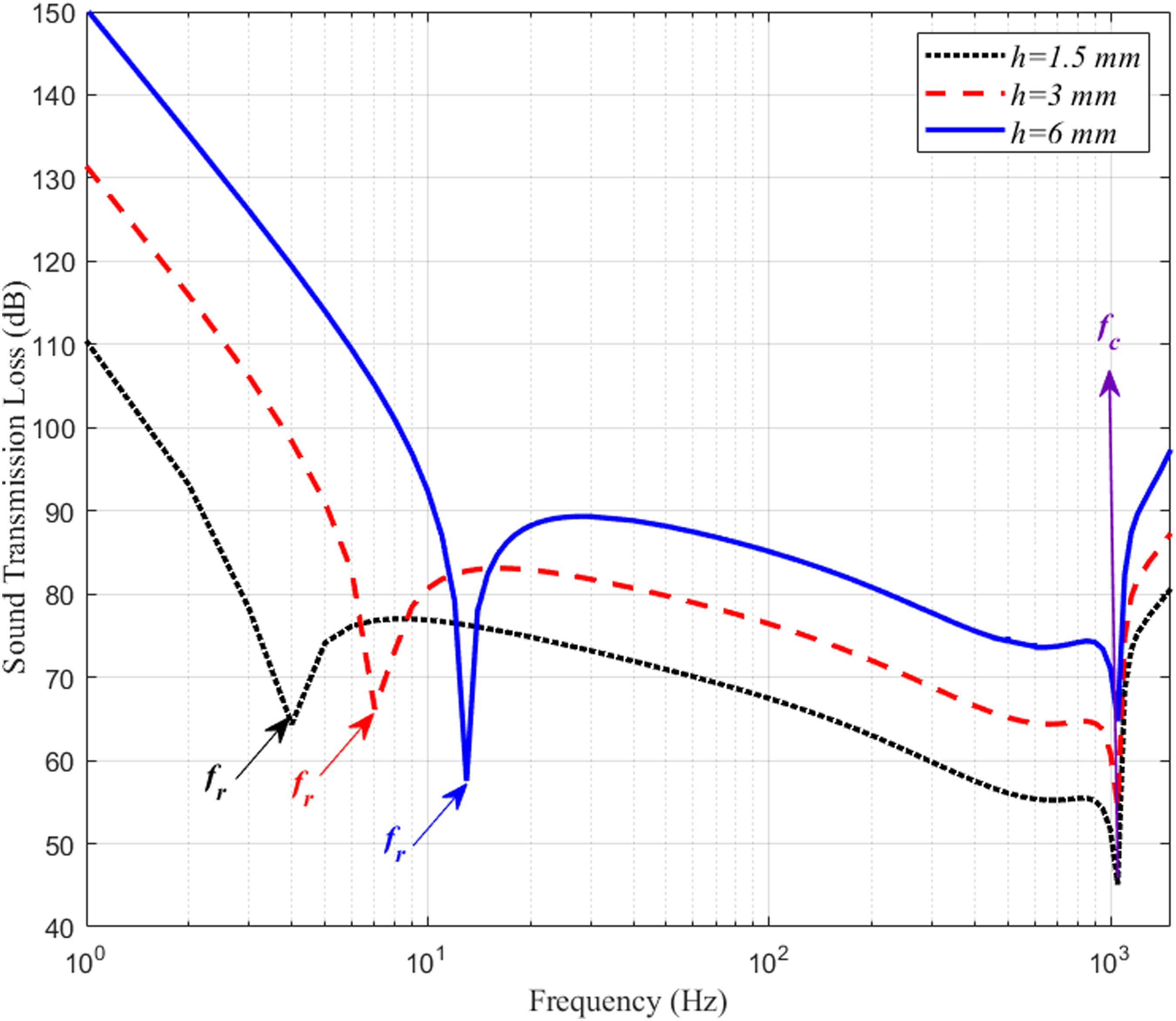
3.2.4. The effect of sandwich panel dimensions
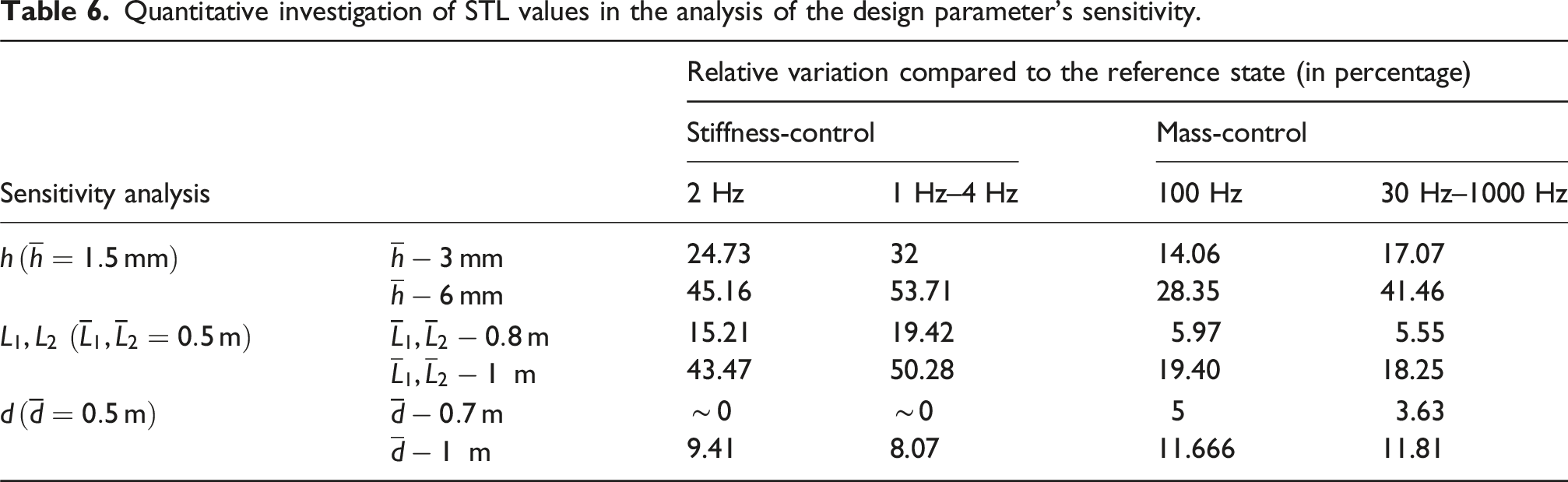
Figure 12 presents the STL response of the sandwich panel for different panel dimensions using the parameters listed in Table 5. Increasing the panel size leads to higher STL levels in the mass-controlled frequency range as a result of the increased structural mass, while a reduction in the STL is observed at low frequencies within the stiffness-controlled region due to decreased elastic rigidity. The qualitative trends illustrated in the figures are complemented by the quantitative results summarized in Table 6, which highlight the dominant roles of stiffness and mass control. The findings indicate that the core thickness is the most influential parameter, with the STL increasing on average by 53.7% when the core thickness is raised from 3 to 6 mm in the 1–4 Hz range, and by 41.4% over the 30–1000 Hz frequency band. STL curve at different sandwich panel’s dimension with a 3D auxetic core. Quantitative investigation of STL values in the analysis of the design parameter’s sensitivity.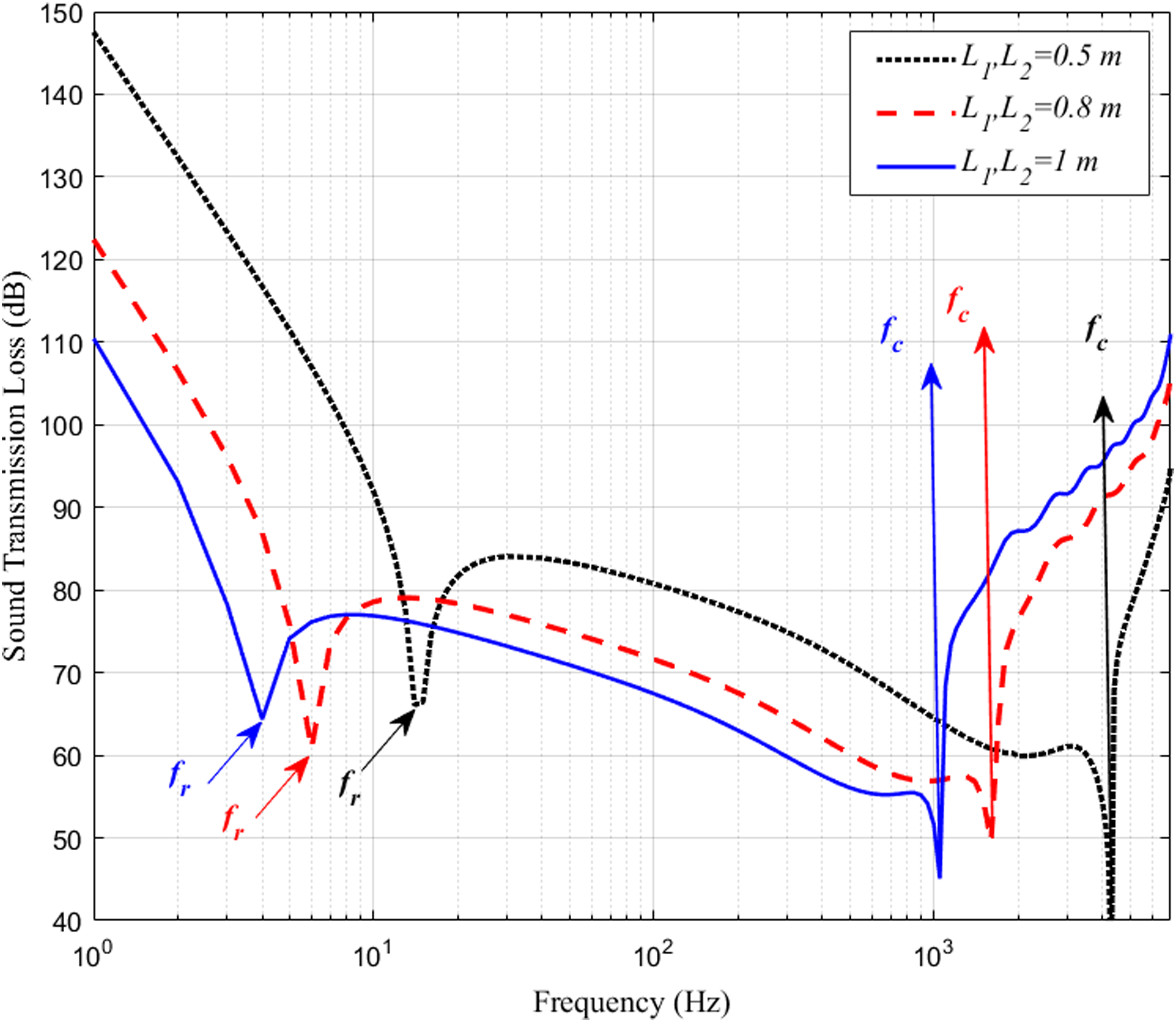
3.2.5. The impact of the spherical source distance from the sandwich panel’s center
Figure 13 illustrates the STL response of a sandwich structure for different distances between the spherical wave source and the panel. As the source moves farther from the panel, the STL increases in the frequency range below the mass-controlled region. Interestingly, when compared to a configuration without the auxetic core, the trend reverses within the mass-controlled region. Despite these variations, the position of the coincidence frequency remains unaffected by the source distance. The behavior of the STL with varying distances of the spherical wave source from the sandwich panel with a 3D auxetic core.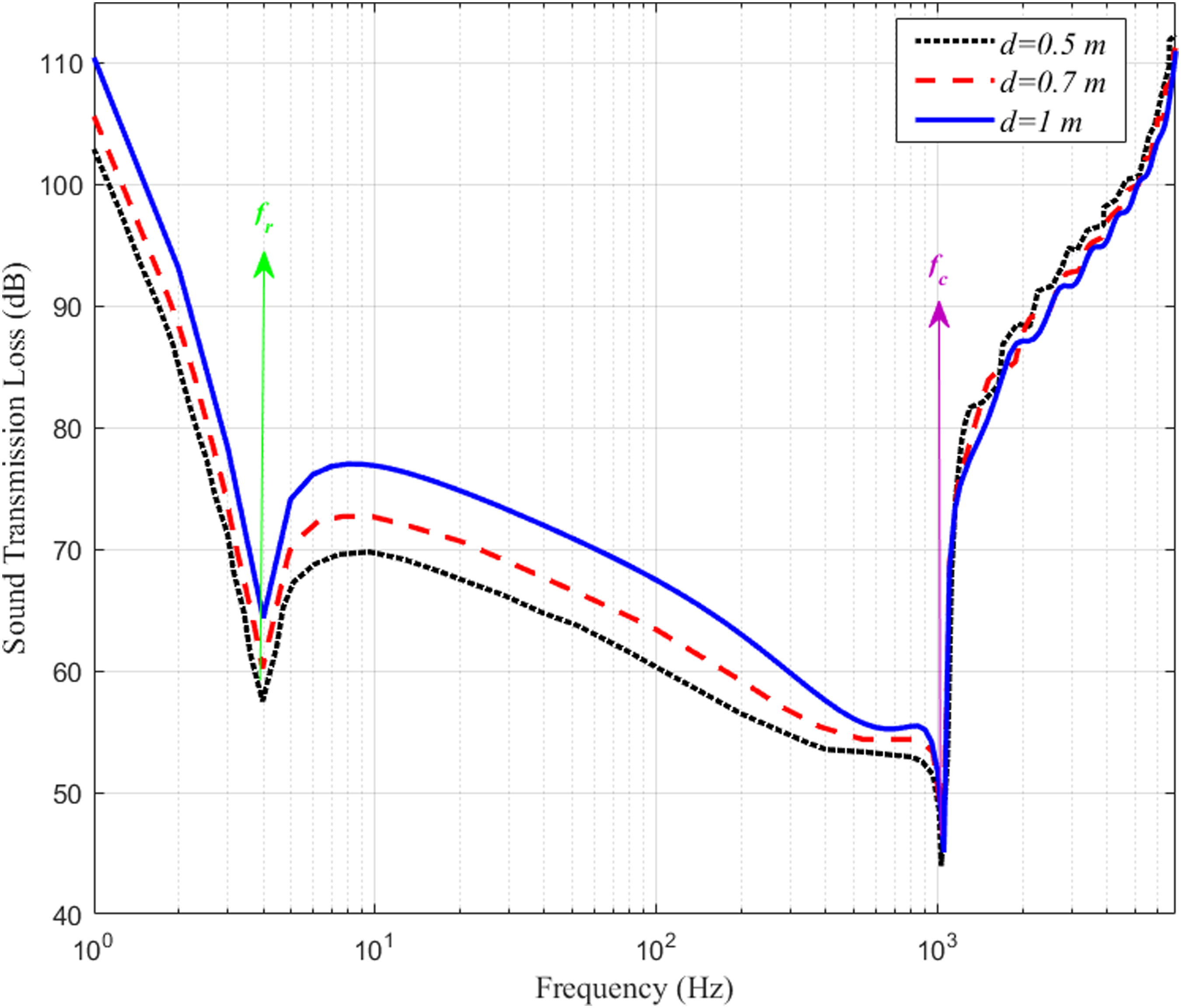
4. Conclusion
This study explores the STL of a finite sandwich metastructure reinforced with a honeycomb core using auxetic materials with the aid of a semi-analytical method. By applying 3D elasticity theory and conducting numerical simulations using MATLAB and ABAQUS software, the research examines various geometric configurations of the panel and the characteristics of the radiated acoustic wave in the context of frequency analysis.
This analysis thoroughly examined the actual effect of sound sources in the acoustical environment and their placement distance from the center of the structure on the amount of the STL in the presence of acoustic reinforcement materials; It also investigated the effect of the integration of a 3D auxetic honeycomb core and geometrical parameters of the metastructure core. Based on this study, the following conclusions can be obtained: • The results reveal that incorporating a sandwich structure with a 3D metamaterial honeycomb core with auxetic properties, having a mass equivalent to a 1 mm aluminum shell, has a significant effect on the STL. This effect is particularly noticeable in the mass-controlled region, where the greater rotational inertia of the auxetic core plays a critical role. • At very low frequencies and in the stiffness-controlled region, as a result, the sandwich structure with auxetice core has more STL compared to an isotropic structure with the same mass, but it shows more dominant effects in the resonance frequencies. Furthermore, increasing the dimensions of the finite plate reduces the stiffness of the structure, which results in decreasing the STL. • Considering point source radiation results in a lower sound transmission loss in the mass-control region, which increases with the distance of the source from the center of the structure. Also, the behavior of sound transmission loss before the resonant frequency and after the adaptive frequency is opposite to each other. This shows that in the real acoustic environment, in the majority of the frequency range, especially frequencies higher than the resonant region, considering point source radiation provides a more accurate estimate of the sound insulation behavior of structures.
The highlights of the research topic are as follows
• Applying 3D elasticity theory to investigate the sound transmission loss of a metastructure incorporating a 3D angle-graded auxetic honeycomb (AGAH) core. • Analysis of the geometric parameters influence of a lightweight 3D AGAH core on the acoustic behavior of a metastructure under spherical wave excitation. • Comparison of the acoustic behavior of a metastructure with excitation by spherical wave and plane wave.
Footnotes

Author contribution
Funding
The authors received no financial support for the research, authorship, and/or publication of this article.
Declaration of conflicting interests
The authors declared no potential conflicts of interest with respect to the research, authorship, and/or publication of this article.