







Abstract
In this article, we discuss not only the complexity of some difficult ethical issues but also the peculiar and reciprocal engagements that emerged during the research process carried out with Jimmy Sax, along with the ways in which we have attempted to deal with the ethics of research to avoid a reproduction of processes of Othering in the field of critical disability studies. In the existing body of qualitative research literature, an increasing number of researchers document their experience of the issue of situational and relational research ethics. However, since research evolves as an activity embedded in social, political, and historical contexts, we argue that qualitative researchers should also embrace sociopolitical research ethics. In that vein, inspired by poststructuralist (and) feminist philosophers, we identify and discuss two different conceptualizations of research ethics, referring to care for the other and care of the self.
Introduction
when logic starts to leap when focus fails again when pre-sets bring the future when these are the days when light and I interact I listen Navid Nuur (1976-2010)
In 2008, I—being the first author of the article—started up my PhD research project, of which the aim was to explore the scope of the recovery paradigm from a critical disability studies perspective in order to tease out its relevance in the field of (mental) health care and a complementary variety of social work and social service delivery in Flanders (the Dutch speaking part of Belgium). In the recovery paradigm, the assumption that being diagnosed with—even chronic—“mental health problems” will inevitably be considered as a tragedy and a cause of social death is rejected (Ralph, 2000) and an attempt is made to “reach beyond our storehouse of writings that describe psychiatric disorder as a catastrophic life event” (Ridgway, 2001, p. 335). It is stated that recovery implies that it is possible to regain control of one’s life, to reintegrate socially and become independent (Lovejoy, 1982), and to “return to a normal or healthy state, free of the symptoms of illness, (. . .) being able to work, to go to college, to live in ordinary housing, have an active recreational life and find friendship and romance” (Craig, 2008, p. 125). In line with the recovery paradigm, disability studies offers a strong critique of both myopic medical interpretations of “mental health problems” and the medicalization of support (Beresford, 2010; Secker, Membray, Grove, & Seebohm, 2002). Disability studies has developed as an interdisciplinary field of study in which historical, economic, social, political, and discursive elements of disabling society are questioned and challenged (Albrecht, 2005; Devlieger, Rusch, & Pfeiffer, 2003). Since the turn of the millennium, questions concerning underlying ontological assumptions emerged explicitly in the interdisciplinary field of disability studies (see Bolt, 2005; Hughes, 2007; Kumari Campbell, 2005; Pfeiffer, 2002; Scambler & Scambler, 2003; Shakespeare & Watson, 2002; Shildrick, 2002; Titchkosky, 2005; Turner, 2001, 2003). Over the last decade, ontology has begun to inspire debates in the field of disability studies through generating sustained interest in the role and place of embodiment and impairment (Hughes, 2007). Critical disability studies has emerged as a frame of reference within which researchers attempt to theorize the ontological issue while focusing on a wide myriad of hegemonic discourses and practices through which “impairment”—which includes “mental health problems”—is defined as a private, typically deviant, individual matter, which is necessary in order to recapture impaired bodies and minds as nondualistic, dynamic, relational, and fundamentally social phenomena in our societies (Garland-Thomson, 2005; Goodley, 2011; Roets & Braidotti, 2012).
Nevertheless, it can be observed that the debate in disability studies is polarizing, and this is reflected in the controversy between those who claim an “embodied ontology” (Shakespeare & Watson, 2002, pp. 9-10) and represent the ontological perspective “that the body is a limit and that one cannot afford to ignore the tyranny of nature and the frailty of human existence nor, in particular, the impact that biological necessity has on the conduct of individual and social life” (Hughes, 2007, p. 676), and those who argue for a “social process ontology” and engage critically with “this language of negative and pre-social ontology” (Roets, 2008, p. 101). In what follows, I will attempt to uncover the ontological assumptions that guide my interpretative, qualitative research and “shape how the researcher sees the world and acts in it” (Denzin & Lincoln, 2008, p. 31) as identified during in-depth discussions with the coauthors.
The Researcher and the Capital Beast
Since an essential feature of research in this interdisciplinary field of disability studies implies the direct involvement and participation of disabled people in academic research ventures (Goodley, Lawthom, Clough, & Moore, 2004), I approached people who have been labeled with “mental health problems” as research participants in a variety of research contexts during an exploratory research phase. Essential to my explorative, qualitative research was the belief that the lived experiences of those who use services can provide seldom recognized yet valuable sources of knowledge (Beresford, 2010; Wykes, 2003). In June 2009, I introduced my research in a day activity and workfare activation center for, among others, people labeled with “mental health problems.” As I introduced my research project, one of the possible research participants—Jimmy Sax—challenged me and replied, “I’m a core psychopath. I’m born like that. And I cannot recover, never. Nevertheless, does that mean that I cannot participate in your research?” As a starting point, his response entailed a long and intensive research process as he got involved as my key participant.
With the hindsight of the entire research process, I would like to share and represent not only the complexity of the tricky ethical issues but also the peculiar and reciprocal engagement that was emerging during our research process, and the ways in which I have attempted to deal with my research ethics to avoid a reproduction of “a colonizing discourse of ‘the Other’ (. . .) [since] qualitative research projects have Othered” (Fine, Weis, Weseen, & Wong, 2003, pp. 168-169). This concern is particularly relevant in research ventures in the field of disability studies since traditional disability research “has maintained, if not perpetuated, the alienation, objectification and exclusion of individuals with disabilities” (Petersen, 2011, p. 294).
Let me unveil some significant events illustrating the (ethical) complexity of the engagement with Jimmy.
According to his formal label, Jimmy was a sly old fox and very much aware of his ability to manipulate people.
He meets the criteria of psychopathy according to Checkley: irascible, manipulative, irresponsible, selfish, superficial, with a poor ability to experience empathy and fear. (. . .) Psychotherapy is useless and probably even dangerous in this case. Some publications show that psychotherapy can increase the risk of criminality, probably because such perpetrators learn through their therapy how they can better (emotionally) manipulate. (In a report by H.H., a psychiatrist, addressed to the members of the Commission, August 20 2002)
Moreover, during our close research involvement Jimmy was imprisoned (we will pick up the thread of this story later on in this article). After a while, we started to write letters, uncovering the meanings that he brought to his personal and lived experiences. I interpreted his initiative to continue writing me extensive letters as an act that embodied his sustained engagement with our joint research venture. As a symbolically relevant issue, he often signed and concluded his letters with “Greetings, the beast.” One of his letters reads as follows, as if I was the engaged researcher and he a capital Beast: Caroline, I couldn’t look you in the face in the courtroom, I felt so empty inside. But I can’t stop thinking: what would Caroline be thinking about me now. Every day I think about this, because I like you, really, and I hope you come by again, but don’t see this as an obligation. At first I thought I would hear nothing more of you. But then, I found a letter from you when I entered my cell after the walk. Thank you girl, that does me a power of good. Many warm greetings, Jimmy, the criminal, the beast of the park (Letter from Jimmy, February 26 2010)
However, while writing under the name of a beast, in my interpretation Jimmy committed himself in this letter. This is only one illustration of his changing and quite contradictory subject positions that were evolving throughout our different encounters during the research process.
Meanwhile, people who heard of my research, being located both in and out of the university system, more than once asked me (and here are some of their questions and propositions) why I worked with this “dangerous man” who was, for sure, “lying”? They tried to convince me—while assuming that I was a naïve and credulous researcher—that his story was irrelevant and that he was manipulating me since I was not allowed to forget that “he is a psychopath and we all know what psychopaths do.” During the research process, I struggled regularly with ethical dilemmas and addressed the other authors while raising questions that might legitimize my positionality and reflexivity as a researcher (see Ellis, 2007; Ellis et al., 2008; Fine et al., 2003; St. Pierre, 1997). Throughout our conversations, one of the identified ethical dilemmas entailed the following question: Why should one start up and continue a research venture with Jimmy anyway? After all, he did not actually fit into the presupposed criteria for delimiting the “target group” of the research project since he challenged Caroline when saying that there was no progress in his recovery process at all. It is certainly true that researchers should be aware of the limitations of their methodologies and methods while focusing on overcoming the barriers that impede the involvement of disabled subjects instead of highlighting the insurmountable difficulties presented by their research participants (which can be interpreted as a false excuse or merely a function of the researcher’s own limitations) since “nothing is trivial to qualitative researchers” (Booth & Booth, 1996, p. 67). As Petersen (2011, p. 293) argues, “much of the research on disability has been critiqued as oppressive because of its failure to include individuals with disabilities in the research process.” We figured out that, for us, it doesn’t make sense to stay idly by, bobbing up and down in our bathtub. A continued research engagement with the complexity and uncertainty of the research process can be seen as essential. Carolyn Ellis (2007, pp. 25-26) brings this to the table when she is telling her students, who struggle with the complexities of their research engagement, “Sometimes I say, ‘I don’t know’ (. . .) Write to understand how they put their worlds together, how you can be a survivor of the world they thrust upon you.” As we were trying to reconstruct Jimmy’s story, his perspective on his situation intrigued us.
Jimmy, to be honest, yes, I have been thinking a lot lately (my head was like a merry-go-round) about the strange situation in the courtroom. And I would be lying if I say that I was not confused about the picture sketched in the courtroom, about the representation of the “facts,” about the context . . . But that doesn’t imply that I won’t continue our shared search for your perspective, your story, your meaning of what happened. On the contrary. So yes, I want to come over to visit you again. (Letter from Caroline, March 2 2010)
Yet this enabled us to theorize our research ethics and, in particular, to explore the underlying assumptions of our research practice.
Research Ethics: Ethical Researcher or Ethical Research?
In the existing body of qualitative research literature, we can identify different notions and dimensions of research ethics, which throw light on procedural, situational, relational, and sociopolitical ethics. Guillemin and Gillman (2004) define procedural ethics as the kind of ethics mandated by Institutional Review Board committees, which “have become localized controlling mechanisms and governmental vehicles to overview value-neutral sciences and knowledge” (Koro-Ljunberg, Gemignani, Winton Brodeur, & Kmiec, 2007, p. 1077). Procedural ethics provide professional codes and modes of ethics that serve as moral principles for researchers to “adequately deal with informed consent, confidentiality, rights to privacy, deception and protecting human subjects from harm” (Ellis, 2007, p. 4). Guillemin and Gillman (2004) also describe situational ethics as “the kind that deal with the unpredictable, often subtle, yet ethically important moments that come up in the field” (Ellis, 2007, p. 4). Situational ethics also refer simultanesously to practical ethics, implying a “question of knowing and thinking as well as of choosing and everyday action” (Scott, 1990, p. 5). In a previous issue of Qualitative Inquiry, Carolyn Ellis (2007) adds a third dimension relational ethics, which she considers as closely related to an ethics of care: Relational ethics recognizes and values mutual respect, dignity, and connectedness between researcher and researched, and between researchers and the communities in which they live and work (. . .) Relational ethics requires researchers to act from our hearts and minds, to acknowledge our interpersonal bonds to others, and initiate and maintain conversations. (p. 4)
In that vein, Guillemin and Gillman (2004, p. 264) refer to “the ethical obligations of a researcher toward a research participant in terms of interacting with him or her in a humane, non-exploitative way while at the same time being mindful of one’s role as a researcher.” Currently, an increasing accumulation of stories and accounts of researchers that document situational and relational research experiences take place, and reveals how researchers try to become ethical researchers. From our point of view, however, researchers are at risk of paying too little attention to the ways in which research evolves as an activity that cannot distance itself from social, political, and historical processes, evolutions, and contexts that determine—what we can call their sociopolitical research ethics. In a sense, the role of research in the process by which knowledge is generated as socially constructed in relations of power is never neutral since it cannot take place in a social and political vacuum (Andreola, 1993; Bogdan & Biklen, 1998). As Denzin and Lincoln (2008, pp. 29-30) argue, behind the research process is the biographically and socially situated researcher, which indicates the depth of complexity into which a researcher enters while confronting the situational and relational ethics and politics of research “that apply to all forms of the research act and its human-to-human relationships.” For us, this implies that qualitative researchers should embrace the issue of ethical research as well as deciding how to act like an ethical researcher (referring to the situational and relational ethical obligations of the researcher toward research participants) since the latter is largely defined and produced by the first. Research is an inherently political process, as D’Cruz and Jones (2004, p. 9) argue, and in that sense it is important to understand the ethical dimension of generating knowledge equally well as a political dimension, requiring “a greater degree of reflexivity (. . .) to think about what assumptions about the world are taken for granted.” As a researcher in the field of disability studies, Petersen (2011, p. 294) asserts that “we must also emphasize critical self-reflection in order to demystify the research activity and [as] a means of documenting and examining the complex, contentious and contradictory nature of such work.”
This point of view also enables us to develop reflexive potential in uncovering our interpretative, paradigmatic framework(s), as “a basic set of beliefs that guide action” (Denzin & Lincoln, 2003, p. 31). The net that contains the researcher’s epistemological, ontological, and methodological premises may be termed a paradigmatic worldview, combining assumptions about “ontology (What kind of being is the human being? What is the nature of reality?), epistemology (What is the relationship between the inquirer and the known?), and methodology (How do we know the world, or gain knowledge of it?)” (Denzin & Lincoln, 2008, p. 31). In interpretative research, researchers should be aware of the fact that they are guided and bound within a set of epistemological and ontological assumptions while attempting to acquire in-depth knowledge of their research topics and subjects. Since the ethics of research are unavoidably linked with the ontological question and the knowledge systems (or epistemologies) that undergird ontology (Bogdan & Biklen, 1998), we ground our unfolding considerations in relation to our research ethics within the work of poststructuralist (and) feminist philosophers. Understanding that our ontological assumptions—situated in critical disability studies and inspired by poststructuralist (and) feminist epistemologies—have repercussions for the ways in which we consider research as ethical, we theorize our ontological position in relation to the enacted research ethics in the joint research venture of Caroline with Jimmy Sax.
Care for the Other, or Care of the Self?
In what follows, we will identify and discuss two different conceptualizations of our ontological position in relation to research ethics, referring to care for the other, and care of the self.
Care for the Other: Processes of Othering in Research Ventures?
In the course of time, care is most often translated in terms of care for the other in Western societies (Verstraete, 2008). Putting the other in the center unavoidably brings us to Levinas, who made the ethical responsibility for “the Other” the bedrock of his philosophical analyses. The phrase “ethics precedes ontology” sums up his stance. Instead of thinking “I” as epitomized in “I think, therefore I am,” Levinas begins with an ethical “I.” He points to the ethical response of turning toward the Other through a “facing relation” (Erdinast-Vulcan, 2008): “the other calls out to me, asks of me. I cannot ignore this call once heard, I can only choose either to or not to respond to the other” (Diedrich, Burggraeve, & Gastmans, 2006, p. 44). Levinas’ ethics is a reorientation to human subjectivity and has in its core an absolute responsibility toward the appeal of the Other (Chritchley, 2007, in Allan, 2009). Following this ethical perspective, it would be Caroline’s ethical obligation as a researcher to encounter Jimmy as “the Other.” Through the priority of the Other and his call to respect the Other as absolute alterity, Levinas challenges the concept of universality on which traditional Western philosophy rests in order to assimilate the Other in the same (Erdinast-Vulcan, 2008): “the other does not fit within my categorization and expectations, my totality and economy, my sameness. The other is a stranger that I welcome in my home” (Joldersma, 2001, p. 182). Rather than enabling us in attempting to grasp the Other, Levinas tells us to respect and to take care for the Other. Levinas asserts that the primacy of ethics is justified by the “face of the Other.” The core insight that Western thinking neglects, and that Levinas in turns emphasizes, is that being and ontology are not fundamental—“before I can think of the other’s being I’m already speaking to him, already in relation to him” (Diedrich et al., 2006, p. 44). Following this reasoning, the Otherness of Jimmy would be the moral justification to get involved with him. This refers to the current debate in disability studies and, particularly, to the claims of proponents of an “ontology of impairment” who argue that the impairment is after all a tragic reality (Shakespeare, 2006). Nevertheless, Hughes (2007, pp. 676-677) points out that these proponents of an “ontology of impairment” are trying to escape from a biological “no man’s land,” but they tend to give way to a body that is overendowed with nature and to an ontology for disability studies that must privilege the biological nature of impairment at the expense of its social and political process ontology.
However, Ahmed (2002a, p. 142) states that “the very event of naming ‘the Other’ is to fill the other in, to know the other as being in a certain way and thus to ontologize the other as a being, albeit an alien one.” She argues that this may seem an un-Levinasian move, asserting that “to name others as ‘the other’ and as being characterized by otherness is, in a contradictory or paradoxical way, to contain the other within ontology.” Levinas’ perspective does imply that “the Other is ‘other’ because he is ‘an-other being,’ despite his explicit refusal to define or flesh out ‘the Other’ within the language of ontology” (Ahmed, 2002a, p. 142). She continues by saying that “such a cutting off of ‘the other’ from the modes of encounter in which one meets an-other allows ‘the Other’ to appear in Levinas’ texts as an alien being, whom one might then encounter, in the entirety of that form” (Ahmed, 2002a, p. 143), while he claims an infinite relation (beyond essence) in contrast to the totality of fundamental ontology. Ahmed (2002a, p. 7) points out that “the encounter itself is ontologically prior to the question of ontology (the question of the being who encounters).” Hence, if we think of an encounter as a form of sociality, which implies that “being” only emerges through and with others, then we can think about “how meetings between particular others do not necessarily presuppose a meeting between two already constituted beings” (Ahmed, 2002a, p. 143). Barad (2OO7, in Davies, in press, n.p.) instead of Barad (2007 in Davies, in press, n.p.) instead of Barad (2007 in Davies, in press, n.p.)) introduces the neologism “intra-action” that—in contrast to the usual notion of “interaction,” which assumes that there are separate individual agencies that precede their interaction—recognizes that agencies do not precede, but rather emerge through their intra-action. One does not come to exist independent of, or prior to, the intra-active moment of encounter, but over and over again within the moment itself (Davies, in press). In that vein, there is no stable entity that exists before and after any act of recognition. There is, however, “a singular specificity, a being with a history of being categorized, positioned and positioning him/herself within a relation to categories and discourses” (Davies, in press, n.p.).
Care of the Self: Becoming-Animal in Research Ventures
At this point, critical disability studies can be useful, as understanding this field of study involves the “disablement of games of truth” (Verstraete, 2008, p. 146). In the field of critical disability studies, hegemonic interpretations through which “impairment” is defined as a private, typically deviant, individual matter are tackled and dis/ablism and impairment are understood as being materialized in discourses and practices (Goodley, 2011). This refers to the later work of Foucault and its relevance to disability studies since he writes about the care of the self. He refers to the “critical ontology of ourselves” as a critical element of Enlightenment thought (Foucault, 1997, in Randall & Munro, 2010, p. 1487) instead of (Foucault, 1997 in Randall & Munro, 2010, p. 1487). The care of the self, as introduced by Foucault, is not the humanistic, romantic, or self-focused search for introspection, insight, enlightenment, revelation, or individuation. Instead, it is an act of resistance that stems from an awareness of the disciplinary roles of knowledge and power (Koro-Ljunberg et al., 2007). The care of the self represents the researcher’s ability to understand ethics from within a discourse, “by reflecting on the processes of problematization, ‘games of truth,’ the practices of subjectification which occur, and technologies through which a sense of self is created” (Koro-Ljunberg et al., 2007, p. 1077). We perceive the role of the researcher not as taking care for the Other (as it is introduced in relational ethics) but as supporting a process of taking care of the self in such a way that the existing games of truth that have constituted the subjectivity of the research subject are exposed (Verstraete, 2008). If we can become aware of the history of what we have been, and think reflectively on the origin of problematizations and prescriptions, we open up spaces for a continuous process of becoming different (Cordner, 2008; Koro-Ljunberg et al., 2007), as something that happens at the level of the encounter (Ahmed, 2002a) in which “there is difference-in-itself, not difference between things” (Mercieca & Mercieca, 2010, p. 88). Difference is therefore not defined as being categorical, “in which the other is discrete and distinct from the self, with the difference lying in the other” (Davies, 2009, p. 17). For Deleuze, “real difference is a matter of how things become different, how they evolve and continue to evolve beyond pre-set boundaries” (Davies, 2009, p. 17).
Thus sociopolitical research ethics can be produced in the interaction of particular subjectivities. This idea is reflected in different conceptualizations of the concept of the face. Whereas the primacy of ethics is justified for Levinas by the “face of the Other,” Deleuze and Guattari (1980/1987, p. 168) assert that “the face is a horror story” since “the face is not an envelope exterior to the person who speaks, thinks or feels” (Deleuze & Guattari, 1980/1987, p. 167). It is something “laid on from the outside that allows me to pass into human society” (Bruns, 2007, p. 712). For Deleuze and Guattari (1980/1987), the face is a regime of socialization that should be dismantled, so that sociopolitical research ethics refer to a rather peculiar “becoming-animal,” or encounters/intra-action between signifying subjectivities: To the point that if human beings have a destiny, it is rather to escape the face, to dismantle the face and facializations, to become imperceptible, to become clandestine, not by returning to animality nor even by returning to the head, but by quite spiritual and special becomings-animal, by strange true becomings that get past the wall and get out of the black holes, that make faciality traits themselves finally elude the organization of the face—freckles dashing toward the horizon, hair carried off by the wind, eyes you traverse instead of seeing yourself in or gazing into in those glum face-to-face encounters between signifying subjectivities. (Deleuze & Guattari, 1980/1987, p. 171)
For Deleuze and Guattari (1980/1987, p. 171), the Face should be “destroyed, dismantled.” This implies that, although the (research) subject—such as the socially and politically constructed embodied ontology of Jimmy Sax—responds to normative disciplines, discourses, and regimes of power and knowledge, it is not reducible to them (Koro-Ljunberg et al., 2007). This “productive resistance” (Koro-Ljunberger et al., 2007, p. 1078) is also reflected in Foucault’s definition of the role of the intellectual in which he states that “knowledge is not something that we have, but something that we do” (Foucault, 1972, in Corker & French, 1999, p. 10). This does not imply that “his own scientific practice is accompanied by a correct ideology,” but rather that it is changing “the political, economic, institutional regime of the production of truth” (Foucault, 1980, p. 133) because
if at the base there has not been the work of thought upon itself and if, in fact, modes of thought, that is to say, modes of action . . . have not been altered, whatever the project for reform, we know that it will be swamped, digested by the modes of behaviour and institutions that will always be the same. (Foucault, 1988, in Verstraete, 2009, p. 289)
Foucault introduces a notion of antifascistic ethics, which demands
that we work ourselves free—to the extent possible—of entrenched presuppositions and theoretical totalities, that we keep ourselves open to an ever opening intellectual and political future by refusing the certainty that theories and their epistemic foundations always promise, that we opt for questions more often than answers, that we love possibility and experiment more than we crave control. (McWhorter, 2005, p. xvi)
Foucault (1984/1985, p. 8) suggests that an obstinate curiosity drives us, that is “not the curiosity that seeks to assimilate what it is proper for one to know, but that which enables one to get free of oneself.” According to St. Pierre (1997, p. 405), referring to Britzman (1995), “getting free of oneself involves an attempt to understand the structures of intelligibility that limit thought.” In Foucault’s words (1984/1985, p. 8), “there are times in life when the question of knowing if one can think differently than one thinks, and perceive differently than one sees, is absolutely necessary if one is to go on looking and reflecting at all.” From our point of view, the ethical work of a researcher contains challenging and changing dominant discourses, as these discourses do not represent a status quo or an ultimate truth, but are “modes of action, practices we perform to facilitate or enable other practices, ways of attempting to deal with and transform the real” (Grosz, 2005, p. 158). This idea is also reflected in Foucault’s conception of the subject as being constituted only in practice (St. Pierre, 2004).
Mapping Encounters as Methodology
In our analysis, our aim is to situate Jimmy’s experiences in the discursive field of power and discourses/practices that produced his life story while being responsive to the conditions of possibility, and to being in all its immanent multiplicity (Davies, in press). On the one hand, we aim to explore the real effects of the fiction of “Jimmy” as a stable and coherent self-identical subject, being categorized and positioned in relation to categories and discourses. On the other hand, we aim to open up the possibility of new understandings in ways that are not-yet-thought about Jimmy (Davies, in press). In that vein, we hope that our research venture with Jimmy will enable readers to discover “how it is that the deviant subject is gradually, progressively, really and materially constituted through a multiplicity of organisms, forces, energies, desires, thoughts [and so on]” (Foucault, 1980, p. 97). In what follows, we throw light on the employed strategies of data collection, data analysis, and data re-presentation.
Strategies of Data Collection
We have adopted an interpretative research approach in which knowledge is considered as situated, contextualized, gendered, and grounded in human activity (Bogdan & Biklen, 1998; Denzin & Lincoln, 2003; Haraway, 1991). Rather than capturing the totality of Jimmy’s social life, we aimed to reflectively interpret slices and glimpses of localized interactions and encounters in his everyday life (Roets & Goedgeluck, 2007). A variety of complementary and interrelated research techniques were applied that were relevant to reconstructing Jimmy’s critical personal narrative, contextualized in its respective social, political, and cultural contexts (Mutua & Swadener, 2004) since multiple methods can provide a broader and deeper understanding of research issues (Sameshima, Vandermauze, Chalmers, & Gabriel, 2009). These methods include qualitative in-depth interviews, ethnography, and document analysis of his case file. To reconstruct Jimmy’s critical personal narrative, retrospective life story research was combined with ethnographic research (Goodley et al., 2004). For Mutua and Swadener (2004, p. 16), critical personal narratives “embody a critique of prevailing structures and relationships of power and inequity in a relational context, interrogating the construction of subjectivity.” The first author carried out nine in-depth qualitative interviews with Jimmy Sax to construe his retrospective life story. On September 24 2009, Jimmy signed an informed consent form, clearly stating that he could end his participation at any time in the research process and that the anonymous character of the research was guaranteed. Each interview lasted two and a half hours on average. The first interviews took place in the garden and the stable at the day activity center. The later interviews took place in prison, to which Jimmy returned in December 2009. The interviews were audiotaped and transcribed. The ethnographic research resulted in a reflexive and dynamic account that placed the research subject in a social context (Mutua & Swadener, 2004). Each interview was complemented by a personal report by the researcher, who attended and documented “critical” moments during the research process at the day activity center—for example, a very sharp discussion moment in the smoking room, lunch moments and coffee breaks, and the day when Jimmy Sax’s trial came to court. Additionally, an extensive document analysis of Jimmy’s file held by the Committee of Protection of Society was undertaken. This file covers the period of his imprisonment (from 1996 to 2010) and includes psychiatric expertise reports, reports from social support actors, reports of the rehabilitation process, correspondence between judicial actors, letters from Jimmy and articles that appeared in newspapers. During his imprisonment, Jimmy wrote a number of extensive letters to the researcher. These writings were also included in the document analysis, as they provided additional information from Jimmy’s “insider” point of view.
Strategy of Data Analysis
In our research, we combined the analytical concepts of “mapping” and “encounters” to explore the different modes through which Jimmy’s subjectivity was formed and transformed throughout his life in relation to others. The idea of mapping essentially implies the disclosure of a diversity of entryways to display the multiple ways in which a society constructs subject positions (Roets & Braidotti, 2012). We aimed to map the multiplicity of different social dynamics through which Jimmy is produced as a form of political resistance to hegemonic and exclusionary views of subjectivity (Braidotti, 1994; Lather, 1991; St. Pierre, 1997). For Deleuze and Guattari (1980/1987), the map is open and connectable to constant modification. It can be torn, reversed, adapted to any kind of mounting, reworked by an individual, group or social formation. It can be drawn on a wall, conceived as a work of art, constructed as political action. (p. 12)
There is no main entryway that has the privilege or starting point that leads to “the truth,” but only the existence of multiplicity (Sermijn, Devliegher, & Loots, 2008, p. 637). Deleuze (1997, p. 53) explains mapping as follows: “each map finds itself modified in the following map, rather than finding its origin in the preceding one: from one map to the next, it is not a matter of searching for origin, but of evaluating displacements.” In that vein, becoming is the result of displacement, but it does not stop there because it is in itself open to the next one (Mercieca & Mercieca, 2010, p. 87). The notion of “encounters” is reflected in Caroline’s engagement in an encounter with Jimmy, that started from her desire to understand the multiple connections of his body, perceiving “body” as “an interface, a threshold, a field of intersecting material and symbolic forces, it is a surface where multiple codes (race, sex, class, age . . .) are inscribed” (Braidotti, 2003, p. 44). This reflects what Jimmy expressed as the necessity of uncovering and challenging processes of Othering: Do you believe that a raper is born as a raper? A robber as a robber? A murderer as a murderer? It’s easy to label people, but one should try to understand how a person became that way, before spreading wild stories. Why do people act in a certain way? (. . .) I’m not born as the person that I am now, I became like that. (interview with Jimmy, November 23 2009)
In a nonlinear way, we tried to map encounters that reflect discourses and practices, which “produce or flesh out” Jimmy (Ahmed, 2002b, p. 561), to grasp the complexities and singularity of Jimmy as a subject-in-process, outside the logic of certainty, totality, and linearity (Braidotti, 2003). However, we are aware that, in the representation of the mapping of encounters, only a few possible and temporal entryways into the map are taken, given the fact that the map of Jimmy’s life is co-constructed, multiple, and constantly changing (Sermijn et al., 2008). In that vein, Clarke (2003) refers to the complexities of social life and the paucity of means of addressing them analytically, suggesting situational maps and analyses as new approaches to analysis to handle complexities in knowledge practices nonreductively. As multisite research, for example, drawing on interview, ethnographic, historical, visual, and other discursive materials, (. . .) these methodological innovations allow researchers to draw together studies of discourse and agency, action and structure, image, text and context, history and the present moment—to analyze complex situations of inquiry (. . .) Situational maps (. . .) lay out the major human, non-human, discursive, and other elements in the research situation of concern and provoke analyses of relations among them. (Clarke, 2003, pp. 553-554)
While drawing together the diversity of our collected research materials, we applied a situational analysis to capture and discuss the messy complexities of the situation since the result could be a representation of “thick analyses” or “thick descriptions” (Clarke, 2003).
Strategies of Data Re-Presentation
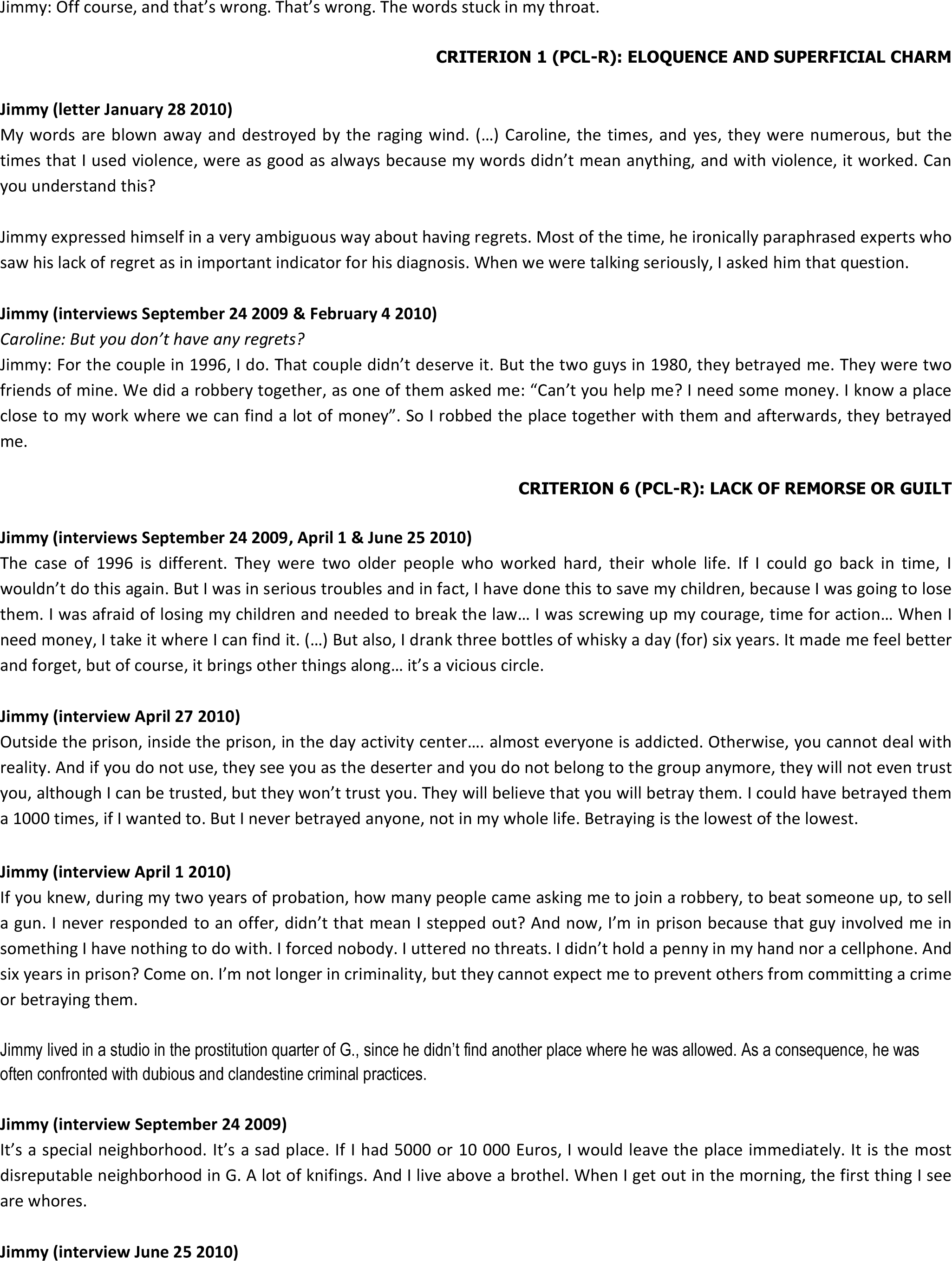
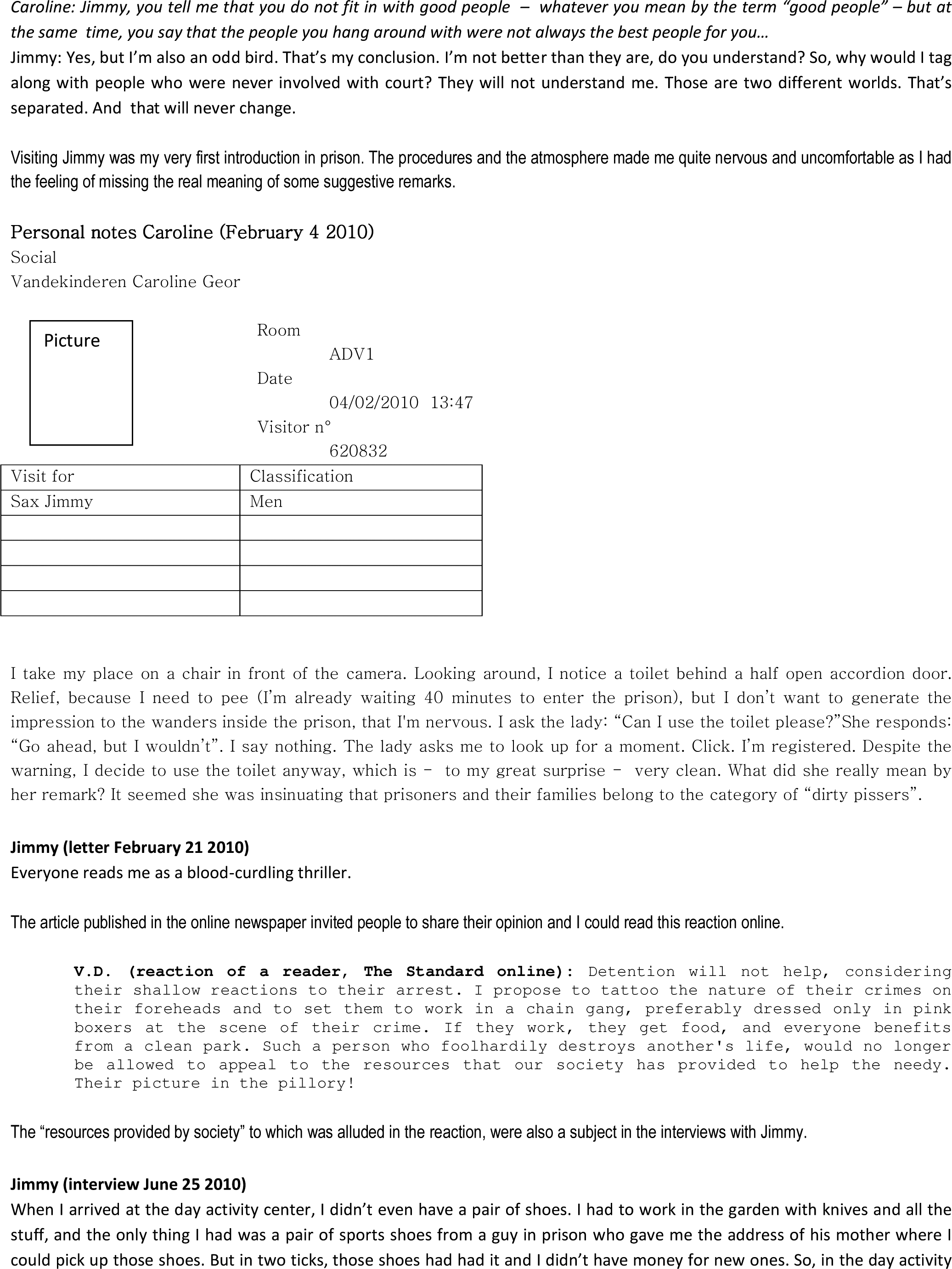
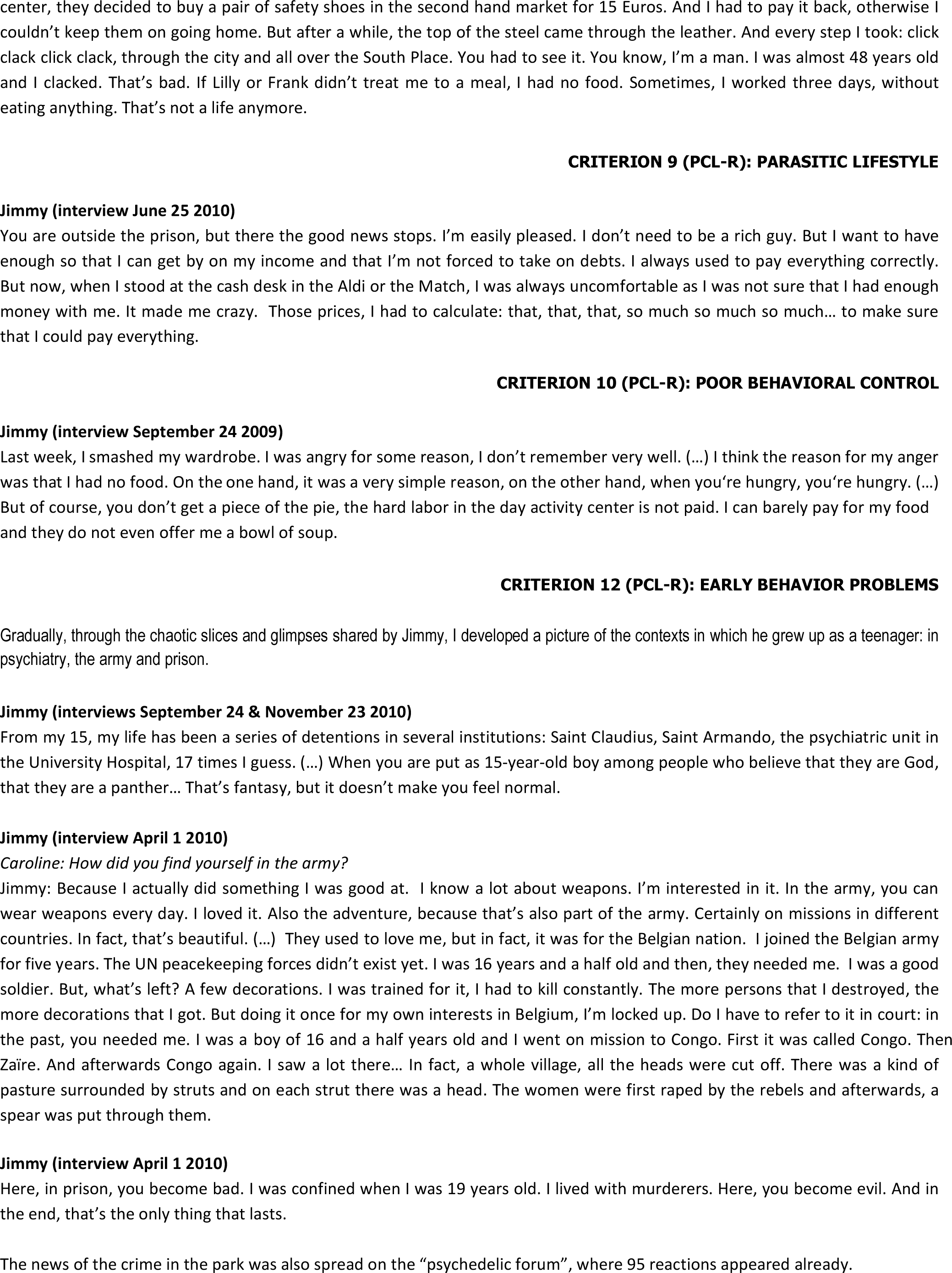
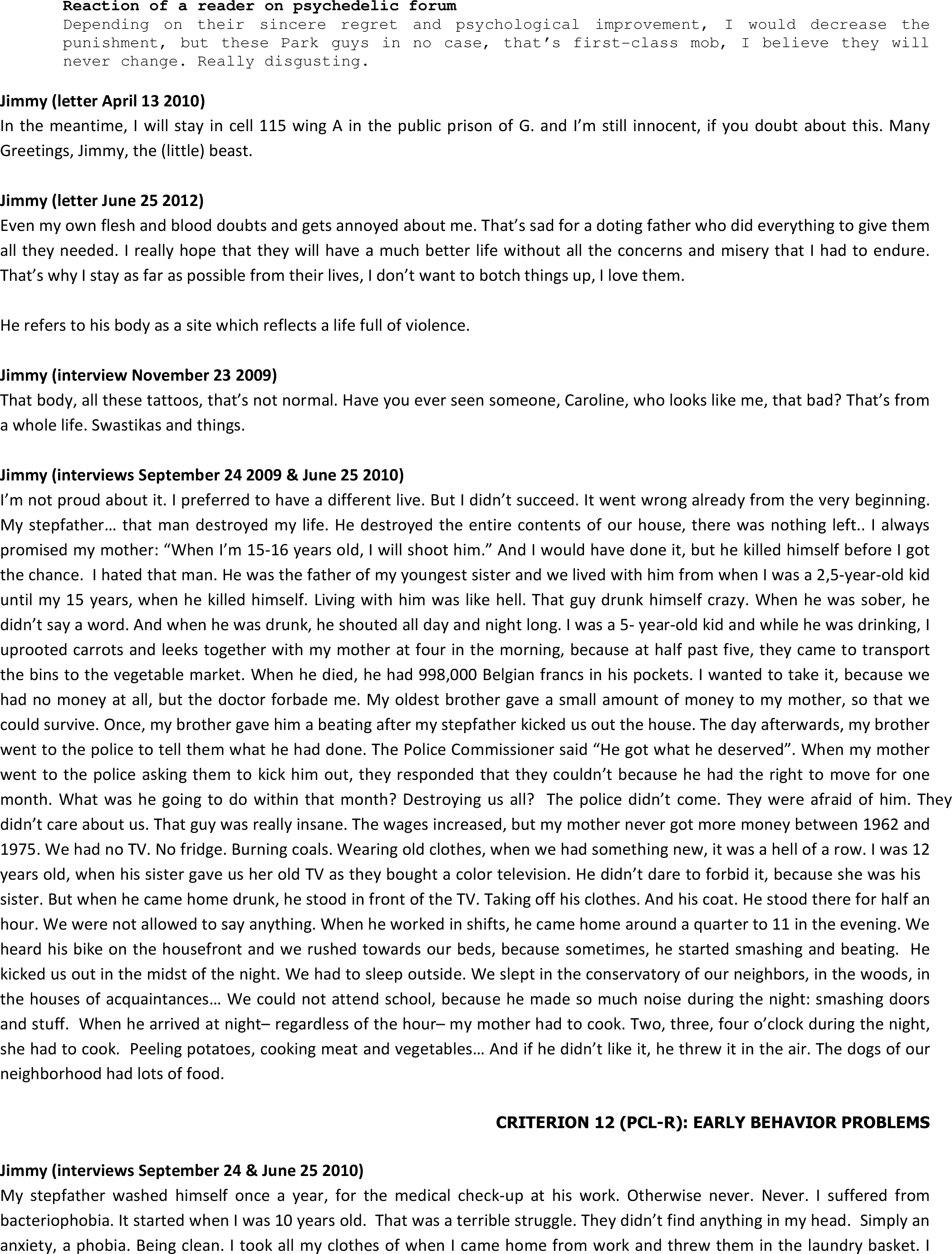
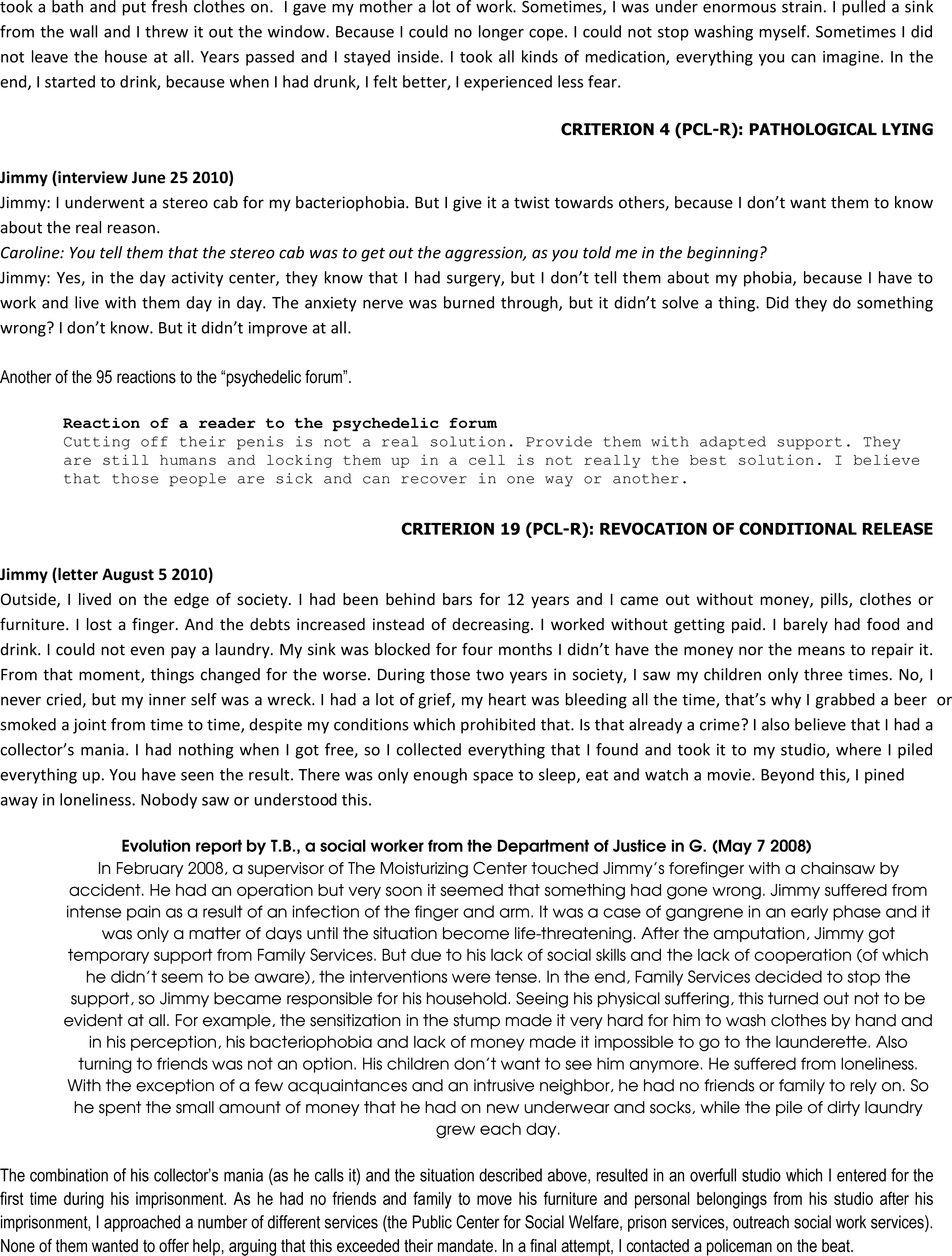
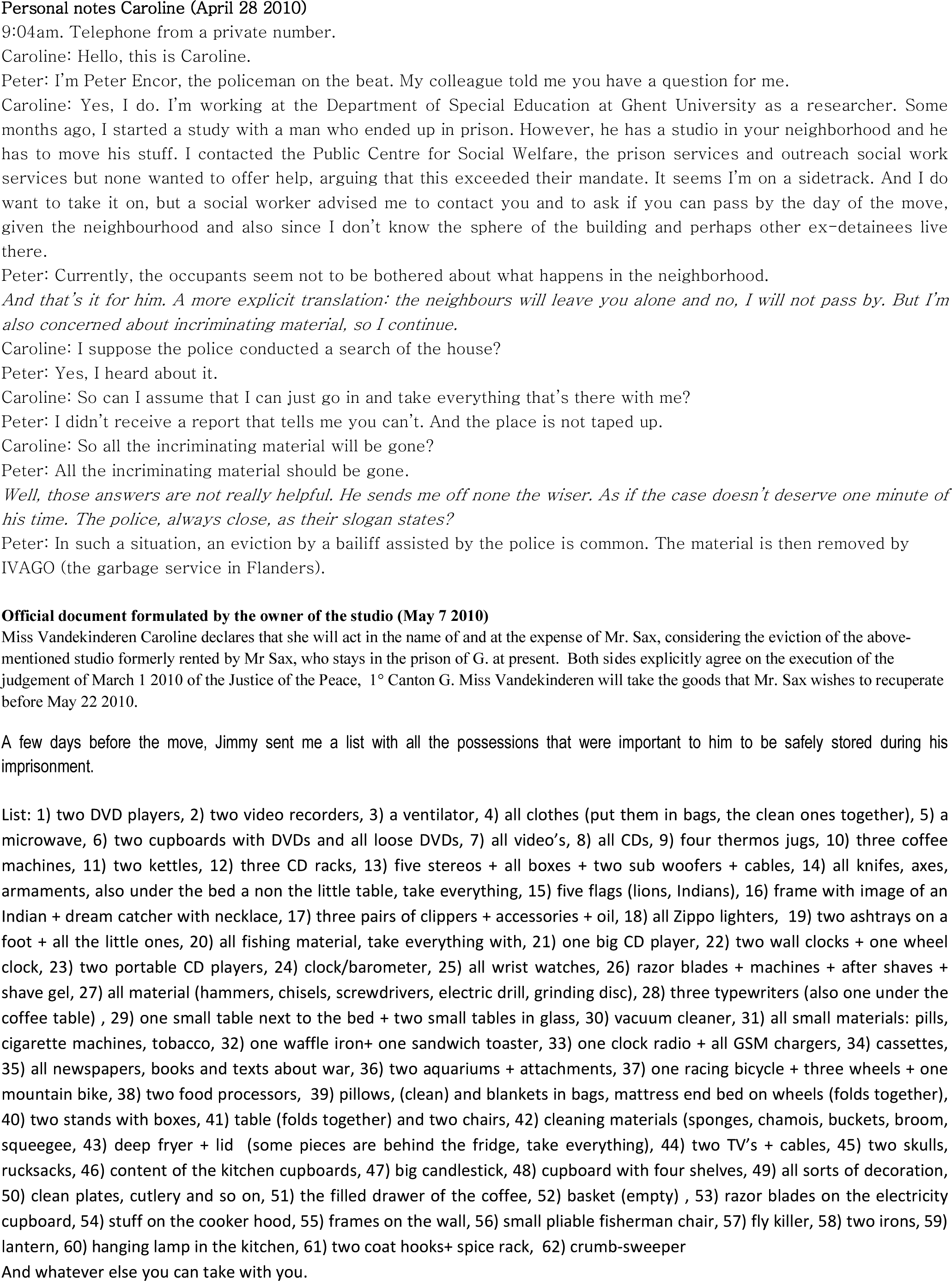
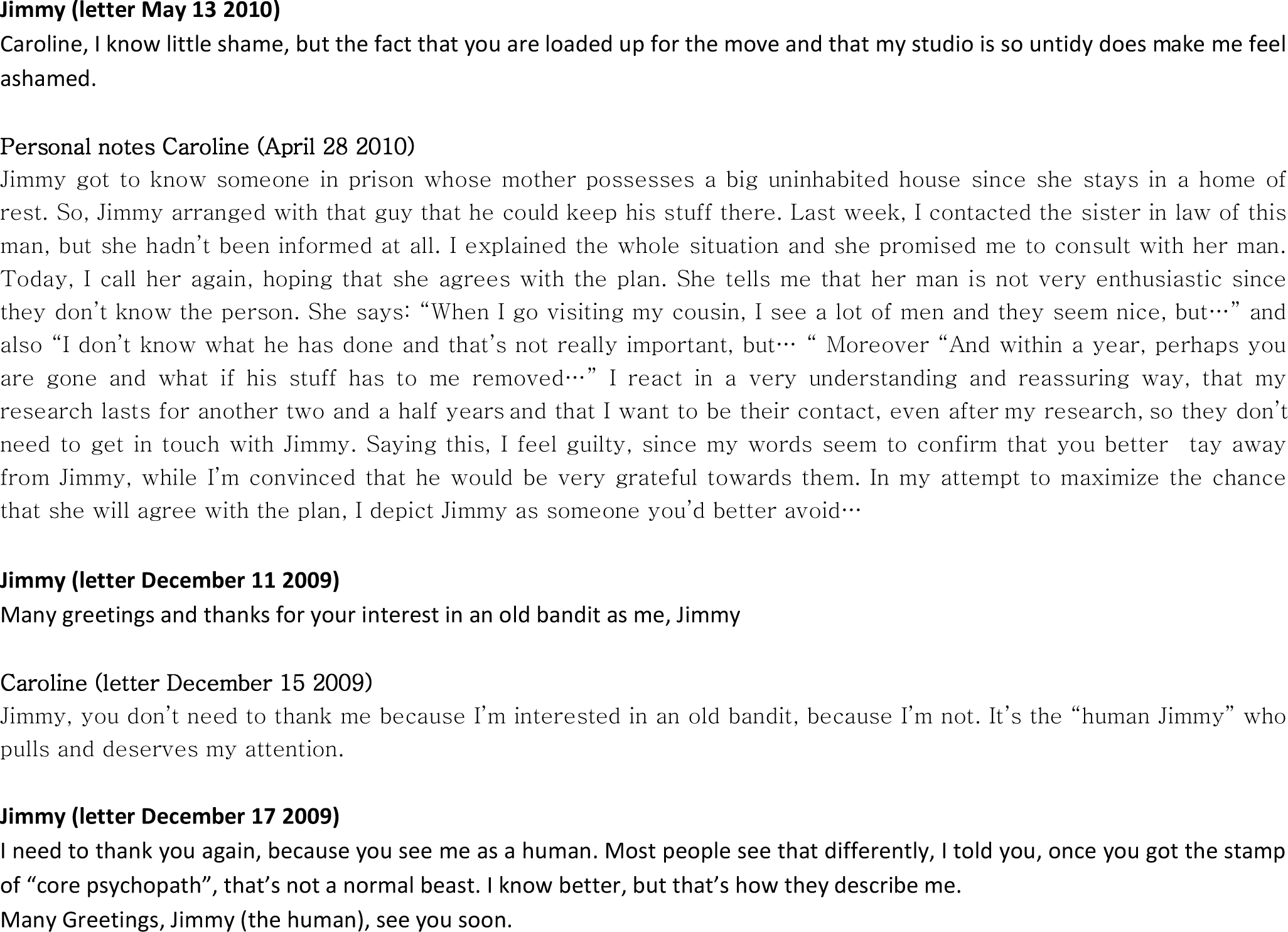
The telling of a story is experimental: there is no way in which it can be presented as the final truth and there are no actors behind or prior to the moment though all are active and present in the encounters (Davies, in press). Our strategy of data re-presentation is inspired by the work of Sameshima et al. (2009), who argue for the juxtaposing and re-presenting of perspectives that are both in tension and in tandem with other possible interpretations; by revealing “the hybrid spaces of coupled interpretative systems, complex patterns are revealed which are not evident when researched separately” (Samishema et al., 2009, p. 8). In the re-presentation of these perspectives, we intentionally used a diversity of types of fonts to enable readers to open up novel forms of understanding of these re-presentations. The emphasis shifts from data re-presentation to the act of reinterpretation of the data by people who are confronted with, and engage with, the reading and interpretation of the analysis. As Clarke (2003) brings in, the produced situational maps “are not necessarily intended to form final analytic products. Although they may do so, a major and perhaps the major use for them is ‘opening up’ the data—interrogating them in fresh ways” (p. 560). The confluence of interpretations can create novel understandings, provoke new questions, generate new knowledge, and enable new thinking (Sameshima et al., 2009).
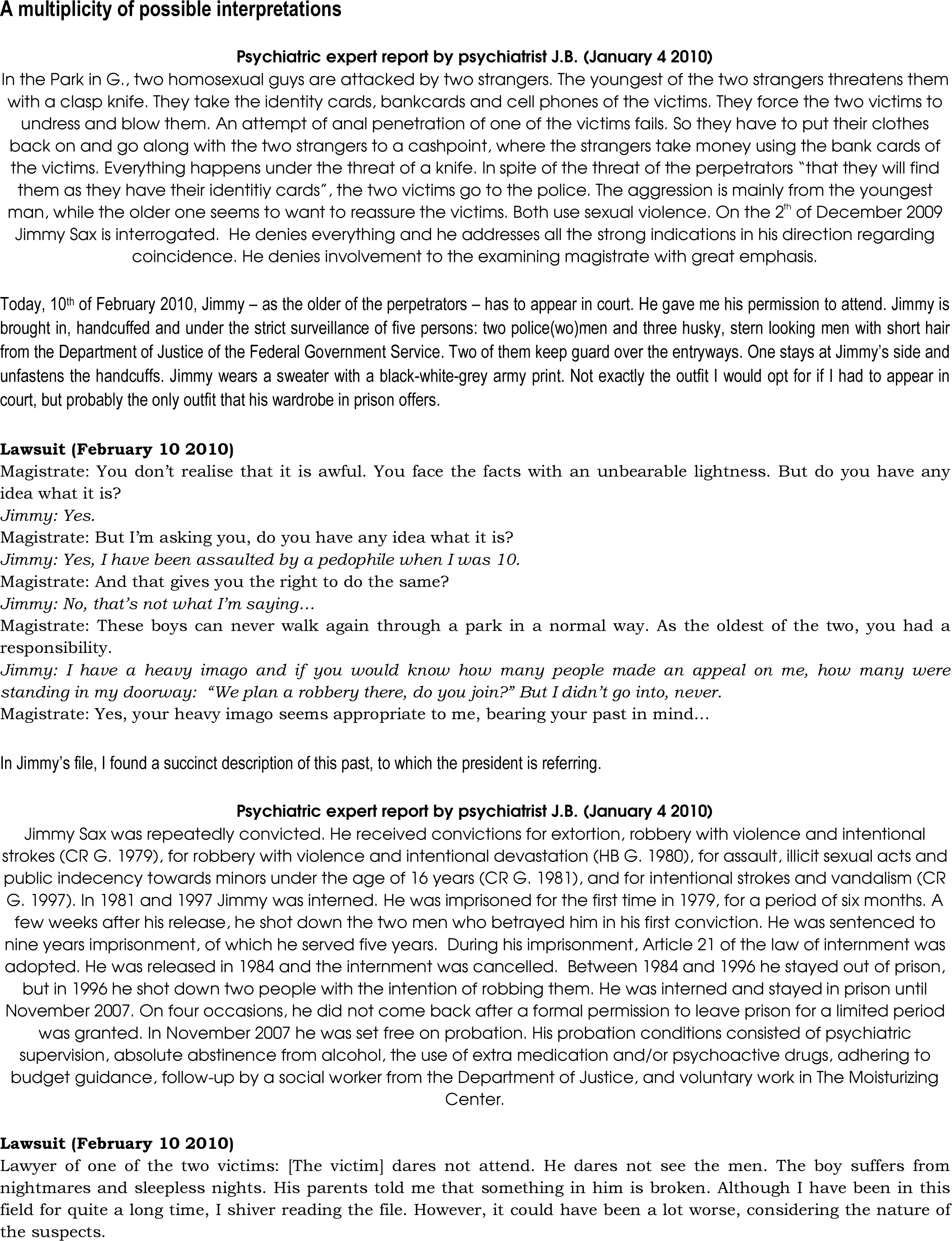
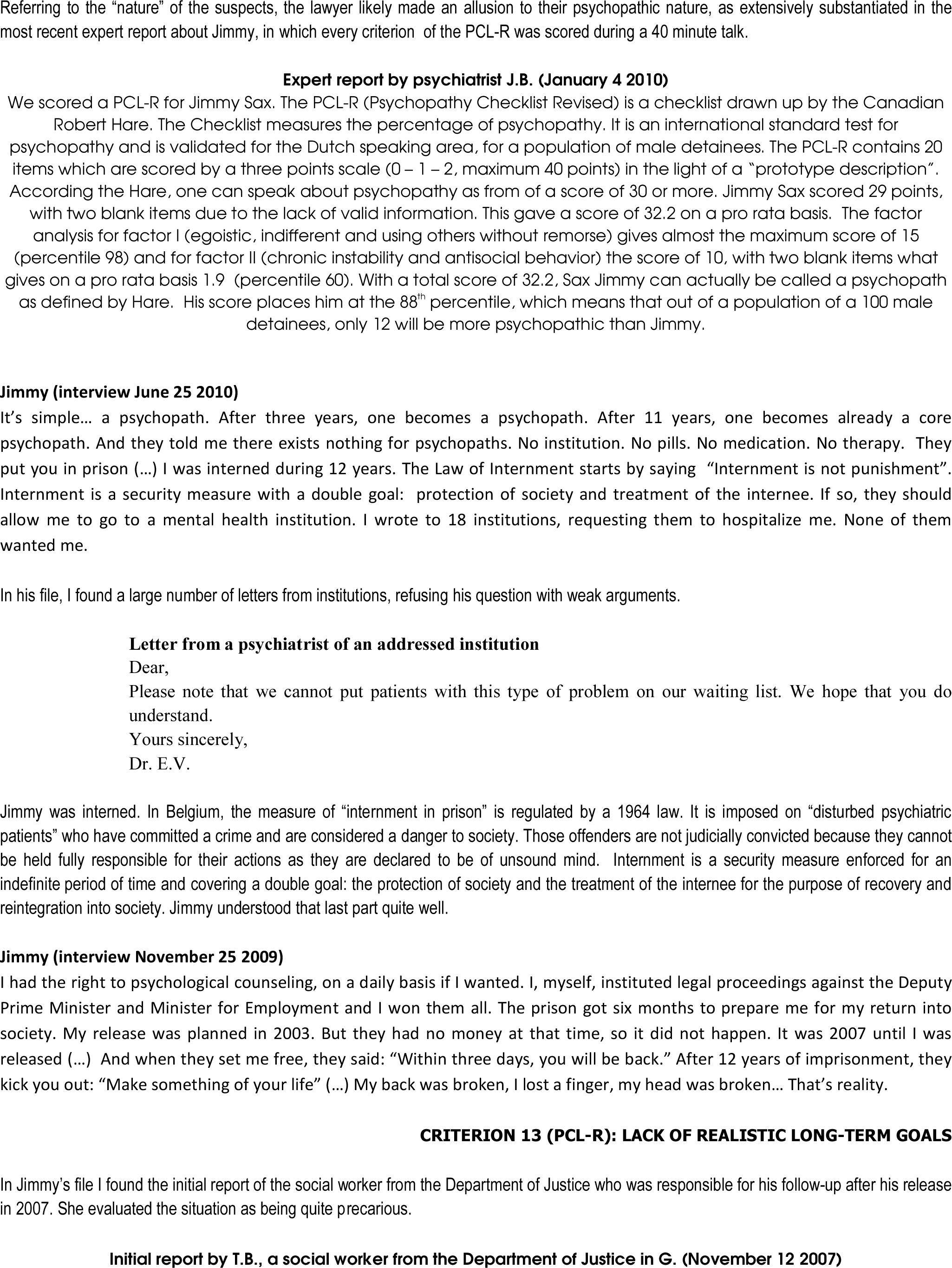
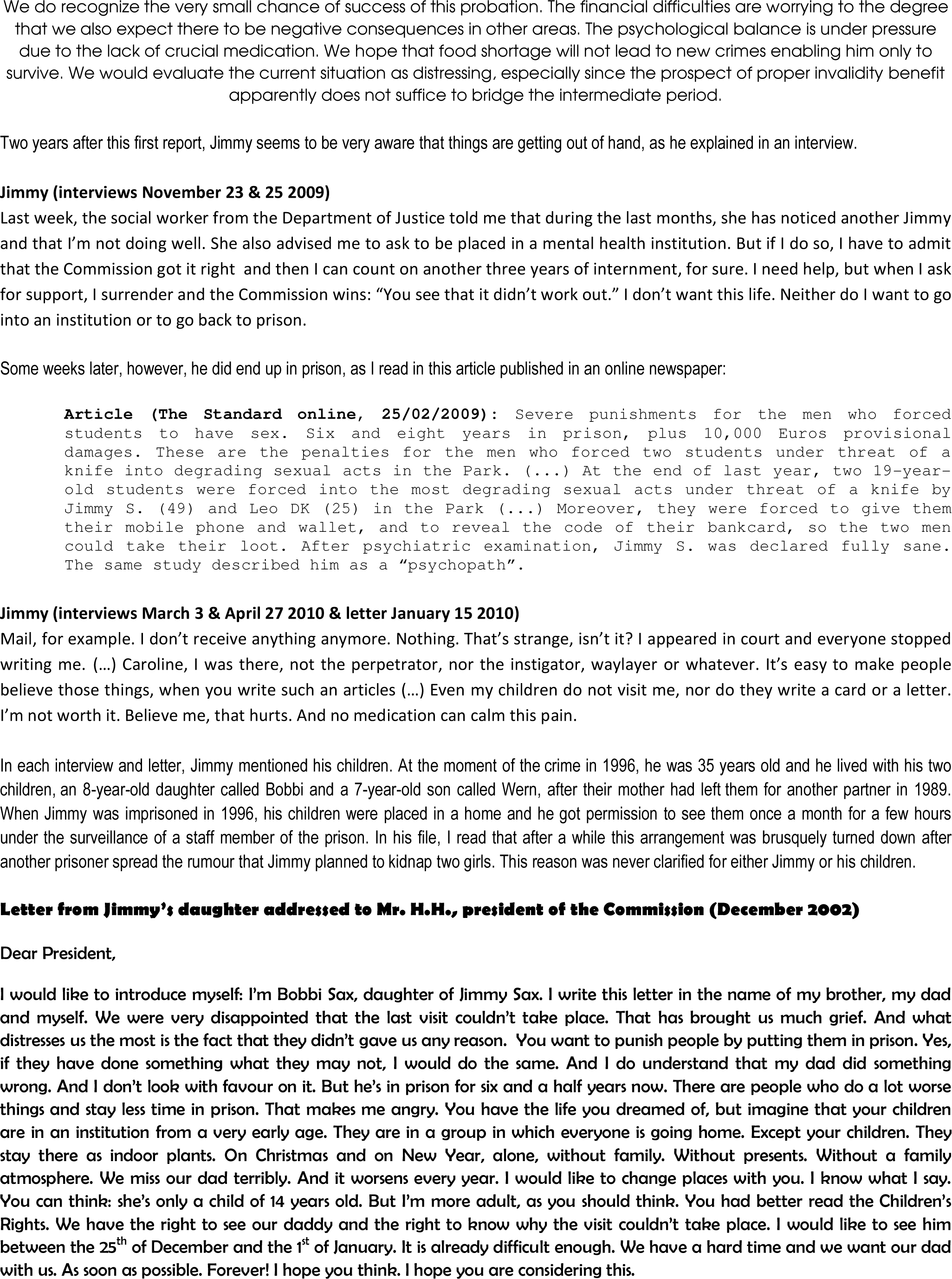
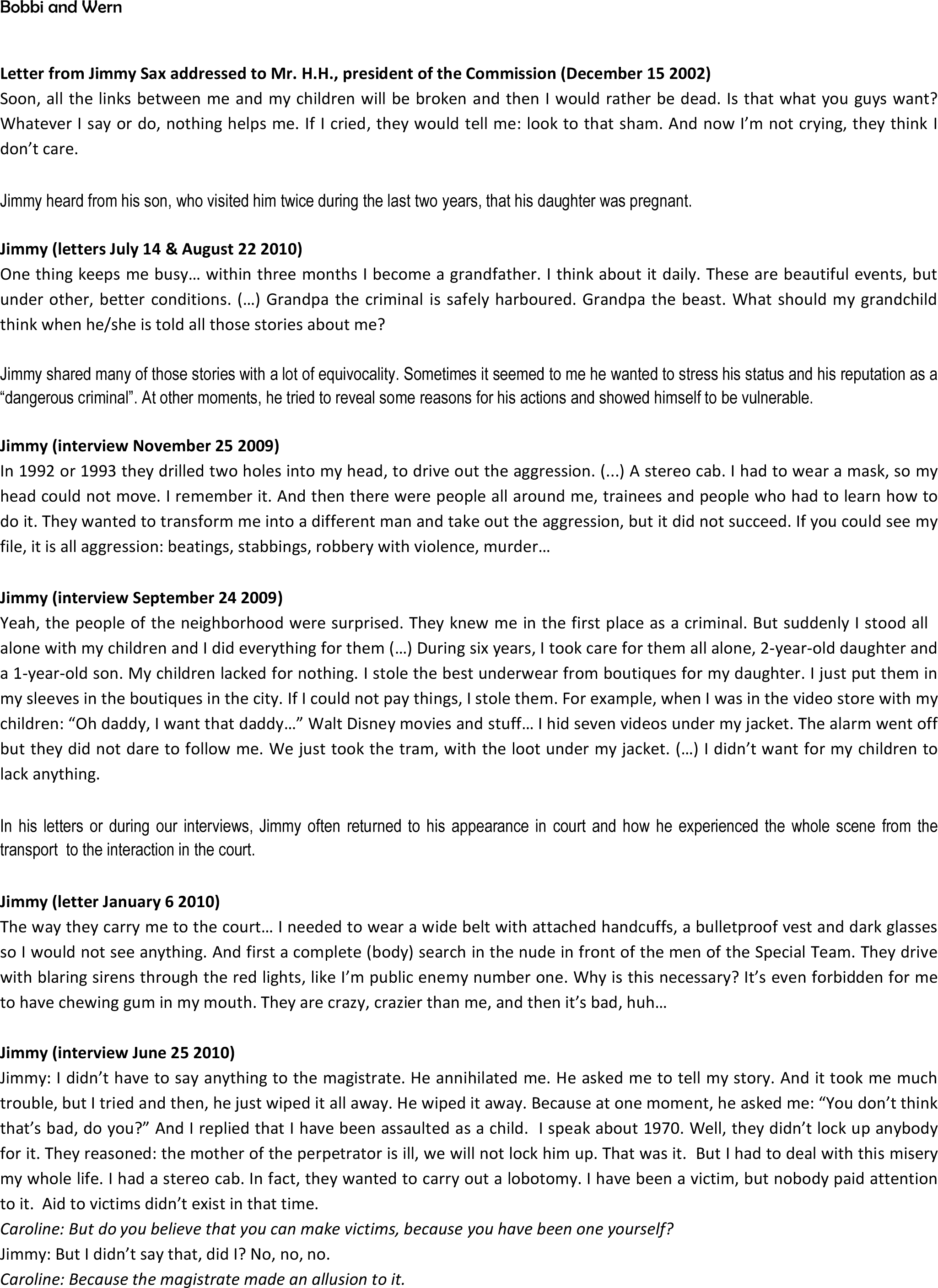
The news of the crime in the park was also spread on the “psychedelic forum”, where 95 reactions appeared already.
Discussion
In our discussion, we attempt to address how our enacted research ethics, evolving as developing the potential of taking care of the self, redefine our ontological position, which is situated in the field of critical disability studies.
Throughout the encounters with Jimmy, we mapped his encounters in the past and the present, attending “to the multiplicity of the pasts that are never simply behind us, through the traces they leave in the encounters we have in the present, that we can open up the promise of the ‘not yet’” (Ahmed, 2002b, p. 559). What makes these encounters particular was precisely the history that these encounters reopened, as well as the future that might be opened up (Ahmed, 2002b, p. 568), taking a divergent path into the not-yet-known (Bergson, 1998). From this perspective, a social and political ontology is uncovered at the center of epistemologies and social practices in critical disability studies, in which “the ‘real,’ ‘being,’ ‘materiality,’ ‘nature’ . . . those terms themselves are opened up to become temporal forces of endless change” (Grosz, 2005, p. 5). From our point of view, such an openness in critical disability studies is ethically sound insofar as it questions the effects of existing categories and categorizations (Davies, 2008) and enables a shift from constructing recognizable, coherent and stable identities of disabled citizens to an open-ended, relational vision of the subject (Roets & Braidotti, 2012). Also, in Deleuze and Guattari’s theory of the subject, bodies and subjects are socially created in the affirmative actualization of the encounter between subjects, entities, and forces, as an engine for an affirmative becoming (Braidotti, 2003). Deleuze and Guattari (1975/1986) introduced the concept of “becoming animal” to capture this affirmative actualization: To become animal is to participate in movement, to stake out a path of escape to all its positivity, to cross a threshold, to reach a continuum of intensities that are valuable only in themselves, to find a world of pure intensities where all forms come undone. (p. 13)
Becoming animal is the creative and experimental alternative to the individuated subject, the well-formed subject that has submitted to the forces of fixity, conservatism, and compliance, which Deleuze and Guattari so consistently oppose. The radicalism of the concept lies in the ways in which we are charting the possibilities for experiencing this movement in which “all forms come undone” (Deleuze & Guattari, 1975/1986, pp. 13-22).
Deleuze’s (2004, in Mercieca & Mercieca, 2010, p. 90) notion of a desert island illustrates this orientation toward research and to the production of knowledge very aptly. He suggests that what may be making these islands deserted is not the fact that people do not inhabit the islands, but the fact that people never interact with the movement that produces an island. Deleuze suggests Robinson Crusoe as an example of a person who does not interact with the island since Robinson takes everything he needs from the shipwreck. He invents nothing, and exerts great effort in trying to apply all that he previously knew to the island. If, however, Robinson was to engage with the movement (intensities) of the island, then there would be a rebirth of the island and also of Robinson Crusoe, giving and gaining both new meanings, both being engaged in becoming together (Mercieca & Mercieca, 2010, p. 90).
For us, this implies an engagement with the intensities of discourses and practices that produced (and produce) Jimmy, so that we can interact, reinvent and become. This perspective can enable researchers in the field of critical disability studies to focus on the invention of a possibility that human beings can become “both most yourself and yet least sure of your own boundaries” (Davies, in press, n.p.) through a process that is “with and through others” (Rule, 2011, p. 934). In that vein, Braidotti (inspired by Deleuze and Guattari) proposes a politics of affirmation to transcend biological determinism and essentialism. The focus in this line of thought is on the politics of life itself as a relentlessly generative force and on recapturing impaired bodies and minds from the lost space of social process ontology as nondualistic, dynamic, and relational phenomena in our society (Roets & Braidotti, 2012).
Conclusion
Let’s face it. We’re undone by each other. And if not, we’re missing something (Butler, 2004, p. 23).
As researchers, we had the choice of whether to reproduce the same that preexisted us, or to create a new line of flight into the encounter where the not-yet-known is always emergent (Davies, in press). Our research ethics were sociopolitical. For us, research ethics involved opening up the potential for the unknown (Hickey-Moody & Malins, 2007, p. 4), embodying the principle of inclusivity in an attempt to establish a “democratic partnership” between disabled people and academics, balancing “the concerns and power of researcher and researched” (Kitchin, 2000, p. 45). In Braidotti’s words (2006, p. 206): The subject subtracts him/herself from the reactive affects by stepping out of the negativity circuit. By virtue of this s/he transcends negativity, thereby generating and making room for more affirmative forces. This ascetic practice produces both a vision of the self and a role for the intellectual which consist not in leading the opinions (doxa), legislating the truth (dogma) or administering the protocols of intellectual life, but rather in creating and disseminating new concepts and ideas. It is not a matter of representing others, or speaking on their behalf, but rather about injecting doses of positivity into institutional and academic practice, so as to turn it into an instrument of production of the new.
This implies that not only for both researchers and research subjects but also for readers of our qualitative and interpretive repertoire of interpretations each encounter is experimental since “experimentation is always that which is in the process of coming about—the new, remarkable, and interesting that replace the appearance of truth and are more demanding than it is” (Deleuze & Guattari, 1991/1994, p. 111). The sociopolitical potential of this experimentation in research ventures, that we consider as ethical, resides in that which suddenly affects us, sweeps us up and makes us become, as a process of deindividualization. As Deleuze and Guattari (1980/1987, p. 292) write, “we can be thrown into a becoming by anything at all, by the most unexpected, most insignificant of things (. . .), by a little detail that starts to swell and carries you off.”
However, the researcher must decide, just like Robinson Crusoe, whether or not to engage with the intensities emerging in research ventures in order to work at the site of the not-yet-known (Davies, in press). For the researcher, this implies an “inter-standing” rather than an “under-standing” (Taylor & Saarinen, 1994).
When depth gives way to surface, under-standing becomes inter-standing. To comprehend is no longer to grasp what lies beneath but to glimpse what lies between . . . Understanding is no longer possible because nothing stands under . . . Interstanding has become unavoidable because everything stands between. (Taylor & Saarinen, 1994, pp. 2-3)
The shift that takes place evolves from research that only interprets an experience in which not only the researcher and the researched but also the people who engage with our research venture, can engage with each other. It is in precisely this sociopolitical engagement with the incomprehensible, in going beyond the already-known and working with it rather than against it, that the reinvention of knowledge can flourish.
Footnotes
Declaration of Conflicting Interests
The author(s) declared no potential conflicts of interest with respect to the research, authorship, and/or publication of this article.
Funding
The author(s) received no financial support for the research, authorship, and/or publication of this article.