






Abstract
Fruit-based beverages enriched with coconut water have attracted increasing interest due to their nutritional and functional properties. Conventional heat treatment (HT), while effective for microbial inactivation, may compromise sensory attributes and bioactive compounds, leading to interest in non-thermal alternatives such as high hydrostatic pressure (HHP). This study evaluated the effects of HT and HHP on microbiological safety, physicochemical properties, color, phenolic compounds, antioxidant capacity, and carotenoid content in guava–coconut and watermelon—coconut water beverages. Beverages were processed under two HT conditions (124–126 °C/17 s and 104–109 °C/17 s) and two HHP conditions (200 MPa/4 min and 400 MPa/12 min). HT and HHP treatments were carried out on different days due to equipment availability; consequently, independent control samples were used for each technology, and statistical comparisons were performed within technology only. All treatments ensured microbiological safety, and only minor changes in basic physicochemical parameters were observed within each technology. HT induced more pronounced color changes, whereas HHP generally preserved color parameters closer to those of the respective controls. HT increased total phenolics in guava beverages but reduced them in watermelon beverages, while HHP tended to maintain phenolic levels. Antioxidant capacity was retained across all treatments. In contrast, carotenoids, particularly lycopene, were significantly reduced after HT, whereas HHP treatments exhibited better carotenoid retention in a matrix- and condition-dependent manner. Overall, HHP appears to be a promising alternative technology for fruit-based beverages, although direct cross-technology comparisons should be interpreted with caution given the experimental design.
Introduction
The growing demand for minimally processed and health-oriented products has driven the expansion of the functional beverage market, particularly in the premium juice segment. Coconut water has emerged as a relevant ingredient due to its nutritional composition and association with natural and functional attributes (Hidalgo, 2017). In parallel, the incorporation of fruit juices and blended formulations has been increasingly explored to enhance sensory acceptance and bioactive compound content, especially when combined with processing strategies designed to preserve fresh-like characteristics (Koutchma et al., 2016). However, maintaining microbiological safety while preserving quality remains a major challenge for these products.
Thermal processing is widely applied in the beverage industry due to its effectiveness in microbial inactivation, typically involving high temperatures for short times. Despite its efficiency, this approach may lead to undesirable changes in flavor, color, and nutritional compounds, as well as modifications in the food matrix (Sridhar et al., 2021). These limitations have stimulated the development of alternative preservation technologies that can ensure safety while minimizing quality losses. Among these, high-pressure processing (HPP), also known as high hydrostatic pressure (HHP), has gained attention as a non-thermal method capable of inactivating microorganisms and enzymes while better preserving sensory and nutritional attributes. Industrial applications commonly employ pressures between 400 and 600 MPa, achieving an adequate balance between safety and quality (Hu et al., 2020; Wibowo et al., 2019).
The application of HHP in fruit-based beverages has been widely reported, demonstrating its ability to maintain physicochemical parameters such as pH, soluble solids, and titratable acidity (TA), with minimal differences compared to thermal treatments (Chang et al., 2017; Hu et al., 2020). In addition, HHP has been associated with improved retention of color and reduced browning reactions (Keenan et al., 2012; Picouet et al., 2016), as well as better preservation of bioactive compounds, including phenolics and carotenoids, and antioxidant capacity (Keenan et al., 2012; Salar et al., 2021). These advantages have also been observed in complex matrices, such as multi-fruit and fruit–vegetable beverages, where HHP maintains functional and sensory attributes while ensuring microbial stability (Daher et al., 2017; Marengo-Orozco et al., 2020).
In contrast, coconut water has been predominantly processed using thermal methods, which may compromise its delicate sensory profile and nutritional quality. Previous studies have demonstrated that HHP can be effectively applied to coconut water, ensuring microbiological safety while preserving fresh-like characteristics and extending shelf-life (Ma et al., 2019; Raghubeer et al., 2020). Despite these advances, the available literature has mainly addressed fruit juices and coconut water as isolated matrices, with limited information on systems combining both components. This gap is particularly relevant, as interactions between fruit constituents and coconut water may influence physicochemical stability, color, and the retention of bioactive compounds during processing.
Considering the importance of compounds such as phenolics and carotenoids for antioxidant activity and product quality (Tremlova et al., 2021), understanding their behavior in combined matrices subjected to different processing technologies is essential. Therefore, the objective of this study was to evaluate the effects of heat treatment (HT) and HHP on microbiological, physicochemical, and functional properties of fruit beverages with coconut water, providing comparative insights between processing technologies while recognizing that statistical analyses were performed within each technology.
Materials and methods
Samples
Pink guava (Psidium guajava L.) and red pulp watermelon (Citrullus lanatus) were purchased locally in Rio de Janeiro and stored under refrigeration. Coconut water, which was processed and kept frozen at −18 °C for up to 15 days until use, as well as the apple juice concentrate, was also stored at −18 °C. The fruits were sanitized, deseeded, and pulps were prepared using a Thermomix™ grinder, sieved, and stored in sanitized containers under refrigeration until further formulation.
The formulation of fruit beverages with coconut water was established based on a previous study (Aniceto et al., 2023). The selected formulation corresponded to the optimized result obtained from response surface methodology. According to these results, the optimized formulations of watermelon–coconut water and guava–coconut water beverages consisted of 40 g of fruit, 30 g of coconut water, and 30 g of apple juice per 100 mL of final beverage. Apple juice was incorporated as a blending component to contribute natural sweetness, improve palatability, and adjust soluble solids content. Although its addition influences sensory attributes such as sweetness and acidity, apple juice is widely used in fruit beverage formulations due to its relatively mild flavor and balanced sugar–acid profile, allowing modulation of taste while limiting interference with the characteristic sensory profile of the primary fruits (Bates et al., 2001).
The components were homogenized under constant stirring for 5 min, and the resulting mixture was stored under refrigeration at 4 ± 2 °C until processing. The experimental design and parameters are presented in Tables 1 and 2, according to the technology applied.
Temperature and time parameters of fruit beverages.
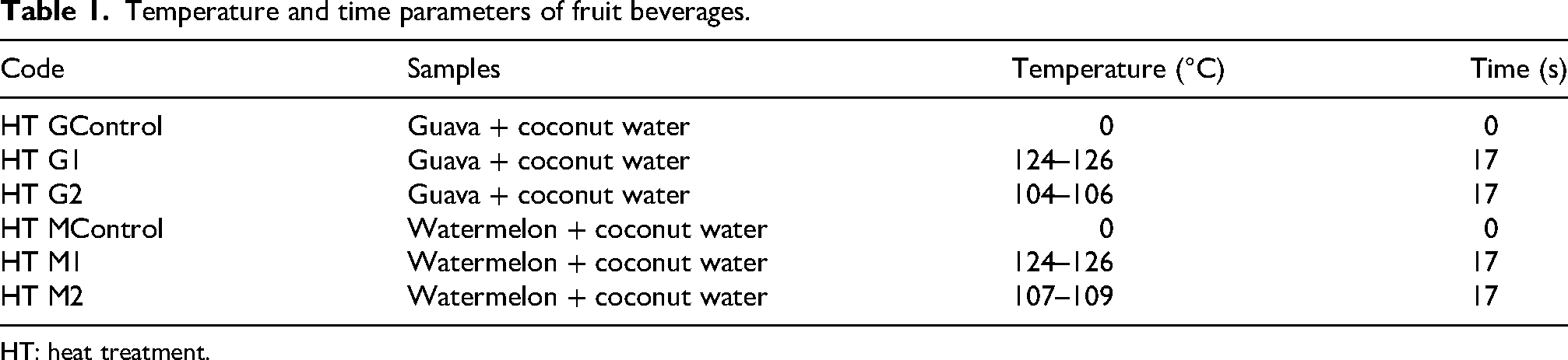
HT: heat treatment.
Pressure and time parameters of fruit beverages.
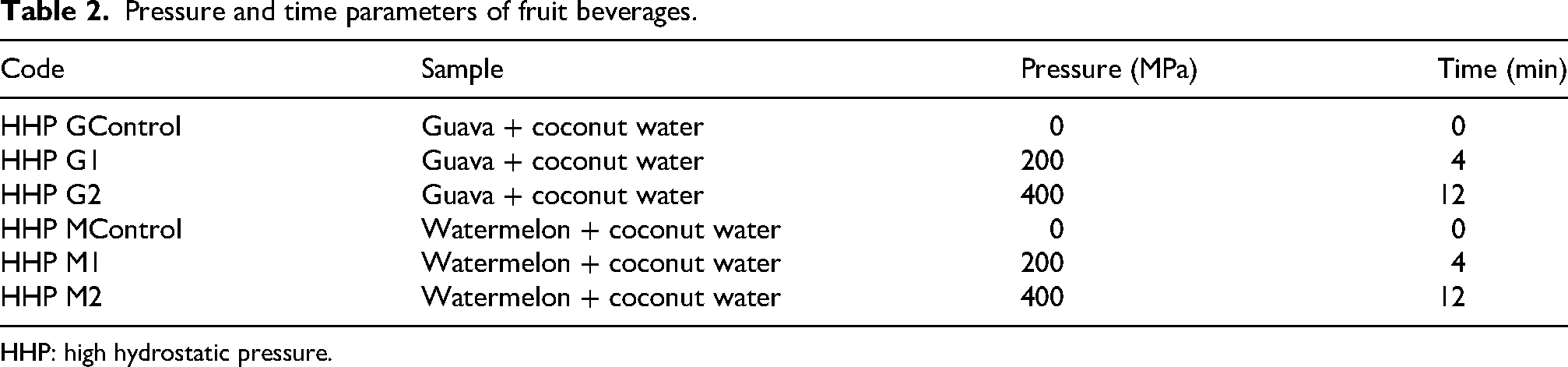
HHP: high hydrostatic pressure.
All beverages used for both HT and HHP treatments followed the same formulation. However, due to equipment availability, the HT and HHP processes were conducted on different days. As a result, independent control samples were maintained for each processing technology to ensure proper baseline comparison within each technology. This approach was adopted to provide transparency and allow accurate evaluation of treatment effects, although it limits direct statistical comparisons between HT and HHP results.
Heat treatment process
The HT of fruit beverages with coconut water was conducted using a high temperature–short time (HTST) system (HT 122, OMVE Netherlands B.V.) with a flow capacity of 10 L h−1 and a maximum operating temperature of 165 °C. The process parameters and evaluated samples are listed in Table 1.
Following HT, the beverages were filled into 300 mL PET bottles, sealed, and inverted for 3 min. After inversion, the bottles were immersed in an ice bath for 20 min, then removed and stored at 4 ± 2 °C until analysis. The HT was performed at the Coca-Cola Brazil Pilot Plant, Rio de Janeiro.
High hydrostatic pressure process
Processing under HHP was performed using a Stansted Fluid Power system (S-FL-850–09-W, England) with a capacity of 250 mL and a maximum nominal operating pressure of 900 MPa. A mixture of water and ethanol (30:70 v/v) was used as the pressurization medium. The samples were packaged in 50 mL polyethylene bags, vacuum-sealed, fully immersed in the pressurization medium, and processed under the parameters listed in Table 2.
Following HHP treatment, the samples were directly stored at 4 ± 2 °C until analysis. All tests were carried out at the Pilot Plant II of Embrapa Agroindústria de Alimentos, Rio de Janeiro.
The minimum (200 MPa) and maximum (400 MPa) pressure levels applied in this study were selected based on technical recommendations provided by the processing facility operator. These pressure conditions were defined considering operational limitations of the equipment at the time of processing, which restricted the range of pressures that could be safely and consistently applied.
Physicochemical characterization
The pH, TA, and total soluble solids (TSS) of the fruit beverages were determined. The pH and TA were measured using an automatic titrator (Model 916 Ti-Touch, Metrohm, Switzerland) calibrated with pH 4.0, 7.0, and 10.0 buffer solutions. TA was determined by titration with 0.1 N sodium hydroxide (NaOH) using 1 g of sample, and results were expressed as percentage of citric acid. TSS was measured at room temperature with a digital refractometer (Model RFM340, BS Instrument), and results were expressed in °Brix. All analyses were performed according to AOAC (2010) in triplicate.
Color measurements
The instrumental color analysis of the different treatments of fruit beverages with coconut water was performed using a CR-400 colorimeter (Konica Minolta, Tokyo, Japan) operating on the CIELAB color scale. The parameters measured were lightness (L*) on the scale from 0 (black) to 100 (white), a* on the green (−80 to 0) to red (0 to +100) axis and b* on the blue (−100 to 0) to yellow (0 to +70) axis. Measurements for each sample were conducted in triplicate, and the values were averaged.
From L*, a*, and b* values, hue angle (h° = arctangent [b*/a*]) and chroma (C* = (a*2 + b*2)1/2), which represents color intensity or saturation, were calculated. The total color difference (ΔE) between each treated sample and its respective control was calculated using Equation (1):

Microbiological analysis
According to Brazilian legislation, samples must comply with the requirements established for juices and other beverages subjected to technological processes for microbial reduction and requiring refrigeration (Brasil, 2022). The microorganisms considered were Salmonella spp./25 mL, Enterobacteriaceae/mL, and molds and yeasts/mL. Analyses were performed following AOAC (2010) methods in an externally accredited laboratory. Results were expressed as CFU/mL for molds, yeasts, and Enterobacteriaceae, and as “absent” for Salmonella spp. The detection limits were 10 CFU/mL for molds, yeasts, and Enterobacteriaceae, and absence in 25 mL for Salmonella spp.
Antioxidant capacity and total phenolic compounds
Extraction
For extraction, 5 g of beverage was mixed with 20 mL of an ethanol:water solution (50:50 v/v), homogenized for 1 min and kept under agitation for 30 min at room temperature. The mixture was then centrifuged at 5000 g for 15 min at 4 °C, and the supernatant was used for antioxidant and phenolic determinations, following the general procedure described by Rufino et al. (2007), adjusted for liquid matrices. All extractions and measurements were performed in triplicate.
Determination of total phenolic compounds
The total phenolic content (TPC) was determined using the Folin—Ciocalteu spectrophotometric method (Singleton et al., 1999). Aliquots of the beverage extracts were mixed with the Folin–Ciocalteu reagent and allowed to stand for 3–8 min. Then, 4% sodium carbonate solution was added, and the mixture was kept for 2 h, protected from light. After this period, absorbance was read at 750 nm using a spectrophotometer (SpectraMax i3X, Molecular Devices). Results were calculated from a gallic acid calibration curve and expressed as milligrams of gallic acid equivalents (mg GAE) per 100 g of sample.
DPPH radical scavenging assay (2,2-diphenyl-1-picrylhydrazyl assay)
To evaluate antioxidant activity, three sample concentrations were analyzed in triplicate using the DPPH (2,2-diphenyl-1-picrylhydrazyl) radical scavenging assay. DPPH in methanol exhibits a characteristic absorption at 515 nm, which decreases upon reduction by an antioxidant compound. The reduction of DPPH radical was measured by reading the absorbance at 515 nm after 30 min of reaction using a spectrophotometer (SpectraMax i3X, Molecular Devices). Trolox (6-hydroxy-2,5,7,8-tetramethylchroman-2-carboxylic acid) was used as a standard. Antioxidant activity was expressed in μmol Trolox per gram of sample (Brand-Williams et al., 1995).
TEAC assay
The Trolox equivalent antioxidant capacity (TEAC) method was based on the reaction of the ABTS•+ radical (2,2-azino-bis(3-ethylbenzothiazoline-6-sulfonic acid)) generated by chemical oxidation with potassium persulfate in a stoichiometric ratio of 1:0.5. Once formed, the ABTS•+ radical was diluted in ethanol to obtain an absorbance of 0.70 ± 0.02 at 734 nm using a spectrophotometer (SpectraMax i3X, Molecular Devices). Three different volumes of beverage samples, in triplicate, reacted with the ABTS•+ radical for 6 min. A standard curve with Trolox solutions was prepared, and antioxidant activity was expressed as μmol Trolox equivalents per gram of sample (Rufino et al., 2007).
FRAP assay
The ferric reducing antioxidant power (FRAP) reagent was prepared by mixing 25 mL of 0.3 M acetate buffer (pH 3.6), 2.5 mL of 10 mM TPTZ (24,6-tripyridyl-s-triazine) in 40 mM HCl, and 2.5 mL of 20 mM FeCl₃ solution. To perform the assay, 2.7 mL of FRAP reagent (preheated to 37 °C) was combined with 90 µL of sample extract and 270 µL of distilled water. After incubation for 30 min at 37 °C, absorbance was read at 595 nm using a spectrophotometer (SpectraMax i3X, Molecular Devices). Results were calculated from a ferrous sulfate standard curve and expressed as μM Fe2+ equivalents per gram of sample (Abreu et al., 2019).
Determination of carotenoids
Carotenoids were separated on a C18 column (e.g. 250 × 4.6 mm, 5 µm) using a binary mobile phase of methanol and methyl tert-butyl ether with a gradient elution, at a flow rate of 1.0 mL/min and injection volume of 20 µL, following the general conditions described by Pacheco et al. (2014).
The determination of total carotenoids, β-carotene, and lycopene was performed by HPLC with some adaptations. For carotenoid extraction, about 5 g of each sample was used, and the extraction method was carried out according to the procedure described by Delia (2001). Carotenoid profiles were determined in acetone extracts by HPLC using a Waters™ system controlled by Empower software, equipped with a photodiode array detector and a column oven set at 33 °C. Total carotenoids were calculated as the sum of the identified carotenoid peaks and quantified using external calibration curves for β-carotene and lycopene, expressed as μg/100 g of sample.
Statistical analysis
Physicochemical properties, antioxidant capacity, and carotenoid contents were determined in triplicate, corresponding to analytical replicates (repeated measurements of the same processed sample), in accordance with standard laboratory practices. Data were subjected to analysis of variance, and mean comparisons were performed using Tukey's test at a 5% significance level (p < 0.05). Results were reported as mean ± standard deviation (SD). Statistical analyses were carried out using GraphPad Prism software, Version 5.0 (GraphPad Software, San Diego, CA, USA). Statistical comparisons were performed within each processing technology (HT or HHP) independently.
Results and discussion
Physicochemical results of fruit beverages with coconut water in different technologies
It is important to note that, although the same beverage formulation was used for both processing technologies, the HT and HHP treatments were carried out on different days due to equipment availability. Consequently, independent control samples were established for each processing condition. This experimental limitation may have contributed to differences in baseline values between HT and HHP controls. Therefore, results were primarily interpreted within each processing technology, and cross-technology comparisons should be considered with caution.
HT did not significantly affect (p > 0.05) pH or TSS of the watermelon–coconut water beverage (Table 3). However, a significant increase in TA was observed in HT-treated samples (HT M1: 0.38 ± 0.04%; HT M2: 0.38 ± 0.01%) compared to the untreated control (HT MControl: 0.23 ± 0.03%), suggesting that thermal processing may have promoted minor changes in organic acids, as previously reported in thermally processed fruit juices (Sridhar et al., 2021). These changes remained within the range typically acceptable for fruit beverages. In a study on the effects of HPP and thermal pasteurization on jabuticaba juice, no detectable changes were found for pH and acidity between thermal and high-pressure treatments at day 0, and soluble solids also remained stable (Hu et al., 2020), which agrees with the limited impact observed here.
Physicochemical results for watermelon beverage with coconut after HT and HHP process.
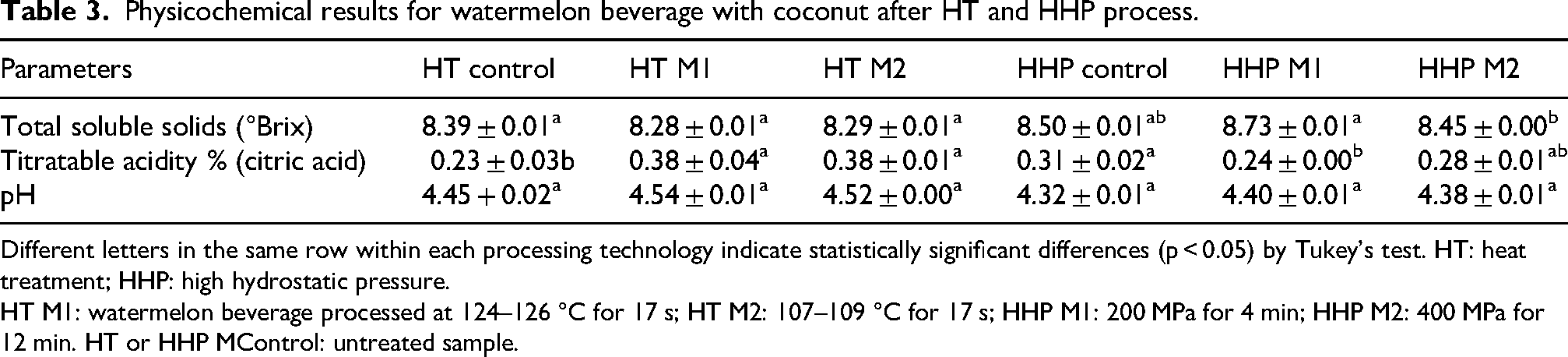
Different letters in the same row within each processing technology indicate statistically significant differences (p < 0.05) by Tukey's test. HT: heat treatment; HHP: high hydrostatic pressure.
HT M1: watermelon beverage processed at 124–126 °C for 17 s; HT M2: 107–109 °C for 17 s; HHP M1: 200 MPa for 4 min; HHP M2: 400 MPa for 12 min. HT or HHP MControl: untreated sample.
HHP processing resulted in minor but statistically significant changes in TSS of the watermelon–coconut water beverage. The sample processed at the highest intensity (HHP M2: 8.45 ± 0.00 °Brix) presented significantly lower TSS than HHP M1 (8.73 ± 0.01 °Brix), though both remained close to the control (HHP MControl: 8.50 ± 0.01 °Brix). TA was slightly reduced in HHP M1 (0.24 ± 0.00%) compared to the control (0.31 ± 0.02%), while HHP M2 was not statistically different from either. No significant differences were observed for pH across HHP treatments (p > 0.05). Overall, these findings are consistent with the general stability of physicochemical parameters under HHP reported for fruit beverages (Chang et al., 2017; Hu et al., 2020). Although some of these changes were statistically significant, their magnitude (≤ 0.3 °Brix in TSS; ≤ 0.1% in TA) is unlikely to be technologically or sensorially relevant.
HT did not significantly affect (p > 0.05) the pH of the guava—coconut water beverage across the evaluated conditions (Table 4). However, TSS was slightly but significantly higher in HT-treated samples (HT G1 and HT G2: 8.19 ± 0.02 °Brix) compared to the untreated control (HT GControl: 8.11 ± 0.00 °Brix). Additionally, a progressive increase in TA was observed with increasing processing intensity: HT G2 (0.59 ± 0.01%) was significantly higher than HT G1 (0.51 ± 0.01%) and the control (0.48 ± 0.06%). These results suggest that higher thermal intensity may promote minor changes in the organic acid profile of the guava beverage, possibly associated with degradation of ascorbic acid and related reactions (Sridhar et al., 2021).
Physicochemical results for guava beverage with coconut after HT and HHP process.
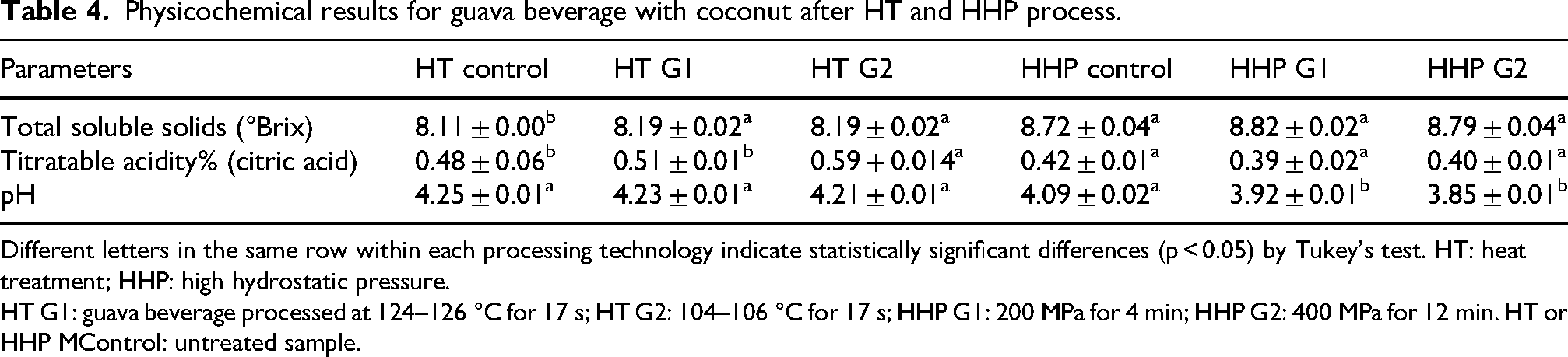
Different letters in the same row within each processing technology indicate statistically significant differences (p < 0.05) by Tukey's test. HT: heat treatment; HHP: high hydrostatic pressure.
HT G1: guava beverage processed at 124–126 °C for 17 s; HT G2: 104–106 °C for 17 s; HHP G1: 200 MPa for 4 min; HHP G2: 400 MPa for 12 min. HT or HHP MControl: untreated sample.
HHP processing did not significantly affect TSS or TA of the guava–coconut water beverage (p > 0.05). However, a significant reduction in pH was observed in HHP-treated samples (HHP G1: 3.92 ± 0.01; HHP G2: 3.85 ± 0.01) compared to the untreated control (HHP GControl: 4.09 ± 0.02). Although the magnitude of this change is relatively small, pressure-induced pH reductions have been previously reported and may be attributed to ionization shifts promoted by high pressure (Chang et al., 2017; Hu et al., 2020). Again, these changes remained within acceptable ranges for fruit beverages.
Color results of fruit beverages with coconut water in different technologies
Color is a key quality attribute that directly influences consumer perception of freshness and product acceptance. In this study, color parameters (L*, a*, b*, h°, C*, and ΔE) showed distinct behavior depending on the treatment and beverage (Tables 5 and 6).
Color results for watermelon—coconut water beverages after HT and HHP process.
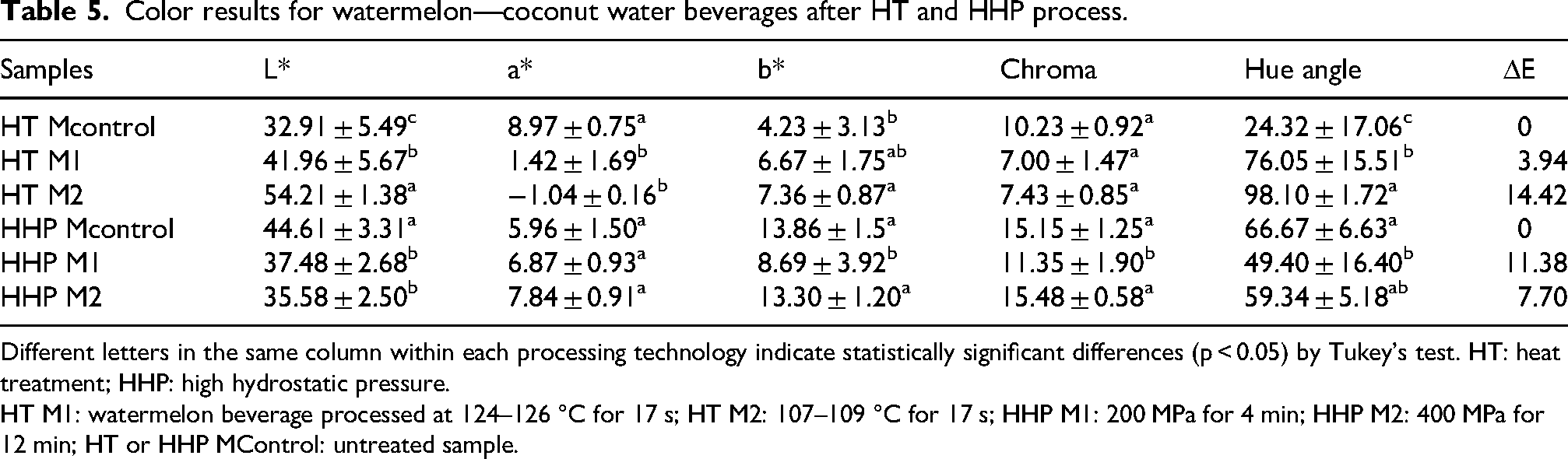
Different letters in the same column within each processing technology indicate statistically significant differences (p < 0.05) by Tukey's test. HT: heat treatment; HHP: high hydrostatic pressure.
HT M1: watermelon beverage processed at 124–126 °C for 17 s; HT M2: 107–109 °C for 17 s; HHP M1: 200 MPa for 4 min; HHP M2: 400 MPa for 12 min; HT or HHP MControl: untreated sample.
Color results for guava—coconut water beverages after HT and HHP process.
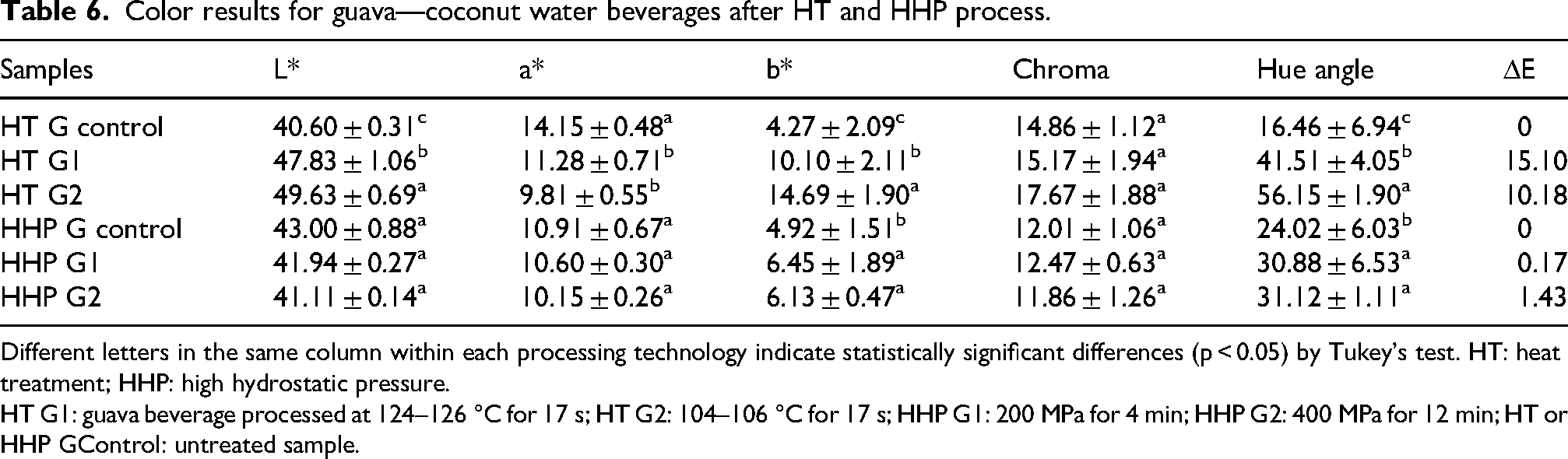
Different letters in the same column within each processing technology indicate statistically significant differences (p < 0.05) by Tukey's test. HT: heat treatment; HHP: high hydrostatic pressure.
HT G1: guava beverage processed at 124–126 °C for 17 s; HT G2: 104–106 °C for 17 s; HHP G1: 200 MPa for 4 min; HHP G2: 400 MPa for 12 min; HT or HHP GControl: untreated sample.
HT induced marked color changes in the watermelon–coconut water beverage, as evidenced by the ΔE values (Table 5). The highest thermal intensity treatment (HT M2; 107–109 °C/17 s) resulted in a ΔE of 14.42 relative to the untreated control, accompanied by a significant increase in L* (54.21 ± 1.38 vs. 32.91 ± 5.49 for HT MControl) and a shift of a* to negative values (−1.04 ± 0.16), indicating lightening and loss of the characteristic reddish hue. HT M1 (124–126 °C/17 s) also produced a meaningful color shift (ΔE = 3.94), with reduced redness (a* = 1.42 ± 1.69). These changes are consistent with thermal degradation of lycopene and related pigments, as well as non-enzymatic browning reactions promoted by heat (Silva and Silva, 1999; Zia et al., 2024). According to Silva and Silva (1999), ΔE values between 0 and 0.2 indicate an imperceptible color difference, 0.2–0.5 a very small difference, 0.5–1.5 a small difference, 1.5–3.0 a distinct difference, 3.0–6.0 a very distinct difference, 6.0–12.0 a great difference, and values > 12 a very great difference. Thus, HT M2 produced a very great color difference compared with the control.
HHP processing generally better preserved the color of the watermelon–coconut water beverage compared to HT, particularly at the higher pressure level. HHP M2 (400 MPa/12 min; ΔE = 7.70) showed smaller color differences relative to its control than HHP M1 (200 MPa/4 min; ΔE = 11.38), the latter exhibiting a significant reduction in L* (37.48 vs. 44.61 for HHP MControl) and b* (8.69 vs. 13.86). The a* parameter was maintained across HHP treatments (p > 0.05), indicating that the reddish hue characteristic of the beverage was better preserved under HHP than under HT. Keenan et al. (2012) similarly reported that thermally processed smoothies exhibited higher ΔE values than HHP-treated smoothies, confirming that HT is generally more detrimental to color.
The observed changes in hue angle for HT-treated watermelon beverages indicate a shift toward reddish-brown tones. A related study noted that browning in HT watermelon juice was particularly evident during storage (Liu et al., 2021). Lycopene in watermelon is sensitive to environmental factors such as oxygen, high temperature and light, and is prone to degradation and isomerization (Tremlova et al., 2021; Zia et al., 2024). When comparing coconut water treated by HPP and HT, Ma et al. (2019) attributed color deterioration under HT to increases in hue angle and destabilization of the colloidal system. Picouet et al. (2016) also reported that HT produced greater changes in hue angle associated with rust-brown tonalities, whereas HHP-treated smoothies showed smaller color deviations at day 0 and during refrigerated storage.
For the guava beverage, HT also caused significant color alterations (Table 6). HT G1 (ΔE = 15.10) and HT G2 (ΔE = 10.18) both showed increased L* and b* values and reduced a* compared to the untreated control, reflecting lightening of the beverage and a shift toward more yellowish tones. These effects are attributable to thermally driven degradation of carotenoid pigments and Maillard reaction products. In contrast, HHP caused minimal color changes in the guava beverage (ΔE = 0.17 for HHP G1 and 1.43 for HHP G2), with no significant differences in L*, a*, or b* among HHP-treated groups, confirming the superior color preservation capacity of this technology (Salar et al., 2021; Li and Padilla-Zakour, 2021).
Li and Padilla-Zakour (2021) reported that, in Concord grape puree, thermal treatment significantly increased the browning index relative to HPP-treated and control samples, whereas color change (ΔE) remained relatively stable over refrigerated storage, highlighting the protective effect of complex fruit matrices. Salar et al. (2021) also observed that both HT and HHP led to significant color differences relative to untreated beverages, but changes were more pronounced under HT, while HHP caused only minor variations.
When comparing the two technologies, a general trend toward greater color preservation was observed under HHP relative to HT, particularly for the guava beverage, where ΔE values were substantially lower under HHP (≤ 1.43) than under HT (10.18–15.10). For the watermelon beverage, this trend was less pronounced, as HHP M1 also produced a non-negligible ΔE (11.38). It should be emphasized that direct comparisons between HT and HHP results must be interpreted with caution, given that the two technologies were applied on different processing days with independent control samples. Nevertheless, the consistent pattern of higher ΔE values and greater a* reduction in HT-treated samples supports the conclusion that thermal processing induces more intense color modifications in these beverages, likely mediated by lycopene degradation and non-enzymatic browning (Zia et al., 2024).
Microbiological results in different technologies
The microbiological results of fruit beverages with coconut water in different technologies are presented in Table 7.
Microbiological results of fruit beverages with coconut water after HT and HHP process, compared with Brazilian legislation.
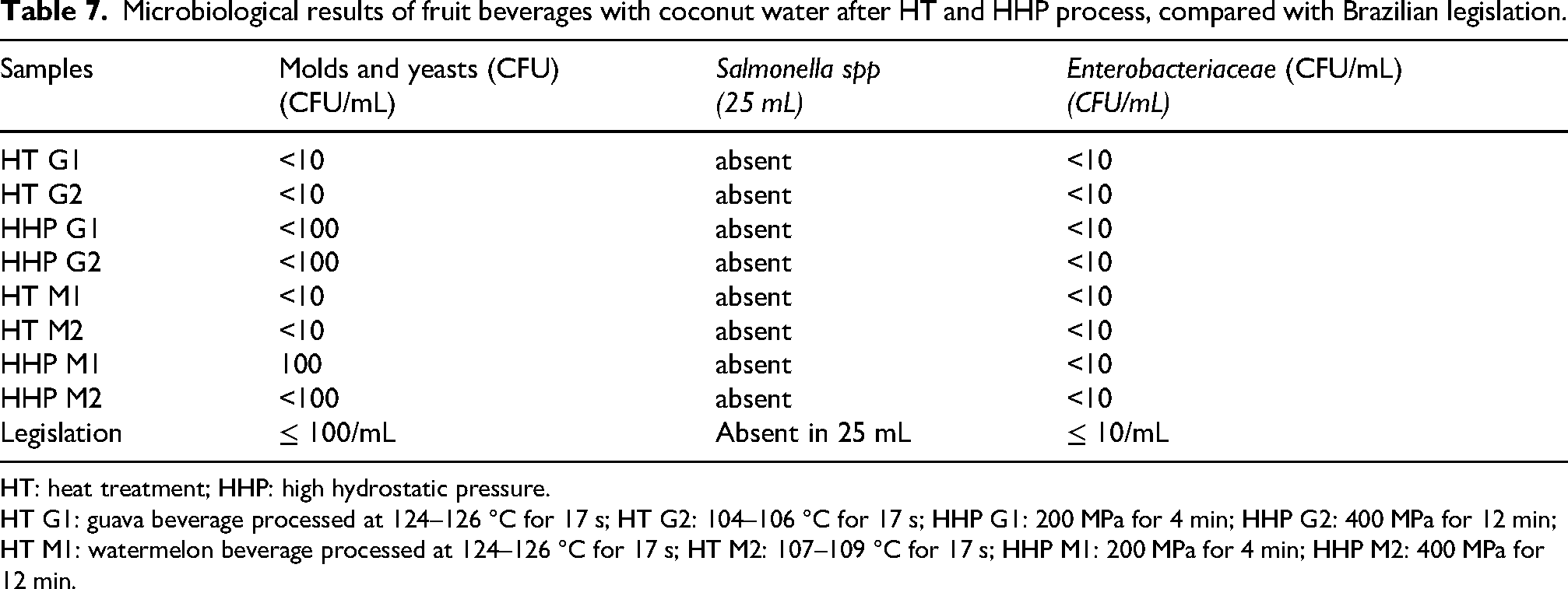
HT: heat treatment; HHP: high hydrostatic pressure.
HT G1: guava beverage processed at 124–126 °C for 17 s; HT G2: 104–106 °C for 17 s; HHP G1: 200 MPa for 4 min; HHP G2: 400 MPa for 12 min;
HT M1: watermelon beverage processed at 124–126 °C for 17 s; HT M2: 107–109 °C for 17 s; HHP M1: 200 MPa for 4 min; HHP M2: 400 MPa for 12 min.
HT effectively inactivated the target microorganisms in both guava and watermelon beverages at the time of analysis (day 0). All HT-treated samples (HT G1, HT G2, HT M1, HT M2) presented mold and yeast counts below 10 CFU/mL and Enterobacteriaceae below 10 CFU/mL, with Salmonella spp. absent in 25 mL, demonstrating full compliance with Brazilian regulatory limits (IN 161/2022; Brasil, 2022). These results confirm the efficacy of HTST processing for microbial reduction in complex fruit beverage matrices, consistent with previously reported findings for thermal treatment of fruit juices (Liu et al., 2016; Ma et al., 2019). For example, Liu et al. (2016) showed that both HPP and HT significantly reduced native microbiota in clear cucumber juice, with yeast and molds remaining below detection limits during refrigerated storage after both treatments.
HHP processing also ensured regulatory compliance at day 0 for all evaluated samples, with Salmonella spp. absent and Enterobacteriaceae below the detection limit (< 10 CFU/mL). However, mold and yeast counts were quantifiable in HHP-treated samples at levels up to 100 CFU/mL (HHP M1), reaching the upper limit established by IN 161/2022. These results indicate that the lower pressure condition (200 MPa/4 min) may provide limited microbial reduction, particularly for molds and yeasts, which are known to exhibit variable pressure resistance (Daher et al., 2017). Samples processed at 400 MPa/12 min (HHP G2, HHP M2) demonstrated lower counts (< 100 CFU/mL), suggesting a doseresponse relationship between pressure and microbial inactivation efficacy. It is important to note that analyses were performed only at day 0; consequently, no shelf-life data were generated. Therefore, the present microbiological results should be interpreted as process lethality at day 0 rather than as shelf-life performance, precluding conclusions regarding microbiological stability during refrigerated storage. Daher et al. (2017) reported that, in mixtures of red fruits, orange, banana and lime, a treatment of 350 MPa for 7 min was sufficient to reduce microbial counts, while Ma et al. (2019) showed that HPP treatments effectively controlled microbial growth in coconut water during refrigerated storage.
Antioxidant capacity and total phenolic compounds in different technologies
Total phenolic compounds of fruit beverages with coconut water in different technologies
HT induced a substantial increase in TPC of the guava–coconut water beverage (Figure 1A). HT-treated samples (HT G1: 1915.06 ± 100.74 mg GAE/100 g; HT G2: 1901.74 ± 130.67 mg GAE/100 g) showed significantly higher TPC than the untreated control (HT GControl: 795.95 ± 9.16 mg GAE/100 g). This increase is likely attributable to heat-induced hydrolysis of esterified and bound phenolic compounds, rendering them more extractable by the Folin–Ciocalteu method, a phenomenon well documented in thermally processed fruit matrices (Li et al., 2020). It should be noted, however, that absolute TPC values observed in guava beverages were relatively high for this type of matrix, which may reflect not only phenolic compounds but also other reducing substances reacting with the Folin–Ciocalteu reagent, including ascorbic acid and Maillard reaction products. Therefore, these TPC values should be interpreted as an overall index of reducing capacity rather than a specific quantification of phenolics. HHP processing did not significantly alter TPC relative to the respective control (p > 0.05), suggesting that pressure alone does not substantially disrupt phenolic–matrix interactions under the conditions applied.
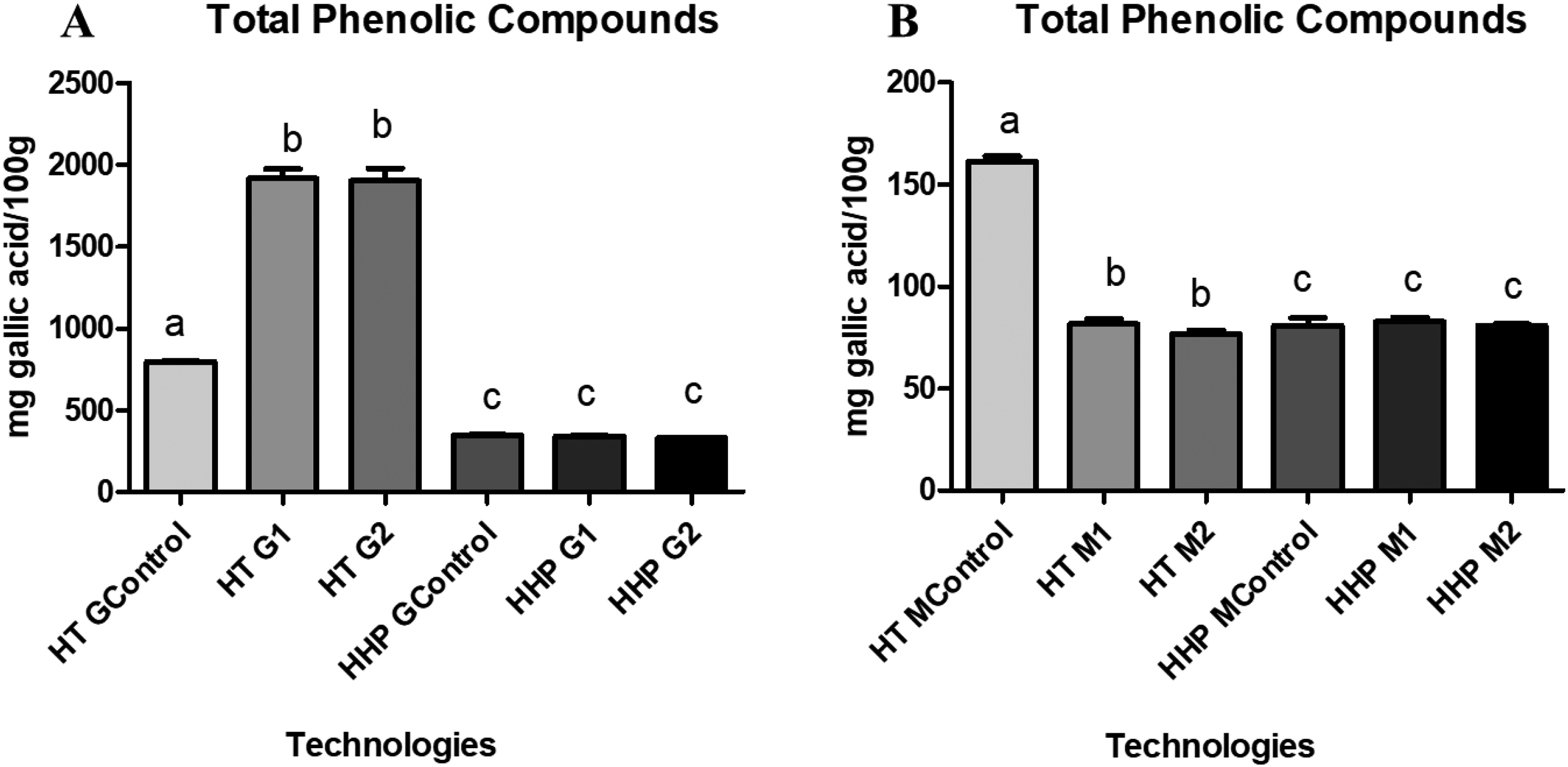
Total phenolic compounds (Mean ± SD) of fruit beverages with coconut water. (A) Guava beverages with coconut water after HT and HHP processing and (B) watermelon beverages with coconut water after HT and HHP processing. Different letters indicate significant differences (p < 0.05) within each processing technology. HT: heat treatment; HHP: high hydrostatic pressure.
Similar findings were reported in a study on whole Concord grape puree, where both HPP and HT resulted in TPC values significantly higher (p < 0.05) than the control, increasing from 3.0 mg/g GAE in the control to 3.8 mg/g (HPP) and 3.6 mg/g (HT) (Li and Padilla-Zakour, 2021).
In contrast to guava, HT significantly reduced TPC in the watermelon–coconut water beverage (Figure 1B). HT M1 (81.53 ± 4.31 mg GAE/100 g) and HT M2 (76.74 ± 3.26 mg GAE/100 g) presented significantly lower values than HT MControl (161.47 ± 4.10 mg GAE/100 g). This opposing behavior relative to guava beverages may reflect differences in phenolic composition between the two matrices: watermelon phenolics, predominantly hydroxycinnamates and flavonoids, may be more susceptible to oxidative degradation under thermal conditions, while guava's bound phenolic pool may undergo net release upon heating (Li et al., 2020). HHP treatments did not significantly alter TPC in the watermelon beverage, indicating preservation of the native phenolic profile under pressure conditions. Li et al. (2020) showed that thermal processing decreased soluble phenolics while increasing insoluble-bound phenolics in hawthorn, underscoring the complex and compound-dependent nature of thermal effects.
Antioxidant capacity results of fruit beverages with coconut water in different technologies
HT did not significantly affect the antioxidant capacity of the guava or watermelon beverages, as assessed by the DPPH method (Figure 2A and 2B, comparisons within HT). For the guava beverage, no significant differences were detected among HT-treated samples and the untreated control in any of the three antioxidant assays—DPPH (Figure 2A), TEAC (Figure 3A), and FRAP (Figure 4A; p > 0.05). This stability may reflect the net effect of simultaneous degradation and release of antioxidant compounds under thermal processing, as reported for thermally treated smoothies and tropical juices (Keenan et al., 2012; Wurlitzer et al., 2019).
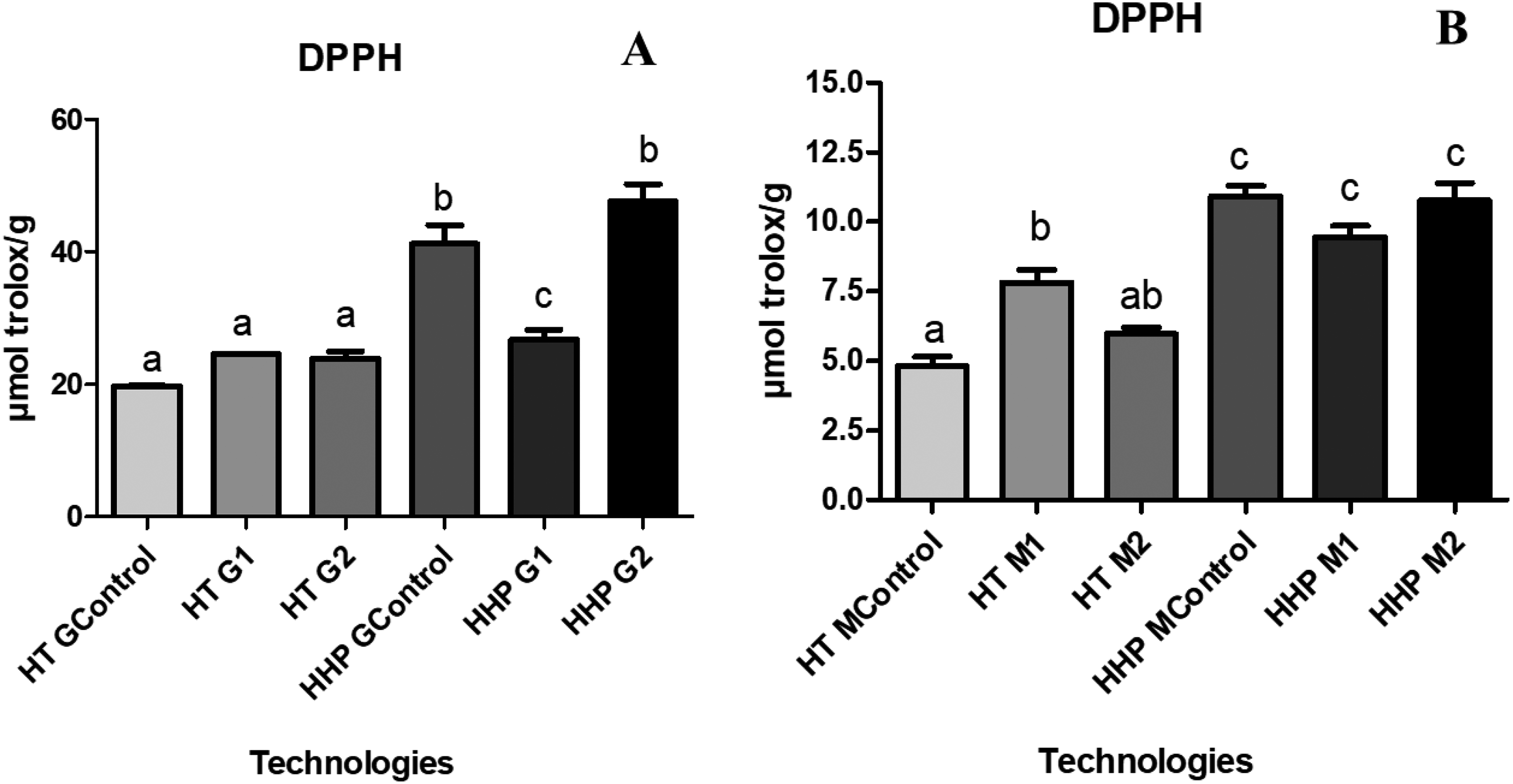
Antioxidant capacity by the DPPH method (Mean ± SD) of fruit beverages with coconut water. (A) Guava beverages with coconut water after HT and HHP processing and (B) watermelon beverages with coconut water after HT and HHP processing. Different letters indicate significant differences (p < 0.05) within each processing technology. HT: heat treatment; HHP: high hydrostatic pressure; DPPH; 2,2-diphenyl-1-picrylhydrazyl.
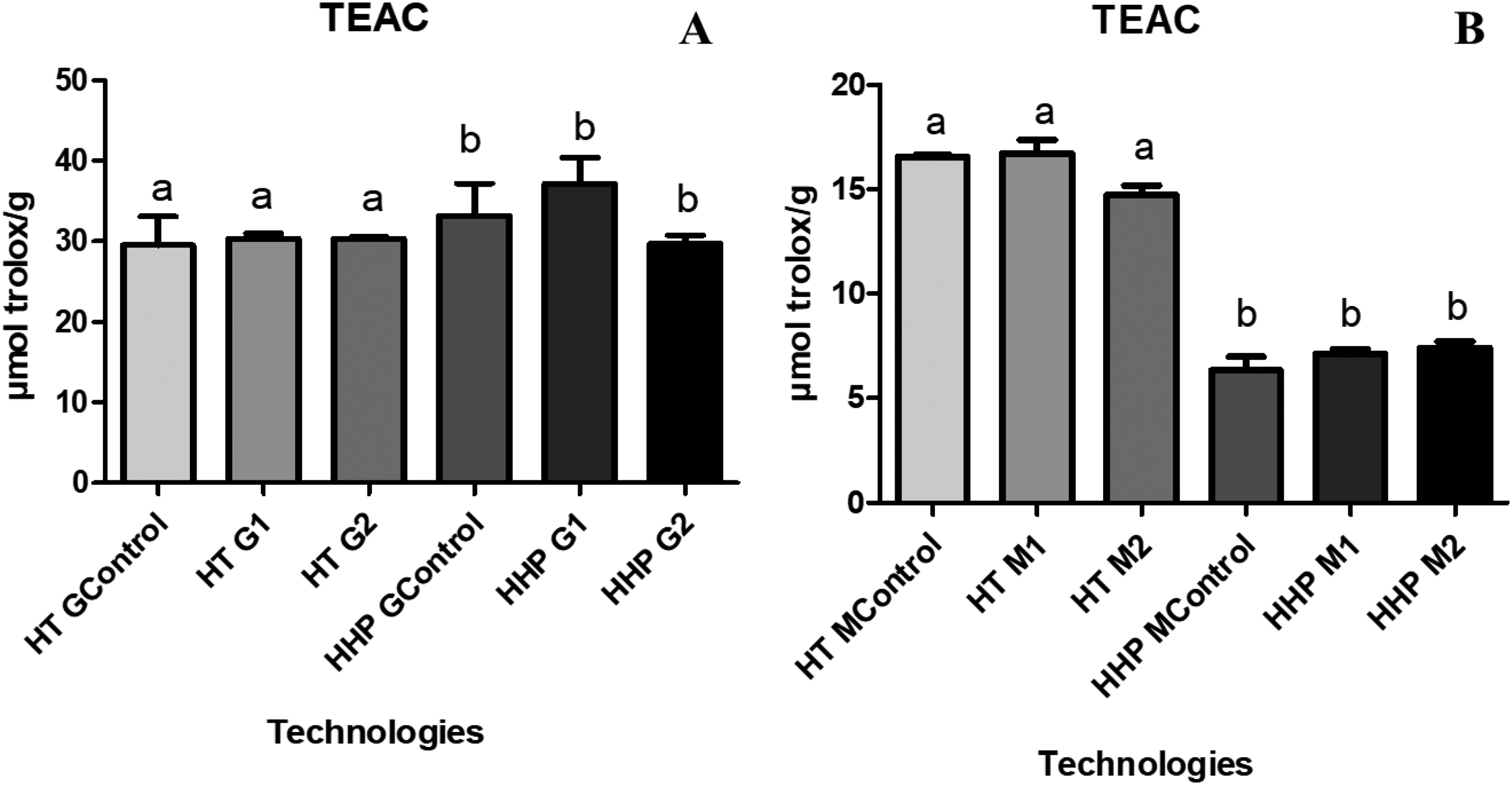
Antioxidant capacity by the TEAC method (Mean ± SD) of fruit beverages with coconut water. (A) Guava beverages with coconut water after HT and HHP processing and (B) watermelon beverages with coconut water after HT and HHP processing. Different letters indicate significant differences (p < 0.05) within each processing technology. HT: heat treatment; HHP: high hydrostatic pressure; TEAC: Trolox equivalent antioxidant capacity.
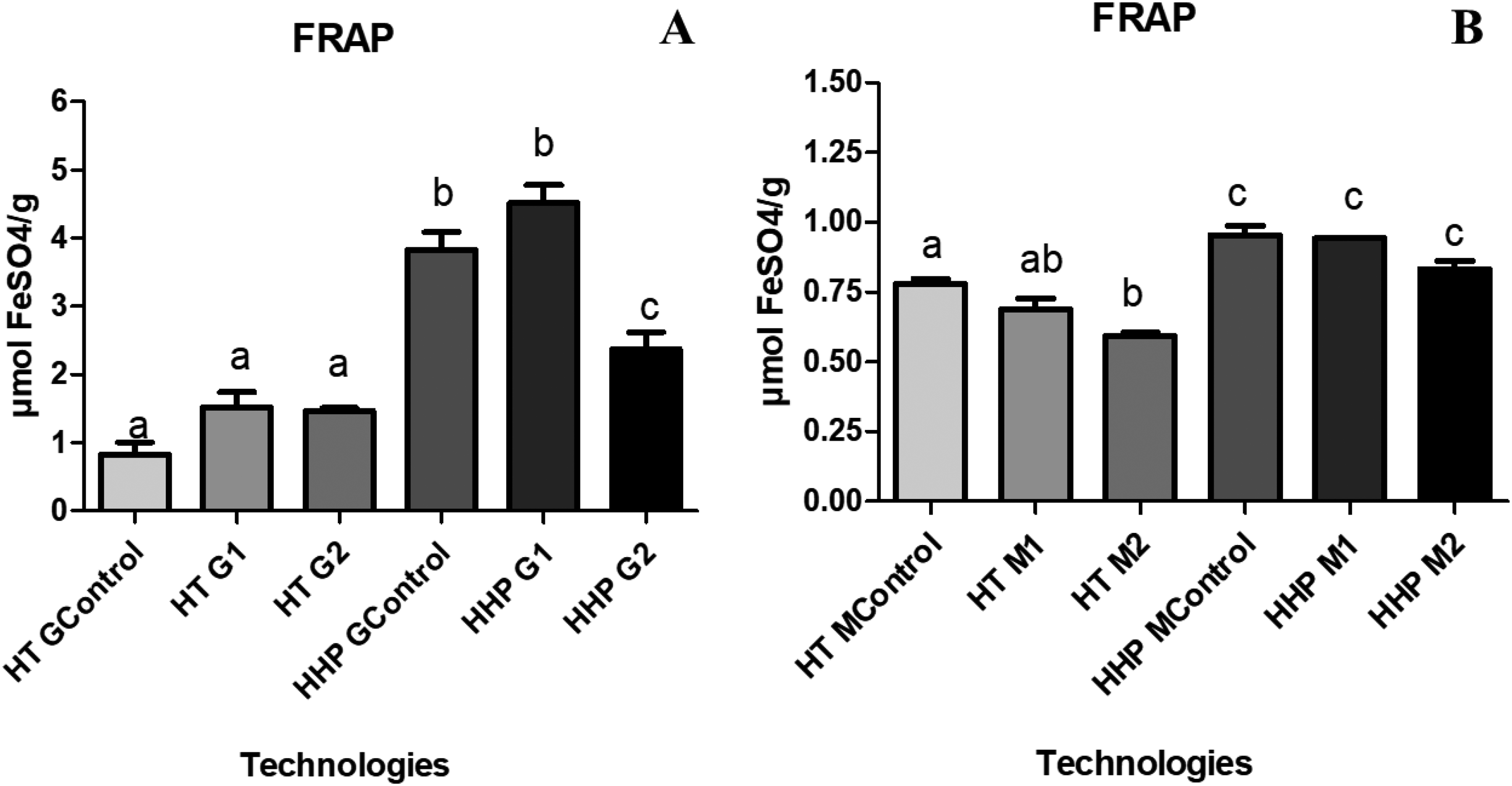
Antioxidant capacity by the FRAP method (Mean ± SD) of fruit beverages with coconut water. (A) Guava beverages with coconut water after HT and HHP processing and (B) watermelon beverages with coconut water after HT and HHP processing. Different letters indicate significant differences (p < 0.05) within each processing technology. HT: heat treatment; HHP: high hydrostatic pressure; FRAP: ferric reducing antioxidant power.
Keenan et al. (2012) reported that thermal processing of fruit smoothies (70 °C > 10 min) induced degradation of some bioactive compounds, while HHP-treated samples (450–600 MPa) showed antioxidant capacity values similar to fresh smoothies in DPPH assays. Wurlitzer et al. (2019) also found that both non-thermally and thermally processed (85 °C/30 s) tropical juices exhibited high antioxidant activity with no significant differences (p > 0.05) in ABTS and FRAP assays, indicating that moderate HTs do not necessarily compromise overall antioxidant capacity.
HHP processing did not significantly alter the antioxidant capacity of the guava or watermelon beverages within each pressure condition, as measured by DPPH (p > 0.05). The preservation of antioxidant capacity under HHP is consistent with the maintenance of phenolic compound levels and agrees with findings for HHP-processed fruit matrices (Keenan et al., 2012; Salar et al., 2021). Descriptive differences observed between TEAC and FRAP results for watermelon beverages under different technologies should be interpreted with caution given the independent control design and cannot be formally attributed to technology differences in the current experimental setup. In Concord grape puree, Li and Padilla-Zakour (2021) found that neither HPP (600 MPa/3 min) nor HT (63 °C/3 min) significantly changed antioxidant activity compared to untreated control, whereas Marengo-Orozco et al. (2020) observed that HHP (500 MPa/25 °C/250 s) better preserved antioxidant capacity than thermal treatment in a tropical juice mixture, highlighting the influence of matrix and processing conditions.
Carotenoid results under different technologies
Figure 5A and 5B displays the total carotenoid content in the guava and watermelon fruit beverages containing coconut water.
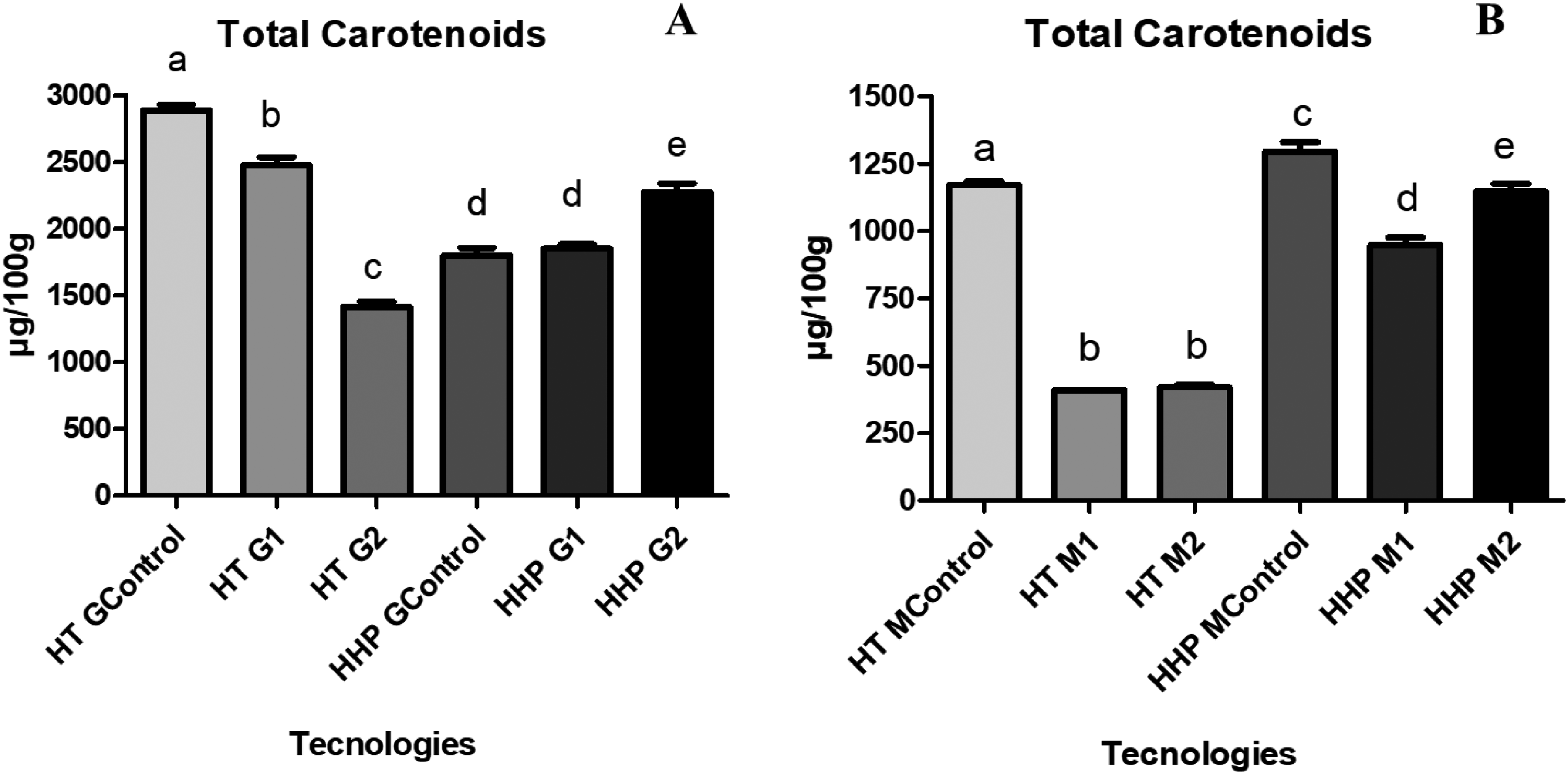
Total carotenoids (Mean ± SD) of fruit beverages with coconut water. (A) Guava beverages with coconut water after HT and HHP processing and (B) watermelon beverages with coconut water after HT and HHP processing. Different letters indicate significant differences (p < 0.05) within each processing technology. HT: heat treatment; HHP: high hydrostatic pressure.
HT led to a significant reduction in total carotenoid content in both beverage matrices (Figure 5). In the guava beverage, HT-treated samples showed markedly lower total carotenoid levels than the untreated control (Figure 5A), while a similar trend was observed for the watermelon beverage (Figure 5B). Thermal degradation of carotenoids is driven by heat-induced isomerization from all-trans to cis configurations, oxidation, and loss of the protective food matrix structure, all of which reduce extractability and biological activity (Tremlova et al., 2021; Zia et al., 2024). The sensitivity of carotenoids to temperature underscores the importance of minimizing thermal exposure in beverages formulated with lycopene- and β-carotene-rich fruits.
HHP processing showed contrasting effects on total carotenoid content depending on the fruit matrix and pressure conditions applied (Figure 5). In the guava beverage, HHP G1 (200 MPa/4 min) maintained total carotenoid content at levels comparable to the untreated control, while HHP G2 (400 MPa/12 min; 2277 ± 91 μg/100 g) exhibited a significant increase relative to HHP GControl (1800 ± 83 μg/100 g). This apparent increase likely reflects enhanced extractability rather than de novo carotenoid formation, due to pressure-induced disruption of cellular structures and pigment–protein interactions (Hu et al., 2020; Tremlova et al., 2021). In the watermelon beverage, HHP M1 (200 MPa/4 min; 951 ± 37 μg/100 g) presented significantly lower total carotenoids than the untreated control (HHP MControl: 1296 ± 48 μg/100 g), while HHP M2 was not statistically different from the control. The reduction under HHP M1 conditions may reflect sample variability or specific matrix–pressure interactions that warrant further investigation. Zhao et al. (2013) reported total carotenoid contents of 46.14 ± 1.74 mg/kg in red watermelon cultivars, which are higher than the values found here due to the dilution effect of coconut water and apple juice.
HT effects on β-carotene were matrix-dependent (Figure 6). In the guava beverage, HT G1 (207 ± 9 μg/100 g) showed a slight but significant increase in β-carotene relative to the HT control (182 ± 8 μg/100 g), possibly due to partial release from the matrix and analytical variability, whereas HT G2 showed no significant difference from HT G1. In the watermelon beverage, HT-treated samples exhibited significant reductions in β-carotene compared to the untreated control, consistent with the general pattern of heat-induced carotenoid degradation. Under HHP conditions, β-carotene content in the guava beverage was maintained at levels comparable to the control at 200 MPa/4 min, with a significant increase observed at 400 MPa/12 min (HHP G2), again suggesting improved extractability under higher pressure. In contrast, watermelon beverages showed overall stability of β-carotene between HHP MControl and HHP M2, with a significant increase noted at HHP M1. These findings indicate that β-carotene stability and extractability under HHP are pressure- and matrix-dependent
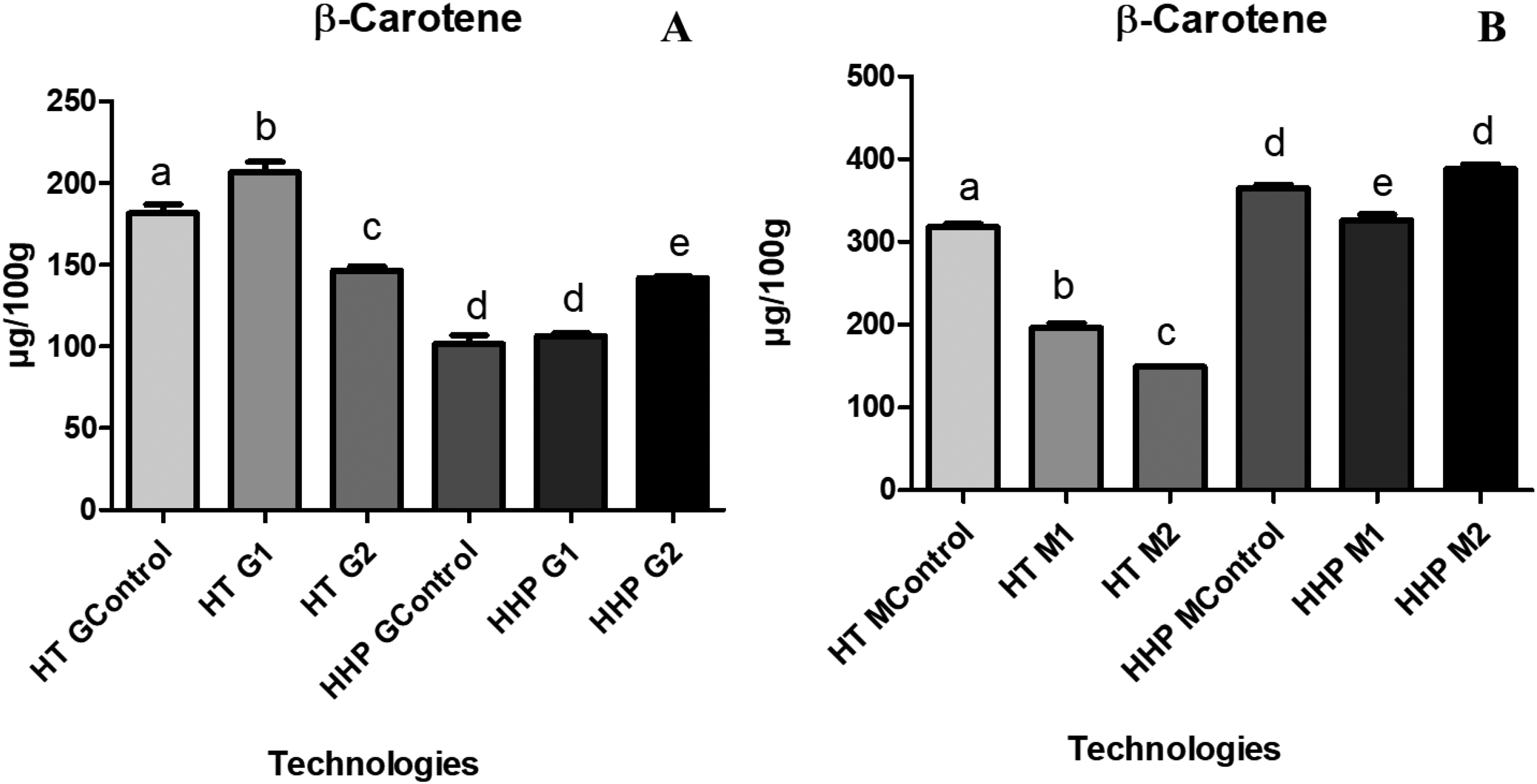
β-Carotene content (Mean ± SD) of fruit beverages with coconut water. (A) Guava beverages with coconut water after HT and HHP processing and (B) watermelon beverages with coconut water after HT and HHP processing. Different letters indicate significant differences (p < 0.05) within each processing technology. HT: heat treatment; HHP: high hydrostatic pressure.
Dias et al. (2021) reported database values for carotenoid content in foods, indicating β-carotene and lycopene levels in watermelon of 365 μg/100 g and 3550 μg/100 g, respectively, in European products. Zhao et al. (2013) found β-carotene contents of around 4.5 mg/kg in different watermelon cultivars. The lower absolute values observed in the present beverages compared with fresh fruit values reported in the literature (Alda et al., 2014; Zhao et al., 2013; Suwanaruang, 2016) are expected, given the dilution effect of coconut water and apple juice in the formulation.
Figure 7A and 7B presents the quantification of lycopene in the guava and watermelon fruit beverages following the different processing technologies.
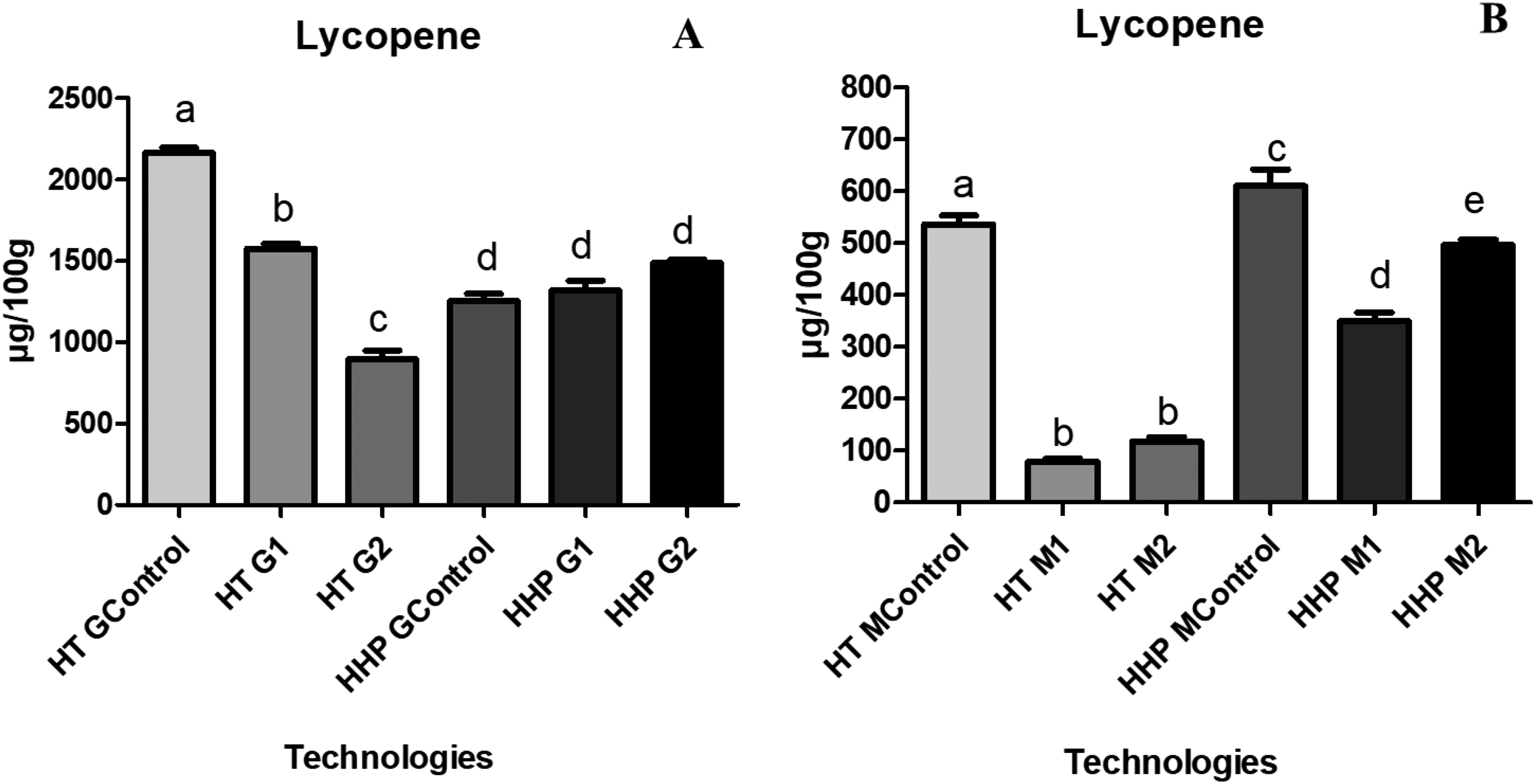
Lycopene content (Mean ± SD) of fruit beverages with coconut water. (A) Guava beverages with coconut water after HT and HHP processing and (B) watermelon beverages with coconut water after HT and HHP processing. Different letters indicate significant differences (p < 0.05) within each processing technology. HT: heat treatment; HHP: high hydrostatic pressure.
HT significantly reduced lycopene content in both fruit beverages relative to their respective untreated controls (Figure 7). This reduction is consistent with the known thermolability of lycopene, which undergoes isomerization and oxidative degradation at elevated temperatures, particularly in the absence of protective antioxidant compounds and under the open-matrix conditions of processed beverages (Tremlova et al., 2021). The guava beverage exhibited higher baseline lycopene levels (HT GControl: 2161 ± 47 μg/100 g) compared to the watermelon beverage (HT MControl: 536 ± 23 μg/100 g), which is consistent with reported values for pink guava and red-flesh watermelon, though the relative magnitudes also reflect the formulation ratio of fruit to coconut water and apple juice concentrate used in this study.
In agreement with the present results, Yetenayet and Hosahalli (2015) demonstrated that watermelon juice subjected to HPP retained a higher percentage of lycopene (99.3% at 400 MPa/60 min) compared to heat-treated juice (95.8% at 90 °C/15 min). Zhao et al. (2013) also observed that HPP treatment at 300 and 600 MPa preserved lycopene content in watermelon juice at levels statistically similar to untreated juice, while thermal and UV-C treatments led to more pronounced losses. Alda et al. (2014) and Suwanaruang (2016) reported that watermelon contained higher lycopene contents than guava and tomato when expressed on a fresh weight basis, again highlighting the effect of dilution and processing in beverage systems.
Despite the limitation associated with processing on different days, consistent trends were observed across multiple parameters. These results support the reliability of the findings within each processing technology.
Conclusion
Both HT and HHP treatments ensured microbiological safety and maintained the basic physicochemical properties of guava–coconut and watermelon–coconut water beverages. Under the conditions tested, HHP tended to lead to smaller color changes and better retention of carotenoids than HT, while TPC and antioxidant capacity were largely preserved across both technologies in a matrix-dependent manner. However, because HT and HHP treatments were conducted on different processing days with independent control samples and a single batch per treatment, statistical comparisons were restricted to treatments within each technology, and direct cross-technology superiority claims should be interpreted with caution. Future studies should adopt fully synchronized processing conditions with independent batch replicates, apply higher pressure levels more representative of industrial HHP (e.g. ≥ 500 MPa), and include refrigerated shelf-life evaluations to enable comprehensive comparisons between HT and HHP in such beverage systems.
Footnotes
Acknowledgements
This research received funding from the Brazilian Coordination for the Improvement of Higher Education Personnel (CAPES) and the National Council for Scientific and Technological Development (CNPq).

Author contributions
AA contributed to investigation and writing—original draft. IL contributed to investigation and writing—review and editing. AR contributed to conceptualization, supervision, and validation. AT contributed to conceptualization, supervision, and validation.
Funding
The authors disclosed receipt of the following financial support for the research, authorship, and/or publication of this article: This work was supported by the Conselho Nacional de Desenvolvimento Científico e Tecnológico, Fundação Carlos Chagas Filho de Amparo à Pesquisa do Estado do Rio de Janeiro, (grant number 404597/2023-8, 200.382/2023, 210.141/2023 ).
Declaration of conflicting interests
The authors declared no potential conflicts of interest with respect to the research, authorship, and/or publication of this article.
Data availability
The data will be available on request to the authors.