






Abstract
Freeze-drying is an effective preservation method for thermosensitive plant materials, although its industrial application is limited by long drying times and high energy consumption. Therefore, this study aimed to investigate the effects of ultrasound-assisted freezing applied during the crystallization stage (0 °C to −5 °C, 20 kHz) on the freeze-drying performance and quality attributes of Codonopsis javanica. The results showed that continuous ultrasound at 100 W reduced total freeze-drying time to 18.65 h, corresponding to a 7.5% reduction compared with conventional freeze-drying (20.17 h), while improving product quality (ΔE = 6.63; saponin retention = 95.35%). Increasing power to 150 W deteriorated product quality and prolonged crystallization, indicating a non-monotonic response to acoustic intensity. Further improvement was achieved using pulsed ultrasound during crystallization. The optimal duty cycle (ton = 60 s, toff = 90 s; A = 0.40) reduced the total process time to 13.89 h (31.13% reduction) while improving color and saponin retention (ΔE = 3.2; 97.92%). These results demonstrate that crystallization-stage ultrasound control is an effective approach for accelerating freeze-drying while preserving bioactive compounds in medicinal roots.
Keywords
Introduction
Codonopsis javanica is an important medicinal root widely used in traditional medicine and functional foods due to its rich content of bioactive compounds such as saponins and polysaccharides (Liang et al., 2024). However, the fresh roots possess high moisture content and are therefore highly susceptible to microbial spoilage and biochemical degradation during storage. Drying is commonly employed to extend shelf life and facilitate transportation and commercialization of medicinal plant materials. Nevertheless, the preservation of chemical composition and visual quality remains a major challenge when drying thermosensitive medicinal roots.
Conventional drying methods such as hot-air drying often lead to significant quality deterioration because elevated temperatures accelerate enzymatic reactions, pigment degradation, and loss of bioactive compounds (Yue et al., 2023). Freeze-drying is considered one of the most suitable dehydration techniques for high-value food and medicinal materials because moisture removal occurs via ice sublimation under low temperature and reduced pressure conditions, thereby limiting thermal degradation and minimizing structural damage (Coşkun et al., 2024). Despite these advantages, freeze-drying suffers from inherently long processing times and high energy consumption, which limit its industrial applicability.
The efficiency of freeze-drying is strongly influenced by the freezing step preceding the drying stage. During the freezing step, the morphology and spatial distribution of ice crystals act as a structural template that determines the porous network formed after sublimation, which directly governs vapor transport resistance during primary drying (Levin, 2021). Consequently, freezing should be considered not merely a preparatory stage but a critical structure-forming process that controls both drying kinetics and final product quality.
In recent years, ultrasound has emerged as a promising auxiliary technique for intensifying freezing processes in food systems. Through physical effects including acoustic cavitation, microstreaming, and pressure oscillations, ultrasound can enhance heterogeneous nucleation and influence the kinetics of ice crystal formation during freezing (Daghooghi-Mobarakeh, 2022; Ma et al., 2021). Previous studies have reported that ultrasound-assisted freezing can influence crystal structure and freezing rate in various food systems, including hydrogel matrices, frozen desserts, and aquatic products (Kamińska-Dwórznicka, 2023, 2024; Ying et al., 2021). Moreover, the microstructure generated during freezing has been shown to play a key role in determining sublimation behavior and drying efficiency during freeze-drying (Juckers et al., 2023; Thomik et al., 2022).
Recent investigations have further expanded the application of freeze-drying and freezing-assisted technologies toward improving process efficiency and sustainability. Current research trends emphasize not only the preservation of product quality but also the reduction of drying time and energy consumption through process intensification and optimization. Recent reviews have emphasized that the integration of emerging technologies, such as ultrasound, microwave, infrared, and radio frequency, represents a promising strategy to overcome the limitations of conventional freeze-drying (Faruq et al., 2025). These hybrid approaches can accelerate heat and mass transfer, reduce processing time and energy consumption, while maintaining the quality of high-value food and medicinal products. From the perspective of sustainable food processing, energy and exergy analyses have become important tools for identifying energy losses and improving process efficiency (Taner, 2024). Recent studies demonstrated that the application of thermodynamic analysis provides useful information for optimizing energy utilization and enhancing the sustainability of food manufacturing systems. Ultrasound-assisted pretreatment has also been reported to modify the internal microstructure of biological materials through cavitation-induced effects, resulting in improved moisture migration and enhanced preservation of quality-related compounds during subsequent drying processes (Wu et al., 2025).
Despite these advances, most previous investigations have primarily focused on freezing performance itself or on general pretreatment strategies prior to drying (Dziki, 2020). Relatively limited attention has been given to the selective control of the crystallization stage during freezing as a means of improving subsequent freeze-drying performance. In many reported studies, ultrasound is applied continuously throughout the freezing process, while the possibility that excessive acoustic energy may introduce counterproductive thermal effects or negatively affect product quality has not been systematically examined. As a result, the relationship between ultrasound parameters and freezing enhancement is unlikely to be strictly monotonic.
The crystallization stage is particularly critical because nucleation and crystal growth occur within a narrow temperature interval, and the ice crystal template formed during this period ultimately determines the porous network created during sublimation. Targeted ultrasound application during crystallization may therefore represent a more efficient strategy for controlling frozen microstructure. Furthermore, pulsed ultrasound operation characterized by the duty cycle can potentially balance acoustic activation and thermal dissipation, thereby improving both freezing efficiency and product preservation. However, systematic studies examining the combined influence of ultrasound power and duty cycle applied specifically during crystallization remain scarce, particularly for medicinal root materials.
For Codonopsis species, existing research has mainly addressed drying characteristics and quality changes under different drying techniques (Yue et al., 2023), while the integration of ultrasound-assisted freezing with freeze-drying has not been comprehensively explored. In particular, there is still a lack of studies that explicitly link freezing-stage crystallization dynamics, ultrasound application strategy, and downstream freeze-drying kinetics together with quality retention of bioactive compounds.
Therefore, the novelty of this study does not lie simply in applying ultrasound to a different plant material, but in proposing a stage-specific ultrasound-assisted freezing strategy in which acoustic power and duty cycle are optimized within the crystallization window to tailor frozen microstructure for improved freeze-drying performance. By focusing on crystallization-stage control, this work aims to establish a direct relationship between ultrasound application mode, freezing behavior, and subsequent drying efficiency.
Previous work has demonstrated that ultrasound can influence the freezing behavior of medicinal roots such as Bo Chinh ginseng (Ngo et al., 2022). However, the extent to which crystallization-stage ultrasound control can be translated into improved freeze-drying kinetics and preservation of bioactive compounds has not yet been systematically established.
Accordingly, the objectives of this study were: (1) to investigate the effect of ultrasound power on freezing dynamics and freeze-drying performance of C. javanica; (2) to evaluate the influence of pulsed ultrasound duty cycle applied specifically during the crystallization stage; and (3) to determine an ultrasound application strategy capable of reducing total freeze-drying time while preserving key quality attributes, including color and saponin retention.
The results of this work are expected to contribute to the development of more efficient freeze-drying strategies for thermosensitive medicinal materials and to provide new insights into the role of crystallization-stage control in ultrasound-assisted freezing processes.
The novelty of this study lies in the use of ultrasound not as a general freezing aid, but as a targeted crystallization-control tool. By selectively applying ultrasound within the crystallization window and modulating its duty cycle, this work establishes a direct link between acoustic treatment strategy, freezing-stage dynamics, and subsequent freeze-drying performance of C. javanica.
Materials and methods
Materials and sample preparation
Fresh C. javanica roots (Kon Tum, Vietnam) were washed and stored at 5 °C to 6 °C before experiments. Samples were sliced to 7 mm thickness (diameter: 24–26 mm). Initial moisture content was 71.29% (w.b.) (2.48 kg water/kg dry matter). Drying was stopped at 5% (w.b.) (0.05 kg water/kg dry matter) following Vietnamese Pharmacopoeia requirements.
Ultrasound-assisted freezing system
Freezing was conducted in a forced-convection chamber (internal size: 450 × 450 × 500 mm) operating at temperatures ranging from −60 °C to −70 °C, with air velocity 2.5 m·s−1. Ultrasound was generated at 20 kHz (maximum 2600 W) and transmitted via an aluminum horn.
Ultrasound was applied during the freezing stage according to the experimental design (Figure 1).
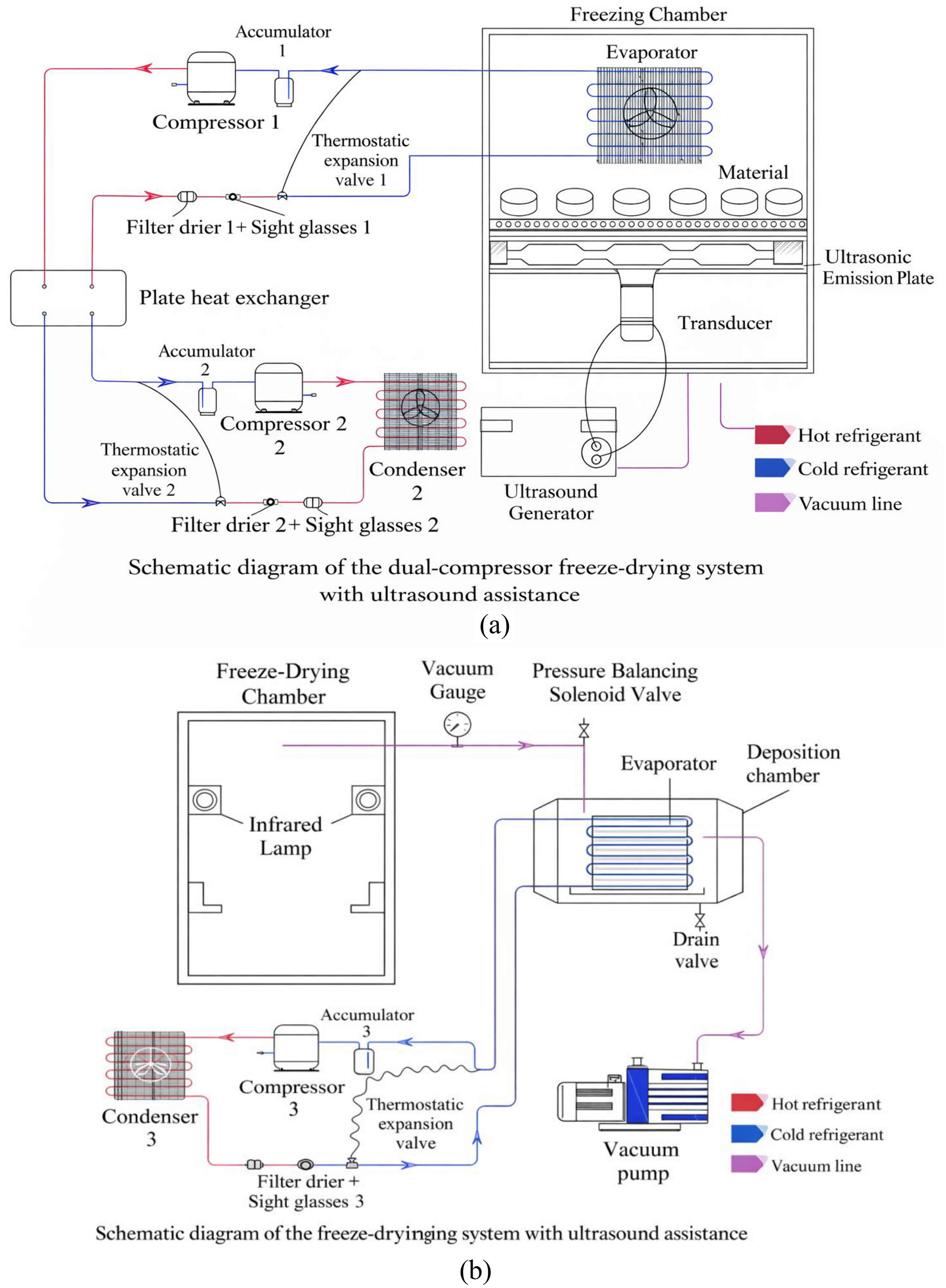
(a) Forced-convection freezing chamber integrated with an ultrasonic horn. (b) Schematic of the ultrasound-assisted freezing and freeze-drying system.
Ultrasound was applied only during the freezing stage, while freeze-drying was conducted under vacuum without ultrasound.
Freeze-drying conditions
After freezing, samples were transferred to a laboratory freeze-dryer (batch 200 g). Chamber pressure was maintained < 20 Pa. Shelf temperature was controlled within 0 °C to 40 °C, and condenser temperature was −25 °C to −45 °C. Drying ended at the target final moisture content (0.05 g water/g dry matter).
Experimental design
Two factors were investigated:
+ Ultrasound power (continuous mode during freezing): 0, 50, 100, and 150 W.
+ Pulsed ultrasound applied during crystallization (0 °C to −5 °C): the ultrasound power was fixed at 100 W; the on-time was set to ton = 60 s, while the off-time (toff) was varied.
The duty cycle (A) was defined as:
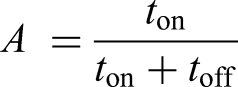
The duty cycle values were set to A = 0.2, 0.4, 0.6, and 0.8 with ton = 60 s. The corresponding off-times (toff) were calculated as follows:
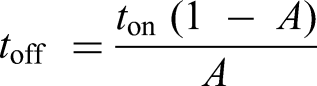
A = 0.2; toff = 240 s A = 0.4; toff = 90 s A = 0.6; toff = 40 s A = 0.8; toff = 15 s
The off-time was determined using the following relationship:
Measurements and calculations
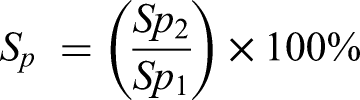
+ Saponin retention (%) was determined on a dry basis using the following expression: + All measurements were performed in triplicate, and the results are reported as mean values. Statistical analysis was performed using IBM SPSS Statistics and Excel 365. Data were expressed as mean ± standard deviation. Differences among treatments were evaluated using one-way analysis of variance at a significance level of p < 0.05.

Results and discussion
Effect of ultrasound power
The improvement in freeze-drying performance observed in this study can be interpreted based on the microstructural changes induced during the freezing stage. Figure mechanism: schematically illustrates the proposed mechanism linking ultrasound-assisted crystallization to the formation of a more favorable pore network after sublimation. Compared with conventional freezing, ultrasound-induced cavitation enhances heterogeneous nucleation and regulates ice crystal growth, resulting in larger and more uniformly distributed ice crystals. These crystals subsequently form a more open pore network during sublimation, which reduces vapor diffusion resistance and accelerates primary drying.
Proposed mechanism of ultrasound-assisted freezing in improving freeze-drying performance of C. javanica. Ultrasound-induced cavitation enhances heterogeneous nucleation and regulates ice crystal growth during the crystallization stage, producing larger and more uniformly distributed ice crystals. After sublimation, these ice templates generate a more open pore network that reduces vapor diffusion resistance and accelerates primary drying and consequently shortens the overall freeze-drying time.
Freezing behavior and stage analysis
Freezing profiles (Figure 2) show three stages: cooling (to ∼0 °C), crystallization (0 °C to −5 °C), and subcooling (−5 °C to −35 °C).
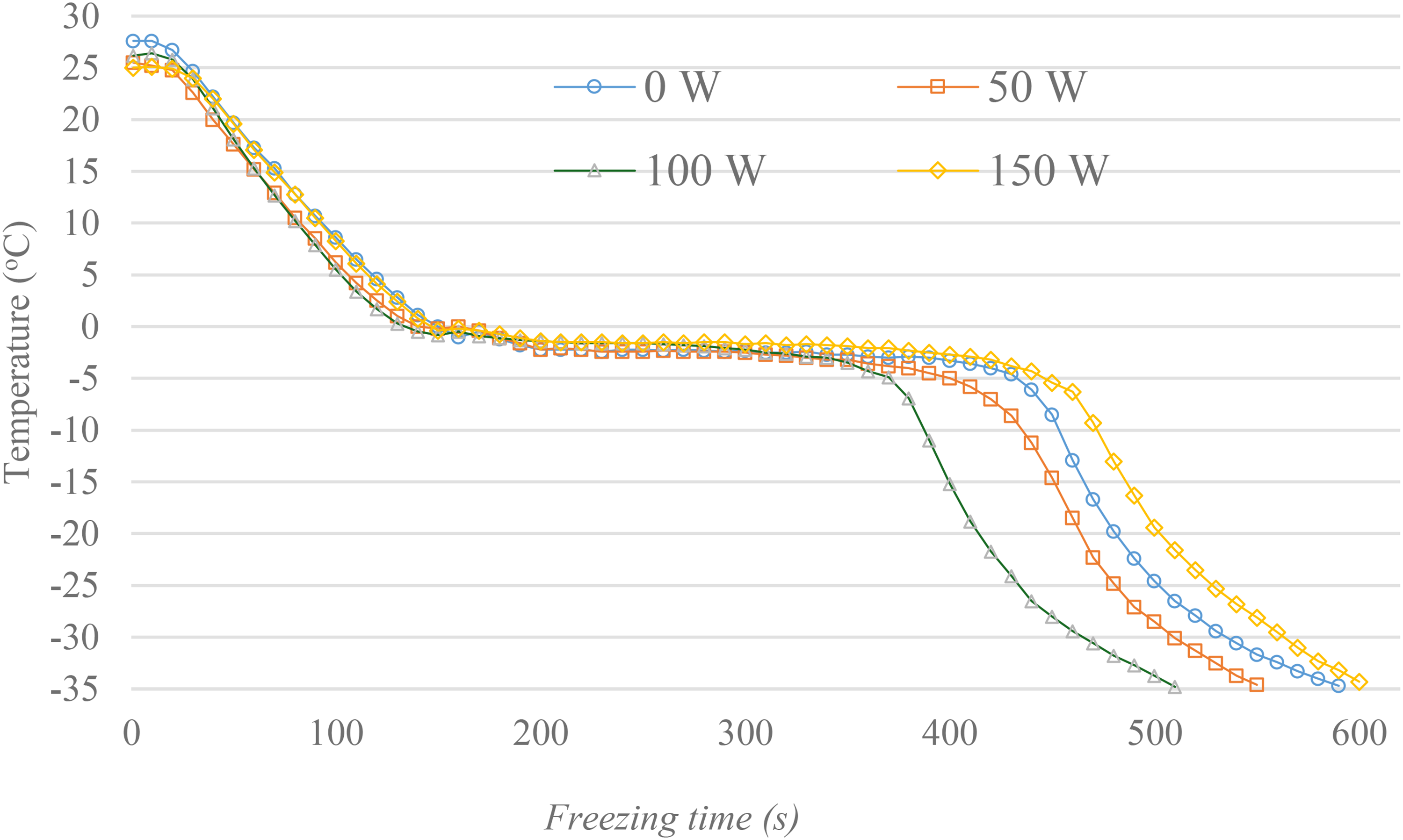
Freezing temperature profiles of Codonopsis javanica under different ultrasound power levels at 20 kHz.
Ultrasound had negligible influence on cooling and subcooling durations but markedly affected crystallization (Figure 3).
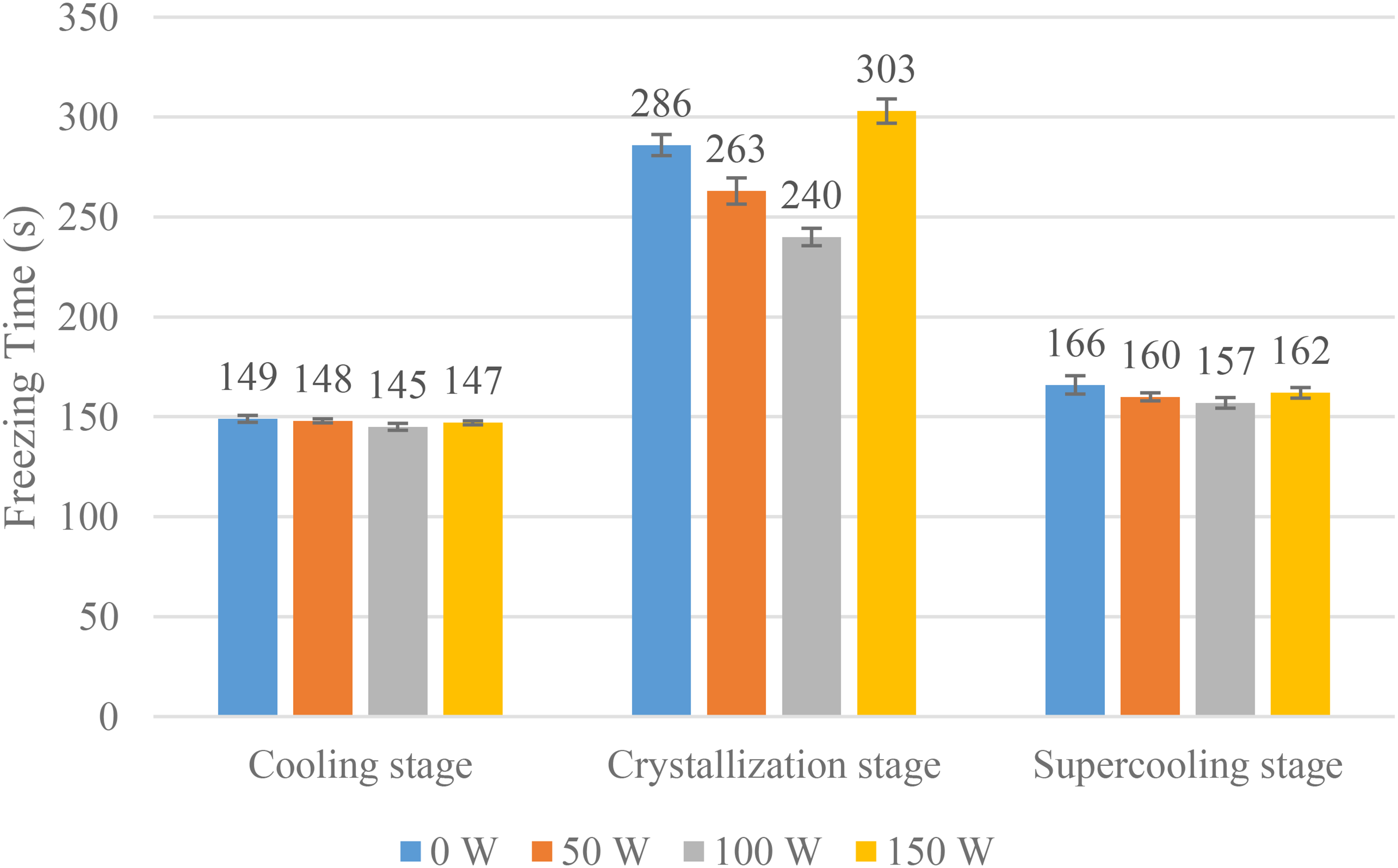
Duration of cooling, crystallization, and subcooling stages during freezing of Codonopsis javanica as affected by ultrasound power.
At 100 W, the overall freezing time decreased by 9.81% compared with the control, while increasing power to 150 W prolonged crystallization, indicating that excessive acoustic input may introduce counteracting thermal dissipation and reduce net freezing enhancement.
Total freeze-drying time
Total process time decreased with ultrasound power up to 100 W (Figure 4).
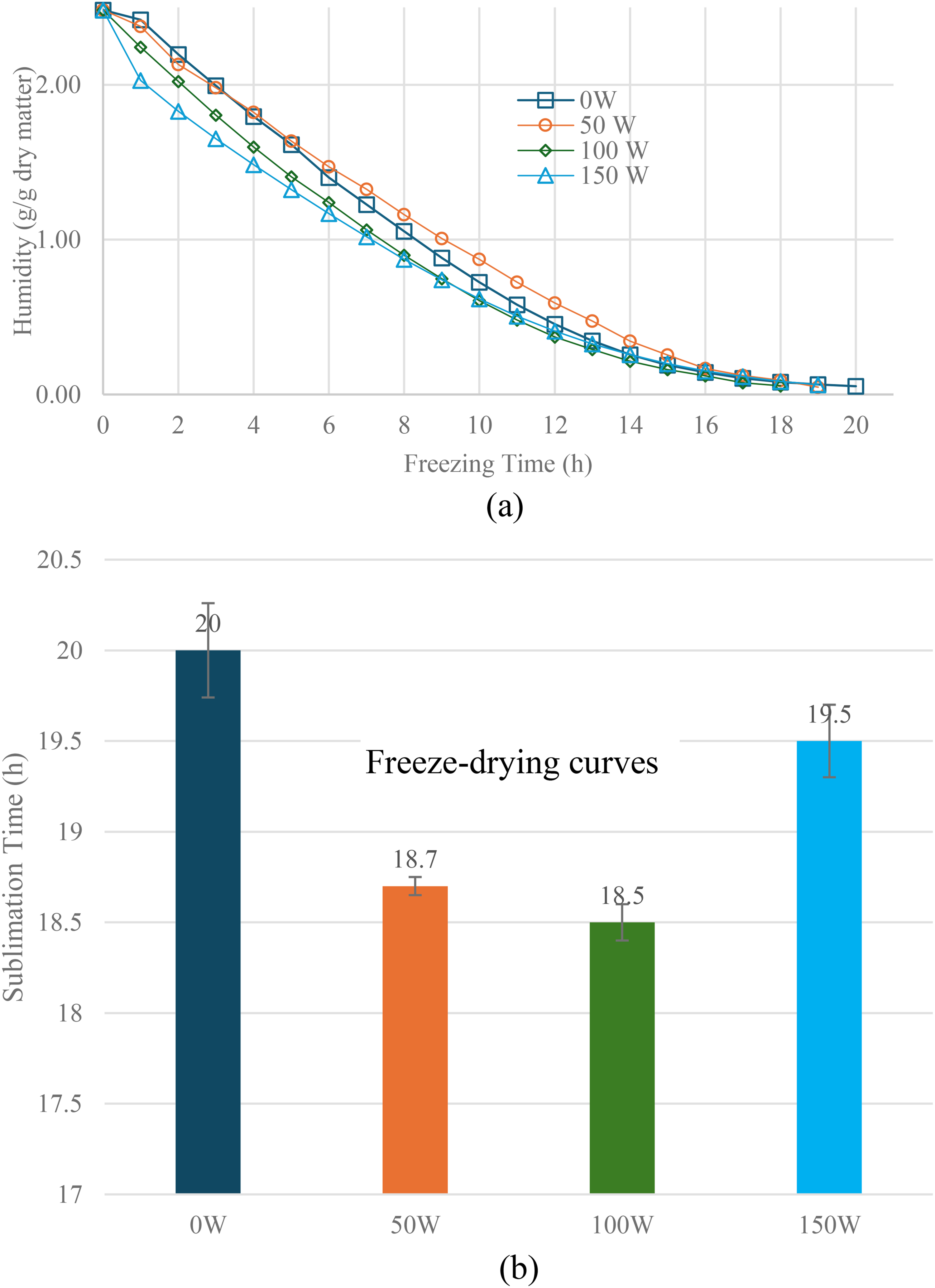
(a) Freeze-drying curves. (b) Sublimation time of Codonopsis javanica following ultrasound-assisted freezing at different power levels.
The shortest total time occurred at 100 W (18.65 h) versus 20.17 h for conventional freeze-drying, corresponding to a 7.5% reduction. At 150 W, total time increased relative to 100 W, confirming a non-monotonic response. This trend supports that the freezing-induced microstructure, primarily shaped during crystallization, governs mass-transfer resistance during sublimation (Figure 5).
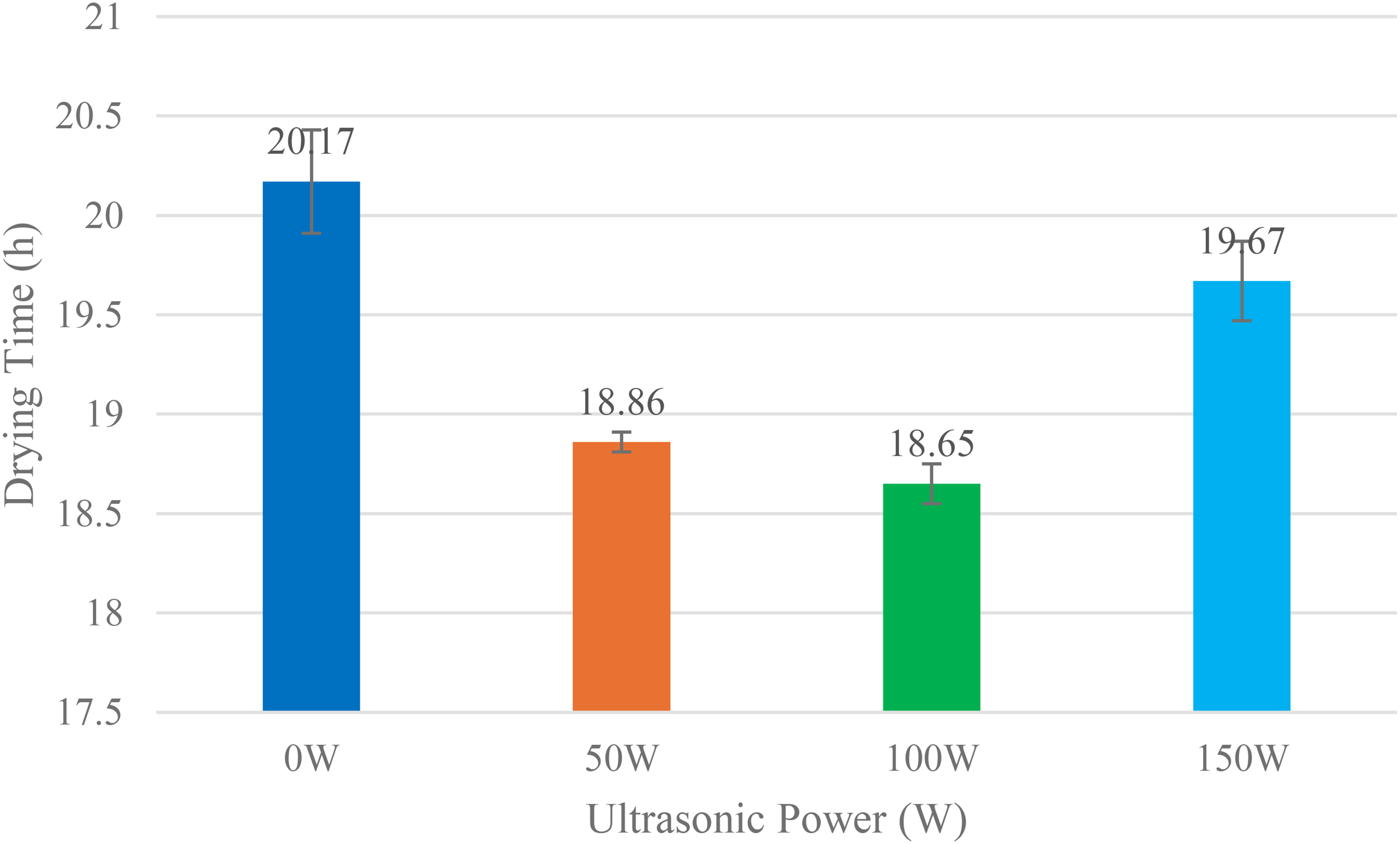
Total freeze-drying time of Codonopsis javanica as a function of ultrasound power applied during freezing.
Product quality: Color and saponin retention
Moderate ultrasound improved quality. ΔE decreased from 8.42 (control) to 6.63 (100 W), while saponin retention slightly increased to 95.35%. In contrast, 150 W increased ΔE (8.48) and reduced saponin retention (87.07%), suggesting structural or biochemical deterioration under excessive exposure. These results indicate 100 W as the optimal continuous power for balancing kinetics and quality (Figure 6).
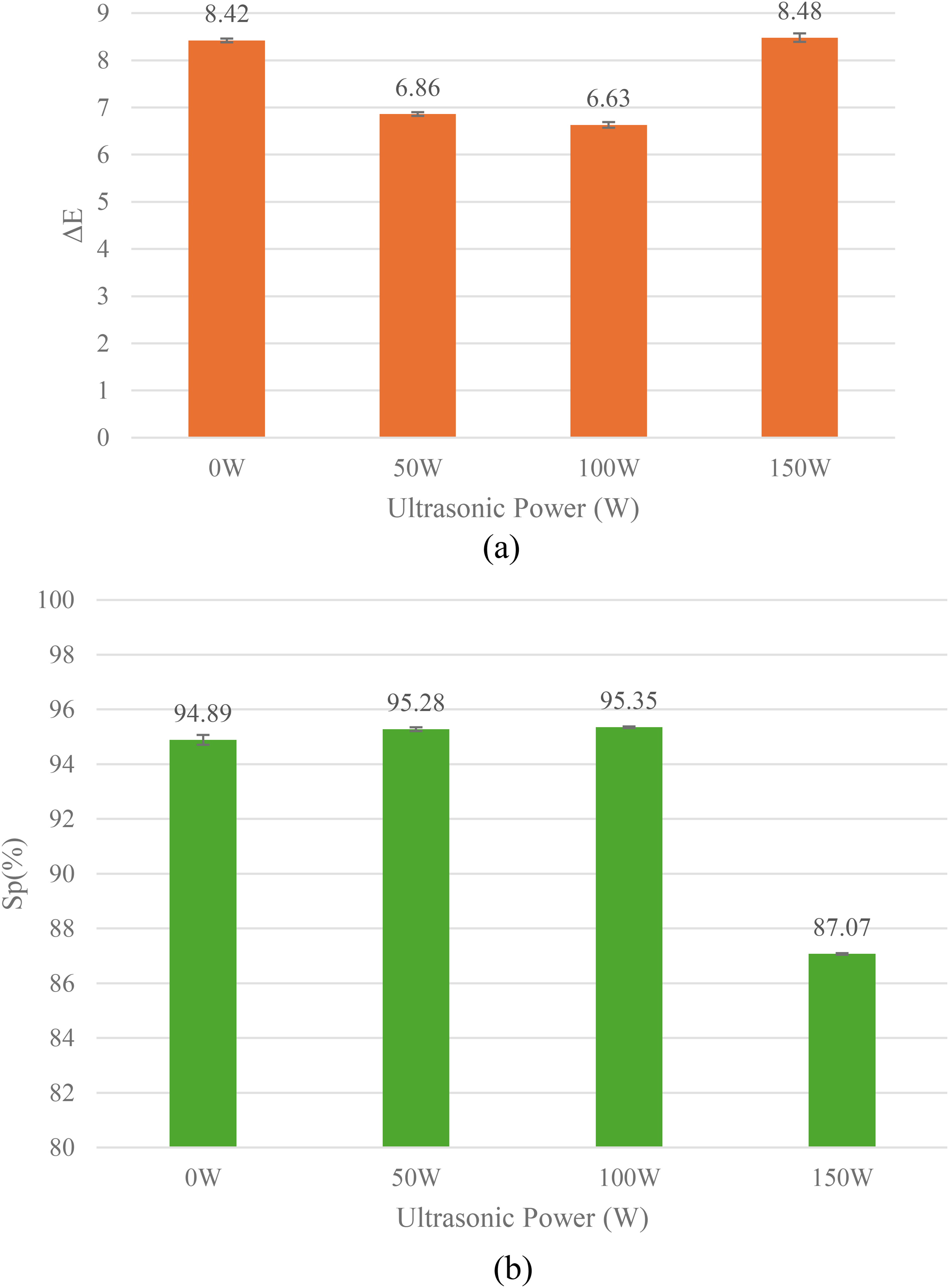
Effect of ultrasound power applied during freezing on (a) color difference (ΔE) of freeze-dried Codonopsis javanica. (b) Saponin retention of freeze-dried C. javanica.
Effect of pulsed ultrasound duty cycle during crystallization (0 °C to −5 °C)
Crystallization time and freezing efficiency
Pulsed ultrasound substantially influenced crystallization time (Figure 7).
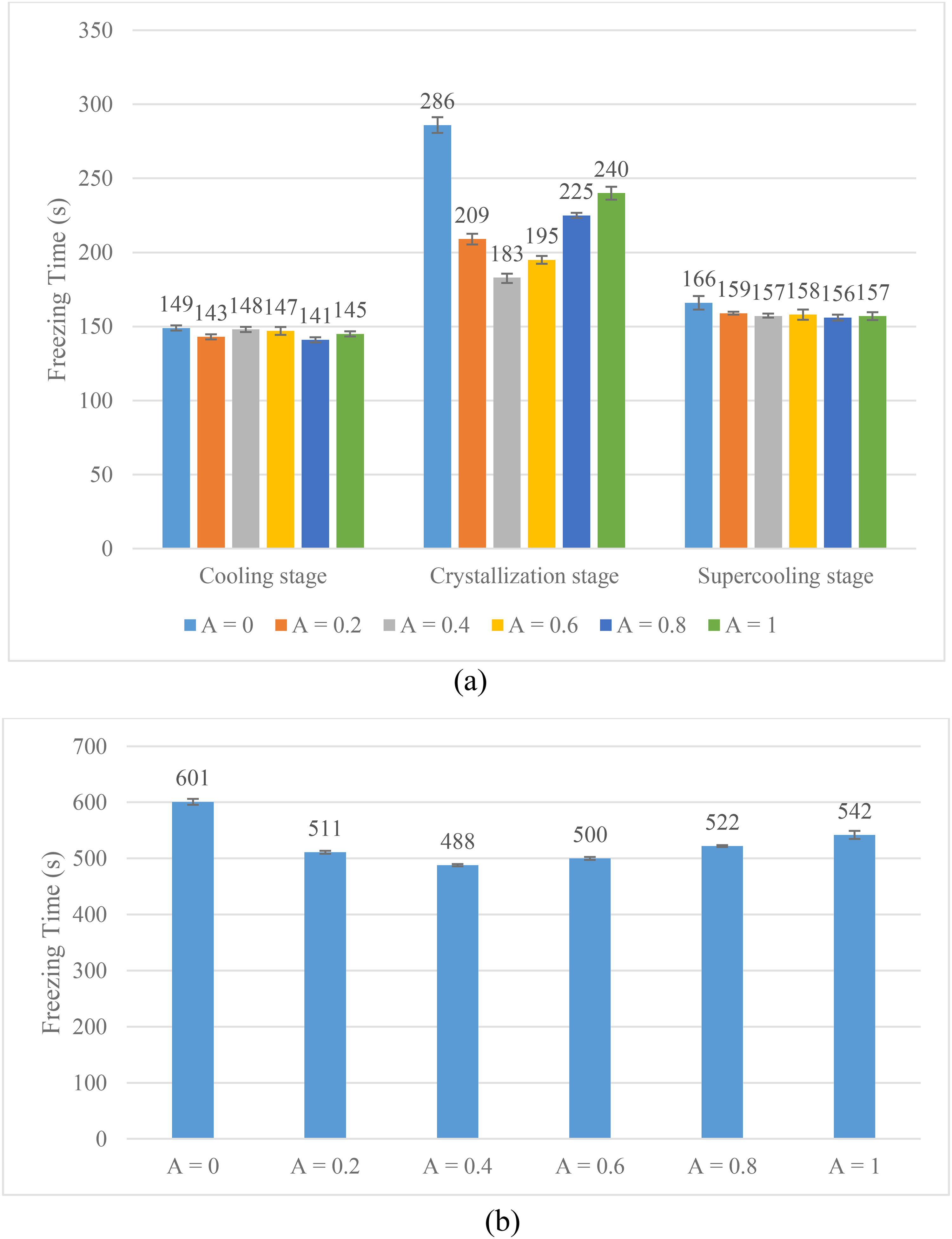
Effect of ultrasound duty cycle on (a) crystallization time of Codonopsis javanica at 20 kHz and 100 W. (b) Total freezing time of C. javanica at 20 kHz and 100 W.
An intermediate duty cycle provided the strongest reduction, whereas too short off-time (near-continuous) or too long off-time weakened the effect. The optimal mode (ton = 60 s, toff = 90 s; A = 0.40) reduced crystallization time by 18.8% versus the no-ultrasound condition, highlighting the need to balance ultrasound activation and recovery periods to maximize nucleation/crystal control.
Sublimation and total freeze-drying time
Pulsed ultrasound during crystallization translated into a pronounced reduction in sublimation duration and total process time (Figure 8).
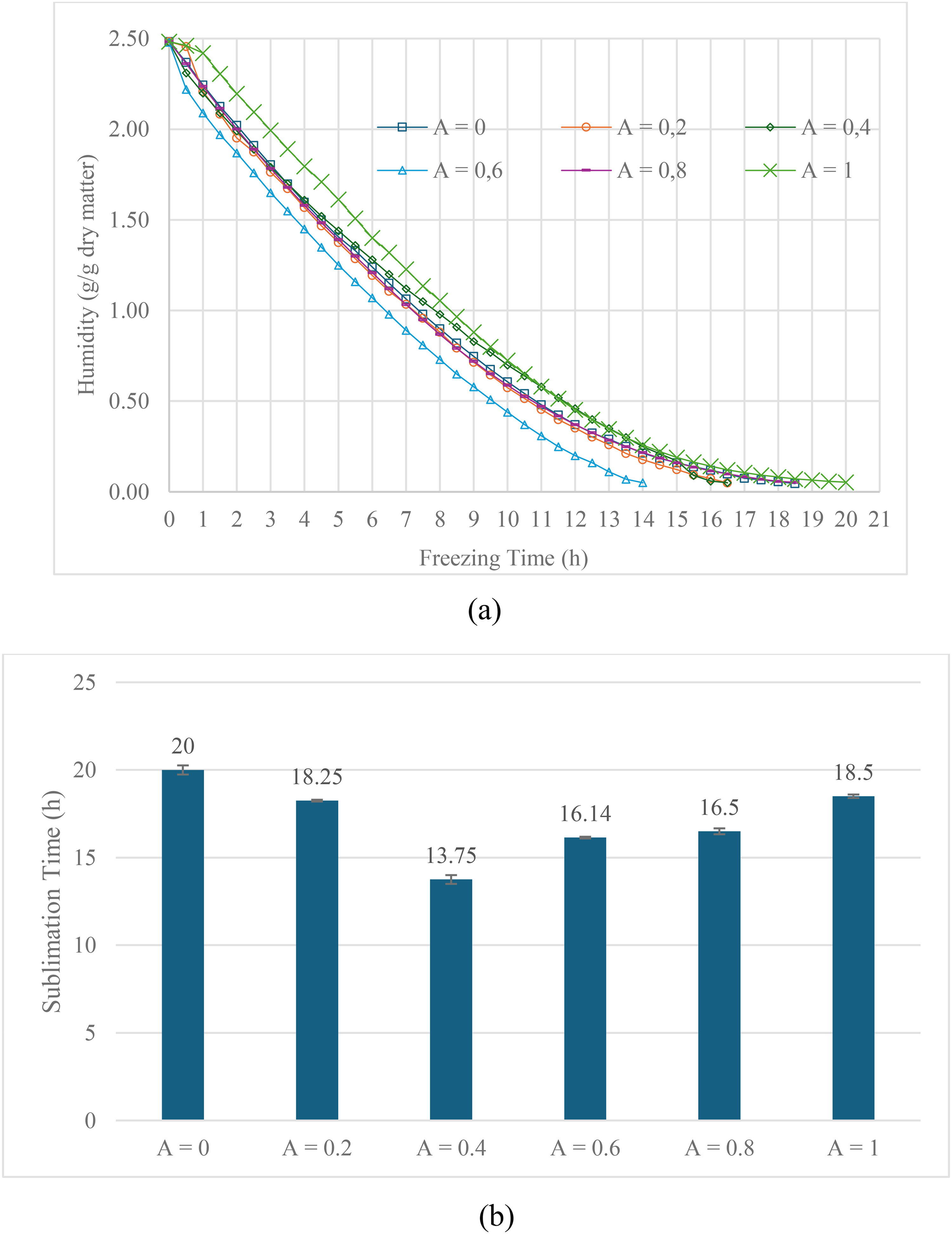
(a) Freeze-drying curves of Codonopsis javanica under different ultrasound duty cycles applied during crystallization. (b) Sublimation time of C. javanica under different ultrasound duty cycles applied during crystallization.
The best condition achieved a minimum total time of 13.89 h, representing a 31.13% reduction compared with conventional freeze-drying. This improvement is consistent with a more favorable ice crystal template that yields an open pore network after sublimation, lowering mass-transfer resistance during primary drying (Figure 9).
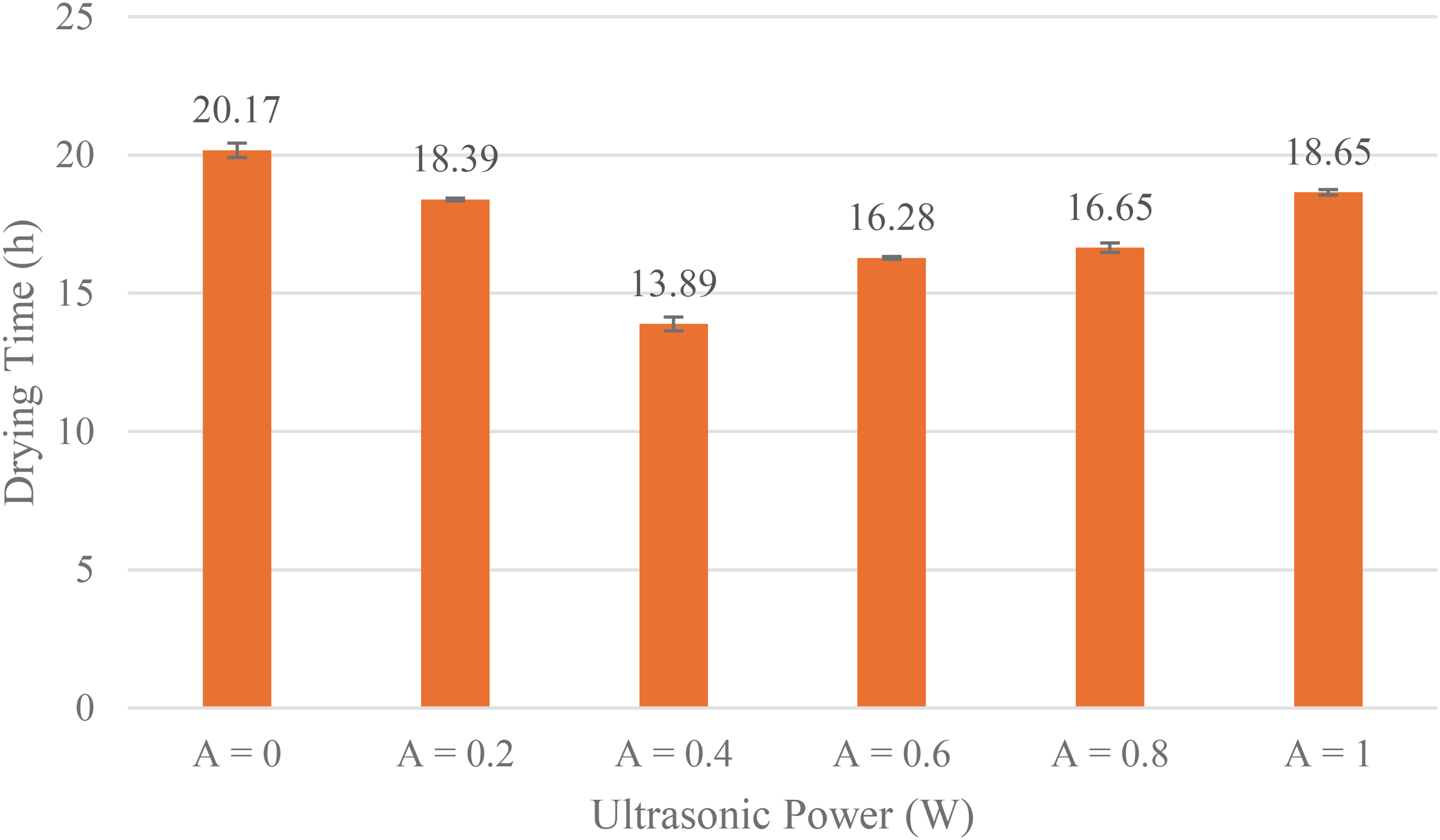
Total freeze-drying time of Codonopsis javanica as affected by ultrasound duty cycle during the crystallization stage.
The reduction in freeze-drying time observed under ultrasound-assisted freezing is consistent with recent studies reporting that ultrasound-induced cavitation and controlled ice crystallization can generate a more porous structure after sublimation, thereby reducing mass-transfer resistance and accelerating moisture removal. Similar trends have also been observed in other ultrasound-assisted drying systems, where improved internal microstructures contributed to shorter drying times and lower energy requirements (Taner, 2025; Younas et al., 2026).
The significant reduction in freeze-drying duration suggests a potential decrease in energy demand. This observation is consistent with recent studies emphasizing the importance of energy and exergy analyses as powerful approaches for evaluating process efficiency and improving the sustainability of food manufacturing systems. Taner (2024) demonstrated that thermodynamic assessment could identify energy losses and improve the energy and exergy efficiencies of yoghurt production processes. Therefore, reducing freeze-drying time through crystallization-stage ultrasound control may represent a promising strategy toward more sustainable drying operations.
Color difference and saponin retention
Quality metrics followed the same optimum trend (Figure 10).
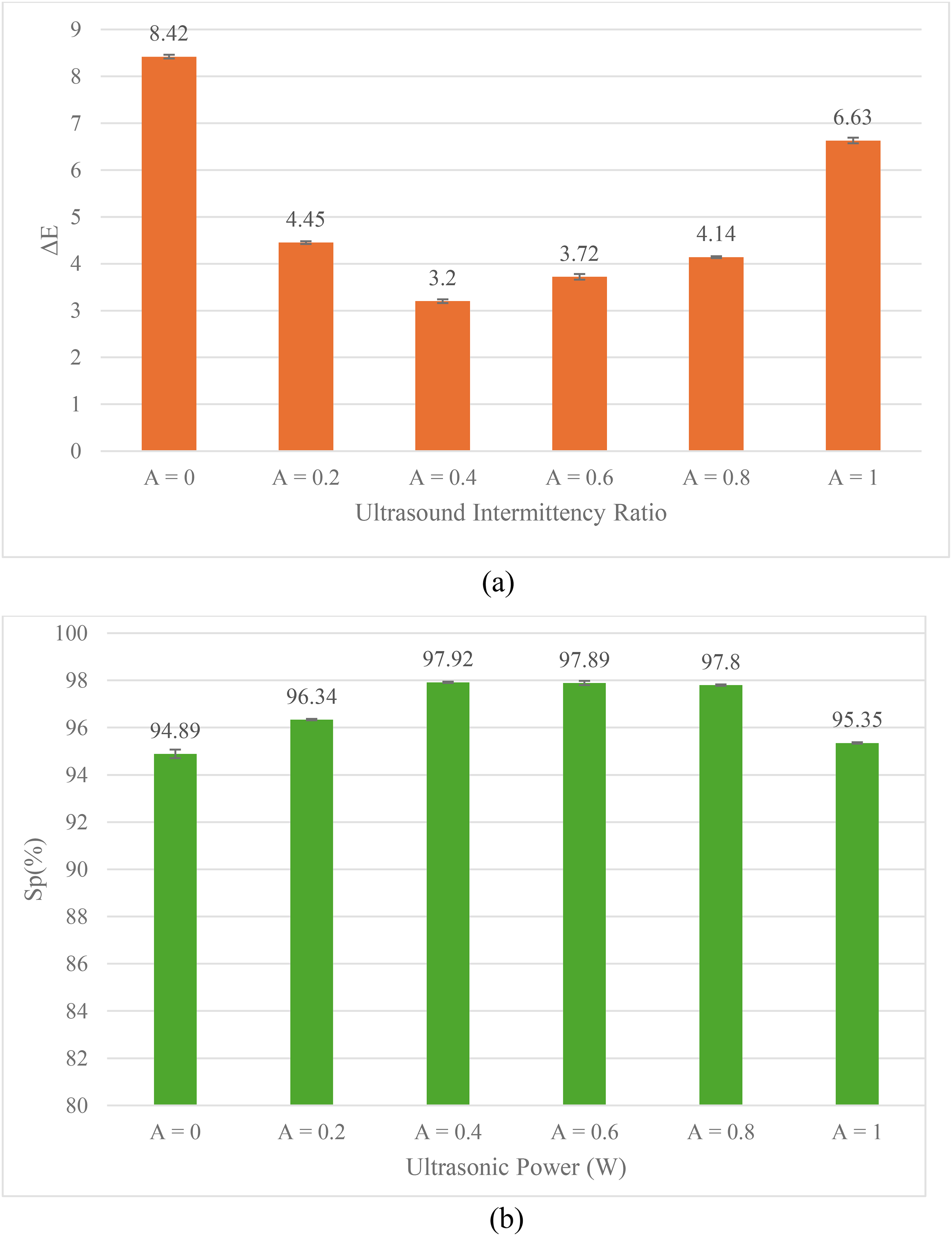
Effect of ultrasound duty cycle applied during crystallization on (a) color difference (ΔE) of freeze-dried Codonopsis javanica. (b) Saponin retention of freeze-dried C. javanica.
The optimized pulsed mode yielded ΔE = 3.2 and 97.92% saponin retention, outperforming both conventional freeze-drying and continuous ultrasound. At overly low or overly high duty cycles, ΔE increased, and saponin retention decreased, likely due to suboptimal crystallization control and prolonged exposure time (Tables 1 and 2).
Experimental conditions for ultrasound-assisted freezing and freeze-drying of Codonopsis javanica.
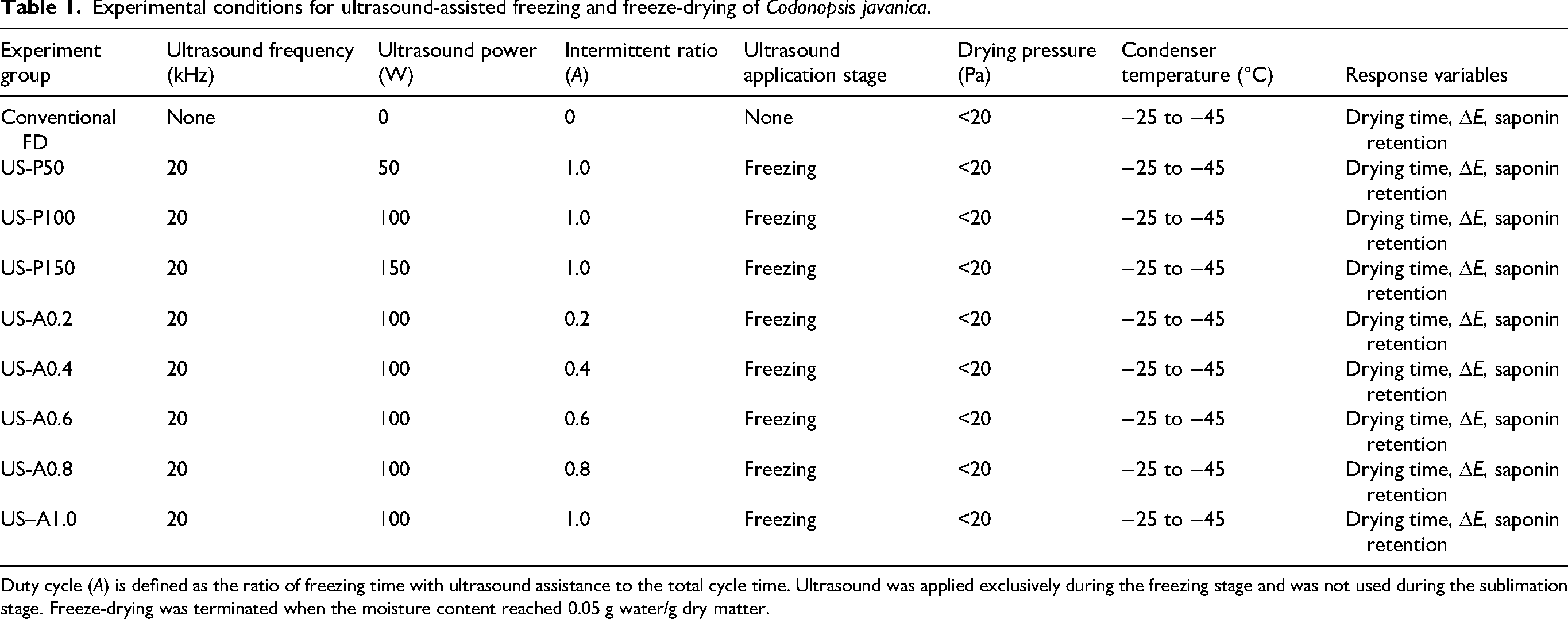
Duty cycle (A) is defined as the ratio of freezing time with ultrasound assistance to the total cycle time. Ultrasound was applied exclusively during the freezing stage and was not used during the sublimation stage. Freeze-drying was terminated when the moisture content reached 0.05 g water/g dry matter.
Comparison of freeze-drying performance and quality under conventional, continuous ultrasound, and optimized pulsed ultrasound conditions.

Compared with conventional freeze-drying, the optimized pulsed ultrasound strategy in the present study reduced the total drying time by 31.13% while simultaneously improving color quality (ΔE = 3.2) and increasing saponin retention to 97.92%. This simultaneous improvement in process efficiency and product quality demonstrates the advantage of crystallization-stage ultrasound control. Recent studies have emphasized that future developments in freeze-drying should focus not only on reducing processing time and energy consumption but also on maintaining the quality and bioactive characteristics of high-value food and medicinal materials (Llavata et al., 2024).
Discussion
The improvement in freeze-drying performance observed in this study can be explained by the microstructural changes induced during the freezing stage. In freeze-drying systems, the pore architecture of the dried material is largely determined by the spatial distribution and morphology of ice crystals formed during the preceding freezing step. When freezing generates larger and more uniformly distributed ice crystals, the subsequent sublimation stage typically produces wider and better-connected pores within the dried matrix, thereby reducing vapor diffusion resistance during primary drying (Levin, 2021; Tan et al., 2021).
During freezing, ultrasound can modify crystallization behavior through physical phenomena such as acoustic cavitation, microstreaming, and pressure oscillations, which promote heterogeneous nucleation and influence ice crystal growth kinetics (Ma et al., 2021). These effects can promote heterogeneous nucleation and alter the kinetics of crystal growth. When moderate ultrasound power is applied, cavitation bubbles collapse and generate localized pressure disturbances that facilitate nucleation events and enhance heat transfer within the freezing medium. As a result, the crystallization stage becomes more controlled, leading to a more uniform ice crystal distribution.
The microstructural consequence of this phenomenon is particularly important for freeze-drying. During sublimation, the removal of ice leaves behind a pore network that mirrors the ice crystal template formed during freezing. A more open and interconnected pore structure reduces vapor diffusion resistance and facilitates the transport of water vapor from the interior of the sample toward the surface. This structural advantage explains the reduction in total freeze-drying time observed when ultrasound-assisted freezing was applied.
However, the results also demonstrate that the response to ultrasound intensity is not strictly monotonic. Increasing the ultrasound power to 150 W did not further improve freezing efficiency and instead resulted in longer crystallization times and lower product quality. This behavior suggests that excessive acoustic energy may introduce additional thermal effects due to acoustic dissipation, which can partially counteract the freezing process. Moreover, excessive cavitation may disturb the stability of growing crystals and produce less favorable ice structures. Such effects may lead to smaller or irregular ice crystals, which generate narrower pores after sublimation and therefore increase vapor transport resistance.
The use of pulsed ultrasound provides a potential solution to this limitation. By introducing alternating periods of acoustic activation and recovery, pulsed operation allows the system to benefit from nucleation enhancement while avoiding excessive energy accumulation. During the ultrasound-on period, cavitation and microstreaming stimulate nucleation and influence crystal growth. During the off period, thermal equilibrium is partially restored, allowing stable crystal development without excessive acoustic disturbance. This balance between activation and recovery is reflected in the duty cycle parameter.
The results indicate that an intermediate duty cycle (ton = 60 s, toff = 90 s; A = 0.4) produced the most favorable freezing behavior and the shortest freeze-drying time. Under this condition, crystallization was accelerated while maintaining sufficient time for stable crystal growth. Consequently, the resulting ice crystal structure likely produced a more open pore network after sublimation, thereby minimizing vapor transport resistance during primary drying.
From a mass-transfer perspective, the freeze-drying rate during primary drying is governed by the resistance to vapor flow through the dried layer and the porous structure generated during freezing. A well-developed pore network reduces the effective diffusion resistance and enhances sublimation flux. Therefore, the improvement in drying kinetics observed under optimized ultrasound conditions can be attributed to the formation of a more favorable ice template microstructure during the freezing stage.
Overall, these findings highlight that the key mechanism underlying ultrasound-assisted freeze-drying is not simply an acceleration of the freezing rate, but rather the microstructure engineering of ice crystals during the crystallization stage. By controlling nucleation and crystal growth through stage-specific ultrasound application and duty cycle optimization, it becomes possible to tailor the pore network formed after sublimation and thereby enhance freeze-drying efficiency while preserving product quality.
Conclusion
This study demonstrates that ultrasound-assisted freezing can significantly enhance the freeze-drying performance of C. javanica when the acoustic treatment is specifically controlled during the crystallization stage. The results show that the effectiveness of ultrasound does not arise merely from accelerating freezing, but from its ability to regulate nucleation and ice crystal growth, thereby modifying the frozen microstructure that ultimately governs vapor transport during sublimation.
Under continuous ultrasound application, a moderate power level (100 W) produced the most favorable performance, reducing the total freeze-drying time from 20.17 h to 18.65 h (7.5% reduction) while simultaneously improving product quality (ΔE = 6.63; saponin retention = 95.35%). In contrast, increasing the power to 150 W resulted in prolonged crystallization and deterioration of quality, indicating that the response of the system to acoustic intensity is non-monotonic due to competing effects of cavitation enhancement and acoustic heat dissipation.
Further improvement was achieved through pulsed ultrasound applied specifically during the crystallization window (0 °C to −5 °C). The optimal duty cycle (ton = 60 s, toff = 90 s; A = 0.4) provided the best balance between nucleation activation and crystal growth stabilization, leading to the shortest total process time of 13.89 h (31.13% reduction relative to conventional freeze-drying) together with superior product quality (ΔE = 3.2 and saponin retention of 97.92%).
These findings highlight that the key mechanism underlying ultrasound-assisted freeze-drying lies in crystallization-stage microstructure engineering, where ultrasound modulates nucleation dynamics and ice crystal morphology, producing a more open pore network after sublimation and consequently reducing vapor diffusion resistance during primary drying.
Overall, the results demonstrate that stage-specific ultrasound control combined with duty cycle optimization represents an effective strategy for intensifying freeze-drying processes of thermosensitive medicinal roots. This approach provides a practical pathway for reducing processing time while preserving bioactive compounds and may be extended to other plant-based.
Footnotes

Funding
The authors received no financial support for the research, authorship, and/or publication of this article.
Declaration of conflicting interests
The authors declared no potential conflicts of interest with respect to the research, authorship, and/or publication of this article.