







Abstract
Precise forecasting of renewable energy generation is crucial for ensuring grid stability and enhancing the efficiency of energy management systems. This research develops and rigorously evaluates a range of deep learning models—such as Recurrent Neural Networks (RNNs), Long Short-Term Memory (LSTM) networks, Gated Recurrent Units (GRUs), and Bidirectional LSTM (BiLSTM) architectures—for predicting solar, wind, and total renewable energy production at a national scale. These models are systematically benchmarked against traditional machine learning approaches and gradient boosting methods to determine their predictive capabilities. The findings demonstrate that deep learning models incorporating memory mechanisms consistently surpass conventional methods, with BiLSTM standing out as the most precise and dependable model. Furthermore, the study investigates fully connected artificial neural networks (ANNs) and ConvLSTM2D models, reinforcing the advantages of memory-based architectures in modeling temporal relationships. By introducing a robust deep learning framework for large-scale renewable energy forecasting, this research represents a considerable leap forward compared to traditional machine learning techniques. The results highlight the transformative potential of deep learning in improving forecasting accuracy, thereby facilitating more effective energy planning and the smooth integration of renewable energy into national power grids.
Introduction
Accurate forecasting of solar and wind energy generation plays a crucial role in ensuring grid stability, efficient energy management, and the seamless integration of renewable energy sources into existing power infrastructures. The advancements in artificial intelligence (AI) have significantly improved decision-making, control systems, strategic planning, and overall efficiency in energy systems. 1 Consequently, a wide range of machine learning (ML) and deep learning (DL) algorithms have been explored for renewable energy forecasting. 2 Several studies have employed ML models for solar power prediction, leveraging diverse training datasets. For instance, a two-stage forecasting framework proposed in Kim and Lee 3 first predicts irradiance levels before utilizing the estimated values for solar power generation forecasting. Other approaches involve hybrid methodologies, integrating multiple ML algorithms 4 or employing modified versions of existing models with additional optimization techniques. 5 Beyond ML-based models, deep learning approaches have also been extensively utilized in solar energy forecasting.6,7
Various studies have explored deep and basic ANNs for energy prediction, 8 while LSTM networks and their extensions have often been preferred.9,10 The selection of forecasting methodology is also influenced by whether the task involves short-term or long-term predictions, with day-ahead forecasting models demonstrating promising accuracy. 11 Additionally, the quality and structure of training data play a critical role in model performance, with certain studies incorporating geographical and satellite-based imagery as training inputs. 12 Convolutional Neural Networks (CNNs) have emerged as a powerful tool in this domain, often combined with deterministic, heuristic, or metaheuristic optimization techniques to enhance predictive performance. 13 However, a significant drawback of these deep learning methods is their high computational complexity and extended training times.
Among key external factors affecting solar power generation, meteorological variables—particularly irradiance—serve as primary determinants. Consequently, some studies have focused on irradiance forecasting instead of direct power estimation, yielding highly accurate results.14–16 To address the challenge of computational efficiency, recent studies have explored Gradient Boosting Machine (GBM)-based regression algorithms, demonstrating notable success in renewable energy forecasting. 17 For instance, 17 introduced three advanced GBM-based algorithms—XGBoost, CatBoost, and LightGBM—for solar power plant output prediction, with comparative analyses confirming their effectiveness. Similarly, 18 demonstrated the robustness of XGBoost in ultra-short-term energy forecasting. GBM-based methods have also been integrated with deep learning techniques for wind power forecasting. In Ju et al., 19 a CNN-LightGBM hybrid model was developed to enhance wind turbine power generation prediction, while 20 successfully combined CNN and LSTM with LightGBM for similar tasks.
Deep learning models continue to evolve with hybrid and ensemble approaches. For instance, 21 proposed a combined NeuralProphet and CNN-LSTM framework for electricity load forecasting, utilizing historical load data from Hong Kong and Texas. The model achieved high accuracy, outperforming conventional methods such as Prophet and standard LSTM models. In another study, 22 introduced a ConvLSTM-based model for solar irradiance forecasting, incorporating historical meteorological features such as temperature, humidity, and rainfall to improve predictive accuracy. A similar Dynamic Bayesian Network (DBN)-based approach was employed in Zhang et al. 23 for solar power forecasting in photovoltaic (PV) plants, integrating sensor data, meteorological parameters, and operational indicators. The model, trained on 15-minute interval data from a 40 MW PV plant, achieved an accuracy of 92%–95%, surpassing benchmarks such as SVR, kNN, ANN, and LSTM.
Additional advancements in machine learning and deep learning models for solar power forecasting have been explored using Random Forest (RF), Deep Neural Networks (DNN), and LSTM-based frameworks. A study conducted in Berlin, Germany, utilized four years of hourly PV output data to develop predictive models, with RF outperforming other approaches in terms of accuracy. 24 Despite these advancements, deep learning remains underutilized in PV forecasting, and future research should focus on probabilistic forecasting models to better address uncertainty in energy predictions. 25
Recent studies have also investigated recursive and multi-input multi-output (MIMO) LSTM strategies for PV power forecasting, with datasets spanning five years of hourly data from a 25 kW PV plant in Romania. Comparative analyses demonstrated that the MIMO approach yielded superior long-term accuracy. 26 Other research has explored Multi-Layer Feedforward Neural Networks (MLFFNN), Recurrent Neural Networks (RNN), and Nonlinear Autoregressive Networks (NARXNN) for PV output forecasting, utilizing meteorological and solar radiation data from multiple substations. 27 The MLFFNN model achieved the lowest MSE, demonstrating strong generalization capabilities for regional power forecasting. Similarly, Random Forest models have proven effective in handling nonlinear relationships in short-term solar PV power forecasting. 28 Beyond forecasting, accurate and fast predictive models play a crucial role in reinforcement learning (RL)-based energy management systems. In grid management applications involving solar energy, precise power output forecasting enables RL agents to learn optimal control strategies, improving system efficiency.29,30
On the other hand, forecasting the power to be generated by wind turbines is of great importance in many aspects such as stable management of the energy grid, maintaining the supply and demand balance, determining energy storage strategies, efficient operation of wind power plants, maintenance and repair planning, energy trade, planning of new plant investments, evaluation of environmental impacts and weather warnings. Thanks to these forecasts, more informed decisions can be made in the energy sector and wind energy can be utilized in the best way possible. 31 For wind power forecasting, deep learning models have also been widely explored. Some studies focus on single turbine power prediction, 32 while others develop models for large-scale wind farms. 33 CNN and LSTM-based models, often combined with machine learning techniques, have been employed for wind power forecasting. 20 Additionally, several studies prioritize wind speed prediction, given its direct impact on turbine performance, using deep learning architectures. 34 A CNN-LSTM hybrid approach was proposed in Liao et al. 35 for short-term renewable energy generation prediction, further demonstrating the adaptability of DL models in this domain.
This study advances data-driven renewable energy forecasting, offering a novel, scalable, and highly accurate predictive framework to support future smart grid planning and energy management strategies. With these in mind, we can list the main contributions of this paper to the literature as follows. This study:
Proposes a novel comprehensive deep learning-based framework for predicting solar, wind, and total renewable energy generation at a national scale, utilizing real-world data over five years. Demonstrates that BiLSTM outperforms traditional ML, gradient boosting, and alternative DL models, highlighting the effectiveness of memory cell structures in capturing temporal dependencies in energy forecasting. Presents real-world large-scale dataset. it is utilized five years of national energy data from Austria, covering solar and wind power at 15-minute and hourly intervals. Introduces a data-independent forecasting methodology that can be adapted to diverse scenarios, paving the way for more scalable and accessible renewable energy forecasting solutions.
This paper is organized as follows: Section II explains proposed DL algorithms, detailing its mathematical foundations and the proposed forecasting methodology. Section III describes the data acquisition process and dataset preparation steps undertaken for both case studies. Section IV presents the performance results and analysis, comparing the proposed model’s outcomes against established metrics. Finally, Section V concludes with a summary of the study’s contributions, limitations, and directions for future research.
Theoretical foundations of predictive modeling
AI is defined as the ability of computers to perform human-like intelligence tasks. ML is a sub-branch of AI and enables computers to learn from data and experience without being explicitly programmed. DL is a subset of machine learning and analyzes and learns from data using complex algorithms known as ANN. DL is particularly successful when working with large data sets and recognizing complex patterns. ANNs are basic neural network structures and aim to learn complex relationships by processing data in layers. CNNs are particularly successful in image processing tasks and can automatically extract similarities thanks to convolution and pooling layers. RNNs, on the other hand, are designed to work with time series data or sequential data and can make future predictions using past information. All these types of networks form the basis of deep learning models and are used in different application areas. This section presents the basics of the four algorithms with memory cells selected for this study.
Recurrent neural networks (RNNs)
RNNs are a type of neural network designed to handle sequential data, such as time series, text, or speech. Unlike traditional feedforward neural networks, RNNs have a “memory” that allows them to capture temporal dependencies by maintaining a hidden state that evolves over time. This hidden state acts as a summary of the information seen so far in the sequence.
In terms of RNN working princible, at each time step
Once the hidden state is updated, the output
At the first time step (







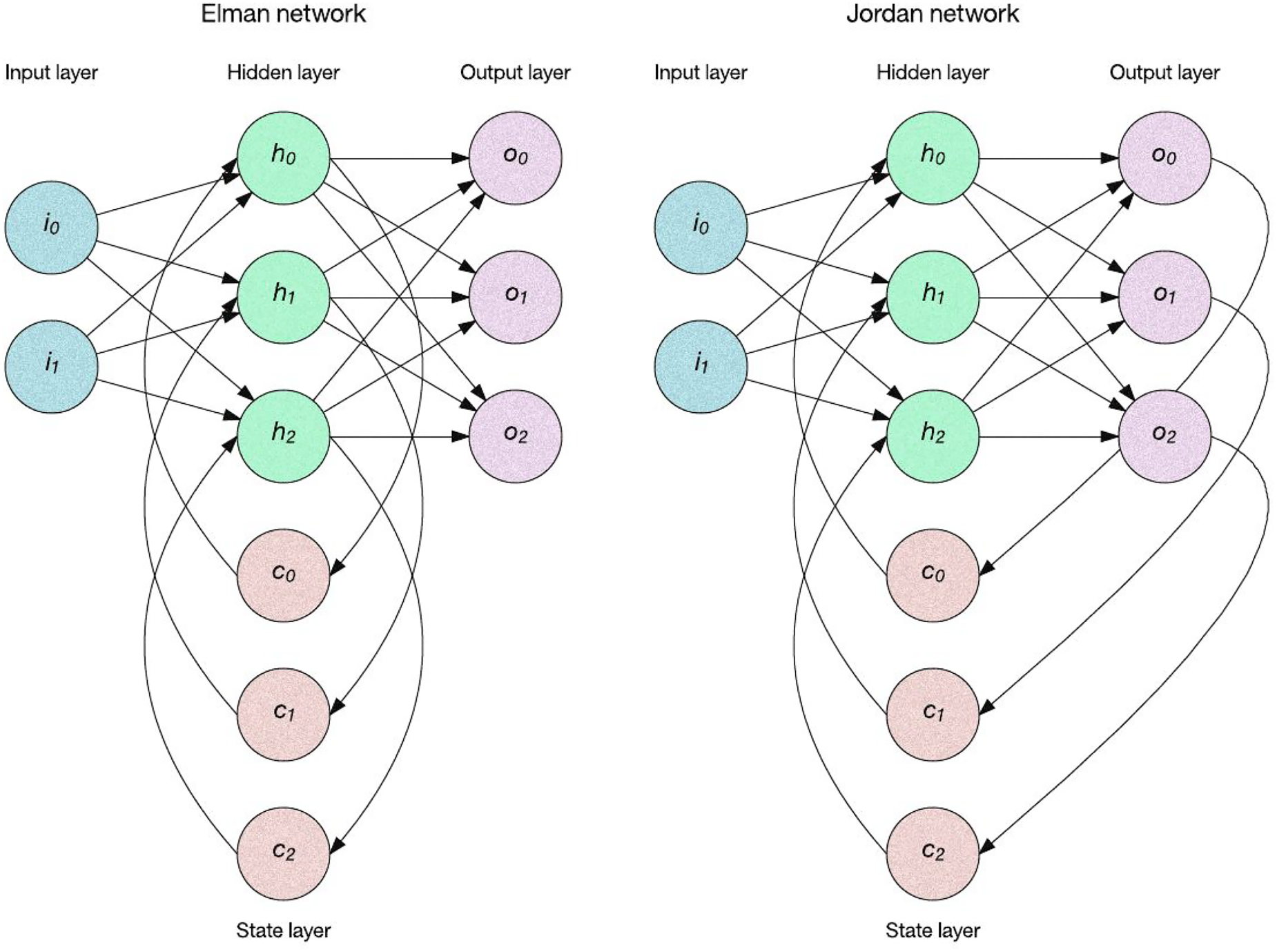
Two main structure of RNNs (Elman network and Jordan network).
One challenge in training RNNs is the
LSTM networks
38
are an extension of RNNs specifically designed to mitigate the vanishing gradient problem. Unlike standard RNNs, LSTMs utilize
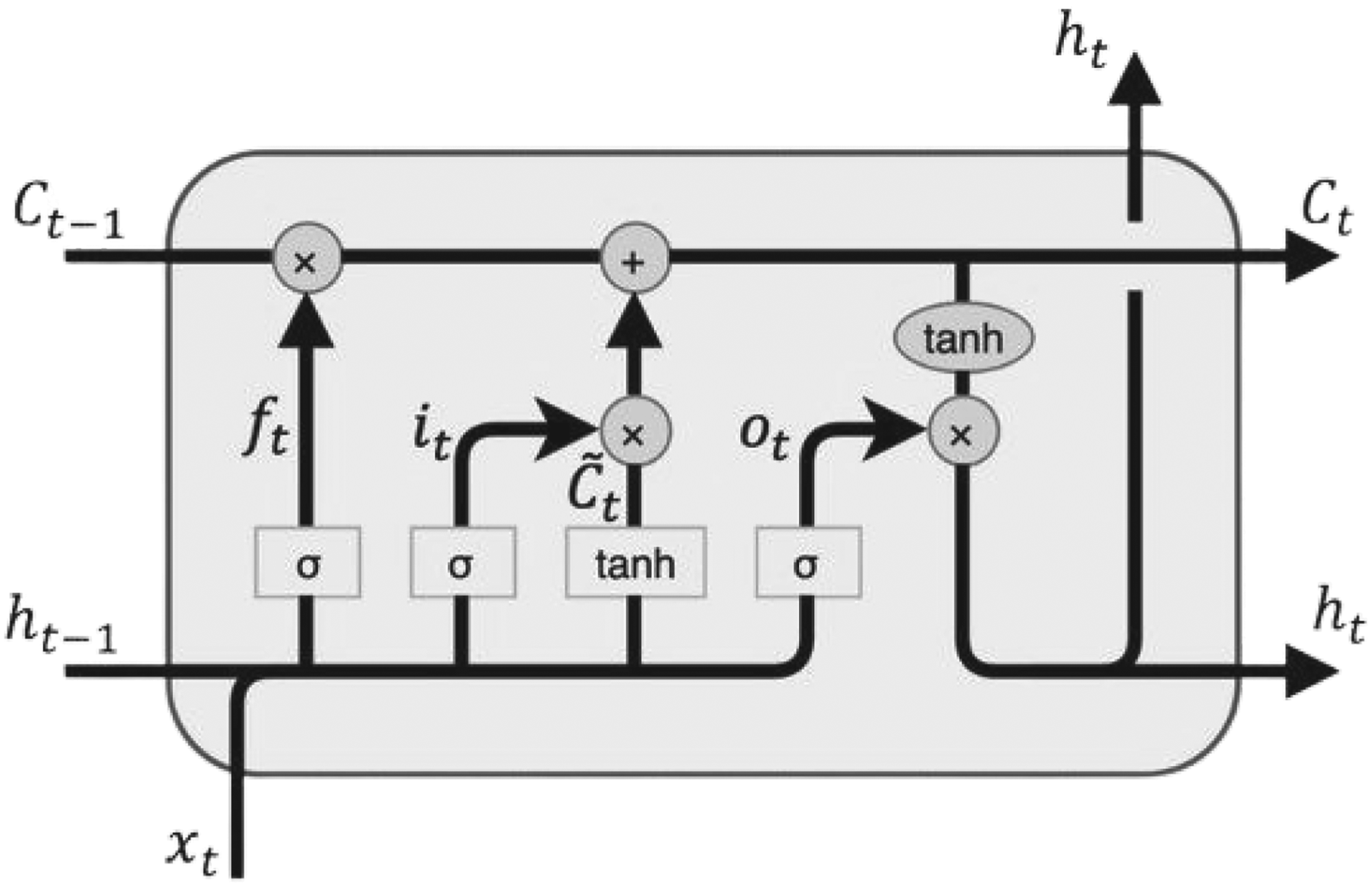
Inside of an LSTM cell.
The mathematical operations governing LSTM cell updates are given by:
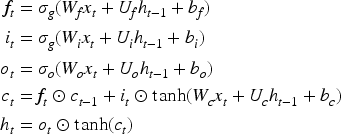
The number of LSTM units required depends on the specific characteristics of the problem being addressed. Each LSTM cell maintains an independent long-term or short-term memory component, making it highly effective for applications requiring temporal dependencies. 39 This architecture has proven particularly successful in forecasting renewable energy production, such as annual solar power predictions and wind turbine power generation, which are the focus of this study.
GRUs
40
are a streamlined alternative to LSTMs, reducing computational complexity while maintaining comparable performance. Unlike LSTMs, GRUs combine the forget and input gates into a
The mathematical representation of GRU operations is as follows:
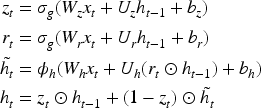
This GRU-based structure, which builds upon RNNs and addresses fundamental issues such as vanishing and exploding gradients, is among the most efficient deep learning methodologies, alongside LSTM. GRU is particularly well-suited for time-series forecasting tasks requiring short-term memory retention, making it a compelling choice for this study. In this research, GRU is employed to predict the hourly variation in energy production from renewable energy sources. A comparative performance evaluation of GRU and three other deep learning models is presented in Section 4.
Bidirectional LSTM (BiLSTM)
BiLSTM is an extension of the standard LSTM network that processes sequential data in both forward and backward directions.
41
This allows the model to capture dependencies from both past and future contexts, making it particularly effective for tasks where understanding the entire sequence is crucial. A BiLSTM consists of two separate LSTM layers:
At each time step
The forward and backward hidden states are computed using the standard LSTM update rules. For the forward LSTM:



The output at each time step

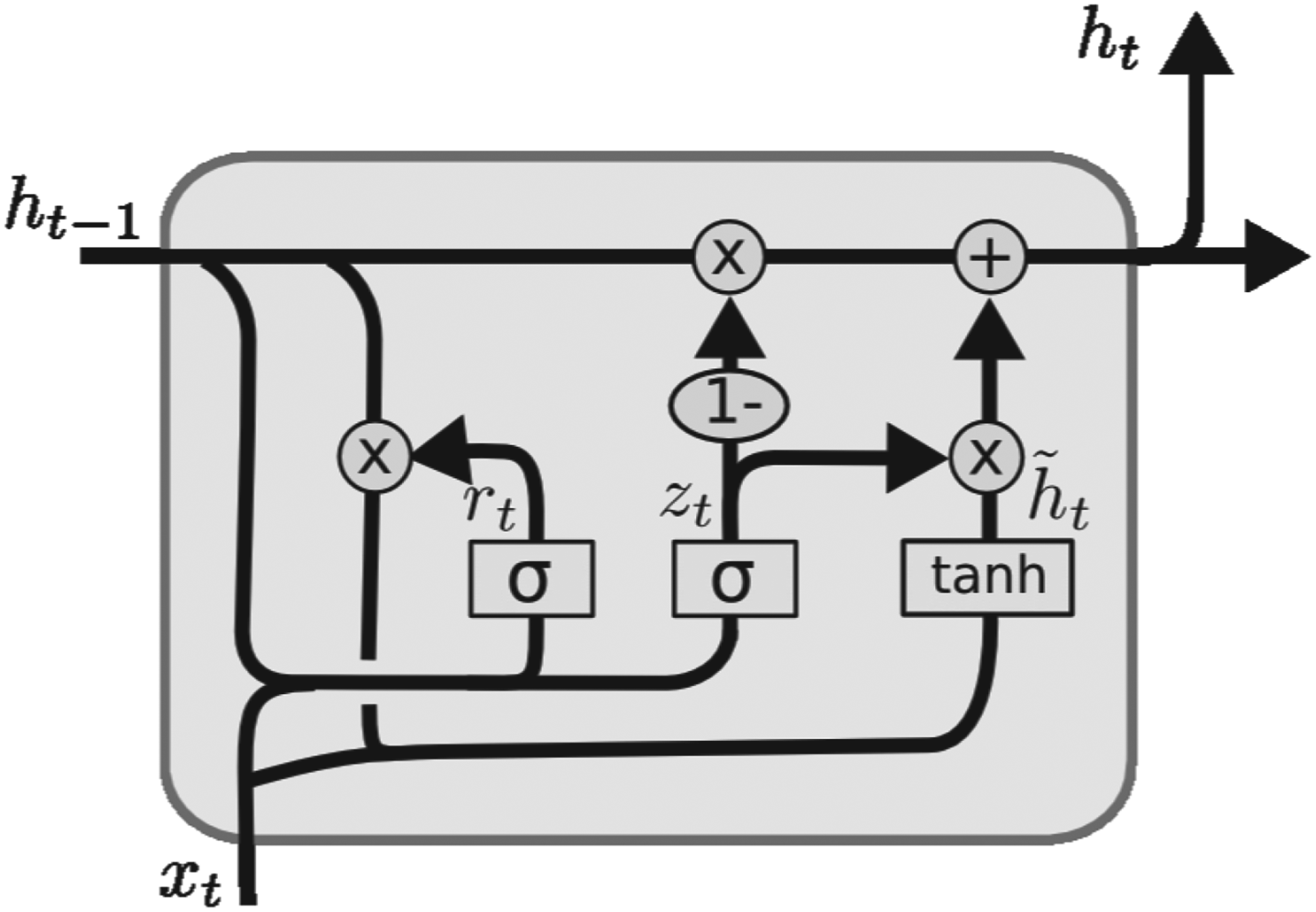
GRU cell in fully gated version.
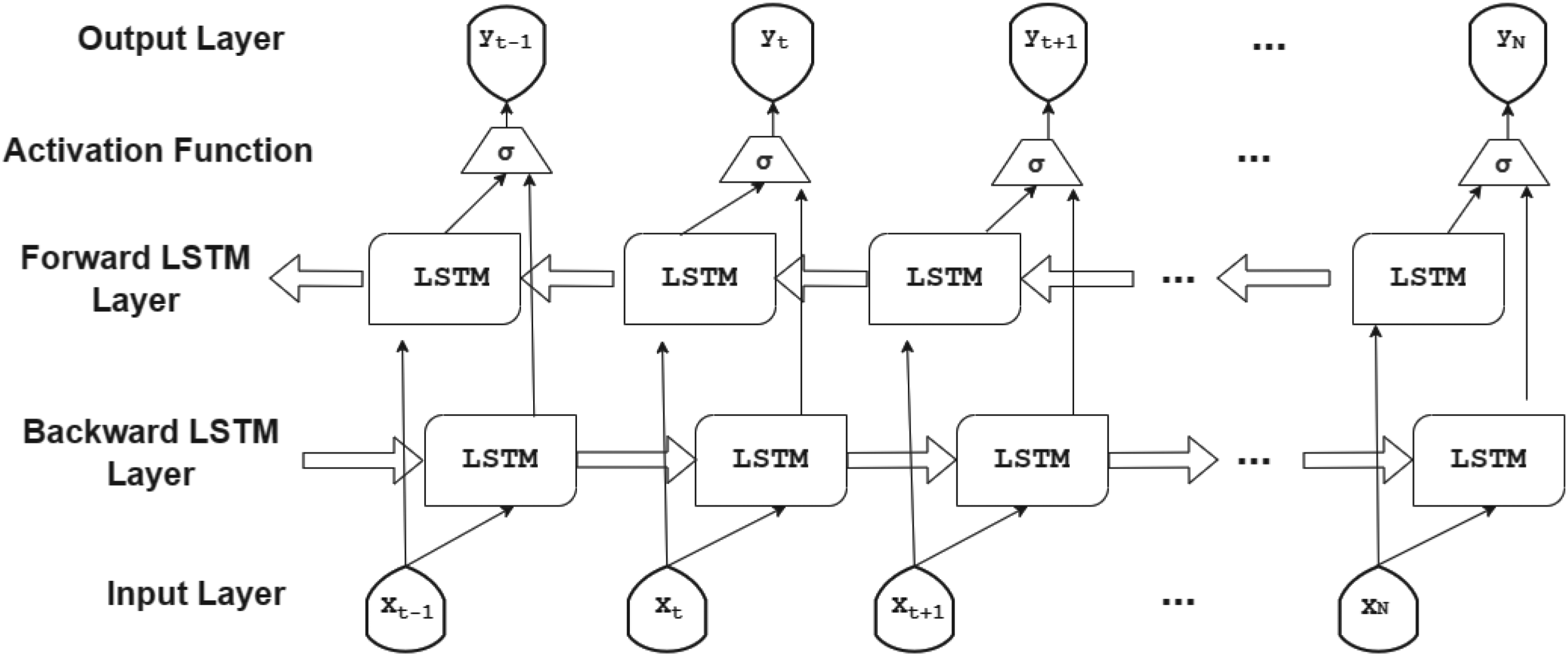
The framework of BiLSTM networks.
In summary, BiLSTM is a powerful extension of LSTM that processes sequential data in both forward and backward directions. By capturing context from both past and future time steps, BiLSTM is highly effective for tasks requiring a comprehensive understanding of sequences. BiLSTM is particularly beneficial for forecasting seasonal variations in renewable energy generation, making it an optimal choice for this study.
The predictive models examined in this study—RNN, LSTM, BiLSTM, and GRU—are designed to address the challenges of time-series forecasting in renewable energy prediction. By leveraging memory-based architectures, these models enhance forecasting accuracy for solar, wind, and total renewable energy generation. Their comparative performance will be rigorously analyzed in subsequent sections.
Dataset analysis and model evaluation methods
The appropriate selection, preprocessing, and organization of training data are crucial for the effective training of both DL and ML-based predictive models. High-quality, well-structured data significantly enhance model performance and generalizability. In this study, real-world data sourced from an open-access platform containing power system datasets from multiple European countries were utilized. European countries and their transmission system operators (TSOs) are also members of the international organization ENTSO-E (European Network of Transmission System Operators for Electricity), 43 which was established to harmonize and coordinate transmission system operators across Europe. The open power system data platform has organized the power generation data provided by ENTSO-E into datasets at different intervals and makes them available to researchers. 44 This platform provides a comprehensive repository of energy-related datasets, enabling researchers to analyze various aspects of power generation and consumption across different regions. The dataset used in this study spans a period of five years and includes key parameters such as energy pricing, load demand, and power generation from solar and wind energy sources. Additionally, it contains precomputed load demand forecasts. The data were recorded at intervals of 15 minutes, 30 minutes, and one hour, allowing for high-resolution temporal analysis. To enhance the dataset’s suitability for national-scale forecasting, we integrated the total renewable energy production data for the target country, providing a more comprehensive representation of its energy generation dynamics.
The predictive models developed in this study are applied to a dataset corresponding to Austria. This country was selected as a case study due to the significant proportion of renewable energy in its total power generation. The statistical characteristics of this dataset provide valuable insights for optimizing model configuration and selecting appropriate training parameters.
Tables 1 and 2 presents the statistical properties of the dataset used in this study, which focuses on Austria (std: standard deviation). As shown in the table, the dataset comprises 201,604 instances recorded at 15-minute intervals and 50,401 instances recorded at 60-minute intervals, spanning a period of five years. The dataset size is deemed sufficient to ensure robust training of the predictive models. Additionally, the power generation values are measured at the megawatt (MW) level, making them suitable for national-scale forecasting and analysis.
Summary of models and applications in renewable energy forecasting.
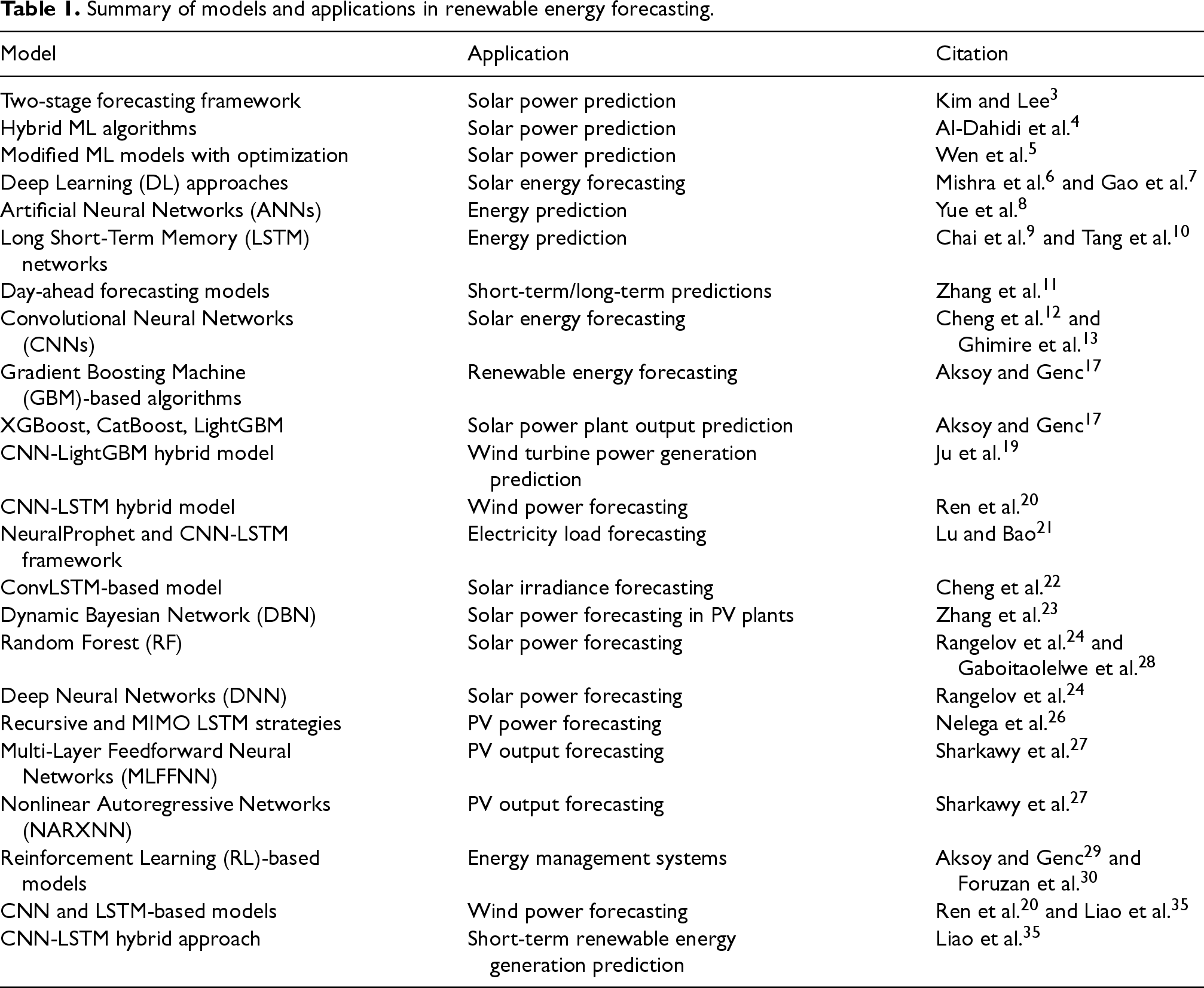
Summary of models and applications in renewable energy forecasting.
The distribution and statistical aspects of the features of the dataset.
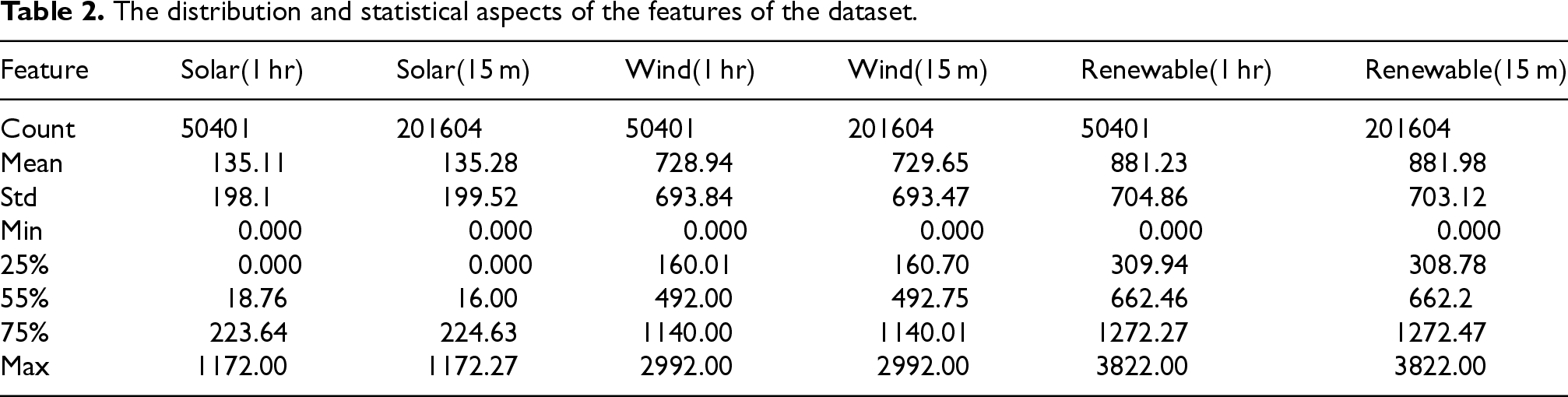
The dataset was utilized to train predictive models employing four different deep learning techniques. Before model development, a correlation analysis was conducted to assess the interdependencies among the dataset features. This correlation was further visualized using a heat map, illustrating the relationships between variables, as presented in Figure 5.
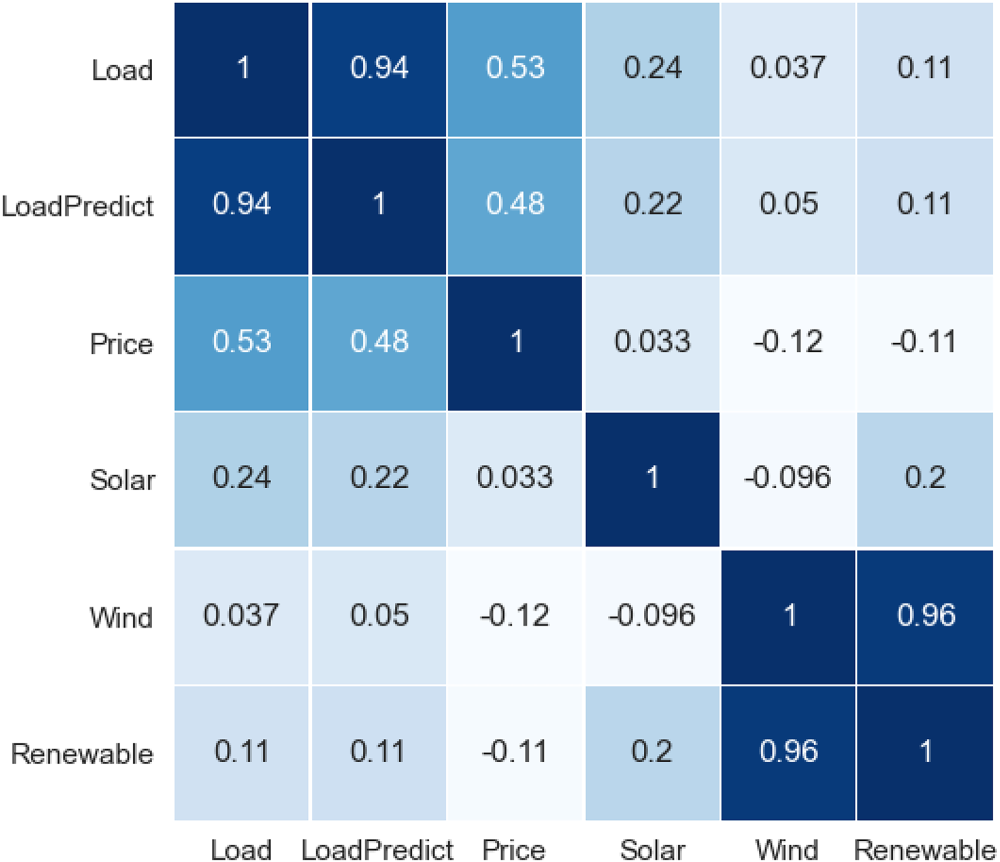
The heat map showing the correlations of features in the dataset.
An examination of Figure 5 reveals that no strong correlation exists among the dataset features. This observation suggests that conventional machine learning algorithms, which typically rely on optimizing learning variables through feature correlations, would be less effective in this scenario. Consequently, deep learning approaches were favored due to their ability to capture complex patterns in the data beyond linear relationships.
Additionally, distribution plots were generated to analyze the distribution of solar and wind power generation over the five-year dataset. As anticipated, wind turbines do not operate continuously throughout the year. There are numerous days when insufficient wind conditions prevent them from injecting energy into the grid. However, when operational, wind turbines contribute significantly to power generation. This phenomenon is visually depicted in Figure 6. The distribution pattern of power generation from solar power plants exhibits similarities to that of wind power plants. Consequently, a separate visualization for solar power distribution is deemed unnecessary. However, an essential dataset characteristic is the total energy production from renewable sources.
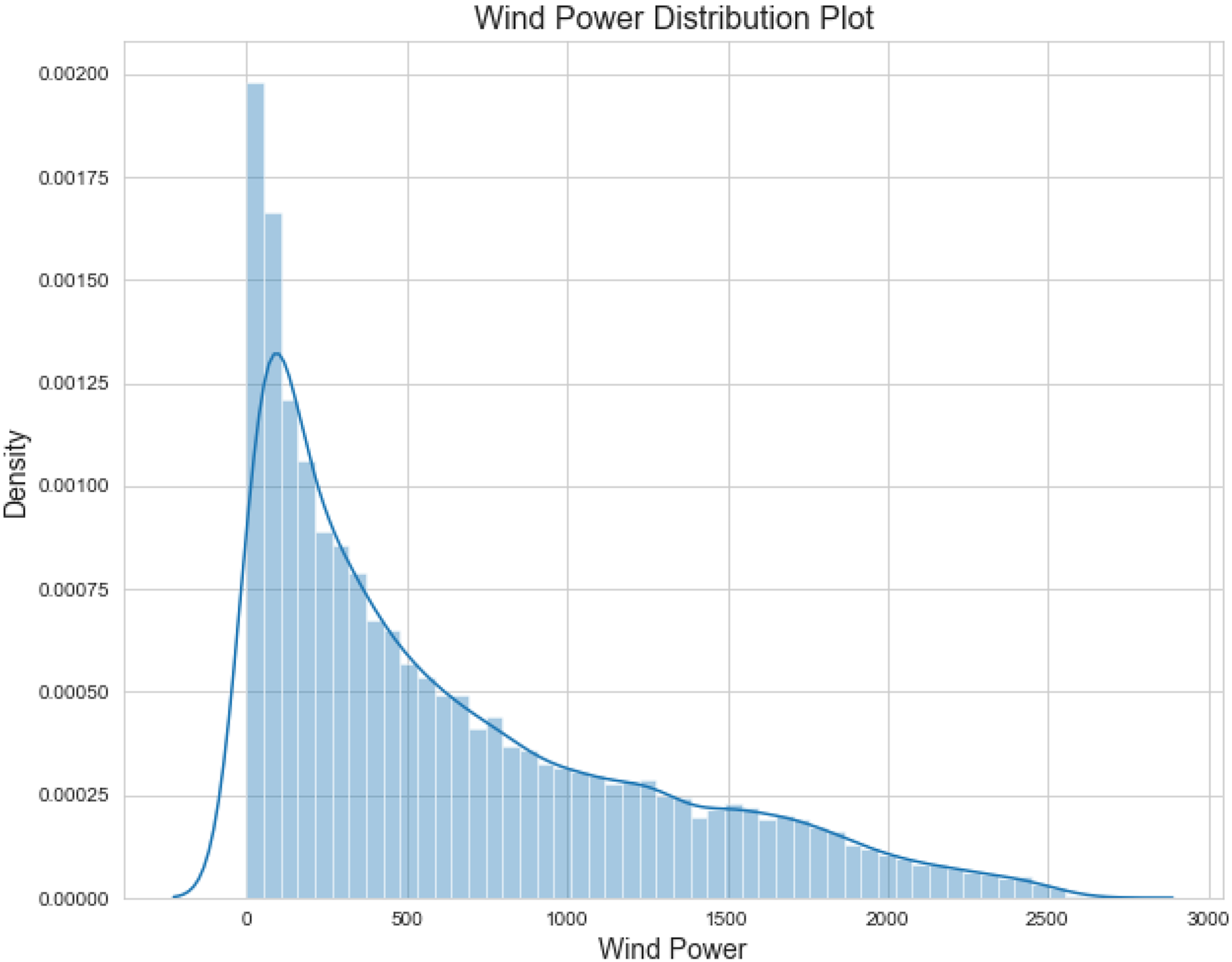
The distribution plot of wind power generation of Austria over five years.
The scatter plot illustrating this total renewable energy generation is presented in Figure 7. It is anticipated that the distribution of actual recorded data will closely align with the distribution of predicted values obtained from the deep learning models, ensuring the reliability and robustness of the forecasting approach.
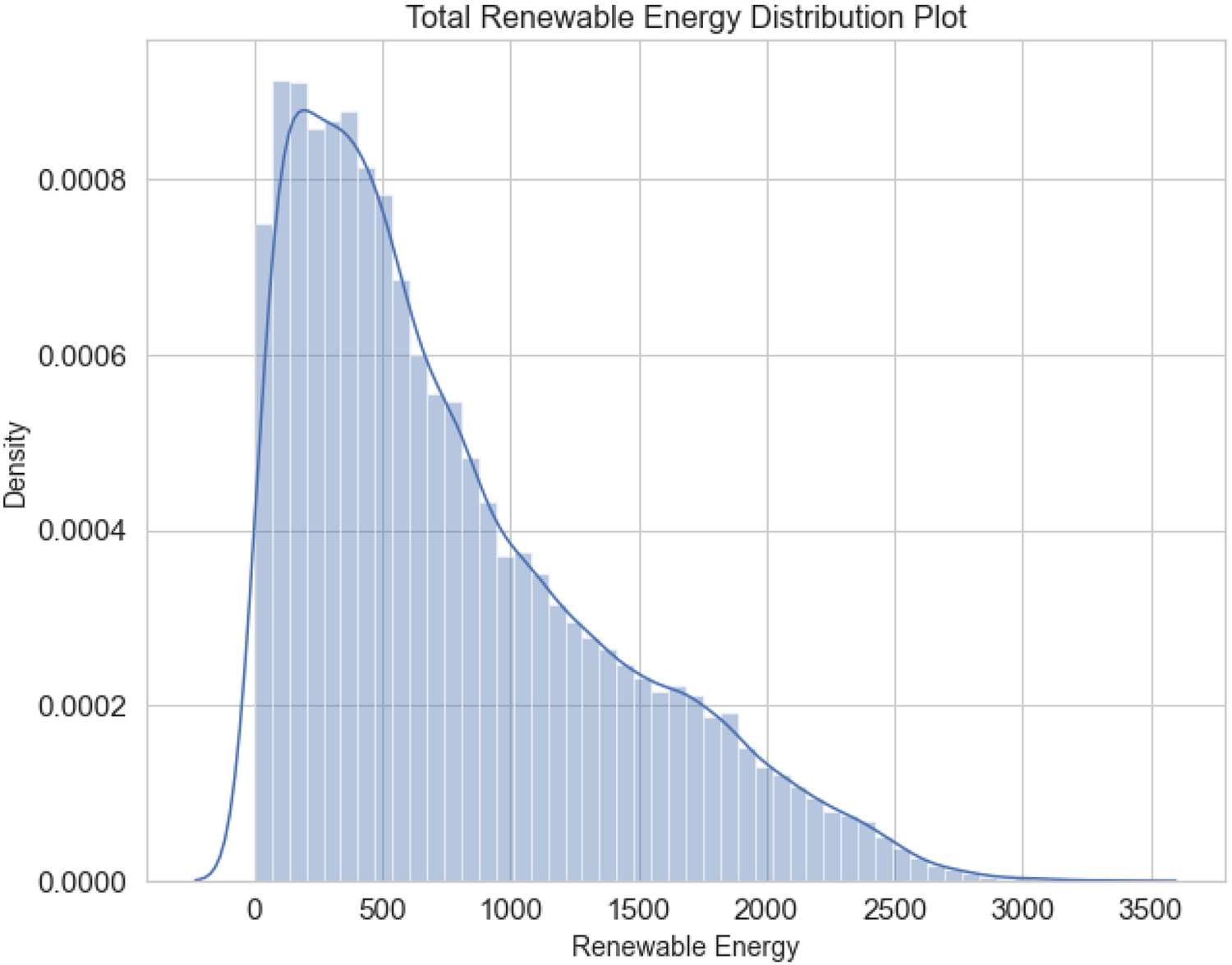
The distribution of renewable energy production of Austria over five years.
To assess the predictive accuracy and reliability of the proposed deep learning models, we employed four widely used evaluation metrics: R-squared (
Utilized deep learning model evaluation methods.
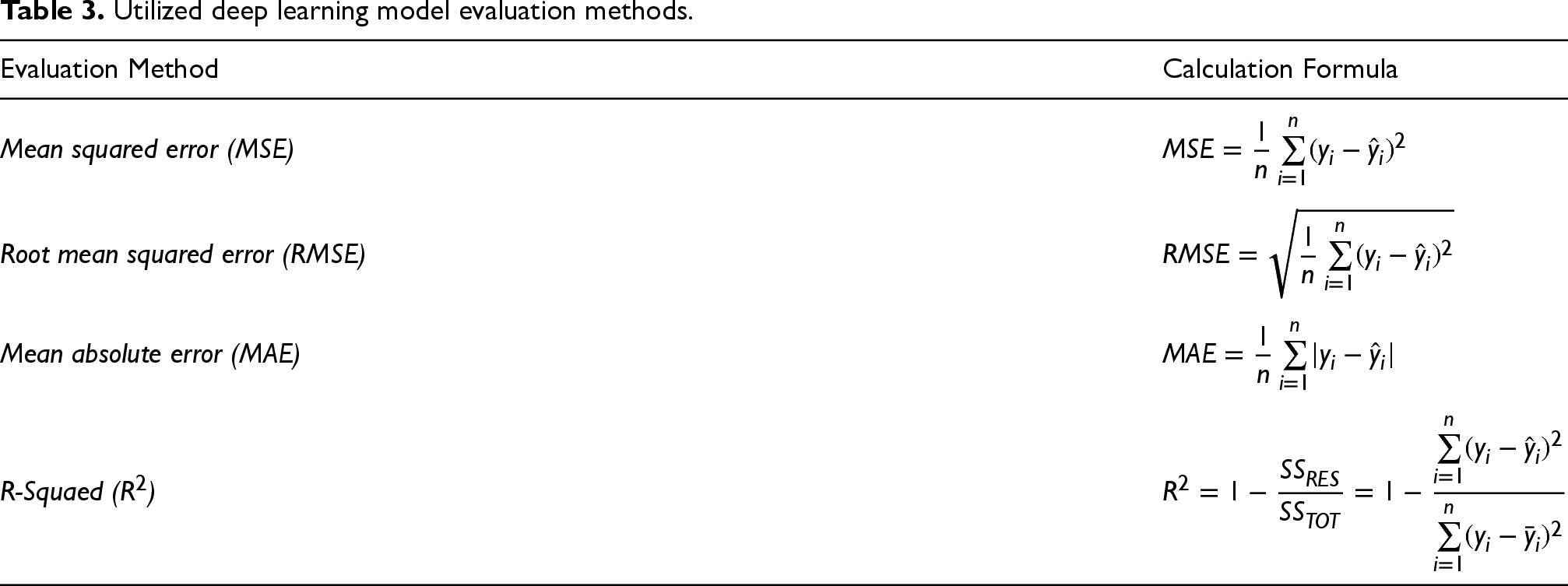
Utilized deep learning model evaluation methods.
The R-squared (
Table 3 summarizes the formulas for these metrics, each of which contributes to a multidimensional evaluation of model performance. While
Mathematically,
A total of twelve forecasting models were developed to predict power generation from solar power plants, wind farms, and total renewable energy resources, employing four distinct DL techniques. These models were trained using the preprocessed dataset described in the previous section. This section presents a comprehensive analysis of their performance, both individually and in aggregate.
Solar power prediction
The forecasting models for solar power generation were developed using power generation data collected at various time intervals from open-source platforms. The dataset described in the previous section was used for training the deep learning models. All four DL models share the same neural network structure, designed to ensure consistency in performance evaluation.
Each model consists of two hidden layers, with the first layer containing 48 neurons, connected to a second layer of 32 neurons. The final prediction is obtained through a single output node. The models utilize MSE as the loss function and employ the Adam optimization algorithm. 42 A fixed learning rate of 0.01 was chosen for all solar power prediction models. The training was conducted for 80 epochs with a batch size of 32. To facilitate a fair comparison, all models were structured identically, with hidden layers comprising 64 and 32 neurons. The training dataset, recorded at an hourly frequency, contains solar power generation data spanning five years. Twenty percent of the dataset was allocated for validation, while the remaining portion was used for training and performance evaluation. After training, the models were tested on an independent test dataset to assess their predictive accuracy. The performance metrics of the four DL models in solar power prediction are presented in Table 4, providing a comparative analysis of their effectiveness.
Performance comparison of solar power prediction models.

Performance comparison of solar power prediction models.
Table 4 presents a comparative analysis of the four deep learning models in terms of prediction accuracy and error metrics. The first column reports the accuracy of each model, while the second, third, and fourth columns provide the MSE, RMSE, and MAE, respectively. Additionally, the final column indicates the convergence point of the training loss value for a fixed epoch count, serving as a key measure of model learning performance.
The error values presented in the table offer insights into the discrepancy between the actual and predicted values. Upon examining Table 4, it is evident that the BiLSTM model outperforms the other models in both error minimization and training efficiency. Furthermore, the first column highlights that the BiLSTM model achieves the highest accuracy, followed by the RNN model as the second-best performer. Specifically, the BiLSTM model attains an accuracy of 98.78%, demonstrating superior predictive capability.
Although the RNN model exhibits better accuracy performance compared to the LSTM and GRU models, it possesses certain limitations, which are further illustrated in Figure 8.
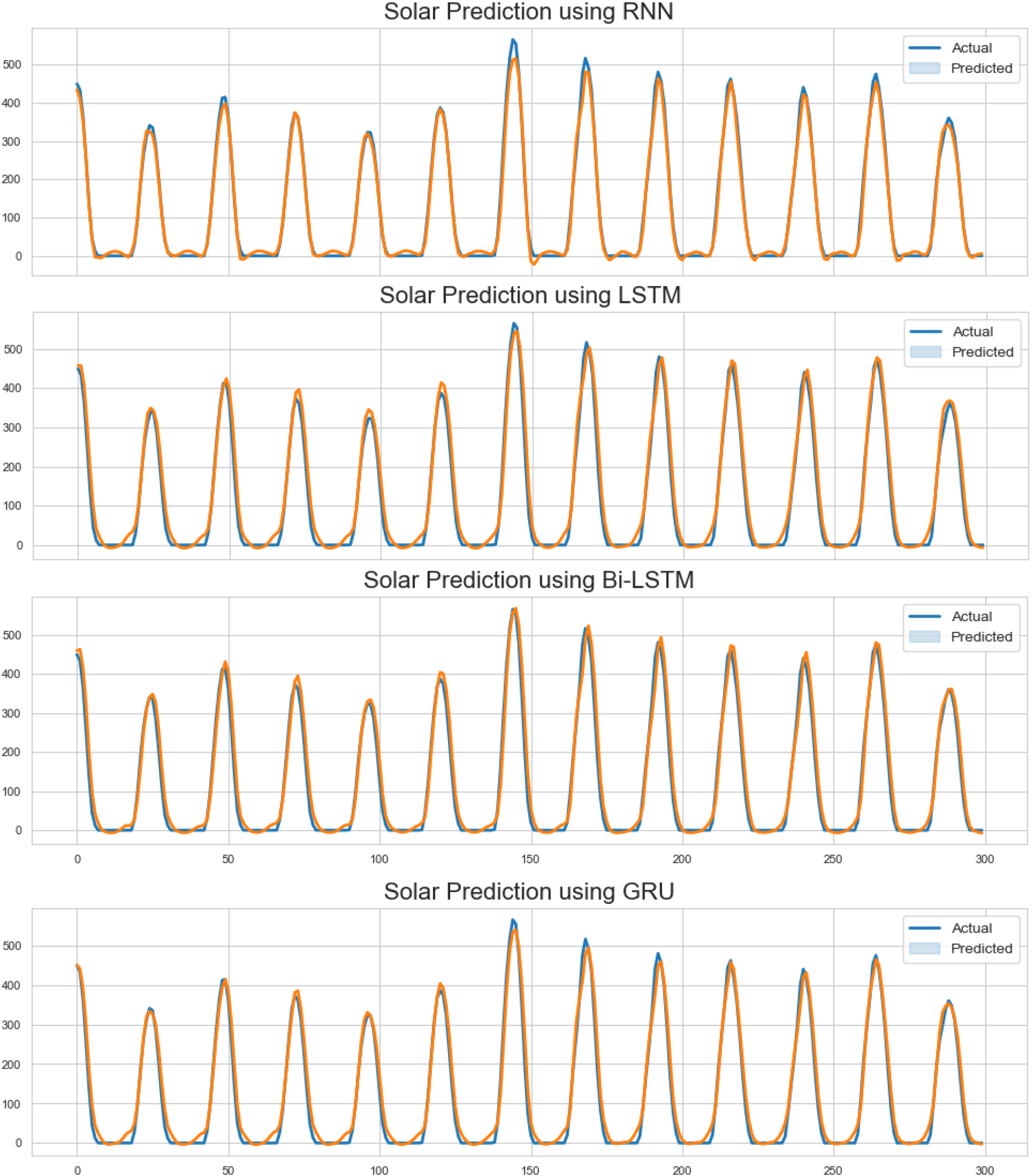
Actual and predicted solar power generation values for 300 hours via the selected DL models. (actual:blue, predictions:orange).
Figure 8 illustrates the performance of the four deep learning models over 300 randomly selected hours from the test dataset, displaying both actual and predicted values. The visualization reveals a notable limitation of the RNN model, which, despite its high prediction accuracy, generates negative power values under certain conditions. Specifically, during periods of zero solar irradiation—when no power generation occurs—the RNN model erroneously predicts negative power values. This flaw could potentially lead to misinterpretations by decision-makers and planners. In contrast, the other three models do not exhibit this issue, with the BiLSTM model demonstrating the most reliable and consistent performance in this study.
The second key objective of this study is to predict the total wind power generation across the selected country. To achieve this, historical wind power generation data for the same case study region was employed for model training. Unlike solar power generation, which typically exhibits a daily periodic pattern, wind power is subject to more dynamic and irregular fluctuations.
Given these complexities, a two-layer neural network was designed, comprising 64 and 32 neurons in the hidden layers. Due to the increased variability and learning difficulty in wind power prediction, the Nadam optimizer (Nesterov-accelerated Adaptive Moment Estimation) 45 was employed instead of Adam, which was found to be less effective in capturing wind power trends.
The models were trained for 100 epochs with a batch size of 32, using the same loss function as in the solar power prediction models. Additionally, a dynamic learning rate was implemented, gradually decreasing over the training process rather than using a fixed rate. The dataset was partitioned into training and test sets following the same methodology as in the solar power study. Although the training time was slightly longer than in the solar power prediction models, the process was completed in approximately two minutes and thirty seconds. This duration may vary depending on the computational capabilities of different platforms. The results of the training process are summarized in Table 5.
Performance comparison of wind power forecasting models.

Performance comparison of wind power forecasting models.
As demonstrated in Table 5, the Bi-LSTM model achieved the highest performance among the four models developed for wind power prediction. This model attained an accuracy of 95.16%, exhibiting superior learning capabilities, as reflected in the lower loss values. Furthermore, it outperformed the other models across all three error metrics, reinforcing its effectiveness in handling complex wind power fluctuations.
Figure 9 visualizes the actual and predicted values over 300 randomly selected hours from the test dataset. Analyzing how the models handle sharp transitions in power generation, it becomes evident that the BiLSTM model delivers the most accurate predictions. The LSTM model follows as the second-best performer, as corroborated by both Table 5 and Figure 9. Despite variations in performance, all four models demonstrate sufficient predictive accuracy to be applicable in future energy planning and decision-making processes.
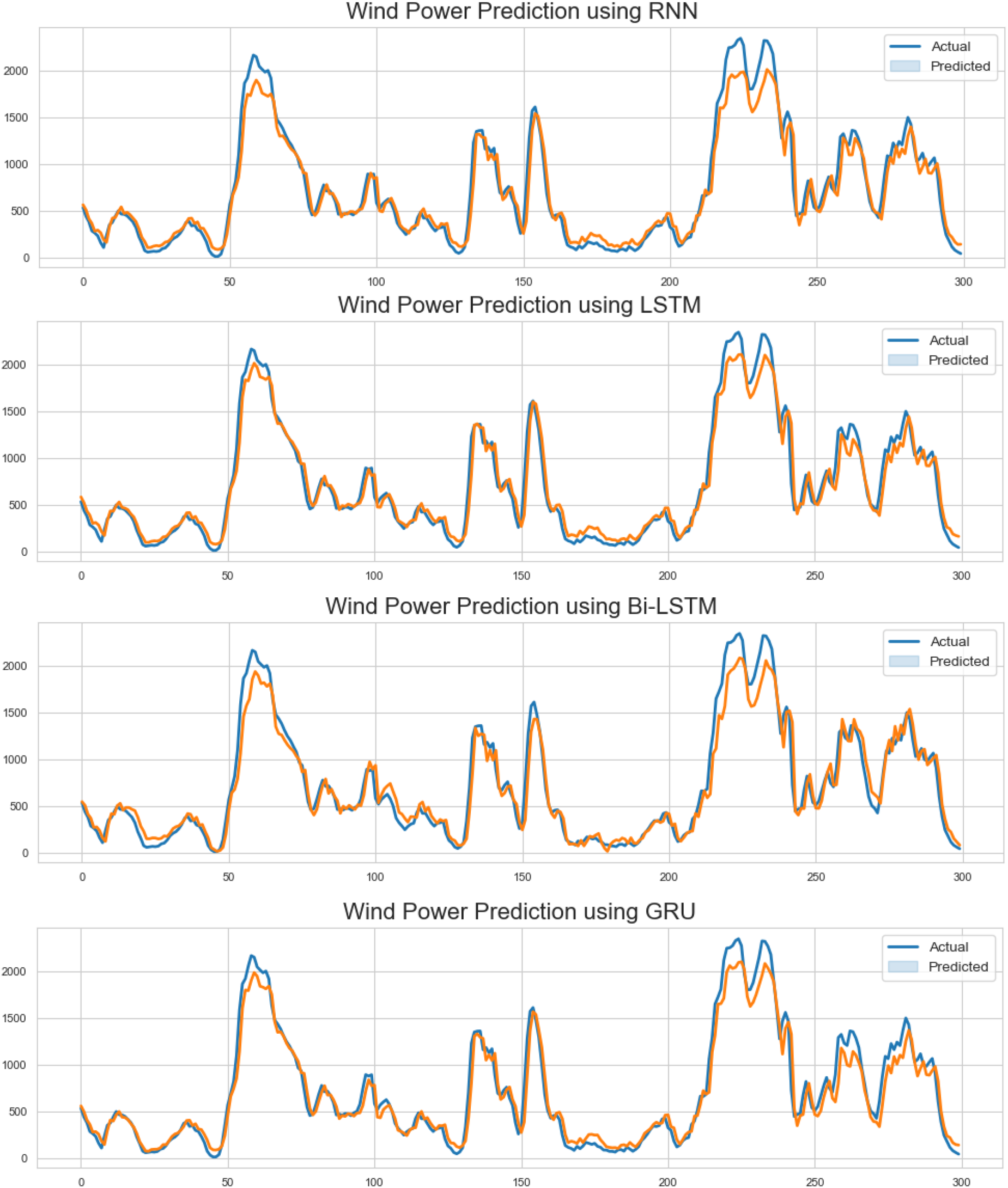
Actual and forecasted wind power generation values for 300 hours via the selected and proposed DL models. (actual:blue, predictions:orange).
The models developed for forecasting solar and wind power generation, which constitute the largest share of total renewable energy production, have been presented in the previous sections.
Predicting the total power generation from all renewable energy sources across the country using time-series data poses challenges similar to those encountered in wind power forecasting. Consequently, the deep learning models designed for this task share the same architectural characteristics and hyperparameters as those used for wind power prediction. The dataset employed for training follows the same structure and partitioning strategy as in the prior experiments.
One of the key metrics for evaluating model performance is the evolution of the loss function output during training, which provides insight into the network’s optimization process. Figure 10 illustrates the variation in training and validation loss across epochs. Upon analyzing these graphs, it is evident that all models exhibit successful learning behavior. While the loss function trends indicate convergence across all models, the BiLSTM model consistently demonstrates the best performance.
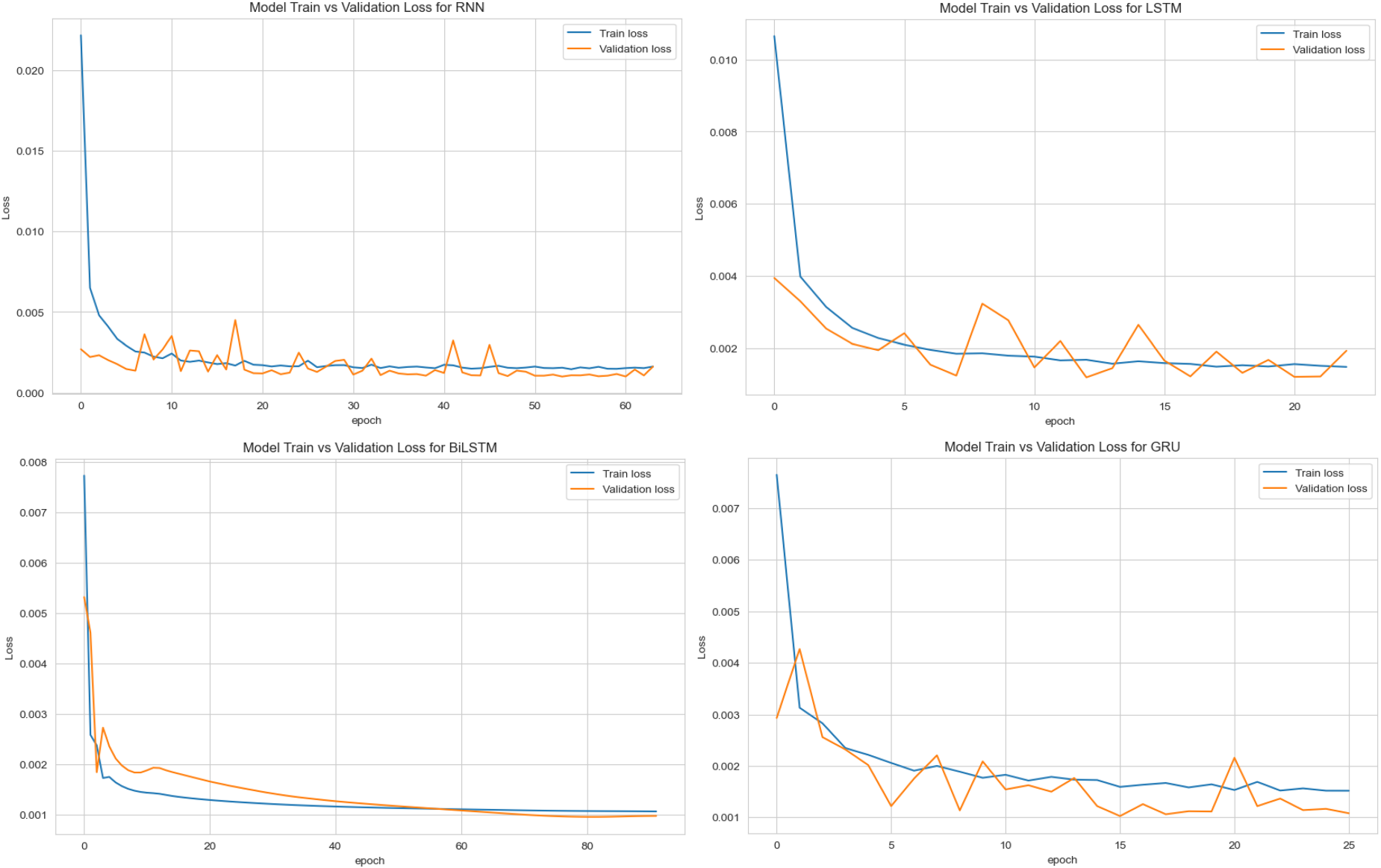
Validation and training loss for four deep learning models in learning generated power from total renewable energy sources in the country.
Among the remaining models, the LSTM model ranks second in terms of learning efficiency, delivering strong predictive accuracy. In contrast, the GRU model exhibits greater fluctuations in validation loss, suggesting a relatively less stable learning process. A comprehensive comparison of model outputs is provided in Table 6, presenting the actual and forecasted values for total renewable energy generation.
As presented in Table 6, the Bi-LSTM model emerged as the most effective deep learning approach, demonstrating high accuracy and lower error values compared to the other models. The GRU model ranked second in accuracy and outperformed both the LSTM and RNN models in terms of error metrics. Conversely, the RNN model exhibited the weakest performance, achieving an accuracy of 87.63%, indicating its inadequacy for forecasting total renewable energy generation. To assess the proximity of model predictions to actual values, Figure 11 visualizes the forecasts over a period of 16,000 hours (approximately two years).
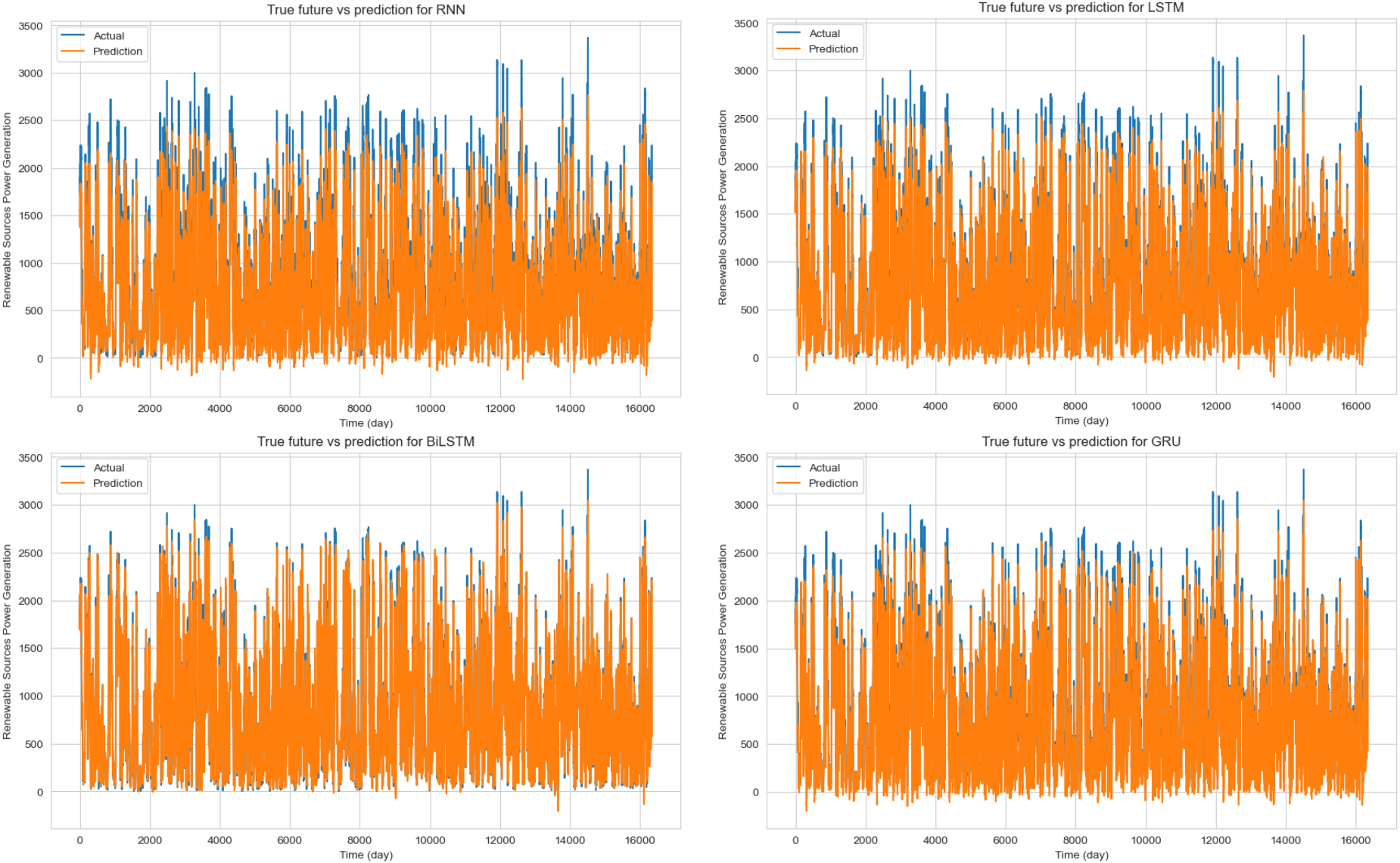
Actual and predicted total produced renewable energy results for 16000 hours together belonging to RNN, LSTM, BiLSTM and GRU models.
Renewable energy power prediction models’ performances.

The graphical analysis further confirms the findings in Table 6, where the BiLSTM model consistently produces the most accurate predictions. Similarly, the GRU model provides the second most reliable forecasts. In contrast, the LSTM and RNN models exhibit lower prediction accuracy in certain instances, which could pose challenges for future energy resource planning. These discrepancies highlight potential limitations in relying on these models for long-term forecasting. However, the BiLSTM model proves to be a highly reliable and efficient solution for strategic energy planning and future operational decision-making.
This section presents the results of the proposed deep learning methods for forecasting solar, wind, and total renewable energy generation at a national scale. Upon evaluating the outcomes, it is evident that all four deep learning models demonstrate high predictive accuracy across the three forecasting tasks. However, a comprehensive comparative analysis incorporating classical machine learning (ML) techniques and modern ML-based approaches is essential to further validate the reliability of the proposed deep learning models.
To this end, both traditional ML algorithms and advanced ML techniques were applied to the large-scale forecasting of solar, wind, and total renewable energy generation. Initially, widely used ML algorithms—including polynomial regression (PolyReg), decision trees (DT), random forests (RF), and support vector machines (SVM)—were implemented for predictive modeling. These models were trained using a five-year dataset with power generation data recorded at 15-minute intervals for Austria. To ensure a fair and unbiased comparison, the proposed deep learning models were trained on a preprocessed dataset identical to that used for these ML methods.
The selection of these classical ML algorithms was based on their fundamental characteristics:
PolyReg: Chosen to assess potential linear relationships between input and output variables. DT and RF: Evaluated to determine their capability in learning complex power prediction patterns. SVM: Applied as a regression algorithm due to its ability to capture intricate input-output relationships via kernel functions.
Beyond conventional ML methods, GBM-based algorithms—which represent more advanced ML approaches—were also examined. GBM and its widely adopted implementations, such as LightGBM, XGBoost, and CatBoost, have gained prominence due to their significant advantages over traditional ML techniques. These methods offer superior predictive accuracy, effectively capture complex relationships, provide insights into feature importance, and efficiently adapt to diverse data types. Their increasing adoption in both research and practical applications highlights their effectiveness in solving real-world machine learning tasks.
In this study, LightGBM, XGBoost, and CatBoost were applied to the forecasting of solar, wind, and total renewable energy generation using the same training dataset. The results obtained from these GBM-based methods, along with those from traditional ML models, were compared against the deep learning models proposed in this paper. A comparative visualization of these results is provided in Figure 12.
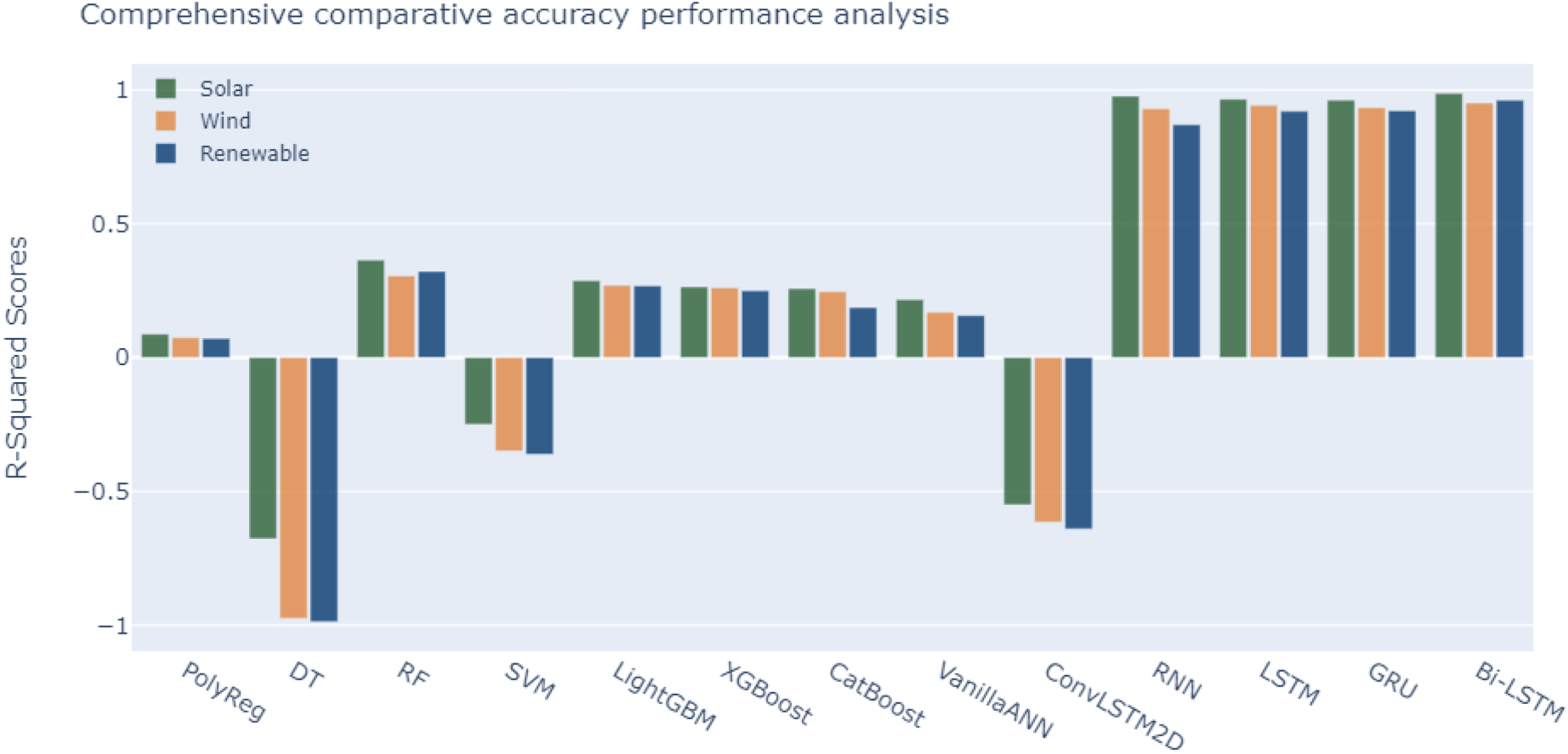
The accuracy results of the four DL models proposed for use in this study are given in comparison with other prevalent ML and DL methods.
This study suggests that DL models incorporating memory cell structures are more suitable for nationwide power forecasting. However, to comprehensively evaluate this proposition, it is essential to analyze the performance of other DL methodologies in the same predictive tasks. To this end, two additional DL-based prediction models were developed and tested.
The first model is a vanilla ANN, which consists solely of ANN layers. This model features three hidden layers (excluding the input and output layers) with 1000, 500, and 250 neurons, respectively. Each layer utilizes the Rectified Linear Unit (ReLU) activation function, and training was conducted over 500 epochs. Convergence of the loss function was observed around the 400th epoch. Upon calculating the coefficient of determination (
Additionally, a prediction model utilizing a two-dimensional input structure was developed. For this application, the ConvLSTM2D method was selected, requiring the dataset to be reformatted into a two-dimensional structure. The ConvLSTM2D-based model consists of two ConvLSTM2D layers followed by two fully connected hidden layers. Despite a reduction in loss and error values during training, the overall predictive performance remained unsatisfactory. The resulting
A comprehensive evaluation of nine additional DL and ML models confirms that RF, three GBM-based methods (LightGBM, XGBoost, CatBoost), and vanilla ANN exhibit modest accuracy levels, ranging between 25% and 28%. In contrast, PolyReg, DT, SVM, and ConvLSTM2D yielded unsatisfactory results in power forecasting tasks. These findings highlight the ineffectiveness of alternative DL and ML approaches compared to the RNN, LSTM, GRU, and BiLSTM models proposed in this study. The superior performance of memory cell-based models underscores their necessity for accurate solar, wind, and total renewable energy forecasting in terms of independence from external data .
Accurate forecasting of renewable energy generation is essential for ensuring grid stability, optimizing resource allocation, and supporting energy policy planning. This study investigated the predictive capabilities of various DL models—RNN, LSTM, GRU, and BiLSTM—for national-scale forecasting of solar, wind, and total renewable energy generation. Comparative analyses were conducted against traditional ML techniques and GBM-based models to evaluate their effectiveness.
The findings confirm that DL models with memory cells, particularly BiLSTM, outperformed other approaches in terms of predictive accuracy and error minimization. BiLSTM consistently exhibited superior performance across solar, wind, and total renewable energy generation forecasting, achieving the lowest error rates and highest accuracy among all evaluated models. The GRU model, while demonstrating competitive performance, ranked second, followed by LSTM and RNN. Conversely, traditional machine learning techniques, including decision trees, polynomial regression, and support vector machines, yielded inferior predictive accuracy, emphasizing the necessity of using advanced deep learning architectures for large-scale energy forecasting tasks.
Further validation was conducted using additional deep learning models, including a fully connected ANN model and a ConvLSTM2D architecture, both of which failed to match the performance of the memory-cell-based models. The ConvLSTM2D model, in particular, exhibited significant performance deficiencies, with negative
Future research directions
While the proposed DL models demonstrated high accuracy and reliability, several future research avenues can further enhance renewable energy forecasting. One potential direction involves integrating additional meteorological variables, such as temperature, humidity, wind speed, and solar radiation, to refine model accuracy by accounting for external environmental influences. Another promising approach is the exploration of hybrid models that combine memory-based DL architectures with attention mechanisms or transformer-based frameworks, which could improve performance in capturing long-term dependencies.
Further advancements can be made by developing explainable AI (XAI) techniques to increase transparency in decision-making, ultimately fostering trust in model predictions. Additionally, reinforcement learning-based optimization strategies could be incorporated to enhance the adaptability of predictive models for real-time energy management applications. Expanding the scope of this study to a multi-country dataset would allow for evaluating model generalization across different energy grids and climatic conditions, providing valuable insights into their robustness and applicability on a broader scale.
Overall, this study highlights the critical role of memory-based deep learning models in achieving accurate and reliable national-scale renewable energy forecasting. The findings provide a strong foundation for advancing data-driven energy management strategies, facilitating efficient integration of renewable energy sources into smart grids, and contributing to the realization of sustainable energy systems.
Footnotes
Funding
The author(s) disclosed receipt of the following financial support for the research, authorship, and/or publication of this article.
Declaration of conflicting interests
The author(s) declared no potential conflicts of interest with respect to the research, authorship, and/or publication of this article.
