







Abstract
The Expert Panel for Cosmetic Ingredient Safety (Panel) assessed the safety of 5 Carica papaya (papaya)-derived ingredients as used in cosmetic formulations. These ingredients are mostly reported to function in cosmetics as skin-conditioning agents. Industry should continue to use good manufacturing practices to limit impurities that could be present in these botanical ingredients. The Panel considered all the information, and concluded that Carica Papaya (Papaya) Fruit, Carica Papaya (Papaya) Fruit Extract, Carica Papaya (Papaya) Fruit Juice, and Carica Papaya (Papaya) Fruit Water are safe in cosmetics in the present practices of use and concentration described in this safety assessment, and that the available data are insufficient to make a determination of safety for Carica Papaya (Papaya) Leaf Extract under the intended conditions of use in cosmetic formulations.
Keywords
Introduction
This is a safety assessment of the following 5 Carica papaya-derived ingredients as used in cosmetic formulations: Carica Papaya (Papaya) Fruit Carica Papaya (Papaya) Fruit Extract Carica Papaya (Papaya) Fruit Juice Carica Papaya (Papaya) Fruit Water Carica Papaya (Papaya) Leaf Extract
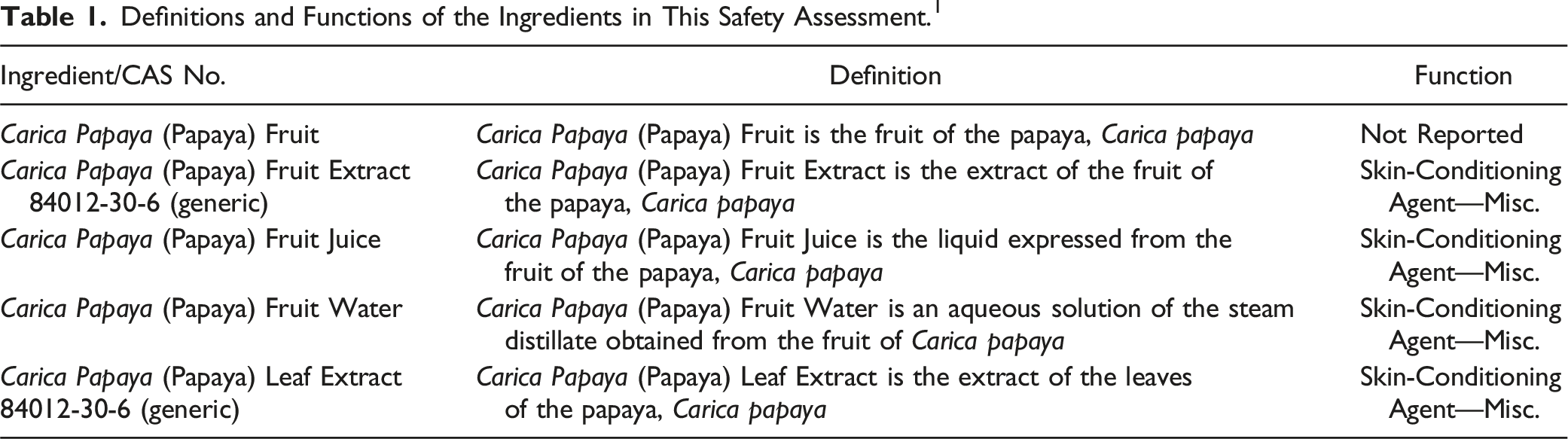
Definitions and Functions of the Ingredients in This Safety Assessment. 1
The Expert Panel for Cosmetic Ingredient Safety (Panel) has previously reviewed the safety of a Carica papaya-derived ingredient. In 2017, a safety assessment of plant-derived oils was published, with the conclusion that 244 plant-derived fatty acid oils, including Carica Papaya (Papaya) Seed Oil, are safe in present practices of use and concentration described in the safety assessment. 2
This safety assessment includes relevant published and unpublished data for each endpoint that is evaluated. Published data are identified by conducting an exhaustive search of the world’s literature. A listing of the search engines and websites that are used and the sources that are typically explored, as well as the endpoints that Panel typically evaluates, is provided on the Cosmetic Ingredient Review (CIR) website (https://www.cir-safety.org/supplementaldoc/preliminary-search-engines-and-websites; https://www.cir-safety.org/supplementaldoc/cir-report-format-outline). Unpublished data are provided by the cosmetics industry, as well as by other interested parties.
Botanicals, such as the Carica papaya-derived ingredients, may contain hundreds of constituents, some of which may have the potential to cause toxic effects. The latex of the papaya plant and its green (unripe) fruits contains the proteolytic enzyme papain. 3 Although papain is not among the ingredients reviewed in this report, information regarding this enzyme has been included when appropriate, as it may be useful. However, in this assessment, the Panel is reviewing the potential toxicity of each of the botanical ingredients as a whole, complex substance; potential toxicity from exposures to mixtures of different chemical compounds may not replicate the biological activity of the individual components.
In many of the published studies, it is not known how the substance being tested in each case compares to the cosmetic ingredient. Therefore, if it is not known whether the chemicals being discussed are cosmetic ingredients, the test substances will be identified via common nomenclature (e.g., simply as “papaya extract” or “Carica papaya extract”), using lowercase and/or appropriate italicization to identify genus and species. If it is known that the test substance is a cosmetic ingredient, the International Nomenclature Committee (INCI) terminology (e.g., Carica Papaya (Papaya) Leaf Extract) will be used.
Chemistry
Definition and Plant Identification
The definitions of the Carica papaya-derived ingredients included in this safety assessment are provided in Table 1. Two of the ingredients, Carica Papaya (Papaya) Fruit Extract and Carica Papaya (Papaya) Leaf Extract, have the generic CAS No. 84012-30-6. 1 A CAS No. is not specified for the other ingredients.
The papaya plant is a member of the Caricaceae family that originated in Central America. 4 The plant contains long, succulent leaves and 5-petaled flowers that are fleshy, waxy, and slightly fragrant. These plants often grow to a height of 3–6 m. Generally, the fruit is elongated and club-shaped; it grows 15–50 cm long and 10–20 cm thick, weighing up to 9 kg. When the fruit is green and hard (unripe), it is rich in white latex (a thixotropic fluid with a milky appearance that contains about 85% water). 5 The skin of unripe fruit is smooth and green. 6 When ripe, the skin turns yellow or orange. The flesh of ripe fruit is yellow, orange, or red in color. Numerous small black seeds (about 5 mm long) are attached to the wall by soft, white, fibrous tissue. Carica papaya is native to Mexico, Belize, Costa Rica, El Salvador, Guatemala, Honduras, Nicaragua, and Panama. In the United States (US), the trees are cultivated in Florida.
Chemical Properties
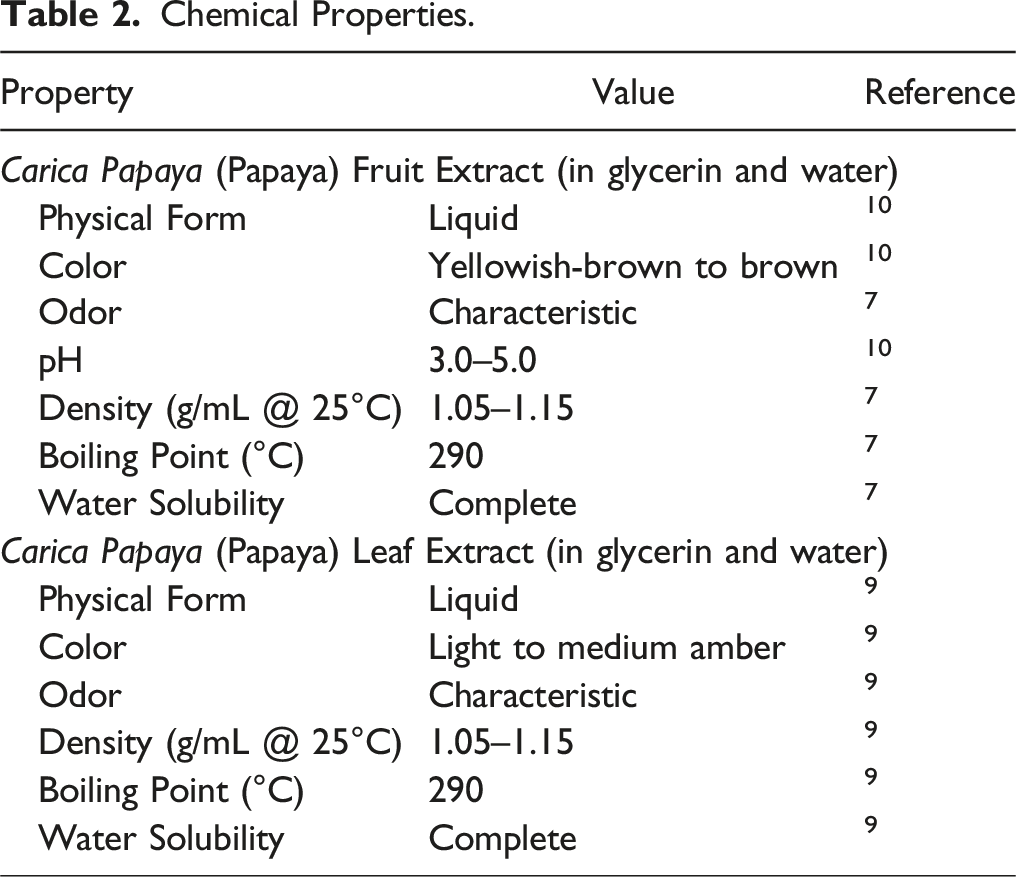
Chemical Properties.
Methods of Manufacturing
Carica Papaya (Papaya) Fruit Extract
According to a supplier, the fresh or dried papaya fruit is extracted with a specified eluent under appropriate temperature conditions to yield a concentrate. 11 The concentrate containing the phytochemical constituents is then blended with the desired diluent and preservation system to produce the final ingredient. Typical eluents include water, butylene glycol, Carthamus tinctorius (safflower) seed oil, glycerin, and propylene glycol. The ingredient is evaluated for physiochemical properties according to specification requirements for the batch to be released, and the concentrate is evaluated for contaminants. According to a different supplier, ripe papaya fruit is extracted with water at a temperature of 100°C. 10 The supplier stated that because the material is heated to this temperature, the enzymes are denatured, and therefore no enzymatic activity is present.
Carica Papaya (Papaya) Leaf Extract
An ethanolic extract of the Carica papaya leaf was prepared using harvested leaves that were air dried and reduced to powdered form using mortar and pestle. 12 The surface of the leaves were sterilized via a 0.1% solution of mercuric chloride. The powdered sample (400 g) was extracted by cold maceration using 2 L of ethanol. The macerated mixture was filtered and evaporated in a temperature-regulated water bath (maintained at 50°C) to yield 27.2 g of a dark green semi-solid extract. In a different study, a crude extract of Carica papaya leaf was prepared by grinding sterilized leaves (200 g) with an electric blender. 13 The extract was squeezed through sterile gauze pieces, and 16 mL of the crude extract was obtained followed by centrifugation at 4000 r/min for 30 min. The supernatant was then filtered through filter paper.
Carica Papaya (Papaya) Fruit Water
According to the Dictionary definition, Carica Papaya (Papaya) Fruit Water is a product of steam distillation. 1
Composition and Impurities
Carica Papaya Fruit
The analysis of phytochemical constituents of the raw and ripe fruit of Carica papaya showed the presence of carbohydrates, tannins, saponins, proteins, amino acids, alkaloids, phenolic compounds, and phytosterols. 14 A study was performed in order to evaluate the chemical composition of the unripe pulp of Carica papaya. 15 Phytochemical screening showed the presence of saponins and cardenolides, while chemical analyses revealed the presence of sodium, calcium, iron, phosphorous, zinc, copper, magnesium, and manganese, in considerable quantities. Pulp contained starch (43.28%), sugars (15.15%), crude protein (13.63%), crude fat (1.29%), moisture (10.65%), and fiber (1.88%). A different study was performed to compare the nutritive value of Carica papaya at different ripening stages. 16 Results indicated that unripe papaya has the most carbohydrates, vitamins, and proteins, as compared to ripe and very ripe papaya. Unripe papaya also contained the highest amounts of saponins, alkaloids, tannins, flavonoids, and phenols.
Carica papaya fruit contains various piperidine alkaloids, such as carpaine, pseudocarpain, dehydrocarpaine I and II, and phenolics, such as protocatechuic acid, p-coumaric acid, caffeic acid, 5,7-dimethoxycoumarin, chlorogenic acid, and kaempferol. 17 A single papaya fruit contains approximately 25 g of latex. 18 Papain, an enzyme that may induce immunoglobin E (IgE)-mediated allergic reactions through oral, respiratory, or dermal routes of exposure, is found in the fruit, 6 and proteases such as papain, chymopapain A and B, and endopeptidase papain III and IV are found in the latex and other parts of the shrub. 17 Cysteine peptidases in papaya fruit include glycyl endopeptidase and caricain. Organic acids present in ripe papaya include citric acid, l-malic acid, quinic acid, succinic acid, tartaric acid, oxalic acid, and fumaric acid.
The major components of papaya dry matter are carbohydrates. The total dietary fiber content of ripe papaya fruit varies from 11.9 to 21.5 g/100 g. 6 The crude protein content ranges from 3.74 to 8.26 g/100 g, and the total lipid content varies between 0.92 and 2.2 g/100 g dry matter. The total fatty acid content in ripe papaya is reported to be low. 6 Palmitic acid and linoleic acid are the 2 major fatty acids in papaya.
The major natural toxins found in unripe Carica papaya fruit are benzylglucosinolate, benzyl isothiocyanate (BITC), and alkaloids. 6 These toxicants may cause irritation of the mucus epithelial membrane. Soaking in water and heat treatment removes these toxic compounds in papaya and other plants. BITC content decreases from 109 ppm when papaya fruit is green, to 10 ppm when papaya fruit is fully ripe.
Carica Papaya Fruit Extract
In one study, an aqueous extract of Carica papaya fruit contained 408.54 g/kg total phenolic content, and an ethanol extract contained 296.85 g/kg phenolic content. 19 According to another study, extracts of unripe Carica papaya fruit contained terpenoids, alkaloids, flavonoids, carbohydrates, glycosides, saponins, and steroids. 20
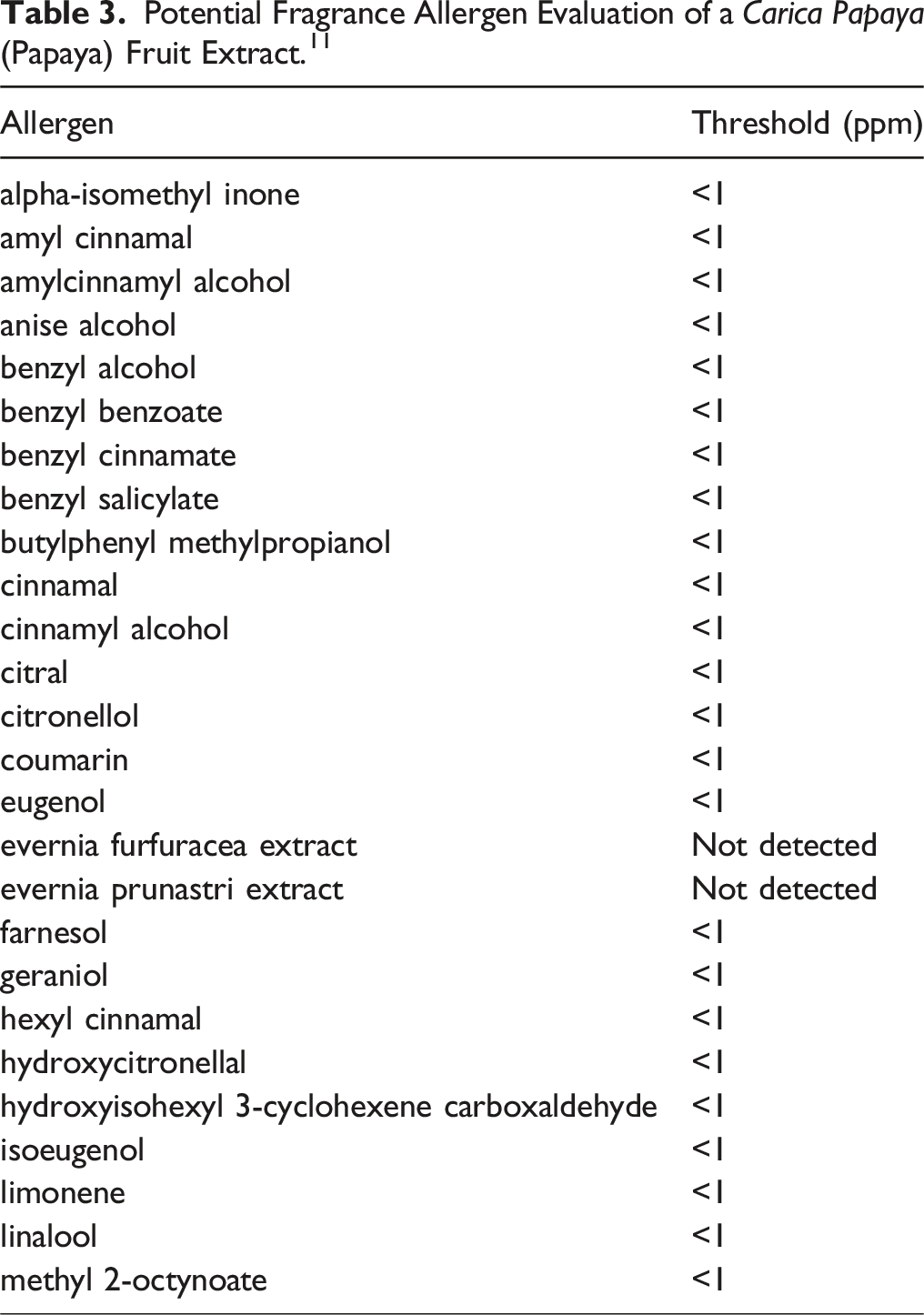
Potential Fragrance Allergen Evaluation of a Carica Papaya (Papaya) Fruit Extract. 11
Carica Papaya Fruit Juice
The major constituents of a Carica papaya fruit juice were reported as lipids, and the carboxylic acids, n-butyric, n-hexanoic, n-octanoic, myristic, palmitic, stearic, linoleic, linolenic, vaccenic, and oleic acids. 21
Carica Papaya Leaf Extract
A methanolic extract of Carica papaya leaf extract was found to contain polyphenols, tannins, flavonoids, saponins, terpenoids, glycosides, alkaloids, and high amounts of glycosides. 22 Carpaine is a major alkaloid found in various parts of papaya, but is primarily found in leaves. 23 In a study, 29 samples of Carica papaya leaves were used to examine relative carpaine concentration. The assay involved pressurized solid-liquid extraction and quantification with the aid of ultrahigh-performance liquid chromatography-tandem mass spectroscopy (UHPLC-MS/MS). Carpaine concentration in dry leaves was found to range from 0.02 to 0.31%. Papaya leaves also contain toxicants, such as BITC. 6
Use
Cosmetic
The safety of the cosmetic ingredients included in this assessment is evaluated based on data received from the US Food and Drug Administration (FDA) and the cosmetics industry on the expected use of these ingredients in cosmetics. Use frequencies of individual ingredients in cosmetics are collected from manufacturers and reported by cosmetic product category in the FDA Voluntary Cosmetic Registration Program (VCRP) database. Use concentration data are submitted by the cosmetics industry in response to surveys, conducted by the Personal Care Products Council (Council), of maximum reported use concentrations by product category.
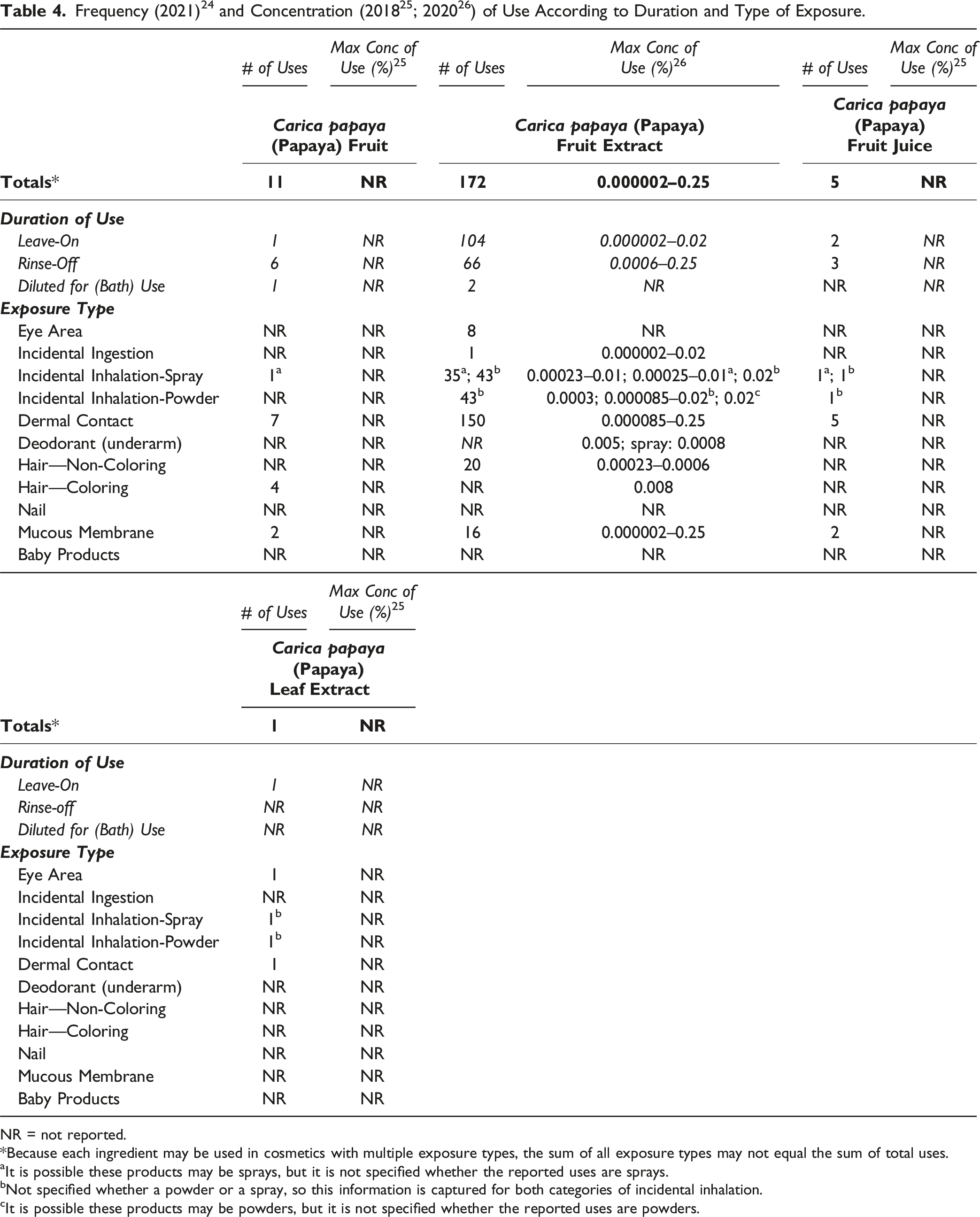
NR = not reported.
*Because each ingredient may be used in cosmetics with multiple exposure types, the sum of all exposure types may not equal the sum of total uses.
aIt is possible these products may be sprays, but it is not specified whether the reported uses are sprays.
bNot specified whether a powder or a spray, so this information is captured for both categories of incidental inhalation.
cIt is possible these products may be powders, but it is not specified whether the reported uses are powders.
Carica papaya-derived ingredients may be used in products that can be incidentally ingested or come into contact with mucous membranes; for example, Carica Papaya Fruit Extract is reported to be used in lipstick at up to 0.02%. 25 Carica Papaya Fruit Extract is also reported to be used in formulations applied near the eye; it is reported to be used in eye lotions (concentration of use data were not available). 24
Additionally, Carica Papaya (Papaya) Fruit Extract is reported to be used in spray products that could possibly be inhaled; for example, it is used in pump spray suntan products at up to 0.01%. In practice, most droplets/ particles released from cosmetic sprays have aerodynamic equivalent diameters >10 μm, with propellant sprays yielding a greater fraction of droplets/particles below <10 μm compared with pump sprays.27–30 Therefore, most droplets/particles incidentally inhaled from cosmetic sprays would be deposited in the nasopharyngeal and bronchial regions and would not be respirable (i.e., they would not enter the lungs) to any appreciable amount.27,29 Carica Papaya (Papaya) Fruit Extract is reportedly used in deodorant sprays (aerosol) at maximum concentrations up to 0.0008%. There is some evidence indicating that deodorant spray products can release substantially larger fractions of particulates having aerodynamic equivalent diameters in the range considered to be respirable. 29 However, the information is not sufficient to determine whether significantly greater lung exposures result from the use of deodorant sprays, compared to other cosmetic sprays. Carica Papaya (Papaya) Fruit Extract is also reported to be used in powders (dusting and talcum powders) at up to 0.0003%. Conservative estimates of inhalation exposures to respirable particles during the use of loose powder cosmetic products are 400-fold to 1000-fold less than protective regulatory and guidance limits for inert airborne respirable particles in the workplace.31–33
The Carica papaya-derived ingredients are not restricted from use in any way under the rules governing cosmetic products in the European Union. 34
Non-Cosmetic
Carica papaya fruit is commonly known for its food use and nutritional value throughout the world. 35 Ripe papaya fruit are typically eaten raw, but are also used in jam, jelly, marmalade, puree, wine, nectar, juice, mixed beverages, ice cream, baby food, and pie. 36 According to 21CFR184.1585, papain derived from Carica papaya fruit is generally recognized as safe (GRAS) for food use with no limitations other than current good manufacturing practice. According to the Organisation for Economic Co-operation and Development (OECD), several constituents/parameters are suggested to be analyzed when papaya processing by-products are fed to buffalo, fish, and poultry. 6 These include moisture, crude protein, fat, ash, carbohydrate by differences, total dietary fiber, total sugars, total ascorbic acid, beta-carotene, beta-cryptoxanthin, and BITC.
Several plant parts of Carica papaya have been researched for use as alternative or therapeutic treatments; these uses are reported herein for informational purposes only. Because of purported antioxidant and anti-inflammatory properties, Carica papaya leaf extracts have been used as treatment for dengue fever, and to boost thrombopoiesis and erythropoiesis. 37 Other reported effects of leaf extracts include antifungal, anti-inflammatory, and antioxidant properties.20,38 The extracts have also been researched for the management of burn injuries. 39 The milky juice of Carica papaya fruit, when extracted and dried, is used as chewing gum, toothpaste, and meat tenderizer. 20 The juice has also been used to treat digestive problems, intestinal worms, warts, sinusitis, and cutaneous tubercles. In western Uganda, the papaya fruit is used as traditional medicine to induce labor during childbirth. 40 In ayurvedic medicine, the Carica papaya fruit is used for treatment of digestive ailments, as well as ringworm and psoriasis. 35 The fruit is also reported to be used as an abortifacient, laxative, diuretic, anti-inflammatory, and antibacterial agent.
Toxicokinetic Studies
No relevant toxicokinetic studies on Carica papaya-derived ingredients were found in the published literature. In general, toxicokinetics data are not expected to be found on botanical ingredients because each botanical ingredient is a complex mixture of constituents.
Toxicological Studies
Acute Toxicity Studies
Acute Oral Toxicity Studies.
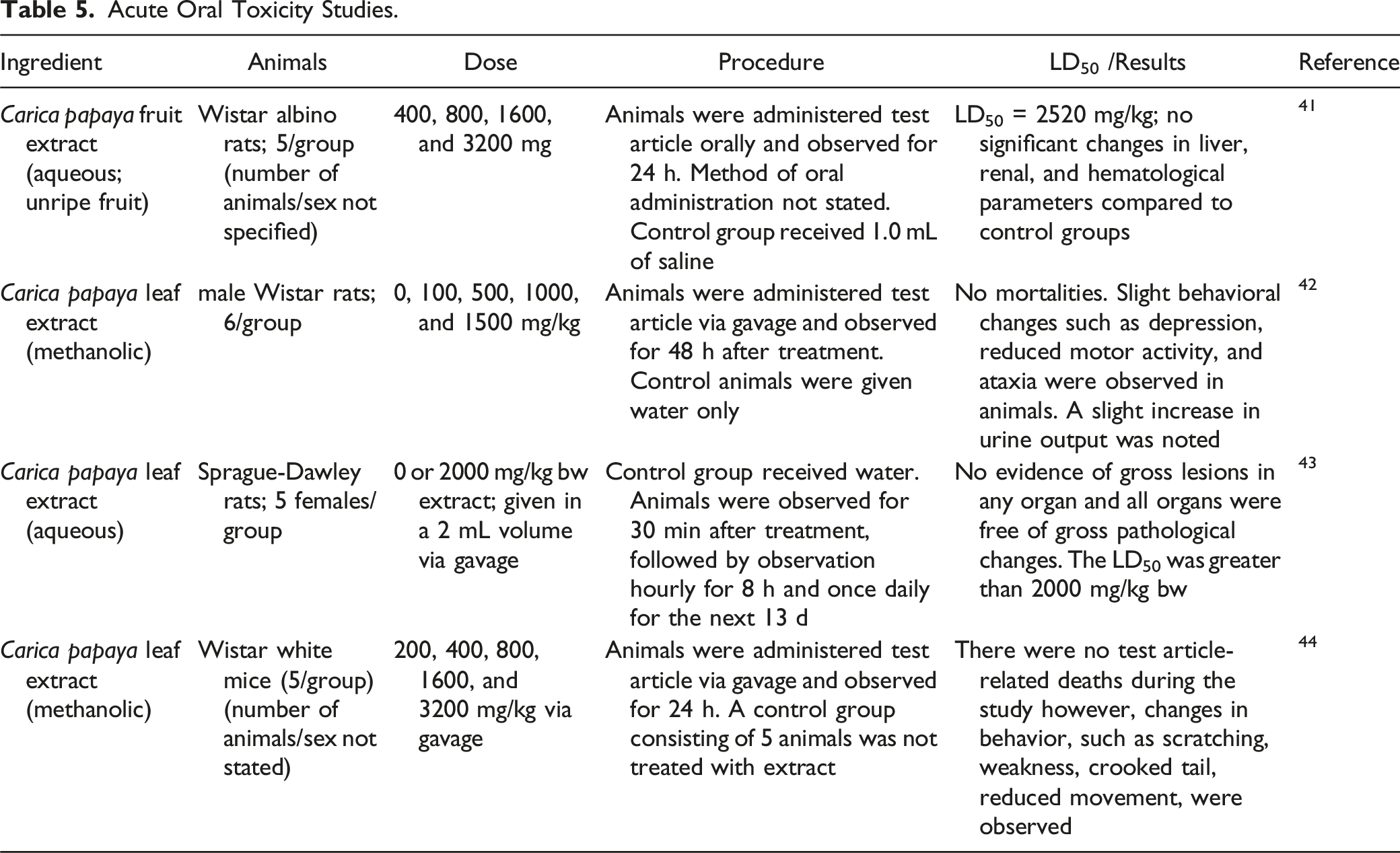
An oral LD50 of 2520 mg/kg was determined in acute toxicity study involving Wistar rats given up to 3200 mg/kg of an aqueous unripe Carica papaya fruit extract. 41 No mortality was observed in male Wistar rats given up to 1500 mg/kg of a methanolic Carica papaya leaf extract via gavage. 42 An oral LD50 of greater than 2000 mg/kg bw was determined in a study involving rats given up to 2000 mg/kg bw of an aqueous Carica papaya leaf extract. 43 No mortalities were observed when a methanolic Carica papaya leaf extract was given to Wistar mice in doses of up to 3200 mg/kg. 44
Short-Term and Chronic Toxicity Studies
Short-Term and Chronic Oral Toxicity Studies.
Abbreviations: ALP = alkaline phosphatase; ALT = alanine transaminase; LDH = lactic acid dehydrogenase; MCV = mean cell volume; SGOT = serum glutamic-oxaloacetic transaminase.
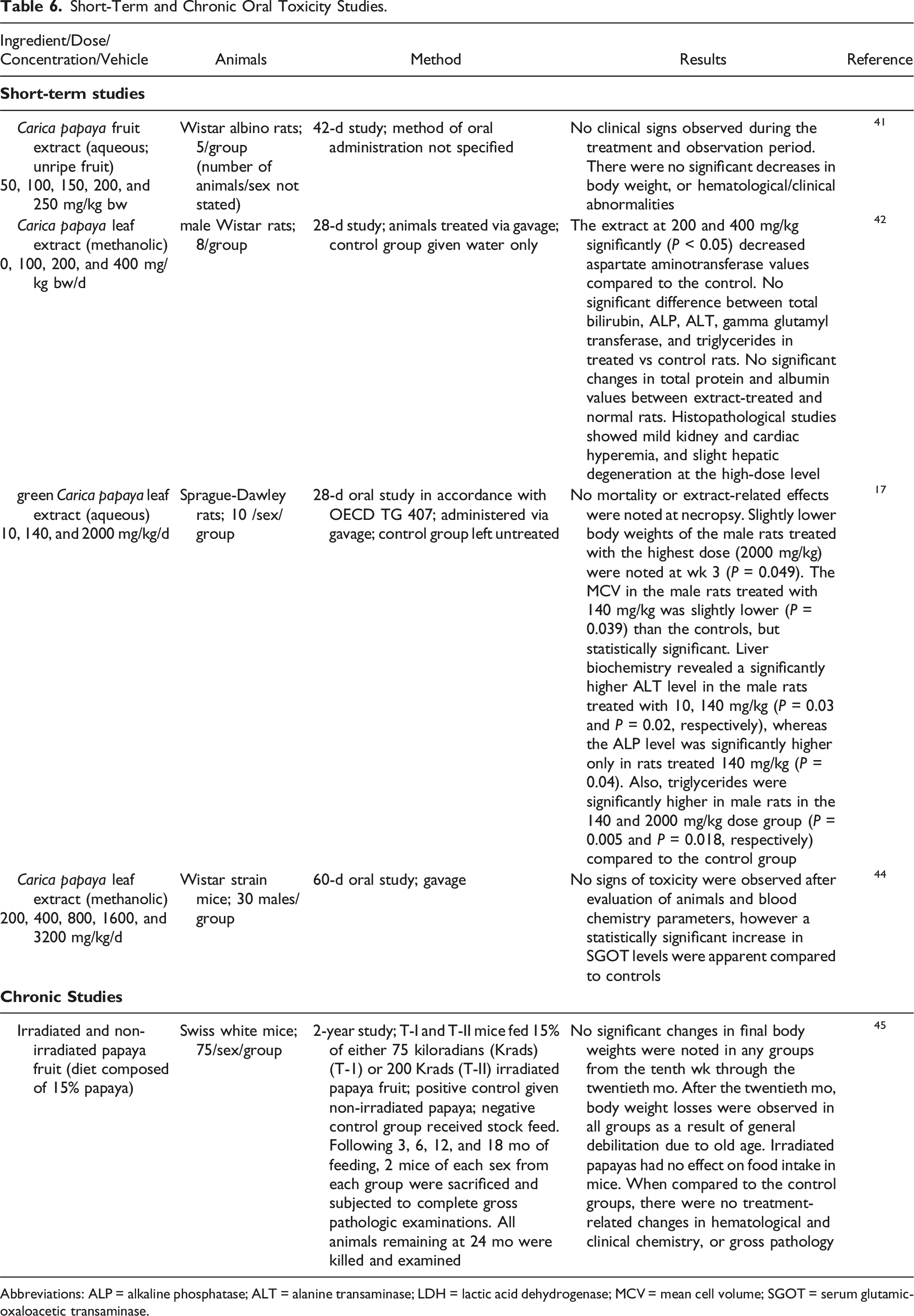
No signs of toxicity were observed when Wistar albino rats were given an aqueous Carica papaya fruit extract (up to 250 mg/kg/d), orally, for 42 d. 41 Wistar rats given a methanolic Carica papaya leaf extract (400 mg/kg bw/d) via gavage for 28 d displayed a statistically significant decrease in aspartate aminotransferase, statistically significant increase in blood urea nitrogen levels, and moderate hyperemia in the kidney and heart muscles. 42 No extract-related effects were noted when green Carica papaya leaf extract (up to 2000 mg/kg/d) was given to Sprague-Dawley rats for 28 d via gavage. 17 Similarly, no adverse effects were reported when Wistar mice were given a methanolic Carica papaya leaf extract (up to 3200 mg/kg/d) for 60 d. 44 A study was performed in order to evaluate the toxicity of irradiated and non-irradiated Carica papaya fruit given to Swiss white mice for 2 yr. 45 All papaya fruit-treated groups received a diet consisting of 15% Carica papaya fruit (irradiated or non-irradiated). No treatment-related clinical, hematological, pathological, or behavioral abnormalities were noted.
Developmental and Reproductive Toxicity (Dart) Studies
Oral Developmental and Reproduction Toxicity (DART) Studies.
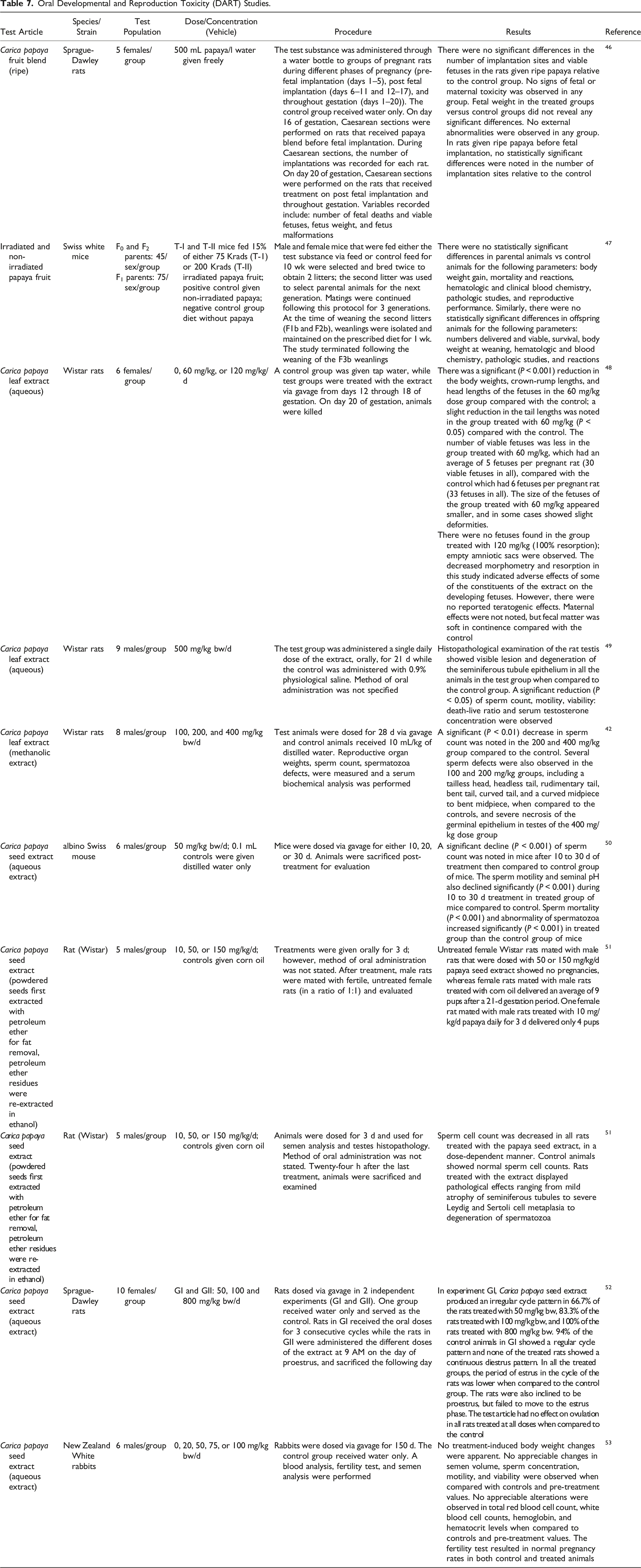
The effect of a ripe Carica papaya fruit blend (500 mL papaya/l water) on different stages of pregnancy was studied in Sprague-Dawley rats by administering the test substance on days 1–5, days 6–11, days 12–17, and days 1–20 of gestation. 46 No signs of fetal or maternal toxicity were observed in any of the treatment groups. A three-generation study was performed in order to evaluate the potential reproductive toxicity of irradiated and non-irradiated Carica papaya fruit given to Swiss white mice (F0 and F2 parents: 45 sex/group; F1 parents: 75 sex/group). 47 A control group received no papaya in the diet. No statistically significant differences in hematology, pathology, mortality, survival, body weight, or number of pups delivered were observed in parental or offspring animals when compared to control animals. An aqueous Carica papaya leaf extract (60 or 120 mg/kg) was given to pregnant Wistar rats via gavage on days 12–18 of gestation. 48 Abnormalities in morphometry of fetuses was noted in rats treated with 60 mg/kg of the extract, while 100% resorption was noted in rats treated with 120 mg/kg of the extract. The effect of an aqueous extract of Carica papaya leaf on male fertility was evaluated in male Wistar rats. 49 Treated rats were given 500 mg/kg bw extract orally for 21 d. Statistically significant reductions in mean values of sperm count, motility, viability, and serum testosterone concentration were noted in treated rats compared to control rats. In a different study, male rats were given 100, 200, or 400 mg/kg bw of a methanolic Carica papaya leaf extract via gavage for 28 d. 42 The mid- and high doses induced a significant decrease in rat sperm count.
Although papaya seed extract is not among the ingredients reviewed in this report, information regarding this botanical material has been included below, as it may be informative.
The effects an aqueous extract of Carica papaya seeds on ovulation and estrous cycle were evaluated in female Sprague-Dawley rats. 52 Rats (10 rats/group) were given 50, 100, or 800 mg/kg bw/d of the extract via gavage in two independent experiments. The aqueous extract of Carica papaya seeds at all doses disrupted the normal sequence of the estrous cycle of the rats, but produced no effect on ovulation and the number of ova shed. Administration of an aqueous extract of Carica papaya seed (50 mg/kg bw/d) to male albino mice (6/group) for 10 to 30 d via gavage caused a significant decrease in sperm count and sperm motility when compared to the control animals that were given water only. 50 The potential reproductive effects of an aqueous alkaloid extract of Carica papaya seeds was studied in male Wistar rats (5 rats/group). 51 Each rat was dosed orally (route of administration not stated) with the extract daily, for 3 d, with doses of either 10, 50, or 150 mg/kg/d, and the male rats were then mated with untreated fertile female rats. No pregnancies were reported in female rats mated with males treated with 50 or 150 mg/kg/d of the extract. Another set of male rats (5/group) were treated with the same doses of the papaya seed extract and used for semen analysis and testes histopathology. Results showed that oral administration of Carica papaya seed extract prevented fertilization, reduced sperm cell counts, promoted sperm cell degeneration, and induced testicular cell lesions, in a dose-dependent manner. In a different study, the contraceptive potential of an aqueous Carica papaya seed extract was evaluated. 53 Male New Zealand White rabbits (6 animals/group) were given the test substance via gavage in doses of 20, 50, 75, or 100 mg/kg bw/d for 150 d. No treatment-related adverse effects were observed; fertility, semen quality, and hematological parameters were similar among treated and control groups.
Genotoxicity Studies
Genotoxicity studies on Carica papaya-derived ingredients were not found in the published literature, and unpublished data were not submitted.
Carcinogenicity Studies
Carcinogenicity studies on Carica papaya-derived ingredients were not found in the published literature, and unpublished data were not submitted.
Other Relevant Studies
Anti-Tumor Activity
Carica Papaya (Papaya) Leaf Extract
The effects of a Carica papaya leaf extract (0.625 to 20 mg/mL) was studied on tumor cell lines and human peripheral blood mononuclear cells (PBMC). 54 The extract significantly inhibited the proliferative responses of immortalized solid tumor cell lines derived from cervical carcinoma (HeLa), breast adenocarcinoma (MCF-7), hepatocellular carcinoma (HepG2), lung adenocarcinoma (PCI4), pancreatic epithelial carcinoma (Panc-1), and mesothelioma (H2452), in a dose-dependent manner. In PBMC, a decreased production of interleukins (IL-2 and IL-4) and an increased production of Th1 type cytokines, such as IL-12p40, IL-12p70, interferon (IFN-γ), and tumor necrosis factor (TNF-α) were noted. The expression of 23 immunomodulatory genes was also enhanced by the addition of this extract.
Allergenicity of a Papaya Protein
The IgE-mediated sensitization potential of recombinant Cari p 1 (rCari p 1; Cari p 1 is a 56 kDa IgE-reactive protein found in papaya fruit and pollen) was evaluated in female BALB/c mice (6/group). 55 Two groups of mice were subcutaneously injected with purified rCari p 1 (10 μg antigen/animal) emulsified in an adjuvant. Seven d after injection, one group of mice was given papaya fruit extract via the oral route, while the other group was challenged with papaya pollen extract via the intranasal route. The amount of test substance given was not specified. Positive and negative control groups were administered ovalbumin and phosphate-buffered saline (PBS) alone, respectively. Mice were sacrificed 24 h after administration, and lung and gut tissues were evaluated. Allergy-induced inflammatory changes in the lung and duodenum tissue were recorded under a light microscope. Allergen-induced eosinophilic inflammations and mucus secretions were observed in the lung and duodenum tissues of mice after nasal and oral challenge, respectively. Inflammatory changes in gut and respiratory mucosa were similar among mice treated with rCari p 1 and mice treated with ovalbumin (positive control), suggesting allergenicity.
Dermal Irritation and Sensitization Studies
Human Dermal Irritation and Sensitization Studies.
HRIPT = human repeated insult patch test.
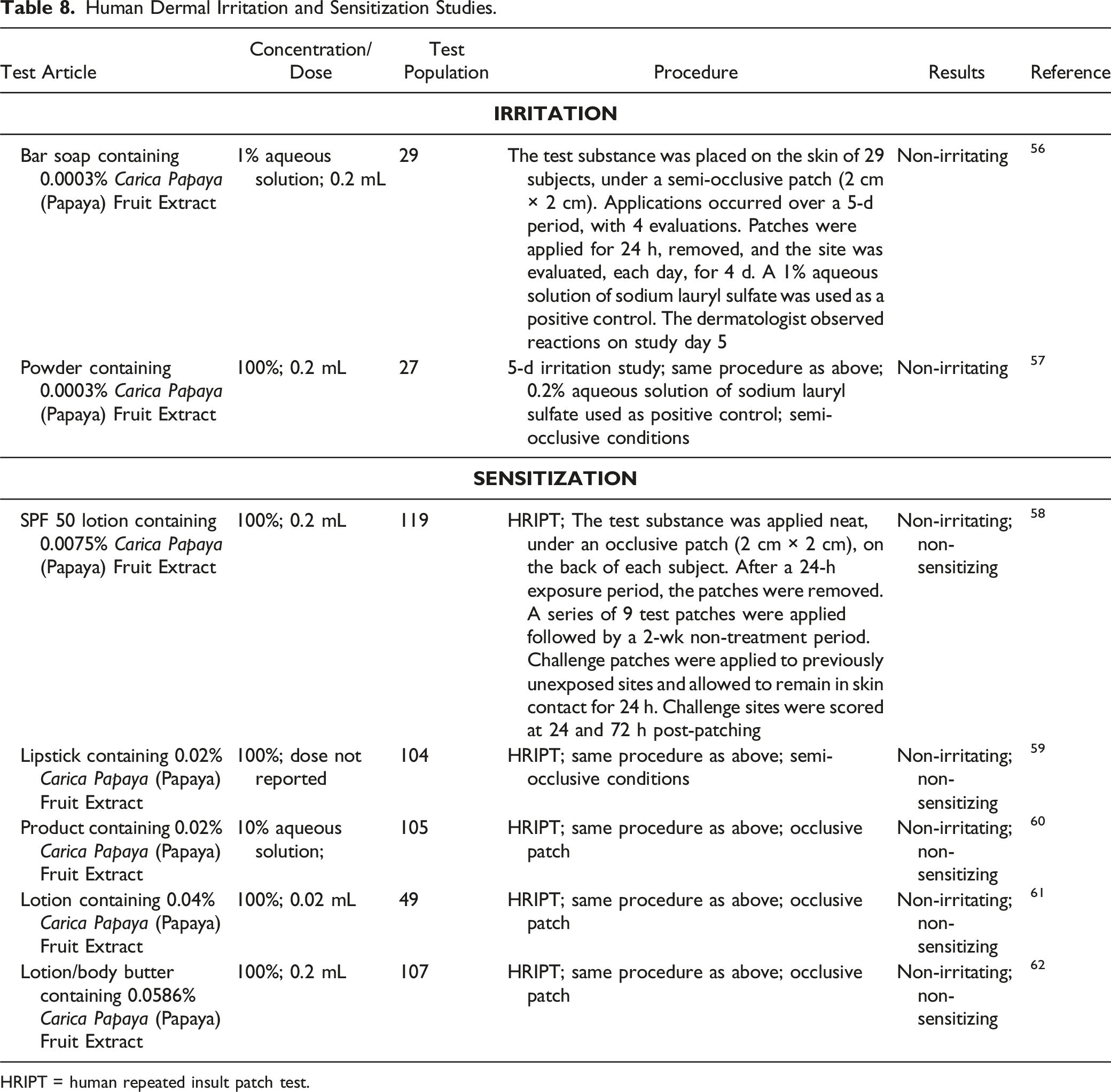
A 5-d skin irritation study was performed on 29 subjects to evaluate the irritation potential of a bar soap containing 0.0003% Carica Papaya (Papaya) Fruit Extract. 56 The test article was applied as a 1% aqueous solution (final test concentration of 0.000003% Carica Papaya (Papaya) Fruit Extract, each day, under a semi-occlusive patch, for a total of 4 applications. A 1% aqueous solution of sodium lauryl sulfate was used as the positive control. The test substance was considered to be non-irritating. A different 5-d irritation study was performed according to the same procedure as above, using a powder containing 0.0003% Carica Papaya (Papaya) Fruit Extract. 57 The test substance was applied neat, under a semi-occlusive patch, to 27 subjects. The test substance was considered to be non-irritating.
No irritation or sensitization occurred in several human repeated insult patch tests (HRIPTs). The test articles were a sun protection factor (SPF) lotion containing 0.0075% Carica Papaya (Papaya) Fruit Extract (tested neat; 119 subjects; occlusive conditions), a lipstick containing 0.02% Carica Papaya (Papaya) Fruit Extract (tested neat; 104 subjects; semi-occlusive conditions), a product containing 0.02% Carica Papaya (Papaya) Fruit Extract (tested at a 10% dilution (final test concentration of 0.002% Carica Papaya (Papaya) Fruit Extract; 105 subjects; occlusive conditions), a lotion containing 0.04% Carica Papaya (Papaya) Fruit Extract (tested neat; 49 subjects; occlusive conditions), and a lotion/body butter formulation containing 0.0586% Carica Papaya (Papaya) Fruit Extract (tested neat; 107 subjects; occlusive conditions).58–62
Phototoxicity/Photosensitization
Carica Papaya (Papaya) Fruit Extract
A phototoxicity assay was conducted in 23 subjects with an SPF 50 sunscreen lotion containing 0.0075% Carica Papaya (Papaya) Fruit Extract. 63 The test substance was applied neat, under an occlusive patch (2 cm × 2 cm), on duplicate sites on the lower back, one irradiated and one non-irradiated. After a 24-h exposure, one site was irradiated with long-wave ultraviolet light (UVA; 320–410 nm), plus full spectrum solar-simulated radiation. Reactions were graded immediately after light exposure, as well as 24 and 48 h later. The test substance did not possess a detectable phototoxic potential in human skin.
A photosensitization assay was completed on 30 subjects with an SPF 50 sunscreen lotion containing 0.0075% Carica Papaya (Papaya) Fruit Extract. 64 For 3 wk, six 24-h induction patches were applied containing the undiluted test substance (occlusive conditions; 2 cm × 2 cm patch). Applications were performed in duplicate; one site was subsequently irradiated with UVA light (320–410 nm). After 10 d, a challenge patch was applied at virgin sites with and without irradiation. The test substance did not possess a detectable photocontact-sensitizing potential in human skin. The photosensitization potential of a face cream (no SPF) containing 0.002% Carica Papaya (Papaya) Fruit Extract was evaluated in 50 subjects according to the same procedure as above. 65 Sites were irradiated with UVA light (320–420 nm). The test substance was considered to be non-sensitizing.
Ocular Irritation Studies
No ocular irritation studies on Carica papaya-derived ingredients were found in the published literature, and unpublished data were not submitted
Clinical Studies
Case Report
A 55-year-old woman without a history of atopic disease of drug allergy developed a maculopapular symmetric exanthematous rash approximately 2 d after taking throat lozenges containing papaya juice. 66 The patient discontinued the intake of the lozenges and was treated with a systemic antihistaminic and a topical menthol-containing preparation. The rash cleared within 2 weeks of this treatment. Four weeks after symptoms resolved, the patient was patch tested. Patch tests were performed with the European standard series, the powdered lozenges, and their single components (sorbitol (2%), chlorhydrate (2%), papaya extract (2%), aroma (92%), saccharine sodium (2%), bacitracin (5%), and magnesium stearate (pure)). In addition, papain (in dilutions of 0.1 and 1% in water) was also tested. No substance of the European standard series or lozenge powder was positive in patch-testing except for the 2% papaya extract. Five control subjects did not show any reaction to the papaya extract. In addition, the 1% solution of papain in water showed a weak reaction which was interpreted as an irritant.
Papaya Protein Allergen in Pollen-Sensitized Patient Sera
Papaya has been reported to elicit IgE-mediated hypersensitivity via pollen inhalation and fruit consumption. 55 A degranulation assay was used to evaluate the ability of rCari p 1 induce the release of histamine from the IgE-sensitized effector cells using the sera of pollen-sensitized patients suffering with respiratory allergy. Patients were diagnosed with an elevated level of specific IgE-antibody against fruit and pollen extract of papaya via an enzyme-linked immunosorbent assay. Control sera from a healthy patient and a patient with either dust mite or mustard allergy were also collected. A passive sensitization technique was used in which the granulocytes from a healthy donor were stripped off the bound IgE using 50 mM lactate buffer (pH 3.5). The cells were passively sensitized with either 4 different patient sera (at 1:10 v/v dilutions) containing high titers of anti-Cari p 1 IgE-antibody or control sera for 120 min at 37°C. The IgE-sensitized cells were then challenged with purified rCari p 1 at a serially increasing concentration ranging from 1.0 to 10,000.0 ng/mL. These IgE-sensitized effector cells displayed a dose-dependent release of histamine upon stimulation with rCari p 1. The maximum percentage of degranulation was seen at a concentration of 1000 ng/mL, in which histamine release took place within a range from 30% to 72% among the 4 patients tested. Further increasing the allergen concentration (10,000 ng/mL) caused a sharp decrease in histamine release. No release was observed with control sera.
Papaya Sensitization in Respiratory Allergic Patients
Patients in Calcutta, India, with respiratory allergies (allergic rhinitis and asthma) were evaluated for allergy to several common food allergens (including papaya fruit) using a questionnaire and skin prick test. 67 To perform the skin prick test, a drop of the food extract (20 μl) in PBS was placed on the forearm, and the skin was pricked with a needle. Histamine diphosphate and PBS were used as positive and negative controls, respectively. Of the 236 patients tested for papaya hypersensitivity, 62 patients showed a positive response. The majority of these positive reactions were from patients in the age group of 16–40.
Papaya Pollen Hypersensitivity
The ability of papaya flower pollen to induce respiratory IgE-mediated allergy was evaluated in 6 patients with clinical histories of allergy (seasonal rhinoconjunctivitis or bronchial asthma) in relation to papaya tree exposure. 68 A skin prick test was performed with papaya pollen extract, commercial papaya fruit extract, and papain extract. Ten pollen-allergic patients allergic to Artemisia and 10 patients allergic to dust mites were used as control groups in both in vitro and in vivo studies. Prior to testing, 3 of the 6 patients reported previous ingestion of papaya fruit with no reactions, and the remaining 3 patients did not regularly consume the fruit. None remembered any adverse reaction to papaya fruit ingestion. Skin prick test responses to the pollen extract were positive in all 6 patients, to papaya fruit in 2 patients, and to papain in 2 patients. Levels of total and specific IgE to papaya fruit, papain, and pollen were also measured. Levels of specific IgE to papaya pollen, fruit, and papain were positive in all 6 patients and negative in controls. Radioallergosorbent test (RAST) inhibitions were performed in a pool of sera from the papaya pollen-allergic patients. Sera were incubated with 100 μL of 10-fold dilutions (1 mg/mL to 100 ng/mL) in PBS containing 0.03% human albumin, of papaya pollen and fruit extracts, and a papain commercial extract. The degree of inhibition was measured in percentage, the 0 level being defined as the uptake of the solid phase when the allergen was replaced with PBS. Artemisia vulgaris and Dermatophagoides pteronyssinus commercial extracts were used as negative inhibition controls. A progressive RAST-inhibition was obtained, reaching 100% inhibition with the papaya pollen extract at the maximum concentration, 72% inhibition with the papaya fruit extract, and 99% inhibition with papain extract. A 50% inhibition was observed with the Artemisia extract, and inhibition was not higher than 20% when incubating with the Dermatophagoides pteronyssinus extract.
Cross Reaction Between Latex and Papaya Fruit
Serum samples from 136 patients with immediate-type hypersensitivity against latex proteins were analyzed for IgE antibodies against a panel of different fruit extracts, including a papaya fruit extract. 69 Among the 136 samples tested for papaya fruit extract, IgE antibodies were detected in 69 samples (50.7%). In addition, 18/44 samples tested contained IgE antibodies against papain. Values of allergen-specific IgE were >0.35 kU/l in 36 samples. Cross-reacting IgE antibodies recognizing latex and fruit allergens were demonstrated by RAST-inhibition tests. Preincubation of 5 sera samples with latex extracts caused a 99.7% mean specific inhibition of papaya fruit-specific IgE. Inhibition of latex-specific IgE after preincubation of serum samples (n = 6) with papaya fruit extract (up to 10 μl) was weaker (mean inhibition of 24.2%).
The potential role of chitinases and complex glycans as cross-reactive determinants linked to latex-food allergy was evaluated. 70 Extracts from several different plant foods, including papaya fruit, and from latex were obtained. These extracts were immunodetected with anticomplex glycans and antichitinase sera raised in rabbits, as well as with sera from patients with latex-fruit allergy (n = 8), and sera from patients allergic to latex without food allergy (n = 5). Pooled sera from 5 atopic subjects allergic to mites, but not to latex or foods, was used as a negative control. Many reactive bands, mainly in the 30–100 kDa molecular size range, were detected in most extracts. Putative chitinases appeared in papaya (30–35 kDa) and latex (35–45 kDa). To compare the patterns obtained with anticomplex glycan and antichitinase sera with those revealing specific IgE-binding proteins, replica membranes were immunodetected with a pool of sera from patients with latex-fruit allergy. Reactive proteins were detected in papaya (30–35 kDa) and latex (6–10, 20, and 35–45 kDa). All of these specific IgE-binding components, except for the 6 to 10 kDa and 20 kDa latex bands were also recognized by specific polyclonal antibodies to chitinases. Papaya extract was also tested in sera from patients with latex allergy, but no fruit allergy. No reactive bands were observed, however in control serum, high molecular size bands were detected. These results suggest that mainly class I chitinases contained in these plant foods are the allergens involved in cross reactions with latex, and also indicate that the 16 to 20 kDa, 23 to 28 kDa, and 50 to 70 kDa bands shown by the antichitinase serum are not relevant IgE-binding components.
Summary
The safety of 5 Carica papaya-derived ingredients as used in cosmetics is reviewed in this safety assessment. All ingredients reviewed in this report are derived from the papaya plant. According to the Dictionary, the majority of these ingredients are reported to function as skin-conditioning agents in cosmetic products. The Carica papaya plant contains various phytochemicals, such as phenolic acids, flavonoids, isoflavonoids, saponins, phytosterols, and alkaloids. These phytochemicals vary based on specific parts of the plant.
According to a supplier, there were no spectral absorption peaks in the UVA or UVB for a sample containing 0.006% of Carica Papaya (Papaya) Fruit Extract. Not enough information was provided to determine the absorbance wavelength of a peak in the UVC.
According to 2021 VCRP survey data, the ingredient with the most reported uses is Carica Papaya (Papaya) Fruit Extract, which is reported to be used in 172 cosmetic products (104 leave-on products, 66 rinse-off products, and 2 diluted for bath use). The results of a concentration of use survey conducted by the Council in 2018 (and corrected in 2020) indicate that Carica Papaya (Papaya) Fruit Extract is being used at maximum use concentrations up to 0.25% in rinse-off products and maximum use concentrations up to 0.02% in leave-on products. Carica Papaya (Papaya) Fruit Extract is reported to be used in spray products that could possibly be inhaled; for example, it is used in pump spray suntan products at up to 0.01%.
An oral LD50 of 2520 mg/kg was determined in acute toxicity study involving Wistar rats given up to 3200 kg/mg of an aqueous unripe Carica papaya extract. No toxicity was observed in male Wistar rats given up to 1500 mg/kg of a methanolic Carica papaya leaf extract via gavage. An oral LD50 of greater than 2000 mg/kg bw Carica papaya leaf extract (highest dose tested) was determined in a study involving rats. No mortalities were observed when a methanolic Carica papaya leaf extract was given to mice at doses of up to 3200 mg/kg.
No signs of toxicity were observed when Wistar albino rats were given a Carica papaya fruit extract (up to 250 mg/kg/d), orally, for 42 d. Wistar rats given a methanolic Carica papaya leaf extract (400 mg/kg bw/d) via gavage for 28 d displayed a statistically significant decrease in aspartate aminotransferase, statistically significant increase in blood urea nitrogen levels, and moderate hyperemia in the kidney and heart muscles. No extract-related effects were noted when a green Carica papaya leaf extract (up to 2000 mg/kg/d) was given to Sprague-Dawley rats for 28 d via gavage. Similarly, no adverse effects were reported when Wistar mice were given a methanolic Carica papaya leaf extract (up to 3200 mg/kg/d) for 60 d. A study was performed in order to evaluate the toxicity of irradiated and non-irradiated papaya fruit given to Swiss white mice in the diet for 2 yr. All papaya-treated groups received a diet consisting of 15% Carica papaya fruit (irradiated or non-irradiated). No treatment-related clinical, hematological, pathological, or behavioral abnormalities were noted.
The effect of a ripe papaya fruit blend (500 mL papaya/l water) on different stages of pregnancy was studied in Sprague-Dawley rats by administering the test substance on days 1–5, days 6–11, days 12–17, and days 1–20 of gestation. No signs of fetal or maternal toxicity were observed in any of the treatment groups. No signs of reproductive toxicity were observed in a 3-generation study involving Swiss mice given a diet consisting of 15% Carica papaya fruit (irradiated or non-irradiated). An aqueous Carica papaya leaf extract (60 or 120 mg/kg) was given to pregnant Wistar rats via gavage on days 12–18 of gestation. Abnormalities in morphometry of fetuses were noted in rats treated with 60 mg/kg of the extract, while 100% resorption was noted in rats treated with 120 mg/kg of the extract. The effect of an aqueous extract of Carica papaya leaf on male fertility was evaluated in male Wistar rats. Treated rats were given 500 mg/kg bw extract orally for 21 d. Statistically significant reductions in mean values of sperm count, motility, viability, and serum testosterone concentration were noted in treated rats compared to control rats. In a different study, male rats were given 100, 200, or 400 mg/kg bw of a methanolic Carica papaya leaf extract via gavage for 28 d. The mid- and high doses induced a significant decrease in rat sperm count. Sperm motility reduction was noted when an aqueous Carica papaya seed extract (50 mg/kg bw/d was given to male albino mice for 10 to 30 d. The potential reproductive effects of an aqueous alkaloid extract of Carica papaya seeds (10, 50, and 150 mg/kg/d) was studied in male Wistar rats. Results showed that oral administration of Carica papaya seed extract prevented fertilization, reduced sperm cell counts, promoted sperm cell degeneration, and induced testicular cell lesions, in a dose-dependent manner. An aqueous Carica papaya seed extract was given orally to female Sprague-Dawley rats in doses of 50, 100, or 800 mg/kg bw/d. At all doses, a disruption of the normal sequences of the estrous cycle was observed. No treatment-related adverse effects were noted when aqueous Carica papaya seed extract was given to male New Zealand white rabbits, orally at doses of up to 100 mg/kg bw/d, for 150 d. Fertility, semen quality, and hematological parameters were similar among treated and control groups.
A Carica papaya leaf extract significantly inhibited the proliferative responses of HeLa, MCF-7, HepG2, PCI4, Panc-1, \and H2452 cells. For each cell type, inhibition was dose-dependent.
No skin irritation was noted in a 5-d skin irritation study evaluating a bar soap containing 0.0003% Carica Papaya (Papaya) Fruit Extract (final test concentration was 0.000003% Carica Papaya (Papaya) Extract in water). Similarly, no irritation was noted in a 5-d skin irritation assay involving a powder containing 0.0003% Carica Papaya (Papaya) Fruit Extract (test substance applied neat). No irritation or sensitization occurred in several HRIPTs evaluating an SPF lotion containing 0.0075% Carica Papaya (Papaya) Fruit Extract (tested neat), a lipstick containing 0.02% Carica Papaya (Papaya) Fruit Extract (tested neat), a product containing 0.02% Carica Papaya (Papaya) Fruit Extract (tested at a 10% dilution (final test concentration of 0.002% Carica Papaya (Papaya) Fruit Extract), a lotion containing 0.04% Carica Papaya (Papaya) Fruit Extract (tested neat), and a lotion/body butter formulation containing 0.0586% Carica Papaya (Papaya) Fruit Extract (tested neat).
A phototoxicity and photosensitization study was performed with a SPF 50 sunscreen lotion containing 0.0075% Carica Papaya (Papaya) Fruit Extract. The test substance was applied neat in both assays. No skin reactions were noted. In addition, no photosensitization was observed in an assay involving 50 subjects exposed to a cream (no SPF) containing 0.002% Carica Papaya (Papaya) Fruit Extract.
A 55-yr-old woman without a history of atopic disease or drug allergy developed a rash 2 d after taking throat lozenges containing papaya juice (2%). Patch tests were performed with the European standard series, components of the powdered lozenge, and papain. A positive response was observed with papaya juice, and a weak positive response was observed with 1% papain.
The IgE-mediated sensitization potential of a papaya protein, rCari p 1, was evaluated in female BALB/c mice (6/group). Animals were injected with purified r Cari p 1. Seven days after injection, one group of mice was given a Carica papaya fruit extract orally, and a different group was given Carica papaya pollen extract via an intranasal route. Inflammatory changes in gut and respiratory mucosa were similar among mice treated with rCari p 1, and mice treated with ovalbumin (positive control), suggesting allergenicity. A degranulation assay was performed on the same papaya protein, using sera of pollen-sensitized patients. The maximum percentage of degranulation was seen at a concentration of 1000 ng/mL, in which histamine release took place within a range from 30% to 72% among the 4 patients tested. Further increasing the allergen concentration (10,000 ng/mL) caused a sharp decrease in histamine release.
Patients in Calcutta, India with reported allergic rhinitis and asthma were evaluated for food allergy via a questionnaire and skin prick test. Of the 236 patients evaluated for papaya allergy, 62 displayed a positive response. Six patients with clinical histories of seasonal rhinoconjunctivitis or bronchial asthma in relation to papaya tree exposure were studied. Skin prick test responses to the pollen extract were positive in all 6 patients, to papaya fruit in 2 patients, and to papain in 2 patients. Levels of specific IgE to papaya pollen, fruit, and papain were positive in all 6 patients and negative in controls. On RAST-inhibition studies using papaya pollen extract in solid phase, a significant cross-reactivity was found among papaya pollen, papaya fruit, and papain.
Serum samples from 136 patients with immediate-type hypersensitivity against latex proteins were analyzed for IgE antibodies against papaya fruit extract and papain. IgE antibodies were detected in 69/136 samples for papaya fruit extract, and in 18/44 samples tested for papain. In a different study, the potential role of chitinases and complex glycans as cross-reactive determinants linked to latex-food allergy was evaluated. Sera from patients allergic to both latex and fruit, and sera from patients allergic to latex only was used. Putative chitinases appeared in papaya (30–35 kDa) and latex (35–45 kDa). In latex-fruit allergic patient sera, reactive proteins were located in both papaya (30–35 kDa) and latex (6–10, 20, and 30–45 kDa). No reactive bands were observed in sera of patients with latex allergy only, however, high molecular size bands were observed in the control group.
Discussion
This report assesses the safety of 5 cosmetic ingredients derived from the plant Carica papaya. The Panel determined that the available data are sufficient to determine that the 4 Carica papaya-derived fruit ingredients are safe as reportedly used in cosmetics. Additional data are required to determine safety for Carica Papaya (Papaya) Leaf Extract.
The Carica papaya-derived fruit ingredients have been ingested as food and food products for many years. As systemic exposure resulting from consumption would be much higher than that resulting from use in cosmetics (these ingredients are reported to be used at 0.25% or less), any concerns regarding systemic toxicity from the Carica papaya fruit ingredients have been mitigated. The Panel noted DART effects seen at high concentrations in Carica papaya leaf and seed studies. However, these effects were seen at doses much higher than would be expected with use in cosmetics.
In addition, the Panel expressed concern regarding the potential phototoxicity/photosensitization of these Carica papaya-derived ingredients. However, the Panel concluded that the available photosensitization and ultraviolet spectrum data on Carica Papaya (Fruit) Extract were sufficient to mitigate these concerns.
The Panel also expressed concern regarding pesticide residues, heavy metals, and other plant species that may be present in botanical ingredients. They stressed that the cosmetics industry should continue to use current good manufacturing practices (cGMPs) to limit these impurities.
The Panel recognized the potential IgE-mediated hypersensitivity reactions following pollen inhalation and fruit consumption. However, concern for this was mitigated due to a lack of case reports involving, and, in clinical practice, a lack of patients exhibiting, allergic reactions (hand dermatitis and cheilitis) following handling and ingestion of papaya. The Panel also discussed the potential cross-reacting IgE antibodies in latex and papaya, and suggested that those individuals that are latex-allergic take caution when using papaya-derived products.
The Panel discussed the issue of incidental inhalation exposure from powders and spray products. The Council survey results indicate that Carica Papaya (Papaya) Fruit Extract is being used in spray products, such as suntan pump spray products (at concentrations up to 0.01%) and in dusting and talcum powders (at up to 0.0003%). Inhalation studies were not available; however, the Panel noted that in aerosol products, most droplets/particles would not be respirable to any appreciable amount. Furthermore, droplets/particles deposited in the nasopharyngeal or bronchial regions of the respiratory tract present no toxicological concerns based on the chemical and biological properties of these ingredients. Coupled with the small actual exposure in the breathing zone and the concentrations at which the ingredients are used, the available information indicates that incidental inhalation would not be a significant route of exposure that might lead to local respiratory or systemic effects. A detailed discussion and summary of the Panel’s approach to evaluating incidental inhalation exposures to ingredients in cosmetic products is available at https://www.cir-safety.org/cir-findings.
As stated, the Panel noted that data are insufficient to determine safety for Carica Papaya (Papaya) Leaf Extract. Specifically, the following data are needed to determine safety for this ingredient: • genotoxicity data, • irritation and sensitization data at maximum concentration of use, and • phototoxicity/photosensitization data.
Conclusion
The Expert Panel for Cosmetic Ingredient Safety concluded that Carica Papaya (Papaya) Fruit, Carica Papaya (Papaya) Fruit Extract, Carica Papaya (Papaya) Fruit Juice, and Carica Papaya (Papaya) Fruit Water* are safe in cosmetics in the present practices of use and concentration described in this safety assessment, and that the available data are insufficient to make a determination of safety for Carica Papaya (Papaya) Leaf Extract under the intended conditions of use in cosmetic formulations.
* Not reported to be in current use. Were this ingredient not in current use to be used in the future, the expectation is that it would be used in product categories and at concentrations comparable to others in this group.
Footnotes
Author’s Note
Unpublished sources cited in this report are available from the Director, Cosmetic Ingredient Review, 555 13th St., NW, Suite 300W, Washington, DC 20004.
Author Contributions
The articles in this supplement were sponsored by the Cosmetic Ingredient Review.
Declaration of Conflicting Interests
The authors declared no potential conflicts of interest with respect to the research, authorship, and/or publication of this article.
Funding
The authors disclosed receipt of the following financial support for the research, authorship, and/or publication of this article: The Cosmetic Ingredient Review is financially supported by the Personal Care Products Council.