







Abstract
It is widely acknowledged that sharing travel experiences on social networks is performative. This study investigates the tourist narratives used to communicate travel experiences, which partially reflect their needs and strategies for exchanging relevant information under social performance pressure. An analysis of over 8,000 Instagram datasets revealed that a tourist narrative pattern prevailed on image-based social media platforms, characterized by a role-centric narrative structure and three visual presentation sets. The study identifies key features of the narrative pattern and concludes that tourists seek acceptance within social media communities by providing anticipated content and mediated access to their travel experiences. Furthermore, the study explores the implications of this narrative pattern for tourism marketing, proposing that the prevalent pattern may reinforce destination stereotypes. However, this issue can be mitigated by enhancing tourist engagement through a series of mediated strategies.
Highlights
Social performance pressure inspires a prevalent narrative pattern on Instagram.
The pattern includes a role-centric narrative structure and visual presentations.
Tourists share expected content via mediated access, causing destination cliches.
Enhancing audience engagement through visual strategies can mitigate this issue.
Introduction
The widespread use of social networks as a potent communication and marketing tool has led to an increased research focus on travel experiences individually shared on social media platforms. In considering these experiences as a direct response to the quality of travel encounters, numerous tourism scholars analyze the shared content to help destination marketing organizations (DMOs) evaluate and improve their offerings in accordance with tourist interests and preferences (McMullen, 2020; Mirzaalian & Halpenny, 2021; Pickering et al., 2020; Sahin & Baloglu, 2011; S. O. Stepchenkova & Zhan, 2013; S. Stepchenkova et al., 2015).
The performative nature of tourists during the sharing process has also become increasingly evident (Belk & Yeh, 2011; Haldrup & Larsen, 2009; Lo & Mckercher, 2015; Qian, 2022; Schwartz & Halegoua, 2015; Stylianou-Lambert, 2012). Revealing one’s location on social networks goes beyond merely indicating a place: it also serves as an expression of distinct personalities and lifestyles (Schwartz & Halegoua, 2015). When tourists share their experiences, they often edit them with carefully selected text and photographs, in order to create or enhance certain aspects of the destination as a prop for their “ideal self” presentation (Lo & McKercher, 2015, p. 106). This reduces the reliability of narrative content as an indicator of tourist preferences. Meanwhile, this turns greater academic attention to the narrative structure and tactics adopted in the selective process, as these can offer new insights into the primary concerns of tourists, as influenced by social performance.
However, previous research on tourist narratives has not adequately accounted for tourist performance as a significant factor affecting narrative construction. While earlier studies have focused on either the content (Chandralal et al., 2015; Chen et al., 2020; S. O. Stepchenkova & Zhan, 2013) or the organizational structure of travel experience exchanges (Moscardo, 2020; Servidio & Ruffolo, 2016; Tussyadiah & Fesenmaier, 2008, 2009), they have not thoroughly examined narratives imbued with performative intentions and their potential impacts on destination development and marketing. To assist DMOs in adapting to the growing prominence of online tourist performance resulting from the evolution of social networks, this research gap warrants further attention and exploration.
With this goal in mind, this research study investigates the narratives employed to convey travel experiences on social networks, considering the perspective of tourist performance. The research was conducted as a case study of Nanluoguxiang street, a popular tourist destination in Beijing. An innovative method combining quantitative and qualitative research was developed to analyze textual and visual descriptions from over 8,000 Instagram datasets. The data analysis reveals a typical narrative pattern that predominates on image-based social media platforms, characterized by a role-centric narrative structure and three visual presentation sets.
Given the ongoing development of image-based social networks, the narrative pattern will likely become more prevalent, profoundly impacting online tourism marketing. This research study identifies two key characteristics of the pattern and discusses their implications. In simple terms, the performance pressure imposed by social networks on tourists has significantly reinforced the narrative pattern, resulting in the reduction of shared experiences to cliches. This phenomenon could undoubtedly hinder the diversified development of destinations. However, the role-centric mediated tactics adopted by tourists can provide DMOs with new ideas to mitigate the issue, aligning with the continuous expansion of image-based social media platforms.
Literature Review
This research delves into the ways tourists narrate and visualize their travel experiences on social networks with performative intentions. Therefore, the literature review is carried out by tracing tourist performances on social networks and reviewing the narrative analysis of travel experiences.
Tourist Performances on Social Networks
The “performative turn” has already been widely acknowledged and discussed in tourist studies (Bærenholdt et al., 2004, p. 5), highlighting the dual aspects of performativity. On one hand, destinations comprise interconnected events and staged settings managed through performative strategies and dispositions (Edensor, 2001). On the other hand, tourists are often guided to perform in specific ways, from learning how to perceive exotic features through pre-trip materials (J. Urry, 2002; J. R. Urry & Larsen, 2011) to engaging with places with the aid of stage dispositions and directions. These processes lead to a consensus on what to do and how to behave in a particular environmental setting (Edensor, 2001), transforming a tourist into a type of passive performer who conforms to norms established by DMOs and allied practitioners.
The rapid growth of social networking sites over the past 2 decades has enabled tourists to seamlessly transition from passive to active performers. They can share travel experiences, including descriptions of destinations and feelings formed before, during, and after trips, through various mediums such as blogs, vlogs, and plogs. While these shared experiences reinforce the destination images promoted by DMOs (S. O. Stepchenkova & Zhan, 2013; Wong & Qi, 2017), they also highlight tourists’ individual connections to places, shaped by factors such as cultural background, social status, personal preferences, and expectations based on their own intents. The same destination can thus be experienced differently by individual visitors. Tourists integrate their subjective views and opinions into shared experiences, consciously or subconsciously, for specific social purposes, such as assisting others, maintaining social connections, or enhancing the quality of online communities (Munar & Jacobsen, 2014; Yoo & Gretzel, 2008). Once engaged in the sharing process, they can be regarded as active performers seeking social interactions and positive responses from others.
More recently, tourists have increasingly engaged in online travel content production with the primary goal of sharing on social networks shifting towards intentional self-presentation (Attrill, 2015; Dijck, 2013; Hogan, 2010; Schwartz & Halegoua, 2015). They are no longer content to enhance self-esteem (Yoo & Gretzel, 2008) or acquire respect and recognition (Munar & Jacobsen, 2014), but are more willing to establish an online identity (Kang & Schuett, 2013) and construct an ideal self (Lo & McKercher, 2015). Attracting a wider audience and earning greater approval have become more important than ever for tourists. Dijck (2013) suggested a sharing method called “telling stories” (p. 206), in which shared content could be organized and delivered in a multiple narrative structure, with each part reflecting the audience’s expectations rather than the authors’ perspectives. Tourists who adopt this method are highly active performers seeking to establish stronger relationships with a larger audience. They strategically emphasize aspects of their offline experiences, drawing from either promotional materials or exploring new scenes, to meet followers’ expectations about their identity and actions (Schwartz & Halegoua, 2015).
The new performative turn accelerated by the popularity of social networking sites warrants significant attention. However, there have been limited tourism studies investigating this phenomenon. Lo and McKercher (2015) observed that the selective showcasing of travel experiences on social networks is driven by the desire to create an impressive virtual self. Qian (2022) argued that such shared experiences are planned reproductions that capture the collective imagination but may not accurately reflect actual impressions. These scholars expand the previous discussion of tourist performance (Belk & Yeh, 2011; Haldrup & Larsen, 2009; Larsen, 2005; J. Urry, 2002; J. R. Urry & Larsen, 2011) into the social media context, aiming to spark further scholarly interest in the subject. While their studies have provided valuable insights into the phenomenon, there remains ample room for additional research on its potential effects on tourism management and marketing, as well as challenges and opportunities that the new performative turn poses for DMOs.
Narrative Analysis of Travel Experiences
Narratives serve as the primary means of communicating travel experiences (McCabe & Foster, 2006). As tourists can present relevant events and occurrences in a logical and coherent order, integrating their thoughts and emotions into a comprehensive depiction (Chronis, 2012; Moscardo, 2017), many tourism scholars utilize narrative as an object or method of inquiry (Mura, 2015) to investigate the content of travel experiences (Chandralal et al., 2015; Chen et al., 2020; S. O. Stepchenkova & Zhan, 2013). However, during the analysis process, these scholars often overlook the performative nature of tourists, which could result in misleading narratives that potentially reduce the reliability of their research findings.
While narrative content can reflect tourists’ interests in the environment, products, and services, narrative structure reveals their primary concerns within a given social context. Many tourism researchers argue that tourist narratives offer a holistic and intuitive approach to identifying, organizing, and conveying valuable travel information (Moscardo, 2020; Servidio & Ruffolo, 2016; Tussyadiah & Fesenmaier, 2009; Tussyadiah et al., 2011). Their studies focus on narrative structure and elements that assist in pinpointing crucial marketing points. For example, Tussyadiah and Fesenmaier (2008) defined a narrative structure comprising characters, temporal dimensions, spatial movements, and relational organization of goals-actions-outcomes. Woodside and colleagues (2007) proposed an alternative structure connecting persons, places, acts, outcomes, and beliefs in an emotional network. Moscardo (2017, 2020) presented a more comprehensive framework for tourist narrative analysis, emphasizing places, activities and events, protagonists, emotional connections, and the roles of narrators.
Although these studies have established a solid foundation for developing an integrated narrative structure system for destination marketing communication, they have not adequately considered tourist performance as a driving force behind narrative construction. The selective nature of tourist narratives not only reveals their evaluations of a place but also shows their deliberate consideration of themselves and their audience, which has become increasingly prominent and widespread on contemporary social networking sites (Hogan, 2010; Schwartz & Halegoua, 2015). This change necessitates a re-examination of the narrative content and structure to gain a more comprehensive understanding of tourist demands within current social media communities.
Additionally, the continued proliferation of image-based social media applications in recent years has led to increased scholarly attention towards visual narrative as a distinct branch of narrative analysis of travel experiences. Since travel photography has long been considered effective in conveying overall impressions of what travelers have encountered, and personal meanings (Stylianou-Lambert, 2012), researchers believe that tourist-generated images can positively impact destination marketing (Lo et al., 2011; Schmallegger et al., 2010) and advise DMOs to collaborate with tourist-generated visual content (Akehurst, 2008).
Numerous studies have started delving into the composition of photographic representations, aiming to examine the travel experiences described in images and providing a valuable extension to previous research on tourist needs and preferences (Conti & Lexhagen, 2020; Deng et al., 2019; He et al., 2021; S. O. Stepchenkova & Zhan, 2013; Stylianou-Lambert, 2012). However, due to technical limitations in image recognition, only a few of them have incorporated machine learning-based quantitative analysis of massive social media photographs to obtain more reliable results (Deng et al., 2019; He et al., 2021; Zhang et al., 2019). Furthermore, research on the visual narrative approaches adopted by tourists remains limited (Qian, 2022; Wan et al., 2020). In addition to Wan and colleagues (2020) who identified four methods of visually documenting specific travel moments, Qian (2022) emphasized the influence of social performance on visual narratives and presented three forms of photographing travel experiences, which hold great significance for this study. While Qian’s study explained how visual information is transmitted at different levels with varying social purposes, it did not consider its implications for tourism marketing. The ways in which tourists visually share their travel experiences, and, to some extent, make their visual content appear more authentic and relevant to individuals seeking travel information, merit further exploration and wider application in tourism marketing.
Research Methods
Instagram is a prominent image-sharing social networking application that enables users to immediately document and disseminate memorable moments of everyday lives. Its ongoing efforts to enhance the geo-tagged visual landscape make it the most influential visual marketing medium within the tourism industry. This case study encompasses over 8,000 Instagram photographs, with accompanying captions, that illustrate the collective experience of traveling through Nanluoguxiang street between July 2013 and July 2014. The data analysis is divided into two stages: (1) a quantitative examination of narrative structure based on Chatman’s (1978) narrative theory, and (2) a qualitative analysis of visual representation based on Kress and van Leeuwen’s (2006) visual grammar.
Quantitative Analysis of Narrative Structure
This research considers structural analysis as an extension of content analysis, enabling the determination of elements tourists prioritize in their social media-based communication. Thus, the structural analysis still necessitates an examination of the narrative content. Chatman’s (1978) story-discourse dichotomy, which analyzes content and structural dimensions in a unified manner, serves as a reference point for constructing the analytical framework at this stage, aiming to dissect tourists’ stories into fundamental narrative elements.
Chatman (1978) defined the story as “the content of the narrative expression” (p. 23), consisting of a succession of cause-and-effect events. These events, either actions or happenings, occur during a particular time, associated with specific characters in a specific setting. Correspondingly, the discourse is “the form of that expression” (Chatman, 1978, p. 23). From the perspective of social performance, generating a narrative discourse is essentially a selection in which the tourist purposefully aligns with a specific theme by emphasizing certain aspects while diminishing others. Therefore, the new discourse utilized in the subsequent data analysis is proposed to be made up of a series of interconnected plots within a given theme (Figure 1). The plots are derived from actions and happenings that are also associated with specific characters, settings, and emotions, which are widely acknowledged as the primary stimuli for evoking memories.
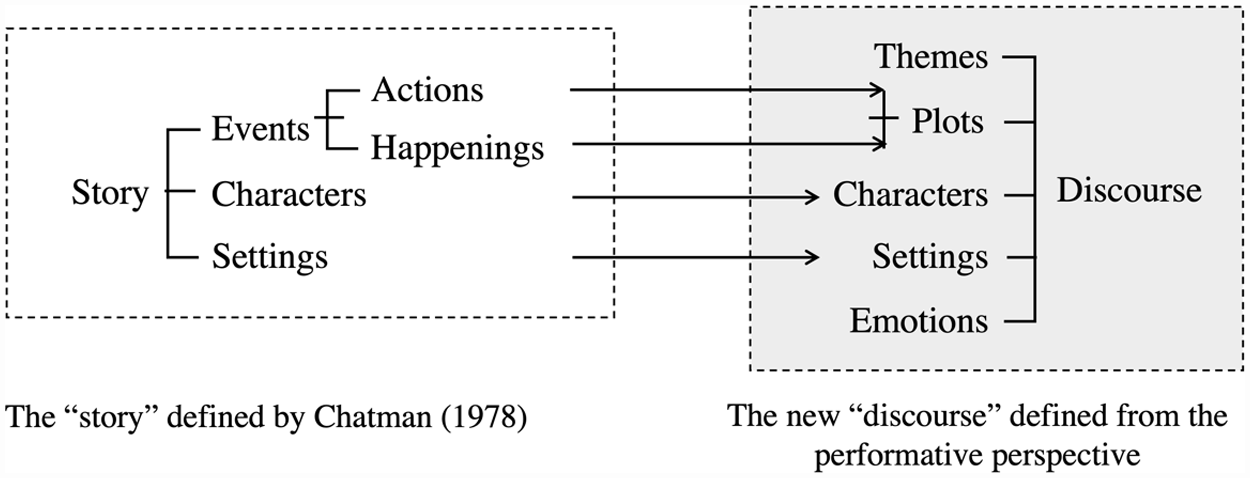
The Analytical Framework for Investigating the Narrative Structure.
Following this line of thinking, the data analysis commences with a word frequency count on the text data. High-frequency words signify key narrative elements, indicating the collective preferences of tourists in terms of narrative focus. The higher a word’s frequency, the more focus is allocated to its related element. The second step involves categorizing these words into five groups: themes, plots, characters, settings, and emotions (Figure 1), and subsequently evaluating the co-occurrence associations between these words to deduce the collective narrative’s organizational lines. In the following case study, for example, the co-occurrence relationships between high-frequency words indicate a sequence of interconnected narrative lines, such as “Beijing-Nanluoguxiang-hutong,” “Beijing-China-travel,” “Beijing-love-China,” and so on.
However, as an image-based social networking service, Instagram discourages users from sharing lengthy blocks of text. Captions are intended to supply context for the inspirational stories depicted in photographs, which, in turn, requires them to be concise, simple, and emotional. Therefore, textual analysis of Instagram captions cannot provide a comprehensive portrayal of travel experiences at the destination. To address this issue, a visual content analysis of Instagram photographs is additionally developed.
The analysis is carried out using Google Cloud Vision’s (GCV) image recognition algorithm, which is capable of identifying objects within a photograph and classifying them individually with distinct category labels. High-frequency labels indicate the most conspicuous objects, while label co-occurrence in each image signifies their visual interdependence. For example, there are 13 co-occurring clusters centered on objects photographed on the street, representing 13 visual aspects related to street scenes, people, buildings, food and beverages, plants, and so on. Although the GCV model is not ideal for precise object recognition, these visual aspects serve as effective comparison groups for re-examining the narrative structures identified through text analysis, and provide an efficient means of grouping photographs for subsequent qualitative analysis of visual representation.
Qualitative Analysis of Visual Representation
The aim of image-based communication on social networking sites is to build and sustain social relationships between the image producers and the viewers. When tourists take on the role of a performer by visually portraying a specific character within a particular lifestyle, their interaction with other Instagram users is mediated by communication between the depicted character and the audience. Kress and van Leeuwen (2006) proposed a visual meaning system for characterizing and explaining such character–audience interactions. As was previously applied in Qian’s (2022) study, the system employed at this stage also incorporates contact, social distance, and attitude.
First, the system of contact is constituted by the character’s gaze and pointing gestures directed at the audience, embodying a demand for the audience’s engagement (Kress & van Leeuwen, 2006). In the absence of such gaze or gestures, the image represents an offer of information (Kress & van Leeuwen, 2006). Painter and colleagues (2014) concurred with Kress and van Leeuwen regarding the demand established by mutual gaze and pointing gestures, and added that the audience’s position in the offer relationship permits observation of the depicted character.
Second, the size of the frame determines the system of social distance between the portrayed character and the audience. A character depicted in close-up has an intimate relationship with the audience, as though engaging in a personal conversation, whereas a character shown in mid-shot maintains a more formal relationship with the audience, as if standing face-to-face or side-by-side within a certain distance. A character displayed in a long shot preserves a public and objectifying distance from the audience, akin to that between strangers.
The final system of attitude is delineated by the chosen point of view. According to Kress and van Leeuwen (2006), the front-on viewpoint conveys a sense of involvement from the character, integrating the audience into the character’s world, while the oblique angle reveals the character's detachment from the audience. If a character in an oblique position turns the head or gaze toward the audience, the character will re-offer a sense of invitation (Painter et al., 2014).
At this stage, all Instagram photographs are divided twice into several smaller groups. Once based on captions containing the same narrative element, and once based on images displaying the same object. For example, photographs with captions containing the term “hutong” can be grouped together to serve as the visual representation of the narrative element. The GCV model identifies approximately 100 objects from these pictures, ranging from person- to environment-related aspects. Then the photographs containing “building” images can be grouped again for manually selecting those depicting the built environment of “hutong.” After these, the photographs of “buildings” in the “hutong” streets are further subdivided into two color ranges based on their average hue value, with images within each range displayed sequentially according to brightness. In accordance with the principle that a specific street scene tends to exhibit a congruent color scheme comprising fixed hue and brightness values, the last step can assist in identifying distinct visual narratives in which Instagram users explicate the “hutong” to their followers, followed by the application of the rules of contact, social distance, and attitude.
Analytical Results
The quantitative analysis of shared photographs and captions unveils a role-centric narrative structure co-constructed by tourists. The qualitative analysis of photographed scenes validates and refines the visual presentation sets proposed by Qian (2022), establishing the contextual environment, developing social relationships, and visually emphasizing key plot points.
The Role-Centric Narrative of Travel Experiences
In the textual data analysis, 41 high-frequency words are extracted from captions. Based on the discourse structure delineated in Figure 1, these frequent words are classified into five categories: themes, plots, characters, settings, and emotions. The plot-related words are further categorized into actions, happenings, time, and subjects. The character-related words are identified as minor characters who appear in the narrative due to contact, while major characters consist of tourists who have already visited the place and shared their experiences on Instagram.
The collective narratives exhibit a role-centric structure, with more than 50% of high-frequency words delineating the plots in terms of what the major characters do and what happens when they attempt to do it. The faces of major characters are veiled in textual descriptions, as Instagram users employ fewer first-person pronouns when composing travel narrative captions. The narratives primarily concentrate on the personal experiences of major characters, adopting an informal tone that occasionally leads narrators to neglect the proper usage of personal pronouns. Nonetheless, their faces are distinctly portrayed in photographs. The GCV model-based image recognition indicates that over 45% of photographs feature various face traits, body language, and clothing styles, thereby providing the audience with diverse images of individuals with unique personalities.
By examining the co-occurrence relationships between high-frequency words (Figure 2), it becomes feasible to construct multiple narrative lines that depict how major characters observe and interact with one another, with minor characters such as “girl,” “children,” and “friends,” and with different aspects of the “hutong” streets at various time points. These processes are often triggered by the consumption of “food” and “drink.” Throughout these interactions, major characters progressively develop a strong impression of a range of subjects, including “Nanluoguxiang,” “Chinese,” “life,” “old,” and “red.” The image recognition results offer a supplementary perspective by demonstrating that over 40% of photographs display visual components of buildings and furnishings, and more than 30% showcase plants and flowers. These photographs create a visual representation of the environmental context of “hutong” stories.
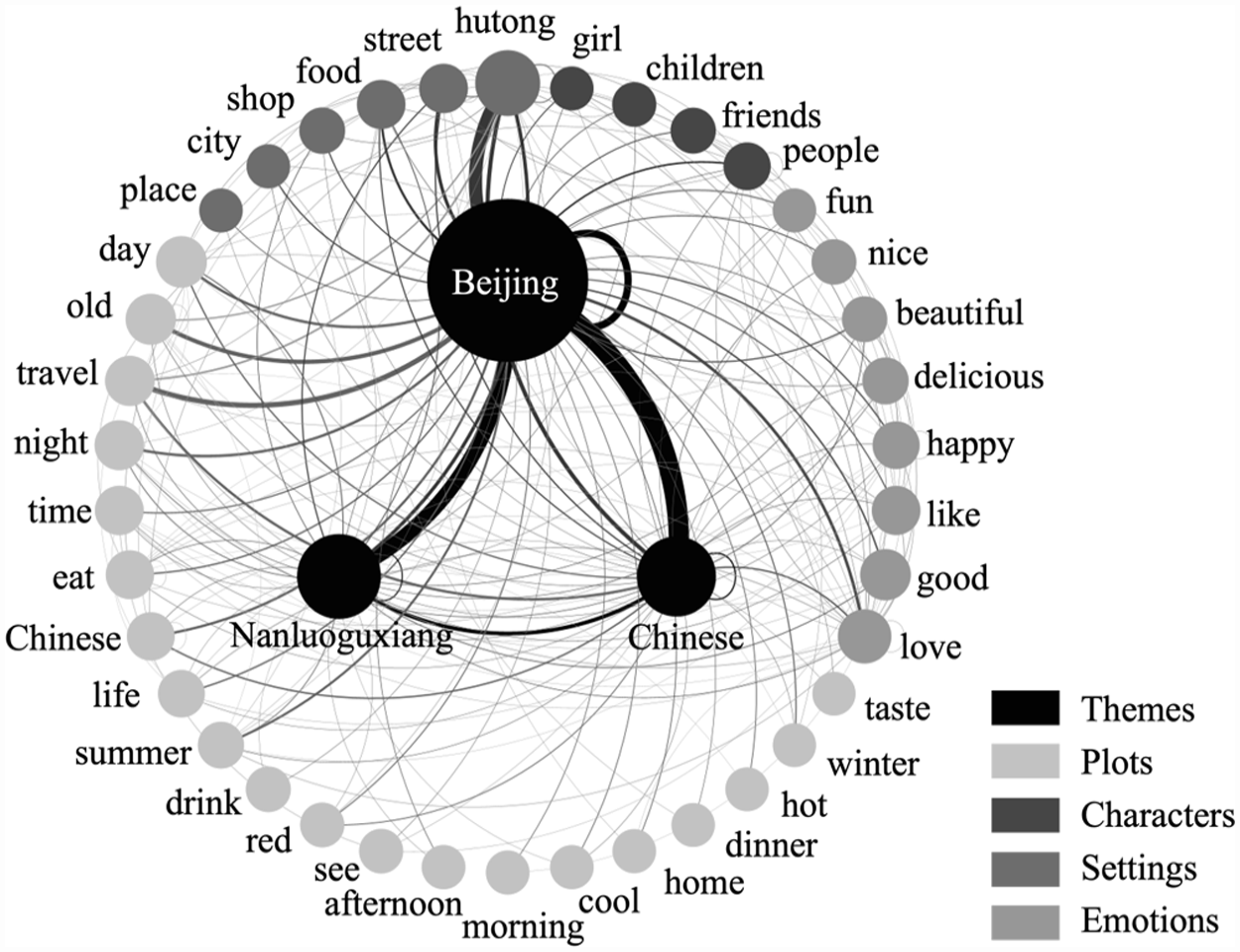
The Narrative Lines Created by 41 High-Frequency Words.
Three Sets of Visual Presentations of Travel Experiences
Establishing the Contextual Environment
The street environment provides tourists with sufficient and well-designed cues to guide their behavior in a variety of confined spaces. Tourists frequently use photographs of streets to convey a general statement about the contextual environment when sharing their experiences on Instagram. A prevalent narrative approach is to stand or stroll in the middle of street, using building walls on both sides to create a sense of depth and movement towards a new and captivating destination (Figure 3). The audience is positioned as a visitor observing the street and other characters from a distant, frontal, and eye-level perspective. This typical pattern of expressing the context establishes maximum involvement and objectively depicts scenes of “this is how it works” and “this is what you should do.” The long shots employed in these photographs suggest a distance at which the depicted characters remain unfamiliar with the place and require a brief overview of basic expectations for upcoming encounters. The audience can experience the same sense of unfamiliarity in a mediated manner through the character’s eyes.
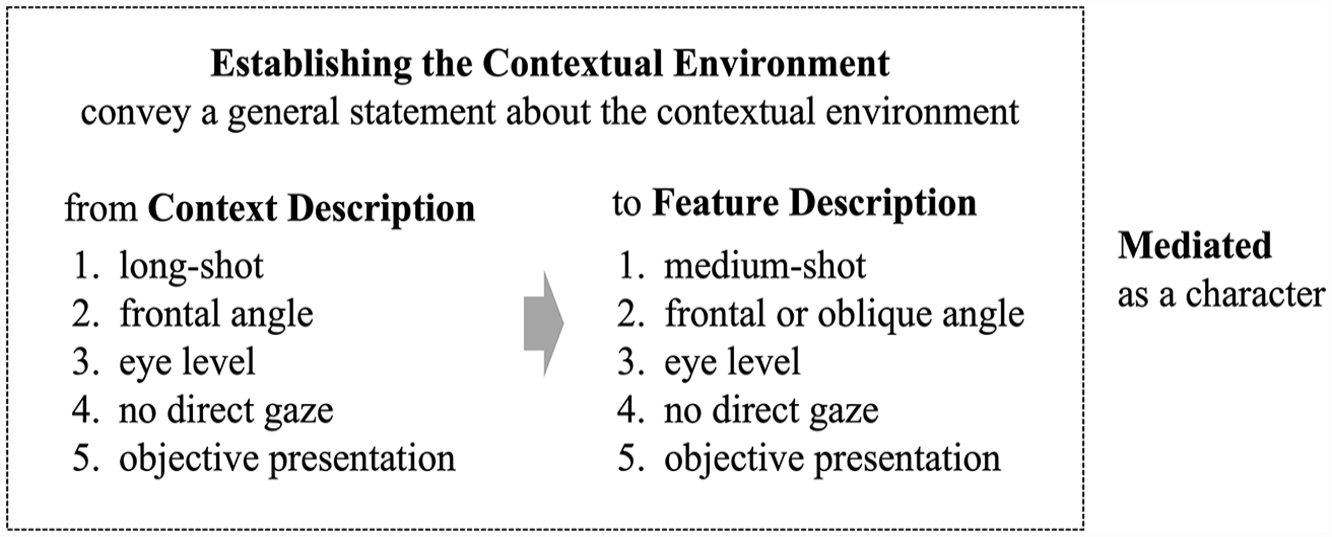
The Visual Representation of the Contextual Environment.
In addition to contextual descriptions, travelers capture salient features of the place, such as the shape of spatial units, street facades covered in commercial signs, flora, doors, and lanterns (Figure 3). These features are often framed in an eye-level medium shot, which reminds the audience that the depicted characters have moved into the place and are becoming acquainted with their new surroundings. The oblique views of street facades heighten a sense of stepping into the real attraction while conveying the sense of exclusion. Characters are rarely shown in these photographs. They are unable to initiate direct interaction with the audience, yet they maintain a strong sense of information provision. The audience, in such an offer relationship, continues to observe and carefully examine what the characters see from various camera angles.
Developing Social Relationships
The social relationship between the depicted character and the audience is represented through their positional relation. One common approach is to stand in front of the camera and gaze directly into the lens, as if attempting to communicate with the viewer (Figure 4). This unmediated interaction positions the viewer as a companion opposite the character, answering the character’s demand for the sensitive viewer who can immediately enter an imaginary close relationship with the character. Eye contact signifies a direct connection, while facial expressions and gestures within social or public distance convey a personal interpretation of how to access and interact with the environment of Nanluoguxiang street. Gazing towards the viewer maintains a sense of invitation, thereby stimulating their desire to visit the same place.
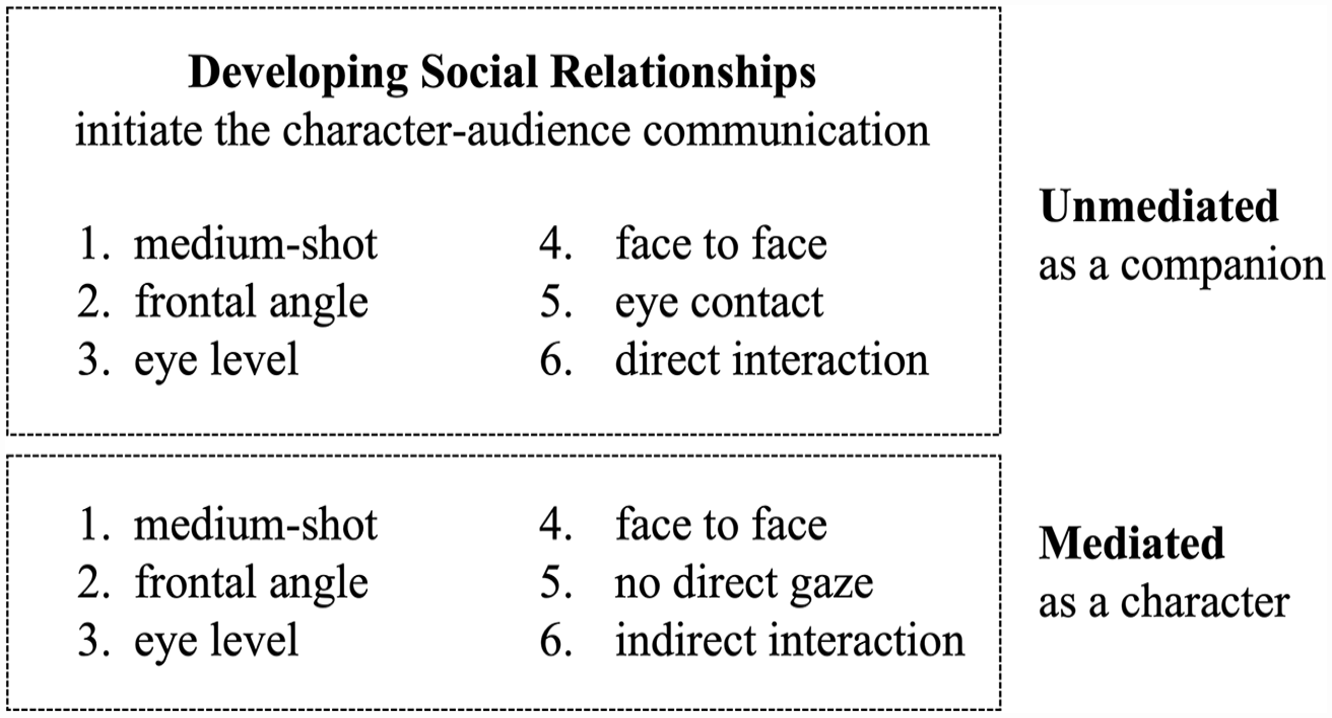
The Visual Representation of the Social Relationship Establishment.
Another prevalent method is a mediated interaction facilitated by capturing moments of seeing and feeling using a frontal medium shot at eye level. This perspective situates the audience in the character’s position, creating the illusion of standing or sitting in the same location and interacting with locals through the lens. As a result, the viewer can provide more authentic reactions and develop a deeper understanding of the character depicted in the photograph.
Emphasizing Key Plot Points Visually
Key plot points, often involving food and beverage activities, can significantly enhance audience engagement. Visualization of these plot points is achieved through environmental description using medium shots, character presentation using medium and close-up shots, and visual emphasis on food and food-related objects using close-ups (Figure 5). The decreasing frame sizes in the sequence indicate the increasing involvement of the major characters into the street, and that their focus has shifted from the physical environment to their own travel stories.
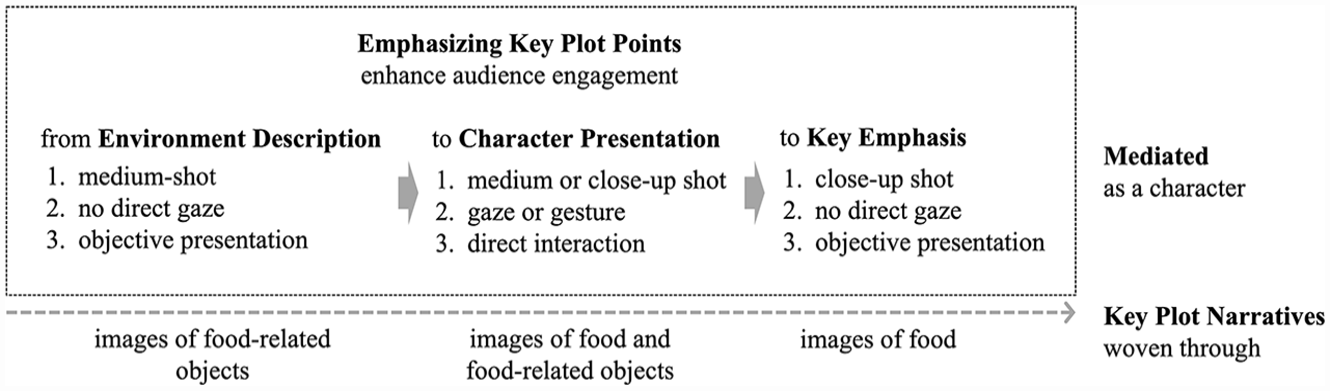
The Visual Emphasis of Key Plots.
A series of photographs depicting restaurant interiors, exteriors, and café and bar scenes, complete the first environmental description. These photographs do not present details that immediately remind the audience of the distinctive features of Nanluoguxiang; they display scenes that could be found in any city. This indicates that Instagram users focus on constructing multi-layered plots rather than capturing symbolic moments as evidence for their unique journey. Food-related elements, including furniture, tableware, and ornaments, appear in both environment description and character presentation photographs, effectively connecting scenes within a thematic framework. Simultaneously, the food images included in the character presentation photographs visually elucidate how to actively engage in the “real” street life of Nanluogxiang through dining activities. Close-ups of both food and food-related objects effectively highlight minute details that contribute to the unfolding of narrative.
Discussion
It is widely accepted that tourist narratives are frequently influenced by established norms and shared knowledge (Lo & McKercher, 2015; Stylianou-Lambert, 2012; J. Urry, 2002). The evolution of social media-based communication has made this process more transparent and interactive, raising concerns about the medium’s impact on the construction of tourist narratives. As demonstrated by the above analysis of experience stories shared on Instagram, tourists not only select relevant events and activities to captivate their followers, but also employ mediated strategies to enhance follower engagement, in order to foster more positive communication and achieve greater acceptability.
Stereotyped Narratives Shaped by Tourists’ Performance of Self
While tourists utilize Instagram to record and share their travel moments, they often strive to embody the persona of a typical Instagrammer who seeks exposure to novel experiences and a break from mundane routines (Munar & Jacobsen, 2014; Yoo & Gretzel, 2008). To gain widespread acknowledgement and appreciation within the community, they tend to share intriguing events and exotic scenes that may appeal to like-minded followers and employ specific tags or geotags for increased visibility.
Nanluoguxiang street has been regarded a must-see attraction by the majority of Instagram users, due to its exoticism associated with traditional Chinese hutong life. With preconceived expectations of an exotic atmosphere, numerous tourists are drawn to hutong neighborhoods characterized by historic buildings and winding narrow lanes. They seek out products, services, events, and mundane sights that align with their preconceptions of hutong street life and share these experiences on Instagram for performance purposes (Bærenholdt et al., 2004; J. Urry, 2002; J. R. Urry & Larsen, 2011), demonstrating that they are witnessing extraordinary scenes and bolstering their online image as urban adventurers who are escaping from daily monotony.
This performance-driven behavior is intensified by the ongoing development of social networking applications. Tourists can receive prompt responses from other social media community members, making them more eager than ever to be welcomed and respected (Munar & Jacobsen, 2014). In addition to incorporating attraction names in captions and hashtags, they also carefully select emblematic features and representative moments to gain greater acceptance, relying on their collective awareness and understanding of the destination. For example, they often employ the hashtag “hutong” when posting photographs featuring street landscapes filled with grey-brown buildings in dim sunlight. The selection of features and moments is not determined by individual preferences but rather by their shared knowledge of hutong streets and Beijing city, which has been cultivated over time through exposure to a diverse range of cultural and informational media sources.
Previous research suggests that this pattern may result in superficial travel experiences and, consequently, a stereotypical representation of the destination (Qian, 2022; Stylianou-Lambert, 2012). The tendency, however, is difficult to change, especially in the current social media environment. Although travelers have numerous opportunities to engage with modern aspects of Chinese street life, they may hesitate to deviate from group consensus to avoid having their sense of adventure questioned. Moreover, they are more likely to continuously collect specific details within the established narrative structure to captivate their followers’ imaginations and, in doing so, position themselves as the central focus to enhance their adventurer persona.
If DMOs aim to create a novel online destination image, they must exert greater promotional efforts to challenge the prevailing consensus within social networking communities. DMOs and individual businesses should not expect tourists to actively discover and share new attractions on social media. Instead, they must provide proper guidance, from directing tourists to designated locations to encouraging them to share well-planned events. Conducting a comprehensive analysis of target groups is more crucial than ever. By identifying the social characteristics of typical group members and establishing core values associated with membership, DMOs can organize suitable events and activities, assigning each a concrete meaning that resonates with the target group’s shared interests and values. Subsequently, DMOs should integrate all associated offerings into a memorable theme that can swiftly raise the expectations of a certain destination, and repeatedly expose the theme to the target audience through mediated ways until it becomes common knowledge.
Mediated Techniques Used to Facilitate Audience Engagement
In most cases, travel experiences shared on Instagram utilize a role-centric narrative structure, emphasizing what major characters do and what happens when they attempt to do so. While these narratives may be fragmented and occasionally lack essential story elements, such as conflict (Fog et al., 2010) or causality (Tussyadiah & Fesenmaier, 2008), they already employ photographs and descriptive text to establish an authentic context for immediately experiencing the characters’ travel adventures, intentional encounters with exotic cultural attractions, and momentary ignorance. This mediated interaction enables the audience to access the consciousness of a single character. By being situated in the role of the depicted character and perceiving through the character’s eyes, the audience can assimilate the character’s consciousness, allowing them to explore novel and captivating attractions.
The above analysis of visual presentations suggests three methods to enhance audience engagement. The first method is to increase the use of frontal, eye-level shots, which can foster a sense of involvement. By presenting a series of images—from long shots depicting the entire street to medium shots highlighting specific features—the audience can imagine themselves walking along the same path and acquainting themselves with the surroundings. They can obtain a direct understanding of how the street works and what the street offers, allowing them to assess the potential value of the place for themselves. Upon arrival, they can effortlessly establish their relationship with the place and pinpoint attractions that align with their expectations and needs, thereby enhancing their travel efficiency.
The second method is to enhance direct eye contact between depicted characters and the audience. Eye contact signifies a direct connection that encourages attention and involvement. When major characters actively turn their gaze towards the lens, they create a sense of invitation for the audience, who, in turn, can feel like they are being invited to participate in the same activities and form a connection with the destination. Similarly, the gaze of minor characters, such as residents or fellow travelers, can also serve as an invitation asking the audience to be a part of them.
The third method is to provide sufficient visual details related to events and activities that can accentuate the distinctiveness of the destination, as authentic narratives, individuals, and their emotions can render the destination more appealing than its physical surroundings (Kim, 2012; Moscardo, 2020). Close-ups and medium-distance shots can effectively showcase these details. The color contrast and texture variations can create a striking visual effect for the audience, heightening their perception of the destination’s attractiveness and directing their focus to the related characters, actions, and emotional expressions.
These visual languages not only invite the audience to engage more deeply, but also serve as effective reminders for them to immediately grasp and comprehend crucial information conveyed through photographic images. As an integral component of a practical interactive strategy, these languages spontaneously enhance visual communication. Given the continuous growth of image-based social networks like Instagram, these strategies may be increasingly adopted by tourists, thereby expanding the prevalence of mediated interaction. This presents an opportunity for DMOs to optimize visual tactics in their narrative marketing structures, fostering proactive engagement and facilitating more effective information exchange. Ultimately, this approach can improve marketing efficacy and challenge existing destination stereotypes.
Conclusions
It is widely acknowledged that sharing travel experiences on social media platforms is performative. Tourists often strategically narrate their experiences to emphasize particular aspects of a destination that can support their self-presentation on social networks. This behavior diminishes the reliability of narrative content as the primary source for determining tourist interests and preferences. Meanwhile, the narrative approaches used in the sharing process merit further investigation, as they reveal what tourists expect from a destination and how they exchange crucial travel information in such a performance-oriented, interactive mode.
Using a case study of Nanluoguxiang street in Beijing, this research analyzed over 8,000 sets of Instagram data and identified a prevalent narrative pattern observed among tourists. This pattern consists of a role-centric narrative structure and three sets of visual presentations. The visual presentations, which encompass the visualization of contextual environment, the development of social interactions, and the visual emphasis on crucial plots, offer the audience mediated access to travel experiences shared on this platform. Given the ongoing expansion of image-based social media platforms, this narrative pattern may become more prevalent and have a significant impact on destination management and marketing.
This study characterizes the narrative pattern from the social performance perspective, concluding that tourists attempt to increase their acceptability among social media community members by providing expected information and mediated access to their travel experiences. This behavior is becoming more pronounced due to performance pressure imposed by social networks, while simultaneously reinforcing destination stereotypes and limiting potential advantages. This issue merits further exploration. The visual presentations created by tourists suggest a potential solution, which is to facilitate audience engagement by increasing the use of frontal, eye-level shots, intensifying eye contact between depicted characters and the audience, and providing essential visual information with close-ups and medium shots.
In addition to identifying a prevalent narrative pattern of travel experiences on social media platforms and examining its implications for online destination marketing communication, this study introduces an innovative method for evaluating the visual content of social media photographs. It simplifies image processing and scene recognition by pre-classifying images based on their one-to-one relationship with captions. To ensure the accuracy of research findings, it also advocates for the use of advanced commercial software in conjunction with open-source toolkits. Although the quantitative data analysis results are far from perfect, they do aid in reducing and classifying image data, potentially facilitating qualitative comprehension of image content.
Admittedly, the study has inherent limitations. The data collected from Instagram for this case study describe travel experiences between 2013 and 2014, which may not reflect the most recent practices of performing on this platform and traveling to Nanluoguxiang street. At the time, however, the platform primarily served as a medium for sharing special moments of everyday life through photographs, not for advertising or commercial endorsement, thus aggregating a large number of photographs created by real, ordinary people. This ensures the accuracy and reliability of the data collected for this study. Considering the recent business transformation of the platform and its ban in China after 2014, conducting research using current data would likely yield results significantly impacted by commercially-driven performance, and the authentic, valuable data of this study may not be available again.
Footnotes
Acknowledgements
Ming Tian, an independent coder, provides technical help for text analysis and image recognition.
Declaration of Conflicting Interests
The author declared no potential conflicts of interest with respect to the research, authorship, and/or publication of this article.
Funding
The author disclosed receipt of the following financial support for the research, authorship, and/or publication of this article: The work was supported by National Natural Science Foundation of China [grant numbers 52008050]
