







Abstract
The prevalence of diabetes and malaria remains high in developing countries despite remarkable progress in the health sector. Functional food remedies with acha grains and black cumin have been used locally to treat/manage type 2 diabetes (T2D) and malaria separately. However, this study sought to assess the comorbidity and the ameliorative potential of black cumin-enriched acha-based cookies in Plasmodium berghei infection in diabetic mice. High-fat diet fed mice of 20–25 g were grouped into eight groups (n = 8), while a single dose of streptozotocin (35 mg/kg) was intraperitoneally administered to induce T2D. After this, the NK65 strain of P. berghei was used to infect the mice, and the infected diabetic mice were fed with the formulated cookies for 14 days, and the percentage (%) parasitemia suppression and blood glucose levels were evaluated at 3-day intervals in the morning. The effect of the cookies on pancreatic α-amylase, α-glucosidase, endogenous antioxidant enzymes (superoxide dismutase), catalase, glutathione peroxidase activities, reduced glutathione level, and inflammatory nuclear factor kappa-light-chain-enhancer and interleukin-10 markers was determined. The result of the malaria-infected diabetic mice fed with a fortified cookies diet indicates a reversal of damage incurred compared with the negative control group. This shows that black cumin-enriched acha-based cookies could be a promising nutraceutical therapy in T2D-malaria pathology.
INTRODUCTION
Black cumin, also known as Nigella sativa L., is a plant that belongs to the Ranunculaceae family and is typically found in southern Europe, North Africa, and Southeast Asia. It is also grown in several countries worldwide, such as the Middle East, the Mediterranean region, South Europe, India, Pakistan, Syria, Turkey, and Saudi Arabia.1,2 It has been used for a long time as a natural food preservative, flavoring agent, and ingredient in foods such as confections, drinks, yogurt, smoothies, etc. Additionally, it can be added to cheese and soft cookies as a condiment and used as a spice when used alongside honey and syrup.3,4
Black cumin is widely used as a natural remedy in numerous countries of the Middle East and the Far East and is known to be effective in treating diabetes and malaria while also reducing oxidative stress. 5 Its pharmacological abilities are attributed to the diverse bioactive compounds found in it, including phenolic and alkaloid compounds.6,7 The most active phytochemical compound found in black cumin is thymoquinone.8,9
Acha, also known as Fonio or “hungry rice,” is a grain crop native to West Africa and a member of the Gramineae genus. It is grown in several regions of Ghana, Guinea-Bissau, Senegal, Togo, Mali, the Benin Republic, Côte d’Ivoire, Nigeria, and Sierra Leone.10,11 Acha is highly nutritious and is a rich source of fiber and other phytonutrients. A previous study of Jideani10,12 shows that acha helps in controlling blood sugar levels in patients with diabetes due to its slow sugar absorption, insulin-secreting properties, and low glycemic index compared with sorghum, maize, and white rice. The grains also help address pertinent issues in the formulation of today’s foods from the perspectives of functionality and health. 13
Hyperglycemia occurs due to the body’s inability to utilize glucose in the cells, either because the pancreas does not produce enough insulin or the cells do not respond appropriately to the insulin produced. 14 Around 90% of diabetes cases worldwide are type 2 diabetes,15,16 and around 422 million people worldwide are thought to have diabetes, the majority of whom reside in low- and middle-income nations. Diabetes that is not treated can result in major health issues such as heart disease, stroke, chronic kidney disease, foot ulcers, nerve damage, eye issues, and cognitive impairment. 15
Malaria is a contagious illness that affects both humans and animals and is spread by Plasmodium parasites that are transmitted by mosquitoes.17,18 The symptoms of malaria typically include fever, fatigue, nausea, and headaches, and in severe cases, it can lead to jaundice, seizures, coma, or death. 19 Over 90% of the world’s cases of malaria occur in Sub-Saharan Africa, Asia, and the Americas, which are all tropical or subtropical regions with a high prevalence of the disease, 20 while different approaches have been taken to manage the infestation of carrier flies.21,22
Research has shown that malaria fever is highly susceptible to individuals with diabetes; hence, this study aimed to investigate the dietary supplementation of black cumin-enriched acha-based cookies in patients with diabetes infected with malaria fever using the mouse model.
MATERIALS AND METHODS
Materials
Sample collection
Acha grains and black cumin were obtained from a local market in Jos, Plateau State, Nigeria. Authentication of the plant samples was executed at the Federal University of Technology, Akure, Ondo State, Nigeria (FUTA) Herbarium (0263), Center for Research and Development (CERAD).
Methods
Sample preparation
Acha grains were cleaned and winnowed on purchase. The cleaned and winnowed acha grains were then washed, dried, milled to flour, and stored in air-tight containers. The black cumin was milled to flour with a blender and kept in air-tight containers for future use.
Black cumin-enriched acha-based cookie formulation
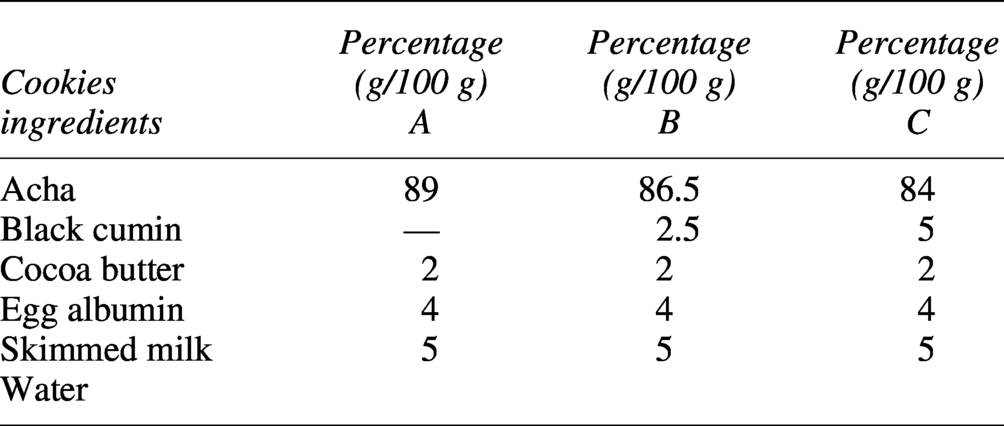
According to a modification of the method outlined by Gbenga-Fabusiwa et al., 23 the black cumin-enriched acha-based cookies were formulated with different percentage inclusions (2.5% and 5%) of black cumin.
Animal purchase and acclimatization
Male mice (64) weighing between 20 and 25 g were sourced from the Institute for Advanced Medical Research and Training (IAMRAT), College of Medicine, Ibadan, Nigeria. The animals were housed in clean cages and placed in well-ventilated housing conditions with 12 h natural light and 12 h dark. They were allowed free access to mice feed and water. The acclimatization period lasted for 14 days. The animals were handled according to the guidelines of the Ethical Committee of the Federal University of Technology, Akure, Nigeria (FUT/SOS/1411).
Animal grouping
The mice were separated into eight groups of eight each. The experimental design was as follows:
Group 1: Normal control, NC Group 2: P. berghei-infected diabetic mice, DM + PL Group 3: P. berghei-infected diabetic mice + Chloroquine (10 mg/kg) + Acarbose (25 mg/kg), DM + PL + Drug Group 4: P. berghei-infected diabetic mice + basal cookies (Acha 100%), DM + PL + AC Group 5: P. berghei-infected diabetic mice + acha + 2.5% black seed cookies, DM + PL + AC + 2.5% BS Group 6: P. berghei-infected diabetic mice + acha + 5% black seed cookies, DM + PL + AC + 5% BS Group 7: Normal control + acha + 2.5% black seed cookies, NC + AC + 2.5% BS Group 8: Normal control + acha + 5% black seed cookies, NC + AC + 5% BS
Diabetes induction
The mice were divided into two feeding regimens after 2 weeks of acclimatization: high-fat diet (HFD) and normal control (NC). The HFD feed formulation was according to Oyeleye et al. 24 The mice fed the HFD were given steptozotocin (STZ) intraperitoneally at a single dose of 35 mg/kg body weight after 2 weeks of dietary modification to induce type-2 diabetes (T2D). Twelve hours before assessing blood glucose levels, food was withdrawn from the mice. After 72 h of STZ administration, the successful induction of diabetes was checked and validated. A tail vein puncture was used to collect blood samples, and an auto-analyzer (Finetest Auto-coding™) was used to measure fasting blood glucose levels. In the study, diabetic mice were defined as having a fasting blood glucose level of 200 mg/dL or more.
Malaria infection and determination
Donor mice infected with P. berghei (NK-65 strain, chloroquine-sensitive) were obtained from IAMRAT, College of Medicine, Ibadan, Nigeria. Phosphate buffer saline was used to dilute the infected blood sample to preserve the parasites at a 1:1 ratio. The mice were inoculated, following David et al. 25 Each diabetic mouse was infected intraperitoneally, except the NC groups, with 0.2 mL of infected blood containing 1 × 10⁷ parasitized red blood cells. Parasitemia levels were monitored at 3-day intervals in the morning.
Treatment
Mice were fed with formulated cookies for 14 days following diabetes induction and malaria infection.
Biochemical assays
α-amylase inhibition assay
A mixture containing 250 µL of 20 mM sodium phosphate buffer (pH 6.9 with 6 mM NaCl) and 50 µL pancreatic homogenate was incubated at 25°C for 10 min. Thereafter, 50 µL of 1% starch solution was added, and the reaction mixture was incubated at 25°C for 10 min, followed by the addition of 200 µL of dinitrosalicylic acid. The reaction was stopped by incubation in a 100°C-water bath for 5 min, and the mixture was cooled to room temperature. Finally, the reaction mixture was diluted with 2 mL of distilled water and the absorbance was measured at 540 nm in a spectrophotometer (Worthington, 1993). 26 The enzyme activity was calculated and expressed as mmol/mg protein (millimoles per milligram protein).
α-glucosidase inhibition assay
Fifteen microliters of small intestinal homogenate, 15 µL of 3 mM GSH solution, and 445 µL of 0.02 M phosphate buffer (pH 6.9) were pipetted into a test tube and incubated at 37°C for 10 min. Thereafter, 40 µL of 5 mM p-nitrophenyl-α-
Inflammatory markers (NF-kB, IL-10)
The concentration of the pro-inflammatory marker, nuclear factor kappa-light-chain-enhancer of activated B cells (NF-kB; Cat. No.: E-EL-R0674; LOT No.: GY10J8NZ5905), and the anti-inflammatory marker, interleukin-10 (IL-10; Cat. No.: E-EL-ROO16; LOT No.: WU0900TZ8274), in the serum of the experimental mice was determined according to the procedure outlined in the user manual of the Enzyme Linked Immunosorbent Assay (ELISA) kit by Elabscience used.
Reactive oxygen species level
To determine reactive oxygen species (ROS) level in tissue homogenates, 50 µL of the homogenates were transferred to test tubes, and 700 µL of sodium acetate (CH3COONa) buffer was added. 28 The mixture was then incubated at 37°C for 5 min, and 500 µL of reagent mixture of n–n-diethyl-para-phenylenediamine (DEPPD; 6 mg/mL of DEPPD with 4.37 µM of ferrous sulfate dissolved in 0.1 M sodium acetate pH 4.8) was added. The absorbance was read at 505 nm using a spectrophotometer. ROS level was calculated and expressed as unit/mg protein (units per milligram protein).
Superoxide dismutase activity
The superoxide dismutase (SOD) activity was measured according to a modification of the method of Jewett and Rocklin. 29 One milliliter of conc. adrenaline was diluted with 600 µL of 50 mM sodium carbonate buffer (pH 10.2) for use in the assay. The reaction mixture consisted of 50 µL tissue homogenate, 1000 µL of 50 mM sodium carbonate buffer (pH 10.2), and 17 µL of adrenaline (0.6 mg/mL). The absorbance was measured at 15 sec intervals for 2 min at 480 nm in a spectrophotometer. SOD activity was calculated and expressed as µmol/min/mg protein (micromoles per minute per milligram protein).
Catalase activity
Catalase (CAT) activity in the homogenate samples was determined according to the method of Shina et al. 30 Twenty-five microliters of each tissue homogenate sample was reacted with 100 µL of 2 M H2O2 in the presence of 250 µL 0.01 M phosphate buffer (pH 7.0). The reaction was stopped by an addition of 500 µL dichromate acetic acid, and the absorbance was read at 30 sec intervals for 3 min at 620 nm in a spectrophotometer. The CAT activity was thereafter calculated and expressed as µmol H2O2/min/mg protein (micromoles of hydrogen peroxide per minute per milligram protein).
Glutathione peroxidase activity
One hundred microliters of 0.1 M phosphate buffer (pH 6.9), 50 µL of 10 mM sodium azide, 100 µL of tissue homogenate, 100 µL of 10 mM GSH, and 50 µL of 0.2 mM H2O2 were pipetted into a test tube. The reaction mixture was incubated at 37°C for 10 min, after which 200 µL of 10% tricholoroacetic acid (TCA) was added. The resulting mixture was centrifuged, and 250 µL of the supernatant was extracted into another test tube. One hundred twenty-five microliters of Ellman’s reagent and 750 µL of 0.2 M phosphate buffer (pH 8.0) were added to the supernatant. 31 The absorbance was then read at 412 nm. Glutathione peroxidase (GPx) activity was calculated and expressed as µmol GSH/min/mg protein (micromoles of glutathione per minute per milligram protein).
Reduced glutathione level
Reduced glutathione (GSH) level was determined by a modification of the method of Ellman. 32 Tissue homogenate (250 µL) was treated with 125 µL of Ellman’s reagent (19.8 mg of 5,5′-dithiobisnitrobenzoic acid in 100 mL of 0.1% sodium citrate) and 750 µL of 0.2 M phosphate buffer (pH 8.0). The absorbance was read at 420 nm in a spectrophotometer. Reduced GSH level was expressed as mg/mL.
Glutathione S-transferase activity
The assay was carried out according to a modification of the method of Habig et al. 33 It entailed the preincubation of a reaction mixture containing 500 µL of 0.1 M phosphate buffer (pH 6.5), 50 µL of 30 mM 1-chloro-2,4-dinitrobenzene, and 350 µL of distilled water at 37°C for 5 min. The reaction was initiated by the addition of 50 µL of tissue homogenate and 50 µL of 30 mM GSH as substrate. The absorbance was read at 1 min intervals for 3 min at 340 nm with a spectrophotometer. The glutathione S-transferase (GST) activity was calculated and expressed as U/mL/mg protein (units per milliliter per milligram protein).
RESULTS AND DISCUSSION
High blood sugar levels have been associated with T2D. 14 The study investigated the potential antidiabetic and anti-malarial properties of black cumin-enriched acha-based cookies in P. berghei-infected diabetic mice. The results showed a significant effect of the cookies on blood glucose levels in the mice. Untreated P. berghei-infected diabetic mice showed significantly (P < .05) high blood glucose levels (Fig. 1), while the blood glucose level was significantly reduced in mice fed with cookies made with varying proportions of acha and black cumin flour. This suggests that the cookies have a hypoglycemic effect, which could be beneficial in managing diabetes. The study highlights the potential of using traditional grains like acha and black cumin as functional ingredients in the development of specialty foods for managing diabetes and malaria.
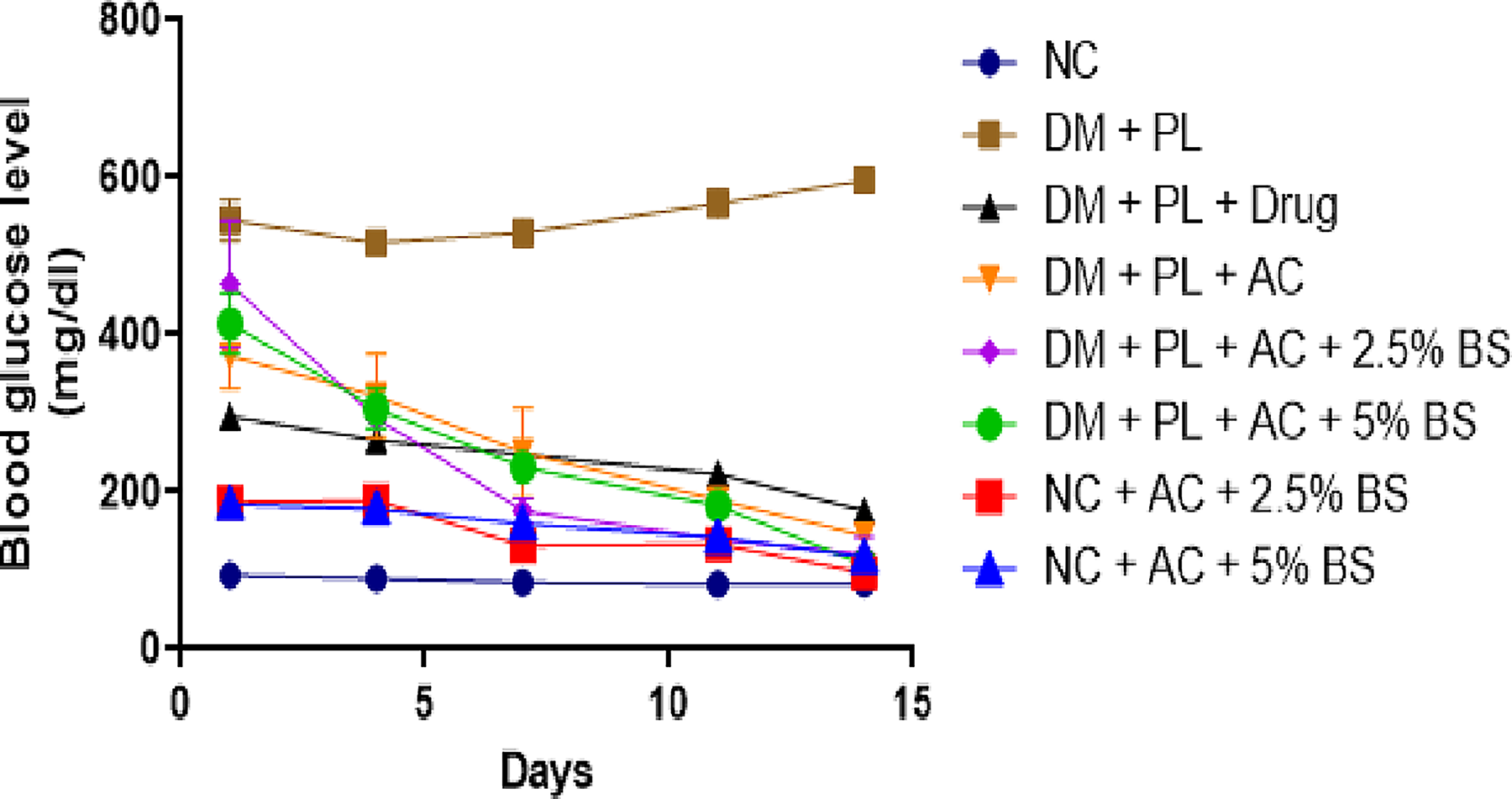
Effect of black cumin-enriched acha-based cookies on blood glucose level in Plasmodium berghei-infected diabetic mice.
As depicted in Table 1, black cumin-enriched acha-based cookies have a significant effect on the parasitemia level of P. berghei-infected diabetic mice. The untreated group had a significantly higher parasitemia level compared with the treated groups, indicating the efficacy of the treatment. However, it is worth noting that the mice fed with an acha-based cookie made with 5% black cumin showed a significant reduction in parasitemia level, indicating the potential of black cumin as an anti-malarial agent when compared with the conventional drug chloroquine. The active compounds found in black cumin, such as thymoquinone from previous findings have been shown to possess anti-malarial activity.34,35 Thymoquinone has been reported to inhibit the growth of P. falciparum, the deadliest species of the malaria parasite, both in vitro and in vivo.33,34 Other compounds found in black cumin, such as nigellidine and alpha-hederin, have also been shown to possess anti-malarial activity.36,37 Further research is necessary to determine the optimal dose and duration of treatment with black cumin-enriched acha-based cookies.
Effect of Black Cumin-Enriched Acha-Based Cookies on Parasitemia Level in Plasmodium berghei-Infected Diabetic Mice
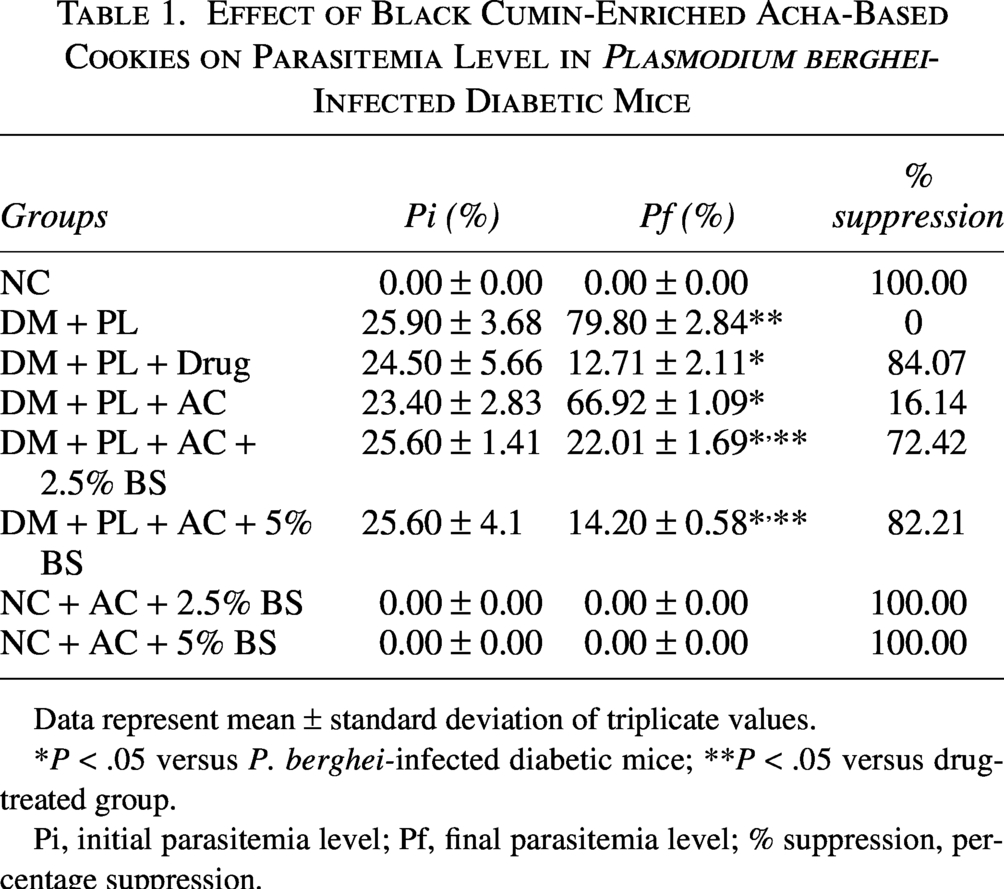
Data represent mean ± standard deviation of triplicate values.
P < .05 versus P. berghei-infected diabetic mice; **P < .05 versus drug-treated group.
Pi, initial parasitemia level; Pf, final parasitemia level; % suppression, percentage suppression.
Malaria-induced anemia is a significant clinical manifestation of the disease, and it is caused by the destruction of infected red blood cells, as well as the inefficient production of new red blood cells.38,39 The results in Table 2 demonstrate the beneficial effect of black cumin-enriched acha-based cookies in mitigating anemia in P. berghei-infected diabetic mice. The mice that were fed with the treatment cookies had significantly higher levels of red blood cells (RBC) and hemoglobin compared with the untreated mice, indicating that the cookies had a positive impact on the blood parameters of the infected mice. These findings are encouraging and suggest that black cumin-enriched acha-based cookies could be a promising intervention for reducing the severity of malaria-induced anemia, a common complication of malaria in humans.
Effect of Black Cumin-Enriched Acha-Based Cookies on Red Blood Cells and Hemoglobin Level in Plasmodium berghei-Infected Diabetic Mice
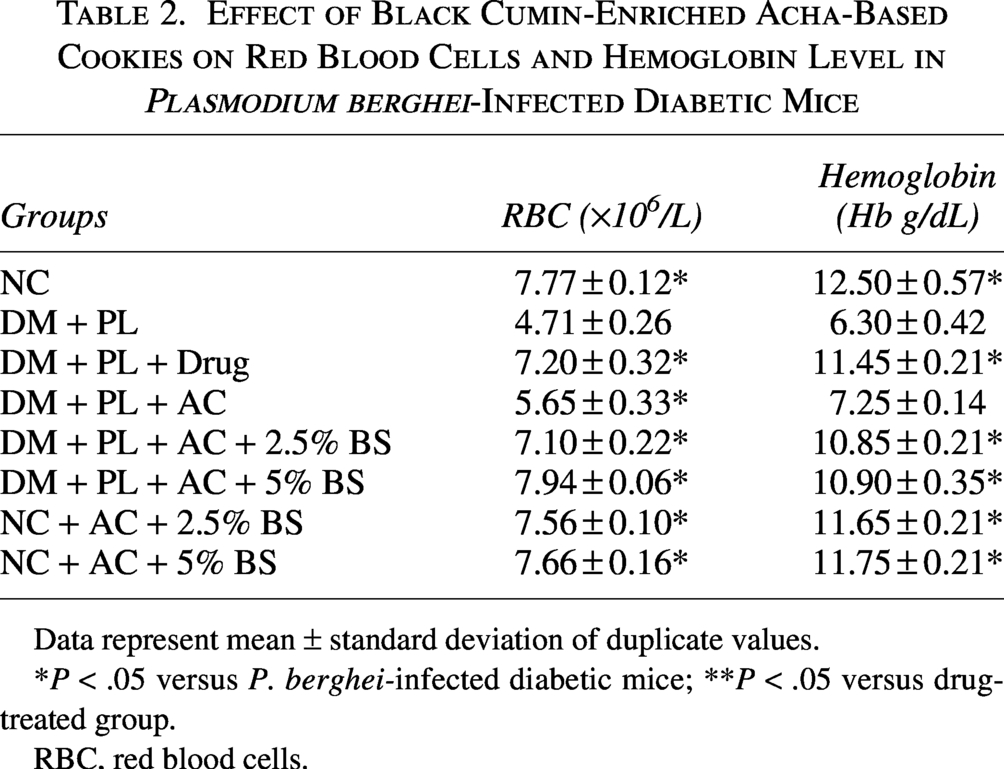
Data represent mean ± standard deviation of duplicate values.
P < .05 versus P. berghei-infected diabetic mice; **P < .05 versus drug-treated group.
RBC, red blood cells.
Another study reported that the administration of a black cumin extract significantly increased RBC and hemoglobin levels in anemic rats. 40 These findings suggest that the beneficial effect of black cumin-enriched acha-based cookies on RBC and hemoglobin levels in P. berghei-infected diabetic mice could be due to the presence of thymoquinone and other bioactive components in black cumin.
Figure 2 shows that the packed cell volume (PCV) level was significantly reduced in the untreated group of mice, indicating the development of anemia due to malaria infection. The treatment groups that received black cumin-enriched acha-based cookies showed a significant increase in PCV levels when compared with the untreated group, suggesting that the cookies helped to ameliorate the anemia caused by the infection. These findings are consistent with previous studies that have shown a decline in PCV in mice and other animals infected with Plasmodium parasites.41,42 The reduction in PCV levels observed in this study may be due to the destruction of RBC by the malaria parasite and the subsequent decrease in the production of new RBC to replace them. The beneficial effect of black cumin-enriched acha-based cookies on PCV levels in treated mice could be attributed to the ability of black cumin to enhance red blood cell production and prevent their destruction, as demonstrated by previous studies.38–40
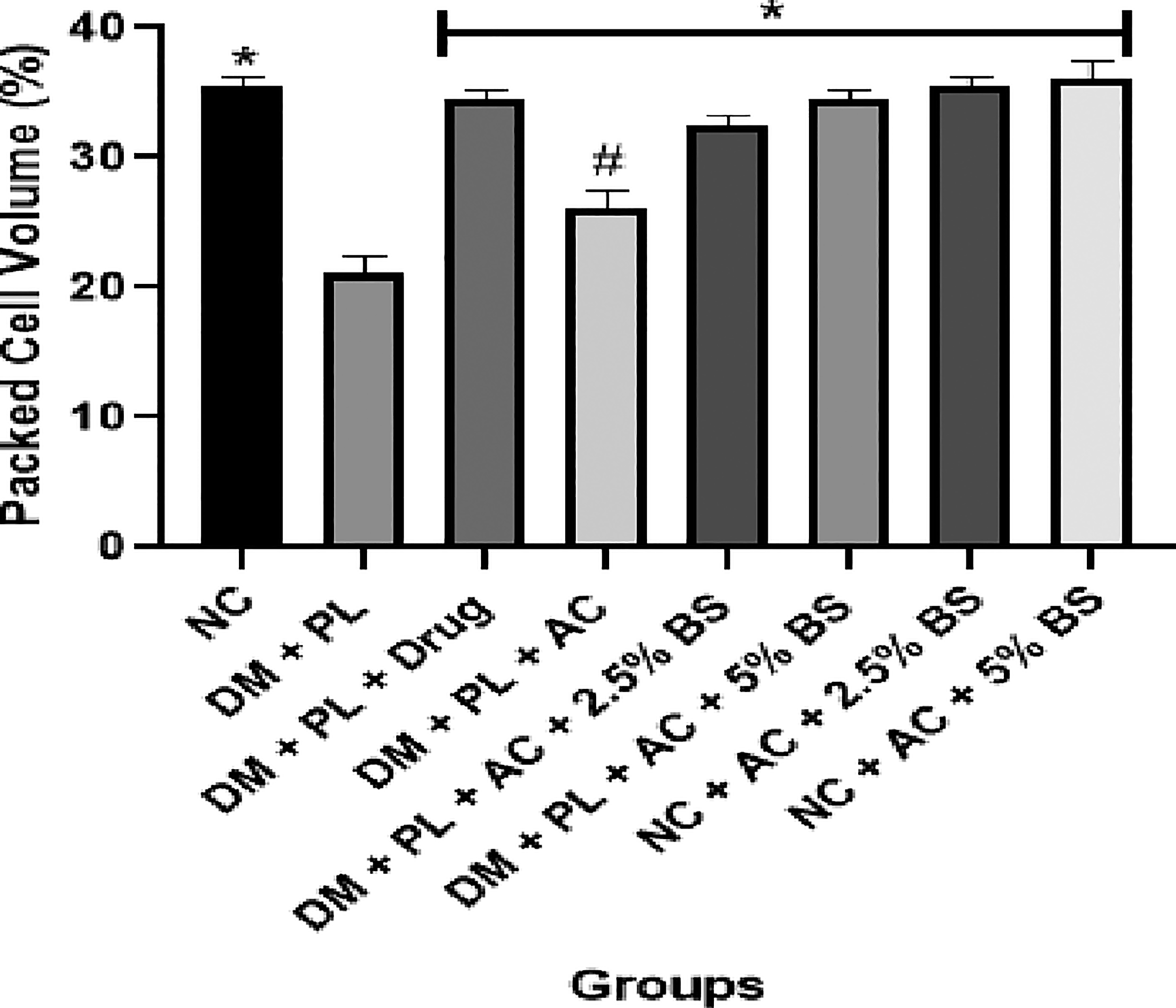
Effect of black cumin-enriched acha-based cookies on packed cell volume in Plasmodium berghei-infected diabetic mice. Bars are expressed as mean ± standard error of the mean (SEM; n = 8). *P < .05 versus P. berghei-infected diabetic mice, #P < .05 versus drug-treated group.
The results of this study (Table 3) indicate that P. berghei-infected diabetic mice that were not treated with the black cumin-enriched acha-based cookies experienced hypothermia, which is characterized by a low body temperature (<35°C) as determined by the rectal probe thermometer. This is consistent with previous studies that have reported hypothermia as a common symptom of malaria infection in both humans and animals.43,44 The reduction in body temperature is due to the release of pro-inflammatory cytokines and the subsequent increase in nitric oxide levels that occur during malaria infection, which disrupts the regulation of body temperature. 45
Effect of Black Cumin-Enriched Acha-Based Cookies on Temperature in Plasmodium berghei-Infected Diabetic Mice
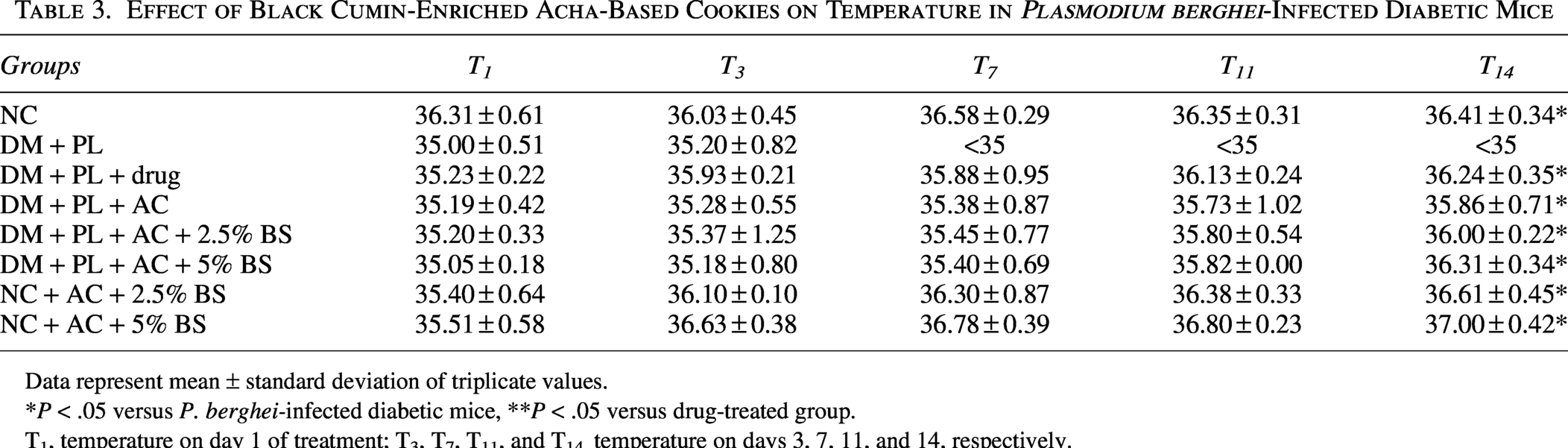
Data represent mean ± standard deviation of triplicate values.
P < .05 versus P. berghei-infected diabetic mice, **P < .05 versus drug-treated group.
T1, temperature on day 1 of treatment; T3, T7, T11, and T14, temperature on days 3, 7, 11, and 14, respectively.
In contrast, mice that were fed with the black cumin-enriched acha-based cookies showed a significant increase in body temperature (35–37°C). The use of the mouse model is the reverse case for human beings. This suggests that black cumin may have a protective effect against malaria-induced hypothermia. This finding is consistent with previous studies that have reported the ability of black cumin to modulate the immune response and reduce inflammation. 46
T2D is a chronic metabolic disorder characterized by hyperglycemia, which results from the body’s inability to effectively use insulin or insulin resistance. One of the strategies for managing T2D is to slow down the body’s absorption of glucose by inhibiting the activity of carbohydrate digestive enzymes such as α-amylase and α-glucosidase.47,48 In the current study, it was observed that the black cumin-enriched acha-based cookies significantly inhibited the activity of α-amylase and α-glucosidase in P. berghei-infected diabetic mice (Fig. 3a, b). This inhibitory effect may be attributed to the presence of thymoquinone and other bioactive compounds in black cumin, which have been shown to possess antidiabetic properties.49,50 The α-amylase and α-glucosidase inhibitory activity may also be attributed to acha as a low glycemic index food product. 51
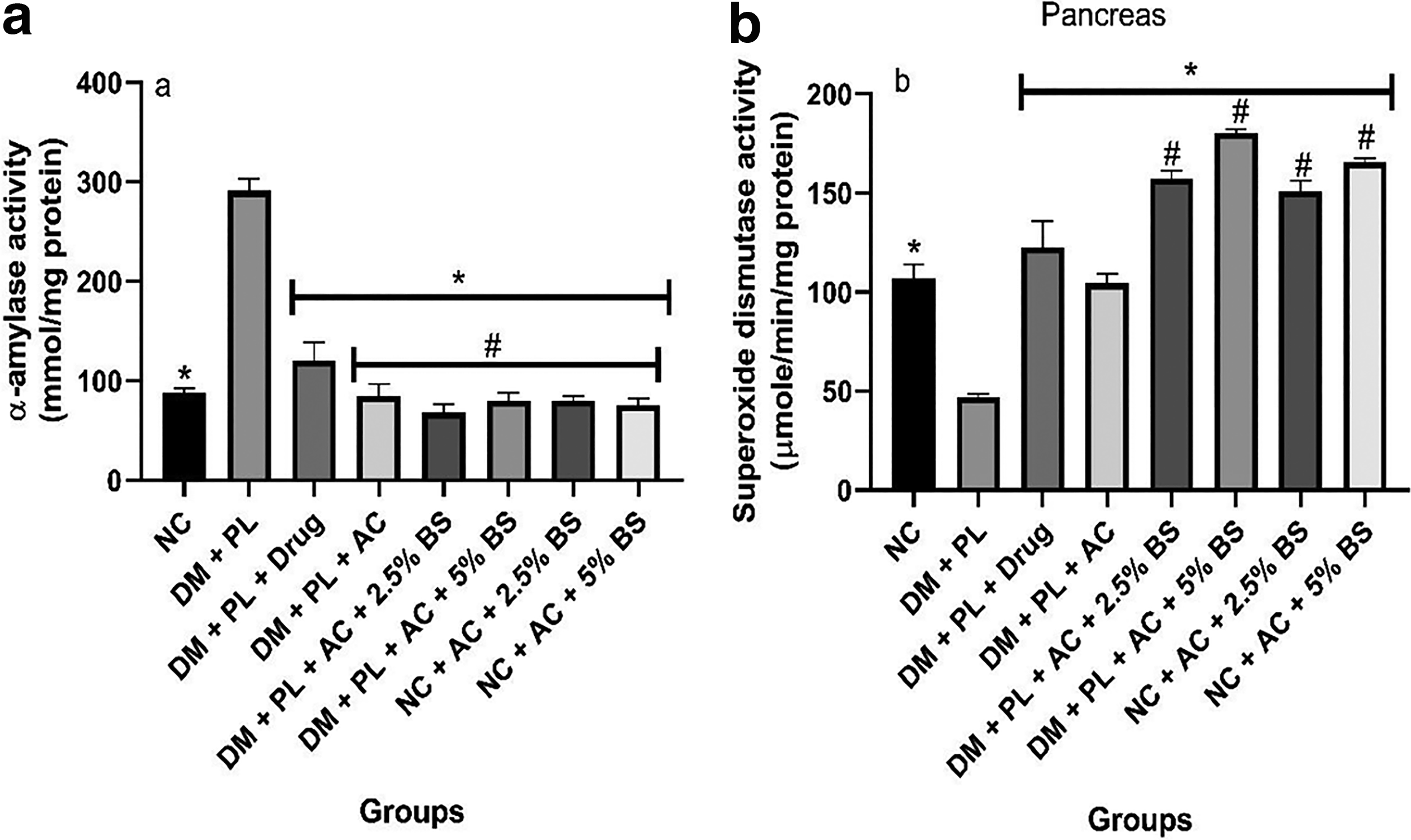
Effect of black cumin-enriched acha-based cookies on
Moreover, studies on healthy human subjects demonstrated that the consumption of black cumin oil resulted in a significant reduction in postprandial blood glucose levels.52,53 These findings suggest that black cumin may have potential as a nutraceutical therapy for managing T2D. The inhibitory effect of black cumin-enriched acha-based cookies on α-amylase and α-glucosidase activities observed in this study further supports the report.
The results of this study showed a significant increase in the pro-inflammatory marker, NF-kB, in the plasma of untreated P. berghei-infected diabetic mice compared with the group that was fed with treatment cookies (Fig. 4a). This is consistent with previous studies that have reported the activation of NF-kB as a key factor in the pathogenesis of malaria and diabetes.54,55 The activation of NF-kB leads to the production of pro-inflammatory cytokines, such as tumor necrosis factor-alpha (TNF-α) and IL-6, which contribute to the development of insulin resistance and hyperglycemia. 56 In contrast, the anti-inflammatory marker, IL-10, was significantly increased in the group that was fed with treatment cookies compared with the untreated group (Fig. 4b). IL-10 is an anti-inflammatory cytokine that plays a key role in regulating the immune response and reducing inflammation. 57 The increase in IL-10 levels in the group fed with treatment cookies suggests that black cumin-enriched acha-based cookies may have an immunomodulatory effect, which could be attributed to the presence of bioactive compounds in them. 58
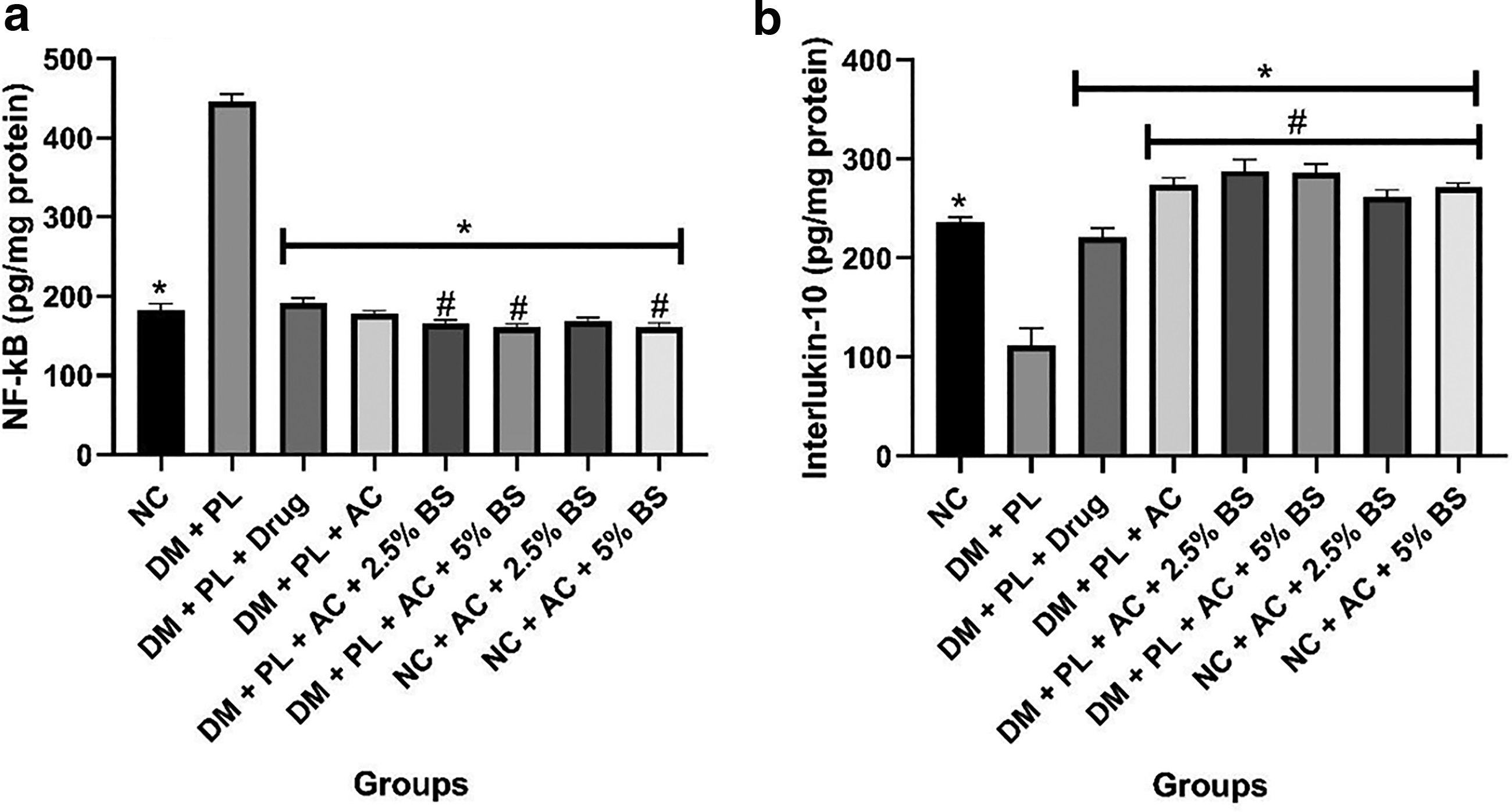
Effect of black cumin-enriched acha-based cookies on
In addition to hyperglycemia, hyperlipidemia and oxidative stress are also important factors in the pathogenesis of T2D and its complications. 59 In this study, untreated P. berghei-infected diabetic mice showed significantly higher levels of ROS in the pancreas and spleen compared with the group that was fed with treatment cookies (Fig. 5a, b). The black cumin-enriched acha-based cookies used in this study effectively reduced the levels of ROS in the pancreas and spleen of P. berghei-infected diabetic mice. This is confirmed by a study in patients with T2D in which administration of black cumin oil led to a significant reduction in oxidative stress markers such as malondialdehyde.60,61 The reduction in ROS levels observed in this study suggests that black cumin-enriched acha-based cookies may protect against oxidative stress-induced damage in diabetic individuals. This could potentially contribute to the prevention of diabetes-related complications, which are often associated with oxidative stress. 62
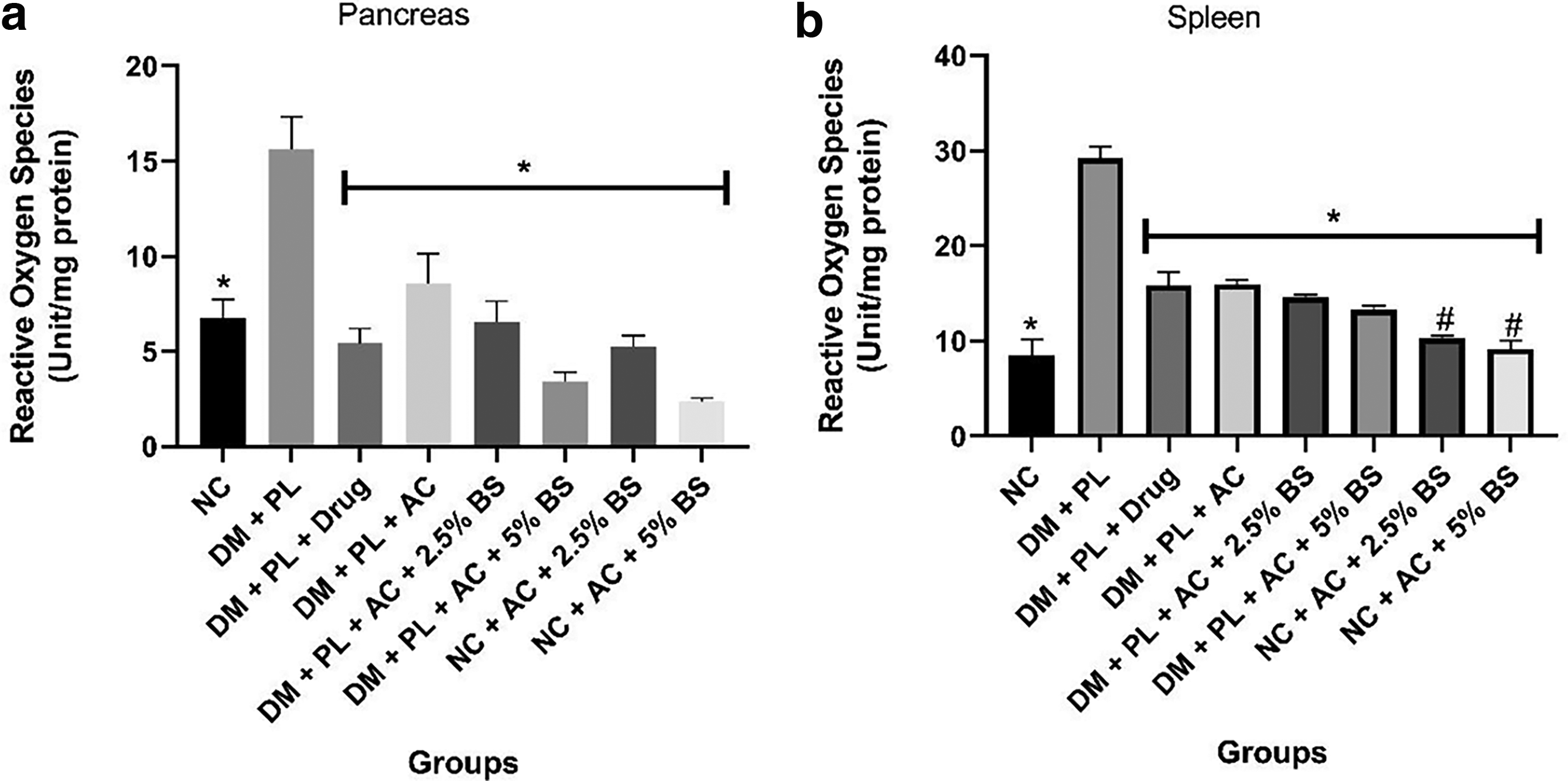
Effect of black cumin-enriched acha-based cookies on
Oxidative stress, which results from an imbalance between the production of ROS and the body’s ability to scavenge and detoxify these ROS, is an important factor in the pathogenesis of diabetes and malaria.63,64 Several factors can contribute to oxidative stress in these conditions, including auto-oxidation of glucose, changes in redox balance, decreased levels of antioxidants such as reduced GSH and vitamin E, and impaired activities of antioxidant enzymes such as SOD, CAT, GPx, and GST. This study demonstrated the antioxidant properties of cookies made from acha-black cumin composite flour. The activities of SOD, CAT, GPx, GSH, and GST were significantly reduced in the pancreas and spleen of untreated P. berghei-infected diabetic mice, but the opposite was observed in mice fed with black cumin-enriched acha-based cookies (Figs. 6–8).
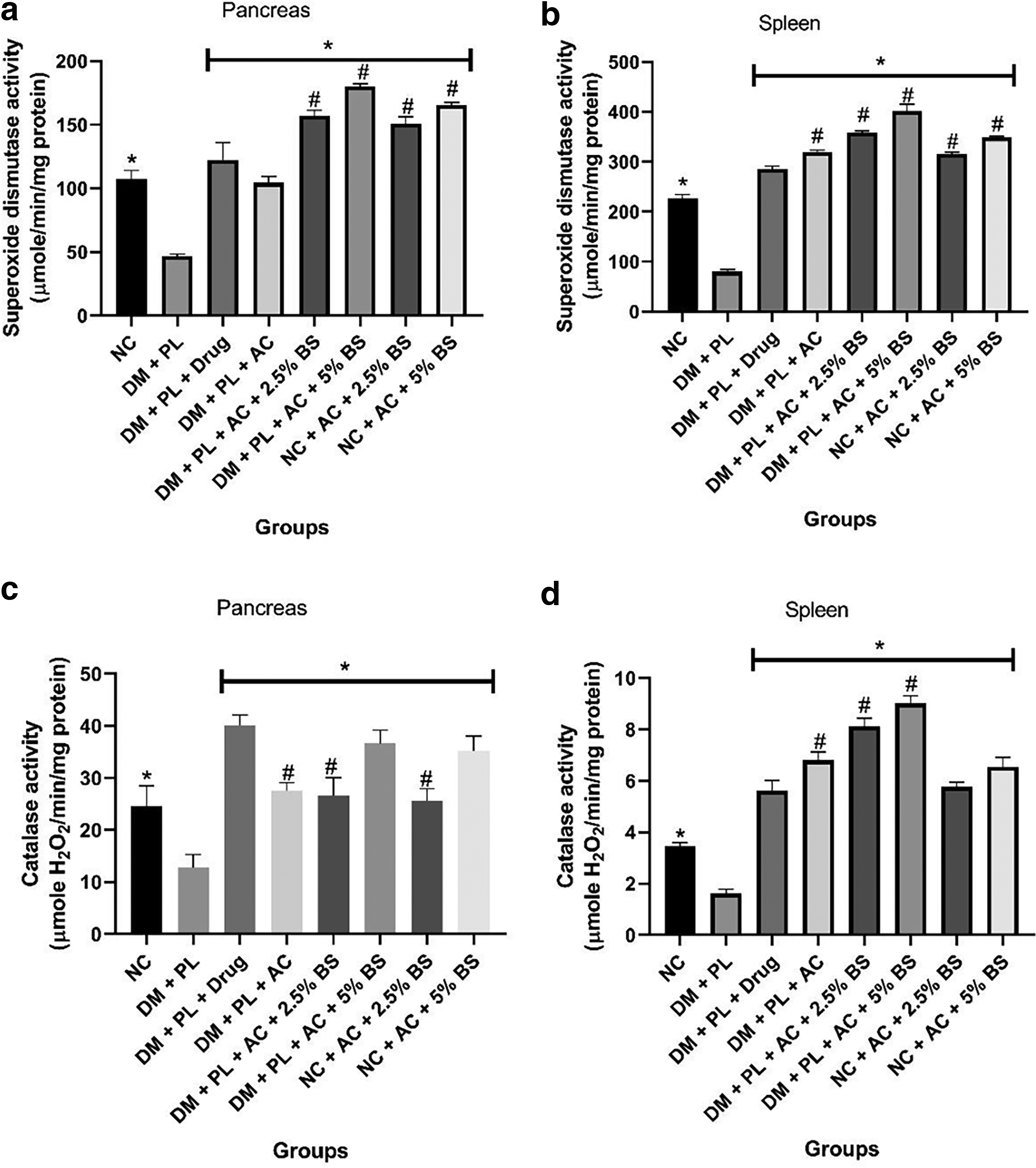
Effect of black cumin-enriched acha-based cookies on
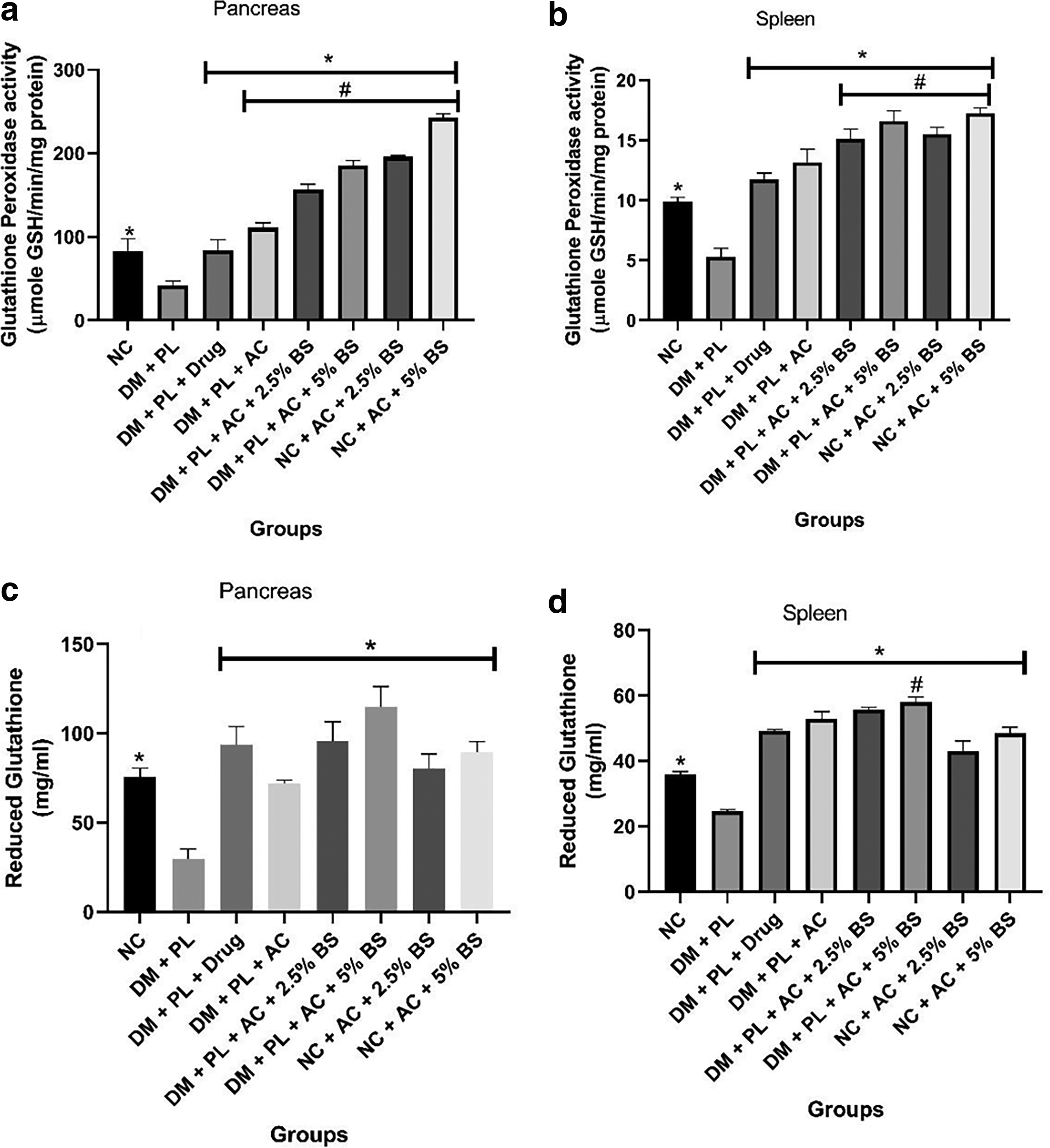
Effect of black cumin-enriched acha-based cookies on
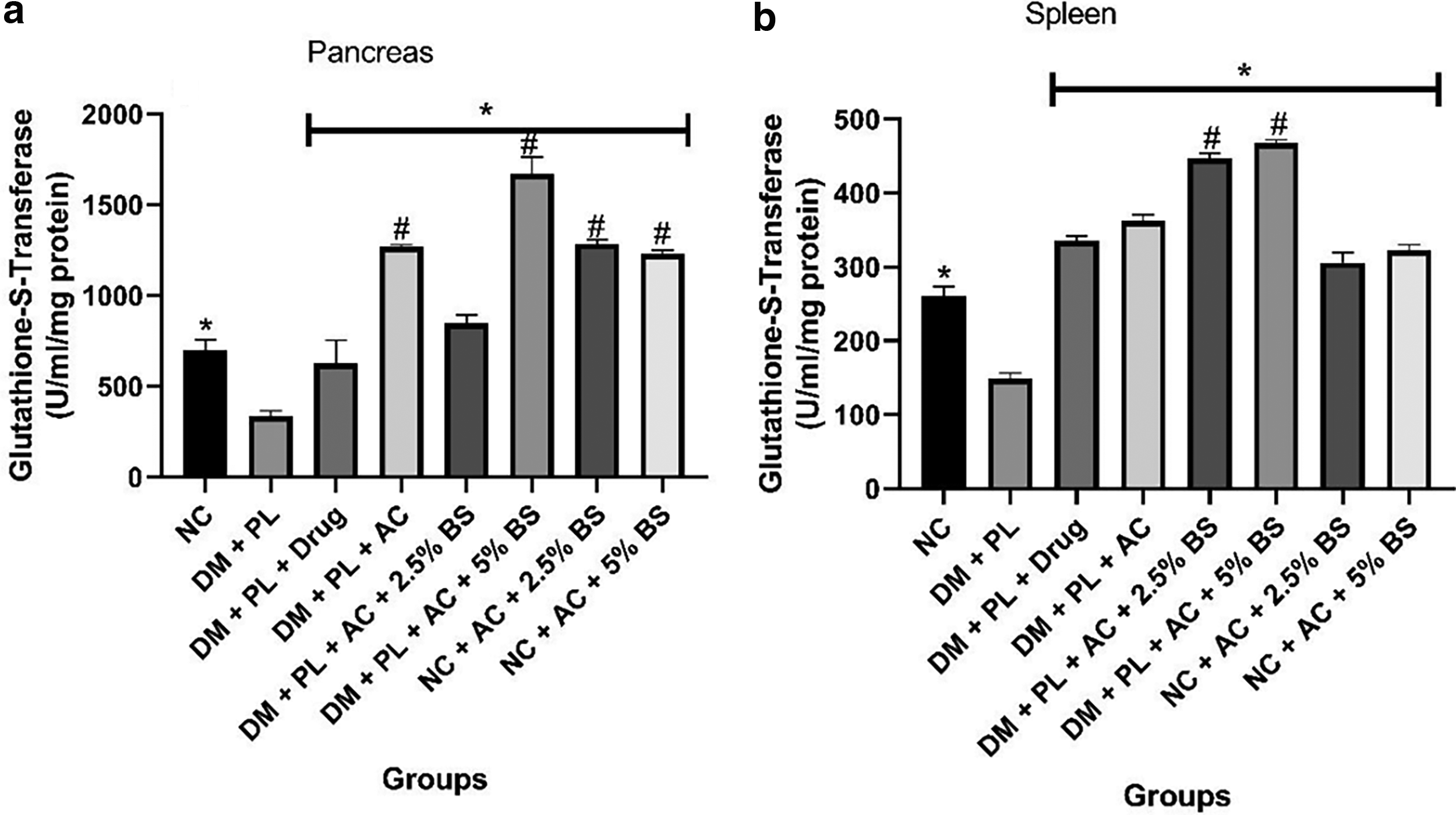
Effect of black cumin-enriched acha-based cookies on
The reduction in antioxidant enzyme activities observed in untreated P. berghei-infected diabetic mice suggests that these mice may have had an impaired antioxidant defense system, which could have contributed to the development of oxidative stress.35,53 The observed increase in antioxidant enzyme activities in mice fed with black cumin-enriched acha-based cookies suggests that these cookies may have a protective effect against oxidative stress-induced damage by enhancing the antioxidant defense system.65,66
CONCLUSION
The cookies made from a composite flour of acha and black cumin have been found to possess multiple beneficial effects, including the reduction of parasitemia and blood glucose levels, as well as increased antioxidant status and reduced inflammation. This indicates the potential effectiveness of these cookies in managing the comorbidity of diabetes and malaria.
AUTHORS’ CONTRIBUTIONS
E.E.N.: Supervision, analysis, and validation. B.T.O.: Data collection, article writing, and creation of figures and tables. I.S.O.: Data collection preparation and analyses. O.O.O.: Results validation preparation and article writing. G.O.: Supervision and conceptualization validation. All authors read and approved the final article.
Footnotes
ACKNOWLEDGMENTS
The authors are grateful for the technical assistance of the staff of Functional Food Nutraceuticals and Phytomedicine Unit FUTA, Nigeria.
AUTHOR DISCLOSURE STATEMENT
No competing financial interests exist.
FUNDING INFORMATION
No funding was received for this article.
RECOMMENDATION
The study will move to the human trials phase, provided there is funding for the product development of the cookies.
DATA AVAILABILITY STATEMENT
All data and database are available on request to the authors.