







Abstract
Flavonoids have antioxidant, antibacterial, and anti-inflammatory properties and are promising candidates for therapeutic and health-promoting applications. The effects of bioactive compounds on health are contingent upon their ingestion and bioavailability. The impact of flavonoids on humans and their potential as food supplements can often be predicted using in silico ADMET (absorption, distribution, metabolism, excretion, and toxicity) modeling. The aim of this review is to examine the drug-like properties of flavonoids using SwissADME and evaluate their pharmaceutical potential as supplements. In the future, flavonoids are expected to find wider use not only as food preservatives or colorants but also as functional food ingredients and nutraceutical supplements. Trends in personalized nutrition, healthy aging, and strategies for chronic disease prevention will particularly enhance the value of flavonoids. However, for this potential to be realized, clarification of regulations, strengthening of toxicological data, and intensifying collaboration between industry and academia are crucial.
INTRODUCTION
Over the last few decades, functional foods, natural antioxidants, and disease-risk-reducing compounds have been in increasing demand all over the world, with a great interest in the sustainability of the process. This trend has stimulated detailed studies on bioactive compounds of plant biomass such as flavonoids, which possess excellent antioxidant, antibacterial, and anti-inflammatory activities of great importance in the development of nutraceuticals and functional foods.1–5
Although not classified as nutrients, flavonoids are essential components of the human diet.6,7 They are naturally occurring anti-inflammatory agents whose primary mode of action is the suppression of pro-inflammatory proteins and consequent reduction of inflammation, making them a focus of drug research. 8 Flavonoids not only show direct antioxidant activities but also induce many antioxidant and protective genes through nuclear transcription factors and suppress inflammatory pathways.9–11 It has become increasingly evident that flavonoids alter the microbial flora, leading to anti-inflammatory environments in the gastrointestinal tract by increasing the proliferation of both bifidum and lactobacilli beneficial bacteria.12–15 Flavonoids can also regulate immune responses and control metabolic diseases by modulating signaling pathways. In addition, their efficiency as dietary supplements for the prevention and management of numerous diseases, including infectious diseases, neurodegenerative diseases such as Alzheimer’s and Parkinson’s diseases, and many types of cancer, is being evaluated. Some have been reported to aid type 2 diabetes management by increasing insulin sensitivity, while others protect nerve cells in neurological disorders such as Alzheimer’s disease.16–19
Traditional experimental methods are time-consuming and costly. In silico tools such as SwissADME and Artificial Intelligence (AI)/Machine Learning (ML)-based approaches are revolutionizing the assessment of flavonoids for pharmaceutical and nutraceutical applications. SwissADME provides researchers with a preliminary screening opportunity. This predicts which flavonoids would be suitable candidates for drug or food supplement development.20–22 These technologies contribute to sustainability in the process of converting biomass wastes into high-value-added products, thus supporting the circular economy. 23
The structural diversity, metabolic complexity, and interindividual biological differences of flavonoids mean that it is difficult for a single model to encompass all outcomes. Therefore, in silico predictions must be validated through in vitro and in vivo studies. In the future, it is anticipated that AI-supported hybrid approaches (e.g., AI + molecular dynamics simulation + bioinformatics network analysis) will accelerate the flavonoid value chain in both the drug development and nutraceutical industries. The therapeutic potential of flavonoids suggests that they could be used in new therapies and drugs. However, one of the main obstacles to realizing this potential is the uncertainty surrounding bioavailability, metabolic transformation, and pharmacokinetic properties. Issues surrounding bioavailability must be overcome to utilize flavonoids clinically. The bioavailability of flavonoids is quite low due to certain physiological and structural limitations. When they reach the small intestine, they undergo phase 1 and phase 2 metabolic processes such as glucuronidation, sulfation, and methylation, which significantly reduce the amount of the main compound available for absorption. Glycoside derivatives encounter difficulties in crossing the cell membrane due to the hydrophilic sugar groups they contain, and this limits intestinal absorption. In contrast, although hydrophobic aglycone forms increase membrane permeability, they are unstable during the digestive process. Furthermore, the tendency of flavonoids to bind to plasma proteins after entering the bloodstream significantly limits their ability to reach effective concentrations in tissues and exert their biological activities. 24 Currently, most fail to reach target tissues in sufficient quantities due to low solubility, rapid metabolism, and limited absorption. Therefore, future studies will focus on delivery systems, formulation techniques, and structural modification strategies to enhance the efficacy of flavonoids.
CLASSIFICATIONS AND HEALTH ADVANTAGES OF FLAVONOIDS
Phytochemicals are phenolic compounds, over 8000 individual molecules that largely represent the main antioxidant type in human nutrition. Generally, phenolic acids and flavonoids are grouped as the two major classes because of their structural elements. The basic flavonoid skeleton is built around a 15-carbon flavone backbone (C6–C3–C6) consisting of two aromatic rings (A and B) linked by a three-carbon pyran ring (C). The antioxidant activity depends on the position of the catechol B ring relative to the pyran C ring and the number and position of hydroxyl groups on the catechol part of the B ring. Free electron donation through resonance results in increasing the stability of free radicals, which facilitates antioxidant defense at the functional hydroxy groups involved in flavonoids. The flavonoid family consists of six subgroups that differ in the degree of hydrogenation and hydroxylation of the three-ring structure: flavonols, flavones, isoflavones, flavanones, anthocyanidins, and flavanols.25,26
Figure 1 shows that the increase in the number of publications over the years underlines the growing interest in flavonoids due to their high potential biological effects. This surge of interest is particularly noticeable during the COVID-19 pandemic in the period from 2019 to 2022. Considering the urgent need for therapeutic drugs against SARS-CoV-2, the scientific community has focused its attention on the possible antiviral properties of flavonoids. Recent developments highlight flavonoids as potent antioxidants due to their anti-inflammatory role and interactions with viral proteins from the perspective of combating SARS-CoV-2.
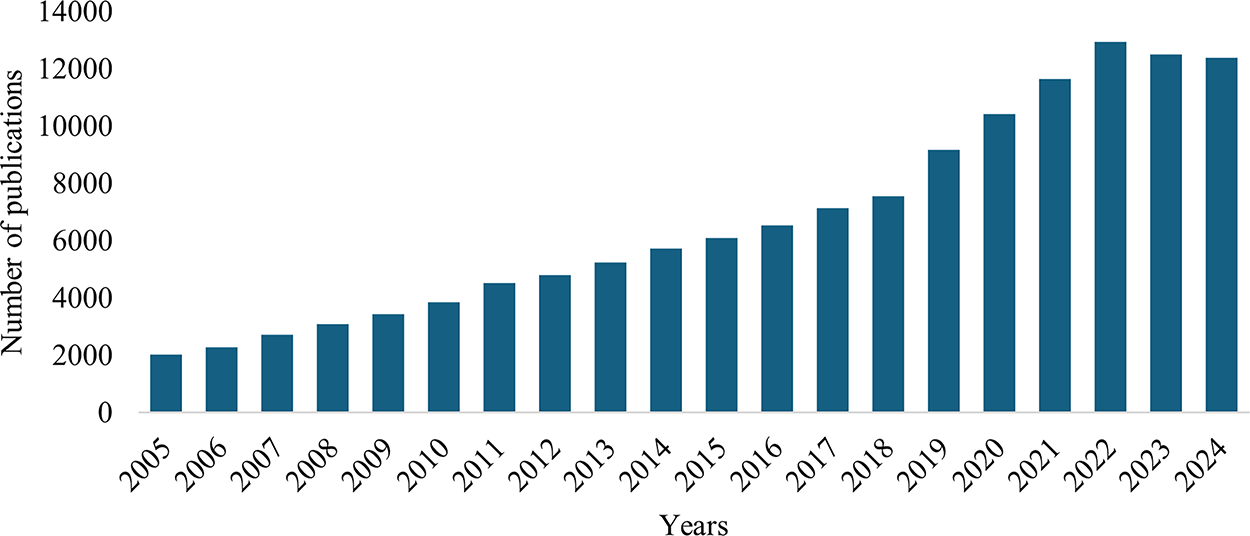
Number of publications published on Web of Science related to the keyword “Flavonoids” by year.
SARS-CoV replication depends on the main protease (Mpro). SARS-CoV-2 and SARS-CoV have identical Mpro. Mpro offers therapeutic advantage. Molecular docking experiments indicated that naringenin exerts inhibition against SARS-CoV-2 Mpro through hydrogen bond formation with the amino acid present in the active sites.
Hesperidin shows an interaction with the Mpro of SARS-CoV-2, the receptor-binding domain of the spike protein, and the peptidase domain of ACE-2, which exerts inhibition on replication. Quercetin may inhibit the spread of SARS-CoV-2. Quercetin shows high binding affinity to Mpro. In one study, bioactive flavonoids from food sources were screened in silico for their inhibition potential against SARS-CoV-2. Cyanidin and genistein showed binding affinities to Mpro and RdRp comparable to nelfinavir and lopinavir. Quercetin, catechin, naringenin, kaempferol, apigenin-7-glucoside, luteolin-7-glucoside, and epigallocatechin were computationally proposed to inhibit SARS-CoV-2 Mpro. In silico screening of 2030 natural chemicals revealed potential anti-SARS-CoV-2 Mpro activities. 27 Figure 2 shows the basic structural elements of SARS-CoV-2.
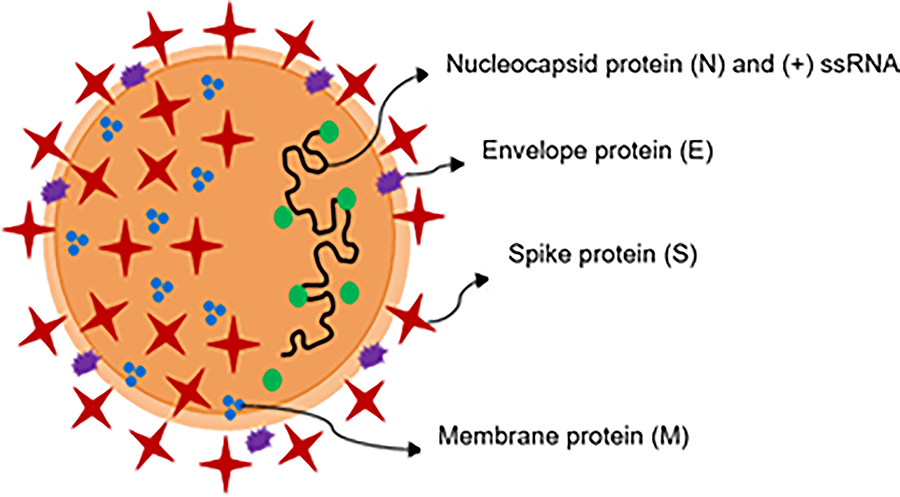
Cartoon diagram depicting the key structural elements of SARS-CoV-2.
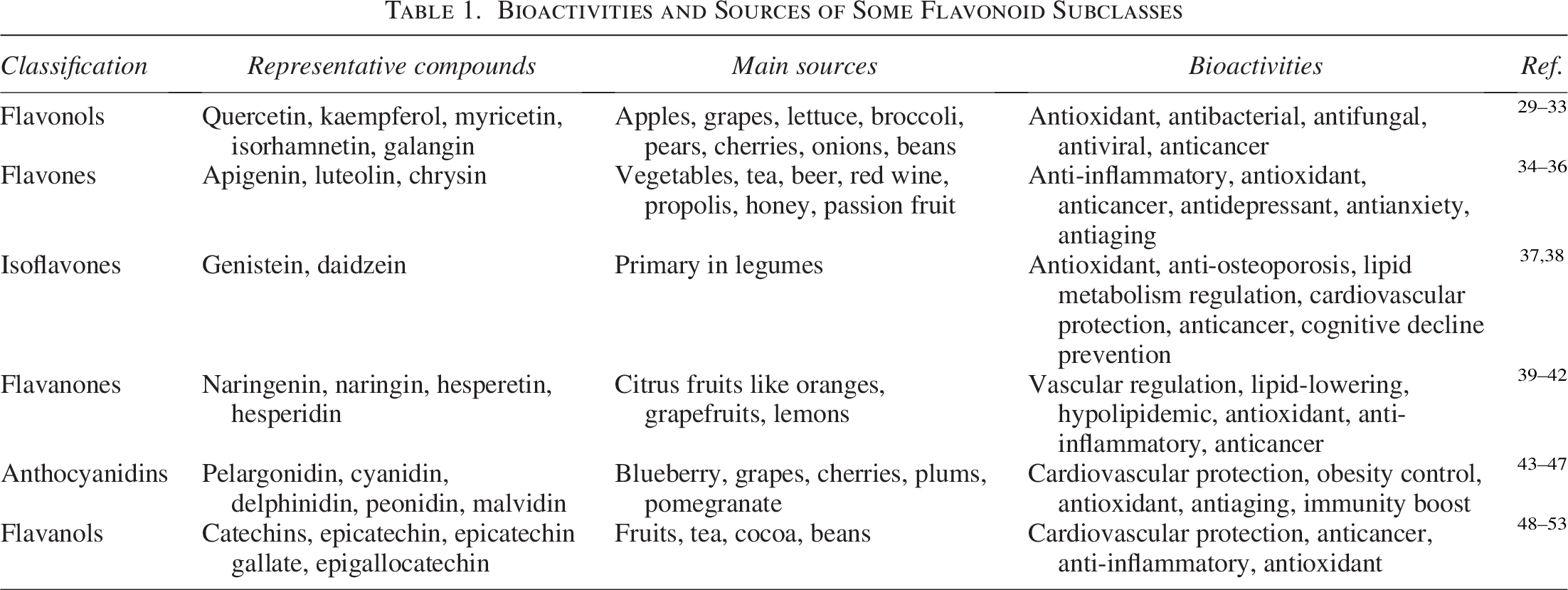
There are four subtypes of flavanols: flavan-3-ol, flavan-4-ol, isoflavan-4-ol, and flavan-3-4-ol, and this diversity profoundly determines their biological activity. Camellia sinensis and Pronephrium penangianum are important sources of flavanols. Among flavanols, antioxidant, anti-inflammatory, anticancer, antiviral, and cardioprotective activities have been reported. Catechin derivatives have significant antioxidant properties, but abacopterin A and abacopterin C are notable flavanol compounds with possible anticancer effects. Nanoformulation techniques are enabling the therapeutic development of these molecules by increasing the accuracy and efficiency of targeting flavanols in metabolism. Flavanols represent an area of study in neurodegenerative diseases such as Alzheimer’s and Parkinson’s disease. However, few studies on the biosynthetic pathways and pharmacological effects of flavanols remain insufficient; increasing the number of studies in this field will lead to the identification of new drugs. 28 Table 1 presents the bioactivities and origins of several flavonoid subclasses.29–33,34–51
Bioactivities and Sources of Some Flavonoid Subclasses
BIOAVAILABILITY AND DRUG-LIKENESS OF FLAVONOIDS
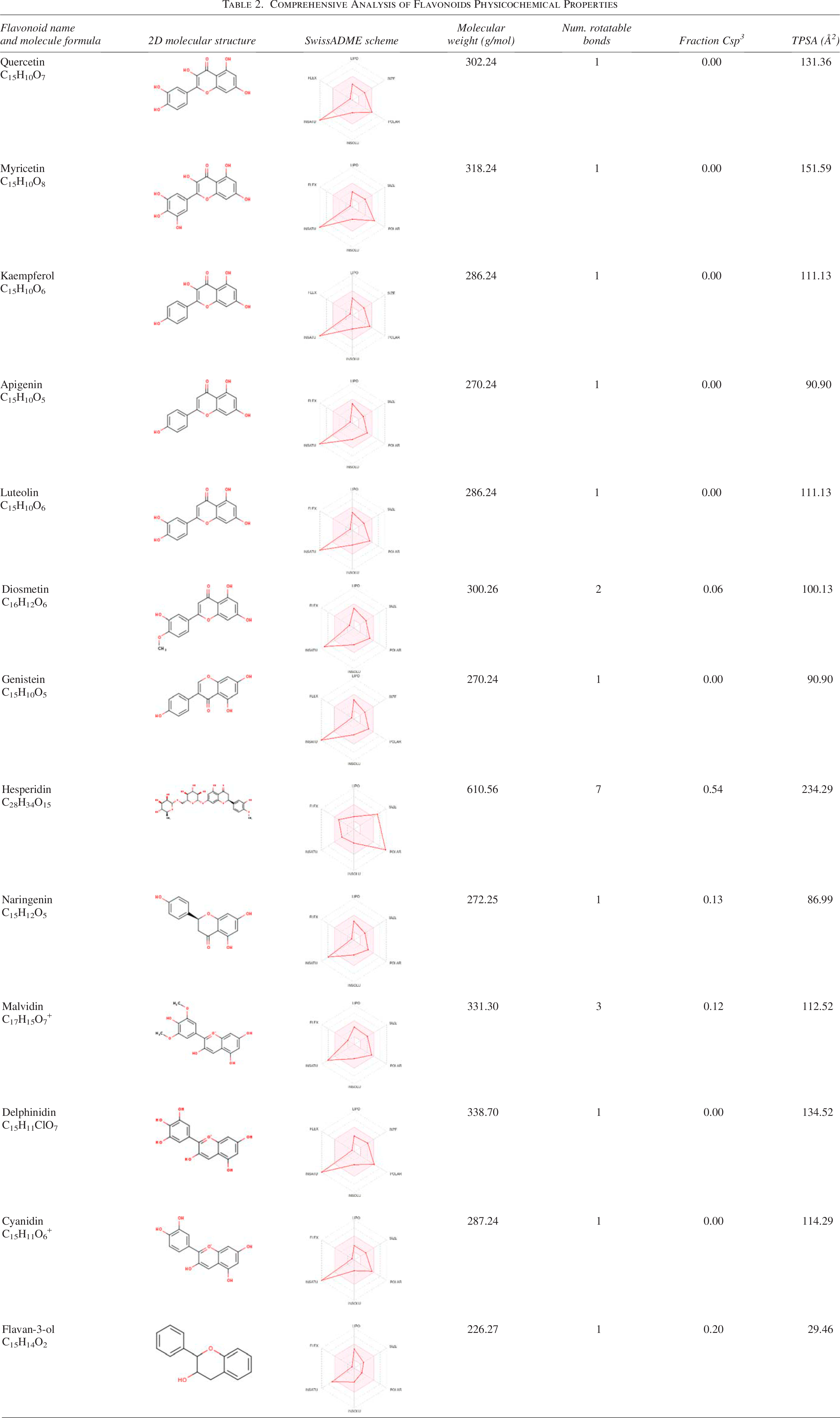
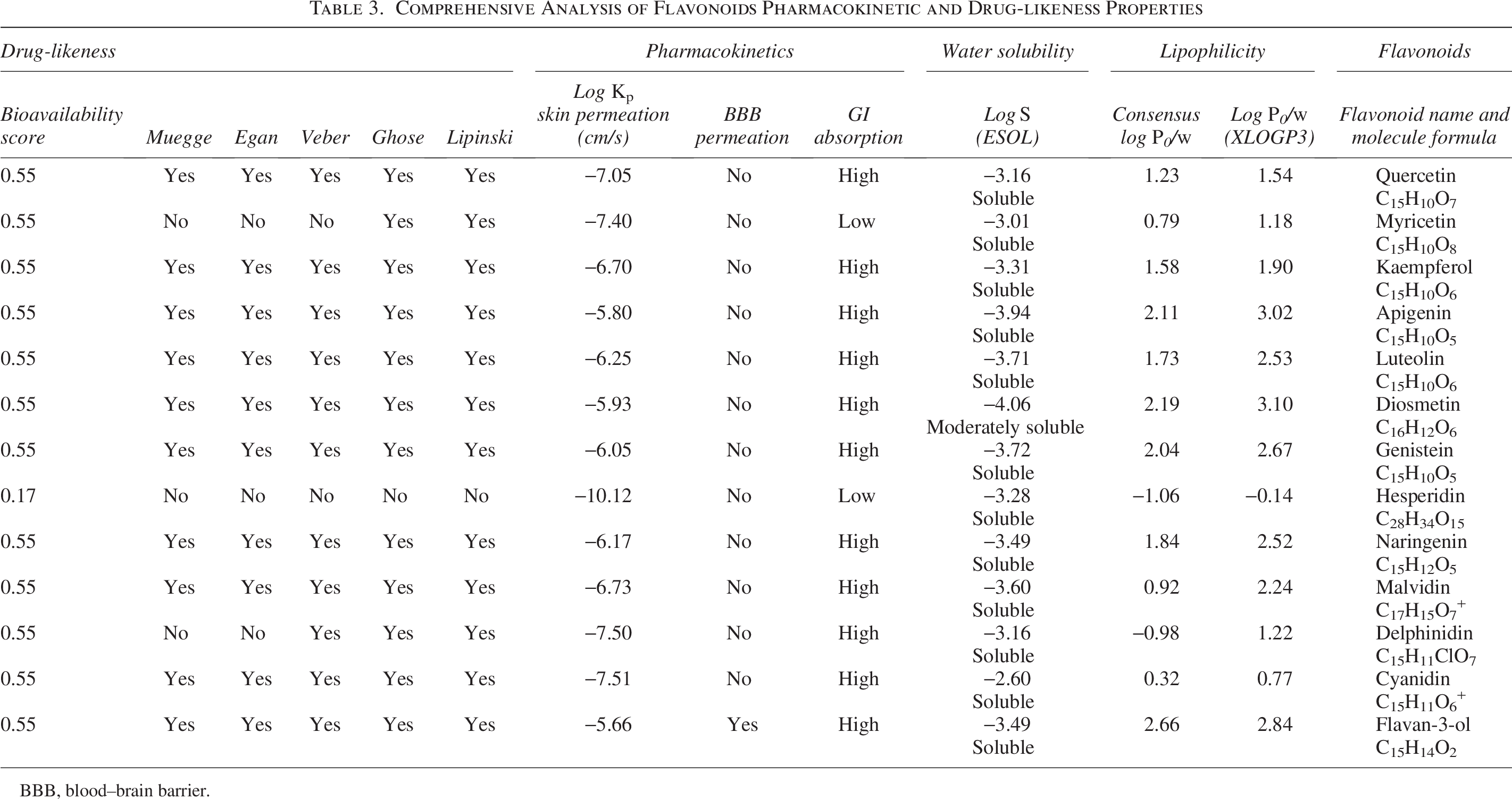
Individual ADME properties of the selected flavonoids were calculated using the SwissADME program available at www.swissadme.ch, which helped in understanding their behavior. The results of each flavonoid molecule are given in Tables 2 and 3. Table 2 is formatted as one input molecule per row, and Table 3 is formatted as one input molecule per column with multiple inputs according to the SMILES system.
Comprehensive Analysis of Flavonoids Physicochemical Properties
Comprehensive Analysis of Flavonoids Pharmacokinetic and Drug-likeness Properties
BBB, blood–brain barrier.
SwissADME radar system for molecule structure and bioavailability
These quality parameters significantly influence the pharmacokinetic properties of a molecule, especially its oral bioavailability—the fraction of the dose that reaches systemic circulation unchanged. The SwissADME tool displays these properties within its 'colored zone,' signaling that a chemical is likely to have favorable ADME profiles.
The bioavailability radar is a way to get an estimate of the drug-likeness for the molecules of interest based on the calculation of six physicochemical properties, namely, LIPO (lipophilicity), SIZE, POLAR (polarity), INSOLU (insolubility), INSATU (insaturation), and FLEX (flexibility). Lipophilicity: The calculated log P (XLOGP3) is between −0.7 and +5.0; molecular weight (MW): The MW is between 150 and 500 g/mol; polarity: The Topological Polar Surface Area (TPSA) is between 20 and 130 Å2; solubility: The log S is not greater than 6; saturation: The fraction of carbons in sp3 hybridization is greater than 0.25; flexibility: the molecule has not more than 9 rotatable bonds.
54
The following definitions describe the characteristics that define this physicochemical domain:
LIPO (Lipophilicity): −0.7 < log P (XLOGP3) < +5.0
XLOGP3 is used to gauge lipophilicity, ensuring a balance between hydrophilic and lipophilic properties. A suitable range is important for membrane permeability and solubility, with excess lipophilicity leading to poor solubility and nonspecific binding. Molecules with an XLOGP3 value less than −0.7 fail to traverse biological membranes effectively, while those with a value greater than +5.0 may have reduced solubility and increased metabolic turnover.
55
Molecular size: 150 g/mol < MW < 500 g/mol
The MW correlates directly with the ability of a drug to cross biological membranes. Molecules in this range are more likely to possess favorable pharmacokinetic properties. Molecules below 150 g/mol may have inadequate specificity and potency, while those above 500 g/mol may have problems with permeability and solubility.
56
POLAR (Polarity): 20 Å2 < TPSA < 130 Å2
Total polar surface area describes the surface area of a molecule that participates in polar interactions and hydrogen bonding. A TPSA within this range is optimal for passive diffusion across cellular membranes. Molecules with a TPSA below 20 Å2 might have poor solubility, while a TPSA above 130 Å2 may show suboptimal (below expected) membrane permeability, especially in the gastrointestinal tract.
57
INSOLU (Insolubility): −6 < log S (ESOL) < 0
The solubility of a compound is basically determined by the nature of the solvent, temperature, and pressure of its surroundings. The degree of solubility is measured as saturation concentration, after which the addition of more solute does not increase its concentration in the solution. Log S (ESOL) (Estimated Solubility) is used for the prediction of aqueous solubility. Compounds within this range of log S exhibit an optimum balance between solubility and permeability. Chemicals with high solubility (log S > 0) will likely get readily excreted, though chemicals of low solubility (log S < −6) may not dissolve well enough within the Gastrointestinal (GI) system, hence restricting their bioavailability. Solubility class: log S scale: insoluble < −10 poorly < −6 moderately < −4 soluble < −2 very < 0 < highly.
58
INSATU (Insaturation): 0.25 < fraction Csp3 < 1
This descriptor mathematically measures molecular complexity and three-dimensional structure by calculating the fraction of sp3-hybridized carbons. Compounds with a fraction Csp3 in this range are more likely to have better pharmacokinetic properties. The structures having a low percentage of Csp3 (<0.25) often prove excessively planar, probably reducing metabolic stability and receptor selectivity. In contrast to these, the highly saturated (Csp3 = 1) molecules enhance the molecular complexity, possibly improving the bioavailability.
54
FLEX (Flexibility): 0 < Number of rotatable bonds < 9
The number of rotatable bonds is a measure of molecular flexibility. Molecules with more than 9 rotatable bonds may be too flexible, resulting in lower oral bioavailability because such molecules may have difficulty stabilizing in a conformation that complements the binding site on a biological target. In contrast, the complete lack of rotatable bonds confers too much rigidity to the molecule, limiting the ability of the molecule to conform to a receptor binding site which can reduce receptor affinity and pharmacological activity. 54
Analysis of the physicochemical characteristics, drug-likeness of flavonoids, and their potential for oral bioavailability using SwissADME
Flavonoids are heterogeneous natural products of high potential for therapeutics whose oral absorption is crucial for drug development. In this study, the physical and chemical properties, pharmacokinetics, and drug suitability of flavonoids were evaluated using the SwissADME tool regarding their oral absorption. All flavonoids studied in this article were analyzed in depth in light of the criteria presented by SwissADME.
Quercetin has good physicochemical properties. The MW is 302.24 g/mol, within the optimum range of between 150 and 500 g/mol. It is sufficiently rigid because it comprises one rotatable bond with a fraction Csp3 of 0.00, while its lipophilicity (log P = 1.54) and solubility (log S = −3.16) also fall within optimal ranges, which allow for proper membrane permeability and water solubility. The polar surface area is marginally acceptable with a TPSA of 131.36 Å2, negligibly above the proposed upper threshold of 130 Å2, indicating that it may have a minor effect on blood–brain barrier (BBB) permeability. Quercetin can be said to fulfill all criteria for drug-likeness and is expected to have excellent absorption in the gastrointestinal tract, making it a viable option for oral use.
Myricetin exhibits different characteristics in terms of oral absorption: While its MW of 318.24 g/mol, lipophilicity (log P = 1.18), and solubility (log S = −3.01) are in favorable ranges for good oral bioavailability, the high TPSA value of 151.59 Å2 outside the acceptable range of 20–130 Å2 indicates limited passive membrane permeability. This may result in predicted poor gastrointestinal absorption and failure to cross the BBB. Myricetin has a single rotatable bond and therefore meets some of the criteria behind drug similarity, but not all, including Veber and Muegge, due to high polarity. These make myricetin less suitable for use as an oral drug without structural changes.
Kaempferol demonstrates a very favorable oral bioavailability profile. While demonstrating an MW of 286.24 g/mol and lipophilicity (log P = 1.90), it just met the physicochemical requirements for drug-likeness. The solubility (log S = −3.31) is quite sufficient for water solubility, and TPSA of 111.13 Å2 ensures quite good membrane permeability as well. The presence of only one rotatable bond in the compound implies a structure that is rigid enough; hence, it potentially has increased receptor binding efficiency. In addition, kaempferol possesses all the criteria of drug-likeness and a good gastrointestinal absorption profile; thus, it can be included as one of the best candidates for oral medication formulation.
Apigenin’s bioavailability score of 0.55 indicates that it exhibits good absorption in terms of oral bioavailability. The molecule exhibits a molecular weight (MW) of 270.24 g/mol and a topological polar surface area (TPSA) of 90.90 Ų, both of which fall within the optimal range for membrane permeability. Additionally, the calculated lipophilicity (log P = 3.02) demonstrates favorable physicochemical alignment for oral bioavailability. A solubility value of log S = −3.94 showed good dissolution; a stiffness provided by one rotatable link enhanced its drug-likeness. Apigenin exhibited a very good drug-likeness in all aspects and substantial gastrointestinal absorption, placing it as one of the most promising options among the flavonoids analyzed.
The pharmacokinetic and pharmacological profiling of luteolin offers immense potential for its oral bioavailability. It computed an MW of 286.24 g/mol lipophilicity with a log P value of 2.53 and a log S value of −3.71 in the solubility category—all these fall within acceptable criteria. Moreover, a sufficiently low TPSA of 111.13 Å2, along with having only one rotatable bond, will make absorption as well as receptor binding feasible. Hence, luteolin has qualified under all three counts of the drug-likeness rule. On the other hand, its theoretical, highly anticipated gastrointestinal absorption flags this compound for suitability under an oral mode of administration.
Diosmetin has a rigid profile with few limitations. The MW of 300.26 g/mol and lipophilicity of log P = 3.10 fall within the ideal values. However, its solubility of log S = −4.06 is classified as moderately soluble, which may limit its absorption under certain conditions. Its TPSA is 100.13 Å2 with two rotatable bonds providing sufficient flexibility while maintaining adequate rigidity. Diosmetin meets all drug-likeness criteria and exhibits strong gastrointestinal absorption, suggesting favorable oral bioavailability potential despite mild solubility issues.
Genistein follows all the ideal oral absorptions just like apigenin. The compound possesses an MW of 270.24 g/mol, lipophilicity of log P = 2.67, and solubility of log S = −3.72. Genistein meets all the essential physicochemical characteristics. Thus, the TPSA is 90.90 Å2, while a single rotatable bond imparts good absorption and bioactivity. Genistein meets all criteria for drug-likeness with good gastrointestinal absorption; it is thus a very good candidate for oral administration.
Hesperidin has a lot of limitations in terms of oral absorption. With an MW of 610.56 g/mol and a TPSA of 234.29 Å2, the molecule falls outside the optimal physicochemical space for oral absorption. The presence of 7 rotatable bonds further suggests a degree of conformational flexibility that may negatively impact membrane diffusion. Although water-soluble log S = −3.28, the lipophilicity of log P is inadequate at −0.14. These features lead to poor gastrointestinal absorption and inability to meet certain drug-likeness criteria, making hesperidin inappropriate for oral medication development without structural alterations.
Naringenin has great potential for oral bioavailability. An MW of 272.25 g/mol, lipophilicity of log P = 2.52, and solubility of log S = −3.49 are in conformation with the standards set by SwissADME. In addition, the TPSA is 86.99 Å2, and there is only one rotatable bond, further supporting its absorption and drug-likeness. Naringenin fulfilled all the criteria of drug-likeness and showed good gastrointestinal absorption; hence, it justifies its potential as an oral medication candidate.
Malvidin is a compound with a positive profile and moderate restrictions. The bioavailability standards were met, considering the MW of 331.30 g/mol, log P = 2.24, and log S = −3.60. A large TPSA of 112.52 Å2 and three rotatable bonds increase the polarity and flexibility; however, malvidin follows all criteria of drug-likeness, presenting good gastrointestinal absorption which is an indication of its oral bioavailability.
Delphinidin has a moderate potential for oral bioavailability. Its MW of 338.70 g/mol, lipophilicity of log P = 1.22, and solubility of log S = −3.16 are within the requirements, but its TPSA is at the upper limit of the range, 134.52 Å2, which may reduce its absorption. Notwithstanding this, it satisfies most of the criteria for drug-likeness and has substantial gastrointestinal absorption, making it a reasonably solid candidate.
Cyanidin has good oral bioavailability. The MW of 287.24 g/mol, the solubility of log S = −2.60, and the TPSA of 114.29 Å2 are within the optimal range. Despite having a considerably lower lipophilicity of log P = 0.77, cyanidin meets all the criteria for drug-likeness and has good gastrointestinal absorption, indicating its appropriateness for oral administration.
Flavan-3-ol represents an excellent candidate for oral bioavailability. Having an MW of 226.27 g/mol, a lipophilicity of log P = 2.84, a solubility of log S = −3.49, and a low TPSA of 29.46 Å2, it fulfills all parameters. It contains only one rotatable bond, ensuring rigidity, and also fulfills all the criteria for drug-likeness and shows strong gastrointestinal absorption and skin permeability. It is an excellent candidate for oral delivery.
This study reveals that quercetin, apigenin, kaempferol, genistein, naringenin, and flavan-3-ol are the most suitable candidates for oral drug development, considering their physicochemical and pharmacokinetic properties. In contrast, hesperidin was found to have certain limitations as it was found to be far from the biocompatibility value range in in silico media. These findings highlight the utility of SwissADME for efficient prioritization of drug candidates without the need for preexperimental studies, saving time and resources.
The BOILED-Egg model was used, which has the ability to predict passive gastrointestinal absorption and brain uptake, thanks to in silico findings such as WLOGP and TPSA. 54 The elliptical “Egan’s egg” of the model defines regions that classify molecules with good absorbability; the white area indicates molecules with high gastrointestinal absorption potential, and the yellow “yolk” area indicates molecules with strong brain permeability. 59 The flavonoids tested in the current work have their limits of gastrointestinal absorption and BBB permeability presented in Figure 3, underlining their possible pharmacokinetic characteristics and therapeutic applicability.
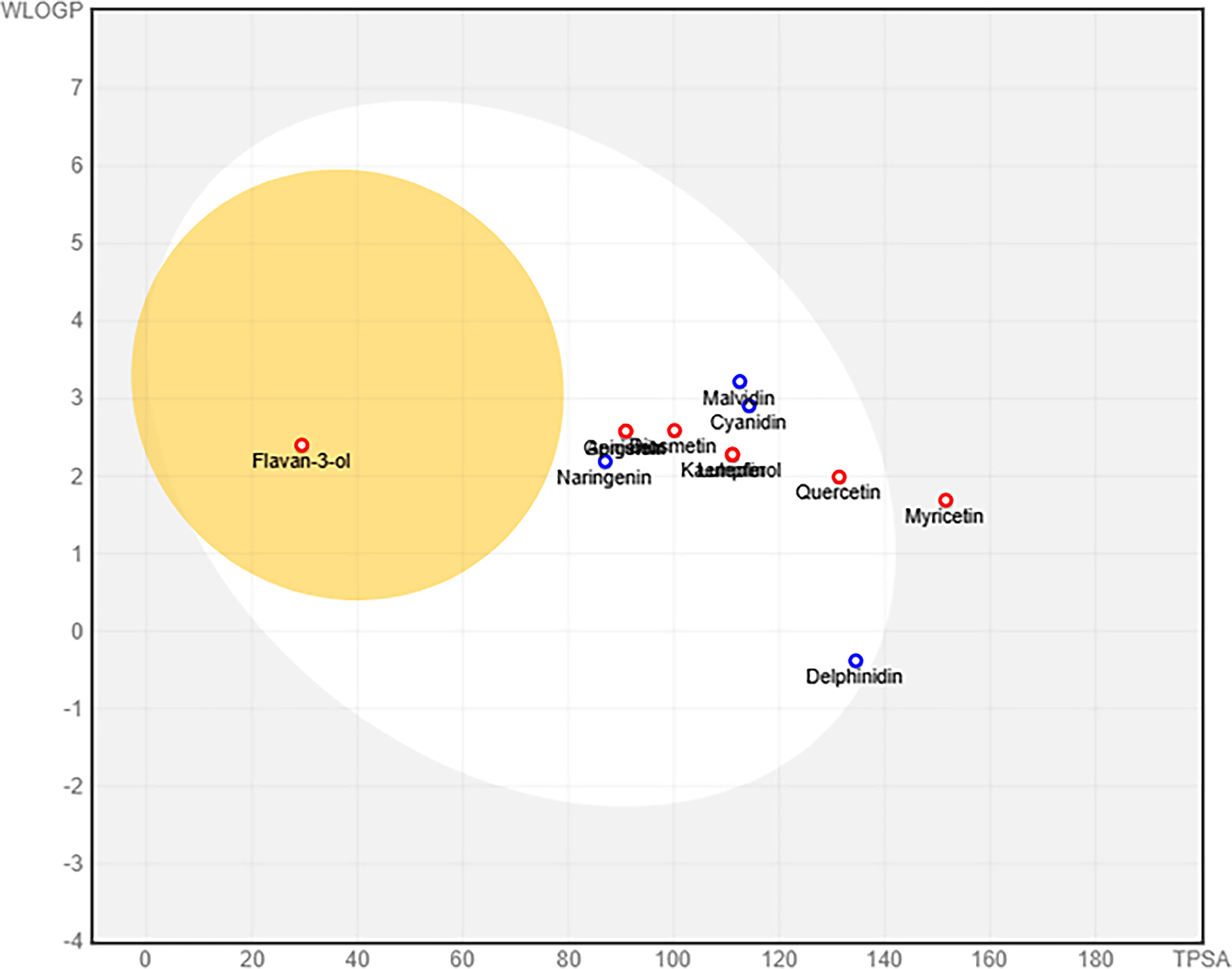
BOILED-Egg Analysis of Flavonoids for Predicting Gastrointestinal Absorption and Brain Permeation.
The BOILED-Egg model provided important data on the gastrointestinal absorption and BBB permeability of flavonoids studied in silico, helping us to predict their oral bioavailability and therapeutic potential. Among these flavonoids, flavan-3-ol located in the yolk (yellow area) is characterized by excellent gastrointestinal absorption and strong passive diffusion across the BBB. This makes flavan-3-ol a promising candidate for central nervous system (CNS)-targeted therapies. In contrast, hesperidin and myricetin were even outside the typical absorption limits of the BOILED-Egg plot due to their high MW and biocompatible polar surface area (TPSA > 150 Å2), which implies poor gastrointestinal absorption and very limited BBB permeability.
Other flavonoids, such as quercetin, kaempferol, apigenin, luteolin, diosmetin, genistein, naringenin, malvidin, delphinidin, and cyanidin, appear to have gastrointestinal absorption but are located in the white area of the graph due to their poor BBB permeability properties. These compounds are not suitable for CNS-targeted therapies and are more suitable for systemic or peripheral therapeutic applications. Delphinidin, which is located very close to the white zone boundary, can be said to show a moderate absorption potential.
Flavan-3-ol showed both gastrointestinal absorption and BBB permeability properties. In contrast, pharmacological strategies need to be developed to improve the bioavailability of hesperidin and myricetin. This study demonstrates the practicality and effectiveness of the BOILED-Egg model in evaluating and ranking flavonoids for pharmaceutical applications.
IMPROVING THE BIOABSORBABILITY PROPERTIES OF FLAVONOIDS AS FOOD SUPPLEMENTS
Flavonoids are plant secondary metabolites. Besides providing pigmentation and odor properties, they play a role in UV protection, detoxification, antimicrobial defense, and biotic/abiotic stress protection. 60 Epidemiological studies have shown that plant-based diets rich in flavonoids are associated with reduced risk of disease. 61 Although their dietary benefits are recognized, flavonoids have limitations as food supplements due to low water solubility, high metabolic rates, and poor systemic absorption, and oral bioavailability is very low, usually below 5%. Only a small fraction is absorbed in the upper gastrointestinal tract, but some are metabolized to active forms by hepatic enzymes.62–67
In recent years, researchers have been developing a number of novel delivery systems to improve the efficacy, safety, and patient compliance of bioactive phytochemicals. Most of these approaches focus on improving water solubility, optimizing dissolution behavior, refining the route of administration, and implementing targeted delivery or controlled release. 68 Therefore, the development of novel delivery systems for flavonoids has been recognized as one of the feasible approaches to improve their bioavailability and bioactivity. For example, a review presents some innovative flavonoid-based delivery systems, including solid dispersion technology, emulsion crystal engineering complexes, nanotechnology, and exosomes. 69 The prodrug strategy has widely been used in pharmaceutical research and development to enhance stability, solubility, or lipophilicity of drug candidates, either by incorporating polar functional groups such as sulfuric acids, amino acids, and polymers into the molecular structure or by masking polar ionizable groups, thereby enhancing oral absorption. 70 Moreover, a good prodrug should be able to exert some degree of targeting activity, leading to selective distribution and therefore an enhanced therapeutic index of the parent drug at their active site. 71 Finally, to improve the bioaccessibility and bioavailability of flavonoids, it is envisaged that encapsulation of dietary flavonoids in novel delivery systems will enhance their bioaccessibility and bioavailability, thereby exhibiting their bioactivity with superior efficiency. 72 Therefore, the development of new delivery systems for flavonoids could be one of the most promising approaches to improve their bioavailability and consequently bioactivity. New delivery modes include solid dispersions, emulsions, crystal engineering formulations, complexes, and nanocarriers in various forms. 69 The same techniques can be used in the preparation of food supplements that increase the stability and bioavailability of flavonoids. This would lead to innovative formulation of dietary supplements that have proven to be even more effective against a range of diseases. Despite all these problems, flavonoids are still one of the main sources and also among the most popular choices when it comes to dietary supplements.
In flavonoid extraction, the optimization of extraction system parameters with high accuracy is of great importance for the efficient extraction of target compounds. In recent years, ML methods such as artificial neural networks have been widely used to improve this process. For example, for the development of a functional food, additive researchers focused on the extraction process of kecombrang flowers, which contain bioactive components such as phenols and flavonoids. The extraction process requires a maximum temperature and extraction time. An ML model with 2 (input)−6 (hidden layer nodes)−1 (output) architecture was developed to optimize the quality parameters of the extraction results, including phenol, flavonoids, pH, color, and viscosity. The results showed good agreement between this model and experimental data, and the neural network system increased the possibility of control over extraction parameters. 20
ML is now widely used in the literature in the chemical extraction of bioactive compounds as in any field and represents the beginning of a new era. ML models make it easier to optimize parameters obtained through traditional extraction methods. 73 ML techniques facilitate the prediction, categorization, or optimization of any conclusion by analyzing and modeling complex data. The standard ML workflow comprises data collection, cleaning, and preprocessing (including missing value removal and outlier correction), followed by model training and validation on the dataset. The process concludes with hyperparameter optimization and performance evaluation through rigorous testing procedures. 74
CONCLUSIONS
Flavonoids as bioactive plant compounds have great potential to support some of the key challenges in health, nutrition, and sustainability. While their properties and applications have been widely studied, there are areas for further research. This review article highlights the versatile bioactivities of flavonoids, such as their antibacterial, antiviral, and antioxidant properties, revealing their potential for transformation in modern therapeutic and preventive healthcare.
The most important progress in this field will be made by exploring ways to increase their bioavailability and thus the therapeutic efficacy of flavonoids. Given the low water solubility values of flavonoids, the potential for therapeutic use of flavonoids as well as their bioavailability is reduced by the fact that flavonoids quickly lose their structural stability due to their high metabolism rate, which is targeted for use as food supplements. Current research on flavonoids focuses on enhancing bioavailability levels by encapsulation in nanoparticles, liposomes, or nanoemulsions, maintaining structural stability against degradation, and thus delivering drugs/flavonoids to target tissues with the help of advances in drug delivery technologies, including prodrug methodologies. Therefore, the development of such methods will more effectively maintain the structural stability of flavonoids and positively modify their interactions with biological targets to better prevent cancer, neurological disorders, and bacterial and viral infections. To confirm safety, efficacy, and long-term health benefits, flavonoids need to be evaluated through a comprehensive clinical study in humans. In this context, research should prioritize the identification of optimal dosages, effective administration methods, and possible synergistic interactions with other bioactive compounds or drugs. With special emphasis on personalized medicine taking into account genetic microbiota and lifestyle variables, flavonoids could fully demonstrate their efficacy in the prevention and durable treatment of diseases.
AUTHORS’ CONTRIBUTIONS
S.S. contributed to the design of the study search, interpretation of literature, and drafting of the article. I.K. and E.A. edited and revised the article. E.A. was responsible for the study design and drafting the final article. All authors contributed to the final approval of the version to be published.
Footnotes
AUTHOR DISCLOSURE STATEMENT
The authors assert that they possess no identifiable competing financial interests or personal ties that may have seemingly influenced the work presented in this study. The funders had no involvement in the study’s design, data collection, and analysis; article preparation; or the decision to publish the findings.
FUNDING INFORMATION
This work was supported by the Research Fund of the Yildiz Technical University (Project numbers: FDK-2023-5966 and FCD-2025-7043).