







Abstract
In the present work, by considering the agglomeration effect of single-walled carbon nanotubes, free vibration characteristics of functionally graded nanocomposite sandwich sectorial plates are presented. The volume fractions of randomly oriented agglomerated single-walled carbon nanotubes are assumed to be graded in the thickness direction. To determine the effect of carbon nanotube agglomeration on the elastic properties of carbon nanotube-reinforced composites, a two-parameter micromechanical model of agglomeration is employed. In this research work, an equivalent continuum model based on the Eshelby–Mori–Tanaka approach is considered to estimate the effective constitutive law of the elastic isotropic medium (matrix) with oriented straight carbon nanotubes. The two-dimensional generalized differential quadrature method as an efficient and accurate numerical tool is used to discretize the equations of motion and to implement the various boundary conditions. The proposed sectorial plates are simply supported at radial edges, while all possible combinations of free, simply supported, and clamped boundary conditions are applied to the other two circular edges. The benefit of using the considered power-law distribution is to illustrate and present useful results arising from symmetric and asymmetric profiles. The effects of agglomeration, geometrical, and material parameters together with the boundary conditions on the frequency parameters of the sandwich functionally graded nanocomposite plates are investigated. It is shown that the natural frequencies of structure are seriously affected by the influence of carbon nanotubes agglomeration. This study serves as a benchmark for assessing the validity of numerical methods or two-dimensional theories used to analyze the sandwich sectorial plates.
Keywords
Introduction
Nowadays, the use of carbon nanotubes (CNTs) in polymer/CNT composites has attracted wide attention [1]. A high aspect ratio, low weight of CNTs, and their extraordinary mechanical properties (strength and flexibility) provide the ultimate reinforcement for the next generation of extremely lightweight but highly elastic and very strong advanced composite materials. On the other hand, by using the polymer/CNT composites in advanced multilayered composite materials (sandwich structures), we can achieve structures with low weight, high strength, and high stiffness in many structures of civil, mechanical, and space engineering.
Functionally graded materials (FGMs) are advanced composite materials that are engineered to have a smooth spatial variation of material properties. This is achieved by fabricating the composite material to have a gradual spatial variation of the constituent materials’ relative volume fractions and microstructure [2]. Plates fabricated from FGMs have several engineering applications.
Owing to the superior properties against the conventional composite laminates, FGMs have found increasing applications in modern engineering designs, such as aircraft fuselage, rocking-motor casing, packaging materials in microelectronic industry, human implants, and so on. Functionally graded (FG) sectorial plates have extensive applications in different engineering branches. For mechanical engineering and aerospace engineering it can be used in different aircraft components such as turbine or fan blades and also vacuum filter segment with replaceable sector plates. In civil engineering, this kind of structure has many practical applications for curved bridge decks. Malekzadeh et al. [3] studied the free vibration analysis of FGM thin-to-moderately thick annular plates subjected to thermal environment and supported on two-parameter elastic foundation using first-order shear deformation theory (FSDT) as well as differential quadrature method (DQM). Chakraverty et al. [4] presented the effect of nonhomogeneity of the material properties on the vibration frequencies of circular and elliptic plates. They used boundary characteristic orthogonal polynomials as the basis function in the Rayleigh Ritz method to solve the problem. Free vibration and mode shape analysis of thick isotropic and FGM annular plates with variable thickness were studied by Efraim and Eisenberger [5] using exact element method. Hosseini-Hashemi et al. [6] performed the vibration of piezoelectric coupled thick annular FGPs subjected to different combinations of boundary conditions at the inner and outer edges of the annular plate on the basis of the Reddy’s third-order shear deformation theory (TSDT). Free and forced vibration of FGM annular sectorial plates with simply supported radial edges and arbitrary circular edges were investigated by Nie and Zhong [7]. The inhomogeneity of the plate was characterized by taking exponential variation of Young’s modulus and mass density of the material along the radial direction, whereas Poisson’s ratio was assumed to remain constant. Yas and Tahouneh [8] investigated the free vibration analysis of thick FG annular plates on elastic foundations via DQM based on the three-dimensional (3D) elasticity theory. The same authors [9–12] investigated the free vibration analysis of thick one- and two-directional FG annular and sectorial plates on Pasternak elastic foundations using DQ method. Tahouneh et al. [13] studied free vibration characteristics of annular continuous grading fiber-reinforced (CGFR) plates resting on elastic foundations using DQ method and recently, Tahouneh and Yas [14] used DQ method to investigate the influence of equivalent continuum model based on the Eshelby–Mori–Tanaka scheme on the vibrational response of nanocomposite annular plates. Tahouneh and Naei also [15] studied the effect of multi-directional nanocomposite materials on the vibrational response of thick shell panels. In their study, a sensitivity analysis was performed, and the natural frequencies were calculated for different sets of boundary conditions and different combinations of geometric, material, and foundation parameters. Tahouneh [16] used a semi-analytical approach composed of DQM and series solution to present a 3D elasticity solution for free vibration analysis of thick continuously graded carbon nanotube-reinforced (CGCNTR) rectangular plates. In this study, an equivalent continuum model based on the Eshelby–Mori–Tanaka approach was employed to estimate the effective constitutive law of the elastic isotropic medium (matrix) with oriented, straight CNTs. Yas and Aragh [17] achieved the natural frequencies of rectangular CGFR plates resting on elastic foundations. The CGFR plate was simply supported at the edges and was assumed to have an arbitrary variation of fiber volume fraction in the thickness direction. The results obtained indicated the advantages of using CGFR plate with graded fiber volume fractions over traditional discretely laminated plates. Matsunaga [18] analyzed the natural frequencies and buckling stresses of FG plates using a higher order shear deformation theory which are based on the thickness series expansion of the displacement components. Zhou et al. [19] used the Chebyshev–Ritz method to study the free vibration of thick annular sector plates. McGee et al. [20] considered the effect of stress singularities on the vibration analysis of thick annular sector plates and presented the corner functions to improve the convergence of the numerical solutions. Hosseini-Hashemi et al. [21] employed the DQM to investigate free vibration of FGM circular and annular sectorial thin plates of variable thickness, resting on the Pasternak elastic foundation.
The discovery of CNTs by Iijima [22] has generated a great and sustained interest in carbon-based materials and nanotechnologies. CNTs have been shown to possess exceptional electrical, mechanical, and thermal properties, which are attractive for diverse potential applications ranging from nano-electronics to biomedical devices. A detailed summary of the mechanical properties of CNTs can be found in Ref. [23]. The exceptional mechanical properties of CNTs have shown great promise for a wide variety of applications, such as nanotransistors, nanofillers, semiconductors, hydrogen storage devices, structural materials, molecular sensors, field-emission-based displays, and fuel cells, to name just a few [24]. The addition of nano-sized fibers or nanofillers, such as CNTs, can further increase the merits of polymer composites [25]. These nanocomposites, easily processed due to the small diameter of the CNTs, exhibit unique properties [26, 27], such as enhanced modulus and tensile strength, high thermal stability, and good environmental resistance. This behavior, combined with their low density makes them suitable for a broad range of technological sectors such as telecommunications, electronics [28], and transport industries, especially for aeronautic and aerospace applications where the reduction of weight is crucial in order to reduce the fuel consumption. For example, Qian et al. [29] showed that the addition of 1 wt.% (i.e. 1% by weight) multiwall CNT to polystyrene resulted in 36–42% and 25% increases in the elastic modulus and the break stress of the nanocomposite properties, respectively. In addition, Yokozeki et al. [30] reported the retardation of the onset of matrix cracking in the composite laminates containing the cup-stacked CNTs compared to those without the cup-stacked CNTs. The properties of the CNT-reinforced composites (CNTRCs) depend on a variety of parameters including CNT geometry and the interphase between the matrix and CNT. Interfacial bonding in the inter-phase region between embedded CNT and its surrounding polymer is a crucial issue for the load transferring and reinforcement phenomena [31]. The traditional approach to fabricating nanocomposites implies that the nanotube is distributed either uniformly or randomly such that the resulting mechanical, thermal, or physical properties do not vary spatially at the macroscopic level. Experimental and numerical studies concerning CNTRCs have shown that distributing CNTs uniformly as the reinforcements in the matrix can achieve moderate improvement of the mechanical properties only [29, 32]. This is mainly due to the weak interface between the CNTs and the matrix where a significant material property mismatch exists. Barai and Weng [33] developed a two-scale micromechanical model to analyze the effect of CNT agglomeration and interface condition on the plastic strength of CNT/matrix inclusions, and the small scale addressed the property of the clustered inclusions. The concept of FGM can be utilized for the management of a material’s microstructure so that the vibrational behavior of a plate/shell structure reinforced by CNTs can be improved. According to a comprehensive survey of literature, the author found that there are few research studies on the mechanical behavior of FG CNTRC structures. For the first time, Shen [34] suggested that the nonlinear bending behavior can be considerably improved through the use of a FG distribution of CNTs in the matrix. He introduced the CNT efficiency parameter to account load transfer between the nanotube and polymeric phases. Compressive postbuckling and thermal buckling behavior of FG nanocomposite plates reinforced by aligned, straight single-walled carbon nanotube (SWCNTs) subjected to in-plane temperature variation were reported by Shen and Zhu [35] and Shen and Zhang [36]. They found that in some cases the CNTRC plate with intermediate CNT volume fraction does not have intermediate buckling temperature and initial thermal post buckling strength. Moreover, Ke et al. [37] investigated the nonlinear free vibration of FG CNTRC Timoshenko beams. They found that both linear and nonlinear frequencies of FG CNTRC beam with symmetrical distribution of CNTs are higher than those of beams with uniform or unsymmetrical distribution of CNTs. Kamarian et al. [38] studied vibration analysis of sandwich beams. The material properties of the FG nanocomposite sandwich beam are estimated using the Eshelby–Mori–Tanaka approach. Tornabene et al. [39] investigated the effect of CNT agglomeration on the free vibrations of laminated composite doubly curved shells and panels reinforced by CNTs. Fantuzzi et al. [40] studied free vibration of arbitrarily shaped FG CNT-reinforced plates using generalized differential quadrature method (GDQM). Some additional parametric studies were also performed to analyze the effect of a mesh distortion, by considering several geometric and mechanical configurations. Tornabene et al. [41] investigated the static response of composite plates and shells reinforced by agglomerated nanoparticles made of CNTs. A two-parameter agglomeration model was taken into account to describe the micromechanics of such particles, which showed the tendency to agglomerate into spherical regions when scattered in a polymer matrix. Marin [42] studied thermoelasticity of initially stressed bodies. They first wrote the mixed initial boundary value problem within the context of thermoelasticity of initially stressed bodies. Then they established some Lagrange type identities and also introduced the Cesaro means of various parts of the total energy associated to the solutions. Marin and Lupu [43] obtained a spatial estimate, similar to that of Saint-Venant type by using a measure of Toupin type associated with the corresponding steady-state vibration and assuming that the exciting frequency was lower to a certain critical frequency. Marin and Marinescu [44] extended the concept of domain of influence in order to cover the elasticity of microstretch materials.
Although there are research works reported on general sandwich structures, very little work has been done to consider even the vibration behavior of FG sandwich structures [45, 46]. Li et al. [47] studied free vibrations of FGSW rectangular plates with simply supported and clamped edges. Zenkour [48, 49] presented a two-dimensional (2D) solution to study the bending, buckling, and free vibration of simply supported FG ceramic–metal sandwich plates. Kamarian et al. [50] studied free vibration of FGSW rectangular plates with simply supported edges and rested on elastic foundations using DQM. Very recently, Wang and Shen [51] investigated the large amplitude vibration and the nonlinear bending of a sandwich plate with CNTRC face sheets resting on an elastic foundation on the basis of a micromechanical model and multi-scale approach. Tahouneh and Naei [52] investigated free vibration and vibrational displacements of thick laminated curved panels with finite via DQ method. The material properties varied continuously through the layers’ thickness according to a three-parameter power-law distribution. It was assumed that the inner surfaces of the FG sheets are metal rich, while the outer surfaces of the layers could be metal rich, ceramic rich, or made of a mixture of two constituents. More recently, Tahouneh and Naei [53] studied the vibrational response of thick nanocomposite laminated curved panels resting on two-parameter elastic foundation. An equivalent continuum model based on the Eshelby–Mori–Tanaka approach was employed to estimate the effective constitutive law of the elastic isotropic medium (matrix) with oriented, straight CNTs. In this study, both great and low amount of volume fraction of CNTs and their effects on vibrational response of sandwich curved panels were considered.
In all the studies mentioned above, the material properties of FG CNTRCs were assumed to be graded in the thickness direction and were estimated through the extended rule of mixture in which the CNT efficiency parameter was determined by matching the elastic modulus of CNTRCs observed from the molecular dynamics (MD) simulation results with the numerical results obtained from the extended rule of mixture. On the other hand, the extended rule of mixture is not applicable when CNTs are oriented randomly in the matrix. CNTs have low bending stiffness (due to small diameter and small elastic modulus in the radial direction) and high aspect ratio, which make CNTs easy to agglomerate in a polymer matrix [54, 55]. In order to achieve the desired properties of CNTRCs, it is critical to make CNTs uniformly dispersed in the matrix [56]. It has been observed in CNTRCs that a large amount of the nanotubes are concentrated in agglomerates [57]. Stephan et al. [58] observed that in the 7.5% concentration sample, a large amount of CNTs are concentrated in aggregates.
The specific objective of the present investigation is to provide a 3D elasticity solution for the analysis of the natural frequencies of FG nanocomposite sandwich sectorial plates. The volume fractions of randomly oriented agglomerated SWCNTs are assumed to be graded in the thickness direction of sheets. The direct application of the properties of CNTs in micromechanics models for predicting material properties of the nanotube/polymer composite is inappropriate without taking into account the effects associated with the significant size difference between a nanotube and a typical carbon fiber [59]. In other words, continuum micromechanics equations cannot capture the scale difference between the nano- and microlevels. In order to overcome this limitation, a virtual equivalent fiber consisting of nanotube and its interphase which is perfectly bonded to surrounding resin is applied. A two-parameter micromechanics model of agglomeration is used to determine the effect of CNT agglomeration on the elastic properties of randomly oriented CNTRCs. In this research work, an equivalent continuum model based on the Eshelby–Mori–Tanaka approach is employed to estimate the effective constitutive law of the elastic isotropic medium (matrix) with oriented straight CNTs.
In general, the vibrational analysis of the plates is based on the classical thin plate theory and 2D approximate theories, that is, FSDT and higher order deformation theory. However, the results which are obtained based on the 2D plate theories have shortcomings. For the classical thin plate theory, it neglects the effect of the transverse shear deformation by the simplified assumption that the normal to the undeformed mid-plane remains normal after deformation. For case of the 2D approximate theories, the shear factor strongly relies on the boundary condition and they often need more hardware resources to obtain proper accuracy solution. Based on the above-mentioned issues, the three-dimensional (3D) elastic theory is presented in this research work to overcome the weakness of the 2D plate theories, which does not rely on any hypotheses or deserve any numerical precision and can be used to solve the vibration problem of thick plates.
Material properties of CNTRCs
Properties of the equivalent fiber
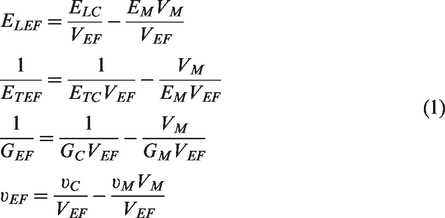
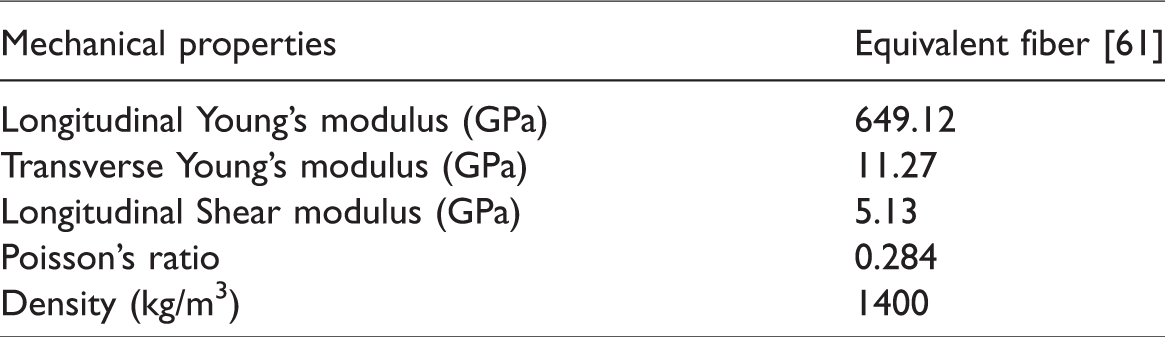
In this section, a virtual equivalent fiber consisting of nanotube and its interphase, which is perfectly bonded to surrounding resin, is introduced to obtain the mechanical properties of the CNT/polymer composite by using the results of multiscale finite element method (FEM). The equivalent fiber for SWCNT with chiral index of (10,10) is a solid cylinder with diameter of 1.424 nm. Rule of mixture is used inversely for calculating material properties of equivalent fiber [60]

Material properties of equivalent fiber.
Effect of CNT agglomeration on the properties of the composite
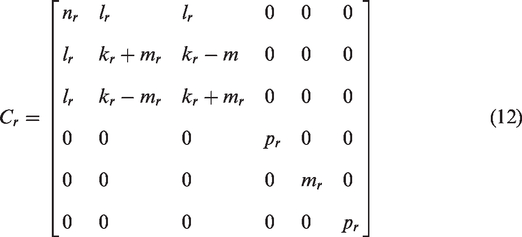
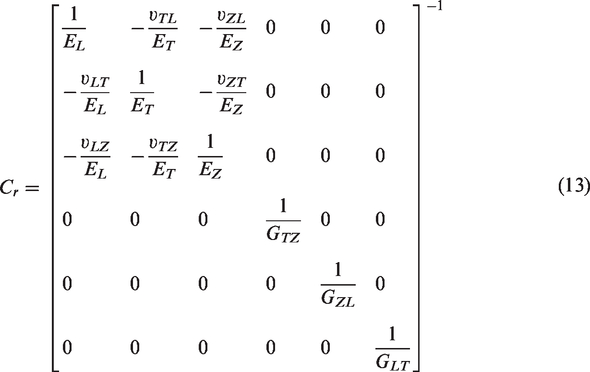
It has been found that in CNTRCs due to large aspect ratio (usually >1000), low bending rigidity of CNTs and van der Waals forces, CNTs have a tendency to bundle or cluster together. The effect of nanotube agglomeration on the elastic properties of randomly oriented CNTRC is presented in this section. Shi et al. [56] derived a two-parameter micromechanics model to determine the effect of nanotube agglomeration on the elastic properties of randomly oriented CNTRC (Figure 1). It is assumed that a number of CNTs are unidirectional (UD) throughout the matrix and that other CNTs appear in cluster form because of agglomeration, as shown in Figure 1. The total volume of the CNTs in the representative volume element (RVE), denote by Vr, can be divided into the following two parts















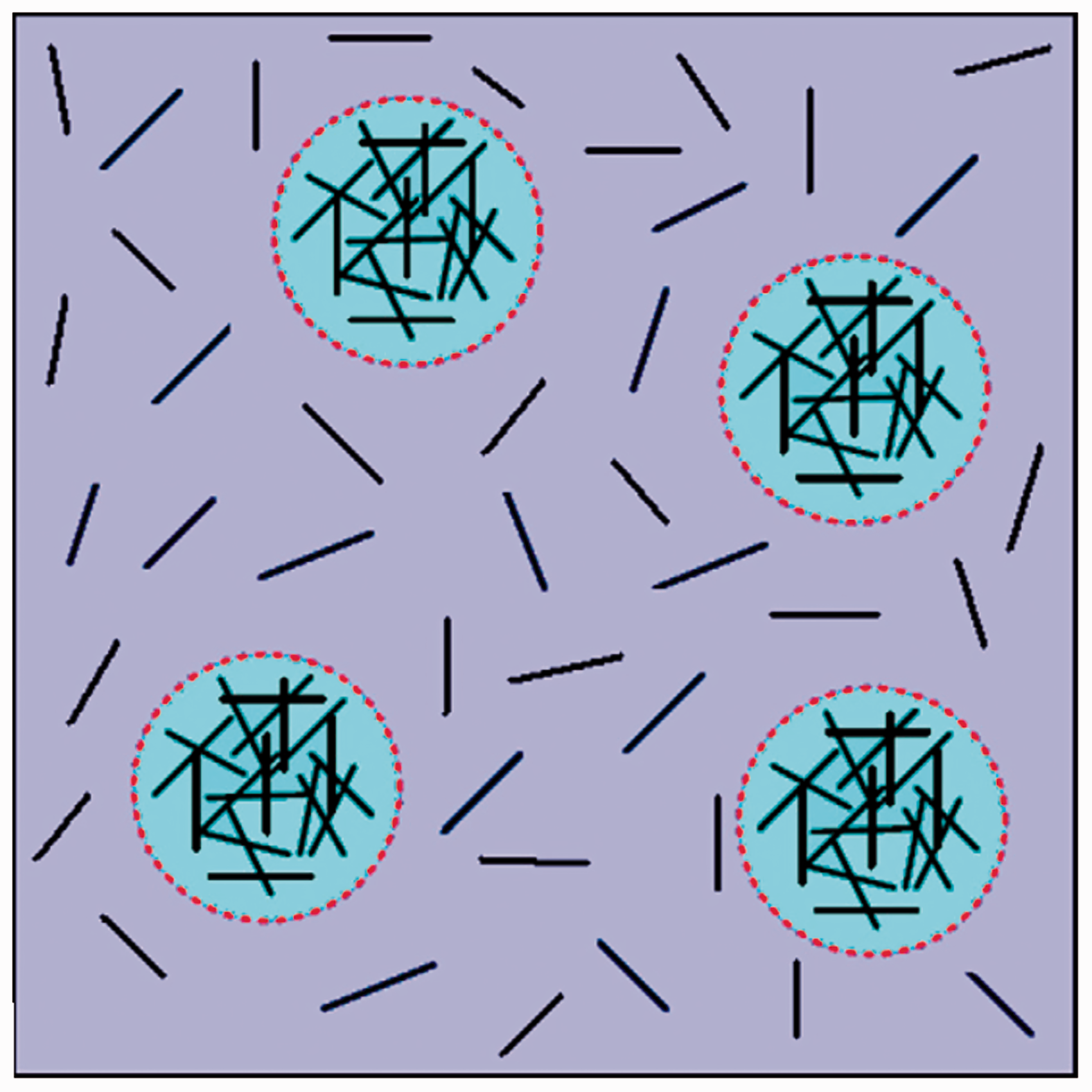
Representative volume element (RVE) with Eshelby inclusion model of agglomeration of CNTs.
Finally, the effective Young’s modulus E and Poisson’s ratio υ of the composite are given by


Problem description
Consider a sandwich sectorial plate with total thickness h as depicted in Figure 2. A cylindrical coordinate system (r, θ, z) is used to label the material point of the FG sectorial plate. In the present work, Vcnt and Vm are considered as the CNT and matrix volume fraction, respectively. We assume that the volume fraction of CNTs varies through the thickness of FG-CNTR plate according to a generalized power-law distribution with four parameters as the following [62]
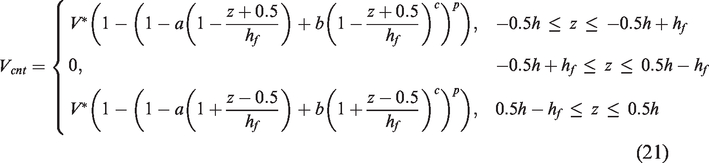
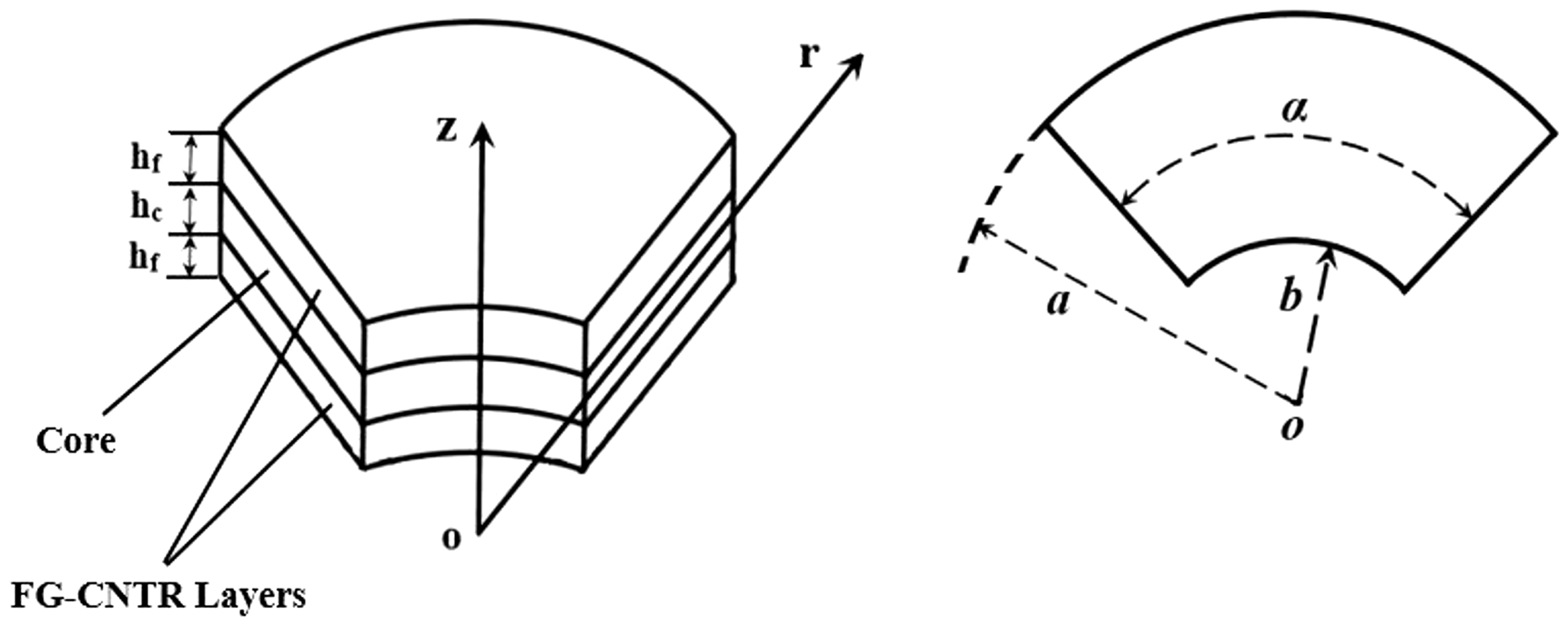
Geometry of an FG-CNTR sandwich sectorial plate.
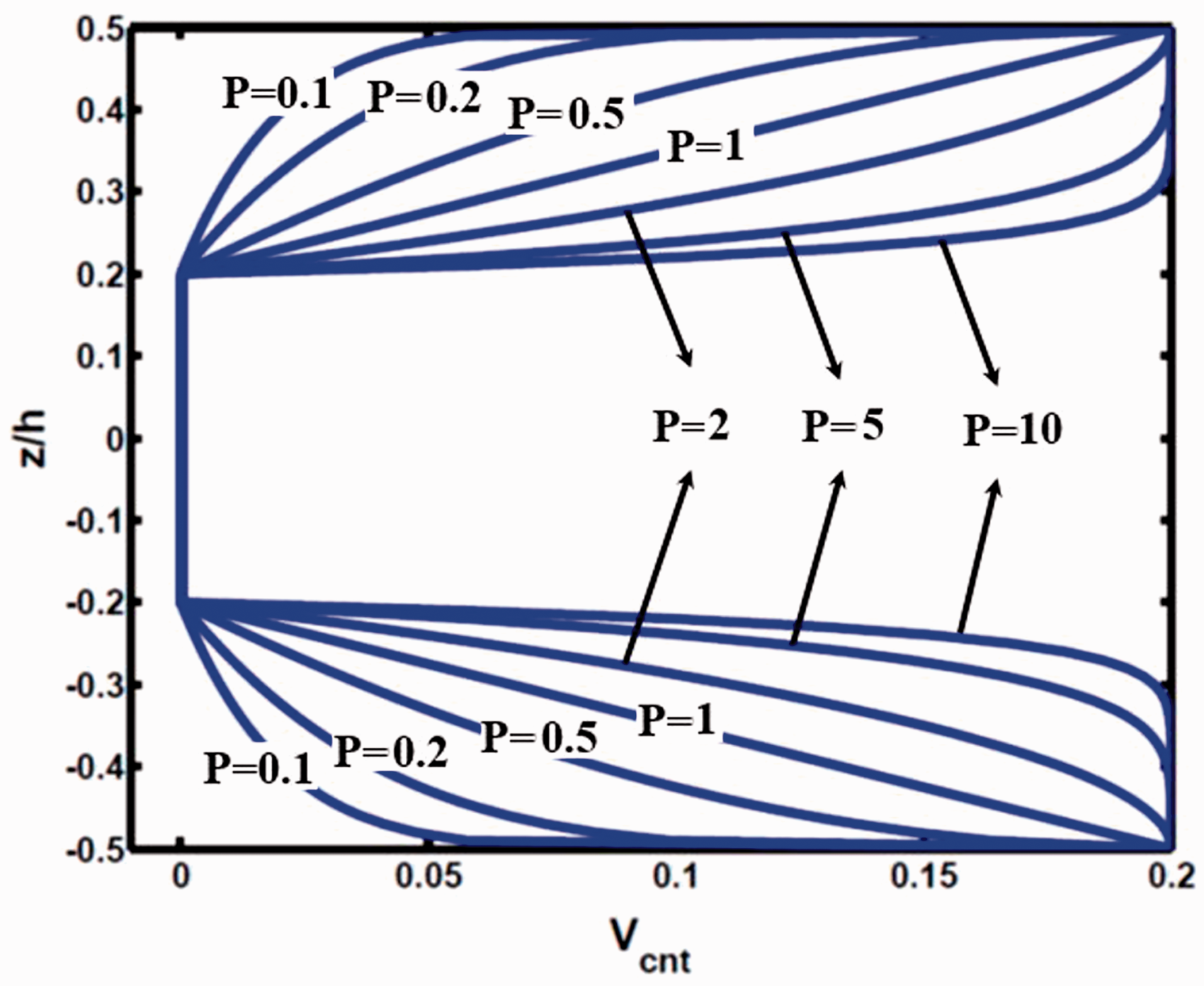
Variation of the fiber volume fraction (Vcnt) through the thickness of the FG sandwich sectorial plate (a = 1, b = 0, c = 2).
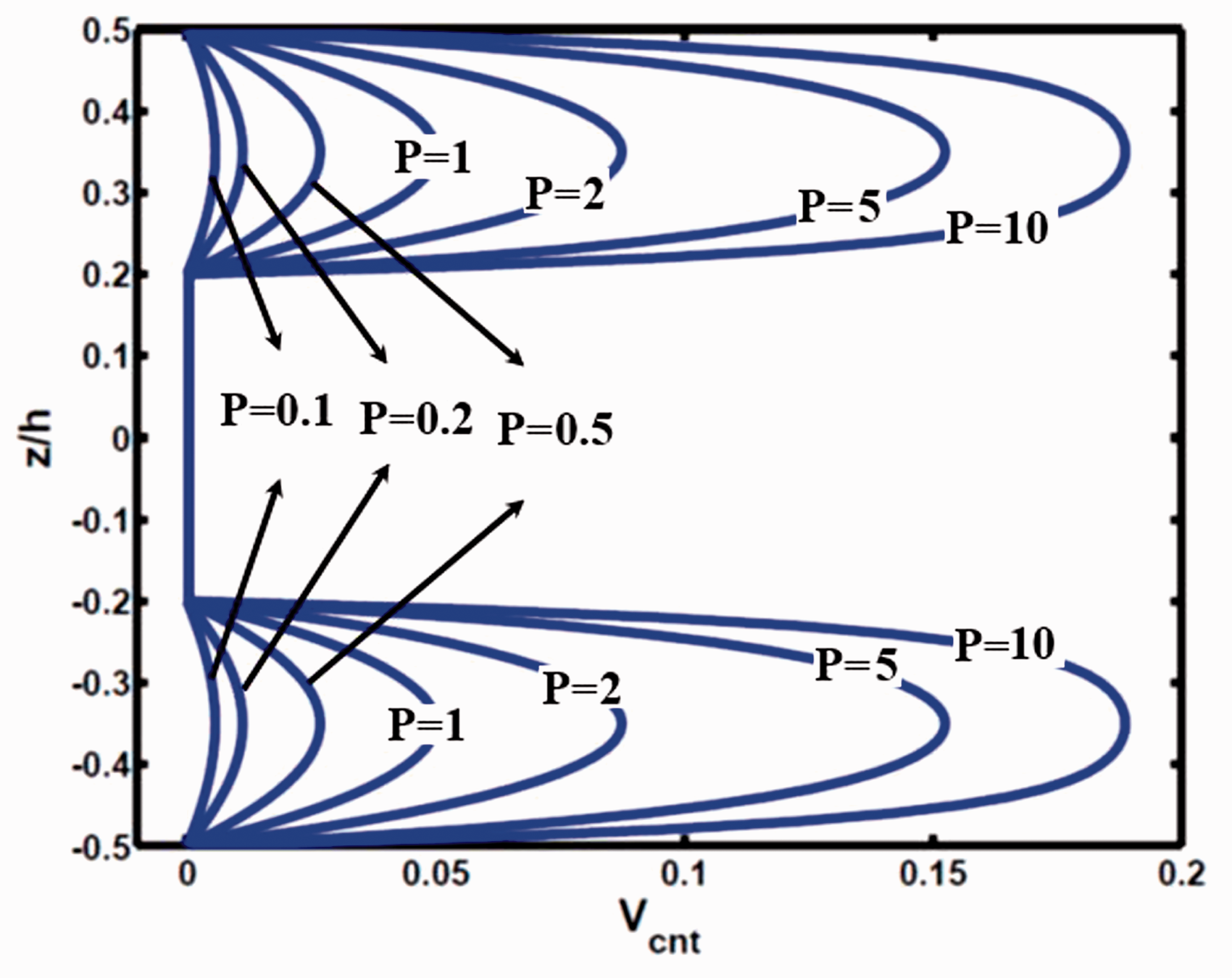
Variation of the fiber volume fraction (Vcnt) through the thickness of the FG sandwich sectorial plate (a = 1, b = 1, c = 2).
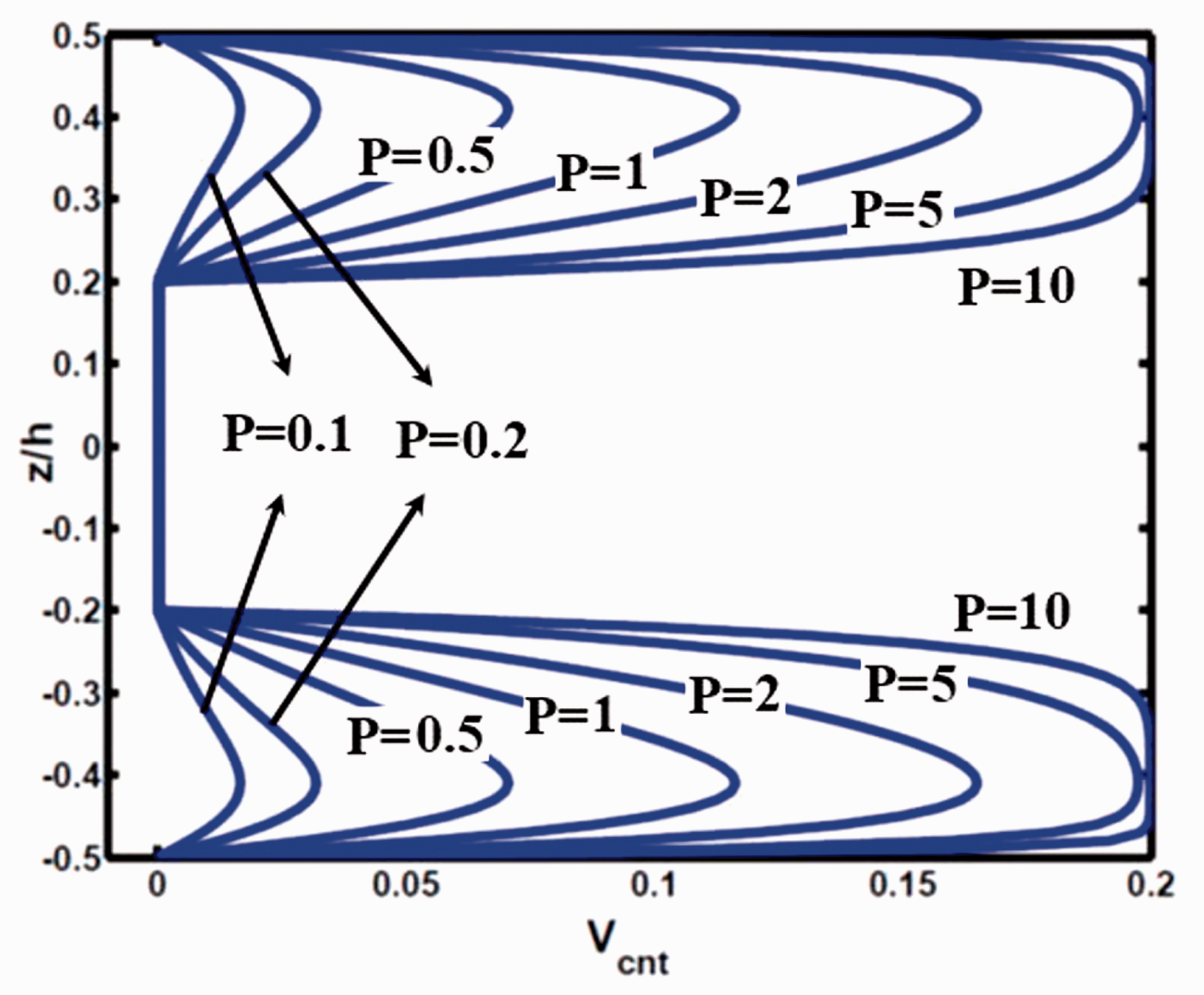
Variation of the fiber volume fraction (Vcnt) through the thickness of the FG sandwich sectorial plate (a = 1, b = 1, c = 6).
The total volume fraction of CNTs (

The total volume fraction of CNTs (

The total volume fraction of CNTs (

In order to make comparison between vibrational response of FG sandwich plates and single-layer FG plates, the variation of CNT distribution through the thickness of the plates is assumed as follows (Figure 6)
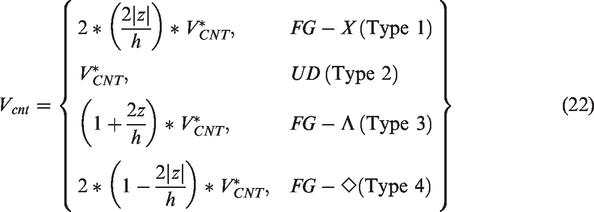
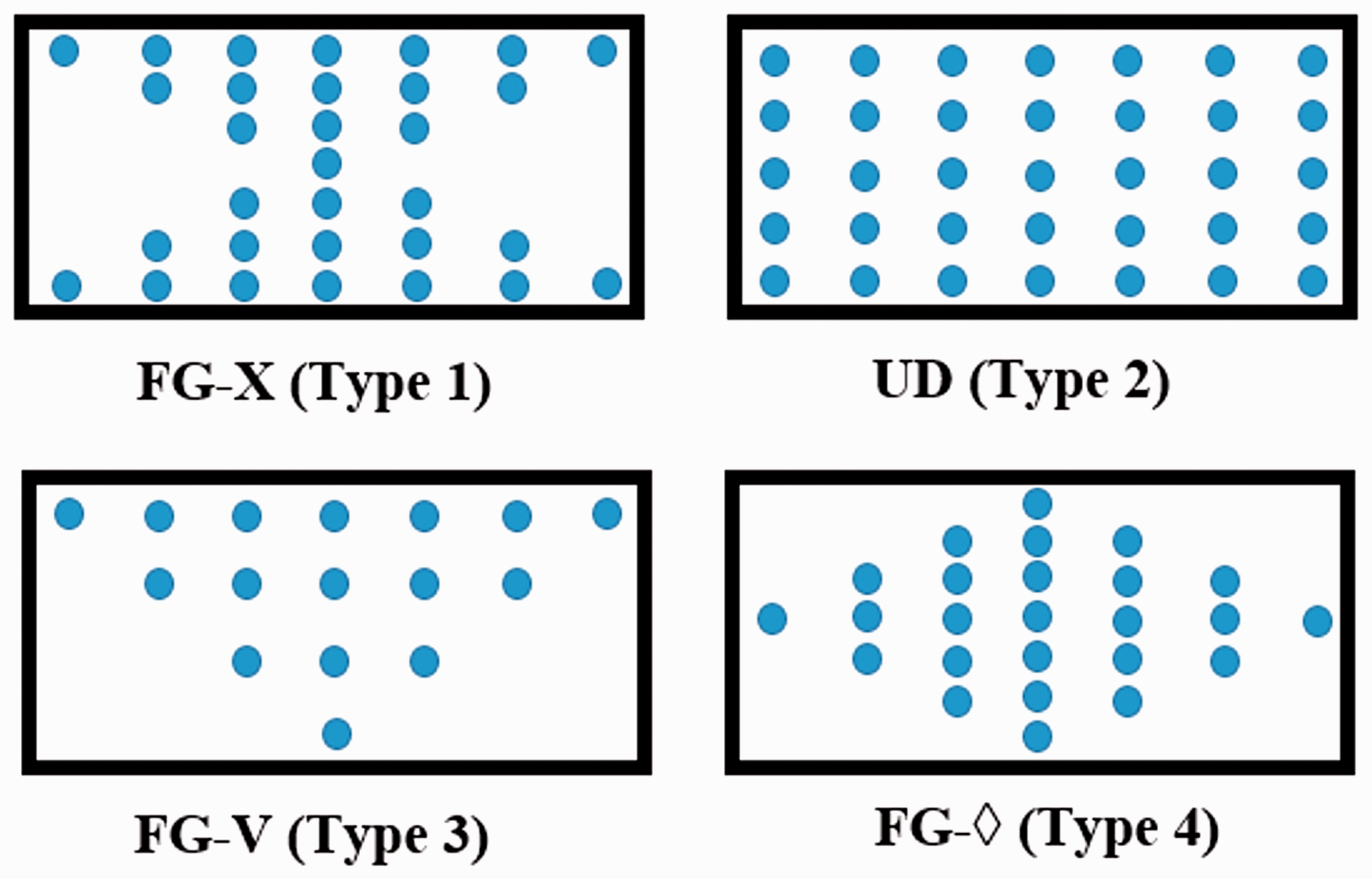
Schematic configuration of a carbon nanotube-reinforced composite plate with four types of CNT distributions.
Governing equations
In the absence of body forces, the governing equations are as follows [64]
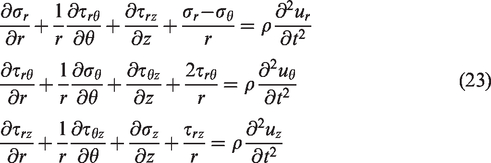
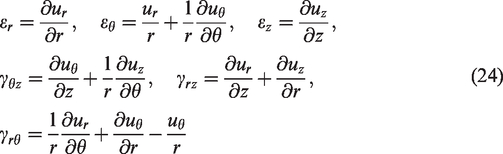
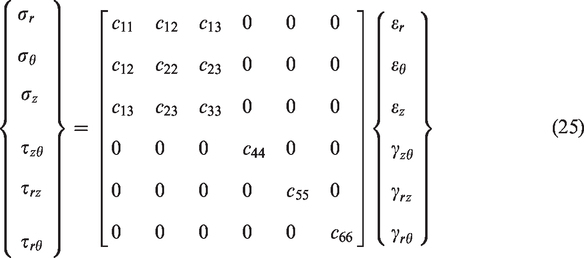
Using the 3D constitutive relations and the strain–displacement relations, the equations of motion in terms of displacement components for a linear elastic FG plate with infinitesimal deformations can be written as
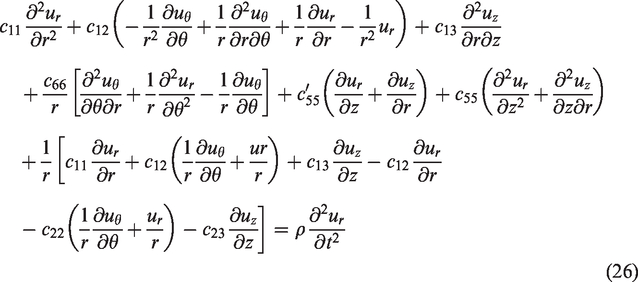

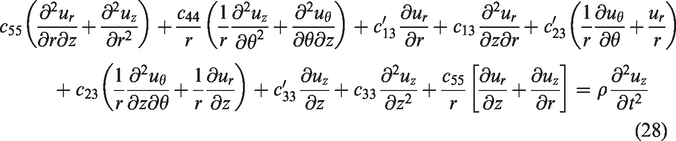
Equations (26) and (27) represent the in-plane equations of motion along the r and
at z = −h/2 and h/2

In this paper, three different kinds of boundary conditions are considered for circular edges including Clamped–Clamped (C–C), Simply supported–Clamped (S–C), and Free–Clamped (F–C).
The boundary conditions at edges are



Solution procedure
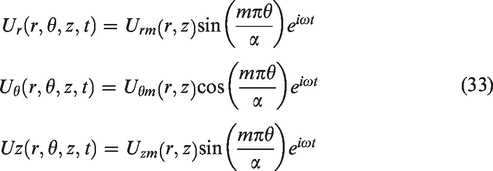
Using the geometrical periodicity of the plate, the displacement components for the free vibration analysis can be represented as
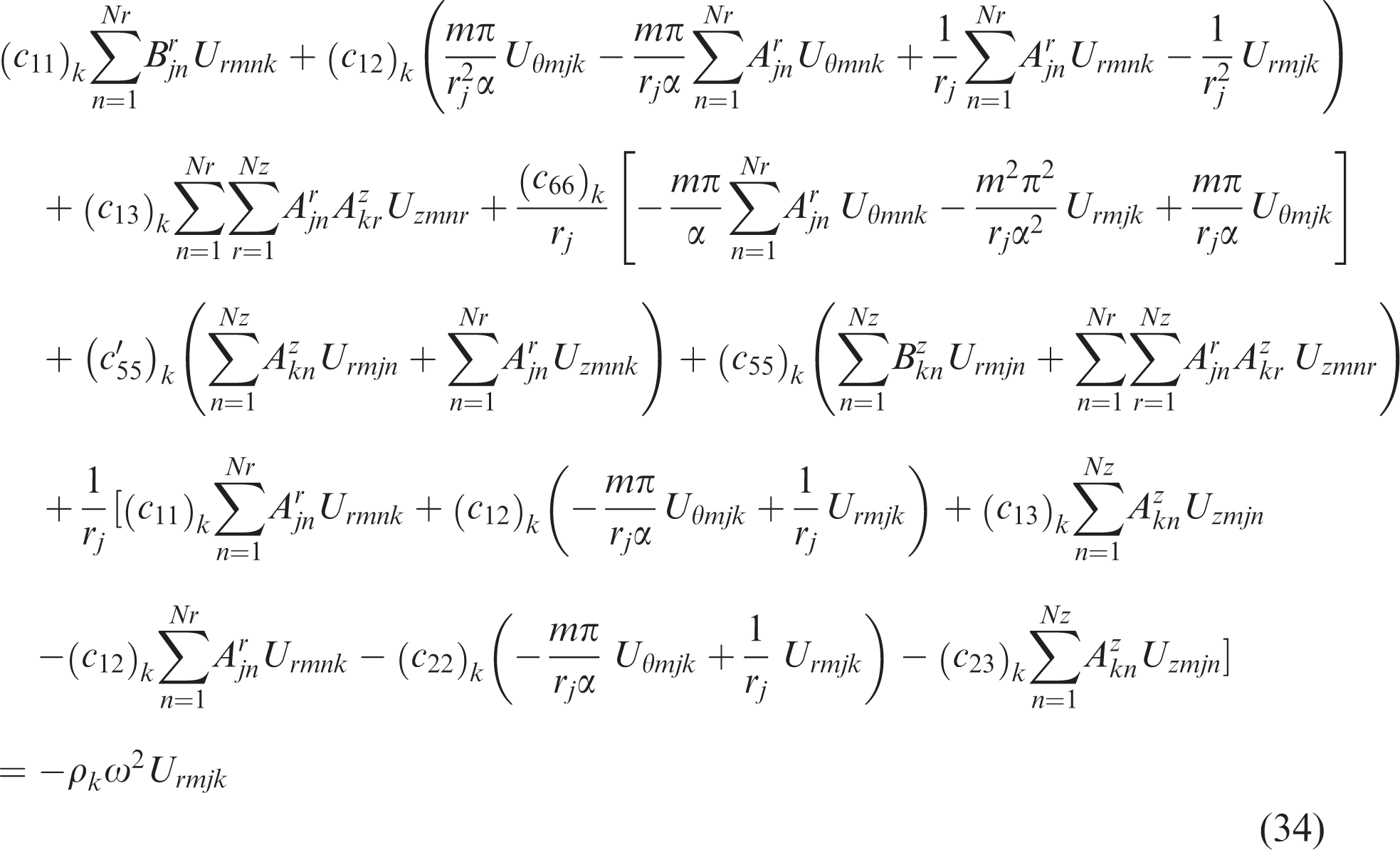
Equation (27)
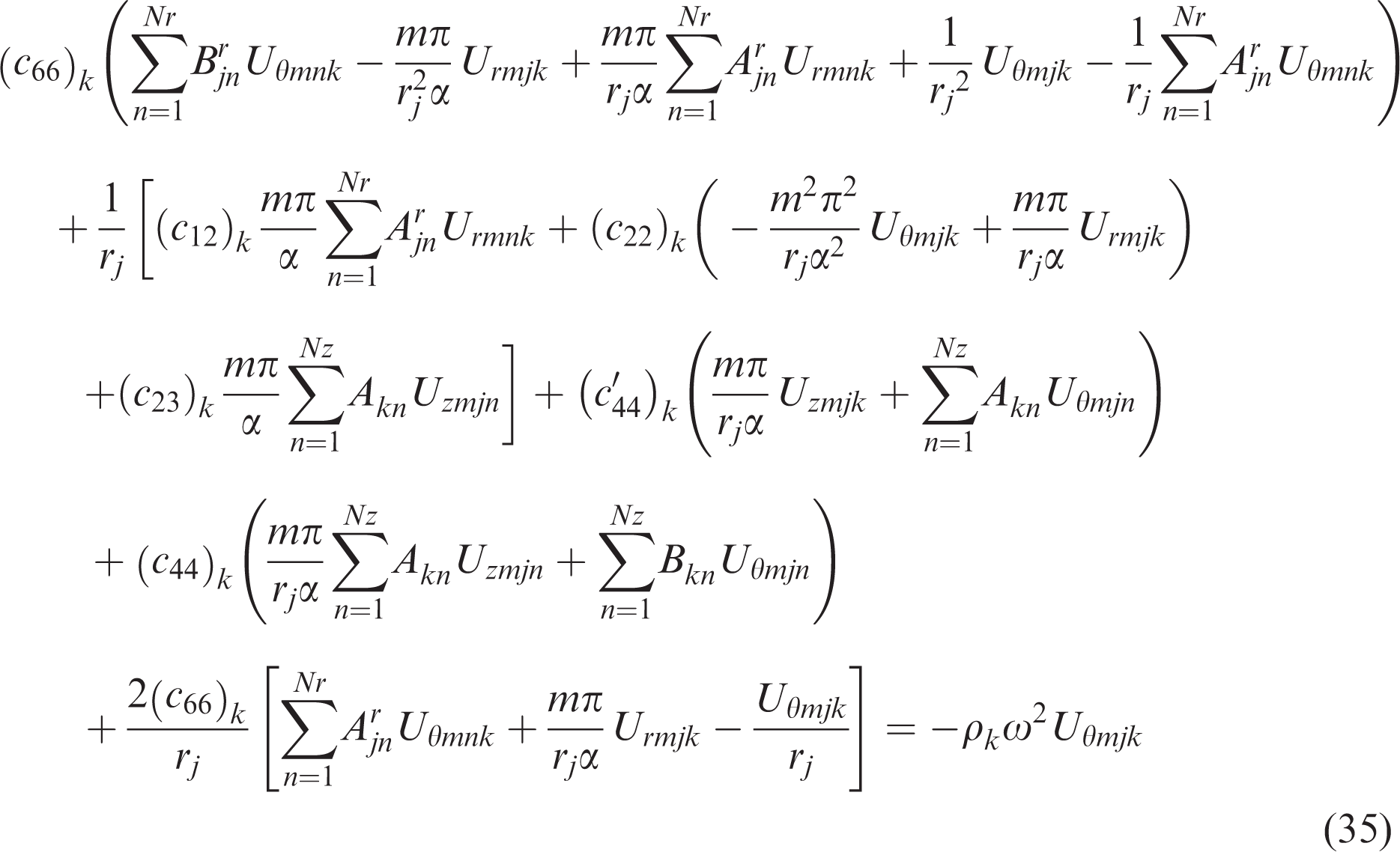
Equation (28)
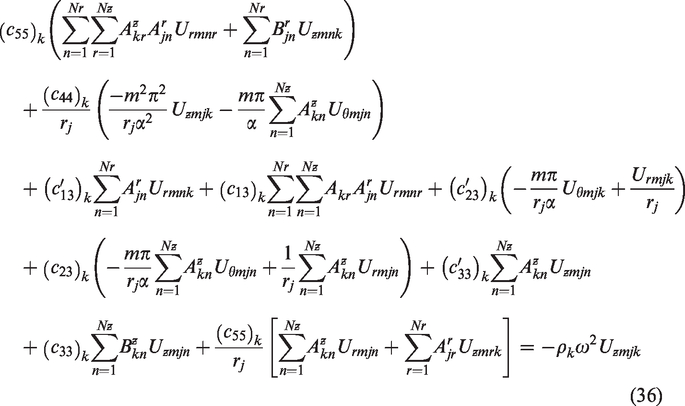
In a similar manner, the boundary conditions can be discretized. For this purpose, using equation (33) and the GDQ discretization rules for spatial derivatives, the boundary conditions at z = −h/2 and h/2
Equation (29)
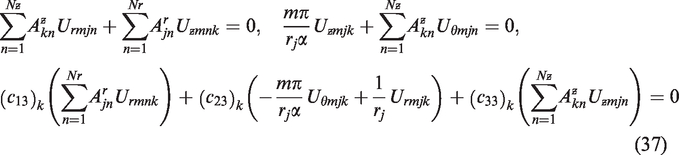
Simply supported (S)

Clamped (C)
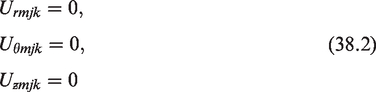
Free (F)
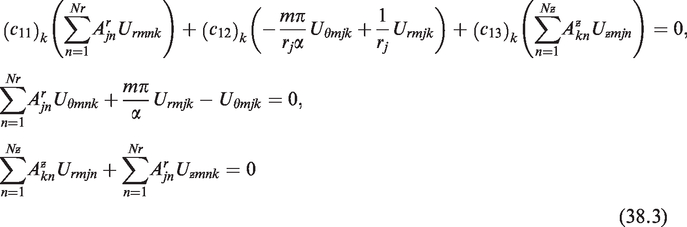
In order to carry out the eigenvalue analysis, the domain and boundary degrees of freedom are separated and in vector forms they are denoted as {Ud} and {Ub}, respectively. Based on this definition, the discretized form of the equations of motion and the related boundary conditions can be represented in the matrix form as


In relations (39) and (40), subscripts b and d correspond to the displacement vectors at boundaries and domain of the panel, respectively. Eliminating the boundary degrees of freedom, equation (39) becomes

Numerical results and discussion
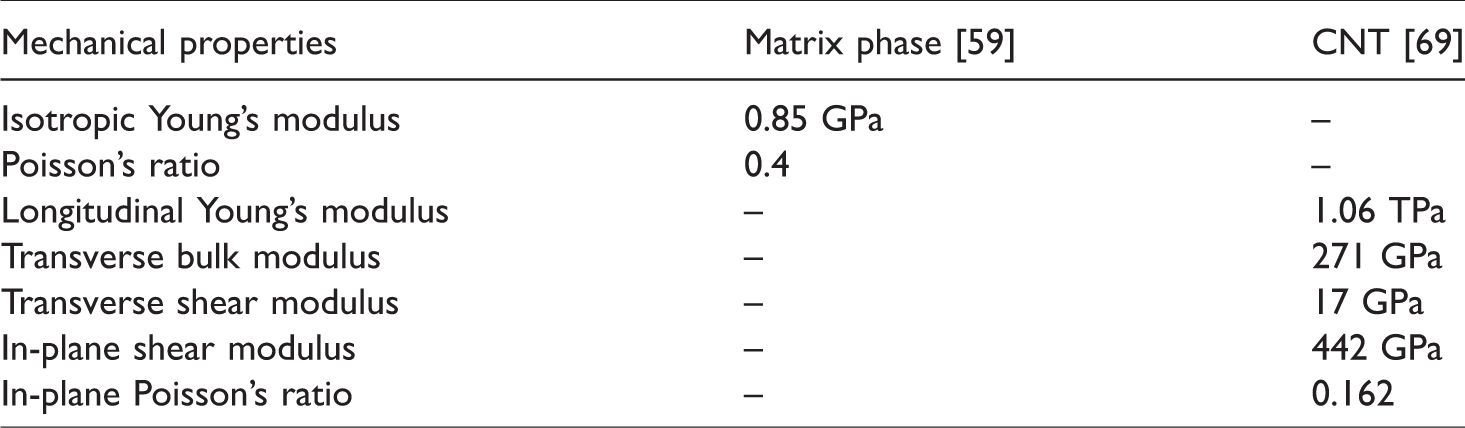
In this section, the accuracy of the employed Mori–Tanaka model in estimating the effective mechanical properties of CNTRCs with the influence of CNTs agglomeration is investigated. As it is seen from Figure 7, the effective properties of randomly oriented clustered nanotube-reinforced composite are compared with the available experimental data obtained by Barai and Weng [33]. For this purpose, the matrix properties given by Odegard et al. [59] and the transversely isotropic properties of SWCNTs given by Shen and Li [66] are used to calculate the effective materials using Mori–Tanaka approach, which is provided in Table 5. The comparison shows that the experimental data for the agglomeration state of η = 1 and µ=0.4 are close to those estimated by Mori–Tanaka approach. Therefore, it can be concluded that the Mori–Tanaka model has an acceptable accuracy for prediction of the effective material properties of CNTRCs.
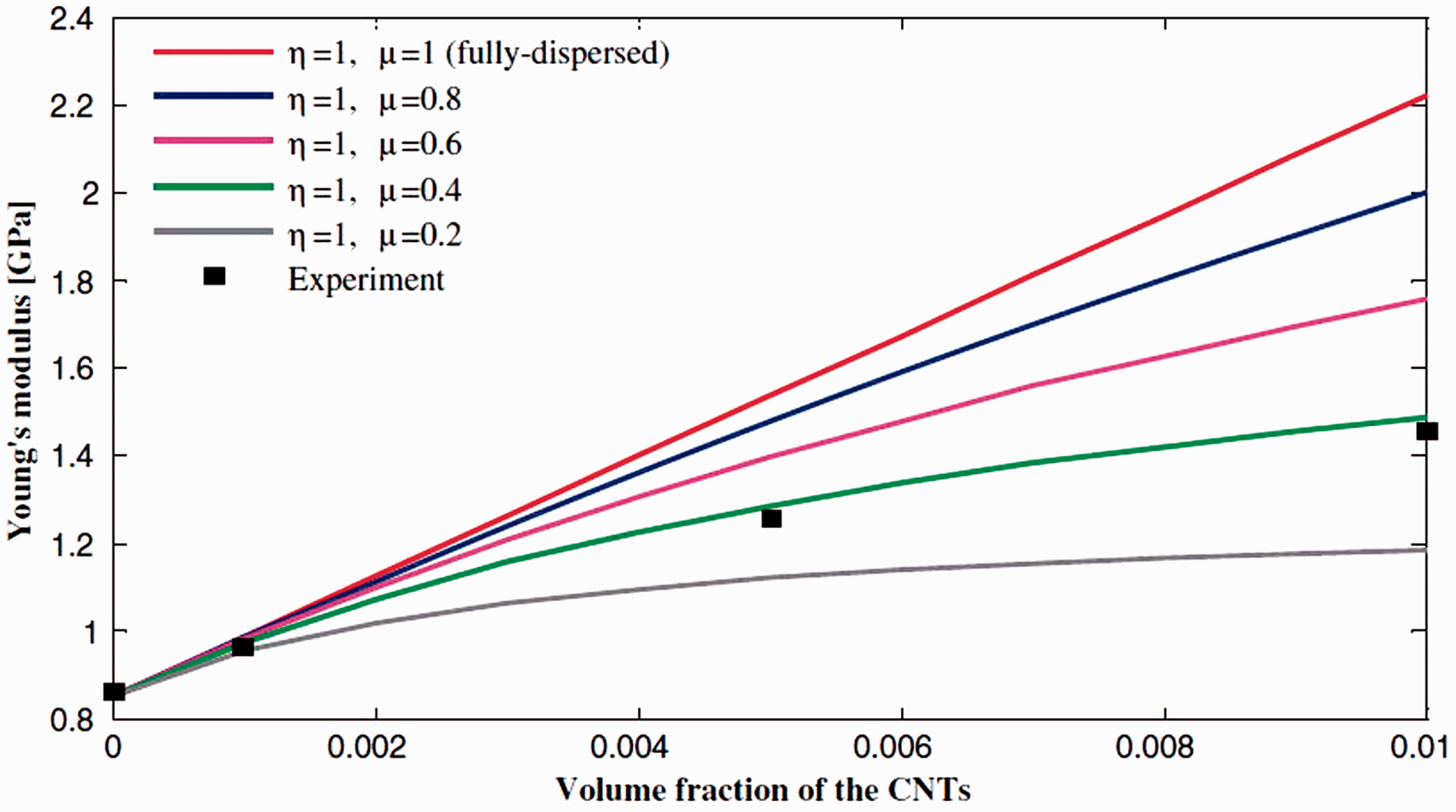
Comparison of the Young’s moduli of CNTRCs at different degree of agglomerations with the experimental data [33].
Parameters used in the calculation of effective elastic properties of CNT-reinforced polymer composite for comparison of the employed Mori–Tanaka model and the experimental data.
In this section, the convergence behavior and accuracy of the method in evaluating the non-dimensional natural frequencies of isotropic and FG sandwich annular sector plates with different sets of boundary conditions along the circular edges are investigated. McGee et al. [20] provided the exact results for sector plates with a re-entrant corner, based on the Mindlin plate theory. As a first example, the comparative studies of the fundamental frequency parameters are given in Table 6. It is seen from Table 6 that for thin plates
Comparison of fundamental frequency parameter

As the second example, the convergence behavior and accuracy of the method for lowest non-dimensional frequency parameter
The lowest non-dimensional frequency parameter
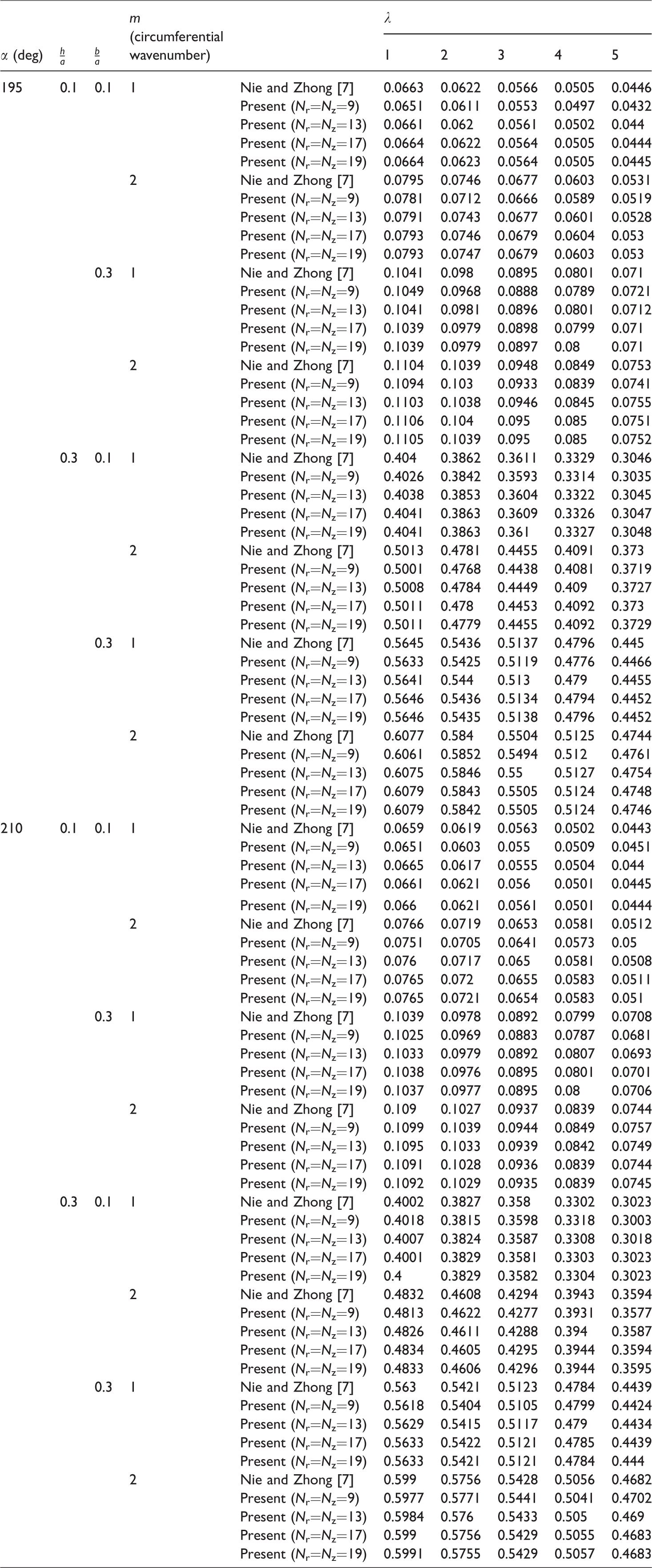
The lowest non-dimensional frequency parameter
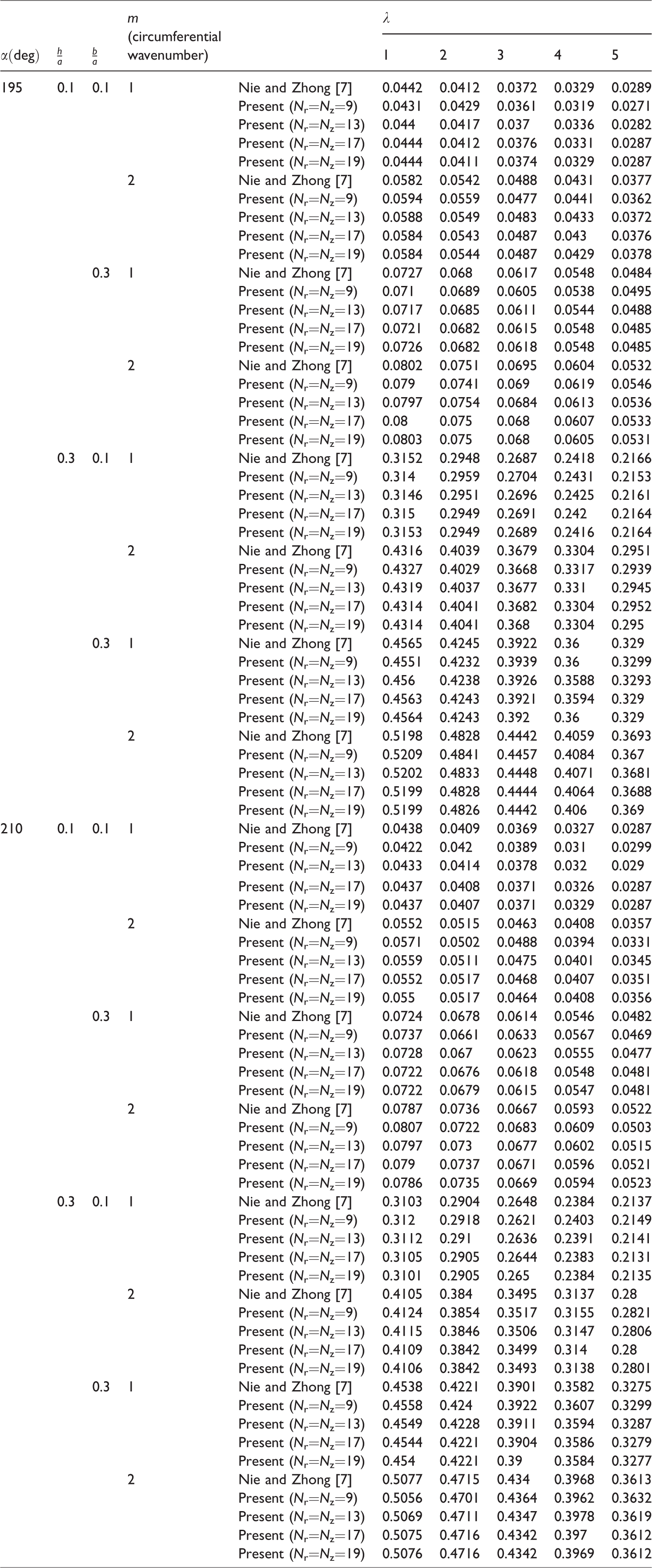
According to the data presented in the above-mentioned tables, excellent solution agreements can be observed between the present method and those of the other methods. Fast rate of convergence of the method is quite evident, and it is found that only 19 grid points (Nr=Nz=19) along the z and r directions can yield accurate results. Based on the above studies, a numerical value of Nr=Nz=19 is used for the next studies.
After demonstrating the convergence and accuracy of the method, parametric studies for 3D vibration analysis of FG nanocomposite sandwich sectorial plates with different combinations of free, simply supported, and clamped boundary conditions at the circular edges, are computed. A comprehensive study is also carried out to investigate the effect of CNTs agglomeration on the vibrational response of sandwich structures.
Before analyzing the free vibration of FG nanocomposite sandwich plates, the effects of agglomeration degree (
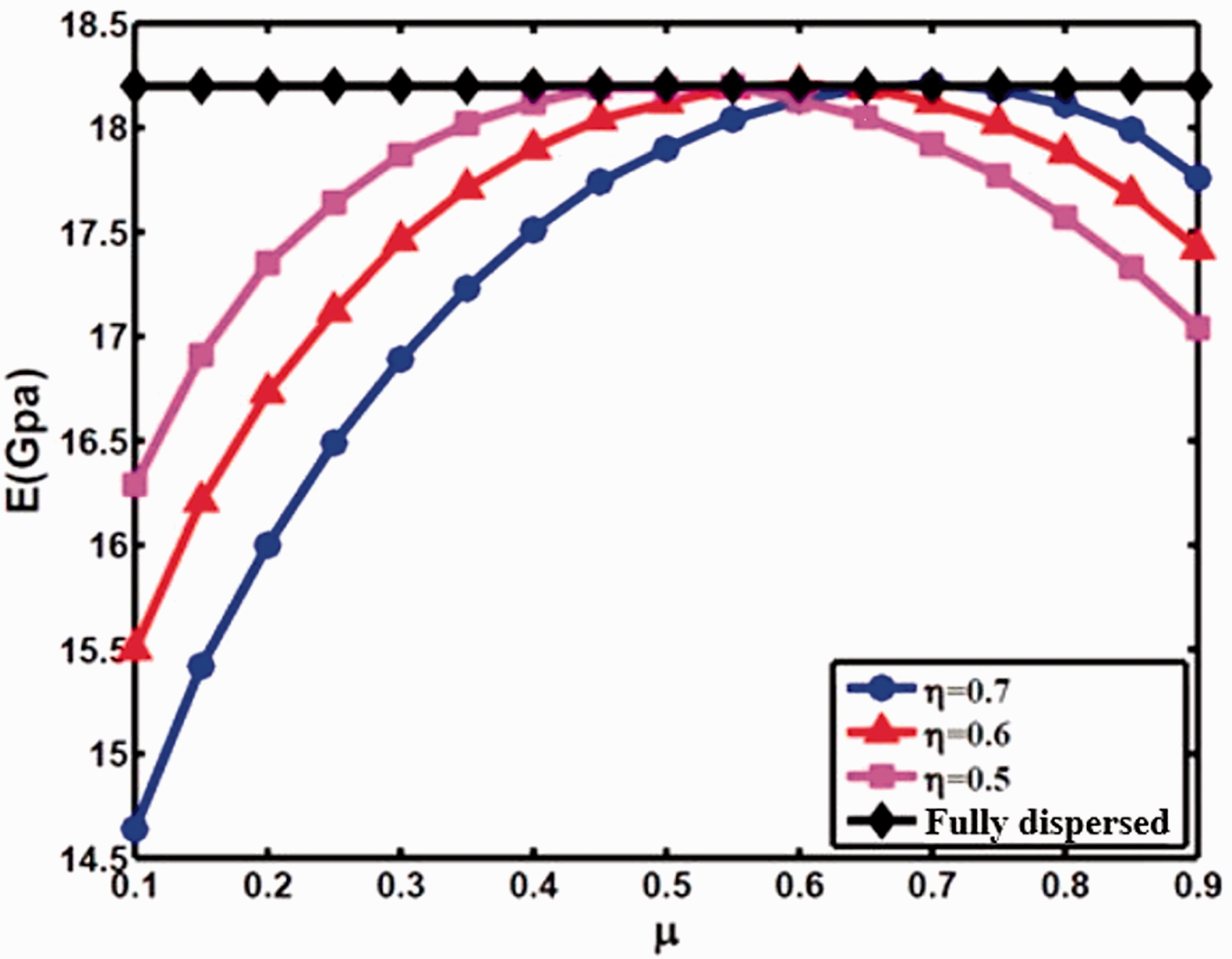
Influence of CNT agglomeration parameters
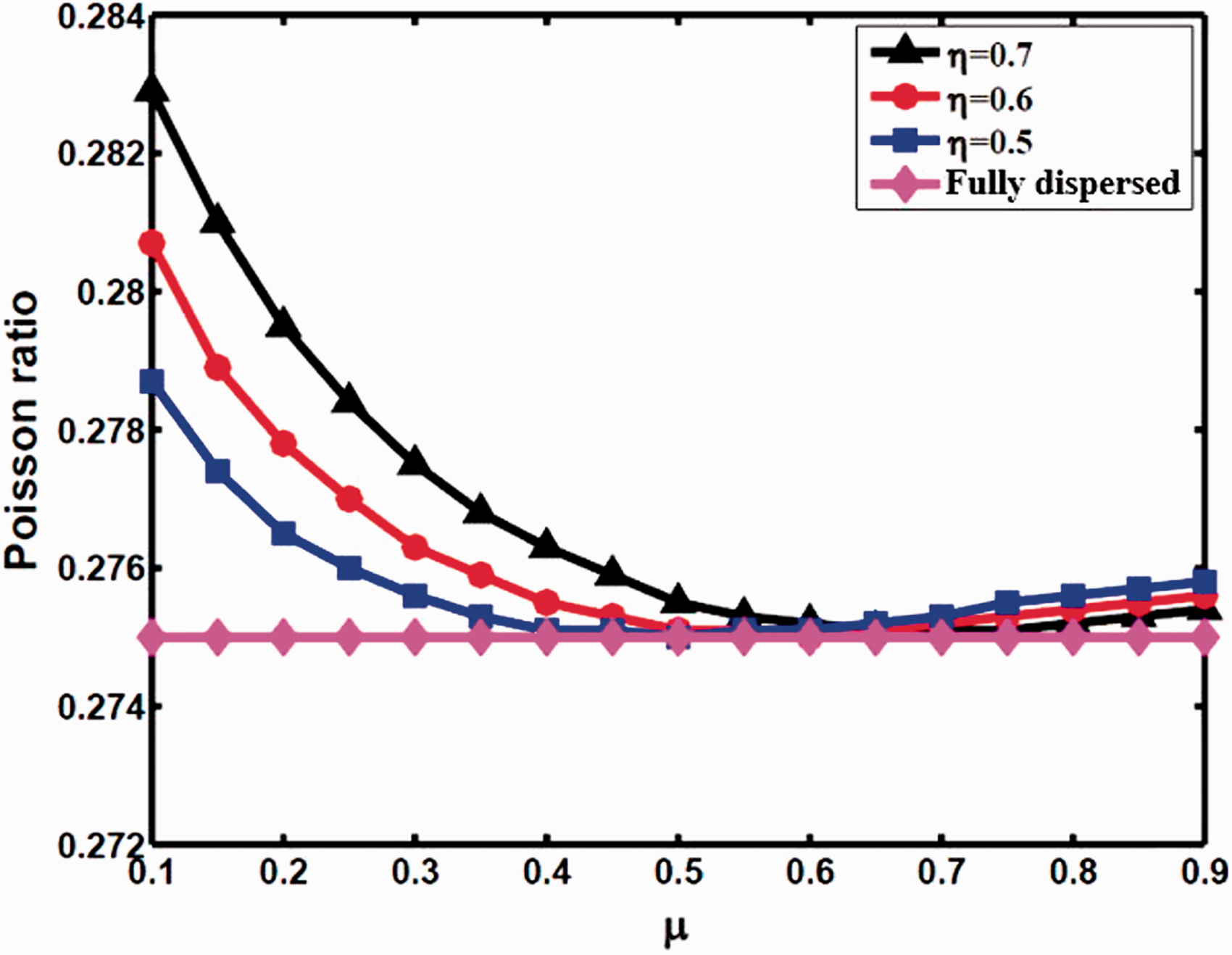
Influence of CNT agglomeration parameters
Using the relations presented in material properties of CNTRCs and problem description sections, it is also possible to observe the variations of the effective material properties through the thickness of the FGS-CNTR sectorial plate for different agglomeration parameters. For instance, by considering hf/h = 0.3, a = 1, b = 0, p = 1, and V*=20%. The variations of CNT volume fraction through the thickness of FGS-CNTR sectorial plate can be found in Figure 10. The variations of Young’s modulus and Poisson’s ratio of FGS plates with respect to the different agglomeration parameters
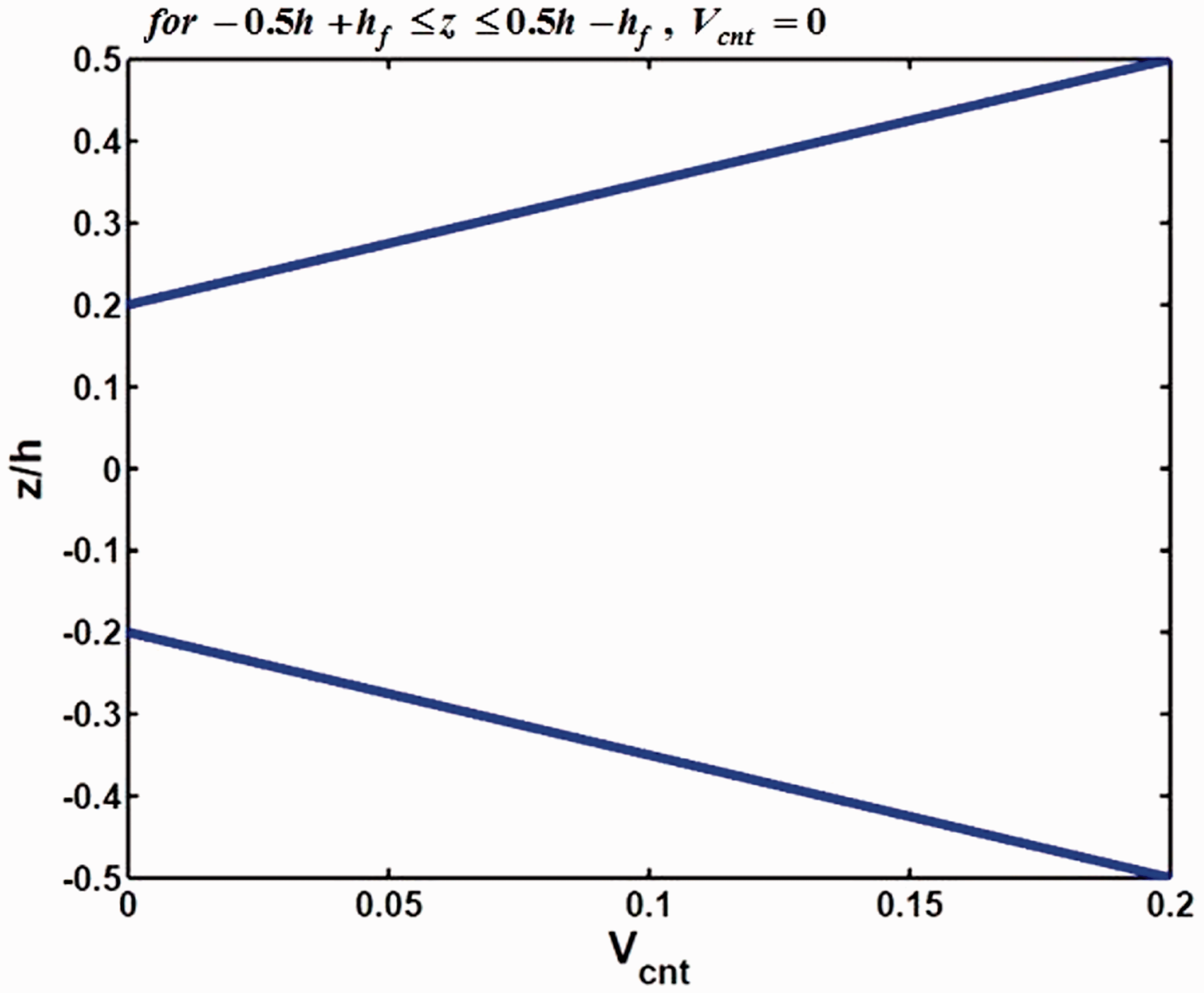
Variations of CNT volume fraction through the thickness of FGS-CNTR sectorial plates.
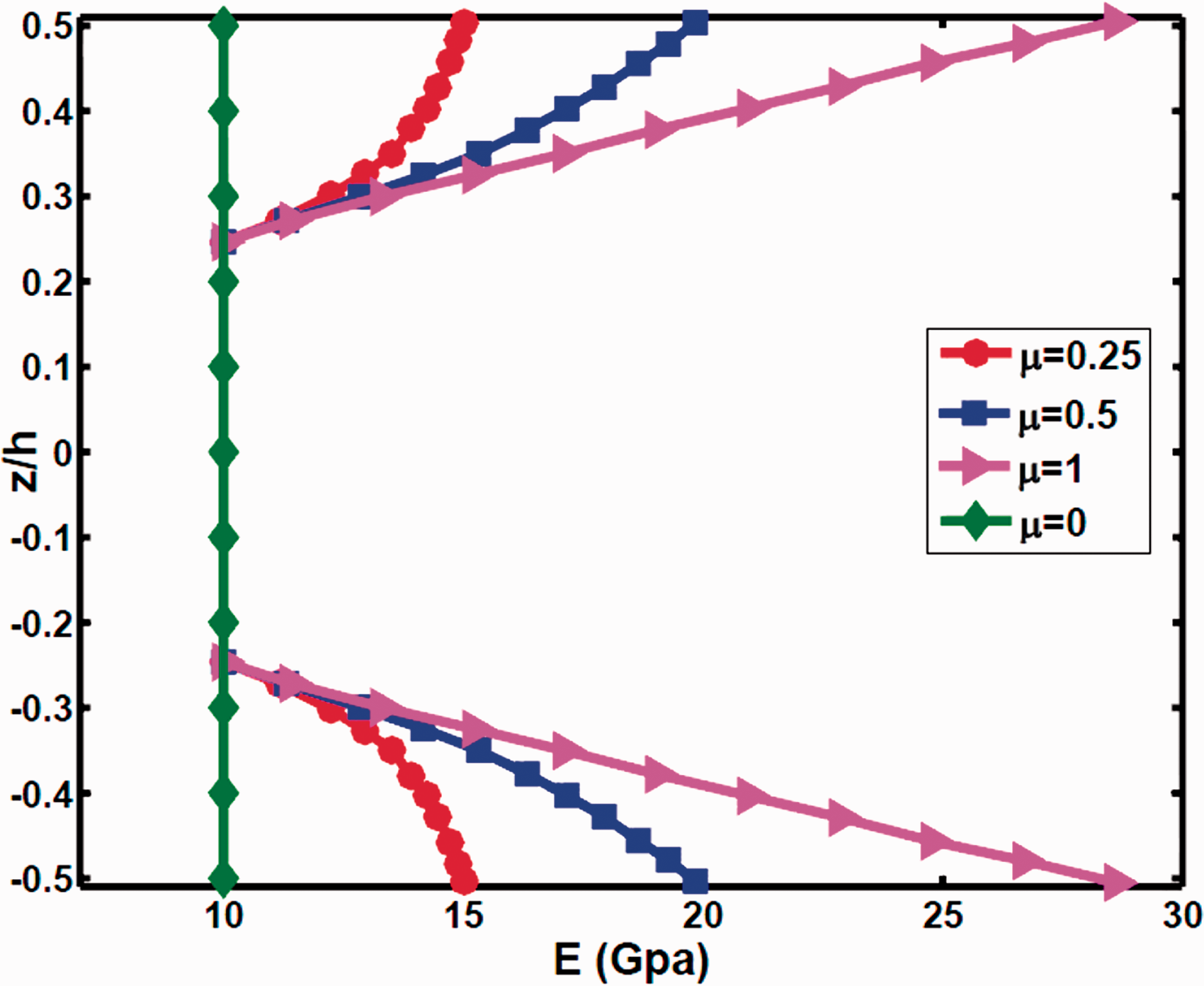
The variation of Young’s modulus along the thickness of the FG-CNTR sandwich sectorial plate with agglomeration effect.
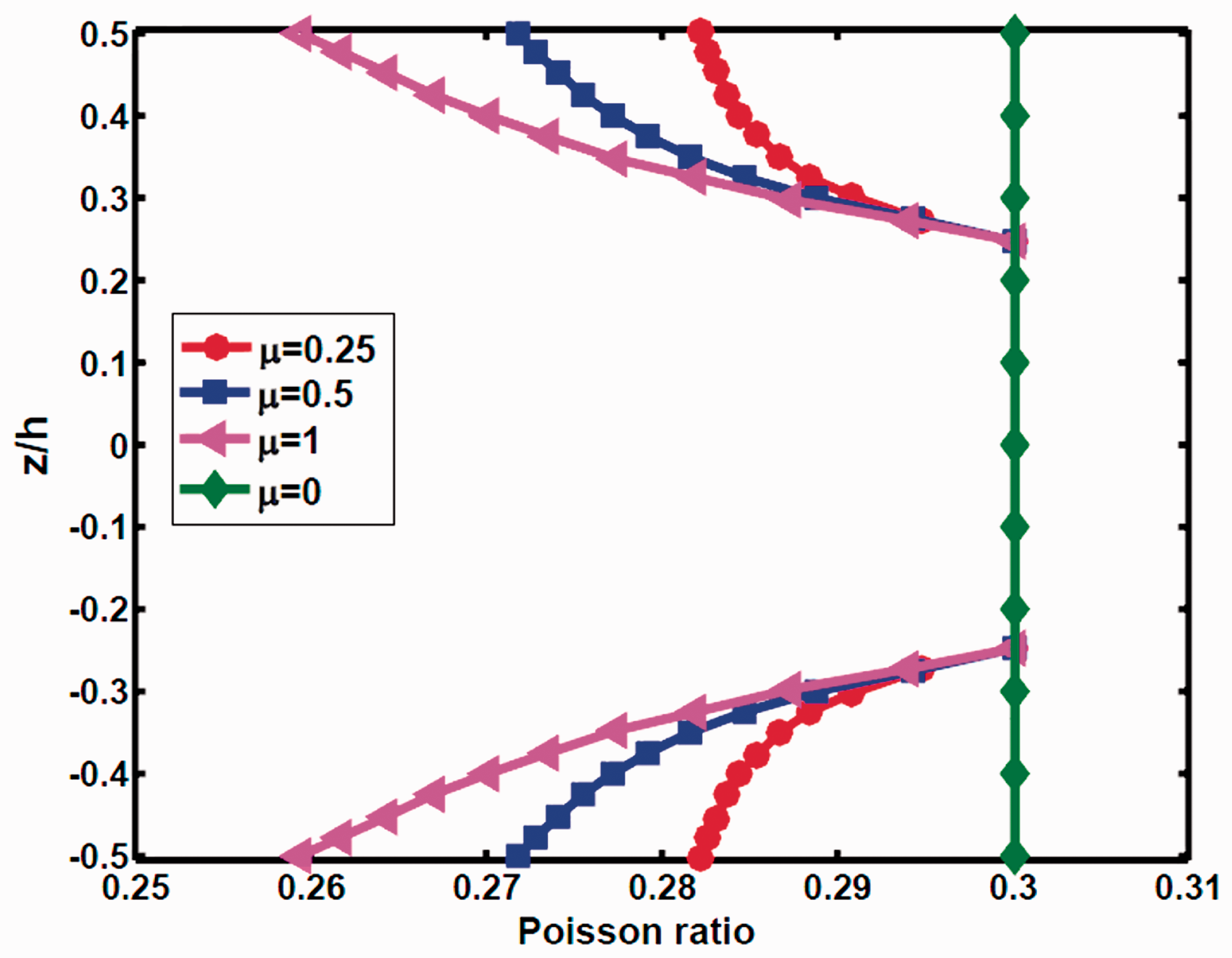
The variation of Poisson’s ratio along the thickness of the FG-CNTR sandwich sectorial plate with agglomeration effect.
Now free vibration characteristics of FG-CNTR sandwich sectorial plates is studied using Mori–Tanaka approach based on the equivalent fiber discussed in properties of the equivalent fiber section and using Table 1. Also, the material properties of the matrix are as

The non-dimensional natural frequency is as follows

The effect of agglomeration on vibrational response of FG sandwich sectorial plates by considering hf/h = 0.3, a = 1, b = 0, p = 1, and V*=20% (Figure 9) are depicted in Figures 13 to 15. It is clear that the lowest magnitude frequency parameter is obtained by using an FG plate, Type 4 and followed by Types 3, 2, 1 (Figure 6) and FG sandwich plate, respectively. It is also seen for great amount of
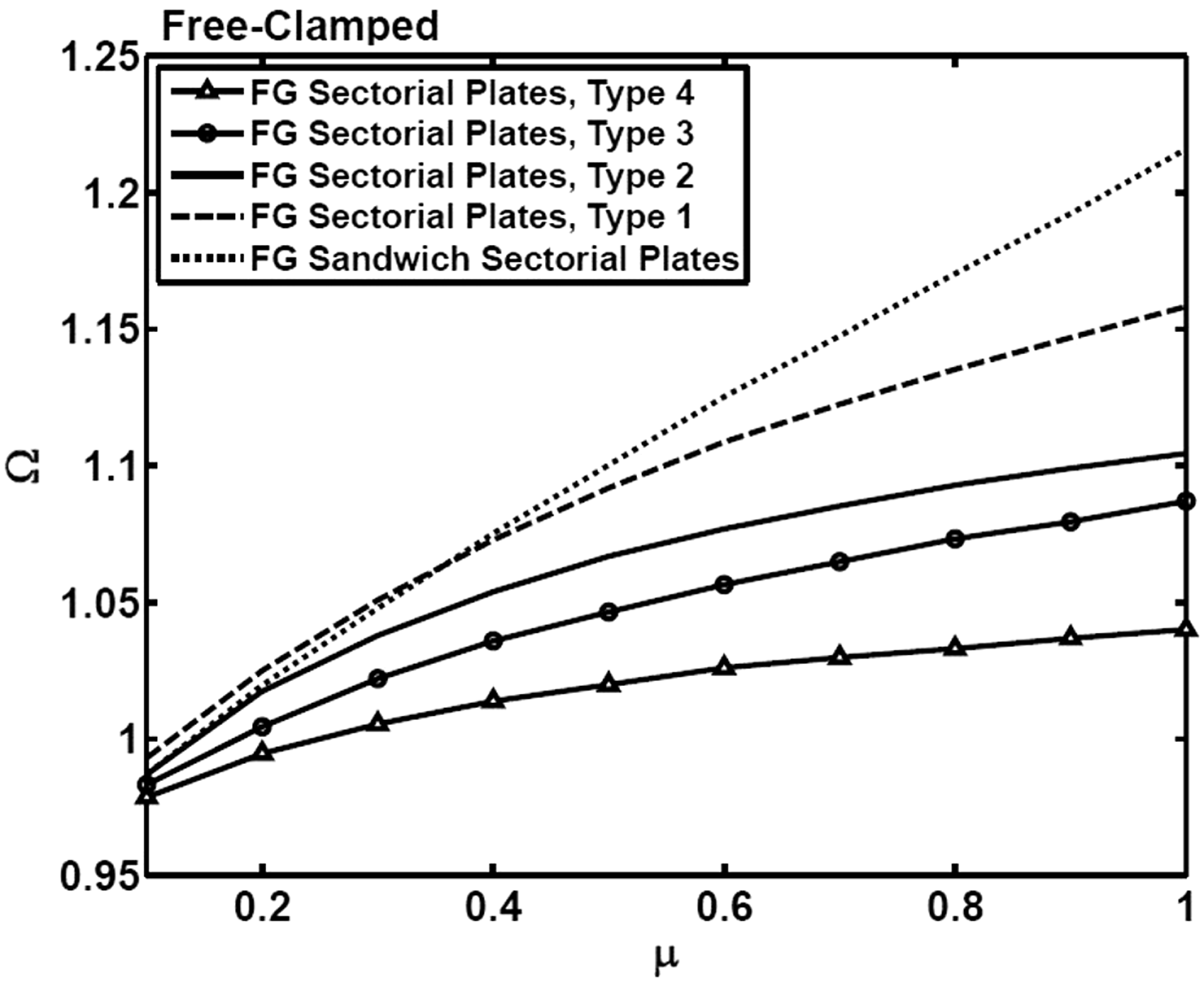
The variation of frequency parameters versus agglomeration parameter for different types of FG sectorial plates with F–C boundary condition (h/a=0.2, b/a=0.2, α=195°).
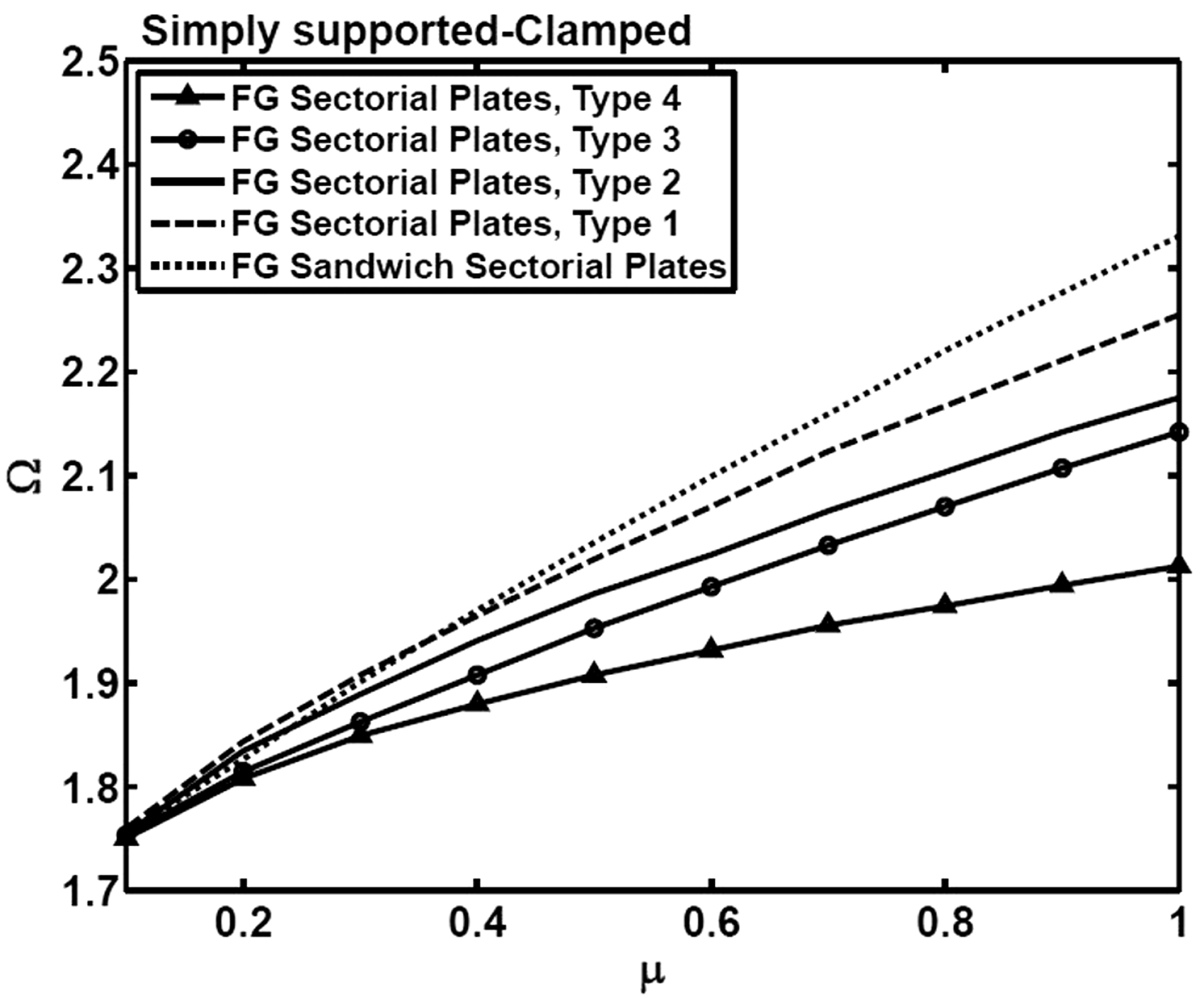
The variation of frequency parameters versus agglomeration parameter for different types of FG-CNTR sectorial plates with S–C boundary condition (h/a=0.2, b/a=0.2, α=195°).
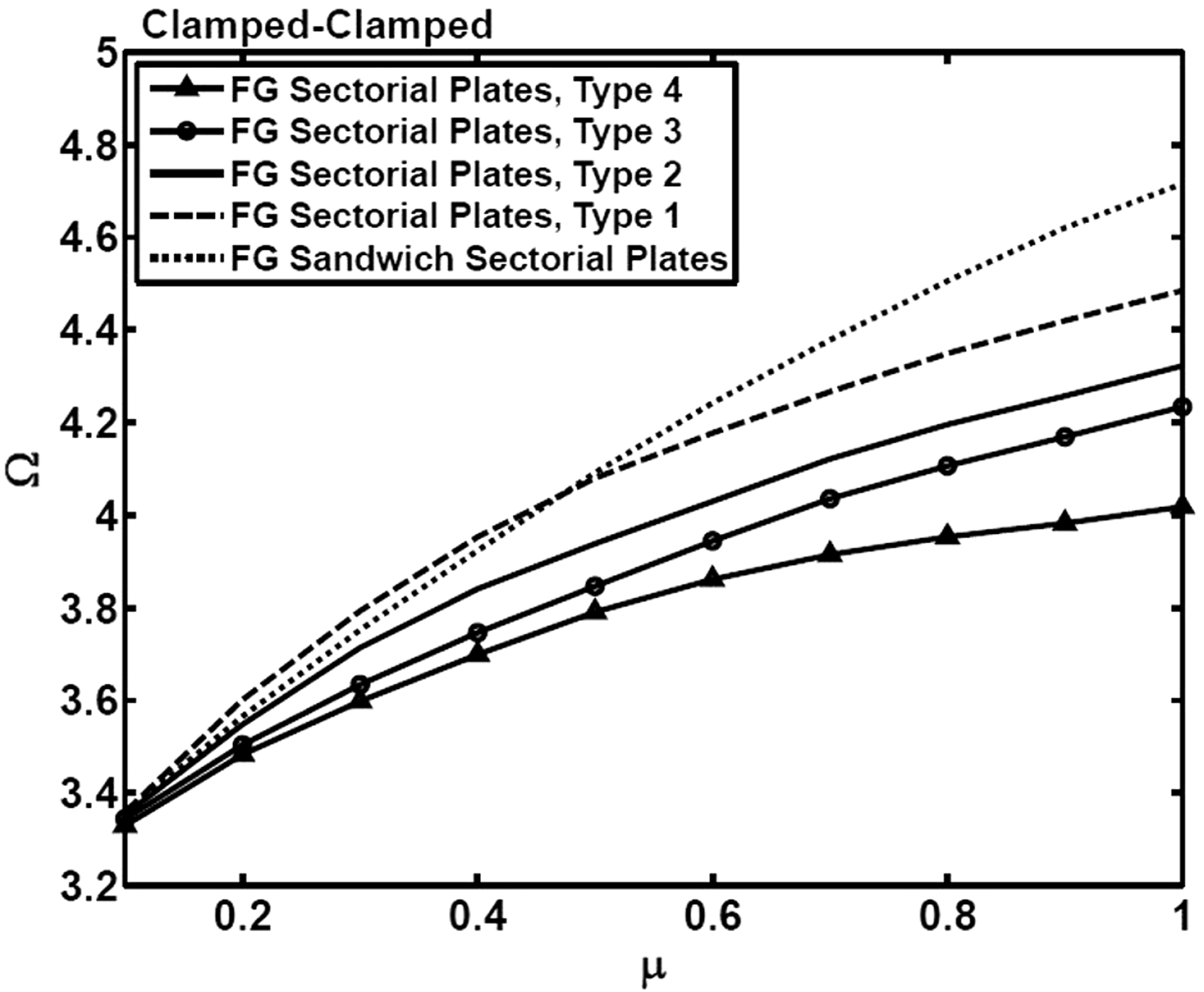
The variation of frequency parameters versus agglomeration parameter for different types of FG-CNTR sectorial plates with C–C boundary condition (h/a=0.2, b/a=0.2, α=195°).
Figure 16 shows that for lower value of
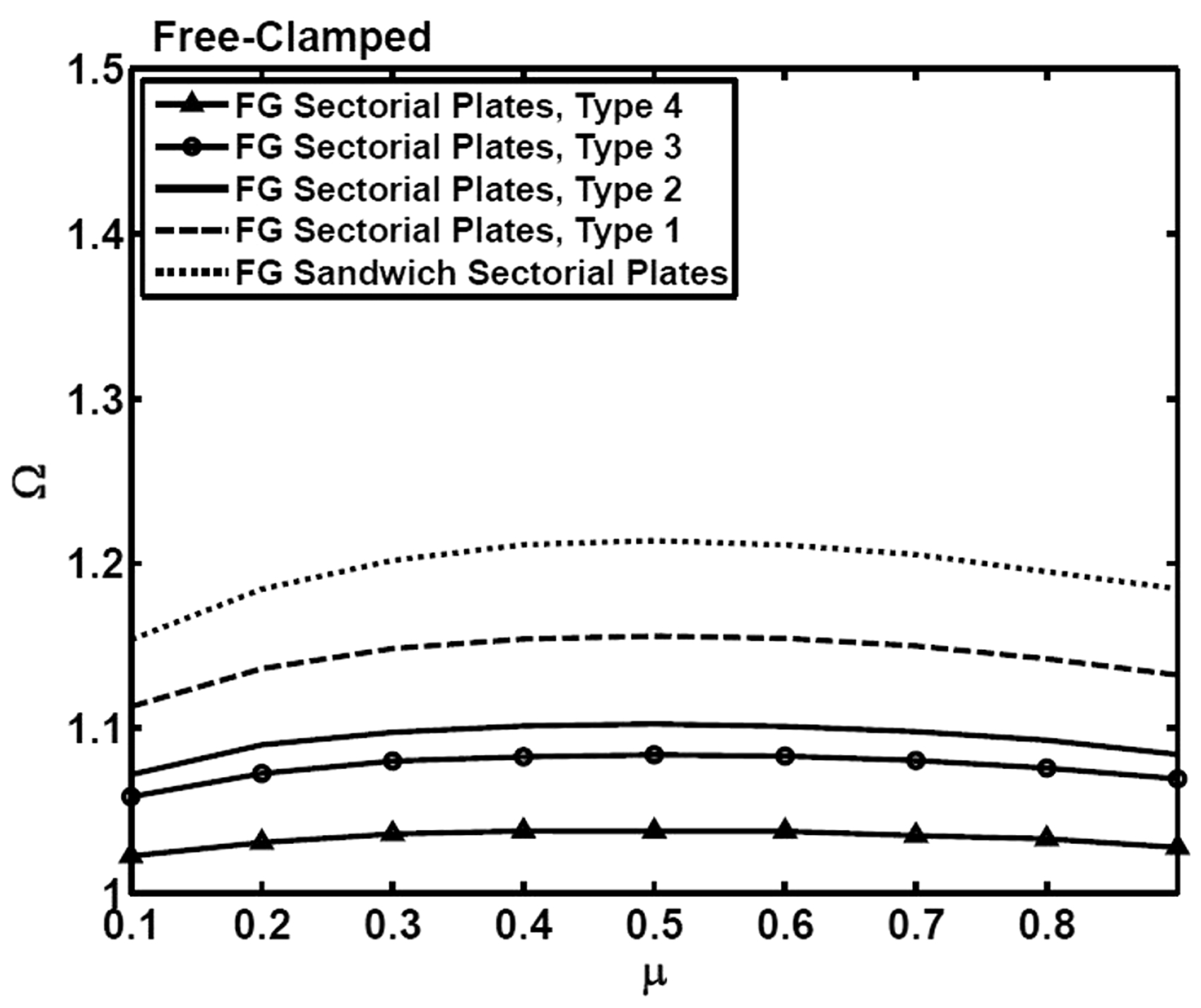
The variation of frequency parameters versus agglomeration parameter for different types of FG-CNTR sandwich sectorial plates with F–C boundary condition (η=0.5, h/a=0.2, b/a=0.2, α=195°).
In this section, the effect of material distributions and total volume percent of CNTs (
The through-thickness variations of total volume percent of CNTs (
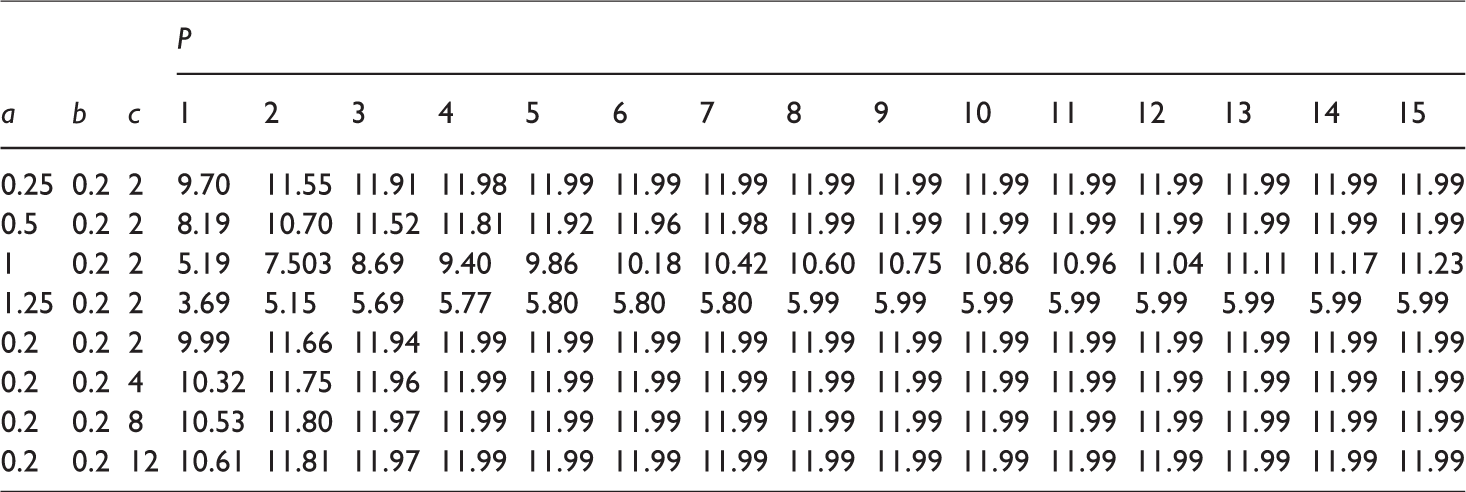
The influence of parameters p and a on the fundamental frequency parameters of Free–Clamped, Supported–Clamped, and Clamped–Clamped FG-CNTR sandwich sectorial plates are shown in Figures 17 to 19. These figures show that with the increase of parameter p the non-dimensional natural frequency of sandwich plates increased. It should be taken into account that for small amount of parameter a, the frequency parameter steadily increased but for great amount of this parameter, there is a sharp increase of the frequency parameter. In order to have a better understanding, the material distribution profiles regarding Figures 17 to 19 are provided in Figures 20 to 22, respectively.
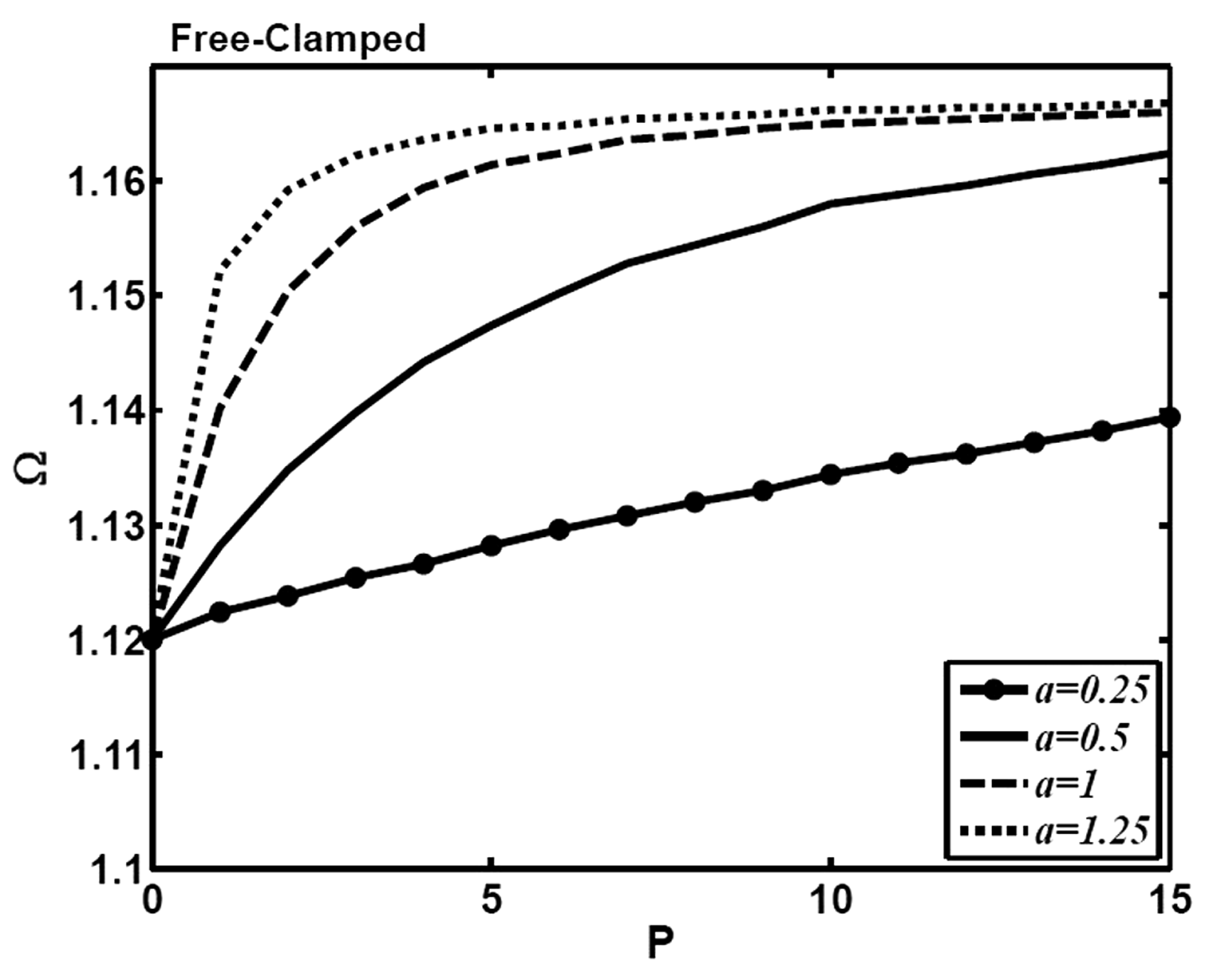
Variation of the fundamental frequency parameter of FG-CNTR sandwich sectorial plates versus the power-law exponent P for various values of parameter a (η=0.5, h/a=0.2, b/a=0.2, α=195°).
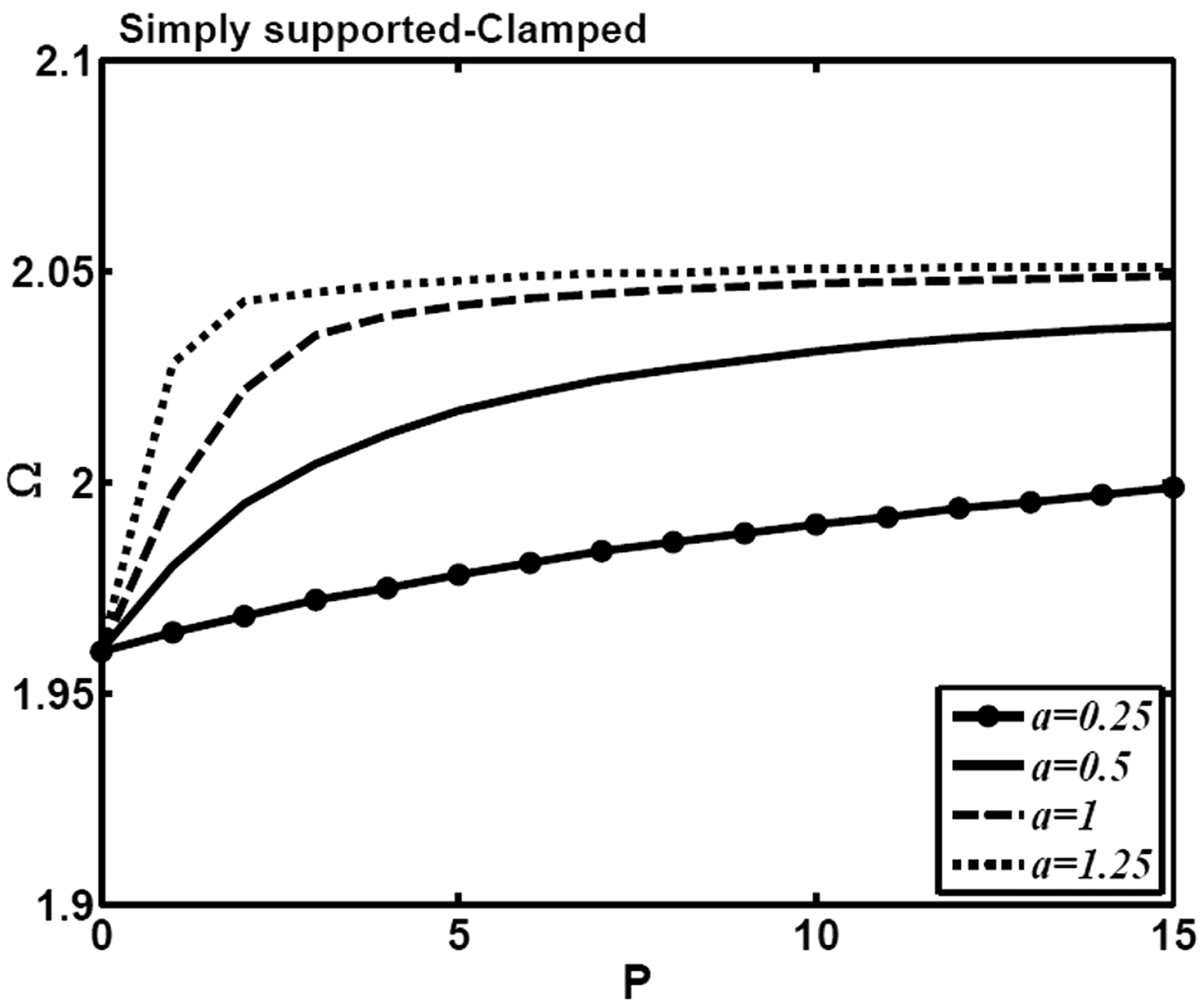
Variation of the fundamental frequency parameter of FG-CNTR sandwich sectorial plates versus the power-law exponent P for various values of parameter a (η=0.5, h/a=0.2, b/a=0.2, α=195°).
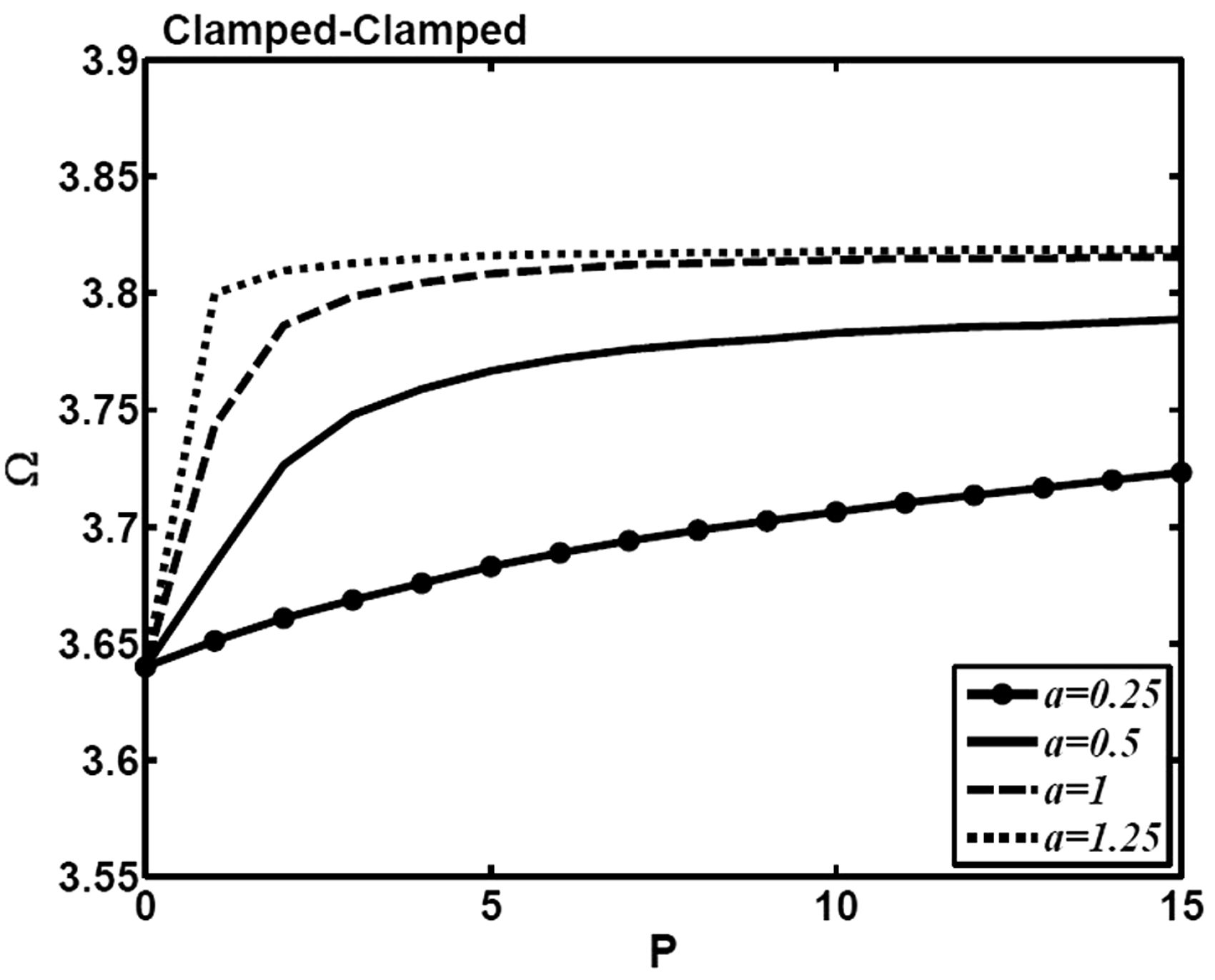
Variation of the fundamental frequency parameter of FG-CNTR sandwich sectorial plates versus the power-law exponent P for various values of parameter a (η=0.5, h/a=0.2, b/a=0.2, α=195°).
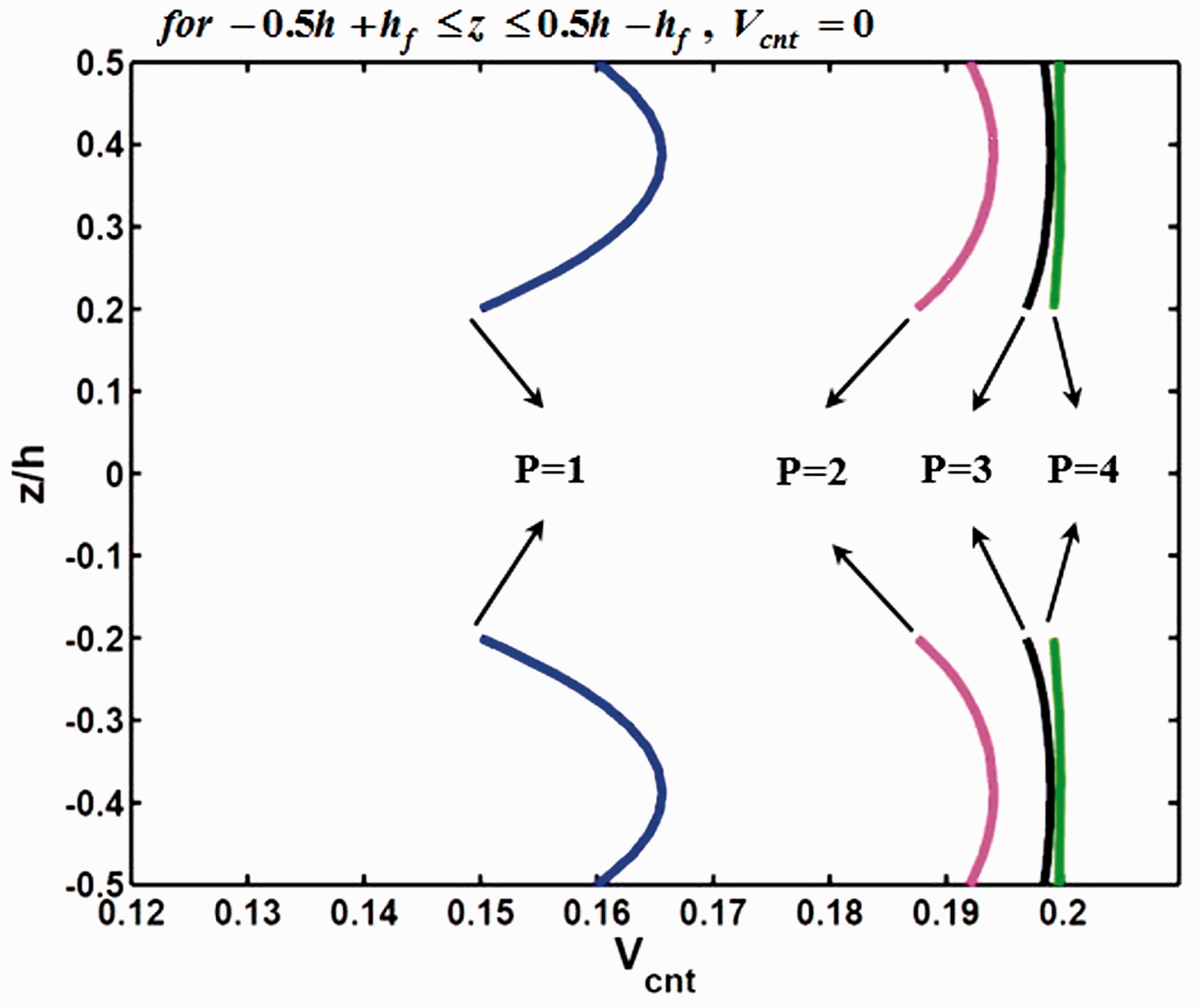
The material distribution profiles in the thickness direction of sandwich sectorial plates (a = 0.25, b = 0.2, c = 2).
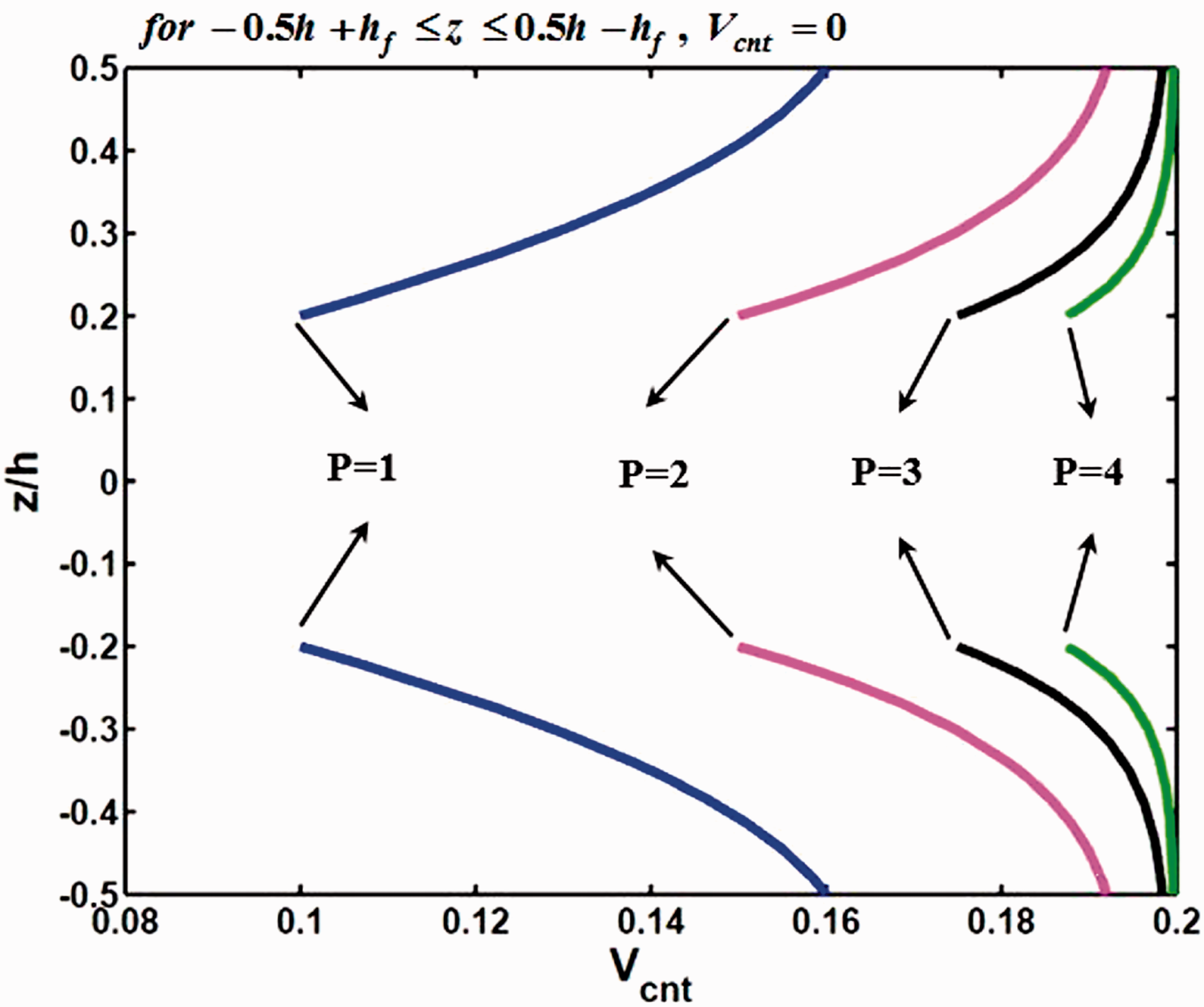
The material distribution profiles in the thickness direction of sandwich sectorial plates (a = 0.5, b = 0.2, c = 2).
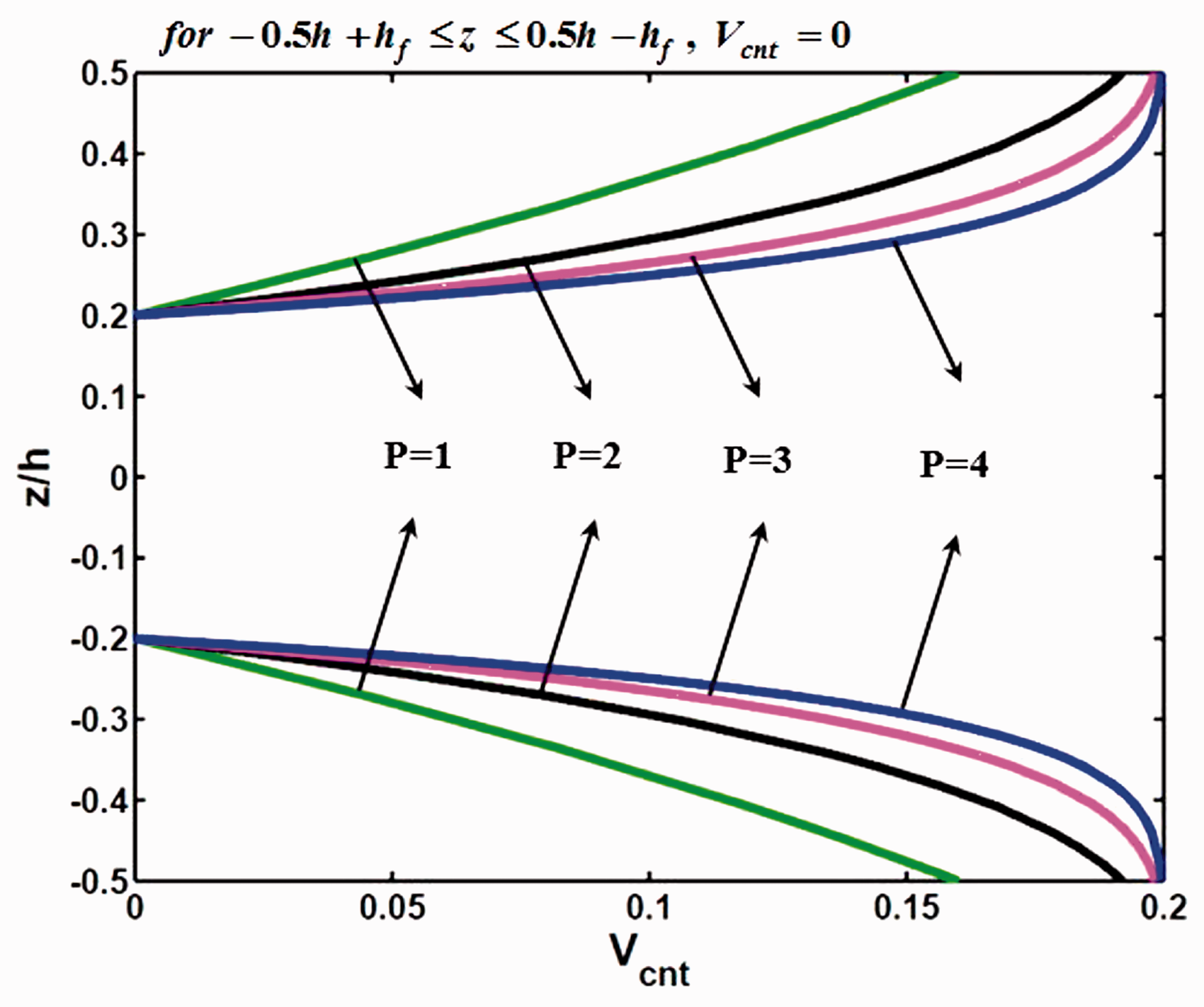
The material distribution profiles in the thickness direction of sandwich sectorial plates (a = 1, b = 0.2, c = 2).
The influence of the parameter c on the free vibration of sandwich plates with FG-CNTR face sheets is investigated in Figure 23 when parameter c varies from 2 to 12. From Figure 23 it can be seen that with the increase of parameter c, the fundamental frequency increases. This is due to the fact that with the increase in the value of parameter c, the volume fraction of CNTs and therefore the frequency parameters increase. The material distribution profiles concerning Figure 23 are provided in Figures 24 to 27.
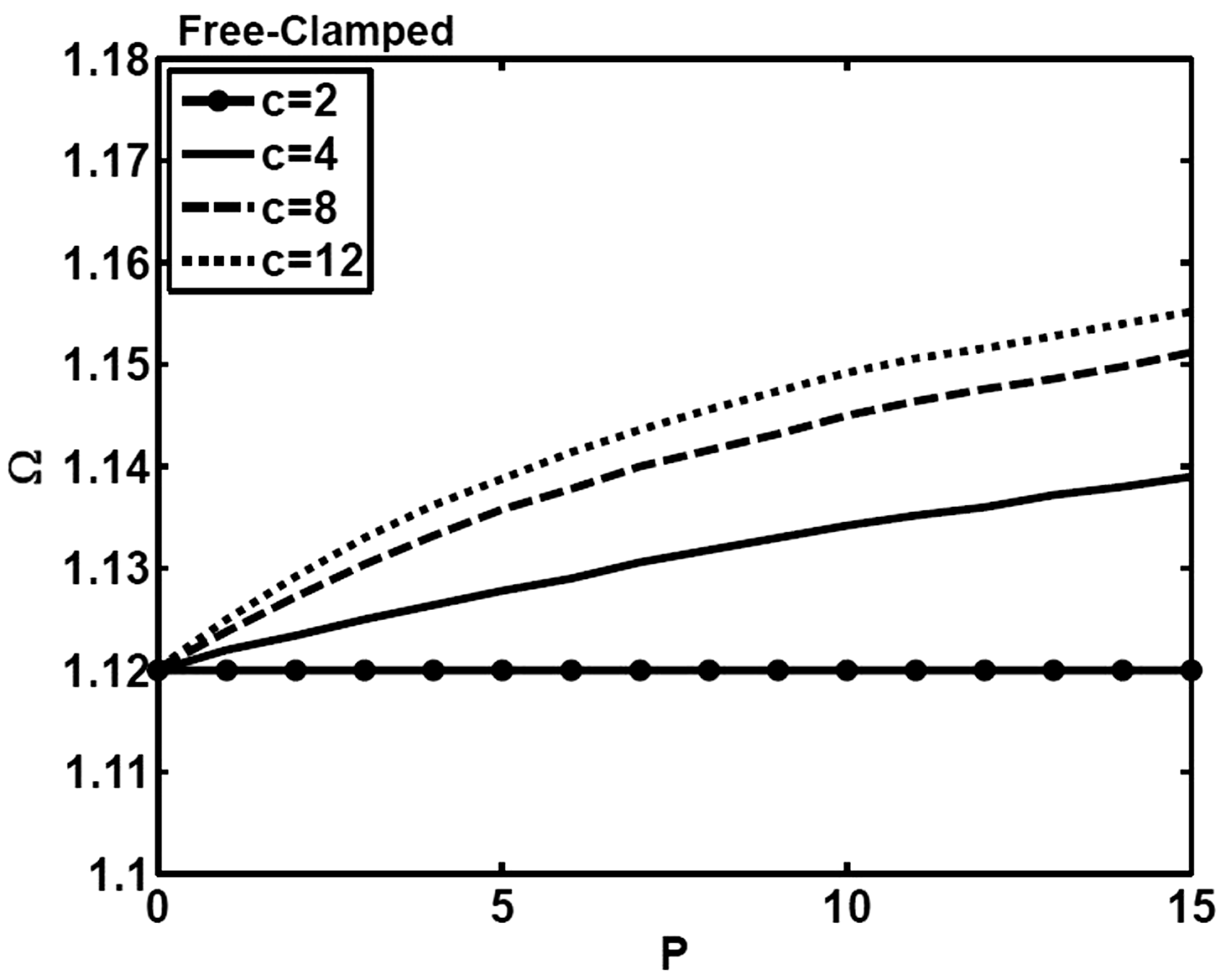
Variation of the fundamental frequency parameter of FG-CNTR sandwich sectorial plates versus the power-law exponent P for various values of the parameter c (η=0.5, h/a=0.2, b/a=0.2, α=195°).
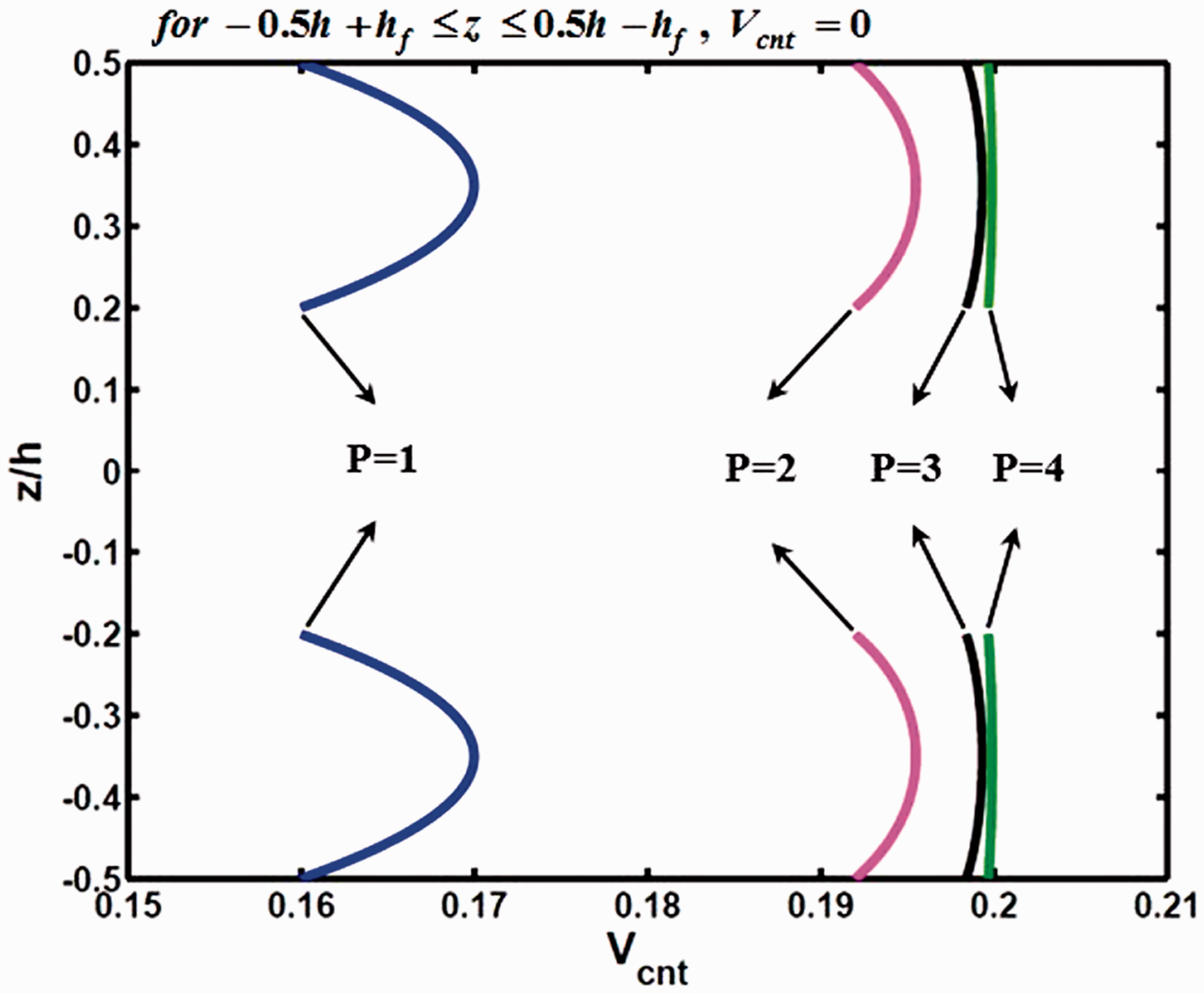
The material distribution profiles in the thickness direction of sandwich sectorial plates (a = 0.2, b = 0.2, c = 2).
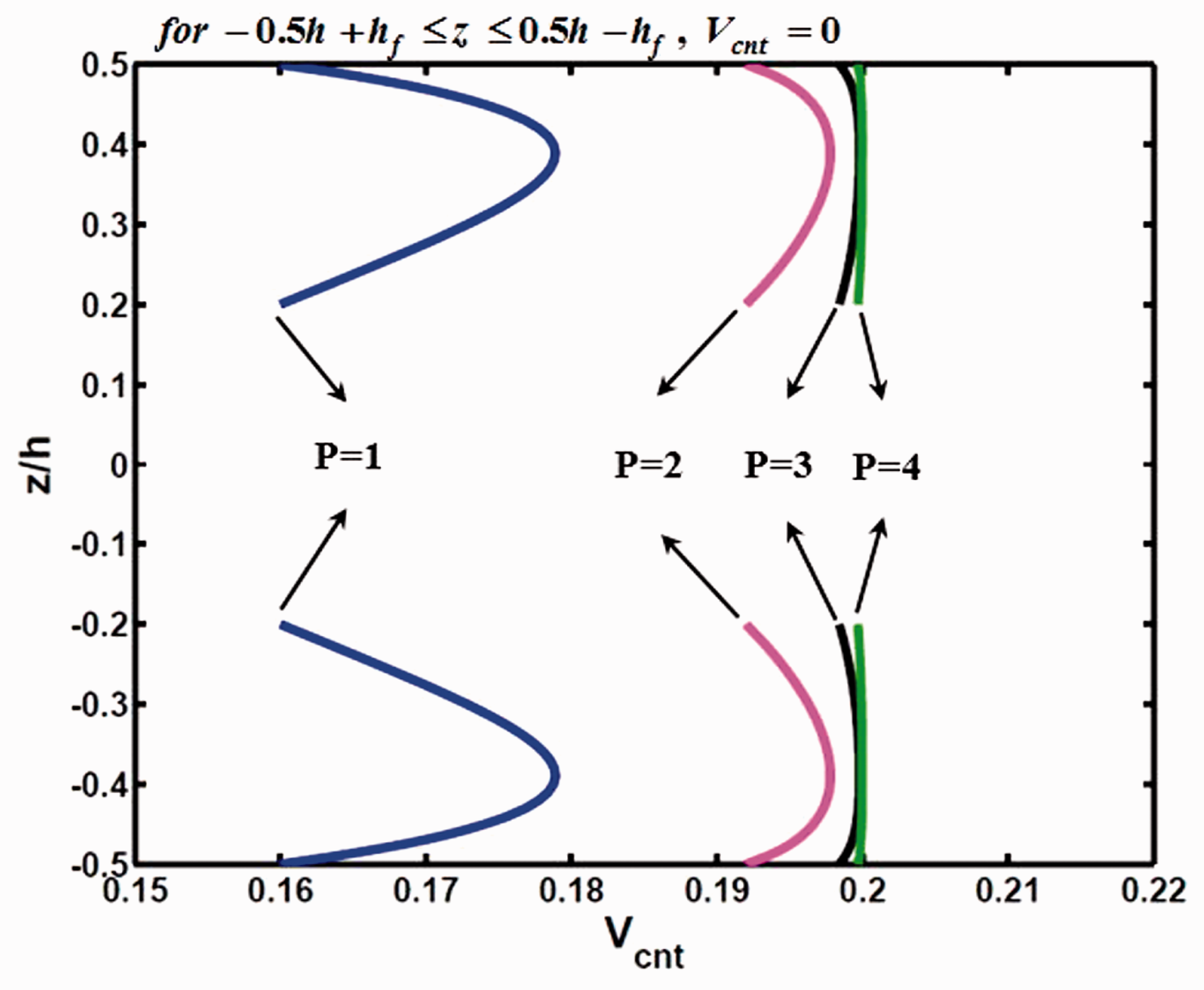
The material distribution profiles in the thickness direction of sandwich sectorial plates (a = 0.2, b = 0.2, c = 4).
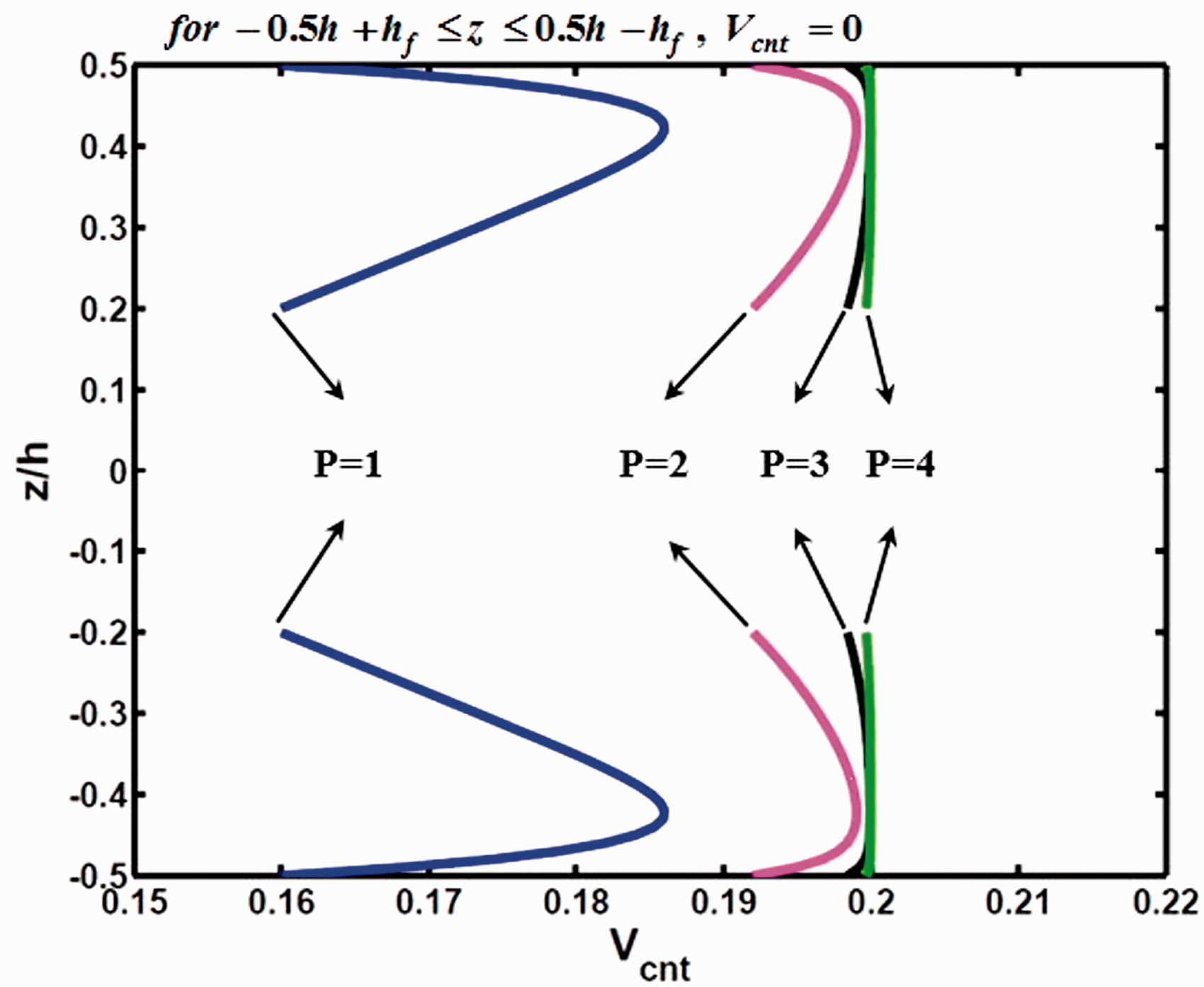
The material distribution profiles in the thickness direction of sandwich sectorial plates (a = 0.2, b = 0.2, c = 8).
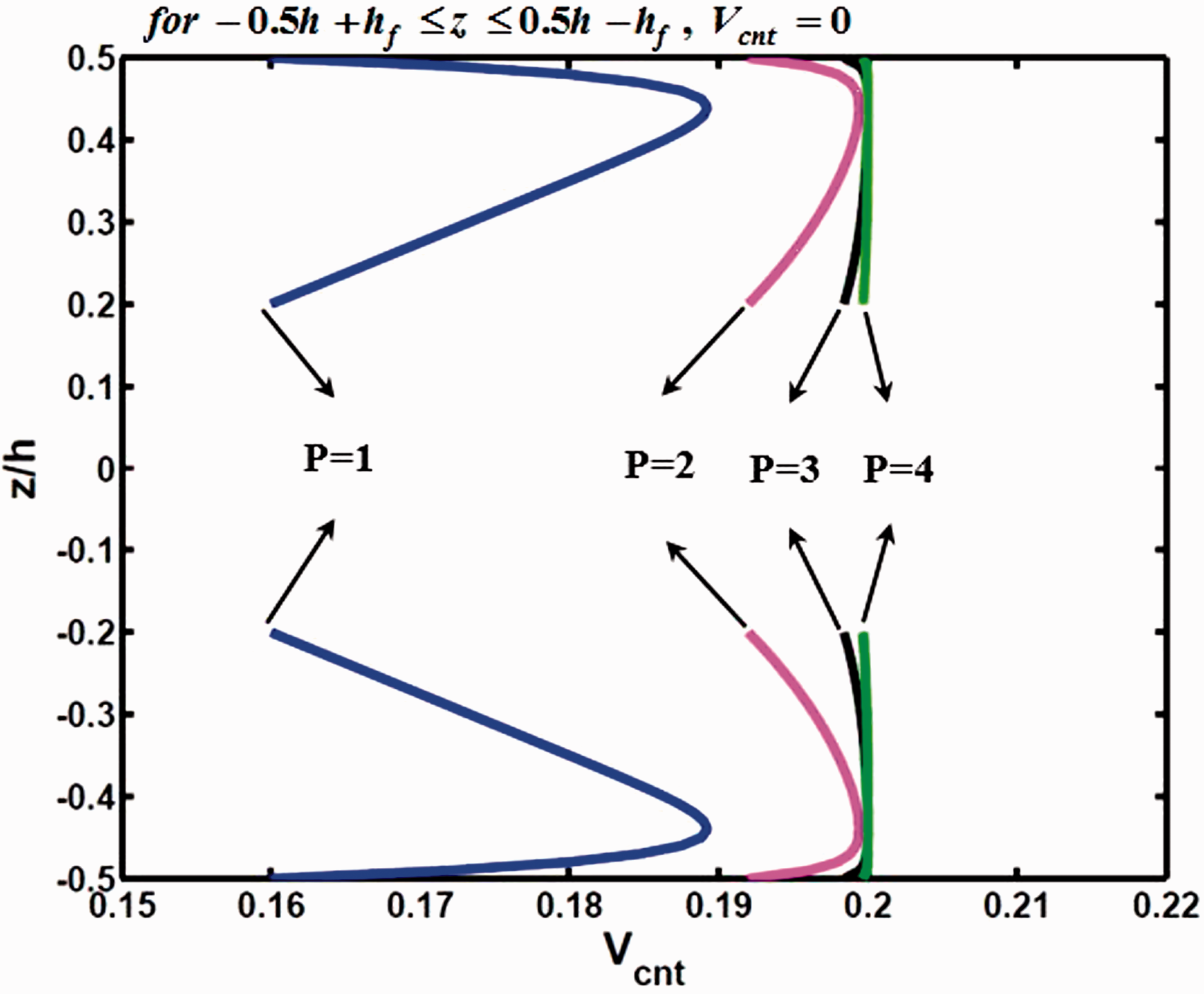
The material distribution profiles in the thickness direction of sandwich sectorial plates (a = 0.2, b = 0.2, c = 12).
The influences of the sector angle on the fundamental frequency parameter of FG sandwich sectorial plate with different circular edge conditions are shown in Figure 28. It is obvious that by increasing the sector angle, the frequency parameter decreases. Figure 28 also reveals that the Clamped–Clamped sandwich sectorial plate has the highest, whereas the Free–Clamped has the lowest frequency parameter values, implying that a sandwich sectorial plate with greater supporting rigidity will have higher vibrating frequencies.
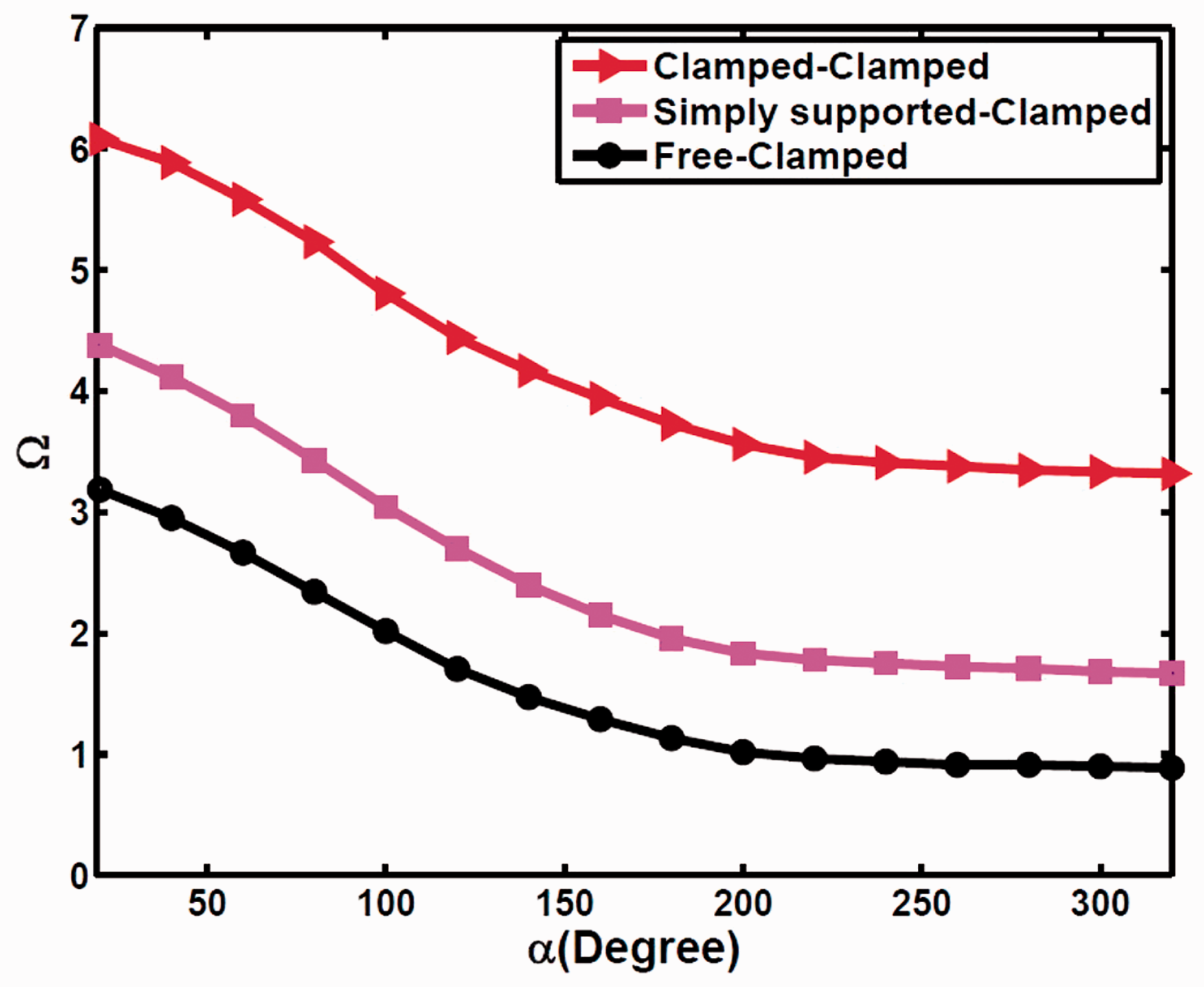
The influence of the sector angle on the non-dimensional natural frequency parameter of sandwich annular sector plates (b/a = h/a = 0.2, P = 1).
The variation of inner–outer radius ratio (b/a) with the frequency parameters of a Clamped–Clamped, Simply supported–Clamped, and Free–Clamped FG sandwich sectorial plates for different values of h/a ratios is shown in Figure 29. According to this figure, the general behavior of the frequency parameters of a sandwich sectorial plate for all b/a ratios is that the effects of the h/a ratios are more prominent at high inner-to-outer radius ratios. As it is observed, the frequency parameter decreases rapidly with the decrease of the b/a ratio and then remains almost unaltered for the b/a < 0.3.
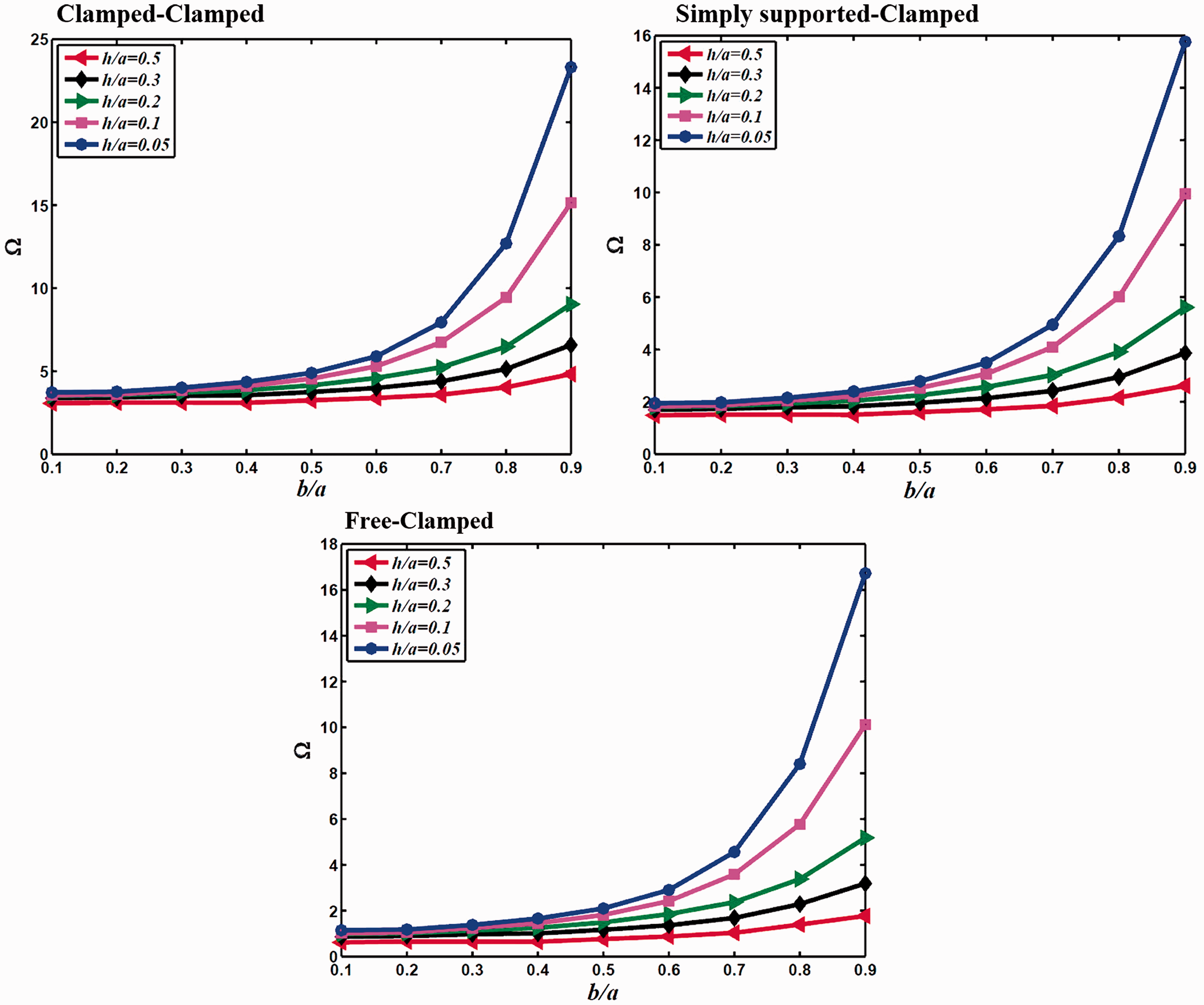
Variation of fundamental frequency parameters of sandwich annular sector plates versus b/a ratio for different boundary conditions at circular edges
Conclusion
In this research work, 2D GDQM is employed to obtain a highly accurate semi-analytical solution for free vibration of FG nanocomposite sandwich sectorial plates under various boundary conditions. The study is carried out based on the 3D, linear and small strain elasticity theory. The MT approach is implemented to estimate the effective material properties of the nanocomposite sandwich plate. The agglomeration effect of SWCNTs is considered in this study and it is shown that the natural frequencies of structure are seriously affected by the influence of agglomeration of the CNTs. Results presented the fact that mechanical properties and therefore free vibrations of FGS-CNTR plates are seriously affected by the agglomeration of CNTs. It was found that except some states, FGS types of structures improve the vibrational characteristics of CNTRCs. The effects of different boundary conditions, various geometrical parameters, different material profiles along the thickness of sandwich sectorial plates are also investigated in this study.
Footnotes
Declaration of Conflicting Interests
The author(s) declared no potential conflicts of interest with respect to the research, authorship, and/or publication of this article.
Funding
The author(s) received no financial support for the research, authorship, and/or publication of this article.