







Abstract
Brucellosis is a neglected disease in Ethiopia that affects domestic ruminants, including goats, which play a crucial role in sustaining the livelihoods of pastoral and agro-pastoral communities in the Benatsemay district. Despite their economic and socio-cultural value, productivity and reproductive performances of goats are constrained by infectious diseases such as Brucella infection. Therefore, a cross-sectional study was conducted from March 2021 to February 2022 to estimate the seroprevalence of Brucella infection in goats, identify associated risk factors, and assess the knowledge, attitudes, and control practices of pastoral and agro-pastoral communities. A total of 390 sera samples were screened using Rose Bengal plate test (RBPT) and confirmed by complement fixation test (CFT) for caprine brucellosis. Simultaneously, 150 goat owners were surveyed to assess disease awareness and control practices. Of 390 sera samples, 22 (5.64%) were RBPT-positive, and 10 (2.56%) were confirmed by CFT. Thus, the overall Brucella seroprevalence was 2.56%. Multivariable logistic regression revealed that abortion, retained fetal membrane, and stillbirth were significantly associated with Brucella serostatus. The odds of infection were significantly higher in goats with a history of abortion (OR = 16.19, p < 0.05), retained fetal membranes (OR = 13.02, p < 0.05), and stillbirth (OR = 14.08, p < 0.05) compared with their respective reference categories. This study confirmed the presence of Brucella infection in the study area, as evidenced by seropositive goats. This not only threatens the health and productivity of the animals but also poses a potential risk to the people. The questionnaire survey revealed that 98.67% and 97.34% of respondents had poor knowledge about Brucella infection and its zoonotic significance, respectively. Therefore, an integrated One Health strategy targeting animals, humans, and the environment should be implemented in the study area.
Introduction
Brucellosis is the fifth identified neglected tropical disease in Ethiopia that affects livestock and humans. 1 It is a disease of the reproductive system that impacts the production and reproduction of domestic animals. 2 Ethiopia is home to the largest livestock population in Africa with 42.9 million sheep and 52.5 million goats raised primarily in the country’s pastoral and agropastoral areas. Approximately 25 – 52 % of Ethiopia’s sheep and 45 – 73 % of its goat populations are raised in pastoral and agro-pastoral areas under extensive production systems. Livestock plays a vital role in Ethiopia’s economy, contributing approximately 35.6% to the Agricultural Gross Domestic Product (GDP) and 16% to the National GDP.3-5
Small ruminants, especially goats, are well-suited to the pastoral and agropastoral production systems of Ethiopia. They play a crucial role in the livelihoods of these communities by providing meat, milk, as well as serving as a valuable source of income through market sales. Furthermore, they serve as a source of investment, and as insurance against diseases.2,6-8 However, despite possessing the huge goat population, pastoral and agro-pastoral communities in Ethiopia have derived limited economic and livelihood benefits from this resource. This underutilization is largely attributed to multiple interrelated constraints, including chronic feed shortages and poor nutritional management, and reliance on traditional husbandry practices with minimal technological input. In addition, inadequate market infrastructure and limited market access reduce profitability, while insufficient veterinary services and weak animal health delivery systems further constrain productivity. The high burden of infectious diseases, particularly brucellosis continues to compromise reproductive performance.8-12
Brucellosis is a highly contagious and economically significant zoonotic disease caused by facultative intracellular, Gram-negative coccobacilli of the genus Brucella. The infection has a worldwide distribution and affects a broad spectrum of terrestrial and aquatic animal species, including domestic livestock, wildlife, and marine mammals. It remains a major constraint to animal productivity and a serious public health concern due to its impact on reproduction, trade, and human health.13-16 Brucella species affecting domestic animals and human include Brucella melitensis (B. melitensis), B. abortus, B. ovis, B. suis and B. canis. Goats are mainly affected by B. melitensis, a highly pathogenic Brucella species also affecting humans.16-18 The bacteria resided mainly in the reproductive organs of livestock and shed in aborted fetuses, milk, and other reproductive tract discharges.2,19,20
The brucellosis is transmitted from an infected host to a susceptible individual primarily through direct contact with infected animals. Transmission can also occur indirectly via contaminated materials, including birthing tissues and fluids such as aborted fetuses, placenta, and uterine discharges, which harbor high concentrations of the causative pathogen. Additionally, the pathogen can be spread through ingestion of contaminated milk or water, or via contact with contaminated soil and equipment, further increasing the risk of infection. Likewise, humans are infected directly by consuming infected animal products such as raw and unpasteurized milk and soft cheeses and indirectly through contact with infected animal tissues or their secretions.12-14
The public health and economic effect of the brucellosis remains a serious problem in developing countries of the world, including Ethiopia. Its economic impact is due to costs incurred in public health and animal production loss.14,15,21,22 Economic losses in animal production mainly result from reproductive disorders such as abortions and infertility, kid mortality, reduced milk yield and weight gain, decreased draught power and stillbirths. Collectively, these effects impose substantial economic burdens on the country and pose significant threats to international trade.11,23,24
Risk factors contributing to the occurrence of brucellosis can be grouped into animal-related, management-related, and environmental factors.5,25 Animal related risk factors for the disease include reproductive status, breed, sex, age, milking practices and abortion history, all of which influence an individual animal’s susceptibility and level of exposure to infection. Pregnant or sexually mature animals tend to be more susceptible to the disease, likely due to physiological stress and reproductive associated hormonal changes. Management related risk factors include herd size, screening of new animals, vaccination status, production system, and breeding practices. Contaminated soil, water sources, feed and pasture serve as important environmental reservoirs for the spread of infection among goats.26,27 In the human population, individuals who consume raw and unpasteurized milk and milk products, veterinarians, farmers, and others working in different livestock industries are at high risk of contracting the disease.5,26
Brucellosis could be diagnosed by conventional culture, serology and molecular techniques. Serological tests such as RBPT, ELISA, and CFT are used both to screen and confirm Brucella infections.28,29 Brucellosis can be treated with antibiotics. However, due to the intercellular nature of the bacteria, it needs combined antibiotics with prolonged use. 5 Control and eradication of caprine brucellosis can be achieved through strategies such as test and slaughter programs to establish disease free flocks or regions, targeted vaccination to reduce transmission, and continuous monitoring of brucellosis free flocks and area.5,14
In Ethiopia, the disease status of caprine brucellosis has been known for a long time. A meta-analysis of epidemiological studies reported an overall pooled seroprevalence of 5.3%. 14 Different serological diagnostics techniques were used during the epidemiological research including RBPT, CFT, and ELISA.17,26 However, the national pooled prevalence may not accurately reflect the current infection status in pastoral and agro-pastoral communities, since the production systems in the study area differ markedly from the mixed crop-livestock systems on which the pooled prevalence estimates are largely based. Also, there is empirical evidence of frequent occurrence of unconfirmed cases of stillbirth, abortion, infertility, and mortality of kids in a goat population in pastoralist and agro-pastoralist areas of Southern Ethiopia. Moreover, epidemiological risk factors of caprine brucellosis, along with animal owners’ knowledge and control practices related to its zoonotic nature, remain unexplored in the current study area. Thus this study aimed to estimate the seroprevalence of Brucella infection in goats, identify risk factors, and assess the knowledge, attitudes and control practices of pastoral and agro-pastoral communities in Benatsemay District, Southern Ethiopia.
Materials and Methods
Study Area Description
This study was conducted in selected pastoral and agro-pastoral kebeles (namely, Dizi, Shala, Enchete, Gisma, Chali and Ansonda) of Benatsemay district, South Omo zone of Southern Ethiopia (Figure 1). The district is located in the southern part of the country just approximately 702 km away from Addis Ababa in the Southwest direction. Geographically, the study area was positioned between a longitude of 36°12′13″E and 37°03′50″E; and latitude of 5°00′31″N and 5°41′47″N. Highly erratic and bimodal rain fall pattern is a characteristic feature of Benatsemay district in which short rain fall ranges between 250mm to 1200mm and occurring from March to May and September to November. The environmental temperature of the study area swings between 15.4°C and 43°C.30,31 The livelihood of communities’ in the Benatsemay district is mainly based on pastoral and agro-pastoral production system. The pastoral production system is based on livestock managed under extensive communal grazing system while, agro-pastoralism system is to a mixed livestock-crop production system practiced primarily in arid and semi-arid lowland areas, where households combine crop cultivation with extensive livestock rearing; in this system, livestock such as cattle, goats, and sheep are herded and grazed over communal rangelands, while crops are cultivated on small plots to supplement food and income. The total animal population in South Omo zone was estimated to be 1, 230, 399 goats, 471, 449 sheep, 1, 068, 120 cattle, 90,630 donkeys and 495 camels.3,26,32 Map of the study area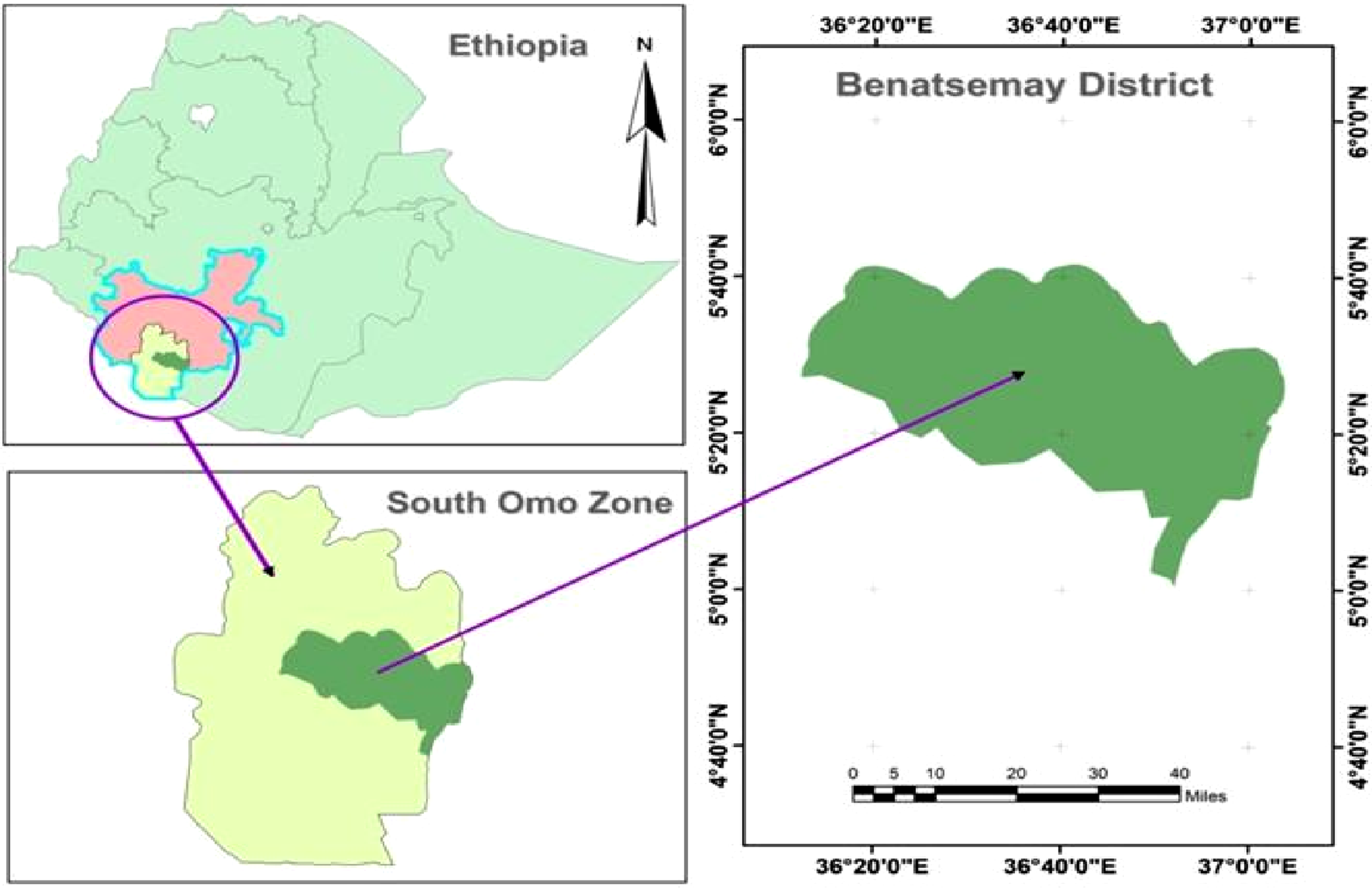
Study Animals
Indigenous breed of goats kept under the pastoral and agro-pastoral production system were used in the study. Goats of age above 6 months and both sex groups with no prior history of vaccination against Brucella infection were included in the study. Information related to the study animals such as origin, sex category; parity status and history of reproductive health problems (retained fetal membrane, abortion and stillbirth) were documented as previously described.33,34 The age of goats was estimated using owner-provided data and dental eruption patterns. Goat with four or fewer permanent teeth were categorized as young, while goats that had more than four permanent teeth were classified as adult.13,33
Study Design, Sampling and Sample Size
A cross-sectional study was employed between March 2021 to February 2022 to estimate the seroprevalence and identify the potential determinants linked with the occurrence of caprine Brucella infection. Also, questionnaire survey was administered in the study area to assess goat owners’ knowledge, attitude, and control practices regarding caprine Brucella infection.
In Benatsemay district, South Ethiopia, six kebeles (Shala, Gisma, Enchete, Chali, Dizi, and Ansonda) were purposively selected for the study due to their substantial goat populations, accessibility by road, feasibility of sample collection, and reported concerns from livestock owners. Then, study animals were selected using simple random sampling methods from each study kebeles. Kebele is the small administrative unit in Ethiopia. 9
The minimum number of goats required for this study was calculated according to the Thrusfield et al 35 using 95% confidence interval, 5% absolute precision and 3.1% of average expected prevalence from previous reports in different parts of the current study region of Ethiopia.30,36,37 In studies involving multiple flocks, the design effect (D) is considered to account for intra-cluster correlation, which increases the required sample size. A commonly used value of D in livestock studies is 2. Accordingly, the adjusted sample size is calculated as: nadjusted = n×D = 47×2 = 94. To account for potential sample loss or unusable samples, an additional 10–15% is typically included. Using 10%, the final sample size becomes: nfinal = nadjusted × 1.1=94 ≈ 104. Sample size was increased to 390, comprising 20 flocks with 19–20 animals in each flock to improve precision and ensure a more representative sample of goat population in each kebele.
A questionnaire survey was conducted to assess farmers’ knowledge, attitude, and control practices regarding to caprine Brucella infection, alongside the collection of blood samples from each study animal in the district. The sample size for this questionnaire survey was computed using the formula (n = 0.25/SE2) as per Arsham 38 at the standard error (SE) of 0.05 with 95% confidence interval. Accordingly, a total of 100 owners of the goats were randomly selected from study kebeles. To improve precision and ensure better representation of respondents in each kebele, we increased the sample size by 50%, resulting in a total of 150 participants.
Blood Sample Collection, Transportation and Storage
After carefully restraining each animal and disinfecting the site with 70% alcohol, approximately 5–10 mL of blood was collected from the jugular vein using plain vacutainer tubes. All tubes containing samples were labeled using a permanent marker, kept in an icebox, and then transported to Jinka Regional Veterinary Laboratory Center, Southern Ethiopia. The blood samples were allowed to clot at room temperature and subsequently centrifuged at 3000 rpm for 4 min. The separated serum was then transferred into cryovial tubes and stored at −20 °C until serological analysis. Rose Bengal plate test (RBPT) was used as a screening test for all collected sera samples. Then, all RBPT-positive sera samples were sent to the Animal Health Institute (AHI) in Sebeta, Ethiopia, for confirmatory testing by complement fixation test.
Rose Bengal Plate Test (RBPT)
Serum samples were screened for the presence of Brucella antibody by using RBPT according to Nielsen 39 and OIE. 29 It was conducted by placing 75 μl of collected serum and 25 μl of Brucella antigen onto a white tile plate. Mixing of test serum and Brucella antigen was carried out by using plastic applicators; and then gentle agitation for 4 minutes. Finally, agglutination reactions were visually examined and recorded as positive (agglutination present) or negative (agglutination absent) based on the sample’s reaction to the known Brucella antigen. 29 The results were also read for the degree of agglutination. Accordingly, the results were categorized as 0 (indicates absence of agglutination with antigen), + (indicates the presence of barely visible agglutination on antigen), ++ (indicates the presence of fine agglutination on antigens) and +++ (indicates the presence of coarse clumping on antigens).2,10,27 For quality control, known positive and negative control sera were used to validate the reagents and procedures. 20
Complement Fixation Test (CFT)
Positive sera samples with RBPT were further confirmed using CFT according to the protocols and guidelines described by OIE 29 at AHI in Sebeta Ethiopia. For our study, due to antigenic similarity among Brucella species and the limited availability of caprine-specific antigen, Brucella abortus (bovine) antigen was used in the CFT to detect antibodies against Brucella infection in goats. Hence, a standard Brucella abortus antigen for CFT was obtained from Veterinary Laboratories Agency of Addlestone, United Kingdom and applied to test anti-Brucella antibodies. In addition, the complement and its control sera were obtained from German Federal Institute for Consumer and Veterinary Medicine located in Berlin. Twenty five percent haemolytic responses at a dilution rate of 1:5 were set as minimal positive threshold value. In this serological test procedure, all sera with about 25% fixation at a dilution of 1:40 (+), sera with about 50% fixation of the complement (2+) at a dilution of 1:20, sera with about 75% fixation of the complement (3+) at a dilution of 1:10 and sera sample with a strong reaction of approximately 100% fixation of the complement (4+) at a dilution of 1:5 were all classified as positive. The CFT used in this study has a sensitivity of 10.48 % and a specificity of 100 % in goats.10,27,29
Recording Potential Risk Factors
Information on animal-related, management-related and environment-related determinants were collected for statistical analysis of potential association with Brucella seropositivity. Hence, general information such as specific location of the animals (kebele or pastoral association), age of animals (young and adult), sex of animals (male and female), flock size (small (1-10), medium (11-30) and large >30), parity status (nulliparous, monoparous and multiparous), history of abortion (yes, no); history of retained fetal membrane (yes, no) and stillbirth (yes, no) of study animals were observed carefully and recorded.27,34
Questionnaire Survey
Livestock ownership and direct involvement in animal handling were the key criteria for selecting questionnaire survey participants in the pastoral and agro-pastoral areas. A structured questionnaire was used to collect data on various factors, including the socio-demographic characteristics of respondents, knowledge about the zoonotic nature and transmission of caprine Brucella infection, livestock management practices, milk and meat consumption habits, reproductive health problems and their perceived causes, as well as experiences using protective measures when handling aborted fetuses or fetal membranes during assisted deliveries. Prior to the final interviews, the questionnaire was pretested and appropriately modified to ensure clarity and relevance.
Data Management and Analysis
All data collected from the field survey and laboratory analysis were carefully arranged, coded and recorded in Microsoft excel spread sheet. STATA version 16.0 computer software was used for the statistical analysis at 95% confidence interval. Information’s obtained from questionnaire survey were analyzed using descriptive statistics. A goat was considered as Brucella seropositive when positive results were recorded both by RBPT and CFT. An overall seroprevalence of caprine Brucella infection in the study area was calculated by dividing the total number of CFT positive goats by the total number of goats tested in the study. The association between potential risk factors (explanatory variables) and caprine seropositivity (outcome variable) was assessed using univariable and multivariable logistic regression. Following collinearity checks, variables with a univariable P-value<0.25 were included in the final multivariable model. The odds ratio (OR) was used as to assess the strength of association (relative measure of association) between exposures variables and Brucella serostatus in goats. In all cases, statistical significance was defined as P < 0.05 at a 95% confidence level.
Results
Seroprevalence of Brucella Infection in the Study Area
A total of 390 goats’ sera samples were examined in this study for detection of Brucella antibodies, out of which 22 (5.64%) (95% CI: 0.03-0.08) sera samples were positive using RBPT and 10 (2.56%) (95 % CI: 0.01- 0.05) sera samples were found positive with CFT. Sera samples that tested positive for Brucella infection using both RBPT and CFT were classified as true seropositive and included in the subsequent data analysis. According to this, the overall seroprevalence of Brucella infection in goats in Benatsemay district was found to be 2.56% (Figure 2). Overall seroprevalence of Brucella infection in goats based on serological tests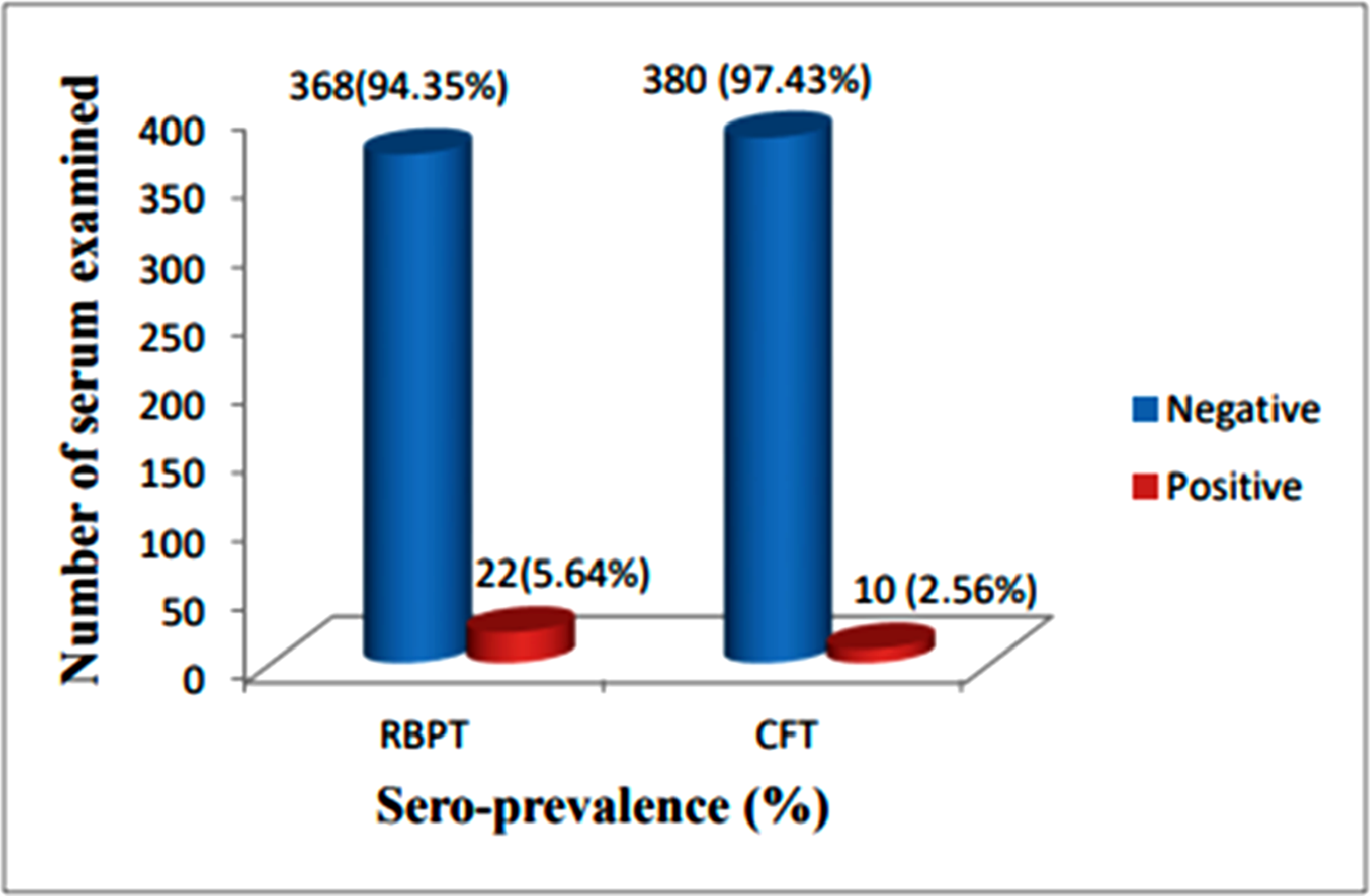
Seroprevalence of Brucella Infection in the Benatsemay District
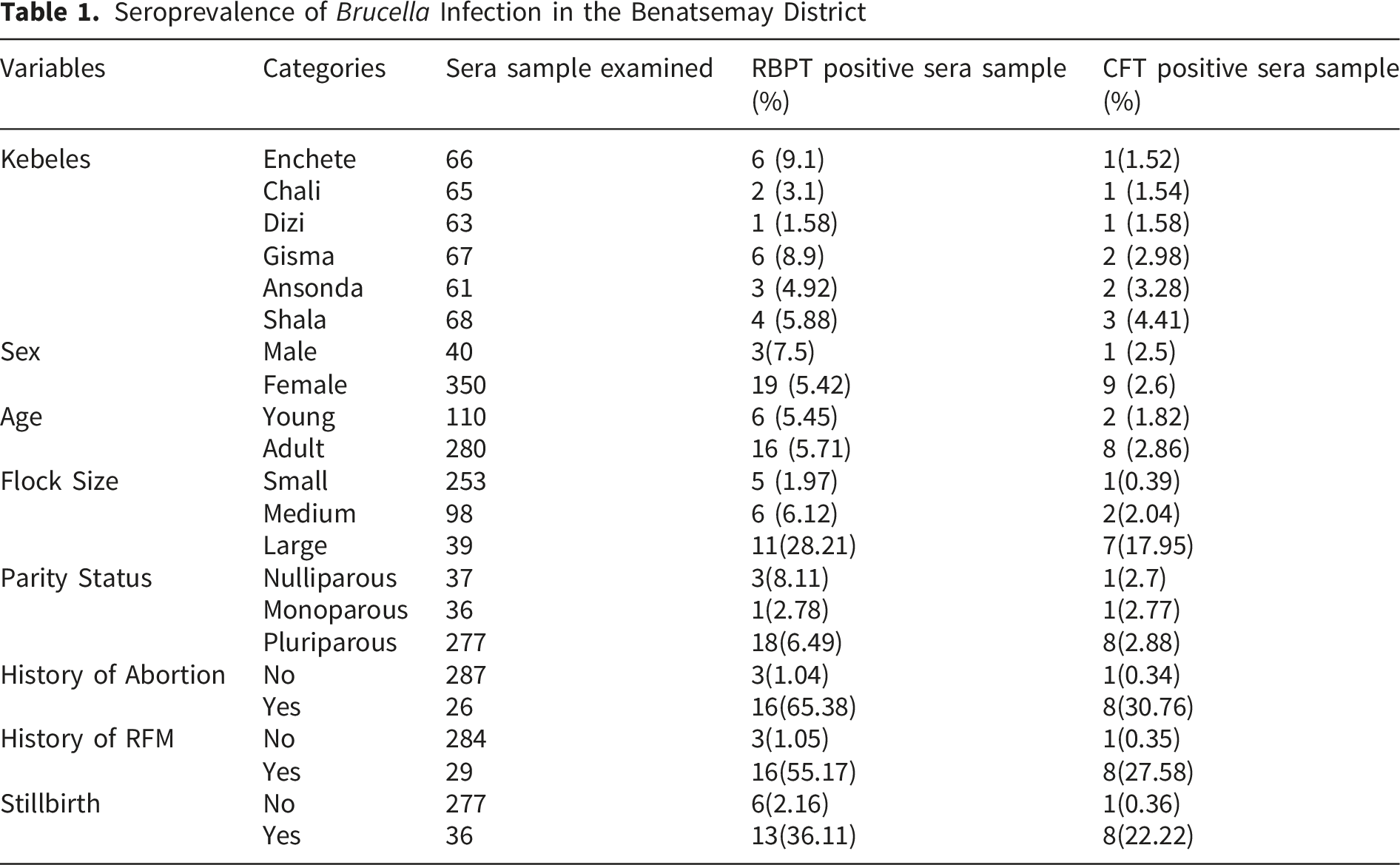
Association Between Risk Factors and Brucella Serostatus
Univariable Logistic Regression Analysis
Univariable Logistic Regression Analysis of Associated Risk Factors Based on CFT Results
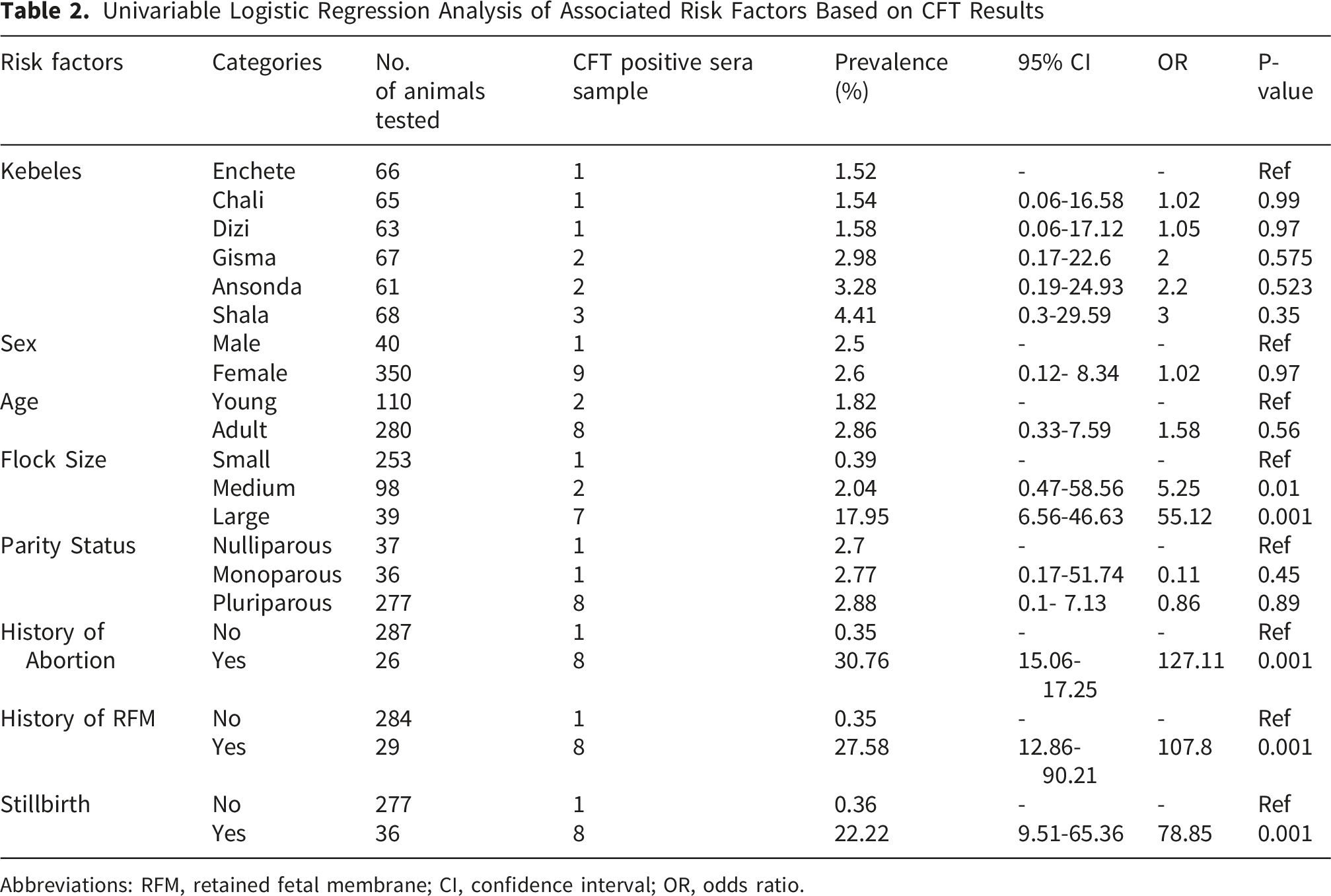
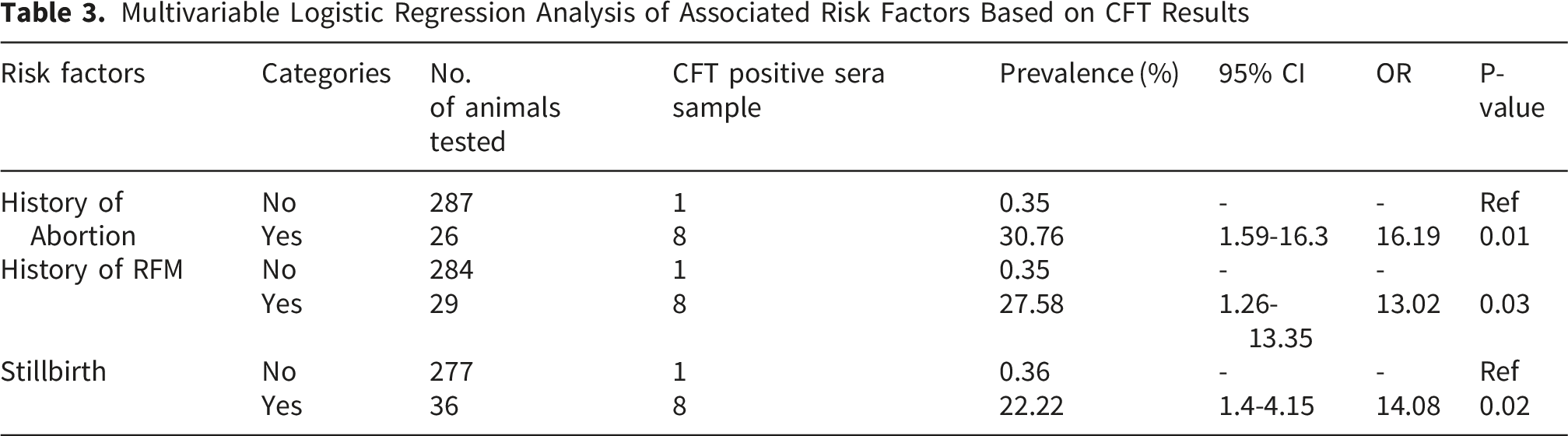
Abbreviations: RFM, retained fetal membrane; CI, confidence interval; OR, odds ratio.
Multivariable Logistic Regression Analysis
Multivariable Logistic Regression Analysis of Associated Risk Factors Based on CFT Results
Goat Owners’ Knowledge, Awareness and Control Practices Regarding Brucella Infection
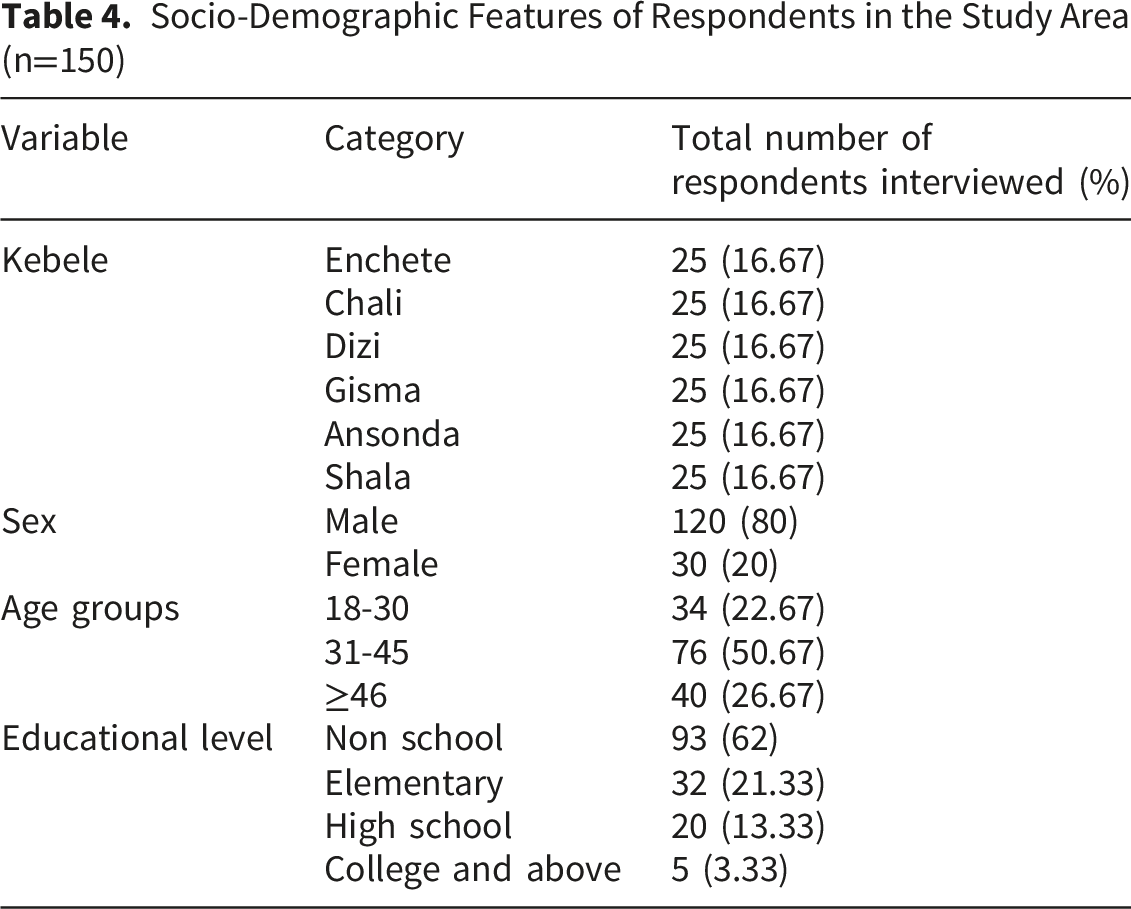
Socio-Demographic Features of Respondents in the Study Area (n=150)
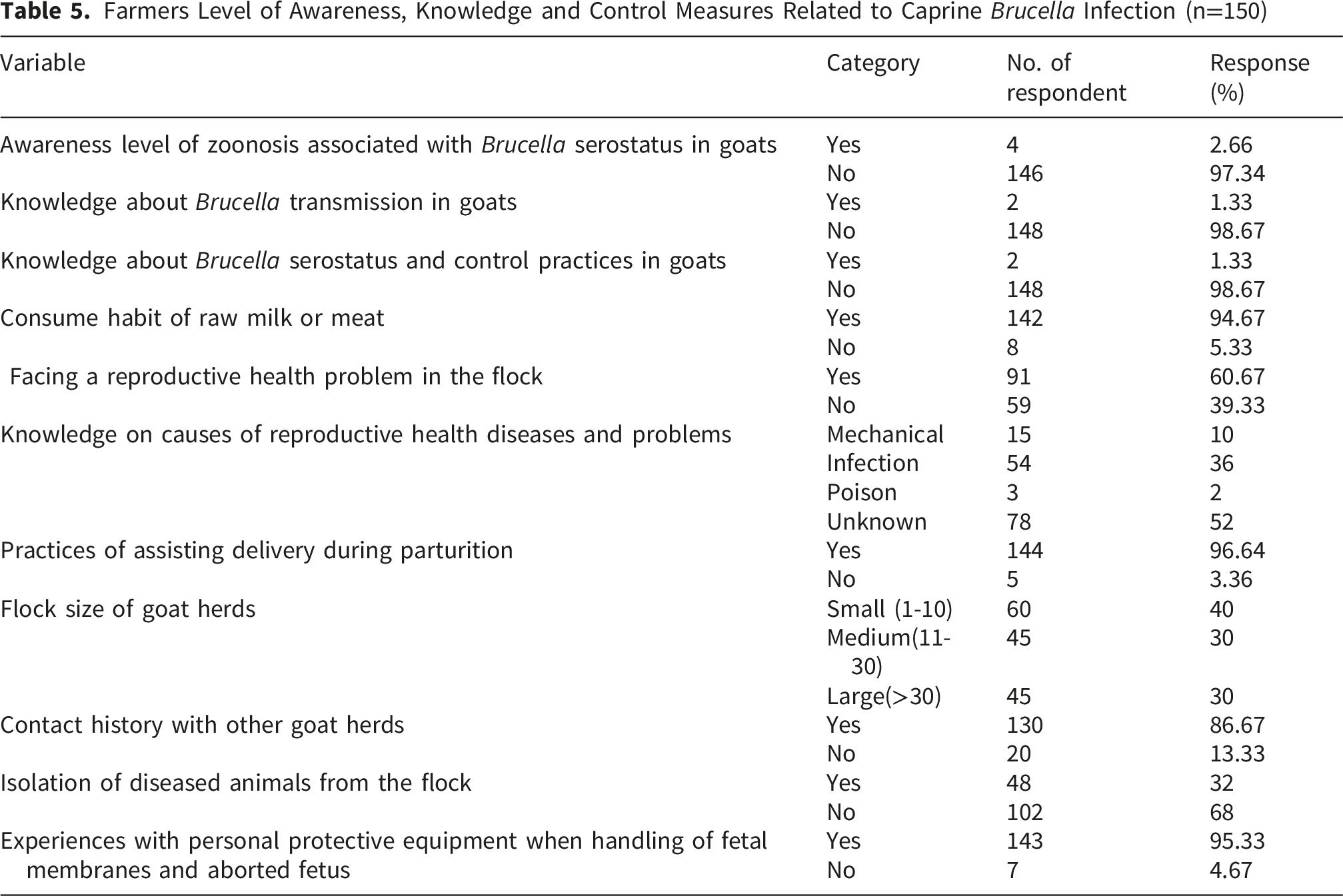
Farmers Level of Awareness, Knowledge and Control Measures Related to Caprine Brucella Infection (n=150)
Discussion
Goats remain valuable and potential economic resources for the pastoral and agro-pastoral communities inhabiting fragile and marginal lands of Ethiopia. However, their productive capacity has not been fully realized because of the presence of infectious diseases like caprine brucellosis, which is described as one of highly communicable disease imposing economic loss due to its serious reproductive losses.7,19,25 Hence, this study was conducted to document the sero-epidemiological evidence of Brucella infection in goats in pastoral and agro-pastoral production systems of Benatsemay district, Southern Ethiopia. However, only the CFT was used as a confirmatory test according to the OIE Terrestrial Manual. Although combining CFT with other tests such as ELISA could improve diagnostic sensitivity, this was not feasible due to resource and logistical constraints in our developing country setting.
In this investigation, goat sera were screened for Brucella antibodies using RBPT and CFT, and seropositive animals were identified by both tests. The high seroprevalence of Brucella infection in goats observed in this study using RBPT (5.64%) was consistent with earlier reports of Teklue et al 17 and Sintayehu et al 25 who indicated a seroprevalence of 5.5% and 5.2% respectively in Tigray region; and in selected pastoral and agro-pastoral areas of Ethiopia. Inconsistent with our current finding, relatively low seroprevalence of Brucella infection in goats falling within the range of 1.2% to 4.2 % has been previously recorded in different parts of Ethiopia using the RBPT test.6,23,36,40,41
The overall seroprevalence of Brucella infection in goats in the current investigation area with CFT (2.56%) was similar with the previous report in different corners of the country.23,25,37 Lower CFT seroprevalence than the present finding was reported by Ferede et al 40 (0.4%) and Kelkay et al 41 (1.79%) in Northern Ethiopia.
On the other hand, a higher Brucella seroprevalence was previously reported by Tsehay et al 42 Wakene et al 43 and Teshome et al 19 who reported 3.6%, 9.2% and 17.36% respectively, in Somali region and Yabello and Borona districts of pastoral areas of Southern Ethiopia. Due to its high specificity, the CFT is usually employed as a confirmatory test, which in this study reduced the number of positive goats from 22 to 10, indicating 54.54% (12/22) false positives. This is likely because of the fact that CFT reduces the happening of false positive results due to the cross reacting Gram negative bacteria such, Salmonella species, Escherichia Coli 0:157 and Yersina enterocolitica with RBPT.29,44 In general, variations in Brucella seroprevalence of using both RBPT and CFT might occur due to variation in husbandry practices, agro ecology of the study areas, sample size of goat population, flock size and composition, breed differences, the diagnostic test used, production systems and also free movement of animals in search of water and pasture.13,25,41,45
A significant association was also identified between larger flock sizes and Brucella seropositivity in the study area. The odds of getting Brucella infection in goats from large flock size were 55.12 times greater (95 % CI: 6.56-46.63) than those from small flock sizes. The current result was similar to the previous findings of Geletu et al 5 and Teshome et al 19 respectively in western part of Hararghe zone, eastern Ethiopia and Borana pastoral area of southern Ethiopia. This is due to a close proximity of animals in larger herd’s enables easy transmission of Brucella infection to impact large number of goats. Also it is justified by the fact that larger goat flocks are commonly associated with higher stocking density, one of known potential risk factors for occurrence Brucella infection particularly after abortions. 5
Interestingly, goats having history retained fetal membranes, abortion and stillbirth have showed a significant variation with the occurrence of Brucella infection in the study area (P<0.05). The odds of getting seropositive to Brucella antibodies in goats with prior history of retained fetal membrane was 13.02 times higher (95 % CI: 1.26-13.35) than those goats without prior history of retained fetal membrane. This result was in consistent with the reports of Kelkay et al, 41 Hussen et al 46 and Teshome et al. 19 Likewise, higher sero-positivity to Brucella infection was found in goats with previous abortion history (34.6%) than goats without abortion history (0.3%). Goats with a previous history of abortion had 16.19 times higher odds of being seropositive for Brucella than goats without a history of abortion (95% CI: 1.59–16.30). The current result was in a close agreement with reports of Teklu et al, 17 Teshome et al 19 and Hussen et al. 46 The higher seropositivity of Brucella infection in goats with a history retained fetal membranes and abortion can be attributed to the strong reproductive tropism of Brucella specious particularly Brucella melitensis. The organism localizes in the uterus and placenta, causing placentitis, abortion and impaired expulsion of fetal membranes, which enhances bacterial persistence and shedding. Consequently, affected animals have a greater likelihood of prior exposure and continued infection, increasing their odds of seropositivity.13,29
Furthermore, a goat with a history of stillbirth was 14.08 times (95 % CI: 2.88-1.8) more likely to be infected with Brucella compared to goats without a history of stillbirth with significant difference. This result aligns with the work of Kelkay et al 41 and Dosa et al. 27 The observed differences might be linked to the influence of reproductive and sexual hormones on the disease’s development in goats. It is usually due to tropism or preference of Brucella species to the key target cells called trophoblasts. Growth of Brucella inside trophoblasts is apparently increased synergistically in the presence of high amount of erythritol and steroid hormones concentration during the final gestation months of ruminants. The capacity to replicate rapidly and extensively in trophoblasts can compromise the integrity of the placenta and infection of the fetus with Brucella species, resulting in still birth and other reproductive complications.13,29
Goat owners’ knowledge, attitude and management practices regarding zoonotic diseases such as caprine brucellosis caused by B. melitensis has a principal role in in decrease of its hazards on public health. 23 The findings of the current survey showed that 98.67% of respondents lacked knowledge regarding the transmission, prevention, and control of Brucella infection, and 97.34% were unaware of its zoonotic potential. Also 95.33% of goat owners in the study district unprotected while facilitating delivery or disposing of fetal membrane and aborted fetus. This finding was in alignment with previous works of Wakene et al 43 and Teshome et al. 19
The study revealed that 68% of local goat owners were uninformed about the transmission of Brucella infection via shared watering and feeding spaces with other herds and so that they have neglected isolation procedures of disease free animals from diseased group. Majority respondents (94.67%) consume of uncooked livestock based products including meat and milk regularly and approximately 60.67% of them had encountered reproductive health disease and issues including stillbirth, retained fetal membrane and abortion due to a lack of knowledge applying any control strategies to prevent the disease in goats as similarly reported by Dosa et al. 27 Also this is the most frequent means of vulnerability and occurrence of Brucellosis in the rural community of native regions as identified by Olsen and Palmer. 47
Generally, caprine brucellosis, particularly caused by Brucella melitensis, is a significant zoonotic disease and poses a serious public health risk in pastoral and agro-pastoral communities where close human-animal contact is common, which is sometimes characterized by sharing of the same living spaces. 48 Furthermore, in Ethiopia reproductive health diseases and problems such as retained fetal membranes, abortion and stillbirth are the major contributors to reproductive failure in small ruminants particularly in goats, and humans in most situations acquired an illness while handling contaminated animal products. Consequently, the present study indicates the existence of high risk of human Brucella infection in the Benatsemay district of Southern Ethiopia. This was similar with reports of Ashenafi et al 10 within the Afar region, a pastoral area of Ethiopia; Lakew et al 23 in Fafan Zone of Somali region of Ethiopia and Dosa et al 27 in chosen parts of Southern Ethiopia. The association observed in this study between seropositivity and reproductive disorders suggests active circulation of the pathogen in the study area, thereby increasing occupational and household exposure risk. Therefore, effective control requires a One Health approach integrating veterinary, public health, and environmental interventions, including community awareness, safe disposal practices, milk pasteurization, and coordinated surveillance and vaccination programs. 49
Conclusions
The present investigation revealed that Brucella infection constitutes a significant health risk to goats and pastoral and agro-pastoral communities in the Benatsemay district of Southern Ethiopia. Abortion, stillbirth and retained fetal membranes were identified as important reproductive outcomes associated with Brucella infection in goats and while larger flock size was found to increase the likelihood of disease occurrence in the study area. Additionally, a questioner survey result showed that goat owners in the present study district were found to be at high risk of getting B. melitensis infection due to traditional animal husbandry practices, lack of awareness and knowledge about transmission methods and zoonotic nature of a disease, poor practices of isolating diseased animals from the flock, a tradition of consuming raw meat and milk; and poor experiences with personal protective equipment when handling fetal membranes and aborted fetuses. To effectively manage and control Brucella infection in goats in the current study area, an integrated approach grounded in the “One Health” concept is very crucial; which emphasizes the interconnectedness between animal, human and environmental health. Also, further epidemiological investigations, as well as isolation and identification of specific Brucella biotype causing infection should be conducted in the current study area.
Footnotes
Acknowledgments
We authors of this manuscript would like to thank both laboratory and field teams of Ethiopian Animal Health Institute, Jinka Regional Veterinary Laboratory and all staff members of these organizations for their technical assistance and providing access to their facilities during this research works. Also we would like to acknowledge goat owners and animal health expertise of Benatsemay district for their immeasurable cooperation and supports while collecting blood sample from the study animals.
Ethical Considerations
This research work was performed with a strong commitment to animal welfare and the ethical approval was received from Animal Research Ethics Review Committee of Arba Minch University with Ref. No.AMU/AREC/13/2015. Before blood sample collection, goat owners in the study area were briefed about the study’s objectives and provided verbal consent. Then this verbal consent was further reviewed and accepted by Animal Research Ethics review committee of Arba Minch University. Generally, all suitable animal welfare disciplines, standards, rules and regulations were implemented during the study period.
Author Contributions
All the stated authors of this research article played a substantial role in conceptualization, visualization, methodology, investigation, supervision and project administration, curation of data, formal data analysis and interpretation. Again, all of the authors took part in writing, revising and reviewing of the present manuscript before submitting to the agreed journal for publication. Moreover they all are decided to be responsible for every part of the project.
Funding
The authors received no financial support for the research, authorship, and/or publication of this article.
Declaration of Conflicting Interests
The authors declared no potential conflicts of interest with respect to the research, authorship, and/or publication of this article.