






Abstract

Oral Presentations
O1: Hidradenitis Suppurativa
Presented in the Canadian Hidradenitis Suppurativa Foundation (CHSF) scientific session
O1.01
Values and Preferences of Patients on the Management of Hidradenitis Suppurativa: A Systematic Review
1Schulich School of Medicine and Dentistry, Western University, London, ON, 2Faculty of Science, McMaster University, Hamilton, ON, 3Michael G. DeGroote School of Medicine, McMaster University, Hamilton, ON, 4Department of Family & Community Medicine, Temerty Faculty of Medicine, University of Toronto, Toronto, ON, 5Department of Medicine, Division of Dermatology, Women’s College Hospital, Toronto, ON, 6Toronto Dermatology Centre, Toronto, ON
To understand the literature base on the study of patient values and preferences for the management of hidradenitis suppurativa.
To summarize the values and preferences of patients with hidradenitis suppurativa towards the management of their condition.
To highlight areas of uncertainty regarding patient values and preferences in hidradenitis suppurativa care.
Patients with hidradenitis suppurativa prefer less invasive treatments, those with fewer side effects, and those that are effective in pain and odour management. Future research is needed to better understand patient values and preferences towards women’s health and mental health in the context of hidradenitis suppurativa management.
O1.02
Predictors of Drug Survival of Biologics in Hidradenitis Suppurativa: A Systematic Review and Meta-Analysis
1Schulich School of Medicine and Dentistry, Western University, London, ON, 2Faculty of Health Sciences, McMaster University, Hamilton, ON, 3Michael G. DeGroote School of Medicine, McMaster University, Hamilton, ON, 4Clinician Investigator Program, Faculty of Medicine, University of British Columbia, Vancouver, BC, 5Department of Dermatology and Skin Science, University of British Columbia, Vancouver, BC, 6Senior Scientist, BC Children’s Hospital Research Institute, Vancouver, BC
To understand the literature base of the study of drug survival of biologics in patients with hidradenitis suppurativa.
To summarize the key predictors of biologics drug survival in patients with hidradenitis suppurativa.
To highlight potential areas of future research for predictors of biologics drug survival.
Despite their efficacy, biologics show poor drug survival in patients with hidradenitis suppurativa. Smoking and female sex were associated with decreased biologic survival, and concomitant surgery and biologic naivety were associated with increased biologic survival.
O1.04
Eating Disorders and Maladaptive Eating Behaviours in Hidradenitis Suppurativa: A Systematic Review
1Michael G. DeGroote School of Medicine, McMaster University, Hamilton, ON, 2Temerty Faculty of Medicine, University of Toronto, Toronto, ON, 3Division of Dermatology, Department of Medicine, University of Toronto, Toronto, ON, 4Department of Psychiatry & Behavioural Neurosciences, McMaster University, Hamilton, ON, 5Department of Dermatology and Skin Science, University of British Columbia, Vancouver, ON, 6Division of Dermatology, Women’s College Hospital, Toronto, ON
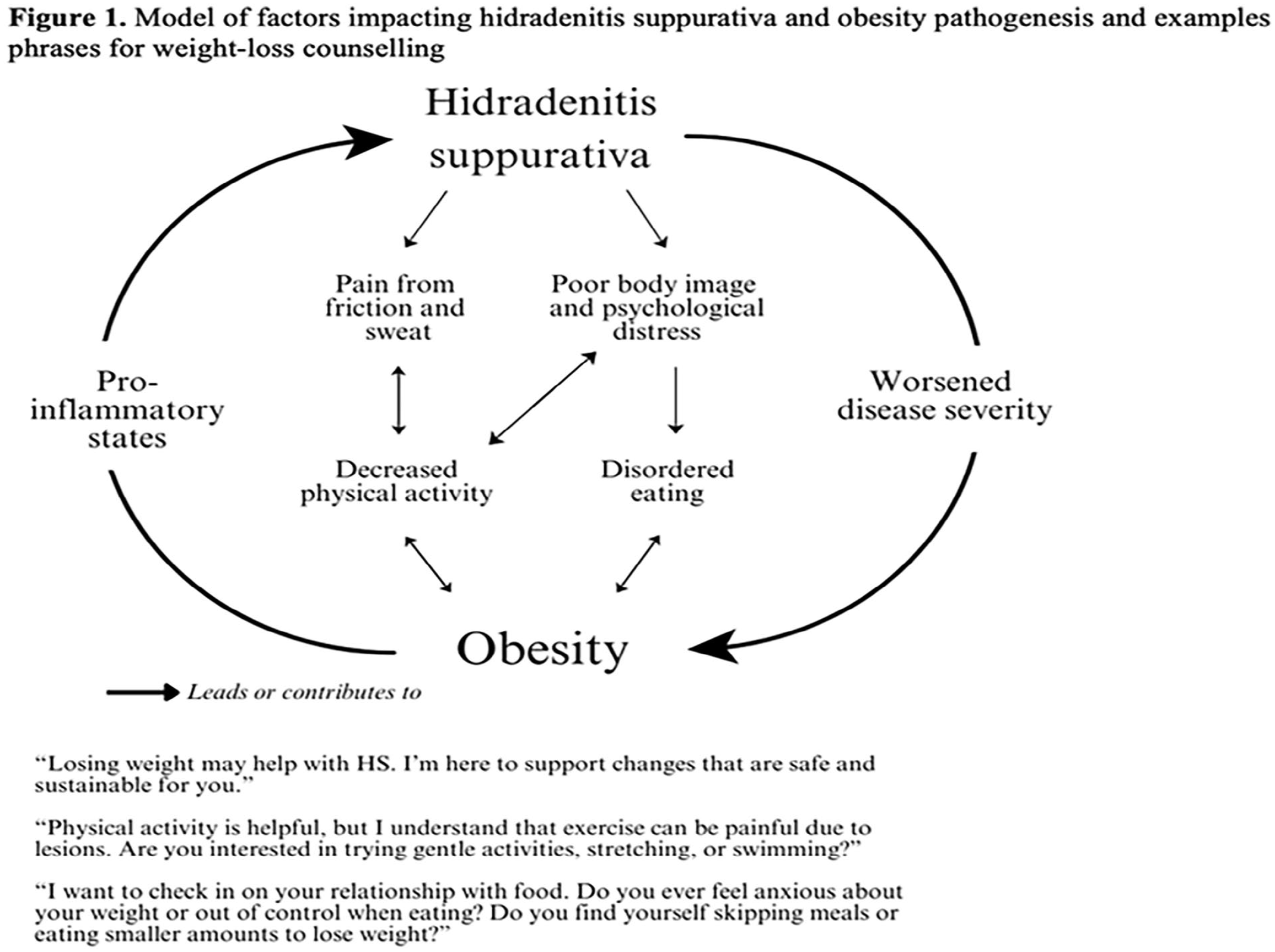
Describe the connection between HS and disordered eating, emphasizing both psychological factors such as emotional distress, stigma, and body image issues, and physiological contributors including meta-inflammation, disease progression, triggers, and obesity.
Recognize disordered eating as a component of the broader profile of psychological comorbidities in patients with HS, underscoring its impact on overall well-being and quality of life.
Explore the diverse manifestations of disordered eating in HS, including formal eating disorders (such as anorexia nervosa, bulimia nervosa, and binge-eating disorder) and maladaptive behaviors such as food addiction, dieting, and emotional eating
Utilize a multidisciplinary approach to HS treatment involving dermatologists, dietitians, psychiatrists, and mental health professionals to deliver holistic care that addresses both the physical and psychological facets of the disease.
Disordered eating is a significant and underrecognized issue in patients with hidradenitis suppurativa, potentially driven by a complex interplay of psychological, physiological, and treatment-related factors. Adopting a multidisciplinary, patient-centered approach that integrates screening for disordered eating is essential for improving outcomes in this population.
O1.05
Key Data Elements for Hidradenitis Suppurativa: Consensus Recommendations for Clinical and Research Practices
1Department of Medicine, Temerty Faculty of Medicine, University of Toronto, Toronto, ON, 2Division of Dermatology, Department of Paediatrics, The Hospital for Sick Children, Toronto, ON, 3Division of Dermatology and Symmetry Dermatology, Department of Medicine, University of Alberta, Edmonton, AB, 4Division of Dermatology, Department of Medicine, Women’s College Hospital, Toronto, ON, 5Division of Dermatology, Department of Medicine, University Health Network, Toronto, ON, 6Division of Dermatology, Department of Medicine, Centre hospitalier universitaire de Québec-Université Laval, Québec, QC, 7Division of Dermatology, Department of Paediatrics, The Hospital for Sick Children, University of Toronto, Toronto, ON, 8Brunswick Dermatology Centre, Fredericton, NB, 9Department of Medicine, Dalhousie University, Halifax, NS, 10Probity Medical Research, Waterloo, ON, 11Section of Dermatology, Department of Medicine, University of Manitoba, Winnipeg, MB, 12SKiNWISE DERMATOLOGY, Winnipeg, MB, 13Department of Dermatology and Skin Science, University of British Columbia, Vancouver, BC, 14Mount St. Joseph Hospital, Vancouver, BC, 15Division of Dermatology, Department of Medicine, Sunnybrook Health Sciences Centre, Toronto, ON
Recognize the importance of standardized data collection systems to address existing gaps in hidradenitis suppurativa clinical care and research settings.
Identify core data items and key domains, including demographics, treatments, medical history, and patient-reported outcomes, that are essential for consistent and comprehensive data collection in real-world hidradenitis suppurativa clinical care and research settings.
Understand the significance of a consensus-driven approach, such as the Delphi process, in determining priority data items for optimizing HS data infrastructure.
This study highlights the importance for a standardized data collection system in clinical care and real-world research settings for hidradenitis suppurativa. By successfully achieving expert consensus on core data items to be routinely collected, it offers recommendations to streamline data practices, support high-quality patient care, and facilitate the development of a future national registry for HS patients.
O1.06
Surgical Deroofing for the Management of Hidradenitis Suppurativa: A Systematic Review and Meta-Analysis
1Faculty of Medicine, University of Ottawa, Ottawa, ON, 2Division of Dermatology, University of Ottawa, Ottawa, ON, 3The Ottawa Hospital, Ottawa, ON
Evaluate the outcomes of surgical deroofing, including healing time, pain, and patient satisfaction, based on current evidence.
Elucidate the different deroofing methods and adjunctive therapies published in the literature.
Recognize the limitations and future research directions needed to standardize deroofing protocols and assess long-term efficacy compared to alternative treatments.
The current evidence supports surgical deroofing as a minimally invasive procedure removing sinus tract roofs and inflammatory nodules, as an effective treatment for Hurley stage II-III HS, offering favorable outcomes in healing, pain, and patient satisfaction. Standardized protocols and further research are essential to optimize its use and compare it with other treatment modalities.
O1.08
Misdiagnosis in Hidradenitis Suppurativa: A Systematic Review
1Temerty Faculty of Medicine, University of Toronto, Toronto, ON, 2Michael G. DeGroote School of Medicine, McMaster University, Hamilton, ON, 3Division of Dermatology, Department of Medicine, University of Toronto, Toronto, ON, 4Division of Dermatology, Department of Medicine, Women’s College Hospital, Toronto, ON, 5Division of Dermatology and Venereology, Geneva University Hospitals, Geneva, Geneva, Switzerland, 6Division of Dermatology, Department of Medicine, Srinagarind Hospital, Khon Kean, Thailand
Understand the clinical presentation and diagnostic challenges of hidradenitis suppurativa.
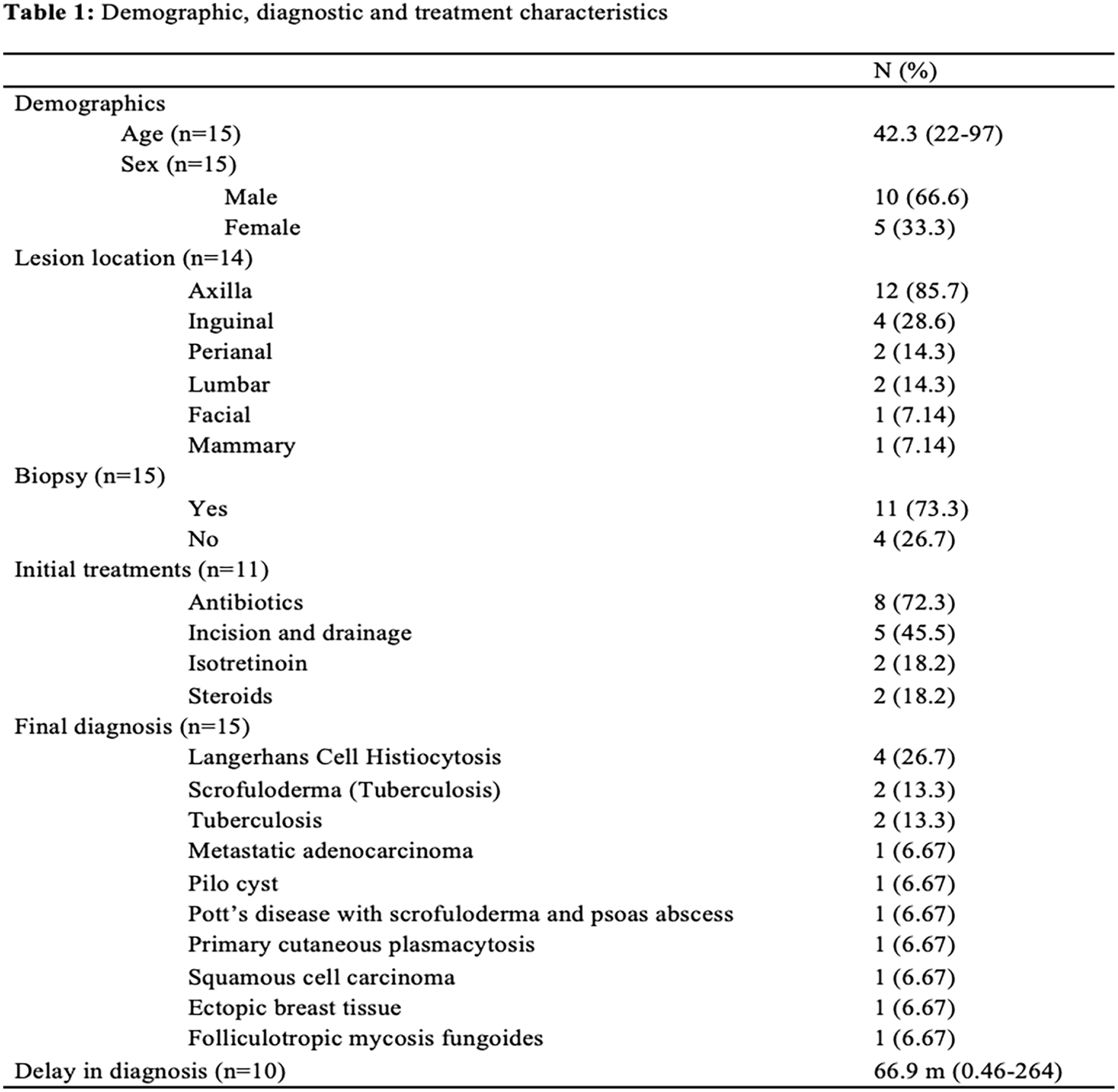
Recognize the common misdiagnoses of HS, including infectious conditions like scrofuloderma and tuberculosis.
Identify the importance of biopsy and comprehensive investigations in diagnosing HS.
Early and accurate diagnosis of hidradenitis suppurativa, including consideration of infectious mimickers, is crucial to prevent delays in treatment and improve patient outcomes.
HS is frequently misdiagnosed as infectious conditions: Misdiagnoses like scrofuloderma and tuberculosis delay accurate treatment and highlight the need to include infectious etiologies in the differential diagnosis.
Significant diagnostic delays worsen outcomes: An average delay of 66.9 months contributes to scarring, chronic pain, and mental health challenges, underscoring the need for earlier recognition.
Thorough diagnostic workups are essential: Skin biopsies and careful consideration of infectious and malignancy-related causes are critical for accurate HS diagnosis and management.
O2: Rheumatology Dermatology
Presented in the Canadian Rheumatology Dermatology Working Group (CARD) scientific session
O2.02
A Systematic Review of Dual Biologic or Small Molecule Therapy in Patients with Psoriasis and Comorbid Inflammatory Diseases
1Temerty Faculty of Medicine, University of Toronto, Toronto, ON, 2Michael G. DeGroote School of Medicine, McMaster University, Hamilton, ON, 3Division of Dermatology, Department of Medicine, University of Toronto, Toronto, ON, 4Associate Clinical Professor, McMaster University, Hamilton, ON
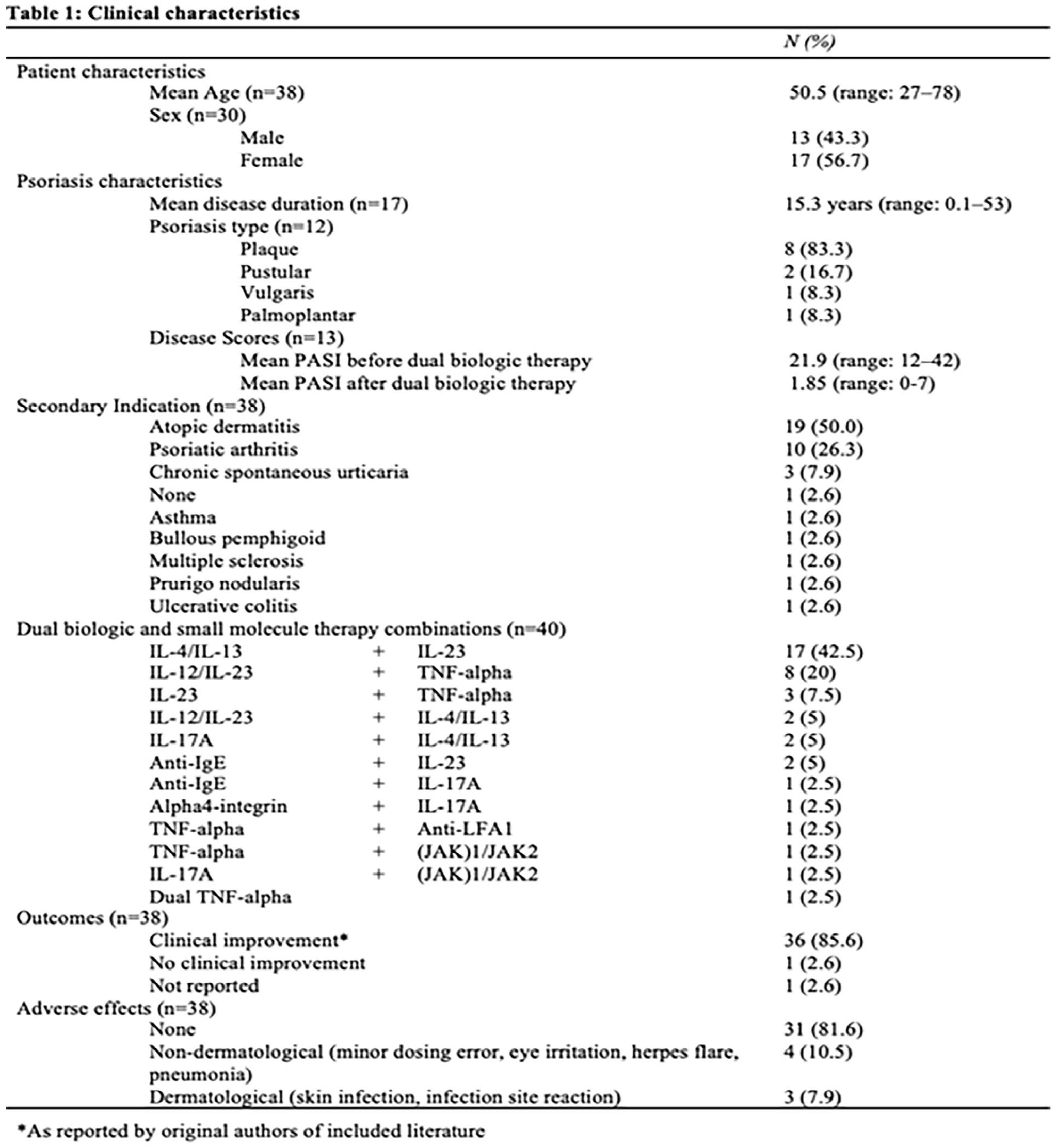
Evaluate the efficacy and safety of dual biologic or small molecule therapies in patients with refractory psoriasis and comorbid inflammatory diseases.
Identify common biologic combinations used in dual therapy for psoriasis, including their indications for comorbid conditions like atopic dermatitis and psoriatic arthritis.
Recognize the limitations of current studies on dual therapy, including small sample sizes and the need for larger trials to confirm safety and effectiveness.
Dual biologic or small molecule therapies offer a promising treatment option for refractory psoriasis with comorbid conditions, but further research is needed to confirm their long-term safety and efficacy.
Dual biologic therapy shows high efficacy in refractory psoriasis: Most patients achieved significant improvement in PASI scores, highlighting its potential as a viable option for those unresponsive to traditional treatments.
Comorbid conditions drive dual therapy use: Dual biologic combinations are frequently employed to manage overlapping inflammatory diseases, such as atopic dermatitis and psoriatic arthritis, emphasizing their versatility.
Safety profile of dual therapy is favorable but underreported: Adverse events were uncommon, but incomplete data on safety underscores the need for more robust reporting in future studies.
O2.03
Cutaneous Manifestations of Dermatomyositis in Black Patients: A Review of Reported Cases
1Division of Dermatology, Department of Medicine, University of Toronto, Toronto, ON, 2Faculty of Medicine & Dentistry, University of Alberta, Edmonton, AB, 3Temerty Faculty of Medicine, University of Toronto, Toronto, ON, 4Division of Dermatology, Department of Medicine, Women’s College Hospital, Toronto, ON
Recognize the distinct cutaneous manifestations of dermatomyositis (DM) in Black patients, including the prevalence of dyschromia.
Understand the challenges in diagnosing DM in Black patients, such as misdiagnoses and delayed recognition of clinical features.
Highlight the importance of incorporating diverse skin tones into DM educational materials to improve diagnostic accuracy and health outcomes.
Awareness of the unique cutaneous features of DM in Black patients, particularly dyschromia, is essential for improving early diagnosis and reducing morbidity and mortality in this underserved population.
O2.05
UVA-1 Phototherapy for Morphea and Sclerosing Skin Disorders: Insights from a Decade-Long Retrospective Analysis
University of British Columbia, Vancouver, BC
Assess the efficacy of UVA-1 treatment for morphea and related skin disorders through physician improvement ratings and the modified Rodnan Skin Score (mRSS).
Understand the tolerability of UVA-1 treatment courses by analyzing adverse events and patient completion rate.
Quantify patient response via the improvement scale (none, mild, moderate, marked) for initial and subsequent UVA-1 treatment courses.
Explore patterns in improvement outcomes based on UVA-1 treatment parameters such as dosage and number of treatment courses.
Evaluate the effectiveness of UVA-1 for patients who have attempted alternative therapies before UVA-1, indicating more refractory cases of disease.
UVA-1 phototherapy is an effective and well-tolerated treatment option for morphea and other sclerosing skin disorders, demonstrating high response rates even in refractory patient populations. Currently UVA-1 is not widely accessible. However, given the benefits and minimal side effects compared with topical/systemic agents, further study is encouraged to optimize treatment regimens and support broader implementation. UVA-1 holds significant potential in managing challenging sclerosing skin conditions.
O3: Education
Presented in the Innovations in Education – Canadian Professors of Dermatology (CPD) scientific session
O3.01
Effectiveness of Learning Interventions for Skin of Colour Dermatology in Medical Education: A Systematic Review
1Schulich School of Medicine and Dentistry, Western University, London, ON, 2Division of Dermatology, Department of Medicine, McMaster University, Hamilton, ON
To synthesize data on various learning interventions aimed at improving the knowledge, competence, and confidence of medical students and residents in diagnosing and managing skin conditions in patients with skin of colour (SOC).
To identify the impact of learning interventions on objective performance measures and self-rated confidence of trainees in addressing dermatologic conditions in SOC.
To define areas for further research and improvements in educational interventions to better equip trainees in diagnosing and treating skin conditions in SOC.
Targeted learning interventions may be effective in improving trainees’ knowledge and confidence when diagnosing and managing dermatological conditions in skin of colour (SOC). Still, there is a clear need for additional studies that evaluate long-term skill retention, emphasize the use of objective performance measures, and feature expanded representation of diverse skin tones in visual resources. Such efforts will ensure more equitable and comprehensive dermatology education, ultimately improving patient outcomes.
O4: Pediatric Dermatology
Presented in the Canadian Alliance for Pediatric Experts in Skin (CAPES) scientific session
O4.02
Identifying Gaps in Sun-Safety Understanding and Behaviours Among Canadian Elementary Students Stratified by Race: Updated Findings from an Ongoing Survey
1Faculty of Medicine, University of Ottawa, Ottawa, ON, 2Division of Dermatology, University of Ottawa, Ottawa, ON, 3The Ottawa Hospital, Ottawa, ON
Understand the importance of teaching sun-safety behaviors to youth.
Identify the sun-safety perceptions and practices among elementary school students from diverse racial and ethnic backgrounds.
Recognize knowledge gaps in sun-safety education, such as misconceptions about sunscreen reapplication and Sun Protection Factor (SPF) values, and the implications for tailored educational programs.
Understanding baseline photoprotection perceptions, across race/ethnicity, provides a foundation to guide more specific approaches to photoprotection education, which may need to include outcomes other than skin cancer prevention. While elementary students generally understood the importance of sun safety, gaps in knowledge regarding sunscreen reapplication, SPF value differences, and the benefits of sun protection beyond skin cancer prevention highlight areas for improvement in educational programs. Addressing these gaps and tailoring sun-safety education to students from diverse racial and ethnic backgrounds may enhance long-term effectiveness in promoting sun-protective behaviours.
O4.03
Granulomatous Giant Centrifugal Miliaria Profunda in an Infant: A Clue to MAPK Pathway Dysregulation and Genetic Diagnosis
1Faculty of Medicine and Dentistry, University of Alberta, Edmonton, AB, 2Department of Dermatology and Skin Science, University of British Columbia, Vancouver, BC
Initial biopsy suggested a histiocytic process, but a repeat biopsy demonstrated granulomatous inflammation centered on eccrine ducts, consistent with the granulomatous variant of giant centrifugal miliaria profunda. At 15 months old, genetic testing confirmed a pathogenic MAP2K1 variant (c.389A>G; p.Tyr130Cys), consistent with the diagnosis of CFCS.
To recognize granulomatous giant centrifugal miliaria profunda as a potential cutaneous manifestation of cardiofaciocutaneous syndrome.
To understand the role of RAS-MAPK pathway dysregulation in epidermal and eccrine dysfunction.
To discuss the diagnostic and management challenges posed by rare dermatological conditions in genetic syndromes.
This case highlights the first reported association between granulomatous giant centrifugal miliaria profunda and CFCS. Early recognition and intervention are essential for accurate diagnosis and effective management, while further research is necessary to better understand its pathophysiology and treatment.
O4.04
Characterizing Tofacitinib Response in Pediatric Alopecia Areata: A Retrospective Review
1Temerty Faculty of Medicine, University of Toronto, Toronto, ON, 2Division of Dermatology, Department of Medicine, University of Toronto, Toronto, ON, 3Division of Dermatology, Department of Paediatrics, The Hospital for Sick Children, University of Toronto, Toronto, ON
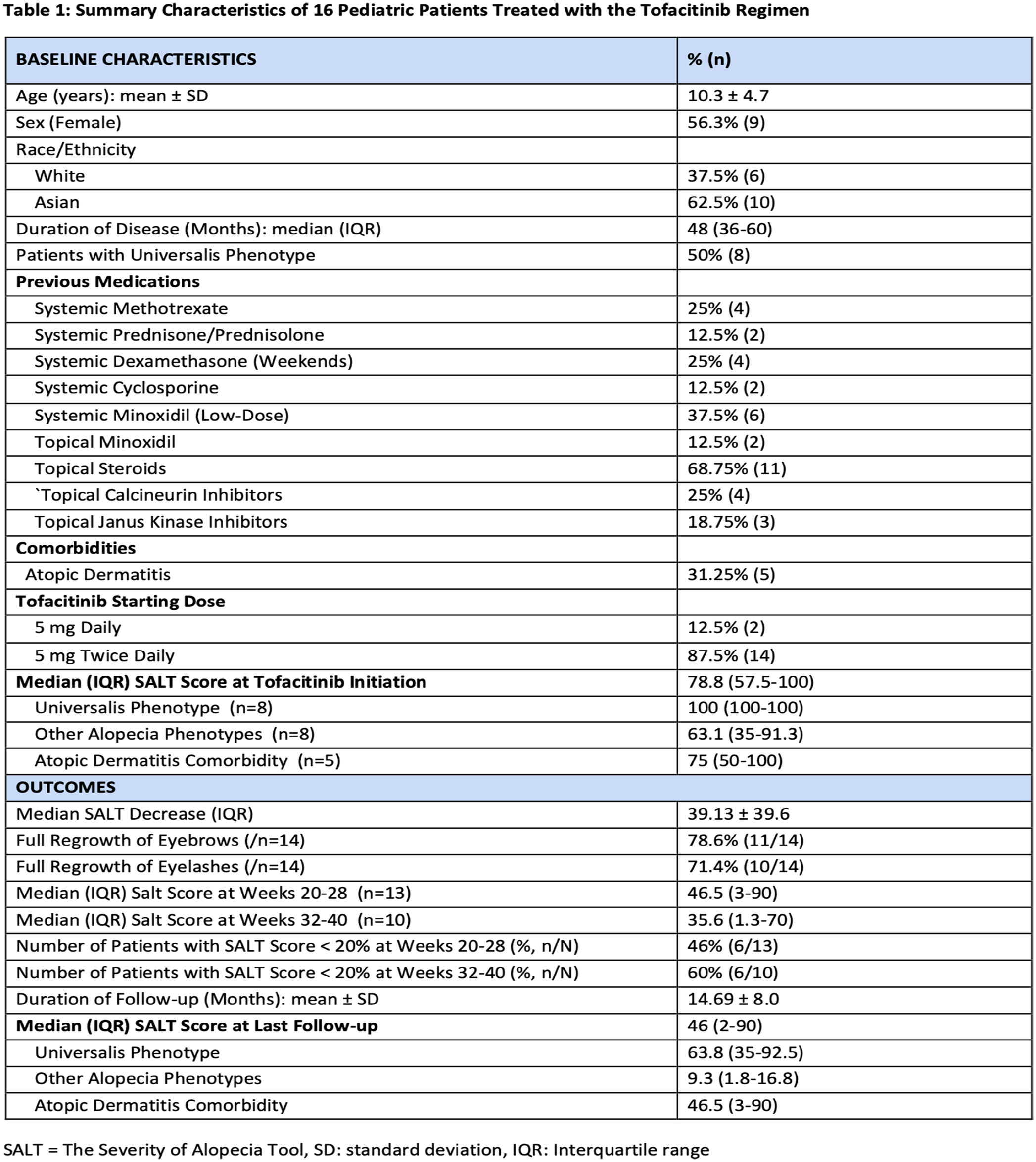
Appreciate the prevalence and phenotype of AA in pediatric patients within a demographically diverse population.
Evaluate the efficacy of tofacitinib in pediatric AA treatment with respect to scalp, eyebrow and eyelash loss.
Identify factors which warrant further study in longitudinal studies analyzing long-term outcomes, safety, and predictors of therapeutic success in pediatric AA treatment.
Tofacitinib demonstrates promising efficacy in pediatric patients with alopecia areata, showing significant hair regrowth outcomes and potential eyebrow and eyelash restoration. However, variability in individual responses emphasizes the need for further research into predictive factors and optimized, individualized treatment strategies. Establishing robust patient registries and conducting longitudinal studies are critical steps to improving care for children with AA and addressing its broader psychological and clinical impacts.
O4.05
This Face is Not a PHACES
1Université de Montréal, Montréal, QC, 2Centre Hospitalier Universitaire Sainte-Justine, Montréal, QC
After over 6 weeks of propranolol treatment with no clinical improvement and no paraclinical findings suggestive of PHACES, along with the biopsy results showing a vessels organized in cannonball patterns (GLUT1 negative, and WT positive), the diagnosis was revised to tufted angioma.
Segmental congenital TA is a rare presentation that can easily be confounded with infantile hemangioma. Getting the right diagnosis is of utmost importance to plan for the right management that include PHACES work-up and propranolol treatment for segmental IH, and prevention/treatment of Kasabach-Merritt phenomenon that can develop in TA.
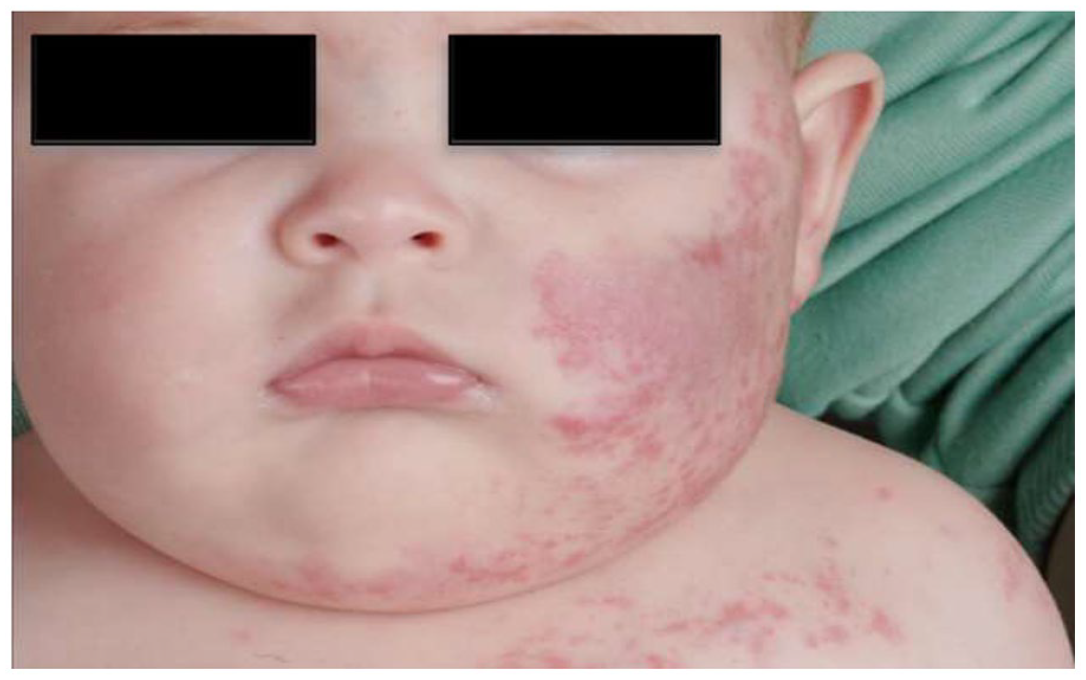
Review a puzzling case of vascular tumor.
Underscore the needs for clinico-radiologic and histopathological correlation.
Highlight the wide range of possible presentations of vascular anomalies in pediatric patients.
Vascular anomalies continue to present significant diagnostic challenges, highlighting the importance of clinico-radiologic and histopathological correlation, as well as the added value of a multidisciplinary approach.
O5: Research
Presented in the Canadian Skin Research Group (Skin Investigation Network of Canada, Skin Research Group of Canada, Canadian Skin Patient Alliance, Canadian Society of Investigative Dermatology, and Canadian Dermatology Foundation) scientific session
O5.01
Impact of Digital Wound Care: A Pilot Study at Giishkaandago’Ikwe Health Services
1University of Toronto, Toronto, ON, 2Swift Medical, Toronto, ON, 3Giishkaandago’ikwe Health Services, Fort Frances, ON, 4Women’s College Hsopital, Toronto, ON
A total of 202 patients (41% male, 59% female) comprising 3,194 wound evaluations were analyzed. Clinical outcomes included a 12.8% reduction in visits per wound, translating into ~$91,000 in cost savings. Additionally, there was a 2.9% reduction in wounds acquired during management and a 20% reduction in median healing time. Operationally, there was a 9.7% increase in evaluations completed within 24 hours. Furthermore, registered practical nurse (RPN) utilization increased by 9%, corresponding with a 9% decrease in registered nurse (RN) utilization.
Understand the utility of AI-based digital wound care systems.
Describe the potential clinical benefits of AI-based digital wound care systems.
Describe the potential operational benefits of AI-based digital wound care systems.
AI-based digital wound care systems have the potential to substantially improve clinical and operational outcomes by improving wound progression monitoring and documentation efficiency. However, further studies are needed to assess long-term impacts and cost-effectiveness in diverse healthcare environments.
O5.02
The Use of Artificial Intelligence-Based Wound Assessment in Measuring Wound Tissue Area and Composition in the Clinical Setting
1Temerty Faculty of Medicine, University of Toronto, Toronto, ON, 2Swift Medical, Toronto, ON, 3The Michener Institute of Education, Toronto, ON, 4Faculty of Medicine and Dentistry, University of Alberta, Edmonton, AB
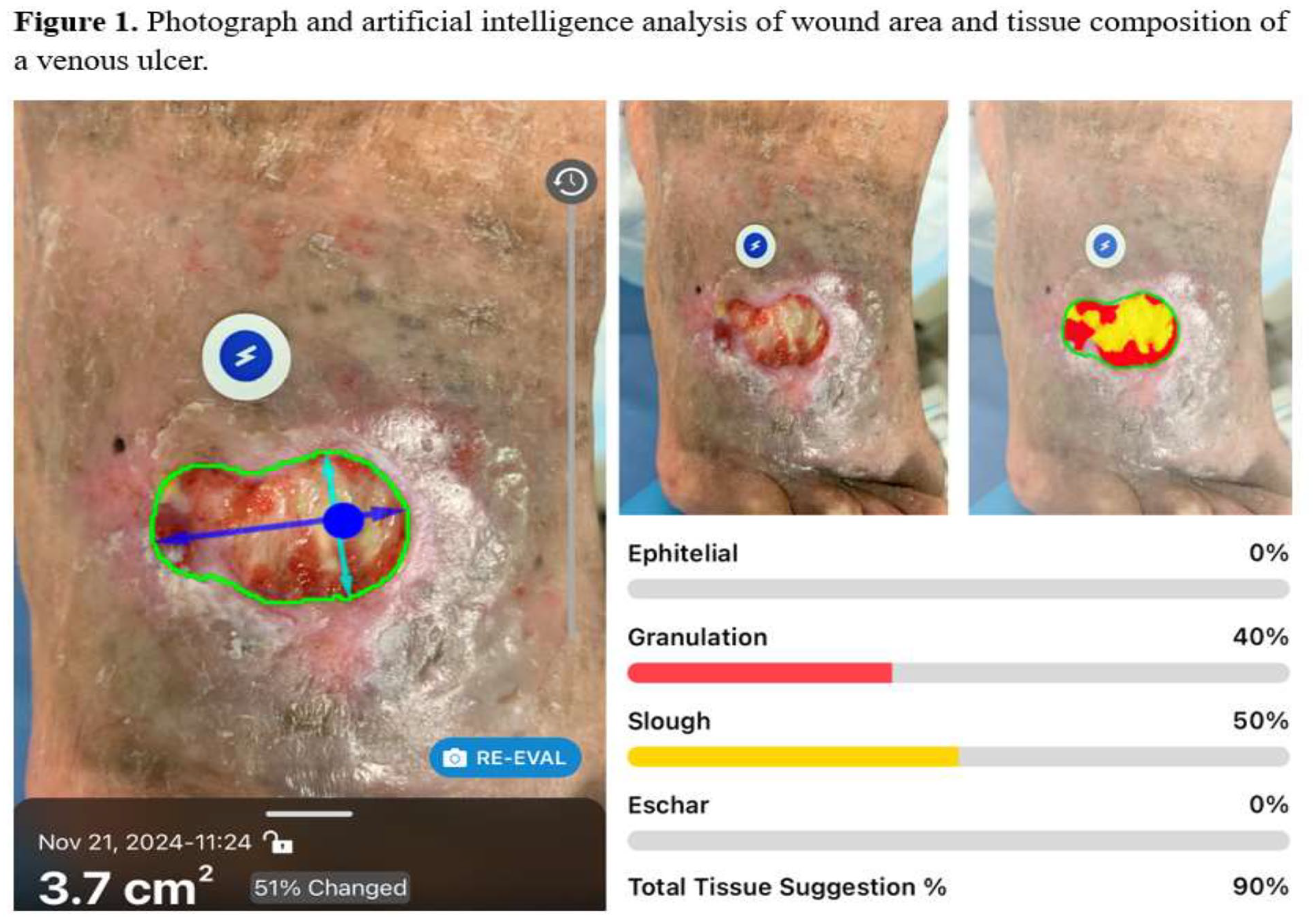
Explore the usability and clinical utility of an artificial intelligence tool for objectively measuring wound area and tissue composition, including granulation, eschar, slough, and epithelialization tissue.
Evaluate the role of artificial intelligence in complementing clinical judgement to inform treatment plans for patients with treatment-resistant wounds.
Discuss future implications of artificial intelligence in wound care and analyze how clinical feedback can help refine workflows and improve the integration of artificial intelligence tools in the clinical setting.
Understand methods for assessing the effectiveness of an artificial intelligence tool in wound care, focusing on measurement accuracy and its impact on clinical decision-making.
The use of artificial intelligence has the potential to enhance wound assessment by providing objective measurements of wound area, as well as percentage of granulation, eschar, slough, and epithelialization. This approach can support clinical decision-making and contribute to more streamlined, effective patient care.
O5.03
Evaluation of Artificial Intelligence Chatbots in Addressing Most Searched Queries on Psoriasis
1Faculty of Medicine, Université de Montréal, Montréal, QC, 2Division of Dermatology, Department of Medicine, McGill University and the McGill University Health Centre, Montreal, QC, 3Division of Experimental Medicine, McGill University Health Centre, Montreal, QC, 4Department of Medicine, Division of Clinical Epidemiology, McGill University, Montreal, QC, 5Faculty of Education, McGill University, Montreal, QC
Of 100 responses, the median DISCERN score was 4 [1, 5], indicating good information quality with significant differences among chatbots. The inter-rater agreement across all chatbots was strong. Moderate and major misinformation content deviations occurred in 8% and 1% of responses, respectively. All chatbots, except ChatGPT, included references. Misinformation was overall minimal (Likert scale median: 1.0 [1, 4]) but varied significantly among chatbots. Patient understandability assessed through the PEMAT score was 80% [36, 91], with Perplexity performing the worst (p < 0.001). SOC-related content was limited, with only Perplexity AI (2/15) and Bing AI (5/15) addressing it. Responses predominantly focused on white skin.
To assess misinformation in large language model (LLM) chatbots when answering frequently asked psoriasis-related questions.
To assess chatbot responses using established scoring tools that incorporate both dermatological expertise and patient-centered perspectives.
To identify limitations in chatbot content regarding skin diversity and to discuss strategies for improved inclusivity and representation of diverse populations.
Although chatbots show promise in drafting educational content, their knowledge base often lacks updated information on novel therapeutics, largely because they are trained on older datasets. Misinformation was reported in treatment options, alternative and home care therapies, and disease etiology. This highlights the need for continuous updates and improvements in training data to ensure the accuracy and relevance of medical information. Medical representation bias towards white skin tones remains a pressing issue that needs to be addressed during chatbot dataset selection, training and fine-tuning processes. Longitudinal studies assessing the evolving performance of LLM chatbots are needed.
O6: Contact Dermatology
Presented in the Canadian Contact Dermatology Society (CCDS) scientific session
O6.01
Exploring the Applications of Artificial Intelligence in Contact Dermatitis
1School of Medicine, Queen’s University, Kingston, ON, 2Department of Dermatology, Venereology and Allergy, Charité – Universitätsmedizin Berlin, Berlin, Germany
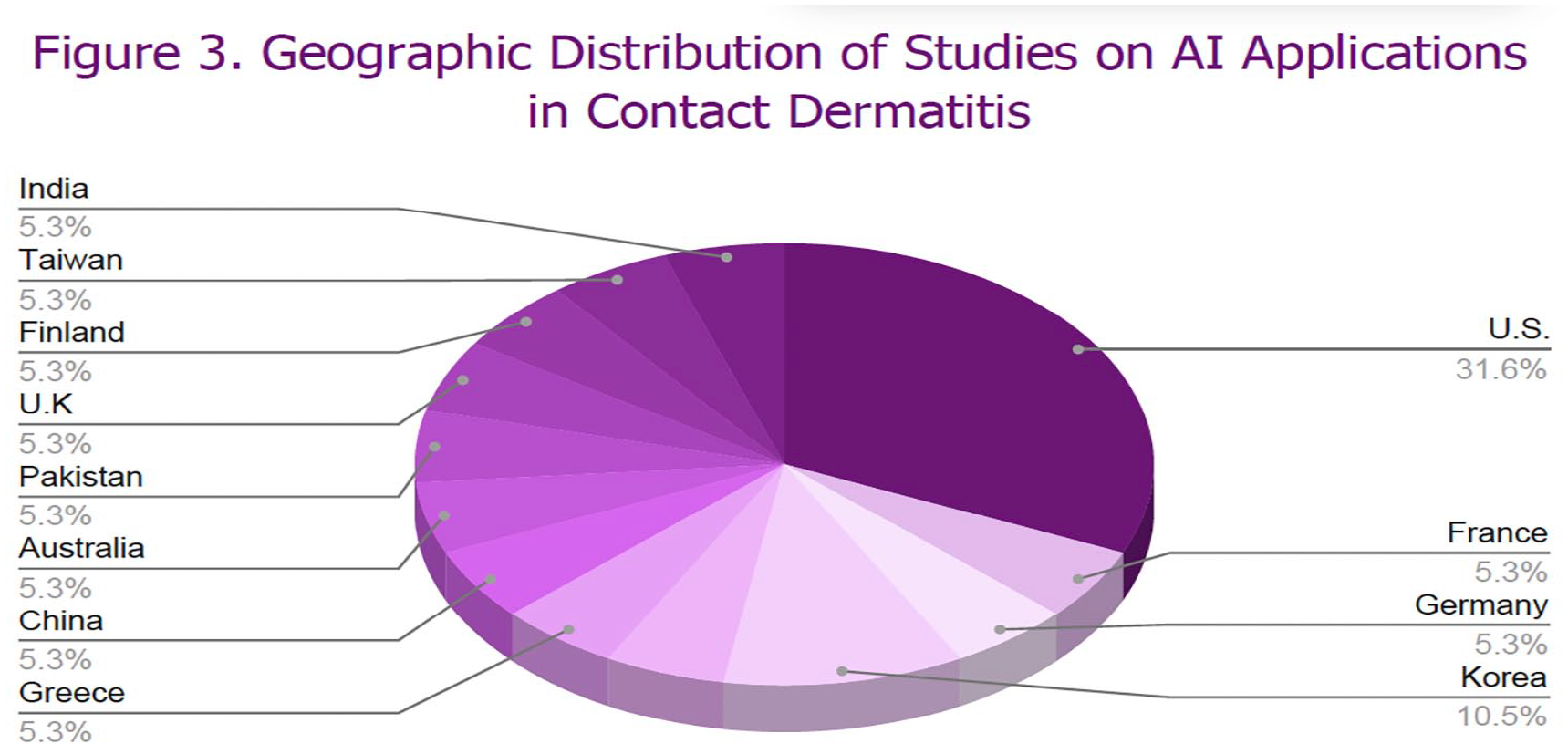
The initial search yielded 352 unique studies after duplicates were removed. Following full-text assessment, 19 articles were included in the review. Six studies focused on preventing CD by using AI to assess skin sensitization and predict the allergenicity of chemicals. Eight studies explored enhancingthe diagnostic process and classifying CD by automating and streamlining diagnosis. Two studies applied random forest models to identify biomarkers and gene signatures that differentiate types of CD. Three studies evaluated AI’s ability to recommend treatment and management plans.
Understand current AI applications in CD diagnosis and management.
Compare AI and traditional CD management approaches.
Recognize the potential benefits and limitations of AI in CD.
Identify the gap in AI research related to CD.
Appreciate the importance of AI research in CD for improving patient outcomes.
AI has the potential to significantly improve the diagnosis and management of Contact Dermatitis (CD) in various ways, including prevention, diagnosis, and treatment. However, there is a significant gap in research on AI in CD, particularly in Canada where it could significantly improve healthcare access in remote regions.
O6.02
Extended vs. Screening Series for Contact Allergy: A Retrospective Chart Review
1University of British Columbia, Prince George, BC, 2University of British Columbia, Vancouver, BC
Discuss the pathophysiology and epidemiology of contact allergy
Outline the process of patch testing
Describe the common allergens on the ACDS80 screening series and extended series
Extended series patch testing in addition to the ACDS80 screening series remains important in patients with contact allergy to appropriately identify the culprit allergen.
O7: Dermatologic Surgery
Presented in the Canadian Society for Dermatologic Surgery (CSDS) scientific session
O7.02
Postoperative Opioid Prescription Fill Rates and Consumption in Skin Cancer Patients: A Systematic Review
1Faculty of Medicine, University of Ottawa, Ottawa, ON, 2The Ottawa Hospital Research Institute, Ottawa, ON, 3Department of General Surgery, Division of Surgical Oncology, The Ottawa Hospital, Ottawa, ON
Recognize the gap between the number of opioids prescribed and those actually used, highlighting the need to prioritize non-narcotic pain management strategies when feasible.
Recognize the potential consequences of overprescribing opioids following skin cancer surgery, including risks of misuse, and understand the critical role of safe disposal methods in preventing diversion of unused opioids.
Identify that in this review a low percentage of patients consumed all prescribed opioids, while more than half planned to retain leftover pills further emphasizing the need for education on safe opioid use and disposal.
There was a 5-pill discrepancy between prescription and usage, with this study supporting previous findings of prescribing no more than 5 opioid tablets post-skin cancer surgery with the exception of certain sites that may have higher pain levels (e.g., ear and large defects).
Providing patients with clear guidance on effective non-narcotic pain management strategies, safe disposal of unused opioids, and the risks of misuse is essential for addressing health concerns of patients post-skin cancer surgery.
Poster Presentations
P01: E-Poster Stand-By Presentations
P01.01
Extracorporeal Photopheresis in Fibrosing Skin Disorders: A Systematic Review
Sydney A. Yee1,
1Division of Dermatology, Department of Medicine, Cumming School of Medicine, University of Calgary, Calgary, AB, 2Division of Rheumatology, Department of Medicine, Cumming School of Medicine, University of Calgary, Calgary, AB
Of 301 studies, 24 met the inclusion criteria (258 patients). The most common protocol involved 0.6 mg/kg of 8-methoxypsoralen administered two consecutive days every 2–4 weeks. Most patients were previously or concurrently treated with immunosuppressive therapies. Due to variability in outcomes, a meta-analysis was not feasible.
Three RCTs on SSc showed mixed results, with one showing benefit and two reporting no significant improvement. Observational studies in SSc (n=14) similarly yielded conflicting findings. Conversely, studies on morphea (n=4) and EF (n=3) reported improved skin outcomes. ECP was well tolerated across all studies, with minimal adverse effects.
To understand the potential role of ECP in managing the cutaneous fibrosing disorders.
To evaluate the evidence for ECP use in SSc, morphea, and EF based on findings from randomized controlled trials and observational studies.
To identify research gaps in ECP studies and recognize the need for high-quality research using standardized outcome measures.
ECP shows potential as a treatment for cutaneous fibrosing disorders. However, inconsistencies in study results and outcome measures underscore the need for robust research to clarify its effectiveness and safety profile.
P01.02
Impact of Narrow Margins on Melanoma Prognosis: An Independent Risk Factor for Local Recurrence and Mortality
1Division of Dermatology, McGill University Health Centre, Montreal, QC, 2Division of Medicine, Université de Sherbrooke, Sherbrooke, QC, 3Division of Dermatology, Université Laval, Québec, QC, 4Université de Sherbrooke, Sherbrooke, QC, 5Faculty of Medicine, Université de Sherbrooke, Sherbrooke, QC, 6Division of Dermatology, Université de Sherbrooke, Sherbrooke, QC
Among 415 cases of melanoma, 243 had adequate margins, while 172 had inadequate margins. Narrow histological margins were found in 41.4% of cases, predominantly in the head and neck (34.9%). Narrow margins were significantly associated with higher rates of local recurrence (7% vs. 2.9%, p=0.049) and melanoma-related mortality (7.6% vs. 2.5%, p=0.015). Adequate margins reduced melanoma-related mortality by 67% (RR 0.33, 95% CI 0.13-0.84, p=0.021). Locoregional recurrence was more frequent in the narrow margin group, though not statistically significant (p=0.051). A margin adequacy coefficient of 0.65 was identified as a threshold, above which the risk of recurrence increased by 54%.
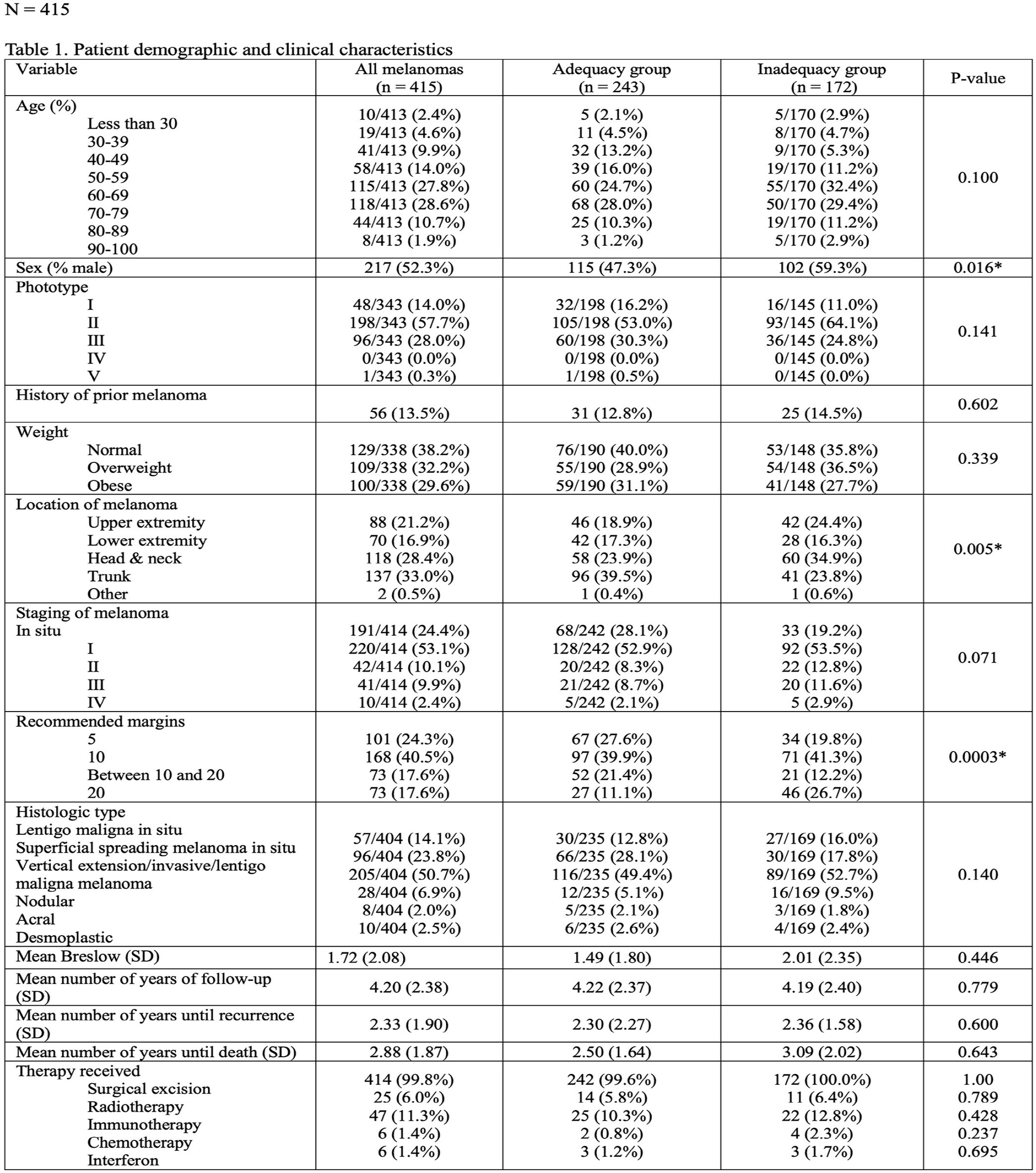
Recognize the limitations of relying solely on clinical margins for melanoma treatment and the necessity of incorporating histological margin evaluations into clinical decision-making.
Investigate the prognostic value of narrow histological margins in melanoma management, particularly their influence on local recurrence and melanoma-specific mortality, independent of other established prognostic factors.
Assess the potential of histological margin analysis as a predictive tool to enhance risk stratification and optimize individualized treatment strategies.
Nearly half of histological margins do not meet the clinically recommended standards, significantly increasing the risk of local recurrence and melanoma-specific mortality. Achieving adequate histological margins through re-excision may improve patient outcomes, underscoring the need for prospective studies to refine melanoma management protocols.
P01.03
Cutaneous Bacillary Angiomatosis in the Setting of Immunosuppression: A Rare Case in a Heart Transplant Recipient
Cumming School of Medicine, University of Calgary, Calgary, AB
Bacillary angiomatosis arises from opportunistic Bartonella henselae or Bartonella quintana infections and is a growing concern amongst solid organ transplant recipients.
Bacillary angiomatosis is exceedingly rare in heart transplant recipients.
Organ transplant donor-derived Bartonella infection is on the rise.
Cutaneous bacillary angiomatosis is an emerging concern in solid organ transplant recipients. This case report describes one of the first presentations of cutaneous BA in a heart transplant recipient. Further research is needed to better understand donor transmission, symptoms, and the risks associated with this condition in the context of organ transplantation.
P01.06
Disease Severity and Pruritus Treatment Outcomes in Prurigo Nodularis: A Systematic Review of Randomized-Controlled Trials
1University of Toronto, Toronto, ON, 2Western University, London, ON, 3University of Illinois, Chicago, IL, 4Sunnybrook Health Sciences Centre, Toronto, ON, 5Women’s College Hospital, Toronto, ON, 6Probity Medical Research, Waterloo, ON
The greatest reduction in WI-NRS compared to control was achieved by nemolizumab 30-60 mg every 4 weeks (Q4W) (-58.6%; placebo -18.6%; n=229; duration 16-weeks), nemolizumab 0.5 mg/kg Q4W (-61.9%; placebo -25.7%; n=70; duration 12-weeks) and dupilumab 300 mg every 2 weeks (Q2W) (-48.9%; placebo -22.2%; n=151; duration 24-weeks). The greatest proportion of patients achieving
The greatest proportion of patients achieving IGA score of 0/1 compared to control was achieved by nemolizumab 0.5 mg/kg Q4W (67.6%; placebo 14.3%; n=70; duration 12-weeks), dupilumab 300 mg Q2W (48.0%; placebo 18.4%; n=151; duration 24-weeks) and nemolizumab 30-60 mg Q4W (31.9%; placebo 9.1%; n=560; duration 16-weeks).
Identify treatments with clinical trial evidence in prurigo nodularis.
Determine the most effective treatments for reducing itch intensity in prurigo nodularis.
Determine the most effective treatments for reducing prurigo nodularis disease severity.
Nemolizumab and dupilumab were the most effective at reducing itch and PN disease severity assessed by WI-NRS and IGA scores.
P01.07
JAK-1 Inhibitors in the Management of Atopic Dermatitis in Older Adults: A Descriptive Cohort Study
Jiayue Zheng1, Karla Robles-Velasco2,3, Sonia Sharma2, Rodrigo Gay Ducati2,4, Veronica Ferris Pasquini2,
1Department of Medicine, McMaster University, Faculty of Health Sciences, Hamilton, ON, 2LEADER Research Inc., Hamilton, ON, 3Universidad Espiritu Santo, Samborondon, Ecuador, 4University of Vale do Taquari - Univates, Lajeado, Brazil
To assess treatment efficacy of JAK-1 inhibitors, including upadacitinib and abrocitinib, in improving disease control and reducing symptom severity in older adults with moderate-to-severe atopic dermatitis.
To evaluate the safety and tolerability of JAK-1 inhibitors in older individuals, identifying common adverse events and their impact on treatment adherence in this population.
To understand the implications of these findings for personalized treatment approaches and future research in this underrepresented population.
Although causality cannot be established, this study supports the efficacy and safety of JAK-1 inhibitors in older individuals with AD, providing groundwork for larger-scale investigations that may more accurately delineate the risk-benefit profile of these drugs.
P01.08
Outcomes of Therapeutic Strategies in Merkel Cell Carcinoma Among Pediatric and Young Adult Patients (Ages 0–45)
1Temerty Faculty of Medicine, University of Toronto, Toronto, ON, 2Faculty of Medicine & Dentistry, University of Alberta, Edmonton, AB, 3Division of Dermatology, Department of Pediatrics, Faculty of Medicine, University of British Columbia, Vancouver, BC, 4Department of Dermatology and Skin Science, Faculty of Medicine, University of British Columbia, Vancouver, BC
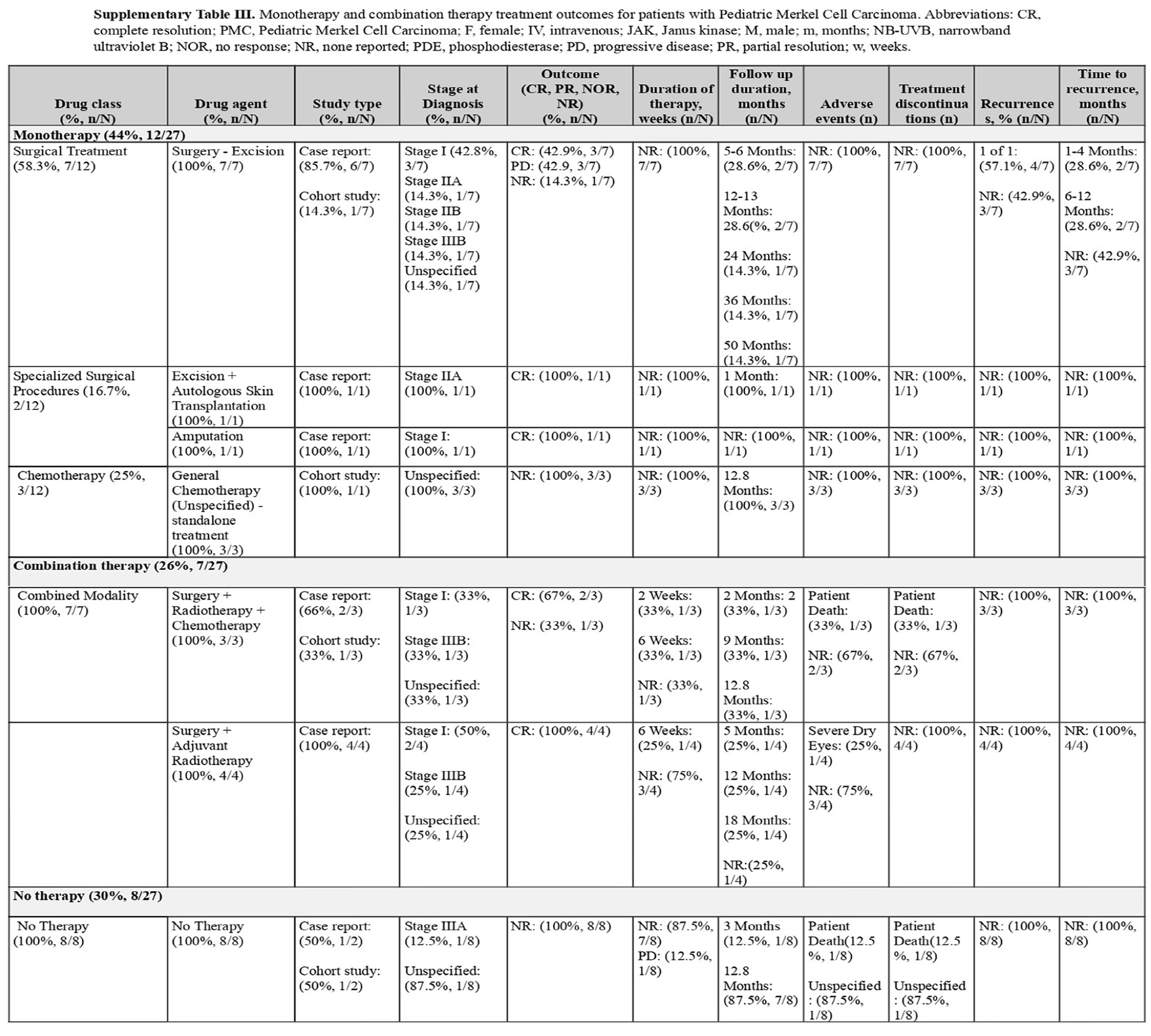
Recognize the clinical presentation of Merkel cell carcinoma in pediatric and young adult populations.
Compare the effectiveness of different monotherapy and combination therapy approaches for MCC.
Understand the importance of early diagnosis and treatment to improve outcomes in younger MCC patients.
Identify gaps in evidence and the need for larger collaborative studies in this population.
Combined surgical and radiotherapeutic approaches can significantly improve outcomes and reduce recurrence in younger MCC patients.
P02: E-Poster Stand-By Presentations
P02.01
Advancing Equitable Wound Care: AI-Powered Predictive Algorithm for Diverse Populations
1University of Toronto, Toronto, ON, 2Women’s College Hospital, Toronto, ON, 3Swift Medical, Toronto, ON, 4University of Windsor, Windsor, ON, 5Western University, London, ON, 6Liverpool John Moores University, Liverpool, UK
In a retrospective analysis of 173,816 wounds from 85,599 patients across 2,448 healthcare facilities, the AI tool demonstrated superior performance compared to standard assessment methods. It achieved a balanced accuracy of 65% by week 3 in predicting delayed wound healing, outperforming conventional methods which reached this level only by week 4. Notably, the tool showed consistent performance across all skin tones and wound types, addressing potential biases in visual assessment.
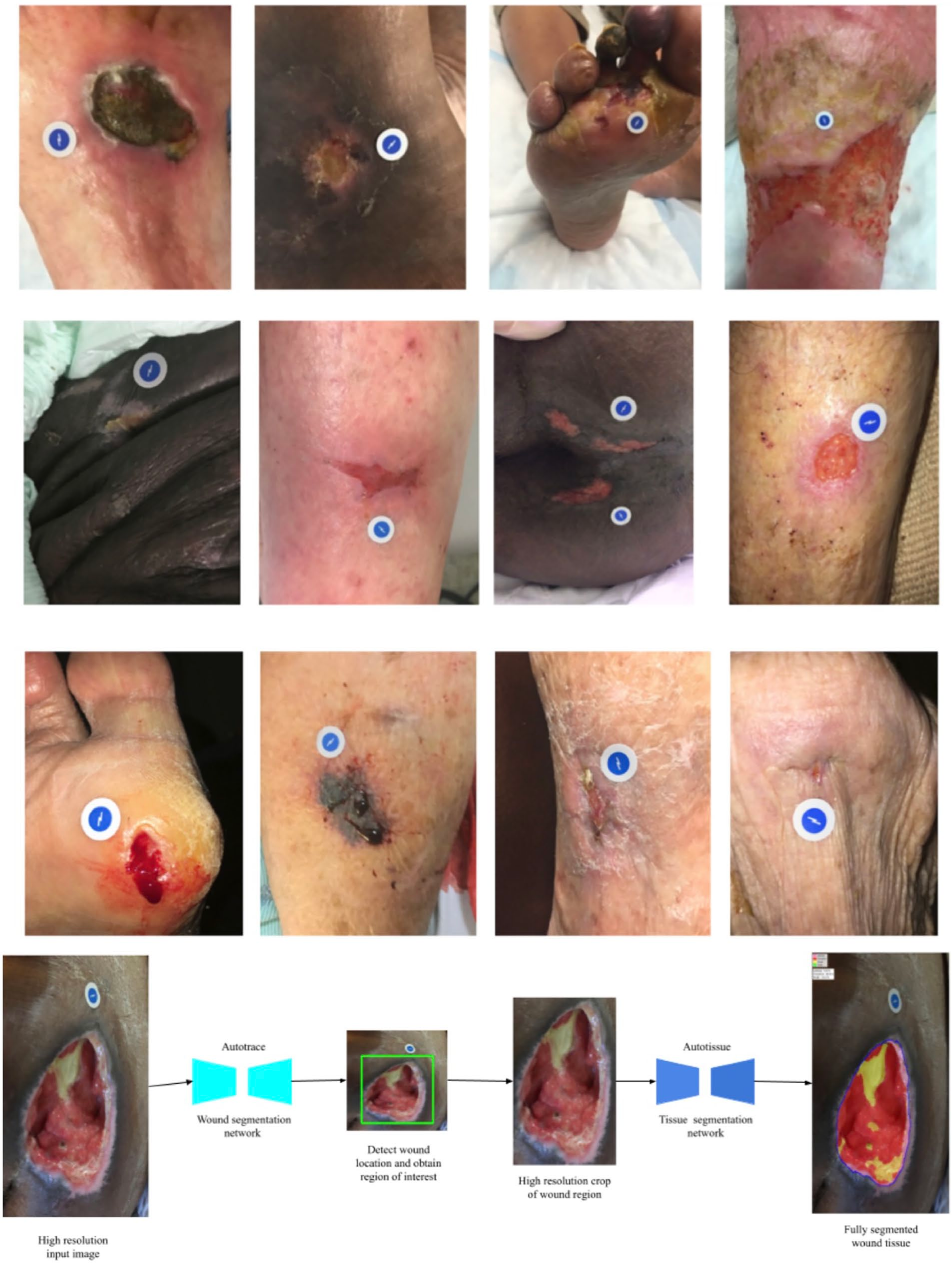
Evaluate how AI-powered prognostic models incorporating diverse wound image datasets can address potential biases in wound assessment across different patient populations.
Analyze the importance of using large, diverse datasets in developing AI models for equitable wound care delivery across various demographic groups.
Discuss how integrating objective wound characteristics through AI-based tissue analysis can lead to more consistent and unbiased assessments compared to traditional subjective methods.
Examine the potential impact of early, unbiased wound healing predictions on improving care equity and outcomes for patients from diverse backgrounds in different healthcare settings.
Identify strategies to ensure AI-powered wound care tools remain inclusive and effective across various skin tones, wound types, and patient demographics.
This novel AI-powered prognostic model represents a significant advancement in equitable wound care by providing more accurate and earlier predictions of delayed wound healing across diverse patient populations.
Key takeaways include:
Utilization of the largest, most diverse dataset published to date of 465,187 wound images, encompassing various wound types and patient demographics, addressing potential biases in traditional assessment methods.
Integration of objective wound characteristics through AI-based tissue analysis, leading to more consistent and unbiased assessments compared to subjective methods.
Earlier identification of delayed healing, enabling timely interventions and potentially reducing healthcare disparities.
Improved performance across different wound types and patient populations, demonstrating the model’s potential to standardize care practices and ensure appropriate treatment regardless of factors such as skin tone or socioeconomic status.
This novel approach combines advanced AI technology with clinical expertise to promote more equitable and effective wound care, potentially improving outcomes for all patients and reducing healthcare disparities in wound management.
P02.03
Understanding the Phenotypic Switch Between Psoriasis and Atopic Dermatitis
1University of Calgary, Calgary, AB, 2Yale University, New Haven, CT, 3McGill University, Montreal, QC
Upon using systemic therapies, atopic dermatitis and psoriasis can switch to the other through phenotypic switching
This switch creates a psoriasiform dermatitis pattern that is a physiologic and immunologic intermediary
Among biologics used in psoriasis, IL-17 inhibitors are significantly more likely to cause a phenotypic switch to atopic dermatitis, suggesting Th17 and Th22 cells are involved in the paradoxical reaction
A signal did not emerge for a switch from psoriasis to asthma, providing evidence that the switching effect is not generalized
Signals emerged for switches between psoriasis and other Th-2 mediated conditions, suggesting upregulation of the Th2 pathway could play a role
A phenotypic switching effect occurs between atopic dermatitis and psoriasis that likely involves Th1, Th2, Th17, and Th22 cell pathways.
P02.04
Investigating Cell of Origin of Merkel Cell Carcinoma, a Historic Misnomer
Richie Jeremian1, Sriraam Sivachandran1, Melissa Galati2, Brandon Ramchatesingh1, Hibo Rijal3, May Chergui1, Margaret Redpath1, Samy Abou Setah1,
1McGill University, Montreal, QC, 2Univeristy of Toronto, Toronto, ON, 3Queens University, Kingston, ON
MCC patient-derived and cell line samples heterogeneously expressed B-cell and neuroendocrine markers including PAX5, TdT, IgA, CD19, CK20, and chromogranin A. Further, transcriptome analysis demonstrated differentially expressed genes based on sex and MCPyV status. MCPyV+ tumors demonstrated significant upregulation of genes involved in immune cell function and downregulation of processes related to neuronal activity. Finally, WGCNA highlighted enrichment for pathways involved in immune function including B-cell differentiation. Cell type enrichment analysis highlighted enrichment for multipotent stem cells, several immune cell types, and keratinocytes.
Understand possible cell of origins for Merkel Cell Carcinoma
Evaluate how cell of origin of for Merkel Cell Carcinoma may impact treatment options
Consider different novel molecular targets that could be used to treat Merkel Cell Carcinoma
This multi-platform study demonstrates that many MCCs express B-cell markers such as CD20, BCL-2, PAX5, TdT, IgA, and CD19. Further, RNA sequencing data and analyses support the enrichment of numerous immune-related pathways and cell types in MCC including those of B-cell lineage but also multipotent progenitors and keratinocytes. Finally, the differential expression of genes between MCPyV positive and negative cancers as well as tumors from male vs. female patients emphasizes the need for a personalized medical approach to MCC as expression of pathways differs between these groups, likely with implications for therapeutic targets.
Our combined results support multiple potential cells of origin for MCC outside of Merkel cells. Our work, in particular, supports a possible B-cell lineage origin, but further highlights the diversity of expression patterns and cell types enriched in MCC, particularly those that differ among subgroups. Given the fatality of these tumors, it is necessary to elucidate new treatments targeting novel drivers of carcinogenesis pathways based on the true cell of origin for MCC.
P02.05
Understanding Attitudes Related to Sun Exposure and the Impact of Sunscreen Paradox on the Risk of Melanoma in Atlantic Canada
Jonathan LeBeau1, Sauliha Alli2, Sandra Pelaez3,
1McGill University, Montreal, QC, 2University of Toronto, Toronto, ON, 3Université de Montréal, Montréal, QC
Participants in NS and PEI showed high awareness of sun protection, with over 80% regularly using sunscreen and checking the UV index. However, these regions also reported higher sunburn rates, illustrating the "sunscreen paradox." Many participants believed sunscreen alone provided full protection, leading to prolonged sun exposure during peak UV hours. In contrast, NL participants, influenced by cooler climates and cultural norms, engaged less in sun-seeking behaviors and prioritized shade and protective clothing over sunscreen. Social norms in high-incidence areas favored tanned skin, pressuring individuals—especially youth—to sunbathe despite awareness of CM risks. Barriers to effective sun protection included the inconvenience of sunscreen reapplication and discomfort with protective clothing.

Understand regional variations in sun protection behaviors and melanoma risk.
Explain the sunscreen paradox and Its impact on melanoma risk.
Apply the Theory of Planned Behavior to enhance sun protection practices.
Cutaneous melanoma (CM) rates are rising in Canada, with notably higher incidence in Nova Scotia (NS) and Prince Edward Island (PEI) compared to Newfoundland and Labrador (NL). This study explored how sociocultural and environmental factors influence sun exposure and protection behaviors across these regions. Despite high awareness and frequent sunscreen use in NS and PEI, participants reported higher sunburn rates, illustrating the "sunscreen paradox"—the misconception that sunscreen alone offers full protection, leading to prolonged sun exposure. Social norms valuing tanned skin, especially among younger individuals, further encouraged risky behaviors. In contrast, NL’s cooler climate and cultural attitudes resulted in less sun-seeking behavior, with greater reliance on shade and protective clothing. Barriers to effective sun protection included the inconvenience of reapplying sunscreen and discomfort with wearing hats or long sleeves. These findings highlight the need for public health campaigns to address misconceptions about sunscreen and promote comprehensive sun safety strategies.
P02.07
Efficacy and Safety of Treatments for Bowen’s Disease: A Systematic Review and Network Meta-Analysis
1Schulich School of Medicine and Dentistry, Western University, London, ON, 2Michael G. DeGroote School of Medicine, McMaster University, Hamilton, ON, 3Faculty of Medicine, University of Ottawa, Ottawa, ON, 4Department of Dermatology, The University of Texas MD Anderson Cancer Center, Houston, TX, 5Division of Dermatology, Faculty of Medicine, University of Ottawa, Ottawa, ON
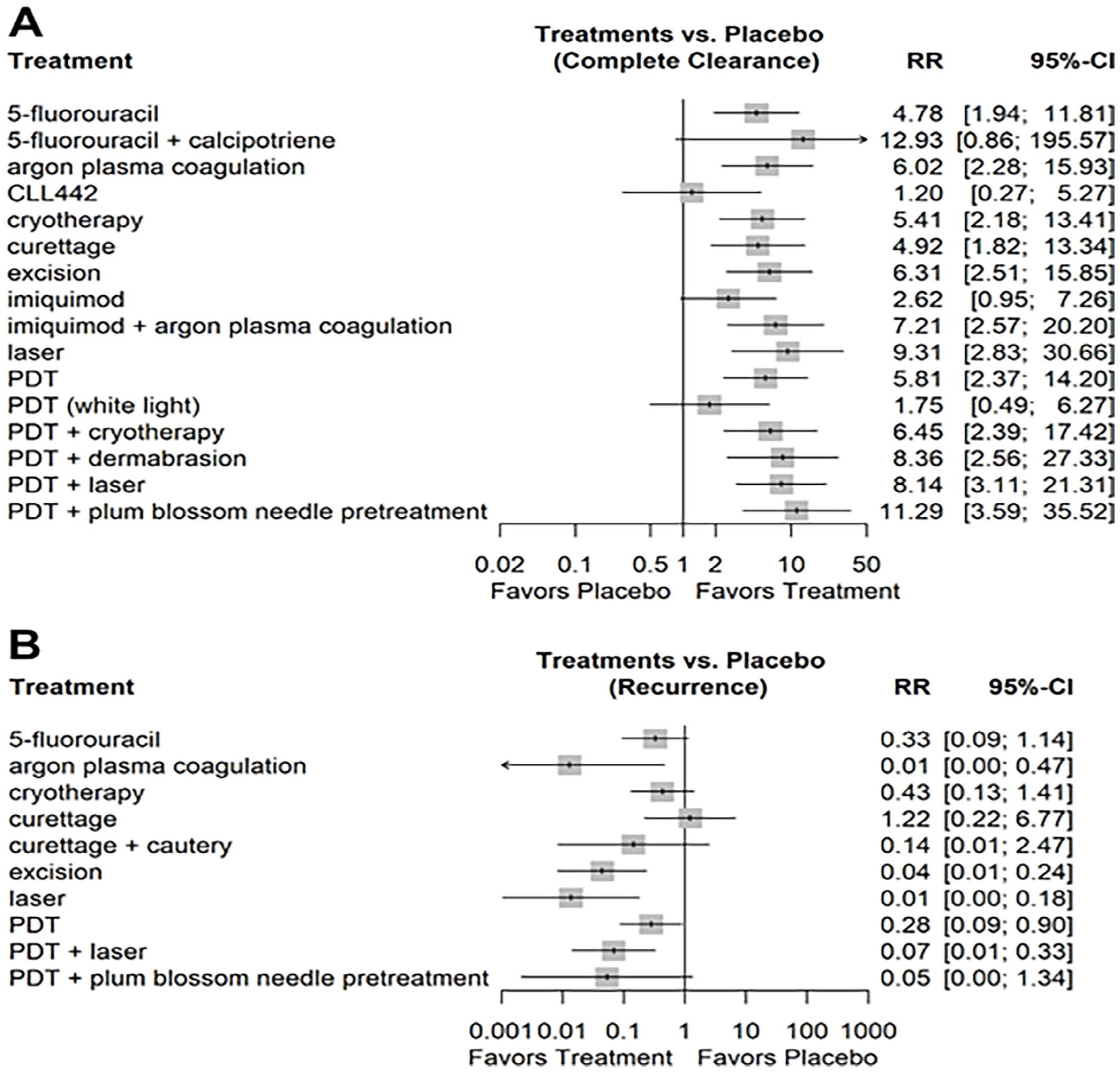
To understand the literature base evaluating the various treatments of Bowen’s disease.
To summarize the comparative efficacy and safety of different treatments for Bowen’s disease.
To highlight the low and very low certainty evidence provided by current randomized trials, and the need for future head-to-head trials comparing different treatment modalities.
Compared to placebo, low certainty evidence demonstrated that excision and photodynamic therapy had highest rates of clearance and lowest risks of recurrence among the single-modality treatments for Bowen’s disease. Many treatments had very low certainty evidence, highlighting the need for additional randomized trials comparing treatments for Bowen’s disease.
P03: E-Poster Stand-By Presentations
P03.01
Treatment Strategies for Skin Picking Disorder: Efficacy of Pharmacological and Non-Pharmacological Approaches—A Systematic Review and Evidence Mapping
1Temerty Faculty of Medicine, University of Toronto, Toronto, ON, 2Cumming School of Medicine, University of Calgary, Calgary, AB, 3Temerty Faculty of Medicine, Toronto, ON, 4Faculty of Medicine & Dentistry, University of Alberta, Edmonton, AB, 5Division of Psychiatry, University of Alberta, Edmonton, AB, 6Division of Dermatology, University of Alberta, Edmonton, AB, 7Division of Preventive Medicine, Edmonton, AB
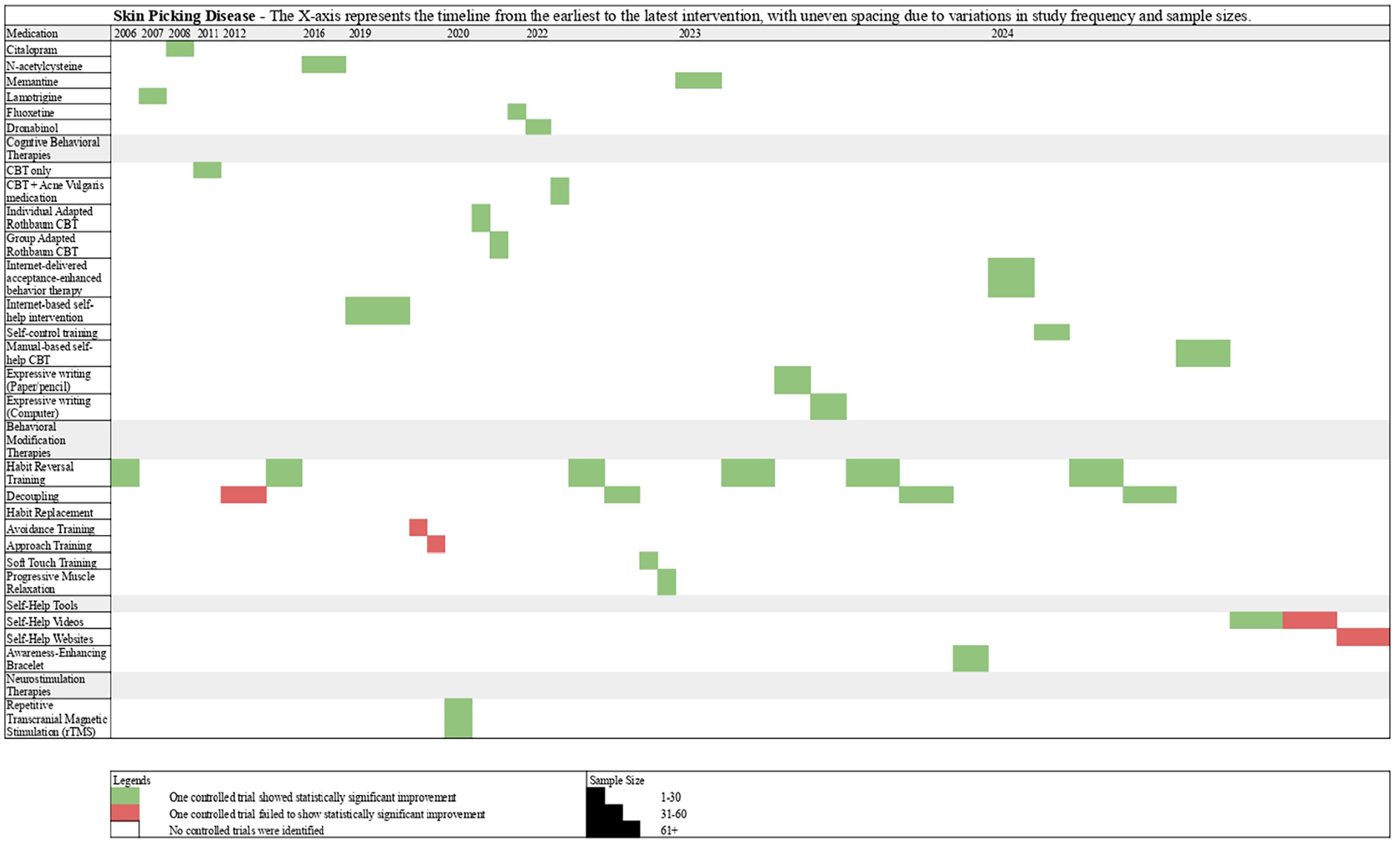
Describe the core features and potential pathophysiology of skin picking disorder (SPD).
Compare the efficacy of pharmacological and non-pharmacological treatments for SPD.
Highlight the potential roles of selective serotonin reuptake inhibitors in SPD management.
Recognize the importance of large-scale randomized controlled trials to refine SPD treatment strategies.
Identify behavioral interventions that can reduce SPD symptoms.
SSRIs and behavioral therapies show promise for SPD, but further high-quality research is needed to optimize management.
P03.02
The Clinical Outcomes, Safety Profiles, and Treatment Patterns of Electron Beam Therapy for Basal Cell Carcinoma
1Temerty Faculty of Medicine, University of Toronto, Toronto, ON, 2Faculty of Medicine & Dentistry, University of Alberta, Edmonton, ON, 3Faculty of Medicine & Dentistry, University of Albert, Edmonton, AB, 4Division of Pediatric Dermatology, The Hospital for Sick Children, University of Toronto, Toronto, ON, 5Department of Dermatology and Skin Science, Faculty of Medicine, University of British Columbia, Vancouver, BC
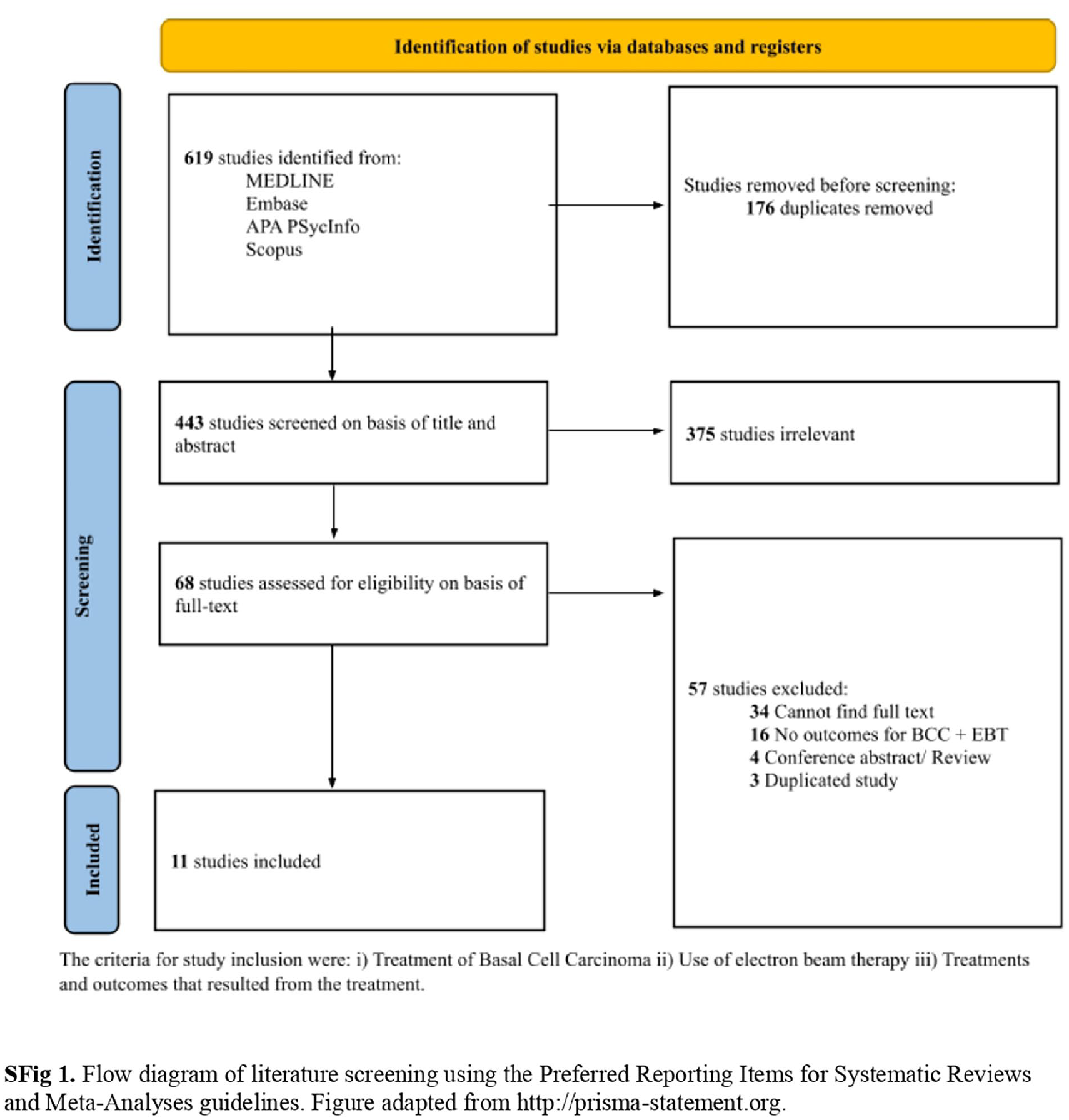
Recognize the indications for electron beam therapy in managing basal cell carcinoma.
Compare common fractionation schedules and total doses used in electron beam therapy for BCC.
Identify typical treatment outcomes, including complete response rates and cosmetic results.
Describe frequently reported adverse events and recurrence patterns.
Electron beam therapy offers high cure rates with favorable cosmetic outcomes for basal cell carcinoma, especially for early-stage disease and patients who are not surgical candidates.
P03.04
Under the Arctic Sun: A Cross-Sectional Survey Study Assessing Melanoma Risk and Sun Protection Behaviours Across Indigenous Communities in Nunavik
1McGill University, Montreal, QC, 2University of Ottawa, Ottawa, ON, 3Université de Montréal, Montréal, QC, 4Salluit Northern Village, Salluit, QC, 5Nunavik Regional Board of Health and Social Services, Nunavik, QC, 6Municipality of Kuujjuaraapik, Kuujjuaraapik, QC, 7Kativik Regional Government, Kativik, QC
Among 541 Inuit participants (mean age 39.9 years; 63.4% female), 56.3% reported moderate to very high lifetime sun exposure. We identified significant disparities across demographic groups. Men were less likely to use sunscreen (OR 0.50, 95% CI 0.30–0.81) compared to women, though significantly more likely to report high occupational UV exposure (OR 2.62, CI 1.74–3.96). Individuals with high educational attainment (high school or above) had 109% increased odds of wearing sunscreen compared to those who had not finished high school (OR 2.09, CI 1.31–3.37). Compared to our Manitoba cohort (n=3347) and Atlantic Canada cohort (n= 7861), occupational sun exposure was significantly higher among Inuit (OR 2.54, CI 2.00-3.22), while odds of sunscreen use, shade seeking, and hat use were significantly lower (OR 0.07, 0.15, 0.38 respectively).
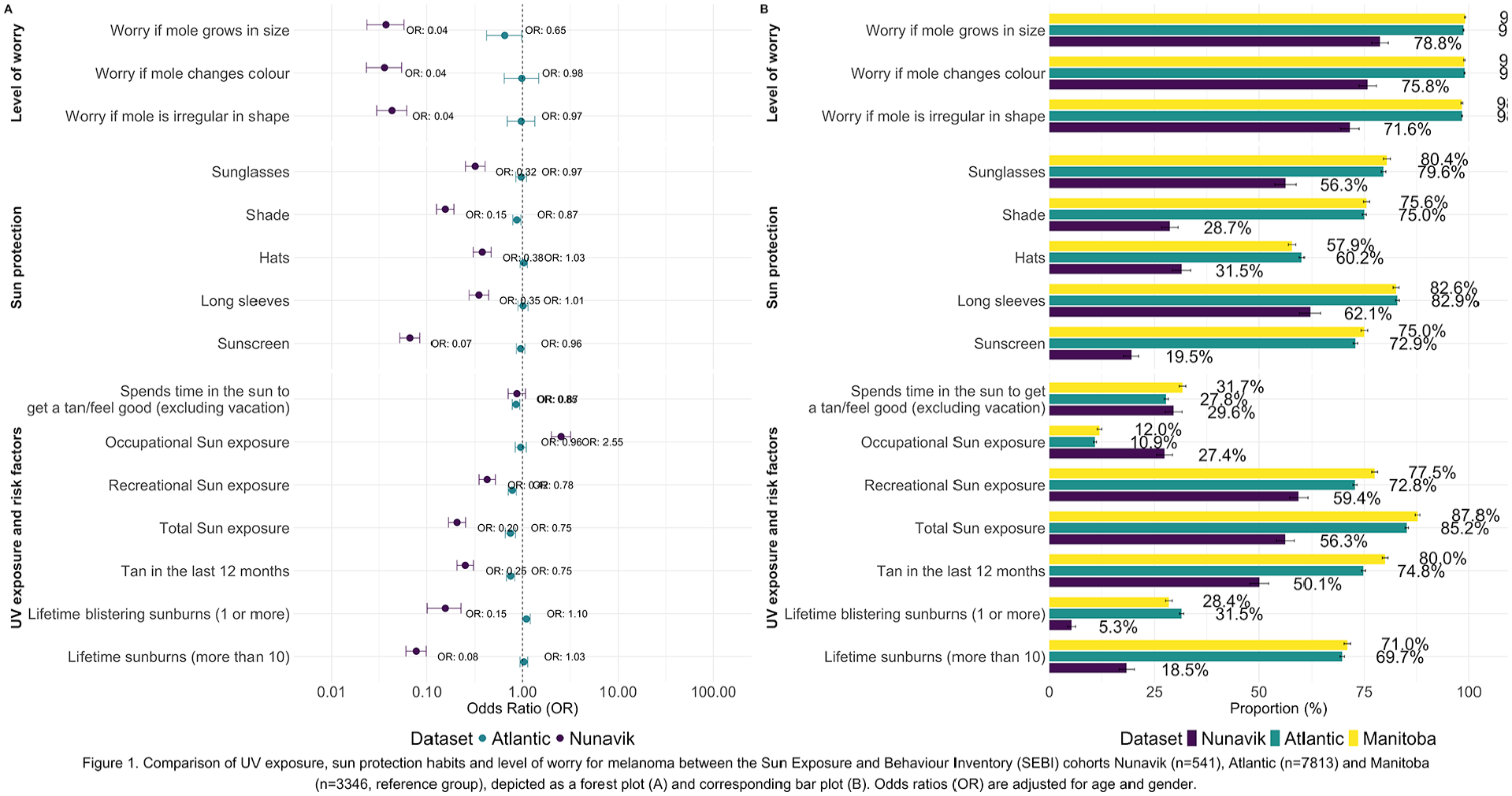
Identify the geographic, climatic, and cultural factors that may contribute to unique UV exposure risks among Inuit populations in Nunavik, and the implications of these factors on melanoma risk and prevention in circumpolar Indigenous communities.
Understand prevalence of high UV exposure, sun protection, and melanoma knowledge among Inuit in Nunavik, Canada, and evaluate the contribution of sociodemographic factors to levels of sun protection behaviours and melanoma risk among Intuit who completed the Sun Exposure and Behaviour Inventory (SEBI)
Understand and quantify disparities in UV exposure, sun protection practices and melanoma awareness between Intuit communities in Nunavik and non-indigenous populations in Manitoba and Atlantic. Explore potential reasons for reduced sun protection behaviors and skin cancer concerns in Nunavik.
Our study evaluated skin cancer risk factors and sun safety knowledge and practices among Inuit in Nunavik, Canada, and contextualises data on this remote Canadian region by providing direct comparisons of the outcome variables of interest with non-Indigenous Canadian cohorts. To our knowledge, this is the among the first cross-sectional studies to investigate sun protection and melanoma knowledge in Inuit populations of Nunavik, and the first study to provide direct comparisons using the same validated questionnaire on sun protection habits and skin cancer risk perceptions between Inuit and non-Indigenous populations of Canada.
In general, we found that Inuit men, younger individuals, and those with less education were less likely to adhere to sun protection practices and worry about concerning skin lesion changes as compared to women, older individuals, and those with higher education, respectively. Importantly, our study also highlights significantly lower rates of sun protection behaviors and significantly higher occupational UV exposure among the Inuit compared to our other Canadian cohorts. These findings may suggest limited access to or prioritization of sun protection resources in Nunavik. Further, lower levels of concern regarding mole changes may indicate reduced awareness of melanoma and non-melanoma skin cancer risk factors. The distinct patterns of UV exposure and sun protection behaviors observed in Nunavik likely reflect cultural, environmental, and socioeconomic influences, as well as barriers to accessing healthcare and educational resources. Our findings suggest a need to develop culturally relevant, community-driven strategies to address these gaps.
P03.05
Topical Roflumilast as a Novel Treatment for Porokeratosis
1Schulich School of Medicine and Dentistry, Western University, London, ON, 2Lovegrove Dermatology, London, ON, 3Rejuvenation Dermatology, Oakville, ON, 4North York Dermatology Clinic, Toronto, ON
Understand porokeratosis, its prevalence and current treatments.
Understand why new treatments are needed are needed for porokeratosis.
Understand how topical roflumilast is a potential novel treatment for Disseminated Superficial Actinic Porokeratosis (DSAP) and Porokeratosis of Mibelli (PM).
Topical roflumilast may be a safe, well-tolerated and effective novel treatment for porokeratosis subtypes, including PM and DSAP.
Please note Dr. Linda Xing and Dr. Marisa Ponzo contributed equally to this work.
P03.06
Development of a Transfer Learning-Based, Multimodal Neural Network for Identifying Malignant Dermatological Lesions from Smartphone Images
1University of Toronto, Toronto, ON, 2University of Calgary, Calgary, AB
During cross-validation, the multimodal network outperformed the other models with an average AUC-ROC of 0.91 (95% confidence interval [CI] 0.88 to 0.93) and Brier score of 0.15 (95% CI 0.11-0.19). The multimodal network also outperformed the other models during internal validation, with an AUC-ROC of 0.91 and Brier score of 0.12. However, the classification performance of the multimodal model is similar to the image-based model at high-sensitivity thresholds. Important features used for clinical data-based classification included bleeding, elevated lesions, patient age, and recent lesion growth. Grad-CAM revealed that the image-based network focused on the lesioned area to make classification decisions in most example cases.
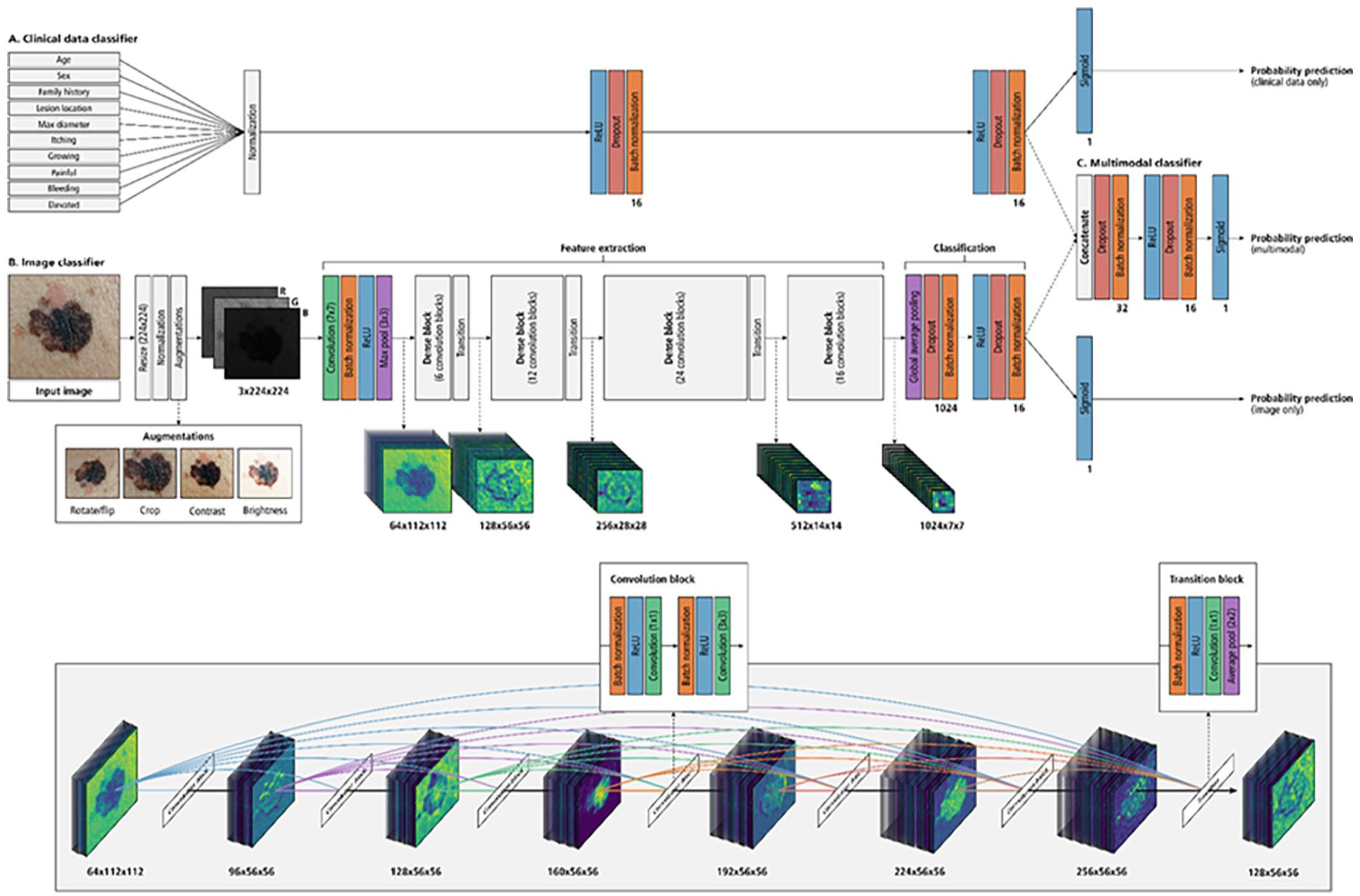
to demonstrate that machine learning models can be developed on a relatively small skin lesion dataset from smart phone images
to identify key features used for each network classification (multi-modal network, image network, clinical data network)
to assess average performances of networks via cross-validation and internal validation
A transfer learning-based multimodal neural network, combining smartphone images and clinical data, demonstrates high accuracy in classifying skin lesions as malignant or benign, with a potential to aid early skin cancer detection in primary care settings.
P03.07
Vulvar Crohn Disease: A Case Report
1Division of Dermatology, Department of Medicine, Cumming School of Medicine, University of Calgary, Calgary, AB, 2Division of Dermatology, Faculty of Medicine, University of Alberta, Edmonton, AB
Understand the clinical presentation and diagnostic challenges of vulvar Crohn disease as an extraintestinal manifestation of Crohn disease.
Identify the range of management options for vulvar Crohn disease, including topical and systemic therapies, as well as surgical interventions.
Recognize the potential role of intralesional triamcinolone acetonide injections in the treatment of vulvar Crohn disease.
Vulvar Crohn disease is a rare condition in which timely diagnosis is important for effective treatment. Intralesional triamcinolone acetonide injections may offer significant symptom relief and should be considered as a first-line treatment or for patients who fail other therapies.
P03.08
Genital Porokeratosis: A Case Report and Review of Pathogenesis and Genitogluteal Subtypes of Porokeratosis
1University of Ottawa, Ottawa, ON, 2Department of Dermatology, The Ottawa Hospital, Ottawa, ON
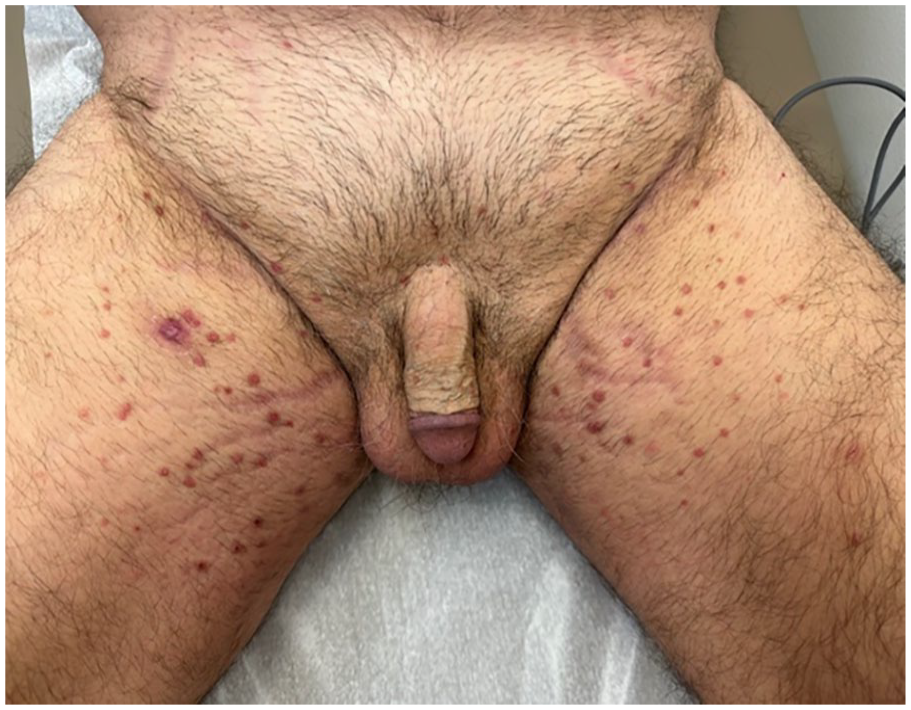
Review pathways involved in porokeratosis and explore the use of pathogenesis- and mechanism-directed treatments
Expand the differential diagnosis of keratotic plaques and papules in the genitogluteal region
Review the subtypes of genitogluteal porokeratosis found in existing literature
Although no cases of malignant transformation in genital porokeratosis have been reported, regular follow-up is still recommended for skin surveillance. Genital porokeratosis should be considered in the differential diagnosis of keratotic plaques and papules isolated to the genitogluteal region as misdiagnosis can lead to inappropriate treatment and inadequate follow-up.
P04: E-Poster Stand-By Presentations
P04.01
Assessing Chatbot Responses on Treatment Management for Atopic Dermatitis Compared to Clinical Guidelines and Recommendations
1Faculty of Medicine, Université de Montréal, Montréal, QC, 2Division of Dermatology, Department of Medicine, McGill University and the McGill University Health Centre, Montreal, QC, 3Faculty of Medicine, McGill University, Montreal, QC, 4Division of Experimental Medicine, McGill University Health Centre, Montreal, QC
Among 66 prompts, chatbot responses demonstrated good information quality (median DISCERN: 4.0 [3.0, 4.5]) and minimal misinformation (median Likert: 1.0 [1.0, 1.0]). Patient understandability was moderate (PEMAT: 58.3% [50.0, 71.5]). Only Perplexity addressed SOC (24.0%, 6/25 responses). Agreement with AAD guidelines was found in 39/66 responses, with variable adherence across chatbots: ChatGPT (10/15), Perplexity (12/17), Chatsonic (8/19), Bing AI (9/15).
While chatbots correctly addressed many guideline-supported recommendations, some responses included advice unsupported by the AAD guidelines in treatment management, alternative and home care therapies. For instance, recommending oral antihistamines to any patient, specific cosmetic brands, specialized clothing fabrics, specific dietary changes, medicated shampoos, or encouraging self-desensitization techniques.
To assess the quality of chatbot responses to atopic dermatitis (AD) treatment queries from both physician and patient perspectives.
To assess how skin of color (SOC) considerations are addressed across various chatbots.
To compare chatbot-generated AD treatment recommendations against the American Academy of Dermatology (AAD) guidelines.
Chatbots provided generally good quality information. However, moderate understanding from a patient perspective was reported with occasional misalignment of current AAD guidelines. Ongoing updates are crucial to improve the medical reliability of treatment recommendations, and patients should remain aware of potential flaws in chatbot-generated medical advice.
P04.02
Efficacy and Safety of Dual Biologic Therapy in Patients with Inflammatory Skin Diseases: A Systematic Review
1Division of Dermatology, Department of Medicine, University of Toronto, Toronto, ON, 2Temerty Faculty of Medicine, University of Toronto, Toronto, ON, 3Division of Dermatology, University Health Network, Toronto Western Hospital, Toronto, ON, 4Division of Dermatology, Department of Medicine, Women’s College Hospital, Toronto, ON, 5Division of Dermatology, Department of Paediatrics, Toronto, ON, 6Michael G. DeGroote School of Medicine, McMaster University, Hamilton, ON, 7Division of Dermatology, Department of Medicine, McMaster University, Hamilton, ON, 8Dermatrials Research Inc. & Venderm Consulting Inc., Hamilton, ON, 9Faculty of Medicine, Memorial University of Newfoundland, St. John’s, NL, 10School of Health, University of Waterloo, Waterloo, ON, 11School of Epidemiology and Public Health, Faculty of Medicine, Ottawa, ON
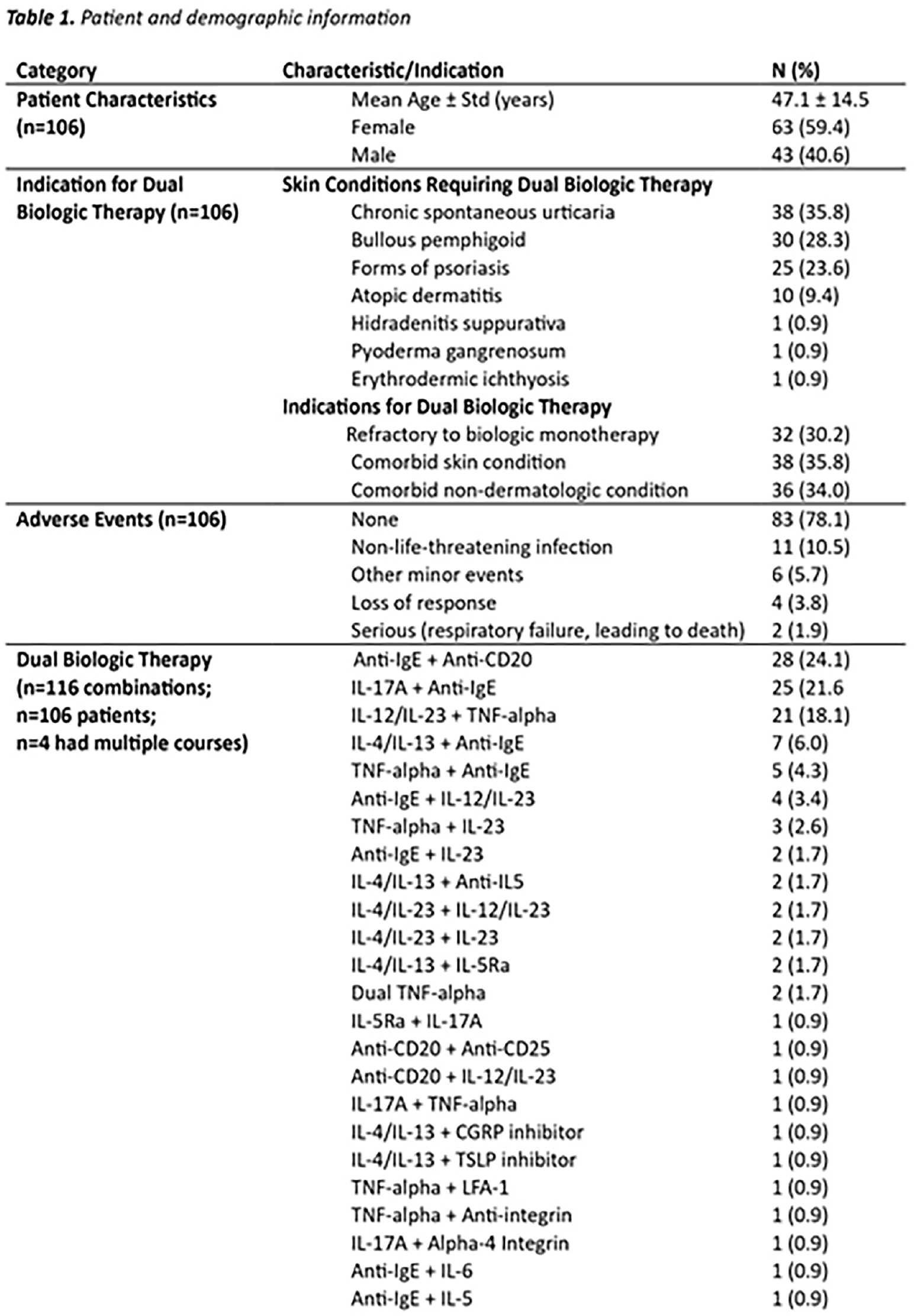
Understand the current role of dual biologic therapy in refractory inflammatory skin diseases.
Identify the most frequently studied biologic combinations and their corresponding indications.
Analyze the safety profile of dual biologic therapy, including common adverse events and their associated agents.
Recognize the limitations of existing evidence on dual biologic therapy.
We highlight the initial clinical response and relative safety of dual biologic therapy in inflammatory skin diseases. Despite these promising findings, current evidence is limited by small sample sizes and potential publication bias. Future well-built studies are needed.
P04.03
Combination of Carbon Dioxide (CO2) Laser and Triamcinolone Acetonide for Keloid and Hypertrophic Scar Treatment: A Systematic Review
1Michael G. DeGroote School of Medicine, McMaster University, Hamilton, ON, 2Oak Dermatology, Itasca, IL, 3Department of Dermatology, University of Illinois, Chicago, IL, 4Department of Dermatology & Skin Science, University of British Columbia, Vancouver, BC, 5Vancouver Skin MD, Vancouver, BC
Treatment outcomes included improved appearance (42.1%), texture (51.4%), pigmentation (31.7%), and size reduction (52.4%). One RCT showed significantly greater volume reduction with CO2-TAC compared to IL-TAC alone (86.5% vs. 59.1%, p=0.016). TAC administration route may influence outcomes, with topical application potentially reducing steroid-related AEs through even distribution. Adverse effects (AE) occurred in 33.1% of cases, including recurrence (4.6%), pigmentation changes (3.8%), and telangiectasias (1.9%), lower than reported AE rates for TAC monotherapy.
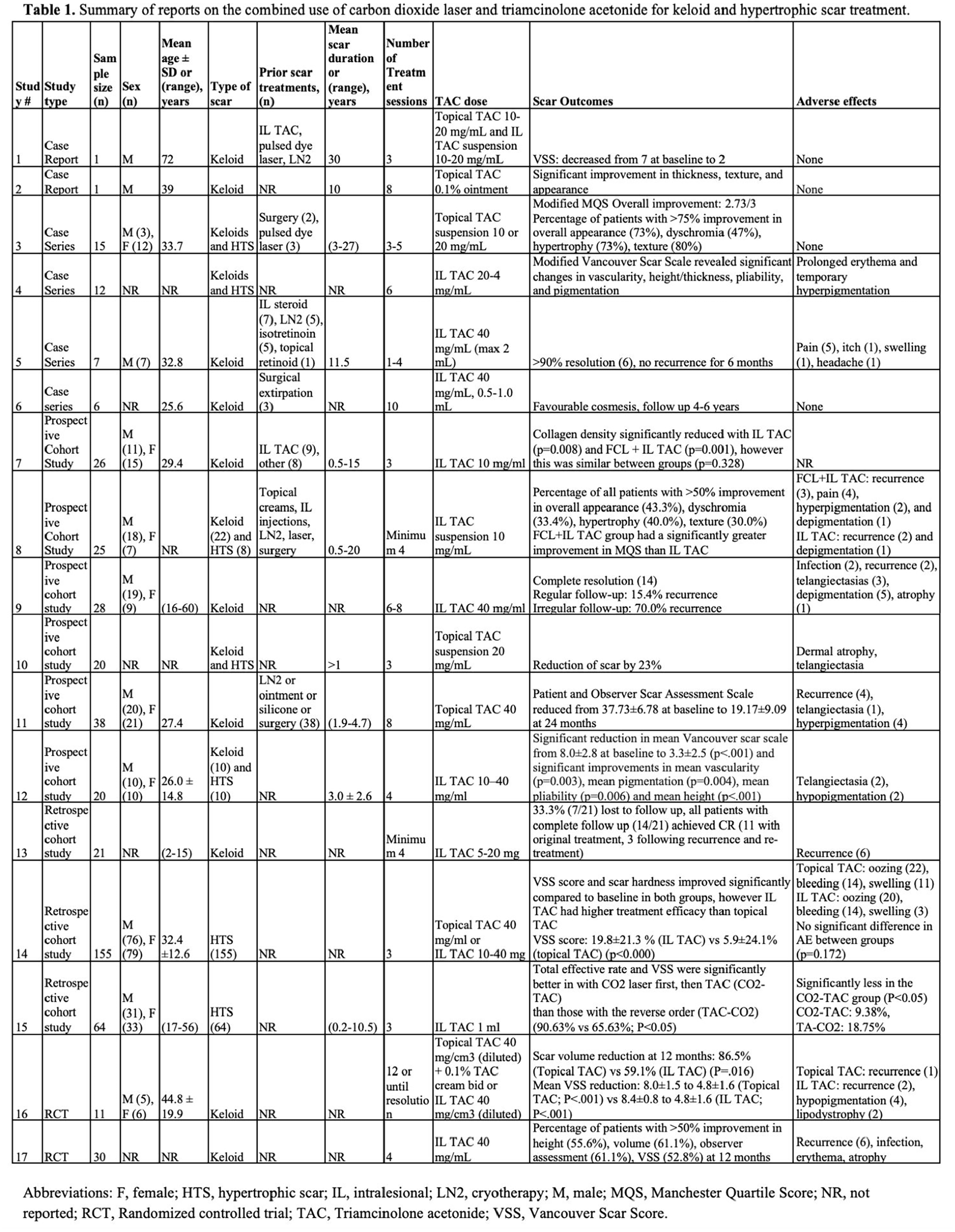
Understand the combined role of carbon dioxide (CO2) lasers and triamcinolone acetonide (TAC) in treating keloids and hypertrophic scars (HTS).
Compare the efficacy, safety, and outcomes of CO2-TAC with traditional monotherapy approaches.
Compare outcomes of intralesional and topical TAC administration routes when combined with CO2 laser.
Learn the mechanisms by which CO2 lasers and corticosteroids work together to modulate inflammatory and wound-healing pathways.
Carbon dioxide laser-assisted triamcinolone acetonide delivery (CO2-TAC) is a highly effective treatment for keloids and hypertrophic scars, offering superior outcomes with fewer adverse effects compared to each monotherapy. By combining the wound-healing stimulation of CO2 lasers with the anti-inflammatory effects of TAC, this therapy has demonstrated improvements in scar appearance, texture, and size, making it a valuable option for managing keloids and hypertrophic scars and improving quality of life.
P04.04
Erosive Lichen Planus Treated with Tofacitinib: A Case Series of 23 Patients
Vera Y. Miao1,2,
1Department of Dermatology, Royal North Shore Hospital, St Leonards, Sydney, Australia, 2Northern Clinical School, University of Sydney, Sydney, Australia, 3Michael G. DeGroote School of Medicine, McMaster University, Hamilton, ON
The mean age at diagnosis was 48.4 years, with an average disease duration of 9.1 years. PGA improvement was achieved in 65.2% of patients, 13.0% by two categories and 52.2% by one category. Symptomatic improvement occurred after a mean duration of 3.7 months. All patients with concurrent oral/oesophageal ELP achieved complete resolution within 6.3 months. Mean VQLI score improvement was 11.6 points. Domain-specific improvements included "symptoms" (94.1%), "feelings" (82.3%), and "activities" (64.7%). Those with dyspareunia (57.1%) were able to resume sexual intercourse pain-free. Mild adverse effects, including elevated lipids, gastrointestinal upset, and herpes zoster, occurred in 47.8% of patients. One patient developed breast cancer during follow-up.
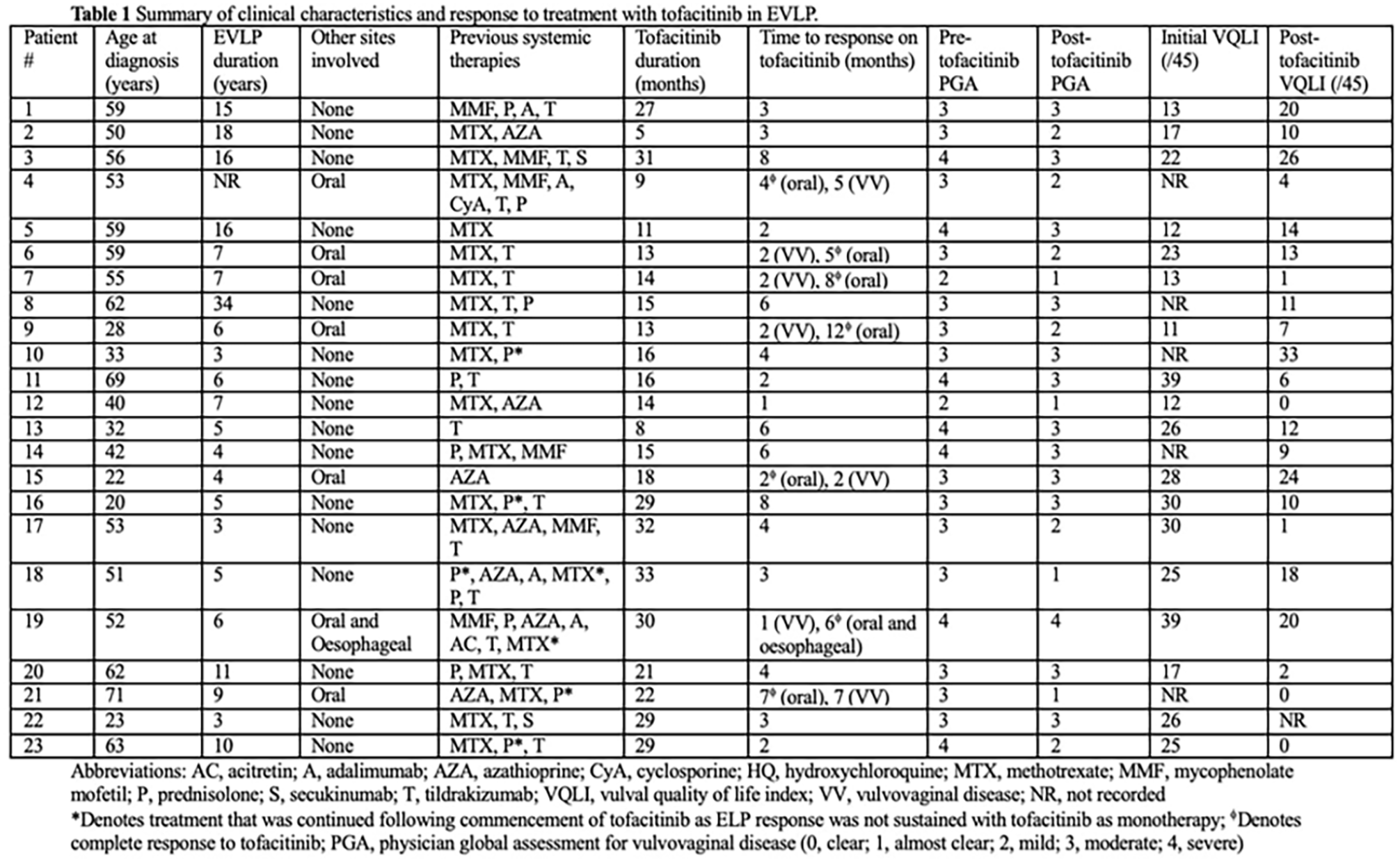
Understand the pathophysiology of erosive lichen planus (ELP) and its impact on patient quality of life, particularly in the case of vulval ELP.
Review the traditional therapies, such as topical steroids, for treating ELP, and their potential limitations.
Explore the role of the Janus kinase (JAK)-signal transducer and activator of transcription pathway in ELP pathogenesis.
Assess the clinical outcomes, including efficacy, safety, and patient-reported outcomes, of tofacitinib as a systemic treatment for refractory ELP.
This study highlights the potential of tofacitinib as an effective systemic therapy for refractory ELP, especially with oral and esophageal involvement. While vulvovaginal ELP (EVLP) demonstrated greater treatment resistance, tofacitinib provided notable symptomatic relief and quality-of-life improvements in most patients. Adverse effects were generally mild and manageable, and patients expressed high satisfaction with treatment outcomes. These findings align with existing case reports and suggest tofacitinib as a promising option for refractory ELP, underscoring the need for larger, controlled trials to further validate its efficacy and safety profile.
P04.05
Clinical Characteristics and Treatment Outcomes of Reported Cases of Non-Cutaneous Melanomas: A Systematic Review
1Division of Dermatology, Department of Medicine, University of Toronto, Toronto, ON, 2Temerty Faculty of Medicine, University of Toronto, Toronto, ON, 3Faculty of Medicine and Health Sciences, McGill University, Montreal, QC, 4Faculty of Art and Science, University of Toronto, Toronto, ON, 5Royal College of Surgeons in Ireland, Dublin, Ireland, 6Toronto Dermatology Centre, Toronto, ON, 7Division of Dermatology, Department of Medicine, Women’s College Hospital, Toronto, ON
Ultimately, 71 studies comprising 88 cases were included. The cohort included 44 males and 44 females, with a mean age of 58.9 years. Ethnicity data indicated 44% White, 16% Asian, 2% Black, and 38% unreported. Ocular melanomas were the most common, 64% of cases, particularly in the conjunctiva (34%) and iris (19%). Oral cavity melanomas accounted for 13%, primarily involving the gingiva (6%) and palate (5%). Genitourinary melanomas (15%) predominantly affected the vulva (11%), while anorectal melanomas (6%) involved the anal canal (5%). Only one case of nasal melanoma was reported. Clinical presentations varied by site. Ocular melanomas commonly presented with vision changes or pigmented masses. Oral melanomas appeared as pigmented patches or painful lesions. Genitourinary melanomas presented with pruritus, bleeding, or pain, and anorectal melanomas with rectal bleeding or bowel changes.
AJCC staging revealed 22%–50% of cases, depending on the anatomical site were Stage IV at diagnosis, reflecting advanced disease. Surgery was the primary treatment, particularly for ocular and oral melanomas. Combined therapies, including radiation or systemic treatments, were used for advanced cases. Recurrence rates were highest for genitourinary melanomas, with associated distant metastases and mortality.
Identify clinical presentations of non-cutaneous melanomas by anatomical site.
Understand treatment modalities for ocular, oral, and mucosal melanomas.
Recognize the high recurrence and mortality rates of non-cutaneous melanomas and the need to examine occult anatomical sites during routine physical exam.
Non-cutaneous melanomas are rare and aggressive, necessitating early detection and tailored therapeutic strategies to improve outcomes.
P04.06
Laser-Based Treatments for Lichen Planus Pigmentosus and Erythema Dyschromicum Perstans in Skin of Colour: A Systematic Review
1Schulich School of Medicine and Dentistry, Western University, London, ON, 2Department of Dermatology and Skin Science, University of British Columbia, Vancouver, BC
To synthesize existing data on laser therapy efficacy and adverse events for LPP and EDP in patients.
To highlight laser parameter considerations and adjunctive measures that are efficacious and mitigate post-laser hyperpigmentation.
To identify knowledge gaps and future directions for managing these pigmentary disorders in skin of colour.
Although published data are limited by small sample sizes and variable study designs, available evidence suggests that conservative, individualized use of Q-switched (QS) Nd:YAG, picosecond Nd:YAG, fractional lasers, and adjunctive topicals can yield meaningful pigment clearance in LPP and EDP. Tailored parameter selection, multimodal treatment approaches, and vigilance for post-laser hyperpigmentation in skin of colour remains critical.
P04.07
Retrospective Review of Canadian Pediatric HS Patients at a Multidisciplinary Clinic
1Temerty Faculty of Medicine, University of Toronto, Toronto, ON, 2School of Medicine, Queen’s University, Kingston, ON, 3Division of Dermatology, Department of Pediatrics, The Hospital for Sick Children, Toronto, ON, 4Division of Dermatology, Department of Medicine, University of Toronto, Toronto, ON, 5Sunnybrook Research Institute, Toronto, ON, 6Division of Dermatology, Toronto Western Hospital, Toronto, ON, 7Division of Dermatology, Women’s College Hospital, Toronto, ON, 8Department of Surgery, University of Toronto, Toronto, ON, 9Division of Endocrinology, The Hospital for Sick Children, Toronto, ON, 10Department of Nursing, The Hospital for Sick Children, Toronto, ON, 11Hidradenitis and Me Support Group, Toronto, ON, 12Division of Rheumatology, Department of Medicine, McMaster University, Hamilton, ON, 13Department of Social Work, The Hospital for Sick Children, Toronto, ON, 14Department of Pediatrics, Division of Dermatology and Rheumatology, Children’s Hospital of Eastern Ontario, University of Ottawa, Ottawa, ON
In total, 39 patients were included. Mean age was 15.6±1.9 years, 53.8% were female, and most (60.5%) were Hurley stage II. Mean age of symptom onset and time to diagnosis were 10.9±3.4 years and 2.1±2.0 years, respectively. Mean BMI was 31.6±9.0 kg/m2. Common comorbidities included obesity (57.9%), acne (30.7%), and trisomy 21 (23.1%). 20.5% had a family history of HS, with 62.5% of these being a 1st degree relative. Remaining characteristics and treatment recommendations are presented in Table 1. 21.6% and 22.2% reported depression and anxiety scores of moderate or greater severity, respectively. 56.8% reported moderate-to-severe QOL impact. Bullying was reported in 17.6% of patients.
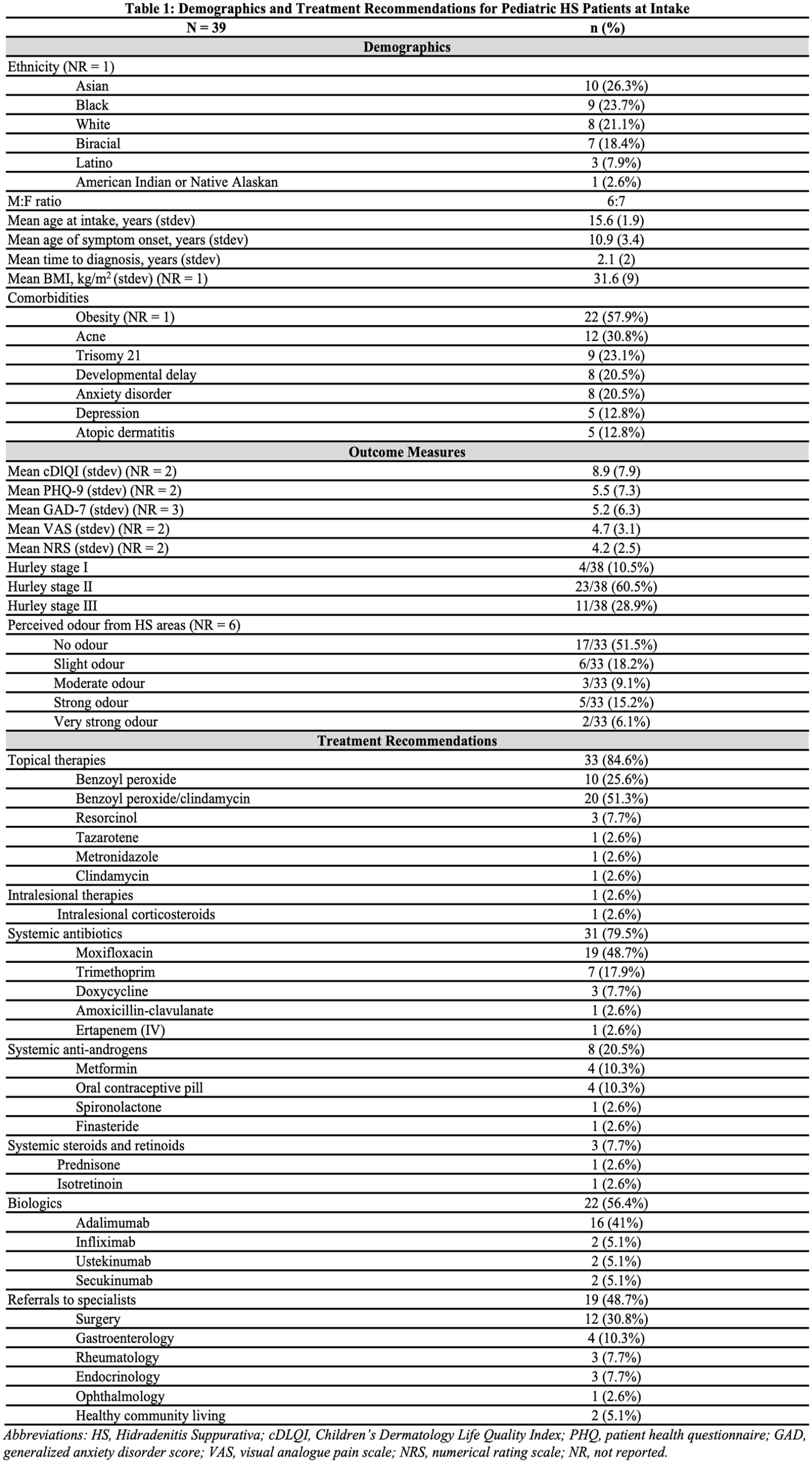
Identify demographic and clinical characteristics unique to Canadian pediatric HS patients.
Evaluate quality of life and psychosocial burden in pediatric HS.
Describe pharmacologic treatments given to patients in a multidisciplinary pediatric HS clinic.
Canadian pediatric HS patients show unique demographic patterns and comorbidity profiles, with a high psychosocial burden, highlighting the importance of comprehensive multidisciplinary care.
P04.08
A Case Report of Successful Treatment of Keratoderma Secondary to Severe Plantar Psoriasiform Dermatitis with Roflumilast Cream
1Temerty Faculty of Medicine, University of Toronto, Toronto, ON, 2Division of Dermatology, University of Toronto, Toronto, ON
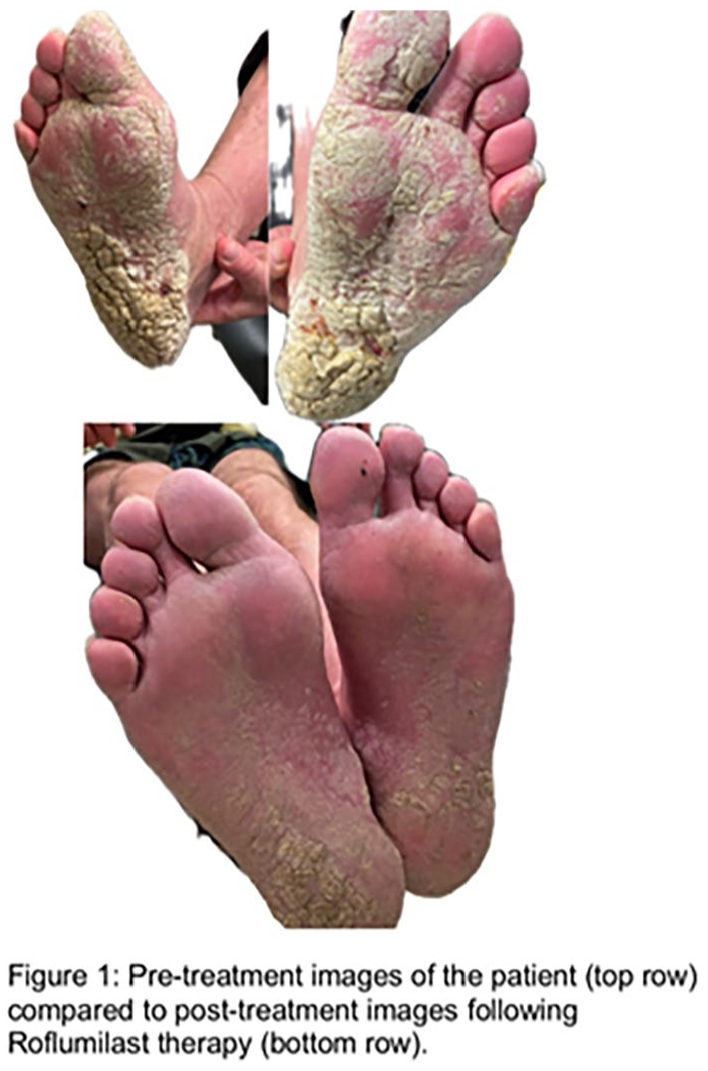
Review how Psoriasiform dermatitis (PSD) is impacted by the TH1 and TH2 immune pathways and how it overlaps with dermatitis and psoriasis both histologically and clinically.
Evaluate the challenges of treating PSD that is exacerbated by keratoderma, especially in individuals whose comorbidities preclude them from receiving systemic treatments.
Examine the safety, effectiveness, and clinical practice implications of using Roflumilast 0.3% cream as an off-label treatment for PSD with keratoderma.
Recognize how topical therapy adherence affects clinical results, as this instance illustrates.
Determine knowledge gaps and assess the necessity for more research on the function of Roflumilast in inflammatory dermatoses and refractory patients.
This case demonstrates the effective off-label treatment of Psoriasiform Dermatitis (PSD) exacerbated by severe keratoderma with topical phosphodiesterase-4 inhibitor Roflumilast 0.3% cream. Treatment for PSD, an inflammatory dermatosis that has characteristics of psoriasis and dermatitis, can be difficult, especially when systemic medications are contraindicated due to comorbidities.
In this case, Roflumilast cream significantly improved a stubborn case of widespread eczematous eruptions and substantial hyperkeratotic plantar plaques. The patient saw a 90% decrease in plantar keratoderma at a 10 month follow up following four months of regular use; without any negative side effects. This outcome underscores the efficacy of Roflumilast cream in penetrating thick keratoderma plaques, altering TH1 and TH2 pathways, and reducing inflammation without the risks of systemic therapy. The importance of patient compliance in attaining treatment effectiveness and preserving disease management is further highlighted by this case.
Further research is necessary to validate Roflumilast’s effectiveness in treating PSD and other inflammatory dermatoses, especially for individuals with complicated presentations or those who are not candidates for systemic therapy. The potential of novel topical medicines to increase therapy options for difficult dermatological disorders is demonstrated by this case.
P05: Medical Dermatology
P05.02
Idiopathic Pyostomatitis-Pyodermatitis Vegetans with Nasal Obstruction: A Case Report
1University of Toronto, Toronto, ON, 2Dixon Dermatology Centre, Newmarket, ON
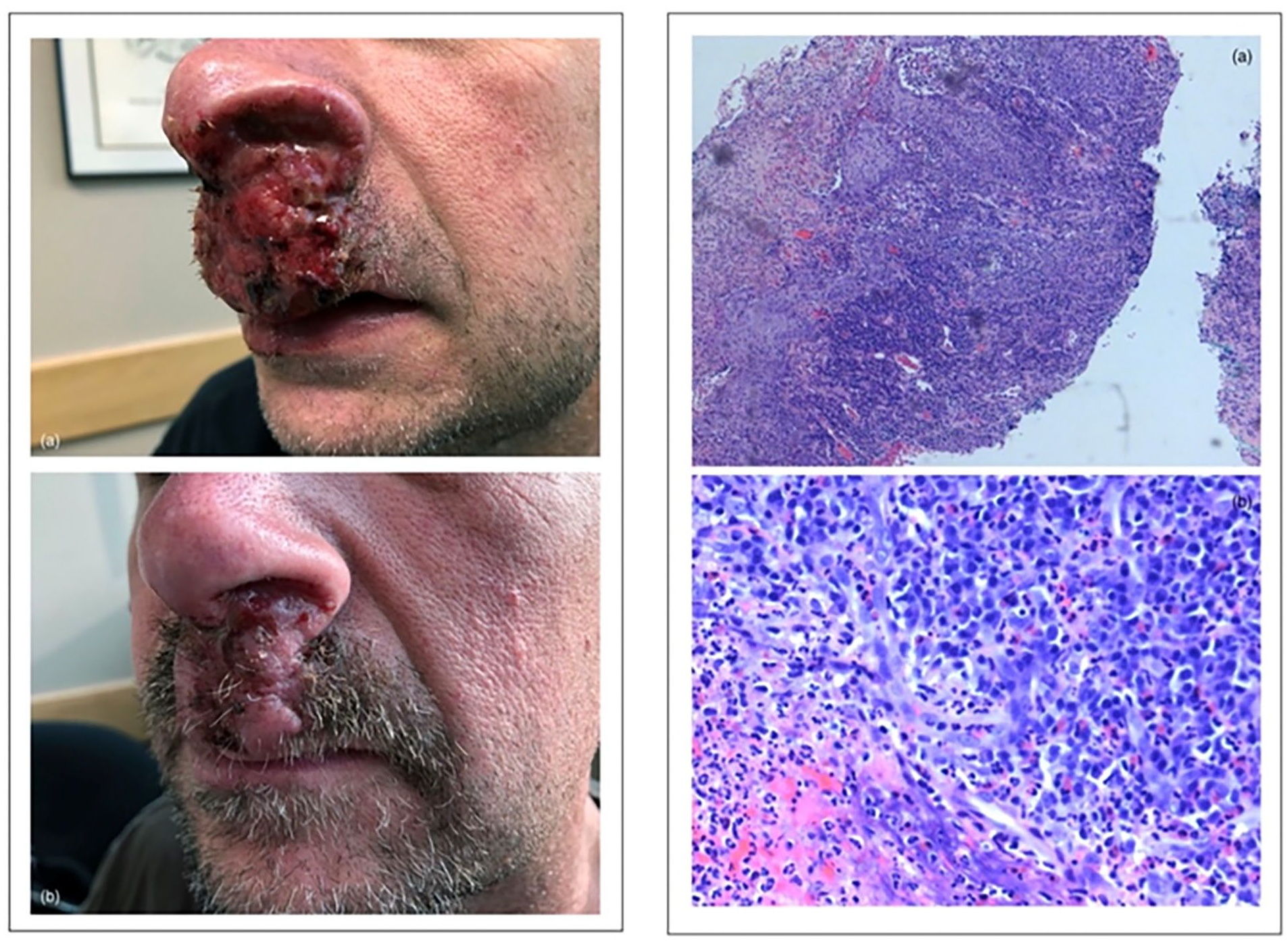
Understand the characteristic features of pyostomatitis-pyodermatitis vegetans.
Appreciate the role of clinical assessment and histopathology in confirming the diagnosis of pyostomatitis-pyodermatitis vegetans, especially in cases without typical systemic associations.
Learn about the efficacy and limitations of systemic corticosteroids as first-line therapy and the need for long-term management with steroid-sparing agents.
Pyostomatitis-pyodermatitis vegetans is a rare mucocutaneous dermatosis that may occur independently of systemic conditions like inflammatory bowel disease. Effective management often requires systemic corticosteroids, but long-term remission may necessitate steroid-sparing agents to prevent relapse and reduce adverse effects.
P05.03
Comorbidities of Rosacea: A Systematic Review and Meta-Analysis of Case Control Studies
1University of Toronto, Toronto, ON, 2Western University, London, ON, 3The Hospital for Sick Children, Toronto, ON
Of the 282 articles initially identified, 30 were included, comprising a sample size of 31.8 million. Of particular note was the association of rosacea with cutaneous malignancies, including actinic keratoses (OR 4.53; CI 2.97-6.96), melanoma (OR 1.68; CI 0.39-7.39) and non-melanoma skin cancer (OR 1.45; CI 0.81-2.59). Rosacea was also associated with several autoimmune diseases including systemic sclerosis (OR 8.50; CI 1.97-36.97), Grave’s disease (OR 5.42; CI 3.42-8.67) and Crohn’s disease (OR 3.78; CI 1.86-7.69), and other systemic diseases including cardiovascular (OR 1.48; CI 1.06-2.08) and metabolic disease (OR 2.89; CI 2.01-4.14). The highest psychiatric associations were reported for anxiety (OR 3.97; CI 0.86-18.36) and depression (OR 2.83; CI 1.02-7.85).
Identify systemic comorbidities associated with rosacea
Identify psychiatric comorbidities associated with rosacea
Determine the potential of an underlying systemic inflammatory component in rosacea
Rosacea is highly associated with cutaneous malignancies, autoimmune diseases, metabolic and cardiovascular disease. Rosacea should no longer be viewed as primarily a cutaneous cosmetic concern, as there may be an underlying systemic inflammatory component with negative impacts in both mental and physical health domains.
P05.04
Renal Safety of Biologic and Systemic Therapies for Psoriasis: A Systematic Review
1University of Toronto, Toronto, ON, 2Western University, London, ON, 3Royal College of Surgeons in Ireland, Dublin, Ireland, 4Sunnybrook Health Sciences Centre, Toronto, ON, 5Women’s College Hospital, Toronto, ON, 6Probity Medical Research, Waterloo, ON
Impact of biologics on renal function was reported in 42.0% (886/2108) of cases, with a mean -1.8% change in eGFR over a mean treatment duration of 579.7 days (-1.1%/year). The greatest decreases in eGFR were reported with ustekinumab (-2.1%, n=271; mean duration: 671.8 days), adalimumab (-2.1%, n=163; mean duration: 587.1 days), and golimumab (-3.0%, n=105; mean duration: 730.0 days).
Impact of conventional systemics on renal function was reported in 58.0% (1222/2108) of cases, with an overall mean -5.6% change in eGFR over a mean treatment duration of 625.9 days (-3.3%/year). The greatest decreases in eGFR were reported with cyclosporine (-8.4%, n=577; mean duration: 558.1 days), acitretin (-2.0%, n=256; mean duration: 730.0 days), and methotrexate (-1.6%, n=389; mean duration: 657.9 days).
Describe the renal safety of different biologic therapies used in psoriasis.
Describe the renal safety of different conventional systemic therapies used in psoriasis.
Compare the renal safety of biologic vs conventional systemic therapies used in psoriasis.
Biologic therapy demonstrates enhanced renal safety in psoriasis patients compared to conventional systemic therapies, approximating the -1%/year eGFR decline observed in the general population beginning in the third decade of life.
P05.05
Comorbidities of Prurigo Nodularis: A Systematic Review
1University of Toronto, Toronto, ON, 2Western University, London, ON, 3McMaster University, Hamilton, ON, 4Sunnybrook Health Sciences Centre, Toronto, ON, 5Women’s College Hospital, Toronto, ON, 6Probity Medical Research, Waterloo, ON
The comorbidities with the highest ORs by category were: malignancy (ovarian cancer [OR 18.4; CI 4.6-73.8; n=4,950,139]), infectious (HIV [OR 18.5; CI 17.2-19.9; n=81,499,136]), psychiatric (neurotic excoriation [OR 74.3; CI 23.5-234.5; n=23,690]), cardiovascular (phlebitis [OR 15.9; CI 10.7-23.4; n=4,950,139]), dermatologic (atopic dermatitis [OR 16.7; CI 16.2-17.3; n=7,173,726]), rheumatologic (vasculitis [OR 13.1; CI 9.5-18.1; n=4,950,139]), neurologic (ulnar nerve entrapment [OR 13.3; CI 13.3-34.7; n=4,950,139]), endocrine (osteoarthritis [OR 10.4; CI 9.0-12.1; n=4,674,593]), gastrointestinal/hepatobiliary (inflammatory bowel disease [OR 4.0; CI 3.6-4.4; n=6,680,596]), metabolic (type II diabetes mellitus [OR 3.2; CI 3.1-3.3; n=7,378,476]), ophthalmic (allergic conjunctivitis [OR 2.5; CI 1.8-3.4; n=17,955]), respiratory (chronic obstructive pulmonary disease [OR 3.3; CI 3.1-3.4; n=7,145,218]), hematologic (amyloidosis [OR 23.9; CI 13.5-42.4; n=4,950,139]), otorhinolaryngology (allergic rhinitis [OR 1.2; CI 1.1-1.3; n=2,023,958]) and renal (chronic kidney disease [OR 4.5; CI 4.3-4.8; n=7,425,582]).
Identify psychiatric comorbidities commonly associated with prurigo nodularis.
Identify non-psychiatric comorbidities commonly associated with prurigo nodularis.
Understand the importance of HIV screening in patients with prurigo nodularis with risk factors.
Prurigo nodularis was highly comorbid with similarly Th2-driven dermatoses (e.g. atopic dermatitis), but many associated systemic inflammatory conditions were primarily Th1-driven (e.g. inflammatory bowel disease, vasculitis, rheumatoid arthritis). HIV screening in prurigo nodularis patients with risk factors may be warranted.
P05.06
Phototherapy for Cutaneous Mastocytosis: A Systematic Review
1Faculty of Medicine, University of Ottawa, Ottawa, ON, 2Division of Dermatology, University of Ottawa, Ottawa, ON, 3The Ottawa Hospital, Ottawa, ON
Understand the efficacy of phototherapy (PUVA, UVA-1, NB-UVB) in managing cutaneous mastocytosis-related lesions and pruritus.
Recognize differences in treatment responses and relapse rates across phototherapy modalities, cutaneous mastocytosis subtypes, and age groups.
Identify the limitations of current evidence and the need for further research to establish phototherapy role in cutaneous mastocytosis.
Phototherapy, particularly oPUVA and UVA-1, have the potential to improve CM-related lesions and pruritus, though oPUVA appears to have higher relapse rates. Small sample sizes and limited data quality highlight the need for further studies to clarify the role of phototherapy in managing cutaneous mastocytosis.
P05.07
Punch Excision Therapy for the Treatment of Keloids: A Systematic Review
Jia Qi Adam Bai1,
1University of Ottawa, Ottawa, ON, 2University of British Columbia, Vancouver, BC
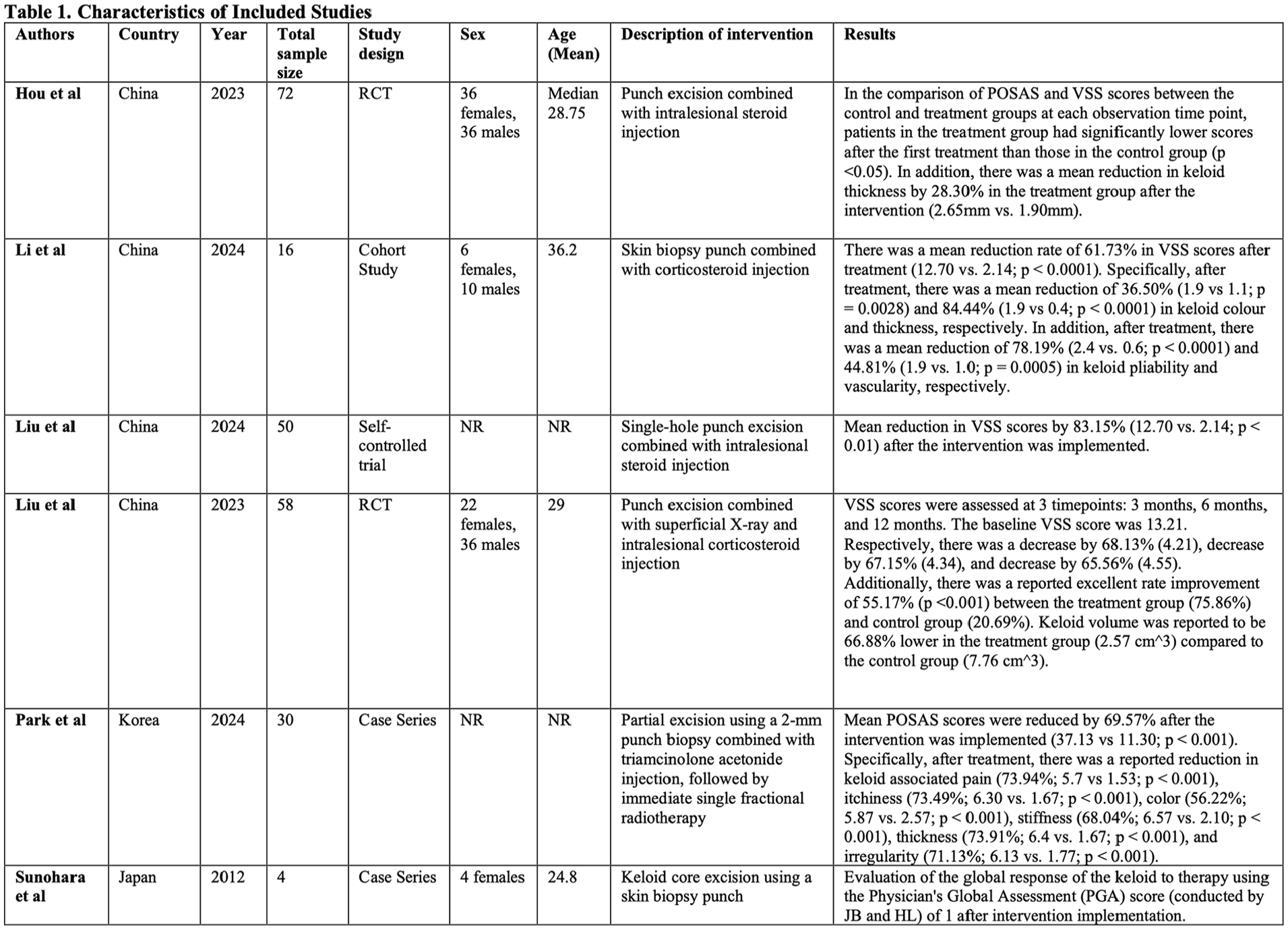
To understand the advantages of punch excision therapy in keloid treatment
To understand the current literature regarding the safety and efficacy of punch excision therapy in keloid treatment
To understand the limitations of current studies on punch excision therapy and develop insights into future research needs
To explore the understanding and interpretation of tools such as the Vancouver Scar Scale (VSS) and Observer Scar Assessment Scale (POSAS) in evaluating keloid treatment outcomes
Punch excision therapy is a revolutionary approach in keloid management, offering simplicity, accessibility, and cost-effectiveness. This systematic review synthesizes data from six studies demonstrating significant improvements in keloid characteristics after punch excision therapy, such as reduced volume, vascularity, and pliability. Notably, the treatment achieves optimal results when combined with intralesional steroid injections, harnessing anti-inflammatory effects to address the hyperactive fibroblasts essential to keloid formation.
Reductions in Vancouver Scar Scale and Patient and Observer Scar Assessment Scale 2.0 scores, along with diminished keloid-associated pain, stiffness, and aesthetic irregularities, highlight the efficacy of punch excision therapy. Importantly, adverse events were minimal, reinforcing its safety profile. While punch excision therapy minimizes scar tension by removing keloid cores, the use of intralesional steroids enhance therapeutic outcomes by targeting deep tissue collagen synthesis, significantly reducing recurrence rates.
This review highlights the need for long-term, comparative studies with standardized metrics to better refine this treatment’s role in comprehensive keloid care. Punch excision therapy, especially in combination with intralesional steroids, holds potential to redefine clinical practice, addressing the unmet needs of patients burdened by this challenging condition.
P05.08
Association of Inpatient Prescribing of Sedating Antihistamines with Delirium in Older Adults: A Cross-Sectional Study
1Department of Medicine, University of Toronto, Toronto, ON, 2Li Ka Shing Knowledge Institute, St. Michael’s Hospital, Toronto, ON, 3Institute of Health Policy, Management and Evaluation, University of Toronto, Toronto, ON, 4Department of Medicine, Women’s College Hospital, Toronto, ON, 5Leslie Dan Faculty of Pharmacy, University of Toronto, Toronto, ON, 6Division of General Internal Medicine and Geriatrics, Sinai Health, Toronto, ON, 7Research and Innovation Institute, Women’s College Hospital, Toronto, ON, 8Unity Health, Toronto, ON
Assess inpatient antihistamine prescribing as a risk factor for delirium in older adults admitted to general medical wards.
Older adults admitted to general medical wards are more likely to experience delirium if their attending physician more commonly prescribes sedating antihistamines; these medications should be used cautiously.
P05.10
Use of Oral Antibiotics for Diabetic Foot Osteomyelitis: A Systematic Review
Siddhartha Sood1,
1University of Toronto, Toronto, ON, 2Western University, London, ON, 3Sunnybrook Health Sciences Center, Toronto, ON, 4University of Ottawa, Ottawa, ON
When used as monotherapy, the complete resolution and partial resolution rate for oral antibiotic therapy were 75.2% (539/717) and 3.2% (23/717), respectively. When used as a step-down therapy after intravenous antibiotics, the complete and partial resolution rate for oral antibiotics were 56.5% (155/255) and 20.4% (52/255), respectively. No resolution of DFO resulting in refractory infection or amputation was observed in 155 (21.6%) cases of oral antibiotics monotherapy and 59 (23.1%) of step-down therapy. Recurrence rates for oral antibiotics monotherapy and step-down therapy were 5.4% (39/717) and 3.9% (10/255), respectively.
Describe evidence evaluating the utility of oral antibiotics for diabetic foot osteomyelitis.
Determine the efficacy of oral antibiotics for diabetic foot osteomyelitis.
Determine the safety of oral antibiotics for diabetic foot osteomyelitis.
Oral antibiotic therapy demonstrates favorable outcomes in DFO comparable to intravenous treatment. Oral antibiotic therapy may be especially useful in low-resource settings where hospital beds are limited and in situations where patients require ambulation. Nonetheless, patients should be counselled on the vital importance of adherence and resource stewardship should be practiced by healthcare providers to avoid antibiotic resistance.
P05.12
Efficacy of Oral Isotretinoin Combined with Topical Clascoterone Compared to Isotretinoin Monotherapy for Severe Acne Vulgaris: A Multi-Center Study
1Michael G. DeGroote School of Medicine, McMaster University, Hamilton, ON, 2Division of Dermatology, McMaster University, Hamilton, ON, 3Alliance Clinical Trials and Probity Medical Research, Inc., Waterloo, ON
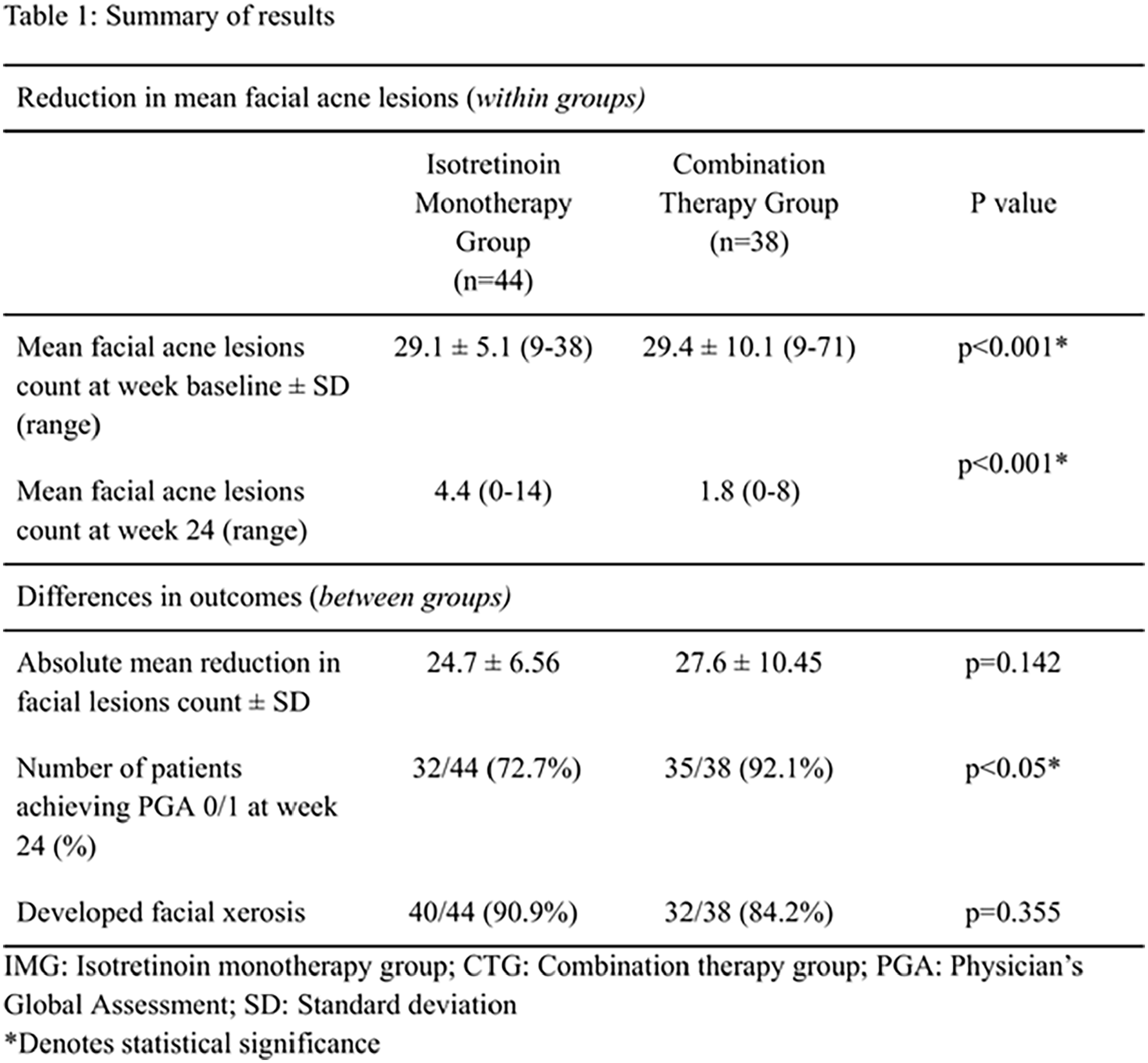
Evaluate the potential benefits of oral isotretinoin and topical clascoterone 1% cream combination therapy for treating severe/nodular acne, focusing on enhanced efficacy and safety
Understand how the mechanism of action of clascoterone cream may work synergistically to complement the effects of oral isotretinoin
Develop strategies for incorporating combination therapy into clinical practice to optimize outcomes and reduce potential side effects such as facial xerosis
Identify directions for future research, including the impact on patient-reported outcomes and long-term efficacy and safety
Our study suggests that combination oral isotretinoin and topical clascoterone 1% cream has promising potential to enhance treatment efficacy for severe/nodular acne while reducing facial xerosis. This combination offers a practical approach to optimize therapeutic outcomes without introducing additional safety concerns, although further studies are needed to confirm its long-term effectiveness.
P05.13
A Systematic Review of Cases of Clinical Mimickers of Cutaneous Melanoma in Skin of Colour
1Temerty Faculty of Medicine, University of Toronto, Toronto, ON, 2Michael G. DeGroote School of Medicine, McMaster University, Hamilton, ON, 3Division of Dermatology, Department of Medicine, Toronto, ON, 4Division of Dermatology, Department of Medicine, Faculty of Medicine, Khon Kaen University, Khon Kaen, Thailand, 5Division of Dermatology, Department of Medicine, McMaster University, Hamilton, ON
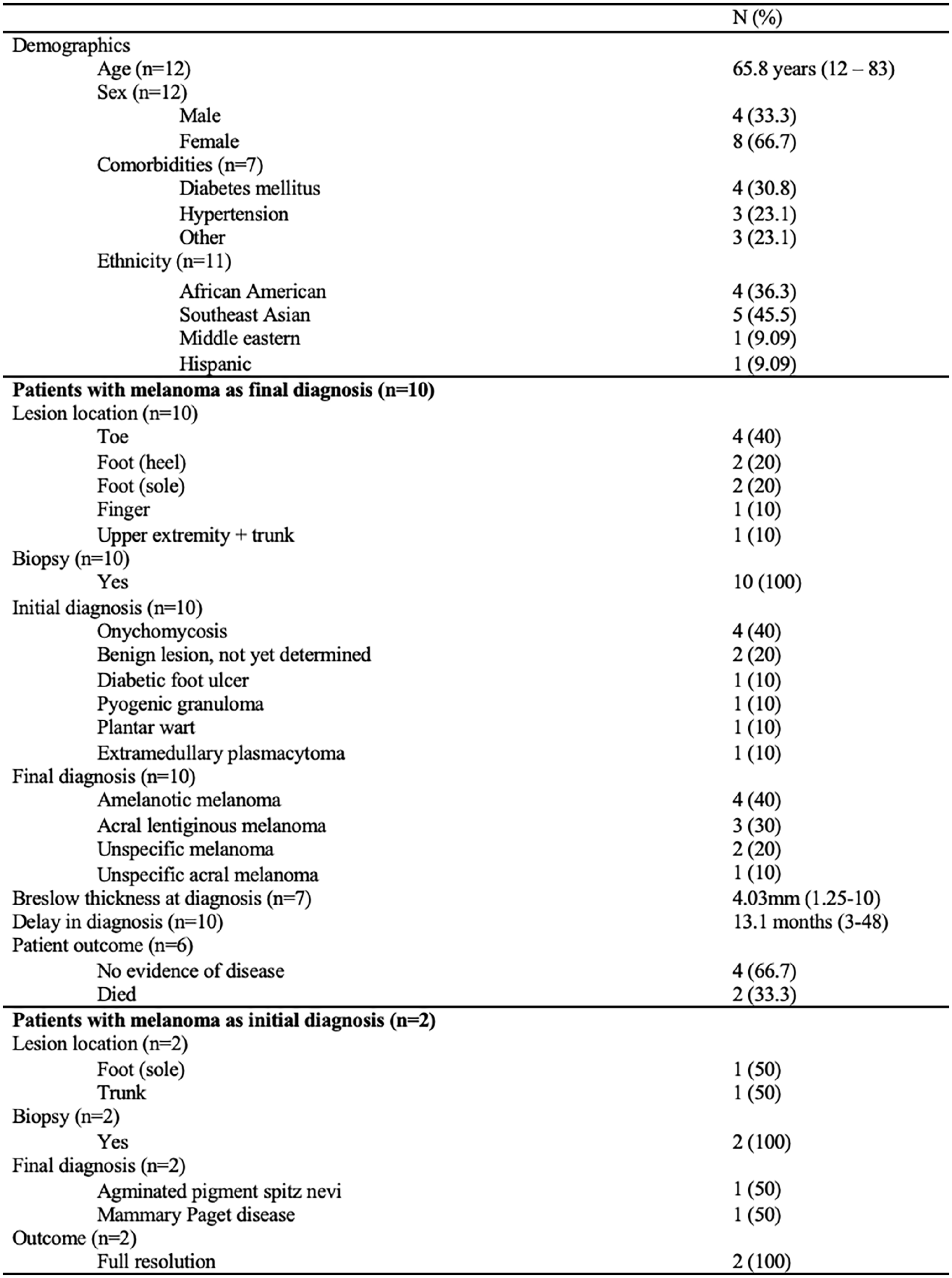
Understand the unique challenges of melanoma diagnosis in patients with SoC.
Recognize the common misdiagnoses and presentation patterns of melanoma in SoC.
Identify strategies to improve melanoma diagnosis and care in patients with SoC.
Timely and accurate diagnosis of melanoma in patients with skin of colour is critical to improving outcomes and reducing diagnostic delays.
Common misdiagnoses include onychomycosis, leading to delays in accurate diagnosis.
Diagnostic delays result in advanced disease: A mean delay of 13.1 months and a mean Breslow thickness of 4.03 mm highlight the need for earlier detection.
P05.14
Stevens-Johnson Syndrome and Toxic Epidermal Necrolysis Disease: Insights from a Retrospective Chart Analysis
University of Alberta, Edmonton, AB
To appreciate the ocular and vulvovaginal complications commonly associated with Stevens-Johnson Syndrome and Toxic Epidermal Necrolysis (SJS/TEN) and understand their impact on long-term patient outcomes.
Evaluate current practices in specialist care for SJS/TEN patients, with a focus on ophthalmology and gynecology involvement during hospitalization and post-discharge outpatient follow-up.
Develop strategies to improve patient care delivery for ocular and vulvovaginal complications of SJS/TEN through the implementation of evidence-based care pathways and EMR-supported order sets.
Ocular and vulvovaginal complications are common in patients with Stevens-Johnson Syndrome and Toxic Epidermal Necrolysis (SJS/TEN), yet specialist care and follow-up for these complications are inconsistent. Standardizing and expediting care provision and consult pathways through EMR-supported order sets may reduce negative patient outcomes from ocular and vulvovaginal complications of SJS/TEN.
P05.15
The Impact of Dupilumab on Sleep Disruptions in Patients with Prurigo Nodularis: A Systematic Review
1Michael G. DeGroote School of Medicine, McMaster University, Hamilton, ON, 2Temerty Faculty of Medicine, University of Toronto, Toronto, ON, 3Memorial University of Newfoundland, St. John’s, NL, 4Women’s College Hospital, Toronto, ON, 5Women’s College Hospital, Toronto, ON
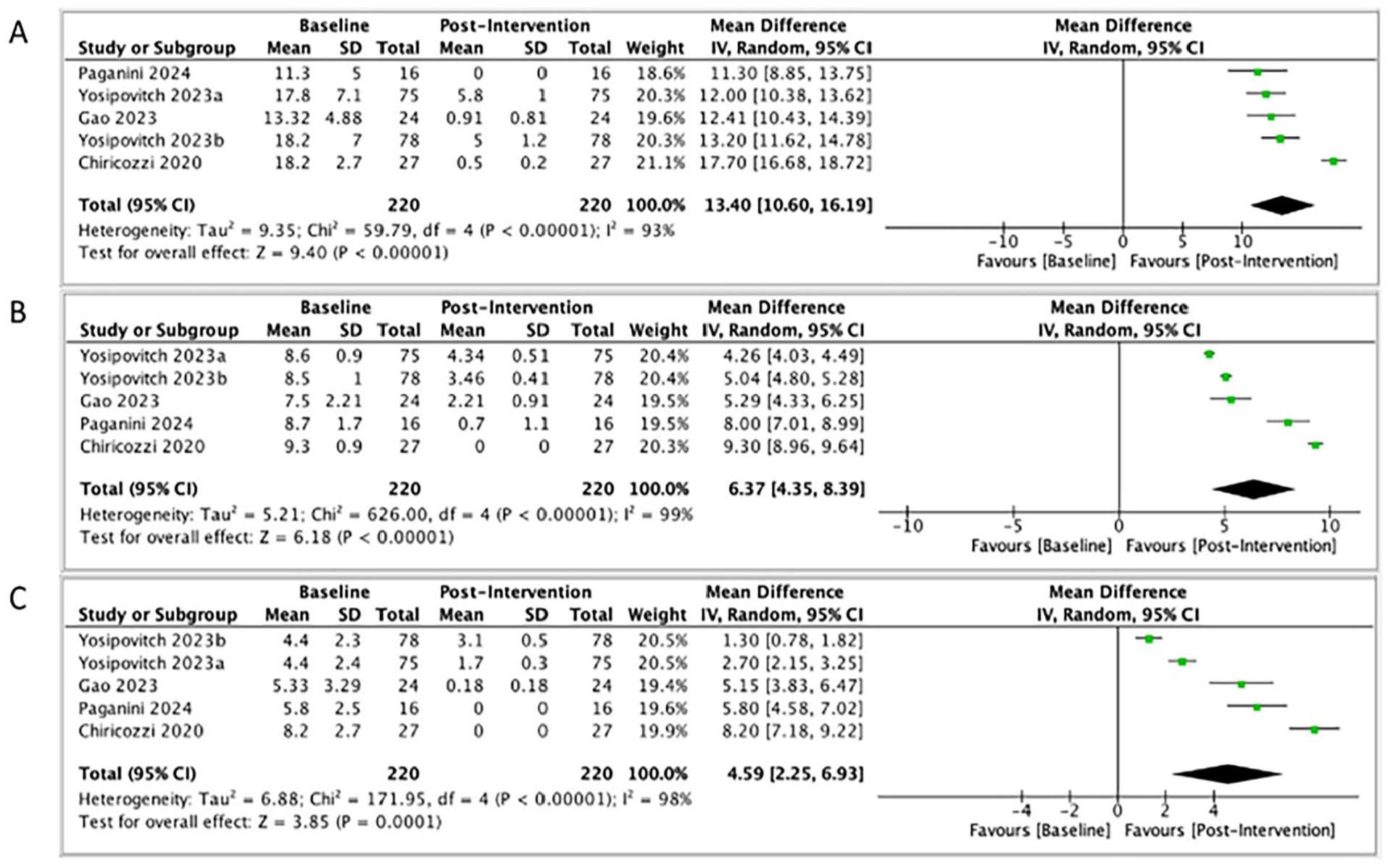
Understand the relationship between pruritus, sleep disturbance, and inflammation in PN.
Recognize the role of dupilumab in improving sleep quality and reducing PN-related symptoms.
Explore the implications of poor sleep quality on comorbidities and inflammatory pathways in PN patients.
Identify additional IL-4/IL-13-targeting biologics that may serve as therapeutic options for PN.
Dupilumab effectively reduces pruritus and improves sleep in PN patients, underscoring its therapeutic potential.
Sleep quality is a critical yet underrecognized component in PN management. Treating pruritus to restore sleep may reduce inflammatory burden and improve long-term outcomes.
Additional studies should investigate predictors of dupilumab response and explore alternative biologics targeting IL-4/IL-13 pathways in PN.
P05.17
Skin Manifestations of Adult-Onset Immunodeficiencies
1Université de Montréal, Montréal, QC, 2University of Alberta, Edmonton, AB
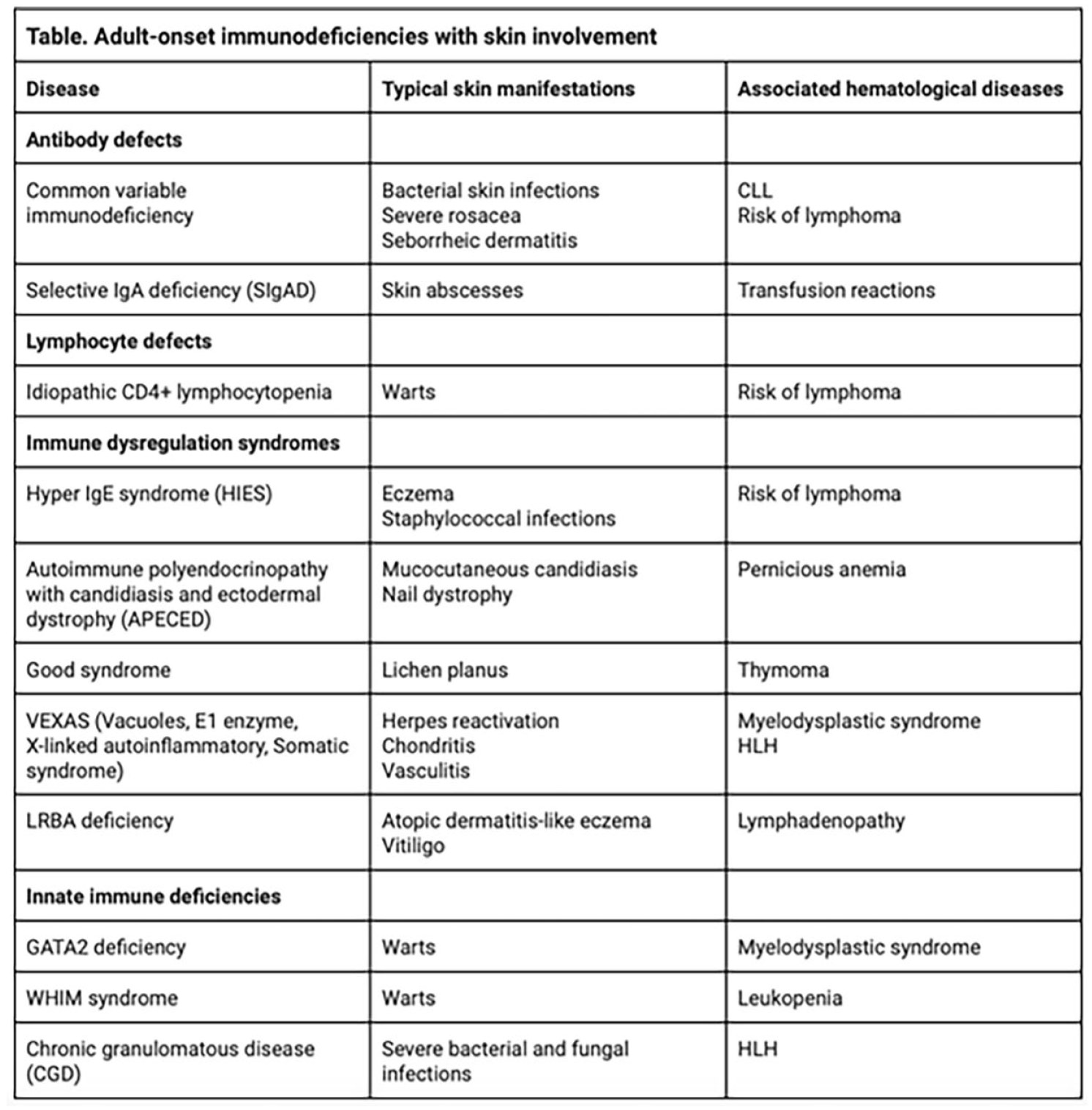
Identify the range of dermatological manifestations associated with adult-onset immunodeficiencies.
Understand the role of skin findings as diagnostic markers for underlying immune dysfunctions.
Explore the relationship between dermatological manifestations and hematological disorders in the context of adult-onset immunodeficiencies.
Cutaneous manifestations are often diagnostic markers for adult immunodeficiencies. Their early recognition can significantly improve patient outcomes by facilitating diagnosis and appropriate management.
P05.18
G2-PASE,G2-EASE,G2-VASE,G2-HECSE are Novel, Rapid, Reliable Measure of Plaque Psoriasis, Atopic Eczema, Vitiligo, Hand Eczema Severity for Clinical Practice Use
1Memorial University of Newfoundland, St. John’s, NL, 2Newlab Clinical Research Inc., St. John’s, NL
Of the 1896 Canadian patients in PSOLAR 1, 1803 had PASI data and were included in this analysis. The average baseline PASI score was 5.52 (SD 6.44, range 0.00-64.30), and the mean calculated G2-PASE score was 8.37 (SD 7.51, range 0.00-45.00). The Pearson’s correlation coefficient was 0.83 (p<0.0001), indicating very strong and significant correlation between PASI and G2-PASE scores. The standardized Cronbach coefficient alpha was 0.91. G2-EASE was calculated in a similar manner utilizing gestalt BSA and PGA, with a correlation coefficient of 0.95 (p value 0.000) for the first sample and 0.92 (p value 0.000) for the second sample. Cronbach’s α values of 0.97 and 0.95 indicated excellent reliability for G2-EASE. AUC values are determined to be 1 (p = 0.00). Similar Tools have been developed for Vitiligo and Hand Eczema.
On going validation for G2-VASE and G2-HECSE are ongoing.
Present rapid PROs
Present Valid PROs
Present Reliable PROs
Rapid, Reliable Pros can be developed and used in clinical practice
P05.20
Navigating the Misdiagnosis of Pityriasis Rubra Pilaris and Successful Treatment with Guselkumab: A Case Report of Dual Biologic Therapy
Northern Ontario School of Medicine University, Sudbury, ON
Recognize the clinical and histopathological features that differentiate Pityriasis Rubra Pilaris (PRP) from psoriasis and other dermatoses.
Understand the potential of biologic therapies, particularly guselkumab, in treating refractory PRP.
Explore the feasibility and safety of concurrent biologic therapies in managing comorbid chronic inflammatory conditions.
This case underscores the importance of accurate diagnosis in rare dermatologic conditions like PRP and highlights guselkumab’s potential as an effective treatment for refractory cases. It also demonstrates that dual biologic therapy can be successfully employed for managing separate comorbid inflammatory diseases, emphasizing the need for further research and individualized patient care.
P05.21
Multidisciplinary Approach to a Hydrochlorothiazide Induced Lichenoid Drug Eruption: A Case Report
Northern Ontario School of Medicine University, Sudbury, ON
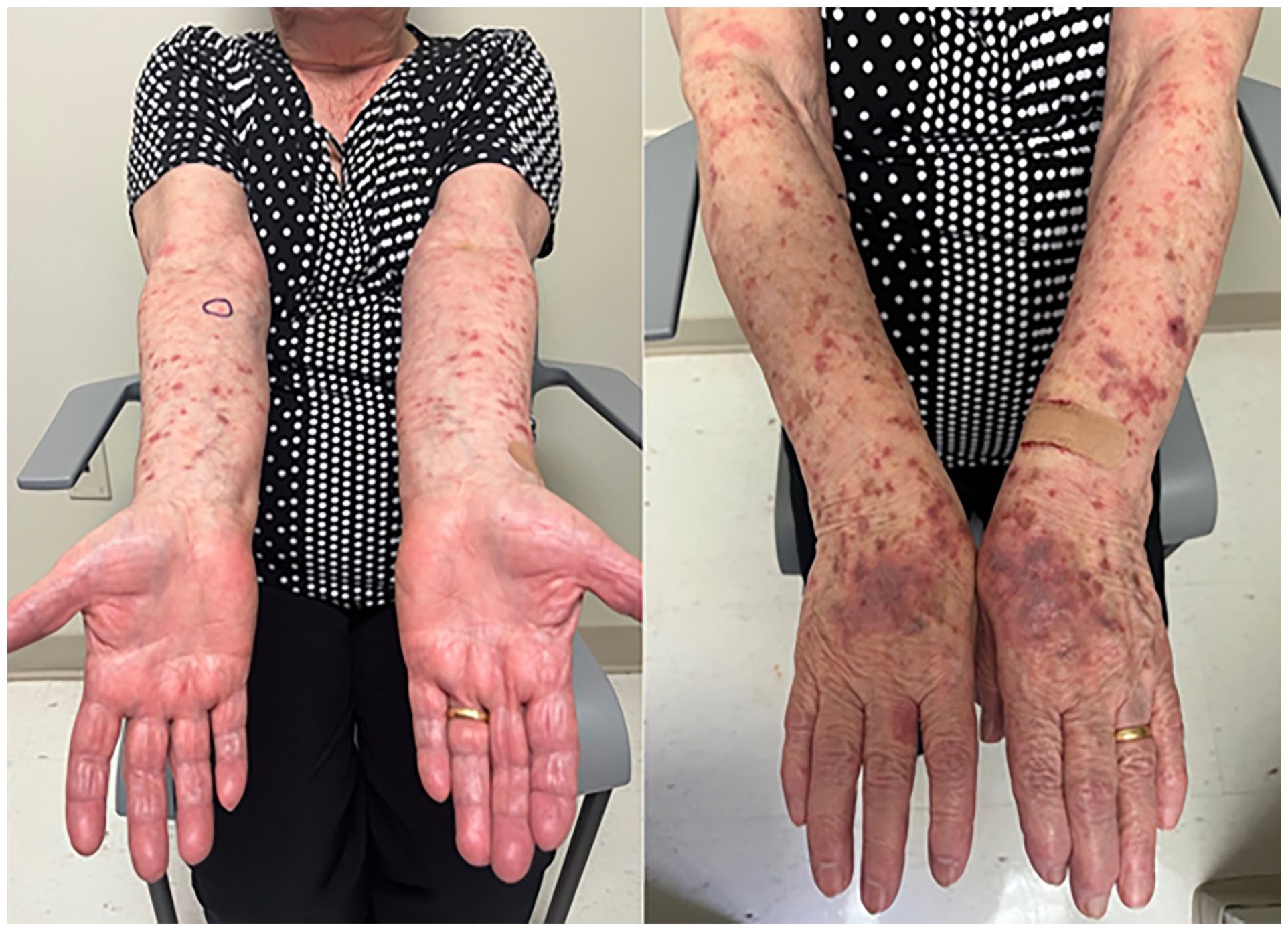
Recognize the clinical presentation and diagnostic features of lichenoid drug eruptions, including their photo-distributed pattern and post-inflammatory pigmentation that can allow differentiation from idiopathic lichen planus.
Understand the role of polypharmacy in complicating the diagnosis of drug-induced dermatologic conditions in elderly patients.
Highlight the importance of a multidisciplinary approach involving patients, pharmacists, and healthcare providers to identify and prevent re-prescription of offending medications causing lichenoid drug eruptions.
Lichenoid drug eruptions are a rare but significant adverse effect of medications like hydrochlorothiazide and apixaban. Accurate diagnosis requires a thorough review of medical and medication histories, especially in polypharmacy settings. Effective communication among the multidisciplinary care team is crucial to preventing recurrence and ensuring patient safety.
P05.23
Perceptions and Barriers to Sunscreen Use Among Black Individuals: A Content Analysis of a Reddit Community
1Temerty Faculty of Medicine, University of Toronto, Toronto, ON, 2Department of Medicine Division of Dermatology, University of Toronto, Toronto, ON, 3Michael G. DeGroote School of Medicine, McMaster University, Hamilton, ON, 4School of Nursing, University of Maryland, Baltimore, MD, 5Faculty of Arts and Science, University of Toronto, Toronto, ON, 6Division of Dermatology, Department of Paediatrics, The Hospital for Sick Children, Toronto, ON, 7Division of Dermatology, Department of Medicine, University of Toronto, Toronto, ON
Understand Barriers to Sunscreen Use: Identify the primary barriers to sunscreen adoption in Black populations, including cosmetic concerns (e.g., white cast, skin irritation) and misconceptions about melanin’s protective role.
Recognize the Importance of Targeted Education: Learn how culturally sensitive health promotion efforts, emphasizing sunscreen’s role in preventing hyperpigmentation, photoaging, and skin cancer, can improve sunscreen adoption.
Address Accessibility and Product Suitability: Explore strategies to improve the affordability, availability, and formulation of sunscreens tailored for richly pigmented skin to support equitable access to sun protection.
Leverage Online Communities for Insight: Appreciate the value of online forums, such as Reddit, for gaining candid insights into health behaviours, preferences, and barriers among specific populations.
This study sheds light on Black individuals’s nuanced attitudes toward sunscreen use, suggesting that although usage rates are still lower than those of other groups, unfavourable opinions are not pervasive. Rather, neutral feelings predominate, offering a chance to boost sunscreen adoption with focused interventions.
Misconceptions regarding melanin’s UV protection function and cosmetic issues including white cast, oily texture, and skin irritation are among the main barriers identified. These results highlight the necessity for healthcare professionals to advise patients on how to choose sunscreens that specifically address these issues. In addition to techniques to reduce white residue, recommendations can include chemical sunscreens or tinted formulas that are better suited for skin with intense pigmentation.
The analysis also emphasizes how critical it is to address hyperpigmentation, which is a major factor in this population’s decision to wear sunscreen. Tailored messaging can increase adoption by presenting sunscreen as necessary for preventing and addressing hyperpigmentation, and minimizing photoaging.
Lastly, even though cost was not a significant consideration in this study, obstacles still exist due to the greater cost and restricted availability of sunscreens made for richly pigmented skin. To promote equitable sun protection practices, efforts must be made to provide access to reasonably priced and suitable goods.
P05.24
Persistence of Post-Inflammatory Hyperpigmentation in Patients with Psoriasis: Influence of Disease Duration and Severity Before Biologic Treatment
1Temerty Faculty of Medicine, University of Toronto, Toronto, ON, 2Division of Dermatology, University of Toronto, Toronto, ON, 3Scarborough Health Network General Hospital, Toronto, ON, 4Scarborough Health Network General Hospital Dermatology, Toronto, ON
The cohort included 11 males (91.7%) and 1 female (8.3%). Fitzpatrick skin types were distributed as follows: five patients (41.7%) with type III, five (41.7%) with type IV and two (16.6%) with type V. Guselkumab was the most commonly prescribed (n=6). Comorbidities included type 2 diabetes mellitus, hypercholesterolemia, hypertension, and psoriatic arthritis. The average disease duration was 12.75 years (±7.89). Despite complete resolution of all psoriatic lesions, PIH persisted with no improvement across all Fitzpatrick skin types independent of other factors.
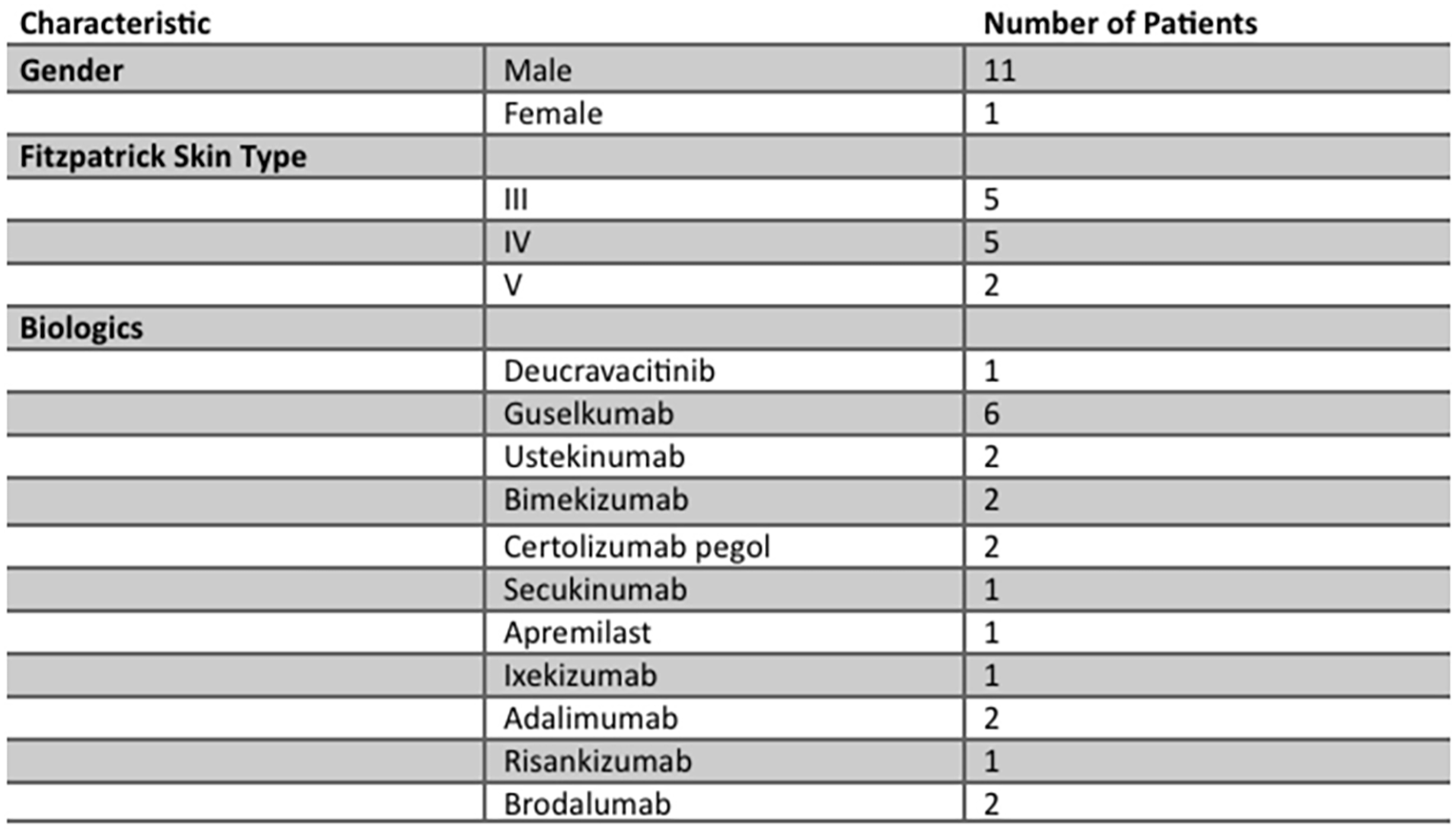
Understand the connection between the inflammatory cytokine profile of psoriasis and the development of post-inflammatory hyperpigmentation (PIH).
Recognize that PIH persists even after biologic therapy and complete resolution of psoriatic lesions.
Examine the impact of disease duration, severity, phototype, and comorbidities on the persistence of PIH.
Examine the limitations of current treatments for PIH in psoriasis patients, particularly those with darker skin tones.
Determine future directions for research into the mechanisms of PIH and its management in diverse patient populations.
In the treatment of psoriasis, post-inflammatory hyperpigmentation (PIH) is still a persistent problem, especially for people with darker skin tones. This study shows that regardless of the length, severity, or Fitzpatrick skin type, PIH can continue in patients even after successful biologic therapy and full clearance of psoriatic lesions. To address this unmet need in dermatology, the results highlight the necessity of developing specific therapy options and gaining a deeper understanding of the underlying mechanisms of PIH. The quality of life for patients, especially those in skin-of-color groups, could be greatly improved by better treatment for PIH.
P05.25
Targeting PRAME Directly or via EZH2 Inhibition Overcomes Retinoid Resistance and Represents a Novel Therapy for Keratinocyte Carcinoma
Brandon Ramchatesingh,
McGill University, Montreal, QC
High PRAME expression in tumors negatively correlated with epidermal differentiation gene signatures. Similarly, PRAME overexpression (OE) downregulated epidermal differentiation gene signatures and impaired epidermal differentiation in 3D culture. PRAME OE attenuated retinoid-induced RARE activation, growth suppression and differentiation responses. Conversely, low-PRAME expressing tumors and KC cells where PRAME was downregulated demonstrated enrichment of epidermal differentiation gene signatures. PRAME downregulation restored retinoid-induced RARE activation, suppression of KC growth, keratinization in SCC and cell death signaling in BCC. Combining retinoid treatment with an EZH2 inhibitor augmented RARE activation and suppressed the growth of PRAME-expressing KC cells.
Understand the impact of PRAME activity on retinoid signaling in cancer
Evaluate different modalities of targeting PRAME in the treatment of cancer
Consider the importance of retinoid signaling in the management of cutaneous Squamous Cell Carcinoma/Keratinocyte Carcinoma
Skin cancers are more common than all human malignancies combined. Precursor lesions, actinic keratoses, are routinely treated with topical retinoids and these agents could potentially be used to prevent cutaneous Squamous Cell Carcinomas (cSCCs) and Basal Cell Carcinomas (BCCs). However, many cSCCs/BCCs develop resistance to retinoid therapy. This study demonstrates that ectopic expression of Preferentially Expressed Antigen in Melanoma (PRAME) is driving such resistance in BCC and cSCC skin tumors and can be overcome by repurposing EZH2 inhibitors (e.g., tazemetostat) or directly targeting PRAME. Expression of PRAME could also be used to diagnose poor prognosis/poorly differentiated SCCs early, therefore, enabling timely aggressive treatments for high-risk patients.
P05.26
Imatinib-Induced Bullae and Skin Fragility
Nader Elbarch,
Université de Montréal, Montréal, QC
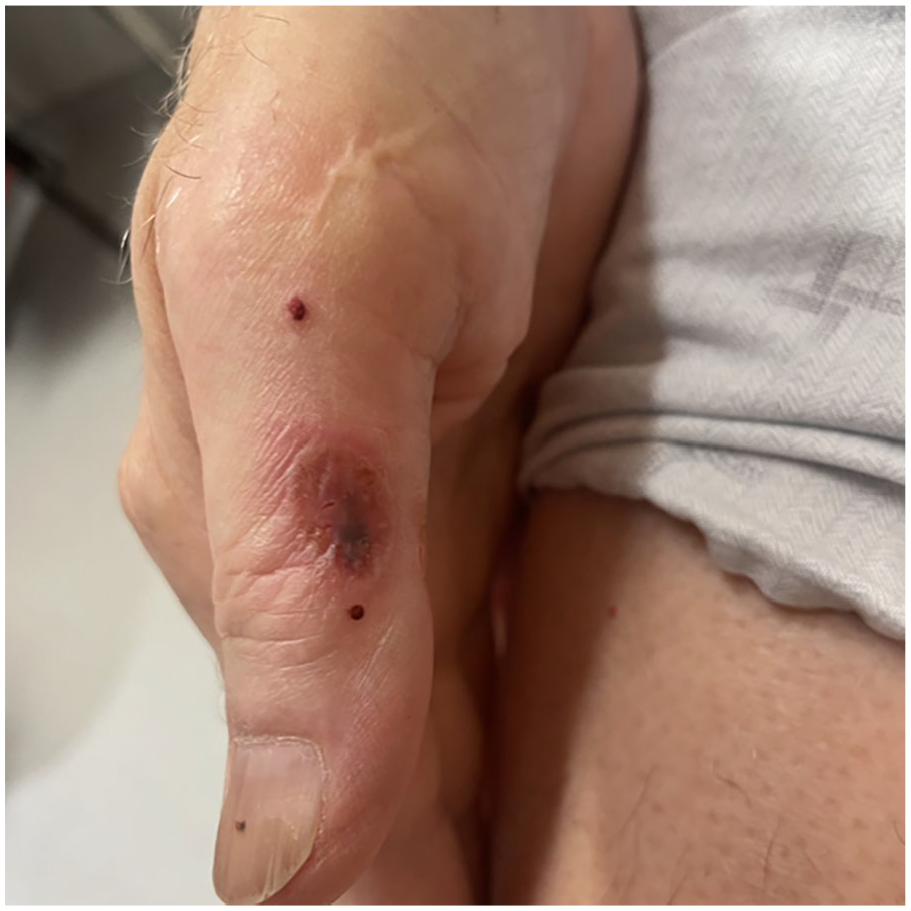
Skin fragility and blistering is a rare but potentially under-reported side effect of imatinib therapy.
Diagnosis requires exclusion of other bullous conditions, and is suggested by histopathology findings of cell-poor subepidermal bulla with negative direct immunofluorescence.
The lesions typically occur in a dose-dependent fashion; however improvement is possible with careful avoidance of trauma and supportive care.
Imatinib mesylate can rarely induce skin fragility and blistering and seems to present after 1-2 years of therapy. Diagnosis can be made after the exclusion of other bullous conditions, namely epidermolysis bullosa acquisita and porphyria. Management options include decreasing imatinib dosage. Supportive treatment and trauma avoidance can also lead to improvement, as seen in our patient.
P05.27
Shiitake Mushroom Dermatitis Across Time: A Systematic Review
1University of Ottawa, Ottawa, ON, 2The Ottawa Hospital, Ottawa, ON
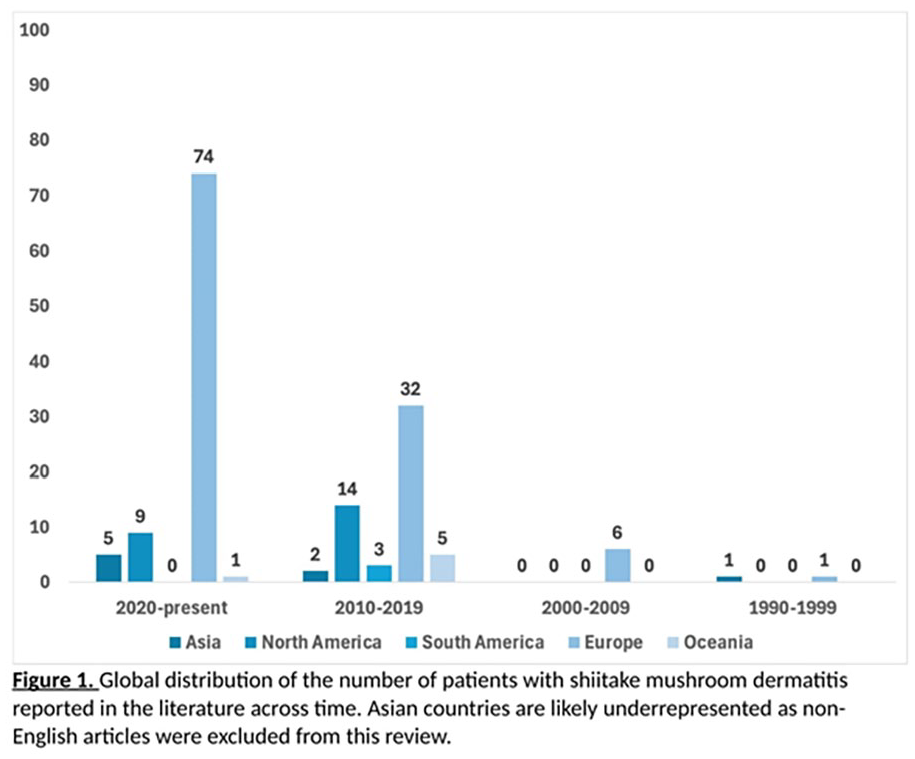
Explore the geographical evolution of shiitake mushroom dermatitis (SMD) cases reported outside of Asia over time.
Identify key information to gather on patient history which align with a diagnosis of SMD, including time from shiitake mushroom (SM) consumption to symptom onset, and preparation method of SMs prior to consumption.
Develop an awareness of the differential diagnoses for SMD including bleomycin-induced flagellate erythema, Still’s disease, dermatomyositis, and herpes zoster.
Shiitake mushroom dermatitis (SMD) is a clinical diagnosis which requires healthcare provider awareness to prompt targeted inquiry about shiitake mushroom consumption. SMD is self-limiting, however, the dramatic, flagellate appearance of the rash can resemble other conditions which require more intensive management. These include connective tissue disorders such as Still’s disease and dermatomyositis, as well as infectious etiologies such as herpes zoster. Patients with SMD may present to a variety of settings including dermatology clinics, emergency departments, and primary care practices, emphasizing the importance of recognizing this condition across specialties. Therefore, we aim for attendees to develop a comprehensive understanding of the evolving geographical distribution of SMD, the key historical details to elicit from patients, and the influence of preparation practices on its manifestation. Targeted inquiry and prompt recognition can improve diagnostic accuracy, prevent unnecessary interventions, and reassure patients.
P05.28
A Systematic Review of Drug-Induced Pityriasis Rosea
1Cumming School of Medicine, University of Calgary, Calgary, AB, 2Temerty School of Medicine, University of Toronto, Toronto, ON, 3School of Medicine, Queen’s University, Kingston, ON, 4Schulich School of Medicine and Dentistry, Western University, London, ON, 5Faculty of Medicine, Université Laval, Québec, QC, 6Division of Pediatric Dermatology, The Hospital for Sick Children, University of Toronto, Toronto, ON
Vaccines, particularly COVID-19 mRNA vaccines, are the most common reported triggers for drug-induced pityriasis rosea, with biologic agents being rare contributors.
In most cases, drug-induced pityriasis rosea develops within 4 weeks of drug exposure.
Drug-induced pityriasis rosea is generally self-limited with complete resolution being achieved in most cases often following antihistamine and/or corticosteroid treatment.
This systematic review revealed the most common trigger of drug-induced pityriasis rosea to be COVID-19 vaccines, which accounted for nearly 90% of all cases. Despite its association with COVID-19 vaccines, pityriasis rosea typically resolves without long-term effects and can be treated with antihistamines and/or corticosteroids.
P05.29
Treatments for Molluscum Contagiosum: A Systematic Review
Ou Jia (Emilie) Wang1, Mahek Shergill2,
1Faculty of Medicine, University of British Columbia, Vancouver, BC, 2Michael G. DeGroote School of Medicine, McMaster University, Hamilton, ON, 3Faculty of Medicine and Health Sciences, McGill University, Montreal, QC, 4Department of Medicine, Division of Dermatology, Women’s College Hospital, Toronto, ON, 5Toronto Dermatology Centre, Toronto, ON
To evaluate the efficacy in clearance rates of established and emerging molluscum contagiosum treatments.
To compare side effects and recurrence rates associated with various molluscum contagiosum treatments.
To identify factors such as age, immune status, and lesion severity when selecting treatment options.
Cantharidin, KOH, and cryotherapy are effective first-line options.
Effective molluscum contagiosum management requires individualized treatment approaches based on patient characteristics, treatment response, and accessibility of therapies.
P05.30
A Rare Presentation of Bilateral Axillary Polymastia and Pseudomamma: A Case Report
Centre hospitalier de l’Université de Montréal, Montréal, QC
Increase awareness about this congenital anomaly
Patients who have accessory breast tissue must have additional screening of those tissues for breast cancer
Broaden axillary masses differential diagnosis
Accessory breast tissue is an under-recognized congenital anomaly and should be included in the differential diagnosis of axillary masses, especially in the primary care setting.
P05.31
Regional Disparities in Skin Cancer Risk Factors, Protective Behaviors, and Awareness Across Canada: Insights from Manitoba and Atlantic Provinces
Francois Lagace, Amina Moustaqim-Barrette, Santina Conte,
McGill University, Montreal, QC
In Manitoba, high-risk behaviors were common: 67.7% reported >10 lifetime sunburns, 67.2% had blistering burns, and 52% used tanning beds. Despite risks, only 46.5% regularly used sunscreen, and 57.7% wore long sleeves. Misconceptions were widespread, with 52.3% believing tanning improves health and appearance. Women were more likely to use sunscreen (OR 2.36, p < 0.001) but also reported higher tanning bed use (OR 2.61, p < 0.001).
In Atlantic Canada, provinces with higher CM incidence, such as Prince Edward Island and Nova Scotia, reported more lifetime sunburns (OR 2.00, 95% CI 1.72–2.31) and recreational sun exposure (OR 1.95, 95% CI 1.61–2.35) but also better sun-protective behaviors, including sunscreen use (OR 1.20, 95% CI 1.04–1.37) and hat-wearing (OR 1.29, 95% CI 1.11–1.49). Higher-income participants (≥ CAD 50,000) reported more sunburns (OR 1.33, 95% CI 1.15–1.54) and tanning bed use (OR 1.37, 95% CI 1.19–1.59) but were more likely to use broad-spectrum sunscreen (OR 2.23, 95% CI 1.15–4.35).
Identify and compare high-risk sun exposure and protective behaviors contributing to cutaneous melanoma incidence in Manitoba and Atlantic Canada.
Understand regional differences in skin cancer risk behaviors and driving forces behind them.
Consider how different geographies/environment and cultural differences impact sun protection across Canada.
Our study, conducted in Manitoba, found that many residents have risky sun exposure habits and lack awareness about skin cancer. Over 65% reported a history of sunburns, more than half had used tanning beds, and a large majority recently tanned for pleasure. Misconceptions are common, with over 50% believing that tans are healthy or a sign of beauty. Moreover, sun protection practices are inadequate, with less than 60% using protective clothing and under 50% using sunscreen. These findings highlight the need for targeted public health campaigns to improve awareness and promote better sun protection behaviors to prevent future skin cancers in Manitoba. Similarly, our work in Atlantic Canada was able to identify significant differences across multiple variables between these groups. These findings will help guide future public health efforts aiming at preventing cutaneous melanoma and reducing its incidence in our communities.
P05.32
Environmental, Geographic, and Socioeconomic Determinants of Cutaneous Melanoma in Canada
Francois Lagace, Santina Conte,
McGill University, Montreal, QC
Between 2011 and 2017, Canada recorded 39,605 new CM cases (ASIR: 14.12 per 100,000) and 5,890 deaths (ASMR: 2.7 per 100,000). Prince Edward Island and Nova Scotia had the highest incidence rates, while Newfoundland and Labrador and Northern Territories had the lowest. Higher CM incidence was associated with regions experiencing elevated temperatures, greater UV exposure, and abundant greenspace. Conversely, areas with frequent precipitation showed reduced CM rates. The MIR declined over time but remained higher in rural regions like Manitoba and Saskatchewan, reflecting healthcare access disparities. Socioeconomic factors, including limited dermatologist access in rural areas, further contributed to regional differences in outcomes.
Recognize environmental and geographic influences on Cutaneous Melanoma (CM) Incidence.
Evaluate the impact of socioeconomic and healthcare access disparities on CM outcomes (i.e., mortality to incidence ratio).
Interpret statistical models used in cancer epidemiology.
This study highlights the significant impact of environmental, geographic, and socioeconomic factors on cutaneous melanoma (CM) incidence and mortality across Canada. Analysis of over 106,000 CM cases and 20,000 CM deaths from 1992 to 2017 revealed substantial regional disparities. Provinces like Prince Edward Island and Nova Scotia exhibited the highest CM incidence rates, while Newfoundland and Labrador and the Northern Territories had notably lower rates. Higher CM risk was associated with regions experiencing elevated UV exposure, warmer temperatures, and greater greenspace—likely due to increased recreational sun exposure. Conversely, areas with more precipitation, heat events had lower CM rates, suggesting that reduced outdoor activity may lower UV risk.
Despite a national decline in the mortality-to-incidence ratio (MIR), rural and underserved areas, particularly in Manitoba, Saskatchewan, and northern British Columbia, faced worse outcomes.
P05.33
Differences in Clinical Presentation Between Drug-Induced and Non-Drug-Induced Linear IgA Bullous Dermatosis: A Systematic Review
Université de Sherbrooke, Sherbrooke, QC
Drug-induced LABD exhibited distinct clinical features: erythematous plaques and maculopapular eruptions were significantly more common (27.5% vs. 5.1%, p<0.001), and Nikolsky’s sign was observed exclusively in drug-induced cases (4.7%). Mucosal involvement was notably higher in drug-induced LABD, affecting the oral mucosa in 23.0% and genital mucosa in 11.9% of cases, compared to 7.2% and 2.3%, respectively, in non-drug-induced cases (p<0.001 for both).
Dapsone and systemic corticosteroids were the most frequently used treatments for both subtypes, in addition to drug discontinuation when a medication was identified as the triggering factor.
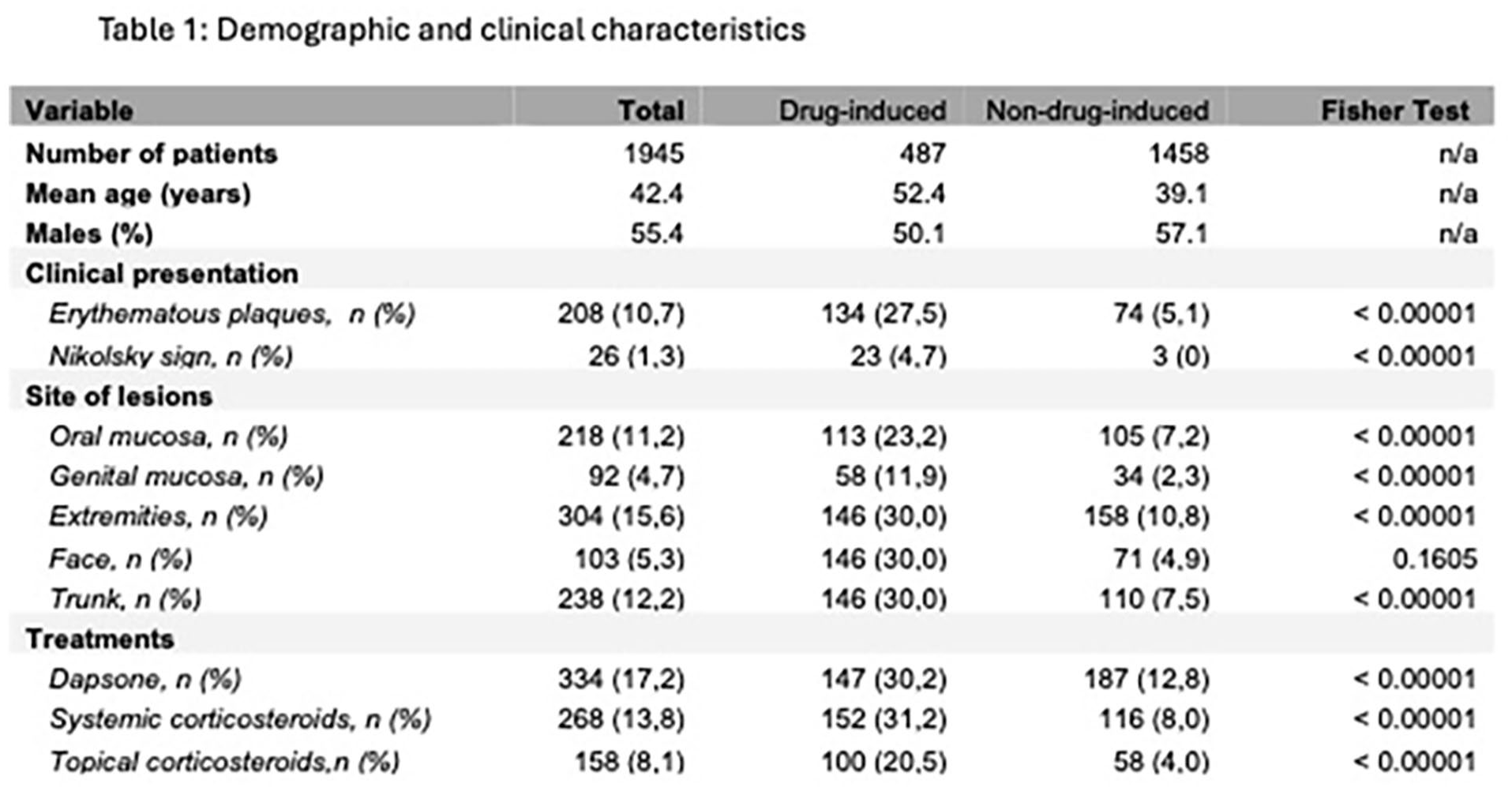
There are differences in clinical presentations between drug-induced and non-drug induced LABD.
Vancomycin and beta-lactam antibiotics are the most frequently implicated drugs in drug-induced LABD, presenting an average of 12 days after drug initiation.
Drug-induced LABD has increased mucosal involvement, a higher prevalence of maculopapular eruptions and the presence of Nikolsky’s sign.
Drug-induced LABD demonstrates unique clinical patterns, including increased mucosal involvement, a higher prevalence of maculopapular eruptions, and the presence of Nikolsky’s sign, which can help distinguish it from idiopathic LABD.
P05.34
Evaluating the Implementation and Impact of BRAF Reflex Mutation Testing in Melanoma, Lung, and Colorectal Cancers
Daniel Guerra Ordaz, Sera Whitelaw, Amina Moustaqim-Barrette, May Chergui,
McGill University, Montreal, QC
518 BRAF molecular tests were performed, with 173 patients meeting the inclusion criteria [median age 72 (IQR 60-80 years), 46.2% female]. Of these, 75.7% had melanoma, 23.7% colorectal cancer and 0.58% lung cancer. Pathologists ordered 71.1% of BRAF tests, primarily relying on immunohistochemistry. By 2022, all BRAF results were available before oncology consultations. Patients with pre-consultation BRAF results were more likely to receive targeted therapy (59.4% vs 36.4%). The availability of BRAF test results was associated with quicker treatment initiation and better alignment of therapy with mutation status.
Understand the role of reflex BRAF mutation testing in cancer management
Analyze the impact of reflex BRAF testing on treatment decisions
Assess the effectiveness of pathology-led reflex testing protocols
Explore strategies for standardizing reflex testing across healthcare systems
This study highlights the critical role of reflex BRAF mutation testing in improving cancer care for patients with melanoma, lung, and colorectal cancers at the McGill University Health Centre (MUHC). Reflex testing, performed automatically at diagnosis, significantly reduced delays in treatment initiation by ensuring BRAF results were available before oncology consultations. Between 2017 and 2022, 518 BRAF tests were conducted, with 75.7% of patients diagnosed with melanoma. By 2022, all BRAF results were accessible prior to oncologist visits, leading to a higher rate of targeted therapy use (59.4% vs. 36.4%) among patients with pre-consultation results. This timely access allowed for more precise and effective treatment decisions aligned with patients’ mutation status.
P05.35
Efficacy and Safety of Phosphodiesterase-4 Inhibitors in Vitiligo: A Systematic Review
1School of Medicine, Queen’s University, Kingston, ON, 2Toronto Dermatology Centre, Toronto, ON, 3Department of Medicine, Division of Dermatology, Women’s College Hospital, Toronto, ON
To summarize available PDE4i therapy in the treatment of vitiligo.
To determine efficacy of PDE4i therapy in patients with vitiligo.
To evaluate safety of PDE4i therapy in patients with vitiligo.
Vitiligo is a chronic condition that can cause significant psychological and social distress. Phosphodiesterase-4 inhibitor (PDE4i) therapies have emerged as a novel and effective approach to treatment of inflammatory diseases, with recent use in patients with vitiligo. This systematic review summarizes the efficacy and safety of PDE4i therapy for vitiligo.
P05.36
Efficacy and Safety of Dupilumab in Recalcitrant Chronic Hand Eczema: A Systematic Review
1School of Medicine, Queen’s University, Kingston, ON, 2Division of Dermatology, Department of Medicine, Queen’s University, Kingston, ON, 3Department of Dermatology, Venerology and Allergy, Charité – Universitätsmedizin Berlin, Berlin, Germany
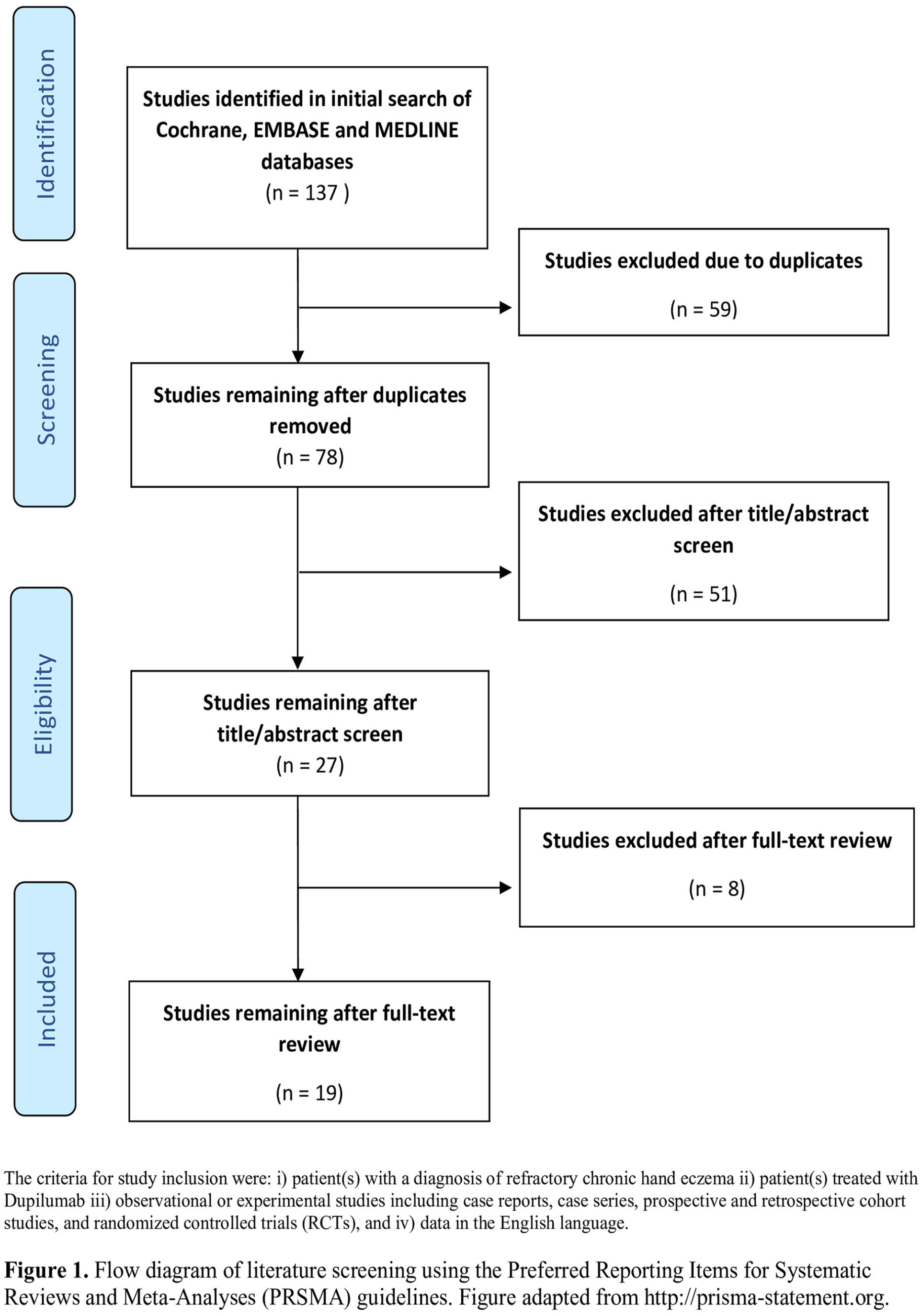
To summarize treatment of chronic hand eczema with Dupilumab
To identify treatment outcomes to accurately determine efficacy of Dupilumab therapy in treating chronic hand eczema
To evaluate safety of Dupilumab therapy in patients with chronic hand eczema.
Chronic hand eczema (CHE) is an inflammatory skin disorder associated with significant impairment of quality of life. Standard therapies focus on symptom control, but with recent therapeutic treatments emerging, it is more possible that CHE can be managed by targeting the underlying disease mechanisms. Dupilumab is a human monoclonal antibody that inhibits interleukin-4 and interleukin-13 and has recently been used in the treatment of patients with CHE. This systematic review supports the efficacy and safety of Dupilumab therapy for CHE.
P05.37
Lucio’s Phenomenon in a Non-Endemic Region: A Case Report
1Faculty of Medicine and Dentistry, University of Alberta, Edmonton, AB, 2Division of Dermatology, Department of Medicine, University of Alberta, Edmonton, AB
To identify the clinical features of Lucio’s phenomenon and understand its diagnostic significance in patients presenting with retiform purpura, ulcerations, and necrosis, particularly in non-endemic regions.
To highlight that mycobacterial infections can present with clinical signs and laboratory findings that mimic autoimmune rheumatologic diseases.
To understand the role of multi-drug therapy in treating lepromatous leprosy and Lucio’s phenomenon.
To emphasize the importance of a multidisciplinary approach in the diagnosis and management of leprosy, particularly in cases with atypical presentations.
Leprosy, although considered "eliminated" by the WHO, remains prevalent in endemic regions and is increasingly recognized in non-endemic areas due to globalization. Mycobacterial infections, such as leprosy, can present with clinical signs and laboratory findings suggestive of autoimmune rheumatologic diseases, posing significant diagnostic challenges. This case highlights the importance of early recognition of Lucio’s phenomenon, a rare manifestation of lepromatous leprosy, and underscores the need for a multidisciplinary approach involving dermatology and infectious diseases. Accurate diagnosis and management are especially critical in patients with relevant travel histories or exposure risks.
P05.39
Topical Corticosteroid Potencies: Reimagining a New Universal Classification System
1Memorial University of Newfoundland, St. John’s, NL, 2University of California San Francisco, San Francisco, CA
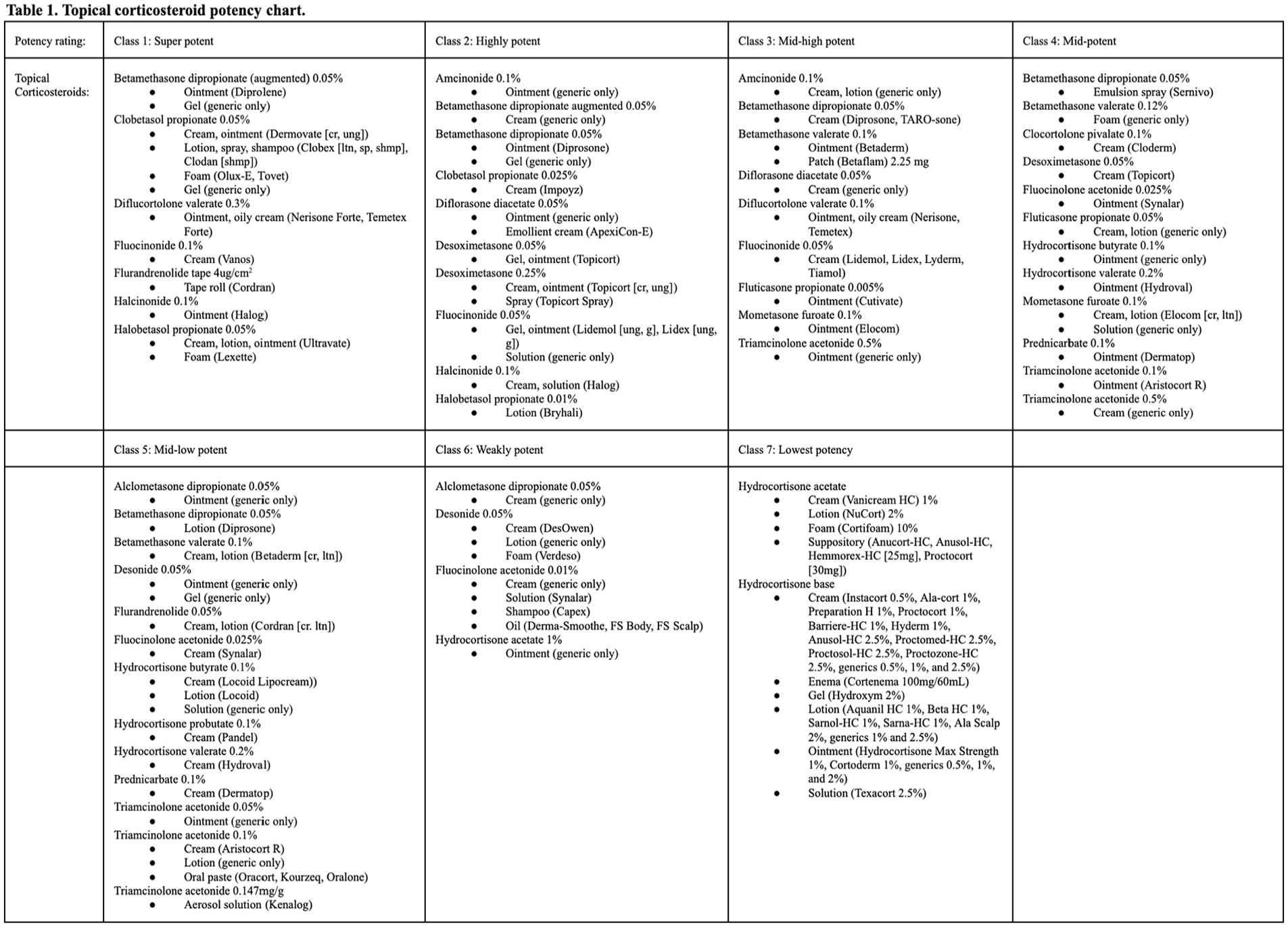
Understand the benefits of a universal topical corticosteroid classification system in contrast to existing, inconsistent systems.
Evaluate how a new topical corticosteroid classification system may be applied in clinical practice and in treatment planning for dermatologic conditions.
Reflect on the foundational elements of a topical corticosteroid potency classification, including the associated pharmacokinetics, pharmacodynamics, and vehicle composition.
A universal classification system of TCS potency, which considers the currently available classification systems along with the pharmacokinetic and pharmacodynamic factors of TCS, will reduce uncertainty and facilitate consistent decision making for clinicians prescribing and dispensing these medications.
P05.40
Theories of Pathogenesis in Paradoxical Alopecia Areata During Dupilumab Therapy
1Division of Dermatology, Department of Medicine, Temerty Faculty of Medicine, University of Toronto, Toronto, ON, 2Faculty of Medicine, Memorial University of Newfoundland, St. Johns, NL, 3Michael G. DeGroote School of Medicine, McMaster University, Hamilton, ON, 4Department of Dermatology, University of British Columbia, Vancouver, BC, 5Donovan Hair Clinic, Whistler, BC
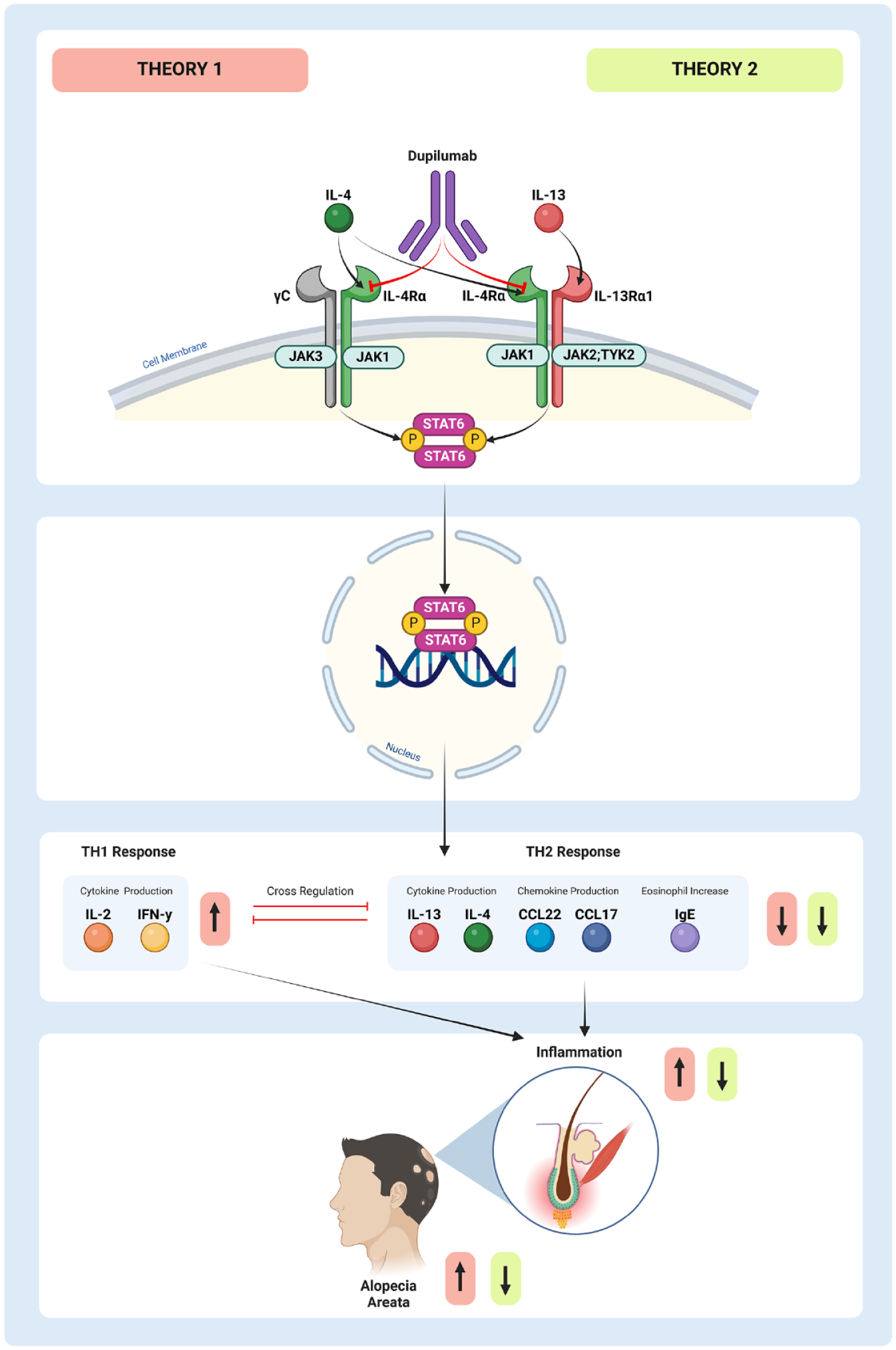
Understand the role of Th1 and Th2 pathways in the pathogenesis of alopecia areata (AA) and dupilumab therapy.
Explore potential mechanisms underlying dupilumab-induced hair regrowth and paradoxical AA.
Discuss existing literature, identifying two theories reported on in the literature.
Dupilumab, an inhibitor of Th2-mediated cytokine signalling via IL-4 and IL-13, is a known treatment for alopecia areata but has also been shown to induce or exacerbate this condition.
P05.42
Pruritus and Neuropsychiatric Symptoms Among Patients with Darier Disease – an Overlooked and Interconnected Challenge
1Michael G. DeGroote School of Medicine, McMaster University, Hamilton, ON, 2Division of Dermatology, Department of Medicine, University of Toronto, Toronto, ON, 3Miami Itch Centre, Dr. Phillip Frost Department of Dermatology and Cutaneous Surgery, University of Miami Miller School of Medicine, Coral Gables, FL, 4Department of Dermatology, Emek Medical Centre, Rappaport Faculty of Medicine, Technion - Institute of Technology, Haifa, Israel
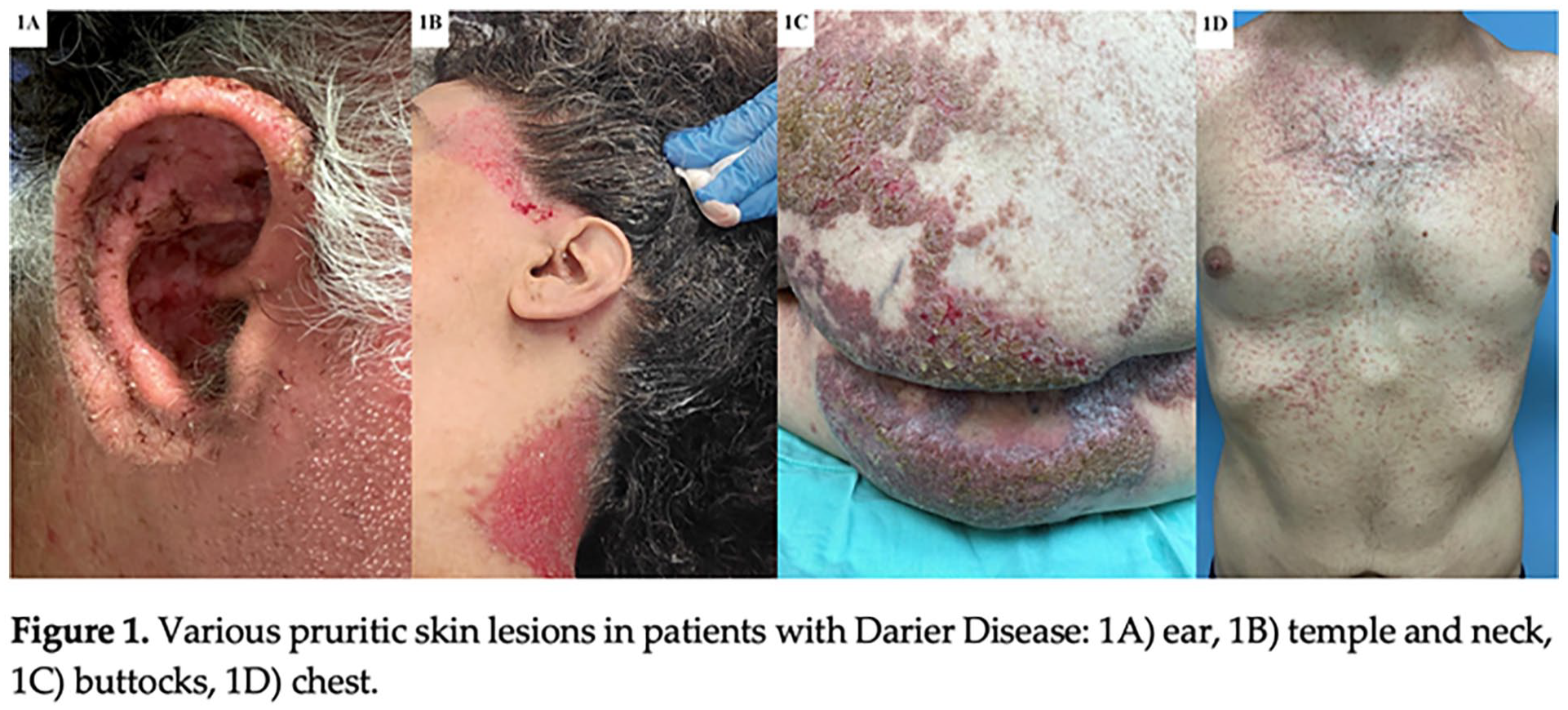
Recognize that pruritus is a common and impactful symptom of DD, reflecting the broader sensory disturbances that significantly affect psychological well-being in patients
Develop multidisciplinary strategies that topical treatments, advanced dermatologic therapies, and psychological support to address both physical and emotional aspects of pruritus in DD
Emphasize the importance of routine screening for depression, anxiety, and other neuropsychiatric comorbidities to ensure comprehensive care for patients with DD.
Educate patients on the genetic basis of neuropsychiatric symptoms in DD, helping them understand these are not solely reactive to physical symptoms and feel empowered to manage potential residual challenges.
Acknowledge that the pathophysiology and role of pruritus in DD is poorly understood and necessitates further research to advance treatments.
Patients with Darier disease frequently experience pruritus, which can exacerbate the psychological burden of their genetically predisposed neuropsychiatric conditions. Therefore, managing pruritus effectively necessitates a comprehensive approach that incorporates screening for psychiatric comorbidities and combining dermatologic treatments with psychological interventions.
P05.44
Assessment of Dermatologists in Ontario Accepting OHIP Referrals for Hair Loss Evaluation
1Temerty Faculty of Medicine, University of Toronto, Toronto, ON, 2DermAtelier on Avenue Medical & Cosmetic Dermatology, Toronto, ON
Understand the prevalence of dermatologists accepting OHIP referrals for hair loss in Ontario.
Recognize the implications of limited access to dermatological care for hair loss.
Examine the potential barriers to referral acceptance, including wait times and fees.
Identify possible solutions to improve accessibility to dermatological care for hair loss.
The results of this study reveal significant barriers to dermatological care for hair loss in Ontario, with nearly half of dermatologists not accepting OHIP referrals for hair loss. These results highlight a gap in patients’ access to care, particularly for those who are unable to pay for private consultations. The study also highlights the complexity of variables, including wait times, consultation fees, and specific diagnostic requirements, that influence referral acceptance. These barriers may disproportionately affect underserved populations who rely on OHIP for their healthcare requirements.
The results suggest that the current state of the medical system has led to a large proportion of dermatologists to exclude alopecia assessments from their care. Additionally, future research which details the variables that affect dermatologists’ choices to accept or reject referrals, which include the potential influence of systemic pressures like physician workload, patient demand, financial limitations and remuneration, would be valuable.
Improving access to care is essential to the improvement of patient outcomes and the achievement that everyone, regardless of socioeconomic background, has fair access to timely and effective dermatological care.
P05.45
Acquired Lymphangioma Circumscriptum on the Abdomen During Pregnancy
1Division of Dermatology, The Ottawa Hospital, Ottawa, ON, 2University of Ottawa, Ottawa, ON
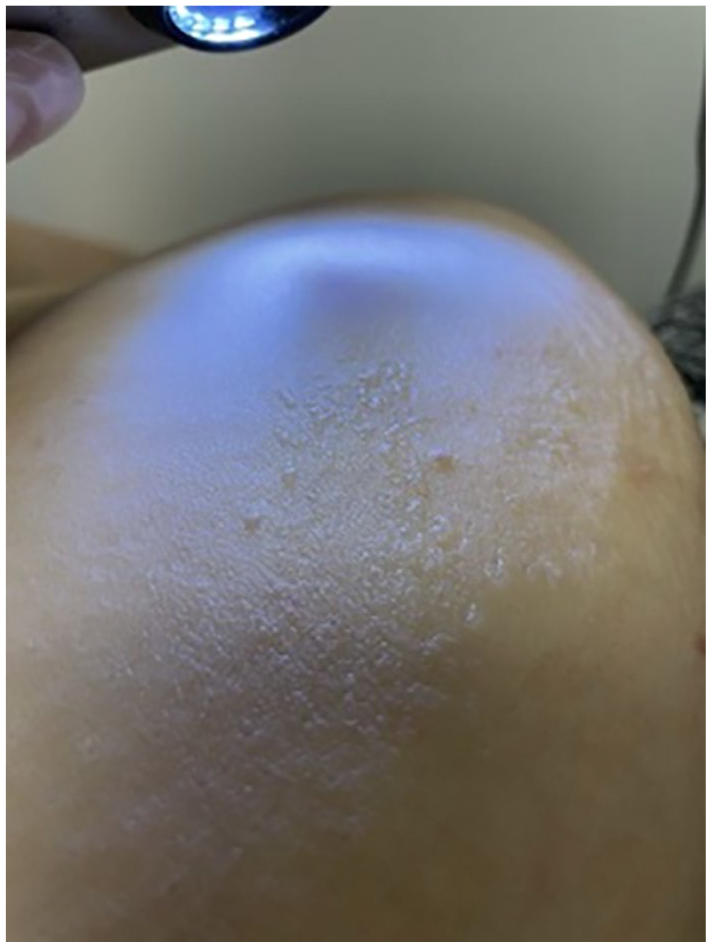
Consider the rare manifestation of acquired lymphangioma circumscriptum on the abdomen for pregnant patients presenting with clustered verrucous vesicles or papules
Differentiate acquired lymphangioma circumscriptum on the abdomen from other pregnancy-related and non-pregnancy-related dermatoses that may have similar clinical presentations but require different management approaches
Perform a detailed clinical and pregnancy history as well as appropriate work-up to rule out underlying intra-abdominal disease in the diagnosis of acquired LC in pregnancy
Understand that acquired LC on the abdomen during pregnancy may be secondary to the increased physiological demands and hormonal changes during pregnancy that impair lymphovenous drainage
Acquired lymphangioma circumscriptum may present on the abdomen during pregnancy and is an important differential diagnosis to consider in pregnancy-related dermatoses.
P05.46
Plant-Based Diets and Photosensitivity: A Scoping Review
Kim H. Tran, Eunice Y. Chow,
University of Alberta, Edmonton, AB
To review and synthesize current literature on the association between plant-based diets and skin photosensitivity/phototoxicity.
To compare the effects of plant-based diets with other dietary patterns, such as ketogenic and meat-based diets, on skin health and susceptibility to photosensitivity and phototoxicity.
To promote awareness of the positive and negative impacts of specific foods, dietary products and overall dietary choices on skin health and photoprotection.
Diet plays a significant role in modulating the skin’s response to UV radiation and the risk of skin conditions. Plant-based diets can have both protective and harmful effects depending on their composition. Diets rich in carotenoids, fatty acids, and following Mediterranean patterns are photoprotective, while those high in psoralens, folate, and alcohol increase photosensitivity and skin cancer risk.
P05.48
An Unusual Case of Mycobacterium Marinum Cutaneous Infection in an Immunocompetent Patient: A Diagnostic Challenge
1McGill University, Gatineau, QC, 2Hôpital de Gatineau - Pathologie, Gatineau, QC, 3McGill - Département d’infectiologie, Montréal, QC, 4Hôpital de Gatineau - Dermatologie, Gatineau, QC
Four months later, the paronychia persisted, and a new nodule appeared. A course of cefadroxil and topical corticosteroids did not improve the condition. A 5mm skin biopsy of the forearm nodule revealed granulomatous inflammation, but Ziehl-Neelsen staining and mycobacterial cultures were negative after 8 weeks of incubation. A second skin biopsy for mycobacterial culture was performed three months later, still negative, but Ziehl-Neelsen staining revealed two acid-fast bacilli on one slide, suggesting mycobacterial infection.
Two months later, a third skin biopsy (6mm) for mycobacterial culture on a new forearm nodule finally confirmed the presence of Mycobacterium marinum by 16S rRNA Sequencing.
Following diagnosis, a regimen of rifampicin and clarithromycin was started, leading to significant improvement. Three weeks later, the patient developed severe gastrointestinal symptoms, prompting treatment cessation. Clostridium difficiletoxin test was negative, and GI symptoms resolved within a week. Rifampicin was resumed, and doxycycline replaced clarithromycin one week later. Treatment is ongoing
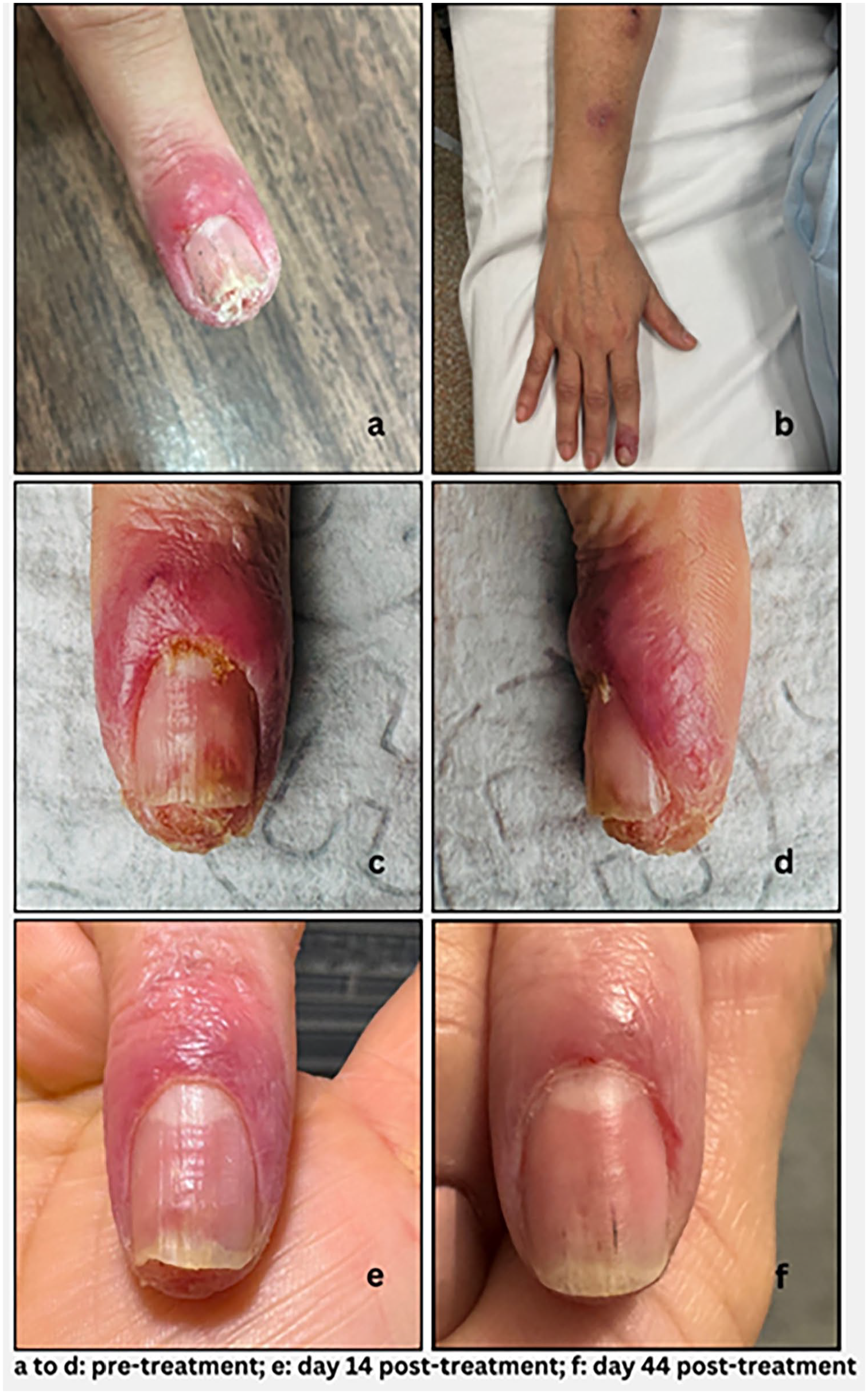
To recognize the clinical presentation of Mycobacterium marinum cutaneous infection in immunocompetent patients.
To emphasize the importance of considering atypical mycobacterial infections, even in the absence of traditional risk factors.
To highlight the significance of appropriately sized skin biopsy samples and the value of repeating biopsies with multiple slides of Ziel-Neelsen staining for accurate diagnosis.
To stress the limitations of traditional diagnostic tests and the need for advanced techniques, such as PCR, and repeated investigations in confirming atypical infections.
This case highlights the critical importance of maintaining a high index of suspicion for Mycobacterium marinum in patients presenting with chronic granulomatous sporotrichoid skin lesions, even in the absence of traditional risk factors. The delayed detection of the bacteria, with Ziehl-Neelsen staining initially negative and only later revealing two acid-fast bacilli on the second skin biopsy, underscores the diagnostic challenges posed by atypical mycobacterial infections.
It emphasizes the need of obtaining repeated, adequately deep and wide biopsies when clinical suspicion remains high, along with multiple slides for pathological review. Smaller or insufficient biopsy samples can fail to capture inflammatory changes and low bacterial loads, leading to false-negative results and delayed diagnosis.
Advanced diagnostic methods, including PCR targeting the 16S rRNA and Ziehl-Neelsen staining, are essential, as conventional methods such as cultures often fail to provide timely or definitive results. Early diagnosis and targeted antimicrobial therapy are crucial to achieving favorable outcomes in these often underdiagnosed and underrecognized infections.
P05.49
Pustular Reaction in Adult-Onset Immunodeficiency due to Anti-Interferon-Gamma Autoantibodies
1Khon Kaen University, Khon Kaen, Thailand, 2University of Toronto, Toronto, ON, 3Texas Tech University Health Sciences Center, Lubbock, TX, 4Chiang Mai University, Chiang Mai, Thailand
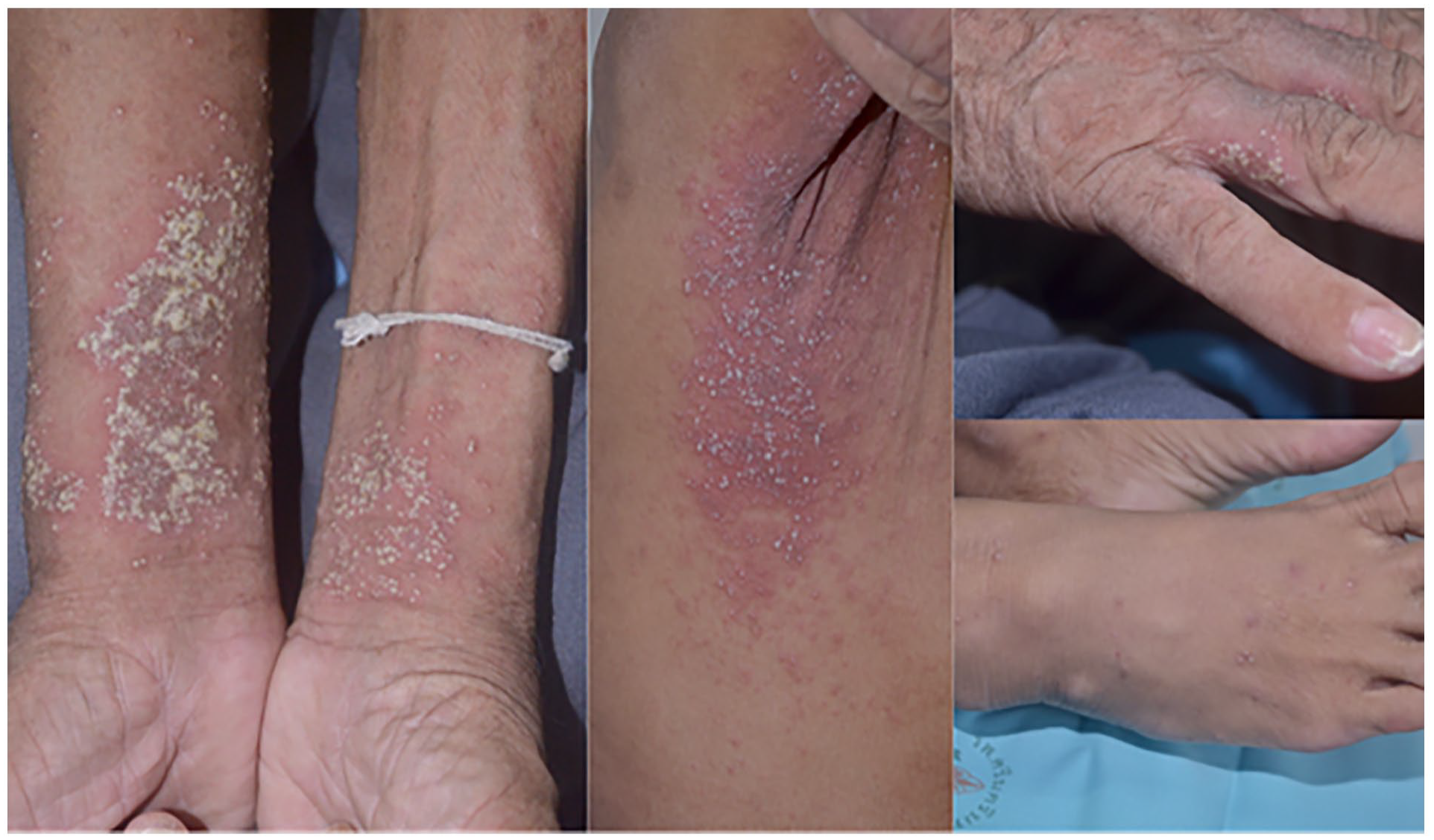
Participants will gain an understanding of the clinical features of pustular reactions in adult-onset immunodeficiency (AOID) associated with anti-interferon-gamma autoantibodies (AIGA).
Participants will be able to differentiate pustular reactions in AOID from generalized pustular psoriasis (GPP) through clinical examination.
Participants will learn about useful laboratory investigations for distinguishing pustular reactions in AOID from GPP.
Participants will understand that the most commonly identified opportunistic infection in AOID due to AIGA is caused by rapidly growing mycobacteria.
In a patient with pustular skin lesions, there are some pathognomonic clinical clues for differentiation pustular reaction of adult-onset immunodeficiency associated with anti-interferon-gamma autoantibodies from generalized pustular psoriasis. This study advocated for a focused evaluation of the nails, tongue, lymph nodes, liver, and spleen to facilitate differentiation between these two distinct pustular conditions. In the absence of these features, we can use predictive scoring system to predict the probability.
P05.50
Importance of Carnitine in Dermatology
Eunice Y. Chow,
Division of Dermatology, Faculty of Medicine, University of Alberta, Edmonton, AB
Carnitine and its derivatives exhibit variable levels across different dermatologic diseases, supporting their potential as biomarkers. Decreased levels were noted in restrictive dermopathy, hereditary angioedema, syphilis, atopic dermatitis, chronic pruritus of unknown origin, and severe recessive dystrophic epidermolysis bullosa with dilated cardiomyopathy. Elevated levels were observed in sarcoidosis, systemic sclerosis, atopic dermatitis with high IgE, keloid scars, psoriasis, genetically linked acne vulgaris, common variable immunodeficiency, and metastatic melanoma.
Topically, carnitine has shown efficacy in reducing sebum, decreasing hyperpigmentation post- laser treatment, improving skin tolerability with adapalene in acne, reducing acne severity, and enhancing quality of life. It also reduces cellulite appearance and thigh circumference.
Orally, carnitine has proven effective in reducing inflammation, alleviating isotretinoin-related liver and muscle effects, easing muscle spasms in vismodegib patients, countering wasting in pemphigus vulgaris during glucocorticoid therapy, and improving adipocytokines, mental health and inflammatory markers in PCOS. It has also shown benefits in preventing cardiomyopathy progression in severe recessive dystrophic epidermolysis bullosa, reducing advanced glycation end products, and improving walking distance and ulcer healing in peripheral vascular disease.
To review the energy production, anti-inflammatory and antioxidant effects of carnitine.
To assess the role of carnitine as a marker of dermatologic conditions.
To review the role of topical and systemic application of carnitine in health and diseases of the skin.
Carnitine is an important molecule in health and diseases of the skin. It can be used as a marker of multiple skin conditions as well as potential topical and oral therapeutic modality in the management of dermatologic diseases and the side effects of some of the therapies.
P05.52
Predictors for the Development of Rosacea: A Systematic Review and Meta-Analysis
1Schulich School of Medicine and Dentistry, Western University, London, ON, 2Faculty of Health Sciences, McMaster University, Hamilton, ON, 3Clinician Investigator Program, Faculty of Medicine, University of British Columbia, Vancouver, BC, 4Department of Dermatology and Skin Science, University of British Columbia, Vancouver, BC, 5Senior Scientist, BC Children’s Hospital Research Institute, Vancouver, BC
To understand the literature base of the predictors of developing rosacea.
To summarize the key modifiable and non-modifiable predictors for the development of rosacea.
To highlight potential areas of future research on the risk factors of rosacea.
We identified several robust modifiable predictors of rosacea, including body mass index, alcohol consumption, pet ownership, and sunscreen use. Clinicians should focus on counselling patients, particularly those with several non-modifiable risk factors, on these predictors to reduce their risk of rosacea.
P05.54
Epidemiology of Patient Consults to the Dermatological Service at a Western Canadian University Institution; A Retrospective Study
Rochelle Tonkin,
University of Calgary, Calgary, AB
We highlight the characteristics of patients to the dermatology on-call service in a western Canadian university institution, including age, gender, skin type, and diagnosis.
We also log consult details including time consult received, location/site, visit type (telephone, in-person), and time spent on the consult.
These findings help to determine if the current goals and objectives of the dermatology residency training program at this institution are satisfied by the current on-call experiences.
This retrospective review provides a glimpse of the dermatology on-call service at a single university institution and serves as a foundation for future assessments of patient care, as well as the goals and objectives of the residency training program.
P05.55
Lupus Miliaris Disseminatus Faciei: A Rare Facial Granulomatous Disorder
1Division of Dermatology, Department of Medicine, Cumming School of Medicine, University of Calgary, Calgary, AB, 2Department of Pathology and Laboratory Medicine, Cumming School of Medicine, University of Calgary and Calgary Laboratory Services, Calgary, AB
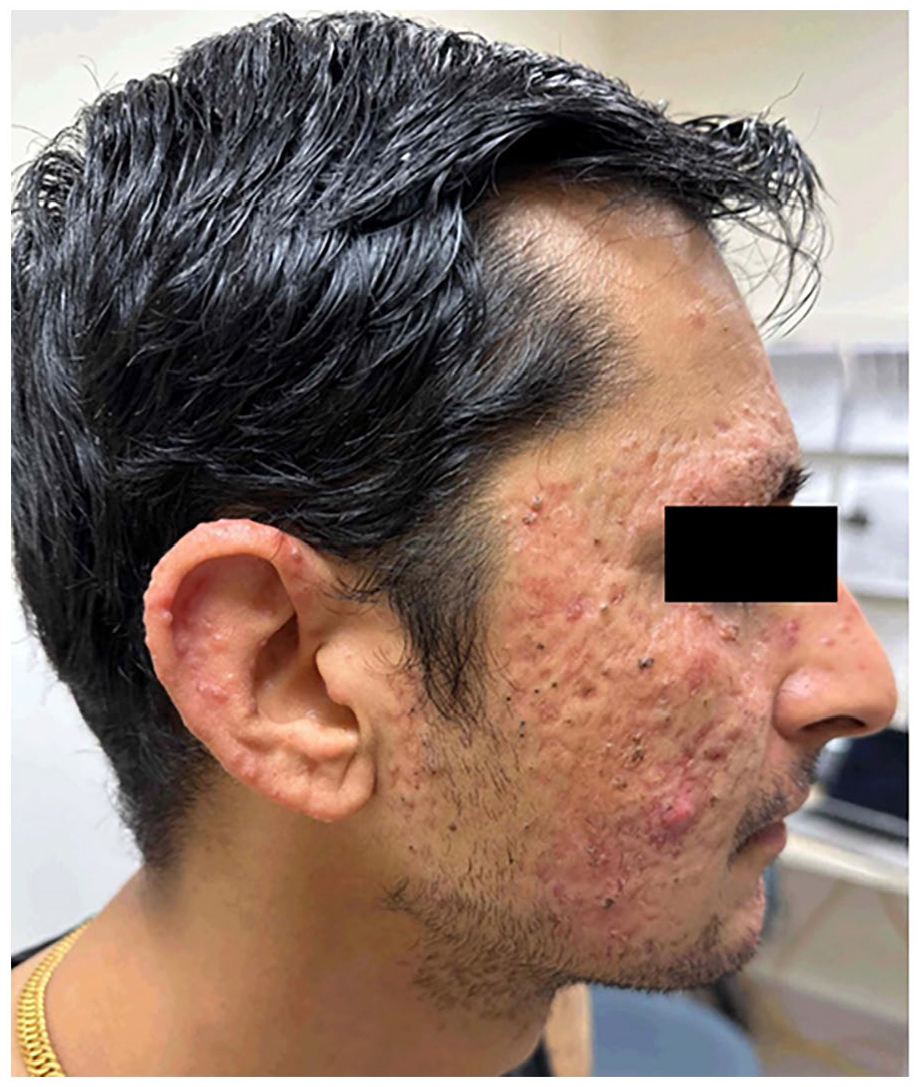
To recognize the clinical and histological features of LMDF.
To review the potential etiologies of LMDF.
To discuss the therapeutic options for LMDF and the need for timely intervention to minimize scarring.
LMDF is a rare, self-limited, idiopathic, granulomatous facial condition that scars. Histological, laboratory, and radiologic investigations are required to exclude other etiologies. Given the variable efficacy of treatments, tailored and patient-specific therapeutic approaches are recommended.
P05.57
Clinical Manifestations and Therapeutic Management of Chondrodermatitis Nodularis Helicis: A Systematic Review
1Temerty Faculty of Medicine, University of Toronto, Toronto, ON, 2Faculty of Medicine, University of British Columbia, Vancouver, BC, 3College of Medicine, University of Saskatchewan, Saskatoon, SK, 4Toronto Dermatology Centre, Toronto, ON, 5Division of Dermatology, Women’s College Hospital, Toronto, ON
Following screening of 203 articles, 71 studies, encompassing 1468 individuals, were included in the study. Mean patient age was 61.6 years (range, 8-86 years); 40.6% (466/1147) were female, and 59.3% (681/1147) were male. The most common comorbidities were skin cancers (25.5%, 24/94) and autoimmune/connective tissue diseases (21.3%, 20/94). Fifty-five percent (272/492) had right ear CNH, 38.6% (190/492) left ear, and 6.1% (30/492) both, with lesions averaging 9.0 mm in diameter (range 3-70 mm, 332/1468). Biopsies for diagnosis were performed in 78.9% (1158/1468) of cases. Pain was the most common symptom (96.3%, 843/875), while 28.0% (245/875) reported tenderness and 7.4% (65/875) bleeding. Suspected etiologies included tobacco smoking (34.0%, 115/338), environmental exposures (28.4%, 96/338), and mechanical causes (27.2%, 92/338). Treatments were described for 50.3% (738/1468) of patients, with 62.1% (458/738) undergoing surgery. Notable non-surgical interventions included photodynamic therapy (6.7%, 50/738), topical nitroglycerin (5.7%, 42/738), and conservative treatments (17.1%, 126/738).
To review the clinical presentations of chondrodermatitis nodularis helicis and identify contributing factors to etiology.
To compare surgical, localized, and conservative treatment options for chondrodermatitis nodularis helicis to determine their effectiveness in symptom relief and recurrence prevention.
To assess demographic patterns, including age and gender distribution, anatomical site prevalence, and associated comorbidities, to better understand the epidemiology and clinical outcomes of chondrodermatitis nodularis helicis.
Chondrodermatitis nodularis helicis is a painful yet benign ear condition primarily affecting older males, often associated with mechanical pressure and environmental exposures, with surgery being the most common treatment. This review provides an updated summary of chondrodermatitis nodularis helicis demographics, clinical presentation, and management, serving as a resource to guide diagnosis and treatment.
P05.59
A Systematic Review and Meta-Analysis of Drug Survival of Dupilumab in Atopic Dermatitis
1Schulich School of Medicine and Dentistry, Western University, London, ON, 2Division of Dermatology, Department of Medicine, Temerty Faculty of Medicine, University of Toronto, Toronto, ON, 3Temerty Faculty of Medicine, University of Toronto, Toronto, ON, 4Division of Dermatology, Women’s College Hospital, Toronto, ON
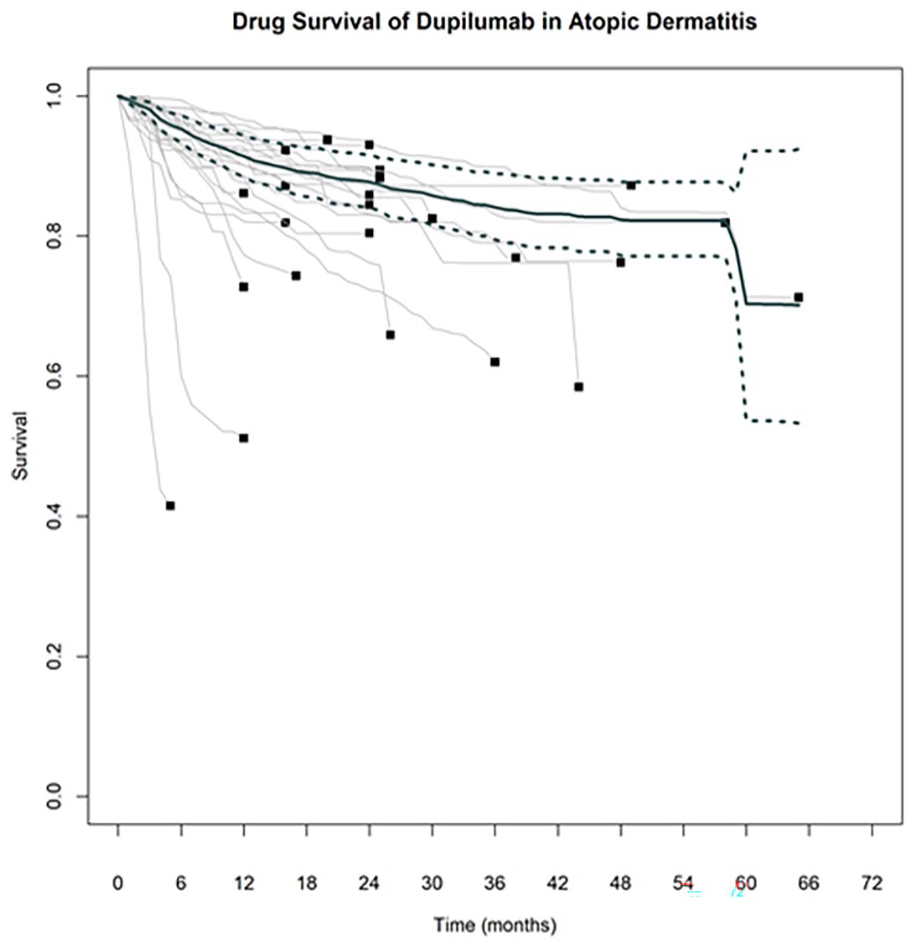
To understand the literature base of the study of drug survival of dupilumab in patients with atopic dermatitis.
To summarize the overall short- and long-term drug survival of dupilumab in atopic dermatitis, as well as the potential predictors of dupilumab discontinuation.
To highlight potential areas of future research for predictors of dupilumab drug survival.
While it is considered safe and effective for long-term use, studies evaluating the drug survival of dupilumab in atopic dermatitis have produced variable results. Using survival data from 24 studies, we found that dupilumab had good long-term survival in patients with atopic dermatitis to 60 months. Future studies are needed to provide more precise survival estimates for children and to determine reliable predictors of dupilumab discontinuation.
P05.61
Trends in Public Interest Related to Hidradenitis Suppurativa in Canada (2019-2024): Analysis of Regional Variations, and Seasonal Patterns
Karla Robles-Velasco1, Rosilene Lanzini1,
1LEADER Research Inc., Hamilton, ON, 2Division of Dermatology, Department of Medicine, Faculty, of Health Sciences, McMaster University, Hamilton, ON
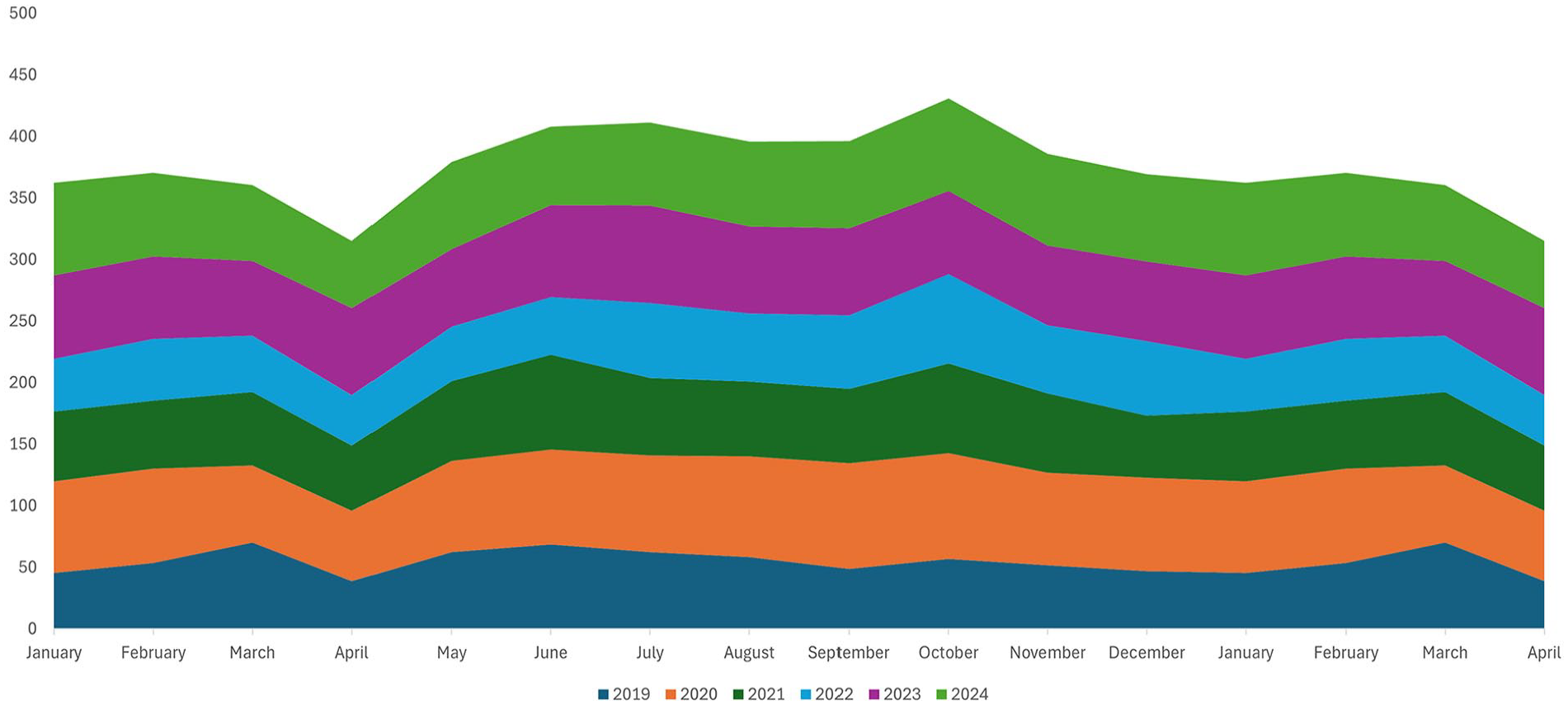
Track Public Interest Trends: Analyze changes in Canadian search behaviors for HS from 2019–2024.
Assess Regional and Seasonal Patterns: Examine geographic and temporal variations in HS-related searches across Canada.
Guide Education and Outreach: Identify focus areas to improve public health awareness and resources for HS.
Public interest in hidradenitis suppurativa has grown significantly over the past five years, with a peak during the pandemic year (2020). Searches focus primarily on definitions and treatments, with notable regional and seasonal variations that highlight the need for targeted public health strategies and educational efforts.
P05.62
A Systematic Review of Vaccine-Induced Sarcoidosis Suggests Increased Risk of Sarcoidosis Following COVID-19 mRNA Vaccine
1Michael G. DeGroote School of Medicine, McMaster University, Hamilton, ON, 2Temerty Faculty of Medicine, University of Toronto, Toronto, ON, 3Division of Dermatology, Department of Medicine, University of Toronto, Toronto, ON, 4Division of Dermatology, Department of Medicine, Women’s College Hospital, Toronto, ON
Cutaneous sarcoidosis occurred in most (65.6%) cases, with a subset involving tattooed areas or previous injection sites, followed by pulmonary (56.3%), ophthalmologic (18.8%), and musculoskeletal (12.5%) involvement. Diagnosis was biopsy-confirmed in 87.5% of cases. Treatments included topical (51.7%) and systemic therapies (51.7%), with 20.7% requiring no treatment.
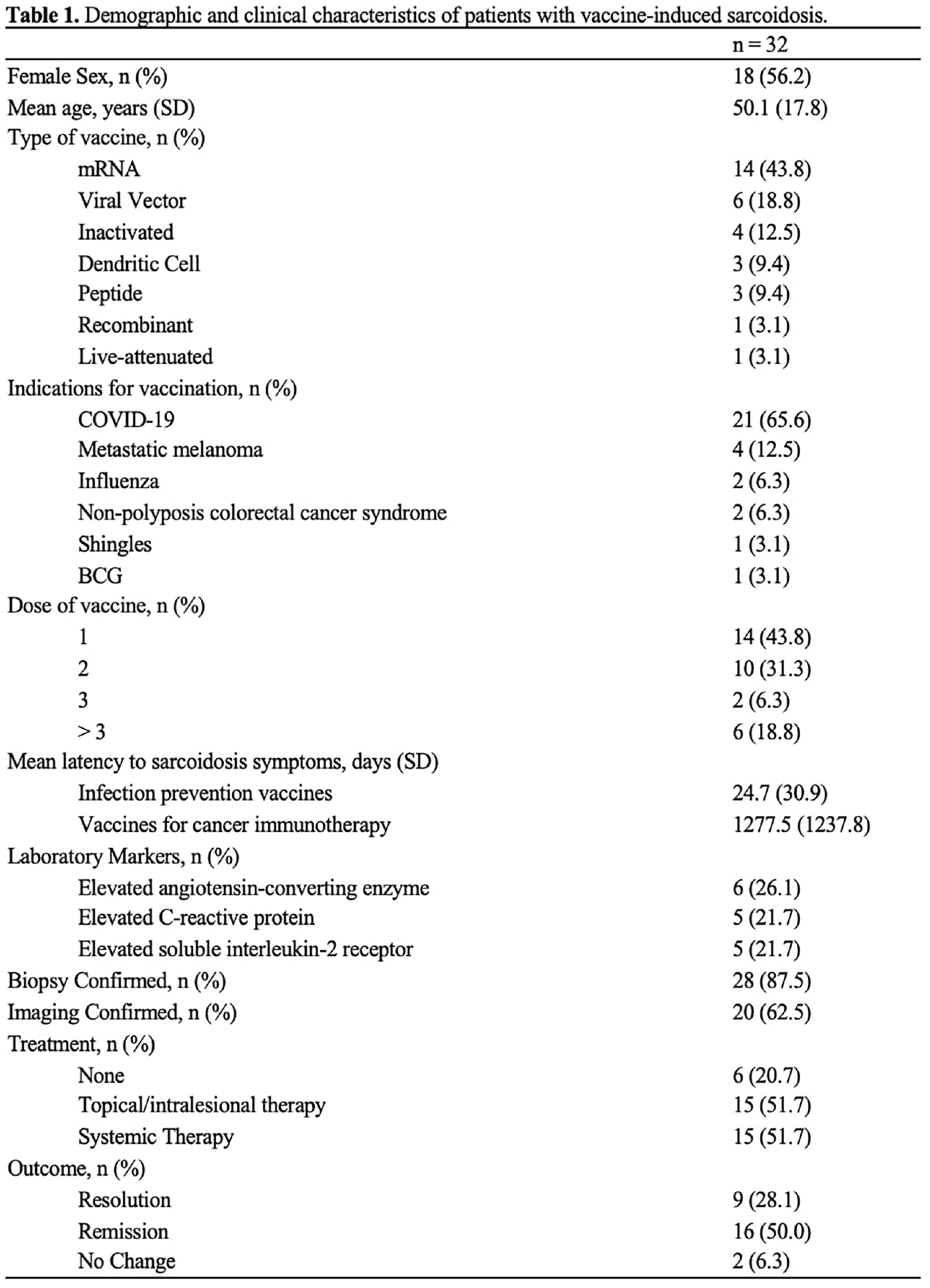
Recognize sarcoidosis as an uncommon but potential adverse event associated with vaccination.
Characterize the types of vaccines and disease indications most commonly linked to vaccine-induced sarcoidosis.
Comprehend the diverse clinical presentations observed in cases of vaccine-related sarcoidosis.
Outline management strategies tailored to the severity and scope of organ involvement in vaccine-induced sarcoidosis.
Clinicians should maintain awareness of vaccine-related sarcoidosis, particularly following COVID-19 mRNA vaccination, and employ comprehensive diagnostic evaluations to rule out systemic involvement. Treatment strategies must be tailored to the disease’s severity, with mild cases often resolving without intervention.
P05.64
The Association Between Bariatric Surgery and Improvement in Psoriasis: A Systematic Review
1Michael G. DeGroote School of Medicine, McMaster University, Hamilton, ON, 2School of Medicine, Queen’s University, Kingston, ON, 3Division of Dermatology, McMaster University, Hamilton, ON, 4Dermatrials Research Inc., Hamilton, ON
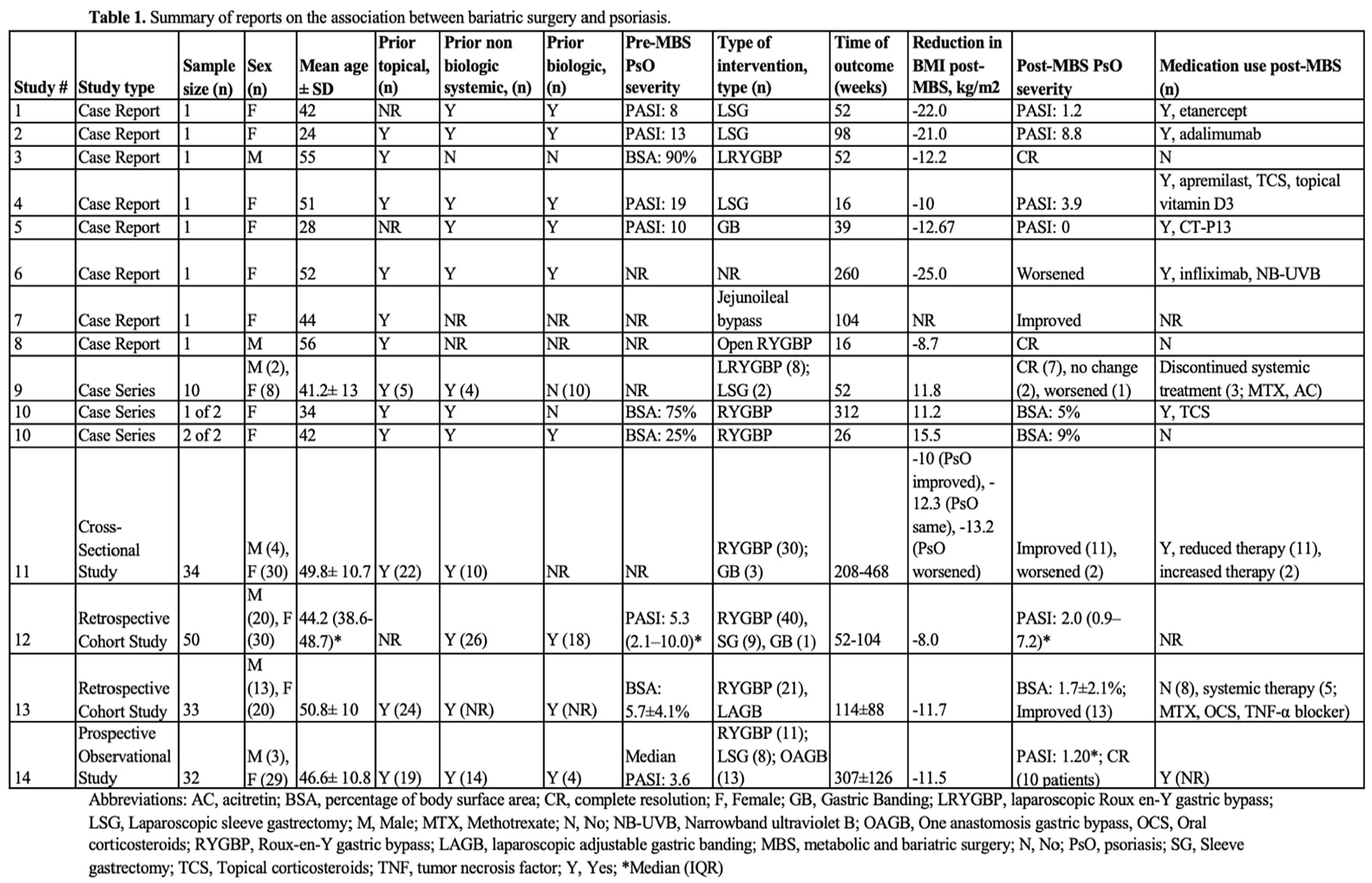
Explore the association between metabolic and bariatric surgery (MBS) and improvements in psoriasis severity and treatment outcomes in patients with obesity.
Understand the biological mechanisms by which weight loss from MBS influences psoriasis, including reductions in proinflammatory mediators like tumor necrosis factor (TNF)-α and leptin.
Identify the limitations of existing research, including variability in study designs and outcome measures, and discuss the need for further controlled trials to validate findings.
Assess the potential role of MBS as an adjunctive therapy for psoriasis management in clinical practice.
Metabolic and bariatric surgery demonstrates promise in reducing psoriasis severity and enhancing treatment outcomes through substantial weight loss and associated changes in inflammatory drivers. The procedure offers additional benefits, including potential downgrading of required therapies and improvement in comorbid conditions, including metabolic syndrome. However, the current body of evidence is limited by variability in study designs, heterogeneity in reported outcomes, and reliance on observational data. Further well-designed, controlled trials are necessary to establish the long-term efficacy and safety of MBS as a complementary strategy for managing psoriasis in obese patients.
P05.65
Deep Granuloma Annulare Responsive to Adalimumab, Subsequently Inducing Paradoxical Psoriasis: A Case Report
1Faculty of Medicine, University of Ottawa, Ottawa, ON, 2Division of Dermatology, University of Ottawa, Ottawa, ON
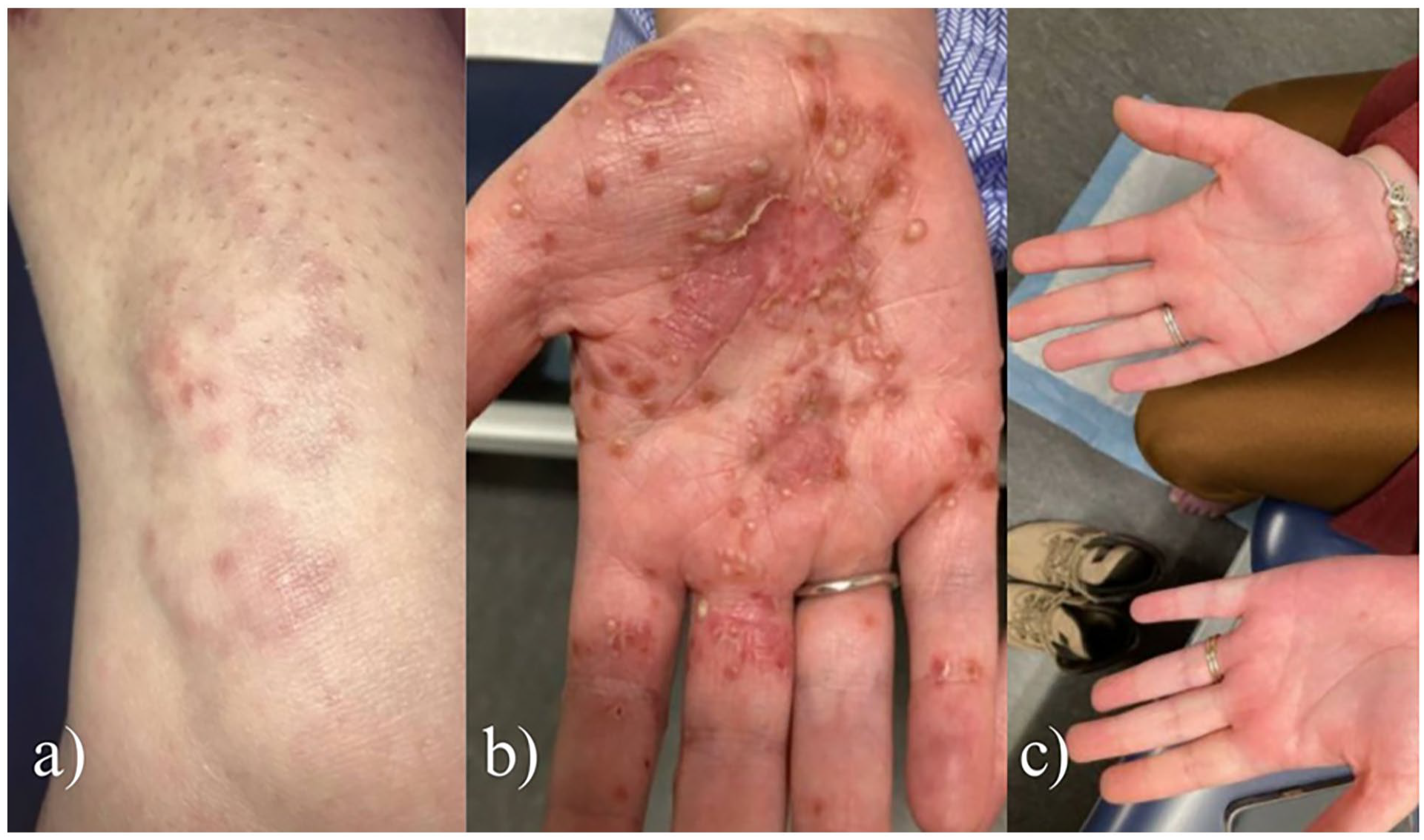
Explore treatment options for granuloma annulare.
Highlight potential side effects of adalimumab.
Consider biologics as a treatment option for recalcitrant granuloma annulare.
Adalimumab may be an effective therapeutic option in patients with deep granuloma annulare, but it can induce paradoxical pustular psoriasis.
P05.67
Treatment of Refractory PRP with Off-label Guselkumab and Abrocitinib: A Promising Combination Therapy
Memorial University of Newfoundland, St. John’s, NL, Newfoundland and Labrador Health Services, St. John’s, NL
At six months, face and hands were clear. Body was 50% improved, with islands of sparing and decreased erythema/scaling on extremities and trunk. She was extremely satisfied.
To present a difficult case of PRP
To illustrate how off-label treatment can help in orphan disease, such as PRP
To illustrate that combination therapy with IL-23 guselkumab and oral JAK abrocitinib is safe and effective for PRP
Combination therapy of IL-23 and oral JAK inhibitors may prove beneficial for treating an orphan disease such as PRP.
P05.68
Efficacy and Safety of Dupilumab Versus Narrowband UVB for the Treatment of Chronic Hand Dermatitis: A Retrospective Cohort Study
1Michael G. DeGroote School of Medicine, McMaster University, Hamilton, ON, 2University of Jordan School of Medicine, Amman, Jordan, 3Division of Dermatology, McMaster University, Hamilton, ON, 4Alliance Clinical Trials and Probity Medical Research, Waterloo, ON
Sixty-three patients (mean age 39.1 years) were analyzed, with HHD (73.0%) as the most common subtype. Dupilumab (n=30) resulted in a higher proportion of patients achieving PGA 0/1 than NB-UVB (66.7% vs. 39.4%, p=0.044). Significant DLQI score improvements were observed in both groups (p<0.001), with comparable mean final scores (p=0.729). AEs were mild and occurred in 23.3% of dupilumab patients compared to 15.2% of NB-UVB patients.
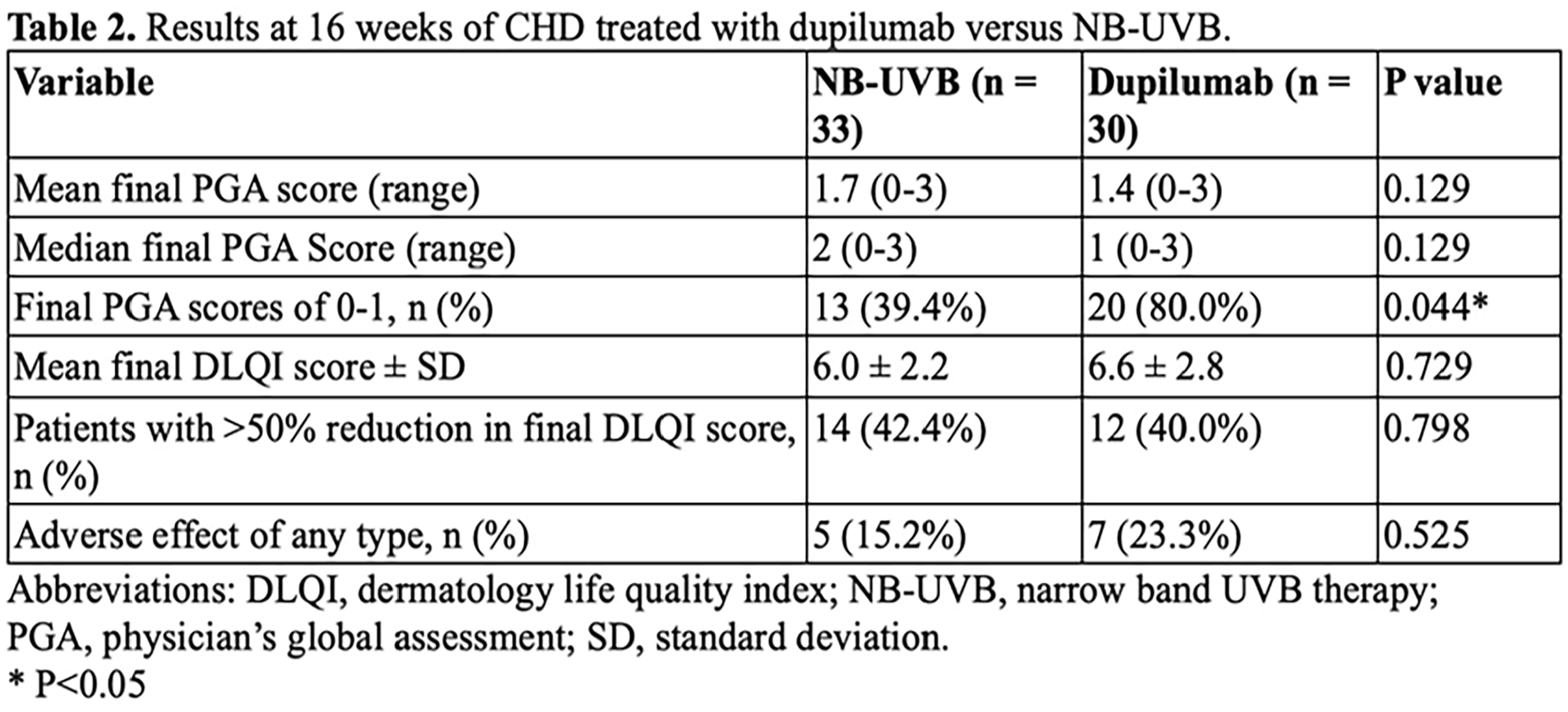
Understand the clinical burden and impact of chronic hand dermatitis (CHD) on patient quality of life and work productivity.
Review the mechanisms of action, safety profiles, and efficacy of dupilumab and narrowband UVB (NB-UVB) therapy for topical steroid-refractory CHD.
Identify the factors influencing the choice of treatment, including patient preferences, disease subtypes, availability of phototherapy, and access to systemic therapies like dupilumab.
Dupilumab and NB-UVB are both effective treatments for chronic hand dermatitis (CHD) that is refractory to corticosteroids, significantly improving disease severity and quality of life. Dupilumab demonstrates greater efficacy in achieving disease remission but may face accessibility challenges due to cost. NB-UVB remains a practical and effective alternative, particularly for patients who prefer non-pharmacologic therapy or lack access to systemic options. Tailoring treatment to the patient’s disease subtype, severity, and individual circumstances is essential for optimizing outcomes.
P05.69
Measuring Dermatology Service Accessibility in BC from 2013-2017
Mahan Maazi, Haitao Li,
University of British Columbia, Vancouver, BC
Preliminary findings revealed significant variability in travel distances, times, and costs, with patients in rural Local Health Areas facing greater barriers to accessing dermatology services. Urban areas demonstrated higher referral completion rates with shorter travel times and lower associated costs. The limitations of this approach, such as its retrospective nature and reliance on administrative data, are noted.
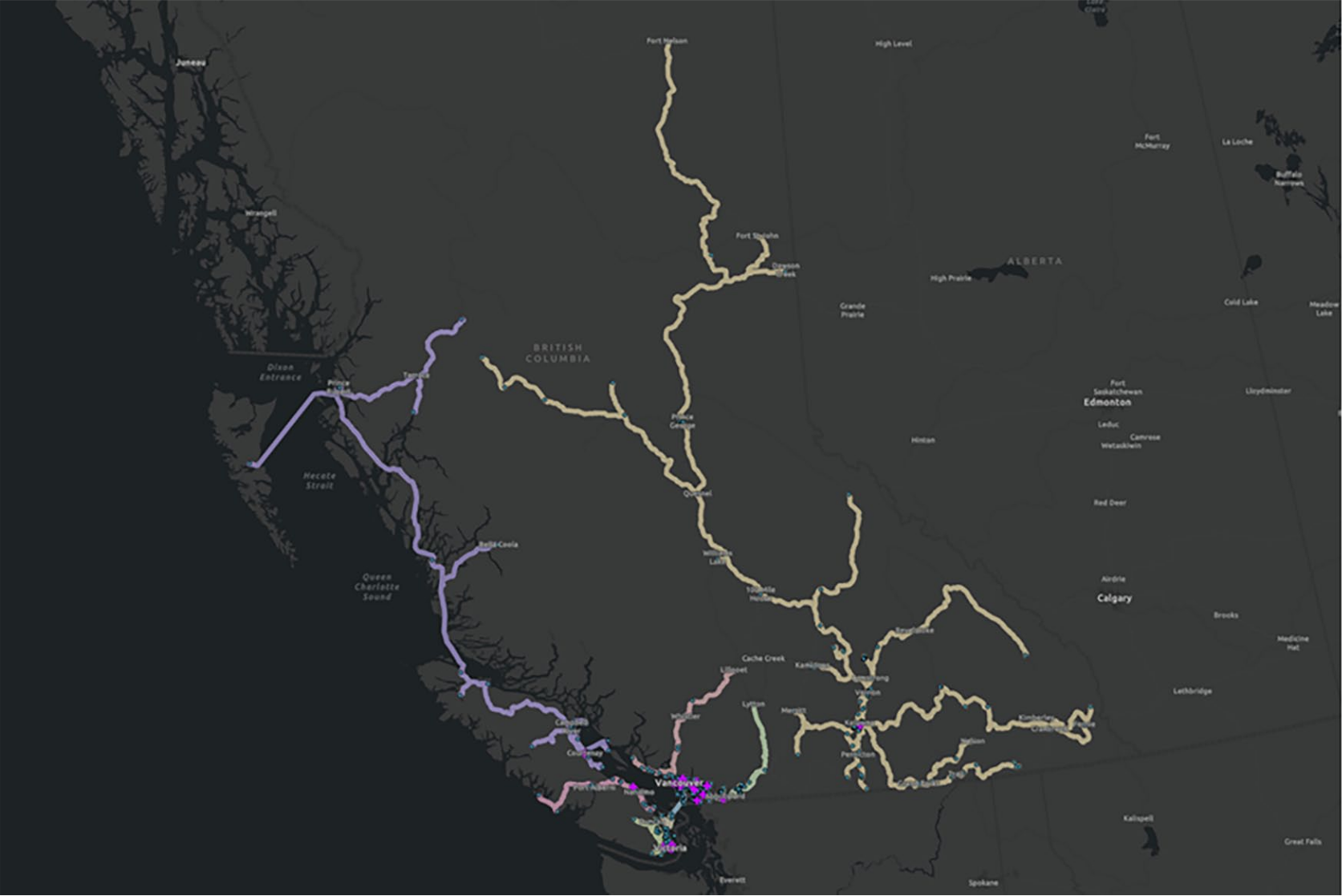
Understand the Geographic Disparities in Healthcare Access Describe how geographic information systems (GIS) can be used to map and analyze disparities in access to dermatological care across urban, rural, and remote areas.
Evaluate the Role of Travel and Wait Times in Healthcare Access Analyze the impact of travel distances, transportation modes, and wait times on patient access to dermatological services in British Columbia.
Discuss Socioeconomic Barriers to Dermatological Care Identify and explain how socioeconomic factors, such as income levels and associated travel costs, influence access to specialized healthcare services.
Explore the Potential of Teledermatology in Bridging Access Gaps Assess the role of teledermatology in improving healthcare equity, particularly for rural and remote populations, and discuss its implementation challenges.
Interpret the Development of a Healthcare Access Index Explain how a healthcare access index is constructed using GIS and its application in identifying gaps and proposing targeted interventions in healthcare service delivery.
Access to dermatological care in British Columbia is heavily influenced by geography, with significant disparities in travel distances, times, and costs based on location. By mapping dermatology referrals using ArcGIS, this study provides a quantitative analysis of access challenges at the Local Health Area level during 2013–2017. These findings establish a baseline to compare with data collected during the rise of telemedicine from 2020–2023, offering valuable insights into the potential of teledermatology to bridge gaps in healthcare access. The study highlights the importance of leveraging geographic and telemedicine data to inform targeted interventions that improve equity in specialist care delivery.
P05.70
Immune Checkpoint Inhibitor-Associated Squamous Cell Carcinoma: A Systematic Review
Jia Qi Adam Bai1,
1University of Ottawa, Ottawa, ON, 2University of Texas MD Anderson Cancer Center, Houston, TX
To identify the characteristics of cutaneous squamous cell carcinomas (cSCCs) associated with immune checkpoint inhibitors (ICIs).
To understand the management and prognosis of ICI-associated cSCCs.
To examine gaps in knowledge and propose directions for future research in managing ICI-associated cSCC.
Immune checkpoint inhibitors (ICIs) have revolutionized cancer therapy by activating the body’s immune response against tumors that may otherwise evade detection. However, they come with notable immune-related adverse events (irAEs), including the paradoxical development of cutaneous squamous cell carcinomas (cSCCs). This systematic review underscores that while cSCCs are rare among patients on ICIs, its outcomes are generally favorable and requires a nuanced management approach.
The findings of this study highlight an association between ICIs and the development of cSCCs. Pembrolizumab was the most frequently associated ICI, likely in part due to its widespread use, but the overall incidence of ICI-associated cSCCs remains low. The prognosis of ICI-associated cSCCs is promising. Discontinuing ICIs alone can result in resolution of cSCCs. Continuing ICIs while incorporating adjunctive treatments such as corticosteroids, acitretin, or niacinamide has also proven to be highly effective, with most lesions improving or resolving entirely. These approaches highlight that both discontinuation and continuation strategies, when tailored to individual patient needs, can lead to successful management without compromising oncologic care.
Clinicians must balance the benefits of ICIs with their side effects to ensure optimal patient outcomes. Early recognition and management of cutaneous irAEs not only improves patient quality of life but also allows continuation of life-saving ICI therapy. Future prospective studies are critical to evaluate the long-term risks and outcomes of ICI-associated cSCCs, and to maximize the therapeutic potential of ICIs while minimizing any harm.
P05.72
Baseline Characteristics of a Canadian Cohort of Hidradenitis Suppurativa Patients Prior to Bimekizumab Treatment
1Division of Clinical Dermatology & Cutaneous Science, Department of Medicine, Dalhousie University, Halifax, NS, 2Brunswick Dermatology Center, Fredericton, NB, 3Probity Medical Research, Waterloo, ON, 4Dermatology, Faculty of Medicine, Memorial University of Newfoundland, St. John’s, NL, 5Skincare Studio Dermatology Centre, St. John’s, NL, 6NL Clinical Trials Incorporated, St. John’s, NL, 7Dermatology Division, Department of Medicine, Centre hospitalier universitaire de Québec-Université Laval, Québec, QC, 8La Cité Médicale, Québec, QC, 9Division of Dermatology, Department of Medicine, University Health Network, Toronto, ON, 10Dermatology Division, Department of Medicine, University of Saskatchewan, Saskatoon, SK, 11Saskatoon Dermatology Centre, Saskatoon, SK
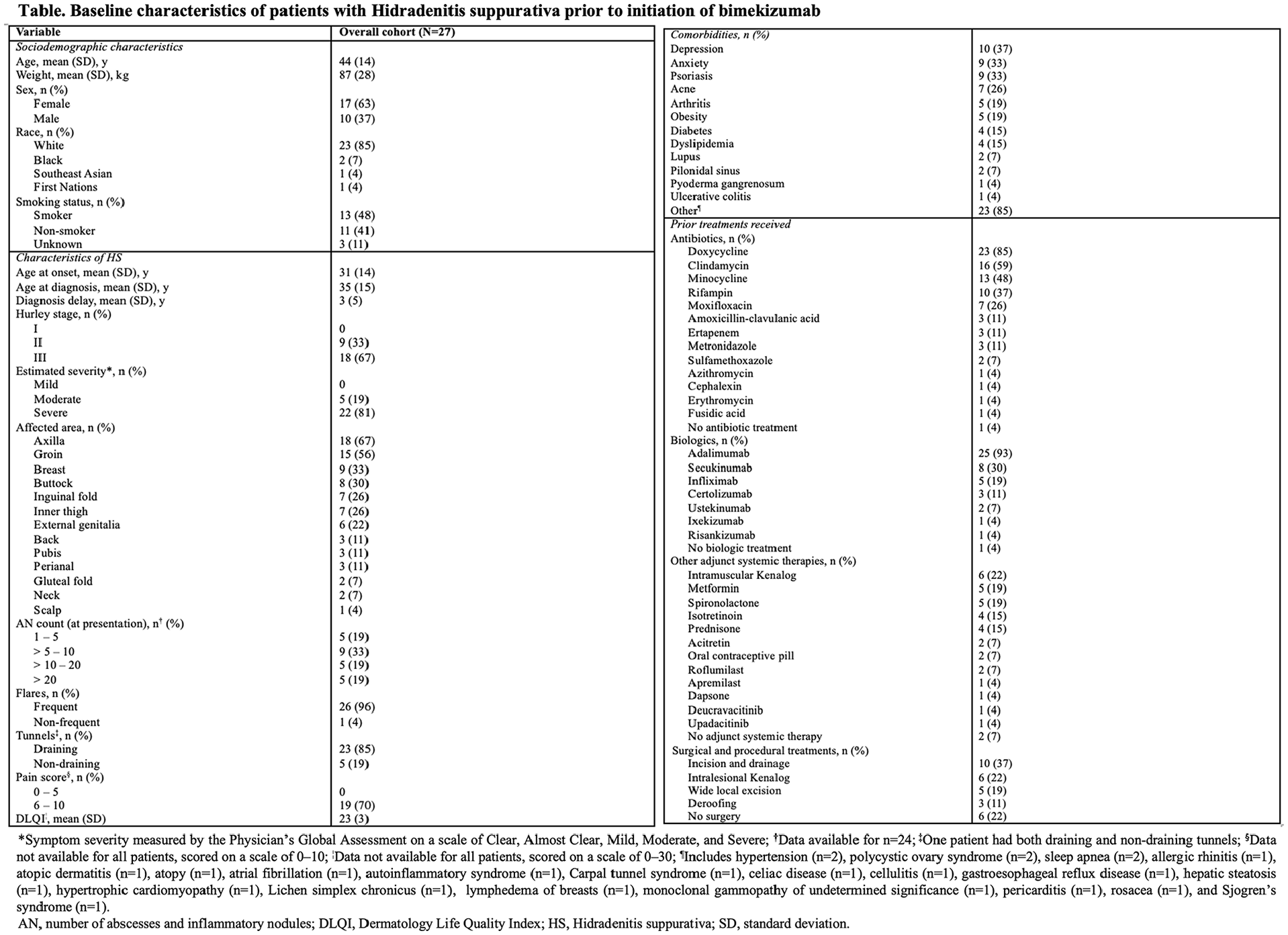
To outline baseline demographic and clinical profile of Canadian patients with moderate-to-severe Hidradenitis suppurativa (HS) prior to initiating bimekizumab (BKZ) treatment
To identify common comorbidities and disease characteristics of patients with moderate-to-severe HS prior to treatment with BKZ
To explore disease burden in Canadian patients with moderate-to-severe HS prior to initiation of BKZ
Hidradenitis suppurativa (HS) affects at least 1-2% of the population in Canada. Despite two approved biologic therapies for moderate-to-severe HS in Canada, some patients continue to have high disease burden highlighting the significant unmet need for new therapies.
P05.73
Qualitative Analysis and Chart Review Comparing Ideal Referral Attributes to Referrals Received at an Academic Centre in Nova Scotia, Canada
1Faculty of Medicine, Dalhousie University, Halifax, NS, 2Division of Clinical Dermatology and Cutaneous Science, Department of Medicine, Dalhousie University, Halifax, NS
Our objective is to determine the most valuable information and format for dermatology referrals to facilitate appropriate triaging and compare it with current referral practices at an academic centre in Nova Scotia. This research aims to identify areas for improvement in the dermatology referral processes to gain an understanding of core issues that should be addressed.
The referrals currently being received are not addressing the needs of dermatologists and are lacking information that has been identified as important. This can impact the ability to triage effectively and has downstream implications for patient wait times. Strategies should be adopted to address these gaps.
P05.74
Primary Cutaneous Blastomycosis of the Foot with Significant Delay in Diagnosis
Northern Ontario School of Medicine University, Thunder Bay, ON
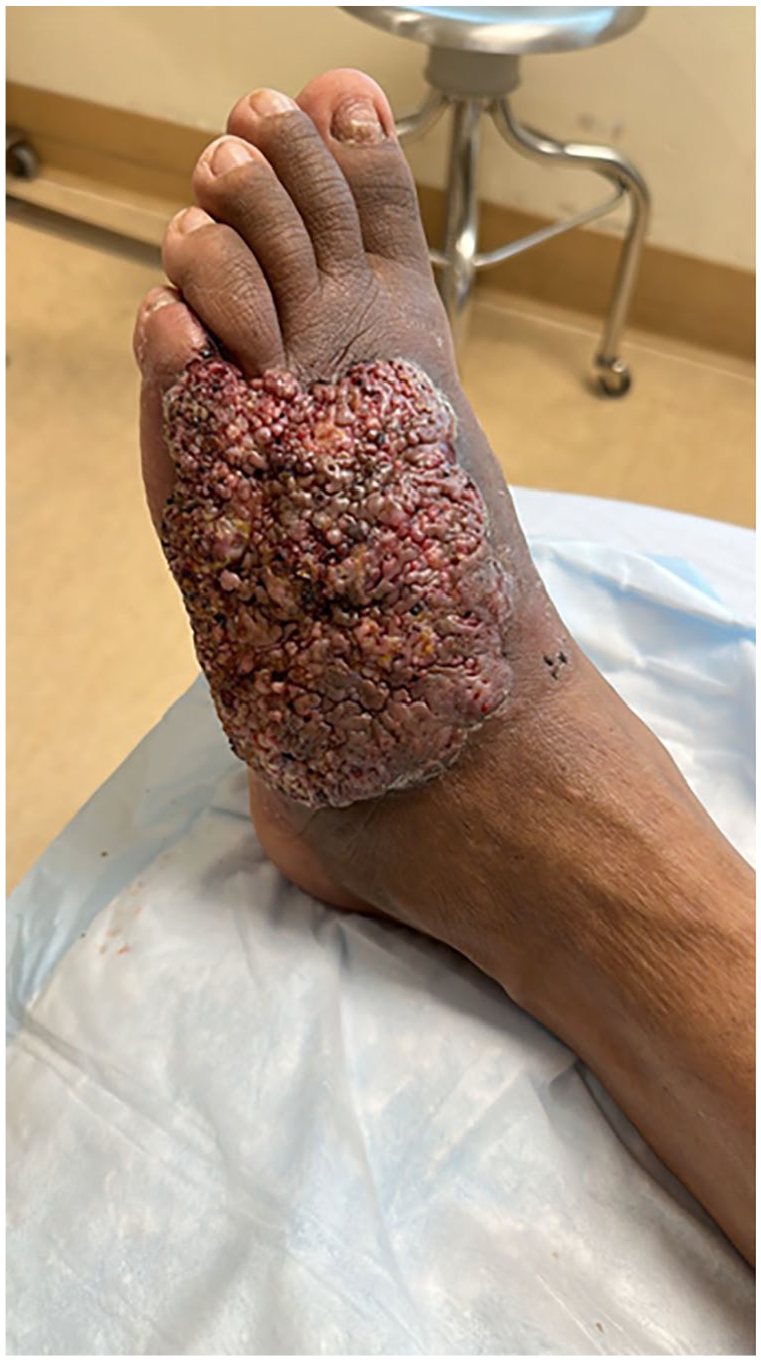
Blastomycosis remains to be “the great pretender”
P05.75
Aquagenic Syringeal Acrokeratoderma: Case Report and a Review of the Literature
1University of Saskatchewan, Saskatoon, SK, 2University of Alberta, Edmonton, AB
Histopathology from a punch biopsy of the right palm revealed acral skin with orthokeratotic hyperkeratosis, prominent acrosyringeal openings, and eccrine gland hyperplasia. CFTR genetic testing was negative. ASA was diagnosed, and management included discontinuing aspirin and initiating nightly topical aluminum chloride hexahydrate 20% solution to the palms, with symptom improvement on follow-up.
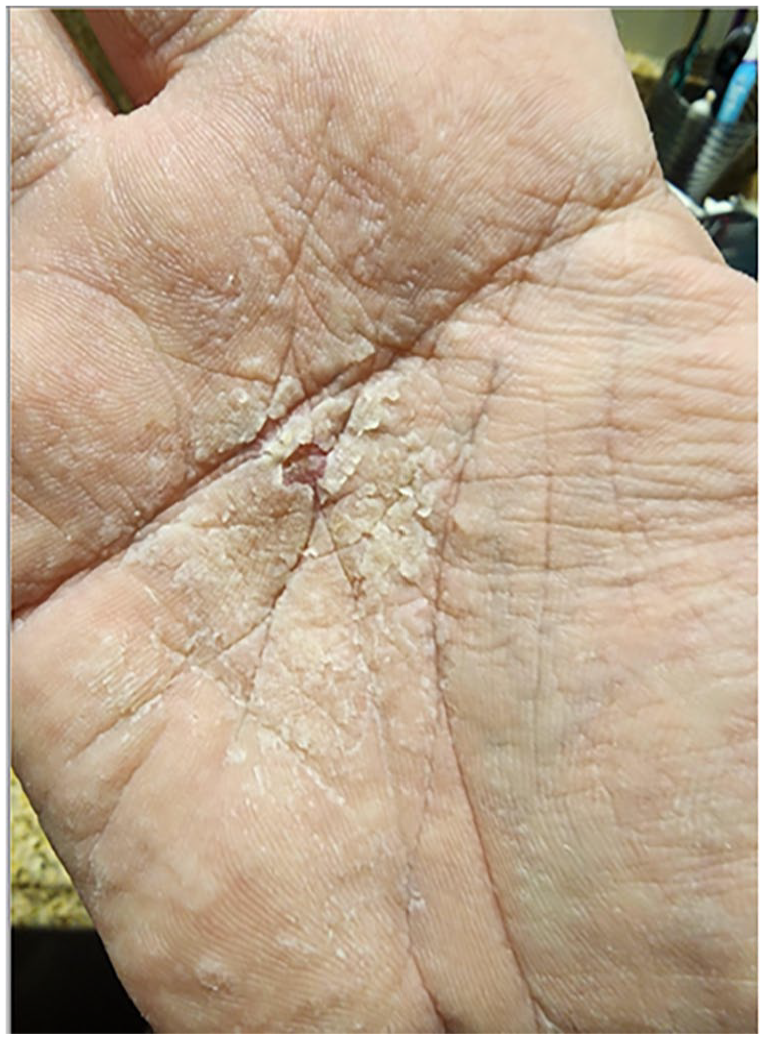
Identify the clinical presentation, histological features, and diagnostic approach to aquagenic syringeal acrokeratoderma
Discuss the association of ASA with underlying medical conditions such as cystic fibrosis and hyperhidrosis, as well as potential triggers, including medications.
Discuss evidence-based management strategies for ASA, including topical treatments such as aluminum-based therapies, and second-line options such as botulinum toxin
Aquagenic syringeal acrokeratoderma is a rare dermatologic condition characterized by transient, water-induced papules and plaques, which can significantly impact ’ quality of life. This case highlights a non-cystic fibrosis-related presentation of ASA, likely triggered by aspirin use. Our case highlights the importance of recognizing this rare condition, performing a thorough history of potential triggers, and the evidence-based treatments that can decrease morbidity. Clinicians should maintain a high index of suspicion for ASA in a patient presenting with water-induced skin changes on the palms and soles.
P05.77
Linear IgA/IgG Bullous Dermatosis Associated with Linagliptin: A Case Report
University of Ottawa, Ottawa, ON
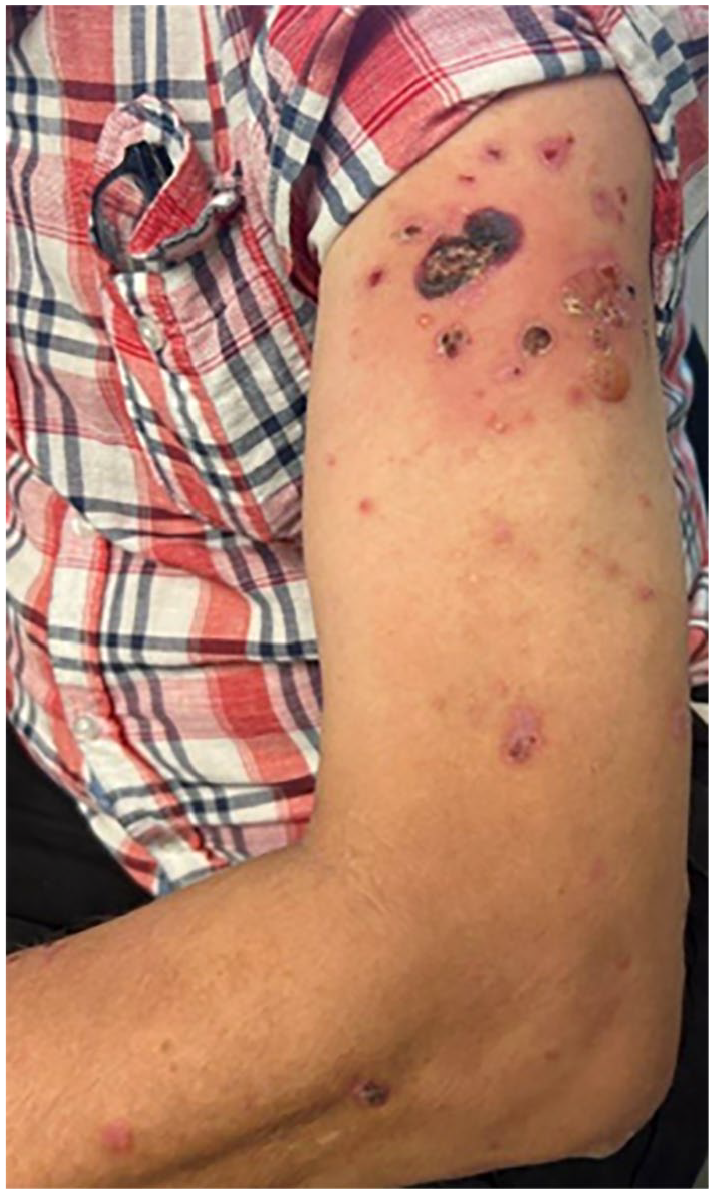
Review clinical and histologic features of linear IgA/IgG bullous dermatosis.
Appreciate the role of gliptins in bullous pemphigoid.
Develop a treatment algorithm for drug-induced linear IgA/IgG bullous dermatosis.
Consider gliptin therapy as a possible trigger for linear IgA/IgG bullous dermatosis.
P05.78
Understanding Melanoma’s Tumor Microenvironment: A Dual-Target Immunomodulatory Strategy to Overcome Melanoma Resistance
1Department of Medicine, McGill University, Montreal, QC, 2Research Institute of the McGill University Health Centre, Montreal, QC, 3Department of Biomedical Engineering, McGill University, Montreal, QC, 4Faculty of Dentistry and Oral Health Sciences, McGill University, Montreal, QC, 5Department of Human Genetics, McGill University, Montreal, QC
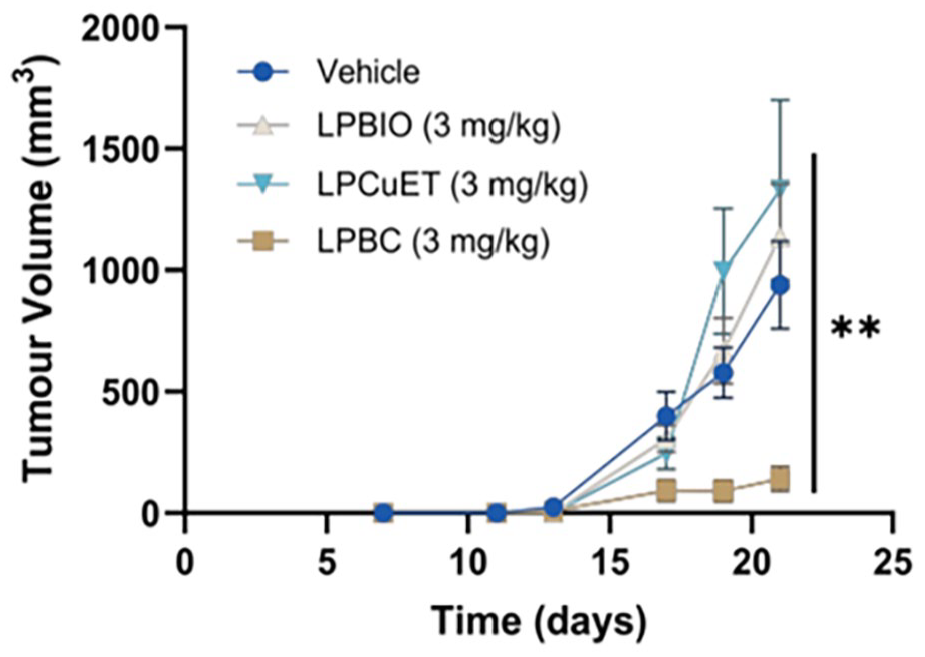
Learn how BIO modulates melanoma’s tumor microenvironment, and how CuET induces proteotoxic stress in melanoma cells.
Examine how downregulation of pro-inflammatory mediators (e.g., IL-6) can reshape melanoma’s tumour microenvironment to enhance immune cell function and counteract resistance mechanisms observed in refractory melanoma models.
Understand how lipid-polymer nanoparticles improve the bioavailability and targeted delivery of therapeutic agents to the melanoma tumor.
Discuss how preclinical studies using refractory melanoma cell lines can provide predictors for how new treatments might perform in patients who fail immunotherapy and can inform the design of clinical trials aimed at treating patients with advanced melanoma.
Critically appraise how dermatologists can influence translational efforts to accelerate the path from bench to bedside.
Innovative combination therapies that target multiple pathways have the potential to redefine how we currently approach refractory metastatic melanoma. By addressing resistance mechanisms, namely by reducing inflammation in the tumor microenvironment, new strategies pave the way for more effective and personalized care in advanced melanoma. The findings provide actionable insights that could influence future treatment paradigms and improve patient outcomes in dermatological oncology.
P05.81
Skin Microbiota in the Pathogenesis and Therapy of Cutaneous T-cell Lymphoma: A Scoping Review
1Department of Medicine, Cumming School of Medicine, University of Calgary, Calgary, AB, 2Department of Dermatology, Department of Medicine, Cumming School of Medicine, University of Calgary, Calgary, AB
Synthesize and assess the current evidence on the skin microbiota’s impact on patients with CTCL.
Identify key microbial players in the development and progression of CTCL, including bacteria, fungi and viruses.
Evaluate what microbial-targeted therapies are available for treating CTCL, and the associated benefits and limitations.
Identify current research gaps in the CTCL and skin microbiota field.
The relationship between skin microbiota and cutaneous T-cell lymphoma (CTCL) remains complex and not yet fully understood. Emerging evidence highlights the significant role of microbial dysregulation, particularly Staphylococcus aureus overgrowth, in disease progression for some patients. This growing body of research is paving the way for microbial-targeted therapies, which may offer promising avenues to improve clinical outcomes for patients with CTCL.
P05.82
Improvement of Generalized Granuloma Annulare with Adalimumab: A Case Report
University of Saskatchewan, Saskatoon, SK
Understand the manifestations of granuloma annulare
Understanding current literature on granuloma annulare
Managing granuloma annulare with biologics
Granuloma annulare may be treated with adalimumab
P05.85
The Sinister Side of 5 Alpha Reductase Inhibitor Use: Drug-Induced Melasma
1McGill University, Montreal, QC, 2DermAtelier on Avenue, Toronto, ON, 3University of Toronto, Toronto, ON
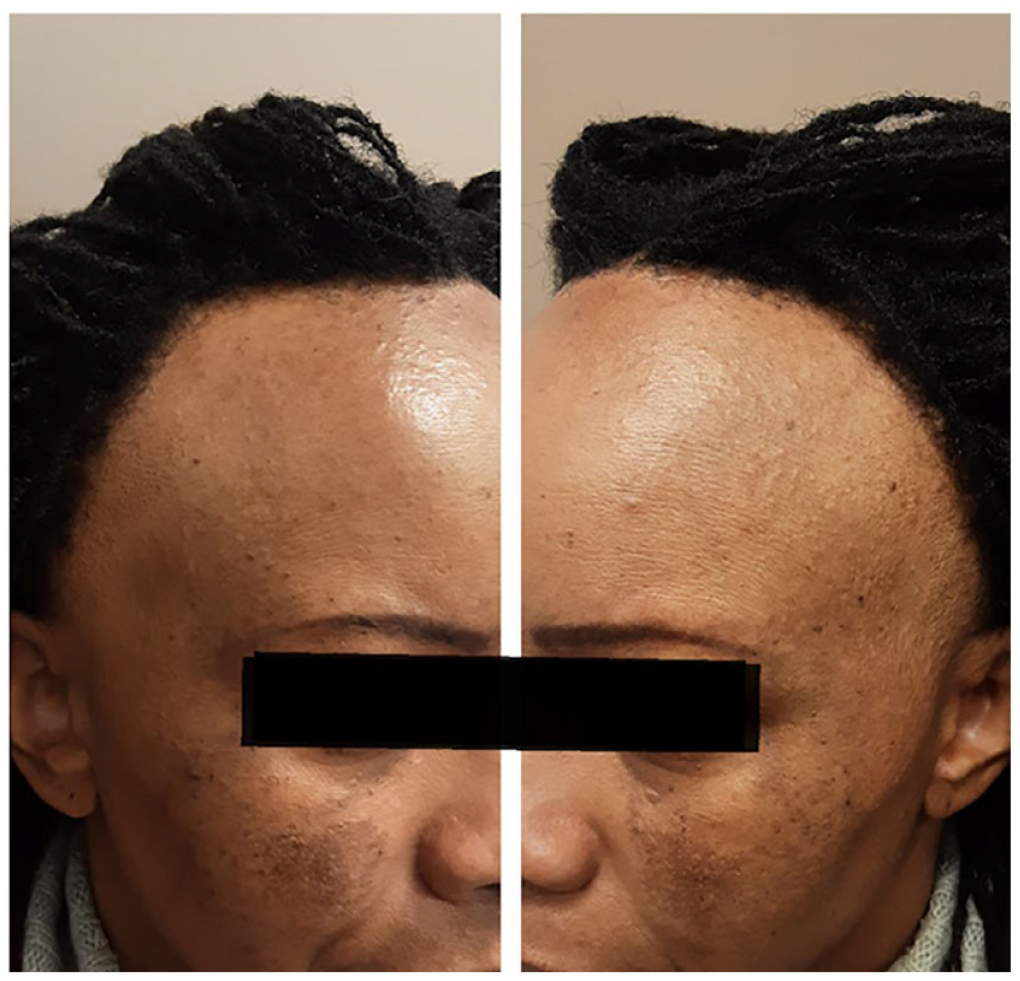
Recognize melasma as a potential adverse effect of 5-alpha reductase inhibitors, in both men and women.
Acknowledge the role of hormonal modulation in the pathogenesis of melasma and understand the upstream formation of estrogen compounds when 5-alpha reductase inhibitors deplete the formation of dihydrotestosterone (DHT).
Develop an approach to the diagnosis and management of 5-alpha-reductase-induced melasma.
Dermatologists increasingly prescribe 5-alpha reductase inhibitors on- and off-label for alopecia. This therapeutic class can result in drug-induced melasma in both men and women. Proper pre-treatment counselling, early clinical recognition and multi-modal management, including medication discontinuation and dermatologic treatments, are key to minimizing its cosmetic and psychological impact.
P05.86
Ustekinumab in the Management of Pyoderma Gangrenosum: A Single-Centre Case Series
Queen’s University, Kingston, ON
Eight patients were identified (mean age 63.6 [SD = 14.2] years, 6 female), including one patient with confirmed ulcerative colitis. All PG ulcers were located on the lower legs. All patients failed topical corticosteroid therapy and at least one systemic therapy (e.g., prednisone, dapsone, colchicine) prior to initiating ustekinumab. Ustekinumab was started at a mean of 7.9 (SD = 3.7) months after initial dermatology consultation. Six patients were started on 45 mg injections and two on 90 mg, with all patients eventually increasing to monthly dosing. The average treatment duration was 13.5 (SD = 3.6) months.
Two patients achieved complete ulcer healing at 7 and 12 months, while one patient remains on treatment with ongoing improvement after 16 months. Two patients showed initial progress that plateaued, prompting therapy change. One patient was unresponsive to ustekinumab, with persistent PG despite subsequent biologic therapies. Two patients were non-adherent to wound care and/or declined concurrent interventions, resulting in ulcer deterioration. No significant ustekinumab-related adverse events were reported.
Ustekinumab promoted ulcer healing in several patients with treatment-resistant PG, providing evidence of its potential benefits as a PG therapy
Patient outcomes were highly variable with only 2/8 of patients experiencing complete ulcer resolution
Adherence to proper wound care and adjunctive treatments was critical to prevent ulcer progression on ustekinumab
Ustekinumab used in conjunction with appropriate wound care may promote healing of treatment-resistant pyoderma gangrenosum, yet large-scale prospective studies are needed to understand efficacy and optimal treatment regimens
P05.88
Incidence, Prevalence, and Mortality of Localized Scleroderma in Quebec, Canada: A Population-Based Study
McGill University Health Centre, Montreal, QC
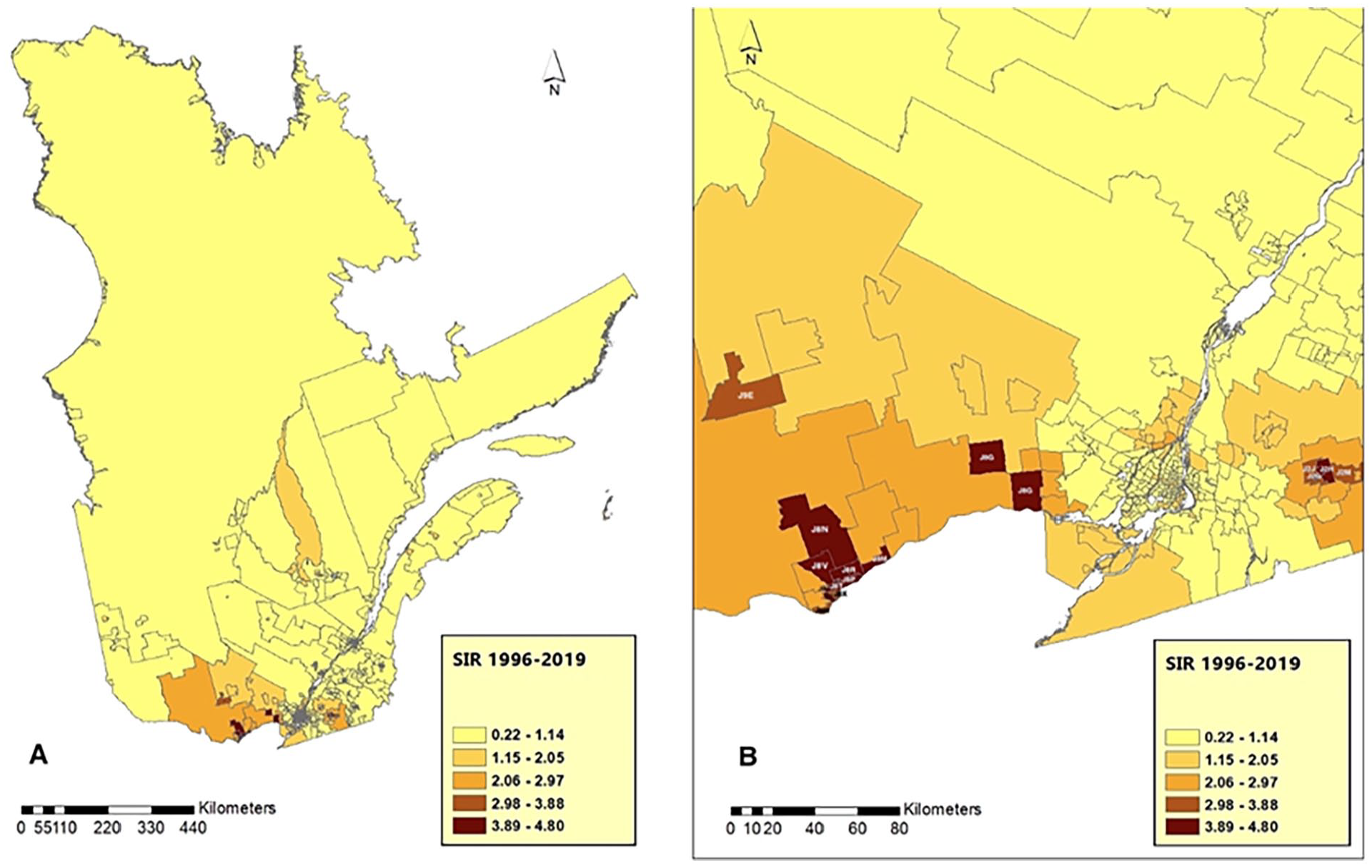
Study the incidence and prevalence of LS in Quebec from 1989 to 2019, stratified by age and sex.
Understand LS mortality trends.
Evaluate the geographical distribution of LS across Quebec and identify hotspots with higher incidence rates.
In this study of LS epidemiology in Quebec, females were noted to have an initial increase in LS incidence from 1996 to 2004, followed by a plateau and a decrease after 2013, while males were shown to have a steady decrease in incidence over the study period. Prevalence increased steadily from 1996-2019. SMR analysis revealed that excess death occurred only in females aged 40-59 years, which needs further investigations. LS incidence varied geographically with hotspots in the South of the province, highlighting the importance of additional research on environmental risk factors.
P06: Cosmetic and Surgical Dermatology
P06.01
Minoxbeard (noun.): Beard Grown Using Minoxidil
Seyyon Satkunanathan,
University of Ottawa, Ottawa, ON
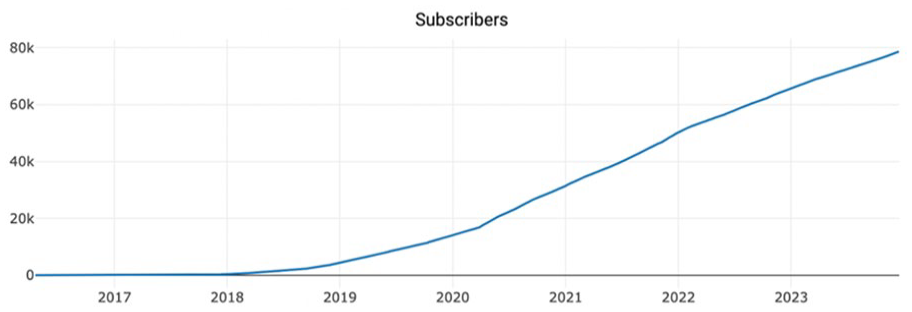
Explore the r/Minoxbeards subreddit, a powerful community of over 100,000 users globally with diverse skin types and backgrounds, where members share progress pictures and personal routines related to minoxidil for beard growth.
Analyze the limitations of current scientific literature on minoxidil for beard growth and note the scarcity of studies.
Propose the importance of standardizing patient-reported outcomes and treatment protocols on virtual community based platforms like Reddit to reduce heterogeneity and potentially create a platform for real-world research.
Discuss the potential place large-scale, real-world data from online communities has within the field of medicine.
Examine the feasibility and ethical considerations of virtual, real-world-based studies.
Leveraging large online communities like r/Minoxbeards to integrate standardize treatment protocols, patient-reported outcomes, and data documentation could enable more powerful real-world studies at a larger scale and lower cost than traditional clinical trials. This approach would provide a more accurate representation of treatment efficacy and safety, benefiting both patients and researchers.
P06.02
Efficacy and Safety of Fractional CO2 Laser Therapy for Onychomycosis: A Systematic Review and Meta-Analysis
1Michael G. DeGroote School of Medicine, McMaster University, Hamilton, ON, 2Faculty of Medicine, University of Ottawa, Ottawa, ON, 3Yongin Severance Hospital, Yonsei University College of Medicine, Yongin, Republic of Korea, 4Department of Dermatology & Skin Science, University of British Columbia, Vancouver, BC
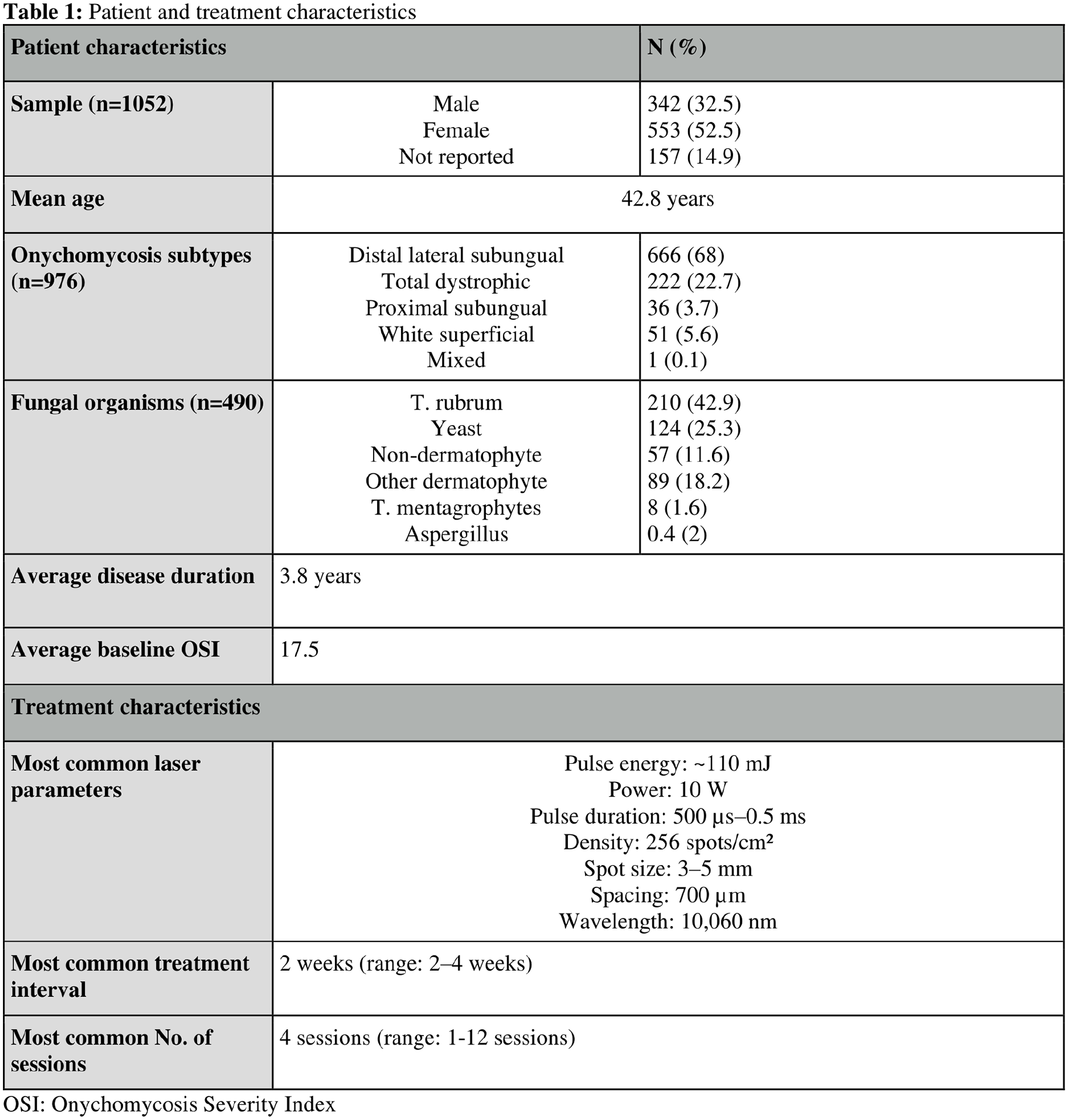
Recognize the range of treatment options for onychomycosis, including fractional CO2 laser and antifungals, to optimize management for this challenging condition
Gain insight into the efficacy, safety, and patient satisfaction of fractional CO2 laser, either as monotherapy or when combined with topical antifungals
Discuss the potential advantage of laser therapy in enhancing topical treatment efficacy over shorter durations
Fractional CO2 laser therapy offers a promising, minimally invasive option for treating onychomycosis, which can be used either as monotherapy or as an adjunct to topical antifungals. While it achieves good cure rates, particularly when combined with topical terbinafine, and high patient satisfaction with minimal adverse effects, its primary benefit may lie in accelerating the effectiveness of topical therapies as cure rates are comparable to previous studies of long-term oral antifungal use. Barriers of laser such as cost and accessibility, coupled with the persistent nature of this condition highlight the need for further research to improve patient outcomes.
P06.03
Blue Scars? Treating Traumatic Tattooing from IV Drug Use to Reduce Social Stigma: A Case Report and Literature Review
1Department of Dermatology and Skin Sciences, University of British Columbia, Vancouver, BC, 2Pacific Derm, Vancouver, BC
Understand that traumatic tattoos are acquired via various mechanisms resulting in heterogenous particle composition, size, and depth within the skin.
Appreciate that patients may wish to remove their traumatic tattoos for cosmetic reasons but may also find them emotionally distressing or physically uncomfortable.
Recognize that prevention of traumatic tattoos is not always possible depending on the timing of presentation or the medical stability of the patient.
Appreciate the utility of non-ablative nanosecond and picosecond lasers for the treatment of established traumatic tattoos.
While prevention of traumatic tattoos with thorough cleansing of wounds is preferable, non-ablative nanosecond and picosecond lasers are generally safe and effective for the treatment of established traumatic tattoos.
P06.04
Wrinkles in the System: A Decade of Canadian Medico-Legal Cases Involving Botulinum Toxin Injections
1Faculty of Medicine and Health Sciences, McGill University, Montreal, QC, 2Division of Dermatology, Department of Medicine, University of Toronto, Toronto, ON, 3Division of Plastic Surgery, McGill University Health Center, Montreal, QC, 4Toronto Dermatology Centre, Toronto, ON, 5Division of Dermatology, Women’s College Hospital, Toronto, ON
Of 70,883 CMPA closed medico-legal cases from 2014 to 2023, 70 met the inclusion criteria. Among these, 48 (68.6%) were college complaints and 22 (31.4%) were court proceedings. A total of 72 physicians were involved, including 37 (51.4%) family physicians; the remainder (n=35, 48.6%) were dermatologists, plastic surgeons, and neurologists, amongst others (as each was less than n=10; exact numbers were undisclosed). Most patients (65.7%) sought Botox for skin disorders (rhytides, excess skin, scarring, fibrosis) or headaches (14.3%). Patients’ most commonly reported complaints included inadequate informed consent (38.5%) and deficient assessment (24.3%). Reported complications included localized bleeding, allergic reactions, infections, and skin changes. Of cases reporting contributing factors, the leading identified issues were failure to obtain informed consent (n=18/42, 42.9%) followed by incomplete documentation (n=17/42, 40.5%), including failures to document physical assessments, injection locations and dosages, treated conditions, and informed consent discussions (n=17/42, 40.5%). Additionally, office issues (n=17/42, 40.5%), such as failure to provide after-hours physician contact and inappropriate discounts, were identified.
Understanding the trends in Canadian medico-legal complaints associated with Botox injections;
Reviewing the most common cutaneous side effects which led to complaints; and
Acknowledging the importance of documentation and informed consent to enhance patient safety and minimize medico-legal cases.
Medico-legal complaints related to Botox mostly arise from inadequate informed consent, poor assessment, and incomplete documentation. This highlights the need to integrate medico-legal cases in training programs and educational initiatives to fill gaps in clinical practice.
P06.05
Hyaluronic Acid Facial Filler Complications in the East Asian Population: A Systematic Review
1Temerty Faculty of Medicine, University of Toronto, Toronto, ON, 2Divison of Dermatology, Temerty Faculty of Medicine, University of Toronto, Toronto, ON, 3Faculty of Health Sciences, Queen’s University, Kingston, ON, 4Schulich School of Medicine and Dentistry, Western University, London, ON, 5Toronto Dermatology Centre, Toronto, ON, 6Division of Dermatology, Women’s College Hospital, Toronto, ON
Of 3595 articles screened, 84 studies met inclusion criteria, encompassing 536 patients (92.4% female, mean age 32.4 years) with complications. Forty percent (89/223) of patients experienced complications within seconds to minutes after injection; 8.9% (20/223) within 24 hours; 32.7% (73/223) within one week; and 7.6% (41/536) after one week. The nose had the highest complication rate (39.9%, 214/536), consistent with previous findings as the highest risk site for vision loss after filler injection. Treatments were reported in 410 patients, with 77.1% (316/410) receiving hyaluronidase. Significant sequelae were reported in 19.8% (108/536) of patients, most notably 21 patients with skin necrosis and 82 patients with vision loss.
To identify the common complications associated with hyaluronic acid filler injections in East Asian patients, with an emphasis on high-risk anatomical areas such as the nose and nasolabial folds.
To evaluate and apply evidence to enhance patient safety by identifying potential adverse events of hyaluronic acid filler complications, such as vascular complications including skin necrosis and vision loss.
To understand the importance of non-invasive aesthetic treatment plans that consider anatomical and aesthetic differences in East Asian patients to improve safety and effectiveness.
This review highlights significant complications of hyaluronic acid facial fillers in East Asian patients, particularly in the nose and nasolabial fold regions. Physicians should be knowledgeable in the anatomical considerations of East Asian patients, particularly the high-risk injection sites such as the dorsal nasal artery, which can lead to severe vascular occlusions.
P06.07
Novel Non-Surgical Blepharoplasty Utilizing 35% TCA
1McGill University, Montreal, QC, 2Self Clinic, Buenos Aires, Argentina
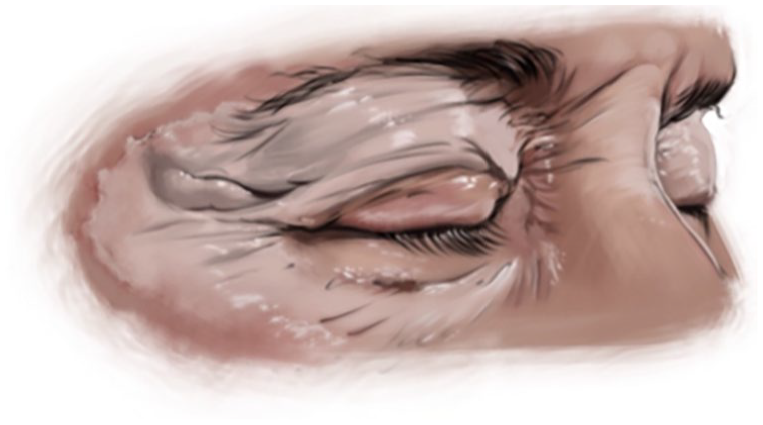
To introduce a novel eyelid rejuvenation technique using 35% TCA as a standalone treatment
To offer a minimally invasive alternative to surgery, particularly in instances when surgery is not available, such as in low resource healthcare settings
To offer effective non-invasive blepharoplasty with comparable results to traditional surgical methods
To offer a minimally invasive technique for patients with Fitzpatrick skin type 1 and 2
This novel blepharoplasty technique using 35% TCA as a standalone treatment offers a non-invasive alternative to traditional surgical methods, particularly for those with Fitzpatrick skin type 1 and 2 or in instances when surgery is not available, such as in low resource healthcare settings.
P06.09
Do Intradermal Hyaluronic Acid Injections Improve Skin Quality Parameters Associated with Skin Aging? A VISIA Imaging Analysis
University of Calgary, Calgary, AB
Intradermal hyaluronic acid injections significantly improve skin texture and reduce pore size, as demonstrated by VISIA imaging analysis at 4 weeks post-treatment.
Wrinkle improvement showed a trend toward statistical significance, suggesting potential benefits with continued treatment or longer follow-up periods.
Intradermal hyaluronic acid injections are well-tolerated with no adverse events reported, making it a promising option for enhancing skin quality.
Intradermal hyaluronic acid injections are a promising avenue for further exploration in the field of cosmetic dermatology and skin quality enhancement. Although this pilot study featured a small sample size, the statistically significant improvements reported in multiple skin quality parameters after only 4 weeks, together with noted subjective improvements and treatment tolerability, serve as a springboard from which to investigate these treatments in larger studies.
P07: Pediatric Dermatology
P07.01
A Systematic Review of Measurement Instruments to Assess Quality of Life in Pediatric Patients with Alopecia Areata
1Temerty Faculty of Medicine, University of Toronto, Toronto, Toronto, ON, 2Michael G. DeGroote School of Medicine, McMaster University, Hamilton, ON, 3Division of Pediatric Dermatology, The Hospital for Sick Children, University of Toronto, Toronto, ON
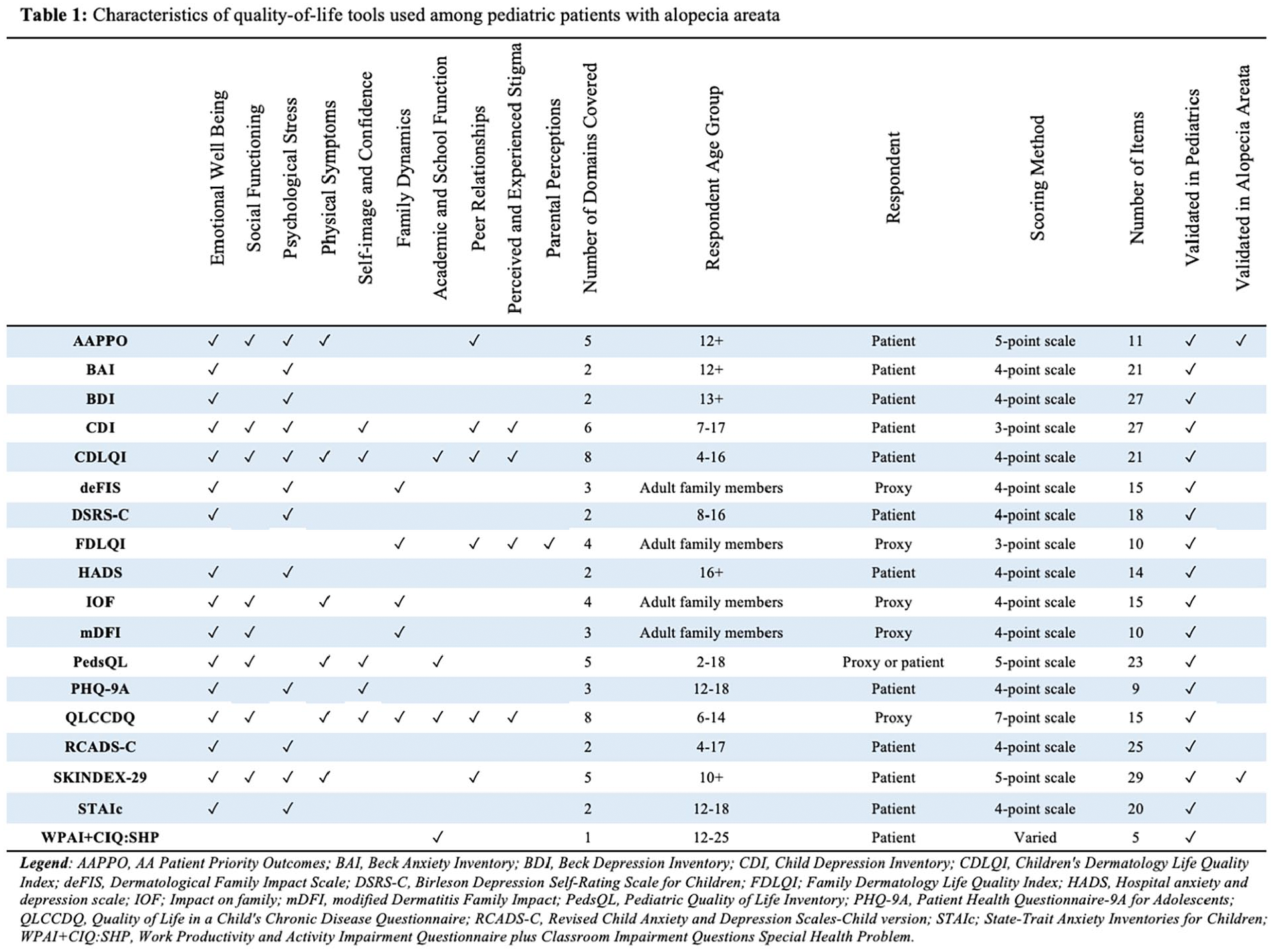
Recognize the impact of alopecia areata on pediatric patients’ quality of life.
Identify the gaps in existing QoL tools for pediatric AA.
Understand the need for comprehensive, validated QoL instruments for pediatric AA.
Current QoL tools for pediatric AA lack specificity: Most instruments, like the CDLQI, are not fully applicable to AA, as they focus on less relevant physical symptoms.
Heterogeneity in domains creates inconsistencies: QoL instruments vary widely in the domains they assess, with a median of only 3 domains covered, limiting comprehensive evaluation.
A validated AA-specific QoL tool is needed: Developing comprehensive, validated QoL tools for pediatric alopecia areata is crucial to better understand and manage the emotional and social challenges faced by affected children.
P07.02
Tinea Capitis Caused by Trichophyton Benhamiae in Two Children: An Emerging Zoophilic Dermatophytic Infection
1Université Laval, Québec, QC, 2Centre hospitalier universitaire de Québec - Université Laval, Québec, QC
Both children have had contact with guinea pigs over the past few weeks.
Culture of scale from affected children scalp revealed Trichophyton benhamiae infection in both patients and a diagnostic of tinea capitis with kerion formation and secondary autoeczematization was made.
Both patients were treated with topical ciclopirox and systemic terbinafine for 6 to 8 weeks, resulting in complete resolution of body and scalp lesions, with hair regrowth. The guinea pig was also treated to prevent reinfection.
Approximately 87% of guinea pigs are asymptomatic carriers and can potentially transmit the infection to humans and other animals through direct contact, hair and scales.
Children are more often affected due to more frequent contact with these animals, and typically present with tinea corporis followed by tinea faciae and tinea capitis.
Systemic treatment with terbinafine has demonstrated in vitro superiority compared to other antifungals, and no cases of in vitro resistance have been reported.
Veterinary treatment of both asymptomatic and symptomatic animals is essential to prevent reinfection.
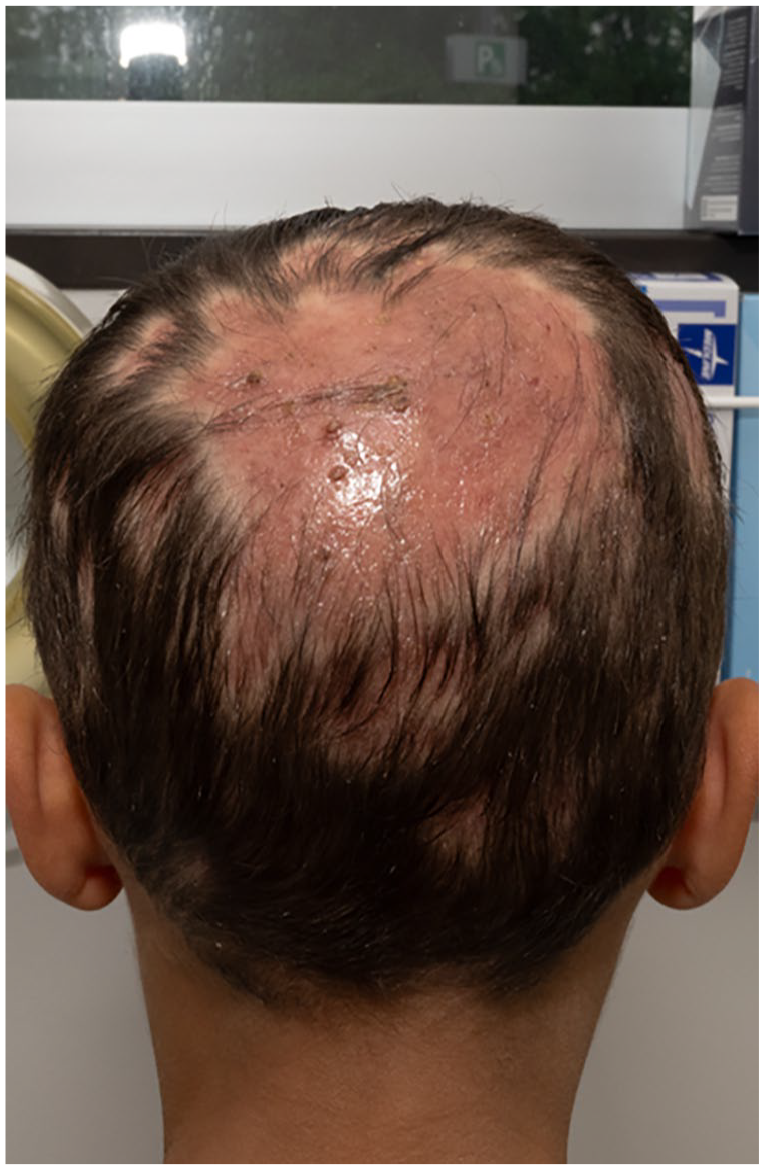
To inform about the existence of a new zoophilic dermatophyte that primarily affects pediatric patients.
To present the key epidemiological and clinical aspects of this pathogen based on two cases and a review of the literature.
To highlight the importance of early treatment of the patient and the infected animal.
The incidence of infections caused by Trichophyton benhamiae is rising and should be suspected in a child presenting with inflammatory lesions and a history of contact with guinea pig. Prompt treatment in both children and animals is crucial to prevent complications and reinfections.
P07.03
Triggers, Clinical Manifestations, and Management of Pediatric Erythema Nodosum: A Systematic Review
Université de Sherbrooke, Sherbrooke, QC
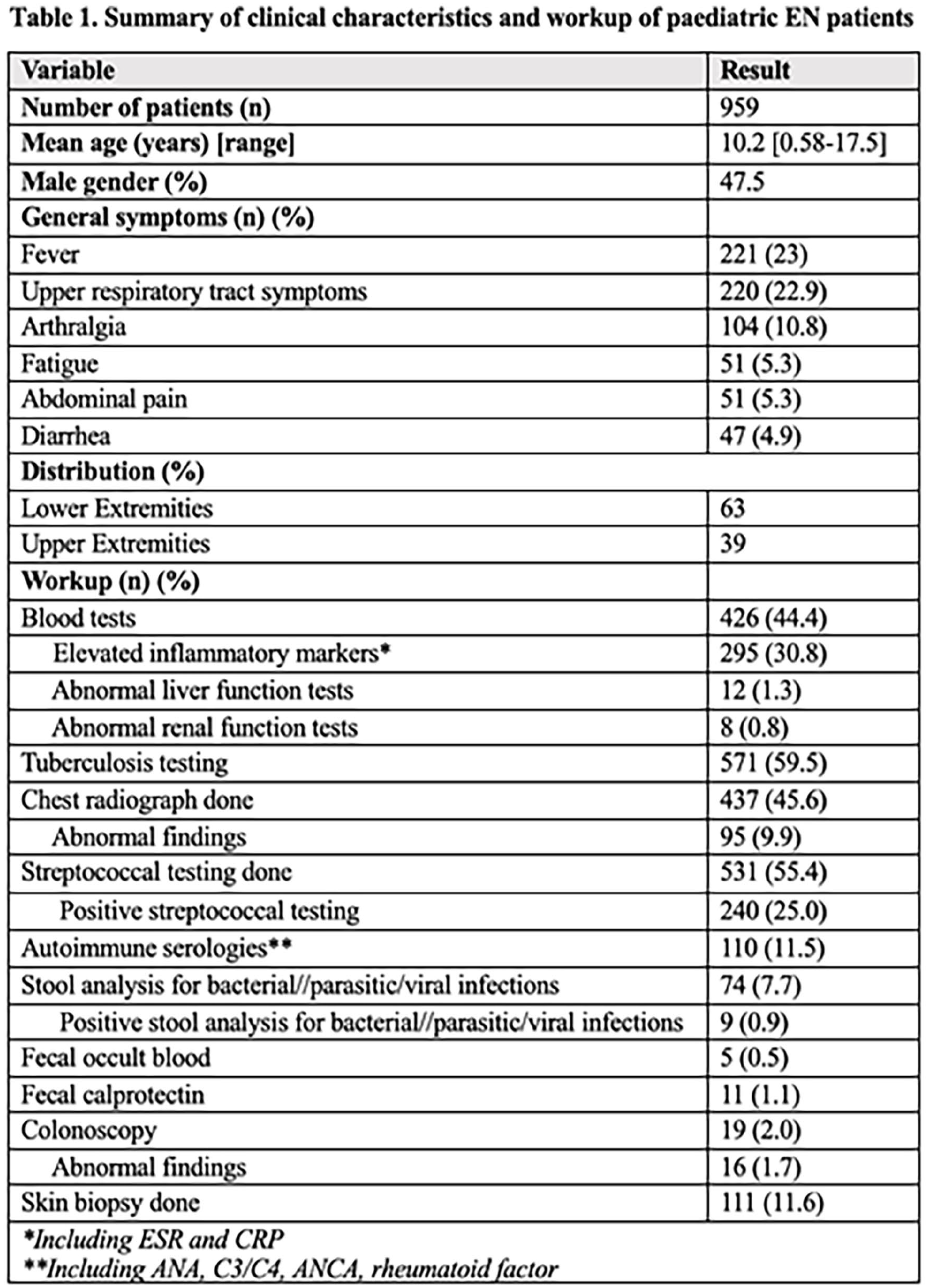
Recognize the triggers and clinical manifestations of pediatric erythema nodosum.
Incorporate a targeted diagnostic approach, including screening for common triggers.
Develop a comprehensive management approach for pediatric erythema nodosum.
Infections are the leading cause of erythema nodosum in children, but other triggers must also be considered.
Diagnosis is primarily clinical, with biopsy reserved for uncertain cases.
Supportive care is the mainstay of treatment along with addressing the underlying cause.
P07.04
A Rare Presentation of Livedoid Vasculopathy in a Pediatric Patient with Sickle Cell Disease
1Division of Dermatology, Department of Medicine, The Ottawa Hospital, Ottawa, ON, 2Faculty of Medicine, University of Ottawa, Ottawa, ON, 3Division of Dermatology and Rheumatology, Children’s Hospital of Eastern Ontario, Ottawa, ON
The biopsy showed reduplicated thick-wall capillary type spaces showing prominent endothelial proliferation with thrombi. Minor lymphocytic infiltrate was present, however no vasculitis was evident. The superficial dermis showed a reactive vascular pattern compatible with livedoid vasculopathy. The findings were not compatible with hydroxyurea-induced ulceration.
Rheumatology did not suspect inflammatory vasculitis, as she was otherwise well. For wound care, topical antibiotics and calcineurin inhibitors were used. As per our recommendations, hematology titrated to hydroxyurea 1500mg daily. Two months later, the ulcers healed completely.
To the best of our knowledge, we present the first case of biopsy proven livedoid vasculopathy in a pediatric patient secondary to SCD. Livedoid vasculopathy has been reported in a middle-aged male with SCD and in a case of sickle cell trait. Livedoid vasculopathy secondary to SCD may be due to capillary stasis, impaired microcirculation and impaired oxygenation. Improvement of the ulcers is secondary to optimization of the SCD, and may benefit from pentoxifylline, hydroxyurea and blood transfusions.
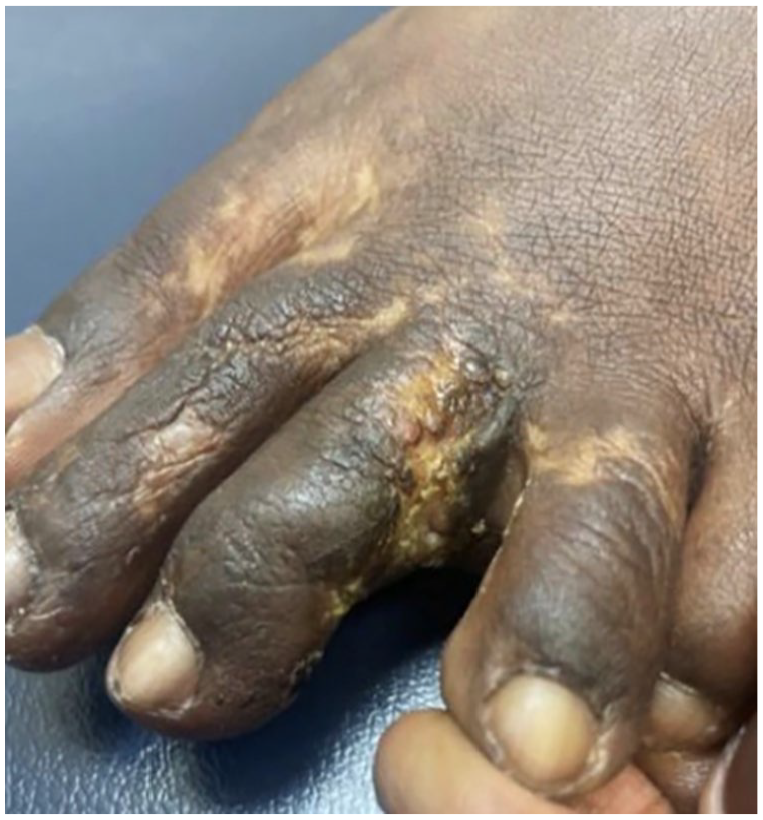
Livedoid vasculopathy is a rare presentation typically seen in middle-aged women. It presents with ulcers on the lower legs that heal with ivory stellate scars.
It can be due to increased coagulability seen in hypercoagulable disorders (eg. factor V Leiden, prothrombin mutations), autoimmune disease (lupus, scleroderma, antiphospholipid syndrome) and infection (Hepatitis B and C). Sickle cell disease is also a rare underlying cause.
Livedoid vasculopathy should prompt a thorough hypercoagulable workup, with testing for autoimmune disease in high-risk patients.
Histopathology includes findings of fibrin deposition, hyalinization of vessels, vascular occlusion by thrombi and minimal inflammation.
There are few randomized clinical trials for treatment of ulcers in SCD, however treatments that have shown ulcer improvement include pentoxifylline, hydroxyurea and blood transfusions.
Livedoid vasculopathy is a rare disease presenting with ulceration and stellate hypopigmented scars. The strongest risk factor for development is a hypercoagulable state. To the best of our knowledge, we present the first case of a pediatric patient that developed livedoid vasculopathy secondary to SCD. The diagnosis can be made based on the clinical presentation and characteristic histology findings.
P07.05
Dramatic Clearance of Extensive Psoriasis in a Pediatric Patient with Upadacitinib
1Temerty Faculty of Medicine, University of Toronto, Toronto, ON, 2Division of Dermatology, Department of Medicine, University of Toronto, Toronto, ON, 3Division of Dermatology, Department of Paediatrics, The Hospital for Sick Children, University of Toronto, Toronto, ON
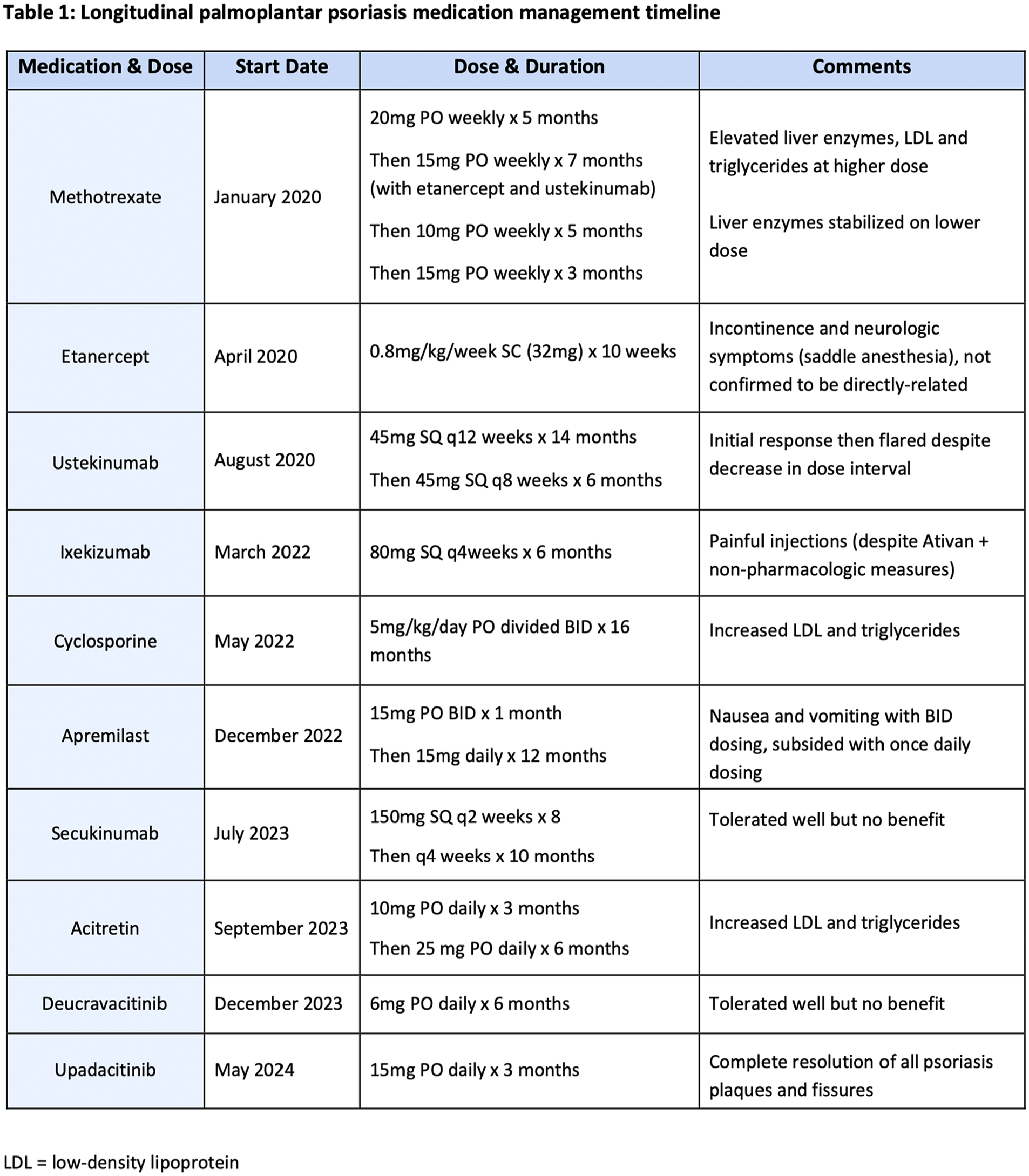
Recognize the limitations of current approved treatments for pediatric psoriasis and the frequent off-label use of systemic therapies.
Evaluate the therapeutic potential of upadacitinib in pediatric refractory palmoplantar psoriasis.
Learn strategies to navigate treatment resistance and side effects in refractory pediatric psoriasis, including considerations for stopping or switching therapies.
Our patient demonstrates remarkable efficacy and tolerability of upadacitinib in treating severe, refractory pediatric palmoplantar and paradoxical psoriasis. The sustained plaque clearance and significant pain improvement observed highlight the drug’s potential as an alternative to traditional systemic and biologic therapies. This case underscores the importance of exploring novel treatments for otherwise unresponsive pediatric psoriasis, with further studies needed to validate upadacitinib’s role in broader clinical practice.
P07.06
Epidermolysis Bullosa Acquisita: A Rare Pediatric Presentation of a Rare Blistering Disorder
1University of Ottawa, Ottawa, ON, 2The Ottawa Hospital, Ottawa, ON, 3Children’s Hospital of Eastern Ontario, Ottawa, ON
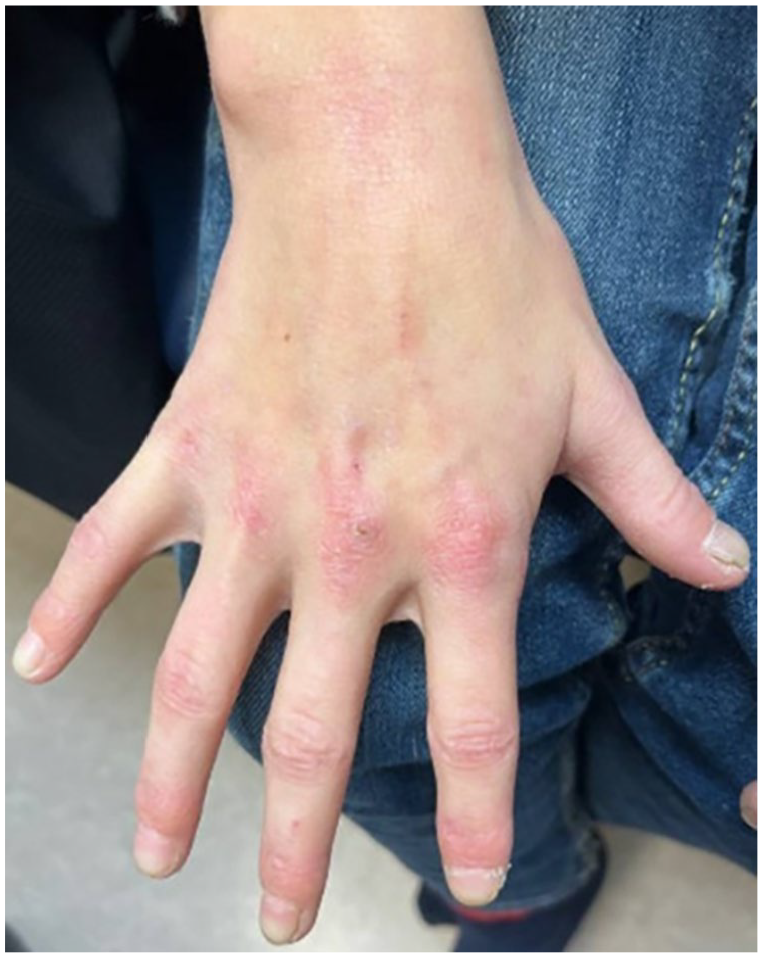
Recognize epidermolysis bullosa acquisita (EBA) as a very rare but potential differential of blistering with scarring in children.
Appreciate the utility of direct immunofluorescence in differentiating between blistering disorders with overlapping presentations, such as EBA versus epidermolysis bullosa.
Identify therapeutic options for EBA in children, including colchicine and dapsone.
While EBA is a rare disease in children, it should nonetheless be considered on the bullous disease differential—prompt diagnosis can lead to initiation of appropriate systemic therapy, and better patient outcomes.
P08: Equity, Diversity, and Inclusion
P08.01
Underrepresentation of Visible Minorities in Medical References in a Canadian University: A Call for Inclusion Reform
Université de Sherbrooke, Sherbrooke, QC
Recognize the importance of diverse clinical representations in medical education to ensure effective healthcare for patients of all skin phototypes, particularly in skin disease diagnosis.
Evaluate the current representation of skin types in medical reference materials, identifying the disparity in visual depictions of darker skin types in dermatology education especially in relation to potentially life-threatening and endemic diseases.
Understand the impact of underrepresentation of darker skin types on healthcare training, emphasizing the need for more inclusive medical resources to promote equitable and comprehensive care for all patients.
Skin of color is significantly underrepresented in medical education materials, with more than 90% of illustrations in student handbooks and recommended references across all four years of medical training depicting lighter skin types.
Severe, life-threatening, and endemic diseases are inadequately represented in darker skin phototypes, contributing to a gap in the training needed to provide equitable medical care.
P08.02
Comparative Outcomes of Surgical, Non-Surgical, and Combination Therapies for Keloids and Hypertrophic Scars in Skin of Color
1Temerty Faculty of Medicine, University of Toronto, Toronto, ON, 2Faculty of Medicine & Dentistry, University of Alberta, Edmonton, AB, 3Division of Pediatric Dermatology, The Hospital for Sick Children, University of Toronto, Toronto, ON, 4Division of Dermatology, Sunnybrook Health Sciences Center, University of Toronto, Toronto, ON
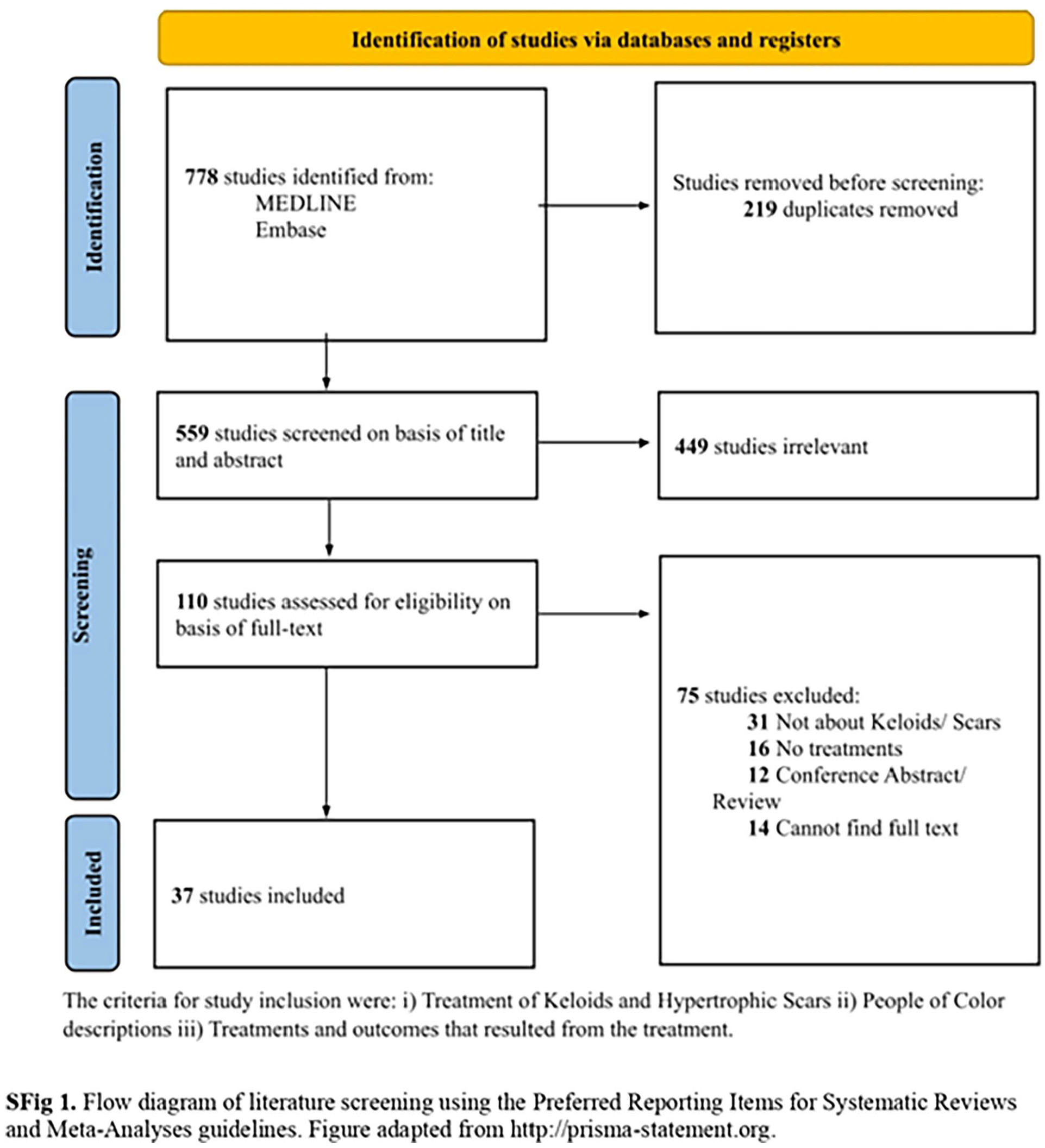
Recognize the unique challenges of treating keloids and hypertrophic scars in skin of color (SOC).
Compare the efficacy of monotherapy versus combination therapy for keloids and hypertrophic scars in SOC.
Identify potential adverse events and recurrence rates among various treatment modalities.
Determine priorities for future research to optimize management in SOC.
Combination therapies generally yield superior outcomes but require careful attention to adverse events in SOC.
P08.03
The Lived Experiences of Atopic Dermatitis Patients in a Rural Indigenous Community: A Qualitative Study
1Temerty Faculty of Medicine, University of Toronto, Toronto, ON, 2Princess Margaret Cancer Centre, University Health Network, Toronto, ON, 3Sunnybrook Health Sciences Centre, Toronto, ON, 4Women’s College Hospital, Toronto, ON, 5Probity Medical Research, Waterloo, ON, 6University of Saskatchewan, Regina, SK, 7First Nations University of Canada, Regina, SK
Characterize current limitations in access to care amongst Indigenous Peoples in rural and remote communities with atopic dermatitis.
Characterize the biopsychosocial impact of poor access to dermatology services amongst Indigenous communities.
Characterize potential solutions to improve future health outcomes amongst Indigenous patients in remote communities with atopic dermatitis at local, provincial, national, and cultural levels.
Understand the importance of cultural competency amongst dermatologists when interacting with Indigenous patients.
This study underscores the profound impact of atopic dermatitis on Indigenous Peoples living in rural or remote communities and highlights significant healthcare disparities driven by social, historical, cultural, and socioeconomic factors. By identifying key barriers and supporting community-lead solutions—such as improving access to specialized care, fostering cultural competency among dermatologists, and leveraging virtual care—this research advocates for urgent, culturally sensitive interventions to bridge gaps in dermatological care and improve health equity for Indigenous communities.
P08.04
Bacterial Skin and Soft Tissue Infections in Canada: A Scoping Review
1Memorial University of Newfoundland, St. John’s, NL, 2Division of Dermatology, College of Medicine, University of Saskatchewan, Regina, SK
The scoping review identified high SSTI prevalence and incidence in rural, remote and northern Indigenous communities, with methicillin-resistant Staphylococcus aureus (MRSA) and group A Streptococcus (GAS) as the most commonly identified pathogens. Key findings include:
Chronic skin conditions (e.g., eczema, ulcers) and nasal colonization of MRSA were frequent risk factors for SSTIs.
Group A streptococcal infections in rural and remote regions showed up to eight-fold higher incidence compared to national averages, including severe outcomes such as necrotizing fasciitis and toxic shock syndrome.
In northern Ontario, MRSA accounted for 31% of SSTIs, with incidence rates as high as 2,482 per 100,000 annually.
Community-based educational programs and community interventions, such as the “Do Bugs Need Drugs?” and “Germs Away” initiatives, may enhance knowledge among children and reduce community-associated MRSA in rural and remote areas.
Recognize the epidemiological patterns of SSTIs in Canadian Indigenous and rural populations.
Understand the role of social and environmental determinants of health in SSTI prevalence and outcomes.
Evaluate community-based and technological interventions as potential solutions for SSTI management.
Bacterial SSTIs disproportionately affect rural and Indigenous populations in Canada, driven by systemic social, environmental and healthcare inequities. It is important to note that chronic skin conditions frequently serve as pathways for infections, highlighting the need for future research and focused dermatological care. Potential solutions for improving care include enhancing telemedicine and educational community-specific programs to address healthcare barriers and improve skin outcomes.
P08.06
Transforming Dermatology Education to Improve Care for Remote Indigenous Communities
Northern Ontario School of Medicine University, Thunder Bay, ON
Educational sessions were conducted for nursing staff to enhance their understanding of AD management, emphasizing proper use of topicals, cultural sensitivity, and patient education and understand barriers.
Feedback was collected from healthcare providers to assess the immediate impact of educational interventions.
1. Increased diagnosis and management of AD cases, improved adherences to treatment and enhanced trust and engagement between patients and healthcare providers.
2. Significant improvement in nursing staff confidence and competence in managing AD.
3. Lengthy approval processes and complex paperwork for medications through NIHB and PSPs caused delays in treatment initiation.
Enhance Understanding of Atopic Dermatitis Management in Remote Indigenous Communities and Identify Educational Gaps
Improve Healthcare Providers Confidence through Education and Cultural Competence
Address Administrative and Systemic Challenges in Care Delivery
Reflections on my experience and proposed solution points for discussion:
P08.07
Association Between Socioeconomic Status and Melanoma Stage at Presentation: A Systematic Review
McGill University, Montreal, QC
The study by Pitre et al., published in 2019, included all patients identified with histologically confirmed melanoma from the OCR between 2004 and 2012. The study included 9591 cases for which staging information was available and defined advanced melanoma as stage III or IV disease. Individuals of low neighbourhood income quintile were significantly more likely to be diagnosed with late-stage disease (Hazard Ratio 0.92 (0.89-0.96), p<0.001).
The second study by Mavor et al., published in 2018, included 8042 histologically confirmed melanoma cases from the OCR from 2007-2012. The study used the Ontario Marginalization Index (ONMarg) score as a proxy for low SES and found individuals in the fifth quintile of the ONMarg index were statistically more likely to present with advanced stage of melanoma, compared to the lowest ONMarg quintile (Relative Risk 1.10 (1.01–1.20).
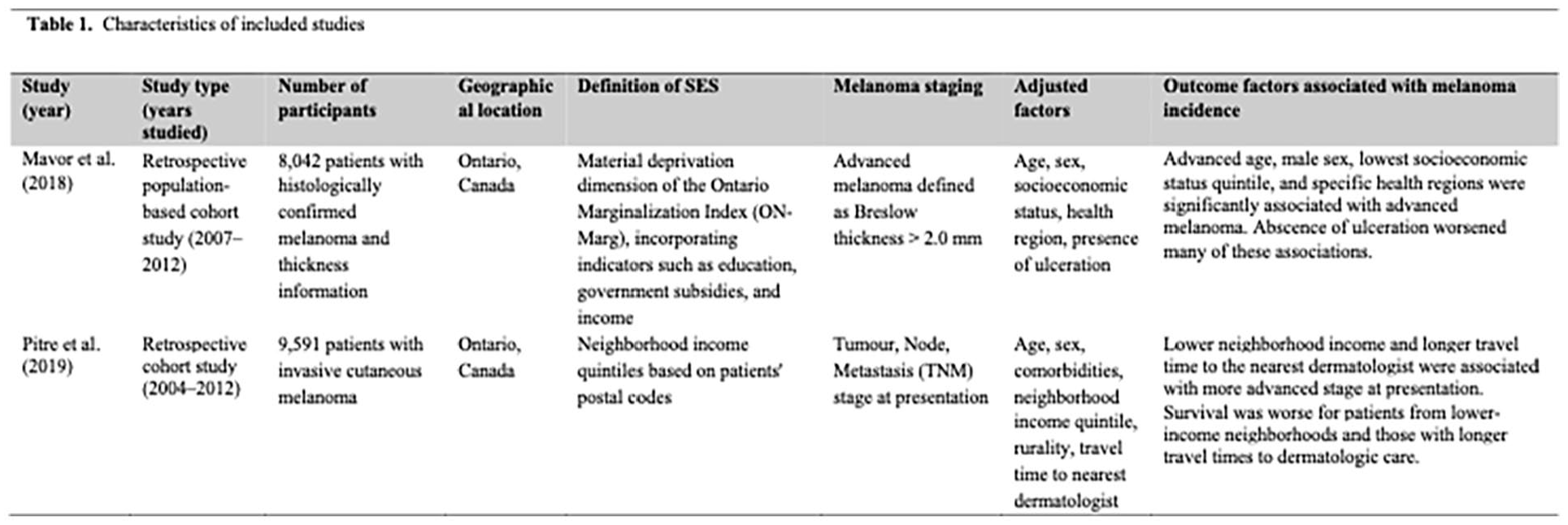
Explain how low socioeconomic status (SES) correlates with late-stage melanoma diagnosis and its implications for disease prognosis in Canada.
Identify limitations in Canadian studies on melanoma, particularly the underrepresentation of race, ethnicity, and other socioeconomic determinants in the context of late-stage diagnoses.
Evaluate the importance of studying socioeconomic factors—such as income, education, occupation, and marginalization scores—to improve early melanoma detection and reduce disparities in health outcomes.
Melanoma skin cancer remains a significant public health problem in Canada. It is well established that early diagnosis dramatically improves outcomes, with a 97% five-year survival rate for stage 0 melanoma compared to 30% for stage IV. While melanoma incidence is highest among individuals of high socioeconomic status (SES), we identified two Canadian studies which suggest low SES correlates with advanced-stage diagnoses.
Although fair skin and high SES are primary risk factors for melanoma development, those with the most severe outcomes may disproportionately belong to lower SES groups. The reviewed studies did not directly address race or ethnicity, but their correlation with low SES in Canada suggests potential disparities in melanoma diagnosis warrant further exploration. This review calls for more comprehensive research to understand how socioeconomic and demographic factors, including education, occupation, and race/ethnicity, influence late-stage melanoma diagnosis and outcomes in Canada.
P08.08
Age-Adjusted Mortality Rate Trends of Non-Malignant Skin Diseases in the United States by Race and Urbanization, 1999-2020: A Joinpoint Analysis
1University of Calgary, Calgary, AB, 2McGill University, Montreal, QC
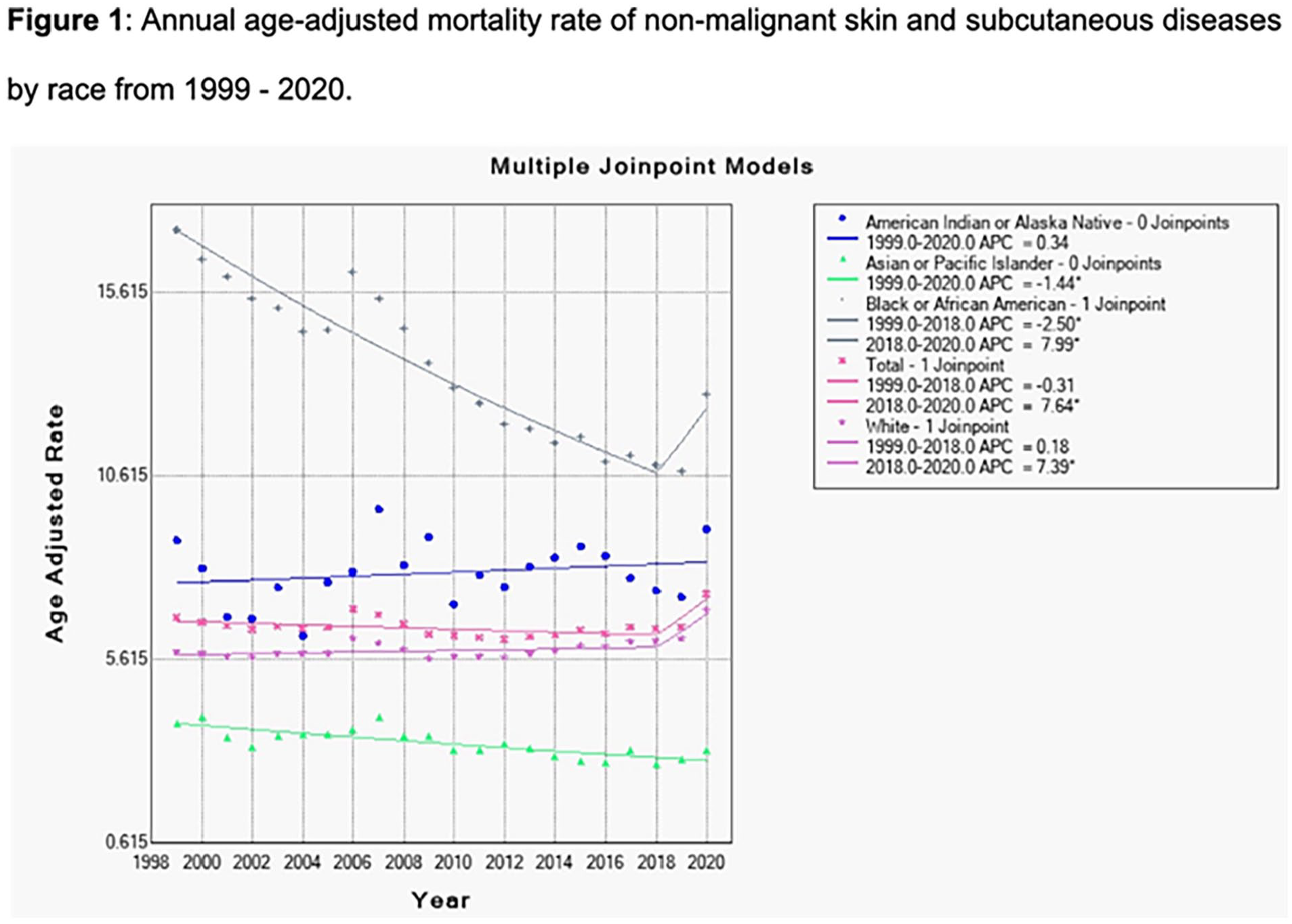
Evaluate how variations in race and urbanization levels contribute to differences in the age-adjusted mortality rates of non-malignant skin and subcutaneous diseases in the United States from 1999-2020.
Underscore the disproportionate burden of non-malignant skin and subcutaneous diseases in marginalized minorities in the United States such as African American and American Indian or Alaska Native populations.
Assess the impact of varying degrees of urbanization on the mortality rates caused by skin and subcutaneous disease, particularly in urban and rural regions in the United States.
The goal of this analysis was to assess how the mortality trends across two decades in non-malignant skin diseases in the United States vary by two important socioeconomic determinants: race and urbanization. This study elucidated a crucial finding with regard to race; notably, that two marginalized groups—African American and American Indian/Alaska Native—experienced substantially higher mortality rates than other racial groups. Possible reasons for these findings include misdiagnoses in higher Fitzpatrick scores, limited healthcare access for minorities, and barriers due to structural racism. However, this study shows that urbanization level further elucidates another challenge: living in a rural setting. In particular, urban areas experienced a decline in mortality rates whereas rural areas experienced an increase.
This study is valuable because it reinforces the urgent need to address inequities by race and urban region. Possible strategies may include mandating structural policies, optimizing dermatologist accessibility, or implementing mandatory anti-bias training. Ultimately, the most efficient strategy for alleviating the disproportionate burden of skin diseases and subcutaneous diseases in vulnerable populations and underserved regions may be a holistic and multi-pronged approach.
P08.09
Medical Students’ Perspectives on Equity, Diversity, and Inclusion in Canadian Dermatology Residency Programs
1Temerty Faculty of Medicine, University of Toronto, Toronto, ON, 2Division of Dermatology, Department of Medicine, University of Toronto, Toronto, ON, 3Division of Dermatology, Women’s College Hospital, Toronto, ON
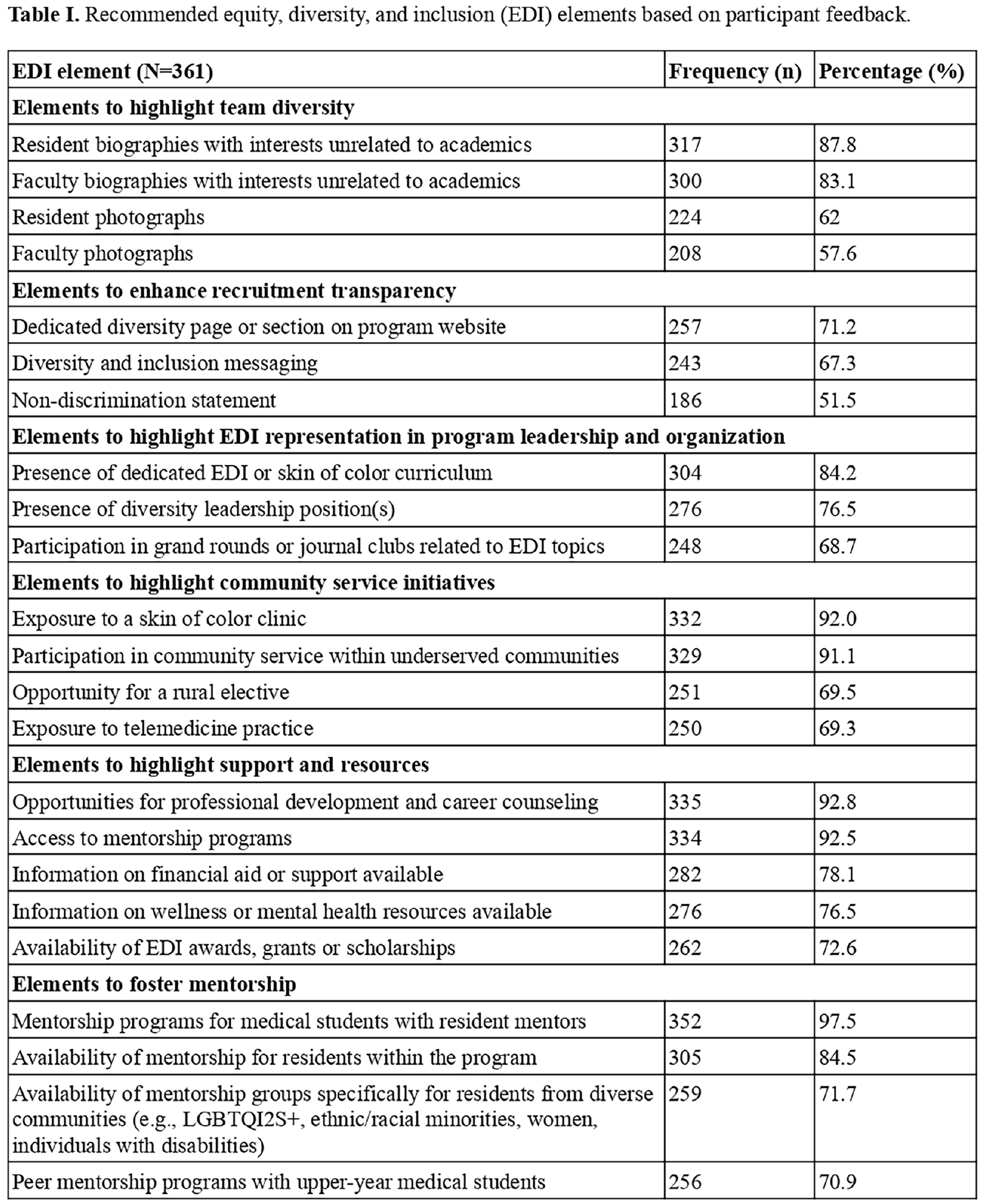
Identify key barriers faced by Canadian medical students when considering dermatology as a specialty.
Understand the perceptions of Canadian medical students regarding current Equity, Diversity, and Inclusion (EDI) efforts within dermatology residency programs.
Determine differences in EDI awareness and satisfaction among students of different racial/ethnic backgrounds and socioeconomic status and propose targeted solutions to improve EDI efforts in dermatology.
There are significant gaps in awareness, transparency, and satisfaction with EDI initiatives of Canadian dermatology residency programs, particularly for racialized groups, highlighting the need for improved EDI visibility and targeted efforts to enhance diversity within the specialty.
P08.10
Representation of Skin of Colour on Canadian Dermatology Patient Education Websites: A Call to Action
1Temerty Faculty of Medicine, University of Toronto, Toronto, ON, 2Division of Dermatology, Department of Medicine, Toronto, ON, 3Division of Dermatology, Women’s College Hospital, Toronto, ON
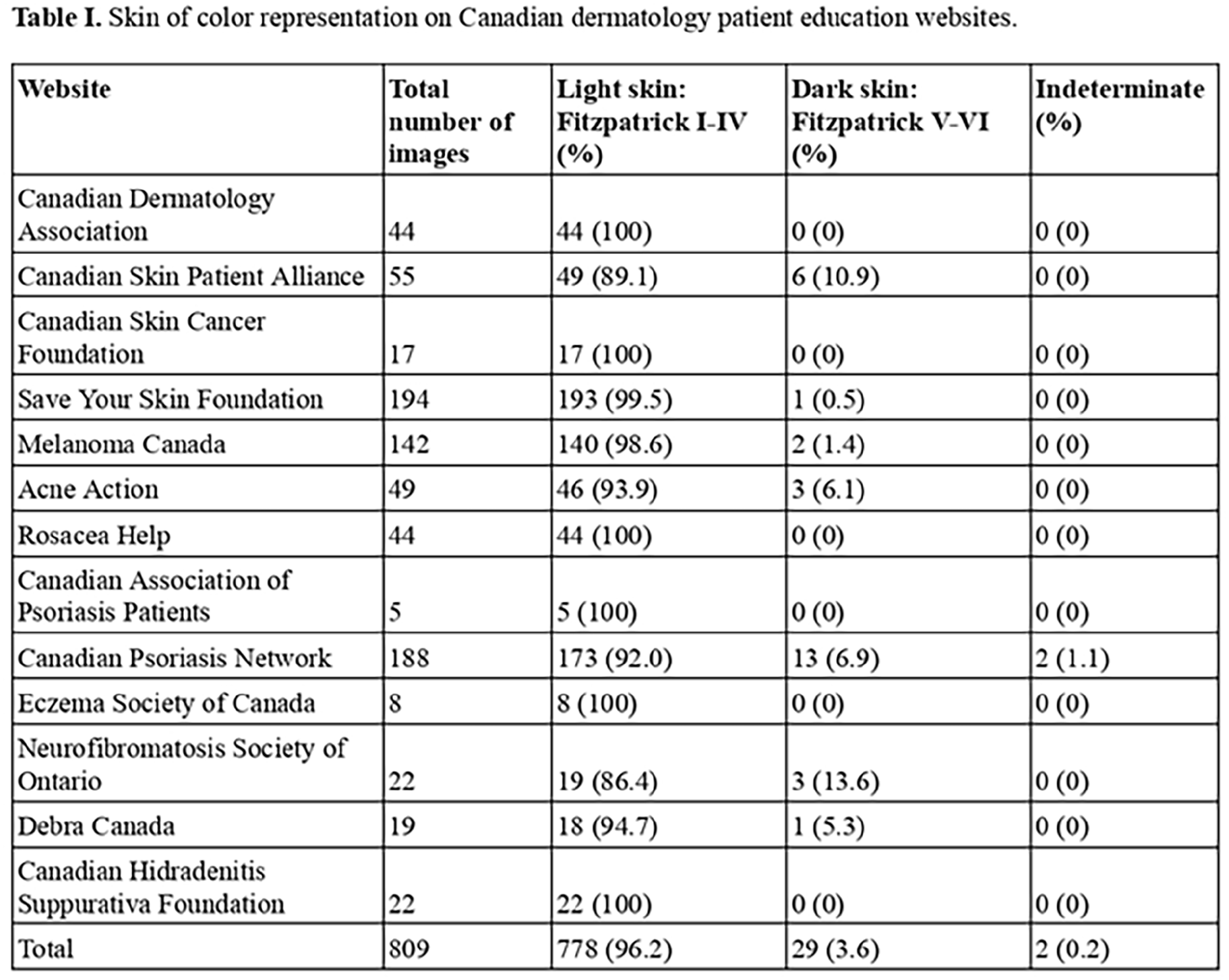
Examine the current representation of skin of color (SOC) in Canadian dermatology patient education websites.
Assess the potential consequences of limited SOC representation on patient care and diagnostic outcomes.
Identify areas of improvement to enhance the inclusion of diverse skin tones in dermatology patient education resources.
This study highlights a critical gap in the representation of richly pigmented skin tones on Canadian dermatology patient education websites. This gap may lead to missed diagnoses and suboptimal care for people of color. Including diverse skin tones on these websites is essential for ensuring accurate and equitable patient education, especially as more patients turn to online resources for medical information.
P08.11
Skin Color Representation in Dedicated Ethnic and Skin of Color Dermatology Textbooks
Melody Li1, William Liu1,
1University of British Columbia, Vancouver, BC, 2Dalhousie University, Halifax, NS
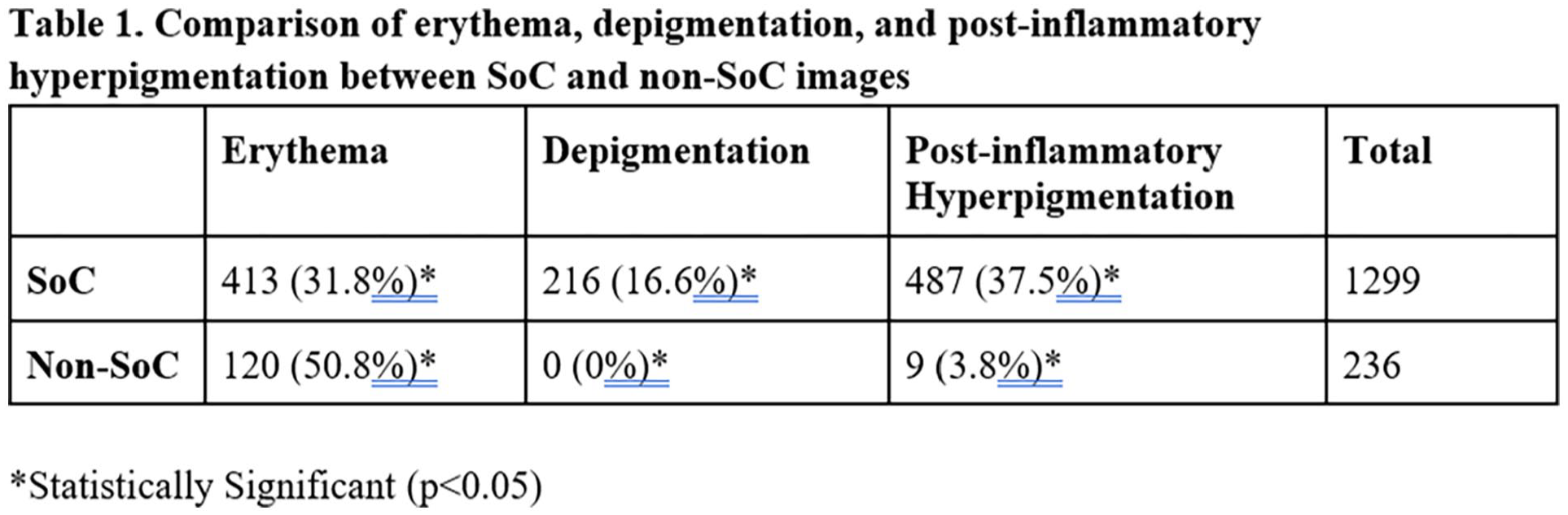
Recognize underrepresentation of skin of color in current dermatological education resources.
Recognize current limitations in skin of color depiction in current specialized resources.
Discuss methods to improve skin of color representation in various educational resources including verbal descriptions of subtle clinical signs (erythema, inflammation, warmth, color).
Skin of color images are robustly depicted in dedicated resources but lighter skin types appear more frequently (FST IV/V). Clinical sequelae of skin disease (erythema, pigmentary change) appears more frequently in predisposed skin types. Further work is needed to examine other resources and improve verbal description of subtle clinical signs in dermatologic images.
P08.12
Sex-Related Differences in Patient Characteristics and Response to Advanced Therapies in Plaque Psoriasis Randomized Controlled Trials: Systematic Review and Meta-Analysis
1Temerty Faculty of Medicine, University of Toronto, Toronto, ON, 2Division of Dermatology, Toronto Western Hospital, Toronto, ON, 3Division of Dermatology, Department of Medicine, University of Toronto, Toronto, ON
Understand sex-related differences in baseline characteristics of patients with plaque psoriasis in randomized controlled trials.
Gain insight into the effectiveness of different drug classes (e.g., TNF inhibitors, IL-23 inhibitors, IL-17 inhibitors) in male and female patients regarding PASI-75 and PASI-90 response rates.
Understand the value of reporting sex-based differences in clinical trials and how this data can enhance personalized treatment plans and improve patient outcomes.
Sex-based differences in baseline characteristics and treatment responses in plaque psoriasis randomized controlled trials highlight the need for future clinical trials to report sex-disaggregated data to ensure improved and equitable treatment outcomes for all patients.
P08.13
Beliefs and Attitudes towards Sunscreen and Sun Protection Practices Among South Asians in British Columbia: A Survey Study
Harman Toor1,
1Department of Dermatology and Skin Science, University of British Columbia, Vancouver, BC, 2Faculty of Medicine, University of British Columbia, Vancouver, BC, 3Vancouver Coastal Health Research Institute, Vancouver, BC
Most were born in Canada or South Asia, and 41% were aged 25-34 years. More females (43%) used sunscreen daily compared to males (12%). Although 69% believed in sun protection health benefits, 30% rarely or never wore sunscreen. Motivators included preventing sunburn (68%), maintaining youthful skin (65%), and reducing their skin cancer risk (63%). A minority (25%) used sun protection for lighter skin complexion. Most were unsure if religious coverings provided adequate sun protection. Social media (41%) was the most common source of information. Barriers included forgetfulness (69%), low perceived risk (41%), discomfort (24%), and cosmetic concerns (17%) like "white cast" (61%). Preferences for organic versus inorganic sunscreens were mixed.
Understand sun protection perceptions, and behaviors among South Asian adults in BC.
Identified barriers and motivators for engagement in sun protection.
Understand the variability in sun exposure risks among diverse skin types and the potential for tailored sunscreen recommendations, such as recently suggested in Australia.
This cross-sectional survey explores sunscreen and sun protection beliefs, attitudes, knowledge and behaviours among South Asians in British Columbia. While the majority believed sun protection was important for health, many reported rarely or never using sunscreen. Key barriers included forgetfulness, low perceived risk, and cosmetic concerns like a “white cast.” Females and younger participants were more likely to use sunscreen daily. Social media was the most common information source, highlighting gaps in reliable education and providing an opportunity for targeted public health messaging tailored to skin type, cultural factors, and ancestry.
P08.14
Increasing Access to Dermatological Care in Resource Limited Settings via Teledermatology
1University of Toronto, Toronto, ON, 2DermAtelier on Avenue, Toronto, ON, 3Cleveland Clinic Canada Downtown, Toronto, ON
Understand the global burden of dermatological conditions - appreciate the current landscape of the bio-psycho-social and economic impacts of skin diseases on individuals particularly in resource-limited settings.
Explore barriers to dermatological care - identify and analyze the challenges patients face in accessing dermatological care, including geographic, financial, and systemic barriers, and explore how innovative solutions such as teledermatology can be leveraged in these scenarios.
Evaluate the efficacy of telemedicine in dermatology -understand how teledermatology can directly and indirectly increase access to dermatologic care for patients.
Assess physician satisfaction with teledermatology - identify efficacy as reported by dermatologists and diagnostic concordance when compared to in-person consults.
Assess patient satisfaction with teledermatology - understand patient beliefs, concerns, and willingness to seek dermatologic care virtually.
Skin diseases are a major cause of morbidity, affecting over 2 billion people worldwide. Access to specialists such as dermatologists is crucial for early detection and treatment.
The population of actively practicing dermatologists does not meet the threshold to attend to the medical needs of “resource-rich” geographic locations let alone resource limited settings (RLS).
Teledermatology (TD) uses technology to provide remote access to care including dermatological consultations, diagnoses, and follow-ups, making it a viable solution to increase access to care in RLS. There are two prominent modalities of TD which include live-video conferencing (synchronous) and store and forward (asynchronous).
TD has shown high diagnostic accuracy and can reduce travel and wait times, making it cost-effective and accessible for patients in RLS.
Both patients and physicians report high satisfaction with TD, citing convenience, reduced costs, and improved access to care.
Challenges to TD implementation include but are not limited to technological costs, legal and ethical concerns, and resistance to change.
Future Recommendations include focusing on creating affordable and secure virtual health platforms, improving image quality, and increasing community engagement and education to foster trust in TD.
TD has the potential to significantly improve access to dermatological care in RLS, but it should complement, not replace, conventional care. Collaboration with global health organizations and local policymakers can aid with sustainable implementation.
P09: Other
P09.01
Learnings and Outcomes from a Retrospective Study of Patients in Alberta’s first Psychodermatology Clinic
Lauren Wong1, Tarek Turk1,
1University of Alberta, Edmonton, AB, 2Memorial University of Newfoundland, St. John’s, NL
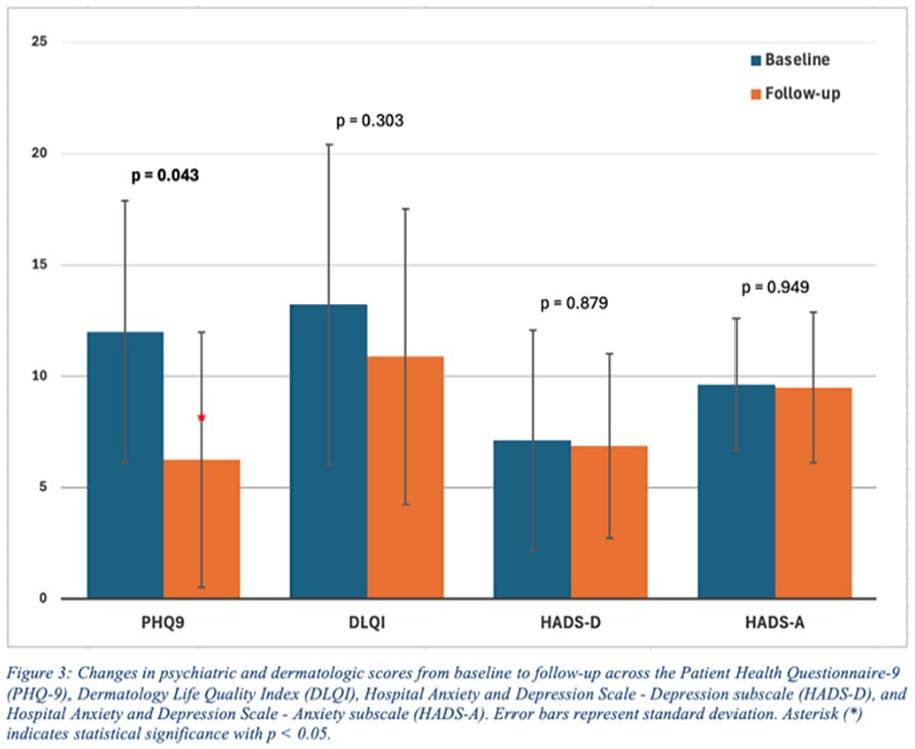
Explore the demographic and clinical characteristics of patients attending a specialized psychodermatology clinic.
Investigate the relationship between follow-up frequency and improvement in psychodermatologic symptoms.
Determine strategies to enhance patient retention and adherence to treatment plans in psychodermatology services.
Collaborative consultations with dermatologists and psychiatrists in dedicated psychodermatology clinics significantly improve patient outcomes, yet overcoming challenges related to medication adherence and follow-up is crucial for sustained therapeutic success.
P09.02
Systematic Review of Psychodermatologic Assessment Tools: Informing the Development of the Canadian Psychodermatology Scale
1Faculty of Medicine, Memorial University of Newfoundland, St. Johns, NL, 2Division of Dermatology, Department of Medicine, University of Alberta, Edmonton, AB, 3Faculty of Medicine and Dentistry, University of Alberta, Edmonton, AB
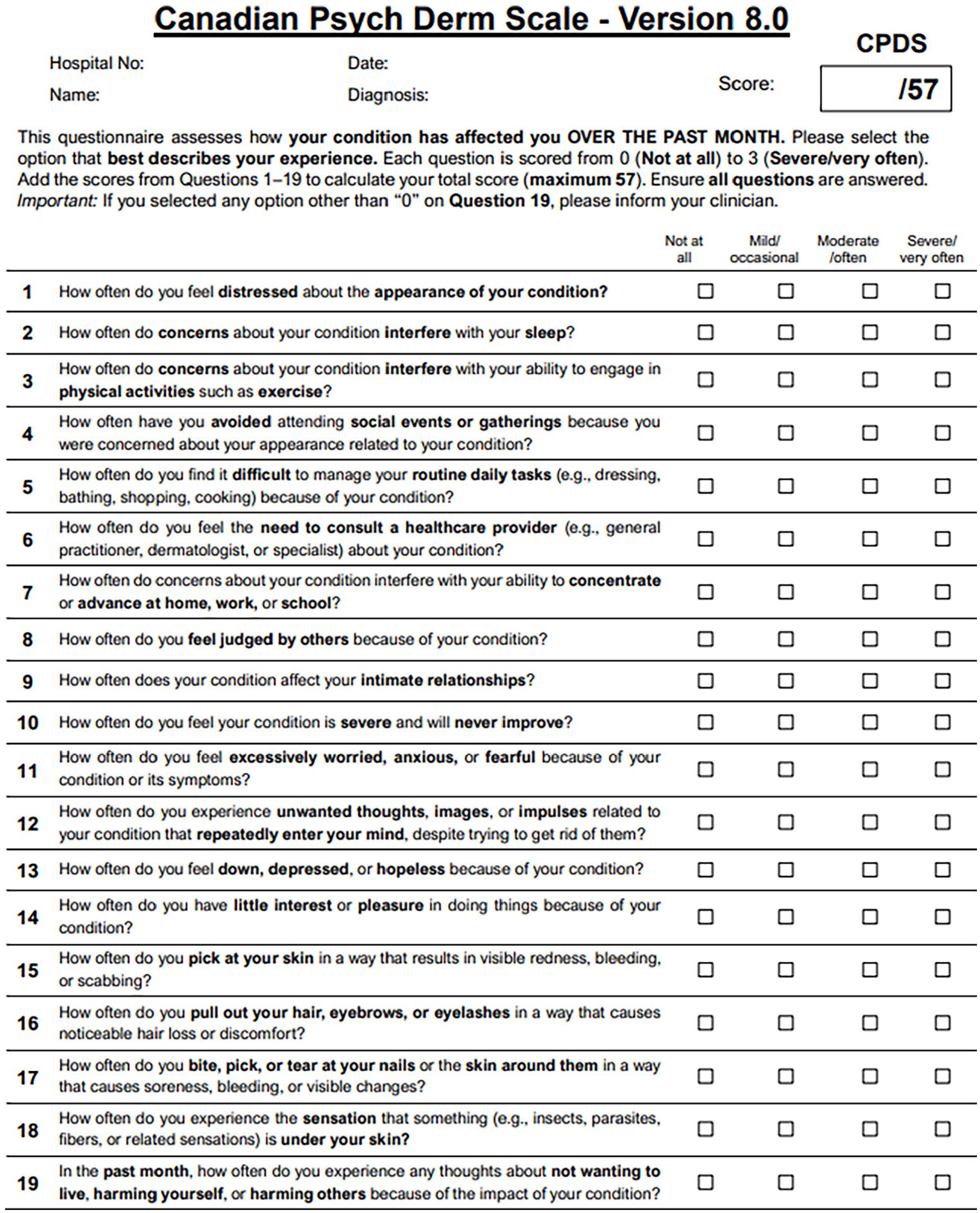
Identify and describe primary psychodermatologic disorders, including body dysmorphic disorder, trichotillomania, and excoriation disorder.
Evaluate the diagnostic accuracy and psychometric properties of existing psychodermatologic assessment tools used in clinical practice.
Explore the potential clinical implications of integrating the Canadian Psychodermatology Scale into routine dermatological and psychiatric workflows.
Current psychodermatologic assessment tools exhibit significant variability in diagnostic accuracy and comprehensiveness, underscoring the need for standardized, multidimensional instruments. The development of the Canadian Psychodermatology Scale aims to bridge these gaps, facilitating early identification and effective management of psychodermatologic disorders, thereby enhancing patient outcomes in clinical practice.
P09.03
Epidemiology and Comorbidities of Psychodermatologic Conditions: A Population-Based Analysis
1Faculty of Medicine, Memorial University of Newfoundland, St. John’s, NL, 2Faculty of Medicine and Dentistry, University of Alberta, Edmonton, AB, 3Warren Alpert Medical School, Brown University, Providence, RI, 4College of Medicine, University of Florida, Gainesville, FL, 5Division of Dermatology, Department of Medicine, University of Alberta, Edmonton, AB
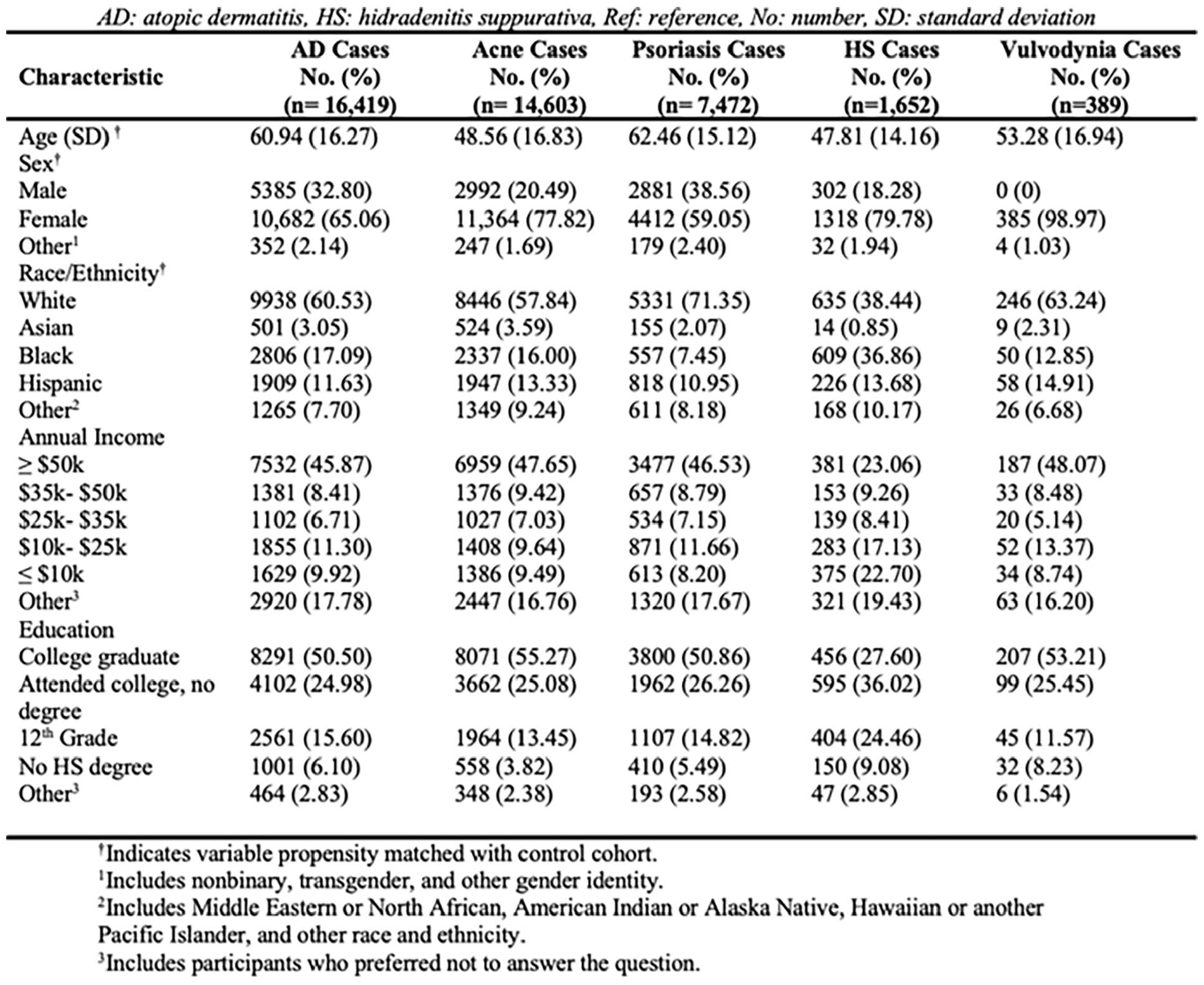
Recognize the spectrum of psychiatric comorbidities associated with psychodermatologic conditions.
Understand the differing comorbidity profiles between primary and psychophysiological disorders.
Identify opportunities for integrated, multidisciplinary management approaches.
Psychodermatologic conditions frequently coexist with diverse neuropsychiatric disorders, emphasizing the need for integrated dermatological and mental health care to improve patient outcomes.
P09.04
Adherence to RECORD Reporting Guidance Among Observational Studies Using Routinely Collected Health Data Published in General Medical Journals
1University of Toronto, Toronto, ON, 2Univeristy of Toronto, Toronto, ON, 3Queens Univrsity, Kingston, ON, 4Women’s College Hospital, Toronto, ON, 5McMaster University, Hamilton, ON, 6The Hospital for Sick Children, Toronto, ON, 7London School of Hygiene and Tropical Medicine, London, UK
Studies reported a mean of 70.7% (SD 1.8) of RECORD items. Adherence in RECORD-endorsing journals did not differ significantly between RECORD-endorsing compared to non-RECORD endorsing journals (1.8 percent lower adherence; 95% CI: - 5.8, 2.2). Adherence of > 80% was reported for RECORD items 1.1, 1.2, 6.1, 7.1, 19.1 and 22.1.
To assess the difference in RECORD reporting among endorsing vs. non-endorsing journals
To assess the association between RECORD adherence and study quality
To determine the proportion of RECORD items reported
Adherence to the RECORD reporting guideline in medical journals is moderate and not influenced by RECORD endorsement, highlighting the need for authors and journals to follow RECORD items to improve research reproducibility.
P09.06
Evaluating UV Exposure and Skin Cancer Preventive Behaviours in Canada: A National Population Based Cross-sectional Study
1McGill University, Montreal, QC, 2Queens University, Kingston, ON, 3University of British Columbia, Vancouver, BC, 4Université Laval, Québec, QC, 5University of Ottawa, Ottawa, ON, 6Université de Montréal, Montréal, QC
One third (33.3%) of respondents reported having had a sunburn in the past 12 months, and most reported irregular or never use of sunscreen on their body (64.3%) and face (58.1%). Women had significantly higher odds of using sunscreen on their bodies and faces compares to men (OR = 2.85, 95% CI 2.68–3.03 and OR = 4.22, 95% CI 3.96–4.49, respectively). Individuals in the highest income quintile similarly were more likely to use sunscreen on their bodies and faces than those in the lowest income quintile (OR= 1.78, 95% CI 1.55–2.04 and OR= 2.45 (95% CI 2.10–2.86, respectively). Temporal trends showed increasing prevalence of spending 2 hours or more in the sun and a decreasing trend in the use of any sunscreen on the body and face.
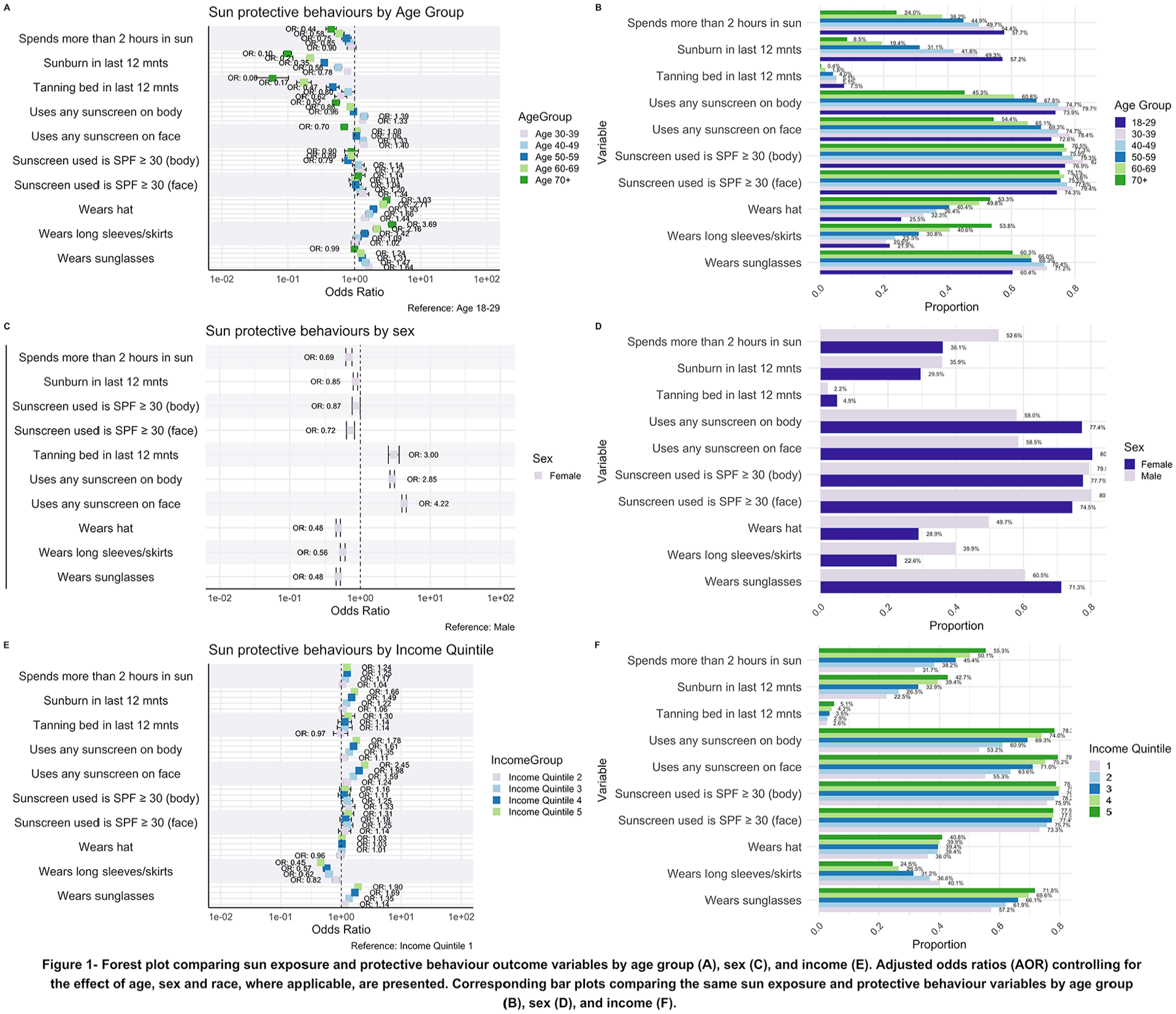
Understand the prevalence of UV exposure, sunburn incidence, and sunscreen use among Canadians, and socioeconomic and demographic determinants of sun protective behaviours, from a sample of over 77,000 survey respondents.
Analyse temporal trends in sun exposure and sunscreen use, and their potential contributions to the growing melanoma burden in Canada.
Explore evidence-based approaches to promote equitable sun safety behaviors, with a focus on education, accessibility, and policy development for high-risk and underserved populations.
Understand data limitations associated with large population-based surveys, and future research directions.
Our study used data from over 77000 survey respondents, with a weighted sample representing over 21 million Canadians. We reveal concerning trends in UV exposure and sun protective behaviors across major demographic and socioeconomic groups in Canadian society. We found that most Canadians spend time outdoors on their summer days off, with one-third of Canadians experiencing a sunburn in the past year. For most Canadians, sunscreen use was irregular or absent (64.3% and 58.1% irregular/absent use on the body and face, respectively). Alarmingly, temporal trends indicate an increase in prolonged sun exposure and a decline in sunscreen use among both men and women.
Significant disparities in UV exposure and sun protection practices were identified across demographic variables such as race, sex, age, income, marital status, education, Indigeneity, immigrant status, and sexual orientation. Despite increased awareness of melanoma risks, trends indicate a troubling rise in sun exposure over the years, coupled with inconsistent sunscreen use. These findings underscore a need for targeted public health interventions and policies to promote effective sun safety behaviours, particularly among high-risk populations. Enhanced education and accessible prevention strategies could substantially mitigate the increasing burden of skin cancers, emphasizing the critical role of primary prevention in cancer control. Future efforts must focus on bridging these behavioural gaps to foster a more equitable approach to skin cancer prevention in Canada and beyond.
P09.07
Exploring What Constitutes a Quality Referral for a Potentially Malignant Skin Lesion: A Scoping Review and Modified Delphi Consensus
1Queen’s University, Kingston, ON, 2Western University, London, ON, 3University of Toronto, Toronto, ON, 4St. Joseph’s Health Centre, Toronto, ON, 5Charité – Universitätsmedizin Berlin, Germany, 6Li K. Shing Knowledge Institute, Toronto, ON, 7Institute of Health Policy, Management and Evaluation, Toronto, ON
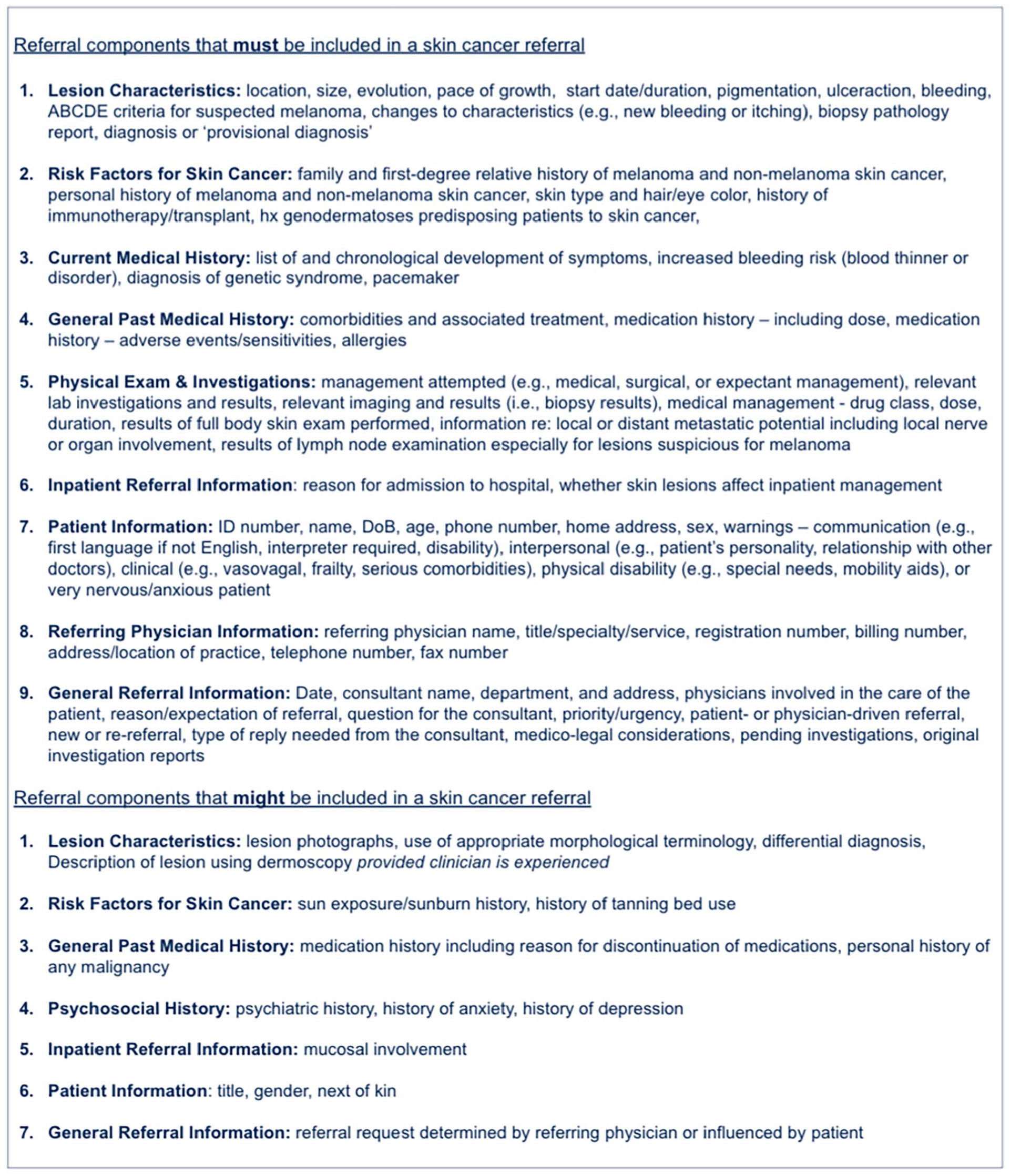
Identify essential components of referral letters for potentially malignant skin lesions highlighted by experts who regularly receive these referrals.
Understand the role of combining the scoping review and modified Delphi process to achieve consensus on dermatology referral best practices.
Analyze the differences between items achieving positive, negative, and no clear consensus to assess their importance as it pertains to skin cancer referral quality.
Expert consensus highlights the components necessary for high-quality referrals for potentially malignant skin lesions, providing a framework for assessing referral quality and guiding improvements in clinical practice.
P09.08
Artificial Intelligence in Acne Diagnosis, Management, and Treatment
1Western University, London, ON, 2University of Toronto, Toronto, ON, 3Toronto Dermatology Centre, Toronto, ON, 4Division of Dermatology, Women’s College Hospital, Toronto, ON
The integration of artificial intelligence (AI) into acne management marks a transformative leap in dermatology, addressing longstanding challenges of diagnostic accuracy, personalized treatment, and accessibility. AI technologies, particularly machine learning (ML) and deep learning (DL), offer precise diagnostic capabilities and the ability to classify acne types and severities with accuracy comparable to dermatologists. By leveraging diverse datasets such as clinical images and patient histories, AI tools enable personalized treatment plans that optimize therapeutic outcomes and reduce trial-and-error approaches.
In addition to improving care quality, AI enhances accessibility to dermatological services through telemedicine and remote monitoring tools, empowering patients with education and self-management capabilities. However, the adoption of AI is not without challenges. Ethical considerations, such as data privacy and algorithmic bias, along with integration hurdles in clinical workflows, require careful navigation to ensure equitable and effective implementation.
The future of AI in dermatology is promising, with advancements expected in predictive analytics, genomics integration, and real-time therapy adjustments. Collaborative efforts among clinicians, computer scientists, and policymakers will be critical to refining AI technologies and addressing ethical concerns. Ultimately, AI is poised to redefine acne management and broader dermatological care, offering innovative, patient-centered solutions that elevate both outcomes and the standard of care.
P10: Industry Posters
P10.01
Real-World Effectiveness of Risankizumab in the Multi-Country Post-Marketing VALUE Study: 148-Week Interim Analysis
Diamant Thaçi1, Mamitaro Ohtsuki2, Julia-Tatjana Maul3, Andrea Szegedi4, Paula C. Luna5,
1Institute and Comprehensive Center Inflammation Medicine, University of Lübeck, Lübeck, Germany, 2Department of Dermatology, Jichi Medical University, Shimotsuke, Japan, 3Department of Dermatology, University Hospital Zurich and Faculty of Medicine, University of Zurich, Zurich, Switzerland, 4Department of Dermatology, Faculty of Medicine, University of Debrecen, Debrecen, Hajdu-Bihar, Hungary. 5Servicio de Dermatología, Hospital Alemán, Ciudad Autónoma de Buenos Aires, Argentina, 6Lynde Institute for Dermatology & Lynderm Research Inc, and Probity Medical Research, Markham, ON, 7AbbVie Inc., North Chicago, IL, 8K Papp Clinical Research and Probity Medical Research, Waterloo, ON, 9University of Toronto, Toronto, ON
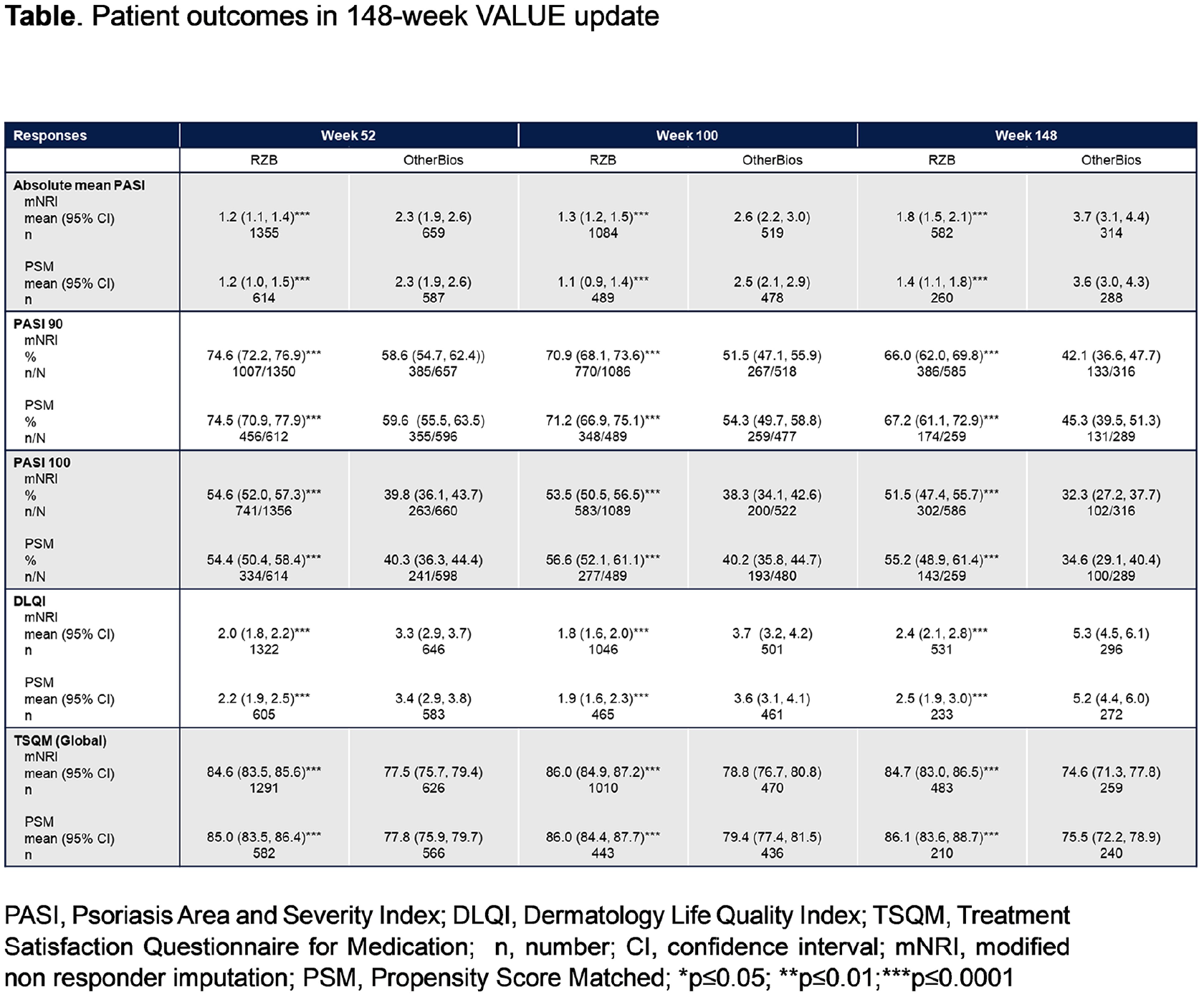
Evaluate the efficacy outcomes from patients in the VALUE post-marketing observational study at Week 148.
VALUE (NCT03982394) is a global study that evaluates real-world durability of response and time to first treatment change for risankizumab (RZB) compared with other commonly used biologics.
Patients treated with RZB in real-world practice achieve and maintain a significant reduction in psoriasis symptoms and durable response compared to OtherBios.
P10.02
Safety and Tolerability of Roflumilast Cream from INTEGUMENT-1/2 Trials of Patients with Atopic Dermatitis and Prior Failure of Topical Treatments
Eric L. Simpson1, Lawrence F. Eichenfield2, Melinda Gooderham3,
1Oregon Health & Science University, Portland, OR, 2University of California San Diego, La Jolla, CA, 3SKiN Centre for Dermatology, Probity Medical Research, and Queen’s University, Peterborough, ON, 4Probity Medical Research, University of British Columbia, Department of Dermatology and Skin Science, Surrey, BC, 5Probity Medical Research and Alliance Clinical Trials, Waterloo, ON, 6Division of Dermatology, Temerty School of Medicine and University of Toronto, Toronto, ON, 7UTHealth Houston McGovern Medical School, Houston, TX, 8Arcutis Biotherapeutics, Inc., Westlake Village, CA
Assess the incidence of application site treatment-emergent adverse events among patients with atopic dermatitis (AD) treated with roflumilast cream 0.15% or its vehicle in patients with prior inadequate response, intolerance, and/or contraindications to (ie, failure) topical corticosteroids (TCS), topical calcineurin inhibitors (TCI), or crisaborole.
Evaluate investigator-rated tolerability of roflumilast cream 0.15% versus vehicle in patients with AD and prior failure of TCS, TCI, or crisaborole.
Evaluate patient-reported tolerability of roflumilast cream 0.15% versus vehicle in patients with AD and prior failure of TCS, TCI, or crisaborole.
Roflumilast cream 0.15% was well tolerated in patients with atopic dermatitis and prior failure of topical treatments in two phase 3 clinical trials.
P10.03
Patient-Reported Outcomes and Family Impact with Roflumilast Cream in Atopic Dermatitis: Pooled Results from Phase 3 INTEGUMENT-1 and INTEGUMENT-2 Trials
Eric L. Simpson1, Mark Boguniewicz2, Lawrence F. Eichenfield3, Bob Geng3,
1Oregon Health & Science University, Portland, OR, 2National Jewish Health, Denver, CO, 3Rady’s Children’s Hospital-San Diego, University of California, San Diego, CA, 4Dermatology Research Institute, Probity Medical Research, Skin Health & Wellness Centre, and University of Calgary, Calgary, AB, 5Scripps Health, San Diego, CA, 6Arcutis Biotherapeutics, Inc., Westlake Village, CA
Describe pooled efficacy and safety results from two identically designed phase 3 randomized controlled trials of roflumilast cream 0.15% in patients with atopic dermatitis (INTEGUMENT-1 and INTEGUMENT-2).
Learn about patient-reported outcomes from two identical phase 3 randomized controlled trials of roflumilast cream 0.15% in patients with atopic dermatitis.
Highlight the effect of roflumilast cream 0.15% on family impact of atopic dermatitis from two identically designed phase 3 randomized controlled trials in patients with atopic dermatitis.
Roflumilast cream 0.15% provided greater efficacy and improvement in patient-reported outcomes, including family impact, than vehicle in adults and children with atopic dermatitis.
P10.04
Safety and Pigmentation Changes from a Phase 3 Trial of Roflumilast Foam 0.3% in Patients with Seborrheic Dermatitis (STRATUM)
Andrew F. Alexis1, Andrew Blauvelt2, Seth B. Forman3, Lawrence Green4, Edward Lain5, Tory Sullivan6, David Krupa7, David R. Berk7, Patrick Burnett7, Saori Kato7,
1Weill Cornell Medicine, New York, NY, 2Oregon Medical Research Center, Portland, OR, 3ForCare Medical Center, Tampa, FL, 4George Washington University School of Medicine, Rockville, MD, 5Sanova Dermatology, Austin, TX, 6Sullivan Dermatology, Ft. Lauderdale, FL, 7Arcutis Biotherapeutics, Inc., Westlake Village, CA
Describe the safety of roflumilast foam 0.3% in patients with seborrheic dermatitis in the STRATUM trial.
Highlight the local tolerability of roflumilast foam 0.3% in patients with seborrheic dermatitis in the STRATUM trial.
Learn about pigmentation changes in patients with seborrheic dermatitis in the STRATUM trial.
Safety and local tolerability profiles were favorable in the STRATUM trial of roflumilast foam 0.3%; patients with hypo- or hyperpigmentation at baseline experienced improvements in pigmentary findings over the trial.
P10.05
Effectiveness of Upadacitinib in Canadian Adults and Adolescents With Atopic Dermatitis: 6-Month Interim Analysis of the Real-World Multicountry AD-VISE Study
1LEADER Research Inc., Hamilton, ON, 2Faculty of Health Sciences, McMaster University, Hamilton, ON, 3Division of Dermatology, University of Ottawa, Ottawa, ON, 4Ottawa Hospital Research Institute (OHRI), Ottawa, ON, 5Probity Medical Research Inc., Waterloo, ON, 6Brunswick Dermatology Center, Fredericton, NB, 7Dalhousie University, Halifax, NS, 8York Dermatology Clinic & Research Centre, Richmond Hill, ON, 9Faculty of Medicine and Dentistry, University of Alberta, Edmonton, AB, 10Rejuvenation Dermatology, Edmonton, AB, 11Dre Angélique Gagné-Henley MD Inc., St-Jérôme, QC, 12AbbVie Inc., North Chicago, IL, 13AbbVie, Madrid, Spain, 14AbbVie Corporation, Saint-Laurent, Qc, 15The Lynde Institute for Dermatology & Lynderm Research Inc., Markham, ON, 16Division of Dermatology, Termerty Faculty of Medicine, University of Toronto, Toronto, ON, 17SKiN Centre for Dermatology, Peterborough, ON, 18Queen’s University, Kingston, ON, 19Probity Medical Research, Peterborough, ON
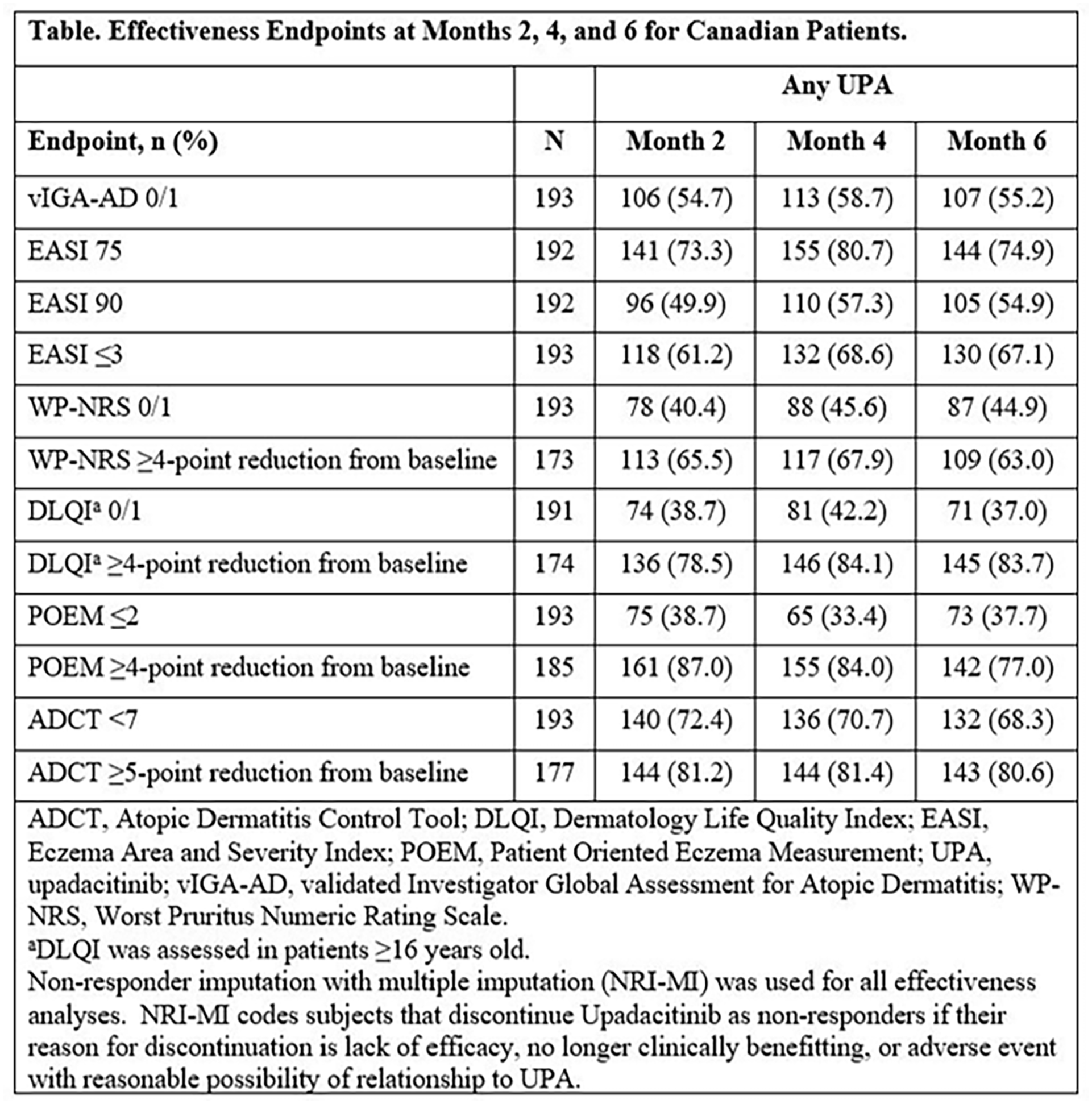
Evaluate the real-world utilization patterns and effectiveness of upadacitinib in Canadian adults and adolescents with moderate-to-severe atopic dermatitis in an observational multicountry study.
AD-VISE (NCT05081557) is a global study that evaluates utilization patterns and effectiveness of upadacitinib in patients with moderate to severe atopic dermatitis.
Canadian results from this interim analysis suggest selection of upadacitinib 15 and 30 mg as a starting dose in clinical practices is mainly guided by use of the lowest effective dose (15 mg) and high disease burden/severity of skin symptoms (30 mg).
Over half of Canadian patients achieved clear/almost clear skin and many achieve no or almost no itch by 6 months of upadacitinib utilization, and often as early as 2 months.
P10.06
Impact of Treatment Duration on Response Durability: Post-Hoc Analysis of the TRuE-V Long-Term Extension Study of Ruxolitinib Cream in Vitiligo
1Indiana University School of Medicine, Indianapolis, IN, 2Centre Hospitalier Universitaire de Nice, Université Côte d’Azur, Nice, France, 3INSERM U1065, C3M, Université Côte d’Azur, Nice, France, 4University Hospital Fundación Alcorcón, Madrid, Spain, 5Incyte Corporation, Wilmington, DE, 6University of Massachusetts Chan Medical School, Worcester, MA
Fifty-seven patients were included (VEH-RUX, n=12; RUX-RUX-early, n=25; RUX-RUX-later, n=20). Following ruxolitinib cream withdrawal, median (range) F-VASI90 response was more durable in patients with longer vs shorter treatment duration (RUX-RUX-early, 365 [120–not estimable (NE)] days vs VEH-RUX, 91 [58–NE] days; HR [95% CI], 0.45 [0.17, 1.18]) and for earlier vs later F-VASI90 response attainment (RUX-RUX-early, 365 [120–NE] days vs RUX-RUX-later, 136 [85–NE] days; HR [95% CI], 0.61 [0.27, 1.37]). F-VASI90 response was maintained for ≥180 days in significantly more patients with longer treatment duration (RUX-RUX-early, 60.0% [15/25] vs VEH-RUX, 18.2% [2/11]; P<0.05) and numerically more patients with earlier F-VASI90 response (RUX-RUX-early, 60.0% [15/25] vs RUX-RUX-later, 35.0% [7/20]). Treatment-emergent adverse events (TEAEs) occurred in 58.3% (7/12; VEH-RUX) and 60.0% (27/45; RUX-RUX); application site reactions occurred in 25.0% and 22.2%, respectively. Treatment-related TEAEs (none serious) occurred in 8.3% (1/12; skin papilloma) and 24.4% (11/45; mainly application site reactions: acne [n=4]; erythema, exfoliation, and pruritus [each n=2]).
Explain the effects of longer vs shorter duration of ruxolitinib cream treatment on maintenance (durability) of near-complete facial repigmentation after treatment withdrawal
Describe the effects of earlier (within 6 months) vs later (after 6 months) F-VASI90 attainment on the maintenance of F-VASI90 response after ruxolitinib cream withdrawal
Summarize the safety profile associated with long-term application of ruxolitinib cream
Patients who achieved near-complete facial repigmentation (≥90% improvement in facial Vitiligo Area Scoring Index [F-VASI90]) with ruxolitinib cream twice daily treatment were able to maintain a durable F-VASI90 response after stopping treatment, especially those who were treated with ruxolitinib cream for a longer duration (52 weeks vs 28 weeks) and those who attained F-VASI90 response earlier (within vs after 6 months). This suggests that patients should continue applying ruxolitinib cream twice daily for additional time beyond complete/near-complete repigmentation for prolonged maintenance of effect.
P10.08
A Randomized-Controlled Trial Evaluating the Use of a Dermocosmetic Versus a Topical Antimicrobial as Adjunctive Therapies for Post-Procedural Dermatological Wounds
1Lynderm Research, Markham, ON, 2Bay Dermatology Centre, Toronto, ON, 3Hopital Maisonneuve-Rosemont, Montréal, QC, 4L’Oréal Canada, Montréal, QC, 5Guenther Dermatology Research Center, London, ON
Evaluate post-procedural wound healing of AK lesions
Evaluating the safety of using a dermocosmetic emollient versus a topical antimicrobial
Evaluating the efficacy of using a dermocosmetic emollient versus a topical antimicrobial
Post-procedural treatment with CB5 and PSO demonstrated equivalent wound healing in participants undergoing liquid nitrogen cryotherapy for AKs.
P10.09
Modified Delphi Consensus on Interventions for Radiation Dermatitis in Breast Cancer: A Canadian Expert Perspective
Jeffrey Cao1, Michael Yassa2, Edward Chow3, Jean-Marc Bourque2, Danielle Rodin3, Erica Wiebe4, Natalie Logie1, H.M. Dahn5, J.M. Caudrelier6, Iwa Kong7, Valerie Theberge8, P. Wright9, V. Panet-Raymond1, B. Bashir10, Carmen Avella Bolivar11, S. Marchuk7, Maxwell Sauder3,
1University of Calgary, Calgary, AB, 2Université de Montréal, Montréal, QC, 3University of Toronto Scarborough, Toronto, ON, 4University of Alberta, Edmonton, AB, 5Dalhousie University, Halifax, NS, 6University of Ottawa, Ottawa, ON, 7University of British Columbia, Vancouver, BC, 8Jewish General Hospital, Montréal, QC, 9University of Saskatchewan, Saskatoon, SK, 10University of Manitoba, Winnipeg, MB, 11McGill University, Montreal, QC, 12Université Laval, Québec, QC, 13L’Oréal Canada, Montréal, QC
After the first round, consensus for evidence of recommendation or suggestion in support of use of a product was reached for 4 prevention interventions. With regards to the management of ARD, there was consensus about the strength of evidence for 1 product. After the fourth round, consensus for recommendation was reached for 3 prevention interventions in both low- and high-risk patients: washing, moisturizing, and prevention education. For high-risk settings, 3 additional prevention interventions reached consensus: barrier films, betamethasone and mometasone. With regards to the management of ARD, there was consensus for recommendation of: foam dressings, betamethasone and mometasone.
Identify gaps in evidence and underscore the imperative for continued research efforts to refine the standard of care for acute radiation dermatitis in breast cancer patients undergoing radiotherapy.
Establish consensus-based recommendations for the prevention and management of ARD in breast cancer patients.
Valuable guidance for clinicians, highlighting areas where consensus among experts has been achieved.
This pan-Canadian modified Delphi consensus initiative provides expert-reviewed and evidence-based recommendations for interventions to prevent and manage ARD in breast cancer patients.
P10.10
Real-World Effectiveness of Tralokinumab in Adults with Atopic Dermatitis: Physician-Assessed Severity After up to 9 Months in the TRACE Study
Elena Pezzolo1,2, Michael Cork3,4,
1Department of Dermatology, San Bortolo Hospital, Vicenza, Italy, 2A Study Centre of the Italian Group for the Epidemiologic Research in Dermatology (GISED), Bergamo, Italy, 3Sheffield Children’s Hospital, Sheffield, UK, 4Sheffield Dermatology Research, Department of Infection, Immunity and Cardiovascular Disease, University of Sheffield, Sheffield, UK, 5Division of Dermatology, The Ottawa Hospital, The Ottawa Hospital Research Institute, Ottawa, ON, 6Nashville Skin, Nashville, TN, 7LEO Pharma A/S, Ballerup, Denmark, 8Institute and Comprehensive Center for Inflammation Medicine, University of Lübeck, Lübeck, Germany
At baseline, the mean age was 44.1 years, mean AD duration was 18.9 years, 52.2% of patients were male. Over half (57.3%) had received systemic treatments including 23.9% who had received dupilumab. Reported outcomes are based on observed data at baseline (n=824), 3 months (n=668), 6 months (n=331), 9 months (n=143). At baseline, 34.0% of patients had an IGA of 4 (severe), the mean EASI score was 20.1, and BSA was 28.5%. At months 3, 6, and 9, EASI scores decreased to 6.4, 5.4, 3.6 while BSA improved to 12.1%, 9.3% and 7.6%. At months 3, 6, and 9, the proportion of patients with EASI ≤7 was 72%, 77% and 80% while the proportion with an IGA of 4 was 4.6%, 2.7% and 2.5%. Improvements were similar in dupilumab-experienced patients, with mean EASI scores decreasing from 16.9 (baseline) to 6.8, 5.9 and 3.8 while the proportion of patients with EASI ≤7 increased from 26% (baseline) to 70%, 76% and 80%.
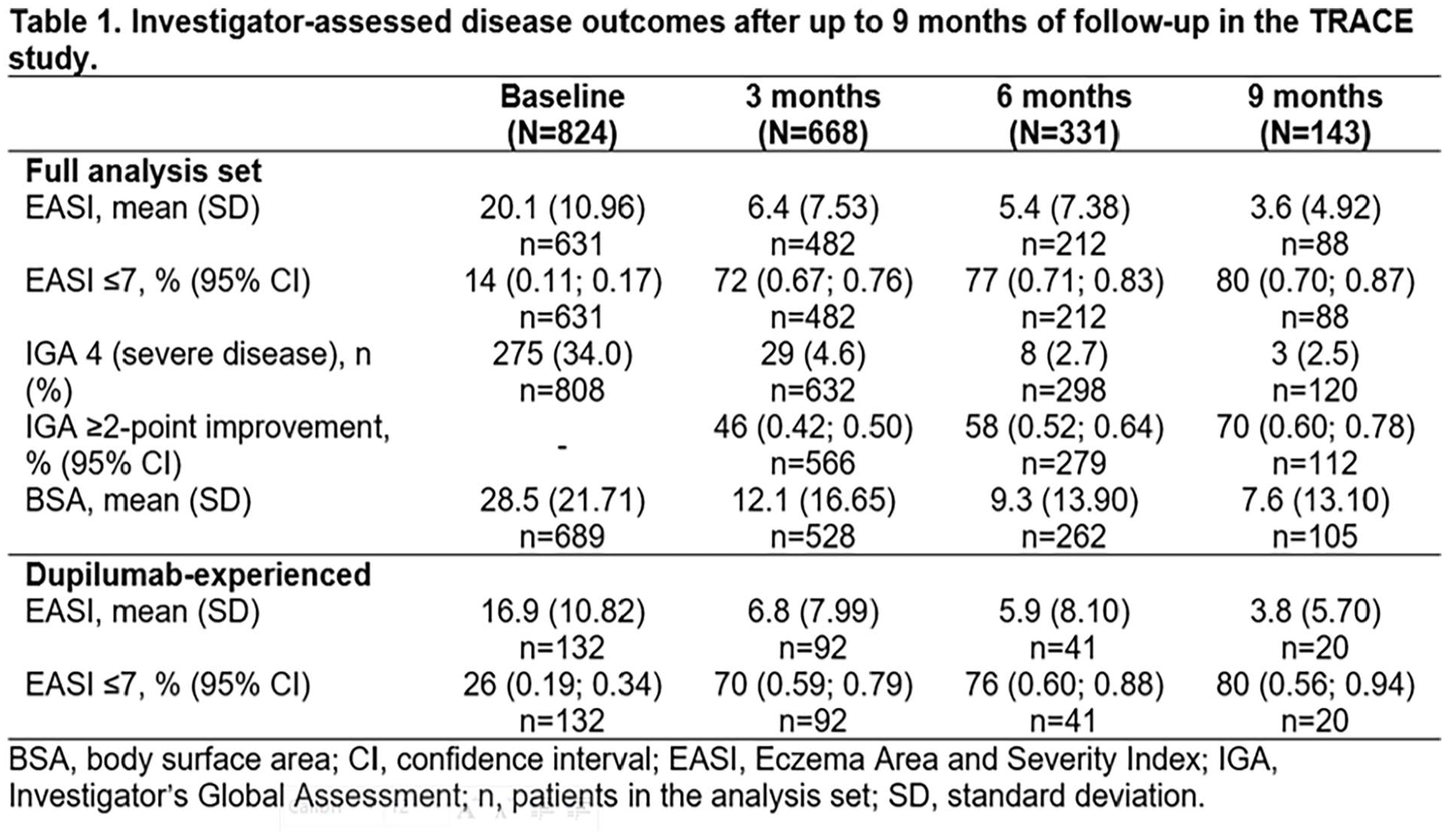
To understand physician-assessed effectiveness of tralokinumab for treating moderate-to-severe atopic dermatitis in real-world clinical practice.
To evaluate the potential for progressive improvements in atopic dermatitis for patients treated over time.
To evaluate changes the severity of atopic dermatitis in patients with, or without, previous experience with an anti-IL-4 biologic.
When used in real-world practice, tralokinumab improved physician-assessed disease severity in patients with moderate-to-severe atopic dermatitis. Progressive improvements were observed over the 9-month follow-up period, including in patients with prior exposure to dupilumab.
P10.11
Real-World Effectiveness of Tralokinumab for Head and Neck Atopic Dermatitis After up to 9 Months Treatment in the TRACE Study
April Armstrong1, Ahmed Ameen2, Jerry Bagel3,
1University of California Los Angeles, Los Angeles, CA, 2NMC Speciality Hospital, Abu Dhabi, UAE, 3Windsor Dermatology, East Windsor, NJ, 4Brunswick Dermatology Center, Fredericton, NB, 5Probity Medical Research, Waterloo, ON, 6LEO Pharma A/S, Ballerup, Denmark, 7St John’s Institute of Dermatology, Guy’s and St Thomas’ Hospitals, London, UK
At baseline, 79.5% of enrolled patients had H&N AD (n=655/824). The percentage of patients with an Investigator’s Global Assessment (IGA) rating of 0/1 after 3, 6, and 9 months of tralokinumab treatment was 33.6%, 48.4%, and 57.4%, respectively. Among those with a baseline IGA ≥2, improvement of at least 2 points was achieved after 3, 6, and months by 46.4% (220/474), 59.1% (140/237), and 71.6% of patients, respectively. The percentage of patients reporting H&N AD decreased to 67.2% and 52.1% after 3 and 6 months. Most patients with Dermatology Life Quality Index (DLQI) scores ≥6 at baseline achieved ≥6-point reduction with tralokinumab: 57.9%, 63.6%, and 74.4% at 3, 6 and 9 months, respectively. Improvements were achieved for Mean Peak Pruritus Numeric Rating Scale (PP-NRS) and mean Sleep-NRS scores. Similar improvements were observed across all endpoints in dupilumab-naïve and dupilumab-experienced patients.
To understand the real-world effectiveness of tralokinumab treatment on the signs of AD with head and neck involvement, as measured by physician-rated scales.
To understand the real-world impact of tralokinumab on the symptoms of AD with head and neck involvement, as measured by patient-rated outcomes.
To understand real-world outcomes of tralokinumab treatment for AD with head and neck involvement in patients with, or without, prior treatment with an anti-IL4 biologic (dupilumab).
When used in real-world practice, tralokinumab reduced H&N involvement in adult patients with moderate-to-severe AD. Treatment for up to 9 months improved physician-rated disease severity, patient-rated symptoms, and quality of life, regardless of prior dupilumab use.
P10.12
Real-World Effectiveness of Tralokinumab for Atopic Dermatitis with Genital Involvement: Outcomes After 3 Months of Treatment in the TRACE Study
Esther Serra-Baldrich1, April Armstrong2, Teodora Festini3, Ulla Ivens3, Ida Vittrup3,
1Department of Dermatology, Hospital de la Santa Creu i Sant Pau, Universitat Autonoma de Barcelona Autonoma de Barcelona, Barcelona, Spain, 2David Geffen School of Medicine, University of California Los Angeles, Los Angeles, CA, 3LEO Pharma A/S, Ballerup, Denmark, 4SKiNWISE DERMATOLOGY, Winnipeg, MB
Compared to the total population (n=824), patients with genital involvement (n=123, 14.9%) were more likely to have Investigator’s Global Assessment (IGA) ratings of 4 (49.2% vs 34.0%), higher Dermatology Life Quality Index (DLQI) scores (15.8 vs 12.8) and sleep numerical rating scale (NRS) scores (6.2 vs 5.0). After 3 months, clear skin on the genitals was reported by 67/100 patients for whom assessments were available. IGA ratings were available for 94/123 patients, of whom 32% were IGA 0/1 (clear or almost clear) after 3 months. For 90 patients with both an IGA ≥2 at baseline and an IGA rating at 3 months, 44 (48.9%) achieved a ≥2-point improvement. Among patients with DLQI ≥6 at baseline, 63.6% achieved a ≥6-point improvement. Mean sleep NRS decreased from 6.2 to 3.5. Overall, improvements in physician- and patient-reported outcomes were similar between patients with genital involvement and those in the full study cohort.
To understand the extent and impact of genital involvement in AD.
To understand the real-world effectiveness of tralokinumab treatment on the signs of AD with genital involvement, as measured by physician-rated scales.
To understand the real-world impact of tralokinumab on the symptoms of AD with genital involvement, as measured by patient-rated outcomes.
When used in real-world clinical practice, 3 months of treatment with tralokinumab improved physician-rated and patient-reported outcomes in patients with AD on the genitals.
P10.13
52-Week Safety and Disease Control with Ruxolitinib Cream in Children Aged 2 to 11 Years with Atopic Dermatitis (TRuE-AD3 Study)
Lawrence F. Eichenfield1, Linda F. Stein Gold2, Eric L. Simpson3, Andrea L. Zaenglein4, April W. Armstrong5, Megha M. Tollefson6, Weily Soong7, Lara Wine Lee8,
1University of California San Diego School of Medicine, La Jolla, CA, 2Henry Ford Health System, Detroit, MI, 3Oregon Health & Science University, Portland, OR, 4Penn State/Hershey Medical Center, Hershey, PA, 5David Geffen School of Medicine at University of California at Los Angeles, Los Angeles, CA, 6Mayo Clinic, Rochester, MN, 7AllerVie Health, Birmingham, AL, 8Medical University of South Carolina, Charleston, SC, 9Dermatology Research Institute, Calgary, AB, 10ForCare Clinical Research, Tampa, FL, 11Midwest Allergy Sinus Asthma SC, Normal, IL, 12Incyte Corporation, Wilmington, DE, 13Northwestern University Feinberg School of Medicine, Chicago, IL
Demonstrate the safety and tolerability of 0.75% and 1.5% ruxolitinib cream applied continuously and as needed over 52 weeks in children with atopic dermatitis
Understand the effect that continuous and as-needed application of 0.75% and 1.5% ruxolitinib cream over 52 weeks has on improving the severity of atopic dermatitis in children
Understand the effect that continuous and as-needed application of 0.75% and 1.5% ruxolitinib cream over 52 weeks has on reducing the extent of atopic dermatitis in children
Ruxolitinib cream is well tolerated and effective in the treatment of mild to moderate atopic dermatitis in children aged 2 to 11 years when used continuously twice daily followed by as needed twice-daily application over the course of one year. These results in children are consistent with previous findings in adolescents and adults.
P10.14
68-Week Safety Results of Amlitelimab in Participants with Moderate-to-Severe Atopic Dermatitis from STREAM-AD Phase 2b Dose-Ranging and Withdrawal Study
Stephan Weidinger1, Linda Stein Gold2, Yoko Kataoka3, Yanzhen Wu4, John T. O’Malley5, Charlotte Bernigaud6,
1Department of Dermatology and Allergy, University Hospital Schleswig-Holstein, Kiel, Germany, 2Department of Dermatology, Henry Ford Hospital, Detroit, MI, Michigan, 3Osaka Habikino Medical Center, Habikino, Japan, 4Sanofi, Beijing, China, 5Sanofi, Cambridge, Massachusetts, 6Sanofi, Paris, France
No dose-dependent relationship was observed in total incidence of treatment-emergent adverse events (TEAEs), serious adverse events (SAEs), or adverse events of special interest. Pooled data from Week 0-68 are presented: continued amlitelimab, (n=43); withdrawn, (n=128); continued placebo, (n=15). Incidence of TEAEs was (83.7%, 92.2%, and 93.3%), respectively. Majority of TEAEs were mild or moderate in severity. Incidence of SAEs was (4.7%, 2.3%, and 0), respectively; with 1 (0.8%) considered related to treatment in the withdrawn group. One participant (continued-125mg) had 4 TEAEs leading to treatment discontinuation which were not related to treatment. No other TEAEs leading to treatment discontinuation were reported. There were no deaths during study.
Understand clinical efficacy of amlitelimab.
Understand safety outcomes over 68 weeks patients AD.
Evaluate study design and analyze the treatment regimens.
Amlitelimab was well tolerated with acceptable safety profile, with relationship observed between amlitelimab dose and incidence of TEAEs, SEAs.
P10.15
Impact of Amlitelimab on Lichenification in Atopic Dermatitis: Post-hoc Results from the STREAM-AD Phase 2b Study of Moderate-to-Severe Atopic Dermatitis
April Armstrong1, Andrew Blauvelt2, Charles W. Lynde3, Xinghua Gao4, Koji Masuda5,
1University of California, Los Angeles, CA, 2Blauvelt Consulting, LLC, Portland, OR, 3University of Toronto, Markham, ON, 4Department of Dermatology, The First Hospital of China Medical University, Shenyang, China, 5Department of Dermatology, Kyoto Prefectural University of Medicine Graduate School of Medical Science, Kyoto, Japan, 6Sanofi, Cambridge, MA, 7Sanofi, Paris, France
Baseline EASI lichenification subscores were similar across treatment groups. At Week 24, all amlitelimab doses improved percent change in EASI lichenification region subscores from baseline vs placebo, with highest response seen with 250 mg+LD. The LS mean percent changes in lichenification subscores from baseline at Week 24 were: head and neck (-64.2, -53.0, -53.6, -46.2, and -19.9), upper extremities (-53.6, -40.5, -38.1, -34.1, and -22.7), trunk (-62.0, -44.5, -49.3, -40.9, and -22.2), and lower extremities (-60.8, -48.1, -49.9, -46.6, -27.0) for 250 mg+LD, 250mg, 125mg, 62.5mg and placebo, respectively.
Understanding the role and effectiveness of amlitelimab, an anti-OX40 ligand antibody, in reducing lichenification in patients with moderate-to-severe atopic dermatitis, based on the STREAM-AD phase 2b clinical trial results.
It highlights the efficacy metrics, such as EASI scores, used in the STREAM-AD phase 2b clinical trial to assess treatment outcomes.
Additionally, it enables an analysis of post hoc findings, particularly the variations in response across different body regions following amlitelimab treatment.
Amlitelimab significantly improves EASI Lichenification subscore in specific body regions (head and neck, upper extremities, trunk and lower exterimities) at Week 24, compared to placebo, suggesting its potential as a future treatment option for atopic dermatitis characterised by lichenification.
P10.16
Here Comes the Sun! A Study on Sun Exposure and Associated Risks in the Canadian Population
Thierry Passeron1,2, Henry Lim3, Jean Krutmann4, Brigitte Dreno5, Sonya Abdulla6, Patricia Ting7,
1University Côte d’Azur, CHU Nice, Department of Dermatology, Nice, France, 2University Côte d’Azur. INSERM U1065, C3M, Nice, France, 3Department of Dermatology, Henry Ford Health System, Detroit, MI, 4IUF Leibniz Research Institute for Environmental Medicine, Dusseldorf, Germany, 5Nantes Université, INSERM, CNRS, Immunology and New Concepts in ImmunoTherapy, INCIT, UMR 1302/EMR6001, Nantes, France, 6Division of Dermatology, University of Toronto, Toronto, ON, 7Department of Medicine - Division of Dermatology, University of Calgary, Calgary, AB, 8Department of Dermatology and Skin Science, University of British Columbia, Vancouver, BC, 9La Roche-Posay Laboratoire Dermatologique, L’Oreal, Levallois-Peret, France, 10La Roche-Posay Laboratoire Dermatologique, L’Oreal Canada, Montreal, QC
The majority of Canadian respondents (93%) acknowledged the health risks associated with sun exposure. While 81% of Canadians reported using some form of sun protection, only 10% systematically implemented all recommended protective measures, highlighting a gap in knowledge translation. Misconceptions regarding the safety of tanned skin and the effectiveness of sunscreens were widespread, particularly in younger demographics and in individuals with darker skin phototypes. Knowledge and preventive behaviours were markedly better among individuals who regularly consult dermatologists.
Understand Canadians beliefs around sun exposure.
Understand Canadian sun protection habits
Develop effective primary prevention programs aiming to reduce UV-related skin cancers and other sun-related adverse health outcomes.
There is a complex landscape of sun-related behaviours and attitudes amongst Canadians. While there is a general awareness of the risks associated with sun exposure, significant gaps exist in knowledge, attitudes, and practices related to sun protection.
P10.17
Safety & Persistence of Brodalumab for Plaque Psoriasis in the Canadian Real-World Setting: 6-Month Follow-up Interim Results from the CARE Study
1Section of Dermatology, Department of Medicine, University of Manitoba, Winnipeg, MB, 2SKiNWISE Dermatology and Wiseman Dermatology Research, Winnipeg, MB, 3Falls Dermatology Centre, Niagara Falls, ON, 4Clinique Médicale Saint-Louis, Québec, QC, 5Centre de recherche Saint-Louis, Québec, QC, 6York Dermatology Clinic & Research Centre, Richmond Hill, ON, 7Park Dermatology, Sherwood Park, AB, 8Sudbury Skin Clinique, Sudbury, ON, 9Northern Ontario School of Medicine University, Sudbury, ON, 10Beacon Dermatology, Calgary, AB, 11Section of Dermatology, Department of Medicine, University of Calgary, Calgary, AB, 12Department of Dermatology and Skin Science, University of British Columbia, Vancouver, BC, 13Photomedicine Institute and Clinical Centre for Epidemiology and Evaluation, Vancouver Coastal Health Research Institute, Vancouver, BC, 14Bausch Health, Canada Inc., Laval, QC, 15IQVIA Inc., Kirkland, QC
A total of 351 patients (58.4% male; 74.0% Caucasian; mean age: 51.1 years, SD: 14.0) with 6-month follow-up visit (M6) data were included. At baseline, 56.4% of patients had a PsO disease duration of 10 years or greater, and 83.2% were biologic-naïve. Two-thirds (66.7%) reported at least one comorbidity of interest, including hypertension (25.6%), psoriatic arthritis (14.8%), or type 2 diabetes mellitus (14.0%). The mean PASI score was 14.1 (SD: 9.1) at baseline.
Most patients received one or more concomitant medications (CMs) of interest at the time of brodalumab initiation (72.6%, 255/351) and at M6 (70.7%, 244/345). The most prevalent psoriasis-related CM of interest at M6 was topical corticosteroids (24.6%, 85/345).
From baseline to M6, 44.4% (156/351) of patients reported any AE, and 2.0% (7/351) reported any SAE (Table 1). Most AEs were mild (57.4%, 167/291) or moderate (40.2%, 117/291). Furthermore, 58.1% (169/291) of AEs were assessed as not related to brodalumab. Of the 11 SAEs, 10 were deemed not related, and 1 as unlikely to be related to brodalumab.
At M6, 95.4% of patients (334/350) persisted with brodalumab treatment. Of the 16 patients who discontinued, 6 were due to AEs, 5 due to patient decision, 4 due to lack of efficacy, and 1 due to a comorbidity.
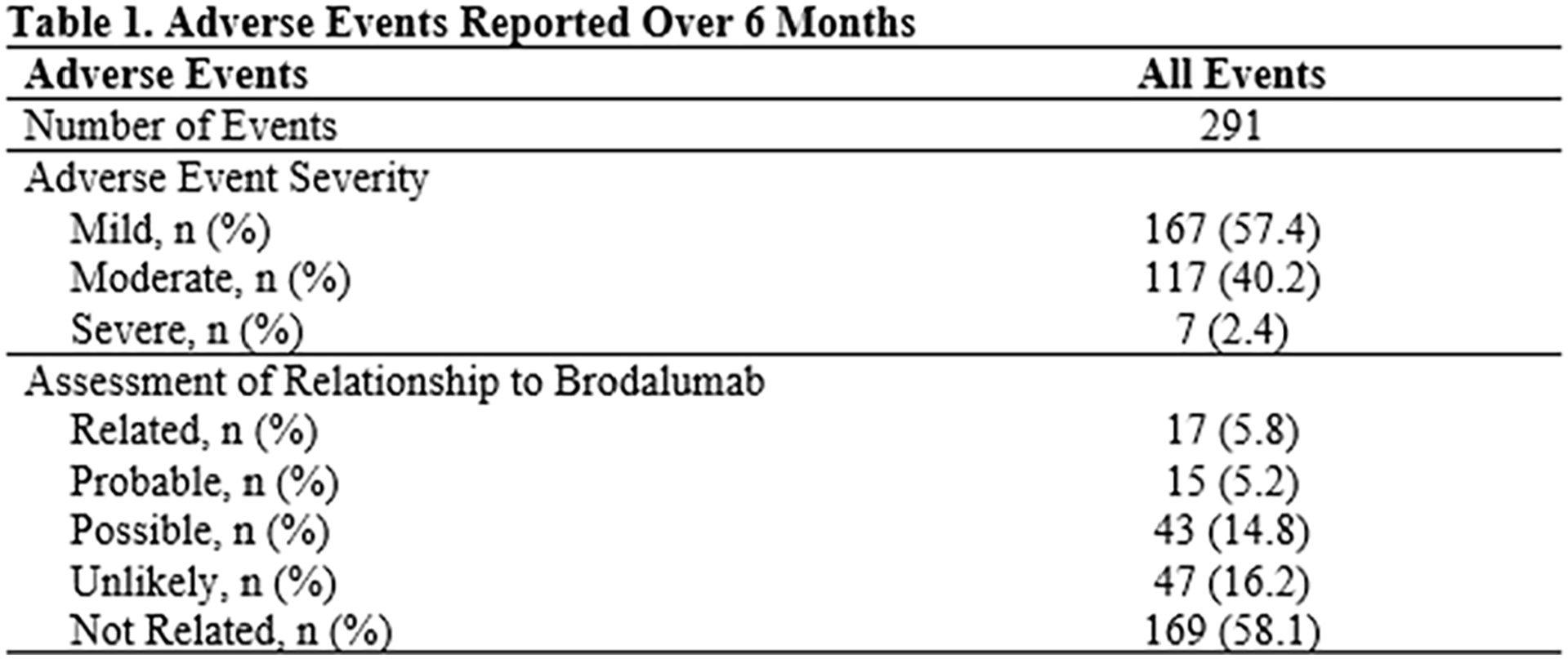
Describe the key baseline demographics and clinical characteristics of adult patients with plaque psoriasis initiating brodalumab as part of routine clinical care in Canada
Evaluate the safety profile of brodalumab in patients with plaque psoriasis up to 6 months post-initiation
Assess the treatment persistence of brodalumab in patients with plaque psoriasis up to 6 months post-initiation
Brodalumab showed high treatment persistence and was well tolerated in adult patients with plaque psoriasis during the 6-month follow-up period.
P10.18
Guselkumab Demonstrates Consistent Complete Clearance at Week 16 Across Special Sites in Participants with Low Body Surface Area, Moderate Psoriasis
Brad P. Glick1,
1Larkin Community Hospital, Palm Springs Campus, Miami, FL, 2University of Ottawa, Ottawa, ON, 3The Ottawa Hospital Research Institute, Ottawa, ON, 4JRB Research Inc, Ottawa, ON, 5Driven Research LLC, Driven Research International LLC, Coral Gables, FL, 6Baylor University Medical Center, Dallas, TX, 7Arlington Research Center, Arlington, TX, 8Arlington Center for Dermatology, Arlington, TX, 9Johnson & Johnson Inc., Horsham, PA, 10Johnson & Johnson (Canada) Inc., Horsham, PA, 11Johnson & Johnson (Canada) Inc., Toronto, ON, 12Janssen Research & Development, LLC, Spring House, PA, 13FACET Dermatology, Toronto, ON, 14University of British Columbia, Department of Dermatology and Skin Science, Vancouver, BC, 15Probity Medical Research, Surrey, BC
At baseline, mean BSA was 7.6%, mean disease duration was 17 years, and 13.7% participants had received prior systemic therapy. At W16, the least squares (LS) mean percent improvement from baseline in PASI score was 82.6% for GUS-treated participants vs 13.7% for PBO. The LS mean percent improvement in BSA was 80.6% for GUS-treated participants vs 6.1% PBO. Overall, complete skin clearance (IGA=0) was achieved by 40.4% of GUS-treated patients vs 3.5% PBO. Complete clearance of each special site was achieved in the majority of GUS-treated participants vs PBO (all comparisons p<0.001); Scalp (60.3% vs 9.3%); Face (75.7% vs 23.9%); Intertriginous (76.6% vs 24.2%); and Genital (72.7% vs 32.7%). Rates of adverse events (AEs) and serious AEs (SAEs) were generally balanced between guselkumab and placebo groups (AEs: 37.8% vs 39.8%; SAEs: 1.3% vs 0.9%, respectively). No guselkumab-treated participants experienced an AE leading to discontinuation vs 3.5% with placebo. No new safety signals were identified.
To understand the impact of undertreatment of patients with low body surface area (BSA) moderate psoriasis (PsO) with special site involvement
To review and understand the SPECTREM trial
To evaluate guselkumab (GUS) efficacy in participants with low BSA (2-15%), moderate PsO (Investigator’s Global Assessment [IGA] score=3) involving 1 special site (scalp, face, intertriginous, genital).
Among these undertreated, low BSA PsO patients with
P10.21
Maintenance of Povorcitinib Response in Patients with Hidradenitis Suppurativa: Efficacy During the Open-Label Extension Period of a Phase 2 Study
Falk G. Bechara1,2,
1Ruhr-University Bochum, Bochum, Germany, 2European Hidradenitis Suppurativa Foundation (EHSF), Dessau, Germany, 3Beacon Dermatology, Calgary, AB, 4Fort Memorial Hospital, Fort Atkinson, WI, 5Mayo Clinic, Rochester, MN, 6Incyte Corporation, Wilmington, DE, 7Staedtisches Klinikum Dessau, Brandenburg Medical School Theodor Fontane and Faculty of Health Sciences Brandenburg, Dessau, Germany, 8Harvard Medical School and Beth Israel Deaconess Medical Center, Boston, MA
174 patients were treated in the OLE (placebo→75mg, n=42; 15→75mg, n=44; 45→75mg, n=42; 75mg, n=46). Percentages of povorcitinib-randomized patients with mild (score 0–3)/moderate (score 4–10)/severe (score ≥11) disease per IHS4 were: baseline, 0.0%/37.4%/62.6%; Week 16, 35.6%/31.8%/32.6%; Week 52 (povorcitinib 75mg), 50.0%/30.9%/19.1% (
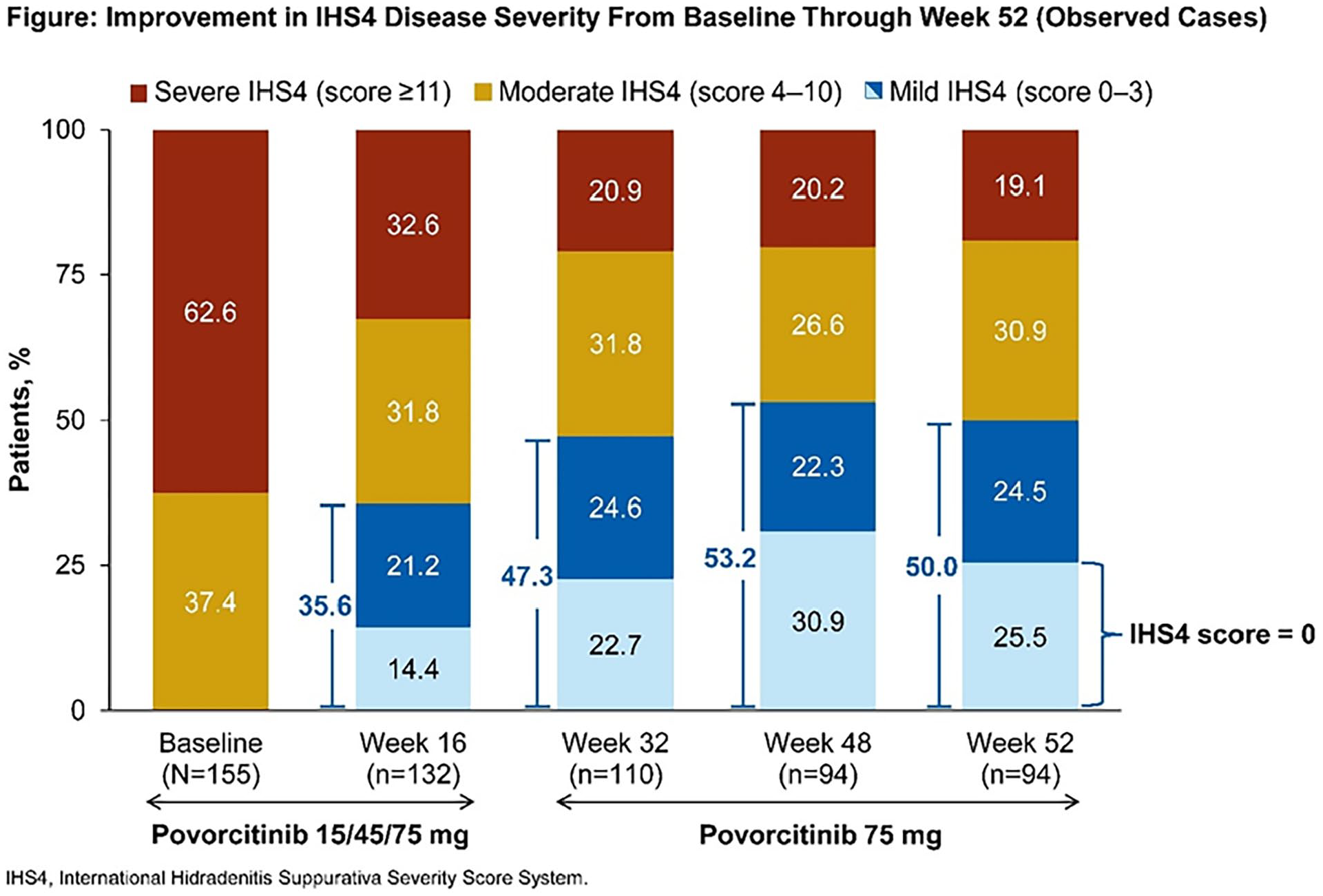
Describe the effects of once-daily oral povorcitinib 75mg treatment on maintenance of clinical response during long-term treatment of patients with hidradenitis suppurativa (HS)
Describe long-term effects of povorcitinib treatment on the reduction of HS disease severity, as assessed by IHS4 and percentage of patients experiencing HS flares
Explain the decreased need for local lesional rescue, including incision and drainage or intralesional corticosteroid treatment
Patients with hidradenitis suppurativa who were treated with povorcitinib and achieved Week 16 response across stringent clinical outcome thresholds (HiSCR75, HiSCR90, HiSCR100) typically maintained their response with povorcitinib 75mg through Week 52. Disease severity decreased through 52 weeks of treatment and few patients experienced HS flares or needed local lesional rescue. These results demonstrate that many patients treated with povorcitinib 75mg can maintain meaningful clinical response during long-term treatment.
P10.23
Effectiveness of Risankizumab in Canadian Bio-naïve Patients with Psoriasis Participating in the VALUE Multicountry Observational Study
1Probity Medical Research Inc., Waterloo, ON, 2The Lynde Institute for Dermatology & Lynderm Research Inc., Markham, ON, 3Division of Dermatology, Termerty Faculty of Medicine, University of Toronto, Toronto, ON, 4SimcoMed Health Ltd, Barrie, ON, 5Baywood Dermatology & CCA Medical Research, Ajax, ON, 6Faculty of Health Sciences, McMaster University, Hamilton, ON, 7Dermatrials Research Inc., Hamilton, ON, 8The Winnipeg Clinic, Winnipeg, MB, 9AbbVie Corporation, Saint-Laurent, QC, 10AbbVie Inc., North Chicago, IL, USA. 11Alliance Clinical Trials, Waterloo, ON
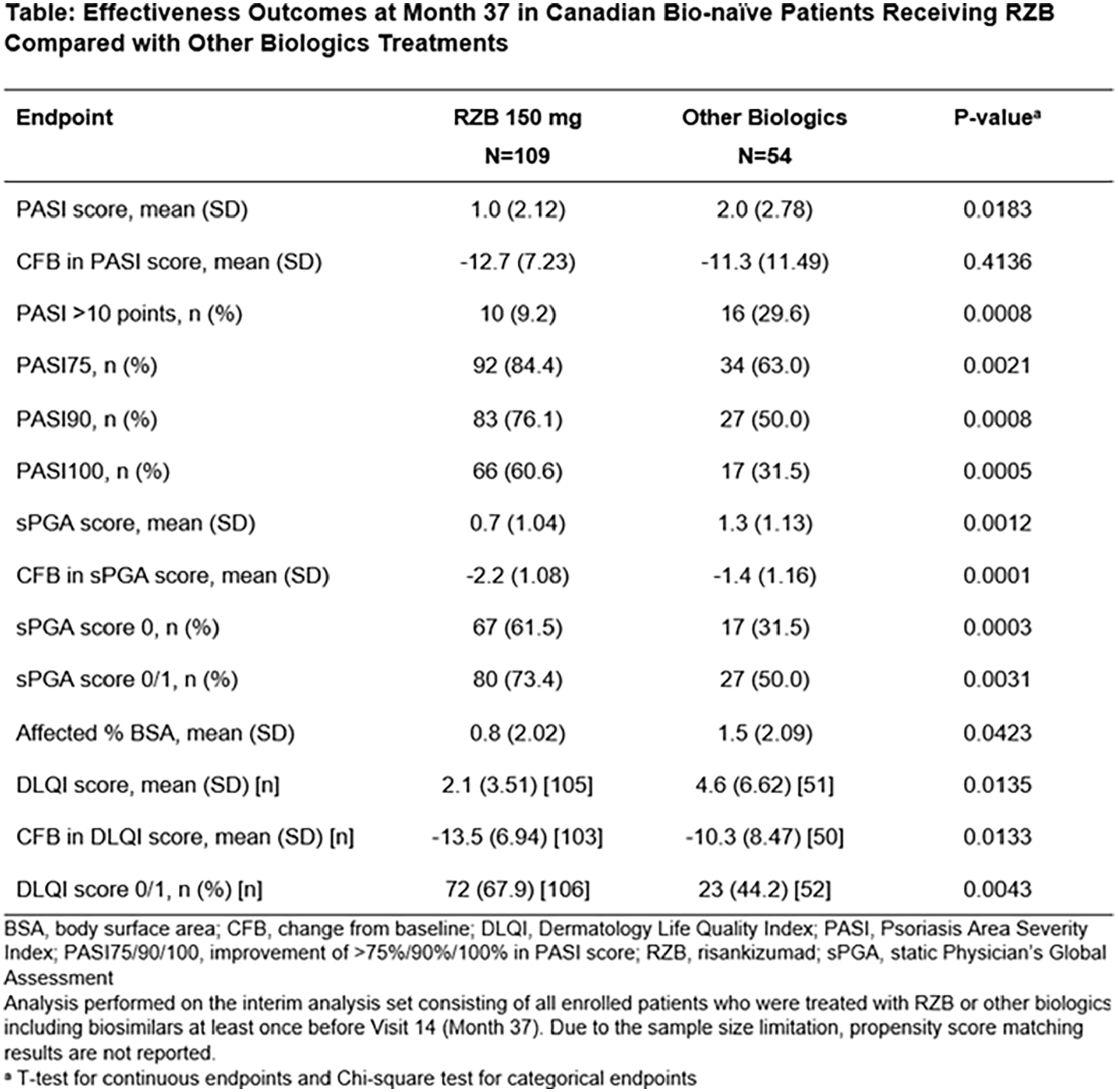
Evaluate the effectiveness outcomes from Canadian bio-naïve patients in the VALUE post-marketing multicountry observational study at Month 37.
VALUE (NCT03982394) is a global study that evaluates real-world durability of response and time to first treatment change, quality of life, healthcare resources use and costs for risankizumab (RZB) compared with other commonly used biologics.
Canadian bio-naïve patients treated with RZB in the real world demonstrated a durable reduction in psoriasis symptoms and achieved significantly higher treatment targets and quality of life improvements.
P10.25
G2-PASE and G2-EASE: Development of Rapid, Reliable and Novel Severity Measures for Psoriasis and Atopic Dermatitis
1Memorial University of Newfoundland, St. John’s, NL, 2NewLab Clinical Research Inc., St. John’s, NL, 3Dermatology Research Institute, Calgary, AB, 4Skin Health & Wellness Centre, Calgary, AB, 5Probity Medical Research, Calgary, AB, 6Division of Dermatology, Department of Medicine, Calgary, AB, 7Section of Community Pediatrics, Department of Pediatrics, Calgary, AB, 8Section of Pediatric Rheumatology, Department of Pediatrics, Calgary, AB, 9Division of Dermatology, Department of Medicine and Dentistry, University of Alberta, Edmonton, AB, 10Janssen Research & Development, LLC, Spring House, PA, 11Johnson & Johnson (Canada) Inc., Toronto, ON
1803/1896 Canadian patients in PSOLAR 1 had PASI data and were included in this analysis. The average baseline PASI score was 5.52 (SD 6.44, range 0.00-64.30), and the mean calculated G2-PASE score was 8.37 (SD 7.51, range 0.00-45.00). The Pearson’s correlation coefficient was 0.83 (p<0.0001), indicating very strong and significant correlation between PASI and G2-PASE scores. The standardized Cronbach coefficient alpha was 0.91. G2-EASE was calculated similarly utilizing gestalt BSA and PGA data, with a correlation coefficient of 0.95 (p=0.000) and 0.92 (p=0.000) across two samples. Cronbach’s α values of 0.97 and 0.95 indicated excellent reliability for G2-EASE. AUC values are determined to be 1 (p = 0.00) for all data sets utilized in the study, indicating that the newly developed tools are highly reliable.
To learn about the Gulliver-Gestalt-Psoriasis Area Severity Estimate (G2-PASE) and Gulliver-Gestalt-Eczema Area Severity Estimate (G2-EASE), rapid, reliable and novel severity measures for psoriasis and atopic dermatitis, respectively.
To determine the reliability and validity of G2-PASE and G2-EASE compared to PASI and EASI, respectively.
To understand the possible utility of G2-PASE and G2-EASE in clinical practice.
This study validates both G2-PASE and G2-EASE as reliable measures of plaque psoriasis and atopic eczema severity, respectively, when compared to PASI and EASI.
P10.28
Delgocitinib Cream Leads to Significant Improvements Across All CHE Signs and Region HECSI Subscores in DELTA 1 and 2
Benjamin Ehst1,
1Oregon Medical Research Centeer, Portland, OR, 2Probity Medical Research Inc., Waterloo, ON, 3University of British Columbia, Vancouver, BC, 4University Hospital Münster, Münster, Germany, 5Università Cattolica del Sacro Cuore, Rome, Italy, 6Fondazione Policlinico Universitario A. Gemelli IRCCS, Rome, Italy, 7DOCS Dermatology, Columbus, OH, 8LEO Pharma A/S, Ballerup, Denmark, 9Addenbrooke’s Hospital, Cambridge, UK, 10Icahn School of Medicine at Mount Sinai, New York, NY
By Week 16, 67.7% of delgocitinib-treated patients achieved HECSI-75 at least once (vs. 37.1% cream vehicle; P<0.0001) and 69.5% achieved HECSI measure of clear/almost clear skin at least once (vs. 43.5% cream vehicle; P<0.0001)[CC1]. At Week 16, delgocitinib cream treatment improved median HECSI sign subscores from baseline versus cream vehicle (erythema [55.6% vs. 14.3%], fissures [72.7% vs. 33.3%], infiltration/papulation [66.7% vs. 16.7%], edema [83.3% vs. 36.4%], scaling [50.0% vs. 20.0%], and vesicles [100% vs. 50.0%]; all P<0.0001 vs. cream vehicle). Median improvements were observed in all affected areas of the hand (region subscore [delgocitinib cream vs. cream vehicle]: back of hand [100% vs. 50.0%], fingers excluding tips [77.5% vs. 25.0%], fingertip [78.7% vs. 33.3%], palm of hand [75.0% vs. 33.3%], and wrists [100% vs. 54.5%]; all P<0.0001 vs. cream vehicle).
To investigate the impact of delgocitinib cream on Hand Eczema Severity Index (HECSI) subscores,
To use changes in HECSI score to assess the proportion of patients achieving clear or almost clear skin
Delgocitinib cream 20 mg/g was a well-tolerated topical treatment that led to improvements across the key clinical signs of CHE and all affected areas of the hand, throughout the 16-week trials.
P10.29
Treatment Response of Delgocitinib Cream According to CHE Subtypes: Results from the Phase 3 DELTA-1, -2, and -3 Trials
Robert Bissonnette1, Sibylle Schliemann2, Melinda Gooderham3,4,5,
1Innovaderm Research, Montréal, QC, 2Department of Dermatology, University Hospital Jena, Jena, Germany, 3Department of Dermatology, Queens University, Peterborough, ON, 4SKiN Centre for Dermatology, Peterborough, ON, 5Probity Medical Research, Peterborough, ON, 6Department of Medicine, Dalhousie University, Halifax, NS, 7Brunswick Dermatology Center, Fredericton, NB, 88Dermatology Centre, Northern Care Alliance NHS Foundation Trust, Manchester, UK, 99NIHR Manchester Biomedical Research Centre, Manchester University NHS Foundation Trust, Manchester Academic Health Science Centre, Manchester, UK, 10University Medical Centre Groningen, University of Groningen, Groningen, Netherlands, 11Department of Dermatology, University Hospital of Centre of Paris, Cochin Hospital, AP-HP, Paris, France, 12Department of Occupational and Environmental Diseases, University Hospital of Centre of Paris, Hotel-Dieu Hospital, AP-HP, Paris, France, 13Dermatology Section, Department of Medicine and Surgery, University of Perugia, Perugia, Italy, 14Department of Dermatology, The George Washington University School of Medicine and Health Sciences, Washington, DC, 15LEO Pharma A/S, Ballerup, Denmark, 16Department of Dermatology, Bispebjerg Hospital, University of Copenhagen, Copenhagen, Denmark
IGA-CHE TS and HECSI-75 were achieved at W16 by 24.3% and 49.4% of delgocitinib-treated patients, respectively, and at least once during initial 16 weeks of treatment by 42.0% and 66.5%, respectively. The proportion of patients achieving IGA-CHE TS and HECSI-75 increased to 59.9% and 83.5%, respectively, after 52 weeks of treatment. By W52, IGA-CHE TS and HECSI-75 were achieved at least once by 75.7% and 92.5%, respectively (irritant contact dermatitis), 72.5% and 87.7% (vesicular hand eczema), 66.0% and 89.4% (allergic contact dermatitis), 58.9% and 84.7% (atopic hand eczema), and 38.2% and 68.6% (hyperkeratotic hand eczema) of patients treated with delgocitinib cream.
To assess the efficacy of twice-daily topical applications of delgocitinib cream (20 mg/g) at Weeks 16 and 52 according to CHE subtypes in adults with moderate to severe CHE
Delgocitinib cream 20 mg/g was a well-tolerated topical treatment that was effective across all CHE subtypes, with increasing treatment effects observed through 52 weeks of treatment, supporting the long-term benefit of delgocitinib cream in patients with moderate to severe CHE.
P10.30
Real-World Effectiveness, Retention and Updosing of Secukinumab in Biologic-Naïve and -Experienced Patients with Moderate-to-Severe Plaque Psoriasis: PURE Registry Data
Melinda Gooderham1, Lorne Albrecht2,
1SKiN Centre for Dermatology and Probity Medical Research, Peterborough, and Queen’s University, Kingston, ON, 2Enverus Medical Research, University of British Columbia and Probity Medical Research, Surrey, BC, 3Division of Dermatology, University of Ottawa, The Ottawa Hospital, Ottawa Hospital Research Institute and Probity Medical Research, Ottawa, ON, 4NEKI Medical Professional Services, Medical Consulting and Clinical Researching Sector, Toluca, Mexico, Mexico. 5Lynde Institute for Dermatology, University of Toronto and Probity Medical Research, Toronto, ON, 6Consultorios médicos Bouzo, Ciudad autónoma de Buenos Aires, Buenos Aires, Argentina, 7Mussani Skin Solutions Dermatology, Stoney Creek, ON and McMaster University, Hamilton, ON, 8Skin Health & Wellness Centre, Calgary, AB, 9Dermatology Research Institute, Calgary, AB, 10Probity Medical Research, Calgary, AB, 11Division of Dermatology, Department of Dermatology, Section of Community Pediatrics, Section of Pediatric Rheumatology, Department of Pediatrics, University of Calgary, Calgary, AB, 12Jose Maria Cabral y Baez Hospital and Union Medica Clinic Santiago R.D, Santiago de los Caballeros, Dominican Republic, 13Novartis Pharmaceuticals Canada Inc., Dorval, QC, 14Alliance Clinical Trials and Probity Medical Research, Waterloo, ON and Division of Dermatology, Temerty Faculty of Medicine, University of Toronto, Toronto, ON
As of 05-Oct-2023, 1134 secukinumab-treated patients (biologic-naïve=948; biologic-experienced=186) were assessed. Secukinumab retention rates remained high from years 1-5: 82.4%, 70.7%, 63.1%, 58.2%, 53.0%. Rates were higher in biologic-naïve (83.2%, 71.8%, 64.5%, 59.6%, 54.5%) than biologic-experienced patients (78.4%, 65.1%, 55.6%, 50.5%, 45.1%) (
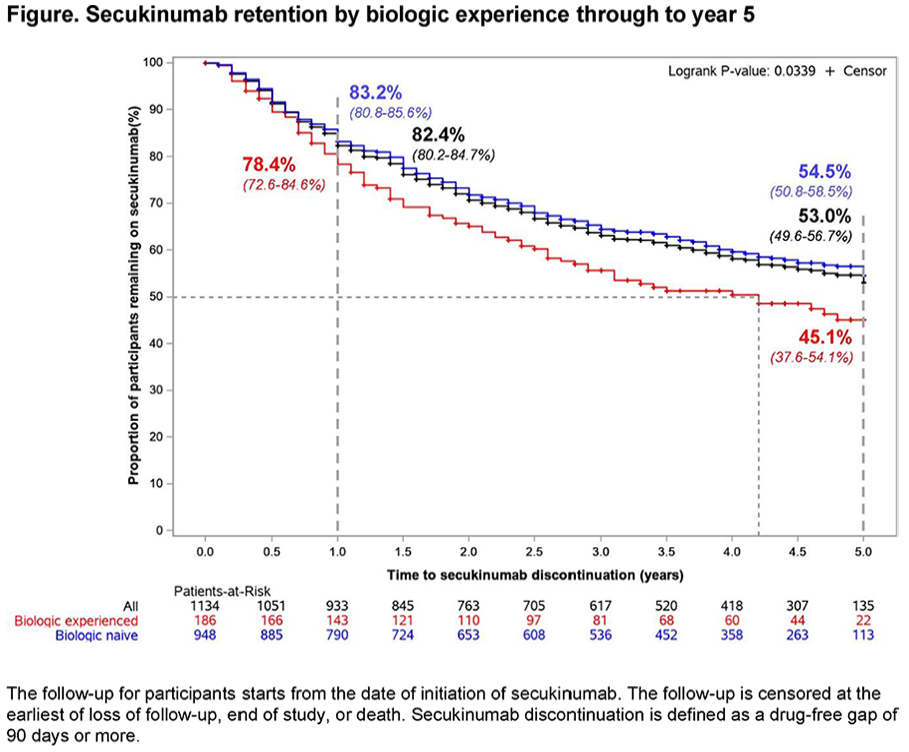
To provide real-world evidence regarding the long-term effectiveness and retention rates of secukinumab in patients with moderate-to-severe plaque psoriasis
To compare the effectiveness of secukinumab in biologic-naïve and biologic-experienced patients with moderate-to-severe plaque psoriasis
To assess the retention rate after secukinumab updosing and time to updosing in overall as well as in biologic-naïve and biologic-experienced patients with moderate-to-severe plaque psoriasis
This analysis from the PURE registry demonstrates the sustained effectiveness of secukinumab over the observation period in treating patients with moderate-to-severe plaque psoriasis, with higher retention rates observed in biologic-naïve patients compared to biologic-experienced patients. Secukinumab updosing was well-tolerated and the retention rates remained high after updosing. Biologic-naïve patients experienced a longer time to updosing than biologic-experienced patients.
P10.31
A Novel Multidisciplinary Dermatological Care Model for Managing Patients with Acne and Atopic Dermatitis: Consensus Guidance for Pharmacists
Aaron Sihota1, Ahmad Abouzant2, Jen Belcher3, Cameron Bonell1, Ahmed Chehade4, Chris Chiew5, Annie Chong6, Joël Claveau7, Stéphane Côté7, Carole Cyr8, Raj Dhami9, Anil Goorachurn6, Mike Kani10, Lauren Lam11, Angela Law12,13, Nardine Nakhla14,15, Oluwatobiloba Obatusin16, John Papasterigou17,18, Beverly Salomon19,20, Stephane Villeneuve21, Tristan Laforest22, Nour Dayeh22,
1Faculty of Pharmaceutical Sciences, University of British Columbia, Vancouver, BC, 2Rexall Pharmacy Group, Vancouver, BC, 3Ontario Pharmacists Association, Toronto, ON, 4Faculty of Pharmacy & Pharmaceutical Sciences, University of Alberta, Edmonton, AB, 5London Drugs, Richmond, BC, 6London Drugs, Edmonton, AB, 7Université Laval, Québec, QC, 8Pharmacie Carole Cyr, Montréal, QC, 9Shoppers Drug Mart, London, ON, 10Loblaw, Calgary, AB, 11Beacon Dermatology, Calgary, AB, 12Clinic One Three Eight, Vancouver, BC, 13Dermapure, Vancouver, BC, 14MAPflow Inc, Oakville, ON, 15School of Pharmacy, University of Waterloo, Waterloo, ON, 16Sobeys, Chilliwack, BC, 17Shoppers Drug Mart, Toronto, ON, 18Leslie Dan Faculty of Pharmacy, University of Toronto, Toronto, ON, 19Jean Coutu, Montréal, QC, 20Faculty of Pharmacy, Université de Montréal, Montréal, QC, 21Jean Coutu, Québec, QC, 22L’Oréal Canada, Montréal, QC, 23Division of Dermatology, Department of Medicine, University of Toronto, Toronto, ON, 24Princess Margaret Cancer Centre, Toronto, ON
Pharmacists should:
Educate patients on prescription therapies and minimizing side effects.
Offer guidance on evidence-based skincare, including non-comedogenic products, sunscreens, and barrier-supporting moisturizers.
Recommend emollients to maintain skin hydration, crucial for AD.
Detect and address potential drug-drug interactions.
Demonstrate proper topical medication application to prevent side effects.
Assess adherence to treatments and intervene early to boost compliance.
Clarify safety and long-term use of treatments, particularly biologic and targeted therapies.
Collaborate proactively with dermatologists and other primary care providers, sharing updates as well as potentially adjusting topical treatments based on patient response or initiating for mild clinical presentation of acne and/or AD.
Pharmacists play a pivotal role in the collaborative management of mild to moderate acne and atopic dermatitis (AD). By providing expert guidance on prescription medications, OTC products, and lifestyle modifications, pharmacists can help optimize treatment outcomes and improve patient well-being. This consensus-based framework underscores the importance of comprehensive initial assessments, early identification of drug-drug interactions, and continuous monitoring of patient adherence. Pharmacists are uniquely positioned to counsel on appropriate skincare practices—such as selecting non-comedogenic products, recommending suitable emollients and moisturizers, and advising on sun protection—to support the skin barrier and manage potential side effects. Furthermore, they can address patient concerns about long-term medication use, especially in the context of newer biologic or targeted therapies. Ongoing communication every three to six months with dermatologists and primary care providers helps ensure timely adjustments to treatment plans and fosters a cohesive, multidisciplinary approach to patient care. By unifying best practices and establishing clear guidelines, this novel framework provides valuable direction for pharmacies across Canada, promoting consistent, high-quality dermatological support that ultimately enhances patients’ quality of life.
P10.32
Real-World Effectiveness of Brodalumab in Canadian Patients with Plaque Psoriasis: CARE Study 6-Month Interim Data
1Department of Dermatology and Skin Science, University of British Columbia, Vancouver, BC, 2Photomedicine Institute and Clinical Centre for Epidemiology and Evaluation, Vancouver Coastal Health Research Institute, Vancouver, BC, 3Clinique D, Laval, QC 4Division of Dermatology, Temerty Department of Medicine, University of Toronto, Toronto, ON, 5CCA Medical Research and Probity Medical Research, Ajax, ON, 6DermEffects, Probity Medical Research Inc., London, ON, 7Western University, London, ON, 8Rejuvenation Dermatology Clinic, Edmonton, AB, 9Section of Dermatology, Department of Medicine, University of Manitoba, Winnipeg, MB, 10SKiNWISE Dermatology and Wiseman Dermatology Research, Winnipeg, MB, 11Dermtrials Research Inc., Hamilton, ON, 12Bausch Health, Canada Inc., Laval, QC, 13IQVIA Inc., Kirkland, QC
This interim analysis included 351 patients with 6-month follow-up (M6) data. At baseline, the mean PASI and PSI scores were 14.1 (SD: 9.1) and 18.5 (SD: 7.2), respectively. The sPGA was moderate (3) for 64.4% of patients, and severe (4) for 30.8%. Most patients (93.2%) had one or more special sites affected by PsO (e.g., face, scalp, hands, feet or genitalia), and 83.2% were biologic-naïve.
At the 3-month follow-up (M3), PASI 75/90/100 were observed in 78.2% (265/339), 64.0% (217/339) and 43.4% (147/339) of patients, respectively. At M6, these proportions were 82.1% (276/336), 72.6% (244/336), and 52.1% (175/336), respectively.
Most patients achieved a sPGA of clear (0) or almost clear (1) at M3 (68.5%; 233/340) and M6 (77.6%; 263/339). Furthermore, most patients observed a ≥2-grade improvement in sPGA at M3 (73.5%; 250/340) and M6 (78.5%; 266/339), compared to baseline. The mean percentage change in PSI was -71.7 % (SD: 33.9%) at M3 and -72.2 % (SD: 34.0%) at M6.
Subgroup analyses at M6 showed that PASI 100 and sPGA of 0/1 were achieved in 50.9% (82/161) and 82.0% (132/161) of patients with 3-5 special sites, 52.6% (81/154) and 72.3% (112/155) with 1-2 special sites, and in 57.1% (12/21) and 82.6% (19/23) with none, respectively. Additionally, the proportion of patients that achieved PASI 100 and sPGA 0/1 at M6 tended to be higher for biologic-naïve patients than for biologic-experienced patients.
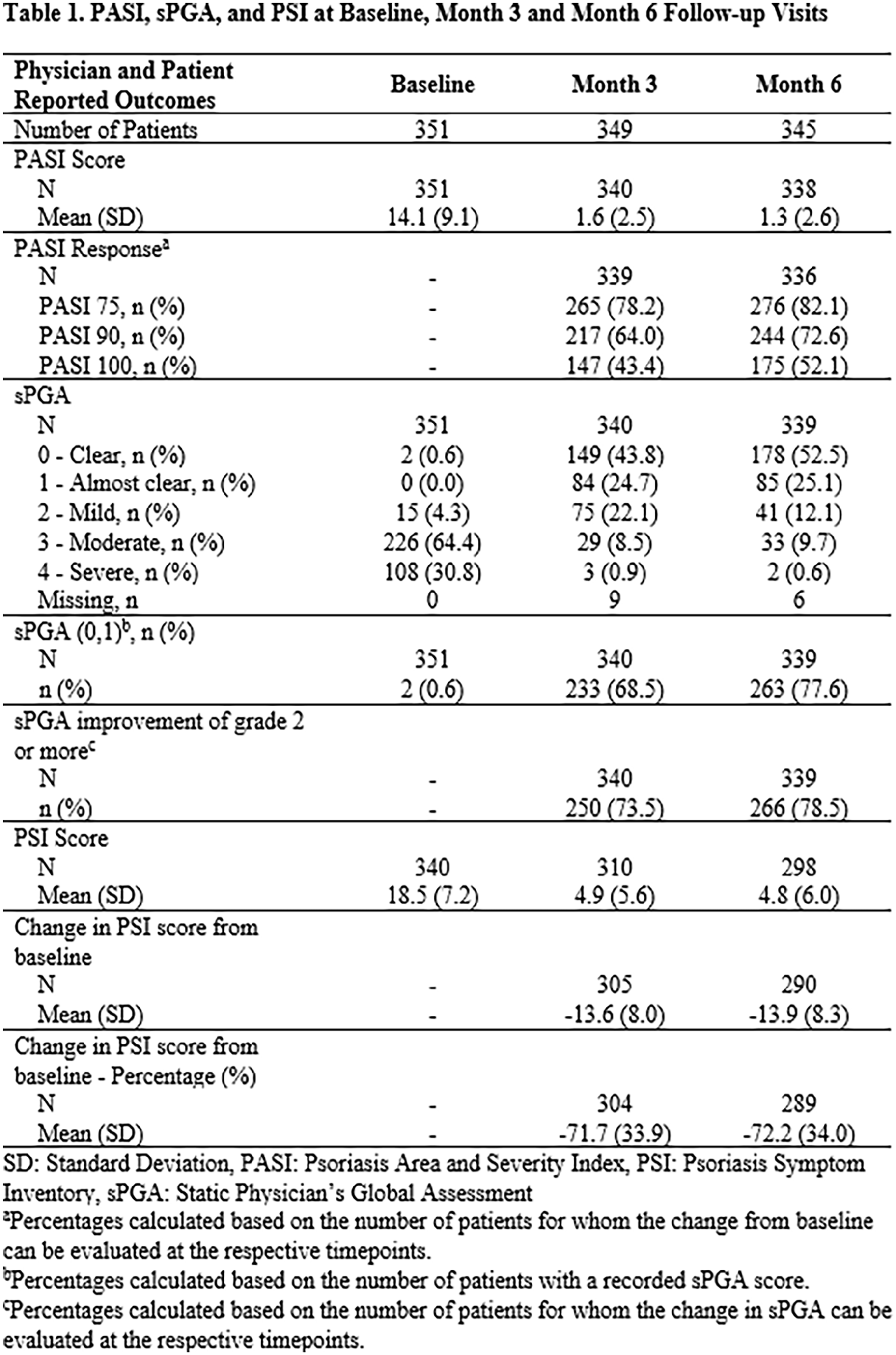
Evaluate the effectiveness of brodalumab in adult patients enrolled in the CARE study up to 6 months post-initiation, using Psoriasis Area and Severity Index (PASI) responses, Static Physician’s Global Assessment (sPGA) scores, and patient-reported Psoriasis Symptom Inventory (PSI) scores
Compare the effectiveness of brodalumab based on prior biologic status at baseline
Compare the effectiveness of brodalumab based on special site involvement at baseline (selected sites include: face, scalp, hands, feet or genitalia)
After 3 months of brodalumab therapy, adult patients with plaque psoriasis observed rapid improvements in psoriasis signs and symptoms that were sustained or further increased after 6 months.
P05.41
Patients with Alopecia Areata on YouTube and TikTok: A Cross-Sectional Analysis
1Division of Dermatology, Department of Medicine, University of Toronto, Toronto, ON, 2Michael G. DeGroote School of Medicine, McMaster University, Hamilton, ON, 3Faculty of Medicine, Memorial University of Newfoundland, St. John’s, NL, 4Temerty Faculty of Medicine, University of Toronto, Toronto, ON, 5College of Medicine, University of Saskatchewan, Saskatoon, SK, 6Department of Dermatology, University of British Columbia, Vancouver, BC, 7Donovan Hair Clinic, Whistler, BC
A total of 262 videos were included, with most by non-members of the medical community (98.5%), with a small percentage from healthcare workers (1.5%). The ethno-racial composition of the video creators was predominantly White (55.3%), followed by Black (19.8%), East Asian (8.0%), South Asian (6.9%), Hispanic/Latino (3.8%), and Other/Unknown (6.1%). Common AA types were localized AA (83.2%), alopecia universalis (AU) (9.9%), and alopecia totalis (AT) (6.9%). The cohort was majority female (83.6%), and videos from female patients were associated with a higher number of psychological symptoms (>3) compared with male patients (U-statistic=3,801.0; P=0.038). AA severity (i.e., AT/AU vs. less severe forms) was not associated with a higher number of psychological symptoms (F-statistic=1.47; P=0.23), nor was it associated with satisfaction (χ2=0.58, P=0.75).
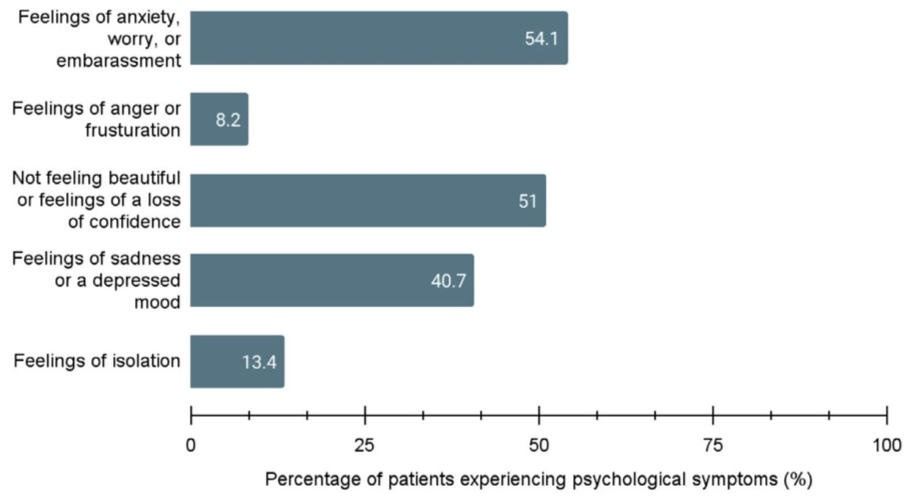
Learning Objectives
1. Understand the role of online platforms like YouTube and TikTok in sharing patient experiences with alopecia areata (AA).
2. Analyze the demographic and clinical characteristics of video creators and their association with psychological symptoms in AA.
3. Evaluate the impact of AA severity on psychological symptoms, treatment satisfaction, and patient concerns.
Takeaway Message
We cross-sectionally analyzed the top 100 most-viewed respective long-form YouTube videos, YouTube Shorts, and TikTok videos using the keywords “my alopecia areata story” and our findings may suggest that AA can be distressing with any severity. Dermatologists should make appropriate referrals to mental health specialists when necessary.
P05.43
A Systematic Review and Meta-Analysis of the Risk of Insulin Resistance and Alopecia Areata
1Division of Dermatology, Department of Medicine, University of Toronto, Toronto, ON, 2Faculty of Medicine, Memorial University of Newfoundland, St. John’s, NL, 3Temerty Faculty of Medicine, University of Toronto, Toronto, ON, 4Michael G. DeGroote School of Medicine, McMaster University, Hamilton, ON, 5Department of Dermatology, University of British Columbia, Vancouver, BC, 6Donovan Hair Clinic, Whistler, BC
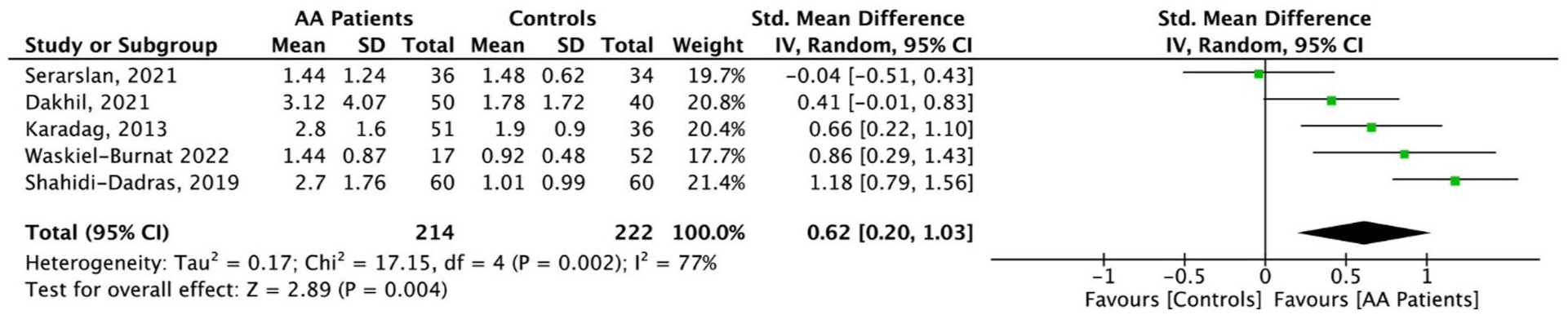
Learning Objectives
1. Evaluate the association between alopecia areata (AA) and metabolic markers of insulin resistance, including HOMA-IR, fasting insulin, FBG, and C-peptide.
2. Understand the potential immunopathogenic mechanisms linking AA and insulin resistance, such as cytokine dysregulation and adiponectin deficiency.
3. Recognize the significance of metabolic screening in AA patients with known risk factors for insulin resistance.
Takeaway Message
In our systematic review, patients with alopecia areata had higher markers of insulin resistance (HOMA-IR, fasting insulin, FBG, and C-peptide) compared to controls, possibly due to shared immunopathogenic mechanisms. Screening for insulin resistance and involving primary care and/or endocrinology in management is important.
P05.79
Dupilumab as a Treatment for Bullous Pemphigoid in a Liver Transplant Recipient: A Case Report
1Cumming School of Medicine, University of Calgary, Calgary, AB, 2Division of Dermatology, Department of Medicine, Cumming School of Medicine, University of Calgary, Calgary, AB
Learning Objectives
1. Recognize the therapeutic challenges of managing BP in solid organ transplant recipients.
2. Identify the role of dupilumab as a novel treatment option for recalcitrant BP in immunosuppressed transplant patients.
3. Review the clinical decision-making process in adjusting immunosuppressive therapies in patients with BP and other comorbidities.
4. Reflect on the broader clinical and research implications of using dupilumab in the treatment of BP.
Takeaway Message
Dupilumab shows promise as a safe and viable treatment option for recalcitrant bullous pemphigoid in transplant recipients, providing effective disease management when conventional immunosuppressive therapies fail or pose significant risks to the patient.
P05.87
Concomitant Therapy of Surgical Shave Excision and Intralesional Injections for Ear Keloids: Early Results from a Retrospective Cohort Study
1Institute of Cosmetic and Laser Surgery, Oakville, ON, 2Schulich School of Medicine and Dentistry, Western University, London, ON
A total of 45 patients were included, consisting of 84.4% females (n = 38) and 15.6% males (n = 7) with a mean age of 25.5 years. Through retrospective chart review, early recurrence was seen in 6.7% of patients (n = 3), and via the prospective patient questionnaire, 11.1% of patients noted early keloid recurrence (n = 5). Of the patients who expressed their level of satisfaction in-clinic, 96.0% (n = 24) reported being satisfied or very satisfied and 4.0% (n = 1) were dissatisfied. Satisfaction was also assessed through the prospective patient questionnaire; of those who consented to the questionnaire, 100.0% (n = 24) were satisfied or very satisfied. Only 20.0% (n = 9) of all patients reported experiencing side effects, consisting of pruritus (11.1%; n = 5), tenderness (4.4%; n = 2), pain (2.2%; n = 1), and mild atrophy (2.2%; n = 1).
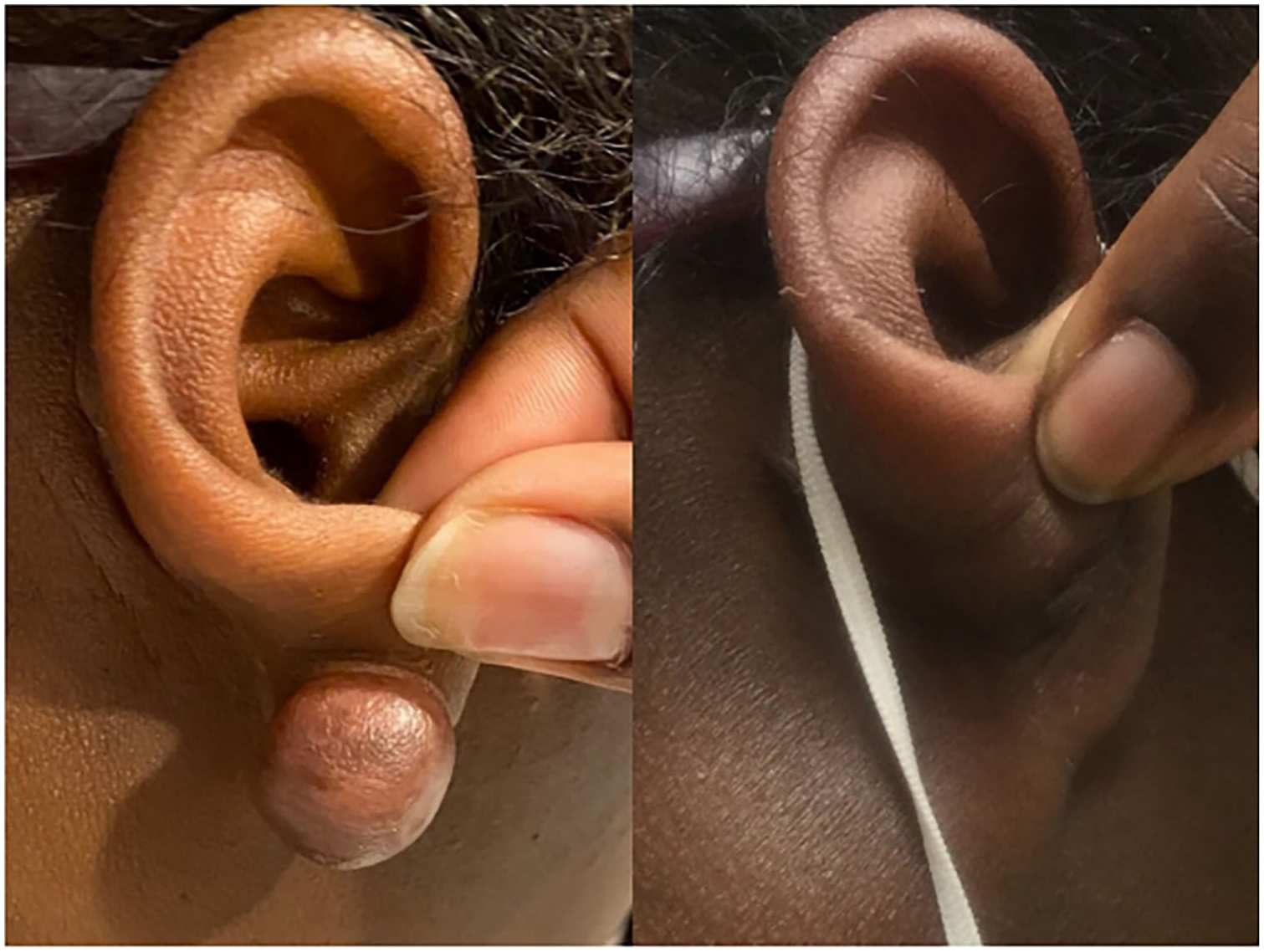
Learning Objectives
• Evaluate the efficacy of this combined treatment modality by analyzing recurrence rates and patient satisfaction levels reported in the study.
• Identify potential side effects associated with the treatment, such as pruritus, tenderness, pain, and mild atrophy, and discuss strategies to manage these adverse effects.
• Assess patient-reported outcomes and satisfaction following the combined treatment, emphasizing the importance of patient-centered care in dermatological practice.
Takeaway Message
This study demonstrates the early results on the effectiveness of concomitant surgical excision and IL TA and onabotulinumtoxinA injections for ear keloids with a low recurrence rate. The high patient satisfaction, minimal to mild side effects, and great cosmetic results suggest this combination should be considered as a treatment alternative for ear keloids. However, future research involving large-scale studies with comparative designs and long-term follow-up is required to determine the value of this treatment modality for keloid management.
P06.08
Treatment of Xanthelasma Palpebrarum Using Trichloroacetic Acid 80%
Sheetal Sapra1,
1Institute of Cosmetic and Laser Surgery, Oakville, ON, 2Schulich School of Medicine and Dentistry, Western University, London, ON
In total, 77 patients were included in this retrospective review. Most patients received one treatment (n=38; 49.4%) and had XP located bilaterally (n=59; 76.6%) on either the lower eyelids only (n=18; 23.4%) or both the upper and lower eyelids (n=18; 23.4%). Following treatment, 94.2 percent (n=49) of patients expressed satisfaction and 97.2 percent (n=70) displayed a clinician-reported improvement in XP. In the prospective patient questionnaire, the reoccurrence of XP was self-reported in 24.7 percent (n=19) of all patients. The adverse events, reported by the clinician during the retrospective review and the patient during the prospective questionnaire, included erythema (n=2; 2.6%), hyperpigmentation (n=4; 5.2%), hypopigmentation (n=3; 3.9%), and scarring (n=2; 2.6%). Comparing to
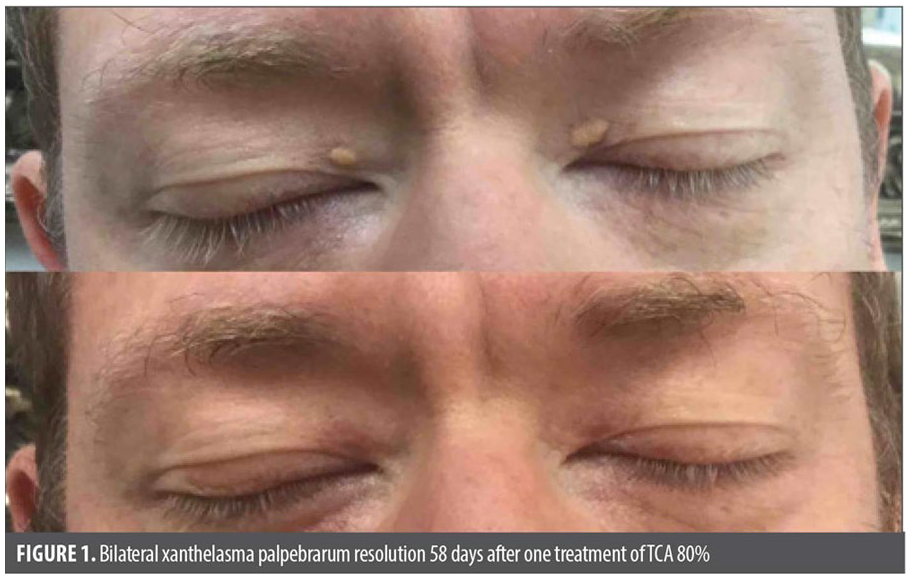
Learning Objectives
• Evaluate the efficacy of TCA 80% based on clinical outcomes, including lesion clearance rates, recurrence rates, and the time required to achieve optimal results in patients with XP.
• Identify the common side effects and complications associated with TCA 80% treatment for XP, such as erythema, hypopigmentation, scarring, and the strategies to mitigate these risks.
• Analyze patient satisfaction data and quality-of-life improvements following TCA 80% treatment, highlighting the importance of setting realistic expectations and discussing treatment goals with patients.
Takeaway Message
XP has a strong likelihood of recurrence. TCA 80% as a treatment exhibited a high degree of patient satisfaction that was sustained long-term compared to other TCA concentrations. The patients perceived nominal side effects, minimal invasiveness, and reduced risk of further cosmetic disfiguration. TCA 80% for XP management should be considered as a treatment option due to high patient satisfaction, mild side effects, low cost, and long-term cosmetic results.