







Abstract
Contemporary interventions in historical Mahalleh and the design of new settlements in Iran rely on Western micro-urbanism patterns such as urban villages and new urbanism. Although the urban lifestyle in Iran affects the Mahalleh identity, this context-oriented pattern is more appropriate than the Western ones with all weaknesses and critiques; namely, social engineering and physical determinism. This paper aims to present a paradigm model for the Iranian micro-urbanism (Mahalleh), applying grounded theory methodology. The literature of micro-urbanism is discussed first, followed by exploring the categories of Mahalleh and integrating them around the core category in a paradigm model. Influenced by specific conditions: “collectivism” and “ecological balance” as causal conditions; “social identity” as an intervening condition; “physical and functional organization” as contextual conditions, “familiarity” emerges as a core category in the proposed model. Furthermore, residents of the Mahalleh have special interactions contributing to the “social capital,” “changeability,” and “parental effect.” Finally, “Mahalleh as the home of the families” is a consequence of the actions and interactions done under such conditions.
Introduction
Since 1907 AD, the entry of street, on the one hand, and the wave of migration to cities as well as the need for housing, on the other hand, have resulted in the construction of unified residential buildings and encouragement of mass production. The new residential style never allows the emergence of a Mahalleh, which has the natural development of a settlement; hence, the structure and content of old Mahallehs are forgotten. This study aims to investigate the indicators influencing the Mahalleh as a context-oriented pattern of micro-urbanism. Micro-urbanism refers to the small-scale urban environments that can generate a sense of togetherness in the midst of threats of ecological degradation, social fragmentation, and spatial segregation (Madanipour, 2001). There were many attempts in the past two centuries to promote micro-urbanism; from garden city movement of Howard (1960) and the notion of neighborhood unit of Clarence Perry in the 1920s about urban planning to the views of Lewis Mumford (1954) and Etzioni (1995) about city social. The idea of micro-urbanism provoked severe criticism for its emphasis on the physical rather than social environment. For these scholars, the mobility provided by car and flexibility of telecommunication have destroyed the need for physical proximity as a basis for community building. Among them, there is Melvin Weber, who presented the idea of “Community without Propinquity” (Webber, 1964). Louis Wirth, an American sociologist and follower of the Chicago School, was another critic, who developed the concept of “urbanization as a way of life” in 1938, and argued that urban life is the source of impersonal relationships and social distance. Claiming to create communities, although neighborhood planning was stopped and criticized in the second half of the 20th century, micro-urbanism in the form of urban villages, new urbanism, livable neighborhoods, and so on emerged. The following represent reasons for this recurrence: micro-urbanism, in line with the principles of sustainability, compared to the sprawling suburb or the single-use housing estate with no facilities, offers some local facilities within easy access, which can reduce unnecessary household trips. On the other hand, changing the scale of industry requires large-scale operations, and therefore, industrial development prefers groups rather than individual buildings. Furthermore, the idea of micro-urbanism as a way of urban management involves citizens in the decision-making process and promotes good governance (Urban Task Force & Rogers, 1999). Micro-urbanism, by creating “identification” with place in long time, can empower the sense of dwelling in people. When a man dwells, the world became an “Inside” (Norberg-Schulz, 1980). Relph (1976) argued that the most basic form of insideness takes place when a place experiences without deliberate thinking and unconsciousness, but full of meaning. This insideness has been experienced when most people are at home or in their hometown or neighborhood because they know those places, their people, and are well known there. Urban villages in Britain, new urbanism in the United States, and the idea of livable neighborhoods in Australia, each has formed on the basis of the issues raised in its context. With the aim of designing based on micro-urbanism and using its benefits in Iran, as it is the case in developing residential complexes, new towns, etc., the traditional Iranian neighborhood—Mahalleh—can be taken into account as a sustainable pattern of micro-urbanism with its all tripartite sociopsychological, spatial–environmental, and political–managerial role in the Iranian urban society (Zamani & Shams, 2014). Therefore, Mahalleh as a long-term manifestation of the home environment concept in Iran’s semipublic realm, encompassing the physical, cultural, and social values, needs more comprehensive study in terms of its structure and content. The outcomes of this study aim not only to develop the foundations of intervention in Mahallehs but also to improve the foundations of design of new settlements based on the context-oriented quality indicators instead of generic prescriptive ones.
Literature Review: Traditional Iranian Neighborhood (Mahalleh)
The history of Mahallehs dates back to ancient Iran. During the Sasanian era, Mahallehs were formed based on the guild system (Soltanzadeh, 1988). With the advent of Islam in Iran, cultural–religious indicators in addition to socioeconomic factors become extremely important in the structure of cities and Mahallehs (Kamanroudi, 2009). Most Iranian-Islamic cities consisted of three major elements: the bazaar, the citadel, and the isolated residential neighborhoods known as Mahallehs (Figure 1). The public life of the bazaar and the private and semiprivate environments of Mahallehs were located via a hierarchical system of pedestrian networks leading from the wider and more crowded passages (Gozars) to the semiprivate and narrow alleys or cul-de-sacs in the residential areas (Figure 2) (Kheirabadi, 1991).
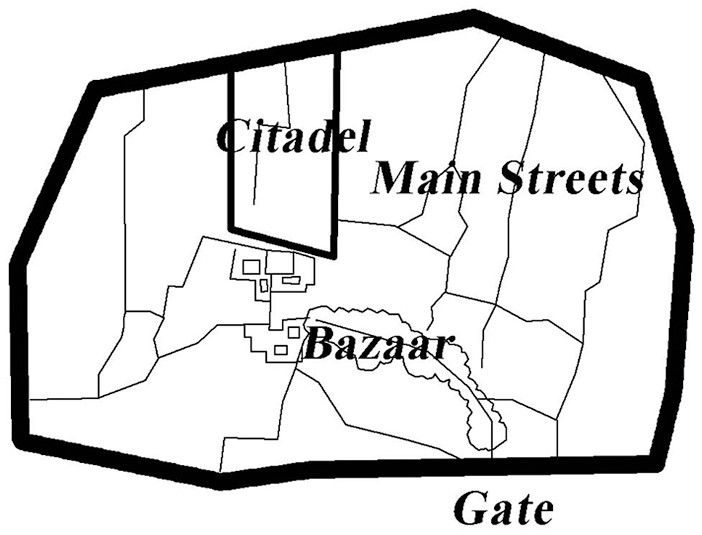
Tehran in 1858 (Madanipour, 1998).
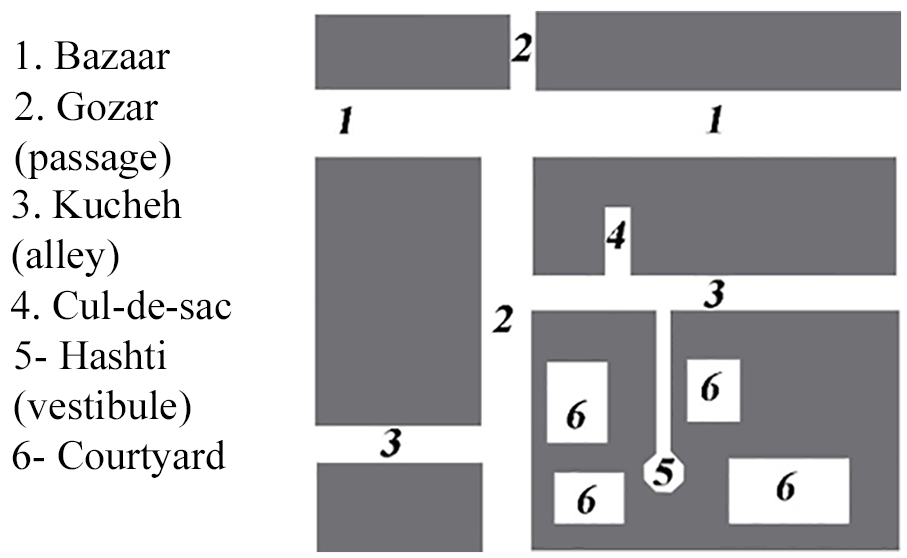
Model of the Hierarchical Movement Network in Traditional Iranian Cities (Kheirabadi, 1991).
Literature on Mahalleh classifies into three categories: (a)
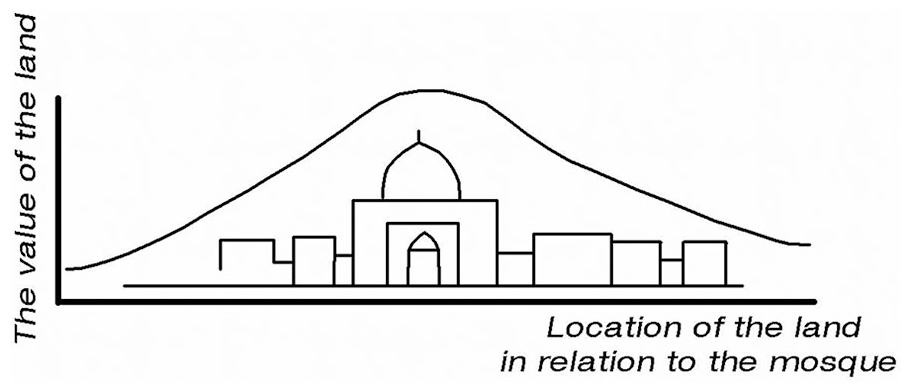
Curve of Land Value in Islamic Cities (Pourjafar & Pourjafar, 2012).
Kheirabadi (1991) believes that Iranian cities are the products of interactions between their cultural and natural environments. The major natural factors are the harsh climate, lack of water, and bowl-shaped physiography of Iranian plateau, and major cultural factors including religious and sociopolitical history and its rich cultural heritage. For example, it cannot be claimed that the courtyard in Iranian houses was created only for the purpose of separating women (which is considered fundamental in Islam). Despite this religious obligation, the courtyard has existed in pre-Islamic Iran and its roots were much more related to defense needs and climate considerations rather than Islamic culture. As such, Mahalleh as a confined sociophysical unit of the city and the smallest urban planning and management unit with specific subjective–objective boundaries and limited pedestrian scale functions, provides daily needs of residents promoting face-to-face relationships and ultimately leads to a sense of belonging and community identity (Abdolahi, Tavakolinia, & Sarrafi, 2010).
Methodology
Grounded Theory
Grounded theory is a form of qualitative methodology developed by Glaser and Strauss (1967) for the purpose of constructing a theory grounded in data. This study was carried out from October 3, 2016 to February 14, 2018; and among all variations of GT, it took the systematic framework of Corbin and Strauss (2015) to guide data analysis, as shown in Figure 4.
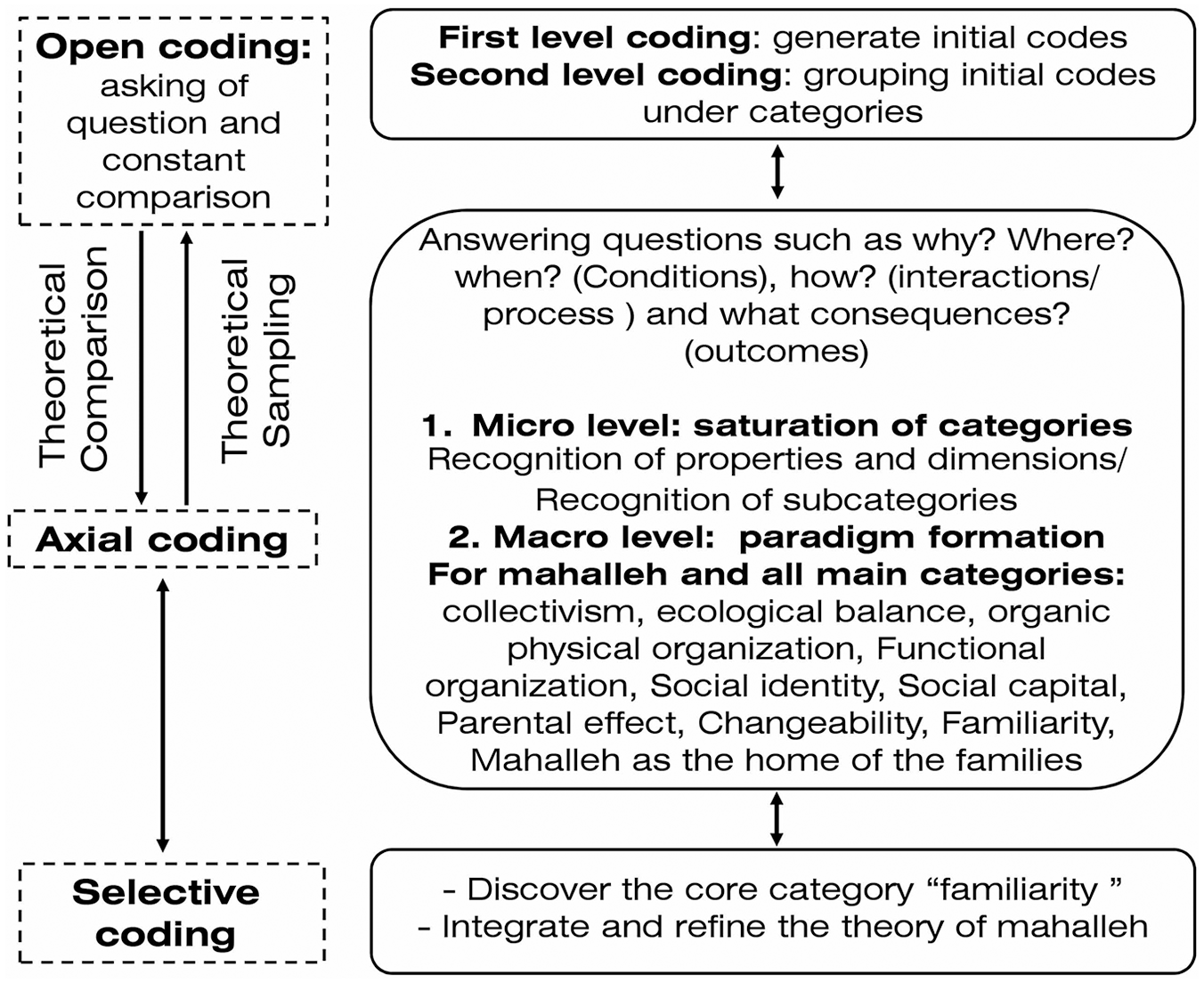
Steps of Systematic Grounded Theory.
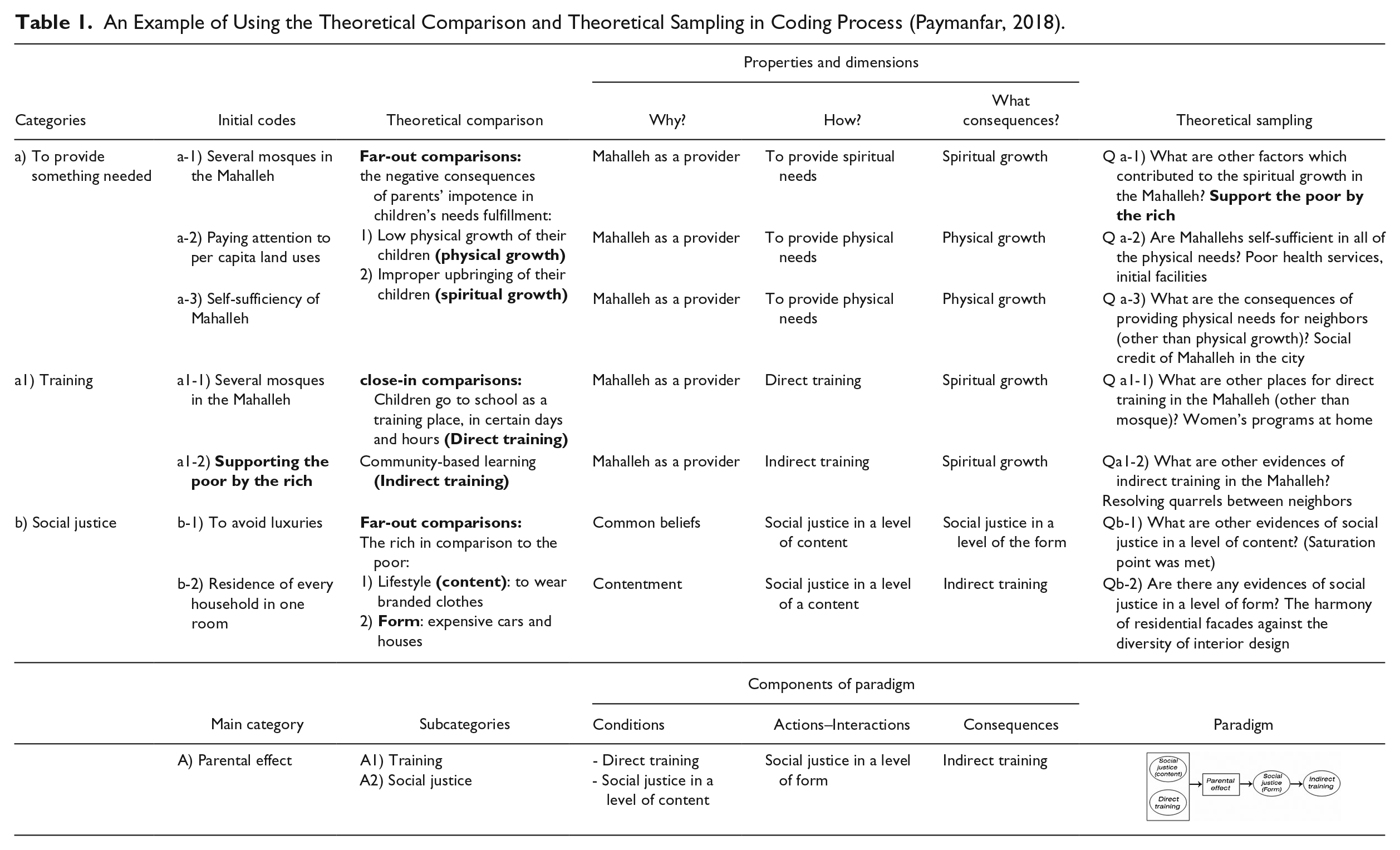
An Example of Using the Theoretical Comparison and Theoretical Sampling in Coding Process (Paymanfar, 2018).
Case Selection
Using the method of purposeful sampling, Dardasht was selected for data collection because it is one of the initial Mahalleh’s in the Isfahan’s 1 historic core whose primary nucleus predates to the Seljuk 2 period and was completed during the Safavid 3 period. Furthermore, as a livable Mahalleh, people still reside in Dardasht and its main physical–spatial fabric including bazaar, mosques, and a number of houses has remained unchanged. As a part of the Isfahan’s 3rd district, Dardasht is located in the northeast of Isfahan adjacent to the Jame Mosque of Isfahan, Atigh 4 Square, main bazaar, and two main urban landmarks (minarets) as the significant elements of the remaining historic fabric (Figure 5).
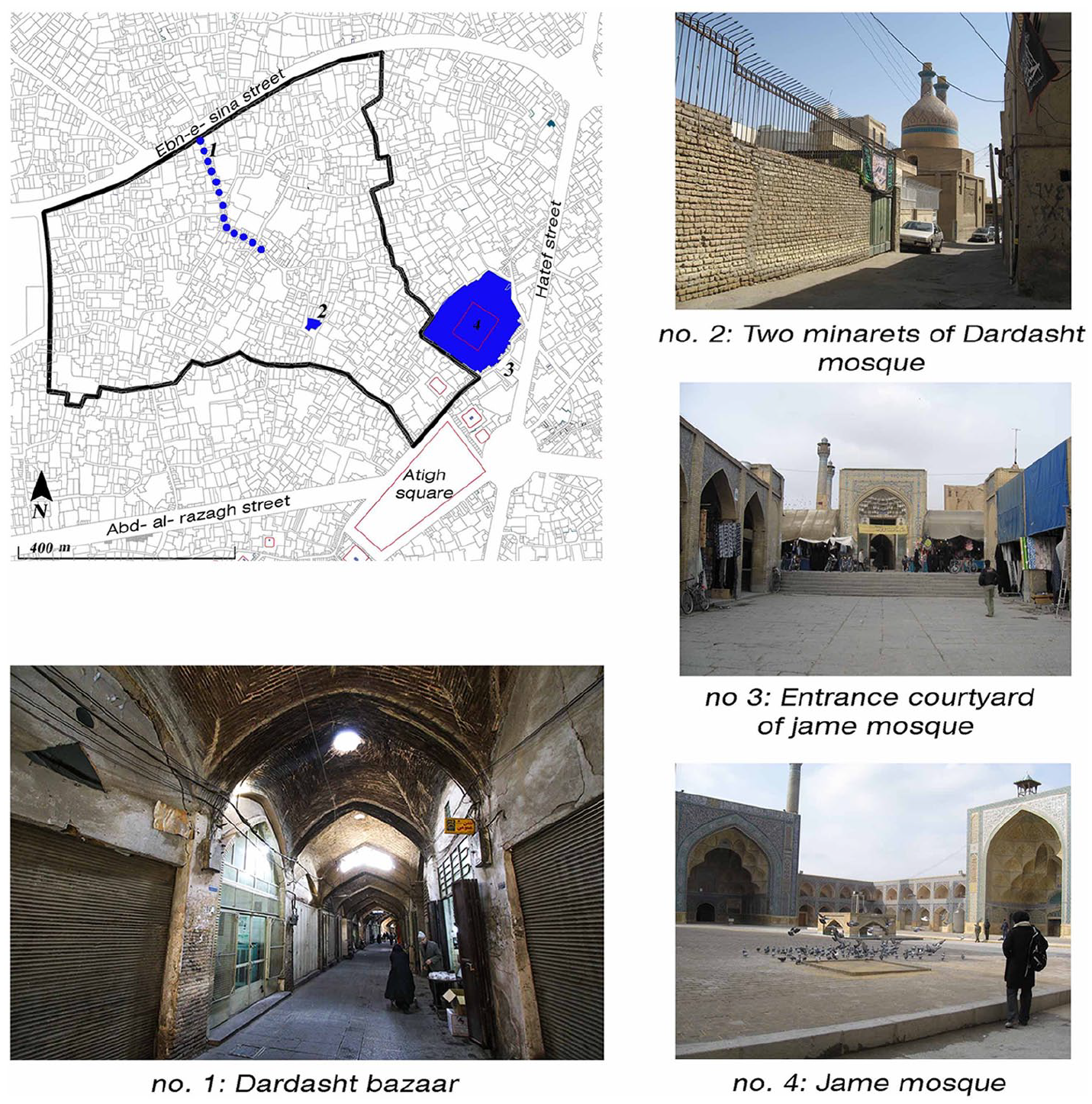
Boundary of Dardasht Mahalleh in Isfahan and Its Most Significant Elements (Paymanfar, 2018).
Data Collection
Semistructured interviews, observation, and texts provided the necessary tools for data collection in this study. These interviews were conducted in three stages to achieve the theoretical saturation with 17 residents of Dardasht aged between 40 and 80 years. The interviewees were the owners of a residential home and lived at least half of their life in Dardasht. The age and gender distribution of the interviewees are shown in Figure 6. The researcher first interviewed the familiar members of Mahalleh who had been selected by the chain sampling method and then the theoretical sampling method was used. In chain sampling, research participants recruit other participants for study. The study took a semistructured interview method with open-ended questions for deeper understanding. Examples of initial questions for this study are followed: How was the Mahalleh in the past? How were alleys, houses, and neighbors in the past? What did neighbors do together? Was it something to bring people together? How was the relationship of shopkeepers with people? Was there any particular behavior that you were told to follow in the Mahalleh? Subsequently, questions were asked based on the responses provided by the participants. How did more than one family live in a house? Were these families, strangers, or relatives? What was the cause of intimacy?
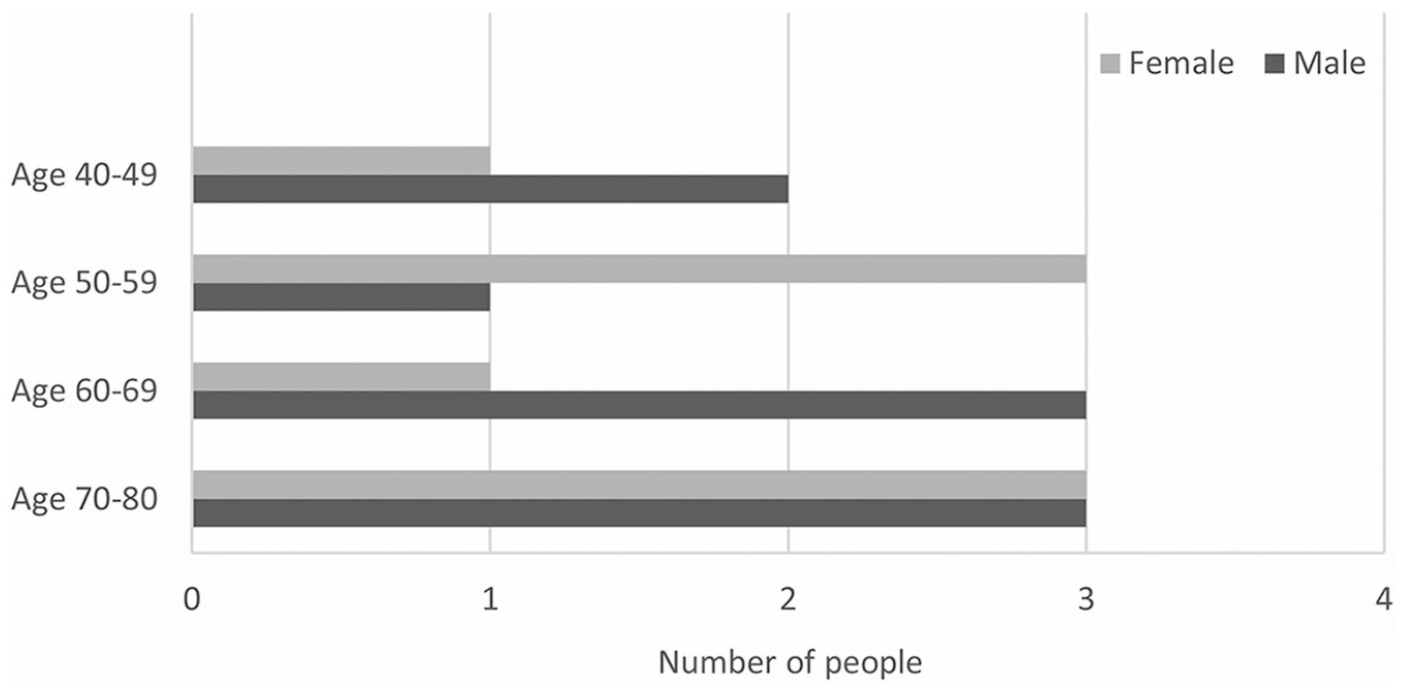
Participants’ Profiles (Paymanfar, 2018).
Results and Discussions
Open Coding
Data were collected from texts, observations, and interviews, conceptualized line-to-line for extraction of the initial codes by NVivo 5 10. Totally, 64 initial codes from interviews, 71 initial codes from texts, and 7 initial codes from observations were extracted. Since the site of Dardasht has been intervened, the number of codes obtained from observation is low. Subsequently, similar concepts are categorized into 24 subcategories that have a higher level of abstraction.
Axial Coding
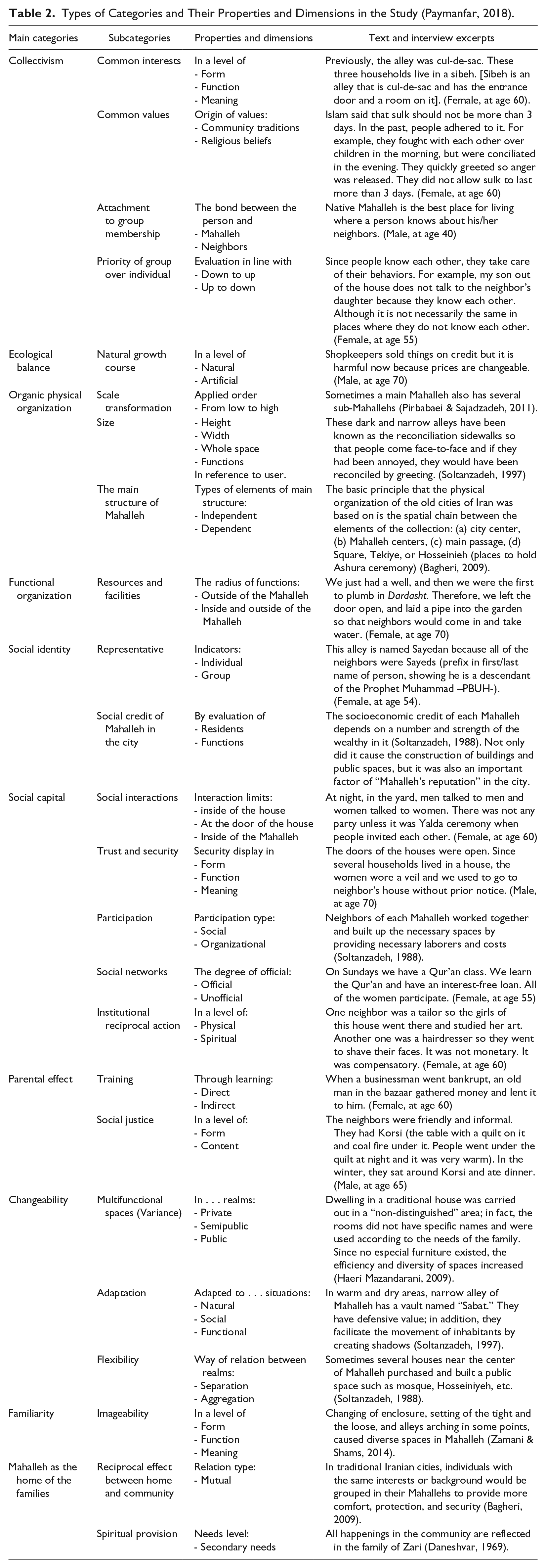
At this stage, subcategories were enriched on the basis of properties and dimensions, and similar subcategories were classified into main categories (see Table 2).
Types of Categories and Their Properties and Dimensions in the Study (Paymanfar, 2018).
Paradigm
In the following account, paradigm for each main category and then paradigm of Mahalleh are explained:
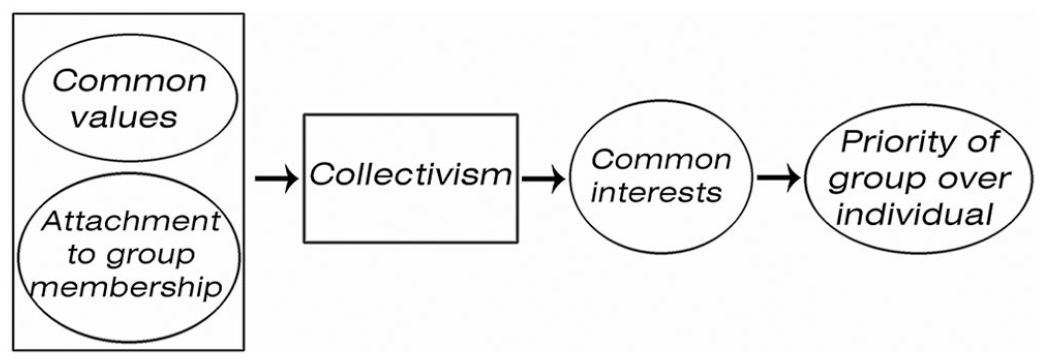
Paradigm of “Collectivism” in Mahalleh. “Collectivism” as a Core Category in Relation to Its Other Subcategories (Paymanfar, 2018).

Paradigm of “ecological balance” in Mahalleh. “Ecological balance” as a core category in relation to its other subcategories (Paymanfar, 2018).

Paradigm of “Organic Physical Organization” in Mahalleh. “Organic Physical Organization” as a Core category in Relation to Its Other Subcategories (Paymanfar, 2018).
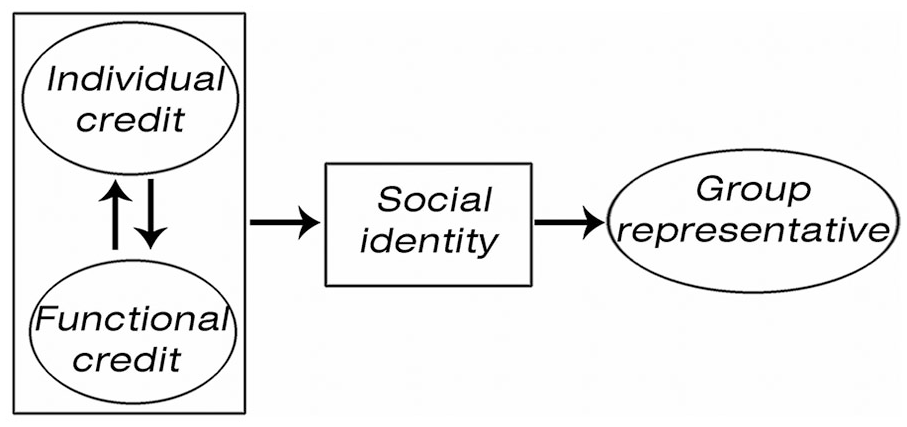
Paradigm of “Social Identity” in Mahalleh. “Social Identity” as a Core Category in Relation to Its Other Subcategories (Paymanfar, 2018).
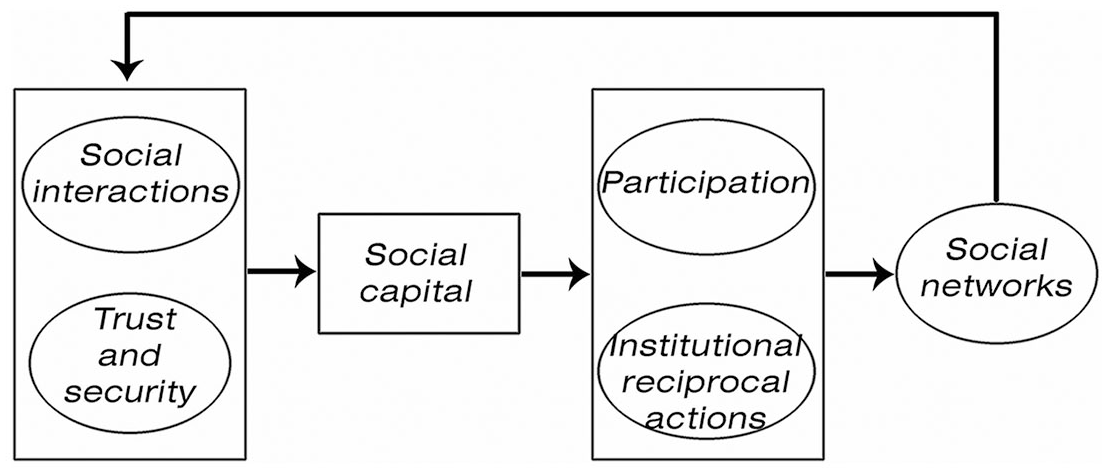
Paradigm of “Social Capital” in Mahalleh. “Social Capital” as a Core Category in Relation to Its Other Subcategories (Paymanfar, 2018).
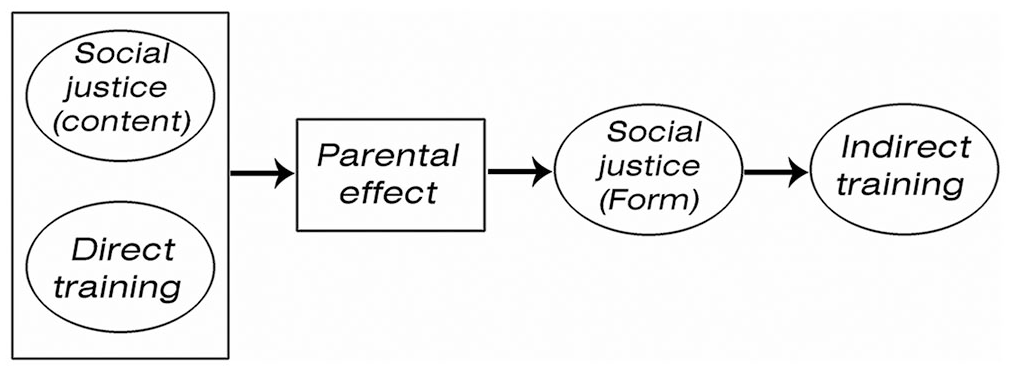
Paradigm of “Parental Effect” in Mahalleh. “Parental Effect” as a Core Category in Relation to Its Other Subcategories (Paymanfar, 2018).

Paradigm of “Changeability” in Mahalleh. “Changeability” as a Core Category in Relation to Its Other Subcategories (Paymanfar, 2018).

Paradigm of “Mahalleh as the Home of the Families” in Mahalleh. “Mahalleh as the Home of the Families” as a Core Category in Relation to its Other Subcategories (Paymanfar, 2018).
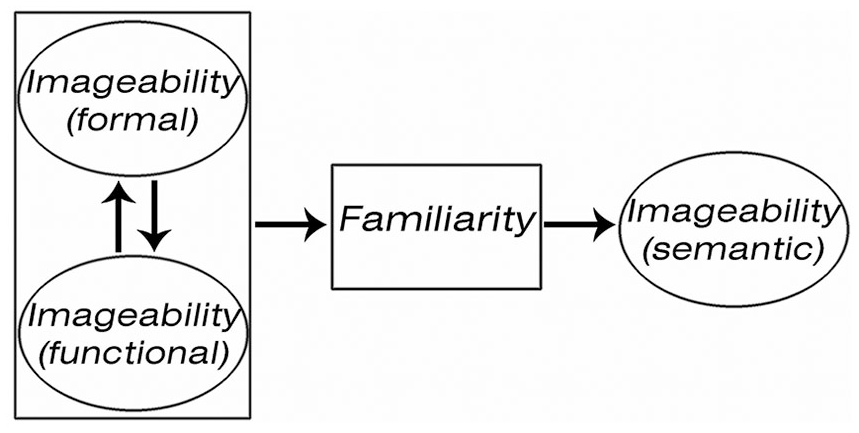
Paradigm of “Familiarity.” “Familiarity” as a Core Category in Relation to its Other Subcategories (Paymanfar, 2018).
The Mahalleh is a multifaceted phenomenon affected by a number of specific conditions (Figure 16). In this paper, the causal conditions are collectivism and ecological balance. Collectivism refers to the preference for interests of the Mahalleh over those of individuals, and ecological balance allows the natural process of growth in different fields such as construction and population growth rate considered as the reasons for creating the pattern of the Mahalleh. Social identity as an intervening condition in the emergence of Mahalleh could reduce or modify causal conditions. Despite the fact that the causal conditions were provided, if the Mahalleh were not reputed in the city, it would never have been a desirable place for its inhabitants. In addition, if a hero lived in a Mahalleh, it would compensate for other deficiencies creating a social identity for neighbors. The physical and functional organization, as the contextual conditions, is a special set of conditions which are gathered at a specific time and place to create an opportunity for co-presence. Neighbors in Mahalleh have special interactions as social capital, changeability, and parental effect, the first of which is a social strategy, the second is a physical strategy, and parental effect refers to a sociophysical strategy. As a result of the actions and interactions done by individuals and groups under such conditions, the Mahalleh was formed as the home of the families.
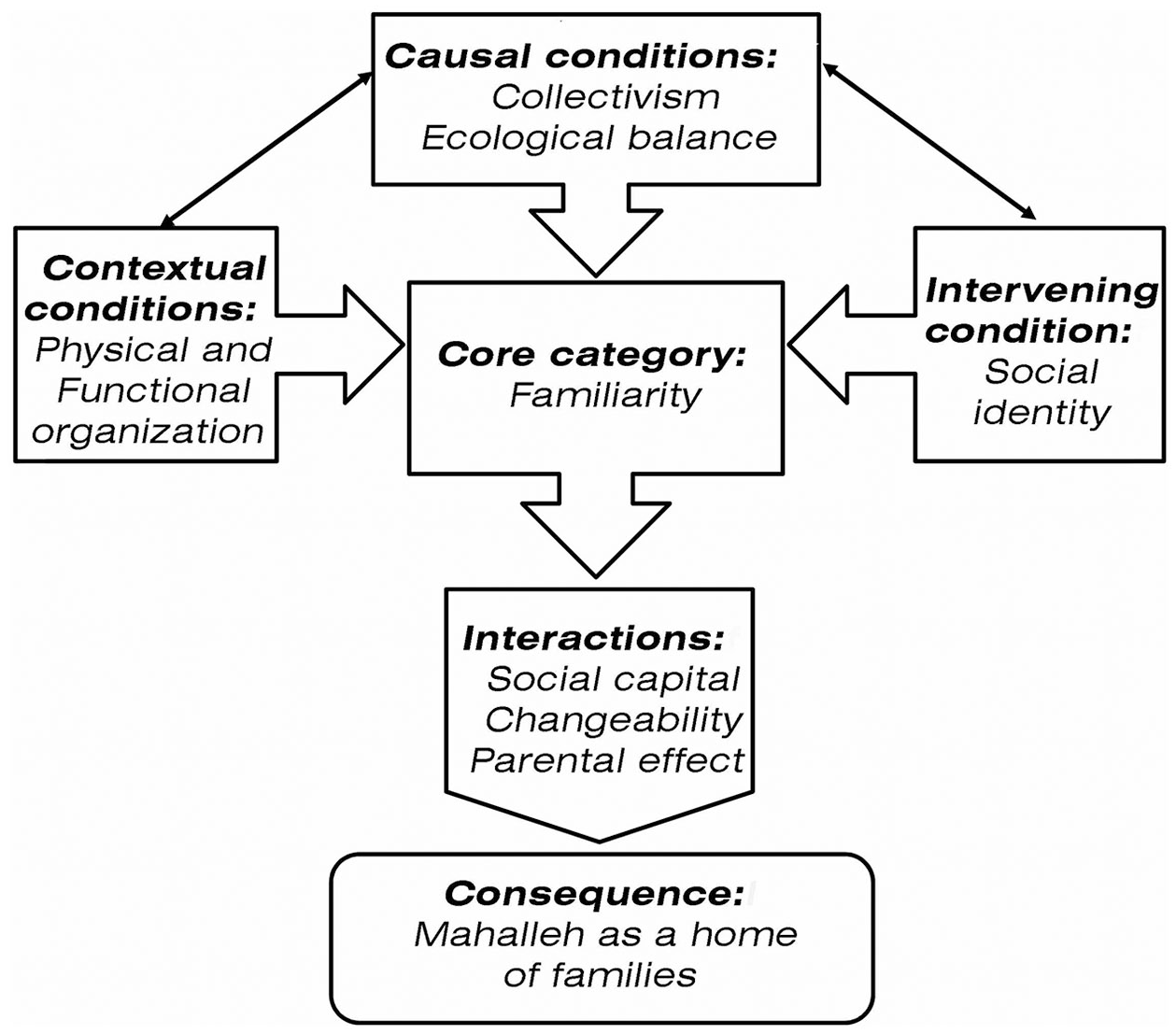
Paradigm of Traditional Iranian neighborhood (Mahalleh). “Familiarity” as a Core Category in Relation to the Main Categories (Paymanfar, 2018).
Selective Coding
The core category in relation to Mahalleh is the “familiarity.” There are some criteria for choosing a core category. It must appear frequently in the data. This means that within all, or almost all, cases there are indicators that point to that concept (Strauss, 1987). Familiarity is mentioned in the interviews, examples of which are as follows:
(Social capital/Trust and security/Security display in Function: Selling things on credit by shopkeepers): A shopkeeper said: “I would sell things on credit because everyone knew each other.” (Male, at age 70)
(Collectivism/Attachment to group membership/The bond between the person and Mahalleh: Being native): “How is a good Mahalleh? Native Mahalleh is the best place for living where a person knows about his/her neighbors.” (Male, at age 40)
A core category must be sufficiently abstract so that it can be used as the overarching explanatory concept tying all the other categories together (Strauss, 1987). Here is the story of the Mahalleh with focus on the category of “familiarity”:
The Mahalleh for neighbors was a familiar and imageable environment. This
Conclusion
This research has discussed a paradigm model for Mahalleh in the architecture and urban planning literature in Iran applying the grounded theory method. Based on the theory explained, the categories associated with Mahalleh at all levels of conditions, actions–interactions and consequences have combined social and physical factors. As such “familiarity” as a
Footnotes
Declaration of Conflicting Interests
The author(s) declared no potential conflicts of interest with respect to the research, authorship, and/or publication of this article.
Funding
The author(s) received no financial support for the research, authorship, and/or publication of this article.
