







Abstract
This article investigates the tourism experiences reflected on the photographs according to the tourist gaze theory. Tourists’ experiences are critically examined using the concept of the “romantic gaze” and “collective gaze.” Through qualitative, in-depth photo elicitation interviews (PEIs) guided by their own 185 photographs covering various tourist attractions in Kaleici (Antalya), results indicate similar and dissimilar tourism experiences between romantic and collective gaze. The experiences of tourists are categorized as tangible cultural heritage, intangible cultural heritage, natural heritage, atmosphere, contrast, living species, authenticity, emotion, sensory perception, interest, similarity, and touristic activities. While the feeling of curiosity, difference and interest, a sense of self-awareness, authenticity, and nostalgia are prominent in romantic gaze; tourists with a collective gaze reflect their group, friends, family, similarities and hedonistic feelings (entertainment, consumption, rest and interaction) to the photographs. The tourist gaze, which changes according to the society, social group, and historical period, is built on these differences. There is simply no universal experience that is always available to all tourists. In view of the results of this research, which aims to develop the theory about questioning the tourism experience, which is one of the most important issues for today's tourism marketers in practice through the tourist gaze, theoretical and policy implications are also discussed.
Introduction
Urry (1995), reflecting the hegemony of modernity to the visual and postmodernity gaze, believes that tourism is “the way of seeing” and that “consumption areas” are visually and semiologically based on pleasure. In this regard, Crawshaw and Urry (1997) see photography as an important part of today's tourism and tourist gaze. Photography, “tourist gaze” and tourism form a community in which each derives the other (Osborne, 2000: 70; Sontag, 1977: 9). Traveling and observation are modern twins and their coexistence leads to an unprecedented geographical extension of the “tourist gaze” (Larsen, 2004). The visual quality of the tourism experience is analyzed in the context of tourist gaze (Urry, 1990). Visual sociology offers effective methods in this analysis. Photography is of vital importance in constructing the visual nature of tourism and tourist gaze. There are only a few studies examining how tourists reflect the places they visit to photographs, what kind of photographs they take, how they relate these to themselves and the destination (Ek, et al., 2008). Ultimately, digital visuals contribute to the re-creation of tourist experiences with new gazes. In other words, the visuals created with different tourist gazes will be the basis for the preference and evaluation of the potential places to be visited by the tourist (Urry, 2002). So, knowing what tourists want to see during their travels the meanings they attribute to photographs, and what experiences they actually care about can be important in making decisions about marketing and planning destinations (Radley and Taylor, 2003; Urry, 1990). In particular, information will be provided on increasing the number or attractiveness of objects especially those subject to tourist gaze. Thus, this study will be a guide for professional marketers and planners who try to reproduce brand new objects of tourist gaze. Because visual signs have become important in the consumption process, nowadays tourists are looking for more visuals. In order to collect these visuals, a certain infrastructure is needed in order to have regular and predictable gazes ( Pagenstecher, 2003 : 2).
This research investigates the experiences of tourism according to Urry’s tourist gaze typologies. It is thought that this research will contribute to revealing the potential of tourism experience with visual methods in the context of tourist gaze approach not yet fully assessed in practice. It is predicted that the analysis of the thematic reflections of the collective and romantic gaze, which Uryy put forward as the opposite of each other in the tourist gaze typology, in the context of the mass tourism destination, will provide important clues in analyzing the tourist behavior. Moreover, this research contributes to the relevant literature in terms of the qualitative research design of a theory about the tourist gaze and the demonstration of the differentiation of two opposing gazes in a mass tourism destination with similarities and differences. Within the context of the research, research design has been empirically formed with the emic point of view to determine the similarities and differences in the tourism experience by conceptualizing the experiences of tourists according to tourist gazes. These efforts have been made to find out the tourism experience through the emic approach, therefore this research aims to develop the relevant theory in the practice through interpretive research tradition. In the analysis of tourism experiences, the use of photo elicitation technique can contribute to the accumulation of knowledge and progress in this field (Burns et al., 2010). Using qualitative photo elicitation interviews, the research aims to answer the following research questions: (1) How can we analyze the tourism experiences reflected on the photographs according to the tourist gaze theory? (2) How can the similarities and differences in tourism experiences be interpreted according to tourist gaze typologies?
Conceptual background
This article uses the concept of the tourist gaze to analyze tourism experiences through the photographs. In the essence of the tourist gaze, it is the practices that are visually consuming, different, socially organized, and embodied in contemporary society (Urry, 1990, 2002; Urry and Larsen, 2011). As Urry and Larsen (2011) explain, the gaze is formed by the signs that culture perceives and interprets according to its own values. This fact can be understood by the concept of “tourist gaze” by sociologist John Urry. He tried to explain the phenomenon of tourism in terms of the metaphor of Foucault's gaze, as imaging became important in the consumption process. For example, while the medical gaze is related to the discourse of treatment and medicine, tourist gazes indicate the way a tourist perceives the experience created by the tourists themselves. In the tourist gaze, the visual nature of the tourism experience is analyzed (Urry, 1990).
Tourist gaze is constructed and formed by photography (Crang, 1997; Haldrup and Larsen, 2010). The photographs make the tourist gazes and travel experience (Johnson, 2006). The tourism industry uses photographs to describe and stage places as aesthetic scenes for tourist gazes (Cohen, 1995; Dilley, 1986; Goss, 1993; Markwick, 2001; Waitt and Head, 2002), because this content has the ability to organize the expectations of tourists or provide the opportunity to dream about places. In this way, the experiences in the preferred places are mostly structured through photographs and verbal text (Urry, 1990). There are indicators used to identify things and places that are worth looking at, and everything can be the object of tourist gazes (Urry, 2009: 84). A landscape, a town, an ethnic group, a lifestyle, individuals and a group of people, historical artifacts, recreational activities, and physical objects such as “sand, sun and sea” (Urry, 1990) can all be considered as dominant objects of tourist gaze. Regarding these objects, it is possible to mention that there are different gazes about these indicators such as romantic, collective, spectatorial, environmental, and/or anthropological (Urry, 1990; 1992; 2002; 2009).
“Romantic and Collective” gazes are those that shape the nature of tourism experience (Urry, 1990). The “romantic” gaze sees spaces and places as objects of beauty to enjoy loneliness (Urry, 1990). A semi-spiritual relationship is established with the object of the gaze. The tourist looks at the object in particular, and this view leads to an endless quest to discover new objects. Natural beauty and unspoiled natural landscapes are the main visual and aesthetic features of nature based on romantic culture (Wang, 2000). This type of gaze puts forward a personal relationship with authenticity and the object of loneliness, privacy, and glance (Urry, 1995). Therefore, “freedom is equated with the search for romantic and exotic places in the pursuit of pristine nature” (Sewlyn, 1993: 126). Mountains, waterfalls, forests, and lakes are considered to be unspoiled by modernity and are seen as a way to get rid of the metropolis or to catch freedom and peace (Lash and Urry, 1994; Urry, 1990). Since mountains, waterfalls, forests, and lakes are considered unspoiled by modernity, they are seen as a method to escape the metropolis or to achieve freedom of mind and peace ( Lash and Urry, 1994 ; Urry, 1990 ; Macnaghten and Urry, 1998 ). These theories include what Urry describes as the “romantic gaze.” The root of the romantic gaze led to the emergence of the romantic desires of the 19th century, the experience of private and passionate beauty and the development of natural tourism on the sublime aspect of nature ( Urry, 2002 : 44–45). The romantic gaze continues to be an effective motivation for nature-based tourism, including research on new objects by the lonely or important people, the view, the deserted beach, the empty hill, the unmanned forest, and the unspoiled landscape. Therefore, the ideas of the romantic gaze are constantly used in the promotion and marketing of tourist destinations, especially in Europe and the United States of America ( Urry, 2002 ; Urry, 2009 ). Bu bağlamda, “bozulmamış doğa,” “dokunulmamış çevreler” ve “yerel kültür” temaları, pazarlamacılar tarafından özgünlüğün bir göstergesi olarak kullanılmaktadır ( Silver, 1993 ).
Collective gaze includes viewing more hedonistic and socially known places. Urry points out that theme parks and seaside areas are areas of collective gaze, where a large number of people feel a sense of excitement, festivity, and fun (Urry, 1990). For Urry (2002), the collective gaze is necessary to give other people the atmosphere or to give the feeling of carnival. Urry (1990, 2002) theorizes that the tourist's accompanying visitors attach importance to the tourism experience as a “collective gaze.” According to Urry (1995), tourists who have a collective gaze assuming a large number of tourists do not seriously care for authenticity. As it is understood from the literature, the collective gaze is mostly related to consumption, entertainment, recreation, pleasure, hedonism, and mass tourism. The romantic gaze, on the other hand, is considered as a typology of gaze that includes more spiritual relations with the visual, the pursuit of new images, and observing in solitude and awe. What Urry (1990) particularly wants to emphasize in this regard is the following: In today's contemporary societies, people seek vacations because they want to take a closer look at learning, culture, nature and traditional rural life, nostalgia, and the other (human, thing, place) as well as sun, sand, sea, and entertainment. Spectatorial gaze is a short series of encounters such as looking and photographing around from the window of a bus (collective activities, series of short encounters, browsing, and accumulating different photographs). We can examine exhibitions as an example. Tourists having an environmental gaze are focused on education and learning. They travel to the respective localities organized in groups with protection instinct. It contains tourist groups that are curious and keen to learn. Lastly, anthropological gaze includes in-depth observation and effective interpretation. We can examine monuments as an example (Urry and Larsen, 2011).
The most important development regarding the increase in the importance of the visual in terms of tourism was John Urry’s book (1990) “The Tourist Gaze.” Although the book is not about visual research, it highlighted the importance of seeing tourism in order to understand and explain tourists. Tourist gaze 1.0 is largely related to the rise and fall of British resorts and local tourists. It has explored the social and cultural—discursive—order of tourist sights. Version 2.0 (2002) is the new chapter “Globalizing the gaze.” As travelers no longer want to keep the picture for themselves and share them with their “friends” circle; Urry and Larsen (2011) noted that the tourist gaze was somewhat challenged by the rise of internet platforms, digital cameras, and online social networks in version 3.0. As the boundaries between tourism and daily life are blurred by globalization and social networks, the concept of the tourist gaze, where user-generated content is central, will democratize. Based on this development, Robinson (2012) proposed e-mediated tourist gaze that explores the ways in which tourism visuals are digitally produced and then shared with global audiences. In the digital age tourists are defined as producers and consumers to create and share their experiences socially, as they have technological tools (Agostinelli, 2020; Crouch and Lubren, 2003).
According to Agostinelli (2020), now tourists are trying to capture the extraordinary in themselves rather than the extraordinary in the tourist destination and lead them to perform in the extraordinary ways online social networks provide. Focusing on the destination sight alone is too limiting, instead of social networks are now playing an increasingly important role in influencing tourists’ gaze and changing the understanding of tourism. That is to say, tourists become more central than the tourist attraction. Digital technologies have shifted the direction of the gaze by turning it upon the gazer. The result is the creation of the tourist gaze through social networking platforms, which is a digital and virtual extension of the tourist gaze that can be called the “social tourist gaze.” So, in version 3.0, the concretized aspect of tourist gazes and their social relations are examined, respectively (Urry and Larsen, 2011: 201–205). Moreover, while the tourist gaze 2.0 version mentions the necessity of travel, it is emphasized that tourist mobility has become “excessive” and “consumer dependence” in version 3.0 (Larsen, 2014: 310). Rethinking the tourist gaze in light of the recent “performance turn” suggests that the tourist gaze is outdated and ought to be replaced with more dynamic, processual, and multi-sensuous concepts. The Tourist Gaze 3.0 ended up rethinking the tourist gaze as performative embodied practices (Larsen, 2018). In this respect, non-representational theory focuses on these practices (Thrift, 2008). The theory beyond representation with an even broader perspective; it is about action, practice, and performance. Past studies on the tourist gaze (as well as its derivative concepts, such as local gaze, host gaze, mutual gaze, and intratourist gaze), have demonstrated the dynamic nature of the gaze construct and its influence on tourists’ perceptions of a variety of phenomena including the destination itself, self-identity, locals, and overall tourism experiences (e.g. Holloway et al., 2011; Maoz, 2006 ; Pattiso, 2013 ; Urry, 1992; Urry and Larsen, 2011). When other researchers are examined, we can see that the tourist gaze is differently shaped. Law et al. (2007) have shown how John Urry's notion of the “tourist gaze” can be extended to incorporate practices of film spectatorship. This has meant considering how the gaze is constructed through film and “tourist” materials. Gillespie’s (2006) research introduced the notion of “the reverse gaze” to describe where the photographer becomes surprised by the “photographees” gaze. Also, research by Höckert et al. (2018) focusing on photographic encounters between hosts and guests visualize relational ethics that originate from the face of the other. Yet, the tourist gaze has also been employed to investigate the interactions among tourists, locals, and destinations in various domains, including backpacking, touring heritage sites and visiting museums (e.g. Larsen and Svabo, 2014; Yu and Xu, 2016; Zhang and Hitchcock, 2017). In this context, a research design has been formed with emic perspective in order to analyze tourism experiences reflected on the photographs according to romantic and collective gaze typologies and the similarities/differences in tourism experiences related to these gazes.
Method
Since this research intends to identify that Antalya city, which is very popular with mass tourism movements, does not only contain a collective gaze, we also decided to focus on the romantic gaze, which is the opposite of collective gaze. Moreover, we made comments on the similarities and differences in the experiences reflected on the photographs according to these gazes. As the initial step in the current research, authors determined to find an answer to the first question of how can we analyze the tourism experiences reflected on the photographs according to the tourist gaze theory? This empirical ground of discussion has been constructed only in relation to the romantic and collective gaze. Because the city of Antalya is the most remarkable movement of mass tourism in Turkey. Because in the essence of the gaze theory, the massified of tourist gaze is emphasized through the development of seaside resorts. Therefore, the researchers wanted to emphasize that Antalya also hosts tourism experiences of the romantic gaze, which reflects the opposite of collective gaze, and that Antalya tourism is not just a trio of sea, sun, and sand. Following the interpretivism paradigm, this was achieved by adopting a qualitative research approach. It seeks to explore different aspects of quantitative research, focusing on the individual experience (Nicholls, 2009: 638). In order to understand personal experiences, using content analysis among various analysis methods (e.g. phenomenology, hermeneutics, grounded theory, ethnography, phenomenographic) of qualitative research (Burnard, 1995; Wei and Dai, 2019) was therefore considered suitable for the research structure. Content analysis, which is a qualitative or quantitative method (Bengtsson, 2016; Berelson, 1952), although primarily used as a quantitative research method (Hsieh and Shannon, 2005) qualitative content analysis has increasingly been applied in the tourism field. It is currently available for identifying themes and interpreting of the data (Downe-Wamboldt, 1992; Roller and Lavrakas, 2015; Schreier, 2012).
Data collection strategies
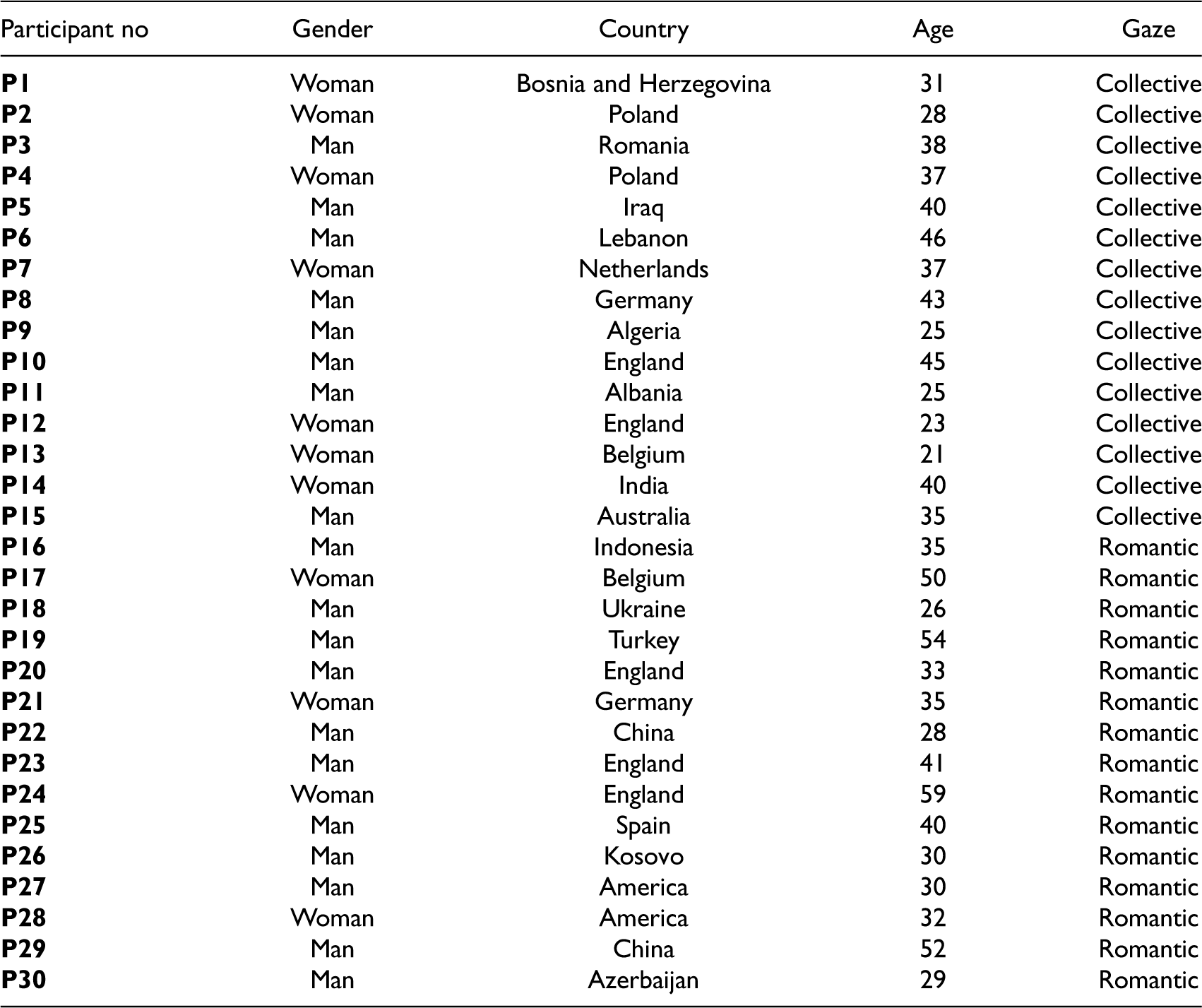
Using qualitative methods, primary data were collected through in depth photo elicitation interviews with 30 volunteer participants who provided informed verbal consent. Photo elicitation interview has been the most appropriate method for this research. Because the researchers can question the participants’ tourism experiences by using their own photographs, playing with the content (what is in the photograph), and the process (how the photographs are presented) (Smith and Barker, 2004). Photo elicitation interviews have been conducted with participants by choosing and interpreting their own photographs which they care about most about their experiences (Heisley and Levy, 1991: 261). Dempsey and Tucker’s (1994) five-step protocol for photo interviewing was followed. This involved sourcing/choosing photographs, letting tourists choose their photos from their devices, conducting the interviews, and analyzing the textual data. At the same time, mixed research has been used in the related research because it provides an easier understanding of the research problems in accordance with the purpose of the research (Creswell, 2009; Denzin, 1978; Tashakkori and Teddlie, 2003). In this context, at the end of the interviews, the romantic and collective gaze features defined by Urry (1990) were given to them as a paragraph scale. The purpose of introducing Urry's nominal scale to the participants was to find out what gaze they had in general when they went on vacation. The reason for this is to eliminate the potential impact of the scale on qualitative research results. When the questions of why Antalya and why city tours are answered, the most photographed area in Antalya is the Kaleici region according to the sightsmap program. Also, the tour type with the most tours in Antalya is city tours. Therefore, the universe of the research is composed of tourists visiting Antalya through organized city tours during the summer holiday of 2018. The sample of the research has been determined on a voluntary basis by being an easily accessible technique based on the purposive sampling method ( Carpenter and Suto, 2008 ; Teddlie and Yu, 2007 : 77). Tourists attending Antalya city tours, organized by the travel agencies, were preferable participants in the scope of the current research. In order to prevent the ethical problems due to the use of visual methods in this research, after the participants declared that they would participate in the research voluntarily, they were asked to read and sign a consent form in order to obtain copyright for their photographs ( Rakić and Chambers, 2012 ). Finally, the necessary ethical rules regarding the confidentiality of the personal information they conveyed ( Zimmer, 2010 ) and the photographs, were explained to the volunteer participants, thus giving them confidence in the confidentiality and security of the research. In this context, a total of 30 volunteer tourists were included in this research and the face-to-face meetings were conducted in Kaleici (Table 1). It is concluded that 30 volunteer tourists participating in the research are between the ages of 21 and 59 years and their mean age is 36,266 years.
Profile of interviews’ participants.
Data analysis
Since the related research aims to reveal the reflections of tourism experiences on photographs according to tourist gaze types, in the content analysis made for this purpose, it has been tried to reveal the themes that can explain or expand the phenomenon. Because visual data is inherently related to narratives, visual information can be made clearer through content analysis procedures ( Emmison and Smith, 2000 ). Content analysis is a widely used method in extracting meaning from text ( Woods and Roberts, 2000 ) and has been evaluated as a dynamic form of verbal and visual data to summarize the information content of the data ( Morgan, 1993 ). The purpose of content analysis is seen as “providing knowledge and understanding of the phenomenon under study” ( Downe-Wamboldt, 1992 : 314). The content analysis carried out facilitated the production of core structures from basic structures with a systematic reduction and analysis method ( Miles and Huberman, 1994 ). So, the researchers employed content analysis as the main data analytical tool. The text was partitioned into units of meaning, secondly the meaning units were condensed into a few words, as the third step codes were produced from each meaning unit, later the codes were divided into categories, and as the final step in data coding, the themes were identified on the basis of categories (Boyatzis, 1998; Erlingsson and Brysiewicz, 2017). The thematic coding allowed us to categorize the data there-by letting different themes to emerge (Samarathunga et al., 2020). In order to ensure the credibility of the content analysis (Lincoln and Guba, 1985), the “researcher triangulation” method was used, which emphasizes the conceptualization, theme, and categories between the two researchers, and the consistency and harmony between the categories (Cohen, 1960; Nicholls, 2009).
Kappa analysis was performed to measure the comparative agreement between the researcher and the evaluator. The value obtained in the analysis was 0.77 (good level of compliance) (Vehid and Eral, 2014: 61). In this way, there was an acceptable consistency and accuracy between the evaluators in this research, and dependability was ensured. In addition, both visual and textual data were juxtaposed to enhance the credibility in trustworthiness of the research (Agnenyega, 2008; Allatt and Dixon, 2004; Clark-Ibanez, 2004; Decrop, 1999; 2004; Harper, 2002; Lincoln and Guba, 1985; Lindlof and Taylor, 2002). In order to increase the confirmability of the research, all of the findings were presented in an objective manner. Tourists were “voices of insiders” to gain new insights into their travel experiences about “a new world view” rather than a “self view” ( Dyson, 2007 : 45–46). In this respect, regarding researcher reflexivity, the researchers were an “objective” outsider position to maintain credibility in the research process. However, most of the content on the reflexivity of the researchers belonged to the data analysis section of this research ( Dodgson, 2019 ; Lincoln and Guba, 1985 ; Nicholls, 2009 ).
Research area: Antalya-Kaleici settlement
The city of Antalya was founded in 158 BC by Attalos ruler of Pergamon (Avcı, 2015: 116). Today, in the historical area called Kaleici, there are monumental and historical monuments (Kesik Minaret, Hidirlik Tower, Clock Tower, Seljuk Medresa, Yivli Minare Mosque, Alaaddin Mosque, Mevlevi Lodge, Turkish Bath, Zincirkiran Mausoleum, etc.) belonging to the Seljuk and Ottoman periods (Kamacı and Örmecioğlu, 2017). While Kaleici is the old city center, it is still the focal point of the city's commercial center. In the settlement, tourism, entertainment, and catering activities have been given importance and it continues to be a center of attraction especially in tourism. Kaleici, which has been restored in different periods and preserved its original values, is an important construction that is visually evaluated in terms of tourism. Kaleici settlement was chosen as the research area based on the evaluation within the scope of the sightsmap program. It is considered as an interactive map project that shows the most photographed sightseeing points in the destination, is created with thousands of photos in the photo sharing site Panoramio which users tagged. In addition, all the world regions in the map project are expressed with a color scale from dark colors to yellow according to the number of photo-labeling (Antalya-Sightsmap). According to sightsmap, the most photographed area in Antalya is the Kaleici region.
Findings
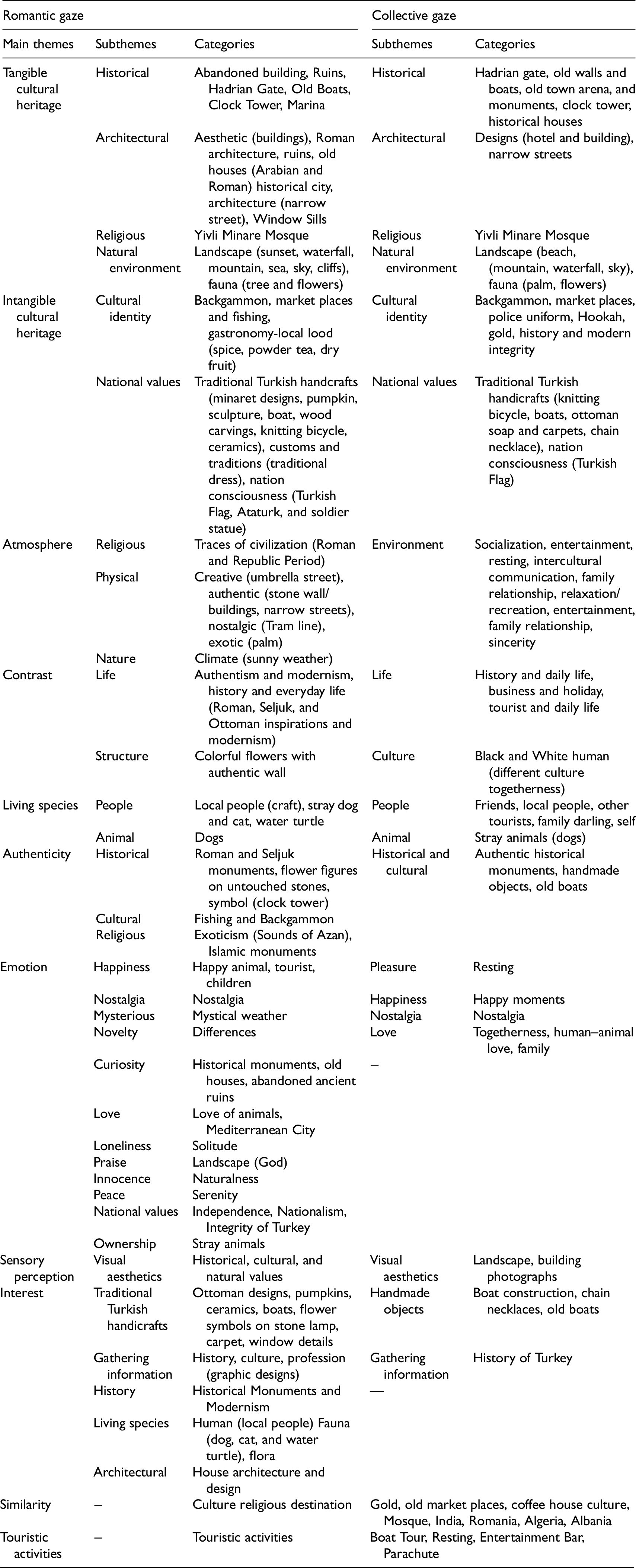
The findings obtained from the interviews of volunteer tourists were detailed on the main themes and subthemes. Tourism experiences obtained during the research process were analyzed according to the types of photographs taken on the axis of meanings and stories. The analysis results of tourism experiences through photographs are reported taking into consideration the similarities and differences according to the romantic and collective gazes. Through the previous data analysis, research findings have categorized the experiences of tourists as tangible cultural heritage, intangible cultural heritage, natural heritage, atmosphere, contrast, living species, authenticity, emotion, sensory perception, interest, similarity, and touristic activities. Also, the sources of all the photos presented in the images are the participants. Findings related to this research are described in Table 2.
The reflections of tourism experiences on photographs according to romantic and collective gaze typologies.
Tourist gaze and tangible cultural heritage
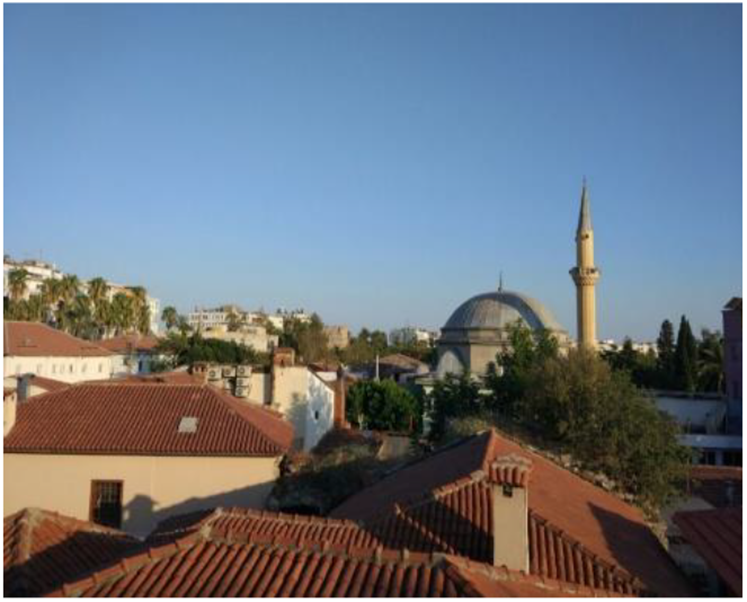
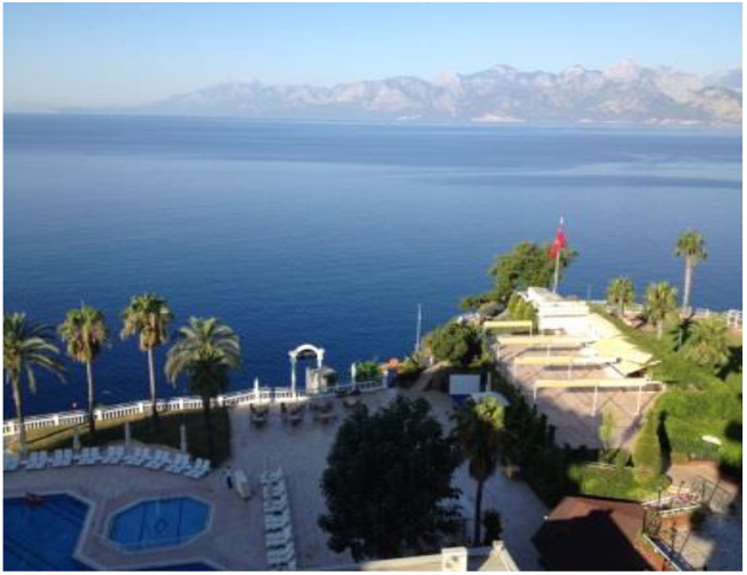
It is observed that tourists with a romantic gaze are more interested in “abandoned building ruins, other historical and architectural monuments followed by photos. Moreover, the existence of semi-spiritual relationship with Yivli Minare Mosque has been mentioned. The sky is considered as a dedication to God. As corroborated by Pretorius (2008), this finding demonstrates that spiritual experience describes the belief in the existence and nature of a divine or superhuman power. As corroborated by Macnaghten and Urry (1998), Lash ve Urry (1994), and Urry (1990; 1995) and this finding demonstrates that loneliness and solitude are emphasized in the characteristics of tourists who have a romantic tourist gaze. The participant expressed his “loneliness in the mountain photo,” as illustrated by the following quote and photo: … This place reminds me Africa where my father was born. Lesotho has only mountains and when I see these mountains, I remember Lesotho. It is very special for me … Looking here is nourishing my soul with love … (p 20) … There are old houses, roofs of houses, a sea, a deep blue sky, and then there is a dedication to God … (p 20) 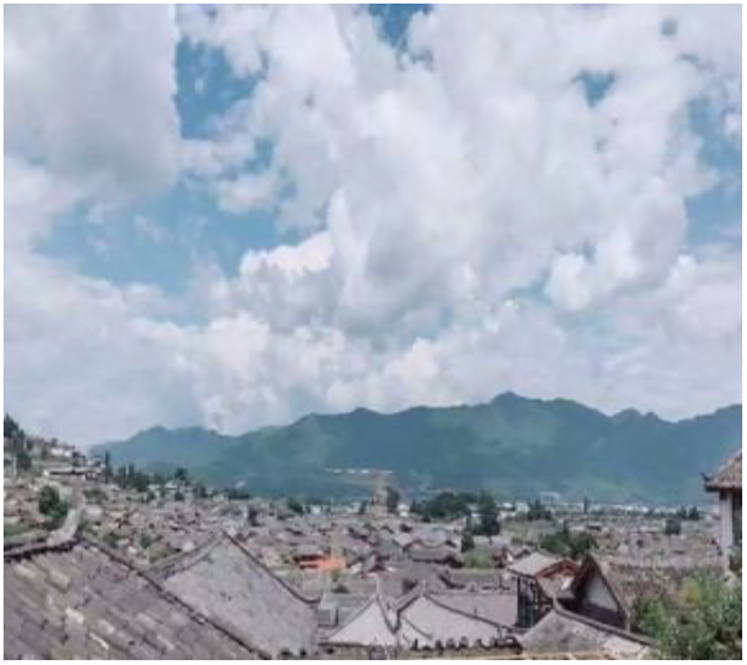
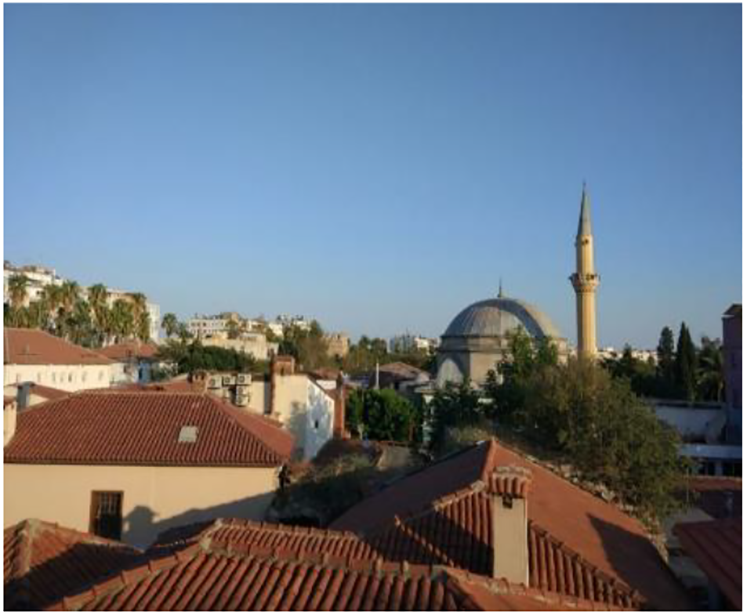
The following quotes and photos truly reflected what the tourists experienced in the romantic gaze with tangible cultural heritage:
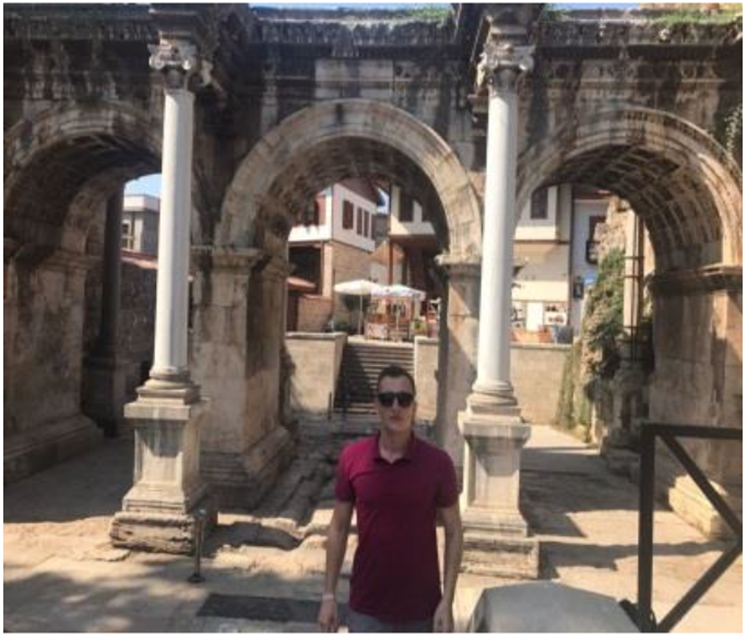
… I see history and this date is very very old. These gates and these stones look very old and mysterious. (p 30)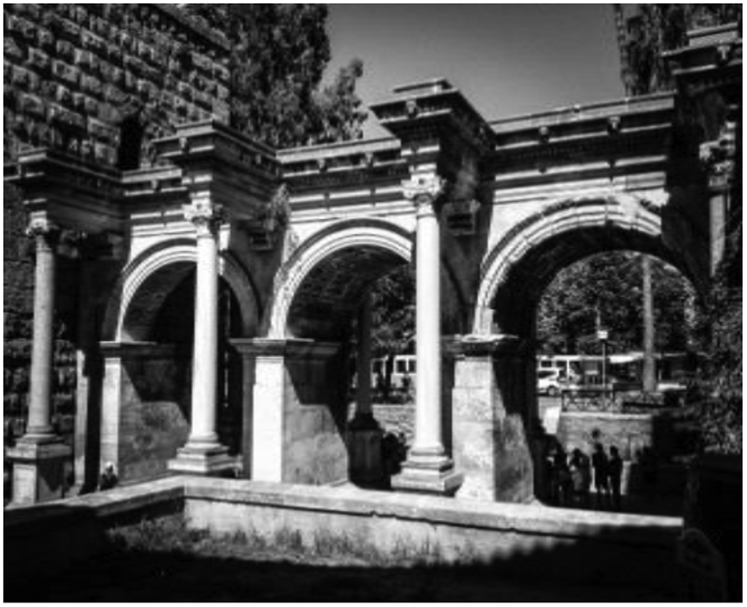
… Walls are very original and historic. (p 12) 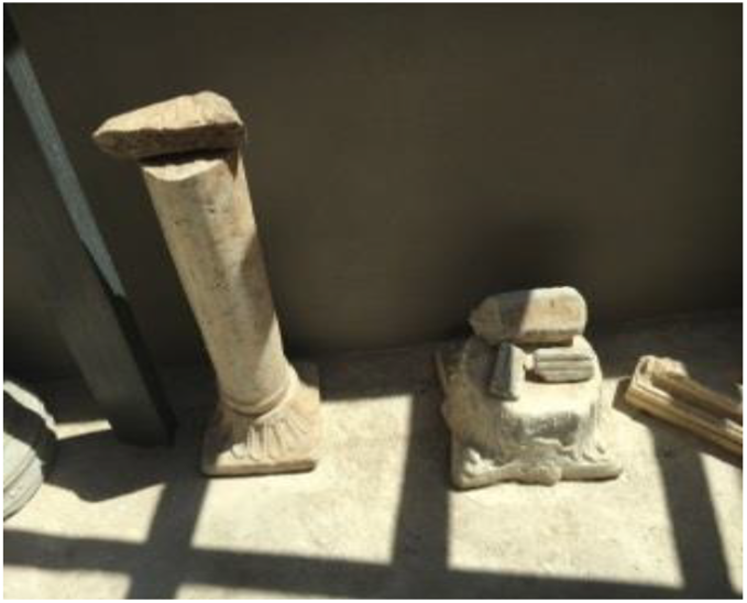
… I photographed traditional culture and old houses. Very narrow and deserted streets. (p 29) 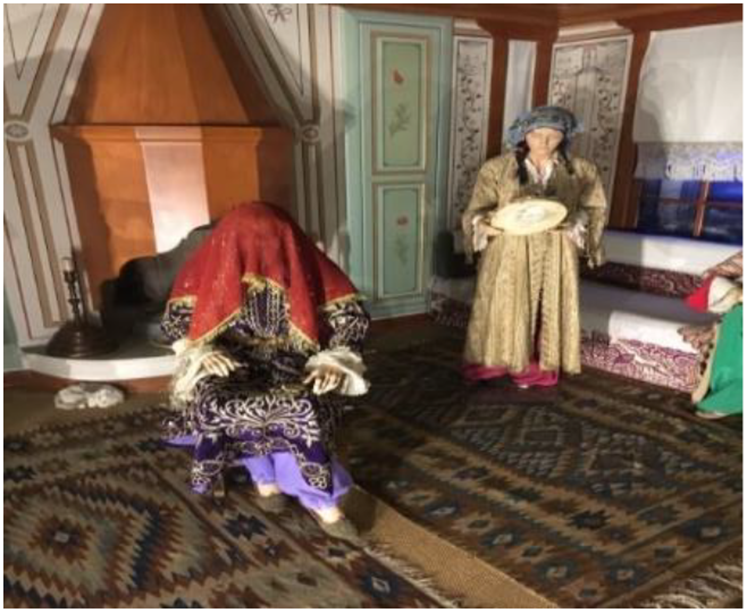
… I took the sunset. (p 30) 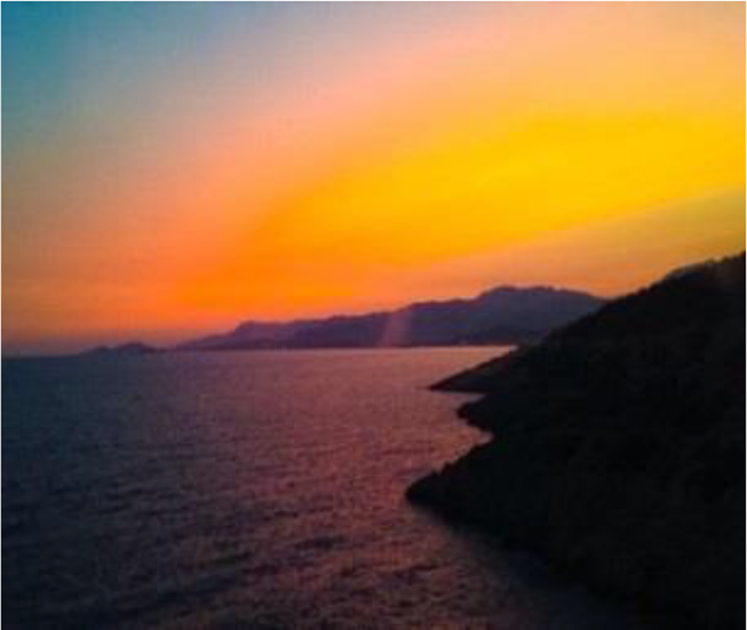
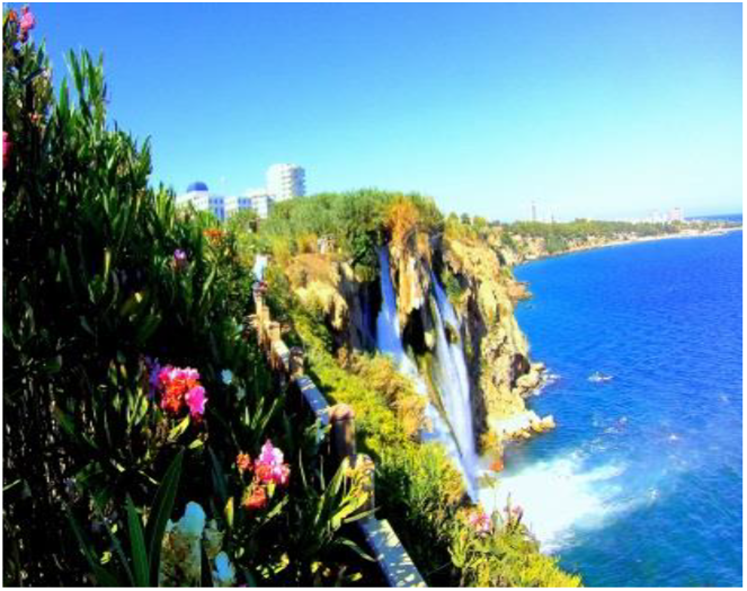
… I see a beautiful place where I’m not used to seeing so often. Unique place and waterfall. (p 27) 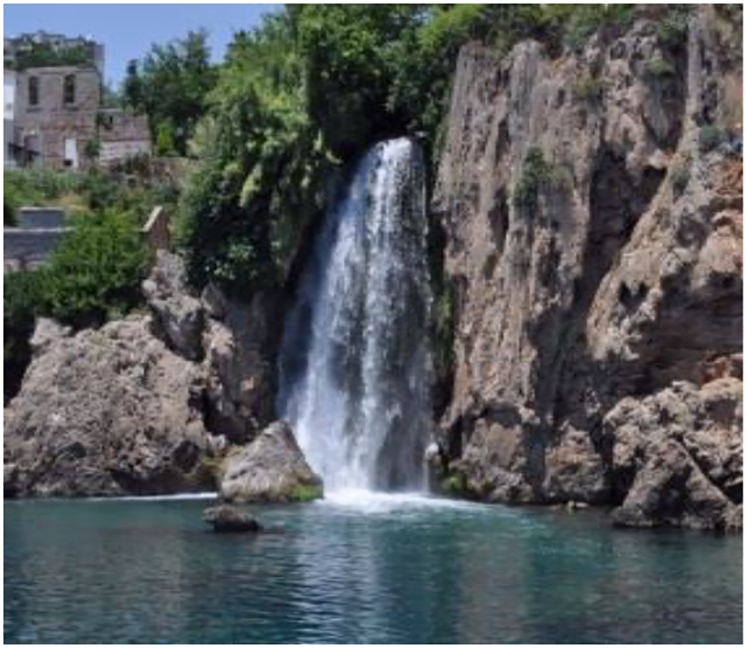
As corroborated by Haldrup and Larsen (2010), Larsen (2008), and Urry (1990, 2002) this research demonstrates that “collective gaze” is the importance attached to the tourism experience by the visitors accompanying the tourist In the experiences of the tourists with a collective gaze, it is reflected in the following way that they especially care about family, group, friendship, and love rather than solitude. These themes might be encapsulated in the selfies photographs taken by the self, of the self, or in the act of portrayal (Levin, 2014). Participants expressed this approach as illustrated by the following quotes and photos: … Love, love in front of the sea view. (p 3) … This is our first trip and I took a photo of the city and love … (p 1) 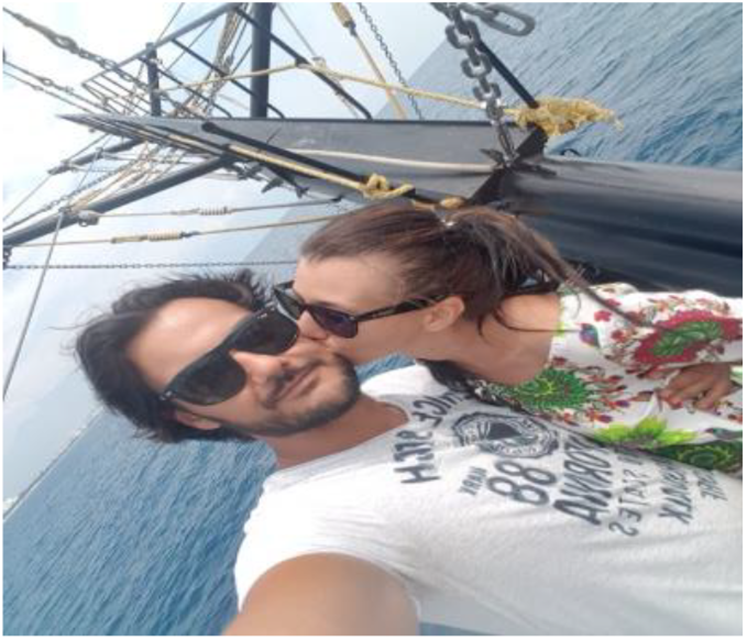
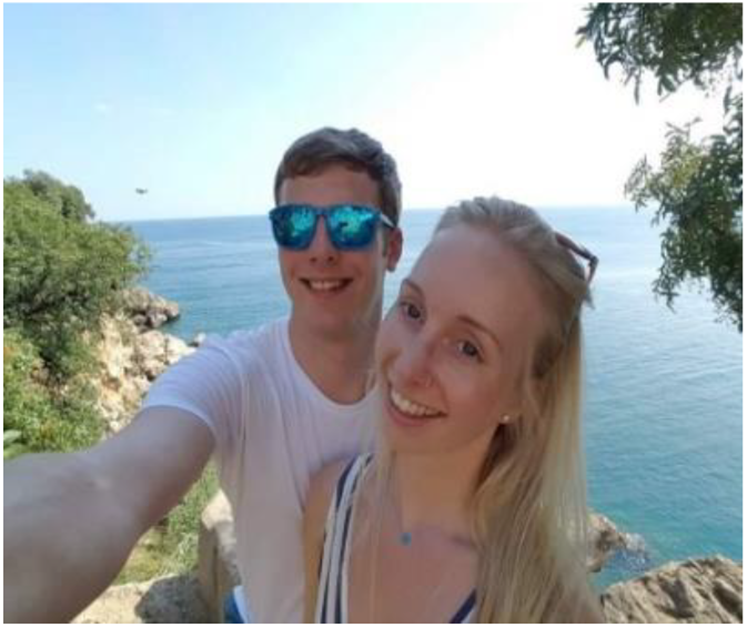
Unlike the romantic gaze typology, self-presentation is at the forefront as well as photos with the group or family (Haldrup and Larsen, 2003; Larsen, 2005) in the collective gaze. Most tourists experience the world in “teams” of friends, family members, and partners (Urry and Larsen, 2011). Haldrup and Larsen (2003), on the other hand, take this one step further by proposing a more comprehensive and sincere point of “family gaze” in which the family is the subject and object of the event. They suggest how much tourist photography revolves around producing loving family photographs set within distinct visual environments. The following quotes and photos truly reflected what the tourists experienced in the collective gaze with tangible cultural heritage: … Historical buildings of Kaleici and buildings preserved for years. (p 11) … I have a very nice sight, very nice place to see, nature and sun flowers, greenery, trees and waterfall. (p 2) 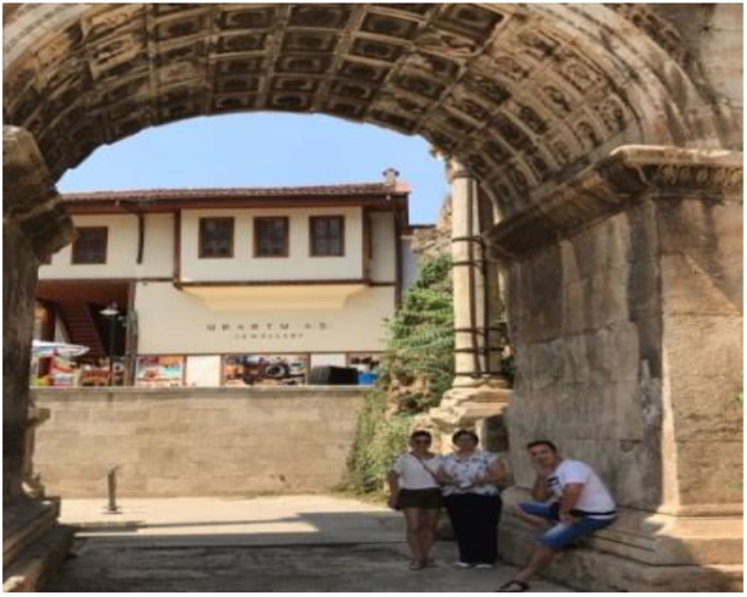
Tourist gaze and intangible cultural heritage
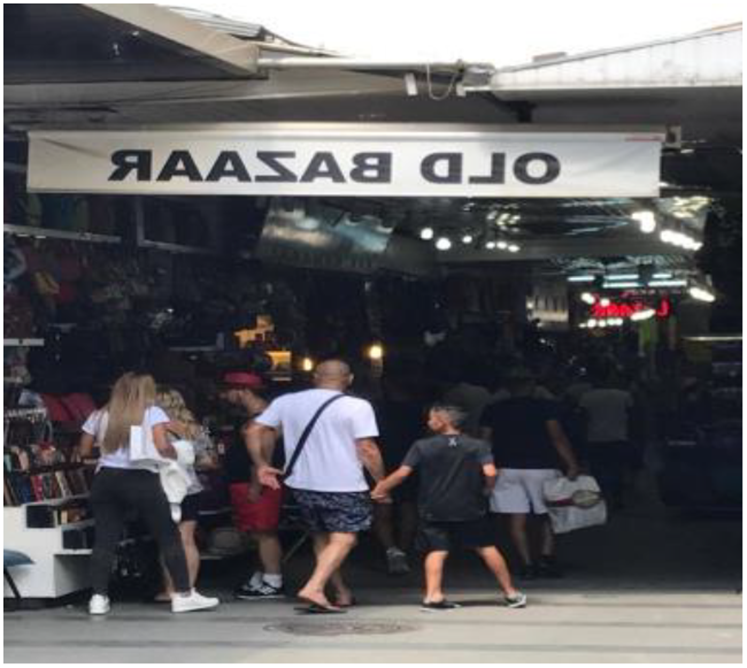
Comments on intangible cultural heritage in the photographs of tourists with a collective gaze are usually on similarity. While tourists with romantic gaze emphasize the differences; it is observed that tourists with a collective gaze emphasize the similarity between cultural and national values. This is expressed by direct quotations of cultural identity and entertainment: As corroborated by Otto and Ritchie (1996), this finding demonstrates that hedonistic factors are attractive to the tourism experience. The participant expressed herself as illustrated by the following quotes and photos: … In this photo I play backgammon with jack sparrow. He was an animator on this boat. Also, he amused people. (p 3) …Ottoman soap and hand-made, authentic Turkish and Ottoman carpets, colorful design, knitted bicycle photo. (p 11) 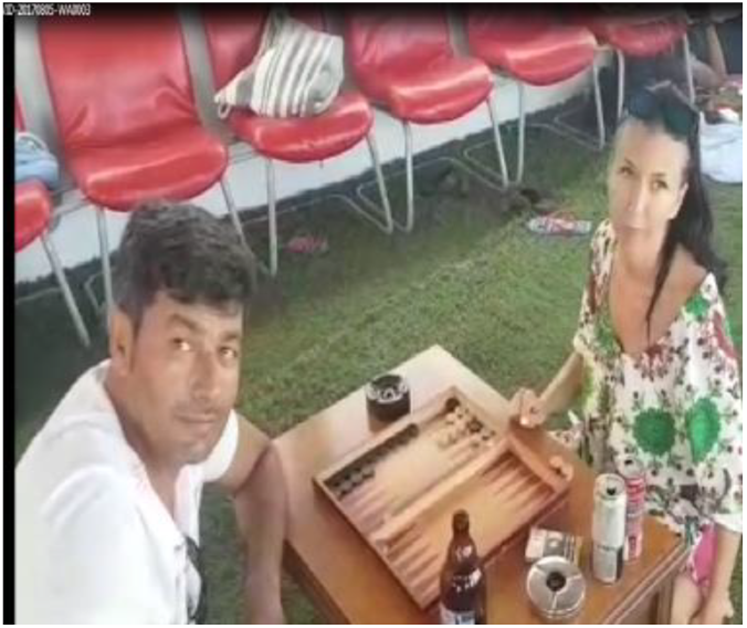
Tourist gaze and atmosphere
In the romantic gaze, the historical, physical, and natural atmosphere is emphasized in the statements of tourists, who also reflect the feelings of novelty, creativity, and nostalgia. As corroborated by Cohen (1974), tourism experience is based on novelty and change. The participant expressed himself as illustrated by the following quote and photo: … I come from UK and the weather is bad but when I come here, there's sunshine, water and sea. (p 20) 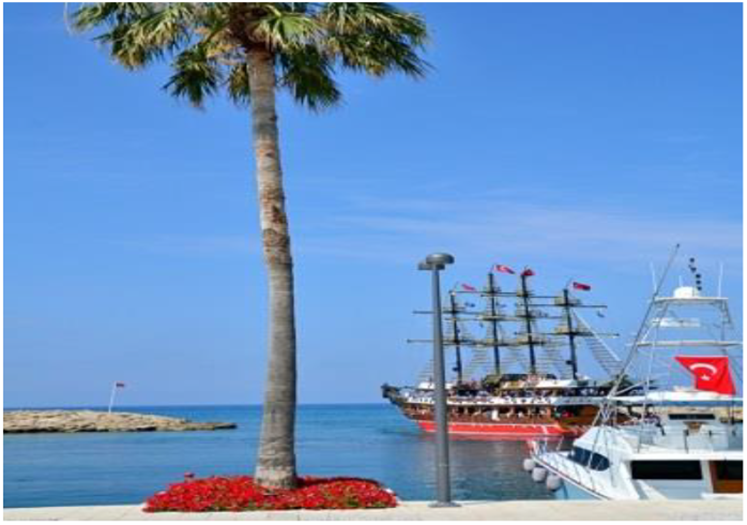
On the other hand, tourists with a collective gaze interpreted the atmosphere as more escape, entertainment, socializing, and activities. As entertainment is considered one of the oldest forms of experience (Pine and Gilmore, 1999), social relations come to the fore as the embodiment of tourist gaze (Urry and Larsen, 2011). These experiences are described in the following quotes and photos: … Look, I got this picture so nice. The photos we took in the parachute. In fact, our photos are fun-oriented and we are fully experienced in tourism. (p 8) … Getting to know a new friend in a new country … Different and Muslim people. (p 9) 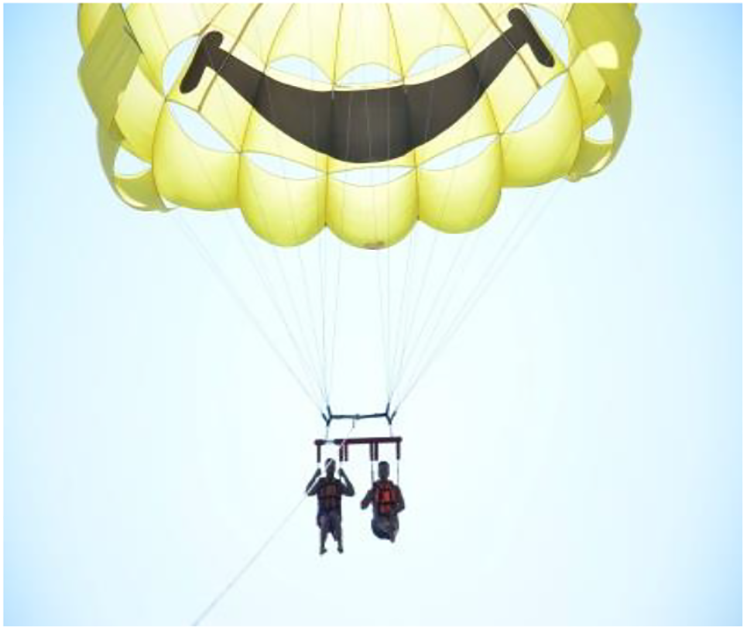
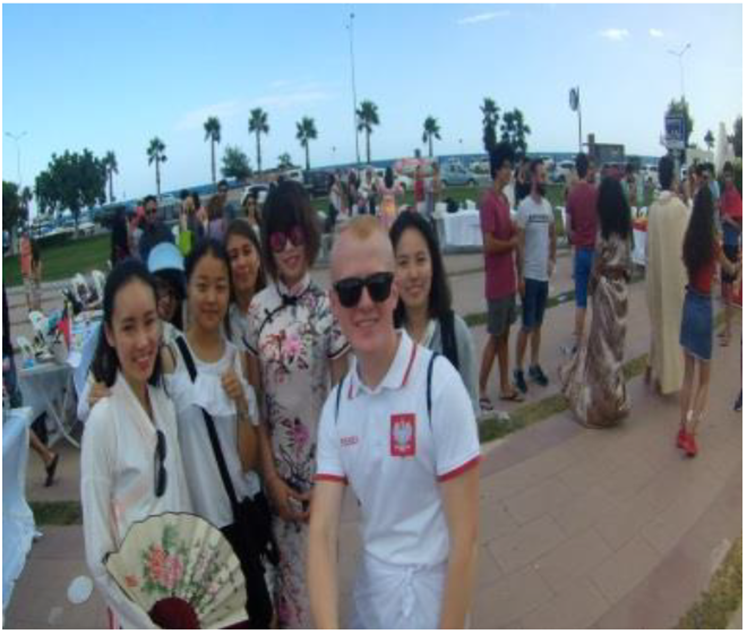
Other issues highlighted by tourists with a romantic gaze are about the contrast and living species. Besides the contrast of modernism and authentism, human, and animal elements are mentioned in the photographs taken by tourists to reflect the novelty and moments of surprise. Similarly, the photographs of tourists with a collective gaze are about the contrast and living species. The comments on the coexistence of touristic and everyday life, self-presentation, and the presence of stray animals are as follows: … When I look at the photo, I see an old structure. Two-storey old wood and stone intertwined with modernism. (p 21) … I see stray animals. I also see my girlfriend. The stray animals are playing. (p 15) 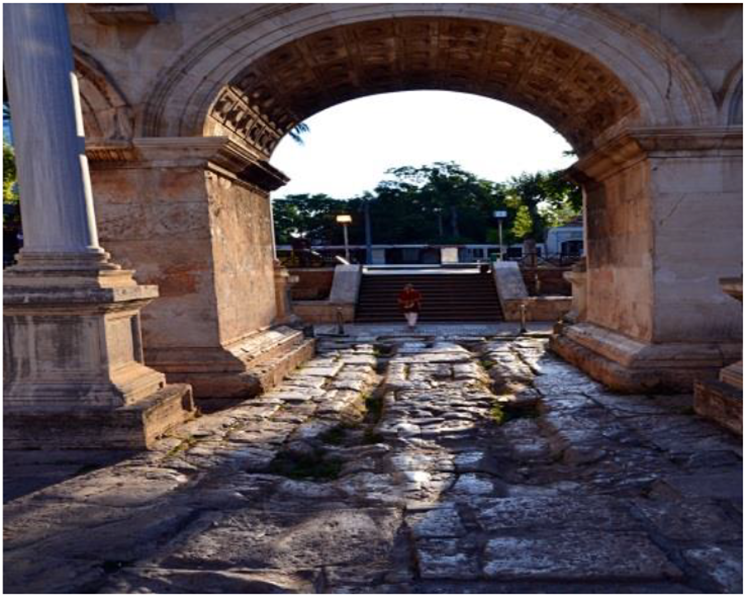
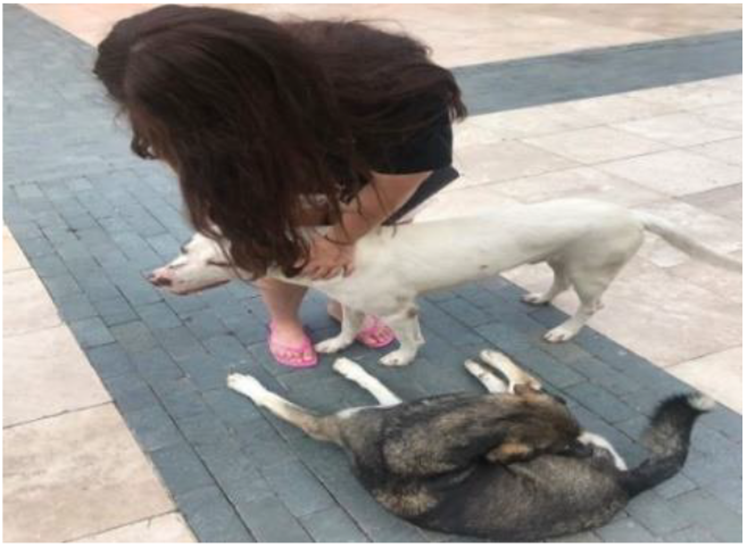
At the same time, in the context of this research, the experiences of authenticity (historical, cultural, and religious) are interpreted by participants. One of the points emphasized in the theory is that tourists with a romantic and collective gaze care about historical and cultural authenticity. In this context, the comments of the participants are expressed as follows: … Um I heard a sound like a song from the mosque and it was very exotic. I’m Catholic, but it's very different. (p 25)
… Walls are very original and historical. (p 12) 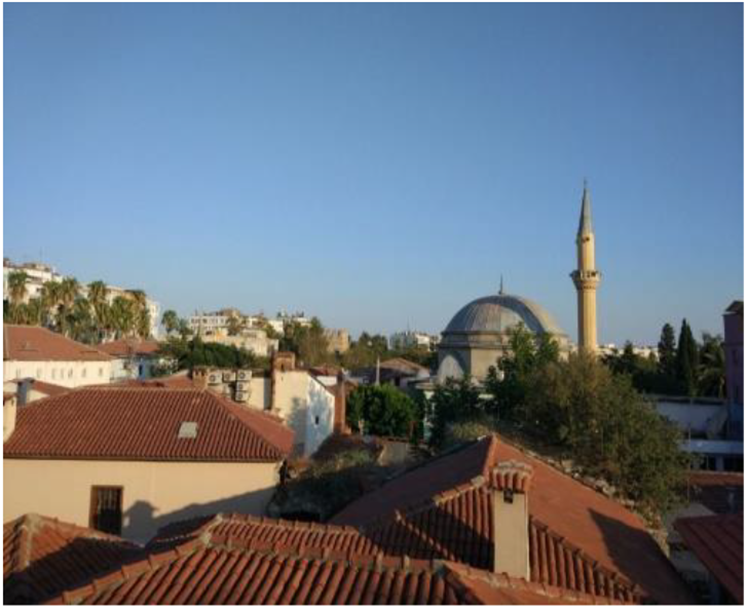
Tourist gaze and emotions
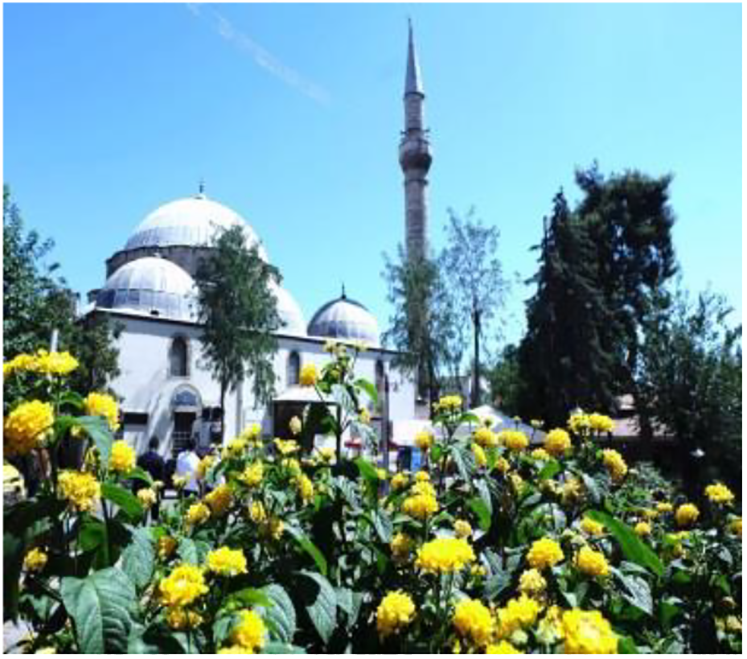
It is observed that the experiences of tourists with a romantic gaze are on emotions such as solitude, peace, serenity, happiness, nostalgia, mystery, novelty, curiosity, love, loneliness, and praise. As corroborated by Domínguez-Quintero et al., (2019), Smith and Waterton (2009), and Smith and Campbell (2016), these findings demonstrate that these emotions are common in particular cultural heritage sites. Thus, this research emphasizes that the emotional experiences of tourists with a romantic and collective gaze differ. The participants expressed themselves as illustrated by the following quotes and photos: … It's like dogs in this country are happier and free … (p 27) … I like the mosque. It made me feel mystical. (p 21) … I have never seen such a unique mosque before. It's my first time in my life. (p 26) … There are old houses, roofs of houses, a sea, a deep blue sky, and then there is a dedication to God … (p 20) 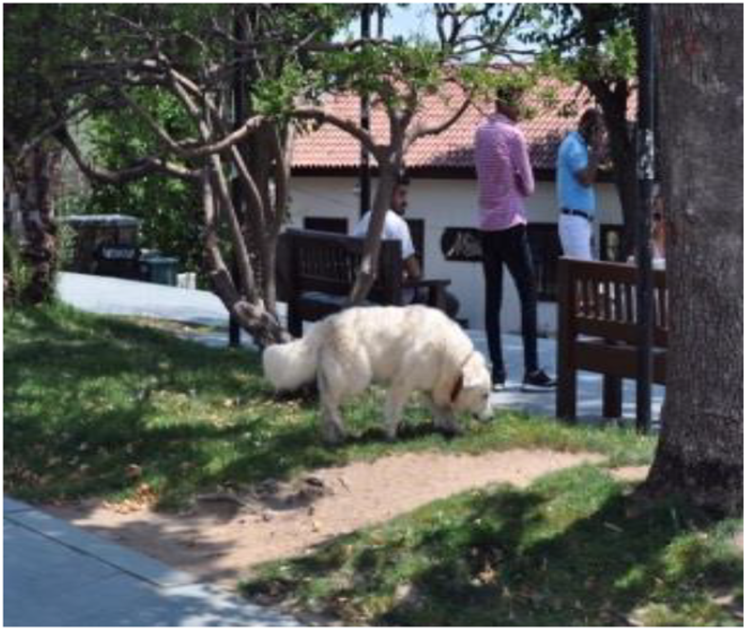
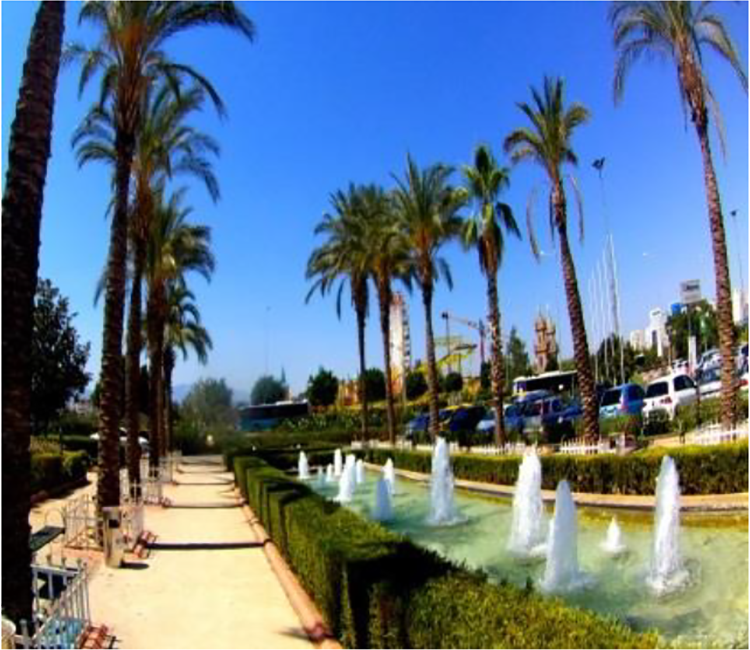
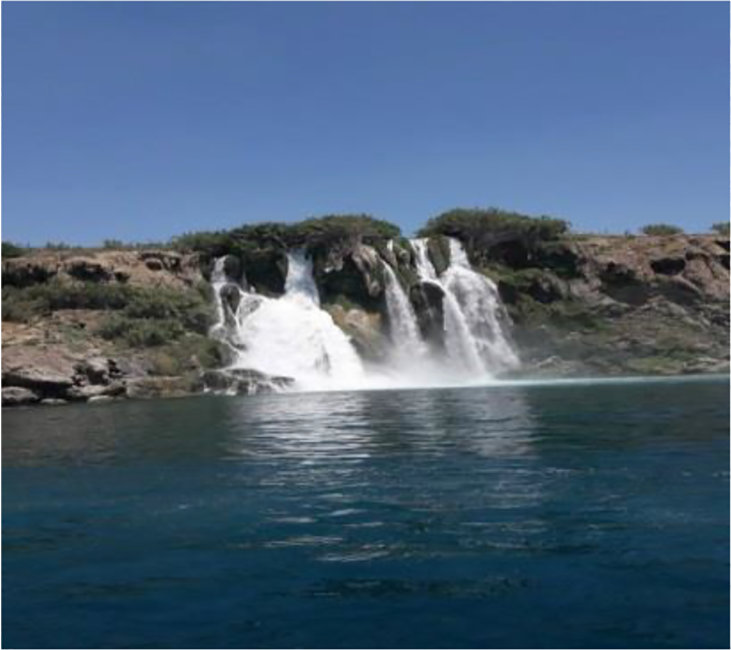
The most distinctive features of tourists with a collective gaze include rest, pleasure, love, happiness, and nostalgia. The tourist gaze may be directed towards the locals and that of the local or towards the guest simultaneously (Maoz, 2006). The comments of the participants are expressed as quotes and photos: The bar environments where I met with other friends because I was able to drink something, meet new people and have fun and dance … (p 11) … I wanted to catch happy moments. Because work and stress is intense in our daily life. (p 8) In this research, the other point emphasized in the comments about the experiences of tourists with a romantic and collective gaze is sensory perception (visual aesthetics): … There are some buildings that look very nice. I like the color of the sea very much. it's nice to see how blue and green are at sea. (p 11) … This waterfall is the symbol of Antalya and looks very extraordinary. (p 30) 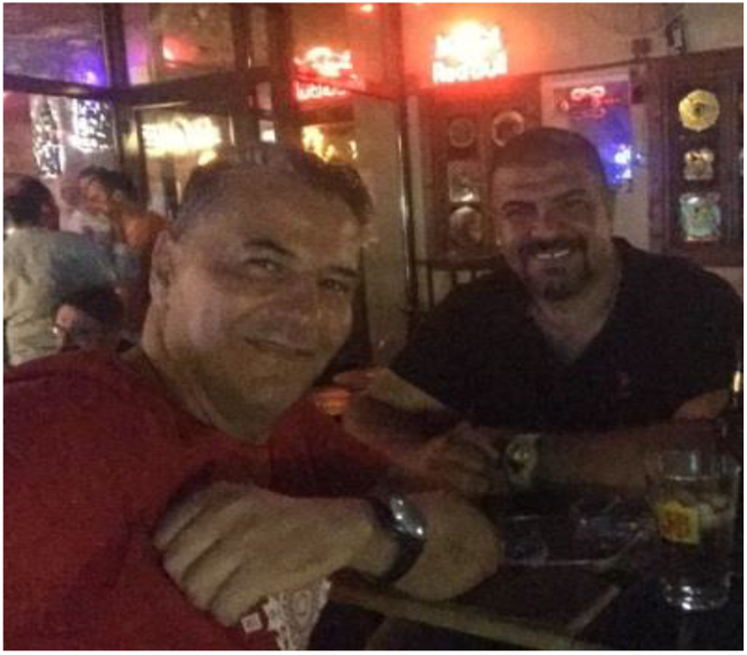
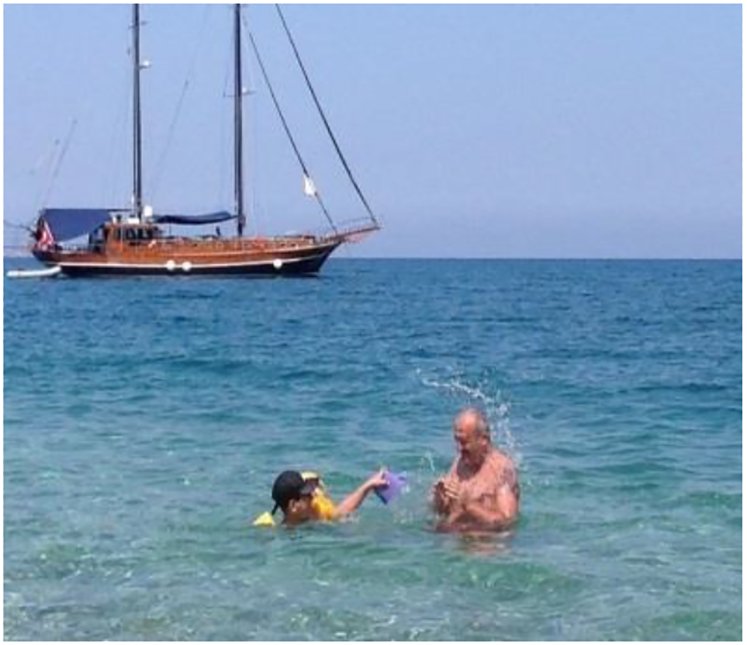
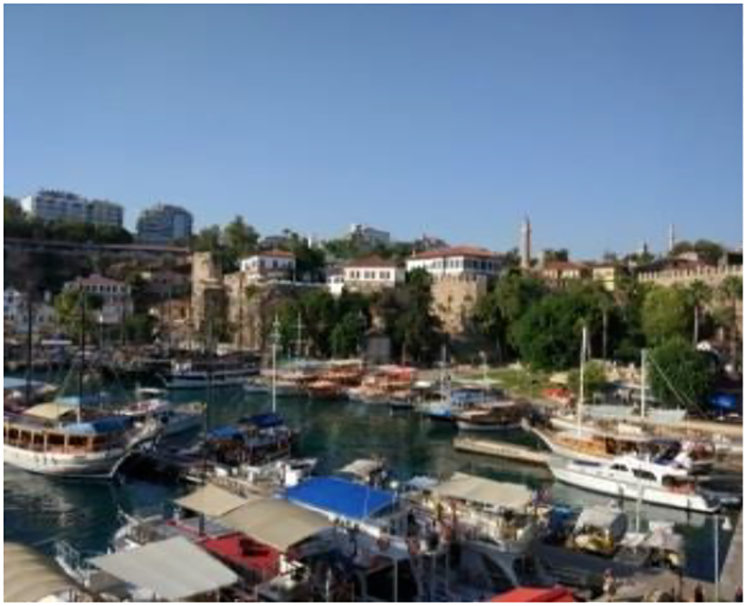
It is expressed by direct quotations that tourists with a romantic and collective gaze take photographs according to their interest points (traditional Turkish handicrafts, architectural structure, history, living species, and knowledge) and especially tourists with a romantic gaze care about the differences and details (Urry, 1990): … The Ottomans had stone carving and such things are very interesting to me. (p 26) … I love old boats … This is very authentic for me. Also, I’m very interested in the engineering of these boats. (p 3) 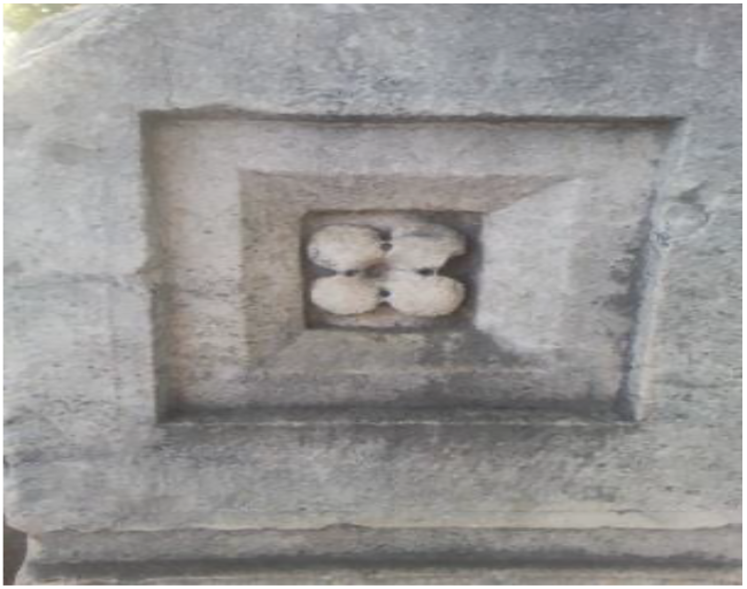
Lastly, this research emphasizes that only tourists with a collective gaze are interested in similarities and tourist activities (Urry, 1990). At this level of culture, we can talk about the “tourist gaze.” As Urry and Larson explain (2011), the gaze is constructed through signs which a culture perceives and interprets according to its own value system. The cultural and religious similarities of tourists with destination and amusing tourist activities are described as follows: … It's such as the gold in India … It looks like the gold in my country so I took these pictures to show them to my parents. (p 14) … This is my hotel and that place is beach. I take my coffee in the mornings and enjoy relaxing on the balcony while sitting. (p 6)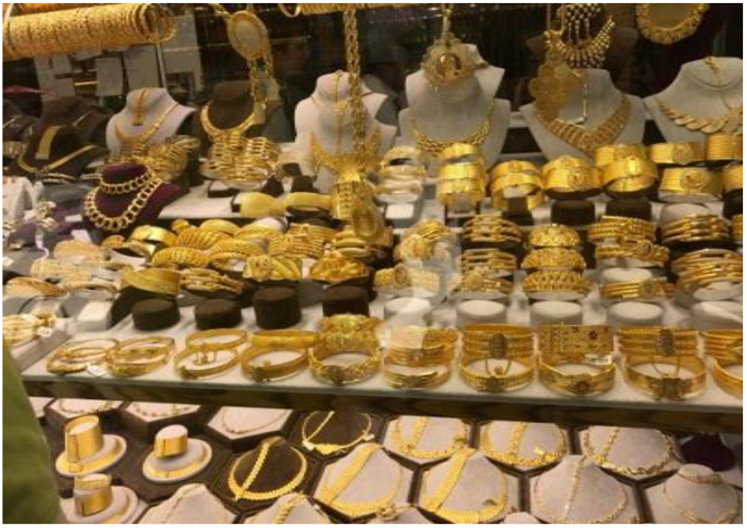
Discussion
Findings from this study of participants reiterate much that is already familiar about the tourist gaze. Just as this study's results reinforce Urry's general hypothesis that the tourist gaze is a culturally learned way of behaving reflecting what the desires and expectations of tourists. Within the scope of the research, it is concluded that the approaches that existed in the traditional theorization of Urry (1990) are supported with concrete reflections. Besides emphasizing the tourist gaze beyond visuals; this research also revealed the relationship between senses and gaze and then adopted an embodied and multi-sensuous approach involving all senses in performances of multiple gazes. These gazes have been shown as subject to change based on socioeconomic, historical, political, and other factors (Urry and Larsen, 2011). But, the development of digital technologies such as smartphones and social media has also changed the criticized visual consumption of the tourist gaze (Dinhopl and Gretzel, 2016; Vannini and Stewart, 2017; Wang et al., 2012; Zhang and Hitchcock, 2017). The use of digital cameras and camera phones has not only increasingly enabled tourists to concretize memory, but has also contributed a more playful and experimental experience (Haldrup and Larsen, 2010; Urry, 2002). This approach called performance turn suggests that the gaze is also entangled with physical or corporeal, olfactory, sonic, and tactile oral experiences (Haldrup and Larsen, 2010; Urry and Larsen, 2011; Veijola and Jokinen, 1994). Flavors, touches, smells, and sounds, playing, performing can also produce difference and the extraordinary (Franklin and Crang, 2001: 14).
It has been found that the tourists who have different gaze typologies have met in some points about the types of photography, their reasons, and the meanings and stories they attributed to the photographs. The experiences of tourists with a romantic gaze are reflected in photographs in detail; authenticity, nostalgia, exotic, unusual, and mysticism. These tourists can be remembered with their emotional, unique, aesthetic, local culture, heritage, and spiritual experiences. The narratives that talk about the uniqueness of history, culture, and heritage highlight the kinds of performative practices in which tourist experiences are embodied (Urry and Larsen, 2011). It is argued that the notion of the gaze is too static and passive and ignores performance and adventure (Perkins and Thorns, 2001). But this research does not support this claim. Tourists with a collective gaze reflect their emotional, romantic, conformism, authentic, familiarity with culture, and love feelings in their photographs. Tourists with collective gaze generally exhibit collectivistic behaviors and socio-cultural norms. These tourists’ social needs and behaviors stem from the central role that family and friends traditionally play in everyday life. Tourists enjoy in-group commitment and connection with others of similar socio-cultural identity (Hofstede, 2001). In this respect, Haldrup and Larsen (2003) stated that the families who are on holiday are using the camera to “show success, unity and love.” The issues highlighted in the dimension of memorable experience have been in terms of aesthetics, interest, and hedonism. Photos of the boat trip and parachute entertainments regarding the escape experience are also considered within the scope of the most important experiences. The 3.0 version gaze examines the embodied and multi-sensuous nature of gazing and the social relations of gazing. It is argued that tourists never just gaze upon places and things. Tourists not only gaze upon places in the presence of others, other tourists, and locals but simultaneously also perform through tourism places, objects, and experiences (Urry and Larsen, 2011: 201–205).
While the feeling of curiosity, difference, and interest, a sense of self-awareness, authenticity, and nostalgia are prominent in romantic gaze; tourists with a collective gaze reflect their group, friends, family, similarities, and hedonistic feelings (entertainment, consumption, rest, and interaction) to the photographs. Dunman and Mattila (2005) and Otto and Ritchie (1996) confirm hedonistic factors as a structure in the tourism experience. The emphasis on familiarity with the known and superficial experience is more frequently expressed by tourists with a collective gaze, because they show that they care about similarity and sense of “feeling like at home” (Tataroğlu, 2006). In other words, while some tourists are looking for different or strange experiences, some are looking for safe and predictable ones. In our modern society, tourists are no longer just looking for a relaxing holiday by the sea.
Conclusion
According to Urry and Larsen (2011: 3), there is no universal experience “that is true” for all tourists at all times. Moreover, tourist studies ignore the fact that many tourists do not experience the world only through ‘‘collective gaze’’ of mass tourism (Urry, 1990). In fact, we cannot ignore the experiences of tourists with a romantic gaze who visit the city, which is massified by a collective gaze. In order to compensate for this lacking aspect, the researchers analyzed tourism experiences of the romantic gaze, which reflects the opposite of collective gaze. In this context, it is thought that this research contributes to revealing the potential of the tourism experience, which has not yet been analyzed with visual methods in the context of the tourist gaze. Because, digital visuals contribute to recreating tourist experiences with new gazes (Pagenstecher, 2003). Tourism providers can satisfy the tourists according to the qualities of their experiences (Binkhorst and Den Dekker, 2009; Liu et al., 2010; Mossberg, 2007; Pine and Gilmore, 1999). At this point, it is invaluable to understand that tourism marketing planning should take into account the visuals and experiences of tourists with different gazes (Selby and Morgan, 1996: 288).
According to Urry (1990), “mass tourism” and “selective tourism” or “romantic tourist gaze” and “collective tourist gaze” is a portrait of Turkey poised between the conflicting interests. If we interpret it in Antalya, the situation is the same. It is argued that the romantic gaze is of considerable importance and is part of the global tourism. It can be said that in our modern society, tourists are no longer just looking for a relaxing holiday by the sea. The existence of tourists who have a romantic gaze, as well as those who have a collective gaze, are once again expressed with concrete approaches. This research also exemplifies the transition characteristics of post-fordist consumption structures and transition of tourist consumption to more independent, niche markets and special experiences rather than package holidays (Munt, 1994; Urry, 2002). The point is to emphasize the fact that a group of tourists who are still looking for pristine, clean, and original objects have been encountered among the groups visiting Kaleici. These people are actually still looking for untouched places novel, authentic, and spiritual experiences where they feel in contact with a “real” world and their “real” self (Handler and Saxton, 1988: 243). As the tourists’ behavior tendencies change gradually from the traditional “mass” tourism to the alternative “niche” tourism, the tourist destinations should improve the tourism products and differentiate the visuals of destinations in order to motivate the changing market (Niezgada, 2013). In this context, tourism of Antalya which includes both romantic and collective gazes is not just a trio of sea, sun, and sand. It should be portrayed and represented in the international tourism market in accordance with the experiences of traditionalism, authenticity, nostalgic, exotic, aesthetics, and novelty. Tourist visuals are based on selected elements of history, tangible/intangible heritage, religious or spiritual cultural practices, authentic items, cultural values, and various features of townscape and landscape. Diversifying the boat tours organized in Kaleici, enriching the traditional elements of the region with festivals, highlighting the authenticity of culture and physical esthetic values that appeal to the senses of tourists as well as unique alternative tourism activities that include nature tours, historical and archeological tours, artistic and cultural events can be provided to enrich the experiences of tourists. Organization of such experiences also implies different kinds of socialities, from private and solitary to collective involving festivity and conviviality.
In this context, Stepchenkova and Zhan (2013) emphasize that information about the relationship between visitors’ social and cultural backgrounds and their perceptions of a destination will help destination marketing organizations to more effectively market their tourism products and services in culturally different target markets. Thus, marketing visuals can motivate to shape expectations and to visit people in specific places (Garrod, 2009; Tasci and Kozak, 2006; Urry, 1990; Verma et al., 2002). The other research findings by Ye and Tussyadiah (2011) aiming to understand how visual images are related to the expectation of experiences by interpreting visitors’ perceptions of destination images and their related experiences seem to support the perspective of this research. The results show that tourists with different understandings of desirable experiences find different concepts of content and image that inspire them to visit a destination. In the other research conducted by Zhao et al. (2018) , which includes the examination of photographs and texts published by tourists on a social media network site, it is thought that different and similar tourist gazes, ideas and values contribute to the formation of the tourism destination image. Thus, destination marketers should be able to create images of the architectural, historical, social, and behavioral dimensions of the destination in order to create an object worthy of the tourist gaze emphasized in the relevant study ( Meethan, 1996 ).
In this research, we see that the visuals used by the tourism industry to attract tourists to certain destinations have become the object of tourists’ gaze and therefore are the subject of tourist photographs ( Garrod, 2009 ). For example, citrus trees unique to Antalya are not among our cultural identity reflected in photographs by tourists. Instead, palm trees with exoticism are in the foreground. Therefore, original values such as orange trees should be prioritized in holiday brochures and promotional campaigns by protecting our existing cultural identity while creating objects specific to tourist gazes. So, it is not enough to produce beautiful photographs just to attract tourists; these photographs need to convey a deeper message by promoting cultural identity and distinctive factors. The distinctiveness of the visual is crucial for giving all sorts of practices and performances a special or unique character (Urry and Larsen, 2011) as the orange trees by the beach, the exotic sounds from the mosque, happy stray animals, the colors of the exotic plants, and so on. Thus, meaningful and profitable tourist gazes can be generated and sustained. Therefore, the stereotype that there are only people with a collective gaze in mass tourism destinations should not be acted upon. It is seen that promoting and marketing the products and services offered by Antalya with a romantic and collective gaze will be effective. The reflections of the tourists’ gaze, which are expressed in the themes and categories, revealed by the research should be well analyzed by the destination managers.
One of the suggestions for future studies related to different tourist gazes is to increase the number of those to be performed by other visual methods. As emphasized in the related research, only photographs are not considered sufficient to explain and reflect on experiences. For this reason, it is recommended to use the storytelling sufficiently in the transfer of experiences. At the same time, comparative studies can be carried out, including the etic approach, as well as the researcher and participant photographs. The theory of social construction “can be used in order to find out the meanings attributed to visuals. Because the theory of social construction of reality emphasizes that reality exists but that the meanings attributed are special.”
There are also some restrictive situations related to using visuals, especially photographs. When asked to evaluate the photographs that best reflect the experiences of the tourists, some participants felt uneasy and refused to participate in the research process. Some participants did not want to share their private photos with researcher. At the same time, sounds, smells, or even emotions could not be expressed and adequately represented at that time (Dorwart et al., 2006). Time insufficiency and the language of the interview being only English can be considered as another constraint on the related research.
The transformation from collective gaze to romantic gaze
It is known that the coronavirus epidemic, which has affected the world for the last year, caused an unprecedented global tourism crisis. It is a matter of curiosity how the COVID-19 pandemic affects the tourist gaze. Global immobility of individuals, temporary border closures and travel restrictions between countries induced by the COVID-19 have seriously affected tourism with all its dimensions (Miles and Shipway, 2020). Emphasizing that the tourist gaze has a changing structure in terms of space, time, and social groups, the researchers agree with Urry (1990) in this process. Nowadays, most people are searching for unfamiliar and quiet places glancing at details taking on a gaze that resembles the romantic gaze of a tourist There is a transformation from a collective gaze dominated by mass tourism consumption, which includes crowd, enthusiasm, and entertainment to a particularly romantic gaze. Therefore, tourists who have to get away from the crowd prefer accommodation types such as villas and caravans instead of hotels. Moreover, COVID-19 compels us to look from the windows such as spectatorial gaze.
With the decrease of tourists from foreign markets, mass tourism capital Antalya in Turkey suffering from this situation somehow is experiencing the quietest days in the history. Because there is a tourist mass that is physically and emotionally affected by negative conditions such as pandemics. Now, with the change in the perspective of tourists the specific holiday options are given more importance than “sea-sand-sun.” Tourists who want to feel safe visit more quiet and deserted cities rather than attractive and crowded destinations. It is observed that the interest in mass tourism, which is mostly preferred, has shifted to alternative tourism. Thus, it is obvious that tourism should not be considered merely from the southern coast of Turkey. Moreover, there are efforts to boost domestic tourism in order to manage the pandemic crisis. Now, there is a more tendency towards understanding domestic tourists’ gaze rather than international tourists’ gaze.
Supplemental Material
sj-docx-1-jvm-10.1177_13567667211038955 - Supplemental material for Tourist gazes through photographs
Supplemental material, sj-docx-1-jvm-10.1177_13567667211038955 for Tourist gazes through photographs by Remziye Ekici Cilkin and Beykan Cizel in Journal of Vacation Marketing
Footnotes
Declaration of conflicting interests
The authors declared no potential conflicts of interest with respect to the research, authorship, and/or publication of this article.
Funding
This research is derived from my doctoral dissertation and was supported by the Scientific Research Projects Unit serving within Akdeniz University.

Supplemental material
Supplemental material for this article is available online.