






Abstract
This study investigates the formation mechanism of autobiographical memory among recreational vehicle travelers by validating the negotiation–inspiration–memory model. Drawing on 358 valid responses collected through a survey in China, the study confirms that intrapersonal, interpersonal, and structural constraints significantly influence negotiation. Connectedness to nature and social interaction are identified as antecedents of tourist inspiration. Both negotiation and inspiration positively predict autobiographical memory, with a sense of achievement moderating these relationships. The findings offer theoretical insights into how behavioral and cognitive processes interact to shape memory formation in tourism contexts. The results suggest that marketers and destination managers can enhance memory encoding through targeted interventions such as storytelling prompts, milestone recognition, and immersive social experiences.
Keywords
Introduction
Autobiographical memory has gained increasing significance within tourism research because it specifically relates to marketing outcomes such as destination loyalty, repeat visitation, word-of-mouth (WOM) advocacy, and brand equity (Kim et al., 2010; Shen et al., 2025). In the evolving landscape of travel, recreational vehicle (RV) tourism has emerged as a distinctive segment characterized by high levels of autonomy, flexibility, and deep engagement with both natural and social environments (Hardy and Gretzel, 2011; Tang et al., 2024). These features make RV tourism an ideal arena for examining the dynamics of autobiographical memory formation and its antecedents, including constraint negotiation and tourist inspiration (TI), as well as the moderating effect of a sense of achievement (SA).
From a marketing perspective, the formation of strong tourist memories is more than an academic concern. Autobiographical memory, defined as the collection of personal memories that integrate self-relevant experiences over time, is a robust predictor of post-travel behavior (Shen et al., 2025). Satisfied and memorable experiences strongly influence intentions to revisit and recommend destinations, which are—regardless of niche or mass market—core goals for destination marketers. Beyond transactional metrics, autobiographical memories create emotional bonds (e.g. place attachment and brand love) that are difficult for competitors to replicate, translating into destination loyalty and higher lifetime customer value (Ghorbanzadeh and Rahehagh, 2021; Li and Zhao, 2021). Moreover, return visitors act as WOM agents, providing credible endorsements to peers and amplifying marketing reach at a reduced cost compared to acquisition campaigns (Litvin et al., 2007; Trusov et al., 2009).
The conceptual power of autobiographical memory extends through various feedback loops within the tourism marketing ecosystem: autobiographical memory reinforces revisit intentions, catalyzes recommendations, and, when shared interpersonally or through digital platforms, enhances destination image and visibility (Li and Zhao, 2021; Zhao et al., 2022). RV travelers, whose journeys are long, immersive, and self-curated, have been shown to derive experiences that are highly salient and enduring within their personal narrative, thereby making them particularly valuable for destination brand equity (Hardy and Gretzel, 2011; Shen et al., 2025; Tang et al., 2024).
Amid the compelling marketing potential of autobiographical memory, infrastructure and safety barriers emerge as pivotal structural constraints with direct implications for both demand generation and the design of tourism offerings (Li and Zhao, 2021; Zhao et al., 2022). These barriers encompass the accessibility, reliability, and security of transport networks (e.g. road conditions and availability of safe RV camping sites), as well as the sufficiency of support amenities (e.g. clean water, electricity, medical facilities, and Wi-Fi). Deficient infrastructure or perceived safety concerns can stymie the entire memory formation process by deterring initial visitation, reducing engagement, or truncating otherwise memorable experiences (Darabseh et al., 2024; Xie et al., 2020).
Travel constraints—whether intrapersonal (e.g. anxiety), interpersonal (e.g. lack of social support), or structural (e.g. resource limitations)—are near-ubiquitous but variably experienced and managed in RV tourism (Devčić and Pražić, 2024; White, 2008; Yağmur and Demirel, 2024). Behavioral approaches to constraint negotiation involve tangible actions such as route adaptation, advanced logistics planning, or acquisition of new RV operation skills (Devčić and Pražić, 2024; Yağmur and Demirel, 2024). However, cognitive approaches encompass mental reframing, self-encouragement, or positive assimilation of constraints, such as viewing inclement weather as an adventure rather than a disaster (Karl et al., 2022). The significance of integrating both behavioral and cognitive approaches lies in their complementary efficacy: behavioral actions create opportunities for actual participation, whereas cognitive shifts reduce psychological resistance and enable the traveler to perceive experiences as meaningful despite obstacles (Karl et al., 2022; Xie and Ritchie, 2019). For marketers, supporting both approaches indicates not only providing physical solutions (e.g. up-to-date maps and on-demand assistance) but also fostering a positive mindset through storytelling, peer-based support communities, and information that bolsters self-efficacy (Buhalis and Law, 2008; Litvin et al., 2007).
RV travelers’ propensity to form vivid autobiographical memories is heightened by the distinctive qualities of RV travel: slower journeys, extended immersion in natural and cultural environments, and recurring opportunities for social interaction, either within recreational parks or during roadside encounters (Tang et al., 2024). Moreover, the necessity to navigate and negotiate myriad constraints renders RV travel a rich context in which behavioral and cognitive negotiation strategies are actively deployed (Tang et al., 2024; Yağmur and Demirel, 2024). These dynamics, as will be argued, affect not only the immediate quality of the journey but also the encoding, retention, and sharing of travel experiences as autobiographical memories.
RV travel is highly experiential and focused on both social interaction and connectedness to nature—two important components in shaping memorable travel experiences (Wu and Pearce, 2014). Social interaction involves engagement with local residents and fellow travelers, deepening cultural understanding and providing unique inspiration. Connectedness to nature may also stimulate a sense of inspiration for RV travelers. TI, triggered by external stimuli, induces positive emotional states (Thrash and Elliot, 2004). The inspired tourists may regard their travel experiences as significant, which are likely to be translated into their autobiographical memory. These discussions suggest that TI may be the other contributor to autobiographical memory.
RV travelers may gain a SA. Attaining the goals of RV travel can boost personal significance and emotional engagement, making the experience meaningful and memorable (Wu and Pearce, 2014). According to Fivush et al. (2011) and Jorgenson et al. (2019), autobiographical memories are reinforced when they are connected to noteworthy emotional experiences, especially the ones involving personal accomplishments. In other words, the autobiographical memory of RV travelers may be contingent upon the SA that they attain in a travel.
Based on the previous discussion, the goal of the current study is to examine the formation mechanism of the RV travelers’ autobiographical memory. The objectives are fourfold: (1) validate the antecedents of constraint negotiation; (2) confirm the antecedents of TI, namely social interaction and connectedness to nature; (3) verify the roles of constraint negotiation and TI in forming the autobiographical memory of RV travelers; and (4) examine the moderating effect of a SA on autobiographical memory. By empirically and conceptually integrating these elements into a coherent framework, this study seeks not only to advance the understanding of how autobiographical memory forms among RV travelers but also derive actionable marketing insights for destination managers and tourism marketers aiming to foster loyalty, advocacy, and brand equity through authentic, memorable tourism experiences (MTEs).
Literature review and hypothesis development
Key constructs of the tourism experience
Autobiographical memory, nostalgia, and MTEs are key constructs in understanding the tourism experience, each of which serves distinct psychological and behavioral functions (Su, 2025; Yamamoto, 2015; Yang et al., 2022). Autobiographical memory refers to an individual's capacity to recall personal, self-relevant past experiences, integrating both episodic (event-specific) and semantic (generalized) knowledge into a coherent life narrative that underpins self-identity and guides present and future behavior (McKay et al., 2024; Yamamoto, 2015). These memories are not static snapshots but are actively reconstructed and imbued with personal meaning and emotional weight, serving as self-defining memories that link specific episodes to enduring personal concerns or aspirations (McKay et al., 2024).
By contrast, nostalgia is a sentimental longing or idealized emotional response toward the past, typically arising from, but not restricted to, autobiographical memories (Yang et al., 2022). Although nostalgia is deeply emotional, invoking bittersweet affect and a sense of belonging, it does not inherently drive future action or identity construction (Earl and Hall, 2023). Instead, nostalgia tends to regulate mood, foster social connectedness, and provide psychological comfort, whereas autobiographical memory serves as a foundation for behavioral intentions and self-conceptualization (Conway et al., 2004; Wildschut et al., 2006).
MTEs are specific tourism events or interactions that remain salient in memory over time due to their emotional intensity, novelty, or personal significance (Kim et al., 2010). MTEs may establish the building blocks of autobiographical memory if they are sufficiently meaningful, emotionally encoded, and cognitively integrated. However, not all MTEs become autobiographical memories: only those that are internalized, reflected upon, and tied to self-identity transcend the level of transient recall and achieve enduring significance in the personal narrative (Li and Zhao, 2021; Zhao et al., 2022). Thus, nostalgia may arise from either MTEs or autobiographical memory, but only the latter exerts enduring cognitive, emotional, and behavioral impact on future decisions and identity development (Conway et al., 2004).
Limitations of tourist inspiration
TI, encompassing motivational states such as awe, curiosity, or creative arousal, is frequently positioned as an antecedent to meaningful travel experiences and memory formation (Xue et al., 2022). Inspiration may be evoked through a sense of connectedness to nature, unique social interactions, or esthetic stimulation—particularly prevalent in RV tourism, where travelers seek immersion, freedom, and self-actualization (Tang et al., 2024; Xue et al., 2022). However, despite its theoretical appeal and demonstrated role in shaping immediate emotional engagement, the influence of TI on sustained behavioral change and autobiographical memory is neither uniform nor guaranteed (Xue et al., 2022).
Three limitations can be discerned in the empirical literature. First, the fleeting, context-dependent nature of inspiration indicates that emotional arousal achieved during a trip may rapidly dissipate, especially in the absence of memory rehearsal (repeated recall) or deeper cognitive processing (Khoi et al., 2021). Second, personality traits, cognitive frameworks, and prior travel experience all modulate the likelihood of inspiration translating into long-term attitude or behavioral change (Khoi et al., 2021; Xue et al., 2022). For instance, travelers with a high degree of openness or psychological resilience may be more likely to encode momentary inspiration into lasting memory, whereas other travelers may experience only transient delight (Su, 2025; Xu and Hu, 2023). Third, the absence of constraint negotiation or a SA may limit the depth to which inspired experiences are internalized, resulting in superficial memories that fail to inform future travel preferences or advocacy behaviors (Karl et al., 2022; Xue et al., 2022).
TI plays a valuable role as a catalyst for meaningful experience, but its limitations highlight the necessity of integrated frameworks that connect inspiration with cognitive and behavioral processes to foster durable, impactful autobiographical memories and subsequent behavioral outcomes (Su, 2025; Xu and Hu, 2023).
Integration of autobiographical memory antecedents for tourism marketing
Constraint negotiation and TI, as antecedents of autobiographical memory, can be woven into a unified conceptual model with direct relevance to tourism marketing (Karl et al., 2022; Xue et al., 2022; Zhao et al., 2022). The negotiation of constraints—spanning intrapersonal, interpersonal, and structural—is foundational to enabling participation, shaping initial expectations, and influencing both the quality and memorability of travel experiences (Karl et al., 2022; Yang et al., 2021). RV tourism is particularly illustrative: travelers frequently adapt their plans, develop new skills (e.g. RV operation and route planning), and deploy coping strategies to transform problematic situations into empowering narratives (Hardy and Gretzel, 2011; Tang et al., 2024; Yağmur and Demirel, 2024). Cognitive negotiation encompasses mental reframing—viewing barriers as challenges to overcome, not obstacles to enjoyment—whereas behavioral negotiation includes practical adjustments such as scheduling, budgeting, and pursuing new social connections (Devčić and Pražić, 2024; White, 2008). The deployment of these strategies, especially when paired with a strong SA, makes the eventual experience feel self-determined, significant, and internalized within autobiographical memory (Shen et al., 2025; Yang et al., 2021).
TI, while vulnerable to transience, serves as a powerful amplifying factor when paired with effective constraint negotiation (Tsaur et al., 2025; Chen et al., 2023b). For example, RV travelers who feel deeply connected to nature and experience authentic social interactions are more likely to report transcendent, awe-inspired moments that are emotionally encoded and rehearsed in memory (Chen et al., 2023b; Tang et al., 2024). However, these moments only transform into lasting autobiographical memories when they are reflected upon, discussed, and linked to the successful negotiation of difficulties (Shen et al., 2025; Yang et al., 2021).
For tourism marketers, understanding the interplay between constraint negotiation, TI, and autobiographical memory enables the deliberate crafting of products and communications that enhance customer psychological investment and loyalty (Fan et al., 2023; Xue et al., 2022; Zhao et al., 2022). For example, improving infrastructure and mitigating safety risks not only provide direct functional benefits but also signal care and anticipation of traveler needs—prime inputs for positive place attachment and memory (Li and Zhao, 2021; Zhao et al., 2022). Storytelling that highlights traveler achievements similarly fosters emotional engagement and a sense of accomplishment, increasing the likelihood that tourists will recall and share their experiences (Shen et al., 2025; Tang et al., 2024).
Marketing communications that showcase opportunities for social connection and nature immersion resonate with RV travelers’ core motivations, amplifying TI and catalyzing bookings (Wu and Ding, 2023). In post-trip phases, marketers can sustain memory rehearsal by prompting story sharing, creating alumni communities, or offering incentives for revisits or referrals based on past achievements (Wang et al., 2023; Wood et al., 2023). Crucially, the SA acts as a moderator, strengthening the relationship between negotiated experiences and autobiographical memory formation. Experiences framed as personal victories are more likely to be encoded as meaningful, emotionally rich autobiographical memories, which in turn predict loyalty, advocacy, and resilience to negative incidents (Yamamoto, 2015; Zhao et al., 2022).
Constraints and negotiations
Tourists encounter various challenges during their travel experiences, especially in RV travel, in which navigating unfamiliar terrain, managing logistics, and adjusting to new environments are inherent aspects of the journey (Wu, 2015). The leisure constraints model is particularly relevant in this context, outlining three key categories of constraints: intrapersonal, interpersonal, and structural (Orakani et al., 2021). These constraints influence the travelers’ participation in RV travel and are commonly discussed in tourism research (Wen et al., 2020).
In RV travel, intrapersonal constraints refer to personal factors such as health conditions, anxiety about long-distance travel, or lack of confidence in handling the technical aspects of driving or maintaining an RV. These constraints may prevent travelers from fully enjoying or even considering RV travel. However, negotiation strategies help overcome these barriers. For instance, RV travelers plan their trips using online information and actively share their experiences online (Wang et al., 2011). Access to online information helps reduce anxiety related to uncertain travel plans. Travelers might also adapt by reducing physical exertion during the trip, seeking proper health insurance, or mentally preparing themselves for the challenges ahead. In other words, intrapersonal constraints could be mitigated by actively engaging in these negotiations.
Interpersonal constraints arise when social relationships or obligations hinder participation in RV travel. For example, the lack of a travel companion or conflicting schedules with family or friends can be salient obstacles (Hung and Petrick, 2010). RV tourists may negotiate these constraints by inviting family members to participate in their travel or by aligning their travel plans with friends (Wu and Pearce, 2014). The social aspect of RV travel, such as meeting fellow travelers along the journey, can serve as an incentive to overcome interpersonal barriers (Pearce and Wu, 2018). These negotiation strategies enable tourists to enact their RV travel plan despite initial interpersonal challenges.
Structural constraints are external factors such as time, finances, and access to suitable RV parks or routes. In RV travel, these constraints include high fuel costs, limited availability of campgrounds, or difficulty in finding appropriate routes for larger vehicles. Travelers negotiate these structural barriers by adjusting their budgets, opting for shorter trips, or selecting less expensive camping sites. They may choose RV-friendly destinations such as Townsville, where local councils and businesses welcome RV travelers and provide free or low-cost camping facilities (Hillman, 2013). Some travelers opt to journey during off-peak seasons to avoid congestion and reduce costs. Through these behavioral negotiations, RV travelers can manage structural constraints and continue their travels.
Given the dynamic nature of these constraints in RV travel, negotiation plays a crucial role in enabling participation through overcoming these challenges. Travelers actively engage in cognitive and behavioral strategies to negotiate barriers, allowing them to pursue desired travel experiences. Thus, we propose the following three hypotheses:
Autobiographical memory and constraint negotiation
The employment of negotiation strategies allows travelers to create emotionally significant moments during their journey. Autobiographical memory is the part of long-term memory that contains memories of memorable travel experiences (Kim and Chen, 2019). In RV travel, travelers engage in negotiation to overcome challenges such as scheduling, route selection, or vehicle maintenance. Successfully navigating these logistical obstacles results in an emotional peak, characterized by excitement and a sense of accomplishment (Wu and Pearce, 2014). Prior research suggests that travel experiences involving overcoming challenges or obstacles evoke heightened emotional intensity, making these moments especially memorable and deeply integrated into travelers’ personal narratives (Tung and Ritchie, 2011). This heightened emotional experience reinforces memory consolidation, thereby triggering strong autobiographical memories.
The process of negotiation before or during RV travel, including managing challenges or adjusting plans, plays a pivotal role in shaping the autobiographical memory of the experience. Such experiences, which include specific spatiotemporal details, subsequently form event memories that become enduring components of an individual's autobiographical memory (Rubin and Umanath, 2015). The successful negotiation of travel constraints engenders a sense of personal accomplishment (Wu and Pearce, 2014), which amplifies the emotional intensity of the trip. As travelers actively engage in negotiation, they create personally meaningful experiences, thereby making the relevant events part of their autobiographical memory. Research indicates that memories connected to problem-solving and emotional achievements are more deeply ingrained, enhancing the overall memorability of the journey (Kesgin et al., 2022; Zhang et al., 2021). The act of negotiation per se becomes integral to the reflection or memory of RV travelers about unforgettable journeys. Thus, we propose the fourth hypothesis:
Connectedness to nature and tourist inspiration
Humans have an innate inclination to seek connections with the natural environment, relying on nature for psychological fulfillment and wellbeing (Roös, 2021). Connectedness to nature pertains to the emotional and cognitive bond that individuals experience when they perceive themselves as an integral part of the natural world during interaction with nature (Beery and Wolf-Watz, 2014; Mayer and Frantz, 2004). The sense of connection to nature enhances personal experiences, elevates satisfaction levels, and improves overall wellbeing (Davis and Gatersleben, 2013; Samus et al., 2022).
One of the core characteristics of inspiration is evocation, meaning that inspiration is triggered by external stimuli (He et al., 2023; Thrash and Elliot, 2004). In the context of tourism, inspiration is viewed as a cognitive activation process in which external factors, such as destinations and natural environments, boost tourists’ awareness and interest in new experiences (Böttger et al., 2017; Xue et al., 2022). Scholars have recognized the significant role of experiential factors in predicting inspiration (Khoi et al., 2020; Thrash et al., 2014). Positive and engaging experiences during travel are known to foster higher levels of inspiration among tourists.
RV travel offers individuals a unique opportunity to escape urban life and immerse themselves in natural settings (Brooker and Joppe, 2013). Research indicates that RV travelers have a strong desire for nature-based experiences (Brooker and Joppe, 2013), with many preferring camping in undisturbed natural settings (Hardy and Kirkpatrick, 2017). RV travel allows tourists to intimately engage with nature, providing spiritual and restorative experiences (Hardy and Kirkpatrick, 2017). Individuals with greater connectedness to nature tend to experience higher levels of positive emotions and vitality (Capaldi et al., 2014). As RV travelers immerse themselves in natural settings, their enhanced emotional states can serve as cognitive and emotional stimuli, facilitating openness to new ideas and insights. The natural environments encountered during RV travel consequently strengthen the tourists’ sense of being part of nature, thereby fostering inspiration by stimulating new interests and perspectives. Thus, we propose the fifth hypothesis:
Social interaction and tourist inspiration
Humans are inherently social beings, and their decisions and behaviors are significantly influenced by interactions with others such as family, friends, and peers. In tourism research, social interaction is recognized as an important factor that shapes tourists’ experiences and attitudes (Wu et al., 2013). These social exchanges affect tourists’ experiences and satisfaction, making them a core motivation for RV travelers (Pearce and Wu, 2018). Social interaction involves engaging with fellow travelers, locals, and service providers; sharing cultural practices; and immersing in the local culture, which can impact tourists’ perceptions and satisfaction (Taheri et al., 2018). Such social exchanges enhance the overall travel experience by increasing enjoyment and deepening meaning.
Inspiration within tourism arises from external stimuli, and interactions with other people can serve as a catalyst for inspirational experiences (Kwon and Boger, 2021). According to Thrash and Elliot (2004), inspiration is characterized by the passive emergence of new ideas and possibilities, which are triggered by external factors. Meaningful social interactions provide stimuli to activate cognitive and emotional responses that lead to inspiration (Khoi et al., 2020; Thrash et al., 2014). In the RV tourism context, social interaction holds particular significance. RV travelers value engaging with others during their journeys, seeking connections with fellow travelers, local residents, and service providers to enrich their experiences (Caldicott et al., 2022). These interactions offer opportunities to share stories, exchange travel insights, and immerse in local cultures, thereby inducing new perspectives and ideas. RV travelers may encounter different experiences and viewpoints that stimulate their curiosity and creativity by connecting with others, resulting in heightened levels of inspiration. Therefore, we propose the sixth hypothesis:
Autobiographical memory and tourist inspiration
Autobiographical memories are linked to personally significant experiences and hold profound meaning (Jorgenson et al., 2019). In tourism, these memories capture travelers’ significant experiences and become integral to their personal life stories (Braasch, 2008). Peak emotional states during an experience enhance cognitive processing and increase the memorability of events (Kim, 2014; Zhang et al., 2021). The unique aspects of the RV journey can trigger TI. This inspiration enriches the immediate travel experience and leads to the construction of meaningful and memorable events. Positive emotions during travel are effective in fostering autobiographical memories (Kesgin et al., 2022; Su et al., 2020). TI, characterized by the emergence of new ideas and motivations triggered by external stimuli, can induce positive emotional states (Thrash and Elliot, 2004). Inspired tourists are likely to perceive their experiences as significant and transformative, which increases the likelihood that these experiences will be encoded into their autobiographical memory. The inspiration derived from RV travel can create vivid and enduring memories that become integral parts of an individual's life story. Based on the previous discussion, we propose the seventh hypothesis:
Moderation effects of sense of achievement
Negotiation in RV travel involves addressing challenges such as planning logistics, adjusting travel schedules, or resolving mechanical issues (Karl et al., 2022). These negotiations shape the overall travel experience and enhance the formation of memorable memories, especially when the traveler experiences a sense of accomplishment. As noted in the literature, autobiographical memories are strengthened when tied to significant emotional experiences, particularly the ones related to personal achievement (Fivush et al., 2011; Jorgenson et al., 2019). SA not only amplifies the emotional impact and rehearsal frequency of travel memories but also acts as a psychological buffer against negative incidents, rendering the overall experience both resilient and personally meaningful (White, 2008; Yamamoto, 2015).
In the RV travel context, successfully managing travel constraints in an unfamiliar destination can produce a heightened emotional state (Wu and Pearce, 2014). This emotional experience is a key factor in consolidating autobiographical memories, making the recollection of memorable events vivid and enduring. A SA increases the positive emotional response associated with overcoming travel obstacles, thereby intensifying the traveler's autobiographical memory (Kim and Chen, 2019). In other words, the SA may affect the relationship between negotiation and autobiographical memory by enhancing the impact of these negotiation efforts on the lasting emotional and cognitive imprint of the travel experience. Hence, the eighth hypothesis is proposed:
A SA is a profound psychological state that individuals experience when they reach significant goals, thereby reinforcing their belief that life is meaningful and worthwhile (Filep and Pearce, 2014). This feeling arises from the attainment of personal milestones, which in turn fosters a deeper connection to the experience. In tourism, this sense of accomplishment not only boosts confidence but also boosts the overall value of travel experiences by contributing to personal fulfillment and wellbeing (Wolf et al., 2015). These achievements ultimately make the journey more memorable and impactful. As travelers achieve a SA, their emotional investment in the journey grows, rendering the experience more meaningful (Wu and Pearce, 2014). The autobiographical memory (of RV travelers) derived from inspiration may be enriched by a SA. The attained goals make inspirational moments significant, thereby strengthening their encoding into long-term memory. In other words, a SA enhances the transformation of inspiration into lasting personal memories. Based on this reasoning, we propose the ninth hypothesis:
Figure 1 presents an overview of the hypothesized relationships among constructs.
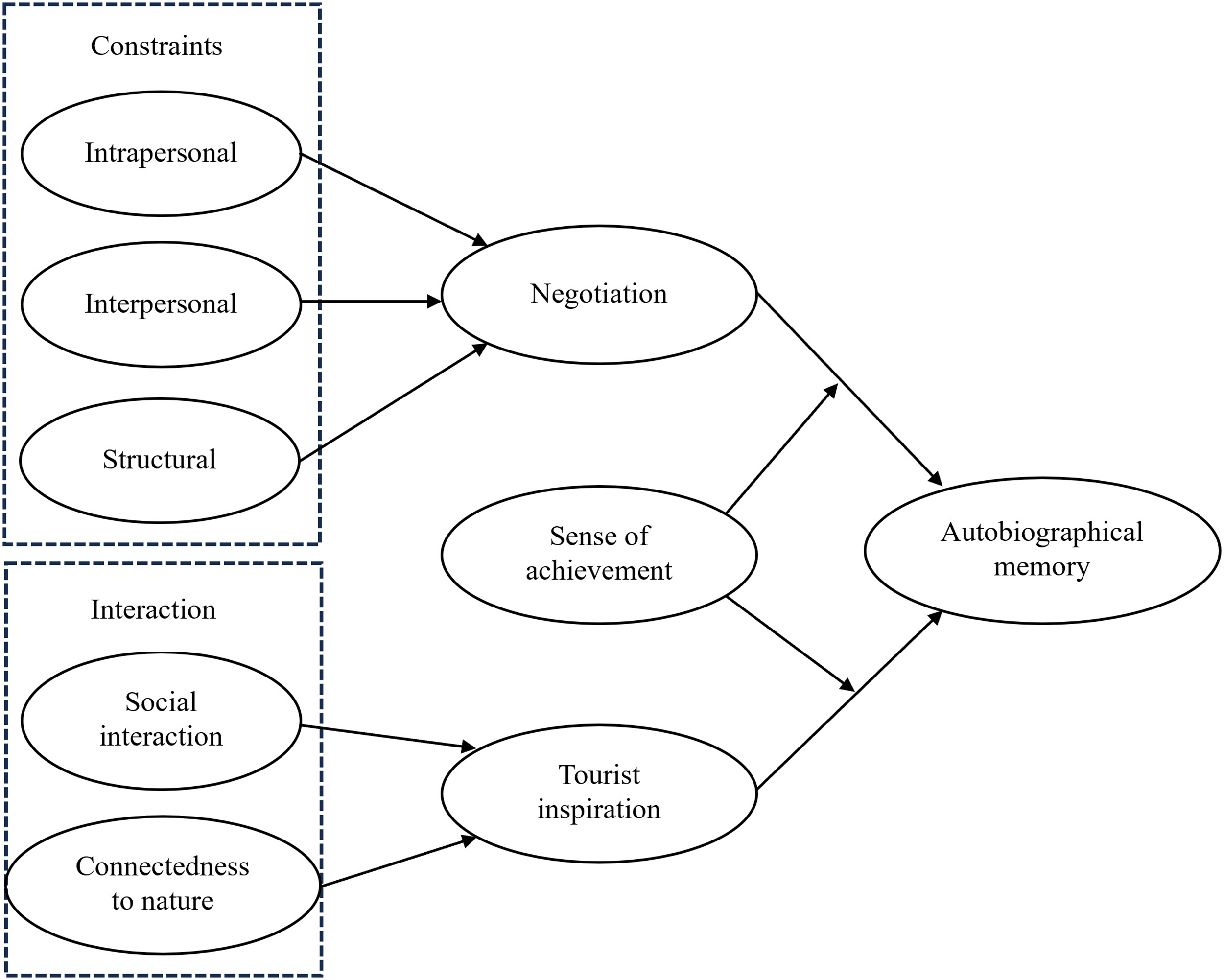
Conceptual model.
Methods
Pilot testing
We adopted established, previously validated measurement scales from the literature. The items were adapted to suit the context of RV tourism. For example, an original item (the activity is too physically demanding) was revised to “RV travel is too physically demanding.” Before the main survey, a pilot test was conducted with 30 RV travelers recruited from online RV communities and personal networks. Having completed the questionnaire, participants were invited to comment on item clarity, readability, relevance to RV travel, and the overall survey flow. Minor revisions were then made based on participants’ feedback. Preliminary statistical checks were conducted. The results demonstrated satisfactory preliminary reliability and validity, with Cronbach's alpha values ranging from 0.881 to 0.953 and factor loadings ranging from 0.703 to 0.892.
Data collection
We collected data from February to March 2025, using both online and offline approaches. The online questionnaire was created and administered through the Wenjuanxing platform, a widely used Chinese online survey tool. In the initial stage, a judgmental sampling approach was employed to target individuals with RV travel experience (Taherdoost, 2016). The fifth author is an RV travel enthusiast, being an active member of several RV-relevant online communities. This network facilitated the initial distribution of the questionnaire to vehicle users. Snowball sampling was subsequently conducted to encourage the initial respondents to share the questionnaire link with other qualified individuals in their networks.
The fifth author also visited several RV campgrounds (see Figure 2) to invite on-site campers to participate in the survey. This multipronged recruitment strategy enabled the broader coverage of various segments of RV travelers. To ensure data quality, the questionnaire began with a screening question (“Have you previously taken an RV trip?”). An attention-check item was further incorporated to validate the reliability of responses. A total of 428 questionnaires were collected. Among the responses, 45 were excluded for not having an RV experience, and a further 25 responses were removed for failing the attention-check question. Consequently, 358 valid responses were retained for subsequent data analysis, resulting in a valid response rate of 83.6%.
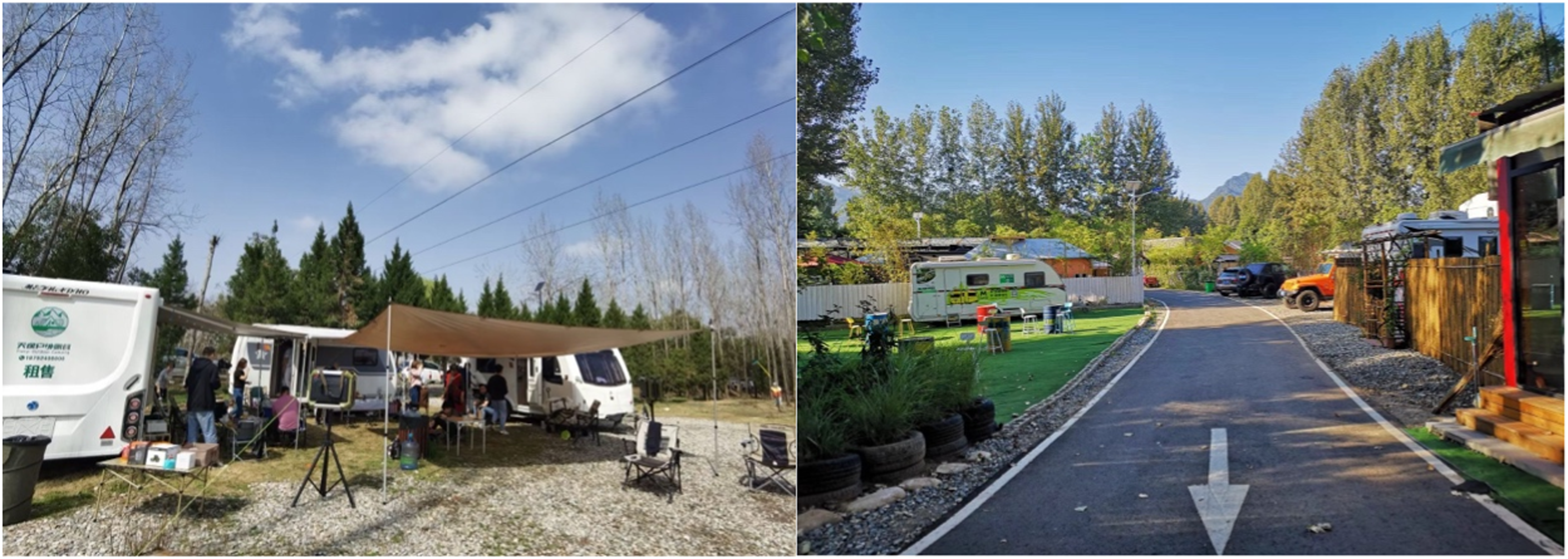
Qinling campground (left) and Xi’an RV service area (right).
Measures
Constraints were assessed in three dimensions: intrapersonal, interpersonal, and structural (Chen and Peng, 2016). Each dimension included four items derived from the literature. The negotiation construct was measured with six items adapted from Xie and Ritchie (2019). Following Jiang and Tu (2023), social interaction was measured with six items focusing on host–guest communication. Seven items for connectedness to nature were adapted from Cuadrado et al. (2023). TI was measured with six items (He et al., 2023; Xue et al., 2022). Autobiographical memory was measured with four items adapted from Zhang et al. (2021). SA was measured with six items adapted from previous studies (Lang and Fries, 2006; Ni et al., 2022; Rezaei et al., 2024).
The construct of SA, although originally developed in educational and psychological contexts (Elliot and Church, 1997), is conceptually transferable to tourism due to its emphasis on personal growth, goal attainment, and self-efficacy. Empirical work in positive psychology underscores that achievement motivation and its emotional correlates—pride, confidence, and psychological fulfillment—are not domain-specific but relate to underlying universal psychological mechanisms (Deci and Ryan, 2000; Elliot and Church, 1997). The adaptation is further justified by the experiential nature of RV travel, which involves self-directed exploration and problem-solving, aligning with the motivational dimensions of achievement (Deci and Ryan, 2000).
Data analysis
We conducted descriptive statistics and reliability analyses using SPSS 26 to assess demographic characteristics and internal consistency of the measurement scales. Mplus 8.7 was subsequently employed to perform confirmatory factor analysis (CFA) to validate the measurement model and ensure the convergent and discriminant validity of the constructs. Finally, we analyzed the structural model to test the hypotheses. Moderation was tested using the latent moderated structural equations approach in Mplus 8.7, which estimates interactions between latent constructs and accounts for measurement error (Maslowsky et al., 2015).
Results
Profile of respondents
Our analysis of the 358 valid responses shows a slightly higher proportion of males (52.2%) than females (47.8%). Nearly half of the respondents (48.3%) were married, whereas 26.5% were single, and 25.1% belonged to other marital status. The largest age group was 40 to 49 years old (50.3%), followed by respondents aged 30 to 39 (17%). Most respondents (70.7%) reported annual household incomes (pre-tax) between 100,001 and 400,000 RMB. The majority (76.2%) held a degree, indicating a relatively high education level among respondents. Motorhome was the most frequently selected type of vehicle (see Supplemental Appendix 1). Overall, respondents can be characterized predominantly as middle-aged, married, moderately affluent, and well-educated individuals, highlighting a stable demographic with considerable purchasing power for RV tourism.
Measurement model
Following Kock et al. (2021), we assessed common method bias (CMB) using Harman's single-factor test. The result indicated a variance of 27.2%, which is far below the 50% threshold. The likelihood of severe CMB is minimal, suggesting that common method bias is not a concern. Thus, we proceeded to analyses of the reliabilities and validities of constructs.
The CFA results are shown in Table 1. The full items are presented in Supplemental Appendix 2. All standardized factor loadings exceeded the 0.70 criterion, indicating the satisfactory reliability of the constructs without the need for item removal (Hair and Alamer, 2022). The composite reliability values exceeded .70, demonstrating internal consistency. The average variance extracted values surpassed the .50 criterion, denoting desirable convergent validity. The nine-factor model exhibited a robust fit to the data, with fit indices including χ2(950) = 1613.365, χ2/df = 1.488, root mean square error of approximation (RMSEA) = .044, Tucker–Lewis index (TLI) = .915, comparative fit index (CFI) = .922, and standardized root mean square residual (SRMR) = .070, all meeting or exceeding standard thresholds for good model fit (RMSEA < 0.05, TLI/CFI > 0.90, SRMR < 0.08).
Confirmatory factor analysis results.
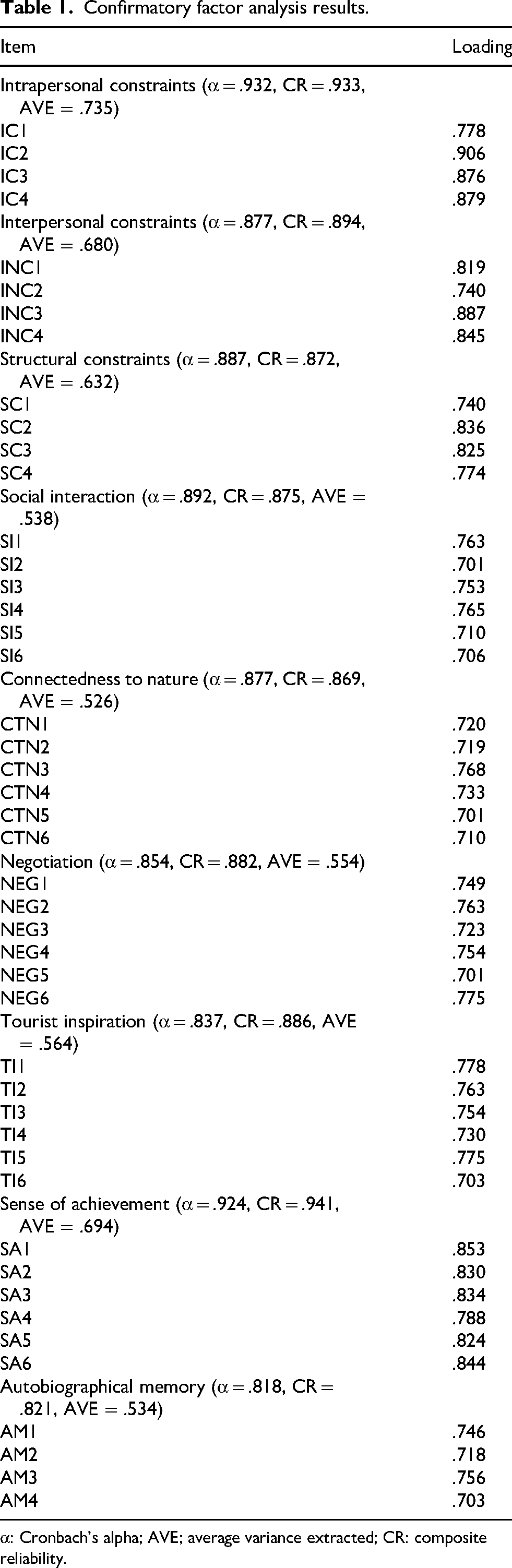
α: Cronbach's alpha; AVE; average variance extracted; CR: composite reliability.
Discriminant validity was examined using the heterotrait–monotrait ratio of correlations (HTMT) criterion. All HTMT values were below .85 (max = .693), indicating adequate discriminant validity (Henseler et al., 2015). In addition, the variance inflation factors (VIFs) ranged from 1.25 to 2.03 (see Table 2), suggesting no multicollinearity concerns (Kock and Lynn, 2012).
Heterotrait–monotrait ratio results.
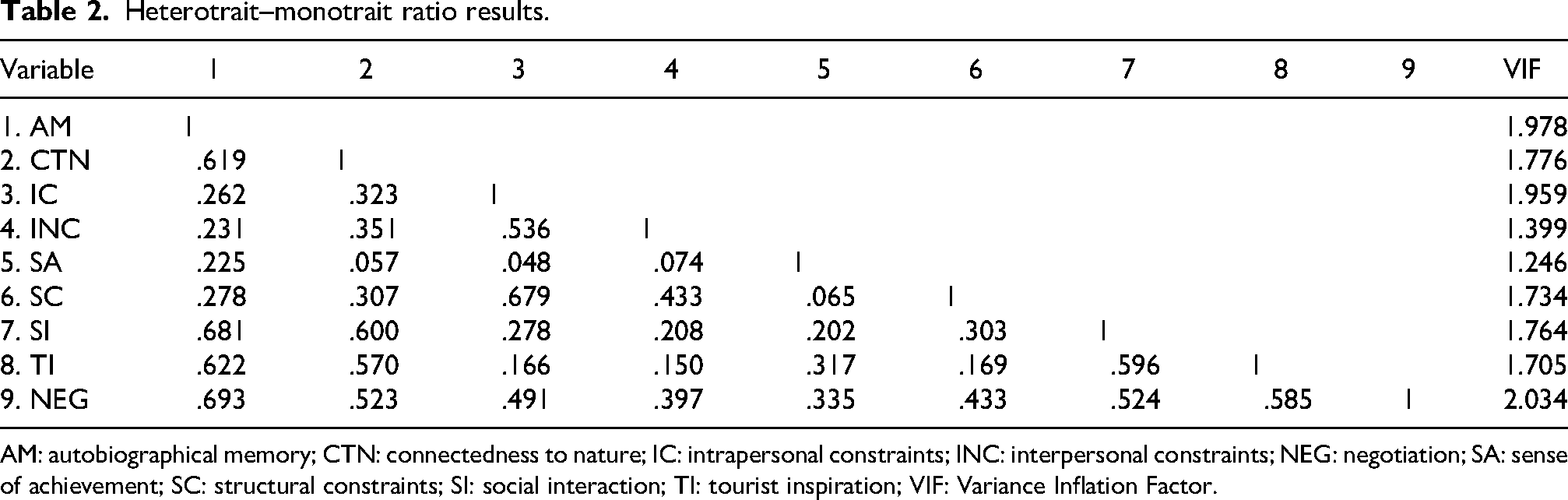
AM: autobiographical memory; CTN: connectedness to nature; IC: intrapersonal constraints; INC: interpersonal constraints; NEG: negotiation; SA: sense of achievement; SC: structural constraints; SI: social interaction; TI: tourist inspiration; VIF: Variance Inflation Factor.
Supplemental Appendix 3 presents the means, standard deviations, and Pearson correlations among all variables. The results show that all correlations are in the expected directions and consistent with the hypothesized relationships, thus providing preliminary support for the proposed model.
Hypothesis testing
Table 3 shows that all the nine hypotheses were supported. Each type of constraints (intrapersonal, interpersonal, or structural) had a significant effect on negotiation, with standardized coefficients ranging from .171 to .254 (p < .05/.001), indicating support for H1, H2, and H3. Negotiation positively predicted autobiographical memory (β = .472, p < .001), thereby supporting H4. Both connectedness to nature (β = .346, p < .05) and social interaction (β = .435, p < .001) positively influenced TI, thereby supporting H5 and H6. TI had a significant effect on autobiographical memory (β = .479, p < .001), thus supporting H7. The interactions NEG (negotiation) × SA (β = .157, p < .001) and TI × SA (β = .238, p < .001) both had significant effects on autobiographical memory, hence supporting H8 and H9. These findings indicate that a high level of SA strengthens the relationship between negotiation or inspiration and autobiographical memory. Regarding explanatory power, the R2 values for the endogenous variables range from .457 to .616, denoting a substantial level of explanatory power. The explained variance was 45.7% for negotiation, 48.2% for TI, and 61.6% for autobiographical memory.
Hypothesis testing results.
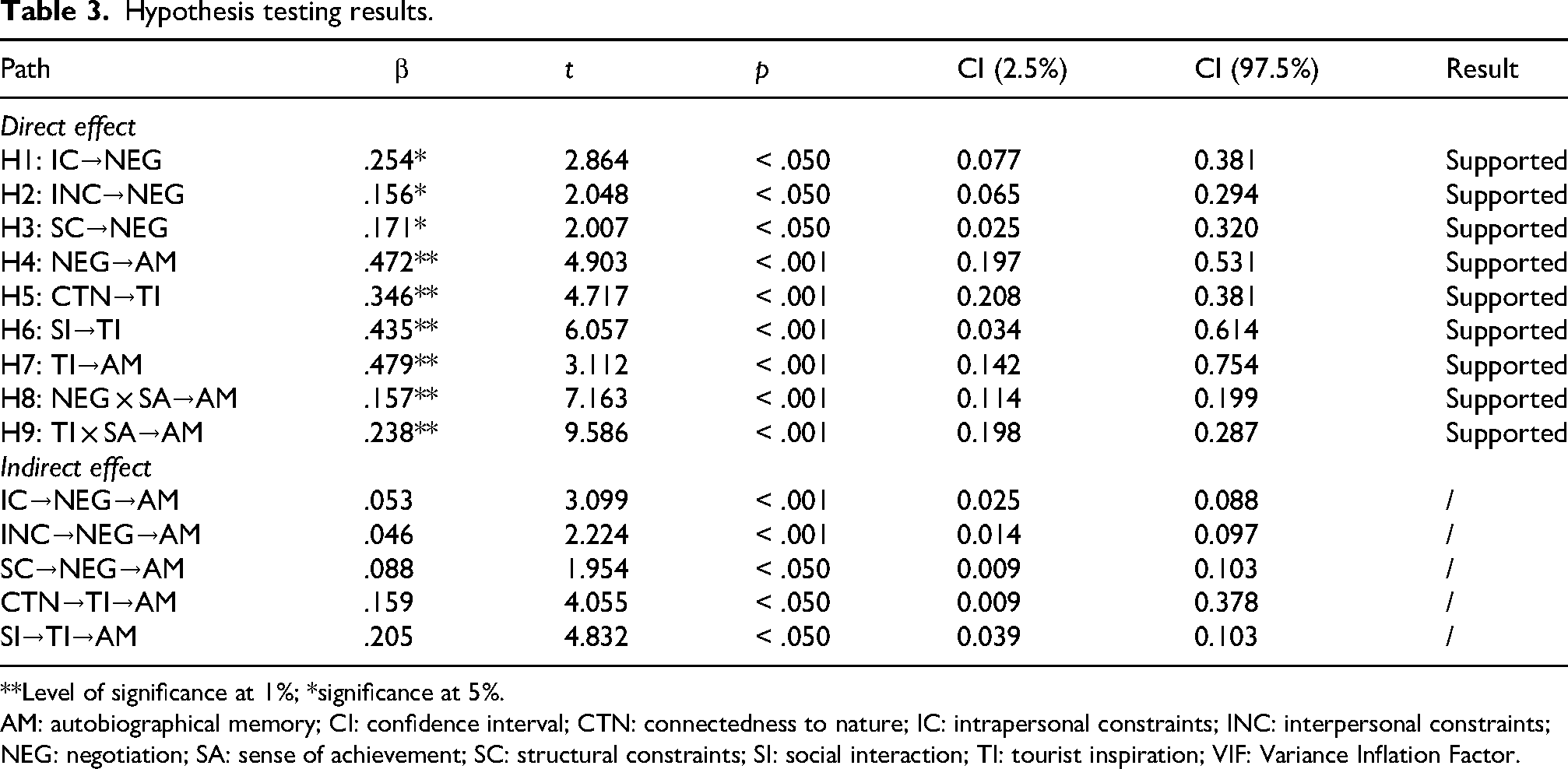
**Level of significance at 1%; *significance at 5%.
AM: autobiographical memory; CI: confidence interval; CTN: connectedness to nature; IC: intrapersonal constraints; INC: interpersonal constraints; NEG: negotiation; SA: sense of achievement; SC: structural constraints; SI: social interaction; TI: tourist inspiration; VIF: Variance Inflation Factor.
Figure 3 illustrates how a SA moderates the relationship between negotiation (left part) or inspiration (right part) and autobiographical memory. Respondents with a high SA (solid line) show a steeper slope of association between either of the two exogenous variables and the endogenous variable than those with a low SA (dashed line). The interaction patterns suggest that a SA amplifies the effect of negotiation or TI on autobiographical memory.
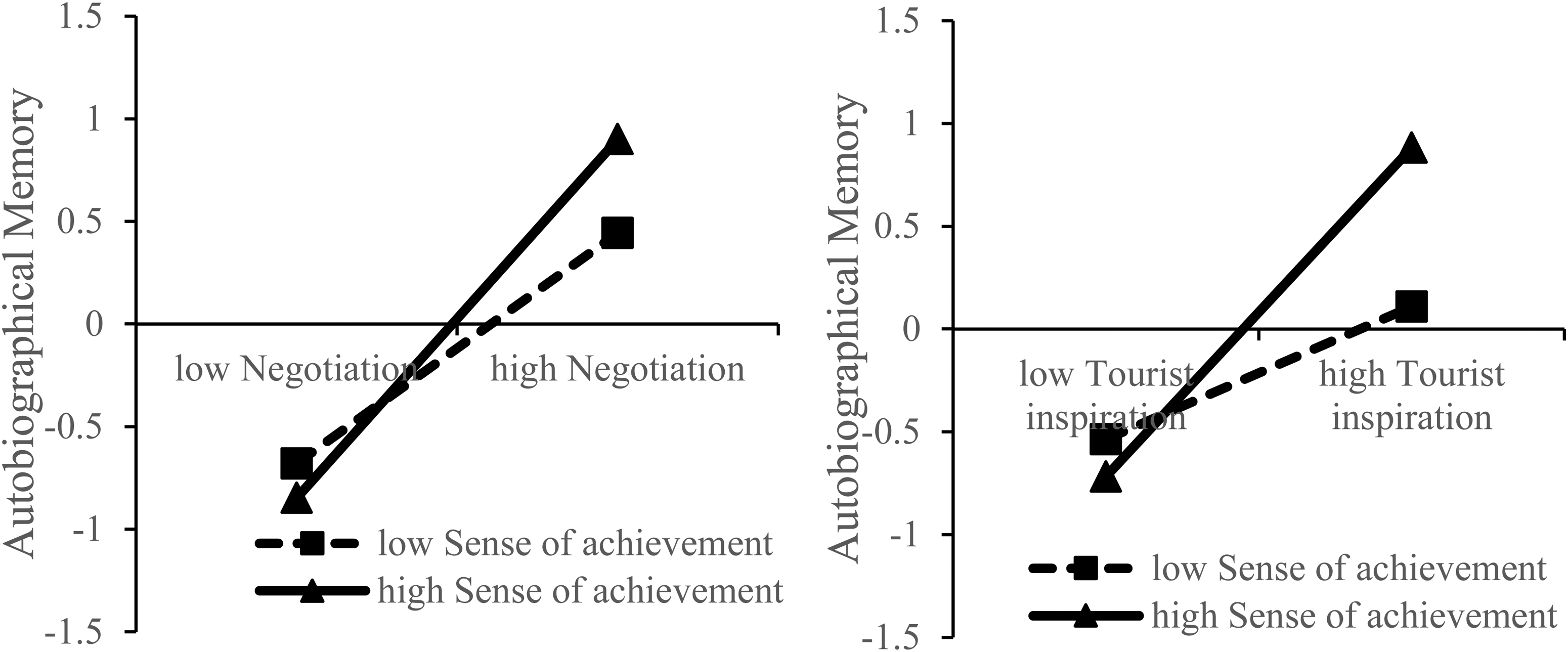
Moderating effects of sense of achievement.
Discussion and conclusion
General discussion
The negotiation–inspiration–memory (NIM) model builds on established frameworks in social psychology and tourism studies, integrating constraint negotiation theory, inspiration from nature and social interaction, and the formation of autobiographical memory as key drivers of tourist behavior and post-travel outcomes. In the present study, the NIM model was empirically validated using a hybrid sample of Chinese RV tourists, combining online and on-site data collection to capture a diverse range of experiences and demographic backgrounds. The findings confirm that constraints (structural, interpersonal, and intrapersonal) influence negotiation strategies, which, together with inspiration derived from nature and social interaction, predict the autobiographical memory related to RV tourism experiences. However, the reliance on a Chinese sample raises questions about the extent to which these relationships are shaped by cultural, institutional, and infrastructural factors unique to China. In the remainder of this subsection, we critically examine which components of the NIM model are likely to be universal and which may be context-dependent.
The core constructs of the NIM model are grounded in psychological and behavioral theories that have demonstrated cross-cultural robustness. The universality of the constraint negotiation process is supported by tourism studies in different cultural contexts (Karl et al., 2022; Tek, 2018). The role of inspiration—whether from natural environments or social interactions—in shaping memorable tourism experiences and autobiographical memory is well documented in the literature (Shen et al., 2024; Wang and Lyu, 2019). The affective and cognitive mechanisms underlying inspiration, such as awe, curiosity, and social bonding, are considered fundamental aspects of human experience and have been observed in studies from different countries (Heylighen, 2025; Wang and Lyu, 2019). The formation of autobiographical memory—the encoding, storage, and retrieval of personally significant travel experiences—also exhibits cross-cultural consistency in its basic phenomenology, including dimensions such as vividness, emotional intensity, and social sharing (Conway et al., 2005; Pociunaite and Zimprich, 2023).
Despite the universality of the NIM model's foundational processes, several components are likely to be shaped by the distinctive cultural, institutional, and infrastructural context of China. First, the nature and salience of constraints may differ significantly from those in Western settings (Zeng et al., 2024). In China, RV tourism is arelatively recent phenomenon, and infrastructural limitations—such as the availability of campsites, road networks, and service facilities—are more pronounced than in established RV markets like the United States or Europe (Cheng, 2022; Zeng et al., 2024). Second, negotiation strategies vary by culture in terms of collectivism or individualism. In collectivist societies, interpersonal and group-related constraints (such as family obligations or group consensus) may be more salient, and negotiation may involve indirect communication, compromise, and consensus building (Koc, 2020; Song et al., 2018). In individualist cultures, intrapersonal constraints (such as personal motivation or self-efficacy) and direct negotiation strategies may be more prominent (Koc, 2020; Meng, 2010).
The role of inspiration—from both nature and social interaction—in mediating the relationship between interaction (with nature or hosts) and memory is also subject to cultural modulation. While the experience of awe in nature and the enjoyment of social connection are universal, the sources and expressions of inspiration may vary. For instance, Chinese RV tourists may derive inspiration from culturally significant landscapes or group activities, whereas Western tourists may seek solitude, adventure, or personal challenge (Li and Cai, 2011; Pearce and Lee, 2005). Social-interaction inspiration is similarly universal in its psychological underpinnings but culturally variable in its expression. In collectivist cultures, group travel, shared meals, and collective activities are central to the tourism experience, and social inspiration is often derived from family, friends, and peer networks (Song et al., 2018). In individualist cultures, social interaction may be more incidental or focused on meeting new people and forming temporary communities of interest (Koc, 2020; Meng, 2010).
The phenomenology of autobiographical memory has been shown to be robust across cultures; however, the content, style, and social function of memory recall are subject to cultural modulation. Collectivist cultures tend to emphasize relational and group-oriented memories, with a focus on shared experiences and social harmony (Tang, 2024; Wang, 2020). Individualist cultures prioritize personal achievement, autonomy, and individual emotional expression in memory narratives (Conway et al., 2005; Nelson and Fivush, 2004). The abovementioned nuances underscore the need for context-sensitive models that account for both universal processes and cultural moderators, as well as for methodological rigor in testing for measurement equivalence and structural invariance across groups.
Theoretical implications
Based on the psychological construct of autobiographical memory, in the context of RV travel, this study validates the NIM model, which interprets the formation mechanism of autobiographical memory in a tourism context. The NIM model can be applied to other travel types such as adventure, cross-cultural, independent, solo, and all-female travel. Future studies may benefit from the application of the NIM model that we developed to deepen travel experience research by focusing on autobiographical memory as an enduring outcome of travel. The rationale lies in the salience of autobiographical memory in life experience. Autobiographical memory is connected to the sense of self (Prebble et al., 2013). By employing recollections from personal experiences to establish and preserve a constant sense of self over time, one uses autobiographical memory for self-representation (Cohen and Conway, 2007). A steady sense of self enables reflection on the past, a process known as life reflection, which promotes self-awareness and self-improvement (Bluck et al., 2005). Autobiographical memory, or recall of positive individual experiences, is beneficial for sustaining desirable moods (Chen et al., 2015).
The current research extends the theoretical landscape in several ways. First, it contributes a comprehensive causal model that links constraint negotiation and TI to autobiographical memory, elaborating how psychosocial processes under conditions of challenge and creativity yield deep, self-defining travel memories. The integration of a SA as a moderating variable bridges tourism studies and positive psychology, offering new insights into the interplay between motivational and affective constructs across domains (Shen et al., 2024). The cross-domain adaptation and validation of the SA scale, supported by robust psychometric evidence, demonstrates the translatability of educational and psychological constructs to tourism. Moreover, the results support and extend the growing body of interdisciplinary work on the role of autobiographical memory in shaping self-identity, wellbeing, behavioral intentions, and place attachment in tourism contexts (Li and Zhao, 2021; Matsumoto, 2025; Yin et al., 2023).
Practical implications
From a practical standpoint, the findings offer robust guidance for tourism operators, marketers, and destination management organizations aiming to leverage the power of memory-based marketing in RV tourism and beyond. First, memory-based tourism campaigns should deliberately foreground tourists’ abilities to overcome challenges (constraint negotiation) and to experience moments of inspiration, as these factors are significant antecedents of memorable travel. Marketing communications can incorporate storytelling prompts that encourage tourists to reflect on and share the narratives of perseverance, innovation, and mastery during their RV journeys. Practical tools include digital memory journals, photo contests themed around “my proudest moment on the road,” or guided social media prompts fostering reflective storytelling.
Second, to ignite and rehearse TI, operators should partner with influencers and storytellers to highlight awe-inspiring RV adventures and creative experiences, utilizing multisensory and immersive media, virtual tours, and user-generated content to amplify the emotional resonance of the travel offer. Given the moderating effect of a SA, product, and service design should create clear opportunities for tourists to set, pursue, and celebrate travel goals, such as gamified route challenges, milestone badges, or personalized certificates of achievement provided at key journey junctures. This tactic not only enhances memory encoding but also nurtures repeat visitation and positive WOM, as demonstrated in prior place attachment research (Li and Zhao 2021; Lu et al., 2022; Yin et al., 2023).
Finally, these findings underline the value of memory-based differentiation in a saturated tourism market. By leveraging memory science and digital technology, tourism brands can create emotional stickiness and long-term loyalty, thus outperforming competitors focused only on functional or hedonic attributes (Chen et al., 2023a; Jahan, 2024). Marketers should consider multiphase customer engagement strategies that trigger memory recall at critical times (e.g. anniversaries of the trip, or “remember when…” campaigns), supported by personalized communications and invitations to relive and share experiences. In China, platforms such as Xiaohongshu (RedNote) and livestreaming tools are especially apt for such strategies, given their influence on younger, experience-driven travelers (Chen et al., 2023a).
Limitations
This study has two limitations. First, RV travelers in the study are regarded as a homogenous group; however, RV travelers of different demographics (e.g. age or gender) may vary in many aspects of RV travel, including constraint negotiation and TI. Second, this study does not explore the relevance of travel-related factors to the various experiences related to negotiation, inspiration, and memory. One such factor is RV equipment, which is relevant to travel experience. Despite the description of various equipment types, the possible influence of RV equipment on travel experience is unexplored in this study. The number of travel companions may also affect the RV experience; however, this latent link is similarly missing in this study.
Conclusion and future research
The present study validates the NIM model in the context of Chinese RV tourism, confirming the centrality of constraint negotiation, inspiration, and autobiographical memory in shaping tourist behavior and post-travel outcomes. However, the generalizability of these findings is contingent on both universal psychological mechanisms and the distinctive cultural, institutional, and infrastructural context of China. Core pathways of the NIM model are likely to be universal, but the specific content, salience, and expression of constraints, negotiation strategies, inspiration sources, and memory narratives are shaped by local values, practices, and market conditions. The influence of collectivism and infrastructural development in China highlights the need for context-sensitive models and cautious generalization.
To advance the field, future research should employ multi-country, longitudinal, and mixed-method designs, rigorously test for measurement invariance, and provide thick description and contextualization of findings. By doing so, researchers and practitioners can move beyond surface-level comparisons and develop a nuanced, evidence-based understanding of what is truly generalizable in tourism behavior and what remains contextually specific.
Supplemental Material
sj-docx-1-jvm-10.1177_13567667261460477 - Supplemental material for Autobiographical memory formation in recreational vehicle travel: Marketing implications and theoretical integration
Supplemental material, sj-docx-1-jvm-10.1177_13567667261460477 for Autobiographical memory formation in recreational vehicle travel: Marketing implications and theoretical integration by Libo Yan, Qiaoyan Feng, Juan Tang, Yunhan Wang and Xinyue Zhang in Journal of Vacation Marketing
Footnotes

Ethical considerations
All procedures performed in studies involving human participants were in accordance with the ethical standards of the institutional and/or national research committee and with the 1964 Helsinki Declaration and its later amendments or comparable ethical standards.
Consent to participate
The informed consent was obtained from all individual participants included in the study.
Author contributions
Libo Yan: Conceptualization, Supervision, Validation, Formal analysis, Project administration, Writing-review and editing.
Qiaoyan Feng: Data curation, Methodology, Software, Writing-original draft.
Juan Tang: Conceptualization, Supervision, Validation, Formal analysis, Project administration, Writing-review and editing.
Yunhan Wang: Investigation, Resources, Data curation.
Xinyue Zhang: Investigation, Resources, Data curation.
Funding
The authors disclosed receipt of the following financial support for the research, authorship, and/or publication of this article: This research was supported by the Macao Foundation (Grant Number: G01923-2508-875).
Declaration of conflicting interests
The authors declared no potential conflicts of interest with respect to the research, authorship, and/or publication of this article.
Data availability statement
Supporting data is available if reviewers require it.
Supplemental material
Supplemental material for this article is available online.
References
Supplementary Material
Please find the following supplemental material available below.
For Open Access articles published under a Creative Commons License, all supplemental material carries the same license as the article it is associated with.
For non-Open Access articles published, all supplemental material carries a non-exclusive license, and permission requests for re-use of supplemental material or any part of supplemental material shall be sent directly to the copyright owner as specified in the copyright notice associated with the article.
