







Abstract
Background
With the continuous development of the Internet and information technology, telemedicine has gradually become a popular medical model, which has always attracted much attention. Especially in recent years, research has shown a rapid increase in the use of telemedicine due to the impact of COVID-19. We have conducted a scientific metrological analysis of telemedicine to identify its hot spots and frontiers and promote cooperation and development.
Methods
We retrieved 19,171 articles related to telemedicine published from 1971 to 2022 in the Web of Science (WOS) database. Then, we conducted co-author network analysis (author, institution, country), co-citation analysis (author, journal, literature) and burst analysis (thematic trends and frontier topics).
Results
The number of publications has been on the rise since 1993 and began to rise rapidly in 1997. Influenced by the COVID-19 pandemic, the number of articles doubled in 2020 compared to the prior year. The United States produced the greatest number of articles (43.4%). Although studies in Greece are fewer and more recent, the country is demonstrating tremendous development potential in this field and is an active contributor to telemedicine research. The main research topics identified include the application, system and services of telemedicine; the application of telemedicine in providing medical services to rural and remote areas where medical resources are scarce; the quality control of medical images in telemedicine; the application of telemedicine in chronic disease care; and the comparison of in-person medical care and telemedicine. Emerging topics include the application and impact of telemedicine during the COVID-19 pandemic.
Conclusion
The main telemedicine research fields over the past 52 years are identified, the meanings of analyses results are discussed, and emerging trends are highlighted.
Introduction
The initial telemedicine model appeared in the United States in the 1950s as a two-way TV system application in radiology. Since then, an increasing number of electronic and communication technologies has been applied to medical activities. In the early 1960s, the United States established a medical laboratory to provide remote medical monitoring for astronauts through satellite and microwave technology. Since 1976, the US government has initiated a large number of studies on telemedicine consulting policies 1 ; the word ‘telemedicine’ first appeared in 1977. 2 In the 1980s, with the rise and development of communication technology, coding technology and information compression technology, the transmission of multimedia information such as data, pictures, voice and video was realised, and transmission performance has been continuously enhanced since then. European and American countries have initiated a series of high-value projects to promote the development of telemedicine monitoring.
After entering the 21st century, with the accelerated development of network connectivity, the popularity of smartphones and the constant change in insurance industry standards, more and more medical service providers have begun to use electronic communication equipment to complete their work, and the telemedicine industry has received unprecedented development opportunities. 3 Based on the unique advantages of telemedicine in optimising the allocation of medical resources and eliminating the imbalance of medical accessibility, countries have increased their R&D investment in telemedicine. From 2006 to 2011, Britain invested more than 170 million pounds in telemedicine research. Algeria, India, Nepal, Russia, Uganda and other countries are committed to studying mobile phone telemedicine, telemedicine infrastructure, telemedicine speed and other issues. 4 The United States, 5 Germany, 6 Japan, 7 Italy, 8 Thailand, 9 Russia, 10 and other countries have formulated corresponding research directions and objectives for telemedicine according to their own conditions.
In 2019, the COVID-19 pandemic promoted the development of the industry. We found that the number of telemedicine documents showed a sharp growth trend through the analysis of the trend of documents issued, especially in the second year after the outbreak of COVID-19, when the number of telemedicine documents doubled. Correspondingly, the telemedicine industry also began developing rapidly under the stimulation of the pandemic. After the outbreak of COVID-19, due to the demand for pandemic prevention and treatment, countries that originally had many restrictions on telemedicine relaxed the control of telemedicine to varying degrees and even provided support in various aspects, which significantly promoted the development of telemedicine. During the COVID-19 pandemic, telemedicine visits in the United States increased dramatically, and income from medical services grew. In the UK, there are 1.2 million daily remote consultations involving primary care. In France, the number of remote visits has soared due to the support of medical insurance reimbursement, reaching nearly 1.1 million at the peak of weekly remote visits. Japan’s Ministry of Health, Labor and Welfare relaxed restrictions to allow online medical consultation and home delivery of prescription drugs. The Australian federal government has lifted the reimbursement limit for telemedicine services, allowing general practitioners and some specialists to enjoy telemedicine subsidies. The Singapore online medical platform ‘Doctor Anywhere’ has more than doubled the number of users. In addition, the Ministry of Health of Singapore passed a bill to bring the telemedicine industry under government supervision in 2021. 11
In 1969, Nalimov formally proposed the concept of scientometrics and was recognised by the research field, which promoted the rapid development of scientometrics. Price's Science Since Babylon, Little Science, Big Science and Eugene Garfield's Science Citation Index were the first works in the history of scientometrics, which laid the foundation for the study of scientometrics and opened up a brand new research field. So-called scientometrics is a branch discipline that applies mathematical methods such as mathematical statistics and computer technology to conduct quantitative analysis on the input (such as scientific researchers and research funds), output (such as the number of papers and citations) and process (such as the formation of information dissemination and communication networks) of scientific activities, and determine the laws of scientific activities. 12
Nonetheless, although researchers are paying increasing attention to the development and application of telemedicine and the research output in this field is increasing, there is a lack of research on telemedicine from the scientometric perspective. By drawing and visualising the structure and dynamics of the research field, we can obtain the most important topics and scientific literature from the massive literature, identify the most important and critical effective information, clarify the past and present research contexts, and determine the most active research frontiers and development trends.13,14 We use VOSviewer and CiteSpace software to conduct knowledge graph drawing and visualisation analysis for research in the field of telemedicine. This study has the following specific objectives:
Identify research hotspots in the field of telemedicine. Identify major research trends in the field of telemedicine in the past and present. Identify and explore the knowledge landscape at the individual, institutional, and national levels of telemedicine research. Discuss the development of telemedicine research and identify emerging trends and future research priorities.
Methods
Research framework
The research framework of this study is shown in Figure 1. The first step was to collect studies related to telemedicine. As a global authoritative citation database, the Web of Science (WOS) core collection contains world-class academic research achievements from a wide range of sources. The data sources of this study are all from this collection. The retrieval results with relatively optimal recall were obtained by repeatedly revising the retrieval formula, and articles and reviews were then screened. Due to a large number of studies, manual scientific analyses were unrealistic. VOSviewer (version 1.6.19) and CiteSpace (version 6.2. R2) software, as a convenient scientific measurement and visual analysis tool, can detect research topics and potential research trends. Therefore, the second step of this study was to use visualisation and analysis software for scientific metrological analysis, with co-author analyses at the levels of author, institution and country revealing research cooperation trends in the field of telemedicine research. The co-citation analyses identified the most influential studies, journals and authors in the field. The burst analysis identified research trends and emerging research topics. The last step was a comprehensive analysis and future prospects.
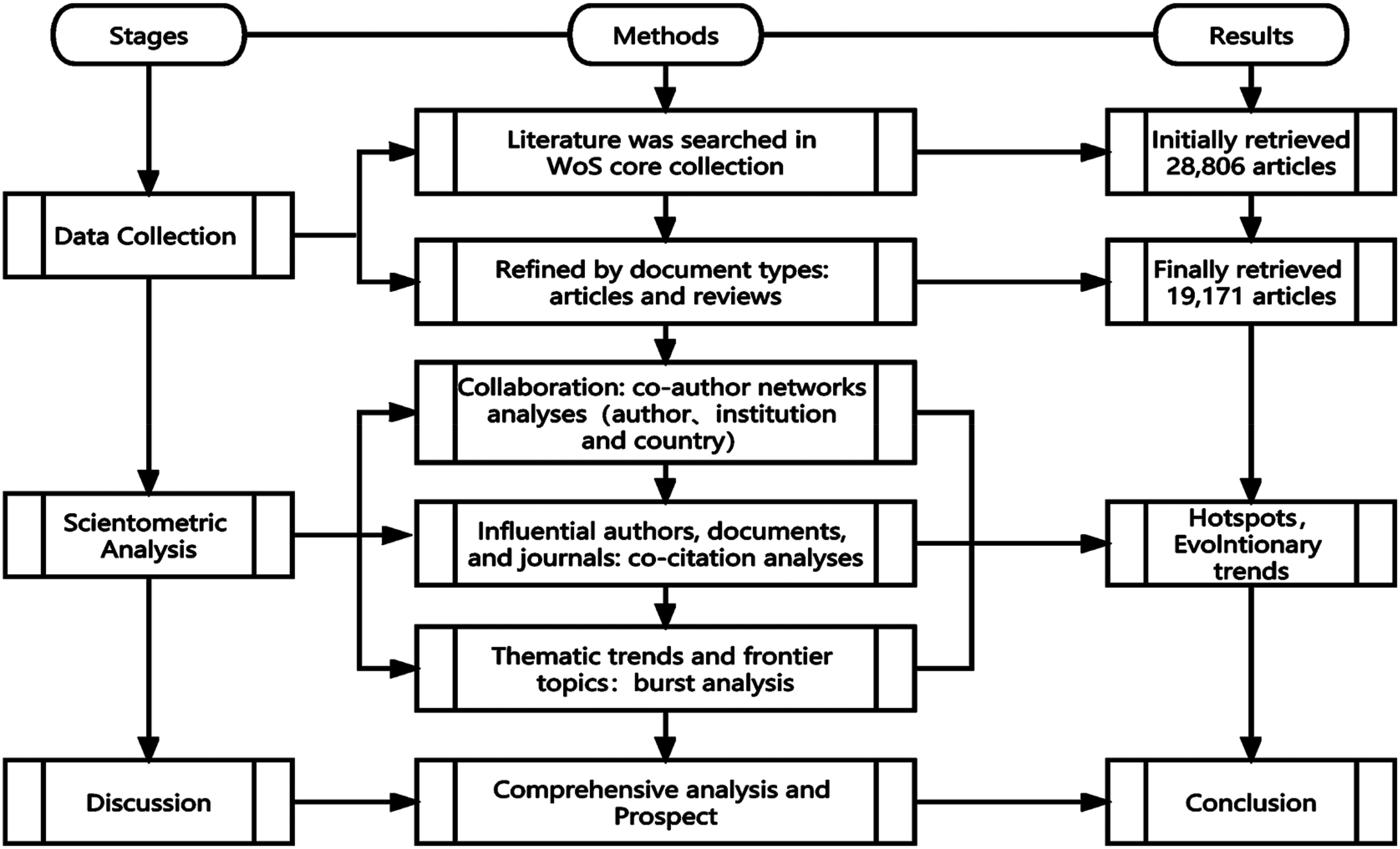
Research framework.
Database formulation and literature search strategy
For a general literature review, comprehensive retrieval of various major databases is indeed required. However, database selection for scientometrics research is different from review, and we choose the WOS database instead of other databases for the following three reasons:
Compared with other databases, WOS is currently the oldest and most authoritative database in the field of scientometrics. WOS database has the highest data quality and is also the most widely used database for scientometrics research. Compared with the WOS database, the data fields of PubMed are not complete, which makes it impossible to carry out many literature analyses. For example, WOS provides complete bibliographic title and citation data, which can complete the analysis based on citation relationships. PubMed has few data fields, making it difficult to carry out many of the studies proposed in this paper. In addition, compared with the PubMed database, WOS includes the most authoritative journal paper data in the field of research. Currently, multi-source data fusion is a massive challenge in the field of scientometrics. In addition to the aforementioned concerns, it is challenging to integrate data from different databases due to different data integrity, data quality and data description methods from different data sources. Therefore, in current scientometrics studies, a single database of WOS is used as the standard database for such an analysis. In particular, the standard data format of literature mining and visualisation software often uses WOS data as standard data. For example, the CiteSpace citation network mining tool, VOSviewer scientific and technological literature topography mapping tool and HistCite citation history analysis tool are typical examples. It is hoped that with the development of multi-source data fusion technology and the improvement of database indexing, it will be possible to obtain complete sample data for analysis in the future.
In this study, the WOS core collection database was accessed through advanced retrieval. Relevant articles were searched using the term ‘telemedicine’, and other synonyms of this term, and a total of 28,806 relevant studies were obtained. Then, we refined the retrieval results through the filter of the WOS database, the language filter was set as English, and the literature type filter was set as paper and review. Finally, 19,171 articles were selected as valid research data.
Scientometric analysis
In this paper, we mainly used VOSviewer (version 1.6.19) and CiteSpace (version 6.2. R2) software for scientometric analysis. For the settings of data processing, we selected a time frame from 1971 to 2022 and a time slice of 1 year. We used the g-index as a unified threshold to filter the data in each time slice, with all other settings remaining at their default values.
The log-likelihood ratio (LLR) (Dunning, 1993) was used to identify and cluster the representative terms. Representative terms were extracted from the article's keywords and ranked by the LLR algorithm. The top-ranked words were designated cluster labels. 15 Clusters were sorted by size, and Cluster #0 was the largest cluster.
To evaluate the clustering effect, the modularity value (Q) and mean silhouette value (S) were introduced. The concept of modularity, proposed by Newman in 2003, is an evaluation index of network modularity.
16
The greater the modularity value of a cluster network, the better the clustering effect of the network. The value range of Q is 0 to 1. When Q > 0.3, the community structure of the network is significant,
15
the Q value can be calculated as follows:

The silhouette value is a parameter used to evaluate the clustering effect, which was first proposed by Rousseeuw PJ in 1986.
17
Specifically, cluster evaluation is conducted by measuring the homogeneity of the network. The closer the silhouette value is to 1, the higher the homogeneity of the network. When the silhouette value is 0.7, the clustering results will have high reliability. If the silhouette value is above 0.5, the clustering effect is considered reasonable.
15
The silhouette value can be calculated using the following formula:

In this study, we introduce centrality, burst value and sigma value to detect important nodes in the knowledge network. These nodes are often the key hubs connecting two different fields. Therefore, the literature represented by these key nodes needs special attention, and the roles and impacts of these studies should be examined in depth. The centrality calculation method was proposed by Freeman in 1977. 18 From the perspective of information transmission, the greater the centrality is, the more important the nodes are. Sigma (Σ) is an index that measures the novelty of nodes and is constructed by combining the importance of nodes in the network structure and the importance of nodes in time. 15 The burst value is detected using the algorithm proposed by Kleinberg in 2002. It is usually used to detect the sudden growth of research interest in a certain discipline and to identify and track the frontier trends and development trends of academic research. 19 Compared with general high-frequency keywords, the dynamic characteristics of burst terms enable them to more effectively reveal the dynamic deduction and development mechanism of academic research. Duration is a concept closely related to burst detection, which is used to represent the period of a burst event. When conducting burst detection of a node, it is not only compared to the frequency growth rate of the node itself, but also, importantly, the degree of burst relative to other nodes in the network. The most prominent period of a burst is referred to as the duration.
In addition to network analysis, we synthesised the journal dual-map overlay to analyse the core knowledge carrier and knowledge flow in the field of telemedicine research. 20
Results and discussion
Characteristics of publications and research areas
The earliest record identified, ‘Cooperative drug information and medical library services in a regional medical program’, 21 was published in 1971. Since then, the field has maintained a sustained growth trend. Figure 2 shows the distribution of articles related to telemedicine over time from 1971 to 2022, illustrating that telemedicine research is thriving. From 1971 to 1996, the number of published articles (152 articles in total) was relatively small. Preliminary explorations were conducted during this period. From 1997 to 2016, the number of articles fluctuated between 91 and 625 (64 articles). This was a period of slow development. Between 2017 and 2022 was a period of rapid development, especially the doubling of the number of publications in 2020. The total amount over this period was 11,752, accounting for 61% of the total number of articles retrieved (19,171).
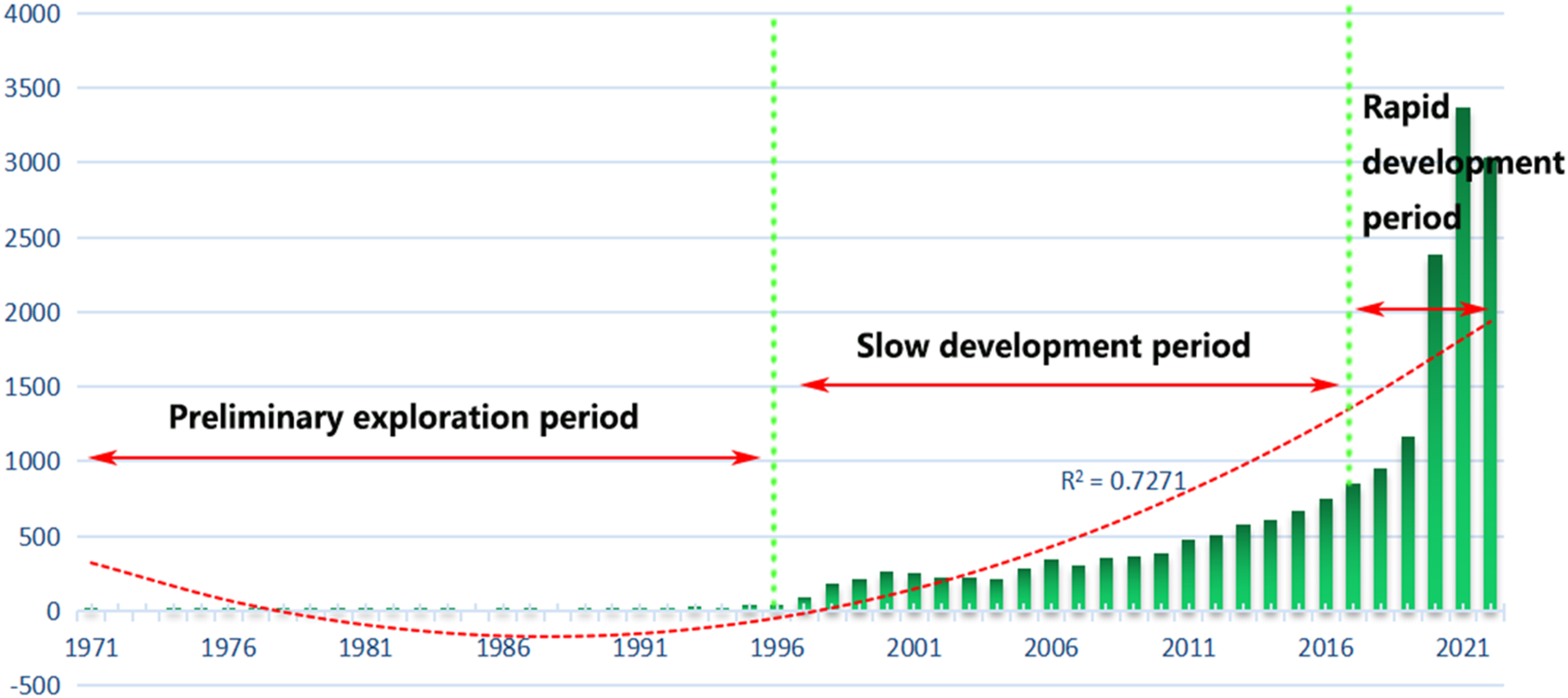
Publications per year for telemedicine studies.
The function of the journal dual-map overlay is to overlay one CiteSpace map onto another; the former is called the overlay map, and the latter is called the base map. The essence of the journal dual-map overlay is the connection between the citing domains and cited domains. 22 The knowledge flow between disciplines at the periodical level can be reflected through the journal dual-map overlay. In this paper, we determined the main distributed journals and cited journals in the field of telemedicine research through the journal dual-map overlay, thus revealing the trend of knowledge flow in telemedicine journals.
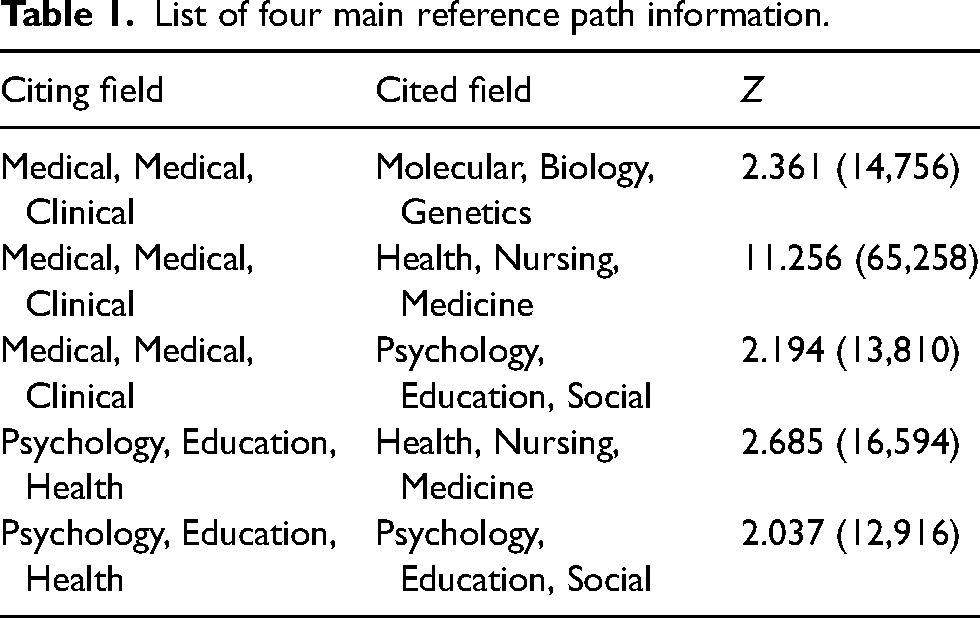
In Figure 3, the left side refers to the main distribution groups of journals in the field of telemedicine research, and the right side refers to the main cited groups. According to Table 1, research in the telemedicine field is concentrated mainly on ‘Medical, Medical and Clinical’ and ‘Psychology, Education and Health’. Citations of telemedicine research focus primarily on three major journal groups: ‘Molecular, Biology, Genetics’, ‘Health, Nursing, Medicine’ and ‘Psychology, Education, Social’. On the left side of the figure are three outward citation paths in the citing field ‘Medical, Medical and Clinical’, which is the primary citation group. At the same time, when the ‘Health, Nursing, Medicine’ group is used as the source of citation, the corresponding citation groups ‘Medical, Medical and Clinical’ have the highest citation frequency, and the Z value is the highest, reaching 11.256. In addition, Table 1 shows that the journal group ‘Health, Nursing, Medicine’ has the highest number of citations in the cited domain. We can infer that research in the telemedicine field focuses on these disciplines.
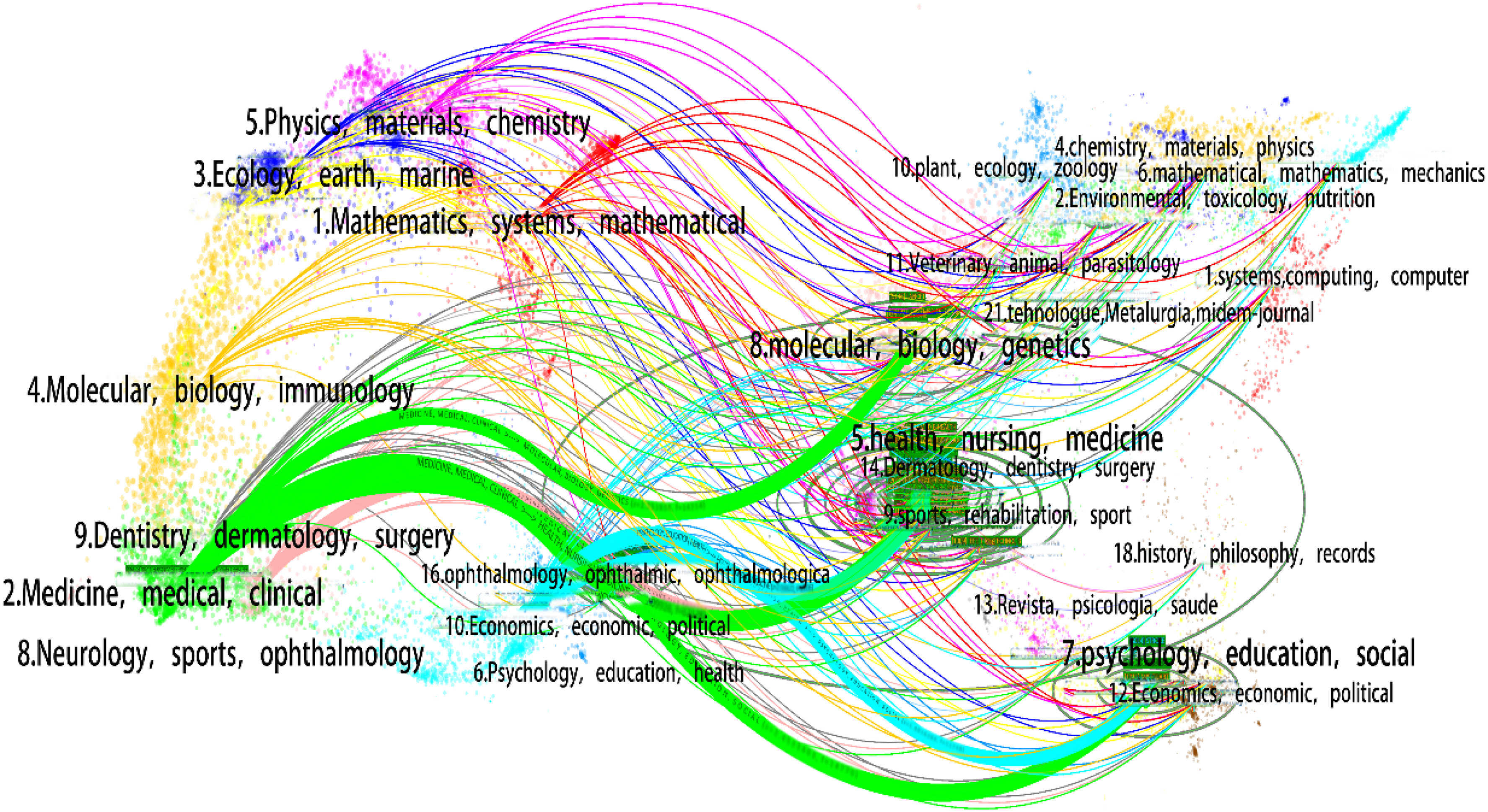
A dual map overlay generated by CiteSpace indicating the major research disciplines.
List of four main reference path information.
Collaboration: co-author network analyses
Author co-authorship
A total of 479 authors published 19,171 articles related to telemedicine, and the co-author network shows the status of academic cooperation among authors (Figure 4). The network consists of 479 nodes and 490 links (density = 0.0043). The larger the node in the figure is, the more articles the author has published. To date, the top five most prolific authors are Wootton R (Records = 124), Smith AC (Records = 89), Doarn CR (Records = 71), Marcin J (Records = 63), and Demaerschalk BM (Records = 56). Some co-author subnetwork structures are formed in the graph, but the centrality of all authors is less than 0.1, and most are 0, which indicates that there are no core scholars focusing on telemedicine research only. Academics tend to work in small teams, and cooperation between teams is limited. This may indicate that each team has a specific research direction and that the need for collaboration between teams is not strong, but collaboration between research teams is evident at the institutional level.
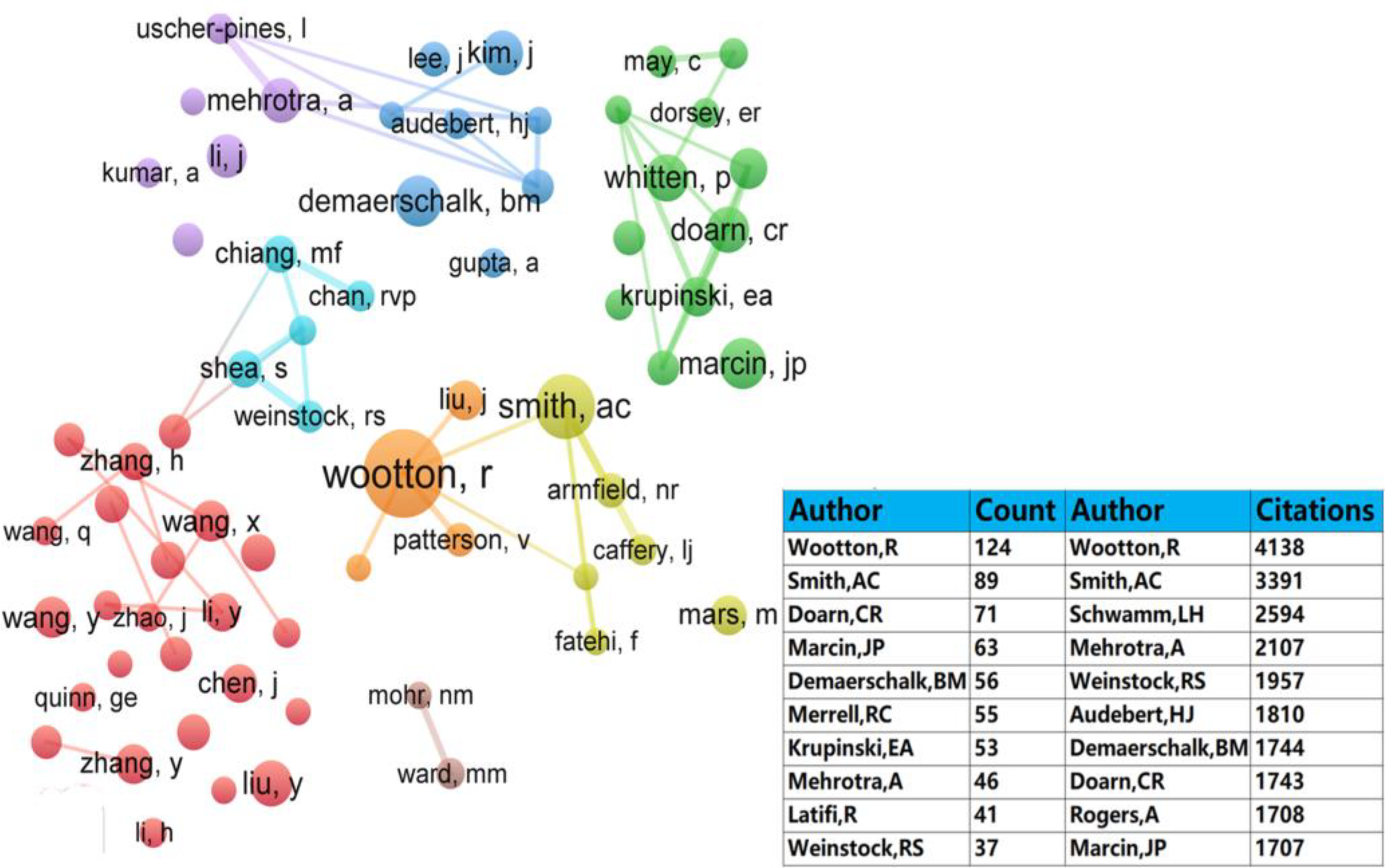
Maps of author co-authorship network.
Institution co-authorship
An institution co-authorship analysis was used to reveal academic collaborations at the institutional level (Figure 5). The network consisted of 296 nodes (E = 344, density = 0.0079). The five most productive institutions include Harvard Medical School in the United States (records = 346, 1.8%), the University of Queensland in Australia (records = 307, 1.6%), the University of Pennsylvania in the United States (records = 297, 1.5%), the Mayo Clinic in the United States (records = 260, 1.4%), and the University of Toronto, Canada (records = 256, 1.3%). Seventy percent of the most prolific institutions were from the United States, which is consistent with the result that the United States has the largest number of documents in the country co-authorship analysis. In contrast to the co-author network, institutional co-authorship has many key nodes with centralities above 0.1, indicating that cooperation among institutions in this research area is quite active. The top five institutions in terms of centrality are Harvard University (centrality = 0.85), Duke University (centrality = 0.68), the University of Texas System (centrality = 0.67), Emory University (centrality = 0.46) and US Department of Veterans Affairs (centrality = 0.43). The five organisations mentioned above are all from the United States, which shows that the influence of American research institutions in this field is substantial.
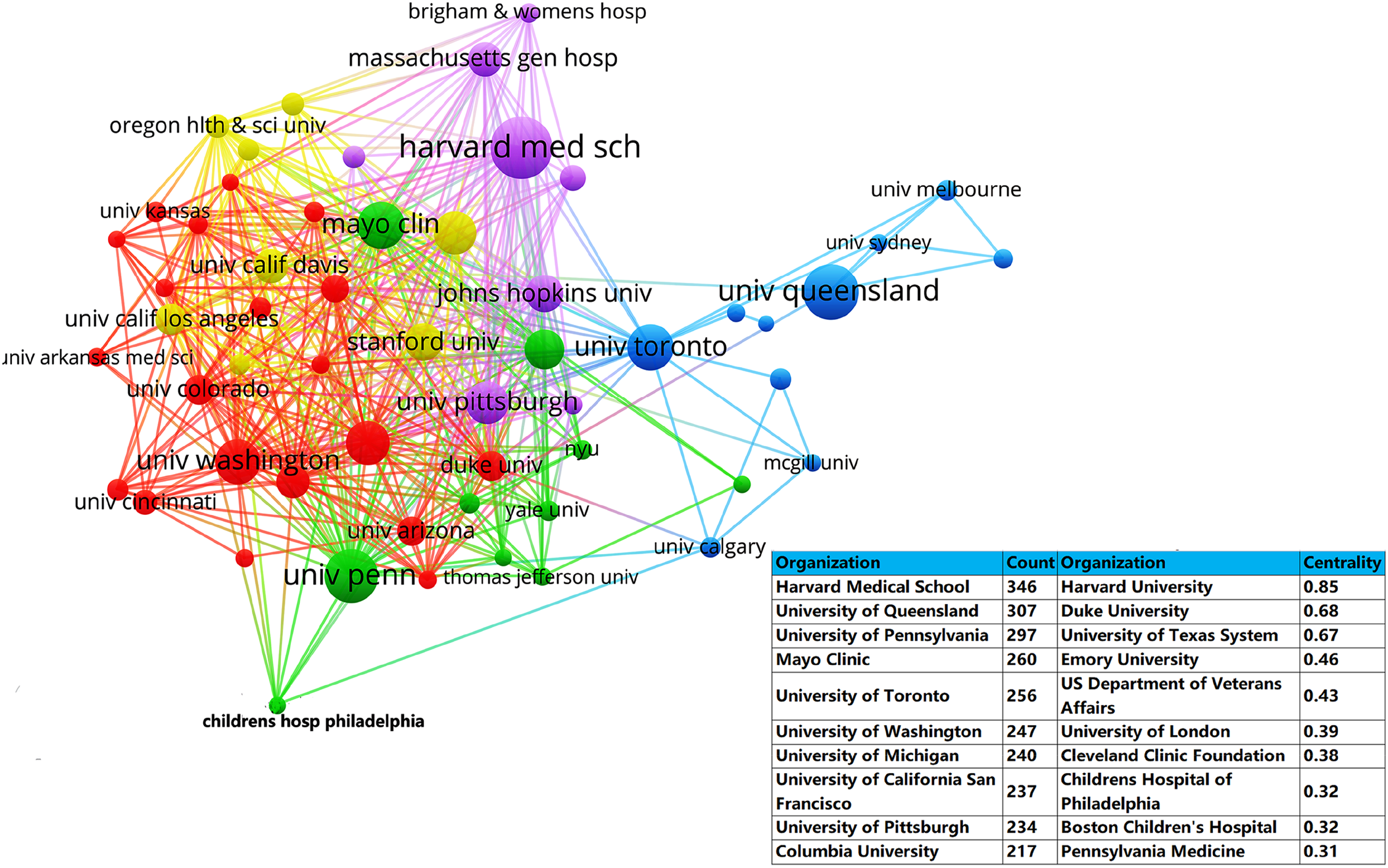
Maps of institution co-authorship.
Country co-authorship
At the country level, the top five countries with the most published articles include America (n = 8326, 43.4%), England (n = 1510, 7.9%), Australia (n = 1189, 6.2%), Italy (n = 1182, 6.2%) and Canada (n = 1122, 5.9%). The complex connections between nodes indicate the common phenomenon of transnational cooperation in this field. The more cooperation there is, the stronger the ties between countries. The top five countries in terms of centrality are America (centrality = 0.17), France (centrality = 0.08), Portugal (centrality = 0.07), Egypt (centrality = 0.06) and Mexico (centrality = 0.06), which play a more active role in international cooperation. The United States is not only the top country in the ranking of centrality values but also the country that publishes the most papers. Although Greece first published a study in the field of telemedicine in 1995 and has published few papers, its centrality value ranked seventh, and its sigma value ranked third (Σ = 3.22, Supplementary Table S4). This shows that although Greece started late, it has great development potential in this field and has become an active contributor to telemedicine research (Figure 6).
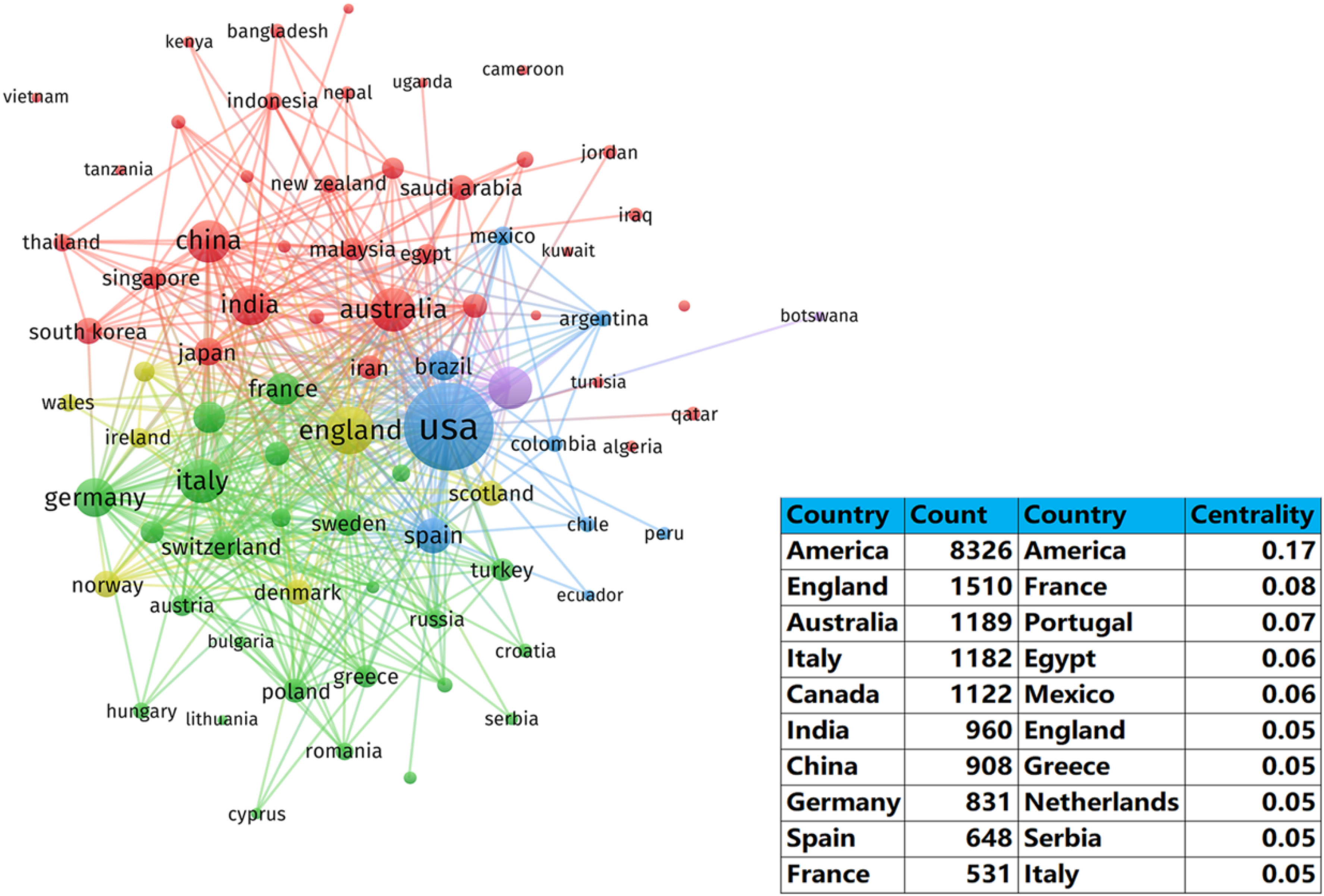
Maps of country co-authorship.
Influential authors, documents, and journals: co-citation analyses
Author co-citation analysis (ACA)
ACA can not only obtain the distribution of highly cited authors in a certain field and identify influential scholars in the field but also provide an understanding of the research topics and discipline field distribution of similar authors in a certain field through the co-citation network of authors. 15
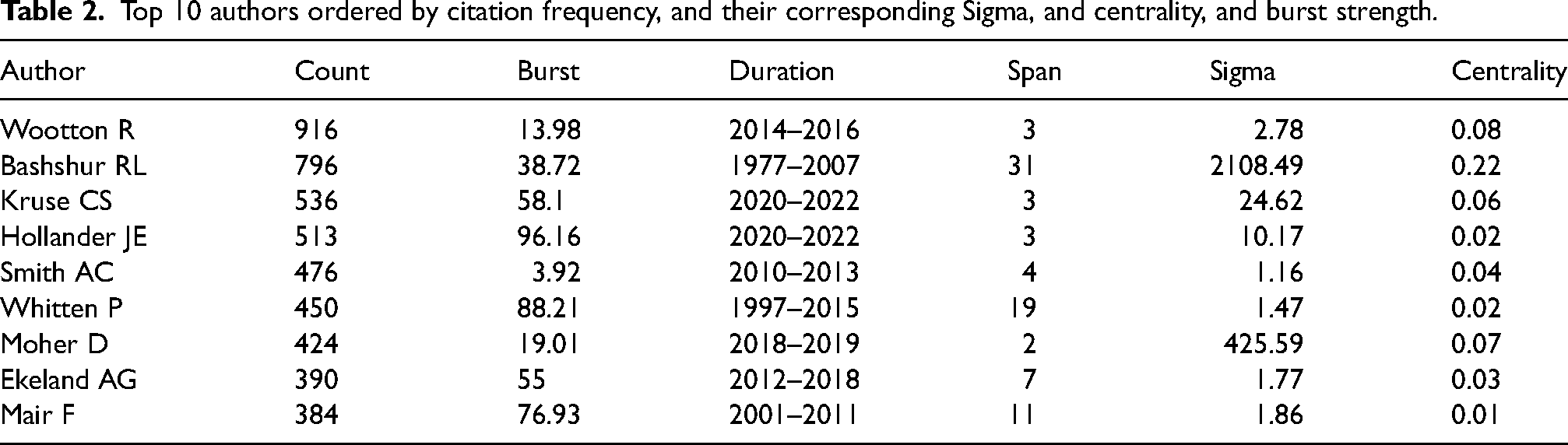
The ACA network contained 816 nodes(E = 5614, density = 0.0169, Supplementary Table S1, Supplementary Figure S1). A high citation count and sigma score signify that a researcher's contributions to the field were novel and influential. The top five most cited authors in the field of telemedicine research were Wootton R (n = 916, Σ=2.78), Bashshur RL (n = 796, Σ=2108.49), Kruse CS (n = 536, Σ=24.62), Hollander JE (n = 513, Σ=10.17) and Smith AC (n = 476, Σ=1.16). These authors were among the most influential in reporting on the importance of using telehealth to deliver care.23–27 Wootton R, with the highest citation count, published the first study to explore the potential of telemedicine in the provision of home-based care 28 and the value of telemedicine in managing chronic diseases (Table 2). 29
Top 10 authors ordered by citation frequency, and their corresponding Sigma, and centrality, and burst strength.
Authors ranked highly by burst strength published on the topics of evaluating telemedicine systems and services and the effectiveness of telemental health applications. The author with the strongest burst was Perednia DA (strength = 121.69, Table 3), who demonstrated that evaluating telemedicine systems and services is a complex task. Safety and efficacy must be measured in a relatively controlled laboratory environment. 30 Hailey D (strength = 97.1, Table 3), with the second largest burst value, pointed out that AMHB's assessment shows that telepsychiatry is acceptable and sustainable at realistic cost. However, a detailed economic assessment of telemedicine mental health networks will now be a major and challenging task. 31 Grigsby J(strength = 52.79, Table 3), with the third largest burst value, proposed that telemedicine was implemented through various technologies. Therefore, the analysis and verification of the effectiveness or cost of telemedicine must be based on specific types of medical services and specific technology configurations. In fact, without such specialisation, research and evaluation of this field as a whole would be meaningless. 32
Top 10 authors ordered by burst strength, and their corresponding Sigma, and centrality, and citation frequency.
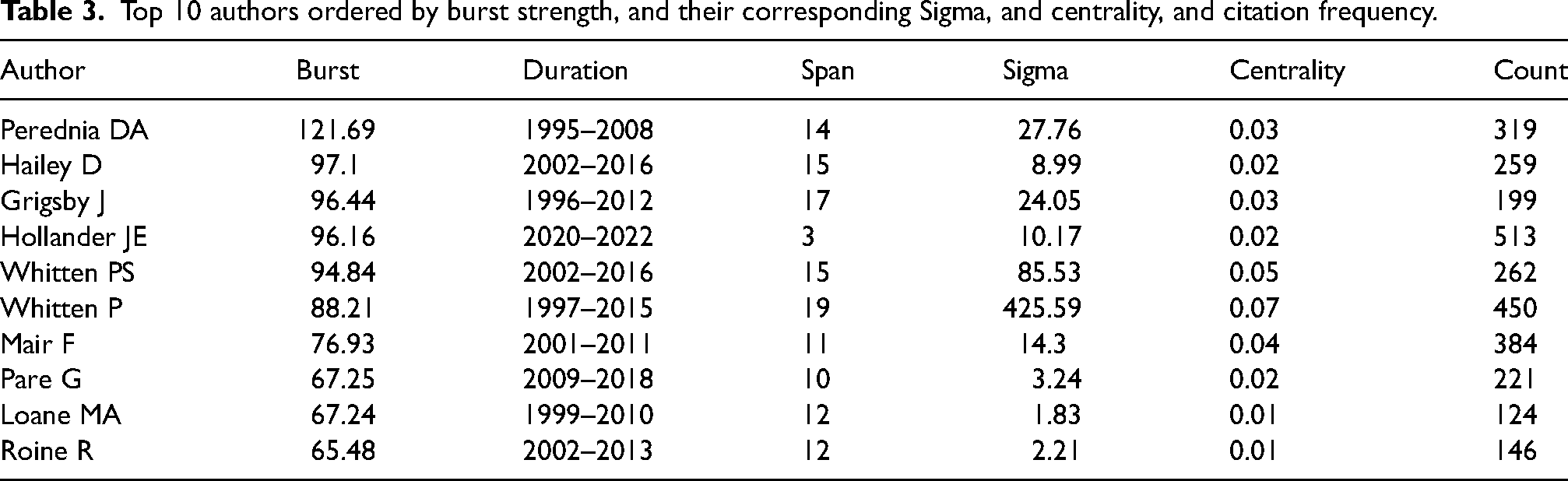
Bashshur RL had the longest burst duration of 31 years, spanning from 1977 to 2007 (strength = 38.72, Supplementary Table S1). He argued that telemedicine had played a significant role in reducing hospitalisations and emergency department visits and preventing and limiting disease, according to a large body of evidence generated from telemedicine studies. 33
Among all the authors with the most recent bursts, the author with the highest sigma values was Kruse CS (burst duration: 2020–2022, Σ = 24.62, Supplementary Table S1), and his study on the promoters and barriers to the adoption of telemedicine in the first year of COVID-19 has attracted much attention.
Journal co-citation analysis (JCA)
Citations on telemedicine research occurred across 731 different journals. The top five cited journals were the Journal of Telemedicine and Telecare (n = 7311, 4%, Supplementary Table S2), Telemedicine and e-Health (n = 4425, 2.7%), Journal of the American Medical Association (n = 4245, 2.6%), New England Journal of Medicine (n = 4065, 2.5%) and Telemedicine and E-Health (n = 3607, 2.2%).
A Journal co-citation analysis (JCA) was used to identify the most influential journals in the field since JCA can make a more comprehensive and accurate assessment of the influence of journals compared with only the number of citations. 13 The network contained 731 nodes (E = 2344, density = 0.0088, Supplementary Table S2, Supplementary Figure S2).
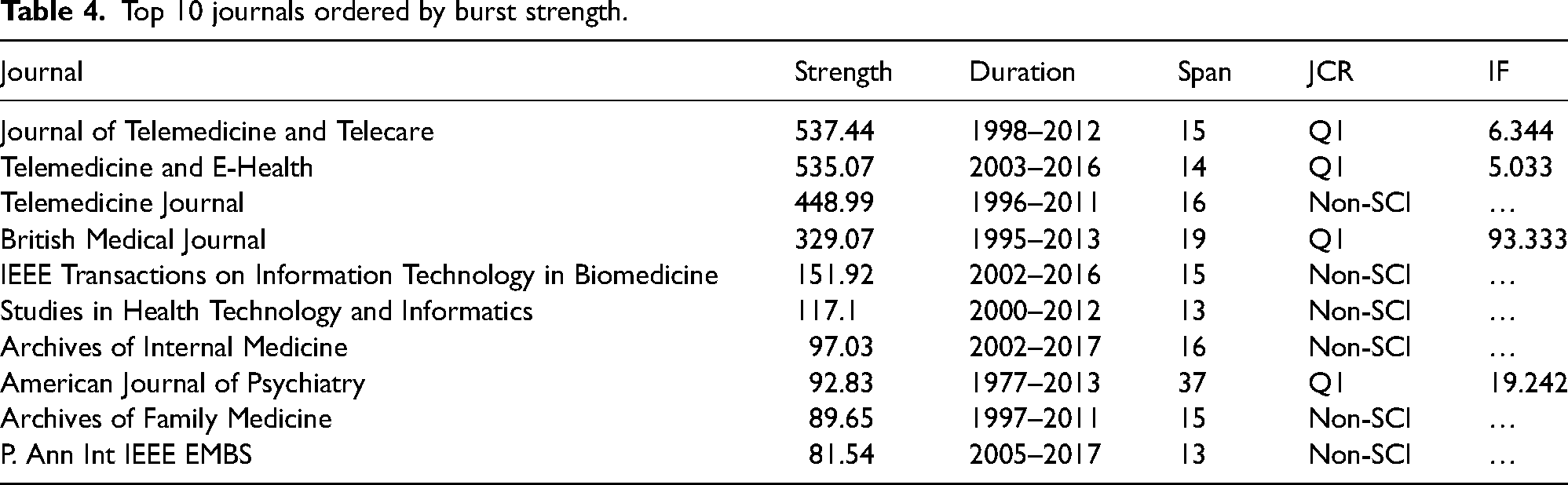
The top two journals ranked by Sigma were the Journal of Telemedicine and Telecare (Σ = 12371772104458.1, Supplementary Table S2) and the Telemedicine Journal (Σ = 284,986.11). The journal with the strongest burst was the Journal of Telemedicine and Telecare (strength = 537.44, 1998–2012, Table 4). Telemedicine and E-Health (strength = 535.07, 2003–2016) had the second-largest burst, followed by Telemedicine Journal (strength = 448.99, 1996–2011). The journals with the longest burst duration, including the American Journal of Psychiatry (strength = 92.83, Supplementary Table S2), American Journal of Public Health (strength = 25.98), and Annals of the New York Academy of Sciences (strength = 26.5), all had burst durations of more than 30 years. The journals with the longest half-life, including Chest (strength = 31.97, Supplementary Table S2), New England Journal of Medicine (strength = 8.8) and American Journal of Public Health (strength = 25.98), all had a half-life of more than 40 years.
Top 10 journals ordered by burst strength.
Document co-citation analysis (DCA)
DCA, the most effective method to identify major research themes, can locate the important knowledge base of the research field efficiently and conveniently in the mass of cited reference information. The academic influence of references can be quantified to a certain extent by the four indicators of citation frequency, burst, sigma and centrality. 13
Figure 7 shows the co-citation clustering of literature in the field of telemedicine research. The synthesised DCA network contained 2575 nodes (E = 9972, density = 0.003) and was divided into 17 co-citation clusters (Figure 7). The modularity value (Q) of the cluster is 0.8716, and the mean silhouette value (S) of the cluster is 0.924, which indicates that the overall network structure of the cluster is excellent, the whole cluster has excellent homogeneity, and the clustering results have high reliability. Among them, the largest cluster is the cluster named ‘health telematics’, which has 259 references in total, and its mean silhouette value (S) is 0.909. The second-largest cluster is the cluster named ‘evaluation’, which has 228 references in total, and its mean silhouette value (S) is 0.891. The third-largest cluster is the cluster named ‘disparities’, which has 186 references, and its mean silhouette value (S) is 0.875. Additional clusters with high homogeneity include those named ‘telemonitoring’, ‘covid-19’, ‘telestroke’, ‘SARS-CoV-2’, ‘teleneurology’, ‘stroke’, ‘tele-ICU’, ‘telemental health’, ‘diabetic retinopathy’, ‘teledermatology’, ‘heart failure’, and so on.
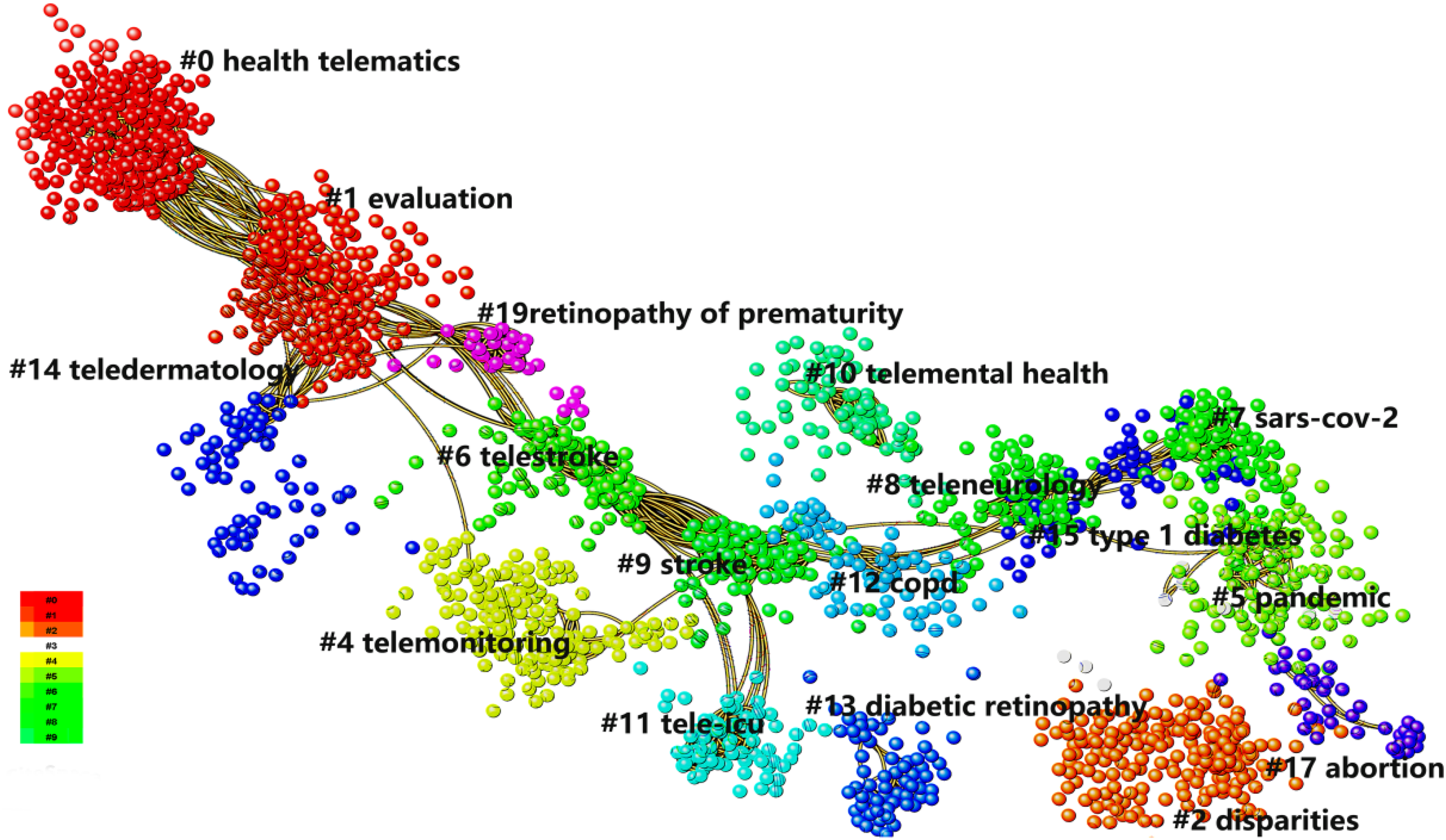
Document co-citation analysis visualised as a clustering network.
The silhouette values for the 10 largest clusters were in the range of 0.851–0.959, which indicates a high level of homogeneity for these clusters and that cluster labelling reflects cluster content. 13 The characteristics of the 10 largest clusters are shown in Table 5, and a timeline visualisation of the DCA network is shown in Figure 7. The longest clusters depicted in the timeline visualisation were cluster #0, labelled health telematics (Figure 8). The most recently initiated clusters are Cluster #2 labelled disparities, Cluster #5 labelled pandemic, and cluster #7 labelled SARS-CoV-2.
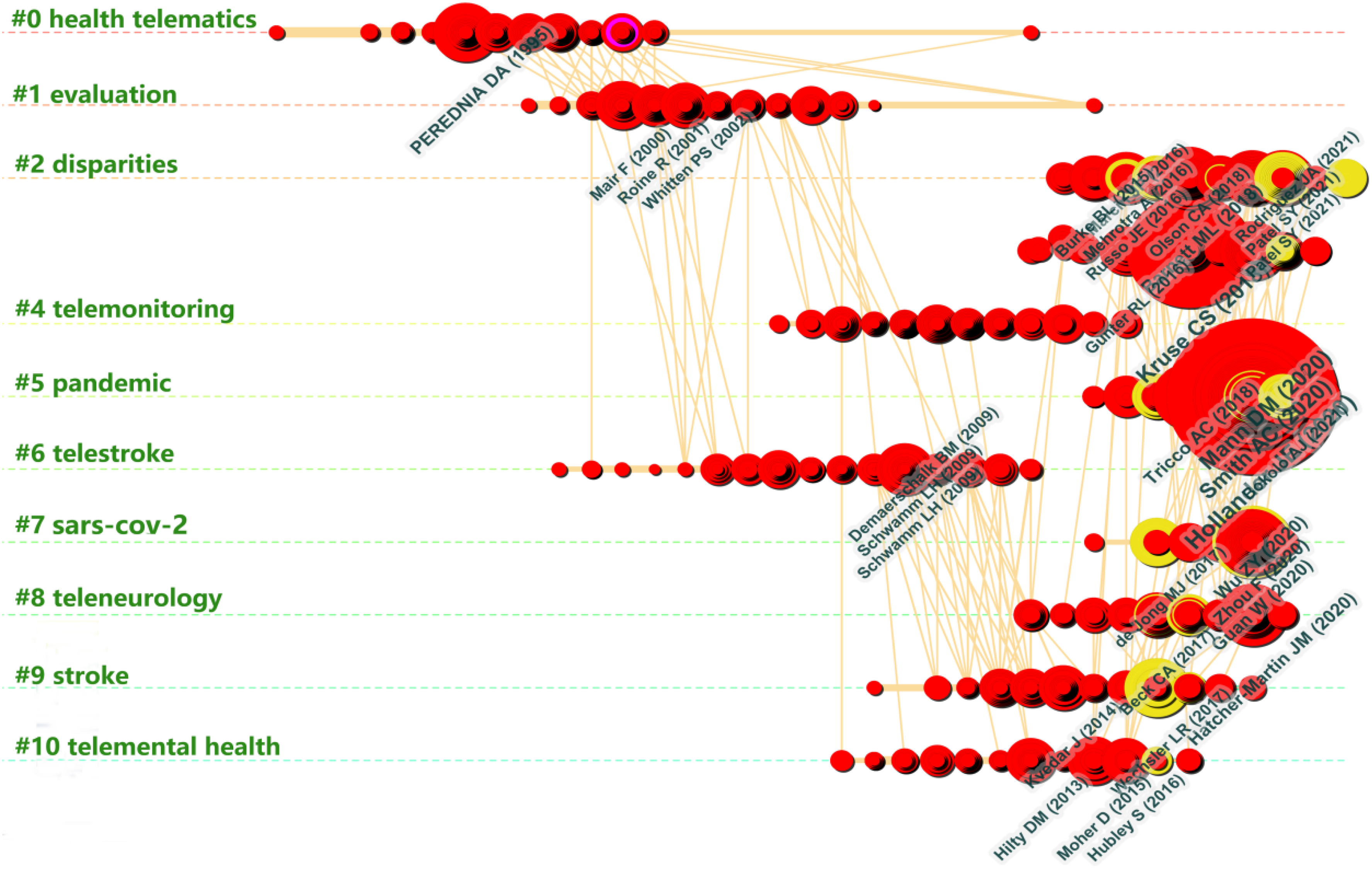
Document co-citation analysis visualised as a timeline view.
Characteristics of the 10 largest clusters identified in the document co-citation analysis network.
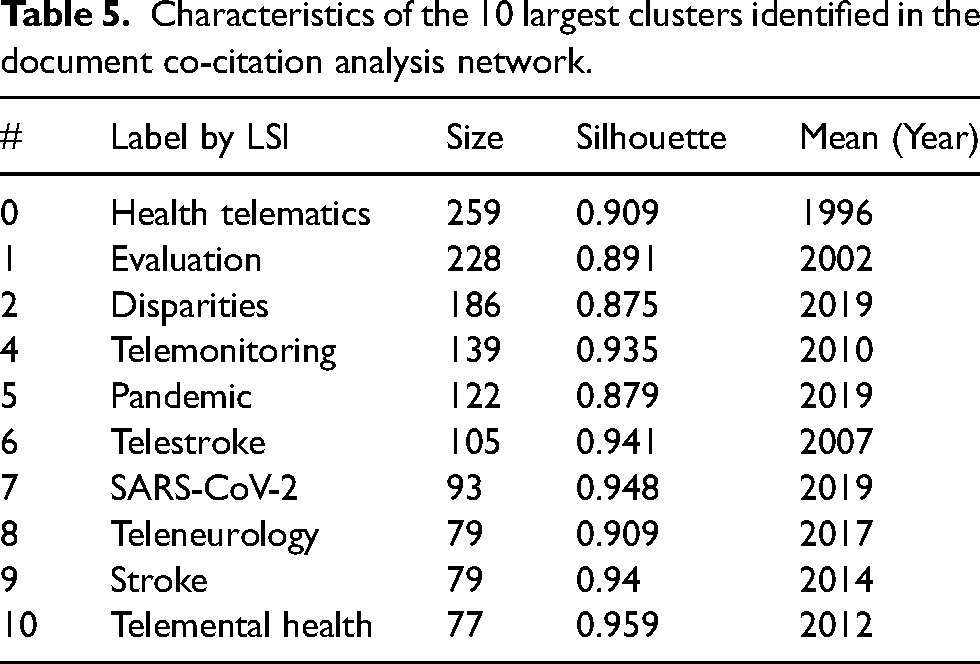
Discussed below are the five largest clusters identified in the synthesised DCA network and the member publications that are highly ranked by burst, sigma, or centrality.
Cluster 0: health telematics
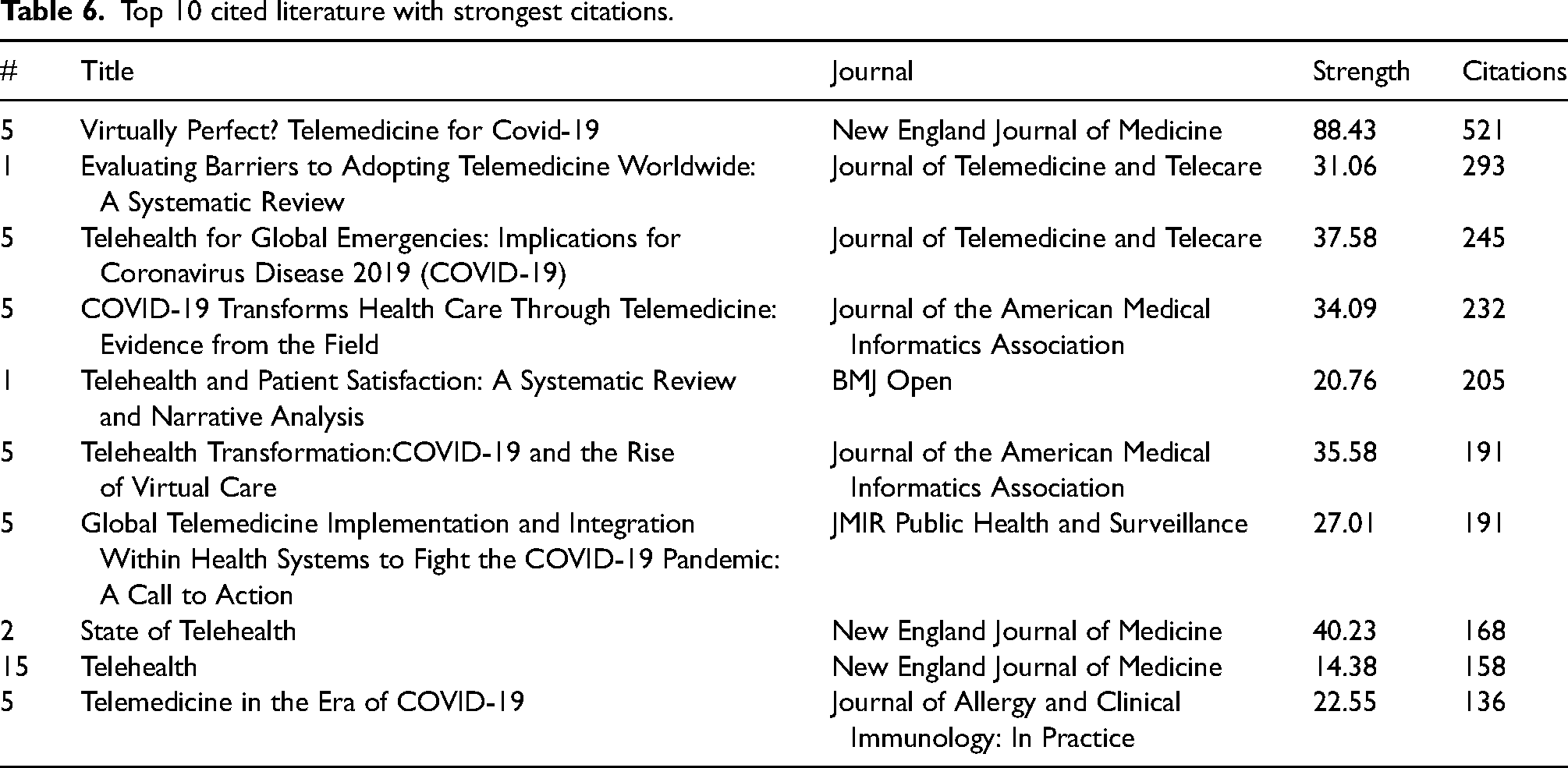
The largest cluster automatically labelled health telematics is mainly about the primary technologies for building telemedicine. The mean year of articles in this cluster is 1996, making it the oldest of the 10 largest clusters (Table 5). The cluster label originates from the article titled ‘Rapid Response to COVID-19: Health informatics support for outbreak management in an academic health system’. 34 This study describes EHR-based decision support for COVID-19-related clinical information, in which EHR plays a critical role. The most frequently cited article in this cluster was ‘Telemedicine Technology and Clinical Applications’ 35 by Perednia DA et al. (citations = 96, Table 6). This article also had the strongest burst of the included articles (strength = 61.73), which indicates its relative scientific activity.
Top 10 cited literature with strongest citations.
This cluster highlights that telemedicine can provide effective diagnosis and treatment for inflammatory bowel disease, 36 diabetes, 37 stroke, 38 dermatology 39 and sleep apnoea 40 by means of telecommunication. The communication technologies used in telemedicine may not be the same, but common factors include patients, healthcare workers, specialists and their different forms of medical information signals. Telemedicine has strong vitality and responds to the need for economic and social development. With the development of information technology, the application of high and new technology, and the gradual improvement of laws and regulations, telemedicine will certainly gain unprecedented development opportunities. 41
Cluster 1: evaluation
The second-largest cluster was automatically labelled evaluation. The average year of publication for articles in this cluster is 2002 (Table 5). The leading research topics of this cluster are perceptions or assessments of telemedicine technology. The cluster label originates from the articles titled ‘Systematic Review of cost effectiveness studies of telemedicine interventions’ 42 and ‘A systematic review of the methodologies used to evaluate telemedicine service initiatives in hospital facilities’. 43
In this cluster, the article with the strongest burst is ‘Systematic review of studies of patient satisfaction with telemedicine’ by Mair F (strength = 43.99, Σ = 1.14). This study found that remote consultation can be accepted by patients in various situations, but issues related to patient satisfaction need to be further explored from the perspectives of customers and providers. 44
Although the implementation of telemedicine services is still not part of mainstream clinical services, 43 there is not enough evidence that telemedicine is a cost-effective means of care. 45 However, the assessment and evaluation of telemedicine for some diseases are positive. For instance, paediatric intensive care telemedicine consultation significantly reduces the risk of emergency medication errors among seriously sick and injured children in rural areas. 46 Most parents and children prefer to use a telepsychiatry system rather than travel long distances to see a psychiatrist in-person. 47 Remote retinal screening has greatly improved the evaluation efficiency of patients with diabetes in rural and medical resource-poor areas. 48
Cluster 2: disparities
The third-largest cluster is automatically named disparities. The mean year of publication for articles in this cluster is 2019 (Table 5). The research theme of this cluster is measures to alleviate medical disparities between regions. The cluster label, disparities, is from an article titled ‘The Use of Telemedicine to Address Access and Physician Workforce Shortages’ by Rimsza ME et al. (2015), which found that telemedicine can partially alleviate wide differences in time and distance barriers to access to health care between infants, children, adolescents and their families living in suburban and urban areas. 49
The articles with the highest citation frequency and burst value in this cluster were both ‘State of Telehealth’ by Dorsey ER et al. (citations = 168, Supplementary Table S3). Dorsey ER et al.(2016) reported that although the digital divide is narrowing, it needs to be bridged. Policies, such as the Federal Communications Commission's national broadband plan, and other initiatives, such as providing smartphones to people in need, are critical to ensure that current disparities in care are not widened by differences in the way next-generation care services are delivered. 50
In this cluster, the article with the strongest sigma is ‘The Use of Telemedicine to Address Access and Physician Workforce Shortages’ by Rimsza ME et al. (sigma = 2.49, Supplementary Table S3). There are significant time and distance barriers for people living in suburban and urban communities to access the same quality of care as people living in urban centres, and telemedicine can effectively address this problem. 51
Cluster 4: telemonitoring
Cluster 4 is automatically named telemonitoring. The mean year of publication for articles in this cluster is 2010 (Table 5). The cluster's label is extracted from the article with the highest burst value in the cluster, titled ‘Systematic Review of Home Telemonitoring for Chronic Diseases: The Evidence Base’ 52 (burst = 24.39, Supplementary Table S3). The research results of this article confirm that home telemonitoring for chronic diseases seems to be a promising method of patient management that generates accurate and reliable data, affects patients’ attitudes and behaviours, and may improve their medical conditions.
The most cited article in this cluster is ‘Telemonitoring in Patients with Heart Failure’ by Chaudhry SI et al. (citations = 42, Supplementary Table S3). This study illustrates that many studies have shown that telemonitoring can assist clinicians in the early intervention of patients with heart failure and reduce the probability of readmission or death. However, the sample size of these studies is limited, and it is necessary to conduct large-scale and multicentre studies to obtain convincing conclusions. Before adopting disease management strategies, it is necessary to conduct a thorough and independent evaluation. 53
Overall, the topics of this cluster mainly focus on issues such as cost-effectiveness and the clinical effects of telemonitoring. Kumar G stressed that the cost of patient care had dropped significantly following the implementation of tele-ICU, but until more evidence supports it, clinicians and administrators should carefully weigh the clinical and economic aspects of tele-ICU when considering investing in the technology. 54 PARÉ G notes that home telemonitoring for chronic diseases appears to be a promising approach for managing patients, producing accurate and reliable data, and potentially improving their medical conditions. 52
Cluster 5: pandemic
Cluster 5, automatically labelled pandemic, included studies on trends and the perspective of telemedicine during the emergence of the COVID-19 pandemic. The mean citation year for articles in this cluster was 2019 (Table 5). The cluster label is drawn from the articles titled ‘Global Telemedicine Implementation and Integration Within Health Systems to Fight the COVID-19 Pandemic: A Call to Action’ 55 and ‘Trends in the Use of Telehealth During the Emergence of the COVID-19 Pandemic’. 56
Documents in this cluster played a key role in shaping the field of telemedicine research. The article with the strongest burst and seven of the top 10 articles ranked by citation frequency are in this cluster (Table 6). This cluster contained several articles with high citation counts and burst values (Table 6), indicating that research in this cluster was fundamental to the telemedicine research field.
The article with the strongest burst was ‘Virtually Perfect? Telemedicine for COVID-19’ by Hollander JE et al. (strength = 88.43, Table 6) and had the highest burst value in all clusters. This article notes that in facing the challenge of COVID-19, although telemedicine cannot solve all problems, it can ensure that patients with COVID-19 receive the care they need and may be an almost perfect solution. 26
This cluster mainly expounds on the trends and prospects of telemedicine applications in the era of the COVID-19 pandemic. For example, Greenhalgh T believes that during the COVID-19 pandemic, the introduction of video consultation helped prevent face-to-face contact between clinicians and patients, but that there were also concerns about medical quality, privacy security, and accountability for medical malpractice, which hindered the promotion of video consultation. 57 Smith AC pointed out that the current COVID-19 outbreak is a reminder that telemedicine should be implemented proactively rather than reactively and should gradually become part of the routine application of our health system, which will help medical professionals cope with daily and emergency challenges. 58 Bashshur RL pointed out that the COVID-19 outbreak has magnified many problems in our medical system, such as uneven access and quality of care and rising medical costs. While telehealth has been seen as necessary to keep health systems functioning during the COVID-19 pandemic, policymakers at all levels should draw lessons from this period so that the full potential of telehealth can be harnessed in normal times. 59 Calton B reports that the COVID-19 pandemic has driven the widespread use of telehealth as a vital service. Telemedicine can help mitigate the spread of COVID-19 and prevent the need for personal protective equipment. 60
Thematic trends and frontier topics
The research frontier trends are reflected mainly by the burst term. This study uses the burst detection algorithm to select the top 25 burst terms (Figure 9). In Figure 9, begin and end represent the start and end times, respectively, of the term. If multiple terms burst in the same period, these terms represent the topics that telemedicine research focused on in this period. The terms that burst in recent years can indicate future research trends.
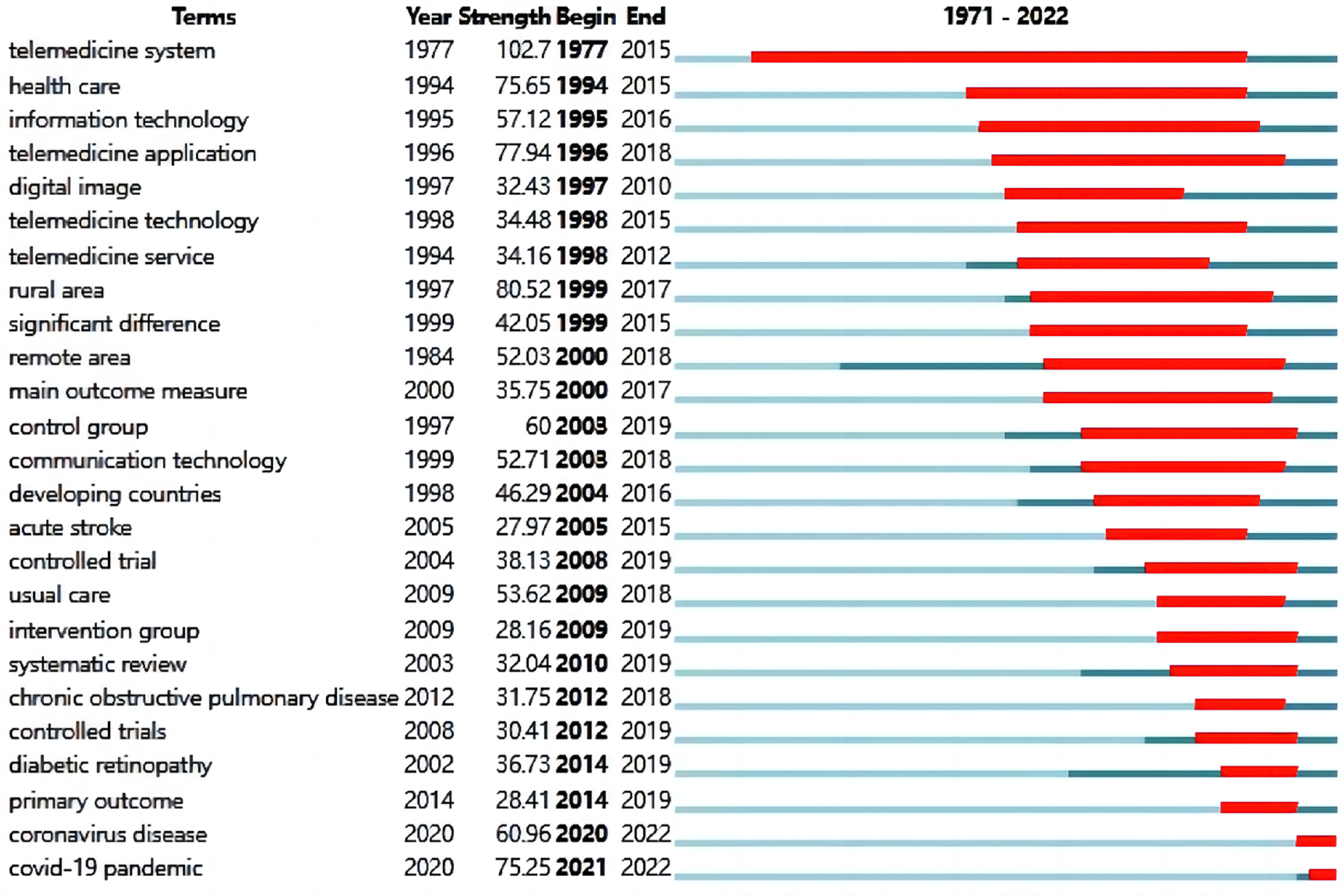
Top 25 terms with the strongest citation bursts.
The detected burst terms can be divided into three parts according to the period. Terms with the strongest citation bursts from 1977 to 2002 include telemedicine system (strength = 102.7), rural area (strength = 80.52), telemedicine application (strength = 77.94), health care (strength = 75.65), information technology (strength = 57.12), remote area (strength = 52.03), significant difference (strength = 42.05), main outcome measure (strength = 35.75), telemedicine technology (strength = 34.48), telemedicine service (strength = 34.16), and digital image (strength = 32.43). Terms with the strongest citation bursts from 2003 to 2019 consist of control group (strength = 60), usual care (strength = 53.62), communication technology (strength = 52.71), developing countries(strength = 46.29), controlled trial (strength = 38.13), diabetic retinopathy (strength = 36.73), systematic review (strength = 32.04), chronic obstructive pulmonary disease (strength = 31.75), controlled trials (strength = 30.41), primary outcome (strength = 28.41), intervention group (strength = 28.16), and acute stroke (strength = 27.97). The terms with the strongest citation bursts from 2020 to 2022 are COVID-19 pandemic (strength = 75.25) and coronavirus disease (strength = 60.96). Therefore, combined with the topics of the five largest clusters in the DCA above, we conclude that the core topics of telemedicine research at various stages are as follows. (1) The research from 1977 to 2002 focused mainly on the application, system and service of telemedicine, providing medical services to rural and remote areas where medical resources are scarce through telemedicine, and controlling the quality of medical images in telemedicine. (2) During 2003 to 2019, the research focused on controlled trials, systematic reviews, telemedicine application in stroke, diabetic retinopathy and other chronic diseases and comparisons of the usual medical care and telemedicine. (3) From 2020 to 2022, the research focused on the application and impact of telemedicine in the era of the COVID-19 pandemic. With the passage of time, the content of the research has expanded and deepened. However, the application and impact of telemedicine in the era of the COVID-19 pandemic may become a future research trend. Seven of the top 10 cited studies with the strongest citations are related to the topic of telemedicine application during the COVID-19 pandemic (Table 6). Table 6 shows the topics involved in the top 10 cited studies with the strongest citations, to a certain extent confirming the research trends and frontiers discussed above.
In summary, research related to telemedicine has progressed through three stages. The terms that burst in recent years can indicate that an extremely important future research trend may be telemedicine’s application and impact in the era of the COVID-19 pandemic, which is consistent with increasing global attention and investment in telemedicine in the era of the COVID-19 pandemic. Telemedicine can effectively solve the intractable problems of hospital resource shortages and high infection risk caused by pandemics. Coupled with the support of care coordination and other policies and the increase in government investment, we have every reason to believe that telemedicine will play a pivotal role for a long time. The impact and application of telemedicine during the COVID-19 pandemic will be an emerging trend.
Limitations
Similar to many bibliometric studies, this study has the following limitations. First, the results are based on the literature from 1971 to 2022, excluding the articles prior to 1971 because they were of poor indexing quality and could not be effectively identified by the software. However, the number of literature before 1971 was too small to affect the results. Second, although we aimed to improve the scientificity of the retrieval strategy, the retrieval results cannot be perfect due to incorrect and inaccurate indexing of the documents. Third, the document metadata provided by most document databases at present is not suitable for scientometrics analysis, while the field index of the WOS database is the most complete and the only database perfectly suitable for scientometrics analysis. The choice to use the WOS database may have caused some selectivity bias in the analysis.
Conclusion
There is a long history of telemedicine research from countries worldwide. The results of this reported scientometric analysis demonstrate not only a long history of telemedicine research spanning more than five decades but also massive growth in telemedicine research in the last 5 years, mainly due to the pandemic and increasing awareness of telemedicine. It is important to recognise the focus of telemedicine research (according to themes) and new priority areas as the field evolves over time. Due to the unique advantages of telemedicine in breaking through time and space limitations to optimise the allocation of medical resources, and the increasing awareness of the important role of telemedicine, the future development space of telemedicine is bound to be broader and play an increasingly important role in the medical field. Correspondingly, the discipline of telemedicine will maintain a high volume of publications for a long period in the future. The discipline of telemedicine will also evolve through self-breakthroughs and constantly present itself in new forms and appearances.
Supplemental Material
sj-docx-1-jtt-10.1177_1357633X231183732 - Supplemental material for Trends and frontiers of research on telemedicine from 1971 to 2022: A scientometric and visualisation analysis
Supplemental material, sj-docx-1-jtt-10.1177_1357633X231183732 for Trends and frontiers of research on telemedicine from 1971 to 2022: A scientometric and visualisation analysis by Peng Liu, FuzhiWang, Wenjun Xu, Ying Li and Bin Li in Journal of Telemedicine and Telecare
Supplemental Material
sj-csv-2-jtt-10.1177_1357633X231183732 - Supplemental material for Trends and frontiers of research on telemedicine from 1971 to 2022: A scientometric and visualisation analysis
Supplemental material, sj-csv-2-jtt-10.1177_1357633X231183732 for Trends and frontiers of research on telemedicine from 1971 to 2022: A scientometric and visualisation analysis by Peng Liu, FuzhiWang, Wenjun Xu, Ying Li and Bin Li in Journal of Telemedicine and Telecare
Supplemental Material
sj-csv-3-jtt-10.1177_1357633X231183732 - Supplemental material for Trends and frontiers of research on telemedicine from 1971 to 2022: A scientometric and visualisation analysis
Supplemental material, sj-csv-3-jtt-10.1177_1357633X231183732 for Trends and frontiers of research on telemedicine from 1971 to 2022: A scientometric and visualisation analysis by Peng Liu, FuzhiWang, Wenjun Xu, Ying Li and Bin Li in Journal of Telemedicine and Telecare
Supplemental Material
sj-csv-4-jtt-10.1177_1357633X231183732 - Supplemental material for Trends and frontiers of research on telemedicine from 1971 to 2022: A scientometric and visualisation analysis
Supplemental material, sj-csv-4-jtt-10.1177_1357633X231183732 for Trends and frontiers of research on telemedicine from 1971 to 2022: A scientometric and visualisation analysis by Peng Liu, FuzhiWang, Wenjun Xu, Ying Li and Bin Li in Journal of Telemedicine and Telecare
Supplemental Material
sj-csv-5-jtt-10.1177_1357633X231183732 - Supplemental material for Trends and frontiers of research on telemedicine from 1971 to 2022: A scientometric and visualisation analysis
Supplemental material, sj-csv-5-jtt-10.1177_1357633X231183732 for Trends and frontiers of research on telemedicine from 1971 to 2022: A scientometric and visualisation analysis by Peng Liu, FuzhiWang, Wenjun Xu, Ying Li and Bin Li in Journal of Telemedicine and Telecare
Footnotes
Acknowledgements
The authors sincerely acknowledge Editors and anonymous reviewers for their insights and comments to further improve the quality of the manuscript. We are also very grateful to Professor Chen Chaomei for his valuable advice. Finally, as the first author, I would like to personally express my gratitude to my most lovely son (Liu Daixin) and my family for their support all through my work., love you forever!
Contributions
(I) Conception and design: Peng Liu, Bin Li, Fuzhi Wang; (II) Administrative support: Ying Li, Fuzhi Wang; (III) Provision of study materials or patients: Wenjun Xu, Peng Liu; (IV) Collection and assembly of data: Wenjun Xu, Peng Liu; (V) Data analysis and interpretation: Peng Liu, Bin Li, Wenjun Xu; (VI) Manuscript writing: All authors; (VII) Final approval of manuscript: All authors.
Data availability statement
Example text of a Data statement, as provided by the author.
Declaration of conflicting interests
The author(s) declared no potential conflicts of interest with respect to the research, authorship, and/or publication of this article.
Ethical statement
The authors are accountable for all aspects of the work in ensuring that questions related to the accuracy or integrity of any part of the work are appropriately investigated and resolved.
Funding
The author(s) disclosed receipt of the following financial support for the research, authorship, and/or publication of this article: This work was supported by the Anhui Provincial University Philosophy and Social Science Key Project (grant number 2022AH051405) and the Research and Innovation Team of Bengbu Medical College (grant number BYKC201913). Anhui Provincial Major Science and Technology Project (grant number 202103a07020012). The fund provided us with language polishing.

Supplemental material
Supplemental material for this article is available online.
References
Supplementary Material
Please find the following supplemental material available below.
For Open Access articles published under a Creative Commons License, all supplemental material carries the same license as the article it is associated with.
For non-Open Access articles published, all supplemental material carries a non-exclusive license, and permission requests for re-use of supplemental material or any part of supplemental material shall be sent directly to the copyright owner as specified in the copyright notice associated with the article.
