







Abstract
In this article, the effect of weathering and corrosion on the bond properties of bamboo- and steel-reinforced cement-stabilized rammed earth blocks was investigated. The treated, untreated bamboo and steel reinforcement types were considered under regular and weathered categories. Reinforcement of 8 mm, 10 mm and 12 mm diameters were used along with 10% of cement as stabilizer. A total of 90 reinforced cement-stabilized rammed earth blocks were prepared and tested for bond strength. The investigation shows that the bond force and bond strength of all the blocks reduced due to weathering and corrosion of reinforcement. In case of blocks with bamboo reinforcement only, a minor reduction in bond properties (bond force and bond strength) was identified, but in case of blocks with steel reinforcement, a major reduction in bond properties was identified. All the blocks failed by either lateral splitting, pullout or pullout along with lateral splitting. However, the pullout failure was observed only in the blocks with weathered or corroded reinforcement, making it clear that the mode of failure was influenced by the type and physical condition of the reinforcement. Based on the results obtained, it was not advisable to use of corroded steel (CS) bars as reinforcement in rammed earth. However, considering the bond properties, treated bamboo can be a potential and economical alternative to CS. A series of statistical analysis was performed using the test data to predict the bond properties correlating perimeter, diameter, type and condition of reinforcement. The regression equations generated from statistical analysis represent a strong correlation between the actual and predicted values and can be used for predicting the bond properties of rammed earth accurately.
Keywords
Introduction
In the present situation of global warming, increased carbon foot print and environmental degradation, the topic that is dragging attention of the whole world is sustainable construction. There are many types and techniques of sustainable constructions among which earthen construction techniques were one of the oldest techniques which utilise locally available soil and natural materials to the maximum extent. Rammed earth was used in the construction of many historic structures among which some still exist and can be found in almost all parts of the world (Dobson 2015). In rammed earth construction, soil is placed in between formwork and compacted one layer after the other. Thickness of walls may vary from 250 mm to even 600 mm due to which they possess high thermal insulation capacity and are relatively strong in compression (Arslan et al., 2017; Jaquin et al., 2006; Kariyawasam and Jayasinghe, 2016; Reddy and Kumar, 2011; Zhou et al., 2018).
Cement, lime and asphalt emulsions are commonly used stabilizers to improve the performance of the rammed earth structures (Kariyawasam and Jayasinghe, 2016; Raavi and Tripura, 2020; Reddy and Kumar, 2011; Tripura and Sharma, 2014). Strength and durability of rammed earth construction can be improved to a great extent by using ordinary Portland cement (OPC) as stabilizer varying from 4% to 12%. Stabilized rammed earth constructions were superior in terms of strength and durability when compared to unstabilized rammed earth construction (Arslan et al., 2017; Bahar et al., 2004; Hejazi et al., 2012; Jayasinghe and Kamaladasa, 2007; Raavi and Tripura, 2020; Tripura and Singh, 2015; Walker, 1995; Zhou et al., 2020).
Reinforcing earthen structures with bamboo or other locally available materials to improve their strength properties was a common practice from olden days (Raavi and Tripura, 2020). A lot of research was carried out to investigate the use of natural agricultural products such as jute, coir, bamboo and sisal as geo-reinforcement materials (Achenza and Fenu, 2006; Aymerich et al., 2012; Binici et al., 2005; Bordoloi et al., 2016; Danso et al., 2015; Ghavami et al., 1999; Hejazi et al., 2012; Laborel-Préneron et al., 2016). Bamboo possess high tensile strength of 370 MPa and also the ratio of tensile strength to specific weight of bamboo is more than six times that of steel (Ghavami, 1995, 2005) which shows the gravity of bamboo as a construction material.
Generally rammed earth is an unreinforced structure and reinforcing it with bamboo splints might improve its yield load and increase its seismic performance (Gao et al., 2009; Tripura and Sharma, 2014). To provide seismic resistance to the rammed earth structures, bamboo splints can be reinforced in rammed earth walls adjacent to door and window openings (Tripura and Sharma, 2014). Steel reinforcement is used to increase the tensile capacity and ductility of rammed earth construction and also to facilitate roof and slab tie-downs. However, the long-term behaviour of steel reinforcement in rammed earth is yet to be explored (Meek et al., 2018). Gupta (2014) constructed two full scaled steel-reinforced rammed earth columns with two different stirrup configurations and found that the column with diagonal stirrups was stiffer than the column with horizontal stirrups. Budi and Rahmadi (2019) studied the use of notched Petung bamboo strips as reinforcement in structural concrete beams and found that the bamboo reinforcement can improve the flexural capacity of concrete beams. Mali and Datta (2019) investigated the bond properties between bamboo and concrete by using a combination of chemical and mechanical action and concluded that the highest bond strength was achieved with treated and grooved bamboo.
Steel bar corrosion is one of the important factors that reduce the service life of the reinforced structures and it depends upon the surrounding environment and exposure condition. Ghavami (2005) observed that the treated bamboo (TB) reinforcement in concrete was in satisfactory condition after exposing to open air for 15 years in the PUC Rio university campus, but the steel reinforcement bars in a concrete column were severely corroded after 10 service years and needed to be replaced. Due to corrosion, there was a small decrease in the tensile strength and a significant reduction in the ductility properties of steel bar. The cross-sectional area of the corroded bar was reduced and the mechanical properties were degraded (Papadopoulos et al., 2011). Meek et al. (2018) assessed various cement-stabilized rammed earth (CSRE) mixes for their ability to protect reinforced steel against carbonation-induced corrosion in dry ambient and moist conditions and concluded that the initial CSRE environments may be adequate for providing corrosion protection; however, the reinforcement will be depassivated within the design life span, and further, the corrosion potential of the CSRE depends upon its moisture content.
Pullout testing is a popular method to determine bond strength as it provides a simple means of comparison between reinforcing bar and the adjacent material (Walker and Dobson, 2001). Walker and Dobson (2001) studied the characteristics of galvanised, deformed, plain, stainless steel and threaded rebar bond in cement-stabilized rammed earth and concluded that the bond force and slip moduli depends upon the embedment length of reinforcing bar. However, the authors did not specify the effect of reinforcement corrosion on the bond properties which plays a vital role in long run. Meek et al. (2021) studied the bond properties of alternative stabilized rammed earth with deformed steel and fibre-reinforced polymer (FRP) bars as reinforcement. An alternative test procedure was proposed and validated for bond strength determination as ‘push out’ testing and an approximate conversion factor of 0.8 was suggested between the two methods. Finally, it was concluded that the bond strength of rammed earth with deformed steel bars was around 30–80% higher than the sand coated FRP bars and also the bond strength was influenced by substrate selection. Tripura and Sharma (2014) studied the characteristics of bamboo splints embedded in rammed earth blocks and reported that the bond strength depends upon many factors like rammed earth compressive strength, rebar type, area, splint size, embedment length and the method of specimen preparation. On the other hand, the authors used plain bamboo splints without any surface or chemical treatment.
Almost all the available literature was related to utilisation of fresh steel bars, untreated bamboo splints as reinforcement in cement-stabilized rammed earth and there was no standard literature available concerning the effect of bamboo weathering and steel corrosion on the bond properties (bond force and bond strength). The bars obtained from building demolition will be corroded ranging from moderate to high severity; utilising these moderately corroded bars as reinforcement in rammed earth construction might be an economical option. However, the effect of corrosion on the bond properties required a detailed study before its utilization in rammed earth construction.
Thus, looking into overall literature review, the authors felt the need for more systematic and detailed study regarding the effect of corrosion and weathering on the bond properties of steel- and bamboo-reinforced cement-stabilized rammed earth. To add some practical knowledge and data to the literature, a regression model was generated using the test data to predict the bond force and bond strength between the rammed earth and normal, corroded, unweathered and weathered reinforcement. The authors expect that the new approach to predict the bond properties of cement-stabilized reinforced rammed earth will be helpful to the future researchers.
Objectives
Thus, looking into overall literature review, the authors identified two main objectives: To study the effect of corrosion and weathering on the bond properties of bamboo- and steel-reinforced cement-stabilized rammed earth blocks. To deduce an equation for predicting the bond properties of bamboo- and steel-reinforced cement-stabilized rammed earth based on multiple regression analysis.
Experimental program
Soil and cement
Properties of soil used.
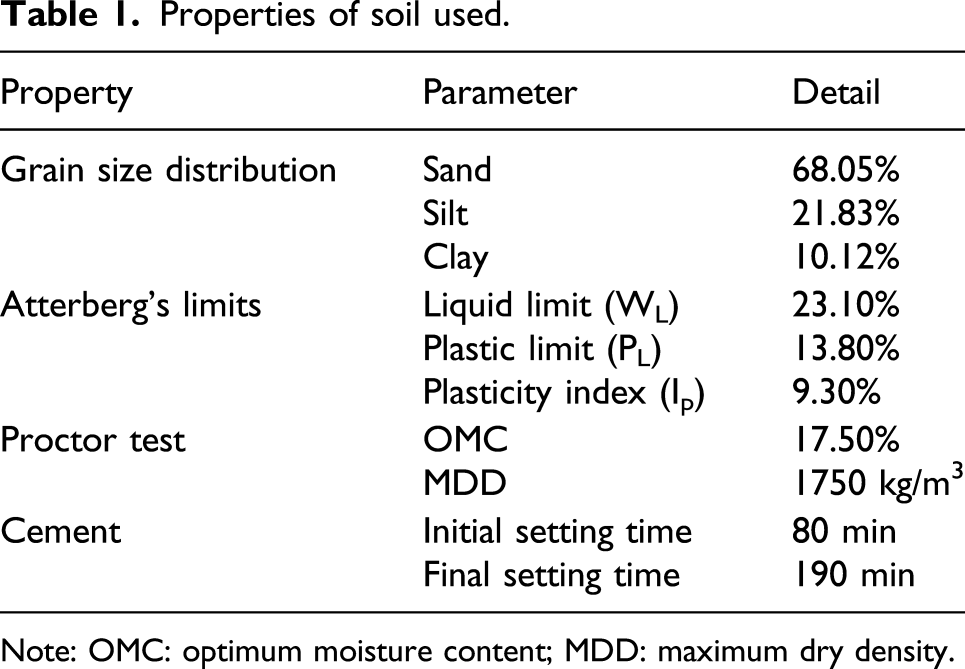
Note: OMC: optimum moisture content; MDD: maximum dry density.
Reinforcing steel bars and bamboo splints
In this study, 30 corroded steel bars of 8 mm, 10 mm and 12 mm diameter were collected from actual working sites; the collected steel bars were separated from the concrete lumps followed by checking the alignment of bars and cutting into required lengths. Later, the bars which are straight within the required length without any deformations and bends were separated, out of which 15 bars with mild corrosion were selected. Selection was done by visual inspection of steel bars for deformations, curvatures, veer offs and significant corrosion followed by marking the portion of the bar that does not fit for reuse (Tingley and Allwood, 2014; Tayeh et al., 2018). Later, small samples were cut from the bars and tensile test was performed as per IS 1608 (Indian Standard, 2005) to assess the yield strength of the bars. 15 new Fe 415 steel bars of 8 mm, 10 mm and 12 mm diameter were procured for the experimental program. 60 bamboo splints of Bambusa balcooa species used in the test program were harvested at an age greater than 2 years. The cross-sectional area of bamboo splints were made almost equal to the cross-sectional area of 8 mm, 10 mm and 12 mm of steel bar as shown in Figure 1. The bamboo splints were seasoned for 8 weeks in the laboratory at ambient temperature. 30 bamboo splints were left untreated out of which 15 splints were exposed to weathering for a period of 3 months. Weathering process is similar to the one described by Kim et al. (2016). As untreated bamboo is quite prone to insect and termite attacks, a chemical solution was prepared manually by mixing boric acid, copper sulphate and potassium dichromate (1.5:3:4) conforming to IS 9096 (Indian Standard, 2006). 30 bamboo splints were separated for treatment and kept immersed in chemical solution for 7 days followed by removal from the solution and vertical stacking in open air for lateral diffusion of solution. Similarly, 15 TB splints were also exposed to weathering prior to casting. To prevent the problem of water absorption and to improve the bond strength between cement-stabilized rammed earth (CSRE) and bamboo splints, epoxy coating along with coarse sand was applied on the top of the splints as shown in Figure 1 (Tripura et al., 2020). Bamboo splints. (a) Bamboo splints of various sizes and (b) bamboo splints with coarse sand coating.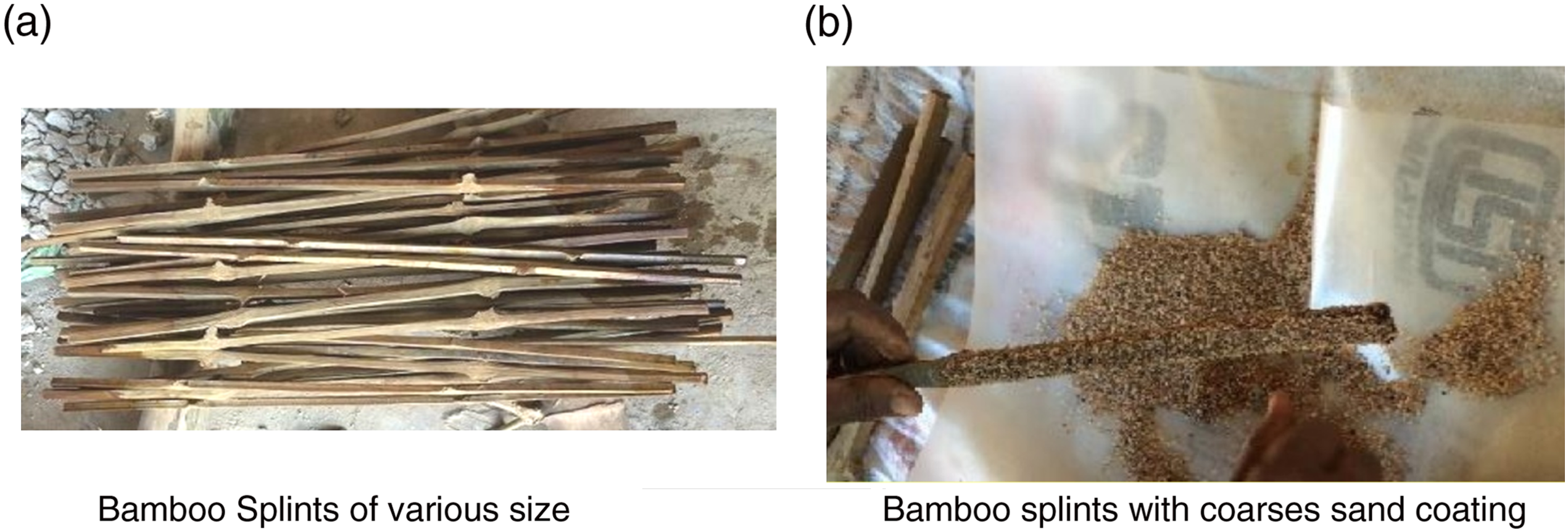
Production of rammed earth blocks
Sample and reinforcement size
As per IS 2770: Part 1 (Indian Standard, 1967) for vertical reinforcing bar up to 12 mm diameter, the size of test specimen can be 100 mm cube with a projection of about 10 mm from the bottom face of the cube. Walker and Dobson (2001) tested the bond strength using rammed earth cylinders of 150 mm diameter, height varying between 110 mm and 205 mm and the embedment lengths were 100–110 mm, 65 and 175 mm. Tripura and Sharma (2014) used 150 mm rammed earth cube with and embedment length of 150 mm. Meek et al. (2021) used 200 mm height, 200 mm diameter cylindrical and 150 mm cube specimens with 12 mm and 16 mm diameter bars of 500 mm and 550 mm length for pullout testing. Tripura and Das (2017) mentioned that the compressive strength of 100 mm and 150 mm rammed earth cubes are quite close to each other. Hamad (2017) obtained higher compressive strength with small-sized specimens when compared with bigger sizes. Thus, there is no clear recommendation on the size of sample and reinforcement to be used for testing bond strength in rammed earth. However, the specimen size should be selected in such a way that the strength of specimen should proportionately relate to the strength of actual construction. Hence, the cube size of 150 mm was selected similar to the study carried out by Tripura and Sharma (2014) and Meek et al. (2021) as it can be related to the actual in situ strength of rammed earth. So, based on the available literature, the cross-sectional design of the specimen is selected to be 150 mm cube with 750 mm long reinforcement protruding 50 mm from the bottom of the cube face as shown in Figure 2. Height of the reinforcement from the top face of the cube is 550 mm providing adequate length to extend through the supports of the bond strength testing machine and loading as suggested by IS 2770: Part 1 (Indian Standard, 1967). Schematic diagrams of metal plate and rammed earth block. (a) Metal plate with circular hole and (b) reinforced rammed earth block.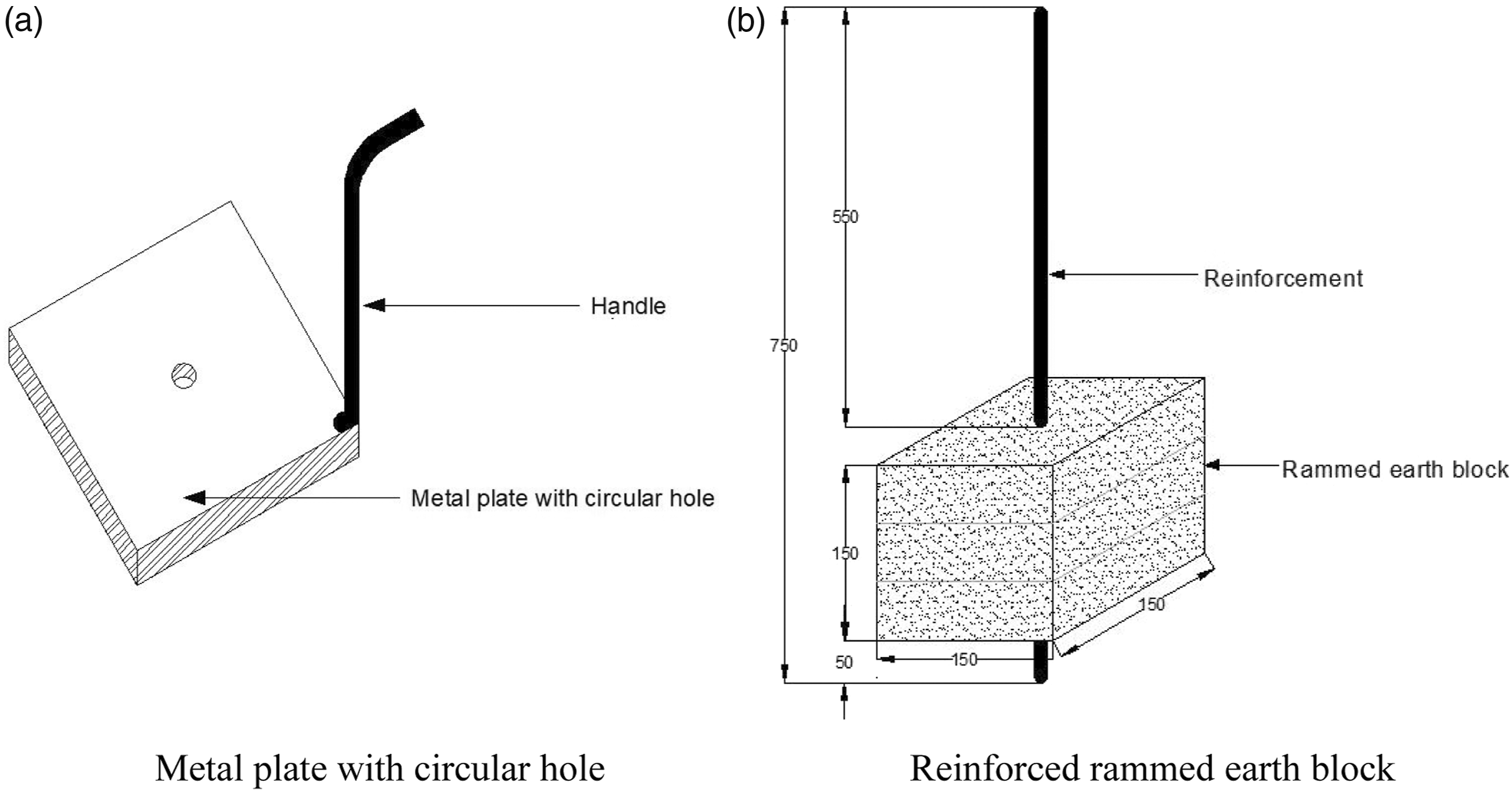
Sample preparation
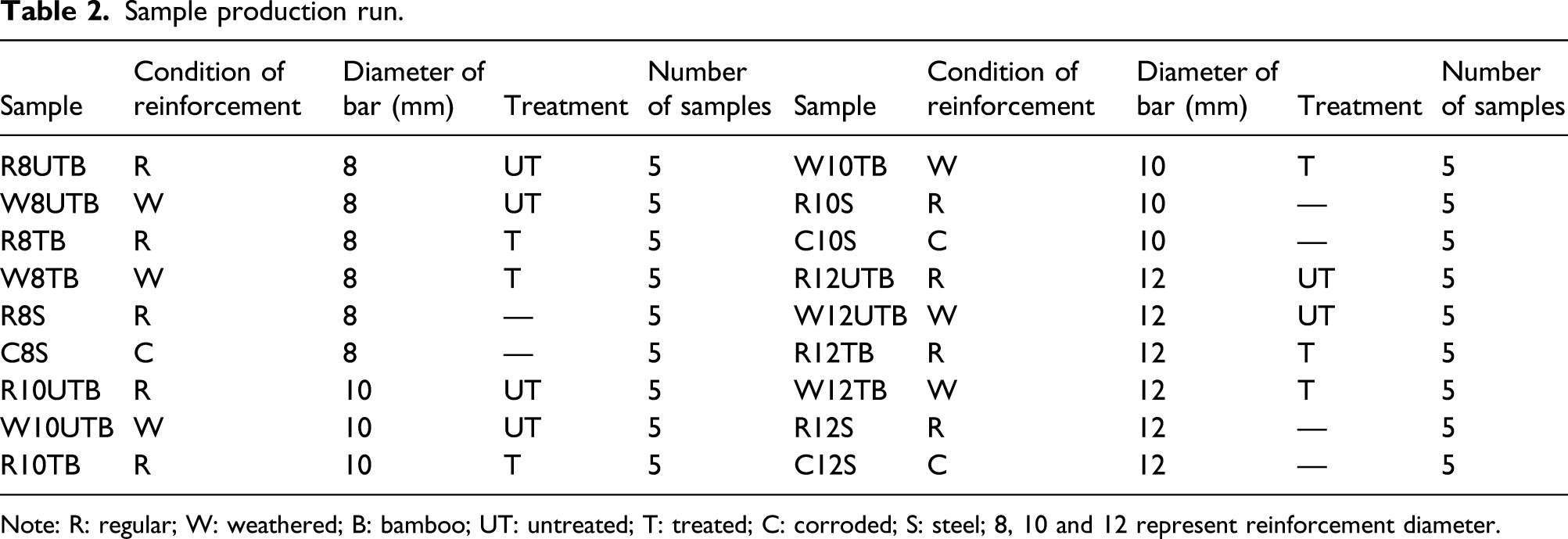
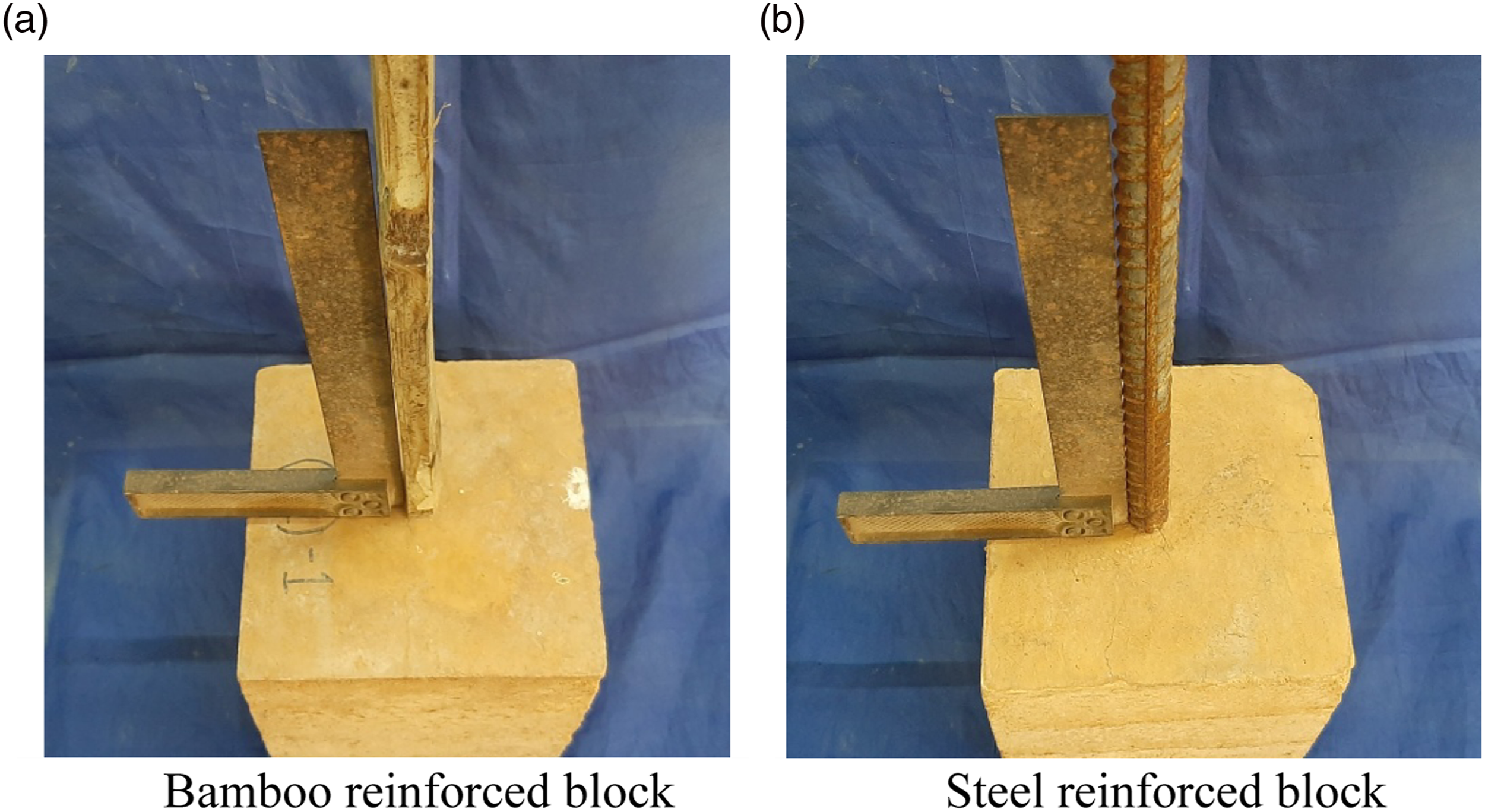
The soil collected was sun dried and the lumps of soil were broken to ensure uniform mixing. In order to maintain optimum moisture content in the mix, rapid moisture meter test was performed to determine the moisture content of soil prior to water addition. The dry soil was mixed thoroughly with OPC followed by water addition and mixing until a consistent moist mix was obtained. For ramming and producing test blocks, standard Proctor method was adopted in accordance to IS 2720: Part 7 (Indian Standard, 1980). The moist mix was separated into 3 parts and compacted manually with 3 layers in a wooden mould of size 150 mm × 150 mm × 150 mm, with a circular hole of 25 mm diameter in the centre aiding for reinforcement insertion (Tripura et al., 2020). A plumb bob was used to ensure the verticality of reinforcement in the rammed earth during the production process and the layers were perpendicular to the axis of reinforcement provided as represented in Figures 2 and 3. However, to ensure uniform load distribution on the soil, a thin metal plate of size 148 mm × 148 mm × 20 mm having 14 mm perforation in the centre was placed over each layer before ramming (Figure 2). Similar compaction technique was also performed by Tripura and Singh (2018, 2019) using a 20 mm thick mild steel plate. Rammed earth blocks with bamboo and steel reinforcement are shown in Figure 3 and the detailed sample production run is shown in Table 2. After unmolding, all the blocks were cured for 28 days using wet gunny bags followed by drying for 10 days in laboratory to remove the excess surface moisture (Tripura and Singh, 2015). All the cured blocks were tested using a try square to verify the angle between the top surface of the blocks and the reinforcing bar as shown in Figure 4. Rammed earth blocks with bamboo and steel reinforcement. (a) Bamboo-reinforced block and (b) steel-reinforced block. Sample production run. Note: R: regular; W: weathered; B: bamboo; UT: untreated; T: treated; C: corroded; S: steel; 8, 10 and 12 represent reinforcement diameter. Verifying the angle between reinforcement and rammed earth blocks using a try square. (a) Bamboo-reinforced block and (b) steel-reinforced block.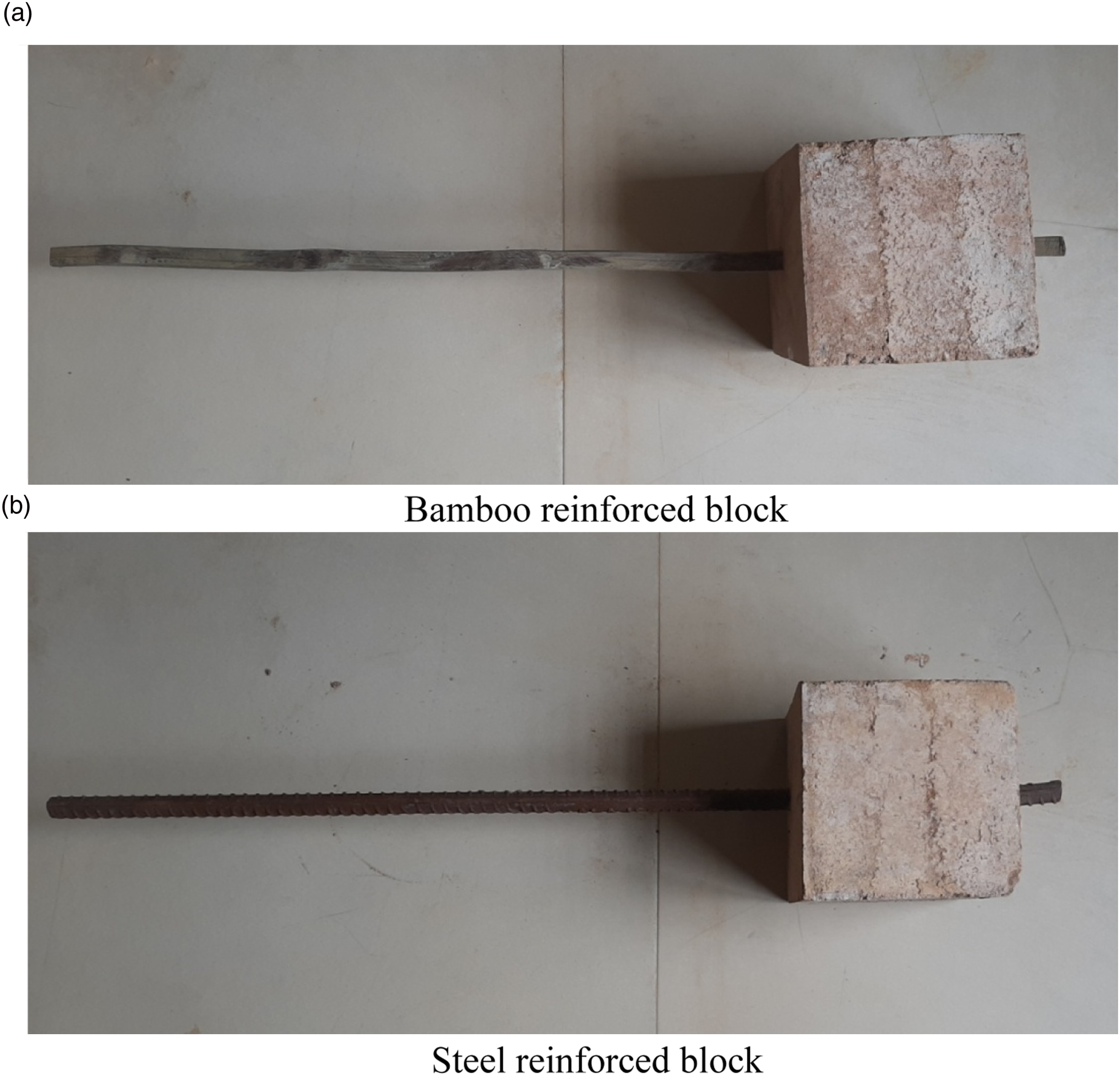
Test Procedure
The test was carried out as per IS 2770: Part 1 (Indian Standard, 1967). The reinforcement bars were pulled out from CSRE cube of size 150 mm × 150 mm × 150 mm and an embedded length of 150 mm was provided similar to Tripura and Sharma (2014). The specimen was placed vertically in the supporting frame of universal testing machine (UTM) of 400 kN capacity equipped with data acquisition system, such that the bar was axially pulled out from the cube at a constant rate of 2250 kg/min. The dial gauge having a range of 0–12.7 mm was attached at the free end of the bar to measure the slip between the reinforcement bar and the rammed earth cube. A schematic diagram of pullout test setup is shown in Figure 5. Pullout test setup schematic diagram.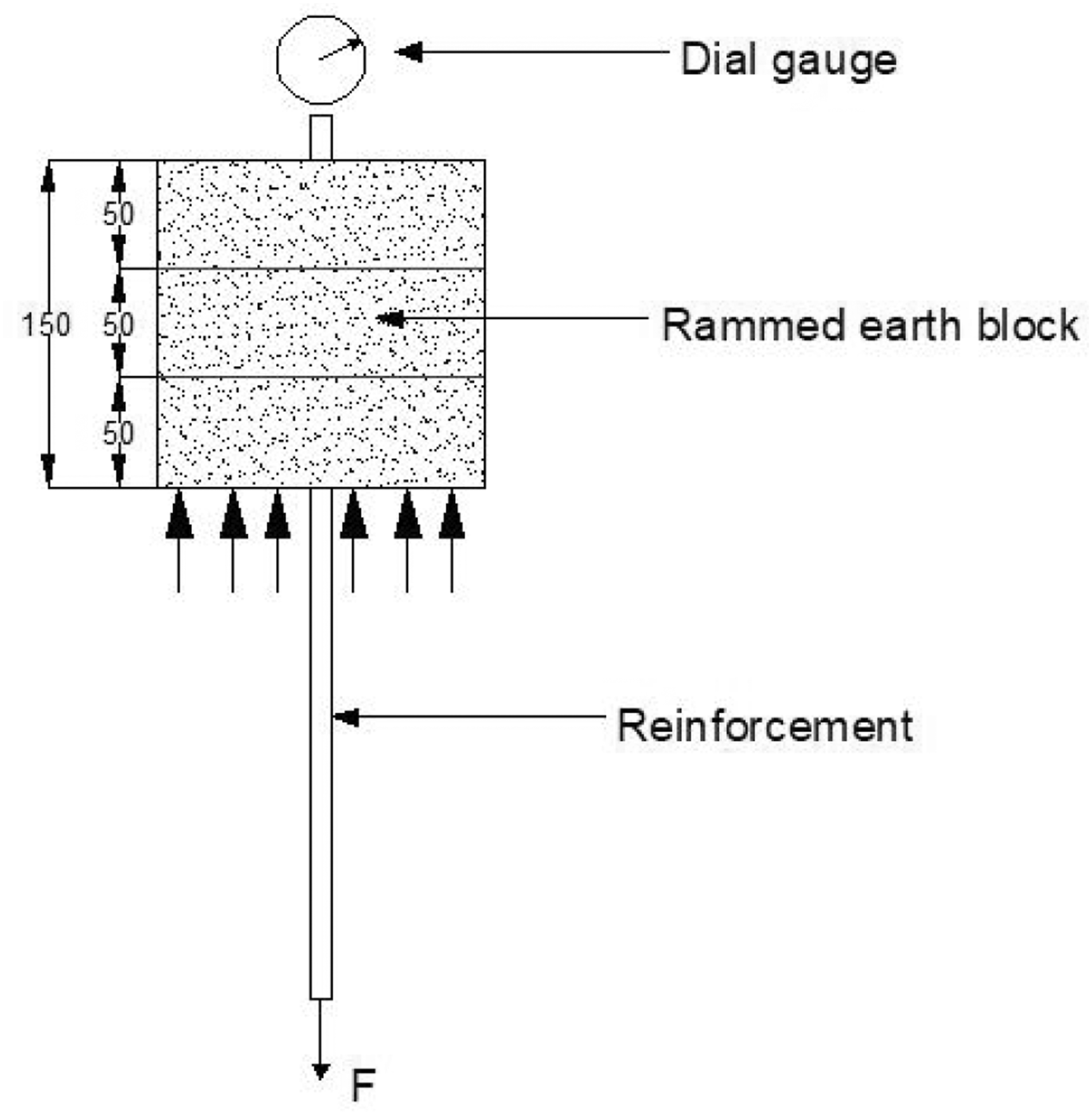
The bonding shear stress 
Results and discussion
Effect of weathering and corrosion on bond force–slip relations
The bond force–slip relations of all blocks are shown in Figures 6–8 and the values are given in Table 3. In all blocks, the bond force increases with the increase in slip value until the ultimate bond force is reached followed by a steady decrease or nearly constant bond force, but the slip started to increase rapidly after reaching the ultimate bond force. This can be attributed to the failure of bond between rammed earth soil matrix and reinforcement after reaching the ultimate bond force. Bond between the reinforcement and rammed earth is formed from bearing, adhesion and friction. Failure of the bond reduces friction and the splint is pulled out further (Tripura and Sharma, 2014). Bond force versus slip of 8 mm reinforcement. Bond force versus slip of 10 mm reinforcement. Bond force versus slip of 12 mm reinforcement. Summary of test results. Note: R: regular; UT: untreated; B: bamboo; W: weathered; T: treated; C: corroded; S: steel. Test results are the average of 5 samples tested.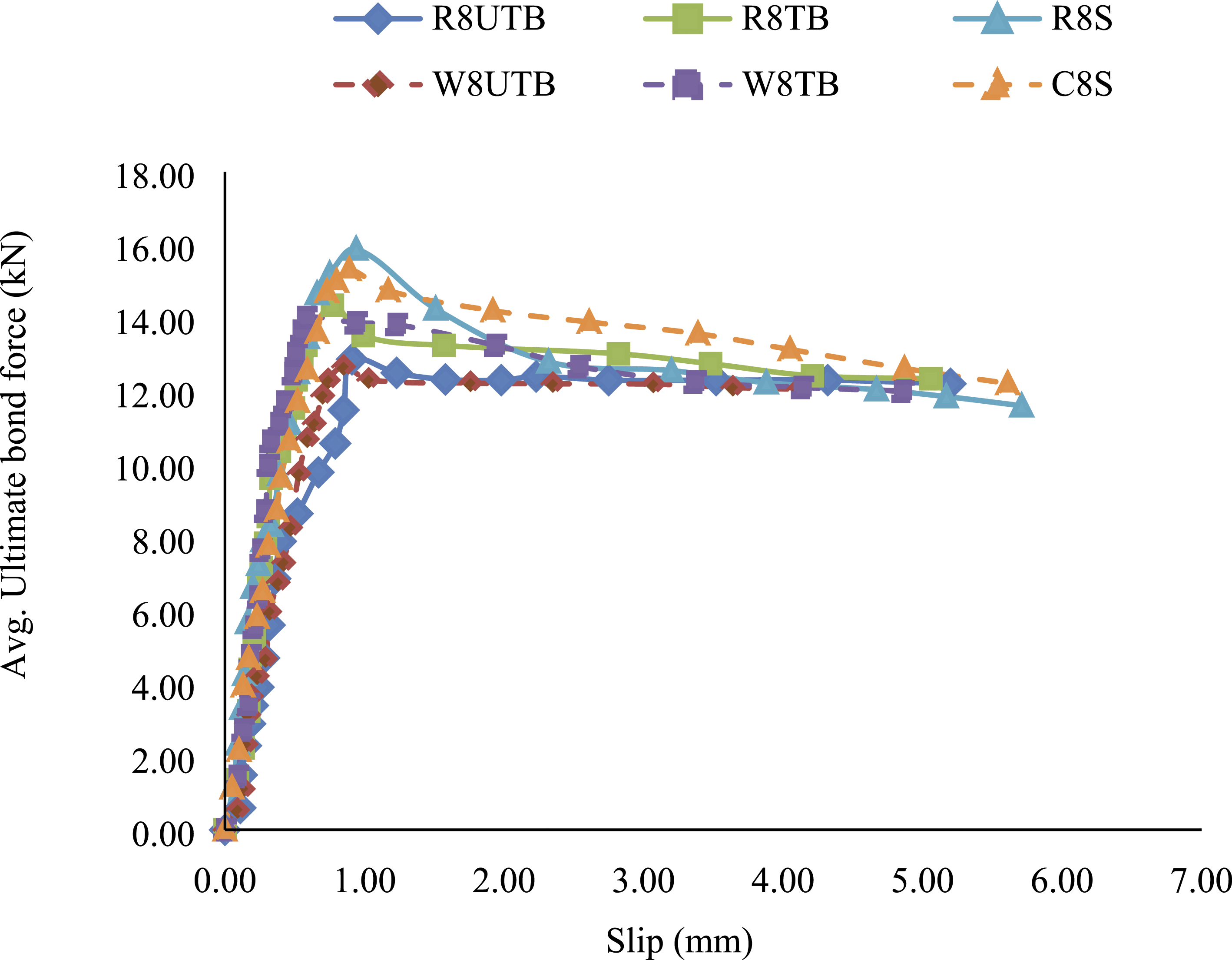
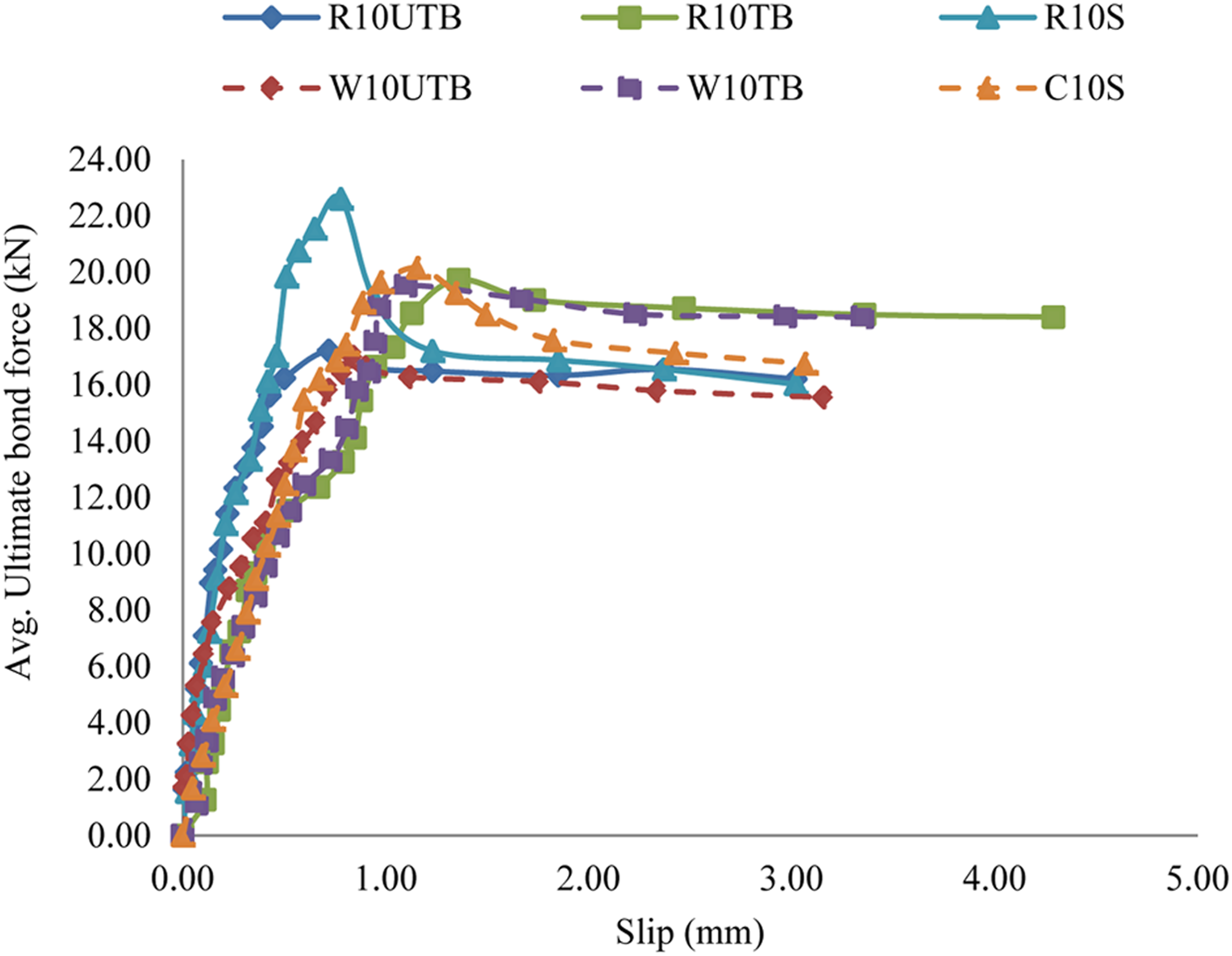
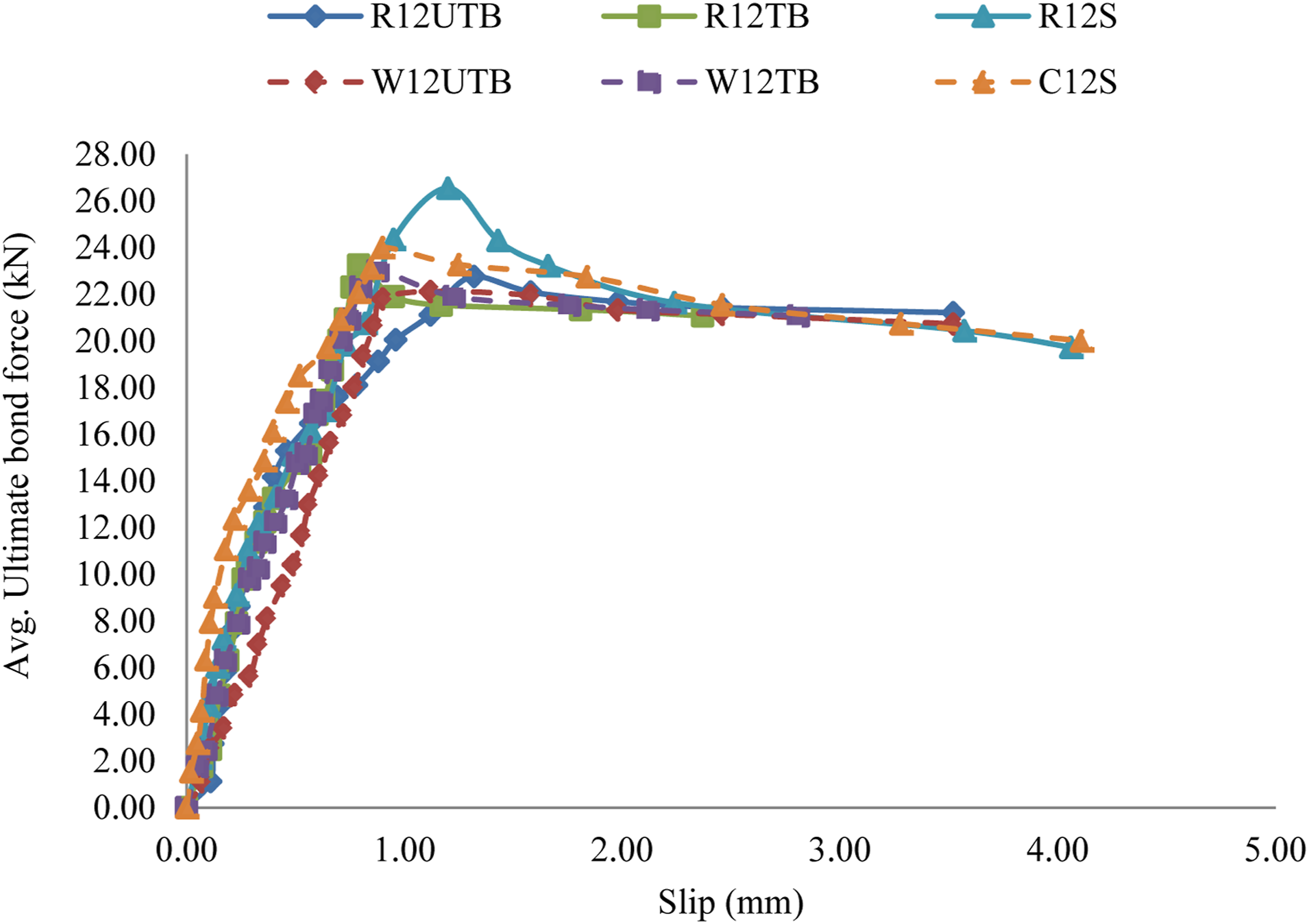
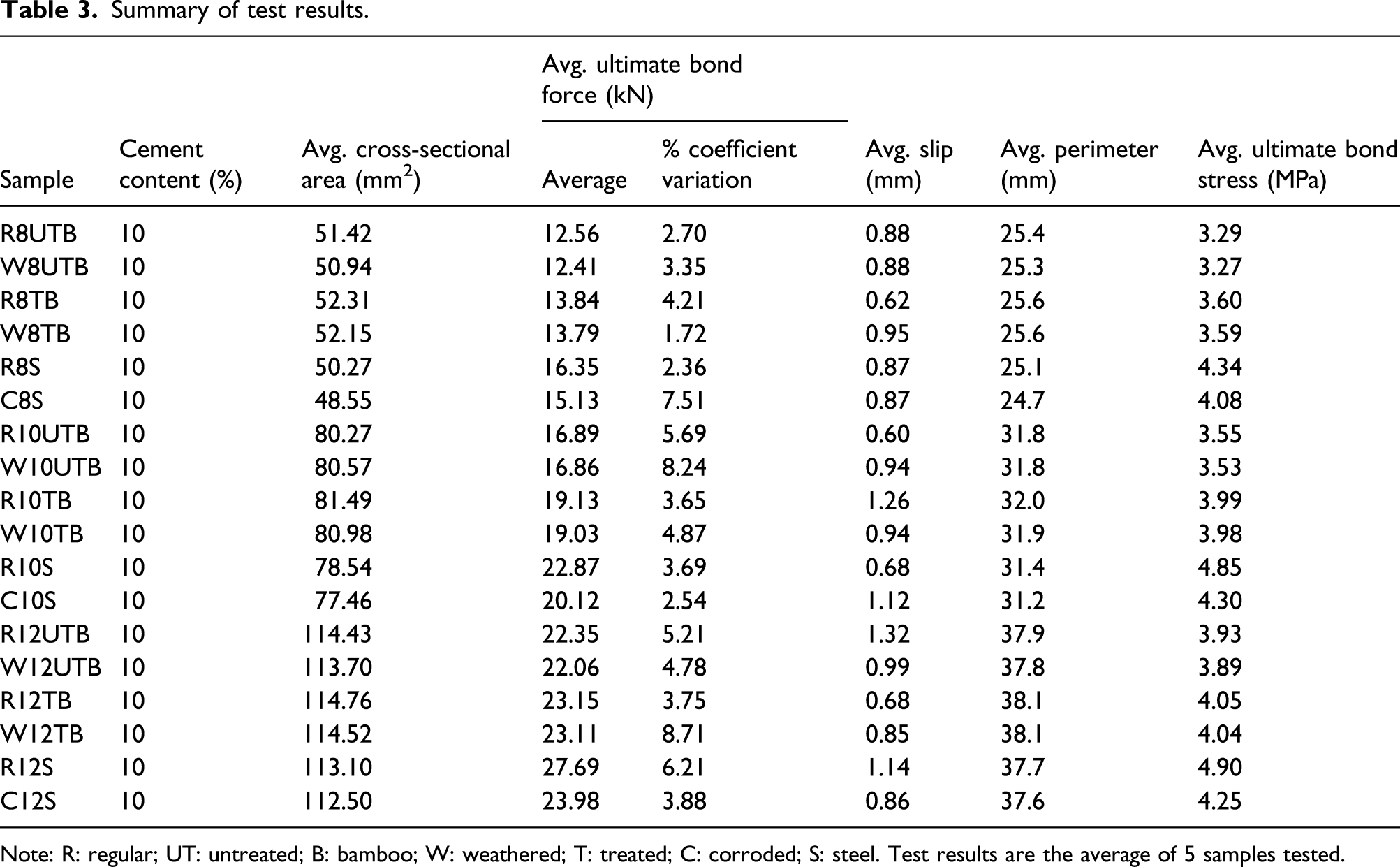
The bond force of rammed earth blocks with weathered untreated bamboo, weathered TB and corroded steel (WUTB, WTB and CS) was about 0.18%—1.30%, 0.17%—0.52% and 7.46%—13.40% less than the blocks with regular untreated bamboo, regular TB and regular steel (RUTB, RTB and RS), respectively. It was observed that the blocks with TB recorded the least reduction in bond force than the rest of the blocks. This can be attributed to the improved weathering resistance of bamboo splints due to chemical treatment.
The highest and lowest avg. bond force values were obtained for the blocks with regular 12 mm dia. steel bar (R12S) and weathered 8 mm dia. untreated bamboo splint (W8UTB) which were 27.69 kN and 12.41 kN, respectively. The avg. bond force of blocks with corroded 12 mm dia. steel bar (C12S) was 23.98 kN and it was slightly higher than the values obtained by Walker and Dobson (2001). The highest and lowest slip values recorded were for the blocks with regular 12 mm dia. untreated bamboo splint (R12UTB) and regular 10 mm dia. untreated bamboo splint (R10UTB) which were 1.32 mm and 0.60 mm, respectively. There was a slight variation in the avg. slip values of weathered and unweathered blocks but do not follow a specific pattern. The avg. slip values of all bamboo-reinforced blocks were less than the values obtained by Tripura and Sharma (2014). This may be due to the application of adhesive along with coarse sand over the bamboo splints, that providing additional grip against slippage.
In case of all bamboo-reinforced blocks, after reaching the ultimate load, the bond force almost remained constant or reduced gradually, but in case of all steel-reinforced blocks, there was a sudden drop in the bond force which can be clearly spotted in Figures 6–8. This can be attributed to brittle failure of the bond between steel bar and rammed earth block upon reaching the ultimate load and further increase in load resulted in sudden drop of bond force.
Effect of weathering and corrosion on ultimate bond strength
The avg. ultimate bond strength of the blocks got diminished due to weathering and corrosion of reinforcement, which can be observed from Figure 9 and Table 3. When compared to the blocks with RUTB, RTB and RS reinforcement, the ultimate bond strength of the blocks with WUTB, WTB and CS reinforcement was about 0.43%—1.00%, 0.14%—0.24% and 5.94%—13.23% less, respectively. Due to weathering, a minor strength reduction was observed in the blocks with bamboo splints, but due to corrosion, a major strength reduction was identified in case of blocks with steel bars. Considering only the blocks with bamboo reinforcement, the blocks with WUTB reinforcement suffer more strength loss than the blocks with WTB reinforcement which can be attributed to the surface treatment and coarse sand coating that helped the TB splints to resist detrimental effects of weathering. Avg. ultimate bond stress versus reinforcement diameter.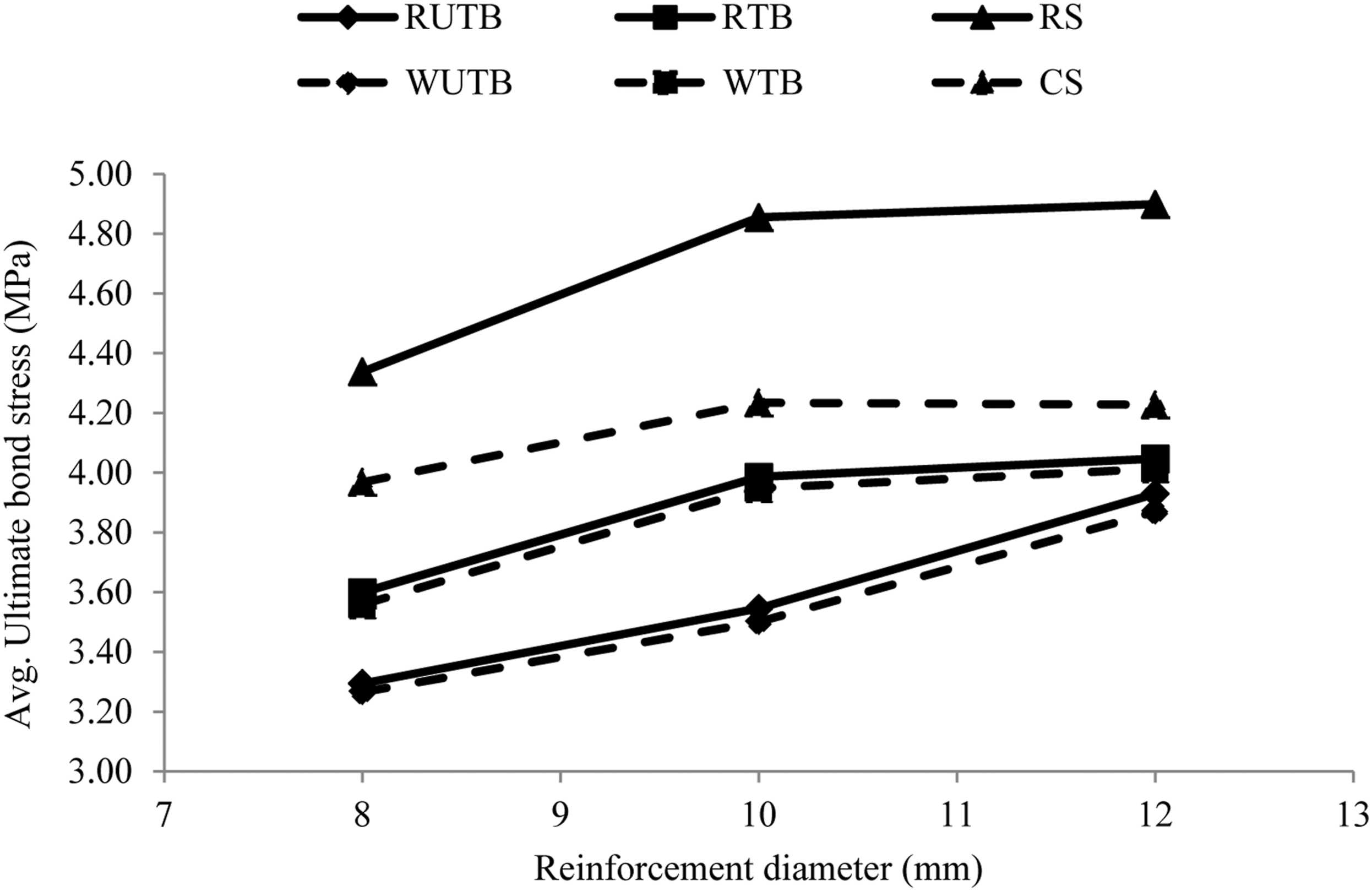
The highest and lowest avg. ultimate bond stress values were 4.90 MPa and 3.27 MPa obtained with R12S and W8UTB blocks, respectively. The ultimate bond stress values obtained in the current study were slightly more than the values obtained by Tripura and Sharma (2014) where the authors obtained the maximum ultimate bond stress of 3.15 MPa with Bambusa balcooa specimen, but the behaviour of the specimens while testing was almost similar.
In case of steel reinforcement, corrosion caused a major reduction in bond strength which can be considered as one of the major issues for reutilizing steel from building demolition in earthen constructions. These results were proportionate with the findings of Ghavami (2005) where the steel reinforcing bars have been corroded and needed to be replaced but the bamboo reinforcement was in satisfactory condition. So, along with the reinforcement size, embedded length, area and method of sample preparation (Tripura and Sharma, 2014), the type, physical condition and treatment of the reinforcement also play a major role in deciding the bond strength of the specimens.
Effect of weathering and corrosion on mode of failure
All the blocks failed by either lateral splitting, pullout or pullout along with lateral splitting as shown and specified in Figures 10 and 11. Most of the bamboo-reinforced blocks failed by lateral splitting along the longer edges of the bamboo splints as shown in Figure 10(a). This may be due to the increased stress concentration at longer edges. It was observed that almost all CS–reinforced blocks failed due to pullout (Figure 11(a)) and RS–reinforced blocks failed due to lateral splitting of blocks from both the diagonals (Figure 11(b)), and minor hair cracks were observed on the surface of rammed earth blocks after testing but no delamination from surface was observed. Although all the samples failed either by pullout or lateral splitting, the tensile yield load of the reinforcement and splitting of rammed earth ahead of time before reaching the average strength were not observed during testing. This can be attributed to the fact that the bond strength between the reinforcement and rammed earth block is quite less than the tensile yield load of the reinforcement. Bond failure of bamboo-reinforced cement-stabilized rammed earth blocks. (a) Lateral splitting along longer edges of splints and (b) pullout and diagonal lateral splitting. Bond failure between steel-reinforced cement-stabilized rammed earth blocks. (a) Pullout of steel bar and (b) pullout and double diagonal splitting.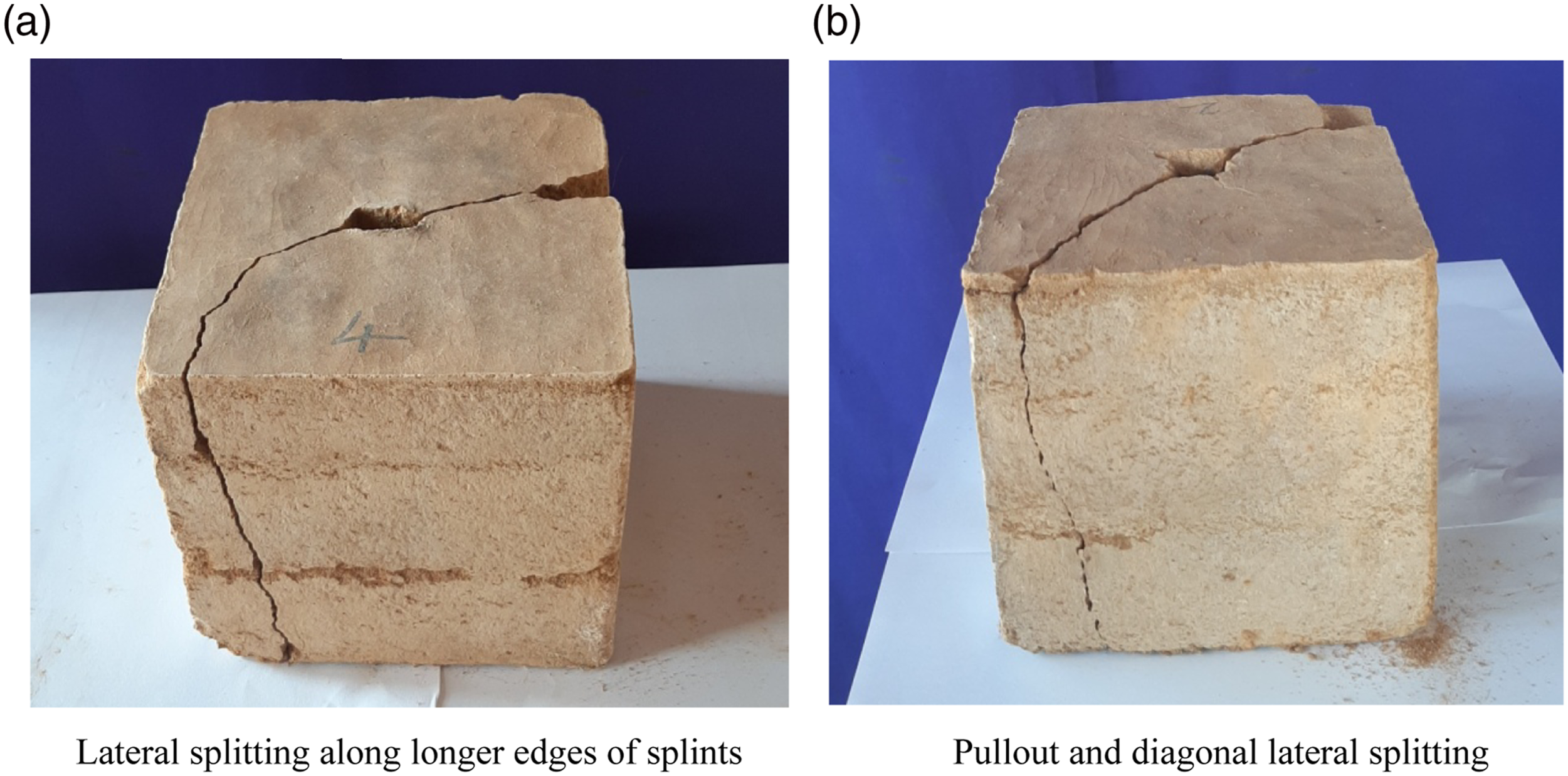
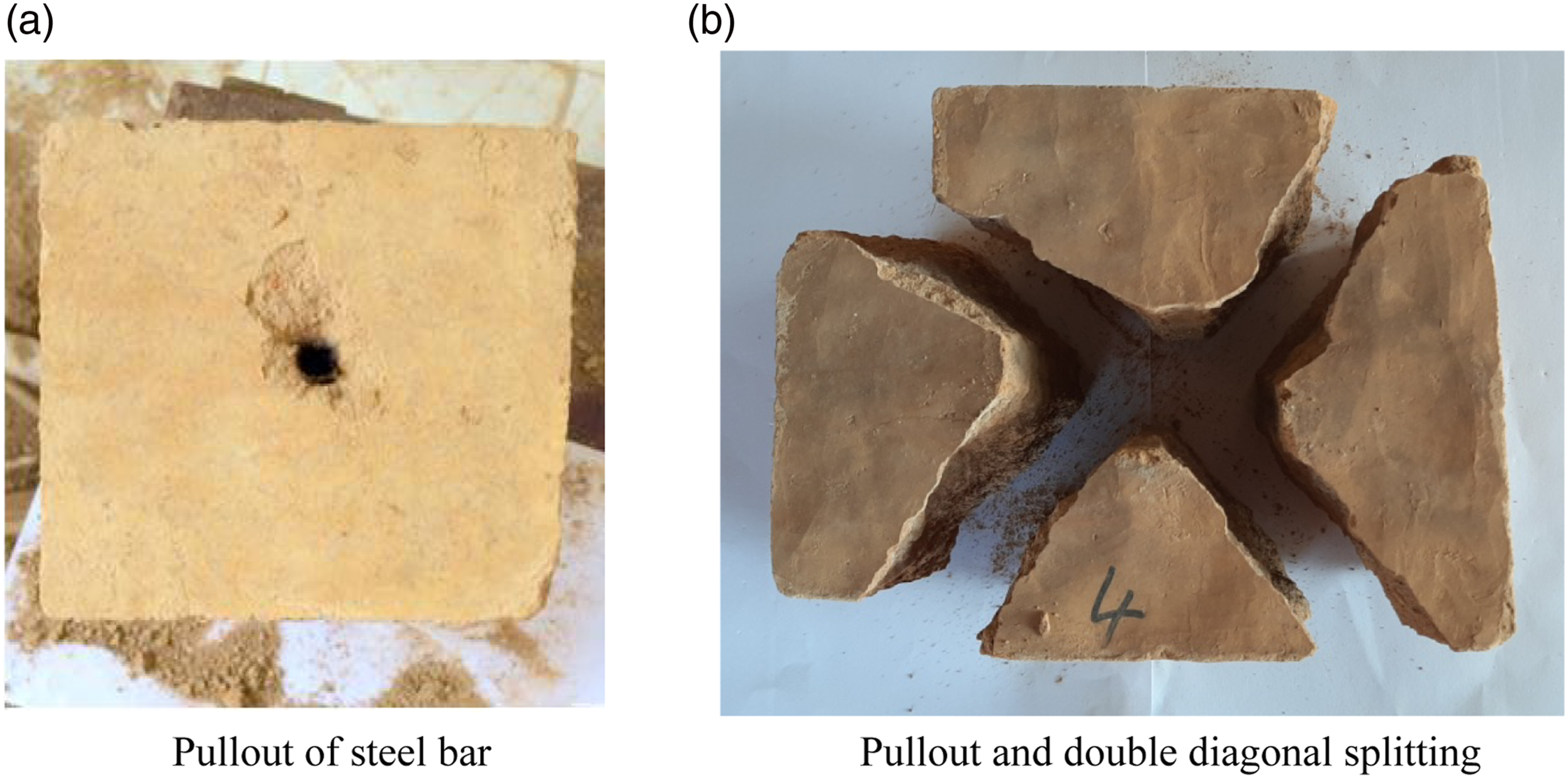
The blocks with RS bars recorded the highest values of avg. ultimate bond force and bond stress due to which more number of blocks with RS reinforcement failed by lateral splitting from both the diagonals. This can be attributed to formation of proper bond between the corrugations of the bar and the rammed earth cube. In case of blocks reinforced with CS, the major surface of steel bars got rusted and the bond between the reinforcement and surrounding rammed earth was reduced greatly resulting to more number of pullout failures. As the three samples (bamboo, CS and steel reinforced) failed in three different manners, it can be clearly noted that the mode of failure depends upon the type and physical condition of the reinforcement.
Statistical analysis
To determine the relation between the dependent parameters (bond force and bond strength) and independent parameters (perimeter (P), diameter (D), type (T) and condition (Co) of reinforcement), a statistical analysis was conducted on the test data. The key factors that influence the bond force and bond strength were considered as independent parameters in the analysis. Regression analysis was carried out with 95% confidence level and an appropriate model suitable to predict the dependent parameters was identified.
Bond force

Parameters’ estimate of bond force and bond strength.
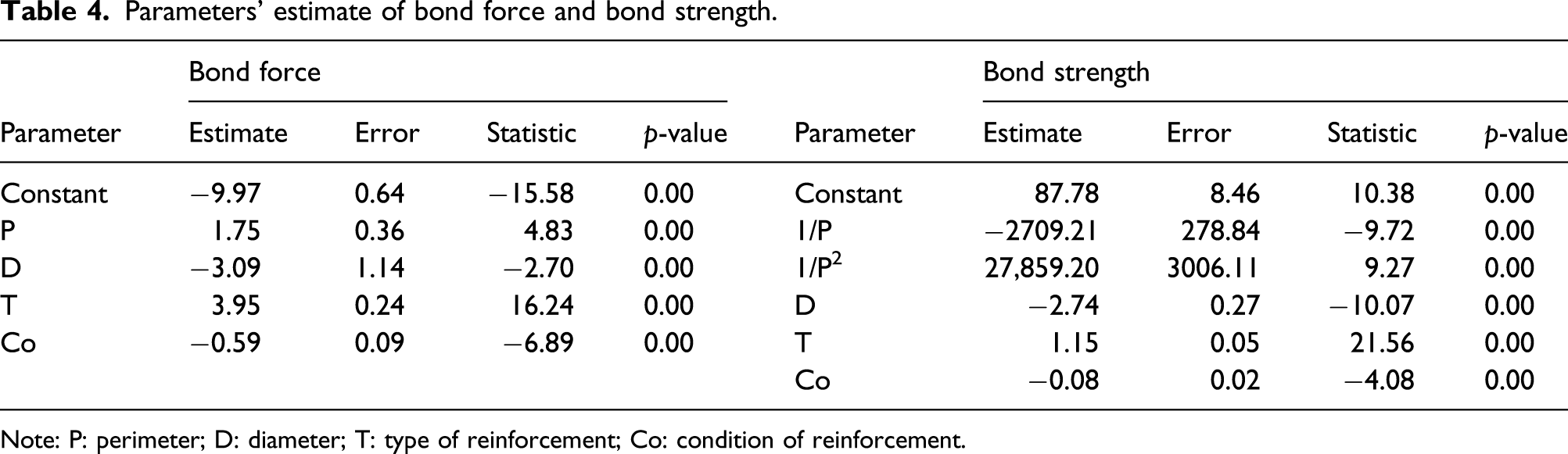
Note: P: perimeter; D: diameter; T: type of reinforcement; Co: condition of reinforcement.
A variable can be considered as significant only if the p-value of individual variable was less than 0.05. From Table 4, it can be observed that the p-value of all variables was less than 0.05 and the p-value from the analysis of variance (ANOVA) was also less than 0.05, thus a significant relationship between all the variables at 95% confidence level was identified. The bond force values were predicted using the generated regression equation and a graph was plotted with the predicted versus measured bond force values (Figure 12). A strong correlation between the actual and predicted bond force values was indicated from the R2 (coefficient of correlation) value of 0.97. Hence, the regression equation can be used to predict the bond force of bamboo- and steel-reinforced rammed earth. Measured bond force versus predicted bond force.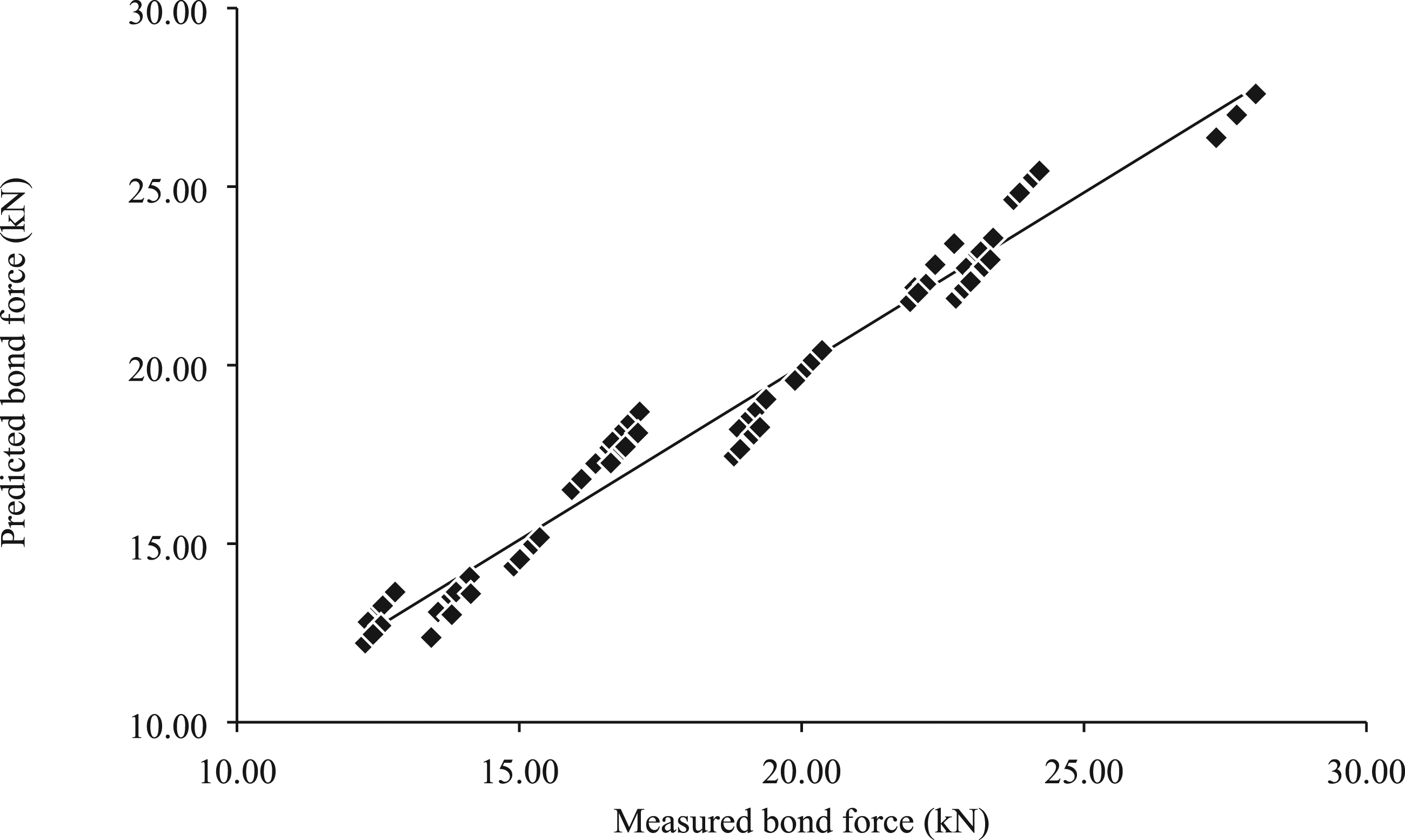
Bond strength
Regression analysis was performed using the test data to derive an equation for bond strength. The predicted bond strength equation and the parameter estimates of all the independent parameters were given in equation (3) and Table 4, respectively. Similar to bond force, the test data were directly used for diameter and perimeter values and arbitrary values were used for type and condition of bar. Considering all the dependent parameters, a well-suited nonlinear relationship was considered for regression analysis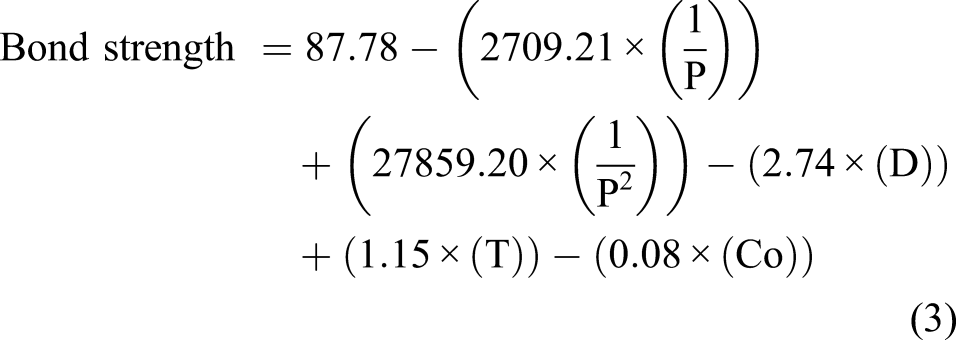
The p-values of all variables corresponding to bond strength were less than 0.05 which makes all the variables statistically significant. The p-value from the ANOVA was also less than 0.05 representing a statistically significant relationship between all the variables at 95% confidence level. To identify the behaviour of predicted equation, the bond strength values were predicted using the generated regression equation, and to identify the deviation between the measured and predicted values, a graph was plotted as shown in Figure 13. The R2 value of 0.90 represents a strong correlation between the measured and predicted bond strength values. Hence, the derived equation can be used for predicting the bond strength of rammed earth. However, the equations presented in the current study were limited to single embedment length, stabilizer content and soil type. Hence, study on varying embedment lengths, stabilizer types and wider soil properties along with intense statistical analysis is suggested by the authors for generating better prediction model in future. Measured bond strength versus predicted bond strength.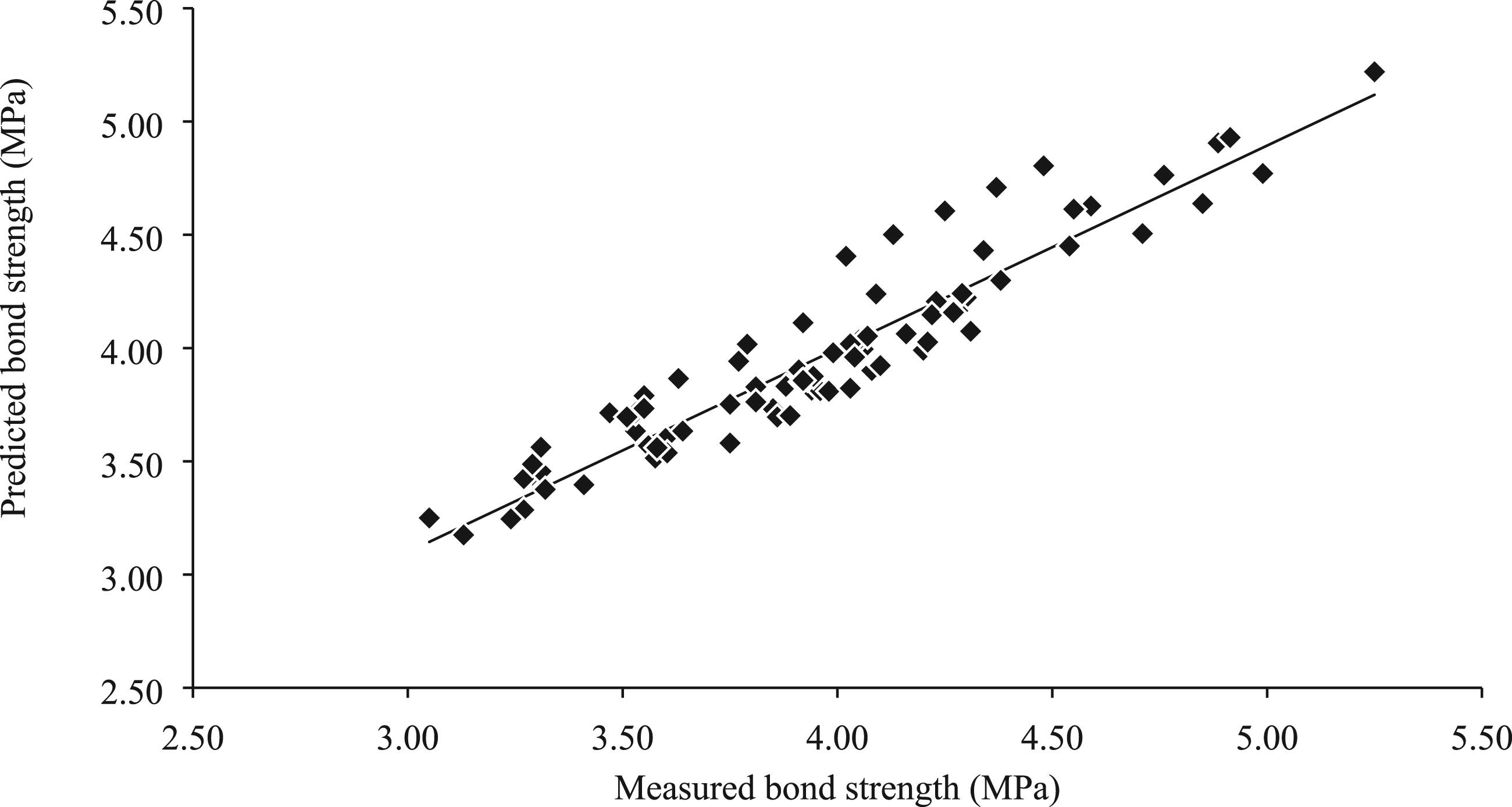
Summary and conclusions
The bond force and bond strength of all the blocks were reduced due to weathering and corrosion of reinforcement. The bond force and bond strength of rammed earth blocks with weathered and corroded reinforcement was about 0.17% – 13.40% and 0.14% – 13.23% less than the blocks with regular reinforcement, respectively. The blocks with TB and CS reinforcement recorded the lowest and highest reduction in bond properties, respectively. The highest avg. bond force and avg. ultimate bond stress values of 27.69 kN and 4.90 MPa, respectively, were obtained with R12S-reinforced blocks and the lowest values of 12.41 kN and 3.27 MPa, respectively, were obtained with W8UTB-reinforced blocks. The highest and lowest avg. slip values recorded were with UTB-reinforced blocks, but only a slight variation was identified in the avg. slip values of bamboo-reinforced blocks. In case of all blocks, the bond failure between the reinforcement and rammed earth occurred prior to the yielding of reinforcement, and the pullout failure was observed only in the blocks with weathered or corroded reinforcement. It was clear that the mode of failure was influenced by the type and physical condition of the reinforcement rather than the ultimate bond strength. Usage of CS bars as reinforcement in rammed earth is not advisable. However, TB can be a potential and economical alternative to CS considering the bond properties. The equations generated to predict the bond force and bond stress represent a strong correlation between the actual and predicted values. However, the equations presented in the current study were limited to single embedment length, stabilizer content and soil type. Hence, study on varying embedment lengths, stabilizer types and wider soil properties along with intense statistical analysis is suggested for deducing better prediction model in future.
Scope of future research
The present study is focused on the effect of weathering and corrosion of bamboo and steel on the bond properties of CSRE of single soil type. However, analyzing the degree of corrosion of steel is not much emphasized in the current research. Thus, further investigation regarding the effect of degree of corrosion on the bond properties of CSRE with varying soil types is recommended.
Footnotes
Declaration of conflicting interests
The author(s) declared no potential conflicts of interest with respect to the research, authorship, and/or publication of this article.
Funding
The author(s) received no financial support for the research, authorship, and/or publication of this article.
