







Abstract
Green building rating system outlines many requirements to be considered in order for a building to be certified as one. However, the rating tools failed at truly addressing the acoustical aspect which in turn deteriorates the acoustical quality in green buildings. As preliminary stage of this study, the objective is to assess the acoustical performance of three green office buildings in Malaysia in comparison to selected standard acceptability criteria. Four spaces containing meeting rooms and open-plan offices were selected from each green building as subjects. Assessments were limited to selected acoustical parameters of background noise level, noise criteria, reverberation time and speech transmission index. The background noise levels were found to be within acceptable criteria range despite some meeting rooms that exceeded the maximum recommended level. However, noise criteria ratings found most of the spaces to be below the acceptable noise criteria. Reverberation times data varied from satisfactory 0.7 s to unacceptable 1.5 s. Nonetheless, the background noise, noise criteria and reverberation time data collected were found to be unbiased by the volume of the space. Speech transmission indexes were found to be ample within good and fair speech intelligibility range while still maintaining its normal tendency of decreasing with distance.
Introduction
As office is considered the most prominent type of working place,1–3 majority of occupants tend to spend most of their time indoor, in the office. Thus, it became rather obvious that an office indoor environment needs to achieve a certain level of quality. This is important as occupants’ sense of comfort in their office relates closely to their health, well-being, behaviour and productivity.1,3–6 Acoustics is one of the elements that needs to be considered in creating a space with good indoor environmental quality (IEQ). Thus, it is an important factor in creating a workable office environment. However, it is often neglected by architects and designers. In most cases, design attention would focus more on other elements of IEQ such as thermal comfort, ventilation, lighting and visual comfort. 7
Acoustics is an important element in creating a workable office environment, as it relates closely with human well-being by its influence on human stress level, motivation and productivity.8–11 Acoustical environment can either enhance a person’s productivity or damage it. A person’s work efficiency will increase when they are working in a comfortable, distraction-free environment, which assist easy verbal communication between colleagues. Conversely, a person’s productivity will decrease when they are in a noisy and uncomfortable workplace. 5 Moreover, noisy and uncomfortable working space will create disturbance and break concentration and eventually resulted in stressful occupants. 8 According to the survey done by the Centre for the Built Environment, University of California, Berkeley, USA, over 50% of occupants working in cubicles feel that the poor acoustics in their offices distract them from getting their work done. 7
As noisy environment is bad for an employee’s work performance and productivity, it is bad for human health as well. While loud noise exposure can cause annoyance, cardiovascular disease, sleep disturbance and psychiatric disorder12–15, Burt 16 found that low-frequency noise, that was produced from ventilation noise, can also cause health symptoms such as fatigue, headaches, nausea, concentration difficulties, dizziness and many other negative symptoms.
With the introduction of green building rating tools such as US’s Leadership in Energy and Environmental Design (LEED), Singapore’s Green Mark and Malaysia’s Green Building Index (GBI), IEQ was expected to be improving as it is one of the requirement in the rating system. In spite of this, very minimal criteria were required for acoustical evaluation from these green building rating tools. According to Hodgson, 5 LEED basically disregard the acoustical environment requirement and this has unfortunately made it very unlikely for architects and designers to consider acoustics as an important aspect of green buildings.17,18 This was confirmed by Lee and Guerin 19 in their study on occupants’ satisfaction and performance in LEED-certified buildings. The study explained that LEED IEQ requirements address only on issues related to mechanical aspects of the indoor environment such as indoor air quality (IAQ), low emitting materials, indoor chemical and pollutant source control, controllability of systems, thermal comfort and daylighting systems. Factors such as space layout, ergonomics, electric and natural lighting, acoustics and aesthetic, which could contribute to healthy, comfortable and productive indoor environment were slightly uncared for. It was shown in the findings that occupants’ satisfaction on acoustics quality in LEED-certified buildings was very poor.
Subsequently, the acoustical performance in green buildings has become an issue. Through the above mentioned literature, a hypothesis was made: green building design strategies might affect the acoustical performance of office spaces. There are various kinds of green building design strategies implemented to achieve ‘green building’ status. Most of the design strategies implemented by these green buildings are of great assistance in achieving other objectives of green building such as energy efficiency, thermal comfort, IAQ, etc. However, there are four common green building design strategies adopted by office buildings, which have significant influence on the acoustic quality of the building. They are the usage of natural ventilation, daylight harvesting, reduced use of finishes and open-plan office layout.5,20–22
The usage of natural ventilation is mainly designed to reduce the energy use to mechanically ventilate the indoor space of a building. Besides assisting in energy efficiency, the implementation of natural ventilation also assists in improving the IAQ of the building. However, to implement this concept, openings are required to allow air to penetrate into the indoor area and these openings unfortunately allow ingress of outdoor noise into indoor area and thus creating acoustical problem such as high background noise (BN).20,21
Daylight harvesting is another common green building design strategy adopted in green buildings. Some of the advantages of utilizing daylight to illuminate the indoor area of a building are: it improves lighting quality and it reduces the energy consumption on lighting. However, daylight harvesting requires a great number of glass windows, and glasses unfortunately have a low sound isolation capability and have very low acoustic absorption. This would lead to the problem of speech privacy and speech clarity.20–22
Another design strategy adopted by green building is to reduce the use of finishes. Reducing the finishes would assist on the underfloor radiant heating/cooling system commonly used in green buildings, which would lead to better thermal control consequently reducing energy consumption of the building. Additionally, reduced finishes such as ceiling tiles and carpeting would lead to better IAQ and less maintenance work. However, by reducing these finishes, the amount of sound absorbers in the room is reduced. Without acoustical ceilings, ceiling reflection would minimize the sound isolation in the room. Moreover, BN level of the room would be significantly higher.20–22
Open-plan office layout is closely related to the previously mentioned green building design strategies. Open-plan office layout assists in maximizing the effectiveness of natural ventilation and daylight harvesting. Open-plan office layout adopted the concept of low partitions or no partitions between workspace. Although the initial purpose of this design strategy is to allow interaction between co-workers, by having minimum partitions, it allows daylight and natural air flow to penetrate further into the building. With reduced barriers, sound isolation in the room would be jeopardized and this could result in poor speech privacy.20–22
However, at this stage of the research, the objective of this paper is to verify the said hypothesis by comparing the data collected (on selected acoustical parameters) with the standard acceptability criteria. A series of measurements consisting of sound pressure level and room-acoustic indicators were conducted in selected spaces in three green office buildings in Malaysia. However, there are limitations in the investigation where the measurement processes were done without taking into account the design elements of the buildings, as it would be difficult to make a fair comparison between the three green buildings because of the design discrepancies. Measurement would be limited to the selective acoustical parameters. The first part of the measurement aimed to assess the environmental quality of the BN. In the second stage, measurement and evaluation of room acoustics were carried out to identify their characteristics at different sound fields such as noise criteria (NC), reverberation time (RT) and speech transmission index (STI). The findings could be of help in future studies on area assessment to achieve sufficient acoustical performance in green buildings.
Assessment of acoustical quality in office
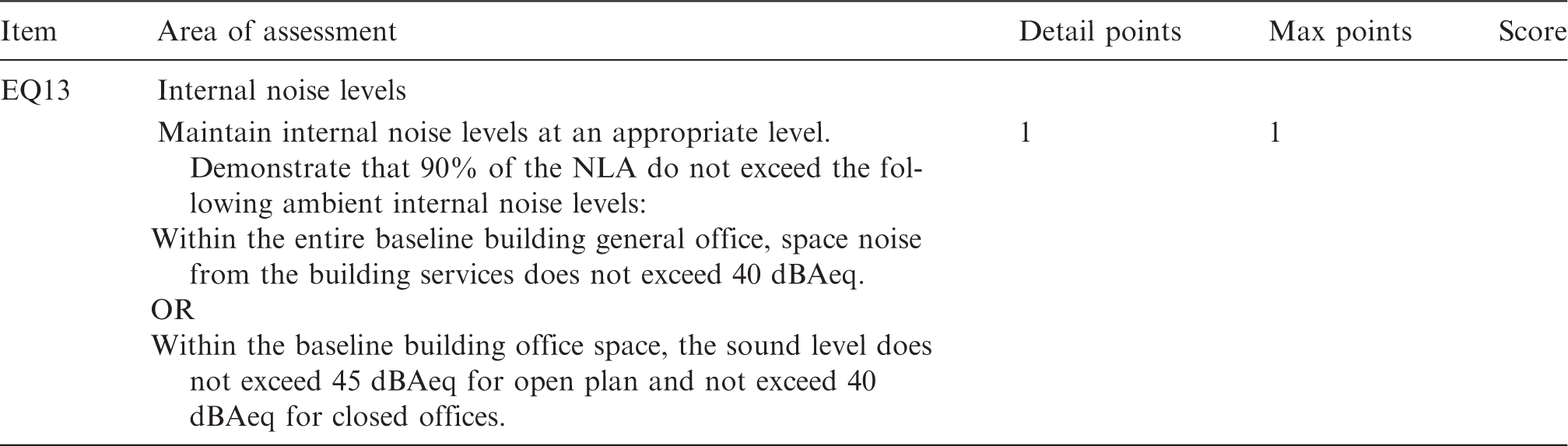
Green building index assessment criteria of internal noise levels. 20
Recently, several evaluations have been constructed for speech signals to listeners in enclosures and can be explained by contemporary room-acoustic indicators. One of the important acoustical interests for satisfactory speech intelligibility (SI) is verbal communication. All activities in the office such as having a private conversation, group discussion and even independent work relate closely to SI. SI is the accuracy in which a listener can understand a spoken word or a phrase with clarity. The intelligibility of speech in enclosure is measured in the presence of distortion in speech signal caused by noise in transmission path or by furniture in the room. It can also be influenced by the ambient BN and the RT of the enclosure. The electro-acoustic equipment in operation within offices such as computer servers, air-conditioners will also attribute to poor acoustical performance in the space. Therefore, NC rating was developed for wider application to evaluate the permissible value for a room or enclosure.
Among the literature studied, Hodgson 5 reported the result of the physical acoustical measurement. The study was focused on occupants’ satisfaction in green office buildings, and a comparison between occupants’ satisfaction in green office buildings and conventional office buildings was also carried out. The types of acoustical complaints were also being surveyed to determine the major acoustical problems.
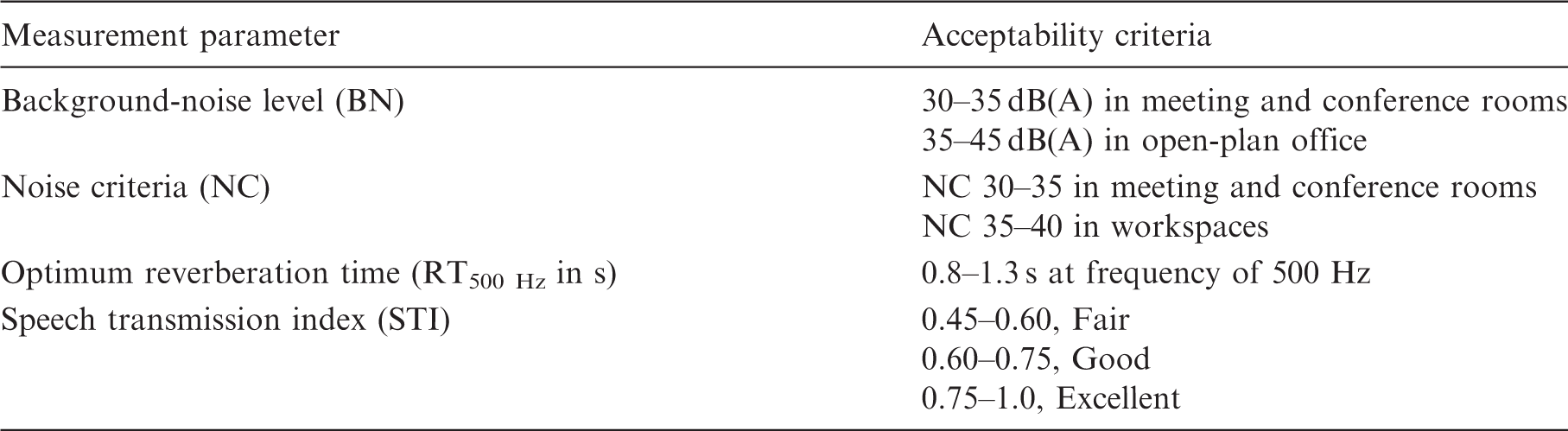
ISO 11690-1:1996 24 indicated that the recommended BN for meeting and conference rooms is between 30–35 dB(A) and 35–45 dB(A) for open-plan offices. In another note, ANSI S12.2-2008 25 recommended NC for conference rooms to be between NC 25–30 and NC 35–40 for open-plan areas. However, in others such as Cavanaugh, 26 NC 34–43 was recommended as the acceptable level for executive office and NC 42–52 for conference rooms, office and workspaces. Beranek as cited in Maekawa et al. 27 recommended the acceptable noise level for offices is between 38 and 48 dB(A) for small offices and conference room and 48–58 dB(A) for general offices. While ISO 11690-1:1996 24 recommended the RT to be between 0.8 s and 1.3 s, Hodgson 5 stated that the optimum RT for comfort and easy verbal communication is below 0.75 s.
There are three common SI prediction models widely applied for measuring transmission of quality of speech: the speech intelligibility index (SII), 28 the STI 29 and the speech recognition sensitivity. 30 However, this study will deliberately be using STI in conducting the measurement to measure the acoustical characteristics of the rooms. STI indicated the suitable score or rating to facilitate the qualification by labelling from ‘bad’ to ‘excellent’. Poor speech transmission criteria are below 0.45 and good criteria yield above 0.6.
Measurement parameters and acceptability criteria applied in this study.
Methodologies for physical field measurements
The first stage of this investigation was the selection of sample spaces as representatives of green office buildings in Malaysia. Three GBI-rated office buildings were selected for acoustical performance assessment. Two open-plan offices and two meeting rooms were chosen from each building. The selection was based on the following: general information of rating, open-plan layout and room characteristics. The space shape, size, spatial arrangement and other factors contributed to the final selection, besides the constraint of building accessibility.
Building descriptions
Main physical characteristics of selected spaces from Buildings A, B and C.
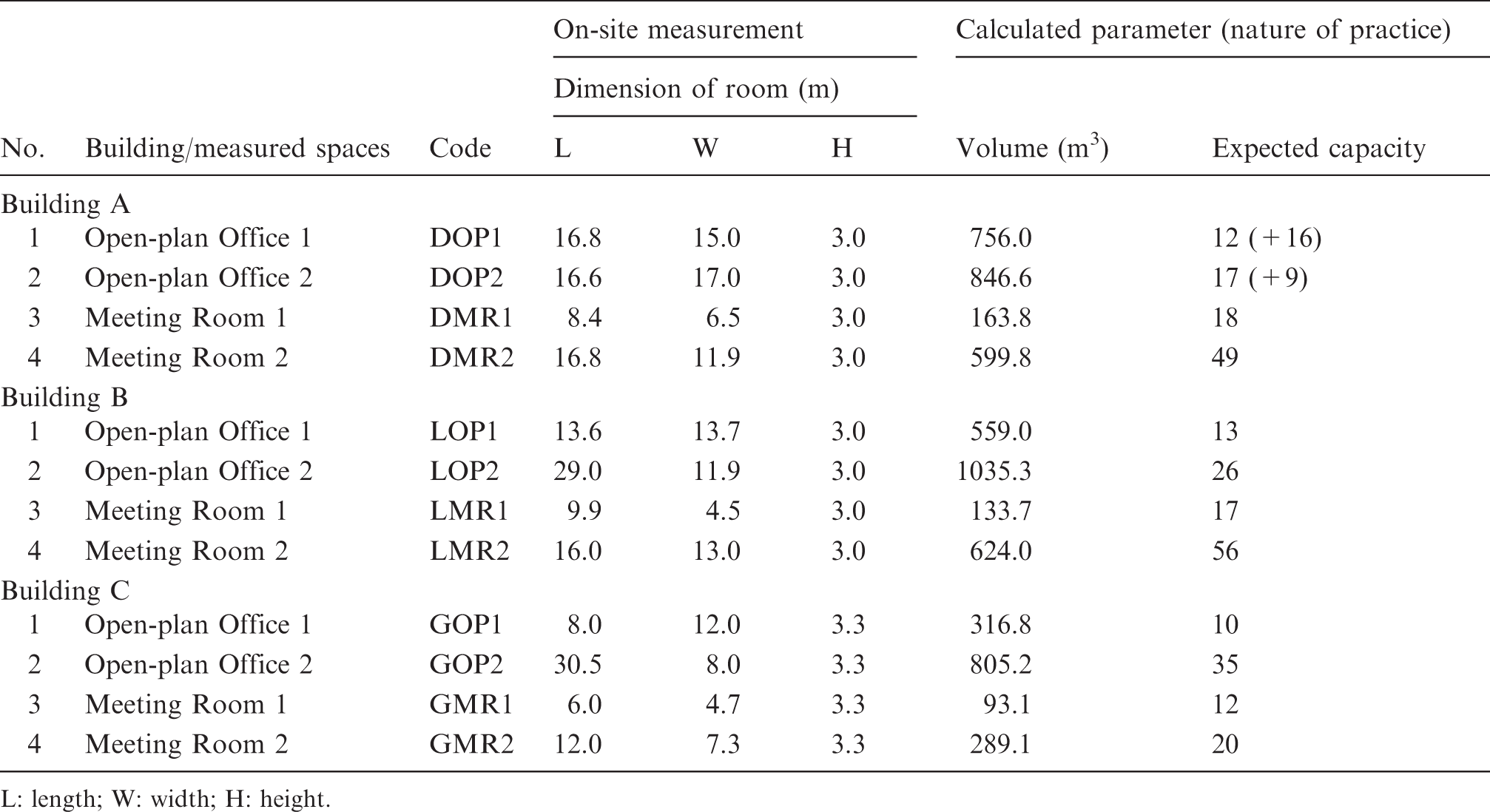
L: length; W: width; H: height.
Building A
Building A is an eight-storey building (including roof level) with 1.5 storeys of basement parking. The gross floor area (GFA) of the building is around 14,000 m2. The building received green building ratings from the GBI a year after its completion. The building was designed and planned from the beginning to achieve the status of green building. The design strategies were done to reach optimum satisfaction in four aspects namely: energy efficiency, water efficiency, IEQ and outdoor environmental quality. The two key elements which were seriously considered during the design stage were energy efficiency and to rely heavily on the use of daylight. The shape of the building is a very significant factor in the building design. The building is an air-tight square building with tilted façade complete with an atrium in the middle. The tilting façade assists the building by self-shading itself which in turn reduced heat transfer into the building, and at the same time maximizing the daylight intake by the usage of light shelf. The atrium also plays an important role in daylight harvesting. Thermal comfort was achieved by radiant cooling slabs complete with conventional cold air supply system. Noise control measures depended highly on the fact that air ventilation is reduced by the radiant cooling slabs, which explains the lack of acoustical ceilings. Water efficiency was attained by rainwater harvesting, which is used for toilet flushing and watering the landscape area around the building.
Building B
Building B is a high rise, which comprises six floors including one roof level with a total built-up area of around 16,000 m2. The building was purposely built as an energy efficient (EE) building and has received a green building rating from the GBI. The layout is an L-shaped two-wing building connected by an atrium in the middle. To achieve the status of EE building, careful measures were taken during the planning and design stage. Passive design strategies such as building orientation and appropriate façade treatment were applied to optimize the usage of daylight while minimizing the heat absorption. The atrium in the middle poses as an important feature of the building, as it demonstrates the EE elements of the building. The atrium is naturally ventilated, naturally lit by daylight and is aesthetically pleasing due to the greeneries and water features designed within. Other EE systems and features were also applied in its lighting, air-conditioning, mechanical and electrical system and even its office equipment.
Building C
Building C is a small four-storey office building/training centre with a total GFA of 4800 m2. The building is the first completed green-rated office building in Malaysia and was rated as a green building by the GBI two years after its completion. The construction of the building serves to promote sustainable green building concept in Malaysia. Designed to be completely EE, the building concept was focused on the innovation of green technology to minimize energy usage, minimize use of fossil fuel for the sake of environmental concern and the usage of renewable energy. The building is an air-tight building with an elongated plan with a self-shading design profile where the upper floors were cantilevered to shade the lower floors, which is done to maximize daylight utilization and also for glare control. The atrium in the middle divides the building into two and is lighted by daylight through the usage of skylight photovoltaic. The cooling and ventilation system of the building is made up of radiant cooling and air cooling system. Other green design features implemented are the uses of EE office equipments and rain water harvesting.
Measurement procedures
In order to achieve comparable results between all the spaces, the conditions of the spaces during the measurement were controlled by reducing the human and weather factors. Human factors refer to any acoustical influence human presence could contribute to the acoustics quality of the room such as sound from human activities, absorption, etc. On the other hand, weather factor refers to any external sound caused by thunderstorm, raining, etc. The measurements started in November 2012 and completed in January 2013. They were conducted during non-office hours on the weekdays between 6 p.m. and 8 p.m. During the time of the measurement, the office spaces were unoccupied except for one or two personnel (for security reasons). In addition, to reduce the weather factor, no measurements were done during irregular weather conditions. The heating, ventilation and air-conditioning and the lighting for all the spaces were in operation at the time of the measurement as per how they would operate during regular working hours. In addition, all selected office spaces have similar function, which is for normal administrative work. Tasks carried out in the office spaces are common office tasks such as typing, reading and occasionally answering phone calls.
As BN can be strongly influenced by traffic condition of the site, it should be noted here that all selected buildings are located in a newly developed area with low traffic condition. There might be some differences between the traffic condition during office hours and the time of the measurement. However, we assumed that by carrying out the measurements during similar time of the day, we somehow controlled the differences from being too significant.
To evaluate the acoustical characteristics of the selected rooms, a PC-based acoustic measuring system and an analyser were utilized. The PC-based measuring system (dBBati 32) was integrated with a type class 1 sound level meter (01 dB Solo Metravib) as analyser. Based on the shape and floor area of each space, an adequate number of listeners’ positions were chosen as measurement points to achieve sufficient coverage of the area. It was necessary to measure the internal room’s BN to determine the NC rating. So as to provide compact presentation, the sound pressure level (SPL) of BN is calculated and averaged.
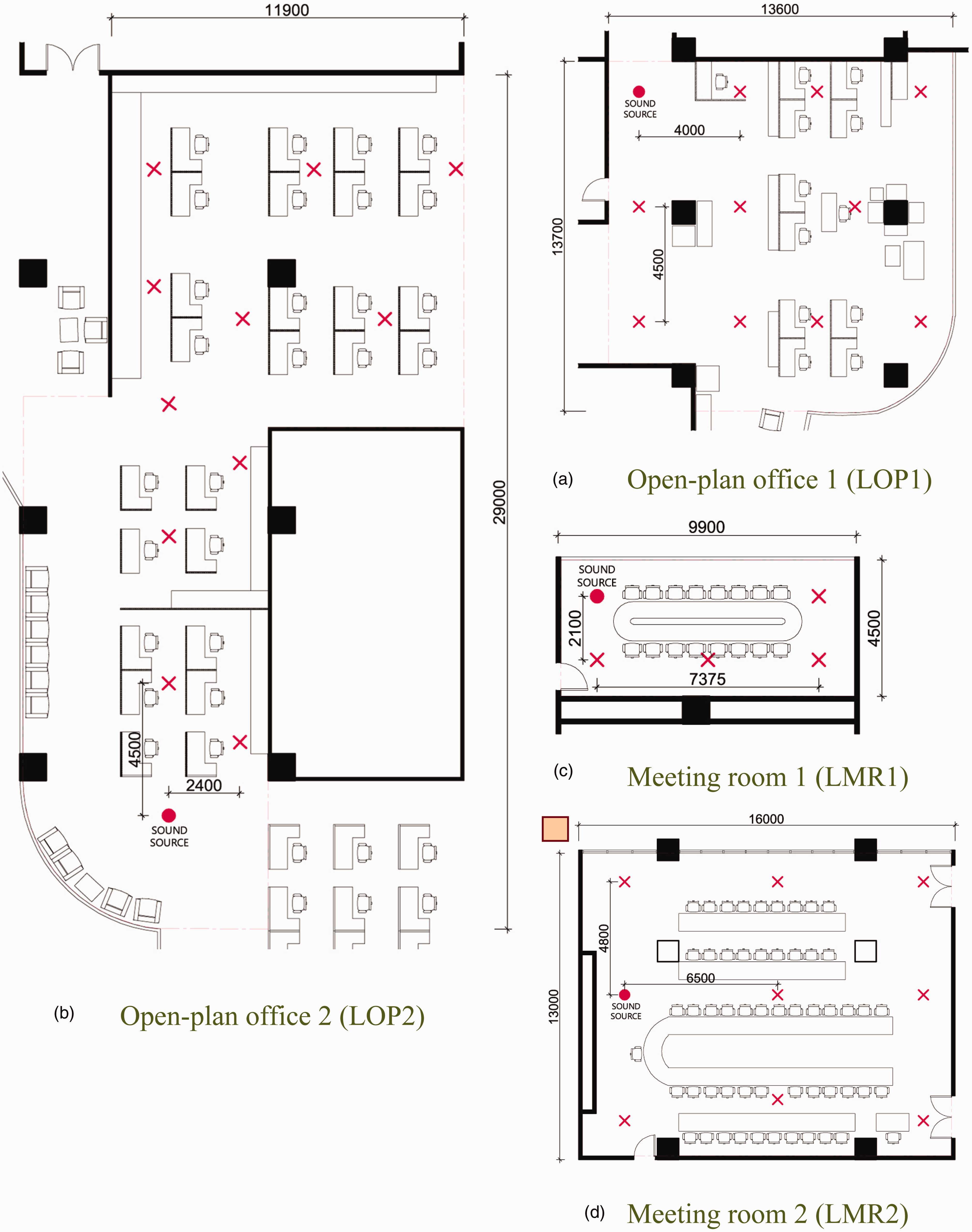
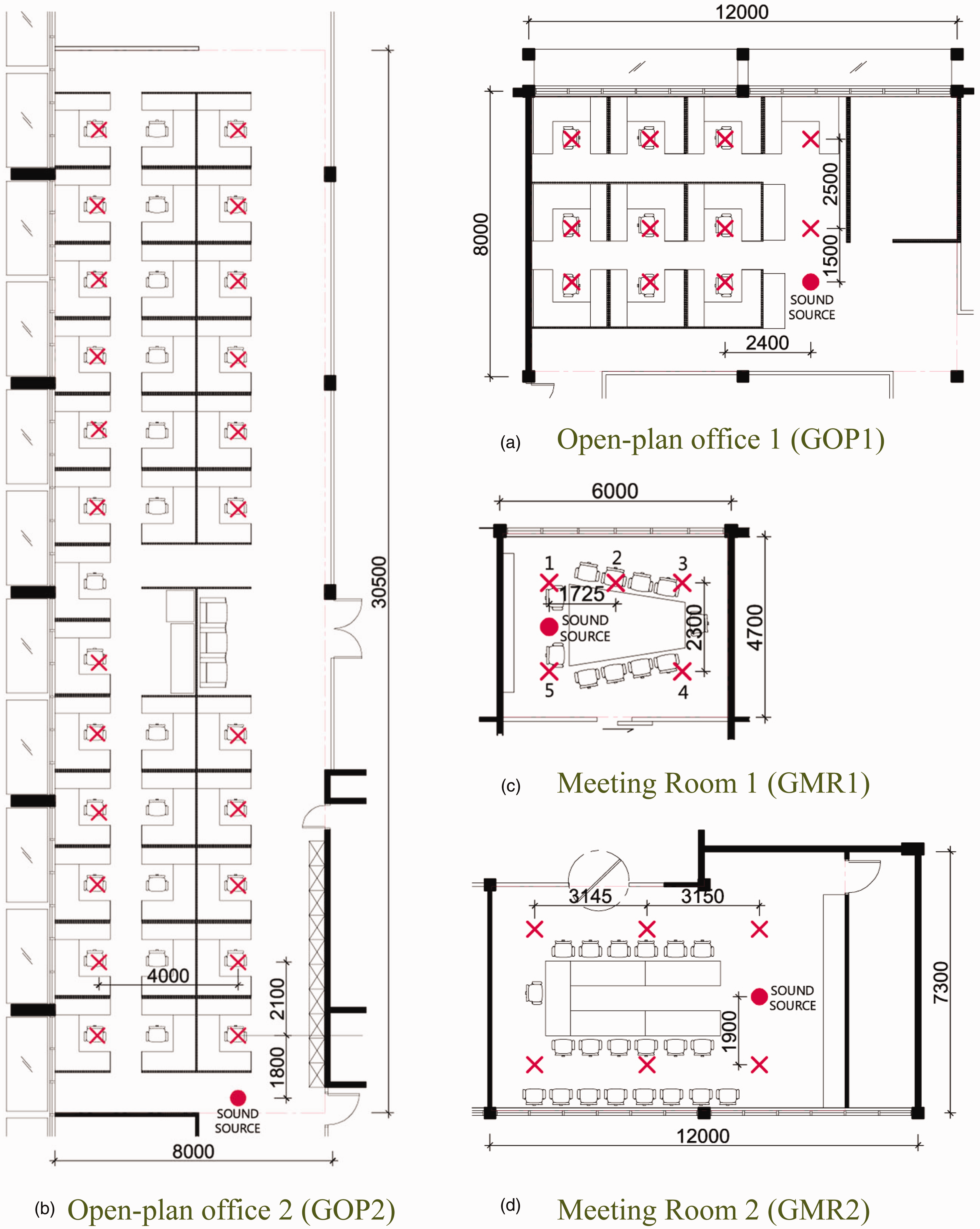
To verify the effect of room characteristics in acoustical quality, measurements of RT and STI were conducted. The positioning of an omnidirectional speaker at 1.2 m height was adjusted around 67–69 dB(A) and was set to radiate sine wave and sweep signals and placed at selected location in accordance with ISO 3382. The measurement points in selected spaces are as shown in Figures 1, 2 and 3.
Layout plans of selected spaces in Building A. Layout plans of selected spaces in Building B. Layout plans of selected spaces in Building C.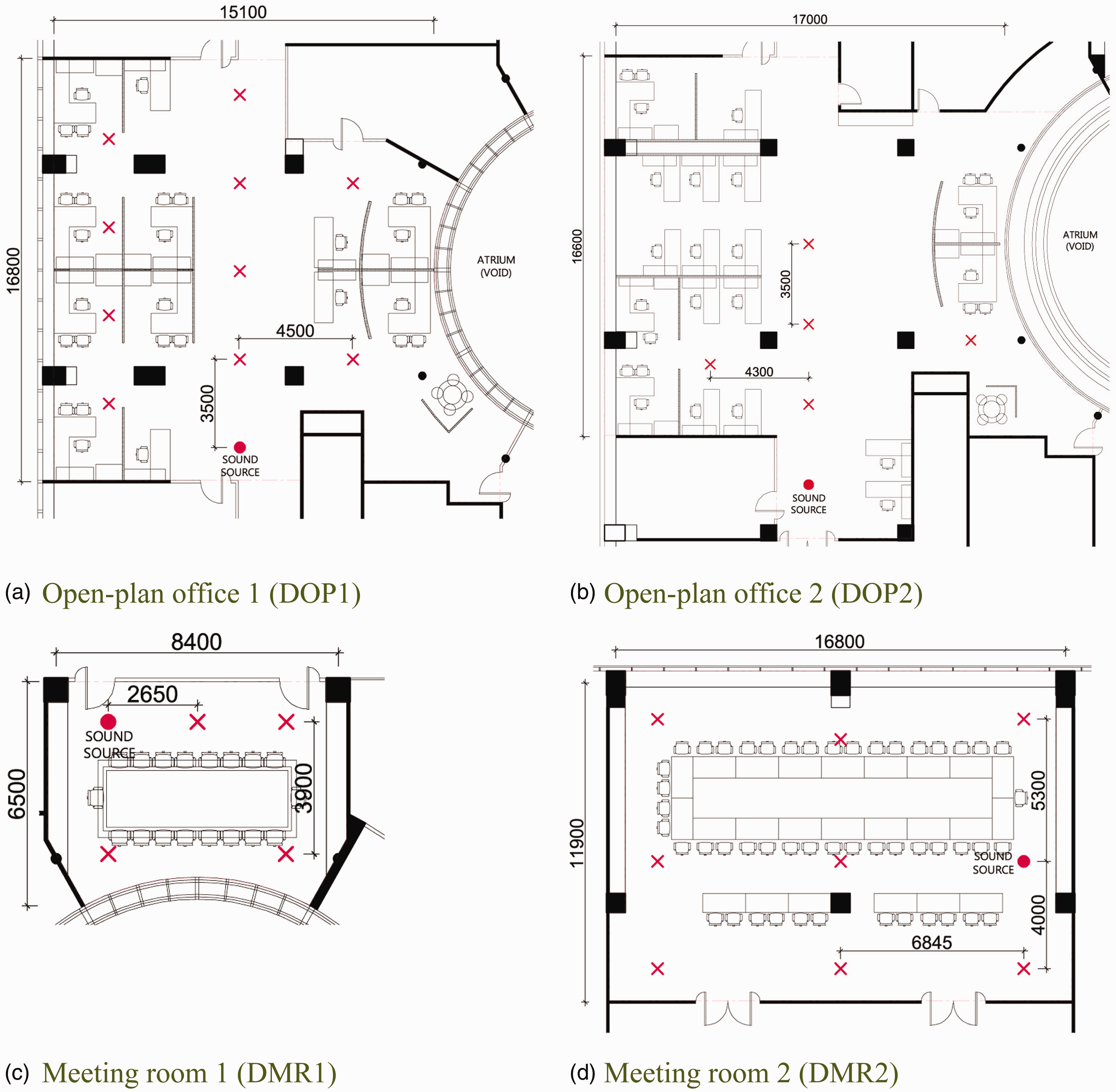
Results and discussions
BN and NC results
Table 4 shows the averaged spatial minimum, average and maximum values of SPL in A-weighting of BN and NC with services operating for all selected spaces. For the convenience of the reader, a comparison of the BN and NC rating was depicted in Figures 4 and 5. Figure 4 depicts that BN value for all open-plan offices is excellent as these offices lay well below the maximum BN criteria. However, the results vary for meeting rooms. While all meeting rooms except LMR1 exceeded the recommended 35 dB(A), DMR2, LMR2 and GMR1 were still considered acceptable as their ambient noise still rests below 40 dB(A) as recommended by GBI criteria. The excessive BN found in DMR1 might be influenced by the noisy ventilation ducting and worsened by the lack of acoustical ceiling in the room. GMR2 on the other hand were affected by the ingress of external noise, as the room was located on the ground floor and adjacent to the parking lot near the drop-off area.
Background noise level in selected spaces in Buildings A, B and C. Noise criteria in selected spaces in Buildings A, B and C. Summary of overall background noise, noise criteria and reverberation time of measured spaces. RT: reverberation time.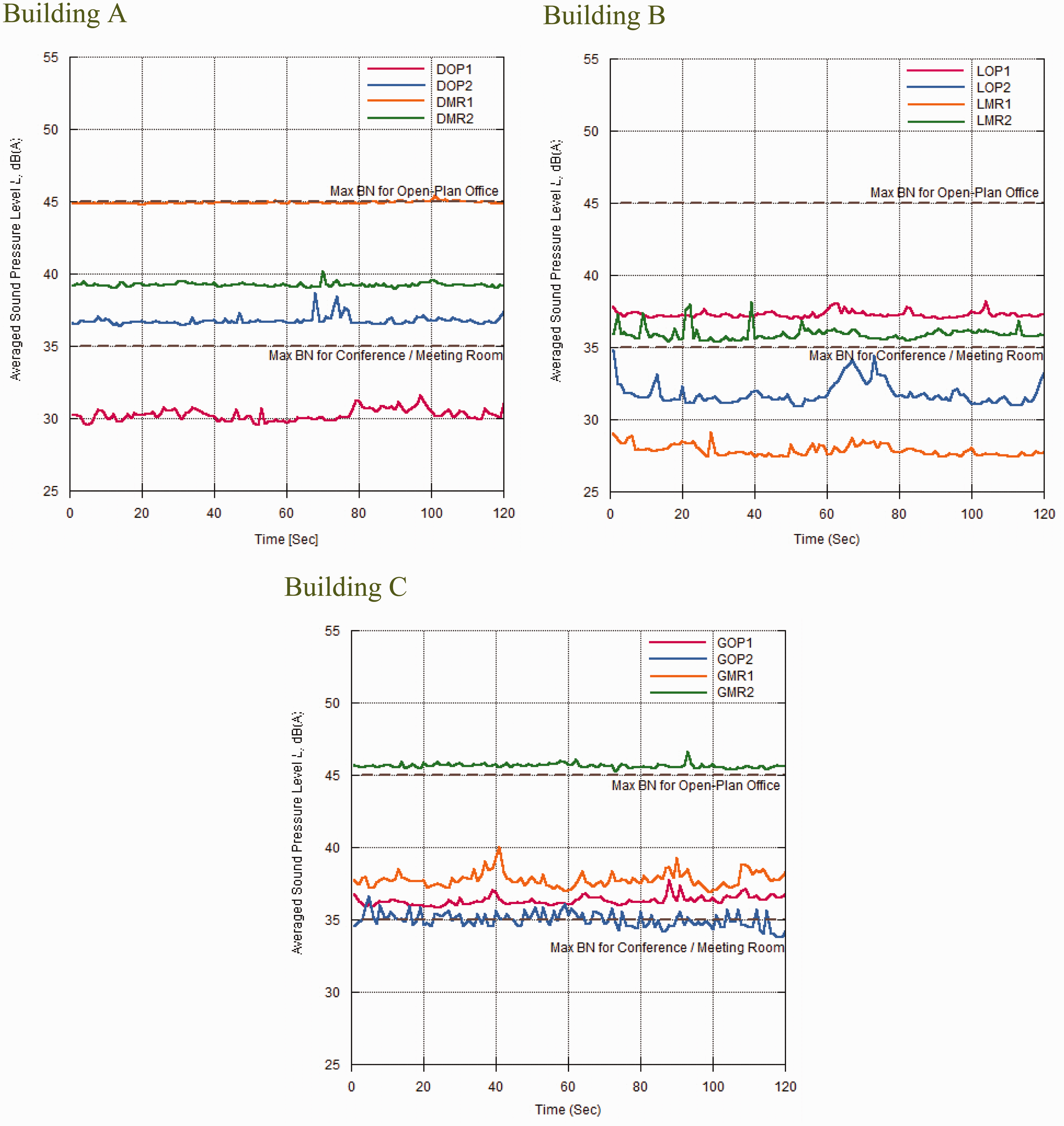
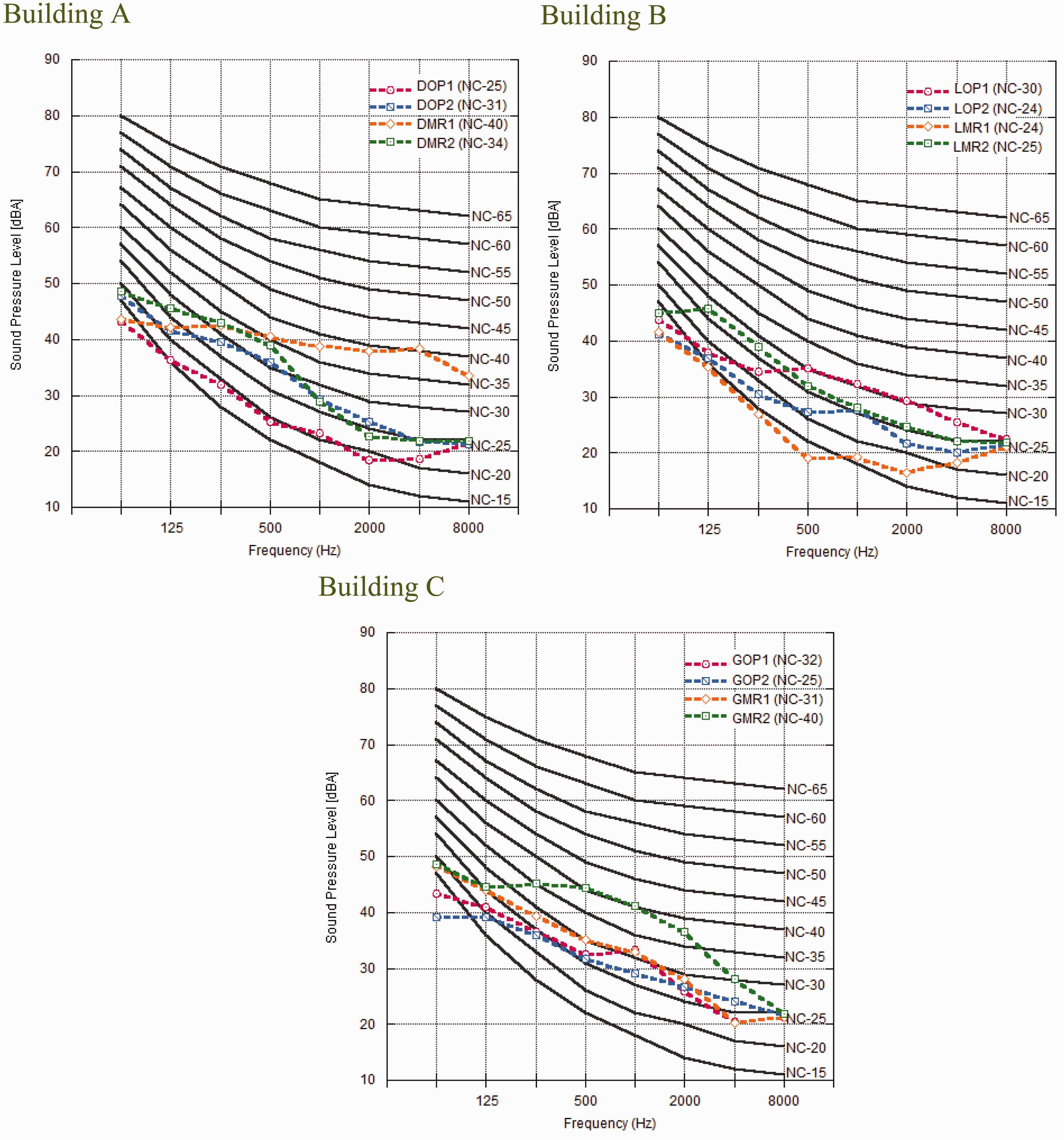
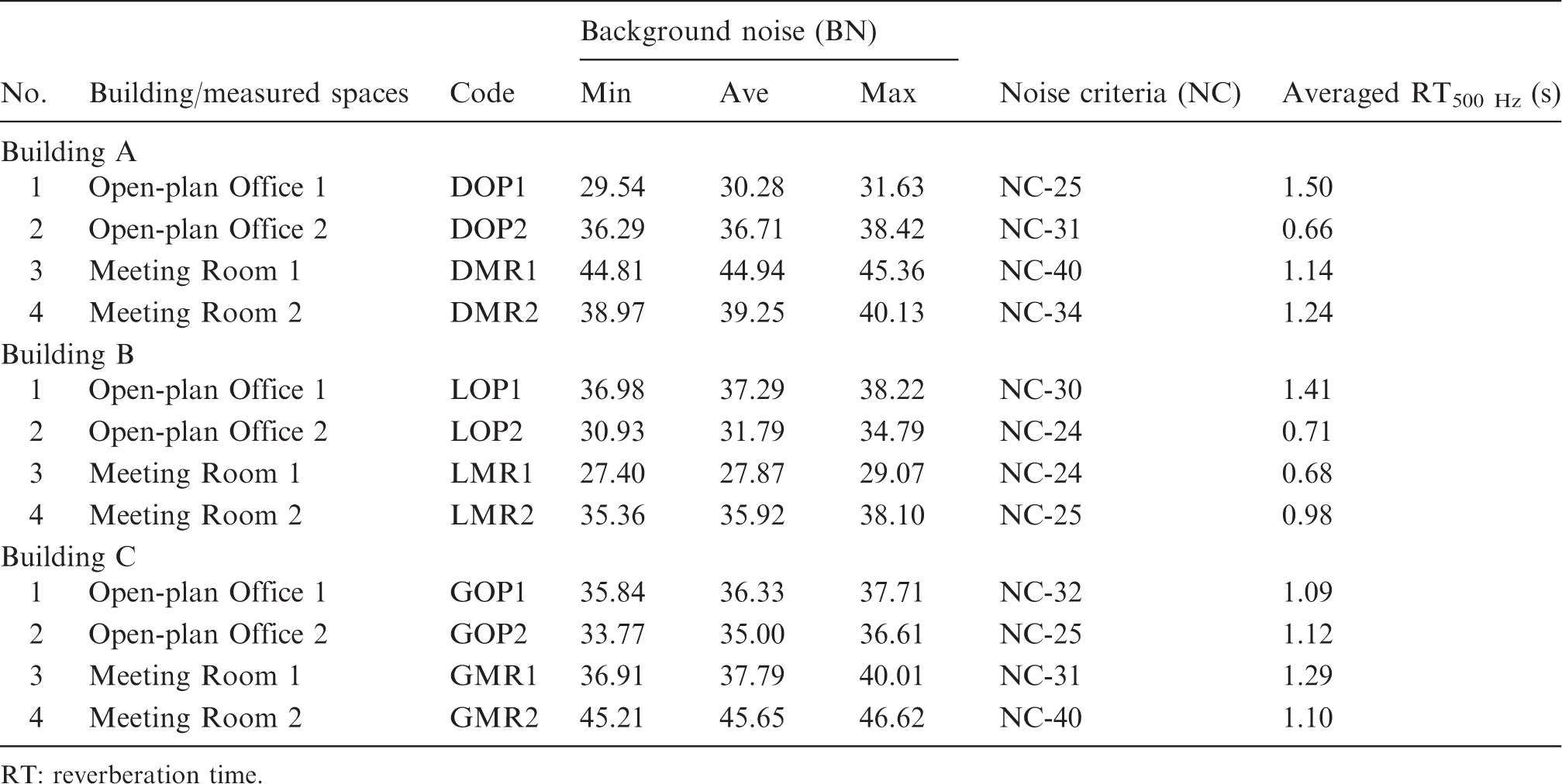
The NC ratings of measured BN indicated that all open-plan offices have low NC of below NC-35, while meeting rooms LMR1 and LMR2 recorded NC of below NC-30 as presented in Figure 5. However, DMR1 and GMR2 exceeded the recommended NC rating for meeting room and small offices, which range between NC-30 and NC-35. The NC rating should not exceed NC-35 as the noise can interfere with speech delivery and occupants’ concentration while discussion is being held within the room.
Measured spaces and data findings according to volume size.
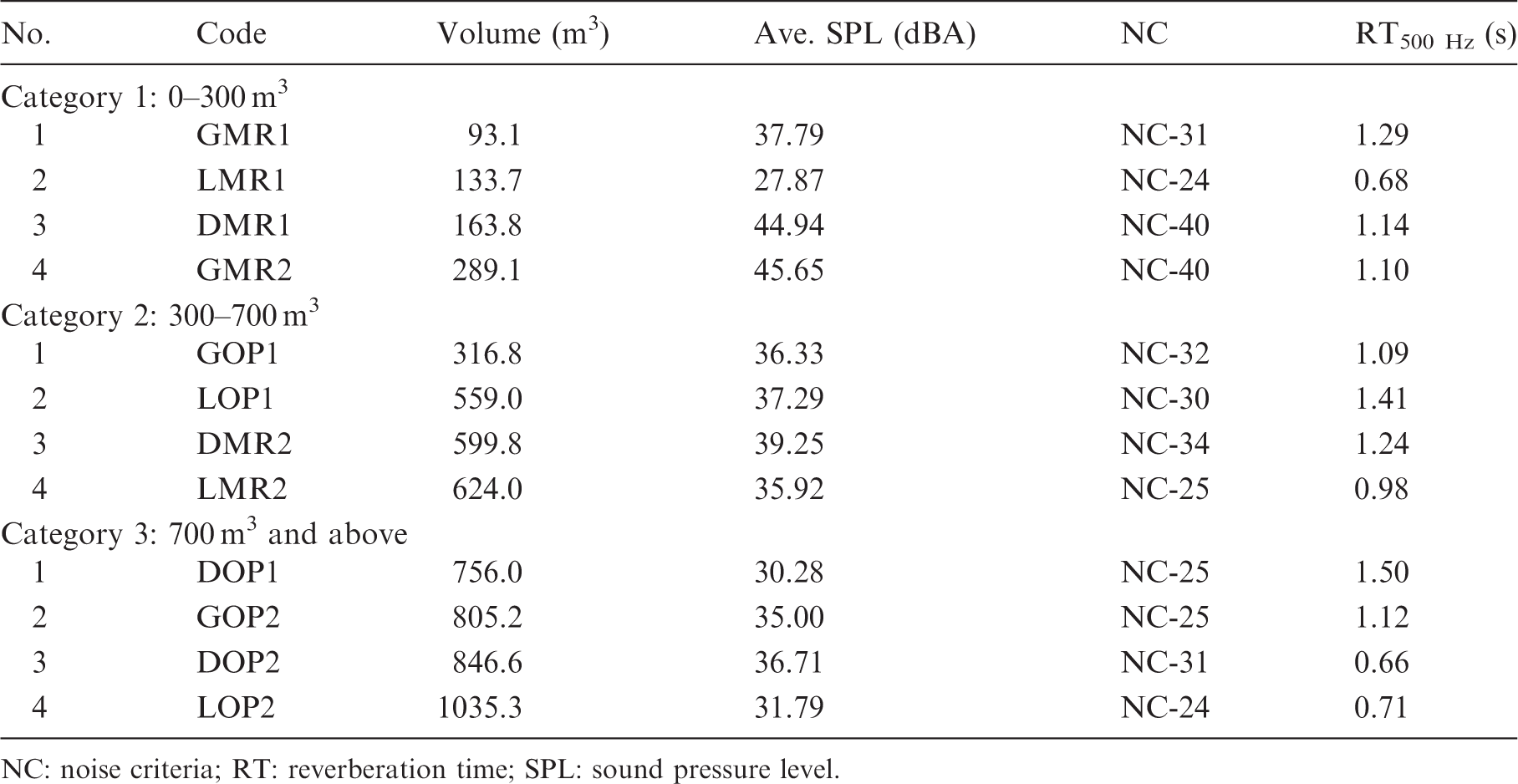
NC: noise criteria; RT: reverberation time; SPL: sound pressure level.
RT and STI results
It was possible to identify the characteristics of room by measuring the RT in different measurement points. Although the materials, shapes and the volume of the room give significant effects to the acoustical quality, these were not taken strictly into consideration at this stage of the study. The RTs of each point at different locations for all rooms are averaged and summarized in Table 4. The preferences of RT500 Hz range from 0.8 s to 1.3 s depending on the room’s volume. 24 However, an RT below 0.75 s is preferable for the comfort of verbal communication. 5 Most of the rooms exceeded the 0.75 s except DOP2, LOP2 and LMR1. Meanwhile, DOP1 and LOP1 showed higher RTs, which exceeded 1.2 s. Some complementary aspects, which can explain this phenomenon are: (i) the rooms were typically installed with low-absorptive materials; and (ii) the use of sound diffusion was not sufficient to prevent focused reflections.
On the other hand, to reach the intended SI, the overall performance of the room is important especially in open-plan offices. Figure 6(a) to (c) shows the comparison of STI values of each open-plan offices of the three buildings with respect to distance from the sound source. The distraction distances (rD) of each open-plan office are also depicted in the figures. In general, the measured STI shows the basic tendency for their respective rooms relatively independent on the distance, that the longer the distance is, the lower the STI becomes. Although high SI is needed in spaces such as classrooms, offices on the other hand needed moderate SI. The conceptual idea of rD is: the lower the value of the rD (distance), the better the acoustics performance of the room. This is because a longer rD means that the SI is very good. Good SI equals bad speech privacy, and bad speech privacy resulted in occupants being exposed to other people’s conversation and vice versa. Distraction in office environment would provide unnecessary disturbance and influence badly on occupants’ work performance.
Comparisons of measured STI with respect to measurement distance from sound source in open-plan offices in Buildings a, b and c.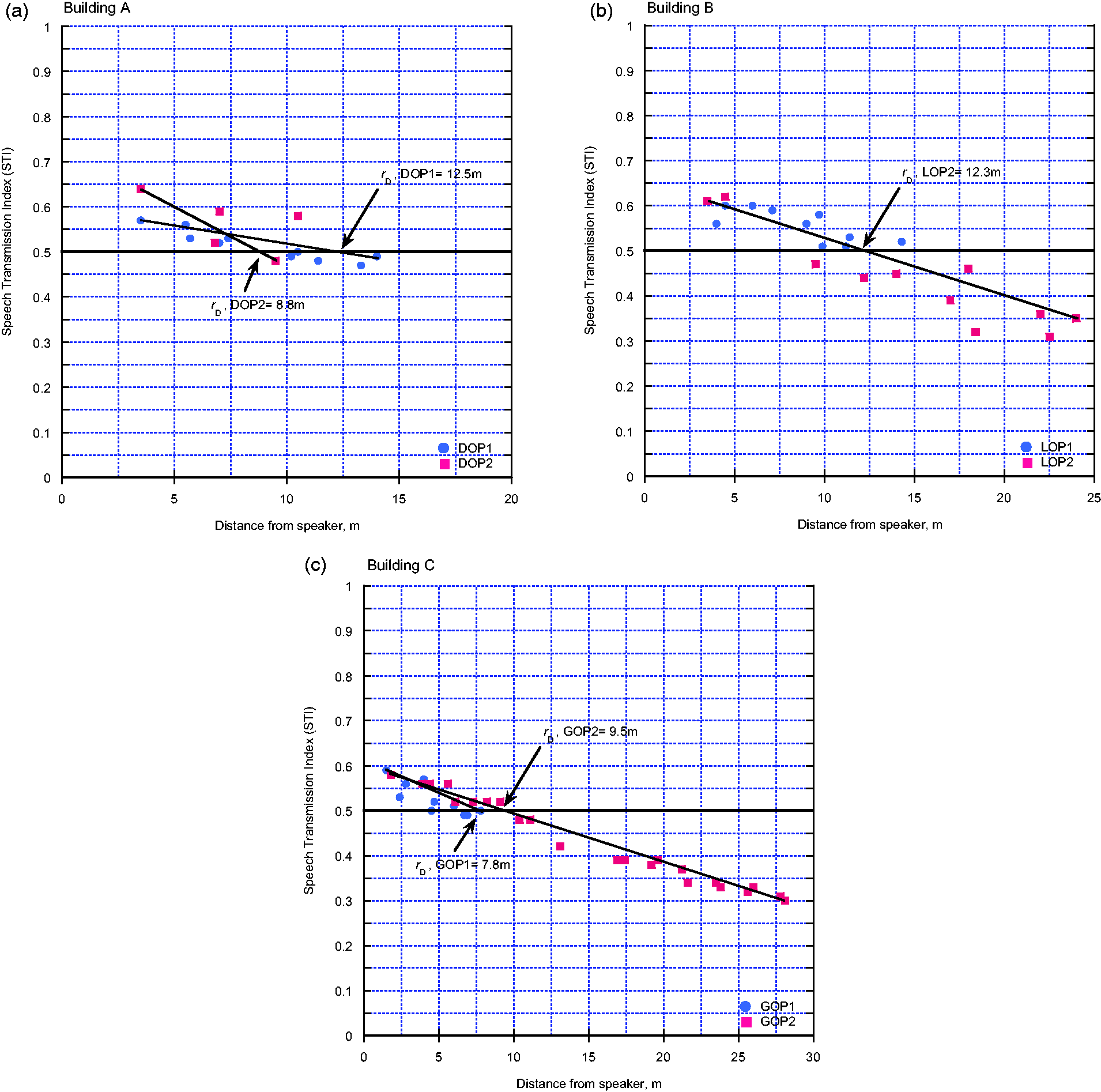
In order to attain the rD, STI measurements were taken at all points in respective open-plan office. Depending on the size of the room, rD should be attainable once the STI reading falls under the 0.5 mark. However, due to the size of the room and also the high level of STI readings in LOP1, no rD was achieved from the room.
A comparison on the sound pressure level (dBA) of open-plan offices and their respective rD is depicted in Figure 7. The graph shows that, the lower the BN level is, the longer is the rD of the room. This shows that low BN level resulted in the issue of poor speech privacy in the open-plan offices. It could also be seen that BN acts as a masking sound for speech noises and hence provides better speech privacy for occupants in the room.
Comparison between the background noise level (dBA) and distraction distance (rD) for open-plan offices.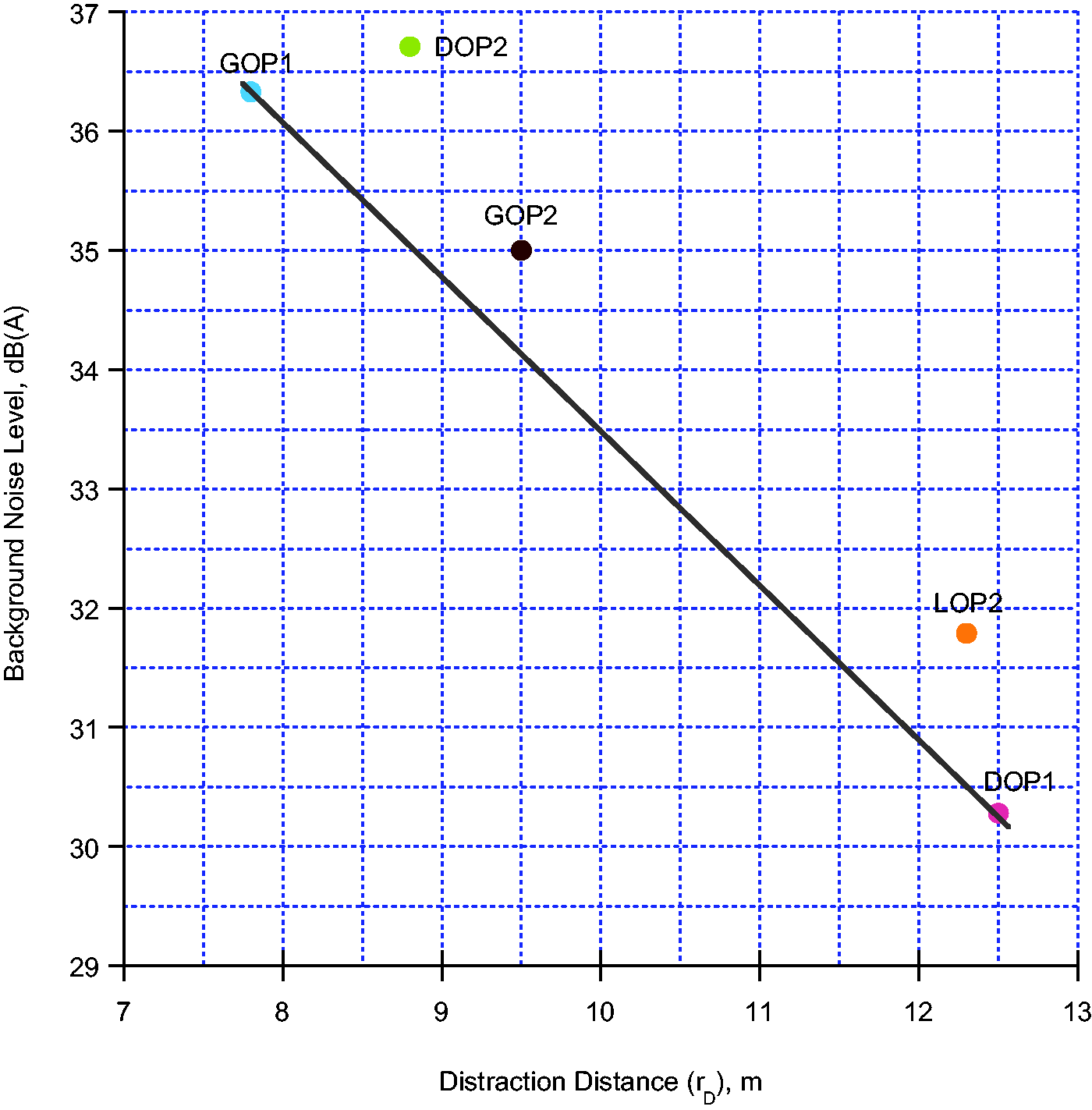
Conclusions
Our hypothesis on the acoustical performances of green office buildings was verified. In this study, acoustics measurements in 12 rooms from three green office buildings were carried out. The measurements revealed that the BNs of the measured spaces are within the acceptable range except in some meeting rooms, which exceeded the acceptable criteria. However, it can be seen through the NC that all unoccupied open-plan offices recorded below NC-35. RTs in most of the spaces were within the acceptable criteria. However, RT in DOP1 and LOP1 was found to result over the maximum acceptable criterion, which is 1.3 s. As expected, the investigation on STI offers plausible characteristics to confirm the tendency of fair acoustical performance, which is the longer the distance is, the lower the STI becomes. Although it is agreeable that the BN should not exceed the recommended maximum level, speech transmission must also be taken into consideration when designing an office space, as speech noises tend to be the most disturbing and unwanted type of noise in an office environment especially in open-plan office areas. In addition, green building rating tools should pay a close attention to the acoustic characteristics suitable for office spaces. Instead of focusing on only one parameter of the acoustics element for consideration, green building rating tools should take into consideration different acoustics parameters as a whole in order to achieve optimum acoustics comfort for the occupants of the buildings.
Footnotes
Authors’ contribution
All authors contributed equally to the paper.
Acknowledgements
The authors are grateful to the participating institutes in Malaysia for their kind permission to support this work. This work was conducted as part of the fulfilment of the requirement for the Doctor of Philosophy degree.
Declaration of conflicting interests
The author(s) declared no potential conflict of interest with respect to the research, authorship and/or publication of this article.
Funding
The author(s) disclosed receipt of the following financial support for the research, authorship, and/or publication of this article: This research was funded by University of Malaya Research Grant (UMRG) RG165/12SUS and partially supported by UMRG Program RP009/2012D from the University of Malaya.