







Abstract
Most studies on buildings’ renovations in relation to indoor environmental quality (IEQ) and occupants’ well-being have focused on offices, while those investigating schools focused on students rather than teachers. Most of these studies limited their assessment of well-being to occupants’ satisfaction with IEQ factors, overlooking essential aspects related to psychological, social and physical well-being. This article presents results of a research conducted in 32 schools in Manitoba, Canada, to assess teachers’ IEQ satisfaction and well-being in new, renovated and non-renovated schools. The research involved adapting and refining an IEQ satisfaction survey and developing and refining three new surveys to assess teachers’ psychological, social and physical well-being. The results of the refined surveys showed statistically significant differences in teachers’ satisfaction with IEQ factors between the new and renovated schools on one hand and the non-renovated ones on the other. However, no statistically significant differences were found in teachers’ psychological, social and physical well-being perceptions between all pairs of the three school categories analysed. Association analyses suggested a potential indirect impact of schools’ renovations on teachers’ well-being via their satisfaction with IEQ. The results of this study should aid school managers in making strategic decisions about the maintenance of their existing schools.
Introduction
The working condition of building elements such as walls, windows and floors declines during the operation phase of buildings due to known and unknown factors including visible defects and exposure to adverse environmental conditions. 1 This will affect buildings’ performance with respect to energy consumption and primarily, the provision of safe and comfortable indoor environments to occupants. Hence, the maintenance (i.e. renovation, repair, refurbishment and retrofit) of buildings during their service life is fundamental to accomplishing their functional requirements. 2 Educational buildings constitute a significant proportion of public infrastructure. In Canada, they represented half of public infrastructure as of 2008. 3 From 2012 to 2014, Canada spent an average of CAD$ 1.69 billion 4 on the repair of educational infrastructure.
Several studies5–7 assessed the relationship between buildings’ maintenance and their energy performance given the potential economic benefits of reduced energy consumption. Others8–10 investigated occupants’ satisfaction with indoor environmental quality (IEQ) in relation to buildings’ maintenance. While some studies11–13 focused on investigating the impact of energy retrofitting on IEQ, others10,14,15 focused on IEQ-related maintenance in general. Although results generally suggested that improving IEQ improved occupants’ satisfaction, these studies usually focused on office buildings, with limited empirical evidence on how the maintenance of school buildings influenced occupants’ IEQ satisfaction and well-being.
The substantial expenditure on school buildings’ maintenance calls for empirical research focused on end user benefits to justify the outlay and improve strategic maintenance decision-making. IEQ research in schools has historically focused on students16–18 despite a study 19 in the United States showing that improvements in school facilities could lead to teacher retention more than salary increases. Another study 20 reported a positive association between teacher effectiveness and student test scores, thus, reinforcing the need to improve the working condition of school buildings to enhance teachers’ performance.
This research focused on investigating the impact of IEQ-related renovations on teachers’ IEQ satisfaction and well-being, by assessing the differences in teachers’ IEQ satisfaction and well-being in new, renovated and non-renovated schools in Manitoba, Canada. IEQ-related renovations in this research refer to renovations implemented with the aim of enhancing buildings’ IEQ performance and ultimately their occupants’ IEQ satisfaction. Examples include improving the thermal properties of building envelopes with insulation to minimize indoor temperature fluctuations and thus improve occupants’ thermal comfort. They also include using mechanical ventilation to decrease the concentration of indoor air pollutants, increase indoor ventilation rates and thus improve indoor air quality satisfaction.
This research is part of a large study aiming to analyse the physical and IEQ conditions of schools in relation to teachers’ IEQ satisfaction and well-being. As a part of the large study, an existing IEQ satisfaction survey was adapted and refined to assess school teachers’ IEQ satisfaction. Additionally, three new well-being surveys were developed and validated to assess teachers’ psychological, social and physical well-being. This research was based on responses from these surveys. Hence, this research should be of interest to school divisions as well as design and operation and maintenance professionals looking to renovate existing schools, or design and build new ones. It should also be of interest to IEQ researchers looking to study the link between the physical condition of existing buildings and their occupants’ IEQ satisfaction and well-being.
Background information
Buildings are renovated for several reasons such as to enhance their aesthetic appearance, to extend their service life and to increase their rental value. 21 Another driving force of building renovation is the potential cost savings associated with reducing buildings’ energy consumption.9,12 Zinzi et al. 22 noted 80% energy savings in a three-storey school building after deep energy retrofitting. Energy retrofits generally involve enhancing the thermal performance of building envelopes, installing energy efficient heating, ventilation, air-conditioning (HVAC) systems and lighting upgrades.8,11 Evidence in the literature11,14,23 points to the growing research interest in building renovations aimed at improving IEQ.
The articles and studies reviewed in this section were sourced from the electronic databases: Engineering Village, Science Direct and Scopus using the ‘AND’ Boolean logic and a combination of keywords including ‘air quality’, ‘energy retrofit’, ‘indoor environment quality’, ‘indoor air quality’, ‘occupants’ satisfaction’, ‘renovation’, ‘refurbishment’, ‘retrofit’, ‘schools’, ‘school building’ and ‘thermal comfort’. Studies that did not include an assessment of occupants’ IEQ satisfaction in relation to IEQ renovations were excluded. This resulted in a total of 10 peer-reviewed journal papers or studies, three of which focused on school buildings. These 10 studies were categorized into one of three types: (a) renovated versus non-renovated, (b) pre-renovation versus post-renovation and (c) post-renovation. Renovation was used in this context to represent building maintenance interventions including retrofits, refurbishments and repairs.
Renovated versus non-renovated
Summary of renovated versus non-renovated buildings research studies.
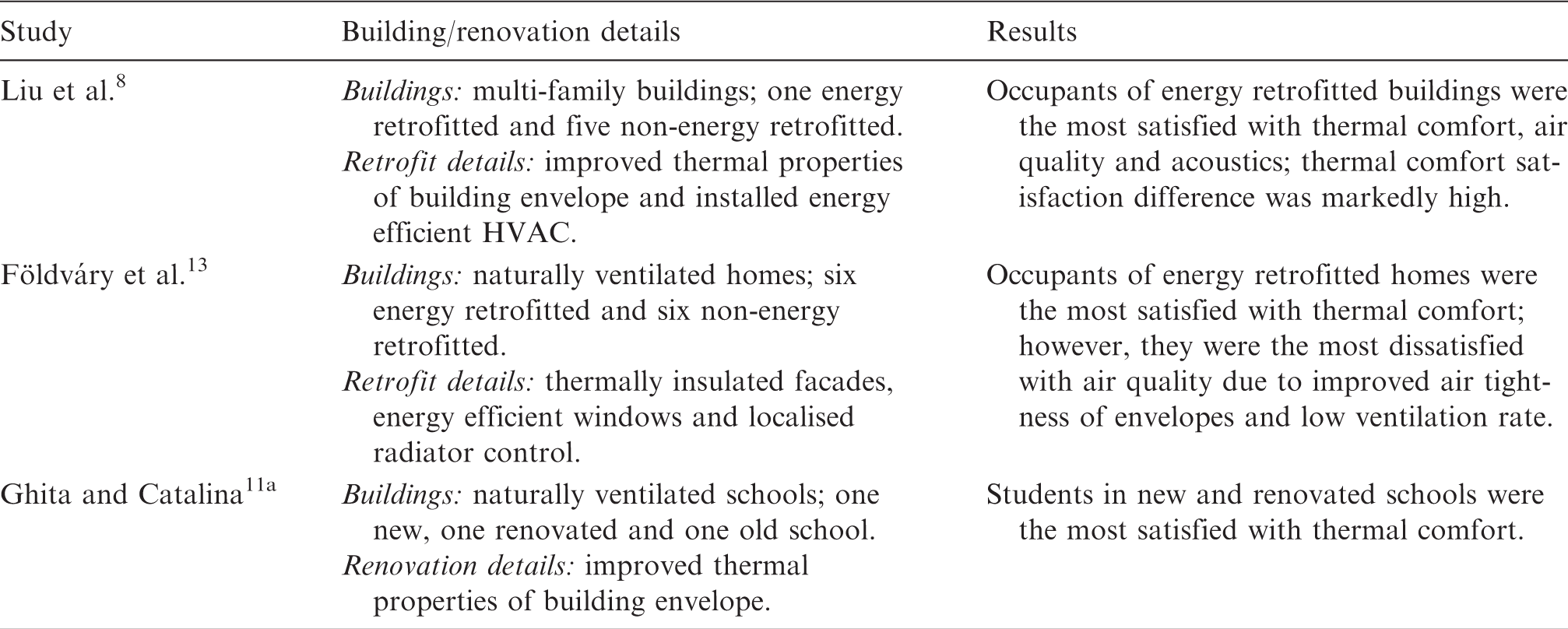
This study was included in this category as new buildings represent a special case of non-renovated buildings.
Pre-renovation versus post-renovation
Summary of pre-renovation versus post-renovation research studies.
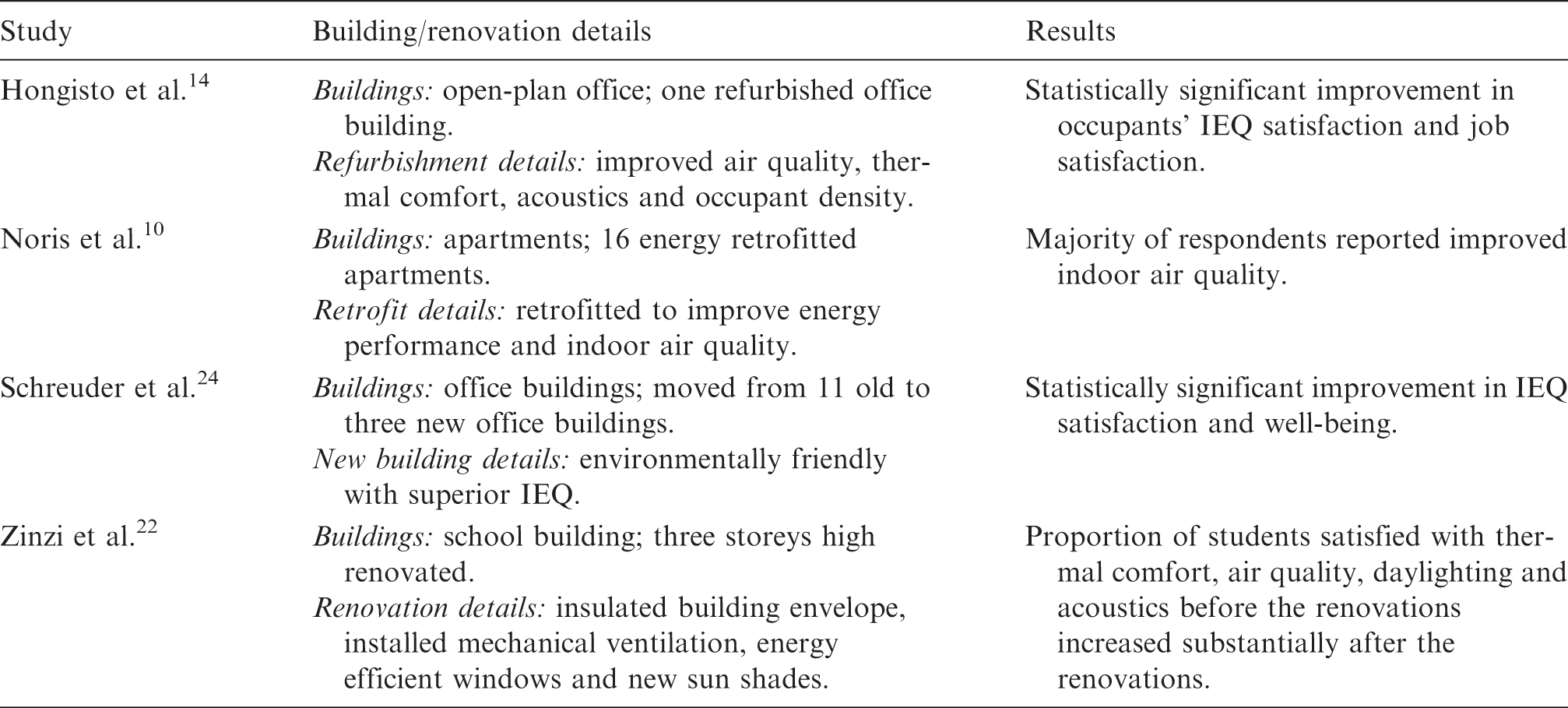
Post-renovation
Summary of post-renovation research studies.
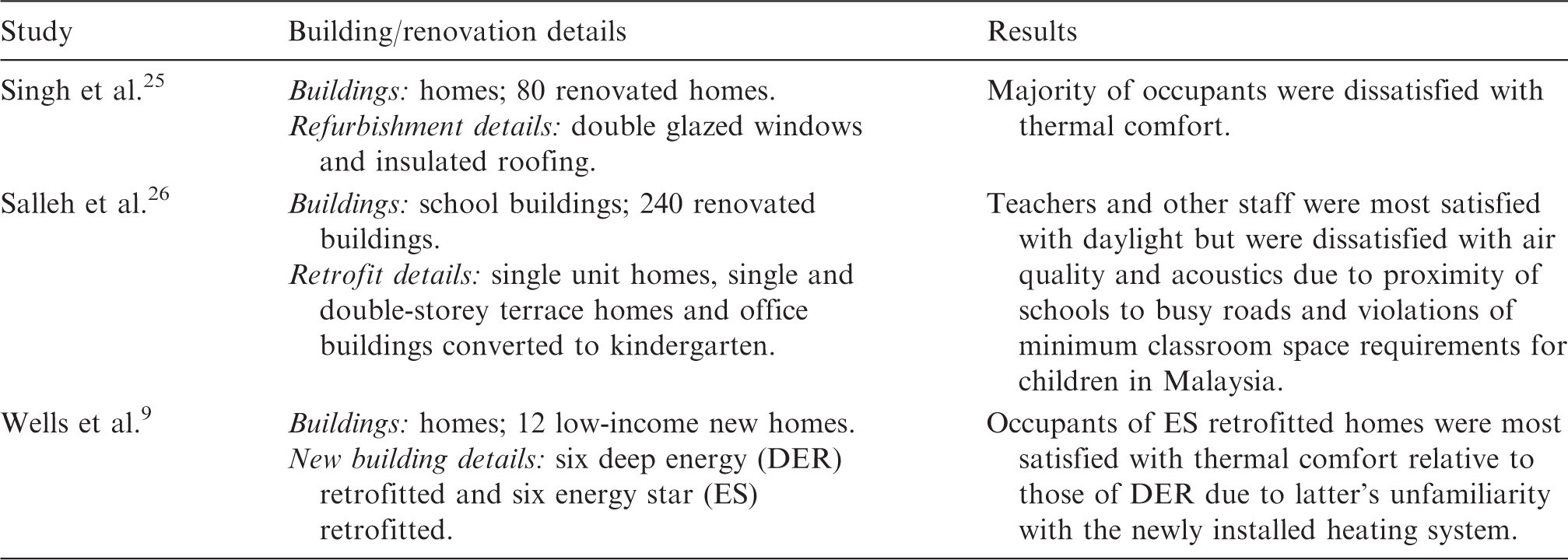
Indoor environmental quality satisfaction and well-being
The term occupant well-being is not explicitly defined in the IEQ literature. The term tends to be used interchangeably with the terms occupant comfort or satisfaction to refer to occupants’ satisfaction with the four main IEQ factors namely thermal comfort, air quality, lighting and acoustics.27–29 It is generally assessed using questionnaire surveys.
Although the term well-being is defined in the social sciences literature, there is no universally accepted definition for it. Dodge et al. 30 defined individual well-being as ‘the balance point between an individual’s resource pool (i.e. psychological, social and physical) and the challenges faced (i.e. psychological, social and physical)’. Hence, for building occupants, such as school teachers, that balance can be offset by adverse indoor conditions such as high temperature, and require a resource such as operable window to restore it. A review of the instruments used to assess well-being in the social sciences literature suggests that assessment of occupant well-being should not be limited to IEQ satisfaction factors. For instance, Ryff’s Scale of Psychological Well-Being includes the dimensions ‘positive relations with others’ and ‘environmental mastery’, 31 while the RAND-36 health survey’s physical well-being components includes the dimensions ‘physical functioning’ and ‘energy/fatigue’. 32 These dimensions are not captured in IEQ satisfaction surveys, thus, calling into question the comprehensiveness of these surveys for assessing occupants’ well-being. Nevertheless, one limitation of the well-being instruments used in the social sciences is that they are mostly context-free. Therefore, they are likely to exclude aspects of personal well-being that are unique to teachers in school environments, thus the need to develop new tools to account for these aspects.
Methods
This two-stage, mixed-method research was conducted in collaboration with the Government of Manitoba Public School Finance Board and two Manitoba school divisions. Stage 1 involved developing new surveys to assess teacher’s psychological well-being (TPWB), teacher’s social well-being (TSWB) and teacher’s physical well-being (TPhWB) in schools using an inductive approach. These well-being surveys excluded questions on teachers’ personal characteristics such as current health status due to restrictions by the University of Manitoba Research Ethics Board on collecting such data. Additionally, an existing IEQ satisfaction survey was adapted (from the National Research Council Canada (NRC) 33 ) to assess teachers’ IEQ satisfaction in schools. The second stage involved administering an online survey composed of the adapted IEQ satisfaction survey and the new teacher well-being surveys developed in stage one. Additionally, the administered surveys were refined through factor analysis. 34 This research presents results from the refined surveys.
Study location and buildings
Strata of schools.

IEQ-related renovations executed in stratum 2 schools and their expected impact.
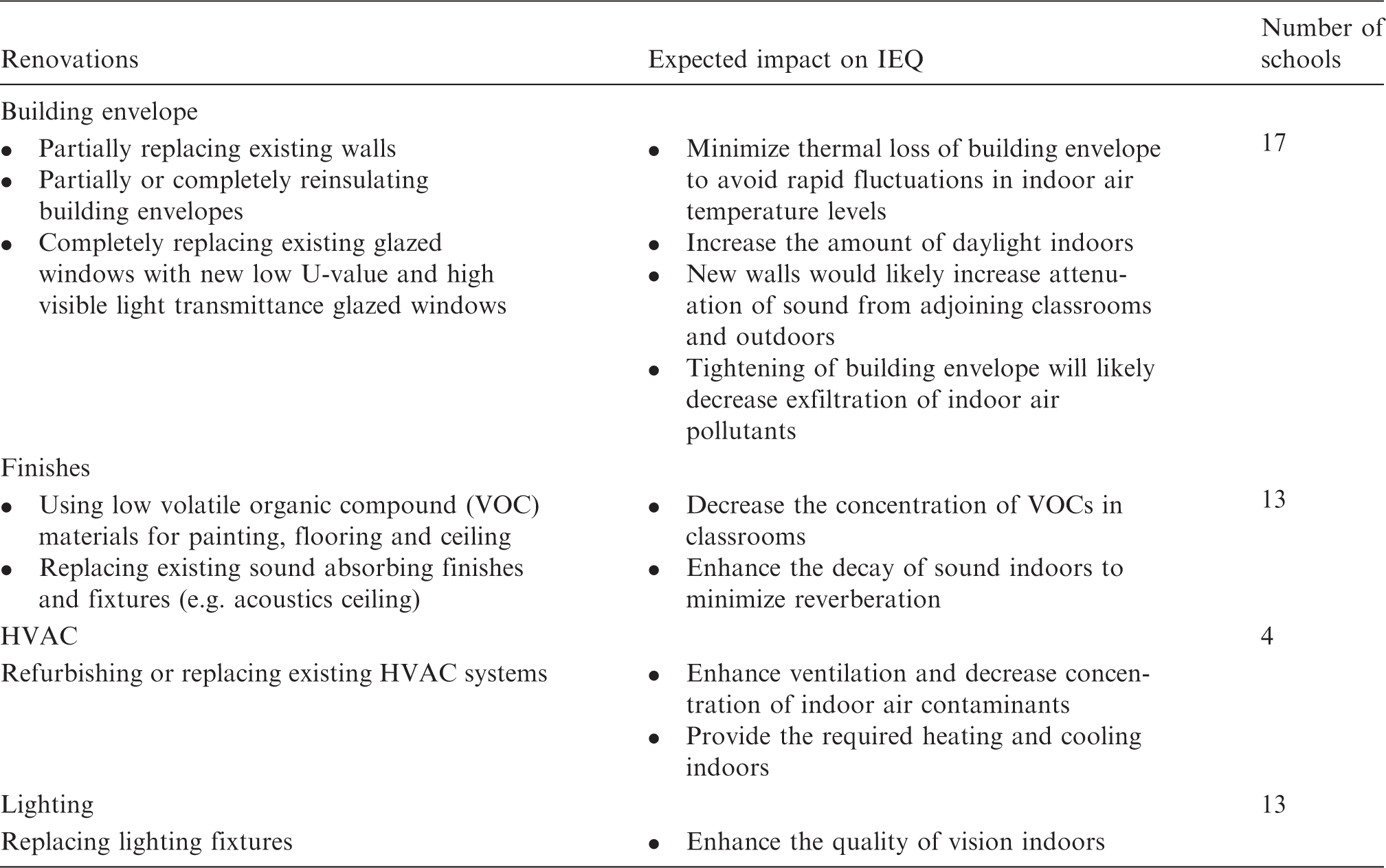
Schools in stratum 1 (i.e. new) were constructed in accordance with the NBC versions 1985 to 2010. Three of the oldest new schools were substantially upgraded within the last 10 years to enhance their IEQ while the rest only experienced routine maintenance such as replacing broken items (e.g. damaged window glazing). Schools in stratum 2 (i.e. renovated) were a mix of old and middle age schools constructed to NBC versions 1950 to 1980. All 17 schools in this stratum experienced substantial IEQ-related renovations as shown in Table 5. Stratum 3 schools (i.e. non-renovated) were also a mix of old and middle age schools constructed to NBC versions 1950 to 1980. However, they did not undergo the substantial IEQ-related renovations experienced by stratum 2 schools from year 2007 to 2014.
The new schools’ teachers were expected to be the most satisfied with IEQ. Additionally, the IEQ satisfaction level of teachers in the renovated schools were expected to be similar or second to teachers in the new schools given the substantial IEQ-related renovations implemented in them, while teachers in the non-renovated schools were expected to be the least satisfied. Consequently, this research aimed to test the hypothesis that teachers’ IEQ satisfaction and their well-being were statistically significantly higher in the new and renovated schools than in the non-renovated ones. It also aimed to test the hypothesis that teachers’ IEQ satisfaction and well-being in the new and renovated schools were not statistically significantly different.
Study sample and online survey
The 852 teachers in all the 32 schools were invited to participate in this study. The online survey was divided into four modules. Module 1 included the adapted IEQ satisfaction survey and demographic information. The core module of the original NRC survey 33 included 18 items for assessing ventilation and thermal comfort, lighting and acoustics and privacy. In adapting this survey, the wording of items was slightly modified to suit school teachers and school environments, with an additional item included for daylight thus increasing the number of items from 18 to 19. Each of the 19 items was assessed using a seven-point scale from ‘Very Unsatisfactory’ (−3) to ‘Very Satisfactory’ (+3), like the NRC survey. Modules 2, 3 and 4 consisted of the newly developed TPWB, TSWB and TPhWB surveys, respectively, for assessing those three subdivisions of teachers’ personal well-being principally in school environments. Items of well-being surveys were assessed using a six-point scale from ‘Strongly Disagree’ (1) to ‘Strongly Agree’ (6). Most respondents completed the survey within 15 to 30 min. A total of 234 responses was recorded, resulting in a response rate of 27.5%. The survey was administered online using Qualtrics during the winter of 2016. Each respondent was assigned two modules: module 1 and an additional module assigned randomly.
Refining of occupants’ satisfaction and well-being surveys
The adapted IEQ satisfaction survey and three newly developed well-being surveys were refined through factor analysis to extract the significant factors that defined their structure. Additionally, these three well-being surveys were validated by correlating them to their corresponding existing context-free validated well-being surveys. Details of factors, final surveys and their validation are given in Sadick and Issa. 34 The final IEQ satisfaction survey consisted of 12 items and three factors namely ‘Lighting’ (Lsat), ‘Ventilation and thermal comfort’ (VTCsat) and ‘Acoustics and privacy’ (APsat). The TPWB survey consisted of 12 items and two factors namely ‘Job satisfaction and professionalism’ and ‘Feeling of accomplishment and recognition’. The TSWB survey consisted of 12 items and three factors namely ‘Social Functioning in School’, ‘Social Connectedness in School’ and ‘Classroom Socialization’. The TPhWB survey also included 11 items and two factors namely ‘Role and Work Environment Outcomes’ and ‘Physical Functioning in Class’.
Data analysis
The scores for each of the three factors of IEQ were calculated by averaging ratings of items making up each factor. The factor scores were subsequently averaged to reach the overall IEQ satisfaction scores. The scores for TPWB, TSWB and TPhWB were each calculated by averaging ratings of multiple items making up each survey. The IEQ satisfaction ratings were recoded from their original scale of ‘Very Unsatisfactory’ (−3) to ‘Very Satisfactory’ (+3) to ‘Very Unsatisfactory’ (1) to ‘Very Satisfactory’ (7) for consistency and ease of comparison with the well-being ratings. Furthermore, the IEQ satisfaction ratings were categorized into three zones: the ‘dissatisfaction zone’ (1.00–3.49), the ‘neutral zone’ (3.50–4.49) and the ‘satisfaction zone’ (4.50–7.00). Similarly, the well-being perception ratings were categorized into three perception levels: a ‘low level’ (1.00–2.49), a ‘medium level’ (2.50–4.49) and a ‘high level’ (4.50–6.00). These categorisations did not involve recoding the IEQ satisfaction and well-being ratings. Outliers were determined using standardized ratings with an absolute value of 3.29 as cut-off. 35
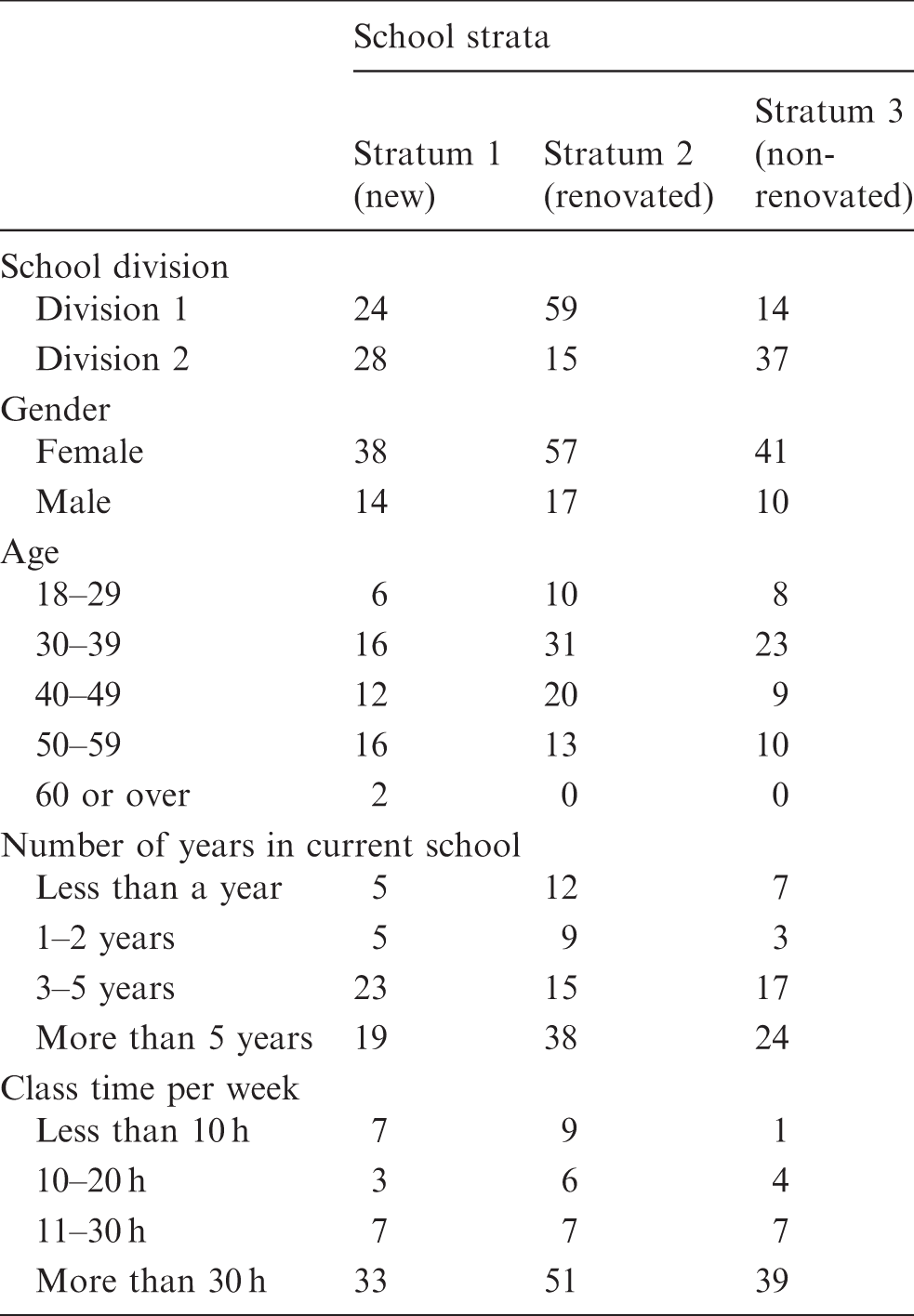
Demographic information.
Results
The section starts with the demographic information related to the survey, then proceeds to describe the results on the differences in IEQ satisfaction and well-being between the three strata of schools.
Demographic information
Table 6 presents the demographic information of respondents included in the analysis.
Table 6 shows that the number of responses from the renovated schools exceeded those in the new and non-renovated schools. This was expected given that 17 of the 32 schools were renovated schools. The age of respondents was fairly distributed from 18 to 59 years old, with most of them having worked in their current school for 3 or more years, and spent on average more than 30 h per week in class. The number of female respondents was more than twice the number of males but fits the general observations made during site visits to 15 of the 32 schools.
Stratum level satisfaction with overall IEQ and its factors
Figure 1 depicts the distribution of overall IEQ satisfaction ratings for teachers in the three strata of schools. Teachers in the new and renovated schools were the most satisfied with overall IEQ, with about 78.85% and 71.62% of respondents respectively in the satisfaction zone. For the non-renovated schools, only 47.06% of respondents were satisfied. The most notable observation in Figure 1 is the relatively low median and mean level of overall IEQ satisfaction for teachers in the non-renovated schools.
Stratum level distribution of overall IEQ satisfaction ratings.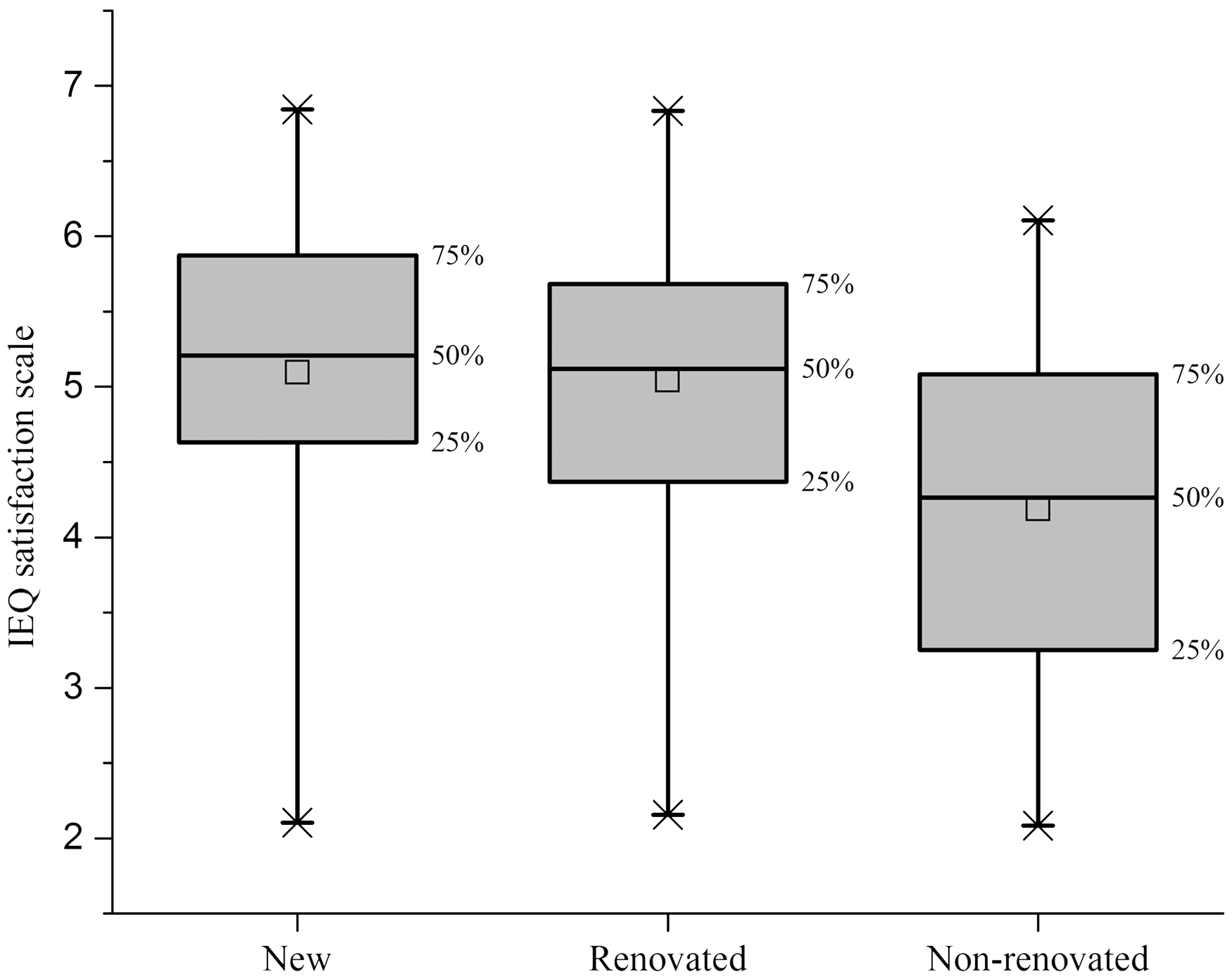
The histogram in Figure 2 depicts respondents’ satisfaction with the three factors of IEQ. The figure shows that the satisfaction levels with the three IEQ factors of teachers in the new and renovated schools were all above 60%, while those of teachers in the non-renovated schools were all below 60%. The proportion of teachers satisfied with the Lsat factor was substantially higher in both the new and renovated schools than in the non-renovated schools. The items assessed as part of the Lsat factor included the amount of daylight and access to a view of outside. The respective mean rating of these two items were 5.34, 5.19 for new schools; 4.78, 5.05 for renovated schools; and 3.90, 3.76 for non-renovated schools. These mean ratings show that most teachers in the non-renovated schools were dissatisfied with these two items. This is not surprising given that most of these schools did not undergo major renovations within the last 10 years and thus probably have glazed windows with low light transmittance.
Stratum level teachers’ satisfaction with IEQ factors.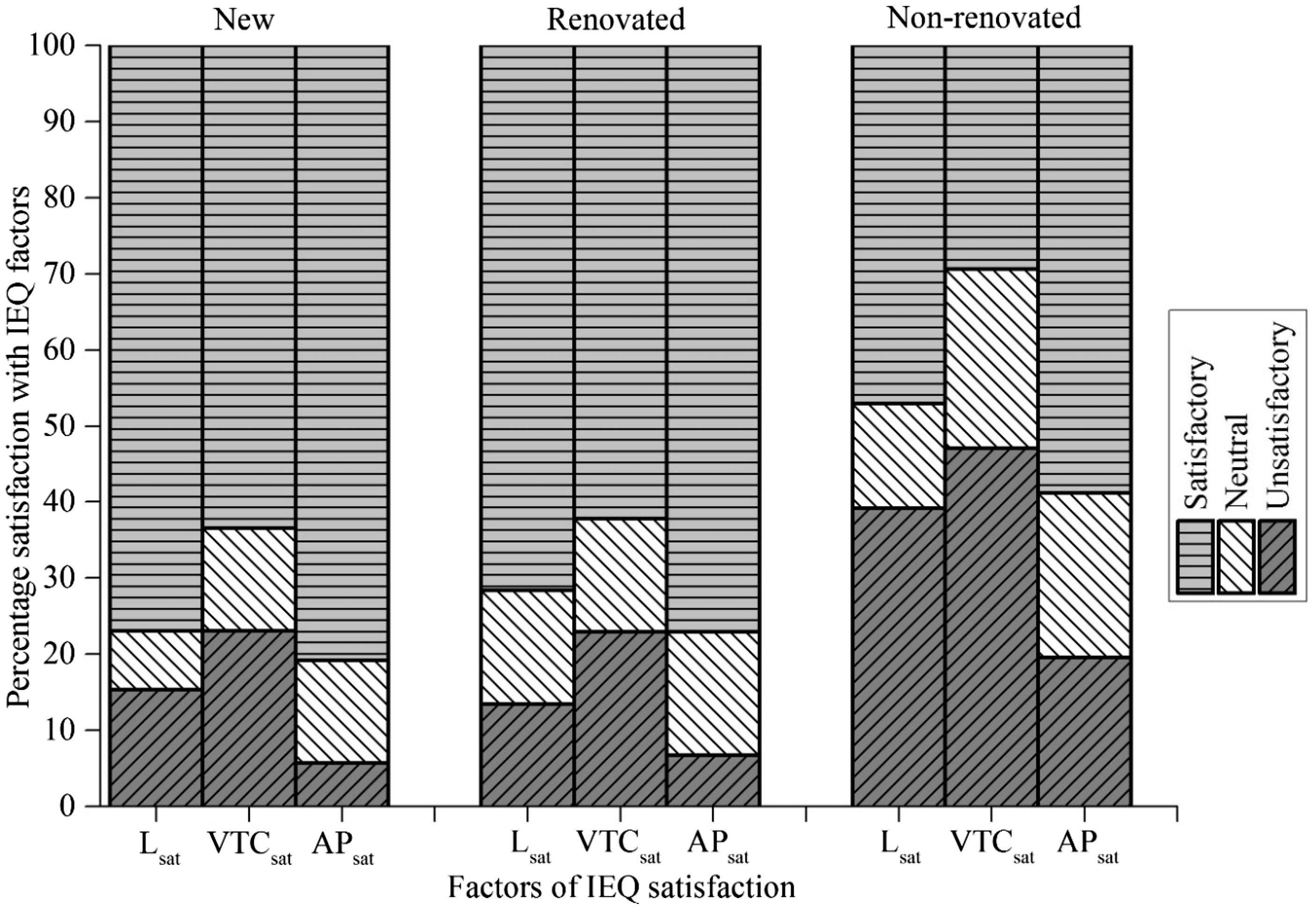
As shown in Figure 2, teachers in the non-renovated schools were the least satisfied with APsat; however, the proportion of teachers dissatisfied with APsat (i.e. 19.61%) was lower than those dissatisfied with Lsat (i.e. 39.22%). The main source of dissatisfaction with APsat in the non-renovated schools was background noise with a mean rating of 4.19 and was probably caused by the noise emanating from the ageing HVAC systems in these schools. Figure 2 also shows that VTCsat was the factor with the lowest ratings in all three strata of schools, and with the most telling difference in satisfaction levels. Although teachers in the new and renovated schools were exceedingly more satisfied with VTCsat than those in the non-renovated, none of the strata achieved the American Society of Heating, Refrigeration and Air-conditioning recommendation of 80% satisfaction level.
37
As shown in Figure 2, the percentage of teachers dissatisfied with VTCsat was the highest of the three IEQ satisfaction factors in each school strata, with the non-renovated schools recording the highest dissatisfaction level. Figure 3 depicts the mean rating for the four items making up the VTCsat factor.
Stratum level mean teacher ratings of VTCsat items.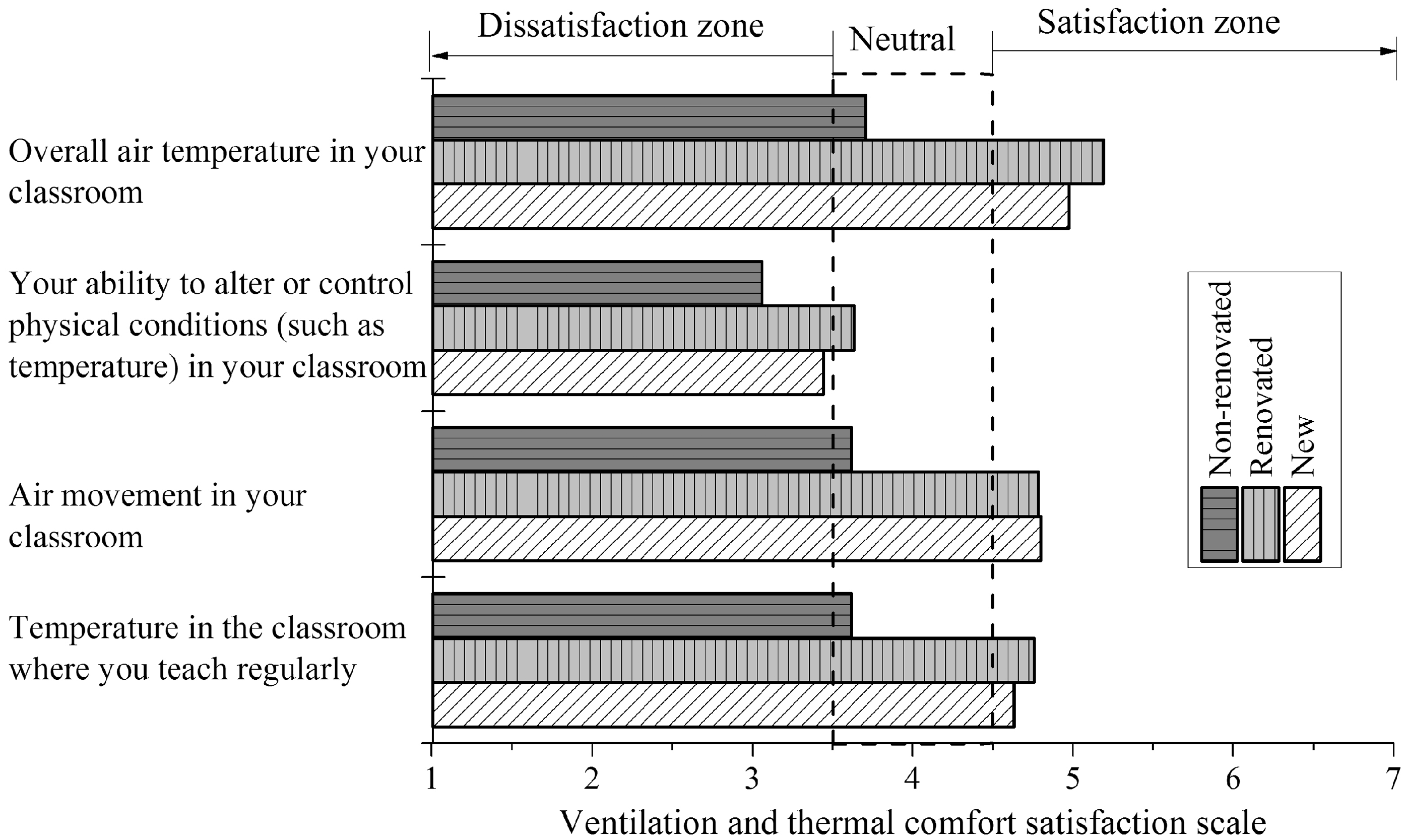
Figure 3 shows that teachers’ ratings of these four items in the non-renovated schools were generally low, with the mean rating of three out of the four items falling in the lower region of neutral. In contrast, the mean rating of three of the four items for teachers in the new and renovated schools fell in the lower region of the satisfaction zone, thus explaining the general low levels of satisfaction with VTCsat in comparison to the other IEQ satisfaction factors. In general, respondents’ limited ability to control VTCsat parameters was the root cause of their dissatisfaction. The low ratings for occupants’ control of their thermal environment across the three strata of schools was not surprising given that air temperature in almost all the schools was controlled remotely or onsite by the school divisions rather than by teachers themselves.
Stratum level differences between IEQ satisfaction factors
The Kruskal–Wallis H test showed statistically significant differences in the mean ranks of IEQ satisfaction factors across the three strata of schools. First, the mean ranks for Lsat were 102.45 (n = 52), 95.01 (n = 74) and 66.53 (n = 51) for the new, renovated and non-renovated schools, respectively, and were statistically significantly different, H(2) = 14.43, p = 0.001. Second, the mean ranks for VTCsat were 97.85 (n = 52), 100.33 (n = 74) and 63.54 (n = 51) for the new, renovated and non-renovated schools, respectively, and were statistically significantly different, H(2) = 17.82, p = 0.0005. Lastly, the mean ranks for APsat were 97.88 (n = 52), 94.73 (n = 74) and 71.63 (n = 51) for the new, renovated and non-renovated schools, respectively, and were statistically significantly different, H(2) = 8.40, p = 0.015.
Post hoc pairwise comparison of IEQ satisfaction variables.

*Denotes significant correlation at level 0.05.
The effect sizes for all pairwise comparisons showed that the largest differences in teachers’ IEQ satisfaction were in VTCsat, followed by Lsat and finally APsat. The effect sizes of VTCsat between both the new and non-renovated schools and the renovated and non-renovated schools suggest medium to high differences in satisfaction levels. Furthermore, the effect size of Lsat suggests a medium to high difference between the new and non-renovated schools and a low to medium difference between the renovated and non-renovated schools. Lastly, the effect sizes of the two statistically significant differences in APsat between the new and non-renovated schools and between the renovated and non-renovated schools suggest medium differences in satisfaction levels.
Stratum level perception of the subdivisions of personal well-being
Figure 4 presents the breakdown of teachers’ perception levels for the three subdivisions of well-being. Except for TPhWB in the new schools, teachers in all three strata of schools rated their well-being as high or medium. Figure 4 shows that the highest rating in each school stratum was for TSWB with a mean rating of 5.22, 5.09 and 4.96 in the renovated, non-renovated and new schools, respectively. This contradicted the consistently high IEQ rating in the new and renovated schools relative to the non-renovated. The TPWB was the second highest rated subdivision of well-being in each stratum with a mean rating 4.79, 4.74 and 4.67 in the renovated, new and non-renovated schools, respectively. TPhWB was the lowest rated subdivision in each stratum with a mean rating of 4.53, 4.07 and 4.00 in the renovated, new and non-renovated schools, respectively.
Stratum level teachers’ perception of the three subdivisions of personal well-being.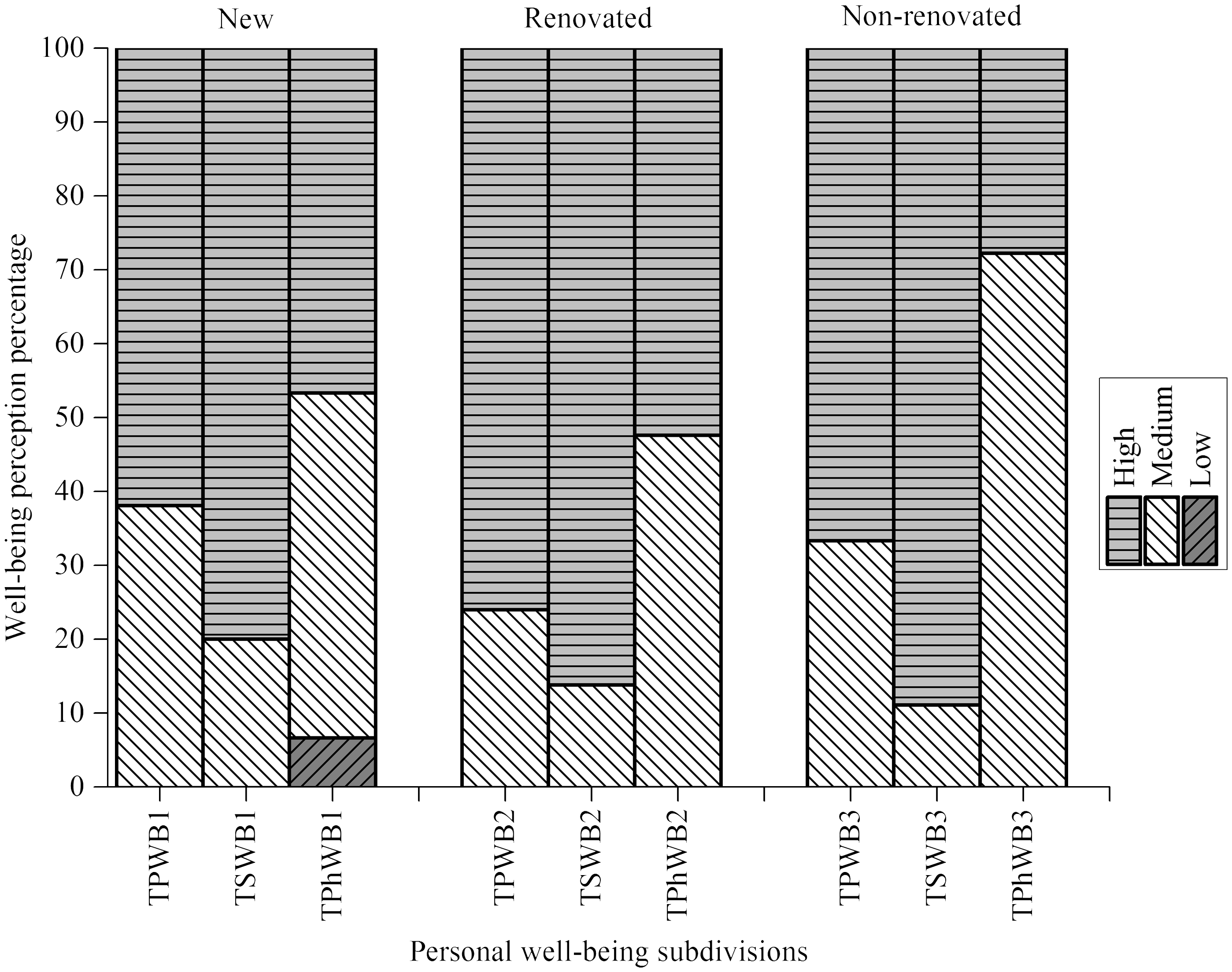
Figure 5 shows the mean rating of factors of TPWB, TSWB and TPhWB for the three school strata. As shown, the mean rating of the three factors of TSWB for each school stratum were in the high level zone, thus explaining the general high mean rating for TSWB. The ‘Role and work environment outcomes’ factor of the TPhWB was the least rated of all the well-being factors and explains why TPhWB was the lowest rated subdivision of well-being. The items of the factor ‘Role and work environment outcomes’ described mainly the negative consequences of teachers working in a school’s indoor environment including ‘I frequently get running nose, dry throat and lips, or watery eyes in school’. The low ratings for this TPhWB factor across all school strata corresponded with the low rating of the VTCsat factor in this study: a result that is in line with those of previous IEQ studies.38,39 Examination of both Figures 4 and 5 shows marginal differences in well-being perception levels between the three strata of schools.
Stratum level mean rating of factors of personal well-being subdivisions.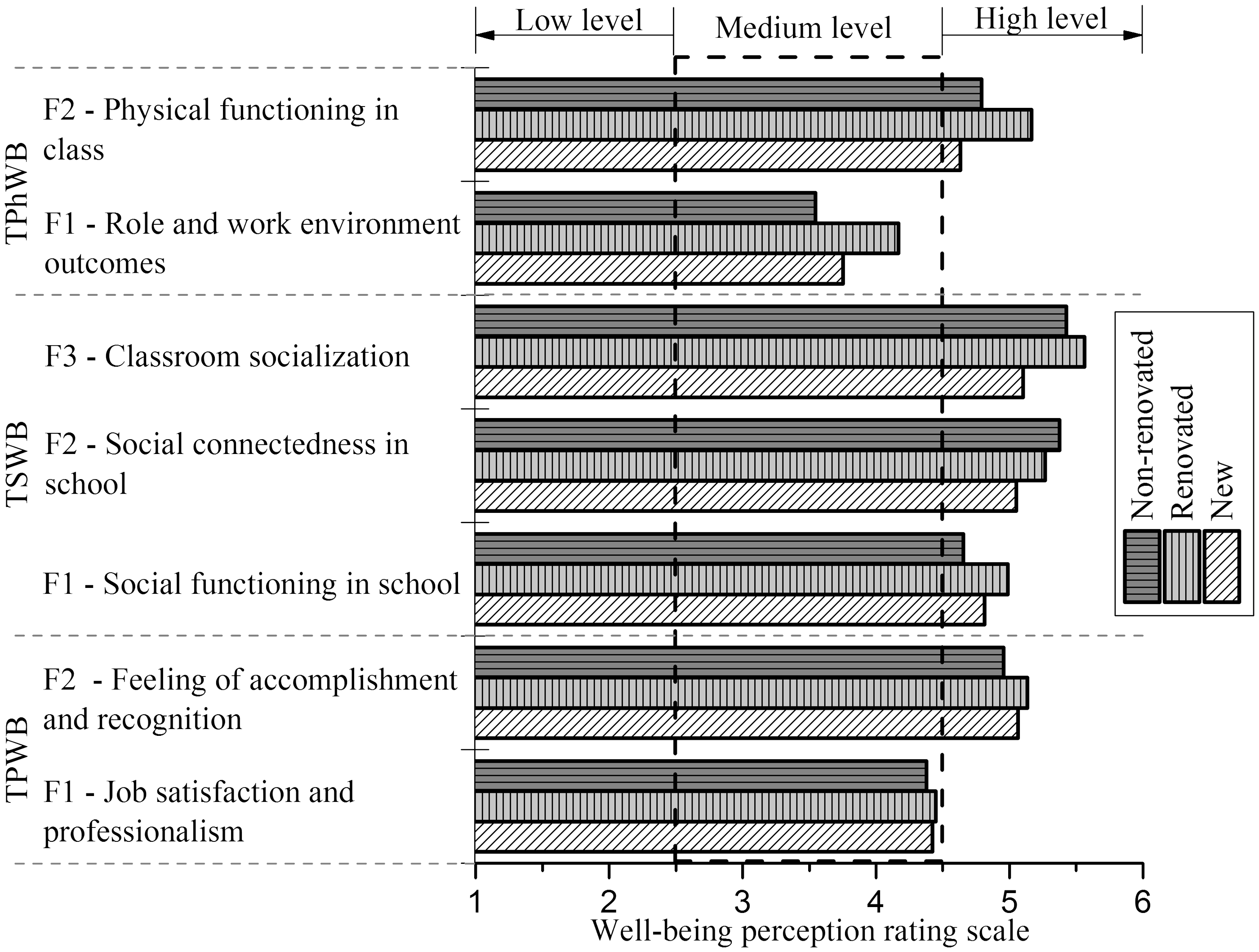
Stratum level differences between subdivisions of individual well-being
The Kruskal–Wallis H test showed no statistically significant differences between TPWB, TSWB and TPhWB across the three school strata. Therefore, between strata and within strata analyses were conducted to determine if the two individual characteristics of teachers’ gender and age influenced their well-being ratings. The Kruskal–Wallis H test between the three strata for TPWB and TSWB showed no statistically significant difference for gender and the two age groups. For TPhWB, the test showed a statistically significant difference between females and the 40–60+ age groups. First, the mean rank for females were 18.55 (n = 8), 28.62 (n = 17) and 18.72 (n = 16) for the new, renovated and non-renovated schools, respectively. Lastly, the mean rank for the 40–60+ age groups were 10.42 (n = 6), 17.71 (n = 12) and 9.50 (n = 8), respectively, for the new, renovated and non-renovated schools, respectively. Pairwise comparison with Bonferroni correction for multiple comparisons showed that none of the pairs of strata were statistically significantly different for both females and the two age groups. The Mann–Whitney U test within each stratum for TSWB and TPhWB showed no statistically significant difference for gender and the two age groups. Additionally, the test showed no statistically significant difference in TPWB within each stratum for gender and the two age groups except in the non-renovated schools, where TPWB mean ranks were significantly different between females (mean = 4.86) and males (mean = 4.13), U = 6.00, z = − 2.10, p = 0.04.
Associations between well-being and IEQ satisfaction factors
Correlations between IEQ variables and well-being measures.

The values in parenthesis denote level of significance for correlation coefficients.
Denotes significant correlation at level 0.01.
Discussion
The results of this research proved the hypothesis that teachers’ satisfaction with IEQ was statistically significantly higher in the new and renovated schools than in the non-renovated schools. It also proved the hypothesis that the difference in teachers’ satisfaction with IEQ in the new versus the renovated schools was statistically insignificant. As building codes improve over the years, newer versions are generally expected to improve the overall performance of buildings, which should translate to more comfortable, safer and healthier indoor environments for occupants. Hence, the new schools were expected to have the best indoor environmental conditions and thus the most satisfied teachers given that they followed recent versions of the NBC relative to the renovated and non-renovated schools. However, the insignificant difference between teachers’ IEQ satisfaction in the new and renovated schools suggests that the IEQ-related renovations of the latter probably improved their IEQ performance to the level of the IEQ performance of new schools. This was evident in the pattern of IEQ satisfaction in both strata of schools, where for example both groups of teachers were concurrently satisfied and dissatisfied with items of VTCsat.
Given that the renovated and non-renovated schools were similar (i.e. mix of old and middle age schools), the statistically significant difference between their teachers’ IEQ satisfaction can be attributed to the IEQ-related renovations of the renovated schools. These renovations involved tightening building envelopes with insulation to minimize thermal loses and enhance thermal comfort. While this strategy would have reduced both the exfiltration of indoor air contaminants and infiltration of outdoor air, the refurbishing or replacing of existing HVAC systems in the renovated schools would have increased the supply of outdoor air for ventilation, reducing the concentration of indoor air contaminants. Hence, the synergy between both strategies probably led to significantly higher VTCsat for teachers in the renovated schools than the non-renovated schools. Similar propositions can also be used to explain the differences in both Lsat and APsat between teachers in renovated and non-renovated schools. These findings are consistent with the ones in the literature11,12,24 regarding the likely impact of IEQ-related renovations on occupants IEQ satisfaction. This study did not include objective parameters of IEQ such as air temperature, reverberation time and carbon dioxide concentration. Hence, future studies should include these objective parameters to determine the potential direct impact of the IEQ-related renovations on indoor environments of the renovated schools.
The research also proved the hypothesis that the difference in teachers’ well-being in the new versus the renovated school was statistically insignificant but disproved the hypothesis that teachers’ well-being was statistically significantly higher in the renovated schools than in the non-renovated. This suggested that IEQ-related renovations did not lead to noteworthy improvements in the well-being perception of teachers in the renovated schools like they did for their IEQ satisfaction. It may also be that the renovated schools experienced substantial improvement in well-being without that improvement leading to statistically significant differences because the physical and IEQ conditions of the renovated schools, and their teachers’ well-being were worse prior to the renovations than the non-renovated ones.
Further analyses suggested that gender and age of teachers influenced their well-being perception. TPhWB scores for both females and teachers within the 40–60+ age bracket was statistically significantly different across the three strata of schools. Although the post hoc analysis showed no significant differences between pairs of school strata, this suggests that the impact of IEQ-related renovations on teachers’ well-being is probably highly dependent on personal characteristics such as gender, age and other characteristics not included in this study. The results also showed that female teachers’ perception of TPWB was statistically significantly higher than male teachers in the non-renovated schools, but not in the new and renovated schools.
The study results also showed statistically significant weak to medium associations of TSWB and TPhWB with the three IEQ variables. Although the significant correlations do not imply causation, one potential explanation is that the IEQ-related renovations may have enhanced IEQ satisfaction and subsequently enhanced teachers’ TPhWB and TSWB perceptions. The insignificant associations between TPWB and IEQ variables do not imply a lack of relationship as these may become statistically significant with a larger sample size. They may also be due to TPWB being the least physically observable of the three well-being subdivisions.
With respect to IEQ satisfaction, the effect sizes in this study showed that the magnitude of the observed difference in VTCsat in renovated versus non-renovated schools was the largest, followed by Lsat and APsat. Hence, based on results of this research, IEQ-related renovations are likely to have the most positive impact on VTCsat followed by Lsat and APsat. Although APsat significantly correlated with TSWB and TPhWB while Lsat significantly correlated with TPhWB only, Lsat was ranked second to VTCsat not based on its effect size but because of the reported biological benefits of light generally, and particularly its impact on learning in schools. Bright light, both natural and artificial, synchronizes the internal body clock with the daily day and night routine so that people are awake during the day and sleep at night. 40 Hence, bright light, especially daylight exposure during the day contributes to alertness during daytime and quality sleep at night. 40 For schools, in particular, Tanner 41 found a significant positive relationship between daylighting and students’ academic achievement.
The results of this study can be used by school divisions as part of their maintenance decision-making process. Nielsen et al. 42 proposed goal setting as the first stage of developing a sustainable renovation decision-making tool. This involved defining clients’ sustainability objectives, criteria and appropriate weightings. School divisions looking to renovate their schools can define objectives of their renovation interventions in terms of specific improvements they would like to see in teachers’ IEQ satisfaction and well-being. They can use the study’s IEQ and well-being surveys to establish suitable benchmarks for IEQ satisfaction and well-being. They can also use effect sizes for the differences in each IEQ factor between the renovated and non-renovated schools as the respective weighting for prioritization. These effect sizes may be reassessed for prioritization purposes as indoor conditions improve. Nielsen et al. 42 also proposed the registration and ranking of buildings as part of the sustainable renovation decision-making tool. Registration involves collecting information on the renovation needs of buildings. With this information, school divisions can categorize each defect in each school building into three based on the IEQ factor that is expected to improve when a defect is repaired. This should allow them to prioritize the maintenance needs of each school, and rank each school based on those needs as part of their maintenance decision-making process.
Conclusions and recommendations
This research investigated teachers’ IEQ satisfaction and well-being in new, renovated and non-renovated schools. The results suggested that IEQ-related renovations in existing schools can be an effective strategy for improving teachers’ IEQ satisfaction and probably their well-being. Considering that the renovated and non-renovated school strata were each composed of both old and middle age schools, the statistically significant differences in teachers’ IEQ satisfaction between the two strata of schools can be attributed to the IEQ-related renovations in the renovated schools. This assertion is further supported by the statistically insignificant difference in teachers’ IEQ satisfaction between the renovated and new schools probably due to the improved indoor conditions in the former because of the IEQ-related renovations they underwent. However, this study suggested that IEQ-related renovations would require planned integration of different strategies to yield the desired IEQ satisfaction outcome. For example, the likely synergy between reinsulating building envelopes and refurbishing or replacing existing HVAC systems in the renovated schools seem to account for the statistically significantly higher VTCsat for teachers in the renovated schools in comparison with the non-renovated schools. Although this study excluded IEQ field measurements of these different schools, the statistically significant IEQ satisfaction differences between the renovated and non-renovated schools, as well as the statistically insignificant differences between the renovated and new schools seems to affirm the effectiveness of the IEQ-related renovations.
Teachers well-being perception ratings were not statistically significantly different across the three strata of schools. The statistically insignificant difference in well-being perception and the statistically significant difference in IEQ satisfaction between teachers’ in the renovated and non-renovated schools suggested that well-being perception and IEQ satisfaction were not similarly affected by the IEQ-related renovations. However, our results suggested that personal characteristics such as gender and age may be essential in determining the impact of IEQ-related renovations on occupants’ well-being. The test of associations also suggested a plausible indirect impact of school’s IEQ-related renovations on teachers’ well-being via improved IEQ satisfaction. The most promising indirect positive impact is likely that of IEQ-centred renovations on TPhWB via improvement of their VTCsat. These results confirm that occupants’ IEQ satisfaction and their well-being are probably not the same and should therefore be assessed separately.
This study used post-renovation data to investigate the impact of IEQ-related renovations on the IEQ satisfaction and well-being of teachers in renovated schools relative to teachers in new and non-renovated schools. The lack of pre-renovation data implies that the actual improvement in IEQ satisfaction and well-being of teachers in the renovated schools were not accounted for in this study. Hence, future studies should adopt a pre-post research design that would account more accurately for actual improvements in IEQ satisfaction and well-being due to specific renovation interventions. Not only was the population for this study limited, but each respondent was assigned the IEQ satisfaction survey in addition to only one of the three well-being surveys deployed as part of this study. This deployment strategy shortened the completion time of the online survey; however, it resulted in fewer respondents completing each of the three well-being surveys, which may explain most of the statistically insignificant differences in well-being perception between the three strata of schools. Given that the research used an adapted and refined teachers’ IEQ satisfaction survey, and newly developed and refined well-being surveys, future research should deploy these refined surveys to a larger population of teachers to confirm their structural validity and enable the generalisation of their results.
Footnotes
Authors’ contributions
All authors contributed equally in the preparation of this manuscript.
Acknowledgement
This research would not have been possible without the support of the Government of Manitoba Public School Finance Board, the two School Divisions, and the 32 schools. The authors are particularly grateful to all teachers who participated in the online survey.
Declaration of conflicting interests
The author(s) declared no potential conflicts of interest with respect to the research, authorship, and/or publication of this article.
Funding
The author(s) disclosed receipt of the following financial support for the research, authorship, and/or publication of this article: This research was funded by a Discovery Grant from the Natural Sciences and Engineering Research Council of Canada.