







Abstract
Environmental chambers are a kind of equipment to simulate various conventional and extreme environments, which are usually applied to create various environmental conditions and conduct various studies related to environmental parameters. Through our review of literature of the past 30 years, environmental chambers have been mainly used in the following four aspects: pollutants’ emission characterization, human thermal comfort research, products and materials development and transformation and the reaction and behaviour of other living bodies such as animals and plants. In this paper, the current application of environmental chambers is summarized based on the research objectives, conditions and technical means. The purpose of this paper is to provide a review of the use of environmental chambers for research and analyze the current application of environmental chambers for the future application of environmental chambers and explore the direction of its future transformation and application.
Keywords
Introduction to environmental chambers
Environmental chambers are devices that can reasonably be used to simulate indoor and outdoor environments by adjusting parameters such as temperature, humidity, wind speed, air pressure, solar radiation intensity, cleanliness and gas composition. They can be classified according to the size
1
(small size, medium size and full size), main purpose2–5 (environmental simulation room and performance testing room) and the environment created and controlled by the chambers6,7 (indoor environmental room and field environmental room). A schematic diagram of the full-size environmental chamber construction at the University of South China is shown in Figure 1. Schematic diagram of the structure of the environmental chamber.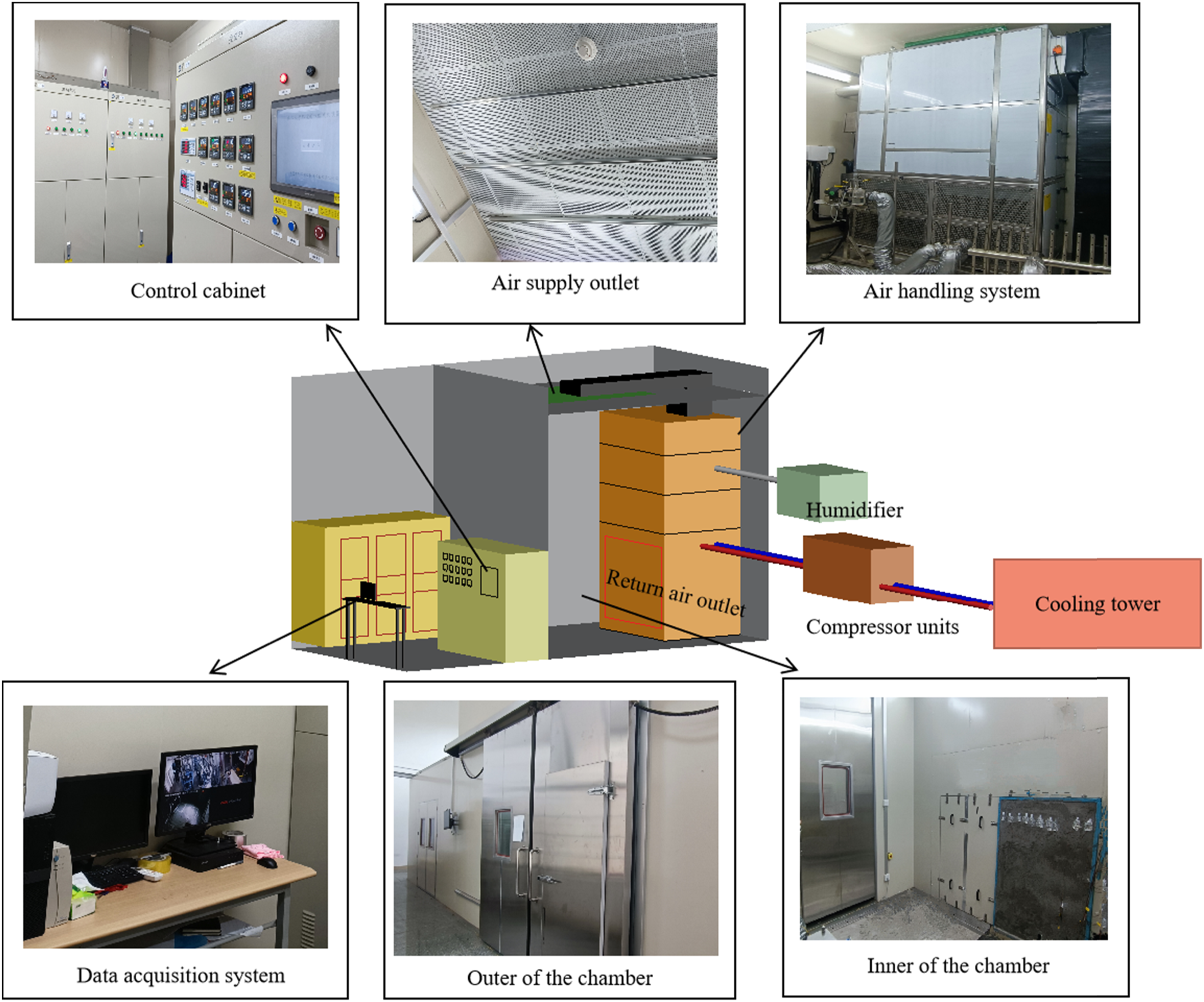
Typical cases of environmental chamber features.
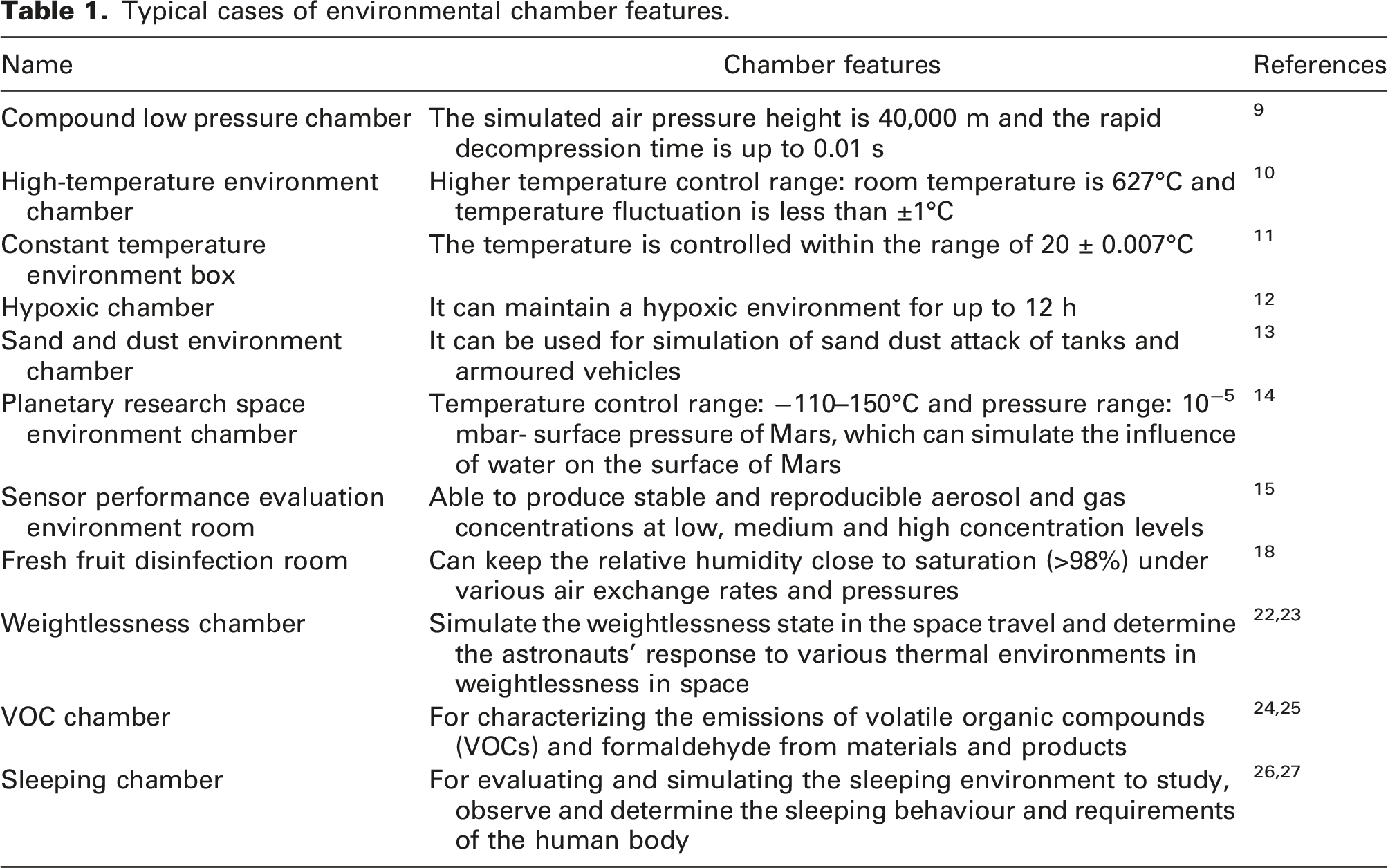
Environmental chambers have a wide range of applications in the construction industry, medical and health industry, manufacturing industry, biological research industry, astronomy industry, etc., which can be summarized into the following four aspects: research on pollutants’ emission, human thermal comfort and health research, development and performance improvement of new materials and products and research on other living organisms.
In recent years, more and more studies have been carried out on the application of environmental chambers. However, the existing reviews only summarized the application of pollutants’ emission, 28 and the content was not comprehensive enough. This article aims to classify and integrate the relevant information of the existing environmental chambers, clarify the development status and the main application of these instruments and provide corresponding suggestions on their deficiencies for research and to provide a guide to the direction for future application and studies. The research results of this paper could inform the future application of environmental chambers and provide references for solving current environmental and technological development problems.
Overview of research content
In the past 30 years, the number of research using environmental chambers has been increasing, and there are about 1242 related papers. Among them, there are 191 articles on environmental chambers development and transformation. For example, the sand and dust environment chamber, designed by Wang et al., 13 can be used for sand and dust attack simulation of tanks and armoured vehicles. There are 278 articles on pollutants’ emission characteristics. For example, Lee and Wang 29 studied the release of volatile organic compounds (VOCs) from different types of office equipment and measured the emission rates of various VOCs. There are 266 articles on human thermal comfort. For example, Shibasaki et al. 30 used 15 healthy men to perform four-wheeled and 15-minute cycling exercises and found that exercise in a thermal environment can damage human cognitive processes. There are 236 articles on materials and products research and development. For example, Latif et al. 31 studied the performance of wall materials under different environmental conditions and found that the metal panel showed a higher heat storage and a heat release capacity. A total of 179 articles were published on the use of environmental chambers to study living organisms. For example, Diaz et al. 32 studied the overwintering behaviour of butterflies and found that they have a preference for overwintering shelter provided by leaf litter. In addition, 92 articles were written on other aspects. For example, Wu et al. 5 simulated the Martian environment and analyzed the molecular spectral characteristics of nine anhydrous and hydrous oxychloride compounds.
The research situation of environmental chambers in recent 10 years is summarized according to the theme and publication time, as shown in Figure 2. Through our literature search, we know, due to the upgrading and transformation, the application of the environmental chambers is more and more extensive, and the annual total number of relevant research papers is also increasing. The growth rates of research on pollutants’ emissions, materials and products development and human thermal comfort are very high, which have become the main application directions of environmental chambers. However, the growth rate of research on other living organisms was relatively gentle, and the annual number of published papers even showed a downward trend in recent years. One of the reasons may be that compared with other three aspects, the relevant research on animals and plants generally requires higher parameters such as cleanliness, which are mostly replaced by special animal laboratories or plant laboratories. Summary of documents issued by each research content in recent 10 years.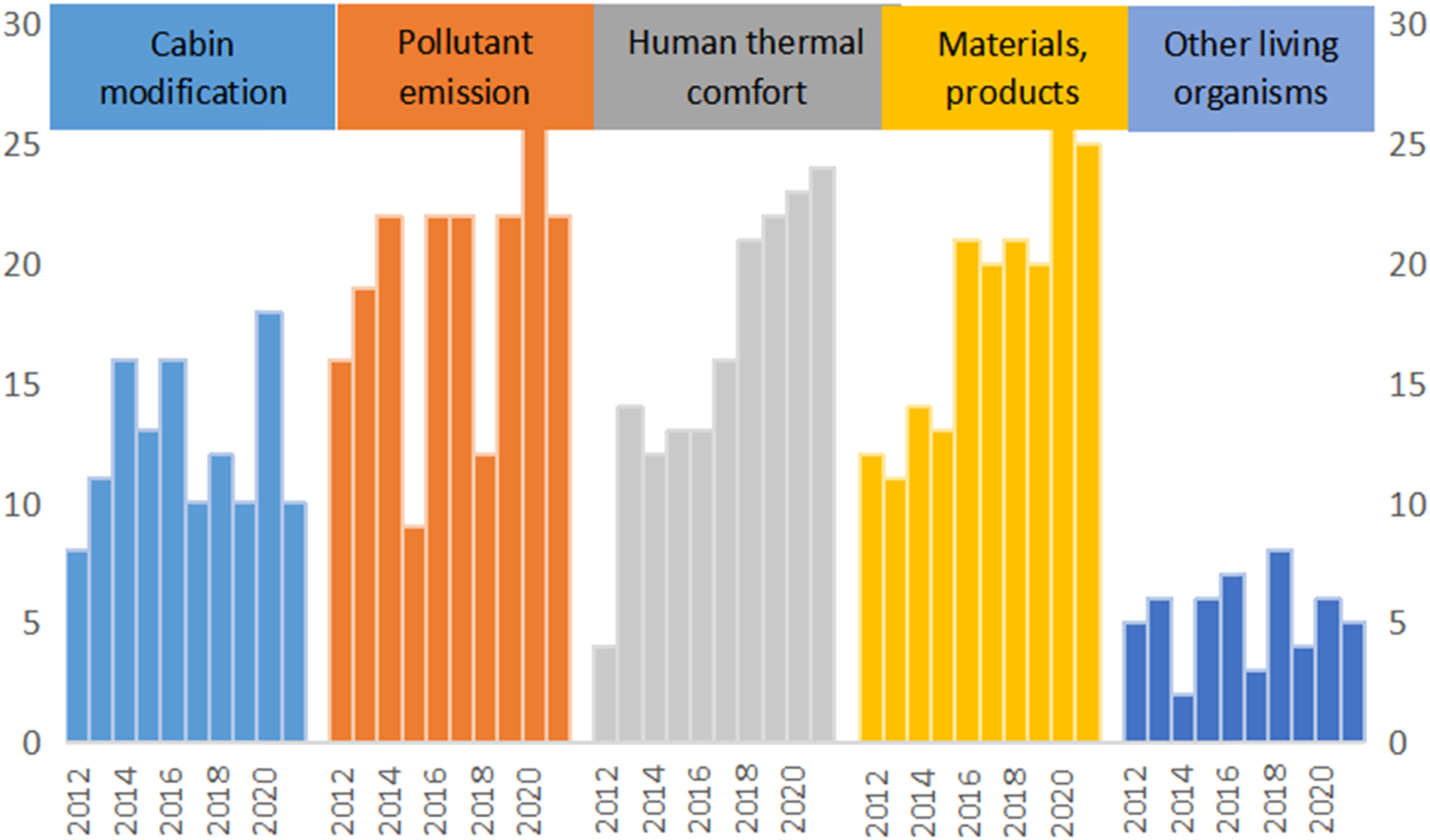
Analysis of the application status of environmental chambers
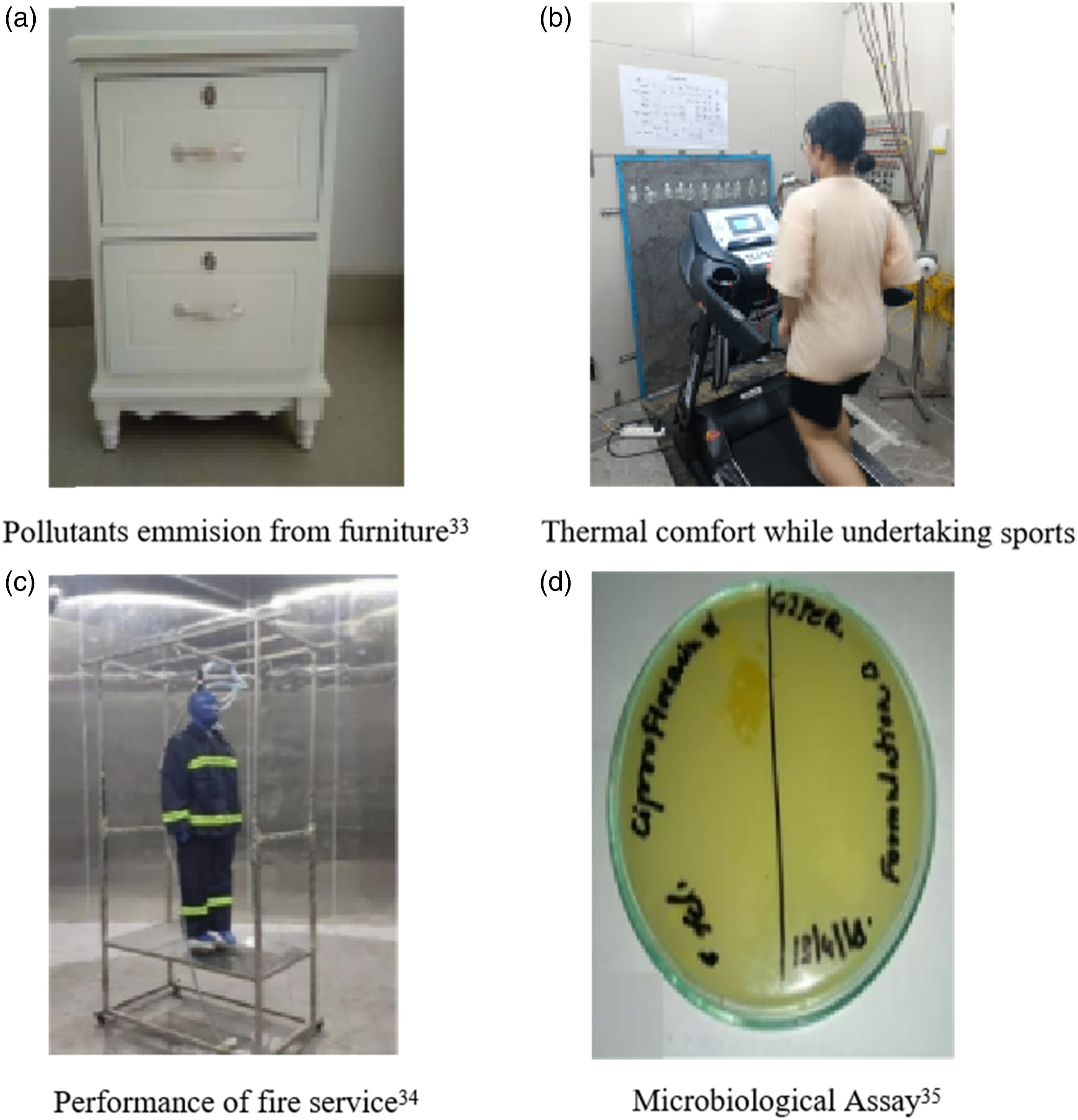
The main research contents and related research quantity of each application are shown in Figure 3. The real and typical photos of different environmental chambers utilized in four aspects are shown in Figure 4. This section makes a detailed analysis of the research situation, conditions, main conclusions, results and significance, shortcomings and prospects of each research direction. Summary of research quantity in each application aspect. Typical applications of environmental chambers.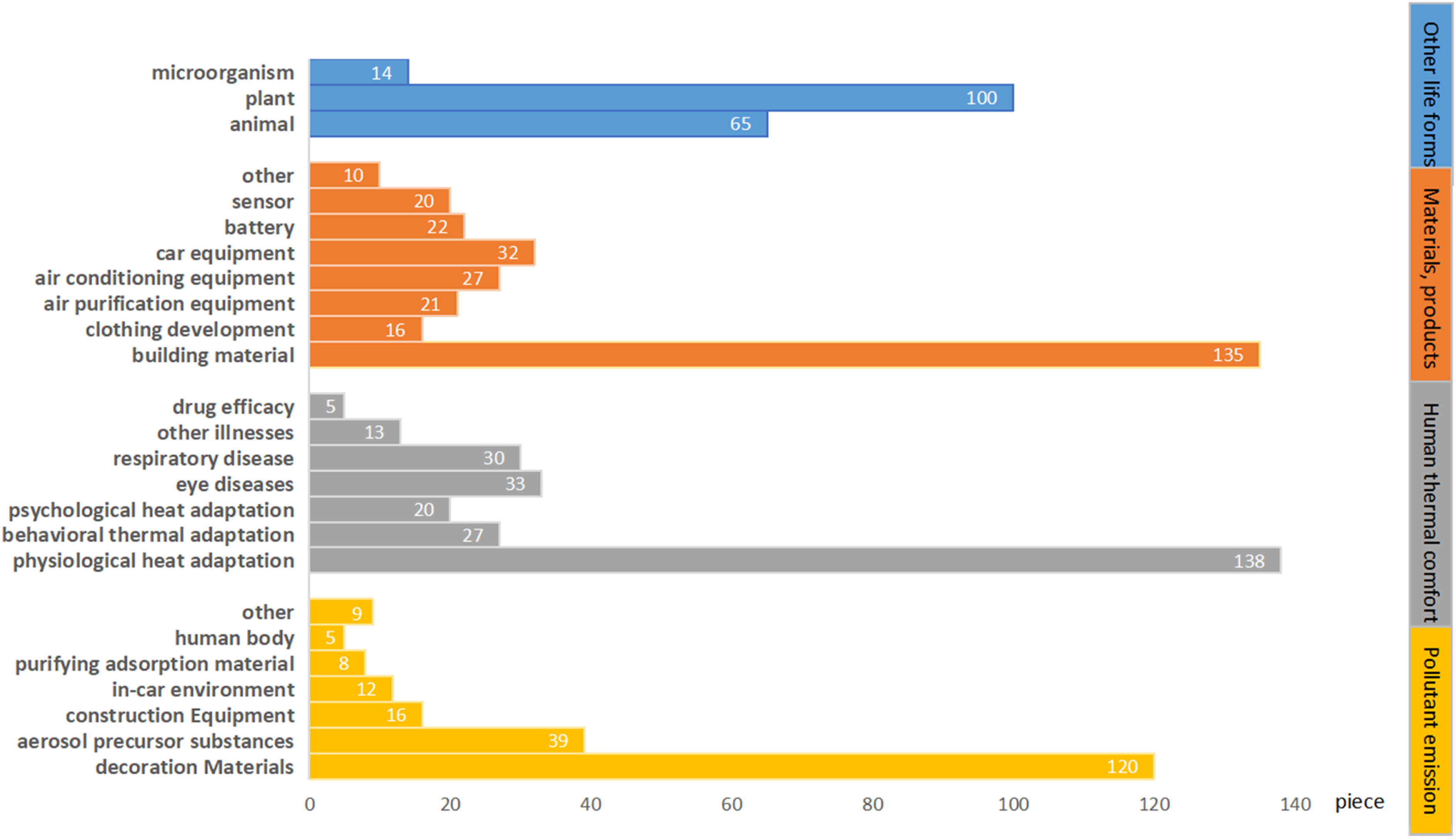
Study on pollutants emission and hygiene quality
Nowadays, pollutants released from building decoration materials, such as VOCs, aerosols, benzene, formaldehyde, ammonia, radon and inhalable particles, are becoming increasingly serious to human health, posing a serious threat to human life and health. Indoor pollution has become the main cause of human death. 29 In order to protect human health, a lot of research has been done on pollutants’ emissions from various building materials.33–41 As an accurate, effective and reliable pre-treatment technology, the environmental chamber method is used because it can allow the control of the environmental conditions to simulate and characterize the emission of pollutants from materials and products in indoor applications.
At present, there are many studies on pollutants using environmental chambers, accounting for about 22.4% of these studies. Environmental chambers are mainly used to change environmental parameters such as temperature and humidity to create a conventional indoor environment. Compared with other chambers, it provides a reaction place for the physical and chemical reactions of various components of decorative materials, and usually needs to install a gas detection system to detect the composition and content of polluting gases. In order to ensure the accuracy of detection, the background concentration of pollutants in the chamber also needs to be strictly controlled. The research objects are mainly building products and decoration materials, and the order of pollutants studied from more to less are VOCs, aerosol, formaldehyde, ozone, inhalable particulate matter, etc.37,42–46 The research on the characterization of pollutants emission and hygiene quality by using environmental chambers mainly focuses on the following three aspects: (i) Study the source, type and content of pollutants. Small- or medium-sized environmental chambers are usually used to maintain the environmental conditions of 23°C temperature and 40%–50% relative humidity. In the early stage of this study, construction materials and equipment were mainly studied,47–50 and in the later stage, more studies were conducted on human body and car body.51,52 Environmental chambers were also used to study the emissions of semi-volatile organic compounds (SVOCs) from desktop 3D printers,
45
and transformation of secondary organic aerosols, for example, from herbal oils and lemon oils and how these secondary organic aerosols could reduce the indoor particles in air.
53
The main achievements made from research so far are as follows: established standard methods and analytical procedural steps for measuring emissions from materials and products; established a database of harmful emissions from building materials; identified whether materials meet relevant standards.
54
However, the research subjects of applying environmental chambers are relatively limited; human body and other subjects only account for 6.7%, and pollutants studied can also be subdivided. (ii) Study the emission conditions and characteristics of pollutants. Small- or medium-sized environmental chambers are usually used to simulate the conventional indoor environment. In the early stage of the study, the main research was to study the influence of single parameters such as temperature, humidity, air exchange rate, wind speed and light intensity and formation of secondary organic aerosols,55–57 while later research investigated the integration of multiple parameters.33,58 Through research in environmental chambers, the emission of pollutants can be roughly divided into three stages: instantaneous release, rapid decay and long-term slow decay.
38
Through these environmental chamber studies, the pollutants’ emission model was constructed and demonstrated, which provided reference ideas for the prevention and control of pollutants. However, other factors such as the pressure and solar radiation intensity could also affect the emission conditions, and the combined effects of multiple factors should be further studied using environmental chambers. (iii) Evaluate the risk of possible hazards and to prevent harmful effects of pollutants. Medium-sized or full-sized environmental chambers have been used to simulate indoor routine environments to study different pollutants and to determine their possible harmful exposure risk on humans58–62 and the removal efficiency of pollutants by air purifiers.63–65 Such research enabled us to determine the indoor concentration limits of various pollutants and also remediation methods to improve the indoor air quality. These research studies provide the basis for the formulation of various standards and the development of construction products and materials. However, only about 7.8% of studies have been conducted on the degradation and removal of pollutants, and little is known about the health effects of VOCs except formaldehyde.
48
Table 2 summarizes the research related to emission of pollutants. Summary of the studies focused on pollutants’ emission. T = temperature, RH = relative humidity, ACH = air exchange rate, WV = wind velocity.
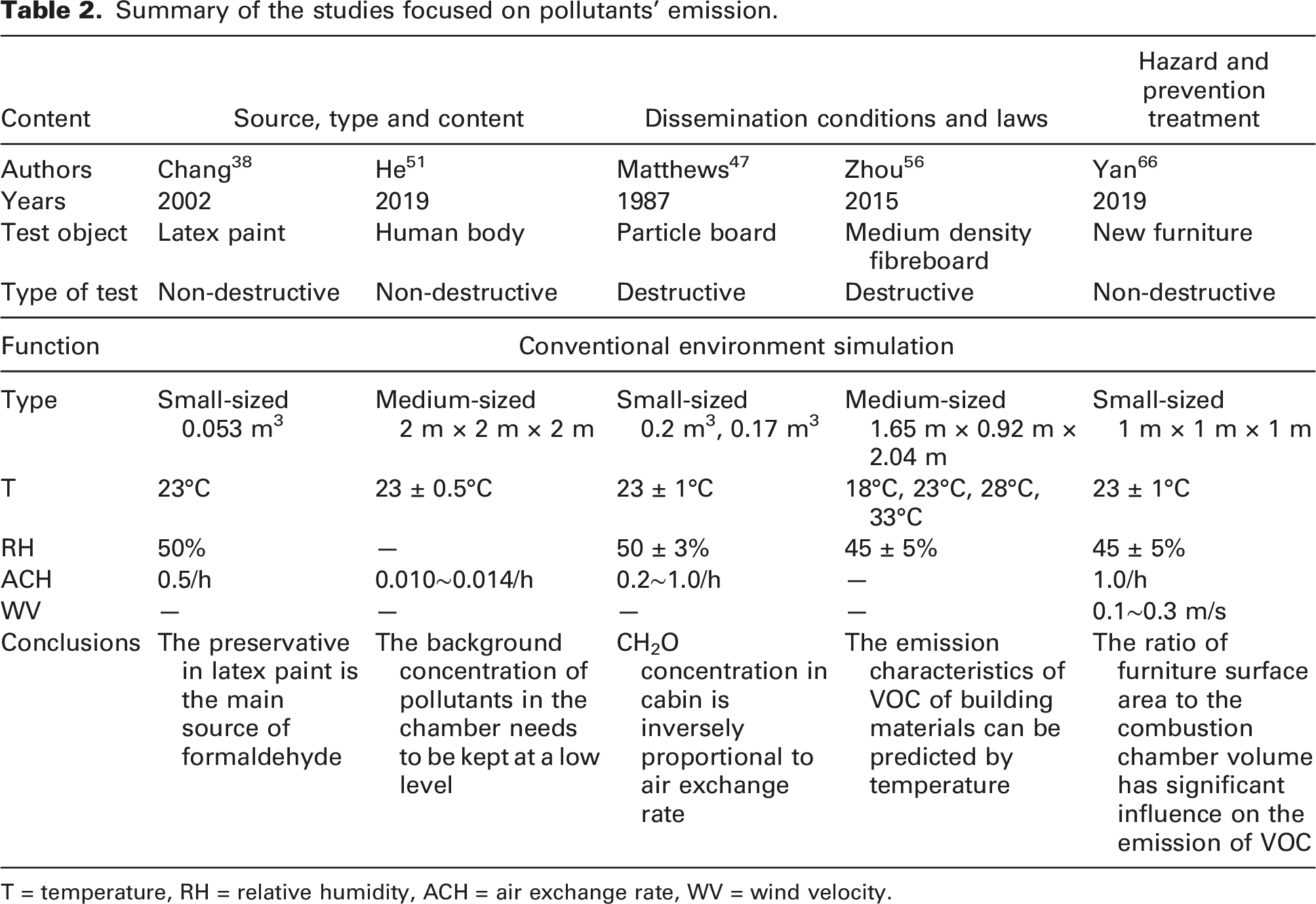
In the study of pollutant emission characteristics, researchers often carry out some simplified treatment for the experiment, such as testing a small part of the sample, or taking a short experimental period. To some extent, this method can shorten the study time and save costs, but researchers often only control the parameters of the whole chamber and did not consider the physical parameters such as the temperature field and the velocity field around the object. Therefore, sometimes there would be low emission test results of pollutants from raw construction materials and the phenomenon of pollutants in indoor air could seriously exceed the standard. In addition, there are relatively few studies on the prevention and control of pollutants. Further studies using environmental chambers can be carried out to evaluate other pollution sources such as TV sets, sterilizer and cosmetics, considering the comprehensive effects of multiple pollutants, multiple pollution sources and multiple parameters.
Research on human thermal comfort and health
Research on thermal comfort of human body can help build comfortable and healthy living environment and improve people’s life satisfaction and happiness. Thermal sensation is the subjective description of whether the human body is ‘cold’ or ‘hot’ to the surrounding environment, while thermal comfort is the subjective satisfaction evaluation of the surrounding environment. There are many factors affecting human thermal comfort. Thermal comfort can be affected by environmental factors and human parameters and can also be constrained by background factors.67–69 The environmental chamber method, which can be used to study the influence of environmental parameters on human comfort, and it can allow study of subjects’ age, gender, behaviour, clothing and other factors, as an effective way to study human thermal comfort.
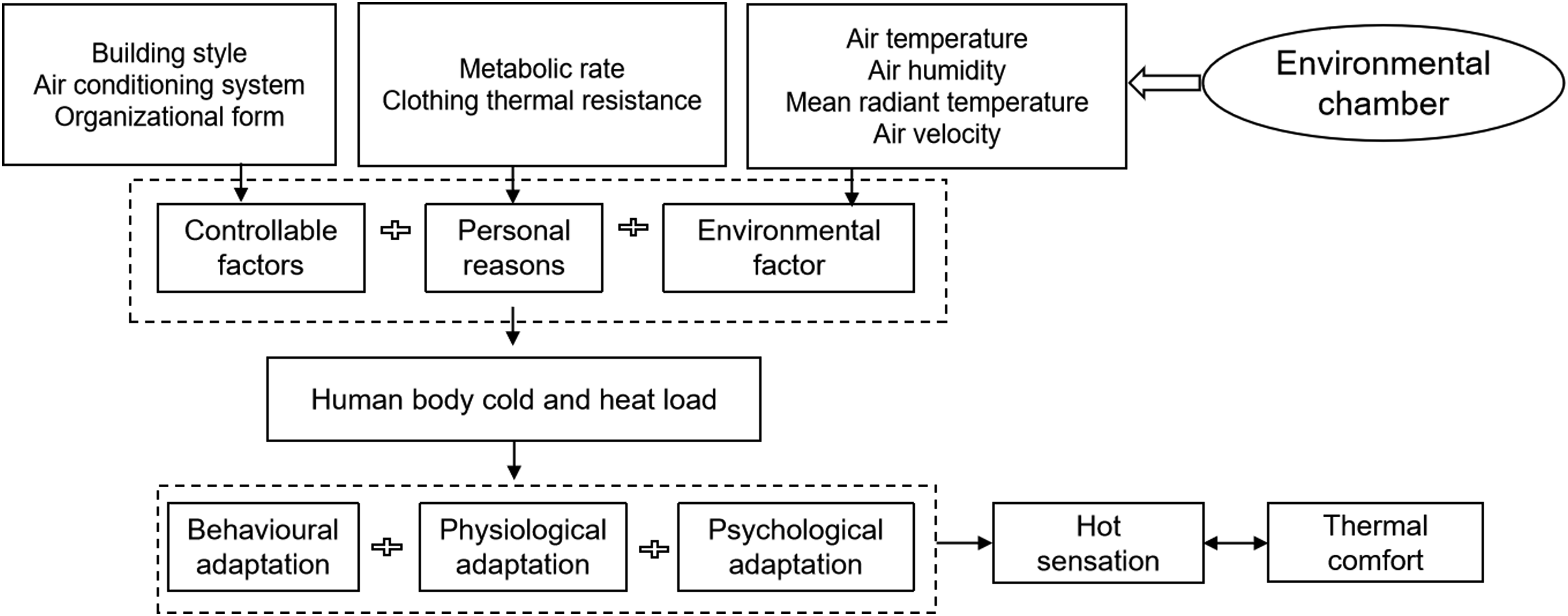
The current use of environmental chambers for evaluating the human thermal comfort and health accounts for about 21.4% of the total study. During such research, the function of the environmental chamber is similar to that of the air conditioner, which is used for simple environmental construction. However, compared with the ordinary air conditioner, it has higher control precision, wider control range and more control parameters, such as the construction of weightlessness state, anoxic state, vacuum state, high pressure state and sand and dust state. Medium- or full-size chambers are mainly used to build all kinds of hot and wet uncomfortable environment, monitor changes of physiological indexes of warm manikin or study the physiological and psychological indicators of human subjects under different thermal history or backgrounds. It is used to reveal the mechanism of human thermal comfort regulation and to provide a reference for the prevention and treatment of some human diseases. Figure 5 shows the conceptual model of human thermal comfort research using environmental chambers. The current research on human thermal comfort and health can be summarized into the following two aspects: (i) Study the way of regulating human thermal comfort. The adjustment of human thermal comfort can be divided into physiological, behavioural and psychological thermal adaptation. Physiological thermal adaptation mainly studies the difference of human tolerance to heat and the change of physiological indexes under different indoor heat experiences and activities such as sport exercises.26,27,30,71–74 The chamber studies have found that the skin temperature,
75
the brain wave
76
and a series of physiological indexes are highly related to thermal sensation voting and thermal comfort, and these can be used as evaluation indexes of human physiological thermal adaptation.
77
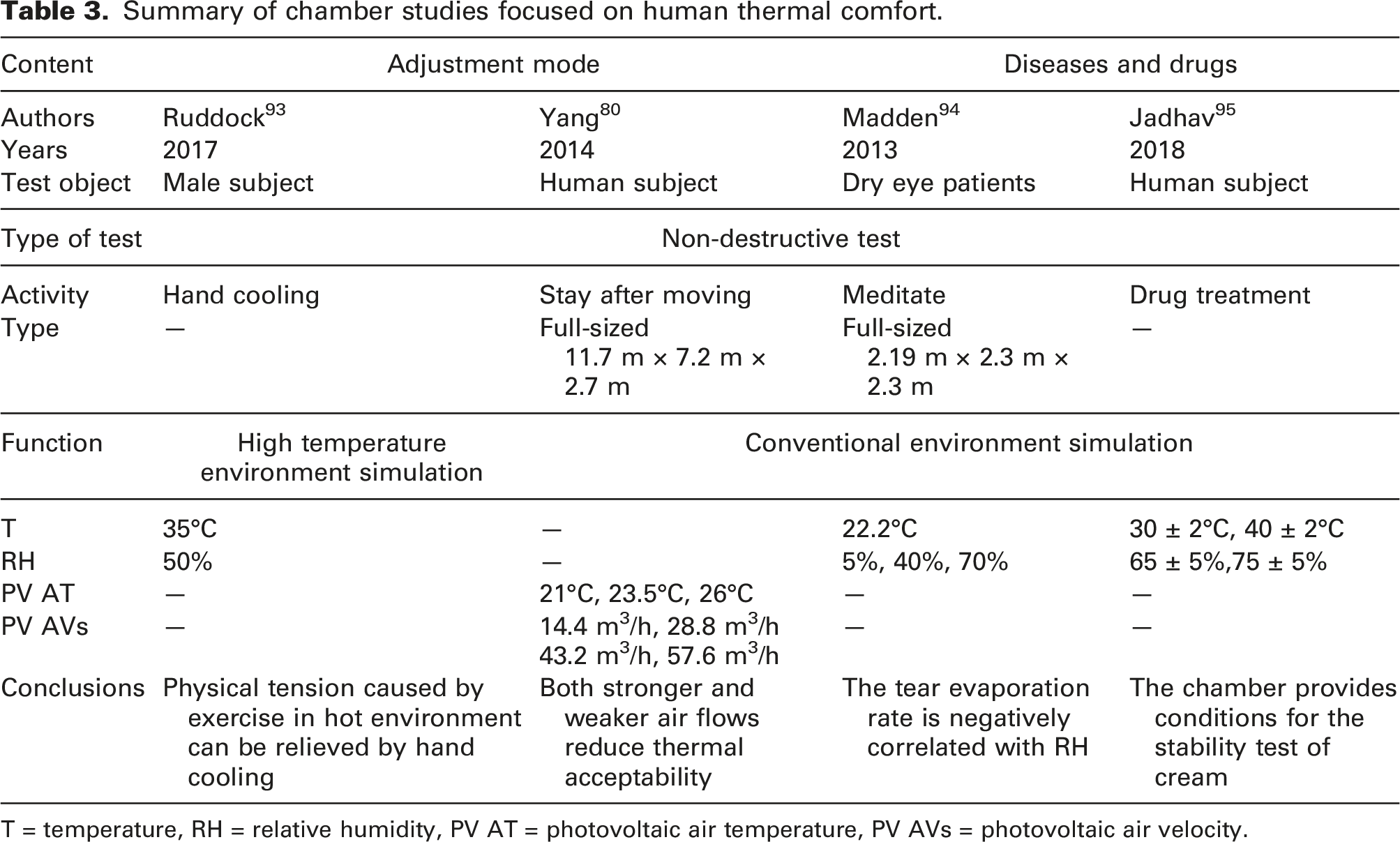
Behavioural thermal adaptation mainly studies the thermal comfort of the human body under different clothing, air conditioning and ventilation environments in environmentally controlled chambers. These studies would provide a basis for formulating relevant norms of human behaviour, ventilation and air conditioning and a reference for clothing and improvement.6,7,78–80 However, there are few studies on simple psychological thermal adaptation, mainly studying the differences in the adaptability of the human body under different environmental backgrounds.81–83 Environmental chamber studies have also found that individuals under different environmental backgrounds can have different environmental expectations, and revealed differences in sources of human thermal discomfort.84,85 (ii) To conduct research on human diseases and drug treatment using environmental chambers. The effects of environmental conditions on respiratory diseases, eye diseases and other diseases and the efficacy of some drugs were studied.86–92 Environmental chambers have been used to study the ocular environment to establish the optimum temperature and humidity conditions to alleviate symptoms of patients and to prevent dry eye diseases or the irritation caused by wearing of contact lens.86,90,91 Also, environmental chambers have been used to simulate altitude-induced acute altitude reaction.
92
Through various environmental chamber studies, temperature, humidity, pressure, oxygen content, airflow velocity and gas composition are known to relate to human diseases, which is conducive to the establishment of prevention and treatment strategies for related diseases. However, the type of disease studied is relatively simple, and other environment-related diseases can be studied. Table 3 summarizes the research related to human thermal comfort. Conceptual model of human thermal comfort.
70
Summary of chamber studies focused on human thermal comfort. T = temperature, RH = relative humidity, PV AT = photovoltaic air temperature, PV AVs = photovoltaic air velocity.
Compared with behaviour and human physiology, psychological adaptation is difficult to show directly in field survey but maybe possible using environmental chambers. 96 In order to carry out more scientific research on human thermal comfort and thermal adaptation, the influence of psychological factors needs to be investigated in the follow-up work.
Development and performance research of new materials and products
The research and development of materials or products usually need to verify the feasibility of their structure and performance, and environmental factors have a great impact on the performance. The environmental chamber method can accurately control various environmental parameters, create various extremely complex environments, help to upgrade products and promote the development of science and technology.
At present, the research on the development and performance improvement of new materials and products accounts for about 19.0%, among which the research and improvement of building materials are the main ones. During the experiment, environmental chambers are needed to control the basic parameters such as temperature, humidity and air velocity, and also the contrast and rainfall would need to be controlled to simulate the phenomena of sunshine and rain in the natural environment. In the research, environmental chambers mainly serve the purpose for environmental construction, but for the air conditioning and ventilation, the structural form and equipment layout position of the environmental chamber would need to be adjusted according to the research purpose. In addition to some building materials, complete products should be used for the test. In order to conduct non-destructive testing, researchers would make reasonable selection of the environmental chamber according to the volume of the object to be tested and the actual requirements of the test. The current research on new materials and products is summarized into the following four aspects: (i) To conduct research on special clothing. Usually, medium- or full-size environmental chambers are used to simulate the environment of subterranean mine, high temperature operation and fire scene, and study the thermal performance and thermal comfort performance of special functional clothing.97–101 The above research provides guidance for the replacement and improvement of professional clothing based on environmental chamber studies, which can prevent heat-related diseases or injuries. (ii) To conduct research on sensors, batteries, etc. When conducting sensor research, the applicability and sensitivity are usually studied. The temperature, humidity, pressure, gas concentration, illuminance and other parameters are adjusted according to the principle of the researched sensor, and the small-sized environmental chamber is the main method for this type of study.102–107 According to various studies, the sensitivity, frequency range, stability, repeatability and other parameters should be fully considered when selecting sensors. When studying the performance of batteries, especially automotive batteries, small environmental chambers are often used to simulate extreme environments.108–113 The cooling performance, thermal insulation performance and start-up performance in extreme environments are important indexes that could affect the safety and durability of batteries. Therefore, the application of environmental chamber to study the battery performance not only ensures the safety but also improves the utilization efficiency of resources. (iii) To conduct research on various building materials. Generally, medium-sized or full-sized environmental chambers are used to simulate the environment such as wind, sunshine and rain to study the thermodynamic properties of building basic materials, building envelopes and protective materials.114–118 In addition, those environmental chambers with two adjacent cabins that can create indoor and outdoor environments at the same time are usually used to study the thermal and moisture properties of walls. Through the above studies, we found that thermal physical property parameters can be improved by studying the changing of the material composition, volume, production techniques, environmental parameters, etc., using environmental chambers. (iv) To conduct research on various building equipment. Medium-size or full-size environmental chambers are used to improve the performance of air conditioning, ventilation, heating equipment and system.80,119–123 At present, there are few research studies on collaborative operation and intelligent control between devices, which should be studied further. Table 4 summarizes the research situation related to the development and performance of new materials and products. Summary of the studies focused on materials and products. T = temperature, RH = relative humidity, WV = wind velocity, O3 conc = ozone concentration, UV = ultraviolet.
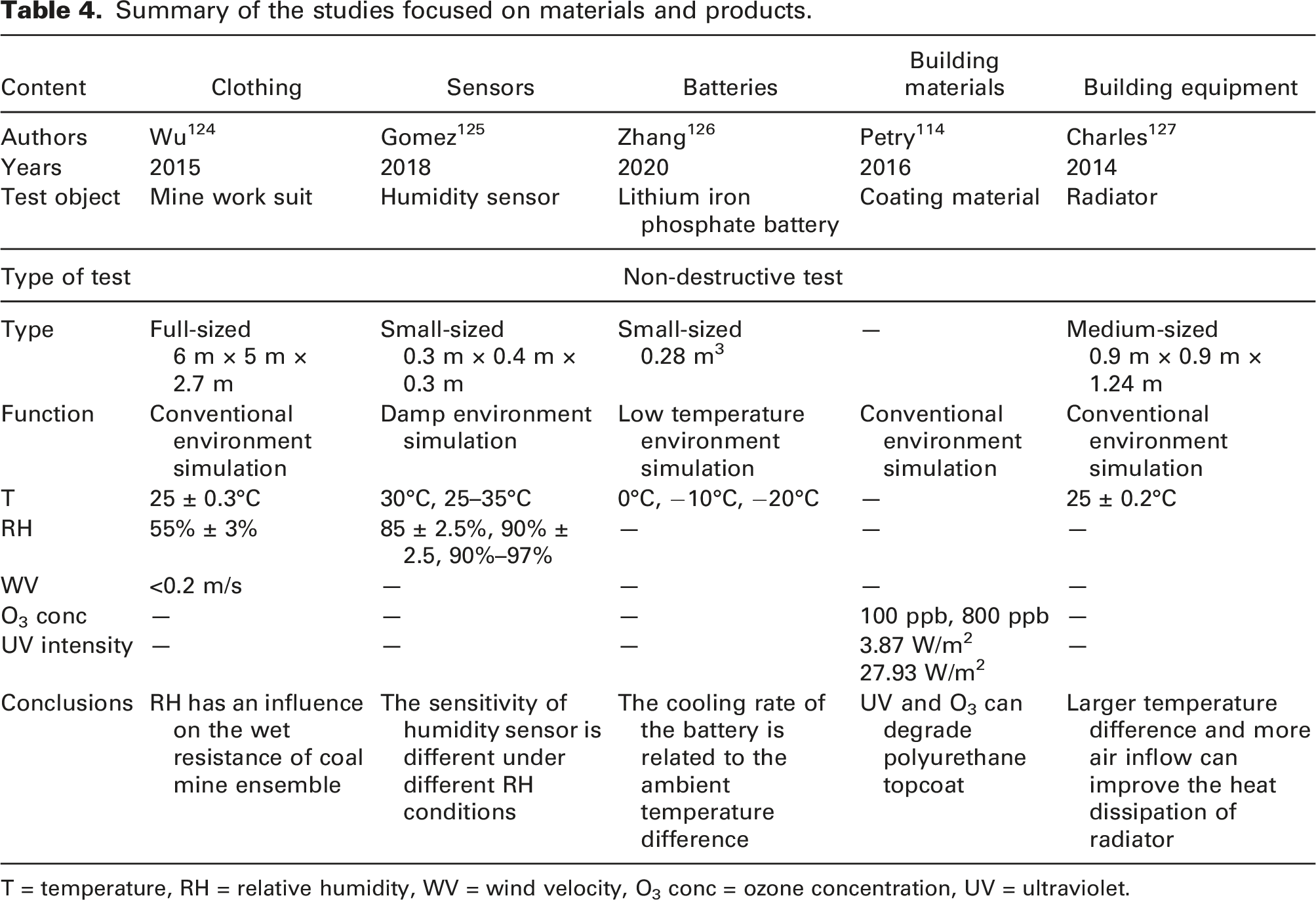
The research on materials and products using environmental chambers would provide a reference for the establishment of performance testing standard methods and procedures to evaluate the merits and applicability of materials and equipment. In addition to the existing research, the sensitivity, accuracy and scope of application of various instruments, high temperature alarm system, temperature and humidity measurement and automatic control system can be studied in the follow-up based on environmental chambers.
Investigation of other organisms
Research on other living organisms can ensure us to pursue economic development while reducing the destruction and plunder of nature and promote the harmonious coexistence between man and nature. In the process of long-term development and evolution, we should also strengthen the understanding and management level of other life forms.
At present, there are about 179 articles using environmental chambers to conduct research on animals, plants, microorganisms and other living organisms, accounting for 14.4%. Among these, the studies on animal behaviour and plant growth are the main research, with a total of 100 plant-related studies, 65 animal-related studies and 14 microbial-related studies. These studies have greatly improved human cognition and management level of other organisms. In the research, the environmental chamber is mainly used to simulate the living environment of organisms in order to study some behaviours of organisms. The parameters controlled by the environmental chamber were mainly temperature, humidity and light intensity, and the size and type were determined according to the content to be studied, but the specific parameters were rarely mentioned in the literature. Specific research on animals, plants and microorganisms is as follows:
Animals
At present, heat stress behaviour, cold tolerance, wintering behaviour, development status, predation behaviour, avoidance behaviour, sleep status and survival rate of cattle, mice, pigs, chickens and some insects are mainly studied in environmental chambers.128–132 From the current research, we can find that the reactions and behaviours of different animals can vary greatly, but all of them are based on better adaptation to the environment.
Plants
Currently, barley, wheat, rice, potato and other food crops are mainly used as research objects to study the effects of temperature, humidity, light, soil pH, soil composition, gas concentration and other parameters on photosynthesis, respiration, seed germination, growth and reproduction, cold tolerance and so on in environmental chambers. 133–137 From current studies using environmental chambers, we can find that plant metabolism, growth and reproduction are influenced by temperature, drought, CO2 enrichment, diurnal factors and soil fertility.
Microorganisms
Summary of the environmental chamber studies focused on other living organisms.
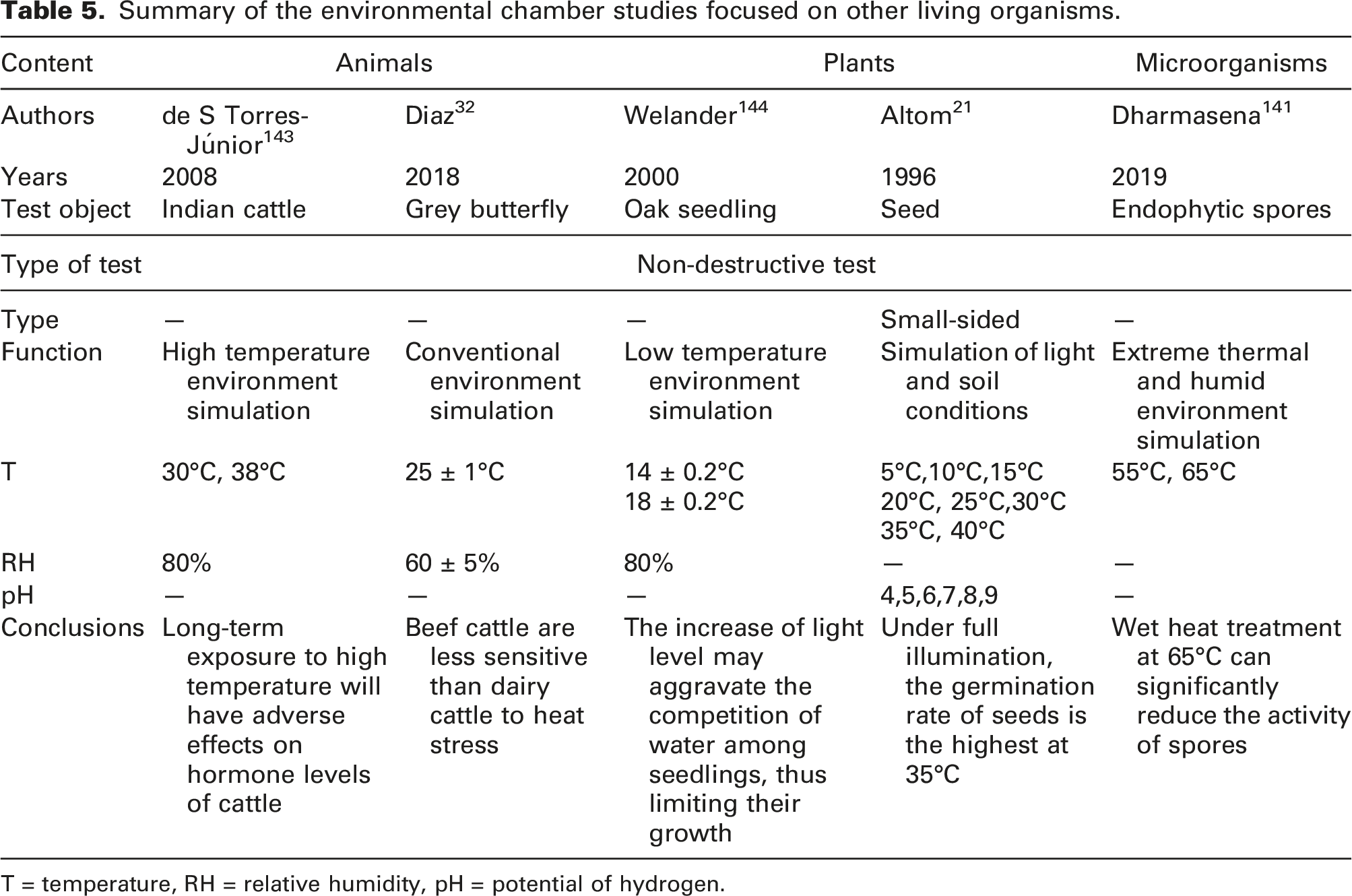
T = temperature, RH = relative humidity, pH = potential of hydrogen.
Research in environmental chambers that has been reported in literature, so far, has laid a foundation for the prevention and control of harmful animals and plants, and also provided a reference for the breeding, cultivation and protection of beneficial animals and plants. However, these previous research findings mainly focused on animals and plants themselves, but there is little research on the impact of animals and plants on the environment and human beings.
Future development and challenges
By analysing the existing application results of environmental chambers, there are still some shortcomings and deficiencies in environmental chamber technologies, and there are many aspects that can be reformed and applied.
Shortcomings and deficiencies of environmental chamber technologies
High construction and operation costs: High-precision equipment and high electricity consumption have led to huge construction and operating costs for the environmental chamber.
Long regulation time of environmental parameters: Due to the large cabin space and the ageing of the control equipment, the existing full-size environmental chamber generally has the disadvantage of long adjustment time, which is difficult to meet the needs of rapid regulation.
Loud noise in operation: The huge noise during the operation of the environmental chamber will have a certain impact on the physiology and psychology of the research subjects, thus affecting the reliability of the experimental results.
Obvious draught sensation of full-size environmental chambers: The large air supply and return volume in the chamber could bring a clear draught sensation, which could have a certain impact on the experiments that need to control the air volume and wind speed.
The pollutants emitted by the environmental chamber itself are not easy to control: When conducting research on pollutant emission, a series of pollutants emitted by the environmental chamber itself may have a certain impact on the experimental results.
The existing applications are not comprehensive to the function of environmental chamber: Most of the existing studies only apply the temperature and humidity regulation function of the environmental chamber, but seldom involves the parameters such as sunshine, rainfall, air pressure, cleanliness and the simulation of dynamic environment.
Explore the direction of transformation
Research on intelligent controller applied to environmental chambers: Traditional PID controller is difficult to find the optimal control parameters, which could affect the control time of environmental chamber. Combined with genetic algorithm control algorithm, neural network control algorithm, adaptive control algorithm, fuzzy control algorithm and other intelligent algorithms, 145 intelligent PID controller can greatly provide the control efficiency of the environmental chamber.
Abundance of control parameters: The newly reconstructed environmental chamber can start from the aspects of snowfall, noise intensity, illumination direction, illumination frequency, light source type, particle size, particle type and air oxygen content, so to meet more research needs.
Abundance of simulated environment: The environmental chamber can be reconstructed later to simulate the soil environment, desert environment, mobile vehicles environment and so on. For example, we can try to install dynamic seat simulator, seat heating device and seat ventilation device in the full-scale environmental chamber to study the comfort of common mobile vehicles.
Development of wind tunnel coupled environmental chamber: When studying the performance of air conditioners or automobiles, it is often necessary to consider temperature, humidity, air volume, wind field, etc., and the wind tunnel coupled environmental chamber can meet this demand well.
Application direction expansion
Research on pollution emitted by human body: Although human body is the main service object of indoor environment, it is also one of the indoor pollution sources. The study on pollutant emission of people with different activity levels and characteristics by using environmental chambers can provide guidance for ventilation in different occasions.
Research on the impact of indoor and outdoor pollutant migration: Indoor and outdoor environments interact and influence each other, while existing studies mostly focus on one side of the environment, indoors or outdoors. The study of indoor and outdoor pollutant migration using the environment chamber can be used as a reference for guiding human behaviour.
Research on the comfort of special people: The existing research on thermal comfort mostly takes young people with standard body shapes as the research object, while different groups have different environmental requirements because of their different acceptance of the environment. Using the environmental chamber to study the comfort of the elderly, children, obese people, etc., can better achieve personalized environmental control.
Research and treatment of acute diseases: At present, the diseases studied using environmental chambers are still relatively simple and many human diseases, such as diseases associated with the air conditioning, are usually related to the individual’s environment. Subsequently, the environmental chamber can be used to create an environment of high temperature and hypoxia to study other environment-related acute diseases such as heat stroke and acute altitude sickness, so as to provide a basis for the prevention and treatment of the disease.
The richness of researched performance of materials and equipment: The environmental chamber can be used to verify certain simulation results.146,147 In addition to thermal performance experiments, it can also be used for noise experiments, vibration experiments, moisture absorption and proof experiments.
Research on intelligent control of construction equipment: At present, the control of many equipment only stays in the state of intelligent on and off, and the intelligent research of equipment in the application of environment chamber can promote the intelligent development of building equipment. 148 For example, intelligent sunshade equipment can be studied by adjusting solar radiation intensity in the chamber, and intelligent ventilation equipment can be studied by adjusting wind speed.
Studies on the activity of bacteria and viruses: SARS, COVID-19 and various infectious diseases have brought great threats to the survival and development of human beings. Using environmental chambers to study the activity of bacteria and viruses can make people better grasp the outbreak rules of various viral diseases, so to carry out corresponding countermeasures.
Fresh-keeping treatment of food and medicine: With the demand for long-distance material support during the epidemic situation, the research on sterilization and fresh-keeping of food and medicine by using environmental chambers is beneficial to better guarantee the living needs of people in disaster-stricken areas.
Footnotes
Contributions of the authors
XZ (MD student) was responsible for the drafting the paper. DX (professor), LZ (PhD student) and CY (professor) provided suggestions and guidance for the improvement of the paper. CY was also responsible for the inspection review, editing and improvement of the paper.
Declaration of Conflicting Interests
The author(s) declared no potential conflicts of interest with respect to the research, authorship, and/or publication of this article.
Funding
The author(s) disclosed receipt of the following financial support for the research, authorship, and/or publication of this article: This project was supported by the National Natural Science Foundation of China and Science and Technology Department of Hunan Province.
