






Abstract
This study utilized a questionnaire survey to collect data from 265 residents in Changchun, encompassing building characteristics, ventilation frequency and overall satisfaction with the indoor environment. Statistical analysis revealed significant disparities in ventilation frequency and satisfaction with indoor temperature. The survey results indicate that the primary mode of indoor air exchange amongst Changchun residents is window ventilation, accounting for 93%. Field tracking was conducted to measure indoor air concentrations of volatile organic compounds (VOCs) in residential buildings during winter and summer seasons. The study revealed a significant increase in the average indoor/outdoor (I/O) ratio of the targeted 25 VOC concentrations in winter, rising from 10.8 to 17.7. The findings underscore indoor sources as predominant contributors to the measured VOCs. Temperature, humidity and room functions are the main factors affecting VOC concentration. Higher temperatures and increased relative humidity both contributed to elevated indoor VOC levels. This study recommended the opening of more windows during high temperature and high humidity in summer, to maintain good indoor air quality and effectively age the emission of VOCs from furniture. This study contributes to the enhancement of the database on indoor air quality and effective ventilation strategies in cold regions for safeguarding public health.
Keywords
Introduction
Amidst accelerated industrialization and urbanization, air pollution, characterized by a complex mixture of particulate and gaseous contaminants, has emerged as a critical global environmental challenge. 1 In 2016, the World Health Organization (WHO) 2 designated air pollution as the predominant global environmental threat. Indoor air pollution is identified as the third major cause of air pollution globally, preceded only by bituminous coal and photochemical smog pollution. 3 The report from the American Thoracic Society workshop 4 underscores the notable impact of indoor air pollution sources on outdoor air quality and public health challenges. This report advocates identifying and reducing indoor pollutant sources as a strategy not only to enhance public health but also to contribute to solving the climate crisis. Air movement and air quality are amongst the factors that are reported as having significant impacts on indoor environmental satisfaction and productivity. 5 The emissions and concentrations of volatile organic compounds (VOCs) from indoor environments are strongly associated with human health. 6 Amongst them, VOCs from building and decoration materials have a direct impact on human health. 7 The harm of excessive indoor VOCs to human body is mainly manifested in the stimulation of human respiratory system and immune system, causing such symptoms as asthma, respiratory infection, measles, nausea, retching and coma when serious.8–10 A few of them have the potential to lead to long-term health consequences, including cancer.
The seasonal variations in concentrations of VOCs in residential buildings are influenced by various factors such as temperature, ventilation and building materials. In a study involving eight urban residences in Beijing, concentrations of 43 types of VOCs were measured both indoors and outdoors. Using indoor/outdoor concentration ratios, researchers identified 36 species with significant indoor sources, and an emission intensity estimate for these VOCs was calculated through a single-chamber steady-state model. 11 Recently, Zhao et al. 12 utilized the Indoor Air Quality Climate Change (IAQCC) model to simulate medium and long-term indoor limonene concentrations. The results showed that in different future scenarios, the indoor limonene content continued to increase due to the increase in temperature and the increase in limonene emissions from furniture and building materials. Li et al. 13 employed a multi-household pollution estimation method to calculate the total emissions of ten types of atmospheric pollutants, including VOCs, from straw burning for heating in rural areas of Liaoning, Jilin and Heilongjiang provinces during winter. Additionally, a study revealed a broader variety of VOCs in summer than in winter within a newly built apartment in Beijing, with summer concentrations being 3–10 times higher than in winter. Inconsistent with Liang et al., 14 Kang et al. 15 studied the emission and sorption characteristics of adhesive-bonded materials installed in a residential unit with a radiant floor heating system. During the winter season, when windows are typically shut and ventilation is limited, the effect of floor adhesive on the increase of indoor concentration would be at its maximum level. Therefore, conducting on-site measurements to accurately assess the trends in seasonal variations becomes essential.
Mechanical and natural ventilation are fundamental methods that have been employed to address the issue of indoor air pollution in residential buildings. 16 Ma et al. 17 investigated indoor air quality (IAQ) in a primary school in Shenyang. These findings demonstrated that the ventilation rate is grossly inadequate during approximately 99% of class time because of infrequent opening of windows. Stamp et al. 18 studied five low-energy apartments in London and showed seasonal variations in ventilation, with the average ventilation rate increasing from 0.7 h−1 in the heating season to 1.6 h−1 during the summer. Currently, buildings are constructed with significantly greater airtightness specifications to avoid unregulated heat loss through ventilation. 19 As a result, mechanical ventilation systems are now increasingly utilized to meet energy efficiency and ventilation standards. The transition from buildings that rely on air leakage for infiltration to tightly sealed buildings that rely largely on mechanical ventilation represents a significant cultural shift. 20 To improve IAQ in nursery buildings in the United Arab Emirates, Arar et al. 21 recommended the use of ventilation equipment to expel contaminated air. Each nursery room was equipped with a system enabling the combined use of natural and mechanical ventilation. This approach resulted in a significant reduction, with an average decrease of 52.94% in total volatile organic compounds (TVOCs) concentrations before and after installing the ventilation system. Such findings underscore the system’s efficacy in lowering pollutant levels within nursery environments. Gonzalo et al. 22 emphasized the dilemma of increasing ventilation rates, particularly in cold climates like New England, where mechanical ventilation systems may introduce substantial thermal loads and incur high costs. Despite the absence of mechanical ventilation systems in all case studies, natural ventilation and air leaks have proven sufficient to maintain acceptable levels of VOCs and PM2.5 concentrations for the majority of the observed time. Huang et al. 23 and Sun et al. 24 conducted long-term monitoring of residences equipped with mechanical ventilation systems in the northeast region, analyzing the pollution characteristics of indoor VOCs and demonstrating the efficacy of mechanical ventilation in reducing VOC concentrations. However, this study focused on the prevalent natural ventilation approach in the northeast area, exploring strategies to maintain indoor environmental quality through ventilation. Any health-based ventilation standards or strategies must first understand the pollutants of concern, define acceptable exposure concentrations, and comprehend indoor sources and their strengths. However, advancements are impeded by a scarcity of information on the contributions of different indoor sources, exposures and the effects of residents’ behaviours. 25 The behaviour of occupants is greatly influenced by the characteristics of buildings. For example, the opening and closing of windows are largely determined by the type of dwelling, ventilation strategy and heating system. 26 The steep increase in the proportion of open windows was observed when the outdoor temperature exceeded 12.7°C. Window closing behaviours were explained by thermal stimuli. 27 Due to the large temperature difference between indoor and outdoor and poor ventilation rate, VOC content of indoor air in cold regions during heating period would need further consideration. All ventilation strategies should simultaneously prioritize health and comfort. In winter, the doors and windows of residential buildings are predominantly kept closed, primarily to prevent the discomfort caused by the infiltration of cold air. Consequently, in colder seasons, the practice of briefly opening windows may prove insufficient for ensuring adequate ventilation, which is essential for maintaining acceptable indoor air quality. This limited ventilation can lead to the accumulation of pollutants indoors, as the exchange of indoor and outdoor air is significantly reduced. Prolonged exposure to such an environment can have adverse health effects on occupants. Therefore, the exploration of alternative ventilation strategies is imperative, to effectively mitigate the risk of indoor air pollution during the colder months, while still maintaining thermal comfort within the residential environments.
While substantial research has been conducted on improving indoor VOC levels using mechanical ventilation strategies in cold regions, studies focusing on natural ventilation strategies are notably scarce. To address this gap, this study initiated with a questionnaire survey amongst residents of Changchun City to assess indoor environmental states and resident satisfaction. Preliminary findings indicated a significant deficiency in window ventilation during the heating season, prompting further field measurements across 15 households during both heating and non-heating periods to thoroughly evaluate indoor air quality. The primary aims of this study are: (1) To investigate into the indoor air pollution levels within Northeast China. (2) To evaluate the seasonal variations in indoor and outdoor VOC concentrations, analyzing their main sources of pollution. (3) To examine the correlations between TVOC concentrations and environmental parameters, providing well-founded recommendations for ventilation practices.
This research could contribute significantly to the knowledge base on managing indoor air quality, offering actionable insights for residents, policymakers and researchers.
Materials and methods
Study area description
Located in Northeast China and the capital of Jilin Province, Changchun has a temperate monsoon climate. The number of winter days is more than 180, accounting for half of the whole year. The average winter temperature is −12°C; December to February is the coldest time of the year, the temperature is −5 ∼ −30°C. As people spend 80% of their time indoors, indoor environment and indoor air quality are particularly important to residents due to the climate characteristics of cold areas like Changchun. Figure 1 shows the location of Changchun. Location of Changchun, Jilin Province, China.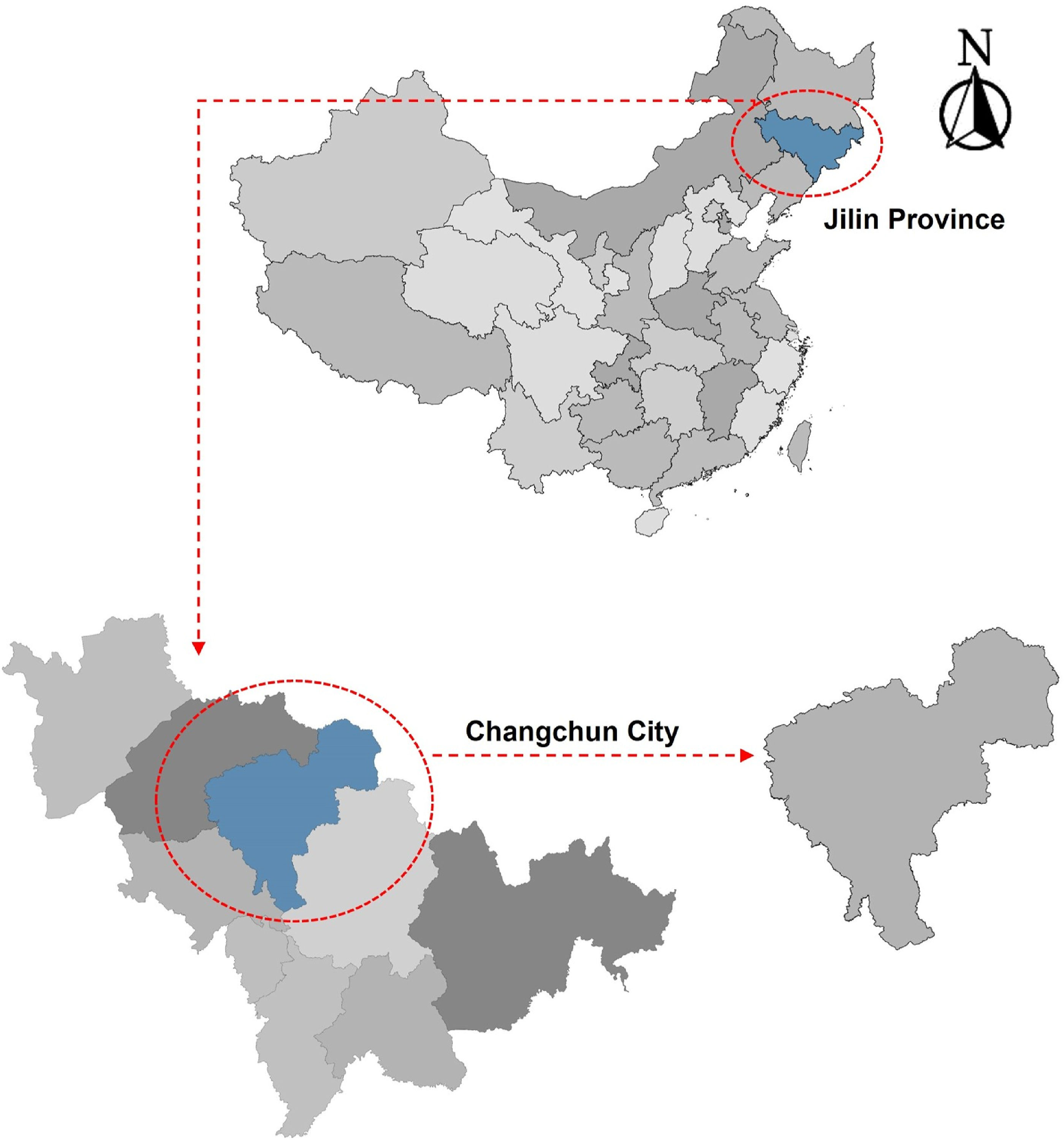
In this paper, the indoor air quality of residential buildings was studied in more detail, and the evaluation system suitable for the cold area in Northeast China was sought, and the relevant database was established. The selection of field measurement site is Changchun, a typical city in Northeast China. The measured objects include indoor thermal and humid environment of buildings, auxiliary parameter atmospheric pressure and VOC pollutants in indoor air.
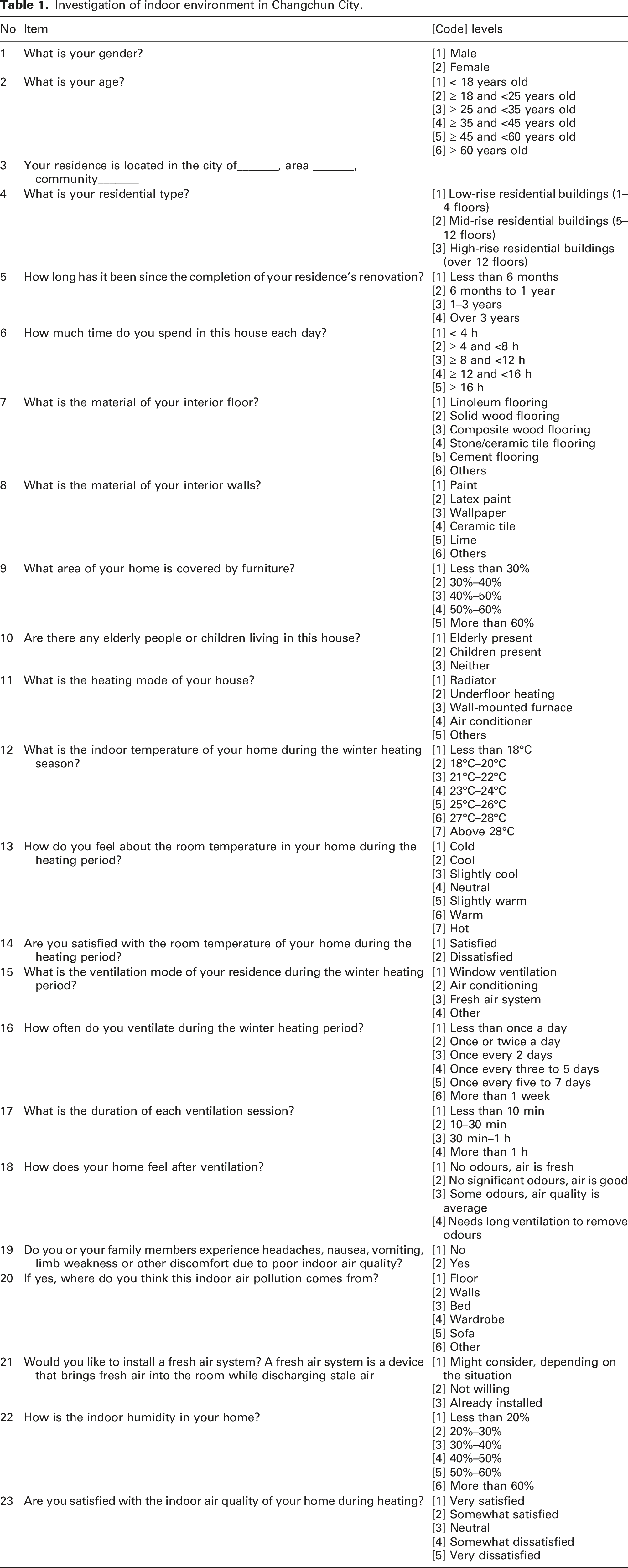
Questionnaire
Investigation of indoor environment in Changchun City.
Field measurement
The indoor and outdoor thermal environment parameters (temperature and relative humidity) and air quality parameters (including TVOCs and VOCs) were measured during 7–21 June 2021 (summer) and 6–20 December 2021 (heating period). These measurements were taken in 15 households, selected from 265 that had completed renovations more than 3 years prior, based on their willingness and availability to participate. Air samples were collected in the living room, kitchen, bedroom and outside of each house. All sample dwellings utilized natural ventilation. The quality evaluation and inspection methods adopted in this study adhered to the Indoor Air Quality Standard of China (GB/T 18883-2002), 28 which is applicable to residential buildings. This standard serves as a minimal benchmark for environmental health in living spaces and is the fundamental basis for assessing the environmental protection of housing. VOCs are organic chemical compounds whose composition makes it possible for them to evaporate under normal indoor atmospheric conditions of temperature and pressure. The concept of TVOC, which represents the total amount of VOCs in a given space, is complex, with definitions varying across different standards and organizations. In this standard, TVOC is defined as the total amount of VOCs analyzed using a non-polar chromatographic column, with retention times between n-hexane and n-hexadecane, sampled using Tenax TA. The standard specifies that the concentration of TVOC in indoor air must not exceed 0.60 mg/m3.
Measuring instrument parameters.
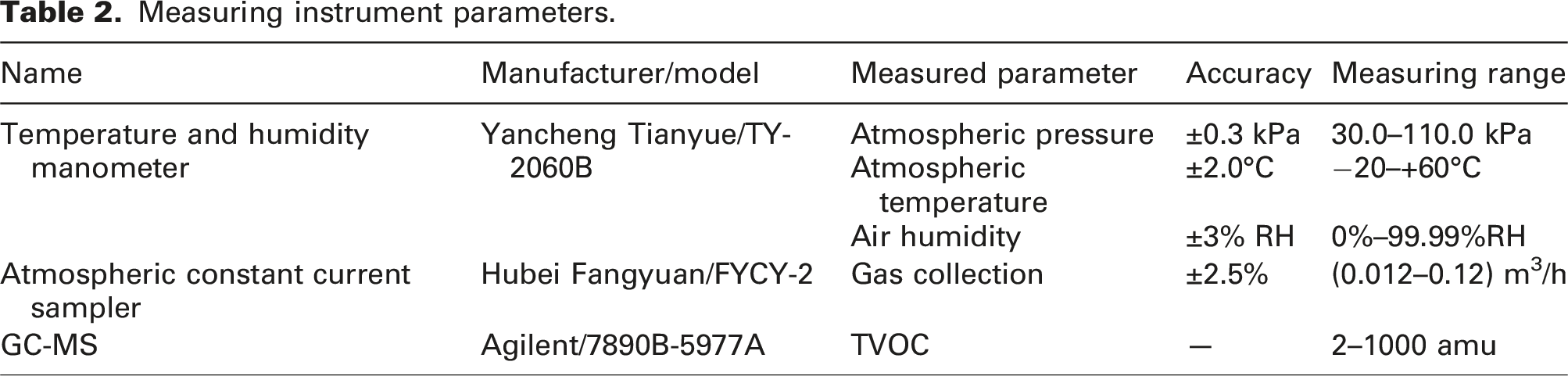
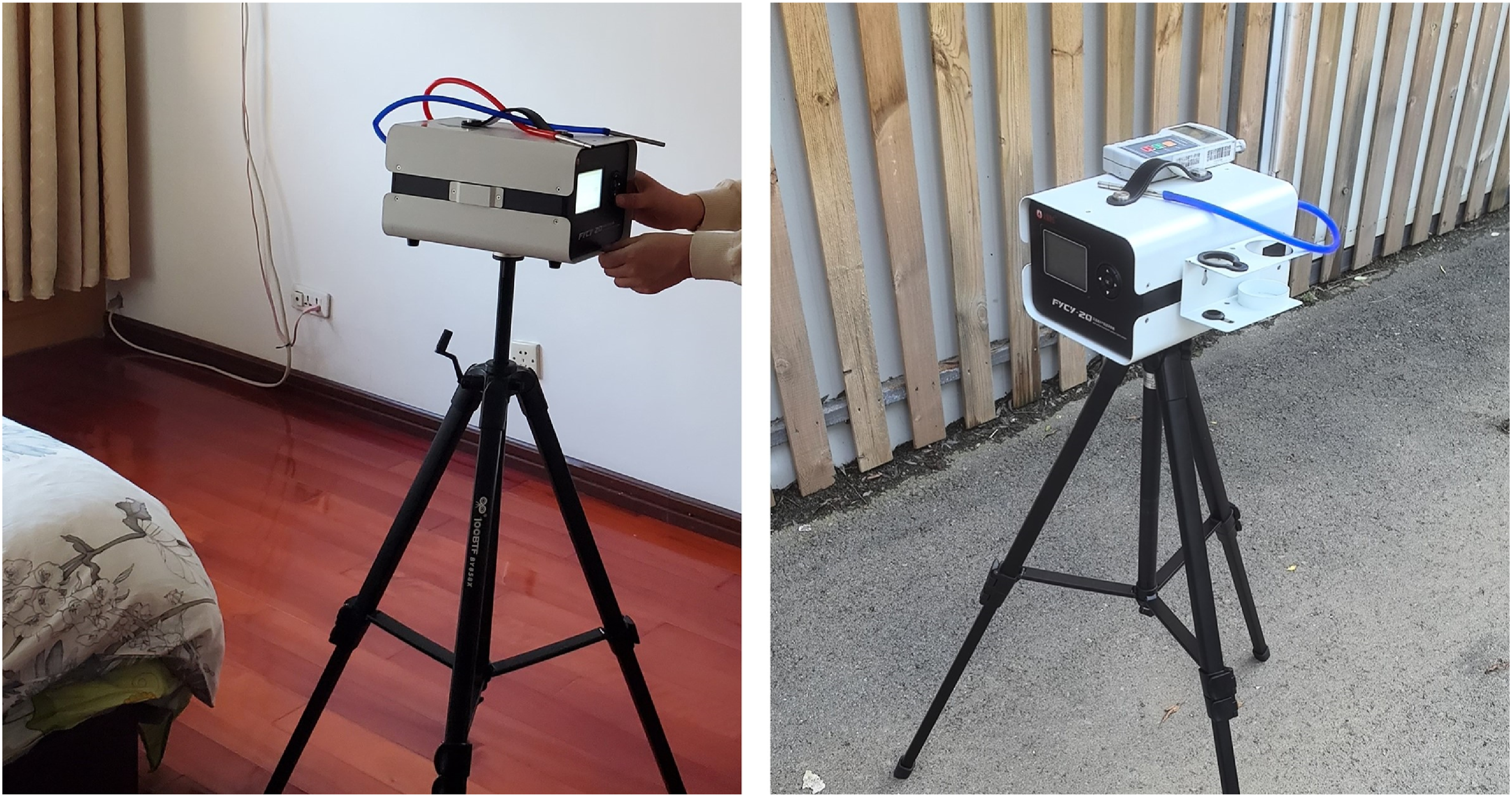
Indoor and outdoor sampling points.
The experiment was carried out with precautionary measures, in a steady-state, controlled (sealed) environment to negate the effects of ventilation, wind speed and external pollutants. The Tenax TA adsorption tubes were transported to the laboratory within 7 days for analysis. Analytical procedures were performed using a thermal desorber (Markes International Ltd, Unity™) equipped with a 100-position autosampler (Markes mod. ULTRA™ TD), coupled with a gas chromatograph (Agilent GC-7890B) and a mass selective detector (Agilent MS-5977A). The tubes were desorbed in the thermal desorber at a temperature of 250°C for 10 min, with the internal trap desorbing at 300°C for 3 min to rapidly channel the desorbed gases into the gas chromatograph for separation. The oven’s initial temperature was maintained at 50°C for 10 min, followed by a programmed temperature increase at a rate of 5°C/min up to 250°C, sustained for 2 min. The ion source temperature was set at 230°C. The mass spectrometer operated in full ion scan mode, scanning the entire range (35 ≤ m/z ≤ 270). This setup facilitated both the qualitative identification of VOC types and the quantitative determination of VOC concentrations in indoor air.
Quality assurance and quality control (QA/QC)
The study included a comprehensive QA/QC program involving blanks, duplicate samples and detection limits. Before use, Tenax TA adsorption tubes were activated by heating with ultra-pure N2 at 350°C for 30 min. After activation, the tubes were sealed at both ends and stored under dry conditions. The pump was calibrated with a flow controller (Bios Defender 510, USA) before each sampling. Flow quantities were recorded at the start and end of sampling to ensure stability, with a flow meter calibrated to a relative deviation of less than 5%. After sampling, the adsorption tubes were removed, sealed and placed in airtight metal containers. Temperature, humidity and atmospheric pressure were recorded during sampling.
Each sampling session included the collection of a field blank sample. These were aged sampling tubes transported to the sampling site, re-sealed without collecting any samples, and stored with the collected sample tubes. Additionally, laboratory blank samples consisted of adsorbent tubes that remained unexposed, where no VOC concentrations were detected, indicating minimal laboratory contamination. Good consistency was found in duplicate samples with a relative standard deviation of less than 15%.
Calibration curves, LOD and LOQ of 16 characteristic target compounds of VOCs.
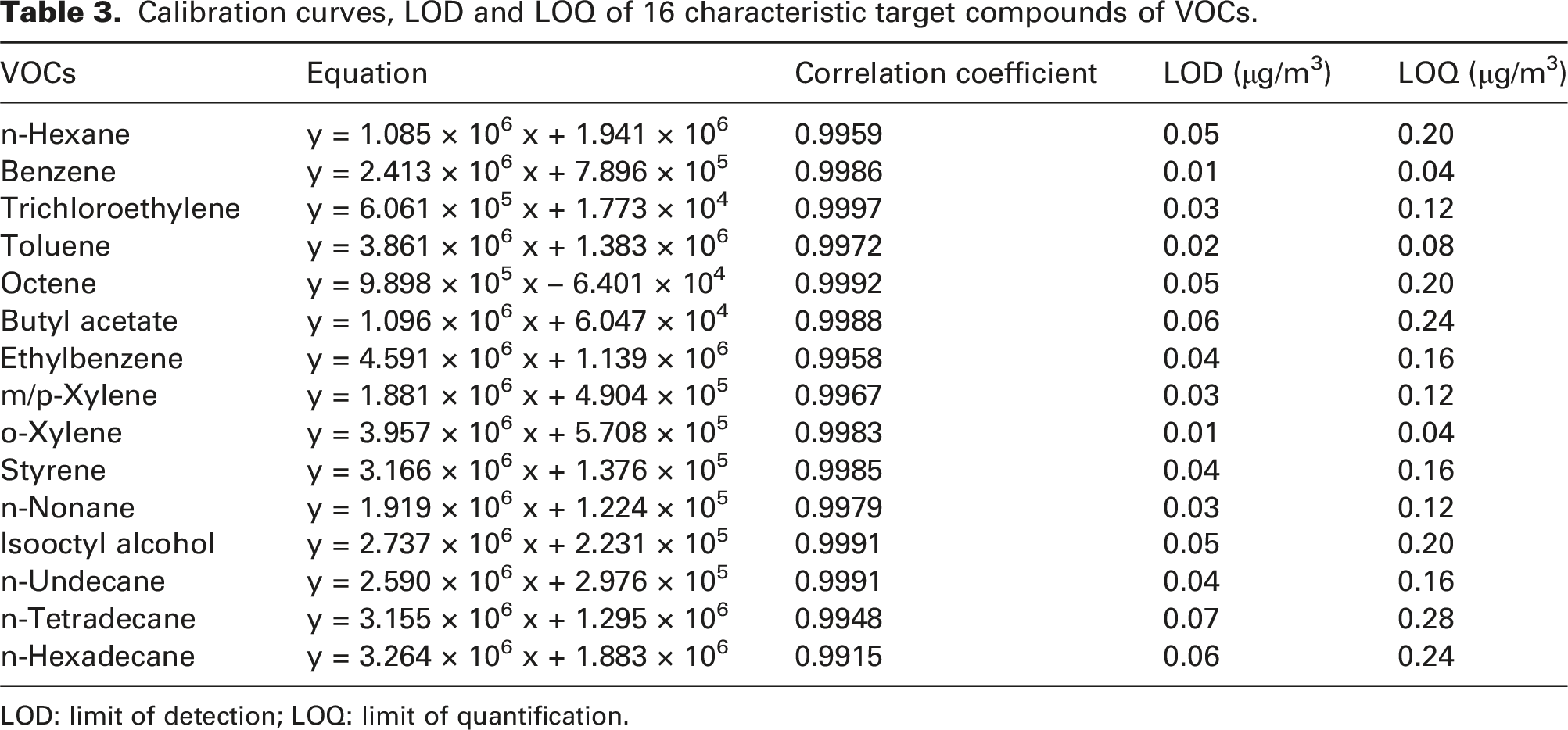
LOD: limit of detection; LOQ: limit of quantification.
Data processing and statistical analysis
This study employed a comprehensive methodological approach to assess the factors influencing indoor air quality, particularly focusing on the concentration of VOCs. Initially, data were gathered through a structured questionnaire, which was distributed to a representative sample of the population. The questionnaire was designed to capture detailed information on various indoor environmental parameters, including ventilation frequency and the occupants’ perceived satisfaction with indoor temperature. Upon collection, the questionnaire responses were systematically analyzed using SPSS software (Version 19.0). This analysis primarily involved the application of Chi-square tests to evaluate the statistical significance of associations between the reported ventilation frequency and the satisfaction levels with indoor temperature. Furthermore, to complement the questionnaire data, field measurements of key environmental parameters were conducted. These parameters included indoor temperature, humidity and the concentration of TVOCs. The field data were collected using standardized instruments and protocols to ensure accuracy and reliability. Subsequent to data collection, a regression analysis was performed on these measured variables. This analysis aimed to identify and quantify the influence of various environmental factors on the indoor air concentration of VOCs.
Overall, the combination of questionnaire data analysis and field measurements provided a holistic understanding of factors affecting indoor air quality, particularly in relation to VOC concentrations. This methodological approach was designed to ensure a comprehensive and accurate assessment, contributing valuable insights to the field of indoor air quality research.
Results and discussion
Questionnaire analysis of the indoor environment
Residential characteristics
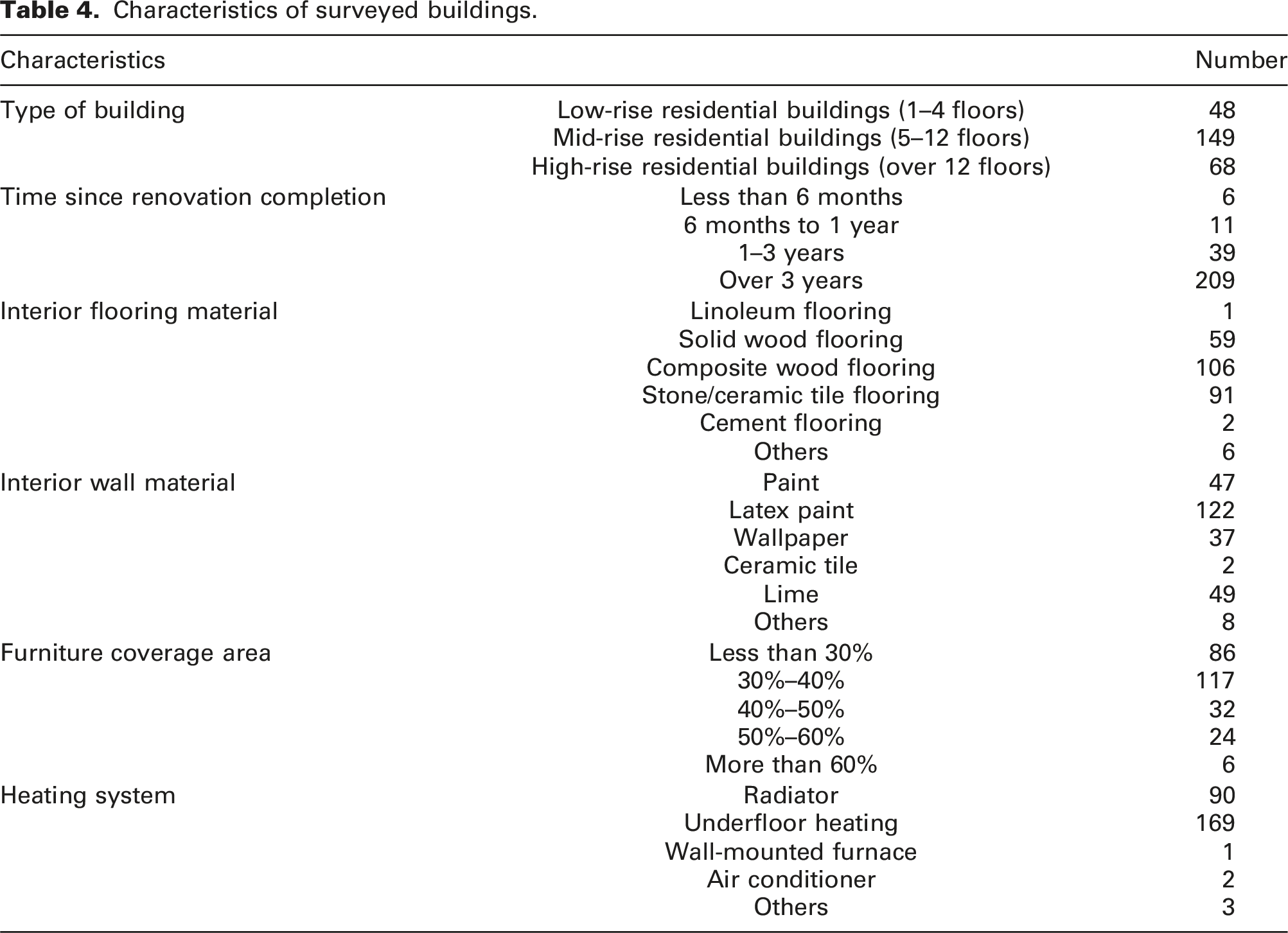
In the demographic composition of Changchun, as investigated in this study, there is a notable prevalence of an ageing population. Respondents aged over 35 years constitute 70% of the samples, and a significant 70% of the adult participants reported living with elderly individuals or children. Concurrently, high-rise residential buildings represent 50% of the city’s housing stock. Coupled with Changchun’s cold winter climate, these factors contribute to residents’ reluctance to venture outdoors. Survey results indicate that respondents typically engage in indoor activities for more than 12 h daily. Therefore, the data suggest that during winter in Changchun, predominantly adults, particularly males, venture outside for work and other necessities. In contrast, the elderly, children and some adult women spend considerable time indoors.
Characteristics of surveyed buildings.
Indoor temperature
The minimum heating standard in Changchun is 18°C. During the heating period, the indoor temperature of residents and users should not be lower than 18°C day and night. As shown in Figure 3, there were still 9.47% respondents whose indoor temperature was below 18°C, and the heating effect needs to be improved. Residents were apparently more satisfied with room temperature when it was above 23°C. The indoor temperature of the residential buildings during the winter heating season.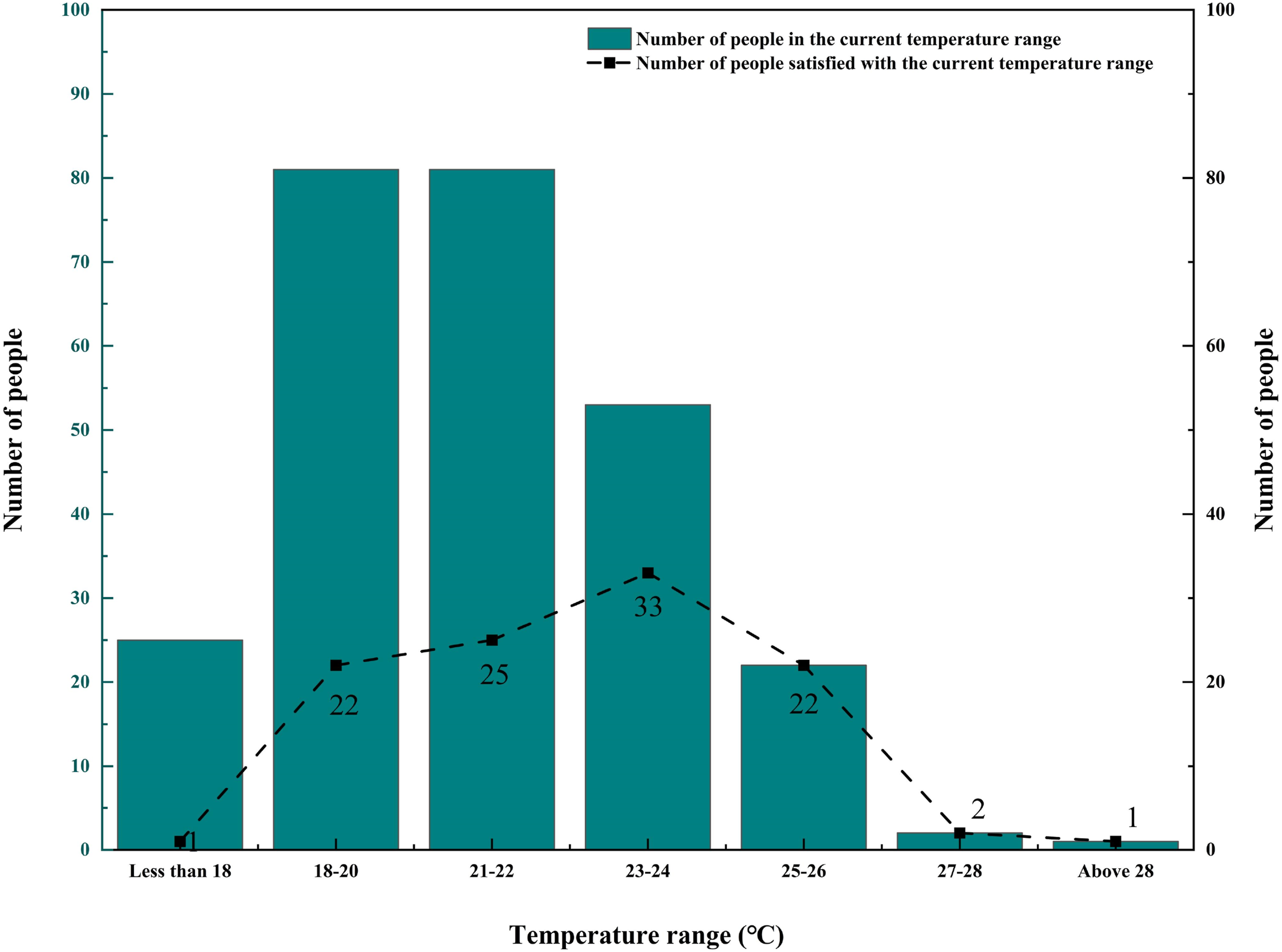
Ventilation
As shown in Figure 4(a) and (b), the main indoor air exchange and discharge mode of Changchun residents is window ventilation, accounting for 93%. However, due to the low outdoor temperature in winter, the window ventilation time is not ideal. The proportion of ventilation duration less than 10 min was 55%, and the proportion of ventilation interval more than 2 days was more than 50%. However, such short time was not enough to carry out a complete renewal of indoor air emission, and only 1.5% of households had installed fresh air system. According to the questionnaire, 72.7% of respondents said they were willing to install fresh air system. Therefore, the indoor air quality of most residential buildings in Changchun can be judged as generally low, and according to the survey results, 6% of the residents had headache, nausea and other discomfort. The ventilation duration of the residential buildings during the winter heating season: (a) each ventilation time and (b) frequency of ventilation.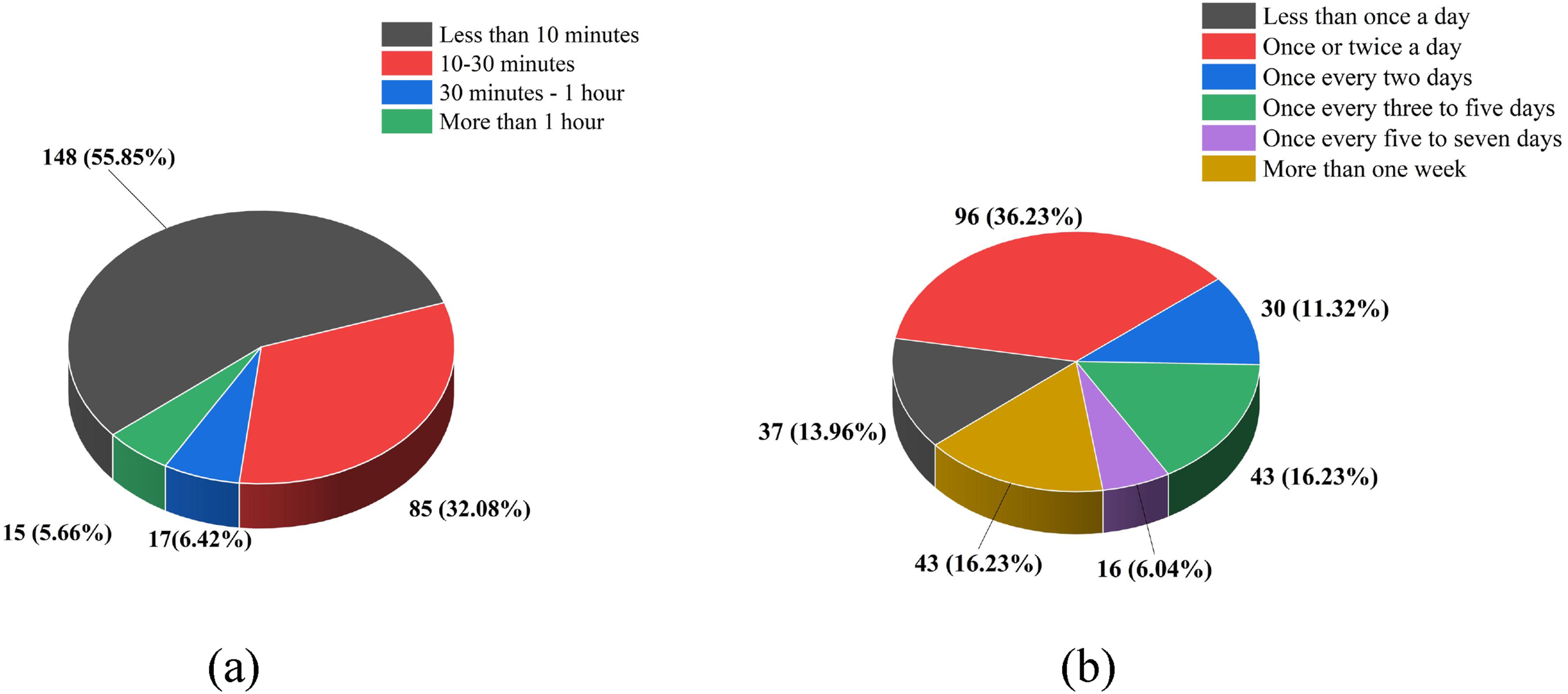
Subjective assessment results of indoor environment
Figure 5 shows the overall evaluation and health awareness of Changchun residents on indoor environment. Generally speaking, due to the low level of industrialization and interior decoration in Changchun, most residents are basically satisfied with the indoor ambient air quality of residential buildings. About 89.5% of residents think that the indoor ambient air quality is good, while only about 10.5% think that the overall indoor environment is bad. However, on the other hand, 50% of Changchun city residents do not have the habit of opening windows, which indicates that Changchun city residents have poor health awareness and indoor pollution levels. Although residents feel good about indoor air quality, under normal circumstances, some colourless and odourless pollutants such as VOCs, which have a great impact on human health, are easily ignored by people and become a health hazard of indoor environment. Residents’ satisfaction with indoor air quality.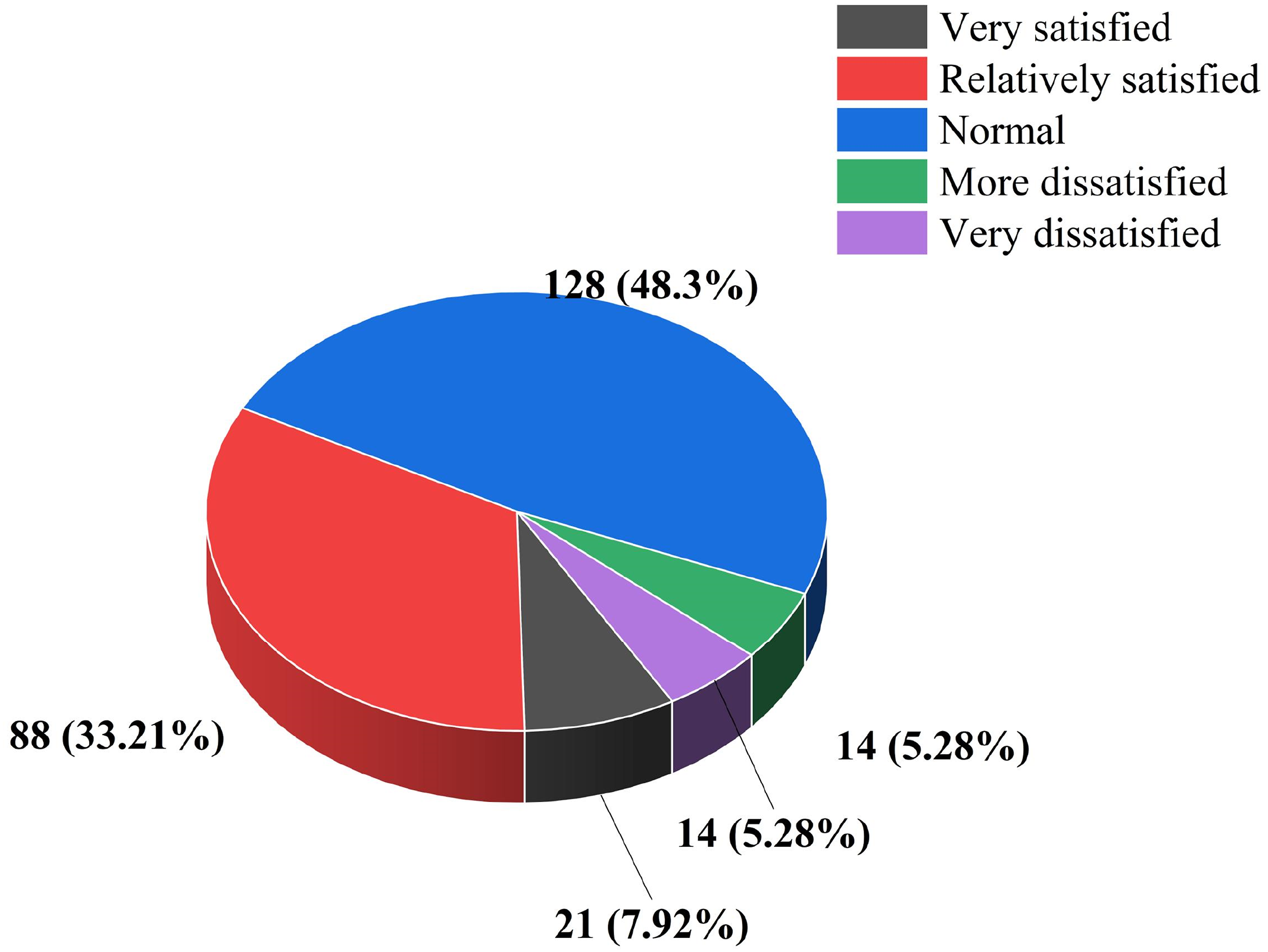
Correlation analysis amongst indoor environmental elements
The purpose of indoor ventilation is to improve the quality of indoor air and create a comfortable and healthy living environment, and understanding the basic information of indoor environment is the basis for deciding on a reasonable ventilation mode. 29 According to the questionnaire survey, there are still 93% residents in Changchun who are used to improving indoor air quality through natural ventilation through traditional opening and closing of Windows, and the window opening behaviour of residents is affected by many factors, such as climate conditions. Therefore, how to ‘adapt to local conditions’ to study the relevant factors driving residents’ window opening behaviour can correctly link ventilation with indoor air quality. In fact, residents’ windowing behaviour is an adaptive adjustment to the environment to improve their own comfort level. From a theoretical point of view, it belongs to the technical adjustment in behavioural adjustment. 30
The Chi-square test is a widely used statistical method in various fields. It is primarily employed to determine whether there is a significant association between categorical variables. SPSS 19.0 software was used to conduct the Chi-square test on ventilation frequency and indoor temperature satisfaction. Figure 6 shows there are significant differences in indoor temperature satisfaction and ventilation frequency (p = 0.000 < 0.01). Interestingly, the ventilation frequency of those satisfied with indoor temperature was significantly higher than that of those dissatisfied. Thus, improving indoor temperature is beneficial to improving ventilation frequency. Increased ventilation also improves indoor air quality.
31
This method highlights how residents adapt their behaviour to local environmental conditions to enhance comfort and health through technical adjustments to indoor climate. The relationship between indoor temperature satisfaction and ventilation frequency.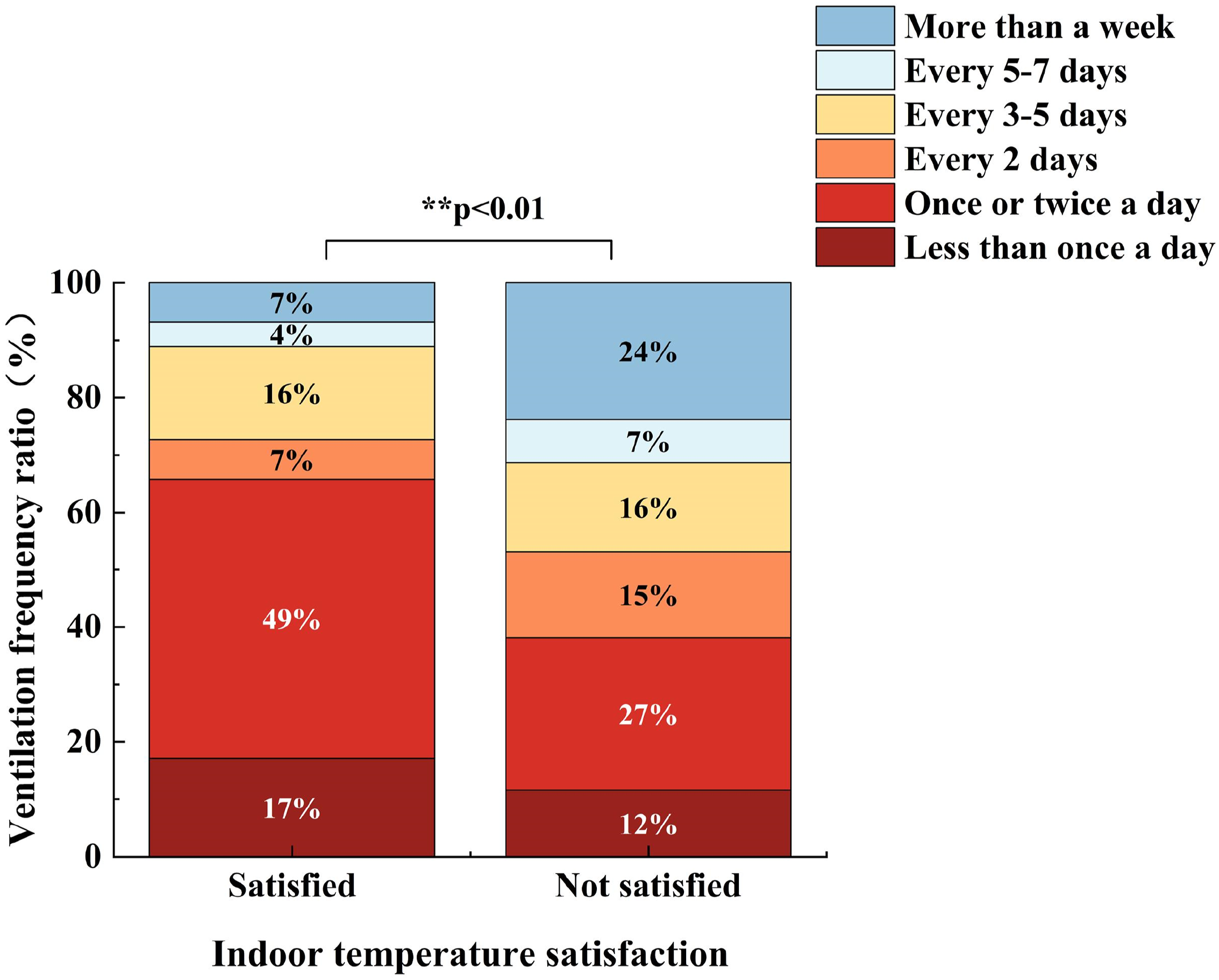
Results of VOC measurement
Seasonal variations in indoor VOC concentrations and indoor-to-outdoor VOC ratios
Summary statistics of indoor and outdoor concentrations of VOCs in this study (μg/m3).
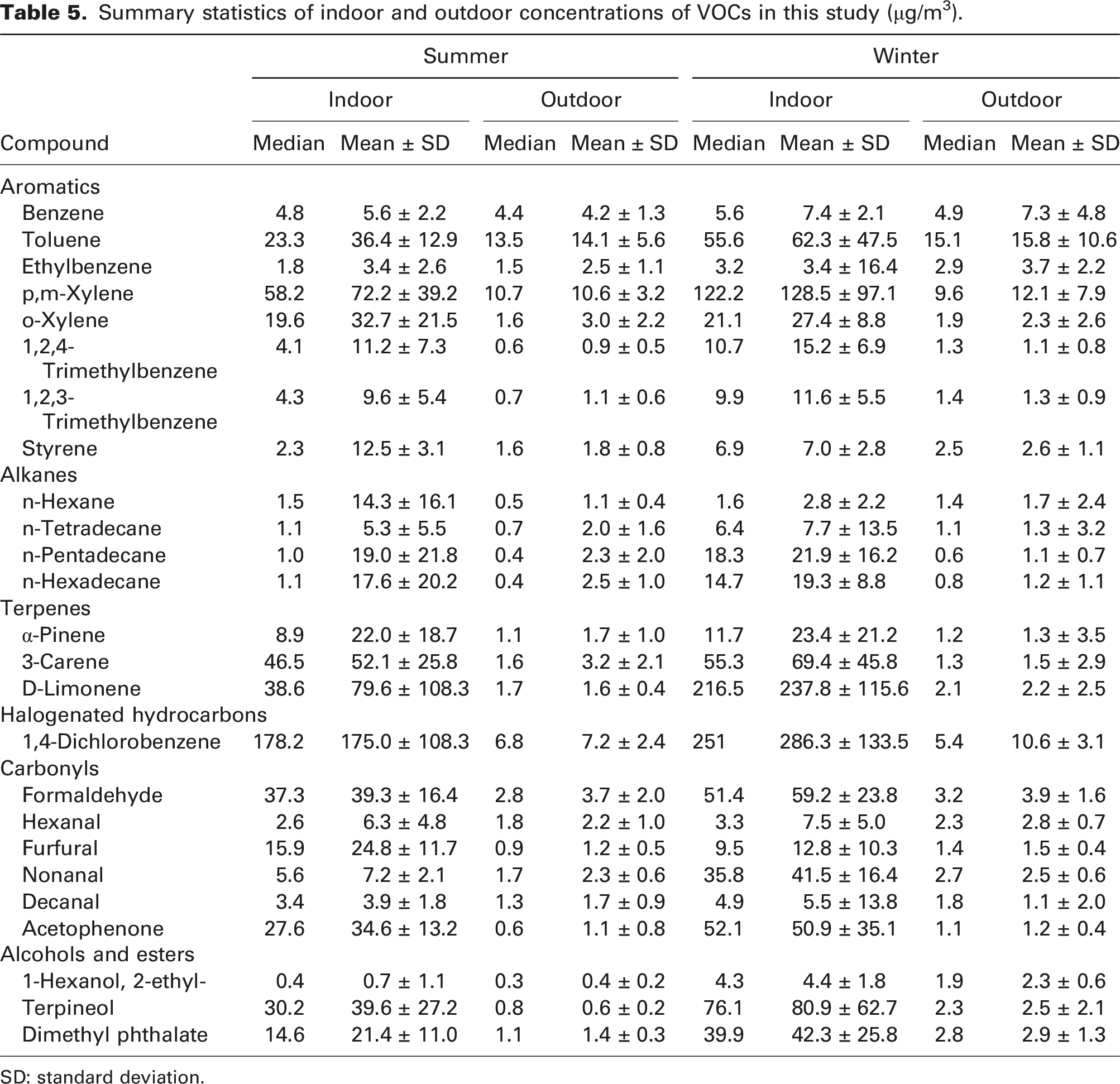
SD: standard deviation.
Figure 7 presents a comprehensive overview of the median values for 25 target VOCs, which were identified in over 70% of the sampled dwellings. It illustrates the indoor and outdoor concentrations of these VOCs and their respective indoor/outdoor (I/O) ratios. To minimize the impact of outliers on the analysis, the median was chosen to represent the central tendency of the data. Median concentrations of individual VOCs ranged from 0.3 to 251 μg/m3. The I/O ratio indicates the source of pollutants. In summer, the I/O ratios for VOCs ranged from a minimum of 1.1 for benzene to a maximum of 46.0 for acetophenone. In winter, the I/O ratios for VOCs demonstrated a range, with benzene having the lowest ratio at 1.1 and D-limonene showing the highest at 103.1. Sources of VOCs can be categorized into three distinct types: (1) predominantly influenced by indoor sources, (2) receiving contributions from both indoor and outdoor sources and (3) primarily originating from outdoor sources. If there were no indoor sources of VOCs, it would be reasonable to expect that indoor concentrations of VOCs would generally be lower than outdoor concentrations. This is because indoor environments typically have a variety of surfaces that can adsorb VOCs, effectively reducing their concentration in the air. Additionally, some VOCs can be chemically destroyed or transformed into less volatile compounds through reactions with indoor surfaces or other indoor air constituents. However, most research studies reveal that the concentration of indoor VOCs is typically higher than those outdoors, largely due to emissions from sources found within the indoor environment.43–46 When the ratio is below 1, it is an outdoor source, and above 1 signifies an indoor source. The results revealed that, except for a few individual VOCs, the indoor concentrations of VOCs measured in this study were also higher than their outdoor concentrations. This indicates that indoor sources are the primary contributors of the measured VOC concentrations. Some of the known indoor sources of VOCs include environmental tobacco smoke, solvents, paints and various building materials like plywood, laminate flooring, adhesives and varnishes.47–51 Indoor and outdoor concentrations and indoor-to-outdoor ratios of VOCs at the sampling points.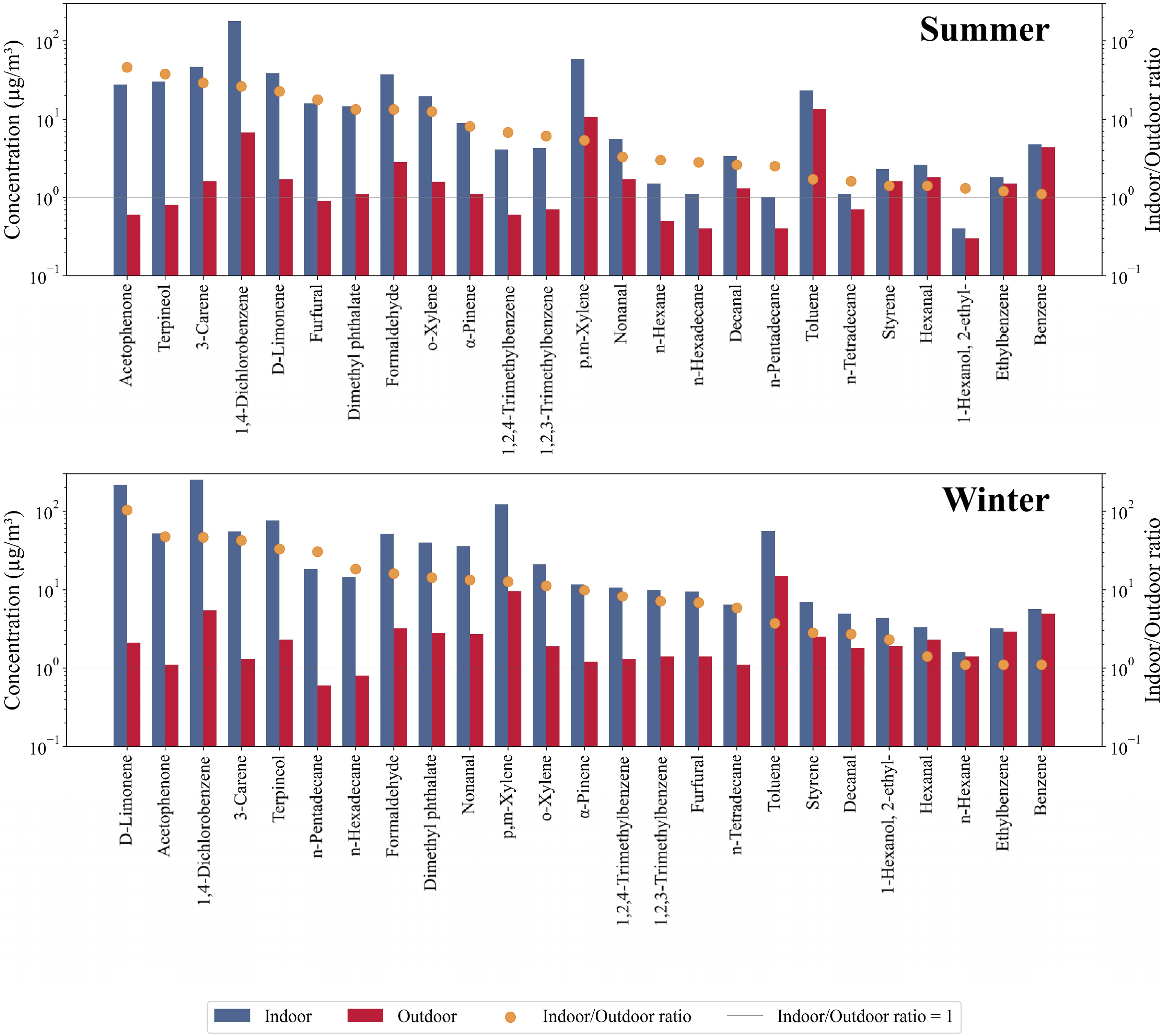
The data results indicate that the average I/O ratios for the targeted 25 VOCs were notably higher during the winter months, with the average I/O ratio being 10.8 in summer and increasing to 17.7 in winter. This is attributed to more ample ventilation in buildings during the summer season, which facilitates the dilution of indoor VOC concentrations. The analyzed residential buildings utilize window opening for ventilation, proving effective in summer. However, in Changchun, where winter temperatures can fall to as low as −30°C, buildings are essentially sealed to conserve heat. This practice leads to the buildup of VOCs indoors during winter, resulting in elevated VOC concentrations in colder months. Particularly in residential buildings, this accumulation becomes a significant concern during winter due to efforts aimed at enhancing energy efficiency by sealing homes, which inadvertently reduces ventilation rates. Consequently, indoor pollutants may reach levels deemed harmful. However, even during summer, when building ventilation is maximized, the I/O ratios for most VOCs exceeded 1. Previous research indicated that VOCs undergo heightened photochemical degradation in summer, mainly due to increased solar intensity and longer daylight hours, which facilitate photochemical reactions. However, if meteorological factors alone were responsible for the reduced VOC concentrations observed in buildings during summer, a uniform decrease across concentrations of all measured organics would be anticipated in summer. The varied reductions in the I/O ratios of VOCs suggest that meteorological parameters are not the only determinant of VOC concentrations in this study. The I/O ratios of VOCs indicate that indoor sources, rather than outdoor air infiltration, primarily govern VOC concentrations in dwellings.
Concentrations and sources of characteristic VOCs
In this study, statistical analysis was conducted on 25 target VOCs as shown in Figure 7. Significant seasonal variations were observed in the median mass concentrations of these compounds. The five VOCs with the highest median concentrations during the summer were 1,4-dichlorobenzene, p,m-xylene, 3-carene, D-limonene and formaldehyde. In winter, the VOCs with the highest median concentrations were 1,4-dichlorobenzene, D-limonene, p,m-xylene, terpineol and toluene. Halogenated hydrocarbons and aromatics are the primary contributors to the TVOC, followed by terpenes. The following analysis categorizes the concentration levels and sources of the target VOCs according to their homologous groups.
Aromatics
The measured alkanes included benzene, toluene, ethylbenzene, p,m-xylene, o-xylene, 1,2,4-trimethylbenzene, 1,2,3-trimethylbenzene and styrene. Amongst the BTEX compounds (benzene, toluene, ethylbenzene and xylene), xylenes (o,p,m-xylene) had the highest mass fraction. The median concentration of xylenes was 77.8 μg/m³ in summer and 143.3 μg/m³ in winter, followed by 23.3 and 55.6 μg/m³ toluene, 2.3 and 6.9 μg/m³ styrene and 1.8 and 3.2 μg/m³ ethylbenzene. An in-depth analysis of BTEX concentrations in Tehran’s residential spaces revealed that homes with oil-painted walls or parquet flooring exhibited elevated levels of these compounds. 52 These characteristics are associated with heightened BTEX concentrations, thereby implicating potential health risks for the inhabitants. 52 This study’s findings corroborate with this observation.
Terpenes
The measured terpenes included α-pinene, 3-carene and D-limonene. In the sampled residential buildings, high concentrations of terpenes were observed (D-limonene: 127.6 μg/m3, α-pinene: 10.3 μg/m3, 3-carene: 50.9 μg/m3). Interviews indicated that residents frequently use detergents for daily cleaning of kitchens and bathrooms. This routine use of cleaning agents is presumed to be a key contributor to the high D-limonene levels in the air, suggesting that such emissions are closely linked to human activities.
Carbonyls
The measured carbonyls included formaldehyde, hexanal, furfural, nonanal, decanal and acetophenone. Formaldehyde was detected in all residences, registering the highest concentrations amongst these compounds, with 37.3 μg/m³ in summer and 51.4 μg/m³ in winter. Typically originating from indoor sources, formaldehyde is produced as a byproduct of the hydrolysis of adhesive resins and is emitted from building materials such as particle board and fibreboard. 11
Other VOCs
Halogenated hydrocarbons, alkanes and alcohols and esters were also measured. Although only one halogenated hydrocarbon, 1,4-dichlorobenzene, was detected in this study, it exhibited the highest concentration amongst the individual compounds during both summer and winter. The occurrence of 1,4-dichlorobenzene is attributable to the widespread use of camphor balls and wood preservatives in Chinese households.
In a similar study conducted by Bai et al., 53 an analysis of VOCs in classroom air in cold regions identified human activities, indoor furnishings and outdoor infiltration as the primary sources of VOCs in classrooms. Additionally, TVOC concentrations were found to positively correlate with class times. Amongst the VOCs, toluene and dichlorobenzene exhibited the highest concentrations inside the classrooms, with 188 μg/m3 and 125 μg/m3, respectively. These values are comparable to those observed in this study, where 55.6 μg/m3 toluene and 251 μg/m3 1,4-dichlorobenzene were measured. This illustrates that similar climatic conditions in cold regions may lead to comparable VOC emission characteristics.
Different indoor thermal environments and architectural characteristics across various climatic zones may influence the VOC concentrations. To better understand the disparities in indoor VOC concentrations between cold regions and other climatic zones, locations in four distinct climatic areas of China were selected for comparison. These areas are Changchun, Beijing, Hangzhou and Guangdong, which are situated in the severely cold (SC), cold (C), hot summer and cold winter (HSCW) and hot summer and warm winter (HSWW) climate zones, respectively. These classifications are based on the thermal design code for civil buildings in China (GB 50176-2016). 57
Comparison of indoor VOC categories concentrations in different Chinese cities, all units in μg/m3.
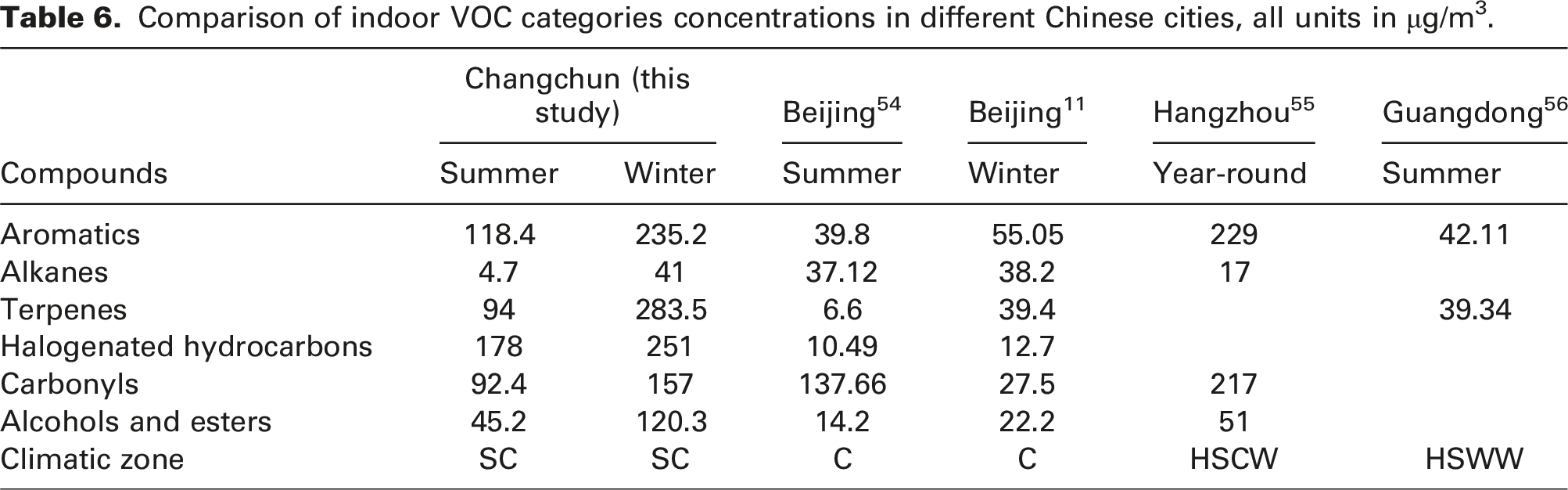
The overall higher concentrations of VOCs in northern China can largely be attributed to the combined effects of centralized heating systems and reduced ventilation practices during the colder months. These factors tend to exacerbate VOC accumulation, emphasizing the need for effective air quality management strategies that address both seasonal variations and human behavioural impacts on indoor air quality.
The impact of various indoor environmental factors on the concentration of TVOC in indoor air
Correlation analysis between VOCs in indoor air and room function
In each test household, VOC sampling was conducted in the three primary rooms: the living room, master bedroom and kitchen. This approach was taken to examine the variations in TVOC concentrations across rooms serving different functions. Figure 8 presents the indoor TVOC concentration levels in various functional rooms of the sampled residential buildings. The box plots depict, from bottom to top, the minimum, first quartile, median, third quartile and maximum TVOC concentrations, respectively. The median TVOC concentrations for the living room and bedroom were found to be comparable, with both around 0.6 mg/m3. Specifically, the living room exhibited a median concentration of 0.586 mg/m3, while the bedroom had a median of 0.610 mg/m3. Moreover, the rate of TVOC concentrations exceeding established standards varied across residential spaces: 56.7% in bedrooms, 40% in living rooms and 13.3% in kitchens, highlighting the differential distribution of TVOC within these areas. The higher median concentration in the bedroom compared to the living room may be attributed to the presence of wardrobes, artificial panels and various paints, which are significant sources of VOCs, thus leading to a greater concentration in the bedroom. Existing literature indicates that residential buildings are sources of harmful chemical emissions, which are primarily attributed to building materials including wallpaper, flooring, paint and adhesives. Amongst these, paints and wood-based panels have been identified as the predominant emitters of widespread pollutants.
11
The concentration of TVOC in the kitchen is lower than that in the living room and bedroom, with the first and third quartile values being 0.449 mg/m3 and 0.590 mg/m3, respectively. This distribution is likely due to the greater volume of air exchange in the kitchen compared to the bedroom. The indoor TVOC concentration of different functional rooms in the samples.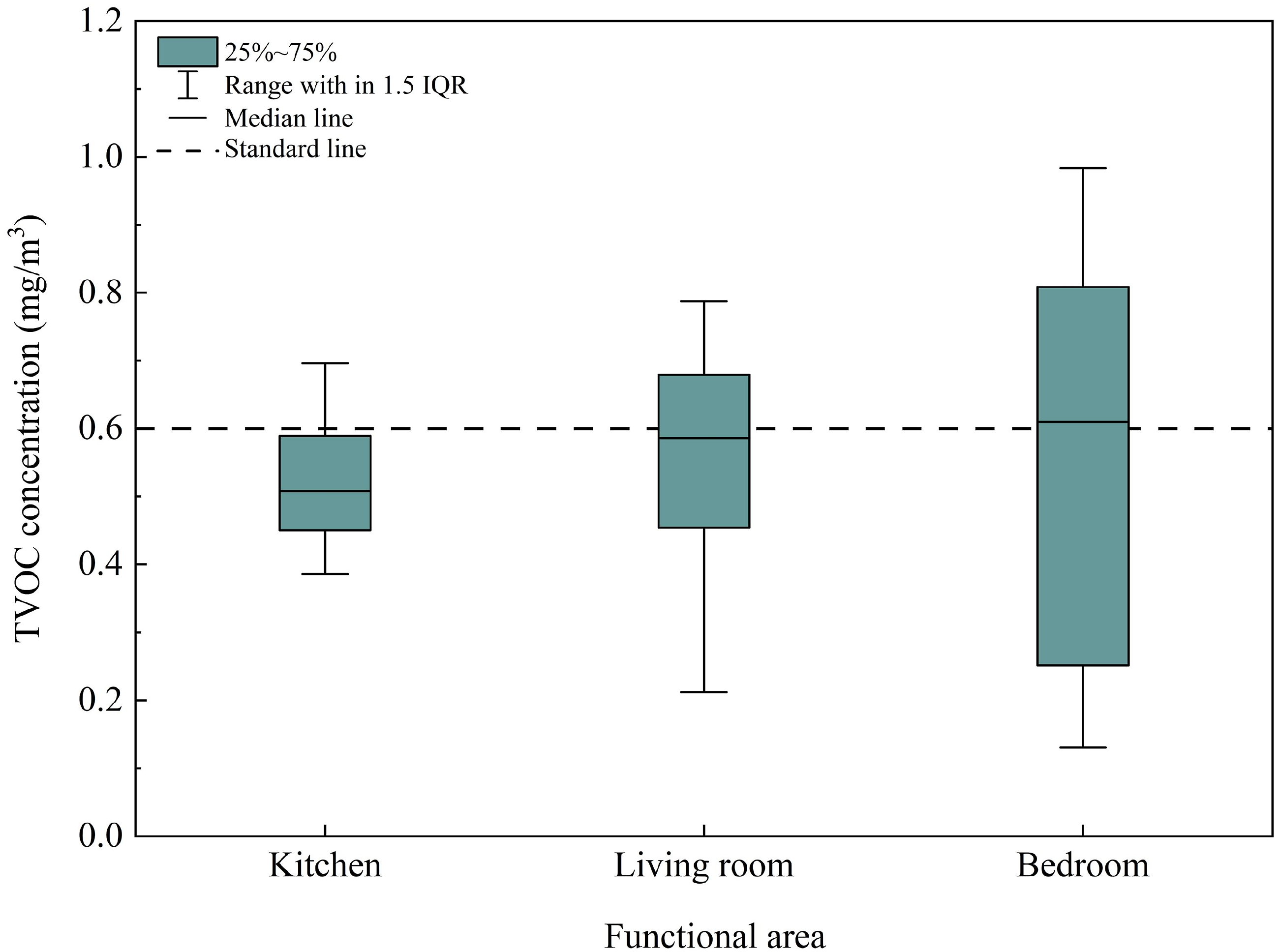
However, considering the varying durations of human occupancy in the bedroom and kitchen on a daily basis, it is evident that individuals spend a more substantial amount of time in the bedroom. Consequently, the concentration of pollutants in the bedroom warrants greater scrutiny. Furthermore, the time distribution of personnel in different functional rooms is also closely related to the health of the human body. Although the concentration of pollutants detected indoors is not high, it is very urgent to improve indoor air quality when risk assessment is carried out. In the case of long-term exposure, human beings could have a high risk of cancer.
Correlation analysis between VOCs in indoor air and temperature
Throughout the sampling period, the indoor temperature ranged from 24.07°C to 27.99°C, and the indoor relative humidity ranged from 20.5% to 69.5%. The outdoor temperature ranged from −16.62°C to 30.05°C, and the outdoor relative humidity ranged from 18.2% to 72.6%. Indoor temperature and indoor relative humidity are two important physical parameters affecting the emission of indoor pollutants VOCs. The release content of VOCs in building materials only accounts for a small part of the total content under room temperature. When the temperature rises, the kinetic energy of VOCs molecules in building materials increases, and the activity is enhanced. This increases the concentration of pollution released into the air.
In order to avoid the influence of functional area factors on the result analysis, only the sample data of bedrooms of each family in 15 houses were selected, and the temperature and TVOC concentration of a total of 15 bedroom samples were analyzed for correlation, as shown in Figure 9. According to the figure, showing the linear regression analysis of temperature on indoor VOC concentrations, the R2 value was 0.722, which proved that there is a strong linear relationship between the two variables. The concentration of TVOCs was positively associated with indoor temperature. As the indoor temperature was increased, the concentrations of indoor VOCs were also heightened. The implications are that the temperature primarily affects the release of VOCs from the source but not the effect of the sink. The increase in temperature appears to have boosted the discharge of VOCs, which consequently resulted in a corresponding surge in indoor VOC concentration. Linear regression analysis of temperature on indoor TVOC concentrations.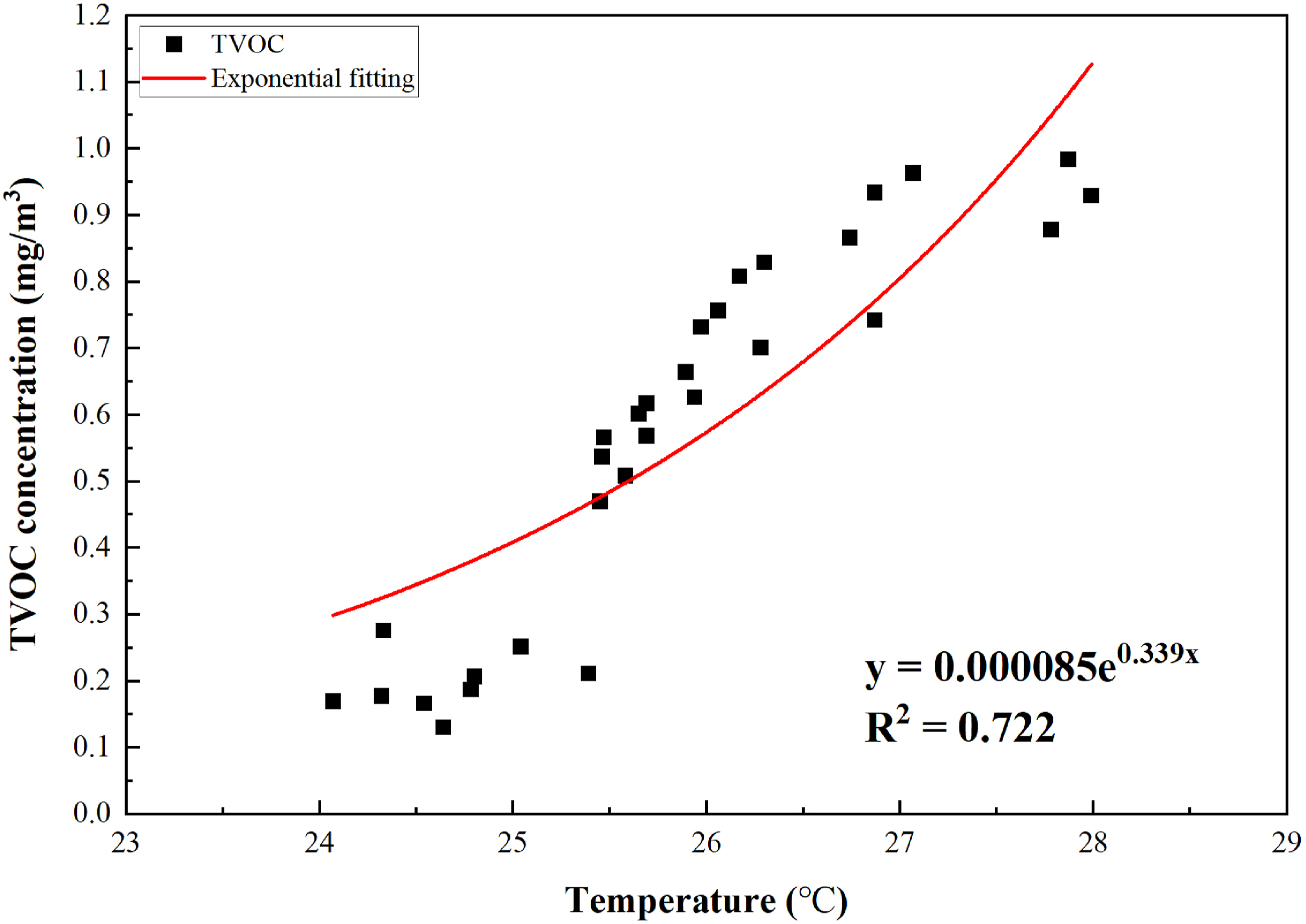
Correlation analysis between VOCs in indoor air and relative humidity
The relative humidity and TVOC concentration of samples from 15 bedrooms were analyzed for correlation, as shown in Figure 10. According to the figure, the R2 value was 0.831, which proved that there is a strong linear relationship between the two variables. The concentration of TVOCs is positively associated with relative humidity. The rise in indoor relative humidity was associated with the increase in concentrations of indoor VOCs. Linear regression analysis of relative humidity on indoor TVOC concentrations.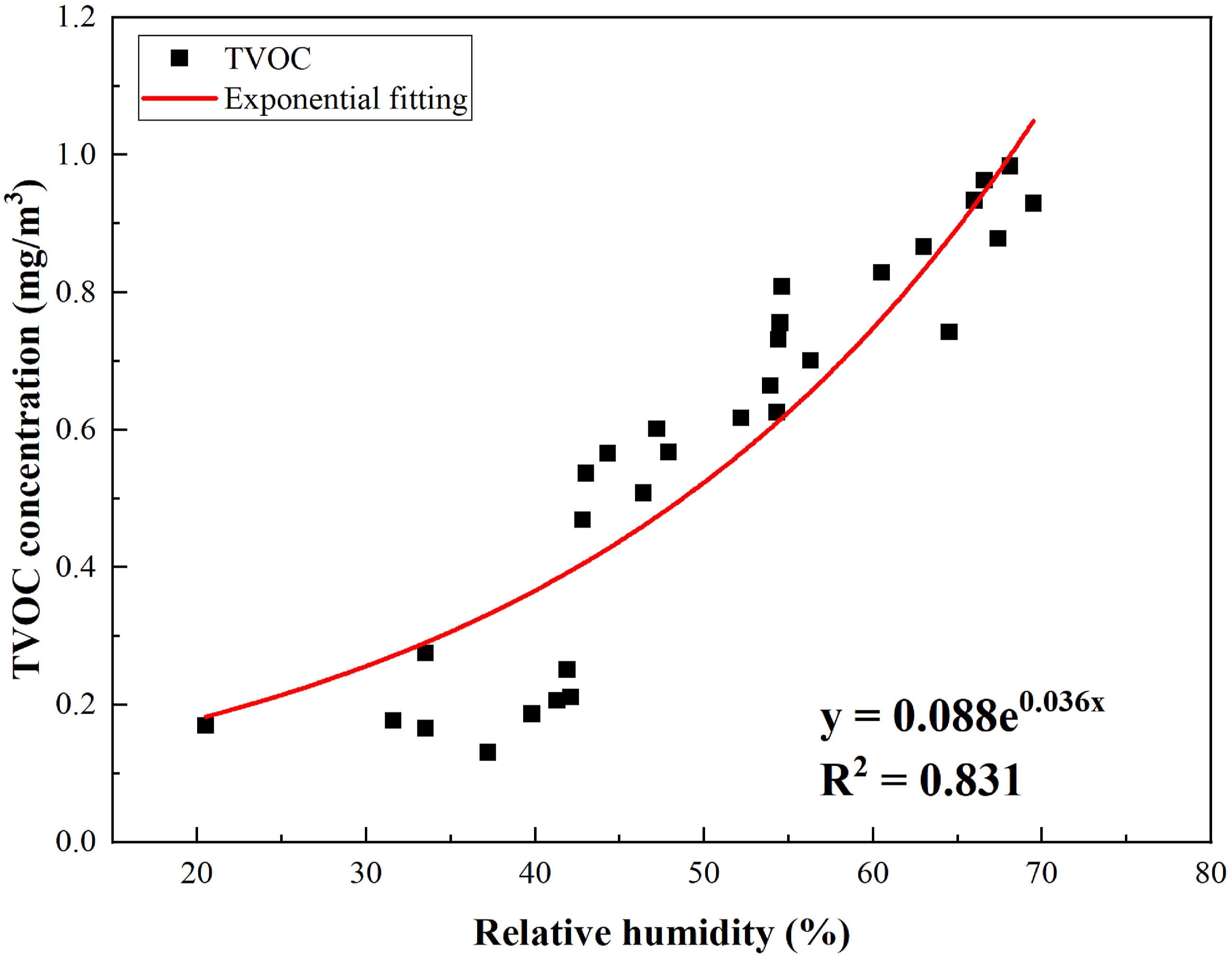
According to Henry’s law, 58 the amount of gas that dissolves in a liquid is directly related to both the partial pressure of the gas in the air and the solubility of the gas in water. Furthermore, as temperature rises, the VOCs evaporate more quickly and diffuse to wet surfaces, especially when humidity is higher. The release of VOCs into the environment is a result of these two effects working together, leading to the increased levels of indoor VOCs that we observe when indoor relative humidity is high.
Combined effects of temperature and humidity on indoor VOCs
According to Figure 11, the synergy between temperature and humidity could significantly impact indoor VOC levels, surpassing the combined effects of each factor individually. The emission of VOCs is more significant when the relative humidity is increased in high-temperature environment. This phenomenon indicates that the influence of temperature and humidity on indoor VOC concentrations is not simply additive but encompasses intricate interactive effects. This observation aligns with the findings of Zhou et al.,
55
who introduced the concept of competitive adsorption. They elucidated how elevated relative humidity may induce competitive adsorption dynamics between water vapour and VOCs. This rule can be used to open more windows in high temperature and high-humidity summer, which can ensure indoor air quality, and also effectively accelerate the emission of VOCs from furniture. Combined effects of temperature and humidity on indoor TVOC concentrations.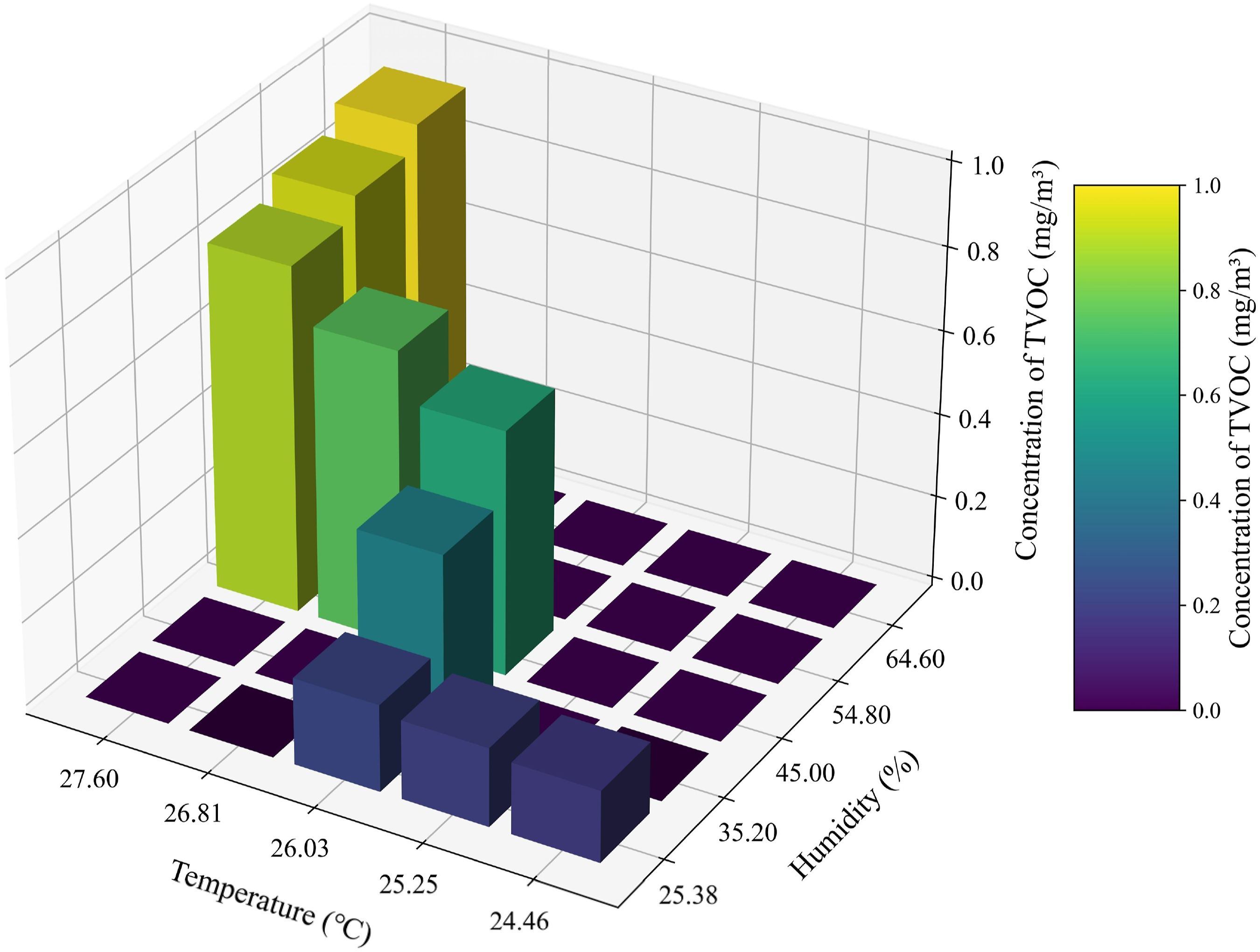
Discussion
The study conducted in Changchun, China, focused on the seasonal variation in indoor air quality and environment in residential buildings, has highlighted several critical findings with implications for public health and building design in cold regions.
The results underscore the importance of residents’ ventilation habits. In cold regions like Changchun, the reluctance to open windows during winter due to the harsh climate had significantly impacted indoor air quality in these homes. The study revealed that the predominant mode of indoor air exchange is through window ventilation, accounting for 93% of air exchange. However, the duration and frequency of this ventilation are often insufficient, particularly during winter, leading to an accumulation of indoor pollutants, including VOCs. This finding aligns with previous studies that emphasize the critical role of ventilation habits in maintaining indoor air quality.16,17,59
The field measurements indicate that VOC concentrations are notably higher during the winter months compared to summer. This increase is primarily attributed to limited ventilation and elevated indoor temperatures, which enhance the emission of VOCs from indoor sources such as decorative materials and furniture. Numerous studies have analyzed the sources and health impacts of PM2.5 and PAHs in the indoor air of homes in China’s cold regions.60–64 However, extensive field investigations into VOCs in these areas have yet to be conducted. The health risks associated with prolonged exposure to high concentrations of VOCs, especially in enclosed spaces, are well-documented and included respiratory problems and potential long-term effects such as cancer.8,10 This study underscores the crucial need to understand the dynamics of VOC emissions in relation to indoor environmental conditions to develop effective strategies for mitigating these risks.
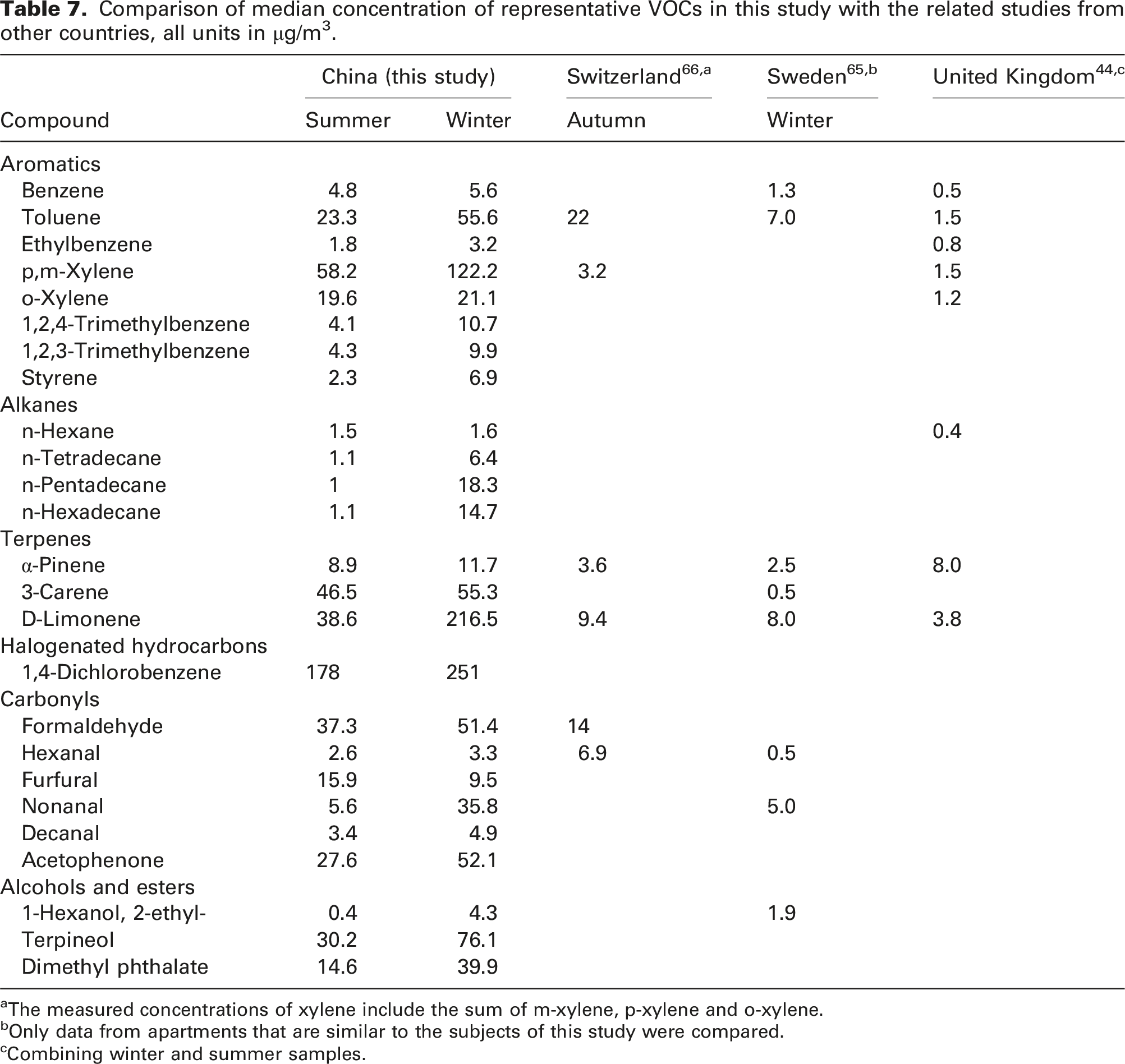
Emissions of VOCs from residential settings account for a significant proportion of the total emission allowances in affluent nations. Comprehensive population-level studies that encompass all indoor VOCs remain rare, primarily due to experimental constraints. Heeley-Hill et al. 44 conducted a study in Ashford, United Kingdom, where they measured the concentrations and speciation of VOCs in 60 households during both summer and winter using two distinct instruments: GC-FID-FID system and GC-TOF-MS system. Additionally, the study collected data regarding the frequency of use of household, cleaning and personal care products, all known sources of VOCs. The findings indicated that measuring the amount of VOCs in VOC-containing products used in a household cannot accurately predict VOC concentrations in indoor air, regardless of whether it is assessed as a TVOC value or for the concentrations of specific VOCs. Langer et al. 65 assessed indoor environmental quality in 157 single-family homes and 148 apartments in Sweden. Their findings indicated that the majority of residences did not comply with Sweden’s building code ventilation guidelines. Ventilation was shown to reduce the concentration of TVOC. Furthermore, the concentrations of TVOC were influenced by factors such as the age of the building, location, type of construction and the ventilation systems in place. Yang et al. 66 conducted a study focusing on VOCs in 169 energy-efficient dwellings in Switzerland. The findings revealed that homes renovated for energy efficiency exhibited higher levels of certain VOCs compared to newly built homes. This suggests that while energy-saving measures enhance efficiency, they could also lead to poorer IAQ if not accompanied by proper ventilation management.
Comparison of median concentration of representative VOCs in this study with the related studies from other countries, all units in μg/m3.
aThe measured concentrations of xylene include the sum of m-xylene, p-xylene and o-xylene.
bOnly data from apartments that are similar to the subjects of this study were compared.
cCombining winter and summer samples.
Considering the seasonal variations in VOC emissions and the subjective ventilation habits of residents, a strategic approach to ventilation is recommended. During periods of high temperature and humidity, particularly in summer, increasing the frequency and duration of window ventilation can significantly reduce indoor VOC concentrations. This practice would ensure better air quality but could also accelerate the emission of VOCs from indoor sources.
The findings from this study have significant implications for building design in cold regions. Emphasizing the integration of ventilation systems that can operate efficiently in cold climates is essential. In China, nearly every household utilizes ‘natural ventilation’. However, this does not refer to natural ventilation systems like those in Nordic countries, where homes intake air through window-based or surrounding devices, including exhaust ducts. In the Chinese context, natural ventilation is primarily achieved through infiltration and window opening. 69 Exhaust ducts are mostly found in kitchens and bathrooms, and there are no air supply systems such as outdoor air intake. In Japan, residential buildings often have outdoor air intakes to bring in fresh air for ventilation and air conditioning systems. These intakes are typically located on the exterior of the building and are designed to capture clean outdoor air while filtering out pollutants. Air vents or ventilation openings were mandated by law as of July 2003 in the Japanese Building Standards Law. 70 In the context of building design for cold regions, to maintain indoor air quality, it is advisable to incorporate natural ventilation systems, such as external air inlets. This approach would involve designing buildings with features that allow for controlled air intake from the outside. This could be achieved through strategically placed air inlets that facilitate the entry of fresh air into the building. Such systems should be designed to minimize heat loss while ensuring adequate air exchange, thereby balancing energy efficiency with air quality. Implementing these ventilation strategies can be crucial in maintaining a healthy indoor environment, especially in areas where sealing buildings for thermal efficiency is a priority. Policies promoting awareness about indoor air quality and encouraging the adoption of healthier ventilation practices can also play a pivotal role in improving public health outcomes.
This study highlights the intricate relationship between indoor air quality, ventilation practices and environmental conditions in cold regions. The evidence suggests that while natural ventilation through windows is the primary mode of air exchange in residential buildings, it is often inadequate, particularly during the winter months. Thus, a concerted effort towards improving ventilation strategies and building designs is imperative to safeguard public health and ensure a comfortable indoor environment in cold climates.
Conclusion
The results of the questionnaire showed ventilation time is insufficient, and indoor VOC concentration is still high in Changchun.
Indoor sources are identified as the predominant contributors to the measured concentrations of VOCs. In the heating season, indoor temperature is higher and ventilation is less, so VOCs are higher in winter than in summer.
Temperature and relative humidity are the main factors affecting VOC concentration in indoor air. With the increase in temperature and humidity, indoor pollutant concentration would increase and the high temperature and humidity environment would lead to higher VOC concentration.
Considering the seasonal variations in VOC emissions and the subjective ventilation habits of residents, it is recommended that in the northeastern region, during periods of high temperature and humidity in the summer, windows should be open more frequently. This practice not only ensures the maintenance of indoor air quality but also effectively accelerates the emission of VOCs from furniture. Enhanced ventilation during these warmer months can significantly reduce the concentration of VOCs indoors, thereby mitigating potential health risks associated with prolonged exposure.
Limitations and future research
This study investigates the seasonal variations of indoor and outdoor VOCs in residential buildings in Northeastern China, analyzing correlations between pollutant concentrations and environmental parameters, and proposing appropriate ventilation strategies. Despite its contributions, the study encounters several limitations. Firstly, this study, primarily conducted in Changchun, faces limitations such as inadequate sample size and equipment, restricting the scope of the research. Future studies will benefit from increased sample sizes and broader scopes to enhance data comprehensiveness and reliability. Moreover, this study was constrained by its methodology, employing only short-term daytime sampling without long-term continuous monitoring, thus not capturing potential diurnal variations in VOC levels that may affect health. Future efforts will aim to extend monitoring duration and continuity to better predict the dynamics of VOCs and their health impacts.
Footnotes
Author contributions
Tingting Yin: Conceptualization, Data curation, Formal analysis, Investigation, Methodology, Visualization, Validation, and Writing – original draft. Weijun Gao: Conceptualization, Project administration, Supervision and Writing – review and editing. Xindong Wei: Project administration, Resources, Supervision and Writing – review and editing. Lei Wu: Data curation, Investigation and Validation. Chao Wang: Data curation, Investigation and Validation.
Declaration of conflicting interests
The author(s) declared no potential conflicts of interest with respect to the research, authorship, and/or publication of this article.
Funding
The author(s) received no financial support for the research, authorship, and/or publication of this article.
