







Abstract
The global drive for net-zero carbon emissions has made zero-carbon buildings an essential goal, with modular construction emerging as a key strategy to achieve this. This research examines how modular construction can contribute to zero-carbon building objectives, specifically focusing on healthcare buildings. The Intensive Therapy Unit (ITU) modular building project at St George's University Hospital serves as a case study, assessing the carbon footprint across various lifecycle stages and evaluating its performance according to Building Research Establishment Environmental Assessment Method (BREEAM) standards. The study demonstrates that modular construction reduces carbon emissions through energy-efficient designs, the use of low-carbon materials, and optimized resource utilization in the production phase. Waste reduction during manufacturing, shortened assembly time, and the use of renewable energy further contribute to minimizing operational emissions. Additionally, the modular design facilitates future reuse and re-cycling of components during deconstruction. While high initial capital costs remain a challenge, the benefits of modular construction in terms of energy efficiency, sustainable material use, waste management and ecological considerations make it a promising solution. The research concludes with practical recommendations for policymakers, urban planners, and construction professionals to promote modular construction as a pathway to near-zero carbon building development.
Introduction
The global push for net-zero carbon emissions is driven by the urgent need to address climate change and preserve a livable climate. The building sector, which accounts for about 40% of global energy consumption and CO2 emissions, plays a central role in this transition. 1 Modular construction has emerged as a promising solution to reduce carbon emissions. 2 It utilizes prefabricated components manufactured in controlled factory environments, bringing about multiple sustainability benefits. Compared with traditional construction, which is resource-intensive and carbon-heavy, modular construction reduces construction waste, shortens timelines and lowers energy consumption. 3 Factory production ensures precise cutting and assembly, reducing waste caused by mistakes or bad weather.
Recent studies have brought forward critical discussions on modular construction's effectiveness and limitations in specialized contexts. 4 For instance, highlight ongoing debates regarding infection control standards within modular healthcare facilities, emphasizing the tension between rapid construction and stringent hygienic requirements. 5 Further question the long-term energy performance of modular healthcare buildings in high-temperature regions, noting potentially elevated cooling demands compared to traditional buildings. Additionally, much of the existing literature predominantly focuses on residential and commercial construction, 2 leaving gaps in knowledge regarding modular healthcare buildings, which must accommodate continuous operation (24/7), substantial energy demands and rigorous regulatory frameworks. Furthermore, debates persist within the literature regarding modular construction's net sustainability benefits. Al-Najjar and Dodoo 3 argue modular construction significantly reduces embodied carbon, while von Drachenfels 6 caution that supply chain emissions could offset these benefits.
Modular construction also shortens construction timelines. Standardized modular components enable faster design and assembly processes, reducing the overall time required for a project. In terms of energy consumption, modular construction is more efficient. During production, the controlled factory environment consumes less energy compared to on-site construction. 7 During operation, modular buildings are designed with energy-efficient features such as high-quality insulation, energy-efficient windows, green roofs and rainwater harvesting systems. These features contribute to long-term carbon savings by reducing the energy demand for heating, cooling and water supply. 8 Moreover, modular construction aligns well with circular economy principles. Its flexibility allows buildings to be disassembled, and components can be reused or repurposed. 3 This not only reduces demolition waste but also lowers the carbon footprint associated with future renovations. Additionally, modular buildings are more likely to meet life-cycle carbon reduction targets. Their focus on sustainability across their entire life cycle stages, from production to operation and end-of-life disposal. 4 Artificial intelligence (AI) is playing a transformative role in modular construction by optimizing its production, operations and logistics management through automation, intelligent decision-making, predictive analytics and thereby attracting increasing consideration. 9 These smart systems enhance energy efficiency by dynamically adjusting lighting, heating, ventilation and air conditioning (HVAC) based on real-time occupancy patterns and environmental conditions, significantly reducing operational energy consumption and carbon emissions. 10
Life cycle assessment (LCA) is a valuable tool for evaluating the environmental impact of buildings, taking into account factors like materials, energy consumption, waste production and end-of-life impacts. 11 Nevertheless, its application in modular healthcare construction has been limited. Healthcare buildings often require highly specialized materials and systems to meet specific standards, complicating the LCA evaluation. 12 Additionally, LCA methods lack regional adaptability for healthcare projects. For example, healthcare buildings in regions with high ambient temperatures or limited access to renewable energy may perform very differently from those in more temperate or energy-rich areas.5,13,14 The Building Research Establishment Environmental Assessment Method (BREEAM) provides a comprehensive framework for assessing building sustainability. Despite the growing recognition of modular construction's potential to meet space and time requirements in healthcare, there is limited research on how BREEAM's key assessment categories, such as energy, pollution, health and well-being and management, can be effectively integrated into modular healthcare design. 15 Moreover, essential factors like patient well-being and accessibility, which are central to healthcare design, have not been adequately addressed in current research on modular construction and BREEAM.
To bridge this gap, the present research integrates LCA and BREEAM frameworks tailored explicitly to healthcare buildings. This interdisciplinary approach systematically addresses key issues such as high operational energy demands, specialized infection control standards and carbon footprint management, providing novel insights into modular construction's sustainability potential within healthcare contexts. This study aimed to explore how modular construction can help achieve excellence in BREEAM assessments, particularly in the context of healthcare buildings. By examining its potential to address both sustainability and adaptability challenges from a lifecycle perspective, the research seeks to fill the gap in current knowledge and provide practical insights for integrating BREEAM with modular healthcare design. The methodology for combining LCA with BREEAM standards is outlined, followed by a case study overview of a modular healthcare building project in southwest London, showcasing how these frameworks can be applied in healthcare contexts. This research will provide practical insights for policymakers, urban planners and construction professionals aiming to incorporate sustainable, low-carbon practices into future building projects. The outline of the study is as shown in Figure 1.
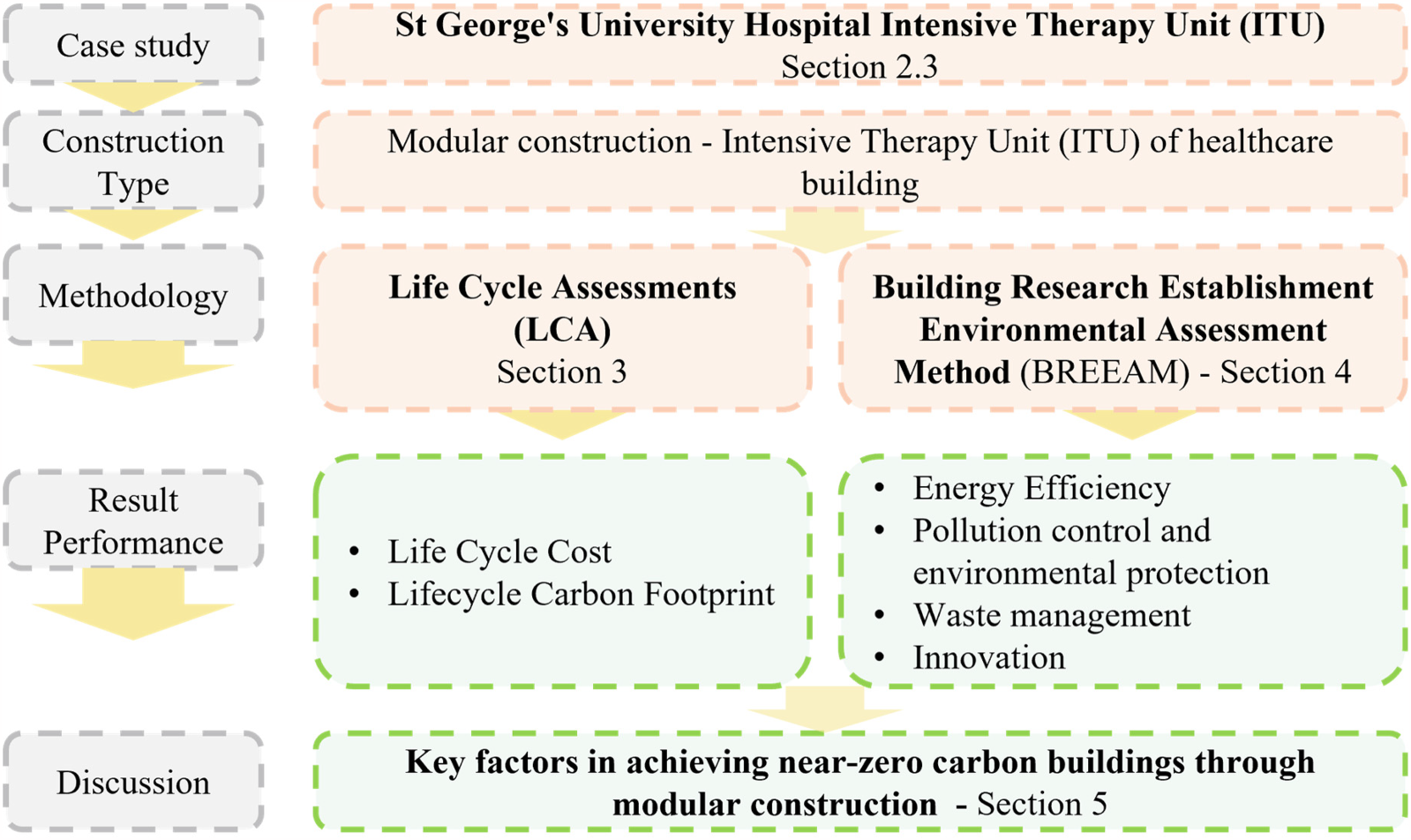
Framework.
Methodology
This study employed the integration of LCA 16 and the BREEAM 17 to evaluate the environmental impact and sustainability of modular healthcare buildings.4,18 The LCA and BREEAM assessments primarily focused on Stage 2 of the RIBA Plan of Work, 19 which is the Concept Design stage. The baseline and optimized scores were introduced at two distinct stages to clearly delineate the improvements achieved through sustainability-oriented design interventions. At Stage 2 (Concept Design stage) of the RIBA Plan of Work, a baseline environmental performance was first established using standard design assumptions without sustainability interventions. This baseline score served as a reference point, representing the typical environmental impact and sustainability performance expected from conventional modular healthcare building practices. Subsequently, optimized scores were calculated after incorporating targeted design strategies informed by the integration of LCA and BREEAM frameworks. These optimized scores reflected the improved environmental and sustainability outcomes achievable through proactive decision-making, such as selecting low-impact materials, enhancing energy efficiency and improving indoor environmental quality.
By separating baseline and optimized scores into two stages, the methodology distinctly highlights the effectiveness of embedding sustainability considerations early in the design process. This has clearly demonstrated the tangible benefits of integrating LCA and BREEAM assessments at the conceptual phase, allowing stakeholders to visualize the potential environmental improvements and make informed decisions towards sustainable design outcomes. The use of LCA can help to quantify the environmental impacts associated with the building's lifecycle, while BREEAM provides a comprehensive framework to assess sustainability performance in areas such as energy use, materials and indoor environmental quality.20,21 Integrating these tools at Stage 2 would ensure that sustainability considerations are embedded early in the design process, allowing for more informed decision-making and the optimization of environmental outcomes for modular healthcare buildings, 21 as seen in Figure 2.
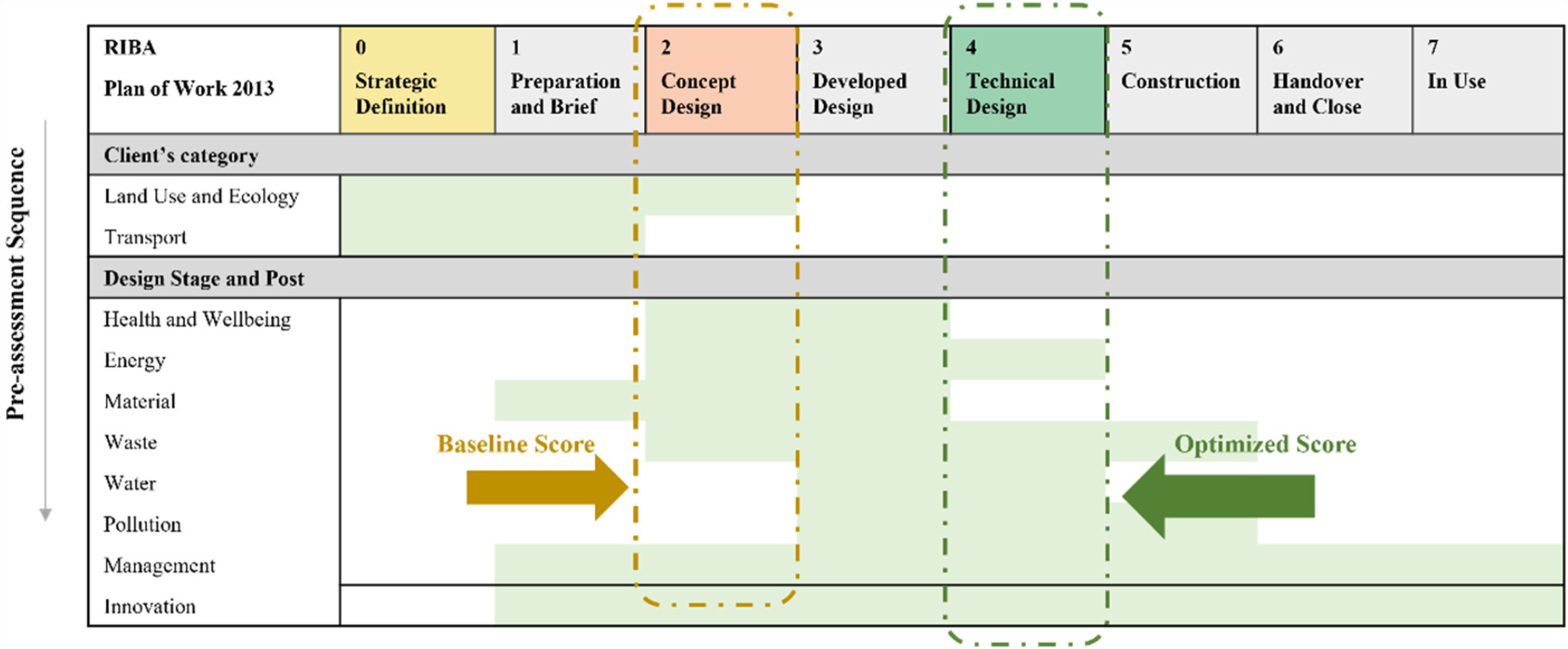
Map of BREEAM categories pre-assessment refers to the RIBA timeline.
LCA for lifecycle carbon footprint analysis
LCA was employed to evaluate the carbon footprint of modular healthcare buildings throughout various lifecycle stages: planning, construction, operation, maintenance and end-of-life.22,23 This approach aims to assess the potential reductions in carbon emissions offered by modular construction relative to traditional methods. 24 The focus is on minimizing embodied carbon and optimizing resource efficiency and energy performance throughout the lifecycle. 11 Figure 3, a modified diagram, illustrates the analysis of the Life Cycle Carbon Footprint for a building. It highlights key lifecycle stages and categorizes carbon emissions into embodied, operational, upfront and end-of-life carbon. 25 Each phase is visually represented, emphasizing the environmental impacts and carbon emissions from material production, energy consumption, transportation and waste disposal.12,25
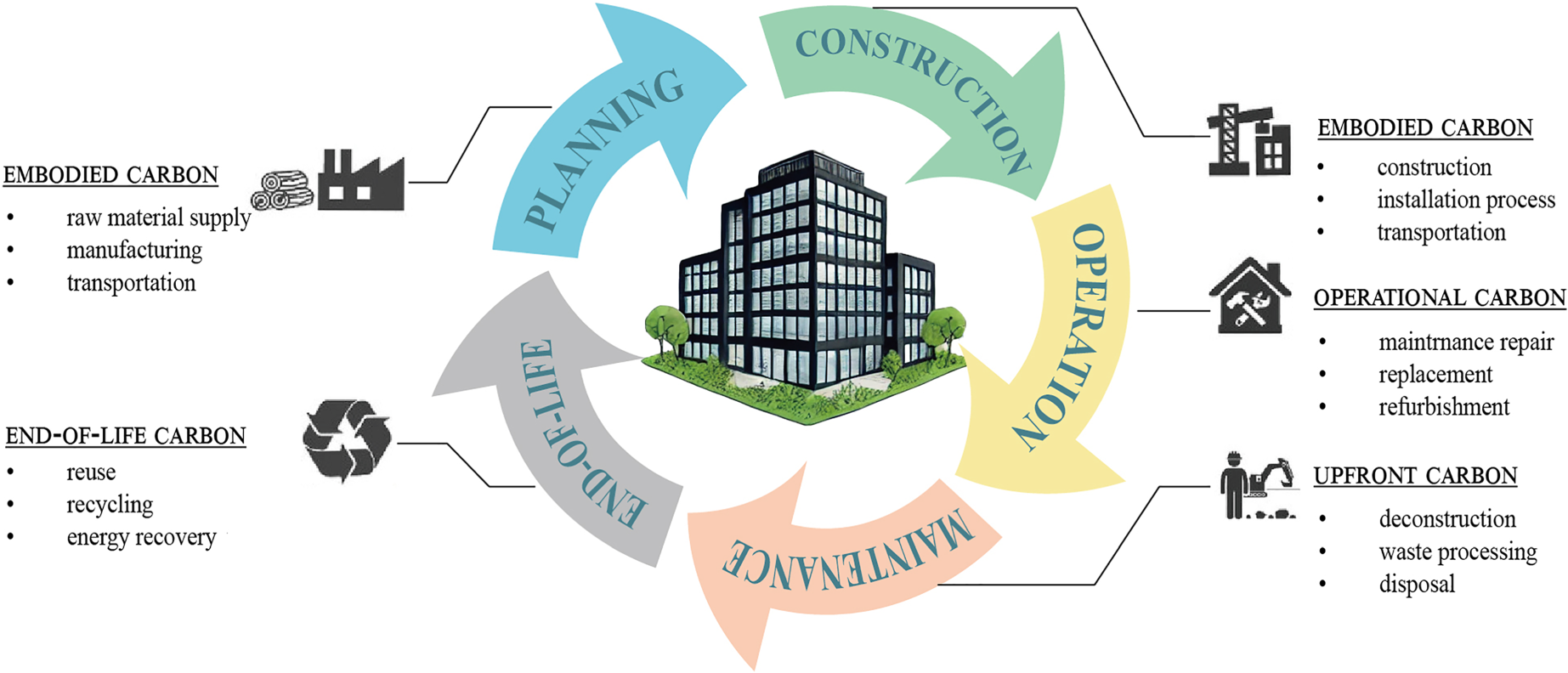
Different levels of analysis at different stages carbon footprint by LCA.
BREEAM evaluation for sustainability
BREEAM evaluates a building's sustainability across nine primary categories, each addressing different aspects of environmental and social performance,
26
including:
The BREEAM assigns a score to each of these categories based on the building's performance, with credits awarded for meeting specific criteria within each category. 27 The total score determines the building's final BREEAM rating, ranging from Pass to Outstanding. For a project to achieve a Very Good rating, a minimum of 55% of the available credits must be earned. 28 This project has achieved excellent resulted in all nine categories and performance excellent in categories of energy, pollution, land use and ecology and waste management.
In short, this study explored how modular construction can achieve higher BREEAM scores. BREEAM's criteria were applied to analyse the performance of modular healthcare buildings in four key areas, including energy efficiency, pollution, land use and ecology and waste management. 29
Overview of the case study
The case study focused on a modular healthcare building project at St George's University Hospital in southwest London (see Figure 4). This project involved creating a modular Intensive Therapy Unit (ITU) and was part of a broader initiative for modular buildings within a shared business framework. The project, aiming at a high sustainability rating under the BREEAM framework with a focus on minimizing environmental impact and meeting zero-carbon targets, started in early 2022 and is currently in the construction phase. The design and construction processes for modular buildings differ significantly from traditional methods, with a faster timeline and more efficient resource use.
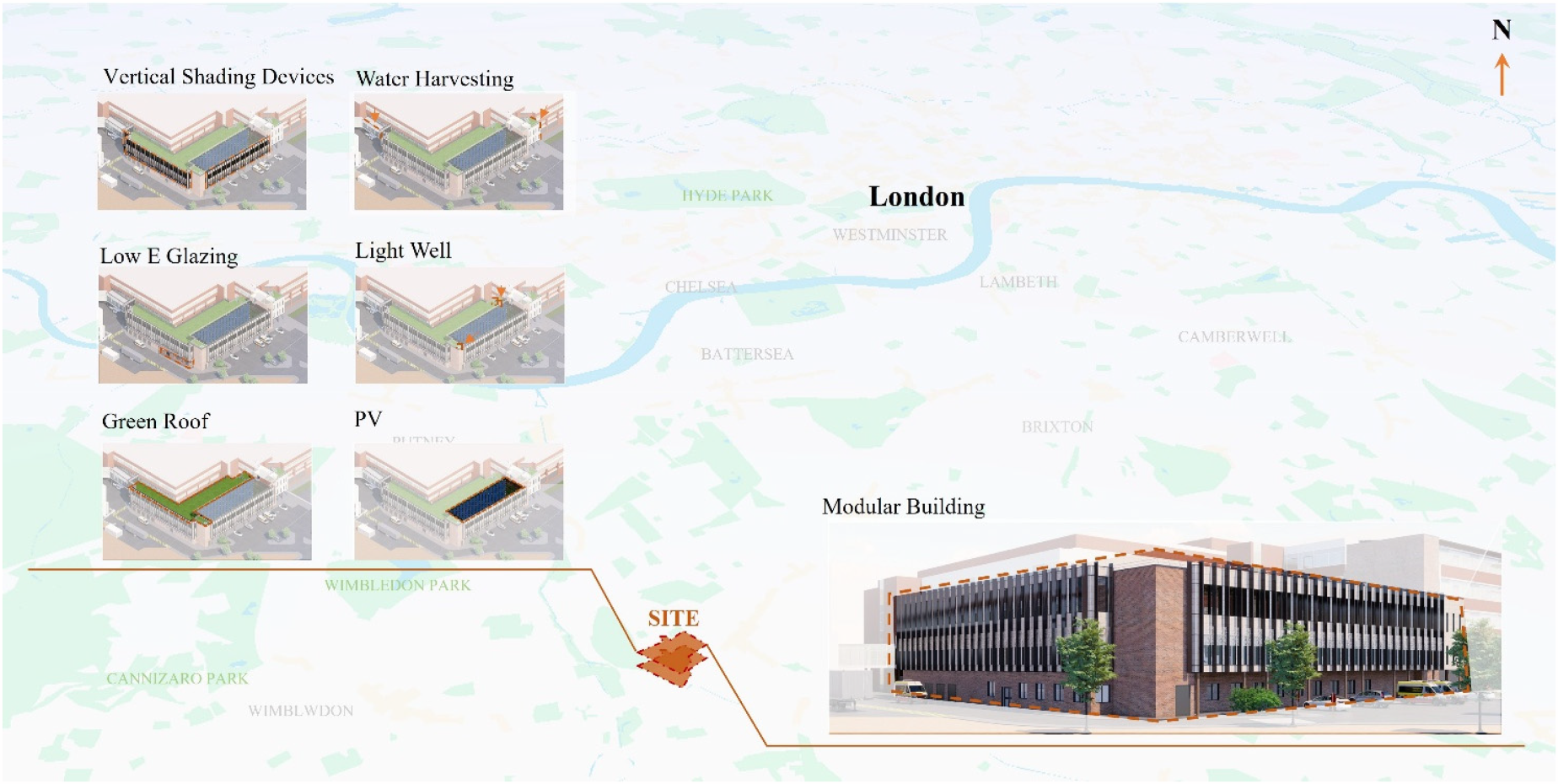
St George's University Hospital's modular ITU building site in London.
The workflow of the modular construction process was streamlined compared to traditional building methods in Figure 5. The design team was able to complete early design phases, more quickly due to the standardized modular components, allowing for faster decision-making and efficient resource allocation. The project also benefits from reduced disruption to the surrounding environment and community, as construction noise and waste are minimized.
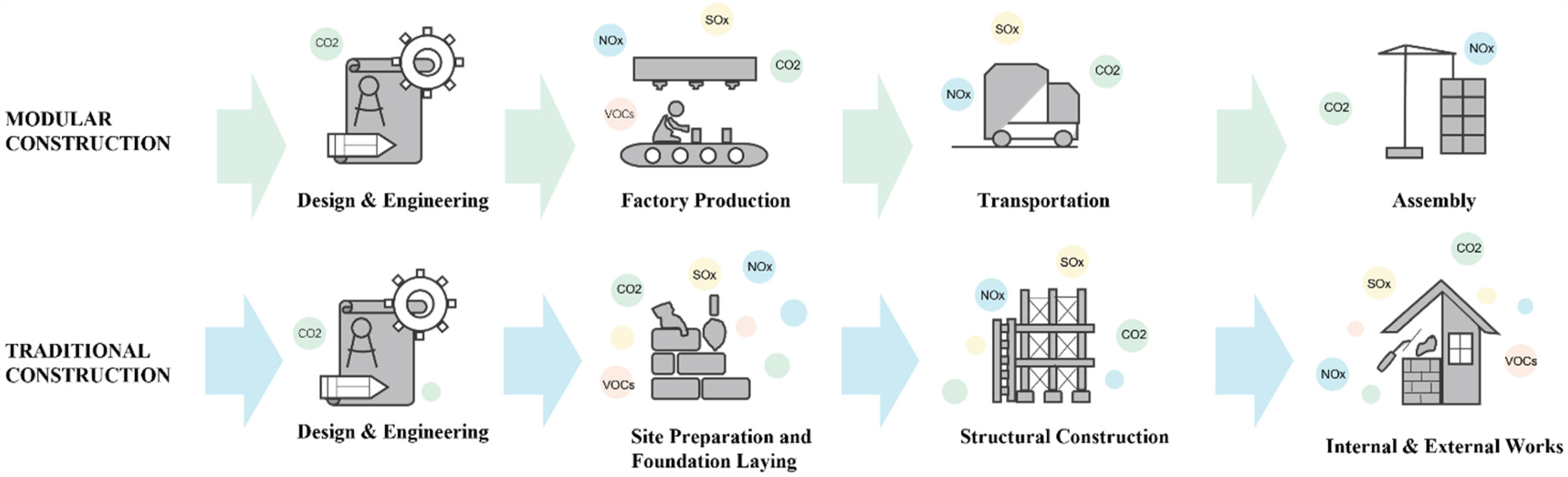
Comparison between the workflows of the modular construction process and traditional building methods.
The primary data for this study came from project documentation such as design drawings, proposals, presentations and BREEAM trackers were reviewed to analyse the environmental performance of the building. Due to the nature of the research, much of the data collected occurred through observation and review of internal project materials, rather than active participation in meetings. The case study also evaluated modular construction's ability to meet BREEAM sustainability standards, highlighting advantages in quicker timelines and efficient resource management. It further identified areas needing improvement, such as addressing specific requirements in energy efficiency, infection control and compliance with strict healthcare standards.
Carbon emission reduction through lifecycle with carbon footprint analysis: Detailed breakdown with elemental life cycle cost analysis
The St George's University Hospital Modular ITU project integrated a comprehensive approach to minimizing its carbon footprint through careful planning, material selection and energy-efficient technologies. To align with sustainability goals, a Lifecycle Carbon Footprint analysis was performed. Insights from the Elemental Life Cycle Cost analysis provided a clearer understanding of the project's long-term carbon and energy savings.
Design phase: Optimization of energy efficiency
The design of the hospital's modular ITU facility placed a strong emphasis on minimizing energy consumption and operational carbon emissions. Key features of the design included: design to use high-efficiency materials such as advanced insulation and energy-saving windows, which together were expected to reduce the building's heat loss by 30–40%, were used. This led to a substantial reduction in energy demand for heating and cooling, contributing directly to reduce carbon emissions. The building incorporated renewable energy sources, notably solar photovoltaic (PV) panels, which were expected to cover up to 15-20% of the building's energy needs. Given that the average carbon emissions from grid electricity in the UK of around 0.233 kgCO2/kWh, this solar energy offset could result in a reduction of approximately 10-15 tons of CO2 annually. Additionally, smart control HVAC systems and smart energy management systems were integrated into the design. These systems optimize energy use by adapting to real-time conditions, reducing energy consumption by 15–20%, especially during unoccupied periods. These energy-efficient features significantly lower carbon emissions and support sustainable building objectives.
Production phase: Controlled prefabrication and short transportation
In the production phase, the modular approach significantly reduced both material waste and transportation emissions. The key factors contributing to these savings included off-site prefabrication and short transportation. By manufacturing modules in a controlled factory environment, the production process became more energy-efficient, reducing the energy consumed during construction by 30–40% compared to traditional on-site construction methods. The precise manufacturing methods also minimized material waste, which was expected to be 20–30% lower than conventional methods. Since prefabricated modules were manufactured in bulk and transported in a few trips, transportation emissions were 15-20% lower than those associated with traditional construction logistics, which often require numerous individual deliveries.
Operational phase: High-efficiency system
The operational phase of the modular ITU featured low energy demand and reduced carbon emissions by using energy-efficient operating systems and renewable energy sources. The use of smart control HVAC systems was expected to reduce energy consumption by 25-30%, which would make the building more sustainable and lower its operational costs. The systems work dynamically, adjusting heating, cooling and ventilation according to real-time occupancy and external weather conditions. Air-source heat pumps (ASHP) were introduced into the system, contributing to the building's energy demand in higher efficiency. It produced three to four units of heat per unit of electricity consumed (COP of 3-4). This significantly reduced energy use compared to traditional electric heating systems and operational carbon emissions. Moreover, solar PV panels were integrated into the building's roof, which was expected to meet 10–15% of the building's total electricity demand, helping offset reliance on non-renewable energy sources, improving the energy self-sufficiency and further lowering the building's carbon emissions. It is crucial to maintain a cool environment for high efficiency of PV systems as their performance tends to decrease when the temperature exceeds 25°C. The green roof, which can offer shading and evapotranspiration and thereby help to remove the surrounding heat, was adopted to improve cooling and pursue higher performance of PV systems. Besides, the green roof also has the potential to lower the energy load by up to 70% compared to the conventional roof, 30 and provides the benefits of the site's green recovery, contributing to reduce carbon emission.
Lifecycle replacement costs and emissions analysis
The Elemental Life Cycle Cost analysis, conducted according to the PD 156865:2008 standard, 31 plays a critical role in understanding the long-term financial and environmental impacts of the project. The total anticipated lifecycle replacement expenditure of the St George's University Hospital's modular ITU building was projected at £8,474,086 over a 60-year period (the overview is shown in Figure 6), or approximately £141,235 annually (as seen in Table 1). This was based on Q1 2022 prices without adjusting for inflation or discount rates. The detailed breakdown included the costs associated with replacing key building components at the end of their service life. These figures are crucial in understanding both the financial implications and the carbon emissions associated with the long-term maintenance and operation of the building.
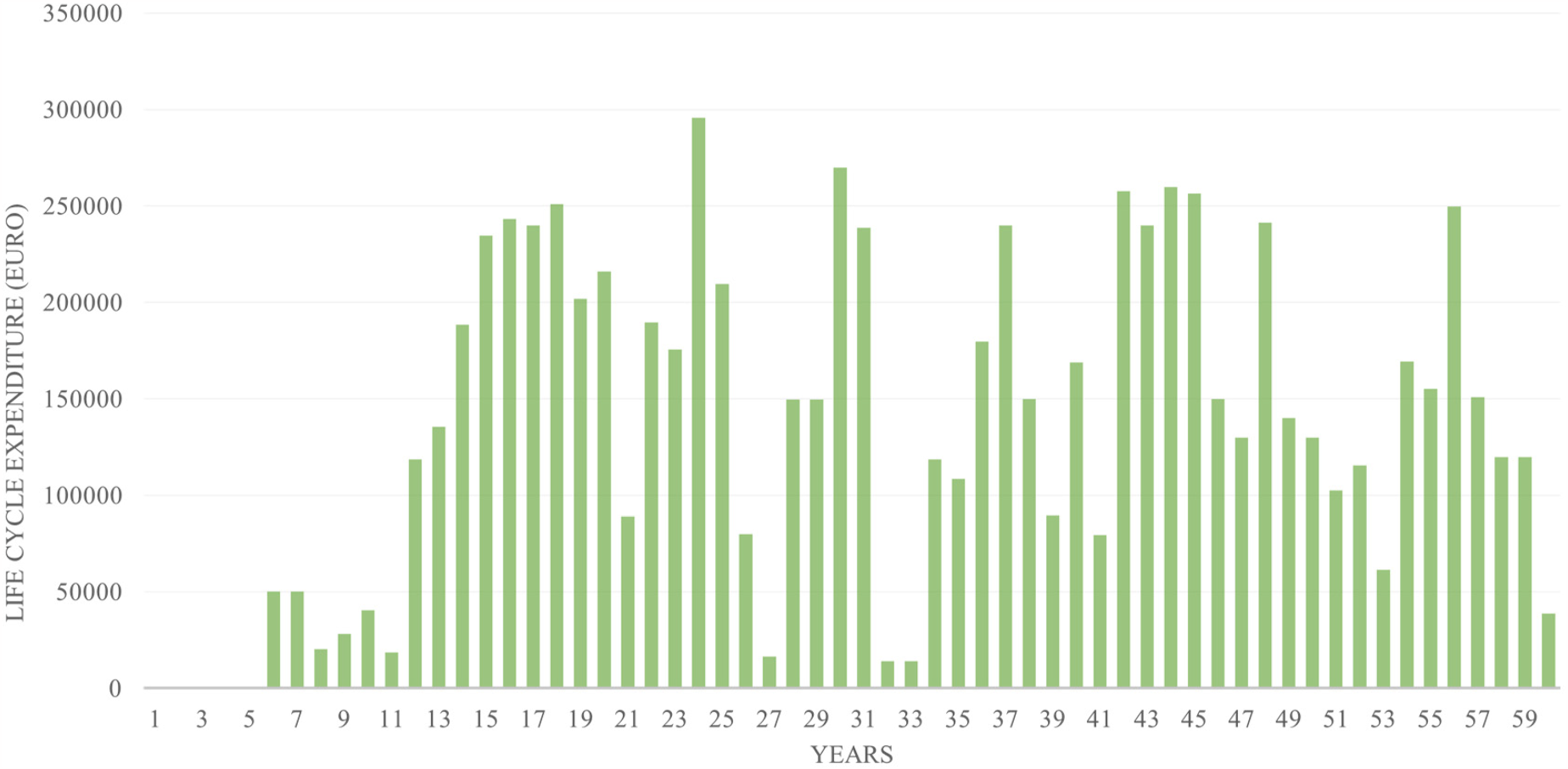
Overview of elemental life cycle costs (60 years).
60-year LCR analysis.
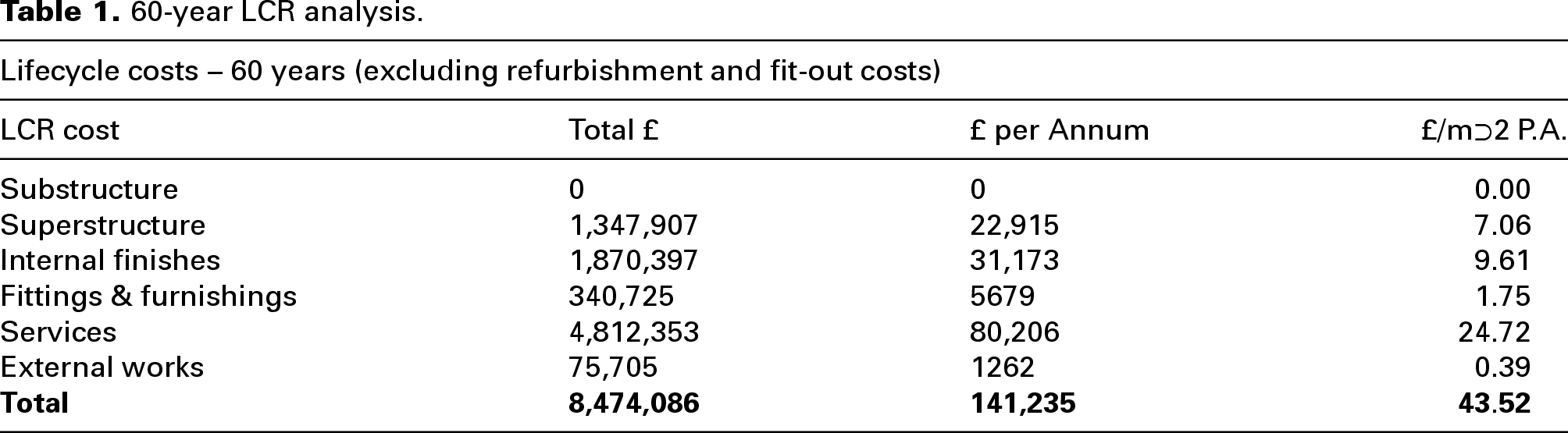
Modular construction also has some challenges, especially the high initial capital cost. The capital construction cost of the building was approximately £13.1 M (with a gross internal floor area of 3245 m²), which is more expensive than traditional construction methods. The amortized annual lifecycle cost per square metre is approximately £43.52. In addition, although the transportation process of prefabricated modules saved time and resources, it may face higher transportation costs and larger transportation emissions in some remote areas.
The expenditure can vary from year to year depending on when components need to be replaced. For instance, major components like the HVAC system, windows and roofing materials have estimated replacement periods of 10–20 years, depending on their usage and performance.
In the long run, the replacement of certain equipment during the life cycle replacement process may bring certain carbon emissions, although these impacts are less than traditional buildings. In short, the St George's project has clear advantages in terms of carbon emission reduction and sustainable operations, especially the environmental benefits of modular construction, but it also needs to balance the challenges of high initial costs and long-term sustainability.
Sustainability assessment through BREEAM
Energy efficiency: High-performance design and technologies
The St George's Hospital Modular ITU Building incorporated energy-efficient HVAC systems and solar energy solutions, enabling it to achieve high scores in the Energy category of the BREEAM assessment. As presented in Table 2, the project's performance in the BREEAM energy assessment was generally positive, although there are areas that need further confirmation and optimization. Under Ene 01 – Reduction of Energy Use and Carbon Emissions, the project was planned to install renewable energy sources like solar panels on the roof and incorporate a high-performance building fabric to reduce energy consumption. This could earn four credits, with a possibility of reaching six credits if the building's design meets higher energy efficiency standards, and a detailed energy calculation would be required to confirm that. Under Ene 02 – Energy Monitoring, the project was planned to install an energy monitoring system to track at least 90% of the building's total annual energy consumption, with individual metering for major energy-consuming systems. The approach would ensure compliance and was expected to earn one credit. Additionally, sub-metering would be applied to tenancy areas and high-energy load zones to meet the BREEAM requirements, securing additional credit.
The summary of the energy category assessment.
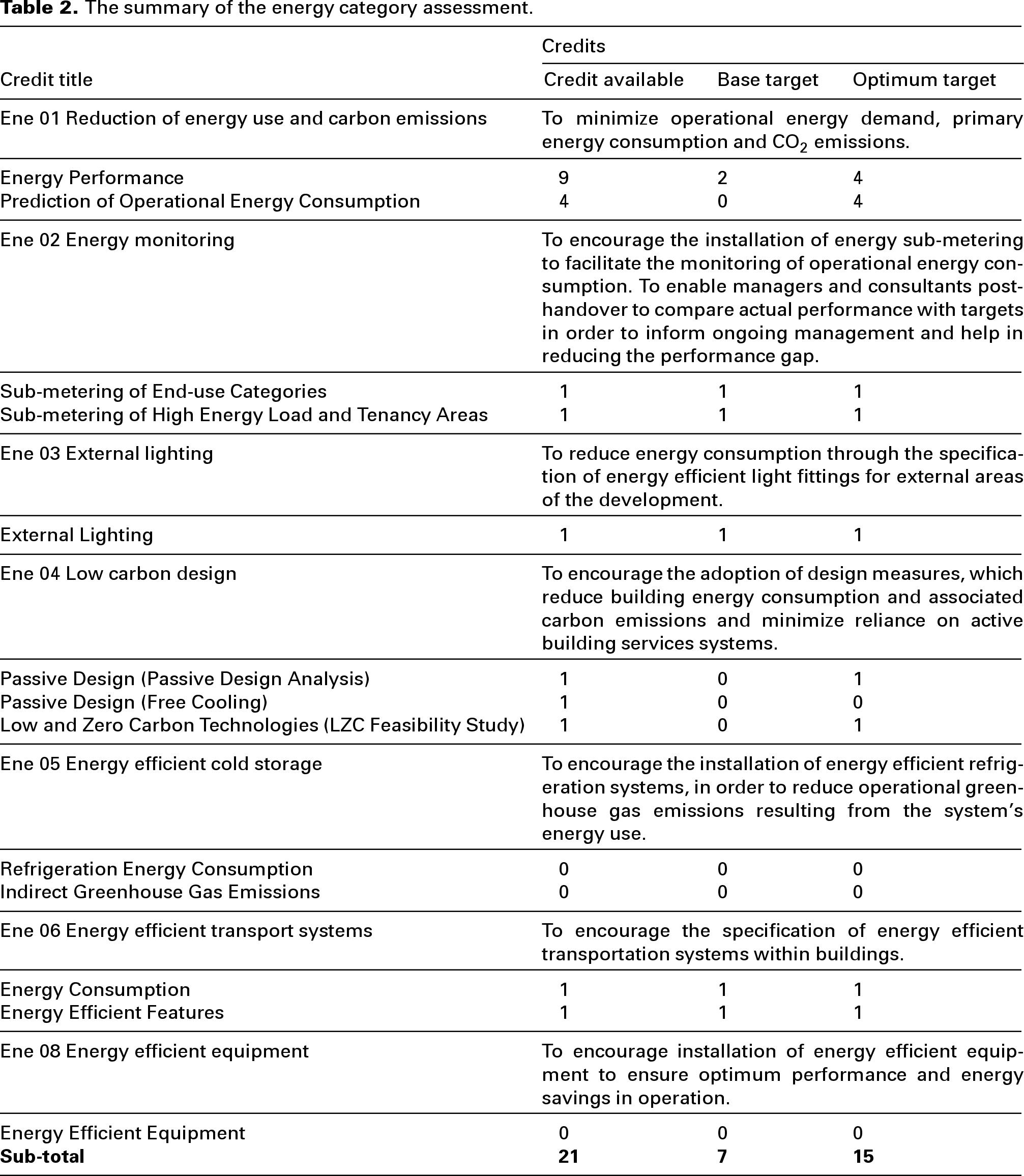
For Ene 03 – External Lighting, the project ensured that all external lighting fixtures would meet the minimum luminous efficacy of 70 lumens per watt and be automatically controlled to avoid unnecessary operation during daylight or when there is no pedestrian traffic. This fulfils the criteria for one credit. In Ene 04 – Low Carbon Design, while the project did not target credits for passive design analysis or free cooling due to the specialized nature of the building, a feasibility study for Low and Zero Carbon (LZC) technologies was planned. The study identified the most appropriate LZC technologies to reduce CO2 emissions, and their implementation should result in a meaningful reduction in the building's overall carbon footprint, which was expected to earn one credit. Lastly, under Ene 06 – Energy Efficient Transportation Systems, the project opted for the most energy-efficient lift systems, including regenerative drives and energy-efficient lighting, which would meet the BREEAM criteria and earns one credit. Additionally, the project ensured that lifts and escalators were equipped with energy-saving features, such as standby modes and load-sensing devices. The credits obtained in the energy category are a significant step towards achieving an outstanding BREEAM rating for this modular healthcare building. Each credit represents compliance with specific sustainability requirements, and the accumulation of these credits demonstrates the building's high-level performance in energy-related aspects, which is a key factor in BREEAM's overall assessment.
In summary, the project was confirmed with five credits so far and was targeting a total of 14 credits in the energy category. Further energy modelling, renewable energy integration and the implementation of low-carbon technologies were keys to achieving the maximum possible credits and improving the overall BREEAM rating. In addition to energy efficiency, the project also took a series of measures in pollution control and environmental protection to meet BREEAM standard requirements.
Pollution control and environmental protection
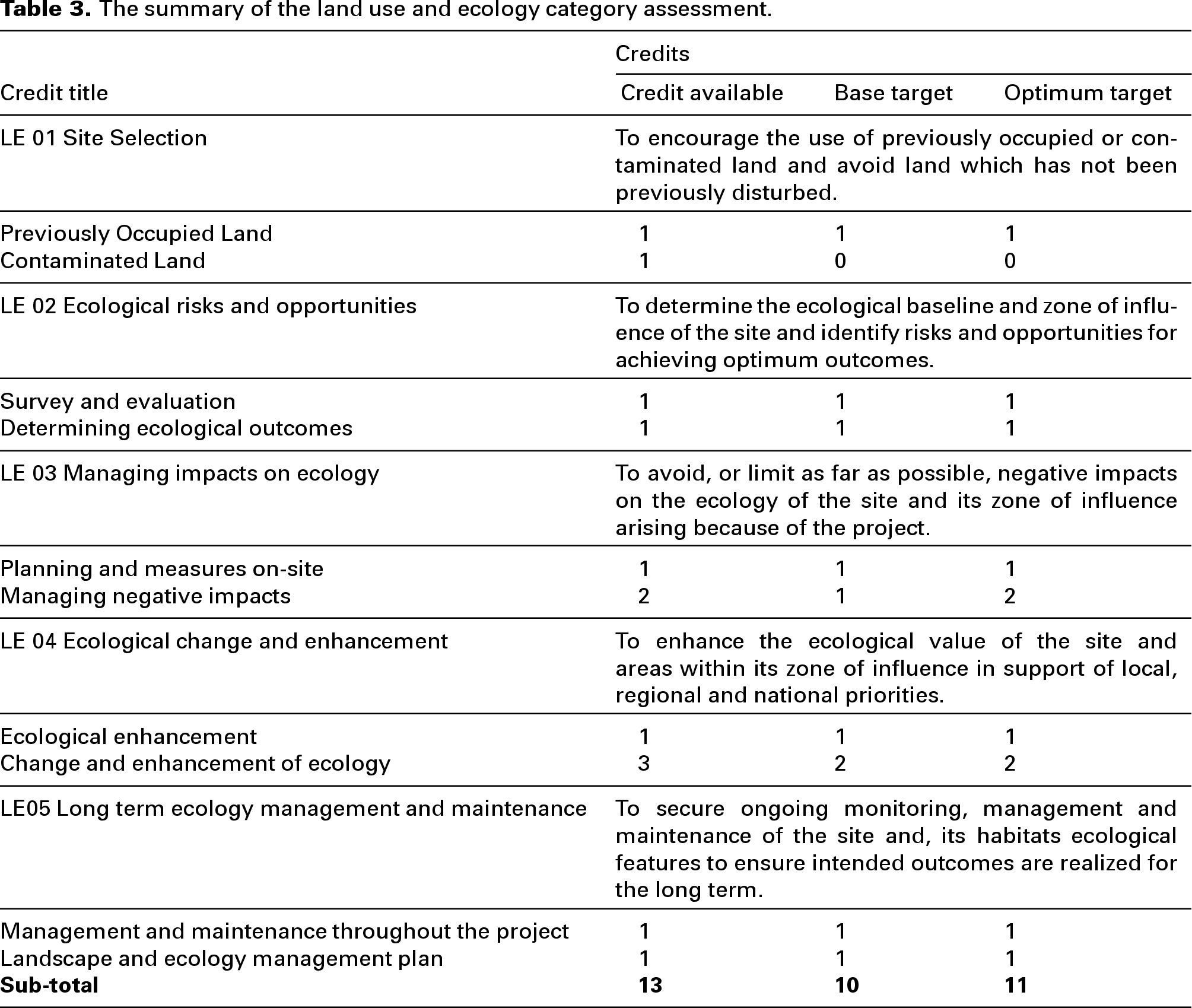
The project was committed to minimizing its ecological impact through careful site selection and ecological management (seen in Table 3). For LE 01 – Site Selection, which ensured that at least 75% of the development footprint was located on previously occupied land, which was expected to earn a credit. However, there was a potential issue with site contamination, pending confirmation through a site investigation. Should contamination be confirmed, appropriate remediation measures would be implemented. For LE 02 – Ecological Risks and Opportunities, a suitably qualified ecologist has been appointed to assess ecological risks and ensure compliance with relevant legislation, facilitating the achievement of two credits. In LE 03 – Managing Impacts on Ecology, the project has already developed plans to mitigate negative ecological impacts, with measures in place for site preparation and construction. These measures, in consultation with the ecologist, were expected to earn three credits. Additionally, LE 04 – Ecological Change and Enhancement, that involves implementing local ecological enhancements, with credits contingent on the scope of improvements, is pending the ecologist's report. LE 05 – Long-Term Impact on Biodiversity focuses on maintaining ecological value throughout the lifecycle of the project, ensuring biodiversity is preserved and enhanced, with credits to be achieved through comprehensive management and monitoring. Overall, the Land Use & Ecology category was anticipated to earn ten out of thirteen credits, with a focus on site selection, ecological risk management and long-term sustainability.
The summary of the land use and ecology category assessment.
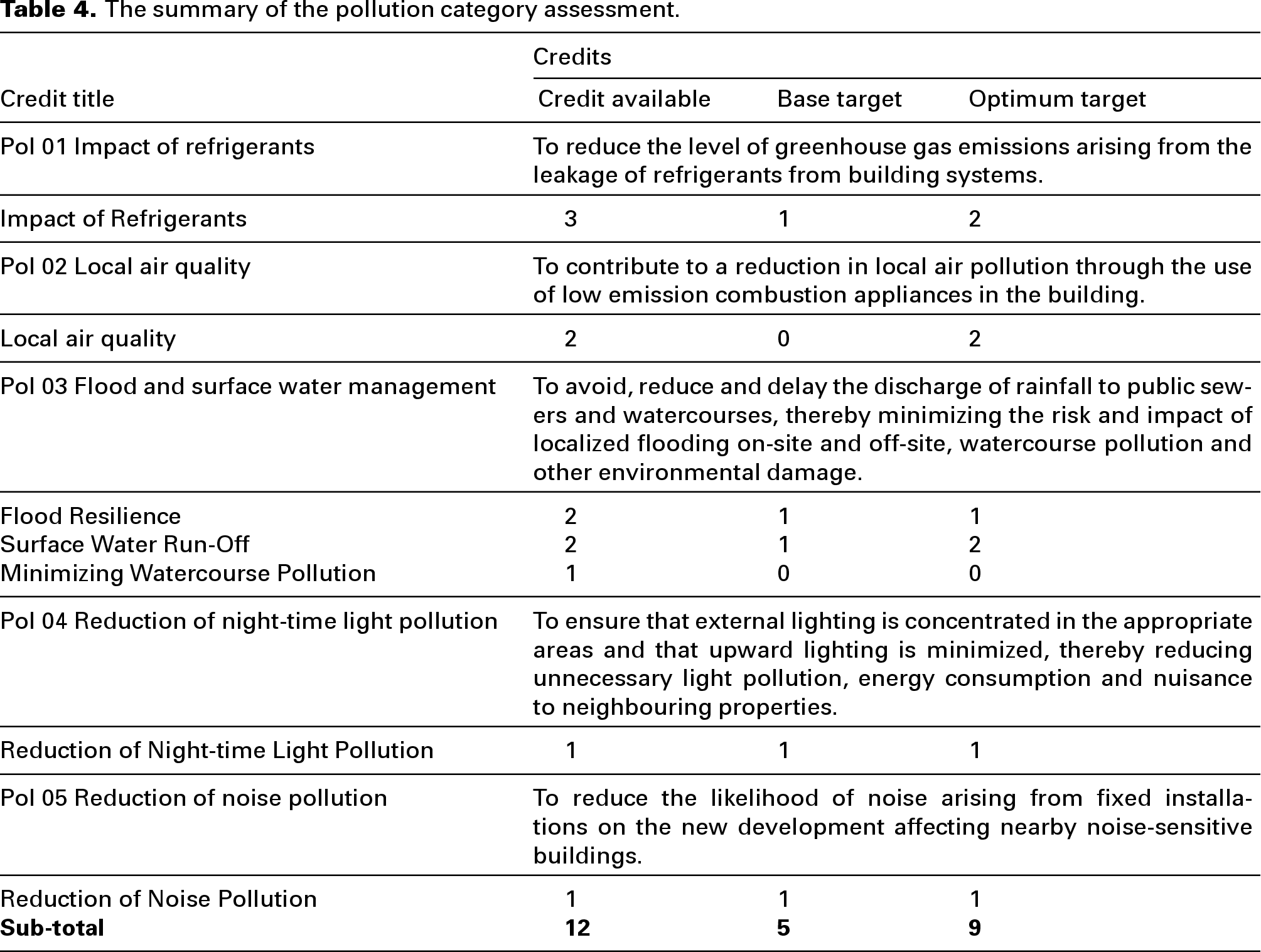
In the Pollution category, the project aimed to mitigate its environmental footprint through several strategic measures. For Pol 01 – Impact of Refrigerants, the building used combined heat pumps and chillers with leak detection systems, meeting the required standards for refrigerant use and likely securing two credits. Under Pol 02 – Local Air Quality, the use of ASHPs ensured compliance with NOx emission standards, targeting two additional credits. In Pol 03 – Surface Water Runoff, the project manages flood risk and ensures that runoff rates do not exceed pre-development levels. However, due to the site's medium/high flood risk, only one credit is achievable, with further confirmation to be provided by the Flood Risk Assessment (FRA). While efforts to minimize watercourse pollution are currently not feasible, Pol 04 – Reduction of Night-Time Light Pollution was addressed by implementing an external lighting design compliant with best practices, securing one credit. Finally, the project earned one credit for Pol 05 – Noise Attenuation, as a commissioned noise impact assessment reporting meeting the required noise levels. The Pollution category was expected to achieve eight out of twelve credits as presented in Table 4, focusing on refrigerant management, air quality, light pollution reduction and noise control.
The summary of the pollution category assessment.
Waste management: Site waste management and reuse strategies
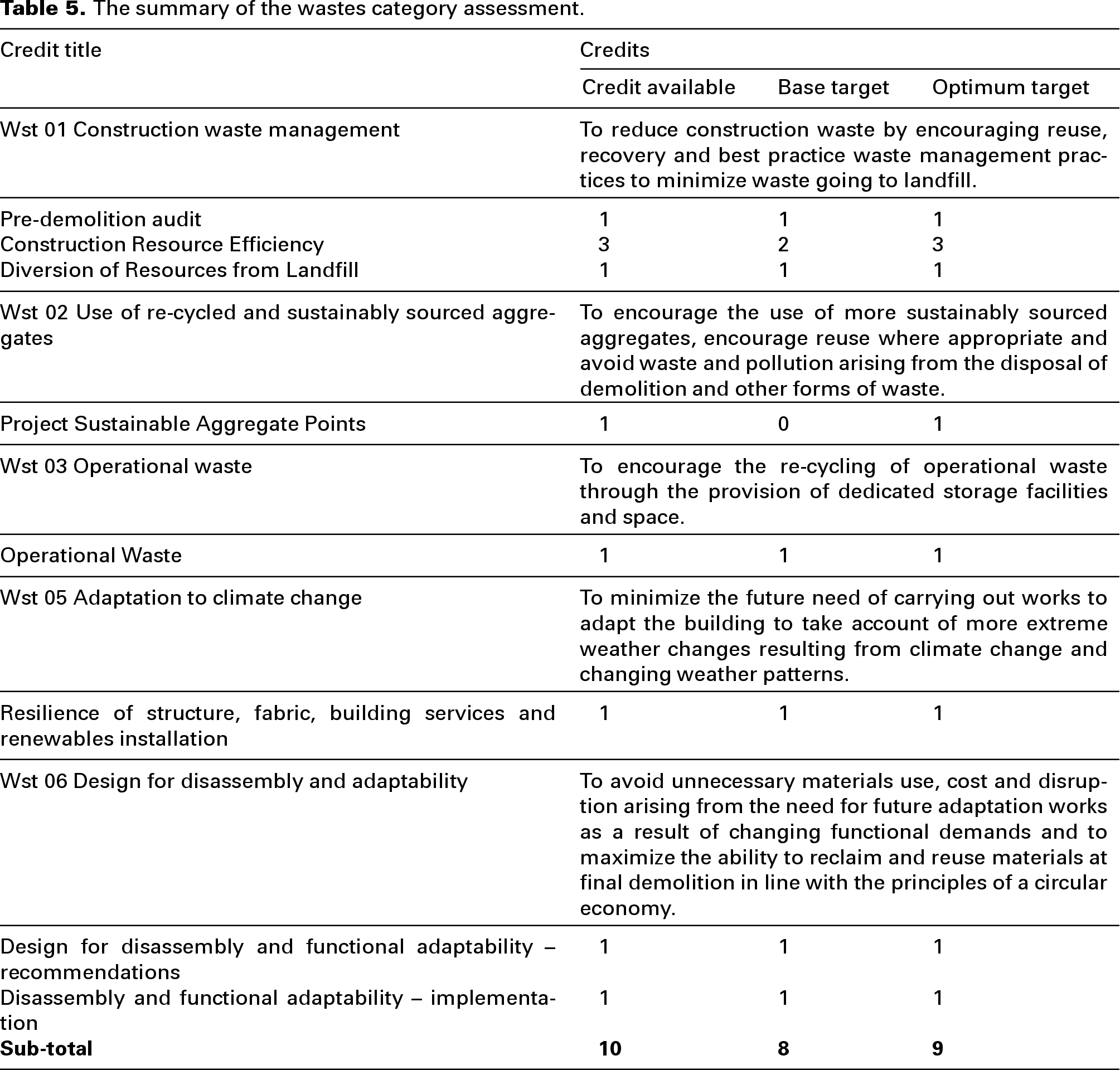
The project integrated a comprehensive waste management strategy aimed at minimizing construction and operational waste, promoting material reuse and ensuring adaptability for future changes. Under Wst 01 – Construction Waste Management, the project conducted a pre-demolition audit by the end of RIBA Stage 2. This audit assessed materials for potential reuse and set targets for re-cycling, helping to minimize waste during demolition and construction. The audit also involved all contractors to maximize high-grade reuse and re-cycling opportunities. The project aimed to achieve one credit for conducting the audit at the Concept Design stage. Additionally, a resource management plan (RMP) was implemented, and the project targeted two credits for construction resource efficiency, assuming the waste generated per 100 m² was less than 7.5 m³ or 6.5 tonnes, aligning with the BREEAM criteria. Using modular construction methods would further reduce on-site waste generation, potentially earning three credits. A diversion from landfill strategy was also in place to meet the target of diverting 70% of non-hazardous construction and demolition waste from landfills, earning another credit for the project. However, the project did not target the exemplary level of waste diversion due to limitations in available materials and logistics for higher recovery percentages. For Wst 02 – Re-cycled Aggregates, the project did not incorporate any re-cycled aggregates, resulting in zero credit for this area. Under Wst 03 – Operational Waste, the project made provisions for operational waste segregation, with a dedicated 6.5 m² disposal room designed to handle general and re-cyclable waste. This space met the required one credit for operational waste management, ensuring accessibility for building occupants and waste management contractors.
The project also took steps towards climate change adaptation in the form of a climate change risk register and a systematic risk assessment, which was completed by the end of Stage 2. This assessment evaluated the potential impact of extreme weather conditions on the building's structure and services over its lifecycle, targeting one credit for climate change adaptation in Wst 05. Lastly, for Wst 06 – Design for Disassembly and Adaptability, the project conducted a study exploring the ease of disassembly and future adaptability of the building. This included a set of recommendations to be implemented during the design phase, ensuring the building remains flexible for future reuse or modification. The project aimed to earn two credits for meeting these criteria, demonstrating a commitment to long-term sustainability. Overall, the project was on track to achieve ten out of a possible twelve credits in waste management (seen in Table 5), with a strong focus on minimizing construction waste, promoting re-cycling and ensuring operational waste was managed efficiently. The main areas where credit was not earned were related to the use of re-cycled aggregates and the exemplary level of waste diversion, which are not currently feasible given the project's scope and material constraints.
The summary of the wastes category assessment.
Innovation: Enhancing sustainability through innovative solutions
The project has implemented innovative strategies to exceed BREEAM requirements. These strategies span multiple aspects, starting with construction practices, then moving on to indoor environmental quality, and finally encompassing energy efficiency. In terms of construction practices, under Man 03 – Responsible Construction Practices, the project has implemented risk evaluation, training, monitoring and reporting processes. As a result, it has achieved 1 credit for responsible construction practices. Moreover, through a well-executed Construction Environmental Management Plan, it has the potential to secure an exemplary credit, further demonstrating the project's commitment to sustainable construction practices. On the premise that innovation in construction practice has laid a good sustainable foundation for the project, the project has also made innovative explorations in indoor environmental quality.
Regarding indoor environmental quality, in the realm of Hea 01 – Visual Comfort, the project targets 2 credits for achieving high standards in daylighting and internal/external lighting. While the exemplary credit for daylighting is not achievable, an exemplary credit for lighting control systems could be pursued. This would allow building occupants to manually dim lighting to 20% of the maximum output, promoting energy efficiency and occupant's comfort.
Regarding Hea 02 – Indoor Air Quality, the project has selected wood-based products that meet the formaldehyde E1 class minimum, ensuring healthy indoor air quality, earning 1 credit. Additionally, for Hea 06 – Security, the project followed a risk-based security scheme verified by an independent assessment, ensuring 1 credit for security standards. In addition to innovations in indoor environmental quality, the project also has many initiatives in energy efficiency innovation.
In terms of energy efficiency, under Ene 01 – Reduction of Energy Use and Carbon Emissions, the project has opted not to target carbon reduction credits. It could have aimed for two credits for zero regulated carbon or three credits for a carbon-negative building, but these targets were not pursued. The Wat 01 – Water Consumption strategy was designed to achieve a 65% improvement over baseline water consumption. However, this credit was not targeted. Similarly, in Mat 01 – Life Cycle Impacts, the project has not pursued LCA credits, as it is a shell-only building, and no core building services were considered during RIBA Stage 2, so no credits were targeted for this category. For Wst 01 – Construction Waste Management, the project has not targeted the exemplary level of waste diversion, even though efforts were made to optimize resource efficiency during construction. Additionally, Wst 02 – Re-cycled Aggregates was not targeted as the project did not use high-grade re-cycled aggregates that could have met the exemplary level, resulting in no credits in this category. The project also did not specifically target the Wst 05 – Adaptation to Climate Change credit, as it did not meet all criteria related to flood resilience, water management and material performance against climate change.
However, in LE 02 – Ecological Value of the Site and Protection of Ecological Features, the project aimed to optimize the ecological outcomes for the site, taking into account wider sustainability activities and ecosystem services, earning 1 credit. Finally, Approved Innovation credits have been successfully secured for strategies that go beyond typical requirements, demonstrating the project's dedication to innovation, securing 1 additional credit. Overall, the project was on track to earn a total of 10 credits in the Innovation category, representing a significant achievement in pushing sustainability goals beyond the standard BREEAM criteria. While some areas, such as energy and waste management, were not targeted for higher credits, the focus on responsible construction practices, indoor environmental quality and ecological value contributes to the project's overall sustainability vision.
Discussion
Key factors in achieving near-zero carbon buildings through modular construction
Modular construction excels in the BREEAM evaluation, particularly in areas such as project management, health and well-being, materials use, land use and ecological protection. Modular buildings can achieve high BREEAM scores due to their efficient use of resources, energy-efficient designs and waste reduction strategies. 32 The St George's Hospital modular ITU building was designed to meet the BREEAM ‘Outstanding’ rating, ensuring compliance with stringent sustainability criteria and contributing to the project's overall environmental performance. The adopted modular approach not only supported the achievement of high BREEAM scores but also helped the project align with the London Plan's building regulations and sustainability goals.
Modular construction significantly reduces carbon emissions during each stage of a building's lifecycle, from design and production to operation and deconstruction. 6 The St George's Hospital project demonstrates the advantages of modular construction, particularly in terms of reduced construction time, efficient material use and lower carbon emissions. Additionally, modular construction's ability to achieve high BREEAM scores further reinforces its role in promoting sustainable, zero-carbon buildings. 2 Through its standardized, prefabricated approach, modular construction offers a compelling solution to the challenges of reducing carbon emissions in the building industry. Key factors that influence the achievement of near-zero carbon buildings through modular construction include energy efficiency, waste reduction, material sustainability, indoor air quality and climate resilience.
Energy efficiency and carbon emissions
In this project, the targeted reduction in energy use and carbon emissions aligns with the modular construction method's ability to minimize energy demand through prefabrication. While the project has not pursued the carbon-negative credit, it aimed for significant carbon reduction through energy-efficient designs and energy systems, including the integration of ASHP, which helped to meet the required NOx emission levels. The project's ambition to reduce energy use was further supported by its focus on passive design strategies, which are crucial in reducing heating and cooling loads. Compared to traditional construction, modular buildings generally require less energy for both construction and operation due to their precise design and factory-controlled conditions, leading to fewer energy losses.
Waste reduction
The project's waste management strategy, particularly under Wst 01 and Wst 02, demonstrates modular construction's effectiveness in minimizing construction waste. The construction waste management plan aimed to achieve exemplary levels of resource efficiency, diverting more than 80% of non-hazardous waste from landfills. Moreover, the use of re-cycled aggregates and sustainable material sourcing was integral to reducing embodied carbon in the building. Modular construction's off-site fabrication process resulted in more accurate material use and less waste, as components were pre-cut and assembled in controlled factory environments. This contrasts with traditional construction, where material waste can be higher due to on-site errors and unpredictable weather conditions that may delay work and increase waste.
Material sustainability
The project's focus on sustainable sourcing of materials and RMPs highlights the modular approach's advantage in using high-quality, re-cycled materials. While the project did not target all available credits for re-cycled aggregates or advanced sourcing (e.g. Mat 01 for life cycle impacts), it did achieve substantial reductions in material waste compared to traditional building methods. Modular construction could enable more precise calculations of material requirements, leading to better resource management and fewer materials discarded during construction.
Indoor environmental quality and climate adaptation
The project targeted high standards in indoor air quality (Hea 02) and visual comfort (Hea 01), ensuring that the modular design accommodated efficient ventilation systems, natural daylighting and quality lighting controls. These factors could improve the building's sustainability and also enhance the occupants’ well-being. Modular construction allows for better design flexibility, optimizing space and internal layouts to reduce energy use for heating, cooling and lighting. Moreover, the project has met stringent air quality standards by using materials that met the formaldehyde emission limit. Traditional construction methods may face challenges in optimizing these factors due to the variability of on-site construction practices and materials.
Climate resilience and long-term adaptability
The modular approach's flexibility also supported adaptation to climate change (Wst 05), an essential factor in long-term sustainability. The project's strategy included conducting a climate change adaptation appraisal to ensure that the building can withstand future extreme weather conditions. This level of foresight is easier to implement in modular construction, where components are designed for long-term performance and easy maintenance. In contrast, traditional construction often faces difficulties in addressing climate resilience comprehensively, as buildings may not be optimized for future environmental conditions.
In summary, modular construction stands apart from traditional building methods by offering a more controlled, efficient process that minimizes waste, reduces carbon emissions and optimizes energy use. These advantages are driven by off-site prefabrication, precise material management, and the ability to design and implement energy-efficient and sustainable systems more effectively than conventional on-site construction.
Smart control technologies for enhanced energy efficiency
Current smart control systems deployed in modular construction have established a comprehensive energy management framework, primarily relying on the deep integration of Internet of Things (IoT) sensor networks and automated systems. By deploying temperature-humidity sensors, occupancy detection devices and light-monitoring equipment, 33 buildings can collect real-time environmental parameters and spatial usage data. 34 These sensors are directly linked to building automation systems, such as pre-programmed HVAC and lighting controls, enabling energy adjustments based on fixed rules. For instance, infrared sensors can trigger lighting shutdowns in unoccupied conference rooms, while HVAC systems activate adjustments when regional temperatures deviate from preset values. 35 Such technologies already deliver baseline energy savings of 15–25% in modular buildings, 36 establishing a critical data infrastructure for future intelligent upgrades.
Building upon the existing IoT sensory layer, the integration of AI algorithms can transform energy management from ‘reactive responses’ to ‘predictive optimization’. AI-powered building management systems (BMS) leverage machine learning to analyse historical data and real-time information streams, 10 dynamically predicting variables such as occupancy patterns and extreme weather impacts. For example, AI-enhanced HVAC systems would respond to current occupancy status, synthesize calendar events, thermal inertia and 48-h weather forecasts to generate optimized temperature curves 12 h in advance. 37 Experimental results show that such predictive control could reduce HVAC energy consumption by an additional 18–22% in modular buildings. 35 Simultaneously, AI-enabled lighting systems utilize computer vision to identify workstation types, precisely regulating desktop illuminance to 500–750 lux, achieving a 31% greater efficiency compared to traditional light-sensing controls. 33 This technological evolution enables total operational energy reductions of up to 40% in modular buildings, significantly advancing near-zero carbon objectives. 34
Policy and practical recommendations
To further the adoption and impact of modular construction in achieving sustainable and near-zero carbon buildings, targeted policies and practical measures are essential.38,39 Governments and the construction industry should work collaboratively to enhance support for modular construction by creating a conducive regulatory framework, providing financial incentives and promoting research and development in green construction technologies. 32 Encouraging the adoption of green building standards, such as BREEAM, can drive the transition towards sustainability by establishing clear benchmarks for environmental performance. 29 By integrating these standards into national and local building regulations, governments can accelerate industry-wide transformation and ensure that sustainability becomes a fundamental principle in construction practices.
Despite the technical merits of modular construction, its broader adoption remains limited by cultural contexts and policy environments. For instance, in European cities with stringent historical conservation regulations (e.g. London), modular buildings’ contemporary aesthetics might clash with traditional urban areas. In contrast, modular materials’ durability in hot and humid Southeast Asian climates remains challenging. 40 Furthermore, inconsistent policy support, such as lack of subsidies or complex approval processes, may hinder project realization. 39 Future research should develop localized modular construction strategies and advocate for policymakers to foster cross-regional collaboration mechanisms.
Additionally, the construction industry must prioritize education and training programs to raise awareness about modular construction's environmental benefits. 31 Initiatives that showcase successful modular projects can serve as case studies to inspire further adoption 41 Partnerships between the public and private sectors can facilitate knowledge sharing, innovation and investment in modular construction technologies. Expanding the application of BREEAM and other green assessment methods can further standardize sustainable practices and enhance their accessibility to a broader range of projects.
Future outlook
Future research should focus on exploring modular construction's carbon emission performance in diverse climates and regional environments. 39 Since environmental factors such as temperature, humidity and solar exposure vary significantly across regions, understanding how modular construction performs under these conditions can help optimize its design and energy efficiency. 42 This research has provided a guide to tailor solutions that may maximize modular construction's potential in different geographic contexts.
Developing new low-carbon materials and integrating them with renewable energy technologies is another critical area for exploration. Innovations such as bio-based materials, advanced insulation systems and energy-efficient coatings can further reduce the embodied carbon of modular buildings. 43 Advancements in combination with renewable energy systems like solar PV, wind turbines and energy storage technologies can significantly enhance modular construction's capability to achieve zero-carbon goals. 44 Furthermore, although solar PV are widely used, there are concerns regarding their potential impact on environment, especially the low surface albedo of PVs which can lead to heat accumulation. The interactions between the environment and PVs remain an area to be further investigated.
Conclusion
Modular construction has a crucial role in achieving near-zero carbon building goals. This study explores its advantages in zero-carbon development through a case study of St George's University Hospital Modular ITU project in London using a combination assessment of LCA and BREEAM standards. It highlights the benefits of reduced carbon emissions throughout the lifecycle stages, as well as efficient resource use and construction timelines. This study has achieved the following objectives:
Modular healthcare buildings can reduce lifecycle carbon emissions by 30–40%, leveraging factory prefabrication and renewable energy sources. Modular construction outperforms traditional construction significantly in BREEAM's Energy (85% score) and Waste Management (83%), but scores similarly in the Health and Well-being category due to healthcare-specific requirements. High initial investment (£43.52/m²) remains a barrier, yet modular construction reduces operational costs by up to 25%, offsetting initial expenses. Cultural adaptability and fragmented policies require addressing to facilitate the global adoption of modular construction.
The research findings underscore modular construction's contribution to sustainable development in multiple phases. In the design phase, features like energy-efficient designs and low-carbon material usage set a foundation for reduced energy demand. Factory-based fabrication in the production phase optimized resource use and waste reduction. The shortened construction timeline minimized emissions from machinery and transportation. Renewable energy integration and efficient systems help to cut down on energy consumption and carbon emissions during the operation phase. Material reuse and re-cycling were designed to improve the sustainability of the deconstruction phase.
Modular construction aligns well with BREEAM standards, which is crucial for sustainable building assessment. The St George's project showed high-performance potential in multiple BREEAM assessment categories. In energy efficiency, the integration of renewable energy and passive design features led to a high BREEAM score. The controlled factory environment benefited material use, and waste management was optimized during production and assembly. Additionally, it prioritized health and well-being and performed well in land use and ecology aspects, indicating its ability to meet stringent sustainability criteria. Furthermore, integrating smart control technologies such as IoT sensors, AI-driven HVAC systems and automated lighting controls can significantly enhance modular buildings’ energy efficiency and environmental performance. These intelligent systems enable real-time optimization of resource use, ensuring that energy consumption closely aligns with occupancy patterns and environmental conditions, thus further contributing to achieving near-zero carbon emissions in modular construction.
As healthcare facilities worldwide face increasing pressure to achieve sustainability targets, the success of this project demonstrates that modular construction is a practical and effective solution for creating green, low-carbon healthcare environments. It offers a viable option for reducing carbon emissions and achieving near-zero carbon building targets. However, challenges such as high initial capital costs need to be addressed. Through continuous innovation and collaboration amongst policymakers, urban planners and construction professionals, modular construction can be further promoted, contributing significantly to global climate change mitigation and sustainable development in the building industry.
Footnotes
Acknowledgements
The authors would like to acknowledge the supports from the National Natural Science Foundation of China (No. 52300230), the Jiangsu Funding Program for Excellent Postdoctoral Talent (2023ZB455) and the Postgraduate Research & Practice Innovation Program of Jiangsu Province (KYCX25_0487). We also thank the team behind the St George's University Hospital modular ITU building project for providing access to project documentation and data, which was crucial for this research.
Authors’ contribution
Dingyue Cui: conceptualization, methodology, data curation and analysis, writing, review and editing, visualization, funding acquisition. Hua-Yang Zhao: supplementing information, writing, review and editing, visualization. Ruijun Zhang: methodology, writing, review and editing, supervision, funding acquisition.
Declaration of conflicting interests
The authors declared no potential conflicts of interest with respect to the research, authorship, and/or publication of this article.
Funding
The authors disclosed receipt of the following financial support for the research, authorship, and/or publication of this article: This work was supported by the National Natural Science Foundation of China, Jiangsu Provincial Department of Human Resources and Social Security, Jiangsu Funding Program for Excellent Postdoctoral Talent, Jiangsu Provincial Department of Education, Postgraduate Research & Practice Innovation Program of Jiangsu Province, (grant number 52300230, 2023ZB455, KYCX25_0487).
