







Abstract
Objectives
Short video platforms have become the main channel for the public to obtain information about cancer. In recent years, TikTok has gradually become an important source of health information for Chinese patients. This study aims to assess the content, quality and reliability of videos related to tongue cancer on the Tiktok platform.
Methods
From November 11 to 12, 2025, we searched for “tongue cancer” on TikTok platform. Based on the filtering criteria, collect information for the videos that meet the requirements. The global quality score (GQS) and the modified DISCERN (mDISCERN) were used to evaluate the quality and reliability of the videos. Finally, a spearman correlation analysis was conducted on all the indicators of the videos.
Results
This analysis included 79 videos. The duration of the videos is relatively short, with a median of 85.00 (IQR: 45.00, 127.50), but the interaction indicators are relatively high. The symptoms and treatment were mentioned more frequently, while the topics of epidemiology, etiology, diagnosis and prevention were mentioned less. The GQS score of the videos uploaded by the doctors was significantly higher, with a median of 4.00 (IQR: 3.00, 4.00), compared to videos uploaded by individual users 1.50 (IQR: 1.00, 2.00). The trend of the mDISCERN score was similar. The GQS and mDISCERN scores of videos uploaded by doctors are higher than those of individual uploaders.
Conclusion
TikTok videos on tongue cancer are short but highly engaging. Videos uploaded by doctors have higher quality and reliability than those by individual users. Symptoms and treatment are covered more than epidemiology, etiology, diagnosis, and prevention. Therefore, increasing the number of videos uploaded by doctors is crucial for improving the quality and reliability of videos on the TikTok platform.
1. Introduction
Tongue cancer is one of the most common malignant tumors in the oral and maxillofacial region. It often occurs in the tongue area. 11 More and more young people have been diagnosed with tongue cancer. 22 Tongue cancer usually shows no abnormal symptoms in its early stages, making it easily overlooked. In the advanced stage, patients may experience typical symptoms such as oral discomfort, tongue pain, ulcers and lumps. 33 The risk factors for tongue cancer include smoking, alcohol consumption, and oral inflammation. 44–6 The most common pathological type of tongue cancer is squamous cell carcinoma, 77 and the main diagnostic method is pathological biopsy. The main treatment method for tongue cancer is surgical resection. The surgical methods include mucosal resection, complex combined resection and others. 88 For patients with tongue cancer who have lymph node metastasis, an extended neck lymph node dissection can effectively prevent recurrence. 99 In addition, tongue cancer can also be treated with chemotherapy and radiotherapy as subsequent treatments. 110,11 Nowadays, we live in the information age, and various communication platforms can provide us with all kinds of information. 112,13
The TikTok platform has a large number of users in China and is a popular video sharing platform. Since this platform was put into use, it has been widely recognized. The TikTok platform contains a lot of content, with a cut off date of 2021, and has over 1 billion monthly users worldwide. 1 14 The TikTok short-video platform can assign tags to the videos, enabling videos of the same category to be grouped together, which helps users find relevant content. The TikTok platform enables users and video uploaders to interact, including actions such as liking, saving and sharing. These series of actions may enhance the dissemination of the videos. The TikTok short video platform is highly popular among young people.
TikTok operates with its own algorithmic system. When users browse the dynamic information feed on TikTok, the algorithm recommends content based on their viewing patterns. The platform is able to provide personalized videos according to users’ preferences, including content related to medical topics. Short-form videos, characterized by their brevity, rapid pace, precise algorithms, and intuitive audiovisual presentation, significantly reduce the time required to access health information and play a unique role in promoting users’ informal consumption of health information. Compared with traditional health communication channels, short-form videos are more easily integrated into everyday life contexts, enabling users to encounter, filter, and absorb health knowledge during entertainment, social interaction, and casual browsing, thereby reshaping the ways and pathways through which the public acquires health information. Meanwhile, TikTok is particularly popular among young people.
Currently, when most people are unwell, they tend to search for information related to diseases on the TikTok platform. They then make decisions based on the content of the short videos. Therefore, the quality and reliability of the videos on the short video platform are crucial. Of course, the TikTok platform also has some shortcomings. Some of the video content is misleading, 1 15 which may pose a potential threat to users. Therefore, the purpose of our research is to evaluate the quality and reliability of the videos on this short video platform.
There have been many studies reporting the use of short video platforms for disease analysis. For example, the research team led by Kaidi Zhao conducted a cross-sectional analysis of 71 short videos related to gonorrhea on TikTok. First, they extracted video interaction indicators, uploader types and content. Then, they used the Global Quality Score (GQS) and the modified DISCERN (mDISCERN) tool to evaluate the quality and reliability of the videos. Zhao’s research team discovered that the GQS scores of videos uploaded by doctors were significantly higher than those of individual users’ videos, and that TikTok videos related to gonorrhea had strong interactivity. 1 16 Yue Wang’s research team analyzed short videos related to thyroid eye disease on TikTok platform. Among them, 90 videos received nearly 15,000 likes and 2,000 shares. This indicates that users have a high level of participation. Additionally, Yue Wang’s research team discovered that popularity is negatively correlated with overall quality, while video duration is positively correlated with reliability and negatively correlated with the number of upload days. 1 17
Although previous studies have examined health-related content on short-video platforms such as TikTok, they have primarily focused on conditions such as gonorrhea and thyroid eye disease. However, relatively few studies have specifically investigated tongue cancer, as this disease differs significantly in several important aspects. Tongue cancer is more severe, requires timely and accurate early detection, and has significant public health implications due to its impact on incidence and survival rates. These differences highlight the need for a focused investigation of tongue cancer–related information on short-video platforms. Therefore, this study aims to fill this gap by systematically analyzing content related to tongue cancer on TikTok, with particular attention to information quality, dissemination patterns, and potential implications for public health communication. This study focuses on the quality and reliability of tongue cancer–related videos on TikTok. This issue is particularly important because public awareness of tongue cancer directly influences preventive measures and health-seeking behaviors. Accordingly, this study aims to evaluate the content, quality, and reliability of tongue cancer–related videos on TikTok and to provide recommendations for improving health communication strategies.
2. Methods
2.1. Data source
TikTok was specifically selected as the study platform due to its unique short-video format and algorithm-driven content distribution, which play a significant role in shaping users’ exposure to health information. Therefore, the results of this study should be interpreted within the context of TikTok. The data collection period for this study was from November 11 to 12, 2025, in Xiamen. Our research is a cross-sectional study. Our aim is to assess the quality and reliability of videos related to tongue cancer on the TikTok platform (https://www.douyin.com/). We enter the keyword “tongue cancer” in the search bar of TikTok and select the comprehensive ranking option. It should be noted that we need to conduct the search as a visitor in order to avoid personalized recommendations. We selected the top 100 videos as the initial analysis subjects. The flowchart of this study is shown in Figure 1. Flowchart for screening TikTok videos related to tongue cancer.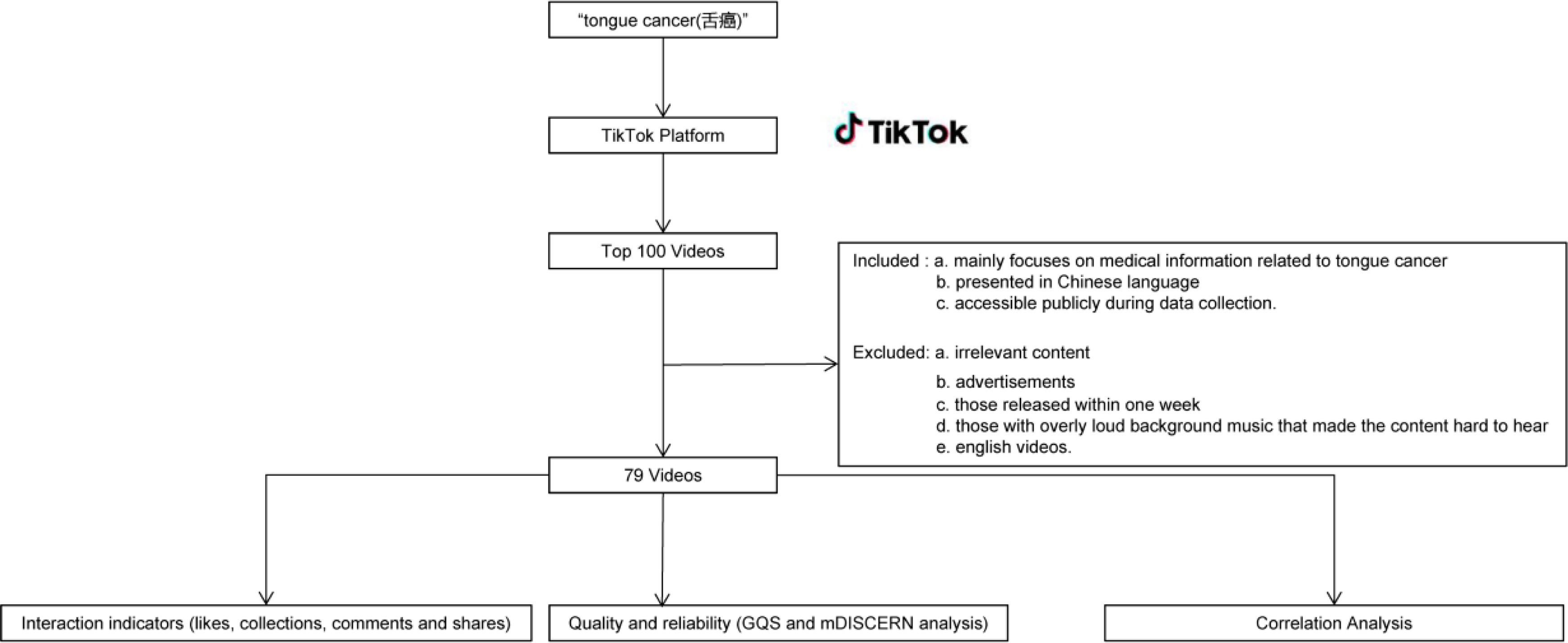
2.2. Inclusion and exclusion criteria
Videos will be included based on the following criteria: a. mainly focuses on medical information related to tongue cancer; b. presented in chinese language; c. Accessible publicly during data collection. Based on the following criteria, the videos were excluded: a. irrelevant content; b. advertisements; c. those released within one week; d. those with overly loud background music that made the content hard to hear; e. english videos. After filtering according to these criteria, a total of 79 videos were finally obtained.
2.3. Data collection
To conduct a comprehensive assessment of the video, after selecting the video, we need to collect information about it. First, we collected the duration of the videos as well as user interaction indicators (such as likes, collections, comments and shares). Then we continued to collect the occupations of the uploaders. We classified the uploaders into the following categories: oral and maxillofacial surgeon, individual user, oncologists, radiation oncologist and others. At the same time, we have collected information on the epidemiology, etiology, symptoms, diagnosis, treatment and prevention of the videos.
2.4. Quality and reliability assessment
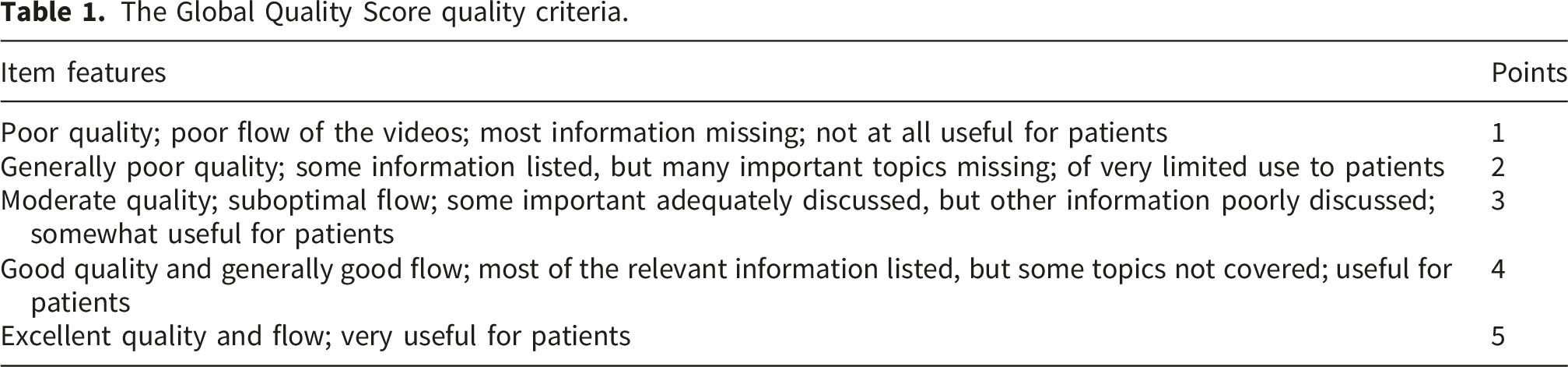
The Global Quality Score quality criteria.
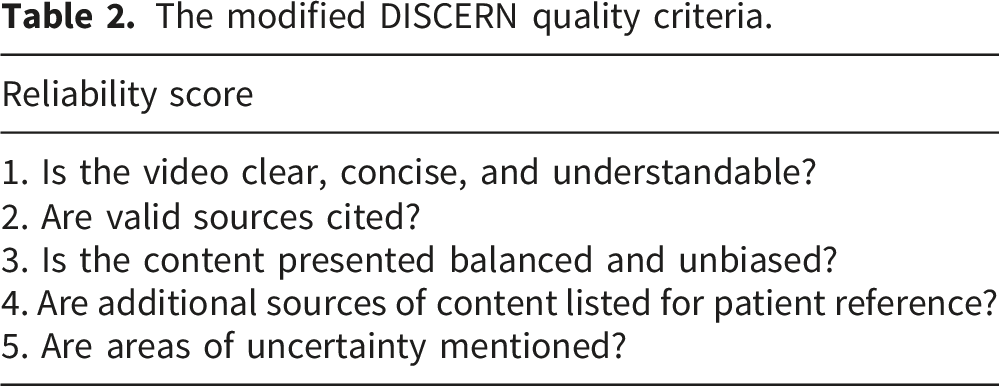
The modified DISCERN quality criteria.
2.5. Statistical analysis
In order to compare the video quality scores among different categories of uploaders, the Mann-Whitney U test was employed. Using spearman correlation analysis to evaluate the relationships among interaction indicators (likes, collections, comments and shares), video duration and videos scores. All the statistical analysis results were conducted using R 4.3.0 software and GraphPadPrism 10.1.2 software, and p < 0.05 indicates statistical significance.
3. Results
3.1. Baseline data of tongue cancer related videos
General information, quality, and reliability scores of tongue cancer related videos on TikTok.
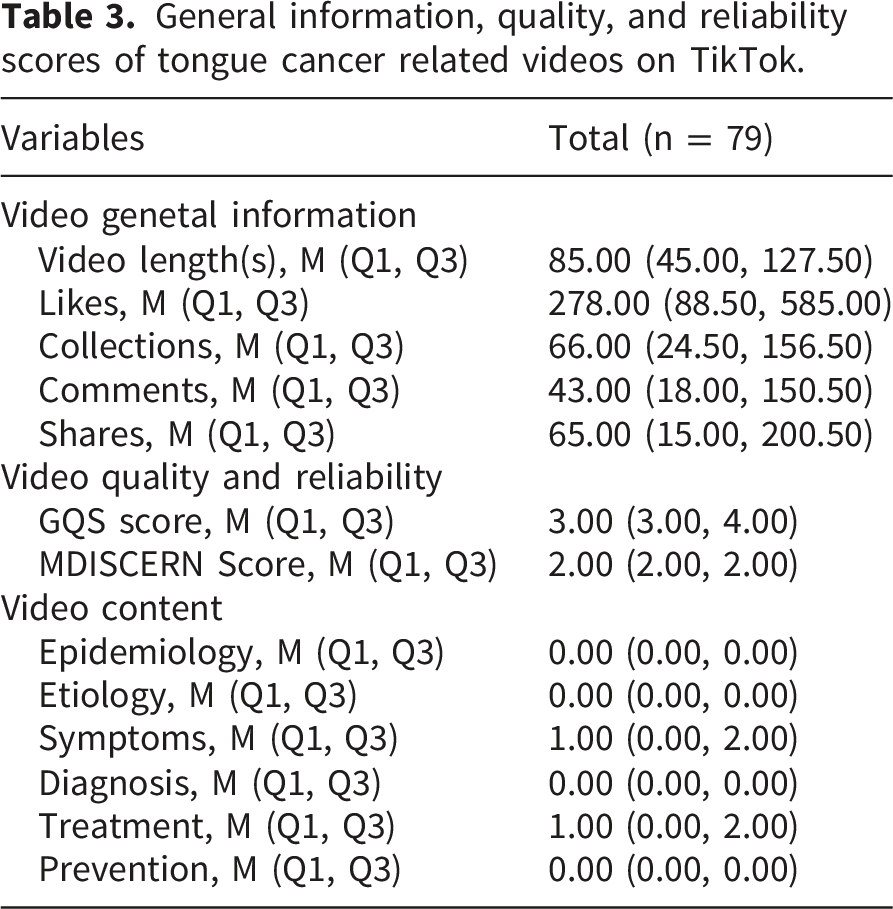
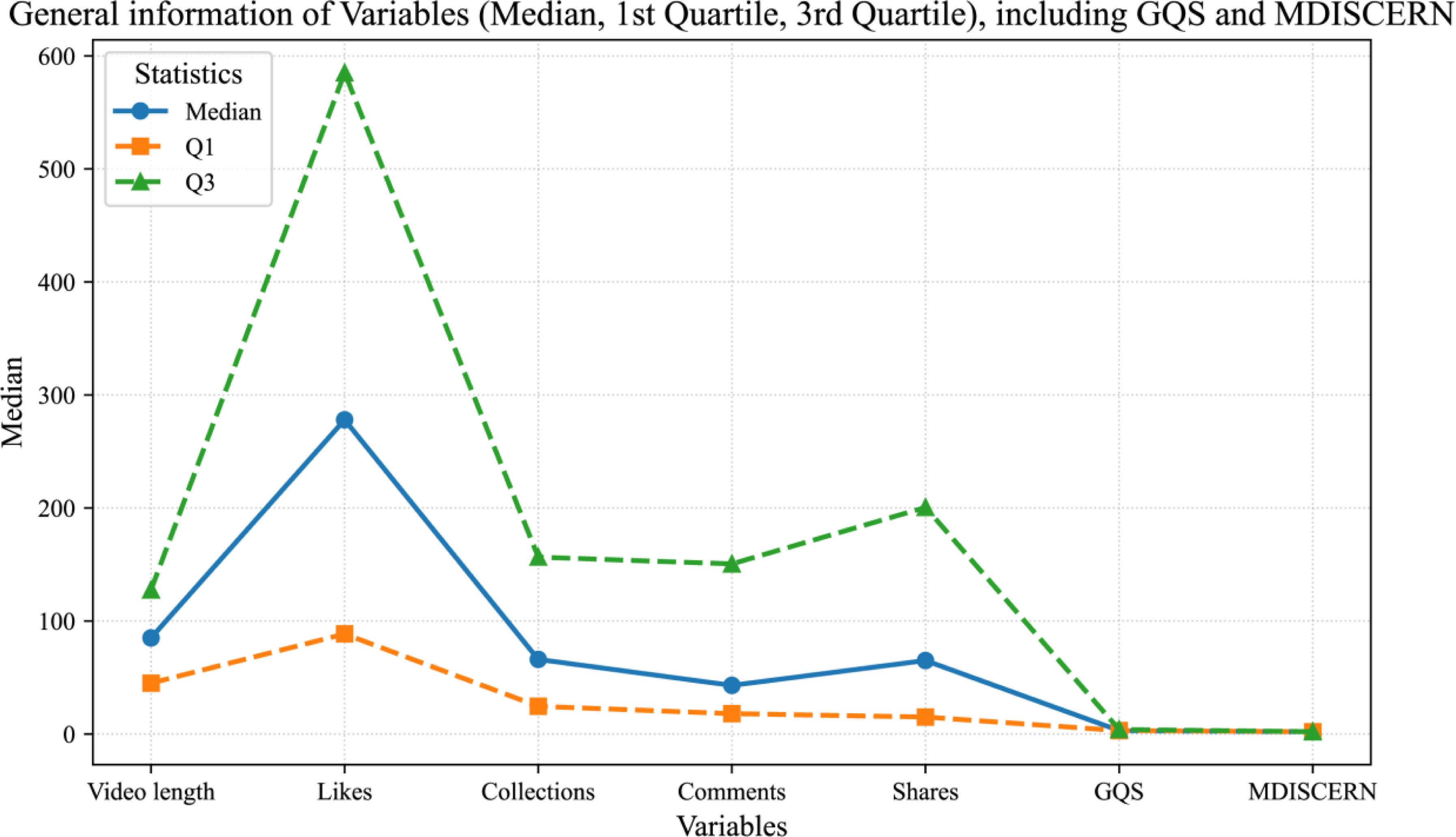
General information of vedio variables (Median, 1st Quartile, 3rd Quartile).
3.2. Uploader information for tongue cancer related videos
Uploader of short videos.
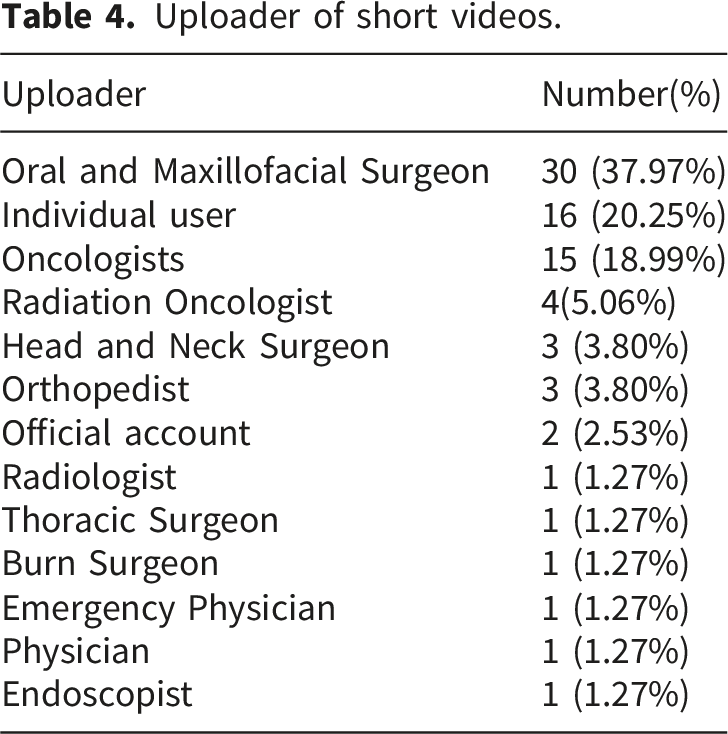
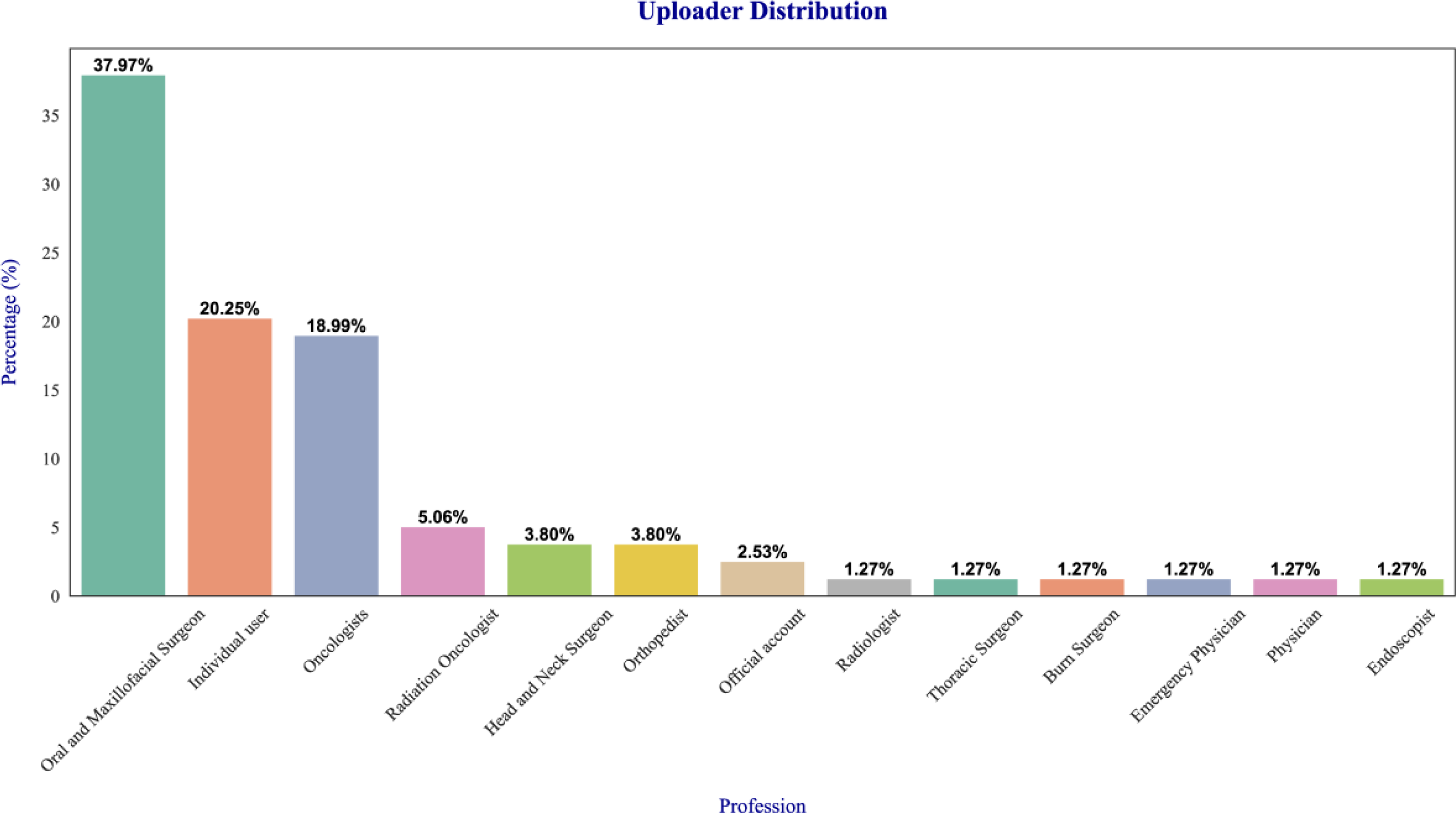
Distribution of video uploaders.
3.3. Content of tongue cancer related videos
The most frequently mentioned video contents in the videos related to tongue cancer are symptoms (n=55) and treatment (n=51). Epidemiology (n=10), etiology (n=17), diagnosis (n=17) and prevention (n=8) are mentioned relatively less (Figure 4). Content distribution of tongue cancer related videos.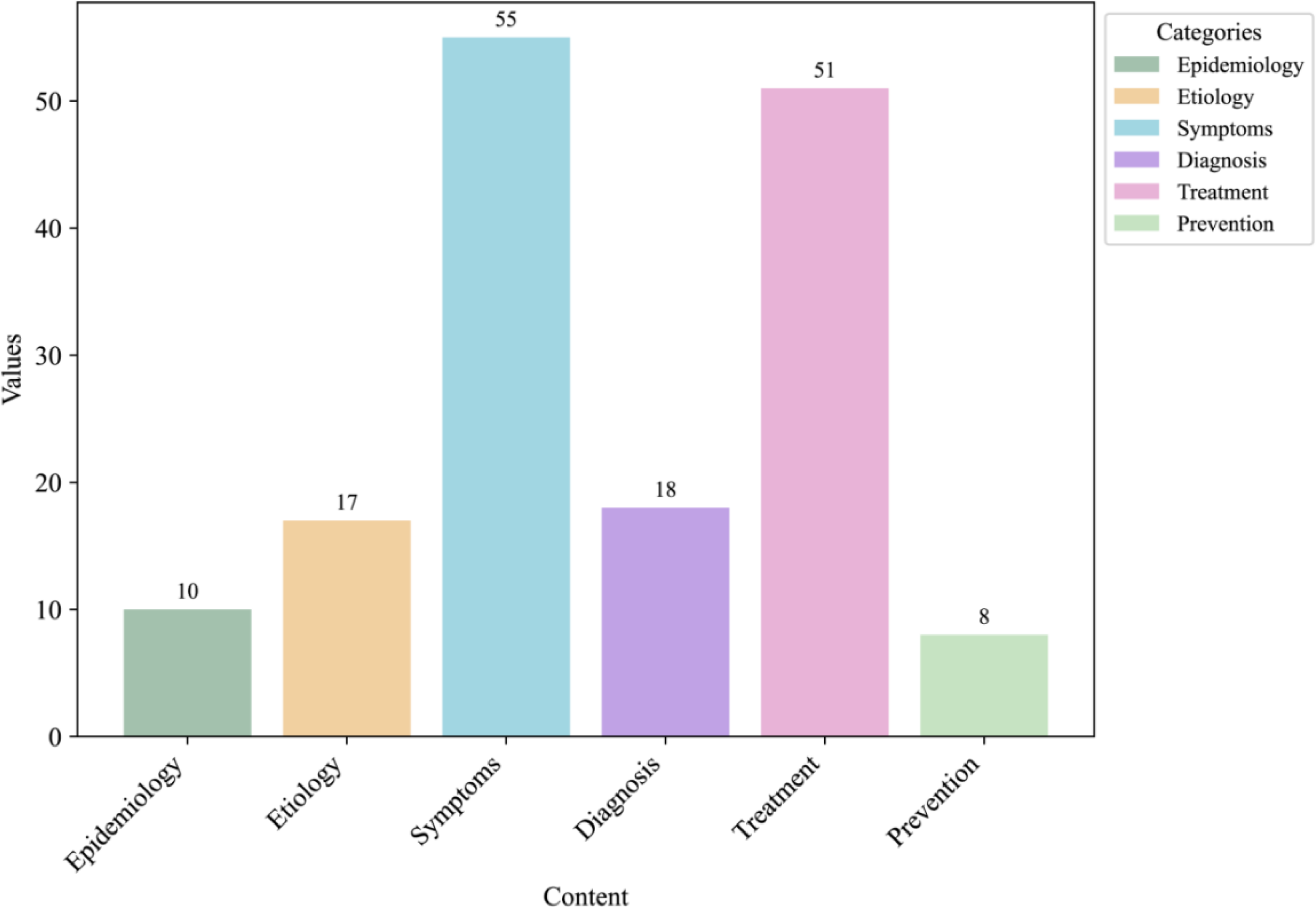
3.4. Differences in video quality and reliability between uploaders
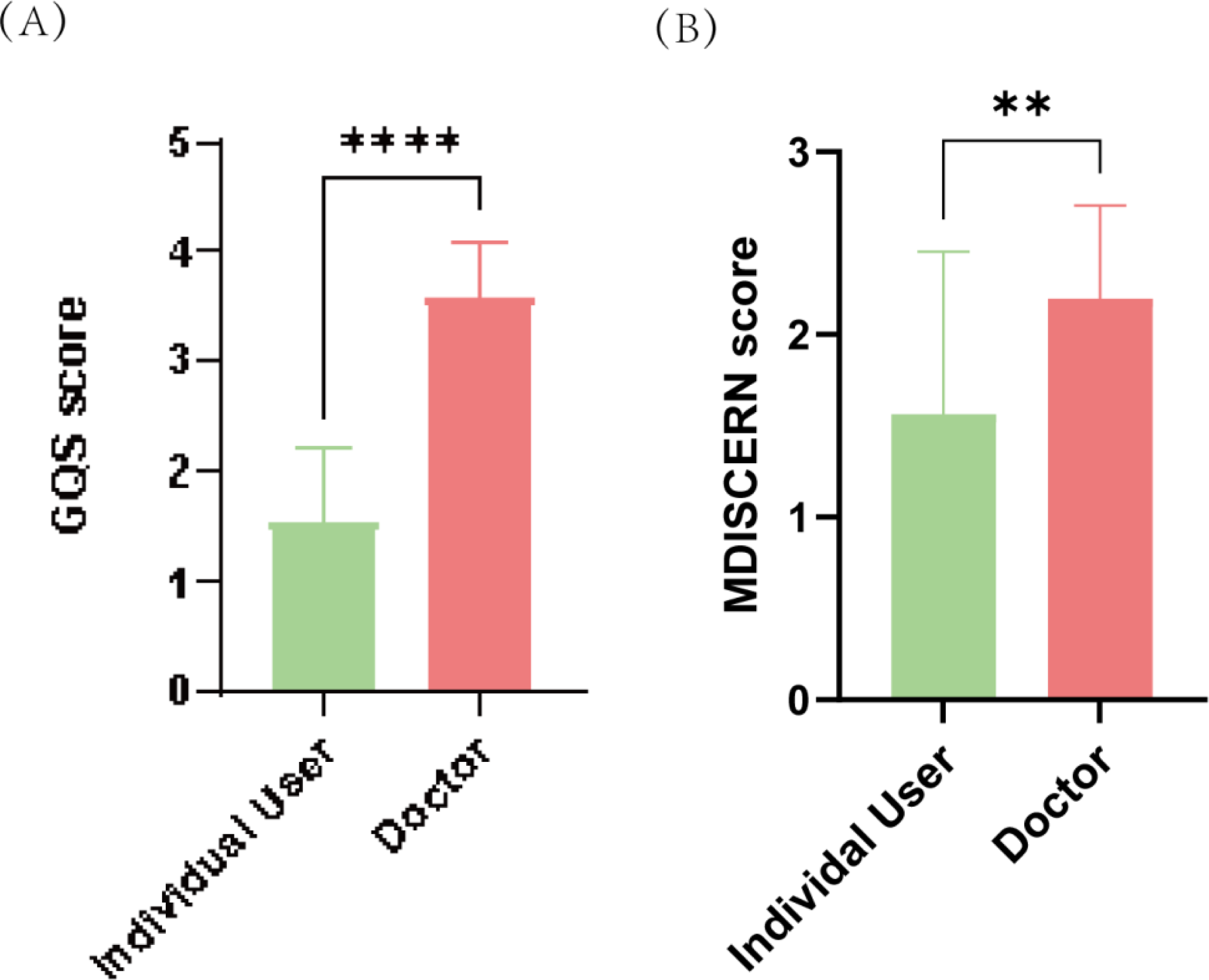
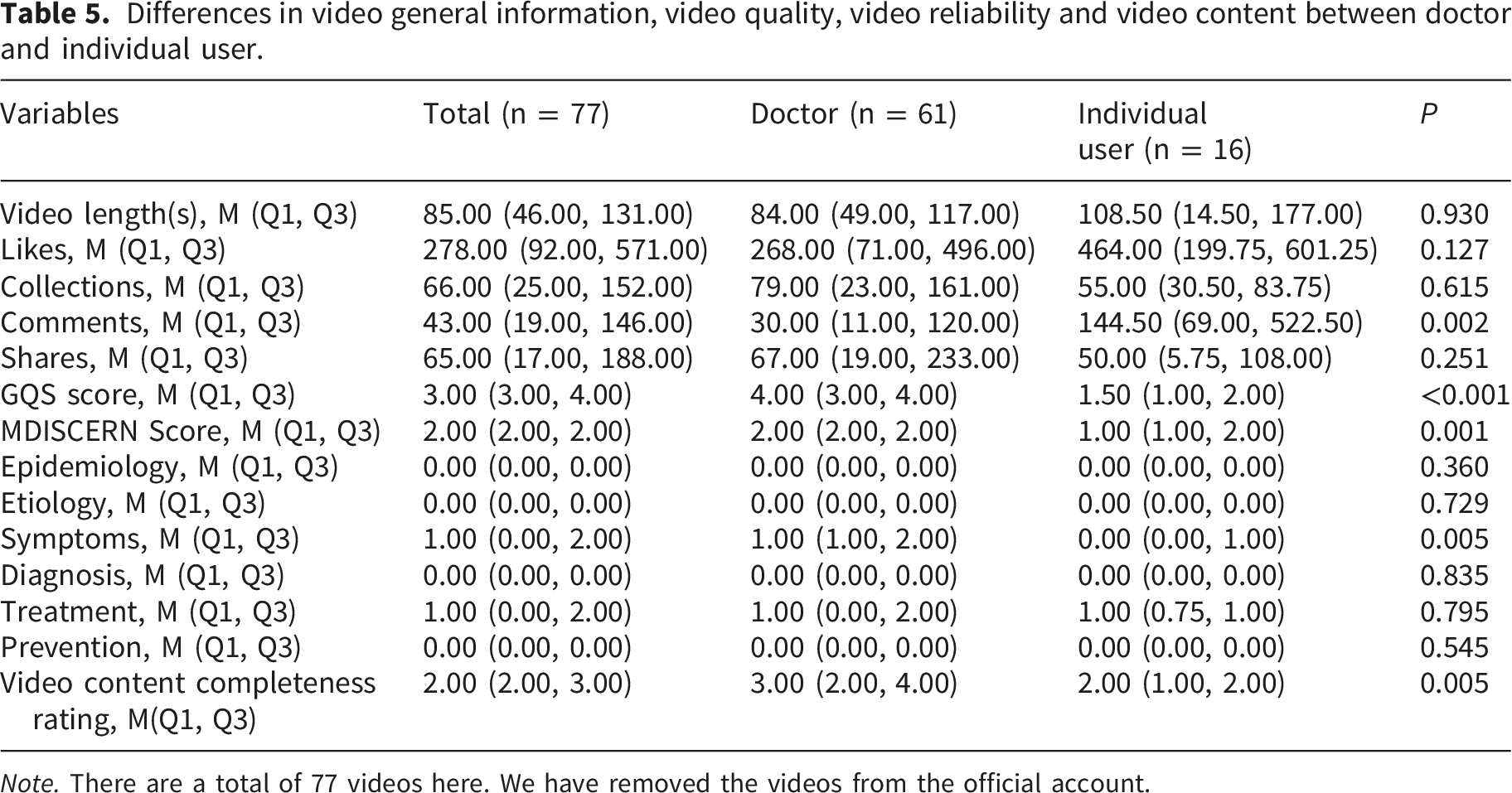
We classified the uploaders of the 79 videos. All types of doctors were grouped together as doctors, individuals were classified as individuals, and the public account was excluded. This study compared the quality and reliability of videos uploaded by doctors and individual users. The GQS score of the videos uploaded by doctors (median: 4.00, IQR: 3.00-4.00) was significantly higher than that of the videos uploaded by individual users (median: 1.50, IQR: 1.00-2.00) (p < 0.001). The mDISCERN score also showed a similar trend. Compared with individual users (median: 1.00, IQR: 1.00-2.00), videos uploaded by doctors had higher GQS scores than those uploaded by individual users (median: 2.00, IQR: 2.00-2.00), and this difference reached statistical significance. The distribution of video quality and reliability for both groups is shown in Figure 5. The differences in video quality and reliability between the two groups are presented in Figure 6. The detailed parameters are presented in Table 5. Distribution of GQS and mDISCERN scores between doctors (DRs) and individual users (IUs). (a) Distribution of GQS scores between DRs and IUs. (b) Distribution of mDISCERN scores between DRs and IUs. GQS and mDISCERN scores for DRs and IUs. (a) GQS scores were significantly higher in videos uploaded by DRs. (b) mDISCERN scores were higher in videos uploaded by DRs. Differences in video general information, video quality, video reliability and video content between doctor and individual user. Note. There are a total of 77 videos here. We have removed the videos from the official account.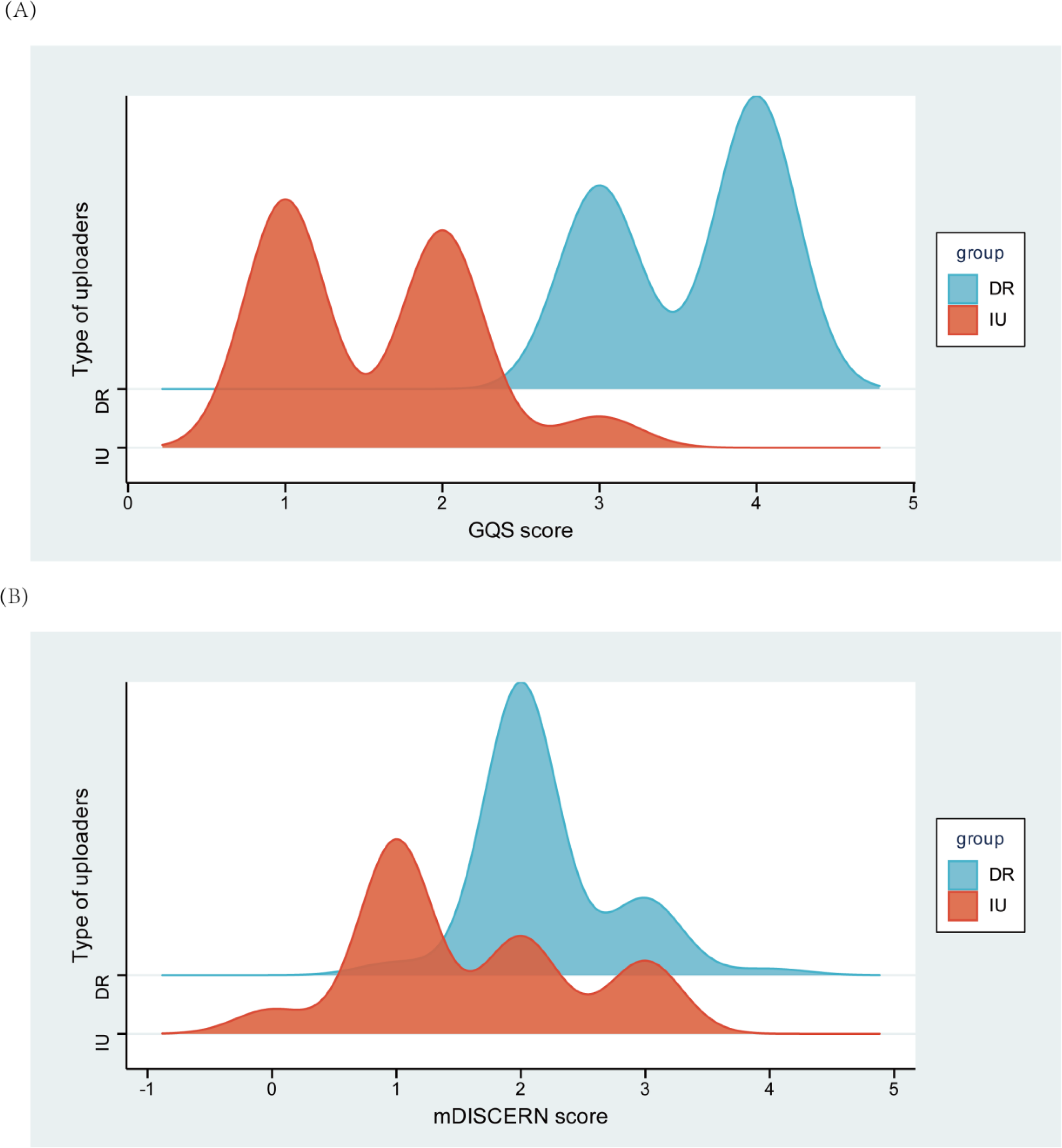
3.5. Correlation analysis
The analysis shows that there is no correlation between the video duration and the interaction metrics (likes, collections, comments and shares). However, there is a positive correlation among the video interaction indicators (likes, collections, comments and shares). Likes and collections (ρ =0.91, p < 0.05), comments (ρ=0.87, p < 0.05) and shares (ρ=0.83, p < 0.05) are positively correlated. Collection is positively correlated with comments (ρ=0.76, p < 0.05) and shares (ρ=0.91, p < 0.05). Comments and shares (ρ=0.70, p < 0.05) also show a positive correlation. The duration of the video showed a positive correlation with etiology (ρ=0.28, p < 0.05), treatment (ρ=0.26, p < 0.05) and prevention (ρ=0.32, p < 0.05). Similarly, the etiology of tongue cancer is positively correlated with prevention (ρ = 0.57, p < 0.05). A weak but positive correlation was observed between the symptoms and GQS (ρ = 0.35, p < 0.05). Finally, the GQS score and the mDISCERN score also showed a positive correlation (ρ = 0.41, p < 0.05) (Figure 7). Correlation matrix of video length, interaction indicators, video quality scores and video reliability score.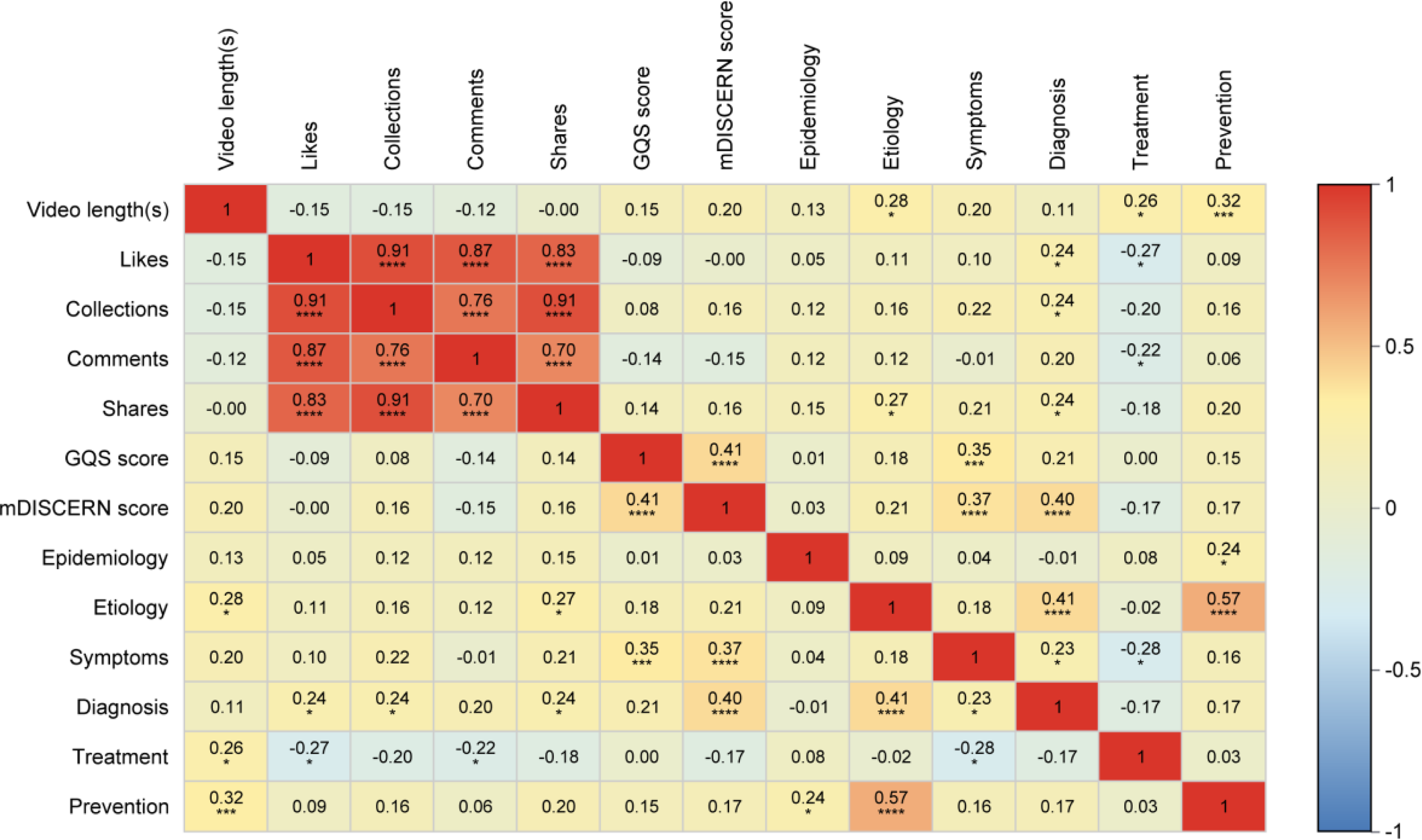
4. Discussion
Tongue cancer is one of the malignant tumors that commonly occur in the oral cavity. It originates from the epithelial tissue of the tongue and its incidence has risen in recent years. 221,22 This disease not only brings a huge psychological burden to patients but also increases treatment costs, thereby exerting tremendous pressure on social medical resources.
In recent years, a phenomenon has emerged where people obtain disease-related knowledge through social media platforms, similar to the method of using online databases and literature searches to acquire information in disease research. 2 23 With the continuous development of information technology, social media has not only become an important tool for people’s daily communication, but also gradually transformed into a major channel for obtaining health information. 224–27 The main purpose of our current research is to evaluate the quality and reliability of short videos on the TikTok platform, to provide users with important reference information and to fill the gaps in current research. Short videos are highly effective in disseminating health information due to their brevity and the ease with which information can be spread. Compared with traditional text or charts, short videos, by leveraging the dual stimulation of visual and auditory elements, can present the symptoms of diseases and treatment plans in a more intuitive way.This approach not only enhances doctors' understanding of the latest medical solutions, but also promotes more efficient knowledge dissemination, enabling doctors to promptly acquire the latest information and better communicate complex medical concepts to patients.This characteristic of short videos also helps to enhance patients' understanding and memory of relevant health knowledge. TikTok platform is extremely popular worldwide, with the duration of videos is relatively short. 2 28 The limited duration of short-form videos may encourage content creators to prioritize concise and attention-grabbing information, such as symptom descriptions, rather than more complex topics like prevention or etiology. Furthermore, we explored that the algorithm-driven mechanism may tend to favor videos with stronger emotional appeal and greater potential for interaction, thereby making them more visible compared to those that are more educational but less interactive. In this cross-sectional study, we systematically analyzed the content of tongue cancer-related videos from the Chinese short video platform TikTok. Our analysis shows that the duration of TikTok videos related to tongue cancer is generally short, with a median duration of 85 (interquartile range: 45.00-127.50), which is consistent with the overall trend of video duration on the TikTok platform. The TikTok platform exhibits high user interaction indicators, with 278 likes (IQR: 88.50–585.00), 66 collections (IQR: 24.50-156.50), 43 comments (IQR: 18-150.50) and 65 shares (IQR: 15–200.50). The video duration of TikToK platforms is conducive to the dissemination of videos and has been widely favored by users. The majority of the video uploaders are medical professionals (doctors from different departments), while a small portion are individual users. Among the short video contents related to tongue cancer, the topics most frequently discussed are symptoms and treatment, while epidemiology and prevention receive relatively less attention. This may be due to the direct impact of tongue cancer symptoms on patients’ emotions. Patients usually tend to communicate with each other and discuss the common symptoms of tongue cancer. At the same time, the treatment method has a significant influence on the prognosis of patients.
The finding that videos produced by healthcare professionals demonstrated higher quality and reliability has important implications. From a public health perspective, it underscores the need to promote the dissemination of accurate and authoritative health information on short-video platforms. In addition, healthcare institutions and professionals may play a more active role in content creation to improve the overall quality of online health information. Encouraging institutional participation could help bridge the gap between accessibility and information reliability. Furthermore, platform-supported mechanisms may be necessary to enhance the visibility of high-quality content. For example, verification systems for professional accounts or algorithmic prioritization of credible sources could help guide users toward trustworthy information while reducing exposure to lower-quality content.
We used the GQS and mDISCERN tools to assess video quality and reliability. It is worth noting that the videos uploaded by doctors had higher GQS and mDISCERN scores than those uploaded by individual users. This indicates that as a group with professional backgrounds, doctors possess a professional knowledge system and practical experience that enable them to produce video content of higher professional standards. These videos are more rigorous in terms of quality and reliability, effectively conveying medical knowledge. Doctors usually tend to refer to the guidelines and other medical relevant materials, which makes the information they disseminate more authoritative. On the other hand, due to the lack of professional background knowledge among individual users, they often disseminate information based on their own subjective assumptions, which leads to incorrect information and subsequently affects the quality and reliability of the videos. 2 29 Although the videos uploaded by doctors are of higher quality and reliability than those from individuals, there are still some inevitable problems. For instance, doctors usually use professional medical terms or more complex language, which may make it difficult for some ordinary viewers to understand. Although the professionalism and authority of the videos uploaded by doctors are significant, ensuring that these professional contents are clearly and understandably conveyed to the general public remains a key issue.
We have discovered that there is a positive correlation between the video interaction indicators (likes, collections, comments and shares). This means that the more the audience interacts with the video, the various forms of interaction indicators tend to rise simultaneously. Likes usually represent the initial approval from the audience towards the video content, indicating that they like or agree with the viewpoints presented in the video. Collections show that the audience considers the video content worthy of being saved and referred to in the future, indicating a deeper level of approval for the video. Comments allow viewers to express their personal opinions and interact with others. Shares refer to the behavior where viewers are willing to recommend videos to others, indicating that they believe the video content has value for dissemination.
We found that interaction metrics (likes, favorites, comments and shares) have no significant correlation with the quality and reliability of the videos. Although interaction metrics are important indicators for gauging popularity, they do not directly reflect the quality or reliability of the video content. These metrics may be influenced by various factors, such as the video title, cover design and release timing. These factors may increase the number of views and interactions, but the content of these videos may not necessarily have high professional quality or scientific foundation. Therefore, a high level of participation does not mean that the quality and reliability of the video content are also high.
To enhance the health education value of tongue cancer-related short videos on the TikTok platform, future short video creation can be improved in the following aspects. Firstly, doctors should be encouraged to participate more in the creation of short videos, as they possess professional background knowledge, which can enhance the authority and professionalism of the videos. Secondly, the duration of the video can be appropriately extended to enrich the contents. Providing detailed explanations on the causes, clinical manifestations, diagnosis, treatment, and prevention of tongue cancer will help users gain a clearer understanding of the disease. Finally, it is necessary to encourage video uploaders to disseminate knowledge about the prevention of tongue cancer. Through our analysis, we found that most videos covered the symptoms and treatment of tongue cancer, but very little was mentioned about the crucial aspect of prevention. These research findings should be regarded as observational and exploratory in nature.
5. Limitations
This study has several limitations. First, only the TikTok short-video platform was included. Future research should adopt a cross-platform approach, incorporating content related to tongue cancer from platforms such as Bilibili and Twitter, 3 30 to enable a more comprehensive analysis of available video information. Second, the present analysis was limited to platforms within China; subsequent studies should expand to include platforms from multiple countries to improve generalizability. Third, the number of videos analyzed was relatively small, and no formal sample size calculation was performed. Future studies should include larger sample sizes and apply appropriate sample size estimation methods to enhance the robustness and reliability of findings. Fourth, the evaluation of video quality using the Global Quality Score (GQS) and modified DISCERN (mDISCERN) may be subject to reviewer bias. Additionally, only these two instruments were applied; although they are widely used, future research could incorporate other validated tools, such as JAMA, 3 31 or PEMAT-A/V, 3 32 to provide a more comprehensive assessment. Moreover, this study did not report formal inter-rater reliability statistics, which may limit the objectivity of the evaluations. Finally, the dynamic nature of social media platforms and their recommendation algorithms means that video availability, visibility, and engagement metrics can change over time, potentially affecting the reproducibility of the results.
6. Conclusion
This study mainly analyzed 79 short videos related to tongue cancer on the TikTok platform. We observed a positive correlation between the interaction indicators. The quality and reliability of the videos uploaded by doctors are significantly higher than those by individuals. The video content mainly focuses on symptoms and treatment, with less emphasis is placed on key aspects such as epidemiology, etiology, diagnosis and prevention. Overall, the tongue cancer-related short videos on TikTok have certain advantages in terms of information dissemination, but the reliability and quality of the content need improvement.
Footnotes
Author contributions
Yixin Sun and Yunyan Lin designed this study. Yixin Sun and Yuchen Li performed the statistical analysis. Yixin Sun, Yunyan Lin, and Wang Shuai collected videos. Hongjian Zhang is responsible for funding acquisition, investigation, project administration and supervision. All the authors contributed to manuscript writing, editing and approved the final draft for submission. Yixin Sun and Yunyan Lin contributed equally to this article. Hongjian Zhang is corresponding authors of this article.
Funding
The authors disclosed receipt of the following financial support for the research, authorship, and/or publication of this article: This study was supported by the Xiamen Medical and Health Guidance Project, China (Grant NO. 3502Z20254ZD1124).
Declaration of conflicting interests
The authors declared no potential conflicts of interest with respect to the research, authorship, and/or publication of this article.
Data Availability Statement
The original contributions presented in the study are included in the article/Supplementary Material; further inquiries can be directed to the corresponding author.