







Abstract
The aim of this study is to develop a comprehensive set of indicators for monitoring and measuring sustainability in the hotel industry in Malaysia. It gives special attention to the environmental, social, resiliene and economic dimensions. This study applies the Delphi method by interviewing three key stakeholder groups—hotel managers, academicians, and hotel staff—in two rounds, in order to assess and validate indicators identified from the literature. Findings reveal demonstrate a strong attention to indicators associated with environmental sustainability, especially those which relates to waste management, consumption of energy and water and recycling which amounts to 51% of participants view. Further, 34% of participants aligns with social sustainability indicators such as community engagement and employee well-being which remains second most significant. Resilience and economic indicators on the contrary gained few support from participants with 9% and 6% respectively. This paper, therefore, extends the collective number of works by providing a set of validated indicators which aligns within the context of Malaysia. It also contributes novel indicators withing the framework of current dialogue. This model serves a useful mechanism for stakeholders – policymakers and hotel managers to examine and optimize sustainability pracices within the hotel industry. This paper highlights the relevance of region-centric sustainability strategies which underscores the international application of these indicators as a model to effectively monitor and measure the sustainability of hotels.
Keywords
Introduction
Recently, we are witnessing global challenges from climate change and rapid environmental deterioration to increasingly negative demographic trends worldwide regarding unemployment, poverty, and various other social issues (Martínez et al., 2013; Humbal et al., 2023). Such a challenging situation has increased the pressures on businesses, creating a trade-off between sustainable development and business' success. After the release of the first report of the Club of Rome (The Limits to Growth) at the beginning of the 1970s, sustainability awareness increased globally and led to a whole range of research and technological activities (De Witte and Jonker, 2006; Tulbure, 2018; Nave, do Paço and Duarte, 2021; Caradonna, 2022). Recently many countries have considered the tourism industry as one of the vital contributors to their economies by generating employments, and it can be considered development opportunities (Khan et al., 2020).
Furthermore, the proportion of environmentally conscious travellers has steadily increased over the period 6 years that the poll was carried out. The 2020 Sustainable Travel Report, published by Booking.com, emphasises the increasing significance of sustainability within the hotel sector. The survey revealed that 82% of travellers considered sustainable travel to be significant, and 70% were more inclined to reserve lodgings that have adopted sustainable practices. These findings suggest a notable change in consumer tastes towards environmentally friendly choices, underscoring the necessity for hotels to implement sustainable practices in order to attract and keep customers (Booking.com, 2024).
Within the hospitality industry, companies prioritise the expansion of tourism development. However, their operational procedures directly contribute to environmental deterioration and the release of greenhouse gas emissions. Specifically, the hotel sector has a substantial impact on society and the environment by contributing to carbon footprint via waste generation, consumption of energy and water, and the discharge of carbon dioxide (dos Santos et al., 2020; Dube and Nhamo, 2020; Meeroff et al., 2020; Bianco et al., 2023). Hence, the burgeoning fascination with sustainability leads to a heightened apprehension over several primary obstacles and problems confronting global human communities, economies, and ecosystems (Jones et al., 2014; Majeed and Kim, 2022).
Accordning to Vehbi (2012) sustainability refers to the long-term environmental, social, and economic prosperity. At times, it often regarded as an insurmountable goal and unattainable objective. Thus, its implementation as a feasible and pragmatic aim for the tourism sector is still in its early stages (Balas and Abson, 2022). The United Nations World Tourism Organization published Tourism and the Sustainable Development Goals – Journey to 2030, which seeks to develop awareness and to encourage and motivate tourism stakeholders to take appropriate actions by aligning policies, investments, and business operations towards more sustainable forms of tourism development (Rasoolimanesh et al., 2020).
Accordning to Rio and Nunes (2012) measuring sustainable tourism is crucial to preventing negative environmental, economic, and social impacts. Therefore, sustainability measuring tools are needed to provide the required information for defining the impact of tourism on a given areas’s cultural heritage and natural resources, as well as to monitor and assess progress with regard to sustainable development (Liu et al., 2018; Marinello et al., 2023) Consequently, various approaches and frameworks have been proposed to measure and monitor sustainable tourism in the hotels industry, though previous research (Kristjánsdóttir et al., 2018). Although several indicator systems have been developed, some have important limitations in practical applications, allowing only limited comparisons. Others are scientifically relevant however too complex to be operational or may generate conflicts of interest due to political interests (Torres-Delgado and Saarinen, 2014).
Moreover, the existing indicators contain elements used to assess sustainability, but no one of them provides a fully integrated assessment (Kristjánsdóttir et al., 2018). Considering the aforementioned factors, the existing methods are inadequate in assessing and tracking sustainability in the hotel sector, resulting in a deficiency of a suitable scale for measuring and monitoring sustainability at both local and global levels (Cherapanukorn and Focken, 2014; Asmelash and Kumar, 2019; Kapera, 2018). To address this gap, the main aims of this study is to propose a comprehensive set of indicators to measure and monitor sustainability in Malaysia’s hotel industry. More specifically this study hopes to attain two objectives: (1) To develop a comprehensive set of indicators to measure and monitor sustainability in the hotel’s industry in Malaysia. (2) To evaluate the proposed set of indicators to measure and monitor hotels sustainability in the Malaysian context.
Literature review
Sustainable development
During recent decadess, sustainable development practices being broadly known and internationally supported by many hospitality and tourism organizations (Verma and Chandra, 2018). The Brundtland Commission (Brundtland, 1987) introduce sustainable development for first time and after the publication of this report, numerous institutions and organizations locally and globally has been conducted widely studies and efforts to identify sustainability and sustainable development (Verma, 2019). The World Commission for Environment and Development (WCED), defined sustainable development as” development that meets the needs of the present without compromising the ability of future generations to meet their own needs” (WCED, 1987). Sustainability consists of three main dimensions or pillars, social, environment and economic (Mihalič et al., 2012).
Sustainability in hotels industry
Currently, there is global demand and concern about sustainability in the hotels' sector. This growing awareness encourages many hoteliers to start practice sustainability within the hotel’s operations (Singh et al., 2023). Sustainability implementation benefits the hotels differently, such as environmental improvement impact by saving energy, water, recycling, minimizing solid waste (Salama and Abdelsalam, 2021; Verma and Chandra, 2018). From the literature, there are several studies that examined practices of sustainability within the hotel sector, for example, Barakagira and Paapa (2024) conducted astudy focused on green practice’s implementation by hotels in Uganda. The authors investigated the benefts achieved by the hotels management as a result of green practices. For data collection a questionnaire survey were used to collect the data from the employees. Waste management, energy conservation, and environmental purchasing were some of the green practices implemented by the hotels. Green practice increased profts, the costs and competitive advantage.
Similary, another study conducted in Italy investigate hotel managers' awareness of sustainable focusing on their perception of food waste. The study using a questionnaire to collect the data. The finding revealed he average score associated with their attitude toward food waste management strategies was 65 and sustainability score indicating the level of awareness of sustainable among hotel managers was 84 (Lagioia et al., 2024).
Pereira et al. (2021) conducted study in luxury hotels to understand the social and environmental sustainability practices implemited and how their management perceive the benefits and results from their practices. This research is a case study collected the data using semi-structured interviews, observation and document analysis. The finding show that luxury hotels applied practices that address energy efficiency measures that reduce waste, water consumption and carbon emissions. They also have focused on social practices such as charity, create a safe and healthy work environment and consumers high-quality service The study’s result assess hotels manager by providing practical guidance to implement sustainability practices. Furthermore, environmental characteristics and executing image art of tourist hotel are using in marketing for attracting hotels customers, for example, Wang et al. (2019)developed a model by combining Triple Bottom Line (TBL), Eye Tracking Analysis Attention Restoration Theory Technique to explore the influence characteristics of the image for attracting customer’s visual heed. Sixty-three participants were selected for the study. The findings show that the actual images attract the visual attention of the customers more than a built image; also, young adults do not prefer actual or natural images as older do.
Existing sustainability indicators and measurements in the hotels' industry
Recently, numerous approaches, assessment frameworks and tools have been proposed and extensively expanded for the sake of measuring the sustainability of hotels in various global destinations (Blancas et al., 2018). For example, the economic indicators issued by the World Tourism Organization (2004) followed by the European Union (2013) economic indicators measure the performance of the hotel (Jurigová et al., 2016). Moreover, initiatives for measuring sustainability included Global Sustainable Tourism Council criteria (GSTC) (Pechlaner et al., 2019), Triple button line framework (Bastas and Liyanage, 2019), ISO 14000 (Jayashree et al., 2016), Global Reporting Initiative (GRI) (Sörensson and Jansson, 2016), and European Union Eco-Management and Audit Scheme (EMAS) (Rocchi, 2017). Some systems were developed mainly for the hotel industry, including Green Key (Rambodagedara et al., 2015), European Eco-Label for tourist accommodation services (Duglio et al., 2017). Moreover, several certifications provide hotels with sustainability standards for evaluating and benchmarking performance while achieving industry-wide recognition for their efforts (Levy and Park, 2011).
Several global hotels firms are committed to following a food safety system and achieving the food safety certification from the worldwide organization. Such safety system is recognized as the Hazard Analysis and Critical Control Point system and it used to guarantee and verify hotel quality. Singapore developed the ASEAN Green Hotel Awards within Asia, initiated by the ASEAN member regions (Cherapanukorn and Focken, 2014). This reward was based on 11 criteria for energy conservation strategies and evaluating the environment, including the hotel’s environmental policy and operations, energy efficiency, waste management, air quality management and water efficiency (Cherapanukorn and Focken, 2014).
Though widespread, these applications are not without issues due to the lack of a universally accepted sustainability definition and difficulties in assessing the level of sustainability achieved (Alfaro Navarro, Andrés Martinez and Mondéjar Jiménez, 2020; Asmelash and Kumar, 2019b; Dimoska et al., 2012).
A common weakness of most of these indicators is the unavailability of data; therefore, sustainability indicators cannot measure all sustainability dimensions (Mayer, 2008). Additionally, some sustainability measurement criteria face challenges during the development process due to the unavailability of the data. The Environmental Sustainability Index (ESI) covers 163 regions over 192 United Nations countries due to insufficient data measuring some indicators (Emerson et al., 2010).
Another example is Corporate Social Responsibility. (CSR) is the most prominent approach used in the hotel industry (Martínez, Pérez and Rodríguez del Bosque, 2013). However, current studies showed that CSR faces many successful implementation challenges due to the high cost and complexity (Azman et al., 2018). Improper awareness among employees' companies has also proven a challenge in implementing CSR (Castka and Balzarova, 2007). Furthermore, there has been a lack of interest within stakeholders concerning CSR perception (Córdoba-Pachón et al., 2014). Alack of measurement systems is another CSR challenge. In short, CSR implementation faces various significant issues locally in Malaysia and globally. Also, the Environmental Performance Index lacks many indicators, including each of the following: municipal and toxic waste management, heavy metals (cadmium, lead and mercury), wetland loss, water quality (sedimentation and industrial pollutants), freshwater ecosystems health, agricultural soil quality and erosion, recycling, desertification, , climate adaptation and comprehensive greenhouse gas emissions (Hsu and Zomer, 2014).
Moreover, various authors have disputed these applications' success and effectiveness in measuring sustainability (Alberti, 1996). As data collection is costly and many regions struggle to provide data to global organizations, creating subjective and inadequate data sets for measuring sustainability (Hák, 2007).
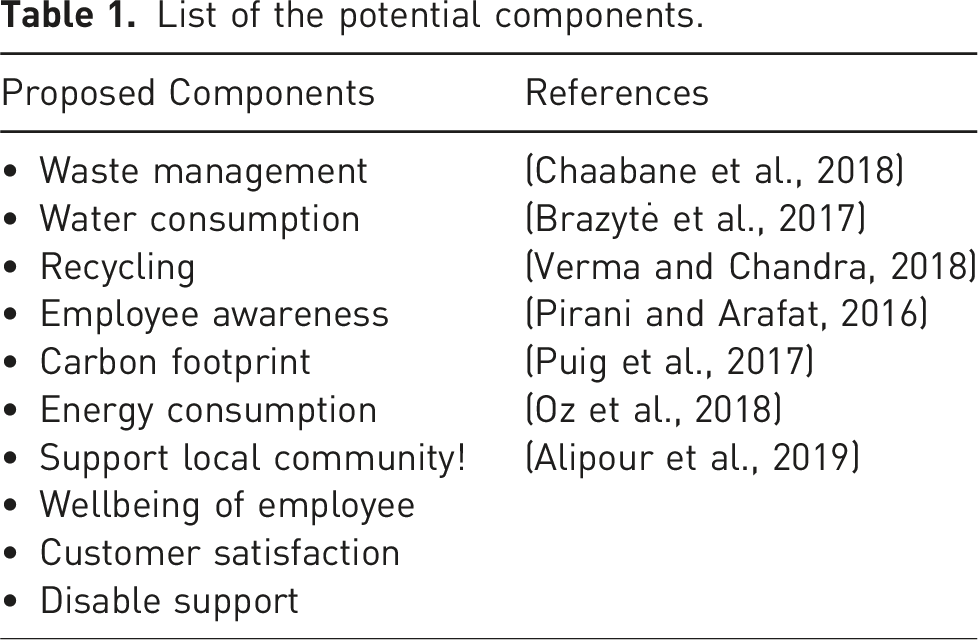
List of the potential components.
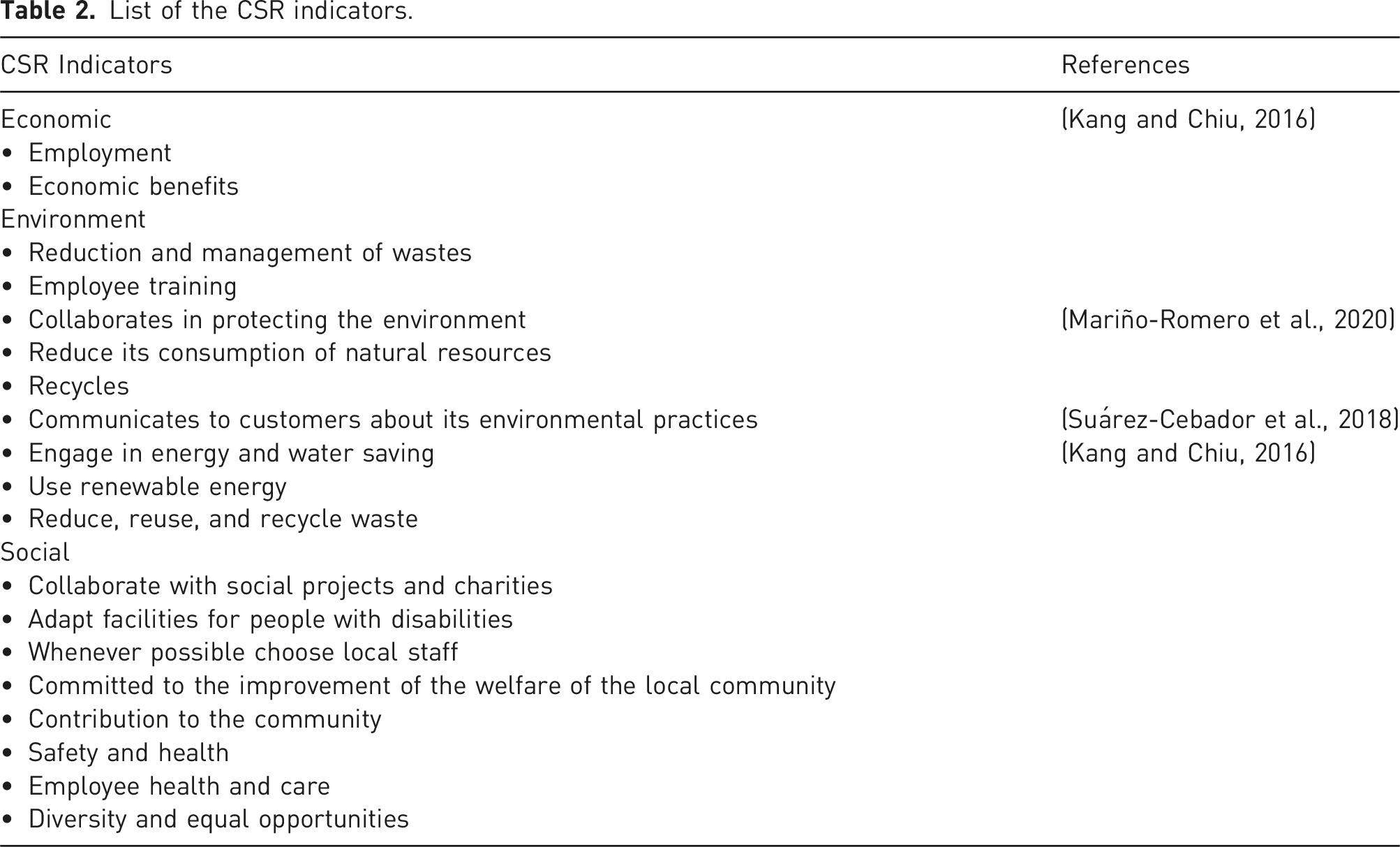
List of the CSR indicators.
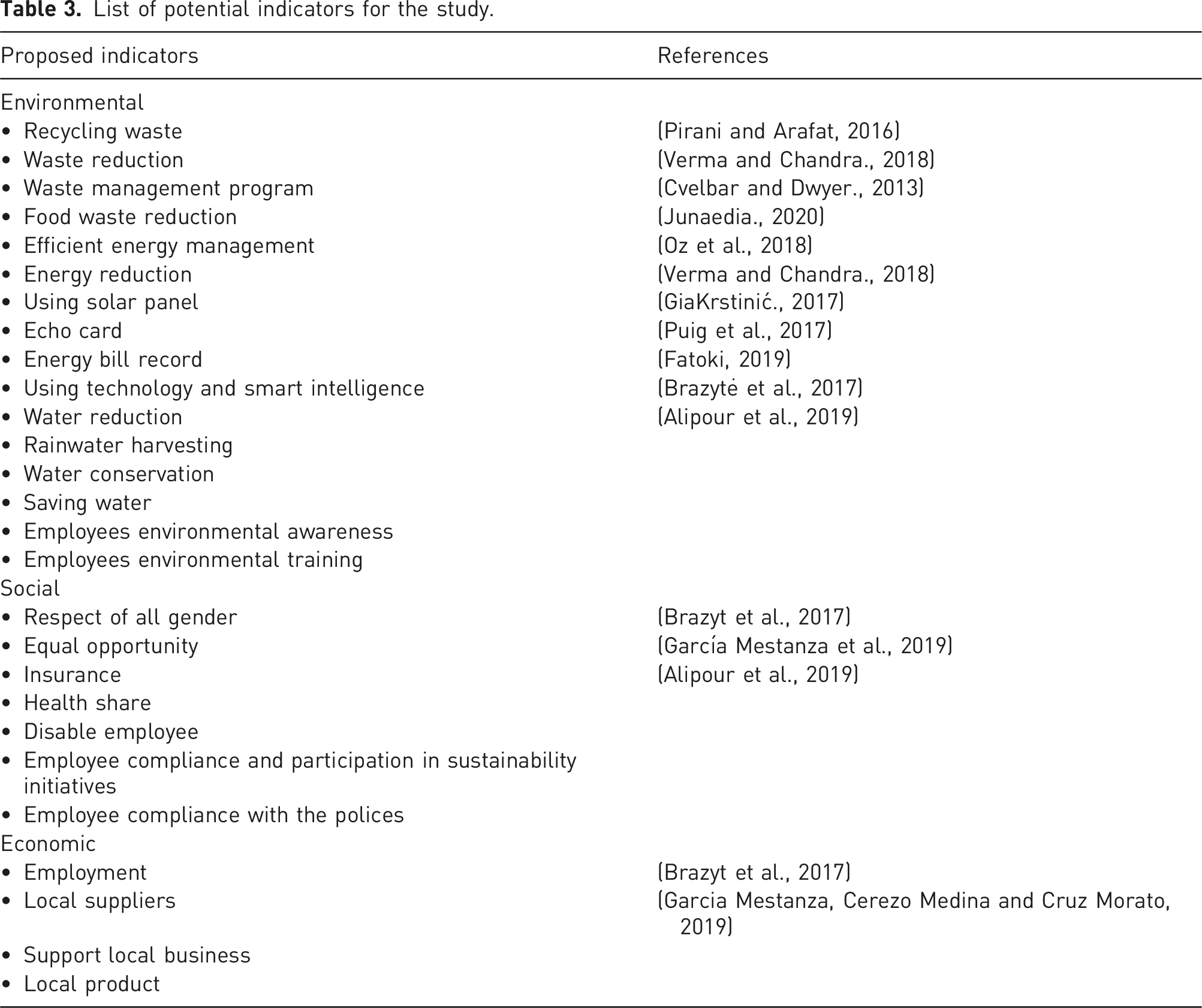
List of potential indicators for the study.
Environmental sustainability indicators
Environmental sustainability indicators are valuable tools for the measurement and utilisation of primary resources such as water, energy, and integration of renewable energy sources. Furthermore, they serve as great utility in quantifying the quantity of trash produced and emissions. Therefore, environmental indices are advantageous in the identification and quantification of the environmental effects caused by hotels (Duric and Potočnik Topler, 2021). In order to facilitate the monitoring of environmental sustainability activities by hotels, it is advisable for hotels to establish predetermined environmental indicators. These indicators should include consumption of cleaning products, electricity and water consumption, the amount of staff actively participating in environmental protection programmes, number of hotel initiatives aimed at preventing pollution, and the approach to waste management. When evaluating the performance of hotels, it is important to consider the cost savings resulting from efficient energy and water resource consumption, recycling, and waste management. This will help determine if the objectives and anticipated outcomes have been achieved according to the predetermined environmental sustainability indicators (Rasoolimanesh and Nelum Rajika, 2020). The environmental indicators in hotels can also aid managers by offering pertinent information on the attainment of their objectives and strategies. Furthermore, it enables hotels to apply comparative metrics to assess their performance in relation to other hotels (Duric and Potočnik Topler, 2021).
Indicators for economic sustainability
Economic sustainability measures and indicators offer significant and pertinent insights into the performance of hotels and overall economic well-being. There are three main categories of economic sustainability indicators: investment indicators, cost indicators, and profit indicators. These metrics aid hotel management in effectively allocating resources and maximising profits (Fatoki, 2019).
Indicators for socio-cultural sustainability
Socio-cultural sustainability indicators are metrics employed to demonstrate the effects of hotel operations on the surrounding community, employees, and guests. Thus, social sustainability indicators encompass variables related to employee satisfaction, workplace health and safety, training and professional growth, diversity and equal opportunities, and pay equality (Rasoolimanesh and Nelum Rajika, 2020). Some additional indicators include consumer satisfaction with products and services, health and safety measures, and local community indicators like local employment, local products and community support.
Methodology
The heterogeneous cultural environment of Malaysia, characterised by its multi-ethnic populations, presents a chance to investigate the management of sustainability indicators in various cultural settings within the country. This analysis can offer valuable perspectives on the difficulties and approaches for adopting sustainable practices in multicultural settings, which can be relevant to other areas with comparable demographic heterogeneity. The tourism sector has been recognised as a significant driver of economic growth in Malaysia (Shaw Hong, 2020). The study can elucidate the impact of this interdependence on the prioritisation of specific sustainability metrics, such as economic resilience and environmental conservation, which serve as crucial for the long-term viability of tourism.
As the main objective of this research is to develop an integrated set of indicators to measure and monitor hotel sustainability in the hotel industry in Malaysia. This research applies the qualitative method, as it requires exploration of the current approaches for measuring sustainability in the hotel industry as well as evaluating the proposed set of indicators for measuring and monitoring hotels’ sustainability. This study utilised the Delphi method, developed in the 1960s, as an effective technique that distributes questionnaires among a panel of experts who remain unaware of each other’s identities (Asmelash and Kumar, 2019a; Viljoen, 2007). It is essential for eliciting and refining group decisions, based on the rationale that a group of experts outperforms a single expert when precise knowledge is unavailable (Kaynak and Macaulay, 1984). This method is particularly suited for developing indicators in complex and emerging fields like sustainability, where it is necessary to integrate different perspective . By applying multiple rounds of interviews with hotel managers, hotel staff and academicians, in order to insures that the indicators developed are comprehensive and well-validated. This process is important for refining the indicators based on expert feedback, which justifies the selection of this method for study.The research employed semi-structured interviews during the initial phase of the Delphi method, utilising components and indicators derived from the literature to enhance these indicators.
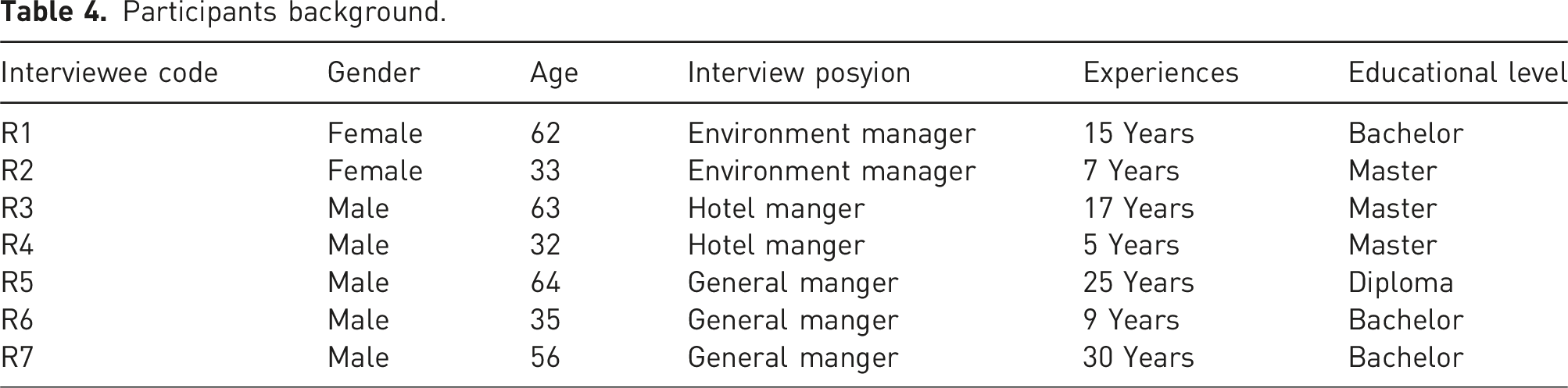
Seven respondents were interviewed in the initial round of the Delphi poll. The sample size was limited as a result of the worldwide COVID global epidemic. In order to enhance the reliability of the data, the set of indicators and components was distributed to a larger number of respondents, including the seven responders from the first round of the Delphi survey. However, only five people from the first round actually engaged in the survey. The unavailability of certain individuals may be attributed to a demanding work schedule or being on leave. The remaining responders consisted of 26 professional academics from various universities in Malaysia specialising in hospitality. During the second phase, a questionnaire was created using the established indicators from the first round. This questionnaire was then given to the respondents to assess the indicators and reach an agreement.
First round of the Delphi method
For this research, the first round of the Delphi method was conducted to develop a comprehensive set of indicators for measuring and monitoring sustainability in Malaysia’s hotel industry. This round applied semi-structured interviews with 4–5-star hotels managers and staff working in sustainability departments in Malaysia. High rating hotels was selected because they are more professional, have more qualified staff and are concerned about innovation activities to maintain the level of quality required to keep their rating high (Hsiao and Chuang, 2016).
The study developed a preliminary set of indicators based on literature reviews, especially on CSR. CSR is chosen for the reason that it is the most prominent approach used in the hotel industry (Martínez, Pérez and Rodríguez del Bosque, 2013). The study used this set of indicators and components to develop the questions for the first round of the Delphi method (semi-structured interview). The interview was semi-structured with open-ended questions covering the sustainability dimensions: environmental, social, economic, and resilience. It involved discussions on sustainability practices and measurement applicability in their environment. For this research, the population selected was the hotels’ managers, staff working in the sustainability department, and academicians in Malaysia.
Participants background.
Snowball sampling was used to identify the right individuals to be interviewed and who later assisted in finding others in the population with the same characteristics. For this method, researchers usually start with a limited number of initial samples who address the research requirements and who are requested to contribute in the study (Parker et al., 2019).
In this research, the participants were selected based on working experience within the tourism industry specifically working in the hotel industry; they directly influence tourists' experiences or from academia teaching in universities faculty of hospitality in Malaysia.
Second round of the Delphi method
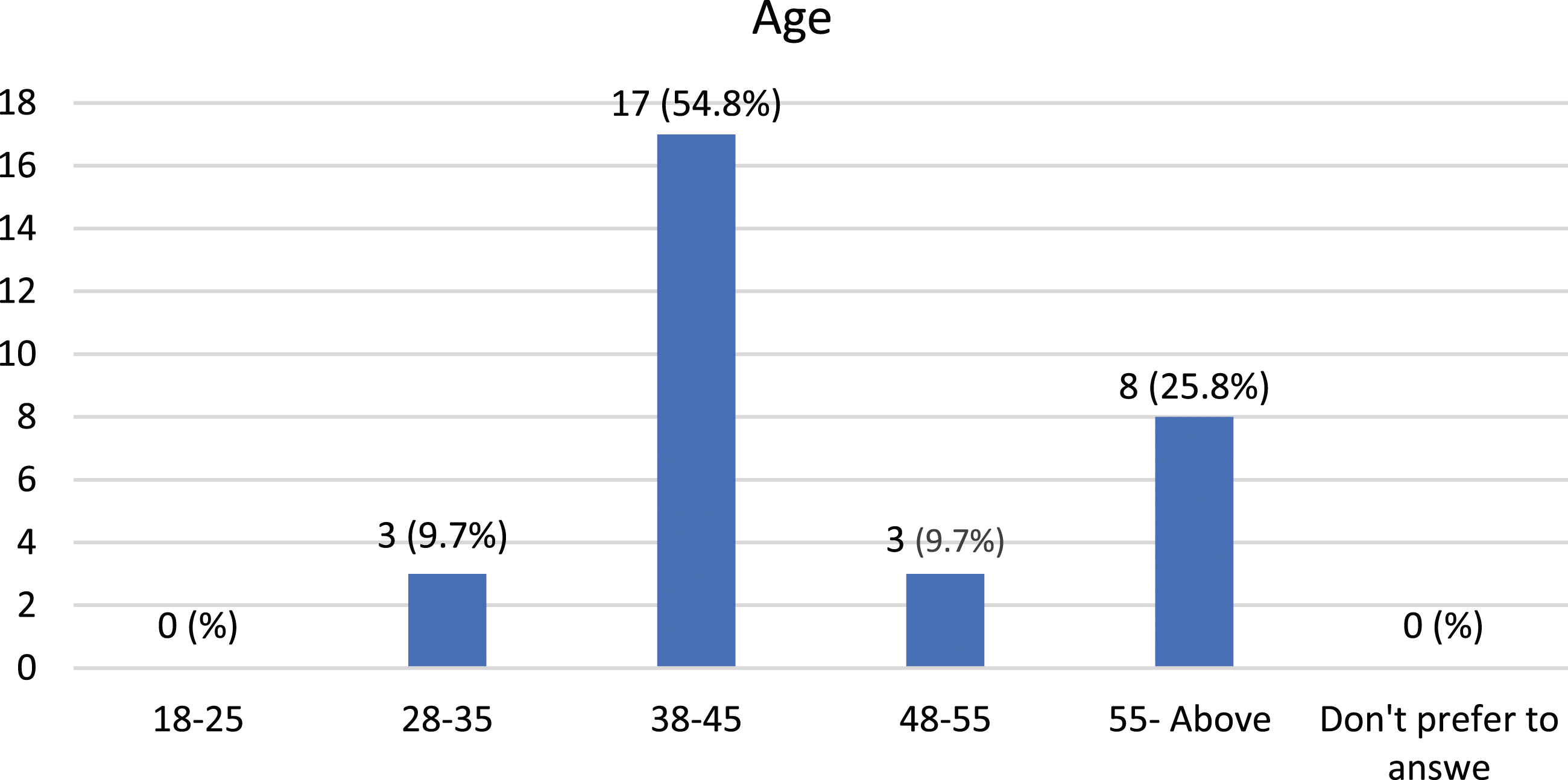
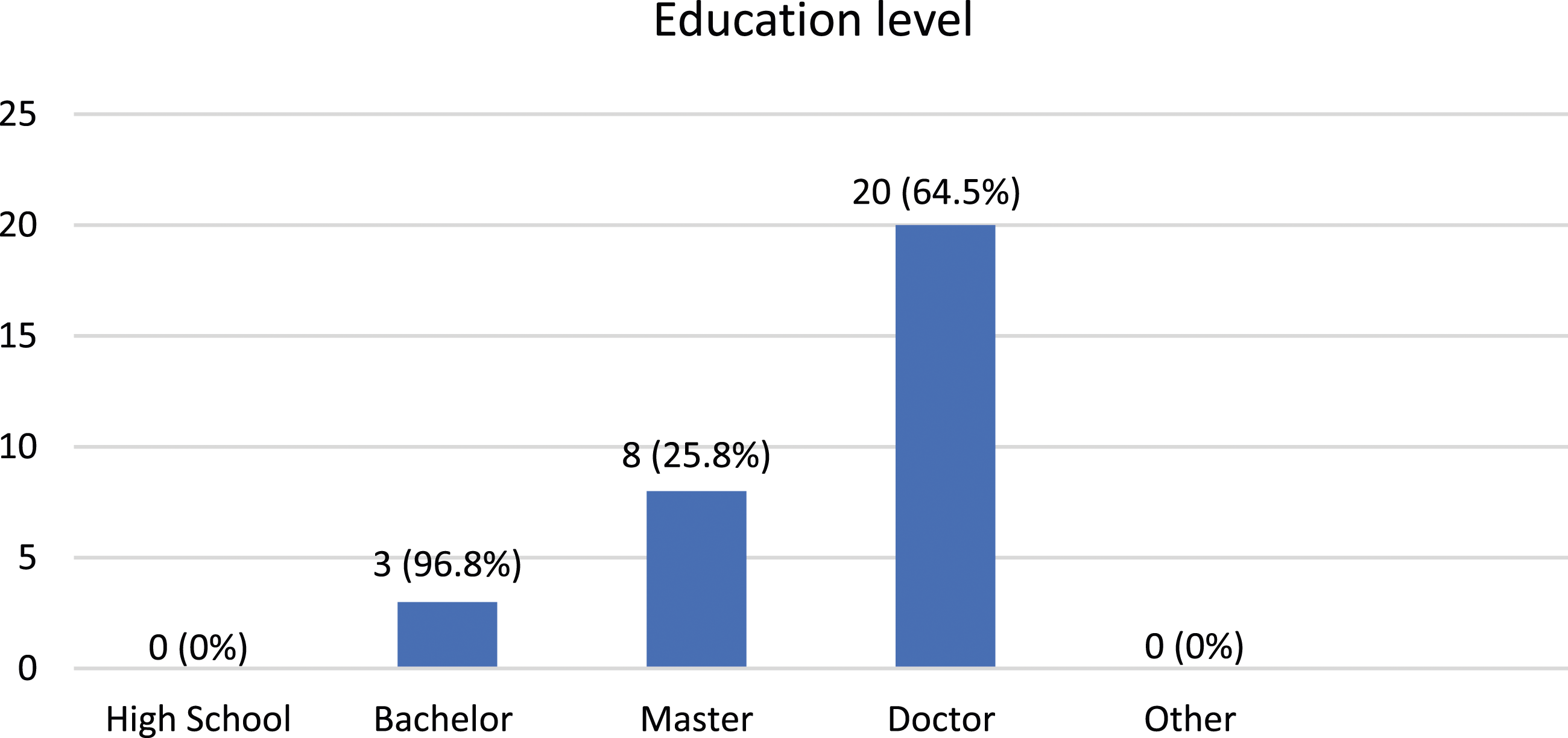
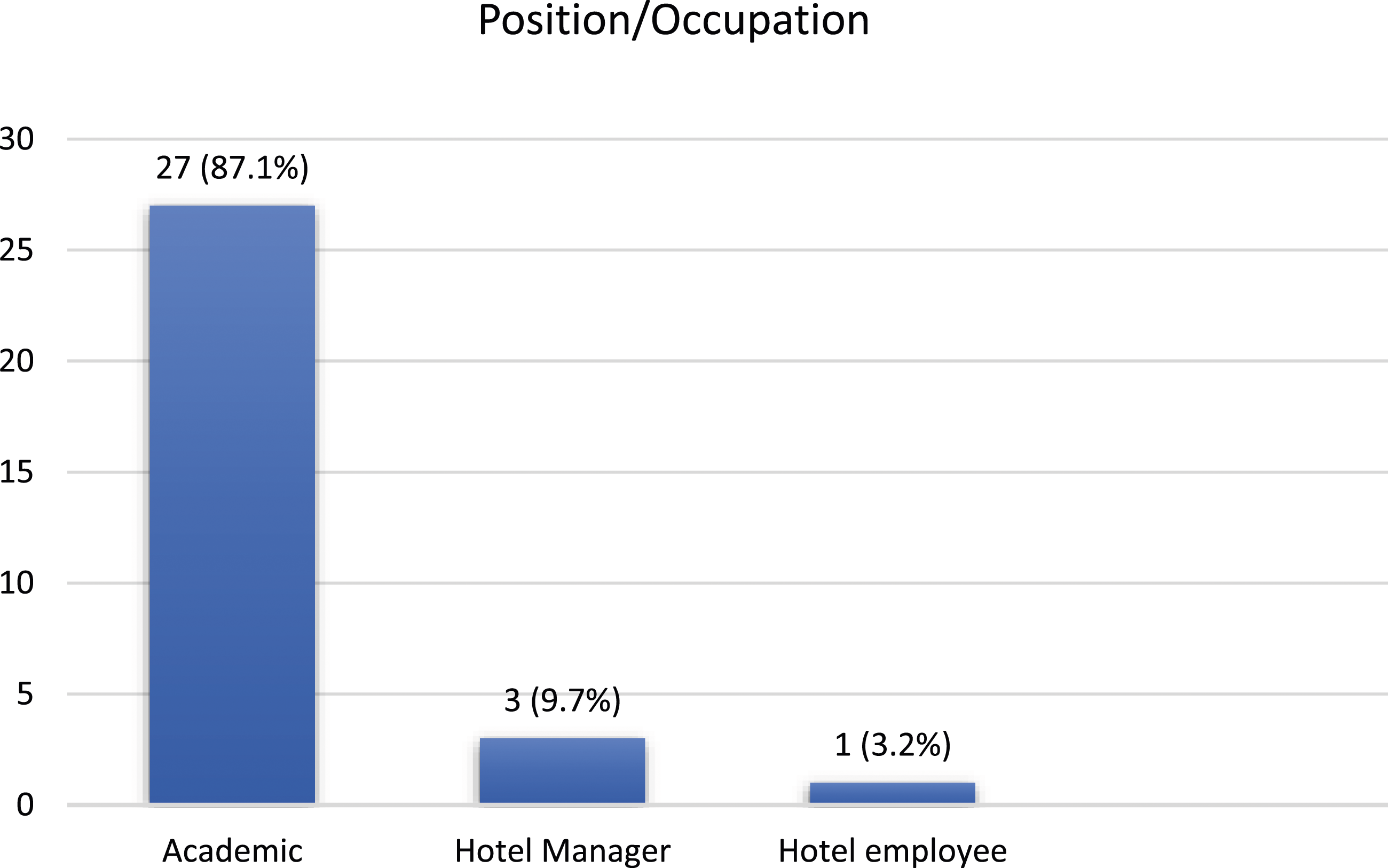
In the second round of the Delphi, purposive sampling methods were used to define the experts for this study’s Delphi survey. The study conducted during the pandemic of the COVID-19 which was challenging to get participants for interview. Only seven hotel managers participated in first round . Due to the limited number of the participants in the first round, the researcher invited academician experts for the second round to add more certainty for the data and to achieve consensus. Other respondents were 26 academician experts. Therefore, for the second round, the participants were selected based on their working experience within the tourism industry specially working in the hotel industry and they directly influence tourists' experiences and from academia teaching in universities faculty of hospitality in Malaysia. Figures 1–4 shows the gender, age, education level and positions. The study shown that 15 of the participants were males. While 18 of them were females. Further, it evealed that the age of three of the participants was between 26 and 35. 17 participants’ age was in the range of 35 to 45, three participants’ age was between 46 and 55, and eight participants’ age was above 55. Also, the research revealed that three participants had a bachelor’s degree, eight participants had a master, and 20 participants were PhD holder. Gender of the participants. Age of the participants. Education level of the participants. Position/Occupation of the participants.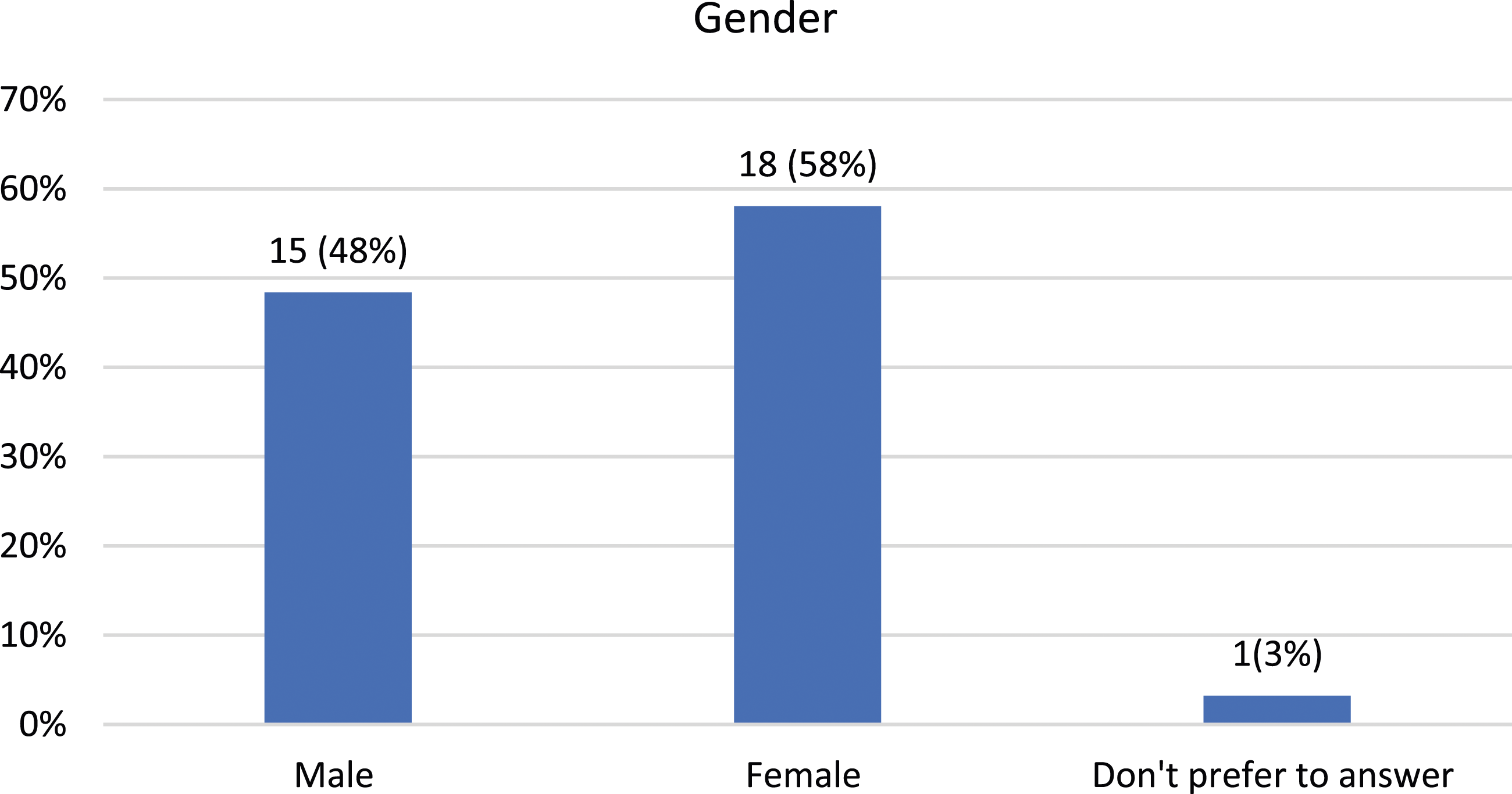
The questionnaire was developed based on the components and indicators from the first round of the Delphi method. The questionnaire covered two sections where the first section covered respondents' information and the second section was the questionnaire, including the potential indicators and components for measuring hotel sustainability. Further, the questionnaire was divided into five subsections, including there were 10 components, 16 environmental sustainability indicators, four economic sustainability indicators, and seven social sustainability indicators. Respondants were asked to rank the importance of each component and indicator for measuring and monitoring sustainability in hotels, based on the five-point Likert scale ranging from 1 (Not important) to 5 (very important). In addition, they were permitted to add to and modify these indicators and components.
Result and findings
The first round of the Delphi method
Data collected from the interviews were analyzed via appling thematic analysis. Audio was recorded and transcribed. The transcribed data were extensively read and then manually coded. Codes were derived inductively during the analysis process and were also revised and modified through several series of analyses and data reviews. The codes are grouped into themes and sub-themes to identify common themes and important patterns from the perspectives of participants according to the subject’s relevance.
Based on the analyzed results of the first round of the Delphi method, 12 components and 70 potential indicators were defined. These potential components and indicators included 36 environment indicators, 24 social indicators, four economic indicators, and six resilience indicators. Some of these components and indicators already existed while others were new. Out of 12 components, there were two new components (guest awareness and local community awareness), and 10 existing components (recycling, employee awareness, carbon footprint, energy consumption, support the local community, the well-being of employees, customer satisfaction, waste management, water consumption and disable support). Of the 70 potential indicators, 28 already existed while 42 were new. These classifications are presented as following: • Environmental sustainability indicators • Economic sustainability indicators • Social sustainability indicators • Resilience indicators
The second round of the Delphi method
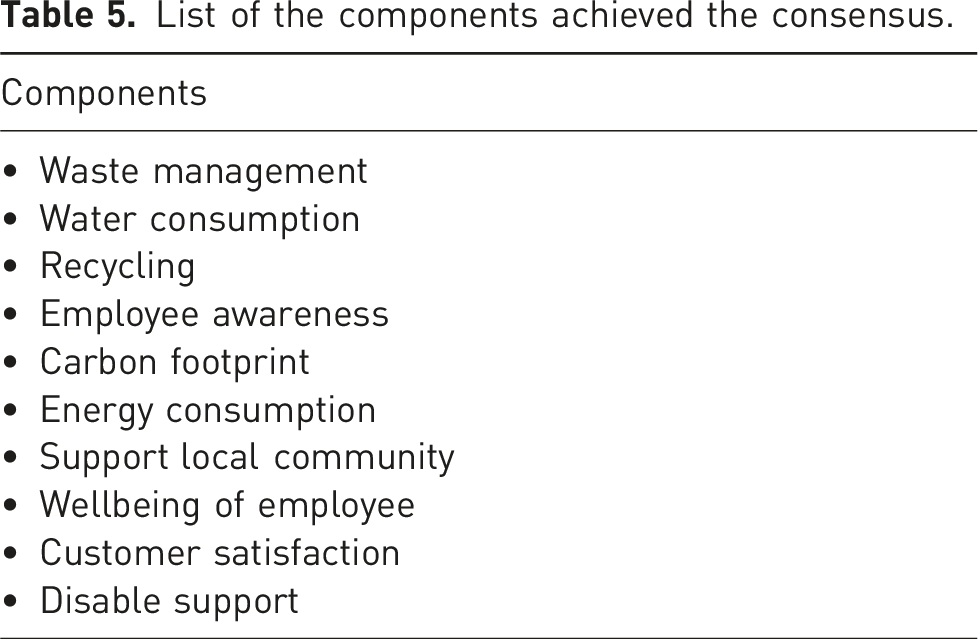
Participants were asked whether they agreed with the proposed indicators and components; they responded using the five-point Likert scale (not important, slightly important, moderately important, important, and very important). Participants were also given the option to change, modify, and add indicators and components, based on their opinions. Descriptive analysis was conducted to analyze the data collected in phase two. The selection of indicators and components was based on the experts' consensus, which was achieved and if more than 67% of participants agreed on the offered choice. Statistically, 67% is considered sufficient as a decision threshold (Alexandrov et al., 1996). The selection of components and indicators was based on a cut-off point of 67% agreement of importance. The percentage agreement refers to the combined top two scores of either a 5 (Very important) or 4 (Important) agreed by the participants to each item. Therefore, the consensus was achieved in this study if at least 67% of participants rated the option “important” by selecting five or four on the Likert scale questions. However, if an item was rated as important by less than 67% of respondents, they were removed from the sustainability index. This study’s results range from a highest rate of 94% (Waste management, Carbon footprint) to the lowest rate of 74% (Support local community) for components. Based on the (67% cut-off point) consensus among the experts, all the12 components proposed by the study achieved the consensus of relevance. The final list of the components is shown in Figure 5. Sustainability indicators.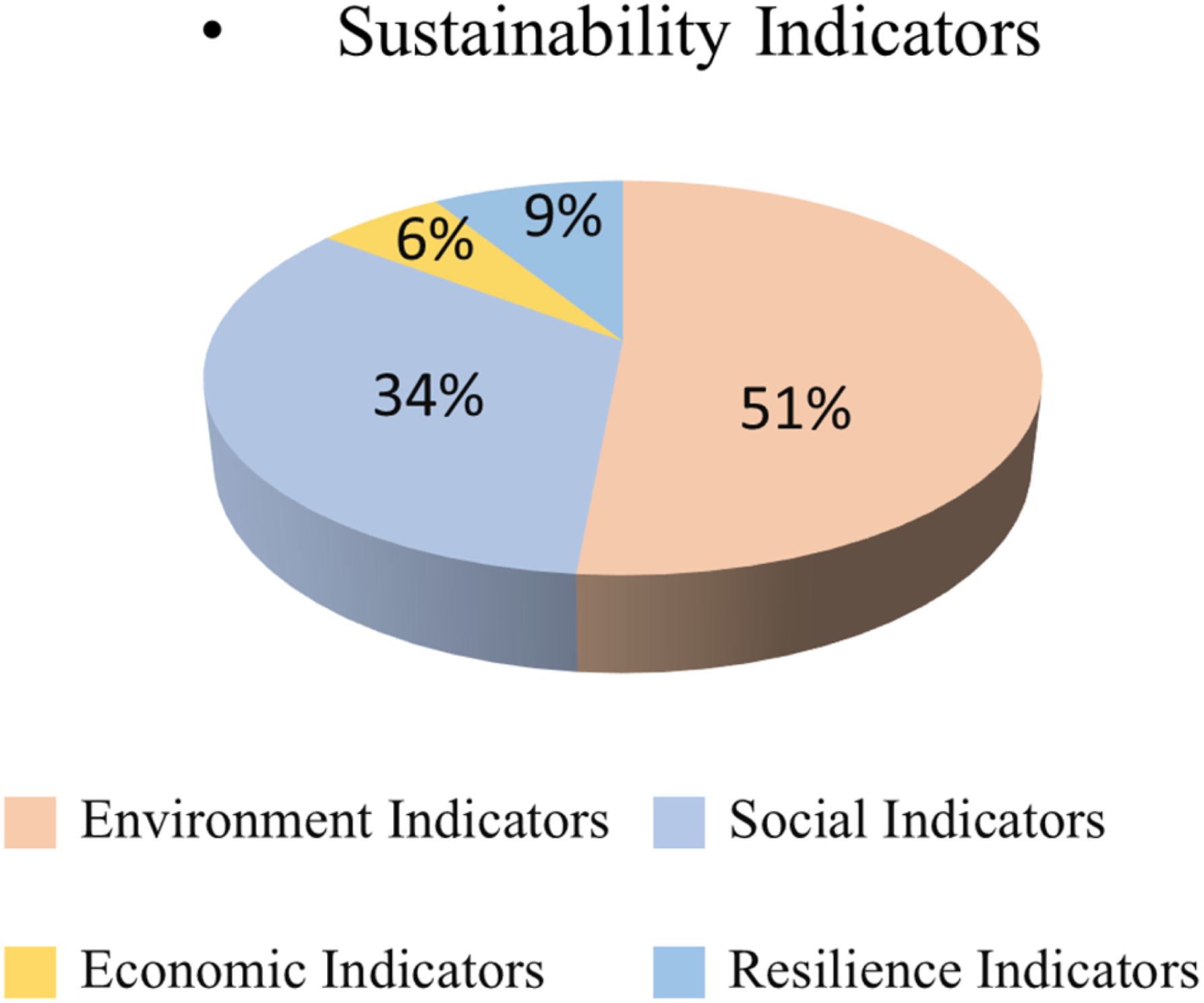
For the indicators, there were four results of four groups of indicators:
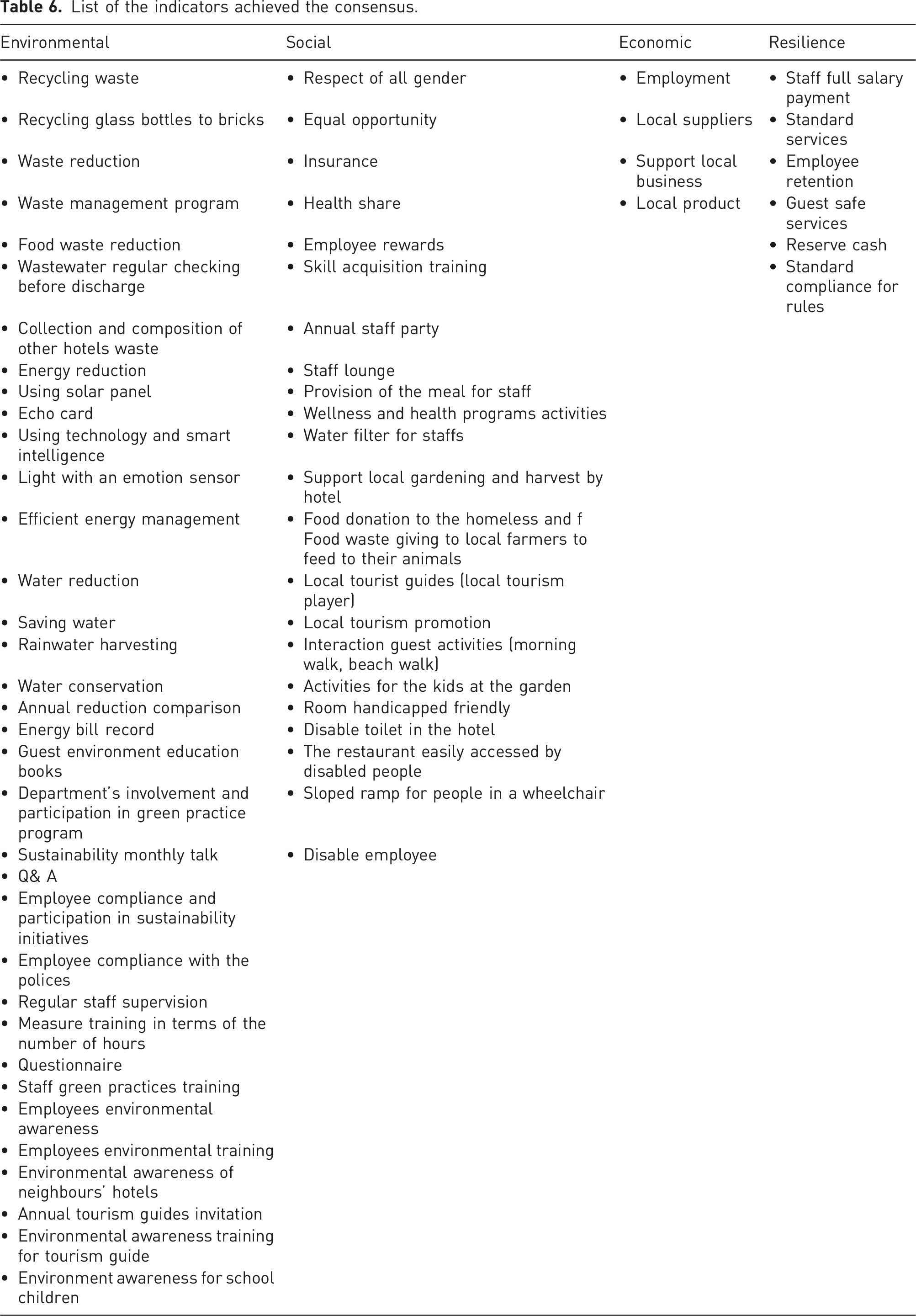
For the environmental indicators, results ranged from the highest rate of 90% (Waste reduction, Food waste reduction) to the lowest rate of 68% (Guest environment education books, Questionnaire, Measure training in terms of the number of hours). Hence all the environmental indicators achieved the requisite consensus. Environmental indicators are shown in Figure 6. Environmental sustainability sub-themes and indicators.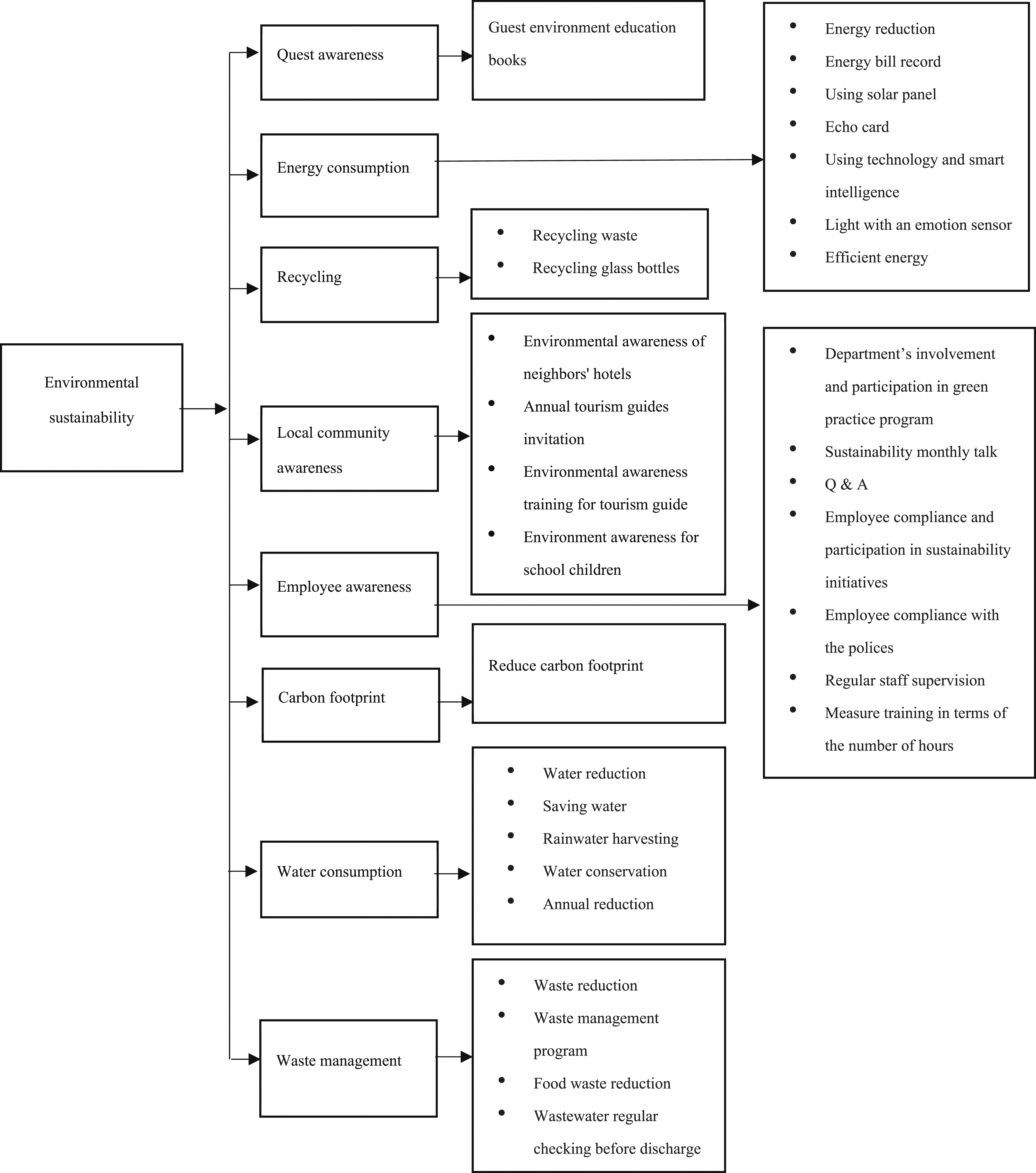
Out of 24 social indicators, 23 achieved the consensus agreement among the experts and the exception is being 54% (Regular Zumba classes). The agreement percentages ranged from the highest rate of 90% (Disabled toilet in the hotel) to the lowest rate of 68% (Annual staff party, support local gardening, and harvest by the hotel), as shown in Figure 7. Social sustainability sub-themes and indicators.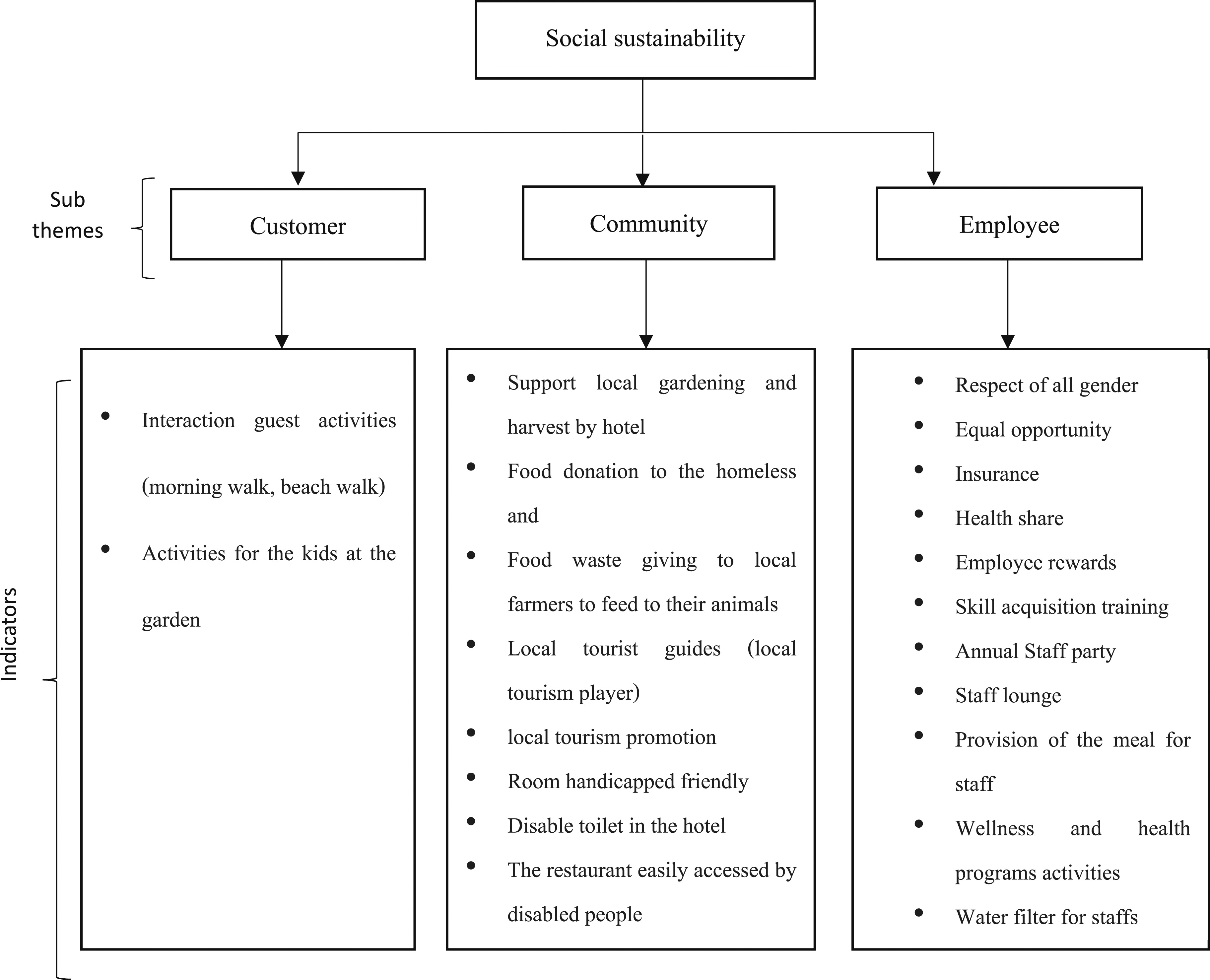
Economic indicators have four indicators; all of them achieved the same agreement relevant percentage of 87% (Employment, Local suppliers, support local business, and Local product) shown in Figure 8. Economic sustainability sub-themes and indicators.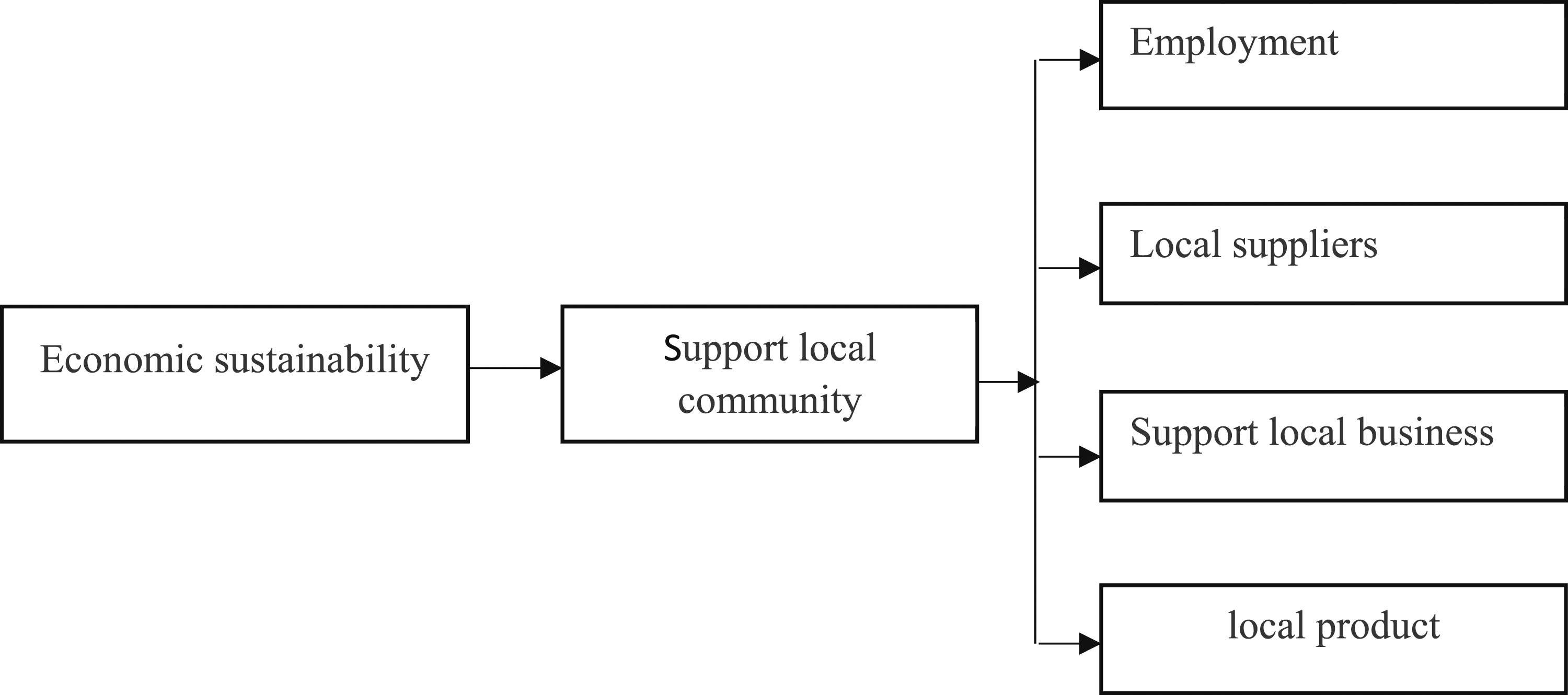
Resilience indicators, six indicators achieved the consensus agreement among the experts. The relevant percentage rated from the highest rate of 94% (Staff full salary payment) to lowest rated 77% (Employee retention) shown in Figure 9. Resilience indicators.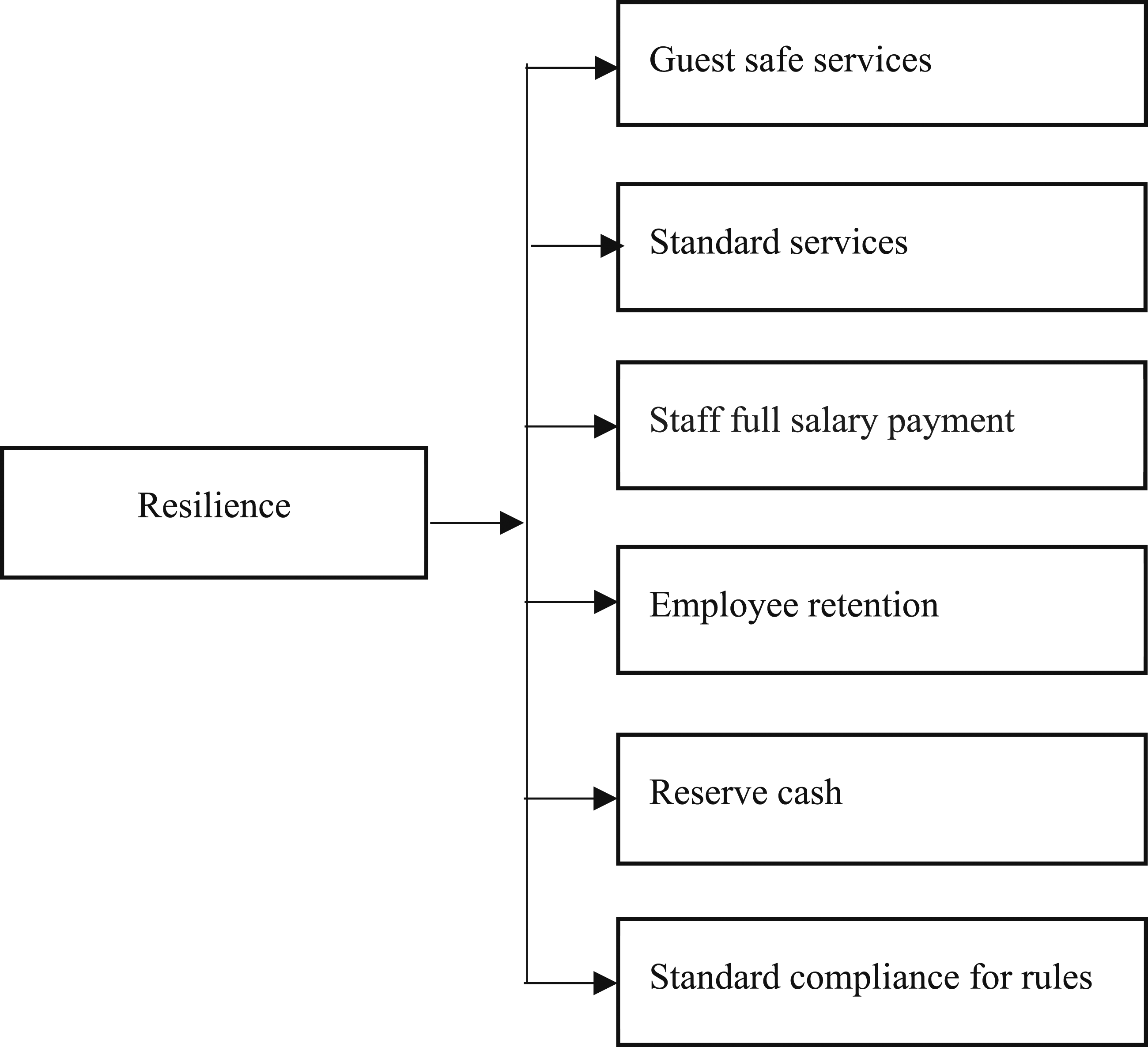
List of the components achieved the consensus.
List of the indicators achieved the consensus.
Discussion
Sustainability measurement plays a vital role in sustainable development (Dizdaroglu et al., 2012). Measuring hotels sustainability is significant for decisionmakers in defining the appropriate actions to create sustainable hotels. Sustainability evaluation is conducted through several sustainability indicators, mostly in different dimensions of sustainability, such as the environmental, economic, and social dimensions (Zhao et al., 2019). Recently, a variety of assessments and frameworks have been developed for measuring and monitoring sustainability in hotels. However, these methods achieved low success in measuring sustainability due to their limitations, such as cost and the unavailability of data. Some of these methods are scientifically relevant however too complex to be operational (Azman et al., 2018; Mayer, 2008; Torres-Delgado and Saarinen, 2014).
This paper presented a region-centric set of indicators designed for the Malaysian hotel industry to more effectively promote sustainability in the sector. These indicators are crucial for adapting sustainability practices to the local context. Although comparable studies have been carried out in other regions, they focus on distinct sustainability aspects according to regional needs. An analysis of environmental variables, including energy efficiency, waste management, water conservation, and community involvement, was conducted to compare growing sustainability trends in tourist facilities across several hotels and resorts in Cyprus (Papallou et al., 2024). An investigation undertaken by Ning et al. (2021) examines the relationship between the implementation of a smart sustainability performance measurement system (SPMS) for waste management and various factors such as customer ratings, customer reviews, operational efficiency scores, and the distinction between franchised and corporate-managed properties.
The author’s findings indicate that hotels implementing SPMS exhibit superior operational efficiency scores and an increased number of customer reviews. Corporate-managed hotels that implemented SPMS exhibit lower ratings compared to franchised hotels; however, they demonstrate higher operational efficiency scores and a greater number of reviews. In contrast, a study by Duric and Potočnik Topler (2021) provides an analysis of performance and indicators related to the environmental sustainability of hotels, drawing from relevant literature. The study highlighted the complexity and significance of these indicators in the hotel industry, while also underscoring the importance of environmental reporting. This paper emphasises the distinct environmental challenges encountered by hotels in Malaysia, including elevated water and energy consumption, as well as waste management issues. The emphasis is influenced by the nation’s tropical climate and expanding tourism sector, which require effective resource management. The study’s findings highlight a comparatively lower emphasis on economic and resilience indicators within the Malaysian context, contrasting with global trends that typically prioritise these dimensions more significantly.
Furthermore, sustainability practices have recently become predominant. This study revealed that the environmental dimension was recognized as the most important dimension in measuring sustainability in Malaysian hotels. Accordingly, 51% of the indicators related to the environmental dimension, followed by 34% for social, and 9% for the economic indicators, whereas resilience indicators, at 6%, were the least important. This result is consistent with previous research conducted by Jones (2014). These findings show a significant difference in the information widely offered by hotel chains on their sustainability commitments. These hotels adopt a wide range of environmental, social, and economic issues. In addition, the results of this study confirmed some existing environmental indicators such as waste reduction, waste management program, food waste reduction (Junaedia, 2020; Pirani and Arafat, 2016), water reduction, saving water, rainwater harvesting, water conservation (Krstinić Nižić, Šverko Grdić and Endres, 2017), waste recycling (Mihalič et al., 2012), employees environmental awareness, employees environmental training (Alipour et al., 2019), reduce carbon footprint (Puig et al., 2017; Alipour et al., 2019), energy reduction, using the solar panel, echo card, using technology and smart intelligence, efficient energy management, and energy practices implementation (Oz et al., 2018).
Notably, the environment dimension receives more intention from hotels due to the high negative impact of hotels on the environment, which in turn motivates society and government to put high pressure on hotel managers to reduce their negative impacts on the environment (Martínez García De Leaniz, Herrero Crespo and Gómez-López, 2019). This finding is consistent with a study conducted by Doane (2001), which contended that economic sustainability has a strong effect on the two other dimensions of sustainability, environmental and social. The positive economic and environmental relationship must appear as advantages because implementing sustainability in hotel operations adds value to the hotel for customers and shareholders. Also of note is the fact that implementing environmental sustainability measures can have a positive effect on reducing costs. Furthermore, we found significant economic impacts on hotels' social community, such as employment, local business support, local suppliers, and local products. Previous studies on hotels proved that the hotel industry significantly contributed to the social community (Brazyte et al., 2017). Several practices of social sustainability were applied in the hotels industry. This study also established the importance of similar indicators, such as respect for all genders, equal opportunity, insurance, health share, and disabled employees (Brazyte et al., 2017; Alipour et al., 2019). This study also found new social sustainability indicators, such as annual staff party, provision of meals for staff, skills training acquisition, wellness and health programs, activities, employee rewards, staff lounge, water filter for staff, regular staff supervision, measure training in terms of the number of hours, handicapped friendly room, disabled toilet in the hotel, restaurant easily accessed by disabled people, sloped ramp for people in a wheelchairs, food donation to the homeless, food waste to local farmers to feed it to their animals, local tourist guides (local tourism player), local tourism promotion, interaction guest activities (morning walk, beach walk), and activities for kids at the garden.
The global COVID-19 pandemic has impacted all industries across the world. Hospitality industry has been hit hard with a significant economic impact (Baum and Hai, 2020). This has been evidenced by reduced tourism and travel, which caused a decline in hotels occupancy rates (Melián-Alzola et al., 2020). The COVID-19 crisis is causing unprecedented impact on hotels worldwide, and researchers should analyze how hotels can be more resilient. Hotel resilience evaluate the level of operational and strategic organizational adaptation to new environmental situations to accomplish a new equilibrium point at which organizations emerge strengthened (Melián-Alzola et al., 2020). The measurement of organizational resilience has also been inadequately addressed in the tourism industry. Moreover, organizational resilience has been scarcely analyzed in the hotels sector (Brown et al., 2019; Orchiston et al., 2016). Our study demonstrated the resilience’s practices indicators in Malaysian hotels during The COVID-19 and found that hotel’s managers rapidly respond effectively to changes during the pandemic. They do this by implementing strategies such as saving money for operational costs, suspension of work with outsourcing companies, reduce demand for part-time work, no parttime labor in the hotel, and salary reductions. Also, this study proposed new indicators for hotels resilience such as reserve cash, employee retention services, standard compliance for rules and guest safe services, and staff full salary payment. These results agree with a study conducted by Melián (2020), which posited a model for measuring hotels’ resilience and focused on the analysis of resilience from hotel managers’ perspectives. That model combines several conceptualization approaches and measurements of hotels resilience, such as predictors of resilience (change and strategy), and evaluates their impacts on hotel resilience and performance.
Conclusion
This paper attempted to develop a method for sustainability assessment in the hotels industry in Malaysia. The proposed set of indicators included environmental, social, and economic sustainability. Though many measurements and approaches have been proposed to measure sustainability but they have some limitations. The developed method was proposed through the Delphi method. The thematic and descriptive analyses were performed on the collected data and provided the results. This study generated four key themes consisting of 12 components and 69 indicators to measure sustainability levels in the Malaysian hotels. The generation of these indicators has met the objectives of developing a set of indicators for measuring sustainability in the Malaysia’s hotel industry and evaluating the proposed indicators. This study revealed that the environmental indicators are the most significant in measuring sustainability in Malaysian hotels, followed by social, economic, and resilience indicators.
Theoretical implications
Theoretically, this article expands the scope of research on hotels sustainability by confirms existing themes and indicators, adds sub-themes and indicators, and adds new indicators under existing themes and dimensions for measuring and monitoring sustainability in the Malaysian hotels industry. These indicators covered four hotel sustainability domains: environmental, social, economic, and resilience. Given the verified indicators, hotel managements should prioritise the reduction of water and energy usage by allocating resources towards energy-efficient appliances and water-saving solutions. Systematic audits and comprehensive staff training on sustainable practices can guarantee the successful implementation of these initiatives. Enhanced social sustainability can be achieved by managers through increased involvement with local communities and the implementation of equitable labour practices. These efforts may include activities like as procuring products from local sources, sponsoring community events, or providing training programs for staff to enhance their skills.
Furthermore, this paper presents an elaborate case study on sustainability within the hotel industry of a developing country. Moreover, it emphasises the significance of regional research in enhancing global sustainability theories by providing valuable insights that can be juxtaposed with results from other locations. This facilitates the development of a more sophisticated comprehension of how sustainability practices are shaped by local economic, social, and environmental dynamics. The study underscores the efficacy of the Delphi approach in the development and validation of sustainability indicators. The research contributes to the theoretical knowledge of how this approach might be utilised in the discipline of sustainability studies by employing expert consensus to improve the indicators.
Practical implications
This study offers many important implications for hotels managers, sustainable practitioners, and policymakers in developing hotels, focused sustainability measure enhancement strategies. From the hotels managers perspective, this study proposes a set of indicators that improve hotels sustainability as it shows different types of sustainability practices that can be implement by hotels to reduce energy and water consumption so as to reduce cost which can positively impact environment and economic dimensions. These indicators function as a tool to systematically evaluate and direct decision-making, enabling hotels to give priority and enhance their environmental, social, and economic practices. In order to enhance the implementation of sustainability policies that are in line with regional challenges and possibilities, hotels should prioritise metrics that are most pertinent to the local context.
The outcomes provide guidance for evaluating the practices and determining the sustainability and efficiency of the hotel industry’s developments. Furthermore, the results facilitate sustainability comparisons over time concerning the indicators for monitoring changes in the level of sustainability and assessing whether or not it improves. Hence, the findings derived from this research are anticipated to provide significant perspectives for policymakers tasked with formulating and implementing sustainable criteria in the hotel industry. The indicators revealed can provide valuable insights for the formulation of rules and guidelines aimed at promoting the adoption of more sustainable practices by hotels. It is recommended that policymakers use this research to guarantee that sustainability guidelines are thorough and customised to meet the particular requirements of the Malaysian hotel industry. Furthermore, this study establishes a foundation for comparing and evaluating the sustainable performance of the hotel business in Malaysia. Hotels can utilise the metrics to assess their performance in relation to their peers, pinpoint areas that need enhancement, and develop optimal strategies. This has the potential to result in a more widespread implementation of sustainable practices throughout the business, therefore enhancing the overall sustainability of the tourism sector.
Limitations and future research
Despite the important implications reviewed above, some limitations are identified. These limitations should be acknowledged as indicating avenues for future research. First, the research was conducted during the global Coronavirus pandemic, which led to a global emergency with serious effects on hospitality sectors that had never experienced before. Therefore, it was a big challenge to get respondents, participating in the interviews and the survey; only a small hotels samples participated in this research. Many hotels refused to participate due to the frustration, panic, and confusion about the current situation. Hence, we could not get more participants. We also could not conduct the Delphi survey for more than two rounds and could not collect quantitative data. The second limitation is that the interviewees for the first round of the Delphi method were general hotel managers and environmental managers. Therefore, further research is necessary to include more participants from management positions, such as marketing managers, accounting managers, human resources managers, and housekeeping managers in the survey. This is in to increase robustness of the collated data. Third, the sample for research was limited to a particular region, Malaysia. Hence, future research is essential to assess the results’ generalizability and to confirm the reliability in other regions with similar economic context and environmental challenges. By adopting and customizing the indicators to suit their unique context, these regions will be able to enhance sustainability practices within their own hotel sectors. These indicators can also be used for other hotel categories, such as boutique hotels, resorts, and urban hotels, in addition to the hotels examined in Malaysia. The indicators can be tailored to each type of hotel according to how they operate and how they affect the environment. One or two indicators were recommended by a few participants but were excluded because they did not reach saturation. Further study should investigate the potential adaptation of these indicators to various geographical regions, especially in areas characterised by unique environmental or socio-economic factors. This may include doing case studies in various nations or locations to establish the validity and enhance the precision of the indicators.
Footnotes
Acknowledgement
The authors would like to extend their appreciation to the Ministry of Higher Education, Malaysia for funding this research paper under the Fundamental Research Grant Scheme (FRGS), 2021 (Grant no. FRGS/1/2021/SS02/TAYLOR/02/1).
Declaration of conflicting interests
The author(s) declared no potential conflicts of interest with respect to the research, authorship, and/or publication of this article.
Funding
The author(s) disclosed receipt of the following financial support for the research, authorship, and/or publication of this article: This work was supported by the Ministry of Higher Education, Malaysia; Fundamental Research Grant Scheme (FRGS), 2021 (Grant no. FRGS/1/2021/SS02/TAYLOR/02/1).
